As filed with the Securities and Exchange Commission on
No. 333-146827
No. 811-22135
UNITED STATES
SECURITIES AND EXCHANGE COMMISSION
WASHINGTON, D.C. 20549
__________________________________________
FORM
__________________________________________
| REGISTRATION STATEMENT UNDER THE SECURITIES ACT OF 1933 | ☐ | |
| Pre-Effective Amendment No. | ☐ | |
| Post-Effective Amendment No. 1119 | ☒ | |
| and/or | ||
| REGISTRATION STATEMENT UNDER THE INVESTMENT COMPANY ACT OF 1940 | ☐ | |
| Amendment No. 1120 | ☒ |
__________________________________________
(Exact Name of Registrant as Specified in Charter)
__________________________________________
109 North Hale Street
Wheaton, Illinois 60187
(Address of Principal Executive Office)
Registrant’s Telephone Number, including Area Code: (800) 208-5212
Corporation Service Company
2711 Centerville Road, Suite 400
Wilmington, New Castle County, Delaware 19808
(Name and Address of Agent for Service)
__________________________________________
| Copy to: |
| Morrison C. Warren, Esq. |
| Chapman and Cutler LLP |
| 320 South Canal Street |
| Chicago, Illinois 60606 |
_________________________________________
It is proposed that this filing will become effective (check appropriate box):
| ☒ | Immediately upon filing pursuant to paragraph (b) of Rule 485. | |
| ☐ | On (date) pursuant to paragraph (b) of Rule 485. | |
| ☐ | 60 days after filing pursuant to paragraph (a)(1) of Rule 485. | |
| ☐ | On (date) pursuant to paragraph (a) of Rule 485. | |
| ☐ | 75 days after filing pursuant to paragraph (a)(2) of Rule 485. | |
| ☐ | On (date) pursuant to paragraph (a) of Rule 485. |
If appropriate, check the following box:
| ☐ | This post-effective amendment designates a new effective date for a previously filed post-effective amendment. |
Contents of Post-Effective Amendment No. 1119
This Registration Statement comprises the following papers and contents:
The Facing Sheet
Part A – Prospectuses for Innovator 20+ Year Treasury Bond 9 Buffer ETF – July; Innovator 20+ Year Treasury Bond 5 Floor ETF – Quarterly; Innovator Defined Wealth Shield ETF; Innovator Buffer Step-Up Strategy ETF; Innovator Power Buffer Step-Up Strategy ETF; Innovator Hedged TSLA Strategy ETF; Innovator Equity Managed Floor ETF; Innovator Equity Defined Protection ETF – 2 Yr to July 2025; Innovator U.S. Equity 5 to 15 Buffer ETF – Quarterly; and Innovator U.S. Equity 10 Buffer ETF – Quarterly
Part B – Statement of Additional Information for Innovator 20+ Year Treasury Bond 9 Buffer ETF – July, Innovator 20+ Year Treasury Bond 5 Floor ETF – Quarterly, Innovator Defined Wealth Shield ETF, Innovator Buffer Step-Up Strategy ETF, Innovator Power Buffer Step-Up Strategy ETF, Innovator Hedged TSLA Strategy ETF, Innovator Equity Managed Floor ETF, Innovator Equity Defined Protection ETF – 2 Yr to July 2025, Innovator U.S. Equity 5 to 15 Buffer ETF – Quarterly and Innovator U.S. Equity 10 Buffer ETF – Quarterly
Part C – Other Information
Signatures
Prospectus
Innovator 20+ Year Treasury Bond 9 Buffer ETF™ — July
(Cboe BZX —

Innovator 20+ Year Treasury Bond 9 Buffer ETF™ — July (the “Fund”) is a series of
Innovator ETFs Trust (the “Trust”) and is an actively managed ETF.
• The Fund will invest substantially all of its assets in FLexible EXchange® Options (“FLEX Options”) on the iShares 20+ Year Treasury Bond ETF (the “Underlying ETF”). FLEX Options are customizable exchange-traded option contracts guaranteed for settlement by the Options Clearing Corporation. The Fund uses FLEX Options to employ a “defined outcome strategy.” Defined outcome strategies seek to produce pre-determined investment outcomes based upon the performance of an underlying security or index. The pre-determined outcomes sought by the Fund, which include the buffer and cap discussed below (“Outcomes”), are based upon the performance of the Underlying ETF’s share price over an approximately one-year period from July 1 through June 30 of the following year (the “Outcome Period”). The current Outcome Period is from July 1, 2023 through June 30, 2024. The Fund will not terminate after the conclusion of the Outcome Period. After the conclusion of the Outcome Period, another will begin. There is no guarantee that the Outcomes for an Outcome Period will be realized.
• The Fund’s strategy has been specifically designed to produce the Outcomes based upon the performance of the Underlying ETF’s share price (or its “price return”) over the duration of the Outcome Period. The Fund will not receive or benefit from any dividend payments made by the Underlying ETF. The Outcomes may only be realized by investors who hold shares of the Fund (“Shares”) at the outset of the Outcome Period and continue to hold them until the conclusion of the Outcome Period. Investors that purchase Fund Shares after the Outcome Period has begun or sell Fund Shares prior to the Outcome Period’s conclusion may experience investment returns that are very different from those that the Fund seeks to provide. The Fund will not receive or benefit from any dividend payments made by the Underlying ETF.
• Fund shareholders are subject to an upside return cap (the “Cap”) that represents the maximum percentage return an investor can achieve from an investment in Fund Shares over the duration of the Outcome Period. The Cap is set on the first day of the Outcome Period and is 17.09% prior to taking into account annual Fund management fees, shareholder transaction fees and any extraordinary expenses. When the Fund’s annual management fee of 0.79% of the Fund’s average daily net assets is taken into account for the Outcome Period, the Cap is 16.30%. The Cap will be further reduced by any shareholder transaction fees and any extraordinary expenses incurred by the Fund. The Cap is likely to rise or fall from one Outcome Period to the next. Please note, if the
Outcome Period has begun and the Fund has increased in value to a level near the Cap, an investor purchasing Fund Shares at that price has little or no ability to achieve gains but remains vulnerable to downside risks.
• The Fund seeks to provide shareholders that hold Fund Shares for the entire Outcome Period with a buffer (the “Buffer”) against the first 9% of Underlying ETF losses during the Outcome Period. The Fund’s shareholders will bear all Underlying ETF losses exceeding 9% on a one-to-one basis. The Buffer is provided prior to taking into account annual Fund management fees, shareholder transaction fees and any extraordinary expenses incurred by the Fund. These fees and any expenses will have the effect of reducing the Buffer amount for Fund shareholders for an Outcome Period. When the Fund’s annual management fee equal to 0.79% of the Fund’s daily net assets is taken into account for the Outcome Period, the net Buffer for an Outcome Period is 8.21%. The Buffer will be further reduced by any shareholder transaction fees and any extraordinary expenses incurred by the Fund. If the Outcome Period has begun and the Fund has decreased in value beyond the pre-determined 9%Buffer, an investor purchasing Fund Shares at that price may not benefit from the Buffer. Similarly, if the Outcome Period has begun and the Fund has increased in value, an investor purchasing Fund Shares at that price may not benefit from the Buffer until the Fund’s value has decreased to its value at the commencement of the Outcome Period. An investment in Fund Shares is only appropriate for shareholders willing to bear those losses.
• The Fund’s website, www.innovatoretfs.com/tbjl, provides important Fund information (including, among other items, Outcome Period start and end dates and information relating to the Cap and Buffer), as well information relating to the potential outcomes of an investment in the Fund on a daily basis. If you are contemplating purchasing Shares, please visit the Fund’s website. The Fund’s strategy is designed to produce the Outcomes upon the expiration of its FLEX Options investments on the last day of the Outcome Period. It should not be expected that the Outcomes, including the net effect of the Fund’s annual management fee on the Cap and Buffer, will be provided at any point prior to the last day of the Outcome Period. Investors considering purchasing Fund Shares after the Outcome Period has begun or selling Fund Shares prior to the end of the Outcome Period should visit the website to fully understand potential investment outcomes.
Although the Fund seeks to achieve its investment objective, there is no guarantee that it will do so. The returns that the Fund seeks to provide do not include the costs associated with purchasing Fund Shares and certain expenses incurred by the Fund. The Fund has characteristics unlike many other traditional investment products and may not be suitable for all investors.
The Fund lists and principally trades its Shares on the Cboe BZX Exchange, Inc. Market prices may differ to some degree from the net asset value of Shares. Unlike mutual funds, the Fund issues and redeems Shares at net asset value only in large blocks of Shares called “Creation Units.” The Fund is a series of the Trust and is an actively managed exchange-traded fund organized as a separate series of a registered management investment company.
The U.S. Securities and Exchange Commission (“SEC”) has not approved or disapproved these securities or passed upon the accuracy or adequacy of this prospectus. Any representation to the contrary is a criminal offense.
| Table of Contents |
| 1 | ||
| Additional Information About the Fund’s Principal Investment Strategies | 21 | |
| 23 | ||
| 24 | ||
| 33 | ||
| 35 | ||
| 36 | ||
| 40 | ||
| 41 | ||
| 43 | ||
| 43 | ||
| 43 | ||
| 44 |
| |
The Fund seeks to provide investors with returns that match the price return of the iShares 20+ Year Treasury Bond ETF, up to the upside cap of 17.09% (prior to taking into account management fees and other fees) while providing a buffer against the first 9% (prior to taking into account management fees and other fees) of iShares 20+ Year Treasury Bond ETF losses, over the period from July 1, 2023 to June 30, 2024.
This table describes the fees and expenses that you may pay if you buy, hold, and sell shares of the Fund (“Shares”). You may pay other fees, such as brokerage commissions and other fees to financial intermediaries, which are not reflected in the table and example below.
|
Management Fees |
|
|
Distribution and Service (12b-1) Fees |
|
|
Other Expenses |
|
|
Total Annual Fund Operating Expenses |
|
This example is intended to help you compare the cost of investing in the Fund with the cost of investing in other funds.
This example assumes that you invest $10,000 in the Fund for the time periods indicated and then sell all of your Shares at the end of those periods. The example also assumes that your investment has a 5% return each year and that the Fund’s operating expenses remain at current levels. This example does not include the brokerage commissions that investors may pay to buy and sell Shares.
|
1 Year |
3 Years |
5 Years |
10 Years |
|||||
|
Although your actual costs may be higher or lower, your costs, based on these assumptions, would be: |
$ |
$ |
$ |
$ |
The Fund pays transaction costs, such as commissions, when it purchases and sells securities (or “turns over” its portfolio). A higher portfolio turnover will cause the Fund to incur additional transaction costs and may result in higher taxes when Shares are held in a taxable account. These costs, which are not reflected in Total Annual Fund Operating Expenses or in the example, may affect the Fund’s performance. During the fiscal year ended October 31, 2023, the Fund’s portfolio turnover rate was
1
General Strategy Description.
In general, an option contract is an agreement between a buyer and seller that gives the purchaser of the option the right to buy or sell a particular asset at a specified future date at an agreed upon price. The reference asset for all of the Fund’s FLEX Options is the Underlying ETF, an exchange-traded fund that seeks to track the investment results of an index composed of U.S. Treasury bonds with remaining maturities greater than 20 years. For more information on the Underlying ETF, please see the section of the prospectus entitled “Additional Information About the Fund’s Principal Investment Strategies.”
The pre-determined outcomes sought by the Fund, which include the buffer and cap discussed below (the “Outcomes”), are based upon the performance of the Underlying ETF’s share price over an approximately one-year period from July 1 through June 30 of the following year (the “Outcome Period”). The current Outcome Period is from July 1, 2023 through June 30, 2024. Upon conclusion of the Outcome Period, the Fund will receive the cash value of all the FLEX Options it held for the prior Outcome Period. It will then invest in a new series of FLEX Options with an expiration date in approximately one year, and a new Outcome Period will begin. The Outcomes may only be realized by investors who continuously hold Shares from the commencement of the Outcome Period until its conclusion. Investors who purchase Shares after the Outcome Period has begun or sell Shares prior to the Outcome Period’s conclusion may experience investment returns very different from those that the Fund seeks to provide.
The Fund’s strategy has been specifically designed to produce the Outcomes based upon the performance of the Underlying ETF’s share price (or its “price return”) over the duration of the Outcome Period. The Fund will not receive or benefit from any dividend payments made by the Underlying ETF. The Fund is not an appropriate investment for income-seeking investors. If the Underlying ETF’s share price increases over the duration of the Outcome Period, the Fund seeks to provide investors that hold Fund Shares for the entire Outcome Period with an increase
2
in value that approximately matches the percentage increase experienced by the Underlying ETF’s share price over the duration of the Outcome Period, up to an upside return cap (the “Cap”) that represents the maximum percentage return an investor can achieve from an investment in Fund Shares for the Outcome Period. Therefore, even though the Fund’s returns are based upon the performance of the Underlying ETF’s share price, if the Underlying ETF’s share price experiences returns for the Outcome Period in excess of the Cap, Fund shareholders will not participate in the excess returns.
The Cap is based upon prevailing market conditions at the time the Fund enters into the FLEX Options on the first day of the Outcome Period and will be further reduced by any shareholder transaction fees and any extraordinary expenses incurred by the Fund. For the current Outcome Period, the Cap is 17.09% prior to taking into account any fees or expenses charged to shareholders. When the Fund’s annual Fund management fee of 0.79% of the Fund’s average daily net assets is taken into account for the Outcome Period, the Cap is 16.30%. The Cap will be further reduced by any shareholder transaction fees and any extraordinary expenses incurred by the Fund. Since the Cap is based upon prevailing market conditions at the beginning of an Outcome Period, the Cap will therefore rise or fall from one Outcome Period to the next.
As is discussed in further detail below, it is anticipated that during the Outcome Period the Fund’s NAV will not increase or decrease at the same rate as the Underlying ETF’s share price. The Fund’s NAV is based upon the value of its portfolio, which is primarily composed of FLEX Options. Although the value of the Underlying ETF’s share price is a significant component of the value of the Fund’s FLEX Options, the time remaining until those FLEX Options expire also affects their value. The Fund’s investment sub-adviser, Milliman Financial Risk Management LLC (“Milliman” or the “Sub-Adviser”), generally anticipates that the Fund’s NAV will increase on days when the Underlying ETF’s share price increases and will decrease on days when the Underlying ETF’s share price decreases, but that the rate of such increase or decrease will be less than that experienced by the Underlying ETF.
The Fund seeks to generate returns that match the Underlying ETF, up to the Cap (discussed in detail below), while limiting downside losses. The two hypothetical graphical illustrations provided below are designed to illustrate the Outcomes that the Fund seeks to provide for investors who hold Fund Shares for the entirety of the Outcome Period. There is no guarantee that the
3
Fund will be successful in its attempt to provide the Outcomes for an Outcome Period. The returns that the Fund seeks to provide do not include the costs associated with purchasing Fund Shares and certain expenses incurred by the Fund.
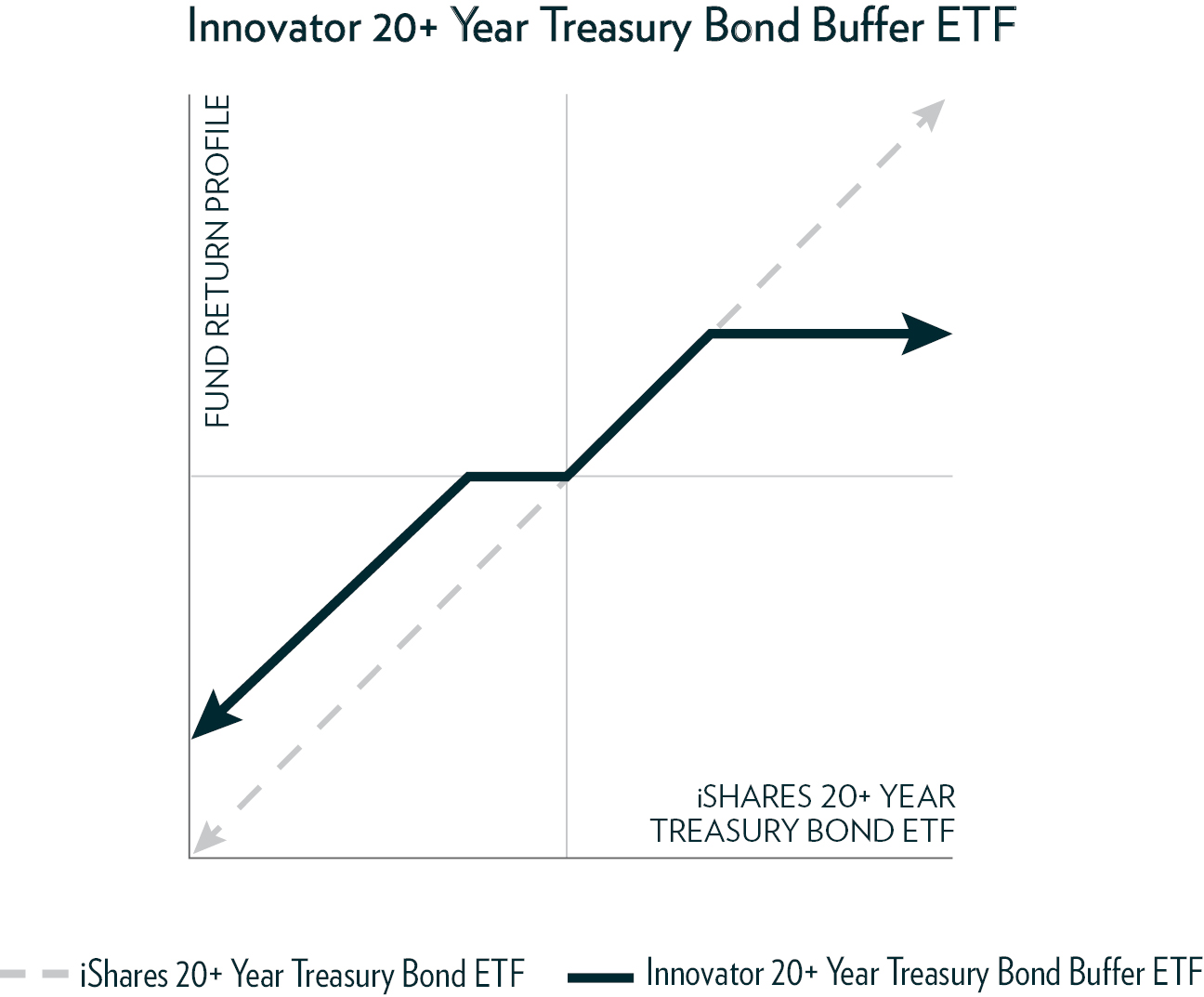
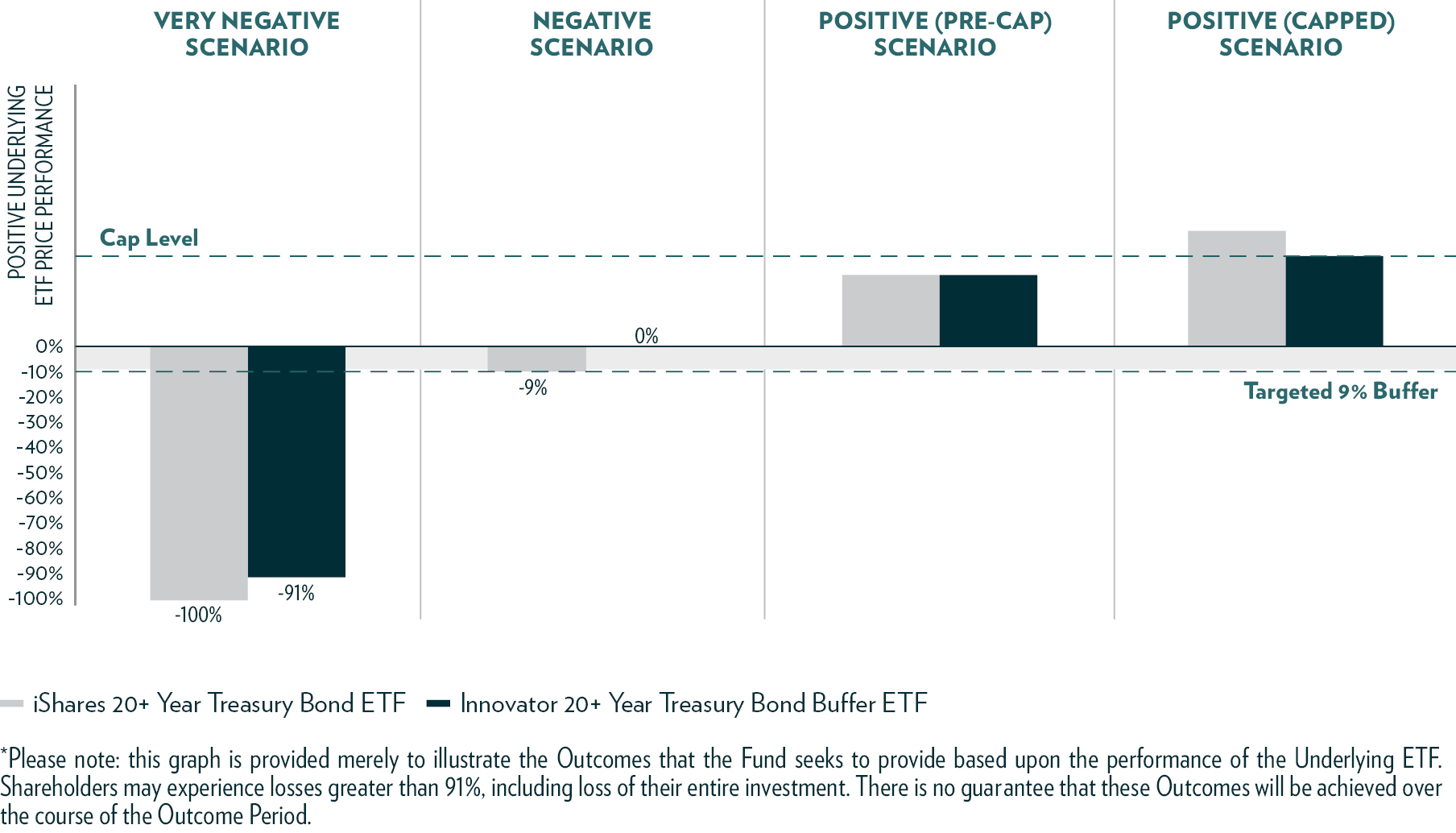
The following table contains hypothetical examples designed to illustrate the Outcomes the Fund seeks to provide over an Outcome Period, based upon the performance of the Underlying ETF from -100% to 100%. The table is provided for illustrative purposes and does not provide every possible performance scenario for Shares over the course of an Outcome Period. There
4
is no guarantee that the Fund will be successful in its attempt to provide the Outcomes for an Outcome Period. The table is not intended to predict or project the performance of the FLEX Options or the Fund. Fund shareholders should not take this information as an assurance of the expected performance of the Underlying ETF or return on Shares. The actual overall performance of the Fund will vary with fluctuations in the value of the FLEX Options during the Outcome Period, among other factors. Please refer to the Fund’s website, www.innovatoretfs.com/tbjl, which provides updated information relating to this table on a daily basis throughout the Outcome Period.
|
Underlying |
(100)% |
(50)% |
(20)% |
(10)% |
(5)% |
0% |
5% |
10% |
15% |
20% |
50% |
100% |
||||||||||||
|
Fund |
(91)% |
(41)% |
(11)% |
(1)% |
0% |
0% |
5% |
10% |
15% |
17.09%* |
17.09%* |
17.09%* |
* The Cap is set on the first day of the Outcome Period and is 17.09% prior to taking into account any fees or expenses charged to shareholders. When the Fund’s annual Fund management fee of 0.79% of the Fund’s average daily net assets is taken into account, the Cap is 16.30%. The Fund’s annual management fee of 0.79% of the Fund’s average daily net assets, any shareholder transaction fees and any extraordinary expenses incurred by the Fund will have the effect of reducing the Cap and Buffer amounts for Fund shareholders.
Use of FLEX Options. The Outcomes may be achieved by purchasing and selling call and put FLEX Options to create layers within the Fund’s portfolio. The Sub-Adviser has constructed a portfolio principally composed of FLEX Options that reference the Underlying ETF that are each set to expire on the last day of the Outcome Period. The customizable nature of FLEX Options allows the Sub-Adviser to select the share price at which the Underlying ETF will be exercised at the expiration of each FLEX Option. This is commonly known as the “strike price.” At the commencement of the Outcome Period, the Sub-Adviser specifically selects the strike price for each FLEX Option such that when the FLEX Options are exercised on the final day of the Outcome Period, the Outcomes may be obtained, depending on the performance of the Underlying ETF’s share price over the duration of the Outcome Period.
To achieve these returns, the Fund may purchase a combination of call options (giving the Fund the right to receive the cash value of the Underlying ETF’s share price) and put options (giving the Fund the right to deliver the cash value of the Underlying ETF’s share price), while simultaneously selling call options (giving the Fund the obligation to deliver the cash value of the Underlying ETF’s share price) and put options (giving the Fund the obligation to receive the cash value of the Underlying ETF’s share price). Each of these FLEX Options has a specifically selected strike price. The effect created by a first layer of FLEX Options positions is that if the Underlying ETF’s share price has increased in value over the course of the Outcome Period, when the amount of cash the Fund receives and delivers pursuant to the terms of its positions is netted out, the Fund seeks to provide a gain that matches the gain experienced by the Underlying ETF. This gain is subject to the Cap, a maximum investment return level, which is discussed below.
A separate layer is designed to produce the Fund’s objective to provide returns that are buffered by up to 9% if the Underlying ETF’s share price experiences a loss during the course of the Outcome Period. There is no guarantee that the Fund will be successful in its attempt to provide buffered returns. The Buffer that the Fund seeks to provide is only operative against the first 9% of Underlying ETF losses for the Outcome Period. After the Underlying ETF’s share price has decreased in value by more than 9%, the Fund will experience all subsequent losses on a one-to-one
5
basis. In seeking to achieve the Buffer, the Fund enters into FLEX Options positions that have a specifically selected strike price. The effect created by these positions is that if the Underlying ETF’s share price has decreased in value over the course of the Outcome Period, when the amount of cash the Fund receives and delivers pursuant to the terms of its positions is netted out, the Fund seeks to be returned the amount of its principal investment (if the Underlying ETF’s share price decreased in value by 9% or less) or experience a loss that is 9% less than the loss experienced by the Underlying ETF (if the Underlying ETF’s share price decreased in value by more than 9%).
Each of the FLEX Options purchased and sold throughout the Outcome Period are expected to have the same or similar terms (i.e., strike price and expiration) as the corresponding FLEX Options purchased and sold on the first day of the Outcome Period. A detailed explanation regarding the terms of the FLEX Options and the mechanics of the Fund’s strategy can be found in “Additional Information Regarding the Fund’s Principal Investment Strategies.”
The Outcome Period. The Outcomes sought by the Fund are based upon the Fund’s NAV at the outset of the Outcome Period. The Outcome Period begins on the day the FLEX Options are entered into and ends on the day they expire. Each FLEX Option’s value is ultimately derived from the performance of the Underlying ETF’s share price during that time. Because the terms of the FLEX Options don’t change, the Cap and Buffer both relate to the Fund’s NAV on the first day of the Outcome Period. A shareholder that purchases Shares after the commencement of the Outcome Period will likely have purchased Shares at a different NAV than the NAV on the first day of the Outcome Period (the NAV upon which the Outcomes are based) and may experience investment outcomes very different from those sought by the Fund. A shareholder that sells Shares prior to the end of the Outcome Period may also experience investment outcomes very different from those sought by the Fund. To achieve the Outcomes sought by the Fund for the Outcome Period, an investor must be holding Shares at the time that the Fund enters into the FLEX Options and on the day those FLEX Options expire. There is no guarantee that the Fund will be successful in its attempt to provide the Outcomes.
The Fund’s assets will be principally composed of FLEX Options, the value of which is derived from the performance of the underlying reference asset, the Underlying ETF’s share price. However, because a component of an option’s value is the number of days remaining until its expiration, during the Outcome Period, the Fund’s NAV will not directly correlate on a day-to-day basis with the returns experienced by the Underlying ETF. The Sub-Adviser generally anticipates that the Fund’s NAV will increase on days when the Underlying ETF’s share price increases and will decrease on days when the Underlying ETF’s share price decreases, but that the rate of such increase or decrease will be less than that experienced by the Underlying ETF. Similarly, the amount of time remaining until the end of the Outcome Period also affects the impact of the Buffer on the Fund’s NAV, which may not be in full effect prior to the end of the Outcome Period. The Fund’s strategy is designed to produce the Outcomes upon the expiration of the FLEX Options on the last day of the Outcome Period and it should not be expected that the Outcomes will be provided at any point prior to that time. Taken together, this means that at the midpoint of the Outcome Period, if the Underlying ETF’s share price has decreased by 9%, the Fund’s NAV can be expected to have decreased in value (because the Buffer is not yet in full effect), but by less than 9% (because the Fund’s NAV will not correlate one-to-one with the Underlying ETF and the Fund’s NAV tends not to participate fully in either Underlying ETF gains or losses).
6
Cap on Potential Upside Returns. Unlike other investment products, the potential upside return an investor can receive from an investment in Fund Shares over the Outcome Period is subject to the Cap. The Cap represents the maximum percentage return an investor can achieve from an investment in Fund Shares over the duration of the Outcome Period. Therefore, even though the Fund’s returns are based upon the performance of the Underlying ETF’s share price, if the Underlying ETF’s share price experiences returns for the Outcome Period in excess of the Cap, the Fund will not participate in excess returns. The Cap is determined on the first day of the Outcome Period and is 17.09% prior to taking into account any fees or expenses charged to shareholders. When the Fund’s annual Fund management fee of 0.79% of the Fund’s average daily net assets is taken into account for the Outcome Period, the Cap is 16.30%. The Cap will be further reduced by any shareholder transaction fees and any extraordinary expenses incurred by the Fund. For the purpose of this prospectus, “extraordinary expenses” are non-recurring expenses that may incurred by the Fund outside of the ordinary course of its business, including, without limitation, costs incurred in connection with any claim, litigation, arbitration, mediation, government investigation or similar proceedings, indemnification expenses and expenses in connection with holding and/or soliciting proxies for a meeting of Fund shareholders. The Cap is also set forth on the Fund’s website at www.innovatoretfs.com/tbjl.
The Cap will change for each Outcome Period based upon prevailing market conditions at the beginning of the Outcome Period. The Cap, and the Fund’s position relative to it, should be considered before investing in the Fund. If an investor is considering purchasing Shares during the Outcome Period, and the Fund has already increased in value to a level near to the Cap, an investor purchasing Shares at that price has limited to no gains available for the remainder of the Outcome Period but remains vulnerable to significant downside risks. There is no guarantee that the Fund will successfully achieve its investment objective.
The Cap is a result of the design of the Fund’s principal investment strategy. In order to provide the Buffer, the Fund enters into a series of FLEX Option contracts. As the purchaser of certain of these FLEX Options, the Fund is obligated to pay a premium to the seller of those FLEX Options. However, the strategy is designed so that any premiums that the Fund is obligated to pay are offset by premiums it receives in connection with the selling of FLEX Options. On the first day of the Outcome Period when the Fund enters into its other FLEX Options positions, the portfolio managers will calculate the amount of premiums that the Fund will owe and will then go into the market and sell a call FLEX Option with terms that entitle the Fund to receive a premium in an amount equal to the amount that the Fund would otherwise owe. The Cap is the strike price of that sold call FLEX Option. The strike price is determined based upon prevailing market conditions at the time the Fund enters into the FLEX Options, most notably current interest rate levels, volatility in the Underlying ETF’s share price, and the relationship of put and calls on the underlying FLEX Options.
Buffer. The Buffer is only operative against the first 9% of Underlying ETF losses for the Outcome Period; however, there is no guarantee that the Fund will be successful in its attempt to provide buffered returns. After the Underlying ETF’s share price has decreased by more than 9%, the Fund will experience all subsequent losses on a one-to-one basis. The Buffer is provided prior to taking into account annual Fund management fees, shareholder transaction fees and any extraordinary expenses incurred by the Fund. These fees and any expenses will have the effect of reducing the Buffer amount for Fund shareholders for an Outcome Period. When the Fund’s annual
7
management fee equal to 0.79% of the Fund’s daily net assets is taken into account, the net Buffer for an Outcome Period is 8.21%. The Fund’s strategy is designed to produce the Outcomes upon the expiration of its FLEX Options investments on the last day of the Outcome Period. It should not be expected that the Outcomes, including the net effect of the Fund’s annual management fee on the Cap and Buffer, will be provided at any point prior to the last day of the Outcome Period. If an investor is considering purchasing Shares during the Outcome Period, and the Fund has already decreased in value by an amount equal to or greater than 9%, an investor purchasing Shares at that price will have increased gains available prior to reaching the Cap but may not benefit from the Buffer that the Fund seeks to offer for the remainder of the Outcome Period. Conversely, if an investor is considering purchasing Shares during the Outcome Period, and the Fund has already increased in value, then a shareholder may experience losses prior to gaining the protection offered by the Buffer, which is not guaranteed. A shareholder that purchases Shares at the beginning of the Outcome Period may lose their entire investment. While the Fund seeks to limit losses to 91% for shareholders who hold Shares for the entire Outcome Period, there is no guarantee it will successfully do so. Depending upon market conditions at the time of purchase, a shareholder that purchases Shares after the Outcome Period has begun may also lose their entire investment. An investment in the Fund is only appropriate for shareholders willing to bear those losses.
Fund Rebalance. The Fund is a continuous investment vehicle. It does not terminate and distribute its assets at the conclusion of each Outcome Period. On the termination date of an Outcome Period, the Sub-Adviser will invest in a new set of FLEX Options and another Outcome Period will commence.
Approximately one week prior to the end of each Outcome Period, the Fund will file a prospectus supplement, which will alert existing shareholders that an Outcome Period is approaching its conclusion and disclose the anticipated ranges for the Cap for the next Outcome Period. Following the close of business on the last day of the Outcome Period, the Fund will file a prospectus supplement that discloses the Fund’s final Cap (both gross and net of the unitary management fee) for the next Outcome Period. This information is available on the Fund’s website, www.innovatoretfs.com/tbjl, which also provides information relating to the Outcomes, including the Fund’s position relative to the Cap, of an investment in the Fund on a daily basis.
The Fund’s website, www.innovatoretfs.com/tbjl, provides information relating to the Outcomes, including the Fund’s position relative to the Cap and Buffer, of an investment in the Fund on a daily basis.
The Fund is classified as “non-diversified” under the Investment Company Act of 1940, as amended (the “1940 Act”).
8
9
10
11
12
13
14
15
The Shares will change in value, and you could lose money by investing in the Fund. The Fund may not achieve its investment objective.
16
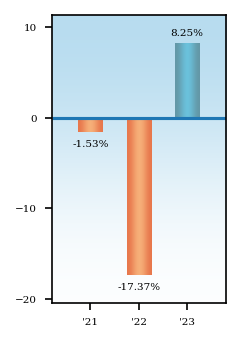
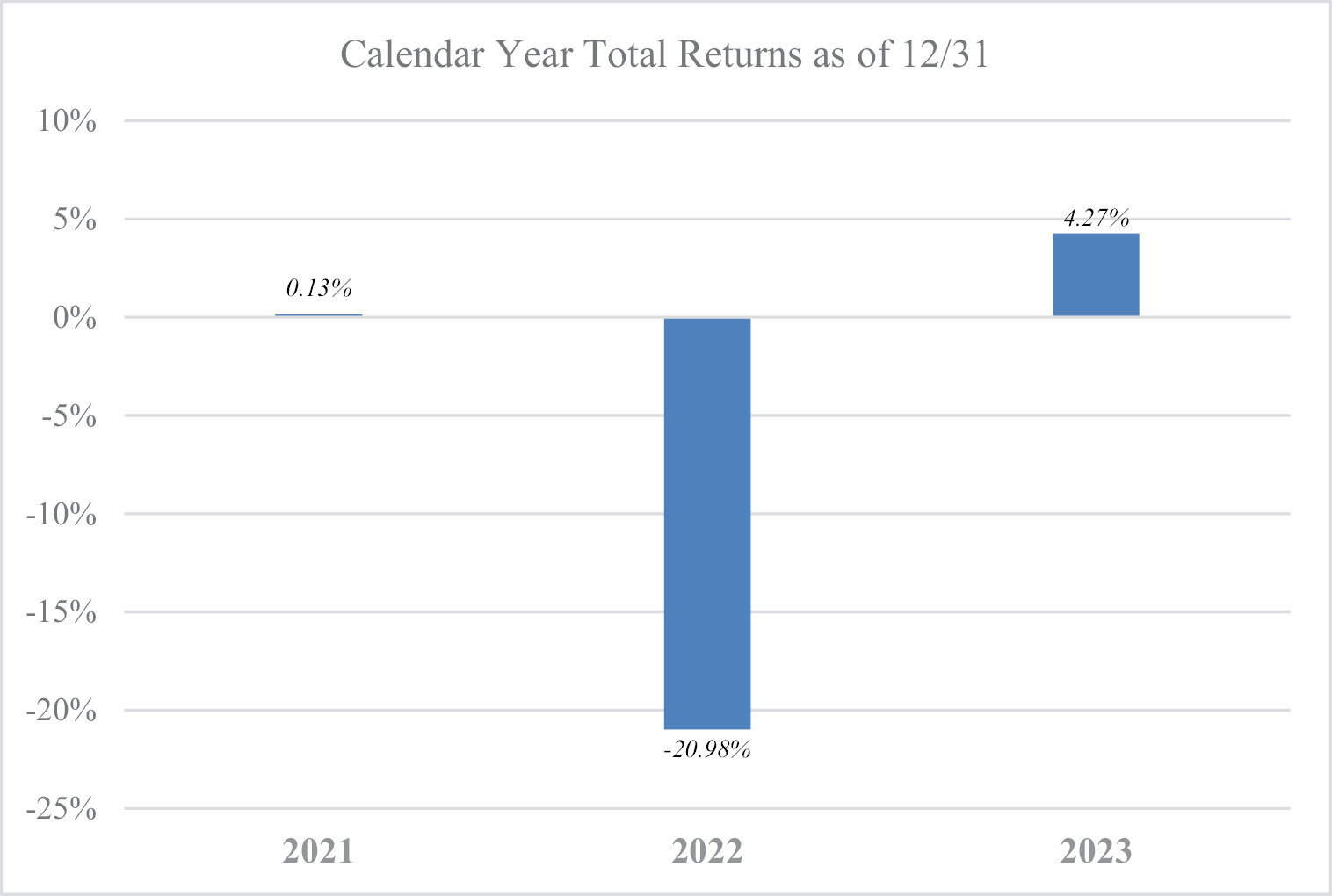
The bar chart and table below illustrate the annual calendar year returns of the Fund based on NAV as well as the average annual Fund returns.
17
The Fund’s
| | ||
| Innovator 20+ Year Treasury Bond 9 Buffer ETF™ – July | 1 Year | Since |
| | | ( |
| | | ( |
| | | ( |
| | | ( |
Returns before taxes do not reflect the effects of any income or capital gains taxes.
Your own actual after-tax returns will depend on your specific tax situation and may differ from what is shown here.
Management
Investment Adviser
Innovator Capital Management, LLC (“Innovator” or the “Adviser”)
Investment Sub-Adviser
Milliman Financial Risk Management LLC
Portfolio Managers
The following persons serve as portfolio managers of the Fund.
• Robert T. Cummings – Principal Senior Director, Head of Portfolio Management at Milliman
• Yin Bhuyan – ETF Portfolio Manager at Milliman
Each of the portfolio managers is primarily and jointly responsible for the day-to-day management of the Fund. Mr. Cummings has served in this capacity since the Fund’s inception in August 2020. Ms. Bhuyan has served in this capacity since March 2021.
18
Purchase and Sale of Shares
The Fund issues and redeems Shares at NAV only with authorized participants (“APs”) that have entered into agreements with the Fund’s distributor and only in Creation Units or multiples thereof (“Creation Unit Aggregations”), in exchange for cash. Except when aggregated in Creation Units, the Shares are not redeemable securities of the Fund.
Individual Shares may only be bought and sold in the secondary market (i.e., on a national securities exchange) through a broker or dealer at a market price. Because the Shares trade at market prices rather than NAV, Shares may trade at a price greater than NAV (at a premium), at NAV, or less than NAV (at a discount). An investor may incur costs attributable to the difference between the highest price a buyer is willing to pay to purchase Shares (bid) and the lowest price a seller is willing to accept for Shares (ask) when buying or selling shares in the secondary market (the “bid-ask spread”).
Recent information, including information on the Fund’s NAV, market price, premiums and discounts, and bid-ask spreads, is available online at www.innovatoretfs.com.
Tax Information
The Fund’s distributions will generally be taxable as ordinary income, returns of capital or capital gains. A sale of Shares may result in capital gain or loss.
Payments to Broker-Dealers and Other Financial Intermediaries
If you purchase Shares through a broker-dealer or other financial intermediary (such as a bank), Innovator and Foreside Fund Services, LLC, the Fund’s distributor (the “Distributor”), may pay the intermediary for the sale of Shares and related services. These payments may create a conflict of interest by influencing the broker-dealer or other intermediary and your salesperson to recommend the Fund over another investment. Ask your salesperson or visit your financial intermediary’s website for more information.
19
| Investor Suitability Considerations | |
| You should only consider this investment if: | You should not consider this investment if: |
| • you fully understand the risks inherent in an investment in Fund Shares; • you desire to invest in a product with a return that depends upon the performance of the Underlying ETF’s share price over the Outcome Period; • you are willing to hold Fund Shares for the duration of the Outcome Period in order to achieve the outcomes that the Fund seeks to provide; • you are willing to forgo some or all of the investment returns derived from the Underlying ETF’s dividend distributions; • you fully understand that investments made when the Fund is at or near to the Cap may have limited to no upside; • you seek the protection of a 9% Buffer on Underlying ETF losses for an investment held for the duration of the entire Outcome Period and understand that there is no guarantee that the Fund will be successful in its attempt to provide protection through the Buffer; • you understand that the 9% Buffer is provided prior to taking into account annual Fund management fees, shareholder transaction fees and any extraordinary expenses incurred by the Fund. After taking into account the annual Fund management fee, the net Buffer for the Outcome Period is 8.21%; • you are willing to forgo any gains in excess of the Cap; • you understand that the Cap will be reduced by annual Fund management fees, shareholder transaction fees and any extraordinary expenses incurred by the Fund; • you understand that the Fund’s investments do not provide for dividends to the Fund; • you fully understand that investments made after the Outcome Period has begun may not fully benefit from the Buffer; • you are willing to accept the risk of losing your entire investment; and • you have visited the Fund’s website and understand the investment outcomes available to you based upon the time of your purchase. | • you do not fully understand the risks inherent in an investment in Fund Shares; • you do not desire to invest in a product with a return that depends upon the performance of the Underlying ETF’s share price over the Outcome Period; • you are unwilling to hold Fund Shares for the duration of the Outcome Period in order to achieve the outcomes that the Fund seeks to provide; • you are unwilling to forgo some or all of the investment returns derived from the Underlying ETF’s dividend distributions; • you do not fully understand that investments made when the Fund is at or near to the Cap may have limited to no upside; • you seek an investment that provides total protection against Underlying ETF losses for an investment held for the duration of an Outcome Period and understand that any protection provided by the Buffer is not guaranteed; • you seek the protection of a full 9% Buffer, even after taking into account annual Fund management fees, shareholder transaction fees and any extraordinary expenses; • you do not understand that the 9% Buffer is provided prior to taking into account annual Fund management fees, shareholder transaction fees and any extraordinary expenses incurred by the Fund; • you are unwilling to forgo any gains in excess of the Cap; • you do not understand that the Cap will be reduced by annual Fund management fees, shareholder transaction fees and any extraordinary expenses incurred by the Fund; • you do not fully understand that the Fund’s investments do not provide for dividends to the Fund; • you do not fully understand that investments made after the Outcome Period has begun may not fully benefit from the Buffer; • you are unwilling to accept the risk of losing your entire investment; and • you have not visited the Fund’s website and do not understand the investment outcomes available to you based upon the timing of your purchase. |
20
| Additional Information About the Fund’s Principal Investment Strategies |
The Fund’s principal investment strategy seeks to produce the Outcomes based upon the performance of the Underlying ETF. If the Underlying ETF’s share price increases in value over the duration of the Outcome Period, the Fund seeks to provide Fund shareholders that hold Shares for the entire Outcome Period with an increase in value that approximately matches the increase experienced by the Underlying ETF, subject to the Cap. If the Underlying ETF’s share price decreases in value over the duration of the Outcome Period, the Fund seeks to provide Fund shareholders that hold Shares for the entire Outcome Period with a Buffer against Underlying ETF losses of 9% or less. All investment gains are subject to the Cap. Both the Cap and the Buffer are provided prior to taking into account annual Fund management fees equal to 0.79% of the Fund’s daily net assets, shareholder transaction fees and any extraordinary expenses incurred by the Fund. Such expenses will reduce the Cap. The Fund’s annual management fee of 0.79% of the Fund’s average daily net assets, any shareholder transaction fees and any extraordinary expenses incurred by the Fund will have the effect of reducing the Buffer amount for Fund shareholders. There is no guarantee that the Fund will be successful in its attempt to provide buffered returns.
The Underlying ETF consists of publicly-issued U.S. Treasury securities that have remaining maturities greater than or equal to twenty years and have $300 million or more of outstanding face value, excluding amounts held by the Federal Reserve System. The Underlying ETF holds only fixed-rate securities that are denominated in U.S. dollars. Excluded from the Underlying ETF are inflation- linked securities, Treasury bills, cash management bills, any government agency debt issued with or without a government guarantee and zero-coupon issues that have been stripped from coupon-paying bonds. The Underlying ETF is market value weighted, and the securities comprising the Underlying ETF are updated on the last business day of each month.
In general, an option contract is an agreement between a buyer and seller that gives the purchaser of the option the right to buy or sell a particular asset at a specified future date at an agreed upon price (commonly known as the “strike price”). FLEX Options are exchange-traded options contracts with uniquely customizable terms. Each FLEX Option contract that the Fund enters into references the Underlying ETF and expires on the last day of the Outcome Period. The FLEX Options, however, have varying strike prices. The layering of these FLEX Options with varying strike prices provides the mechanism for producing the Fund’s desired outcomes. The Fund has three main layers of FLEX Options as set forth below.
21
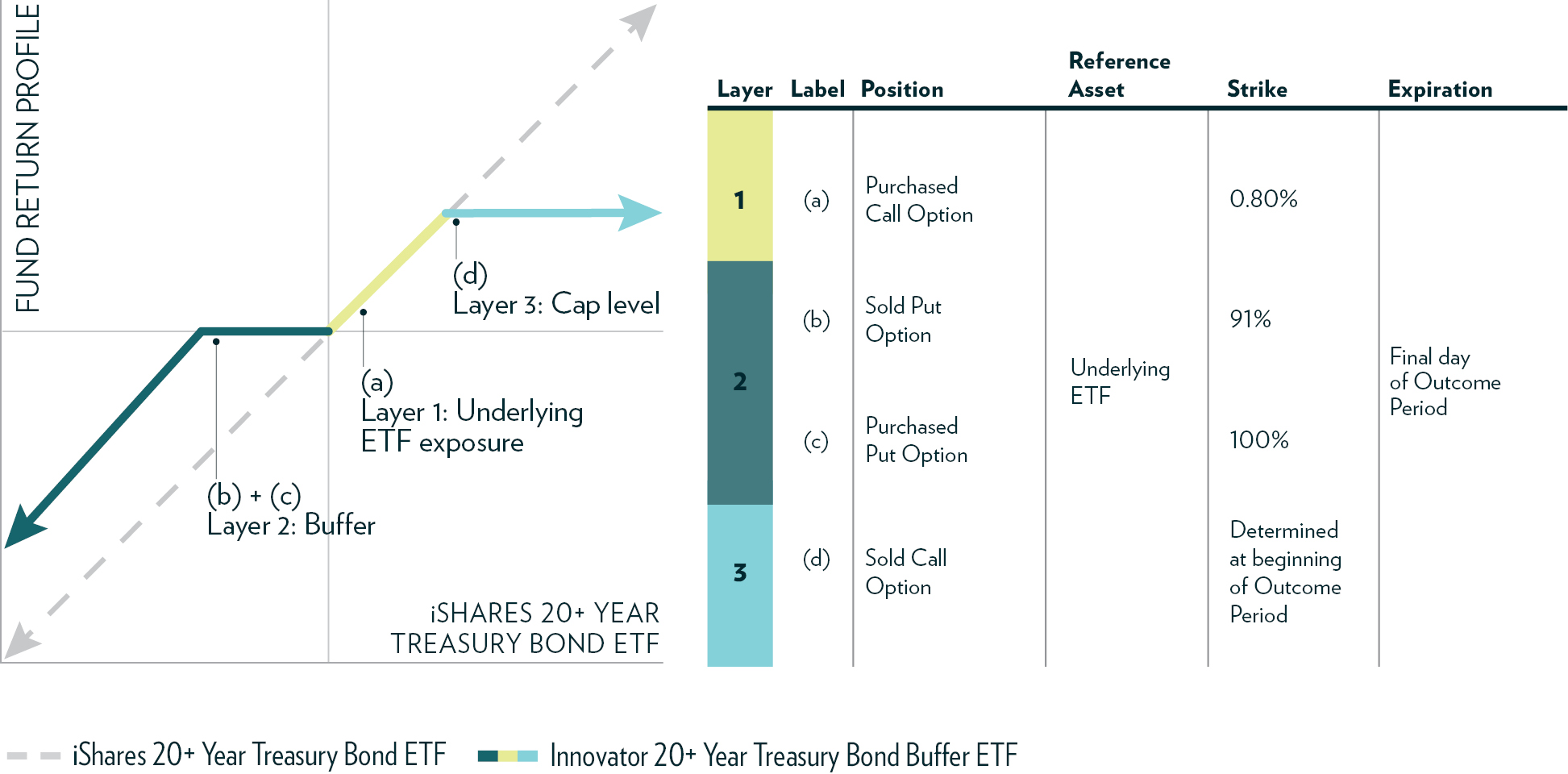
• Position (a) provides participation in the increases or decreases in value of the Underlying ETF’s share price. At its expiration, this deeply in-the-money call option will realize a value approximately equal to that of the Underlying ETF’s share price.
• Positions (b) and (c) produce the 9% “Buffer,” where the strike price of position (c) sets the top end of the Buffer and the strike price of position (b) sets the bottom end of the Buffer. If the Underlying ETF’s share price decreases in value by less than 9%, these options will payout at expiration an amount enough to compensate for the losses experienced by the Underlying ETF.
• The strike price of position (d) produces the Cap and is chosen so that the combined net FLEX Options purchase price in (a) through (d) is approximately equal to the Fund’s NAV.
• The combination of positions (a) through (d) creates a maximum growth opportunity approximately equal to the return experienced by the Underlying ETF at expiration, not to exceed the Cap, while providing a 9% Buffer from losses.
As described on the cover of this prospectus, in “Principal Investment Strategies” and in “Principal Risks,” there are risks associated with an investment in the Fund and there is no guarantee the Fund achieve the Outcomes it seeks to provide. The Fund’s unique characteristics (i.e., the imperative of holding Shares for the entire Outcome Period, the Cap and Buffer) distinguish it from other investment products and may make it an unsuitable some investors. To help decide whether an investment in the Fund is appropriate based upon individual circumstances, please see the section of this prospectus entitled “Investor Suitability.”
The Fund’s investment objective is considered non-fundamental and may be changed by the Board without shareholder approval. Additionally, the Fund may liquidate and terminate at any time without shareholder approval.
22
| Fund Investments |
Principal Investments
FLEX Options
FLEX Options are customized option contracts that trade on an exchange but provide investors with the ability to customize key contract terms like strike price, style and expiration date while achieving price discovery in competitive, transparent auctions markets and avoiding the counterparty exposure of over-the-counter options positions. Like traditional exchange-traded options, FLEX Options are guaranteed for settlement by the OCC, a market clearinghouse that guarantees performance by counterparties to certain derivatives contracts.
The FLEX Options in which the Fund will invest are all European style option contracts (option contracts that are exercisable only on the expiration date). The FLEX Options are listed on the Chicago Board Options Exchange.
The Fund will purchase and sell call and put FLEX Options. In general, put options give the holder (i.e., the buyer) the right to sell an asset (or deliver the cash value of the asset, in case of certain put options) and the seller (i.e., the writer) of the put has the obligation to buy the asset (or receive cash value of the asset, in case of certain put options) at a certain defined price. Call options give the holder (i.e., the buyer) the right to buy an asset (or receive cash value of the asset, in case of certain call options) and the seller (i.e., the writer) the obligation to sell the asset (or deliver cash value of the asset, in case of certain call options) at a certain defined price.
The Fund will use the market value of its derivatives holdings for the purpose of determining compliance with the 1940 Act and the rules promulgated thereunder. Since the FLEX Options held by the Fund are exchange-traded, these will be valued on a mark-to-market basis. In the event market prices are not available, the Fund will use fair value pricing pursuant to the fair value procedures adopted by Innovator as the “Valuation Designee” pursuant to Rule 2a-5 of the 1940 Act (“Rule 2a-5”) and approved by, and subject to the oversight of, the Board. The Fund will enter into FLEX Options contracts in accordance with Rule 18f-4 under the 1940 Act, which requires the Fund to implement certain policies and procedures designed to manage its derivatives risks, dependent upon the Fund’s level of exposure to derivative instruments.
Disclosure of Portfolio Holdings
A description of the Trust’s policies and procedures with respect to the disclosure of the Fund’s portfolio holdings is available in the Fund’s statement of additional information (“SAI”), which is available at www.innovatoretfs.com.
23
| Additional Risks of Investing in the Fund |
Risk is inherent in all investing. Investing in the Fund involves risk, including the risk that you may lose all or part of your investment. There can be no assurance that the Fund will meet its stated objective. Before you invest, you should consider the following supplemental disclosure pertaining to the Principal Risks set forth above as well as additional Non-Principal Risks set forth below in this prospectus.
Principal Risks
Buffered Loss Risk. There can be no guarantee that the Fund will be successful in its strategy to provide buffer protection against Underlying ETF losses if the Underlying ETF’s share price decreases by 9% or less over the duration of the Outcome Period. A shareholder may lose their entire investment. The Fund’s strategy seeks to deliver returns that match those of the Underlying ETF (up to the Cap), while limiting downside losses, if Shares are held at the time at which the Fund enters into the FLEX Options and held until those FLEX Options expire at the end of the Outcome Period. In the event an investor purchases Shares after the FLEX Options were entered into or sells Shares prior to the expiration of the FLEX Options, the Buffer that the Fund seeks to provide may not be available. The Fund does not provide principal protection or non-principal protection, and an investor may experience significant losses on its investment, including the loss of its entire investment.
Capped Upside Return Risk. The Fund’s strategy seeks to provide returns that are subject to the Cap. In the event that the Underlying ETF experiences gains in excess of the Cap for the Outcome Period, the Fund will not participate in those gains beyond the Cap. The Fund’s strategy seeks to deliver returns that match those of the Underlying ETF (up to the Cap), while limiting downside losses, if Shares are held at the time at which the Fund enters into the FLEX Options and held until those FLEX Options expire at the end of the Outcome Period. In the event an investor purchases Shares after the FLEX Options were entered into or sells Shares prior to the expiration of the FLEX Options, there may be little or no ability for that investor to experience an investment gain on their Shares.
FLEX Options Risk. The Fund will utilize FLEX Options, which are customizable, exchange-traded option contracts that are issued and guaranteed for settlement by the OCC. The Fund bears the risk that the OCC will be unable or unwilling to perform its obligations under the FLEX Options contracts. In the unlikely event that the OCC becomes insolvent or is otherwise unable to meet its settlement obligations, the Fund could suffer significant losses. Additionally, FLEX Options may be less liquid than certain other securities, such as standardized options. In less liquid markets for the FLEX Options, the Fund may have difficulty closing out certain FLEX Options positions at desired times and prices. In connection with the creation and redemption of Shares, to the extent market participants are not willing or able to enter into FLEX Option transactions with the Fund at prices that reflect the market price of the Shares, the Fund’s NAV and, in turn the share price of the Fund, could be negatively impacted.
The Fund may experience substantial downside from specific FLEX Option positions and certain FLEX Option positions may expire worthless. The Fund utilizes European style FLEX Option contracts, which are exercisable at the strike price only on the expiration date. As a FLEX
24
Option approaches its expiration date, its value typically increasingly moves with the value of the Underlying ETF. However, prior to such date, the value of the FLEX Options does not increase or decrease at the same rate as the Underlying ETF’s share price on a day-to-day basis (although they generally move in the same direction). The value of the FLEX Options held by the Fund will be determined based on market quotations or other recognized pricing methods. The value of the underlying FLEX Options will be affected by, among others, changes in the Underlying ETF’s share price, changes in interest rates, changes in the actual and implied volatility of the Underlying ETF and the remaining time to until the FLEX Options expire.
Option Contracts Risk. The use of option contracts involves investment strategies and risks different from those associated with ordinary portfolio securities transactions. The prices of option contracts are volatile and are influenced by, among other things, actual and anticipated changes in the value of the underlying instrument, changes in interest or currency exchange rates, including the anticipated volatility, which are affected by fiscal and monetary policies and by national and international political, changes in the actual or implied volatility or the reference asset, the time remaining until the expiration of the option contract and economic events. There may at times be an imperfect correlation between the movement in values option contracts and the reference asset, and there may at times not be a liquid secondary market for certain option contracts. Option contracts may also involve the use of leverage, which could result in greater price volatility than other markets. As the Fund enters into option contracts, pursuant to Rule 18f-4, the Fund is required to, among other things, adopt and implement a written derivatives risk management program and comply with limitations on risks relating to its derivatives transactions. To the extent the Fund is noncompliant with Rule 18f-4, the Fund may be required to adjust its investment portfolio which may, in turn, negatively impact the Fund’s ability to deliver the sought-after Outcomes.
Clearing Member Default Risk. Transactions in some types of derivatives, including FLEX Options, are required to be centrally cleared (“cleared derivatives”). In a transaction involving cleared derivatives, the Fund’s counterparty is a clearing house, such as the OCC, rather than a bank or broker. Since the Fund is not a member of clearing houses and only members of a clearing house (“clearing members”) can participate directly in the clearing house, the Fund will hold cleared derivatives through accounts at clearing members. In cleared derivatives positions, the Fund will make payments (including margin payments) to, and receive payments from, a clearing house through their accounts at clearing members. Customer funds held at a clearing organization in connection with any option contracts are held in a commingled omnibus account and are not identified to the name of the clearing member’s individual customers. As a result, assets deposited by the Fund with any clearing member as margin for its FLEX Options may, in certain circumstances, be used to satisfy losses of other clients of the Fund’s clearing member. In addition, although clearing members guarantee performance of their clients’ obligations to the clearing house, there is a risk that the assets of the Fund might not be fully protected in the event of the clearing member’s bankruptcy, as the Fund would be limited to recovering only a pro rata share of all available funds segregated on behalf of the clearing member’s customers for the relevant account class. The Fund is also subject to the risk that a limited number of clearing members are willing to transact on the Fund’s behalf, which heightens the risks associated with a clearing member’s default. If a clearing member defaults the Fund could lose some or all of the benefits of a transaction entered into by the Fund with the clearing member. The loss of a clearing member for the Fund to transact with could
25
result in increased transaction costs and other operational issues that could impede the Fund’s ability to implement its investment strategy. If the Fund cannot find a clearing member to transact with on the Fund’s behalf, the Fund may be unable to effectively implement its investment strategy.
Counterparty Risk. Counterparty risk is the risk an issuer, guarantor or counterparty of a security in the Fund is unable or unwilling to meet its obligation on the security. Counterparty risk may arise because of the counterparty’s financial condition, market activities, or for other reasons. The Fund may be unable to recover its investment from the counterparty or may obtain a limited and/or delayed recovery. The OCC acts as guarantor and central counterparty with respect to the FLEX Options. As a result, the ability of the Fund to meet its objective depends on the OCC being able to meet its obligations. In the event an OCC clearing member that is a counterparty of the Fund were to become insolvent, the Fund may have some or all of its FLEX Options closed without its consent or may experience delays or other difficulties in attempting to close or exercise its affected FLEX Options positions, both of which would impair the Fund’s ability to deliver on its investment strategy. The OCC’s rules and procedures are designed to facilitate the prompt settlement of options transactions and exercises, including for clearing member insolvencies. However, there is the risk that the OCC and its backup system will fail if clearing member insolvencies are substantial or widespread. In the unlikely event that the OCC becomes insolvent or is otherwise unable to meet its settlement obligations, the Fund could suffer significant losses.
Outcome Period Risk. The Fund’s investment strategy is designed to deliver returns that match those of the Underlying ETF’s share price if Shares are held from the time the Fund enters into the FLEX Options and held until those FLEX Options expire at the end of the Outcome Period. Because the Fund utilizes European style option contracts, the Outcomes are designed to be produced only on the expiration date of the FLEX Options on the final day of the Outcome Period. In the event an investor purchases Shares after the FLEX Options were entered into or sells Shares prior to the expiration of the FLEX Options, the returns realized by the investor will not match those that the Fund seeks to provide.
Upside Participation Risk. There can be no guarantee that the Fund will be successful in its strategy to provide shareholders with a total return that matches the increases in the price of the Underlying ETF over the Outcome Period, subject to a maximum return imposed by the Cap. Because the value of the Fund’s FLEX Options does not increase or decrease at the same rate as the Underlying ETF’s share price on a day-to-day basis (although they generally move in the same direction), the Fund may underperform the increases in the share price of the Underlying ETF until the end of the Outcome Period. To the extent the price of the Underlying ETF increases beyond the Fund’s Cap, the Fund will not participate in such gains, and will underperform the Underlying ETF. In the event an investor purchases Shares after the FLEX Options were entered into or does not stay invested in the Fund for the entirety of the Outcome Period, the returns realized by such investor may not match those that the Fund seeks to achieve.
Cap Change Risk. A new Cap is established at the beginning of each Outcome Period and is dependent on prevailing market conditions at the time the Cap is established. As such, the Cap may rise or fall from one Outcome Period to the next and is unlikely to remain the same for consecutive Outcome Periods. Investors should monitor the changes in the Cap for each Outcome Period, information for which will be made available pursuant to the procedure outlined in the Fund’s prospectus.
26
Underlying ETF Risk. Because the value of the FLEX Options held by the Fund are based on the value of the Underlying ETF, the Fund’s investment performance largely depends on the investment performance and associated risks of the Underlying ETF. The Underlying ETF is subject to many of the same structural risks as the Fund that are described in more detail herein, such as Authorized Participant Concentration Risk, Fluctuation of Net Asset Value Risk, Market Maker Risk, Market Risk, Operational Risk and Trading Issues Risk. However, the risks of investing in an ETF also include the risks associated with the underlying investments held by the ETF. As such, the Fund may be subject to the following risks as a result of its exposure to the Underlying ETF through its usage of FLEX Options:
Credit Risk. Credit risk is the risk that an issuer of a security will be unable or unwilling to make dividend, interest and/or principal payments when due and the related risk that the value of such security may decline because of concerns about the issuer’s ability to make such payments.
Debt Securities Risk. Investments in debt securities subject the holder to the credit risk of the issuer. Credit risk refers to the possibility that the issuer or other obligor of a security will not be able or willing to make payments of interest and principal when due. Generally, the value of debt securities will change inversely with changes in interest rates. To the extent that interest rates rise, certain underlying obligations may be paid off substantially slower than originally anticipated and the value of those securities may fall sharply. During periods of falling interest rates, the income received by the Underlying ETF may decline. If the principal on a debt security is prepaid before expected, the prepayments of principal may have to be reinvested in obligations paying interest at lower rates. Debt securities generally do not trade on a securities exchange making them generally less liquid and more difficult to value than common stock.
Income Risk. The income of the Underlying ETF could decline due to falling market interest rates. This is because, in a falling interest rate environment, the Underlying ETF generally will have to invest the proceeds from sales of its shares, as well as the proceeds from maturing portfolio securities, or portfolio securities that have been called, in lower-yielding securities.
Interest Rate Risk. Interest rate risk is the risk that the value of the debt securities in the Underlying ETF’s portfolio will decline because of rising market interest rates. Interest rate risk is generally lower for shorter term debt securities and higher for longer-term debt securities. The Underlying ETF may be subject to a greater risk of rising interest rates than would normally be the case due to the current period of historically low rates and the effect of potential government fiscal policy initiatives and resulting market reaction to those initiatives. Duration is a reasonably accurate measure of a debt security’s price sensitivity to changes in interest rates and a common measure of interest rate risk. Duration measures a debt security’s expected life on a present value basis, taking into account the debt security’s yield, interest payments and final maturity. In general, duration represents the expected percentage change in the value of a security for an immediate 1% change in interest rates. For example, the price of a debt security with a three-year duration would be expected to drop by approximately 3% in response to a 1% increase in interest rates. Therefore, prices of debt securities with shorter durations tend to be less sensitive to interest rate changes than debt securities with longer durations. As the value of a debt security changes over time, so will its duration.
27
Liquidity Risk. The Underlying ETF may hold certain investments that may be subject to restrictions on resale, trade over-the-counter or in limited volume, or lack an active trading market. Accordingly, the Underlying ETF may not be able to sell or close out of such investments at favorable times or prices (or at all), or at the prices approximating those at which the Underlying ETF currently values them. Illiquid securities may trade at a discount from comparable, more liquid investments and may be subject to wide fluctuations in market value.
U.S. Government Securities Risk. U.S. government securities are subject to interest rate risk but generally do not involve the credit risks associated with investments in other types of debt securities. As a result, the yields available from U.S. government securities are generally lower than the yields available from other debt securities. U.S. government securities are guaranteed only as to the timely payment of interest and the payment of principal when held to maturity. While securities issued or guaranteed by U.S. federal government agencies (such as Ginnie Mae) are backed by the full faith and credit of the U.S. Department of the Treasury, securities issued by government sponsored entities (such as Fannie Mae and Freddie Mac) are solely the obligation of the issuer and generally do not carry any guarantee from the U.S. government.
U.S. Treasury Obligations Risk. U.S. Treasury obligations may differ from other securities in their interest rates, maturities, times of issuance and other characteristics. Similar to other issuers, changes to the financial condition or credit rating of the U.S. government may cause the value of the Fund’s U.S. Treasury obligations to decline. On August 5, 2011, S&P Global Ratings downgraded U.S. Treasury securities from AAA rating to AA+ rating. A further downgrade of the ratings of U.S. government debt obligations, which are often used as a benchmark for other borrowing arrangements, could result in higher interest rates for individual and corporate borrowers, cause disruptions in the international bond markets and have a substantial negative effect on the U.S. economy. A downgrade of U.S. Treasury securities from another ratings agency or a further downgrade below AA+ rating by S&P Global Ratings may cause the value of the Fund’s U.S. Treasury obligations to decline.
Correlation Risk. The FLEX Options held by the Fund are European style option contracts and therefore will be exercisable at the strike price only on their expiration date. As a FLEX Option approaches its expiration date, its value typically will increasingly move with the value of the Underlying ETF. However, prior to the expiration date, the value of the FLEX Options prior to the expiration date may vary versus the value of the Underlying ETF because of related factors other than the value of the Underlying ETF. Factors that may influence the value of the FLEX Options include interest rate changes and implied volatility levels of the Underlying ETF, among others. The value of the FLEX Options will be determined based upon market quotations or using other recognized pricing methods. The value of the FLEX Options held by the Fund typically do not increase or decrease at the same level as the Underlying ETF’s share price on a day-to-day basis due to these factors (although they generally move in the same direction).
Authorized Participant Concentration Risk. Only an authorized participant may engage in creation or redemption transactions directly with the Fund. The Fund has a limited number of institutions that may act as authorized participants on an agency basis (i.e., on behalf of other market participants). Authorized participants are not obligated to make a market in Shares or
28
submit orders for the issuance or redemption of Creation Units. To the extent that authorized participants exit the business or are unable to proceed with orders for the issuance or redemption of Creation Units and no other authorized participant is able to step forward to fulfill the order, Shares may be more likely to trade at a premium or discount to NAV and possibly face trading halts and/or delisting, and the bid/ask spread on Shares may widen.
Cash Transactions Risk. The Fund may effectuate all or a portion of the issuance and redemption of Creation Units for cash, rather than in-kind securities. As a result, an investment in the Fund may be less tax-efficient than an investment in an ETF that effectuates its Creation Units only on an in-kind basis. ETFs are able to make in-kind redemptions to avoid being taxed on gains on the distributed portfolio securities at the fund level. A fund that effects redemptions for cash may be required to sell portfolio securities in order to obtain the cash needed to distribute redemption proceeds. Any recognized gain on these sales by the fund will generally cause such fund to recognize a gain it might not otherwise have recognized, or to recognize such gain sooner than would otherwise be required if it were to distribute portfolio securities only in-kind. The Fund intends to distribute gains that arise by virtue of the issuance and redemption of Creation Units being effectuated in cash to shareholders to avoid being taxed on this gain at the fund level and otherwise comply with special tax rules that apply to it. This may cause shareholders to be subject to tax on gains they would not otherwise be subject to, or at an earlier date than if they had made an investment in another ETF. Moreover, cash transactions may have to be carried out over several days if the securities market is relatively illiquid and may involve considerable brokerage fees and taxes. These brokerage fees and taxes, which will be higher than if the Fund sold and redeemed its shares principally in-kind, will be passed on to those purchasing and redeeming Creation Units in the form of creation and redemption transaction fees. In addition, these factors may result in wider spreads between the bid and the offered prices of Shares than for ETFs that distribute portfolio securities in-kind. The Fund’s use of cash for creations and redemptions could also result in dilution to the Fund and increased transaction costs, which could negatively impact the Fund’s ability to achieve its investment objective.
Cyber Security Risk. As the use of Internet technology has become more prevalent in the course of business, the investment industry has become more susceptible to potential operational risks through breaches in cyber security. A breach in cyber security refers to both intentional and unintentional events that may cause the Fund to lose proprietary information, suffer data corruption or lose operational capacity. Such events could cause the Fund to incur regulatory penalties, reputational damage, additional compliance costs associated with corrective measures and/or financial loss. Cyber security breaches may involve unauthorized access to the Fund’s digital information systems through “hacking” or malicious software coding, but may also result from outside attacks such as denial-of-service attacks through efforts to make network services unavailable to intended users. In addition, cyber security breaches of the Fund’s third-party service providers, such as its administrator, transfer agent, or custodian can also subject the Fund to many of the same risks associated with direct cyber security breaches. The Fund has established risk management systems designed to reduce the risks associated with cyber security. However, there is no guarantee that such efforts will succeed, especially because the Fund does not directly control the cyber security systems of issuers or third-party service providers. The Fund may incur substantial costs in order to resolve or prevent cyber security incidents in the future.
29
Investment Objective Risk. Certain circumstances under which the Fund might not achieve its objective include, but are not limited, to (i) if the Fund disposes of FLEX Options, (ii) if the Fund is unable to maintain the proportional relationship based on the number of FLEX Options in the Fund’s portfolio, (iii) a significant accrual of Fund expenses in connection with effecting the Fund’s principal investment strategy or (iv) adverse tax law changes affecting the treatment of FLEX Options. The Fund is also subject to management risk as an actively-managed fund, which may cause it not to achieve its investment objective.
Liquidity Risk. The market for the Fund’s FLEX Options may become less liquid as a result of adverse market or economic conditions or other unrelated reasons. In the event that trading in the underlying FLEX Options is limited or absent, the value of the Fund’s FLEX Options may decrease. There is no guarantee that a liquid secondary trading market will exist for the FLEX Options. The trading in FLEX Options may be less deep and liquid than the market for certain other securities, including certain non-customized option contracts. In a less liquid market for the FLEX Options, terminating the FLEX Options may require the payment of a premium or acceptance of a discounted price and may take longer to complete. Additionally, the liquidation of a large number of FLEX Options may more significantly impact the price in a less liquid market. Further, the Fund requires a sufficient number of participants to facilitate the purchase and sale of options on an exchange to provide liquidity to the Fund for its FLEX Option positions. A less liquid trading market may adversely impact the value of the FLEX Options and the value of your investment.
Management Risk. The Fund is subject to management risk because it is an actively managed portfolio. The Sub-Adviser applies investment techniques and risk analyses in making investment decisions for the Fund, but there can be no guarantee that the Fund will meet its investment objective, produce the Outcomes or perform as well as similarly situated funds.
Market Maker Risk. The Fund faces market trading risks, including the potential lack of an active market for Shares due to a limited number of market makers. If the Fund has lower average daily trading volumes, it may rely on a small number of third-party market makers to provide a market for the purchase and sale of Shares. Any trading halt or other problem relating to the trading activity of these market makers could result in a dramatic change in the spread between the Fund’s NAV and the price at which the Shares are trading on the Exchange, which could result in a decrease in the market price of the Shares. In addition, decisions by market makers or authorized participants to reduce their role or step away from these activities in times of market stress could inhibit the effectiveness of the arbitrage process in maintaining the relationship between the underlying values of the Fund’s portfolio securities and the Fund’s market price. This reduced effectiveness could result in Shares trading at a discount to NAV and in greater than normal intra-day bid-ask spreads for Shares.
Market Risk. The Fund could lose money over short periods due to short-term market movements and over longer periods during more prolonged market downturns. Assets may decline in value due to factors affecting financial markets generally or particular asset classes or industries represented in the markets. The value of FLEX Options or other assets may also decline due to general market conditions, economic trends or events that are not specifically related to the
30
issuer of the security or other asset, or due to factors that affect a particular issuer or issuers, country, group of countries, region, market, industry, group of industries, sector or asset class. During a general market downturn, multiple asset classes may be negatively affected. Changes in market conditions and interest rates will not have the same impact on all types of securities. Values of securities may change due to factors such as inflation, changes in interest rates, changes in regulatory requirements, bank failures, political climate deterioration or developments, armed conflicts, natural disasters or future health crises, may negatively impact market conditions, and cause a decrease in the value of securities. Other unexpected political, regulatory and diplomatic events within the U.S. and abroad may affect investor and consumer confidence and may adversely impact financial markets and the broader economy. These events, and any other future events, may adversely affect the prices and liquidity of the Fund’s investments and could result in disruptions in the trading markets. Securities, including the Shares, are subject to market fluctuations and liquidity constraints that may be caused by such factors or other economic, political, or regulatory developments, and/or perceived trends in securities prices. Shares of the Fund could decline in value or underperform other investments. In addition, local, regional or global events such as war, acts of terrorism, spread of infectious diseases or other public health issues, recessions, or other events could have a significant negative impact on a Fund and its investments. Such events may affect certain geographic regions, countries, sectors and industries more significantly than others. Such events could result in disruptions to trading markets and could also adversely affect the prices and liquidity of a Fund’s holdings. Any of such circumstances could result in increased market volatility and/or have a materially negative impact on the value of Shares or the liquidity of an investment. During any such events, Shares may trade at greater premiums or discounts to their NAV and the bid/ask spread on Shares may widen. The future potential economic impact of any such future events is impossible to predict and could result in adverse market conditions that impact the performance of the Fund.
Non-Diversification Risk. The Fund is classified as “non-diversified” under the 1940 Act. As a result, the Fund is only limited as to the percentage of its assets which may be invested in the securities of any one issuer by the diversification requirements imposed by the Code. The Fund may invest a relatively high percentage of its assets in a limited number of issuers. As a result, the Fund may be more susceptible to a single adverse economic or regulatory occurrence affecting one or more of these issuers, experience increased volatility and be highly invested in certain issuers.
Operational Risk. The Fund is exposed to operational risks arising from a number of factors, including, but not limited to, human error in the calculation of the Cap, processing and communication errors, errors of the Fund’s service providers, counterparties or other third-parties, failed or inadequate processes and technology or systems failures. Additionally, cyber security failures or breaches of the electronic systems of the Fund and/or its service providers may disrupt or negatively impact the operation of the Fund which may result in financial losses to the Fund and its shareholders. The Fund and its Adviser and Sub-Adviser seek to reduce these operational risks through controls and procedures. However, these measures do not address every possible risk and may be inadequate to address these risks.
31
Premium/Discount Risk. Shares trade on the Exchange at market prices rather than their NAV. The Fund’s NAV represents the value of the Fund’s investments and is calculated by taking the sum of the Fund’s assets less the Fund’s liabilities, if any. The NAV per Share is the value of a Share’s portion of all of the Fund’s net assets. The market price of Shares generally corresponds to movements in the Fund’s NAV as well as the relative supply and demand for Shares on the Exchange. The market price may be at, above (a premium) or below (a discount) the Fund’s NAV. Differences in market prices of Shares and the NAV per Share may be due, in large part, to the fact that supply and demand forces at work in the secondary trading market for Shares will be closely related to, but not identical to, the same forces influencing the prices of the Fund’s holdings trading individually or in the aggregate at any point in time. These differences can be especially pronounced during times of market volatility or stress. During these periods, the demand for Shares may decrease considerably and cause the market price of Shares to deviate, and in some cases deviate significantly, from the Fund’s NAV. Additionally, decisions by market makers and/or authorized participants or reduced effectiveness of the arbitrage process in maintaining the relationship of the Fund’s NAV to the market price of its Shares could result in the Shares trading at a premium, or discount to NAV and the bid/ask spread on Shares may widen.
Tax Risk. The Fund intends to elect and to qualify each year to be treated as a RIC under Subchapter M of the Code. However, the federal income tax treatment of certain aspects of the proposed operations of the Fund are not entirely clear. This includes the tax aspects of the Fund’s options strategy, its hedging strategy, the possible application of the “straddle” rules, and various loss limitation provisions of the Code. If, in any year, the Fund fails to qualify as a RIC under the applicable tax laws, the Fund would be taxed as an ordinary corporation. The Fund intends to treat any income it may derive from the FLEX Options as “qualifying income” under the provisions of the Code applicable to RICs. In addition, based upon language in the legislative history, the Fund intends to treat the issuer of the FLEX Options as the referenced asset, which, assuming the referenced asset qualifies as a RIC, would allow the Fund to qualify for special rules in the RIC diversification requirements. If the income is not qualifying income or the issuer of the FLEX Options is not appropriately the referenced asset, the Fund could lose its own status as a RIC. The FLEX Options included in the portfolio are exchange-traded options. Under Section 1256 of the Code, certain types of exchange-traded options are treated as if they were sold (i.e., “marked to market”) at the end of each year. The Fund does not believe that the positions held by the Fund will be subject to Section 1256, which means that the positions will not be marked to market. In the event that a shareholder purchases Shares of the Fund shortly before a distribution by the Fund, the entire distribution may be taxable to the shareholder even though a portion of the distribution effectively represents a return of the purchase price.
Trading Issues Risk. Although Shares are listed for trading on the Exchange, there can be no assurance that an active trading market for Shares will develop or be maintained. Shares trade on the Exchange at market prices that may be below, at or above the Fund’s NAV. Trading in Shares on the Exchange may be halted due to market conditions or for reasons that, in the view of the Exchange, make trading in Shares inadvisable. In addition, trading in Shares on the Exchange is subject to trading halts caused by extraordinary market volatility pursuant to the Exchange “circuit breaker” rules. Market makers are under no obligation to make a market in the Shares,
32
and authorized participants are not obligated to submit purchase or redemption orders for Creation Units. There can be no assurance that the requirements of the Exchange necessary to maintain the listing of the Fund will continue to be met or will remain unchanged.
Valuation Risk. During periods of reduced market liquidity or in the absence of readily available market quotations for the holdings of the Fund, the valuation of the Fund’s FLEX Options will become more difficult. In market environments where there is reduced availability of reliable objective pricing data, the judgment of the Fund’s investment adviser in determining the fair value of the security may play a greater role. While such determinations may be made in good faith, it may nevertheless be more difficult for the Fund to accurately assign a daily value. The Fund’s Valuation Procedures adopted Innovator as Valuation Designee (as reviewed, approved, and subject to the oversight of the Board) complies with Rule 2a-5 under the 1940 Act. Pursuant to Rule 2a-5, the Board oversees the implementation of the Valuation Procedures. While the Fund’s program is designed to contemplate the specific risks of the Fund, there is no guarantee the program will adequately do so each time, and value may not be properly selected for the Fund.
| Management of the Fund |
The Fund is a series of Innovator ETFs Trust, an investment company registered under the 1940 Act. The Fund is treated as a separate fund with its own investment objectives and policies. The Trust is organized as a Delaware statutory trust. The Board is responsible for the overall management and direction of the Trust. The Board elects the Trust’s officers and approves all significant agreements, including those with the Adviser, Sub-Adviser, custodian and fund administrative and accounting agent.
Investment Adviser
Innovator Capital Management, LLC, 109 North Hale Street, Wheaton, Illinois 60187, serves as the Fund’s investment adviser. In its capacity as Adviser, Innovator has overall responsibility for selecting and monitoring the Fund’s investments and managing the Fund’s business affairs.
Investment Sub-Adviser
Milliman Financial Risk Management LLC, 71 South Wacker Drive, 31st Floor, Chicago, Illinois 60606, serves as the Fund’s investment sub-adviser. Milliman has responsibility for managing the Fund’s investment program in pursuit of its investment objective.
Portfolio Managers
Robert T. Cummings and Yin Bhuyan serve as the Fund’s portfolio managers.
• Robert T. Cummings – Principal Senior Director and Head of Portfolio Management at Milliman. Mr. Cummings has served in this role since 2007. Mr. Cummings has more than 13 years of experience as a trader with a primary focus on options. Prior to joining Milliman, he was involved in various proprietary trading strategies and was a portfolio manager of associated derivatives funds. These strategies included volatility arbitrage,
33
global macro, and high-frequency trading. Entities at which Mr. Cummings has previously worked include Citadel Investment Group, TradeNet (as a primary market maker on the Chicago Board Options Exchange), KCM Group and Spyglass Capital Management.
• Yin Bhuyan – ETF Portfolio Manager at Milliman. Ms. Bhuyan has more than 10 years of experience in capital markets. Prior to joining Milliman, Yin traded in the S&P options pit at CBOE. She has served both as a market maker and a portfolio manager. Her former experience is in risk management and volatility arbitrage. Yin’s current primary focus had been in managing Defined Outcome ETFs and Index tracking ETFs.
For additional information concerning Innovator and Milliman, including a description of the services provided to the Fund, please see the Fund’s SAI. Additional information regarding the portfolio managers’ compensation, other accounts managed by the portfolio managers and the portfolio managers’ ownership of Shares may also be found in the SAI.
Management Fee
Pursuant to an investment advisory agreement between Innovator and the Trust, on behalf of the Fund (the “Investment Management Agreement”), the Fund has agreed to pay an annual unitary management fee to Innovator in an amount equal to 0.79% of its average daily net assets. This unitary management fee is designed to pay the Fund’s expenses and to compensate Innovator for the services it provides to the Fund. Out of the unitary management fee, Innovator pays substantially all expenses of the Fund, including the cost of transfer agency, custody, fund administration, legal, audit and other service and license fees. However, Innovator is not responsible for distribution and service fees payable pursuant to a Rule 12b-1 plan, if any, brokerage commissions and other expenses connected with the execution of portfolio transactions, taxes, interest, and extraordinary expenses.
Pursuant to an investment sub-advisory agreement between Innovator, Milliman and the Trust, on behalf of the Fund (the “Investment Sub-Advisory Agreement”), Innovator has agreed to pay an annual sub-advisory fee to Milliman in an amount based on the Fund’s average daily net assets. Innovator is responsible for paying the entirety of Milliman’s sub-advisory fee. The Fund does not directly pay Milliman.
A discussion regarding the basis for the Board’s approval of the Investment Management Agreement and Investment Sub-Advisory Agreement on behalf of the Fund is available in the Fund’s Annual Report to shareholders for the fiscal year ended October 31, 2023.
Manager of Managers Structure. The Fund and Innovator have received an exemptive order from the SEC to operate under a manager of managers structure that permits Innovator, with the approval of the Board, to appoint and replace sub-advisers, enter into sub-advisory agreements, and materially amend and terminate sub-advisory agreements on behalf of the Fund without shareholder approval (“Manager of Managers Structure”). Under the Manager of Managers Structure, Innovator has ultimate responsibility, subject to oversight by the Board, for overseeing the Fund’s sub-advisers and recommending to the Board their hiring, termination, or replacement. The SEC order does not apply to any sub-adviser that is affiliated with the Fund or Innovator.
34
The Manager of Managers Structure enables the Fund to operate with greater efficiency and without incurring the expense and delays associated with obtaining shareholder approvals for matters relating to any sub-adviser or the sub-advisory agreement. The Manager of Managers Structure does not permit an increase in the advisory fees payable by the Fund without shareholder approval. Shareholders will be notified of any changes made to any sub-adviser or a sub-advisory agreement within 90 days of the change.
| How to Buy and Sell Shares |
The Fund will issue or redeem its Shares at NAV per Share only in Creation Units. Most Fund shareholders will buy and sell Shares in secondary market transactions through brokers. Shares will be listed for trading on the secondary market on the Exchange. Shares can be bought and sold throughout the trading day like other publicly traded shares. Share prices are reported in dollars and cents per Share. There is no minimum investment. When buying or selling Shares through a broker, you will incur customary brokerage commissions and charges, and you may pay some or all of the spread between the bid and the offered price in the secondary market on each leg of a round trip (purchase and sale) transaction. Because Shares trade at market price rather than NAV, a Fund shareholder may pay more than NAV when purchasing Shares and receive less than NAV when selling Shares.
Authorized participants may acquire Shares directly from the Fund, and authorized participants may tender their Shares for redemption directly to the Fund, at NAV per Share only in Creation Units, and in accordance with the procedures described in the SAI.
Book Entry
Shares are held in book-entry form, which means that no stock certificates are issued. The Depository Trust Company (“DTC”) or its nominee is the record owner of all outstanding Shares and is recognized as the owner of all Shares for all purposes.
Investors owning Shares are beneficial owners as shown on the records of DTC or its participants. DTC serves as the securities depository for all Shares. Participants in DTC include securities brokers and dealers, banks, trust companies, clearing corporations and other institutions that directly or indirectly maintain a custodial relationship with DTC. As a beneficial owner of Shares, you are not entitled to receive physical delivery of stock certificates or to have Shares registered in your name, and you are not considered a registered owner of Shares. Therefore, to exercise any right as an owner of Shares, you must rely upon the procedures of DTC and its participants. These procedures are the same as those that apply to any other stocks that you hold in book entry or “street name” form.
Share Trading Prices
The trading prices of Shares on the Exchange is based on market price and may differ from the Fund’s daily NAV. Market forces of supply and demand, economic conditions and other factors may affect the trading prices of Shares.
35
Frequent Purchases and Redemptions of Shares
The Fund does not impose restrictions on the frequency of purchases and redemptions (“market timing”), and has adopted no policies and procedures with respect to market timing activities. In making this determination, the Board considered the risks associated with market timing activities by the Fund’s shareholders, including, dilution, disruption of portfolio management, increases in the Fund’s trading costs and the potential for the realization of capital gains.
Shares may be purchased and redeemed directly from the Fund only when aggregated into one or more Creation Units by authorized participants that have entered into agreements with the Fund’s distributor. The vast majority of trading in Shares occurs on the secondary market and does not involve the Fund directly. Cash trades on the secondary market are unlikely to cause many of the harmful effects of frequent purchases and/or redemptions of Shares detailed above. To the extent the Fund may effect the issuance or redemption of Creation Units in exchange wholly or partially for cash, such trades could result in disruption of portfolio management, dilution to the Fund and increased transaction costs, which could negatively impact the Fund’s ability to achieve its investment objectives, and may lead to the realization of capital gains. These consequences may increase as the frequency of cash purchases and redemptions of Creation Units by authorized participants increases. However, direct trading by authorized participants is critical to ensuring that Shares trade at or close to NAV.
To minimize these potential consequences of frequent purchases and redemptions of Shares, the Fund imposes transaction fees on purchases and redemptions of Creation Units to cover the custodial and other costs the Fund incurs in effecting trades. In addition, the Fund reserves the right to not accept orders from authorized participants that Innovator has determined may be disruptive to the management of the Fund or otherwise are not in the best interests of the Fund. For these reasons, the Board has not adopted policies and procedures with respect to frequent purchases and redemptions of Shares.
| Dividends, Distributions and Taxes |
Ordinarily, dividends from net investment income, if any, are declared and paid at least annually by the Fund. The Fund distributes its net realized capital gains, if any, to shareholders annually.
Distributions in cash may be reinvested automatically in additional whole Shares only if the broker through whom you purchased Shares makes such option available.
Taxes
This section summarizes some of the main U.S. federal income tax consequences of owning Shares of the Fund. This section is current as of the date of this prospectus. Tax laws and interpretations change frequently, and this summary does not describe all of the tax consequences to all taxpayers. For example, this summary generally does not describe your situation if you are a corporation, a non-U.S. person, a broker-dealer, or other investor with special circumstances. In addition, this section does not describe your state, local or non-U.S. tax consequences.
36
This federal income tax summary is based in part on the advice of counsel to the Fund. The Internal Revenue Service could disagree with any conclusions set forth in this section. In addition, counsel to the Fund was not asked to review, and has not reached a conclusion with respect to, the federal income tax treatment of the assets to be included in the Fund. This may not be sufficient for you to use as the purpose of avoiding penalties under federal tax law.
As with any investment, you should seek advice based on your individual circumstances from your own tax advisor.
The Fund intends to continue to qualify as a “regulated investment company” under the federal tax laws. If the Fund qualifies as a regulated investment company and distributes its income as required by the tax law, the Fund generally will not pay federal income taxes.
As with any investment, you should consider how your investment in Shares will be taxed. The tax information in this prospectus is provided as general information. You should consult your own tax advisor about the tax consequences of an investment in Shares.
Unless your investment in Shares is made through a tax-exempt entity or tax-deferred retirement account, such as an IRA plan, you need to be aware of the possible tax consequences when:
• The Fund makes distributions,
• You sell your Shares listed on the Exchange, and
• You purchase or redeem Creation Units.
To maintain its status as a RIC, the Fund must meet certain income, diversification and distributions tests. The Fund intends to treat any income that it may derive from the FLEX Options as “qualifying income” under the provisions of the Code applicable to RICs. In addition, based upon language in the legislative history, the Fund intends to treat the issuer of the FLEX Options as the referenced asset, which, assuming the referenced asset qualifies as a RIC, would allow the Fund to qualify for special rules in the RIC diversification requirements. If the income is not qualifying income or the issuer of the FLEX Options is not appropriately the referenced asset, the Fund could lose its own status as a RIC.
Taxes on Distributions
The Fund’s distributions are generally taxable. After the end of each year, you will receive a tax statement that separates the distributions of the Fund into two categories, ordinary income distributions and capital gain dividends. Ordinary income distributions are generally taxed at your ordinary tax rate; however, certain ordinary income distributions received from the Fund may be taxed at the capital gains tax rates. Generally, you will treat all capital gain dividends as long-term capital gains regardless of how long you have owned your Shares. To determine your actual tax liability for your capital gain dividends, you must calculate your total net capital gain or loss for the tax year after considering all of your other taxable transactions, as described below. In addition, the Fund may make distributions that represent a return of capital for tax purposes and thus will generally not be taxable to you; however, such distributions may reduce your tax basis
37
in your Shares, which could result in you having to pay higher taxes in the future when Shares are sold, even if you sell the Shares at a loss from your original investment. The tax status of your distributions from the Fund is not affected by whether you reinvest your distributions in additional Shares or receive them in cash. The income from the Fund that you must take into account for federal income tax purposes is not reduced by amounts used to pay a deferred sales fee, if any. The tax laws may require you to treat distributions made to you in January as if you had received them on December 31 of the previous year.
Income from the Fund may also be subject to a 3.8% “Medicare tax.” This tax generally applies to your net investment income if your adjusted gross income exceeds certain threshold amounts, which are $250,000 in the case of married couples filing joint returns and $200,000 in the case of single individuals.
A corporation that owns Shares generally will not be entitled to the dividends received deduction with respect to many dividends received from the Fund because the dividends received deduction is generally not available for distributions from regulated investment companies.
If you are an individual, the maximum marginal stated federal tax rate for net capital gain is generally 20% (15% or 0% for taxpayers with taxable incomes below certain thresholds). Capital gains may also be subject to the Medicare tax described above.
Net capital gain equals net long-term capital gain minus net short-term capital loss for the taxable year. Capital gain or loss is long-term if the holding period for the asset is more than one year and is short-term if the holding period for the asset is one year or less. You must exclude the date you purchase your Shares to determine your holding period. However, if you receive a capital gain dividend from the Fund and sell your Shares at a loss after holding it for six months or less, the loss will be recharacterized as long-term capital loss to the extent of the capital gain dividend received. The tax rates for capital gains realized from assets held for one year or less are generally the same as for ordinary income. The Code treats certain capital gains as ordinary income in special situations.
An election may be available to shareholders to defer recognition of the gain attributable to a capital gain dividend if they make certain qualifying investments within a limited time. Shareholders should talk to their tax advisor about the availability of this deferral election and its requirements.
Taxes on Exchange Listed Shares
If you sell or redeem your Shares, you will generally recognize a taxable gain or loss. To determine the amount of this gain or loss, you must subtract your tax basis in your Shares from the amount you receive in the transaction. Your tax basis in your Shares is generally equal to the cost of your Shares, generally including sales charges. In some cases, however, you may have to adjust your tax basis after you purchase your Shares.
Taxes and Purchases and Redemptions of Creation Units
If you exchange securities for Creation Units you will generally recognize a gain or a loss. The gain or loss will be equal to the difference between the market value of the Creation Units at the time and your aggregate basis in the securities surrendered and the cash component paid. If you exchange
38
Creation Units for securities, you will generally recognize a gain or loss equal to the difference between your basis in the Creation Units and the aggregate market value of the securities received and any cash redemption amount. The Internal Revenue Service, however, may assert that a loss realized upon an exchange of securities for Creation Units or Creation Units for securities cannot be deducted currently under the rules governing “wash sales,” or on the basis that there has been no significant change in economic position.
Treatment of the FLEX Options
The FLEX Options included in the portfolio are exchange-traded options. Under Section 1256 of the Code, certain types of exchange-traded options are treated as if they were sold (i.e., “marked to market”) at the end of each year. The Fund does not believe that the positions held by the Fund will be subject to Section 1256, which means that the positions will not be marked to market.
However, the Fund’s investments in offsetting positions with respect to the Underlying ETF may be “straddles” for U.S. federal income tax purposes. The straddle rules may affect the character of gains (or losses) realized by the Fund, and losses realized by the Fund on positions that are part of a straddle may be deferred under the straddle rules, rather than being taken into account in calculating taxable income for the taxable year in which the losses are realized. In addition, certain carrying charges (including interest expense) associated with positions in a straddle may be required to be capitalized rather than deducted currently. Certain elections that the Fund may make with respect to its straddle positions may also affect the amount, character and timing of the recognition of gains or losses from the affected positions.
The tax consequences of straddle transactions to the Fund are not entirely clear in all situations under currently available authority. The straddle rules may increase the amount of short-term capital gain realized by the Fund, which is taxed as ordinary income when distributed to U.S. shareholders in a non-liquidating distribution. Because application of the straddle rules may affect the character of gains or losses, defer losses and/or accelerate the recognition of gains or losses from the affected straddle positions, if the Fund makes a non-liquidating distribution of its short-term capital gain, the amount which must be distributed to U.S. shareholders as ordinary income may be increased or decreased substantially as compared to a fund that did not engage in such transactions.
Treatment of Fund Expenses
Expenses incurred and deducted by the Fund will generally not be treated as income taxable to you. In some cases, however, you may be required to treat your portion of these Fund expenses as income. You may not be able to take a deduction for some or all of these expenses, even if the cash you receive is reduced by such expenses.
Backup Withholding
The Fund may be required to withhold U.S. federal income tax (“backup withholding”) from dividends and capital gains distributions paid to shareholders. Federal tax will be withheld if (1) the shareholder fails to furnish the Fund with the shareholder’s correct taxpayer identification number or social security number, (2) the IRS notifies the shareholder or the Fund that the shareholder has failed to report properly certain interest and dividend income to the IRS and to respond to
39
notices to that effect, or (3) when required to do so, the shareholder fails to certify to the Fund that he or she is not subject to backup withholding. The current backup withholding rate is 24%. Any amounts withheld under the backup withholding rules may be credited against the shareholder’s U.S. federal income tax liability.
Non-U.S. Investors
If you are a non-U.S. investor (i.e., an investor other than a U.S. citizen or resident or a U.S. corporation, partnership, estate or trust), you should be aware that, generally, subject to applicable tax treaties, distributions from the Fund will generally be characterized as dividends for U.S. federal income tax purposes (other than dividends which the Fund properly reports as capital gain dividends) and will be subject to U.S. federal income taxes, including withholding taxes, subject to certain exceptions described below.
However, distributions received by a non-U.S. investor from the Fund that are properly reported by the Fund as capital gain dividends may not be subject to U.S. federal income taxes, including withholding taxes, provided that the Fund makes certain elections and certain other conditions are met. Distributions from the Fund that are properly reported by the Fund as an interest-related dividend attributable to certain interest income received by the Fund or as a short-term capital gain dividend attributable to certain net short-term capital gain income received by the Fund may not be subject to U.S. federal income taxes, including withholding taxes when received by certain non-U.S. investors, provided that the Fund makes certain elections and certain other conditions are met.
Distributions to, and gross proceeds from dispositions of Shares by, (i) certain non-U.S. financial institutions that have not entered into an agreement with the U.S. Treasury to collect and disclose certain information and are not resident in a jurisdiction that has entered into such an agreement with the U.S. Treasury and (ii) certain other non-U.S. entities that do not provide certain certifications and information about the entity’s U.S. owners may be subject to a U.S. withholding tax of 30%. However, proposed regulations may eliminate the requirement to withhold on payments of gross proceeds from dispositions.
The foregoing discussion summarizes some of the possible consequences under current federal tax law of an investment in the Fund. It is not a substitute for personal tax advice. You also may be subject to state and local taxes on Fund distributions and sales of Shares.
Consult your personal tax advisor about the potential tax consequences of an investment in Shares under all applicable tax laws. See “Distributions and Taxes” in the SAI for more information.
| Distributor |
Foreside Fund Services, LLC serves as the distributor of Creation Units for the Fund on an agency basis. The Distributor does not maintain a secondary market in Shares.
40
| Net Asset Value |
US Bancorp Fund Services LLC (“USBFS”), the Fund’s administrator and fund accounting agent, calculates the Fund’s NAV at the close of regular trading (ordinarily 4:00 p.m. E.S.T.) every day the New York Stock Exchange is open. The NAV for one Share is the value of that Share’s portion of the net assets of the Fund, which is calculated by taking the market price of the Fund’s total assets, including any interest or dividends accrued but not yet collected, less all liabilities, and dividing such amount by the total number of Shares outstanding. The result, rounded to the nearest cent is the NAV per Share.
Section 2(a)(41) of the 1940 Act provides that when a market quotation is readily available for a fund’s portfolio investments, such investment must be valued at the market value. Rule 2a-5 under the 1940 Act defines a readily available market quotation as “a quoted price (unadjusted) in active markets for identical investments that the fund can access at a measurement date, provided that a quotation will not be readily available if it is not reliable.” If a market quotation is not “readily available” the the portfolio investment must be fair valued as determined in good faith by a fund’s board of trustees. Rule 2a-5 allows a fund’s board of trustees to designate the fund’s investment adviser as the “valuation designee” to perform fair value determinations subject to certain conditions. In accordance with Rule 2a-5, the Board has appointed Innovator as the “Valuation Designee” for the Fund’s portfolio investments. Investments will be fair valued as determined in good faith in accordance with the policies and procedures established by Innovator as the Valuation Designee pursuant to Rule 2a-5 and approved by, and subject to the oversight of, the Board of Trustees. As a general principle, “fair value” represents a good faith approximation of the value of a portfolio investment and is the amount the Fund might reasonably expect to receive from the current sale of that investment in an arm’s-length transaction. The use of fair value prices may result in prices used by the Fund that may differ from current market quotations or official closing prices on the applicable exchange. A variety of factors may be considered in determining the fair value of such securities. While the Valuation Procedures (defined below) are intended to result in the Fund’s NAV calculation that fairly reflects the values as of the time of pricing, the fair value determined for a portfolio instrument may be materially different from the value that could be realized upon the sale of that instrument.
FLEX Options listed on an exchange (e.g., Cboe) will typically be valued at a model-based price provided by the exchange at the official close of that exchange’s trading day. However, when the Fund’s option has a same-day market trading price, this same-day market trading price will be used for FLEX Option values instead of the exchange’s model-based price. If the exchange on which the option is traded is unable to provide a model price, model-based FLEX Options prices will additionally be provided by a backup third-party pricing provider. In selecting the model prices, the Sub-Adviser may provide a review of the calculation of model prices provided by each vendor, and may note to such vendors of any data errors observed, or where an underlying component value of the model pricing package may be missing or incorrect, prior to publication by the vendor of the model pricing to the Fund Accounting Agent for purposes of that day’s NAV. If either pricing vendor is not available to provide a model price for that day, the value of a FLEX option will be determined by Innovator as Valuation Designee in accordance with the Valuation Procedures. In instances where in the same trading day, a particular FLEX Option is represented in an all-cash basket (either a creation
41
unit or redemption unit), as well as in an in-kind basket (either a creation unit or a redemption unit), for valuation purposes that trading day the Fund will default to use the trade price for both instances, rather than the model price otherwise available for the in-kind transaction.
Common stocks, preferred stocks and other equity securities listed on any national or foreign exchange (excluding the NASDAQ National Market (“NASDAQ”) and the London Stock Exchange Alternative Investment Market (“AIM”)) will be valued at the last sale price on the exchange on which they are principally traded or, for NASDAQ and AIM securities, the official closing price. Securities traded on more than one securities exchange are valued at the last sale price or official closing price, as applicable, at the close of the exchange representing the principal market for such securities. Securities traded in the over-the-counter market are valued at the mean of the bid and the asked price, if available, and otherwise at their closing bid price.
Exchange-traded options (other than FLEX Options) and futures contracts will be valued at the closing price in the market where such contracts are principally traded. If no closing price is available, they will be valued at fair value. Any fair value determination will be made in accordance with the policies and procedures established by Innovator as Valuation Designee in accordance with Rule 2a-5.
USBFS may obtain all market quotations used in valuing securities from a third-party pricing service vendor (a “Pricing Service”). If no quotation can be obtained from a Pricing Service, then USBFS will contact Innovator. Innovator is responsible for establishing the valuation of portfolio securities and other instruments held by the Fund in accordance with the pricing and valuation procedures adopted by the Board (the “Valuation Procedures”). Innovator will then attempt to obtain one or more broker quotes for the security daily and will value the security accordingly.
If no quotation is available from either a Pricing Service, or one or more brokers, or if Innovator has reason to question the reliability or accuracy of a quotation supplied or the use of amortized cost, the value of any portfolio security held by the Fund for which reliable market quotations are not readily available will be determined by Innovator in a manner that most appropriately reflects fair market value of the security on the valuation date. The use of a fair valuation method may be appropriate if, for example: (i) market quotations do not accurately reflect fair value of an investment; (ii) an investment’s value has been materially affected by events occurring after the close of the exchange or market on which the investment is principally traded (for example, a foreign exchange or market); (iii) a trading halt closes an exchange or market early; or (iv) other events result in an exchange or market delaying its normal close.
Fair valuation of an equity security will be based on the consideration of all available information, including, but not limited to, the following: (a) the type of security; (b) the size of the holding; (c) the initial cost of the security; (d) transactions in comparable securities; (e) price quotes from dealers and/or pricing services; (f) relationships among various securities; (g) information obtained by contacting the issuer, analysts, or the appropriate stock exchange; (h) an analysis of the issuer’s financial statements; and (i) the existence of merger proposals or tender offers that might affect the value of the security.
42
With respect to any non-U.S. securities held by the Fund, the Fund may take factors influencing specific markets or issuers into consideration in determining the fair value of a non-U.S. security. International securities markets may be open on days when the U.S. markets are closed. In such cases, the value of any international securities owned by the Fund may be significantly affected on days when investors cannot buy or sell Shares. In addition, due to the difference in times between the close of the international markets and the time the Fund prices its Shares, the value the Fund assigns to securities generally will not be the same as the quoted or published prices of those securities on their primary markets or exchanges. In determining fair value prices, the Fund may consider the performance of securities on their primary exchanges, foreign currency appreciation/depreciation, securities market movements in the U.S., or other relevant information as related to the securities.
For more information about how the Fund’s NAV is determined, please see the section in the SAI entitled “Determining Offering Price and Net Asset Value.”
| Fund Service Providers |
US Bancorp Fund Services LLC is the administrator and transfer agent for the Trust. U.S. Bank, N.A. serves as the custodian for the Trust.
Chapman and Cutler LLP, 320 South Canal Street, Chicago, Illinois 60606, serves as legal counsel to the Trust.
Cohen & Company, Ltd., 342 North Water Street, Suite 830, Milwaukee, Wisconsin 53202, serves as the Fund’s independent registered public accounting firm and is responsible for auditing the annual financial statements of the Fund.
| Premium/Discount Information |
Information showing the number of days the market price of Shares was greater (at a premium) and less (at a discount) than the Fund’s NAV for the most recently completed calendar year, and the most recently completed calendar quarters since that year (or the life of the Fund, if shorter), is available at www.innovatoretfs.com.
| Other Investment Companies |
Section 12(d)(1) of the 1940 Act restricts investments by investment companies in the securities of other investment companies. The SEC adopted Rule 12d1-4 under the 1940 Act, which outlines the requirements under which an investment company may invest in securities of another investment company beyond the limits prescribed in Section 12(d)(1) of the 1940 Act. Any investment by another investment company in the Fund, or by the Fund in another investment company, must comply with Rule 12d1-4 in order to exceed the limits contained in Section 12(d)(1).
43
| Financial Highlights |
The financial highlights table is intended to help you understand the Fund’s financial performance. The total returns in the table represent how much an investor would have earned (or lost) on an investment in the Fund (assuming reinvestment of all dividends and distributions). Certain information reflects financial results for a single Fund Share. The information below has been audited by Cohen & Company, Ltd., the Trust’s independent registered public accounting firm, whose report, along with the Fund’s financial statements, are included in the Fund’s Annual Report, which is available upon request.
| Per Share Operating Performance (For a share outstanding throughout each period) | ||||||||||||||||||||
| Investment Operations: | Capital | |||||||||||||||||||
| Net Asset | Net investment | Net realized | Total From | Transaction | Change in | Net Asset | ||||||||||||||
| Innovator 20+ Year Treasury Bond 9 Buffer ETF™ – July |
|
|
|
|
|
| ||||||||||||||
| For the year ended 10/31/2023 | $ | 18.67 | (0.15 | ) | (0.73 | )(e) | (0.88 | ) | 0.01 | (0.87 | ) | $ | 17.80 | |||||||
| For the year ended 10/31/2022 | $ | 24.46 | (0.17 | ) | (5.67 | ) | (5.84 | ) | 0.05 | (5.79 | ) | $ | 18.67 | |||||||
| For the year ended 10/31/2021 | $ | 24.32 | (0.17 | ) | 0.30 |
| 0.13 |
| 0.01 | 0.14 |
| $ | 24.46 | |||||||
| For the period 8/17/2020(d) - 10/31/2020 | $ | 24.87 | (0.04 | ) | (0.52 | ) | (0.56 | ) | 0.01 | (0.55 | ) | $ | 24.32 | |||||||
| Ratios/Supplemental Data: | |||||||||||||||
| Ratio to Average Net Assets of:(a) | |||||||||||||||
| Total | Net assets, | Expenses | Net investment | Portfolio | |||||||||||
| For the year ended 10/31/2023 | (4.64 | )% | $ | 77,440 | 0.79 | % | (0.78 | )% | 0 | % | |||||
| For the year ended 10/31/2022 | (23.67 | )% | $ | 32,204 | 0.79 | % | (0.79 | )% | 0 | % | |||||
| For the year ended 10/31/2021 | 0.55 | % | $ | 4,892 | 0.79 | % | (0.72 | )% | 0 | % | |||||
| For the period 8/17/2020(d) - 10/31/2020 | (2.19 | )% | $ | 5,473 | 0.79 | % | (0.79 | )% | 0 | % | |||||
(a) Annualized for periods less than one year.
(b) Net investment income/(loss) per share has been calculated based on average shares outstanding during the period.
(c) Not annualized for periods less than one year.
(d) Commencement of operations.
(e) Net realized and unrealized gain/(loss) per share includes balancing amounts necessary to reconcile the change in net asset value per share for the period, and may not reconcile with the aggregate gain/(loss) in the Statement of Operations in the Annual Report due to share transactions for the period.
44

Innovator 20+ Year Treasury Bond 9 Buffer ETF™ — July
For more detailed information on the Fund, several additional sources of information are available to you. The SAI, incorporated by reference into this Prospectus, contains detailed information on the Fund’s policies and operation. Additional information about the Fund’s investments is available in the annual and semi-annual reports to shareholders. In the Fund’s annual reports, you will find a discussion of the market conditions and investment strategies that significantly impacted the Fund’s performance during the last fiscal year. The Fund’s most recent SAI, annual or semi-annual reports and certain other information are available free of charge by calling the Fund at (800) 208-5212, on the Fund’s website at www.innovatoretfs.com or through your financial advisor. Shareholders may call the toll-free number above with any inquiries.
You may obtain this and other information regarding the Fund, including the SAI and Codes of Ethics adopted by the Adviser, Sub-Adviser, Distributor and the Trust, directly from the SEC. Information on the SEC’s website is free of charge. Visit the SEC’s on-line EDGAR database at http://www.sec.gov. You may also request information regarding the Fund by sending a request (along with a duplication fee) to the SEC by sending an electronic request to publicinfo@sec.gov.
| Innovator Capital Management, LLC 109 North Hale Street Wheaton, Illinois 60187 (800) 208-5212 www.innovatoretfs.com | SEC File #: 333-146827 811-22135 |
Prospectus
Innovator 20+ Year Treasury Bond 5 Floor ETF™ — Quarterly
(Cboe BZX —
February 27, 2024

Innovator 20+ Year Treasury Bond 5 Floor ETF™ — Quarterly (the “Fund”) is a series of
Innovator ETFs Trust (the “Trust”) and is an actively managed ETF.
• The Fund will invest substantially all of its assets in FLexible EXchange® Options (“FLEX Options”) on the iShares 20+ Year Treasury Bond ETF (the “Underlying ETF”). FLEX Options are customizable exchange-traded option contracts guaranteed for settlement by the Options Clearing Corporation. The Fund uses FLEX Options to employ a “defined outcome strategy.” Defined outcome strategies seek to produce pre-determined investment outcomes based upon the performance of an underlying security or index. The pre-determined outcomes sought by the Fund, which include the floor and cap discussed below (“Outcomes”), are based upon the performance of the Underlying ETF’s share price over a three-month period (the “Outcome Period”). The current Outcome Period is from January 1, 2024 through March 31, 2024. Following the Outcome Period, each successive Outcome Period will begin on the day the prior Outcome Period concludes and will end in three months. The Fund will not terminate after the conclusion of the Outcome Period. After the conclusion of the Outcome Period, another will begin. There is no guarantee that the Outcomes for an Outcome Period will be realized.
• The Fund’s strategy has been specifically designed to produce the Outcomes based upon the performance of the Underlying ETF’s share price (or its “price return”) over the duration of the Outcome Period. The Fund will not receive or benefit from any dividend payments made by the Underlying ETF. The Outcomes may only be realized by investors who hold shares of the Fund (“Shares”) at the outset of the Outcome Period and continue to hold them until the conclusion of the Outcome Period. Investors that purchase Fund Shares after the Outcome Period has begun or sell Fund Shares prior to the Outcome Period’s conclusion may experience investment returns very different from those that the Fund seeks to provide. In addition, because the Fund is designed to achieve Outcomes that change for each three-month Outcome Period, the Outcomes that are achieved by the Fund for a three-month Outcome Period will be different than the Outcomes achieved by the Fund over multiple Outcome Periods, or on an annualized basis. Similarly, investors holding Shares over multiple Outcome Periods will experience different investment results than holding a fund that has a longer Outcome Period (e.g., one year). The Fund will not receive or benefit from any dividend payments made by the Underlying ETF.
• Fund shareholders are subject to an upside return cap (the “Cap”) that represents the maximum percentage return an investor can achieve from an investment in Fund Shares over the duration of the Outcome Period. The Cap is set on the first day of the Outcome Period and is 10.30% prior to taking into account annual Fund management fees, shareholder transaction fees and any extraordinary expenses. When the Fund’s
annual management fee of 0.79% of the Fund’s average daily net assets is taken into account for the Outcome Period, the Cap is 10.10%. The Cap will be further reduced by any shareholder transaction fees and any extraordinary expenses incurred by the Fund. The Cap is likely to rise or fall from one Outcome Period to the next. Please note, if the Outcome Period has begun and the Fund has increased in value to a level near the Cap, an investor purchasing Fund Shares at that price has little or no ability to achieve gains but remains vulnerable to downside risks.
• The Fund seeks to provide shareholders that hold Fund Shares for the entire Outcome Period with a decrease in value that approximately matches the decrease experienced by the Underlying ETF, with a maximum loss (the “Floor”) of 5% during the Outcome Period. The Fund’s shareholders will bear all Underlying ETF losses of less than 5% on a one-to-one basis. The Floor is provided prior to taking into account annual Fund management fees, shareholder transaction fees and any extraordinary expenses incurred by the Fund. These fees and any expenses will have the effect of extending the maximum losses incurred to the Floor for Fund shareholders for an Outcome Period. When the Fund’s annual management fee equal to 0.79% of the Fund’s daily net assets is taken into account for the Outcome Period, the net Floor for an Outcome Period is 5.20%. The Floor will be further reduced by any shareholder transaction fees and any extraordinary expenses incurred by the Fund. If the Outcome Period has begun and the Fund has increased in value, an investor purchasing Fund Shares at that price may not benefit from the Floor until the Fund’s value has decreased to its value at the commencement of the Outcome Period. An investment in Fund Shares is only appropriate for shareholders willing to bear those losses.
• The Fund’s website, www.innovatoretfs.com/tfjl, provides important Fund information (including, among other items, Outcome Period start and end dates and information relating to the Cap and Floor), as well information relating to the potential outcomes of an investment in the Fund on a daily basis. If you are contemplating purchasing Shares, please visit the Fund’s website. The Fund’s strategy is designed to produce the Outcomes upon the expiration of its FLEX Options investments on the last day of the Outcome Period. It should not be expected that the Outcomes, including the net effect of the Fund’s annual management fee on the Cap and Floor, will be provided at any point prior to the last day of the Outcome Period. Investors considering purchasing Fund Shares after the Outcome Period has begun or selling Fund Shares prior to the end of the Outcome Period should visit the website to fully understand potential investment outcomes.
Although the Fund seeks to achieve its investment objective, there is no guarantee that it will do so. The returns that the Fund seeks to provide do not include the costs associated with purchasing Fund Shares and certain expenses incurred by the Fund. The Fund has characteristics unlike many other traditional investment products and may not be suitable for all investors.
The Fund lists and principally trades its Shares on the Cboe BZX Exchange, Inc. Market prices may differ to some degree from the net asset value of Shares. Unlike mutual funds, the Fund issues and redeems Shares at net asset value only in large blocks of Shares called “Creation Units.” The Fund is a series of the Trust and is an actively managed exchange-traded fund organized as a separate series of a registered management investment company.
The U.S. Securities and Exchange Commission (“SEC”) has not approved or disapproved these securities or passed upon the accuracy or adequacy of this prospectus. Any representation to the contrary is a criminal offense.
| Table of Contents |
| 1 | ||
| Additional Information About the Fund’s Principal Investment Strategies | 21 | |
| 23 | ||
| 24 | ||
| 33 | ||
| 35 | ||
| 36 | ||
| 40 | ||
| 41 | ||
| 43 | ||
| 43 | ||
| 43 | ||
| 44 |
| |
The Fund seeks to provide investors with returns that match the price return of the iShares 20+ Year Treasury Bond ETF, up to the upside cap of 10.30% (prior to taking into account management fees and other fees) while providing a maximum loss of 5% (prior to taking into account management fees and other fees) of iShares 20+ Year Treasury Bond ETF losses, over the period from January 1, 2024 through March 31, 2024.
This table describes the fees and expenses that you may pay if you buy, hold, and sell shares of the Fund (“Shares”). You may pay other fees, such as brokerage commissions and other fees to financial intermediaries, which are not reflected in the table and example below.
|
Management Fees |
|
|
|
Distribution and Service (12b-1) Fees |
|
|
|
Other Expenses |
|
|
|
Total Annual Fund Operating Expenses |
|
This example is intended to help you compare the cost of investing in the Fund with the cost of investing in other funds.
This example assumes that you invest $10,000 in the Fund for the time periods indicated and then sell all of your Shares at the end of those periods. The example also assumes that your investment has a 5% return each year and that the Fund’s operating expenses remain at current levels. This example does not include the brokerage commissions that investors may pay to buy and sell Shares.
|
1 Year |
3 Years |
5 Years |
10 Years |
|||||
|
Although your actual costs may be higher or lower, your costs, based on these assumptions, would be: |
$ |
$ |
$ |
$ |
The Fund pays transaction costs, such as commissions, when it purchases and sells securities (or “turns over” its portfolio). A higher portfolio turnover will cause the Fund to incur additional transaction costs and may result in higher taxes when Shares are held in a taxable account. These costs, which are not reflected in Total Annual Fund Operating Expenses or in the example, may affect the Fund’s performance. During the fiscal year ended October 31, 2023, the Fund’s portfolio turnover rate was
1
General Strategy Description.
In general, an option contract is an agreement between a buyer and seller that gives the purchaser of the option the right to buy or sell a particular asset at a specified future date at an agreed upon price. The reference asset for all of the Fund’s FLEX Options is the Underlying ETF, an exchange-traded fund that seeks to track the investment results of an index composed of U.S. Treasury bonds with remaining maturities greater than 20 years. For more information on the Underlying ETF, please see the section of the prospectus entitled “Additional Information About the Fund’s Principal Investment Strategies.”
The pre-determined outcomes sought by the Fund, which include the Floor and Cap discussed below (the “Outcomes”), are based upon the performance of the Underlying ETF’s share price over a three-month period (the “Outcome Period”). The current Outcome Period is from January 1, 2024 through March 31, 2024. Following the Outcome Period, each successive Outcome Period will begin on the day the prior Outcome Period concludes and will end in three months. These dates correspond to the date on which the Fund entered into the FLEX Options comprising its portfolio and the date on which those FLEX Options expire. Upon the conclusion of the Outcome Period, the Fund will receive the cash value of all the FLEX Options it held for the prior Outcome Period. It will then invest in a new series of FLEX Options with an expiration date in approximately three months, and a new Outcome Period will begin. The Outcomes may only be realized by investors who continuously hold Shares from the commencement of the Outcome Period until its conclusion. Investors who purchase Shares after the Outcome Period has begun or sell Shares prior to the Outcome Period’s conclusion may experience investment returns very different from those that the Fund seeks to provide. In addition, because the Fund is designed to achieve Outcomes that change for each three-month Outcome Period, the Outcomes that are achieved by the Fund for a three-month Outcome Period will be different than the Outcomes achieved by the Fund over multiple Outcome Periods, or on an annualized basis. Similarly, investors holding Shares over multiple Outcome Periods will experience different investment results than holding a fund that has a longer Outcome Period (e.g., one year).
2
The Fund’s strategy has been specifically designed to produce the Outcomes based upon the performance of the Underlying ETF’s share price (or its “price return”) over the duration of the Outcome Period. The Fund will not receive or benefit from any dividend payments made by the Underlying ETF. The Fund is not an appropriate investment for income-seeking investors. If the Underlying ETF’s share price increases over the duration of the Outcome Period, the Fund seeks to provide investors that hold Fund Shares for the entire Outcome Period with an increase in value that approximately matches the percentage increase experienced by the Underlying ETF’s share price over the duration of the Outcome Period, up to an upside return cap (the “Cap”) that represents the maximum percentage return an investor can achieve from an investment in Fund Shares for the Outcome Period. Therefore, even though the Fund’s returns are based upon the performance of the Underlying ETF’s share price, if the Underlying ETF’s share price experiences returns for the Outcome Period in excess of the Cap, Fund shareholders will not participate in the excess returns.
The Cap is based upon prevailing market conditions at the time the Fund enters into the FLEX Options on the first day of the Outcome Period and will be further reduced by any shareholder transaction fees and any extraordinary expenses incurred by the Fund. For the current Outcome Period, the Cap is 10.30% prior to taking into account any fees or expenses charged to shareholders. When the Fund’s annual Fund management fee of 0.79% of the Fund’s average daily net assets is taken into account for the Outcome Period, the Cap is 10.10%. The Cap will be further reduced by any shareholder transaction fees and any extraordinary expenses incurred by the Fund. Since the Cap is based upon prevailing market conditions at the beginning of an Outcome Period, the Cap will therefore rise or fall from one Outcome Period to the next.
As is discussed in further detail below, it is anticipated that during the Outcome Period the Fund’s NAV will not increase or decrease at the same rate as the Underlying ETF’s share price. The Fund’s NAV is based upon the value of its portfolio, which is primarily composed of FLEX Options. Although the value of the Underlying ETF’s share price is a significant component of the value of the Fund’s FLEX Options, the time remaining until those FLEX Options expire also affects their value. The Fund’s investment sub-adviser, Milliman Financial Risk Management LLC (“Milliman” or the “Sub-Adviser”), generally anticipates that the Fund’s NAV will increase on days when the Underlying ETF’s share price increases and will decrease on days when the Underlying ETF’s share price decreases, but that the rate of such increase or decrease will be less than that experienced by the Underlying ETF.
The Fund seeks to generate returns that match the Underlying ETF, up to the Cap (discussed in detail below), while limiting downside losses. The two hypothetical graphical illustrations provided below are designed to illustrate the Outcomes that the Fund seeks to provide for investors who hold Fund Shares for the entirety of the Outcome Period. There is no guarantee that the
3
Fund will be successful in its attempt to provide the Outcomes for an Outcome Period. The returns that the Fund seeks to provide do not include the costs associated with purchasing Fund Shares and certain expenses incurred by the Fund.
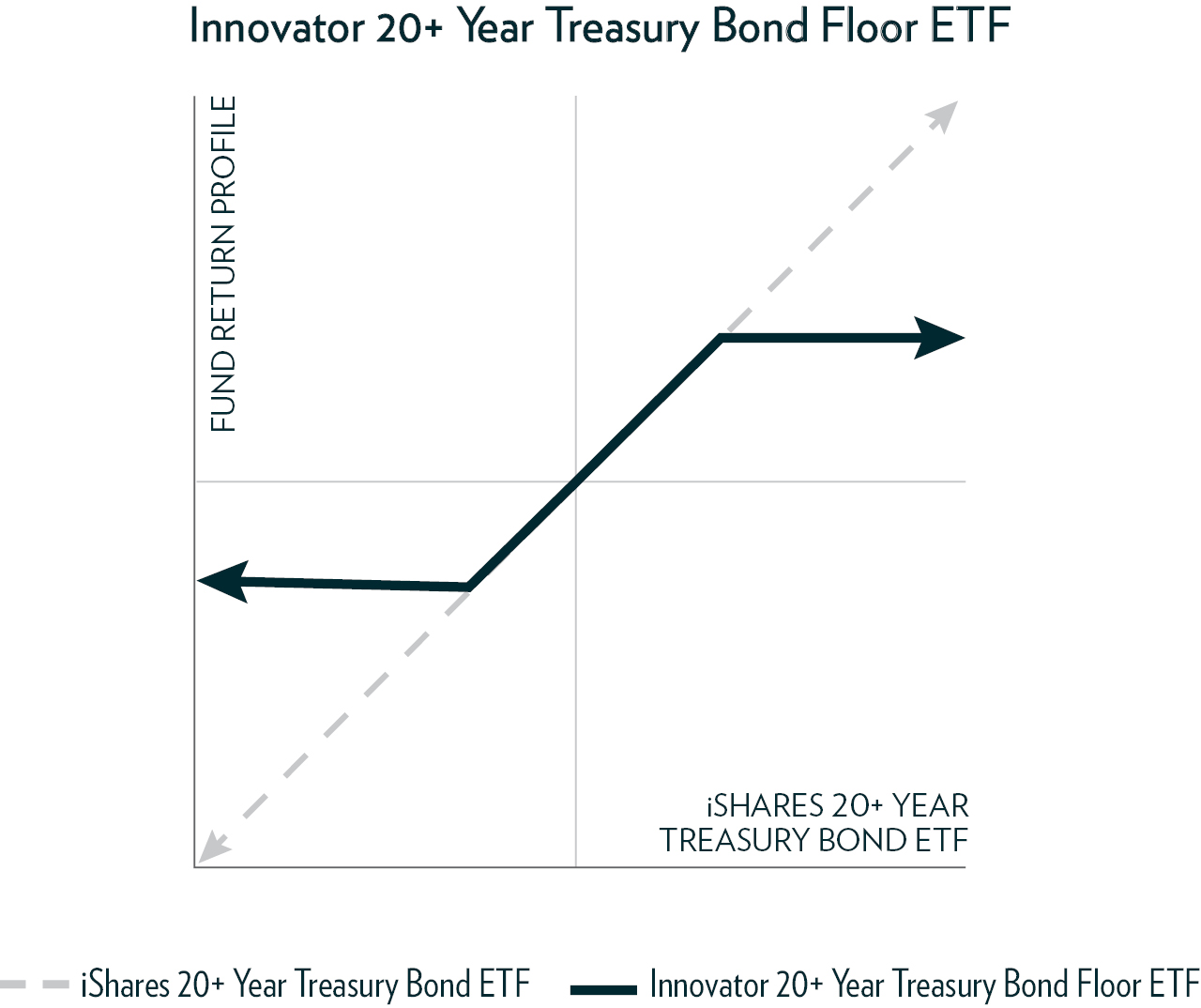
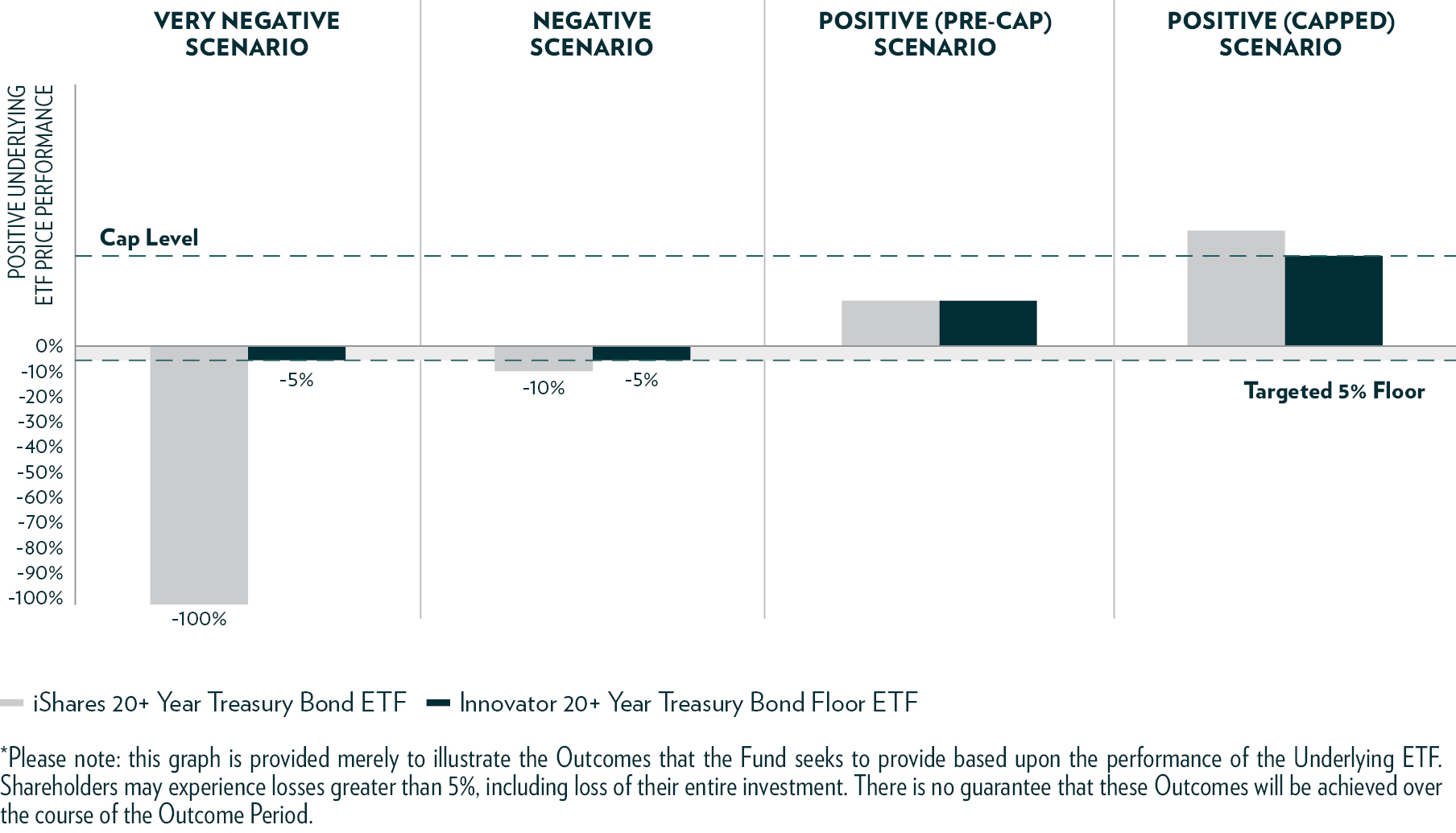
The following table contains hypothetical examples designed to illustrate the Outcomes the Fund seeks to provide over an Outcome Period, based upon the performance of the Underlying ETF from -100% to 100%. The table is provided for illustrative purposes and does not provide every possible performance scenario for Shares over the course of an Outcome Period. There is
4
no guarantee that the Fund will be successful in its attempt to provide the Outcomes for an Outcome Period. The table is not intended to predict or project the performance of the FLEX Options or the Fund. Fund shareholders should not take this information as an assurance of the expected performance of the Underlying ETF or return on Shares. The actual overall performance of the Fund will vary with fluctuations in the value of the FLEX Options during the Outcome Period, among other factors. Please refer to the Fund’s website, www.innovatoretfs.com/tfjl, which provides updated information relating to this table on a daily basis throughout the Outcome Period.
|
Underlying |
(100)% |
(50)% |
(20)% |
(10)% |
(5)% |
0% |
5% |
10% |
15% |
20% |
50% |
100% |
||||||||||||
|
Fund |
(5)% |
(5)% |
(5)% |
(5)% |
(5)% |
0% |
5% |
10% |
10.30%* |
10.30%* |
10.30%* |
10.30%* |
* The Cap is set on the first day of the Outcome Period and is 10.30% prior to taking into account any fees or expenses charged to shareholders. When the Fund’s annual Fund management fee of 0.79% of the Fund’s average daily net assets is taken into account for the Outcome Period, the Cap is 10.10%. The Fund’s annual management fee of 0.79% of the Fund’s average daily net assets, any shareholder transaction fees and any extraordinary expenses incurred by the Fund will have the effect of reducing the Cap and Floor amounts for Fund shareholders.
Use of FLEX Options. The Outcomes may be achieved by purchasing and selling call and put FLEX Options to create layers within the Fund’s portfolio. The Sub-Adviser has constructed a portfolio principally composed of FLEX Options that reference the Underlying ETF that are each set to expire on the last day of the Outcome Period. The customizable nature of FLEX Options allows the Sub-Adviser to select the share price at which the Underlying ETF will be exercised at the expiration of each FLEX Option. This is commonly known as the “strike price.” At the commencement of the Outcome Period, the Sub-Adviser specifically selects the strike price for each FLEX Option such that when the FLEX Options are exercised on the final day of the Outcome Period, the Outcomes may be obtained, depending on the performance of the Underlying ETF’s share price over the duration of the Outcome Period.
To achieve these returns, the Fund may purchase a combination of call options (giving the Fund the right to receive the cash value of the Underlying ETF’s share price) and put options (giving the Fund the right to deliver the cash value of the Underlying ETF’s share price), while simultaneously selling call options (giving the Fund the obligation to deliver the cash value of the Underlying ETF’s share price) and put options (giving the Fund the obligation to receive the cash value of the Underlying ETF’s share price). Each of these FLEX Options has a specifically selected strike price. The effect created by a first layer of FLEX Options positions is that if the Underlying ETF’s share price has increased in value over the course of the Outcome Period, when the amount of cash the Fund receives and delivers pursuant to the terms of its positions is netted out, the Fund seeks to provide a gain that matches the gain experienced by the Underlying ETF. This gain is subject to the Cap, a maximum investment return level, which is discussed below.
A separate layer is designed to produce the Fund’s objective to provide a maximum loss of 5% if the Underlying ETF’s share price experiences a decrease in value of greater than 5% over the duration of the Outcome Period. There is no guarantee that the Fund will be successful in its attempt to provide a maximum loss. In seeking to achieve the Floor, the Fund enters into a FLEX Option position that has a specifically selected strike price. The effect created by this position is that if the
5
Underlying ETF’s share price decreases by less than 5% over the duration of the Outcome Period, the Fund will experience a decrease in value that approximately matches the decrease in value experienced by the Underlying ETF’s share price.
Each of the FLEX Options purchased and sold throughout the Outcome Period are expected to have the same or similar terms (i.e., strike price and expiration) as the corresponding FLEX Options purchased and sold on the first day of the Outcome Period. A detailed explanation regarding the terms of the FLEX Options and the mechanics of the Fund’s strategy can be found in “Additional Information Regarding the Fund’s Principal Investment Strategies.”
The Outcome Period. The Outcomes sought by the Fund are based upon the Fund’s NAV at the outset of the Outcome Period. The Outcome Period begins on the day the FLEX Options are entered into and ends on the day they expire. Each FLEX Option’s value is ultimately derived from the performance of the Underlying ETF’s share price during that time. Because the terms of the FLEX Options don’t change, the Cap and Floor both relate to the Fund’s NAV on the first day of the Outcome Period. A shareholder that purchases Shares after the commencement of the Outcome Period will likely have purchased Shares at a different NAV than the NAV on the first day of the Outcome Period (the NAV upon which the Outcomes are based) and may experience investment outcomes very different from those sought by the Fund. A shareholder that sells Shares prior to the end of the Outcome Period may also experience investment outcomes very different from those sought by the Fund. To achieve the Outcomes sought by the Fund for the Outcome Period, an investor must be holding Shares at the time that the Fund enters into the FLEX Options and on the day those FLEX Options expire. There is no guarantee that the Fund will be successful in its attempt to provide the Outcomes.
The Fund’s assets will be principally composed of FLEX Options, the value of which is derived from the performance of the underlying reference asset, the Underlying ETF’s share price. However, because a component of an option’s value is the number of days remaining until its expiration, during the Outcome Period, the Fund’s NAV will not directly correlate on a day-to-day basis with the returns experienced by the Underlying ETF. The Sub-Adviser generally anticipates that the Fund’s NAV will increase on days when the Underlying ETF’s share price increases and will decrease on days when the Underlying ETF’s share price decreases, but that the rate of such increase or decrease will be less than that experienced by the Underlying ETF. Similarly, the amount of time remaining until the end of the Outcome Period also affects the impact of the Floor on the Fund’s NAV, which may not be in full effect prior to the end of the Outcome Period. The Fund’s strategy is designed to produce the Outcomes upon the expiration of the FLEX Options on the last day of the Outcome Period and it should not be expected that the Outcomes will be provided at any point prior to that time. Taken together, this means that at the midpoint of the Outcome Period, if the Underlying ETF’s share price has decreased by 5%, the Fund’s NAV can be expected to have decreased in value (because the Floor is not yet in full effect), but by less than 5% (because the Fund’s NAV will not correlate one-to-one with the Underlying ETF and the Fund’s NAV tends not to participate fully in either Underlying ETF gains or losses).
Cap on Potential Upside Returns. Unlike other investment products, the potential upside return an investor can receive from an investment in Fund Shares over the Outcome Period is subject to the Cap. The Cap represents the maximum percentage return an investor can achieve from an investment in Fund Shares over the duration of the Outcome Period. Therefore, even though
6
the Fund’s returns are based upon the performance of the Underlying ETF’s share price, if the Underlying ETF’s share price experiences returns for the Outcome Period in excess of the Cap, the Fund will not participate in excess returns. The Cap is determined on the first day of the Outcome Period and is 10.30% prior to taking into account any fees or expenses charged to shareholders. When the Fund’s annual Fund management fee of 0.79% of the Fund’s average daily net assets is taken into account for the Outcome Period, the Cap is 10.10%. The Cap will be further reduced by any shareholder transaction fees and any extraordinary expenses incurred by the Fund. For the purpose of this prospectus, “extraordinary expenses” are non-recurring expenses that may incurred by the Fund outside of the ordinary course of its business, including, without limitation, costs incurred in connection with any claim, litigation, arbitration, mediation, government investigation or similar proceedings, indemnification expenses and expenses in connection with holding and/or soliciting proxies for a meeting of Fund shareholders. The Cap is also set forth on the Fund’s website at www.innovatoretfs.com/tfjl.
The Cap will change for each Outcome Period based upon prevailing market conditions at the beginning of the Outcome Period. The Cap, and the Fund’s position relative to it, should be considered before investing in the Fund. If an investor is considering purchasing Shares during the Outcome Period, and the Fund has already increased in value to a level near to the Cap, an investor purchasing Shares at that price has limited to no gains available for the remainder of the Outcome Period but remains vulnerable to significant downside risks. There is no guarantee that the Fund will successfully achieve its investment objective.
The Cap is a result of the design of the Fund’s principal investment strategy. In order to provide the Floor, the Fund enters into a series of FLEX Option contracts. As the purchaser of certain of these FLEX Options, the Fund is obligated to pay a premium to the seller of those FLEX Options. However, the strategy is designed so that any premiums that the Fund is obligated to pay are offset by premiums it receives in connection with the selling of FLEX Options. On the first day of the Outcome Period when the Fund enters into its other FLEX Options positions, the portfolio managers will calculate the amount of premiums that the Fund will owe and will then go into the market and sell a call FLEX Option with terms that entitle the Fund to receive a premium in an amount equal to the amount that the Fund would otherwise owe. The Cap is the strike price of that sold call FLEX Option. The strike price is determined based upon prevailing market conditions at the time the Fund enters into the FLEX Options, most notably current interest rate levels, volatility in the Underlying ETF’s share price, and the relationship of put and calls on the underlying FLEX Options.
Floor. The Floor is only operative against Underlying ETF share price losses exceeding 5% over the duration of the Outcome Period; however, there is no guarantee that the Fund will be successful in its attempt to provide the Floor. After the Underlying ETF’s share price has decreased by more than 5%, the put option purchased by the Fund is designed to prevent all subsequent losses. The Floor is provided prior to taking into account annual Fund management fees equal to 0.79% of the Fund’s daily net assets, shareholder transaction fees and any extraordinary expenses incurred by the Fund. The Fund’s annual management fee of 0.79% of the Fund’s average daily net assets, any shareholder transaction fees and any extraordinary expenses incurred by the Fund will have the effect of extending the maximum losses incurred to the Floor for Fund shareholders. When the Fund’s annual management fee equal to 0.79% of the Fund’s daily net assets is taken into account for the Outcome Period, the net Floor for an Outcome Period is 5.20%. The Floor will be further reduced by any shareholder transaction fees and any extraordinary expenses incurred by the Fund.
7
If an investor is considering purchasing Shares during the Outcome Period, and the Fund has already increased in value, then a shareholder may experience losses prior to gaining the protection offered by the Floor, which is not guaranteed. A shareholder that purchases Shares at the beginning of the Outcome Period may lose their entire investment. While the Fund seeks to limit losses to 5% for shareholders who hold Shares for the entire Outcome Period, there is no guarantee it will successfully do so. Depending upon market conditions at the time of purchase, a shareholder that purchases Shares after the Outcome Period has begun may also lose their entire investment. An investment in the Fund is only appropriate for shareholders willing to bear those losses.
Fund Rebalance. The Fund is a continuous investment vehicle. It does not terminate and distribute its assets at the conclusion of each Outcome Period. On the termination date of an Outcome Period, the Sub-Adviser will invest in a new set of FLEX Options and another Outcome Period will commence.
Approximately one week prior to the end of each Outcome Period, the Fund will file a prospectus supplement, which will alert existing shareholders that an Outcome Period is approaching its conclusion and disclose the anticipated ranges for the Cap for the next Outcome Period. Following the close of business on the last day of the Outcome Period, the Fund will file a prospectus supplement that discloses the Fund’s final Cap (both gross and net of the unitary management fee) for the next Outcome Period. This information is available on the Fund’s website, www.innovatoretfs.com/tfjl, which also provides information relating to the Outcomes, including the Fund’s position relative to the Cap, of an investment in the Fund on a daily basis.
The Fund’s website, www.innovatoretfs.com/tfjl, provides information relating to the Outcomes, including the Fund’s position relative to the Cap and Floor, of an investment in the Fund on a daily basis.
The Fund is classified as “non-diversified” under the Investment Company Act of 1940, as amended (the “1940 Act”).
8
9
10
11
12
13
14
15
The Shares will change in value, and you could lose money by investing in the Fund. The Fund may not achieve its investment objective.
16
The bar chart and table below illustrate the annual calendar year returns of the Fund based on NAV as well as the average annual Fund returns.
The Fund’s
| | ||
| Innovator 20+ Year Treasury Bond 5 Floor ETF™ – Quarterly | 1 Year | Since |
| | | ( |
| | | ( |
| | | ( |
| | | ( |
17
Returns before taxes do not reflect the effects of any income or capital gains taxes.
Your own actual after-tax returns will depend on your specific tax situation and may differ from what is shown here.
Management
Investment Adviser
Innovator Capital Management, LLC (“Innovator” or the “Adviser”)
Investment Sub-Adviser
Milliman Financial Risk Management LLC
Portfolio Managers
The following persons serve as portfolio managers of the Fund.
• Robert T. Cummings – Principal Senior Director, Head of Portfolio Management at Milliman
• Yin Bhuyan – ETF Portfolio Manager at Milliman
Each of the portfolio managers is primarily and jointly responsible for the day-to-day management of the Fund. Mr. Cummings has served in this capacity since the Fund’s inception in August 2020. Ms. Bhuyan has served in this capacity since March 2021.
Purchase and Sale of Shares
The Fund issues and redeems Shares at NAV only with authorized participants that have entered into agreements with the Fund’s distributor and only in Creation Units or multiples thereof (“Creation Unit Aggregations”), in exchange for cash. Except when aggregated in Creation Units, the Shares are not redeemable securities of the Fund.
Individual Shares may only be bought and sold in the secondary market (i.e., on a national securities exchange) through a broker or dealer at a market price. Because the Shares trade at market prices rather than NAV, Shares may trade at a price greater than NAV (at a premium), at NAV, or less than NAV (at a discount). An investor may incur costs attributable to the difference between the highest price a buyer is willing to pay to purchase Shares (bid) and the lowest price a seller is willing to accept for Shares (ask) when buying or selling shares in the secondary market (the “bid-ask spread”).
18
Recent information, including information on the Fund’s NAV, market price, premiums and discounts, and bid-ask spreads, is available online at www.innovatoretfs.com.
Tax Information
The Fund’s distributions will generally be taxable as ordinary income, returns of capital or capital gains. A sale of Shares may result in capital gain or loss.
Payments to Broker-Dealers and Other Financial Intermediaries
If you purchase Shares through a broker-dealer or other financial intermediary (such as a bank), Innovator and Foreside Fund Services, LLC, the Fund’s distributor (the “Distributor”), may pay the intermediary for the sale of Shares and related services. These payments may create a conflict of interest by influencing the broker-dealer or other intermediary and your salesperson to recommend the Fund over another investment. Ask your salesperson or visit your financial intermediary’s website for more information.
19
| Investor Suitability Considerations | |
| You should only consider this investment if: | You should not consider this investment if: |
| • you fully understand the risks inherent in an investment in Fund Shares; • you desire to invest in a product with a return that depends upon the performance of the Underlying ETF’s share price over the Outcome Period; • you are willing to hold Fund Shares for the duration of the Outcome Period in order to achieve the outcomes that the Fund seeks to provide; • you are willing to forgo some or all of the investment returns derived from the Underlying ETF’s dividend distributions; • you fully understand that investments made when the Fund is at or near to the Cap may have limited to no upside; • you seek the protection of a 5% Floor on Underlying ETF losses for an investment held for the duration of the entire Outcome Period and understand that there is no guarantee that the Fund will be successful in its attempt to provide protection through the Floor; • you understand that the 5% Floor is provided prior to taking into account annual Fund management fees, shareholder transaction fees and any extraordinary expenses incurred by the Fund. After taking into account the annual Fund management fee, the net Floor for the Outcome Period is 5.20%; • you are willing to forgo any gains in excess of the Cap; • you understand that the Cap will be reduced by annual Fund management fees, shareholder transaction fees and any extraordinary expenses incurred by the Fund; • you understand that the Fund’s investments do not provide for dividends to the Fund; • you fully understand that investments made after the Outcome Period has begun may not fully benefit from the Floor; • you are willing to accept the risk of losing your entire investment; and • you have visited the Fund’s website and understand the investment outcomes available to you based upon the time of your purchase. | • you do not fully understand the risks inherent in an investment in Fund Shares; • you do not desire to invest in a product with a return that depends upon the performance of the Underlying ETF’s share price over the Outcome Period; • you are unwilling to hold Fund Shares for the duration of the Outcome Period in order to achieve the outcomes that the Fund seeks to provide; • you are unwilling to forgo some or all of the investment returns derived from the Underlying ETF’s dividend distributions; • you do not fully understand that investments made when the Fund is at or near to the Cap may have limited to no upside; • you seek an investment that provides total protection against Underlying ETF losses for an investment held for the duration of an Outcome Period and understand that any protection provided by the Floor is not guaranteed; • you seek the protection of a full 5% Floor, even after taking into account annual Fund management fees, shareholder transaction fees and any extraordinary expenses; • you do not understand that the 5% Floor is provided prior to taking into account annual Fund management fees, shareholder transaction fees and any extraordinary expenses incurred by the Fund; • you are unwilling to forgo any gains in excess of the Cap; • you do not understand that the Cap will be reduced by annual Fund management fees, shareholder transaction fees and any extraordinary expenses incurred by the Fund; • you do not fully understand that the Fund’s investments do not provide for dividends to the Fund; • you do not fully understand that investments made after the Outcome Period has begun may not fully benefit from the Floor; • you are unwilling to accept the risk of losing your entire investment; and • you have not visited the Fund’s website and do not understand the investment outcomes available to you based upon the timing of your purchase. |
20
| Additional Information About the Fund’s Principal Investment Strategies |
The Fund’s principal investment strategy seeks to produce the Outcomes based upon the performance of the Underlying ETF. If the Underlying ETF’s share price increases in value over the duration of the Outcome Period, the Fund seeks to provide Fund shareholders that hold Shares for the entire Outcome Period with an increase in value that approximately matches the increase experienced by the Underlying ETF, subject to the Cap. If the Underlying ETF’s share price decreases in value over the duration of the Outcome Period, the Fund seeks to provide Fund shareholders that hold Shares for the entire Outcome Period with a decrease in value that approximately matches the decrease experienced by the Underlying ETF, with a maximum loss of 5%. All investment gains are subject to the Cap. Both the Cap and the Floor are provided prior to taking into account annual Fund management fees equal to 0.79% of the Fund’s daily net assets, shareholder transaction fees and any extraordinary expenses incurred by the Fund. Such expenses will reduce the Cap. The Fund’s annual management fee of 0.79% of the Fund’s average daily net assets, any shareholder transaction fees and any extraordinary expenses incurred by the Fund will have the effect of extending the maximum losses incurred to the Floor amount for Fund shareholders. There is no guarantee that the Fund will be successful in its attempt to provide the Outcomes.
The Underlying ETF consists of publicly-issued U.S. Treasury securities that have remaining maturities greater than or equal to twenty years and have $300 million or more of outstanding face value, excluding amounts held by the Federal Reserve System. The Underlying ETF holds only fixed-rate securities that are denominated in U.S. dollars. Excluded from the Underlying ETF are inflation-linked securities, Treasury bills, cash management bills, any government agency debt issued with or without a government guarantee and zero-coupon issues that have been stripped from coupon-paying bonds. The Underlying ETF is market value weighted, and the securities comprising the Underlying ETF are updated on the last business day of each month.
In general, an option contract is an agreement between a buyer and seller that gives the purchaser of the option the right to buy or sell a particular asset at a specified future date at an agreed upon price (commonly known as the “strike price”). FLEX Options are exchange-traded options contracts with uniquely customizable terms. Each FLEX Option contract that the Fund enters into references the Underlying ETF and expires on the last day of the Outcome Period. The FLEX Options, however, have varying strike prices. The layering of these FLEX Options with varying strike prices provides the mechanism for producing the Fund’s desired outcomes. The Fund has three main layers of FLEX Options as set forth below.
21
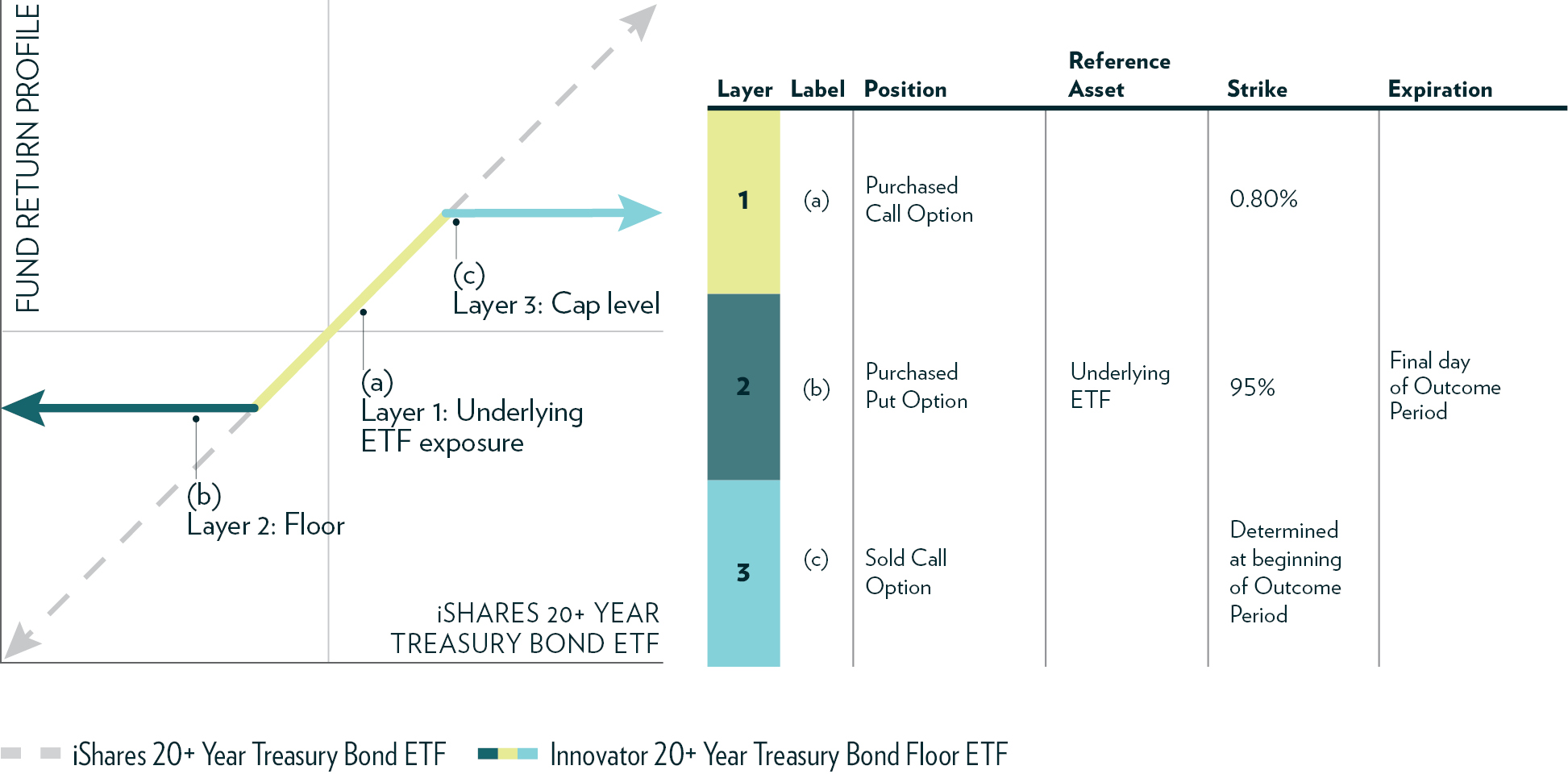
• Position (a) provides participation in the increases or decreases in value of the Underlying ETF’s share price. At its expiration, this deeply in-the-money call option will realize a value approximately equal to that of the Underlying ETF’s share price.
• Position (b) produces the 5% Floor. The Fund’s purchase of a put option with a strike price of 95% of the value of the Underlying ETF’s share price at the outset of the Outcome Period means that the option will only be “in-the-money” when the Underlying ETF’s share price has decreased in value by more than 5%. The payoff at expiration will compensate for a decrease in the Underlying ETF’s share price by more than 5% over the duration of the Outcome Period.
• The strike price of position (c) produces the Cap and is chosen so that the combined net FLEX Options purchase price in (a) through (c) is approximately equal to the Fund’s NAV.
• The combination of positions (a) through (c) creates a maximum growth opportunity approximately equal to the return experienced by the Underlying ETF at expiration, not to exceed the Cap, while providing a 5% Floor from losses.
As described on the cover of this prospectus, in “Principal Investment Strategies” and in “Principal Risks,” there are risks associated with an investment in the Fund and there is no guarantee the Fund achieve the Outcomes it seeks to provide. The Fund’s unique characteristics (i.e., the imperative of holding Shares for the entire Outcome Period, the Cap and Floor) distinguish it from other investment products and may make it an unsuitable some investors. To help decide whether an investment in the Fund is appropriate based upon individual circumstances, please see the section of this prospectus entitled “Investor Suitability.”
22
The Fund’s investment objective is considered non-fundamental and may be changed by the Board without shareholder approval. Additionally, the Fund may liquidate and terminate at any time without shareholder approval.
| Fund Investments |
Principal Investments
FLEX Options
FLEX Options are customized option contracts that trade on an exchange but provide investors with the ability to customize key contract terms like strike price, style and expiration date while achieving price discovery in competitive, transparent auctions markets and avoiding the counterparty exposure of over-the-counter options positions. Like traditional exchange-traded options, FLEX Options are guaranteed for settlement by the OCC, a market clearinghouse that guarantees performance by counterparties to certain derivatives contracts.
The FLEX Options in which the Fund will invest are all European style option contracts (option contracts that are exercisable only on the expiration date). The FLEX Options are listed on the Chicago Board Options Exchange.
The Fund will purchase and sell call and put FLEX Options. In general, put options give the holder (i.e., the buyer) the right to sell an asset (or deliver the cash value of the asset, in case of certain put options) and the seller (i.e., the writer) of the put has the obligation to buy the asset (or receive cash value of the asset, in case of certain put options) at a certain defined price. Call options give the holder (i.e., the buyer) the right to buy an asset (or receive cash value of the asset, in case of certain call options) and the seller (i.e., the writer) the obligation to sell the asset (or deliver cash value of the asset, in case of certain call options) at a certain defined price.
The Fund will use the market value of its derivatives holdings for the purpose of determining compliance with the 1940 Act and the rules promulgated thereunder. Since the FLEX Options held by the Fund are exchange-traded, these will be valued on a mark-to-market basis. In the event market prices are not available, the Fund will use fair value pricing pursuant to the fair value procedures adopted by Innovator as the “Valuation Designee” pursuant to Rule 2a-5 of the 1940 Act (“Rule 2a-5”) and approved by, and subject to the oversight of, the Board. The Fund will enter into FLEX Options contracts in accordance with Rule 18f-4 under the 1940 Act, which requires the Fund to implement certain policies and procedures designed to manage its derivatives risks, dependent upon the Fund’s level of exposure to derivative instruments.
Disclosure of Portfolio Holdings
A description of the Trust’s policies and procedures with respect to the disclosure of the Fund’s portfolio holdings is available in the Fund’s statement of additional information (“SAI”), which is available at www.innovatoretfs.com.
23
| Additional Risks of Investing in the Fund |
Risk is inherent in all investing. Investing in the Fund involves risk, including the risk that you may lose all or part of your investment. There can be no assurance that the Fund will meet its stated objective. Before you invest, you should consider the following supplemental disclosure pertaining to the Principal Risks set forth above as well as additional Non-Principal Risks set forth below in this prospectus.
Principal Risks
Floor Risk. There can be no guarantee that the Fund will be successful in its strategy to provide a maximum loss of 5% over the duration of the Outcome Period. The Fund does not provide principal protection or non-principal protection, and an investor may experience significant losses on its investment, including the loss of its entire investment. The Fund’s strategy seeks to deliver returns that match those of the Underlying ETF, while preventing downside losses in excess of the Floor, if Shares are bought on the day on which the Fund enters into the FLEX Options and held until those FLEX Options expire at the end of each Outcome Period. In the event an investor purchases Shares after the date on which the FLEX Options were entered into or sells Shares prior to the expiration of the FLEX Options, the Floor that the Fund seeks to provide may not be available.
Capped Upside Return Risk. The Fund’s strategy seeks to provide returns that are subject to the Cap. In the event that the Underlying ETF experiences gains in excess of the Cap for the Outcome Period, the Fund will not participate in those gains beyond the Cap. The Fund’s strategy seeks to deliver returns that match those of the Underlying ETF (up to the Cap), while limiting downside losses, if Shares are held at the time at which the Fund enters into the FLEX Options and held until those FLEX Options expire at the end of the Outcome Period. In the event an investor purchases Shares after the FLEX Options were entered into or sells Shares prior to the expiration of the FLEX Options, there may be little or no ability for that investor to experience an investment gain on their Shares. In addition, because the Fund is designed to achieve Outcomes that change for each three-month Outcome Period, the Outcomes that are achieved by the Fund for a three-month Outcome Period will be different than the Outcomes achieved by the Fund over multiple Outcome Periods, or on an annualized basis. Similarly, investors holding Shares over multiple Outcome Periods will experience different investment results than holding a fund that has a longer Outcome Period (e.g., one year).
FLEX Options Risk. The Fund will utilize FLEX Options, which are customizable, exchange-traded option contracts that are issued and guaranteed for settlement by the OCC. The Fund bears the risk that the OCC will be unable or unwilling to perform its obligations under the FLEX Options contracts. In the unlikely event that the OCC becomes insolvent or is otherwise unable to meet its settlement obligations, the Fund could suffer significant losses. Additionally, FLEX Options may be less liquid than certain other securities, such as standardized options. In less liquid markets for the FLEX Options, the Fund may have difficulty closing out certain FLEX Options positions at desired times and prices. In connection with the creation and redemption of Shares, to the extent market participants are not willing or able to enter into FLEX Option transactions with the Fund at prices that reflect the market price of the Shares, the Fund’s NAV and, in turn the share price of the Fund, could be negatively impacted.
24
The Fund may experience substantial downside from specific FLEX Option positions and certain FLEX Option positions may expire worthless. The Fund utilizes European style FLEX Option contracts, which are exercisable at the strike price only on the expiration date. As a FLEX Option approaches its expiration date, its value typically increasingly moves with the value of the Underlying ETF. However, prior to such date, the value of the FLEX Options does not increase or decrease at the same rate as the Underlying ETF’s share price on a day-to-day basis (although they generally move in the same direction). The value of the FLEX Options held by the Fund will be determined based on market quotations or other recognized pricing methods. The value of the underlying FLEX Options will be affected by, among others, changes in the Underlying ETF’s share price, changes in interest rates, changes in the actual and implied volatility of the Underlying ETF and the remaining time to until the FLEX Options expire.
Option Contracts Risk. The use of option contracts involves investment strategies and risks different from those associated with ordinary portfolio securities transactions. The prices of option contracts are volatile and are influenced by, among other things, actual and anticipated changes in the value of the underlying instrument, changes in interest or currency exchange rates, including the anticipated volatility, which are affected by fiscal and monetary policies and by national and international political, changes in the actual or implied volatility or the reference asset, the time remaining until the expiration of the option contract and economic events. There may at times be an imperfect correlation between the movement in values option contracts and the reference asset, and there may at times not be a liquid secondary market for certain option contracts. Option contracts may also involve the use of leverage, which could result in greater price volatility than other markets. The Fund has taken the necessary steps to comply with the requirements of Rule 18f-4 in its usage of FLEX Options. The Fund has adopted and implements a derivatives risk management program that contains policies and procedures reasonably designed to manage the Fund’s derivatives risks, has appointed a derivatives risk manager who is responsible for administrating the derivatives risk management program, complies with outer limitations on risks relating to its derivatives transactions and carries out enhanced reporting to the Board, the SEC and the public regarding its derivatives activities. To the extent the Fund is noncompliant with Rule 18f-4, the Fund may be required to adjust its investment portfolio which may, in turn, negatively impact the Fund’s ability to deliver the sought-after Outcomes.
Clearing Member Default Risk. Transactions in some types of derivatives, including FLEX Options, are required to be centrally cleared (“cleared derivatives”). In a transaction involving cleared derivatives, the Fund’s counterparty is a clearing house, such as the OCC, rather than a bank or broker. Since the Fund is not a member of clearing houses and only members of a clearing house (“clearing members”) can participate directly in the clearing house, the Fund will hold cleared derivatives through accounts at clearing members. In cleared derivatives positions, the Fund will make payments (including margin payments) to, and receive payments from, a clearing house through their accounts at clearing members. Customer funds held at a clearing organization in connection with any option contracts are held in a commingled omnibus account and are not identified to the name of the clearing member’s individual customers. As a result, assets deposited by the Fund with any clearing member as margin for its FLEX Options may, in certain circumstances, be used to satisfy losses of other clients of the Fund’s clearing member. In addition, although clearing members guarantee performance of their clients’ obligations to the clearing house, there is a risk that the assets of the Fund might not be fully protected in the event of the clearing member’s
25
bankruptcy, as the Fund would be limited to recovering only a pro rata share of all available funds segregated on behalf of the clearing member’s customers for the relevant account class. The Fund is also subject to the risk that a limited number of clearing members are willing to transact on the Fund’s behalf, which heightens the risks associated with a clearing member’s default. If a clearing member defaults the Fund could lose some or all of the benefits of a transaction entered into by the Fund with the clearing member. The loss of a clearing member for the Fund to transact with could result in increased transaction costs and other operational issues that could impede the Fund’s ability to implement its investment strategy. If the Fund cannot find a clearing member to transact with on the Fund’s behalf, the Fund may be unable to effectively implement its investment strategy.
Counterparty Risk. Counterparty risk is the risk an issuer, guarantor or counterparty of a security in the Fund is unable or unwilling to meet its obligation on the security. Counterparty risk may arise because of the counterparty’s financial condition, market activities, or for other reasons. The Fund may be unable to recover its investment from the counterparty or may obtain a limited and/or delayed recovery. The OCC acts as guarantor and central counterparty with respect to the FLEX Options. As a result, the ability of the Fund to meet its objective depends on the OCC being able to meet its obligations. In the event an OCC clearing member that is a counterparty of the Fund were to become insolvent, the Fund may have some or all of its FLEX Options closed without its consent or may experience delays or other difficulties in attempting to close or exercise its affected FLEX Options positions, both of which would impair the Fund’s ability to deliver on its investment strategy. The OCC’s rules and procedures are designed to facilitate the prompt settlement of options transactions and exercises, including for clearing member insolvencies. However, there is the risk that the OCC and its backup system will fail if clearing member insolvencies are substantial or widespread. In the unlikely event that the OCC becomes insolvent or is otherwise unable to meet its settlement obligations, the Fund could suffer significant losses.
Outcome Period Risk. The Fund’s investment strategy is designed to deliver the Outcomes if Shares are held for the entirety of the Outcome Period. In the event an investor purchases Shares after the FLEX Options were entered into or sells Shares prior to the expiration of the FLEX Options, the returns realized by the investor will not match those that the Fund seeks to provide. In addition, because the Fund is designed to achieve Outcomes that change for each three-month Outcome Period, the Outcomes that are achieved by the Fund for a three-month Outcome Period will be different than the Outcomes achieved by the Fund over multiple Outcome Periods, or on an annualized basis. Similarly, investors holding Shares over multiple Outcome Periods will experience different investment results than holding a fund that has a longer Outcome Period (e.g., one year) and any losses for such holders could exceed the performance for a fund with a longer Outcome Period.
Upside Participation Risk. There can be no guarantee that the Fund will be successful in its strategy to provide shareholders with a total return that matches the increases in the price of the Underlying ETF over the Outcome Period, subject to a maximum return imposed by the Cap. Because the value of the Fund’s FLEX Options does not increase or decrease at the same rate as the Underlying ETF’s share price on a day-to-day basis (although they generally move in the same direction), the Fund may underperform the increases in the share price of the Underlying ETF until the end of the Outcome Period. To the extent the price of the Underlying ETF increases beyond the Fund’s Cap, the Fund will not participate in such gains, and will underperform the Underlying
26
ETF. In the event an investor purchases Shares after the FLEX Options were entered into or does not stay invested in the Fund for the entirety of the Outcome Period, the returns realized by such investor may not match those that the Fund seeks to achieve.
Cap Change Risk. A new Cap is established at the beginning of each Outcome Period and is dependent on prevailing market conditions at the time the Cap is established. As such, the Cap may rise or fall from one Outcome Period to the next and is unlikely to remain the same for consecutive Outcome Periods. Investors should monitor the changes in the Cap for each Outcome Period, information for which will be made available pursuant to the procedure outlined in the Fund’s prospectus.
Underlying ETF Risk. Because the value of the FLEX Options held by the Fund are based on the value of the Underlying ETF, the Fund’s investment performance largely depends on the investment performance and associated risks of the Underlying ETF. The Underlying ETF is subject to many of the same structural risks as the Fund that are described in more detail herein, such as Authorized Participant Concentration Risk, Fluctuation of Net Asset Value Risk, Market Maker Risk, Market Risk, Operational Risk and Trading Issues Risk. However, the risks of investing in an ETF also include the risks associated with the underlying investments held by the ETF. As such, the Fund may be subject to the following risks as a result of its exposure to the Underlying ETF through its usage of FLEX Options:
Credit Risk. Credit risk is the risk that an issuer of a security will be unable or unwilling to make dividend, interest and/or principal payments when due and the related risk that the value of such security may decline because of concerns about the issuer’s ability to make such payments.
Debt Securities Risk. Investments in debt securities subject the holder to the credit risk of the issuer. Credit risk refers to the possibility that the issuer or other obligor of a security will not be able or willing to make payments of interest and principal when due. Generally, the value of debt securities will change inversely with changes in interest rates. To the extent that interest rates rise, certain underlying obligations may be paid off substantially slower than originally anticipated and the value of those securities may fall sharply. During periods of falling interest rates, the income received by the Underlying ETF may decline. If the principal on a debt security is prepaid before expected, the prepayments of principal may have to be reinvested in obligations paying interest at lower rates. Debt securities generally do not trade on a securities exchange making them generally less liquid and more difficult to value than common stock.
Income Risk. The income of the Underlying ETF could decline due to falling market interest rates. This is because, in a falling interest rate environment, the Underlying ETF generally will have to invest the proceeds from sales of its shares, as well as the proceeds from maturing portfolio securities, or portfolio securities that have been called, in lower-yielding securities.
Interest Rate Risk. Interest rate risk is the risk that the value of the debt securities in the Underlying ETF’s portfolio will decline because of rising market interest rates. Interest rate risk is generally lower for shorter term debt securities and higher for longer-term debt securities. The Underlying ETF may be subject to a greater risk of rising interest rates than
27
would normally be the case due to the current period of historically low rates and the effect of potential government fiscal policy initiatives and resulting market reaction to those initiatives. Duration is a reasonably accurate measure of a debt security’s price sensitivity to changes in interest rates and a common measure of interest rate risk. Duration measures a debt security’s expected life on a present value basis, taking into account the debt security’s yield, interest payments and final maturity. In general, duration represents the expected percentage change in the value of a security for an immediate 1% change in interest rates. For example, the price of a debt security with a three-year duration would be expected to drop by approximately 3% in response to a 1% increase in interest rates. Therefore, prices of debt securities with shorter durations tend to be less sensitive to interest rate changes than debt securities with longer durations. As the value of a debt security changes over time, so will its duration.
Liquidity Risk. The Underlying ETF may hold certain investments that may be subject to restrictions on resale, trade over-the-counter or in limited volume, or lack an active trading market. Accordingly, the Underlying ETF may not be able to sell or close out of such investments at favorable times or prices (or at all), or at the prices approximating those at which the Underlying ETF currently values them. Illiquid securities may trade at a discount from comparable, more liquid investments and may be subject to wide fluctuations in market value.
U.S. Government Securities Risk. U.S. government securities are subject to interest rate risk but generally do not involve the credit risks associated with investments in other types of debt securities. As a result, the yields available from U.S. government securities are generally lower than the yields available from other debt securities. U.S. government securities are guaranteed only as to the timely payment of interest and the payment of principal when held to maturity. While securities issued or guaranteed by U.S. federal government agencies (such as Ginnie Mae) are backed by the full faith and credit of the U.S. Department of the Treasury, securities issued by government sponsored entities (such as Fannie Mae and Freddie Mac) are solely the obligation of the issuer and generally do not carry any guarantee from the U.S. government.
U.S. Treasury Obligations Risk. U.S. Treasury obligations may differ from other securities in their interest rates, maturities, times of issuance and other characteristics. Similar to other issuers, changes to the financial condition or credit rating of the U.S. government may cause the value of the Fund’s U.S. Treasury obligations to decline. On August 5, 2011, S&P Global Ratings downgraded U.S. Treasury securities from AAA rating to AA+ rating. A further downgrade of the ratings of U.S. government debt obligations, which are often used as a benchmark for other borrowing arrangements, could result in higher interest rates for individual and corporate borrowers, cause disruptions in the international bond markets and have a substantial negative effect on the U.S. economy. A downgrade of U.S. Treasury securities from another ratings agency or a further downgrade below AA+ rating by S&P Global Ratings may cause the value of the Fund’s U.S. Treasury obligations to decline.
Correlation Risk. The FLEX Options held by the Fund are European style option contracts and therefore will be exercisable at the strike price only on their expiration date. As a FLEX Option approaches its expiration date, its value typically will increasingly move with the value of the Underlying ETF. However, prior to the expiration date, the value of the FLEX Options prior to the expiration date may vary versus the value of the Underlying ETF because of related factors other
28
than the value of the Underlying ETF. Factors that may influence the value of the FLEX Options include interest rate changes and implied volatility levels of the Underlying ETF, among others. The value of the FLEX Options will be determined based upon market quotations or using other recognized pricing methods. The value of the FLEX Options held by the Fund typically do not increase or decrease at the same level as the Underlying ETF’s share price on a day-to-day basis due to these factors (although they generally move in the same direction).
Authorized Participant Concentration Risk. Only an authorized participant may engage in creation or redemption transactions directly with the Fund. The Fund has a limited number of institutions that may act as authorized participants on an agency basis (i.e., on behalf of other market participants). Authorized participants are not obligated to make a market in Shares or submit orders for the issuance or redemption of Creation Units. To the extent that authorized participants exit the business or are unable to proceed with orders for the issuance or redemption of Creation Units and no other authorized participant is able to step forward to fulfill the order, Shares may be more likely to trade at a premium or discount to NAV and possibly face trading halts and/or delisting, and the bid/ask spread on Shares may widen.
Cash Transactions Risk. The Fund may effectuate all or a portion of the issuance and redemption of Creation Units for cash, rather than in-kind securities. As a result, an investment in the Fund may be less tax-efficient than an investment in an ETF that effectuates its Creation Units only on an in-kind basis. ETFs are able to make in-kind redemptions to avoid being taxed on gains on the distributed portfolio securities at the fund level. A fund that effects redemptions for cash may be required to sell portfolio securities in order to obtain the cash needed to distribute redemption proceeds. Any recognized gain on these sales by the fund will generally cause such fund to recognize a gain it might not otherwise have recognized, or to recognize such gain sooner than would otherwise be required if it were to distribute portfolio securities only in-kind. The Fund intends to distribute gains that arise by virtue of the issuance and redemption of Creation Units being effectuated in cash to shareholders to avoid being taxed on this gain at the fund level and otherwise comply with special tax rules that apply to it. This may cause shareholders to be subject to tax on gains they would not otherwise be subject to, or at an earlier date than if they had made an investment in another ETF. Moreover, cash transactions may have to be carried out over several days if the securities market is relatively illiquid and may involve considerable brokerage fees and taxes. These brokerage fees and taxes, which will be higher than if the Fund sold and redeemed its shares principally in-kind, will be passed on to those purchasing and redeeming Creation Units in the form of creation and redemption transaction fees. In addition, these factors may result in wider spreads between the bid and the offered prices of Shares than for ETFs that distribute portfolio securities in-kind. The Fund’s use of cash for creations and redemptions could also result in dilution to the Fund and increased transaction costs, which could negatively impact the Fund’s ability to achieve its investment objective.
Cyber Security Risk. As the use of Internet technology has become more prevalent in the course of business, the investment industry has become more susceptible to potential operational risks through breaches in cyber security. A breach in cyber security refers to both intentional and unintentional events that may cause the Fund to lose proprietary information, suffer data corruption or lose operational capacity. Such events could cause the Fund to incur regulatory penalties, reputational damage, additional compliance costs associated with corrective measures and/or financial loss. Cyber security breaches may involve unauthorized access to the Fund’s
29
digital information systems through “hacking” or malicious software coding, but may also result from outside attacks such as denial-of-service attacks through efforts to make network services unavailable to intended users. In addition, cyber security breaches of the Fund’s third-party service providers, such as its administrator, transfer agent, or custodian can also subject the Fund to many of the same risks associated with direct cyber security breaches. The Fund has established risk management systems designed to reduce the risks associated with cyber security. However, there is no guarantee that such efforts will succeed, especially because the Fund does not directly control the cyber security systems of issuers or third-party service providers. The Fund may incur substantial costs in order to resolve or prevent cyber security incidents in the future.
Investment Objective Risk. Certain circumstances under which the Fund might not achieve its objective include, but are not limited, to (i) if the Fund disposes of FLEX Options, (ii) if the Fund is unable to maintain the proportional relationship based on the number of FLEX Options in the Fund’s portfolio, (iii) a significant accrual of Fund expenses in connection with effecting the Fund’s principal investment strategy or (iv) adverse tax law changes affecting the treatment of FLEX Options. The Fund is also subject to management risk as an actively-managed fund, which may cause it not to achieve its investment objective.
Liquidity Risk. The market for the Fund’s FLEX Options may become less liquid as a result of adverse market or economic conditions or other unrelated reasons. In the event that trading in the underlying FLEX Options is limited or absent, the value of the Fund’s FLEX Options may decrease. There is no guarantee that a liquid secondary trading market will exist for the FLEX Options. The trading in FLEX Options may be less deep and liquid than the market for certain other securities, including certain non-customized option contracts. In a less liquid market for the FLEX Options, terminating the FLEX Options may require the payment of a premium or acceptance of a discounted price and may take longer to complete. Additionally, the liquidation of a large number of FLEX Options may more significantly impact the price in a less liquid market. Further, the Fund requires a sufficient number of participants to facilitate the purchase and sale of options on an exchange to provide liquidity to the Fund for its FLEX Option positions. A less liquid trading market may adversely impact the value of the FLEX Options and the value of your investment.
Management Risk. The Fund is subject to management risk because it is an actively managed portfolio. The Sub-Adviser applies investment techniques and risk analyses in making investment decisions for the Fund, but there can be no guarantee that the Fund will meet its investment objective, produce the Outcomes or perform as well as similarly situated funds.
Market Maker Risk. The Fund faces market trading risks, including the potential lack of an active market for Shares due to a limited number of market makers. If the Fund has lower average daily trading volumes, it may rely on a small number of third-party market makers to provide a market for the purchase and sale of Shares. Any trading halt or other problem relating to the trading activity of these market makers could result in a dramatic change in the spread between the Fund’s NAV and the price at which the Shares are trading on the Exchange, which could result in a decrease in the market price of the Shares. In addition, decisions by market makers or authorized participants to reduce their role or step away from these activities in times of market stress could inhibit the effectiveness of the arbitrage process in maintaining the relationship
30
between the underlying values of the Fund’s portfolio securities and the Fund’s market price. This reduced effectiveness could result in Shares trading at a discount to NAV and in greater than normal intra-day bid-ask spreads for Shares.
Market Risk. The Fund could lose money over short periods due to short-term market movements and over longer periods during more prolonged market downturns. Assets may decline in value due to factors affecting financial markets generally or particular asset classes or industries represented in the markets. The value of FLEX Options or other assets may also decline due to general market conditions, economic trends or events that are not specifically related to the issuer of the security or other asset, or due to factors that affect a particular issuer or issuers, country, group of countries, region, market, industry, group of industries, sector or asset class. During a general market downturn, multiple asset classes may be negatively affected. Changes in market conditions and interest rates will not have the same impact on all types of securities. Values of securities may change due to factors such as inflation, changes in interest rates, changes in regulatory requirements, bank failures, political climate deterioration or developments, armed conflicts, natural disasters or future health crises, may negatively impact market conditions, and cause a decrease in the value of securities. Other unexpected political, regulatory and diplomatic events within the U.S. and abroad may affect investor and consumer confidence and may adversely impact financial markets and the broader economy. These events, and any other future events, may adversely affect the prices and liquidity of the Fund’s investments and could result in disruptions in the trading markets. Securities, including the Shares, are subject to market fluctuations and liquidity constraints that may be caused by such factors or other economic, political, or regulatory developments, and/or perceived trends in securities prices. Shares of the Fund could decline in value or underperform other investments. In addition, local, regional or global events such as war, acts of terrorism, spread of infectious diseases or other public health issues, recessions, or other events could have a significant negative impact on a Fund and its investments. Such events may affect certain geographic regions, countries, sectors and industries more significantly than others. Such events could result in disruptions to trading markets and could also adversely affect the prices and liquidity of a Fund’s holdings. Any of such circumstances could result in increased market volatility and/or have a materially negative impact on the value of Shares or the liquidity of an investment. During any such events, Shares may trade at greater premiums or discounts to their NAV and the bid/ask spread on Shares may widen. The future potential economic impact of any such future events is impossible to predict and could result in adverse market conditions that impact the performance of the Fund.
Non-Diversification Risk. The Fund is classified as “non-diversified” under the 1940 Act. As a result, the Fund is only limited as to the percentage of its assets which may be invested in the securities of any one issuer by the diversification requirements imposed by the Code. The Fund may invest a relatively high percentage of its assets in a limited number of issuers. As a result, the Fund may be more susceptible to a single adverse economic or regulatory occurrence affecting one or more of these issuers, experience increased volatility and be highly invested in certain issuers.
Operational Risk. The Fund is exposed to operational risks arising from a number of factors, including, but not limited to, human error in the calculation of the Cap, processing and communication errors, errors of the Fund’s service providers, counterparties or other third-parties, failed or inadequate processes and technology or systems failures. Additionally, cyber security failures or breaches of the electronic systems of the Fund and/or its service providers may disrupt
31
or negatively impact the operation of the Fund which may result in financial losses to the Fund and its shareholders. The Fund and its Adviser and Sub-Adviser seek to reduce these operational risks through controls and procedures. However, these measures do not address every possible risk and may be inadequate to address these risks.
Premium/Discount Risk. Shares trade on the Exchange at market prices rather than their NAV. The Fund’s NAV represents the value of the Fund’s investments and is calculated by taking the sum of the Fund’s assets less the Fund’s liabilities, if any. The NAV per Share is the value of a Share’s portion of all of the Fund’s net assets. The market price of Shares generally corresponds to movements in the Fund’s NAV as well as the relative supply and demand for Shares on the Exchange. The market price may be at, above (a premium) or below (a discount) the Fund’s NAV. Differences in market prices of Shares and the NAV per Share may be due, in large part, to the fact that supply and demand forces at work in the secondary trading market for Shares will be closely related to, but not identical to, the same forces influencing the prices of the Fund’s holdings trading individually or in the aggregate at any point in time. These differences can be especially pronounced during times of market volatility or stress. During these periods, the demand for Shares may decrease considerably and cause the market price of Shares to deviate, and in some cases deviate significantly, from the Fund’s NAV. Additionally, decisions by market makers and/or authorized participants or reduced effectiveness of the arbitrage process in maintaining the relationship of the Fund’s NAV to the market price of its Shares could result in the Shares trading at a premium, or discount to NAV and the bid/ask spread on Shares may widen.
Tax Risk. The Fund intends to elect and to qualify each year to be treated as a RIC under Subchapter M of the Code. However, the federal income tax treatment of certain aspects of the proposed operations of the Fund are not entirely clear. This includes the tax aspects of the Fund’s options strategy, its hedging strategy, the possible application of the “straddle” rules, and various loss limitation provisions of the Code. If, in any year, the Fund fails to qualify as a RIC under the applicable tax laws, the Fund would be taxed as an ordinary corporation. The Fund intends to treat any income it may derive from the FLEX Options as “qualifying income” under the provisions of the Code applicable to RICs. In addition, based upon language in the legislative history, the Fund intends to treat the issuer of the FLEX Options as the referenced asset, which, assuming the referenced asset qualifies as a RIC, would allow the Fund to qualify for special rules in the RIC diversification requirements. If the income is not qualifying income or the issuer of the FLEX Options is not appropriately the referenced asset, the Fund could lose its own status as a RIC. The FLEX Options included in the portfolio are exchange-traded options. Under Section 1256 of the Code, certain types of exchange-traded options are treated as if they were sold (i.e., “marked to market”) at the end of each year. The Fund does not believe that the positions held by the Fund will be subject to Section 1256, which means that the positions will not be marked to market. In the event that a shareholder purchases Shares of the Fund shortly before a distribution by the Fund, the entire distribution may be taxable to the shareholder even though a portion of the distribution effectively represents a return of the purchase price.
Trading Issues Risk. Although Shares are listed for trading on the Exchange, there can be no assurance that an active trading market for Shares will develop or be maintained. Shares trade on the Exchange at market prices that may be below, at or above the Fund’s NAV. Trading in Shares on the Exchange may be halted due to market conditions or for reasons that, in the view of the Exchange, make trading in Shares inadvisable. In addition, trading in Shares on the Exchange
32
is subject to trading halts caused by extraordinary market volatility pursuant to the Exchange “circuit breaker” rules. Market makers are under no obligation to make a market in the Shares, and authorized participants are not obligated to submit purchase or redemption orders for Creation Units. There can be no assurance that the requirements of the Exchange necessary to maintain the listing of the Fund will continue to be met or will remain unchanged.
Valuation Risk. During periods of reduced market liquidity or in the absence of readily available market quotations for the holdings of the Fund, the valuation of the Fund’s FLEX Options will become more difficult. In market environments where there is reduced availability of reliable objective pricing data, the judgment of the Fund’s investment adviser in determining the fair value of the security may play a greater role. While such determinations may be made in good faith, it may nevertheless be more difficult for the Fund to accurately assign a daily value. The Fund’s Valuation Procedures adopted Innovator as Valuation Designee (as reviewed, approved, and subject to the oversight of the Board) complies with Rule 2a-5 under the 1940 Act. Pursuant to Rule 2a-5, the Board oversees the implementation of the Valuation Procedures. While the Fund’s program is designed to contemplate the specific risks of the Fund, there is no guarantee the program will adequately do so each time, and value may not be properly selected for the Fund.
| Management of the Fund |
The Fund is a series of Innovator ETFs Trust, an investment company registered under the 1940 Act. The Fund is treated as a separate fund with its own investment objectives and policies. The Trust is organized as a Delaware statutory trust. The Board is responsible for the overall management and direction of the Trust. The Board elects the Trust’s officers and approves all significant agreements, including those with the Adviser, Sub-Adviser, custodian and fund administrative and accounting agent.
Investment Adviser
Innovator Capital Management, LLC, 109 North Hale Street, Wheaton, Illinois 60187, serves as the Fund’s investment adviser. In its capacity as Adviser, Innovator has overall responsibility for selecting and monitoring the Fund’s investments and managing the Fund’s business affairs.
Investment Sub-Adviser
Milliman Financial Risk Management LLC, 71 South Wacker Drive, 31st Floor, Chicago, Illinois 60606, serves as the Fund’s investment sub-adviser. Milliman has responsibility for managing the Fund’s investment program in pursuit of its investment objective.
Portfolio Managers
Robert T. Cummings and Yin Bhuyan serve as the Fund’s portfolio managers.
• Robert T. Cummings – Principal Senior Director and Head of Portfolio Management at Milliman. Mr. Cummings has served in this role since 2007. Mr. Cummings has more than 13 years of experience as a trader with a primary focus on options. Prior to joining Milliman, he was involved in various proprietary trading strategies and was a portfolio
33
manager of associated derivatives funds. These strategies included volatility arbitrage, global macro, and high-frequency trading. Entities at which Mr. Cummings has previously worked include Citadel Investment Group, TradeNet (as a primary market maker on the Chicago Board Options Exchange), KCM Group and Spyglass Capital Management.
• Yin Bhuyan – ETF Portfolio Manager at Milliman. Ms. Bhuyan has more than 10 years of experience in capital markets. Prior to joining Milliman, Yin traded in the S&P options pit at CBOE. She has served both as a market maker and a portfolio manager. Her former experience is in risk management and volatility arbitrage. Yin’s current primary focus had been in managing Defined Outcome ETFs and Index tracking ETFs.
For additional information concerning Innovator and Milliman, including a description of the services provided to the Fund, please see the Fund’s SAI. Additional information regarding the portfolio managers’ compensation, other accounts managed by the portfolio managers and the portfolio managers’ ownership of Shares may also be found in the SAI.
Management Fee
Pursuant to an investment advisory agreement between Innovator and the Trust, on behalf of the Fund (the “Investment Management Agreement”), the Fund has agreed to pay an annual unitary management fee to Innovator in an amount equal to 0.79% of its average daily net assets. This unitary management fee is designed to pay the Fund’s expenses and to compensate Innovator for the services it provides to the Fund. Out of the unitary management fee, Innovator pays substantially all expenses of the Fund, including the cost of transfer agency, custody, fund administration, legal, audit and other service and license fees. However, Innovator is not responsible for distribution and service fees payable pursuant to a Rule 12b-1 plan, if any, brokerage commissions and other expenses connected with the execution of portfolio transactions, taxes, interest, and extraordinary expenses.
Pursuant to an investment sub-advisory agreement between Innovator, Milliman and the Trust, on behalf of the Fund (the “Investment Sub-Advisory Agreement”), Innovator has agreed to pay an annual sub-advisory fee to Milliman in an amount based on the Fund’s average daily net assets. Innovator is responsible for paying the entirety of Milliman’s sub-advisory fee. The Fund does not directly pay Milliman.
A discussion regarding the basis for the Board’s approval of the Investment Management Agreement and Investment Sub-Advisory Agreement on behalf of the Fund is available in the Fund’s Annual Report to shareholders for the fiscal year ended October 31, 2023.
Manager of Managers Structure. The Fund and Innovator have received an exemptive order from the SEC to operate under a manager of managers structure that permits Innovator, with the approval of the Board, to appoint and replace sub-advisers, enter into sub-advisory agreements, and materially amend and terminate sub-advisory agreements on behalf of the Fund without shareholder approval (“Manager of Managers Structure”). Under the Manager of Managers Structure, Innovator has ultimate responsibility, subject to oversight by the Board, for overseeing the Fund’s sub-advisers and recommending to the Board their hiring, termination, or replacement. The SEC order does not apply to any sub-adviser that is affiliated with the Fund or Innovator.
34
The Manager of Managers Structure enables the Fund to operate with greater efficiency and without incurring the expense and delays associated with obtaining shareholder approvals for matters relating to any sub-adviser or the sub-advisory agreement. The Manager of Managers Structure does not permit an increase in the advisory fees payable by the Fund without shareholder approval. Shareholders will be notified of any changes made to any sub-adviser or a sub-advisory agreement within 90 days of the change.
| How to Buy and Sell Shares |
The Fund will issue or redeem its Shares at NAV per Share only in Creation Units. Most Fund shareholders will buy and sell Shares in secondary market transactions through brokers. Shares will be listed for trading on the secondary market on the Exchange. Shares can be bought and sold throughout the trading day like other publicly traded shares. Share prices are reported in dollars and cents per Share. There is no minimum investment. When buying or selling Shares through a broker, you will incur customary brokerage commissions and charges, and you may pay some or all of the spread between the bid and the offered price in the secondary market on each leg of a round trip (purchase and sale) transaction. Because Shares trade at market price rather than NAV, a Fund shareholder may pay more than NAV when purchasing Shares and receive less than NAV when selling Shares.
Authorized participants may acquire Shares directly from the Fund, and authorized participants may tender their Shares for redemption directly to the Fund, at NAV per Share only in Creation Units, and in accordance with the procedures described in the SAI.
Book Entry
Shares are held in book-entry form, which means that no stock certificates are issued. The Depository Trust Company (“DTC”) or its nominee is the record owner of all outstanding Shares and is recognized as the owner of all Shares for all purposes.
Investors owning Shares are beneficial owners as shown on the records of DTC or its participants. DTC serves as the securities depository for all Shares. Participants in DTC include securities brokers and dealers, banks, trust companies, clearing corporations and other institutions that directly or indirectly maintain a custodial relationship with DTC. As a beneficial owner of Shares, you are not entitled to receive physical delivery of stock certificates or to have Shares registered in your name, and you are not considered a registered owner of Shares. Therefore, to exercise any right as an owner of Shares, you must rely upon the procedures of DTC and its participants. These procedures are the same as those that apply to any other stocks that you hold in book entry or “street name” form.
Share Trading Prices
The trading prices of Shares on the Exchange is based on market price and may differ from the Fund’s daily NAV. Market forces of supply and demand, economic conditions and other factors may affect the trading prices of Shares.
35
Frequent Purchases and Redemptions of Shares
The Fund does not impose restrictions on the frequency of purchases and redemptions (“market timing”), and has adopted no policies and procedures with respect to market timing activities. In making this determination, the Board considered the risks associated with market timing activities by the Fund’s shareholders, including, dilution, disruption of portfolio management, increases in the Fund’s trading costs and the potential for the realization of capital gains.
Shares may be purchased and redeemed directly from the Fund only when aggregated into one or more Creation Units by authorized participants that have entered into agreements with the Fund’s distributor. The vast majority of trading in Shares occurs on the secondary market and does not involve the Fund directly. Cash trades on the secondary market are unlikely to cause many of the harmful effects of frequent purchases and/or redemptions of Shares detailed above. To the extent the Fund may effect the issuance or redemption of Creation Units in exchange wholly or partially for cash, such trades could result in disruption of portfolio management, dilution to the Fund and increased transaction costs, which could negatively impact the Fund’s ability to achieve its investment objectives, and may lead to the realization of capital gains. These consequences may increase as the frequency of cash purchases and redemptions of Creation Units by authorized participants increases. However, direct trading by authorized participants is critical to ensuring that Shares trade at or close to NAV.
To minimize these potential consequences of frequent purchases and redemptions of Shares, the Fund imposes transaction fees on purchases and redemptions of Creation Units to cover the custodial and other costs the Fund incurs in effecting trades. In addition, the Fund reserves the right to not accept orders from authorized participants that Innovator has determined may be disruptive to the management of the Fund or otherwise are not in the best interests of the Fund. For these reasons, the Board has not adopted policies and procedures with respect to frequent purchases and redemptions of Shares.
| Dividends, Distributions and Taxes |
Ordinarily, dividends from net investment income, if any, are declared and paid at least annually by the Fund. The Fund distributes its net realized capital gains, if any, to shareholders annually.
Distributions in cash may be reinvested automatically in additional whole Shares only if the broker through whom you purchased Shares makes such option available.
Taxes
This section summarizes some of the main U.S. federal income tax consequences of owning Shares of the Fund. This section is current as of the date of this prospectus. Tax laws and interpretations change frequently, and this summary does not describe all of the tax consequences to all taxpayers. For example, this summary generally does not describe your situation if you are a corporation, a non-U.S. person, a broker-dealer, or other investor with special circumstances. In addition, this section does not describe your state, local or non-U.S. tax consequences.
36
This federal income tax summary is based in part on the advice of counsel to the Fund. The Internal Revenue Service could disagree with any conclusions set forth in this section. In addition, counsel to the Fund was not asked to review, and has not reached a conclusion with respect to, the federal income tax treatment of the assets to be included in the Fund. This may not be sufficient for you to use as the purpose of avoiding penalties under federal tax law.
As with any investment, you should seek advice based on your individual circumstances from your own tax advisor.
The Fund intends to continue to qualify as a “regulated investment company” under the federal tax laws. If the Fund qualifies as a regulated investment company and distributes its income as required by the tax law, the Fund generally will not pay federal income taxes.
As with any investment, you should consider how your investment in Shares will be taxed. The tax information in this prospectus is provided as general information. You should consult your own tax advisor about the tax consequences of an investment in Shares.
Unless your investment in Shares is made through a tax-exempt entity or tax-deferred retirement account, such as an IRA plan, you need to be aware of the possible tax consequences when:
• The Fund makes distributions,
• You sell your Shares listed on the Exchange, and
• You purchase or redeem Creation Units.
To maintain its status as a RIC, the Fund must meet certain income, diversification and distributions tests. The Fund intends to treat any income that it may derive from the FLEX Options as “qualifying income” under the provisions of the Code applicable to RICs. In addition, based upon language in the legislative history, the Fund intends to treat the issuer of the FLEX Options as the referenced asset, which, assuming the referenced asset qualifies as a RIC, would allow the Fund to qualify for special rules in the RIC diversification requirements. If the income is not qualifying income or the issuer of the FLEX Options is not appropriately the referenced asset, the Fund could lose its own status as a RIC.
Taxes on Distributions
The Fund’s distributions are generally taxable. After the end of each year, you will receive a tax statement that separates the distributions of the Fund into two categories, ordinary income distributions and capital gain dividends. Ordinary income distributions are generally taxed at your ordinary tax rate; however, certain ordinary income distributions received from the Fund may be taxed at the capital gains tax rates. Generally, you will treat all capital gain dividends as long-term capital gains regardless of how long you have owned your Shares. To determine your actual tax liability for your capital gain dividends, you must calculate your total net capital gain or loss for the tax year after considering all of your other taxable transactions, as described below. In addition, the Fund may make distributions that represent a return of capital for tax purposes and thus will generally not be taxable to you; however, such distributions may reduce your tax basis in your Shares, which could result in you having to pay higher taxes in the future when Shares
37
are sold, even if you sell the Shares at a loss from your original investment. The tax status of your distributions from the Fund is not affected by whether you reinvest your distributions in additional Shares or receive them in cash. The income from the Fund that you must take into account for federal income tax purposes is not reduced by amounts used to pay a deferred sales fee, if any. The tax laws may require you to treat distributions made to you in January as if you had received them on December 31 of the previous year.
Income from the Fund may also be subject to a 3.8% “Medicare tax.” This tax generally applies to your net investment income if your adjusted gross income exceeds certain threshold amounts, which are $250,000 in the case of married couples filing joint returns and $200,000 in the case of single individuals.
A corporation that owns Shares generally will not be entitled to the dividends received deduction with respect to many dividends received from the Fund because the dividends received deduction is generally not available for distributions from regulated investment companies.
If you are an individual, the maximum marginal stated federal tax rate for net capital gain is generally 20% (15% or 0% for taxpayers with taxable incomes below certain thresholds). Capital gains may also be subject to the Medicare tax described above.
Net capital gain equals net long-term capital gain minus net short-term capital loss for the taxable year. Capital gain or loss is long-term if the holding period for the asset is more than one year and is short-term if the holding period for the asset is one year or less. You must exclude the date you purchase your Shares to determine your holding period. However, if you receive a capital gain dividend from the Fund and sell your Shares at a loss after holding it for six months or less, the loss will be recharacterized as long-term capital loss to the extent of the capital gain dividend received. The tax rates for capital gains realized from assets held for one year or less are generally the same as for ordinary income. The Code treats certain capital gains as ordinary income in special situations.
An election may be available to shareholders to defer recognition of the gain attributable to a capital gain dividend if they make certain qualifying investments within a limited time. Shareholders should talk to their tax advisor about the availability of this deferral election and its requirements.
Taxes on Exchange Listed Shares
If you sell or redeem your Shares, you will generally recognize a taxable gain or loss. To determine the amount of this gain or loss, you must subtract your tax basis in your Shares from the amount you receive in the transaction. Your tax basis in your Shares is generally equal to the cost of your Shares, generally including sales charges. In some cases, however, you may have to adjust your tax basis after you purchase your Shares.
Taxes and Purchases and Redemptions of Creation Units
If you exchange securities for Creation Units you will generally recognize a gain or a loss. The gain or loss will be equal to the difference between the market value of the Creation Units at the time and your aggregate basis in the securities surrendered and the cash component paid. If you exchange
38
Creation Units for securities, you will generally recognize a gain or loss equal to the difference between your basis in the Creation Units and the aggregate market value of the securities received and any cash redemption amount. The Internal Revenue Service, however, may assert that a loss realized upon an exchange of securities for Creation Units or Creation Units for securities cannot be deducted currently under the rules governing “wash sales,” or on the basis that there has been no significant change in economic position.
Treatment of the FLEX Options
The FLEX Options included in the portfolio are exchange-traded options. Under Section 1256 of the Code, certain types of exchange-traded options are treated as if they were sold (i.e., “marked to market”) at the end of each year. The Fund does not believe that the positions held by the Fund will be subject to Section 1256, which means that the positions will not be marked to market.
However, the Fund’s investments in offsetting positions with respect to the Underlying ETF may be “straddles” for U.S. federal income tax purposes. The straddle rules may affect the character of gains (or losses) realized by the Fund, and losses realized by the Fund on positions that are part of a straddle may be deferred under the straddle rules, rather than being taken into account in calculating taxable income for the taxable year in which the losses are realized. In addition, certain carrying charges (including interest expense) associated with positions in a straddle may be required to be capitalized rather than deducted currently. Certain elections that the Fund may make with respect to its straddle positions may also affect the amount, character and timing of the recognition of gains or losses from the affected positions.
The tax consequences of straddle transactions to the Fund are not entirely clear in all situations under currently available authority. The straddle rules may increase the amount of short-term capital gain realized by the Fund, which is taxed as ordinary income when distributed to U.S. shareholders in a non-liquidating distribution. Because application of the straddle rules may affect the character of gains or losses, defer losses and/or accelerate the recognition of gains or losses from the affected straddle positions, if the Fund makes a non-liquidating distribution of its short-term capital gain, the amount which must be distributed to U.S. shareholders as ordinary income may be increased or decreased substantially as compared to a fund that did not engage in such transactions.
Treatment of Fund Expenses
Expenses incurred and deducted by the Fund will generally not be treated as income taxable to you. In some cases, however, you may be required to treat your portion of these Fund expenses as income. You may not be able to take a deduction for some or all of these expenses, even if the cash you receive is reduced by such expenses.
Backup Withholding
The Fund may be required to withhold U.S. federal income tax (“backup withholding”) from dividends and capital gains distributions paid to shareholders. Federal tax will be withheld if (1) the shareholder fails to furnish the Fund with the shareholder’s correct taxpayer identification number or social security number, (2) the IRS notifies the shareholder or the Fund that the shareholder has failed to report properly certain interest and dividend income to the IRS and to respond to
39
notices to that effect, or (3) when required to do so, the shareholder fails to certify to the Fund that he or she is not subject to backup withholding. The current backup withholding rate is 24%. Any amounts withheld under the backup withholding rules may be credited against the shareholder’s U.S. federal income tax liability.
Non-U.S. Investors
If you are a non-U.S. investor (i.e., an investor other than a U.S. citizen or resident or a U.S. corporation, partnership, estate or trust), you should be aware that, generally, subject to applicable tax treaties, distributions from the Fund will generally be characterized as dividends for U.S. federal income tax purposes (other than dividends which the Fund properly reports as capital gain dividends) and will be subject to U.S. federal income taxes, including withholding taxes, subject to certain exceptions described below.
However, distributions received by a non-U.S. investor from the Fund that are properly reported by the Fund as capital gain dividends may not be subject to U.S. federal income taxes, including withholding taxes, provided that the Fund makes certain elections and certain other conditions are met. Distributions from the Fund that are properly reported by the Fund as an interest-related dividend attributable to certain interest income received by the Fund or as a short-term capital gain dividend attributable to certain net short-term capital gain income received by the Fund may not be subject to U.S. federal income taxes, including withholding taxes when received by certain non-U.S. investors, provided that the Fund makes certain elections and certain other conditions are met.
Distributions to, and gross proceeds from dispositions of Shares by, (i) certain non-U.S. financial institutions that have not entered into an agreement with the U.S. Treasury to collect and disclose certain information and are not resident in a jurisdiction that has entered into such an agreement with the U.S. Treasury and (ii) certain other non-U.S. entities that do not provide certain certifications and information about the entity’s U.S. owners may be subject to a U.S. withholding tax of 30%. However, proposed regulations may eliminate the requirement to withhold on payments of gross proceeds from dispositions.
The foregoing discussion summarizes some of the possible consequences under current federal tax law of an investment in the Fund. It is not a substitute for personal tax advice. You also may be subject to state and local taxes on Fund distributions and sales of Shares.
Consult your personal tax advisor about the potential tax consequences of an investment in Shares under all applicable tax laws. See “Distributions and Taxes” in the SAI for more information.
| Distributor |
Foreside Fund Services, LLC serves as the distributor of Creation Units for the Fund on an agency basis. The Distributor does not maintain a secondary market in Shares.
40
| Net Asset Value |
US Bancorp Fund Services LLC (“USBFS”), the Fund’s administrator and fund accounting agent, calculates the Fund’s NAV at the close of regular trading (ordinarily 4:00 p.m. E.S.T.) every day the New York Stock Exchange is open. The NAV for one Share is the value of that Share’s portion of the net assets of the Fund, which is calculated by taking the market price of the Fund’s total assets, including any interest or dividends accrued but not yet collected, less all liabilities, and dividing such amount by the total number of Shares outstanding. The result, rounded to the nearest cent is the NAV per Share.
Section 2(a)(41) of the 1940 Act provides that when a market quotation is readily available for a fund’s portfolio investments, such investment must be valued at the market value. Rule 2a-5 under the 1940 Act defines a readily available market quotation as “a quoted price (unadjusted) in active markets for identical investments that the fund can access at a measurement date, provided that a quotation will not be readily available if it is not reliable.” If a market quotation is not “readily available” the the portfolio investment must be fair valued as determined in good faith by a fund’s board of trustees. Rule 2a-5 allows a fund’s board of trustees to designate the fund’s investment adviser as the “valuation designee” to perform fair value determinations subject to certain conditions. In accordance with Rule 2a-5, the Board has appointed Innovator as the “Valuation Designee” for the Fund’s portfolio investments. Investments will be fair valued as determined in good faith in accordance with the policies and procedures established by Innovator as the Valuation Designee pursuant to Rule 2a-5 and approved by, and subject to the oversight of, the Board of Trustees. As a general principle, “fair value” represents a good faith approximation of the value of a portfolio investment and is the amount the Fund might reasonably expect to receive from the current sale of that investment in an arm’s-length transaction. The use of fair value prices may result in prices used by the Fund that may differ from current market quotations or official closing prices on the applicable exchange. A variety of factors may be considered in determining the fair value of such securities. While the Valuation Procedures (defined below) are intended to result in the Fund’s NAV calculation that fairly reflects the values as of the time of pricing, the fair value determined for a portfolio instrument may be materially different from the value that could be realized upon the sale of that instrument.
FLEX Options listed on an exchange (e.g., Cboe) will typically be valued at a model-based price provided by the exchange at the official close of that exchange’s trading day. However, when the Fund’s option has a same-day market trading price, this same-day market trading price will be used for FLEX Option values instead of the exchange’s model-based price. If the exchange on which the option is traded is unable to provide a model price, model-based FLEX Options prices will additionally be provided by a backup third-party pricing provider. In selecting the model prices, the Sub-Adviser may provide a review of the calculation of model prices provided by each vendor, and may note to such vendors of any data errors observed, or where an underlying component value of the model pricing package may be missing or incorrect, prior to publication by the vendor of the model pricing to the Fund Accounting Agent for purposes of that day’s NAV. If either pricing vendor is not available to provide a model price for that day, the value of a FLEX option will be determined by Innovator as Valuation Designee in accordance with the Valuation Procedures. In instances where in the same trading day, a particular FLEX Option is represented in an all-cash basket (either a creation unit or redemption unit), as well as in an in-kind basket (either a creation
41
unit or a redemption unit), for valuation purposes that trading day the Fund will default to use the trade price for both instances, rather than the model price otherwise available for the in-kind transaction.
Common stocks, preferred stocks and other equity securities listed on any national or foreign exchange (excluding the NASDAQ National Market (“NASDAQ”) and the London Stock Exchange Alternative Investment Market (“AIM”)) will be valued at the last sale price on the exchange on which they are principally traded or, for NASDAQ and AIM securities, the official closing price. Securities traded on more than one securities exchange are valued at the last sale price or official closing price, as applicable, at the close of the exchange representing the principal market for such securities. Securities traded in the over-the-counter market are valued at the mean of the bid and the asked price, if available, and otherwise at their closing bid price.
Exchange-traded options (other than FLEX Options) and futures contracts will be valued at the closing price in the market where such contracts are principally traded. If no closing price is available, they will be valued at fair value. Any fair value determination will be made in accordance with the policies and procedures established by Innovator as Valuation Designee in accordance with Rule 2a-5.
USBFS may obtain all market quotations used in valuing securities from a third-party pricing service vendor (a “Pricing Service”). If no quotation can be obtained from a Pricing Service, then USBFS will contact Innovator. Innovator is responsible for establishing the valuation of portfolio securities and other instruments held by the Fund in accordance with the pricing and valuation procedures adopted by the Board (the “Valuation Procedures”). Innovator will then attempt to obtain one or more broker quotes for the security daily and will value the security accordingly.
If no quotation is available from either a Pricing Service, or one or more brokers, or if Innovator has reason to question the reliability or accuracy of a quotation supplied or the use of amortized cost, the value of any portfolio security held by the Fund for which reliable market quotations are not readily available will be determined by Innovator in a manner that most appropriately reflects fair market value of the security on the valuation date. The use of a fair valuation method may be appropriate if, for example: (i) market quotations do not accurately reflect fair value of an investment; (ii) an investment’s value has been materially affected by events occurring after the close of the exchange or market on which the investment is principally traded (for example, a foreign exchange or market); (iii) a trading halt closes an exchange or market early; or (iv) other events result in an exchange or market delaying its normal close.
Fair valuation of an equity security will be based on the consideration of all available information, including, but not limited to, the following: (a) the type of security; (b) the size of the holding; (c) the initial cost of the security; (d) transactions in comparable securities; (e) price quotes from dealers and/or pricing services; (f) relationships among various securities; (g) information obtained by contacting the issuer, analysts, or the appropriate stock exchange; (h) an analysis of the issuer’s financial statements; and (i) the existence of merger proposals or tender offers that might affect the value of the security.
42
With respect to any non-U.S. securities held by the Fund, the Fund may take factors influencing specific markets or issuers into consideration in determining the fair value of a non-U.S. security. International securities markets may be open on days when the U.S. markets are closed. In such cases, the value of any international securities owned by the Fund may be significantly affected on days when investors cannot buy or sell Shares. In addition, due to the difference in times between the close of the international markets and the time the Fund prices its Shares, the value the Fund assigns to securities generally will not be the same as the quoted or published prices of those securities on their primary markets or exchanges. In determining fair value prices, the Fund may consider the performance of securities on their primary exchanges, foreign currency appreciation/depreciation, securities market movements in the U.S., or other relevant information as related to the securities.
For more information about how the Fund’s NAV is determined, please see the section in the SAI entitled “Determining Offering Price and Net Asset Value.”
| Fund Service Providers |
US Bancorp Fund Services LLC is the administrator and transfer agent for the Trust. U.S. Bank, N.A. serves as the custodian for the Trust.
Chapman and Cutler LLP, 320 South Canal Street, Chicago, Illinois 60606, serves as legal counsel to the Trust.
Cohen & Company, Ltd., 342 North Water Street, Suite 830, Milwaukee, Wisconsin 53202, serves as the Fund’s independent registered public accounting firm and is responsible for auditing the annual financial statements of the Fund.
| Premium/Discount Information |
Information showing the number of days the market price of Shares was greater (at a premium) and less (at a discount) than the Fund’s NAV for the most recently completed calendar year, and the most recently completed calendar quarters since that year (or the life of the Fund, if shorter), is available at www.innovatoretfs.com.
| Other Investment Companies |
Section 12(d)(1) of the 1940 Act restricts investments by investment companies in the securities of other investment companies. The SEC adopted Rule 12d1-4 under the 1940 Act, which outlines the requirements under which an investment company may invest in securities of another investment company beyond the limits prescribed in Section 12(d)(1) of the 1940 Act. Any investment by another investment company in the Fund, or by the Fund in another investment company, must comply with Rule 12d1-4 in order to exceed the limits contained in Section 12(d)(1).
43
| Financial Highlights |
The financial highlights table is intended to help you understand the Fund’s financial performance. The total returns in the table represent how much an investor would have earned (or lost) on an investment in the Fund (assuming reinvestment of all dividends and distributions). Certain information reflects financial results for a single Fund Share. The information below has been audited by Cohen & Company, Ltd., the Trust’s independent registered public accounting firm, whose report, along with the Fund’s financial statements, are included in the Fund’s Annual Report, which is available upon request.
| Per Share Operating Performance (For a share outstanding throughout each period) | ||||||||||||||||||||
| Investment Operations: | Capital | |||||||||||||||||||
| Net Asset | Net investment | Net realized | Total From | Transaction | Change in | Net Asset | ||||||||||||||
| Innovator 20+ Year Treasury Bond 5 Floor ETF™ – Quarterly |
|
|
|
|
|
| ||||||||||||||
| For the year ended 10/31/2023 | $ | 19.85 | (0.16 | ) | (1.08 | ) | (1.24 | ) | 0.05 | (1.19 | ) | $ | 18.66 | |||||||
| For the year ended 10/31/2022 | $ | 23.72 | (0.17 | ) | (3.74 | ) | (3.91 | ) | 0.04 | (3.87 | ) | $ | 19.85 | |||||||
| For the year ended 10/31/2021 | $ | 24.43 | (0.19 | ) | (0.56 | )(f) | (0.75 | ) | 0.04 | 0.71 |
| $ | 23.72 | |||||||
| For the period 8/17/2020(d) - 10/31/2020 | $ | 24.87 | (0.04 | ) | (0.42 | ) | (0.46 | ) | 0.02 | (0.44 | ) | $ | 24.43 | |||||||
| Ratios/Supplemental Data: | |||||||||||||||
| Ratio to Average Net Assets of:(a) | |||||||||||||||
| Total | Net assets, | Expenses | Net investment | Portfolio | |||||||||||
| For the year ended 10/31/2023 | (6.01 | )% | $ | 10,262 | 0.79 | % | (0.79 | )% | 0 | % | |||||
| For the year ended 10/31/2022 | (16.32 | )% | $ | 20,347 | 0.79 | % | (0.79 | )% | 0 | % | |||||
| For the year ended 10/31/2021 | (2.87 | )% | $ | 9,489 | 0.79 | % | (0.79 | )% | 0 | % | |||||
| For the period 8/17/2020(d) - 10/31/2020 | (1.79 | )% | $ | 3,053 | 0.80 | %(e) | (0.80 | )% | 0 | % | |||||
(a) Annualized for periods less than one year.
(b) Net investment income/(loss) per share has been calculated based on average shares outstanding during the period.
(c) Not annualized for periods less than one year.
(d) Commencement of operations.
(e) Includes broker interest expense of 0.01%.
(f) Net realized and unrealized gain/(loss) per share includes balancing amounts necessary to reconcile the change in net asset value per share for the period, and may not reconcile with the aggregate gain/(loss) in the Statement of Operations in the Annual Report due to share transactions for the period.
44

Innovator 20+ Year Treasury Bond 5 Floor ETF™ — Quarterly
For more detailed information on the Fund, several additional sources of information are available to you. The SAI, incorporated by reference into this Prospectus, contains detailed information on the Fund’s policies and operation. Additional information about the Fund’s investments is available in the annual and semi-annual reports to shareholders. In the Fund’s annual reports, you will find a discussion of the market conditions and investment strategies that significantly impacted the Fund’s performance during the last fiscal year. The Fund’s most recent SAI, annual or semi-annual reports and certain other information are available free of charge by calling the Fund at (800) 208-5212, on the Fund’s website at www.innovatoretfs.com or through your financial advisor. Shareholders may call the toll-free number above with any inquiries.
You may obtain this and other information regarding the Fund, including the SAI and Codes of Ethics adopted by the Adviser, Sub-Adviser, Distributor and the Trust, directly from the SEC. Information on the SEC’s website is free of charge. Visit the SEC’s on-line EDGAR database at http://www.sec.gov. You may also request information regarding the Fund by sending a request (along with a duplication fee) to the SEC by sending an electronic request to publicinfo@sec.gov.
| Innovator Capital Management, LLC 109 North Hale Street Wheaton, Illinois 60187 (800) 208-5212 www.innovatoretfs.com | SEC File #: 333-146827 811-22135 |
Prospectus
Innovator Defined Wealth Shield ETF
(Cboe BZX —
February 27, 2024

Innovator Defined Wealth Shield ETF (the “Fund”) is a series of
Innovator ETFs Trust (the “Trust”) and is an actively managed ETF.
• The Fund will invest substantially all of its assets in FLexible EXchange® Options (“FLEX Options”) on the SPDR® S&P 500® ETF Trust (the “Underlying ETF”). FLEX Options are customizable exchange-traded option contracts guaranteed for settlement by the Options Clearing Corporation. The Fund uses FLEX Options to employ a “defined outcome strategy.” Defined outcome strategies seek to produce pre-determined investment outcomes based upon the performance of an underlying security or index. The pre-determined outcomes sought by the Fund, which include the buffer and cap discussed below (“Outcomes”), are based upon the performance of the Underlying ETF’s share price over an approximately three-month period (the “Outcome Period”). The current Outcome Period is from January 1, 2024 through March 31, 2024. Following the Outcome Period, each successive Outcome Period will begin on the day the prior Outcome Period concludes and will end in three months. The Fund will not terminate after the conclusion of the Outcome Period. After the conclusion of the Outcome Period, another will begin. There is no guarantee that the Outcomes for an Outcome Period will be realized.
• The Fund’s strategy has been specifically designed to produce the Outcomes based upon the performance of the Underlying ETF’s share price (or its “price return”) over the duration of the Outcome Period. The Fund will not receive or benefit from any dividend payments made by the Underlying ETF. The Outcomes may only be realized by investors who hold shares of the Fund (“Shares”) at the outset of the Outcome Period and continue to hold them until the conclusion of the Outcome Period. Investors that purchase Fund Shares after the Outcome Period has begun or sell Fund Shares prior to the Outcome Period’s conclusion may experience investment returns that are very different from those that the Fund seeks to provide. The Fund will not receive or benefit from any dividend payments made by the Underlying ETF.
• Fund shareholders are subject to an upside return cap (the “Cap”) that represents the maximum percentage return an investor can achieve from an investment in Fund Shares over the duration of the Outcome Period. The Cap is set on the first day of the Outcome Period and is 2.56% prior to taking into account any fees or expenses charged to shareholders. When the Fund’s annual Fund management fee of 0.69% of the Fund’s average daily net assets is taken into account for the Outcome Period, the Cap is 2.38%. The Cap will be further reduced by any shareholder transaction fees and any extraordinary expenses incurred by the Fund. The Cap is likely to rise or fall from one Outcome Period to the next. Please note, if the Outcome Period has begun and the Fund has increased in value to a level near the Cap, an investor purchasing Fund Shares at that price has little or no ability to achieve gains but remains vulnerable to downside risks.
• The Fund seeks to provide shareholders that hold Fund Shares for the entire Outcome Period with a buffer against Underlying ETF losses during the Outcome Period. The amount of the buffer is determined based upon prevailing market conditions at the beginning of an Outcome Period and is a set percentage established at the commencement of each Outcome Period (the Fund’s set buffer percentage set for each Outcome Period is hereinafter referred to as, the “Buffer”). The Buffer is expected to be within a range of 15-20% for each Outcome Period. Due to the resetting of the Buffer, the Buffer will change from Outcome Period to Outcome Period. Although the Fund expects to set a Buffer within a range of 15-20% for each Outcome Period, there is no guarantee that the final Buffer set for an Outcome Period will be within this range or that the Fund will provide the Buffer. It is likely that the Buffer will rise or fall from one Outcome Period to the next. The Fund’s shareholders will bear all Underlying ETF losses exceeding the Buffer on a one-to-one basis. The Buffer is provided prior to taking into account annual Fund management fees, shareholder transaction fees and any extraordinary expenses incurred by the Fund. These fees and any expenses will have the effect of reducing the Buffer amount for Fund shareholders for an Outcome Period. For the current Outcome Period, the Fund’s Buffer is 20%. When the Fund’s annual management fee equal to 0.69% of the Fund’s daily net assets is taken into account for the Outcome Period, the Buffer is 19.82%. If the Outcome Period has begun and the Fund has decreased in value beyond the pre-determined Buffer, an investor purchasing Fund Shares at that price may not benefit from the Buffer. Similarly, if the Outcome Period has begun and the Fund has increased in value, an investor purchasing Fund Shares at that price may not benefit from the Buffer until the Fund’s value has decreased to its value at the commencement of the Outcome Period. An investment in Fund Shares is only appropriate for shareholders willing to bear those losses.
• The Fund’s website, www.innovatoretfs.com/balt, provides important Fund information (including, among other items, Outcome Period start and end dates and information relating to the Cap and Buffer), as well information relating to the potential outcomes of an investment in the Fund on a daily basis. If you are contemplating purchasing Shares, please visit the Fund’s website. The Fund’s strategy is designed to produce the Outcomes upon the expiration of its FLEX Options investments on the last day of the Outcome Period. It should not be expected that the Outcomes, including the net effect of the Fund’s annual management fee on the Cap and Buffer, will be provided at any point prior to the last day of the Outcome Period. Investors considering purchasing Fund Shares after the Outcome Period has begun or selling Fund Shares prior to the end of the Outcome Period should visit the website to fully understand potential investment outcomes.
Although the Fund seeks to achieve its investment objective, there is no guarantee that it will do so. The returns that the Fund seeks to provide do not include the costs associated with purchasing Fund Shares and certain expenses incurred by the Fund. The Fund has characteristics unlike many other traditional investment products and may not be suitable for all investors.
The Fund lists and principally trades its Shares on the Cboe BZX Exchange, Inc. Market prices may differ to some degree from the net asset value of Shares. Unlike mutual funds, the Fund issues and redeems Shares at net asset value only in large blocks of Shares called “Creation Units.” The Fund is a series of the Trust and is an actively managed exchange-traded fund organized as a separate series of a registered management investment company.
The U.S. Securities and Exchange Commission (“SEC”) has not approved or disapproved these securities or passed upon the accuracy or adequacy of this prospectus. Any representation to the contrary is a criminal offense.
| Table of Contents |
| 1 | ||
| Additional Information About the Fund’s Principal Investment Strategies | 21 | |
| 23 | ||
| 24 | ||
| 33 | ||
| 35 | ||
| 36 | ||
| 40 | ||
| 41 | ||
| 43 | ||
| 43 | ||
| 43 | ||
| 44 |
| |
The Fund seeks capital appreciation with a measure of downside protection by providing investors with returns that match the price return of the SPDR® S&P 500® ETF Trust, up to the upside cap of 2.56% (prior to taking into account management fees and other Fund operating expenses) while seeking to provide a buffer against the first 20% (prior to taking into account management fees and other Fund operating expenses) of SPDR® S&P 500® ETF Trust losses, over the period from January 1, 2024 to March 31, 2024.
This table describes the fees and expenses that you may pay if you buy, hold and sell shares of the Fund (“Shares”). You may pay other fees, such as brokerage commissions and other fees to financial intermediaries, which are not reflected in the table and example below.
|
Management Fees |
|
|
Distribution and Service (12b-1) Fees |
|
|
Other Expenses |
|
|
Total Annual Fund Operating Expenses |
|
This example is intended to help you compare the cost of investing in the Fund with the cost of investing in other funds. This example assumes that you invest $10,000 in the Fund for the time periods indicated and then sell all of your Shares at the end of those periods. The example also assumes that your investment has a 5% return each year and that the Fund’s operating expenses remain at current levels. This example does not include the brokerage commissions that investors may pay to buy and sell Shares.
|
1 Year |
3 Years |
5 Years |
10 Years |
|
|
Although your actual costs may be higher or lower, your costs, based on these assumptions, would be: |
$ |
$ |
$ |
$ |
The Fund pays transaction costs, such as commissions, when it purchases and sells securities (or “turns over” its portfolio). A higher portfolio turnover will cause the Fund to incur additional transaction costs and may result in higher taxes when Shares are held in a taxable account. These costs, which are not reflected in Total Annual Fund Operating Expenses or in the example, may affect the Fund’s performance. During the fiscal year ended October 31, 2023, the Fund’s portfolio turnover rate was
1
General Strategy Description.
In general, an option contract is an agreement between a buyer and seller that gives the purchaser of the option the right to buy or sell a particular asset at a specified future date at an agreed upon price. The reference asset for all of the Fund’s FLEX Options is the Underlying ETF, an exchange-traded unit investment trust that seeks to provide investment results that, before expenses, correspond generally to the price and yield performance of the S&P 500® Index, which is a market capitalization weighted index of the 500 largest U.S. public companies. The Underlying ETF invests in equity securities of companies, including companies with large capitalizations. To the extent the Underlying ETF concentrates (i.e., holds 25% or more of its total assets) in the securities of a particular industry or group of industries, the Fund will concentrate its investments to approximately the same extent. Through its use of FLEX Options on the Underlying ETF, the Fund has significant exposure to companies in the information technology sector. For more information on the Underlying ETF, please see the section of the prospectus entitled “Additional Information About the Fund’s Principal Investment Strategies.”
The pre-determined outcomes sought by the Fund, which include the buffer and cap discussed below (the “Outcomes”), are based upon the performance of the Underlying ETF’s share price over an approximately three-month period (the “Outcome Period”). The current Outcome Period is from January 1, 2024 through March 31, 2024. Following the Outcome Period, each successive Outcome Period will begin on the day the prior Outcome Period concludes and will end in three months. Upon conclusion of the Outcome Period, the Fund will receive the cash value of all the FLEX Options it held for the prior Outcome Period. It will then invest in a new series of FLEX Options with an expiration date in three months, and a new Outcome Period will begin. The Outcomes may only be realized by investors who continuously hold Shares from the commencement of the Outcome Period until its conclusion. Investors who purchase Shares after the Outcome Period has begun or sell Shares prior to the Outcome Period’s conclusion may experience investment returns very different from those that the Fund seeks to provide.
The Fund’s strategy has been specifically designed to produce the Outcomes based upon the performance of the Underlying ETF’s share price (or its “price return”) over the duration of the Outcome Period. The Fund will not receive or benefit from any dividend payments made by the Underlying ETF. The Fund is not an appropriate investment for income-seeking investors.
2
The amount of the buffer that the Fund ultimately provides for an Outcome Period is determined based upon prevailing market conditions at the beginning of an Outcome Period and, while targeting 20%, is expected to be set within a range from 15% to 20% for each Outcome Period (with such amount set for each Outcome Period hereinafter referred to as, the “Buffer”), although there is no guarantee a particular Buffer will be within the range for a particular Outcome Period. As a result, it is likely that the Buffer will change from Outcome Period to Outcome Period. There is no guarantee that the Fund will provide the Buffer. If the Underlying ETF’s share price increases over the duration of the Outcome Period, the Fund seeks to provide investors that hold Fund Shares for the entire Outcome Period with an increase in value that approximately matches the percentage increase experienced by the Underlying ETF’s share price over the duration of the Outcome Period, up to an upside return cap (the “Cap”) that represents the maximum percentage return an investor can achieve from an investment in Fund Shares for the Outcome Period. Therefore, even though the Fund’s returns are based upon the performance of the Underlying ETF’s share price, if the Underlying ETF’s share price experiences returns for the Outcome Period in excess of the Cap, Fund shareholders will not participate in the excess returns.
The Cap and the Buffer are based upon prevailing market conditions at the time the Fund enters into the FLEX Options on the first day of the Outcome Period. As a result, the Cap and Buffer may rise or fall from one Outcome Period to the next. For the current Outcome Period, the Cap is 2.56% prior to taking into account any fees or expenses charged to shareholders. When the Fund’s annual Fund management fee of 0.69% of the Fund’s average daily net assets is taken into account for the Outcome Period, the Cap is 2.38%. For the current Outcome Period, the Buffer is 20% of Underlying ETF losses prior to taking into account any fees or expenses charged to shareholders. When the Fund’s annual management fee of 0.69% of the Fund’s average daily net assets is taken into account for the Outcome Period, the Buffer is 19.82% of Underlying ETF losses. The Cap and the Buffer will be further reduced by any shareholder transaction fees and any extraordinary expenses incurred by the Fund.
As is discussed in further detail below, it is anticipated that during the Outcome Period the Fund’s NAV will not increase or decrease at the same rate as the Underlying ETF’s share price. The Fund’s NAV is based upon the value of its portfolio, which is primarily composed of FLEX Options. Although the value of the Underlying ETF’s share price is a significant component of the value of the Fund’s FLEX Options, the time remaining until those FLEX Options expire also affects their value. The Fund’s investment sub-adviser, Milliman Financial Risk Management LLC (“Milliman” or the “Sub-Adviser”), generally anticipates that the Fund’s NAV will increase on days when the Underlying ETF’s share price increases and will decrease on days when the Underlying ETF’s share price decreases, but that the rate of such increase or decrease will be less than that experienced by the Underlying ETF.
The Fund’s “Defined Wealth Shield” investment strategy seeks to buffer losses over the course of the Outcome Period while simultaneously generating returns that match the Underlying ETF, up to the Cap (discussed in detail below), while limiting downside losses. The hypothetical graphical illustration provided below is designed to illustrate the Outcomes that the Fund seeks to
3
provide for investors who hold Fund Shares for the entirety of the Outcome Period. There is no guarantee that the Fund will be successful in its attempt to provide the Outcomes for an Outcome Period. The returns that the Fund seeks to provide do not include the costs associated with purchasing Fund Shares and certain expenses incurred by the Fund.
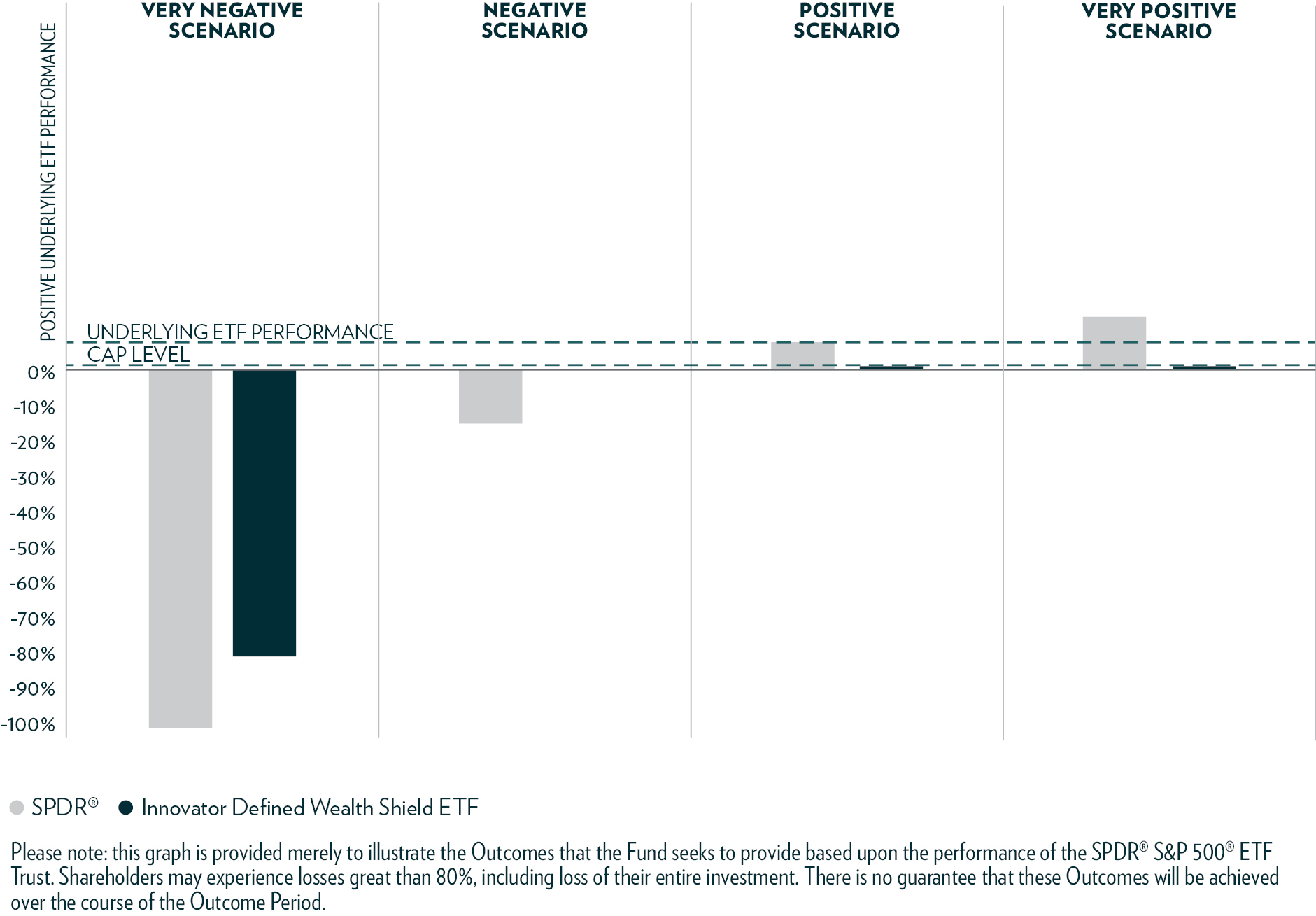
The following table contains hypothetical examples designed to illustrate the Outcomes the Fund seeks to provide over an Outcome Period, based upon the performance of the Underlying ETF from -100% to 100%. The table is provided for illustrative purposes and does not provide every possible performance scenario for Shares over the course of an Outcome Period. There is no guarantee that the Fund will be successful in its attempt to provide the Outcomes for an Outcome Period. The table is not intended to predict or project the performance of the FLEX Options or the Fund. Fund shareholders should not take this information as an assurance of the expected performance of the Underlying ETF or return on Shares. The actual overall performance of the Fund will vary with fluctuations in the value of the FLEX
4
Options during the Outcome Period, among other factors. Please refer to the Fund’s website, www.innovatoretfs.com/balt, which provides updated information relating to this table on a daily basis throughout the Outcome Period.
|
Underlying |
(100)% |
(50)% |
(20)% |
(10)% |
(5)% |
0% |
5% |
10% |
15% |
20% |
50% |
100% |
||||||||||||
|
Fund |
(80)%* |
(30)%* |
0% |
0% |
0% |
0% |
2.56%* |
2.56%* |
2.56%* |
2.56%* |
2.56%* |
2.56%* |
* The Cap and the Buffer are set on the first day of the Outcome Period. The Cap is 2.56% prior to taking into account any fees or expenses charged to shareholders. When the Fund’s annual Fund management fee of 0.69% of the Fund’s average daily net assets is taken into account for the Outcome Period, the Cap is 2.38%. The Buffer is 20% prior to taking into account any fees or expenses charged to shareholders. When the Fund’s annual Fund management fee of 0.69% of the Fund’s average daily net assets is taken into account for the Outcome Period, the Buffer is 19.82%. The Fund’s annual management fee of 0.69% of the Fund’s average daily net assets, any shareholder transaction fees and any extraordinary expenses incurred by the Fund will have the effect of reducing the Cap and Buffer amounts for Fund shareholders.
Use of FLEX Options. The Outcomes may be achieved by purchasing and selling call and put FLEX Options to create layers within the Fund’s portfolio. The Sub-Adviser has constructed a portfolio principally composed of FLEX Options that reference the Underlying ETF that are each set to expire on the last day of the Outcome Period. The customizable nature of FLEX Options allows the Sub-Adviser to select the share price at which the Underlying ETF will be exercised at the expiration of each FLEX Option. This is commonly known as the “strike price.” At the commencement of the Outcome Period, the Sub-Adviser specifically selects the strike price for each FLEX Option such that when the FLEX Options are exercised on the final day of the Outcome Period, the Outcomes may be obtained, depending on the performance of the Underlying ETF’s share price over the duration of the Outcome Period.
To achieve these returns, the Fund may purchase a combination of call options (giving the Fund the right to receive the cash value of the Underlying ETF’s share price) and put options (giving the Fund the right to deliver the cash value of the Underlying ETF’s share price), while simultaneously selling call options (giving the Fund the obligation to deliver the cash value of the Underlying ETF’s share price) and put options (giving the Fund the obligation to receive the cash value of the Underlying ETF’s share price). Each of these FLEX Options has a specifically selected strike price. The effect created by a first layer of FLEX Options positions is that if the Underlying ETF’s share price has increased in value over the course of the Outcome Period, when the amount of cash the Fund receives and delivers pursuant to the terms of its positions is netted out, the Fund seeks to provide a gain that matches the gain experienced by the Underlying ETF. This gain is subject to the Cap, a maximum investment return level, which is discussed below.
A separate layer is designed to produce the Fund’s objective to provide shareholders that hold Fund Shares for the entire Outcome Period with the Buffer if the Underlying ETF’s share price experiences a loss during the course of the Outcome Period, prior to taking into account any fees or expenses charged to shareholders. The amount of the Buffer that the Fund seeks to provide is determined based upon prevailing market conditions at the beginning of the Outcome Period and may change from Outcome Period to Outcome Period. After the Underlying ETF’s share price has decreased in value by more than the Buffer, the Fund will experience all subsequent losses
5
on a one-to-one basis. There is no guarantee that the Fund will be successful in its attempt to provide buffered returns. In seeking to achieve the Buffer, the Fund enters into FLEX Options positions that have a specifically selected strike price. The effect created by these positions is that if the Underlying ETF’s share price has decreased in value over the course of the Outcome Period, when the amount of cash the Fund receives and delivers pursuant to the terms of its positions is netted out, the Fund seeks to be returned the amount of its principal investment (if the Underlying ETF’s share price decreased by an amount less than or equal to the Buffer) or experience a loss that is equal to the amount of the Underlying ETF loss minus the amount of the Buffer, prior to taking into account any fees or expenses charged to shareholders.
Each of the FLEX Options purchased and sold throughout the Outcome Period are expected to have the same or similar terms (i.e., strike price and expiration) as the corresponding FLEX Options purchased and sold on the first day of the Outcome Period. A detailed explanation regarding the terms of the FLEX Options and the mechanics of the Fund’s strategy can be found in “Additional Information Regarding the Fund’s Principal Investment Strategies.”
The Outcome Period. The Outcomes sought by the Fund are based upon the Fund’s NAV at the outset of the Outcome Period. The Outcome Period begins on the day the FLEX Options are entered into and ends on the day they expire. Each FLEX Option’s value is ultimately derived from the performance of the Underlying ETF’s share price during that time. Because the terms of the FLEX Options don’t change, the Cap and Buffer both relate to the Fund’s NAV on the first day of the Outcome Period. A shareholder that purchases Shares after the commencement of the Outcome Period will likely have purchased Shares at a different NAV than the NAV on the first day of the Outcome Period (the NAV upon which the Outcomes are based) and may experience investment outcomes very different from those sought by the Fund. A shareholder that sells Shares prior to the end of the Outcome Period may also experience investment outcomes very different from those sought by the Fund. To achieve the Outcomes sought by the Fund for the Outcome Period, an investor must be holding Shares at the time that the Fund enters into the FLEX Options and on the day those FLEX Options expire. There is no guarantee that the Fund will be successful in its attempt to provide the Outcomes.
The Fund’s assets will be principally composed of FLEX Options, the value of which is derived from the performance of the underlying reference asset, the Underlying ETF’s share price. However, because a component of an option’s value is the number of days remaining until its expiration, during the Outcome Period, the Fund’s NAV will not directly correlate on a day-to-day basis with the returns experienced by the Underlying ETF. The Sub-Adviser generally anticipates that the Fund’s NAV will increase on days when the Underlying ETF’s share price increases and will decrease on days when the Underlying ETF’s share price decreases, but that the rate of such increase or decrease will be less than that experienced by the Underlying ETF. Similarly, the amount of time remaining until the end of the Outcome Period also affects the impact of the Buffer on the Fund’s NAV, which may not be in full effect prior to the end of the Outcome Period. The Fund’s strategy is designed to produce the Outcomes upon the expiration of the FLEX Options on the last day of the Outcome Period and it should not be expected that the Outcomes will be provided at any point prior to that time. Taken together, this means that at the midpoint of an Outcome Period, if the Underlying ETF’s share price has decreased by the amount of the Buffer, the Fund’s NAV can be expected to have decreased in value (because
6
the Buffer is not yet in full effect), but by an amount less than the Buffer (because the Fund’s NAV will not correlate one-to-one with the Underlying ETF and the Fund’s NAV tends not to participate fully in either Underlying ETF gains or losses).
Cap on Potential Upside Returns. Unlike other investment products, the potential upside return an investor can receive from an investment in Fund Shares over the Outcome Period is subject to the Cap. The Cap represents the maximum percentage return an investor can achieve from an investment in Fund Shares over the duration of the Outcome Period. Therefore, even though the Fund’s returns are based upon the performance of the Underlying ETF’s share price, if the Underlying ETF’s share price experiences returns for the Outcome Period in excess of the Cap, the Fund will not participate in excess returns. The Cap is determined on the first day of the Outcome Period and is 2.56% prior to taking into account any fees or expenses charged to shareholders. When the Fund’s annual Fund management fee of 0.69% of the Fund’s average daily net assets is taken into account for the Outcome Period, the Cap is 2.38%. The Cap will be further reduced by any shareholder transaction fees and any extraordinary expenses incurred by the Fund. For the purpose of this prospectus, “extraordinary expenses” are non-recurring expenses that may be incurred by the Fund outside of the ordinary course of its business, including, without limitation, costs incurred in connection with any claim, litigation, arbitration, mediation, government investigation or similar proceedings, indemnification expenses and expenses in connection with holding and/or soliciting proxies for a meeting of Fund shareholders. The Cap is also set forth on the Fund’s website at www.innovatoretfs.com/balt.
The Cap will change for each Outcome Period based upon prevailing market conditions at the beginning of the Outcome Period. The Cap, and the Fund’s position relative to it, should be considered before investing in the Fund. If an investor is considering purchasing Shares during the Outcome Period, and the Fund has already increased in value to a level near to the Cap, an investor purchasing Shares at that price has limited to no gains available for the remainder of the Outcome Period but remains vulnerable to significant downside risks. There is no guarantee that the Fund will successfully achieve its investment objective.
The Cap is a result of the design of the Fund’s principal investment strategy. In order to provide the Buffer, the Fund enters into a series of FLEX Option contracts. As the purchaser of certain of these FLEX Options, the Fund is obligated to pay a premium to the seller of those FLEX Options. However, the strategy is designed so that any premiums that the Fund is obligated to pay are offset by premiums it receives in connection with the selling of FLEX Options. On the first day of the Outcome Period when the Fund enters into its other FLEX Options positions, the portfolio managers will calculate the amount of premiums that the Fund will owe and will then go into the market and sell a call FLEX Option with terms that entitle the Fund to receive a premium in an amount equal to the amount that the Fund would otherwise owe. The Cap is the strike price of that sold call FLEX Option. The strike price is determined based upon prevailing market conditions at the time the Fund enters into the FLEX Options, most notably current interest rate levels, volatility in the Underlying ETF’s share price, and the relationship of put and calls on the underlying FLEX Options.
Buffer. The Fund seeks to provide shareholders that hold Fund Shares for the entire Outcome Period with a buffer against Underlying ETF losses during the Outcome Period. The amount of the Buffer that the Fund ultimately provides for an Outcome Period is determined based upon prevailing market conditions at the beginning of an Outcome Period and is a set percentage established at
7
the commencement of each Outcome Period. The Buffer is expected to be set within a range from 15% to 20% of Underlying ETF losses for the Outcome Period, although there is no guarantee a particular Buffer will be within the range for a particular Outcome Period. As a result, the Buffer may change from one Outcome Period to the next. There is no guarantee that the Fund will be successful in its attempt to provide buffered returns. After the Underlying ETF’s share price has decreased by more than the Buffer, the Fund will experience all subsequent losses on a one-to-one basis. The Buffer is provided prior to taking into account annual Fund management fees, shareholder transaction fees and any extraordinary expenses incurred by the Fund. These fees and any expenses will have the effect of reducing the Buffer amount for Fund shareholders for an Outcome Period. The Buffer for the current Outcome Period is 20%, prior to taking into account any fees or expenses charged to shareholders. When the Fund’s annual Fund management fee of 0.69% of the Fund’s average daily net assets is taken into account for the Outcome Period, the Buffer is 19.82%. The Fund’s strategy is designed to produce the Outcomes upon the expiration of its FLEX Options investments on the last day of the Outcome Period. It should not be expected that the Outcomes, including the net effect of the Fund’s annual management fee on the Cap and Buffer, will be provided at any point prior to the last day of the Outcome Period. If an investor is considering purchasing Shares during the Outcome Period, and the Fund has already decreased in value by an amount equal to or greater than the Buffer, an investor purchasing Shares at that price will have increased gains available prior to reaching the Cap but may not benefit from the Buffer that the Fund seeks to offer for the remainder of the Outcome Period. Conversely, if an investor is considering purchasing Shares during the Outcome Period, and the Fund has already increased in value, then a shareholder may experience losses prior to gaining the protection offered by the Buffer, which is not guaranteed. A shareholder that purchases Shares at the beginning of the Outcome Period may lose their entire investment. While the Fund seeks to limit losses to approximately the losses of the Underlying ETF minus the Buffer (if losses are greater than the Buffer) for shareholders who hold Shares for the entire Outcome Period, there is no guarantee it will successfully do so. Depending upon market conditions at the time of purchase, a shareholder that purchases Shares after the Outcome Period has begun may also lose their entire investment. An investment in the Fund is only appropriate for shareholders willing to bear those losses.
Fund Rebalance. The Fund is a continuous investment vehicle. It does not terminate and distribute its assets at the conclusion of each Outcome Period. On the termination date of an Outcome Period, the Sub-Adviser will invest in a new set of FLEX Options and another Outcome Period will commence.
Approximately one week prior to the end of each Outcome Period, the Fund will file a prospectus supplement, which will alert existing shareholders that an Outcome Period is approaching its conclusion and disclose the anticipated ranges for the Cap and Buffer for the next Outcome Period. Following the close of business on the last day of the Outcome Period, the Fund will file a prospectus supplement that discloses the Fund’s final Cap and Buffer (both gross and net of the unitary management fee) for the next Outcome Period. This information is available on the Fund’s website, www.innovatoretfs.com/balt, which also provides information relating to the Outcomes, including the Fund’s position relative to the Cap, of an investment in the Fund on a daily basis.
8
The Fund’s website, www.innovatoretfs.com/balt, provides information relating to the Outcomes, including the Fund’s position relative to the Cap and Buffer, of an investment in the Fund on a daily basis.
The Fund is classified as “non-diversified” under the Investment Company Act of 1940, as amended (the “1940 Act”).
9
10
11
12
13
14
15
16
The Shares will change in value, and you could lose money by investing in the Fund. The Fund may not achieve its investment objective.
The bar chart and table below illustrate the annual calendar year returns of the Fund based on NAV as well as the average annual Fund returns.
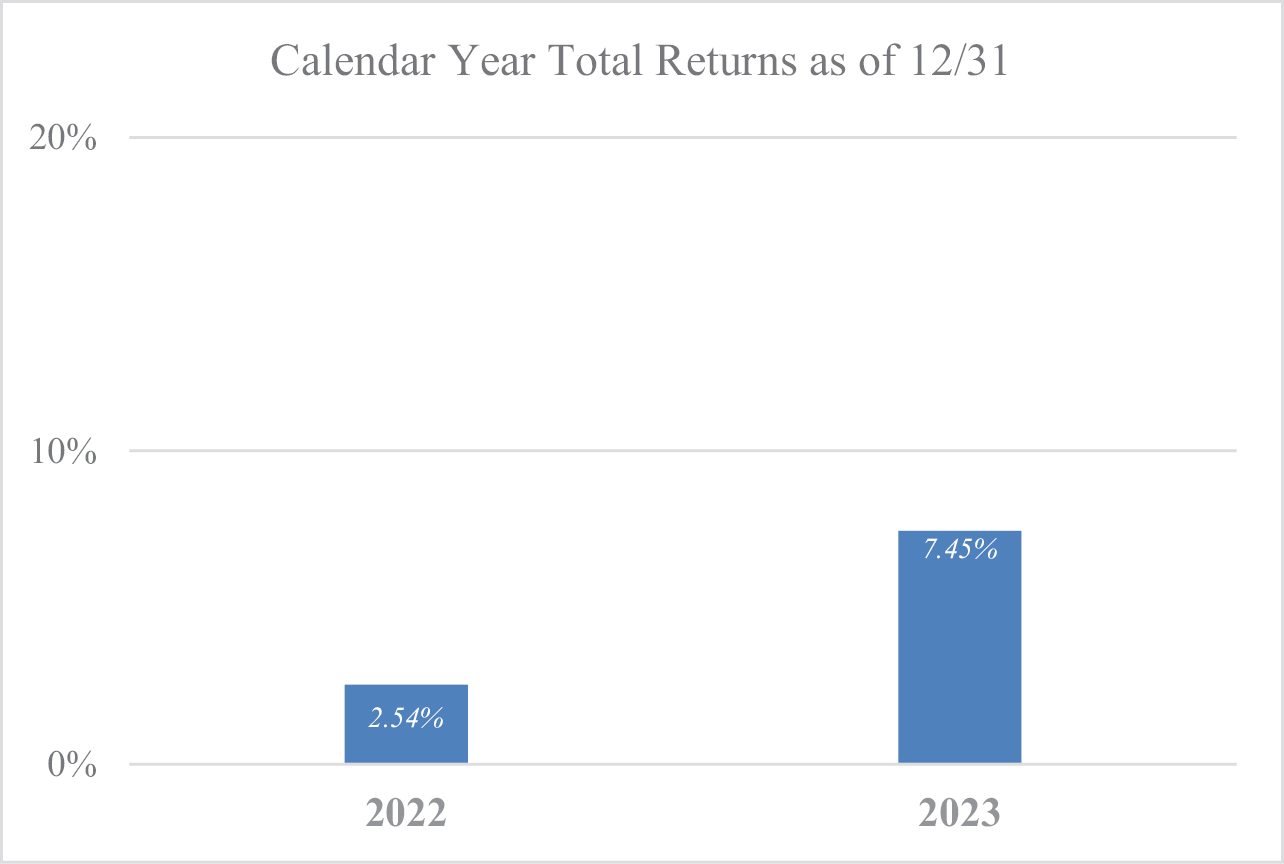
17
The Fund’s
| | ||||
| Innovator Defined Wealth Shield ETF | 1 Year | Since | ||
| | | | ||
| | | | ||
| | | | ||
| | | | ||
| | | | ||
Returns before taxes do not reflect the effects of any income or capital gains taxes.
Your own actual after-tax returns will depend on your specific tax situation and may differ from what is shown here.
Management
Investment Adviser
Innovator Capital Management, LLC (“Innovator” or the “Adviser”)
Investment Sub-Adviser
Milliman Financial Risk Management LLC
Portfolio Managers
The following persons serve as portfolio managers of the Fund.
• Robert T. Cummings – Principal Senior Director, Head of Portfolio Management at Milliman
• Yin Bhuyan – ETF Portfolio Manager at Milliman
Each of the portfolio managers is primarily and jointly responsible for the day-to-day management of the Fund and has served in such capacity since the Fund’s inception in June 2021.
18
Purchase and Sale of Shares
The Fund issues and redeems Shares at NAV only with authorized participants that have entered into agreements with the Fund’s distributor and only in Creation Units or multiples thereof (“Creation Unit Aggregations”), in exchange for cash. Except when aggregated in Creation Units, the Shares are not redeemable securities of the Fund.
Individual Shares may only be bought and sold in the secondary market (i.e., on a national securities exchange) through a broker or dealer at a market price. Because the Shares trade at market prices rather than NAV, Shares may trade at a price greater than NAV (at a premium), at NAV, or less than NAV (at a discount). An investor may incur costs attributable to the difference between the highest price a buyer is willing to pay to purchase Shares (bid) and the lowest price a seller is willing to accept for Shares (ask) when buying or selling shares in the secondary market (the “bid-ask spread”).
Recent information, including information on the Fund’s NAV, market price, premiums and discounts, and bid-ask spreads, is available online at www.innovatoretfs.com.
Tax Information
The Fund’s distributions will generally be taxable as ordinary income, returns of capital or capital gains. A sale of Shares may result in capital gain or loss.
Payments to Broker-Dealers and Other Financial Intermediaries
If you purchase Shares through a broker-dealer or other financial intermediary (such as a bank), Innovator and Foreside Fund Services, LLC, the Fund’s distributor (the “Distributor”), may pay the intermediary for the sale of Shares and related services. These payments may create a conflict of interest by influencing the broker-dealer or other intermediary and your salesperson to recommend the Fund over another investment. Ask your salesperson or visit your financial intermediary’s website for more information.
19
| Investor Suitability Considerations | |
| You should only consider this investment if: | You should not consider this investment if: |
| • you fully understand the risks inherent in an investment in Fund Shares; • you desire a product that provides downside protection (which is not guaranteed) against Underlying ETF losses for an Outcome Period that is set within an expected range of 15% to 20% and provides potential for upside subject to the Cap; • you are willing to hold Fund Shares for the duration of the Outcome Period in order to achieve the outcomes that the Fund seeks to provide; • you seek the protection of a buffer within an expected range of 15% to 20% on Underlying ETF losses for an investment held for the duration of the entire Outcome Period and understand that there is no guarantee that the Fund will be successful in its efforts to provide protection through the Buffer; • you understand that the expected 15% to 20% buffer may not be achieved, that there is no guarantee a particular Buffer will be within the range for a particular Outcome Period, and that the Buffer can change from Outcome Period to Outcome Period; • you understand that the Buffer is provided prior to taking into account annual Fund management fees, shareholder transaction fees and any extraordinary expenses incurred by the Fund. After taking into account the annual Fund management fee, the net buffer for the Outcome Period is 19.82%; • you desire an investment with the potential for lower volatility and U.S. equity market capital appreciation; • you fully understand that investments made when the Fund is at or near the Cap may have limited to no upside potential; • you are willing to forgo any gains in excess of the Cap; • you understand that the Cap will be reduced by annual Fund management fees, shareholder transaction fees and any extraordinary expenses incurred by the Fund; • you understand that the Fund’s investments do not provide for dividends to the Fund; • you fully understand that investments made after the Outcome Period has begun may not fully benefit from the Buffer; • you are willing to accept the risk of losing your entire investment; and • you have visited the Fund’s website and understand the investment outcomes available to you based upon the time of your purchase. | • you do not fully understand the risks inherent in an investment in Fund Shares; • you do not desire to invest in a product that provides downside protection (which is not guaranteed) against Underlying ETF losses and is subject to a Cap on potential upside returns; • you are unwilling to hold Fund Shares for the duration of the Outcome Period in order to achieve the outcomes that the Fund seeks to provide; • you seek an investment that provides total protection against Underlying ETF losses for an investment held for the duration of the Outcome Period and understand that any protection provided by the Buffer is not guaranteed; • you seek the protection of a full expected 15% to 20% buffer, even after taking into account annual Fund management fees, shareholder transaction fees and any extraordinary expenses; • you seek the protection of a set 20% buffer for every Outcome Period, rather than a buffer within a range of 15% to 20% that may change from one Outcome Period to the next; • you do not understand that an expected buffer of 15% to 20% may not be achieved; • you do not understand that the Buffer is provided prior to taking into account annual Fund management fees, shareholder transaction fees and any extraordinary expenses incurred by the Fund; • you do not desire an investment with a Cap on U.S. equity market capital appreciation in order to provide the potential for lower volatility; • you do not fully understand that investments made when the Fund is at or near the Cap may have limited to no upside potential; • you are unwilling to forgo any gains in excess of the Cap; • you do not understand that the Cap will be reduced by annual Fund management fees, shareholder transaction fees and any extraordinary expenses incurred by the Fund; • you do not fully understand that the Fund’s investments do not provide for dividends to the Fund; • you do not fully understand that investments made after the Outcome Period has begun may not fully benefit from the Buffer; • you are unwilling to accept the risk of losing your entire investment; and • you have not visited the Fund’s website and do not understand the investment outcomes available to you based upon the timing of your purchase. |
20
| Additional Information About the Fund’s Principal Investment Strategies |
The Fund’s principal investment strategy seeks to produce the Outcomes based upon the performance of the Underlying ETF. The Fund pursues a relatively defensive approach to capital appreciation by combining exposure to the U.S. equity market with the potential for substantial downside investment protection. If the Underlying ETF’s share price increases in value over the duration of the Outcome Period, the Fund seeks to provide Fund shareholders that hold Shares for the entire Outcome Period with an increase in value that approximately matches the increase experienced by the Underlying ETF, subject to the Cap. All investment gains are subject to the Cap. If the Underlying ETF’s share price decreases in value over the duration of the Outcome Period, the Fund seeks to provide Fund shareholders that hold Shares for the entire Outcome Period with a Buffer during the Outcome Period. Both the Cap and the Buffer are provided prior to taking into account annual Fund management fees equal to 0.69% of the Fund’s daily net assets, shareholder transaction fees and any extraordinary expenses incurred by the Fund. Such expenses will reduce the Cap. The Fund’s annual management fee of 0.69% of the Fund’s average daily net assets, any shareholder transaction fees and any extraordinary expenses incurred by the Fund will have the effect of reducing the Cap and Buffer amount for Fund shareholders. There is no guarantee that the Fund will be successful in its attempt to provide buffered returns.
The Underlying ETF is an exchange-traded unit investment trust that uses a full replication strategy, meaning it invests entirely in the S&P 500® Index. The investment objective of the Underlying ETF is to seek to provide investment results that, before expenses, correspond generally to the price and yield performance of the S&P 500® Index, which includes five hundred (500) selected companies, all of which are listed on national stock exchanges and spans over 24 separate industry groups.
In general, an option contract is an agreement between a buyer and seller that gives the purchaser of the option the right to buy or sell a particular asset at a specified future date at an agreed upon price (commonly known as the “strike price”). FLEX Options are exchange-traded options contracts with uniquely customizable terms. Each FLEX Option contract that the Fund enters into references the Underlying ETF and expires on the last day of the Outcome Period. The FLEX Options, however, have varying strike prices. The layering of these FLEX Options with varying strike prices provides the mechanism for producing the Fund’s desired outcomes.
21
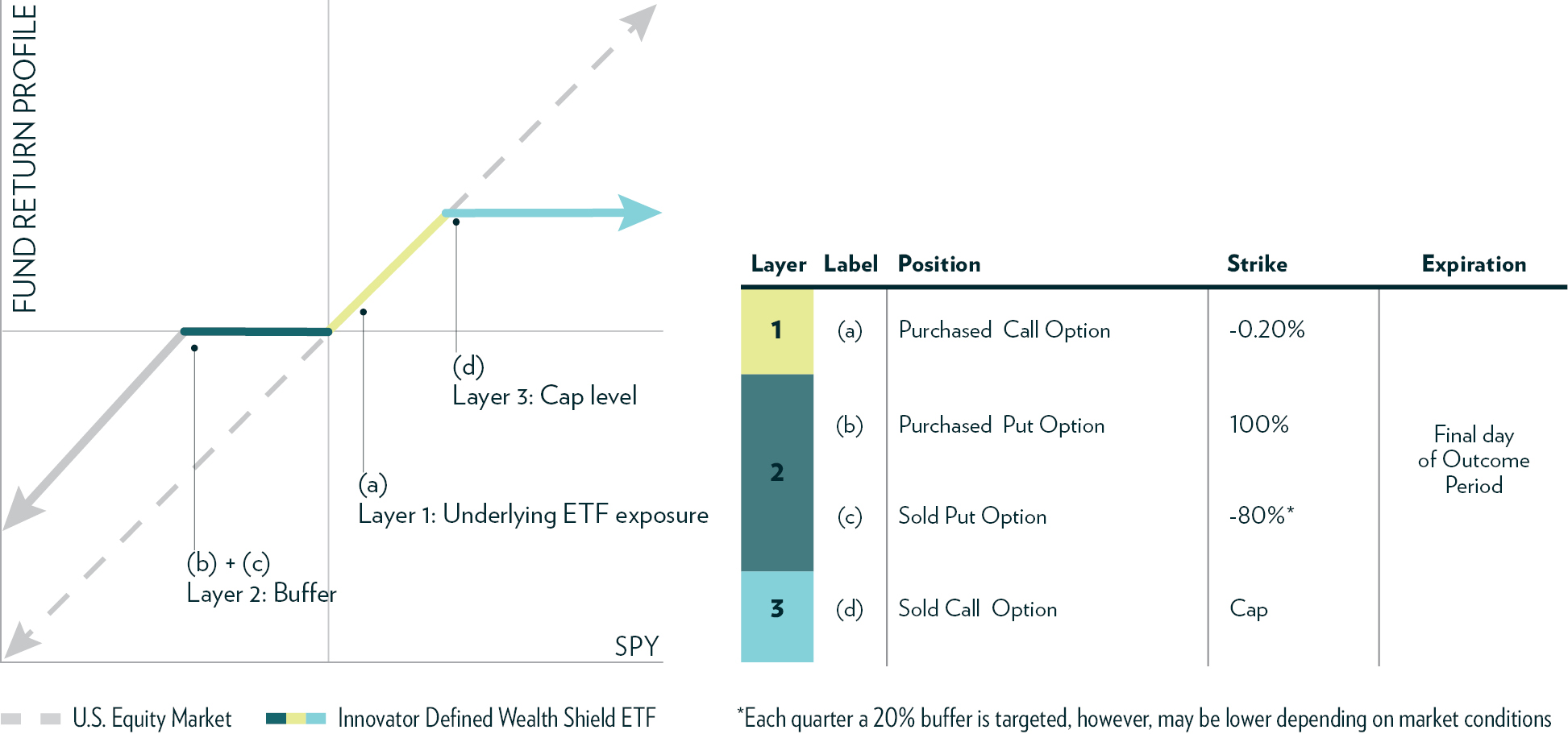
• The combination of purchases and sales of call and put FLEX Options provide upside participation that matches that of the Underlying ETF’s share price. At the expiration date, these FLEX Options realize a value equal to that of the Underlying ETF’s share price.
• Taken together, the purchase and sale of put FLEX Options produces the Buffer. The payoff at expiration will compensate for losses experienced by the Underlying ETF (if any), in an amount not to exceed the Buffer.
• The strike level of a short call FLEX Option produces the Cap and is chosen so that the combined net purchase prices in all of the FLEX Options is approximately equal to the Fund’s NAV.
• The combination of all of the FLEX Options creates a maximum growth opportunity equal to the return experienced by the Underlying ETF at expiration, not to exceed the Cap, while providing the Buffer from losses.
As described on the cover of this prospectus, in “Principal Investment Strategies” and in “Principal Risks,” there are risks associated with an investment in the Fund and there is no guarantee the Fund achieve the Outcomes it seeks to provide. The Fund’s unique characteristics (i.e., the imperative of holding Shares for the entire Outcome Period, the Cap and Buffer) distinguish it from other investment products and may make it an unsuitable some investors. To help decide whether an investment in the Fund is appropriate based upon individual circumstances, please see the section of this prospectus entitled “Investor Suitability.”
The Fund’s investment objective is considered non-fundamental and may be changed by the Board without shareholder approval. Additionally, the Fund may liquidate and terminate at any time without shareholder approval.
22
| Fund Investments |
Principal Investments
FLEX Options
FLEX Options are customized option contracts that trade on an exchange but provide investors with the ability to customize key contract terms like strike price, style and expiration date while achieving price discovery in competitive, transparent auctions markets and avoiding the counterparty exposure of over-the-counter options positions. Like traditional exchange-traded options, FLEX Options are guaranteed for settlement by the OCC, a market clearinghouse that guarantees performance by counterparties to certain derivatives contracts.
The FLEX Options in which the Fund will invest are all European style option contracts (option contracts that are exercisable only on the expiration date). The FLEX Options are listed on the Chicago Board Options Exchange.
The Fund will purchase and sell call and put FLEX Options. In general, put options give the holder (i.e., the buyer) the right to sell an asset (or deliver the cash value of the asset, in case of certain put options) and the seller (i.e., the writer) of the put has the obligation to buy the asset (or receive cash value of the asset, in case of certain put options) at a certain defined price. Call options give the holder (i.e., the buyer) the right to buy an asset (or receive cash value of the asset, in case of certain call options) and the seller (i.e., the writer) the obligation to sell the asset (or deliver cash value of the asset, in case of certain call options) at a certain defined price.
The Fund will use the market value of its derivatives holdings for the purpose of determining compliance with the 1940 Act and the rules promulgated thereunder. Since the FLEX Options held by the Fund are exchange-traded, these will be valued on a mark-to-market basis. In the event market prices are not available, the Fund will use fair value pricing pursuant to the fair value procedures adopted by Innovator as the “Valuation Designee” pursuant to Rule 2a-5 of the 1940 Act (“Rule 2a-5”) and approved by, and subject to the oversight of, the Board. The Fund will enter into FLEX Options contracts in accordance with Rule 18f-4 under the 1940 Act, which requires the Fund to implement certain policies and procedures designed to manage its derivatives risks, dependent upon the Fund’s level of exposure to derivative instruments.
Disclosure of Portfolio Holdings
A description of the Trust’s policies and procedures with respect to the disclosure of the Fund’s portfolio holdings is available in the Fund’s statement of additional information (“SAI”), which is available at www.innovatoretfs.com.
23
| Additional Risks of Investing in the Fund |
Risk is inherent in all investing. Investing in the Fund involves risk, including the risk that you may lose all or part of your investment. There can be no assurance that the Fund will meet its stated objective. Before you invest, you should consider the following supplemental disclosure pertaining to the Principal Risks set forth above as well as additional Non-Principal Risks set forth below in this prospectus.
Principal Risks
Buffer Change Risk. The amount of the Buffer is a set percentage established at the beginning of each Outcome Period and is determined based upon the prevailing market conditions at that time. The Fund seeks to provide a Buffer against Underlying ETF losses for each Outcome Period and is expected to be set within a range from 15% to 20% for each Outcome Period, although there is no guarantee that the final Buffer set for an Outcome Period will be within this range. The Buffer may rise or fall from one Outcome Period to the next and is unlikely to remain the same from Outcome Period to Outcome Period. Furthermore, the Buffer may be established at the lower end or below the expected 15-20% range for numerous or consecutive Outcome Periods, which would provide the potential for less protection against Underlying ETF losses than if higher Buffers were established during those Outcome Periods.
Buffered Loss Risk. There can be no guarantee that the Fund will be successful in its strategy to provide buffer protection against Underlying ETF losses if the Underlying ETF’s share price decreases less than the Buffer over the duration of the Outcome Period. A shareholder may lose their entire investment. The Fund’s strategy seeks to deliver returns that match those of the Underlying ETF (up to the Cap), while limiting downside losses, if Shares are held at the time at which the Fund enters into the FLEX Options and held until those FLEX Options expire at the end of the Outcome Period. In the event an investor purchases Shares after the FLEX Options were entered into or sells Shares prior to the expiration of the FLEX Options, the Buffer that the Fund seeks to provide may not be available. The Fund does not provide principal protection or non-principal protection and an investor may experience significant losses on its investment, including the loss of its entire investment. Although the Fund seeks to provide a 15% to 20% Buffer, there is no guarantee it will be successful in doing so. Because the Buffer that the Fund seeks to provide may change from one Outcome Period to the next, an investor may not receive the same Buffer across multiple Outcome Periods.
Capped Upside Return Risk. The Fund’s strategy seeks to provide returns that are subject to the Cap. In the event that the Underlying ETF experiences gains in excess of the Cap for the Outcome Period, the Fund will not participate in those gains beyond the Cap. The Fund’s strategy seeks to deliver returns that match those of the Underlying ETF (up to the Cap), while limiting downside losses, if Shares are held at the time at which the Fund enters into the FLEX Options and held until those FLEX Options expire at the end of the Outcome Period. In the event an investor purchases Shares after the FLEX Options were entered into or sells Shares prior to the expiration of the FLEX Options, there may be little or no ability for that investor to experience an investment gain on their Shares. Due to the size of the Buffer over each quarterly Outcome Period, the Fund expects its Cap to be lower relative to other “defined outcome products” with an annual outcome period and/or a lower buffer.
24
FLEX Options Risk. The Fund will utilize FLEX Options, which are customizable, exchange-traded option contracts that are issued and guaranteed for settlement by the OCC. The Fund bears the risk that the OCC will be unable or unwilling to perform its obligations under the FLEX Options contracts. In the unlikely event that the OCC becomes insolvent or is otherwise unable to meet its settlement obligations, the Fund could suffer significant losses. Additionally, FLEX Options may be less liquid than certain other securities, such as standardized options. In less liquid markets for the FLEX Options, the Fund may have difficulty closing out certain FLEX Options positions at desired times and prices. In connection with the creation and redemption of Shares, to the extent market participants are not willing or able to enter into FLEX Option transactions with the Fund at prices that reflect the market price of the Shares, the Fund’s NAV and, in turn the share price of the Fund, could be negatively impacted.
The Fund may experience substantial downside from specific FLEX Option positions and certain FLEX Option positions may expire worthless. The Fund utilizes European style FLEX Option contracts, which are exercisable at the strike price only on the expiration date. As a FLEX Option approaches its expiration date, its value typically increasingly moves with the value of the Underlying ETF. However, prior to such date, the value of the FLEX Options does not increase or decrease at the same rate as the Underlying ETF’s share price on a day-to-day basis (although they generally move in the same direction). The value of the FLEX Options held by the Fund will be determined based on market quotations or other recognized pricing methods. The value of the underlying FLEX Options will be affected by, among others, changes in the Underlying ETF’s share price, changes in interest rates, changes in the actual and implied volatility of the Underlying ETF and the remaining time to until the FLEX Options expire.
Option Contracts Risk. The use of option contracts involves investment strategies and risks different from those associated with ordinary portfolio securities transactions. The prices of option contracts are volatile and are influenced by, among other things, actual and anticipated changes in the value of the underlying instrument, changes in interest or currency exchange rates, including the anticipated volatility, which are affected by fiscal and monetary policies and by national and international political, changes in the actual or implied volatility or the reference asset, the time remaining until the expiration of the option contract and economic events. There may at times be an imperfect correlation between the movement in values option contracts and the reference asset, and there may at times not be a liquid secondary market for certain option contracts. Option contracts may also involve the use of leverage, which could result in greater price volatility than other markets. The Fund has taken the necessary steps to comply with the requirements of Rule 18f-4 in its usage of FLEX Options. The Fund has adopted and implements a derivatives risk management program that contains policies and procedures reasonably designed to manage the Fund’s derivatives risks, has appointed a derivatives risk manager who is responsible for administrating the derivatives risk management program, complies with outer limitations on risks relating to its derivatives transactions and carries out enhanced reporting to the Board, the SEC and the public regarding its derivatives activities. To the extent the Fund is noncompliant with Rule 18f-4, the Fund may be required to adjust its investment portfolio which may, in turn, negatively impact the Fund’s ability to deliver the sought-after Outcomes.
Clearing Member Default Risk. Transactions in some types of derivatives, including FLEX Options, are required to be centrally cleared (“cleared derivatives”). In a transaction involving cleared derivatives, the Fund’s counterparty is a clearing house, such as the OCC, rather than a
25
bank or broker. Since the Fund is not a member of clearing houses and only members of a clearing house (“clearing members”) can participate directly in the clearing house, the Fund will hold cleared derivatives through accounts at clearing members. In cleared derivatives positions, the Fund will make payments (including margin payments) to, and receive payments from, a clearing house through their accounts at clearing members. Customer funds held at a clearing organization in connection with any option contracts are held in a commingled omnibus account and are not identified to the name of the clearing member’s individual customers. As a result, assets deposited by the Fund with any clearing member as margin for its FLEX Options may, in certain circumstances, be used to satisfy losses of other clients of the Fund’s clearing member. In addition, although clearing members guarantee performance of their clients’ obligations to the clearing house, there is a risk that the assets of the Fund might not be fully protected in the event of the clearing member’s bankruptcy, as the Fund would be limited to recovering only a pro rata share of all available funds segregated on behalf of the clearing member’s customers for the relevant account class. The Fund is also subject to the risk that a limited number of clearing members are willing to transact on the Fund’s behalf, which heightens the risks associated with a clearing member’s default. If a clearing member defaults the Fund could lose some or all of the benefits of a transaction entered into by the Fund with the clearing member. The loss of a clearing member for the Fund to transact with could result in increased transaction costs and other operational issues that could impede the Fund’s ability to implement its investment strategy. If the Fund cannot find a clearing member to transact with on the Fund’s behalf, the Fund may be unable to effectively implement its investment strategy.
Counterparty Risk. Counterparty risk is the risk an issuer, guarantor or counterparty of a security in the Fund is unable or unwilling to meet its obligation on the security. Counterparty risk may arise because of the counterparty’s financial condition, market activities, or for other reasons. The Fund may be unable to recover its investment from the counterparty or may obtain a limited and/or delayed recovery. The OCC acts as guarantor and central counterparty with respect to the FLEX Options. As a result, the ability of the Fund to meet its objective depends on the OCC being able to meet its obligations. In the event an OCC clearing member that is a counterparty of the Fund were to become insolvent, the Fund may have some or all of its FLEX Options closed without its consent or may experience delays or other difficulties in attempting to close or exercise its affected FLEX Options positions, both of which would impair the Fund’s ability to deliver on its investment strategy. The OCC’s rules and procedures are designed to facilitate the prompt settlement of options transactions and exercises, including for clearing member insolvencies. However, there is the risk that the OCC and its backup system will fail if clearing member insolvencies are substantial or widespread. In the unlikely event that the OCC becomes insolvent or is otherwise unable to meet its settlement obligations, the Fund could suffer significant losses.
Outcome Period Risk. The Fund’s investment strategy is designed to deliver the Outcomes if Shares are held for the entirety of the Outcome Period. In the event an investor purchases Shares after the FLEX Options were entered into or sells Shares prior to the expiration of the FLEX Options, the returns realized by the investor will not match those that the Fund seeks to provide. In addition, because the Fund is designed to achieve Outcomes that change for each three-month Outcome Period, the Outcomes that are achieved by the Fund for a three-month Outcome Period will be different than the Outcomes achieved by the Fund over multiple Outcome Periods, or on an annualized basis. Similarly, investors holding Shares over multiple Outcome Periods will
26
experience different investment results than holding a fund that has a longer Outcome Period (e.g., one year) and any losses for such holders could exceed the performance for a fund with a longer Outcome Period.
Upside Participation Risk. There can be no guarantee that the Fund will be successful in its strategy to provide shareholders with a total return that matches the increases in the price of the Underlying ETF over the Outcome Period, subject to a maximum return imposed by the Cap. Because the value of the Fund’s FLEX Options does not increase or decrease at the same rate as the Underlying ETF’s share price on a day-to-day basis (although they generally move in the same direction), the Fund may underperform the increases in the share price of the Underlying ETF until the end of the Outcome Period. To the extent the price of the Underlying ETF increases beyond the Fund’s Cap, the Fund will not participate in such gains, and will underperform the Underlying ETF. In the event an investor purchases Shares after the FLEX Options were entered into or does not stay invested in the Fund for the entirety of the Outcome Period, the returns realized by such investor may not match those that the Fund seeks to achieve. The Fund is subject to a Cap which may be lower relative to other “defined outcome products” and, as a result, any positive investment returns delivered by the Fund may be lower in comparison to such products and to that of the Underlying ETF.
Cap Change Risk. A new Cap is established at the beginning of each Outcome Period and is dependent on prevailing market conditions at the time the Cap is established. As such, the Cap may rise or fall from one Outcome Period to the next and is unlikely to remain the same for consecutive Outcome Periods. Investors should monitor the changes in the Cap for each Outcome Period, information for which will be made available pursuant to the procedure outlined in the Fund’s prospectus.
Underlying ETF Risk. Because the value of the FLEX Options held by the Fund are based on the value of the Underlying ETF, the Fund’s investment performance largely depends on the investment performance and associated risks of the Underlying ETF. The Underlying ETF is subject to many of the same structural risks as the Fund that are described in more detail herein, such as Authorized Participant Concentration Risk, Fluctuation of Net Asset Value Risk, Market Maker Risk, Market Risk, Operational Risk and Trading Issues Risk. However, the risks of investing in an ETF also include the risks associated with the underlying investments held by the ETF. As such, the Fund may be subject to the following risks as a result of its exposure to the Underlying ETF through its usage of FLEX Options:
Equity Securities Risk. The Underlying ETF invests in equity securities, and therefore the Fund has exposure to the equity securities markets due to its investment in FLEX Options that reference the Underlying ETF. Investments in equity securities are subject to market risks that may cause their prices to fluctuate over time. The value of your investment in the Fund is based on the market prices of the securities to which the Underlying ETF has exposure. These prices change daily due to economic and other events that affect particular companies and other issuers or the market as a whole. Historically, the equity markets have moved in cycles so that the value of the Underlying ETF’s equity securities may fluctuate from day-to-day. Individual companies may report poor results or be negatively affected by industry and/or economic trends and developments and the prices of their securities may suffer a decline in response.
27
Information Technology Companies Risk. The Underlying ETF invests significantly in information technology companies, which results in the Fund having significant exposure to such companies through its exposure to the Underlying ETF by virtue of its usage of FLEX Options. Information technology companies produce and provide hardware, software and information technology systems and services. Information technology companies are generally subject to the following risks: rapidly changing technologies and existing produce obsolescence; short product life cycles; fierce competition; aggressive pricing and reduced profit margins; the loss of patent, copyright and trademark protections; cyclical market patterns; evolving industry standards; and frequent new product introductions and new market entrants. Information technology companies may be smaller and less experienced companies, with limited product lines, markets or financial resources and fewer experienced management or marketing personnel. Information technology company stocks, particularly those involved with the internet, have experienced extreme price and volume fluctuations that are often unrelated to their operating performance. In addition, information technology companies are particularly vulnerable to federal, state and local government regulation, and competition and consolidation, both domestically and internationally, including competition from foreign competitors with lower production costs. Information technology companies are facing increased government and regulatory scrutiny and may be subject to adverse government or regulatory action. Information technology companies also face competition for services of qualified personnel and heavily rely on patents and intellectual property rights and the ability to enforce such rights to maintain a competitive advantage.
Large Capitalization Companies Risk. The Underlying ETF invests in the securities of large capitalization companies, which results in the Fund having significant exposure to such companies through its exposure to the Underlying ETF by virtue of its usage of FLEX Options. Large capitalization companies may grow at a slower rate and be less able to adapt to changing market conditions than smaller capitalization companies. Thus, the return on investment in securities of large capitalization companies may be less than the return on investment in securities of small and/or mid capitalization companies. Large capitalization companies may go in and out of favor based on market and economic conditions. Although the securities of larger companies may, on average, be less volatile than those of companies with smaller market capitalizations, during different market cycles, the performance of large capitalization companies tends to trail the overall market during different market cycles.
Correlation Risk. The FLEX Options held by the Fund are European style option contracts and therefore will be exercisable at the strike price only on their expiration date. As a FLEX Option approaches its expiration date, its value typically will increasingly move with the value of the Underlying ETF. However, prior to the expiration date, the value of the FLEX Options prior to the expiration date may vary versus the value of the Underlying ETF because of related factors other than the value of the Underlying ETF. Factors that may influence the value of the FLEX Options include interest rate changes and implied volatility levels of the Underlying ETF, among others. The value of the FLEX Options will be determined based upon market quotations or using other recognized pricing methods. The value of the FLEX Options held by the Fund typically do not increase or decrease at the same level as the Underlying ETF’s share price on a day-to-day basis due to these factors (although they generally move in the same direction).
28
Authorized Participant Concentration Risk. Only an authorized participant may engage in creation or redemption transactions directly with the Fund. The Fund has a limited number of institutions that may act as authorized participants on an agency basis (i.e., on behalf of other market participants). Authorized participants are not obligated to make a market in Shares or submit orders for the issuance or redemption of Creation Units. To the extent that authorized participants exit the business or are unable to proceed with orders for the issuance or redemption of Creation Units and no other authorized participant is able to step forward to fulfill the order, Shares may be more likely to trade at a premium or discount to NAV and possibly face trading halts and/or delisting, and the bid/ask spread on Shares may widen.
Cash Transactions Risk. The Fund may effectuate all or a portion of the issuance and redemption of Creation Units for cash, rather than in-kind securities. As a result, an investment in the Fund may be less tax-efficient than an investment in an ETF that effectuates its Creation Units only on an in-kind basis. ETFs are able to make in-kind redemptions to avoid being taxed on gains on the distributed portfolio securities at the fund level. A fund that effects redemptions for cash may be required to sell portfolio securities in order to obtain the cash needed to distribute redemption proceeds. Any recognized gain on these sales by the fund will generally cause such fund to recognize a gain it might not otherwise have recognized, or to recognize such gain sooner than would otherwise be required if it were to distribute portfolio securities only in-kind. The Fund intends to distribute gains that arise by virtue of the issuance and redemption of Creation Units being effectuated in cash to shareholders to avoid being taxed on this gain at the fund level and otherwise comply with special tax rules that apply to it. This may cause shareholders to be subject to tax on gains they would not otherwise be subject to, or at an earlier date than if they had made an investment in another ETF. Moreover, cash transactions may have to be carried out over several days if the securities market is relatively illiquid and may involve considerable brokerage fees and taxes. These brokerage fees and taxes, which will be higher than if the Fund sold and redeemed its shares principally in-kind, will be passed on to those purchasing and redeeming Creation Units in the form of creation and redemption transaction fees. In addition, these factors may result in wider spreads between the bid and the offered prices of Shares than for ETFs that distribute portfolio securities in-kind. The Fund’s use of cash for creations and redemptions could also result in dilution to the Fund and increased transaction costs, which could negatively impact the Fund’s ability to achieve its investment objective.
Cyber Security Risk. As the use of Internet technology has become more prevalent in the course of business, the investment industry has become more susceptible to potential operational risks through breaches in cyber security. A breach in cyber security refers to both intentional and unintentional events that may cause the Fund to lose proprietary information, suffer data corruption or lose operational capacity. Such events could cause the Fund to incur regulatory penalties, reputational damage, additional compliance costs associated with corrective measures and/or financial loss. Cyber security breaches may involve unauthorized access to the Fund’s digital information systems through “hacking” or malicious software coding, but may also result from outside attacks such as denial-of-service attacks through efforts to make network services unavailable to intended users. In addition, cyber security breaches of the Fund’s third-party service providers, such as its administrator, transfer agent, or custodian can also subject the Fund to many of the same risks associated with direct cyber security breaches. The Fund has established risk management systems designed to reduce the risks associated with cyber security. However, there is
29
no guarantee that such efforts will succeed, especially because the Fund does not directly control the cyber security systems of issuers or third-party service providers. The Fund may incur substantial costs in order to resolve or prevent cyber security incidents in the future.
Investment Objective Risk. Certain circumstances under which the Fund might not achieve its objective include, but are not limited, to (i) if the Fund disposes of FLEX Options, (ii) if the Fund is unable to maintain the proportional relationship based on the number of FLEX Options in the Fund’s portfolio, (iii) a significant accrual of Fund expenses in connection with effecting the Fund’s principal investment strategy or (iv) adverse tax law changes affecting the treatment of FLEX Options. The Fund is also subject to management risk as an actively-managed fund, which may cause it not to achieve its investment objective.
Liquidity Risk. The market for the Fund’s FLEX Options may become less liquid as a result of adverse market or economic conditions or other unrelated reasons. In the event that trading in the underlying FLEX Options is limited or absent, the value of the Fund’s FLEX Options may decrease. There is no guarantee that a liquid secondary trading market will exist for the FLEX Options. The trading in FLEX Options may be less deep and liquid than the market for certain other securities, including certain non-customized option contracts. In a less liquid market for the FLEX Options, terminating the FLEX Options may require the payment of a premium or acceptance of a discounted price and may take longer to complete. Additionally, the liquidation of a large number of FLEX Options may more significantly impact the price in a less liquid market. Further, the Fund requires a sufficient number of participants to facilitate the purchase and sale of options on an exchange to provide liquidity to the Fund for its FLEX Option positions. A less liquid trading market may adversely impact the value of the FLEX Options and the value of your investment.
Management Risk. The Fund is subject to management risk because it is an actively managed portfolio. The Sub-Adviser applies investment techniques and risk analyses in making investment decisions for the Fund, but there can be no guarantee that the Fund will meet its investment objective, produce the Outcomes or perform as well as similarly situated funds.
Market Maker Risk. The Fund faces market trading risks, including the potential lack of an active market for Shares due to a limited number of market makers. If the Fund has lower average daily trading volumes, it may rely on a small number of third-party market makers to provide a market for the purchase and sale of Shares. Any trading halt or other problem relating to the trading activity of these market makers could result in a dramatic change in the spread between the Fund’s NAV and the price at which the Shares are trading on the Exchange, which could result in a decrease in the market price of the Shares. In addition, decisions by market makers or authorized participants to reduce their role or step away from these activities in times of market stress could inhibit the effectiveness of the arbitrage process in maintaining the relationship between the underlying values of the Fund’s portfolio securities and the Fund’s market price. This reduced effectiveness could result in Shares trading at a discount to NAV and in greater than normal intra-day bid-ask spreads for Shares.
Market Risk. The Fund could lose money over short periods due to short-term market movements and over longer periods during more prolonged market downturns. Assets may decline in value due to factors affecting financial markets generally or particular asset classes or industries represented in the markets. The value of FLEX Options or other assets may also decline due to general
30
market conditions, economic trends or events that are not specifically related to the issuer of the security or other asset, or due to factors that affect a particular issuer or issuers, country, group of countries, region, market, industry, group of industries, sector or asset class. During a general market downturn, multiple asset classes may be negatively affected. Changes in market conditions and interest rates will not have the same impact on all types of securities. Values of securities may change due to factors such as inflation, changes in interest rates, changes in regulatory requirements, bank failures, political climate deterioration or developments, armed conflicts, natural disasters or future health crises, may negatively impact market conditions, and cause a decrease in the value of securities. Other unexpected political, regulatory and diplomatic events within the U.S. and abroad may affect investor and consumer confidence and may adversely impact financial markets and the broader economy. These events, and any other future events, may adversely affect the prices and liquidity of the Fund’s investments and could result in disruptions in the trading markets. Securities, including the Shares, are subject to market fluctuations and liquidity constraints that may be caused by such factors or other economic, political, or regulatory developments, and/or perceived trends in securities prices. Shares of the Fund could decline in value or underperform other investments. In addition, local, regional or global events such as war, acts of terrorism, spread of infectious diseases or other public health issues, recessions, or other events could have a significant negative impact on a Fund and its investments. Such events may affect certain geographic regions, countries, sectors and industries more significantly than others. Such events could result in disruptions to trading markets and could also adversely affect the prices and liquidity of a Fund’s holdings. Any of such circumstances could result in increased market volatility and/or have a materially negative impact on the value of Shares or the liquidity of an investment. During any such events, Shares may trade at greater premiums or discounts to their NAV and the bid/ask spread on Shares may widen. The future potential economic impact of any such future events is impossible to predict and could result in adverse market conditions that impact the performance of the Fund.
Non-Diversification Risk. The Fund is classified as “non-diversified” under the 1940 Act. As a result, the Fund is only limited as to the percentage of its assets which may be invested in the securities of any one issuer by the diversification requirements imposed by the Code. The Fund may invest a relatively high percentage of its assets in a limited number of issuers. As a result, the Fund may be more susceptible to a single adverse economic or regulatory occurrence affecting one or more of these issuers, experience increased volatility and be highly invested in certain issuers.
Operational Risk. The Fund is exposed to operational risks arising from a number of factors, including, but not limited to, human error in the calculation of the Cap, processing and communication errors, errors of the Fund’s service providers, counterparties or other third-parties, failed or inadequate processes and technology or systems failures. Additionally, cyber security failures or breaches of the electronic systems of the Fund and/or its service providers may disrupt or negatively impact the operation of the Fund which may result in financial losses to the Fund and its shareholders. The Fund and its Adviser and Sub-Adviser seek to reduce these operational risks through controls and procedures. However, these measures do not address every possible risk and may be inadequate to address these risks.
Premium/Discount Risk. Shares trade on the Exchange at market prices rather than their NAV. The Fund’s NAV represents the value of the Fund’s investments and is calculated by taking the sum of the Fund’s assets less the Fund’s liabilities, if any. The NAV per Share is the value of a Share’s portion of all of the Fund’s net assets. The market price of Shares generally corresponds to
31
movements in the Fund’s NAV as well as the relative supply and demand for Shares on the Exchange. The market price may be at, above (a premium) or below (a discount) the Fund’s NAV. Differences in market prices of Shares and the NAV per Share may be due, in large part, to the fact that supply and demand forces at work in the secondary trading market for Shares will be closely related to, but not identical to, the same forces influencing the prices of the Fund’s holdings trading individually or in the aggregate at any point in time. These differences can be especially pronounced during times of market volatility or stress. During these periods, the demand for Shares may decrease considerably and cause the market price of Shares to deviate, and in some cases deviate significantly, from the Fund’s NAV. Additionally, decisions by market makers and/or authorized participants or reduced effectiveness of the arbitrage process in maintaining the relationship of the Fund’s NAV to the market price of its Shares could result in the Shares trading at a premium, or discount to NAV and the bid/ask spread on Shares may widen.
Tax Risk. The Fund intends to elect and to qualify each year to be treated as a RIC under Subchapter M of the Code. However, the federal income tax treatment of certain aspects of the proposed operations of the Fund are not entirely clear. This includes the tax aspects of the Fund’s options strategy, its hedging strategy, the possible application of the “straddle” rules, and various loss limitation provisions of the Code. If, in any year, the Fund fails to qualify as a RIC under the applicable tax laws, the Fund would be taxed as an ordinary corporation. The Fund intends to treat any income it may derive from the FLEX Options as “qualifying income” under the provisions of the Code applicable to RICs. In addition, based upon language in the legislative history, the Fund intends to treat the issuer of the FLEX Options as the referenced asset, which, assuming the referenced asset qualifies as a RIC, would allow the Fund to qualify for special rules in the RIC diversification requirements. If the income is not qualifying income or the issuer of the FLEX Options is not appropriately the referenced asset, the Fund could lose its own status as a RIC. The FLEX Options included in the portfolio are exchange-traded options. Under Section 1256 of the Code, certain types of exchange-traded options are treated as if they were sold (i.e., “marked to market”) at the end of each year. The Fund does not believe that the positions held by the Fund will be subject to Section 1256, which means that the positions will not be marked to market. In the event that a shareholder purchases Shares of the Fund shortly before a distribution by the Fund, the entire distribution may be taxable to the shareholder even though a portion of the distribution effectively represents a return of the purchase price.
Trading Issues Risk. Although Shares are listed for trading on the Exchange, there can be no assurance that an active trading market for Shares will develop or be maintained. Shares trade on the Exchange at market prices that may be below, at or above the Fund’s NAV. Trading in Shares on the Exchange may be halted due to market conditions or for reasons that, in the view of the Exchange, make trading in Shares inadvisable. In addition, trading in Shares on the Exchange is subject to trading halts caused by extraordinary market volatility pursuant to the Exchange “circuit breaker” rules. Market makers are under no obligation to make a market in the Shares, and authorized participants are not obligated to submit purchase or redemption orders for Creation Units. There can be no assurance that the requirements of the Exchange necessary to maintain the listing of the Fund will continue to be met or will remain unchanged.
Valuation Risk. During periods of reduced market liquidity or in the absence of readily available market quotations for the holdings of the Fund, the valuation of the Fund’s FLEX Options will become more difficult. In market environments where there is reduced availability of reliable
32
objective pricing data, the judgment of the Fund’s investment adviser in determining the fair value of the security may play a greater role. While such determinations may be made in good faith, it may nevertheless be more difficult for the Fund to accurately assign a daily value. The Fund’s Valuation Procedures adopted Innovator as Valuation Designee (as reviewed, approved, and subject to the oversight of the Board) complies with Rule 2a-5 under the 1940 Act. Pursuant to Rule 2a-5, the Board oversees the implementation of the Valuation Procedures. While the Fund’s program is designed to contemplate the specific risks of the Fund, there is no guarantee the program will adequately do so each time, and value may not be properly selected for the Fund.
| Management of the Fund |
The Fund is a series of Innovator ETFs Trust, an investment company registered under the 1940 Act. The Fund is treated as a separate fund with its own investment objectives and policies. The Trust is organized as a Delaware statutory trust. The Board is responsible for the overall management and direction of the Trust. The Board elects the Trust’s officers and approves all significant agreements, including those with the Adviser, Sub-Adviser, custodian and fund administrative and accounting agent.
Investment Adviser
Innovator Capital Management, LLC, 109 North Hale Street, Wheaton, Illinois 60187, serves as the Fund’s investment adviser. In its capacity as Adviser, Innovator has overall responsibility for selecting and monitoring the Fund’s investments and managing the Fund’s business affairs.
Investment Sub-Adviser
Milliman Financial Risk Management LLC, 71 South Wacker Drive, 31st Floor, Chicago, Illinois 60606, serves as the Fund’s investment sub-adviser. Milliman has responsibility for managing the Fund’s investment program in pursuit of its investment objective.
Portfolio Managers
Robert T. Cummings and Yin Bhuyan serve as the Fund’s portfolio managers.
• Robert T. Cummings – Principal Senior Director and Head of Portfolio Management at Milliman. Mr. Cummings has served in this role since 2007. Mr. Cummings has more than 13 years of experience as a trader with a primary focus on options. Prior to joining Milliman, he was involved in various proprietary trading strategies and was a portfolio manager of associated derivatives funds. These strategies included volatility arbitrage, global macro, and high-frequency trading. Entities at which Mr. Cummings has previously worked include Citadel Investment Group, TradeNet (as a primary market maker on the Chicago Board Options Exchange), KCM Group and Spyglass Capital Management.
• Yin Bhuyan – ETF Portfolio Manager at Milliman. Ms. Bhuyan has more than 10 years of experience in capital markets. Prior to joining Milliman, Yin traded in the S&P options pit at CBOE. She has served both as a market maker and a portfolio manager. Her former experience is in risk management and volatility arbitrage. Yin’s current primary focus had been in managing Defined Outcome ETFs and Index tracking ETFs.
33
For additional information concerning Innovator and Milliman, including a description of the services provided to the Fund, please see the Fund’s SAI. Additional information regarding the portfolio managers’ compensation, other accounts managed by the portfolio managers and the portfolio managers’ ownership of Shares may also be found in the SAI.
Management Fee
Pursuant to an investment advisory agreement between Innovator and the Trust, on behalf of the Fund (the “Investment Management Agreement”), the Fund has agreed to pay an annual unitary management fee to Innovator in an amount equal to 0.69% of its average daily net assets. This unitary management fee is designed to pay the Fund’s expenses and to compensate Innovator for the services it provides to the Fund. Out of the unitary management fee, Innovator pays substantially all expenses of the Fund, including the cost of transfer agency, custody, fund administration, legal, audit and other service and license fees. However, Innovator is not responsible for distribution and service fees payable pursuant to a Rule 12b-1 plan, if any, brokerage commissions and other expenses connected with the execution of portfolio transactions, taxes, interest, and extraordinary expenses.
Pursuant to an investment sub-advisory agreement between Innovator, Milliman and the Trust, on behalf of the Fund (the “Investment Sub-Advisory Agreement”), Innovator has agreed to pay an annual sub-advisory fee to Milliman in an amount based on the Fund’s average daily net assets. Innovator is responsible for paying the entirety of Milliman’s sub-advisory fee. The Fund does not directly pay Milliman.
A discussion regarding the basis for the Board’s approval of the Investment Management Agreement and Investment Sub-Advisory Agreement on behalf of the Fund is available in the Fund’s Annual Report to shareholders for the fiscal year ended October 31, 2023.
Manager of Managers Structure. The Fund and Innovator have received an exemptive order from the SEC to operate under a manager of managers structure that permits Innovator, with the approval of the Board, to appoint and replace sub-advisers, enter into sub-advisory agreements, and materially amend and terminate sub-advisory agreements on behalf of the Fund without shareholder approval (“Manager of Managers Structure”). Under the Manager of Managers Structure, Innovator has ultimate responsibility, subject to oversight by the Board, for overseeing the Fund’s sub-advisers and recommending to the Board their hiring, termination, or replacement. The SEC order does not apply to any sub-adviser that is affiliated with the Fund or Innovator.
The Manager of Managers Structure enables the Fund to operate with greater efficiency and without incurring the expense and delays associated with obtaining shareholder approvals for matters relating to any sub-adviser or the sub-advisory agreement. The Manager of Managers Structure does not permit an increase in the advisory fees payable by the Fund without shareholder approval. Shareholders will be notified of any changes made to any sub-adviser or a sub-advisory agreement within 90 days of the change.
34
| How to Buy and Sell Shares |
The Fund will issue or redeem its Shares at NAV per Share only in Creation Units. Most Fund shareholders will buy and sell Shares in secondary market transactions through brokers. Shares will be listed for trading on the secondary market on the Exchange. Shares can be bought and sold throughout the trading day like other publicly traded shares. Share prices are reported in dollars and cents per Share. There is no minimum investment. When buying or selling Shares through a broker, you will incur customary brokerage commissions and charges, and you may pay some or all of the spread between the bid and the offered price in the secondary market on each leg of a round trip (purchase and sale) transaction. Because Shares trade at market price rather than NAV, a Fund shareholder may pay more than NAV when purchasing Shares and receive less than NAV when selling Shares.
Authorized participants may acquire Shares directly from the Fund, and authorized participants may tender their Shares for redemption directly to the Fund, at NAV per Share only in Creation Units, and in accordance with the procedures described in the SAI.
Book Entry
Shares are held in book-entry form, which means that no stock certificates are issued. The Depository Trust Company (“DTC”) or its nominee is the record owner of all outstanding Shares and is recognized as the owner of all Shares for all purposes.
Investors owning Shares are beneficial owners as shown on the records of DTC or its participants. DTC serves as the securities depository for all Shares. Participants in DTC include securities brokers and dealers, banks, trust companies, clearing corporations and other institutions that directly or indirectly maintain a custodial relationship with DTC. As a beneficial owner of Shares, you are not entitled to receive physical delivery of stock certificates or to have Shares registered in your name, and you are not considered a registered owner of Shares. Therefore, to exercise any right as an owner of Shares, you must rely upon the procedures of DTC and its participants. These procedures are the same as those that apply to any other stocks that you hold in book entry or “street name” form.
Share Trading Prices
The trading prices of Shares on the Exchange is based on market price and may differ from the Fund’s daily NAV. Market forces of supply and demand, economic conditions and other factors may affect the trading prices of Shares.
Frequent Purchases and Redemptions of Shares
The Fund does not impose restrictions on the frequency of purchases and redemptions (“market timing”), and has adopted no policies and procedures with respect to market timing activities. In making this determination, the Board considered the risks associated with market timing activities by the Fund’s shareholders, including, dilution, disruption of portfolio management, increases in the Fund’s trading costs and the potential for the realization of capital gains.
35
Shares may be purchased and redeemed directly from the Fund only when aggregated into one or more Creation Units by authorized participants that have entered into agreements with the Fund’s distributor. The vast majority of trading in Shares occurs on the secondary market and does not involve the Fund directly. Cash trades on the secondary market are unlikely to cause many of the harmful effects of frequent purchases and/or redemptions of Shares detailed above. To the extent the Fund may effect the issuance or redemption of Creation Units in exchange wholly or partially for cash, such trades could result in disruption of portfolio management, dilution to the Fund and increased transaction costs, which could negatively impact the Fund’s ability to achieve its investment objectives, and may lead to the realization of capital gains. These consequences may increase as the frequency of cash purchases and redemptions of Creation Units by authorized participants increases. However, direct trading by authorized participants is critical to ensuring that Shares trade at or close to NAV.
To minimize these potential consequences of frequent purchases and redemptions of Shares, the Fund imposes transaction fees on purchases and redemptions of Creation Units to cover the custodial and other costs the Fund incurs in effecting trades. In addition, the Fund reserves the right to not accept orders from authorized participants that Innovator has determined may be disruptive to the management of the Fund or otherwise are not in the best interests of the Fund. For these reasons, the Board has not adopted policies and procedures with respect to frequent purchases and redemptions of Shares.
| Dividends, Distributions and Taxes |
Ordinarily, dividends from net investment income, if any, are declared and paid at least annually by the Fund. The Fund distributes its net realized capital gains, if any, to shareholders annually.
Distributions in cash may be reinvested automatically in additional whole Shares only if the broker through whom you purchased Shares makes such option available.
Taxes
This section summarizes some of the main U.S. federal income tax consequences of owning Shares of the Fund. This section is current as of the date of this prospectus. Tax laws and interpretations change frequently, and this summary does not describe all of the tax consequences to all taxpayers. For example, this summary generally does not describe your situation if you are a corporation, a non-U.S. person, a broker-dealer, or other investor with special circumstances. In addition, this section does not describe your state, local or non-U.S. tax consequences.
This federal income tax summary is based in part on the advice of counsel to the Fund. The Internal Revenue Service could disagree with any conclusions set forth in this section. In addition, counsel to the Fund was not asked to review, and has not reached a conclusion with respect to, the federal income tax treatment of the assets to be included in the Fund. This may not be sufficient for you to use as the purpose of avoiding penalties under federal tax law.
As with any investment, you should seek advice based on your individual circumstances from your own tax advisor.
36
The Fund intends to continue to qualify as a “regulated investment company” under the federal tax laws. If the Fund qualifies as a regulated investment company and distributes its income as required by the tax law, the Fund generally will not pay federal income taxes.
As with any investment, you should consider how your investment in Shares will be taxed. The tax information in this prospectus is provided as general information. You should consult your own tax advisor about the tax consequences of an investment in Shares.
Unless your investment in Shares is made through a tax-exempt entity or tax-deferred retirement account, such as an IRA plan, you need to be aware of the possible tax consequences when:
• The Fund makes distributions,
• You sell your Shares listed on the Exchange, and
• You purchase or redeem Creation Units.
To maintain its status as a RIC, the Fund must meet certain income, diversification and distributions tests. The Fund intends to treat any income that it may derive from the FLEX Options as “qualifying income” under the provisions of the Code applicable to RICs. In addition, based upon language in the legislative history, the Fund intends to treat the issuer of the FLEX Options as the referenced asset, which, assuming the referenced asset qualifies as a RIC, would allow the Fund to qualify for special rules in the RIC diversification requirements. If the income is not qualifying income or the issuer of the FLEX Options is not appropriately the referenced asset, the Fund could lose its own status as a RIC.
Taxes on Distributions
The Fund’s distributions are generally taxable. After the end of each year, you will receive a tax statement that separates the distributions of the Fund into two categories, ordinary income distributions and capital gain dividends. Ordinary income distributions are generally taxed at your ordinary tax rate; however, certain ordinary income distributions received from the Fund may be taxed at the capital gains tax rates. Generally, you will treat all capital gain dividends as long-term capital gains regardless of how long you have owned your Shares. To determine your actual tax liability for your capital gain dividends, you must calculate your total net capital gain or loss for the tax year after considering all of your other taxable transactions, as described below. In addition, the Fund may make distributions that represent a return of capital for tax purposes and thus will generally not be taxable to you; however, such distributions may reduce your tax basis in your Shares, which could result in you having to pay higher taxes in the future when Shares are sold, even if you sell the Shares at a loss from your original investment. The tax status of your distributions from the Fund is not affected by whether you reinvest your distributions in additional Shares or receive them in cash. The income from the Fund that you must take into account for federal income tax purposes is not reduced by amounts used to pay a deferred sales fee, if any. The tax laws may require you to treat distributions made to you in January as if you had received them on December 31 of the previous year.
37
Income from the Fund may also be subject to a 3.8% “Medicare tax.” This tax generally applies to your net investment income if your adjusted gross income exceeds certain threshold amounts, which are $250,000 in the case of married couples filing joint returns and $200,000 in the case of single individuals.
A corporation that owns Shares generally will not be entitled to the dividends received deduction with respect to many dividends received from the Fund because the dividends received deduction is generally not available for distributions from regulated investment companies.
If you are an individual, the maximum marginal stated federal tax rate for net capital gain is generally 20% (15% or 0% for taxpayers with taxable incomes below certain thresholds). Capital gains may also be subject to the Medicare tax described above.
Net capital gain equals net long-term capital gain minus net short-term capital loss for the taxable year. Capital gain or loss is long-term if the holding period for the asset is more than one year and is short-term if the holding period for the asset is one year or less. You must exclude the date you purchase your Shares to determine your holding period. However, if you receive a capital gain dividend from the Fund and sell your Shares at a loss after holding it for six months or less, the loss will be recharacterized as long-term capital loss to the extent of the capital gain dividend received. The tax rates for capital gains realized from assets held for one year or less are generally the same as for ordinary income. The Code treats certain capital gains as ordinary income in special situations.
An election may be available to shareholders to defer recognition of the gain attributable to a capital gain dividend if they make certain qualifying investments within a limited time. Shareholders should talk to their tax advisor about the availability of this deferral election and its requirements.
Taxes on Exchange Listed Shares
If you sell or redeem your Shares, you will generally recognize a taxable gain or loss. To determine the amount of this gain or loss, you must subtract your tax basis in your Shares from the amount you receive in the transaction. Your tax basis in your Shares is generally equal to the cost of your Shares, generally including sales charges. In some cases, however, you may have to adjust your tax basis after you purchase your Shares.
Taxes and Purchases and Redemptions of Creation Units
If you exchange securities for Creation Units you will generally recognize a gain or a loss. The gain or loss will be equal to the difference between the market value of the Creation Units at the time and your aggregate basis in the securities surrendered and the cash component paid. If you exchange Creation Units for securities, you will generally recognize a gain or loss equal to the difference between your basis in the Creation Units and the aggregate market value of the securities received and any cash redemption amount. The Internal Revenue Service, however, may assert that a loss realized upon an exchange of securities for Creation Units or Creation Units for securities cannot be deducted currently under the rules governing “wash sales,” or on the basis that there has been no significant change in economic position.
38
Treatment of the FLEX Options
The FLEX Options included in the portfolio are exchange-traded options. Under Section 1256 of the Code, certain types of exchange-traded options are treated as if they were sold (i.e., “marked to market”) at the end of each year. The Fund does not believe that the positions held by the Fund will be subject to Section 1256, which means that the positions will not be marked to market.
However, the Fund’s investments in offsetting positions with respect to the Underlying ETF may be “straddles” for U.S. federal income tax purposes. The straddle rules may affect the character of gains (or losses) realized by the Fund, and losses realized by the Fund on positions that are part of a straddle may be deferred under the straddle rules, rather than being taken into account in calculating taxable income for the taxable year in which the losses are realized. In addition, certain carrying charges (including interest expense) associated with positions in a straddle may be required to be capitalized rather than deducted currently. Certain elections that the Fund may make with respect to its straddle positions may also affect the amount, character and timing of the recognition of gains or losses from the affected positions.
The tax consequences of straddle transactions to the Fund are not entirely clear in all situations under currently available authority. The straddle rules may increase the amount of short-term capital gain realized by the Fund, which is taxed as ordinary income when distributed to U.S. shareholders in a non-liquidating distribution. Because application of the straddle rules may affect the character of gains or losses, defer losses and/or accelerate the recognition of gains or losses from the affected straddle positions, if the Fund makes a non-liquidating distribution of its short-term capital gain, the amount which must be distributed to U.S. shareholders as ordinary income may be increased or decreased substantially as compared to a fund that did not engage in such transactions.
Treatment of Fund Expenses
Expenses incurred and deducted by the Fund will generally not be treated as income taxable to you. In some cases, however, you may be required to treat your portion of these Fund expenses as income. You may not be able to take a deduction for some or all of these expenses, even if the cash you receive is reduced by such expenses.
Backup Withholding
The Fund may be required to withhold U.S. federal income tax (“backup withholding”) from dividends and capital gains distributions paid to shareholders. Federal tax will be withheld if (1) the shareholder fails to furnish the Fund with the shareholder’s correct taxpayer identification number or social security number, (2) the IRS notifies the shareholder or the Fund that the shareholder has failed to report properly certain interest and dividend income to the IRS and to respond to notices to that effect, or (3) when required to do so, the shareholder fails to certify to the Fund that he or she is not subject to backup withholding. The current backup withholding rate is 24%. Any amounts withheld under the backup withholding rules may be credited against the shareholder’s U.S. federal income tax liability.
39
Non-U.S. Investors
If you are a non-U.S. investor (i.e., an investor other than a U.S. citizen or resident or a U.S. corporation, partnership, estate or trust), you should be aware that, generally, subject to applicable tax treaties, distributions from the Fund will generally be characterized as dividends for U.S. federal income tax purposes (other than dividends which the Fund properly reports as capital gain dividends) and will be subject to U.S. federal income taxes, including withholding taxes, subject to certain exceptions described below.
However, distributions received by a non-U.S. investor from the Fund that are properly reported by the Fund as capital gain dividends may not be subject to U.S. federal income taxes, including withholding taxes, provided that the Fund makes certain elections and certain other conditions are met. Distributions from the Fund that are properly reported by the Fund as an interest-related dividend attributable to certain interest income received by the Fund or as a short-term capital gain dividend attributable to certain net short-term capital gain income received by the Fund may not be subject to U.S. federal income taxes, including withholding taxes when received by certain non-U.S. investors, provided that the Fund makes certain elections and certain other conditions are met.
Distributions to, and gross proceeds from dispositions of Shares by, (i) certain non-U.S. financial institutions that have not entered into an agreement with the U.S. Treasury to collect and disclose certain information and are not resident in a jurisdiction that has entered into such an agreement with the U.S. Treasury and (ii) certain other non-U.S. entities that do not provide certain certifications and information about the entity’s U.S. owners may be subject to a U.S. withholding tax of 30%. However, proposed regulations may eliminate the requirement to withhold on payments of gross proceeds from dispositions.
The foregoing discussion summarizes some of the possible consequences under current federal tax law of an investment in the Fund. It is not a substitute for personal tax advice. You also may be subject to state and local taxes on Fund distributions and sales of Shares.
Consult your personal tax advisor about the potential tax consequences of an investment in Shares under all applicable tax laws. See “Distributions and Taxes” in the SAI for more information.
| Distributor |
Foreside Fund Services, LLC serves as the distributor of Creation Units for the Fund on an agency basis. The Distributor does not maintain a secondary market in Shares.
40
| Net Asset Value |
US Bancorp Fund Services LLC (“USBFS”), the Fund’s administrator and fund accounting agent, calculates the Fund’s NAV at the close of regular trading (ordinarily 4:00 p.m. E.S.T.) every day the New York Stock Exchange is open. The NAV for one Share is the value of that Share’s portion of the net assets of the Fund, which is calculated by taking the market price of the Fund’s total assets, including any interest or dividends accrued but not yet collected, less all liabilities, and dividing such amount by the total number of Shares outstanding. The result, rounded to the nearest cent is the NAV per Share.
Section 2(a)(41) of the 1940 Act provides that when a market quotation is readily available for a fund’s portfolio investments, such investment must be valued at the market value. Rule 2a-5 under the 1940 Act defines a readily available market quotation as “a quoted price (unadjusted) in active markets for identical investments that the fund can access at a measurement date, provided that a quotation will not be readily available if it is not reliable.” If a market quotation is not “readily available” the the portfolio investment must be fair valued as determined in good faith by a fund’s board of trustees. Rule 2a-5 allows a fund’s board of trustees to designate the fund’s investment adviser as the “valuation designee” to perform fair value determinations subject to certain conditions. In accordance with Rule 2a-5, the Board has appointed Innovator as the “Valuation Designee” for the Fund’s portfolio investments. Investments will be fair valued as determined in good faith in accordance with the policies and procedures established by Innovator as the Valuation Designee pursuant to Rule 2a-5 and approved by, and subject to the oversight of, the Board of Trustees. As a general principle, “fair value” represents a good faith approximation of the value of a portfolio investment and is the amount the Fund might reasonably expect to receive from the current sale of that investment in an arm’s-length transaction. The use of fair value prices may result in prices used by the Fund that may differ from current market quotations or official closing prices on the applicable exchange. A variety of factors may be considered in determining the fair value of such securities. While the Valuation Procedures (defined below) are intended to result in the Fund’s NAV calculation that fairly reflects the values as of the time of pricing, the fair value determined for a portfolio instrument may be materially different from the value that could be realized upon the sale of that instrument.
FLEX Options listed on an exchange (e.g., Cboe) will typically be valued at a model-based price provided by the exchange at the official close of that exchange’s trading day. However, when the Fund’s option has a same-day market trading price, this same-day market trading price will be used for FLEX Option values instead of the exchange’s model-based price. If the exchange on which the option is traded is unable to provide a model price, model-based FLEX Options prices will additionally be provided by a backup third-party pricing provider. In selecting the model prices, the Sub-Adviser may provide a review of the calculation of model prices provided by each vendor, and may note to such vendors of any data errors observed, or where an underlying component value of the model pricing package may be missing or incorrect, prior to publication by the vendor of the model pricing to the Fund Accounting Agent for purposes of that day’s NAV. If either pricing vendor is not available to provide a model price for that day, the value of a FLEX option will be determined by Innovator as Valuation Designee in accordance with the Valuation Procedures. In instances where in the same trading day, a particular FLEX Option is represented in an all-cash
41
basket (either a creation unit or redemption unit), as well as in an in-kind basket (either a creation unit or a redemption unit), for valuation purposes that trading day the Fund will default to use the trade price for both instances, rather than the model price otherwise available for the in-kind transaction.
Common stocks, preferred stocks and other equity securities listed on any national or foreign exchange (excluding the NASDAQ National Market (“NASDAQ”) and the London Stock Exchange Alternative Investment Market (“AIM”)) will be valued at the last sale price on the exchange on which they are principally traded or, for NASDAQ and AIM securities, the official closing price. Securities traded on more than one securities exchange are valued at the last sale price or official closing price, as applicable, at the close of the exchange representing the principal market for such securities. Securities traded in the over-the-counter market are valued at the mean of the bid and the asked price, if available, and otherwise at their closing bid price.
Exchange-traded options (other than FLEX Options) and futures contracts will be valued at the closing price in the market where such contracts are principally traded. If no closing price is available, they will be valued at fair value. Any fair value determination will be made in accordance with the policies and procedures established by Innovator as Valuation Designee in accordance with Rule 2a-5.
USBFS may obtain all market quotations used in valuing securities from a third-party pricing service vendor (a “Pricing Service”). If no quotation can be obtained from a Pricing Service, then USBFS will contact Innovator. Innovator is responsible for establishing the valuation of portfolio securities and other instruments held by the Fund in accordance with the pricing and valuation procedures adopted by the Board (the “Valuation Procedures”). Innovator will then attempt to obtain one or more broker quotes for the security daily and will value the security accordingly.
If no quotation is available from either a Pricing Service, or one or more brokers, or if Innovator has reason to question the reliability or accuracy of a quotation supplied or the use of amortized cost, the value of any portfolio security held by the Fund for which reliable market quotations are not readily available will be determined by Innovator in a manner that most appropriately reflects fair market value of the security on the valuation date. The use of a fair valuation method may be appropriate if, for example: (i) market quotations do not accurately reflect fair value of an investment; (ii) an investment’s value has been materially affected by events occurring after the close of the exchange or market on which the investment is principally traded (for example, a foreign exchange or market); (iii) a trading halt closes an exchange or market early; or (iv) other events result in an exchange or market delaying its normal close.
Fair valuation of an equity security will be based on the consideration of all available information, including, but not limited to, the following: (a) the type of security; (b) the size of the holding; (c) the initial cost of the security; (d) transactions in comparable securities; (e) price quotes from dealers and/or pricing services; (f) relationships among various securities; (g) information obtained by contacting the issuer, analysts, or the appropriate stock exchange; (h) an analysis of the issuer’s financial statements; and (i) the existence of merger proposals or tender offers that might affect the value of the security.
42
With respect to any non-U.S. securities held by the Fund, the Fund may take factors influencing specific markets or issuers into consideration in determining the fair value of a non-U.S. security. International securities markets may be open on days when the U.S. markets are closed. In such cases, the value of any international securities owned by the Fund may be significantly affected on days when investors cannot buy or sell Shares. In addition, due to the difference in times between the close of the international markets and the time the Fund prices its Shares, the value the Fund assigns to securities generally will not be the same as the quoted or published prices of those securities on their primary markets or exchanges. In determining fair value prices, the Fund may consider the performance of securities on their primary exchanges, foreign currency appreciation/depreciation, securities market movements in the U.S., or other relevant information as related to the securities.
For more information about how the Fund’s NAV is determined, please see the section in the SAI entitled “Determining Offering Price and Net Asset Value.”
| Fund Service Providers |
US Bancorp Fund Services LLC is the administrator and transfer agent for the Trust. U.S. Bank, N.A. serves as the custodian for the Trust.
Chapman and Cutler LLP, 320 South Canal Street, Chicago, Illinois 60606, serves as legal counsel to the Trust.
Cohen & Company, Ltd., 342 North Water Street, Suite 830, Milwaukee, Wisconsin 53202, serves as the Fund’s independent registered public accounting firm and is responsible for auditing the annual financial statements of the Fund.
| Premium/Discount Information |
Information showing the number of days the market price of Shares was greater (at a premium) and less (at a discount) than the Fund’s NAV for the most recently completed calendar year, and the most recently completed calendar quarters since that year (or the life of the Fund, if shorter), is available at www.innovatoretfs.com.
| Other Investment Companies |
Section 12(d)(1) of the 1940 Act restricts investments by investment companies in the securities of other investment companies. The SEC adopted Rule 12d1-4 under the 1940 Act, which outlines the requirements under which an investment company may invest in securities of another investment company beyond the limits prescribed in Section 12(d)(1) of the 1940 Act. Any investment by another investment company in the Fund, or by the Fund in another investment company, must comply with Rule 12d1-4 in order to exceed the limits contained in Section 12(d)(1).
43
| Financial Highlights |
The financial highlights table is intended to help you understand the Fund’s financial performance. The total returns in the table represent how much an investor would have earned (or lost) on an investment in the Fund (assuming reinvestment of all dividends and distributions). Certain information reflects financial results for a single Fund Share. The information below has been audited by Cohen & Company, Ltd., the Trust’s independent registered public accounting firm, whose report, along with the Fund’s financial statements, are included in the Fund’s Annual Report, which is available upon request.
| Per Share Operating Performance (For a share outstanding throughout each period) | ||||||||||||||||||
| Investment Operations: | Capital | |||||||||||||||||
| Net Asset | Net investment | Net realized | Total From | Transaction | Change in | Net Asset | ||||||||||||
| Innovator Defined Wealth Shield ETF |
|
|
|
| ||||||||||||||
| For the year ended 10/31/2023 | $ | 26.17 | (0.19 | ) | 1.79 |
| 1.60 | 0.01 | 1.61 | $ | 27.78 | |||||||
| For the year ended 10/31/2022 | $ | 25.86 | (0.18 | ) | 0.46 |
| 0.28 | 0.03 | 0.31 | $ | 26.17 | |||||||
| For the period 6/30/2021(d) - 10/31/2021 | $ | 25.69 | (0.06 | ) | 0.20 | (e) | 0.14 | 0.03 | 0.17 | $ | 25.86 | |||||||
| Ratios/Supplemental Data: | |||||||||||||||
| Ratio to Average Net Assets of:(a) | |||||||||||||||
| Total | Net assets, | Expenses | Net investment | Portfolio | |||||||||||
| For the year ended 10/31/2023 | 6.17 | % | $ | 490,391 | 0.69 | % | (0.68 | )% | 0 | % | |||||
| For the year ended 10/31/2022 | 1.21 | % | $ | 256,462 | 0.69 | % | (0.69 | )% | 0 | % | |||||
| For the period 6/30/2021(d) - 10/31/2021 | 0.65 | % | $ | 29,088 | 0.69 | % | (0.69 | )% | 0 | % | |||||
(a) Annualized for periods less than one year.
(b) Net investment income/(loss) per share has been calculated based on average shares outstanding during the period.
(c) Not annualized for periods less than one year.
(d) Commencement of operations.
(e) Net realized and unrealized gain/(loss) per share includes balancing amounts necessary to reconcile the change in net asset value per share for the period, and may not reconcile with the aggregate gain/(loss) in the Statement of Operations in the Annual Report due to share transactions for the period.
44

Innovator Defined Wealth Shield ETF
For more detailed information on the Fund, several additional sources of information are available to you. The SAI, incorporated by reference into this Prospectus, contains detailed information on the Fund’s policies and operation. Additional information about the Fund’s investments is available in the annual and semi-annual reports to shareholders. In the Fund’s annual reports, you will find a discussion of the market conditions and investment strategies that significantly impacted the Fund’s performance during the last fiscal year. The Fund’s most recent SAI, annual or semi-annual reports and certain other information are available free of charge by calling the Fund at (800) 208-5212, on the Fund’s website at www.innovatoretfs.com or through your financial advisor. Shareholders may call the toll-free number above with any inquiries.
You may obtain this and other information regarding the Fund, including the SAI and Codes of Ethics adopted by the Adviser, Sub-Adviser, Distributor and the Trust, directly from the SEC. Information on the SEC’s website is free of charge. Visit the SEC’s on-line EDGAR database at http://www.sec.gov. You may also request information regarding the Fund by sending a request (along with a duplication fee) to the SEC by sending an electronic request to publicinfo@sec.gov.
| Innovator Capital Management, LLC | SEC File #: 333-146827 |
Prospectus
Innovator Buffer Step-Up Strategy ETF
(NYSE Arca —

February 27, 2024
Innovator Buffer Step-Up Strategy ETF (the “Fund”) is a series of Innovator ETFs Trust (the “Trust”) and an exchange-traded fund (“ETF”). The Fund lists and principally trades its shares on NYSE Arca, Inc. (“NYSE Arca”or the “Exchange”). Market prices may differ to some degree from the net asset value of shares of the Fund (“Shares”). Unlike mutual funds, the Fund issues and redeems Shares at net asset value only in large blocks of Shares called “Creation Units.” The Fund is a series of the Trust and is an actively managed exchange-traded fund organized as a separate series of a registered management investment company.
The U.S. Securities and Exchange Commission (“SEC”) has not approved or disapproved these securities or passed upon the accuracy or adequacy of this prospectus. Any representation to the contrary is a criminal offense.
| Table of Contents |
| 1 | ||
| Additional Information About the Fund’s Principal Investment Strategies | 18 | |
| 19 | ||
| 20 | ||
| 29 | ||
| 31 | ||
| 32 | ||
| 36 | ||
| 37 | ||
| 39 | ||
| 39 | ||
| 39 | ||
| 40 |
| |
The Fund seeks to provide investors with investment exposure to the price return of the SPDR® S&P 500® ETF Trust, subject to potential investment gains up to a limit (prior to taking into account management fees and other fees), while providing the potential for downside protection against investment losses up to a limit (prior to taking into account management fees and other fees).
This table describes the fees and expenses that you may pay if you buy, hold, and sell shares of the Fund (“Shares”). You may pay other fees, such as brokerage commissions and other fees to financial intermediaries, which are not reflected in the table and example below.
|
Management Fees |
|
|
|
Distribution and Service (12b-1) Fees |
|
|
|
Other Expenses |
|
|
|
Total Annual Fund Operating Expenses |
|
This example is intended to help you compare the cost of investing in the Fund with the cost of investing in other funds. This example assumes that you invest $10,000 in the Fund for the time periods indicated and then sell all of your Shares at the end of those periods. The example also assumes that your investment has a 5% return each year and that the Fund’s operating expenses remain at current levels. This example does not include the brokerage commissions that investors may pay to buy and sell Shares.
|
1 Year |
3 Years |
5 Years |
10 Years |
|||||
|
Although your actual costs may be higher or lower, your costs, based on these assumptions, would be: |
$ |
$ |
$ |
$ |
The Fund pays transaction costs, such as commissions, when it purchases and sells securities (or “turns over” its portfolio). A higher portfolio turnover will cause the Fund to incur additional transaction costs and may result in higher taxes when Shares are held in a taxable account. These costs, which are not reflected in Total Annual Fund Operating Expenses or in the example, may affect the Fund’s performance. During the fiscal year ended October 31, 2023, the Fund’s portfolio turnover rate was
1
The Fund is an actively managed exchange-traded fund (“ETF”) that seeks to provide risk-managed investment exposure to the SPDR® S&P 500® ETF Trust (the “Underlying ETF”).
The Underlying ETF is an exchange-traded unit investment trust that uses a full replication strategy, meaning it invests entirely in the S&P 500® Index. The investment objective of the Underlying ETF is to seek to provide investment results that, before expenses, correspond generally to the price and yield performance of the S&P 500® Index, which includes five hundred (500) selected companies, all of which are listed on national stock exchanges and spans over 24 separate industry groups. The S&P 500® Index is rebalanced quarterly and reconstituted annually. Through its Options Portfolio, the Fund will have exposure to companies in the information technology sector. The Fund will not receive or benefit from any dividend payments made by the Underlying ETF.
An option contract gives the purchaser of the option, in exchange for the premium paid, the right to purchase (for a call option) or sell (for a put option) the underlying asset at a specified price (the “strike price”) on a specified date (the “expiration date”). The Fund intends to implement its investment strategy through an Options Portfolio comprised of FLexible EXchange® Options (“FLEX Options”) that reference the Underlying ETF with one-year expiration dates. The Fund’s NAV is dependent on the value of the FLEX Options, which is based principally upon the price of the Underlying ETF and the time remaining until the expiration date of the FLEX Options. As the price of the Underlying ETF changes and time moves towards the expiration date of the FLEX Options (the final day of the one-year term of the FLEX Options), the value of the FLEX Options, and therefore the Fund’s NAV, will change. The Sub-Adviser seeks to specifically select the strike price for each FLEX Option contract such that if the FLEX Options were exercised on the expiration date, the Fund’s NAV would be provided with downside protection (the “Buffer”) and a maximum gain potential on the price return of the Underlying ETF. The Buffer seeks to provide protection against the first 9% of Underlying ETF losses over the duration of its one-year contract. At the one-year expiration or step-up reset of the Options Portfolio, the Sub-Adviser will purchase an Options Portfolio that seeks to provide for a Buffer of 9% of Underlying ETF losses over the duration of the new one-year expiration date. There is no guarantee that the Sub-Adviser will be successful in its attempt to provide a Buffer. The maximum gain potential and the Buffer of Underlying ETF performance that the Options Portfolio seeks to provide are prior to taking into account annual Fund management fees, transaction fees and any extraordinary expenses incurred by the Fund. These expenses will have the effect of reducing the maximum gain potential amount and Buffer amount experienced by shareholders.
2
Please note, as further described below, the Fund does not expect that the Options Portfolio will be held until the expiration date of the FLEX Options. Instead, the Sub-Adviser will seek to opportunistically manage the Fund’s investment exposure by periodically terminating its FLEX Options investments earlier than its one-year expiration date and immediately reset the Fund’s Options Portfolio for a new one-year period. Both the maximum gain potential and the sought-after Buffer are measured from the price of the Underlying ETF at the time the FLEX Option contracts are into by the Fund and has the potential to be fully provided only at the expiration date of its one-year options contracts. As a result, the degree to which a shareholder may benefit from the Fund’s potential for participating in the price return of the Underlying ETF and the Buffer against Underlying ETF losses will depend on the time at which the investor purchases Shares of the Fund and the Sub-Adviser’s determination of when to reset the Options Portfolio.
The Fund does not pursue a “defined outcome” strategy. Defined outcome strategies seek to produce pre-determined investment outcomes based upon the performance of an underlying security over a specific period of time (e.g., one year). The Fund does not seek to achieve the full one-year investment outcomes of the Options Portfolio and will not seek to provide a set level of investment outcomes over a stated time period. Unlike other ETFs that utilize a defined outcome investment strategy, the Fund does not seek to provide shareholders with a set Buffer percentage and maximum upside potential over any specified time period. Shareholders will experience investment results that are very different than if the Fund held the Options Portfolio for its contract duration.
Step-Up Strategy
The Fund’s “step-up” investment strategy seeks to help a Fund’s shareholder offset the timing risks inherent in owning an options package for one year. The successful implementation of the step-up investment strategy is not guaranteed. As explained further below, the Options Portfolio seeks to track the price performance of the Underlying ETF, subject to the sought-after Buffer and maximum upside performance potential that are established upon the execution of the option contracts. As a result of the performance of the FLEX Options contracts during the term of the options contract (the value of which is derived from, in part, the value of the Underlying ETF’s share price), the Fund may have little or no upside available for the remainder of the options contract term, because the Underlying ETF’s share price has increased in value to a point at or near the strike price of the sold options, or little or no ability to benefit from the Buffer, because the Underlying ETF’s share price has decreased in value by more than the downside protection. With the step-up investment strategy, the Fund may, at the end of each month, sell the then-current Options Portfolio and immediately enter into new FLEX Options contracts that establish a new one-year duration. In doing so, the Fund will continue to have the potential to increase in a market environment where the value of the Underlying ETF is steadily increasing. Likewise, the Fund will have the potential to derive continued benefit from a Buffer in a market environment where the Underlying ETF is steadily decreasing, as it will have the ability to reset the Options Portfolio at the end of each month for a new 9% Buffer of Underlying ETF losses that the Options Portfolio seeks to protect over the duration of each one-year contract term. The ability to provide downside protection as part of the implementation of the Fund’s step-up investment strategy may not be successful.
3
For the duration of the Fund’s existing Options Portfolio, the Sub-Adviser will actively review the performance of the Fund at each month-end to determine whether to step-up the Options Portfolio. The Sub-Adviser will consider the price movements of the Underlying ETF, the changes in the Fund’s NAV, market volatility, time remaining until the expiration of the FLEX Options contracts and strike prices of the replacement FLEX Options contracts when evaluating whether to reset the Options Portfolio. To the extent the Fund’s NAV increases (generally a range from 2% to 6%) or decreases (generally a range from -1% to -5%) from the Fund’s NAV at the commencement of the term of the existing Options Portfolio, the Sub-Adviser will seek to realize any gains experienced by the Fund or Buffer used by the Fund by resetting the Fund’s Options Portfolio and, in doing so, “step-up” the Fund’s upside potential and Buffer. The Sub-Adviser will also purchase and sell FLEX Options over the course of the month that have the same or similar terms (i.e., strike price and expiration date) as the then-current Options Portfolio as necessary to manage any creations or redemptions of “Creation Units” (as defined below). The Fund’s step-up investment strategy is expected to cause the Fund to have a higher portfolio turnover rate than funds that do not actively reset its options portfolio prior to expiration.
The following chart contains a hypothetical illustration of the Fund’s step-up mechanism. The chart is provided for illustrative purposes only. There is no guarantee that the Fund will be successful in its attempt to step-up the Fund’s Options Portfolio. The chart is not intended to predict or project the performance or operationality of the Fund.
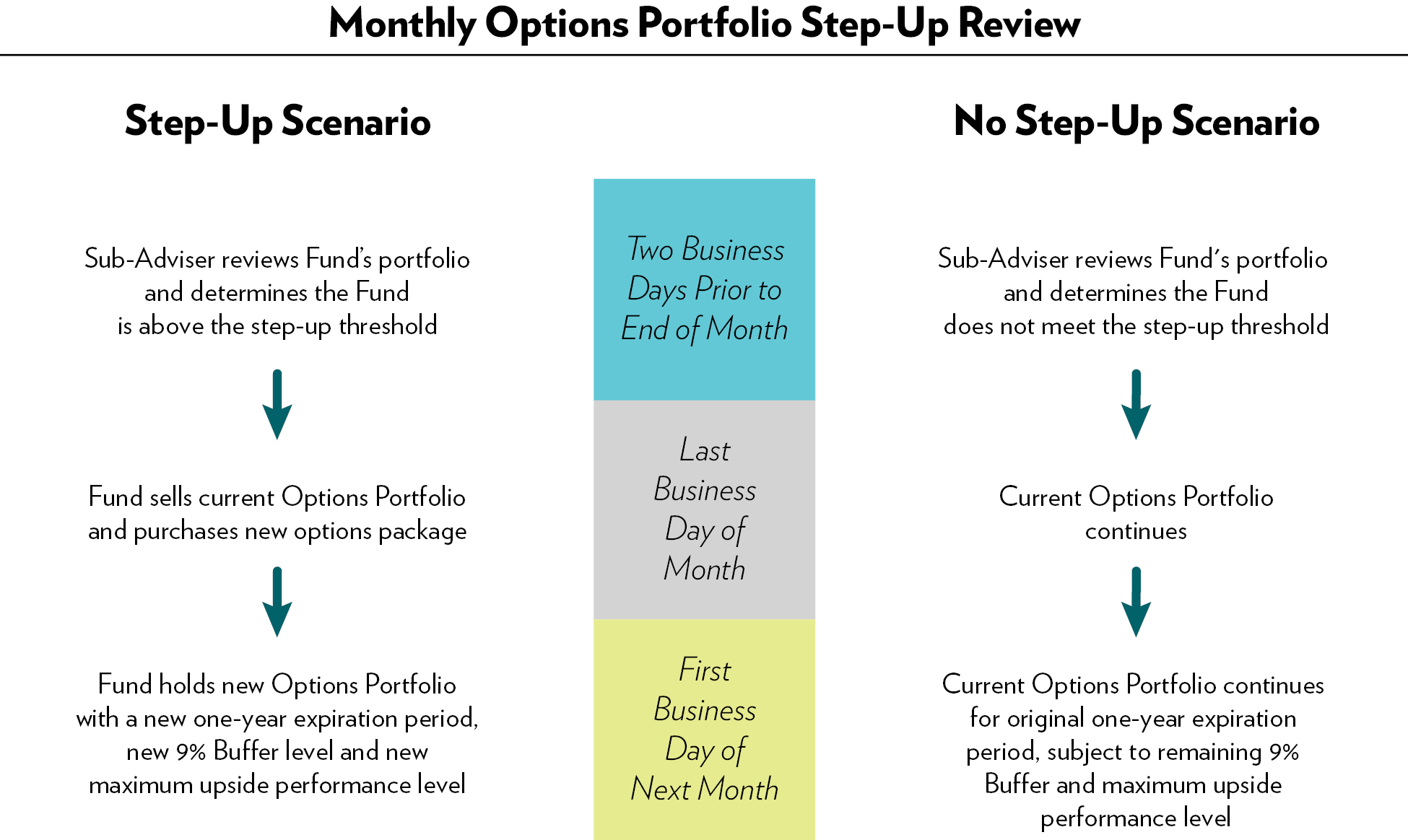
4
Options Portfolio
The Fund will invest in an Options Portfolio consisting of FLEX Options that reference the Underlying ETF with rotating expiration dates of approximately one year. The Options Portfolio is designed to produce investment outcomes only for the duration of its one-year options contracts and not for any different period of time. As described above, the Fund does not seek to achieve the full one-year investment outcomes of the Options Portfolio, as the Sub-Adviser intends to opportunistically reset the Options Portfolio prior to the one-year expiration date of the FLEX Options.
The Sub-Adviser seeks to specifically select the strike price for each FLEX Option contract such that if the FLEX Options were exercised on the expiration date (the final day of the one-year term), the Fund’s NAV would be subject to the Buffer and maximum gains on the performance of the Underlying ETF’s share price over the duration of the options contract, as follows:
• In the event that the Underlying ETF decreases in value by less than 9% over the duration of the Options Portfolio, the Options Portfolio seeks to provide investment return of 0%.
• In the event that the Options Portfolio decreases in value by more than 9% over the duration of the Options Portfolio, the Options Portfolio seeks to provide investment return that is 9% less than the return experienced by the Underlying ETF.
• In the event that the Underlying ETF increases in value over the duration of the Options Portfolio, the Options Portfolio seeks to provide investment returns that match the performance of the Underlying ETF, up to a maximum percentage return the Fund can achieve for the duration of the Options Portfolio, which is dependent on prevailing market conditions at the times the Fund enters into the FLEX Options.
While it is very unlikely that the Options Portfolio will be held until the expiration date of the FLEX Options, changes in the value of the Options Portfolio will impact the Fund’s NAV. The Fund’s NAV is dependent on the value of the FLEX Options, which is based principally upon the price of the Underlying ETF and the time remaining until the expiration date of the FLEX Options. As the price of the Underlying ETF changes and time moves towards the expiration date of the FLEX Options, the value of the FLEX Options, and therefore the Fund’s NAV, will change. The Sub-Adviser anticipates the Fund’s NAV will move in the same direction as the price movements of the Underlying ETF. However there is no guarantee that the Fund’s NAV will move in the same direction as the price movements of the Underlying ETF and it is not expected for the Fund’s NAV to directly correlate on a day-to-day basis with the returns experienced by the Underlying ETF. A component of an option’s value is the number of days remaining until its expiration date. The amount of time remaining until the option contract’s expiration date affects the impact of the Buffer on the Fund’s NAV, which may not be in full effect until the expiration date of the Fund’s options contracts. Therefore, while changes in the price of the Underlying ETF will result in changes to the Fund’s NAV, the Sub-Adviser generally anticipates that the rate of change in the Fund’s NAV will be less than that experienced by the Underlying ETF until the expiration date of the options contracts.
Because the Fund’s investment strategy is not designed to hold the Options Portfolio to its expiration date, shareholders will experience investment results that are very different than if the Fund held the Options Portfolio for its contract duration. Shareholders may realize losses on price decreases of the Underlying ETF of less than the 9% Buffer and may lose
5
their entire investment. These potential losses are possible even if a shareholder remained in the Fund for a one-year period after an Options Portfolio was established, as it is likely that the Options Portfolio will reset during that time.
The Options Portfolio is designed to protect against Underlying ETF losses and provide for maximum gain potential based upon the price of the Underlying ETF at the time the FLEX Option contracts are into by the Fund. The Sub-Adviser will seek to realize gains experienced by the Fund (which are limited to the maximum gain potential) due to price movements of the Underlying ETF or realize the Buffer used by the Fund due to price movements of the Underlying ETF by resetting the Fund’s Options Portfolio and the Fund’s upside potential and Buffer. However, the degree to which a shareholder may benefit from the Options Portfolio’s Underlying ETF upside potential and Buffer against Underlying ETF losses will depend on the time at which the investor purchases Shares of the Fund. At any given time after Sub-Adviser resets the Options Portfolio there may be limited upside potential or Buffer remaining due to the price performance of the Underlying ETF (and therefore, the value of the FLEX Options). If the price of the Underlying ETF is near or has exceeded the strike prices of the Fund’s Options Portfolio, such investor may have little to no upside potential until if and when the Sub-Adviser determines to step-up the Fund’s Options Portfolio, and would still remain vulnerable to significant downside risk before the sought-after protection from the Buffer began. Similarly, if the Underlying ETF has decreased in price significantly to equal or exceed the Fund’s anticipated Buffer, the shareholder would also remain vulnerable to significant downside risk and would receive no benefit from the Buffer. If a shareholder purchases Shares after the Buffer has been used and prior to the Fund resetting its Options Portfolio, a shareholder may lose their entire investment.
General Information About FLEX Options
FLEX Options are customizable exchange-traded option contracts guaranteed for settlement by the Options Clearing Corporation (the “OCC”). The OCC guarantees performance by each of the counterparties to the FLEX Options, becoming the “buyer for every seller and the seller for every buyer,” protecting clearing members and options traders from counterparty risk.
The Fund’s FLEX Options reference the Underlying ETF and are cash-settled. Cash-settled options give the Fund the right to receive the cash value of the Underlying ETF’s share price (for purchased call options), the right to deliver the cash value of the Underlying ETF’s share price (for purchased put options), the obligation to deliver the cash value of the Underlying ETF’s share price (for sold call options) and the obligation to receive the cash value of the Underlying ETF’s share price (for sold put options). The FLEX Options held by the Fund are European style options, which are exercisable at the strike price only on the FLEX Option expiration date.
To the extent the Underlying ETF is considered to be concentrated (i.e., holds 25% or more of its total assets) in the securities of a particular industry or group of industries, the Fund will concentrate to approximately the same extent. As of the date of this prospectus, through its investment in the Underlying ETF Portfolio and its usage of FLEX Options, the Fund has significant exposure to the information technology sector.
The Fund is classified as “non-diversified” under the Investment Company Act of 1940, as amended (the “1940 Act”).
6
7
8
9
10
11
12
13
The Shares will change in value, and you could lose money by investing in the Fund. The Fund may not achieve its investment objective.
14
The bar chart and table below illustrate the annual calendar year returns of the Fund based on NAV as well as the average annual Fund returns.
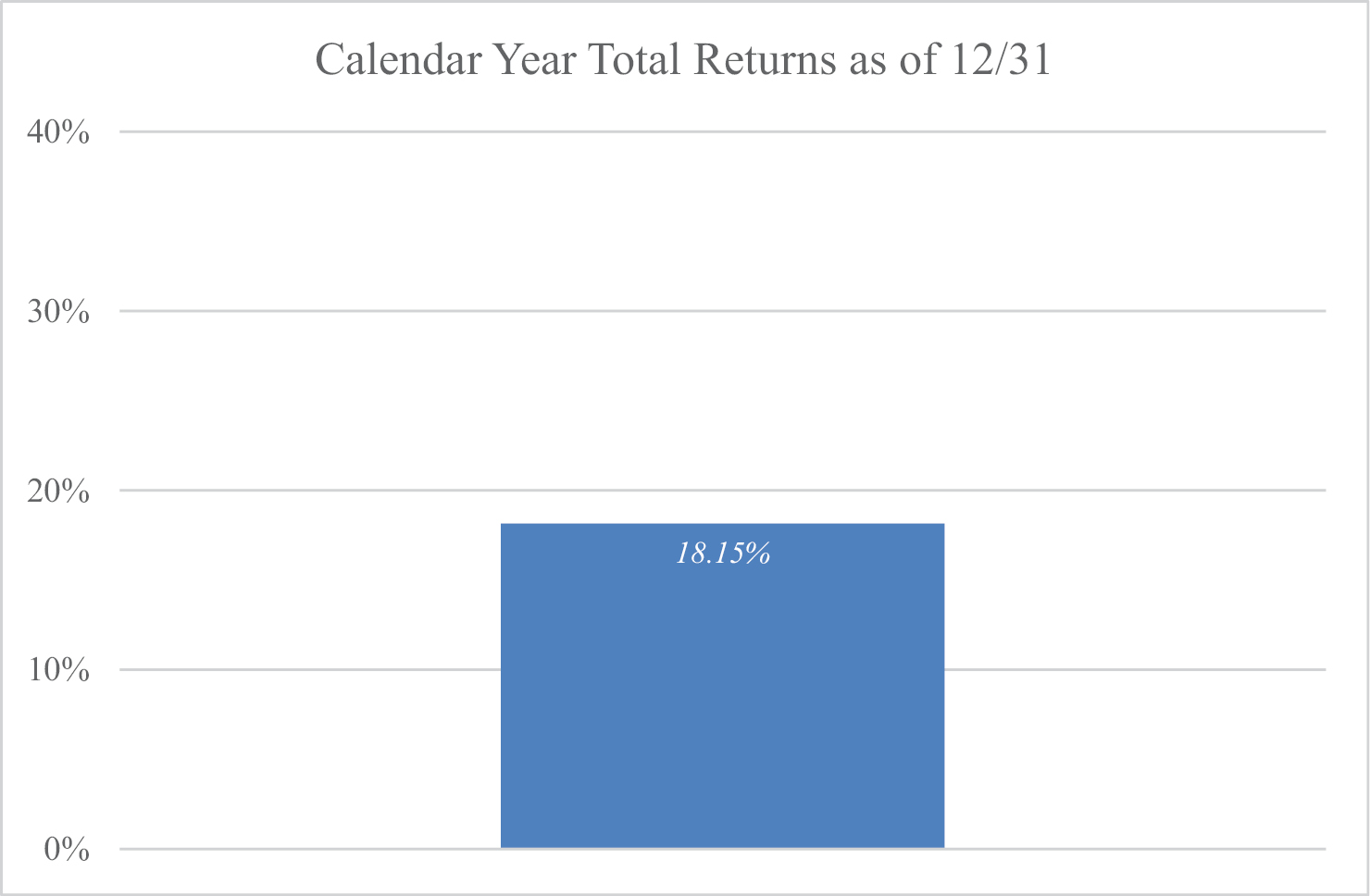
The Fund’s
| | ||
| Innovator Buffer Step-Up Strategy ETF | 1 Year | Since |
| | | |
| | | |
| | | |
| | | |
| | | |
Returns before taxes do not reflect the effects of any income or capital gains taxes.
15
Your own actual after-tax returns will depend on your specific tax situation and may differ from what is shown here.
Management
Investment Adviser
Innovator Capital Management, LLC
Investment Sub-Adviser
Milliman Financial Risk Management LLC
Portfolio Managers
The following persons serve as portfolio managers of the Fund.
• Robert T. Cummings – Principal, Senior Director, Head of Portfolio Management at Milliman
• Yin Bhuyan – ETF Portfolio Manager at Milliman
The portfolio managers are primarily and jointly responsible for the day-to-day management of the Fund and have served in such capacity since the Fund’s inception in March 2022.
Purchase and Sale of Fund Shares
The Fund will issue and redeem Shares at NAV only with APs that have entered into agreements with the Fund’s distributor and only in Creation Units or multiples thereof (“Creation Unit Aggregations”), in exchange for the deposit or delivery of a basket of securities in which the Fund invests. The Fund may also issue and redeem Shares in exchange for cash. Except when aggregated in Creation Units, the Shares are not redeemable securities of the Fund.
Individual Shares may only be bought and sold in the secondary market (i.e., on a national securities exchange) through a broker or dealer at a market price. Because the Shares trade at market prices rather than NAV, Shares may trade at a price greater than NAV (at a premium), at NAV, or less than NAV (at a discount). An investor may incur costs attributable to the difference between the highest price a buyer is willing to pay to purchase Shares (bid) and the lowest price a seller is willing to accept for Shares (ask) when buying or selling shares in the secondary market (the “bid-ask spread”).
Recent information, including information on the Fund’s NAV, market price, premiums and discounts, and bid-ask spreads, is available online at www.innovatoretfs.com.
16
Tax Information
The Fund’s distributions will generally be taxable as ordinary income, returns of capital or capital gains. A sale of Shares may result in capital gain or loss.
Payments to Broker-Dealers and Other Financial Intermediaries
If you purchase Shares through a broker-dealer or other financial intermediary (such as a bank), Innovator and Foreside Fund Services, LLC, the Fund’s distributor, may pay the intermediary for the sale of Shares and related services. These payments may create a conflict of interest by influencing the broker-dealer or other intermediary and your salesperson to recommend the Fund over another investment. Ask your salesperson or visit your financial intermediary’s website for more information.
17
| Additional Information About the Fund’s Principal Investment Strategies |
The Fund is an actively managed ETF. The investment objective of the Fund is to seek long-term capital gains while mitigating overall market risk. The Fund’s investment objective and policies described herein are non-fundamental policies that may be changed by the Board without shareholder approval. The Fund may liquidate and terminate at any time without shareholder approval. Certain fundamental policies of the Fund are set forth in the Fund’s Statement of Additional Information (“SAI”).
The Sub-Adviser seeks to mitigate the risk of significant declines in the Underlying ETF through the usage of an Options Portfolio. The Fund intends to implement this strategy through an Options Portfolio comprised of FLEX Options that reference the Underlying ETF. The Underlying ETF is an exchange-traded unit investment trust that uses a full replication strategy, meaning it invests entirely in the S&P 500® Index. The investment objective of the Underlying ETF is to seek to provide investment results that, before expenses, correspond generally to the price and yield performance of the S&P 500® Index, which includes five hundred (500) selected companies, all of which are listed on national stock exchanges and spans over 24 separate industry groups. The S&P 500® Index is rebalanced quarterly and reconstituted annually. The Fund will not receive or benefit from any dividend payments made by the Underlying ETF.
In general, an option contract is an agreement between a buyer and seller that gives the purchaser of the option the right to buy or sell a particular asset at a specified future date at an agreed upon price (commonly known as the “strike price”). FLEX Options are exchange-traded options contracts with uniquely customizable terms. Each FLEX Option contract that the Fund enters into references the Underlying ETF and expires one year after such option contracts are entered into. The FLEX Options, however, have varying strike prices. The layering of these FLEX Options with varying strike prices provides the Fund’s risk-managed investment exposure. The combination of all of the FLEX Options creates upside participation equal to the return experienced by the Underlying ETF at a one-year expiration, not to exceed the maximum gain potential, while providing a 9% Buffer from losses over the one-year duration of the option contracts. To pay for the cost of the Buffer, the Sub-Adviser intends to sell call FLEX Options that will, in effect, sell the Fund’s opportunity to benefit from increases in value of the Underlying ETF beyond the exercise price of the sold call options over the one-year term of the options contracts. Therefore, during periods in which the Underlying ETF appreciates, the Fund seeks to achieve the gains experienced by the Underlying ETF, however if the Underlying ETF appreciates beyond the strike price of the sold options the Fund will not experience such increases and may underperform the Underlying ETF over certain periods of time. The degree of Fund participation in gains of the Underlying ETF will depend on prevailing market conditions, especially market volatility, at the times the Fund enters into the FLEX Options.
The Fund, however, does not seek to provide shareholders with the Buffer over any specified time period (e.g., annually). Instead, the Sub-Adviser will seek to opportunistically manage its investment exposure by periodically terminating its FLEX Options investments earlier than such contracts’ one-year expiration and immediately entering into a new Options Portfolio with a new one-year period. At any given point during the one-year options contracts, such FLEX Options contracts may have more or less upside performance remaining or more or less ability to benefit from its Buffer as compared to when the options contracts were initially entered into.
18
For the duration of its existing FLEX Options contracts, the Sub-Adviser will actively review the performance of the Fund at each month-end and consider market volatility, time remaining until the expiration of the FLEX Options contracts and strike prices of the replacement FLEX Options contracts when evaluating whether to reset the Options Portfolio. To the extent the Fund’s NAV performance experiences increases (generally a range from 2% to 6%) or decreases (generally a range from -1% to -5%), the Sub-Adviser will seek to recognize any gains experienced or buffer used at each month-end by resetting the Fund’s Options Portfolio as applicable. With the step-up investment strategy, the Fund may, at the end of each month, sell the then-current Options Portfolio and immediately enter into new FLEX Options contracts with a new one-year duration and will therefore continue to have the potential to increase in a market environment where the value of the Underlying ETF is steadily increasing. Likewise, the Fund will have the potential to derive continued benefit from the Buffer in a market environment where the Underlying ETF is steadily decreasing, as it will have the ability to reset the Options Portfolio at the end of each month for a new 9% annualized Buffer. The Fund’s step-up investment strategy seeks to help a Fund’s shareholder offset these timing risks inherent in owning an options package for one year.
As described in “Principal Investment Strategies” and in “Principal Risks,” there are risks associated with an investment in the Fund and there is no guarantee that the Fund will be successful in providing risk-managed investment exposure to the Underlying ETF.
| Fund Investments |
Principal Investments
FLEX Options
FLEX Options are customized option contracts that trade on an exchange but provide investors with the ability to customize key contract terms like strike price, style and expiration date while achieving price discovery in competitive, transparent auctions markets and avoiding the counterparty exposure of over-the-counter options positions. Like traditional exchange-traded options, FLEX Options are guaranteed for settlement by the OCC, a market clearinghouse that guarantees performance by counterparties to certain derivatives contracts.
The FLEX Options in which the Fund will invest are all European style option contracts (option contracts that are exercisable only on the expiration date). The FLEX Options are listed on the Chicago Board Options Exchange.
The Fund will purchase and sell call and put FLEX Options. In general, put options give the holder (i.e., the buyer) the right to sell an asset (or deliver the cash value of the asset, in case of certain put options) and the seller (i.e., the writer) of the put has the obligation to buy the asset (or receive cash value of the asset, in case of certain put options) at a certain defined price. Call options give the holder (i.e., the buyer) the right to buy an asset (or receive cash value of the asset, in case of certain call options) and the seller (i.e., the writer) the obligation to sell the asset (or deliver cash value of the asset, in case of certain call options) at a certain defined price.
19
The Fund will use the market value of its derivatives holdings for the purpose of determining compliance with the 1940 Act and the rules promulgated thereunder. Since the FLEX Options held by the Fund are exchange-traded, these will be valued on a mark-to-market basis. In the event market prices are not available, the Fund will use fair value pricing pursuant to the fair value procedures adopted by Innovator as the “Valuation Designee” pursuant to Rule 2a-5 of the 1940 Act (“Rule 2a-5”) and approved by, and subject to the oversight of, the Board. The Fund will enter into FLEX Options contracts in accordance with Rule 18f-4 under the 1940 Act, which requires the Fund to implement certain policies and procedures designed to manage its derivatives risks, dependent upon the Fund’s level of exposure to derivative instruments.
Disclosure of Portfolio Holdings
A description of the Trust’s policies and procedures with respect to the disclosure of the Fund’s portfolio holdings is available in the Fund’s SAI, which is available at www.innovatoretfs.com.
| Additional Risks of Investing in the Fund |
Risk is inherent in all investing. Investing in the Fund involves risk, including the risk that you may lose all or part of your investment. There can be no assurance that the Fund will meet its stated objective. Before you invest, you should consider the following supplemental disclosure pertaining to the Principal Risks set forth above as well as additional Non-Principal Risks set forth below in this prospectus.
Principal Risks
Step-Up Strategy Risk. The Fund seeks to provide risk-managed investment exposure to the Underlying ETF through its step-up investment strategy. Because the step-up strategy makes it very unlikely that the Fund will hold an option contract to its expriation, shareholders will likely experience investment results that are very different than if the Fund held the options contracts until expiration and/or those of the Underlying ETF. There is also no guarantee the Fund will be successful in implementing this strategy.
In order to provide the Buffer, the Fund’s strategy is subject to maximum potential gains. This maximum potential gain will likely change at each resetting of the Option’s Portfolio. In the event an investor purchases Shares after the FLEX Option contracts were entered into and prior to the time the Sub-Adviser determines to step-up the Options Portfolio or the expiration of such option contracts, there may be little or no ability for that investor to experience an investment gain on their Shares or little or no ability to benefit from a Buffer protection of the Option Portfolio until the Sub-Adviser rebalances the Fund’s Options Portfolio. However, there is no guarantee that, at the end of any given month, the Fund will be able to enter into a more advantageous Options Portfolio and effectively implement the step-up mechanism.
In addition, the Fund’s step-up strategy may result in performance over certain periods of time that is lower than that of the Underlying ETF or of a fund that is designed to hold an options portfolio until expiration. Because the value of the Options Portfolio does not increase or decrease at the same rate as the Underlying ETF’s share price on a day-to-day basis (although they generally move in the same direction) there may be periods of time in which the Fund’s NAV underperforms the
20
price return of the Underlying ETF. In this situation, if the Sub-Adviser rebalances the Options Portfolio prior to its one-year expiration in accordance with the step-up strategy, the Fund may have underperformed the Underlying ETF for that period of time. Similarly, the Sub-Adviser may elect to reset the Fund’s Options Portfolio at a point in time in which the Fund has utilized all or a portion of its Buffer. While this will provide shareholders with the potential of an additional Buffer, the Options Portfolio would simultaneously reset its maximum gain potential and could lower the Fund’s upside performance potential over certain time periods.
Buffer Risk. There can be no guarantee that the Fund will be successful in implementing its strategy to provide Buffer protection with its investment in the Options Portfolio. A shareholder may lose their entire investment. The Buffer is provided at the expiration of the options contracts. Any interim losses experienced by the Underlying ETF may be experienced by the Fund and its shareholders. Because the Options Portfolio provides a Buffer against the first 9% of Underlying ETF losses measured from the time in which the Fund enters into the FLEX Options contracts and only for the duration of the one-year term of the options contract, it is possible that, during the term of any Options Portfolio, shareholders will realize some losses on price decreases of the Underlying ETF. These potential losses are possible even if a shareholder remained in the Fund for a one-year period after an Options Portfolio was established, as it is likely that the Options Portfolio will reset during that time. The Fund does not provide principal protection or non-principal protection, and an investor may experience significant losses on its investment, including the loss of its entire investment.
Upside Participation Risk. There can be no guarantee that the Fund will be successful in its strategy to provide shareholders with a total return that correlates to increases in the price of the Underlying ETF over time. The Fund may realize different returns than the price return of the Underlying ETF until the expiration of the options contracts. In the event the Sub-Adviser utilizes the Fund’s step-up mechanism and resets the Options Portfolio and there is a difference between the NAV performance of the Fund and the price return of the Underlying ETF, such difference would result in a shareholder experiencing different returns than the Underlying ETF.
FLEX Options Risk. The Fund will utilize FLEX Options, which are customizable, exchange-traded option contracts that are issued and guaranteed for settlement by the OCC. The Fund bears the risk that the OCC will be unable or unwilling to perform its obligations under the FLEX Options contracts. In the unlikely event that the OCC becomes insolvent or is otherwise unable to meet its settlement obligations, the Fund could suffer significant losses. Additionally, FLEX Options may be less liquid than certain other securities, such as standardized options. In less liquid markets for the FLEX Options, the Fund may have difficulty closing out certain FLEX Options positions at desired times and prices. In connection with the creation and redemption of Shares, to the extent market participants are not willing or able to enter into FLEX Option transactions with the Fund at prices that reflect the market price of the Shares, the Fund’s NAV and, in turn the share price of the Fund, could be negatively impacted.
The Fund may experience substantial downside from specific FLEX Option positions and certain FLEX Option positions may expire worthless. The Fund utilizes European style FLEX Option contracts, which are exercisable at the strike price only on the expiration date. As a FLEX Option approaches its expiration date, its value typically increasingly moves with the value of the Underlying ETF. However, prior to such date, the value of the FLEX Options does not increase or decrease at the same rate as the Underlying ETF’s share price on a day-to-day basis (although
21
they generally move in the same direction). The value of the FLEX Options held by the Fund will be determined based on market quotations or other recognized pricing methods. The value of the underlying FLEX Options will be affected by, among others, changes in the Underlying ETF’s share price, changes in interest rates, changes in the actual and implied volatility of the Underlying ETF and the remaining time to until the FLEX Options expire.
Option Contracts Risk. The use of option contracts involves investment strategies and risks different from those associated with ordinary portfolio securities transactions. The prices of option contracts are volatile and are influenced by, among other things, actual and anticipated changes in the value of the underlying instrument, changes in interest or currency exchange rates, including the anticipated volatility, which are affected by fiscal and monetary policies and by national and international political, changes in the actual or implied volatility or the reference asset, the time remaining until the expiration of the option contract and economic events. There may at times be an imperfect correlation between the movement in values option contracts and the reference asset, and there may at times not be a liquid secondary market for certain option contracts. Option contracts may also involve the use of leverage, which could result in greater price volatility than other markets. The Fund has taken the necessary steps to comply with the requirements of Rule 18f-4 in its usage of FLEX Options. The Fund has adopted and implements a derivatives risk management program that contains policies and procedures reasonably designed to manage the Fund’s derivatives risks, has appointed a derivatives risk manager who is responsible for administrating the derivatives risk management program, complies with outer limitations on risks relating to its derivatives transactions and carries out enhanced reporting to the Board, the SEC and the public regarding its derivatives activities. To the extent the Fund is noncompliant with Rule 18f-4, the Fund may be required to adjust its investment portfolio which may, in turn, negatively impact the Fund’s ability to deliver the sought-after Outcomes.
Clearing Member Default Risk. Transactions in some types of derivatives, including FLEX Options, are required to be centrally cleared (“cleared derivatives”). In a transaction involving cleared derivatives, the Fund’s counterparty is a clearing house, such as the OCC, rather than a bank or broker. Since the Fund is not a member of clearing houses and only members of a clearing house (“clearing members”) can participate directly in the clearing house, the Fund will hold cleared derivatives through accounts at clearing members. In cleared derivatives positions, the Fund will make payments (including margin payments) to, and receive payments from, a clearing house through their accounts at clearing members. Customer funds held at a clearing organization in connection with any option contracts are held in a commingled omnibus account and are not identified to the name of the clearing member’s individual customers. As a result, assets deposited by the Fund with any clearing member as margin for its FLEX Options may, in certain circumstances, be used to satisfy losses of other clients of the Fund’s clearing member. In addition, although clearing members guarantee performance of their clients’ obligations to the clearing house, there is a risk that the assets of the Fund might not be fully protected in the event of the clearing member’s bankruptcy, as the Fund would be limited to recovering only a pro rata share of all available funds segregated on behalf of the clearing member’s customers for the relevant account class. The Fund is also subject to the risk that a limited number of clearing members are willing to transact on the Fund’s behalf, which heightens the risks associated with a clearing member’s default. If a clearing member defaults the Fund could lose some or all of the benefits of a transaction entered into by the Fund with the clearing member. The loss of a clearing member for the Fund to transact with could
22
result in increased transaction costs and other operational issues that could impede the Fund’s ability to implement its investment strategy. If the Fund cannot find a clearing member to transact with on the Fund’s behalf, the Fund may be unable to effectively implement its investment strategy.
Counterparty Risk. Counterparty risk is the risk an issuer, guarantor or counterparty of a security in the Fund is unable or unwilling to meet its obligation on the security. Counterparty risk may arise because of the counterparty’s financial condition, market activities, or for other reasons. The Fund may be unable to recover its investment from the counterparty or may obtain a limited and/or delayed recovery. The OCC acts as guarantor and central counterparty with respect to the FLEX Options. As a result, the ability of the Fund to meet its objective depends on the OCC being able to meet its obligations. In the event an OCC clearing member that is a counterparty of the Fund were to become insolvent, the Fund may have some or all of its FLEX Options closed without its consent or may experience delays or other difficulties in attempting to close or exercise its affected FLEX Options positions, both of which would impair the Fund’s ability to deliver on its investment strategy. The OCC’s rules and procedures are designed to facilitate the prompt settlement of options transactions and exercises, including for clearing member insolvencies. However, there is the risk that the OCC and its backup system will fail if clearing member insolvencies are substantial or widespread. In the unlikely event that the OCC becomes insolvent or is otherwise unable to meet its settlement obligations, the Fund could suffer significant losses.
Underlying ETF Risk. The Fund will have exposure to an ETF that tracks the performance of the S&P 500® Index through its usage in FLEX Options. Because the value of the FLEX Options held by the Fund are based on the value of the Underlying ETF, the Fund’s investment performance largely depends on the investment performance and associated risks of the Underlying ETF. The Underlying ETF is subject to many of the same structural risks as the Fund that are described in more detail herein, such as Authorized Participant Concentration Risk, Equity Securities Risk, Fluctuation of Net Asset Value Risk, Information Technology Companies Risk, Large Capitalization Companies Risk, Market Maker Risk, Market Risk, Operational Risk and Trading Issues Risk.
Information Technology Companies Risk. The Underlying ETF invests significantly in information technology companies, and therefore the Fund has significant exposure to such companies through its exposure to the Underlying ETF by virtue of its investment in FLEX Options that reference the Underlying ETF. Information technology companies produce and provide hardware, software and information technology systems and services. Information technology companies are generally subject to the following risks: rapidly changing technologies and existing produce obsolescence; short product life cycles; fierce competition; aggressive pricing and reduced profit margins; the loss of patent, copyright and trademark protections; cyclical market patterns; evolving industry standards; and frequent new product introductions and new market entrants. Information technology companies may be smaller and less experienced companies, with limited product lines, markets or financial resources and fewer experienced management or marketing personnel. Information technology company stocks, particularly those involved with the internet, have experienced extreme price and volume fluctuations that are often unrelated to their operating performance. In addition, information technology companies are particularly vulnerable to federal, state and local government regulation, and competition and consolidation, both domestically and internationally, including competition from foreign competitors with lower production costs. Information technology companies are facing increased government and regulatory scrutiny and
23
may be subject to adverse government or regulatory action. Information technology companies also face competition for services of qualified personnel and heavily rely on patents and intellectual property rights and the ability to enforce such rights to maintain a competitive advantage.
Large Capitalization Companies Risk. The Underlying ETF invests securities of large capitalization companies, and therefore the Fund has significant exposure to such companies through its exposure to the Underlying ETF by virtue of its investment in FLEX Options that reference the Underlying ETF. Large capitalization companies may grow at a slower rate and be less able to adapt to changing market conditions than smaller capitalization companies. Thus, the return on investment in securities of large capitalization companies may be less than the return on investment in securities of small and/or mid capitalization companies. The performance of large capitalization companies also tends to trail the overall market during different market cycles.
Equity Securities Risk. The Underlying ETF invests in equity securities, and therefore the Fund has significant exposure to equity securities through its exposure to the Underlying ETF by virtue of its investment in FLEX Options that reference the Underlying ETF. Investments in equity securities are subject to market risks that may cause their prices to fluctuate over time. The value of your investment in the Fund is based on the market prices of the securities to which the Underlying ETF has exposure. These prices change daily due to economic and other events that affect particular companies and other issuers or the market as a whole. Historically, the equity markets have moved in cycles so that the value of the Underlying ETF’s equity securities may fluctuate from day-to-day. Individual companies may report poor results or be negatively affected by industry and/or economic trends and developments and the prices of their securities may suffer a decline in response.
Correlation Risk. The FLEX Options held by the Fund will be exercisable at the strike price only on their expiration date. As a FLEX Option approaches its expiration date, its value typically will increasingly move with the value of the Underlying ETF. However, prior to the expiration date, the value of the FLEX Options prior to the expiration date may vary because of related factors other than the value of the Underlying ETF. The value of the FLEX Options will be determined based upon market quotations or using other recognized pricing methods. Factors that may influence the value of the FLEX Options include interest rate changes and implied volatility levels of the Underlying ETF, among others. The value of the FLEX Options held by the Fund typically do not increase or decrease at the same level as the Underlying ETF’s share price on a day-to-day basis due to these factors (although they generally move in the same direction).
Authorized Participant Concentration Risk. Only an authorized participant may engage in creation or redemption transactions directly with the Fund. The Fund has a limited number of institutions that may act as authorized participants on an agency basis (i.e., on behalf of other market participants). Authorized participants are not obligated to make a market in Shares or submit orders for the issuance or redemption of Creation Units. To the extent that authorized participants exit the business or are unable to proceed with orders for the issuance or redemption of Creation Units and no other authorized participant is able to step forward to fulfill the order, Shares may be more likely to trade at a premium or discount to NAV and possibly face trading halts and/or delisting, and the bid/ask spread on Shares may widen.
24
Cash Transactions Risk. The Fund may effectuate all or a portion of the issuance and redemption of Creation Units for cash, rather than in-kind securities. As a result, an investment in the Fund may be less tax-efficient than an investment in an ETF that effectuates its Creation Units only on an in-kind basis. ETFs are able to make in-kind redemptions to avoid being taxed on gains on the distributed portfolio securities at the fund level. A fund that effects redemptions for cash may be required to sell portfolio securities in order to obtain the cash needed to distribute redemption proceeds. Any recognized gain on these sales by the fund will generally cause such fund to recognize a gain it might not otherwise have recognized, or to recognize such gain sooner than would otherwise be required if it were to distribute portfolio securities only in-kind. The Fund intends to distribute gains that arise by virtue of the issuance and redemption of Creation Units being effectuated in cash to shareholders to avoid being taxed on this gain at the fund level and otherwise comply with special tax rules that apply to it. This may cause shareholders to be subject to tax on gains they would not otherwise be subject to, or at an earlier date than if they had made an investment in another ETF. Moreover, cash transactions may have to be carried out over several days if the securities market is relatively illiquid and may involve considerable brokerage fees and taxes. These brokerage fees and taxes, which will be higher than if the Fund sold and redeemed its shares principally in-kind, will be passed on to those purchasing and redeeming Creation Units in the form of creation and redemption transaction fees. In addition, these factors may result in wider spreads between the bid and the offered prices of Shares than for ETFs that distribute portfolio securities in-kind. The Fund’s use of cash for creations and redemptions could also result in dilution to the Fund and increased transaction costs, which could negatively impact the Fund’s ability to achieve its investment objective.
Cyber Security Risk. As the use of Internet technology has become more prevalent in the course of business, the investment industry has become more susceptible to potential operational risks through breaches in cyber security. A breach in cyber security refers to both intentional and unintentional events that may cause the Fund to lose proprietary information, suffer data corruption or lose operational capacity. Such events could cause the Fund to incur regulatory penalties, reputational damage, additional compliance costs associated with corrective measures and/or financial loss. Cyber security breaches may involve unauthorized access to the Fund’s digital information systems through “hacking” or malicious software coding, but may also result from outside attacks such as denial-of-service attacks through efforts to make network services unavailable to intended users. In addition, cyber security breaches of the Fund’s third-party service providers, such as its administrator, transfer agent, custodian, or issuers in which the Fund invests, can also subject the Fund to many of the same risks associated with direct cyber security breaches. The Fund has established risk management systems designed to reduce the risks associated with cyber security. However, there is no guarantee that such efforts will succeed, especially because the Fund does not directly control the cyber security systems of issuers or third-party service providers. The Fund may incur substantial costs in order to resolve or prevent cyber security incidents in the future.
Investment Objective Risk. Certain circumstances under which the Fund might not achieve its objective include, but are not limited, to (i) if the Fund disposes of FLEX Options, (ii) if the Fund is unable to maintain the proportional relationship based on the number of FLEX Options in the Fund’s portfolio, (iii) significant accrual of Fund expenses in connection with effecting the Fund’s
25
principal investment strategy or (iv) adverse tax law changes affecting the treatment of FLEX Options. The Fund is also subject to management risk as an actively-managed fund, which may cause it not to achieve its investment objective.
Liquidity Risk. The market for the Fund’s FLEX Options may become less liquid as a result of adverse market or economic conditions or other unrelated reasons. In the event that trading in the underlying FLEX Options is limited or absent, the value of the Fund’s FLEX Options may decrease. There is no guarantee that a liquid secondary trading market will exist for the FLEX Options. The trading in FLEX Options may be less deep and liquid than the market for certain other securities, including certain non-customized option contracts. In a less liquid market for the FLEX Options, terminating the FLEX Options may require the payment of a premium or acceptance of a discounted price and may take longer to complete. Additionally, the liquidation of a large number of FLEX Options may more significantly impact the price in a less liquid market. Further, the Fund requires a sufficient number of participants to facilitate the purchase and sale of options on an exchange to provide liquidity to the Fund for its FLEX Option positions. A less liquid trading market may adversely impact the value of the FLEX Options and the value of your investment.
Management Risk. The Fund is subject to management risk because it is an actively managed portfolio. The Sub-Adviser applies investment techniques and risk analyses in making investment decisions for the Fund, but there can be no guarantee that the Fund will meet its investment objective.
Market Maker Risk. The Fund faces market trading risks, including the potential lack of an active market for Shares due to a limited number of market makers. If the Fund has lower average daily trading volumes, it may rely on a small number of third-party market makers to provide a market for the purchase and sale of Shares. Any trading halt or other problem relating to the trading activity of these market makers could result in a dramatic change in the spread between the Fund’s NAV and the price at which the Shares are trading on the Exchange, which could result in a decrease in the market price of the Shares. In addition, decisions by market makers or authorized participants to reduce their role or step away from these activities in times of market stress could inhibit the effectiveness of the arbitrage process in maintaining the relationship between the underlying values of the Fund’s portfolio securities and the Fund’s market price. This reduced effectiveness could result in Shares trading at a discount to NAV and in greater than normal intra-day bid-ask spreads for Shares.
Market Risk. The Fund could lose money over short periods due to short-term market movements and over longer periods during more prolonged market downturns. Assets may decline in value due to factors affecting financial markets generally or particular asset classes or industries represented in the markets. The value of FLEX Options or other assets may also decline due to general market conditions, economic trends or events that are not specifically related to the issuer of the security or other asset, or due to factors that affect a particular issuer or issuers, country, group of countries, region, market, industry, group of industries, sector or asset class. During a general market downturn, multiple asset classes may be negatively affected. Changes in market conditions and interest rates will not have the same impact on all types of securities. Values of securities may change due to factors such as inflation, changes in interest rates, changes in regulatory requirements, bank failures, political climate deterioration or developments, armed conflicts, natural disasters or future health crises, may negatively impact market conditions, and cause a decrease in the value of securities. Other unexpected political, regulatory and diplomatic
26
events within the U.S. and abroad may affect investor and consumer confidence and may adversely impact financial markets and the broader economy. These events, and any other future events, may adversely affect the prices and liquidity of the Fund’s investments and could result in disruptions in the trading markets. Securities, including the Shares, are subject to market fluctuations and liquidity constraints that may be caused by such factors or other economic, political, or regulatory developments, and/or perceived trends in securities prices. Shares of the Fund could decline in value or underperform other investments. In addition, local, regional or global events such as war, acts of terrorism, spread of infectious diseases or other public health issues, recessions, or other events could have a significant negative impact on a Fund and its investments. Such events may affect certain geographic regions, countries, sectors and industries more significantly than others. Such events could result in disruptions to trading markets and could also adversely affect the prices and liquidity of a Fund’s holdings. Any of such circumstances could result in increased market volatility and/or have a materially negative impact on the value of Shares or the liquidity of an investment. During any such events, Shares may trade at greater premiums or discounts to their NAV and the bid/ask spread on Shares may widen. The future potential economic impact of any such future events is impossible to predict and could result in adverse market conditions that impact the performance of the Fund.
Market Underperformance Risk. The Fund’s investment strategy may cause the Fund to underperform the Underlying ETF and/or the S&P 500® Index. The underperformance may be a result of management risk or the implementation of the Fund’s investment strategy.
Non-Diversification Risk. The Fund is classified as “non-diversified” under the 1940 Act. As a result, the Fund is only limited as to the percentage of its assets which may be invested in the securities of any one issuer by the diversification requirements imposed by the Code. The Fund may invest a relatively high percentage of its assets in a limited number of issuers. As a result, the Fund may be more susceptible to a single adverse economic or regulatory occurrence affecting one or more of these issuers, experience increased volatility and be highly invested in certain issuers.
Operational Risk. The Fund is exposed to operational risks arising from a number of factors, including, but not limited to, human error in the implementation of the Fund’s investment strategy, processing and communication errors, errors of the Fund’s service providers, counterparties or other third-parties, failed or inadequate processes and technology or systems failures. Additionally, cyber security failures or breaches of the electronic systems of the Fund and/or its service providers may disrupt or negatively impact the operation of the Fund which may result in financial losses to the Fund and its shareholders. The Fund and its Adviser and Sub-Adviser seek to reduce these operational risks through controls and procedures. However, these measures do not address every possible risk and may be inadequate to address these risks.
Portfolio Turnover Risk. High portfolio turnover may result in increased transaction costs to the Fund, including brokerage commissions, dealer markups and other transaction costs on the sale of the securities and on reinvestment in other securities.
Premium/Discount Risk. Shares trade on the Exchange at market prices rather than their NAV. The Fund’s NAV represents the value of the Fund’s investments and is calculated by taking the sum of the Fund’s assets less the Fund’s liabilities, if any. The NAV per Share is the value of a Share’s portion of all of the Fund’s net assets. The market price of Shares generally corresponds to
27
movements in the Fund’s NAV as well as the relative supply and demand for Shares on the Exchange. The market price may be at, above (a premium) or below (a discount) the Fund’s NAV. Differences in market prices of Shares and the NAV per Share may be due, in large part, to the fact that supply and demand forces at work in the secondary trading market for Shares will be closely related to, but not identical to, the same forces influencing the prices of the Fund’s holdings trading individually or in the aggregate at any point in time. These differences can be especially pronounced during times of market volatility or stress. During these periods, the demand for Shares may decrease considerably and cause the market price of Shares to deviate, and in some cases deviate significantly, from the Fund’s NAV. Additionally, decisions by market makers and/or authorized participants or reduced effectiveness of the arbitrage process in maintaining the relationship of the Fund’s NAV to the market price of its Shares could result in the Shares trading at a premium, or discount to NAV and the bid/ask spread on Shares may widen.
Tax Risk. The Fund intends to elect and to qualify each year to be treated as a RIC under Subchapter M of the Code. However, the federal income tax treatment of certain aspects of the proposed operations of the Fund are not entirely clear. This includes the tax aspects of the Fund’s options strategy, its hedging strategy, the possible application of the “straddle” rules, and various loss limitation provisions of the Code. If, in any year, the Fund fails to qualify as a RIC under the applicable tax laws, the Fund would be taxed as an ordinary corporation. The Fund intends to treat any income it may derive from the FLEX Options as “qualifying income” under the provisions of the Code applicable to RICs. In addition, based upon language in the legislative history, the Fund intends to treat the issuer of the FLEX Options as the referenced asset, which, assuming the referenced asset qualifies as a RIC, would allow the Fund to qualify for special rules in the RIC diversification requirements. If the income is not qualifying income or the issuer of the FLEX Options is not appropriately the referenced asset, the Fund could lose its own status as a RIC. The FLEX Options included in the portfolio are exchange-traded options. Under Section 1256 of the Code, certain types of exchange-traded options are treated as if they were sold (i.e., “marked to market”) at the end of each year. The Fund does not believe that the positions held by the Fund will be subject to Section 1256, which means that the positions will not be marked to market. In the event that a shareholder purchases Shares of the Fund shortly before a distribution by the Fund, the entire distribution may be taxable to the shareholder even though a portion of the distribution effectively represents a return of the purchase price.
Trading Issues Risk. Although Shares are listed for trading on the Exchange, there can be no assurance that an active trading market for Shares will develop or be maintained. Shares trade on the Exchange at market prices that may be below, at or above the Fund’s NAV. Trading in Shares on the Exchange may be halted due to market conditions or for reasons that, in the view of the Exchange, make trading in Shares inadvisable. In addition, trading in Shares on the Exchange is subject to trading halts caused by extraordinary market volatility pursuant to the Exchange “circuit breaker” rules. Market makers are under no obligation to make a market in the Shares, and authorized participants are not obligated to submit purchase or redemption orders for Creation Units. There can be no assurance that the requirements of the Exchange necessary to maintain the listing of the Fund will continue to be met or will remain unchanged.
28
Valuation Risk. During periods of reduced market liquidity or in the absence of readily available market quotations for the holdings of the Fund, the valuation of the Fund’s FLEX Options will become more difficult. In market environments where there is reduced availability of reliable objective pricing data, the judgment of the Fund’s investment adviser in determining the fair value of the security may play a greater role. While such determinations may be made in good faith, it may nevertheless be more difficult for the Fund to accurately assign a daily value. The Fund’s Valuation Procedures adopted Innovator as Valuation Designee (as reviewed, approved, and subject to the oversight of the Board) complies with Rule 2a-5 under the 1940 Act. Pursuant to Rule 2a-5, the Board oversees the implementation of the Valuation Procedures. While the Fund’s program is designed to contemplate the specific risks of the Fund, there is no guarantee the program will adequately do so each time, and value may not be properly selected for the Fund.
| Management of the Fund |
The Fund is a series of Innovator ETFs Trust, an investment company registered under the 1940 Act. The Fund is treated as a separate fund with its own investment objectives and policies. The Trust is organized as a Delaware statutory trust. The Board is responsible for the overall management and direction of the Trust. The Board elects the Trust’s officers and approves all significant agreements, including those with the Adviser, Sub-Adviser, custodian and fund administrative and accounting agent.
Investment Adviser
Innovator Capital Management, LLC, 109 North Hale Street, Wheaton, Illinois 60187, serves as the Fund’s investment adviser. In its capacity as Adviser, Innovator has overall responsibility for selecting and monitoring the Fund’s investments and managing the Fund’s business affairs.
Investment Sub-Adviser
Milliman Financial Risk Management LLC, 71 South Wacker Drive, 31st Floor, Chicago, Illinois 60606, serves as the Fund’s investment sub-adviser. Milliman has responsibility for managing the Fund’s investment program in pursuit of its investment objective.
Portfolio Managers
Robert T. Cummings and Yin Bhuyan serve as the Fund’s portfolio managers.
• Robert T. Cummings, Principal, Senior Director, Head of Portfolio Management at Milliman. Mr. Cummings has served in this role since 2007. Mr. Cummings has more than 13 years of experience as a trader with a primary focus on options. Prior to joining Milliman, he was involved in various proprietary trading strategies and was a portfolio manager of associated derivatives funds. These strategies included volatility arbitrage, global macro, and high-frequency trading. Entities at which Mr. Cummings has previously worked include Citadel Investment Group, TradeNet (as a primary market maker on the Chicago Board Options Exchange), KCM Group and Spyglass Capital Management.
29
• Yin Bhuyan, ETF Portfolio Manager at Milliman. Ms. Bhuyan has more than 10 years of experience in capital markets. Prior to joining Milliman, Yin traded in the S&P options pit at CBOE. She has served both as a market maker and a portfolio manager. Her former experience is in risk management and volatility arbitrage. Yin’s current primary focus had been in managing Defined Outcome ETFs and Index tracking ETFs.
For additional information concerning Innovator and Milliman, including a description of the services provided to the Fund, please see the Fund’s statement of additional information. Additional information regarding the portfolio managers’ compensation, other accounts managed by the portfolio managers and the portfolio managers’ ownership of Shares may also be found in the statement of additional information.
Management Fee
Pursuant to an investment advisory agreement between Innovator and the Trust, on behalf of the Fund (the “Investment Management Agreement”), the Fund has agreed to pay an annual unitary management fee to Innovator in an amount equal to 0.89% of its average daily net assets. This unitary management fee is designed to pay the Fund’s expenses and to compensate Innovator for the services it provides to the Fund. Out of the unitary management fee, Innovator pays substantially all expenses of the Fund, including the cost of transfer agency, custody, fund administration, legal, audit and other service and license fees. However, Innovator is not responsible for distribution and service fees payable pursuant to a Rule 12b-1 plan, if any, brokerage commissions and other expenses connected with the execution of portfolio transactions, taxes, interest, and extraordinary expenses.
Pursuant to an investment sub-advisory agreement between Innovator, Milliman and the Trust, on behalf of the Fund (the “Investment Sub-Advisory Agreement”), Innovator has agreed to pay an annual sub-advisory fee to Milliman in an amount based on the Fund’s average daily net assets. Innovator is responsible for paying the entirety of Milliman’s sub-advisory fee. The Fund does not directly pay Milliman.
A discussion regarding the basis for the Board’s approval of the Investment Management Agreement and Investment Sub-Advisory Agreement on behalf of the Fund is available in the Fund’s Annual Report to shareholders for the fiscal year ended October 31, 2023.
Manager of Managers Structure. The Fund and Innovator have received an exemptive order from the SEC to operate under a manager of managers structure that permits Innovator, with the approval of the Board, to appoint and replace sub-advisers, enter into sub-advisory agreements, and materially amend and terminate sub-advisory agreements on behalf of the Fund without shareholder approval (“Manager of Managers Structure”). Under the Manager of Managers Structure, Innovator has ultimate responsibility, subject to oversight by the Board, for overseeing the Fund’s sub-advisers and recommending to the Board their hiring, termination, or replacement. The SEC order does not apply to any sub-adviser that is affiliated with the Fund or Innovator.
The Manager of Managers Structure enables the Fund to operate with greater efficiency and without incurring the expense and delays associated with obtaining shareholder approvals for matters relating to any sub-adviser or the sub-advisory agreement. The Manager of Managers
30
Structure does not permit an increase in the advisory fees payable by the Fund without shareholder approval. Shareholders will be notified of any changes made to any sub-adviser or a sub-advisory agreement within 90 days of the change.
| How to Buy and Sell Shares |
The Fund will issue or redeem its Shares at NAV per Share only in Creation Units. Most Fund shareholders will buy and sell Shares in secondary market transactions through brokers. Shares will be listed for trading on the secondary market on the Exchange. Shares can be bought and sold throughout the trading day like other publicly traded shares. Share prices are reported in dollars and cents per Share. There is no minimum investment. When buying or selling Shares through a broker, you will incur customary brokerage commissions and charges, and you may pay some or all of the spread between the bid and the offered price in the secondary market on each leg of a round trip (purchase and sale) transaction. Because Shares trade at market price rather than NAV, a Fund Shareholder may pay more than NAV when purchasing Shares and receive less than NAV when selling Shares.
Authorized participants may acquire Shares directly from the Fund, and authorized participants may tender their Shares for redemption directly to the Fund, at NAV per Share only in Creation Units, and in accordance with the procedures described in the SAI.
Book Entry
Shares are held in book-entry form, which means that no stock certificates are issued. The Depository Trust Company (“DTC”) or its nominee is the record owner of all outstanding Shares and is recognized as the owner of all Shares for all purposes.
Investors owning Shares are beneficial owners as shown on the records of DTC or its participants. DTC serves as the securities depository for all Shares. Participants in DTC include securities brokers and dealers, banks, trust companies, clearing corporations and other institutions that directly or indirectly maintain a custodial relationship with DTC. As a beneficial owner of Shares, you are not entitled to receive physical delivery of stock certificates or to have Shares registered in your name, and you are not considered a registered owner of Shares. Therefore, to exercise any right as an owner of Shares, you must rely upon the procedures of DTC and its participants. These procedures are the same as those that apply to any other stocks that you hold in book entry or “street name” form.
Share Trading Prices
The trading prices of Shares on the Exchange is based on market price and may differ from the Fund’s daily NAV. Market forces of supply and demand, economic conditions and other factors may affect the trading prices of Shares.
Frequent Purchases and Redemptions of Shares
The Fund does not impose restrictions on the frequency of purchases and redemptions (“market timing”), and has adopted no policies and procedures with respect to market timing activities. In
31
making this determination, the Board considered the risks associated with market timing activities by the Fund’s shareholders, including, dilution, disruption of portfolio management, increases in the Fund’s trading costs and the potential for the realization of capital gains.
Shares may be purchased and redeemed directly from the Fund only when aggregated into one or more Creation Units by authorized participants that have entered into agreements with the Fund’s distributor. The vast majority of trading in Shares occurs on the secondary market and does not involve the Fund directly. Cash trades on the secondary market are unlikely to cause many of the harmful effects of frequent purchases and/or redemptions of Shares detailed above. To the extent the Fund may effect the issuance or redemption of Creation Units in exchange wholly or partially for cash, such trades could result in disruption of portfolio management, dilution to the Fund and increased transaction costs, which could negatively impact the Fund’s ability to achieve its investment objectives, and may lead to the realization of capital gains. These consequences may increase as the frequency of cash purchases and redemptions of Creation Units by authorized participants increases. However, direct trading by authorized participants is critical to ensuring that Shares trade at or close to NAV.
To minimize these potential consequences of frequent purchases and redemptions of Shares, the Fund imposes transaction fees on purchases and redemptions of Creation Units to cover the custodial and other costs the Fund incurs in effecting trades. In addition, the Fund reserves the right to not accept orders from authorized participants that Innovator has determined may be disruptive to the management of the Fund or otherwise are not in the best interests of the Fund. For these reasons, the Board has not adopted policies and procedures with respect to frequent purchases and redemptions of Shares.
| Dividends, Distributions and Taxes |
Ordinarily, dividends from net investment income, if any, are declared and paid at least annually by the Fund. The Fund distributes its net realized capital gains, if any, to shareholders annually.
Distributions in cash may be reinvested automatically in additional whole Shares only if the broker through whom you purchased Shares makes such option available.
Taxes
This section summarizes some of the main U.S. federal income tax consequences of owning Shares of the Fund. This section is current as of the date of this prospectus. Tax laws and interpretations change frequently, and this summary does not describe all of the tax consequences to all taxpayers. For example, this summary generally does not describe your situation if you are a corporation, a non-U.S. person, a broker-dealer, or other investor with special circumstances. In addition, this section does not describe your state, local or non-U.S. tax consequences.
This federal income tax summary is based in part on the advice of counsel to the Fund. The Internal Revenue Service could disagree with any conclusions set forth in this section. In addition, counsel to the Fund was not asked to review, and has not reached a conclusion with respect to, the federal income tax treatment of the assets to be included in the Fund. This may not be sufficient for you to use as the purpose of avoiding penalties under federal tax law.
32
As with any investment, you should seek advice based on your individual circumstances from your own tax advisor.
The Fund intends to continue to qualify as a “regulated investment company” under the federal tax laws. If the Fund qualifies as a regulated investment company and distributes its income as required by the tax law, the Fund generally will not pay federal income taxes.
As with any investment, you should consider how your investment in Shares will be taxed. The tax information in this prospectus is provided as general information. You should consult your own tax advisor about the tax consequences of an investment in Shares.
Unless your investment in Shares is made through a tax-exempt entity or tax-deferred retirement account, such as an IRA plan, you need to be aware of the possible tax consequences when:
• The Fund makes distributions,
• You sell your Shares listed on the Exchange, and
• You purchase or redeem Creation Units.
To maintain its status as a RIC, the Fund must meet certain income, diversification and distributions tests. The Fund intends to treat any income that it may derive from the FLEX Options as “qualifying income” under the provisions of the Code applicable to RICs. In addition, based upon language in the legislative history, the Fund intends to treat the issuer of the FLEX Options as the referenced asset, which, assuming the referenced asset qualifies as a RIC, would allow the Fund to qualify for special rules in the RIC diversification requirements. If the income is not qualifying income or the issuer of the FLEX Options is not appropriately the referenced asset, the Fund could lose its own status as a RIC.
Taxes on Distributions
The Fund’s distributions are generally taxable. After the end of each year, you will receive a tax statement that separates the distributions of the Fund into two categories, ordinary income distributions and capital gain dividends. Ordinary income distributions are generally taxed at your ordinary tax rate; however, certain ordinary income distributions received from the Fund may be taxed at the capital gains tax rates. Generally, you will treat all capital gain dividends as long-term capital gains regardless of how long you have owned your Shares. To determine your actual tax liability for your capital gain dividends, you must calculate your total net capital gain or loss for the tax year after considering all of your other taxable transactions, as described below. The tax status of your distributions from the Fund is not affected by whether you reinvest your distributions in additional Shares or receive them in cash. The income from the Fund that you must take into account for federal income tax purposes is not reduced by amounts used to pay a deferred sales fee, if any. The tax laws may require you to treat distributions made to you in January as if you had received them on December 31 of the previous year.
33
Income from the Fund may also be subject to a 3.8% “Medicare tax.” This tax generally applies to your net investment income if your adjusted gross income exceeds certain threshold amounts, which are $250,000 in the case of married couples filing joint returns and $200,000 in the case of single individuals.
A corporation that owns Shares generally will not be entitled to the dividends received deduction with respect to many dividends received from the Fund because the dividends received deduction is generally not available for distributions from regulated investment companies.
If you are an individual, the maximum marginal stated federal tax rate for net capital gain is generally 20% (15% or 0% for taxpayers with taxable incomes below certain thresholds). Capital gains may also be subject to the Medicare tax described above.
Net capital gain equals net long-term capital gain minus net short-term capital loss for the taxable year. Capital gain or loss is long-term if the holding period for the asset is more than one year and is short-term if the holding period for the asset is one year or less. You must exclude the date you purchase your Shares to determine your holding period. However, if you receive a capital gain dividend from the Fund and sell your Shares at a loss after holding it for six months or less, the loss will be recharacterized as long-term capital loss to the extent of the capital gain dividend received. The tax rates for capital gains realized from assets held for one year or less are generally the same as for ordinary income. The Code treats certain capital gains as ordinary income in special situations.
An election may be available to shareholders to defer recognition of the gain attributable to a capital gain dividend if they make certain qualifying investments within a limited time. Shareholders should talk to their tax advisor about the availability of this deferral election and its requirements.
Taxes on Exchange Listed Shares
If you sell or redeem your Shares, you will generally recognize a taxable gain or loss. To determine the amount of this gain or loss, you must subtract your tax basis in your Shares from the amount you receive in the transaction. Your tax basis in your Shares is generally equal to the cost of your Shares, generally including sales charges. In some cases, however, you may have to adjust your tax basis after you purchase your Shares.
Taxes and Purchases and Redemptions of Creation Units
If you exchange securities for Creation Units you will generally recognize a gain or a loss. The gain or loss will be equal to the difference between the market value of the Creation Units at the time and your aggregate basis in the securities surrendered and the cash component paid. If you exchange Creation Units for securities, you will generally recognize a gain or loss equal to the difference between your basis in the Creation Units and the aggregate market value of the securities received and any cash redemption amount. The Internal Revenue Service, however, may assert that a loss realized upon an exchange of securities for Creation Units or Creation Units for securities cannot be deducted currently under the rules governing “wash sales,” or on the basis that there has been no significant change in economic position.
34
Treatment of the FLEX Options
The FLEX Options included in the portfolio are exchange-traded options. Under Section 1256 of the Code, certain types of exchange-traded options are treated as if they were sold (i.e., “marked to market”) at the end of each year. The Fund does not believe that the positions held by the Fund will be subject to Section 1256, which means that the positions will not be marked to market.
However, the Fund’s investments in offsetting positions with respect to the Underlying ETF may be “straddles” for U.S. federal income tax purposes. The straddle rules may affect the character of gains (or losses) realized by the Fund, and losses realized by the Fund on positions that are part of a straddle may be deferred under the straddle rules, rather than being taken into account in calculating taxable income for the taxable year in which the losses are realized. In addition, certain carrying charges (including interest expense) associated with positions in a straddle may be required to be capitalized rather than deducted currently. Certain elections that the Fund may make with respect to its straddle positions may also affect the amount, character and timing of the recognition of gains or losses from the affected positions.
The tax consequences of straddle transactions to the Fund are not entirely clear in all situations under currently available authority. The straddle rules may increase the amount of short-term capital gain realized by the Fund, which is taxed as ordinary income when distributed to U.S. shareholders in a non-liquidating distribution. Because application of the straddle rules may affect the character of gains or losses, defer losses and/or accelerate the recognition of gains or losses from the affected straddle positions, if the Fund makes a non-liquidating distribution of its short-term capital gain, the amount which must be distributed to U.S. shareholders as ordinary income may be increased or decreased substantially as compared to a fund that did not engage in such transactions.
Treatment of Fund Expenses
Expenses incurred and deducted by the Fund will generally not be treated as income taxable to you. In some cases, however, you may be required to treat your portion of these Fund expenses as income. You may not be able to take a deduction for some or all of these expenses, even if the cash you receive is reduced by such expenses.
Backup Withholding
The Fund may be required to withhold U.S. federal income tax (“backup withholding”) from dividends and capital gains distributions paid to shareholders. Federal tax will be withheld if (1) the shareholder fails to furnish the Fund with the shareholder’s correct taxpayer identification number or social security number, (2) the IRS notifies the shareholder or the Fund that the shareholder has failed to report properly certain interest and dividend income to the IRS and to respond to notices to that effect, or (3) when required to do so, the shareholder fails to certify to the Fund that he or she is not subject to backup withholding. The current backup withholding rate is 24%. Any amounts withheld under the backup withholding rules may be credited against the shareholder’s U.S. federal income tax liability.
35
Non-U.S. Investors
If you are a non-U.S. investor (i.e., an investor other than a U.S. citizen or resident or a U.S. corporation, partnership, estate or trust), you should be aware that, generally, subject to applicable tax treaties, distributions from the Fund will generally be characterized as dividends for U.S. federal income tax purposes (other than dividends which the Fund properly reports as capital gain dividends) and will be subject to U.S. federal income taxes, including withholding taxes, subject to certain exceptions described below.
However, distributions received by a non-U.S. investor from the Fund that are properly reported by the Fund as capital gain dividends may not be subject to U.S. federal income taxes, including withholding taxes, provided that the Fund makes certain elections and certain other conditions are met. Distributions from the Fund that are properly reported by the Fund as an interest-related dividend attributable to certain interest income received by the Fund or as a short-term capital gain dividend attributable to certain net short-term capital gain income received by the Fund may not be subject to U.S. federal income taxes, including withholding taxes when received by certain non-U.S. investors, provided that the Fund makes certain elections and certain other conditions are met.
Distributions to, and gross proceeds from dispositions of Shares by, (i) certain non-U.S. financial institutions that have not entered into an agreement with the U.S. Treasury to collect and disclose certain information and are not resident in a jurisdiction that has entered into such an agreement with the U.S. Treasury and (ii) certain other non-U.S. entities that do not provide certain certifications and information about the entity’s U.S. owners may be subject to a U.S. withholding tax of 30%. However, proposed regulations may eliminate the requirement to withhold on payments of gross proceeds from dispositions.
The foregoing discussion summarizes some of the possible consequences under current federal tax law of an investment in the Fund. It is not a substitute for personal tax advice. You also may be subject to state and local taxes on Fund distributions and sales of Shares.
Consult your personal tax advisor about the potential tax consequences of an investment in Shares under all applicable tax laws. See “Distributions and Taxes” in the statement of additional information for more information.
| Distributor |
Foreside Fund Services, LLC (the “Distributor”) serves as the distributor of Creation Units for the Fund on an agency basis. The Distributor does not maintain a secondary market in Shares.
36
| Net Asset Value |
US Bancorp Fund Services LLC (“USBFS”), the Fund’s administrator and fund accounting agent, calculates the Fund’s NAV at the close of regular trading (ordinarily 4:00 p.m. E.S.T.) every day the New York Stock Exchange is open. The NAV for one Share is the value of that Share’s portion of the net assets of the Fund, which is calculated by taking the market price of the Fund’s total assets, including any interest or dividends accrued but not yet collected, less all liabilities, and dividing such amount by the total number of Shares outstanding. The result, rounded to the nearest cent is the NAV per Share.
Section 2(a)(41) of the 1940 Act provides that when a market quotation is readily available for a fund’s portfolio investments, such investment must be valued at the market value. Rule 2a-5 under the 1940 Act defines a readily available market quotation as “a quoted price (unadjusted) in active markets for identical investments that the fund can access at a measurement date, provided that a quotation will not be readily available if it is not reliable.” If a market quotation is not “readily available” the the portfolio investment must be fair valued as determined in good faith by a fund’s board of trustees. Rule 2a-5 allows a fund’s board of trustees to designate the fund’s investment adviser as the “valuation designee” to perform fair value determinations subject to certain conditions. In accordance with Rule 2a-5, the Board has appointed Innovator as the “Valuation Designee” for the Fund’s portfolio investments. Investments will be fair valued as determined in good faith in accordance with the policies and procedures established by Innovator as the Valuation Designee pursuant to Rule 2a-5 and approved by, and subject to the oversight of, the Board of Trustees. As a general principle, “fair value” represents a good faith approximation of the value of a portfolio investment and is the amount the Fund might reasonably expect to receive from the current sale of that investment in an arm’s-length transaction. The use of fair value prices may result in prices used by the Fund that may differ from current market quotations or official closing prices on the applicable exchange. A variety of factors may be considered in determining the fair value of such securities. While the Valuation Procedures (defined below) are intended to result in the Fund’s NAV calculation that fairly reflects the values as of the time of pricing, the fair value determined for a portfolio instrument may be materially different from the value that could be realized upon the sale of that instrument.
FLEX Options listed on an exchange (e.g., Cboe) will typically be valued at a model-based price provided by the exchange at the official close of that exchange’s trading day. However, when the Fund’s option has a same-day market trading price, this same-day market trading price will be used for FLEX Option values instead of the exchange’s model-based price. If the exchange on which the option is traded is unable to provide a model price, model-based FLEX Options prices will additionally be provided by a backup third-party pricing provider. In selecting the model prices, the Sub-Adviser may provide a review of the calculation of model prices provided by each vendor, and may note to such vendors of any data errors observed, or where an underlying component value of the model pricing package may be missing or incorrect, prior to publication by the vendor of the model pricing to the Fund Accounting Agent for purposes of that day’s NAV. If either pricing vendor is not available to provide a model price for that day, the value of a FLEX option will be determined by Innovator as Valuation Designee in accordance with the Valuation Procedures. In instances where in the same trading day, a particular FLEX Option is represented in an all-cash basket (either a creation unit or redemption unit), as well as in an in-kind basket (either a creation unit or a redemption unit), for valuation purposes that trading day the Fund will default to use the trade price for both instances, rather than the model price otherwise available for the in-kind transaction.
37
Common stocks, preferred stocks and other equity securities listed on any national or foreign exchange (excluding the NASDAQ National Market (“NASDAQ”) and the London Stock Exchange Alternative Investment Market (“AIM”)) will be valued at the last sale price on the exchange on which they are principally traded or, for NASDAQ and AIM securities, the official closing price. Securities traded on more than one securities exchange are valued at the last sale price or official closing price, as applicable, at the close of the exchange representing the principal market for such securities. Securities traded in the over-the-counter market are valued at the mean of the bid and the asked price, if available, and otherwise at their closing bid price.
Exchange-traded options (other than FLEX Options) and futures contracts will be valued at the closing price in the market where such contracts are principally traded. If no closing price is available, they will be valued at fair value. Any fair value determination will be made in accordance with the policies and procedures established by Innovator as Valuation Designee in accordance with Rule 2a-5.
USBFS may obtain all market quotations used in valuing securities from a third-party pricing service vendor (a “Pricing Service”). If no quotation can be obtained from a Pricing Service, then USBFS will contact Innovator. Innovator is responsible for establishing the valuation of portfolio securities and other instruments held by the Fund in accordance with the pricing and valuation procedures adopted by the Board (the “Valuation Procedures”). Innovator will then attempt to obtain one or more broker quotes for the security daily and will value the security accordingly.
If no quotation is available from either a Pricing Service, or one or more brokers, or if Innovator has reason to question the reliability or accuracy of a quotation supplied or the use of amortized cost, the value of any portfolio security held by the Fund for which reliable market quotations are not readily available will be determined by Innovator in a manner that most appropriately reflects fair market value of the security on the valuation date. The use of a fair valuation method may be appropriate if, for example: (i) market quotations do not accurately reflect fair value of an investment; (ii) an investment’s value has been materially affected by events occurring after the close of the exchange or market on which the investment is principally traded (for example, a foreign exchange or market); (iii) a trading halt closes an exchange or market early; or (iv) other events result in an exchange or market delaying its normal close.
Fair valuation of an equity security will be based on the consideration of all available information, including, but not limited to, the following: (a) the type of security; (b) the size of the holding; (c) the initial cost of the security; (d) transactions in comparable securities; (e) price quotes from dealers and/or pricing services; (f) relationships among various securities; (g) information obtained by contacting the issuer, analysts, or the appropriate stock exchange; (h) an analysis of the issuer’s financial statements; and (i) the existence of merger proposals or tender offers that might affect the value of the security.
With respect to any non-U.S. securities held by the Fund, the Fund may take factors influencing specific markets or issuers into consideration in determining the fair value of a non-U.S. security. International securities markets may be open on days when the U.S. markets are closed. In such cases, the value of any international securities owned by the Fund may be significantly affected on days when investors cannot buy or sell Shares. In addition, due to the difference in times between the close of the international markets and the time the Fund prices its Shares, the value
38
the Fund assigns to securities generally will not be the same as the quoted or published prices of those securities on their primary markets or exchanges. In determining fair value prices, the Fund may consider the performance of securities on their primary exchanges, foreign currency appreciation/depreciation, securities market movements in the U.S., or other relevant information as related to the securities.
For more information about how the Fund’s NAV is determined, please see the section in the SAI entitled “Determining Offering Price and Net Asset Value.”
| Fund Service Providers |
US Bancorp Fund Services LLC is the administrator and transfer agent for the Trust. U.S. Bank, N.A. serves as the custodian for the Trust.
Chapman and Cutler LLP, 320 South Canal Street, Chicago, Illinois 60606, serves as legal counsel to the Trust.
Cohen & Company, Ltd., 342 North Water Street, Suite 830, Milwaukee, Wisconsin 53202, serves as the Fund’s independent registered public accounting firm and is responsible for auditing the annual financial statements of the Fund.
| Premium/Discount Information |
Information showing the number of days the market price of Shares was greater (at a premium) and less (at a discount) than the Fund’s NAV for the most recently completed calendar year, and the most recently completed calendar quarters since that year (or the life of the Fund, if shorter), is available at www.innovatoretfs.com.
| Other Investment Companies |
Section 12(d)(1) of the 1940 Act restricts investments by investment companies in the securities of other investment companies. The SEC adopted Rule 12d1-4 under the 1940 Act, which outlines the requirements under which an investment company may invest in securities of another investment company beyond the limits prescribed in Section 12(d)(1) of the 1940 Act. Any investment by another investment company in the Fund, or by the Fund in another investment company, must comply with Rule 12d1-4 in order to exceed the limits contained in Section 12(d)(1).
39
| Financial Highlights |
The financial highlights table is intended to help you understand the Fund’s financial performance. The total returns in the table represent how much an investor would have earned (or lost) on an investment in the Fund (assuming reinvestment of all dividends and distributions). Certain information reflects financial results for a single Fund Share. The information below has been audited by Cohen & Company, Ltd., the Trust’s independent registered public accounting firm, whose report, along with the Fund’s financial statements, are included in the Fund’s Annual Report, which is available upon request.
| Per Share Operating Performance (For a share outstanding throughout each period) | ||||||||||||||||||||
|
| Capital | |||||||||||||||||||
| Net Asset |
| Net realized |
|
| Change in |
| ||||||||||||||
| Innovator Buffer Step-Up Strategy ETF™ |
|
|
|
|
|
| ||||||||||||||
| For the year ended 10/31/2023 | $ | 24.04 | (0.23 | ) | 2.16 |
| 1.93 |
| 0.01 | 1.94 |
| $ | 25.98 | |||||||
| For the period 3/7/2022(d) - 10/31/2022 | $ | 25.48 | (0.14 | ) | (1.32 | ) | (1.46 | ) | 0.02 | (1.44 | ) | $ | 24.04 | |||||||
| Ratios/Supplemental Data: | |||||||||||||||
| Ratio to Average Net Assets of:(a) | |||||||||||||||
| Total | Net assets, | Expenses | Net investment | Portfolio | |||||||||||
| For the year ended 10/31/2023 | 8.09 | % | $ | 40,267 | 0.89 | % | (0.88 | )% | 0 | % | |||||
| For the period 3/7/2022(d) - 10/31/2022 | (5.64 | )% | $ | 28,853 | 0.89 | % | (0.89 | )% | 0 | % | |||||
(a) Annualized for periods less than one year.
(b) Not annualized for periods less than one year.
(c) Net investment income/(loss) per share has been calculated based on average shares outstanding during the period.
(d) Commencement of operations.
(e) Excludes in-kind transactions associated with creations and redemptions of the Funds.
40

Innovator Buffer Step-Up Strategy ETF
For more detailed information on the Fund, several additional sources of information are available to you. The Statement of Additional Information, incorporated by reference into this Prospectus, contains detailed information on the Fund’s policies and operation. Additional information about the Fund’s investments is available in the annual and semi-annual reports to shareholders. In the Fund’s annual reports, you will find a discussion of the market conditions and investment strategies that significantly impacted the Fund’s performance during the last fiscal year. The Fund’s most recent Statement of Additional Information, annual or semi-annual reports and certain other information are available free of charge by calling the Fund at (800) 208-5212, on the Fund’s website at www.innovatoretfs.com or through your financial advisor. Shareholders may call the toll-free number above with any inquiries.
You may obtain this and other information regarding the Fund, including the SAI and Codes of Ethics adopted by the Adviser, Sub-Adviser, Distributor and the Trust, directly from the SEC. Information on the SEC’s website is free of charge. Visit the SEC’s on-line EDGAR database at http://www.sec.gov. You may also request information regarding the Fund by sending a request (along with a duplication fee) to the SEC by sending an electronic request to publicinfo@sec.gov.
| Innovator Capital Management, LLC 109 North Hale Street Wheaton, Illinois 60187 (800) 208-5212 www.innovatoretfs.com | SEC File #: 333-146827 811-22135 |
Prospectus
Innovator Power Buffer Step-Up Strategy ETF
(NYSE Arca —

February 27, 2024
Innovator Power Buffer Step-Up Strategy ETF (the “Fund”) is a series of Innovator ETFs Trust (the “Trust”) and an exchange-traded fund (“ETF”). The Fund lists and principally trades its shares on NYSE Arca, Inc. (“NYSE Arca” or the “Exchange”). Market prices may differ to some degree from the net asset value of shares of the Fund (“Shares”). Unlike mutual funds, the Fund issues and redeems Shares at net asset value only in large blocks of Shares called “Creation Units.” The Fund is a series of the Trust and is an actively managed exchange-traded fund organized as a separate series of a registered management investment company.
The U.S. Securities and Exchange Commission (“SEC”) has not approved or disapproved these securities or passed upon the accuracy or adequacy of this prospectus. Any representation to the contrary is a criminal offense.
| Table of Contents |
| 1 | ||
| Additional Information About the Fund’s Principal Investment Strategies | 18 | |
| 19 | ||
| 20 | ||
| 29 | ||
| 31 | ||
| 32 | ||
| 36 | ||
| 37 | ||
| 39 | ||
| 39 | ||
| 39 | ||
| 40 |
| |
The Fund seeks to provide investors with investment exposure to the price return of the SPDR® S&P 500® ETF Trust, subject to potential investment gains up to a limit (prior to taking into account management fees and other fees), while providing the potential for downside protection against investment losses up to a limit (prior to taking into account management fees and other fees).
This table describes the fees and expenses that you may pay if you buy, hold, and sell shares of the Fund (“Shares”). You may pay other fees, such as brokerage commissions and other fees to financial intermediaries, which are not reflected in the table and example below.
|
Management Fees |
|
|
|
Distribution and Service (12b-1) Fees |
|
|
|
Other Expenses |
|
|
|
Total Annual Fund Operating Expenses |
|
This example is intended to help you compare the cost of investing in the Fund with the cost of investing in other funds. This example assumes that you invest $10,000 in the Fund for the time periods indicated and then sell all of your Shares at the end of those periods. The example also assumes that your investment has a 5% return each year and that the Fund’s operating expenses remain at current levels. This example does not include the brokerage commissions that investors may pay to buy and sell Shares.
|
1 Year |
3 Years |
5 Years |
10 Years |
|||||
|
Although your actual costs may be higher or lower, your costs, based on these assumptions, would be: |
$ |
$ |
$ |
$ |
The Fund pays transaction costs, such as commissions, when it purchases and sells securities (or “turns over” its portfolio). A higher portfolio turnover will cause the Fund to incur additional transaction costs and may result in higher taxes when Shares are held in a taxable account. These costs, which are not reflected in Total Annual Fund Operating Expenses or in the example, may affect the Fund’s performance. During the fiscal year ended October 31, 2023, the Fund’s portfolio turnover rate was
1
The Fund is an actively managed exchange-traded fund (“ETF”) that seeks to provide risk-managed investment exposure to the SPDR® S&P 500® ETF Trust (the “Underlying ETF”).
The Underlying ETF is an exchange-traded unit investment trust that uses a full replication strategy, meaning it invests entirely in the S&P 500® Index. The investment objective of the Underlying ETF is to seek to provide investment results that, before expenses, correspond generally to the price and yield performance of the S&P 500® Index, which includes five hundred (500) selected companies, all of which are listed on national stock exchanges and spans over 24 separate industry groups. The S&P 500® Index is rebalanced quarterly and reconstituted annually. Through its Options Portfolio, the Fund will have exposure to companies in the information technology sector. The Fund will not receive or benefit from any dividend payments made by the Underlying ETF.
An option contract gives the purchaser of the option, in exchange for the premium paid, the right to purchase (for a call option) or sell (for a put option) the underlying asset at a specified price (the “strike price”) on a specified date (the “expiration date”). The Fund intends to implement its investment strategy through an Options Portfolio comprised of FLexible EXchange® Options (“FLEX Options”) that reference the Underlying ETF with one-year expiration dates. The Fund’s NAV is dependent on the value of the FLEX Options, which is based principally upon the price of the Underlying ETF and the time remaining until the expiration date of the FLEX Options. As the price of the Underlying ETF changes and time moves towards the expiration date of the FLEX Options (the final day of the one-year term of the FLEX Options), the value of the FLEX Options, and therefore the Fund’s NAV, will change. The Sub-Adviser seeks to specifically select the strike price for each FLEX Option contract such that if the FLEX Options were exercised on the expiration date, the Fund’s NAV would be provided with downside protection (the “Buffer”) and a maximum gain potential on the price return of the Underlying ETF. The “power” Buffer denotes the 15% of Underlying ETF losses that the Options Portfolio seeks to protect over the duration of each one-year contract term. At the one-year expiration or step-up reset of the Options Portfolio, the Sub-Adviser will purchase an Options Portfolio that seeks to provide for a Buffer of 15% of Underlying ETF losses over the duration of the new one-year expiration date. There is no guarantee that the Sub-Adviser will be successful in its attempt to provide a Buffer. The maximum gain potential and the Buffer of Underlying ETF performance that the Options Portfolio seeks to provide are prior to taking into account annual Fund management fees, transaction fees and any extraordinary expenses incurred by the Fund. These expenses will have the effect of reducing the maximum gain potential amount and Buffer amount experienced by shareholders.
2
Please note, as further described below, the Fund does not expect that the Options Portfolio will be held until the expiration date of the FLEX Options. Instead, the Sub-Adviser will seek to opportunistically manage the Fund’s investment exposure by periodically terminating its FLEX Options investments earlier than its one-year expiration date and immediately reset the Fund’s Options Portfolio for a new one-year period. Both the maximum gain potential and the sought-after Buffer are measured from the price of the Underlying ETF at the time the FLEX Option contracts are into by the Fund and has the potential to be fully provided only at the expiration date of its one-year options contracts. As a result, the degree to which a shareholder may benefit from the Fund’s potential for participating in the price return of the Underlying ETF and the Buffer against Underlying ETF losses will depend on the time at which the investor purchases Shares of the Fund and the Sub-Adviser’s determination of when to reset the Options Portfolio.
The Fund does not pursue a “defined outcome” strategy. Defined outcome strategies seek to produce pre-determined investment outcomes based upon the performance of an underlying security over a specific period of time (e.g., one year). The Fund does not seek to achieve the full one-year investment outcomes of the Options Portfolio and will not seek to provide a set level of investment outcomes over a stated time period. Unlike other ETFs that utilize a defined outcome investment strategy, the Fund does not seek to provide shareholders with a set Buffer percentage and maximum upside potential over any specified time period. Shareholders will experience investment results that are very different than if the Fund held the Options Portfolio for its contract duration.
Step-Up Strategy
The Fund’s “step-up” investment strategy seeks to help a Fund’s shareholder offset the timing risks inherent in owning an options package for one year. The successful implementation of the step-up investment strategy is not guaranteed. As explained further below, the Options Portfolio seeks to track the price performance of the Underlying ETF, subject to the sought-after Buffer and maximum upside performance potential that are established upon the execution of the option contracts. As a result of the performance of the FLEX Options contracts during the term of the options contract (the value of which is derived from, in part, the value of the Underlying ETF’s share price), the Fund may have little or no upside available for the remainder of the options contract term, because the Underlying ETF’s share price has increased in value to a point at or near the strike price of the sold options, or little or no ability to benefit from the Buffer, because the Underlying ETF’s share price has decreased in value by more than the downside protection. With the step-up investment strategy, the Fund may, at the end of each month, sell the then-current Options Portfolio and immediately enter into new FLEX Options contracts that establish a new one-year duration. In doing so, the Fund will continue to have the potential to increase in a market environment where the value of the Underlying ETF is steadily increasing. Likewise, the Fund will have the potential to derive continued benefit from a Buffer in a market environment where the Underlying ETF is steadily decreasing, as it will have the ability to reset the Options Portfolio at the end of each month for a new 15% Buffer of Underlying ETF losses that the Options Portfolio seeks to protect over the duration of each one-year contract term. The ability to provide downside protection as part of the implementation of the Fund’s step-up investment strategy may not be successful.
3
For the duration of the Fund’s existing Options Portfolio, the Sub-Adviser will actively review the performance of the Fund at each month-end to determine whether to step-up the Options Portfolio. The Sub-Adviser will consider the price movements of the Underlying ETF, the changes in the Fund’s NAV, market volatility, time remaining until the expiration of the FLEX Options contracts and strike prices of the replacement FLEX Options contracts when evaluating whether to reset the Options Portfolio. To the extent the Fund’s NAV increases (generally a range from 2% to 6%) or decreases (generally a range from -1% to -5%) from the Fund’s NAV at the commencement of the term of the existing Options Portfolio, the Sub-Adviser will seek to realize any gains experienced by the Fund or Buffer used by the Fund by resetting the Fund’s Options Portfolio and, in doing so, “step-up” the Fund’s upside potential and Buffer. The Sub-Adviser will also purchase and sell FLEX Options over the course of the month that have the same or similar terms (i.e., strike price and expiration date) as the then-current Options Portfolio as necessary to manage any creations or redemptions of “Creation Units” (as defined below). The Fund’s step-up investment strategy is expected to cause the Fund to have a higher portfolio turnover rate than funds that do not actively reset its options portfolio prior to expiration.
The following chart contains a hypothetical illustration of the Fund’s step-up mechanism. The chart is provided for illustrative purposes only. There is no guarantee that the Fund will be successful in its attempt to step-up the Fund’s Options Portfolio. The chart is not intended to predict or project the performance or operationality of the Fund.
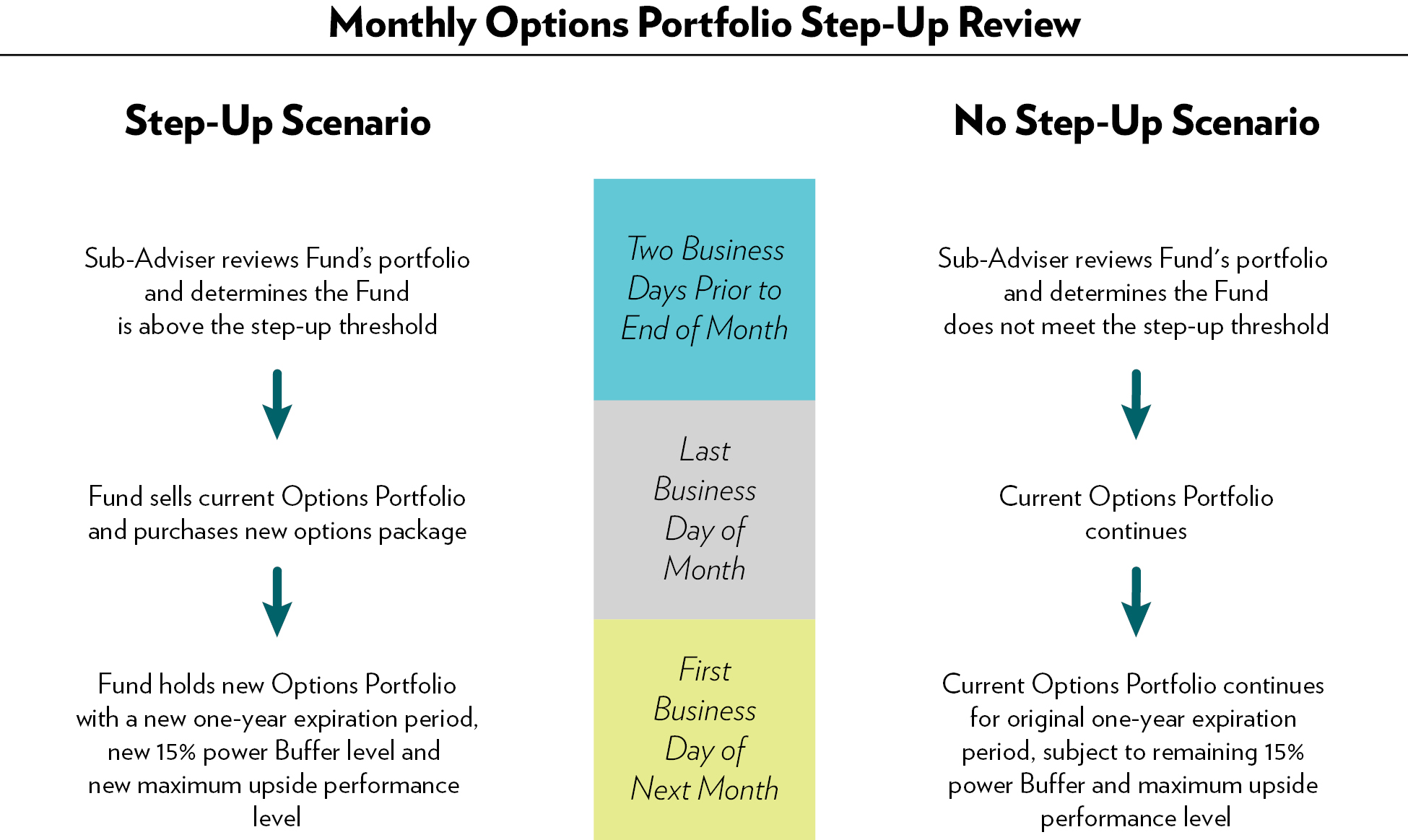
Options Portfolio
The Fund will invest in an Options Portfolio consisting of FLEX Options that reference the Underlying ETF with rotating expiration dates of approximately one year. The Options Portfolio is designed to produce investment outcomes only for the duration of its one-year options
4
contracts and not for any different period of time. As described above, the Fund does not seek to achieve the full one-year investment outcomes of the Options Portfolio, as the Sub-Adviser intends to opportunistically reset the Options Portfolio prior to the one-year expiration date of the FLEX Options.
The Sub-Adviser seeks to specifically select the strike price for each FLEX Option contract such that if the FLEX Options were exercised on the expiration date (the final day of the one-year term), the Fund’s NAV would be subject to the Buffer and maximum gains on the performance of the Underlying ETF’s share price over the duration of the options contract, as follows:
• In the event that the Underlying ETF decreases in value by less than 15% over the duration of the Options Portfolio, the Options Portfolio seeks to provide investment return of 0%.
• In the event that the Options Portfolio decreases in value by more than 15% over the duration of the Options Portfolio, the Options Portfolio seeks to provide investment return that is 15% less than the return experienced by the Underlying ETF.
• In the event that the Underlying ETF increases in value over the duration of the Options Portfolio, the Options Portfolio seeks to provide investment returns that match the performance of the Underlying ETF, up to a maximum percentage return the Fund can achieve for the duration of the Options Portfolio, which is dependent on prevailing market conditions at the times the Fund enters into the FLEX Options.
While it is very unlikely that the Options Portfolio will be held until the expiration date of the FLEX Options, changes in the value of the Options Portfolio will impact the Fund’s NAV. The Fund’s NAV is dependent on the value of the FLEX Options, which is based principally upon the price of the Underlying ETF and the time remaining until the expiration date of the FLEX Options. As the price of the Underlying ETF changes and time moves towards the expiration date of the FLEX Options, the value of the FLEX Options, and therefore the Fund’s NAV, will change. The Sub-Adviser anticipates the Fund’s NAV will move in the same direction as the price movements of the Underlying ETF. However there is no guarantee that the Fund’s NAV will move in the same direction as the price movements of the Underlying ETF and it is not expected for the Fund’s NAV to directly correlate on a day-to-day basis with the returns experienced by the Underlying ETF. A component of an option’s value is the number of days remaining until its expiration date. The amount of time remaining until the option contract’s expiration date affects the impact of the Buffer on the Fund’s NAV, which may not be in full effect until the expiration date of the Fund’s options contracts. Therefore, while changes in the price of the Underlying ETF will result in changes to the Fund’s NAV, the Sub-Adviser generally anticipates that the rate of change in the Fund’s NAV will be less than that experienced by the Underlying ETF until the expiration date of the options contracts.
Because the Fund’s investment strategy is not designed to hold the Options Portfolio to its expiration date, shareholders will experience investment results that are very different than if the Fund held the Options Portfolio for its contract duration. Shareholders may realize losses on price decreases of the Underlying ETF of less than the 15% Buffer and may lose their entire investment. These potential losses are possible even if a shareholder remained in the Fund for a one-year period after an Options Portfolio was established, as it is likely that the Options Portfolio will reset during that time.
5
The Options Portfolio is designed to protect against Underlying ETF losses and provide for maximum gain potential based upon the price of the Underlying ETF at the time the FLEX Option contracts are into by the Fund. The Sub-Adviser will seek to realize gains experienced by the Fund (which are limited to the maximum gain potential) due to price movements of the Underlying ETF or realize the Buffer used by the Fund due to price movements of the Underlying ETF by resetting the Fund’s Options Portfolio and the Fund’s upside potential and Buffer. However, the degree to which a shareholder may benefit from the Options Portfolio’s Underlying ETF upside potential and Buffer against Underlying ETF losses will depend on the time at which the investor purchases Shares of the Fund. At any given time after Sub-Adviser resets the Options Portfolio there may be limited upside potential or Buffer remaining due to the price performance of the Underlying ETF (and therefore, the value of the FLEX Options). If the price of the Underlying ETF is near or has exceeded the strike prices of the Fund’s Options Portfolio, such investor may have little to no upside potential until if and when the Sub-Adviser determines to step-up the Fund’s Options Portfolio, and would still remain vulnerable to significant downside risk before the sought-after protection from the Buffer began. Similarly, if the Underlying ETF has decreased in price significantly to equal or exceed the Fund’s anticipated Buffer, the shareholder would also remain vulnerable to significant downside risk and would receive no benefit from the Buffer. If a shareholder purchases Shares after the Buffer has been used and prior to the Fund resetting its Options Portfolio, a shareholder may lose their entire investment.
General Information About FLEX Options
FLEX Options are customizable exchange-traded option contracts guaranteed for settlement by the Options Clearing Corporation (the “OCC”). The OCC guarantees performance by each of the counterparties to the FLEX Options, becoming the “buyer for every seller and the seller for every buyer,” protecting clearing members and options traders from counterparty risk.
The Fund’s FLEX Options reference the Underlying ETF and are cash-settled. Cash-settled options give the Fund the right to receive the cash value of the Underlying ETF’s share price (for purchased call options), the right to deliver the cash value of the Underlying ETF’s share price (for purchased put options), the obligation to deliver the cash value of the Underlying ETF’s share price (for sold call options) and the obligation to receive the cash value of the Underlying ETF’s share price (for sold put options). The FLEX Options held by the Fund are European style options, which are exercisable at the strike price only on the FLEX Option expiration date.
To the extent the Underlying ETF is considered to be concentrated (i.e., holds 25% or more of its total assets) in the securities of a particular industry or group of industries, the Fund will concentrate to approximately the same extent. As of the date of this prospectus, through its investment in the Underlying ETF Portfolio and its usage of FLEX Options, the Fund has significant exposure to the information technology sector.
The Fund is classified as “non-diversified” under the Investment Company Act of 1940, as amended (the “1940 Act”).
6
7
8
9
10
11
12
13
The Shares will change in value, and you could lose money by investing in the Fund. The Fund may not achieve its investment objective.
14
The bar chart and table below illustrate the annual calendar year returns of the Fund based on NAV as well as the average annual Fund returns.
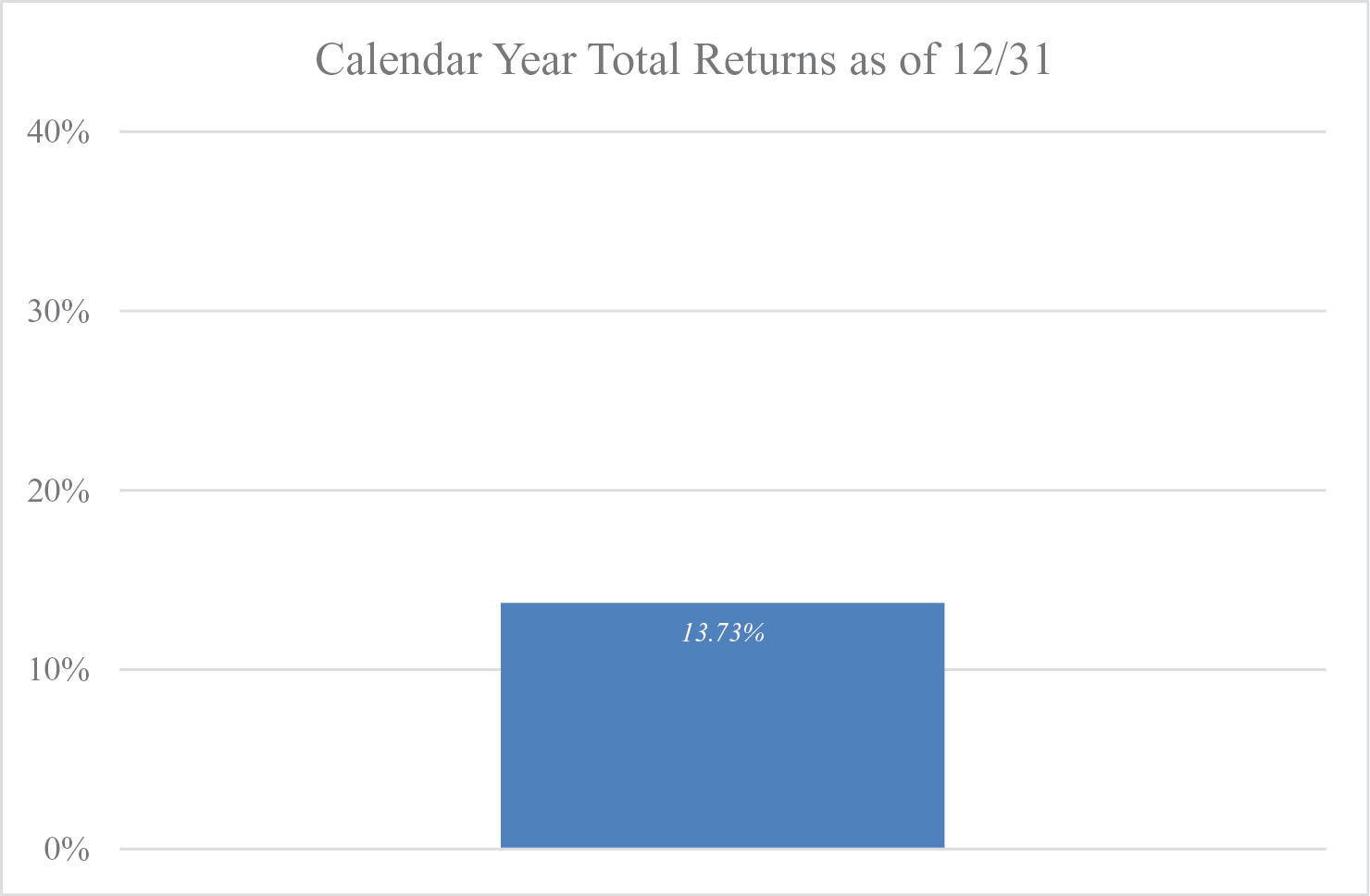
The Fund’s
| | ||
| Innovator Power Buffer Step-Up Strategy ETF | 1 Year | Since |
| | | |
| | | |
| | | |
| | | |
| | | |
The Fund’s past performance (before and after taxes) is not necessarily an indication of how the Fund will perform in the future.
15
Returns before taxes do not reflect the effects of any income or capital gains taxes.
Your own actual after-tax returns will depend on your specific tax situation and may differ from what is shown here.
Management
Investment Adviser
Innovator Capital Management, LLC
Investment Sub-Adviser
Milliman Financial Risk Management LLC
Portfolio Managers
The following persons serve as portfolio managers of the Fund.
• Robert T. Cummings – Principal, Senior Director, Head of Portfolio Management at Milliman
• Yin Bhuyan – ETF Portfolio Manager at Milliman
The portfolio managers are primarily and jointly responsible for the day-to-day management of the Fund and have served in such capacity since the Fund’s inception in March 2022.
Purchase and Sale of Fund Shares
The Fund will issue and redeem Shares at NAV only with authorized participants that have entered into agreements with the Fund’s distributor and only in Creation Units or multiples thereof (“Creation Unit Aggregations”), in exchange for the deposit or delivery of a basket of securities in which the Fund invests. The Fund may also issue and redeem Shares in exchange for cash. Except when aggregated in Creation Units, the Shares are not redeemable securities of the Fund.
Individual Shares may only be bought and sold in the secondary market (i.e., on a national securities exchange) through a broker or dealer at a market price. Because the Shares trade at market prices rather than NAV, Shares may trade at a price greater than NAV (at a premium), at NAV, or less than NAV (at a discount). An investor may incur costs attributable to the difference between the highest price a buyer is willing to pay to purchase Shares (bid) and the lowest price a seller is willing to accept for Shares (ask) when buying or selling shares in the secondary market (the “bid-ask spread”).
Recent information, including information on the Fund’s NAV, market price, premiums and discounts, and bid-ask spreads, is available online at www.innovatoretfs.com.
16
Tax Information
The Fund’s distributions will generally be taxable as ordinary income, returns of capital or capital gains. A sale of Shares may result in capital gain or loss.
Payments to Broker-Dealers and Other Financial Intermediaries
If you purchase Shares through a broker-dealer or other financial intermediary (such as a bank), Innovator and Foreside Fund Services, LLC, the Fund’s distributor, may pay the intermediary for the sale of Shares and related services. These payments may create a conflict of interest by influencing the broker-dealer or other intermediary and your salesperson to recommend the Fund over another investment. Ask your salesperson or visit your financial intermediary’s website for more information.
17
| Additional Information About the Fund’s Principal Investment Strategies |
The Fund is an actively managed ETF. The investment objective of the Fund is to seek long-term capital gains while mitigating overall market risk. The Fund’s investment objective and policies described herein are non-fundamental policies that may be changed by the Board without shareholder approval. The Fund may liquidate and terminate at any time without shareholder approval. Certain fundamental policies of the Fund are set forth in the Fund’s Statement of Additional Information (“SAI”).
The Sub-Adviser seeks to mitigate the risk of significant declines in the Underlying ETF through the usage of an Options Portfolio. The Fund intends to implement this strategy through an Options Portfolio comprised of FLEX Options that reference the Underlying ETF. The Underlying ETF is an exchange-traded unit investment trust that uses a full replication strategy, meaning it invests entirely in the S&P 500® Index. The investment objective of the Underlying ETF is to seek to provide investment results that, before expenses, correspond generally to the price and yield performance of the S&P 500® Index, which includes five hundred (500) selected companies, all of which are listed on national stock exchanges and spans over 24 separate industry groups. The S&P 500® Index is rebalanced quarterly and reconstituted annually. The Fund will not receive or benefit from any dividend payments made by the Underlying ETF.
In general, an option contract is an agreement between a buyer and seller that gives the purchaser of the option the right to buy or sell a particular asset at a specified future date at an agreed upon price (commonly known as the “strike price”). FLEX Options are exchange-traded options contracts with uniquely customizable terms. Each FLEX Option contract that the Fund enters into references the Underlying ETF and expires one year after such option contracts are entered into. The FLEX Options, however, have varying strike prices. The layering of these FLEX Options with varying strike prices provides the Fund’s risk-managed investment exposure. The combination of all of the FLEX Options creates upside participation equal to the return experienced by the Underlying ETF at a one-year expiration, not to exceed the maximum gain potential, while providing a 15% Buffer from losses over the one-year duration of the option contracts. To pay for the cost of the Buffer, the Sub-Adviser intends to sell call FLEX Options that will, in effect, sell the Fund’s opportunity to benefit from increases in value of the Underlying ETF beyond the exercise price of the sold call options over the one-year term of the options contracts. Therefore, during periods in which the Underlying ETF appreciates, the Fund seeks to achieve the gains experienced by the Underlying ETF, however if the Underlying ETF appreciates beyond the strike price of the sold options the Fund will not experience such increases and may underperform the Underlying ETF over certain periods of time. The degree of Fund participation in gains of the Underlying ETF will depend on prevailing market conditions, especially market volatility, at the times the Fund enters into the FLEX Options.
The Fund, however, does not seek to provide shareholders with the Buffer over any specified time period (e.g., annually). Instead, the Sub-Adviser will seek to opportunistically manage its investment exposure by periodically terminating its FLEX Options investments earlier than such contracts’ one-year expiration and immediately entering into a new Options Portfolio with a new
18
one-year period. At any given point during the one-year options contracts, such FLEX Options contracts may have more or less upside performance remaining or more or less ability to benefit from its Buffer as compared to when the options contracts were initially entered into.
For the duration of its existing FLEX Options contracts, the Sub-Adviser will actively review the performance of the Fund at each month-end and consider market volatility, time remaining until the expiration of the FLEX Options contracts and strike prices of the replacement FLEX Options contracts when evaluating whether to reset the Options Portfolio. To the extent the Fund’s NAV performance experiences increases (generally a range from 2% to 6%) or decreases (generally a range from -1% to -5%), the Sub-Adviser will seek to recognize any gains experienced or buffer used at each month-end by resetting the Fund’s Options Portfolio as applicable. With the step-up investment strategy, the Fund may, at the end of each month, sell the then-current Options Portfolio and immediately enter into new FLEX Options contracts with a new one-year duration and will therefore continue to have the potential to increase in a market environment where the value of the Underlying ETF is steadily increasing. Likewise, the Fund will have the potential to derive continued benefit from the Buffer in a market environment where the Underlying ETF is steadily decreasing, as it will have the ability to reset the Options Portfolio at the end of each month for a new 15% annualized Buffer. The Fund’s step-up investment strategy seeks to help a Fund’s shareholder offset these timing risks inherent in owning an options package for one year.
As described in “Principal Investment Strategies” and in “Principal Risks,” there are risks associated with an investment in the Fund and there is no guarantee that the Fund will be successful in providing risk-managed investment exposure to the Underlying ETF.
| Fund Investments |
Principal Investments
FLEX Options
FLEX Options are customized option contracts that trade on an exchange but provide investors with the ability to customize key contract terms like strike price, style and expiration date while achieving price discovery in competitive, transparent auctions markets and avoiding the counterparty exposure of over-the-counter options positions. Like traditional exchange-traded options, FLEX Options are guaranteed for settlement by the OCC, a market clearinghouse that guarantees performance by counterparties to certain derivatives contracts.
The FLEX Options in which the Fund will invest are all European style option contracts (option contracts that are exercisable only on the expiration date). The FLEX Options are listed on the Chicago Board Options Exchange.
The Fund will purchase and sell call and put FLEX Options. In general, put options give the holder (i.e., the buyer) the right to sell an asset (or deliver the cash value of the asset, in case of certain put options) and the seller (i.e., the writer) of the put has the obligation to buy the asset (or receive cash value of the asset, in case of certain put options) at a certain defined price. Call options give
19
the holder (i.e., the buyer) the right to buy an asset (or receive cash value of the asset, in case of certain call options) and the seller (i.e., the writer) the obligation to sell the asset (or deliver cash value of the asset, in case of certain call options) at a certain defined price.
The Fund will use the market value of its derivatives holdings for the purpose of determining compliance with the 1940 Act and the rules promulgated thereunder. Since the FLEX Options held by the Fund are exchange-traded, these will be valued on a mark-to-market basis. In the event market prices are not available, the Fund will use fair value pricing pursuant to the fair value procedures adopted by Innovator as the “Valuation Designee” pursuant to Rule 2a-5 of the 1940 Act (“Rule 2a-5”) and approved by, and subject to the oversight of, the Board. The Fund will enter into FLEX Options contracts in accordance withA Rule 18f-4 under the 1940 Act, which requires the Fund to implement certain policies and procedures designed to manage its derivatives risks, dependent upon the Fund’s level of exposure to derivative instruments.
Disclosure of Portfolio Holdings
A description of the Trust’s policies and procedures with respect to the disclosure of the Fund’s portfolio holdings is available in the Fund’s SAI, which is available at www.innovatoretfs.com.
| Additional Risks of Investing in the Fund |
Risk is inherent in all investing. Investing in the Fund involves risk, including the risk that you may lose all or part of your investment. There can be no assurance that the Fund will meet its stated objective. Before you invest, you should consider the following supplemental disclosure pertaining to the Principal Risks set forth above as well as additional Non-Principal Risks set forth below in this prospectus.
Principal Risks
Step-Up Strategy Risk. The Fund seeks to provide risk-managed investment exposure to the Underlying ETF through its step-up investment strategy. Because the step-up strategy makes it very unlikely that the Fund will hold an option contract to its expriation, shareholders will likely experience investment results that are very different than if the Fund held the options contracts until expiration and/or those of the Underlying ETF. There is also no guarantee the Fund will be successful in implementing this strategy.
In order to provide the Buffer, the Fund’s strategy is subject to maximum potential gains. This maximum potential gain will likely change at each resetting of the Option’s Portfolio. In the event an investor purchases Shares after the FLEX Option contracts were entered into and prior to the time the Sub-Adviser determines to step-up the Options Portfolio or the expiration of such option contracts, there may be little or no ability for that investor to experience an investment gain on their Shares or little or no ability to benefit from a Buffer protection of the Option Portfolio until the Sub-Adviser rebalances the Fund’s Options Portfolio. However, there is no guarantee that, at the end of any given month, the Fund will be able to enter into a more advantageous Options Portfolio and effectively implement the step-up mechanism.
20
In addition, the Fund’s step-up strategy may result in performance over certain periods of time that is lower than that of the Underlying ETF or of a fund that is designed to hold an options portfolio until expiration. Because the value of the Options Portfolio does not increase or decrease at the same rate as the Underlying ETF’s share price on a day-to-day basis (although they generally move in the same direction) there may be periods of time in which the Fund’s NAV underperforms the price return of the Underlying ETF. In this situation, if the Sub-Adviser rebalances the Options Portfolio prior to its one-year expiration in accordance with the step-up strategy, the Fund may have underperformed the Underlying ETF for that period of time. Similarly, the Sub-Adviser may elect to reset the Fund’s Options Portfolio at a point in time in which the Fund has utilized all or a portion of its Buffer. While this will provide shareholders with the potential of an additional Buffer, the Options Portfolio would simultaneously reset its maximum gain potential and could lower the Fund’s upside performance potential over certain time periods.
Buffer Risk. There can be no guarantee that the Fund will be successful in implementing its strategy to provide Buffer protection with its investment in the Options Portfolio. A shareholder may lose their entire investment. The Buffer is provided at the expiration of the options contracts. Any interim losses experienced by the Underlying ETF may be experienced by the Fund and its shareholders. Because the Options Portfolio provides a Buffer against the first 15% of Underlying ETF losses measured from the time in which the Fund enters into the FLEX Options contracts and only for the duration of the one-year term of the options contract, it is possible that, during the term of any Options Portfolio, shareholders will realize some losses on price decreases of the Underlying ETF. These potential losses are possible even if a shareholder remained in the Fund for a one-year period after an Options Portfolio was established, as it is likely that the Options Portfolio will reset during that time. The Fund does not provide principal protection or non-principal protection, and an investor may experience significant losses on its investment, including the loss of its entire investment.
Upside Participation Risk. There can be no guarantee that the Fund will be successful in its strategy to provide shareholders with a total return that correlates to increases in the price of the Underlying ETF over time. The Fund may realize different returns than the price return of the Underlying ETF until the expiration of the options contracts. In the event the Sub-Adviser utilizes the Fund’s step-up mechanism and resets the Options Portfolio and there is a difference between the NAV performance of the Fund and the price return of the Underlying ETF, such difference would result in a shareholder experiencing different returns than the Underlying ETF.
FLEX Options Risk. The Fund will utilize FLEX Options, which are customizable, exchange-traded option contracts that are issued and guaranteed for settlement by the OCC. The Fund bears the risk that the OCC will be unable or unwilling to perform its obligations under the FLEX Options contracts. In the unlikely event that the OCC becomes insolvent or is otherwise unable to meet its settlement obligations, the Fund could suffer significant losses. Additionally, FLEX Options may be less liquid than certain other securities, such as standardized options. In less liquid markets for the FLEX Options, the Fund may have difficulty closing out certain FLEX Options positions at desired times and prices. In connection with the creation and redemption of Shares, to the extent market participants are not willing or able to enter into FLEX Option transactions with the Fund at prices that reflect the market price of the Shares, the Fund’s NAV and, in turn the share price of the Fund, could be negatively impacted.
21
The Fund may experience substantial downside from specific FLEX Option positions and certain FLEX Option positions may expire worthless. The Fund utilizes European style FLEX Option contracts, which are exercisable at the strike price only on the expiration date. As a FLEX Option approaches its expiration date, its value typically increasingly moves with the value of the Underlying ETF. However, prior to such date, the value of the FLEX Options does not increase or decrease at the same rate as the Underlying ETF’s share price on a day-to-day basis (although they generally move in the same direction). The value of the FLEX Options held by the Fund will be determined based on market quotations or other recognized pricing methods. The value of the underlying FLEX Options will be affected by, among others, changes in the Underlying ETF’s share price, changes in interest rates, changes in the actual and implied volatility of the Underlying ETF and the remaining time to until the FLEX Options expire.
Option Contracts Risk. The use of option contracts involves investment strategies and risks different from those associated with ordinary portfolio securities transactions. The prices of option contracts are volatile and are influenced by, among other things, actual and anticipated changes in the value of the underlying instrument, changes in interest or currency exchange rates, including the anticipated volatility, which are affected by fiscal and monetary policies and by national and international political, changes in the actual or implied volatility or the reference asset, the time remaining until the expiration of the option contract and economic events. There may at times be an imperfect correlation between the movement in values option contracts and the reference asset, and there may at times not be a liquid secondary market for certain option contracts. Option contracts may also involve the use of leverage, which could result in greater price volatility than other markets. The Fund has taken the necessary steps to comply with the requirements of Rule 18f-4 in its usage of FLEX Options. The Fund has adopted and implements a derivatives risk management program that contains policies and procedures reasonably designed to manage the Fund’s derivatives risks, has appointed a derivatives risk manager who is responsible for administrating the derivatives risk management program, complies with outer limitations on risks relating to its derivatives transactions and carries out enhanced reporting to the Board, the SEC and the public regarding its derivatives activities. To the extent the Fund is noncompliant with Rule 18f-4, the Fund may be required to adjust its investment portfolio which may, in turn, negatively impact the Fund’s ability to deliver the sought-after Outcomes.
Clearing Member Default Risk. Transactions in some types of derivatives, including FLEX Options, are required to be centrally cleared (“cleared derivatives”). In a transaction involving cleared derivatives, the Fund’s counterparty is a clearing house, such as the OCC, rather than a bank or broker. Since the Fund is not a member of clearing houses and only members of a clearing house (“clearing members”) can participate directly in the clearing house, the Fund will hold cleared derivatives through accounts at clearing members. In cleared derivatives positions, the Fund will make payments (including margin payments) to, and receive payments from, a clearing house through their accounts at clearing members. Customer funds held at a clearing organization in connection with any option contracts are held in a commingled omnibus account and are not identified to the name of the clearing member’s individual customers. As a result, assets deposited by the Fund with any clearing member as margin for its FLEX Options may, in certain circumstances, be used to satisfy losses of other clients of the Fund’s clearing member. In addition, although clearing members guarantee performance of their clients’ obligations to the clearing house, there is a risk that the assets of the Fund might not be fully protected in the event of the clearing member’s
22
bankruptcy, as the Fund would be limited to recovering only a pro rata share of all available funds segregated on behalf of the clearing member’s customers for the relevant account class. The Fund is also subject to the risk that a limited number of clearing members are willing to transact on the Fund’s behalf, which heightens the risks associated with a clearing member’s default. If a clearing member defaults the Fund could lose some or all of the benefits of a transaction entered into by the Fund with the clearing member. The loss of a clearing member for the Fund to transact with could result in increased transaction costs and other operational issues that could impede the Fund’s ability to implement its investment strategy. If the Fund cannot find a clearing member to transact with on the Fund’s behalf, the Fund may be unable to effectively implement its investment strategy.
Counterparty Risk. Counterparty risk is the risk an issuer, guarantor or counterparty of a security in the Fund is unable or unwilling to meet its obligation on the security. Counterparty risk may arise because of the counterparty’s financial condition, market activities, or for other reasons. The Fund may be unable to recover its investment from the counterparty or may obtain a limited and/or delayed recovery. The OCC acts as guarantor and central counterparty with respect to the FLEX Options. As a result, the ability of the Fund to meet its objective depends on the OCC being able to meet its obligations. In the event an OCC clearing member that is a counterparty of the Fund were to become insolvent, the Fund may have some or all of its FLEX Options closed without its consent or may experience delays or other difficulties in attempting to close or exercise its affected FLEX Options positions, both of which would impair the Fund’s ability to deliver on its investment strategy. The OCC’s rules and procedures are designed to facilitate the prompt settlement of options transactions and exercises, including for clearing member insolvencies. However, there is the risk that the OCC and its backup system will fail if clearing member insolvencies are substantial or widespread. In the unlikely event that the OCC becomes insolvent or is otherwise unable to meet its settlement obligations, the Fund could suffer significant losses.
Underlying ETF Risk. The Fund will have exposure to an ETF that tracks the performance of the S&P 500® Index through its usage in FLEX Options. Because the value of the FLEX Options held by the Fund are based on the value of the Underlying ETF, the Fund’s investment performance largely depends on the investment performance and associated risks of the Underlying ETF. The Underlying ETF is subject to many of the same structural risks as the Fund that are described in more detail herein, such as Authorized Participant Concentration Risk, Equity Securities Risk, Fluctuation of Net Asset Value Risk, Information Technology Companies Risk, Large Capitalization Companies Risk, Market Maker Risk, Market Risk, Operational Risk and Trading Issues Risk.
Information Technology Companies Risk. The Underlying ETF invests significantly in information technology companies, and therefore the Fund has significant exposure to such companies through its exposure to the Underlying ETF by virtue of its investment in FLEX Options that reference the Underlying ETF. Information technology companies produce and provide hardware, software and information technology systems and services. Information technology companies are generally subject to the following risks: rapidly changing technologies and existing produce obsolescence; short product life cycles; fierce competition; aggressive pricing and reduced profit margins; the loss of patent, copyright and trademark protections; cyclical market patterns; evolving industry standards; and frequent new product introductions and new market entrants. Information technology companies may be smaller and less experienced companies, with limited product lines, markets or financial resources and fewer experienced management or marketing personnel. Information technology company stocks, particularly those involved with the internet,
23
have experienced extreme price and volume fluctuations that are often unrelated to their operating performance. In addition, information technology companies are particularly vulnerable to federal, state and local government regulation, and competition and consolidation, both domestically and internationally, including competition from foreign competitors with lower production costs. Information technology companies are facing increased government and regulatory scrutiny and may be subject to adverse government or regulatory action. Information technology companies also face competition for services of qualified personnel and heavily rely on patents and intellectual property rights and the ability to enforce such rights to maintain a competitive advantage.
Large Capitalization Companies Risk. The Underlying ETF invests securities of large capitalization companies, and therefore the Fund has significant exposure to such companies through its exposure to the Underlying ETF by virtue of its investment in FLEX Options that reference the Underlying ETF. Large capitalization companies may grow at a slower rate and be less able to adapt to changing market conditions than smaller capitalization companies. Thus, the return on investment in securities of large capitalization companies may be less than the return on investment in securities of small and/or mid capitalization companies. The performance of large capitalization companies also tends to trail the overall market during different market cycles.
Equity Securities Risk. The Underlying ETF invests in equity securities, and therefore the Fund has significant exposure to equity securities through its exposure to the Underlying ETF by virtue of its investment in FLEX Options that reference the Underlying ETF. Investments in equity securities are subject to market risks that may cause their prices to fluctuate over time. The value of your investment in the Fund is based on the market prices of the securities to which the Underlying ETF has exposure. These prices change daily due to economic and other events that affect particular companies and other issuers or the market as a whole. Historically, the equity markets have moved in cycles so that the value of the Underlying ETF’s equity securities may fluctuate from day-to-day. Individual companies may report poor results or be negatively affected by industry and/or economic trends and developments and the prices of their securities may suffer a decline in response.
Correlation Risk. The FLEX Options held by the Fund will be exercisable at the strike price only on their expiration date. As a FLEX Option approaches its expiration date, its value typically will increasingly move with the value of the Underlying ETF. However, prior to the expiration date, the value of the FLEX Options prior to the expiration date may vary because of related factors other than the value of the Underlying ETF. The value of the FLEX Options will be determined based upon market quotations or using other recognized pricing methods. Factors that may influence the value of the FLEX Options include interest rate changes and implied volatility levels of the Underlying ETF, among others. The value of the FLEX Options held by the Fund typically do not increase or decrease at the same level as the Underlying ETF’s share price on a day-to-day basis due to these factors (although they generally move in the same direction).
Authorized Participant Concentration Risk. Only an authorized participant may engage in creation or redemption transactions directly with the Fund. The Fund has a limited number of institutions that may act as authorized participants on an agency basis (i.e., on behalf of other market participants). Authorized participants are not obligated to make a market in Shares or submit orders for the issuance or redemption of Creation Units. To the extent that authorized participants exit the business or are unable to proceed with orders for the issuance or redemption
24
of Creation Units and no other authorized participant is able to step forward to fulfill the order, Shares may be more likely to trade at a premium or discount to NAV and possibly face trading halts and/or delisting, and the bid/ask spread on Shares may widen.
Cash Transactions Risk. The Fund may effectuate all or a portion of the issuance and redemption of Creation Units for cash, rather than in-kind securities. As a result, an investment in the Fund may be less tax-efficient than an investment in an ETF that effectuates its Creation Units only on an in-kind basis. ETFs are able to make in-kind redemptions to avoid being taxed on gains on the distributed portfolio securities at the fund level. A fund that effects redemptions for cash may be required to sell portfolio securities in order to obtain the cash needed to distribute redemption proceeds. Any recognized gain on these sales by the fund will generally cause such fund to recognize a gain it might not otherwise have recognized, or to recognize such gain sooner than would otherwise be required if it were to distribute portfolio securities only in-kind. The Fund intends to distribute gains that arise by virtue of the issuance and redemption of Creation Units being effectuated in cash to shareholders to avoid being taxed on this gain at the fund level and otherwise comply with special tax rules that apply to it. This may cause shareholders to be subject to tax on gains they would not otherwise be subject to, or at an earlier date than if they had made an investment in another ETF. Moreover, cash transactions may have to be carried out over several days if the securities market is relatively illiquid and may involve considerable brokerage fees and taxes. These brokerage fees and taxes, which will be higher than if the Fund sold and redeemed its shares principally in-kind, will be passed on to those purchasing and redeeming Creation Units in the form of creation and redemption transaction fees. In addition, these factors may result in wider spreads between the bid and the offered prices of Shares than for ETFs that distribute portfolio securities in-kind. The Fund’s use of cash for creations and redemptions could also result in dilution to the Fund and increased transaction costs, which could negatively impact the Fund’s ability to achieve its investment objective.
Cyber Security Risk. As the use of Internet technology has become more prevalent in the course of business, the investment industry has become more susceptible to potential operational risks through breaches in cyber security. A breach in cyber security refers to both intentional and unintentional events that may cause the Fund to lose proprietary information, suffer data corruption or lose operational capacity. Such events could cause the Fund to incur regulatory penalties, reputational damage, additional compliance costs associated with corrective measures and/or financial loss. Cyber security breaches may involve unauthorized access to the Fund’s digital information systems through “hacking” or malicious software coding, but may also result from outside attacks such as denial-of-service attacks through efforts to make network services unavailable to intended users. In addition, cyber security breaches of the Fund’s third-party service providers, such as its administrator, transfer agent, custodian, or issuers in which the Fund invests, can also subject the Fund to many of the same risks associated with direct cyber security breaches. The Fund has established risk management systems designed to reduce the risks associated with cyber security. However, there is no guarantee that such efforts will succeed, especially because the Fund does not directly control the cyber security systems of issuers or third-party service providers. The Fund may incur substantial costs in order to resolve or prevent cyber security incidents in the Future.
25
Investment Objective Risk. Certain circumstances under which the Fund might not achieve its objective include, but are not limited, to (i) if the Fund disposes of FLEX Options, (ii) if the Fund is unable to maintain the proportional relationship based on the number of FLEX Options in the Fund’s portfolio, (iii) significant accrual of Fund expenses in connection with effecting the Fund’s principal investment strategy or (iv) adverse tax law changes affecting the treatment of FLEX Options. The Fund is also subject to management risk as an actively-managed fund, which may cause it not to achieve its investment objective.
Liquidity Risk. The market for the Fund’s FLEX Options may become less liquid as a result of adverse market or economic conditions or other unrelated reasons. In the event that trading in the underlying FLEX Options is limited or absent, the value of the Fund’s FLEX Options may decrease. There is no guarantee that a liquid secondary trading market will exist for the FLEX Options. The trading in FLEX Options may be less deep and liquid than the market for certain other securities, including certain non-customized option contracts. In a less liquid market for the FLEX Options, terminating the FLEX Options may require the payment of a premium or acceptance of a discounted price and may take longer to complete. Additionally, the liquidation of a large number of FLEX Options may more significantly impact the price in a less liquid market. Further, the Fund requires a sufficient number of participants to facilitate the purchase and sale of options on an exchange to provide liquidity to the Fund for its FLEX Option positions. A less liquid trading market may adversely impact the value of the FLEX Options and the value of your investment.
Management Risk. The Fund is subject to management risk because it is an actively managed portfolio. The Sub-Adviser applies investment techniques and risk analyses in making investment decisions for the Fund, but there can be no guarantee that the Fund will meet its investment objective.
Market Maker Risk. The Fund faces market trading risks, including the potential lack of an active market for Shares due to a limited number of market makers. If the Fund has lower average daily trading volumes, it may rely on a small number of third-party market makers to provide a market for the purchase and sale of Shares. Any trading halt or other problem relating to the trading activity of these market makers could result in a dramatic change in the spread between the Fund’s NAV and the price at which the Shares are trading on the Exchange, which could result in a decrease in the market price of the Shares. In addition, decisions by market makers or authorized participants to reduce their role or step away from these activities in times of market stress could inhibit the effectiveness of the arbitrage process in maintaining the relationship between the underlying values of the Fund’s portfolio securities and the Fund’s market price. This reduced effectiveness could result in Shares trading at a discount to NAV and in greater than normal intra-day bid-ask spreads for Shares.
Market Risk. The Fund could lose money over short periods due to short-term market movements and over longer periods during more prolonged market downturns. Assets may decline in value due to factors affecting financial markets generally or particular asset classes or industries represented in the markets. The value of FLEX Options or other assets may also decline due to general market conditions, economic trends or events that are not specifically related to the issuer of the security or other asset, or due to factors that affect a particular issuer or issuers, country, group of countries, region, market, industry, group of industries, sector or asset class. During a general market downturn, multiple asset classes may be negatively affected. Changes
26
in market conditions and interest rates will not have the same impact on all types of securities. Values of securities may change due to factors such as inflation, changes in interest rates, changes in regulatory requirements, bank failures, political climate deterioration or developments, armed conflicts, natural disasters or future health crises, may negatively impact market conditions, and cause a decrease in the value of securities. Other unexpected political, regulatory and diplomatic events within the U.S. and abroad may affect investor and consumer confidence and may adversely impact financial markets and the broader economy. These events, and any other future events, may adversely affect the prices and liquidity of the Fund’s investments and could result in disruptions in the trading markets. Securities, including the Shares, are subject to market fluctuations and liquidity constraints that may be caused by such factors or other economic, political, or regulatory developments, and/or perceived trends in securities prices. Shares of the Fund could decline in value or underperform other investments. In addition, local, regional or global events such as war, acts of terrorism, spread of infectious diseases or other public health issues, recessions, or other events could have a significant negative impact on a Fund and its investments. Such events may affect certain geographic regions, countries, sectors and industries more significantly than others. Such events could result in disruptions to trading markets and could also adversely affect the prices and liquidity of a Fund’s holdings. Any of such circumstances could result in increased market volatility and/or have a materially negative impact on the value of Shares or the liquidity of an investment. During any such events, Shares may trade at greater premiums or discounts to their NAV and the bid/ask spread on Shares may widen. The future potential economic impact of any such future events is impossible to predict and could result in adverse market conditions that impact the performance of the Fund.
Market Underperformance Risk. The Fund’s investment strategy may cause the Fund to underperform the Underlying ETF and/or the S&P 500® Index. The underperformance may be a result of management risk or the implementation of the Fund’s investment strategy.
Non-Diversification Risk. The Fund is classified as “non-diversified” under the 1940 Act. As a result, the Fund is only limited as to the percentage of its assets which may be invested in the securities of any one issuer by the diversification requirements imposed by the Code. The Fund may invest a relatively high percentage of its assets in a limited number of issuers. As a result, the Fund may be more susceptible to a single adverse economic or regulatory occurrence affecting one or more of these issuers, experience increased volatility and be highly invested in certain issuers.
Operational Risk. The Fund is exposed to operational risks arising from a number of factors, including, but not limited to, human error in the implementation of the Fund’s investment strategy, processing and communication errors, errors of the Fund’s service providers, counterparties or other third-parties, failed or inadequate processes and technology or systems failures. Additionally, cyber security failures or breaches of the electronic systems of the Fund and/or its service providers may disrupt or negatively impact the operation of the Fund which may result in financial losses to the Fund and its shareholders. The Fund and its Adviser and Sub-Adviser seek to reduce these operational risks through controls and procedures. However, these measures do not address every possible risk and may be inadequate to address these risks.
Portfolio Turnover Risk. High portfolio turnover may result in increased transaction costs to the Fund, including brokerage commissions, dealer markups and other transaction costs on the sale of the securities and on reinvestment in other securities.
27
Premium/Discount Risk. Shares trade on the Exchange at market prices rather than their NAV. The Fund’s NAV represents the value of the Fund’s investments and is calculated by taking the sum of the Fund’s assets less the Fund’s liabilities, if any. The NAV per Share is the value of a Share’s portion of all of the Fund’s net assets. The market price of Shares generally corresponds to movements in the Fund’s NAV as well as the relative supply and demand for Shares on the Exchange. The market price may be at, above (a premium) or below (a discount) the Fund’s NAV. Differences in market prices of Shares and the NAV per Share may be due, in large part, to the fact that supply and demand forces at work in the secondary trading market for Shares will be closely related to, but not identical to, the same forces influencing the prices of the Fund’s holdings trading individually or in the aggregate at any point in time. These differences can be especially pronounced during times of market volatility or stress. During these periods, the demand for Shares may decrease considerably and cause the market price of Shares to deviate, and in some cases deviate significantly, from the Fund’s NAV. Additionally, decisions by market makers and/or authorized participants or reduced effectiveness of the arbitrage process in maintaining the relationship of the Fund’s NAV to the market price of its Shares could result in the Shares trading at a premium, or discount to NAV and the bid/ask spread on Shares may widen.
Tax Risk. The Fund intends to elect and to qualify each year to be treated as a RIC under Subchapter M of the Code. However, the federal income tax treatment of certain aspects of the proposed operations of the Fund are not entirely clear. This includes the tax aspects of the Fund’s options strategy, its hedging strategy, the possible application of the “straddle” rules, and various loss limitation provisions of the Code. If, in any year, the Fund fails to qualify as a RIC under the applicable tax laws, the Fund would be taxed as an ordinary corporation. The Fund intends to treat any income it may derive from the FLEX Options as “qualifying income” under the provisions of the Code applicable to RICs. In addition, based upon language in the legislative history, the Fund intends to treat the issuer of the FLEX Options as the referenced asset, which, assuming the referenced asset qualifies as a RIC, would allow the Fund to qualify for special rules in the RIC diversification requirements. If the income is not qualifying income or the issuer of the FLEX Options is not appropriately the referenced asset, the Fund could lose its own status as a RIC. The FLEX Options included in the portfolio are exchange-traded options. Under Section 1256 of the Code, certain types of exchange-traded options are treated as if they were sold (i.e., “marked to market”) at the end of each year. The Fund does not believe that the positions held by the Fund will be subject to Section 1256, which means that the positions will not be marked to market. In the event that a shareholder purchases Shares of the Fund shortly before a distribution by the Fund, the entire distribution may be taxable to the shareholder even though a portion of the distribution effectively represents a return of the purchase price.
Trading Issues Risk. Although Shares are listed for trading on the Exchange, there can be no assurance that an active trading market for Shares will develop or be maintained. Shares trade on the Exchange at market prices that may be below, at or above the Fund’s NAV. Trading in Shares on the Exchange may be halted due to market conditions or for reasons that, in the view of the Exchange, make trading in Shares inadvisable. In addition, trading in Shares on the Exchange is subject to trading halts caused by extraordinary market volatility pursuant to the Exchange “circuit breaker” rules. Market makers are under no obligation to make a market in the Shares, and authorized participants are not obligated to submit purchase or redemption orders for Creation Units. There can be no assurance that the requirements of the Exchange necessary to maintain the listing of the Fund will continue to be met or will remain unchanged.
28
Valuation Risk. During periods of reduced market liquidity or in the absence of readily available market quotations for the holdings of the Fund, the valuation of the Fund’s FLEX Options will become more difficult. In market environments where there is reduced availability of reliable objective pricing data, the judgment of the Fund’s investment adviser in determining the fair value of the security may play a greater role. While such determinations may be made in good faith, it may nevertheless be more difficult for the Fund to accurately assign a daily value. The Fund’s Valuation Procedures adopted Innovator as Valuation Designee (as reviewed, approved, and subject to the oversight of the Board) complies with Rule 2a-5 under the 1940 Act. Pursuant to Rule 2a-5, the Board oversees the implementation of the Valuation Procedures. While the Fund’s program is designed to contemplate the specific risks of the Fund, there is no guarantee the program will adequately do so each time, and value may not be properly selected for the Fund.
| Management of the Fund |
The Fund is a series of Innovator ETFs Trust, an investment company registered under the 1940 Act. The Fund is treated as a separate fund with its own investment objectives and policies. The Trust is organized as a Delaware statutory trust. The Board is responsible for the overall management and direction of the Trust. The Board elects the Trust’s officers and approves all significant agreements, including those with the Adviser, Sub-Adviser, custodian and fund administrative and accounting agent.
Investment Adviser
Innovator Capital Management, LLC, 109 North Hale Street, Wheaton, Illinois 60187, serves as the Fund’s investment adviser. In its capacity as Adviser, Innovator has overall responsibility for selecting and monitoring the Fund’s investments and managing the Fund’s business affairs.
Investment Sub-Adviser
Milliman Financial Risk Management LLC, 71 South Wacker Drive, 31st Floor, Chicago, Illinois 60606, serves as the Fund’s investment sub-adviser. Milliman has responsibility for managing the Fund’s investment program in pursuit of its investment objective.
Portfolio Managers
Robert T. Cummings and Yin Bhuyan serve as the Fund’s portfolio managers.
• Robert T. Cummings, Principal, Senior Director, Head of Portfolio Management at Milliman. Mr. Cummings has served in this role since 2007. Mr. Cummings has more than 13 years of experience as a trader with a primary focus on options. Prior to joining Milliman, he was involved in various proprietary trading strategies and was a portfolio manager of associated derivatives funds. These strategies included volatility arbitrage, global macro, and high-frequency trading. Entities at which Mr. Cummings has previously worked include Citadel Investment Group, TradeNet (as a primary market maker on the Chicago Board Options Exchange), KCM Group and Spyglass Capital Management.
29
• Yin Bhuyan, ETF Portfolio Manager at Milliman. Ms. Bhuyan has more than 10 years of experience in capital markets. Prior to joining Milliman, Yin traded in the S&P options pit at CBOE. She has served both as a market maker and a portfolio manager. Her former experience is in risk management and volatility arbitrage. Yin’s current primary focus had been in managing Defined Outcome ETFs and Index tracking ETFs.
For additional information concerning Innovator and Milliman, including a description of the services provided to the Fund, please see the Fund’s statement of additional information. Additional information regarding the portfolio managers’ compensation, other accounts managed by the portfolio managers and the portfolio managers’ ownership of Shares may also be found in the statement of additional information.
Management Fee
Pursuant to an investment advisory agreement between Innovator and the Trust, on behalf of the Fund (the “Investment Management Agreement”), the Fund has agreed to pay an annual unitary management fee to Innovator in an amount equal to 0.89% of its average daily net assets. This unitary management fee is designed to pay the Fund’s expenses and to compensate Innovator for the services it provides to the Fund. Out of the unitary management fee, Innovator pays substantially all expenses of the Fund, including the cost of transfer agency, custody, fund administration, legal, audit and other service and license fees. However, Innovator is not responsible for distribution and service fees payable pursuant to a Rule 12b-1 plan, if any, brokerage commissions and other expenses connected with the execution of portfolio transactions, taxes, interest, and extraordinary expenses.
Pursuant to an investment sub-advisory agreement between Innovator, Milliman and the Trust, on behalf of the Fund (the “Investment Sub-Advisory Agreement”), Innovator has agreed to pay an annual sub-advisory fee to Milliman in an amount based on the Fund’s average daily net assets. Innovator is responsible for paying the entirety of Milliman’s sub-advisory fee. The Fund does not directly pay Milliman.
A discussion regarding the basis for the Board’s approval of the Investment Management Agreement and Investment Sub-Advisory Agreement on behalf of the Fund is available in the Fund’s Annual Report to shareholders for the fiscal year ended October 31, 2023.
Manager of Managers Structure. The Fund and Innovator have received an exemptive order from the SEC to operate under a manager of managers structure that permits Innovator, with the approval of the Board, to appoint and replace sub-advisers, enter into sub-advisory agreements, and materially amend and terminate sub-advisory agreements on behalf of the Fund without shareholder approval (“Manager of Managers Structure”). Under the Manager of Managers Structure, Innovator has ultimate responsibility, subject to oversight by the Board, for overseeing the Fund’s sub-advisers and recommending to the Board their hiring, termination, or replacement. The SEC order does not apply to any sub-adviser that is affiliated with the Fund or Innovator.
30
The Manager of Managers Structure enables the Fund to operate with greater efficiency and without incurring the expense and delays associated with obtaining shareholder approvals for matters relating to any sub-adviser or the sub-advisory agreement. The Manager of Managers Structure does not permit an increase in the advisory fees payable by the Fund without shareholder approval. Shareholders will be notified of any changes made to any sub-adviser or a sub-advisory agreement within 90 days of the change.
| How to Buy and Sell Shares |
The Fund will issue or redeem its Shares at NAV per Share only in Creation Units. Most Fund shareholders will buy and sell Shares in secondary market transactions through brokers. Shares will be listed for trading on the secondary market on the Exchange. Shares can be bought and sold throughout the trading day like other publicly traded shares. Share prices are reported in dollars and cents per Share. There is no minimum investment. When buying or selling Shares through a broker, you will incur customary brokerage commissions and charges, and you may pay some or all of the spread between the bid and the offered price in the secondary market on each leg of a round trip (purchase and sale) transaction. Because Shares trade at market price rather than NAV, a Fund Shareholder may pay more than NAV when purchasing Shares and receive less than NAV when selling Shares.
Authorized participants may acquire Shares directly from the Fund, and authorized participants may tender their Shares for redemption directly to the Fund, at NAV per Share only in Creation Units, and in accordance with the procedures described in the SAI.
Book Entry
Shares are held in book-entry form, which means that no stock certificates are issued. The Depository Trust Company (“DTC”) or its nominee is the record owner of all outstanding Shares and is recognized as the owner of all Shares for all purposes.
Investors owning Shares are beneficial owners as shown on the records of DTC or its participants. DTC serves as the securities depository for all Shares. Participants in DTC include securities brokers and dealers, banks, trust companies, clearing corporations and other institutions that directly or indirectly maintain a custodial relationship with DTC. As a beneficial owner of Shares, you are not entitled to receive physical delivery of stock certificates or to have Shares registered in your name, and you are not considered a registered owner of Shares. Therefore, to exercise any right as an owner of Shares, you must rely upon the procedures of DTC and its participants. These procedures are the same as those that apply to any other stocks that you hold in book entry or “street name” form.
Share Trading Prices
The trading prices of Shares on the Exchange is based on market price and may differ from the Fund’s daily NAV. Market forces of supply and demand, economic conditions and other factors may affect the trading prices of Shares.
31
Frequent Purchases and Redemptions of Shares
The Fund does not impose restrictions on the frequency of purchases and redemptions (“market timing”), and has adopted no policies and procedures with respect to market timing activities. In making this determination, the Board considered the risks associated with market timing activities by the Fund’s shareholders, including, dilution, disruption of portfolio management, increases in the Fund’s trading costs and the potential for the realization of capital gains.
Shares may be purchased and redeemed directly from the Fund only when aggregated into one or more Creation Units by authorized participants that have entered into agreements with the Fund’s distributor. The vast majority of trading in Shares occurs on the secondary market and does not involve the Fund directly. Cash trades on the secondary market are unlikely to cause many of the harmful effects of frequent purchases and/or redemptions of Shares detailed above. To the extent the Fund may effect the issuance or redemption of Creation Units in exchange wholly or partially for cash, such trades could result in disruption of portfolio management, dilution to the Fund and increased transaction costs, which could negatively impact the Fund’s ability to achieve its investment objectives, and may lead to the realization of capital gains. These consequences may increase as the frequency of cash purchases and redemptions of Creation Units by authorized participants increases. However, direct trading by authorized participants is critical to ensuring that Shares trade at or close to NAV.
To minimize these potential consequences of frequent purchases and redemptions of Shares, the Fund imposes transaction fees on purchases and redemptions of Creation Units to cover the custodial and other costs the Fund incurs in effecting trades. In addition, the Fund reserves the right to not accept orders from authorized participants that Innovator has determined may be disruptive to the management of the Fund or otherwise are not in the best interests of the Fund. For these reasons, the Board has not adopted policies and procedures with respect to frequent purchases and redemptions of Shares.
| Dividends, Distributions and Taxes |
Ordinarily, dividends from net investment income, if any, are declared and paid at least annually by the Fund. The Fund distributes its net realized capital gains, if any, to shareholders annually.
Distributions in cash may be reinvested automatically in additional whole Shares only if the broker through whom you purchased Shares makes such option available.
Taxes
This section summarizes some of the main U.S. federal income tax consequences of owning Shares of the Fund. This section is current as of the date of this prospectus. Tax laws and interpretations change frequently, and this summary does not describe all of the tax consequences to all taxpayers. For example, this summary generally does not describe your situation if you are a corporation, a non-U.S. person, a broker-dealer, or other investor with special circumstances. In addition, this section does not describe your state, local or non-U.S. tax consequences.
32
This federal income tax summary is based in part on the advice of counsel to the Fund. The Internal Revenue Service could disagree with any conclusions set forth in this section. In addition, counsel to the Fund was not asked to review, and has not reached a conclusion with respect to, the federal income tax treatment of the assets to be included in the Fund. This may not be sufficient for you to use as the purpose of avoiding penalties under federal tax law.
As with any investment, you should seek advice based on your individual circumstances from your own tax advisor.
The Fund intends to continue to qualify as a “regulated investment company” under the federal tax laws. If the Fund qualifies as a regulated investment company and distributes its income as required by the tax law, the Fund generally will not pay federal income taxes.
As with any investment, you should consider how your investment in Shares will be taxed. The tax information in this prospectus is provided as general information. You should consult your own tax advisor about the tax consequences of an investment in Shares.
Unless your investment in Shares is made through a tax-exempt entity or tax-deferred retirement account, such as an IRA plan, you need to be aware of the possible tax consequences when:
• Your Fund makes distributions,
• You sell your Shares listed on the Exchange, and
• You purchase or redeem Creation Units.
To maintain its status as a RIC, the Fund must meet certain income, diversification and distributions tests. The Fund intends to treat any income that it may derive from the FLEX Options as “qualifying income” under the provisions of the Code applicable to RICs. In addition, based upon language in the legislative history, the Fund intends to treat the issuer of the FLEX Options as the referenced asset, which, assuming the referenced asset qualifies as a RIC, would allow the Fund to qualify for special rules in the RIC diversification requirements. If the income is not qualifying income or the issuer of the FLEX Options is not appropriately the referenced asset, the Fund could lose its own status as a RIC.
Taxes on Distributions
The Fund’s distributions are generally taxable. After the end of each year, you will receive a tax statement that separates the distributions of the Fund into two categories, ordinary income distributions and capital gain dividends. Ordinary income distributions are generally taxed at your ordinary tax rate; however, certain ordinary income distributions received from the Fund may be taxed at the capital gains tax rates. Generally, you will treat all capital gain dividends as long-term capital gains regardless of how long you have owned your Shares. To determine your actual tax liability for your capital gain dividends, you must calculate your total net capital gain or loss for the tax year after considering all of your other taxable transactions, as described below. The tax status of your distributions from the Fund is not affected by whether you reinvest your distributions in additional Shares or receive them in cash. The income from the Fund that you must take into
33
account for federal income tax purposes is not reduced by amounts used to pay a deferred sales fee, if any. The tax laws may require you to treat distributions made to you in January as if you had received them on December 31 of the previous year.
Income from the Fund may also be subject to a 3.8% “Medicare tax.” This tax generally applies to your net investment income if your adjusted gross income exceeds certain threshold amounts, which are $250,000 in the case of married couples filing joint returns and $200,000 in the case of single individuals.
A corporation that owns Shares generally will not be entitled to the dividends received deduction with respect to many dividends received from the Fund because the dividends received deduction is generally not available for distributions from regulated investment companies.
If you are an individual, the maximum marginal stated federal tax rate for net capital gain is generally 20% (15% or 0% for taxpayers with taxable incomes below certain thresholds). Capital gains may also be subject to the Medicare tax described above.
Net capital gain equals net long-term capital gain minus net short-term capital loss for the taxable year. Capital gain or loss is long-term if the holding period for the asset is more than one year and is short-term if the holding period for the asset is one year or less. You must exclude the date you purchase your Shares to determine your holding period. However, if you receive a capital gain dividend from the Fund and sell your Shares at a loss after holding it for six months or less, the loss will be recharacterized as long-term capital loss to the extent of the capital gain dividend received. The tax rates for capital gains realized from assets held for one year or less are generally the same as for ordinary income. The Code treats certain capital gains as ordinary income in special situations.
An election may be available to shareholders to defer recognition of the gain attributable to a capital gain dividend if they make certain qualifying investments within a limited time. Shareholders should talk to their tax advisor about the availability of this deferral election and its requirements.
Taxes on Exchange Listed Shares
If you sell or redeem your Shares, you will generally recognize a taxable gain or loss. To determine the amount of this gain or loss, you must subtract your tax basis in your Shares from the amount you receive in the transaction. Your tax basis in your Shares is generally equal to the cost of your Shares, generally including sales charges. In some cases, however, you may have to adjust your tax basis after you purchase your Shares.
Taxes and Purchases and Redemptions of Creation Units
If you exchange securities for Creation Units you will generally recognize a gain or a loss. The gain or loss will be equal to the difference between the market value of the Creation Units at the time and your aggregate basis in the securities surrendered and the cash component paid. If you exchange Creation Units for securities, you will generally recognize a gain or loss equal to the difference between your basis in the Creation Units and the aggregate market value of the securities received
34
and any cash redemption amount. The Internal Revenue Service, however, may assert that a loss realized upon an exchange of securities for Creation Units or Creation Units for securities cannot be deducted currently under the rules governing “wash sales,” or on the basis that there has been no significant change in economic position.
Treatment of the FLEX Options
The FLEX Options included in the portfolio are exchange-traded options. Under Section 1256 of the Code, certain types of exchange-traded options are treated as if they were sold (i.e., “marked to market”) at the end of each year. The Fund does not believe that the positions held by the Fund will be subject to Section 1256, which means that the positions will not be marked to market.
However, the Fund’s investments in offsetting positions with respect to the Underlying ETF may be “straddles” for U.S. federal income tax purposes. The straddle rules may affect the character of gains (or losses) realized by the Fund, and losses realized by the Fund on positions that are part of a straddle may be deferred under the straddle rules, rather than being taken into account in calculating taxable income for the taxable year in which the losses are realized. In addition, certain carrying charges (including interest expense) associated with positions in a straddle may be required to be capitalized rather than deducted currently. Certain elections that the Fund may make with respect to its straddle positions may also affect the amount, character and timing of the recognition of gains or losses from the affected positions.
The tax consequences of straddle transactions to the Fund are not entirely clear in all situations under currently available authority. The straddle rules may increase the amount of short-term capital gain realized by the Fund, which is taxed as ordinary income when distributed to U.S. shareholders in a non-liquidating distribution. Because application of the straddle rules may affect the character of gains or losses, defer losses and/or accelerate the recognition of gains or losses from the affected straddle positions, if the Fund makes a non-liquidating distribution of its short-term capital gain, the amount which must be distributed to U.S. shareholders as ordinary income may be increased or decreased substantially as compared to a fund that did not engage in such transactions.
Treatment of Fund Expenses
Expenses incurred and deducted by the Fund will generally not be treated as income taxable to you. In some cases, however, you may be required to treat your portion of these Fund expenses as income. You may not be able to take a deduction for some or all of these expenses, even if the cash you receive is reduced by such expenses.
Backup Withholding
The Fund may be required to withhold U.S. federal income tax (“backup withholding”) from dividends and capital gains distributions paid to shareholders. Federal tax will be withheld if (1) the shareholder fails to furnish the Fund with the shareholder’s correct taxpayer identification number or social security number, (2) the IRS notifies the shareholder or the Fund that the shareholder has failed to report properly certain interest and dividend income to the IRS and to respond to notices to that effect, or (3) when required to do so, the shareholder fails to certify to the Fund that
35
he or she is not subject to backup withholding. The current backup withholding rate is 24%. Any amounts withheld under the backup withholding rules may be credited against the shareholder’s U.S. federal income tax liability.
Non-U.S. Investors
If you are a non-U.S. investor (i.e., an investor other than a U.S. citizen or resident or a U.S. corporation, partnership, estate or trust), you should be aware that, generally, subject to applicable tax treaties, distributions from the Fund will generally be characterized as dividends for U.S. federal income tax purposes (other than dividends which the Fund properly reports as capital gain dividends) and will be subject to U.S. federal income taxes, including withholding taxes, subject to certain exceptions described below.
However, distributions received by a non-U.S. investor from the Fund that are properly reported by the Fund as capital gain dividends may not be subject to U.S. federal income taxes, including withholding taxes, provided that the Fund makes certain elections and certain other conditions are met. Distributions from the Fund that are properly reported by the Fund as an interest-related dividend attributable to certain interest income received by the Fund or as a short-term capital gain dividend attributable to certain net short-term capital gain income received by the Fund may not be subject to U.S. federal income taxes, including withholding taxes when received by certain non-U.S. investors, provided that the Fund makes certain elections and certain other conditions are met.
Distributions to, and gross proceeds from dispositions of Shares by, (i) certain non-U.S. financial institutions that have not entered into an agreement with the U.S. Treasury to collect and disclose certain information and are not resident in a jurisdiction that has entered into such an agreement with the U.S. Treasury and (ii) certain other non-U.S. entities that do not provide certain certifications and information about the entity’s U.S. owners may be subject to a U.S. withholding tax of 30%. However, proposed regulations may eliminate the requirement to withhold on payments of gross proceeds from dispositions.
The foregoing discussion summarizes some of the possible consequences under current federal tax law of an investment in the Fund. It is not a substitute for personal tax advice. You also may be subject to state and local taxes on Fund distributions and sales of Shares.
Consult your personal tax advisor about the potential tax consequences of an investment in Shares under all applicable tax laws. See “Distributions and Taxes” in the statement of additional information for more information.
| Distributor |
Foreside Fund Services, LLC (the “Distributor”) serves as the distributor of Creation Units for the Fund on an agency basis. The Distributor does not maintain a secondary market in Shares.
36
| Net Asset Value |
US Bancorp Fund Services LLC (“USBFS”), the Fund’s administrator and fund accounting agent, calculates the Fund’s NAV at the close of regular trading (ordinarily 4:00 p.m. E.S.T.) every day the New York Stock Exchange is open. The NAV for one Share is the value of that Share’s portion of the net assets of the Fund, which is calculated by taking the market price of the Fund’s total assets, including any interest or dividends accrued but not yet collected, less all liabilities, and dividing such amount by the total number of Shares outstanding. The result, rounded to the nearest cent is the NAV per Share.
Section 2(a)(41) of the 1940 Act provides that when a market quotation is readily available for a fund’s portfolio investments, such investment must be valued at the market value. Rule 2a-5 under the 1940 Act defines a readily available market quotation as “a quoted price (unadjusted) in active markets for identical investments that the fund can access at a measurement date, provided that a quotation will not be readily available if it is not reliable.” If a market quotation is not “readily available” the the portfolio investment must be fair valued as determined in good faith by a fund’s board of trustees. Rule 2a-5 allows a fund’s board of trustees to designate the fund’s investment adviser as the “valuation designee” to perform fair value determinations subject to certain conditions. In accordance with Rule 2a-5, the Board has appointed Innovator as the “Valuation Designee” for the Fund’s portfolio investments. Investments will be fair valued as determined in good faith in accordance with the policies and procedures established by Innovator as the Valuation Designee pursuant to Rule 2a-5 and approved by, and subject to the oversight of, the Board of Trustees. As a general principle, “fair value” represents a good faith approximation of the value of a portfolio investment and is the amount the Fund might reasonably expect to receive from the current sale of that investment in an arm’s-length transaction. The use of fair value prices may result in prices used by the Fund that may differ from current market quotations or official closing prices on the applicable exchange. A variety of factors may be considered in determining the fair value of such securities. While the Valuation Procedures (defined below) are intended to result in the Fund’s NAV calculation that fairly reflects the values as of the time of pricing, the fair value determined for a portfolio instrument may be materially different from the value that could be realized upon the sale of that instrument.
FLEX Options listed on an exchange (e.g., Cboe) will typically be valued at a model-based price provided by the exchange at the official close of that exchange’s trading day. However, when the Fund’s option has a same-day market trading price, this same-day market trading price will be used for FLEX Option values instead of the exchange’s model-based price. If the exchange on which the option is traded is unable to provide a model price, model-based FLEX Options prices will additionally be provided by a backup third-party pricing provider. In selecting the model prices, the Sub-Adviser may provide a review of the calculation of model prices provided by each vendor, and may note to such vendors of any data errors observed, or where an underlying component value of the model pricing package may be missing or incorrect, prior to publication by the vendor of the model pricing to the Fund Accounting Agent for purposes of that day’s NAV. If either pricing vendor is not available to provide a model price for that day, the value of a FLEX option will be determined by Innovator as Valuation Designee in accordance with the Valuation Procedures. In instances where in the same trading day, a particular FLEX Option is represented in an all-cash
37
basket (either a creation unit or redemption unit), as well as in an in-kind basket (either a creation unit or a redemption unit), for valuation purposes that trading day the Fund will default to use the trade price for both instances, rather than the model price otherwise available for the in-kind transaction.
Common stocks, preferred stocks and other equity securities listed on any national or foreign exchange (excluding the NASDAQ National Market (“NASDAQ”) and the London Stock Exchange Alternative Investment Market (“AIM”)) will be valued at the last sale price on the exchange on which they are principally traded or, for NASDAQ and AIM securities, the official closing price. Securities traded on more than one securities exchange are valued at the last sale price or official closing price, as applicable, at the close of the exchange representing the principal market for such securities. Securities traded in the over-the-counter market are valued at the mean of the bid and the asked price, if available, and otherwise at their closing bid price.
Exchange-traded options (other than FLEX Options) and futures contracts will be valued at the closing price in the market where such contracts are principally traded. If no closing price is available, they will be valued at fair value. Any fair value determination will be made in accordance with the policies and procedures established by Innovator as Valuation Designee in accordance with Rule 2a-5.
USBFS may obtain all market quotations used in valuing securities from a third-party pricing service vendor (a “Pricing Service”). If no quotation can be obtained from a Pricing Service, then USBFS will contact Innovator. Innovator is responsible for establishing the valuation of portfolio securities and other instruments held by the Fund in accordance with the pricing and valuation procedures adopted by the Board (the “Valuation Procedures”). Innovator will then attempt to obtain one or more broker quotes for the security daily and will value the security accordingly.
If no quotation is available from either a Pricing Service, or one or more brokers, or if Innovator has reason to question the reliability or accuracy of a quotation supplied or the use of amortized cost, the value of any portfolio security held by the Fund for which reliable market quotations are not readily available will be determined by Innovator in a manner that most appropriately reflects fair market value of the security on the valuation date. The use of a fair valuation method may be appropriate if, for example: (i) market quotations do not accurately reflect fair value of an investment; (ii) an investment’s value has been materially affected by events occurring after the close of the exchange or market on which the investment is principally traded (for example, a foreign exchange or market); (iii) a trading halt closes an exchange or market early; or (iv) other events result in an exchange or market delaying its normal close.
Fair valuation of an equity security will be based on the consideration of all available information, including, but not limited to, the following: (a) the type of security; (b) the size of the holding; (c) the initial cost of the security; (d) transactions in comparable securities; (e) price quotes from dealers and/or pricing services; (f) relationships among various securities; (g) information obtained by contacting the issuer, analysts, or the appropriate stock exchange; (h) an analysis of the issuer’s financial statements; and (i) the existence of merger proposals or tender offers that might affect the value of the security.
38
With respect to any non-U.S. securities held by the Fund, the Fund may take factors influencing specific markets or issuers into consideration in determining the fair value of a non-U.S. security. International securities markets may be open on days when the U.S. markets are closed. In such cases, the value of any international securities owned by the Fund may be significantly affected on days when investors cannot buy or sell Shares. In addition, due to the difference in times between the close of the international markets and the time the Fund prices its Shares, the value the Fund assigns to securities generally will not be the same as the quoted or published prices of those securities on their primary markets or exchanges. In determining fair value prices, the Fund may consider the performance of securities on their primary exchanges, foreign currency appreciation/depreciation, securities market movements in the U.S., or other relevant information as related to the securities.
For more information about how the Fund’s NAV is determined, please see the section in the SAI entitled “Determining Offering Price and Net Asset Value.”
| Fund Service Providers |
US Bancorp Fund Services LLC is the administrator and transfer agent for the Trust. U.S. Bank, N.A. serves as the custodian for the Trust.
Chapman and Cutler LLP, 320 South Canal Street, Chicago, Illinois 60606, serves as legal counsel to the Trust.
Cohen & Company, Ltd., 342 North Water Street, Suite 830, Milwaukee, Wisconsin 53202, serves as the Fund’s independent registered public accounting firm and is responsible for auditing the annual financial statements of the Fund.
| Premium/Discount Information |
Information showing the number of days the market price of Shares was greater (at a premium) and less (at a discount) than the Fund’s NAV for the most recently completed calendar year, and the most recently completed calendar quarters since that year (or the life of the Fund, if shorter), is available at www.innovatoretfs.com.
| Other Investment Companies |
Section 12(d)(1) of the 1940 Act restricts investments by investment companies in the securities of other investment companies. The SEC adopted Rule 12d1-4 under the 1940 Act, which outlines the requirements under which an investment company may invest in securities of another investment company beyond the limits prescribed in Section 12(d)(1) of the 1940 Act. Any investment by another investment company in the Fund, or by the Fund in another investment company, must comply with Rule 12d1-4 in order to exceed the limits contained in Section 12(d)(1).
39
| Financial Highlights |
The financial highlights table is intended to help you understand the Fund’s financial performance. The total returns in the table represent how much an investor would have earned (or lost) on an investment in the Fund (assuming reinvestment of all dividends and distributions). Certain information reflects financial results for a single Fund Share. The information below has been audited by Cohen & Company, Ltd., the Trust’s independent registered public accounting firm, whose report, along with the Fund’s financial statements, are included in the Fund’s Annual Report, which is available upon request.
| Per Share Operating Performance (For a share outstanding throughout each period) | ||||||||||||||||||||
|
| Capital | |||||||||||||||||||
| Net Asset | Net investment | Net realized | Total From | Transaction | Change in | Net Asset | ||||||||||||||
| Innovator Power Buffer Step-Up Strategy ETF™ |
|
|
|
|
|
| ||||||||||||||
| For the year ended 10/31/2023 | $ | 24.62 | (0.23 | ) | 1.95 |
| 1.72 |
| 0.01 | 1.73 |
| $ | 26.35 | |||||||
| For the period 3/7/2022(d) - 10/31/2022 | $ | 25.67 | (0.14 | ) | (0.93 | ) | (1.07 | ) | 0.02 | (1.05 | ) | $ | 24.62 | |||||||
| Ratios/Supplemental Data: | |||||||||||||||
| Ratio to Average Net Assets of:(a) | |||||||||||||||
| Total | Net assets, | Expenses | Net investment | Portfolio | |||||||||||
| For the year ended 10/31/2023 | 7.04 | % | $ | 78,378 | 0.89 | % | (0.88 | )% | 0 | % | |||||
| For the period 3/7/2022(d) - 10/31/2022 | (4.08 | )% | $ | 33,856 | 0.89 | % | (0.89 | )% | 0 | % | |||||
(a) Annualized for periods less than one year.
(b) Not annualized for periods less than one year.
(c) Net investment income/(loss) per share has been calculated based on average shares outstanding during the period.
(d) Commencement of operations.
(e) Excludes in-kind transactions associated with creations and redemptions of the Funds.
40

Innovator Power Buffer Step-Up Strategy ETF
For more detailed information on the Fund, several additional sources of information are available to you. The Statement of Additional Information, incorporated by reference into this Prospectus, contains detailed information on the Fund’s policies and operation. Additional information about the Fund’s investments is available in the annual and semi-annual reports to shareholders. In the Fund’s annual reports, you will find a discussion of the market conditions and investment strategies that significantly impacted the Fund’s performance during the last fiscal year. The Fund’s most recent Statement of Additional Information, annual or semi-annual reports and certain other information are available free of charge by calling the Fund at (800) 208-5212, on the Fund’s website at www.innovatoretfs.com or through your financial advisor. Shareholders may call the toll-free number above with any inquiries.
You may obtain this and other information regarding the Fund, including the SAI and Codes of Ethics adopted by the Adviser, Sub-Adviser, Distributor and the Trust, directly from the SEC. Information on the SEC’s website is free of charge. Visit the SEC’s on-line EDGAR database at http://www.sec.gov. You may also request information regarding the Fund by sending a request (along with a duplication fee) to the SEC by sending an electronic request to publicinfo@sec.gov.
| Innovator Capital Management, LLC 109 North Hale Street Wheaton, Illinois 60187 (800) 208-5212 www.innovatoretfs.com | SEC File #: 333-146827 811-22135 |
Prospectus
Innovator Hedged TSLA Strategy ETF
(Cboe BZX —

February 27, 2024
Innovator Hedged TSLA Strategy ETF (the “Fund”) is a series of Innovator ETFs Trust (the “Trust”) and an exchange-traded fund (“ETF”). The Fund lists and principally trades its shares on Cboe BZX Exchange, Inc. (“Cboe BZX” or the “Exchange”). Market prices may differ to some degree from the net asset value of shares of the Fund (“Shares”). Unlike mutual funds, the Fund issues and redeems Shares at net asset value only in large blocks of Shares called “creation units.” The Fund is a series of the Trust and is an actively managed exchange-traded fund organized as a separate series of a registered management investment company.
The U.S. Securities and Exchange Commission (“SEC”) has not approved or disapproved these securities or passed upon the accuracy or adequacy of this prospectus. Any representation to the contrary is a criminal offense.
| Table of Contents |
| 1 | ||
| Additional Information About the Fund’s Principal Investment Strategies | 19 | |
| 20 | ||
| 21 | ||
| 31 | ||
| 33 | ||
| 34 | ||
| 39 | ||
| 39 | ||
| 41 | ||
| 41 | ||
| 41 | ||
| 42 |
| |
The Fund seeks to participate in the price return of the common stock of Tesla, Inc., subject to a limit on investment gains (prior to taking into account management fees and other fees) and seeks to provide a level of protection against significant declines in the price return of the common stock of Tesla, Inc. (prior to taking into account management fees and other fees).
This table describes the fees and expenses that you may pay if you buy, hold, and sell shares of the Fund (“Shares”). You may pay other fees, such as brokerage commissions and other fees to financial intermediaries, which are not reflected in the table and example below.
|
Management Fees |
|
|
|
Distribution and Service (12b-1) Fees |
|
|
|
Other Expenses |
|
|
|
Total Annual Fund Operating Expenses |
|
This example is intended to help you compare the cost of investing in the Fund with the cost of investing in other funds. This example assumes that you invest $10,000 in the Fund for the time periods indicated and then sell all of your Shares at the end of those periods. The example also assumes that your investment has a 5% return each year and that the Fund’s operating expenses remain at current levels. This example does not include the brokerage commissions that investors may pay to buy and sell Shares.
|
1 Year |
3 Years |
5 Years |
10 Years |
|||||
|
Although your actual costs may be higher or lower, your costs, based on these assumptions, would be: |
$ |
$ |
$ |
$ |
The Fund pays transaction costs, such as commissions, when it purchases and sells securities (or “turns over” its portfolio). A higher portfolio turnover will cause the Fund to incur additional transaction costs and may result in higher taxes when Shares are held in a taxable account. These costs, which are not reflected in Total Annual Fund Operating Expenses or in the example, may affect the Fund’s performance. During the fiscal year ended October 31, 2023, the Fund’s portfolio turnover rate was
1
The Fund is an actively managed exchange-traded fund (“ETF”) that seeks to provide risk-managed investment exposure to the common share price of Tesla, Inc. (NASDAQ: TSLA) (“TSLA”) through an active hedging strategy.
Hedged TSLA Investment Strategy
The Fund will seek to participate in the price return of TSLA, subject to a limit on investment gains (prior to taking into account management fees and other fees) and will seek to provide the Floor against TSLA losses, up to a limit (prior to taking into account management fees and other fees) through the Sub-Adviser’s investments in the Options Portfolio and Treasury Portfolio. There is no guarantee that the Sub-Adviser will be successful in its attempt to provide the Floor and protect against significant TSLA losses. The maximum gain potential and Floor that the Fund seeks to provide are prior to taking into account annual Fund management fees, transaction fees and any extraordinary expenses incurred by the Fund. These expenses will have the effect of reducing the maximum gain potential amount and the Floor experienced by shareholders. Shareholders in the Fund are not entitled to receive dividends, if any, that may be payable on TSLA. An investor’s possible return profile will also depend on the time at which such investor purchases and sells Shares of the Fund. If an investor purchases shares of the Fund after the then-current Options Portfolio was initially executed, the return profile available to that investor will be impacted by changes in the price of TSLA, changes in the value of the U.S. Treasury Bills, and the corresponding movements in the Fund’s NAV (see “– Options Portfolio” and “– Treasury Portfolio” below).
The Sub-Adviser intends to pursue the Fund’s investment objective through the combination of investments in a Treasury Portfolio comprised of U.S. Treasury Bills and an Options Portfolio comprised of FLexible EXchange® Options (“FLEX Options”) that reference TSLA with approximately three-month expiration dates. An option contract gives the purchaser of the option, in exchange for the premium paid, the right to purchase (for a call option) or sell (for a put option) the underlying asset at a specified price (the “strike price”) on a specified date (the “expiration date”). The Options Portfolio will consist of a “call option spread” strategy via the purchase and sale of call FLEX Options that reference TSLA with rotating expiration dates of approximately three months. The Fund’s Treasury Portfolio will seek to provide the Floor against TSLA losses by preserving the Fund’s capital in the event the Options Portfolio expires worthless. The Floor is provided based on the Fund’s NAV and will be in effect throughout the duration of the Fund’s FLEX Options (as described below). The percentage of protection provided by the Floor, which is not guaranteed, is based on the Fund’s NAV on the day the Fund executes its FLEX Options contracts, and the Floor will fluctuate based on changes in the value of the underlying U.S. Treasury Bills, as described below. Please note that the initial duration of the FLEX Options in the Options
2
Portfolio and the related Treasuries Portfolio will be approximately two months due to the timing of launching the Fund. For all periods after this initial period, the Options Portfolio will use FLEX Options with a duration of approximately three months.
|
Hedged TSLA Investment Strategy – Principal Holdings |
|||
|
Portfolio |
Investment |
Portfolio Investment |
Target Portfolio |
|
Treasury Portfolio |
Multiple series of U.S. Treasury Bills |
90% of portfolio |
3 month maturities |
|
Purchased |
“in-the-money” |
10% of portfolio |
3 month expiration dates |
|
Sold |
“out-of-the money” |
3 month expiration dates |
|
* The portfolio percentages indicate the targeted portfolio investment amounts at the time of investment. The percentage investments may be greater or lesser than the stated amounts at the time of investment and will fluctuate throughout the holding period. See “Options Portfolio” and “Treasury Portfolio” below.
The Sub-Adviser seeks to provide investment exposure to the price performance experienced by TSLA through the Options Portfolio while seeking to limit losses against significant decreases in the price of TSLA through the Floor which is provided by the Fund’s Treasury Portfolio. The Sub-Adviser seeks to specifically select the strike price for each FLEX Option contract in the Options Portfolio such that if the FLEX Options were exercised on the expiration date (the final day of the option term set at approximately three months), the Fund’s portfolio would experience the price return of TSLA subject to a maximum gain on the price performance of TSLA over the duration of the options contract and would be protected from losses to the extent of the value of the Treasury Portfolio.
• The Fund’s purchased call FLEX Options provide the Fund exposure to the price return of TSLA (gains and losses) starting at 90% of the then-current share price of TSLA. The Options Portfolio, through these purchased call FLEX Options, seeks to provide investment returns that match the performance of the share price of TSLA;
• The Fund sells the call FLEX Options to help pay the premium of the purchased call FLEX Options that allow the Fund’s participation in TSLA’s price performance. The Fund’s sold FLEX Options effectively sell the Fund’s ability to participate in increases in the share price of TSLA beyond the strike price of the sold call FLEX Options over the duration of the Options Portfolio and sets a limit on TSLA price performance gains for the duration of the FLEX Options contracts. The strike price for the sold call FLEX Options is dependent upon prevailing market conditions at the times the Fund originally enters into the FLEX Options contracts; and
3
• The Fund purchases multiple series of U.S. Treasury Bills with weighted average maturities of approximately three-months to provide the sought-after protection of the Floor. In the event that TSLA decreases in value by approximately more than 10% over the duration of the option contracts, the Fund’s purchased call FLEX Options and the sold call FLEX Options would expire worthless and the Fund’s value would be comprised of the Treasury Portfolio. The Treasury Portfolio is intended to provide the Floor and protect against significant decreases in the price of TSLA. There is no guarantee that the Treasury Portfolio will retain value to provide the level of portfolio protection sought by the Fund. The value of the Treasury Portfolio may increase (providing a higher Floor and therefore more protection to shareholders) or decrease (providing a lower Floor and therefore less protection to shareholders).
While the Sub-Adviser will seek three-month rotating portfolio holdings in the Options Portfolio and the Treasury Portfolio, the duration of each may not be precisely three-months as a result of market conditions at the time of purchase. In addition, the percentage of the Treasury Portfolio and the Options Portfolio that is established at the time of purchase may be greater than or less than the sought-after 90% and 10% of the Fund’s net assets, respectively, due to market conditions at the time of executing the Fund’s Options Portfolio. While the Sub-Adviser will target a Treasury Portfolio with a value of 90% of the Fund’s net assets at the time of entering into the FLEX Options, the value of the Treasury Portfolio will also increase and decrease due to market conditions over the duration of the anticipated three-month holding period.
Options Portfolio
FLEX Options are customizable exchange-traded option contracts guaranteed for settlement by the Options Clearing Corporation (the “OCC”). The OCC guarantees performance by each of the counterparties to the FLEX Options, becoming the “buyer for every seller and the seller for every buyer,” protecting clearing members and options traders from counterparty risk. The Fund holds FLEX Options that reference TSLA, which gives the Fund the right to receive or deliver shares of TSLA on the expiration date of the option contract at the stated strike price, depending on whether the option contract is a put or call option and whether the Fund purchases or sells the option. The Fund’s FLEX Options are cash-settled. Cash-settled option contracts give the Fund the right to receive the cash value of TSLA’s share price (for purchased call options) or the obligation to deliver the cash value of TSLA’s share price (for sold call options). The FLEX Options held by the Fund are European style options, which are exercisable at the strike price only on the expiration date. The value of the FLEX Options does not increase or decrease at the same level of TSLA’s share price on a day-to-day basis (although they generally move in the same direction). However, as a FLEX Option approaches its expiration date, its value typically will increasingly move with the value of TSLA.
The Fund’s NAV is dependent on the value of the FLEX Options, which is based principally upon the price of TSLA and the time remaining until the expiration date of the FLEX Options, and the value of the Treasury Portfolio. As the price of TSLA changes and time moves towards the expiration date of the Fund’s FLEX Options, the value of the FLEX Options, and therefore the Fund’s NAV, will change. The Sub-Adviser anticipates the Fund’s NAV will move in the same direction as the price movements of TSLA. However, there is no guarantee that the Fund’s NAV will move in the same direction as the price movements of TSLA and it is not expected for the Fund’s NAV to directly correlate on a day-to-day basis with the returns experienced
4
by TSLA. A component of an option’s value is the number of days remaining until its expiration date. Therefore, while changes in the price of TSLA will result in changes to the Fund’s NAV, the Sub-Adviser generally anticipates that the rate of change in the Fund’s NAV will be less than that experienced by TSLA until the expiration date of the FLEX Options. The Options Portfolio is designed to provide upside participation in the price return of TSLA, subject to a maximum gain potential, at the time the FLEX Option contracts expire.
The potential upside offered by the Fund by virtue of the Options Portfolio is limited, and such limit may vary widely from quarter to quarter. The limits to the upside performance of TSLA are dependent upon prevailing market conditions at the time the Fund enters into the option contracts and could fluctuate from one period to the next. In addition, the degree to which a shareholder may benefit from the upside exposure to TSLA obtained through the Options Portfolio will depend on the time at which the investor purchases Shares of the Fund, the price movements of TSLA, and changes in the value of the Fund’s Treasury Portfolio, as described below. At any given time after Sub-Adviser resets the Options Portfolio there may be limited upside potential due to the subsequent price performance of TSLA (and therefore, the value of the FLEX Options). If the price of TSLA is near or has exceeded the strike prices of the Fund’s Options Portfolio, such investor may have little to no upside potential remaining until the expiration of the FLEX Options and would still remain vulnerable to significant downside risk before the sought-after protection from the Floor began.
Treasury Portfolio
Through the Options Portfolio, the Fund may experience losses experienced by TSLA. However, the Fund will seek to provide the Floor through the Fund’s Treasury Portfolio. The Fund seeks to implement an investment strategy that provides the Floor and protects against significant declines in the price of TSLA, such that losses will be limited to the amount of the Options Portfolio and declines, if any, in the performance of the Fund’s U.S. Treasury Bills over each successive period of approximately three months. The Fund intends to re-initiate new U.S. Treasury Bill positions at approximately 90% of the Fund’s portfolio at intervals of approximately three-months in parallel with the quarterly resetting of the Options Portfolio thereby re-establishing the Floor. As the value of the Fund’s FLEX Options fluctuate, the percentage of the overall Fund portfolio value represented by the Treasury Portfolio will also fluctuate. Additionally, as the value of the Fund’s U.S. Treasury Bill investments themselves fluctuate, the level of the sought-after Floor will fluctuate. There is no guarantee that the value of the Fund’s U.S. Treasury Bills will remain constant, and the value of the U.S. Treasury Bills could decrease. To the extent the Fund’s U.S. Treasury Bill positions lose value, the level of sought-after protection provided by the Floor will decrease, and an investor could experience significant losses on its investment, including the loss of its entire investment. Additionally, depending on when an investor buys shares of the Fund, the level of sought-after protection against price decreases of TSLA provided by the Floor may be less than 10%.
The Fund’s portfolio managers do not intend to maintain, throughout the approximately three-month duration of each Options Portfolio, a set allocation of the portfolio and therefore do not intend to add or subtract the net gains or losses derived from the Options Portfolio from the Treasury Portfolio. Additional funds utilized for investment into the Fund will be invested proportionally to the Fund’s Treasury Portfolio and Options Portfolio at the time of investment until the expiration date of Options Portfolio held by the Fund.
5
Tesla, Inc.
Tesla, Inc. designs, develops, manufactures, sells and leases high-performance fully electric vehicles and energy operation and storage systems, and offers services related to its sustainable energy products. Tesla, Inc. operates two segments: (i) automotive and (ii) energy generation and storage. The automotive segment includes the design, development, manufacturing, sales and leasing of electric vehicles as well as sales of automotive regulatory credits. The energy generation and storage segment includes the design, manufacture, installation, sales and leasing of solar energy generation and energy storage products and related services and sales of solar energy systems incentives. Tesla, Inc. is registered under the Securities Exchange Act of 1934, as amended (the “Exchange Act”). Information provided to or filed with the SEC by Tesla, Inc. pursuant to the Exchange Act can be located by reference to the SEC file number 001-34756 through the SEC’s website at www.sec.gov. In addition, information regarding Tesla, Inc. may be obtained from other sources including, but not limited to, press releases, newspaper articles and other publicly disseminated documents.
Neither the Trust, Innovator, Milliman or its respective affiliates makes any representation that such publicly available documents or any other publicly available information regarding Tesla, Inc. is accurate or complete.
This document relates only to the securities offered hereby and does not relate to TSLA or other securities of Tesla, Inc. The Fund has derived all disclosures contained in this document regarding Tesla, Inc. from publicly available documents. In connection with the offering of the Shares, neither the Fund, Innovator, Milliman or its respective affiliates has participated in the preparation of such documents or made any due diligence inquiry with respect to the accuracy or adequacy of such publicly available information of Tesla, Inc. Neither the Fund, Innovator, Milliman or its respective affiliates makes any representation that such publicly available documents or any other publicly available information regarding Tesla, Inc, is accurate or complete. Furthermore, the Fund cannot give any assurance that all events occurring prior to the date of this Prospectus (including events that would affect the accuracy or completeness of the publicly available documents of Tesla, Inc.) that would affect the trading price of TSLA have been publicly disclosed. Subsequent disclosure of any such events or the disclosure of or failure to disclose material future events concerning Tesla, Inc. could affect the value of the Shares. Neither the Fund, Innovator, Milliman or its respective affiliates makes any representation to investors or potential investors as to the performance of TSLA.
As a result of its investment strategies, the Fund will have economic exposure that is concentrated in the industry assigned to TSLA (i.e., hold 25% or more of its assets in investments that provide exposure to the industry assigned to TSLA). As of the date of this prospectus, TSLA is assigned to the automotive industry. The Fund is classified as “non-diversified” under the Investment Company Act of 1940, as amended (the “1940 Act”).
6
7
8
9
10
11
12
13
14
The Shares will change in value, and you could lose money by investing in the Fund. The Fund may not achieve its investment objective.
15
The bar chart and table below illustrate the annual calendar year returns of the Fund based on NAV as well as the average annual Fund returns.
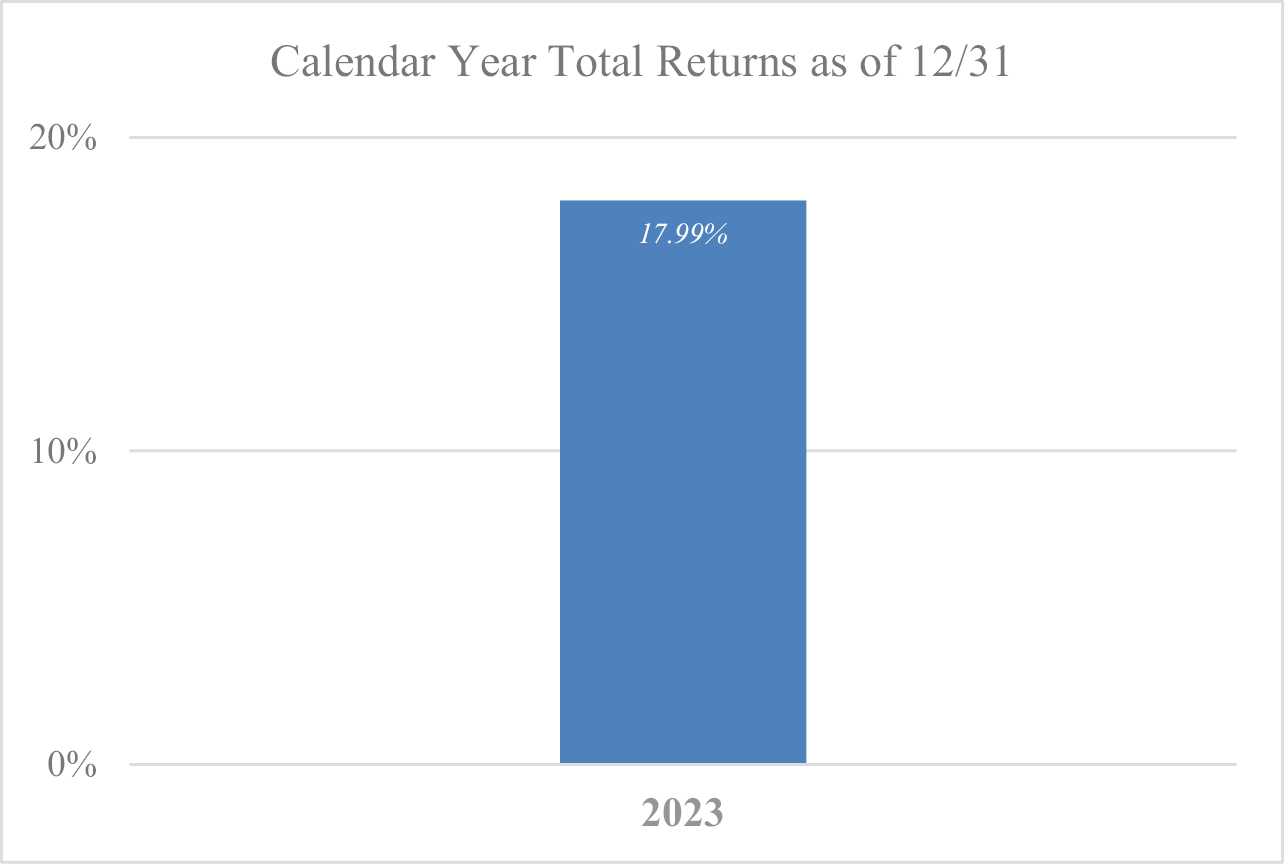
The Fund’s
| | ||
| Innovator Hedged TSLA Strategy ETF | 1 Year | Since |
| | | |
| | | |
| | | |
| | | |
| | | |
The Fund’s past performance (before and after taxes) is not necessarily an indication of how the Fund will perform in the future.
16
Returns before taxes do not reflect the effects of any income or capital gains taxes.
Your own actual after-tax returns will depend on your specific tax situation and may differ from what is shown here.
Management
Investment Adviser
Innovator Capital Management, LLC
Investment Sub-Adviser
Milliman Financial Risk Management LLC
Portfolio Managers
The following persons serve as portfolio managers of the Fund.
• Robert T. Cummings – Principal, Senior Director, Head of Portfolio Management at Milliman
• Yin Bhuyan – ETF Portfolio Manager at Milliman
The portfolio managers are primarily and jointly responsible for the day-to-day management of the Fund and have served in such capacity since the Fund’s inception in July 2022.
Purchase and Sale of Fund Shares
The Fund will issue and redeem Shares at NAV only with authorized participants that have entered into agreements with the Fund’s distributor and only in Creation Units or multiples thereof (“Creation Unit Aggregations”), in exchange for the deposit or delivery of a basket of securities in which the Fund invests. The Fund may also issue and redeem Shares in exchange for cash. Except when aggregated in Creation Units, the Shares are not redeemable securities of the Fund.
Individual Shares may only be bought and sold in the secondary market (i.e., on a national securities exchange) through a broker or dealer at a market price. Because the Shares trade at market prices rather than NAV, Shares may trade at a price greater than NAV (at a premium), at NAV, or less than NAV (at a discount). An investor may incur costs attributable to the difference between the highest price a buyer is willing to pay to purchase Shares (bid) and the lowest price a seller is willing to accept for Shares (ask) when buying or selling shares in the secondary market (the “bid-ask spread”).
Recent information, including information on the Fund’s NAV, market price, premiums and discounts, and bid-ask spreads, is available online at www.innovatoretfs.com.
17
Tax Information
The Fund’s distributions will generally be taxable as ordinary income, returns of capital or capital gains. A sale of Shares may result in capital gain or loss.
Payments to Broker-Dealers and Other Financial Intermediaries
If you purchase Shares through a broker-dealer or other financial intermediary (such as a bank), Innovator and Foreside Fund Services, LLC, the Fund’s distributor (the “Distributor”), may pay the intermediary for the sale of Shares and related services. These payments may create a conflict of interest by influencing the broker-dealer or other intermediary and your salesperson to recommend the Fund over another investment. Ask your salesperson or visit your financial intermediary’s website for more information.
18
| Additional Information About the Fund’s Principal Investment Strategies |
The Fund is an actively managed ETF. The investment objective of the Fund is to seek to participate in the price return of the common stock of Tesla, Inc., subject to a limit on investment gains and to seek to provide protection against declines in the price return of the common stock of Tesla, Inc. through the operation of the Floor. The Fund’s investment objective is considered non-fundamental and may be changed by the Board of Trustees of the Trust (the “Board”) without shareholder approval. Additionally, the Fund may liquidate and terminate at any time without shareholder approval.
Additional Information Regarding Tesla, Inc.
Tesla, Inc. designs, develops, manufactures, sells and leases high-performance fully electric vehicles and energy generation and storage systems, and offers services related to its products. Tesla, Inc. generally sells its products directly to customers, including through its website and retail locations. Tesla, Inc. also continues to grow its customer-facing infrastructure through a global network of vehicle service centers, Mobile Service technicians, body shops, Supercharger stations and Destination Chargers to accelerate the widespread adoption of its products. Tesla, Inc. emphasizes performance, attractive styling and the safety of its users and workforce in the design and manufacture of its products and is continuing to develop full self-driving technology for improved safety. Tesla, Inc. also strives to lower the cost of ownership for its customers through continuous efforts to reduce manufacturing costs and by offering financial and other services tailored to its products. The mission of Tesla, Inc. to accelerate the world’s transition to sustainable energy, engineering expertise, vertically integrated business model and focus on user experience differentiates Tesla, Inc. from other companies.
Tesla, Inc. operates as two reportable segments: (i) automotive and (ii) energy generation and storage. The automotive segment includes the design, development, manufacturing, sales and leasing of electric vehicles as well as sales of automotive regulatory credits. Additionally, the automotive segment is also comprised of services and other, which includes non-warranty after-sales vehicle services, sales of used vehicles, retail merchandise, sales by acquired subsidiaries of Tesla, Inc. to third party customers and vehicle insurance revenue. The energy generation and storage segment includes the design, manufacture, installation, sales and leasing of solar energy generation and energy storage products and related services and sales of solar energy systems incentives.
Tesla, Inc. is registered under the Exchange Act. Information provided to or filed with the SEC by Tesla, Inc. pursuant to the Exchange Act can be located by reference to the SEC file number 001-34756 through the SEC’s website at www.sec.gov. In addition, information regarding Tesla, Inc. may be obtained from other sources including, but not limited to, press releases, newspaper articles and other publicly disseminated documents.
Investor Suitability Considerations
The Fund is a unique investment product that may not be suitable for all investors. An investor should consider investing in the Fund if it, among other reasons, fully understands the risks inherent in an investment in the Fund’s Shares, desires to invest in a product with a return that depends upon the price performance of TSLA (subject to a maximum gain potential over a
19
three-month period), seeks to hedge its exposure to the price returns of TSLA and receive protection against significant price decreases in TSLA over a three-month period through the operation of the Floor, and seeks the protection of a Floor on TSLA losses for an investment held for the entirety of the three-month period and understand that there is no guarantee the Fund will be successful in its attempt to provide the sought-after protection of the Floor. An investor should not consider investing in the Fund if it, among other reasons, does not fully understand the risks inherent in an investment in the Fund’s Shares, desires to invest in a product with a return that depends on the performance of multiple assets, it seeks an investment that provides total protection against the decreases in the price of TSLA over a three-month period, and seeks an investment that provides total protection against TSLA losses for an investment held for the entirety of a three-month period.
An investor in the Fund should note that the potential upside offered by the Fund by virtue of the Options Portfolio is limited, and such limit may vary widely from quarter to quarter. The Fund currently expects that this upside performance will be limited to 9.49% in the current period prior to taking in to account any fees or expenses charged to shareholders. When the Fund’s annual Fund management fee of 0.79% of the Fund’s average daily net assets is taken into account, this upside performance will be limited to 9.29%. The maximum upside performance will be further reduced by any shareholder transaction fees and any extraordinary expenses incurred by the Fund. The limits to the upside performance of TSLA are dependent upon prevailing market conditions at the time the Fund enters into the option contracts and could fluctuate from one period to the next. There is no guarantee that the Fund, in the future will provide the opportunity for upside participation to the price exposure of TSLA at this percentage, and the limit on upside participation to the price exposure of TSLA could be significantly less than this percentage and, under certain market conditions, could be zero. Following the close of business on the day the Fund’s option contracts expire, the Fund will file a prospectus supplement that discloses the Fund’s upside potential limit (both gross and net of the unitary management fee) for the next quarter. This information is available, as well as additional information regarding the Fund’s relative position to the upside potential limit, of an investment on a daily basis, is available on the Fund’s website, www.innovatoretfs.com/tslh.
| Fund Investments |
Principal Investments
FLEX Options
FLEX Options are customized option contracts that trade on an exchange but provide investors with the ability to customize key contract terms like strike price, style and expiration date while achieving price discovery in competitive, transparent auctions markets and avoiding the counterparty exposure of over-the-counter options positions. Like traditional exchange-traded options, FLEX Options are guaranteed for settlement by the OCC, a market clearinghouse that guarantees performance by counterparties to certain derivatives contracts.
The FLEX Options in which the Fund will invest are all European style option contracts (option contracts that are exercisable only on the expiration date). The FLEX Options are listed on the Chicago Board Options Exchange.
20
The Fund will purchase and sell call and put FLEX Options. In general, put options give the holder (i.e., the buyer) the right to sell an asset (or deliver the cash value of the asset, in case of certain put options) and the seller (i.e., the writer) of the put has the obligation to buy the asset (or receive cash value of the asset, in case of certain put options) at a certain defined price. Call options give the holder (i.e., the buyer) the right to buy an asset (or receive cash value of the asset, in case of certain call options) and the seller (i.e., the writer) the obligation to sell the asset (or deliver cash value of the asset, in case of certain call options) at a certain defined price.
The Fund will use the market value of its derivatives holdings for the purpose of determining compliance with the 1940 Act and the rules promulgated thereunder. Since the FLEX Options held by the Fund are exchange-traded, these will be valued on a mark-to-market basis. In the event market prices are not available, the Fund will use fair value pricing pursuant to the fair value procedures adopted by Innovator as the “Valuation Designee” pursuant to Rule 2a-5 of the 1940 Act (“Rule 2a-5”) and approved by, and subject to the oversight of, the Board. The Fund will enter into FLEX Options contracts in accordance with Rule 18f-4 under the 1940 Act, which requires the Fund to implement certain policies and procedures designed to manage its derivatives risks, dependent upon the Fund’s level of exposure to derivative instruments.
U.S. Treasury Securities
U.S. Treasury securities are government debt instruments issued by the United States Department of the Treasury that are backed by the full faith and credit of the United States Government.
Disclosure of Portfolio Holdings
A description of the Trust’s policies and procedures with respect to the disclosure of the Fund’s portfolio holdings is available in the Fund’s statement of additional information (“SAI”), which is available at www.innovatoretfs.com.
| Additional Risks of Investing in the Fund |
Risk is inherent in all investing. Investing in the Fund involves risk, including the risk that you may lose all or part of your investment. There can be no assurance that the Fund will meet its stated objective. Before you invest, you should consider the following supplemental disclosure pertaining to the Principal Risks set forth above.
Principal Risks
Hedged TSLA Strategy Risk. The Fund employs an active hedging strategy that seeks to provide risk-managed investment exposure to TSLA. In doing so, there is no guarantee that the Fund will be successful in its strategy to provide protection against TSLA losses through the implementation of the Floor. The Fund does not provide principal protection or non-principal protection, and an investor may experience significant losses on its investment, including the loss of its entire investment. In order to provide the upside exposure to the price return of TSLA, the Fund’s strategy is subject to maximum gains equal to the strike price of the Fund’s sold call options. The limits to the upside performance of TSLA are dependent upon prevailing market conditions at the time the Fund enters into the option contracts and could fluctuate from one period to the next. In the event
21
an investor purchases Shares after the date on which the Fund implements the call spread strategy and the TSLA share price has risen in value to a level near the strike price, there may be little or no ability for such investor to experience an investment gain in Fund Shares until the Fund’s Options Portfolio is rebalanced. An investor may also realize different returns than TSLA if such investor does not stay invested in the Fund for the entirety of the three-month period of the Fund’s options contracts. Finally, an investor may also receive less than the sought-after protection provided by the Floor if the Treasury Portfolio loses value.
Floor Risk. There can be no guarantee that the Fund will be successful in implementing its strategy to provide the Floor against significant losses in the share price of TSLA. The Floor is provided by virtue of the value of the Treasury Portfolio, so that if the Options Portfolio expires worthless the Fund’s value would be comprised of the Treasury Portfolio. To the extent the Treasury Portfolio declines in value, a shareholder would receive less portfolio protection. A shareholder may lose their entire investment. The Fund does not provide principal protection or non-principal protection, and an investor may experience significant losses on its investment, including the loss of its entire investment.
FLEX Options Risk. The Fund expects to utilize FLEX Options issued and guaranteed for settlement by the OCC. The Fund bears the risk that the OCC will be unable or unwilling to perform its obligations under the FLEX Options contracts. In the unlikely event that the OCC becomes insolvent or is otherwise unable to meet its settlement obligations, the Fund could suffer significant losses. Additionally, FLEX Options may be less liquid than certain other securities such as standardized options. In less liquid markets for the FLEX Options, the Fund may have difficulty closing out certain FLEX Options positions at desired times and prices. In connection with the creation and redemption of Shares, to the extent market participants are not willing or able to enter into FLEX Option transactions with the Fund at prices that reflect the market price of the Shares, the Fund’s NAV and, in turn the share price of the Fund, could be negatively impacted.
The Fund may experience substantial downside from specific FLEX Option positions and certain FLEX Option positions may expire worthless. The FLEX Options held by the Fund are exercisable at the strike price on their expiration date. The value of the FLEX Options does not increase or decrease at the same rate as TSLA’s share price on a day-to-day basis (although they generally move in the same direction). However, as a FLEX Option approaches its expiration date, its value typically increasingly moves with the value of TSLA, although this is not guaranteed. The value of the FLEX Options held by the Fund will be determined based on market quotations or other recognized pricing methods. The value of the underlying FLEX Options will be affected by, among others, changes in TSLA’s share price, changes in interest rates, changes in the actual and implied volatility of TSLA and the remaining time to until the FLEX Options expire.
Options Risk. The use of option contracts involves investment strategies and risks different from those associated with ordinary portfolio securities transactions. The prices of options are volatile and are influenced by, among other things, actual and anticipated changes in the value of the underlying instrument, or in interest or currency exchange rates, including the anticipated volatility, which are affected by fiscal and monetary policies and by national and international political and economic events. There may at times be an imperfect correlation between the movement in values of the Fund’s option contracts and TSLA, and there may at times not be a liquid secondary market for certain option contracts. The Fund has taken the necessary steps to comply
22
with the requirements of Rule 18f-4 in its usage of options. The Fund has adopted and implements a derivatives risk management program that contains policies and procedures reasonably designed to manage the Fund’s derivatives risks, has appointed a derivatives risk manager who is responsible for administrating the derivatives risk management program, complies with outer limitations on risks relating to its derivatives transactions and carries out enhanced reporting to the Board, the SEC and the public regarding its derivatives activities. To the extent the Fund is noncompliant with Rule 18f-4, the Fund may be required to adjust its investment portfolio which may, in turn, negatively impact the Fund’s ability to deliver the sought-after Outcomes.
Investing in Shares is not Equivalent to Investing in TSLA. Investors in the Shares will not have voting rights or rights to receive dividends or other distributions or any other rights with respect to the underlying stock.
Indirect Investment in TSLA Risk. Tesla, Inc. is not affiliated with the Trust, Innovator, Milliman or its respective affiliates and is not involved with this offering in any way, and has no obligation to consider your Shares in taking any corporate actions that might affect the value of Shares. Innovator has not made any due diligence inquiry with respect to the publicly available information of Tesla, Inc. in connection with this offering. Investors in the Shares will not have voting rights or rights to receive dividends or other distributions or any other rights with respect to the underlying stock.
TSLA Trading Risk. The trading price of TSLA has been highly volatile and could continue to be subject to wide fluctuations in response to various factors. The stock market in general, and the market for technology companies in particular, has experienced extreme price and volume fluctuations that have often been unrelated or disproportionate to the operating performance of those companies. In particular, a large proportion of TSLA has been and may continue to be traded by short sellers which may put pressure on the supply and demand for the common stock of Tesla, Inc., further influencing volatility in its market price. Public perception and other factors outside of the control of Tesla, Inc. may additionally impact TSLA’s stock price due to Tesla Inc. garnering a disproportionate degree of public attention, regardless of actual operating performance. In addition, in the past, following periods of volatility in the overall market and the market price of a particular company’s securities, securities class action litigation has often been instituted against companies such as these. Moreover, stockholder litigation like this has been filed against Tesla, Inc. in the past. While Tesla, Inc. continues to defend such actions, any judgment against Tesla, Inc., or any future stockholder litigation could result in substantial costs and a diversion of the management of Tesla, Inc.’s attention and resources. In addition to the foregoing, if trading in TSLA is halted the Fund’s FLEX Options that reference TSLA will be similarly impacted. If TSLA trading is halted, trading in Shares of the Fund may be impacted, either temporarily of indefinitely.
Tesla, Inc. Performance Risk. Tesla, Inc. may fail to meet its publicly announced guidelines or other expectations about its business, which could cause the price of TSLA to decline. Tesla, Inc. provides guidance regarding its expected financial and business performance, such as projections regarding sales and production, as well as anticipated future revenues, gross margins, profitability and cash flows. Correctly identifying key factors affecting business conditions and predicting future events is inherently an uncertain process, and the guidance Tesla, Inc. provides may not ultimately be accurate and has in the past been inaccurate in certain respects, such as the timing of new product manufacturing ramps. The guidance is based on certain assumptions such as those
23
relating to global and local economic conditions, anticipated production and sales volumes (which generally are not linear throughout a given period), average sales prices, supplier and commodity costs, and planned cost reductions. If Tesla, Inc.’s guidance is not accurate or varies from actual results due to its inability to meet the assumptions or the impact on its financial performance that could occur as a result of various risks and uncertainties, the market value of common stock issued by Tesla, Inc. could decline significantly.
Electric Vehicles Risk. The future growth and success of Tesla, Inc. are dependent upon consumers’ demand for electric vehicles, and specifically, its vehicles in an automotive industry that is generally competitive, cyclical and volatile. If the market for electric vehicles in general and Tesla, Inc. vehicles in particular does not develop as Tesla, Inc. expects, develops more slowly than it expects, or if demand for its vehicles decreases in its markets or its vehicles compete with each other, the business, prospects, financial condition and operating results of Tesla, Inc. may be harmed. Tesla, Inc. is still at an earlier stage of development and have limited resources and production relative to established competitors that offer internal combustion engine vehicles. In addition, electric vehicles still comprise a small percentage of overall vehicle sales. As a result, the market for Tesla, Inc. vehicles could be negatively affected by numerous factors, such as: (i) perceptions about electric vehicle features, quality, safety, performance and cost; (ii) perceptions about the limited range over which electric vehicles may be driven on a single battery charge, and access to charging facilities; (iii) competition, including from other types of alternative fuel vehicles, plug-in hybrid electric vehicles and high fuel-economy internal combustion engine vehicles; (iv) volatility in the cost of oil and gasoline, such as wide fluctuations in crude oil prices; (v) government regulations and economic incentives; and (vi) concerns about the future viability of Tesla, Inc. Finally, the target demographics for Tesla, Inc. vehicles are highly competitive. Sales of vehicles in the automotive industry tend to be cyclical in many markets, which may expose Tesla, Inc. to further volatility.
Automotive Companies Risk. The automotive industry can be highly cyclical, and companies in the industry may suffer periodic operating losses. Automotive companies can be significantly affected by labor relations, fluctuating component prices and supplier disruptions. Developments in automotive technologies (e.g., autonomous vehicle technologies) may require significant capital expenditures that may not generate profits for several years, if ever. Automotive companies may be significantly subject to government policies and regulations regarding imports and exports of automotive products. Governmental policies affecting the automotive industry, such as taxes, tariffs, duties, subsidies, and import and export restrictions on automotive products can influence industry profitability. In addition, such companies must comply with environmental laws and regulations, for which there may be severe consequences for non-compliance. While most of the major automotive manufacturers are large companies, certain others may be non-diversified in both product line and customer base and may be more vulnerable to certain events that may negatively impact the automotive industry.
Concentration Risk. The Fund will have economic exposure that is concentrated in the industry assigned to TSLA (i.e., hold 25% or more of its assets in investments that provide exposure to the industry assigned to TSLA). As of the date of this prospectus, TSLA is assigned to the automotive industry. The Fund’s performance is susceptible to adverse events impacting such industry, which may include, but are not limited to, the following: general economic conditions or cyclical market patterns that could negatively affect supply and demand; competition for resources; adverse labor
24
relations; political or world events; obsolescence of technologies; and increased competition or new product introductions that may affect the profitability or viability of companies in a particular industry or sector. As a result, the value of the Fund’s investments may rise and fall more than the value of shares of a fund that invests in securities of companies in a broader range of industries or sectors.
Rolling Risk. The Fund’s investment strategy is subject to risks related to rolling of the Fund’s option contracts. Because the frequency with which the Fund expects to roll option contracts may be greater than the impact would be if the Fund experienced less portfolio turnover. The price of option contracts further from expiration may be higher, which can impact Fund returns.
U.S. Treasury Security Risk. A security backed by the U.S. Treasury or the full faith and credit of the United States is guaranteed only as to the timely payment of interest and principal when held to maturity, but the market prices for such securities are not guaranteed and will fluctuate. Because U.S. Treasury Securities trade actively outside the United States, their prices may rise and fall as changes in global economic conditions affect the demand for these securities. U.S. Treasury securities may differ from other securities in their interest rates, maturities, times of issuance and other characteristics, and may provide relatively lower returns than those of other securities. Similar to other issuers, changes to the financial condition or credit rating of the U.S. government may cause the value of the Fund’s U.S. Treasury securities to decline. U.S. Treasury securities are subject to interest rate risk, but generally do not involve the credit risks associated with investments in other types of debt securities. As a result, the yields available from U.S. government securities are generally lower than the yields available from other debt securities. U.S. Treasury securities are guaranteed only as to the timely payment of interest and payment of principal when held to maturity.
Interest Rate Risk. Interest rate risk is the risk that the value of the debt securities in the Fund’s portfolio will decline because of rising market interest rates. Interest rate risk is generally lower for shorter term debt securities and higher for longer term debt securities. Duration is a measure of the expected price volatility of a debt security as a result of changes in market rates of interest, based on, among other factors, the weighted average timing of the debt security’s expected principal and interest payments. In general, duration represents the expected percentage change in the value of a security for an immediate 1% change in interest rates. For example, the price of a security with a three-year duration would be expected to drop by approximately 3% in response to a 1% increase in interest rates. Therefore, prices of debt securities with shorter durations tend to be less sensitive to interest rate changes than debt securities with longer durations. As the value of a debt security changes over time, so will its duration.
Clearing Member Default Risk. Transactions in some types of derivatives, including FLEX Options, are required to be centrally cleared (“cleared derivatives”). In a transaction involving cleared derivatives, the Fund’s counterparty is a clearing house, such as the OCC, rather than a bank or broker. Since the Fund is not a member of clearing houses and only members of a clearing house (“clearing members”) can participate directly in the clearing house, the Fund will hold cleared derivatives through accounts at clearing members. In cleared derivatives positions, the Fund will make payments (including margin payments) to, and receive payments from, a clearing house through their accounts at clearing members. Customer funds held at a clearing organization in connection with any option contracts are held in a commingled omnibus account and are not
25
identified to the name of the clearing member’s individual customers. As a result, assets deposited by the Fund with any clearing member as margin for its FLEX Options may, in certain circumstances, be used to satisfy losses of other clients of the Fund’s clearing member. In addition, although clearing members guarantee performance of their clients’ obligations to the clearing house, there is a risk that the assets of the Fund might not be fully protected in the event of the clearing member’s bankruptcy, as the Fund would be limited to recovering only a pro rata share of all available funds segregated on behalf of the clearing member’s customers for the relevant account class. The Fund is also subject to the risk that a limited number of clearing members are willing to transact on the Fund’s behalf, which heightens the risks associated with a clearing member’s default. If a clearing member defaults the Fund could lose some or all of the benefits of a transaction entered into by the Fund with the clearing member. The loss of a clearing member for the Fund to transact with could result in increased transaction costs and other operational issues that could impede the Fund’s ability to implement its investment strategy. If the Fund cannot find a clearing member to transact with on the Fund’s behalf, the Fund may be unable to effectively implement its investment strategy.
Counterparty Risk. Counterparty risk is the risk an issuer, guarantor or counterparty of a security in the Fund is unable or unwilling to meet its obligation on the security. Counterparty risk may arise because of the counterparty’s financial condition, market activities, or for other reasons. The Fund may be unable to recover its investment from the counterparty or may obtain a limited and/or delayed recovery. The OCC acts as guarantor and central counterparty with respect to the FLEX Options. As a result, the ability of the Fund to meet its objective depends on the OCC being able to meet its obligations. In the event an OCC clearing member that is a counterparty of the Fund were to become insolvent, the Fund may have some or all of its FLEX Options closed without its consent or may experience delays or other difficulties in attempting to close or exercise its affected FLEX Options positions, both of which would impair the Fund’s ability to deliver on its investment strategy. The OCC’s rules and procedures are designed to facilitate the prompt settlement of options transactions and exercises, including for clearing member insolvencies. However, there is the risk that the OCC and its backup system will fail if clearing member insolvencies are substantial or widespread. In the unlikely event that the OCC becomes insolvent or is otherwise unable to meet its settlement obligations, the Fund could suffer significant losses.
Correlation Risk. The FLEX Options held by the Fund will be exercisable at the strike price only on their expiration date. As a FLEX Option approaches its expiration date, its value typically will increasingly move with the value of TSLA. However, prior to the expiration date, the value of the FLEX Options prior to the expiration date may vary because of related factors other than the value of TSLA. The value of the FLEX Options will be determined based upon market quotations or using other recognized pricing methods. Factors that may influence the value of the FLEX Options include interest rate changes and implied volatility levels of TSLA, among others. The value of the FLEX Options held by the Fund typically do not increase or decrease at the same level as TSLA’s share price on a day-to-day basis due to these factors (although they generally move in the same direction).
Trading Halt Risk. Although shares of Tesla, Inc. are listed for trading on an exchange, there can be no assurance that an active trading market for such shares or FLEX Options that reference such shares will be available at all times and the exchange may halt trading of TSLA under certain circumstances. A halt in trading of TSLA may, in turn, result in a halt in the trading of the FLEX Options that reference TSLA and the Fund’s Shares. Trading in TSLA and/or the Fund’s Shares
26
may be halted due to market conditions or for reasons that, in the view of the exchange, make trading in TSLA or the Fund’s Shares inadvisable. In addition, trading in TSLA and/or the Fund’s Shares on an exchange is subject to trading halts caused by extraordinary market volatility pursuant to exchange “circuit breaker” rules. In the event of a trading halt for an extended period of time, the Fund may be unable to implement the Fund’s investment strategy. Further, if the Fund receives orders for the issuance of Creation Units during the pendency of a trading halt on TSLA, the Fund anticipates that it will use the proceeds for such orders in additional cash or cash equivalent investments, which would temporarily prevent the Fund from fully implementing its investment strategy.
Market Underperformance Risk. The Fund’s investment strategy may cause the Fund to underperform TSLA in market environments wherein the price of TSLA is increasing. The underperformance may be a result of management risk or the implementation of the Fund’s hedging strategy.
Authorized Participant Concentration Risk. Only an authorized participant may engage in creation or redemption transactions directly with the Fund. The Fund has a limited number of institutions that may act as authorized participants on an agency basis (i.e., on behalf of other market participants). Authorized participants are not obligated to make a market in Shares or submit orders for the issuance or redemption of Creation Units. To the extent that authorized participants exit the business or are unable to proceed with orders for the issuance or redemption of Creation Units and no other authorized participant is able to step forward to fulfill the order, Shares may be more likely to trade at a premium or discount to NAV and possibly face trading halts and/or delisting, and the bid/ask spread on Shares may widen.
Cash Transactions Risk. The Fund may effectuate all or a portion of the issuance and redemption of Creation Units for cash, rather than in-kind securities. As a result, an investment in the Fund may be less tax-efficient than an investment in an ETF that effectuates its Creation Units only on an in-kind basis. ETFs are able to make in-kind redemptions to avoid being taxed on gains on the distributed portfolio securities at the fund level. A fund that effects redemptions for cash may be required to sell portfolio securities in order to obtain the cash needed to distribute redemption proceeds. Any recognized gain on these sales by the fund will generally cause such fund to recognize a gain it might not otherwise have recognized, or to recognize such gain sooner than would otherwise be required if it were to distribute portfolio securities only in-kind. The Fund intends to distribute gains that arise by virtue of the issuance and redemption of Creation Units being effectuated in cash to shareholders to avoid being taxed on this gain at the fund level and otherwise comply with special tax rules that apply to it. This may cause shareholders to be subject to tax on gains they would not otherwise be subject to, or at an earlier date than if they had made an investment in another ETF. Moreover, cash transactions may have to be carried out over several days if the securities market is relatively illiquid and may involve considerable brokerage fees and taxes. These brokerage fees and taxes, which will be higher than if the Fund sold and redeemed its shares principally in-kind, will be passed on to those purchasing and redeeming Creation Units in the form of creation and redemption transaction fees. In addition, these factors may result in wider spreads between the bid and the offered prices of Shares than for ETFs that distribute portfolio securities in-kind. The Fund’s use of cash for creations and redemptions could also result in dilution to the Fund and increased transaction costs, which could negatively impact the Fund’s ability to achieve its investment objective.
27
Cyber Security Risk. As the use of Internet technology has become more prevalent in the course of business, the investment industry has become more susceptible to potential operational risks through breaches in cyber security. A breach in cyber security refers to both intentional and unintentional events that may cause the Fund to lose proprietary information, suffer data corruption or lose operational capacity. Such events could cause the Fund to incur regulatory penalties, reputational damage, additional compliance costs associated with corrective measures and/or financial loss. Cyber security breaches may involve unauthorized access to the Fund’s digital information systems through “hacking” or malicious software coding but may also result from outside attacks such as denial-of-service attacks through efforts to make network services unavailable to intended users. In addition, cyber security breaches of the Fund’s third-party service providers, such as its administrator, transfer agent, custodian, or issuers in which the Fund invests, can also subject the Fund to many of the same risks associated with direct cyber security breaches. The Fund has established risk management systems designed to reduce the risks associated with cyber security. However, there is no guarantee that such efforts will succeed, especially because the Fund does not directly control the cyber security systems of issuers or third-party service providers. The Fund may incur substantial costs in order to resolve or prevent cybe security incidents in the future.
Investment Objective Risk. Certain circumstances under which the Fund might not achieve its objective include, but are not limited, to (i) if the Fund disposes of FLEX Options, (ii) if the Fund is unable to maintain the proportional relationship based on the number of FLEX Option contracts in the Fund’s portfolio, (iii) a significant accrual of Fund expenses in connection with effecting the Fund’s principal investment strategy or (iv) adverse tax law changes affecting the treatment of FLEX Options and/or listed option contracts. The Fund is also subject to management risk as an actively-managed fund, which may cause it not to achieve its investment objective.
Liquidity Risk. The market for the Fund’s FLEX Options may become less liquid as a result of adverse market or economic conditions or other unrelated reasons. In the event that trading in the underlying FLEX Options is limited or absent, the value of the Fund’s FLEX Options may decrease. There is no guarantee that a liquid secondary trading market will exist for the FLEX Options. The trading in FLEX Options may be less deep and liquid than the market for certain other securities, including certain non-customized option contracts. In a less liquid market for the FLEX Options, terminating the FLEX Options may require the payment of a premium or acceptance of a discounted price and may take longer to complete. Additionally, the liquidation of a large number of FLEX Options may more significantly impact the price in a less liquid market. Further, the Fund requires a sufficient number of participants to facilitate the purchase and sale of options on an exchange to provide liquidity to the Fund for its FLEX Option positions. A less liquid trading market may adversely impact the value of the FLEX Options and the value of your investment.
Management Risk. The Fund is subject to management risk because it is an actively managed portfolio. The Sub-Adviser applies investment techniques and risk analyses in making investment decisions for the Fund subject to the oversight of the Adviser, but there can be no guarantee that the Fund will meet its investment objective.
Market Maker Risk. The Fund faces market trading risks, including the potential lack of an active market for Shares due to a limited number of market makers. If the Fund has lower average daily trading volumes, it may rely on a small number of third-party market makers to provide
28
a market for the purchase and sale of Shares. Any trading halt or other problem relating to the trading activity of these market makers could result in a dramatic change in the spread between the Fund’s NAV and the price at which the Shares are trading on the Exchange, which could result in a decrease in the market price of the Shares. In addition, decisions by market makers or authorized participants to reduce their role or step away from these activities in times of market stress could inhibit the effectiveness of the arbitrage process in maintaining the relationship between the underlying values of the Fund’s portfolio securities and the Fund’s market price. This reduced effectiveness could result in Shares trading at a discount to NAV and in greater than normal intra-day bid-ask spreads for Shares.
Market Risk. The Fund could lose money over short periods due to short-term market movements and over longer periods during more prolonged market downturns. Assets may decline in value due to factors affecting financial markets generally or particular asset classes or industries represented in the markets. The value of FLEX Options or other assets may also decline due to general market conditions, economic trends or events that are not specifically related to the issuer of the security or other asset, or due to factors that affect a particular issuer or issuers, country, group of countries, region, market, industry, group of industries, sector or asset class. During a general market downturn, multiple asset classes may be negatively affected. Changes in market conditions and interest rates will not have the same impact on all types of securities. Values of securities may change due to factors such as inflation, changes in interest rates, changes in regulatory requirements, bank failures, political climate deterioration or developments, armed conflicts, natural disasters or future health crises, may negatively impact market conditions, and cause a decrease in the value of securities. Other unexpected political, regulatory and diplomatic events within the U.S. and abroad may affect investor and consumer confidence and may adversely impact financial markets and the broader economy. These events, and any other future events, may adversely affect the prices and liquidity of the Fund’s investments and could result in disruptions in the trading markets. Securities, including the Shares, are subject to market fluctuations and liquidity constraints that may be caused by such factors or other economic, political, or regulatory developments, and/or perceived trends in securities prices. Shares of the Fund could decline in value or underperform other investments. In addition, local, regional or global events such as war, acts of terrorism, spread of infectious diseases or other public health issues, recessions, or other events could have a significant negative impact on a Fund and its investments. Such events may affect certain geographic regions, countries, sectors and industries more significantly than others. Such events could result in disruptions to trading markets and could also adversely affect the prices and liquidity of a Fund’s holdings. Any of such circumstances could result in increased market volatility and/or have a materially negative impact on the value of Shares or the liquidity of an investment. During any such events, Shares may trade at greater premiums or discounts to their NAV and the bid/ask spread on Shares may widen. The future potential economic impact of any such future events is impossible to predict and could result in adverse market conditions that impact the performance of the Fund.
Non-Diversification Risk. The Fund is classified as “non-diversified” under the 1940 Act. As a result, the Fund is only limited as to the percentage of its assets which may be invested in the securities of any one issuer by the diversification requirements imposed by the Code. The Fund may invest a relatively high percentage of its assets in a limited number of issuers. As a result, the Fund may be more susceptible to a single adverse economic or regulatory occurrence affecting one or more of these issuers, experience increased volatility and be highly invested in certain issuers.
29
Operational Risk. The Fund is exposed to operational risks arising from a number of factors, including, but not limited to, human error in the implementation of the Options Portfolio, processing and communication errors, errors of the Fund’s service providers, counterparties or other third-parties, failed or inadequate processes and technology or systems failures. Additionally, cyber security failures or breaches of the electronic systems of the Fund and/or its service providers may disrupt or negatively impact the operation of the Fund which may result in financial losses to the Fund and its shareholders. The Fund and its Adviser and Sub-Adviser seek to reduce these operational risks through controls and procedures. However, these measures do not address every possible risk and may be inadequate to address these risks.
Portfolio Turnover Risk. High portfolio turnover may result in increased transaction costs to the Fund, including brokerage commissions, dealer markups and other transaction costs on the sale of the securities and on reinvestment in other securities.
Premium/Discount Risk. Shares trade on the Exchange at market prices rather than their NAV. The Fund’s NAV represents the value of the Fund’s investments and is calculated by taking the sum of the Fund’s assets less the Fund’s liabilities, if any. The NAV per Share is the value of a Share’s portion of all of the Fund’s net assets. The market price of Shares generally corresponds to movements in the Fund’s NAV as well as the relative supply and demand for Shares on the Exchange. The market price may be at, above (a premium) or below (a discount) the Fund’s NAV. Differences in market prices of Shares and the NAV per Share may be due, in large part, to the fact that supply and demand forces at work in the secondary trading market for Shares will be closely related to, but not identical to, the same forces influencing the prices of the Fund’s holdings trading individually or in the aggregate at any point in time. These differences can be especially pronounced during times of market volatility or stress. During these periods, the demand for Shares may decrease considerably and cause the market price of Shares to deviate, and in some cases deviate significantly, from the Fund’s NAV. Additionally, decisions by market makers and/or authorized participants or reduced effectiveness of the arbitrage process in maintaining the relationship of the Fund’s NAV to the market price of its Shares could result in the Shares trading at a premium, or discount to NAV and the bid/ask spread on Shares may widen.
Tax Risk. The Fund intends to elect and to qualify each year to be treated as a RIC under Subchapter M of the Code. However, the federal income tax treatment of certain aspects of the proposed operations of the Fund are not entirely clear. This includes the tax aspects of the Fund’s options strategy, its hedging strategy, the possible application of the “straddle” rules, and various loss limitation provisions of the Code. If, in any year, the Fund fails to qualify as a RIC under the applicable tax laws, the Fund would be taxed as an ordinary corporation. The Fund intends to treat any income it may derive from the FLEX Options as “qualifying income” under the provisions of the Code applicable to RICs. In addition, based upon language in the legislative history, the Fund intends to treat the issuer of the FLEX Options as the referenced asset, which, assuming the referenced asset qualifies as a RIC, would allow the Fund to qualify for special rules in the RIC diversification requirements. If the income is not qualifying income or the issuer of the FLEX Options is not appropriately the referenced asset, the Fund could lose its own status as a RIC. The FLEX Options included in the portfolio are exchange-traded options. Under Section 1256 of the Code, certain types of exchange-traded options are treated as if they were sold (i.e., “marked to market”) at the end of each year. The Fund does not believe that the positions held by the Fund will be subject to Section 1256, which means that the positions will not be marked to market.
30
In the event that a shareholder purchases Shares of the Fund shortly before a distribution by the Fund, the entire distribution may be taxable to the shareholder even though a portion of the distribution effectively represents a return of the purchase price.
Trading Issues Risk. Although Shares are listed for trading on the Exchange, there can be no assurance that an active trading market for Shares will develop or be maintained. Shares trade on the Exchange at market prices that may be below, at or above the Fund’s NAV. Trading in Shares on the Exchange may be halted due to market conditions or for reasons that, in the view of the Exchange, make trading in Shares inadvisable. In addition, trading in Shares on the Exchange is subject to trading halts caused by extraordinary market volatility pursuant to the Exchange “circuit breaker” rules. Market makers are under no obligation to make a market in the Shares, and authorized participants are not obligated to submit purchase or redemption orders for Creation Units. There can be no assurance that the requirements of the Exchange necessary to maintain the listing of the Fund will continue to be met or will remain unchanged.
Valuation Risk. During periods of reduced market liquidity or in the absence of readily available market quotations for the holdings of the Fund, the valuation of the Fund’s FLEX Options will become more difficult. In market environments where there is reduced availability of reliable objective pricing data, the judgment of the Fund’s investment adviser in determining the fair value of the security may play a greater role. While such determinations may be made in good faith, it may nevertheless be more difficult for the Fund to accurately assign a daily value. The Fund’s Valuation Procedures adopted Innovator as Valuation Designee (as reviewed, approved, and subject to the oversight of the Board) complies with Rule 2a-5 under the 1940 Act. Pursuant to Rule 2a-5, the Board oversees the implementation of the Valuation Procedures. While the Fund’s program is designed to contemplate the specific risks of the Fund, there is no guarantee the program will adequately do so each time, and value may not be properly selected for the Fund.
| Management of the Fund |
The Fund is a series of Innovator ETFs Trust, an investment company registered under the 1940 Act. The Fund is treated as a separate fund with its own investment objectives and policies. The Trust is organized as a Delaware statutory trust. The Board is responsible for the overall management and direction of the Trust. The Board elects the Trust’s officers and approves all significant agreements, including those with the Adviser, Sub-Adviser, custodian and fund administrative and accounting agent.
Investment Adviser
Innovator Capital Management, LLC, 109 North Hale Street, Wheaton, Illinois 60187, serves as the Fund’s investment adviser. In its capacity as Adviser, Innovator has overall responsibility for selecting and monitoring the Fund’s investments and managing the Fund’s business affairs.
Investment Sub-Adviser
Milliman Financial Risk Management LLC, 71 South Wacker Drive, 31st Floor, Chicago, Illinois 60606, serves as the Fund’s investment sub-adviser. Milliman has responsibility for managing the Fund’s investment program in pursuit of its investment objective.
31
Portfolio Managers
Robert T. Cummings and Yin Bhuyan serve as the Fund’s portfolio managers.
• Robert T. Cummings, Principal, Senior Director, Head of Portfolio Management at Milliman. Mr. Cummings has served in this role since 2007. Mr. Cummings has more than 13 years of experience as a trader with a primary focus on options. Prior to joining Milliman, he was involved in various proprietary trading strategies and was a portfolio manager of associated derivatives funds. These strategies included volatility arbitrage, global macro, and high-frequency trading. Entities at which Mr. Cummings has previously worked include Citadel Investment Group, TradeNet (as a primary market maker on the Chicago Board Options Exchange), KCM Group and Spyglass Capital Management.
• Yin Bhuyan, ETF Portfolio Manager at Milliman. Ms. Bhuyan has more than 10 years of experience in capital markets. Prior to joining Milliman, Yin traded in the S&P options pit at CBOE. She has served both as a market maker and a portfolio manager. Her former experience is in risk management and volatility arbitrage. Yin’s current primary focus had been in managing Defined Outcome ETFs and Index tracking ETFs.
For additional information concerning Innovator and Milliman, including a description of the services provided to the Fund, please see the Fund’s SAI. Additional information regarding the portfolio managers’ compensation, other accounts managed by the portfolio managers and the portfolio managers’ ownership of Shares may also be found in the SAI.
Management Fee
Pursuant to an investment advisory agreement between Innovator and the Trust, on behalf of the Fund (the “Investment Management Agreement”), the Fund has agreed to pay an annual unitary management fee to Innovator in an amount equal to 0.79% of its average daily net assets. This unitary management fee is designed to pay the Fund’s expenses and to compensate Innovator for the services it provides to the Fund. Out of the unitary management fee, Innovator pays substantially all expenses of the Fund, including the cost of transfer agency, custody, fund administration, legal, audit and other service and license fees. However, Innovator is not responsible for distribution and service fees payable pursuant to a Rule 12b-1 plan, if any, brokerage commissions and other expenses connected with the execution of portfolio transactions, taxes, interest, and extraordinary expenses.
Pursuant to an investment sub-advisory agreement between Innovator, Milliman and the Trust, on behalf of the Fund (the “Investment Sub-Advisory Agreement”), Innovator has agreed to pay an annual sub-advisory fee to Milliman in an amount based on the Fund’s average daily net assets. Innovator is responsible for paying the entirety of Milliman’s sub-advisory fee. The Fund does not directly pay Milliman.
A discussion regarding the basis for the Board’s approval of the Investment Management Agreement and Investment Sub-Advisory Agreement on behalf of the Fund is available in the Fund’s Annual Report to shareholders for the fiscal year ended October 31, 2023.
32
Manager of Managers Structure. The Fund and Innovator have received an exemptive order from the SEC to operate under a manager of managers structure that permits Innovator, with the approval of the Board, to appoint and replace sub-advisers, enter into sub-advisory agreements, and materially amend and terminate sub-advisory agreements on behalf of the Fund without shareholder approval (“Manager of Managers Structure”). Under the Manager of Managers Structure, Innovator has ultimate responsibility, subject to oversight by the Board, for overseeing the Fund’s sub-advisers and recommending to the Board their hiring, termination, or replacement. The SEC order does not apply to any sub-adviser that is affiliated with the Fund or Innovator.
The Manager of Managers Structure enables the Fund to operate with greater efficiency and without incurring the expense and delays associated with obtaining shareholder approvals for matters relating to any sub-adviser or the sub-advisory agreement. The Manager of Managers Structure does not permit an increase in the advisory fees payable by the Fund without shareholder approval. Shareholders will be notified of any changes made to any sub-adviser or a sub-advisory agreement within 90 days of the change.
| How to Buy and Sell Shares |
The Fund will issue or redeem its Shares at NAV per Share only in Creation Units. Most Fund shareholders will buy and sell Shares in secondary market transactions through brokers. Shares will be listed for trading on the secondary market on the Exchange. Shares can be bought and sold throughout the trading day like other publicly traded shares. Share prices are reported in dollars and cents per Share. There is no minimum investment. When buying or selling Shares through a broker, you will incur customary brokerage commissions and charges, and you may pay some or all of the spread between the bid and the offered price in the secondary market on each leg of a round trip (purchase and sale) transaction. Because Shares trade at market price rather than NAV, a Fund Shareholder may pay more than NAV when purchasing Shares and receive less than NAV when selling Shares.
Authorized participants may acquire Shares directly from the Fund, and authorized participants may tender their Shares for redemption directly to the Fund, at NAV per Share only in Creation Units, and in accordance with the procedures described in the SAI.
Book Entry
Shares are held in book-entry form, which means that no stock certificates are issued. The Depository Trust Company (“DTC”) or its nominee is the record owner of all outstanding Shares and is recognized as the owner of all Shares for all purposes.
Investors owning Shares are beneficial owners as shown on the records of DTC or its participants. DTC serves as the securities depository for all Shares. Participants in DTC include securities brokers and dealers, banks, trust companies, clearing corporations and other institutions that directly or indirectly maintain a custodial relationship with DTC. As a beneficial owner of Shares, you are not entitled to receive physical delivery of stock certificates or to have Shares registered in your name, and you are not considered a registered owner of Shares. Therefore, to exercise any right as an owner of Shares, you must rely upon the procedures of DTC and its participants. These procedures are the same as those that apply to any other stocks that you hold in book entry or “street name” form.
33
Share Trading Prices
The trading prices of Shares on the Exchange is based on market price and may differ from the Fund’s daily NAV. Market forces of supply and demand, economic conditions and other factors may affect the trading prices of Shares.
Frequent Purchases and Redemptions of Shares
The Fund does not impose restrictions on the frequency of purchases and redemptions (“market timing”), and has adopted no policies and procedures with respect to market timing activities. In making this determination, the Board considered the risks associated with market timing activities by the Fund’s shareholders, including, dilution, disruption of portfolio management, increases in the Fund’s trading costs and the potential for the realization of capital gains.
Shares may be purchased and redeemed directly from the Fund only when aggregated into one or more Creation Units by authorized participants that have entered into agreements with the Fund’s distributor. The vast majority of trading in Shares occurs on the secondary market and does not involve the Fund directly. Cash trades on the secondary market are unlikely to cause many of the harmful effects of frequent purchases and/or redemptions of Shares detailed above. To the extent the Fund may effect the issuance or redemption of Creation Units in exchange wholly or partially for cash, such trades could result in disruption of portfolio management, dilution to the Fund and increased transaction costs, which could negatively impact the Fund’s ability to achieve its investment objectives, and may lead to the realization of capital gains. These consequences may increase as the frequency of cash purchases and redemptions of Creation Units by authorized participants increases. However, direct trading by authorized participants is critical to ensuring that Shares trade at or close to NAV.
To minimize these potential consequences of frequent purchases and redemptions of Shares, the Fund imposes transaction fees on purchases and redemptions of Creation Units to cover the custodial and other costs the Fund incurs in effecting trades. In addition, the Fund reserves the right to not accept orders from authorized participants that Innovator has determined may be disruptive to the management of the Fund or otherwise are not in the best interests of the Fund. For these reasons, the Board has not adopted policies and procedures with respect to frequent purchases and redemptions of Shares.
| Dividends, Distributions and Taxes |
Ordinarily, dividends from net investment income, if any, are declared and paid at least annually by the Fund. The Fund distributes its net realized capital gains, if any, to shareholders annually.
Distributions in cash may be reinvested automatically in additional whole Shares only if the broker through whom you purchased Shares makes such option available.
34
Taxes
This section summarizes some of the main U.S. federal income tax consequences of owning Shares of the Fund. This section is current as of the date of this prospectus. Tax laws and interpretations change frequently, and this summary does not describe all of the tax consequences to all taxpayers. For example, this summary generally does not describe your situation if you are a corporation, a non-U.S. person, a broker-dealer, or other investor with special circumstances. In addition, this section does not describe your state, local or non-U.S. tax consequences.
This federal income tax summary is based in part on the advice of counsel to the Fund. The Internal Revenue Service could disagree with any conclusions set forth in this section. In addition, counsel to the Fund was not asked to review, and has not reached a conclusion with respect to, the federal income tax treatment of the assets to be included in the Fund. This may not be sufficient for you to use as the purpose of avoiding penalties under federal tax law.
As with any investment, you should seek advice based on your individual circumstances from your own tax advisor.
The Fund intends to continue to qualify as a “regulated investment company” under the federal tax laws. If the Fund qualifies as a regulated investment company and distributes its income as required by the tax law, the Fund generally will not pay federal income taxes.
As with any investment, you should consider how your investment in Shares will be taxed. The tax information in this prospectus is provided as general information. You should consult your own tax advisor about the tax consequences of an investment in Shares.
Unless your investment in Shares is made through a tax-exempt entity or tax-deferred retirement account, such as an IRA plan, you need to be aware of the possible tax consequences when:
• Your Fund makes distributions,
• You sell your Shares listed on the Exchange, and
• You purchase or redeem Creation Units.
To maintain its status as a RIC, the Fund must meet certain income, diversification and distributions tests. The Fund intends to treat any income that it may derive from the FLEX Options as “qualifying income” under the provisions of the Code applicable to RICs. In addition, based upon language in the legislative history, the Fund intends to treat the issuer of the FLEX Options as the referenced asset, which, assuming the referenced asset qualifies as a RIC, would allow the Fund to qualify for special rules in the RIC diversification requirements. If the income is not qualifying income or the issuer of the FLEX Options is not appropriately the referenced asset, the Fund could lose its own status as a RIC.
Taxes on Distributions
The Fund’s distributions are generally taxable. After the end of each year, you will receive a tax statement that separates the distributions of the Fund into two categories, ordinary income distributions and capital gain dividends. Ordinary income distributions are generally taxed at your
35
ordinary tax rate; however, certain ordinary income distributions received from the Fund may be taxed at the capital gains tax rates. Generally, you will treat all capital gain dividends as long-term capital gains regardless of how long you have owned your Shares. To determine your actual tax liability for your capital gain dividends, you must calculate your total net capital gain or loss for the tax year after considering all of your other taxable transactions, as described below. The tax status of your distributions from the Fund is not affected by whether you reinvest your distributions in additional Shares or receive them in cash. The income from the Fund that you must take into account for federal income tax purposes is not reduced by amounts used to pay a deferred sales fee, if any. The tax laws may require you to treat distributions made to you in January as if you had received them on December 31 of the previous year.
Income from the Fund may also be subject to a 3.8% “Medicare tax.” This tax generally applies to your net investment income if your adjusted gross income exceeds certain threshold amounts, which are $250,000 in the case of married couples filing joint returns and $200,000 in the case of single individuals.
A corporation that owns Shares generally will not be entitled to the dividends received deduction with respect to many dividends received from the Fund because the dividends received deduction is generally not available for distributions from regulated investment companies.
If you are an individual, the maximum marginal stated federal tax rate for net capital gain is generally 20% (15% or 0%) for taxpayers with taxable incomes below certain thresholds). Capital gains may also be subject to the Medicare tax described above.
Net capital gain equals net long-term capital gain minus net short-term capital loss for the taxable year. Capital gain or loss is long-term if the holding period for the asset is more than one year and is short-term if the holding period for the asset is one year or less. You must exclude the date you purchase your Shares to determine your holding period. However, if you receive a capital gain dividend from the Fund and sell your Shares at a loss after holding it for six months or less, the loss will be recharacterized as long-term capital loss to the extent of the capital gain dividend received. The tax rates for capital gains realized from assets held for one year or less are generally the same as for ordinary income. The Code treats certain capital gains as ordinary income in special situations.
An election may be available to Shareholders to defer recognition of the gain attributable to a capital gain dividend if they make certain qualifying investments within a limited time. Shareholders should talk to their tax advisor about the availability of this deferral election and its requirements.
Taxes on Exchange Listed Shares
If you sell or redeem your Shares, you will generally recognize a taxable gain or loss. To determine the amount of this gain or loss, you must subtract your tax basis in your Shares from the amount you receive in the transaction. Your tax basis in your Shares is generally equal to the cost of your Shares, generally including sales charges. In some cases, however, you may have to adjust your tax basis after you purchase your Shares.
36
Taxes and Purchases and Redemptions of Creation Units
If you exchange securities for Creation Units you will generally recognize a gain or a loss. The gain or loss will be equal to the difference between the market value of the Creation Units at the time and your aggregate basis in the securities surrendered and the cash component paid. If you exchange Creation Units for securities, you will generally recognize a gain or loss equal to the difference between your basis in the Creation Units and the aggregate market value of the securities received and any cash redemption amount. The Internal Revenue Service, however, may assert that a loss realized upon an exchange of securities for Creation Units or Creation Units for securities cannot be deducted currently under the rules governing “wash sales,” or on the basis that there has been no significant change in economic position.
Treatment of the FLEX Options
The FLEX Options included in the portfolio are exchange-traded options. Under Section 1256 of the Code, certain types of exchange-traded options are treated as if they were sold (i.e., “marked to market”) at the end of each year. The Fund does not believe that the positions held by the Fund will be subject to Section 1256, which means that the positions will not be marked to market.
However, the Fund’s investments in offsetting positions with respect to TSLA may be “straddles” for U.S. federal income tax purposes. The straddle rules may affect the character of gains (or losses) realized by the Fund, and losses realized by the Fund on positions that are part of a straddle may be deferred under the straddle rules, rather than being taken into account in calculating taxable income for the taxable year in which the losses are realized. In addition, certain carrying charges (including interest expense) associated with positions in a straddle may be required to be capitalized rather than deducted currently. Certain elections that the Fund may make with respect to its straddle positions may also affect the amount, character and timing of the recognition of gains or losses from the affected positions.
The tax consequences of straddle transactions to the Fund are not entirely clear in all situations under currently available authority. The straddle rules may increase the amount of short-term capital gain realized by the Fund, which is taxed as ordinary income when distributed to U.S. shareholders in a non-liquidating distribution. Because application of the straddle rules may affect the character of gains or losses, defer losses and/or accelerate the recognition of gains or losses from the affected straddle positions, if the Fund makes a non-liquidating distribution of its short-term capital gain, the amount which must be distributed to U.S. shareholders as ordinary income may be increased or decreased substantially as compared to a fund that did not engage in such transactions.
Treatment of Fund Expenses
Expenses incurred and deducted by the Fund will generally not be treated as income taxable to you. In some cases, however, you may be required to treat your portion of these Fund expenses as income. You may not be able to take a deduction for some or all of these expenses, even if the cash you receive is reduced by such expenses.
37
Backup Withholding
The Fund may be required to withhold U.S. federal income tax (“backup withholding”) from dividends and capital gains distributions paid to shareholders. Federal tax will be withheld if (1) the shareholder fails to furnish the Fund with the shareholder’s correct taxpayer identification number or social security number, (2) the IRS notifies the shareholder or the Fund that the shareholder has failed to report properly certain interest and dividend income to the IRS and to respond to notices to that effect, or (3) when required to do so, the shareholder fails to certify to the Fund that he or she is not subject to backup withholding. The current backup withholding rate is 24%. Any amounts withheld under the backup withholding rules may be credited against the shareholder’s U.S. federal income tax liability.
Non-U.S. Investors
If you are a non-U.S. investor (i.e., an investor other than a U.S. citizen or resident or a U.S. corporation, partnership, estate or trust), you should be aware that, generally, subject to applicable tax treaties, distributions from the Fund will generally be characterized as dividends for U.S. federal income tax purposes (other than dividends which the Fund properly reports as capital gain dividends) and will be subject to U.S. federal income taxes, including withholding taxes, subject to certain exceptions described below.
However, distributions received by a non-U.S. investor from the Fund that are properly reported by the Fund as capital gain dividends may not be subject to U.S. federal income taxes, including withholding taxes, provided that the Fund makes certain elections and certain other conditions are met. Distributions from the Fund that are properly reported by the Fund as an interest-related dividend attributable to certain interest income received by the Fund or as a short-term capital gain dividend attributable to certain net short-term capital gain income received by the Fund may not be subject to U.S. federal income taxes, including withholding taxes when received by certain non-U.S. investors, provided that the Fund makes certain elections and certain other conditions are met.
Distributions to, and gross proceeds from dispositions of Shares by, (i) certain non-U.S. financial institutions that have not entered into an agreement with the U.S. Treasury to collect and disclose certain information and are not resident in a jurisdiction that has entered into such an agreement with the U.S. Treasury and (ii) certain other non-U.S. entities that do not provide certain certifications and information about the entity’s U.S. owners may be subject to a U.S. withholding tax of 30%. However, proposed regulations may eliminate the requirement to withhold on payments of gross proceeds from dispositions.
The foregoing discussion summarizes some of the possible consequences under current federal tax law of an investment in the Fund. It is not a substitute for personal tax advice. You also may be subject to state and local taxes on Fund distributions and sales of Shares.
Consult your personal tax advisor about the potential tax consequences of an investment in Shares under all applicable tax laws. See “Distributions and Taxes” in the SAI for more information.
38
| Distributor |
Foreside Fund Services, LLC serves as the distributor of Creation Units for the Fund on an agency basis. The Distributor does not maintain a secondary market in Shares.
| Net Asset Value |
US Bancorp Fund Services LLC (“USBFS”), the Fund’s administrator and fund accounting agent, calculates the Fund’s NAV at the close of regular trading (ordinarily 4:00 p.m. E.S.T.) every day the New York Stock Exchange is open. The NAV for one Share is the value of that Share’s portion of the net assets of the Fund, which is calculated by taking the market price of the Fund’s total assets, including any interest or dividends accrued but not yet collected, less all liabilities, and dividing such amount by the total number of Shares outstanding. The result, rounded to the nearest cent is the NAV per Share.
Section 2(a)(41) of the 1940 Act provides that when a market quotation is readily available for a fund’s portfolio investments, such investment must be valued at the market value. Rule 2a-5 under the 1940 Act defines a readily available market quotation as “a quoted price (unadjusted) in active markets for identical investments that the fund can access at a measurement date, provided that a quotation will not be readily available if it is not reliable.” If a market quotation is not “readily available” the the portfolio investment must be fair valued as determined in good faith by a fund’s board of trustees. Rule 2a-5 allows a fund’s board of trustees to designate the fund’s investment adviser as the “valuation designee” to perform fair value determinations subject to certain conditions. In accordance with Rule 2a-5, the Board has appointed Innovator as the “Valuation Designee” for the Fund’s portfolio investments. Investments will be fair valued as determined in good faith in accordance with the policies and procedures established by Innovator as the Valuation Designee pursuant to Rule 2a-5 and approved by, and subject to the oversight of, the Board of Trustees. As a general principle, “fair value” represents a good faith approximation of the value of a portfolio investment and is the amount the Fund might reasonably expect to receive from the current sale of that investment in an arm’s-length transaction. The use of fair value prices may result in prices used by the Fund that may differ from current market quotations or official closing prices on the applicable exchange. A variety of factors may be considered in determining the fair value of such securities. While the Valuation Procedures (defined below) are intended to result in the Fund’s NAV calculation that fairly reflects the values as of the time of pricing, the fair value determined for a portfolio instrument may be materially different from the value that could be realized upon the sale of that instrument.
FLEX Options listed on an exchange (e.g., Cboe) will typically be valued at a model-based price provided by the exchange at the official close of that exchange’s trading day. However, when the Fund’s option has a same-day market trading price, this same-day market trading price will be used for FLEX Option values instead of the exchange’s model-based price. If the exchange on which the option is traded is unable to provide a model price, model-based FLEX Options prices will additionally be provided by a backup third-party pricing provider. In selecting the model prices, the Sub-Adviser may provide a review of the calculation of model prices provided by each vendor, and may note to such vendors of any data errors observed, or where an underlying component value of the model pricing package may be missing or incorrect, prior to publication by the vendor of
39
the model pricing to the Fund Accounting Agent for purposes of that day’s NAV. If either pricing vendor is not available to provide a model price for that day, the value of a FLEX option will be determined by Innovator as Valuation Designee in accordance with the Valuation Procedures. In instances where in the same trading day, a particular FLEX Option is represented in an all-cash basket (either a creation unit or redemption unit), as well as in an in-kind basket (either a creation unit or a redemption unit), for valuation purposes that trading day the Fund will default to use the trade price for both instances, rather than the model price otherwise available for the in-kind transaction.
Common stocks, preferred stocks and other equity securities listed on any national or foreign exchange (excluding the NASDAQ National Market (“NASDAQ”) and the London Stock Exchange Alternative Investment Market (“AIM”)) will be valued at the last sale price on the exchange on which they are principally traded or, for NASDAQ and AIM securities, the official closing price. Securities traded on more than one securities exchange are valued at the last sale price or official closing price, as applicable, at the close of the exchange representing the principal market for such securities. Securities traded in the over-the-counter market are valued at the mean of the bid and the asked price, if available, and otherwise at their closing bid price.
Exchange-traded options (other than FLEX Options) and futures contracts will be valued at the closing price in the market where such contracts are principally traded. If no closing price is available, they will be valued at fair value. Any fair value determination will be made in accordance with the policies and procedures established by Innovator as Valuation Designee in accordance with Rule 2a-5.
USBFS may obtain all market quotations used in valuing securities from a third-party pricing service vendor (a “Pricing Service”). If no quotation can be obtained from a Pricing Service, then USBFS will contact Innovator. Innovator is responsible for establishing the valuation of portfolio securities and other instruments held by the Fund in accordance with the pricing and valuation procedures adopted by the Board (the “Valuation Procedures”). Innovator will then attempt to obtain one or more broker quotes for the security daily and will value the security accordingly.
If no quotation is available from either a Pricing Service, or one or more brokers, or if Innovator has reason to question the reliability or accuracy of a quotation supplied or the use of amortized cost, the value of any portfolio security held by the Fund for which reliable market quotations are not readily available will be determined by Innovator in a manner that most appropriately reflects fair market value of the security on the valuation date. The use of a fair valuation method may be appropriate if, for example: (i) market quotations do not accurately reflect fair value of an investment; (ii) an investment’s value has been materially affected by events occurring after the close of the exchange or market on which the investment is principally traded (for example, a foreign exchange or market); (iii) a trading halt closes an exchange or market early; or (iv) other events result in an exchange or market delaying its normal close.
Fair valuation of an equity security will be based on the consideration of all available information, including, but not limited to, the following: (a) the type of security; (b) the size of the holding; (c) the initial cost of the security; (d) transactions in comparable securities; (e) price quotes from dealers and/or pricing services; (f) relationships among various securities; (g) information obtained
40
by contacting the issuer, analysts, or the appropriate stock exchange; (h) an analysis of the issuer’s financial statements; and (i) the existence of merger proposals or tender offers that might affect the value of the security.
With respect to any non-U.S. securities held by the Fund, the Fund may take factors influencing specific markets or issuers into consideration in determining the fair value of a non-U.S. security. International securities markets may be open on days when the U.S. markets are closed. In such cases, the value of any international securities owned by the Fund may be significantly affected on days when investors cannot buy or sell Shares. In addition, due to the difference in times between the close of the international markets and the time the Fund prices its Shares, the value the Fund assigns to securities generally will not be the same as the quoted or published prices of those securities on their primary markets or exchanges. In determining fair value prices, the Fund may consider the performance of securities on their primary exchanges, foreign currency appreciation/depreciation, securities market movements in the U.S., or other relevant information as related to the securities.
For more information about how the Fund’s NAV is determined, please see the section in the SAI entitled “Determining Offering Price and Net Asset Value.”
| Fund Service Providers |
US Bancorp Fund Services LLC is the administrator and transfer agent for the Trust. U.S. Bank, N.A. serves as the custodian for the Trust.
Chapman and Cutler LLP, 320 South Canal Street, Chicago, Illinois 60606, serves as legal counsel to the Trust.
Cohen & Company, Ltd., 342 North Water Street, Suite 830, Milwaukee, Wisconsin 53202, serves as the Fund’s independent registered public accounting firm and is responsible for auditing the annual financial statements of the Fund.
| Premium/Discount Information |
Information showing the number of days the market price of Shares was greater (at a premium) and less (at a discount) than the Fund’s NAV for the most recently completed calendar year, and the most recently completed calendar quarters since that year (or the life of the Fund, if shorter), is available at www.innovatoretfs.com.
| Other Investment Companies |
Section 12(d)(1) of the 1940 Act restricts investments by investment companies in the securities of other investment companies. The SEC adopted Rule 12d1-4 under the 1940 Act, which outlines the requirements under which an investment company may invest in securities of another investment company beyond the limits prescribed in Section 12(d)(1) of the 1940 Act. Any investment by another investment company in the Fund, or by the Fund in another investment company, must comply with Rule 12d1-4 in order to exceed the limits contained in Section 12(d)(1).
41
| Financial Highlights |
The financial highlights table is intended to help you understand the Fund’s financial performance. The total returns in the table represent how much an investor would have earned (or lost) on an investment in the Fund (assuming reinvestment of all dividends and distributions). Certain information reflects financial results for a single Fund Share. The information below has been audited by Cohen & Company, Ltd., the Trust’s independent registered public accounting firm, whose report, along with the Fund’s financial statements, are included in the Fund’s Annual Report, which is available upon request.
| Per Share Operating Performance (For a share outstanding throughout each period) | ||||||||||||||||||||||
| Investment Operations: | Capital | |||||||||||||||||||||
| Net Asset | Net investment | Net realized | Total From | Transaction | Distributions | Change in | Net Asset | |||||||||||||||
| Innovator Hedged TSLA Strategy ETF™ |
|
|
|
|
|
| ||||||||||||||||
| For the year ended 10/31/2023 | $ | 23.45 | 0.78 | 0.24 | (e) | 1.02 |
| — | (0.19 | ) | 0.83 |
| $ | 24.28 | ||||||||
| For the period 7/25/2022(d) - 10/31/2022 | $ | 24.91 | 0.10 | (1.57 | ) | (1.47 | ) | 0.01 | — |
| (1.46 | ) | $ | 23.45 | ||||||||
| Ratios/Supplemental Data: | |||||||||||||||
| Ratio to Average Net Assets of:(a) | |||||||||||||||
| Total | Net assets, | Expenses | Net investment | Portfolio | |||||||||||
| For the year ended 10/31/2023 | 4.43 | % | $ | 1,943 | 0.79 | % | 3.16 | % | 0 | % | |||||
| For the period 7/25/2022(d) - 10/31/2022 | (5.88 | )% | $ | 2,345 | 0.79 | % | 1.47 | % | 0 | % | |||||
(a) Annualized for periods less than one year.
(b) Not annualized for periods less than one year.
(c) Net investment income/(loss) per share has been calculated based on average shares outstanding during the period.
(d) Commencement of operations.
(e) Net realized and unrealized gain/(loss) per share includes balancing amounts necessary to reconcile the change in net asset value per share for the period, and may not reconcile with the aggregate gain/(loss) in the Statement of Operations in the Annual Report due to share transactions for the period.
(f) Excludes in-kind transactions associated with creations and redemptions of the Fund.
42

Innovator Hedged TSLA Strategy ETF
For more detailed information on the Fund, several additional sources of information are available to you. The SAI, incorporated by reference into this Prospectus, contains detailed information on the Fund’s policies and operation. Additional information about the Fund’s investments is available in the annual and semi-annual reports to shareholders. In the Fund’s annual reports, you will find a discussion of the market conditions and investment strategies that significantly impacted the Fund’s performance during the last fiscal year. The Fund’s most recent SAI, annual or semi-annual reports and certain other information are available free of charge by calling the Fund at (800) 208-5212, on the Fund’s website at www.innovatoretfs.com or through your financial advisor. Shareholders may call the toll-free number above with any inquiries.
You may obtain this and other information regarding the Fund, including the SAI and Codes of Ethics adopted by the Adviser, Sub-Adviser, Distributor and the Trust, directly from the SEC. Information on the SEC’s website is free of charge. Visit the SEC’s on-line EDGAR database at http://www.sec.gov. You may also request information regarding the Fund by sending a request (along with a duplication fee) to the SEC by sending an electronic request to publicinfo@sec.gov.
| Innovator Capital Management, LLC 109 North Hale Street Wheaton, Illinois 60187 (800) 208-5212 www.innovatoretfs.com | SEC File #: 333-146827 811-22135 |
Prospectus
Innovator Equity Managed Floor ETF
(NYSE Arca —

February 27, 2024
Innovator Equity Managed Floor ETF (the “Fund”) is a series of Innovator ETFs Trust (the “Trust”) and an exchange-traded fund (“ETF”). The Fund lists and principally trades its shares on NYSE Arca, Inc. (“NYSE Arca” or the “Exchange”). Market prices may differ to some degree from the net asset value of shares of the Fund (“Shares”). Unlike mutual funds, the Fund issues and redeems Shares at net asset value only in large blocks of Shares called “Creation Units.” The Fund is a series of the Trust and is an actively managed exchange-traded fund organized as a separate series of a registered management investment company.
The U.S. Securities and Exchange Commission (“SEC”) has not approved or disapproved these securities or passed upon the accuracy or adequacy of this prospectus. Any representation to the contrary is a criminal offense.
| Table of Contents |
| 1 | ||
| Additional Information About the Fund’s Principal Investment Strategies | 18 | |
| 19 | ||
| 20 | ||
| 28 | ||
| 31 | ||
| 32 | ||
| 37 | ||
| 37 | ||
| 39 | ||
| 40 | ||
| 40 | ||
| 41 |
| |
The Fund seeks to provide capital appreciation while seeking to limit the amount of losses experienced by investors (prior to taking into account management fees and other fees).
This table describes the fees and expenses that you may pay if you buy, hold, and sell shares of the Fund (“Shares”). You may pay other fees, such as brokerage commissions and other fees to financial intermediaries, which are not reflected in the table and example below.
|
Management Fees |
|
|
Distribution and Service (12b-1) Fees |
|
|
Other Expenses |
|
|
Total Annual Fund Operating Expenses |
|
This example is intended to help you compare the cost of investing in the Fund with the cost of investing in other funds. This example assumes that you invest $10,000 in the Fund for the time periods indicated and then sell all of your Shares at the end of those periods. The example also assumes that your investment has a 5% return each year and that the Fund’s operating expenses remain at current levels. This example does not include the brokerage commissions that investors may pay to buy and sell Shares.
|
1 Year |
3 Years |
5 Years |
10 Years |
|||||
|
Although your actual costs may be higher or lower, your costs, based on these assumptions, would be: |
$ |
$ |
$ |
$ |
The Fund pays transaction costs, such as commissions, when it purchases and sells securities (or “turns over” its portfolio). A higher portfolio turnover will cause the Fund to incur additional transaction costs and may result in higher taxes when Shares are held in a taxable account. These costs, which are not reflected in Total Annual Fund Operating Expenses or in the example, may affect the Fund’s performance. During the fiscal period ended October 31, 2023, the Fund’s portfolio turnover rate was
1
The Fund is an actively managed exchange-traded fund (“ETF”) that, under normal market circumstances, seeks to provide capital appreciation through participation in the large-capitalization U.S. equity markets while limiting the potential for maximum losses.
As further described below, the Fund’s principal investment strategy seeks to implement the following:
• U.S. Large Capitalization Companies Exposure: The Fund invests its net assets in equity securities of certain U.S. large capitalization companies. See “Equity Portfolio” below for additional information.
• Investment Floors: The Fund seeks to provide a series of “floors” that each limit losses to 10% of U.S. Large Cap Index (as defined below) losses, as measured at the end of one-year periods and prior to taking into account the Fund’s annual management fee and other fees. The implementation of the floors are not guaranteed. See “Hedging Strategy – Options Portfolio” below for additional information.
• Laddered Options Strategy: The Fund implements a “laddering” approach such that the Fund staggers its Options Portfolio, and therefore the sought-after protection of the floors. The Fund ladders the investment floors by purchasing put option contracts with a one-year duration that have staggered expiration dates of three-months. In addition, the Fund sells short-dated (i.e., two-weeks) call option contracts that expire every three to four calendar days used to fund the purchased put option contracts. The Fund’s option strategy may cause the Fund to forego a portion of any upside returns of the Equity Portfolio. See “Hedging Strategy – Options Portfolio Laddering” below for additional information.
Equity Portfolio
The Sub-Adviser expects, under normal market circumstances, to invest the Fund’s net assets in equity securities of certain of the U.S. large capitalization companies that comprise the Equity Portfolio Index. The Equity Portfolio Index seeks to provide the returns of the 500 largest U.S. companies, as measured by market capitalization. The Equity Portfolio Index is comprised of the common stock of 500 U.S. companies ranked by total market capitalization in descending order. The constituents of the Equity Portfolio Index are weighted according to the securities’ free float market capitalization. The Equity Portfolio Index is rebalanced and reconstituted quarterly. For additional information relating to the Equity Portfolio Index, see “Additional Information About the Fund’s Principal Investment Strategies”.
2
The Sub-Adviser intends to limit the portfolio overlap between its investments that comprise the Equity Portfolio and the underlying constituents of the Options Portfolio reference assets (as described further below) to less than 70% on an ongoing basis in an effort to avoid being subject to the “straddle rules” under federal income tax law (see “Dividends, Distributions and Taxes – Taxes – Treatment of the Fund’s Options Contracts” for additional information regarding the “straddle rules”). However, the Sub-Adviser will seek to adjust the Fund’s investment weightings of Equity Portfolio Index constituents so as to provide the Fund investment returns that are substantially similar to the Equity Portfolio Index. Through this optimization of the Equity Portfolio Index, the Equity Portfolio is not expected to hold each of the constituents of the Equity Portfolio Index and the Fund’s position in those common stocks held in the Equity Portfolio may be overweight or underweight as compared to the Equity Portfolio Index’s weighting.
The Fund expects that dividends received from its investment in equity securities that comprise the Equity Portfolio Index will be distributed to shareholders on a quarterly basis.
Hedging Strategy
Options Portfolio
The Sub-Adviser will seek to provide “floors” against significant losses in the Equity Portfolio by systematically purchasing and selling exchange-traded option contracts. In general, an option contract is an agreement between a buyer and a seller that gives the purchaser of the option the right to purchase or sell the underlying asset (or deliver cash equal to the value of an underlying index) at a specified price (“strike price”) within a specified time period. As further described below (see “Principal Investment Strategies – Hedging Strategy – Options Portfolio Laddering”), the Sub-Adviser will “ladder” the Fund’s option contracts exposure by investing in four distinct protective put option contracts with expiration dates approximately three months apart. In addition, the Sub-Adviser will ladder short-dated (approximately two weeks) sold call option contracts with expiration dates of approximately 3-4 calendar days apart. The Fund implements this laddered approach to help offset the timing risks inherent in a single reset and roll date.
The Sub-Adviser will seek to construct the Options Portfolio contracts with investment exposure that is substantially the same as the Equity Portfolio. In this regard, the Sub-Adviser expects each Options Portfolio to be comprised of exchange-traded put and call option contracts that reference the price return (i.e., changes in the price of a specified asset, excluding any dividends paid) of U.S. large capitalization indices (the “U.S. Large Cap Index”), including exchange-traded option contracts on the S&P 500® Price Return Index, and on ETFs that seek to replicate the performance of the U.S. Large Cap Index, respectively. The Sub-Adviser will manage the Options Portfolio to provide exposure to:
(i) purchased put option contracts with a strike price of approximately 90% of the then-current value of the U.S. Large Cap Index and an expiration date of approximately one-year. Purchased put option contracts give the holder the right, but not the obligation, to sell a specified amount of the reference asset at the strike price at a specified date. The purchased put option contracts are designed to provide the sought-after protection provided by the Options Portfolio at the expiration of
3
the option contracts, however such protection is not guaranteed. The Sub-Adviser expects the Fund’s purchased put option contracts will provide exposure to the SPDR® S&P 500® ETF Trust; and
(ii) sold short-dated call option contracts, which have an expiration date of approximately two weeks at initiation. Sold call option contracts sell to a counter party, in exchange for a premium received, the right to purchase the reference asset from the seller at a predetermined price at a specified date. The Fund seeks to use returns derived from collecting premiums from the sold call option contracts to pay the costs to the Fund of the purchased put option contracts and to make investments in the Equity Portfolio. The Fund will forego upside returns of the Equity Portfolio beyond the level of the strike price of each sold call option. The Sub-Adviser expects the Fund’s sold call option contracts will provide exposure to the S&P 500® Price Return Index.
While the Sub-Adviser will seek to construct the Options Portfolio contracts with substantially similar investment exposure to the Equity Portfolio, any differences between the return of the Equity Portfolio Index versus that of the U.S. Large Cap Index may cause investors to not receive the full benefit of the Fund’s sought-after floor, which is not guaranteed. Additionally, the sought-after floors are provided based on the Fund’s NAV on the day the respective put option contract is entered into for the respective floor, however the Fund’s shares trade at market prices on the Exchange. To the extent there is a discrepancy between the Fund’s NAV and market price when an investor buys or sells Shares, or when a put option contract expires, it may impact the sought-after floor such investor receives.
Please note that each 10% floor will be fully in effect only at the expiration of the respective put option contract, and to the extent an investor purchases or sells Shares after the put option contract is entered into or before it expires, such investor may not receive the full sought-after protection provided by the floor. The Fund’s NAV is dependent, in part, on the value of the Options Portfolio, which is based principally upon the performance of U.S. Large Cap Index. The value of the option contracts in the Options Portfolio is affected by changes in the value and dividend rates of the securities represented in the U.S. Large Cap Index underlying the option contract, changes in interest rates, changes in the actual or perceived volatility of the U.S. Large Cap Index and the remaining time to the option contract’s expiration date, as well as trading conditions in the options market. As the price of U.S. Large Cap Index changes and time moves towards the expiration date, the value of the option contracts, and therefore the Fund’s NAV, will change. However, it is not expected for the Fund’s NAV to directly correlate on a day-to-day basis with the returns of the U.S. Large Cap Index. The amount of time remaining until each option contract’s expiration date affects the impact of the floor on the Fund’s NAV. Therefore, while changes in the price of the U.S. Large Cap Index will result in changes to the Fund’s NAV, the Sub-Adviser generally anticipates that the rate of change in the Fund’s NAV will be less than that experienced by U.S. Large Cap Index.
Equity Portfolio Floors
The Fund’s purchased put option contract strategy seeks to reduce the risks associated with typical long-only equity strategies by providing investors with the potential for downside protection against significant declines in the Equity Portfolio. The Options Portfolio is structured to seek
4
to provide the Fund with 10% “floors” (i.e., a maximum loss of 10%) that are implemented on a quarterly basis against Equity Portfolio losses over the term of the specific put option contract. The sought-after 10% floors will not change during the period and is provided at the expiration of the specific put option contract.
In connection with each of the put option contracts, investors will be subject to all losses experienced by the Equity Portfolio up to 10% on a one-to-one basis. Additionally, the sought-after floors are not guaranteed and are provided prior to taking into account the Fund’s annual management fee of 0.89%, transaction fees and any extraordinary expenses incurred by the Fund. These fees will have the effect of lowering the floors experienced by investors. The Fund may not be successful in limiting losses for investors through its usage of put option contracts in the Options Portfolio. Additionally, the time an investor purchases Shares of the Fund or sells Shares of the Fund could impact the extent to which such investor benefits from a specific floor provided by a put option contract. If an investor purchases Shares of the Fund after the option contracts for an Options Portfolio were entered into or does not stay invested in the Fund for the entire duration of the respective put option contract, such investor may not fully benefit from the sought-after downside protection of that put option contract. An investment in the Fund is only appropriate for investors who are willing and able to withstand the first 10% of Equity Portfolio losses.
The Fund finances the implementation of the quarterly floors through the selling of short-dated call option contracts. The Fund’s sold call option strategy effectively causes the Fund to forego upside returns of the reference asset beyond the level of the strike price of each sold call option. In a market environment where the level of the U.S. Large Cap Index is increasing above the strike prices of the sold call options, the Fund’s performance may be lower when compared to the U.S. Large Cap Index. The Sub-Adviser will sell short-dated call option contracts, which have an expiration date of approximately two weeks, to minimize the risk when compared to longer-dated call option contracts that the Fund will be unable to participate in significant increases in the level of U.S. Large Cap Index beyond the sold call option contract’s strike price over the life of the option contract. See “Options Portfolio Laddering” below for additional information on the implementation of the proceeds from the Fund’s sold call option contracts. The Sub-Adviser may not be successful in implementing its strategy to minimize the times in which the Fund forgoes upside returns.
Each of the put option contracts purchased by the Fund are design to provide a 10% floor at the one-year contract expiration. However, on an ongoing basis, the Fund will experience investment floors that are expected to be greater or less than the sought-after 10% quarterly floor due to the impacts of the Fund’s laddered investment approach described below. The laddered approach of investing in one-year put option contracts every three months will result in Fund investment performance that is very different than if the Fund invested in put option contracts with a single expiration date. As described further below, the Fund’s put option contracts have different expiration dates and initial values of the U.S. Large Cap Index, resulting in price movements of differing magnitude for each put option contract. As a result, changes in the value of the U.S. Large Cap Index are likely to have different impact on the values of each of the put option contracts. While the Sub-Adviser expects to purchase put option contracts at strike
5
prices that create a 10% floor at the conclusion of its one-year term, the option contracts in the Options Portfolio will have unique values that are dependent on the strike prices and time to expiration.
Options Portfolio Laddering
The Sub-Adviser will seek to “ladder” the Fund’s option contracts by entering into new purchased put option contracts packages every three-months. “Laddering” is an investment technique that utilizes multiple option positions over multiple expiration dates, to avoid the risk of reinvesting a large portion of assets in an unfavorable market environment and to create more instances to reset floor opportunities during extended periods of market appreciation. The portfolio managers oversee the construction and resetting of the Options Portfolios, but the characteristics of the Options Portfolio will be dependent on market conditions at the time of establishing the Options Portfolio, including but not limited to volatility.
The Sub-Adviser expects to diversify the Fund’s purchased put option contracts with approximately one-year expirations into four tranches, such that the Fund’s hedge on downside risk rolls on a quarterly basis. After a put option contract expires, the Fund will enter into a new put option contract with one-year expiration dates that are staggered approximately every three months. Every three months one put option contract expires and subsequently “rolls” into another one-year period, refreshing the sought-after 10% floor. This process repeats every three months, with the Fund participating in a rolling set of floor opportunities. In order for the Fund to create the “laddered” approach, the Fund will initially use put option contracts with expiration dates of approximately three months, six months, nine months and one-year, respectively.
Similarly, the Sub-Adviser expects to sell call option contracts with two-week expirations into tranches with such expirations being staggered approximately every 3 to 4 calendar days. The Sub-Adviser uses short-dated call option contracts to minimize (when compared to using longer-dated call option contracts) the incidence of the U.S. Large Cap Index appreciating above the strike price, which would limit the Fund’s upside potential. The proceeds from the sold call option contracts will be used to purchase the put option contracts that provide the Fund’s sought-after floors and to gain additional exposure to the Equity Portfolio. At the expiration of the Fund’s put option contract each quarter, the Fund will manage its Equity Portfolio exposure, in addition to the proceeds from call option contracts that align with the expiration of the put option contract, to pay for the costs of the purchased put option contract to implement the 10% floor.
The impact of the Fund’s laddered investment approach is that there will be four “floors” with one expiring every three months. These floors will have different expiration dates (and therefore, measuring periods), as well as strike prices and initial values. Further, one of the components that impacts the value of an option contract is the time remaining until expiration. Therefore, changes in the U.S. Large Cap Index and the timing of such changes relative to the put option contract’s expiration date will cause different impacts on each purchased put option contract.
6
Concentration Policy
The Fund will not concentrate (i.e., holds 25% or more of its total assets) in the securities of a particular industry or group of identified industries. The Fund has significant exposure to the information technology sector. The Fund is classified as “non-diversified” under the Investment Company Act of 1940, as amended (the “1940 Act”). The Fund will invest at least 80% of its net assets (including borrowings for investment purposes) in equity securities and option contracts that give economic exposure to equity securities. For purposes of this policy, the Fund will value its option contracts at mark-to-market.
7
8
9
10
11
12
13
14
The Shares will change in value, and you could lose money by investing in the Fund. The Fund may not achieve its investment objective.
The bar chart and table below illustrate the annual calendar year returns of the Fund based on NAV as well as the average annual Fund returns.
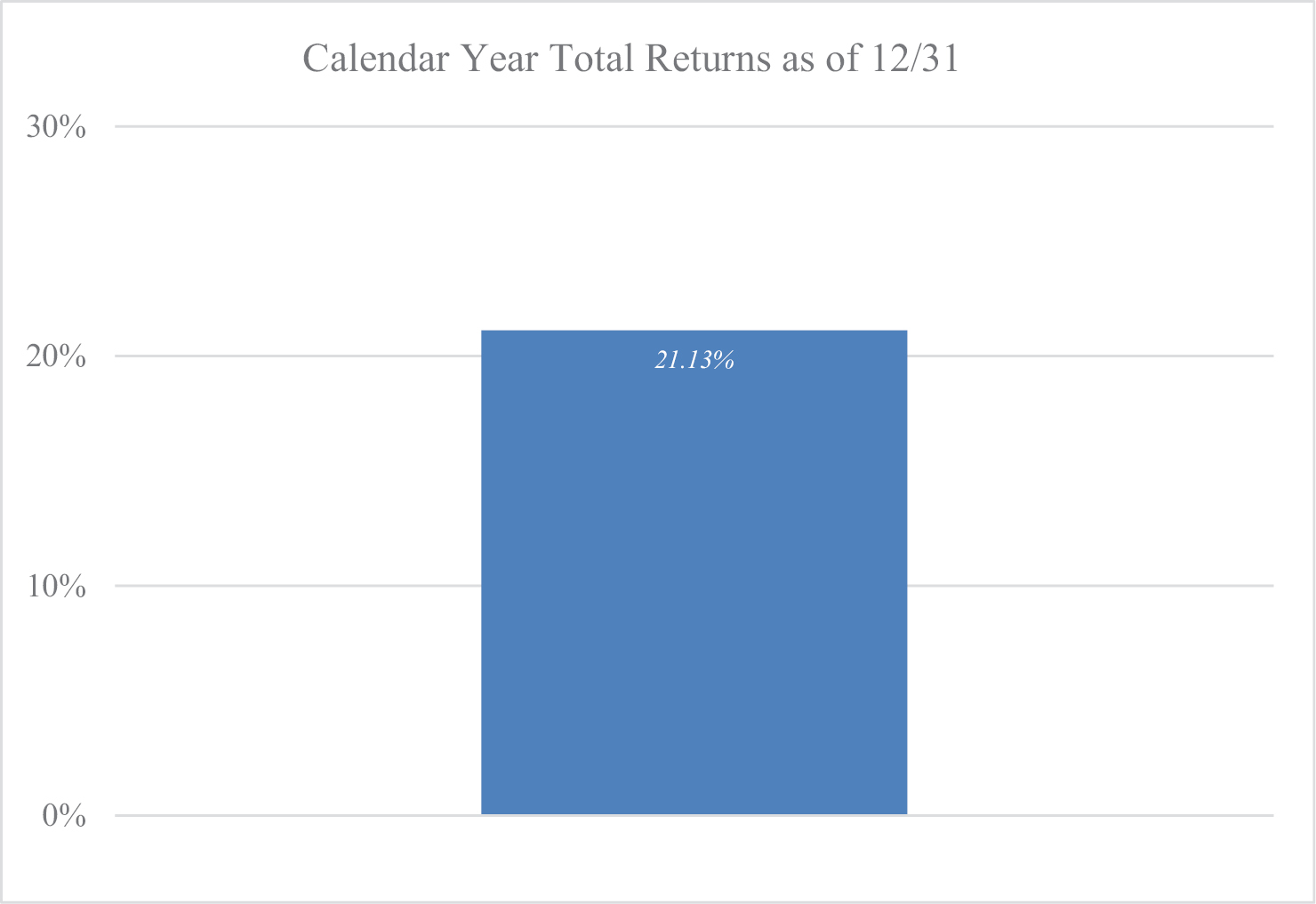
The Fund’s
| | ||
| Innovator Equity Managed Floor ETF | 1 Year | Since |
| | | |
| | | |
| | | |
| | | |
| | | |
15
Returns before taxes do not reflect the effects of any income or capital gains taxes.
Your own actual after-tax returns will depend on your specific tax situation and may differ from what is shown here.
Management
Investment Adviser
Innovator Capital Management, LLC
Investment Sub-Adviser
Parametric Portfolio Associates LLC
Portfolio Managers
The following persons serve as portfolio managers of the Fund.
• Thomas Seto – Head of Investment Management at Parametric
• James Reber – Managing Director, Portfolio Management at Parametric
• Alex Zweber – Managing Director, Investment Strategy at Parametric
• Michael Zaslavsky – Senior Investment Strategist at Parametric
• Larry Berman – Managing Director, Investment Management at Parametric
The portfolio managers are primarily and jointly responsible for the day-to-day management of the Fund and have served in such capacity since the Fund’s inception in November 2022.
Purchase and Sale of Fund Shares
The Fund will issue and redeem Shares at NAV only with authorized participants that have entered into agreements with the Fund’s distributor and only in Creation Units or multiples thereof (“Creation Unit Aggregations”), in exchange for the deposit or delivery of a basket of securities in which the Fund invests. The Fund may also issue and redeem Shares in exchange for cash. Except when aggregated in Creation Units, the Shares are not redeemable securities of the Fund.
16
Individual Shares may only be bought and sold in the secondary market (i.e., on a national securities exchange) through a broker or dealer at a market price. Because the Shares trade at market prices rather than NAV, Shares may trade at a price greater than NAV (at a premium), at NAV, or less than NAV (at a discount). An investor may incur costs attributable to the difference between the highest price a buyer is willing to pay to purchase Shares (bid) and the lowest price a seller is willing to accept for Shares (ask) when buying or selling shares in the secondary market (the “bid-ask spread”).
Recent information, including information on the Fund’s NAV, market price, premiums and discounts, and bid-ask spreads, is available online at www.innovatoretfs.com.
Tax Information
The Fund’s distributions will generally be taxable as ordinary income, returns of capital or capital gains. A sale of Shares may result in capital gain or loss.
Payments to Broker-Dealers and Other Financial Intermediaries
If you purchase Shares through a broker-dealer or other financial intermediary (such as a bank), Innovator and Foreside Fund Services, LLC, the Fund’s distributor (the “Distributor”), may pay the intermediary for the sale of Shares and related services. These payments may create a conflict of interest by influencing the broker-dealer or other intermediary and your salesperson to recommend the Fund over another investment. Ask your salesperson or visit your financial intermediary’s website for more information.
17
| Additional Information About the Fund’s Principal Investment Strategies |
The Fund is an actively managed ETF. The investment objective of the Fund is to seek long-term capital gains while mitigating overall market risk. The Fund’s investment objective and policies described herein are non-fundamental policies that may be changed by the Board without shareholder approval. The Fund may liquidate and terminate at any time without shareholder approval. Certain fundamental policies of the Fund are set forth in the Fund’s Statement of Additional Information (“SAI”). The Fund will invest at least 80% of its net assets (including borrowings for investment purposes) in equity securities and option contracts that give economic exposure to equity securities. For purposes of this policy, the Fund will value its option contracts at mark-to-market and its positions are marked-to-market daily. The Fund has adopted a policy to provide the Fund’s shareholders with at least 60 days prior notice of any change in this policy.
As described in “Principal Investment Strategies” and in “Principal Risks,” there are risks associated with an investment in the Fund and there is no guarantee that the Fund will be successful in providing risk-managed investment exposure to the U.S. Large Cap Index.
The Fund invests in equity securities that comprise the Equity Portfolio Index, which seeks to provide the returns of the 500 largest U.S. companies, as measured by market capitalization. The Equity Portfolio Index ranks U.S. companies by total market capitalization in descending order, with the security having the highest market capitalization assigned a rank of 1. Securities selected for inclusion in the Equity Portfolio Index are selected as follows:
• The securities with the top 425 market capitalizations are included.·
• The next 75 components are selected by first selecting companies that are constituents of the Equity Portfolio Index prior to the Equity Portfolio Index reconstitution and ranked outside of the top 425 in market capitalization rankings at the time of the reconstitution. The securities within the market capitalization rank of 426-600 within this pool will be chosen until the total number of components selected equals 500.
• If fewer than 500 components exist after the foregoing step, the highest-ranking securities that were not previously Equity Portfolio Index components are then added until 500 companies are included.
The Fund uses option contracts that reference the U.S. Large Cap Index or an ETF that seeks to replicate the performance of the U.S. Large Cap Index. The Fund purchases “put” option contacts as well as sells “call” option contracts. A put option contract allows the holder of the put option contract to sell a specific asset at a pre-determined price. A call option contract allows the holder of the call option contract to buy a specific asset at a pre-determined price. Option contracts can either be “American” style or “European” style. American style option contracts may be exercised by the holder of the option contract at any time prior to the option contract’s expiration date. European style option contracts may only be exercised by the holder of the option contract on the expiration date of such option contract. The Fund intends to use American style put option contracts and European style call option contracts.
18
The Fund may incorporate tax loss harvesting within the Equity Portfolio to maximize the realization of losses. Realized losses in the Equity Portfolio may be used to offset realized gains in the Options Portfolio and Equity Portfolio.
| Fund Investments |
Principal Investments
Equity Securities
The Fund invests in equity securities, which primarily includes common stocks. Equity securities represent an ownership position in a company. The prices of equity securities fluctuate based on, among other things, events specific to their issuers and market, economic, and other conditions.
Option Contracts
In general, an option contract is an agreement between a buyer and a seller that gives the purchaser of the option the right to purchase or sell the underlying asset (or deliver cash equal to the value of an underlying index) at a specified price (“strike price”) within a specified time period.
Options contracts on an index give one party the right to receive or deliver cash value of the particular index, and another party the obligation to receive or deliver the cash value of that index. Option contracts on an individual security such as an ETF give one party the right to buy or sell the particular security, and another party the obligation to sell or buy that same security. A put option contract allows the holder of the put option contract to sell a specific asset at a pre-determined price. A call option contract allows the holder of the call option contract to buy a specific asset at a pre-determined price. Many options are exchange-traded and are available to investors with set or defined contract terms (standardized options) and are settled through a clearing house and are guaranteed. The Fund intends to use standardized listed options.
The Fund will use the market value of its derivatives holdings for the purpose of determining compliance with the 1940 Act and the rules promulgated thereunder. The Fund’s option contracts are exchange-traded, and therefore will be valued on a mark-to-market basis. In the event market prices are not available, the Fund will use fair value pricing pursuant to the fair value procedures adopted by Innovator as the “Valuation Designee” pursuant to Rule 2a-5 and approved by, and subject to the oversight of, the Board. The Fund will enter into option contracts in accordance with Rule 18f-4 under the 1940 Act, which requires the Fund to implement certain policies and procedures designed to manage its derivatives risks, dependent upon the Fund’s level of exposure to derivative instruments.
Disclosure of Portfolio Holdings
A description of the Trust’s policies and procedures with respect to the disclosure of the Fund’s portfolio holdings is available in the Fund’s SAI, which is available at www.innovatoretfs.com.
19
| Additional Risks of Investing in the Fund |
Risk is inherent in all investing. Investing in the Fund involves risk, including the risk that you may lose all or part of your investment. There can be no assurance that the Fund will meet its stated objective. Before you invest, you should consider the following supplemental disclosure pertaining to the Principal Risks set forth above.
Hedging Strategy Risk. The Fund seeks to provide risk-managed investment exposure to the U.S. Large Cap Index through its hedging strategy. In doing so, there is no guarantee that the Fund will be successful in implementing its strategy to provide a hedged market exposure. The Fund does not provide principal protection or non-principal protection, and an investor may experience significant losses on its investment, including the loss of its entire investment. In a market environment where the U.S. Large Cap Index is generally appreciating, the Fund may underperform the U.S. Large Cap Index and/or similarly situated funds. In order to provide the sought-after protection against decreases in Equity Portfolio, the Fund sells call option contracts that reference the U.S. Large Cap Index, which will negatively impact the Fund’s performance in a market environment where the U.S. Large Cap Index appreciates. Any Fund underperformance may also be a result of management risk. Additionally, the Fund’s portfolio managers also implement an optimized equity strategy in order to substantially replicate the returns of the Equity Portfolio Index. To the extent that the returns of the Equity Portfolio do not align with the price returns of the U.S. Large Cap Index, the Fund may not be successful in implementing the sought-after floors implemented by the Options Portfolio. The Fund uses option contracts that utilize different reference assets in order to manage the Fund in a tax-efficient manner. While the reference assets provide substantially similar returns, in doing so, the Fund is subjected to risks that the reference assets may produce different investment results. If this were to occur, the Fund’s investment strategy may not effectively be implemented.
Floor Risk. There can be no guarantee that the Fund will be successful in implementing its strategy to provide sought-after protection against significant losses in the Equity Portfolio by implementing the sought-after floor. A shareholder may lose its entire investment. There could be material differences between the returns of the Equity Portfolio and the Fund’s exposure to the U.S. Large Cap Index through the Options Portfolio. To the extent such disconnect occurs, the Options Portfolio may be unsuccessful in providing the sought-after floors, which are not guaranteed. Accordingly, investors could suffer losses the Options Portfolio is designed to prevent. The sought-after floors are provided by virtue of the Fund’s put option contracts, which are laddered with different expiration dates. Because the Fund ladders its option contracts and the Fund’s put option contracts will have different terms (including expiration dates), different tranches of put option contracts may produce different returns, the effect of which may be to reduce the Fund’s sought-after protection. Further, because of the structure of these option contracts, the sought-after floor provided by any single put option contract will not be fully in-effect until the expiration date of the put option contract. Therefore, at any given moment the Fund may not receive the benefit of the sought-after protection on losses that could be available from an Options Portfolio with a single expiration date. In connection with each of the put option contracts, investors will be subject to all losses experienced by the Equity Portfolio up to 10% on a one-to-one basis. Additionally, while the Fund’s put option contracts each seek to provide a sought-after 10% maximum loss, given market conditions at the time of entering into the option contracts, the sought-after 10% floor may not always be achievable. When the put option contracts of one tranche “rolls” after its expiration,
20
there is no guarantee that market conditions will be such that the Fund will be able to replace such expiring put option contracts with new put option contracts that produce the sought-after 10% floor.
Option Contracts Risk. The use of option contracts involves investment strategies and risks different from those associated with ordinary portfolio securities transactions and depends on the ability of the Sub-Adviser’s rules-based strategy to effectively mitigate downside risk of the Fund. The prices of option contracts are volatile and are influenced by, among other things, actual and anticipated changes in the value of the underlying instrument, or in interest rates, including the implied volatility, which in turn are affected by fiscal and monetary policies and by national and international political and economic events. The effective use of option contracts also depends on the Fund’s ability to terminate its option contracts at times deemed desirable to do so. There is no assurance that the Fund will be able to effect closing transactions at any particular time or at an advantageous price. In addition, the value of the options contracts utilized by the Fund may not increase or decrease at the same rate as the reference asset on a day-to-day basis (although they generally move in the same direction). However, as an option contract approaches its expiration date, its value typically increasingly moves with the value of the reference asset. The Fund has taken the necessary steps to comply with the requirements of Rule 18f-4 in its usage of FLEX Options. The Fund has adopted and implements a derivatives risk management program that contains policies and procedures reasonably designed to manage the Fund’s derivatives risks, has appointed a derivatives risk manager who is responsible for administrating the derivatives risk management program, complies with outer limitations on risks relating to its derivatives transactions and carries out enhanced reporting to the Board, the SEC and the public regarding its derivatives activities. To the extent the Fund is noncompliant with Rule 18f-4, the Fund may be required to adjust its investment portfolio which may, in turn, negatively impact the Fund’s ability to deliver the sought-after floor.
Clearing Member Default Risk. Cleared derivatives, such as the Fund’s usage of exchange-listed option contracts, are required to be centrally cleared. In a transaction involving cleared derivatives, the Fund’s counterparty is a clearing house, such as the OCC, rather than a bank or broker. Since the Fund is not a member of clearing houses and only clearing members can participate directly in the clearing house, the Fund will hold cleared derivatives through accounts at clearing members. In cleared derivatives positions, the Fund will make payments (including margin payments) to and receive payments from a clearing house through its accounts at clearing members. Customer funds held at a clearing organization in connection with any options contracts are held in a commingled omnibus account and are not identified to the name of the clearing member’s individual customers. As a result, assets deposited by the Fund with any clearing member as margin for the Fund’s options contracts may, in certain circumstances, be used to satisfy losses of other clients of the Fund’s clearing member. In addition, although clearing members guarantee performance of their clients’ obligations to the clearing house, there is a risk that the assets of the Fund might not be fully protected in the event of the clearing member’s bankruptcy, as the Fund would be limited to recovering only a pro rata share of all available funds segregated on behalf of the clearing member’s customers for the relevant account class. The Fund is also subject to the risk that a limited number of clearing members are willing to transact on the Fund’s behalf, which heightens the risks associated with a clearing member’s default. If a clearing member defaults the Fund could
21
lose some or all of the benefits of a transaction entered into by the Fund with the clearing member. If the Fund cannot find a clearing member to transact with on the Fund’s behalf, the Fund may be unable to effectively implement its investment strategy.
Information Technology Companies Risk. The Fund, directly through the Equity Portfolio and indirectly through the Options Portfolio, has significant exposure to companies in the information technology sector. Information technology companies produce and provide hardware, software and information technology systems and services. Information technology companies are generally subject to the following risks: rapidly changing technologies and existing produce obsolescence; short product life cycles; fierce competition; aggressive pricing and reduced profit margins; the loss of patent, copyright and trademark protections; cyclical market patterns; evolving industry standards; and frequent new product introductions and new market entrants. Information technology companies may be smaller and less experienced companies, with limited product lines, markets or financial resources and fewer experienced management or marketing personnel. Information technology company stocks, particularly those involved with the internet, have experienced extreme price and volume fluctuations that are often unrelated to their operating performance. In addition, information technology companies are particularly vulnerable to federal, state and local government regulation, and competition and consolidation, both domestically and internationally, including competition from foreign competitors with lower production costs. Information technology companies are facing increased government and regulatory scrutiny and may be subject to adverse government or regulatory action. Information technology companies also face competition for services of qualified personnel and heavily rely on patents and intellectual property rights and the ability to enforce such rights to maintain a competitive advantage.
Large Capitalization Companies Risk. The Fund, directly through the Equity Portfolio and indirectly through the Options Portfolio, has significant exposure to large capitalization companies. Large capitalization companies may grow at a slower rate and be less able to adapt to changing market conditions than smaller capitalization companies. Thus, the return on investment in securities of large capitalization companies may be less than the return on investment in securities of small and/or mid capitalization companies. The performance of large capitalization companies also tends to trail the overall market during different market cycles.
Equity Securities Risk. The Fund has exposure to the equity securities markets because it holds equity securities directly in the Equity Portfolio and has exposure to equity securities indirectly through the Options Portfolio. Investments in equity securities are subject to market risks that may cause their prices to fluctuate over time. The value of your investment in the Fund is based on the market prices of the securities to which the Fund has exposure. These prices change daily due to economic and other events that affect particular companies and other issuers or the market as a whole. Historically, the equity markets have moved in cycles so that the value of the Fund’s equity securities may fluctuate from day-to-day. Individual companies may report poor results or be negatively affected by industry and/or economic trends and developments and the prices of their securities may suffer a decline in response.
Correlation Risk. The put option contracts held by the Fund, which provide the sought-after floors, will be exercisable at the strike price only on their expiration date. Prior to the expiration date, the value of the option contracts will be determined based upon market quotations or using other recognized pricing methods. The value of the option contracts prior to the expiration date
22
may vary because of related factors other than the value of the underlying reference assets of the option contracts. Factors that may influence the value of the option contracts include interest rate changes and implied volatility levels of underlying reference assets of the options, among others.
Investment Objective Risk. Certain circumstances under which the Fund might not achieve its objective include, but are not limited, to (i) if the Fund disposes of option contracts, (ii) if the Fund is unable to maintain the proportional relationship based on the number of option contracts in the Fund’s portfolio, (iii) significant accrual of Fund expenses in connection with effecting the Fund’s principal investment strategy or (iv) adverse tax law changes affecting the treatment of option contracts.
Upside Participation Risk. There can be no guarantee that the Fund will be produce upside returns that correlate to increases of the Equity Portfolio Index over time. Because the Fund uses an optimized investment strategy in the implementation of the Equity Portfolio, the Fund will weight securities differently than the Equity Portfolio Index, which may cause the Fund to underperform or overperform the Equity Portfolio Index based on those different weightings. Additionally, the Fund’s sold call option contracts effectively sell potential upside of the U.S. Large Cap Index in return for a premium received, which could have a negative impact on the Fund’s performance. In a market environment where the U.S. Large Cap Index appreciates beyond the strike price of the sold call option contracts, the Fund could underperform. The Fund uses near term expiration dates for the sold call option contracts to minimize the likelihood of this occurrence, however the success of this strategy is not guaranteed.
Market Underperformance Risk. The Fund’s investment strategy may cause the Fund to underperform the Equity Portfolio Index and/or similarly situated funds. The underperformance may be a result of management risk or the implementation of the Fund’s investment strategy, including, but not limited to, differing weights of the equity securities in the Equity Portfolio versus that of the Equity Portfolio Index and the impact of the Fund’s sold call options in rapidly appreciating market environments.
Management Risk. The Fund is subject to management risk because it is an actively managed portfolio. The Sub-Adviser will apply investment techniques and risk analyses in making investment decisions for the Fund, but there can be no guarantee that the Fund will meet its investment objective. The Sub-Adviser’s evaluations and assumptions regarding investments, interest rates, inflation, and other factors may not successfully achieve the Fund’s investment objective given actual market conditions.
Market Risk. The securities in the Fund are subject to market fluctuations, and the Fund could lose money due to short-term market movements and over longer periods during market downturns. Assets may decline in value due to factors affecting financial markets generally or particular asset classes or industries represented in the markets. The value of other assets may also decline due to general market conditions, economic trends or events that are not specifically related to the issuer of the security or other asset, or due to factors that affect a particular issuer or issuers, country, group of countries, region, market, industry, group of industries, sector or asset class. During a general market downturn, multiple asset classes may be negatively affected. Changes in market conditions and interest rates will not have the same impact on all types of securities. Values of securities may change due to factors such as inflation, changes in interest rates, changes
23
in regulatory requirements, bank failures, political climate deterioration or developments, armed conflicts, natural disasters or future health crises, may negatively impact market conditions, and cause a decrease in the value of securities. Other unexpected political, regulatory and diplomatic events within the U.S. and abroad may affect investor and consumer confidence and may adversely impact financial markets and the broader economy. These events, and any other future events, may adversely affect the prices and liquidity of the Fund’s investments and could result in disruptions in the trading markets. Securities, including the Shares, are subject to market fluctuations and liquidity constraints that may be caused by such factors or other economic, political, or regulatory developments, changes in interest rates, and/or perceived trends in securities prices. Shares of the Fund could decline in value or underperform other investments. In addition, local, regional or global events such as war, acts of terrorism, spread of infectious diseases or other public health issues, recessions, or other events could have a significant negative impact on a Fund and its investments. Such events may affect certain geographic regions, countries, sectors and industries more significantly than others. Such events could result in disruptions to trading markets and could also adversely affect the prices and liquidity of a Fund’s holdings. Any of such circumstances could result in increased market volatility and/or have a materially negative impact on the value of Shares or the liquidity of an investment. During any such events, Shares may trade at greater premiums or discounts to their NAV and the bid/ask spread on Shares may widen. The future potential economic impact of any such future events is impossible to predict and could result in adverse market conditions that impact the performance of the Fund.
Counterparty Risk. The Fund invests in exchange-listed option contracts, which subjects it to counterparty risk. Counterparty risk is the risk an issuer, guarantor or counterparty of a security in the Fund is unable or unwilling to meet its obligation on the security. In the event that the counterparty becomes insolvent or is otherwise unable to meet its settlement obligations, the Fund could suffer significant losses.
Non-Diversification Risk. The Fund is classified as “non-diversified” under the 1940 Act. As a result, the Fund is only limited as to the percentage of its assets which may be invested in the securities of any one issuer by the diversification requirements imposed by the Code. The Fund may invest a relatively high percentage of its assets in a limited number of issuers. As a result, the Fund may be more susceptible to a single adverse economic or regulatory occurrence affecting one or more of these issuers, experience increased volatility and be highly invested in certain issuers.
Portfolio Turnover Risk. High portfolio turnover may result in increased transaction costs to the Fund, including brokerage commissions, dealer markups and other transaction costs on the sale of the securities and on reinvestment in other securities.
Security Issuer Risk. Issuer specific attributes may cause a security held by the Fund to be more volatile than the market generally. The value of an individual security or particular type of security may be more volatile than the market as a whole and may perform differently from the value of the market as a whole.
Liquidity Risk. The Fund’s investments are subject to liquidity risk, which exists when an investment is or becomes difficult or impossible to purchase or sell at an advantageous time and price. Liquidity risk may be the result of, among other things, market turmoil, the reduced number and capacity of traditional market participants, or the lack of an active trading market. Markets
24
for securities or financial instruments could be disrupted by a number of events, including, but not limited to, an economic crisis, natural disasters, new legislation or regulatory changes inside or outside the U.S. Liquid investments may become less liquid after being purchased by the Fund, particularly during periods of market stress. In addition, if a transaction is particularly large or if the relevant market is or becomes illiquid, it may not be possible to initiate a transaction or liquidate a position, which may cause the Fund to suffer significant losses and difficulties in meeting redemptions. If a number of securities held by the Fund stop trading, it may have a cascading effect and cause the Fund to halt trading. Volatility in market prices will increase the risk of the Fund being subject to a trading halt. In the event that trading in the underlying options contracts is limited or absent, the value of the Fund’s options contracts may decrease. There is no guarantee that a liquid secondary trading market will exist for the options contracts. The trading in options contracts may be less deep and liquid than the market for certain other securities. In a less liquid market for the options contracts, terminating the options contracts may require the payment of a premium or acceptance of a discounted price and may take longer to complete. In a less liquid market for the options contracts, the liquidation of a large number of options may more significantly impact the price. A less liquid trading market may adversely impact the value of the options contracts and the value of your investment.
Valuation Risk. During periods of reduced market liquidity or in the absence of readily available market quotations for the holdings of the Fund, the ability of the Fund to value its options contracts becomes more difficult and the judgment of the Fund’s investment adviser (employing the fair value procedures adopted by the Board of Trustees of the Trust may play a greater role in the valuation of the Fund’s holdings due to reduced availability of reliable objective pricing data. Consequently, while such determinations may be made in good faith, it may nevertheless be more difficult for the Fund to accurately assign a daily value. Independent market quotations for certain investments held by the Fund may not be readily available, and such investments may be fair valued or valued by a pricing service at an evaluated price. These valuations involve subjectivity and different market participants may assign different prices to the same investment. As a result, there is a risk that the Fund may not be able to sell an investment at the price assigned to the investment by the Fund.
Operational Risk. The Fund is exposed to operational risks arising from a number of factors, including, but not limited to, human error in the implementation of the Fund’s investment strategy, processing and communication errors, errors of the Fund’s service providers, counterparties or other third-parties, failed or inadequate processes and technology or systems failures. The Fund and the Adviser and Sub-Adviser seek to reduce these operational risks through controls and procedures. However, these measures do not address every possible risk and may be inadequate to address these risks.
Market Maker Risk. If the Fund has lower average daily trading volumes, it may rely on a small number of third-party market makers to provide a market for the purchase and sale of Shares. Any trading halt or other problem relating to the trading activity of these market makers could result in a dramatic change in the spread between the Fund’s net asset value (“NAV”) and the price at which the Shares are trading on the Exchange, which could result in a decrease in value of the Shares. In addition, decisions by market makers or authorized participants to reduce their role or step away from these activities in times of market stress could inhibit the effectiveness of the arbitrage process in maintaining the relationship between the underlying
25
values of the Fund’s portfolio securities and the Fund’s market price. This reduced effectiveness could result in Shares trading at a discount to NAV and also in greater than normal intra-day bid-ask spreads for Shares.
Trading Issues Risk. Although Shares are listed for trading on the Exchange, there can be no assurance that an active trading market for Shares will develop or be maintained. Shares trade on the Exchange at market prices that may be below, at or above the Fund’s NAV. Securities, including the Shares, are subject to market fluctuations and liquidity constraints that may be caused by such factors as economic, political, or regulatory developments, changes in interest rates, and/or perceived trends in securities prices. Shares of the Fund could decline in value or underperform other investments. Trading in Shares on the Exchange may be halted due to market conditions or for reasons that, in the view of the Exchange, make trading in Shares inadvisable. In addition, trading in Shares on the Exchange is subject to trading halts caused by extraordinary market volatility pursuant to the Exchange “circuit breaker” rules. Market makers are under no obligation to make a market in the Shares, and APs are not obligated to submit purchase or redemption orders for Creation Units. There can be no assurance that the requirements of the Exchange necessary to maintain the listing of the Fund will continue to be met or will remain unchanged. Initially, due to the small asset size of the Fund, it may have difficulty maintaining its listings on the Exchange.
Authorized Participant Concentration Risk. Only an authorized participant may engage in creation or redemption transactions directly with the Fund. The Fund has a limited number of institutions that may act as authorized participants on an agency basis (i.e., on behalf of other market participants). Authorized participants are not obligated to make a market in Shares or submit orders for the issuance or redemption of Creation Units. To the extent that authorized participants exit the business or are unable to proceed with orders for the issuance or redemption of Creation Units and no other authorized participant is able to step forward to fulfill the order, Shares may be more likely to trade at a premium or discount to NAV and possibly face trading halts and/or delisting, and the bid/ask spread on Shares may widen.
Premium/Discount Risk. Shares trade on the Exchange at market prices rather than their NAV. The Fund’s NAV represents the value of the Fund’s investments and is calculated by taking the sum of the Fund’s assets less the Fund’s liabilities, if any. The NAV per Share is the value of a Share’s portion of all of the Fund’s net assets. The market price of Shares generally corresponds to movements in the Fund’s NAV as well as the relative supply and demand for Shares on the Exchange. The market price may be at, above (a premium) or below (a discount) the Fund’s NAV. Differences in market prices of Shares and the NAV per Share may be due, in large part, to the fact that supply and demand forces at work in the secondary trading market for Shares will be closely related to, but not identical to, the same forces influencing the prices of the Fund’s holdings trading individually or in the aggregate at any point in time. These differences can be especially pronounced during times of market volatility or stress. During these periods, the demand for Shares may decrease considerably and cause the market price of Shares to deviate, and in some cases deviate significantly, from the Fund’s NAV. Additionally, decisions by market makers and/or authorized participants or reduced effectiveness of the arbitrage process in maintaining the relationship of the Fund’s NAV to the market price of its Shares could result in the Shares trading at a premium, or discount to NAV and the bid/ask spread on Shares may widen.
26
Cash Transactions Risk. The Fund may effectuate all or a portion of its creations and redemptions for cash, rather than in-kind securities. As a result, an investment in the Fund may be less tax-efficient than an investment in an ETF that effects its creations and redemptions only in-kind. ETFs are able to make in-kind redemptions to avoid being taxed on gains on the distributed portfolio securities at the fund level. A Fund that effects redemptions for cash may be required to sell portfolio securities in order to obtain the cash needed to distribute redemption proceeds. Any recognized gain on these sales by the Fund will generally cause the Fund to recognize a gain it might not otherwise have recognized, or to recognize such gain sooner than would otherwise be required if it were to distribute portfolio securities only in-kind. The Fund intends to distribute these gains to shareholders to avoid being taxed on this gain at the fund level and otherwise comply with special tax rules that apply to it. This strategy may cause shareholders to be subject to tax on gains they would not otherwise be subject to, or at an earlier date than if they had made an investment in another ETF. Moreover, cash transactions may have to be carried out over several days if the securities market is relatively illiquid and may involve considerable brokerage fees and taxes. These brokerage fees and taxes, which will be higher than if the Fund sold and redeemed its shares principally in-kind, will be passed on to those purchasing and redeeming Creation Units in the form of creation and redemption transaction fees. In addition, these factors may result in wider spreads between the bid and the offered prices of Fund Shares than for ETFs that distribute portfolio securities in-kind. The Fund’s use of cash for creations and redemptions could also result in dilution to the Fund and increases transaction costs, which could negatively impact the Fund’s ability to achieve its investment objective.
Cyber Security Risk. As the use of Internet technology has become more prevalent in the course of business, the investment industry has become more susceptible to potential operational risks through breaches in cyber security. A breach in cyber security refers to both intentional and unintentional events that may cause the Fund to lose proprietary information, suffer data corruption or lose operational capacity. Such events could cause the Fund to incur regulatory penalties, reputational damage, additional compliance costs associated with corrective measures and/or financial loss. Cyber security breaches may involve unauthorized access to the Fund’s digital information systems through “hacking” or malicious software coding, but may also result from outside attacks such as denial-of-service attacks through efforts to make network services unavailable to intended users. In addition, cyber security breaches of the Fund’s third-party service providers, such as its administrator, transfer agent, custodian, or issuers in which the Fund invests, can also subject the Fund to many of the same risks associated with direct cyber security breaches. The Fund has established risk management systems designed to reduce the risks associated with cyber security. However, there is no guarantee that such efforts will succeed, especially because the Fund does not directly control the cyber security systems of issuers or third-party service providers.
Tax Risk. The Fund intends to elect and to qualify each year to be treated as a regulated investment company (“RIC”) under Subchapter M of the Code, and accordingly the Fund must satisfy certain income, asset diversification and distribution requirements each year. Among other requirements, the Fund must derive at least 90% of its gross income each taxable year from certain qualifying sources of income and the Fund’s assets must be diversified so that at least 50% of the value of the Fund’s total assets is represented by cash and cash items, U.S. government securities, securities of other RICs, and other securities, subject to certain other limitations. The Fund will also need to manage its exposure to derivatives counterparties for purposes of satisfying the diversification test. If the Fund were to fail to meet the qualifying income test or asset diversification test and
27
fail to qualify as a RIC, it would be taxed in the same manner as an ordinary corporation, and distributions to its shareholders would not be deductible by the Fund in computing its taxable income, which would adversely affect the Fund’s performance. Additionally, the federal income tax treatment of certain aspects of the proposed operations of the Fund are not entirely clear. This includes the tax aspects of the Fund’s options strategy, its hedging strategy, the possible application of the “straddle” rules, and various loss limitation provisions of the Code. If, in any year, the Fund fails to qualify as a RIC under the applicable tax laws, the Fund would be taxed as an ordinary corporation. Certain option contracts held by the Fund are likely to be “Section 1256 contracts” under Section 1256 of the Code, allowing the Fund to recognize a combination of long and short term gain from such contracts but requiring the Fund to recognize gain or loss as if the Section 1256 contracts were sold. Certain option contracts on an ETF may not qualify as Section 1256 contracts, and disposition of such options will likely result in short-term capital gains or losses. The Fund intends to treat any income it may derive from the options contracts as “qualifying income” under the provisions of the Code applicable to RICs. In addition, based upon language in the legislative history, the Fund intends to treat the issuer of the options contracts as the referenced asset, which, assuming the referenced asset qualifies as a RIC, would allow the Fund to qualify for special rules in the RIC diversification requirements. If the income is not qualifying income or the issuer of the options contract is not appropriately the referenced asset, the Fund could lose its own status as a RIC. In the event that a shareholder purchases Shares of the Fund shortly before a distribution by the Fund, the entire distribution may be taxable to the shareholder even though a portion of the distribution effectively represents a return of the purchase price.
The Fund intends to limit the overlap between its stock holdings and the underlying constituents of the U.S. Large Cap Index to less than 70% on an ongoing basis in an effort to avoid being subject to the “straddle rules” under federal income tax law. In general, investment positions will be offsetting if there is a substantial diminution in the risk of loss from holding one position by reason of holding one or more other positions. The Fund expects that the index call option contracts it writes will not be considered straddles because its stock holdings will be sufficiently dissimilar from the components of the U.S. Large Cap Index under applicable guidance established by the IRS. Under certain circumstances, however, the Fund may enter into options transactions or certain other investments that may constitute positions in a straddle.
| Management of the Fund |
The Fund is a series of Innovator ETFs Trust, an investment company registered under the 1940 Act. The Fund is treated as a separate fund with its own investment objectives and policies. The Trust is organized as a Delaware statutory trust. The Board is responsible for the overall management and direction of the Trust. The Board elects the Trust’s officers and approves all significant agreements, including those with the Adviser, Sub-Adviser, custodian and fund administrative and accounting agent.
Investment Adviser
Innovator Capital Management, LLC, 109 North Hale Street, Wheaton, Illinois 60187, serves as the Fund’s investment adviser. In its capacity as Adviser, Innovator has overall responsibility for selecting and monitoring the Fund’s investments and managing the Fund’s business affairs.
28
Investment Sub-Adviser
Parametric Portfolio Associates LLC, 800 Fifth Avenue, Suite 2800, Seattle, Washington 98104, serves as the Fund’s investment sub-adviser. Parametric has responsibility for managing the Fund’s investment program in pursuit of its investment objective.
Portfolio Managers
Thomas Seto, James Reber, Alex Zweber, Michael Zaslavsky and Larry Berman serve as the Fund’s portfolio managers.
• Thomas Seto – Head of Investment Management at Parametric. Mr. Seto is responsible for all portfolio management and trading related to Parametric’s equity strategies. Prior to joining Parametric in 1998, Mr. Seto served as the head of U.S. Equity Index investments at Barclays Global Investors. He earned an MBA in finance from the University of Chicago Booth School of Business and a BS in electrical engineering from the University of Washington.
• James Reber – Managing Director, Portfolio Management at Parametric. Mr. Reber is responsible for portfolio management of Parametric’s Private Client Direct Group, primarily serving Parametric’s wealth management and family office client base. Parametric’s Private Client Direct Group manages U.S., non-U.S. and global Custom Core® portfolios. Prior to joining Parametric in 2004, Mr. Reber was a senior associate with Standard and Poor’s Corporate Value Consulting Group, providing financial valuation services to IT and technology industries. Mr. Reber earned a MBA from the University of Washington and a BS in chemical engineering from Michigan State University.·
• Alex Zweber – Managing Director, Investment Strategy at Parametric. Mr. Zweber leads the investment team that is responsible for Parametric’s liquid alternative strategies. Mr. Zweber has over 15 years of experience working in portfolio construction, trading and portfolio management across both futures contracts and option contracts. In his various positions, he has worked closely with institutional and high-net-worth clients and their consultants to address their investment and risk management needs. Previously, Mr. Zweber was responsible for supporting the development and distribution of Parametric’s strategies in Europe, and before that Mr. Zweber served as a Senior Portfolio Manager on Parametric’s volatility risk premium solutions. Mr. Zweber began his career in the investment management industry in 2006 with the Clifton Group (acquired by Parametric in 2012). Mr. Zweber earned a BA in economics from Macalester College and is a CFA and CAIA Charterholder.·
• Michael Zaslavsky – Senior Investment Strategist at Parametric. Mr. Zaslavsky is responsible for Parametric’s liquid alternatives strategies, focusing on delivering expertise and though leadership to help clients in all aspects of the investment management process. As a member of the portfolio management team, Mr. Zaslavsky is responsible for driving strategy evolution and research. Mr. Zaslavsky formerly held a portfolio manager role in which he supported a wide spectrum of Parametric’s institutional capabilities, including the Volatility Risk Premium Strategy, liability-driven investing, and tailored exposure. Prior
29
to joining Parametric in 2015, Mr. Zaslavsky spent seven years as a proprietary trader for Citigroup, where he specialized in volatility modeling and arbitrage across equity indexes, single stocks, and commodities. Mr. Zaslavsky received his BS in finance from Bowling Green State University. Mr. Zaslavsky is a CFA and CAIA Charterholder.
• Larry Berman – Managing Director, Investment Management at Parametric. Mr. Berman oversees the portfolio management and trading of the Parametric Liquid Alternatives Investment Strategies, including commodities, volatility risk premium and related options strategies. Mr. Berman is a member of the Parametric Enterprise Investment Management Committee and a voting member of the Liquid Alternatives Investment Committee. Prior to joining Parametric in 2006 (originally as an employee of Managed Risk Advisors, which was acquired by Parametric in 2007), Mr. Berman was a principal at Wolverine Trading, one of the largest options market-makers in the world. At Wolverine, he was the head trader in charge of all trading in the New York office on the American Stock Exchange and the COMEX, and he was responsible for over 90 equity/index options as well as market-making in ETFs and structured products. Mr. Berman earned a BS in business administration from Boston University.
For additional information concerning Innovator and Parametric, including a description of the services provided to the Fund, please see the Fund’s SAI. Additional information regarding the portfolio managers’ compensation, other accounts managed by the portfolio managers and the portfolio managers’ ownership of Shares may also be found in the SAI.
Management Fee
Pursuant to an investment advisory agreement between Innovator and the Trust, on behalf of the Fund (the “Investment Management Agreement”), the Fund has agreed to pay an annual unitary management fee to Innovator in an amount equal to 0.89% of its average daily net assets. This unitary management fee is designed to pay the Fund’s expenses and to compensate Innovator for the services it provides to the Fund. Out of the unitary management fee, Innovator pays substantially all expenses of the Fund, including the cost of transfer agency, custody, fund administration, legal, audit and other service and license fees. However, Innovator is not responsible for distribution and service fees payable pursuant to a Rule 12b-1 plan, if any, brokerage commissions and other expenses connected with the execution of portfolio transactions, taxes, interest, and extraordinary expenses.
Pursuant to an investment sub-advisory agreement between Innovator, Parametric and the Trust, on behalf of the Fund (the “Investment Sub-Advisory Agreement”), Innovator has agreed to pay an annual sub-advisory fee to Parametric in an amount based on the Fund’s average daily net assets. Innovator is responsible for paying the entirety of Parametric’s sub-advisory fee. The Fund does not directly pay Parametric.
A discussion regarding the basis for the Board’s approval of the Investment Management Agreement and Investment Sub-Advisory Agreement on behalf of the Fund is available in the Fund’s Semi-Annual Report to shareholders for the fiscal period ended April 30, 2023.
30
Manager of Managers Structure. The Fund and Innovator have received an exemptive order from the SEC to operate under a manager of managers structure that permits Innovator, with the approval of the Board, to appoint and replace sub-advisers, enter into sub-advisory agreements, and materially amend and terminate sub-advisory agreements on behalf of the Fund without shareholder approval (“Manager of Managers Structure”). Under the Manager of Managers Structure, Innovator has ultimate responsibility, subject to oversight by the Board, for overseeing the Fund’s sub-advisers and recommending to the Board their hiring, termination, or replacement. The SEC order does not apply to any sub-adviser that is affiliated with the Fund or Innovator.
The Manager of Managers Structure enables the Fund to operate with greater efficiency and without incurring the expense and delays associated with obtaining shareholder approvals for matters relating to any sub-adviser or the sub-advisory agreement. The Manager of Managers Structure does not permit an increase in the advisory fees payable by the Fund without shareholder approval. Shareholders will be notified of any changes made to any sub-adviser or a sub-advisory agreement within 90 days of the change.
| How to Buy and Sell Shares |
The Fund will issue or redeem its Shares at NAV per Share only in Creation Units. Most Fund shareholders will buy and sell Shares in secondary market transactions through brokers. Shares will be listed for trading on the secondary market on the Exchange. Shares can be bought and sold throughout the trading day like other publicly traded shares. Share prices are reported in dollars and cents per Share. There is no minimum investment. When buying or selling Shares through a broker, you will incur customary brokerage commissions and charges, and you may pay some or all of the spread between the bid and the offered price in the secondary market on each leg of a round trip (purchase and sale) transaction. Because Shares trade at market price rather than NAV, a Fund Shareholder may pay more than NAV when purchasing Shares and receive less than NAV when selling Shares.
Authorized participants may acquire Shares directly from the Fund, and authorized participants may tender their Shares for redemption directly to the Fund, at NAV per Share only in Creation Units, and in accordance with the procedures described in the SAI.
Book Entry
Shares are held in book-entry form, which means that no stock certificates are issued. The Depository Trust Company (“DTC”) or its nominee is the record owner of all outstanding Shares and is recognized as the owner of all Shares for all purposes.
Investors owning Shares are beneficial owners as shown on the records of DTC or its participants. DTC serves as the securities depository for all Shares. Participants in DTC include securities brokers and dealers, banks, trust companies, clearing corporations and other institutions that directly or indirectly maintain a custodial relationship with DTC. As a beneficial owner of Shares, you are not entitled to receive physical delivery of stock certificates or to have Shares registered in your name, and you are not considered a registered owner of Shares. Therefore, to exercise any
31
right as an owner of Shares, you must rely upon the procedures of DTC and its participants. These procedures are the same as those that apply to any other stocks that you hold in book entry or “street name” form.
Share Trading Prices
The trading prices of Shares on the Exchange is based on market price and may differ from the Fund’s daily NAV. Market forces of supply and demand, economic conditions and other factors may affect the trading prices of Shares.
Frequent Purchases and Redemptions of Shares
The Fund does not impose restrictions on the frequency of purchases and redemptions (“market timing”), and has adopted no policies and procedures with respect to market timing activities. In making this determination, the Board considered the risks associated with market timing activities by the Fund’s shareholders, including, dilution, disruption of portfolio management, increases in the Fund’s trading costs and the potential for the realization of capital gains.
Shares may be purchased and redeemed directly from the Fund only when aggregated into one or more Creation Units by authorized participants that have entered into agreements with the Fund’s distributor. The vast majority of trading in Shares occurs on the secondary market and does not involve the Fund directly. Cash trades on the secondary market are unlikely to cause many of the harmful effects of frequent purchases and/or redemptions of Shares detailed above. To the extent the Fund may effect the issuance or redemption of Creation Units in exchange wholly or partially for cash, such trades could result in disruption of portfolio management, dilution to the Fund and increased transaction costs, which could negatively impact the Fund’s ability to achieve its investment objectives, and may lead to the realization of capital gains. These consequences may increase as the frequency of cash purchases and redemptions of Creation Units by authorized participants increases. However, direct trading by authorized participants is critical to ensuring that Shares trade at or close to NAV.
To minimize these potential consequences of frequent purchases and redemptions of Shares, the Fund imposes transaction fees on purchases and redemptions of Creation Units to cover the custodial and other costs the Fund incurs in effecting trades. In addition, the Fund reserves the right to not accept orders from authorized participants that Innovator has determined may be disruptive to the management of the Fund or otherwise are not in the best interests of the Fund. For these reasons, the Board has not adopted policies and procedures with respect to frequent purchases and redemptions of Shares.
| Dividends, Distributions and Taxes |
Ordinarily, dividends from net investment income, if any, are declared and paid at least annually by the Fund, however the Fund expects to make such dividend payments on a quarterly basis. The Fund distributes its net realized capital gains, if any, to shareholders annually.
Distributions in cash may be reinvested automatically in additional whole Shares only if the broker through whom you purchased Shares makes such option available.
32
Taxes
This section summarizes some of the main U.S. federal income tax consequences of owning Shares of the Fund. This section is current as of the date of this prospectus. Tax laws and interpretations change frequently, and these summaries do not describe all of the tax consequences to all taxpayers. For example, these summaries generally do not describe your situation if you are a corporation, a non-U.S. person, a broker-dealer, or other investor with special circumstances. In addition, this section does not describe your state, local or non-U.S. tax consequences.
This federal income tax summary is based in part on the advice of counsel to the Fund. The Internal Revenue Service could disagree with any conclusions set forth in this section. In addition, counsel to the Fund was not asked to review, and has not reached a conclusion with respect to, the federal income tax treatment of the assets to be included in the Fund. This may not be sufficient for you to use as the purpose of avoiding penalties under federal tax law.
As with any investment, you should seek advice based on your individual circumstances from your own tax advisor.
The Fund intends to continue to qualify as a “regulated investment company” under the federal tax laws. If the Fund qualifies as a regulated investment company and distributes its income as required by the tax law, the Fund generally will not pay federal income taxes.
As with any investment, you should consider how your investment in Shares will be taxed. The tax information in this prospectus is provided as general information. You should consult your own tax advisor about the tax consequences of an investment in Shares.
Unless your investment in Shares is made through a tax-exempt entity or tax-deferred retirement account, such as an IRA plan, you need to be aware of the possible tax consequences when:
• Your Fund makes distributions,
• You sell your Shares listed on the Exchange, and
• You purchase or redeem Creation Units.
To maintain its status as a RIC, the Fund must meet certain income, diversification and distribution tests. The Fund intends to treat any income that it may derive from its option contracts as “qualifying income” under the provisions of the Code applicable to RICs. In addition, based upon language in the legislative history, the Fund intends to treat the issuer of the option contracts as the referenced asset, which, assuming the referenced asset qualifies as a RIC, would allow the Fund to qualify for special rules in the RIC diversification requirements. If the income is not qualifying income or the issuer of option contracts is not appropriately the referenced asset, the Fund could lose its own status as a RIC.
Taxes on Distributions
The Fund’s distributions are generally taxable. After the end of each year, you will receive a tax statement that separates the distributions of the Fund into two categories, ordinary income distributions and capital gain dividends. Ordinary income distributions are generally taxed at your
33
ordinary tax rate; however, certain ordinary income distributions received from the Fund may be taxed at the capital gains tax rates. Generally, you will treat all capital gain dividends as long-term capital gains regardless of how long you have owned your Shares. To determine your actual tax liability for your capital gain dividends, you must calculate your total net capital gain or loss for the tax year after considering all of your other taxable transactions, as described below. The tax status of your distributions from the Fund is not affected by whether you reinvest your distributions in additional Shares or receive them in cash. The income from the Fund that you must take into account for federal income tax purposes is not reduced by amounts used to pay a deferred sales fee, if any. The tax laws may require you to treat distributions made to you in January as if you had received them on December 31 of the previous year.
Income from the Fund may also be subject to a 3.8% “Medicare tax.” This tax generally applies to your net investment income if your adjusted gross income exceeds certain threshold amounts, which are $250,000 in the case of married couples filing joint returns and $200,000 in the case of single individuals.
A corporation that owns Shares generally will not be entitled to the dividends received deduction with respect to many dividends received from the Fund because the dividends received deduction is generally not available for distributions from regulated investment companies.
If you are an individual, the maximum marginal stated federal tax rate for net capital gain is generally 20% (15% or 0% for taxpayers with taxable incomes below certain thresholds). Capital gains may also be subject to the Medicare tax described above.
Net capital gain equals net long-term capital gain minus net short-term capital loss for the taxable year. Capital gain or loss is long-term if the holding period for the asset is more than one year and is short-term if the holding period for the asset is one year or less. You must exclude the date you purchase your Shares to determine your holding period. However, if you receive a capital gain dividend from the Fund and sell your Shares at a loss after holding it for six months or less, the loss will be recharacterized as long-term capital loss to the extent of the capital gain dividend received. The tax rates for capital gains realized from assets held for one year or less are generally the same as for ordinary income. The Code treats certain capital gains as ordinary income in special situations.
An election may be available to shareholders to defer recognition of the gain attributable to a capital gain dividend if they make certain qualifying investments within a limited time. Shareholders should talk to their tax advisor about the availability of this deferral election and its requirements.
Taxes on Exchange Listed Shares
If you sell or redeem your Shares, you will generally recognize a taxable gain or loss. To determine the amount of this gain or loss, you must subtract your tax basis in your Shares from the amount you receive in the transaction. Your tax basis in your Shares is generally equal to the cost of your Shares, generally including sales charges. In some cases, however, you may have to adjust your tax basis after you purchase your Shares.
34
Taxes and Purchases and Redemptions of Creation Units
If you exchange securities for Creation Units you will generally recognize a gain or a loss. The gain or loss will be equal to the difference between the market value of the Creation Units at the time and your aggregate basis in the securities surrendered and the cash component paid. If you exchange Creation Units for securities, you will generally recognize a gain or loss equal to the difference between your basis in the Creation Units and the aggregate market value of the securities received and any cash redemption amount. The Internal Revenue Service, however, may assert that a loss realized upon an exchange of securities for Creation Units or Creation Units for securities cannot be deducted currently under the rules governing “wash sales,” or on the basis that there has been no significant change in economic position.
Treatment of the Fund’s Option Contracts
The Fund’s investments in offsetting positions with respect to the reference asset may be “straddles” for U.S. federal income tax purposes. Generally, the straddle rules apply to a taxpayer that holds offsetting positions in personal property (whether or not of the same kind) if the offsetting positions result in a substantial diminution of the taxpayer’s risk of loss from any of the positions. For example, a taxpayer that owns a security and a put option to sell that security at a specified price may be engaged in a straddle. A taxpayer holding a straddle may be required to defer losses realized on one position until gain is realized on the related offsetting position. The straddle rules may affect the character of gains (or losses) realized by the Fund, and losses realized by the Fund on positions that are part of a straddle may be deferred under the straddle rules, rather than being taken into account in calculating taxable income for the taxable year in which the losses are realized. In addition, certain carrying charges (including interest expense) associated with positions in a straddle may be required to be capitalized rather than deducted currently. Certain elections that the Fund may make with respect to its straddle positions may also affect the amount, character and timing of the recognition of gains or losses from the affected positions.
The tax consequences of straddle transactions to the Fund are not entirely clear in all situations under currently available authority. The straddle rules may increase the amount of short-term capital gain realized by the Fund, which is taxed as ordinary income when distributed to U.S. shareholders in a non-liquidating distribution. Because application of the straddle rules may affect the character of gains or losses, defer losses and/or accelerate the recognition of gains or losses from the affected straddle positions, if the Fund makes a non-liquidating distribution of its short-term capital gain, the amount which must be distributed to U.S. shareholders as ordinary income may be increased or decreased substantially as compared to a fund that did not engage in such transactions.
The option contracts included in the portfolio are exchange-traded options. Under Section 1256 of the Code, certain types of exchange-traded options are treated as if they were sold (i.e., “marked to market”) at the end of each year. The Fund does not believe that some of the positions held by the Fund will be subject to Section 1256, which means that those positions will not be marked to market, but the positions will be subject to the straddle rules.
The Fund intends to limit the overlap between its stock holdings and the underlying constituents of the U.S. Large Cap Index to less than 70% on an ongoing basis in an effort to avoid being subject to the “straddle rules” under federal income tax law. In general, investment positions will
35
be offsetting if there is a substantial diminution in the risk of loss from holding one position by reason of holding one or more other positions. The Fund expects that the index call option contracts it writes will not be considered straddles because its stock holdings will be sufficiently dissimilar from the components of the U.S. Large Cap Index under applicable guidance established by the IRS. Under certain circumstances, however, the Fund may enter into options transactions or certain other investments that may constitute positions in a straddle.
Treatment of Fund Expenses
Expenses incurred and deducted by the Fund will generally not be treated as income taxable to you. In some cases, however, you may be required to treat your portion of these Fund expenses as income. You may not be able to take a deduction for some or all of these expenses, even if the cash you receive is reduced by such expenses.
Backup Withholding
The Fund may be required to withhold U.S. federal income tax (“backup withholding”) from dividends and capital gains distributions paid to Shareholders. Federal tax will be withheld if (1) the Shareholder fails to furnish the Fund with the Shareholder’s correct taxpayer identification number or social security number, (2) the IRS notifies the Shareholder or the Fund that the Shareholder has failed to report properly certain interest and dividend income to the IRS and to respond to notices to that effect, or (3) when required to do so, the Shareholder fails to certify to the Fund that he or she is not subject to backup withholding. The current backup withholding rate is 24%. Any amounts withheld under the backup withholding rules may be credited against the Shareholder’s U.S. federal income tax liability.
Non-U.S. Investors
If you are a non-U.S. investor (i.e., an investor other than a U.S. citizen or resident or a U.S. corporation, partnership, estate or trust), you should be aware that, generally, subject to applicable tax treaties, distributions from the Fund will generally be characterized as dividends for U.S. federal income tax purposes (other than dividends which the Fund properly reports as capital gain dividends) and will be subject to U.S. federal income taxes, including withholding taxes, subject to certain exceptions described below.
However, distributions received by a non-U.S. investor from the Fund that are properly reported by the Fund as capital gain dividends may not be subject to U.S. federal income taxes, including withholding taxes, provided that the Fund makes certain elections and certain other conditions are met. Distributions from the Fund that are properly reported by the Fund as an interest-related dividend attributable to certain interest income received by the Fund or as a short-term capital gain dividend attributable to certain net short-term capital gain income received by the Fund may not be subject to U.S. federal income taxes, including withholding taxes when received by certain non-U.S. investors, provided that the Fund makes certain elections and certain other conditions are met.
Distributions to, and gross proceeds from dispositions of Shares by, (i) certain non-U.S. financial institutions that have not entered into an agreement with the U.S. Treasury to collect and disclose certain information and are not resident in a jurisdiction that has entered into such an agreement with
36
the U.S. Treasury and (ii) certain other non-U.S. entities that do not provide certain certifications and information about the entity’s U.S. owners may be subject to a U.S. withholding tax of 30%. However, proposed regulations may eliminate the requirement to withhold on payments of gross proceeds from dispositions.
The foregoing discussion summarizes some of the possible consequences under current federal tax law of an investment in the Fund. It is not a substitute for personal tax advice. You also may be subject to state and local taxes on Fund distributions and sales of Shares.
Consult your personal tax advisor about the potential tax consequences of an investment in Shares under all applicable tax laws. See “Distributions and Taxes” in the SAI for more information.
| Distributor |
Foreside Fund Services, LLC (the “Distributor”) serves as the distributor of Creation Units for the Fund on an agency basis. The Distributor does not maintain a secondary market in Shares.
| Net Asset Value |
US Bancorp Fund Services LLC (“USBFS”), the Fund’s administrator and fund accounting agent, calculates the Fund’s NAV at the close of regular trading (ordinarily 4:00 p.m. E.S.T.) every day the New York Stock Exchange is open. The NAV for one Share is the value of that Share’s portion of all of the net assets of the Fund, which is calculated by taking the market price of the Fund’s total assets, including any interest or dividends accrued but not yet collected, less all liabilities, and dividing such amount by the total number of Shares outstanding. The result, rounded to the nearest cent is the NAV per Share.
Section 2(a)(41) of the 1940 Act provides that when a market quotation is readily available for a fund’s portfolio investments, such investment must be valued at the market value. Rule 2a-5 under the 1940 Act defines a readily available market quotation as “a quoted price (unadjusted) in active markets for identical investments that the fund can access at a measurement date, provided that a quotation will not be readily available if it is not reliable.” If a market quotation is not “readily available” the portfolio investment must be fair valued as determined in good faith by a fund’s board of trustees. Rule 2a-5 allows a fund’s board of trustees to designate the fund’s investment adviser as the “valuation designee” to perform fair value determinations subject to certain conditions. In accordance with Rule 2a-5, the Board has appointed Innovator as the “Valuation Designee” for the Fund’s portfolio investments. Investments will be fair valued as determined in good faith in accordance with the policies and procedures established by Innovator as the Valuation Designee pursuant to Rule 2a-5 and approved by, and subject to the oversight of, the Board of Trustees. As a general principle, “fair value” represents a good faith approximation of the value of a portfolio investment and is the amount the Fund might reasonably expect to receive from the current sale of that investment in an arm’s-length transaction. The use of fair value prices may result in prices used by the Fund that may differ from current market quotations or official closing prices on the applicable exchange. A variety of factors may be considered in determining the fair value of such securities. While the Valuation Procedures (defined below) are intended to result in the Fund’s
37
NAV calculation that fairly reflects the values as of the time of pricing, the fair value determined for a portfolio instrument may be materially different from the value that could be realized upon the sale of that instrument.
FLEX Options listed on an exchange (e.g., Cboe) will typically be valued at a model-based price provided by the exchange at the official close of that exchange’s trading day. However, when the Fund’s option has a same-day market trading price, this same-day market trading price will be used for FLEX Option values instead of the exchange’s model-based price. If the exchange on which the option is traded is unable to provide a model price, model-based FLEX Options prices will additionally be provided by a backup third-party pricing provider. In selecting the model prices, the Sub-Adviser may provide a review of the calculation of model prices provided by each vendor, and may note to such vendors of any data errors observed, or where an underlying component value of the model pricing package may be missing or incorrect, prior to publication by the vendor of the model pricing to the Fund Accounting Agent for purposes of that day’s NAV. If either pricing vendor is not available to provide a model price for that day, the value of a FLEX option will be determined by the Pricing Committee (as defined below) in accordance with the Valuation Procedures (as defined below). In instances where in the same trading day, a particular FLEX Option is represented in an all-cash basket (either a creation unit or redemption unit), as well as in an in-kind basket (either a creation unit or a redemption unit), for valuation purposes that trading day the Fund will default to use the trade price for both instances, rather than the model price otherwise available for the in-kind transaction.
Common stocks, preferred stocks and other equity securities listed on any national or foreign exchange (excluding the NASDAQ National Market (“NASDAQ”) and the London Stock Exchange Alternative Investment Market (“AIM”)) will be valued at the last sale price on the exchange on which they are principally traded or, for NASDAQ and AIM securities, the official closing price. Securities traded on more than one securities exchange are valued at the last sale price or official closing price, as applicable, at the close of the exchange representing the principal market for such securities. Securities traded in the over-the-counter market are valued at the mean of the bid and the asked price, if available, and otherwise at their closing bid price.
Exchange-traded option contracts (other than FLEX Options) and futures contracts will be valued at the closing price in the market where such contracts are principally traded. If no closing price is available, they will be valued at fair value. Any fair value determination will be made in accordance with the policies and procedures established by Innovator as Valuation Designee in accordance with Rule 2a-5.
USBFS may obtain all market quotations used in valuing securities from a third-party pricing service vendor (a “Pricing Service”). If no quotation can be obtained from a Pricing Service, then USBFS will contact the Trust’s pricing committee (the “Pricing Committee”). The Pricing Committee is responsible for establishing the valuation of portfolio securities and other instruments held by the Fund in accordance with the pricing and valuation procedures adopted by the Board (the “Valuation Procedures”). The Pricing Committee will then attempt to obtain one or more broker quotes for the security daily and will value the security accordingly.
38
If no quotation is available from either a Pricing Service, or one or more brokers, or if the Pricing Committee has reason to question the reliability or accuracy of a quotation supplied or the use of amortized cost, the value of any portfolio security held by the Fund for which reliable market quotations are not readily available will be determined by the Pricing Committee in a manner that most appropriately reflects fair market value of the security on the valuation date. The use of a fair valuation method may be appropriate if, for example: (i) market quotations do not accurately reflect fair value of an investment; (ii) an investment’s value has been materially affected by events occurring after the close of the exchange or market on which the investment is principally traded (for example, a foreign exchange or market); (iii) a trading halt closes an exchange or market early; or (iv) other events result in an exchange or market delaying its normal close.
Fair valuation of an equity security will be based on the consideration of all available information, including, but not limited to, the following: (a) the type of security; (b) the size of the holding; (c) the initial cost of the security; (d) transactions in comparable securities; (e) price quotes from dealers and/or pricing services; (f) relationships among various securities; (g) information obtained by contacting the issuer, analysts, or the appropriate stock exchange; (h) an analysis of the issuer’s financial statements; and (i) the existence of merger proposals or tender offers that might affect the value of the security.
With respect to any non-U.S. securities held by the Fund, the Fund may take factors influencing specific markets or issuers into consideration in determining the fair value of a non-U.S. security. International securities markets may be open on days when the U.S. markets are closed. In such cases, the value of any international securities owned by the Fund may be significantly affected on days when investors cannot buy or sell Shares. In addition, due to the difference in times between the close of the international markets and the time the Fund prices its Shares, the value the Fund assigns to securities generally will not be the same as the quoted or published prices of those securities on their primary markets or exchanges. In determining fair value prices, the Fund may consider the performance of securities on their primary exchanges, foreign currency appreciation/depreciation, securities market movements in the U.S., or other relevant information as related to the securities.
For more information about how the Fund’s NAV is determined, please see the section in the SAI entitled “Determining Offering Price and Net Asset Value.”
| Fund Service Providers |
US Bancorp Fund Services LLC is the administrator and transfer agent for the Trust. U.S. Bank, N.A. serves as the custodian for the Trust.
Chapman and Cutler LLP, 320 South Canal Street, Chicago, Illinois 60606, serves as legal counsel to the Trust.
Cohen & Company, Ltd., 342 North Water Street, Suite 830, Milwaukee, Wisconsin 53202, serves as the Fund’s independent registered public accounting firm and is responsible for auditing the annual financial statements of the Fund.
39
| Premium/Discount Information |
Information showing the number of days the market price of the Fund’s Shares was greater (at a premium) and less (at a discount) than the Fund’s NAV for the most recently completed calendar year, and the most recently completed calendar quarters since that year (or the life of the Fund, if shorter), is available at www.innovatoretfs.com.
| Other Investment Companies |
Section 12(d)(1) of the 1940 Act restricts investments by investment companies in the securities of other investment companies. The SEC adopted Rule 12d1-4 under the 1940 Act, which outlines the requirements under which an investment company may invest in securities of another investment company beyond the limits prescribed in Section 12(d)(1) of the 1940 Act. Any investment by another investment company in the Fund, or by the Fund in another investment company, must comply with Rule 12d1-4 in order to exceed the limits contained in Section 12(d)(1).
40
| Financial Highlights |
The financial highlights table is intended to help you understand the Fund’s financial performance. The total returns in the table represent how much an investor would have earned (or lost) on an investment in the Fund (assuming reinvestment of all dividends and distributions). Certain information reflects financial results for a single Fund Share. The information below has been audited by Cohen & Company, Ltd., the Trust’s independent registered public accounting firm, whose report, along with the Fund’s financial statements, are included in the Fund’s Annual Report, which is available upon request.
| Per Share Operating Performance (For a share outstanding throughout each period) | ||||||||||||||||||||
| Investment Operations: | Capital Share Transactions: | Distributions Paid to Shareholders: | ||||||||||||||||||
| Net Asset | Net investment | Net realized | Total From | Transaction | Paid from net | Change in | Net Asset | |||||||||||||
| Innovator Equity Managed Floor ETF™ |
|
|
|
| ||||||||||||||||
| For the period 11/8/2022(d) - 10/31/2023 | $ | 22.80 | 0.16 | 2.39 | (g) | 2.55 | — | (0.16 | ) | 2.39 | $ | 25.19 | ||||||||
| Ratios/Supplemental Data: | |||||||||||||||
| Ratio to Average Net Assets of:(a) | |||||||||||||||
| Total | Net assets, | Expenses(h) | Net investment | Portfolio | |||||||||||
| For the period 11/8/2022(d) - 10/31/2023 | 11.20 | % | $ | 96,993 | 0.89 | % | 0.64 | % | 7 | % | |||||
(a) Annualized for periods less than one year.
(b) Not annualized for periods less than one year.
(c) Net investment income/(loss) per share has been calculated based on average shares outstanding during the period.
(d) Commencement of operations.
(e) Recognition of net investment income by the Funds are affected by the timing of the declaration of dividends by the underlying investment companies in which the Funds invest. This ratio does not include net investment income of the underlying investment companies in which the Funds invest.
(f) Excludes in-kind transactions associated with creations and redemptions of the Funds.
(g) Net realized and unrealized gain/(loss) per share includes balancing amounts necessary to reconcile the change in net asset value per share for the period, and may not reconcile with the aggregate gain/(loss) in the Statement of Operations in the Annual Report due to share transactions for the period.
(h) Does not include the impact of the expenses of the underlying funds in which the Fund invests.
41

Innovator Equity Managed Floor ETF
For more detailed information on the Fund, several additional sources of information are available to you. The SAI, incorporated by reference into this Prospectus, contains detailed information on the Fund’s policies and operation. Additional information about the Fund’s investments is available in the annual and semi-annual reports to shareholders. In the Fund’s annual reports, you will find a discussion of the market conditions and investment strategies that significantly impacted the Fund’s performance during the last fiscal year. The Fund’s most recent SAI, annual or semi-annual reports and certain other information are available free of charge by calling the Fund at (800) 208-5212, on the Fund’s website at www.innovatoretfs.com or through your financial advisor. Shareholders may call the toll-free number above with any inquiries.
You may obtain this and other information regarding the Fund, including the SAI and Codes of Ethics adopted by the Adviser, Sub-Adviser, Distributor and the Trust, directly from the SEC. Information on the SEC’s website is free of charge. Visit the SEC’s on-line EDGAR database at http://www.sec.gov. You may also request information regarding the Fund by sending a request (along with a duplication fee) to the SEC by sending an electronic request to publicinfo@sec.gov.
| Innovator Capital Management, LLC | SEC File #: 333-146827 |
Prospectus
Innovator Equity Defined Protection ETF — 2 Yr to July 2025
(Cboe BZX —
February 27, 2024

Innovator Equity Defined Protection ETF — 2 Yr to July 2025 (the “Fund”) is a series of
Innovator ETFs Trust (the “Trust”) and is an actively managed ETF.
• The Fund will invest substantially all of its assets in FLexible EXchange® Options (“FLEX Options”) on the SPDR® S&P 500® ETF Trust (the “Underlying ETF”). FLEX Options are customizable exchange-traded option contracts guaranteed for settlement by the Options Clearing Corporation. The Fund uses FLEX Options to employ a “defined outcome strategy.” Defined outcome strategies seek to produce pre-determined investment outcomes based upon the performance of an underlying security or index. The pre-determined outcomes sought by the Fund, which include the buffer and cap discussed below (“Outcomes”), are based upon the performance of the Underlying ETF over the period of July 18, 2023 through June 30, 2025. This period is referred to as the initial “Outcome Period.” Following this initial Outcome Period, each subsequent Outcome Period will be a two-year period that begins on July 1 and ends two years later on June 30. The Fund will not terminate after the conclusion of the Outcome Period. After the conclusion of the Outcome Period, another will begin and the Fund will change its name to reflect the new Outcome Period. There is no guarantee that the Outcomes for an Outcome Period will be realized.
• The Fund’s strategy has been specifically designed to produce the Outcomes based upon the performance of the Underlying ETF’s share price (or its “price return”) at the outset to the conclusion of the Outcome Period. The Outcome Period begins on the day the FLEX Options are entered into and ends approximately two years later. Each FLEX Option’s value is ultimately derived from the performance of the Underlying ETF’s share price during that time. As the terms of the FLEX Options do not change during each Outcome Period, the Outcomes, including the buffer and cap discussed below, will be measured to the Fund’s net asset value (“NAV”) on the first day of the Outcome Period. The Outcomes may only be realized by investors who hold shares of the Fund (“Shares”) at the outset of the Outcome Period and continue to hold them until the conclusion of the Outcome Period. Investors that purchase Shares after the Outcome Period has begun or sell Shares prior to the Outcome Period’s conclusion may experience investment returns that are very different from those that the Fund seeks to provide. The Fund will not receive or benefit from any dividend payments made by the Underlying ETF.
• The Fund seeks to protect shareholders that hold Shares for the entire Outcome Period from Fund NAV losses by providing a buffer (the “Buffer”) against 100% of Underlying ETF losses, as measured from the initial price of the Underlying ETF at the outset of the Outcome Period to the conclusion of the Outcome Period. There is no guarantee the Fund will be successful in providing the sought-after protection. If the Outcome Period has begun and the Underlying ETF has increased in value, any appreciation of the Fund by virtue of increases in the Underlying ETF since the commencement of the Outcome Period will not be protected by the Buffer, and an investor could experience losses until the Underlying ETF returns to the original price at the commencement of the Outcome Period. An investor purchasing Shares at a price that reflects increases in the price of the Underlying ETF since the commencement of the Outcome Period will not receive the entire protection that the Fund seeks to provide and will only be protected against losses of the
Underlying ETF when the Fund’s NAV returns to its value at the beginning of the Outcome Period. An investment in the Fund is only appropriate for shareholders willing to bear those losses and understand that the operation of the Buffer, and therefore the protection, is not guaranteed. The Buffer is provided prior to taking into account annual Fund management fees, transaction fees and any extraordinary expenses incurred by the Fund. These fees and any expenses will have the effect of reducing the Buffer amount for Fund shareholders for an Outcome Period.
• The Fund seeks to participate in the upside returns of the Underlying ETF, however Fund shareholders are subject to an upside return cap (the “Cap”) that represents the maximum percentage return of Fund NAV an investor can achieve from an investment in the Fund over the duration of the Outcome Period, as measured from the initial price of the Underlying ETF at the outset of the Outcome Period to the conclusion of the Outcome Period. The Cap is set on the first day of the Outcome Period and is 16.62% prior to taking into account any fees or expenses charged to shareholders. When the Fund’s annual Fund management fee of 0.79% of the Fund’s average daily net assets is taken into account, the Cap is 15.07%. The Cap will be further reduced by any shareholder transaction fees and any extraordinary expenses incurred by the Fund. The Cap is likely to rise or fall from one Outcome Period to the next. Please note, if the Outcome Period has begun and the Fund has increased in value to a level near the Cap, an investor purchasing Shares at that price has little or no ability to achieve gains but remains vulnerable to downside risks.
• The Fund’s strategy is designed to produce the Outcomes upon the expiration of its FLEX Options investments on the last day of the Outcome Period. It should not be expected that the Outcomes, including the net effect of the Fund’s annual management fee on the Cap and Buffer, will be provided at any point prior to the last day of the Outcome Period. The Fund’s assets will be principally composed of FLEX Options, the value of which is derived from the performance of the Underlying ETF. However, a component of an option contract’s value is the remaining time until its expiration. Accordingly, the Fund’s NAV will not directly correlate on a day-to-day basis with the returns experienced by the Underlying ETF. The Fund’s investment sub-adviser anticipates that the Fund’s NAV will move in the same direction as the Underlying ETF, though the Fund’s NAV may not increase or decrease at the same rate as the Underlying ETF. Since the FLEX Options do not expire until two years after the commencement of the Outcome Period, it is possible that the degree of non-correlation between the value of the FLEX Options and the value of the Underlying ETF will be higher than if the FLEX Options had a shorter term. Investors considering purchasing Shares after the Outcome Period has begun or selling Shares prior to the end of the Outcome Period should visit the Fund’s website to fully understand potential investment outcomes.
• The Fund’s website, www.innovatoretfs.com/tjul, provides important Fund information (including, among other items, Outcome Period start and end dates and information relating to the Cap and Buffer), as well information relating to the potential outcomes of an investment in the Fund on a daily basis. If you are contemplating purchasing Shares, please visit the Fund’s website.
Although the Fund seeks to achieve the Outcomes consistent with its investment objective, there is no guarantee that it will do so. The returns that the Fund seeks to provide do not include the costs associated with purchasing Shares and certain expenses incurred by the Fund. The Fund has characteristics unlike many other traditional investment products and may not be suitable for all investors. You may lose money by investing in the Fund.
The Fund lists and principally trades its Shares on the Cboe BZX Exchange, Inc. (the “Exchange”). Market prices may differ to some degree from the net asset value of Shares. Unlike mutual funds, the Fund issues and redeems Shares at net asset value only in large blocks of Shares called “Creation Units.” The Fund is a series of the Trust and is an actively managed exchange-traded fund organized as a separate series of a registered management investment company.
The U.S. Securities and Exchange Commission (“SEC”) has not approved or disapproved these securities or passed upon the accuracy or adequacy of this prospectus. Any representation to the contrary is a criminal offense.
| Table of Contents |
| 1 | ||
| Additional Information About the Fund’s Principal Investment Strategies | 20 | |
| 22 | ||
| 23 | ||
| 32 | ||
| 34 | ||
| 36 | ||
| 40 | ||
| 40 | ||
| 42 | ||
| 43 | ||
| 43 | ||
| 44 |
| |
The Fund seeks to provide investors with returns that match the upside price return of the SPDR® S&P 500® ETF Trust, up to the upside cap of 16.62% (prior to taking into account management fees and other fees) while providing a buffer against 100% of SPDR® S&P 500® ETF Trust losses (prior to taking into account management fees and other fees), over the period from July 18, 2023 to June 30, 2025.
This table describes the fees and expenses that you may pay if you buy, hold, and sell shares of the Fund (“Shares”). You may pay other fees, such as brokerage commissions and other fees to financial intermediaries, which are not reflected in the table and example below.
| Management Fees | |
| Distribution and Service (12b-1) Fees | |
| Other Expenses(1) | |
| Total Annual Fund Operating Expenses | |
(1)
This example is intended to help you compare the cost of investing in the Fund with the cost of investing in other funds. This example assumes that you invest $10,000 in the Fund for the time periods indicated and then sell all of your Shares at the end of those periods. The example also assumes that your investment has a 5% return each year and that the Fund’s operating expenses remain at current levels. This example does not include the brokerage commissions that investors may pay to buy and sell Shares.
|
1 Year |
3 Years |
|||
|
Although your actual costs may be higher or lower, your costs, based on these assumptions, would be: |
$ |
$ |
The Fund pays transaction costs, such as commissions, when it purchases and sells securities (or “turns over” its portfolio). A higher portfolio turnover will cause the Fund to incur additional transaction costs and may result in higher taxes when Shares are held in a taxable account. These costs, which are not reflected in Total Annual Fund Operating Expenses or in the example, may affect the Fund’s performance. During the fiscal period ended October 31, 2023, the Fund’s portfolio turnover rate was
1
General Strategy Description.
In general, an option contract is an agreement between a buyer and seller that gives the purchaser of the option the right to buy or sell a particular asset at a specified future date at an agreed upon price. The reference asset for all of the Fund’s FLEX Options is the Underlying ETF, an exchange-traded unit investment trust that seeks to provide investment results that, before expenses, correspond generally to the price and yield performance of the S&P 500® Index. The Underlying ETF invests in equity securities of companies, including companies with large capitalizations. Through its use of FLEX Options on the Underlying ETF, the Fund has significant exposure to companies in the information technology sector. For more information on the Underlying ETF, please see the section of the prospectus entitled “Additional Information About the Fund’s Principal Investment Strategies.”
The pre-determined outcomes sought by the Fund, which include the buffer and cap discussed below (the “Outcomes”), are based upon the performance of the Underlying ETF’s share price over the period of July 18, 2023 through June 30, 2025. This period is referred to as the initial “Outcome Period.” Following the initial Outcome Period, each subsequent Outcome Period will be a two-year period that begins on July 1, and ends two years later on June 30, and the Fund will change its name to reflect the new Outcome Period. Upon conclusion of the Outcome Period, the Fund will receive the cash value of all the FLEX Options it held for the prior Outcome Period. It will then invest in a new series of FLEX Options with an expiration date of approximately two years in the future, and a new Outcome Period will begin. Each FLEX Option’s value is ultimately derived from the performance of the Underlying ETF’s share price during that time. As the terms of the FLEX Options do not change during each Outcome Period, the Outcomes, including the buffer and cap discussed below, will be measured to the Fund’s net asset value (“NAV”) on the first day of the Outcome Period. The Outcomes may only be realized by investors who continuously hold Shares from the commencement of the Outcome Period until its conclusion. Investors who purchase Shares after the Outcome Period has begun or sell Shares prior to the Outcome Period’s conclusion may experience investment returns that are very different from those that the Fund seeks to provide.
The Fund’s strategy has been specifically designed to produce the Outcomes based upon the performance of the Underlying ETF’s share price (or its “price return”) over the duration of the Outcome Period. The Fund will not receive or benefit from any dividend payments made by the Underlying ETF. The Fund is not an appropriate investment for income-seeking investors. The Fund seeks to protect shareholders that hold Shares for the entire Outcome Period from Fund NAV losses by providing a buffer (the “Buffer”) against 100% of Underlying ETF losses over the
2
course of the Outcome Period, as measured from the initial price of the Underlying ETF at the outset of the Outcome Period to the conclusion of the Outcome Period. If the Underlying ETF’s share price decreases over the duration of the Outcome Period, the Fund (through the operation of the Buffer) seeks to protect investors that hold Shares for the entirety of the Outcome Period against all of such Underlying ETF losses. There is no guarantee that the Fund will be successful in providing the sought-after Buffer. See “Principal Investment Strategies — Buffer” herein for additional information regarding the Buffer.
If the Underlying ETF’s share price increases over the duration of the Outcome Period, the Fund seeks to provide investors that hold Shares for the entire Outcome Period with an increase in value that approximately matches the percentage increase experienced by the Underlying ETF’s share price over the duration of the Outcome Period (as measured from the initial price of the Underlying ETF at the outset of the Outcome Period to the conclusion of the Outcome Period), up to an upside return cap (the “Cap”) that represents the maximum percentage return of Fund NAV an investor can achieve from an investment in the Fund for the Outcome Period. Therefore, even though the Fund’s returns are based upon the performance of the Underlying ETF’s share price, if the Underlying ETF’s share price experiences returns for the Outcome Period in excess of the Cap, Fund shareholders will not participate in such excess returns.
The Cap is based upon prevailing market conditions at the time the Fund enters into the FLEX Options on the first day of the Outcome Period and will be further reduced by any shareholder transaction fees and any extraordinary expenses incurred by the Fund. For the current Outcome Period, the Cap is 16.62% prior to taking into account any fees or expenses charged to shareholders. When the Fund’s annual Fund management fee of 0.79% of the Fund’s average daily net assets is taken into account, the Cap is 15.07%. The Cap will be further reduced by any shareholder transaction fees and any extraordinary expenses incurred by the Fund. Since the Cap is based upon prevailing market conditions at the beginning of an Outcome Period, the Cap will rise or fall from one Outcome Period to the next. See “Principal Investment Strategies — Cap on Potential Upside Returns” below for additional information regarding the Cap.
As is discussed in further detail below, it is anticipated that during the Outcome Period the Fund’s NAV will not increase or decrease at the same rate as the Underlying ETF’s share price. The Fund’s NAV is based upon the value of its portfolio, which is primarily composed of FLEX Options. Although the value of the Underlying ETF’s share price is a significant component of the value of the Fund’s FLEX Options, the time remaining until those FLEX Options expire also affects their value. The Fund’s investment sub-adviser, Milliman Financial Risk Management LLC (“Milliman” or the “Sub-Adviser”), generally anticipates that the Fund’s NAV will increase on days when the Underlying ETF’s share price increases and will decrease on days when the Underlying ETF’s share price decreases, but that the rate of such increase or decrease will be less than that experienced by the Underlying ETF.
3
The two hypothetical graphical illustrations provided below are designed to illustrate the Outcomes that the Fund seeks to provide for investors who hold Shares for the entirety of the Outcome Period. There is no guarantee that the Fund will be successful in its attempt to provide the Outcomes for an Outcome Period. The returns that the Fund seeks to provide do not include the costs associated with purchasing Shares and certain expenses incurred by the Fund.
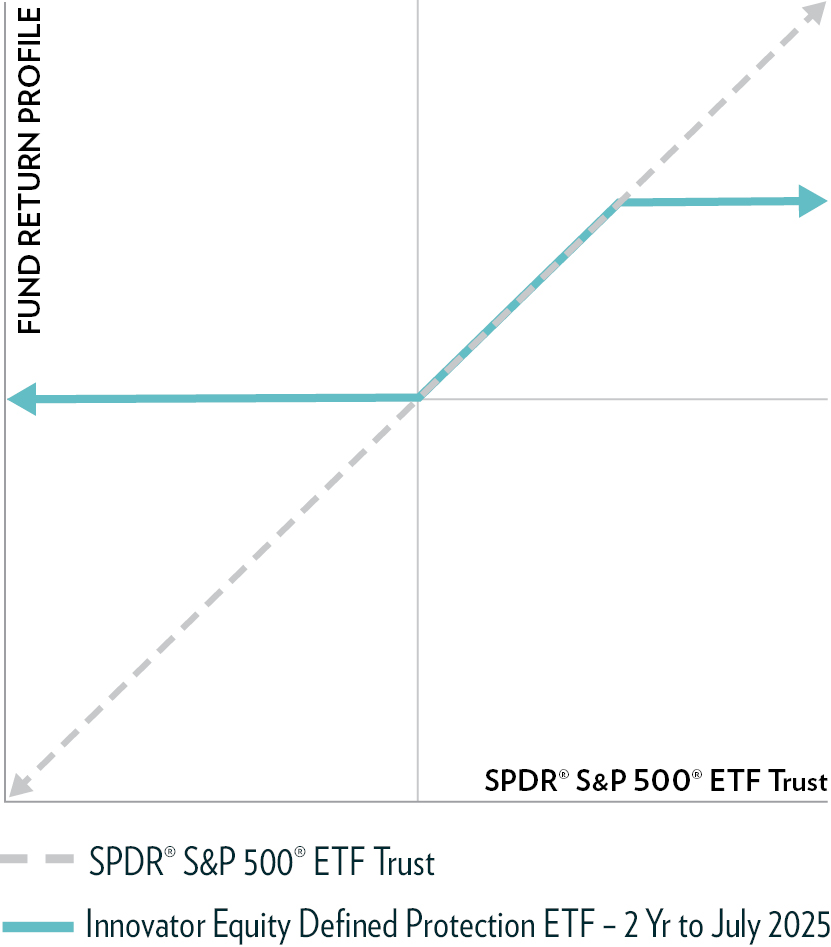
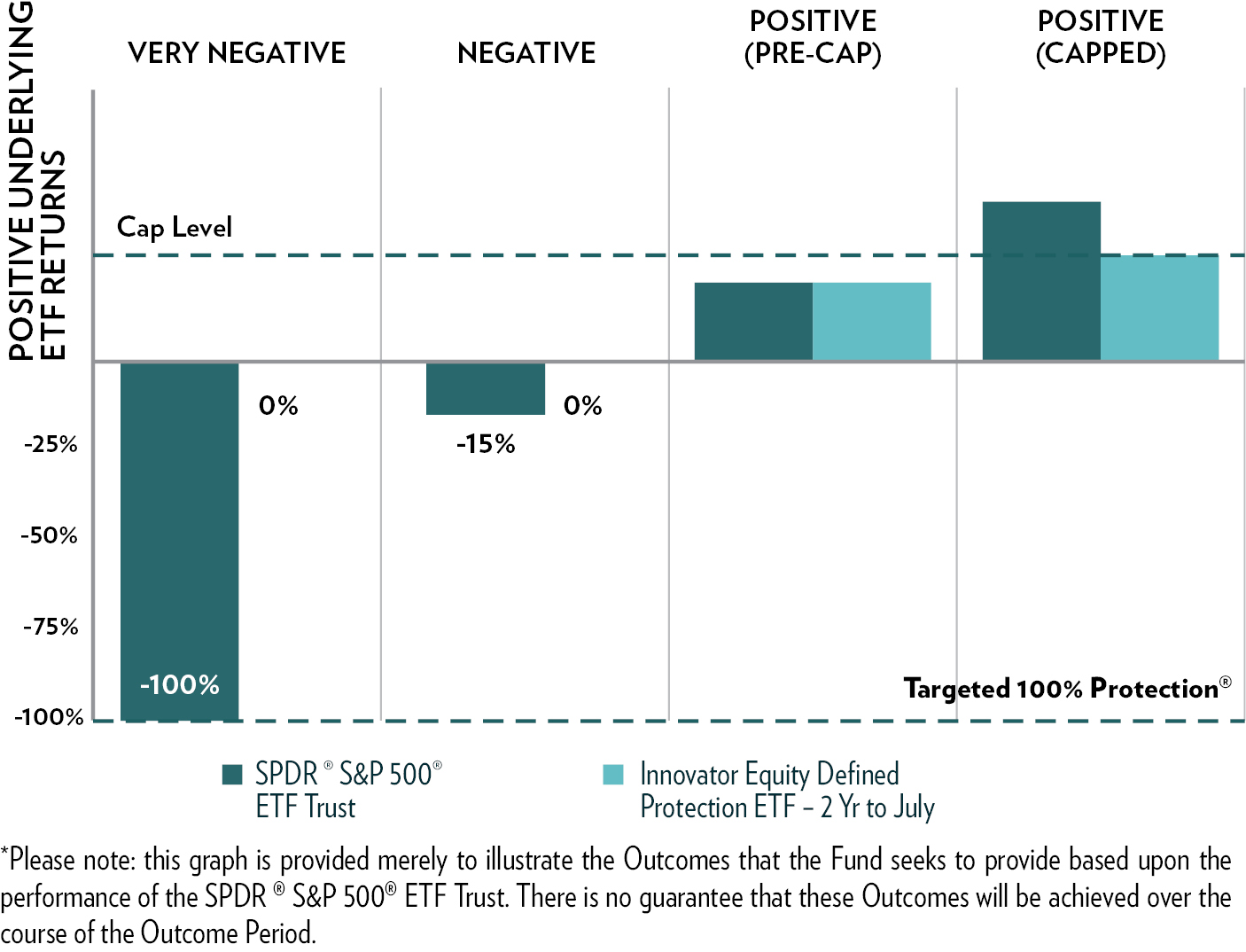
4
The following table contains hypothetical examples designed to illustrate the Outcomes the Fund seeks to provide over an Outcome Period, based upon the performance of the Underlying ETF from -100% to 100%. The table is provided for illustrative purposes and does not provide every possible performance scenario for Shares over the course of an Outcome Period. There is no guarantee that the Fund will be successful in its attempt to provide the Outcomes for an Outcome Period. The table is not intended to predict or project the performance of the FLEX Options or the Fund. Fund shareholders should not take this information as an assurance of the expected performance of the Underlying ETF or return on Shares. The actual overall performance of the Fund will vary with fluctuations in the value of the FLEX Options during the Outcome Period, among other factors. Please refer to the Fund’s website, www.innovatoretfs.com/tjul, which provides updated information relating to this table on a daily basis throughout the Outcome Period.
|
Underlying |
(100)% |
(50)% |
(20)% |
(10)% |
(5)% |
0% |
5% |
10% |
15% |
20% |
50% |
100% |
||||||||||||
|
Fund |
0%** |
0%** |
0%** |
0%** |
0%** |
0% |
5% |
10% |
15% |
16.62%* |
16.62%* |
16.62%* |
* The Cap is set on the first day of the Outcome Period and is 16.62% prior to taking into account any fees or expenses charged to shareholders. When the Fund’s annual Fund management fee of 0.79% of the Fund’s average daily net assets is taken into account, the Cap is 15.07%. The Fund’s annual management fee of 0.79% of the Fund’s average daily net assets, any shareholder transaction fees and any extraordinary expenses incurred by the Fund will have the effect of reducing the Cap amounts for Fund shareholders.
** The Buffer is set on the first day of the Outcome Period and seeks to provide protection against 100% of Underlying ETF losses, prior to taking into account any fees or expenses charged to shareholders. The Buffer will be reduced by the Fund’s annual management fee of 0.79% of the Fund’s average daily net assets is taken into account, and any shareholder transaction fees and any extraordinary expenses incurred by the Fund.
Use of FLEX Options. The Outcomes may be achieved by purchasing and selling call FLEX Options and purchasing put FLEX Options to create layers within the Fund’s portfolio. The Sub-Adviser has constructed a portfolio principally composed of FLEX Options that reference the Underlying ETF that are each set to expire on the last day of the Outcome Period. The customizable nature of FLEX Options allows the Sub-Adviser to select the share price at which the Underlying ETF will be exercised at the expiration of each FLEX Option. This is commonly known as the “strike price.” At the commencement of the Outcome Period, the Sub-Adviser specifically selects the strike price for each FLEX Option such that when the FLEX Options are exercised on the final day of the Outcome Period, the Outcomes may be obtained, depending on the performance of the Underlying ETF’s share price over the duration of the Outcome Period. The Fund utilizes European style option contracts, which are exercisable only on the expiration date of the option contract.
To achieve these returns, the Fund may purchase and sell a combination of call option contracts and put option contracts. A call option contract gives the buyer of the call option contract the right (but not the obligation) to buy, and the seller of the call option contract (i.e., the “writer”) the obligation to sell, a specified amount of an underlying security at a pre-determined price. A put option contract gives the buyer of the put option contract the right (but not the obligation) to sell, and the writer of the put option contract the obligation to buy (if the option is exercised), a specified amount of an underlying security at a pre-determined price.
The effect of the Fund’s call option contracts is to provide exposure to the increases in the price of the Underlying ETF, subject to the Cap. The potential investment gains provided by the Fund are subject to the Cap, a maximum investment return level of Fund NAV, which is discussed
5
below. The Fund will not participate in gains that exceed the Cap. Separately, the Fund is designed to deliver on its investment objective to provide returns that protect against 100% of the losses of the Underlying ETF over the course of the Outcome Period through its purchased put option contract. Since the Fund seeks to protect against the entirety of Underlying ETF losses over the course of the Outcome Period, the Cap may be lower than the caps imposed by other ETFs that utilize defined outcome investing strategies. Accordingly, the Fund may significantly underperform the Underlying ETF over the course of the Outcome Period. There is no guarantee that the Fund will be successful in its attempt to provide buffered returns. The effect created by the Fund’s FLEX Options positions is that if at the conclusion of the Outcome Period the Underlying ETF’s share price has decreased in value versus its value at the commencement of the Outcome Period, the Fund seeks to return the amount of its original investment.
Each of the FLEX Options purchased and sold throughout the Outcome Period are expected to have the same or similar terms (i.e., strike price and expiration) as the corresponding FLEX Options purchased and sold on the first day of the Outcome Period. A detailed explanation regarding the terms of the FLEX Options and the mechanics of the Fund’s strategy can be found in “Additional Information Regarding the Fund’s Principal Investment Strategies.”
The Outcome Period. The Outcomes sought by the Fund are based upon the Fund’s NAV at the outset of the Outcome Period. The Outcome Period begins on the day the FLEX Options are entered into and ends approximately two years later on the day the FLEX Options expire. Each FLEX Option’s value is ultimately derived from the performance of the Underlying ETF’s share price during that time. As the terms of the FLEX Options do not change during each Outcome Period, the Cap and Buffer both will be measured to the Fund’s NAV on the first day of the Outcome Period. A shareholder that purchases Shares after the commencement of the Outcome Period will likely have purchased Shares at a different NAV than the NAV on the first day of the Outcome Period (i.e., the NAV upon which the Outcomes are based) and therefore may experience investment outcomes that are very different from those sought by the Fund. Since the FLEX Options are exercisable only on the final day of the Outcome Period, a shareholder that sells Shares prior to the end of the Outcome Period may also experience investment outcomes very different from those sought by the Fund. To achieve the Outcomes sought by the Fund for the Outcome Period, an investor must hold Shares at the time that the Fund enters into the FLEX Options and on the day those FLEX Options expire. There is no guarantee that the Fund will be successful in its attempt to provide the Outcomes.
The Fund’s assets will be principally composed of FLEX Options, the value of which is derived from the performance of the underlying reference asset, the Underlying ETF’s share price. However, because a component of an option’s value is the number of days remaining until its expiration, during the Outcome Period, the Fund’s NAV will not directly correlate on a day-to-day basis with the returns experienced by the Underlying ETF. The Sub-Adviser generally anticipates that the Fund’s NAV will increase on days when the Underlying ETF’s share price increases and will decrease on days when the Underlying ETF’s share price decreases, but that the rate of such increase or decrease will be less than that experienced by the Underlying ETF. Similarly, the amount of time remaining until the end of the Outcome Period also affects the impact of the Buffer on the Fund’s NAV, which may not be in full effect prior to the end of the Outcome Period. Since the FLEX Options do not expire until two years after the commencement of the Outcome Period, it is possible that the degree of non-correlation between the value of the Underlying ETF
6
will be higher than if the FLEX Options had a shorter term. Unlike other ETFs that utilize defined outcome investing strategies, since the Fund utilizes an Outcome Period that is two years long, the extended Outcome Period may exacerbate the potential that the Outcomes may not be realized. The Fund’s strategy is designed to produce the Outcomes upon the expiration of the FLEX Options on the last day of the Outcome Period and it should not be expected that the Outcomes will be provided at any point prior to that time.
Buffer. The Buffer seeks to protect the Fund against 100% of Underlying ETF losses for the Outcome Period; however, there is no guarantee that the Fund will be successful in its attempt to provide buffered returns. The Fund’s strategy is designed to produce the Outcomes upon the expiration of its FLEX Options investments on the last day of the Outcome Period. Therefore, it should not be expected that the Buffer, including the net effect of the Fund’s annual management fee on the Buffer, will be provided at any point prior to the last day of the Outcome Period. Any appreciation in the price of the Underling ETF since the commencement of the Outcome Period (and corresponding increases in the value of the Fund) will not be protected by the Buffer, and an investor can experience losses to the extent of such appreciation versus the original Underlying ETF price at the commencement of the Outcome Period. The Buffer is provided prior to taking into account annual Fund management fees, transaction fees and any extraordinary expenses incurred by the Fund. These fees and any expenses will have the effect of reducing the Buffer amount for Fund shareholders for an Outcome Period.
If an investor is considering purchasing Shares during the Outcome Period and the Underlying ETF has already increased in value, then a shareholder may experience losses prior to gaining the protection offered by the Buffer, which is not guaranteed, until the Underlying ETF has experienced losses that return its price to its original level at the commencement of the Outcome Period and such investor will not receive the full protection the Fund seeks to provide. While the Fund seeks to provide full protection against Underlying ETF losses for shareholders who hold Shares for the entire Outcome Period, there is no guarantee it will successfully do so.
Cap on Potential Upside Returns. Unlike other investment products, the potential upside returns an investor can receive from an investment in the Fund over the Outcome Period is subject to the Cap. The Cap represents the maximum percentage return of Fund NAV an investor can achieve from an investment in the Fund over the duration of the Outcome Period. Therefore, even though the Fund’s returns are based upon the performance of the Underlying ETF’s share price, if the Underlying ETF’s share price experiences returns for the Outcome Period in excess of the Cap, the Fund will not participate in excess returns. The Cap is determined on the first day of the Outcome Period and is 16.62% prior to taking into account any fees or expenses charged to shareholders. When the Fund’s annual Fund management fee of 0.79% of the Fund’s average daily net assets is taken into account, the Cap is 15.07%. The Cap will be further reduced by any shareholder transaction fees and any extraordinary expenses incurred by the Fund. For the purpose of this prospectus, “extraordinary expenses” are non-recurring expenses that may incurred by the Fund outside of the ordinary course of its business, including, without limitation, costs incurred in connection with any claim, litigation, arbitration, mediation, government investigation or similar proceedings, indemnification expenses and expenses in connection with holding and/or soliciting proxies for a meeting of Fund shareholders. The Cap is also set forth on the Fund’s website at www.innovatoretfs.com/tjul.
7
The Cap will change from one Outcome Period to the next based upon prevailing market conditions at the beginning of the Outcome Period. In certain market conditions, the Fund’s Cap may provide relatively low upside potential, which may cause the Fund to further underperform the Underlying ETF over the course of an Outcome Period. The Cap, and the Fund’s position relative to it, should be considered before investing in the Fund. If an investor is considering purchasing Shares during the Outcome Period, and the Fund has already increased in value to a level near to the Cap, an investor purchasing Shares at that price has limited to no gains available for the remainder of the Outcome Period. Additionally, in such instance, the Buffer will not protect against any losses until the Fund experiences losses that return its NAV to its original level at the commencement of the Outcome Period. Therefore, such investor would remain vulnerable to significant downside risks while having limited upside potential at the time of purchase. There is no guarantee that the Fund will successfully achieve its investment objective.
The Cap is a result of the design of the Fund’s principal investment strategy. In order to provide the sought-after Buffer, the Fund enters into a series of FLEX Option contracts. As the purchaser of certain of these FLEX Options, the Fund is obligated to pay a premium to the seller of those FLEX Options. However, the strategy is designed so that any premiums that the Fund is obligated to pay are offset by premiums it receives in connection with the selling of FLEX Options. On the first day of the Outcome Period when the Fund enters into its other FLEX Options positions, the portfolio managers will calculate the amount of premiums that the Fund will owe in order to provide the Buffer and will then go into the market and sell a call FLEX Option with terms that entitle the Fund to receive a premium in an amount equal to the amount that the Fund would otherwise owe. The Cap is the strike price of that sold call FLEX Option. The strike price is determined based upon prevailing market conditions at the time the Fund enters into the FLEX Options, most notably current interest rate levels, volatility in the Underlying ETF’s share price, and the relationship of put and calls on the underlying FLEX Options.
Fund Rebalance. The Fund is a continuous investment vehicle. It does not terminate and distribute its assets at the conclusion of each Outcome Period. On the termination date of an Outcome Period, the Sub-Adviser will invest in a new set of FLEX Options and another Outcome Period will commence.
Approximately one week prior to the end of each Outcome Period, the Fund will file a prospectus supplement, which will alert existing shareholders that an Outcome Period is approaching its conclusion and disclose the anticipated ranges for the Cap for the next Outcome Period. Following the close of business on the last day of the Outcome Period, the Fund will file a prospectus supplement that discloses the Fund’s final Cap (both gross and net of the unitary management fee) for the next Outcome Period and the change in the Fund’s name to reflect the new Outcome Period. This information is available on the Fund’s website, www.innovatoretfs.com/tjul, which also provides information relating to the Outcomes, including the Fund’s position relative to the Cap, of an investment in the Fund on a daily basis. Important information relating to the Fund, including information relating to the Cap, is communicated on the Fund’s website.
The Fund’s website, www.innovatoretfs.com/tjul, provides information relating to the Outcomes, including the Fund’s position relative to the Cap and Buffer, of an investment in the Fund on a daily basis.
The Fund is classified as “non-diversified” under the Investment Company Act of 1940, as amended (the “1940 Act”).
8
9
10
11
12
13
14
15
16
The Shares will change in value, and you could lose money by investing in the Fund. The Fund may not achieve its investment objective.
Management
Investment Adviser
Innovator Capital Management, LLC (“Innovator” or the “Adviser”)
Investment Sub-Adviser
Milliman Financial Risk Management LLC (“Milliman” or the “Sub-Adviser”)
Portfolio Managers
The following persons serve as portfolio managers of the Fund.
• Robert T. Cummings, Principal and Director of Global Trading at Milliman
• Yin Bhuyan, Associate – ETF Portfolio Management Team at Milliman
The portfolio managers are primarily and jointly responsible for the day-to-day management of the Fund and have served in such capacity since the Fund’s inception in July 2023.
17
Purchase and Sale of Shares
The Fund issues and redeems Shares at NAV only with authorized participants that have entered into agreements with the Fund’s distributor and only in Creation Units or multiples thereof (“Creation Unit Aggregations”), in exchange for cash. Except when aggregated in Creation Units, the Shares are not redeemable securities of the Fund.
Individual Shares may only be bought and sold in the secondary market (i.e., on a national securities exchange) through a broker or dealer at a market price. Because the Shares trade at market prices rather than NAV, Shares may trade at a price greater than NAV (at a premium), at NAV, or less than NAV (at a discount). An investor may incur costs attributable to the difference between the highest price a buyer is willing to pay to purchase Shares (bid) and the lowest price a seller is willing to accept for Shares (ask) when buying or selling shares in the secondary market (the “bid-ask spread”).
Recent information, including information on the Fund’s NAV, market price, premiums and discounts, and bid-ask spreads, is available online at www.innovatoretfs.com.
Tax Information
The Fund’s distributions will generally be taxable as ordinary income, returns of capital or capital gains. A sale of Shares may result in capital gain or loss.
Payments to Broker-Dealers and Other Financial Intermediaries
If you purchase Shares through a broker-dealer or other financial intermediary (such as a bank), Innovator and Foreside Fund Services, LLC, the Fund’s distributor (the “Distributor”), may pay the intermediary for the sale of Shares and related services. These payments may create a conflict of interest by influencing the broker-dealer or other intermediary and your salesperson to recommend the Fund over another investment. Ask your salesperson or visit your financial intermediary’s website for more information.
18
| Investor Suitability Considerations | |
| You should only consider this investment if: | You should not consider this investment if: |
| • you fully understand the risks inherent in an investment in Shares; • you desire to invest in a product with a return that depends upon the performance of the Underlying ETF’s share price over the Outcome Period; • you are willing to hold Shares for the duration of the two-year Outcome Period in order to achieve the Outcomes that the Fund seeks to provide; • you seek an investment that seeks to provide protection relative to the Fund’s NAV on the first day of the Outcome Period against 100% of Underlying ETF losses for an investment held only for the duration of the entire Outcome Period; • you understand that there is no guarantee that the Fund will be successful in its attempt to provide protection through the Buffer; • you understand that the Buffer is provided prior to taking into account annual Fund management fees, shareholder transaction fees and any extraordinary expenses incurred by the Fund, and that such fees and expenses will have the effect of lowering the Buffer; • you fully understand that investments made when the Fund has appreciated in value versus the original NAV at the commencement of the Outcome Period have the potential for losses before the Buffer is in effect; • you fully understand that investments made when the Fund is at or near to the Cap may have limited to no upside; • you are willing to forgo any gains in excess of the Cap; • you understand that the Cap will be reduced by annual Fund management fees, shareholder transaction fees and any extraordinary expenses incurred by the Fund; • you understand that the Fund’s investments do not provide for dividends to the Fund; • you fully understand that investments made after the Outcome Period has begun may not fully benefit from the Buffer; and • you have visited the Fund’s website and understand the investment outcomes available to you based upon the time of your purchase. | • you do not fully understand the risks inherent in an investment in Shares; • you do not desire to invest in a product with a return that depends upon the performance of the Underlying ETF’s share price over the Outcome Period; • you are unwilling to hold Shares for the duration of the two-year Outcome Period in order to achieve the Outcomes that the Fund seeks to provide; • you do not seek an investment that provides protection relative to the Fund’s NAV on the first day of the Outcome Period against losses of the Underlying ETF only for an investment held for the duration of an Outcome Period; • you do not understand that that there is no guarantee that the Fund will be successful in its attempt to provide protection through the Buffer; • you seek the protection of a full Buffer, even after taking into account annual Fund management fees, shareholder transaction fees and any extraordinary expenses; • you do not fully understand that investments made when the Fund has appreciated in value versus the original NAV at the commencement of the Outcome Period have the potential for losses before the Buffer is in effect; • you do not fully understand that investments made when the Fund is at or near to the Cap may have limited to no upside; • you are unwilling to forgo any gains in excess of the Cap; • you do not understand that the Cap will be reduced by annual Fund management fees, shareholder transaction fees and any extraordinary expenses incurred by the Fund; • you do not fully understand that the Fund’s investments do not provide for dividends to the Fund; • you do not fully understand that investments made after the Outcome Period has begun may not fully benefit from the Buffer; and • you have not visited the Fund’s website and do not understand the investment outcomes available to you based upon the timing of your purchase. |
19
| Additional Information About the Fund’s Principal Investment Strategies |
The Fund’s principal investment strategy seeks to produce the Outcomes based upon the performance of the Underlying ETF. If the Underlying ETF’s share price decreases in value over the duration of the Outcome Period, the Fund seeks to provide Fund shareholders that hold Shares for the entire Outcome Period from Fund NAV losses by providing a Buffer against the entirety of Underlying ETF losses. If the Underlying ETF’s share price increases in value over the duration of the Outcome Period, the Fund seeks to provide Fund shareholders that hold Shares for the entire Outcome Period with an increase in value that approximately matches the increase experienced by the Underlying ETF, subject to the Cap. Both the Cap and the Buffer are provided prior to taking into account annual Fund management fee equal to 0.79% of the Fund’s daily net assets, transaction fees and any extraordinary expenses incurred by the Fund. There is no guarantee that the Fund will be successful in its attempt to provide buffered returns.
The Underlying ETF is an exchange-traded unit investment trust that uses a full replication strategy, meaning it invests entirely in the S&P 500® Index. The investment objective of the Underlying ETF is to seek to provide investment results that, before expenses, correspond generally to the price and yield performance of the S&P 500® Index, which includes five hundred (500) selected companies, all of which are listed on national stock exchanges and spans over 24 separate industry groups.
In general, an option contract is an agreement between a buyer and seller that gives the purchaser of the option the right to buy or sell a particular asset at a specified future date at an agreed upon price (commonly known as the “strike price”). The Fund utilizes FLEX Options to implement its investment strategies. FLEX Options are exchange-traded option contracts with uniquely customizable terms. Each FLEX Option contract that the Fund enters into references the Underlying ETF and expires on the last day of the Outcome Period. The FLEX Options, however, have varying strike prices. The layering of these FLEX Options with varying strike prices provides the mechanism for producing the Fund’s desired outcomes.
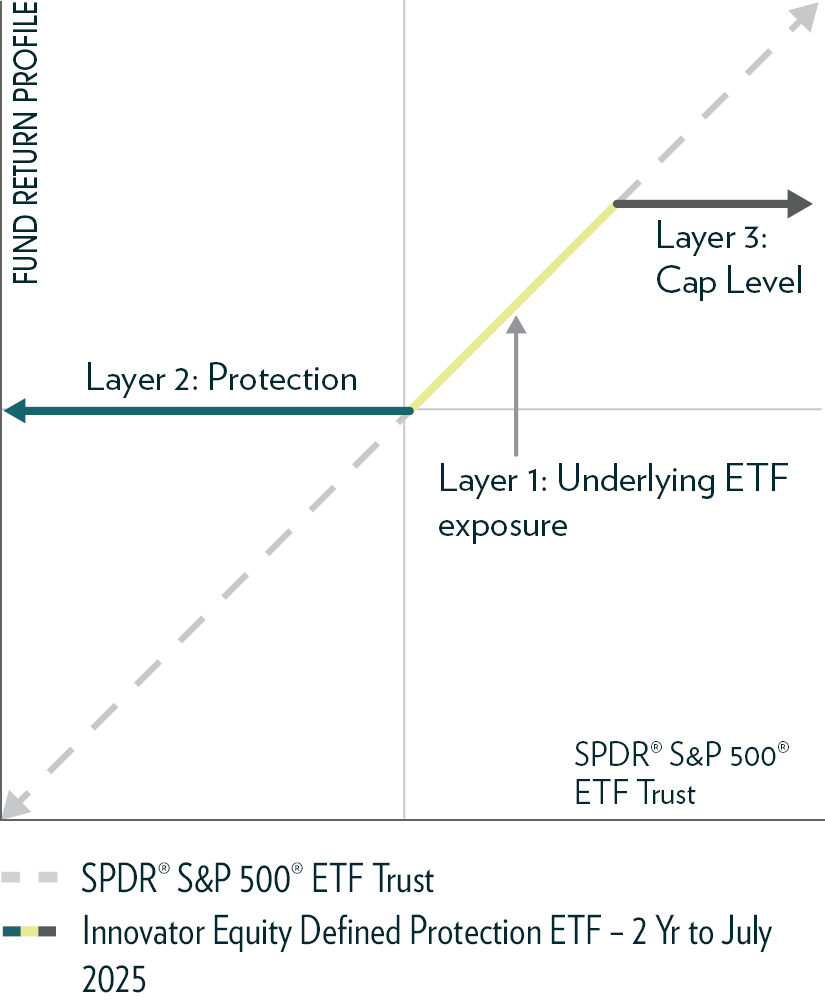
20
• The purchased call FLEX Option provides the Fund’s upside participation that matches that of the Underlying ETF’s share price. At the expiration date, these FLEX Options realize a value equal to that of the Underlying ETF’s share price.
• The operation of the purchased call FLEX Options, together with the purchase of put FLEX Options produces the sought-after “Buffer.” The Fund’s purchased put FLEX Option contract enables the Fund to profit from decreases in the Underlying ETF’s share price that, combined with the operation of the purchased call FLEX Option, seek to deliver the Fund value that returns the Fund to the original NAV if the Underlying ETF decreases in value, regardless of the magnitude of such decrease.
• To help pay for the FLEX Options that provide upside exposure to the Underlying ETF and the Buffer, the Fund sells a call FLEX Option that results in the Cap. The Cap level is chosen so that the combined net purchase prices in all of the Fund’s FLEX Option positions is approximately equal to the Fund’s NAV. The Cap is the strike price of the sold call FLEX Option and effectively trades away the Fund’s ability to participate in upside price return gains of the Underlying ETF that exceed the strike price of the sold call FLEX Option.
• The combination of all of the FLEX Options creates a maximum growth opportunity equal to the return experienced by the Underlying ETF at expiration, not to exceed the Cap, while providing the sought-after Buffer from the entirety of Underlying ETF losses over the duration of the Outcome Period.
As described on the cover of this prospectus, in “Principal Investment Strategies” and in “Principal Risks,” there are risks associated with an investment in the Fund and there is no guarantee the Fund achieve the Outcomes it seeks to provide. The Fund’s unique characteristics (i.e., the imperative of holding Shares for the entire Outcome Period, the Cap and Buffer) distinguish it from other investment products and may make it an unsuitable investment for some investors. The Fund may provide investors with an alternative to investments in cash, cash-like instruments, U.S. Treasury obligations and structured products or insurance products with a similar investment profile to the Fund. To help decide whether an investment in the Fund is appropriate based upon individual circumstances, please see “Investor Suitability Considerations.”
The Fund’s investment objective is considered non-fundamental may be changed by the Board without shareholder approval. Prior to the commencement of an Outcome Period, if the Adviser determines that there are adverse or unexpected market conditions that will not allow for the Fund to make investments that effectively implement its investment objective, the Fund may temporarily hold cash positions, cash equivalents, short-term investments and/or U.S. Treasury obligations, which would delay the commencement of the subsequent Outcome Period, or provide at least sixty (60) days’ notice to shareholders of any changes to the Fund’s investment strategy that would be implemented at the commencement of the subsequent Outcome Period. Additionally, the Fund may liquidate and terminate at any time without shareholder approval.
21
| Fund Investments |
Principal Investments
FLEX Options
FLEX Options are customized option contracts that trade on an exchange but provide investors with the ability to customize key contract terms like strike price, style and expiration date while achieving price discovery in competitive, transparent auctions markets and avoiding the counterparty exposure of over-the-counter options positions. Like traditional exchange-traded options, FLEX Options are guaranteed for settlement by the OCC, a market clearinghouse that guarantees performance by counterparties to certain derivatives contracts.
The FLEX Options in which the Fund will invest are all European style option contracts (option contracts that are exercisable only on the expiration date). The FLEX Options are listed on the Chicago Board Options Exchange.
The Fund will purchase and sell call FLEX Options and purchase put FLEX Options. In general, put options give the holder (i.e., the buyer) the right to sell an asset (or deliver the cash value of the asset, in case of certain put options) and the seller (i.e., the writer) of the put has the obligation to buy the asset (or receive cash value of the asset, in case of certain put options) at a certain defined price. Call options give the holder (i.e., the buyer) the right to buy an asset (or receive cash value of the asset, in case of certain call options) and the seller (i.e., the writer) the obligation to sell the asset (or deliver cash value of the asset, in case of certain call options) at a certain defined price.
The Fund will use the market value of its derivatives holdings for the purpose of determining compliance with the 1940 Act and the rules promulgated thereunder. Since the FLEX Options held by the Fund are exchange-traded, these will be valued on a mark-to-market basis. In the event market prices are not available, the Fund will use fair value pricing pursuant to the fair value procedures adopted by Innovator as the “Valuation Designee” pursuant to Rule 2a-5 of the 1940 Act (“Rule 2a-5”) and approved by, and subject to the oversight of, the Board. The Fund will enter into FLEX Options contracts in accordance with Rule 18f-4 under the 1940 Act, which requires the Fund to implement certain policies and procedures designed to manage its derivatives risks, dependent upon the Fund’s level of exposure to derivative instruments.
Disclosure of Portfolio Holdings
A description of the Trust’s policies and procedures with respect to the disclosure of the Fund’s portfolio holdings is available in the Fund’s statement of additional information (“SAI”), which is available at www.innovatoretfs.com.
22
| Additional Risks of Investing in the Fund |
Risk is inherent in all investing. Investing in the Fund involves risk, including the risk that you may lose all or part of your investment. There can be no assurance that the Fund will meet its stated objective. Before you invest, you should consider the following supplemental disclosure pertaining to the Principal Risks set forth above in this prospectus.
Principal Risks
Buffered Loss Risk. There can be no guarantee that the Fund will be successful in its strategy to provide buffer protection against 100% of Underlying ETF losses if the Underlying ETF’s share price decreases over the duration of the Outcome Period. The Fund’s strategy seeks to deliver returns that match those of the Underlying ETF (up to the Cap), while limiting downside losses, if Shares are held at the time at which the Fund enters into the FLEX Options and held until those FLEX Options expire at the end of the Outcome Period. In the event an investor purchases Shares after the FLEX Options were entered into or sells Shares prior to the expiration of the FLEX Options, the Buffer that the Fund seeks to provide may not be available. If the Outcome Period has begun and the Underlying ETF has increased in value, the Buffer will not protect any decreases in the value of the Underlying ETF to the extent of such appreciation, and therefore an investor may experience losses from this appreciated value until the Underlying ETF reaches its original NAV from the commencement of the Outcome Period. Similarly, if an investor purchases Shares after the commencement of the Outcome period and the Underlying ETF has increased in value, an investor purchasing Shares at that point will not benefit from the Buffer until the Underlying ETF’s value decreases to its original value at the commencement of the Outcome Period. Accordingly, such investor will not receive the protection that the Fund seeks to provide until the Fund experiences losses that return it to its value at the commencement of the Outcome Period. Additionally, because the Buffer is provided by operation of the FLEX Options, the implementation of the Buffer is subject to counterparty risk (for additional information, see “Counterparty Risk” herein). If the FLEX Options (and therefore the Buffer) do not perform as expected, an investor may experience significant losses on its investment, including the loss of its entire investment.
Capped Upside Return Risk. The Fund’s strategy seeks to provide returns that are subject to the Cap. In the event that the Underlying ETF experiences gains in excess of the Cap for the Outcome Period, the Fund will not participate in, and will underperform the Underlying ETF to the extent of, those gains beyond the Cap. The Fund’s strategy seeks to deliver returns that match those of the Underlying ETF (up to the Cap), while protecting against the entirety of downside losses of the Underlying ETF, if Shares are held at the time at which the Fund enters into the FLEX Options and held until those FLEX Options expire at the end of the Outcome Period. In the event an investor purchases Shares after the FLEX Options were entered into, there may be little or no ability for that investor to experience an investment gain on their Shares (and such investor may be subjected to potential losses between that Share price and the Fund’s NAV at the commencement of the Outcome Period). Further, because the FLEX Options are designed to produce returns that match the price return of the Underlying ETF (subject to the Cap) on the last day of the Outcome Period, if an investor sells Shares prior to the expiration date of the FLEX Options such investor may sell at a point where the Fund’s performance does not match the performance of the Underlying ETF over the Outcome Period, and therefore may sell at a point where the Fund has underperformed
23
the Underlying ETF. The Fund seeks to actively manage its portfolio such that any transaction fees incurred by the Fund in connection with the management of the Fund’s assets will not impact the Fund’s performance in seeking to provide upside exposure to the Underlying ETF or the Fund’s ability to experience returns that match the Cap, to the extent the returns of the Underlying ETF are equal to or greater than the Cap. However, it is not guaranteed that the Fund will be able to successfully manage its assets to contemplate the transaction fees incurred by the Fund to achieve the Outcomes sought by the Fund.
FLEX Options Risk. The Fund will utilize FLEX Options, which are customizable, exchange-traded option contracts that are issued and guaranteed for settlement by the OCC. The Fund bears the risk that the OCC will be unable or unwilling to perform its obligations under the FLEX Options contracts. In the unlikely event that the OCC becomes insolvent or is otherwise unable to meet its settlement obligations, the Fund could suffer significant losses. Additionally, FLEX Options may be less liquid than certain other securities, such as standardized options. In less liquid markets for the FLEX Options, the Fund may have difficulty closing out certain FLEX Options positions at desired times and prices. In connection with the creation and redemption of Shares, to the extent market participants are not willing or able to enter into FLEX Option transactions with the Fund at prices that reflect the market price of the Shares, the Fund’s NAV and, in turn the share price of the Fund, could be negatively impacted.
The Fund may experience substantial downside from specific FLEX Option positions and certain FLEX Option positions may expire worthless. The Fund utilizes European style FLEX Option contracts, which are exercisable at the strike price only on the expiration date. As a FLEX Option approaches its expiration date, its value typically increasingly moves with the value of the Underlying ETF. However, prior to such date, the value of the FLEX Options does not increase or decrease at the same rate as the Underlying ETF’s share price on a day-to-day basis (although they generally move in the same direction). The value of the FLEX Options held by the Fund will be determined based on market quotations or other recognized pricing methods. The value of the underlying FLEX Options will be affected by, among others, changes in the Underlying ETF’s share price, changes in interest rates, changes in the actual and implied volatility of the Underlying ETF and the remaining time to until the FLEX Options expire.
Option Contracts Risk. The use of option contracts involves investment strategies and risks different from those associated with ordinary portfolio securities transactions. The prices of option contracts are volatile and are influenced by, among other things, actual and anticipated changes in the value of the underlying instrument, changes in interest or currency exchange rates, including the anticipated volatility, which are affected by fiscal and monetary policies and by national and international political, changes in the actual or implied volatility or the reference asset, the time remaining until the expiration of the option contract and economic events. There may at times be an imperfect correlation between the movement in values option contracts and the reference asset, and there may at times not be a liquid secondary market for certain option contracts. Option contracts may also involve the use of leverage, which could result in greater price volatility than other markets. The Fund has taken the necessary steps to comply with the requirements of Rule 18f-4 in its usage of FLEX Options. The Fund has adopted and implements a derivatives risk management program that contains policies and procedures reasonably designed to manage the Fund’s derivatives risks, has appointed a derivatives risk manager who is responsible
24
for administrating the derivatives risk management program, complies with outer limitations on risks relating to its derivatives transactions and carries out enhanced reporting to the Board, the SEC and the public regarding its derivatives activities. To the extent the Fund is noncompliant with Rule 18f-4, the Fund may be required to adjust its investment portfolio which may, in turn, negatively impact the Fund’s ability to deliver the sought-after Outcomes.
Clearing Member Default Risk. Transactions in some types of derivatives, including FLEX Options, are required to be centrally cleared (“cleared derivatives”). In a transaction involving cleared derivatives, the Fund’s counterparty is a clearing house, such as the OCC, rather than a bank or broker. Since the Fund is not a member of clearing houses and only members of a clearing house (“clearing members”) can participate directly in the clearing house, the Fund will hold cleared derivatives through accounts at clearing members. In cleared derivatives positions, the Fund will make payments (including margin payments) to, and receive payments from, a clearing house through their accounts at clearing members. Customer funds held at a clearing organization in connection with any option contracts are held in a commingled omnibus account and are not identified to the name of the clearing member’s individual customers. As a result, assets deposited by the Fund with any clearing member as margin for its FLEX Options may, in certain circumstances, be used to satisfy losses of other clients of the Fund’s clearing member. In addition, although clearing members guarantee performance of their clients’ obligations to the clearing house, there is a risk that the assets of the Fund might not be fully protected in the event of the clearing member’s bankruptcy, as the Fund would be limited to recovering only a pro rata share of all available funds segregated on behalf of the clearing member’s customers for the relevant account class. The Fund is also subject to the risk that a limited number of clearing members are willing to transact on the Fund’s behalf, which heightens the risks associated with a clearing member’s default. If a clearing member defaults the Fund could lose some or all of the benefits of a transaction entered into by the Fund with the clearing member. The loss of a clearing member for the Fund to transact with could result in increased transaction costs and other operational issues that could impede the Fund’s ability to implement its investment strategy. If the Fund cannot find a clearing member to transact with on the Fund’s behalf, the Fund may be unable to effectively implement its investment strategy.
Counterparty Risk. Counterparty risk is the risk an issuer, guarantor or counterparty of a security in the Fund is unable or unwilling to meet its obligation on the security. Counterparty risk may arise because of the counterparty’s financial condition, market activities, or for other reasons. The Fund may be unable to recover its investment from the counterparty or may obtain a limited and/or delayed recovery. The OCC acts as guarantor and central counterparty with respect to the FLEX Options. As a result, the ability of the Fund to meet its objective depends on the OCC being able to meet its obligations. In the event an OCC clearing member that is a counterparty of the Fund were to become insolvent, the Fund may have some or all of its FLEX Options closed without its consent or may experience delays or other difficulties in attempting to close or exercise its affected FLEX Options positions, both of which would impair the Fund’s ability to deliver on its investment strategy. The OCC’s rules and procedures are designed to facilitate the prompt settlement of options transactions and exercises, including for clearing member insolvencies. However, there is the risk that the OCC and its backup system will fail if clearing member insolvencies are substantial or widespread. In the unlikely event that the OCC becomes insolvent or is otherwise unable to meet its settlement obligations, the Fund could suffer significant losses.
25
Outcome Period Risk. The Fund’s investment strategy is designed to deliver returns that match those of the Underlying ETF’s share price if Shares are held from the time the Fund enters into the FLEX Options and held until those FLEX Options expire at the end of the Outcome Period. Because the Fund utilizes European style option contracts, the Outcomes are designed to be produced only on the expiration date of the FLEX Options on the final day of the Outcome Period. In the event an investor purchases Shares after the FLEX Options were entered into or sells Shares prior to the expiration of the FLEX Options, the returns realized by the investor will not match those that the Fund seeks to provide. Unlike other ETFs that utilize defined outcome investing strategies, the Fund utilizes an Outcome Period that is two years long. This extended period may exacerbate these risks.
Upside Participation Risk. There can be no guarantee that the Fund will be successful in its strategy to provide shareholders with a total return that matches the increases in the price of the Underlying ETF over the Outcome Period, subject to a maximum return of Fund NAV imposed by the Cap. Because the value of the Fund’s FLEX Options does not increase or decrease at the same rate as the Underlying ETF’s share price on a day-to-day basis (although they generally move in the same direction), the Fund may underperform the increases in the share price of the Underlying ETF until the end of the Outcome Period. To the extent the price of the Underlying ETF increases beyond the Fund’s Cap, the Fund will not participate in such gains, and will underperform the Underlying ETF. In the event an investor purchases Shares after the FLEX Options were entered into or does not stay invested in the Fund for the entirety of the Outcome Period, the returns realized by such investor may not match those that the Fund seeks to achieve. In order to finance the downside protection offered by the Buffer, the Fund enters into a sold call FLEX Option Contract which limits its upside potential. Since the Buffer seeks to protect against the entirety of Underlying ETF losses over the course of the Outcome Period, the Cap may be lower than the caps imposed by other ETFs that utilize defined outcome investing strategies, on a relative basis. Accordingly, the Fund may significantly underperform the Underlying ETF over the course of the Outcome Period. Finally, the Fund’s Cap is dependent upon market conditions at the commencement of the new Outcome Period. In certain market conditions, the Fund’s Cap may provide relatively low upside potential, which may cause the Fund to further underperform the Underlying ETF over the course of an Outcome Period.
Cap Change Risk. A new Cap is established at the beginning of each Outcome Period and is dependent on prevailing market conditions at the time the Cap is established. As such, the Cap may rise or fall from one Outcome Period to the next and is unlikely to remain the same for consecutive Outcome Periods. Investors should monitor the changes in the Cap for each Outcome Period, information for which will be made available pursuant to the procedure outlined in the Fund’s prospectus.
Underlying ETF Risk. Because the value of the FLEX Options held by the Fund are based on the value of the Underlying ETF, the Fund’s investment performance largely depends on the investment performance and associated risks of the Underlying ETF. The Underlying ETF is subject to many of the same structural risks as the Fund that are described in more detail herein, such as Authorized Participant Concentration Risk, Fluctuation of Net Asset Value Risk, Market Maker Risk, Market Risk, Operational Risk and Trading Issues Risk. However, the risks of investing in an
26
ETF also include the risks associated with the underlying investments held by the ETF. As such, the Fund may be subject to the following risks as a result of its exposure to the Underlying ETF through its usage of FLEX Options:
Equity Securities Risk. The Underlying ETF invests in equity securities, and therefore the Fund has exposure to the equity securities markets due to its investment in FLEX Options that reference the Underlying ETF. Investments in equity securities are subject to market risks that may cause their prices to fluctuate over time. The value of your investment in the Fund is based on the market prices of the securities to which the Underlying ETF has exposure. These prices change daily due to economic and other events that affect particular companies and other issuers or the market as a whole. Historically, the equity markets have moved in cycles so that the value of the Underlying ETF’s equity securities may fluctuate from day-to-day. Individual companies may report poor results or be negatively affected by industry and/or economic trends and developments and the prices of their securities may suffer a decline in response.
Information Technology Companies Risk. The Underlying ETF invests significantly in information technology companies, which results in the Fund having significant exposure to such companies through its exposure to the Underlying ETF by virtue of its usage of FLEX Options. Information technology companies produce and provide hardware, software and information technology systems and services. Information technology companies are generally subject to the following risks: rapidly changing technologies and existing produce obsolescence; short product life cycles; fierce competition; aggressive pricing and reduced profit margins; the loss of patent, copyright and trademark protections; cyclical market patterns; evolving industry standards; and frequent new product introductions and new market entrants. Information technology companies may be smaller and less experienced companies, with limited product lines, markets or financial resources and fewer experienced management or marketing personnel. Information technology company stocks, particularly those involved with the internet, have experienced extreme price and volume fluctuations that are often unrelated to their operating performance. In addition, information technology companies are particularly vulnerable to federal, state and local government regulation, and competition and consolidation, both domestically and internationally, including competition from foreign competitors with lower production costs. Information technology companies are facing increased government and regulatory scrutiny and may be subject to adverse government or regulatory action. Information technology companies also face competition for services of qualified personnel and heavily rely on patents and intellectual property rights and the ability to enforce such rights to maintain a competitive advantage.
Large Capitalization Companies Risk. The Underlying ETF invests in the securities of large capitalization companies, which results in the Fund having significant exposure to such companies through its exposure to the Underlying ETF by virtue of its usage of FLEX Options. Large capitalization companies may grow at a slower rate and be less able to adapt to changing market conditions than smaller capitalization companies. Thus, the return on investment in securities of large capitalization companies may be less than the return on investment in securities of small and/or mid capitalization companies. Large capitalization companies may go in and out of favor based on market and economic conditions. Although
27
the securities of larger companies may, on average, be less volatile than those of companies with smaller market capitalizations, during different market cycles, the performance of large capitalization companies tends to trail the overall market during different market cycles.
Correlation Risk. The FLEX Options held by the Fund are European style option contracts and therefore will be exercisable at the strike price only on their expiration date. As a FLEX Option approaches its expiration date, its value typically will increasingly move with the value of the Underlying ETF. However, prior to the expiration date, the value of the FLEX Options prior to the expiration date may vary versus the value of the Underlying ETF because of related factors other than the value of the Underlying ETF. Factors that may influence the value of the FLEX Options include interest rate changes and implied volatility levels of the Underlying ETF, among others. The value of the FLEX Options will be determined based upon market quotations or using other recognized pricing methods. The value of the FLEX Options held by the Fund typically do not increase or decrease at the same level as the Underlying ETF’s share price on a day-to-day basis due to these factors (although they generally move in the same direction). Since the FLEX Options held by the Fund do not expire until two years after the commencement of the Outcome Period, it is possible that the degree of non-correlation between the value of the FLEX Options and the value of the Underlying ETF will be higher when compared to FLEX Options with shorter terms.
Authorized Participant Concentration Risk. Only an authorized participant may engage in creation or redemption transactions directly with the Fund. The Fund has a limited number of institutions that may act as authorized participants on an agency basis (i.e., on behalf of other market participants). Authorized participants are not obligated to make a market in Shares or submit orders for the issuance or redemption of Creation Units. To the extent that authorized participants exit the business or are unable to proceed with orders for the issuance or redemption of Creation Units and no other authorized participant is able to step forward to fulfill the order, Shares may be more likely to trade at a premium or discount to NAV and possibly face trading halts and/or delisting, and the bid/ask spread on Shares may widen.
Cash Transactions Risk. The Fund may effectuate all or a portion of the issuance and redemption of Creation Units for cash, rather than in-kind securities. As a result, an investment in the Fund may be less tax-efficient than an investment in an ETF that effectuates its Creation Units only on an in-kind basis. ETFs are able to make in-kind redemptions to avoid being taxed on gains on the distributed portfolio securities at the fund level. A fund that effects redemptions for cash may be required to sell portfolio securities in order to obtain the cash needed to distribute redemption proceeds. Any recognized gain on these sales by the fund will generally cause such fund to recognize a gain it might not otherwise have recognized, or to recognize such gain sooner than would otherwise be required if it were to distribute portfolio securities only in-kind. The Fund intends to distribute gains that arise by virtue of the issuance and redemption of Creation Units being effectuated in cash to shareholders to avoid being taxed on this gain at the fund level and otherwise comply with special tax rules that apply to it. This may cause shareholders to be subject to tax on gains they would not otherwise be subject to, or at an earlier date than if they had made an investment in another ETF. Moreover, cash transactions may have to be carried out over several days if the securities market is relatively illiquid and may involve considerable brokerage fees and taxes. These brokerage fees and taxes, which will be higher than if the Fund sold and redeemed its shares principally in-kind, will be passed on to those purchasing and redeeming
28
Creation Units in the form of creation and redemption transaction fees. In addition, these factors may result in wider spreads between the bid and the offered prices of Shares than for ETFs that distribute portfolio securities in-kind. The Fund’s use of cash for creations and redemptions could also result in dilution to the Fund and increased transaction costs, which could negatively impact the Fund’s ability to achieve its investment objective.
Cyber Security Risk. As the use of Internet technology has become more prevalent in the course of business, the investment industry has become more susceptible to potential operational risks through breaches in cyber security. A breach in cyber security refers to both intentional and unintentional events that may cause the Fund to lose proprietary information, suffer data corruption or lose operational capacity. Such events could cause the Fund to incur regulatory penalties, reputational damage, additional compliance costs associated with corrective measures and/or financial loss. Cyber security breaches may involve unauthorized access to the Fund’s digital information systems through “hacking” or malicious software coding, but may also result from outside attacks such as denial-of-service attacks through efforts to make network services unavailable to intended users. In addition, cyber security breaches of the Fund’s third-party service providers, such as its administrator, transfer agent, or custodian can also subject the Fund to many of the same risks associated with direct cyber security breaches. The Fund has established risk management systems designed to reduce the risks associated with cyber security. However, there is no guarantee that such efforts will succeed, especially because the Fund does not directly control the cyber security systems of issuers or third-party service providers. The Fund may incur substantial costs in order to resolve or prevent cyber security incidents in the future.
Investment Objective Risk. Certain circumstances under which the Fund might not achieve its objective include, but are not limited, to (i) if the Fund disposes of FLEX Options, (ii) if the Fund is unable to maintain the proportional relationship based on the number of FLEX Options in the Fund’s portfolio, (iii) a significant accrual of Fund expenses in connection with effecting the Fund’s principal investment strategy or (iv) adverse tax law changes or interpretations affecting the treatment of FLEX Options. The Fund is also subject to management risk as an actively-managed fund, which may cause it not to achieve its investment objective.
Liquidity Risk. The market for the Fund’s FLEX Options may become less liquid as a result of adverse market or economic conditions or other unrelated reasons. In the event that trading in the underlying FLEX Options is limited or absent, the value of the Fund’s FLEX Options may decrease. There is no guarantee that a liquid secondary trading market will exist for the FLEX Options. The trading in FLEX Options may be less deep and liquid than the market for certain other securities, including certain non-customized option contracts. In a less liquid market for the FLEX Options, terminating the FLEX Options may require the payment of a premium or acceptance of a discounted price and may take longer to complete. Additionally, the liquidation of a large number of FLEX Options may more significantly impact the price in a less liquid market. Further, the Fund requires a sufficient number of participants to facilitate the purchase and sale of options on an exchange to provide liquidity to the Fund for its FLEX Option positions. A less liquid trading market may adversely impact the value of the FLEX Options and the value of your investment.
Management Risk. The Fund is subject to management risk because it is an actively managed portfolio. The Sub-Adviser applies investment techniques and risk analyses in making investment decisions for the Fund, but there can be no guarantee that the Fund will meet its investment objective, produce the Outcomes or perform as well as similarly situated funds.
29
Market Maker Risk. The Fund faces market trading risks, including the potential lack of an active market for Shares due to a limited number of market makers. If the Fund has lower average daily trading volumes, it may rely on a small number of third-party market makers to provide a market for the purchase and sale of Shares. Any trading halt or other problem relating to the trading activity of these market makers could result in a dramatic change in the spread between the Fund’s NAV and the price at which the Shares are trading on the Exchange, which could result in a decrease in the market price of the Shares. In addition, decisions by market makers or authorized participants to reduce their role or step away from these activities in times of market stress could inhibit the effectiveness of the arbitrage process in maintaining the relationship between the underlying values of the Fund’s portfolio securities and the Fund’s market price. This reduced effectiveness could result in Shares trading at a discount to NAV and in greater than normal intra-day bid-ask spreads for Shares.
Market Risk. The Fund could lose money over short periods due to short-term market movements and over longer periods during more prolonged market downturns. Assets may decline in value due to factors affecting financial markets generally or particular asset classes or industries represented in the markets. The value of FLEX Options or other assets may also decline due to general market conditions, economic trends or events that are not specifically related to the issuer of the security or other asset, or due to factors that affect a particular issuer or issuers, country, group of countries, region, market, industry, group of industries, sector or asset class. During a general market downturn, multiple asset classes may be negatively affected. Changes in market conditions and interest rates will not have the same impact on all types of securities. Values of securities may change due to factors such as inflation, changes in interest rates, changes in regulatory requirements, bank failures, political climate deterioration or developments, armed conflicts, natural disasters or future health crises, may negatively impact market conditions, and cause a decrease in the value of securities. Other unexpected political, regulatory and diplomatic events within the U.S. and abroad may affect investor and consumer confidence and may adversely impact financial markets and the broader economy. These events, and any other future events, may adversely affect the prices and liquidity of the Fund’s investments and could result in disruptions in the trading markets. Securities, including the Shares, are subject to market fluctuations and liquidity constraints that may be caused by such factors or other economic, political, or regulatory developments, and/or perceived trends in securities prices. Shares of the Fund could decline in value or underperform other investments. In addition, local, regional or global events such as war, acts of terrorism, spread of infectious diseases or other public health issues, recessions, or other events could have a significant negative impact on a Fund and its investments. Such events may affect certain geographic regions, countries, sectors and industries more significantly than others. Such events could result in disruptions to trading markets and could also adversely affect the prices and liquidity of a Fund’s holdings. Any of such circumstances could result in increased market volatility and/or have a materially negative impact on the value of Shares or the liquidity of an investment. During any such events, Shares may trade at greater premiums or discounts to their NAV and the bid/ask spread on Shares may widen. The future potential economic impact of any such future events is impossible to predict and could result in adverse market conditions that impact the performance of the Fund.
Non-Diversification Risk. The Fund is classified as “non-diversified” under the 1940 Act. As a result, the Fund is only limited as to the percentage of its assets which may be invested in the securities of any one issuer by the diversification requirements imposed by the Code. The Fund
30
may invest a relatively high percentage of its assets in a limited number of issuers. As a result, the Fund may be more susceptible to a single adverse economic or regulatory occurrence affecting one or more of these issuers, experience increased volatility and be highly invested in certain issuers.
Operational Risk. The Fund is exposed to operational risks arising from a number of factors, including, but not limited to, human error in the calculation of the Cap, processing and communication errors, errors of the Fund’s service providers, counterparties or other third-parties, failed or inadequate processes and technology or systems failures. Additionally, cyber security failures or breaches of the electronic systems of the Fund and/or its service providers may disrupt or negatively impact the operation of the Fund which may result in financial losses to the Fund and its shareholders. The Fund and its Adviser and Sub-Adviser seek to reduce these operational risks through controls and procedures. However, these measures do not address every possible risk and may be inadequate to address these risks.
Premium/Discount Risk. Shares trade on the Exchange at market prices rather than their NAV. The Fund’s NAV represents the value of the Fund’s investments and is calculated by taking the sum of the Fund’s assets less the Fund’s liabilities, if any. The NAV per Share is the value of a Share’s portion of all of the Fund’s net assets. The market price of Shares generally corresponds to movements in the Fund’s NAV as well as the relative supply and demand for Shares on the Exchange. The market price may be at, above (a premium) or below (a discount) the Fund’s NAV. Differences in market prices of Shares and the NAV per Share may be due, in large part, to the fact that supply and demand forces at work in the secondary trading market for Shares will be closely related to, but not identical to, the same forces influencing the prices of the Fund’s holdings trading individually or in the aggregate at any point in time. These differences can be especially pronounced during times of market volatility or stress. During these periods, the demand for Shares may decrease considerably and cause the market price of Shares to deviate, and in some cases deviate significantly, from the Fund’s NAV. Additionally, decisions by market makers and/or authorized participants or reduced effectiveness of the arbitrage process in maintaining the relationship of the Fund’s NAV to the market price of its Shares could result in the Shares trading at a premium, or discount to NAV and the bid/ask spread on Shares may widen.
Tax Risk. The Fund intends to elect and to qualify each year to be treated as a RIC under Subchapter M of the Code. In order to be treated as a RIC, the Fund must meet certain income, diversification and distribution tests. If, in any year, the Fund fails to qualify as a RIC under the applicable tax laws, the Fund would be taxed as an ordinary corporation. The federal income tax treatment of certain aspects of the proposed operations of the Fund are not entirely clear, which could impact the Fund’s ability to qualify as a RIC. This includes the tax aspects of the Fund’s options strategy, its hedging strategy, the possible application of the “straddle” rules, and various loss limitation provisions of the Code. The Fund’s investments in offsetting positions with respect to the Underlying ETF may affect the character of gains or losses realized by the Fund under the Code’s “straddle” rules and may increase any short-term capital gains realized by the Fund. The Fund intends to treat any income it may derive from the FLEX Options as “qualifying income” under the provisions of the Code applicable to RICs. If the income is not qualifying income or the issuer of the FLEX Options is not appropriately the referenced asset, the Fund could lose its own status as a RIC. With respect to the RIC diversification test, identifying the issuer can depend on the terms and conditions of a given investment. There is no published Internal Revenue Service guidance or case law on how to determine the “issuer” of certain derivatives that the Fund will
31
enter into. Based upon language in the legislative history, the Fund intends to treat the issuer of the FLEX Options as the referenced asset, which, assuming the referenced asset qualifies as a RIC, would allow the Fund to qualify for special rules in the RIC diversification requirements. The FLEX Options included in the portfolio are exchange-traded options. Under Section 1256 of the Code, certain types of exchange-traded options are treated as if they were sold (i.e., “marked to market”) at the end of each year. The Fund does not believe that the positions held by the Fund will be subject to Section 1256, which means that the positions will not be marked to market. In the event that a shareholder purchases Shares of the Fund shortly before a distribution by the Fund, the entire distribution may be taxable to the shareholder even though a portion of the distribution effectively represents a return of the purchase price.
Trading Issues Risk. Although Shares are listed for trading on the Exchange, there can be no assurance that an active trading market for Shares will develop or be maintained. Shares trade on the Exchange at market prices that may be below, at or above the Fund’s NAV. Trading in Shares on the Exchange may be halted due to market conditions or for reasons that, in the view of the Exchange, make trading in Shares inadvisable. In addition, trading in Shares on the Exchange is subject to trading halts caused by extraordinary market volatility pursuant to the Exchange “circuit breaker” rules. Market makers are under no obligation to make a market in the Shares, and authorized participants are not obligated to submit purchase or redemption orders for Creation Units. There can be no assurance that the requirements of the Exchange necessary to maintain the listing of the Fund will continue to be met or will remain unchanged.
Valuation Risk. During periods of reduced market liquidity or in the absence of readily available market quotations for the holdings of the Fund, the valuation of the Fund’s FLEX Options will become more difficult. In market environments where there is reduced availability of reliable objective pricing data, the judgment of the Fund’s investment adviser in determining the fair value of the security may play a greater role. While such determinations may be made in good faith, it may nevertheless be more difficult for the Fund to accurately assign a daily value. The Fund’s Valuation Procedures adopted Innovator as Valuation Designee (as reviewed, approved, and subject to the oversight of the Board) complies with Rule 2a-5 under the 1940 Act. Pursuant to Rule 2a-5, the Board oversees the implementation of the Valuation Procedures. While the Fund’s program is designed to contemplate the specific risks of the Fund, there is no guarantee the program will adequately do so each time, and value may not be properly selected for the Fund.
| Management of the Fund |
The Fund is a series of Innovator ETFs Trust, an investment company registered under the 1940 Act. The Fund is treated as a separate fund with its own investment objectives and policies. The Trust is organized as a Delaware statutory trust. The Board is responsible for the overall management and direction of the Trust. The Board elects the Trust’s officers and approves all significant agreements, including those with the Adviser, Sub-Adviser, custodian and fund administrative and accounting agent.
Investment Adviser
Innovator Capital Management, LLC, 109 North Hale Street, Wheaton, Illinois 60187, serves as the Fund’s investment adviser. In its capacity as Adviser, Innovator has overall responsibility for selecting and monitoring the Fund’s investments and managing the Fund’s business affairs.
32
Investment Sub-Adviser
Milliman Financial Risk Management LLC, 71 South Wacker Drive, 31st Floor, Chicago, Illinois 60606, serves as the Fund’s investment sub-adviser. Milliman has responsibility for managing the Fund’s investment program in pursuit of its investment objective.
Portfolio Managers
Robert T. Cummings and Yin Bhuyan serve as the Fund’s portfolio managers.
• Robert T. Cummings – Principal, Senior Director and Head of Portfolio Management at Milliman. Mr. Cummings has served in this role since 2007. Mr. Cummings has more than 13 years of experience as a trader with a primary focus on options. Prior to joining Milliman, he was involved in various proprietary trading strategies and was a portfolio manager of associated derivatives funds. These strategies included volatility arbitrage, global macro, and high-frequency trading. Entities at which Mr. Cummings has previously worked include Citadel Investment Group, TradeNet (as a primary market maker on the Chicago Board Options Exchange), KCM Group and Spyglass Capital Management.
• Yin Bhuyan – ETF Portfolio Manager at Milliman. Ms. Bhuyan has more than 10 years of experience in capital markets. Prior to joining Milliman, Yin traded in the S&P options pit at CBOE. She has served both as a market maker and a portfolio manager. Her former experience is in risk management and volatility arbitrage. Yin’s current primary focus had been in managing Defined Outcome ETFs and index tracking ETFs.
For additional information concerning Innovator and Milliman, including a description of the services provided to the Fund, please see the Fund’s SAI. Additional information regarding the portfolio managers’ compensation, other accounts managed by the portfolio managers and the portfolio managers’ ownership of Shares may also be found in the SAI.
Management Fee
Pursuant to an investment advisory agreement between Innovator and the Trust, on behalf of the Fund (the “Investment Management Agreement”), the Fund has agreed to pay an annual unitary management fee to Innovator in an amount equal to 0.79% of its average daily net assets. This unitary management fee is designed to pay the Fund’s expenses and to compensate Innovator for the services it provides to the Fund. Out of the unitary management fee, Innovator pays substantially all expenses of the Fund, including the cost of transfer agency, custody, fund administration, legal, audit and other service and license fees. However, Innovator is not responsible for distribution and service fees payable pursuant to a Rule 12b-1 plan, if any, brokerage commissions and other expenses connected with the execution of portfolio transactions, taxes, interest, and extraordinary expenses.
Pursuant to an investment sub-advisory agreement between Innovator, Milliman and the Trust, on behalf of the Fund (the “Investment Sub-Advisory Agreement”), Innovator has agreed to pay an annual sub-advisory fee to Milliman in an amount based on the Fund’s average daily net assets. Innovator is responsible for paying the entirety of Milliman’s sub-advisory fee. The Fund does not directly pay Milliman.
33
A discussion regarding the basis for the Board’s approval of the Investment Management Agreement and Investment Sub-Advisory Agreement on behalf of the Fund is available in the Fund’s Annual Report to shareholders for the fiscal period ended October 31, 2023.
Manager of Managers Structure. The Fund and Innovator have received an exemptive order from the SEC to operate under a manager of managers structure that permits Innovator, with the approval of the Board, to appoint and replace sub-advisers, enter into sub-advisory agreements, and materially amend and terminate sub-advisory agreements on behalf of the Fund without shareholder approval (“Manager of Managers Structure”). Under the Manager of Managers Structure, Innovator has ultimate responsibility, subject to oversight by the Board, for overseeing the Fund’s sub-advisers and recommending to the Board their hiring, termination, or replacement. The SEC order does not apply to any sub-adviser that is affiliated with the Fund or Innovator.
The Manager of Managers Structure enables the Fund to operate with greater efficiency and without incurring the expense and delays associated with obtaining shareholder approvals for matters relating to any sub-adviser or the sub-advisory agreement. The Manager of Managers Structure does not permit an increase in the advisory fees payable by the Fund without shareholder approval. Shareholders will be notified of any changes made to any sub-adviser or a sub-advisory agreement within 90 days of the change.
| How to Buy and Sell Shares |
The Fund will issue or redeem its Shares at NAV per Share only in Creation Units. Most Fund shareholders will buy and sell Shares in secondary market transactions through brokers. Shares will be listed for trading on the secondary market on the Exchange. Shares can be bought and sold throughout the trading day like other publicly traded shares. Share prices are reported in dollars and cents per Share. There is no minimum investment. When buying or selling Shares through a broker, you will incur customary brokerage commissions and charges, and you may pay some or all of the spread between the bid and the offered price in the secondary market on each leg of a round trip (purchase and sale) transaction. Because Shares trade at market price rather than NAV, a Fund shareholder may pay more than NAV when purchasing Shares and receive less than NAV when selling Shares.
Authorized participants may acquire Shares directly from the Fund, and authorized participants may tender their Shares for redemption directly to the Fund, at NAV per Share only in Creation Units, and in accordance with the procedures described in the SAI.
Book Entry
Shares are held in book-entry form, which means that no stock certificates are issued. The Depository Trust Company (“DTC”) or its nominee is the record owner of all outstanding Shares and is recognized as the owner of all Shares for all purposes.
34
Investors owning Shares are beneficial owners as shown on the records of DTC or its participants. DTC serves as the securities depository for all Shares. Participants in DTC include securities brokers and dealers, banks, trust companies, clearing corporations and other institutions that directly or indirectly maintain a custodial relationship with DTC. As a beneficial owner of Shares, you are not entitled to receive physical delivery of stock certificates or to have Shares registered in your name, and you are not considered a registered owner of Shares. Therefore, to exercise any right as an owner of Shares, you must rely upon the procedures of DTC and its participants. These procedures are the same as those that apply to any other stocks that you hold in book entry or “street name” form.
Share Trading Prices
The trading prices of Shares on the Exchange is based on market price and may differ from the Fund’s daily NAV. Market forces of supply and demand, economic conditions and other factors may affect the trading prices of Shares.
Frequent Purchases and Redemptions of Shares
The Fund does not impose restrictions on the frequency of purchases and redemptions (“market timing”), and has adopted no policies and procedures with respect to market timing activities. In making this determination, the Board considered the risks associated with market timing activities by the Fund’s shareholders, including, dilution, disruption of portfolio management, increases in the Fund’s trading costs and the potential for the realization of capital gains.
Shares may be purchased and redeemed directly from the Fund only when aggregated into one or more Creation Units by authorized participants that have entered into agreements with the Fund’s distributor. The vast majority of trading in Shares occurs on the secondary market and does not involve the Fund directly. Cash trades on the secondary market are unlikely to cause many of the harmful effects of frequent purchases and/or redemptions of Shares detailed above. To the extent the Fund may effect the issuance or redemption of Creation Units in exchange wholly or partially for cash, such trades could result in disruption of portfolio management, dilution to the Fund and increased transaction costs, which could negatively impact the Fund’s ability to achieve its investment objectives, and may lead to the realization of capital gains. These consequences may increase as the frequency of cash purchases and redemptions of Creation Units by authorized participants increases. However, direct trading by authorized participants is critical to ensuring that Shares trade at or close to NAV.
To minimize these potential consequences of frequent purchases and redemptions of Shares, the Fund imposes transaction fees on purchases and redemptions of Creation Units to cover the custodial and other costs the Fund incurs in effecting trades. In addition, the Fund reserves the right to not accept orders from authorized participants that Innovator has determined may be disruptive to the management of the Fund or otherwise are not in the best interests of the Fund. For these reasons, the Board has not adopted policies and procedures with respect to frequent purchases and redemptions of Shares.
35
| Dividends, Distributions and Taxes |
Ordinarily, dividends from net investment income, if any, are declared and paid at least annually by the Fund. The Fund distributes its net realized capital gains, if any, to shareholders annually.
Distributions in cash may be reinvested automatically in additional whole Shares only if the broker through whom you purchased Shares makes such option available.
Taxes
This section summarizes some of the main U.S. federal income tax consequences of owning Shares of the Fund. This section is current as of the date of this prospectus. Tax laws and interpretations change frequently, and this summary does not describe all of the tax consequences to all taxpayers. For example, this summary generally does not describe your situation if you are a corporation, a non-U.S. person, a broker-dealer, or other investor with special circumstances. In addition, this section does not describe your state, local or non-U.S. tax consequences.
This federal income tax summary is based in part on the advice of counsel to the Fund. The Internal Revenue Service could disagree with any conclusions set forth in this section. In addition, counsel to the Fund was not asked to review, and has not reached a conclusion with respect to, the federal income tax treatment of the assets to be included in the Fund. This may not be sufficient for you to use as the purpose of avoiding penalties under federal tax law.
As with any investment, you should seek advice based on your individual circumstances from your own tax advisor.
The Fund intends to continue to qualify as a “regulated investment company” under the federal tax laws. If the Fund qualifies as a regulated investment company and distributes its income as required by the tax law, the Fund generally will not pay federal income taxes.
As with any investment, you should consider how your investment in Shares will be taxed. The tax information in this prospectus is provided as general information. You should consult your own tax advisor about the tax consequences of an investment in Shares.
Unless your investment in Shares is made through a tax-exempt entity or tax-deferred retirement account, such as an IRA plan, you need to be aware of the possible tax consequences when:
• The Fund makes distributions,
• You sell your Shares listed on the Exchange, and
• You purchase or redeem Creation Units.
To maintain its status as a RIC, the Fund must meet certain income, diversification and distributions tests. The Fund intends to treat any income that it may derive from the FLEX Options as “qualifying income” under the provisions of the Code applicable to RICs. If the income is not qualifying income or the issuer of the FLEX Options is not appropriately the referenced asset, the Fund could lose its own status as a RIC. The Fund may enter into option agreements with the same counterparty
36
but have taken the position that the option agreements are separate agreements. Under general tax principles, the Fund would not accrue income on separate option agreements during the term of the agreements. However, if the agreements are treated as one agreement, the Fund might be required to accrue income and make annual distributions of income. If the Fund is required to accrue income, but does not distribute the income to shareholders, the Fund may fail to qualify as a RIC. In addition, if the agreements are treated as one agreement, the Fund may fail either or both of the RIC income and diversification tests. For purposes of the diversification tests, the identification of the issuer (or, in some cases, issuers) of a particular investment can depend on the terms and conditions of such investment. In particular, there is no published Internal Revenue Service guidance or case law on how to determine the “issuer” of various derivatives that the Funds may enter into. Therefore, there is a risk that the Funds will not meet the Code’s diversification requirements and will not qualify, or will be disqualified, as a RIC. Based upon language in the legislative history, the Fund intends to treat the issuer of the FLEX Options as the referenced asset, which, assuming the referenced asset qualifies as a RIC, would allow the Fund to qualify for special rules in the RIC diversification requirements.
Taxes on Distributions
The Fund’s distributions are generally taxable. After the end of each year, you will receive a tax statement that separates the distributions of the Fund into two categories, ordinary income distributions and capital gain dividends. Ordinary income distributions are generally taxed at your ordinary tax rate; however, certain ordinary income distributions received from the Fund may be taxed at the capital gains tax rates. Generally, you will treat all capital gain dividends as long-term capital gains regardless of how long you have owned your Shares. To determine your actual tax liability for your capital gain dividends, you must calculate your total net capital gain or loss for the tax year after considering all of your other taxable transactions, as described below. In addition, the Fund may make distributions that represent a return of capital for tax purposes and thus will generally not be taxable to you; however, such distributions may reduce your tax basis in your Shares, which could result in you having to pay higher taxes in the future when Shares are sold, even if you sell the Shares at a loss from your original investment. The tax status of your distributions from the Fund is not affected by whether you reinvest your distributions in additional Shares or receive them in cash. The income from the Fund that you must take into account for federal income tax purposes is not reduced by amounts used to pay a deferred sales fee, if any. The tax laws may require you to treat distributions made to you in January as if you had received them on December 31 of the previous year.
Income from the Fund may also be subject to a 3.8% “Medicare tax.” This tax generally applies to your net investment income if your adjusted gross income exceeds certain threshold amounts, which are $250,000 in the case of married couples filing joint returns and $200,000 in the case of single individuals.
A corporation that owns Shares generally will not be entitled to the dividends received deduction with respect to many dividends received from the Fund because the dividends received deduction is generally not available for distributions from regulated investment companies.
If you are an individual, the maximum marginal stated federal tax rate for net capital gain is generally 20% (15% or 0% for taxpayers with taxable incomes below certain thresholds). Capital gains may also be subject to the Medicare tax described above.
37
Net capital gain equals net long-term capital gain minus net short-term capital loss for the taxable year. Capital gain or loss is long-term if the holding period for the asset is more than one year and is short-term if the holding period for the asset is one year or less. You must exclude the date you purchase your Shares to determine your holding period. However, if you receive a capital gain dividend from the Fund and sell your Shares at a loss after holding it for six months or less, the loss will be recharacterized as long-term capital loss to the extent of the capital gain dividend received. The tax rates for capital gains realized from assets held for one year or less are generally the same as for ordinary income. The Code treats certain capital gains as ordinary income in special situations.
An election may be available to shareholders to defer recognition of the gain attributable to a capital gain dividend if they make certain qualifying investments within a limited time. Shareholders should talk to their tax advisor about the availability of this deferral election and its requirements.
Taxes on Exchange Listed Shares
If you sell or redeem your Shares, you will generally recognize a taxable gain or loss. To determine the amount of this gain or loss, you must subtract your tax basis in your Shares from the amount you receive in the transaction. Your tax basis in your Shares is generally equal to the cost of your Shares, generally including sales charges. In some cases, however, you may have to adjust your tax basis after you purchase your Shares.
Taxes and Purchases and Redemptions of Creation Units
If you exchange securities for Creation Units you will generally recognize a gain or a loss. The gain or loss will be equal to the difference between the market value of the Creation Units at the time and your aggregate basis in the securities surrendered and the cash component paid. If you exchange Creation Units for securities, you will generally recognize a gain or loss equal to the difference between your basis in the Creation Units and the aggregate market value of the securities received and any cash redemption amount. The Internal Revenue Service, however, may assert that a loss realized upon an exchange of securities for Creation Units or Creation Units for securities cannot be deducted currently under the rules governing “wash sales,” or on the basis that there has been no significant change in economic position.
Treatment of the FLEX Options
The FLEX Options included in the portfolio are exchange-traded options. Under Section 1256 of the Code, certain types of exchange-traded options are treated as if they were sold (i.e., “marked to market”) at the end of each year. The Fund does not believe that the positions held by the Fund will be subject to Section 1256, which means that the positions will not be marked to market.
However, the Fund’s investments in offsetting positions with respect to the Underlying ETF may be “straddles” for U.S. federal income tax purposes. The straddle rules may affect the character of gains (or losses) realized by the Fund, and losses realized by the Fund on positions that are part of a straddle may be deferred under the straddle rules, rather than being taken into account in calculating taxable income for the taxable year in which the losses are realized. In addition, certain carrying charges (including interest expense) associated with positions in a straddle may
38
be required to be capitalized rather than deducted currently. Certain elections that the Fund may make with respect to its straddle positions may also affect the amount, character and timing of the recognition of gains or losses from the affected positions.
The tax consequences of straddle transactions to the Fund are not entirely clear in all situations under currently available authority. The straddle rules may increase the amount of short-term capital gain realized by the Fund, which is taxed as ordinary income when distributed to U.S. shareholders in a non-liquidating distribution. Because application of the straddle rules may affect the character of gains or losses, defer losses and/or accelerate the recognition of gains or losses from the affected straddle positions, if the Fund makes a non-liquidating distribution of its short-term capital gain, the amount which must be distributed to U.S. shareholders as ordinary income may be increased or decreased substantially as compared to a fund that did not engage in such transactions.
Treatment of Fund Expenses
Expenses incurred and deducted by the Fund will generally not be treated as income taxable to you. In some cases, however, you may be required to treat your portion of these Fund expenses as income. You may not be able to take a deduction for some or all of these expenses, even if the cash you receive is reduced by such expenses.
Backup Withholding
The Fund may be required to withhold U.S. federal income tax (“backup withholding”) from dividends and capital gains distributions paid to shareholders. Federal tax will be withheld if (1) the shareholder fails to furnish the Fund with the shareholder’s correct taxpayer identification number or social security number, (2) the IRS notifies the shareholder or the Fund that the shareholder has failed to report properly certain interest and dividend income to the IRS and to respond to notices to that effect, or (3) when required to do so, the shareholder fails to certify to the Fund that he or she is not subject to backup withholding. The current backup withholding rate is 24%. Any amounts withheld under the backup withholding rules may be credited against the shareholder’s U.S. federal income tax liability.
Non-U.S. Investors
If you are a non-U.S. investor (i.e., an investor other than a U.S. citizen or resident or a U.S. corporation, partnership, estate or trust), you should be aware that, generally, subject to applicable tax treaties, distributions from the Fund will generally be characterized as dividends for U.S. federal income tax purposes (other than dividends which the Fund properly reports as capital gain dividends) and will be subject to U.S. federal income taxes, including withholding taxes, subject to certain exceptions described below.
However, distributions received by a non-U.S. investor from the Fund that are properly reported by the Fund as capital gain dividends may not be subject to U.S. federal income taxes, including withholding taxes, provided that the Fund makes certain elections and certain other conditions are met. Distributions from the Fund that are properly reported by the Fund as an interest-related dividend attributable to certain interest income received by the Fund or as a short-term capital gain dividend
39
attributable to certain net short-term capital gain income received by the Fund may not be subject to U.S. federal income taxes, including withholding taxes when received by certain non-U.S. investors, provided that the Fund makes certain elections and certain other conditions are met.
Distributions to, and gross proceeds from dispositions of Shares by, (i) certain non-U.S. financial institutions that have not entered into an agreement with the U.S. Treasury to collect and disclose certain information and are not resident in a jurisdiction that has entered into such an agreement with the U.S. Treasury and (ii) certain other non-U.S. entities that do not provide certain certifications and information about the entity’s U.S. owners may be subject to a U.S. withholding tax of 30%. However, proposed regulations may eliminate the requirement to withhold on payments of gross proceeds from dispositions.
The foregoing discussion summarizes some of the possible consequences under current federal tax law of an investment in the Fund. It is not a substitute for personal tax advice. You also may be subject to state and local taxes on Fund distributions and sales of Shares.
Consult your personal tax advisor about the potential tax consequences of an investment in Shares under all applicable tax laws. See “Distributions and Taxes” in the SAI for more information.
| Distributor |
Foreside Fund Services, LLC serves as the distributor of Creation Units for the Fund on an agency basis. The Distributor does not maintain a secondary market in Shares.
| Net Asset Value |
US Bancorp Fund Services LLC (“USBFS”), the Fund’s administrator and fund accounting agent, calculates the Fund’s NAV at the close of regular trading (ordinarily 4:00 p.m. E.S.T.) every day the New York Stock Exchange is open. The NAV for one Share is the value of that Share’s portion of the net assets of the Fund, which is calculated by taking the market price of the Fund’s total assets, including any interest or dividends accrued but not yet collected, less all liabilities, and dividing such amount by the total number of Shares outstanding. The result, rounded to the nearest cent is the NAV per Share.
Section 2(a)(41) of the 1940 Act provides that when a market quotation is readily available for a fund’s portfolio investments, such investment must be valued at the market value. Rule 2a-5 under the 1940 Act defines a readily available market quotation as “a quoted price (unadjusted) in active markets for identical investments that the fund can access at a measurement date, provided that a quotation will not be readily available if it is not reliable.” If a market quotation is not “readily available” the the portfolio investment must be fair valued as determined in good faith by a fund’s board of trustees. Rule 2a-5 allows a fund’s board of trustees to designate the fund’s investment adviser as the “valuation designee” to perform fair value determinations subject to certain conditions. In accordance with Rule 2a-5, the Board has appointed Innovator as the “Valuation Designee” for the Fund’s portfolio investments. Investments will be fair valued as determined in good faith in accordance with the policies and procedures established by Innovator as the Valuation Designee pursuant to Rule 2a-5 and approved by, and subject to the oversight of, the Board of Trustees. As a general principle, “fair value” represents a good faith approximation of the value of a portfolio
40
investment and is the amount the Fund might reasonably expect to receive from the current sale of that investment in an arm’s-length transaction. The use of fair value prices may result in prices used by the Fund that may differ from current market quotations or official closing prices on the applicable exchange. A variety of factors may be considered in determining the fair value of such securities. While the Valuation Procedures (defined below) are intended to result in the Fund’s NAV calculation that fairly reflects the values as of the time of pricing, the fair value determined for a portfolio instrument may be materially different from the value that could be realized upon the sale of that instrument.
FLEX Options listed on an exchange (e.g., Cboe) will typically be valued at a model-based price provided by the exchange at the official close of that exchange’s trading day. However, when the Fund’s option has a same-day market trading price, this same-day market trading price will be used for FLEX Option values instead of the exchange’s model-based price. If the exchange on which the option is traded is unable to provide a model price, model-based FLEX Options prices will additionally be provided by a backup third-party pricing provider. In selecting the model prices, the Sub-Adviser may provide a review of the calculation of model prices provided by each vendor, and may note to such vendors of any data errors observed, or where an underlying component value of the model pricing package may be missing or incorrect, prior to publication by the vendor of the model pricing to the Fund Accounting Agent for purposes of that day’s NAV. If either pricing vendor is not available to provide a model price for that day, the value of a FLEX option will be determined by Innovator as Valuation Designee in accordance with the Valuation Procedures. In instances where in the same trading day, a particular FLEX Option is represented in an all-cash basket (either a creation unit or redemption unit), as well as in an in-kind basket (either a creation unit or a redemption unit), for valuation purposes that trading day the Fund will default to use the trade price for both instances, rather than the model price otherwise available for the in-kind transaction.
Common stocks, preferred stocks and other equity securities listed on any national or foreign exchange (excluding the NASDAQ National Market (“NASDAQ”) and the London Stock Exchange Alternative Investment Market (“AIM”)) will be valued at the last sale price on the exchange on which they are principally traded or, for NASDAQ and AIM securities, the official closing price. Securities traded on more than one securities exchange are valued at the last sale price or official closing price, as applicable, at the close of the exchange representing the principal market for such securities. Securities traded in the over-the-counter market are valued at the mean of the bid and the asked price, if available, and otherwise at their closing bid price.
Exchange-traded options (other than FLEX Options) and futures contracts will be valued at the closing price in the market where such contracts are principally traded. If no closing price is available, they will be valued at fair value. Any fair value determination will be made in accordance with the policies and procedures established by Innovator as Valuation Designee in accordance with Rule 2a-5.
USBFS may obtain all market quotations used in valuing securities from a third-party pricing service vendor (a “Pricing Service”). If no quotation can be obtained from a Pricing Service, then USBFS will contact Innovator. Innovator is responsible for establishing the valuation of portfolio securities and other instruments held by the Fund in accordance with the pricing and valuation procedures adopted by the Board (the “Valuation Procedures”). Innovator will then attempt to obtain one or more broker quotes for the security daily and will value the security accordingly.
41
If no quotation is available from either a Pricing Service, or one or more brokers, or if Innovator has reason to question the reliability or accuracy of a quotation supplied or the use of amortized cost, the value of any portfolio security held by the Fund for which reliable market quotations are not readily available will be determined by Innovator in a manner that most appropriately reflects fair market value of the security on the valuation date. The use of a fair valuation method may be appropriate if, for example: (i) market quotations do not accurately reflect fair value of an investment; (ii) an investment’s value has been materially affected by events occurring after the close of the exchange or market on which the investment is principally traded (for example, a foreign exchange or market); (iii) a trading halt closes an exchange or market early; or (iv) other events result in an exchange or market delaying its normal close.
Fair valuation of an equity security will be based on the consideration of all available information, including, but not limited to, the following: (a) the type of security; (b) the size of the holding; (c) the initial cost of the security; (d) transactions in comparable securities; (e) price quotes from dealers and/or pricing services; (f) relationships among various securities; (g) information obtained by contacting the issuer, analysts, or the appropriate stock exchange; (h) an analysis of the issuer’s financial statements; and (i) the existence of merger proposals or tender offers that might affect the value of the security.
With respect to any non-U.S. securities held by the Fund, the Fund may take factors influencing specific markets or issuers into consideration in determining the fair value of a non-U.S. security. International securities markets may be open on days when the U.S. markets are closed. In such cases, the value of any international securities owned by the Fund may be significantly affected on days when investors cannot buy or sell Shares. In addition, due to the difference in times between the close of the international markets and the time the Fund prices its Shares, the value the Fund assigns to securities generally will not be the same as the quoted or published prices of those securities on their primary markets or exchanges. In determining fair value prices, the Fund may consider the performance of securities on their primary exchanges, foreign currency appreciation/depreciation, securities market movements in the U.S., or other relevant information as related to the securities.
For more information about how the Fund’s NAV is determined, please see the section in the SAI entitled “Determining Offering Price and Net Asset Value.”
| Fund Service Providers |
US Bancorp Fund Services LLC is the administrator and transfer agent for the Trust. U.S. Bank, N.A. serves as the custodian for the Trust.
Chapman and Cutler LLP, 320 South Canal Street, Chicago, Illinois 60606, serves as legal counsel to the Trust.
Cohen & Company, Ltd., 342 North Water Street, Suite 830, Milwaukee, Wisconsin 53202, serves as the Fund’s independent registered public accounting firm and is responsible for auditing the annual financial statements of the Fund.
42
| Premium/Discount Information |
Information showing the number of days the market price of Shares was greater (at a premium) and less (at a discount) than the Fund’s NAV for the most recently completed calendar year, and the most recently completed calendar quarters since that year (or the life of the Fund, if shorter), is available at www.innovatoretfs.com.
| Other Investment Companies |
Section 12(d)(1) of the 1940 Act restricts investments by investment companies in the securities of other investment companies. The SEC adopted Rule 12d1-4 under the 1940 Act, which outlines the requirements under which an investment company may invest in securities of another investment company beyond the limits prescribed in Section 12(d)(1) of the 1940 Act. Any investment by another investment company in the Fund, or by the Fund in another investment company, must comply with Rule 12d1-4 in order to exceed the limits contained in Section 12(d)(1).
43
| Financial Highlights |
The financial highlights table is intended to help you understand the Fund’s financial performance. The total returns in the table represent how much an investor would have earned (or lost) on an investment in the Fund (assuming reinvestment of all dividends and distributions). Certain information reflects financial results for a single Fund Share. The information below has been audited by Cohen & Company, Ltd., the Trust’s independent registered public accounting firm, whose report, along with the Fund’s financial statements, are included in the Fund’s Annual Report, which is available upon request.
| Per Share Operating Performance (For a share outstanding throughout each period) | ||||||||||||||||||||
|
| Capital | |||||||||||||||||||
| Net Asset | Net investment | Net realized | Total From | Transaction | Change in | Net Asset | ||||||||||||||
| Innovator Equity Defined Protection ETF – 2 Yr to July 2025 |
|
|
|
|
|
| ||||||||||||||
| For the period 7/17/2023(d) - 10/31/2023 | $ | 24.86 | (0.05 | ) | (0.56 | ) | (0.61 | ) | 0.02 | (0.59 | ) | $ | 24.27 | |||||||
| Ratios/Supplemental Data: | |||||||||||||||
| Ratio to Average Net Assets of:(a) | |||||||||||||||
| Total | Net assets, | Expenses | Net investment | Portfolio | |||||||||||
| For the period 7/17/2023(d) - 10/31/2023 | (2.37 | )% | $ | 197,808 | 0.79 | % | (0.79 | )% | 7 | % | |||||
(a) Annualized for periods less than one year.
(b) Net investment income/(loss) per share has been calculated based on average shares outstanding during the period.
(c) Not annualized for periods less than one year.
(d) Commencement of operations.
(e) Excludes in-kind transactions associated with creations and redemptions of the Fund.
44

Innovator Equity Defined Protection ETF — 2 Yr to July 2025
For more detailed information on the Fund, several additional sources of information are available to you. The SAI, incorporated by reference into this Prospectus, contains detailed information on the Fund’s policies and operation. Additional information about the Fund’s investments is available in the annual and semi-annual reports to shareholders. In the Fund’s annual reports, you will find a discussion of the market conditions and investment strategies that significantly impacted the Fund’s performance during the last fiscal year. The Fund’s most recent SAI, annual or semi-annual reports and certain other information are available free of charge by calling the Fund at (800) 208-5212, on the Fund’s website at www.innovatoretfs.com or through your financial advisor. Shareholders may call the toll-free number above with any inquiries.
You may obtain this and other information regarding the Fund, including the SAI and Codes of Ethics adopted by the Adviser, Sub-Adviser, Distributor and the Trust, directly from the SEC. Information on the SEC’s website is free of charge. Visit the SEC’s on-line EDGAR database at http://www.sec.gov. You may also request information regarding the Fund by sending a request (along with a duplication fee) to the SEC by sending an electronic request to publicinfo@sec.gov.
| Innovator Capital Management, LLC 109 North Hale Street Wheaton, Illinois 60187 (800) 208-5212 www.innovatoretfs.com | SEC File #: 333-146827 811-22135 |
Prospectus
Innovator U.S. Equity 5 to 15 Buffer ETF™ — Quarterly
(Cboe BZX —
February 27, 2024

Innovator U.S. Equity 5 to 15 Buffer ETF™ — Quarterly (the “Fund”) is a series of
Innovator ETFs Trust (the “Trust”) and is an actively managed ETF.
• The Fund will invest substantially all of its assets in FLexible EXchange® Options (“FLEX Options”) on the SPDR® S&P 500® ETF Trust (the “Underlying ETF”). FLEX Options are customizable exchange-traded option contracts guaranteed for settlement by the Options Clearing Corporation. The Fund uses FLEX Options to employ a “defined outcome strategy.” Defined outcome strategies seek to produce pre-determined investment outcomes based upon the performance of an underlying security or index. The pre-determined outcomes sought by the Fund, which include the buffer and cap discussed below (“Outcomes”), are based upon the performance of the Underlying ETF’s share price over an approximately three-month period (the “Outcome Period”). The current Outcome Period is from January 1, 2024 through March 31, 2024. Following the Outcome Period, each successive Outcome Period will begin on the day the prior Outcome Period concludes and will end in three months. The Fund will not terminate after the conclusion of the Outcome Period. After the conclusion of the Outcome Period, another will begin. There is no guarantee that the Outcomes for an Outcome Period will be realized.
• The Fund’s strategy has been specifically designed to produce the Outcomes based upon the performance of the Underlying ETF’s share price (or its “price return”) at the conclusion of the Outcome Period. The Fund will not receive or benefit from any dividend payments made by the Underlying ETF. The Outcomes may only be realized by investors who hold shares of the Fund (“Shares”) at the outset of the Outcome Period and continue to hold them until the conclusion of the Outcome Period. Investors that purchase Fund Shares after the Outcome Period has begun or sell Fund Shares prior to the Outcome Period’s conclusion may experience investment returns that are very different from those that the Fund seeks to provide. The Fund will not receive or benefit from any dividend payments made by the Underlying ETF.
• Fund shareholders are subject to an upside return cap (the “Cap”) that represents the maximum percentage return an investor can achieve from an investment in Fund Shares over the duration of the Outcome Period. The Cap is set on the first day of the Outcome Period and is 6.16% prior to taking into account any fees or expenses charged to shareholders. When the Fund’s annual Fund management fee of 0.69% of the Fund’s average daily net assets is taken into account for the Outcome Period, the Cap is 5.98%. The Cap will be further reduced by any shareholder transaction fees and any extraordinary expenses incurred by the Fund. The Cap is likely to rise or fall from one Outcome Period to the next. Please note, if the Outcome Period has begun and the Fund has increased in value to a level near the Cap, an investor purchasing Fund Shares at that price has little or no ability to achieve gains but remains vulnerable to downside risks.
• The Fund seeks to provide shareholders that hold Shares for the entire Outcome Period with a buffer (the “Buffer”) against Underlying ETF losses of between 5% and 15% during the Outcome Period. The Fund’s shareholders will bear the first 5% of Underlying ETF losses and all Underlying ETF losses exceeding 15% on a one-to-one basis. The Buffer is provided prior to taking into account annual Fund management fees, transaction fees and any extraordinary expenses incurred by the Fund. These fees and any expenses will have the effect of reducing the Buffer amount for Fund shareholders for an Outcome Period. When the Fund’s annual management fee equal to 0.69% of the Fund’s daily net assets is taken into account, the net Buffer for an Outcome Period is between 4.82% and 14.82%. If the Outcome Period has begun and the Fund has decreased in value beyond the pre-determined 5%-15% Buffer, an investor purchasing Shares at that price may not benefit from the Buffer. Similarly, if the Outcome Period has begun and the Fund has increased in value, an investor purchasing Shares at that price may not benefit from the Buffer until the Fund’s value has decreased to its value at the commencement of the Outcome Period. An investment in the Fund is only appropriate for shareholders willing to bear those losses.
• The Fund’s website, www.innovatoretfs.com/ealt, provides important Fund information (including, among other items, Outcome Period start and end dates and information relating to the Cap and Buffer), as well information relating to the potential outcomes of an investment in the Fund on a daily basis. The Outcomes sought by the Fund are based upon the Fund’s net asset value at the outset of the Outcome Period. The Outcome Period begins on the day the FLEX Options are entered into and ends on the day they expire. Each FLEX Option’s value is ultimately derived from the performance of the Underlying ETF’s share price during that time. Because the terms of the FLEX Options do not change, the Cap and Buffer both relate to the Fund’s net asset value on the first day of the Outcome Period. If you are contemplating purchasing Shares, please visit the Fund’s website. The Fund’s strategy is designed to produce the Outcomes upon the expiration of its FLEX Options investments on the last day of the Outcome Period. It should not be expected that the Outcomes, including the net effect of the Fund’s annual management fee on the Cap and Buffer, will be provided at any point prior to the last day of the Outcome Period. Investors considering purchasing Fund Shares after the Outcome Period has begun or selling Fund Shares prior to the end of the Outcome Period should visit the website to fully understand potential investment outcomes.
Although the Fund seeks to achieve its investment objective, there is no guarantee that it will do so. The returns that the Fund seeks to provide do not include the costs associated with purchasing Fund Shares and certain expenses incurred by the Fund. The Fund has characteristics unlike many other traditional investment products and may not be suitable for all investors.
The Fund lists and principally trades its Shares on the Cboe BZX Exchange, Inc. (“Cboe” or the “Exchange”). Market prices may differ to some degree from the net asset value of Shares. Unlike mutual funds, the Fund issues and redeems Shares at net asset value only in large blocks of Shares called “Creation Units.” The Fund is a series of the Trust and is an actively managed exchange-traded fund organized as a separate series of a registered management investment company.
The U.S. Securities and Exchange Commission (“SEC”) has not approved or disapproved these securities or passed upon the accuracy or adequacy of this prospectus. Any representation to the contrary is a criminal offense.
| Table of Contents |
| 1 | ||
| Additional Information About the Fund’s Principal Investment Strategies | 19 | |
| 21 | ||
| 22 | ||
| 31 | ||
| 33 | ||
| 34 | ||
| 38 | ||
| 39 | ||
| 41 | ||
| 41 | ||
| 41 | ||
| 42 |
| |
The Fund seeks capital appreciation with a measure of downside protection by providing investors with returns that match the price return of the SPDR® S&P 500® ETF Trust, up to the upside cap of 6.16% (prior to taking into account management fees and other Fund operating expenses) while seeking to provide a buffer against SPDR® S&P 500® ETF Trust losses of between 5% and 15% (prior to taking into account management fees and other Fund operating expenses) over the period from January 1, 2024 through March 31, 2024.
This table describes the fees and expenses that you may pay if you buy, hold and sell shares of the Fund (“Shares”). You may pay other fees, such as brokerage commissions and other fees to financial intermediaries, which are not reflected in the table and example below.
| Management Fees | | |
| Distribution and Service (12b-1) Fees | | |
| Other Expenses(1) | | |
| Total Annual Fund Operating Expenses | |
(1)
This example is intended to help you compare the cost of investing in the Fund with the cost of investing in other funds. This example assumes that you invest $10,000 in the Fund for the time periods indicated and then sell all of your Shares at the end of those periods. The example also assumes that your investment has a 5% return each year and that the Fund’s operating expenses remain at current levels. This example does not include the brokerage commissions that investors may pay to buy and sell Shares.
|
1 Year |
3 Years |
|||
|
Although your actual costs may be higher or lower, your costs, based on these assumptions, would be: |
$ |
$ |
The Fund pays transaction costs, such as commissions, when it purchases and sells securities (or “turns over” its portfolio). A higher portfolio turnover will cause the Fund to incur additional transaction costs and may result in higher taxes when Shares are held in a taxable account. These costs, which are not reflected in Total Annual Fund Operating Expenses or in the example, may affect the Fund’s performance. During the fiscal period ended October 31, 2023, the Fund’s portfolio turnover rate was
1
General Strategy Description.
In general, an option contract is an agreement between a buyer and seller that gives the purchaser of the option the right to buy or sell a particular asset at a specified future date at an agreed upon price. The reference asset for all of the Fund’s FLEX Options is the Underlying ETF, an exchange-traded unit investment trust that seeks to provide investment results that, before expenses, correspond generally to the price and yield performance of the S&P 500® Index, which is a market capitalization weighted index of the 500 largest U.S. public companies. The Underlying ETF invests in equity securities of companies, including companies with large capitalizations. To the extent the Underlying ETF concentrates (i.e., holds 25% or more of its total assets) in the securities of a particular industry or group of industries, the Fund will concentrate its investments to approximately the same extent. Through its use of FLEX Options on the Underlying ETF, the Fund has significant exposure to companies in the information technology sector. For more information on the Underlying ETF, please see the section of the prospectus entitled “Additional Information About the Fund’s Principal Investment Strategies.”
The pre-determined outcomes sought by the Fund, which include the buffer and cap discussed below (the “Outcomes”), are based upon the performance of the Underlying ETF’s share price over an approximately three-month period (the “Outcome Period”). The current Outcome Period is from January 1, 2024 through March 31, 2024. Following the Outcome Period, each successive Outcome Period will begin on the day the prior Outcome Period concludes and will end in three months. Upon conclusion of the Outcome Period, the Fund will receive the cash value of all the FLEX Options it held for the prior Outcome Period. It will then invest in a new series of FLEX Options with an expiration date in three months, and a new Outcome Period will begin. The Outcomes may only be realized by investors who continuously hold Shares from the commencement of the Outcome Period until its conclusion. Investors who purchase Shares after the Outcome Period has begun or sell Shares prior to the Outcome Period’s conclusion may experience investment returns very different from those that the Fund seeks to provide.
The Fund’s strategy has been specifically designed to produce the Outcomes based upon the performance of the Underlying ETF’s share price (or its “price return”) over the duration of the Outcome Period. The Fund will not receive or benefit from any dividend payments made by the Underlying ETF. The Fund is not an appropriate investment for income-seeking investors. The Fund seeks to provide shareholders that hold Shares for the entire Outcome Period
2
with a buffer (the “Buffer”) against Underlying ETF losses of between 5% and 15% during the Outcome Period. The Fund’s shareholders will bear the first 5% of Underlying ETF losses and all Underlying ETF losses exceeding 15% on a one-to-one basis.
If the Underlying ETF’s share price increases over the duration of the Outcome Period, the Fund seeks to provide investors that hold Fund Shares for the entire Outcome Period with an increase in value that approximately matches the percentage increase experienced by the Underlying ETF’s share price over the duration of the Outcome Period, up to an upside return cap (the “Cap”) that represents the maximum percentage return an investor can achieve from an investment in Fund Shares for the Outcome Period. Therefore, even though the Fund’s returns are based upon the performance of the Underlying ETF’s share price, if the Underlying ETF’s share price experiences returns for the Outcome Period in excess of the Cap, Fund shareholders will not participate in the excess returns.
The Cap and the Buffer are based upon prevailing market conditions at the time the Fund enters into the FLEX Options on the first day of the Outcome Period. As a result, the Cap and Buffer may rise or fall from one Outcome Period to the next. For the current Outcome Period, the Cap is 6.16% prior to taking into account any fees or expenses charged to shareholders. When the Fund’s annual Fund management fee of 0.69% of the Fund’s average daily net assets is taken into account for the Outcome Period, the Cap is 5.98%. For the current Outcome Period, the Buffer is between 5% and 15% of Underlying ETF losses prior to taking into account any fees or expenses charged to shareholders. When the Fund’s annual management fee of 0.69% of the Fund’s average daily net assets is taken into account for the Outcome Period, the Buffer is between 4.82% and 14.82% of Underlying ETF losses. The Cap and the Buffer will be further reduced by any shareholder transaction fees and any extraordinary expenses incurred by the Fund.
As is discussed in further detail below, it is anticipated that during the Outcome Period the Fund’s NAV will not increase or decrease at the same rate as the Underlying ETF’s share price. The Fund’s NAV is based upon the value of its portfolio, which is primarily composed of FLEX Options. Although the value of the Underlying ETF’s share price is a significant component of the value of the Fund’s FLEX Options, the time remaining until those FLEX Options expire also affects their value. The Fund’s investment sub-adviser, Milliman Financial Risk Management LLC (“Milliman” or the “Sub-Adviser”), generally anticipates that the Fund’s NAV will increase on days when the Underlying ETF’s share price increases and will decrease on days when the Underlying ETF’s share price decreases, but that the rate of such increase or decrease will be less than that experienced by the Underlying ETF.
The Fund’s investment strategy seeks to buffer losses over the course of the Outcome Period while simultaneously generating returns that match the Underlying ETF, up to the Cap (discussed in detail below), while limiting downside losses. The hypothetical graphical illustration provided below is designed to illustrate the Outcomes that the Fund seeks to provide for investors who hold Fund Shares for the entirety of the Outcome Period. There is no guarantee that the
3
Fund will be successful in its attempt to provide the Outcomes for an Outcome Period. The returns that the Fund seeks to provide do not include the costs associated with purchasing Fund Shares and certain expenses incurred by the Fund.
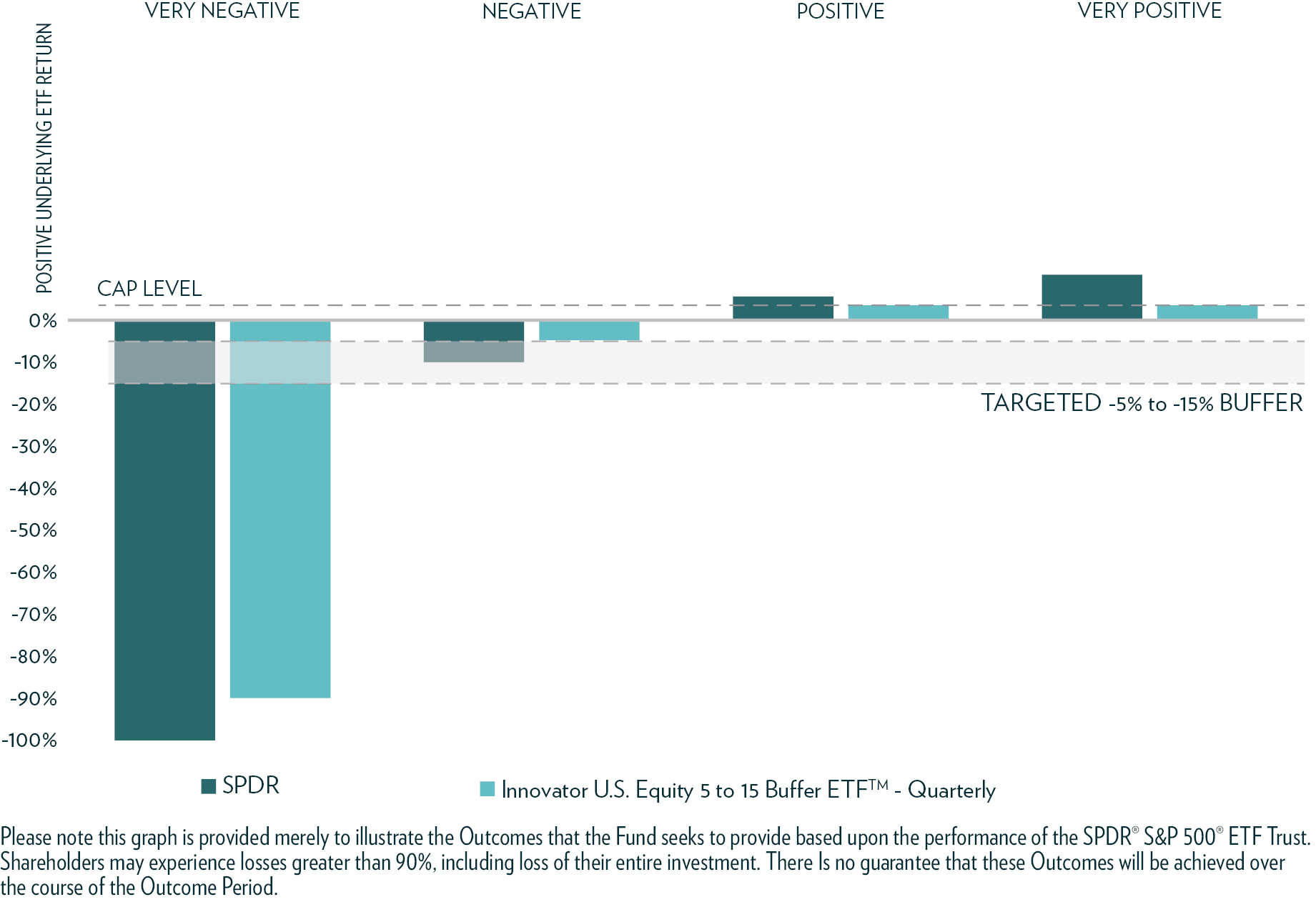
The following table contains hypothetical examples designed to illustrate the Outcomes the Fund seeks to provide over an Outcome Period, based upon the performance of the Underlying ETF from -100% to 100%. The table is provided for illustrative purposes and does not provide every possible performance scenario for Shares over the course of an Outcome Period. There is no guarantee that the Fund will be successful in its attempt to provide the Outcomes for an Outcome Period. The table is not intended to predict or project the performance of the FLEX Options or the Fund. Fund shareholders should not take this information as an assurance of the expected performance of the Underlying ETF or return on Shares. The actual overall performance of the Fund will vary with fluctuations in the value of the FLEX Options during the Outcome Period, among other factors. Please refer to the Fund’s website, www.innovatoretfs.com/ealt, which provides updated information relating to this table on a daily basis throughout the Outcome Period.
|
Underlying |
(100)% |
(50)% |
(20)% |
(10)% |
(5)% |
0% |
5% |
10% |
15% |
20% |
50% |
100% |
|
Fund |
(90)%* |
(40)%* |
(10)%* |
(5)%* |
(5)%* |
0% |
5% |
6.16%* |
6.16%* |
6.16%* |
6.16%* |
6.16%* |
* The Cap and the Buffer are set on the first day of the Outcome Period. The Cap is 6.16% prior to taking into account any fees or expenses charged to shareholders. When the Fund’s annual Fund management fee of 0.69% of the Fund’s average daily net assets is taken into account for the Outcome Period, the Cap is 5.98%. The Buffer is between 5% and 15% prior to taking into account any fees or expenses charged to shareholders. When the Fund’s annual Fund management fee of 0.69% of the Fund’s average daily net assets is taken into account for the Outcome Period, the Buffer is between 4.82% and 14.82%. The Fund’s annual management fee of 0.69% of the Fund’s average daily net assets, any shareholder transaction fees and any extraordinary expenses incurred by the Fund will have the effect of reducing the Cap and Buffer amounts for Fund shareholders.
4
Use of FLEX Options. The Outcomes may be achieved by purchasing and selling call and put FLEX Options to create layers within the Fund’s portfolio. The Sub-Adviser has constructed a portfolio principally composed of FLEX Options that reference the Underlying ETF that are each set to expire on the last day of the Outcome Period. The customizable nature of FLEX Options allows the Sub-Adviser to select the share price at which the Underlying ETF will be exercised at the expiration of each FLEX Option. This is commonly known as the “strike price.” At the commencement of the Outcome Period, the Sub-Adviser specifically selects the strike price for each FLEX Option such that when the FLEX Options are exercised on the final day of the Outcome Period, the Outcomes may be obtained, depending on the performance of the Underlying ETF’s share price over the duration of the Outcome Period. The Fund utilizes European style option contracts, which are exercisable only on the expiration date of the option contract.
To achieve these returns, the Fund may purchase and sell a combination of call option contracts and put option contracts. A call option contract gives the buyer of the call option contract the right (but not the obligation) to buy, and the seller of the call option contract (i.e., the “writer”) the obligation to sell, a specified amount of an underlying security at a pre-determined price. A put option contract gives the buyer of the put option contract the right (but not the obligation) to sell, and the writer of the put option contract the obligation to buy (if the option is exercised), a specified amount of an underlying security at a pre-determined price.
The effect of the Fund’s call option contracts is to provide exposure to the increases in the price of the Underlying ETF, subject to the Cap. The potential investment gains provided by the Fund are subject to the Cap, a maximum investment return level, which is discussed below. The Fund will not participate in gains that exceed the Cap.
Separately, the Fund is designed to deliver on its investment objective to provide returns that are buffered by up to 15% if the Underlying ETF’s share price experiences a loss of greater than 5% during the course of the Outcome Period through its put option contracts. There is no guarantee that the Fund will be successful in its attempt to provide buffered returns. The effect created by the Fund’s FLEX Options positions is that if the Underlying ETF’s share price has decreased in value by an amount less than 5% over the course of the Outcome Period, the Fund seeks to provide a loss that equals the loss experienced by the Underlying ETF, less fees and expenses. Additionally, if the Underlying ETF has decreased in value between 5% and 15% over the course of the Outcome Period, the Fund seeks to provide a loss equal to 5%. Lastly, if the Underlying ETF’s share price has decreased in value by greater than 15% over the course of the Outcome Period, the Fund seeks to provide a loss that is 10% less than the loss experienced by the Underlying ETF.
Each of the FLEX Options purchased and sold throughout the Outcome Period are expected to have the same or similar terms (i.e., strike price and expiration) as the corresponding FLEX Options purchased and sold on the first day of the Outcome Period. A detailed explanation regarding the terms of the FLEX Options and the mechanics of the Fund’s strategy can be found in “Additional Information Regarding the Fund’s Principal Investment Strategies.”
The Outcome Period. The Outcomes sought by the Fund are based upon the Fund’s NAV at the outset of the Outcome Period. The Outcome Period begins on the day the FLEX Options are entered into and ends on the day they expire. Each FLEX Option’s value is ultimately derived from the performance of the Underlying ETF’s share price during that time. Because the terms of the
5
FLEX Options don’t change, the Cap and Buffer both relate to the Fund’s NAV on the first day of the Outcome Period. A shareholder that purchases Shares after the commencement of the Outcome Period will likely have purchased Shares at a different NAV than the NAV on the first day of the Outcome Period (the NAV upon which the Outcomes are based) and may experience investment outcomes very different from those sought by the Fund. A shareholder that sells Shares prior to the end of the Outcome Period may also experience investment outcomes very different from those sought by the Fund. To achieve the Outcomes sought by the Fund for the Outcome Period, an investor must be holding Shares at the time that the Fund enters into the FLEX Options and on the day those FLEX Options expire. There is no guarantee that the Fund will be successful in its attempt to provide the Outcomes.
The Fund’s assets will be principally composed of FLEX Options, the value of which is derived from the performance of the underlying reference asset, the Underlying ETF’s share price. However, because a component of an option’s value is the number of days remaining until its expiration, during the Outcome Period, the Fund’s NAV will not directly correlate on a day-to-day basis with the returns experienced by the Underlying ETF. The Sub-Adviser generally anticipates that the Fund’s NAV will increase on days when the Underlying ETF’s share price increases and will decrease on days when the Underlying ETF’s share price decreases, but that the rate of such increase or decrease will be less than that experienced by the Underlying ETF. Similarly, the amount of time remaining until the end of the Outcome Period also affects the impact of the Buffer on the Fund’s NAV, which may not be in full effect prior to the end of the Outcome Period. The Fund’s strategy is designed to produce the Outcomes upon the expiration of the FLEX Options on the last day of the Outcome Period and it should not be expected that the Outcomes will be provided at any point prior to that time. Taken together, this means that at the midpoint of an Outcome Period, if the Underlying ETF’s share price has decreased by an amount less than the Buffer, the Fund’s NAV can also be expected to have decreased in value because the Buffer is not yet in full effect. The Fund’s NAV may decrease to a lesser extent experienced by the Underlying ETF because the Fund’s NAV will not correlate one-to-one with the Underlying ETF (i.e., the Fund’s NAV tends not to participate fully in either Underlying ETF gains or losses).
Cap on Potential Upside Returns. Unlike other investment products, the potential upside return an investor can receive from an investment in Fund Shares over the Outcome Period is subject to the Cap. The Cap represents the maximum percentage return an investor can achieve from an investment in Fund Shares over the duration of the Outcome Period. Therefore, even though the Fund’s returns are based upon the performance of the Underlying ETF’s share price, if the Underlying ETF’s share price experiences returns for the Outcome Period in excess of the Cap, the Fund will not participate in excess returns. The Cap is determined on the first day of the Outcome Period and is 6.16% prior to taking into account any fees or expenses charged to shareholders. When the Fund’s annual Fund management fee of 0.69% of the Fund’s average daily net assets is taken into account for the Outcome Period, the Cap is 5.98%. The Cap will be further reduced by any shareholder transaction fees and any extraordinary expenses incurred by the Fund. For the purpose of this prospectus, “extraordinary expenses” are non-recurring expenses that may be incurred by the Fund outside of the ordinary course of its business, including, without limitation, costs incurred in connection with any claim, litigation,
6
arbitration, mediation, government investigation or similar proceedings, indemnification expenses and expenses in connection with holding and/or soliciting proxies for a meeting of Fund shareholders. The Cap is also set forth on the Fund’s website at www.innovatoretfs.com/ealt.
The Cap will change for each Outcome Period based upon prevailing market conditions at the beginning of the Outcome Period. The Cap, and the Fund’s position relative to it, should be considered before investing in the Fund. If an investor is considering purchasing Shares during the Outcome Period, and the Fund has already increased in value to a level near to the Cap, an investor purchasing Shares at that price has limited to no gains available for the remainder of the Outcome Period but remains vulnerable to significant downside risks. There is no guarantee that the Fund will successfully achieve its investment objective.
The Cap is a result of the design of the Fund’s principal investment strategy. In order to provide the Buffer, the Fund enters into a series of FLEX Option contracts. As the purchaser of certain of these FLEX Options, the Fund is obligated to pay a premium to the seller of those FLEX Options. However, the strategy is designed so that any premiums that the Fund is obligated to pay are offset by premiums it receives in connection with the selling of FLEX Options. On the first day of the Outcome Period when the Fund enters into its other FLEX Options positions, the portfolio managers will calculate the amount of premiums that the Fund will owe and will then go into the market and sell a call FLEX Option with terms that entitle the Fund to receive a premium in an amount equal to the amount that the Fund would otherwise owe. The Cap is the strike price of that sold call FLEX Option. The strike price is determined based upon prevailing market conditions at the time the Fund enters into the FLEX Options, most notably current interest rate levels, volatility in the Underlying ETF’s share price, and the relationship of put and calls on the underlying FLEX Options.
Buffer. The Buffer is only operative against Underlying ETF losses of between 5% and 15% for the Outcome Period; however, there is no guarantee that the Fund will be successful in its attempt to provide buffered returns. After the Underlying ETF’s share price has decreased by more than 15%, the Fund will experience all subsequent losses on a one-to-one basis. The Buffer is provided prior to taking into account annual Fund management fees, transaction fees and any extraordinary expenses incurred by the Fund. These fees and any expenses will have the effect of reducing the Buffer amount for Fund shareholders for an Outcome Period. When the Fund’s annual management fee equal to 0.69% of the Fund’s daily net assets is taken into account, the net Buffer for an Outcome Period is between 4.82% and 14.82%. The Fund’s strategy is designed to produce the Outcomes upon the expiration of its FLEX Options investments on the last day of the Outcome Period. Therefore, it should not be expected that the Buffer, including the net effect of the Fund’s annual management fee on the Buffer, will be provided at any point prior to the last day of the Outcome Period. If an investor is considering purchasing Shares during the Outcome Period, and the Fund has already decreased in value by an amount equal to or greater than 15%, an investor purchasing Shares at that price will have increased gains available prior to reaching the Cap but may not benefit from the Buffer that the Fund seeks to provide for the remainder of the Outcome Period. Conversely, if an investor is considering purchasing Shares during the Outcome Period and the Fund has already increased in value, then a shareholder may experience losses prior to gaining the protection offered by the Buffer, which is not guaranteed. A shareholder that purchases Shares at the beginning of the Outcome Period may lose their entire investment. While the Fund seeks to limit losses from -5% to -15% for shareholders
7
who hold Shares for the entire Outcome Period, there is no guarantee it will successfully do so. Depending upon market conditions at the time of purchase, a shareholder that purchases Shares after the Outcome Period has begun may also lose their entire investment. An investment in the Fund is only appropriate for shareholders willing to bear those losses.
Fund Rebalance. The Fund is a continuous investment vehicle. It does not terminate and distribute its assets at the conclusion of each Outcome Period. On the termination date of an Outcome Period, the Sub-Adviser will invest in a new set of FLEX Options and another Outcome Period will commence.
Approximately one week prior to the end of each Outcome Period, the Fund will file a prospectus supplement, which will alert existing shareholders that an Outcome Period is approaching its conclusion and disclose the anticipated ranges for the Cap and Buffer for the next Outcome Period. Following the close of business on the last day of the Outcome Period, the Fund will file a prospectus supplement that discloses the Fund’s final Cap and Buffer (both gross and net of the unitary management fee) for the next Outcome Period. This information is available on the Fund’s website, www.innovatoretfs.com/ealt, which also provides information relating to the Outcomes, including the Fund’s position relative to the Cap, of an investment in the Fund on a daily basis.
The Fund’s website, www.innovatoretfs.com/ealt, provides information relating to the Outcomes, including the Fund’s position relative to the Cap and Buffer, of an investment in the Fund on a daily basis.
The Fund is classified as “non-diversified” under the Investment Company Act of 1940, as amended (the “1940 Act”).
8
9
10
11
12
13
14
15
The Shares will change in value, and you could lose money by investing in the Fund. The Fund may not achieve its investment objective.
Management
Investment Adviser
Innovator Capital Management, LLC (“Innovator” or the “Adviser”)
Investment Sub-Adviser
Milliman Financial Risk Management LLC
Portfolio Managers
The following persons serve as portfolio managers of the Fund.
• Robert T. Cummings – Principal Senior Director, Head of Portfolio Management at Milliman
• Yin Bhuyan – ETF Portfolio Manager at Milliman
Each of the portfolio managers is primarily and jointly responsible for the day-to-day management of the Fund and has served in such capacity since the Fund’s inception in October 2023.
Purchase and Sale of Shares
The Fund issues and redeems Shares at NAV only with authorized participants that have entered into agreements with the Fund’s distributor and only in Creation Units or multiples thereof (“Creation Unit Aggregations”), in exchange for cash. Except when aggregated in Creation Units, the Shares are not redeemable securities of the Fund.
16
Individual Shares may only be bought and sold in the secondary market (i.e., on a national securities exchange) through a broker or dealer at a market price. Because the Shares trade at market prices rather than NAV, Shares may trade at a price greater than NAV (at a premium), at NAV, or less than NAV (at a discount). An investor may incur costs attributable to the difference between the highest price a buyer is willing to pay to purchase Shares (bid) and the lowest price a seller is willing to accept for Shares (ask) when buying or selling shares in the secondary market (the “bid-ask spread”).
Recent information, including information on the Fund’s NAV, market price, premiums and discounts, and bid-ask spreads, is available online at www.innovatoretfs.com.
Tax Information
The Fund’s distributions will generally be taxable as ordinary income, returns of capital or capital gains. A sale of Shares may result in capital gain or loss.
Payments to Broker-Dealers and Other Financial Intermediaries
If you purchase Shares through a broker-dealer or other financial intermediary (such as a bank), Innovator and Foreside Fund Services, LLC, the Fund’s distributor (the “Distributor”), may pay the intermediary for the sale of Shares and related services. These payments may create a conflict of interest by influencing the broker-dealer or other intermediary and your salesperson to recommend the Fund over another investment. Ask your salesperson or visit your financial intermediary’s website for more information.
17
| Investor Suitability Considerations | |
| You should only consider this investment if: | You should not consider this investment if: |
| • you fully understand the risks inherent in an investment in Shares; • you desire to invest in a product with a return that depends upon the performance of the Underlying ETF’s share price over the Outcome Period; • you are willing to hold Shares for the duration of the Outcome Period in order to achieve the outcomes that the Fund seeks to provide; • you fully understand that investments made when the Fund is at or near to the Cap may have limited to no upside; • you seek the protection of a Buffer on Underlying ETF losses for an investment held for the duration of the entire Outcome Period and understand that there is no guarantee that the Fund will be successful in its attempt to provide protection through the Buffer; • you understand that the Buffer is provided prior to taking into account annual Fund management fees, shareholder transaction fees and any extraordinary expenses incurred by the Fund. After taking into account the annual Fund management fee, the net Buffer is provided for losses between 4.82% and 14.82%; • you are willing to forgo any gains in excess of the Cap; • you understand that the Cap will be reduced by annual Fund management fees, shareholder transaction fees and any extraordinary expenses incurred by the Fund; • you understand that the Fund’s investments do not provide for dividends to the Fund; • you fully understand that investments made after the Outcome Period has begun may not fully benefit from the Buffer; • you are willing to accept the risk of losing your entire investment; and • you have visited the Fund’s website and understand the investment outcomes available to you based upon the time of your purchase. | • you do not fully understand the risks inherent in an investment in Shares; • you do not desire to invest in a product with a return that depends upon the performance of the Underlying ETF’s share price over the Outcome Period; • you are unwilling to hold Shares for the duration of the Outcome Period in order to achieve the outcomes that the Fund seeks to provide; • you do not fully understand that investments made when the Fund is at or near to the Cap may have limited to no upside; • you seek an investment that provides total protection against Underlying ETF losses for an investment held for the duration of an Outcome Period and understand that any protection provided by the Buffer is not guaranteed; • you do not understand that the Buffer is provided prior to taking into account annual Fund management fees, shareholder transaction fees and any extraordinary expenses incurred by the Fund; • you are unwilling to forgo any gains in excess of the Cap; • you do not understand that the Cap will be reduced by annual Fund management fees, shareholder transaction fees and any extraordinary expenses incurred by the Fund; • you do not fully understand that the Fund’s investments do not provide for dividends to the Fund; • you do not fully understand that investments made after the Outcome Period has begun may not fully benefit from the Buffer; • you are unwilling to accept the risk of losing your entire investment; and • you have not visited the Fund’s website and do not understand the investment outcomes available to you based upon the timing of your purchase. |
18
| Additional Information About the Fund’s Principal Investment Strategies |
The Fund’s principal investment strategy seeks to produce the Outcomes based upon the performance of the Underlying ETF. If the Underlying ETF’s share price increases in value over the duration of the Outcome Period, the Fund seeks to provide Fund shareholders that hold Shares for the entire Outcome Period with an increase in value that approximately matches the increase experienced by the Underlying ETF, subject to the Cap. All investment gains are subject to the Cap. If the Underlying ETF’s share price decreases in value over the duration of the Outcome Period, the Fund seeks to provide Fund shareholders that hold Shares for the entire Outcome Period with a Buffer during the Outcome Period. Both the Cap and the Buffer are provided prior to taking into account annual Fund management fees equal to 0.69% of the Fund’s daily net assets, shareholder transaction fees and any extraordinary expenses incurred by the Fund. Such expenses will reduce the Cap. The Fund’s annual management fee of 0.69% of the Fund’s average daily net assets, any shareholder transaction fees and any extraordinary expenses incurred by the Fund will have the effect of reducing the Cap and Buffer amount for Fund shareholders. There is no guarantee that the Fund will be successful in its attempt to provide buffered returns.
The Underlying ETF is an exchange-traded unit investment trust that uses a full replication strategy, meaning it invests entirely in the S&P 500® Index. The investment objective of the Underlying ETF is to seek to provide investment results that, before expenses, correspond generally to the price and yield performance of the S&P 500® Index, which includes five hundred (500) selected companies, all of which are listed on national stock exchanges and spans over 24 separate industry groups.
In general, an option contract is an agreement between a buyer and seller that gives the purchaser of the option the right to buy or sell a particular asset at a specified future date at an agreed upon price (commonly known as the “strike price”). FLEX Options are exchange-traded options contracts with uniquely customizable terms. Each FLEX Option contract that the Fund enters into references the Underlying ETF and expires on the last day of the Outcome Period. The FLEX Options, however, have varying strike prices. The layering of these FLEX Options with varying strike prices provides the mechanism for producing the Fund’s desired outcomes.
19
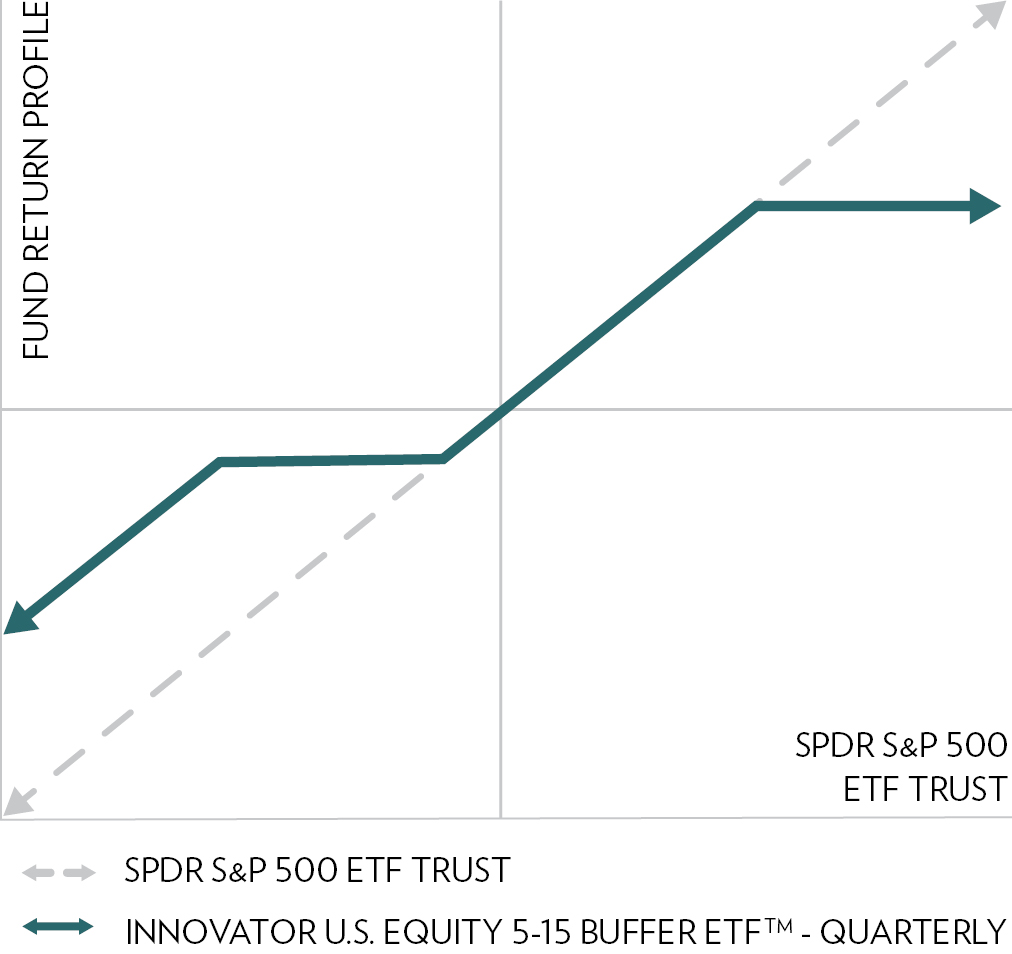
• The purchased call FLEX Option provides the Fund’s upside participation that matches that of the Underlying ETF’s share price. At the expiration date, these FLEX Options realize a value equal to that of the Underlying ETF’s share price.
• Taken together, the purchase and sale of put FLEX Options produces the “Buffer” from -5% to -15% The sold put FLEX Option contract provides downside exposure to the returns of the Underlying ETF’s share price starting at the strike price of the sold put FLEX Option. The Fund’s purchased put FLEX Option contract enables the Fund to profit from decreases in the Underlying ETF’s share price. These FLEX Option contracts utilize differing strike prices, the combination of which produces the Fund’s Buffer of losses from -5% to -15%.
• To help pay for the FLEX Options that provide upside exposure to the Underlying ETF and the Buffer, the Fund sells a call FLEX Option that results in the Cap. The Cap level is chosen so that the combined net purchase prices in all of the Fund’s FLEX Option positions is approximately equal to the Fund’s NAV. The Cap is the strike price of the sold call FLEX Option and effectively trades away the Fund’s ability to participate in upside price return gains of the Underlying ETF that exceed the strike price of the sold call FLEX Option.
• The combination of all of the FLEX Options creates a maximum growth opportunity equal to the return experienced by the Underlying ETF at expiration, not to exceed the Cap, while providing a Buffer from losses of between 5% and 15% before fees and expenses.
As described on the cover of this prospectus, in “Principal Investment Strategies” and in “Principal Risks,” there are risks associated with an investment in the Fund and there is no guarantee the Fund achieve the Outcomes it seeks to provide. The Fund’s unique characteristics (i.e., the imperative
20
of holding Shares for the entire Outcome Period, the Cap and Buffer) distinguish it from other investment products and may make it an unsuitable some investors. To help decide whether an investment in the Fund is appropriate based upon individual circumstances, please see the section of this prospectus entitled “Investor Suitability.”
The Fund’s investment objective is non-fundamental and may be changed by the Board without shareholder approval. Additionally, the Fund may liquidate and terminate at any time without shareholder approval.
| Fund Investments |
Principal Investments
FLEX Options
FLEX Options are customized option contracts that trade on an exchange but provide investors with the ability to customize key contract terms like strike price, style and expiration date while achieving price discovery in competitive, transparent auctions markets and avoiding the counterparty exposure of over-the-counter options positions. Like traditional exchange-traded options, FLEX Options are guaranteed for settlement by the OCC, a market clearinghouse that guarantees performance by counterparties to certain derivatives contracts.
The FLEX Options in which the Fund will invest are all European style option contracts (option contracts that are exercisable only on the expiration date). The FLEX Options are listed on the Chicago Board Options Exchange.
The Fund will purchase and sell call and put FLEX Options. In general, put options give the holder (i.e., the buyer) the right to sell an asset (or deliver the cash value of the asset, in case of certain put options) and the seller (i.e., the writer) of the put has the obligation to buy the asset (or receive cash value of the asset, in case of certain put options) at a certain defined price. Call options give the holder (i.e., the buyer) the right to buy an asset (or receive cash value of the asset, in case of certain call options) and the seller (i.e., the writer) the obligation to sell the asset (or deliver cash value of the asset, in case of certain call options) at a certain defined price. The FLEX Options held by the Fund may be either physically settled (options that give the Fund the right to receive, or require the Fund to deliver, shares of the Underlying ETF on the option expiration date at the strike price) or cash settled (options that give the Fund the right to receive, or require the Fund to deliver, a cash payment on the option expiration date based upon the difference between the strike price and the then-current price of the Underlying ETF).
The Fund will use the market value of its derivatives holdings for the purpose of determining compliance with the 1940 Act and the rules promulgated thereunder. Since the FLEX Options held by the Fund are exchange-traded, these will be valued on a mark-to-market basis. In the event market prices are not available, the Fund will use fair value pricing pursuant to the fair value procedures adopted by Innovator as the “Valuation Designee” pursuant to Rule 2a-5 of the 1940 Act (“Rule 2a-5”) and approved by, and subject to the oversight of, the Board. The Fund will enter into FLEX Options contracts in accordance with Rule 18f-4 under the 1940 Act, which requires the Fund to implement certain policies and procedures designed to manage its derivatives risks, dependent upon the Fund’s level of exposure to derivative instruments.
21
Disclosure of Portfolio Holdings
A description of the Trust’s policies and procedures with respect to the disclosure of the Fund’s portfolio holdings is available in the Fund’s statement of additional information (“SAI”), which is available at www.innovatoretfs.com.
| Additional Risks of Investing in the Fund |
Risk is inherent in all investing. Investing in the Fund involves risk, including the risk that you may lose all or part of your investment. There can be no assurance that the Fund will meet its stated objective. Before you invest, you should consider the following supplemental disclosure pertaining to the Principal Risks set forth above as well as additional Non-Principal Risks set forth below in this prospectus.
Principal Risks
Buffered Loss Risk. There can be no guarantee that the Fund will be successful in its strategy to provide buffer protection against Underlying ETF losses if the Underlying ETF’s share price decreases by between 5% and 15% over the duration of the Outcome Period. A shareholder may lose their entire investment. The Fund’s strategy seeks to deliver returns that match those of the Underlying ETF (up to the Cap), while limiting downside losses, if Shares are held at the time at which the Fund enters into the FLEX Options and held until those FLEX Options expire at the end of the Outcome Period. In the event an investor purchases Shares after the FLEX Options were entered into or sells Shares prior to the expiration of the FLEX Options, the Buffer that the Fund seeks to provide may not be available. Because the value of the FLEX Options depends, in part, on the time remaining until expiration and the Buffer is designed to be in effect at the end of the Outcome Period, it is possible that the Fund’s NAV may decrease during the Outcome Period before the Buffer is fully implemented. If a shareholder were to sell at this time, they could recognize losses on their investment. Additionally, because the Buffer is provided by operation of the FLEX Options, the implementation of the Buffer is subject to counterparty risk (for additional information, see “Counterparty Risk” herein). The Fund does not provide principal protection or non-principal protection and an investor may experience significant losses on its investment, including the loss of its entire investment.
Capped Upside Return Risk. The Fund’s strategy seeks to provide returns that are subject to the Cap. In the event that the Underlying ETF experiences gains in excess of the Cap for the Outcome Period, the Fund will not participate in those gains beyond the Cap. The Fund’s strategy seeks to deliver returns that match those of the Underlying ETF (up to the Cap), while limiting downside losses, if Shares are held at the time at which the Fund enters into the FLEX Options and held until those FLEX Options expire at the end of the Outcome Period. In the event an investor purchases Shares after the FLEX Options were entered into or sells Shares prior to the expiration of the FLEX Options, there may be little or no ability for that investor to experience an investment gain on their Shares. Due to the size of the Buffer over each quarterly Outcome Period, the Fund expects its Cap to be lower relative to other “defined outcome products” with an annual outcome period and/or a lower buffer.
22
FLEX Options Risk. The Fund will utilize FLEX Options, which are customizable, exchange-traded option contracts that are issued and guaranteed for settlement by the OCC. The Fund bears the risk that the OCC will be unable or unwilling to perform its obligations under the FLEX Options contracts. In the unlikely event that the OCC becomes insolvent or is otherwise unable to meet its settlement obligations, the Fund could suffer significant losses. Additionally, FLEX Options may be less liquid than certain other securities, such as standardized options. In less liquid markets for the FLEX Options, the Fund may have difficulty closing out certain FLEX Options positions at desired times and prices. In connection with the creation and redemption of Shares, to the extent market participants are not willing or able to enter into FLEX Option transactions with the Fund at prices that reflect the market price of the Shares, the Fund’s NAV and, in turn the share price of the Fund, could be negatively impacted.
The Fund may experience substantial downside from specific FLEX Option positions and certain FLEX Option positions may expire worthless. The Fund utilizes European style FLEX Option contracts, which are exercisable at the strike price only on the expiration date. As a FLEX Option approaches its expiration date, its value typically increasingly moves with the value of the Underlying ETF. However, prior to such date, the value of the FLEX Options does not increase or decrease at the same rate as the Underlying ETF’s share price on a day-to-day basis (although they generally move in the same direction). The value of the FLEX Options held by the Fund will be determined based on market quotations or other recognized pricing methods. The value of the underlying FLEX Options will be affected by, among others, changes in the Underlying ETF’s share price, changes in interest rates, changes in the actual and implied volatility of the Underlying ETF and the remaining time to until the FLEX Options expire.
Option Contracts Risk. The use of option contracts involves investment strategies and risks different from those associated with ordinary portfolio securities transactions. The prices of option contracts are volatile and are influenced by, among other things, actual and anticipated changes in the value of the underlying instrument, changes in interest or currency exchange rates, including the anticipated volatility, which are affected by fiscal and monetary policies and by national and international political, changes in the actual or implied volatility or the reference asset, the time remaining until the expiration of the option contract and economic events. There may at times be an imperfect correlation between the movement in values option contracts and the reference asset, and there may at times not be a liquid secondary market for certain option contracts. Option contracts may also involve the use of leverage, which could result in greater price volatility than other markets. The Fund has taken the necessary steps to comply with the requirements of Rule 18f-4 in its usage of FLEX Options. The Fund has adopted and implements a derivatives risk management program that contains policies and procedures reasonably designed to manage the Fund’s derivatives risks, has appointed a derivatives risk manager who is responsible for administrating the derivatives risk management program, complies with outer limitations on risks relating to its derivatives transactions and carries out enhanced reporting to the Board, the SEC and the public regarding its derivatives activities. To the extent the Fund is noncompliant with Rule 18f-4, the Fund may be required to adjust its investment portfolio which may, in turn, negatively impact the Fund’s ability to deliver the sought-after Outcomes.
23
Clearing Member Default Risk. Transactions in some types of derivatives, including FLEX Options, are required to be centrally cleared (“cleared derivatives”). In a transaction involving cleared derivatives, the Fund’s counterparty is a clearing house, such as the OCC, rather than a bank or broker. Since the Fund is not a member of clearing houses and only members of a clearing house (“clearing members”) can participate directly in the clearing house, the Fund will hold cleared derivatives through accounts at clearing members. In cleared derivatives positions, the Fund will make payments (including margin payments) to, and receive payments from, a clearing house through their accounts at clearing members. Customer funds held at a clearing organization in connection with any option contracts are held in a commingled omnibus account and are not identified to the name of the clearing member’s individual customers. As a result, assets deposited by the Fund with any clearing member as margin for its FLEX Options may, in certain circumstances, be used to satisfy losses of other clients of the Fund’s clearing member. In addition, although clearing members guarantee performance of their clients’ obligations to the clearing house, there is a risk that the assets of the Fund might not be fully protected in the event of the clearing member’s bankruptcy, as the Fund would be limited to recovering only a pro rata share of all available funds segregated on behalf of the clearing member’s customers for the relevant account class. The Fund is also subject to the risk that a limited number of clearing members are willing to transact on the Fund’s behalf, which heightens the risks associated with a clearing member’s default. If a clearing member defaults the Fund could lose some or all of the benefits of a transaction entered into by the Fund with the clearing member. The loss of a clearing member for the Fund to transact with could result in increased transaction costs and other operational issues that could impede the Fund’s ability to implement its investment strategy. If the Fund cannot find a clearing member to transact with on the Fund’s behalf, the Fund may be unable to effectively implement its investment strategy.
Counterparty Risk. Counterparty risk is the risk an issuer, guarantor or counterparty of a security in the Fund is unable or unwilling to meet its obligation on the security. Counterparty risk may arise because of the counterparty’s financial condition, market activities, or for other reasons. The Fund may be unable to recover its investment from the counterparty or may obtain a limited and/or delayed recovery. The OCC acts as guarantor and central counterparty with respect to the FLEX Options. As a result, the ability of the Fund to meet its objective depends on the OCC being able to meet its obligations. In the event an OCC clearing member that is a counterparty of the Fund were to become insolvent, the Fund may have some or all of its FLEX Options closed without its consent or may experience delays or other difficulties in attempting to close or exercise its affected FLEX Options positions, both of which would impair the Fund’s ability to deliver on its investment strategy. The OCC’s rules and procedures are designed to facilitate the prompt settlement of options transactions and exercises, including for clearing member insolvencies. However, there is the risk that the OCC and its backup system will fail if clearing member insolvencies are substantial or widespread. In the unlikely event that the OCC becomes insolvent or is otherwise unable to meet its settlement obligations, the Fund could suffer significant losses.
Outcome Period Risk. The Fund’s investment strategy is designed to deliver the Outcomes if Shares are held for the entirety of the Outcome Period. In the event an investor purchases Shares after the FLEX Options were entered into or sells Shares prior to the expiration of the FLEX Options, the returns realized by the investor will not match those that the Fund seeks to provide. In addition, because the Fund is designed to achieve Outcomes that change for each three-month Outcome Period, the Outcomes that are achieved by the Fund for a three-month Outcome Period
24
will be different than the Outcomes achieved by the Fund over multiple Outcome Periods, or on an annualized basis. Similarly, investors holding Shares over multiple Outcome Periods will experience different investment results than holding a fund that has a longer Outcome Period (e.g., one year) and any losses for such holders could exceed the performance for a fund with a longer Outcome Period.
Upside Participation Risk. There can be no guarantee that the Fund will be successful in its strategy to provide shareholders with a total return that matches the increases in the price of the Underlying ETF over the Outcome Period, subject to a maximum return imposed by the Cap. Because the value of the Fund’s FLEX Options does not increase or decrease at the same rate as the Underlying ETF’s share price on a day-to-day basis (although they generally move in the same direction), the Fund may underperform the increases in the share price of the Underlying ETF until the end of the Outcome Period. To the extent the price of the Underlying ETF increases beyond the Fund’s Cap, the Fund will not participate in such gains, and will underperform the Underlying ETF. In the event an investor purchases Shares after the FLEX Options were entered into or does not stay invested in the Fund for the entirety of the Outcome Period, the returns realized by such investor may not match those that the Fund seeks to achieve. The Fund is subject to a Cap which may be lower relative to other “defined outcome products” and, as a result, any positive investment returns delivered by the Fund may be lower in comparison to such products and to that of the Underlying ETF.
Cap Change Risk. A new Cap is established at the beginning of each Outcome Period and is dependent on prevailing market conditions at the time the Cap is established. As such, the Cap may rise or fall from one Outcome Period to the next and is unlikely to remain the same for consecutive Outcome Periods. Investors should monitor the changes in the Cap for each Outcome Period, information for which will be made available pursuant to the procedure outlined in the Fund’s prospectus.
Underlying ETF Risk. Because the value of the FLEX Options held by the Fund are based on the value of the Underlying ETF, the Fund’s investment performance largely depends on the investment performance and associated risks of the Underlying ETF. The Underlying ETF is subject to many of the same structural risks as the Fund that are described in more detail herein, such as Authorized Participant Concentration Risk, Fluctuation of Net Asset Value Risk, Market Maker Risk, Market Risk, Operational Risk and Trading Issues Risk. However, the risks of investing in an ETF also include the risks associated with the underlying investments held by the ETF. As such, the Fund may be subject to the following risks as a result of its exposure to the Underlying ETF through its usage of FLEX Options:
Equity Securities Risk. The Underlying ETF invests in equity securities, and therefore the Fund has exposure to the equity securities markets due to its investment in FLEX Options that reference the Underlying ETF. Investments in equity securities are subject to market risks that may cause their prices to fluctuate over time. The value of your investment in the Fund is based on the market prices of the securities to which the Underlying ETF has exposure. These prices change daily due to economic and other events that affect particular companies and other issuers or the market as a whole. Historically, the equity markets have moved in cycles
25
so that the value of the Underlying ETF’s equity securities may fluctuate from day-to-day. Individual companies may report poor results or be negatively affected by industry and/or economic trends and developments and the prices of their securities may suffer a decline in response.
Information Technology Companies Risk. The Underlying ETF invests significantly in information technology companies, which results in the Fund having significant exposure to such companies through its exposure to the Underlying ETF by virtue of its usage of FLEX Options. Information technology companies produce and provide hardware, software and information technology systems and services. Information technology companies are generally subject to the following risks: rapidly changing technologies and existing produce obsolescence; short product life cycles; fierce competition; aggressive pricing and reduced profit margins; the loss of patent, copyright and trademark protections; cyclical market patterns; evolving industry standards; and frequent new product introductions and new market entrants. Information technology companies may be smaller and less experienced companies, with limited product lines, markets or financial resources and fewer experienced management or marketing personnel. Information technology company stocks, particularly those involved with the internet, have experienced extreme price and volume fluctuations that are often unrelated to their operating performance. In addition, information technology companies are particularly vulnerable to federal, state and local government regulation, and competition and consolidation, both domestically and internationally, including competition from foreign competitors with lower production costs. Information technology companies are facing increased government and regulatory scrutiny and may be subject to adverse government or regulatory action. Information technology companies also face competition for services of qualified personnel and heavily rely on patents and intellectual property rights and the ability to enforce such rights to maintain a competitive advantage.
Large Capitalization Companies Risk. The Underlying ETF invests in the securities of large capitalization companies, which results in the Fund having significant exposure to such companies through its exposure to the Underlying ETF by virtue of its usage of FLEX Options. Large capitalization companies may grow at a slower rate and be less able to adapt to changing market conditions than smaller capitalization companies. Thus, the return on investment in securities of large capitalization companies may be less than the return on investment in securities of small and/or mid capitalization companies. Large capitalization companies may go in and out of favor based on market and economic conditions. Although the securities of larger companies may, on average, be less volatile than those of companies with smaller market capitalizations, during different market cycles, the performance of large capitalization companies tends to trail the overall market during different market cycles.
Correlation Risk. The FLEX Options held by the Fund are European style option contracts and therefore will be exercisable at the strike price only on their expiration date. As a FLEX Option approaches its expiration date, its value typically will increasingly move with the value of the Underlying ETF. However, prior to the expiration date, the value of the FLEX Options prior to the expiration date may vary versus the value of the Underlying ETF because of related factors other than the value of the Underlying ETF. Factors that may influence the value of the FLEX Options include interest rate changes and implied volatility levels of the Underlying ETF, among others. The value of the FLEX Options will be determined based upon market quotations or using other
26
recognized pricing methods. The value of the FLEX Options held by the Fund typically do not increase or decrease at the same level as the Underlying ETF’s share price on a day-to-day basis due to these factors (although they generally move in the same direction).
Authorized Participant Concentration Risk. Only an authorized participant may engage in creation or redemption transactions directly with the Fund. The Fund has a limited number of institutions that may act as authorized participants on an agency basis (i.e., on behalf of other market participants). Authorized participants are not obligated to make a market in Shares or submit orders for the issuance or redemption of Creation Units. To the extent that authorized participants exit the business or are unable to proceed with orders for the issuance or redemption of Creation Units and no other authorized participant is able to step forward to fulfill the order, Shares may be more likely to trade at a premium or discount to NAV and possibly face trading halts and/or delisting, and the bid/ask spread on Shares may widen.
Cash Transactions Risk. The Fund may effectuate all or a portion of the issuance and redemption of Creation Units for cash, rather than in-kind securities. As a result, an investment in the Fund may be less tax-efficient than an investment in an ETF that effectuates its Creation Units only on an in-kind basis. ETFs are able to make in-kind redemptions to avoid being taxed on gains on the distributed portfolio securities at the fund level. A fund that effects redemptions for cash may be required to sell portfolio securities in order to obtain the cash needed to distribute redemption proceeds. Any recognized gain on these sales by the fund will generally cause such fund to recognize a gain it might not otherwise have recognized, or to recognize such gain sooner than would otherwise be required if it were to distribute portfolio securities only in-kind. The Fund intends to distribute gains that arise by virtue of the issuance and redemption of Creation Units being effectuated in cash to shareholders to avoid being taxed on this gain at the fund level and otherwise comply with special tax rules that apply to it. This may cause shareholders to be subject to tax on gains they would not otherwise be subject to, or at an earlier date than if they had made an investment in another ETF. Moreover, cash transactions may have to be carried out over several days if the securities market is relatively illiquid and may involve considerable brokerage fees and taxes. These brokerage fees and taxes, which will be higher than if the Fund sold and redeemed its shares principally in-kind, will be passed on to those purchasing and redeeming Creation Units in the form of creation and redemption transaction fees. In addition, these factors may result in wider spreads between the bid and the offered prices of Shares than for ETFs that distribute portfolio securities in-kind. The Fund’s use of cash for creations and redemptions could also result in dilution to the Fund and increased transaction costs, which could negatively impact the Fund’s ability to achieve its investment objective.
Cyber Security Risk. As the use of Internet technology has become more prevalent in the course of business, the investment industry has become more susceptible to potential operational risks through breaches in cyber security. A breach in cyber security refers to both intentional and unintentional events that may cause the Fund to lose proprietary information, suffer data corruption or lose operational capacity. Such events could cause the Fund to incur regulatory penalties, reputational damage, additional compliance costs associated with corrective measures and/or financial loss. Cyber security breaches may involve unauthorized access to the Fund’s digital information systems through “hacking” or malicious software coding, but may also result
27
from outside attacks such as denial-of-service attacks through efforts to make network services unavailable to intended users. In addition, cyber security breaches of the Fund’s third-party service providers, such as its administrator, transfer agent, or custodian can also subject the Fund to many of the same risks associated with direct cyber security breaches. The Fund has established risk management systems designed to reduce the risks associated with cyber security. However, there is no guarantee that such efforts will succeed, especially because the Fund does not directly control the cyber security systems of issuers or third-party service providers. The Fund may incur substantial costs in order to resolve or prevent cyber security incidents in the future.
Investment Objective Risk. Certain circumstances under which the Fund might not achieve its objective include, but are not limited, to (i) if the Fund disposes of FLEX Options, (ii) if the Fund is unable to maintain the proportional relationship based on the number of FLEX Options in the Fund’s portfolio, (iii) a significant accrual of Fund expenses in connection with effecting the Fund’s principal investment strategy or (iv) adverse tax law changes affecting the treatment of FLEX Options. The Fund is also subject to management risk as an actively-managed fund, which may cause it not to achieve its investment objective.
Liquidity Risk. The market for the Fund’s FLEX Options may become less liquid as a result of adverse market or economic conditions or other unrelated reasons. In the event that trading in the underlying FLEX Options is limited or absent, the value of the Fund’s FLEX Options may decrease. There is no guarantee that a liquid secondary trading market will exist for the FLEX Options. The trading in FLEX Options may be less deep and liquid than the market for certain other securities, including certain non-customized option contracts. In a less liquid market for the FLEX Options, terminating the FLEX Options may require the payment of a premium or acceptance of a discounted price and may take longer to complete. Additionally, the liquidation of a large number of FLEX Options may more significantly impact the price in a less liquid market. Further, the Fund requires a sufficient number of participants to facilitate the purchase and sale of options on an exchange to provide liquidity to the Fund for its FLEX Option positions. A less liquid trading market may adversely impact the value of the FLEX Options and the value of your investment.
Management Risk. The Fund is subject to management risk because it is an actively managed portfolio. The Sub-Adviser applies investment techniques and risk analyses in making investment decisions for the Fund, but there can be no guarantee that the Fund will meet its investment objective, produce the Outcomes or perform as well as similarly situated funds.
Market Maker Risk. The Fund faces market trading risks, including the potential lack of an active market for Shares due to a limited number of market makers. If the Fund has lower average daily trading volumes, it may rely on a small number of third-party market makers to provide a market for the purchase and sale of Shares. Any trading halt or other problem relating to the trading activity of these market makers could result in a dramatic change in the spread between the Fund’s NAV and the price at which the Shares are trading on the Exchange, which could result in a decrease in the market price of the Shares. In addition, decisions by market makers or authorized participants to reduce their role or step away from these activities in times of market stress could inhibit the effectiveness of the arbitrage process in maintaining the relationship
28
between the underlying values of the Fund’s portfolio securities and the Fund’s market price. This reduced effectiveness could result in Shares trading at a discount to NAV and in greater than normal intra-day bid-ask spreads for Shares.
Market Risk. The Fund could lose money over short periods due to short-term market movements and over longer periods during more prolonged market downturns. Assets may decline in value due to factors affecting financial markets generally or particular asset classes or industries represented in the markets. The value of FLEX Options or other assets may also decline due to general market conditions, economic trends or events that are not specifically related to the issuer of the security or other asset, or due to factors that affect a particular issuer or issuers, country, group of countries, region, market, industry, group of industries, sector or asset class. During a general market downturn, multiple asset classes may be negatively affected. Changes in market conditions and interest rates will not have the same impact on all types of securities. Values of securities may change due to factors such as inflation, changes in interest rates, changes in regulatory requirements, bank failures, political climate deterioration or developments, armed conflicts, natural disasters or future health crises, may negatively impact market conditions, and cause a decrease in the value of securities. Other unexpected political, regulatory and diplomatic events within the U.S. and abroad may affect investor and consumer confidence and may adversely impact financial markets and the broader economy. These events, and any other future events, may adversely affect the prices and liquidity of the Fund’s investments and could result in disruptions in the trading markets. Securities, including the Shares, are subject to market fluctuations and liquidity constraints that may be caused by such factors or other economic, political, or regulatory developments, and/or perceived trends in securities prices. Shares of the Fund could decline in value or underperform other investments. In addition, local, regional or global events such as war, acts of terrorism, spread of infectious diseases or other public health issues, recessions, or other events could have a significant negative impact on a Fund and its investments. Such events may affect certain geographic regions, countries, sectors and industries more significantly than others. Such events could result in disruptions to trading markets and could also adversely affect the prices and liquidity of a Fund’s holdings. Any of such circumstances could result in increased market volatility and/or have a materially negative impact on the value of Shares or the liquidity of an investment. During any such events, Shares may trade at greater premiums or discounts to their NAV and the bid/ask spread on Shares may widen. The future potential economic impact of any such future events is impossible to predict and could result in adverse market conditions that impact the performance of the Fund.
Non-Diversification Risk. The Fund is classified as “non-diversified” under the 1940 Act. As a result, the Fund is only limited as to the percentage of its assets which may be invested in the securities of any one issuer by the diversification requirements imposed by the Code. The Fund may invest a relatively high percentage of its assets in a limited number of issuers. As a result, the Fund may be more susceptible to a single adverse economic or regulatory occurrence affecting one or more of these issuers, experience increased volatility and be highly invested in certain issuers.
Operational Risk. The Fund is exposed to operational risks arising from a number of factors, including, but not limited to, human error in the calculation of the Cap, processing and communication errors, errors of the Fund’s service providers, counterparties or other third-parties, failed or inadequate processes and technology or systems failures. Additionally, cyber security failures or breaches of the electronic systems of the Fund and/or its service providers may disrupt
29
or negatively impact the operation of the Fund which may result in financial losses to the Fund and its shareholders. The Fund and its Adviser and Sub-Adviser seek to reduce these operational risks through controls and procedures. However, these measures do not address every possible risk and may be inadequate to address these risks.
Premium/Discount Risk. Shares trade on the Exchange at market prices rather than their NAV. The Fund’s NAV represents the value of the Fund’s investments and is calculated by taking the sum of the Fund’s assets less the Fund’s liabilities, if any. The NAV per Share is the value of a Share’s portion of all of the Fund’s net assets. The market price of Shares generally corresponds to movements in the Fund’s NAV as well as the relative supply and demand for Shares on the Exchange. The market price may be at, above (a premium) or below (a discount) the Fund’s NAV. Differences in market prices of Shares and the NAV per Share may be due, in large part, to the fact that supply and demand forces at work in the secondary trading market for Shares will be closely related to, but not identical to, the same forces influencing the prices of the Fund’s holdings trading individually or in the aggregate at any point in time. These differences can be especially pronounced during times of market volatility or stress. During these periods, the demand for Shares may decrease considerably and cause the market price of Shares to deviate, and in some cases deviate significantly, from the Fund’s NAV. Additionally, decisions by market makers and/or authorized participants or reduced effectiveness of the arbitrage process in maintaining the relationship of the Fund’s NAV to the market price of its Shares could result in the Shares trading at a premium, or discount to NAV and the bid/ask spread on Shares may widen.
Tax Risk. The Fund intends to elect and to qualify each year to be treated as a RIC under Subchapter M of the Code. However, the federal income tax treatment of certain aspects of the proposed operations of the Fund are not entirely clear. This includes the tax aspects of the Fund’s options strategy, its hedging strategy, the possible application of the “straddle” rules, and various loss limitation provisions of the Code. If, in any year, the Fund fails to qualify as a RIC under the applicable tax laws, the Fund would be taxed as an ordinary corporation. The Fund intends to treat any income it may derive from the FLEX Options as “qualifying income” under the provisions of the Code applicable to RICs. In addition, based upon language in the legislative history, the Fund intends to treat the issuer of the FLEX Options as the referenced asset, which, assuming the referenced asset qualifies as a RIC, would allow the Fund to qualify for special rules in the RIC diversification requirements. If the income is not qualifying income or the issuer of the FLEX Options is not appropriately the referenced asset, the Fund could lose its own status as a RIC. The FLEX Options included in the portfolio are exchange-traded options. Under Section 1256 of the Code, certain types of exchange-traded options are treated as if they were sold (i.e., “marked to market”) at the end of each year. The Fund does not believe that the positions held by the Fund will be subject to Section 1256, which means that the positions will not be marked to market. In the event that a shareholder purchases Shares of the Fund shortly before a distribution by the Fund, the entire distribution may be taxable to the shareholder even though a portion of the distribution effectively represents a return of the purchase price.
Trading Issues Risk. Although Shares are listed for trading on the Exchange, there can be no assurance that an active trading market for Shares will develop or be maintained. Shares trade on the Exchange at market prices that may be below, at or above the Fund’s NAV. Trading in Shares on the Exchange may be halted due to market conditions or for reasons that, in the view of the Exchange, make trading in Shares inadvisable. In addition, trading in Shares on the Exchange
30
is subject to trading halts caused by extraordinary market volatility pursuant to the Exchange “circuit breaker” rules. Market makers are under no obligation to make a market in the Shares, and authorized participants are not obligated to submit purchase or redemption orders for Creation Units. There can be no assurance that the requirements of the Exchange necessary to maintain the listing of the Fund will continue to be met or will remain unchanged.
Valuation Risk. During periods of reduced market liquidity or in the absence of readily available market quotations for the holdings of the Fund, the valuation of the Fund’s FLEX Options will become more difficult. In market environments where there is reduced availability of reliable objective pricing data, the judgment of the Fund’s investment adviser in determining the fair value of the security may play a greater role. While such determinations may be made in good faith, it may nevertheless be more difficult for the Fund to accurately assign a daily value. The Fund’s Valuation Procedures adopted Innovator as Valuation Designee (as reviewed, approved, and subject to the oversight of the Board) complies with Rule 2a-5 under the 1940 Act. Pursuant to Rule 2a-5, the Board oversees the implementation of the Valuation Procedures. While the Fund’s program is designed to contemplate the specific risks of the Fund, there is no guarantee the program will adequately do so each time, and value may not be properly selected for the Fund.
| Management of the Fund |
The Fund is a series of Innovator ETFs Trust, an investment company registered under the 1940 Act. The Fund is treated as a separate fund with its own investment objectives and policies. The Trust is organized as a Delaware statutory trust. The Board is responsible for the overall management and direction of the Trust. The Board elects the Trust’s officers and approves all significant agreements, including those with the Adviser, Sub-Adviser, custodian and fund administrative and accounting agent.
Investment Adviser
Innovator Capital Management, LLC, 109 North Hale Street, Wheaton, Illinois 60187, serves as the Fund’s investment adviser. In its capacity as Adviser, Innovator has overall responsibility for selecting and monitoring the Fund’s investments and managing the Fund’s business affairs.
Investment Sub-Adviser
Milliman Financial Risk Management LLC, 71 South Wacker Drive, 31st Floor, Chicago, Illinois 60606, serves as the Fund’s investment sub-adviser. Milliman has responsibility for managing the Fund’s investment program in pursuit of its investment objective.
Portfolio Managers
Robert T. Cummings and Yin Bhuyan serve as the Fund’s portfolio managers.
• Robert T. Cummings – Principal Senior Director and Head of Portfolio Management at Milliman. Mr. Cummings has served in this role since 2007. Mr. Cummings has more than 13 years of experience as a trader with a primary focus on options. Prior to joining Milliman, he was involved in various proprietary trading strategies and was a portfolio
31
manager of associated derivatives funds. These strategies included volatility arbitrage, global macro, and high-frequency trading. Entities at which Mr. Cummings has previously worked include Citadel Investment Group, TradeNet (as a primary market maker on the Chicago Board Options Exchange), KCM Group and Spyglass Capital Management.
• Yin Bhuyan – ETF Portfolio Manager at Milliman. Ms. Bhuyan has more than 10 years of experience in capital markets. Prior to joining Milliman, Yin traded in the S&P options pit at CBOE. She has served both as a market maker and a portfolio manager. Her former experience is in risk management and volatility arbitrage. Yin’s current primary focus had been in managing Defined Outcome ETFs and Index tracking ETFs.
For additional information concerning Innovator and Milliman, including a description of the services provided to the Fund, please see the Fund’s SAI. Additional information regarding the portfolio managers’ compensation, other accounts managed by the portfolio managers and the portfolio managers’ ownership of Shares may also be found in the SAI.
Management Fee
Pursuant to an investment advisory agreement between Innovator and the Trust, on behalf of the Fund (the “Investment Management Agreement”), the Fund has agreed to pay an annual unitary management fee to Innovator in an amount equal to 0.69% of its average daily net assets. This unitary management fee is designed to pay the Fund’s expenses and to compensate Innovator for the services it provides to the Fund. Out of the unitary management fee, Innovator pays substantially all expenses of the Fund, including the cost of transfer agency, custody, fund administration, legal, audit and other service and license fees. However, Innovator is not responsible for distribution and service fees payable pursuant to a Rule 12b-1 plan, if any, brokerage commissions and other expenses connected with the execution of portfolio transactions, taxes, interest, and extraordinary expenses.
Pursuant to an investment sub-advisory agreement between Innovator, Milliman and the Trust, on behalf of the Fund (the “Investment Sub-Advisory Agreement”), Innovator has agreed to pay an annual sub-advisory fee to Milliman in an amount based on the Fund’s average daily net assets. Innovator is responsible for paying the entirety of Milliman’s sub-advisory fee. The Fund does not directly pay Milliman.
A discussion regarding the basis for the Board’s approval of the Investment Management Agreement and Investment Sub-Advisory Agreement on behalf of the Fund is available in the Fund’s Annual Report to shareholders for the fiscal period ended October 31, 2023.
Manager of Managers Structure. The Fund and Innovator have received an exemptive order from the SEC to operate under a manager of managers structure that permits Innovator, with the approval of the Board, to appoint and replace sub-advisers, enter into sub-advisory agreements, and materially amend and terminate sub-advisory agreements on behalf of the Fund without shareholder approval (“Manager of Managers Structure”). Under the Manager of Managers Structure, Innovator has ultimate responsibility, subject to oversight by the Board, for overseeing the Fund’s sub-advisers and recommending to the Board their hiring, termination, or replacement. The SEC order does not apply to any sub-adviser that is affiliated with the Fund or Innovator.
32
The Manager of Managers Structure enables the Fund to operate with greater efficiency and without incurring the expense and delays associated with obtaining shareholder approvals for matters relating to any sub-adviser or the sub-advisory agreement. The Manager of Managers Structure does not permit an increase in the advisory fees payable by the Fund without shareholder approval. Shareholders will be notified of any changes made to any sub-adviser or a sub-advisory agreement within 90 days of the change.
| How to Buy and Sell Shares |
The Fund will issue or redeem its Shares at NAV per Share only in Creation Units. Most Fund shareholders will buy and sell Shares in secondary market transactions through brokers. Shares will be listed for trading on the secondary market on the Exchange. Shares can be bought and sold throughout the trading day like other publicly traded shares. Share prices are reported in dollars and cents per Share. There is no minimum investment. When buying or selling Shares through a broker, you will incur customary brokerage commissions and charges, and you may pay some or all of the spread between the bid and the offered price in the secondary market on each leg of a round trip (purchase and sale) transaction. Because Shares trade at market price rather than NAV, a Fund shareholder may pay more than NAV when purchasing Shares and receive less than NAV when selling Shares.
Authorized participants may acquire Shares directly from the Fund, and authorized participants may tender their Shares for redemption directly to the Fund, at NAV per Share only in Creation Units, and in accordance with the procedures described in the SAI.
Book Entry
Shares are held in book-entry form, which means that no stock certificates are issued. The Depository Trust Company (“DTC”) or its nominee is the record owner of all outstanding Shares and is recognized as the owner of all Shares for all purposes.
Investors owning Shares are beneficial owners as shown on the records of DTC or its participants. DTC serves as the securities depository for all Shares. Participants in DTC include securities brokers and dealers, banks, trust companies, clearing corporations and other institutions that directly or indirectly maintain a custodial relationship with DTC. As a beneficial owner of Shares, you are not entitled to receive physical delivery of stock certificates or to have Shares registered in your name, and you are not considered a registered owner of Shares. Therefore, to exercise any right as an owner of Shares, you must rely upon the procedures of DTC and its participants. These procedures are the same as those that apply to any other stocks that you hold in book entry or “street name” form.
Share Trading Prices
The trading prices of Shares on the Exchange is based on market price and may differ from the Fund’s daily NAV. Market forces of supply and demand, economic conditions and other factors may affect the trading prices of Shares.
33
Frequent Purchases and Redemptions of Shares
The Fund does not impose restrictions on the frequency of purchases and redemptions (“market timing”), and has adopted no policies and procedures with respect to market timing activities. In making this determination, the Board considered the risks associated with market timing activities by the Fund’s shareholders, including, dilution, disruption of portfolio management, increases in the Fund’s trading costs and the potential for the realization of capital gains.
Shares may be purchased and redeemed directly from the Fund only when aggregated into one or more Creation Units by authorized participants that have entered into agreements with the Fund’s distributor. The vast majority of trading in Shares occurs on the secondary market and does not involve the Fund directly. Cash trades on the secondary market are unlikely to cause many of the harmful effects of frequent purchases and/or redemptions of Shares detailed above. To the extent the Fund may effect the issuance or redemption of Creation Units in exchange wholly or partially for cash, such trades could result in disruption of portfolio management, dilution to the Fund and increased transaction costs, which could negatively impact the Fund’s ability to achieve its investment objectives, and may lead to the realization of capital gains. These consequences may increase as the frequency of cash purchases and redemptions of Creation Units by authorized participants increases. However, direct trading by authorized participants is critical to ensuring that Shares trade at or close to NAV.
To minimize these potential consequences of frequent purchases and redemptions of Shares, the Fund imposes transaction fees on purchases and redemptions of Creation Units to cover the custodial and other costs the Fund incurs in effecting trades. In addition, the Fund reserves the right to not accept orders from authorized participants that Innovator has determined may be disruptive to the management of the Fund or otherwise are not in the best interests of the Fund. For these reasons, the Board has not adopted policies and procedures with respect to frequent purchases and redemptions of Shares.
| Dividends, Distributions and Taxes |
Ordinarily, dividends from net investment income, if any, are declared and paid at least annually by the Fund. The Fund distributes its net realized capital gains, if any, to shareholders annually.
Distributions in cash may be reinvested automatically in additional whole Shares only if the broker through whom you purchased Shares makes such option available.
Taxes
This section summarizes some of the main U.S. federal income tax consequences of owning Shares of the Fund. This section is current as of the date of this prospectus. Tax laws and interpretations change frequently, and this summary does not describe all of the tax consequences to all taxpayers. For example, this summary generally does not describe your situation if you are a corporation, a non-U.S. person, a broker-dealer, or other investor with special circumstances. In addition, this section does not describe your state, local or non-U.S. tax consequences.
34
This federal income tax summary is based in part on the advice of counsel to the Fund. The Internal Revenue Service could disagree with any conclusions set forth in this section. In addition, counsel to the Fund was not asked to review, and has not reached a conclusion with respect to, the federal income tax treatment of the assets to be included in the Fund. This may not be sufficient for you to use as the purpose of avoiding penalties under federal tax law.
As with any investment, you should seek advice based on your individual circumstances from your own tax advisor.
The Fund intends to continue to qualify as a “regulated investment company” under the federal tax laws. If the Fund qualifies as a regulated investment company and distributes its income as required by the tax law, the Fund generally will not pay federal income taxes.
As with any investment, you should consider how your investment in Shares will be taxed. The tax information in this prospectus is provided as general information. You should consult your own tax advisor about the tax consequences of an investment in Shares.
Unless your investment in Shares is made through a tax-exempt entity or tax-deferred retirement account, such as an IRA plan, you need to be aware of the possible tax consequences when:
• The Fund makes distributions,
• You sell your Shares listed on the Exchange, and
• You purchase or redeem Creation Units.
To maintain its status as a RIC, the Fund must meet certain income, diversification and distributions tests. The Fund intends to treat any income that it may derive from the FLEX Options as “qualifying income” under the provisions of the Code applicable to RICs. In addition, based upon language in the legislative history, the Fund intends to treat the issuer of the FLEX Options as the referenced asset, which, assuming the referenced asset qualifies as a RIC, would allow the Fund to qualify for special rules in the RIC diversification requirements. If the income is not qualifying income or the issuer of the FLEX Options is not appropriately the referenced asset, the Fund could lose its own status as a RIC.
Taxes on Distributions
The Fund’s distributions are generally taxable. After the end of each year, you will receive a tax statement that separates the distributions of the Fund into two categories, ordinary income distributions and capital gain dividends. Ordinary income distributions are generally taxed at your ordinary tax rate; however, certain ordinary income distributions received from the Fund may be taxed at the capital gains tax rates. Generally, you will treat all capital gain dividends as long-term capital gains regardless of how long you have owned your Shares. To determine your actual tax liability for your capital gain dividends, you must calculate your total net capital gain or loss for the tax year after considering all of your other taxable transactions, as described below. In addition, the Fund may make distributions that represent a return of capital for tax purposes and thus will generally not be taxable to you; however, such distributions may reduce your tax basis in your Shares, which could result in you having to pay higher taxes in the future when Shares
35
are sold, even if you sell the Shares at a loss from your original investment. The tax status of your distributions from the Fund is not affected by whether you reinvest your distributions in additional Shares or receive them in cash. The income from the Fund that you must take into account for federal income tax purposes is not reduced by amounts used to pay a deferred sales fee, if any. The tax laws may require you to treat distributions made to you in January as if you had received them on December 31 of the previous year.
Income from the Fund may also be subject to a 3.8% “Medicare tax.” This tax generally applies to your net investment income if your adjusted gross income exceeds certain threshold amounts, which are $250,000 in the case of married couples filing joint returns and $200,000 in the case of single individuals.
A corporation that owns Shares generally will not be entitled to the dividends received deduction with respect to many dividends received from the Fund because the dividends received deduction is generally not available for distributions from regulated investment companies.
If you are an individual, the maximum marginal stated federal tax rate for net capital gain is generally 20% (15% or 0% for taxpayers with taxable incomes below certain thresholds). Capital gains may also be subject to the Medicare tax described above.
Net capital gain equals net long-term capital gain minus net short-term capital loss for the taxable year. Capital gain or loss is long-term if the holding period for the asset is more than one year and is short-term if the holding period for the asset is one year or less. You must exclude the date you purchase your Shares to determine your holding period. However, if you receive a capital gain dividend from the Fund and sell your Shares at a loss after holding it for six months or less, the loss will be recharacterized as long-term capital loss to the extent of the capital gain dividend received. The tax rates for capital gains realized from assets held for one year or less are generally the same as for ordinary income. The Code treats certain capital gains as ordinary income in special situations.
An election may be available to shareholders to defer recognition of the gain attributable to a capital gain dividend if they make certain qualifying investments within a limited time. Shareholders should talk to their tax advisor about the availability of this deferral election and its requirements.
Taxes on Exchange Listed Shares
If you sell or redeem your Shares, you will generally recognize a taxable gain or loss. To determine the amount of this gain or loss, you must subtract your tax basis in your Shares from the amount you receive in the transaction. Your tax basis in your Shares is generally equal to the cost of your Shares, generally including sales charges. In some cases, however, you may have to adjust your tax basis after you purchase your Shares.
Taxes and Purchases and Redemptions of Creation Units
If you exchange securities for Creation Units you will generally recognize a gain or a loss. The gain or loss will be equal to the difference between the market value of the Creation Units at the time and your aggregate basis in the securities surrendered and the cash component paid. If you exchange Creation Units for securities, you will generally recognize a gain or loss equal to the difference
36
between your basis in the Creation Units and the aggregate market value of the securities received and any cash redemption amount. The Internal Revenue Service, however, may assert that a loss realized upon an exchange of securities for Creation Units or Creation Units for securities cannot be deducted currently under the rules governing “wash sales,” or on the basis that there has been no significant change in economic position.
Treatment of the FLEX Options
The FLEX Options included in the portfolio are exchange-traded options. Under Section 1256 of the Code, certain types of exchange-traded options are treated as if they were sold (i.e., “marked to market”) at the end of each year. The Fund does not believe that the positions held by the Fund will be subject to Section 1256, which means that the positions will not be marked to market.
However, the Fund’s investments in offsetting positions with respect to the Underlying ETF may be “straddles” for U.S. federal income tax purposes. The straddle rules may affect the character of gains (or losses) realized by the Fund, and losses realized by the Fund on positions that are part of a straddle may be deferred under the straddle rules, rather than being taken into account in calculating taxable income for the taxable year in which the losses are realized. In addition, certain carrying charges (including interest expense) associated with positions in a straddle may be required to be capitalized rather than deducted currently. Certain elections that the Fund may make with respect to its straddle positions may also affect the amount, character and timing of the recognition of gains or losses from the affected positions.
The tax consequences of straddle transactions to the Fund are not entirely clear in all situations under currently available authority. The straddle rules may increase the amount of short-term capital gain realized by the Fund, which is taxed as ordinary income when distributed to U.S. shareholders in a non-liquidating distribution. Because application of the straddle rules may affect the character of gains or losses, defer losses and/or accelerate the recognition of gains or losses from the affected straddle positions, if the Fund makes a non-liquidating distribution of its short-term capital gain, the amount which must be distributed to U.S. shareholders as ordinary income may be increased or decreased substantially as compared to a fund that did not engage in such transactions.
Treatment of Fund Expenses
Expenses incurred and deducted by the Fund will generally not be treated as income taxable to you. In some cases, however, you may be required to treat your portion of these Fund expenses as income. You may not be able to take a deduction for some or all of these expenses, even if the cash you receive is reduced by such expenses.
Backup Withholding
The Fund may be required to withhold U.S. federal income tax (“backup withholding”) from dividends and capital gains distributions paid to shareholders. Federal tax will be withheld if (1) the shareholder fails to furnish the Fund with the shareholder’s correct taxpayer identification number or social security number, (2) the IRS notifies the shareholder or the Fund that the shareholder has failed to report properly certain interest and dividend income to the IRS and to respond to
37
notices to that effect, or (3) when required to do so, the shareholder fails to certify to the Fund that he or she is not subject to backup withholding. The current backup withholding rate is 24%. Any amounts withheld under the backup withholding rules may be credited against the shareholder’s U.S. federal income tax liability.
Non-U.S. Investors
If you are a non-U.S. investor (i.e., an investor other than a U.S. citizen or resident or a U.S. corporation, partnership, estate or trust), you should be aware that, generally, subject to applicable tax treaties, distributions from the Fund will generally be characterized as dividends for U.S. federal income tax purposes (other than dividends which the Fund properly reports as capital gain dividends) and will be subject to U.S. federal income taxes, including withholding taxes, subject to certain exceptions described below.
However, distributions received by a non-U.S. investor from the Fund that are properly reported by the Fund as capital gain dividends may not be subject to U.S. federal income taxes, including withholding taxes, provided that the Fund makes certain elections and certain other conditions are met. Distributions from the Fund that are properly reported by the Fund as an interest-related dividend attributable to certain interest income received by the Fund or as a short-term capital gain dividend attributable to certain net short-term capital gain income received by the Fund may not be subject to U.S. federal income taxes, including withholding taxes when received by certain non-U.S. investors, provided that the Fund makes certain elections and certain other conditions are met.
Distributions to, and gross proceeds from dispositions of Shares by, (i) certain non-U.S. financial institutions that have not entered into an agreement with the U.S. Treasury to collect and disclose certain information and are not resident in a jurisdiction that has entered into such an agreement with the U.S. Treasury and (ii) certain other non-U.S. entities that do not provide certain certifications and information about the entity’s U.S. owners may be subject to a U.S. withholding tax of 30%. However, proposed regulations may eliminate the requirement to withhold on payments of gross proceeds from dispositions.
The foregoing discussion summarizes some of the possible consequences under current federal tax law of an investment in the Fund. It is not a substitute for personal tax advice. You also may be subject to state and local taxes on Fund distributions and sales of Shares.
Consult your personal tax advisor about the potential tax consequences of an investment in Shares under all applicable tax laws. See “Distributions and Taxes” in the SAI for more information.
| Distributor |
Foreside Fund Services, LLC serves as the distributor of Creation Units for the Fund on an agency basis. The Distributor does not maintain a secondary market in Shares.
38
| Net Asset Value |
US Bancorp Fund Services LLC (“USBFS”), the Fund’s administrator and fund accounting agent, calculates the Fund’s NAV at the close of regular trading (ordinarily 4:00 p.m. E.S.T.) every day the New York Stock Exchange is open. The NAV for one Share is the value of that Share’s portion of the net assets of the Fund, which is calculated by taking the market price of the Fund’s total assets, including any interest or dividends accrued but not yet collected, less all liabilities, and dividing such amount by the total number of Shares outstanding. The result, rounded to the nearest cent is the NAV per Share.
Section 2(a)(41) of the 1940 Act provides that when a market quotation is readily available for a fund’s portfolio investments, such investment must be valued at the market value. Rule 2a-5 under the 1940 Act defines a readily available market quotation as “a quoted price (unadjusted) in active markets for identical investments that the fund can access at a measurement date, provided that a quotation will not be readily available if it is not reliable.” If a market quotation is not “readily available” the the portfolio investment must be fair valued as determined in good faith by a fund’s board of trustees. Rule 2a-5 allows a fund’s board of trustees to designate the fund’s investment adviser as the “valuation designee” to perform fair value determinations subject to certain conditions. In accordance with Rule 2a-5, the Board has appointed Innovator as the “Valuation Designee” for the Fund’s portfolio investments. Investments will be fair valued as determined in good faith in accordance with the policies and procedures established by Innovator as the Valuation Designee pursuant to Rule 2a-5 and approved by, and subject to the oversight of, the Board of Trustees. As a general principle, “fair value” represents a good faith approximation of the value of a portfolio investment and is the amount the Fund might reasonably expect to receive from the current sale of that investment in an arm’s-length transaction. The use of fair value prices may result in prices used by the Fund that may differ from current market quotations or official closing prices on the applicable exchange. A variety of factors may be considered in determining the fair value of such securities. While the Valuation Procedures (defined below) are intended to result in the Fund’s NAV calculation that fairly reflects the values as of the time of pricing, the fair value determined for a portfolio instrument may be materially different from the value that could be realized upon the sale of that instrument.
FLEX Options listed on an exchange (e.g., Cboe) will typically be valued at a model-based price provided by the exchange at the official close of that exchange’s trading day. However, when the Fund’s option has a same-day market trading price, this same-day market trading price will be used for FLEX Option values instead of the exchange’s model-based price. If the exchange on which the option is traded is unable to provide a model price, model-based FLEX Options prices will additionally be provided by a backup third-party pricing provider. In selecting the model prices, the Sub-Adviser may provide a review of the calculation of model prices provided by each vendor, and may note to such vendors of any data errors observed, or where an underlying component value of the model pricing package may be missing or incorrect, prior to publication by the vendor of the model pricing to the Fund Accounting Agent for purposes of that day’s NAV. If either pricing vendor is not available to provide a model price for that day, the value of a FLEX option will be determined by Innovator as Valuation Designee in accordance with the Valuation Procedures. In instances where in the same trading day, a particular FLEX Option is represented in an all-cash basket (either a creation
39
unit or redemption unit), as well as in an in-kind basket (either a creation unit or a redemption unit), for valuation purposes that trading day the Fund will default to use the trade price for both instances, rather than the model price otherwise available for the in-kind transaction.
Common stocks, preferred stocks and other equity securities listed on any national or foreign exchange (excluding the NASDAQ National Market (“NASDAQ”) and the London Stock Exchange Alternative Investment Market (“AIM”)) will be valued at the last sale price on the exchange on which they are principally traded or, for NASDAQ and AIM securities, the official closing price. Securities traded on more than one securities exchange are valued at the last sale price or official closing price, as applicable, at the close of the exchange representing the principal market for such securities. Securities traded in the over-the-counter market are valued at the mean of the bid and the asked price, if available, and otherwise at their closing bid price.
Exchange-traded options (other than FLEX Options) and futures contracts will be valued at the closing price in the market where such contracts are principally traded. If no closing price is available, they will be valued at fair value. Any fair value determination will be made in accordance with the policies and procedures established by Innovator as Valuation Designee in accordance with Rule 2a-5.
USBFS may obtain all market quotations used in valuing securities from a third-party pricing service vendor (a “Pricing Service”). If no quotation can be obtained from a Pricing Service, then USBFS will contact Innovator. Innovator is responsible for establishing the valuation of portfolio securities and other instruments held by the Fund in accordance with the pricing and valuation procedures adopted by the Board (the “Valuation Procedures”). Innovator will then attempt to obtain one or more broker quotes for the security daily and will value the security accordingly.
If no quotation is available from either a Pricing Service, or one or more brokers, or if Innovator has reason to question the reliability or accuracy of a quotation supplied or the use of amortized cost, the value of any portfolio security held by the Fund for which reliable market quotations are not readily available will be determined by Innovator in a manner that most appropriately reflects fair market value of the security on the valuation date. The use of a fair valuation method may be appropriate if, for example: (i) market quotations do not accurately reflect fair value of an investment; (ii) an investment’s value has been materially affected by events occurring after the close of the exchange or market on which the investment is principally traded (for example, a foreign exchange or market); (iii) a trading halt closes an exchange or market early; or (iv) other events result in an exchange or market delaying its normal close.
Fair valuation of an equity security will be based on the consideration of all available information, including, but not limited to, the following: (a) the type of security; (b) the size of the holding; (c) the initial cost of the security; (d) transactions in comparable securities; (e) price quotes from dealers and/or pricing services; (f) relationships among various securities; (g) information obtained by contacting the issuer, analysts, or the appropriate stock exchange; (h) an analysis of the issuer’s financial statements; and (i) the existence of merger proposals or tender offers that might affect the value of the security.
40
With respect to any non-U.S. securities held by the Fund, the Fund may take factors influencing specific markets or issuers into consideration in determining the fair value of a non-U.S. security. International securities markets may be open on days when the U.S. markets are closed. In such cases, the value of any international securities owned by the Fund may be significantly affected on days when investors cannot buy or sell Shares. In addition, due to the difference in times between the close of the international markets and the time the Fund prices its Shares, the value the Fund assigns to securities generally will not be the same as the quoted or published prices of those securities on their primary markets or exchanges. In determining fair value prices, the Fund may consider the performance of securities on their primary exchanges, foreign currency appreciation/depreciation, securities market movements in the U.S., or other relevant information as related to the securities.
For more information about how the Fund’s NAV is determined, please see the section in the SAI entitled “Determining Offering Price and Net Asset Value.”
| Fund Service Providers |
US Bancorp Fund Services LLC is the administrator and transfer agent for the Trust. U.S. Bank, N.A. serves as the custodian for the Trust.
Chapman and Cutler LLP, 320 South Canal Street, Chicago, Illinois 60606, serves as legal counsel to the Trust.
Cohen & Company, Ltd., 342 North Water Street, Suite 830, Milwaukee, Wisconsin 53202, serves as the Fund’s independent registered public accounting firm and is responsible for auditing the annual financial statements of the Fund.
| Premium/Discount Information |
Information showing the number of days the market price of Shares was greater (at a premium) and less (at a discount) than the Fund’s NAV for the most recently completed calendar year, and the most recently completed calendar quarters since that year (or the life of the Fund, if shorter), is available at www.innovatoretfs.com.
| Other Investment Companies |
Section 12(d)(1) of the 1940 Act restricts investments by investment companies in the securities of other investment companies. The SEC adopted Rule 12d1-4 under the 1940 Act, which outlines the requirements under which an investment company may invest in securities of another investment company beyond the limits prescribed in Section 12(d)(1) of the 1940 Act. Any investment by another investment company in the Fund, or by the Fund in another investment company, must comply with Rule 12d1-4 in order to exceed the limits contained in Section 12(d)(1).
41
| Financial Highlights |
The financial highlights table is intended to help you understand the Fund’s financial performance. The total returns in the table represent how much an investor would have earned (or lost) on an investment in the Fund (assuming reinvestment of all dividends and distributions). Certain information reflects financial results for a single Fund Share. The information below has been audited by Cohen & Company, Ltd., the Trust’s independent registered public accounting firm, whose report, along with the Fund’s financial statements, are included in the Fund’s Annual Report, which is available upon request.
| Per Share Operating Performance (For a share outstanding throughout each period) | ||||||||||||||||||||
|
| Capital | |||||||||||||||||||
| Net Asset | Net investment | Net realized | Total From | Transaction | Change in | Net Asset | ||||||||||||||
| Innovator U.S. Equity 5 to 15 Buffer ETF – Quarterly |
|
|
|
|
|
| ||||||||||||||
| For the period 9/29/2023(d) - 10/31/2023 | $ | 25.61 | (0.01 | ) | (0.39 | ) | (0.40 | ) | 0.02 | (0.38 | ) | $ | 25.23 | |||||||
| Ratios/Supplemental Data: | |||||||||||||||
| Ratio to Average Net Assets of:(a) | |||||||||||||||
| Total | Net assets, | Expenses | Net investment | Portfolio | |||||||||||
| For the period 9/29/2023(d) - 10/31/2023 | (1.49 | )% | $ | 12,615 | 0.69 | % | (0.68 | )% | 0 | % | |||||
(a) Annualized for periods less than one year.
(b) Net investment income/(loss) per share has been calculated based on average shares outstanding during the period.
(c) Not annualized for periods less than one year.
(d) Commencement of operations.
42

Innovator U.S. Equity 5 to 15 Buffer ETF™ — Quarterly
For more detailed information on the Fund, several additional sources of information are available to you. The SAI, incorporated by reference into this Prospectus, contains detailed information on the Fund’s policies and operation. Additional information about the Fund’s investments is available in the annual and semi-annual reports to shareholders. In the Fund’s annual reports, you will find a discussion of the market conditions and investment strategies that significantly impacted the Fund’s performance during the last fiscal year. The Fund’s most recent SAI, annual or semi-annual reports and certain other information are available free of charge by calling the Fund at (800) 208-5212, on the Fund’s website at www.innovatoretfs.com or through your financial advisor. Shareholders may call the toll-free number above with any inquiries.
You may obtain this and other information regarding the Fund, including the SAI and Codes of Ethics adopted by the Adviser, Sub-Adviser, Distributor and the Trust, directly from the SEC. Information on the SEC’s website is free of charge. Visit the SEC’s on-line EDGAR database at http://www.sec.gov. You may also request information regarding the Fund by sending a request (along with a duplication fee) to the SEC by sending an electronic request to publicinfo@sec.gov.
| Innovator Capital Management, LLC 109 North Hale Street Wheaton, Illinois 60187 (800) 208-5212 www.innovatoretfs.com | SEC File #: 333-146827 811-22135 |
Prospectus
Innovator U.S. Equity 10 Buffer ETF™ — Quarterly
(Cboe BZX —
February 27, 2024

Innovator U.S. Equity 10 Buffer ETF™ — Quarterly (the “Fund”) is a series of
Innovator ETFs Trust (the “Trust”) and is an actively managed ETF.
• The Fund will invest substantially all of its assets in FLexible EXchange® Options (“FLEX Options”) on the SPDR® S&P 500® ETF Trust (the “Underlying ETF”). FLEX Options are customizable exchange-traded option contracts guaranteed for settlement by the Options Clearing Corporation. The Fund uses FLEX Options to employ a “defined outcome strategy.” Defined outcome strategies seek to produce pre-determined investment outcomes based upon the performance of an underlying security or index. The pre-determined outcomes sought by the Fund, which include the buffer and cap discussed below (“Outcomes”), are based upon the performance of the Underlying ETF’s share price over an approximately three-month period (the “Outcome Period”). The current Outcome Period is from January 1, 2024 through March 31, 2024. Following the Outcome Period, each successive Outcome Period will begin on the day the prior Outcome Period concludes and will end in three months. The Fund will not terminate after the conclusion of the Outcome Period. After the conclusion of the Outcome Period, another will begin. There is no guarantee that the Outcomes for an Outcome Period will be realized.
• The Fund’s strategy has been specifically designed to produce the Outcomes based upon the performance of the Underlying ETF’s share price (or its “price return”) at the conclusion of the Outcome Period. The Fund will not receive or benefit from any dividend payments made by the Underlying ETF. The Outcomes may only be realized by investors who hold shares of the Fund (“Shares”) at the outset of the Outcome Period and continue to hold them until the conclusion of the Outcome Period. Investors that purchase Fund Shares after the Outcome Period has begun or sell Fund Shares prior to the Outcome Period’s conclusion may experience investment returns that are very different from those that the Fund seeks to provide. The Fund will not receive or benefit from any dividend payments made by the Underlying ETF.
• Fund shareholders are subject to an upside return cap (the “Cap”) that represents the maximum percentage return an investor can achieve from an investment in Fund Shares over the duration of the Outcome Period. The Cap is set on the first day of the Outcome Period and is 3.23% prior to taking into account any fees or expenses charged to shareholders. When the Fund’s annual Fund management fee of 0.69% of the Fund’s average daily net assets is taken into account for the Outcome Period, the Cap is 3.05%. The Cap will be further reduced by any shareholder transaction fees and any extraordinary expenses incurred by the Fund. The Cap is likely to rise or fall from one Outcome Period
to the next. Please note, if the Outcome Period has begun and the Fund has increased in value to a level near the Cap, an investor purchasing Fund Shares at that price has little or no ability to achieve gains but remains vulnerable to downside risks.
• The Fund seeks to provide shareholders that hold Shares for the entire Outcome Period with a buffer (the “Buffer”) against the first 10% of Underlying ETF losses during the Outcome Period. The Fund’s shareholders will bear all Underlying ETF losses exceeding 10% on a one-to-one basis. The Buffer is provided prior to taking into account annual Fund management fees, transaction fees and any extraordinary expenses incurred by the Fund. These fees and any expenses will have the effect of reducing the Buffer amount for Fund shareholders for an Outcome Period. When the Fund’s annual management fee equal to 0.69% of the Fund’s daily net assets is taken into account, the net Buffer for an Outcome Period is 9.82%. If the Outcome Period has begun and the Fund has decreased in value beyond the pre-determined 10% Buffer, an investor purchasing Shares at that price may not benefit from the Buffer. Similarly, if the Outcome Period has begun and the Fund has increased in value, an investor purchasing Shares at that price may not benefit from the Buffer until the Fund’s value has decreased to its value at the commencement of the Outcome Period. An investment in the Fund is only appropriate for shareholders willing to bear those losses.
• The Fund’s website, www.innovatoretfs.com/zalt, provides important Fund information (including, among other items, Outcome Period start and end dates and information relating to the Cap and Buffer), as well information relating to the potential outcomes of an investment in the Fund on a daily basis. The Outcomes sought by the Fund are based upon the Fund’s net asset value at the outset of the Outcome Period. The Outcome Period begins on the day the FLEX Options are entered into and ends on the day they expire. Each FLEX Option’s value is ultimately derived from the performance of the Underlying ETF’s share price during that time. Because the terms of the FLEX Options do not change, the Cap and Buffer both relate to the Fund’s net asset value on the first day of the Outcome Period. If you are contemplating purchasing Shares, please visit the Fund’s website. The Fund’s strategy is designed to produce the Outcomes upon the expiration of its FLEX Options investments on the last day of the Outcome Period. It should not be expected that the Outcomes, including the net effect of the Fund’s annual management fee on the Cap and Buffer, will be provided at any point prior to the last day of the Outcome Period. Investors considering purchasing Fund Shares after the Outcome Period has begun or selling Fund Shares prior to the end of the Outcome Period should visit the website to fully understand potential investment outcomes.
Although the Fund seeks to achieve its investment objective, there is no guarantee that it will do so. The returns that the Fund seeks to provide do not include the costs associated with purchasing Fund Shares and certain expenses incurred by the Fund. The Fund has characteristics unlike many other traditional investment products and may not be suitable for all investors.
The Fund lists and principally trades its Shares on the Cboe BZX Exchange, Inc. (“Cboe” or the “Exchange”). Market prices may differ to some degree from the net asset value of Shares. Unlike mutual funds, the Fund issues and redeems Shares at net asset value only in large blocks of Shares called “Creation Units.” The Fund is a series of the Trust and is an actively managed exchange-traded fund organized as a separate series of a registered management investment company.
The U.S. Securities and Exchange Commission (“SEC”) has not approved or disapproved these securities or passed upon the accuracy or adequacy of this prospectus. Any representation to the contrary is a criminal offense.
|
Table of Contents |
|
1 |
||
|
Additional Information About the Fund’s Principal Investment Strategies |
19 |
|
|
21 |
||
|
22 |
||
|
31 |
||
|
33 |
||
|
34 |
||
|
38 |
||
|
39 |
||
|
41 |
||
|
41 |
||
|
41 |
||
|
42 |
| |
The Fund seeks capital appreciation with a measure of downside protection by providing investors with returns that match the price return of the SPDR® S&P 500® ETF Trust, up to the upside cap of 3.23% (prior to taking into account management fees and other Fund operating expenses) while seeking to provide a buffer against the first 10% (prior to taking into account management fees and other Fund operating expenses) of SPDR® S&P 500® ETF Trust losses, over the period from January 1, 2024 through March 31, 2024.
This table describes the fees and expenses that you may pay if you buy, hold and sell shares of the Fund (“Shares”). You may pay other fees, such as brokerage commissions and other fees to financial intermediaries, which are not reflected in the table and example below.
| Management Fees | | |
| Distribution and Service (12b-1) Fees | | |
| Other Expenses(1) | | |
| Total Annual Fund Operating Expenses | |
(1)
This example is intended to help you compare the cost of investing in the Fund with the cost of investing in other funds. This example assumes that you invest $10,000 in the Fund for the time periods indicated and then sell all of your Shares at the end of those periods. The example also assumes that your investment has a 5% return each year and that the Fund’s operating expenses remain at current levels. This example does not include the brokerage commissions that investors may pay to buy and sell Shares.
|
1 Year |
3 Years |
|||
|
Although your actual costs may be higher or lower, your costs, based on these assumptions, would be: |
$ |
$ |
The Fund pays transaction costs, such as commissions, when it purchases and sells securities (or “turns over” its portfolio). A higher portfolio turnover will cause the Fund to incur additional transaction costs and may result in higher taxes when Shares are held in a taxable account. These costs, which are not reflected in Total Annual Fund Operating Expenses or in the example, may affect the Fund’s performance. During the fiscal period ended October 31, 2023, the Fund’s portfolio turnover rate was
1
General Strategy Description.
In general, an option contract is an agreement between a buyer and seller that gives the purchaser of the option the right to buy or sell a particular asset at a specified future date at an agreed upon price. The reference asset for all of the Fund’s FLEX Options is the Underlying ETF, an exchange-traded unit investment trust that seeks to provide investment results that, before expenses, correspond generally to the price and yield performance of the S&P 500® Index, which is a market capitalization weighted index of the 500 largest U.S. public companies. The Underlying ETF invests in equity securities of companies, including companies with large capitalizations. To the extent the Underlying ETF concentrates (i.e., holds 25% or more of its total assets) in the securities of a particular industry or group of industries, the Fund will concentrate its investments to approximately the same extent. Through its use of FLEX Options on the Underlying ETF, the Fund has significant exposure to companies in the information technology sector. For more information on the Underlying ETF, please see the section of the prospectus entitled “Additional Information About the Fund’s Principal Investment Strategies.”
The pre-determined outcomes sought by the Fund, which include the buffer and cap discussed below (the “Outcomes”), are based upon the performance of the Underlying ETF’s share price over an approximately three-month period (the “Outcome Period”). The current Outcome Period is from January 1, 2024 through March 31, 2024. Following the Outcome Period, each successive Outcome Period will begin on the day the prior Outcome Period concludes and will end in three months. Upon conclusion of the Outcome Period, the Fund will receive the cash value of all the FLEX Options it held for the prior Outcome Period. It will then invest in a new series of FLEX Options with an expiration date in three months, and a new Outcome Period will begin. The Outcomes may only be realized by investors who continuously hold Shares from the commencement of the Outcome Period until its conclusion. Investors who purchase Shares after the Outcome Period has begun or sell Shares prior to the Outcome Period’s conclusion may experience investment returns very different from those that the Fund seeks to provide.
The Fund’s strategy has been specifically designed to produce the Outcomes based upon the performance of the Underlying ETF’s share price (or its “price return”) over the duration of the Outcome Period. The Fund will not receive or benefit from any dividend payments made by the Underlying ETF. The Fund is not an appropriate investment for income-seeking investors.
2
The Fund seeks to provide shareholders that hold Shares for the entire Outcome Period with a buffer (the “Buffer”) against the first 10% of Underlying ETF losses during the Outcome Period. The Fund’s shareholders will bear all Underlying ETF losses exceeding 10% on a one-to-one basis.
If the Underlying ETF’s share price increases over the duration of the Outcome Period, the Fund seeks to provide investors that hold Fund Shares for the entire Outcome Period with an increase in value that approximately matches the percentage increase experienced by the Underlying ETF’s share price over the duration of the Outcome Period, up to an upside return cap (the “Cap”) that represents the maximum percentage return an investor can achieve from an investment in Fund Shares for the Outcome Period. Therefore, even though the Fund’s returns are based upon the performance of the Underlying ETF’s share price, if the Underlying ETF’s share price experiences returns for the Outcome Period in excess of the Cap, Fund shareholders will not participate in the excess returns.
The Cap and the Buffer are based upon prevailing market conditions at the time the Fund enters into the FLEX Options on the first day of the Outcome Period. As a result, the Cap and Buffer may rise or fall from one Outcome Period to the next. For the current Outcome Period, the Cap is 3.23% prior to taking into account any fees or expenses charged to shareholders. When the Fund’s annual Fund management fee of 0.69% of the Fund’s average daily net assets is taken into account for the Outcome Period, the Cap is 3.05%. For the current Outcome Period, the Buffer is 10% of Underlying ETF losses prior to taking into account any fees or expenses charged to shareholders. When the Fund’s annual management fee of 0.69% of the Fund’s average daily net assets is taken into account for the Outcome Period, the Buffer is 9.82% of Underlying ETF losses. The Cap and the Buffer will be further reduced by any shareholder transaction fees and any extraordinary expenses incurred by the Fund.
As is discussed in further detail below, it is anticipated that during the Outcome Period the Fund’s NAV will not increase or decrease at the same rate as the Underlying ETF’s share price. The Fund’s NAV is based upon the value of its portfolio, which is primarily composed of FLEX Options. Although the value of the Underlying ETF’s share price is a significant component of the value of the Fund’s FLEX Options, the time remaining until those FLEX Options expire also affects their value. The Fund’s investment sub-adviser, Milliman Financial Risk Management LLC (“Milliman” or the “Sub-Adviser”), generally anticipates that the Fund’s NAV will increase on days when the Underlying ETF’s share price increases and will decrease on days when the Underlying ETF’s share price decreases, but that the rate of such increase or decrease will be less than that experienced by the Underlying ETF.
The Fund’s investment strategy seeks to buffer losses over the course of the Outcome Period while simultaneously generating returns that match the Underlying ETF, up to the Cap (discussed in detail below), while limiting downside losses. The hypothetical graphical illustration provided below is designed to illustrate the Outcomes that the Fund seeks to provide for investors who hold Fund Shares for the entirety of the Outcome Period. There is no guarantee that the Fund
3
will be successful in its attempt to provide the Outcomes for an Outcome Period. The returns that the Fund seeks to provide do not include the costs associated with purchasing Fund Shares and certain expenses incurred by the Fund.
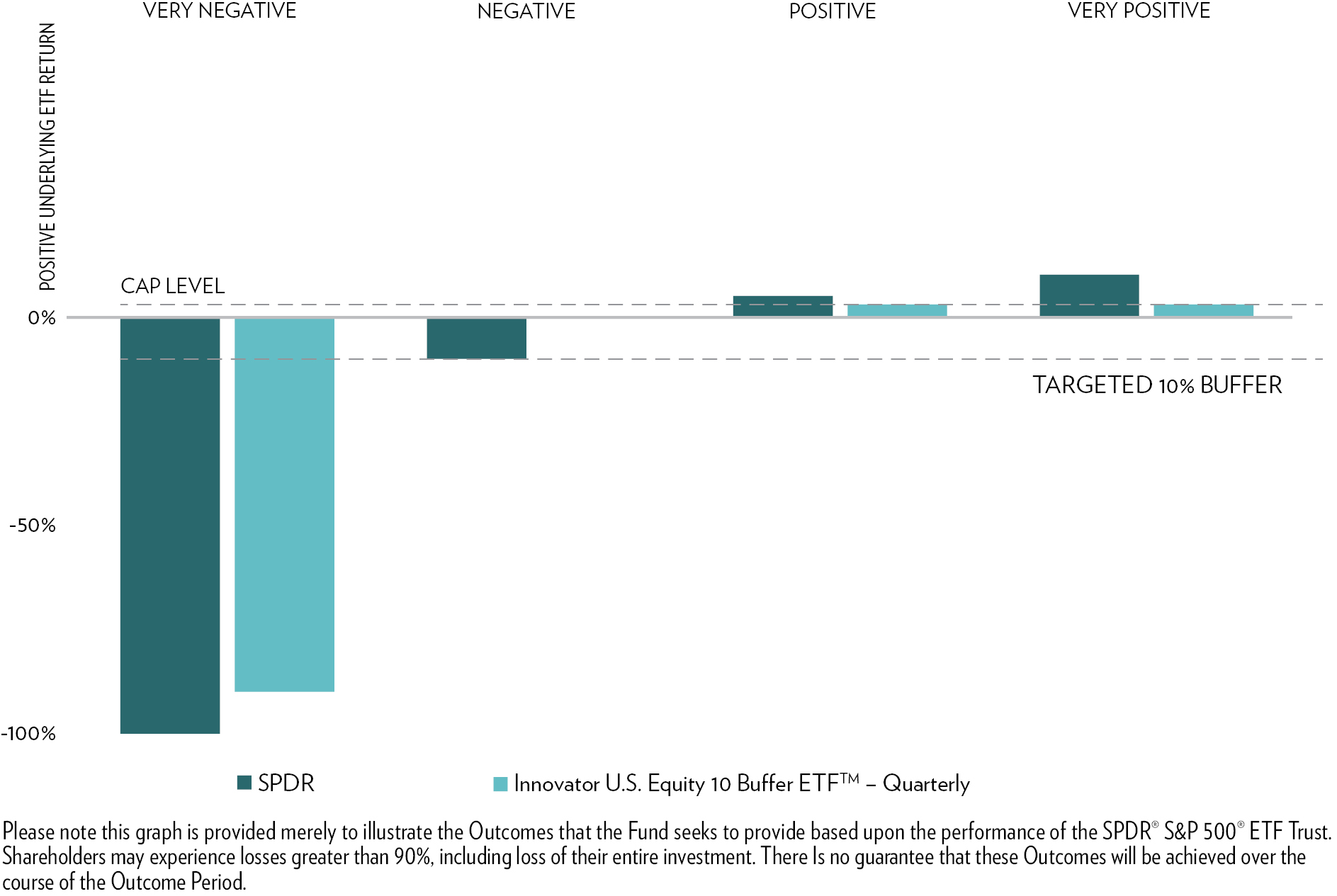
The following table contains hypothetical examples designed to illustrate the Outcomes the Fund seeks to provide over an Outcome Period, based upon the performance of the Underlying ETF from -100% to 100%. The table is provided for illustrative purposes and does not provide every possible performance scenario for Shares over the course of an Outcome Period. There is no guarantee that the Fund will be successful in its attempt to provide the Outcomes for an Outcome Period. The table is not intended to predict or project the performance of the FLEX Options or the Fund. Fund shareholders should not take this information as an assurance of the expected performance of the Underlying ETF or return on Shares. The actual overall performance of the Fund will vary with fluctuations in the value of the FLEX Options during the Outcome Period, among other factors. Please refer to the Fund’s website, www.innovatoretfs.com/zalt which provides updated information relating to this table on a daily basis throughout the Outcome Period.
|
Underlying |
(100)% |
(50)% |
(20)% |
(10)% |
(5)% |
0% |
5% |
10% |
15% |
20% |
50% |
100% |
||||||||||||
|
Fund |
(90)%* |
(40)%* |
(10)%* |
0% |
0% |
0% |
3.23%* |
3.23%* |
3.23%* |
3.23%* |
3.23%* |
3.23%* |
* The Cap and the Buffer are set on the first day of the Outcome Period. The Cap is 3.23% prior to taking into account any fees or expenses charged to shareholders. When the Fund’s annual Fund management fee of 0.69% of the Fund’s average daily net assets is taken into account for the Outcome Period, the Cap is 3.05%. The Buffer is 10% prior to taking into account any fees or expenses charged to shareholders. When the Fund’s annual Fund management fee of 0.69% of the Fund’s average daily net assets is taken into account for the Outcome Period, the Buffer is 9.82%. The Fund’s annual management fee of 0.69% of the Fund’s average daily net assets, any shareholder transaction fees and any extraordinary expenses incurred by the Fund will have the effect of reducing the Cap and Buffer amounts for Fund shareholders.
4
Use of FLEX Options. The Outcomes may be achieved by purchasing and selling call and put FLEX Options to create layers within the Fund’s portfolio. The Sub-Adviser has constructed a portfolio principally composed of FLEX Options that reference the Underlying ETF that are each set to expire on the last day of the Outcome Period. The customizable nature of FLEX Options allows the Sub-Adviser to select the share price at which the Underlying ETF will be exercised at the expiration of each FLEX Option. This is commonly known as the “strike price.” At the commencement of the Outcome Period, the Sub-Adviser specifically selects the strike price for each FLEX Option such that when the FLEX Options are exercised on the final day of the Outcome Period, the Outcomes may be obtained, depending on the performance of the Underlying ETF’s share price over the duration of the Outcome Period. The Fund utilizes European style option contracts, which are exercisable only on the expiration date of the option contract.
To achieve these returns, the Fund may purchase and sell a combination of call option contracts and put option contracts. A call option contract gives the buyer of the call option contract the right (but not the obligation) to buy, and the seller of the call option contract (i.e., the “writer”) the obligation to sell, a specified amount of an underlying security at a pre-determined price. A put option contract gives the buyer of the put option contract the right (but not the obligation) to sell, and the writer of the put option contract the obligation to buy (if the option in exercised), a specified amount of an underlying security at a pre-determined price.
The effect of the Fund’s call option contracts is to provide exposure to the increases in the price of the Underlying ETF, subject to the Cap. The potential investment gains provided by the Fund are subject to the Cap, a maximum investment return level, which is discussed below. The Fund will not participate in gains that exceed the Cap.
Separately, the Fund is designed to deliver on its investment objective to provide returns that are buffered by up to 10% if the Underlying ETF’s share price experiences a loss during the course of the Outcome Period through its put option contracts. There is no guarantee that the Fund will be successful in its attempt to provide buffered returns. The Buffer that the Fund seeks to provide is only operative against the first 10% of Underlying ETF losses for the Outcome Period. After the Underlying ETF’s share price has decreased in value by more than 10%, the Fund will experience all subsequent losses on a one-to-one basis. The effect created by the Fund’s FLEX Options positions is that if the Underlying ETF’s share price has decreased in value over the course of the Outcome Period, the Fund seeks to be returned the amount of its principal investment (if the Underlying ETF’s share price decreased in value by 10% or less) or experience a loss that is 10% less than the loss experienced by the Underlying ETF (if the Underlying ETF’s share price decreased in value by more than 10%).
Each of the FLEX Options purchased and sold throughout the Outcome Period are expected to have the same or similar terms (i.e., strike price and expiration) as the corresponding FLEX Options purchased and sold on the first day of the Outcome Period. A detailed explanation regarding the terms of the FLEX Options and the mechanics of the Fund’s strategy can be found in “Additional Information Regarding the Fund’s Principal Investment Strategies.”
The Outcome Period. The Outcomes sought by the Fund are based upon the Fund’s NAV at the outset of the Outcome Period. The Outcome Period begins on the day the FLEX Options are entered into and ends on the day they expire. Each FLEX Option’s value is ultimately derived from
5
the performance of the Underlying ETF’s share price during that time. Because the terms of the FLEX Options don’t change, the Cap and Buffer both relate to the Fund’s NAV on the first day of the Outcome Period. A shareholder that purchases Shares after the commencement of the Outcome Period will likely have purchased Shares at a different NAV than the NAV on the first day of the Outcome Period (the NAV upon which the Outcomes are based) and may experience investment outcomes very different from those sought by the Fund. A shareholder that sells Shares prior to the end of the Outcome Period may also experience investment outcomes very different from those sought by the Fund. To achieve the Outcomes sought by the Fund for the Outcome Period, an investor must be holding Shares at the time that the Fund enters into the FLEX Options and on the day those FLEX Options expire. There is no guarantee that the Fund will be successful in its attempt to provide the Outcomes.
The Fund’s assets will be principally composed of FLEX Options, the value of which is derived from the performance of the underlying reference asset, the Underlying ETF’s share price. However, because a component of an option’s value is the number of days remaining until its expiration, during the Outcome Period, the Fund’s NAV will not directly correlate on a day-to-day basis with the returns experienced by the Underlying ETF. The Sub-Adviser generally anticipates that the Fund’s NAV will increase on days when the Underlying ETF’s share price increases and will decrease on days when the Underlying ETF’s share price decreases, but that the rate of such increase or decrease will be less than that experienced by the Underlying ETF. Similarly, the amount of time remaining until the end of the Outcome Period also affects the impact of the Buffer on the Fund’s NAV, which may not be in full effect prior to the end of the Outcome Period. The Fund’s strategy is designed to produce the Outcomes upon the expiration of the FLEX Options on the last day of the Outcome Period and it should not be expected that the Outcomes will be provided at any point prior to that time. Taken together, this means that at the midpoint of an Outcome Period, if the Underlying ETF’s share price has decreased by an amount less than the Buffer, the Fund’s NAV can also be expected to have decreased in value because the Buffer is not yet in full effect. The Fund’s NAV may decrease to a lesser extent experienced by the Underlying ETF because the Fund’s NAV will not correlate one-to-one with the Underlying ETF (i.e., the Fund’s NAV tends not to participate fully in either Underlying ETF gains or losses).
Cap on Potential Upside Returns. Unlike other investment products, the potential upside return an investor can receive from an investment in Fund Shares over the Outcome Period is subject to the Cap. The Cap represents the maximum percentage return an investor can achieve from an investment in Fund Shares over the duration of the Outcome Period. Therefore, even though the Fund’s returns are based upon the performance of the Underlying ETF’s share price, if the Underlying ETF’s share price experiences returns for the Outcome Period in excess of the Cap, the Fund will not participate in excess returns. The Cap is determined on the first day of the Outcome Period and is 3.23% prior to taking into account any fees or expenses charged to shareholders. When the Fund’s annual Fund management fee of 0.69% of the Fund’s average daily net assets is taken into account for the Outcome Period, the Cap is 3.05%. The Cap will be further reduced by any shareholder transaction fees and any extraordinary expenses incurred by the Fund. For the purpose of this prospectus, “extraordinary expenses” are non-recurring expenses that may be incurred by the Fund outside of the ordinary course of its business, including, without limitation,
6
costs incurred in connection with any claim, litigation, arbitration, mediation, government investigation or similar proceedings, indemnification expenses and expenses in connection with holding and/or soliciting proxies for a meeting of Fund shareholders. The Cap is also set forth on the Fund’s website at www.innovatoretfs.com/zalt.
The Cap will change for each Outcome Period based upon prevailing market conditions at the beginning of the Outcome Period. The Cap, and the Fund’s position relative to it, should be considered before investing in the Fund. If an investor is considering purchasing Shares during the Outcome Period, and the Fund has already increased in value to a level near to the Cap, an investor purchasing Shares at that price has limited to no gains available for the remainder of the Outcome Period but remains vulnerable to significant downside risks. There is no guarantee that the Fund will successfully achieve its investment objective.
The Cap is a result of the design of the Fund’s principal investment strategy. In order to provide the Buffer, the Fund enters into a series of FLEX Option contracts. As the purchaser of certain of these FLEX Options, the Fund is obligated to pay a premium to the seller of those FLEX Options. However, the strategy is designed so that any premiums that the Fund is obligated to pay are offset by premiums it receives in connection with the selling of FLEX Options. On the first day of the Outcome Period when the Fund enters into its other FLEX Options positions, the portfolio managers will calculate the amount of premiums that the Fund will owe and will then go into the market and sell a call FLEX Option with terms that entitle the Fund to receive a premium in an amount equal to the amount that the Fund would otherwise owe. The Cap is the strike price of that sold call FLEX Option. The strike price is determined based upon prevailing market conditions at the time the Fund enters into the FLEX Options, most notably current interest rate levels, volatility in the Underlying ETF’s share price, and the relationship of put and calls on the underlying FLEX Options.
Buffer. The Buffer is only operative against the first 10% of Underlying ETF losses for the Outcome Period; however, there is no guarantee that the Fund will be successful in its attempt to provide buffered returns. After the Underlying ETF’s share price has decreased by more than 10%, the Fund will experience all subsequent losses on a one-to-one basis. The Buffer is provided prior to taking into account annual Fund management fees, transaction fees and any extraordinary expenses incurred by the Fund. These fees and any expenses will have the effect of reducing the Buffer amount for Fund shareholders for an Outcome Period. When the Fund’s annual management fee equal to 0.69% of the Fund’s daily net assets is taken into account, the net Buffer for an Outcome Period is 9.82%. The Fund’s strategy is designed to produce the Outcomes upon the expiration of its FLEX Options investments on the last day of the Outcome Period. Therefore, it should not be expected that the Buffer, including the net effect of the Fund’s annual management fee on the Buffer, will be provided at any point prior to the last day of the Outcome Period. If an investor is considering purchasing Shares during the Outcome Period, and the Fund has already decreased in value by an amount equal to or greater than 10%, an investor purchasing Shares at that price will have increased gains available prior to reaching the Cap but may not benefit from the Buffer that the Fund seeks to provide for the remainder of the Outcome Period. Conversely, if an investor is considering purchasing Shares during the Outcome Period and the Fund has already increased in value, then a shareholder may experience losses prior to gaining the protection offered by the Buffer, which is not guaranteed. A shareholder that purchases Shares at the beginning of the Outcome Period may lose their entire
7
investment. While the Fund seeks to limit losses to 90% for shareholders who hold Shares for the entire Outcome Period, there is no guarantee it will successfully do so. Depending upon market conditions at the time of purchase, a shareholder that purchases Shares after the Outcome Period has begun may also lose their entire investment. An investment in the Fund is only appropriate for shareholders willing to bear those losses.
Fund Rebalance. The Fund is a continuous investment vehicle. It does not terminate and distribute its assets at the conclusion of each Outcome Period. On the termination date of an Outcome Period, the Sub-Adviser will invest in a new set of FLEX Options and another Outcome Period will commence.
Approximately one week prior to the end of each Outcome Period, the Fund will file a prospectus supplement, which will alert existing shareholders that an Outcome Period is approaching its conclusion and disclose the anticipated ranges for the Cap and Buffer for the next Outcome Period. Following the close of business on the last day of the Outcome Period, the Fund will file a prospectus supplement that discloses the Fund’s final Cap and Buffer (both gross and net of the unitary management fee) for the next Outcome Period. This information is available on the Fund’s website, www.innovatoretfs.com/zalt, which also provides information relating to the Outcomes, including the Fund’s position relative to the Cap, of an investment in the Fund on a daily basis.
The Fund’s website, www.innovatoretfs.com/zalt, provides information relating to the Outcomes, including the Fund’s position relative to the Cap and Buffer, of an investment in the Fund on a daily basis.
The Fund is classified as “non-diversified” under the Investment Company Act of 1940, as amended (the “1940 Act”).
8
9
10
11
12
13
14
15
The Shares will change in value, and you could lose money by investing in the Fund. The Fund may not achieve its investment objective.
Management
Investment Adviser
Innovator Capital Management, LLC (“Innovator” or the “Adviser”)
Investment Sub-Adviser
Milliman Financial Risk Management LLC
Portfolio Managers
The following persons serve as portfolio managers of the Fund.
• Robert T. Cummings – Principal Senior Director, Head of Portfolio Management at Milliman
• Yin Bhuyan – ETF Portfolio Manager at Milliman
Each of the portfolio managers is primarily and jointly responsible for the day-to-day management of the Fund and has served in such capacity since the Fund’s inception in October 2023.
16
Purchase and Sale of Shares
The Fund issues and redeems Shares at NAV only with authorized participants that have entered into agreements with the Fund’s distributor and only in Creation Units or multiples thereof (“Creation Unit Aggregations”), in exchange for cash. Except when aggregated in Creation Units, the Shares are not redeemable securities of the Fund.
Individual Shares may only be bought and sold in the secondary market (i.e., on a national securities exchange) through a broker or dealer at a market price. Because the Shares trade at market prices rather than NAV, Shares may trade at a price greater than NAV (at a premium), at NAV, or less than NAV (at a discount). An investor may incur costs attributable to the difference between the highest price a buyer is willing to pay to purchase Shares (bid) and the lowest price a seller is willing to accept for Shares (ask) when buying or selling shares in the secondary market (the “bid-ask spread”).
Recent information, including information on the Fund’s NAV, market price, premiums and discounts, and bid-ask spreads, is available online at www.innovatoretfs.com.
Tax Information
The Fund’s distributions will generally be taxable as ordinary income, returns of capital or capital gains. A sale of Shares may result in capital gain or loss.
Payments to Broker-Dealers and Other Financial Intermediaries
If you purchase Shares through a broker-dealer or other financial intermediary (such as a bank), Innovator and Foreside Fund Services, LLC, the Fund’s distributor (the “Distributor”), may pay the intermediary for the sale of Shares and related services. These payments may create a conflict of interest by influencing the broker-dealer or other intermediary and your salesperson to recommend the Fund over another investment. Ask your salesperson or visit your financial intermediary’s website for more information.
17
|
Investor Suitability Considerations |
|
|
You should only consider this investment if: |
You should not consider this investment if: |
|
• you fully understand the risks inherent in an investment in Shares; • you desire to invest in a product with a return that depends upon the performance of the Underlying ETF’s share price over the Outcome Period; • you are willing to hold Shares for the duration of the Outcome Period in order to achieve the outcomes that the Fund seeks to provide; • you fully understand that investments made when the Fund is at or near to the Cap may have limited to no upside; • you seek the protection of a 10% Buffer on Underlying ETF losses for an investment held for the duration of the entire Outcome Period and understand that there is no guarantee that the Fund will be successful in its attempt to provide protection through the Buffer; • you understand that the 10% Buffer is provided prior to taking into account annual Fund management fees, shareholder transaction fees and any extraordinary expenses incurred by the Fund. After taking into account the annual Fund management fee, the net Buffer for the Outcome Period is 9.82%; • you are willing to forgo any gains in excess of the Cap; • you understand that the Cap will be reduced by annual Fund management fees, shareholder transaction fees and any extraordinary expenses incurred by the Fund; • you understand that the Fund’s investments do not provide for dividends to the Fund; • you fully understand that investments made after the Outcome Period has begun may not fully benefit from the Buffer; • you are willing to accept the risk of losing your entire investment; and • you have visited the Fund’s website and understand the investment outcomes available to you based upon the time of your purchase. |
• you do not fully understand the risks inherent in an investment in Shares; • you do not desire to invest in a product with a return that depends upon the performance of the Underlying ETF’s share price over the Outcome Period; • you are unwilling to hold Shares for the duration of the Outcome Period in order to achieve the outcomes that the Fund seeks to provide; • you do not fully understand that investments made when the Fund is at or near to the Cap may have limited to no upside; • you seek an investment that provides total protection against Underlying ETF losses for an investment held for the duration of an Outcome Period and understand that any protection provided by the Buffer is not guaranteed; • you seek the protection of a full 10% Buffer, even after taking into account annual Fund management fees, shareholder transaction fees and any extraordinary expenses; • you do not understand that the 10% Buffer is provided prior to taking into account annual Fund management fees, shareholder transaction fees and any extraordinary expenses incurred by the Fund; • you are unwilling to forgo any gains in excess of the Cap; • you do not understand that the Cap will be reduced by annual Fund management fees, shareholder transaction fees and any extraordinary expenses incurred by the Fund; • you do not fully understand that the Fund’s investments do not provide for dividends to the Fund; • you do not fully understand that investments made after the Outcome Period has begun may not fully benefit from the Buffer; • you are unwilling to accept the risk of losing your entire investment; and • you have not visited the Fund’s website and do not understand the investment outcomes available to you based upon the timing of your purchase. |
18
|
Additional Information About the Fund’s Principal Investment Strategies |
The Fund’s principal investment strategy seeks to produce the Outcomes based upon the performance of the Underlying ETF. If the Underlying ETF’s share price increases in value over the duration of the Outcome Period, the Fund seeks to provide Fund shareholders that hold Shares for the entire Outcome Period with an increase in value that approximately matches the increase experienced by the Underlying ETF, subject to the Cap. All investment gains are subject to the Cap. If the Underlying ETF’s share price decreases in value over the duration of the Outcome Period, the Fund seeks to provide Fund shareholders that hold Shares for the entire Outcome Period with a Buffer during the Outcome Period. Both the Cap and the Buffer are provided prior to taking into account annual Fund management fees equal to 0.69% of the Fund’s daily net assets, shareholder transaction fees and any extraordinary expenses incurred by the Fund. Such expenses will reduce the Cap. The Fund’s annual management fee of 0.69% of the Fund’s average daily net assets, any shareholder transaction fees and any extraordinary expenses incurred by the Fund will have the effect of reducing the Cap and Buffer amount for Fund shareholders. There is no guarantee that the Fund will be successful in its attempt to provide buffered returns.
The Underlying ETF is an exchange-traded unit investment trust that uses a full replication strategy, meaning it invests entirely in the S&P 500® Index. The investment objective of the Underlying ETF is to seek to provide investment results that, before expenses, correspond generally to the price and yield performance of the S&P 500® Index, which includes five hundred (500) selected companies, all of which are listed on national stock exchanges and spans over 24 separate industry groups.
In general, an option contract is an agreement between a buyer and seller that gives the purchaser of the option the right to buy or sell a particular asset at a specified future date at an agreed upon price (commonly known as the “strike price”). FLEX Options are exchange-traded options contracts with uniquely customizable terms. Each FLEX Option contract that the Fund enters into references the Underlying ETF and expires on the last day of the Outcome Period. The FLEX Options, however, have varying strike prices. The layering of these FLEX Options with varying strike prices provides the mechanism for producing the Fund’s desired outcomes.
19
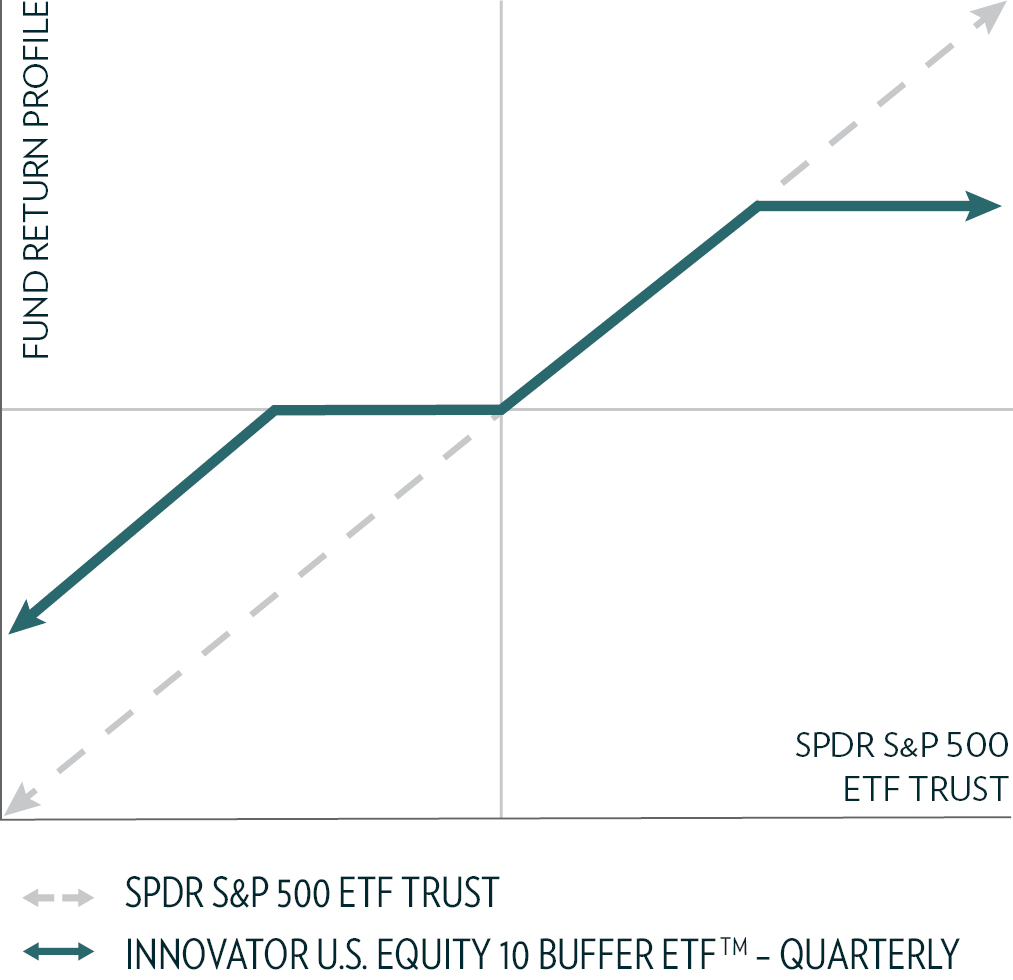
• The purchased call FLEX Option provides the Fund’s upside participation that matches that of the Underlying ETF’s share price. At the expiration date, these FLEX Options realize a value equal to that of the Underlying ETF’s share price.
• Taken together, the purchase and sale of put FLEX Options produces the “Buffer.” The sold put FLEX Option contract provides downside exposure to the returns of the Underlying ETF’s share price starting at the strike price of the sold put FLEX Option. The Fund’s purchased put FLEX Option contract enables the Fund to profit from decreases in the Underlying ETF’s share price. These FLEX Option contracts utilize differing strike prices, the combination of which produces the Fund’s 10% Buffer.
• To help pay for the FLEX Options that provide upside exposure to the Underlying ETF and the Buffer, the Fund sells a call FLEX Option that results in the Cap. The Cap level is chosen so that the combined net purchase prices in all of the Fund’s FLEX Option positions is approximately equal to the Fund’s NAV. The Cap is the strike price of the sold call FLEX Option and effectively trades away the Fund’s ability to participate in upside price return gains of the Underlying ETF that exceed the strike price of the sold call FLEX Option.
• The combination of all of the FLEX Options creates a maximum growth opportunity equal to the return experienced by the Underlying ETF at expiration, not to exceed the Cap, while providing a 10% Buffer from losses.
As described on the cover of this prospectus, in “Principal Investment Strategies” and in “Principal Risks,” there are risks associated with an investment in the Fund and there is no guarantee the Fund achieve the Outcomes it seeks to provide. The Fund’s unique characteristics (i.e., the imperative of holding Shares for the entire Outcome Period, the Cap and Buffer) distinguish it from other
20
investment products and may make it an unsuitable some investors. To help decide whether an investment in the Fund is appropriate based upon individual circumstances, please see the section of this prospectus entitled “Investor Suitability.”
The Fund’s investment objective is considered non-fundamental and may be changed by the Board without shareholder approval. Additionally, the Fund may liquidate and terminate at any time without shareholder approval.
|
Fund Investments |
Principal Investments
FLEX Options
FLEX Options are customized option contracts that trade on an exchange but provide investors with the ability to customize key contract terms like strike price, style and expiration date while achieving price discovery in competitive, transparent auctions markets and avoiding the counterparty exposure of over-the-counter options positions. Like traditional exchange-traded options, FLEX Options are guaranteed for settlement by the OCC, a market clearinghouse that guarantees performance by counterparties to certain derivatives contracts.
The FLEX Options in which the Fund will invest are all European style option contracts (option contracts that are exercisable only on the expiration date). The FLEX Options are listed on the Chicago Board Options Exchange.
The Fund will purchase and sell call and put FLEX Options. In general, put options give the holder (i.e., the buyer) the right to sell an asset (or deliver the cash value of the asset, in case of certain put options) and the seller (i.e., the writer) of the put has the obligation to buy the asset (or receive cash value of the asset, in case of certain put options) at a certain defined price. Call options give the holder (i.e., the buyer) the right to buy an asset (or receive cash value of the asset, in case of certain call options) and the seller (i.e., the writer) the obligation to sell the asset (or deliver cash value of the asset, in case of certain call options) at a certain defined price. The FLEX Options held by the Fund may be either physically settled (options that give the Fund the right to receive, or require the Fund to deliver, shares of the Underlying ETF on the option expiration date at the strike price) or cash settled (options that give the Fund the right to receive, or require the Fund to deliver, a cash payment on the option expiration date based upon the difference between the strike price and the then-current price of the Underlying ETF).
The Fund will use the market value of its derivatives holdings for the purpose of determining compliance with the 1940 Act and the rules promulgated thereunder. Since the FLEX Options held by the Fund are exchange-traded, these will be valued on a mark-to-market basis. In the event market prices are not available, the Fund will use fair value pricing pursuant to the fair value procedures adopted by Innovator as the “Valuation Designee” pursuant to Rule 2a-5 of the 1940 Act (“Rule 2a-5”) and approved by, and subject to the oversight of, the Board. The Fund will enter into FLEX Options contracts in accordance with Rule 18f-4 under the 1940 Act, which requires the Fund to implement certain policies and procedures designed to manage its derivatives risks, dependent upon the Fund’s level of exposure to derivative instruments.
21
Disclosure of Portfolio Holdings
A description of the Trust’s policies and procedures with respect to the disclosure of the Fund’s portfolio holdings is available in the Fund’s statement of additional information (“SAI”), which is available at www.innovatoretfs.com.
|
Additional Risks of Investing in the Fund |
Risk is inherent in all investing. Investing in the Fund involves risk, including the risk that you may lose all or part of your investment. There can be no assurance that the Fund will meet its stated objective. Before you invest, you should consider the following supplemental disclosure pertaining to the Principal Risks set forth above as well as additional Non-Principal Risks set forth below in this prospectus.
Principal Risks
Buffered Loss Risk. There can be no guarantee that the Fund will be successful in its strategy to provide buffer protection against Underlying ETF losses if the Underlying ETF’s share price decreases by 10% or less over the duration of the Outcome Period. A shareholder may lose their entire investment. The Fund’s strategy seeks to deliver returns that match those of the Underlying ETF (up to the Cap), while limiting downside losses, if Shares are held at the time at which the Fund enters into the FLEX Options and held until those FLEX Options expire at the end of the Outcome Period. In the event an investor purchases Shares after the FLEX Options were entered into or sells Shares prior to the expiration of the FLEX Options, the Buffer that the Fund seeks to provide may not be available. Because the value of the FLEX Options depends, in part, on the time remaining until expiration and the Buffer is designed to be in effect at the end of the Outcome Period, it is possible that the Fund’s NAV may decrease during the Outcome Period before the Buffer is fully implemented. If a shareholder were to sell at this time, they could recognize losses on their investment. Additionally, because the Buffer is provided by operation of the FLEX Options, the implementation of the Buffer is subject to counterparty risk (for additional information, see “Counterparty Risk” herein). The Fund does not provide principal protection or non-principal protection and an investor may experience significant losses on its investment, including the loss of its entire investment.
Capped Upside Return Risk. The Fund’s strategy seeks to provide returns that are subject to the Cap. In the event that the Underlying ETF experiences gains in excess of the Cap for the Outcome Period, the Fund will not participate in those gains beyond the Cap. The Fund’s strategy seeks to deliver returns that match those of the Underlying ETF (up to the Cap), while limiting downside losses, if Shares are held at the time at which the Fund enters into the FLEX Options and held until those FLEX Options expire at the end of the Outcome Period. In the event an investor purchases Shares after the FLEX Options were entered into or sells Shares prior to the expiration of the FLEX Options, there may be little or no ability for that investor to experience an investment gain on their Shares. Due to the size of the Buffer over each quarterly Outcome Period, the Fund expects its Cap to be lower relative to other “defined outcome products” with an annual outcome period and/or a lower buffer.
22
FLEX Options Risk. The Fund will utilize FLEX Options, which are customizable, exchange-traded option contracts that are issued and guaranteed for settlement by the OCC. The Fund bears the risk that the OCC will be unable or unwilling to perform its obligations under the FLEX Options contracts. In the unlikely event that the OCC becomes insolvent or is otherwise unable to meet its settlement obligations, the Fund could suffer significant losses. Additionally, FLEX Options may be less liquid than certain other securities, such as standardized options. In less liquid markets for the FLEX Options, the Fund may have difficulty closing out certain FLEX Options positions at desired times and prices. In connection with the creation and redemption of Shares, to the extent market participants are not willing or able to enter into FLEX Option transactions with the Fund at prices that reflect the market price of the Shares, the Fund’s NAV and, in turn the share price of the Fund, could be negatively impacted.
The Fund may experience substantial downside from specific FLEX Option positions and certain FLEX Option positions may expire worthless. The Fund utilizes European style FLEX Option contracts, which are exercisable at the strike price only on the expiration date. As a FLEX Option approaches its expiration date, its value typically increasingly moves with the value of the Underlying ETF. However, prior to such date, the value of the FLEX Options does not increase or decrease at the same rate as the Underlying ETF’s share price on a day-to-day basis (although they generally move in the same direction). The value of the FLEX Options held by the Fund will be determined based on market quotations or other recognized pricing methods. The value of the underlying FLEX Options will be affected by, among others, changes in the Underlying ETF’s share price, changes in interest rates, changes in the actual and implied volatility of the Underlying ETF and the remaining time to until the FLEX Options expire.
Option Contracts Risk. The use of option contracts involves investment strategies and risks different from those associated with ordinary portfolio securities transactions. The prices of option contracts are volatile and are influenced by, among other things, actual and anticipated changes in the value of the underlying instrument, changes in interest or currency exchange rates, including the anticipated volatility, which are affected by fiscal and monetary policies and by national and international political, changes in the actual or implied volatility or the reference asset, the time remaining until the expiration of the option contract and economic events. There may at times be an imperfect correlation between the movement in values option contracts and the reference asset, and there may at times not be a liquid secondary market for certain option contracts. Option contracts may also involve the use of leverage, which could result in greater price volatility than other markets. The Fund has taken the necessary steps to comply with the requirements of Rule 18f-4 in its usage of FLEX Options. The Fund has adopted and implements a derivatives risk management program that contains policies and procedures reasonably designed to manage the Fund’s derivatives risks, has appointed a derivatives risk manager who is responsible for administrating the derivatives risk management program, complies with outer limitations on risks relating to its derivatives transactions and carries out enhanced reporting to the Board, the SEC and the public regarding its derivatives activities. To the extent the Fund is noncompliant with Rule 18f-4, the Fund may be required to adjust its investment portfolio which may, in turn, negatively impact the Fund’s ability to deliver the sought-after Outcomes.
Clearing Member Default Risk. Transactions in some types of derivatives, including FLEX Options, are required to be centrally cleared (“cleared derivatives”). In a transaction involving cleared derivatives, the Fund’s counterparty is a clearing house, such as the OCC, rather than a
23
bank or broker. Since the Fund is not a member of clearing houses and only members of a clearing house (“clearing members”) can participate directly in the clearing house, the Fund will hold cleared derivatives through accounts at clearing members. In cleared derivatives positions, the Fund will make payments (including margin payments) to, and receive payments from, a clearing house through their accounts at clearing members. Customer funds held at a clearing organization in connection with any option contracts are held in a commingled omnibus account and are not identified to the name of the clearing member’s individual customers. As a result, assets deposited by the Fund with any clearing member as margin for its FLEX Options may, in certain circumstances, be used to satisfy losses of other clients of the Fund’s clearing member. In addition, although clearing members guarantee performance of their clients’ obligations to the clearing house, there is a risk that the assets of the Fund might not be fully protected in the event of the clearing member’s bankruptcy, as the Fund would be limited to recovering only a pro rata share of all available funds segregated on behalf of the clearing member’s customers for the relevant account class. The Fund is also subject to the risk that a limited number of clearing members are willing to transact on the Fund’s behalf, which heightens the risks associated with a clearing member’s default. If a clearing member defaults the Fund could lose some or all of the benefits of a transaction entered into by the Fund with the clearing member. The loss of a clearing member for the Fund to transact with could result in increased transaction costs and other operational issues that could impede the Fund’s ability to implement its investment strategy. If the Fund cannot find a clearing member to transact with on the Fund’s behalf, the Fund may be unable to effectively implement its investment strategy.
Counterparty Risk. Counterparty risk is the risk an issuer, guarantor or counterparty of a security in the Fund is unable or unwilling to meet its obligation on the security. Counterparty risk may arise because of the counterparty’s financial condition, market activities, or for other reasons. The Fund may be unable to recover its investment from the counterparty or may obtain a limited and/or delayed recovery. The OCC acts as guarantor and central counterparty with respect to the FLEX Options. As a result, the ability of the Fund to meet its objective depends on the OCC being able to meet its obligations. In the event an OCC clearing member that is a counterparty of the Fund were to become insolvent, the Fund may have some or all of its FLEX Options closed without its consent or may experience delays or other difficulties in attempting to close or exercise its affected FLEX Options positions, both of which would impair the Fund’s ability to deliver on its investment strategy. The OCC’s rules and procedures are designed to facilitate the prompt settlement of options transactions and exercises, including for clearing member insolvencies. However, there is the risk that the OCC and its backup system will fail if clearing member insolvencies are substantial or widespread. In the unlikely event that the OCC becomes insolvent or is otherwise unable to meet its settlement obligations, the Fund could suffer significant losses.
Outcome Period Risk. The Fund’s investment strategy is designed to deliver the Outcomes if Shares are held for the entirety of the Outcome Period. In the event an investor purchases Shares after the FLEX Options were entered into or sells Shares prior to the expiration of the FLEX Options, the returns realized by the investor will not match those that the Fund seeks to provide. In addition, because the Fund is designed to achieve Outcomes that change for each three-month Outcome Period, the Outcomes that are achieved by the Fund for a three-month Outcome Period will be different than the Outcomes achieved by the Fund over multiple Outcome Periods, or
24
on an annualized basis. Similarly, investors holding Shares over multiple Outcome Periods will experience different investment results than holding a fund that has a longer Outcome Period (e.g., one year) and any losses for such holders could exceed the performance for a fund with a longer Outcome Period.
Upside Participation Risk. There can be no guarantee that the Fund will be successful in its strategy to provide shareholders with a total return that matches the increases in the price of the Underlying ETF over the Outcome Period, subject to a maximum return imposed by the Cap. Because the value of the Fund’s FLEX Options does not increase or decrease at the same rate as the Underlying ETF’s share price on a day-to-day basis (although they generally move in the same direction), the Fund may underperform the increases in the share price of the Underlying ETF until the end of the Outcome Period. To the extent the price of the Underlying ETF increases beyond the Fund’s Cap, the Fund will not participate in such gains, and will underperform the Underlying ETF. In the event an investor purchases Shares after the FLEX Options were entered into or does not stay invested in the Fund for the entirety of the Outcome Period, the returns realized by such investor may not match those that the Fund seeks to achieve. The Fund is subject to a Cap which may be lower relative to other “defined outcome products” and, as a result, any positive investment returns delivered by the Fund may be lower in comparison to such products and to that of the Underlying ETF.
Cap Change Risk. A new Cap is established at the beginning of each Outcome Period and is dependent on prevailing market conditions at the time the Cap is established. As such, the Cap may rise or fall from one Outcome Period to the next and is unlikely to remain the same for consecutive Outcome Periods. Investors should monitor the changes in the Cap for each Outcome Period, information for which will be made available pursuant to the procedure outlined in the Fund’s prospectus.
Underlying ETF Risk. Because the value of the FLEX Options held by the Fund are based on the value of the Underlying ETF, the Fund’s investment performance largely depends on the investment performance and associated risks of the Underlying ETF. The Underlying ETF is subject to many of the same structural risks as the Fund that are described in more detail herein, such as Authorized Participant Concentration Risk, Fluctuation of Net Asset Value Risk, Market Maker Risk, Market Risk, Operational Risk and Trading Issues Risk. However, the risks of investing in an ETF also include the risks associated with the underlying investments held by the ETF. As such, the Fund may be subject to the following risks as a result of its exposure to the Underlying ETF through its usage of FLEX Options:
Equity Securities Risk. The Underlying ETF invests in equity securities, and therefore the Fund has exposure to the equity securities markets due to its investment in FLEX Options that reference the Underlying ETF. Investments in equity securities are subject to market risks that may cause their prices to fluctuate over time. The value of your investment in the Fund is based on the market prices of the securities to which the Underlying ETF has exposure. These prices change daily due to economic and other events that affect particular companies and other issuers or the market as a whole. Historically, the equity markets have moved in cycles so that the value of the Underlying ETF’s equity securities may fluctuate from day-to-day. Individual companies may report poor results or be negatively affected by industry and/or economic trends and developments and the prices of their securities may suffer a decline in response.
25
Information Technology Companies Risk. The Underlying ETF invests significantly in information technology companies, which results in the Fund having significant exposure to such companies through its exposure to the Underlying ETF by virtue of its usage of FLEX Options. Information technology companies produce and provide hardware, software and information technology systems and services. Information technology companies are generally subject to the following risks: rapidly changing technologies and existing produce obsolescence; short product life cycles; fierce competition; aggressive pricing and reduced profit margins; the loss of patent, copyright and trademark protections; cyclical market patterns; evolving industry standards; and frequent new product introductions and new market entrants. Information technology companies may be smaller and less experienced companies, with limited product lines, markets or financial resources and fewer experienced management or marketing personnel. Information technology company stocks, particularly those involved with the internet, have experienced extreme price and volume fluctuations that are often unrelated to their operating performance. In addition, information technology companies are particularly vulnerable to federal, state and local government regulation, and competition and consolidation, both domestically and internationally, including competition from foreign competitors with lower production costs. Information technology companies are facing increased government and regulatory scrutiny and may be subject to adverse government or regulatory action. Information technology companies also face competition for services of qualified personnel and heavily rely on patents and intellectual property rights and the ability to enforce such rights to maintain a competitive advantage.
Large Capitalization Companies Risk. The Underlying ETF invests in the securities of large capitalization companies, which results in the Fund having significant exposure to such companies through its exposure to the Underlying ETF by virtue of its usage of FLEX Options. Large capitalization companies may grow at a slower rate and be less able to adapt to changing market conditions than smaller capitalization companies. Thus, the return on investment in securities of large capitalization companies may be less than the return on investment in securities of small and/or mid capitalization companies. Large capitalization companies may go in and out of favor based on market and economic conditions. Although the securities of larger companies may, on average, be less volatile than those of companies with smaller market capitalizations, during different market cycles, the performance of large capitalization companies tends to trail the overall market during different market cycles.
Correlation Risk. The FLEX Options held by the Fund are European style option contracts and therefore will be exercisable at the strike price only on their expiration date. As a FLEX Option approaches its expiration date, its value typically will increasingly move with the value of the Underlying ETF. However, prior to the expiration date, the value of the FLEX Options prior to the expiration date may vary versus the value of the Underlying ETF because of related factors other than the value of the Underlying ETF. Factors that may influence the value of the FLEX Options include interest rate changes and implied volatility levels of the Underlying ETF, among others. The value of the FLEX Options will be determined based upon market quotations or using other recognized pricing methods. The value of the FLEX Options held by the Fund typically do not increase or decrease at the same level as the Underlying ETF’s share price on a day-to-day basis due to these factors (although they generally move in the same direction).
26
Authorized Participant Concentration Risk. Only an authorized participant may engage in creation or redemption transactions directly with the Fund. The Fund has a limited number of institutions that may act as authorized participants on an agency basis (i.e., on behalf of other market participants). Authorized participants are not obligated to make a market in Shares or submit orders for the issuance or redemption of Creation Units. To the extent that authorized participants exit the business or are unable to proceed with orders for the issuance or redemption of Creation Units and no other authorized participant is able to step forward to fulfill the order, Shares may be more likely to trade at a premium or discount to NAV and possibly face trading halts and/or delisting, and the bid/ask spread on Shares may widen.
Cash Transactions Risk. The Fund may effectuate all or a portion of the issuance and redemption of Creation Units for cash, rather than in-kind securities. As a result, an investment in the Fund may be less tax-efficient than an investment in an ETF that effectuates its Creation Units only on an in-kind basis. ETFs are able to make in-kind redemptions to avoid being taxed on gains on the distributed portfolio securities at the fund level. A fund that effects redemptions for cash may be required to sell portfolio securities in order to obtain the cash needed to distribute redemption proceeds. Any recognized gain on these sales by the fund will generally cause such fund to recognize a gain it might not otherwise have recognized, or to recognize such gain sooner than would otherwise be required if it were to distribute portfolio securities only in-kind. The Fund intends to distribute gains that arise by virtue of the issuance and redemption of Creation Units being effectuated in cash to shareholders to avoid being taxed on this gain at the fund level and otherwise comply with special tax rules that apply to it. This may cause shareholders to be subject to tax on gains they would not otherwise be subject to, or at an earlier date than if they had made an investment in another ETF. Moreover, cash transactions may have to be carried out over several days if the securities market is relatively illiquid and may involve considerable brokerage fees and taxes. These brokerage fees and taxes, which will be higher than if the Fund sold and redeemed its shares principally in-kind, will be passed on to those purchasing and redeeming Creation Units in the form of creation and redemption transaction fees. In addition, these factors may result in wider spreads between the bid and the offered prices of Shares than for ETFs that distribute portfolio securities in-kind. The Fund’s use of cash for creations and redemptions could also result in dilution to the Fund and increased transaction costs, which could negatively impact the Fund’s ability to achieve its investment objective.
Cyber Security Risk. As the use of Internet technology has become more prevalent in the course of business, the investment industry has become more susceptible to potential operational risks through breaches in cyber security. A breach in cyber security refers to both intentional and unintentional events that may cause the Fund to lose proprietary information, suffer data corruption or lose operational capacity. Such events could cause the Fund to incur regulatory penalties, reputational damage, additional compliance costs associated with corrective measures and/or financial loss. Cyber security breaches may involve unauthorized access to the Fund’s digital information systems through “hacking” or malicious software coding, but may also result from outside attacks such as denial-of-service attacks through efforts to make network services unavailable to intended users. In addition, cyber security breaches of the Fund’s third-party service providers, such as its administrator, transfer agent, or custodian can also subject the Fund to many of the same risks associated with direct cyber security breaches. The Fund has established risk
27
management systems designed to reduce the risks associated with cyber security. However, there is no guarantee that such efforts will succeed, especially because the Fund does not directly control the cyber security systems of issuers or third-party service providers. The Fund may incur substantial costs in order to resolve or prevent cyber security incidents in the future.
Investment Objective Risk. Certain circumstances under which the Fund might not achieve its objective include, but are not limited, to (i) if the Fund disposes of FLEX Options, (ii) if the Fund is unable to maintain the proportional relationship based on the number of FLEX Options in the Fund’s portfolio, (iii) a significant accrual of Fund expenses in connection with effecting the Fund’s principal investment strategy or (iv) adverse tax law changes affecting the treatment of FLEX Options. The Fund is also subject to management risk as an actively-managed fund, which may cause it not to achieve its investment objective.
Liquidity Risk. The market for the Fund’s FLEX Options may become less liquid as a result of adverse market or economic conditions or other unrelated reasons. In the event that trading in the underlying FLEX Options is limited or absent, the value of the Fund’s FLEX Options may decrease. There is no guarantee that a liquid secondary trading market will exist for the FLEX Options. The trading in FLEX Options may be less deep and liquid than the market for certain other securities, including certain non-customized option contracts. In a less liquid market for the FLEX Options, terminating the FLEX Options may require the payment of a premium or acceptance of a discounted price and may take longer to complete. Additionally, the liquidation of a large number of FLEX Options may more significantly impact the price in a less liquid market. Further, the Fund requires a sufficient number of participants to facilitate the purchase and sale of options on an exchange to provide liquidity to the Fund for its FLEX Option positions. A less liquid trading market may adversely impact the value of the FLEX Options and the value of your investment.
Management Risk. The Fund is subject to management risk because it is an actively managed portfolio. The Sub-Adviser applies investment techniques and risk analyses in making investment decisions for the Fund, but there can be no guarantee that the Fund will meet its investment objective, produce the Outcomes or perform as well as similarly situated funds.
Market Maker Risk. The Fund faces market trading risks, including the potential lack of an active market for Shares due to a limited number of market makers. If the Fund has lower average daily trading volumes, it may rely on a small number of third-party market makers to provide a market for the purchase and sale of Shares. Any trading halt or other problem relating to the trading activity of these market makers could result in a dramatic change in the spread between the Fund’s NAV and the price at which the Shares are trading on the Exchange, which could result in a decrease in the market price of the Shares. In addition, decisions by market makers or authorized participants to reduce their role or step away from these activities in times of market stress could inhibit the effectiveness of the arbitrage process in maintaining the relationship between the underlying values of the Fund’s portfolio securities and the Fund’s market price. This reduced effectiveness could result in Shares trading at a discount to NAV and in greater than normal intra-day bid-ask spreads for Shares.
28
Market Risk. The Fund could lose money over short periods due to short-term market movements and over longer periods during more prolonged market downturns. Assets may decline in value due to factors affecting financial markets generally or particular asset classes or industries represented in the markets. The value of FLEX Options or other assets may also decline due to general market conditions, economic trends or events that are not specifically related to the issuer of the security or other asset, or due to factors that affect a particular issuer or issuers, country, group of countries, region, market, industry, group of industries, sector or asset class. During a general market downturn, multiple asset classes may be negatively affected. Changes in market conditions and interest rates will not have the same impact on all types of securities. Values of securities may change due to factors such as inflation, changes in interest rates, changes in regulatory requirements, bank failures, political climate deterioration or developments, armed conflicts, natural disasters or future health crises, may negatively impact market conditions, and cause a decrease in the value of securities. Other unexpected political, regulatory and diplomatic events within the U.S. and abroad may affect investor and consumer confidence and may adversely impact financial markets and the broader economy. These events, and any other future events, may adversely affect the prices and liquidity of the Fund’s investments and could result in disruptions in the trading markets. Securities, including the Shares, are subject to market fluctuations and liquidity constraints that may be caused by such factors or other economic, political, or regulatory developments, and/or perceived trends in securities prices. Shares of the Fund could decline in value or underperform other investments. In addition, local, regional or global events such as war, acts of terrorism, spread of infectious diseases or other public health issues, recessions, or other events could have a significant negative impact on a Fund and its investments. Such events may affect certain geographic regions, countries, sectors and industries more significantly than others. Such events could result in disruptions to trading markets and could also adversely affect the prices and liquidity of a Fund’s holdings. Any of such circumstances could result in increased market volatility and/or have a materially negative impact on the value of Shares or the liquidity of an investment. During any such events, Shares may trade at greater premiums or discounts to their NAV and the bid/ask spread on Shares may widen. The future potential economic impact of any such future events is impossible to predict and could result in adverse market conditions that impact the performance of the Fund.
Non-Diversification Risk. The Fund is classified as “non-diversified” under the 1940 Act. As a result, the Fund is only limited as to the percentage of its assets which may be invested in the securities of any one issuer by the diversification requirements imposed by the Code. The Fund may invest a relatively high percentage of its assets in a limited number of issuers. As a result, the Fund may be more susceptible to a single adverse economic or regulatory occurrence affecting one or more of these issuers, experience increased volatility and be highly invested in certain issuers.
Operational Risk. The Fund is exposed to operational risks arising from a number of factors, including, but not limited to, human error in the calculation of the Cap, processing and communication errors, errors of the Fund’s service providers, counterparties or other third-parties, failed or inadequate processes and technology or systems failures. Additionally, cyber security failures or breaches of the electronic systems of the Fund and/or its service providers may disrupt or negatively impact the operation of the Fund which may result in financial losses to the Fund and its shareholders. The Fund and its Adviser and Sub-Adviser seek to reduce these operational risks through controls and procedures. However, these measures do not address every possible risk and may be inadequate to address these risks.
29
Premium/Discount Risk. Shares trade on the Exchange at market prices rather than their NAV. The Fund’s NAV represents the value of the Fund’s investments and is calculated by taking the sum of the Fund’s assets less the Fund’s liabilities, if any. The NAV per Share is the value of a Share’s portion of all of the Fund’s net assets. The market price of Shares generally corresponds to movements in the Fund’s NAV as well as the relative supply and demand for Shares on the Exchange. The market price may be at, above (a premium) or below (a discount) the Fund’s NAV. Differences in market prices of Shares and the NAV per Share may be due, in large part, to the fact that supply and demand forces at work in the secondary trading market for Shares will be closely related to, but not identical to, the same forces influencing the prices of the Fund’s holdings trading individually or in the aggregate at any point in time. These differences can be especially pronounced during times of market volatility or stress. During these periods, the demand for Shares may decrease considerably and cause the market price of Shares to deviate, and in some cases deviate significantly, from the Fund’s NAV. Additionally, decisions by market makers and/or authorized participants or reduced effectiveness of the arbitrage process in maintaining the relationship of the Fund’s NAV to the market price of its Shares could result in the Shares trading at a premium, or discount to NAV and the bid/ask spread on Shares may widen.
Tax Risk. The Fund intends to elect and to qualify each year to be treated as a RIC under Subchapter M of the Code. However, the federal income tax treatment of certain aspects of the proposed operations of the Fund are not entirely clear. This includes the tax aspects of the Fund’s options strategy, its hedging strategy, the possible application of the “straddle” rules, and various loss limitation provisions of the Code. If, in any year, the Fund fails to qualify as a RIC under the applicable tax laws, the Fund would be taxed as an ordinary corporation. The Fund intends to treat any income it may derive from the FLEX Options as “qualifying income” under the provisions of the Code applicable to RICs. In addition, based upon language in the legislative history, the Fund intends to treat the issuer of the FLEX Options as the referenced asset, which, assuming the referenced asset qualifies as a RIC, would allow the Fund to qualify for special rules in the RIC diversification requirements. If the income is not qualifying income or the issuer of the FLEX Options is not appropriately the referenced asset, the Fund could lose its own status as a RIC. The FLEX Options included in the portfolio are exchange-traded options. Under Section 1256 of the Code, certain types of exchange-traded options are treated as if they were sold (i.e., “marked to market”) at the end of each year. The Fund does not believe that the positions held by the Fund will be subject to Section 1256, which means that the positions will not be marked to market. In the event that a shareholder purchases Shares of the Fund shortly before a distribution by the Fund, the entire distribution may be taxable to the shareholder even though a portion of the distribution effectively represents a return of the purchase price.
Trading Issues Risk. Although Shares are listed for trading on the Exchange, there can be no assurance that an active trading market for Shares will develop or be maintained. Shares trade on the Exchange at market prices that may be below, at or above the Fund’s NAV. Trading in Shares on the Exchange may be halted due to market conditions or for reasons that, in the view of the Exchange, make trading in Shares inadvisable. In addition, trading in Shares on the Exchange is subject to trading halts caused by extraordinary market volatility pursuant to the Exchange “circuit breaker” rules. Market makers are under no obligation to make a market in the Shares, and authorized participants are not obligated to submit purchase or redemption orders for Creation Units. There can be no assurance that the requirements of the Exchange necessary to maintain the listing of the Fund will continue to be met or will remain unchanged.
30
Valuation Risk. During periods of reduced market liquidity or in the absence of readily available market quotations for the holdings of the Fund, the valuation of the Fund’s FLEX Options will become more difficult. In market environments where there is reduced availability of reliable objective pricing data, the judgment of the Fund’s investment adviser in determining the fair value of the security may play a greater role. While such determinations may be made in good faith, it may nevertheless be more difficult for the Fund to accurately assign a daily value. The Fund’s Valuation Procedures adopted Innovator as Valuation Designee (as reviewed, approved, and subject to the oversight of the Board) complies with Rule 2a-5 under the 1940 Act. Pursuant to Rule 2a-5, the Board oversees the implementation of the Valuation Procedures. While the Fund’s program is designed to contemplate the specific risks of the Fund, there is no guarantee the program will adequately do so each time, and value may not be properly selected for the Fund.
|
Management of the Fund |
The Fund is a series of Innovator ETFs Trust, an investment company registered under the 1940 Act. The Fund is treated as a separate fund with its own investment objectives and policies. The Trust is organized as a Delaware statutory trust. The Board is responsible for the overall management and direction of the Trust. The Board elects the Trust’s officers and approves all significant agreements, including those with the Adviser, Sub-Adviser, custodian and fund administrative and accounting agent.
Investment Adviser
Innovator Capital Management, LLC, 109 North Hale Street, Wheaton, Illinois 60187, serves as the Fund’s investment adviser. In its capacity as Adviser, Innovator has overall responsibility for selecting and monitoring the Fund’s investments and managing the Fund’s business affairs.
Investment Sub-Adviser
Milliman Financial Risk Management LLC, 71 South Wacker Drive, 31st Floor, Chicago, Illinois 60606, serves as the Fund’s investment sub-adviser. Milliman has responsibility for managing the Fund’s investment program in pursuit of its investment objective.
Portfolio Managers
Robert T. Cummings and Yin Bhuyan serve as the Fund’s portfolio managers.
• Robert T. Cummings – Principal Senior Director and Head of Portfolio Management at Milliman. Mr. Cummings has served in this role since 2007. Mr. Cummings has more than 13 years of experience as a trader with a primary focus on options. Prior to joining Milliman, he was involved in various proprietary trading strategies and was a portfolio manager of associated derivatives funds. These strategies included volatility arbitrage, global macro, and high-frequency trading. Entities at which Mr. Cummings has previously worked include Citadel Investment Group, TradeNet (as a primary market maker on the Chicago Board Options Exchange), KCM Group and Spyglass Capital Management.
31
• Yin Bhuyan – ETF Portfolio Manager at Milliman. Ms. Bhuyan has more than 10 years of experience in capital markets. Prior to joining Milliman, Yin traded in the S&P options pit at CBOE. She has served both as a market maker and a portfolio manager. Her former experience is in risk management and volatility arbitrage. Yin’s current primary focus had been in managing Defined Outcome ETFs and Index tracking ETFs.
For additional information concerning Innovator and Milliman, including a description of the services provided to the Fund, please see the Fund’s SAI. Additional information regarding the portfolio managers’ compensation, other accounts managed by the portfolio managers and the portfolio managers’ ownership of Shares may also be found in the SAI.
Management Fee
Pursuant to an investment advisory agreement between Innovator and the Trust, on behalf of the Fund (the “Investment Management Agreement”), the Fund has agreed to pay an annual unitary management fee to Innovator in an amount equal to 0.69% of its average daily net assets. This unitary management fee is designed to pay the Fund’s expenses and to compensate Innovator for the services it provides to the Fund. Out of the unitary management fee, Innovator pays substantially all expenses of the Fund, including the cost of transfer agency, custody, fund administration, legal, audit and other service and license fees. However, Innovator is not responsible for distribution and service fees payable pursuant to a Rule 12b-1 plan, if any, brokerage commissions and other expenses connected with the execution of portfolio transactions, taxes, interest, and extraordinary expenses.
Pursuant to an investment sub-advisory agreement between Innovator, Milliman and the Trust, on behalf of the Fund (the “Investment Sub-Advisory Agreement”), Innovator has agreed to pay an annual sub-advisory fee to Milliman in an amount based on the Fund’s average daily net assets. Innovator is responsible for paying the entirety of Milliman’s sub-advisory fee. The Fund does not directly pay Milliman.
A discussion regarding the basis for the Board’s approval of the Investment Management Agreement and Investment Sub-Advisory Agreement on behalf of the Fund is available in the Fund’s Annual Report to shareholders for the fiscal period ended October 31, 2023.
Manager of Managers Structure. The Fund and Innovator have received an exemptive order from the SEC to operate under a manager of managers structure that permits Innovator, with the approval of the Board, to appoint and replace sub-advisers, enter into sub-advisory agreements, and materially amend and terminate sub-advisory agreements on behalf of the Fund without shareholder approval (“Manager of Managers Structure”). Under the Manager of Managers Structure, Innovator has ultimate responsibility, subject to oversight by the Board, for overseeing the Fund’s sub-advisers and recommending to the Board their hiring, termination, or replacement. The SEC order does not apply to any sub-adviser that is affiliated with the Fund or Innovator.
32
The Manager of Managers Structure enables the Fund to operate with greater efficiency and without incurring the expense and delays associated with obtaining shareholder approvals for matters relating to any sub-adviser or the sub-advisory agreement. The Manager of Managers Structure does not permit an increase in the advisory fees payable by the Fund without shareholder approval. Shareholders will be notified of any changes made to any sub-adviser or a sub-advisory agreement within 90 days of the change.
|
How to Buy and Sell Shares |
The Fund will issue or redeem its Shares at NAV per Share only in Creation Units. Most Fund shareholders will buy and sell Shares in secondary market transactions through brokers. Shares will be listed for trading on the secondary market on the Exchange. Shares can be bought and sold throughout the trading day like other publicly traded shares. Share prices are reported in dollars and cents per Share. There is no minimum investment. When buying or selling Shares through a broker, you will incur customary brokerage commissions and charges, and you may pay some or all of the spread between the bid and the offered price in the secondary market on each leg of a round trip (purchase and sale) transaction. Because Shares trade at market price rather than NAV, a Fund shareholder may pay more than NAV when purchasing Shares and receive less than NAV when selling Shares.
Authorized participants may acquire Shares directly from the Fund, and authorized participants may tender their Shares for redemption directly to the Fund, at NAV per Share only in Creation Units, and in accordance with the procedures described in the SAI.
Book Entry
Shares are held in book-entry form, which means that no stock certificates are issued. The Depository Trust Company (“DTC”) or its nominee is the record owner of all outstanding Shares and is recognized as the owner of all Shares for all purposes.
Investors owning Shares are beneficial owners as shown on the records of DTC or its participants. DTC serves as the securities depository for all Shares. Participants in DTC include securities brokers and dealers, banks, trust companies, clearing corporations and other institutions that directly or indirectly maintain a custodial relationship with DTC. As a beneficial owner of Shares, you are not entitled to receive physical delivery of stock certificates or to have Shares registered in your name, and you are not considered a registered owner of Shares. Therefore, to exercise any right as an owner of Shares, you must rely upon the procedures of DTC and its participants. These procedures are the same as those that apply to any other stocks that you hold in book entry or “street name” form.
Share Trading Prices
The trading prices of Shares on the Exchange is based on market price and may differ from the Fund’s daily NAV. Market forces of supply and demand, economic conditions and other factors may affect the trading prices of Shares.
33
Frequent Purchases and Redemptions of Shares
The Fund does not impose restrictions on the frequency of purchases and redemptions (“market timing”), and has adopted no policies and procedures with respect to market timing activities. In making this determination, the Board considered the risks associated with market timing activities by the Fund’s shareholders, including, dilution, disruption of portfolio management, increases in the Fund’s trading costs and the potential for the realization of capital gains.
Shares may be purchased and redeemed directly from the Fund only when aggregated into one or more Creation Units by authorized participants that have entered into agreements with the Fund’s distributor. The vast majority of trading in Shares occurs on the secondary market and does not involve the Fund directly. Cash trades on the secondary market are unlikely to cause many of the harmful effects of frequent purchases and/or redemptions of Shares detailed above. To the extent the Fund may effect the issuance or redemption of Creation Units in exchange wholly or partially for cash, such trades could result in disruption of portfolio management, dilution to the Fund and increased transaction costs, which could negatively impact the Fund’s ability to achieve its investment objectives, and may lead to the realization of capital gains. These consequences may increase as the frequency of cash purchases and redemptions of Creation Units by authorized participants increases. However, direct trading by authorized participants is critical to ensuring that Shares trade at or close to NAV.
To minimize these potential consequences of frequent purchases and redemptions of Shares, the Fund imposes transaction fees on purchases and redemptions of Creation Units to cover the custodial and other costs the Fund incurs in effecting trades. In addition, the Fund reserves the right to not accept orders from authorized participants that Innovator has determined may be disruptive to the management of the Fund or otherwise are not in the best interests of the Fund. For these reasons, the Board has not adopted policies and procedures with respect to frequent purchases and redemptions of Shares.
|
Dividends, Distributions and Taxes |
Ordinarily, dividends from net investment income, if any, are declared and paid at least annually by the Fund. The Fund distributes its net realized capital gains, if any, to shareholders annually.
Distributions in cash may be reinvested automatically in additional whole Shares only if the broker through whom you purchased Shares makes such option available.
Taxes
This section summarizes some of the main U.S. federal income tax consequences of owning Shares of the Fund. This section is current as of the date of this prospectus. Tax laws and interpretations change frequently, and this summary does not describe all of the tax consequences to all taxpayers. For example, this summary generally does not describe your situation if you are a corporation, a non-U.S. person, a broker-dealer, or other investor with special circumstances. In addition, this section does not describe your state, local or non-U.S. tax consequences.
34
This federal income tax summary is based in part on the advice of counsel to the Fund. The Internal Revenue Service could disagree with any conclusions set forth in this section. In addition, counsel to the Fund was not asked to review, and has not reached a conclusion with respect to, the federal income tax treatment of the assets to be included in the Fund. This may not be sufficient for you to use as the purpose of avoiding penalties under federal tax law.
As with any investment, you should seek advice based on your individual circumstances from your own tax advisor.
The Fund intends to continue to qualify as a “regulated investment company” under the federal tax laws. If the Fund qualifies as a regulated investment company and distributes its income as required by the tax law, the Fund generally will not pay federal income taxes.
As with any investment, you should consider how your investment in Shares will be taxed. The tax information in this prospectus is provided as general information. You should consult your own tax advisor about the tax consequences of an investment in Shares.
Unless your investment in Shares is made through a tax-exempt entity or tax-deferred retirement account, such as an IRA plan, you need to be aware of the possible tax consequences when:
• The Fund makes distributions,
• You sell your Shares listed on the Exchange, and
• You purchase or redeem Creation Units.
To maintain its status as a RIC, the Fund must meet certain income, diversification and distributions tests. The Fund intends to treat any income that it may derive from the FLEX Options as “qualifying income” under the provisions of the Code applicable to RICs. In addition, based upon language in the legislative history, the Fund intends to treat the issuer of the FLEX Options as the referenced asset, which, assuming the referenced asset qualifies as a RIC, would allow the Fund to qualify for special rules in the RIC diversification requirements. If the income is not qualifying income or the issuer of the FLEX Options is not appropriately the referenced asset, the Fund could lose its own status as a RIC.
Taxes on Distributions
The Fund’s distributions are generally taxable. After the end of each year, you will receive a tax statement that separates the distributions of the Fund into two categories, ordinary income distributions and capital gain dividends. Ordinary income distributions are generally taxed at your ordinary tax rate; however, certain ordinary income distributions received from the Fund may be taxed at the capital gains tax rates. Generally, you will treat all capital gain dividends as long-term capital gains regardless of how long you have owned your Shares. To determine your actual tax liability for your capital gain dividends, you must calculate your total net capital gain or loss for the tax year after considering all of your other taxable transactions, as described below. In addition, the Fund may make distributions that represent a return of capital for tax purposes and thus will generally not be taxable to you; however, such distributions may reduce your tax basis in your Shares, which could result in you having to pay higher taxes in the future when Shares
35
are sold, even if you sell the Shares at a loss from your original investment. The tax status of your distributions from the Fund is not affected by whether you reinvest your distributions in additional Shares or receive them in cash. The income from the Fund that you must take into account for federal income tax purposes is not reduced by amounts used to pay a deferred sales fee, if any. The tax laws may require you to treat distributions made to you in January as if you had received them on December 31 of the previous year.
Income from the Fund may also be subject to a 3.8% “Medicare tax.” This tax generally applies to your net investment income if your adjusted gross income exceeds certain threshold amounts, which are $250,000 in the case of married couples filing joint returns and $200,000 in the case of single individuals.
A corporation that owns Shares generally will not be entitled to the dividends received deduction with respect to many dividends received from the Fund because the dividends received deduction is generally not available for distributions from regulated investment companies.
If you are an individual, the maximum marginal stated federal tax rate for net capital gain is generally 20% (15% or 0% for taxpayers with taxable incomes below certain thresholds). Capital gains may also be subject to the Medicare tax described above.
Net capital gain equals net long-term capital gain minus net short-term capital loss for the taxable year. Capital gain or loss is long-term if the holding period for the asset is more than one year and is short-term if the holding period for the asset is one year or less. You must exclude the date you purchase your Shares to determine your holding period. However, if you receive a capital gain dividend from the Fund and sell your Shares at a loss after holding it for six months or less, the loss will be recharacterized as long-term capital loss to the extent of the capital gain dividend received. The tax rates for capital gains realized from assets held for one year or less are generally the same as for ordinary income. The Code treats certain capital gains as ordinary income in special situations.
An election may be available to shareholders to defer recognition of the gain attributable to a capital gain dividend if they make certain qualifying investments within a limited time. Shareholders should talk to their tax advisor about the availability of this deferral election and its requirements.
Taxes on Exchange Listed Shares
If you sell or redeem your Shares, you will generally recognize a taxable gain or loss. To determine the amount of this gain or loss, you must subtract your tax basis in your Shares from the amount you receive in the transaction. Your tax basis in your Shares is generally equal to the cost of your Shares, generally including sales charges. In some cases, however, you may have to adjust your tax basis after you purchase your Shares.
Taxes and Purchases and Redemptions of Creation Units
If you exchange securities for Creation Units you will generally recognize a gain or a loss. The gain or loss will be equal to the difference between the market value of the Creation Units at the time and your aggregate basis in the securities surrendered and the cash component paid. If you exchange
36
Creation Units for securities, you will generally recognize a gain or loss equal to the difference between your basis in the Creation Units and the aggregate market value of the securities received and any cash redemption amount. The Internal Revenue Service, however, may assert that a loss realized upon an exchange of securities for Creation Units or Creation Units for securities cannot be deducted currently under the rules governing “wash sales,” or on the basis that there has been no significant change in economic position.
Treatment of the FLEX Options
The FLEX Options included in the portfolio are exchange-traded options. Under Section 1256 of the Code, certain types of exchange-traded options are treated as if they were sold (i.e., “marked to market”) at the end of each year. The Fund does not believe that the positions held by the Fund will be subject to Section 1256, which means that the positions will not be marked to market.
However, the Fund’s investments in offsetting positions with respect to the Underlying ETF may be “straddles” for U.S. federal income tax purposes. The straddle rules may affect the character of gains (or losses) realized by the Fund, and losses realized by the Fund on positions that are part of a straddle may be deferred under the straddle rules, rather than being taken into account in calculating taxable income for the taxable year in which the losses are realized. In addition, certain carrying charges (including interest expense) associated with positions in a straddle may be required to be capitalized rather than deducted currently. Certain elections that the Fund may make with respect to its straddle positions may also affect the amount, character and timing of the recognition of gains or losses from the affected positions.
The tax consequences of straddle transactions to the Fund are not entirely clear in all situations under currently available authority. The straddle rules may increase the amount of short-term capital gain realized by the Fund, which is taxed as ordinary income when distributed to U.S. shareholders in a non-liquidating distribution. Because application of the straddle rules may affect the character of gains or losses, defer losses and/or accelerate the recognition of gains or losses from the affected straddle positions, if the Fund makes a non-liquidating distribution of its short-term capital gain, the amount which must be distributed to U.S. shareholders as ordinary income may be increased or decreased substantially as compared to a fund that did not engage in such transactions.
Treatment of Fund Expenses
Expenses incurred and deducted by the Fund will generally not be treated as income taxable to you. In some cases, however, you may be required to treat your portion of these Fund expenses as income. You may not be able to take a deduction for some or all of these expenses, even if the cash you receive is reduced by such expenses.
Backup Withholding
The Fund may be required to withhold U.S. federal income tax (“backup withholding”) from dividends and capital gains distributions paid to shareholders. Federal tax will be withheld if (1) the shareholder fails to furnish the Fund with the shareholder’s correct taxpayer identification number or social security number, (2) the IRS notifies the shareholder or the Fund that the shareholder has failed to report properly certain interest and dividend income to the IRS and to respond to
37
notices to that effect, or (3) when required to do so, the shareholder fails to certify to the Fund that he or she is not subject to backup withholding. The current backup withholding rate is 24%. Any amounts withheld under the backup withholding rules may be credited against the shareholder’s U.S. federal income tax liability.
Non-U.S. Investors
If you are a non-U.S. investor (i.e., an investor other than a U.S. citizen or resident or a U.S. corporation, partnership, estate or trust), you should be aware that, generally, subject to applicable tax treaties, distributions from the Fund will generally be characterized as dividends for U.S. federal income tax purposes (other than dividends which the Fund properly reports as capital gain dividends) and will be subject to U.S. federal income taxes, including withholding taxes, subject to certain exceptions described below.
However, distributions received by a non-U.S. investor from the Fund that are properly reported by the Fund as capital gain dividends may not be subject to U.S. federal income taxes, including withholding taxes, provided that the Fund makes certain elections and certain other conditions are met. Distributions from the Fund that are properly reported by the Fund as an interest-related dividend attributable to certain interest income received by the Fund or as a short-term capital gain dividend attributable to certain net short-term capital gain income received by the Fund may not be subject to U.S. federal income taxes, including withholding taxes when received by certain non-U.S. investors, provided that the Fund makes certain elections and certain other conditions are met.
Distributions to, and gross proceeds from dispositions of Shares by, (i) certain non-U.S. financial institutions that have not entered into an agreement with the U.S. Treasury to collect and disclose certain information and are not resident in a jurisdiction that has entered into such an agreement with the U.S. Treasury and (ii) certain other non-U.S. entities that do not provide certain certifications and information about the entity’s U.S. owners may be subject to a U.S. withholding tax of 30%. However, proposed regulations may eliminate the requirement to withhold on payments of gross proceeds from dispositions.
The foregoing discussion summarizes some of the possible consequences under current federal tax law of an investment in the Fund. It is not a substitute for personal tax advice. You also may be subject to state and local taxes on Fund distributions and sales of Shares.
Consult your personal tax advisor about the potential tax consequences of an investment in Shares under all applicable tax laws. See “Distributions and Taxes” in the SAI for more information.
|
Distributor |
Foreside Fund Services, LLC serves as the distributor of Creation Units for the Fund on an agency basis. The Distributor does not maintain a secondary market in Shares.
38
|
Net Asset Value |
US Bancorp Fund Services LLC (“USBFS”), the Fund’s administrator and fund accounting agent, calculates the Fund’s NAV at the close of regular trading (ordinarily 4:00 p.m. E.S.T.) every day the New York Stock Exchange is open. The NAV for one Share is the value of that Share’s portion of the net assets of the Fund, which is calculated by taking the market price of the Fund’s total assets, including any interest or dividends accrued but not yet collected, less all liabilities, and dividing such amount by the total number of Shares outstanding. The result, rounded to the nearest cent is the NAV per Share.
Section 2(a)(41) of the 1940 Act provides that when a market quotation is readily available for a fund’s portfolio investments, such investment must be valued at the market value. Rule 2a-5 under the 1940 Act defines a readily available market quotation as “a quoted price (unadjusted) in active markets for identical investments that the fund can access at a measurement date, provided that a quotation will not be readily available if it is not reliable.” If a market quotation is not “readily available” the the portfolio investment must be fair valued as determined in good faith by a fund’s board of trustees. Rule 2a-5 allows a fund’s board of trustees to designate the fund’s investment adviser as the “valuation designee” to perform fair value determinations subject to certain conditions. In accordance with Rule 2a-5, the Board has appointed Innovator as the “Valuation Designee” for the Fund’s portfolio investments. Investments will be fair valued as determined in good faith in accordance with the policies and procedures established by Innovator as the Valuation Designee pursuant to Rule 2a-5 and approved by, and subject to the oversight of, the Board of Trustees. As a general principle, “fair value” represents a good faith approximation of the value of a portfolio investment and is the amount the Fund might reasonably expect to receive from the current sale of that investment in an arm’s-length transaction. The use of fair value prices may result in prices used by the Fund that may differ from current market quotations or official closing prices on the applicable exchange. A variety of factors may be considered in determining the fair value of such securities. While the Valuation Procedures (defined below) are intended to result in the Fund’s NAV calculation that fairly reflects the values as of the time of pricing, the fair value determined for a portfolio instrument may be materially different from the value that could be realized upon the sale of that instrument.
FLEX Options listed on an exchange (e.g., Cboe) will typically be valued at a model-based price provided by the exchange at the official close of that exchange’s trading day. However, when the Fund’s option has a same-day market trading price, this same-day market trading price will be used for FLEX Option values instead of the exchange’s model-based price. If the exchange on which the option is traded is unable to provide a model price, model-based FLEX Options prices will additionally be provided by a backup third-party pricing provider. In selecting the model prices, the Sub-Adviser may provide a review of the calculation of model prices provided by each vendor, and may note to such vendors of any data errors observed, or where an underlying component value of the model pricing package may be missing or incorrect, prior to publication by the vendor of the model pricing to the Fund Accounting Agent for purposes of that day’s NAV. If either pricing vendor is not available to provide a model price for that day, the value of a FLEX option will be determined by Innovator as Valuation Designee in accordance with the Valuation Procedures. In instances where in the same trading day, a particular FLEX Option is represented in an all-cash
39
basket (either a creation unit or redemption unit), as well as in an in-kind basket (either a creation unit or a redemption unit), for valuation purposes that trading day the Fund will default to use the trade price for both instances, rather than the model price otherwise available for the in-kind transaction.
Common stocks, preferred stocks and other equity securities listed on any national or foreign exchange (excluding the NASDAQ National Market (“NASDAQ”) and the London Stock Exchange Alternative Investment Market (“AIM”)) will be valued at the last sale price on the exchange on which they are principally traded or, for NASDAQ and AIM securities, the official closing price. Securities traded on more than one securities exchange are valued at the last sale price or official closing price, as applicable, at the close of the exchange representing the principal market for such securities. Securities traded in the over-the-counter market are valued at the mean of the bid and the asked price, if available, and otherwise at their closing bid price.
Exchange-traded options (other than FLEX Options) and futures contracts will be valued at the closing price in the market where such contracts are principally traded. If no closing price is available, they will be valued at fair value. Any fair value determination will be made in accordance with the policies and procedures established by Innovator as Valuation Designee in accordance with Rule 2a-5.
USBFS may obtain all market quotations used in valuing securities from a third-party pricing service vendor (a “Pricing Service”). If no quotation can be obtained from a Pricing Service, then USBFS will contact Innovator. Innovator is responsible for establishing the valuation of portfolio securities and other instruments held by the Fund in accordance with the pricing and valuation procedures adopted by the Board (the “Valuation Procedures”). Innovator will then attempt to obtain one or more broker quotes for the security daily and will value the security accordingly.
If no quotation is available from either a Pricing Service, or one or more brokers, or if Innovator has reason to question the reliability or accuracy of a quotation supplied or the use of amortized cost, the value of any portfolio security held by the Fund for which reliable market quotations are not readily available will be determined by Innovator in a manner that most appropriately reflects fair market value of the security on the valuation date. The use of a fair valuation method may be appropriate if, for example: (i) market quotations do not accurately reflect fair value of an investment; (ii) an investment’s value has been materially affected by events occurring after the close of the exchange or market on which the investment is principally traded (for example, a foreign exchange or market); (iii) a trading halt closes an exchange or market early; or (iv) other events result in an exchange or market delaying its normal close.
Fair valuation of an equity security will be based on the consideration of all available information, including, but not limited to, the following: (a) the type of security; (b) the size of the holding; (c) the initial cost of the security; (d) transactions in comparable securities; (e) price quotes from dealers and/or pricing services; (f) relationships among various securities; (g) information obtained by contacting the issuer, analysts, or the appropriate stock exchange; (h) an analysis of the issuer’s financial statements; and (i) the existence of merger proposals or tender offers that might affect the value of the security.
40
With respect to any non-U.S. securities held by the Fund, the Fund may take factors influencing specific markets or issuers into consideration in determining the fair value of a non-U.S. security. International securities markets may be open on days when the U.S. markets are closed. In such cases, the value of any international securities owned by the Fund may be significantly affected on days when investors cannot buy or sell Shares. In addition, due to the difference in times between the close of the international markets and the time the Fund prices its Shares, the value the Fund assigns to securities generally will not be the same as the quoted or published prices of those securities on their primary markets or exchanges. In determining fair value prices, the Fund may consider the performance of securities on their primary exchanges, foreign currency appreciation/depreciation, securities market movements in the U.S., or other relevant information as related to the securities.
For more information about how the Fund’s NAV is determined, please see the section in the SAI entitled “Determining Offering Price and Net Asset Value.”
|
Fund Service Providers |
US Bancorp Fund Services LLC is the administrator and transfer agent for the Trust. U.S. Bank, N.A. serves as the custodian for the Trust.
Chapman and Cutler LLP, 320 South Canal Street, Chicago, Illinois 60606, serves as legal counsel to the Trust.
Cohen & Company, Ltd., 342 North Water Street, Suite 830, Milwaukee, Wisconsin 53202, serves as the Fund’s independent registered public accounting firm and is responsible for auditing the annual financial statements of the Fund.
|
Premium/Discount Information |
Information showing the number of days the market price of Shares was greater (at a premium) and less (at a discount) than the Fund’s NAV for the most recently completed calendar year, and the most recently completed calendar quarters since that year (or the life of the Fund, if shorter), is available at www.innovatoretfs.com.
|
Other Investment Companies |
Section 12(d)(1) of the 1940 Act restricts investments by investment companies in the securities of other investment companies. The SEC adopted Rule 12d1-4 under the 1940 Act, which outlines the requirements under which an investment company may invest in securities of another investment company beyond the limits prescribed in Section 12(d)(1) of the 1940 Act. Any investment by another investment company in the Fund, or by the Fund in another investment company, must comply with Rule 12d1-4 in order to exceed the limits contained in Section 12(d)(1).
41
|
Financial Highlights |
The financial highlights table is intended to help you understand the Fund’s financial performance. The total returns in the table represent how much an investor would have earned (or lost) on an investment in the Fund (assuming reinvestment of all dividends and distributions). Certain information reflects financial results for a single Fund Share. The information below has been audited by Cohen & Company, Ltd., the Trust’s independent registered public accounting firm, whose report, along with the Fund’s financial statements, are included in the Fund’s Annual Report, which is available upon request.
|
Per Share Operating Performance (For a share outstanding throughout each period) |
||||||||||||||||||||
|
Investment Operations: |
Capital Share Transactions: |
|||||||||||||||||||
|
Net Asset |
Net investment |
Net realized |
Total From |
Transaction |
Change in |
Net Asset |
||||||||||||||
|
Innovator U.S. Equity 10 Buffer ETF – Quarterly |
|
|
|
|
|
|
||||||||||||||
|
For the period 9/29/2023(d) - 10/31/2023 |
$ |
25.61 |
(0.01 |
) |
(0.09 |
) |
(0.10 |
) |
0.02 |
(0.08 |
) |
$ |
25.53 |
|||||||
|
Ratios/Supplemental Data: |
|||||||||||||||
|
Ratio to Average Net Assets of:(a) |
|||||||||||||||
|
Total |
Net assets, |
Expenses |
Net investment |
Portfolio |
|||||||||||
|
For the period 9/29/2023(d) - 10/31/2023 |
(0.30 |
)% |
$ |
24,896 |
0.69 |
% |
(0.68 |
)% |
0 |
% |
|||||
(a) Annualized for periods less than one year.
(b) Net investment income/(loss) per share has been calculated based on average shares outstanding during the period.
(c) Not annualized for periods less than one year.
(d) Commencement of operations.
42

Innovator U.S. Equity 10 Buffer ETF™ — Quarterly
For more detailed information on the Fund, several additional sources of information are available to you. The SAI, incorporated by reference into this Prospectus, contains detailed information on the Fund’s policies and operation. Additional information about the Fund’s investments is available in the annual and semi-annual reports to shareholders. In the Fund’s annual reports, you will find a discussion of the market conditions and investment strategies that significantly impacted the Fund’s performance during the last fiscal year. The Fund’s most recent SAI, annual or semi-annual reports and certain other information are available free of charge by calling the Fund at (800) 208-5212, on the Fund’s website at www.innovatoretfs.com or through your financial advisor. Shareholders may call the toll-free number above with any inquiries.
You may obtain this and other information regarding the Fund, including the SAI and Codes of Ethics adopted by the Adviser, Sub-Adviser, Distributor and the Trust, directly from the SEC. Information on the SEC’s website is free of charge. Visit the SEC’s on-line EDGAR database at http://www.sec.gov. You may also request information regarding the Fund by sending a request (along with a duplication fee) to the SEC by sending an electronic request to publicinfo@sec.gov.
|
Innovator Capital Management, LLC 109 North Hale Street Wheaton, Illinois 60187 (800) 208-5212 www.innovatoretfs.com |
SEC File #: 333-146827 811-22135 |
Statement of Additional Information

|
Innovator 20+ Year Treasury Bond 9 Buffer ETF™ – July (TBJL) |
|
Innovator 20+ Year Treasury Bond 5 Floor ETF™ – Quarterly (TFJL) |
|
Innovator Defined Wealth Shield ETF (BALT) |
|
Innovator Buffer Step-Up Strategy ETF (BSTP) |
|
Innovator Power Buffer Step-Up Strategy ETF (PSTP) |
|
Innovator Hedged TSLA Strategy ETF (TSLH) |
|
Innovator Equity Managed Floor ETF (SFLR) |
|
Innovator Equity Defined Protection ETF – 2 Yr to July 2025 (TJUL) |
|
Innovator U.S. Equity 5 to 15 Buffer ETF™ – Quarterly (EALT) |
|
Innovator U.S. Equity 10 Buffer ETF™ – Quarterly (ZALT) |
February 27, 2024
109 North Hale Street
Wheaton, Illinois 60187
www.innovatoretfs.com
This Statement of Additional Information (“SAI”) describes shares of each the funds set forth above (each a “Fund” and collectively, the “Funds”), each a series of Innovator ETFs Trust (the “Trust”). Each Fund’s investment adviser is Innovator Capital Management, LLC (“Innovator” or the “Adviser”). The investment sub-adviser for each Fund except Innovator Equity Managed Floor ETF is Milliman Financial Risk Management LLC (“Milliman” or the “Sub-Adviser”). The investment sub-adviser for Innovator Equity Managed Floor ETF is Parametric Portfolio Associates LLC (“Parametric” or the “Sub-Adviser”). The Funds’ distributor is Foreside Fund Services, LLC (“Foreside” or the “Distributor”). The shares of Innovator 20+ Year Treasury Bond 9 Buffer ETF™ – July, Innovator 20+ Year Treasury Bond 5 Floor ETF™ – Quarterly, Innovator Defined Wealth Shield ETF, Innovator Hedged TSLA Strategy ETF, Innovator U.S. Equity 5 to 15 Buffer ETF™ – Quarterly, Innovator U.S. Equity 10 Buffer ETF™ – Quarterly and Innovator Equity Defined Protection ETF – 2 Yr to July 2025 are principally listed for trading on Cboe BZX. The shares of Innovator Buffer Step-Up Strategy ETF, Innovator Power Buffer Step-Up Strategy ETF and Innovator Equity Managed Floor ETF are principally listed for trading on NYSE Arca.
This SAI supplements the information contained in each Fund’s Prospectus, each dated February 27, 2024, as each may be amended and supplemented from time to time. This SAI should be read in conjunction with the Prospectus. This SAI is not itself a prospectus but is, in its entirety, incorporated by reference into the Prospectus. A copy of the Funds’ most recent annual report, semi-annual report or the Prospectus for a Fund may be obtained, without charge, by writing the Adviser at the address listed above or by calling (800) 208-5212.
Table of Contents
|
1 |
||
|
2 |
||
|
4 |
||
|
8 |
||
|
16 |
||
|
19 |
||
|
25 |
||
|
35 |
||
|
38 |
||
|
39 |
||
|
40 |
||
|
46 |
||
|
50 |
||
|
57 |
||
|
57 |
||
|
57 |
||
|
A-1 |
The audited financial statements for each Fund’s most recent fiscal year appear in the Funds’ Annual Report to Shareholders dated October 31, 2023, as filed with the Securities and Exchange Commission (the “SEC”). The financial statements from the Annual Report and notes thereto are incorporated herein by reference. The Annual Report is available without charge by calling (800) 208-5212 or by visiting the SEC’s website at http://www.sec.gov.
i
General Information
The Trust is a Delaware statutory trust organized on October 17, 2007. On August 11, 2017, the Trust changed its name from Academy Funds Trust to Innovator ETFs Trust. The Trust is an open-end management investment company, registered under the Investment Company Act of 1940, as amended (the “1940 Act”). The Trust currently offers shares of 114 separate series, representing separate portfolios of investments. This SAI relates to the Funds listed in the table below, each of which is a separate series of the Trust and is classified as a “non-diversified company,” as such term is defined in the 1940 Act.
|
Innovator 20+ Year Treasury Bond 9 Buffer ETF™ – July |
Innovator Hedged TSLA Strategy ETF |
|
|
Innovator 20+ Year Treasury Bond 5 Floor ETF™ – Quarterly |
Innovator U.S. Equity 5 to 15 Buffer ETF™ – Quarterly |
|
|
Innovator Defined Wealth Shield ETF |
Innovator U.S. Equity 10 Buffer ETF™ – Quarterly |
|
|
Innovator Buffer Step-Up Strategy ETF |
Innovator Equity Defined Protection ETF – 2 Yr to July 2025 |
|
|
Innovator Power Buffer Step-Up Strategy ETF |
Innovator Equity Managed Floor ETF |
Each Fund offers, issues and redeems shares (“Shares”) at net asset value (“NAV”) only in aggregations of a specified number of Shares (each a “Creation Unit”). Each Fund may issue or redeem Creation Units in exchange for the securities comprising the Fund (“Deposit Securities”) and/or cash, or some combination thereof. The shares of Innovator 20+ Year Treasury Bond 9 Buffer ETF™ – July, Innovator 20+ Year Treasury Bond 5 Floor ETF™ – Quarterly, Innovator Defined Wealth Shield ETF, Innovator Hedged TSLA Strategy ETF, Innovator U.S. Equity 5 to 15 Buffer ETF™ – Quarterly, Innovator U.S. Equity 10 Buffer ETF™ – Quarterly and Innovator Equity Defined Protection ETF – 2 Yr to July 2025 are principally listed for trading on Cboe BZX Exchange, Inc. (“Cboe BZX”). The shares of Innovator Buffer Step-Up Strategy ETF, Innovator Power Buffer Step-Up Strategy ETF and Innovator Equity Managed Floor ETF are principally listed for trading on NYSE Arca, Inc. (“NYSE Arca,” and collectively with Cboe BZX, an “Exchange”). Cboe BZX and NYSE Arca are each a national securities exchange. Fund Shares are traded in the secondary market and elsewhere at market prices that may be at, above, or below such Fund’s NAV. Shares are redeemable only in Creation Units by Authorized Participants (as defined in the section entitled “Disclosure of Portfolio Holdings Information”), and, generally, in exchange for a cash amount. In the event of the liquidation of a Fund, the Trust may lower the number of Shares in a Creation Unit.
Each Fund is a separate mutual fund, and each Share represents an equal proportionate interest in such Fund. All consideration received by the Trust for Shares and all assets of a Fund belong solely to the Fund and would be subject to liabilities related thereto.
The Trust reserves the right to permit or require that creations and redemptions of Shares are effected fully or partially in-kind and reserves the right to permit or require the substitution of Deposit Securities in lieu of cash. Shares may be issued in advance of receipt of Deposit Securities, subject to various conditions, including a requirement that the Authorized Participant maintain with the Trust a cash deposit marked to the market value of any omitted Deposit Securities. The Trust may use such cash deposit at any time to purchase Deposit Securities. For more information please see the section entitled “Creation and Redemption of Creation Units.” Transaction fees and other costs associated with creations or redemptions that include cash may be higher than
-1-
the transaction fees and other costs associated with in-kind creations or redemptions. In all cases, conditions with respect to creations and redemptions of shares and fees will be limited in accordance with the requirements of SEC rules and regulations applicable to management investment companies offering redeemable securities. Capitalized terms used in this SAI, but not otherwise defined, have the meanings ascribed to them in the applicable Fund’s Prospectus.
The Trust’s Agreement and Declaration of Trust (the “Declaration of Trust”) provides that by virtue of becoming a shareholder of the Trust, each shareholder is bound by the provisions of the Declaration of Trust. Subject to the provisions of the Declaration of Trust, the Board of Trustees of the Trust may, subject to the requisite vote, engage in and prosecute, defend, compromise, abandon, or adjust, by arbitration, or otherwise, any actions, suits, proceedings, disputes, claims, and demands relating to the Trust. The Board of Trustees may, in the exercise of their or its good faith business judgment, dismiss any action, suit, proceeding, dispute, claim or demand, derivative or otherwise, brought by a shareholder in its own name or in the name of the Trust. The Declaration of Trust further provides a detailed process for the bringing of derivative actions by shareholders.
Prior to bringing a derivative action, a written demand by the complaining shareholder must first be made on the Board of Trustees to bring the subject action unless an effort to cause the Board of Trustees to bring such action is excused. A demand on the Board of Trustees shall only be excused if a majority of the Board of Trustees has a material personal financial interest in the subject action. There may be questions regarding the enforceability of these provisions based on certain interpretations of the Securities Act of 1933 Act, as amended (the “1933 Act”), the Securities Exchange Act of 1934, as amended (the “1934 Act”) and the 1940 Act. However, the Declaration of Trust provides if any provision shall be held invalid or unenforceable in any jurisdiction, such invalidity or unenforceability shall attach only to that provision in such jurisdiction and shall not in any manner affect such provision in any other jurisdiction or any other provision of the Declaration of Trust.
Capitalized terms used in this SAI, but not otherwise defined, have the meanings ascribed to them in the respective Fund’s Prospectus.
Exchange Listing and Trading
There can be no assurance that the requirements of the Exchange necessary to maintain the listing of Shares of a Fund will continue to be met. The Exchange may, but is not required to, remove the Shares of a Fund from listing if (i) following the initial 12-month period beginning upon the commencement of trading of a Fund, there are fewer than 50 beneficial holders of the Shares for 30 or more consecutive trading days, (ii) the “approximate value” of a Fund, as described in the section of the Prospectus entitled “Net Asset Value,” is no longer calculated or available, or (iii) any other event shall occur or condition shall exist that, in the opinion of the Exchange, makes further dealings on the Exchange inadvisable. The Exchange will remove the Shares of a Fund from listing and trading upon termination of such Fund.
As in the case of other stocks traded on the Exchange, brokers’ commissions on transactions will be based on negotiated commission rates at customary levels. Negotiated commission rates only apply to investors who will buy and sell Shares of a Fund in secondary market transactions through brokers on the Exchange and does not apply to investors such as market makers, large investors and institutions who wish to deal in Creation Units directly with a Fund.
-2-
The Trust reserves the right to adjust the price levels of the Shares in the future to help maintain convenient trading ranges for investors. Any adjustments would be accomplished through stock splits or reverse stock splits, which would have no effect on the net assets of a Fund.
Continuous Offering
The method by which Creation Units are created and traded may raise certain issues under applicable securities laws. Because new Creation Units are issued and sold by a Fund on an ongoing basis, at any point a “distribution,” as such term is used in the 1933 Act, may occur. Broker-dealers and other persons are cautioned that some activities on their part may, depending on the circumstances, result in their being deemed participants in a distribution in a manner that could render them statutory underwriters and subject them to the prospectus delivery requirement and liability provisions of the 1933 Act.
For example, a broker-dealer firm or its client may be deemed a statutory underwriter if it takes Creation Units after placing an order with the Distributor, breaks them down into constituent Shares and sells such Shares directly to customers or if it chooses to couple the creation of new Shares with an active selling effort involving solicitation of secondary market demand for Shares. A determination of whether one is an underwriter for purposes of the 1933 Act must take into account all of the facts and circumstances pertaining to the activities of the broker-dealer or its client in the particular case and the examples mentioned above should not be considered a complete description of all the activities that could lead to a categorization as an underwriter.
Broker-dealer firms should also note that dealers who are not “underwriters” but are effecting transactions in Shares, whether or not participating in the distribution of Shares, generally are required to deliver a prospectus. This is because the prospectus delivery exemption in Section 4(a)(3) of the 1933 Act is not available in respect of such transactions as a result of Section 24(d) of the 1940 Act. As a result, broker-dealer firms should note that dealers who are not underwriters but are participating in a distribution (as contrasted with ordinary secondary market transactions) and thus dealing with the shares that are part of an overallotment within the meaning of Section 4(a)(3)(C) of the 1933 Act would be unable to take advantage of the prospectus delivery exemption provided by Section 4(a)(3) of the 1933 Act. Firms that incur a prospectus delivery obligation with respect to Shares of a Fund are reminded that, pursuant to Rule 153 under the 1933 Act, a prospectus delivery obligation under Section 5(b)(2) of the 1933 Act owed to an exchange member in connection with a sale on the Exchange generally is satisfied by the fact that the prospectus is available at the Exchange upon request. The prospectus delivery mechanism provided in Rule 153 is available only with respect to transactions on a national securities exchange, a trading facility, or an alternative trading system.
Innovator or its affiliates, or a fund for which Innovator or an affiliate serves as investment adviser, (each, as applicable, a “Selling Shareholder”) may purchase Creation Units through a broker-dealer to “seed” (in whole or in part) Funds as they are launched or thereafter, or may purchase Shares of a Fund through a broker-dealer or other investors, including in secondary market transactions. Because the Selling Shareholder may be deemed to be affiliates of the Fund, the Shares are being registered to permit the resale of these shares from time to time after any such purchase. The Fund will not receive any of the proceeds from the resale of such Shares.
-3-
Investment Restrictions and Policies
Investment Objective
There can be no assurance that a Fund will achieve its objective. Each Fund’s investment objective and policies, and its associated risks, are discussed below and in the Fund’s Prospectus, which should be read carefully before an investment is made. All investment objectives and investment policies not specifically designated as fundamental may be changed without shareholder approval. Additional information about each Fund and its policies is provided below.
Fundamental Investment Restrictions
The investment restrictions set forth below have been adopted by the Trust as fundamental policies that cannot be changed without the affirmative vote of the holders of a majority of the outstanding voting securities of a Fund (as defined in the 1940 Act). All other investment policies or practices of a Fund are considered by the Trust to be non-fundamental and, accordingly, may be changed without shareholder approval. For purposes of the 1940 Act, a “majority of the outstanding voting securities” means the lesser of the vote of: (i) 67% or more of the Shares of a Fund present at a meeting, if the holders of more than 50% of the outstanding Shares of a Fund are present or represented by proxy, or (ii) more than 50% of the Shares of a Fund.
Each Fund shall not:
(1) Borrow money, except to the extent permitted by the 1940 Act, or any rules, exemptions or interpretations thereunder that may be adopted, granted or issued by the SEC.
(2) Act as an underwriter, except to the extent the Fund may be deemed to be an underwriter when disposing of securities it owns or when selling its own shares.
(3) Make loans if, as a result, more than 33 1/3% of its total assets would be lent to other persons, including other investment companies to the extent permitted by the 1940 Act or any rules, exemptions or interpretations thereunder which may be adopted, granted or issued by the SEC.
(4) Purchase or sell real estate unless acquired as a result of ownership of securities or other instruments and provided that this restriction does not prevent the Fund from (i) purchasing or selling securities or instruments secured by real estate or interests therein, securities or instruments representing interests in real estate or securities or instruments of issuers that invest, deal or otherwise engage in transactions in real estate or interests therein and (ii) making, purchasing or selling real estate mortgage loans.
(5) Purchase or sell commodities except to the extent permitted by applicable law.
(6) Issue senior securities, except to the extent permitted by the 1940 Act or any rules, exemptions or interpretations thereunder that may be adopted, granted or issued by the SEC.
-4-
Innovator Defined Wealth Shield ETF, Innovator Buffer Step-Up Strategy ETF, Innovator Power Buffer Step-Up Strategy ETF, Innovator U.S. Equity 5 to 15 Buffer ETF™ – Quarterly and Innovator U.S. Equity 10 Buffer ETF™ – Quarterly shall not:
(7) Invest 25% or more of the Fund’s net assets in securities of issuers in any one industry or group of industries (other than securities issued or guaranteed by the U.S. government or any of its agencies or instrumentalities or securities of other investment companies), except that the Fund will concentrate to approximately the same extent as the Underlying ETF concentrates in the securities of a particular industry or group of industries. To the extent the Fund invests in the securities of other investment companies, it will consider the concentrations of those underlying investment companies in determining compliance with its own concentration restrictions.
Innovator 20+ Year Treasury Bond 9 Buffer ETF™ – July and Innovator 20+ Year Treasury Bond 5 Floor ETF™ – Quarterly shall not:
(7) Invest 25% or more of the Fund’s net assets in securities of issuers in any one industry or group of industries (other than securities issued or guaranteed by the U.S. government or any of its agencies or instrumentalities or securities of other investment companies). To the extent the Fund invests in the securities of other investment companies, it will consider the concentrations of those underlying investment companies in determining compliance with its own concentration restrictions.
Innovator Hedged TSLA Strategy ETF shall not:
(7) Invest 25% or more of the Fund’s net assets in securities of issuers in any one industry or group of industries (other than securities issued or guaranteed by the U.S. government or any of its agencies or instrumentalities or securities of other investment companies), except that the Fund will have economic exposure that is concentrated in the industry assigned to TSLA. To the extent the Fund invests in the securities of other investment companies, it will consider the concentrations of those underlying investment companies in determining compliance with its own concentration restrictions.
Innovator Equity Defined Protection ETF – 2 Yr to July 2025 shall not:
(7) Invest 25% or more of the Fund’s net assets in securities of issuers in any one industry or group of industries (other than securities issued or guaranteed by the U.S. government or any of its agencies or instrumentalities or securities of other investment companies), except that the Fund will concentrate to approximately the same extent as the U.S. Equity Index concentrates in the securities of a particular industry or group of industries. To the extent the Fund invests in the securities of other investment companies, it will consider the concentrations of those underlying investment companies in determining compliance with its own concentration restrictions.
-5-
Innovator Equity Managed Floor ETF shall not:
(7) Invest 25% or more of the Fund’s net assets in securities of issuers in any one industry or group of identified industries (other than securities issued or guaranteed by the U.S. government or any of its agencies or instrumentalities or securities of other investment companies). To the extent the Fund invests in the securities of other investment companies, it will consider the concentrations of those underlying investment companies in determining compliance with its own concentration restrictions.
Notations Regarding a Fund’s Fundamental Investment Restrictions
With respect to the fundamental policy relating to borrowing money set forth in (1) above, the 1940 Act permits a Fund to borrow money in amounts of up to one-third of such Fund’s total assets from banks for any purpose, and to borrow up to 5% of such Fund’s total assets from banks or other lenders for temporary purposes (a Fund’s total assets include the amounts being borrowed). To limit the risks attendant to borrowing, the 1940 Act requires a Fund to maintain at all times an “asset coverage” of at least 300% of the amount of its borrowings. Asset coverage means the ratio that the value of a Fund’s total assets (including amounts borrowed), minus liabilities other than borrowings, bears to the aggregate amount of all borrowings. Borrowing money to increase portfolio holdings is known as “leveraging.” Certain trading practices and investments may be considered to be borrowings or involve leverage and thus are subject to the 1940 Act restrictions. In accordance with SEC staff guidance and interpretations, when the Fund engages in such transactions, the Fund instead of maintaining asset coverage of at least 300%, may segregate or earmark liquid assets, or enter into an offsetting position, in an amount at least equal to the Fund’s exposure, on a mark-to-market basis, to the transaction (as calculated pursuant to requirements of the SEC). The policy in (1) above will be interpreted to permit the Fund to engage in trading practices and investments that may be considered to be borrowing or to involve leverage to the extent permitted by the 1940 Act and to permit the Fund to segregate or earmark liquid assets or enter into offsetting positions in accordance with the 1940 Act. Short-term credits necessary for the settlement of securities transactions and arrangements with respect to securities lending will not be considered to be borrowings under the policy. Practices and investments that may involve leverage but are not considered to be borrowings are not subject to the policy.
Except for restriction (1) above, if a percentage restriction is adhered to at the time of investment, a later increase in percentage resulting from a change in market value of the investment or the total assets of a Fund will not constitute a violation of that restriction. With respect to restriction (1), if the limitations are exceeded as a result of a change in market value then such Fund will reduce the amount of borrowings within three days thereafter to the extent necessary to comply with the limitations (not including Sundays and holidays).
With respect to the fundamental policy relating to concentrations set forth in (7) above, the 1940 Act does not define what constitutes “concentration” in an industry. Rather, the SEC staff has taken the position that investment of 25% or more of a fund’s total assets in one or more issuers conducting their principal activities in the same industry or group of industries constitutes a concentration. It is possible that interpretations of concentration could change in the future.
-6-
With respect to the submission of a change in an investment policy to the holders of outstanding voting securities of a Fund, such matter shall be deemed to have been effectively acted upon with respect to such Fund if a majority of the outstanding voting securities of the Fund vote for the approval of such matter, notwithstanding that such matter has not been approved by the holders of a majority of the outstanding voting securities of any other series of the Trust affected by such matter.
Non-Fundamental Investment Restrictions
In addition to the fundamental policies and investment restrictions described above, and the various general investment policies described in each Fund’s Prospectus, a Fund will be subject to the following investment restrictions, which are considered non-fundamental and may be changed by the Trust’s Board of Trustees (the “Board”) without shareholder approval.
(1) A Fund may not invest more than 15% of its net assets in securities that it cannot sell or dispose of in the ordinary course of business within seven days at approximately the value at which the Fund has valued the investment.
(2) A Fund is permitted to invest in other investment companies, including open-end, closed-end or unregistered investment companies, either within the percentage limits set forth in the 1940 Act, any rule or order thereunder, or SEC staff interpretation thereof, or without regard to percentage limits in connection with a merger, reorganization, consolidation or other similar transaction.
* * *
Unless otherwise indicated, all limitations under a Fund’s fundamental or non-fundamental investment restrictions apply only at the time that a transaction is undertaken. Any change in the percentage of a Fund’s assets invested in certain securities or other instruments resulting from market fluctuations or other changes in the Fund’s total assets will not require the Fund to dispose of an investment until the Adviser/Sub-Adviser determines that it is practicable to sell or close out the investment without undue market or tax consequences.
Portfolio Turnover
A Fund may have a portfolio turnover rate in excess of 100%. Portfolio trading will be undertaken principally to accomplish a Fund’s investment objective. A Fund is free to dispose of portfolio securities at any time, subject to complying with the Internal Revenue Code of 1986 (the “Internal Revenue Code”) and the 1940 Act, when changes in circumstances or conditions make such a move desirable in light of the Fund’s investment objective. Therefore, a Fund will not attempt to achieve or be limited to a predetermined rate of portfolio turnover.
The portfolio turnover rate tells you the amount of trading activity in a Fund’s portfolio. A turnover rate of 100% would occur, for example, if all of a Fund’s investments held at the beginning of a year were replaced by the end of the year, or if a single investment was frequently traded. The turnover rate also may be affected by cash requirements from purchases and redemptions of Shares. A high rate of portfolio turnover in any year may increase brokerage commissions paid and could generate
-7-
taxes for shareholders on realized investment gains. The following table sets forth each Fund’s portfolio turnover rate for the indicated periods. Significant variations in portfolio turnover from year-to-year are generally the result of fluctuations in the size of a Fund or changes to a Fund’s portfolio holdings. Derivative instruments and instruments with maturities of one year or less at the time of acquisition are excluded from the calculation of each Fund’s portfolio turnover rate. If such instruments were included, the portfolio turnover rate of each Fund would differ from the below for certain of the Funds.
Portfolio Turnover Rate
|
Fund |
Fiscal Period/Year Ended |
|
Innovator 20+ Year Treasury Bond 9 Buffer ETF™ – July |
0% |
0% |
|
Innovator 20+ Year Treasury Bond 5 Floor ETF™ – Quarterly |
0% |
0% |
|
Innovator Defined Wealth Shield ETF |
0% |
0% |
|
Innovator Buffer Step-Up Strategy ETF(1) |
0% |
0% |
|
Innovator Power Buffer Step-Up Strategy ETF(1) |
0% |
0% |
|
Innovator Hedged TSLA Strategy ETF(2) |
0% |
0% |
|
Innovator Equity Managed Floor ETF(3) |
N/A |
7% |
|
Innovator Equity Defined Protection ETF – 2 Yr to July 2025(4) |
N/A |
7% |
|
Innovator U.S. Equity 5 to 15 Buffer ETF™ – Quarterly(5) |
N/A |
0% |
|
Innovator U.S. Equity 10 Buffer ETF™ – Quarterly(5) |
N/A |
0% |
1. The Fund commenced operations on March 7, 2022.
2. The Fund commenced operations on July 25, 2022.
3. The Fund commenced operations on November 8, 2022.
4. The Fund commenced operations on July 17, 2023.
5. The Fund commenced operations on September 29, 2023.
Investment Strategies and Risks
The following information relates to and supplements the description of each Fund’s investment strategies and risks that are contained in its Prospectus and includes descriptions of permitted investments and investment practices as well as associated risk factors.
Borrowing and Leverage. A Fund may borrow money to the extent permitted by the 1940 Act. If a Fund borrows money, it must pay interest and other fees, which will reduce the Fund’s returns if such costs exceed the returns on the portfolio securities purchased or retained with such borrowings. Any such borrowings are intended to be temporary. However, under certain market conditions, including periods of low demand or decreased liquidity, such borrowings might be outstanding for longer periods of time. As prescribed by the 1940 Act, each Fund will be required to maintain specified asset coverage of at least 300% with respect to any bank borrowing immediately following such borrowing. In the event that such asset coverage shall at any time fall below 300%, a Fund shall, within three days thereafter (not including Sundays and holidays), reduce the amount of its borrowings to an extent that the asset coverage of such borrowings shall be at least 300%. A Fund may be required to dispose of assets on unfavorable terms if market fluctuations or other factors reduce the Fund’s asset coverage to less than the prescribed amount.
Cyber Security Risk. Each Fund may be more susceptible to operational risks through breaches in cyber security. A cyber security incident may refer to either intentional or unintentional events that allow an unauthorized party to gain access to fund assets, customer data, or proprietary information, or cause a Fund or a service provider to suffer data corruption or lose operational
-8-
functionality. A cyber security incident could, among other things, result in the loss or theft of customer data or funds, customers or employees being unable to access electronic systems (“denial of services”), loss or theft of proprietary information or corporate data, physical damage to a computer or network system, remediation costs associated with system repairs, data corruption or loss of operational capacity. Any of these results could have a substantial adverse impact on a Fund. For example, if a cyber security incident results in a denial of service, Fund shareholders could lose access to their electronic accounts for an unknown period of time, and employees could be unable to access electronic systems to perform critical duties for a Fund, such as trading, NAV calculation, shareholder accounting or fulfillment of Share purchases and redemptions. Cyber security incidents could cause a Fund, Adviser, Sub-Adviser or Distributor to incur regulatory penalties, reputational damage, additional compliance costs associated with corrective measures, or financial loss of a significant magnitude. Such incidents may also cause a Fund to violate applicable privacy and other laws. The Funds’ service providers have established risk management systems that seek to reduce the risks associated with cyber security, and business continuity plans in the event there is a cybersecurity breach. However, there is no guarantee that such efforts will succeed, especially since the Funds do not directly control the cyber security systems of the issuers of securities in which the Funds invest or the Funds’ third-party service providers (including the Funds’ transfer agent and custodian), and the Funds and its respective Shareholders may be negatively impacted as a result.
Equity Securities. The Innovator Equity Managed Floor ETF invests directly in equity securities. Equity securities represent ownership interests in a company and consist of common stocks, preferred stocks, warrants to acquire common stock, and securities convertible into common stock. Investments in equity securities in general are subject to market risks that may cause their prices to fluctuate over time. Fluctuations in the value of equity securities in which the Fund invests will cause the NAV of the Fund to fluctuate. Equity securities are described in more detail below:
• Common Stock. Common stock represents an equity or ownership interest in an issuer. Common stock may or may not pay dividends, and may or may not carry voting rights. Common stock occupies the most junior position in a company’s capital structure. In the event an issuer is liquidated or declares bankruptcy, the claims of owners of bonds and preferred stock take precedence over the claims of those who own common stock. Unlike debt securities, which typically have a stated principal amount payable at maturity (whose value, however, is subject to market fluctuations prior thereto), or preferred stocks, which typically have a liquidation preference and which may have stated optional or mandatory redemption provisions, common stocks have neither a fixed principal amount nor a maturity.
FLEX Options. FLexible EXchange® Options (“FLEX Options”) are customized option contracts available through national securities exchanges that are guaranteed for settlement by the Options Clearing Corporation (“OCC”). FLEX Options are listed on a U.S. national securities exchange. FLEX Options provide investors with the ability to customize assets referenced by the options, exercise prices, exercise styles (i.e., American-style, exercisable any time prior to the expiration date, or European-style, exercisable only on the option expiration date) and expiration dates, while achieving price discovery in competitive, transparent auctions markets and avoiding
-9-
the counterparty exposure of over-the-counter (“OTC”) options positions. Each option contract entitles the holder thereof to purchase (for the call options) or sell (for the put options) shares of the reference asset at the strike price.
The OCC guarantees performance by each of the counterparties to the FLEX Options, becoming the “buyer for every seller and the seller for every buyer”, with the goal of protecting clearing members and options traders from counterparty risk.
Certain Considerations Regarding Options. The FLEX Options in which a Fund invests will be options on an exchange-traded fund (an “Underlying ETF”), or in the case of Innovator Hedged TSLA Strategy ETF, the common stock of Tesla, Inc. (“TSLA”) (each a “Reference Asset”). As such, the value of a Fund’s FLEX Options will fluctuate with changes in the value of the securities held by the Underlying ETF, and thus the Underlying ETF’s share price, or the value of TSLA’s share price. In addition to the value of the Reference Asset, the value of an option, in general, will reflect, among other things, the time remaining until expiration (the end of the Outcome Period), the relationship of the exercise price to the market price of the underlying investment, and general market conditions. Options that expire unexercised have no value.
Each of the options exchanges has established limitations governing the maximum number of call or put options on the same asset that may be bought or written by a single investor, whether acting alone or in concert with others (regardless of whether such options are written on the same or different exchanges or are held or written on one or more accounts or through one or more brokers). Under these limitations, option positions of all investment companies advised by Innovator are combined for purposes of these limits. Pursuant to these limitations, an exchange may order the liquidation of positions and may impose other sanctions or restrictions. These positions limits may restrict the number of listed options that a Fund may buy or sell.
The puts and calls on the Reference Asset entitle the purchaser of the option the right to purchase (for a call option) or sell (for a put option) the Reference Asset at a predetermined specified price (the “strike price”). When the Fund writs a call on the Reference Asset, it receives a premium and agrees that the purchaser of the call, upon exercise of the call, will receive from the Fund the delivery of a specified number of shares of the Reference Asset in exchange for the strike price. When the Fund buys a call on the Reference Asset, it pays a premium and has the same rights to such call as indicated above. When the Fund buys a put on the Reference Asset, it pays a premium and has the right to require the seller of the put, upon the Fund’s exercise of the put, to deliver the specified number of shares of the Reference Asset in exchange for the strike price. When the Fund writes a put on the Reference Asset, it receives a premium and the purchaser of the put has the right to require the Fund to deliver the specified number of shares of the Reference Asset in exchange for the strike price. Notwithstanding the above, the Fund utilizes FLEX Options that are cash-settled. Cash-settled options give the holder the right to receive an amount (or owe an amount) of cash upon the exercise of the option. Gain or loss depends on changes in the value of the Reference Asset’s share price relative to the strike price for a given option contract. The amount of cash is equal to the difference between the closing price of the Reference Asset’s share price and the exercise price of the option contract times a specified multiple (“multiplier”), which determines the total value for each point of such difference.
-10-
Risks of Options on the Reference Assets. If a Fund has purchased an option and exercises it before the closing value for that day is available, it runs the risk that the level of the Reference Asset may subsequently change. If such a change causes the exercised option to fall out of the money, the applicable Fund will be required to pay the difference between the closing Reference Asset value and the exercise price of the option (times the applicable multiplier) to the assigned writer.
Rule 18f-4. Funds that enter into derivatives transactions and certain other transactions notwithstanding the restrictions on the issuance of “senior securities” under Section 18 of the 1940 Act are permitted to do so in accordance with Rule 18f-4 under the 1940 Act (“Rule 18f-4” or the “Derivatives Rule”). The Derivatives Rule defines the term “derivatives” to include short sales and forward contracts, such as TBA transactions, in addition to instruments traditionally classified as derivatives, such as swaps, futures, and option contracts. Rule 18f-4 also regulates other types of leveraged transactions, such as reverse repurchase transactions and transactions deemed to be “similar to” reverse repurchase transactions, such as certain securities lending transactions in connection with which a fund obtains leverage. Among other things, Rule 18f-4 prohibits a fund from entering into these derivatives transactions except in accordance with the provisions of the Derivatives Rule. The Derivatives Rule requires, among other things, a fund to adopt and implement a written “derivatives risk management program” and comply with limitations on risks relating to its derivatives transactions. The Derivatives Rule establishes limits on the derivatives transactions that a fund may enter into based on the value-at-risk (“VaR”) of the fund inclusive of derivatives. A fund generally satisfies the limits under the Derivatives Rule if the VaR of its portfolio (inclusive of derivatives transactions) does not exceed 200% of the VaR of its “designated reference portfolio.” The “designated reference portfolio” is a representative unleveraged index or the fund’s own portfolio absent derivatives holdings, as determined by such fund’s derivatives risk manager (the person or persons appointed by the fund’s board of directors/trustees responsible for administering the derivatives risk management program). This limits test is referred to as the “Relative VaR Test”. In addition, among other requirements, Rule 18f-4 also requires a fund carry out enhanced reporting to the board of directors/trustees, the SEC and the public regarding a fund’s derivatives activities. These requirements apply unless a fund qualifies as a “limited derivatives user,” which the Derivatives Rule defines as a fund that limits its derivatives exposure to 10% of its net assets. Each Fund complies with the requirements of Rule 18f-4 in its usage of option contracts. It is possible that the limits and compliance costs imposed by the Derivatives Rule may adversely affect a Fund’s performance, efficiency in implementing its strategy, liquidity and/or ability to pursue its investment objectives and may increase the costs associated with the operation of a Fund, which could adversely affect investors.
Inflation Risk. Inflation may reduce the intrinsic value of increases in the value of a Fund. Inflation risk is the risk that the value of assets or income from investments will be less in the future as inflation decreases the value of money. As inflation increases, the value of a Fund’s assets can decline.
Legislation and Litigation Risk. Legislation or litigation that affects the value of securities held by a Fund and/or that a Fund has exposure to by virtue of its usage of derivatives instruments may reduce the value of such Fund. From time to time, various legislative initiatives are proposed that may have a negative impact on certain securities. In addition, litigation regarding any of the securities owned by a Fund or the Underlying ETF may negatively impact the value of the Shares. Such legislation or litigation may cause such Fund to lose value.
-11-
Listing Standards Risk. Each Fund is required to comply with listing requirements adopted by its Exchange. Non-compliance with such requirements may result in a Fund’s Shares being delisted by such Exchange. Any resulting liquidation of the Fund could cause such Fund to incur elevated transaction costs and could result in negative tax consequences for its shareholders.
Market Risk. Market risk is the risk that a particular security, or Shares of a Fund in general, may fall in value. Securities are subject to market fluctuations caused by such factors as economic, political, regulatory or market developments, changes in interest rates and perceived trends in securities prices. Shares of a Fund could decline in value or underperform other investments due to short-term market movements or any longer periods during more prolonged market downturns. In addition, local, regional or global events such as war, acts of terrorism, spread of infectious diseases or other public health issues, recessions, or other events could have a significant negative impact on a Fund and its investments. Such events may affect certain geographic regions, countries, sectors and industries more significantly than others. Such events could adversely affect the prices and liquidity of a Fund’s portfolio securities or other instruments and could result in disruptions in the trading markets. Any of such circumstances could have a materially negative impact on the value of a Fund’s Shares and result in increased market volatility. During any such events, a Fund’s Shares may trade at increased premiums or discounts to their NAV.
Shares of a Fund in general, may fall due to current market conditions or adverse changes in market conditions. Values of securities may change due to factors such as, or changes in circumstances in relation to, inflation, interest rates, regulatory requirements, bank failures, political climate deterioration or developments, armed conflicts or wars, natural disasters or future health crises. As a means to fight inflation, the Federal Reserve and certain foreign central banks have historically raised interest rates which may negatively impact the performance of securities held by a Fund. Certain market factors may result in central banks changing their approach in the future. U.S. regulators have proposed, in the past, and may further propose in the future, several changes to market and issuer regulations which could directly impact the Funds and/or their ability to implement its investment strategies or make certain investments. Regulatory changes may also increase operational costs, which could impact overall performance. Bank failures, such as the March 2023 failures of Silicon Valley Bank and Signature Bank (the second- and third-largest bank failures in U.S. history) could result in disruption to the broader banking industry or markets generally and reduce confidence in financial institutions and the economy as a whole, which may also heighten market volatility and reduce liquidity. The political climate in the U.S., as well as political and diplomatic events both domestically and abroad, have and may continue to have an adverse impact on the U.S. regulatory landscape, markets and investor behavior, which could have a negative impact on the Fund’s investments and operations. A U.S. federal government shutdown may also significantly impact investor or consumer behavior, which may adversely impact the markets and global economy. Global and domestic authorities and regulators have previously responded to serious economic disruptions with ranging fiscal and monetary policy changes, including, but not limited to, direct capital infusions into companies, new monetary programs and dramatically lower interest rates. Any change in these policies, or the ineffectiveness of these policies, cold increase volatility in securities markets, which may adversely impact the fund’s investments and performance. Any market disruptions could also delay the Fund from making sound investment decisions in a timely manner. If the Fund concentrates its investments in a region enduring geopolitical market disruption, it may face higher risk of loss, although the increasing
-12-
interconnectivity between global economies and financial markets can lead to events or conditions in one country, region or financial market, adversely impacting a different country, region or financial market.
Other unexpected political, regulatory and diplomatic events within the U.S. and abroad may affect investor and consumer confidence and may adversely impact financial markets and the broader economy. For example, armed conflicts or wars have and could continue to cause significant market disruptions and volatility within the markets. The hostilities and sanctions resulting from those hostilities could have a significant impact on a Fund’s investments, performance and liquidity. The economies of the U.S. and its trading partners, as well as the financial markets generally, may also be adversely impacted by trade disputes and other matters. If any geopolitical conflicts develop or worsen, economies, markets and individual securities may be adversely affected, and the value of the Fund’s assets may go down.
Health crises caused by the outbreak of infectious diseases or other public health issues, may exacerbate other pre-existing political, social, economic, market and financial risks. The impact of any such events, could negatively affect the global economy, as well as the economies of individual countries or regions, the financial performance of individual companies, sectors and industries, and the markets in general in significant and unforeseen ways. Any future public health crisis, and the ensuing policies enacted by governments and central banks have caused in the past, and may cause in the future, significant volatility and uncertainty in global financial markets, negatively impacting global growth prospects. As the COVID-19 global pandemic illustrated, such events may affect certain geographic regions, countries, sectors and industries more significantly than others. The Fund’s investments and liquidity thereof could be negatively impacted in the event of such health crises.
Advancements in technology may also adversely impact markets and overall performance of the Fund. For instance, the economy may be significantly impacted by the advanced development and increased regulation of artificial intelligence. As the use of technology grows, liquidity and market movements may be affected. As artificial intelligence is used more widely, the profitability and growth of Fund holdings may be impacted, which could significantly impact the overall performance of the Fund.
These events, and any other future events, may adversely affect the prices and liquidity of the Fund’s portfolio investments and could result in disruptions in the trading markets.
Option Contracts. The Innovator Equity Managed Floor ETF invests in traditional exchange-traded option contracts that either reference an index that provides exposure to a U.S. large capitalization index (the “U.S. Large Cap Index”) or an exchange-traded fund that seeks to replicate the performance of the U.S. Large Cap Index. An index fluctuates with changes in the market values of the securities included in the index. Option contracts on indices give the holder the right to receive an amount of cash upon exercise of the option. Receipt of this cash amount will depend upon the closing level of the index upon which the option is based being greater than (in the case of a call) or less than (in the case of put) the exercise price of the option. The option contracts in which the Innovator Equity Managed Floor ETF invests are exchange-traded and available to investors with set or defined contracts terms, and are settled through a clearing house and are guaranteed. There are also option contracts that trade over-the-counter (“OTC”), which are traded between two private
-13-
parties, are not standardized, and are not guaranteed. The value of an option, in general, will reflect, among other things, the current market value of the underlying investment, the time remaining until expiration, the relationship of the exercise price to the market price of the underlying investment and general market conditions. Options that expire unexercised have no value.
If the Innovator Equity Managed Floor ETF has purchased an option contract that references an index and exercises it before the closing index value for that day is available, it runs the risk that the level of the index may subsequently change. If such a change causes the exercised option to fall out of the money, the Innovator Equity Managed Floor ETF will be required to pay the difference between the closing index value and the exercise price of the option (times the applicable multiplier) to the assigned writer. The Innovator Equity Managed Floor ETF will comply with guidelines established by the SEC with respect to coverage of options by investment companies, and if the guidelines so require, will set aside or earmark appropriate liquid assets in the amount prescribed. Such assets cannot be sold while the option contract is outstanding, unless they are replaced with other suitable assets. As a result, there is a possibility that the reservation of a large percentage of the Innovator Equity Managed Floor ETF’s assets could impede portfolio management or the Innovator Equity Managed Floor ETF’s ability to meet redemption requests or other current obligations.
Each of the options exchanges has established limitations governing the maximum number of call or put options on the same index that may be bought or written by a single investor, whether acting alone or in concert with others (regardless of whether such options are written on the same or different exchanges or are held or written on one or more accounts or through one or more brokers). Under these limitations, option positions of all investment companies advised by Innovator are combined for purposes of these limits. Pursuant to these limitations, an exchange may order the liquidation of positions and may impose other sanctions or restrictions. These positions limits may restrict the number of listed options that the Innovator Equity Managed Floor ETF may buy or sell.
Additionally, the Innovator Hedged TSLA Strategy ETF may invest in traditional options contracts. Option contracts on an individual security, such as an TSLA, give one party the right to buy or sell the particular security, and another party the obligation to sell or buy that same security. Many options are exchange-traded and are available to investors with set or defined contract terms (standardized options) and are settled through a clearing house and are guaranteed. There are also options contracts that trade OTC, which are traded between two private parties, are not standardized and not guaranteed. To the extent the Innovator Hedged TSLA Strategy ETF may utilize traditional options contracts, it intends to use standardized listed options.
Securities Lending. Innovator Equity Managed Floor ETF may lend portfolio securities to brokers, dealers and other financial organizations that meet capital and other credit requirements or other criteria established by the Board. These loans, if and when made, may not exceed 33 1/3% of the total asset value of Innovator Equity Managed Floor ETF (including the loan collateral). Innovator Equity Managed Floor ETF will not lend portfolio securities to its investment adviser or its affiliates unless it has applied for and received specific authority to do so from the SEC. Loans of portfolio securities will be fully collateralized by cash, letters of credit or U.S. government securities, and the collateral will be maintained in an amount equal to at least 100% of the current market value of the loaned securities by marking to market daily. Any gain or loss in the market price of the securities loaned that might occur during the term of the loan would be for the account
-14-
of Innovator Equity Managed Floor ETF. Innovator Equity Managed Floor ETF may pay a part of the interest earned from the investment of collateral, or other fee, to an unaffiliated third party for acting as Innovator Equity Managed Floor ETF’s securities lending agent.
By lending its securities, Innovator Equity Managed Floor ETF may increase its income by receiving payments from the borrower that reflect the amount of any interest or any dividends payable on the loaned securities as well as by either investing cash collateral received from the borrower in short-term instruments or obtaining a fee from the borrower when U.S. government securities or letters of credit are used as collateral. Innovator Equity Managed Floor ETF will adhere to the following conditions whenever its portfolio securities are loaned: (i) Innovator Equity Managed Floor ETF must receive at least 100% cash collateral or equivalent securities of the type discussed in the preceding paragraph from the borrower; (ii) the borrower must increase such collateral whenever the market value of the securities rises above the level of such collateral; (iii) Innovator Equity Managed Floor ETF must be able to terminate the loan on demand; (iv) Innovator Equity Managed Floor ETF must receive reasonable interest on the loan, as well as any dividends, interest or other distributions on the loaned securities and any increase in market value; (v) Innovator Equity Managed Floor ETF may pay only reasonable fees in connection with the loan (which fees may include fees payable to the lending agent, the borrower, Innovator Equity Managed Floor ETF’s administrator and the custodian); and (vi) voting rights on the loaned securities may pass to the borrower, provided, however, that if a material event adversely affecting the investment occurs, Innovator Equity Managed Floor ETF must terminate the loan and regain the right to vote the securities. Any securities lending activity in which Innovator Equity Managed Floor ETF may engage will be undertaken pursuant to Board approved procedures reasonably designed to ensure that the foregoing criteria will be met. Loan agreements involve certain risks in the event of default or insolvency of the borrower, including possible delays or restrictions upon Innovator Equity Managed Floor ETF’s ability to recover the loaned securities or dispose of the collateral for the loan, which could give rise to loss because of adverse market action, expenses and/or delays in connection with the disposition of the underlying securities.
Security Issuer Risk. Issuer-specific attributes may cause a security held by a Fund or the Underlying ETF to be more volatile than the market generally. The value of an individual security or particular type of security may be more volatile than the market as a whole and may perform differently from the value of the market as a whole.
Short-Term Instruments and Temporary Investments. Each Fund may invest in short-term instruments, including money market instruments, on an ongoing basis to provide liquidity or for other reasons. Money market instruments are generally short-term investments that may include, but are not limited to: (i) shares of money market funds; (ii) obligations issued or guaranteed by the U.S. government, its agencies or instrumentalities (including government-sponsored enterprises); (iii) negotiable certificates of deposit, bankers’ acceptances, fixed-time deposits and other obligations of U.S. and non-U.S. banks (including non-U.S. branches) and similar institutions; (iv) commercial paper rated, at the date of purchase, “Prime-1” by Moody’s® Investors Service, Inc., “F-1” by Fitch Ratings, Inc., or “A-1” by Standard & Poor’s® Financial Services LLC, a subsidiary of S&P Global, Inc., or if unrated, of comparable quality as determined by the Adviser and/or Sub-Adviser; (v) non-convertible corporate debt securities (e.g., bonds and debentures)
-15-
with remaining maturities at the date of purchase of not more than 397 days and that satisfy the rating requirements set forth in Rule 2a-7 under the 1940 Act; (vi) repurchase agreements; and (vii) short-term U.S. dollar denominated obligations of non-U.S. banks (including U.S. branches) that, in the opinion of the Adviser and/or Sub-Adviser, are of comparable quality to obligations of U.S. banks that may be purchased by a Fund. Any of these instruments may be purchased on a current or forward-settled basis. Time deposits are non-negotiable deposits maintained in banking institutions for specified periods of time at stated interest rates. Bankers’ acceptances are time drafts drawn on commercial banks by borrowers, usually in connection with international transactions.
U.S. Government Securities Risk. U.S. government securities are subject to interest rate risk but generally do not involve the credit risks associated with investments in other types of debt securities. As a result, the yields available from U.S. government securities are generally lower than the yields available from other debt securities. U.S. government securities are guaranteed only as to the timely payment of interest and the payment of principal when held to maturity. While securities issued or guaranteed by U.S. federal government agencies are backed by the full faith and credit of the U.S. Department of the Treasury, securities issued by government sponsored entities are solely the obligation of the issuer and generally do not carry any guarantee from the U.S. government.
Disclosure of Portfolio Holdings Information
The Board has approved portfolio holdings disclosure policies (the “Disclosure Policies”) that govern the timing and circumstances of disclosure to shareholders and third parties of information regarding the portfolio investments held by the Funds. It is the policy of the Funds and their service providers, including, without limitation, each Fund’s investment adviser, investment sub-adviser, distributor, administrator, custodian and transfer agent, to protect the confidentiality of the Funds’ holdings and prevent the selective disclosure of nonpublic information about the Funds’ portfolio holdings, which includes the Funds’ portfolio holdings and pending transactions. The Funds and each of their service providers must adhere to the Disclosure Policies.
The Funds and their service providers may not disclose any information concerning the portfolio holdings of the Funds to any unaffiliated third party, with certain exceptions set forth in the Disclosure Policies. The Funds and their service providers may not receive compensation or any other consideration (which includes any agreement to maintain assets in a Fund or in other investment companies or accounts managed by the Adviser or Sub-Adviser, or any affiliated person of the Adviser or Sub-Adviser) in connection with the disclosure of portfolio holdings information.
The Disclosure Policies are not intended to prevent the disclosure of any and all portfolio information for a legitimate business purpose to the Funds’ service providers and others who generally need access to such information in the performance of their contractual duties and responsibilities, such as the Funds’ custodian, fund accountant, investment adviser and sub-adviser, administrator, independent public accountant, attorneys, officers and trustees and each of their respective affiliates and advisers, and are subject to duties of confidentiality, including a duty not to trade on nonpublic information, imposed by law and/or contract.
-16-
The Funds, or their duly authorized service providers, may disclose the Funds’ portfolio holdings in the following circumstances:
• Publicly Available Information/Mandatory Disclosure. The Funds, or their duly authorized service providers, will publicly disclose holdings of the Funds in accordance with regulatory requirements, such as periodic portfolio disclosure in filings with the SEC.
• Confidential Dissemination of Portfolio Holdings. Numerous mutual fund evaluation services regularly analyze the portfolio holdings of mutual funds in order to monitor and report on various attributes including style, capitalization, maturity, yield, and beta. These services then distribute the results of their analysis to the public and/or paid subscribers. In order to facilitate the review of the Funds by these services, the Funds may distribute (or authorize their service providers to distribute) portfolio holdings to such services before their public disclosure is required or authorized provided that: (i) the recipient does not distribute the portfolio holdings or results of the analysis to third parties, other departments, or persons who are likely to use the information for purposes of purchasing or selling shares of the Funds before the portfolio holdings or results of the analysis become public information; and (ii) the recipient signs a written confidentiality agreement. Persons and entities unwilling to execute an acceptable confidentiality agreement may only receive portfolio holdings information that has otherwise been publicly disclosed in accordance with the Disclosure Policies.
• Analytical Information. The Funds or their duly authorized service providers may distribute the following information concerning each Fund’s portfolio before disclosure of portfolio holdings is required, provided that the information has been publicly disclosed (via the Funds’ web site or as otherwise permitted by regulatory interpretation or guidance): the Funds’ deposit instruments, redemption instruments and with respect to active, long/short and self-indexing ETFs, complete portfolio holdings will be publicly disseminated each business day and before the commencement of trading of shares on the listing exchanges. Each Fund’s holdings will be disclosed on the Adviser’s website showing the portfolio positions and quantities of the securities held that will form the basis for the Funds’ NAV calculation for end of the business day.
• Press Interviews, Broker Discussion, etc. Portfolio managers and other senior officers or spokespersons of the Funds may disclose or confirm the ownership of any individual portfolio position to reporters, brokers, shareholders, consultants, or other interested persons only if such information has been previously publicly disclosed in accordance with the Disclosure Policies.
• Shareholder In-Kind Distributions. A Fund’s shareholders may, in some circumstances, elect to redeem their shares of the Fund in exchange for their pro rata share of the securities held by a Fund. In such circumstances, such Fund shareholders may receive a complete listing of the portfolio holdings of the Fund up to seven (7) calendar days prior to making the redemption request, provided that they agree in writing to maintain the confidentiality of the portfolio holdings information and not to trade on such information.
-17-
• Other Circumstances. The Funds or the Adviser may disclose non-public portfolio holdings information to a third party who does not fall within the pre-approved categories, and who are not executing broker-dealers; however, prior to the receipt of any nonpublic portfolio holdings information by such third party, (i) the Chief Executive Officer and Chief Compliance Officer determine that the Funds have a legitimate business purpose for disclosing such information; and (ii) the recipient enters into a confidentiality agreement.
Certain exceptions to the Disclosure Policies permit the non-public disclosure of portfolio holdings to a limited group of third parties so long as the third party has signed a written confidentiality agreement. Such confidentiality agreement should generally provide that: (1) the portfolio information is the confidential property of the Funds (and their service providers, if applicable) and may not be shared or used directly or indirectly for any purpose except as expressly provided in the confidentiality agreement; (2) the recipient of the portfolio information agrees to limit access to the portfolio information to its employees (and agents) who, on a need-to-know basis, are (i) authorized to have access to the portfolio information and (ii) subject to confidentiality obligations, including duties not to trade on nonpublic information, no less restrictive than the confidentiality obligations contained in the confidentiality agreement; (3) upon written request, the recipient agrees to promptly return or destroy, as directed, the portfolio information; and (4) portfolio information may be deemed to no longer be confidential if (i) it is already known to the recipient prior to disclosure by the Funds, (ii) it becomes publicly known without breach of the confidentiality agreement by the recipient, (iii) it is received from a third party and, to the knowledge of the recipient, the disclosure by such third party is not a breach of any agreement to which such third party is subject, or (iv) it is authorized by the Funds or their agents to be disclosed.
Each Fund will disclose its complete portfolio holdings schedule for each month in a fiscal quarter in public filings with the SEC within 60 days after the end of the relevant fiscal quarter on Form N-PORT. Each Fund’s complete schedule of portfolio holdings for the second and fourth quarters of each fiscal year is included in the semi-annual and annual reports to shareholders, respectively, and is filed with the SEC on Form N-CSR. A semi-annual or annual report for each Fund will become available to investors within 60 days after the period to which it relates. The Fund’s Forms N-PORT and Forms N-CSR are available on the SEC’s website at www.sec.gov.
Each Fund’s portfolio holdings are publicly disseminated each day such Fund is open for business through financial reporting and news services, including publicly accessible websites. Additionally, a basket composition file, which includes information such as security names and share quantities to deliver in exchange for Fund shares, together with estimates and actual cash components, is publicly disseminated each day the NYSE is open for trading via the National Securities Clearing Corporation.
Pursuant to Rule 6c-11 under the 1940 Act, information regarding the Fund’s current portfolio holdings is available on a daily basis at each Fund’s website, available at www.innovatoretfs.com. No non-public information concerning the Trust will be disseminated.
-18-
Management of the Trust
Trustees and Officers
The business and affairs of the Trust are managed under the direction of its Board. The Trust’s Trustees and principal officers are noted in the tables below along with their ages and their business experience for the past five years. The Trustees serve for indefinite terms until their resignation, death or removal. The Fund’s officers are elected annually by the Board and serve at the Board’s pleasure. Each Trustee serves as a trustee of all the ETFs issued by Innovator ETFs Trust.
|
Name, Address |
Position(s) Held |
Length of |
Principal Occupation(s) |
Number of |
Other Directorships |
|
Independent Trustees |
|||||
|
Mark Berg |
Trustee |
Since 2017 |
Founding Principal (2001 – present), Chief Executive Officer (2019 – present), President (2001 – 2019), Timothy Financial Counsel Inc. |
114 |
Tortazo, LLC (2018 – present) |
|
Joe Stowell |
Trustee |
Since 2017 |
Chief Operating Officer, Woodman Valley Chapel (2015 – present). |
114 |
Board of Advisors, M4 |
|
Brian J. Wildman |
Trustee |
Since 2017 |
President, Timothy Financial Counsel Inc. (2019 – present); Executive Vice President, Consumer Banking (2016 – 2019), Chief Risk Officer (2013 – 2016), MB Financial Bank. |
114 |
Missionary Furlough Homes (2008 – 2022); MB Financial Bank (2003 – 2019) |
|
Interested Trustee1 and Officers |
|||||
|
H. Bruce Bond |
Interested Trustee, President and Principal Executive Officer |
Since 2017 |
Chief Executive Officer, Innovator Capital Management, LLC (2017 – present). |
114 |
None |
|
John W. Southard, Jr. |
Vice President, Secretary and Assistant Treasurer |
Since 2017 |
Chief Investment Officer, Innovator Capital Management, LLC (2017 – present); Director and Co-Founder, T2 Capital Management, LLC (2010 – present). |
114 |
Independent Trustee, ETF Managers Group, LLC (2012 – 2018) |
|
Kevin P. Hourihan |
Chief Compliance Officer and Anti-Money Laundering Officer |
Since 2023 |
Senior Principal Consultant, Fund Chief Compliance Officer, ACA Global, LLC (since 2022); Chief Compliance Officer, Ashmore Funds (2017 – 2022); Chief Compliance Officer, Ashmore Investment Management (US) Corp (2014 – 2022); Chief Compliance Officer, Ashmore Equities Investment Management (2015 – 2019). |
114 |
None |
|
Kathy Meyer |
Vice President, Treasurer and Principal Financial Accounting Officer |
Since 2022 |
Chief Financial Officer, Innovator Capital Management, LLC (2018 – present). |
114 |
None |
1. H. Bruce Bond is deemed to be an interested person of the Trust (as defined in the 1940 Act) because of his affiliation with the Adviser.
-19-
Board Leadership
The Board has overall responsibility for the oversight and management of the Fund. The Board has two standing committees (as described further below): an Audit Committee and a Nominating and Governance Committee. The Chairman of each Board committee is an Independent Trustee.
In order to streamline communication between the Adviser and the Independent Trustees and create certain efficiencies, the Board has a Lead Independent Trustee who is responsible for: (i) coordinating activities of the Independent Trustees; (ii) working with the Adviser, Fund counsel and the independent legal counsel to the Independent Trustees to determine the agenda for Board meetings; (iii) serving as the principal contact for and facilitating communication between the Independent Trustees and the Fund’s service providers, particularly the Adviser; and (iv) any other duties that the Independent Trustees may delegate to the Lead Independent Trustee. The Lead Independent Trustee is selected by the Independent Trustees and serves until his or her successor is selected. Mr. Berg serves as the Lead Independent Trustee.
The Chairman of the Board presides at all meetings of the Board, and acts as a liaison with service providers, officers, attorneys, and other Trustees. The Chair of each Board committee performs a similar role with respect to the committee. The Chairman of the Board or the Chair of a Board committee may also perform such other functions as may be delegated by the Board or the committee from time to time. The Independent Trustees meet regularly outside the presence of Trust management, in executive session or with other service providers to the Funds. The Board has regular meetings throughout the year and may hold special meetings if required before its next regular meeting. Each committee meets regularly to conduct the oversight functions delegated to that committee by the Board and reports its findings to the Board. The Board and each standing committee conduct annual assessments of their oversight function and structure. The Board has determined that the Board’s leadership structure is appropriate because it allows the Board to exercise independent judgment over management and to allocate areas of responsibility among committees and the full Board to enhance effective oversight. Mr. Stowell serves as the Chairman of the Nominating and Governance Committee and Mr. Wildman serves as the Chairman of the Audit Committee.
Risk Oversight
Among the Board’s general oversight and management functions is to oversee the risks of the Funds. Each Fund is subject to various risks, including investment, compliance, operational and valuation risks, among others. The Board addresses its risk oversight function through different Board and committee activities. For instance, the Board has delegated the day-to-day risk management and oversight function to the Adviser, or in certain cases (subject to the Adviser’s supervision) and depending on the nature of the risks to other service providers. The Board, or a committee, reviews and evaluates reports from the Adviser or service providers regarding the risks faced by the Funds and regarding the service providers’ oversight and management of those risks. In addition to the delegation of the day-to-day risk management and oversight function, the committees of the Board allow the Trustees to quickly and efficiently consider risk matters and facilitate the oversight by the Trustees of Fund activities and the risks related to those activities.
-20-
The Board has also appointed a Chief Compliance Officer (“CCO”) who oversees the implementation and evaluation of the Fund’s compliance program. Kevin P. Hourihan serves as CCO and Anti-Money Laundering Officer of the Trust.
Not all risks that may affect the Fund can be identified nor can controls be developed to eliminate or mitigate their occurrence or effects. It may not be practical or cost effective to eliminate or mitigate certain risks, the processes and controls employed to address certain risks may be limited in their effectiveness. Further, some risks are simply beyond the reasonable control of the Fund or the Advisor or other service providers. There can be no guarantee that any risk management systems established by the Fund, its service providers, or issuers of the securities in which the Fund invests will succeed, and the Fund cannot control such systems put in place by service providers, issuers or other third parties whose operations may affect the Fund and/or its shareholders. Moreover, it is necessary to bear certain risks (such as investment related risks) to achieve the Fund’s goals. As a result of the foregoing and other factors, the Fund’s ability to manage risk is subject to substantial limitations.
Trustees’ Qualifications.
The Nominating and Governance Committee selects and nominates persons for election or appointment by the Board as Independent Trustees. The Board has adopted the Nominating and Governance Committee Charter and Guidelines, which provides the Nominating and Governance Committee with general criteria to guide the Committee’s choice of candidates to nominate to serve on the Board; however, there are no specific qualifications or requirements to serve on the Board. The Board believes that, collectively, the Trustees have balanced and diverse experience, skills, attributes and qualifications, that allow the Board to operate effectively in governing the Trust and protecting the interests of shareholders. Among the attributes common to all Trustees are their ability to review critically, evaluate, question and discuss information provided to them; to interact effectively with the Trust’s investment manager, sub-advisers, other service providers, counsel and independent auditors; and to exercise business judgment in the performance of their duties as Trustees. Each Trustee’s ability to perform his duties effectively is evidenced by his educational background or professional training; business, consulting or public service positions; experience from service as a Board member of the Trust, other investment funds, public companies or non-profit entities or other organizations; and ongoing commitment and participation in Board and committee meetings throughout the years.
While there are no specific required qualifications for Board membership, the Board believes the specific background of each Trustee is appropriate to his or her serving on the Board. The foregoing discussion and the Trustees and officers chart above are included in this Statement of Additional Information pursuant to requirements of the SEC, do not constitute holding out the Board or any Trustee as having special expertise or experience and shall not be deemed to impose any greater responsibility or liability on any Trustee by reason thereof.
H. Bruce Bond. Mr. Bond is the Chief Executive Officer of Innovator, responsible for the firm’s strategic vision. Mr. Bond began his career in 1986 at Griffin, Kubik, Stephens and Thompson, a small boutique firm specializing in municipal bonds. In 1994 he continued his career at First Trust Portfolios as Vice President responsible for wholesale distribution of financial products across the
-21-
Midwest and Florida. In 1998 Mr. Bond joined Nuveen Investments as a Managing Director to lead an effort in its Structured Products Group to develop, market and distribute closed-end funds, unit investment trusts and exchange-traded fund products. Mr. Bond became the head of marketing for all Nuveen products before leaving to start PowerShares in early 2003. As Founder and Chief Executive Officer of PowerShares, Mr. Bond pioneered many firsts in the ETF industry. In 2006, PowerShares was acquired by Invesco, a global asset manager. Mr. Bond remained the President and Chief Executive Officer of PowerShares and Chairman of the Board of the PowerShares Funds until September of 2011. During his time at PowerShares, Mr. Bond helped develop, list and distribute over 130 fund products on various exchanges located in the United States and throughout Europe, with assets under management in excess of $80 billion.
Mark Berg. As Chief Executive Officer and Founding Principal of Timothy Financial Counsel Inc., Mr. Berg’s primary role is the leadership and management of Timothy Financial Counsel Inc. He is the primary advisor for select clients, but also oversees the financial planning process for all Timothy Financial clients. Mr. Berg has served in the fee-only financial planning industry since 1995. Mr. Berg is also a founding board member of Tortazo LLC since 2018. He holds a BA in Economics from Wheaton College and is a Certified Financial Planner™ practitioner. He is also a NAPFA Registered Financial Advisor where he has served as the Regional President and Chair, as well as on the National Board of Directors. He speaks regularly at conferences on financial planning and practice management. He has been interviewed and/or quoted by a variety of publications, such as Dow Jones Newswire, The Wall Street Journal, Reader’s Digest, and Kiplinger’s and has been interviewed on NBC television.
Joe Stowell. Mr. Stowell is currently the Chief Operation Officer of Woodmen Valley Chapel in Colorado Springs, Colorado. He oversees the financial, human resources and congregational management of this multi-campus organization. Prior to joining Woodman in September of 2015, Mr. Stowell served for eight years as the Executive Vice President/COO of the English Language Institute/China (ELIC), a global educational non-profit focused primarily in Asia and the Middle East. Before his work in the non-profit business management sector, Joe traded futures, options and swaps for over a decade, focusing on currencies and bonds both in the US and abroad for McNamara Trading and Chicago Research & Trade. He was on trading floors and desks in Chicago, New York and Tokyo.
Brian J. Wildman. Mr. Wildman is currently the President of Timothy Financial Counsel Inc. From 2016 until 2019, Mr. Wildman served as Executive Vice President, Consumer Banking of MB Financial Bank. During that time, Mr. Wildman also served as a director of MB Financial Bank. From 2013 to 2016, Mr. Wildman was responsible for Risk Management and served as MB Financial Bank’s Chief Risk Officer. Prior to 2013, Mr. Wildman was responsible for the MB Financial Bank’s Wealth Management and Consumer Services groups. Prior to joining MB Financial Bank in 2003, he was First Vice President of Bank One and served in various management positions with its predecessor organization, American National Bank and Trust Company of Chicago, since 1988. Mr. Wildman was a member of the Board of Trustees of Missionary Furlough Homes from 2008 to 2022. Additionally, Mr. Wildman serves as the “audit committee financial expert” for the Board.
-22-
Share Ownership
The following table provides the dollar range of Shares of each Fund beneficially owned by the Trustees as of December 31, 2023.
|
Fund |
Bond |
Berg |
Stowell |
Wildman |
|
Innovator 20+ Year Treasury Bond 9 Buffer ETF™ – July |
– |
– |
– |
– |
|
Innovator 20+ Year Treasury Bond 5 Floor ETF™ – Quarterly |
– |
– |
– |
– |
|
Innovator Defined Wealth Shield ETF |
– |
– |
B |
– |
|
Innovator Buffer Step-Up Strategy ETF |
– |
– |
– |
– |
|
Innovator Power Buffer Step-Up Strategy ETF |
– |
– |
– |
– |
|
Innovator Hedged TSLA Strategy ETF |
D |
– |
– |
– |
|
Innovator Equity Managed Floor ETF |
– |
– |
– |
– |
|
Innovator Equity Defined Protection ETF – 2 Yr to July 2025 |
– |
– |
B |
– |
|
Innovator U.S. Equity 5 to 15 Buffer ETF™ – Quarterly |
– |
– |
– |
– |
|
Innovator U.S. Equity 10 Buffer ETF™ – Quarterly |
– |
– |
– |
– |
|
Aggregate Holdings in Innovator ETF Complex |
D |
D |
D |
D |
Ownership Codes
A. $1 – $10,000
B. $10,001 – $50,000
C. $50,001 – $100,000
D. Over $100,000
As of December 31, 2023, the Independent Trustees and immediate family members did not own beneficially or of record any class of securities of an investment adviser or principal underwriter of a Fund or any person directly or indirectly controlling, controlled by, or under common control with an investment adviser or principal underwriter of a Fund.
As of February 1, 2024, the officers and Trustees, in the aggregate, owned less than 1% of the Shares of each Fund except Innovator Hedged TSLA Strategy ETF. As of February 1, 2024, the officers and Trustees, in the aggregate, owned approximately 75% of the Shares of Innovator Hedged TSLA Strategy ETF.
Trustee Compensation
Effective January 1, 2024, each Independent Trustee is paid a fixed annual retainer of $274,000 per year. The fixed annual retainer is allocated pro rata among each Fund in the Trust based upon each Fund’s assets under management.
-23-
The following table sets forth the compensation (including reimbursement for travel and out-of-pocket expenses) paid by the Funds and by the Trust to the Trustees for their services to the Funds for the fiscal year ended October 31, 2023. Only the Trustees of the Trust (the “Trustees”) who are not “interested persons” of the Trust or the Adviser, as defined by the 1940 Act (the “Independent Trustees”), receive compensation from the Funds. The Trust has no retirement or pension plans. The Trust has no employees. Its officers are compensated by Innovator.
|
Trustee |
Compensation from the Funds |
Compensation from the Trust |
|
H. Bruce Bond |
None |
None |
|
Mark Berg |
$7,024 |
$170,000 |
|
Joe Stowell |
$7,024 |
$170,000 |
|
Brian J. Wildman |
$7,024 |
$170,000 |
Board Committees
Audit Committee: The Trust’s Audit Committee consists of each of the Independent Trustees. The Audit Committee monitors accounting and financial reporting policies and practice, and internal controls for the Trust. It also oversees the quality and objectivity of the Trust’s financial statements and the independent audit thereof, and acts as a liaison between the Trust’s independent registered public accounting firm and the full Board. The Audit Committee held two meetings during the fiscal year ended October 31, 2023.
Nominating and Governance Committee: The Trust’s Nominating and Governance Committee consists of each of the Independent Trustees. The Nominating and Governance Committee recommends Board members, fills vacancies and considers the qualifications of Board members. The committee will consider shareholder recommendations for nomination to the Board only in the event that there is a vacancy on the Board. Shareholders who wish to submit recommendations for nominations to the Board to fill a vacancy must submit their recommendations in writing to the Nominating and Governance Committee, c/o Innovator ETFs Trust, 109 North Hale Street, Wheaton, Illinois 60187. Shareholders should include appropriate information on the background and qualifications of any person recommended (e.g., a resume), as well as the candidate’s contact information and a written consent from the candidate to serve if nominated and elected. Shareholder recommendations for nominations to the Board will be accepted on an ongoing basis and such recommendations will be kept on file for consideration when there is a vacancy on the Board. The Nominating and Governance Committee held two meetings during the fiscal year ended October 31, 2023.
Proxy Voting Policies
The Trust has adopted a proxy voting policy that seeks to ensure that proxies for securities held by the Fund are voted consistently with the best interests of the Funds.
The Board has delegated to the Adviser the proxy voting responsibilities for the Funds and has directed Innovator to vote proxies consistent with each Fund’s best interests. In order to facilitate the proxy voting process, Broadridge Investor Communication Solutions, Inc. (“Broadridge”) has been retained to provide access to a selection of third-party providers that are available to provide proxy vote recommendations and research. Votes are cast through the Broadridge ProxyEdge® platform (“ProxyEdge”). With the assistance of Broadridge, Egan-Jones Proxy Services
-24-
(“Egan-Jones”) has been selected to provide vote recommendations based on its own internal guidelines. The services provided to Innovator through Egan Jones include access to Egan-Jones’ research analysis and their voting recommendations. Services provided to Innovator through ProxyEdge include receipt of proxy ballots, vote execution based upon the recommendations of Egan-Jones, access to the voting recommendations of Egan-Jones, as well as reporting, auditing, working with custodian banks, and consulting assistance for the handling of proxy voting responsibilities. ProxyEdge also maintains proxy voting records and provides Innovator with reports that reflect the proxy voting activities of client portfolios.
The fundamental guideline followed by the Adviser in voting proxies is to make every effort to confirm that the manner in which shares are voted is in the best interest of clients and the value of the investment. Absent special circumstances of the types described below, it is the policy of Adviser to exercise its proxy voting discretion in accordance with the Egan-Jones Proxy Voting Principles and Guidelines set forth in Exhibit A.
Information regarding how each Fund voted proxies (if any) relating to portfolio securities during the most recent 12-month period ended June 30 is available upon request and without charge on the Fund’s website at https://www.innovatoretfs.com, by calling (800) 208-5212 or by accessing the SEC’s website at https://www.sec.gov.
Investment Adviser and Other Service Providers
Investment Adviser
Innovator Capital Management, LLC, located at 109 North Hale Street, Wheaton, Illinois 60187, furnishes investment management services to the Funds, subject to the supervision and direction of the Board. Substantially all of the interests of Innovator are owned by Messrs. H. Bruce Bond, John Wilder Southard, Jr. and Jeffrey Brown. Innovator is controlled by a Board of Managers which currently consists of Mr. Bond, Mr. Southard and Mr. Brown. Mr. Bond controls the Board of Managers by virtue of his majority ownership of Innovator. Mr. Southard owns in excess of twenty-five percent of Innovator and Mr. Brown owns a minority interest in Innovator. Innovator compensates all officers (including the chief compliance officer) and employees of Innovator who are affiliated with both Innovator and the Trust. Innovator is registered with the SEC as an investment adviser under the Investment Advisers Act of 1940, as amended.
Pursuant to an investment management agreement between Innovator and the Trust, on behalf of the Funds (the “Investment Management Agreement”), Innovator oversees the investment of each Fund’s assets by the Fund’s respective Sub-Adviser and is responsible for paying all expenses of the Funds, excluding the fee payments under the Investment Management Agreement, interest, taxes, brokerage commissions, acquired fund fees and expenses and other expenses connected with the execution of portfolio transactions, distribution and service fees payable pursuant to a Rule 12b-1
-25-
plan, if any, and extraordinary expenses. As compensation for the investment advisory services rendered under the Investment Management Agreement, each Fund has agreed to pay Innovator an annual management fee equal to a percentage of its average daily net assets as set forth below.
|
Innovator 20+ Year Treasury Bond 9 Buffer ETF™ – July |
0.79% |
|
|
Innovator 20+ Year Treasury Bond 5 Floor ETF™ – Quarterly |
0.79% |
|
|
Innovator Defined Wealth Shield ETF |
0.69% |
|
|
Innovator Buffer Step-Up Strategy ETF |
0.89% |
|
|
Innovator Power Buffer Step-Up Strategy ETF |
0.89% |
|
|
Innovator Hedged TSLA Strategy ETF |
0.79% |
|
|
Innovator Equity Managed Floor ETF |
0.89% |
|
|
Innovator Equity Defined Protection ETF – 2 Yr to July 2025 |
0.79% |
|
|
Innovator U.S. Equity 5 to 15 Buffer ETF™ – Quarterly |
0.69% |
|
|
Innovator U.S. Equity 10 Buffer ETF™ – Quarterly |
0.69% |
For services rendered during the fiscal periods set forth below, the following table sets forth the management fee paid by each Fund to Innovator.
Management Fees
|
Fund |
Fiscal |
Fiscal |
Fiscal |
|
Innovator 20+ Year Treasury Bond 9 Buffer ETF™ – July |
$34,091 |
$59,138 |
$447,165 |
|
Innovator 20+ Year Treasury Bond 5 Floor ETF™ – Quarterly |
$96,631 |
$67,707 |
$93,036 |
|
Innovator Defined Wealth Shield ETF(1) |
$24,546 |
$796,873 |
$2,534,672 |
|
Innovator Buffer Step-Up Strategy ETF(2) |
N/A |
$108,184 |
$313,816 |
|
Innovator Power Buffer Step-Up Strategy ETF(2) |
N/A |
$106,469 |
$553,047 |
|
Innovator Hedged TSLA Strategy ETF(3) |
N/A |
$5,288 |
$17,192 |
|
Innovator Equity Managed Floor ETF(4) |
N/A |
N/A |
$290,261 |
|
Innovator Equity Defined Protection ETF – 2 Yr to July 2025(5) |
N/A |
N/A |
$285,824 |
|
Innovator U.S. Equity 5 to 15 Buffer ETF™ – Quarterly(6) |
N/A |
N/A |
$3,770 |
|
Innovator U.S. Equity 10 Buffer ETF™ – Quarterly(6) |
N/A |
N/A |
$7,115 |
1. The Fund commenced operations on June 30, 2021.
2. The Fund commenced operations on March 7, 2022.
3. The Fund commenced operations on July 25, 2022.
4. The Fund commenced operations on November 8, 2022.
5. The Fund commenced operations on July 17, 2023.
6. The Fund commenced operations on September 29, 2023.
Sub-Adviser
Each Fund Except Innovator Equity Managed Floor ETF
Innovator and the Funds, except Innovator Equity Managed Floor ETF, have retained Milliman Financial Risk Management LLC, 71 South Wacker Drive, 31st Floor, Chicago, Illinois 60606, to serve as the Fund’s investment sub-adviser. Milliman was established in 1998, and also advises other investment companies, insurance companies, financial institutions, other pooled investment vehicles in addition to the Fund. The Sub-Adviser is a wholly owned subsidiary of Milliman, Inc.
-26-
Pursuant to an investment sub-advisory agreement between Innovator, Milliman and the Trust, on behalf of the Funds (the “Investment Sub-Advisory Agreement”), Milliman manages the investment of each Fund’s assets. As compensation for the sub-advisory services rendered under the Investment Sub-Advisory Agreement, Innovator has agreed to pay Milliman an annual sub-advisory fee that is based upon each Fund’s average daily net assets. Innovator is responsible for paying the entire amount of Milliman’s sub-advisory fee. The Funds do not directly pay Milliman.
For services rendered during the fiscal periods set forth below, the following table sets forth the sub-advisory fees paid by Innovator to Milliman for each Fund.
Sub-Advisory Fees
|
Fund |
Fiscal |
Fiscal |
Fiscal |
|
Innovator 20+ Year Treasury Bond 9 Buffer ETF™ – July |
$5,178 |
$8,983 |
$58,902 |
|
Innovator 20+ Year Treasury Bond 5 Floor ETF™ – Quarterly |
$14,678 |
$10,302 |
$12,305 |
|
Innovator Defined Wealth Shield ETF(1) |
$4,269 |
$138,601 |
$382,774 |
|
Innovator Buffer Step-Up Strategy ETF(2) |
N/A |
$14,587 |
$36,754 |
|
Innovator Power Buffer Step-Up Strategy ETF(2) |
N/A |
$14,355 |
$64,559 |
|
Innovator Hedged TSLA Strategy ETF(3) |
N/A |
$803 |
$2,281 |
|
Innovator Equity Defined Protection ETF – 2 Yr to July 2025(4) |
N/A |
N/A |
$36,635 |
|
Innovator U.S. Equity 5 to 15 Buffer ETF™ – Quarterly(5) |
N/A |
N/A |
$551 |
|
Innovator U.S. Equity 10 Buffer ETF™ – Quarterly(5) |
N/A |
N/A |
$1,040 |
1. The Fund commenced operations on June 30, 2021.
2. The Fund commenced operations on March 7, 2022.
3. The Fund commenced operations on July 25, 2022.
4. The Fund commenced operations on July 17, 2023.
5. The Fund commenced operations on September 29, 2023.
Innovator and the Trust have received an exemptive order from the SEC which exempts Innovator and the Trust from certain of the shareholder approval requirements of Section 15(a) of the 1940 Act and allowed the Board, subject to certain conditions, to appoint a new, unaffiliated sub-advisor and approve a new investment sub-advisory agreement on behalf of the Trust without shareholder approval.
Innovator Equity Managed Floor ETF
Innovator and the Innovator Equity Managed Floor ETF have retained Parametric Portfolio Associates LLC, 800 Fifth Avenue, Suite 2800, Seattle, Washington 98104 to serve as the Fund’s investment sub-adviser. Parametric is a limited liability company organized under the laws of the State of Delaware, and is a registered investment adviser under the Investment Advisers Act of 1940, as amended. Parametric has been providing investment advisory services since its formation in 1987. Parametric provides various portfolio management services and investment strategies directly to institutional investors and indirectly to individual investors through financial intermediaries. Parametric is a wholly-owned subsidiary of Morgan Stanley, a publicly held company that is traded on the New York Stock Exchange (NYSE) under ticker symbol MS. Parametric is a part of the asset management division of Morgan Stanley, Morgan Stanley Investment Management. Parametric is directly owned by Eaton Vance Acquisitions LLC, a privately held subsidiary of Morgan Stanley.
-27-
Pursuant to an investment sub-advisory agreement between Innovator, Parametric and the Trust, on behalf of the Fund (the “Investment Sub-Advisory Agreement”), Parametric manages the investment of the Fund’s assets. As compensation for the sub-advisory services rendered under the Investment Sub-Advisory Agreement, Innovator has agreed to pay Parametric an annual sub-advisory fee that is based upon the Fund’s average daily net assets. Innovator is responsible for paying the entire amount of Parametric’s sub-advisory fee. The Fund does not directly pay Parametric.
Sub-Advisory Fees
|
Fund |
Fiscal Period Ended |
|
Innovator Equity Managed Floor ETF(1) |
$58,719 |
1. The Fund commenced operations on November 8, 2022.
Portfolio Managers.
All Funds Except Innovator Equity Managed Floor ETF
The portfolio managers are primarily responsible for the day-to-day management of the Funds. For each Fund except Innovator Equity Managed Floor ETF, there are currently two portfolio managers, as follows: Robert T. Cummings and Yin Bhuyan. As of October 31, 2023, neither of the portfolio managers beneficially owned any Shares of a Fund.
Innovator Equity Managed Floor ETF
With respect to the Innovator Equity Managed Floor ETF, there are currently five portfolio managers, as follows: Thomas Seto, James Reber, Alex Zweber, Michael Zaslavsky and Larry Berman. As of October 31, 2023, none of the portfolio managers beneficially owned any Shares of the Fund.
Compensation.
All Funds Except Innovator Equity Managed Floor ETF
The portfolio managers are paid competitive salaries by Milliman. In addition, they may receive bonuses based on qualitative considerations, such as an individual’s contribution to the organization, and performance reviews in relation to job responsibilities.
Innovator Equity Managed Floor ETF
Parametric believes that its compensation packages, which are described below, are adequate to attract and retain high-caliber professional employees. Please note that compensation for investment professionals is not based directly on investment performance or assets managed, but rather on the overall performance of responsibilities. In this way, the interests of portfolio managers are aligned with the interests of investors without providing incentive to take undue or insufficient investment risk. It also removes a potential motivation for fraud. Parametric is a subsidiary of Morgan Stanley. Violations of Parametric’s or Morgan Stanley’s policies would be a contributing factor when evaluating an employee’s discretionary bonus.
-28-
Compensation of Parametric employees has three primary components:
• Base salary
• Discretionary bonus
• This bonus may be paid in cash, or for those who meet the eligibility for deferred compensation, may be paid in a combination of cash and deferred awards that may include Morgan Stanley restricted stock.
• Deferred awards vest after 3 years.
Parametric employees also receive certain retirement, health and welfare insurance, and other benefits that are broadly available to Morgan Stanley employees. Compensation of employees is reviewed on an annual basis. Considerations for adjustments in base salary and bonus decisions are typically paid and/or put into effect at, or shortly after, the firm’s fiscal year-end.
The firm also maintains the following arrangements:
• Employment contracts for key investment professionals and senior leadership.
• Notice and Non-Solicit agreements for Managing Directors and Executive Directors of the company.
Method to Determine Compensation:
Parametric seeks to compensate investment professionals commensurate with responsibilities and performance while remaining competitive with other firms within the investment management industry.
Compensation is also influenced by the operating performance of Parametric and Morgan Stanley. While the salaries of investment professionals are comparatively fixed, variable compensation in the form of bonuses may fluctuate from year-to-year, based on changes in financial performance and other factors. Parametric also offers opportunities to move within the organization, as well as incentives to grow within the organization by promotion.
Additionally, Parametric participates in compensation surveys that benchmark salaries against other firms in the industry. This data is reviewed, along with a number of other factors, so that compensation remains competitive with other firms in the industry.
Conflicts of Interest
All Funds Except Innovator Equity Managed Floor ETF
The portfolio managers have day-to-day management responsibilities with respect to other investments accounts and, accordingly, may be presented with potential or actual conflicts of interest. The management of other accounts may result in the portfolio manager devoting unequal time and attention to the management of the Funds and/or other accounts. In approving the Investment Management Agreement and Investment Sub-Advisory Agreement, the Board was satisfied that the portfolio managers would be able to devote sufficient attention to the management of the Funds and that Innovator and Milliman seek to manage such competing interests for the time and attention of the portfolio managers.
-29-
With respect to securities transactions for the Funds, Milliman determines which broker to use to execute each transaction, consistent with its duty to seek best execution of the transaction. For buy or sell transactions considered simultaneously for the Funds and other accounts, orders are placed at the same time. Milliman uses its best efforts to ensure that no client is treated unfairly in relation to any other client over time in the allocation of securities or the order of the execution of transactions. Milliman generally allocates trades on the basis of assets under management so that the securities positions represent equal exposure as a percentage of total assets of each client. The Funds and client accounts are not generally invested in thinly traded or illiquid securities; therefore, conflicts in fulfilling investment opportunities are to some extent minimized. If an aggregated trade order is not substantially filled, it will generally be allocated pro rata.
Innovator Equity Managed Floor ETF
The portfolio managers have day-to-day management responsibilities with respect to other investments accounts and, accordingly, may be presented with potential or actual conflicts of interest. The management of other accounts may result in the portfolio manager devoting unequal time and attention to the management of the Fund and/or other accounts. In approving the Investment Management Agreement and Investment Sub-Advisory Agreement, the Board was satisfied that the portfolio managers would be able to devote sufficient attention to the management of the Fund and that Innovator and Parametric seek to manage such competing interests for the time and attention of the portfolio managers.
Parametric is a wholly-owned subsidiary of Morgan Stanley, a global financial institution that provides a broad spectrum of investment banking and financial services. Parametric and its affiliates advise other clients and investment funds with a wide variety of investment objectives that may in some instances overlap or conflict with the Funds’ investment objectives and present conflicts of interest. Parametric may face conflicts in the allocation of investment opportunities among the Funds and other clients. Parametric may have incentives to favor one account over another, such as if one client pays higher management fees. Additionally, Parametric and its affiliates may invest their own assets in an investment opportunity that falls within the Funds’ investment objectives, which may reduce the number of investment opportunities available to the Fund. To seek to reduce potential conflicts of interest and to attempt to allocate such investment opportunities in a fair and equitable manner, Parametric has implemented allocation policies and procedures. These policies and procedures are intended to give all clients of Parametric, including the Funds, fair access to investment opportunities consistent with the requirements of organizational documents, investment strategies, applicable laws and regulations, and the fiduciary duty of Parametric.
Parametric and its affiliates may invest in different classes of securities of the same issuer. As a result, Parametric and its affiliates, at times, will seek to satisfy fiduciary obligations to certain clients owning one class of securities of a particular issuer by pursuing or enforcing right on behalf of those clients with respect to such class of securities, and those activities may have an adverse effect on another client which owns a different class of securities of such issuer. For example, if one client holds debt securities of an issuer and another client holds equity securities of the same issuer, if the issuer experiences financial or operational challenges, Parametric and its affiliates may seek a liquidation of the issuer on behalf of the client that holds the debt securities, whereas the client holding the equity securities may benefit from a reorganization of the issuer. Thus, in such situations, the actions taken by Parametric or its affiliates on behalf of one client can
-30-
negatively impact securities held by another client. In addition, Parametric or its affiliates may invest in or advise a company that is or becomes a competitor of a company held by the Funds. Such investment could create a conflict between the Funds on the one hand, and Parametric and its affiliates and their clients on the other hand.
Parametric and its affiliates may give advice and recommend securities to other clients and their own accounts which may differ from advice given to, or securities recommended be bought for, the Fund even though such other clients’ investment objectives may be similar to those of the Fund. Additionally, certain securities or instruments may be held in some client accounts, including the Funds but not in others, or client accounts may have different levels of holdings in certain securities or instruments. In addition, Parametric and its affiliates manage long and short portfolios. The simultaneous management of long and short portfolios creates conflicts of interest in that a short sale activity could adversely affect the market value of long positions in one or more portfolios (and vice versa). Parametric and its affiliates maintain separate trading desks that operate independently of each other and do not share information with each other. These desks may compete against each other when implementing buy and sell transactions, possibly causing certain accounts of Parametric and its affiliates to pay more or receive less for a security than other client accounts.
Parametric and its affiliates may from time-to-time receive confidential or material non-public information regarding an investment and may be limited in its ability to utilize such information or to transact in such securities, potentially adversely affecting the Funds. Parametric and its affiliates may be precluded from sharing such information with each other or with its investment team. In addition, Parametric may, in certain instances, be required to aggregate its holdings with its affiliates, potentially causing Parametric to refrain from making investments due to position limit restrictions. Parametric and its affiliates have sought to limit the impact of these potential restrictions by establishing certain information barriers and other policies which limit the sharing of information between different groups within Morgan Stanley.
In the course of its business, Morgan Stanley engages in activities where Morgan Stanley’s interest or the interests of its clients may conflict with the interests of Parametric’s clients, including the Funds. Morgan Stanley engages in investment banking and broker-dealer activities. This may create conflicts of interests between those activities and the Funds. For example, Morgan Stanley’s provision of financial advice to issuers of securities held by the Funds regarding matters such as mergers, acquisitions, restructurings or financings may impact the price of such securities. Morgan Stanley will also publish research and analysis which may impact the price of securities held by the Funds. Activities conducted by Morgan Stanley may affect Parametric’s ability to transact in certain securities from time-to-time.
All of the transactions and activities described above involve the potential for conflicts of interest between Parametric, its affiliates, and their clients. The Advisers Act, 1940 Act and ERISA impose certain requirements designed to decrease the possibility of conflicts of interest between an adviser and its clients. In some cases, transactions may be permitted subject to fulfillment of certain conditions. Certain other transactions may be prohibited. Parametric has instituted policies and procedures, including a code of ethics, designed to prevent conflicts of interest from arising and, when they do arise, to ensure that it effects transactions for clients in a manner that is consistent with its fiduciary duty to its clients and in accordance with applicable law. Parametric seeks to ensure
-31-
that potential or actual conflicts of interest are appropriately resolved taking into consideration the overriding best interests of the client. For more information about these and other conflicts of interest of Parametric, please see Parametric’s Form ADV Part 2A.
Other Accounts. The portfolio managers manage the investment vehicles with the number of accounts and assets, as of October 31, 2023, set forth in the table below. None of the accounts managed by the portfolio managers pay an advisory fee that is based upon the performance of the account.
|
Registered Investment |
Other Pooled Investment |
Other Accounts |
|
|
Robert T. Cummings(1) |
178 ($14 billion) |
0 ($0) |
0 ($0) |
|
Yin Bhuyan(1) |
95 ($14 billion) |
0 ($0) |
0 ($0) |
|
Thomas Seto |
66 ($29.4 billion) |
7 ($889.1 million) |
86,191 ($198.9 billion) |
|
James Reber |
41 ($16.1 billion) |
0 ($0) |
86,136 ($196.7 billion |
|
Alex Zweber |
3 ($803.9 million) |
5 ($6.0 billion) |
774 ($78.7 billion) |
|
Michael Zaslavsky |
2 ($41.5 million) |
5 ($6.0 billion) |
661 ($78.2 billion) |
|
Larry Berman |
3 ($803.9 million) |
5 ($6.0 billion) |
774 ($78.7 billion) |
1. These figures include assets of the Funds included in this SAI.
Distributor
Foreside Fund Services, LLC, located at Three Canal Plaza, Suite 100, Portland, ME 04101, serves as the principal underwriter of the Shares pursuant to a distribution agreement (the “Distribution Agreement”). The Distributor continually distributes Shares on a best effort basis. The Distributor has no obligation to sell any specific quantity of Shares. The Distribution Agreement is renewable annually. Shares are continuously offered for sale by the Funds through the Distributor only in Creation Units, as described in each Fund’s Prospectus and this SAI. Shares amounting to less than a Creation Unit are not distributed by the Distributor. The Distributor is a broker-dealer registered under the Securities Exchange Act of 1934 and a member of the Financial Industry Regulatory Authority, Inc. (“FINRA”). The Distributor, its affiliates and officers have no role in determining the investment policies or which securities are to be purchased or sold by the Funds. The Distributor is not affiliated with the Trust, the Adviser, the Sub-Adviser, or any stock exchange.
The Distribution Agreement for the Funds provides that it may be terminated at any time, without the payment of any penalty, on at least 60 days’ prior written notice to the other party (i) by vote of a majority of the Independent Trustees or (ii) by vote of a majority of the outstanding voting securities (as defined in the 1940 Act) of the Funds. The Distribution Agreement will terminate automatically in the event of its “assignment,” as that term is defined in the 1940 Act.
Fund Administrator
General Information. The Administrator and Fund Accountant for the Funds is U.S. Bancorp Fund Services, LLC (“USBFS” or the “Administrator”), which has its principal office at 615 East Michigan Street, Milwaukee, Wisconsin 53202 and is primarily in the business of providing administrative, fund accounting and stock transfer services to retail and institutional mutual funds. The Administrator performs these services pursuant to two separate agreements, a Fund Administration Servicing Agreement and a Fund Accounting Servicing Agreement.
-32-
Administration Agreement. Pursuant to a Fund Administration Servicing Agreement (the “Administration Agreement”) with the Funds, the Administrator provides all administrative services necessary for the Funds, other than those provided by Innovator, subject to the supervision of the Board. Employees of the Administrator generally will not be officers of the Funds for which they provide services.
The Administration Agreement is terminable by the Board or the Administrator on ninety (90) days’ written notice and may be assigned provided the non-assigning party provides prior written consent. The Administration Agreement shall remain in effect for three years from the date of its initial approval, unless amended, and its renewal is subject to approval of the Board for periods thereafter. The Administration Agreement provides that in the absence of the Administrator’s refusal or willful failure to comply with the Agreement or bad faith, negligence or willful misconduct on the part of the Administrator, the Administrator shall not be liable for any action or failure to act in accordance with its duties thereunder.
Under the Administration Agreement, the Administrator provides all administrative services, including, without limitation: (i) providing services of persons competent to perform such administrative and clerical functions as are necessary to provide effective administration of the Funds; (ii) overseeing the performance of administrative and professional services to the Funds by others, including the Custodian (as defined below); (iii) preparing, but not paying for, the periodic updating of each Fund’s Registration Statement, Prospectus and Statement of Additional Information in conjunction with Fund counsel, including the printing of such documents for the purpose of filings with the SEC and state securities administrators, preparing each Fund’s tax returns, and preparing reports to each Fund’s shareholders and the SEC; (iv) calculation of yield and total return for each Fund; (v) monitoring and evaluating daily income and expense accruals, and sales and redemptions of Shares of each Fund; (vi) preparing in conjunction with Fund counsel, but not paying for, all filings under the securities or “Blue Sky” laws of such states or countries as are designated by the Distributor, which may be required to register or qualify, or continue the registration or qualification, of a Fund and/or its Shares under such laws; (vii) preparing notices and agendas for meetings of the Board and minutes of such meetings in all matters required by the 1940 Act to be acted upon by the Board; and (viii) monitoring periodic compliance with respect to all requirements and restrictions of the 1940 Act, the Internal Revenue Code and the Prospectus.
Accounting Agreement. The Administrator, pursuant to a Fund Accounting Servicing Agreement (the “Accounting Agreement”), also provides the Funds with accounting services, including, without limitation: (i) daily computation of NAV; (ii) maintenance of security ledgers and books and records as required by the 1940 Act; (iii) production of a Fund’s listing of portfolio securities and general ledger reports; (iv) reconciliation of accounting records; and (v) maintaining certain books and records described in Rule 31a-1 under the 1940 Act, and reconciling account information and balances among the Custodian and Adviser.
For the administrative and fund accounting services rendered to the Funds by the Administrator, the Administrator is paid an asset-based fee plus certain out-of-pocket expenses. Pursuant to the terms of the Investment Management Agreement, Innovator is responsible for paying for the services provided by the Administrator. The Funds do not directly pay the Administrator.
-33-
Custodian, Transfer Agent and Dividend Agent
U.S. Bank, N.A., Custody Operations, 1555 N. River Center Drive, Suite 302, Milwaukee, Wisconsin 53212 (the “Custodian”), serves as custodian for the Funds’ cash and securities. Pursuant to a Custodian Servicing Agreement with the Funds, it is responsible for maintaining the books and records of each Fund’s portfolio securities and cash. The Custodian receives a minimum annual fee of $1,000. The Custodian is also entitled to certain out-of-pocket expenses and portfolio transaction fees. The Custodian does not assist in, and is not responsible for, investment decisions involving assets of the Funds. USBFS, the Administrator, also acts as the Funds’ transfer and dividend agent.
Securities Lending Agent
Innovator Equity Managed Floor ETF may participate in securities lending arrangements whereby Innovator Equity Managed Floor ETF lends certain of its portfolio securities to brokers, dealers, and financial institutions (not with individuals) to receive additional income and increase the rate of return of its portfolio. U.S. Bank serves as Innovator Equity Managed Floor ETF’s securities lending agent and is responsible for (i) negotiating the fees (rebates) of securities loans within parameters approved by the Board; (ii) delivering loaned securities to the applicable borrower(s), a list of which has been approved by the Board; (iii) investing any cash collateral received for a securities loan in investments pre-approved by the Board; (iv) receiving the returned securities at the expiration of a loan’s term; (v) daily monitoring of the value of the loaned securities and the collateral received; (vi) notifying borrowers to make additions to the collateral, when required; (vii) accounting and recordkeeping services as necessary for the operation of the securities lending program, and (viii) establishing and operating a system of controls and procedures to ensure compliance with its obligations under Innovator Equity Managed Floor ETF’s securities lending program. The following table sets forth information regarding Innovator Equity Managed Floor ETF’s securities lending activities during the fiscal year ended October 31, 2023.
|
Innovator |
|||
|
Gross income from securities lending activities |
$ |
160,724.74 |
|
|
Fees and/or compensation for securities lending activities and related services |
|
||
|
Fees paid to securities lending agent from a revenue split |
$ |
(2,369.90) |
|
|
Fees paid for any cash collateral management service (including fees deducted from a pooled cash collateral reinvestment vehicle) that are not included in the revenue split |
$ |
(883.16) |
|
|
Administrative fees not included in revenue split |
|
— |
|
|
Indemnification fee not included in revenue split |
|
— |
|
|
Rebate (paid to borrower) |
$ |
(150,354.22) |
|
|
Other fees not included in revenue split (specify) |
|
— |
|
|
Aggregate fees/compensation for securities lending activities |
$ |
(153,607.28) |
|
|
Net income from securities lending activities |
$ |
7,117.46 |
|
Legal Counsel
Chapman and Cutler LLP, 320 South Canal Street, Chicago, IL 60606 serves as the Trust’s legal counsel.
-34-
Independent Registered Public Accounting Firm
Cohen & Company, Ltd., located at 342 North Water Street, Suite 830, Milwaukee, WI 53202, has been selected as the independent registered public accounting firm for the Trust. As such, they are responsible for auditing the Trust’s annual financial statements.
Additional Payments to Financial Intermediaries
Innovator from time to time makes payments, out of its own resources, to certain financial intermediaries that sell shares of Innovator ETFs (“Innovator Funds”) to promote the sales and retention of Fund shares by those firms and their customers. The amounts of these payments vary by intermediary. The level of payments that Innovator is willing to provide to a particular intermediary may be affected by, among other factors: (i) the firm’s total assets or Fund shares held in and recent net investments into Innovator Funds; (ii) the value of the assets invested in the Innovator Funds by the intermediary’s customers; (iii) its ability to attract and retain assets; (iv) the intermediary’s reputation in the industry; (v ) the level and/or type of marketing assistance and educational activities provided by the intermediary; (vi) the firm’s level of participation in Innovator Funds’ sales and marketing programs; (vii) the firm’s compensation program for its registered representatives who sell Fund shares and provide services to Fund shareholders; and (viii) the asset class of the Innovator Funds for which these payments are provided. Such payments are generally asset-based but may also include the payment of a lump sum. Innovator makes payments, out of its own assets, to those firms as compensation and/or reimbursement for marketing support, services and access for technology platforms, and/or program servicing.
The amounts of payments referenced above made by Innovator could be significant by comparison and could create an incentive for an intermediary or its representatives to recommend or offer shares of the Innovator Funds to its customers. The intermediary may elevate the prominence or profile of the Innovator Funds within the intermediary’s organization by, for example, placing the Innovator Funds on a list of preferred or recommended funds and/or granting Innovator preferential or enhanced opportunities to promote the Innovator Funds in various ways within the intermediary’s organization. These payments are made pursuant to negotiated agreements with intermediaries. The payments do not change the price paid by investors for the purchase of a share or the amount the Fund will receive as proceeds from such sales. Furthermore, many of these payments are not reflected in the fees and expenses listed in the fee table section of the Fund’s Prospectus because they are not paid by the Fund. The types of payments described herein are not mutually exclusive, and a single intermediary may receive some or all types of payments as described.
Other compensation may be offered to the extent not prohibited by state laws or any self-regulatory agency, such as FINRA. Investors can ask their intermediaries for information about any payments they receive from Innovator and the services it provides for those payments. Investors may wish to take intermediary payment arrangements into account when considering and evaluating any recommendations relating to Fund shares.
Payments to intermediaries, in certain circumstances, may also be made in connection with the distribution of model portfolios developed by Innovator, such as the inclusion of such model portfolios on an intermediary’s platform, as well as in connection with the marketing and sale of, and/or product training regarding such model portfolios, or servicing of accounts tracking such
-35-
model portfolios. Such payments may be variable or fixed fee payments for platform support, or other payments in the form of a variable or fixed fee or a per position fee, or may relate to the amount of assets an intermediary’s clients have invested in Innovator Funds in such models developed by Innovator, the management fee, the total expense ratio, or sales of the Innovator Funds in such models developed by Innovator. Some intermediaries also provide related data regarding transactions in specific model portfolios, Innovator Funds and investment strategies to Innovator in exchange for a fee.
Innovator and/or its affiliates may enter into arrangements with third parties, such as a software provider, whereby Innovator may license certain technology or other services from such entity in exchange for licensing or other fees which may be, in whole or in part, dependent on the value of Innovator ETFs held through such software or other service. Such third party may also offer price concessions to broker dealers, investment advisers or other financial intermediaries that license technology or other services that may be dependent, in whole or in part, on the value of Innovator ETFs held through such software or other service.
Additional Information
Book Entry Only System
The following information supplements and should be read in conjunction with the section of the Prospectus entitled “How to Buy Shares — Book Entry.”
DTC Acts as Securities Depository for Fund Shares
Shares of each Fund are represented by securities registered in the name of The Depository Trust Company (“DTC”) or its nominee and deposited with, or on behalf of, DTC. DTC, a limited-purpose trust company, was created in 1973 to enable electronic movement of securities between its participants (“DTC Participants”), and National Securities Clearing Corporation (“NSCC”) was established in 1976 to provide a single settlement system for securities clearing and to serve as central counterparty for securities trades among DTC Participants. In 1999, DTC and NSCC were consolidated within The Depository Trust & Clearing Corporation (“DTCC”) and became wholly-owned subsidiaries of DTCC. The common stock of DTCC is owned by the DTC Participants, but the New York Stock Exchange (“NYSE”) and FINRA, through subsidiaries, hold preferred shares in DTCC that provide them with the right to elect one member each to the DTCC board of directors. Access to the DTC system is available to entities, such as banks, brokers, dealers and trust companies, that clear through or maintain a custodial relationship with a DTC Participant, either directly or indirectly (“Indirect Participants”).
Beneficial ownership of Shares is limited to DTC Participants, Indirect Participants and persons holding interests through DTC Participants and Indirect Participants. Ownership of beneficial interests in Shares (owners of such beneficial interests are referred to herein as “Beneficial Owners”) is shown on, and the transfer of ownership is effected only through, records maintained by DTC (with respect to DTC Participants) and on the records of DTC Participants (with respect to Indirect Participants and Beneficial Owners that are not DTC Participants). Beneficial Owners will receive from or through the DTC Participant a written confirmation relating to their purchase and sale of Shares.
-36-
Conveyance of all notices, statements and other communications to Beneficial Owners is effected as follows. Pursuant to an agreement between the Trust and DTC, DTC is required to make available to the Trust upon request and for a fee to be charged to the Trust a listing of the Shares of each Fund held by each DTC Participant. The Trust shall inquire of each such DTC Participant as to the number of Beneficial Owners holding Shares, directly or indirectly, through such DTC Participant. The Trust shall provide each such DTC Participant with copies of such notice, statement or other communication, in such form, number and at such place as such DTC Participant may reasonably request, in order that such notice, statement or communication may be transmitted by such DTC Participant, directly or indirectly, to such Beneficial Owners. In addition, the Trust shall pay to each such DTC Participant a fair and reasonable amount as reimbursement for the expenses attendant to such transmittal, all subject to applicable statutory and regulatory requirements.
Fund distributions shall be made to DTC or its nominee, Cede & Co., as the registered holder of Shares of each Fund of the Trust. DTC or its nominee, upon receipt of any such distributions, shall credit immediately DTC Participants’ accounts with payments in amounts proportionate to their respective beneficial interests in Shares of each Fund as shown on the records of DTC or its nominee. Payments by DTC Participants to Indirect Participants and Beneficial Owners of Shares held through such DTC Participants will be governed by standing instructions and customary practices, as is now the case with securities held for the accounts of customers in bearer form or registered in a “street name,” and will be the responsibility of such DTC Participants.
The Trust has no responsibility or liability for any aspect of the records relating to or notices to Beneficial Owners, or payments made on account of beneficial ownership interests in such Shares, or for maintaining, supervising or reviewing any records relating to such beneficial ownership interests, or for any other aspect of the relationship between DTC and the DTC Participants or the relationship between such DTC Participants and the Indirect Participants and Beneficial Owners owning through such DTC Participants. DTC may decide to discontinue providing its service with respect to Shares of any Fund at any time by giving reasonable notice to the Trust and discharging its responsibilities with respect thereto under applicable law. Under such circumstances, the Trust shall take action to find a replacement for DTC to perform its functions at a comparable cost.
Codes of Ethics
In order to mitigate the possibility that a Fund will be adversely affected by personal trading, the Trust, Innovator and Milliman have adopted Codes of Ethics under Rule 17j-1 of the 1940 Act. These Codes of Ethics contain policies restricting securities trading in personal accounts access persons, Trustees and others who normally come into possession of information on portfolio transactions. Personnel subject to the Codes of Ethics may invest in securities that may be purchased or held by the Fund; however, the Codes of Ethics require that each transaction in such securities be reviewed by the Compliance Department. These Codes of Ethics are on public file with, and are available from, the SEC.
The Distributor relies on the principal underwriter’s exception under Rule 17j-1(c)(3). Foreside Financial Group, LLC, on behalf of Foreside Fund Officer Services, LLC, has adopted a code of ethics pursuant to Rule 17j-1 of the 1940 Act. These codes of ethics permit, subject to certain conditions, personnel of each of those entities to invest in securities that may be purchased or held by a Fund.
-37-
Trading and Brokerage
An investment adviser has a fiduciary duty to engage in brokerage practices that are in the best interests of its clients and to place the interests of its clients above all other interests in the broker selection process. Innovator is responsible for the management of the Funds and has delegated trade execution responsibilities to its respective Sub-Adviser.
Accordingly, each Sub-Adviser has an obligation to seek to obtain the “best execution” for each Fund’s transactions. “Best execution” is defined as the most favorable execution possible, considering such factors as the broker’s services, research provided, commissions charged, volume discounts offered, execution capability, reliability and responsiveness of the broker-dealer. A Sub-Adviser may test the execution quality of the broker-dealer to which such Sub-Adviser submitted the trade. This may include comparing a sample of executed equity trades and the prices that were in the market at the time of the trade (e.g., by comparing it to a third-party pricing source).
In selecting a broker for each specific transaction, each Sub-Adviser uses its best judgment to choose the broker most capable of providing the brokerage services necessary to obtain “best execution.” The full range and quality of brokerage services available will be considered in making these determinations. Such services may consist of the following: (i) trading capabilities, including execution speed and ability to provide liquidity; (ii) commissions and/or fees both in aggregate and on a per share basis; (iii) capital strength and stability; (iv) settlement processing; (v) use of technology and other special services; (vi) responsiveness, reliability, and integrity; and, if applicable, (vii) the nature and value of research provided.
Each Sub-Adviser will consider total transaction costs when selecting brokers for trade execution. Total transaction costs include: (i) market impact cost; (ii) lost opportunity to trade cost; (iii) time-to-market cost; (iv) commissions on agency trades or the spreads on principle trades; and (v) bid-ask spread.
As a matter of policy, each Sub-Adviser has indicated to the Board that it does not intend to maintain any soft dollar arrangements. The Sub-Advisers may receive research on the economy, derivative instruments, flows and conditions from many broker-dealers. This information is commonly distributed by many broker-dealers to many market participants, is not associated with particular transactions, and does not obligate a Sub-Adviser to trade with any particular broker-dealer. As these items are made readily available by many broker-dealers to many market participants and they do not affect such Sub-Adviser’s selection of a particular broker-dealer for a specific transaction, the Sub-Advisers do not believe that it has conflicts of interest related to soft dollars in the case of OTC or exchange-traded futures transactions.
-38-
The following table sets forth the brokerage commissions paid by each Fund during the specified periods.
Brokerage Commissions
|
Fund |
Fiscal |
Fiscal |
Fiscal |
|
Innovator 20+ Year Treasury Bond 9 Buffer ETF™ – July |
$6,886 |
$17,090 |
$53,880 |
|
Innovator 20+ Year Treasury Bond 5 Floor ETF™ – Quarterly |
$33,539 |
$25,929 |
$41,107 |
|
Innovator Defined Wealth Shield ETF(1) |
$13,552 |
$271,225 |
$552,872 |
|
Innovator Buffer Step-Up Strategy ETF(2) |
N/A |
$31,877 |
$103,368 |
|
Innovator Power Buffer Step-Up Strategy ETF(2) |
N/A |
$31,159 |
$246,992 |
|
Innovator Hedged TSLA Strategy ETF(3) |
N/A |
$1,364 |
$3,890 |
|
Innovator Equity Managed Floor ETF(4) |
N/A |
N/A |
$5,231 |
|
Innovator Equity Defined Protection ETF – 2 Yr to July 2025(5) |
N/A |
N/A |
$29,345 |
|
Innovator U.S. Equity 5 to 15 Buffer ETF™ – Quarterly(6) |
N/A |
N/A |
$2,394 |
|
Innovator U.S. Equity 10 Buffer ETF™ – Quarterly(6) |
N/A |
N/A |
$4,788 |
1. The Fund commenced operations on June 30, 2021.
2. The Fund commenced operations on March 7, 2022.
3. The Fund commenced operations on July 25, 2022.
4. The Fund commenced operations on November 8, 2022.
5. The Fund commenced operations on July 17, 2023.
6. The Fund commenced operations on September 29, 2023.
The Funds did not pay brokerage commissions on trades of securities to an affiliated broker of the Funds, the Adviser or the Distributor during the fiscal periods/years ended October 31, 2021, October 31, 2022 and/or October 31, 2023, as applicable.
Capital Structure
Each Fund has been established as a series of the Trust. The Trust has authorized and allocated to each series an unlimited number of Shares of beneficial interest with no par value. The Trustees may, at any time, and from time to time, by resolution, authorize the establishment and division of additional shares of the Trust into an unlimited number of series and the division of any series (including the Funds) into two or more classes. When issued in accordance with the Trust’s registration statement, governing instruments and applicable law (all as may be amended from time to time), all of the Trust’s shares are fully paid and non-assessable. Shares do not have preemptive rights.
All Shares of a Fund represent an undivided proportionate interest in the assets of the Fund. Shareholders of the Trust are entitled to one vote for each full Share and to a proportionate fractional vote for each fractional Share standing in the shareholder’s name on the books of the Trust. However, matters affecting only one particular fund or class can be voted on only by shareholders in such fund or class. The shares of the Trust are not entitled to cumulative voting, meaning that holders of more than 50% of the Trust’s shares may elect the entire Board. All shareholders are entitled to receive dividend and/or capital gains when and as declared by the Trustees from time to time and as discussed in the Prospectus.
-39-
Creation and Redemption of Creation Units
General. ETFs, such as the Funds, do not sell or redeem individual shares, but rather generally issue and redeem their shares in primary market transactions through a creation and redemption mechanism. Financial entities known as “Authorized Participants” (as defined below) have contractual arrangements with an ETF or one of the ETF’s service providers purchase and redeem an ETF’s shares directly with the ETF in large blocks of shares known as “Creation Units.” Prior to start of trading on every business day, an ETF publishes through the National Securities Clearing Corporation (“NSCC”) the “basket” of securities, cash or other assets that it will accept in exchange for a Creation Unit of the ETF’s shares. An authorized participant that wishes to effectuate a creation of an ETF’s shares deposits with the ETF a “basket” of securities, cash or other assets identified by the ETF that day, and then receives the Creation Unit of the ETF’s shares in return for those assets. After purchasing a Creation Unit, the authorized participant may continue to hold an ETF’s shares or sell them in the secondary market. The redemption process is the reverse of the purchase process: the authorized participant redeems a Creation Unit of an ETF’s shares for a basket of securities and other assets. The combination of the creation and redemption process with secondary market trading in Fund shares and underlying securities provides arbitrage opportunities that are designed to help keep the market price of the ETF’s shares at or close to the NAV per share of such ETF.
Authorized Participants. An “Authorized Participant” is a member or participant of a clearing agency registered with the SEC that has a written agreement with the Funds or one of the Funds’ service providers that allows the Authorized Participant to place orders for the purchase or redemption of Creation Units (a “Participant Agreement”). Orders to purchase Creation Units must be delivered through an Authorized Participant that has executed a Participant Agreement and must comply with the applicable provisions of such Participant Agreement. Investors wishing to purchase or sell shares generally do so on an exchange. Institutional investors other than Authorized Participants are responsible for making arrangements for a redemption request to be made through an Authorized Participant.
Business Day. A “Business Day” is generally any day on which the New York Stock Exchange (“NYSE”), the Exchange and the Trust are open for business. As of the date of this SAI, the NYSE observes the following holidays: New Year’s Day, Martin Luther King, Jr. Day, Presidents’ Day, Good Friday, Memorial Day, Juneteenth, Independence Day, Labor Day, Thanksgiving Day and Christmas Day. The “Transmittal Date” is any Business Day on which an order to purchase or redeem Creation Units is received in proper form.
Basket Composition and Custom Baskets. Rule 6c-11(c)(3) under of the 1940 Act requires an ETF relying on the exemptions offered by Rule 6c-11 to adopt and implement written policies and procedures governing the construction of baskets and the process that the ETF will use for the acceptance of baskets. In general, in connection with the construction and acceptance of baskets, the Adviser may consider various factors, including, but not limited to: (1) whether the securities, assets and other positions comprising a basket are consistent with the ETF’s investment objective(s), policies and disclosure; (2) whether the securities, assets and other positions can legally and readily be acquired, transferred and held by the ETF and/or Authorized Participant(s), as applicable; (3) whether to utilize cash, either in lieu of securities or other instruments or as a cash balancing amount; and (4) in the case of an ETF that tracks an index, whether the securities,
-40-
assets and other positions aid index tracking. Each Fund currently intends to effect creations and redemptions only to and from broker-dealers and large institutional investors that have entered into participation agreements, as described further below. The Funds may effect creations and redemptions for in-kind securities or for cash, rather than in-kind securities. Creation Units are sold at their NAV plus a transaction fee.
Each Fund may utilize a “pro-rata basket” or a “custom basket” in reliance on Rule 6c-11. A pro-rata basket is a basket that is a pro rata representation of the ETF’s portfolio holdings. When utilizing a pro-rata basket, minor deviations may occur when it is not operationally feasible to include a particular instrument within the basket, except to the extent that the Fund utilized different baskets in transactions on the same Business Day. Rule 6c-11 defines “custom baskets” to include two categories of baskets. First, a basket containing a non-representative selection of the ETF’s portfolio holdings would constitute a custom basket. These types of custom baskets include, but are not limited to, baskets that do not reflect: (i) a pro rata representation of the ETF’s portfolio holdings; (ii) a representative sampling of an ETF’s portfolio holdings; or (iii) changes due to a rebalancing or reconstitution of an ETF’s securities market index, if applicable. Second, if different baskets are used in transactions on the same Business Day, each basket after the initial basket would constitute a custom basket. For example, if an ETF exchanges a basket with either the same or another Authorized Participant that reflects a representative sampling that differs from the initial basket, that basket (and any such subsequent baskets) would be a custom basket. Similarly, if an ETF substitutes cash in lieu of a portion of basket assets for a single Authorized Participant, that basket would be a custom basket. The Adviser’s Rule 6c-11 Committee defines any deviation from a pro-rata basket to be a “custom basket.”
An ETF and its shareholders may benefit from the flexibility afforded by custom baskets under a variety of circumstances. Generally, the usage of custom baskets may reduce costs, improve trading and increase efficiency. ETFs may be able to avoid transaction costs and adverse tax consequences when utilizing custom baskets because it provides a way for the ETF to add, remove, and re-weight portfolio securities without transacting in the market. Rule 6c-11 provides an ETF with flexibility to use “custom baskets” if the ETF has adopted written policies and procedures that: (1) set forth detailed parameters for the construction and acceptance of custom baskets that are in the best interests of the ETF and its shareholders, including the process for any revisions to, or deviations from, those parameters; and (2) specify the titles or roles of employees of the ETF’s investment advisor who are required to review each custom basket for compliance with those parameters.
Historically, the use of baskets that do not correspond pro-rata to an ETF’s portfolio holdings created concern that the Authorized Participant could take advantage of its relationship with an ETF and pressure an ETF to construct a basket that favors the Authorized Participant to the detriment of such ETF’s shareholders. For example, because ETFs rely on Authorized Participants to maintain the secondary market by promoting an effective arbitrage mechanism, an Authorized Participant holding less liquid or less desirable securities potentially could pressure an ETF into accepting those securities in its basket in exchange for liquid ETF shares (i.e., dumping). An Authorized Participant also could pressure the ETF into including in its basket certain desirable securities in exchange for ETF shares tendered for redemption (i.e., cherry-picking). In either case, the ETF’s other investors would be disadvantaged and would be left holding shares of an ETF with
-41-
a less liquid or less desirable portfolio of securities. In accordance with Rule 6c-11, the Adviser has adopted policies and procedures designed to mitigate concerns that an Authorized Participant could unduly influence a Fund to construct a basket that favors an Authorized Participant to the detriment of such Fund’s shareholders, but there is no guarantee that these policies and procedures will be effective.
Basket Dissemination. Basket files are published for consumption through the NSCC, a subsidiary of Depository Trust & Clearing Corporation, and can be utilized for pricing, creations, redemptions, rebalancing and custom scenarios. In most instances, pro-rata baskets are calculated and supplied by the ETF’s custodial bank based on ETF holdings, whereas non-pro rata, custom and forward-looking pro-rata baskets are calculated by the fund’s investment adviser and disseminated by the ETF’s custodial bank through the NSCC process.
Placement of Creation or Redemption Orders. All orders to purchase or redeem Creation Units are to be governed according to the applicable Participant Agreement that each Authorized Participant has executed. Except as set forth below, all orders to purchase or redeem Creation Units must be received by the transfer agent in the proper form required by the Participant Agreement no later than the closing time of the regular trading session of the NYSE (ordinarily 4:00 p.m. Eastern Time) on each day the NYSE is open for business (the “Closing Time”) in order for the purchase or redemption of Creation Units to be effected based on the NAV of shares of a Fund as next determined on such date after receipt of the order in proper form. In the case of a redemption order, such order must also be accompanied or followed by the requisite number of shares of a Fund specified in such order, which delivery must be made through DTC to the transfer agent. All shares of the Funds, however created, will be entered on the records of DTC in the name of Cede & Co. for the account of a DTC Participant.
At its discretion, the Fund may require an Authorized Participant to submit orders to purchase or redeem Creation Units earlier in the day. A Fund, or the Distributor on behalf of such Fund, will provide Authorized Participants with prior notice of any such deadline. Purchase or redemption orders of Creation Units received by the transfer agent after the applicable deadline will not be accepted by a Fund.
The delivery of Creation Units properly created will occur no later than the second Business Day following the day on which the purchase order is deemed received (“T+2”). The requisite Cash Redemption Amount (as defined below) for an order properly submitted to redeem Creation Units will ordinarily be transferred no later than T+2.
Purchase and Issuance of Creation Units. The consideration for the purchase of a Creation Unit of shares of a Fund may consist of the in-kind deposit of a designated portfolio of securities and other instruments (the “Deposit Instruments”) and an amount of cash computed as described below (the “Cash Component”). Together, the Deposit Instruments (and/or any cash with respect to cash purchases and cash-in-lieu amounts) and the Cash Component constitute the “Fund Deposit,” which represents the minimum initial and subsequent investment amount for a Creation Unit of such Fund.
-42-
The Cash Component is sometimes also referred to as the Balancing Amount. The Cash Component serves the function of compensating for any differences between the NAV per Creation Unit and the “Deposit Amount” (an amount equal to the aggregate market value of the Deposit Instruments and/or cash in lieu of all or a portion of the Deposit Instruments). The Cash Component is an amount equal to the difference between the NAV of a Fund’s shares (per Creation Unit) and the Deposit Amount. If the Cash Component is a positive number (i.e., the NAV per Creation Unit exceeds the Deposit Amount), the creator will deliver the Cash Component. If the Cash Component is a negative number (i.e., the NAV per Creation Unit is less than the Deposit Amount), the creator will receive the Cash Component.
A Creation Unit will generally not be issued until the transfer of good title to the applicable Fund of the Deposit Instruments and the payment of the Cash Component, the “Creation Transaction Fee” (as defined below) and any other required cash amounts have been completed. To the extent contemplated by the applicable Participant Agreement, Creation Units of a Fund will be issued to such Authorized Participant notwithstanding the fact that the corresponding Fund Deposits have not been received in part or in whole, in reliance on the undertaking of the Authorized Participant to deliver the missing Deposit Instruments as soon as possible, which undertaking shall be secured by such Authorized Participant’s delivery and maintenance of collateral consisting of cash in the form of U.S. dollars in immediately available funds having a value (marked to market daily) at least equal to 105% which Innovator may change from time to time of the value of the missing Deposit Instruments. Such cash collateral must be delivered no later than 2:00 p.m., Eastern Time, on the contractual settlement date. The Participant Agreement will permit a Fund to use such collateral to buy the missing Deposit Instruments at any time and will subject the Authorized Participant to liability for any shortfall between the cost to such Fund of purchasing such securities and the value of the collateral.
Redemption of Fund Shares in Creation Units. Beneficial Owners of shares of the Funds may sell their shares in the secondary market, but must accumulate enough shares to constitute a Creation Unit to redeem through a Fund. The Funds will not redeem shares in amounts less than Creation Units and there can be no assurance that there will be sufficient liquidity in the public trading market at any time to permit assembly of a Creation Unit. Investors should expect to incur customary brokerage and other costs in connection with assembling a sufficient number of a Fund’s shares to constitute a redeemable Creation Unit. Redemption requests must be placed by or through an Authorized Participant. Creation Units will be redeemable at their NAV per Creation Unit next determined after receipt of a request for redemption by the Funds. To the extent contemplated by a Participant Agreement, in the event the Authorized Participant has submitted a redemption request in proper form but is unable to transfer all or part of the Creation Unit to be redeemed to the Funds’ transfer agent, the transfer agent will nonetheless accept the redemption request in reliance on the undertaking by the Authorized Participant to deliver the missing shares as soon as possible. Such undertaking shall be secured by the Authorized Participant’s delivery and maintenance of collateral consisting of cash having a value (marked to market daily) at least equal to 105%, which Innovator may change from time to time, of the value of the missing shares.
Delivery of Redemption Proceeds. Deliveries of securities to Authorized Participants in connection with redemption orders are generally expected to be made within two Business Days. Due to the schedule of holidays in certain countries, however, the delivery of in-kind redemption proceeds for a Fund may take longer than two Business Days after the day on which the redemption
-43-
request is received in proper form. Section 22(e) of the 1940 Act generally prohibits a registered open-end management investment company from postponing the date of satisfaction of redemption requests for more than seven days after the tender of a security for redemption. This prohibition can cause operational difficulties for ETFs that hold foreign investments and exchange in-kind baskets for Creation Units. For example, local market delivery cycles for transferring foreign investments to redeeming investors, together with local market holiday schedules, can sometimes require a delivery process in excess of seven days. Rule 6c-11 grants relief from Section 22(e) to permit an ETF to delay satisfaction of a redemption request for more than seven days if a local market holiday, or series of consecutive holidays, or the extended delivery cycles for transferring foreign investments to redeeming Authorized Participants, or the combination thereof prevents timely delivery of the foreign investment included in the ETF’s basket. Under this exemption, an ETF must deliver foreign investments as soon as practicable, but in no event later than 15 days after the tender to the ETF. The exemption therefore will permit a delay only to the extent that additional time for settlement is actually required, when a local market holiday, or series of consecutive holidays, or the extended delivery cycles for transferring foreign investments to redeeming authorized participants prevents timely delivery of the foreign investment included in the ETF’s basket. If a foreign investment settles in less than 15 days, Rule 6c-11 requires an ETF to deliver it pursuant to the standard settlement time of the local market where the investment trades. Rule 6c-11 defines “foreign investment” as any security, asset or other position of the ETF issued by a foreign issuer (as defined by Rule 3b-4 under the 1934 Act), and that is traded on a trading market outside of the United States. This definition is not limited to “foreign securities,” but also includes other investments that may not be considered securities. Although these other investments may not be securities, they may present the same challenges for timely settlement as foreign securities if they are transferred in kind.
The redemption proceeds for a Creation Unit generally consist of the Deposit Instruments — as announced on the Business Day of the request for redemption received in proper form — plus or minus cash in an amount equal to the difference between the net asset value of the Funds’ shares (per Creation Unit) being redeemed, as next determined after a receipt of a request in proper form, and the aggregate market value of the Deposit Instruments (the “Cash Redemption Amount”), less the applicable Redemption Transaction Fee as described below and, if applicable, any operational processing and brokerage costs, transfer fees or stamp taxes. In the event that the Deposit Instruments have an aggregate market value greater than the net asset value of the applicable Fund’s shares (per Creation Unit), a compensating cash payment equal to the difference plus the applicable Redemption Transaction Fee and, if applicable, any operational processing and brokerage costs, transfer fees or stamp taxes, is required to be made by or through an Authorized Participant by the redeeming shareholder.
Creation Transaction Fees. Each Fund imposes fees in connection with the purchase of Creation Units. Each Fund, or the Distributor on behalf of the Fund, will provide Authorized Participants with prior notice of such Fees. Each Fund may adjust the fee from time to time based upon actual experience. The price for each Creation Unit will equal the daily NAV per share of a Fund times the number of shares in a Creation Unit, plus the fees described above and, if applicable, any operational processing and brokerage costs, transfer fees, stamp taxes and part or all of the spread between the expected bid and offer side of the market related to the securities comprising the creation basket. Shares of a Fund may be issued in advance of receipt of all Deposit Instruments
-44-
subject to various conditions including a requirement to maintain on deposit with such Fund cash at least equal to a percentage specified by the applicable Fund multiplied by the market value of the missing Deposit Instruments.
Redemption Transaction Fees. Each Fund imposes fees in connection with the redemption of Creation Units. Each Fund, or the Distributor on behalf of the Fund, will provide the Authorized Participants with prior notice of any such fees. Each Fund may adjust the fee from time to time based upon actual experience. The price received for each Creation Unit will equal the daily NAV per share of a Fund times the number of shares in a Creation Unit, minus the fees described above and, if applicable, any operational processing and brokerage costs, transfer fees, stamp taxes and part or all of the spread between the expected bid and offer side of the market related to the securities comprising the redemption basket. Investors who use the services of a broker or other such intermediary in addition to an Authorized Participant to effect a redemption of a Creation Unit may also be assessed an amount to cover the cost of such services. The redemption fee charged by a Fund will comply with Rule 22c-2 of the 1940 Act which limits redemption fees to no more than 2% of the value of the shares redeemed.
Suspension of Creations. The SEC has stated its position that an ETF generally may suspend the issuance of Creation Units only for a limited time and only due to extraordinary circumstances, such as when the markets on which the ETF’s portfolio holdings are traded are closed for a limited period of time. The SEC has also stated that an ETF cannot set transaction fees so high as to effectively suspend the issuance of Creation Units. Each Fund reserves the right to reject a creation order transmitted to it, for any legally permissible reason, if: (i) the order is not in proper form; (ii) the purchaser or group of related purchasers, upon obtaining the Creation Units of Fund shares ordered, would own 80% or more of the currently outstanding shares of a Fund; (iii) the required consideration is not delivered; (iv) the acceptance of the Fund Deposit would, in the opinion of a Fund, be unlawful; or (v) there exist circumstances outside the control of a Fund that make it impossible to process purchases of Creation Units for all practical purposes. Examples of such circumstances include: acts of God or public service or utility problems such as fires, floods, extreme weather conditions and power outages resulting in telephone, telecopy and computer failures; market conditions or activities causing trading halts; systems failures involving computer or other information systems affecting a Fund, Innovator, the Distributor, DTC, NSCC, the transfer agent, the custodian, any sub-custodian or any other participant in the purchase process; and similar extraordinary events. The transfer agent shall notify a prospective creator of a Creation Unit and/or the Authorized Participant acting on behalf of such prospective creator of the rejection of the order of such person. The Trust, a Fund, the transfer agent, the custodian, any sub-custodian and the Distributor are under no duty, however, to give notification of any defects or irregularities in the delivery of Fund Deposits, nor shall any of them incur any liability for the failure to give any such notification.
Suspension of Redemptions. An ETF may suspend the redemption of Creation Units only in accordance with Section 22(e) of the 1940 Act. Section 22(e) stipulates that no registered investment company shall suspend the right of redemption, or postpone the date of payment or satisfaction upon redemption of any redeemable security in accordance with its terms for more than seven days after the tender of such security to the company or its agent designated for that purpose for redemption, except (1) for any period (A) during which the NYSE is closed other than customary week-end and holiday closings or (B) during which trading on the NYSE is restricted; (2) for any period
-45-
during which an emergency exists as a result of which (A) disposal by the investment company of securities owned by it is not reasonably practicable or (B) it is not reasonably practicable for such company fairly to determine the value of its net assets; or (3) for such other periods as the SEC may by order permit for the protection of security holders of the investment company.
Exceptions to Use of Creation Units. Pursuant to Rule 6c-11, ETFs are permitted to sell or redeem individual shares on the day of consummation of a reorganization, merger, conversion or liquidation. Under these limited circumstances, an ETF may need to issue or redeem individual shares and may need to transact without utilizing Authorized Participants.
Determining Offering Price and Net Asset Value
The NAV of a Fund will be determined as of the close of regular trading on the NYSE (normally 4:00 p.m. E.T.) on the days specified in the Fund’s prospectus or as otherwise determined by resolution adopted by the Board (each, a “valuation day”). If the NYSE closes early on a valuation day, a Fund shall determine its NAV as of that time. Portfolio securities generally shall be valued utilizing prices provided by independent pricing services. The Board has authorized the Fund and USBFS, the Fund’s accounting agent (the “Fund Accounting Agent”), to use prices provided by certain pricing service vendors (each, a “Pricing Service”). The securities held by each Fund are valued in accordance with the policies and procedures established by Innovator as the “Valuation Designee” of each Fund pursuant to Rule 2a-5 under the 1940 Act and approved by, and subject to the oversight of, the Board (the “Valuation Procedures”). If market quotations are not readily available or are not reliable, the securities or other assets of the Fund will be valued at their fair value as determined in good faith by the Valuation Designee in accordance with the Valuation Procedures.
Equity and Other Non-Fixed Income Securities and Other Assets
The following securities and other assets, for which accurate and reliable market quotations are readily available, will be valued by the Fund Accounting Agent as described:
A. Common stocks, preferred stocks and other equity securities listed on any national or foreign exchange (excluding the NASDAQ National Market (“NASDAQ”) and the London Stock Exchange Alternative Investment Market (“AIM”)) will be valued at the last sale price on the exchange on which they are principally traded or, for NASDAQ and AIM securities, the official closing price. Securities traded on more than one securities exchange are valued at the last sale price or official closing price, as applicable, at the close of the exchange representing the principal market for such securities.
B. Securities traded in the over-the-counter market are valued at the mean of the bid and the asked price, if available, and otherwise at their closing bid price.
C. Exchange-traded options (other than FLEX Options) and futures contracts will be valued at the closing price in the market where such contracts are principally traded. If no closing price is available, they will be valued at their fair value as determined by the Valuation Designee in accordance with the Valuation Procedures.
-46-
D. Forward foreign currency contracts are valued at the current day’s interpolated foreign exchange rate, as calculated using the current day’s spot rate, and the thirty, sixty, ninety, and one-hundred eighty day forward rates provided by a Pricing Service or by certain independent dealers in such contracts.
E. Redeemable securities issued by open-end investment companies shall be valued at the investment company’s applicable net asset value, with the exception of exchange-traded open-end investment companies which are priced as equity securities in accordance with the methods outlined in subsection A above.
F. FLEX Options listed on an exchange (e.g., Cboe) will typically be valued at a model-based price provided by the exchange at the official close of that exchange’s trading day. However, when the Fund’s option has a same-day market trade price, this same-day market trade price will be used for FLEX Option values instead of the exchange’s model-based price. If the exchange on which the option is traded is unable to provide a model price, model-based FLEX Options prices will additionally be provided by a backup third-party pricing provider. In selecting the model prices, the Sub-Adviser may provide a review of the calculation of model prices provided by each vendor, and may note to such vendors of any data errors observed, or where an underlying component value of the model pricing package may be missing or incorrect, prior to publication by the vendor of the model pricing to the Fund Accounting Agent for purposes of that day’s NAV. If either pricing vendor is not available to provide a model price for that day, the value of a FLEX Option will be determined by Innovator as Valuation Designee in accordance with the Valuation Procedures. In instances where in the same trading day a particular FLEX Option is both represented in an all-cash basket (either a creation unit or redemption unit), as well as in an in-kind basket (either a creation unit or redemption unit), for valuation purposes that trading day the Fund will default to use the trade price for both instances, rather than using the model price otherwise available for the in-kind transaction.
The Fund Accounting Agent will obtain all market quotations used in valuing securities in accordance with subsection A and E above from a Pricing Service. If no quotation can be obtained from a Pricing Service, then the Fund Accounting Agent will contact Innovator. Innovator is responsible for establishing valuation of portfolio securities and other instruments held by a Fund in accordance with the Valuation Procedures. Innovator will then attempt to obtain one or more broker quotes for the security daily and will value the security accordingly.
If no quotation is available from either a Pricing Service, or one or more brokers, or if Innovator has reason to question the reliability or accuracy of a quotation supplied, Innovator must determine if a “fair value” of such portfolio security must be provided by Innovator pursuant to the Valuation Procedures.
Fixed Income Securities, Swaps and Other Instruments
Subject to the special pricing situations set forth below, the following securities will be valued by the Fund Accounting Agent as follows:
G. Fixed income securities, swaps, currency-, credit- and commodity-linked notes, and other similar instruments will be valued using a Pricing Service.
-47-
H. Fixed income securities having a remaining maturity of 60 days or less when purchased will be valued at cost adjusted for amortization of premiums and accretion of discounts, provided Innovator has determined that the use of amortized cost is an appropriate reflection of fair value given market and issuer specific conditions existing at the time of the determination. Factors that may be considered in determining the appropriateness of the use of amortized cost include, but are not limited to, the following:
a. the credit conditions in the relevant market and changes thereto;
b. the liquidity conditions in the relevant market and changes thereto;
c. the interest rate conditions in the relevant market and changes thereto (such as significant changes in interest rates);
d. issuer-specific conditions (such as significant credit deterioration); and
e. any other market-based data Innovator considers relevant. In this regard, Innovator may use last-obtained market-based data to assist it when valuing portfolio securities using amortized cost.
I. Repurchase agreements will be valued as follows: Overnight repurchase agreements will be valued at cost. Term repurchase agreements (i.e., those whose maturity exceeds seven days) will be valued by Innovator at the average of the bid quotations obtained daily from at least two recognized dealers.
The Fund Accounting Agent will obtain all pricing data for use in valuing securities in accordance with subsections G through I, as applicable, above from a Pricing Service or, if no price is available from a Pricing Service, then the Fund Accounting Agent will contact Innovator, which will attempt to obtain one or more broker quotes from the selling dealer or financial institution for the security daily and will value the security accordingly. If Innovator has reason to question the accuracy or reliability of a price supplied or the use of the amortized cost methodology, Innovator must determine if a “fair value” of such portfolio security must be provided by Innovator pursuant to the Valuation Procedures. From time to time, Innovator will request that the Fund Accounting Agent submit price challenges to a Pricing Service, usually in response to any updated broker prices received.
Special Pricing Situations
If no quotation is available from either a Pricing Service or one or more brokers or if Innovator, as Valuation Designee, has reason to question the reliability or accuracy of a quotation supplied or the use of amortized cost, the value of any portfolio security held by a Fund for which reliable market quotations are not readily available will be determined by Innovator in accordance with the Valuation Procedures in a manner that most appropriately reflects fair market value of the security on the valuation date. The use of a fair valuation method may be appropriate if, for example: (i) market quotations do not accurately reflect fair value of an investment; (ii) an investment’s value has been materially affected by events occurring after the close of the exchange or market on which
-48-
the investment is principally traded (for example, a foreign exchange or market); (iii) a trading halt closes an exchange or market early; or (iv) other events result in an exchange or market delaying its normal close.
Fair valuation of a fixed-income security will be based on the consideration of all available information, including, but not limited to, the following: (a) the fundamental business data relating to the issuer, or economic data relating to the country of issue; (b) an evaluation of the forces which influence the market in which these securities are purchased and sold; (c) the type, size and cost of the security; (d) the financial statements of the issuer, or the financial condition of the country of issue; (e) the credit quality and cash flow of the issuer, or country of issue, based on the portfolio manager’s or external analysis; (f) the information as to any transactions in or offers for the security; (g) the price and extent of public trading in similar securities (or equity securities) of the issuer/borrower, or comparable companies; (h) the coupon payments, yield data/cash flow data; (i) the quality, value and salability of collateral, if any, securing the security; (j) the business prospects of the issuer, including any ability to obtain money or resources from a parent or affiliate and an assessment of the issuer’s management (for corporate debt only); (k) the economic, political and social prospects/developments of the country of issue and the assessment of the country’s governmental leaders/officials (for sovereign debt only); (l) the prospects for the issuer’s industry, and multiples (of earnings and/or cash flows) being paid for similar businesses in that industry (for corporate debt only); and (m) other relevant factors.
Fair valuation of an equity security will be based on the consideration of all available information, including, but not limited to, the following: (a) the type of security; (b) the size of the holding; (c) the initial cost of the security; (d) transactions in comparable securities; (e) price quotes from dealers and/or pricing services; (f) relationships among various securities; (g) information obtained by contacting the issuer, analysts, or the appropriate stock exchange; (h) an analysis of the issuer’s financial statements; and (i) the existence of merger proposals or tender offers that might affect the value of the security.
If the equity security in question is a foreign security, the following additional information may be considered: (j) the country’s or geographic region’s political and economic environment; (k) the value of similar foreign securities traded on other foreign markets; (l) ADR and GDR trading of similar securities; (m) closed-end fund trading of similar securities; (n) foreign currency exchange activity; (o) the trading prices of financial products that are tied to baskets of foreign securities; (p) factors relating to the event that precipitated the pricing problem; (q) whether the event is likely to recur; and (r) whether the effects of the event are isolated or whether they affect entire markets, countries or regions.
In addition, if a “material market movement” occurs between the time a market on which a foreign security is traded closes and the time that the NAV of a Fund is determined, then the foreign security will be valued in accordance with Section VIII of the Valuation Procedures.
Restricted securities (with the exception of Rule 144A Securities for which market quotations are available) will normally be valued at fair value as determined by Innovator in accordance with the Valuation Procedures. The portfolio manager(s) will notify Innovator of the existence of a
-49-
restricted security in a Fund’s portfolio and will present to Innovator a recommendation as to the initial and continuing valuation of such security. Innovator will then determine the fair value of such restricted security.
Foreign Market Closures
On a day on which a foreign market is closed, but the U.S. markets are open, securities principally trading in those closed markets shall be fair valued. Innovator and the Fund Accounting Agent shall use ICE Data Services, or such other third-party fair valuation pricing vendor as Innovator and the Board may approve from time-to- time, to price the securities principally trading in those closed foreign markets.
Distributions and Taxes
This section summarizes some of the main U.S. federal income tax consequences of owning Shares of a Fund. This section is current as of the date of the SAI. Tax laws and interpretations change frequently, and these summaries do not describe all of the tax consequences to all taxpayers. For example, these summaries generally do not describe your situation if you are a corporation, a non-U.S. person, a broker-dealer, or other investor with special circumstances. In addition, this section does not describe your state, local or foreign tax consequences.
This federal income tax summary is based in part on the advice of counsel to the Funds. The Internal Revenue Service could disagree with any conclusions set forth in this section. In addition, our counsel was not asked to review, and has not reached a conclusion with respect to the federal income tax treatment of the assets to be deposited in the Funds. This may not be sufficient for prospective investors to use for the purpose of avoiding penalties under federal tax law.
As with any investment, prospective investors should seek advice based on their individual circumstances from their own tax advisor.
Each Fund intends to continue to qualify annually and to elect to be treated as a regulated investment company under the Internal Revenue Code (the “Code”).
To qualify for the favorable U.S. federal income tax treatment generally accorded to regulated investment companies, a Fund must, among other things, (a) derive in each taxable year at least 90% of its gross income from dividends, interest, payments with respect to securities loans and gains from the sale or other disposition of stock, securities or foreign currencies or other income derived with respect to its business of investing in such stock, securities or currencies, or net income derived from interests in certain publicly traded partnerships; (b) diversify its holdings so that, at the end of each quarter of the taxable year, (i) at least 50% of the market value of the Fund’s assets is represented by cash and cash items (including receivables), U.S. government securities, the securities of other regulated investment companies and other securities, with such other securities of any one issuer generally limited for the purposes of this calculation to an amount not greater than 5% of the value of a Fund’s total assets and not greater than 10% of the outstanding voting securities of such issuer, and (ii) not more than 25% of the value of its total assets is invested in the securities (other than U.S. government securities or the securities of other regulated investment companies) of any one issuer, or two or more issuers which a Fund controls which are engaged in the same, similar or related trades or businesses, or the securities of one or more of certain publicly
-50-
traded partnerships; and (c) distribute at least 90% of its investment company taxable income (which includes, among other items, dividends, interest and net short-term capital gains in excess of net long-term capital losses) and at least 90% of its net tax-exempt interest income each taxable year. There are certain exceptions for failure to qualify if the failure is for reasonable cause or is de minimis, and certain corrective action is taken and certain tax payments are made by a Fund.
As a regulated investment company, each Fund generally will not be subject to U.S. federal income tax on its investment company taxable income (as that term is defined in the Code, but without regard to the deduction for dividends paid) and net capital gain (the excess of net long-term capital gain over net short-term capital loss), if any, that it distributes to shareholders. Each Fund intends to distribute to its shareholders, at least annually, substantially all of its investment company taxable income and net capital gain. If a Fund retains any net capital gain or investment company taxable income, it will generally be subject to federal income tax at regular corporate rates on the amount retained. In addition, amounts not distributed on a timely basis in accordance with a calendar year distribution requirement are subject to a nondeductible 4% excise tax unless, generally, a Fund distributes during each calendar year an amount equal to the sum of (1) at least 98% of its ordinary income (not taking into account any capital gains or losses) for the calendar year, (2) at least 98.2% of its capital gains in excess of its capital losses (adjusted for certain ordinary losses) for the one-year period ending October 31 of the calendar year, and (3) any ordinary income and capital gains for previous years that were not distributed during those years. In order to prevent application of the excise tax, each Fund intends to make its distributions in accordance with the calendar year distribution requirement. A distribution will be treated as paid on December 31 of the current calendar year if it is declared by a Fund in October, November or December with a record date in such a month and paid by the Fund during January of the following calendar year. Such distributions will be taxable to shareholders in the calendar year in which the distributions are declared, rather than the calendar year in which the distributions are received.
Subject to certain reasonable cause and de minimis exceptions, if a Fund fails to qualify as a regulated investment company or fails to satisfy the 90% distribution requirement in any taxable year, the Fund would be taxed as an ordinary corporation on its taxable income (even if such income were distributed to its shareholders) and all distributions out of earnings and profits would be taxed to shareholders as ordinary income.
Distributions
Dividends paid out of a Fund’s investment company taxable income are generally taxable to a shareholder as ordinary income to the extent of the Fund’s earnings and profits, whether paid in cash or reinvested in additional Shares.
Income from a Fund may also be subject to a 3.8% “Medicare tax.” This tax generally applies to net investment income if the taxpayer’s adjusted gross income exceeds certain threshold amounts, which are $250,000 in the case of married couples filing joint returns and $200,000 in the case of single individuals.
A corporation that owns Shares generally will not be entitled to the dividends received deduction with respect to many dividends received from a Fund because the dividends received deduction is generally not available for distributions from regulated investment companies. However, certain
-51-
ordinary income dividends on Shares that are attributable to qualifying dividends received by a Fund from certain domestic corporations may be reported by the Fund as being eligible for the dividends received deduction.
Distributions of net capital gain (the excess of net long-term capital gain over net short-term capital loss), if any, properly reported as capital gain dividends are taxable to a shareholder as long-term capital gains, regardless of how long the shareholder has held Fund Shares. An election may be available to shareholders to defer recognition of the gain attributable to a capital gain dividend if they make certain qualifying investments within a limited time. Shareholders should talk to their tax advisor about the availability of this deferral election and its requirements. Shareholders receiving distributions in the form of additional Shares, rather than cash, generally will have a tax basis in each such Share equal to the value of a Share of a Fund on the reinvestment date. A distribution of an amount in excess of a Fund’s current and accumulated earnings and profits will be treated by a shareholder as a return of capital which is applied against and reduces the shareholder’s basis in his or her Shares. To the extent that the amount of any such distribution exceeds the shareholder’s basis in his or her Shares, the excess will be treated by the shareholder as gain from a sale or exchange of the Shares.
Shareholders will be notified annually as to the U.S. federal income tax status of distributions, and shareholders receiving distributions in the form of additional Shares will receive a report as to the value of those Shares.
Sale or Exchange of Fund Shares
Upon the sale or other disposition of Shares of a Fund, which a shareholder holds as a capital asset, such a shareholder may realize a capital gain or loss which will be long-term or short-term, depending upon the shareholder’s holding period for the Shares. Generally, a shareholder’s gain or loss will be a long-term gain or loss if the Shares have been held for more than one year. An election may be available to shareholders to defer recognition of capital gain if they make certain qualifying investments within a limited time. Shareholders should talk to their tax advisor about the availability of this deferral election and its requirements.
Any loss realized on a sale or exchange will be disallowed to the extent that Shares disposed of are replaced (including through reinvestment of dividends) within a period of 61 days beginning 30 days before and ending 30 days after disposition of Shares or to the extent that the shareholder, during such period, acquires or enters into an option or contract to acquire, substantially identical stock or securities. In such a case, the basis of the Shares acquired will be adjusted to reflect the disallowed loss. Any loss realized by a shareholder on a disposition of Fund Shares held by the shareholder for six months or less will be treated as a long-term capital loss to the extent of any distributions of long-term capital gain received by the shareholder with respect to such Shares.
Taxes on Purchase and Redemption of Creation Units
If a shareholder exchanges securities for Creation Units the shareholder will generally recognize a gain or a loss. The gain or loss will be equal to the difference between the market value of the Creation Units at the time and the shareholder’s aggregate basis in the securities surrendered and the Cash Component paid. If a shareholder exchanges Creation Units for securities, then the
-52-
shareholder will generally recognize a gain or loss equal to the difference between the shareholder’s basis in the Creation Units and the aggregate market value of the securities received and the Cash Redemption Amount. The Internal Revenue Service, however, may assert that a loss realized upon an exchange of securities for Creation Units or Creation Units for securities cannot be deducted currently under the rules governing “wash sales,” or on the basis that there has been no significant change in economic position.
Treatment of the Funds’ Option Contracts
A Fund’s investments in offsetting positions with respect to the Underlying ETF or the U.S. Large Cap Index may be “straddles” for U.S. federal income tax purposes. The straddle rules may affect the character of gains (or losses) realized by the Fund, and losses realized by the Fund on positions that are part of a straddle may be deferred under the straddle rules, rather than being taken into account in calculating taxable income for the taxable year in which the losses are realized. In addition, certain carrying charges (including interest expense) associated with positions in a straddle may be required to be capitalized rather than deducted currently. Certain elections that a Fund may make with respect to its straddle positions may also affect the amount, character and timing of the recognition of gains or losses from the affected positions.
The tax consequences of straddle transactions to the Funds are not entirely clear in all situations under currently available authority. The straddle rules may increase the amount of short-term capital gain realized by the Funds, which is taxed as ordinary income when distributed to U.S. shareholders in a non-liquidating distribution. Because application of the straddle rules may affect the character of gains or losses, defer losses and/or accelerate the recognition of gains or losses from the affected straddle positions, if a Fund makes a non-liquidating distribution of its short-term capital gain, the amount which must be distributed to U.S. shareholders as ordinary income may be increased or decreased substantially as compared to a Fund that did not engage in such transactions.
The FLEX Options included in the portfolio are exchange-traded options. Under Section 1256 of the Code, certain types of exchange-traded options are treated as if they were sold (i.e., “marked to market”) at the end of each year. The Funds do not believe that the positions held by the Funds may be subject to Section 1256, which means that the positions will not be marked to market, but the positions may be subject to the straddle rules.
The Innovator Equity Managed Floor ETF intends to limit the overlap between its stock holdings and the U.S. Large Cap Index to less than 70% on an ongoing basis in an effort to avoid being subject to the “straddle rules” under federal income tax law. In general, investment positions will be offsetting if there is a substantial diminution in the risk of loss from holding one position by reason of holding one or more other positions. The Innovator Equity Managed Floor ETF expects that the index call option contracts it writes will not be considered straddles because its stock holdings will be sufficiently dissimilar from the components of the U.S. Large Cap Index under applicable guidance established by the IRS. Under certain circumstances, however, the Innovator Equity Managed Floor ETF may enter into options transactions or certain other investments that may constitute positions in a straddle.
-53-
Nature of Fund’s Investments
Certain of the Funds’ investment practices are subject to special and complex federal income tax provisions that may, among other things, (i) disallow, suspend or otherwise limit the allowance of certain losses or deductions, (ii) convert lower taxed long-term capital gain into higher taxed short-term capital gain or ordinary income, (iii) convert an ordinary loss or a deduction into a capital loss (the deductibility of which is more limited), (iv) cause a Fund to recognize income or gain without a corresponding receipt of cash, (v) adversely affect the time as to when a purchase or sale of stock or securities is deemed to occur and (vi) adversely alter the characterization of certain complex financial transactions.
Futures Contracts and Options
The Funds’ transactions in futures contracts and options will be subject to special provisions of the Code that, among other things, may affect the character of gains and losses realized by a Fund (i.e., may affect whether gains or losses are ordinary or capital, or short-term or long-term), may accelerate recognition of income to a Fund and may defer Fund losses. These rules could, therefore, affect the character, amount and timing of distributions to shareholders. These provisions also (a) will require a Fund to mark-to-market certain types of the positions in its portfolio (i.e., treat them as if they were closed out), and (b) may cause a Fund to recognize income without receiving cash with which to make distributions in amounts necessary to satisfy the 90% distribution requirement for qualifying to be taxed as a regulated investment company and the distribution requirements for avoiding excise taxes.
Backup Withholding
A Fund may be required to withhold U.S. federal income tax from all taxable distributions and sale proceeds payable to shareholders who fail to provide the Fund with their correct taxpayer identification number or fail to make required certifications, or who have been notified by the Internal Revenue Service that they are subject to backup withholding. Corporate shareholders and certain other shareholders specified in the Code generally are exempt from such backup withholding. This withholding is not an additional tax. Any amounts withheld may be credited against the shareholder’s U.S. federal income tax liability.
Non-U.S. Shareholders
U.S. taxation of a shareholder who, as to the United States, is a nonresident alien individual, a foreign trust or estate, a foreign corporation or foreign partnership (“non-U.S. shareholder”) depends on whether the income of a Fund is “effectively connected” with a U.S. trade or business carried on by the shareholder.
In addition to the rules described in this section concerning the potential imposition of withholding on distributions to non-U.S. persons, distributions to non-U.S. persons that are “financial institutions” may be subject to a withholding tax of 30% unless an agreement is in place between the financial institution and the U.S. Treasury to collect and disclose information about accounts, equity investments, or debt interests in the financial institution held by one or more U.S. persons or the institution is resident in a jurisdiction that has entered into such an agreement with the
-54-
U.S. Treasury. For these purposes, a “financial institution” means any entity that (i) accepts deposits in the ordinary course of a banking or similar business, (ii) holds financial assets for the account of others as a substantial portion of its business, or (iii) is engaged (or holds itself out as being engaged) primarily in the business of investing, reinvesting or trading in securities, partnership interests, commodities or any interest (including a futures contract or option) in such securities, partnership interests or commodities. This withholding tax is also currently scheduled to apply to the gross proceeds from the disposition of securities that produce U.S. source interest or dividends. However, proposed regulations may eliminate the requirement to withhold on payments of gross proceeds from dispositions.
Distributions to non-financial non-U.S. entities (other than publicly traded foreign entities, entities owned by residents of U.S. possessions, foreign governments, international organizations, or foreign central banks) will also be subject to a withholding tax of 30% if the entity does not certify that the entity does not have any substantial U.S. owners or provide the name, address and TIN of each substantial U.S. owner. This withholding tax is also currently scheduled to apply to the gross proceeds from the disposition of securities that produce U.S. source interest or dividends. However, proposed regulations may eliminate the requirement to withhold on payments of gross proceeds from dispositions.
Income Not Effectively Connected. If the income from a Fund is not “effectively connected” with a U.S. trade or business carried on by the non-U.S. shareholder, distributions of investment company taxable income will generally be subject to a U.S. tax of 30% (or lower treaty rate), which tax is generally withheld from such distributions.
Distributions of capital gain dividends and any amounts retained by a Fund which are properly reported by the Fund as undistributed capital gains will not be subject to U.S. tax at the rate of 30% (or lower treaty rate) unless the non-U.S. shareholder is a nonresident alien individual and is physically present in the United States for more than 182 days during the taxable year and meets certain other requirements. However, this 30% tax on capital gains of nonresident alien individuals who are physically present in the United States for more than the 182 day period only applies in exceptional cases because any individual present in the United States for more than 182 days during the taxable year is generally treated as a resident for U.S. income tax purposes; in that case, he or she would be subject to U.S. income tax on his or her worldwide income at the graduated rates applicable to U.S. citizens, rather than the 30% U.S. tax. In the case of a non-U.S. shareholder who is a nonresident alien individual, the Fund may be required to withhold U.S. income tax from distributions of net capital gain unless the non-U.S. shareholder certifies his or her non-U.S. status under penalties of perjury or otherwise establishes an exemption. If a non-U.S. shareholder is a nonresident alien individual, any gain such shareholder realizes upon the sale or exchange of such shareholder’s Shares of a Fund in the United States will ordinarily be exempt from U.S. tax unless the gain is U.S. source income and such shareholder is physically present in the United States for more than 182 days during the taxable year and meets certain other requirements.
In addition, capital gain distributions attributable to gains from U.S. real property interests (including certain U.S. real property holding corporations) will generally be subject to United States withholding tax and will give rise to an obligation on the part of the non-U.S. shareholder to file a United States tax return.
-55-
Distributions from a Fund that are properly reported by the Fund as an interest-related dividend attributable to certain interest income received by the Fund or as a short-term capital gain dividend attributable to certain net short-term capital gain income received by the Fund may not be subject to U.S. federal income taxes, including withholding taxes when received by certain non-U.S. shareholders, provided that the Fund makes certain elections and certain other conditions are met.
Income Effectively Connected. If the income from a Fund is “effectively connected” with a U.S. trade or business carried on by a non-U.S. shareholder, then distributions of investment company taxable income and capital gain dividends, any amounts retained by the Fund which are properly reported by the Fund as undistributed capital gains and any gains realized upon the sale or exchange of Shares of the Fund will be subject to U.S. income tax at the graduated rates applicable to U.S. citizens, residents and domestic corporations. Non-U.S. corporate shareholders may also be subject to the branch profits tax imposed by the Code. The tax consequences to a non-U.S. shareholder entitled to claim the benefits of an applicable tax treaty may differ from those described herein. Non-U.S. shareholders are advised to consult their own tax advisors with respect to the particular tax consequences to them of an investment in a Fund.
Capital Loss Carry-Forward
Net capital losses of a Fund may be carried forward indefinitely, and their character is retained as short-term and/or long-term losses. To the extent that these loss carry-forwards are used to offset future capital gains, it is probable that the capital gains so offset will not be distributed to Fund shareholders. A Fund is subject to certain limitations, under U.S. tax rules, on the use of capital loss carry-forwards and net unrealized built-in losses. These limitations generally apply when there has been a 50% change in ownership. As of October 31, 2023, for federal income tax purposes, each Fund had capital loss carryforwards available to offset future capital gains for an unlimited period as indicated in the table below.
|
Fund |
Indefinite |
Indefinite |
|
Innovator 20+ Year Treasury Bond 9 Buffer ETF™ – July |
$3,246,281 |
N/A |
|
Innovator 20+ Year Treasury Bond 5 Floor ETF™ – Quarterly |
$3,738,026 |
N/A |
|
Innovator Defined Wealth Shield ETF |
$10,936,076 |
N/A |
|
Innovator Buffer Step-Up Strategy ETF |
$3,520,227 |
N/A |
|
Innovator Power Buffer Step-Up Strategy ETF |
$10,026,508 |
N/A |
|
Innovator Hedged TSLA Strategy ETF |
$603,093 |
N/A |
|
Innovator Equity Managed Floor ETF |
N/A |
N/A |
|
Innovator Equity Defined Protection ETF – 2 Yr to July 2025 |
$25,147 |
N/A |
|
Innovator U.S. Equity 5 to 15 Buffer ETF™ – Quarterly |
N/A |
N/A |
|
Innovator U.S. Equity 10 Buffer ETF™ – Quarterly |
N/A |
N/A |
Other Taxation
Fund shareholders may be subject to state, local and foreign taxes on their Fund distributions. Shareholders are advised to consult their own tax advisors with respect to the particular tax consequences to them of an investment in a Fund.
-56-
Performance Information
To obtain a Fund’s most current performance information, please call (800) 208-5212 or visit the Funds’ website at www.innovatoretfs.com. From time to time, a Fund’s performance information, such as yield or total return, may be quoted in advertisements or in communications to present or prospective shareholders. Performance quotations represent a Fund’s past performance and should not be considered as representative of future results. Each Fund will calculate its performance in accordance with the requirements of the rules and regulations under the 1940 Act, as they may be revised from time to time.
Financial Statements
The audited financial statements for each Fund’s most recent fiscal year appear in the Funds’ Annual Report to Shareholders dated October 31, 2023. The financial statements from the Annual Report and notes thereto are incorporated herein by reference. The Annual Report is available without charge by calling (800) 208-5212 or by visiting the SEC’s website at http://www.sec.gov.
Control Persons and Principal Holders of Shares
A principal shareholder is any person who owns (either of record or beneficially) 5% or more of the outstanding shares of a Fund. A control person is one who owns, either directly or indirectly, more than 25% of the voting securities of a company or acknowledges the existence of control. The table set forth below shows the percentage ownership of each person or “group” (as that term is used in Section 13(d) of the Securities Exchange Act of 1934, as amended) who, as of February 2, 2024, owned of record, or is known by the Trust to have owned of record or beneficially, 5% or more of the Shares of a Fund.
|
Innovator 20+ Year Treasury Bond 9 Buffer ETF™ – July |
|
|
Shareholders Name and Address |
Percentage |
|
Charles Schwab & Co Inc. |
87.80% |
|
National Financial Services LLC |
7.92% |
|
Innovator 20+ Year Treasury Bond 5 Floor ETF™ – Quarterly |
|
|
Shareholders Name and Address |
Percentage |
|
Charles Schwab & Co Inc. |
75.70% |
|
National Financial Services LLC |
8.11% |
|
Pershing LLC |
6.18% |
-57-
|
Innovator Defined Wealth Shield ETF |
|
|
Shareholders Name and Address |
Percentage |
|
Charles Schwab & Co Inc. |
56.82% |
|
National Financial Services LLC |
17.07% |
|
Pershing LLC |
10.83% |
|
Raymond James |
7.35% |
|
Innovator Buffer Step-Up Strategy ETF |
|
|
Shareholders Name and Address |
Percentage |
|
Charles Schwab & Co Inc. |
53.31% |
|
The Northern Trust Company |
22.07% |
|
National Financial Services LLC |
9.51% |
|
Goldman Sachs & Co. LLC |
5.61% |
|
Innovator Power Buffer Step-Up Strategy ETF |
|
|
Shareholders Name and Address |
Percentage |
|
National Financial Services LLC |
52.16% |
|
Charles Schwab & Co Inc. |
37.67% |
|
Pershing LLC |
7.81% |
|
Innovator Hedged TSLA Strategy ETF |
|
|
Shareholders Name and Address |
Percentage |
|
Merrill Lynch, Pierce, Fenner & Smith Inc. |
66.67% |
|
Charles Schwab & Co Inc. |
13.85% |
|
Goldman Sachs & Co. LLC |
8.15% |
|
National Financial Services LLC |
7.12% |
-58-
|
Innovator Equity Managed Floor ETF |
|
|
Shareholders Name and Address |
Percentage |
|
Charles Schwab & Co Inc. |
68.37% |
|
Pershing LLC |
13.04% |
|
National Financial Services LLC |
11.30% |
|
Innovator Equity Defined Protection ETF – 2 Yr to July 2025 |
|
|
Shareholders Name and Address |
Percentage |
|
Charles Schwab & Co Inc. |
45.20% |
|
National Financial Services LLC |
35.85% |
|
Pershing LLC |
5.57% |
|
Innovator U.S. Equity 5 to 15 Buffer ETF™ – Quarterly |
|
|
Shareholders Name and Address |
Percentage |
|
Charles Schwab & Co Inc. |
53.47% |
|
National Financial Services LLC |
35.13% |
|
Innovator U.S. Equity 10 Buffer ETF™ – Quarterly |
|
|
Shareholders Name and Address |
Percentage |
|
Charles Schwab & Co Inc. |
67.06% |
|
National Financial Services LLC |
15.43% |
|
Pershing LLC |
7.71% |
|
Raymond James |
6.44% |
-59-
Exhibit A – Proxy Voting Guidelines
Egan-Jones Proxy Services Standard Proxy Voting Principles and Guidelines
Egan-Jones Proxy Voting Principles
Introduction
Our Proxy Voting Principles serve as the background for our Proxy Voting Guidelines, which, in turn, act as general guidelines for the specific recommendations that we make with respect to proxy voting. It is important to recognize that such principles are not intended to dictate but guide. Certain of the principles may be inappropriate for a given Company, or in a given situation. Additionally, the principles are evolving and should be viewed in that light. Our principles are and will be influenced by current and forthcoming legislation, rules and regulations, and stock exchange rules. Examples include:
• the Sarbanes-Oxley Act of 2002 and implementing rules promulgated by the U.S. Securities & Exchange Commission
• revised corporate governance listing standards of the New York Stock Exchange and resulting SEC rules
• corporate governance reforms and subsequent proposed rule filings made with the SEC by The NASDAQ Stock Market, Inc. and resulting SEC rules
In general:
• Directors should be accountable to shareholders, and management should be accountable to directors.
• Information on the Company supplied to shareholders should be transparent.
• Shareholders should be treated fairly and equitably according to the principle of one share, one vote.
Principles
A. Director independence
It is our view that:
• A two-thirds majority of the board should be comprised of independent directors.
• Independent directors should meet alone at regularly scheduled meetings, no less frequently than semi-annually, without the Chief Executive Officer or other non- independent directors present.
• When the Chairman of the Board also serves as the Company’s Chief Executive Officer, the board should designate one independent director to act as a leader to coordinate the activities of the other independent directors.
• Committees of the board dealing with the following responsibilities should consist only of independent directors: audit, compensation, nomination of directors, corporate governance, and compliance.
• No director should serve as a consultant or service provider to the Company.
• Director compensation should be a combination of cash and stock in the Company, with stock constituting a significant component.
A-1
In our opinion, an independent director, by definition, has no material relationship with the Company other than his or her directorship. This avoids the potential for conflict of interest. Specifically such director:
• should not have been employed by the Company or an affiliate within the previous five years.
• should not be an immediate family member of an individual who is, or at any time during the past five years was, employed by the Company as an executive officer.
• should not be the founder of the Company.
• should not be a director of the Company serving in an ex officio capacity.
• should not be a member of the Company’s Board of Directors for 10 years or more, however, a director who is a diverse nominee may be exempted from this rule on the case-by-case basis. Furthermore, a nominee whose tenure on the Board hasn’t reached 10 years by the date of the meeting or up to 90 days after and provided the Company discloses exact appointment date, will be exempted from this rule.
• should have no services contract regarding such matters as aircraft rental contract, real property lease or similar contract with the Company or affiliate, or with a member of the Company’s senior management or provide legal or consulting services to the Company within the previous three years.
• should not be employed by a public company at which an executive officer of the Company serves as a director, and thereby be part of an interlocking relationship.
• should not be a member of the immediate family (spouse, parents, children, siblings, mothers and fathers-in-law, sons and daughters-in-law, brothers and sisters-in-law, and anyone other than domestic employees who share such person’s home) of any director described above.
• a director who receives, or whose immediate family member receives, more than $120,000 per year in direct compensation (base salary plus cash bonus) from the Company, other than director and committee fees and pension or other forms of deferred compensation for prior service (provided such compensation is not contingent in any way on continued service), is not independent until three years after he or she ceases to receive more than $120,000 per year in such compensation.
• a director who is an executive officer or an employee, or whose immediate family member is an executive officer, of another company (other than a utility) or non-profit organization that makes payments to, or receives payments from, the Company for property or services in an amount which, in any single fiscal year, exceeds the greater of $1 million, or 2% of the recipient company’s consolidated gross revenues, is not “independent” until three years after falling below such threshold. However, the existence of a credit agreement between a bank and the Company shall not affect the independence of a director who is an executive of that bank within the previous three years.
Alternate members of key committees will be subject to the same independence criteria as regular members.
B. Board operating procedures
• The board should adopt a written statement of its governance principles, and regularly re-evaluate them.
A-2
• Independent directors should establish performance criteria and compensation incentives for the Chief Executive Officer, and regularly review his or her performance against such criteria. Such criteria should align the interests of the CEO with those of shareholders, and evaluate the CEO against peer groups.
• The independent directors should be provided access to professional advisers of their own choice, independent of management.
• The board should have a CEO succession plan, and receive periodic reports from management on the development of other members of senior management.
• Directors should have access to senior management through a designated liaison person.
• The board should periodically review its own size, and determine a set number of directors between 5 and 15, instead of a range.
C. Requirements for individual directors
We recommend that:
• The board should provide guidelines for directors serving on several Boards addressing competing commitments.
• The board should establish performance criteria for itself and for individual directors regarding director attendance, preparedness, and participation at meetings of the board and of committees of the board, and directors should perform satisfactorily in accordance with such criteria in order to be re-nominated.
D. Shareholder rights
• A simple majority of shareholders should be able to amend the Company’s bylaws, call special meetings, or act by written consent.
• “Greenmail” should be prohibited.
• Shareholder approval should be required to enact or amend a “poison pill” (i.e., “shareholder rights”) plan
• Directors should be elected annually.
• The board should ordinarily implement a shareholder proposal that is approved by a majority of proxy votes.
• Shareholders should have effective access to the director nomination process
Egan-Jones Proxy Voting Guidelines
Consistent with the above-listed principles, the proxy voting guidelines outlined below are written to guide the specific recommendations that we make to our clients. Ordinarily, we do not recommend that clients ABSTAIN on votes; rather, we recommend that they vote FOR or AGAINST proposals (or, in the case of election of directors, that they vote FOR ALL nominees, AGAINST the nominees, or that they WITHHOLD votes for certain nominees). In the latter instance, the recommendation on our report takes the form ALL, EXCEPT FOR and lists the nominees from whom votes should be withheld.
A-3
Whether or not the guideline below indicates “case-by-case basis,” every case is examined to ensure that the recommendation is appropriate.
Board Of Directors
Chapter 1 Election of Directors in Uncontested Elections
Case-by-case basis, examining composition of board and key board committees, attendance history, corporate governance provisions and takeover activity, long-term company financial performance relative to a market index, directors’ investment in the Company, etc.
WITHHOLD votes from nominees who:
• are affiliated outside directors and sit on the Audit, Compensation, or Nominating committees.
• are inside directors and sit on the Audit, Compensation, or Nominating committees.
• are inside directors and the Company does not have Audit, Compensation, or Nominating committees.
• are identified as not independent by the Company and sit on the Audit, Compensation, or Nominating committees.
• attend less than 75 percent of the board and committee meetings. Participation by phone is acceptable.
• ignore a shareholder proposal that is approved by a majority of the shares outstanding.
• ignore a shareholder proposal that is approved by a majority of the votes cast for two consecutive years.
• fail to act on takeover offers where the majority of the shareholders have tendered their shares.
• implement or renew a “dead-hand” or modified “dead-hand” poison pill.
• sit on more than five other public boards.
• serve as both Chairmen of the Board and CEOs and the Company receives a poor Board Score.
• serve as CEOs and hold more than one outside public directorship^.
• serve as Chairmen of the Board and hold more than one outside public directorship^.
• sit on the existing board, which has failed to respond adequately to a say-on-pay vote in which the majority of votes cast voted AGAINST.
• sit on the existing board, which has implemented a less frequent say-on-pay vote than the frequency option which received a majority of votes cast in the previous frequency vote.
^ CEO/CHAIRMAN over-boarding exemption
If CEO or Chairman of the Company holds more than one other public company directorship, but one of these companies is a SPAC, he/she will be exempted from the Egan-Jones over-boarding rule.
A-4
Chapter 2 Underperforming Board Policy
WITHHOLD votes from Compensation Committee members in cases when the Company obtains a questionable result on the Egan-Jones Compensation Score.*
*Recommendation is based on available data and subject to the analysts’ discretion to override in cases when a nominee has served as a member of the Compensation Committee for less than 6 months.
WITHHOLD votes from Compensation Committee members in cases when the Company’s Compensation Plans (Cash Bonus Plan or Stock Option Plan) receive an AGAINST recommendation from Egan-Jones.
WITHHOLD votes from Chairman of the Board in cases when the Company obtains the lowest score of Needs Attention on the Cyber Security Risk Score .**
**Recommendation is based on available data and subject to the analysts’ discretion to override in cases when the Chairman has served in this capacity for less than 6 months.
WITHHOLD votes from Compensation Committee members due to insufficient disclosure on executive compensation.***
***Including cases when the Company has no employees or none of the executive officers are compensated by the Company and no management fees have been provided.
WITHHOLD votes from Chairman of the Nominating Committee when there are no women, ethnically or racially diverse directors on the Board.
WITHHOLD from the Board Chair if the company or its board adopted a classified board structure or supermajority vote requirements to amend the bylaws or charter.
Chapter 3 Board Accountability
Case-by-case basis for the following:
• Evidence or belief of failure of the board to properly account and prepare for risk (i.e. carbon or cyber issues)
• A low board score, coupled with poor performance
• Legal or ethical problems in the Company or its management
In cases in which the Company has engaged in the practice commonly referred to as “options backdating,” Egan-Jones may recommend that votes be withheld from nominees serving on the Company’s compensation committee, the Company’s entire board of directors, and/or its chief executive officer. Such recommendations will be made on a case-by-case basis, taking into consideration such matters as intent of the individuals involved, scope and timing of the practice, significance of financial restatement required, and corrective action taken.
Furthermore, we may recommend withholding votes from either members of the Company’s compensation committee, its entire board of directors and/or its chief executive officer where the Company has engaged in what we judge to be other unsatisfactory compensation practices.
A-5
Considerations may include such factors as “pay-for-failure” executive severance provisions, change-in-control payments which are either excessive or which are not tied to loss of job or significant reduction in duties, excessive executive perquisites, unjustified changes in the performance standards applied to performance-based compensation, and executive compensation out of proportion to performance of the Company.
FOR shareholder proposals calling for the Company to name as directors only those who receive a majority of shareholder votes.
Chapter 4 Separating Chairman and CEO
FOR shareholder proposals requiring that positions of Chairman and CEO be held separately.
Chapter 5 Independent Directors
FOR shareholder proposals asking that a two-thirds majority of directors be independent.
FOR shareholder proposals asking that the board’s Audit, Compensation, and/or Nominating committees be composed exclusively of independent directors.
FOR shareholder proposals that the Chairman OR lead director be independent.
Chapter 6 Stock Ownership Requirements
AGAINST shareholder proposals requiring directors to own a minimum amount of the Company stock in order to qualify as a director or to remain on the board.
Chapter 7 Term Limits
AGAINST shareholder proposals to limit tenure of outside directors.
Egan-Jones strongly encourages diversity and Board turnover without embracing the controversial and problematic approach of term limits or a retirement age. As long as a director nominee, whose tenure exceeds 10 years, is not a member of a key committee we will not recommend a vote to withhold from the nominee.
Chapter 8 Retirement Age Limits
AGAINST shareholder proposals to impose a mandatory retirement age for outside directors.
FOR management proposals requesting the approval to remove the mandatory retirement age for directors and trustees.
AGAINST management and shareholder proposals that request placing age limit for a person to be elected or appointed as a director.
Chapter 9 Director and Officer Indemnification and Liability
Case-by-case basis on management proposals regarding director and officer indemnification and liability, using Delaware law as the standard.
A-6
AGAINST management proposals to eliminate entirely directors and officers liability for monetary damages for violating the duty of care.
AGAINST management indemnification proposals that would expand coverage beyond legal expenses to acts, such as negligence, that are more serious violations of fiduciary obligation than mere carelessness.
FOR proposals authorizing exculpation of officers only in connection with direct claims brought by stockholders, including class actions, but without eliminating monetary liability of officers for breach of fiduciary duty arising out of claims brought by the corporation itself or for derivative claims brought by stockholders in the name of the corporation.
FOR management proposals providing such expanded coverage in cases when a director’s or officer’s legal defense was unsuccessful if (1) the director was found to have acted in good faith and in a manner that he or she reasonably believed was in the best interests of the Company, and (2) only if the director’s legal expenses would be covered.
Chapter 10 Charitable Contributions
AGAINST shareholder proposals regarding disclosure of charitable contributions.
Chapter 11 Political Contributions
AGAINST shareholder proposals regarding disclosure of political contributions. FOR management proposals regarding approval of political contributions.
Chapter 12 Lobbying Expenditures
AGAINST shareholder proposals for disclosure of lobbying expenditures.
AGAINST shareholder proposals requesting a report of climate lobbying.
AGAINST shareholder proposal requesting a third party review and report on lobbying activities alignment with position on universal health coverage.
Proxy Contests and Other Contested Elections
Chapter 13 Election of Directors in Contested Elections
Case-by-case basis for voting for directors in contested elections, considering long-term financial performance of the target Company relative to its industry, management’s track record, background to the proxy contest, qualifications of director nominees on both slates, evaluation of what each side is offering shareholders as well as likelihood that proposed objectives and goals will be met, and stock ownership positions.
FOR plurality voting standard in contested elections.
Chapter 14 Universal Proxy Card in a Contested Election
FOR proposals requesting that the Company require the use of a universal proxy card in contested elections.
A-7
Chapter 15 Reimbursement of Proxy Solicitation Expenses
Case-by-case basis for shareholder proposals for reimbursement of proxy solicitation expenses. FOR reimbursing proxy solicitation expenses where EGAN-JONES recommends in favor of the dissidents.
Auditors
Chapter 16 Ratifying Auditors
FOR management proposals to ratify appointment of independent auditor unless:
• Auditor obtains a questionable result on the Egan-Jones Auditor Score which takes into account a number of factors including but not limited to:
Auditor rotation every seven years
Non-audit fees exceeding 50% of total fees
Significant and material disciplinary actions taken against the Company’s Auditor
• Auditor has a financial interest in or association with the Company, and is therefore not independent; or there is reason to believe that the independent auditor has rendered an opinion which is neither accurate nor indicative of the Company’s financial position.
Proxy Contest Defenses
Chapter 17 Classified Board vs. Annual Election
AGAINST management proposals to classify the board.
FOR shareholder proposals to repeal (“de-stagger”) classified boards and to elect all directors annually.
Chapter 18 Removal of Directors
AGAINST management proposals that provide that directors may be removed only for cause.
FOR shareholder proposals to restore shareholder ability to remove directors with or without cause.
CASE-BY-CASE basis for shareholder proposal to remove a director, usually AGAINST unless there are compelling reasons to remove a director or a director does not fulfill Egan-Jones criteria examining independence, meetings attendance, other board memberships, then in such cases FOR.
AGAINST management proposals that provide that only continuing directors may elect replacements to fill board vacancies.
FOR shareholder proposals that permit shareholders to elect directors to fill board vacancies.
FOR shareholder proposals requesting multiple candidate elections.
A-8
Chapter 19 Authorization of the Board to Fill (casual) Vacancies
FOR management proposals requesting that vacancies in the number of directors be designated as casual vacancies and that the Board of Directors be authorized to fill such vacancies as and when it deems fit. On condition that director appointed to fill such a casual vacancy shall hold office until the next annual meeting following his or her election or until his or her election or until his or her successor is elected.
Chapter 20 Cumulative Voting
FOR management proposals to eliminate cumulative voting. AGAINST shareholder proposals to provide for cumulative voting.
Chapter 21 Calling Special Meetings
AGAINST management proposals to restrict or prohibit shareholder ability to call special meetings.
FOR management proposals asking to permit shareholders of record who own at least 10% of the Company’s shares, have the ability to call a special meeting.
FOR shareholder proposals to allow shareholders holding at least 10% or more of the Company’s shares, to call a special shareholder meeting.
Chapter 22 Acting by Written Consent
Case by case for management proposals to restrict or prohibit shareholder ability to take action by written consent.
FOR shareholder proposals to allow or make easier shareholder action by written consent.
Chapter 23 Altering Size of the Board
Management proposals regarding any Board size changes must require shareholder approval.
FOR management proposals to fix the size of the board as long as the number of directors is between 5 and 15.
FOR management proposals to set range of directors as long as there are not less than 5 and more than 15 directors on the board.
AGAINST management proposals that give management the ability to alter size of the board without shareholder approval.
AGAINST management proposals to allow the Board to fix number of directors without shareholder approval.
AGAINST management proposals to allow the Board to set range of directors without shareholder approval.
Case-by-case management proposals to approve unusual board size.
A-9
Chapter 24 Virtual-only Meeting
FOR management proposals to conduct virtual-only annual meeting, considering shareholders’ rights to participate electronically as they would have during an in-person meeting.
FOR proposals asking to allow the Company to hold a virtual meeting of shareholders along with an in-person meeting at a designated location.
Chapter 25 Quorum Requirements
FOR proposals seeking approval of a lower quorum requirement if the reduced quorum is at least one-third of shares entitled to vote, either in person or by proxy.
Tender Offer Defenses
Chapter 26 Poison Pills
FOR shareholder proposals that ask the Company to submit its “poison pill” for shareholder ratification.
AGAINST shareholder proposal requesting the Board authorize a self-tender offer.
Case-by-case basis for shareholder proposals to redeem the Company’s existing “poison pill”.
Case-by-case basis for management proposals to ratify a “poison pill”.
Chapter 27 Fair Price Provisions
Case-by-case basis for adopting fair price provisions, considering vote required to approve the proposed acquisition, vote required to repeal the fair price provision, and mechanism for determining the fair price.
AGAINST fair price provisions with shareholder vote requirements greater than a majority of disinterested shares.
Chapter 28 Greenmail
FOR proposals to adopt anti-“greenmail” charter or bylaw amendments or otherwise restrict the Company’s ability to make “greenmail” payments.
Case-by-case basis for anti-“greenmail” proposals which are bundled with other charter or bylaw amendments.
Chapter 29 Pale Greenmail
Case-by-case basis for restructuring plans that involve the payment of pale greenmail.
Chapter 30 Unequal Voting Rights
AGAINST dual-class exchange offers and dual-class recapitalizations.
A-10
Chapter 31 Supermajority Requirement to Amend Certificate of Incorporation or Bylaws
FOR management proposals requesting elimination of supermajority voting provisions for amendments to the certificate of incorporation and bylaws.
AGAINST management proposals to require a supermajority shareholder vote to approve charter and bylaw amendments.
FOR shareholder proposals to lower supermajority shareholder vote requirements for charter and bylaw amendments.
FOR shareholder proposals asking that each bylaw amendment adopted by the board of directors not become effective until approved by shareholders.
Chapter 32 Supermajority Requirement to Approve Mergers
AGAINST management proposals to require a supermajority shareholder vote to approve mergers and other significant business combinations.
FOR shareholder proposals to lower supermajority shareholder vote requirements for mergers and other significant business combinations.
Other Governance Proposals
Chapter 33 Confidential Voting
FOR shareholder proposals that request that the Company adopt confidential voting, use independent tabulators, and use independent inspectors of election as long as the proposals include clauses for proxy contests as follows: In the case of a contested election, management should be permitted to request that the dissident group honor its confidential voting policy. If the dissidents agree, the policy remains in place. If the dissidents do not agree, the confidential voting policy is waived.
FOR management proposals to adopt confidential voting.
Chapter 34 Equal Access
AGAINST shareholder proposals that would allow significant Company shareholders equal access to management’s proxy material in order to evaluate and propose voting recommendations on proxy proposals and director nominees, and in order to nominate their own candidates to the board.
Chapter 35 Proxy Access
FOR binding shareholder proxy access proposals considering the following criteria:
• 0.5% ownership threshold
• Number of board members that may be elected — cap of 1/3 of board or minimum 2 nominees, if the board size is being lowered the calculation is based upon the original board size, if it is being increased the calculation would be based upon the original board size, with each new slot added to the total, so two plus six if six new board positions are being created
A-11
• We prefer no limit or caps on the number of shareowners in the nominations group
• Loaned securities will count towards total
• We prefer that all participants affirm that they intend to be “long term shareholders” of the Company with at least 6 month ownership duration requirement
• Proposals with no re-nominations restrictions are preferred.
FOR shareholder proposals to improve Catch-22 Proxy Access to remove the shareholder group limit — to enable as many shareholders as may be needed to combine their shares to equal 3% of the stock owned continuously for 3-years in order to enable shareholder proxy access.
Chapter 36 Bundled Proposals
Case-by-case basis for bundled or “conditioned” proxy proposals. Where items are conditioned upon each other, examine benefits and costs. AGAINST in instances when the joint effect of the conditioned items is not in shareholders’ best interests. FOR if the combined effect is positive.
Chapter 37 Shareholder Advisory Committees
Case-by-case basis for shareholder proposals establishing a shareholder advisory committee.
Capital Structure
Chapter 38 Common Stock Authorization
AGAINST management proposals increasing the number of authorized shares of the class of stock that has superior voting rights in companies that have dual-class capitalization structures.
AGAINST management proposals to increase the number of authorized shares of common stock, or equivalents, that exceeds 50 percent of share capital, without a specified legitimate purpose.
FOR management proposals to increase the number of authorized shares of common stock more than 50 percent of currently issued common share capital, if tied to a specific transaction or financing proposal or if the share pool was used up due to equity plans.
Case-by-case basis on other such management proposals considering the specified purposes of the proposed increase, any explanation of risks to shareholders of failing to approve the request, potential dilution, and recent track record for using authorized shares, in which case judgment is applied to weigh such factors. Factors which are normally weighed in making such judgments include prior performance of the issuer, changes within the industry, relative performance within the industry, client preferences and overall good corporate governance. In general, we view the authorization of additional common shares to be ordinary and necessary and in the best long-term interests of the issuer and its shareholders.
Chapter 39 Stock Distributions: Splits and Dividends
FOR management proposals to increase common share authorization for a stock split, provided that the increase in authorized shares would not result in an excessive number of shares available for issuance, considering the industry and the Company’s returns to shareholders.
A-12
Chapter 40 Reverse Stock Splits
FOR management proposals to implement a reverse stock split when the number of shares will be proportionately reduced to avoid delisting.
Case-by-case basis on management proposals to implement a reverse stock split that do not proportionately reduce the number of shares authorized for issuance taking into consideration stock price at the record date.
Chapter 41 Preferred Stock
AGAINST management proposals authorizing creation of new classes of “blank check preferred stock” (i.e., classes with unspecified voting, conversion, dividend distribution, and other rights
Case-by-case basis on management proposals to increase the number of “blank check preferred shares” after analyzing the number of preferred shares available for issuance considering the industry and Company’s returns to shareholders.
Chapter 42 Blank Check Preferred Stock
FOR shareholder proposals to have placements of “blank check preferred stock” submitted for shareholder approval, except when those shares are issued for the purpose of raising capital or making acquisitions in the normal course.
Chapter 43 Adjustments to Par Value of Common Stock
FOR management proposals to reduce the par value of common stock.
Chapter 44 Preemptive Rights
Case-by-case basis on shareholder proposals that seek preemptive rights, considering size of the Company and shareholder characteristics.
Chapter 45 Debt Restructurings
Case-by-case basis on management proposals to increase number of common and/or preferred shares and to issue shares as part of a debt restructuring plan, considering dilution, any resulting change in control
FOR management proposals that facilitate debt restructurings except where signs of self- dealing exist.
Chapter 46 Share Repurchase Programs
FOR management proposals to institute open-market share repurchase plans in which all shareholders may participate on equal terms.
A-13
Chapter 47 Tracking Stock
Case-by-case basis for management proposals for creation of tracking stock, considering the strategic value of the transaction vs. adverse governance changes, excessive increases in authorized stock, inequitable distribution method, diminution of voting rights, adverse conversion features, negative impact on stock option plans, and other alternatives, such as spin-offs.
Chapter 48 Stock buybacks
Case-by-case on management proposals requesting stock buybacks. AGAINST in cases when the Company receives a poor Board or Compensation score or when there is insufficient data to generate these scores. FOR otherwise.
Compensation of Officers and Directors
Chapter 49 Compensation of Officers and Directors
FOR compensation plans that result in an amount of dilution (or the equivalent value in cash) that is less than the maximum dilution determined by the Compensation Score.
AGAINST compensation plans that result in an excess amount of dilution (or the equivalent value in cash) that is more than the maximum dilution determined by the Compensation Score.
AGAINST compensation plans involving “pay for failure,” such as excessively long contracts, guaranteed compensation, excessive severance packages, or other problematic practice not accounted for in the Egan-Jones compensation Score.
Case-by-case (but generally FOR) plans that are completely “decoupled” from the CEOs compensation and thus have no impact on the CEO’s current or future total compensation.
Chapter 50 Compensation Plan other than a Qualified ESPP at Special Purpose Acquisition Company
FOR compensation plans of the newly formed Company arising from a business combination with a special purpose acquisition Company (SPAC), unless the authorized share pool exceeds 3% of the newly formed Company’s authorized shares.
Chapter 51 Advisory Votes on Executive Compensation (“Say-on-Pay”)
Case-by-case basis on advisory votes on executive compensation (“Say-on-Pay”), based on the result obtained by the Company in Egan-Jones Compensation Score. AGAINST a non-binding compensation advisory vote when the Company obtains a questionable result on the Egan- Jones Compensation Score, FOR otherwise.*
*In cases when the Company doesn’t have a CEO position Egan-Jones will use the Total Compensation and Salary paid to the highest paid NEO of the Company to calculate a Compensation Rating.
AGAINST say-on-pay proposal and compensation committee members when executive employment agreements include tax gross-ups.
A-14
Relative Compensation is based upon a number of quantitative and qualitative metrics which produce a final score that is both forward looking and based upon the prior performance metrics of the Company’s wealth creation and market capitalization as compared to the CEO’s total compensation package. Higher wealth creation, market capitalization and lower CEO compensation all contribute to a higher compensation score. Additional qualitative measures such as 162m compliance, executive pension plan status and other relevant factors are then used to calculate the final score.
Chapter 52 Advisory Votes Regarding Frequency of Advisory Votes on Executive Compensation
FOR management proposals that recommend that advisory votes on executive compensation take place annually.
AGAINST management proposals that recommend that advisory votes on executive compensation take place every two years or triennially.
Chapter 53 Management Proposals Seeking Approval to Re-price Options
Case-by-case basis on management proposals seeking approval to re-price options.
Chapter 54 Director Compensation
Case-by-case basis on stock-based plans for directors.
AGAINST shareholder proposals regarding advisory vote on directors’ compensation.
Chapter 55 Employee Stock Purchase Plans
Case-by-case basis on employee stock purchase plans.
Chapter 56 Amendments that Place a Maximum Limit on Annual Grants or Amend Administrative Features
FOR plans that amend shareholder-approved plans to include administrative features or place maximum limit on annual grants that any participant may receive to comply with the provisions of Section 162(m) of the Omnibus Budget Reconciliation Act (OBRA).
Chapter 57 Amendments to Added Performance-Based Goals
FOR amendments to add performance goals to existing compensation plans to comply with the provisions of Section 162(m) of OBRA.
Chapter 58 Amendments to Increase Shares and Retain Tax Deductions under OBRA
Case-by-case basis on amendments to existing plans to increase shares reserved and to qualify the plan for favorable tax treatment under the provisions of Section 162(m).
A-15
Chapter 59 Approval of Cash or Cash & Stock Bonus Plans
Case-by-case basis on cash or cash & stock bonus plans to exempt compensation from taxes under the provisions of Section 162(m) of OBRA.
Chapter 60 Limits on Director and Officer Compensation
FOR shareholder proposals requiring additional disclosure of officer and director compensation.
Case-by-case basis for all other shareholder proposals seeking limits on officer and director compensation.
Chapter 61 Golden Parachutes and Tin Parachutes
FOR shareholder proposals to have “golden and tin parachutes” submitted for shareholder ratification.
Case-by-case basis on proposals to ratify or cancel “golden or tin parachutes.”
Chapter 62 Employee Stock Ownership Plans (ESOPs)
FOR proposals that request shareholder approval in order to implement an ESOP or to increase authorized number of shares for existing ESOPs, except in cases when the number of shares allocated to the ESOP is “excessive” (i.e., greater than five percent of outstanding shares).
Chapter 63 401(k) Employee Benefit Plans
FOR proposals to implement a 401(k) savings plan for employees.
State of Incorporation
State Takeover Statutes
Case-by-case basis on proposals to opt in or out of state takeover statutes (including control share acquisition statutes, control share cash-out statutes, freeze-out provisions, fair price provisions, stakeholder laws, poison pill endorsements, severance pay and labor contract provisions, anti-“greenmail” provisions, and disgorgement provisions).
Chapter 64 Reincorporation Proposals
Case-by-case basis on proposals to change the Company’s state of incorporation.
Business Combinations and Corporate Restructurings
Chapter 65 Charter Modification
Case-by-case basis for changes to the charter, considering degree of change, efficiencies that could result, state of incorporation, and regulatory standards and implications.
A-16
FOR approval of the amendments to the Company’s bylaws to adopt an exclusive forum for internal corporate claims.
Chapter 66 Change of Domicile
Case-by-case basis for changes in state of domicile, considering state regulations of each state, required fundamental policies of each state; and the increased flexibility available.
Chapter 67 Mergers and Acquisitions
Case-by-case basis on mergers and acquisitions, considering projected financial and operating benefits, offer price, prospects of the combined companies, negotiation process, and changes in corporate governance.
Chapter 68 Corporate Restructuring
Case-by-case basis on corporate restructurings, including minority squeeze-outs, leveraged buyouts, spin-offs, liquidations, and asset sales.
Chapter 69 Spin-offs
Case-by-case basis on spin-offs, considering tax and regulatory advantages, planned use of proceeds, market focus, and managerial incentives.
Chapter 70 Asset Sales
Case-by-case basis on asset sales, considering impact on the balance sheet and working capital, and value received.
Chapter 71 Liquidations
Case-by-case basis on liquidations considering management’s efforts to pursue alternatives, appraisal value, and compensation for executives managing the liquidation.
Chapter 72 Appraisal Rights
FOR providing shareholders with appraisal rights.
Mutual Fund Proxies
Chapter 73 Election of Directors
Case-by-case basis for election of directors, considering board structure, director independence, director qualifications, compensation of directors within the fund and the family of funds, and attendance at board and committee meetings.
WITHHOLD votes for directors who:
• are interested directors and sit on key board committees (Audit or Nominating committees)
• are interested directors and the Company does not have one or more of the following committees: Audit or Nominating.
A-17
• attend less than 75 percent of the board and committee meetings. Participation by phone is acceptable.
• ignore a shareholder proposal that is approved by a majority of shares outstanding
• ignore a shareholder proposal that is approved by a majority of the votes cast for two consecutive years
• serve as Chairman but are not independent (e.g. serve as an officer of the fund’s advisor)
Chapter 74 Converting Closed-end Fund to Open-end Fund
Case-by-case basis for conversion of closed-end fund to open-end fund, considering past performance as a closed-end fund, market in which the fund invests, measures taken by the board to address the market discount, and past shareholder activism, board activity, and votes on related proposals.
Chapter 75 Change from Diversified to Non-Diversified Fund
FOR approval of change from diversified to non-diversified fund.
Chapter 76 Proxy Contests
Case-by-case basis on proxy contests, considering past performance, market in which fund invests, and measures taken by the board to address issues raised, past shareholder activism, board activity, and votes on related proposals.
Chapter 77 Investment Advisory Agreements
Case-by-case basis on investment advisory agreements, considering proposed and current fee schedules, fund category and investment objective, performance benchmarks, share price performance relative to that of peers; and magnitude of any fee increase.
Chapter 78 New Classes or Series of Shares
FOR creating new classes or series of shares.
Chapter 79 Preferred Stock Authorization
Case-by-case basis for authorization for or increase in preferred shares, considering financing purpose and potential dilution for common shares.
Chapter 80 1940 Act Policies
Case-by-case basis for 1940 Act policies, considering potential competitiveness, regulatory developments, current and potential returns, and current and potential risk.
Chapter 81 Changing Fundamental Restriction to Non-fundamental
AGAINST on changing fundamental restriction to non-fundamental restriction.
A-18
Chapter 82 Changing Fundamental Investment Objective to Non-fundamental
AGAINST proposals to change the fund’s fundamental investment objective to non- fundamental.
Chapter 83 Changing Fundamental Investment Policy to Non-Fundamental
AGAINST proposals to change the fund’s fundamental investment policy to non-fundamental.
Chapter 84 Name Rule Proposals
Case-by-case basis for name rule proposals, considering the following factors: political/economic changes in target market; bundling with quorum requirements or with changes in asset allocation, and consolidation in the fund’s target market.
Chapter 85 Disposition of Assets, Termination, Liquidation
Case-by-case basis for disposition of assets, termination or liquidation, considering strategies employed, Company’s past performance, and terms of liquidation.
Chapter 86 Change in Sub-classification
Case-by-case basis for change in sub-classification, considering potential competitiveness, current and potential returns, risk of concentration, and industry consolidation in the target industry.
Chapter 87 Authorizing Board to Hire and Terminate Sub-advisors without Shareholder Approval - “Manager of Managers” Structure
FOR approval of the use of a “Manager of Managers” structure to appoint and replace sub- advisers without obtaining prior shareholder approval, if proposal is asking to appoint and replace subadvisers that are not affiliated with the Fund.
Chapter 88 Distribution Agreements
Case-by-case basis for approving distribution agreements, considering fees charged to comparably sized funds with similar objectives, proposed distributor’s reputation and past performance, and competitiveness of fund in industry.
Chapter 89 Master-Feeder Structure
FOR establishment of a master-feeder structure.
Chapter 90 Mergers
Case-by-case basis for proposed merger, considering resulting fee structure, performance of each fund, and continuity of management.
Chapter 91 Advisory Vote on Merger Related Compensation
AGAINST “golden parachutes” which are abusive,
• such as those that exceed 3x of the cash severance or
A-19
• if the cash severance multiple is greater than 2.99x or
• contain tax gross-ups or
• provide for accelerated vesting of equity awards, (however, pro-rata vesting of awards based on past service is acceptable) or
• are triggered prior to completion of the transaction or
• if the payouts are not contingent on the executive’s termination.
Miscellaneous Shareholder Proposals
Chapter 92 Independent Directors
FOR shareholder proposals asking that a three-quarters majority of directors be independent.
FOR shareholder proposals asking that board’s Audit, Compensation, and/or Nominating committees be composed exclusively of independent directors.
FOR shareholder proposals that the Chairman OR lead director be independent.
Chapter 93 Statement of the Purpose of a Corporation Review
AGAINST shareholder proposals requesting a review of the statement of the purpose of a corporation and make recommendations to shareholders on how the purpose of a corporation signed by the Chairman and Chief Executive Officer can be fully implemented.
Chapter 94 Majority Voting in the Election of Directors
FOR shareholder proposals regarding majority voting in the election of Directors in uncontested meetings.
Chapter 95 Election of Non-executive Directors
AGAINST shareholder proposals requesting election of non-executive directors.
Chapter 96 Employee Representation on the Board of Directors
AGAINST shareholder proposals on employee representation on the Board of Directors.
Chapter 97 Reimbursement of Shareholder for Expenses Incurred
CASE-BY-CASE for proposals for reimbursing proxy solicitation expenses in contested meetings.
FOR proposals for reimbursing proxy solicitation expenses in contested meetings in cases where EGAN-JONES recommends in favor of the dissidents.
Chapter 98 Terminate the Investment Advisor
CAS-BY-CASE basis for proposals for terminating the investment advisor, considering fund’s performance and history of shareholder relations.
A-20
Chapter 99 Tax Payments on Restricted Awards
AGAINST shareholder proposals to adopt a policy that the Company will pay the personal taxes owed on restricted stock awards on behalf of named executive officers.
Chapter 100 Recovery of Unearned Management Bonuses
AGAINST shareholder proposals to adopt an executive compensation recoupment policy.
Chapter 101 Senior Executive Stock Retention
FOR shareholder proposals that request adoption of a policy requiring senior executives to retain a significant percentage of shares.
Chapter 102 Deferral Period for Certain Compensation of Senior Executives
Shareholder proposals that request that the Compensation committee make the following changes to any annual cash incentive program (“Bonus Program”), as applicable to senior executives, in order to promote a longer-term perspective: an award to a senior executive under a Bonus Program that is based on one or more financial measurements whose performance measurement period is one year or shorter shall not be paid in full for a period following the award; and, the Committee shall develop a methodology for (a) determining the length of the Deferral Period and what proportion of a Bonus should be paid immediately; (b) adjusting the remainder of the Bonus over the Deferral Period in a manner that (i) allows accurate assessment of risks taken during the PMP that could have affected performance on the Financial Metric(s) and (ii) allows the Company to recoup Bonus compensation pursuant to its clawback policy; and (c) paying out the remainder of the Bonus at the end of the Deferral Period. Based on the Compensation Score: FOR when the Company receives one of the lowest two results on the Compensation Score; AGAINST otherwise.
Chapter 103 Sustainability Metrics and Executive Compensation
Shareholder proposals requesting a report on sustainability metrics and executive compensation. Based on the overall Governance Score: FOR when the Company receives one of the lowest two scores; AGAINST otherwise.
Chapter 104 Deduct Impact of Stock Buybacks from Executive Pay
Shareholder proposals that request the board of directors adopt a policy that the board will not utilize “earnings per share” (“EPS”) or its variations (e.g., diluted or operating EPS) or financial ratios (return on assets or net assets or equity) in determining a senior executive’s incentive compensation or eligibility for such compensation, unless the Board utilizes the number of outstanding shares on the beginning date of the performance period and excludes the effect of stock buybacks that may have occurred between that date and the end of the performance period. Based on the overall Governance Score: FOR when the Company receives one of the lowest two scores; AGAINST otherwise.
A-21
Chapter 105 Government Service Golden Parachute
AGAINST shareholder proposals on policy prohibiting the vesting of equity-based awards (including stock options, restricted stock and other stock awards granted under an equity incentive plan), for senior executives due to a voluntary resignation to enter government service.
Chapter 106 Nonqualified Savings Plan Earnings
AGAINST shareholder proposals to adopt a policy that prohibits the practice of paying above- market earnings on the non-tax-qualified retirement saving or deferred income account balances of senior executive officers.
GAAP Financial Metrics for Purposes of Determining Executive Compensation.
Shareholder proposals asking to adopt a policy that when using performance metrics to calculate senior executive compensation, the Company shall not adjust performance metrics that are calculated in accordance with generally accepted accounting principles (GAAP). Based on the Compensation Score: FOR when the Company receives one of the lowest two scores; AGAINST otherwise.
Stockholder proposals on non-GAAP measures disclosure, to adopt a policy that when the Company adjusts or modifies any generally accepted accounting principles (“GAAP”) financial performance metric for determining senior executive compensation, it should include a specific explanation for each adjustment and a reconciliation of the adjusted metric to GAAP. Based on the Compensation Score: FOR when the Company receives one of the lowest two scores; AGAINST otherwise.
Chapter 107 Legal and Compliance Costs in Executive Compensation metrics
Shareholder proposals requesting that financial performance metrics should not be adjusted to exclude legal or compliance costs in evaluating performance for incentive payouts to senior executives. Based on the Compensation Score: FOR when the Company receives one of the lowest two scores; AGAINST otherwise.
Shareholder proposal requesting inclusion of legal and compliance costs in incentive compensation metrics. Based on the Compensation Score: FOR when the Company receives one of the lowest two scores; AGAINST otherwise.
Chapter 108 Tax Transparency
Shareholder proposals on tax transparency requestion that the Company issue a tax transparency report to shareholders, at reasonable expense and excluding confidential information, prepared in consideration of the indicators and guidelines set forth in the Global Reporting Initiative’s (GRI) Tax Standard. Based on the Compensation Score: FOR when the Company receives one of the lowest two scores on the Governance Rating; AGAINST otherwise
Chapter 109 ESG Metrics and Executive Compensation
Shareholder proposals asking that the Company prepare a report, at reasonable cost and omitting proprietary information, describing if, and how, it plans to integrate ESG metrics into the
A-22
performance measures of named executive officers under the Company’s compensation incentive plans. Based on the overall Compensation Score: FOR when the Company receives one of the lowest two scores; AGAINST otherwise.
Chapter 110 Community Impacts and Company’s Executive Compensation Program
Shareholder proposals asking that the Board of directors publish a report, at reasonable expense, within a reasonable time, and omitting confidential or propriety information, assessing the feasibility of integrating community stakeholder concerns and impacts into the Company’s executive compensation program. Based on the overall Compensation Score: FOR when the Company receives one of the lowest two scores; AGAINST otherwise.
Chapter 111 Target Amounts for CEO Compensation – Pay Disparity
Shareholder proposals requesting that the Company take into consideration the pay grades and/or salary ranges of all classifications of Company employees when setting target amounts for CEO compensation. Based on the Compensation Score: FOR when the Company receives one of the lowest two scores; AGAINST otherwise.
Chapter 112 Equity Ratio Disclosure in Executive Compensation
Shareholder proposals requesting that the Company disclose equity ratio disclosure used by the compensation committee to set executive compensation. Based on the Compensation Score: FOR when the Company receives one of the lowest two scores; AGAINST otherwise.
AGAINST shareholder proposal on reform of executive compensation policy with social responsibility.
FOR shareholder proposals asking to ensure greater independence of compensation advisors.
FOR shareholder proposals to discontinue professional services allowance for NEOs.
Shareholder proposals on cessation of Stock Option and Bonus Programs. Based on the Compensation Score: FOR when the Company receives one of the lowest two scores on the Governance Rating; AGAINST otherwise
Chapter 113 Executive Perquisites
Shareholder proposals requesting that payments and/or reimbursements to current and former Named Executive Officers (NEOs) for personal expenses be discontinued. Based on the overall Governance Score: FOR when the Company receives one of the lowest two scores; AGAINST otherwise.
Chapter 114 Incentive Compensation and Risks of Material Losses
Shareholder proposals asking that the Company prepare a report, at reasonable cost, disclosing whether and how the Company has identified employees or positions, individually or as part of a group, who are eligible to receive incentive-based compensation that is tied to metrics that could
A-23
have the ability to expose the Company to possible material losses, as determined in accordance with generally accepted accounting principles. Based on the Compensation Score: FOR when the Company receives one of the lowest two scores; AGAINST otherwise.
Chapter 115 Advisory Vote on Executive Compensation
Shareholder proposals on adoption of advisory vote on executive compensation. Based on the Compensation Score: FOR when the Company receives one of the lowest two scores; AGAINST otherwise. Change from overall Governance Score.
Chapter 116 Drug Pricing Strategies in Incentive Compensation Plans
AGAINST shareholder proposals requesting report on the extent to which risks related to public concern over drug pricing strategies are integrated into incentive compensation arrangements. The report should include, but need not be limited to, discussion of whether incentive compensation arrangements reward, or not penalize, senior executives for (i) adopting pricing strategies, or making and honoring commitments about pricing, that incorporate public concern regarding the level or rate of increase in prescription drug prices; and (ii) considering risks related to drug pricing when allocating capital.
Chapter 117 Executive Pay Confidential Voting
FOR shareholder proposals to adopt a bylaw provision restricting management’s access to vote tallies prior to the annual Meeting with respect to certain executive pay matters.
Chapter 118 Clawback Provision Amendment
AGAINST shareholder proposals that request the board of directors amend the Company’s clawback policy for executive compensation.
Chapter 119 Quantifiable Performance Metrics
CASE-BY-CASE on shareholder proposals that request the board adopt the policy regarding quantifiable performance metrics. Based on the Compensation Score: FOR when the Company receives one of the lowest two scores; AGAINST otherwise.
Chapter 120 Accelerated Vesting
FOR shareholder proposals to implement double triggered with pro-rata vesting of awards.
Chapter 121 Dividends
CASE-BY-CASE basis for shareholder proposals to increase dividends, but generally AGAINST in the absence of a compelling reason for.
Chapter 122 Vote Tabulation
FOR shareholder proposals that request all matters presented to shareholders, other than the election of directors, shall be decided by a simple majority of the shares voted ‘For’ and ‘Against’ an item and abstentions from the vote count be excluded.
A-24
Chapter 123 Proxy Voting Review
Shareholder proposal regarding proxy voting review report. Based on the overall Governance Score: FOR when the Company receives one of the lowest two scores; AGAINST otherwise.
Chapter 124 Disclosure of Voting Results
FOR shareholder proposals requesting separate disclosure of voting results by classes of shares.
Chapter 125 Right to Convert a Limited Amount of Class B Common Stock into Class A Common Stock
FOR shareholder proposals on annual right to convert a limited amount of class B Common Stock (10 votes per share) into Class A Common Stock (1 vote per share).
Chapter 126 Maryland’s Unsolicited Takeover Act
FOR shareholder proposals requesting that the Board opt out of MUTA, which allows the board of directors to make changes by board resolution only, without shareholder approval, to the Company’s capital structure and charter/bylaws. These include, but are not limited to:
› the ability to re-classify a board;
› the exclusive right to set the number of directors;
› limiting shareholders’ ability to call special meetings to a threshold of at least a majority of shares.
Chapter 127 Certification of Sound Commercial Practices Related to the Selling of Financial Products and Services
Based on the overall Governance Score: FOR when the Company receives one of the lowest two scores; AGAINST otherwise.
Chapter 128 Risk Oversight Committee/Public Policy Committee
Shareholder proposals requesting a report, at reasonable cost, omitting proprietary or legally privileged information, discussing the merits of establishing a risk oversight board committee to oversee the Company’s policies including human rights, environment, domestic governmental regulations, foreign affairs and international relations affecting the Company’s business. Based on the overall Governance Score: FOR when the Company receives one of the lowest two scores; AGAINST otherwise.
Chapter 129 Creation of a New Technology Committee
Shareholder proposal that requests that the Company create a new technology committee. Based on the Cybersecurity Risk Score, FOR in cases when the Company receives one of the lowest two scores; AGAINST otherwise.
A-25
Chapter 130 The Board’s Nominee Disclosure Policy/ True Diversity Board Policy
Shareholder proposal requesting a policy to disclose to shareholders the following: a description of the specific minimum qualifications that the Board’s nominating committee believes must be met by a nominee to be on the board of directors; and each nominee’s skills, ideological perspectives, and experience presented in a chart or matrix form. Based on the overall Governance Score: FOR when the Company receives one of the lowest two scores; AGAINST otherwise
Chapter 131 Content Management Report/Content Enforcement Policies
Shareholder proposals requesting a report reviewing the efficacy of its enforcement of its terms of service related to content policies and assessing the risks posed by content management controversies. Based on the overall Governance Score: FOR when the Company receives one of the lowest two scores; AGAINST otherwise.
Chapter 132 Political Advertising and Posts
Shareholder proposals asking that the Board of Directors prepare, at a reasonable cost and excluding proprietary information, a report on the controversy surrounding political advertising and posts. Such report should evaluate the implications of the Company’s policies that may exempt politicians’ posts and political advertisements from elements of platform rules such as the Company’s Community Standards and its fact-checking process. Based on the overall Governance Score: FOR when the Company receives one of the lowest two scores; AGAINST otherwise.
Chapter 133 Algorithm Disclosure
Shareholder proposals requesting that the Company provide more quantitative and qualitative information on how algorithm systems are used to target and deliver ads, error rates, and the impact these systems had on user speech and experiences. Based on the overall Governance Score: FOR when the Company receives one of the lowest two scores; AGAINST otherwise.
Chapter 134 Anticompetitive Practices
Shareholder proposal regarding a report on board oversight of risks related to anticompetitive practices. Based on the Governance Rating score: FOR when the Company receives one of the lowest two scores on the Governance Rating; AGAINST otherwise.
Chapter 135 Report on Takedown Requests
Shareholder proposals regarding a report (within a reasonable time frame, at reasonable cost, and excluding confidential information) assessing the feasibility of public disclosing on an annual basis, by jurisdiction, the list of delisted, censored, downgraded, proactively penalized, or blacklisted terms, queries or sites that the Company implements in response to government requests. Based on the overall Governance Score: FOR when the Company receives one of the lowest two scores; AGAINST otherwise.
Chapter 136 Report on Whistleblower Policies and Practices
Based on the overall Governance Score: FOR when the Company receives one of the lowest two scores; AGAINST otherwise.
A-26
Chapter 137 Competitiveness and Protection of Personal Information
AGAINST shareholder proposals requesting that the Board of directors inform the shareholders of the investments the bank/company intends to make to update its computer systems so as to increase its competitiveness while enhancing privacy protection.
Chapter 138 Facial Recognition Technology
Shareholder proposals on prohibition on sales of facial recognition technology to all government entities. Based on the overall Governance Score: FOR when the Company receives one of the lowest two scores; AGAINST otherwise. Change from AGAINST.
Chapter 139 Mandatory Arbitration Bylaw
AGAINST shareholder proposals requesting that the Company adopt to a mandatory arbitration bylaw.
Shareholder proposal regarding a report on the impact of the use of mandatory arbitration on employees and workplace culture. Based on the overall Governance Score: FOR when the Company receives one of the lowest two scores; AGAINST otherwise.
Shareholder proposal requesting additional reporting on risks associated with the use of certain concealment clauses. Based on the overall Governance Score: FOR when the Company receives one of the lowest two scores; AGAINST otherwise.
Shareholder proposals requesting that shareholders be allowed the opportunity at shareholder meetings to alert board members that the shareholders seek more information or favor a particular approach to corporate policy and that the Company constitution should include the clause: “The Company in general meeting may by ordinary resolution express an opinion or request information about the way in which a power of the Company partially or exclusively vested in the Directors has been or should be exercised. Such a resolution must relate to a material risk identified by the Directors or the Company and cannot advocate action that would violate any law or relate to any personal claim or grievance. Such a resolution is advisory only and does not bind the Directors or the Company”. Based on the overall Governance Score: FOR when the Company receives one of the lowest two scores; AGAINST otherwise.
Shareholder Proposals on Social and Environmental Issues
Chapter 140 Energy, Environment and Health Issues
AGAINST shareholder proposals asking the Company to issue a report in support of circular economy.
AGAINST shareholder proposals that request companies to follow the CERES Principles.
Generally AGAINST proposals requesting reports that seek additional information, unless it appears that the Company has not adequately addressed shareholders’ relevant environmental concerns but FOR shareholder proposals requesting additional disclosure regarding hydraulic fracturing.
A-27
AGAINST shareholder proposals that requests that the Company develop and implement a comprehensive sustainable palm oil sourcing policy.
AGAINST shareholder proposals requesting that the Company issue an annual report to shareholders, at reasonable cost and omitting proprietary information, on plastic pollution.
AGAINST shareholder proposals promoting recycling.
AGAINST shareholder proposals requesting a report on recyclable packaging.
AGAINST shareholder proposals requesting a report on electronic waste.
AGAINST shareholder proposals on proper disposal of pharmaceuticals.
AGAINST shareholder proposals requesting a report on nanomaterials.
Shareholder proposals requesting that the Company adopt GHG emissions reductions goals and issue a report at reasonable cost and omitting proprietary information, on its plans to achieve these goals. Based on the overall Governance Score: FOR when the Company receives one of the lowest two scores; AGAINST otherwise.
Shareholder proposals to encourage energy conservation and the development of alternate renewable and clean energy resources and to reduce or eliminate toxic wastes and greenhouse gas emissions. Based on the overall Governance Score: FOR when the Company receives one of the lowest two scores; AGAINST otherwise.
Shareholder proposals requesting a report on renewable energy adoption. Based on the overall Governance Score: FOR when the Company receives one of the lowest two scores; AGAINST otherwise.
Shareholder proposals requesting a report on distributed — scale clean electricity. Based on the overall Governance Score: FOR when the Company receives one of the lowest two scores; AGAINST otherwise.
Shareholder proposals that request that the Board prepare, at reasonable expense and omitting proprietary information, a sustainability report. Based on the overall Governance Score: FOR when the Company receives one of the lowest two scores; AGAINST otherwise.
Shareholder proposals requesting that the Company nominate environmental expert to the Board of Directors. Based on the overall Governance Score: FOR when the Company receives one of the lowest two scores; AGAINST otherwise.
Shareholder proposals on establishing a climate change committee. Based on the overall Governance Score: FOR when the Company receives one of the lowest two scores; AGAINST otherwise.
Shareholder proposals requesting a report on climate change. Based on the overall Governance Score: FOR when the Company receives one of the lowest two scores; AGAINST otherwise.
A-28
Shareholder proposals requesting that the Company establish an annual advisory vote policy with respect to its environmental and climate change action plan and objectives. Based on the overall Governance Score: FOR when the Company receives one of the lowest two scores; AGAINST otherwise.
Shareholder proposals requesting environmental and social due diligence. Based on the overall Governance Score: FOR when the Company receives one of the lowest two scores; AGAINST otherwise.
Shareholder proposals requesting a report on 2-degree scenario. Based on the overall Governance Score: FOR when the Company receives one of the lowest two scores; AGAINST otherwise.
Shareholder proposals requesting that the Company suspend memberships of industry associations that are involved in lobbying inconsistent with the goals of the Paris agreement. Based on the overall Governance Score: FOR when the Company receives one of the lowest two scores; AGAINST otherwise.
Shareholder proposals requesting a report on deforestation impacts in supply chain. Based on the overall Governance Score: FOR when the Company receives one of the lowest two scores; AGAINST otherwise.
Shareholder proposals requesting a report on climate change and business model. Based on the overall Governance Score: FOR when the Company receives one of the lowest two scores; AGAINST otherwise.
Shareholder proposal requesting a report on investment of retirement funds in companies contributing to climate change. Based on the overall Governance Score: FOR when the Company receives one of the lowest two scores; AGAINST otherwise.
Shareholder proposals requesting a report on public advocacy on climate change and energy by relevant industry associations. Based on the overall Governance Score: FOR when the Company receives one of the lowest two scores; AGAINST otherwise.
Shareholder proposals requesting a report on stranded assets due to climate change. Based on the overall Governance Score: FOR when the Company receives one of the lowest two scores; AGAINST otherwise.
Shareholder proposals requesting a report on risks of petrochemical investments. Based on the overall Governance Score: FOR when the Company receives one of the lowest two scores; AGAINST otherwise.
AGAINST shareholder proposals on new fossil fuel financing requesting adoption of a policy in which the Company takes available actions to help ensure that its financing does not contribute to new fossil fuel supplies.
Shareholder proposals requesting a report on reduction of water pollution.
Based on the overall Governance Score: FOR when the Company receives one of the lowest two scores; AGAINST otherwise.
A-29
Shareholder proposal requesting a report on quantitative metrics identified by the Sustainability Accounting Standards Board (SASB) as providing material information on water resource risks for the meat, poultry and dairy sector at reasonable expense and excluding confidential information. Based on the overall Governance Score: FOR when the Company receives one of the lowest two scores; AGAINST otherwise.
Shareholder proposals requesting a report on environmental expenditures (voluntary climate- related activities) including incurred costs and associated significant and actual benefits that have accrued to shareholders, the public health and the environment, including the global climate, from the Company’s environment-related activities that are voluntary and that exceed U.S. and foreign compliance and regulatory requirements. Based on the overall Governance Score: FOR when the Company receives one of the lowest two scores; AGAINST otherwise.
AGAINST shareholder proposals requesting a report on electrification of the transporation sector.
AGAINST shareholder proposals requesting a report on sugar and public health.
AGAINST shareholder proposals regarding cage free egg progress disclosure.
Shareholder proposals requesting a report on antibiotics in livestock. Based on the overall Governance Score: FOR when the Company receives one of the lowest two scores; AGAINST otherwise.
AGAINST shareholder proposals to adopt a policy to phase out the routine use of antibiotics in the meat and poultry supply chain.
AGAINST shareholder proposals on protein diversification.
AGAINST shareholder proposal on disclosure of pesticide management data, requesting that the Company disclose, at reasonable expense and omitting proprietary information, quantitative metrics demonstrating measurable progress toward the reduction of synthetic chemical pesticide use in the Company’s supply chain.
AGAINST shareholder proposals requesting that the Company voluntarily label genetically engineered (GE) ingredients in its products.
AGAINST shareholder proposals that request the Company prepare a report, at reasonable expense and omitting proprietary information, assessing actual and potential material financial risks or operational impacts on the Company related to these genetically modified organisms (GMO issues).
Shareholder proposals that request the Company prepare a report, on the social, health, and environmental effects of genetically modified organisms (GMOs). Based on the overall Governance Score: FOR when the Company receives one of the lowest two scores; AGAINST otherwise.
AGAINST shareholder proposals to eliminate GE ingredients from the Company’s products, or proposals asking for reports outlining the steps necessary to eliminate GE ingredients from the Company’s products.
A-30
Shareholder proposals that request the Company prepare a report disclosing the governance measures the Company has implemented to more effectively monitor and manage financial and reputational risks related to the opioid crisis in the U.S. Based on the overall Governance Score: FOR when the Company receives one of the lowest two scores; AGAINST otherwise.
Shareholder proposals that request the Compensation committee prepare a report on drug pricing. Based on the overall Governance Score: FOR when the Company receives one of the lowest two scores; AGAINST otherwise.
AGAINST shareholders proposals that request fair distribution and access to life- sustaining drugs and vaccines in affordable prices in both the United States and in low- income countries.
Shareholder proposal requesting a report on transfer of intellectual property to potential COVID- 19 manufacturers. Based on the overall Governance Score: FOR when the Company receives one of the lowest two scores; AGAINST otherwise.
Shareholder proposal requesting report on government financial support and access to COVID- 19 vaccines and therapeutics. Based on the overall Governance Score: FOR when the Company receives one of the lowest two scores; AGAINST otherwise.
Shareholder proposal requestion a report on public health costs of protecting vaccine technology. Based on the overall Governance Score: FOR when the Company receives one of the lowest two scores; AGAINST otherwise.
Shareholder proposals requesting that the Company discontinue global sales of baby powder containing talc. Based on the overall Governance Score: FOR when the Company receives one of the lowest two scores; AGAINST otherwise.
AGAINST shareholder proposals requesting a report on health risks of continued in-store tobacco sales.
AGAINST shareholder resolutions to move away from the production, marketing, or distribution of addictive or other harmful materials like opioids and tobacco.
AGAINST shareholder proposals seeking support for the descheduling of Cannabis.
AGAINST shareholders proposal requesting that the Company create a committee to prepare a report regarding the impact of plant closure on communities and alternatives to help mitigate the effects.
AGAINST shareholder proposals requesting a report on the Company’s efforts, to identify and reduce environmental and health hazards associated with past, present and future handling of coal combustion residuals and how those efforts may reduce legal, reputational and financial risks to the Company.
AGAINST shareholder proposals on transition to a public benefit corporation.
AGAINST shareholder proposals on financial initiatives that promote and strengthen communities, focusing on not only their economic effect but their social impact as well.
A-31
Chapter 141 Northern Ireland
AGAINST proposals related to the MacBride Principles.
Chapter 142 Military Business
Proposals on defense issues. Based on the overall Governance Score: FOR when the Company receives one of the lowest two scores; AGAINST otherwise.
Proposals requesting reports that seek additional information on military related operations, unless the Company has been unresponsive to shareholder relevant requests. Based on the overall Governance Score: FOR when the Company receives one of the lowest two scores; AGAINST otherwise.
Shareholder proposals requesting a report on policies regarding military and militarized policing agencies. Based on the overall Governance Score: FOR when the Company receives one of the lowest two scores; AGAINST otherwise. Change from AGAINST.
Shareholder proposals requesting a report on development of products for military. Based on the overall Governance Score: FOR when the Company receives one of the lowest two scores; AGAINST otherwise. Change from AGAINST.
Chapter 143 Human Rights, Labor Issues and International Operations Policies
Shareholder proposals on establishing a human rights committee. Based on the overall Governance Score: FOR when the Company receives one of the lowest two scores; AGAINST otherwise.
Shareholder proposals requesting that the Company nominate for election at least one director with human/civil rights expertise. Based on the overall Governance Score: FOR when the Company receives one of the lowest two scores; AGAINST otherwise.
Shareholder proposals seeking a human rights report or human rights due diligence process to assess, identify, prevent and mitigate actual and potential adverse human rights impacts. Based on the overall Governance Score: FOR when the Company receives one of the lowest two scores; AGAINST otherwise.
Shareholder proposals requesting a report evaluating the efficacy of the Company’s existing policies and practices to address the human rights impacts of its content management policies to address misinformation and disinformation across its platforms. Based on the overall Governance Score: FOR when the Company receives one of the lowest two scores; AGAINST otherwise.
Shareholder proposals on policies of freedom of expression — to report annually to shareholders, at reasonable expense and excluding confidential and proprietary information, regarding the Company’s policies on freedom of expression and access to information, including whether it has publicly committed to respect freedom of expression as a human right; the oversight mechanisms for formulating and administering policies on freedom of expression and access to information.
Based on the overall Governance Score: FOR when the Company receives one of the lowest two scores; AGAINST otherwise.
A-32
Shareholder proposal regarding adoption of policy on the Company’s commitment to respect the rights to freedom of association and collective bargaining in its operations. Based on the overall Governance Score: FOR when the Company receives one of the lowest two scores; AGAINST otherwise.
Shareholder proposals seeking reports on the Company’s activities affecting indigenous peoples. Based on the overall Governance Score: FOR when the Company receives one of the lowest two scores; AGAINST otherwise.
AGAINST shareholder proposal regarding human and indigenous peoples’ rights and asking the Company to modify its committee charters, bylaws and/or articles of incorporation, to articulate the fiduciary duties of Board and management to ensure due diligence on human and indigenous peoples’ rights.
AGAINST shareholder proposals requesting the Board institute transparent procedures to avoid holding investments in companies that, in management’s judgment, substantially contribute to genocide or crimes against humanity, the most egregious violations of human rights.
AGAINST shareholder proposals requesting report on business with conflict-complicit governments.
AGAINST shareholder proposals requesting a report on the Company’s activities related to safety measures and mitigation of harm associated with Company products.
Shareholder proposals requesting workplace safety reports: Based on the overall Governance Score: FOR when the Company receives one of the lowest two scores; AGAINST otherwise.
Shareholder proposals requesting that the Company issue a report, at reasonable cost and omitting proprietary information, to include key performance indicators on human capital management related to the Company’s portfolio, including reporting on the number and types of complaints received from employees, including contractors and temporary workers, the remedies offered under its grievance mechanism and the percentage of complaints resolved.
Based on the overall Governance Score: FOR when the Company receives one of the lowest two scores; AGAINST otherwise.
Shareholder proposals to report to shareholders on the Company’s minimum requirements and standards related to workforce practices. Based on the overall Governance Score: FOR when the Company receives one of the lowest two scores; AGAINST otherwise.
AGAINST shareholder proposals regarding a slavery and human trafficking report.
Shareholder proposals requesting a report assessing the risk of increased sexual exploitation of children as the Company develops and offers additional privacy tools. Based on the overall Governance Score: FOR when the Company receives one of the lowest two scores; AGAINST otherwise.
Shareholder proposals requesting that the Company prepare an annual report regarding sexual harassment complaints. Based on the overall Governance Score: FOR when the Company receives one of the lowest two scores; AGAINST otherwise.
A-33
Shareholder proposals requesting that the Company issue a report on prison labor in supply chain. Based on the overall Governance Score: FOR when the Company receives one of the lowest two scores; AGAINST otherwise.
AGAINST on proposals relating to the Maquiladora Standards and international operating policies.
AGAINST proposals requesting reports on international operating policy issues, unless it appears the Company has not adequately addressed shareholder relevant concerns.
AGAINST shareholder proposals requesting a report, omitting confidential and privileged information and at reasonable expense, detailing any known or potential risks and costs to the company caused by enacted or proposed state policies severely restricting reproductive rights, and detailing any strategies beyond litigation and legal compliance that the company may deploy to minimize or mitigate these risks.
AGAINST shareholder proposals supporting activities that include abortion, euthanasia or assisted suicide.
AGAINST shareholder proposals promoting in vitro fertilization for either assisting conception or for research.
Chapter 144 World Debt Crisis
AGAINST proposals dealing with Third World debt.
AGAINST proposals requesting reports on Third World debt issues, unless it appears the Company has not adequately addressed shareholder relevant concerns.
Chapter 145 Equal Employment Opportunity and Discrimination
Shareholder proposals asking the Company to set a diversity target (of min of 40%) for the composition of its Board. Based on the overall Governance Score: FOR when the Company receives one of the lowest two scores; AGAINST otherwise.
Shareholder proposals relating to diversity report or policy. Based on the overall Governance Score: FOR when the Company receives one of the lowest two scores; AGAINST otherwise.
Shareholder proposals requesting establishment of equal employment opportunity policy. Based on the overall Governance Score: FOR when the Company receives one of the lowest two scores; AGAINST otherwise.
Shareholder proposals requesting that the board of directors oversee a third party racial justice audit. Based on the overall Governance Score: FOR when the Company receives one of the lowest two scores; AGAINST otherwise.
Shareholder proposals requesting a racial equity audit or a report on progress toward eliminating racial discrimination at the Company. Based on the overall Governance Score: FOR when the Company receives one of the lowest two scores; AGAINST otherwise.
A-34
Shareholder proposals regarding assessing inclusion in the workplace and requesting a report to shareholders on whether written policies or unwritten norms at the Company reinforce racism in the Company culture. Based on the overall Governance Score: FOR when the Company receives one of the lowest two scores; AGAINST otherwise.
Shareholder proposals on gender pay gap. Based on the overall Governance Score: FOR when the Company receives one of the lowest two scores; AGAINST otherwise.
Shareholder proposal requesting paid sick leave for all employees. Based on the overall Governance Score: FOR when the Company receives one of the lowest two scores; AGAINST otherwise.
Shareholder proposals requesting a report on worker misclassification. Based on the overall Governance Score: FOR when the Company receives one of the lowest two scores; AGAINST otherwise.
AGAINST shareholder proposals requesting that the Company issue a report on ethical recruitment in global supply chains.
AGAINST proposals requesting reports that seek additional information about affirmative action efforts, unless the Company has a past history of issues.
AGAINST shareholder proposal requesting disclosure of languages in which the directors are fluent in the skills and expertise matrix of the circular.
Chapter 146 Holy Land Principles
AGAINST shareholder proposals to approve the implementation of the Holy Land Principles.
Chapter 147 Animal Rights
AGAINST proposals that deal with animal rights.
AGAINST shareholder proposal supply chain practices report focusing on animal welfare.
Chapter 148 Product Integrity and Marketing
AGAINST proposals on ceasing production of socially questionable products.
AGAINST proposals requesting reports that seek additional information regarding product integrity and marketing issues, unless it appears the Company has been unresponsive to shareholder relevant requests.
Chapter 149 Fair Practice/Business Ethics
Shareholder proposals requesting a policy to pause sourcing of cotton and other raw materials from China. Based on the Governance Rating score: FOR when the Company receives one of the lowest two scores on the Governance Rating; AGAINST otherwise.
A-35
Shareholder proposals requesting a report on external costs of disinformation in digital advertising. Based on the Governance Rating score: FOR when the Company receives one of the lowest two scores on the Governance Rating; AGAINST otherwise.
Chapter 150 Cybersecurity
Shareholder proposals requesting a report on cyber risk. Based on the Cyber Security Risk Score: FOR when the Company receives one of the lowest two scores ; AGAINST otherwise.
In rare cases, Egan-Jones may choose to override the documented guideline recommendation when we believe it to be in the best long-term financial interest of shareholders.
A-36
Innovator ETFs Trust
Part C — Other Information
Item 28. Exhibits
|
Exhibit No. |
Description |
|
|
(a)(1) |
||
|
(2) |
||
|
(3) |
||
|
(b) |
||
|
(c) |
Not Applicable |
|
|
(d)(1) |
||
|
(2) |
||
|
(3) |
||
|
(4) |
||
|
(5) |
C-1
|
Exhibit No. |
Description |
|
|
(6) |
||
|
(e)(1) |
||
|
(2) |
||
|
(f) |
Not Applicable |
|
|
(g)(1) |
||
|
(2) |
||
|
(3) |
||
|
(h)(1) |
||
|
(2) |
||
|
(3) |
||
|
(4) |
C-2
|
Exhibit No. |
Description |
|
|
(5) |
||
|
(6) |
||
|
(7) |
||
|
(8) |
||
|
(9) |
||
|
(10) |
||
|
(i) |
Not Applicable |
|
|
(j) |
Consent of Independent Registered Public Accounting Firm is filed herewith. |
|
|
(k) |
Not Applicable |
|
|
(l) |
Not Applicable |
|
|
(m) |
Not Applicable |
|
|
(n) |
Not Applicable |
|
|
(o) |
Not Applicable |
|
|
(p)(1) |
||
|
(2) |
C-3
|
Exhibit No. |
Description |
|
|
(3) |
||
|
(4) |
||
|
(5) |
||
|
(q) |
Item 29. Persons Controlled By or Under Common Control with Registrant
Not Applicable
Item 30. Indemnification
Under the terms of the Delaware Statutory Trust Act (“DSTA”) and the Registrant’s Agreement and Declaration of Trust (“Declaration of Trust”), no officer or trustee of the Registrant shall have any liability to the Registrant, its shareholders, or any other party for damages, except to the extent such limitation of liability is precluded by Delaware law, the Declaration of Trust or the By-Laws of the Registrant.
Subject to the standards and restrictions set forth in the Declaration of Trust, DSTA, Section 3817, permits a statutory trust to indemnify and hold harmless any trustee, beneficial owner or other person from and against any and all claims and demands whatsoever. DSTA, Section 3803 protects trustees, officers, managers and other employees, when acting in such capacity, from liability to any person other than the Registrant or beneficial owner for any act, omission or obligation of the Registrant or any trustee thereof, except as otherwise provided in the Declaration of Trust.
Item 31. Business and Other Connections of the Investment Adviser
Certain information pertaining to the business and other connections of Innovator Capital Management, LLC, the investment adviser to the Funds, is hereby incorporated by reference from the Prospectus and Statement of Additional Information contained herein. The information required by this Item with respect to any director, officer or partner of Innovator Capital Management, LLC is incorporated by reference to the Form ADV filed by Innovator Capital Management, LLC with the Securities and Exchange Commission pursuant to the Investment Advisers Act of 1940, as amended (File No. 801-110111).
C-4
Certain information pertaining to the business and other connections of Milliman Financial Risk Management LLC and Parametric Portfolio Associates LLC, the investment sub-advisers to the Funds, is hereby incorporated by reference from the Prospectus and Statement of Additional Information contained herein. The information required by this Item with respect to any director, officer or partner of Milliman Financial Risk Management LLC and Parametric Portfolio Associates LLC is incorporated by reference to the Form ADV filed by Milliman Financial Risk Management LLC and Parametric Portfolio Associates LLC with the Securities and Exchange Commission pursuant to the Investment Advisers Act of 1940, as amended (File Nos. 801-73056 and 801-60485, respectively).
Item 32. Principal Underwriter
(a) Foreside Fund Services, LLC (the “Distributor”) serves as principal underwriter for the following investment companies registered under the Investment Company Act of 1940, as amended:
1. ABS Long/Short Strategies Fund
2. Absolute Shares Trust
3. Adaptive Core ETF, Series of Collaborative Investment Series Trust
4. AdvisorShares Trust
5. AFA Multi-Manager Credit Fund
6. AGF Investments Trust (f/k/a FQF Trust)
7. AIM ETF Products Trust
8. Alexis Practical Tactical ETF, Series of Listed Funds Trust
9. AlphaCentric Prime Meridian Income Fund
10. American Century ETF Trust
11. American Customer Satisfaction ETF, Series of ETF Series Solutions
12. Amplify ETF Trust
13. ARK ETF Trust
14. ASYMmetric ETFs Trust
15. Bluestone Community Development Fund (f/k/a The 504 Fund)
16. Braddock Multi-Strategy Income Fund, Series of Investment Managers Series Trust
17. Bridgeway Funds, Inc.
18. Brinker Capital Destinations Trust
19. Brookfield Real Assets Income Fund Inc.
20. Cabot Equity Growth ETF, Series of Listed Funds Trust
21. Calamos Convertible and High Income Fund
C-5
22. Calamos Convertible Opportunities and Income Fund
23. Calamos Dynamic Convertible and Income Fund
24. Calamos Global Dynamic Income Fund
25. Calamos Global Total Return Fund
26. Calamos Strategic Total Return Fund
27. Carlyle Tactical Private Credit Fund
28. Center Coast Brookfield MLP & Energy Infrastructure Fund
29. Changebridge Capital Long/Short ETF, Series of Listed Funds Trust
30. Changebridge Capital Sustainable Equity ETF, Series of Listed Funds Trust
31. Cliffwater Corporate Lending Fund
32. Cliffwater Enhanced Lending Fund
33. Cohen & Steers Infrastructure Fund, Inc.
34. CornerCap Group of Funds
35. CrossingBridge Pre-Merger SPAC ETF, Series of Trust for Professional Managers
36. Davis Fundamental ETF Trust
37. Defiance Hotel, Airline, and Cruise ETF, Series of ETF Series Solutions
38. Defiance Nasdaq Junior Biotechnology ETF, Series of ETF Series Solutions
39. Defiance Next Gen Altered Experience ETF, Series of ETF Series Solutions
40. Defiance Next Gen Big Data ETF, Series of ETF Series Solutions
41. Defiance Next Gen Connectivity ETF, Series of ETF Series Solutions
42. Defiance Next Gen H2 ETF, Series of ETF Series Solutions
43. Defiance Next Gen SPAC Derived ETF, Series of ETF Series Solutions
44. Defiance Quantum ETF, Series of ETF Series Solutions
45. Direxion Shares ETF Trust
46. DoubleLine Opportunistic Credit Fund
47. Eaton Vance NextShares Trust
48. Eaton Vance NextShares Trust II
49. EIP Investment Trust
50. Ellington Income Opportunities Fund
51. EntrepreneurShares Series Trust
C-6
52. Esoterica Thematic ETF Trust
53. ETF Opportunities Trust
54. Evanston Alternative Opportunities Fund
55. Exchange Listed Funds Trust (f/k/a Exchange Traded Concepts Trust II)
56. Fat Tail Risk ETF, Series of Collaborative Investment Series Trust
57. Fiera Capital Series Trust
58. FlexShares Trust
59. FOMO ETF, Series of Collaborative Investment Series Trust
60. Forum Funds
61. Forum Funds II
62. Friess Brandywine Blue Fund, Series of Managed Portfolio Series
63. Friess Brandywine Fund, Series of Managed Portfolio Series
64. Friess Small Cap Growth Fund, Series of Managed Portfolio Series
65. Goose Hollow Tactical Allocation ETF, Series of Collaborative Investment Series Trust
66. Guinness Atkinson Funds
67. Harbor ETF Trust
68. Horizon Kinetics Inflation Beneficiaries ETF, Series of Listed Funds Trust
69. Infusive US Trust
70. Innovator ETFs Trust
71. Ironwood Institutional Multi-Strategy Fund LLC
72. Ironwood Multi-Strategy Fund LLC
73. John Hancock Exchange-Traded Fund Trust
74. Mairs & Power Funds Trust
75. Mairs & Power Minnesota Municipal Bond ETF, Series of Trust for Professional Managers
76. Manor Investment Funds
77. Mindful Conservative ETF, Series of Collaborative Investment Series Trust
78. Moerus Worldwide Value Fund, Series of Northern Lights Fund Trust IV
79. Mohr Growth ETF, Series of Collaborative Investment Series Trust
80. Morgan Creek — Exos SPAC Originated ETF, Series of Listed Funds Trust
C-7
81. Morningstar Funds Trust
82. OSI ETF Trust
83. Overlay Shares Core Bond ETF, Series of Listed Funds Trust
84. Overlay Shares Foreign Equity ETF, Series of Listed Funds Trust
85. Overlay Shares Hedged Large Cap Equity ETF, Series of Listed Funds Trust
86. Overlay Shares Large Cap Equity ETF, Series of Listed Funds Trust
87. Overlay Shares Municipal Bond ETF, Series of Listed Funds Trust
88. Overlay Shares Short Term Bond ETF, Series of Listed Funds Trust
89. Overlay Shares Small Cap Equity ETF, Series of Listed Funds Trust
90. Palmer Square Opportunistic Income Fund
91. Partners Group Private Income Opportunities, LLC
92. PENN Capital Funds Trust
93. Performance Trust Mutual Funds, Series of Trust for Professional Managers
94. Philotimo Focused Growth and Income Fund, Series of World Funds Trust
95. Plan Investment Fund, Inc.
96. PMC Funds, Series of Trust for Professional Managers
97. Point Bridge GOP Stock Tracker ETF, Series of ETF Series Solutions
98. Putnam ETF Trust
99. Quaker Investment Trust
100.Rareview Dynamic Fixed Income ETF, Series of Collaborative Investment Series Trust
101.Rareview Tax Advantaged Income ETF, Series of Collaborative Investment Series Trust
102.Renaissance Capital Greenwich Funds
103.Revere Sector Opportunity ETF, Series of Collaborative Investment Series Trust
104.Reverse Cap Weighted U.S. Large Cap ETF, Series of ETF Series Solutions
105.RMB Investors Trust (f/k/a Burnham Investors Trust)
106.Robinson Opportunistic Income Fund, Series of Investment Managers Series Trust
107.Robinson Tax Advantaged Income Fund, Series of Investment Managers Series Trust
108.Roundhill BITKRAFT Esports & Digital Entertainment ETF, Series of Listed Funds Trust
C-8
109.Roundhill IO Digital Infrastructure ETF, Series of Listed Funds Trust
110.Roundhill MVP ETF, Series of Listed Funds Trust
111.Roundhill Sports Betting & iGaming ETF, Series of Listed Funds Trust
112.Roundhill Streaming Services & Technology ETF, Series of Listed Funds Trust
113.Salient MF Trust
114.Securian AM Balanced Stabilization Fund, Series of Investment Managers Series Trust
115.Securian AM Equity Stabilization Fund, Series of Investment Managers Series Trust
116.Securian AM Real Asset Income Fund, Series of Investment Managers Series Trust
117.SHP ETF Trust
118.Six Circles Trust
119.Sound Shore Fund, Inc.
120.Spear Alpha ETF, Series of Listed Funds Trust
121.Strategy Shares
122.Swan Hedged Equity US Large Cap ETF, Series of Listed Funds Trust
123.Syntax ETF Trust
124.The Active Dividend Stock ETF, Series of Collaborative Investment Series Trust
125.The Chartwell Funds
126.The Community Development Fund
127.The De-SPAC ETF, Series of Collaborative Investment Series Trust
128.The Private Shares Fund (f/k/a SharesPost 100 Fund)
129.The Short De-SPAC ETF, Series of Collaborative Investment Series Trust
130.The SPAC and New Issue ETF, Series of Collaborative Investment Series Trust
131.Third Avenue Trust
132.Third Avenue Variable Series Trust
133.Tidal ETF Trust
134.TIFF Investment Program
135.Timothy Plan High Dividend Stock Enhanced ETF, Series of The Timothy Plan
136.Timothy Plan High Dividend Stock ETF, Series of The Timothy Plan
137.Timothy Plan International ETF, Series of The Timothy Plan
C-9
138.Timothy Plan US Large/Mid Core Enhanced ETF, Series of The Timothy Plan
139.Timothy Plan US Large/Mid Cap Core ETF, Series of The Timothy Plan
140.Timothy Plan US Small Cap Core ETF, Series of The Timothy Plan
141.Transamerica ETF Trust
142.Trend Aggregation ESG ETF, Series of Collaborative Investment Series Trust
143.TrueShares AI & Deep Learning ETF, Series of Listed Funds Trust
144.TrueShares ESG Active Opportunities ETF, Series of Listed Funds Trust
145.TrueShares Low Volatility Equity Income ETF, Series of Listed Funds Trust
146.TrueShares Structured Outcome (April) ETF, Series of Listed Funds Trust
147.TrueShares Structured Outcome (August) ETF, Series of Listed Funds Trust
148.TrueShares Structured Outcome (December) ETF, Series of Listed Funds Trust
149.TrueShares Structured Outcome (February) ETF, Series of Listed Funds Trust
150.TrueShares Structured Outcome (January) ETF, Series of Listed Funds Trust
151.TrueShares Structured Outcome (July) ETF, Series of Listed Funds Trust
152.TrueShares Structured Outcome (June) ETF, Series of Listed Funds Trust
153.TrueShares Structured Outcome (March) ETF, Series of Listed Funds Trust
154.TrueShares Structured Outcome (May) ETF, Listed Funds Trust
155.TrueShares Structured Outcome (November) ETF, Series of Listed Funds Trust
156.TrueShares Structured Outcome (October) ETF, Series of Listed Funds Trust
157.TrueShares Structured Outcome (September) ETF, Series of Listed Funds Trust
158.Tuttle Capital Short Innovation ETF, Series of Collaborative Investment Series Trust
159.U.S. Global Investors Funds
160.Variant Alternative Income Fund
161.VictoryShares Developed Enhanced Volatility Wtd ETF, Series of Victory Portfolios II
162.VictoryShares Dividend Accelerator ETF, Series of Victory Portfolios II
163.VictoryShares Emerging Market High Div Volatility Wtd ETF, Series of Victory Portfolios II
164.VictoryShares International High Div Volatility Wtd ETF, Series of Victory Portfolios II
C-10
165.VictoryShares International Volatility Wtd ETF, Series of Victory Portfolios II
166.VictoryShares NASDAQ Next 50 ETF, Series of Victory Portfolios II
167.VictoryShares Protect America ETF, Series of Victory Portfolios II
168.VictoryShares Top Veteran Employers ETF, Series of Victory Portfolios II
169.VictoryShares US 500 Enhanced Volatility Wtd ETF, Series of Victory Portfolios II
170.VictoryShares US 500 Volatility Wtd ETF, Series of Victory Portfolios II
171.VictoryShares US Discovery Enhanced Volatility Wtd ETF, Series of Victory Portfolios II
172.VictoryShares US EQ Income Enhanced Volatility Wtd ETF, Series of Victory Portfolios II
173.VictoryShares US Large Cap High Div Volatility Wtd ETF, Series of Victory Portfolios II
174.VictoryShares US Multi-Factor Minimum Volatility ETF, Series of Victory Portfolios II
175.VictoryShares US Small Cap High Div Volatility Wtd ETF, Series of Victory Portfolios II
176.VictoryShares US Small Cap Volatility Wtd ETF, Series of Victory Portfolios II
177.VictoryShares USAA Core Intermediate-Term Bond ETF, Series of Victory Portfolios II
178.VictoryShares USAA Core Short-Term Bond ETF, Series of Victory Portfolios II
179.VictoryShares USAA MSCI Emerging Markets Value Momentum ETF, Series of Victory Portfolios II
180.VictoryShares USAA MSCI International Value Momentum ETF, Series of Victory Portfolios II
181.VictoryShares USAA MSCI USA Small Cap Value Momentum ETF, Series of Victory Portfolios II
182.VictoryShares USAA MSCI USA Value Momentum ETF, Series of Victory Portfolios II
183.West Loop Realty Fund, Series of Investment Managers Series Trust (f/k/a Chilton Realty Income & Growth Fund)
184.WisdomTree Trust
185.WST Investment Trust
186.XAI Octagon Floating Rate & Alternative Income Term Trust
C-11
(b) The following are the Officers and Manager of the Distributor, the Registrant’s underwriter. The Distributor’s main business address is Three Canal Plaza, Suite 100, Portland, Maine 04101.
|
Name |
Address |
Position with Underwriter |
Position with |
|||
|
Richard J. Berthy |
Three Canal Plaza, Suite 100, Portland, ME 04101 |
President, Treasurer and Manager |
None |
|||
|
Mark A. Fairbanks |
Three Canal Plaza, Suite 100, Portland, ME 04101 |
Vice President |
None |
|||
|
Teresa Cowan |
111 E. Kilbourn Ave, Suite 2200, Milwaukee, WI 53202 |
Vice President |
None |
|||
|
Jennifer K. DiValerio |
899 Cassatt Road, 400 Berwyn Park, Suite 110, Berwyn, PA 19312 |
Vice President |
None |
|||
|
Nanette K. Chern |
Three Canal Plaza, Suite 100, Portland, ME 04101 |
Vice President and Chief Compliance Officer |
None |
|||
|
Kelly Whetstone |
Three Canal Plaza, Suite 100, Portland, ME 04101 |
Secretary |
None |
(c) Not Applicable
Item 33. Location of Accounts and Records
All accounts, books and other documents required to be maintained by Section 31(a) of 15 U.S.C. 80a-3-(a) and rules under that section, are maintained by U.S. Bank Fund Services, LLC and U.S. Bank, N.A., with the exception of those maintained by the Registrant’s investment adviser, Innovator Capital Management, LLC, 109 North Hale Street, Wheaton, Illinois 60187.
U.S. Bank Fund Services, LLC and U.S. Bank, N.A. provide general administrative, accounting, portfolio valuation, and custodian services, respectively, to the Registrant, including the coordination and monitoring of any third-party service providers and maintain all such records relating to these services.
Item 34. Management Services
Not Applicable
Item 35. Undertakings
Not Applicable
C-12
Signatures
Pursuant to the requirements of the Securities Act of 1933, as amended (the “Securities Act”) and the Investment Company Act of 1940, as amended, the Registrant certifies that is meets all of the requirements for effectiveness of this Registration Statement under Rule 485(b) under the Securities Act has duly caused this Registration Statement to be signed on its behalf by the undersigned, duly authorized, in the City of Wheaton, and State of Illinois, on February 27, 2024.
|
Innovator ETFs Trust |
||||
|
By: |
/s/ H. Bruce Bond |
|||
|
H. Bruce Bond |
||||
|
President |
||||
Pursuant to the requirements of the Securities Act, this Registration Statement has been signed below by the following persons in the capacities and on the date indicated:
|
Signature |
Title |
Date |
||||
|
/s/ H. Bruce Bond |
Chief Executive Officer, President and Trustee |
February 27, 2024 |
||||
|
H. Bruce Bond |
||||||
|
/s/ Kathy Meyer |
Vice President, Treasurer and |
February 27, 2024 |
||||
|
Kathy Meyer |
Principal Financial Accounting Officer |
|||||
|
) |
||||||
|
Mark Berg* |
Trustee) |
|||||
|
) |
||||||
|
) |
By: |
/s/ H. Bruce Bond |
||||
|
Joe Stowell* |
Trustee) |
H. Bruce Bond |
||||
|
) |
||||||
|
) |
||||||
|
Brian J. Wildman* |
Trustee) |
|||||
|
) |
||||||
____________
* An original power of attorney authorizing H. Bruce Bond to execute this Registration Statement, and amendments thereto, for each of the trustees of the Registrant on whose behalf this Registration Statement is filed, were previously executed, filed as an exhibit and are incorporated by reference herein.
C-13
Index to Exhibits
(j) Consent of Independent Registered Public Accounting Firm
C-14
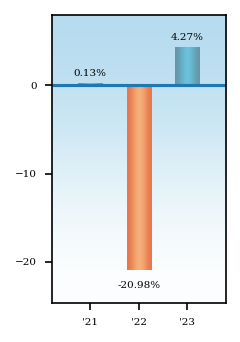
Exhibit (j)
CONSENT OF INDEPENDENT REGISTERED PUBLIC ACCOUNTING FIRM
We hereby consent to the incorporation by reference in this Registration Statement on Form N-1A of our report dated December 22, 2023, relating to the financial statements and financial highlights of Innovator Buffer Step-Up Strategy ETF, Innovator Power Buffer Step-Up Strategy ETF, Innovator Hedged TSLA Strategy ETF, Innovator Equity Managed Floor ETF, Innovator U.S. Equity 5 to 15 Buffer ETF™ - Quarterly, Innovator U.S. Equity 10 Buffer ETF™ - Quarterly, Innovator 20+ Year Treasury Bond 9 Buffer ETF™ – July, Innovator 20+ Year Treasury Bond 5 Floor ETF™ – Quarterly, Innovator Defined Wealth Shield ETF, and Innovator Equity Defined Protection ETF – 2 Yr to July 2025, each a series of Innovator ETFs Trust, for the year or period ended October 31, 2023, and to the references to our firm under the headings “Fund Service Providers” and “Financial Highlights” in the Prospectus and “Independent Registered Public Accounting Firm” in the Statement of Additional Information.
/s/ COHEN & COMPANY, LTD.
COHEN & COMPANY, LTD.
Milwaukee, Wisconsin
February 27, 2024
Total | ||||||||||||||||||||||||||||||||||||||||||||||||||
|---|---|---|---|---|---|---|---|---|---|---|---|---|---|---|---|---|---|---|---|---|---|---|---|---|---|---|---|---|---|---|---|---|---|---|---|---|---|---|---|---|---|---|---|---|---|---|---|---|---|---|
| Innovator 20+ Year Treasury Bond 9 Buffer ETF - July | ||||||||||||||||||||||||||||||||||||||||||||||||||
| Innovator 20+ Year Treasury Bond 9 Buffer ETF™ – July | ||||||||||||||||||||||||||||||||||||||||||||||||||
| Investment Objective | ||||||||||||||||||||||||||||||||||||||||||||||||||
The Fund seeks to provide investors with returns that match the price return of the iShares 20+ Year Treasury Bond ETF, up to the upside cap of 17.09% (prior to taking into account management fees and other fees) while providing a buffer against the first 9% (prior to taking into account management fees and other fees) of iShares 20+ Year Treasury Bond ETF losses, over the period from July 1, 2023 to June 30, 2024. | ||||||||||||||||||||||||||||||||||||||||||||||||||
| Fees and Expenses of the Fund | ||||||||||||||||||||||||||||||||||||||||||||||||||
This table describes the fees and expenses that you may pay if you buy, hold, and sell shares of the Fund (“Shares”). You may pay other fees, such as brokerage commissions and other fees to financial intermediaries, which are not reflected in the table and example below. | ||||||||||||||||||||||||||||||||||||||||||||||||||
| Annual Fund Operating Expenses (expenses that you pay each year as a percentage of the value of your investment) | ||||||||||||||||||||||||||||||||||||||||||||||||||
| ||||||||||||||||||||||||||||||||||||||||||||||||||
| Example | ||||||||||||||||||||||||||||||||||||||||||||||||||
This example is intended to help you compare the cost of investing in the Fund with the cost of investing in other funds. This example assumes that you invest $10,000 in the Fund for the time periods indicated and then sell all of your Shares at the end of those periods. The example also assumes that your investment has a 5% return each year and that the Fund’s operating expenses remain at current levels. This example does not include the brokerage commissions that investors may pay to buy and sell Shares. | ||||||||||||||||||||||||||||||||||||||||||||||||||
| ||||||||||||||||||||||||||||||||||||||||||||||||||
| Portfolio Turnover | ||||||||||||||||||||||||||||||||||||||||||||||||||
The Fund pays transaction costs, such as commissions, when it purchases and sells securities (or “turns over” its portfolio). A higher portfolio turnover will cause the Fund to incur additional transaction costs and may result in higher taxes when Shares are held in a taxable account. These costs, which are not reflected in Total Annual Fund Operating Expenses or in the example, may affect the Fund’s performance. During the fiscal year ended October 31, 2023, the Fund’s portfolio turnover rate was 0% of the average value of its portfolio. | ||||||||||||||||||||||||||||||||||||||||||||||||||
| Principal Investment Strategies | ||||||||||||||||||||||||||||||||||||||||||||||||||
General Strategy Description. The Fund invests at least 80% of its net assets in FLexible EXchange® Options (“FLEX Options”) that reference the iShares 20+ Year Treasury Bond ETF (the “Underlying ETF”). FLEX Options are exchange-traded options contracts with uniquely customizable terms. Although guaranteed for settlement by the Options Clearing Corporation (the “OCC”), FLEX Options are still subject to counterparty risk with the OCC and may be less liquid than more traditional exchange-traded options. Due to the unique mechanics of the Fund’s strategy, the return an investor can expect to receive from an investment in the Fund has characteristics that are distinct from many other investment vehicles. It is important that an investor understand these characteristics before making an investment in the Fund. In general, an option contract is an agreement between a buyer and seller that gives the purchaser of the option the right to buy or sell a particular asset at a specified future date at an agreed upon price. The reference asset for all of the Fund’s FLEX Options is the Underlying ETF, an exchange-traded fund that seeks to track the investment results of an index composed of U.S. Treasury bonds with remaining maturities greater than 20 years. For more information on the Underlying ETF, please see the section of the prospectus entitled “Additional Information About the Fund’s Principal Investment Strategies.” The pre-determined outcomes sought by the Fund, which include the buffer and cap discussed below (the “Outcomes”), are based upon the performance of the Underlying ETF’s share price over an approximately one-year period from July 1 through June 30 of the following year (the “Outcome Period”). The current Outcome Period is from July 1, 2023 through June 30, 2024. Upon conclusion of the Outcome Period, the Fund will receive the cash value of all the FLEX Options it held for the prior Outcome Period. It will then invest in a new series of FLEX Options with an expiration date in approximately one year, and a new Outcome Period will begin. The Outcomes may only be realized by investors who continuously hold Shares from the commencement of the Outcome Period until its conclusion. Investors who purchase Shares after the Outcome Period has begun or sell Shares prior to the Outcome Period’s conclusion may experience investment returns very different from those that the Fund seeks to provide. The Fund’s strategy has been specifically designed to produce the Outcomes based upon the performance of the Underlying ETF’s share price (or its “price return”) over the duration of the Outcome Period. The Fund will not receive or benefit from any dividend payments made by the Underlying ETF. The Fund is not an appropriate investment for income-seeking investors. If the Underlying ETF’s share price increases over the duration of the Outcome Period, the Fund seeks to provide investors that hold Fund Shares for the entire Outcome Period with an increase in value that approximately matches the percentage increase experienced by the Underlying ETF’s share price over the duration of the Outcome Period, up to an upside return cap (the “Cap”) that represents the maximum percentage return an investor can achieve from an investment in Fund Shares for the Outcome Period. Therefore, even though the Fund’s returns are based upon the performance of the Underlying ETF’s share price, if the Underlying ETF’s share price experiences returns for the Outcome Period in excess of the Cap, Fund shareholders will not participate in the excess returns. The Cap is based upon prevailing market conditions at the time the Fund enters into the FLEX Options on the first day of the Outcome Period and will be further reduced by any shareholder transaction fees and any extraordinary expenses incurred by the Fund. For the current Outcome Period, the Cap is 17.09% prior to taking into account any fees or expenses charged to shareholders. When the Fund’s annual Fund management fee of 0.79% of the Fund’s average daily net assets is taken into account for the Outcome Period, the Cap is 16.30%. The Cap will be further reduced by any shareholder transaction fees and any extraordinary expenses incurred by the Fund. Since the Cap is based upon prevailing market conditions at the beginning of an Outcome Period, the Cap will therefore rise or fall from one Outcome Period to the next. As is discussed in further detail below, it is anticipated that during the Outcome Period the Fund’s NAV will not increase or decrease at the same rate as the Underlying ETF’s share price. The Fund’s NAV is based upon the value of its portfolio, which is primarily composed of FLEX Options. Although the value of the Underlying ETF’s share price is a significant component of the value of the Fund’s FLEX Options, the time remaining until those FLEX Options expire also affects their value. The Fund’s investment sub-adviser, Milliman Financial Risk Management LLC (“Milliman” or the “Sub-Adviser”), generally anticipates that the Fund’s NAV will increase on days when the Underlying ETF’s share price increases and will decrease on days when the Underlying ETF’s share price decreases, but that the rate of such increase or decrease will be less than that experienced by the Underlying ETF. The Fund seeks to generate returns that match the Underlying ETF, up to the Cap (discussed in detail below), while limiting downside losses. The two hypothetical graphical illustrations provided below are designed to illustrate the Outcomes that the Fund seeks to provide for investors who hold Fund Shares for the entirety of the Outcome Period. There is no guarantee that the Fund will be successful in its attempt to provide the Outcomes for an Outcome Period. The returns that the Fund seeks to provide do not include the costs associated with purchasing Fund Shares and certain expenses incurred by the Fund.
The following table contains hypothetical examples designed to illustrate the Outcomes the Fund seeks to provide over an Outcome Period, based upon the performance of the Underlying ETF from -100% to 100%. The table is provided for illustrative purposes and does not provide every possible performance scenario for Shares over the course of an Outcome Period. There is no guarantee that the Fund will be successful in its attempt to provide the Outcomes for an Outcome Period. The table is not intended to predict or project the performance of the FLEX Options or the Fund. Fund shareholders should not take this information as an assurance of the expected performance of the Underlying ETF or return on Shares. The actual overall performance of the Fund will vary with fluctuations in the value of the FLEX Options during the Outcome Period, among other factors. Please refer to the Fund’s website, www.innovatoretfs.com/tbjl, which provides updated information relating to this table on a daily basis throughout the Outcome Period.
* The Cap is set on the first day of the Outcome Period and is 17.09% prior to taking into account any fees or expenses charged to shareholders. When the Fund’s annual Fund management fee of 0.79% of the Fund’s average daily net assets is taken into account, the Cap is 16.30%. The Fund’s annual management fee of 0.79% of the Fund’s average daily net assets, any shareholder transaction fees and any extraordinary expenses incurred by the Fund will have the effect of reducing the Cap and Buffer amounts for Fund shareholders. Use of FLEX Options. The Outcomes may be achieved by purchasing and selling call and put FLEX Options to create layers within the Fund’s portfolio. The Sub-Adviser has constructed a portfolio principally composed of FLEX Options that reference the Underlying ETF that are each set to expire on the last day of the Outcome Period. The customizable nature of FLEX Options allows the Sub-Adviser to select the share price at which the Underlying ETF will be exercised at the expiration of each FLEX Option. This is commonly known as the “strike price.” At the commencement of the Outcome Period, the Sub-Adviser specifically selects the strike price for each FLEX Option such that when the FLEX Options are exercised on the final day of the Outcome Period, the Outcomes may be obtained, depending on the performance of the Underlying ETF’s share price over the duration of the Outcome Period. To achieve these returns, the Fund may purchase a combination of call options (giving the Fund the right to receive the cash value of the Underlying ETF’s share price) and put options (giving the Fund the right to deliver the cash value of the Underlying ETF’s share price), while simultaneously selling call options (giving the Fund the obligation to deliver the cash value of the Underlying ETF’s share price) and put options (giving the Fund the obligation to receive the cash value of the Underlying ETF’s share price). Each of these FLEX Options has a specifically selected strike price. The effect created by a first layer of FLEX Options positions is that if the Underlying ETF’s share price has increased in value over the course of the Outcome Period, when the amount of cash the Fund receives and delivers pursuant to the terms of its positions is netted out, the Fund seeks to provide a gain that matches the gain experienced by the Underlying ETF. This gain is subject to the Cap, a maximum investment return level, which is discussed below. A separate layer is designed to produce the Fund’s objective to provide returns that are buffered by up to 9% if the Underlying ETF’s share price experiences a loss during the course of the Outcome Period. There is no guarantee that the Fund will be successful in its attempt to provide buffered returns. The Buffer that the Fund seeks to provide is only operative against the first 9% of Underlying ETF losses for the Outcome Period. After the Underlying ETF’s share price has decreased in value by more than 9%, the Fund will experience all subsequent losses on a one-to-one basis. In seeking to achieve the Buffer, the Fund enters into FLEX Options positions that have a specifically selected strike price. The effect created by these positions is that if the Underlying ETF’s share price has decreased in value over the course of the Outcome Period, when the amount of cash the Fund receives and delivers pursuant to the terms of its positions is netted out, the Fund seeks to be returned the amount of its principal investment (if the Underlying ETF’s share price decreased in value by 9% or less) or experience a loss that is 9% less than the loss experienced by the Underlying ETF (if the Underlying ETF’s share price decreased in value by more than 9%). Each of the FLEX Options purchased and sold throughout the Outcome Period are expected to have the same or similar terms (i.e., strike price and expiration) as the corresponding FLEX Options purchased and sold on the first day of the Outcome Period. A detailed explanation regarding the terms of the FLEX Options and the mechanics of the Fund’s strategy can be found in “Additional Information Regarding the Fund’s Principal Investment Strategies.” The Outcome Period. The Outcomes sought by the Fund are based upon the Fund’s NAV at the outset of the Outcome Period. The Outcome Period begins on the day the FLEX Options are entered into and ends on the day they expire. Each FLEX Option’s value is ultimately derived from the performance of the Underlying ETF’s share price during that time. Because the terms of the FLEX Options don’t change, the Cap and Buffer both relate to the Fund’s NAV on the first day of the Outcome Period. A shareholder that purchases Shares after the commencement of the Outcome Period will likely have purchased Shares at a different NAV than the NAV on the first day of the Outcome Period (the NAV upon which the Outcomes are based) and may experience investment outcomes very different from those sought by the Fund. A shareholder that sells Shares prior to the end of the Outcome Period may also experience investment outcomes very different from those sought by the Fund. To achieve the Outcomes sought by the Fund for the Outcome Period, an investor must be holding Shares at the time that the Fund enters into the FLEX Options and on the day those FLEX Options expire. There is no guarantee that the Fund will be successful in its attempt to provide the Outcomes. The Fund’s assets will be principally composed of FLEX Options, the value of which is derived from the performance of the underlying reference asset, the Underlying ETF’s share price. However, because a component of an option’s value is the number of days remaining until its expiration, during the Outcome Period, the Fund’s NAV will not directly correlate on a day-to-day basis with the returns experienced by the Underlying ETF. The Sub-Adviser generally anticipates that the Fund’s NAV will increase on days when the Underlying ETF’s share price increases and will decrease on days when the Underlying ETF’s share price decreases, but that the rate of such increase or decrease will be less than that experienced by the Underlying ETF. Similarly, the amount of time remaining until the end of the Outcome Period also affects the impact of the Buffer on the Fund’s NAV, which may not be in full effect prior to the end of the Outcome Period. The Fund’s strategy is designed to produce the Outcomes upon the expiration of the FLEX Options on the last day of the Outcome Period and it should not be expected that the Outcomes will be provided at any point prior to that time. Taken together, this means that at the midpoint of the Outcome Period, if the Underlying ETF’s share price has decreased by 9%, the Fund’s NAV can be expected to have decreased in value (because the Buffer is not yet in full effect), but by less than 9% (because the Fund’s NAV will not correlate one-to-one with the Underlying ETF and the Fund’s NAV tends not to participate fully in either Underlying ETF gains or losses). Cap on Potential Upside Returns. Unlike other investment products, the potential upside return an investor can receive from an investment in Fund Shares over the Outcome Period is subject to the Cap. The Cap represents the maximum percentage return an investor can achieve from an investment in Fund Shares over the duration of the Outcome Period. Therefore, even though the Fund’s returns are based upon the performance of the Underlying ETF’s share price, if the Underlying ETF’s share price experiences returns for the Outcome Period in excess of the Cap, the Fund will not participate in excess returns. The Cap is determined on the first day of the Outcome Period and is 17.09% prior to taking into account any fees or expenses charged to shareholders. When the Fund’s annual Fund management fee of 0.79% of the Fund’s average daily net assets is taken into account for the Outcome Period, the Cap is 16.30%. The Cap will be further reduced by any shareholder transaction fees and any extraordinary expenses incurred by the Fund. For the purpose of this prospectus, “extraordinary expenses” are non-recurring expenses that may incurred by the Fund outside of the ordinary course of its business, including, without limitation, costs incurred in connection with any claim, litigation, arbitration, mediation, government investigation or similar proceedings, indemnification expenses and expenses in connection with holding and/or soliciting proxies for a meeting of Fund shareholders. The Cap is also set forth on the Fund’s website at www.innovatoretfs.com/tbjl. The Cap will change for each Outcome Period based upon prevailing market conditions at the beginning of the Outcome Period. The Cap, and the Fund’s position relative to it, should be considered before investing in the Fund. If an investor is considering purchasing Shares during the Outcome Period, and the Fund has already increased in value to a level near to the Cap, an investor purchasing Shares at that price has limited to no gains available for the remainder of the Outcome Period but remains vulnerable to significant downside risks. There is no guarantee that the Fund will successfully achieve its investment objective. The Cap is a result of the design of the Fund’s principal investment strategy. In order to provide the Buffer, the Fund enters into a series of FLEX Option contracts. As the purchaser of certain of these FLEX Options, the Fund is obligated to pay a premium to the seller of those FLEX Options. However, the strategy is designed so that any premiums that the Fund is obligated to pay are offset by premiums it receives in connection with the selling of FLEX Options. On the first day of the Outcome Period when the Fund enters into its other FLEX Options positions, the portfolio managers will calculate the amount of premiums that the Fund will owe and will then go into the market and sell a call FLEX Option with terms that entitle the Fund to receive a premium in an amount equal to the amount that the Fund would otherwise owe. The Cap is the strike price of that sold call FLEX Option. The strike price is determined based upon prevailing market conditions at the time the Fund enters into the FLEX Options, most notably current interest rate levels, volatility in the Underlying ETF’s share price, and the relationship of put and calls on the underlying FLEX Options. Buffer. The Buffer is only operative against the first 9% of Underlying ETF losses for the Outcome Period; however, there is no guarantee that the Fund will be successful in its attempt to provide buffered returns. After the Underlying ETF’s share price has decreased by more than 9%, the Fund will experience all subsequent losses on a one-to-one basis. The Buffer is provided prior to taking into account annual Fund management fees, shareholder transaction fees and any extraordinary expenses incurred by the Fund. These fees and any expenses will have the effect of reducing the Buffer amount for Fund shareholders for an Outcome Period. When the Fund’s annual management fee equal to 0.79% of the Fund’s daily net assets is taken into account, the net Buffer for an Outcome Period is 8.21%. The Fund’s strategy is designed to produce the Outcomes upon the expiration of its FLEX Options investments on the last day of the Outcome Period. It should not be expected that the Outcomes, including the net effect of the Fund’s annual management fee on the Cap and Buffer, will be provided at any point prior to the last day of the Outcome Period. If an investor is considering purchasing Shares during the Outcome Period, and the Fund has already decreased in value by an amount equal to or greater than 9%, an investor purchasing Shares at that price will have increased gains available prior to reaching the Cap but may not benefit from the Buffer that the Fund seeks to offer for the remainder of the Outcome Period. Conversely, if an investor is considering purchasing Shares during the Outcome Period, and the Fund has already increased in value, then a shareholder may experience losses prior to gaining the protection offered by the Buffer, which is not guaranteed. A shareholder that purchases Shares at the beginning of the Outcome Period may lose their entire investment. While the Fund seeks to limit losses to 91% for shareholders who hold Shares for the entire Outcome Period, there is no guarantee it will successfully do so. Depending upon market conditions at the time of purchase, a shareholder that purchases Shares after the Outcome Period has begun may also lose their entire investment. An investment in the Fund is only appropriate for shareholders willing to bear those losses. Fund Rebalance. The Fund is a continuous investment vehicle. It does not terminate and distribute its assets at the conclusion of each Outcome Period. On the termination date of an Outcome Period, the Sub-Adviser will invest in a new set of FLEX Options and another Outcome Period will commence. Approximately one week prior to the end of each Outcome Period, the Fund will file a prospectus supplement, which will alert existing shareholders that an Outcome Period is approaching its conclusion and disclose the anticipated ranges for the Cap for the next Outcome Period. Following the close of business on the last day of the Outcome Period, the Fund will file a prospectus supplement that discloses the Fund’s final Cap (both gross and net of the unitary management fee) for the next Outcome Period. This information is available on the Fund’s website, www.innovatoretfs.com/tbjl, which also provides information relating to the Outcomes, including the Fund’s position relative to the Cap, of an investment in the Fund on a daily basis. The Fund’s website, www.innovatoretfs.com/tbjl, provides information relating to the Outcomes, including the Fund’s position relative to the Cap and Buffer, of an investment in the Fund on a daily basis. The Fund is classified as “non-diversified” under the Investment Company Act of 1940, as amended (the “1940 Act”). | ||||||||||||||||||||||||||||||||||||||||||||||||||
| Principal Risks | ||||||||||||||||||||||||||||||||||||||||||||||||||
| Performance | ||||||||||||||||||||||||||||||||||||||||||||||||||
The bar chart and table below illustrate the annual calendar year returns of the Fund based on NAV as well as the average annual Fund returns. The bar chart and table provide an indication of the risks of investing in the Fund by showing changes in the Fund’s performance from year-to-year and by showing how the Fund’s average annual total returns based on NAV compare to those of two broad-based market indexes: I.C.E. US Treasury 20+ Year Index® Price Return Index and I.C.E. US Treasury 20+ Year Index® Total Return Index. Both indices have the same constituents in the same weights. However, the I.C.E US Treasury 20+ Year Index® Total Return Index assumes that any distributions paid out by index constituents have been reinvested in the index and the I.C.E. US Treasury 20+ Year Index® Price Return Index, which measures only the price movements of index constituents, does not. Although the Outcomes the Fund seeks to provide are based upon the performance of the Underlying ETF, the returns of the I.C.E. US Treasury 20+ Year Index® Total Return Index have been provided in accordance with the requirements of Form N-1A of the 1940 Act. The Fund’s performance information is accessible on the Fund’s website at www.innovatoretfs.com. | ||||||||||||||||||||||||||||||||||||||||||||||||||
| Calendar Year Total Returns as of 12/31 | ||||||||||||||||||||||||||||||||||||||||||||||||||
| ||||||||||||||||||||||||||||||||||||||||||||||||||
The Fund’s highest quarterly return was 9.17% (quarter ended December 31, 2023) and the Fund’s lowest quarterly return was (10.39)% (quarter ended September 30, 2023). | ||||||||||||||||||||||||||||||||||||||||||||||||||
| Average Annual Total Return as of December 31, 2023 | ||||||||||||||||||||||||||||||||||||||||||||||||||
| ||||||||||||||||||||||||||||||||||||||||||||||||||
The Fund’s past performance (before and after taxes) is not necessarily an indication of how the Fund will perform in the future. Returns before taxes do not reflect the effects of any income or capital gains taxes. All after-tax returns are calculated using the historical highest individual federal marginal income tax rates and do not reflect the impact of any state or local tax. Returns after taxes on distributions reflect the taxed return on the payment of dividends and capital gains. Your own actual after-tax returns will depend on your specific tax situation and may differ from what is shown here. After-tax returns are not relevant to investors who hold Shares in tax-deferred accounts such as individual retirement accounts (IRAs) or employee-sponsored retirement plans. |
| Label | Element | Value | ||||||||||||||||||||||||||||||||||||||||||||||||||
|---|---|---|---|---|---|---|---|---|---|---|---|---|---|---|---|---|---|---|---|---|---|---|---|---|---|---|---|---|---|---|---|---|---|---|---|---|---|---|---|---|---|---|---|---|---|---|---|---|---|---|---|---|
| Innovator 20+ Year Treasury Bond 9 Buffer ETF - July | ||||||||||||||||||||||||||||||||||||||||||||||||||||
| Risk/Return: | rr_RiskReturnAbstract | |||||||||||||||||||||||||||||||||||||||||||||||||||
| Risk/Return [Heading] | rr_RiskReturnHeading | Innovator 20+ Year Treasury Bond 9 Buffer ETF™ – July | ||||||||||||||||||||||||||||||||||||||||||||||||||
| Objective [Heading] | rr_ObjectiveHeading | Investment Objective | ||||||||||||||||||||||||||||||||||||||||||||||||||
| Objective, Primary [Text Block] | rr_ObjectivePrimaryTextBlock | The Fund seeks to provide investors with returns that match the price return of the iShares 20+ Year Treasury Bond ETF, up to the upside cap of 17.09% (prior to taking into account management fees and other fees) while providing a buffer against the first 9% (prior to taking into account management fees and other fees) of iShares 20+ Year Treasury Bond ETF losses, over the period from July 1, 2023 to June 30, 2024. |
||||||||||||||||||||||||||||||||||||||||||||||||||
| Expense [Heading] | rr_ExpenseHeading | Fees and Expenses of the Fund | ||||||||||||||||||||||||||||||||||||||||||||||||||
| Expense Narrative [Text Block] | rr_ExpenseNarrativeTextBlock | This table describes the fees and expenses that you may pay if you buy, hold, and sell shares of the Fund (“Shares”). You may pay other fees, such as brokerage commissions and other fees to financial intermediaries, which are not reflected in the table and example below. |
||||||||||||||||||||||||||||||||||||||||||||||||||
| Operating Expenses Caption [Text] | rr_OperatingExpensesCaption | Annual Fund Operating Expenses (expenses that you pay each year as a percentage of the value of your investment) | ||||||||||||||||||||||||||||||||||||||||||||||||||
| Portfolio Turnover [Heading] | rr_PortfolioTurnoverHeading | Portfolio Turnover | ||||||||||||||||||||||||||||||||||||||||||||||||||
| Portfolio Turnover [Text Block] | rr_PortfolioTurnoverTextBlock | The Fund pays transaction costs, such as commissions, when it purchases and sells securities (or “turns over” its portfolio). A higher portfolio turnover will cause the Fund to incur additional transaction costs and may result in higher taxes when Shares are held in a taxable account. These costs, which are not reflected in Total Annual Fund Operating Expenses or in the example, may affect the Fund’s performance. During the fiscal year ended October 31, 2023, the Fund’s portfolio turnover rate was 0% of the average value of its portfolio. |
||||||||||||||||||||||||||||||||||||||||||||||||||
| Portfolio Turnover, Rate | rr_PortfolioTurnoverRate | none | ||||||||||||||||||||||||||||||||||||||||||||||||||
| Expense Example [Heading] | rr_ExpenseExampleHeading | Example | ||||||||||||||||||||||||||||||||||||||||||||||||||
| Expense Example Narrative [Text Block] | rr_ExpenseExampleNarrativeTextBlock | This example is intended to help you compare the cost of investing in the Fund with the cost of investing in other funds. This example assumes that you invest $10,000 in the Fund for the time periods indicated and then sell all of your Shares at the end of those periods. The example also assumes that your investment has a 5% return each year and that the Fund’s operating expenses remain at current levels. This example does not include the brokerage commissions that investors may pay to buy and sell Shares. |
||||||||||||||||||||||||||||||||||||||||||||||||||
| Strategy [Heading] | rr_StrategyHeading | Principal Investment Strategies | ||||||||||||||||||||||||||||||||||||||||||||||||||
| Strategy Narrative [Text Block] | rr_StrategyNarrativeTextBlock | General Strategy Description. The Fund invests at least 80% of its net assets in FLexible EXchange® Options (“FLEX Options”) that reference the iShares 20+ Year Treasury Bond ETF (the “Underlying ETF”). FLEX Options are exchange-traded options contracts with uniquely customizable terms. Although guaranteed for settlement by the Options Clearing Corporation (the “OCC”), FLEX Options are still subject to counterparty risk with the OCC and may be less liquid than more traditional exchange-traded options. Due to the unique mechanics of the Fund’s strategy, the return an investor can expect to receive from an investment in the Fund has characteristics that are distinct from many other investment vehicles. It is important that an investor understand these characteristics before making an investment in the Fund. In general, an option contract is an agreement between a buyer and seller that gives the purchaser of the option the right to buy or sell a particular asset at a specified future date at an agreed upon price. The reference asset for all of the Fund’s FLEX Options is the Underlying ETF, an exchange-traded fund that seeks to track the investment results of an index composed of U.S. Treasury bonds with remaining maturities greater than 20 years. For more information on the Underlying ETF, please see the section of the prospectus entitled “Additional Information About the Fund’s Principal Investment Strategies.” The pre-determined outcomes sought by the Fund, which include the buffer and cap discussed below (the “Outcomes”), are based upon the performance of the Underlying ETF’s share price over an approximately one-year period from July 1 through June 30 of the following year (the “Outcome Period”). The current Outcome Period is from July 1, 2023 through June 30, 2024. Upon conclusion of the Outcome Period, the Fund will receive the cash value of all the FLEX Options it held for the prior Outcome Period. It will then invest in a new series of FLEX Options with an expiration date in approximately one year, and a new Outcome Period will begin. The Outcomes may only be realized by investors who continuously hold Shares from the commencement of the Outcome Period until its conclusion. Investors who purchase Shares after the Outcome Period has begun or sell Shares prior to the Outcome Period’s conclusion may experience investment returns very different from those that the Fund seeks to provide. The Fund’s strategy has been specifically designed to produce the Outcomes based upon the performance of the Underlying ETF’s share price (or its “price return”) over the duration of the Outcome Period. The Fund will not receive or benefit from any dividend payments made by the Underlying ETF. The Fund is not an appropriate investment for income-seeking investors. If the Underlying ETF’s share price increases over the duration of the Outcome Period, the Fund seeks to provide investors that hold Fund Shares for the entire Outcome Period with an increase in value that approximately matches the percentage increase experienced by the Underlying ETF’s share price over the duration of the Outcome Period, up to an upside return cap (the “Cap”) that represents the maximum percentage return an investor can achieve from an investment in Fund Shares for the Outcome Period. Therefore, even though the Fund’s returns are based upon the performance of the Underlying ETF’s share price, if the Underlying ETF’s share price experiences returns for the Outcome Period in excess of the Cap, Fund shareholders will not participate in the excess returns. The Cap is based upon prevailing market conditions at the time the Fund enters into the FLEX Options on the first day of the Outcome Period and will be further reduced by any shareholder transaction fees and any extraordinary expenses incurred by the Fund. For the current Outcome Period, the Cap is 17.09% prior to taking into account any fees or expenses charged to shareholders. When the Fund’s annual Fund management fee of 0.79% of the Fund’s average daily net assets is taken into account for the Outcome Period, the Cap is 16.30%. The Cap will be further reduced by any shareholder transaction fees and any extraordinary expenses incurred by the Fund. Since the Cap is based upon prevailing market conditions at the beginning of an Outcome Period, the Cap will therefore rise or fall from one Outcome Period to the next. As is discussed in further detail below, it is anticipated that during the Outcome Period the Fund’s NAV will not increase or decrease at the same rate as the Underlying ETF’s share price. The Fund’s NAV is based upon the value of its portfolio, which is primarily composed of FLEX Options. Although the value of the Underlying ETF’s share price is a significant component of the value of the Fund’s FLEX Options, the time remaining until those FLEX Options expire also affects their value. The Fund’s investment sub-adviser, Milliman Financial Risk Management LLC (“Milliman” or the “Sub-Adviser”), generally anticipates that the Fund’s NAV will increase on days when the Underlying ETF’s share price increases and will decrease on days when the Underlying ETF’s share price decreases, but that the rate of such increase or decrease will be less than that experienced by the Underlying ETF. The Fund seeks to generate returns that match the Underlying ETF, up to the Cap (discussed in detail below), while limiting downside losses. The two hypothetical graphical illustrations provided below are designed to illustrate the Outcomes that the Fund seeks to provide for investors who hold Fund Shares for the entirety of the Outcome Period. There is no guarantee that the Fund will be successful in its attempt to provide the Outcomes for an Outcome Period. The returns that the Fund seeks to provide do not include the costs associated with purchasing Fund Shares and certain expenses incurred by the Fund.
The following table contains hypothetical examples designed to illustrate the Outcomes the Fund seeks to provide over an Outcome Period, based upon the performance of the Underlying ETF from -100% to 100%. The table is provided for illustrative purposes and does not provide every possible performance scenario for Shares over the course of an Outcome Period. There is no guarantee that the Fund will be successful in its attempt to provide the Outcomes for an Outcome Period. The table is not intended to predict or project the performance of the FLEX Options or the Fund. Fund shareholders should not take this information as an assurance of the expected performance of the Underlying ETF or return on Shares. The actual overall performance of the Fund will vary with fluctuations in the value of the FLEX Options during the Outcome Period, among other factors. Please refer to the Fund’s website, www.innovatoretfs.com/tbjl, which provides updated information relating to this table on a daily basis throughout the Outcome Period.
* The Cap is set on the first day of the Outcome Period and is 17.09% prior to taking into account any fees or expenses charged to shareholders. When the Fund’s annual Fund management fee of 0.79% of the Fund’s average daily net assets is taken into account, the Cap is 16.30%. The Fund’s annual management fee of 0.79% of the Fund’s average daily net assets, any shareholder transaction fees and any extraordinary expenses incurred by the Fund will have the effect of reducing the Cap and Buffer amounts for Fund shareholders. Use of FLEX Options. The Outcomes may be achieved by purchasing and selling call and put FLEX Options to create layers within the Fund’s portfolio. The Sub-Adviser has constructed a portfolio principally composed of FLEX Options that reference the Underlying ETF that are each set to expire on the last day of the Outcome Period. The customizable nature of FLEX Options allows the Sub-Adviser to select the share price at which the Underlying ETF will be exercised at the expiration of each FLEX Option. This is commonly known as the “strike price.” At the commencement of the Outcome Period, the Sub-Adviser specifically selects the strike price for each FLEX Option such that when the FLEX Options are exercised on the final day of the Outcome Period, the Outcomes may be obtained, depending on the performance of the Underlying ETF’s share price over the duration of the Outcome Period. To achieve these returns, the Fund may purchase a combination of call options (giving the Fund the right to receive the cash value of the Underlying ETF’s share price) and put options (giving the Fund the right to deliver the cash value of the Underlying ETF’s share price), while simultaneously selling call options (giving the Fund the obligation to deliver the cash value of the Underlying ETF’s share price) and put options (giving the Fund the obligation to receive the cash value of the Underlying ETF’s share price). Each of these FLEX Options has a specifically selected strike price. The effect created by a first layer of FLEX Options positions is that if the Underlying ETF’s share price has increased in value over the course of the Outcome Period, when the amount of cash the Fund receives and delivers pursuant to the terms of its positions is netted out, the Fund seeks to provide a gain that matches the gain experienced by the Underlying ETF. This gain is subject to the Cap, a maximum investment return level, which is discussed below. A separate layer is designed to produce the Fund’s objective to provide returns that are buffered by up to 9% if the Underlying ETF’s share price experiences a loss during the course of the Outcome Period. There is no guarantee that the Fund will be successful in its attempt to provide buffered returns. The Buffer that the Fund seeks to provide is only operative against the first 9% of Underlying ETF losses for the Outcome Period. After the Underlying ETF’s share price has decreased in value by more than 9%, the Fund will experience all subsequent losses on a one-to-one basis. In seeking to achieve the Buffer, the Fund enters into FLEX Options positions that have a specifically selected strike price. The effect created by these positions is that if the Underlying ETF’s share price has decreased in value over the course of the Outcome Period, when the amount of cash the Fund receives and delivers pursuant to the terms of its positions is netted out, the Fund seeks to be returned the amount of its principal investment (if the Underlying ETF’s share price decreased in value by 9% or less) or experience a loss that is 9% less than the loss experienced by the Underlying ETF (if the Underlying ETF’s share price decreased in value by more than 9%). Each of the FLEX Options purchased and sold throughout the Outcome Period are expected to have the same or similar terms (i.e., strike price and expiration) as the corresponding FLEX Options purchased and sold on the first day of the Outcome Period. A detailed explanation regarding the terms of the FLEX Options and the mechanics of the Fund’s strategy can be found in “Additional Information Regarding the Fund’s Principal Investment Strategies.” The Outcome Period. The Outcomes sought by the Fund are based upon the Fund’s NAV at the outset of the Outcome Period. The Outcome Period begins on the day the FLEX Options are entered into and ends on the day they expire. Each FLEX Option’s value is ultimately derived from the performance of the Underlying ETF’s share price during that time. Because the terms of the FLEX Options don’t change, the Cap and Buffer both relate to the Fund’s NAV on the first day of the Outcome Period. A shareholder that purchases Shares after the commencement of the Outcome Period will likely have purchased Shares at a different NAV than the NAV on the first day of the Outcome Period (the NAV upon which the Outcomes are based) and may experience investment outcomes very different from those sought by the Fund. A shareholder that sells Shares prior to the end of the Outcome Period may also experience investment outcomes very different from those sought by the Fund. To achieve the Outcomes sought by the Fund for the Outcome Period, an investor must be holding Shares at the time that the Fund enters into the FLEX Options and on the day those FLEX Options expire. There is no guarantee that the Fund will be successful in its attempt to provide the Outcomes. The Fund’s assets will be principally composed of FLEX Options, the value of which is derived from the performance of the underlying reference asset, the Underlying ETF’s share price. However, because a component of an option’s value is the number of days remaining until its expiration, during the Outcome Period, the Fund’s NAV will not directly correlate on a day-to-day basis with the returns experienced by the Underlying ETF. The Sub-Adviser generally anticipates that the Fund’s NAV will increase on days when the Underlying ETF’s share price increases and will decrease on days when the Underlying ETF’s share price decreases, but that the rate of such increase or decrease will be less than that experienced by the Underlying ETF. Similarly, the amount of time remaining until the end of the Outcome Period also affects the impact of the Buffer on the Fund’s NAV, which may not be in full effect prior to the end of the Outcome Period. The Fund’s strategy is designed to produce the Outcomes upon the expiration of the FLEX Options on the last day of the Outcome Period and it should not be expected that the Outcomes will be provided at any point prior to that time. Taken together, this means that at the midpoint of the Outcome Period, if the Underlying ETF’s share price has decreased by 9%, the Fund’s NAV can be expected to have decreased in value (because the Buffer is not yet in full effect), but by less than 9% (because the Fund’s NAV will not correlate one-to-one with the Underlying ETF and the Fund’s NAV tends not to participate fully in either Underlying ETF gains or losses). Cap on Potential Upside Returns. Unlike other investment products, the potential upside return an investor can receive from an investment in Fund Shares over the Outcome Period is subject to the Cap. The Cap represents the maximum percentage return an investor can achieve from an investment in Fund Shares over the duration of the Outcome Period. Therefore, even though the Fund’s returns are based upon the performance of the Underlying ETF’s share price, if the Underlying ETF’s share price experiences returns for the Outcome Period in excess of the Cap, the Fund will not participate in excess returns. The Cap is determined on the first day of the Outcome Period and is 17.09% prior to taking into account any fees or expenses charged to shareholders. When the Fund’s annual Fund management fee of 0.79% of the Fund’s average daily net assets is taken into account for the Outcome Period, the Cap is 16.30%. The Cap will be further reduced by any shareholder transaction fees and any extraordinary expenses incurred by the Fund. For the purpose of this prospectus, “extraordinary expenses” are non-recurring expenses that may incurred by the Fund outside of the ordinary course of its business, including, without limitation, costs incurred in connection with any claim, litigation, arbitration, mediation, government investigation or similar proceedings, indemnification expenses and expenses in connection with holding and/or soliciting proxies for a meeting of Fund shareholders. The Cap is also set forth on the Fund’s website at www.innovatoretfs.com/tbjl. The Cap will change for each Outcome Period based upon prevailing market conditions at the beginning of the Outcome Period. The Cap, and the Fund’s position relative to it, should be considered before investing in the Fund. If an investor is considering purchasing Shares during the Outcome Period, and the Fund has already increased in value to a level near to the Cap, an investor purchasing Shares at that price has limited to no gains available for the remainder of the Outcome Period but remains vulnerable to significant downside risks. There is no guarantee that the Fund will successfully achieve its investment objective. The Cap is a result of the design of the Fund’s principal investment strategy. In order to provide the Buffer, the Fund enters into a series of FLEX Option contracts. As the purchaser of certain of these FLEX Options, the Fund is obligated to pay a premium to the seller of those FLEX Options. However, the strategy is designed so that any premiums that the Fund is obligated to pay are offset by premiums it receives in connection with the selling of FLEX Options. On the first day of the Outcome Period when the Fund enters into its other FLEX Options positions, the portfolio managers will calculate the amount of premiums that the Fund will owe and will then go into the market and sell a call FLEX Option with terms that entitle the Fund to receive a premium in an amount equal to the amount that the Fund would otherwise owe. The Cap is the strike price of that sold call FLEX Option. The strike price is determined based upon prevailing market conditions at the time the Fund enters into the FLEX Options, most notably current interest rate levels, volatility in the Underlying ETF’s share price, and the relationship of put and calls on the underlying FLEX Options. Buffer. The Buffer is only operative against the first 9% of Underlying ETF losses for the Outcome Period; however, there is no guarantee that the Fund will be successful in its attempt to provide buffered returns. After the Underlying ETF’s share price has decreased by more than 9%, the Fund will experience all subsequent losses on a one-to-one basis. The Buffer is provided prior to taking into account annual Fund management fees, shareholder transaction fees and any extraordinary expenses incurred by the Fund. These fees and any expenses will have the effect of reducing the Buffer amount for Fund shareholders for an Outcome Period. When the Fund’s annual management fee equal to 0.79% of the Fund’s daily net assets is taken into account, the net Buffer for an Outcome Period is 8.21%. The Fund’s strategy is designed to produce the Outcomes upon the expiration of its FLEX Options investments on the last day of the Outcome Period. It should not be expected that the Outcomes, including the net effect of the Fund’s annual management fee on the Cap and Buffer, will be provided at any point prior to the last day of the Outcome Period. If an investor is considering purchasing Shares during the Outcome Period, and the Fund has already decreased in value by an amount equal to or greater than 9%, an investor purchasing Shares at that price will have increased gains available prior to reaching the Cap but may not benefit from the Buffer that the Fund seeks to offer for the remainder of the Outcome Period. Conversely, if an investor is considering purchasing Shares during the Outcome Period, and the Fund has already increased in value, then a shareholder may experience losses prior to gaining the protection offered by the Buffer, which is not guaranteed. A shareholder that purchases Shares at the beginning of the Outcome Period may lose their entire investment. While the Fund seeks to limit losses to 91% for shareholders who hold Shares for the entire Outcome Period, there is no guarantee it will successfully do so. Depending upon market conditions at the time of purchase, a shareholder that purchases Shares after the Outcome Period has begun may also lose their entire investment. An investment in the Fund is only appropriate for shareholders willing to bear those losses. Fund Rebalance. The Fund is a continuous investment vehicle. It does not terminate and distribute its assets at the conclusion of each Outcome Period. On the termination date of an Outcome Period, the Sub-Adviser will invest in a new set of FLEX Options and another Outcome Period will commence. Approximately one week prior to the end of each Outcome Period, the Fund will file a prospectus supplement, which will alert existing shareholders that an Outcome Period is approaching its conclusion and disclose the anticipated ranges for the Cap for the next Outcome Period. Following the close of business on the last day of the Outcome Period, the Fund will file a prospectus supplement that discloses the Fund’s final Cap (both gross and net of the unitary management fee) for the next Outcome Period. This information is available on the Fund’s website, www.innovatoretfs.com/tbjl, which also provides information relating to the Outcomes, including the Fund’s position relative to the Cap, of an investment in the Fund on a daily basis. The Fund’s website, www.innovatoretfs.com/tbjl, provides information relating to the Outcomes, including the Fund’s position relative to the Cap and Buffer, of an investment in the Fund on a daily basis. The Fund is classified as “non-diversified” under the Investment Company Act of 1940, as amended (the “1940 Act”). |
||||||||||||||||||||||||||||||||||||||||||||||||||
| Strategy Portfolio Concentration [Text] | rr_StrategyPortfolioConcentration | The Fund invests at least 80% of its net assets in FLexible EXchange® Options (“FLEX Options”) that reference the iShares 20+ Year Treasury Bond ETF (the “Underlying ETF”). | ||||||||||||||||||||||||||||||||||||||||||||||||||
| Risk [Heading] | rr_RiskHeading | Principal Risks | ||||||||||||||||||||||||||||||||||||||||||||||||||
| Bar Chart and Performance Table [Heading] | rr_BarChartAndPerformanceTableHeading | Performance | ||||||||||||||||||||||||||||||||||||||||||||||||||
| Performance Narrative [Text Block] | rr_PerformanceNarrativeTextBlock | The bar chart and table below illustrate the annual calendar year returns of the Fund based on NAV as well as the average annual Fund returns. The bar chart and table provide an indication of the risks of investing in the Fund by showing changes in the Fund’s performance from year-to-year and by showing how the Fund’s average annual total returns based on NAV compare to those of two broad-based market indexes: I.C.E. US Treasury 20+ Year Index® Price Return Index and I.C.E. US Treasury 20+ Year Index® Total Return Index. Both indices have the same constituents in the same weights. However, the I.C.E US Treasury 20+ Year Index® Total Return Index assumes that any distributions paid out by index constituents have been reinvested in the index and the I.C.E. US Treasury 20+ Year Index® Price Return Index, which measures only the price movements of index constituents, does not. Although the Outcomes the Fund seeks to provide are based upon the performance of the Underlying ETF, the returns of the I.C.E. US Treasury 20+ Year Index® Total Return Index have been provided in accordance with the requirements of Form N-1A of the 1940 Act. The Fund’s performance information is accessible on the Fund’s website at www.innovatoretfs.com. |
||||||||||||||||||||||||||||||||||||||||||||||||||
| Performance Information Illustrates Variability of Returns [Text] | rr_PerformanceInformationIllustratesVariabilityOfReturns | The bar chart and table provide an indication of the risks of investing in the Fund by showing changes in the Fund’s performance from year-to-year and by showing how the Fund’s average annual total returns based on NAV compare to those of two broad-based market indexes: I.C.E. US Treasury 20+ Year Index® Price Return Index and I.C.E. US Treasury 20+ Year Index® Total Return Index. | ||||||||||||||||||||||||||||||||||||||||||||||||||
| Performance Availability Website Address [Text] | rr_PerformanceAvailabilityWebSiteAddress | www.innovatoretfs.com | ||||||||||||||||||||||||||||||||||||||||||||||||||
| Performance Past Does Not Indicate Future [Text] | rr_PerformancePastDoesNotIndicateFuture | The Fund’s past performance (before and after taxes) is not necessarily an indication of how the Fund will perform in the future. | ||||||||||||||||||||||||||||||||||||||||||||||||||
| Bar Chart [Heading] | rr_BarChartHeading | Calendar Year Total Returns as of 12/31 | ||||||||||||||||||||||||||||||||||||||||||||||||||
| Bar Chart Closing [Text Block] | rr_BarChartClosingTextBlock | The Fund’s highest quarterly return was 9.17% (quarter ended December 31, 2023) and the Fund’s lowest quarterly return was (10.39)% (quarter ended September 30, 2023). |
||||||||||||||||||||||||||||||||||||||||||||||||||
| Performance Table Heading | rr_PerformanceTableHeading | Average Annual Total Return as of December 31, 2023 | ||||||||||||||||||||||||||||||||||||||||||||||||||
| Performance Table Uses Highest Federal Rate | rr_PerformanceTableUsesHighestFederalRate | All after-tax returns are calculated using the historical highest individual federal marginal income tax rates and do not reflect the impact of any state or local tax. | ||||||||||||||||||||||||||||||||||||||||||||||||||
| Performance Table Not Relevant to Tax Deferred | rr_PerformanceTableNotRelevantToTaxDeferred | After-tax returns are not relevant to investors who hold Shares in tax-deferred accounts such as individual retirement accounts (IRAs) or employee-sponsored retirement plans. | ||||||||||||||||||||||||||||||||||||||||||||||||||
| Performance Table Closing [Text Block] | rr_PerformanceTableClosingTextBlock | The Fund’s past performance (before and after taxes) is not necessarily an indication of how the Fund will perform in the future. Returns before taxes do not reflect the effects of any income or capital gains taxes. All after-tax returns are calculated using the historical highest individual federal marginal income tax rates and do not reflect the impact of any state or local tax. Returns after taxes on distributions reflect the taxed return on the payment of dividends and capital gains. Your own actual after-tax returns will depend on your specific tax situation and may differ from what is shown here. After-tax returns are not relevant to investors who hold Shares in tax-deferred accounts such as individual retirement accounts (IRAs) or employee-sponsored retirement plans. |
||||||||||||||||||||||||||||||||||||||||||||||||||
| Innovator 20+ Year Treasury Bond 9 Buffer ETF - July | Risk Not Insured Depository Institution [Member] | ||||||||||||||||||||||||||||||||||||||||||||||||||||
| Risk/Return: | rr_RiskReturnAbstract | |||||||||||||||||||||||||||||||||||||||||||||||||||
| Risk [Text Block] | rr_RiskTextBlock | An investment in the Fund is not a deposit of a bank and is not insured or guaranteed by the Federal Deposit Insurance Corporation or any other governmental agency. | ||||||||||||||||||||||||||||||||||||||||||||||||||
| Innovator 20+ Year Treasury Bond 9 Buffer ETF - July | Risk Nondiversified Status [Member] | ||||||||||||||||||||||||||||||||||||||||||||||||||||
| Risk/Return: | rr_RiskReturnAbstract | |||||||||||||||||||||||||||||||||||||||||||||||||||
| Risk [Text Block] | rr_RiskTextBlock | Non-Diversification Risk. The Fund is classified as “non-diversified” under the 1940 Act. As a result, the Fund is only limited as to the percentage of its assets which may be invested in the securities of any one issuer by the diversification requirements imposed by the Internal Revenue Code of 1986, as amended (the “Code”). The Fund may invest a relatively high percentage of its assets in a limited number of issuers. As a result, the Fund may be more susceptible to a single adverse economic or regulatory occurrence affecting one or more of these issuers, experience increased volatility and be highly invested in certain issuers. | ||||||||||||||||||||||||||||||||||||||||||||||||||
| Innovator 20+ Year Treasury Bond 9 Buffer ETF - July | Risk Lose Money [Member] | ||||||||||||||||||||||||||||||||||||||||||||||||||||
| Risk/Return: | rr_RiskReturnAbstract | |||||||||||||||||||||||||||||||||||||||||||||||||||
| Risk [Text Block] | rr_RiskTextBlock | You could lose money by investing in the Fund. | ||||||||||||||||||||||||||||||||||||||||||||||||||
| Innovator 20+ Year Treasury Bond 9 Buffer ETF - July | Buffered Loss Risk [Member] | ||||||||||||||||||||||||||||||||||||||||||||||||||||
| Risk/Return: | rr_RiskReturnAbstract | |||||||||||||||||||||||||||||||||||||||||||||||||||
| Risk [Text Block] | rr_RiskTextBlock | Buffered Loss Risk. There can be no guarantee that the Fund will be successful in its strategy to provide buffer protection against Underlying ETF losses if the Underlying ETF’s share price decreases by 9% or less over the duration of the Outcome Period. A shareholder may lose their entire investment. The Fund’s strategy seeks to deliver returns that match those of the Underlying ETF (up to the Cap), while limiting downside losses, if Shares are held at the time at which the Fund enters into the FLEX Options and held until those FLEX Options expire at the end of the Outcome Period. In the event an investor purchases Shares after the FLEX Options were entered into or sells Shares prior to the expiration of the FLEX Options, the Buffer that the Fund seeks to provide may not be available. The Fund does not provide principal protection or non-principal protection, and an investor may experience significant losses on its investment, including the loss of its entire investment. | ||||||||||||||||||||||||||||||||||||||||||||||||||
| Innovator 20+ Year Treasury Bond 9 Buffer ETF - July | Capped Upside Return Risk [Member] | ||||||||||||||||||||||||||||||||||||||||||||||||||||
| Risk/Return: | rr_RiskReturnAbstract | |||||||||||||||||||||||||||||||||||||||||||||||||||
| Risk [Text Block] | rr_RiskTextBlock | Capped Upside Return Risk. The Fund’s strategy seeks to provide returns that are subject to the Cap. In the event that the Underlying ETF experiences gains in excess of the Cap for the Outcome Period, the Fund will not participate in those gains beyond the Cap. The Fund’s strategy seeks to deliver returns that match those of the Underlying ETF (up to the Cap), while limiting downside losses, if Shares are held at the time at which the Fund enters into the FLEX Options and held until those FLEX Options expire at the end of the Outcome Period. In the event an investor purchases Shares after the FLEX Options were entered into or sells Shares prior to the expiration of the FLEX Options, there may be little or no ability for that investor to experience an investment gain on their Shares. | ||||||||||||||||||||||||||||||||||||||||||||||||||
| Innovator 20+ Year Treasury Bond 9 Buffer ETF - July | FLEX Options Risk [Member] | ||||||||||||||||||||||||||||||||||||||||||||||||||||
| Risk/Return: | rr_RiskReturnAbstract | |||||||||||||||||||||||||||||||||||||||||||||||||||
| Risk [Text Block] | rr_RiskTextBlock | FLEX Options Risk. The Fund will utilize FLEX Options issued and guaranteed for settlement by the OCC. The Fund bears the risk that the OCC will be unable or unwilling to perform its obligations under the FLEX Options contracts. In the unlikely event that the OCC becomes insolvent or is otherwise unable to meet its settlement obligations, the Fund could suffer significant losses. Additionally, FLEX Options may be less liquid than certain other securities, such as standardized options. In less liquid markets for the FLEX Options, the Fund may have difficulty closing out certain FLEX Options positions at desired times and prices. In connection with the creation and redemption of Shares, to the extent market participants are not willing or able to enter into FLEX Option transactions with the Fund at prices that reflect the market price of the Shares, the Fund’s net asset value (“NAV”) and, in turn the share price of the Fund, could be negatively impacted.The Fund may experience substantial downside from specific FLEX Option positions and certain FLEX Option positions may expire worthless. The FLEX Options held by the Fund are exercisable at the strike price on their expiration date. As a FLEX Option approaches its expiration date, its value typically increasingly moves with the value of the Underlying ETF. However, prior to such date, the value of the FLEX Options does not increase or decrease at the same rate as the Underlying ETF’s share price on a day-to-day basis (although they generally move in the same direction). The value of the FLEX Options held by the Fund will be determined based on market quotations or other recognized pricing methods. The value of the underlying FLEX Options will be affected by, among others, changes in the Underlying ETF’s share price, changes in interest rates, changes in the actual and implied volatility of the Underlying ETF and the remaining time to until the FLEX Options expire. | ||||||||||||||||||||||||||||||||||||||||||||||||||
| Innovator 20+ Year Treasury Bond 9 Buffer ETF - July | Option Contracts Risk [Member] | ||||||||||||||||||||||||||||||||||||||||||||||||||||
| Risk/Return: | rr_RiskReturnAbstract | |||||||||||||||||||||||||||||||||||||||||||||||||||
| Risk [Text Block] | rr_RiskTextBlock | Option Contracts Risk. The use of option contracts involves investment strategies and risks different from those associated with ordinary portfolio securities transactions. The prices of option contracts are volatile and are influenced by, among other things, actual and anticipated changes in the value of the underlying instrument, changes in interest or currency exchange rates, including the anticipated volatility, which are affected by fiscal and monetary policies and by national and international political, changes in the actual or implied volatility or the reference asset, the time remaining until the expiration of the option contract and economic events. There may at times be an imperfect correlation between the movement in values option contracts and the reference asset, and there may at times not be a liquid secondary market for certain option contracts. As the Fund enters into option contracts, pursuant to Rule 18f-4 under the 1940 Act (“Rule 18f-4”), the Fund is required to, among other things, adopt and implement a written derivatives risk management program and comply with limitations on risks relating to its derivatives transactions. To the extent the Fund is noncompliant with Rule 18f-4, the Fund may be required to adjust its investment portfolio which may, in turn, negatively impact the Fund’s ability to deliver the sought-after Outcomes. | ||||||||||||||||||||||||||||||||||||||||||||||||||
| Innovator 20+ Year Treasury Bond 9 Buffer ETF - July | Clearing Member Default Risk [Member] | ||||||||||||||||||||||||||||||||||||||||||||||||||||
| Risk/Return: | rr_RiskReturnAbstract | |||||||||||||||||||||||||||||||||||||||||||||||||||
| Risk [Text Block] | rr_RiskTextBlock | Clearing Member Default Risk. Transactions in some types of derivatives, including FLEX Options, are required to be centrally cleared (“cleared derivatives”). In a transaction involving cleared derivatives, the Fund’s counterparty is a clearing house, such as the OCC, rather than a bank or broker. Since the Fund is not a member of clearing houses and only members of a clearing house (“clearing members”) can participate directly in the clearing house, the Fund will hold cleared derivatives through accounts at clearing members. In cleared derivatives positions, the Fund will make payments (including margin payments) to, and receive payments from, a clearing house through their accounts at clearing members. Customer funds held at a clearing organization in connection with any option contracts are held in a commingled omnibus account and are not identified to the name of the clearing member’s individual customers. As a result, assets deposited by the Fund with any clearing member as margin for its FLEX Options may, in certain circumstances, be used to satisfy losses of other clients of the Fund’s clearing member. In addition, although clearing members guarantee performance of their clients’ obligations to the clearing house, there is a risk that the assets of the Fund might not be fully protected in the event of the clearing member’s bankruptcy. The Fund is also subject to the risk that a limited number of clearing members are willing to transact on the Fund’s behalf, which heightens the risks associated with a clearing member’s default. If a clearing member defaults the Fund could lose some or all of the benefits of a transaction entered into by the Fund with the clearing member. The loss of a clearing member for the Fund to transact with could result in increased transaction costs and other operational issues that could impede the Fund’s ability to implement its investment strategy. If the Fund cannot find a clearing member to transact with on the Fund’s behalf, the Fund may be unable to effectively implement its investment strategy. | ||||||||||||||||||||||||||||||||||||||||||||||||||
| Innovator 20+ Year Treasury Bond 9 Buffer ETF - July | Counterparty Risk [Member] | ||||||||||||||||||||||||||||||||||||||||||||||||||||
| Risk/Return: | rr_RiskReturnAbstract | |||||||||||||||||||||||||||||||||||||||||||||||||||
| Risk [Text Block] | rr_RiskTextBlock | Counterparty Risk. Counterparty risk is the risk an issuer, guarantor or counterparty of a security in the Fund is unable or unwilling to meet its obligation on the security. Counterparty risk may arise because of the counterparty’s financial condition, market activities, or for other reasons. The Fund may be unable to recover its investment from the counterparty or may obtain a limited and/or delayed recovery. The OCC acts as guarantor and central counterparty with respect to the FLEX Options. As a result, the ability of the Fund to meet its objective depends on the OCC being able to meet its obligations. In the event an OCC clearing member that is a counterparty of the Fund were to become insolvent, the Fund may have some or all of its FLEX Options closed without its consent or may experience delays or other difficulties in attempting to close or exercise its affected FLEX Options positions, both of which would impair the Fund’s ability to deliver on its investment strategy. The OCC’s rules and procedures are designed to facilitate the prompt settlement of options transactions and exercises, including for clearing member insolvencies. However, there is the risk that the OCC and its backup system will fail if clearing member insolvencies are substantial or widespread. In the unlikely event that the OCC becomes insolvent or is otherwise unable to meet its settlement obligations, the Fund could suffer significant losses. | ||||||||||||||||||||||||||||||||||||||||||||||||||
| Innovator 20+ Year Treasury Bond 9 Buffer ETF - July | Outcome Period Risk [Member] | ||||||||||||||||||||||||||||||||||||||||||||||||||||
| Risk/Return: | rr_RiskReturnAbstract | |||||||||||||||||||||||||||||||||||||||||||||||||||
| Risk [Text Block] | rr_RiskTextBlock | Outcome Period Risk. The Fund’s investment strategy is designed to deliver returns that match those of the Underlying ETF’s share price if Shares are held from the time the Fund enters into the FLEX Options and held until those FLEX Options expire at the end of the Outcome Period. In the event an investor purchases Shares after the FLEX Options were entered into or sells Shares prior to the expiration of the FLEX Options, the returns realized by the investor will not match those that the Fund seeks to provide. | ||||||||||||||||||||||||||||||||||||||||||||||||||
| Innovator 20+ Year Treasury Bond 9 Buffer ETF - July | Upside Participation Risk [Member] | ||||||||||||||||||||||||||||||||||||||||||||||||||||
| Risk/Return: | rr_RiskReturnAbstract | |||||||||||||||||||||||||||||||||||||||||||||||||||
| Risk [Text Block] | rr_RiskTextBlock | Upside Participation Risk. There can be no guarantee that the Fund will be successful in its strategy to provide shareholders with a total return that matches the increases in the price of the Underlying ETF over the Outcome Period, subject to a maximum return imposed by the Cap. In the event an investor purchases Shares after the FLEX Options were entered into or does not stay invested in the Fund for the entirety of the Outcome Period, the returns realized by such investor may not match those that the Fund seeks to achieve. | ||||||||||||||||||||||||||||||||||||||||||||||||||
| Innovator 20+ Year Treasury Bond 9 Buffer ETF - July | Cap Change Risk [Member] | ||||||||||||||||||||||||||||||||||||||||||||||||||||
| Risk/Return: | rr_RiskReturnAbstract | |||||||||||||||||||||||||||||||||||||||||||||||||||
| Risk [Text Block] | rr_RiskTextBlock | Cap Change Risk. A new Cap is established at the beginning of each Outcome Period and is dependent on prevailing market conditions at the time the Cap is established. As such, the Cap may rise or fall from one Outcome Period to the next and is unlikely to remain the same for consecutive Outcome Periods. | ||||||||||||||||||||||||||||||||||||||||||||||||||
| Innovator 20+ Year Treasury Bond 9 Buffer ETF - July | Underlying ETF Risk [Member] | ||||||||||||||||||||||||||||||||||||||||||||||||||||
| Risk/Return: | rr_RiskReturnAbstract | |||||||||||||||||||||||||||||||||||||||||||||||||||
| Risk [Text Block] | rr_RiskTextBlock | Underlying ETF Risk. Because the value of the FLEX Options held by the Fund are based on the value of the Underlying ETF, the Fund’s investment performance largely depends on the investment performance and associated risks of the Underlying ETF. The Underlying ETF is subject to many of the same structural risks as the Fund that are described in more detail herein, such as Authorized Participant Concentration Risk, Fluctuation of Net Asset Value Risk, Market Maker Risk, Market Risk, Operational Risk and Trading Issues Risk. However, the risks of investing in an ETF also include the risks associated with the underlying investments held by the ETF. As such, the Fund may be subject to the following risks as a result of its exposure to the Underlying ETF through its usage of FLEX Options:Credit Risk. Credit risk is the risk that an issuer of a security will be unable or unwilling to make dividend, interest and/or principal payments when due and the related risk that the value of such security may decline because of concerns about the issuer’s ability to make such payments.Debt Securities Risk. Investments in debt securities subject the holder to the credit risk of the issuer. Credit risk refers to the possibility that the issuer or other obligor of a security will not be able or willing to make payments of interest and principal when due. Generally, the value of debt securities will change inversely with changes in interest rates. To the extent that interest rates rise, certain underlying obligations may be paid off substantially slower than originally anticipated and the value of those securities may fall sharply. During periods of falling interest rates, the income received by the Underlying ETF may decline. If the principal on a debt security is prepaid before expected, the prepayments of principal may have to be reinvested in obligations paying interest at lower rates. Debt securities generally do not trade on a securities exchange making them generally less liquid and more difficult to value than common stock.Income Risk. The income of the Underlying ETF could decline due to falling market interest rates. This is because, in a falling interest rate environment, the Underlying ETF generally will have to invest the proceeds from sales of its shares, as well as the proceeds from maturing portfolio securities, or portfolio securities that have been called, in lower-yielding securities.Interest Rate Risk. Interest rate risk is the risk that the value of the debt securities in the Underlying ETF’s portfolio will decline because of rising market interest rates. Interest rate risk is generally lower for shorter term debt securities and higher for longer-term debt securities. The Underlying ETF may be subject to a greater risk of rising interest rates than would normally be the case due to the current period of historically low rates and the effect of potential government fiscal policy initiatives and resulting market reaction to those initiatives. Duration is a reasonably accurate measure of a debt security’s price sensitivity to changes in interest rates and a common measure of interest rate risk. Duration measures a debt security’s expected life on a present value basis, taking into account the debt security’s yield, interest payments and final maturity. In general, duration represents the expected percentage change in the value of a security for an immediate 1% change in interest rates. For example, the price of a debt security with a three-year duration would be expected to drop by approximately 3% in response to a 1% increase in interest rates. Therefore, prices of debt securities with shorter durations tend to be less sensitive to interest rate changes than debt securities with longer durations. As the value of a debt security changes over time, so will its duration.Liquidity Risk. The Underlying ETF may hold certain investments that may be subject to restrictions on resale, trade over-the-counter or in limited volume, or lack an active trading market. Accordingly, the Underlying ETF may not be able to sell or close out of such investments at favorable times or prices (or at all), or at the prices approximating those at which the Underlying ETF currently values them. Illiquid securities may trade at a discount from comparable, more liquid investments and may be subject to wide fluctuations in market value.U.S. Government Securities Risk. U.S. government securities are subject to interest rate risk but generally do not involve the credit risks associated with investments in other types of debt securities. As a result, the yields available from U.S. government securities are generally lower than the yields available from other debt securities. U.S. government securities are guaranteed only as to the timely payment of interest and the payment of principal when held to maturity. While securities issued or guaranteed by U.S. federal government agencies (such as Ginnie Mae) are backed by the full faith and credit of the U.S. Department of the Treasury, securities issued by government sponsored entities (such as Fannie Mae and Freddie Mac) are solely the obligation of the issuer and generally do not carry any guarantee from the U.S. government.U.S. Treasury Obligations Risk. U.S. Treasury obligations may differ from other securities in their interest rates, maturities, times of issuance and other characteristics and may provide relatively lower returns than those of other securities. Similar to other issuers, changes to the financial condition or credit rating of the U.S. government may cause the value of the Fund’s U.S. Treasury obligations to decline. | ||||||||||||||||||||||||||||||||||||||||||||||||||
| Innovator 20+ Year Treasury Bond 9 Buffer ETF - July | Correlation Risk [Member] | ||||||||||||||||||||||||||||||||||||||||||||||||||||
| Risk/Return: | rr_RiskReturnAbstract | |||||||||||||||||||||||||||||||||||||||||||||||||||
| Risk [Text Block] | rr_RiskTextBlock | Correlation Risk. The FLEX Options held by the Fund will be exercisable at the strike price only on their expiration date. As a FLEX Option approaches its expiration date, its value typically will increasingly move with the value of the Underlying ETF. However, prior to the expiration date, the value of the FLEX Options may vary prior to the expiration date because of related factors other than the value of the Underlying ETF. The value of the FLEX Options will be determined based upon market quotations or using other recognized pricing methods. Factors that may influence the value of the FLEX Options include interest rate changes and implied volatility levels of the Underlying ETF, among others. The value of the FLEX Options held by the Fund typically do not increase or decrease at the same level as the Underlying ETF’s share price on a day-to-day basis due to these factors (although they generally move in the same direction). | ||||||||||||||||||||||||||||||||||||||||||||||||||
| Innovator 20+ Year Treasury Bond 9 Buffer ETF - July | Authorized Participant Concentration Risk [Member] | ||||||||||||||||||||||||||||||||||||||||||||||||||||
| Risk/Return: | rr_RiskReturnAbstract | |||||||||||||||||||||||||||||||||||||||||||||||||||
| Risk [Text Block] | rr_RiskTextBlock | Authorized Participant Concentration Risk. Only an authorized participant may engage in creation or redemption transactions directly with the Fund. The Fund has a limited number of institutions that may act as authorized participants on an agency basis (i.e., on behalf of other market participants). To the extent that authorized participants exit the business or are unable to proceed with orders for the issuance or redemption of Creation Units and no other authorized participant is able to step forward to fulfill the order, Shares may be more likely to trade at a premium or discount to NAV and possibly face trading halts and/or delisting, and the bid/ask spread (the difference between the price that someone is willing to pay for Shares at a specific point in time versus the price at which someone is willing to sell) on Shares may widen. | ||||||||||||||||||||||||||||||||||||||||||||||||||
| Innovator 20+ Year Treasury Bond 9 Buffer ETF - July | Cash Transactions Risk [Member] | ||||||||||||||||||||||||||||||||||||||||||||||||||||
| Risk/Return: | rr_RiskReturnAbstract | |||||||||||||||||||||||||||||||||||||||||||||||||||
| Risk [Text Block] | rr_RiskTextBlock | Cash Transactions Risk. The Fund may effectuate all or a portion of the issuance and redemption of Creation Units for cash, rather than in-kind securities. As a result, an investment in the Fund may be less tax-efficient than an investment in an ETF that effectuates its Creation Units only on an in-kind basis. ETFs are able to make in-kind redemptions to avoid being taxed on gains on the distributed portfolio securities at the fund level. A fund that effects redemptions for cash may be required to sell portfolio securities in order to obtain the cash needed to distribute redemption proceeds and may be forced to recognize gains. The Fund intends to distribute gains that arise by virtue of the issuance and redemption of Creation Units being effectuated in cash to shareholders to avoid being taxed on this gain at the fund level and otherwise comply with special tax rules that apply to it. This may cause shareholders to be subject to tax on gains they would not otherwise be subject to, or at an earlier date than if they had made an investment in another ETF. Moreover, cash transactions may have to be carried out over several days if the securities market is relatively illiquid and may involve considerable brokerage fees and taxes. These brokerage fees and taxes, which will be higher than if the Fund sold and redeemed its shares principally in-kind, will be passed on to those purchasing and redeeming Creation Units in the form of creation and redemption transaction fees. The Fund’s use of cash for creations and redemptions could also result in dilution to the Fund and increased transaction costs, which could negatively impact the Fund’s ability to achieve its investment objective. | ||||||||||||||||||||||||||||||||||||||||||||||||||
| Innovator 20+ Year Treasury Bond 9 Buffer ETF - July | Cyber Security Risk [Member] | ||||||||||||||||||||||||||||||||||||||||||||||||||||
| Risk/Return: | rr_RiskReturnAbstract | |||||||||||||||||||||||||||||||||||||||||||||||||||
| Risk [Text Block] | rr_RiskTextBlock | Cyber Security Risk. As the use of Internet technology has become more prevalent in the course of business, the investment industry has become more susceptible to potential operational risks through breaches in cyber security. A breach in cyber security refers to both intentional and unintentional events that may cause the Fund to lose proprietary information, suffer data corruption or lose operational capacity. Such events could cause the Fund to incur regulatory penalties, reputational damage, additional compliance costs associated with corrective measures and/or financial loss. Cyber security breaches may involve unauthorized access to the Fund’s digital information systems through “hacking” or malicious software coding, but may also result from outside attacks such as denial-of-service attacks through efforts to make network services unavailable to intended users. In addition, cyber security breaches of the Fund’s third-party service providers, such as its administrator, transfer agent, or custodian can also subject the Fund to many of the same risks associated with direct cyber security breaches. The Fund has established risk management systems designed to reduce the risks associated with cyber security. However, there is no guarantee that such efforts will succeed, especially because the Fund does not directly control the cyber security systems of issuers or third-party service providers. | ||||||||||||||||||||||||||||||||||||||||||||||||||
| Innovator 20+ Year Treasury Bond 9 Buffer ETF - July | Investment Objective Risk [Member] | ||||||||||||||||||||||||||||||||||||||||||||||||||||
| Risk/Return: | rr_RiskReturnAbstract | |||||||||||||||||||||||||||||||||||||||||||||||||||
| Risk [Text Block] | rr_RiskTextBlock | Investment Objective Risk. Certain circumstances under which the Fund might not achieve its objective include, but are not limited, to (i) if the Fund disposes of FLEX Options, (ii) if the Fund is unable to maintain the proportional relationship based on the number of FLEX Options in the Fund’s portfolio, (iii) a significant accrual of Fund expenses in connection with effecting the Fund’s principal investment strategy or (iv) adverse tax law changes affecting the treatment of FLEX Options. | ||||||||||||||||||||||||||||||||||||||||||||||||||
| Innovator 20+ Year Treasury Bond 9 Buffer ETF - July | Liquidity Risk [Member] | ||||||||||||||||||||||||||||||||||||||||||||||||||||
| Risk/Return: | rr_RiskReturnAbstract | |||||||||||||||||||||||||||||||||||||||||||||||||||
| Risk [Text Block] | rr_RiskTextBlock | Liquidity Risk. In the event that trading in the underlying FLEX Options is limited or absent, the value of the Fund’s FLEX Options may decrease. There is no guarantee that a liquid secondary trading market will exist for the FLEX Options. The trading in FLEX Options may be less deep and liquid than the market for certain other securities, including certain non-customized option contracts. In a less liquid market for the FLEX Options, terminating the FLEX Options may require the payment of a premium or acceptance of a discounted price and may take longer to complete. Additionally, the liquidation of a large number of FLEX Options may more significantly impact the price in a less liquid market. Further, the Fund requires a sufficient number of participants to facilitate the purchase and sale of options on an exchange to provide liquidity to the Fund for its FLEX Option positions. A less liquid trading market may adversely impact the value of the FLEX Options and the value of your investment. | ||||||||||||||||||||||||||||||||||||||||||||||||||
| Innovator 20+ Year Treasury Bond 9 Buffer ETF - July | Management Risk [Member] | ||||||||||||||||||||||||||||||||||||||||||||||||||||
| Risk/Return: | rr_RiskReturnAbstract | |||||||||||||||||||||||||||||||||||||||||||||||||||
| Risk [Text Block] | rr_RiskTextBlock | Management Risk. The Fund is subject to management risk because it is an actively managed portfolio. The Sub-Adviser applies investment techniques and risk analyses in making investment decisions for the Fund, but there can be no guarantee that the Fund will meet its investment objective. | ||||||||||||||||||||||||||||||||||||||||||||||||||
| Innovator 20+ Year Treasury Bond 9 Buffer ETF - July | Market Maker Risk [Member] | ||||||||||||||||||||||||||||||||||||||||||||||||||||
| Risk/Return: | rr_RiskReturnAbstract | |||||||||||||||||||||||||||||||||||||||||||||||||||
| Risk [Text Block] | rr_RiskTextBlock | Market Maker Risk. If the Fund has lower average daily trading volumes, it may rely on a small number of third-party market makers to provide a market for the purchase and sale of Shares. Any trading halt or other problem relating to the trading activity of these market makers could result in a dramatic change in the spread between the Fund’s NAV and the price at which the Shares are trading on the Exchange, which could result in a decrease in the market price of the Shares. In addition, decisions by market makers or authorized participants to reduce their role or step away from these activities in times of market stress could inhibit the effectiveness of the arbitrage process in maintaining the relationship between the underlying values of the Fund’s portfolio securities and the Fund’s market price. This reduced effectiveness could result in Shares trading at a discount to NAV and in greater than normal intra-day bid-ask spreads for Shares. | ||||||||||||||||||||||||||||||||||||||||||||||||||
| Innovator 20+ Year Treasury Bond 9 Buffer ETF - July | Market Risk [Member] | ||||||||||||||||||||||||||||||||||||||||||||||||||||
| Risk/Return: | rr_RiskReturnAbstract | |||||||||||||||||||||||||||||||||||||||||||||||||||
| Risk [Text Block] | rr_RiskTextBlock | Market Risk. The Fund could lose money over short periods due to short-term market movements and over longer periods during more prolonged market downturns. Assets may decline in value due to factors affecting financial markets generally or particular asset classes or industries represented in the markets. The value of FLEX Options or other assets may also decline due to general market conditions, economic trends or events that are not specifically related to the issuer of the security or other asset, or due to factors that affect a particular issuer or issuers, country, group of countries, region, market, industry, group of industries, sector or asset class. During a general market downturn, multiple asset classes may be negatively affected. Changes in market conditions and interest rates will not have the same impact on all types of securities. Securities, including the Shares, are subject to market fluctuations and liquidity constraints that may be caused by such factors as economic, political, or regulatory developments, changes in interest rates, and/or perceived trends in securities prices. Shares of the Fund could decline in value or underperform other investments. The value of Shares may also decline as a result of market conditions. Factors such as inflation, changes in interest rates, changes in regulatory requirements, bank failures, political climate deterioration or developments, armed conflicts, natural disasters or future health crises, may negatively impact market conditions, and cause a decrease in the value of Shares. Other unexpected political, regulatory and diplomatic events within the U.S. and abroad may affect investor and consumer confidence and may adversely impact financial markets and the broader economy. These events, and any other future events, may adversely affect the prices and liquidity of the Fund’s portfolio investments and could result in disruptions in the trading markets. | ||||||||||||||||||||||||||||||||||||||||||||||||||
| Innovator 20+ Year Treasury Bond 9 Buffer ETF - July | Operational Risk [Member] | ||||||||||||||||||||||||||||||||||||||||||||||||||||
| Risk/Return: | rr_RiskReturnAbstract | |||||||||||||||||||||||||||||||||||||||||||||||||||
| Risk [Text Block] | rr_RiskTextBlock | Operational Risk. The Fund is exposed to operational risks arising from a number of factors, including, but not limited to, human error in the calculation of the Cap, processing and communication errors, errors of the Fund’s service providers, counterparties or other third-parties, failed or inadequate processes and technology or systems failures. The Fund and its Adviser and Sub-Adviser seek to reduce these operational risks through controls and procedures. However, these measures do not address every possible risk and may be inadequate to address these risks. | ||||||||||||||||||||||||||||||||||||||||||||||||||
| Innovator 20+ Year Treasury Bond 9 Buffer ETF - July | Premium/Discount Risk [Member] | ||||||||||||||||||||||||||||||||||||||||||||||||||||
| Risk/Return: | rr_RiskReturnAbstract | |||||||||||||||||||||||||||||||||||||||||||||||||||
| Risk [Text Block] | rr_RiskTextBlock | Premium/Discount Risk. Shares trade on the Exchange at market prices rather than their NAV. The market price of Shares generally corresponds to movements in the Fund’s NAV as well as the relative supply and demand for Shares on the Exchange. The market price may be at, above (a premium) or below (a discount) the Fund’s NAV. Differences in market prices of Shares and the NAV per Share may be due, in large part, to the fact that supply and demand forces at work in the secondary trading market for Shares will be closely related to, but not identical to, the same forces influencing the prices of the Fund’s holdings trading individually or in the aggregate at any point in time. These differences can be especially pronounced during times of market volatility or stress. During these periods, the demand for Shares may decrease considerably and cause the market price of Shares to deviate, and in some cases deviate significantly, from the Fund’s NAV and the bid/ask spread on Shares may widen. | ||||||||||||||||||||||||||||||||||||||||||||||||||
| Innovator 20+ Year Treasury Bond 9 Buffer ETF - July | Tax Risk [Member] | ||||||||||||||||||||||||||||||||||||||||||||||||||||
| Risk/Return: | rr_RiskReturnAbstract | |||||||||||||||||||||||||||||||||||||||||||||||||||
| Risk [Text Block] | rr_RiskTextBlock | Tax Risk. The Fund intends to elect and to qualify each year to be treated as a regulated investment company (“RIC”) under Subchapter M of the Code. However, the federal income tax treatment of certain aspects of the proposed operations of the Fund are not entirely clear. This includes the tax aspects of the Fund’s options strategy, its hedging strategy, the possible application of the “straddle” rules, and various loss limitation provisions of the Code. If, in any year, the Fund fails to qualify as a RIC under the applicable tax laws, the Fund would be taxed as an ordinary corporation. The Fund intends to treat any income it may derive from the FLEX Options as “qualifying income” under the provisions of the Code applicable to RICs. In addition, based upon language in the legislative history, the Fund intends to treat the issuer of the FLEX Options as the referenced asset, which, assuming the referenced asset qualifies as a RIC, would allow the Fund to qualify for special rules in the RIC diversification requirements. If the income is not qualifying income or the issuer of the FLEX Options is not appropriately the referenced asset, the Fund could lose its own status as a RIC. The FLEX Options included in the portfolio are exchange-traded options. Under Section 1256 of the Code, certain types of exchange-traded options are treated as if they were sold (i.e., “marked to market”) at the end of each year. The Fund does not believe that the positions held by the Fund will be subject to Section 1256, which means that the positions will not be marked to market. In the event that a shareholder purchases Shares of the Fund shortly before a distribution by the Fund, the entire distribution may be taxable to the shareholder even though a portion of the distribution effectively represents a return of the purchase price. | ||||||||||||||||||||||||||||||||||||||||||||||||||
| Innovator 20+ Year Treasury Bond 9 Buffer ETF - July | Trading Issues Risk [Member] | ||||||||||||||||||||||||||||||||||||||||||||||||||||
| Risk/Return: | rr_RiskReturnAbstract | |||||||||||||||||||||||||||||||||||||||||||||||||||
| Risk [Text Block] | rr_RiskTextBlock | Trading Issues Risk. Although Shares are listed for trading on the Exchange, there can be no assurance that an active trading market for Shares will develop or be maintained. Trading in Shares on the Exchange may be halted due to market conditions or for reasons that, in the view of the Exchange, make trading in Shares inadvisable. In addition, trading in Shares on the Exchange is subject to trading halts caused by extraordinary market volatility pursuant to the Exchange “circuit breaker” rules. Market makers are under no obligation to make a market in the Shares, and authorized participants are not obligated to submit purchase or redemption orders for Creation Units. There can be no assurance that the requirements of the Exchange necessary to maintain the listing of the Fund will continue to be met or will remain unchanged. | ||||||||||||||||||||||||||||||||||||||||||||||||||
| Innovator 20+ Year Treasury Bond 9 Buffer ETF - July | Valuation Risk [Member] | ||||||||||||||||||||||||||||||||||||||||||||||||||||
| Risk/Return: | rr_RiskReturnAbstract | |||||||||||||||||||||||||||||||||||||||||||||||||||
| Risk [Text Block] | rr_RiskTextBlock | Valuation Risk. During periods of reduced market liquidity or in the absence of readily available market quotations for the holdings of the Fund, the valuation of the Fund’s FLEX Options will become more difficult. In market environments where there is reduced availability of reliable objective pricing data, the judgment of the Fund’s investment adviser in determining the fair value of the security may play a greater role. While such determinations may be made in good faith, it may nevertheless be more difficult for the Fund to accurately assign a daily value. | ||||||||||||||||||||||||||||||||||||||||||||||||||
| Innovator 20+ Year Treasury Bond 9 Buffer ETF - July | I.C.E. US Treasury 20+ Year Index® Total Return Index (reflects no deduction for fees, expenses or taxes) | ||||||||||||||||||||||||||||||||||||||||||||||||||||
| Risk/Return: | rr_RiskReturnAbstract | |||||||||||||||||||||||||||||||||||||||||||||||||||
| Index No Deduction for Fees, Expenses, Taxes [Text] | rr_IndexNoDeductionForFeesExpensesTaxes | reflects no deduction for fees, expenses or taxes | ||||||||||||||||||||||||||||||||||||||||||||||||||
| Label | rr_AverageAnnualReturnLabel | I.C.E. US Treasury 20+ Year Index® Total Return Index (reflects no deduction for fees, expenses or taxes) | ||||||||||||||||||||||||||||||||||||||||||||||||||
| 1 Year | rr_AverageAnnualReturnYear01 | 2.17% | ||||||||||||||||||||||||||||||||||||||||||||||||||
| Since Inception | rr_AverageAnnualReturnSinceInception | (11.87%) | ||||||||||||||||||||||||||||||||||||||||||||||||||
| Inception Date | rr_AverageAnnualReturnInceptionDate | Aug. 17, 2020 | ||||||||||||||||||||||||||||||||||||||||||||||||||
| Innovator 20+ Year Treasury Bond 9 Buffer ETF - July | Innovator 20+ Year Treasury Bond 9 Buffer ETF - July | ||||||||||||||||||||||||||||||||||||||||||||||||||||
| Risk/Return: | rr_RiskReturnAbstract | |||||||||||||||||||||||||||||||||||||||||||||||||||
| Management Fees | rr_ManagementFeesOverAssets | 0.79% | ||||||||||||||||||||||||||||||||||||||||||||||||||
| Distribution and Service (12b-1) Fees | rr_DistributionAndService12b1FeesOverAssets | none | ||||||||||||||||||||||||||||||||||||||||||||||||||
| Other Expenses | rr_OtherExpensesOverAssets | none | ||||||||||||||||||||||||||||||||||||||||||||||||||
| Total Annual Fund Operating Expenses | rr_ExpensesOverAssets | 0.79% | ||||||||||||||||||||||||||||||||||||||||||||||||||
| Expense Example, with Redemption, 1 Year | rr_ExpenseExampleYear01 | $ 81 | ||||||||||||||||||||||||||||||||||||||||||||||||||
| Expense Example, with Redemption, 3 Years | rr_ExpenseExampleYear03 | 252 | ||||||||||||||||||||||||||||||||||||||||||||||||||
| Expense Example, with Redemption, 5 Years | rr_ExpenseExampleYear05 | 439 | ||||||||||||||||||||||||||||||||||||||||||||||||||
| Expense Example, with Redemption, 10 Years | rr_ExpenseExampleYear10 | $ 978 | ||||||||||||||||||||||||||||||||||||||||||||||||||
| Annual Return 2021 | rr_AnnualReturn2021 | 0.13% | ||||||||||||||||||||||||||||||||||||||||||||||||||
| Annual Return 2022 | rr_AnnualReturn2022 | (20.98%) | ||||||||||||||||||||||||||||||||||||||||||||||||||
| Annual Return 2023 | rr_AnnualReturn2023 | 4.27% | ||||||||||||||||||||||||||||||||||||||||||||||||||
| Highest Quarterly Return, Label | rr_HighestQuarterlyReturnLabel | highest quarterly return | ||||||||||||||||||||||||||||||||||||||||||||||||||
| Highest Quarterly Return, Date | rr_BarChartHighestQuarterlyReturnDate | Dec. 31, 2023 | ||||||||||||||||||||||||||||||||||||||||||||||||||
| Highest Quarterly Return | rr_BarChartHighestQuarterlyReturn | 9.17% | ||||||||||||||||||||||||||||||||||||||||||||||||||
| Lowest Quarterly Return, Label | rr_LowestQuarterlyReturnLabel | lowest quarterly return | ||||||||||||||||||||||||||||||||||||||||||||||||||
| Lowest Quarterly Return, Date | rr_BarChartLowestQuarterlyReturnDate | Sep. 30, 2023 | ||||||||||||||||||||||||||||||||||||||||||||||||||
| Lowest Quarterly Return | rr_BarChartLowestQuarterlyReturn | (10.39%) | ||||||||||||||||||||||||||||||||||||||||||||||||||
| Label | rr_AverageAnnualReturnLabel | Return Before Taxes | ||||||||||||||||||||||||||||||||||||||||||||||||||
| 1 Year | rr_AverageAnnualReturnYear01 | 4.27% | ||||||||||||||||||||||||||||||||||||||||||||||||||
| Since Inception | rr_AverageAnnualReturnSinceInception | (5.95%) | ||||||||||||||||||||||||||||||||||||||||||||||||||
| Inception Date | rr_AverageAnnualReturnInceptionDate | Aug. 17, 2020 | ||||||||||||||||||||||||||||||||||||||||||||||||||
| Innovator 20+ Year Treasury Bond 9 Buffer ETF - July | Innovator 20+ Year Treasury Bond 9 Buffer ETF - July | Return After Taxes on Distributions | ||||||||||||||||||||||||||||||||||||||||||||||||||||
| Risk/Return: | rr_RiskReturnAbstract | |||||||||||||||||||||||||||||||||||||||||||||||||||
| Label | rr_AverageAnnualReturnLabel | Return After Taxes on Distributions | ||||||||||||||||||||||||||||||||||||||||||||||||||
| 1 Year | rr_AverageAnnualReturnYear01 | 4.27% | ||||||||||||||||||||||||||||||||||||||||||||||||||
| Since Inception | rr_AverageAnnualReturnSinceInception | (5.95%) | ||||||||||||||||||||||||||||||||||||||||||||||||||
| Inception Date | rr_AverageAnnualReturnInceptionDate | Aug. 17, 2020 | ||||||||||||||||||||||||||||||||||||||||||||||||||
| Innovator 20+ Year Treasury Bond 9 Buffer ETF - July | Innovator 20+ Year Treasury Bond 9 Buffer ETF - July | Return After Taxes on Distributions and Sale of Fund Shares | ||||||||||||||||||||||||||||||||||||||||||||||||||||
| Risk/Return: | rr_RiskReturnAbstract | |||||||||||||||||||||||||||||||||||||||||||||||||||
| Label | rr_AverageAnnualReturnLabel | Return After Taxes on Distributions and Sale of Fund Shares | ||||||||||||||||||||||||||||||||||||||||||||||||||
| 1 Year | rr_AverageAnnualReturnYear01 | 2.53% | ||||||||||||||||||||||||||||||||||||||||||||||||||
| Since Inception | rr_AverageAnnualReturnSinceInception | (4.45%) | ||||||||||||||||||||||||||||||||||||||||||||||||||
| Inception Date | rr_AverageAnnualReturnInceptionDate | Aug. 17, 2020 |
Total | ||||||||||||||||||||||||||||||||||||||||||||||||||
|---|---|---|---|---|---|---|---|---|---|---|---|---|---|---|---|---|---|---|---|---|---|---|---|---|---|---|---|---|---|---|---|---|---|---|---|---|---|---|---|---|---|---|---|---|---|---|---|---|---|---|
| Innovator 20+ Year Treasury Bond 5 Floor ETF - Quarterly | ||||||||||||||||||||||||||||||||||||||||||||||||||
| Innovator 20+ Year Treasury Bond 5 Floor ETF™ – Quarterly | ||||||||||||||||||||||||||||||||||||||||||||||||||
| Investment Objective | ||||||||||||||||||||||||||||||||||||||||||||||||||
The Fund seeks to provide investors with returns that match the price return of the iShares 20+ Year Treasury Bond ETF, up to the upside cap of 10.30% (prior to taking into account management fees and other fees) while providing a maximum loss of 5% (prior to taking into account management fees and other fees) of iShares 20+ Year Treasury Bond ETF losses, over the period from January 1, 2024 through March 31, 2024. | ||||||||||||||||||||||||||||||||||||||||||||||||||
| Fees and Expenses of the Fund | ||||||||||||||||||||||||||||||||||||||||||||||||||
This table describes the fees and expenses that you may pay if you buy, hold, and sell shares of the Fund (“Shares”). You may pay other fees, such as brokerage commissions and other fees to financial intermediaries, which are not reflected in the table and example below. | ||||||||||||||||||||||||||||||||||||||||||||||||||
| Annual Fund Operating Expenses (expenses that you pay each year as a percentage of the value of your investment) | ||||||||||||||||||||||||||||||||||||||||||||||||||
| ||||||||||||||||||||||||||||||||||||||||||||||||||
| Example | ||||||||||||||||||||||||||||||||||||||||||||||||||
This example is intended to help you compare the cost of investing in the Fund with the cost of investing in other funds. This example assumes that you invest $10,000 in the Fund for the time periods indicated and then sell all of your Shares at the end of those periods. The example also assumes that your investment has a 5% return each year and that the Fund’s operating expenses remain at current levels. This example does not include the brokerage commissions that investors may pay to buy and sell Shares. | ||||||||||||||||||||||||||||||||||||||||||||||||||
| ||||||||||||||||||||||||||||||||||||||||||||||||||
| Portfolio Turnover | ||||||||||||||||||||||||||||||||||||||||||||||||||
The Fund pays transaction costs, such as commissions, when it purchases and sells securities (or “turns over” its portfolio). A higher portfolio turnover will cause the Fund to incur additional transaction costs and may result in higher taxes when Shares are held in a taxable account. These costs, which are not reflected in Total Annual Fund Operating Expenses or in the example, may affect the Fund’s performance. During the fiscal year ended October 31, 2023, the Fund’s portfolio turnover rate was 0% of the average value of its portfolio. | ||||||||||||||||||||||||||||||||||||||||||||||||||
| Principal Investment Strategies | ||||||||||||||||||||||||||||||||||||||||||||||||||
General Strategy Description. The Fund invests at least 80% of its net assets in FLexible EXchange® Options (“FLEX Options”) that reference the iShares 20+ Year Treasury Bond ETF (the “Underlying ETF”). FLEX Options are exchange-traded options contracts with uniquely customizable terms. Although guaranteed for settlement by the Options Clearing Corporation (the “OCC”), FLEX Options are still subject to counterparty risk with the OCC and may be less liquid than more traditional exchange-traded options. Due to the unique mechanics of the Fund’s strategy, the return an investor can expect to receive from an investment in the Fund has characteristics that are distinct from many other investment vehicles. It is important that an investor understand these characteristics before making an investment in the Fund. In general, an option contract is an agreement between a buyer and seller that gives the purchaser of the option the right to buy or sell a particular asset at a specified future date at an agreed upon price. The reference asset for all of the Fund’s FLEX Options is the Underlying ETF, an exchange-traded fund that seeks to track the investment results of an index composed of U.S. Treasury bonds with remaining maturities greater than 20 years. For more information on the Underlying ETF, please see the section of the prospectus entitled “Additional Information About the Fund’s Principal Investment Strategies.” The pre-determined outcomes sought by the Fund, which include the Floor and Cap discussed below (the “Outcomes”), are based upon the performance of the Underlying ETF’s share price over a three-month period (the “Outcome Period”). The current Outcome Period is from January 1, 2024 through March 31, 2024. Following the Outcome Period, each successive Outcome Period will begin on the day the prior Outcome Period concludes and will end in three months. These dates correspond to the date on which the Fund entered into the FLEX Options comprising its portfolio and the date on which those FLEX Options expire. Upon the conclusion of the Outcome Period, the Fund will receive the cash value of all the FLEX Options it held for the prior Outcome Period. It will then invest in a new series of FLEX Options with an expiration date in approximately three months, and a new Outcome Period will begin. The Outcomes may only be realized by investors who continuously hold Shares from the commencement of the Outcome Period until its conclusion. Investors who purchase Shares after the Outcome Period has begun or sell Shares prior to the Outcome Period’s conclusion may experience investment returns very different from those that the Fund seeks to provide. In addition, because the Fund is designed to achieve Outcomes that change for each three-month Outcome Period, the Outcomes that are achieved by the Fund for a three-month Outcome Period will be different than the Outcomes achieved by the Fund over multiple Outcome Periods, or on an annualized basis. Similarly, investors holding Shares over multiple Outcome Periods will experience different investment results than holding a fund that has a longer Outcome Period (e.g., one year). The Fund’s strategy has been specifically designed to produce the Outcomes based upon the performance of the Underlying ETF’s share price (or its “price return”) over the duration of the Outcome Period. The Fund will not receive or benefit from any dividend payments made by the Underlying ETF. The Fund is not an appropriate investment for income-seeking investors. If the Underlying ETF’s share price increases over the duration of the Outcome Period, the Fund seeks to provide investors that hold Fund Shares for the entire Outcome Period with an increase in value that approximately matches the percentage increase experienced by the Underlying ETF’s share price over the duration of the Outcome Period, up to an upside return cap (the “Cap”) that represents the maximum percentage return an investor can achieve from an investment in Fund Shares for the Outcome Period. Therefore, even though the Fund’s returns are based upon the performance of the Underlying ETF’s share price, if the Underlying ETF’s share price experiences returns for the Outcome Period in excess of the Cap, Fund shareholders will not participate in the excess returns. The Cap is based upon prevailing market conditions at the time the Fund enters into the FLEX Options on the first day of the Outcome Period and will be further reduced by any shareholder transaction fees and any extraordinary expenses incurred by the Fund. For the current Outcome Period, the Cap is 10.30% prior to taking into account any fees or expenses charged to shareholders. When the Fund’s annual Fund management fee of 0.79% of the Fund’s average daily net assets is taken into account for the Outcome Period, the Cap is 10.10%. The Cap will be further reduced by any shareholder transaction fees and any extraordinary expenses incurred by the Fund. Since the Cap is based upon prevailing market conditions at the beginning of an Outcome Period, the Cap will therefore rise or fall from one Outcome Period to the next. As is discussed in further detail below, it is anticipated that during the Outcome Period the Fund’s NAV will not increase or decrease at the same rate as the Underlying ETF’s share price. The Fund’s NAV is based upon the value of its portfolio, which is primarily composed of FLEX Options. Although the value of the Underlying ETF’s share price is a significant component of the value of the Fund’s FLEX Options, the time remaining until those FLEX Options expire also affects their value. The Fund’s investment sub-adviser, Milliman Financial Risk Management LLC (“Milliman” or the “Sub-Adviser”), generally anticipates that the Fund’s NAV will increase on days when the Underlying ETF’s share price increases and will decrease on days when the Underlying ETF’s share price decreases, but that the rate of such increase or decrease will be less than that experienced by the Underlying ETF. The Fund seeks to generate returns that match the Underlying ETF, up to the Cap (discussed in detail below), while limiting downside losses. The two hypothetical graphical illustrations provided below are designed to illustrate the Outcomes that the Fund seeks to provide for investors who hold Fund Shares for the entirety of the Outcome Period. There is no guarantee that the Fund will be successful in its attempt to provide the Outcomes for an Outcome Period. The returns that the Fund seeks to provide do not include the costs associated with purchasing Fund Shares and certain expenses incurred by the Fund.
The following table contains hypothetical examples designed to illustrate the Outcomes the Fund seeks to provide over an Outcome Period, based upon the performance of the Underlying ETF from -100% to 100%. The table is provided for illustrative purposes and does not provide every possible performance scenario for Shares over the course of an Outcome Period. There is no guarantee that the Fund will be successful in its attempt to provide the Outcomes for an Outcome Period. The table is not intended to predict or project the performance of the FLEX Options or the Fund. Fund shareholders should not take this information as an assurance of the expected performance of the Underlying ETF or return on Shares. The actual overall performance of the Fund will vary with fluctuations in the value of the FLEX Options during the Outcome Period, among other factors. Please refer to the Fund’s website, www.innovatoretfs.com/tfjl, which provides updated information relating to this table on a daily basis throughout the Outcome Period.
* The Cap is set on the first day of the Outcome Period and is 10.30% prior to taking into account any fees or expenses charged to shareholders. When the Fund’s annual Fund management fee of 0.79% of the Fund’s average daily net assets is taken into account for the Outcome Period, the Cap is 10.10%. The Fund’s annual management fee of 0.79% of the Fund’s average daily net assets, any shareholder transaction fees and any extraordinary expenses incurred by the Fund will have the effect of reducing the Cap and Floor amounts for Fund shareholders. Use of FLEX Options. The Outcomes may be achieved by purchasing and selling call and put FLEX Options to create layers within the Fund’s portfolio. The Sub-Adviser has constructed a portfolio principally composed of FLEX Options that reference the Underlying ETF that are each set to expire on the last day of the Outcome Period. The customizable nature of FLEX Options allows the Sub-Adviser to select the share price at which the Underlying ETF will be exercised at the expiration of each FLEX Option. This is commonly known as the “strike price.” At the commencement of the Outcome Period, the Sub-Adviser specifically selects the strike price for each FLEX Option such that when the FLEX Options are exercised on the final day of the Outcome Period, the Outcomes may be obtained, depending on the performance of the Underlying ETF’s share price over the duration of the Outcome Period. To achieve these returns, the Fund may purchase a combination of call options (giving the Fund the right to receive the cash value of the Underlying ETF’s share price) and put options (giving the Fund the right to deliver the cash value of the Underlying ETF’s share price), while simultaneously selling call options (giving the Fund the obligation to deliver the cash value of the Underlying ETF’s share price) and put options (giving the Fund the obligation to receive the cash value of the Underlying ETF’s share price). Each of these FLEX Options has a specifically selected strike price. The effect created by a first layer of FLEX Options positions is that if the Underlying ETF’s share price has increased in value over the course of the Outcome Period, when the amount of cash the Fund receives and delivers pursuant to the terms of its positions is netted out, the Fund seeks to provide a gain that matches the gain experienced by the Underlying ETF. This gain is subject to the Cap, a maximum investment return level, which is discussed below. A separate layer is designed to produce the Fund’s objective to provide a maximum loss of 5% if the Underlying ETF’s share price experiences a decrease in value of greater than 5% over the duration of the Outcome Period. There is no guarantee that the Fund will be successful in its attempt to provide a maximum loss. In seeking to achieve the Floor, the Fund enters into a FLEX Option position that has a specifically selected strike price. The effect created by this position is that if the Underlying ETF’s share price decreases by less than 5% over the duration of the Outcome Period, the Fund will experience a decrease in value that approximately matches the decrease in value experienced by the Underlying ETF’s share price. Each of the FLEX Options purchased and sold throughout the Outcome Period are expected to have the same or similar terms (i.e., strike price and expiration) as the corresponding FLEX Options purchased and sold on the first day of the Outcome Period. A detailed explanation regarding the terms of the FLEX Options and the mechanics of the Fund’s strategy can be found in “Additional Information Regarding the Fund’s Principal Investment Strategies.” The Outcome Period. The Outcomes sought by the Fund are based upon the Fund’s NAV at the outset of the Outcome Period. The Outcome Period begins on the day the FLEX Options are entered into and ends on the day they expire. Each FLEX Option’s value is ultimately derived from the performance of the Underlying ETF’s share price during that time. Because the terms of the FLEX Options don’t change, the Cap and Floor both relate to the Fund’s NAV on the first day of the Outcome Period. A shareholder that purchases Shares after the commencement of the Outcome Period will likely have purchased Shares at a different NAV than the NAV on the first day of the Outcome Period (the NAV upon which the Outcomes are based) and may experience investment outcomes very different from those sought by the Fund. A shareholder that sells Shares prior to the end of the Outcome Period may also experience investment outcomes very different from those sought by the Fund. To achieve the Outcomes sought by the Fund for the Outcome Period, an investor must be holding Shares at the time that the Fund enters into the FLEX Options and on the day those FLEX Options expire. There is no guarantee that the Fund will be successful in its attempt to provide the Outcomes. The Fund’s assets will be principally composed of FLEX Options, the value of which is derived from the performance of the underlying reference asset, the Underlying ETF’s share price. However, because a component of an option’s value is the number of days remaining until its expiration, during the Outcome Period, the Fund’s NAV will not directly correlate on a day-to-day basis with the returns experienced by the Underlying ETF. The Sub-Adviser generally anticipates that the Fund’s NAV will increase on days when the Underlying ETF’s share price increases and will decrease on days when the Underlying ETF’s share price decreases, but that the rate of such increase or decrease will be less than that experienced by the Underlying ETF. Similarly, the amount of time remaining until the end of the Outcome Period also affects the impact of the Floor on the Fund’s NAV, which may not be in full effect prior to the end of the Outcome Period. The Fund’s strategy is designed to produce the Outcomes upon the expiration of the FLEX Options on the last day of the Outcome Period and it should not be expected that the Outcomes will be provided at any point prior to that time. Taken together, this means that at the midpoint of the Outcome Period, if the Underlying ETF’s share price has decreased by 5%, the Fund’s NAV can be expected to have decreased in value (because the Floor is not yet in full effect), but by less than 5% (because the Fund’s NAV will not correlate one-to-one with the Underlying ETF and the Fund’s NAV tends not to participate fully in either Underlying ETF gains or losses). Cap on Potential Upside Returns. Unlike other investment products, the potential upside return an investor can receive from an investment in Fund Shares over the Outcome Period is subject to the Cap. The Cap represents the maximum percentage return an investor can achieve from an investment in Fund Shares over the duration of the Outcome Period. Therefore, even though the Fund’s returns are based upon the performance of the Underlying ETF’s share price, if the Underlying ETF’s share price experiences returns for the Outcome Period in excess of the Cap, the Fund will not participate in excess returns. The Cap is determined on the first day of the Outcome Period and is 10.30% prior to taking into account any fees or expenses charged to shareholders. When the Fund’s annual Fund management fee of 0.79% of the Fund’s average daily net assets is taken into account for the Outcome Period, the Cap is 10.10%. The Cap will be further reduced by any shareholder transaction fees and any extraordinary expenses incurred by the Fund. For the purpose of this prospectus, “extraordinary expenses” are non-recurring expenses that may incurred by the Fund outside of the ordinary course of its business, including, without limitation, costs incurred in connection with any claim, litigation, arbitration, mediation, government investigation or similar proceedings, indemnification expenses and expenses in connection with holding and/or soliciting proxies for a meeting of Fund shareholders. The Cap is also set forth on the Fund’s website at www.innovatoretfs.com/tfjl. The Cap will change for each Outcome Period based upon prevailing market conditions at the beginning of the Outcome Period. The Cap, and the Fund’s position relative to it, should be considered before investing in the Fund. If an investor is considering purchasing Shares during the Outcome Period, and the Fund has already increased in value to a level near to the Cap, an investor purchasing Shares at that price has limited to no gains available for the remainder of the Outcome Period but remains vulnerable to significant downside risks. There is no guarantee that the Fund will successfully achieve its investment objective. The Cap is a result of the design of the Fund’s principal investment strategy. In order to provide the Floor, the Fund enters into a series of FLEX Option contracts. As the purchaser of certain of these FLEX Options, the Fund is obligated to pay a premium to the seller of those FLEX Options. However, the strategy is designed so that any premiums that the Fund is obligated to pay are offset by premiums it receives in connection with the selling of FLEX Options. On the first day of the Outcome Period when the Fund enters into its other FLEX Options positions, the portfolio managers will calculate the amount of premiums that the Fund will owe and will then go into the market and sell a call FLEX Option with terms that entitle the Fund to receive a premium in an amount equal to the amount that the Fund would otherwise owe. The Cap is the strike price of that sold call FLEX Option. The strike price is determined based upon prevailing market conditions at the time the Fund enters into the FLEX Options, most notably current interest rate levels, volatility in the Underlying ETF’s share price, and the relationship of put and calls on the underlying FLEX Options. Floor. The Floor is only operative against Underlying ETF share price losses exceeding 5% over the duration of the Outcome Period; however, there is no guarantee that the Fund will be successful in its attempt to provide the Floor. After the Underlying ETF’s share price has decreased by more than 5%, the put option purchased by the Fund is designed to prevent all subsequent losses. The Floor is provided prior to taking into account annual Fund management fees equal to 0.79% of the Fund’s daily net assets, shareholder transaction fees and any extraordinary expenses incurred by the Fund. The Fund’s annual management fee of 0.79% of the Fund’s average daily net assets, any shareholder transaction fees and any extraordinary expenses incurred by the Fund will have the effect of extending the maximum losses incurred to the Floor for Fund shareholders. When the Fund’s annual management fee equal to 0.79% of the Fund’s daily net assets is taken into account for the Outcome Period, the net Floor for an Outcome Period is 5.20%. The Floor will be further reduced by any shareholder transaction fees and any extraordinary expenses incurred by the Fund. If an investor is considering purchasing Shares during the Outcome Period, and the Fund has already increased in value, then a shareholder may experience losses prior to gaining the protection offered by the Floor, which is not guaranteed. A shareholder that purchases Shares at the beginning of the Outcome Period may lose their entire investment. While the Fund seeks to limit losses to 5% for shareholders who hold Shares for the entire Outcome Period, there is no guarantee it will successfully do so. Depending upon market conditions at the time of purchase, a shareholder that purchases Shares after the Outcome Period has begun may also lose their entire investment. An investment in the Fund is only appropriate for shareholders willing to bear those losses. Fund Rebalance. The Fund is a continuous investment vehicle. It does not terminate and distribute its assets at the conclusion of each Outcome Period. On the termination date of an Outcome Period, the Sub-Adviser will invest in a new set of FLEX Options and another Outcome Period will commence. Approximately one week prior to the end of each Outcome Period, the Fund will file a prospectus supplement, which will alert existing shareholders that an Outcome Period is approaching its conclusion and disclose the anticipated ranges for the Cap for the next Outcome Period. Following the close of business on the last day of the Outcome Period, the Fund will file a prospectus supplement that discloses the Fund’s final Cap (both gross and net of the unitary management fee) for the next Outcome Period. This information is available on the Fund’s website, www.innovatoretfs.com/tfjl, which also provides information relating to the Outcomes, including the Fund’s position relative to the Cap, of an investment in the Fund on a daily basis. The Fund’s website, www.innovatoretfs.com/tfjl, provides information relating to the Outcomes, including the Fund’s position relative to the Cap and Floor, of an investment in the Fund on a daily basis. The Fund is classified as “non-diversified” under the Investment Company Act of 1940, as amended (the “1940 Act”). | ||||||||||||||||||||||||||||||||||||||||||||||||||
| Principal Risks | ||||||||||||||||||||||||||||||||||||||||||||||||||
| Performance | ||||||||||||||||||||||||||||||||||||||||||||||||||
The bar chart and table below illustrate the annual calendar year returns of the Fund based on NAV as well as the average annual Fund returns. The bar chart and table provide an indication of the risks of investing in the Fund by showing changes in the Fund’s performance from year-to-year and by showing how the Fund’s average annual total returns based on NAV compare to those of a broad-based market index. Although the Outcomes the Fund seeks to provide are based upon the performance of the Underlying ETF, the returns of the I.C.E. US Treasury 20+ Year Index® Total Return Index have been provided in accordance with the requirements of Form N-1A of the 1940 Act. The Fund’s performance information is accessible on the Fund’s website at www.innovatoretfs.com. | ||||||||||||||||||||||||||||||||||||||||||||||||||
| Calendar Year Total Returns as of 12/31 | ||||||||||||||||||||||||||||||||||||||||||||||||||
| ||||||||||||||||||||||||||||||||||||||||||||||||||
The Fund’s highest quarterly return was 11.06% (quarter ended December 31, 2023) and the Fund’s lowest quarterly return was (5.28)% (quarter ended March 31, 2022). | ||||||||||||||||||||||||||||||||||||||||||||||||||
| Average Annual Total Return as of December 31, 2023 | ||||||||||||||||||||||||||||||||||||||||||||||||||
| ||||||||||||||||||||||||||||||||||||||||||||||||||
The Fund’s past performance (before and after taxes) is not necessarily an indication of how the Fund will perform in the future. Returns before taxes do not reflect the effects of any income or capital gains taxes. All after-tax returns are calculated using the historical highest individual federal marginal income tax rates and do not reflect the impact of any state or local tax. Returns after taxes on distributions reflect the taxed return on the payment of dividends and capital gains. Your own actual after-tax returns will depend on your specific tax situation and may differ from what is shown here. After-tax returns are not relevant to investors who hold Shares in tax-deferred accounts such as individual retirement accounts (IRAs) or employee-sponsored retirement plans. |
| Label | Element | Value | ||||||||||||||||||||||||||||||||||||||||||||||||||
|---|---|---|---|---|---|---|---|---|---|---|---|---|---|---|---|---|---|---|---|---|---|---|---|---|---|---|---|---|---|---|---|---|---|---|---|---|---|---|---|---|---|---|---|---|---|---|---|---|---|---|---|---|
| Innovator 20+ Year Treasury Bond 5 Floor ETF - Quarterly | ||||||||||||||||||||||||||||||||||||||||||||||||||||
| Risk/Return: | rr_RiskReturnAbstract | |||||||||||||||||||||||||||||||||||||||||||||||||||
| Risk/Return [Heading] | rr_RiskReturnHeading | Innovator 20+ Year Treasury Bond 5 Floor ETF™ – Quarterly | ||||||||||||||||||||||||||||||||||||||||||||||||||
| Objective [Heading] | rr_ObjectiveHeading | Investment Objective | ||||||||||||||||||||||||||||||||||||||||||||||||||
| Objective, Primary [Text Block] | rr_ObjectivePrimaryTextBlock | The Fund seeks to provide investors with returns that match the price return of the iShares 20+ Year Treasury Bond ETF, up to the upside cap of 10.30% (prior to taking into account management fees and other fees) while providing a maximum loss of 5% (prior to taking into account management fees and other fees) of iShares 20+ Year Treasury Bond ETF losses, over the period from January 1, 2024 through March 31, 2024. |
||||||||||||||||||||||||||||||||||||||||||||||||||
| Expense [Heading] | rr_ExpenseHeading | Fees and Expenses of the Fund | ||||||||||||||||||||||||||||||||||||||||||||||||||
| Expense Narrative [Text Block] | rr_ExpenseNarrativeTextBlock | This table describes the fees and expenses that you may pay if you buy, hold, and sell shares of the Fund (“Shares”). You may pay other fees, such as brokerage commissions and other fees to financial intermediaries, which are not reflected in the table and example below. |
||||||||||||||||||||||||||||||||||||||||||||||||||
| Operating Expenses Caption [Text] | rr_OperatingExpensesCaption | Annual Fund Operating Expenses (expenses that you pay each year as a percentage of the value of your investment) | ||||||||||||||||||||||||||||||||||||||||||||||||||
| Portfolio Turnover [Heading] | rr_PortfolioTurnoverHeading | Portfolio Turnover | ||||||||||||||||||||||||||||||||||||||||||||||||||
| Portfolio Turnover [Text Block] | rr_PortfolioTurnoverTextBlock | The Fund pays transaction costs, such as commissions, when it purchases and sells securities (or “turns over” its portfolio). A higher portfolio turnover will cause the Fund to incur additional transaction costs and may result in higher taxes when Shares are held in a taxable account. These costs, which are not reflected in Total Annual Fund Operating Expenses or in the example, may affect the Fund’s performance. During the fiscal year ended October 31, 2023, the Fund’s portfolio turnover rate was 0% of the average value of its portfolio. |
||||||||||||||||||||||||||||||||||||||||||||||||||
| Portfolio Turnover, Rate | rr_PortfolioTurnoverRate | none | ||||||||||||||||||||||||||||||||||||||||||||||||||
| Expense Example [Heading] | rr_ExpenseExampleHeading | Example | ||||||||||||||||||||||||||||||||||||||||||||||||||
| Expense Example Narrative [Text Block] | rr_ExpenseExampleNarrativeTextBlock | This example is intended to help you compare the cost of investing in the Fund with the cost of investing in other funds. This example assumes that you invest $10,000 in the Fund for the time periods indicated and then sell all of your Shares at the end of those periods. The example also assumes that your investment has a 5% return each year and that the Fund’s operating expenses remain at current levels. This example does not include the brokerage commissions that investors may pay to buy and sell Shares. |
||||||||||||||||||||||||||||||||||||||||||||||||||
| Strategy [Heading] | rr_StrategyHeading | Principal Investment Strategies | ||||||||||||||||||||||||||||||||||||||||||||||||||
| Strategy Narrative [Text Block] | rr_StrategyNarrativeTextBlock | General Strategy Description. The Fund invests at least 80% of its net assets in FLexible EXchange® Options (“FLEX Options”) that reference the iShares 20+ Year Treasury Bond ETF (the “Underlying ETF”). FLEX Options are exchange-traded options contracts with uniquely customizable terms. Although guaranteed for settlement by the Options Clearing Corporation (the “OCC”), FLEX Options are still subject to counterparty risk with the OCC and may be less liquid than more traditional exchange-traded options. Due to the unique mechanics of the Fund’s strategy, the return an investor can expect to receive from an investment in the Fund has characteristics that are distinct from many other investment vehicles. It is important that an investor understand these characteristics before making an investment in the Fund. In general, an option contract is an agreement between a buyer and seller that gives the purchaser of the option the right to buy or sell a particular asset at a specified future date at an agreed upon price. The reference asset for all of the Fund’s FLEX Options is the Underlying ETF, an exchange-traded fund that seeks to track the investment results of an index composed of U.S. Treasury bonds with remaining maturities greater than 20 years. For more information on the Underlying ETF, please see the section of the prospectus entitled “Additional Information About the Fund’s Principal Investment Strategies.” The pre-determined outcomes sought by the Fund, which include the Floor and Cap discussed below (the “Outcomes”), are based upon the performance of the Underlying ETF’s share price over a three-month period (the “Outcome Period”). The current Outcome Period is from January 1, 2024 through March 31, 2024. Following the Outcome Period, each successive Outcome Period will begin on the day the prior Outcome Period concludes and will end in three months. These dates correspond to the date on which the Fund entered into the FLEX Options comprising its portfolio and the date on which those FLEX Options expire. Upon the conclusion of the Outcome Period, the Fund will receive the cash value of all the FLEX Options it held for the prior Outcome Period. It will then invest in a new series of FLEX Options with an expiration date in approximately three months, and a new Outcome Period will begin. The Outcomes may only be realized by investors who continuously hold Shares from the commencement of the Outcome Period until its conclusion. Investors who purchase Shares after the Outcome Period has begun or sell Shares prior to the Outcome Period’s conclusion may experience investment returns very different from those that the Fund seeks to provide. In addition, because the Fund is designed to achieve Outcomes that change for each three-month Outcome Period, the Outcomes that are achieved by the Fund for a three-month Outcome Period will be different than the Outcomes achieved by the Fund over multiple Outcome Periods, or on an annualized basis. Similarly, investors holding Shares over multiple Outcome Periods will experience different investment results than holding a fund that has a longer Outcome Period (e.g., one year). The Fund’s strategy has been specifically designed to produce the Outcomes based upon the performance of the Underlying ETF’s share price (or its “price return”) over the duration of the Outcome Period. The Fund will not receive or benefit from any dividend payments made by the Underlying ETF. The Fund is not an appropriate investment for income-seeking investors. If the Underlying ETF’s share price increases over the duration of the Outcome Period, the Fund seeks to provide investors that hold Fund Shares for the entire Outcome Period with an increase in value that approximately matches the percentage increase experienced by the Underlying ETF’s share price over the duration of the Outcome Period, up to an upside return cap (the “Cap”) that represents the maximum percentage return an investor can achieve from an investment in Fund Shares for the Outcome Period. Therefore, even though the Fund’s returns are based upon the performance of the Underlying ETF’s share price, if the Underlying ETF’s share price experiences returns for the Outcome Period in excess of the Cap, Fund shareholders will not participate in the excess returns. The Cap is based upon prevailing market conditions at the time the Fund enters into the FLEX Options on the first day of the Outcome Period and will be further reduced by any shareholder transaction fees and any extraordinary expenses incurred by the Fund. For the current Outcome Period, the Cap is 10.30% prior to taking into account any fees or expenses charged to shareholders. When the Fund’s annual Fund management fee of 0.79% of the Fund’s average daily net assets is taken into account for the Outcome Period, the Cap is 10.10%. The Cap will be further reduced by any shareholder transaction fees and any extraordinary expenses incurred by the Fund. Since the Cap is based upon prevailing market conditions at the beginning of an Outcome Period, the Cap will therefore rise or fall from one Outcome Period to the next. As is discussed in further detail below, it is anticipated that during the Outcome Period the Fund’s NAV will not increase or decrease at the same rate as the Underlying ETF’s share price. The Fund’s NAV is based upon the value of its portfolio, which is primarily composed of FLEX Options. Although the value of the Underlying ETF’s share price is a significant component of the value of the Fund’s FLEX Options, the time remaining until those FLEX Options expire also affects their value. The Fund’s investment sub-adviser, Milliman Financial Risk Management LLC (“Milliman” or the “Sub-Adviser”), generally anticipates that the Fund’s NAV will increase on days when the Underlying ETF’s share price increases and will decrease on days when the Underlying ETF’s share price decreases, but that the rate of such increase or decrease will be less than that experienced by the Underlying ETF. The Fund seeks to generate returns that match the Underlying ETF, up to the Cap (discussed in detail below), while limiting downside losses. The two hypothetical graphical illustrations provided below are designed to illustrate the Outcomes that the Fund seeks to provide for investors who hold Fund Shares for the entirety of the Outcome Period. There is no guarantee that the Fund will be successful in its attempt to provide the Outcomes for an Outcome Period. The returns that the Fund seeks to provide do not include the costs associated with purchasing Fund Shares and certain expenses incurred by the Fund.
The following table contains hypothetical examples designed to illustrate the Outcomes the Fund seeks to provide over an Outcome Period, based upon the performance of the Underlying ETF from -100% to 100%. The table is provided for illustrative purposes and does not provide every possible performance scenario for Shares over the course of an Outcome Period. There is no guarantee that the Fund will be successful in its attempt to provide the Outcomes for an Outcome Period. The table is not intended to predict or project the performance of the FLEX Options or the Fund. Fund shareholders should not take this information as an assurance of the expected performance of the Underlying ETF or return on Shares. The actual overall performance of the Fund will vary with fluctuations in the value of the FLEX Options during the Outcome Period, among other factors. Please refer to the Fund’s website, www.innovatoretfs.com/tfjl, which provides updated information relating to this table on a daily basis throughout the Outcome Period.
* The Cap is set on the first day of the Outcome Period and is 10.30% prior to taking into account any fees or expenses charged to shareholders. When the Fund’s annual Fund management fee of 0.79% of the Fund’s average daily net assets is taken into account for the Outcome Period, the Cap is 10.10%. The Fund’s annual management fee of 0.79% of the Fund’s average daily net assets, any shareholder transaction fees and any extraordinary expenses incurred by the Fund will have the effect of reducing the Cap and Floor amounts for Fund shareholders. Use of FLEX Options. The Outcomes may be achieved by purchasing and selling call and put FLEX Options to create layers within the Fund’s portfolio. The Sub-Adviser has constructed a portfolio principally composed of FLEX Options that reference the Underlying ETF that are each set to expire on the last day of the Outcome Period. The customizable nature of FLEX Options allows the Sub-Adviser to select the share price at which the Underlying ETF will be exercised at the expiration of each FLEX Option. This is commonly known as the “strike price.” At the commencement of the Outcome Period, the Sub-Adviser specifically selects the strike price for each FLEX Option such that when the FLEX Options are exercised on the final day of the Outcome Period, the Outcomes may be obtained, depending on the performance of the Underlying ETF’s share price over the duration of the Outcome Period. To achieve these returns, the Fund may purchase a combination of call options (giving the Fund the right to receive the cash value of the Underlying ETF’s share price) and put options (giving the Fund the right to deliver the cash value of the Underlying ETF’s share price), while simultaneously selling call options (giving the Fund the obligation to deliver the cash value of the Underlying ETF’s share price) and put options (giving the Fund the obligation to receive the cash value of the Underlying ETF’s share price). Each of these FLEX Options has a specifically selected strike price. The effect created by a first layer of FLEX Options positions is that if the Underlying ETF’s share price has increased in value over the course of the Outcome Period, when the amount of cash the Fund receives and delivers pursuant to the terms of its positions is netted out, the Fund seeks to provide a gain that matches the gain experienced by the Underlying ETF. This gain is subject to the Cap, a maximum investment return level, which is discussed below. A separate layer is designed to produce the Fund’s objective to provide a maximum loss of 5% if the Underlying ETF’s share price experiences a decrease in value of greater than 5% over the duration of the Outcome Period. There is no guarantee that the Fund will be successful in its attempt to provide a maximum loss. In seeking to achieve the Floor, the Fund enters into a FLEX Option position that has a specifically selected strike price. The effect created by this position is that if the Underlying ETF’s share price decreases by less than 5% over the duration of the Outcome Period, the Fund will experience a decrease in value that approximately matches the decrease in value experienced by the Underlying ETF’s share price. Each of the FLEX Options purchased and sold throughout the Outcome Period are expected to have the same or similar terms (i.e., strike price and expiration) as the corresponding FLEX Options purchased and sold on the first day of the Outcome Period. A detailed explanation regarding the terms of the FLEX Options and the mechanics of the Fund’s strategy can be found in “Additional Information Regarding the Fund’s Principal Investment Strategies.” The Outcome Period. The Outcomes sought by the Fund are based upon the Fund’s NAV at the outset of the Outcome Period. The Outcome Period begins on the day the FLEX Options are entered into and ends on the day they expire. Each FLEX Option’s value is ultimately derived from the performance of the Underlying ETF’s share price during that time. Because the terms of the FLEX Options don’t change, the Cap and Floor both relate to the Fund’s NAV on the first day of the Outcome Period. A shareholder that purchases Shares after the commencement of the Outcome Period will likely have purchased Shares at a different NAV than the NAV on the first day of the Outcome Period (the NAV upon which the Outcomes are based) and may experience investment outcomes very different from those sought by the Fund. A shareholder that sells Shares prior to the end of the Outcome Period may also experience investment outcomes very different from those sought by the Fund. To achieve the Outcomes sought by the Fund for the Outcome Period, an investor must be holding Shares at the time that the Fund enters into the FLEX Options and on the day those FLEX Options expire. There is no guarantee that the Fund will be successful in its attempt to provide the Outcomes. The Fund’s assets will be principally composed of FLEX Options, the value of which is derived from the performance of the underlying reference asset, the Underlying ETF’s share price. However, because a component of an option’s value is the number of days remaining until its expiration, during the Outcome Period, the Fund’s NAV will not directly correlate on a day-to-day basis with the returns experienced by the Underlying ETF. The Sub-Adviser generally anticipates that the Fund’s NAV will increase on days when the Underlying ETF’s share price increases and will decrease on days when the Underlying ETF’s share price decreases, but that the rate of such increase or decrease will be less than that experienced by the Underlying ETF. Similarly, the amount of time remaining until the end of the Outcome Period also affects the impact of the Floor on the Fund’s NAV, which may not be in full effect prior to the end of the Outcome Period. The Fund’s strategy is designed to produce the Outcomes upon the expiration of the FLEX Options on the last day of the Outcome Period and it should not be expected that the Outcomes will be provided at any point prior to that time. Taken together, this means that at the midpoint of the Outcome Period, if the Underlying ETF’s share price has decreased by 5%, the Fund’s NAV can be expected to have decreased in value (because the Floor is not yet in full effect), but by less than 5% (because the Fund’s NAV will not correlate one-to-one with the Underlying ETF and the Fund’s NAV tends not to participate fully in either Underlying ETF gains or losses). Cap on Potential Upside Returns. Unlike other investment products, the potential upside return an investor can receive from an investment in Fund Shares over the Outcome Period is subject to the Cap. The Cap represents the maximum percentage return an investor can achieve from an investment in Fund Shares over the duration of the Outcome Period. Therefore, even though the Fund’s returns are based upon the performance of the Underlying ETF’s share price, if the Underlying ETF’s share price experiences returns for the Outcome Period in excess of the Cap, the Fund will not participate in excess returns. The Cap is determined on the first day of the Outcome Period and is 10.30% prior to taking into account any fees or expenses charged to shareholders. When the Fund’s annual Fund management fee of 0.79% of the Fund’s average daily net assets is taken into account for the Outcome Period, the Cap is 10.10%. The Cap will be further reduced by any shareholder transaction fees and any extraordinary expenses incurred by the Fund. For the purpose of this prospectus, “extraordinary expenses” are non-recurring expenses that may incurred by the Fund outside of the ordinary course of its business, including, without limitation, costs incurred in connection with any claim, litigation, arbitration, mediation, government investigation or similar proceedings, indemnification expenses and expenses in connection with holding and/or soliciting proxies for a meeting of Fund shareholders. The Cap is also set forth on the Fund’s website at www.innovatoretfs.com/tfjl. The Cap will change for each Outcome Period based upon prevailing market conditions at the beginning of the Outcome Period. The Cap, and the Fund’s position relative to it, should be considered before investing in the Fund. If an investor is considering purchasing Shares during the Outcome Period, and the Fund has already increased in value to a level near to the Cap, an investor purchasing Shares at that price has limited to no gains available for the remainder of the Outcome Period but remains vulnerable to significant downside risks. There is no guarantee that the Fund will successfully achieve its investment objective. The Cap is a result of the design of the Fund’s principal investment strategy. In order to provide the Floor, the Fund enters into a series of FLEX Option contracts. As the purchaser of certain of these FLEX Options, the Fund is obligated to pay a premium to the seller of those FLEX Options. However, the strategy is designed so that any premiums that the Fund is obligated to pay are offset by premiums it receives in connection with the selling of FLEX Options. On the first day of the Outcome Period when the Fund enters into its other FLEX Options positions, the portfolio managers will calculate the amount of premiums that the Fund will owe and will then go into the market and sell a call FLEX Option with terms that entitle the Fund to receive a premium in an amount equal to the amount that the Fund would otherwise owe. The Cap is the strike price of that sold call FLEX Option. The strike price is determined based upon prevailing market conditions at the time the Fund enters into the FLEX Options, most notably current interest rate levels, volatility in the Underlying ETF’s share price, and the relationship of put and calls on the underlying FLEX Options. Floor. The Floor is only operative against Underlying ETF share price losses exceeding 5% over the duration of the Outcome Period; however, there is no guarantee that the Fund will be successful in its attempt to provide the Floor. After the Underlying ETF’s share price has decreased by more than 5%, the put option purchased by the Fund is designed to prevent all subsequent losses. The Floor is provided prior to taking into account annual Fund management fees equal to 0.79% of the Fund’s daily net assets, shareholder transaction fees and any extraordinary expenses incurred by the Fund. The Fund’s annual management fee of 0.79% of the Fund’s average daily net assets, any shareholder transaction fees and any extraordinary expenses incurred by the Fund will have the effect of extending the maximum losses incurred to the Floor for Fund shareholders. When the Fund’s annual management fee equal to 0.79% of the Fund’s daily net assets is taken into account for the Outcome Period, the net Floor for an Outcome Period is 5.20%. The Floor will be further reduced by any shareholder transaction fees and any extraordinary expenses incurred by the Fund. If an investor is considering purchasing Shares during the Outcome Period, and the Fund has already increased in value, then a shareholder may experience losses prior to gaining the protection offered by the Floor, which is not guaranteed. A shareholder that purchases Shares at the beginning of the Outcome Period may lose their entire investment. While the Fund seeks to limit losses to 5% for shareholders who hold Shares for the entire Outcome Period, there is no guarantee it will successfully do so. Depending upon market conditions at the time of purchase, a shareholder that purchases Shares after the Outcome Period has begun may also lose their entire investment. An investment in the Fund is only appropriate for shareholders willing to bear those losses. Fund Rebalance. The Fund is a continuous investment vehicle. It does not terminate and distribute its assets at the conclusion of each Outcome Period. On the termination date of an Outcome Period, the Sub-Adviser will invest in a new set of FLEX Options and another Outcome Period will commence. Approximately one week prior to the end of each Outcome Period, the Fund will file a prospectus supplement, which will alert existing shareholders that an Outcome Period is approaching its conclusion and disclose the anticipated ranges for the Cap for the next Outcome Period. Following the close of business on the last day of the Outcome Period, the Fund will file a prospectus supplement that discloses the Fund’s final Cap (both gross and net of the unitary management fee) for the next Outcome Period. This information is available on the Fund’s website, www.innovatoretfs.com/tfjl, which also provides information relating to the Outcomes, including the Fund’s position relative to the Cap, of an investment in the Fund on a daily basis. The Fund’s website, www.innovatoretfs.com/tfjl, provides information relating to the Outcomes, including the Fund’s position relative to the Cap and Floor, of an investment in the Fund on a daily basis. The Fund is classified as “non-diversified” under the Investment Company Act of 1940, as amended (the “1940 Act”). |
||||||||||||||||||||||||||||||||||||||||||||||||||
| Strategy Portfolio Concentration [Text] | rr_StrategyPortfolioConcentration | The Fund invests at least 80% of its net assets in FLexible EXchange® Options (“FLEX Options”) that reference the iShares 20+ Year Treasury Bond ETF (the “Underlying ETF”). | ||||||||||||||||||||||||||||||||||||||||||||||||||
| Risk [Heading] | rr_RiskHeading | Principal Risks | ||||||||||||||||||||||||||||||||||||||||||||||||||
| Bar Chart and Performance Table [Heading] | rr_BarChartAndPerformanceTableHeading | Performance | ||||||||||||||||||||||||||||||||||||||||||||||||||
| Performance Narrative [Text Block] | rr_PerformanceNarrativeTextBlock | The bar chart and table below illustrate the annual calendar year returns of the Fund based on NAV as well as the average annual Fund returns. The bar chart and table provide an indication of the risks of investing in the Fund by showing changes in the Fund’s performance from year-to-year and by showing how the Fund’s average annual total returns based on NAV compare to those of a broad-based market index. Although the Outcomes the Fund seeks to provide are based upon the performance of the Underlying ETF, the returns of the I.C.E. US Treasury 20+ Year Index® Total Return Index have been provided in accordance with the requirements of Form N-1A of the 1940 Act. The Fund’s performance information is accessible on the Fund’s website at www.innovatoretfs.com. |
||||||||||||||||||||||||||||||||||||||||||||||||||
| Performance Information Illustrates Variability of Returns [Text] | rr_PerformanceInformationIllustratesVariabilityOfReturns | The bar chart and table provide an indication of the risks of investing in the Fund by showing changes in the Fund’s performance from year-to-year and by showing how the Fund’s average annual total returns based on NAV compare to those of a broad-based market index. | ||||||||||||||||||||||||||||||||||||||||||||||||||
| Performance Availability Website Address [Text] | rr_PerformanceAvailabilityWebSiteAddress | www.innovatoretfs.com | ||||||||||||||||||||||||||||||||||||||||||||||||||
| Performance Past Does Not Indicate Future [Text] | rr_PerformancePastDoesNotIndicateFuture | The Fund’s past performance (before and after taxes) is not necessarily an indication of how the Fund will perform in the future. | ||||||||||||||||||||||||||||||||||||||||||||||||||
| Bar Chart [Heading] | rr_BarChartHeading | Calendar Year Total Returns as of 12/31 | ||||||||||||||||||||||||||||||||||||||||||||||||||
| Bar Chart Closing [Text Block] | rr_BarChartClosingTextBlock | The Fund’s highest quarterly return was 11.06% (quarter ended December 31, 2023) and the Fund’s lowest quarterly return was (5.28)% (quarter ended March 31, 2022). |
||||||||||||||||||||||||||||||||||||||||||||||||||
| Performance Table Heading | rr_PerformanceTableHeading | Average Annual Total Return as of December 31, 2023 | ||||||||||||||||||||||||||||||||||||||||||||||||||
| Performance Table Uses Highest Federal Rate | rr_PerformanceTableUsesHighestFederalRate | All after-tax returns are calculated using the historical highest individual federal marginal income tax rates and do not reflect the impact of any state or local tax. | ||||||||||||||||||||||||||||||||||||||||||||||||||
| Performance Table Not Relevant to Tax Deferred | rr_PerformanceTableNotRelevantToTaxDeferred | After-tax returns are not relevant to investors who hold Shares in tax-deferred accounts such as individual retirement accounts (IRAs) or employee-sponsored retirement plans. | ||||||||||||||||||||||||||||||||||||||||||||||||||
| Performance Table Closing [Text Block] | rr_PerformanceTableClosingTextBlock | The Fund’s past performance (before and after taxes) is not necessarily an indication of how the Fund will perform in the future. Returns before taxes do not reflect the effects of any income or capital gains taxes. All after-tax returns are calculated using the historical highest individual federal marginal income tax rates and do not reflect the impact of any state or local tax. Returns after taxes on distributions reflect the taxed return on the payment of dividends and capital gains. Your own actual after-tax returns will depend on your specific tax situation and may differ from what is shown here. After-tax returns are not relevant to investors who hold Shares in tax-deferred accounts such as individual retirement accounts (IRAs) or employee-sponsored retirement plans. |
||||||||||||||||||||||||||||||||||||||||||||||||||
| Innovator 20+ Year Treasury Bond 5 Floor ETF - Quarterly | Risk Not Insured Depository Institution [Member] | ||||||||||||||||||||||||||||||||||||||||||||||||||||
| Risk/Return: | rr_RiskReturnAbstract | |||||||||||||||||||||||||||||||||||||||||||||||||||
| Risk [Text Block] | rr_RiskTextBlock | An investment in the Fund is not a deposit of a bank and is not insured or guaranteed by the Federal Deposit Insurance Corporation or any other governmental agency. | ||||||||||||||||||||||||||||||||||||||||||||||||||
| Innovator 20+ Year Treasury Bond 5 Floor ETF - Quarterly | Risk Nondiversified Status [Member] | ||||||||||||||||||||||||||||||||||||||||||||||||||||
| Risk/Return: | rr_RiskReturnAbstract | |||||||||||||||||||||||||||||||||||||||||||||||||||
| Risk [Text Block] | rr_RiskTextBlock | Non-Diversification Risk. The Fund is classified as “non-diversified” under the 1940 Act. As a result, the Fund is only limited as to the percentage of its assets which may be invested in the securities of any one issuer by the diversification requirements imposed by the Internal Revenue Code of 1986, as amended (the “Code”). The Fund may invest a relatively high percentage of its assets in a limited number of issuers. As a result, the Fund may be more susceptible to a single adverse economic or regulatory occurrence affecting one or more of these issuers, experience increased volatility and be highly invested in certain issuers. | ||||||||||||||||||||||||||||||||||||||||||||||||||
| Innovator 20+ Year Treasury Bond 5 Floor ETF - Quarterly | Risk Lose Money [Member] | ||||||||||||||||||||||||||||||||||||||||||||||||||||
| Risk/Return: | rr_RiskReturnAbstract | |||||||||||||||||||||||||||||||||||||||||||||||||||
| Risk [Text Block] | rr_RiskTextBlock | You could lose money by investing in the Fund. | ||||||||||||||||||||||||||||||||||||||||||||||||||
| Innovator 20+ Year Treasury Bond 5 Floor ETF - Quarterly | Floor Risk [Member] | ||||||||||||||||||||||||||||||||||||||||||||||||||||
| Risk/Return: | rr_RiskReturnAbstract | |||||||||||||||||||||||||||||||||||||||||||||||||||
| Risk [Text Block] | rr_RiskTextBlock | Floor Risk. There can be no guarantee that the Fund will be successful in its strategy to provide a maximum loss of 5% over the duration of the Outcome Period. The Fund does not provide principal protection or non-principal protection, and an investor may experience significant losses on its investment, including the loss of its entire investment. The Fund’s strategy seeks to deliver returns that match those of the Underlying ETF, while preventing downside losses in excess of the Floor, if Shares are bought on the day on which the Fund enters into the FLEX Options and held until those FLEX Options expire at the end of each Outcome Period. In the event an investor purchases Shares after the date on which the FLEX Options were entered into or sells Shares prior to the expiration of the FLEX Options, the Floor that the Fund seeks to provide may not be available. | ||||||||||||||||||||||||||||||||||||||||||||||||||
| Innovator 20+ Year Treasury Bond 5 Floor ETF - Quarterly | Capped Upside Return Risk [Member] | ||||||||||||||||||||||||||||||||||||||||||||||||||||
| Risk/Return: | rr_RiskReturnAbstract | |||||||||||||||||||||||||||||||||||||||||||||||||||
| Risk [Text Block] | rr_RiskTextBlock | Capped Upside Return Risk. The Fund’s strategy seeks to provide returns that are subject to the Cap. In the event that the Underlying ETF experiences gains in excess of the Cap for the Outcome Period, the Fund will not participate in those gains beyond the Cap. The Fund’s strategy seeks to deliver returns that match those of the Underlying ETF (up to the Cap), while limiting downside losses, if Shares are held at the time at which the Fund enters into the FLEX Options and held until those FLEX Options expire at the end of the Outcome Period. In the event an investor purchases Shares after the FLEX Options were entered into or sells Shares prior to the expiration of the FLEX Options, there may be little or no ability for that investor to experience an investment gain on their Shares. In addition, because the Fund is designed to achieve Outcomes that change for each three-month Outcome Period, the Outcomes that are achieved by the Fund for a three-month Outcome Period will be different than the Outcomes achieved by the Fund over multiple Outcome Periods, or on an annualized basis. Similarly, investors holding Shares over multiple Outcome Periods will experience different investment results than holding a fund that has a longer Outcome Period (e.g., one year). | ||||||||||||||||||||||||||||||||||||||||||||||||||
| Innovator 20+ Year Treasury Bond 5 Floor ETF - Quarterly | FLEX Options Risk [Member] | ||||||||||||||||||||||||||||||||||||||||||||||||||||
| Risk/Return: | rr_RiskReturnAbstract | |||||||||||||||||||||||||||||||||||||||||||||||||||
| Risk [Text Block] | rr_RiskTextBlock | FLEX Options Risk. The Fund will utilize FLEX Options issued and guaranteed for settlement by the OCC. The Fund bears the risk that the OCC will be unable or unwilling to perform its obligations under the FLEX Options contracts. In the unlikely event that the OCC becomes insolvent or is otherwise unable to meet its settlement obligations, the Fund could suffer significant losses. Additionally, FLEX Options may be less liquid than certain other securities, such as standardized options. In less liquid markets for the FLEX Options, the Fund may have difficulty closing out certain FLEX Options positions at desired times and prices. In connection with the creation and redemption of Shares, to the extent market participants are not willing or able to enter into FLEX Option transactions with the Fund at prices that reflect the market price of the Shares, the Fund’s net asset value (“NAV”) and, in turn the share price of the Fund, could be negatively impacted.The Fund may experience substantial downside from specific FLEX Option positions and certain FLEX Option positions may expire worthless. The FLEX Options held by the Fund are exercisable at the strike price on their expiration date. As a FLEX Option approaches its expiration date, its value typically increasingly moves with the value of the Underlying ETF. However, prior to such date, the value of the FLEX Options does not increase or decrease at the same rate as the Underlying ETF’s share price on a day-to-day basis (although they generally move in the same direction). The value of the FLEX Options held by the Fund will be determined based on market quotations or other recognized pricing methods. The value of the underlying FLEX Options will be affected by, among others, changes in the Underlying ETF’s share price, changes in interest rates, changes in the actual and implied volatility of the Underlying ETF and the remaining time to until the FLEX Options expire. | ||||||||||||||||||||||||||||||||||||||||||||||||||
| Innovator 20+ Year Treasury Bond 5 Floor ETF - Quarterly | Option Contracts Risk [Member] | ||||||||||||||||||||||||||||||||||||||||||||||||||||
| Risk/Return: | rr_RiskReturnAbstract | |||||||||||||||||||||||||||||||||||||||||||||||||||
| Risk [Text Block] | rr_RiskTextBlock | Option Contracts Risk. The use of option contracts involves investment strategies and risks different from those associated with ordinary portfolio securities transactions. The prices of option contracts are volatile and are influenced by, among other things, actual and anticipated changes in the value of the underlying instrument, changes in interest or currency exchange rates, including the anticipated volatility, which are affected by fiscal and monetary policies and by national and international political, changes in the actual or implied volatility or the reference asset, the time remaining until the expiration of the option contract and economic events. There may at times be an imperfect correlation between the movement in values option contracts and the reference asset, and there may at times not be a liquid secondary market for certain option contracts. The Fund has taken the necessary steps to comply with the requirements of Rule 18f-4 under the 1940 Act (“Rule 18f-4”) in its usage of FLEX Options. The Fund has adopted and implements a derivatives risk management program that contains policies and procedures reasonably designed to manage the Fund’s derivatives risks, has appointed a derivatives risk manager who is responsible for administrating the derivatives risk management program, complies with outer limitations on risks relating to its derivatives transactions and carries out enhanced reporting to the Board, the SEC and the public regarding its derivatives activities. To the extent the Fund is noncompliant with Rule 18f-4, the Fund may be required to adjust its investment portfolio which may, in turn, negatively impact the Fund’s ability to deliver the sought-after Outcomes. | ||||||||||||||||||||||||||||||||||||||||||||||||||
| Innovator 20+ Year Treasury Bond 5 Floor ETF - Quarterly | Clearing Member Default Risk [Member] | ||||||||||||||||||||||||||||||||||||||||||||||||||||
| Risk/Return: | rr_RiskReturnAbstract | |||||||||||||||||||||||||||||||||||||||||||||||||||
| Risk [Text Block] | rr_RiskTextBlock | Clearing Member Default Risk. Transactions in some types of derivatives, including FLEX Options, are required to be centrally cleared (“cleared derivatives”). In a transaction involving cleared derivatives, the Fund’s counterparty is a clearing house, such as the OCC, rather than a bank or broker. Since the Fund is not a member of clearing houses and only members of a clearing house (“clearing members”) can participate directly in the clearing house, the Fund will hold cleared derivatives through accounts at clearing members. In cleared derivatives positions, the Fund will make payments (including margin payments) to, and receive payments from, a clearing house through their accounts at clearing members. Customer funds held at a clearing organization in connection with any option contracts are held in a commingled omnibus account and are not identified to the name of the clearing member’s individual customers. As a result, assets deposited by the Fund with any clearing member as margin for its FLEX Options may, in certain circumstances, be used to satisfy losses of other clients of the Fund’s clearing member. In addition, although clearing members guarantee performance of their clients’ obligations to the clearing house, there is a risk that the assets of the Fund might not be fully protected in the event of the clearing member’s bankruptcy. The Fund is also subject to the risk that a limited number of clearing members are willing to transact on the Fund’s behalf, which heightens the risks associated with a clearing member’s default. If a clearing member defaults the Fund could lose some or all of the benefits of a transaction entered into by the Fund with the clearing member. The loss of a clearing member for the Fund to transact with could result in increased transaction costs and other operational issues that could impede the Fund’s ability to implement its investment strategy. If the Fund cannot find a clearing member to transact with on the Fund’s behalf, the Fund may be unable to effectively implement its investment strategy. | ||||||||||||||||||||||||||||||||||||||||||||||||||
| Innovator 20+ Year Treasury Bond 5 Floor ETF - Quarterly | Counterparty Risk [Member] | ||||||||||||||||||||||||||||||||||||||||||||||||||||
| Risk/Return: | rr_RiskReturnAbstract | |||||||||||||||||||||||||||||||||||||||||||||||||||
| Risk [Text Block] | rr_RiskTextBlock | Counterparty Risk. Counterparty risk is the risk an issuer, guarantor or counterparty of a security in the Fund is unable or unwilling to meet its obligation on the security. Counterparty risk may arise because of the counterparty’s financial condition, market activities, or for other reasons. The Fund may be unable to recover its investment from the counterparty or may obtain a limited and/or delayed recovery. The OCC acts as guarantor and central counterparty with respect to the FLEX Options. As a result, the ability of the Fund to meet its objective depends on the OCC being able to meet its obligations. In the event an OCC clearing member that is a counterparty of the Fund were to become insolvent, the Fund may have some or all of its FLEX Options closed without its consent or may experience delays or other difficulties in attempting to close or exercise its affected FLEX Options positions, both of which would impair the Fund’s ability to deliver on its investment strategy. The OCC’s rules and procedures are designed to facilitate the prompt settlement of options transactions and exercises, including for clearing member insolvencies. However, there is the risk that the OCC and its backup system will fail if clearing member insolvencies are substantial or widespread. In the unlikely event that the OCC becomes insolvent or is otherwise unable to meet its settlement obligations, the Fund could suffer significant losses. | ||||||||||||||||||||||||||||||||||||||||||||||||||
| Innovator 20+ Year Treasury Bond 5 Floor ETF - Quarterly | Outcome Period Risk [Member] | ||||||||||||||||||||||||||||||||||||||||||||||||||||
| Risk/Return: | rr_RiskReturnAbstract | |||||||||||||||||||||||||||||||||||||||||||||||||||
| Risk [Text Block] | rr_RiskTextBlock | Outcome Period Risk. The Fund’s investment strategy is designed to deliver the Outcomes if Shares are held for the entirety of the Outcome Period. In the event an investor purchases Shares after the FLEX Options were entered into or sells Shares prior to the expiration of the FLEX Options, the returns realized by the investor will not match those that the Fund seeks to provide. In addition, because the Fund is designed to achieve Outcomes that change for each three-month Outcome Period, the Outcomes that are achieved by the Fund for a three-month Outcome Period will be different than the Outcomes achieved by the Fund over multiple Outcome Periods, or on an annualized basis. Similarly, investors holding Shares over multiple Outcome Periods will experience different investment results than holding a fund that has a longer Outcome Period (e.g., one year) and any losses for such holders could exceed the performance for a fund with a longer Outcome Period. | ||||||||||||||||||||||||||||||||||||||||||||||||||
| Innovator 20+ Year Treasury Bond 5 Floor ETF - Quarterly | Upside Participation Risk [Member] | ||||||||||||||||||||||||||||||||||||||||||||||||||||
| Risk/Return: | rr_RiskReturnAbstract | |||||||||||||||||||||||||||||||||||||||||||||||||||
| Risk [Text Block] | rr_RiskTextBlock | Upside Participation Risk. There can be no guarantee that the Fund will be successful in its strategy to provide shareholders with a total return that matches the increases in the price of the Underlying ETF over the Outcome Period, subject to a maximum return imposed by the Cap. In the event an investor purchases Shares after the FLEX Options were entered into or does not stay invested in the Fund for the entirety of the Outcome Period, the returns realized by such investor may not match those that the Fund seeks to achieve. | ||||||||||||||||||||||||||||||||||||||||||||||||||
| Innovator 20+ Year Treasury Bond 5 Floor ETF - Quarterly | Cap Change Risk [Member] | ||||||||||||||||||||||||||||||||||||||||||||||||||||
| Risk/Return: | rr_RiskReturnAbstract | |||||||||||||||||||||||||||||||||||||||||||||||||||
| Risk [Text Block] | rr_RiskTextBlock | Cap Change Risk. A new Cap is established at the beginning of each Outcome Period and is dependent on prevailing market conditions at the time the Cap is established. As such, the Cap may rise or fall from one Outcome Period to the next and is unlikely to remain the same for consecutive Outcome Periods. | ||||||||||||||||||||||||||||||||||||||||||||||||||
| Innovator 20+ Year Treasury Bond 5 Floor ETF - Quarterly | Underlying ETF Risk [Member] | ||||||||||||||||||||||||||||||||||||||||||||||||||||
| Risk/Return: | rr_RiskReturnAbstract | |||||||||||||||||||||||||||||||||||||||||||||||||||
| Risk [Text Block] | rr_RiskTextBlock | Underlying ETF Risk. Because the value of the FLEX Options held by the Fund are based on the value of the Underlying ETF, the Fund’s investment performance largely depends on the investment performance and associated risks of the Underlying ETF. The Underlying ETF is subject to many of the same structural risks as the Fund that are described in more detail herein, such as Authorized Participant Concentration Risk, Fluctuation of Net Asset Value Risk, Market Maker Risk, Market Risk, Operational Risk and Trading Issues Risk. However, the risks of investing in an ETF also include the risks associated with the underlying investments held by the ETF. As such, the Fund may be subject to the following risks as a result of its exposure to the Underlying ETF through its usage of FLEX Options:Credit Risk. Credit risk is the risk that an issuer of a security will be unable or unwilling to make dividend, interest and/or principal payments when due and the related risk that the value of such security may decline because of concerns about the issuer’s ability to make such payments.Debt Securities Risk. Investments in debt securities subject the holder to the credit risk of the issuer. Credit risk refers to the possibility that the issuer or other obligor of a security will not be able or willing to make payments of interest and principal when due. Generally, the value of debt securities will change inversely with changes in interest rates. To the extent that interest rates rise, certain underlying obligations may be paid off substantially slower than originally anticipated and the value of those securities may fall sharply. During periods of falling interest rates, the income received by the Underlying ETF may decline. If the principal on a debt security is prepaid before expected, the prepayments of principal may have to be reinvested in obligations paying interest at lower rates. Debt securities generally do not trade on a securities exchange making them generally less liquid and more difficult to value than common stock.Income Risk. The income of the Underlying ETF could decline due to falling market interest rates. This is because, in a falling interest rate environment, the Underlying ETF generally will have to invest the proceeds from sales of its shares, as well as the proceeds from maturing portfolio securities, or portfolio securities that have been called, in lower-yielding securities.Interest Rate Risk. Interest rate risk is the risk that the value of the debt securities in the Underlying ETF’s portfolio will decline because of rising market interest rates. Interest rate risk is generally lower for shorter term debt securities and higher for longer-term debt securities. The Underlying ETF may be subject to a greater risk of rising interest rates than would normally be the case due to the current period of historically low rates and the effect of potential government fiscal policy initiatives and resulting market reaction to those initiatives. Duration is a reasonably accurate measure of a debt security’s price sensitivity to changes in interest rates and a common measure of interest rate risk. Duration measures a debt security’s expected life on a present value basis, taking into account the debt security’s yield, interest payments and final maturity. In general, duration represents the expected percentage change in the value of a security for an immediate 1% change in interest rates. For example, the price of a debt security with a three-year duration would be expected to drop by approximately 3% in response to a 1% increase in interest rates. Therefore, prices of debt securities with shorter durations tend to be less sensitive to interest rate changes than debt securities with longer durations. As the value of a debt security changes over time, so will its duration.Liquidity Risk. The Underlying ETF may hold certain investments that may be subject to restrictions on resale, trade over-the-counter or in limited volume, or lack an active trading market. Accordingly, the Underlying ETF may not be able to sell or close out of such investments at favorable times or prices (or at all), or at the prices approximating those at which the Underlying ETF currently values them. Illiquid securities may trade at a discount from comparable, more liquid investments and may be subject to wide fluctuations in market value.U.S. Government Securities Risk. U.S. government securities are subject to interest rate risk but generally do not involve the credit risks associated with investments in other types of debt securities. As a result, the yields available from U.S. government securities are generally lower than the yields available from other debt securities. U.S. government securities are guaranteed only as to the timely payment of interest and the payment of principal when held to maturity. While securities issued or guaranteed by U.S. federal government agencies (such as Ginnie Mae) are backed by the full faith and credit of the U.S. Department of the Treasury, securities issued by government sponsored entities (such as Fannie Mae and Freddie Mac) are solely the obligation of the issuer and generally do not carry any guarantee from the U.S. government.U.S. Treasury Obligations Risk. U.S. Treasury obligations may differ from other securities in their interest rates, maturities, times of issuance and other characteristics and may provide relatively lower returns than those of other securities. Similar to other issuers, changes to the financial condition or credit rating of the U.S. government may cause the value of the Fund’s U.S. Treasury obligations to decline. | ||||||||||||||||||||||||||||||||||||||||||||||||||
| Innovator 20+ Year Treasury Bond 5 Floor ETF - Quarterly | Correlation Risk [Member] | ||||||||||||||||||||||||||||||||||||||||||||||||||||
| Risk/Return: | rr_RiskReturnAbstract | |||||||||||||||||||||||||||||||||||||||||||||||||||
| Risk [Text Block] | rr_RiskTextBlock | Correlation Risk. The FLEX Options held by the Fund will be exercisable at the strike price only on their expiration date. As a FLEX Option approaches its expiration date, its value typically will increasingly move with the value of the Underlying ETF. However, prior to the expiration date, the value of the FLEX Options may vary prior to the expiration date because of related factors other than the value of the Underlying ETF. The value of the FLEX Options will be determined based upon market quotations or using other recognized pricing methods. Factors that may influence the value of the FLEX Options include interest rate changes and implied volatility levels of the Underlying ETF, among others. The value of the FLEX Options held by the Fund typically do not increase or decrease at the same level as the Underlying ETF’s share price on a day-to-day basis due to these factors (although they generally move in the same direction). | ||||||||||||||||||||||||||||||||||||||||||||||||||
| Innovator 20+ Year Treasury Bond 5 Floor ETF - Quarterly | Authorized Participant Concentration Risk [Member] | ||||||||||||||||||||||||||||||||||||||||||||||||||||
| Risk/Return: | rr_RiskReturnAbstract | |||||||||||||||||||||||||||||||||||||||||||||||||||
| Risk [Text Block] | rr_RiskTextBlock | Authorized Participant Concentration Risk. Only an authorized participant may engage in creation or redemption transactions directly with the Fund. The Fund has a limited number of institutions that may act as authorized participants on an agency basis (i.e., on behalf of other market participants). To the extent that authorized participants exit the business or are unable to proceed with orders for the issuance or redemption of Creation Units and no other authorized participant is able to step forward to fulfill the order, Shares may be more likely to trade at a premium or discount to NAV and possibly face trading halts and/or delisting, and the bid/ask spread (the difference between the price that someone is willing to pay for Shares at a specific point in time versus the price at which someone is willing to sell) on Shares may widen. | ||||||||||||||||||||||||||||||||||||||||||||||||||
| Innovator 20+ Year Treasury Bond 5 Floor ETF - Quarterly | Cash Transactions Risk [Member] | ||||||||||||||||||||||||||||||||||||||||||||||||||||
| Risk/Return: | rr_RiskReturnAbstract | |||||||||||||||||||||||||||||||||||||||||||||||||||
| Risk [Text Block] | rr_RiskTextBlock | Cash Transactions Risk. The Fund may effectuate all or a portion of the issuance and redemption of Creation Units for cash, rather than in-kind securities. As a result, an investment in the Fund may be less tax-efficient than an investment in an ETF that effectuates its Creation Units only on an in-kind basis. ETFs are able to make in-kind redemptions to avoid being taxed on gains on the distributed portfolio securities at the fund level. A fund that effects redemptions for cash may be required to sell portfolio securities in order to obtain the cash needed to distribute redemption proceeds and may be forced to recognize gains. The Fund intends to distribute gains that arise by virtue of the issuance and redemption of Creation Units being effectuated in cash to shareholders to avoid being taxed on this gain at the fund level and otherwise comply with special tax rules that apply to it. This may cause shareholders to be subject to tax on gains they would not otherwise be subject to, or at an earlier date than if they had made an investment in another ETF. Moreover, cash transactions may have to be carried out over several days if the securities market is relatively illiquid and may involve considerable brokerage fees and taxes. These brokerage fees and taxes, which will be higher than if the Fund sold and redeemed its shares principally in-kind, will be passed on to those purchasing and redeeming Creation Units in the form of creation and redemption transaction fees. The Fund’s use of cash for creations and redemptions could also result in dilution to the Fund and increased transaction costs, which could negatively impact the Fund’s ability to achieve its investment objective. | ||||||||||||||||||||||||||||||||||||||||||||||||||
| Innovator 20+ Year Treasury Bond 5 Floor ETF - Quarterly | Cyber Security Risk [Member] | ||||||||||||||||||||||||||||||||||||||||||||||||||||
| Risk/Return: | rr_RiskReturnAbstract | |||||||||||||||||||||||||||||||||||||||||||||||||||
| Risk [Text Block] | rr_RiskTextBlock | Cyber Security Risk. As the use of Internet technology has become more prevalent in the course of business, the investment industry has become more susceptible to potential operational risks through breaches in cyber security. A breach in cyber security refers to both intentional and unintentional events that may cause the Fund to lose proprietary information, suffer data corruption or lose operational capacity. Such events could cause the Fund to incur regulatory penalties, reputational damage, additional compliance costs associated with corrective measures and/or financial loss. Cyber security breaches may involve unauthorized access to the Fund’s digital information systems through “hacking” or malicious software coding, but may also result from outside attacks such as denial-of-service attacks through efforts to make network services unavailable to intended users. In addition, cyber security breaches of the Fund’s third-party service providers, such as its administrator, transfer agent, or custodian can also subject the Fund to many of the same risks associated with direct cyber security breaches. The Fund has established risk management systems designed to reduce the risks associated with cyber security. However, there is no guarantee that such efforts will succeed, especially because the Fund does not directly control the cyber security systems of issuers or third-party service providers. | ||||||||||||||||||||||||||||||||||||||||||||||||||
| Innovator 20+ Year Treasury Bond 5 Floor ETF - Quarterly | Investment Objective Risk [Member] | ||||||||||||||||||||||||||||||||||||||||||||||||||||
| Risk/Return: | rr_RiskReturnAbstract | |||||||||||||||||||||||||||||||||||||||||||||||||||
| Risk [Text Block] | rr_RiskTextBlock | Investment Objective Risk. Certain circumstances under which the Fund might not achieve its objective include, but are not limited, to (i) if the Fund disposes of FLEX Options, (ii) if the Fund is unable to maintain the proportional relationship based on the number of FLEX Options in the Fund’s portfolio, (iii) a significant accrual of Fund expenses in connection with effecting the Fund’s principal investment strategy or (iv) adverse tax law changes affecting the treatment of FLEX Options. | ||||||||||||||||||||||||||||||||||||||||||||||||||
| Innovator 20+ Year Treasury Bond 5 Floor ETF - Quarterly | Liquidity Risk [Member] | ||||||||||||||||||||||||||||||||||||||||||||||||||||
| Risk/Return: | rr_RiskReturnAbstract | |||||||||||||||||||||||||||||||||||||||||||||||||||
| Risk [Text Block] | rr_RiskTextBlock | Liquidity Risk. In the event that trading in the underlying FLEX Options is limited or absent, the value of the Fund’s FLEX Options may decrease. There is no guarantee that a liquid secondary trading market will exist for the FLEX Options. The trading in FLEX Options may be less deep and liquid than the market for certain other securities, including certain non-customized option contracts. In a less liquid market for the FLEX Options, terminating the FLEX Options may require the payment of a premium or acceptance of a discounted price and may take longer to complete. Additionally, the liquidation of a large number of FLEX Options may more significantly impact the price in a less liquid market. Further, the Fund requires a sufficient number of participants to facilitate the purchase and sale of options on an exchange to provide liquidity to the Fund for its FLEX Option positions. A less liquid trading market may adversely impact the value of the FLEX Options and the value of your investment. | ||||||||||||||||||||||||||||||||||||||||||||||||||
| Innovator 20+ Year Treasury Bond 5 Floor ETF - Quarterly | Management Risk [Member] | ||||||||||||||||||||||||||||||||||||||||||||||||||||
| Risk/Return: | rr_RiskReturnAbstract | |||||||||||||||||||||||||||||||||||||||||||||||||||
| Risk [Text Block] | rr_RiskTextBlock | Management Risk. The Fund is subject to management risk because it is an actively managed portfolio. The Sub-Adviser applies investment techniques and risk analyses in making investment decisions for the Fund, but there can be no guarantee that the Fund will meet its investment objective. | ||||||||||||||||||||||||||||||||||||||||||||||||||
| Innovator 20+ Year Treasury Bond 5 Floor ETF - Quarterly | Market Maker Risk [Member] | ||||||||||||||||||||||||||||||||||||||||||||||||||||
| Risk/Return: | rr_RiskReturnAbstract | |||||||||||||||||||||||||||||||||||||||||||||||||||
| Risk [Text Block] | rr_RiskTextBlock | Market Maker Risk. If the Fund has lower average daily trading volumes, it may rely on a small number of third-party market makers to provide a market for the purchase and sale of Shares. Any trading halt or other problem relating to the trading activity of these market makers could result in a dramatic change in the spread between the Fund’s NAV and the price at which the Shares are trading on the Exchange, which could result in a decrease in the market price of the Shares. In addition, decisions by market makers or authorized participants to reduce their role or step away from these activities in times of market stress could inhibit the effectiveness of the arbitrage process in maintaining the relationship between the underlying values of the Fund’s portfolio securities and the Fund’s market price. This reduced effectiveness could result in Shares trading at a discount to NAV and in greater than normal intra-day bid-ask spreads for Shares. | ||||||||||||||||||||||||||||||||||||||||||||||||||
| Innovator 20+ Year Treasury Bond 5 Floor ETF - Quarterly | Market Risk [Member] | ||||||||||||||||||||||||||||||||||||||||||||||||||||
| Risk/Return: | rr_RiskReturnAbstract | |||||||||||||||||||||||||||||||||||||||||||||||||||
| Risk [Text Block] | rr_RiskTextBlock | Market Risk. The Fund could lose money over short periods due to short-term market movements and over longer periods during more prolonged market downturns. Assets may decline in value due to factors affecting financial markets generally or particular asset classes or industries represented in the markets. The value of FLEX Options or other assets may also decline due to general market conditions, economic trends or events that are not specifically related to the issuer of the security or other asset, or due to factors that affect a particular issuer or issuers, country, group of countries, region, market, industry, group of industries, sector or asset class. During a general market downturn, multiple asset classes may be negatively affected. Changes in market conditions and interest rates will not have the same impact on all types of securities. Securities, including the Shares, are subject to market fluctuations and liquidity constraints that may be caused by such factors as economic, political, or regulatory developments, changes in interest rates, and/or perceived trends in securities prices. Shares of the Fund could decline in value or underperform other investments. The value of Shares may also decline as a result of market conditions. Factors such as inflation, changes in interest rates, changes in regulatory requirements, bank failures, political climate deterioration or developments, armed conflicts, natural disasters or future health crises, may negatively impact market conditions, and cause a decrease in the value of Shares. Other unexpected political, regulatory and diplomatic events within the U.S. and abroad may affect investor and consumer confidence and may adversely impact financial markets and the broader economy. These events, and any other future events, may adversely affect the prices and liquidity of the Fund’s portfolio investments and could result in disruptions in the trading markets. | ||||||||||||||||||||||||||||||||||||||||||||||||||
| Innovator 20+ Year Treasury Bond 5 Floor ETF - Quarterly | Operational Risk [Member] | ||||||||||||||||||||||||||||||||||||||||||||||||||||
| Risk/Return: | rr_RiskReturnAbstract | |||||||||||||||||||||||||||||||||||||||||||||||||||
| Risk [Text Block] | rr_RiskTextBlock | Operational Risk. The Fund is exposed to operational risks arising from a number of factors, including, but not limited to, human error in the calculation of the Cap, processing and communication errors, errors of the Fund’s service providers, counterparties or other third-parties, failed or inadequate processes and technology or systems failures. The Fund and its Adviser and Sub-Adviser seek to reduce these operational risks through controls and procedures. However, these measures do not address every possible risk and may be inadequate to address these risks. | ||||||||||||||||||||||||||||||||||||||||||||||||||
| Innovator 20+ Year Treasury Bond 5 Floor ETF - Quarterly | Premium/Discount Risk [Member] | ||||||||||||||||||||||||||||||||||||||||||||||||||||
| Risk/Return: | rr_RiskReturnAbstract | |||||||||||||||||||||||||||||||||||||||||||||||||||
| Risk [Text Block] | rr_RiskTextBlock | Premium/Discount Risk. Shares trade on the Exchange at market prices rather than their NAV. The market price of Shares generally corresponds to movements in the Fund’s NAV as well as the relative supply and demand for Shares on the Exchange. The market price may be at, above (a premium) or below (a discount) the Fund’s NAV. Differences in market prices of Shares and the NAV per Share may be due, in large part, to the fact that supply and demand forces at work in the secondary trading market for Shares will be closely related to, but not identical to, the same forces influencing the prices of the Fund’s holdings trading individually or in the aggregate at any point in time. These differences can be especially pronounced during times of market volatility or stress. During these periods, the demand for Shares may decrease considerably and cause the market price of Shares to deviate, and in some cases deviate significantly, from the Fund’s NAV and the bid/ask spread on Shares may widen. | ||||||||||||||||||||||||||||||||||||||||||||||||||
| Innovator 20+ Year Treasury Bond 5 Floor ETF - Quarterly | Tax Risk [Member] | ||||||||||||||||||||||||||||||||||||||||||||||||||||
| Risk/Return: | rr_RiskReturnAbstract | |||||||||||||||||||||||||||||||||||||||||||||||||||
| Risk [Text Block] | rr_RiskTextBlock | Tax Risk. The Fund intends to elect and to qualify each year to be treated as a regulated investment company (“RIC”) under Subchapter M of the Code. However, the federal income tax treatment of certain aspects of the proposed operations of the Fund are not entirely clear. This includes the tax aspects of the Fund’s options strategy, its hedging strategy, the possible application of the “straddle” rules, and various loss limitation provisions of the Code. If, in any year, the Fund fails to qualify as a RIC under the applicable tax laws, the Fund would be taxed as an ordinary corporation. The Fund intends to treat any income it may derive from the FLEX Options as “qualifying income” under the provisions of the Code applicable to RICs. In addition, based upon language in the legislative history, the Fund intends to treat the issuer of the FLEX Options as the referenced asset, which, assuming the referenced asset qualifies as a RIC, would allow the Fund to qualify for special rules in the RIC diversification requirements. If the income is not qualifying income or the issuer of the FLEX Options is not appropriately the referenced asset, the Fund could lose its own status as a RIC. The FLEX Options included in the portfolio are exchange-traded options. Under Section 1256 of the Code, certain types of exchange-traded options are treated as if they were sold (i.e., “marked to market”) at the end of each year. The Fund does not believe that the positions held by the Fund will be subject to Section 1256, which means that the positions will not be marked to market. In the event that a shareholder purchases Shares of the Fund shortly before a distribution by the Fund, the entire distribution may be taxable to the shareholder even though a portion of the distribution effectively represents a return of the purchase price. | ||||||||||||||||||||||||||||||||||||||||||||||||||
| Innovator 20+ Year Treasury Bond 5 Floor ETF - Quarterly | Trading Issues Risk [Member] | ||||||||||||||||||||||||||||||||||||||||||||||||||||
| Risk/Return: | rr_RiskReturnAbstract | |||||||||||||||||||||||||||||||||||||||||||||||||||
| Risk [Text Block] | rr_RiskTextBlock | Trading Issues Risk. Although Shares are listed for trading on the Exchange, there can be no assurance that an active trading market for Shares will develop or be maintained. Trading in Shares on the Exchange may be halted due to market conditions or for reasons that, in the view of the Exchange, make trading in Shares inadvisable. In addition, trading in Shares on the Exchange is subject to trading halts caused by extraordinary market volatility pursuant to the Exchange “circuit breaker” rules. Market makers are under no obligation to make a market in the Shares, and authorized participants are not obligated to submit purchase or redemption orders for Creation Units. There can be no assurance that the requirements of the Exchange necessary to maintain the listing of the Fund will continue to be met or will remain unchanged. | ||||||||||||||||||||||||||||||||||||||||||||||||||
| Innovator 20+ Year Treasury Bond 5 Floor ETF - Quarterly | Valuation Risk [Member] | ||||||||||||||||||||||||||||||||||||||||||||||||||||
| Risk/Return: | rr_RiskReturnAbstract | |||||||||||||||||||||||||||||||||||||||||||||||||||
| Risk [Text Block] | rr_RiskTextBlock | Valuation Risk. During periods of reduced market liquidity or in the absence of readily available market quotations for the holdings of the Fund, the valuation of the Fund’s FLEX Options will become more difficult. In market environments where there is reduced availability of reliable objective pricing data, the judgment of the Fund’s investment adviser in determining the fair value of the security may play a greater role. While such determinations may be made in good faith, it may nevertheless be more difficult for the Fund to accurately assign a daily value. | ||||||||||||||||||||||||||||||||||||||||||||||||||
| Innovator 20+ Year Treasury Bond 5 Floor ETF - Quarterly | I.C.E. US Treasury 20+ Year Index® Total Return Index (reflects no deduction for fees, expenses or taxes) | ||||||||||||||||||||||||||||||||||||||||||||||||||||
| Risk/Return: | rr_RiskReturnAbstract | |||||||||||||||||||||||||||||||||||||||||||||||||||
| Index No Deduction for Fees, Expenses, Taxes [Text] | rr_IndexNoDeductionForFeesExpensesTaxes | reflects no deduction for fees, expenses or taxes | ||||||||||||||||||||||||||||||||||||||||||||||||||
| Label | rr_AverageAnnualReturnLabel | I.C.E. US Treasury 20+ Year Index® Total Return Index (reflects no deduction for fees, expenses or taxes) | ||||||||||||||||||||||||||||||||||||||||||||||||||
| 1 Year | rr_AverageAnnualReturnYear01 | 2.17% | ||||||||||||||||||||||||||||||||||||||||||||||||||
| Since Inception | rr_AverageAnnualReturnSinceInception | (11.87%) | ||||||||||||||||||||||||||||||||||||||||||||||||||
| Inception Date | rr_AverageAnnualReturnInceptionDate | Aug. 17, 2020 | ||||||||||||||||||||||||||||||||||||||||||||||||||
| Innovator 20+ Year Treasury Bond 5 Floor ETF - Quarterly | Innovator 20+ Year Treasury Bond 5 Floor ETF - Quarterly | ||||||||||||||||||||||||||||||||||||||||||||||||||||
| Risk/Return: | rr_RiskReturnAbstract | |||||||||||||||||||||||||||||||||||||||||||||||||||
| Management Fees | rr_ManagementFeesOverAssets | 0.79% | ||||||||||||||||||||||||||||||||||||||||||||||||||
| Distribution and Service (12b-1) Fees | rr_DistributionAndService12b1FeesOverAssets | none | ||||||||||||||||||||||||||||||||||||||||||||||||||
| Other Expenses | rr_OtherExpensesOverAssets | none | ||||||||||||||||||||||||||||||||||||||||||||||||||
| Total Annual Fund Operating Expenses | rr_ExpensesOverAssets | 0.79% | ||||||||||||||||||||||||||||||||||||||||||||||||||
| Expense Example, with Redemption, 1 Year | rr_ExpenseExampleYear01 | $ 81 | ||||||||||||||||||||||||||||||||||||||||||||||||||
| Expense Example, with Redemption, 3 Years | rr_ExpenseExampleYear03 | 252 | ||||||||||||||||||||||||||||||||||||||||||||||||||
| Expense Example, with Redemption, 5 Years | rr_ExpenseExampleYear05 | 439 | ||||||||||||||||||||||||||||||||||||||||||||||||||
| Expense Example, with Redemption, 10 Years | rr_ExpenseExampleYear10 | $ 978 | ||||||||||||||||||||||||||||||||||||||||||||||||||
| Annual Return 2021 | rr_AnnualReturn2021 | (1.53%) | ||||||||||||||||||||||||||||||||||||||||||||||||||
| Annual Return 2022 | rr_AnnualReturn2022 | (17.37%) | ||||||||||||||||||||||||||||||||||||||||||||||||||
| Annual Return 2023 | rr_AnnualReturn2023 | 8.25% | ||||||||||||||||||||||||||||||||||||||||||||||||||
| Highest Quarterly Return, Label | rr_HighestQuarterlyReturnLabel | highest quarterly return | ||||||||||||||||||||||||||||||||||||||||||||||||||
| Highest Quarterly Return, Date | rr_BarChartHighestQuarterlyReturnDate | Dec. 31, 2023 | ||||||||||||||||||||||||||||||||||||||||||||||||||
| Highest Quarterly Return | rr_BarChartHighestQuarterlyReturn | 11.06% | ||||||||||||||||||||||||||||||||||||||||||||||||||
| Lowest Quarterly Return, Label | rr_LowestQuarterlyReturnLabel | lowest quarterly return | ||||||||||||||||||||||||||||||||||||||||||||||||||
| Lowest Quarterly Return, Date | rr_BarChartLowestQuarterlyReturnDate | Mar. 31, 2022 | ||||||||||||||||||||||||||||||||||||||||||||||||||
| Lowest Quarterly Return | rr_BarChartLowestQuarterlyReturn | (5.28%) | ||||||||||||||||||||||||||||||||||||||||||||||||||
| Label | rr_AverageAnnualReturnLabel | Return Before Taxes | ||||||||||||||||||||||||||||||||||||||||||||||||||
| 1 Year | rr_AverageAnnualReturnYear01 | 8.25% | ||||||||||||||||||||||||||||||||||||||||||||||||||
| Since Inception | rr_AverageAnnualReturnSinceInception | (4.30%) | ||||||||||||||||||||||||||||||||||||||||||||||||||
| Inception Date | rr_AverageAnnualReturnInceptionDate | Aug. 17, 2020 | ||||||||||||||||||||||||||||||||||||||||||||||||||
| Innovator 20+ Year Treasury Bond 5 Floor ETF - Quarterly | Innovator 20+ Year Treasury Bond 5 Floor ETF - Quarterly | Return After Taxes on Distributions | ||||||||||||||||||||||||||||||||||||||||||||||||||||
| Risk/Return: | rr_RiskReturnAbstract | |||||||||||||||||||||||||||||||||||||||||||||||||||
| Label | rr_AverageAnnualReturnLabel | Return After Taxes on Distributions | ||||||||||||||||||||||||||||||||||||||||||||||||||
| 1 Year | rr_AverageAnnualReturnYear01 | 8.25% | ||||||||||||||||||||||||||||||||||||||||||||||||||
| Since Inception | rr_AverageAnnualReturnSinceInception | (4.30%) | ||||||||||||||||||||||||||||||||||||||||||||||||||
| Inception Date | rr_AverageAnnualReturnInceptionDate | Aug. 17, 2020 | ||||||||||||||||||||||||||||||||||||||||||||||||||
| Innovator 20+ Year Treasury Bond 5 Floor ETF - Quarterly | Innovator 20+ Year Treasury Bond 5 Floor ETF - Quarterly | Return After Taxes on Distributions and Sale of Fund Shares | ||||||||||||||||||||||||||||||||||||||||||||||||||||
| Risk/Return: | rr_RiskReturnAbstract | |||||||||||||||||||||||||||||||||||||||||||||||||||
| Label | rr_AverageAnnualReturnLabel | Return After Taxes on Distributions and Sale of Fund Shares | ||||||||||||||||||||||||||||||||||||||||||||||||||
| 1 Year | rr_AverageAnnualReturnYear01 | 4.88% | ||||||||||||||||||||||||||||||||||||||||||||||||||
| Since Inception | rr_AverageAnnualReturnSinceInception | (3.23%) | ||||||||||||||||||||||||||||||||||||||||||||||||||
| Inception Date | rr_AverageAnnualReturnInceptionDate | Aug. 17, 2020 |
Total | ||||||||||||||||||||||||||||||||||||||||||||||||||
|---|---|---|---|---|---|---|---|---|---|---|---|---|---|---|---|---|---|---|---|---|---|---|---|---|---|---|---|---|---|---|---|---|---|---|---|---|---|---|---|---|---|---|---|---|---|---|---|---|---|---|
| Innovator Defined Wealth Shield ETF | ||||||||||||||||||||||||||||||||||||||||||||||||||
| Innovator Defined Wealth Shield ETF | ||||||||||||||||||||||||||||||||||||||||||||||||||
| Investment Objective | ||||||||||||||||||||||||||||||||||||||||||||||||||
The Fund seeks capital appreciation with a measure of downside protection by providing investors with returns that match the price return of the SPDR® S&P 500® ETF Trust, up to the upside cap of 2.56% (prior to taking into account management fees and other Fund operating expenses) while seeking to provide a buffer against the first 20% (prior to taking into account management fees and other Fund operating expenses) of SPDR® S&P 500® ETF Trust losses, over the period from January 1, 2024 to March 31, 2024. | ||||||||||||||||||||||||||||||||||||||||||||||||||
| Fees and Expenses of the Fund | ||||||||||||||||||||||||||||||||||||||||||||||||||
This table describes the fees and expenses that you may pay if you buy, hold and sell shares of the Fund (“Shares”). You may pay other fees, such as brokerage commissions and other fees to financial intermediaries, which are not reflected in the table and example below. | ||||||||||||||||||||||||||||||||||||||||||||||||||
| Annual Fund Operating Expenses (expenses that you pay each year as a percentage of the value of your investment) | ||||||||||||||||||||||||||||||||||||||||||||||||||
| ||||||||||||||||||||||||||||||||||||||||||||||||||
| Example | ||||||||||||||||||||||||||||||||||||||||||||||||||
This example is intended to help you compare the cost of investing in the Fund with the cost of investing in other funds. This example assumes that you invest $10,000 in the Fund for the time periods indicated and then sell all of your Shares at the end of those periods. The example also assumes that your investment has a 5% return each year and that the Fund’s operating expenses remain at current levels. This example does not include the brokerage commissions that investors may pay to buy and sell Shares. | ||||||||||||||||||||||||||||||||||||||||||||||||||
| ||||||||||||||||||||||||||||||||||||||||||||||||||
| Portfolio Turnover | ||||||||||||||||||||||||||||||||||||||||||||||||||
The Fund pays transaction costs, such as commissions, when it purchases and sells securities (or “turns over” its portfolio). A higher portfolio turnover will cause the Fund to incur additional transaction costs and may result in higher taxes when Shares are held in a taxable account. These costs, which are not reflected in Total Annual Fund Operating Expenses or in the example, may affect the Fund’s performance. During the fiscal year ended October 31, 2023, the Fund’s portfolio turnover rate was 0% of the average value of its portfolio. | ||||||||||||||||||||||||||||||||||||||||||||||||||
| Principal Investment Strategies | ||||||||||||||||||||||||||||||||||||||||||||||||||
General Strategy Description. The Fund invests at least 80% of its net assets in FLexible EXchange® Options (“FLEX Options”) that reference the SPDR® S&P 500® ETF Trust (the “Underlying ETF”). FLEX Options are exchange-traded options contracts with uniquely customizable terms. Although guaranteed for settlement by the Options Clearing Corporation (the “OCC”), FLEX Options are still subject to counterparty risk with the OCC and may be less liquid than more traditional exchange-traded options. Due to the unique mechanics of the Fund’s strategy, the return an investor can expect to receive from an investment in the Fund has characteristics that are distinct from many other investment vehicles. It is important that an investor understand these characteristics before making an investment in the Fund. In general, an option contract is an agreement between a buyer and seller that gives the purchaser of the option the right to buy or sell a particular asset at a specified future date at an agreed upon price. The reference asset for all of the Fund’s FLEX Options is the Underlying ETF, an exchange-traded unit investment trust that seeks to provide investment results that, before expenses, correspond generally to the price and yield performance of the S&P 500® Index, which is a market capitalization weighted index of the 500 largest U.S. public companies. The Underlying ETF invests in equity securities of companies, including companies with large capitalizations. To the extent the Underlying ETF concentrates (i.e., holds 25% or more of its total assets) in the securities of a particular industry or group of industries, the Fund will concentrate its investments to approximately the same extent. Through its use of FLEX Options on the Underlying ETF, the Fund has significant exposure to companies in the information technology sector. For more information on the Underlying ETF, please see the section of the prospectus entitled “Additional Information About the Fund’s Principal Investment Strategies.” The pre-determined outcomes sought by the Fund, which include the buffer and cap discussed below (the “Outcomes”), are based upon the performance of the Underlying ETF’s share price over an approximately three-month period (the “Outcome Period”). The current Outcome Period is from January 1, 2024 through March 31, 2024. Following the Outcome Period, each successive Outcome Period will begin on the day the prior Outcome Period concludes and will end in three months. Upon conclusion of the Outcome Period, the Fund will receive the cash value of all the FLEX Options it held for the prior Outcome Period. It will then invest in a new series of FLEX Options with an expiration date in three months, and a new Outcome Period will begin. The Outcomes may only be realized by investors who continuously hold Shares from the commencement of the Outcome Period until its conclusion. Investors who purchase Shares after the Outcome Period has begun or sell Shares prior to the Outcome Period’s conclusion may experience investment returns very different from those that the Fund seeks to provide. The Fund’s strategy has been specifically designed to produce the Outcomes based upon the performance of the Underlying ETF’s share price (or its “price return”) over the duration of the Outcome Period. The Fund will not receive or benefit from any dividend payments made by the Underlying ETF. The Fund is not an appropriate investment for income-seeking investors. The amount of the buffer that the Fund ultimately provides for an Outcome Period is determined based upon prevailing market conditions at the beginning of an Outcome Period and, while targeting 20%, is expected to be set within a range from 15% to 20% for each Outcome Period (with such amount set for each Outcome Period hereinafter referred to as, the “Buffer”), although there is no guarantee a particular Buffer will be within the range for a particular Outcome Period. As a result, it is likely that the Buffer will change from Outcome Period to Outcome Period. There is no guarantee that the Fund will provide the Buffer. If the Underlying ETF’s share price increases over the duration of the Outcome Period, the Fund seeks to provide investors that hold Fund Shares for the entire Outcome Period with an increase in value that approximately matches the percentage increase experienced by the Underlying ETF’s share price over the duration of the Outcome Period, up to an upside return cap (the “Cap”) that represents the maximum percentage return an investor can achieve from an investment in Fund Shares for the Outcome Period. Therefore, even though the Fund’s returns are based upon the performance of the Underlying ETF’s share price, if the Underlying ETF’s share price experiences returns for the Outcome Period in excess of the Cap, Fund shareholders will not participate in the excess returns. The Cap and the Buffer are based upon prevailing market conditions at the time the Fund enters into the FLEX Options on the first day of the Outcome Period. As a result, the Cap and Buffer may rise or fall from one Outcome Period to the next. For the current Outcome Period, the Cap is 2.56% prior to taking into account any fees or expenses charged to shareholders. When the Fund’s annual Fund management fee of 0.69% of the Fund’s average daily net assets is taken into account for the Outcome Period, the Cap is 2.38%. For the current Outcome Period, the Buffer is 20% of Underlying ETF losses prior to taking into account any fees or expenses charged to shareholders. When the Fund’s annual management fee of 0.69% of the Fund’s average daily net assets is taken into account for the Outcome Period, the Buffer is 19.82% of Underlying ETF losses. The Cap and the Buffer will be further reduced by any shareholder transaction fees and any extraordinary expenses incurred by the Fund. As is discussed in further detail below, it is anticipated that during the Outcome Period the Fund’s NAV will not increase or decrease at the same rate as the Underlying ETF’s share price. The Fund’s NAV is based upon the value of its portfolio, which is primarily composed of FLEX Options. Although the value of the Underlying ETF’s share price is a significant component of the value of the Fund’s FLEX Options, the time remaining until those FLEX Options expire also affects their value. The Fund’s investment sub-adviser, Milliman Financial Risk Management LLC (“Milliman” or the “Sub-Adviser”), generally anticipates that the Fund’s NAV will increase on days when the Underlying ETF’s share price increases and will decrease on days when the Underlying ETF’s share price decreases, but that the rate of such increase or decrease will be less than that experienced by the Underlying ETF. The Fund’s “Defined Wealth Shield” investment strategy seeks to buffer losses over the course of the Outcome Period while simultaneously generating returns that match the Underlying ETF, up to the Cap (discussed in detail below), while limiting downside losses. The hypothetical graphical illustration provided below is designed to illustrate the Outcomes that the Fund seeks to provide for investors who hold Fund Shares for the entirety of the Outcome Period. There is no guarantee that the Fund will be successful in its attempt to provide the Outcomes for an Outcome Period. The returns that the Fund seeks to provide do not include the costs associated with purchasing Fund Shares and certain expenses incurred by the Fund.
The following table contains hypothetical examples designed to illustrate the Outcomes the Fund seeks to provide over an Outcome Period, based upon the performance of the Underlying ETF from -100% to 100%. The table is provided for illustrative purposes and does not provide every possible performance scenario for Shares over the course of an Outcome Period. There is no guarantee that the Fund will be successful in its attempt to provide the Outcomes for an Outcome Period. The table is not intended to predict or project the performance of the FLEX Options or the Fund. Fund shareholders should not take this information as an assurance of the expected performance of the Underlying ETF or return on Shares. The actual overall performance of the Fund will vary with fluctuations in the value of the FLEX Options during the Outcome Period, among other factors. Please refer to the Fund’s website, www.innovatoretfs.com/balt, which provides updated information relating to this table on a daily basis throughout the Outcome Period.
* The Cap and the Buffer are set on the first day of the Outcome Period. The Cap is 2.56% prior to taking into account any fees or expenses charged to shareholders. When the Fund’s annual Fund management fee of 0.69% of the Fund’s average daily net assets is taken into account for the Outcome Period, the Cap is 2.38%. The Buffer is 20% prior to taking into account any fees or expenses charged to shareholders. When the Fund’s annual Fund management fee of 0.69% of the Fund’s average daily net assets is taken into account for the Outcome Period, the Buffer is 19.82%. The Fund’s annual management fee of 0.69% of the Fund’s average daily net assets, any shareholder transaction fees and any extraordinary expenses incurred by the Fund will have the effect of reducing the Cap and Buffer amounts for Fund shareholders. Use of FLEX Options. The Outcomes may be achieved by purchasing and selling call and put FLEX Options to create layers within the Fund’s portfolio. The Sub-Adviser has constructed a portfolio principally composed of FLEX Options that reference the Underlying ETF that are each set to expire on the last day of the Outcome Period. The customizable nature of FLEX Options allows the Sub-Adviser to select the share price at which the Underlying ETF will be exercised at the expiration of each FLEX Option. This is commonly known as the “strike price.” At the commencement of the Outcome Period, the Sub-Adviser specifically selects the strike price for each FLEX Option such that when the FLEX Options are exercised on the final day of the Outcome Period, the Outcomes may be obtained, depending on the performance of the Underlying ETF’s share price over the duration of the Outcome Period. To achieve these returns, the Fund may purchase a combination of call options (giving the Fund the right to receive the cash value of the Underlying ETF’s share price) and put options (giving the Fund the right to deliver the cash value of the Underlying ETF’s share price), while simultaneously selling call options (giving the Fund the obligation to deliver the cash value of the Underlying ETF’s share price) and put options (giving the Fund the obligation to receive the cash value of the Underlying ETF’s share price). Each of these FLEX Options has a specifically selected strike price. The effect created by a first layer of FLEX Options positions is that if the Underlying ETF’s share price has increased in value over the course of the Outcome Period, when the amount of cash the Fund receives and delivers pursuant to the terms of its positions is netted out, the Fund seeks to provide a gain that matches the gain experienced by the Underlying ETF. This gain is subject to the Cap, a maximum investment return level, which is discussed below. A separate layer is designed to produce the Fund’s objective to provide shareholders that hold Fund Shares for the entire Outcome Period with the Buffer if the Underlying ETF’s share price experiences a loss during the course of the Outcome Period, prior to taking into account any fees or expenses charged to shareholders. The amount of the Buffer that the Fund seeks to provide is determined based upon prevailing market conditions at the beginning of the Outcome Period and may change from Outcome Period to Outcome Period. After the Underlying ETF’s share price has decreased in value by more than the Buffer, the Fund will experience all subsequent losses on a one-to-one basis. There is no guarantee that the Fund will be successful in its attempt to provide buffered returns. In seeking to achieve the Buffer, the Fund enters into FLEX Options positions that have a specifically selected strike price. The effect created by these positions is that if the Underlying ETF’s share price has decreased in value over the course of the Outcome Period, when the amount of cash the Fund receives and delivers pursuant to the terms of its positions is netted out, the Fund seeks to be returned the amount of its principal investment (if the Underlying ETF’s share price decreased by an amount less than or equal to the Buffer) or experience a loss that is equal to the amount of the Underlying ETF loss minus the amount of the Buffer, prior to taking into account any fees or expenses charged to shareholders. Each of the FLEX Options purchased and sold throughout the Outcome Period are expected to have the same or similar terms (i.e., strike price and expiration) as the corresponding FLEX Options purchased and sold on the first day of the Outcome Period. A detailed explanation regarding the terms of the FLEX Options and the mechanics of the Fund’s strategy can be found in “Additional Information Regarding the Fund’s Principal Investment Strategies.” The Outcome Period. The Outcomes sought by the Fund are based upon the Fund’s NAV at the outset of the Outcome Period. The Outcome Period begins on the day the FLEX Options are entered into and ends on the day they expire. Each FLEX Option’s value is ultimately derived from the performance of the Underlying ETF’s share price during that time. Because the terms of the FLEX Options don’t change, the Cap and Buffer both relate to the Fund’s NAV on the first day of the Outcome Period. A shareholder that purchases Shares after the commencement of the Outcome Period will likely have purchased Shares at a different NAV than the NAV on the first day of the Outcome Period (the NAV upon which the Outcomes are based) and may experience investment outcomes very different from those sought by the Fund. A shareholder that sells Shares prior to the end of the Outcome Period may also experience investment outcomes very different from those sought by the Fund. To achieve the Outcomes sought by the Fund for the Outcome Period, an investor must be holding Shares at the time that the Fund enters into the FLEX Options and on the day those FLEX Options expire. There is no guarantee that the Fund will be successful in its attempt to provide the Outcomes. The Fund’s assets will be principally composed of FLEX Options, the value of which is derived from the performance of the underlying reference asset, the Underlying ETF’s share price. However, because a component of an option’s value is the number of days remaining until its expiration, during the Outcome Period, the Fund’s NAV will not directly correlate on a day-to-day basis with the returns experienced by the Underlying ETF. The Sub-Adviser generally anticipates that the Fund’s NAV will increase on days when the Underlying ETF’s share price increases and will decrease on days when the Underlying ETF’s share price decreases, but that the rate of such increase or decrease will be less than that experienced by the Underlying ETF. Similarly, the amount of time remaining until the end of the Outcome Period also affects the impact of the Buffer on the Fund’s NAV, which may not be in full effect prior to the end of the Outcome Period. The Fund’s strategy is designed to produce the Outcomes upon the expiration of the FLEX Options on the last day of the Outcome Period and it should not be expected that the Outcomes will be provided at any point prior to that time. Taken together, this means that at the midpoint of an Outcome Period, if the Underlying ETF’s share price has decreased by the amount of the Buffer, the Fund’s NAV can be expected to have decreased in value (because the Buffer is not yet in full effect), but by an amount less than the Buffer (because the Fund’s NAV will not correlate one-to-one with the Underlying ETF and the Fund’s NAV tends not to participate fully in either Underlying ETF gains or losses). Cap on Potential Upside Returns. Unlike other investment products, the potential upside return an investor can receive from an investment in Fund Shares over the Outcome Period is subject to the Cap. The Cap represents the maximum percentage return an investor can achieve from an investment in Fund Shares over the duration of the Outcome Period. Therefore, even though the Fund’s returns are based upon the performance of the Underlying ETF’s share price, if the Underlying ETF’s share price experiences returns for the Outcome Period in excess of the Cap, the Fund will not participate in excess returns. The Cap is determined on the first day of the Outcome Period and is 2.56% prior to taking into account any fees or expenses charged to shareholders. When the Fund’s annual Fund management fee of 0.69% of the Fund’s average daily net assets is taken into account for the Outcome Period, the Cap is 2.38%. The Cap will be further reduced by any shareholder transaction fees and any extraordinary expenses incurred by the Fund. For the purpose of this prospectus, “extraordinary expenses” are non-recurring expenses that may be incurred by the Fund outside of the ordinary course of its business, including, without limitation, costs incurred in connection with any claim, litigation, arbitration, mediation, government investigation or similar proceedings, indemnification expenses and expenses in connection with holding and/or soliciting proxies for a meeting of Fund shareholders. The Cap is also set forth on the Fund’s website at www.innovatoretfs.com/balt. The Cap will change for each Outcome Period based upon prevailing market conditions at the beginning of the Outcome Period. The Cap, and the Fund’s position relative to it, should be considered before investing in the Fund. If an investor is considering purchasing Shares during the Outcome Period, and the Fund has already increased in value to a level near to the Cap, an investor purchasing Shares at that price has limited to no gains available for the remainder of the Outcome Period but remains vulnerable to significant downside risks. There is no guarantee that the Fund will successfully achieve its investment objective. The Cap is a result of the design of the Fund’s principal investment strategy. In order to provide the Buffer, the Fund enters into a series of FLEX Option contracts. As the purchaser of certain of these FLEX Options, the Fund is obligated to pay a premium to the seller of those FLEX Options. However, the strategy is designed so that any premiums that the Fund is obligated to pay are offset by premiums it receives in connection with the selling of FLEX Options. On the first day of the Outcome Period when the Fund enters into its other FLEX Options positions, the portfolio managers will calculate the amount of premiums that the Fund will owe and will then go into the market and sell a call FLEX Option with terms that entitle the Fund to receive a premium in an amount equal to the amount that the Fund would otherwise owe. The Cap is the strike price of that sold call FLEX Option. The strike price is determined based upon prevailing market conditions at the time the Fund enters into the FLEX Options, most notably current interest rate levels, volatility in the Underlying ETF’s share price, and the relationship of put and calls on the underlying FLEX Options. Buffer. The Fund seeks to provide shareholders that hold Fund Shares for the entire Outcome Period with a buffer against Underlying ETF losses during the Outcome Period. The amount of the Buffer that the Fund ultimately provides for an Outcome Period is determined based upon prevailing market conditions at the beginning of an Outcome Period and is a set percentage established at the commencement of each Outcome Period. The Buffer is expected to be set within a range from 15% to 20% of Underlying ETF losses for the Outcome Period, although there is no guarantee a particular Buffer will be within the range for a particular Outcome Period. As a result, the Buffer may change from one Outcome Period to the next. There is no guarantee that the Fund will be successful in its attempt to provide buffered returns. After the Underlying ETF’s share price has decreased by more than the Buffer, the Fund will experience all subsequent losses on a one-to-one basis. The Buffer is provided prior to taking into account annual Fund management fees, shareholder transaction fees and any extraordinary expenses incurred by the Fund. These fees and any expenses will have the effect of reducing the Buffer amount for Fund shareholders for an Outcome Period. The Buffer for the current Outcome Period is 20%, prior to taking into account any fees or expenses charged to shareholders. When the Fund’s annual Fund management fee of 0.69% of the Fund’s average daily net assets is taken into account for the Outcome Period, the Buffer is 19.82%. The Fund’s strategy is designed to produce the Outcomes upon the expiration of its FLEX Options investments on the last day of the Outcome Period. It should not be expected that the Outcomes, including the net effect of the Fund’s annual management fee on the Cap and Buffer, will be provided at any point prior to the last day of the Outcome Period. If an investor is considering purchasing Shares during the Outcome Period, and the Fund has already decreased in value by an amount equal to or greater than the Buffer, an investor purchasing Shares at that price will have increased gains available prior to reaching the Cap but may not benefit from the Buffer that the Fund seeks to offer for the remainder of the Outcome Period. Conversely, if an investor is considering purchasing Shares during the Outcome Period, and the Fund has already increased in value, then a shareholder may experience losses prior to gaining the protection offered by the Buffer, which is not guaranteed. A shareholder that purchases Shares at the beginning of the Outcome Period may lose their entire investment. While the Fund seeks to limit losses to approximately the losses of the Underlying ETF minus the Buffer (if losses are greater than the Buffer) for shareholders who hold Shares for the entire Outcome Period, there is no guarantee it will successfully do so. Depending upon market conditions at the time of purchase, a shareholder that purchases Shares after the Outcome Period has begun may also lose their entire investment. An investment in the Fund is only appropriate for shareholders willing to bear those losses. Fund Rebalance. The Fund is a continuous investment vehicle. It does not terminate and distribute its assets at the conclusion of each Outcome Period. On the termination date of an Outcome Period, the Sub-Adviser will invest in a new set of FLEX Options and another Outcome Period will commence. Approximately one week prior to the end of each Outcome Period, the Fund will file a prospectus supplement, which will alert existing shareholders that an Outcome Period is approaching its conclusion and disclose the anticipated ranges for the Cap and Buffer for the next Outcome Period. Following the close of business on the last day of the Outcome Period, the Fund will file a prospectus supplement that discloses the Fund’s final Cap and Buffer (both gross and net of the unitary management fee) for the next Outcome Period. This information is available on the Fund’s website, www.innovatoretfs.com/balt, which also provides information relating to the Outcomes, including the Fund’s position relative to the Cap, of an investment in the Fund on a daily basis. The Fund’s website, www.innovatoretfs.com/balt, provides information relating to the Outcomes, including the Fund’s position relative to the Cap and Buffer, of an investment in the Fund on a daily basis. The Fund is classified as “non-diversified” under the Investment Company Act of 1940, as amended (the “1940 Act”). | ||||||||||||||||||||||||||||||||||||||||||||||||||
| Principal Risks | ||||||||||||||||||||||||||||||||||||||||||||||||||
| Performance | ||||||||||||||||||||||||||||||||||||||||||||||||||
The bar chart and table below illustrate the annual calendar year returns of the Fund based on NAV as well as the average annual Fund returns. The bar chart and table provide an indication of the risks of investing in the Fund by showing changes in the Fund’s performance from year-to-year and by showing how the Fund’s average annual total returns based on NAV compare to those of two broad-based market indices: the S&P 500 Total Return Index and the S&P 500 Price Index. Both indices have the same constituents in the same weights. However, the S&P 500 Total Return Index assumes that any dividends paid out by index constituents have been reinvested in the index and the S&P 500 Price Return Index, which measures only the price movements of index constituents, does not. Although the Outcomes the Fund seeks to provide are based upon the price performance of the Underlying ETF, the returns of the S&P 500 Total Return Index have been provided in accordance with the requirements of Form N-1A of the 1940 Act. The Fund’s performance information is accessible on the Fund’s website at www.innovatoretfs.com. | ||||||||||||||||||||||||||||||||||||||||||||||||||
| Calendar Year Total Returns as of 12/31 | ||||||||||||||||||||||||||||||||||||||||||||||||||
| ||||||||||||||||||||||||||||||||||||||||||||||||||
The Fund’s highest quarterly return was 3.15% (quarter ended December 31, 2022) and the Fund’s lowest quarterly return was (0.21)% (quarter ended June 30, 2022). | ||||||||||||||||||||||||||||||||||||||||||||||||||
| Average Annual Total Return as of December 31, 2023 | ||||||||||||||||||||||||||||||||||||||||||||||||||
| ||||||||||||||||||||||||||||||||||||||||||||||||||
The Fund’s past performance (before and after taxes) is not necessarily an indication of how the Fund will perform in the future. Returns before taxes do not reflect the effects of any income or capital gains taxes. All after-tax returns are calculated using the historical highest individual federal marginal income taxes and do not reflect the impact of any state or local tax. Returns after taxes on distributions reflect the taxed return on the payment of dividends and capital gains. Your own actual after-tax returns will depend on your specific tax situation and may differ from what is shown here. After-tax returns are not relevant to investors who hold Shares in tax-deferred accounts such as individual retirement accounts (IRAs) or employee-sponsored retirement plans. |
| Label | Element | Value | ||||||||||||||||||||||||||||||||||||||||||||||||||
|---|---|---|---|---|---|---|---|---|---|---|---|---|---|---|---|---|---|---|---|---|---|---|---|---|---|---|---|---|---|---|---|---|---|---|---|---|---|---|---|---|---|---|---|---|---|---|---|---|---|---|---|---|
| Innovator Defined Wealth Shield ETF | ||||||||||||||||||||||||||||||||||||||||||||||||||||
| Risk/Return: | rr_RiskReturnAbstract | |||||||||||||||||||||||||||||||||||||||||||||||||||
| Risk/Return [Heading] | rr_RiskReturnHeading | Innovator Defined Wealth Shield ETF | ||||||||||||||||||||||||||||||||||||||||||||||||||
| Objective [Heading] | rr_ObjectiveHeading | Investment Objective | ||||||||||||||||||||||||||||||||||||||||||||||||||
| Objective, Primary [Text Block] | rr_ObjectivePrimaryTextBlock | The Fund seeks capital appreciation with a measure of downside protection by providing investors with returns that match the price return of the SPDR® S&P 500® ETF Trust, up to the upside cap of 2.56% (prior to taking into account management fees and other Fund operating expenses) while seeking to provide a buffer against the first 20% (prior to taking into account management fees and other Fund operating expenses) of SPDR® S&P 500® ETF Trust losses, over the period from January 1, 2024 to March 31, 2024. |
||||||||||||||||||||||||||||||||||||||||||||||||||
| Expense [Heading] | rr_ExpenseHeading | Fees and Expenses of the Fund | ||||||||||||||||||||||||||||||||||||||||||||||||||
| Expense Narrative [Text Block] | rr_ExpenseNarrativeTextBlock | This table describes the fees and expenses that you may pay if you buy, hold and sell shares of the Fund (“Shares”). You may pay other fees, such as brokerage commissions and other fees to financial intermediaries, which are not reflected in the table and example below. |
||||||||||||||||||||||||||||||||||||||||||||||||||
| Operating Expenses Caption [Text] | rr_OperatingExpensesCaption | Annual Fund Operating Expenses (expenses that you pay each year as a percentage of the value of your investment) | ||||||||||||||||||||||||||||||||||||||||||||||||||
| Portfolio Turnover [Heading] | rr_PortfolioTurnoverHeading | Portfolio Turnover | ||||||||||||||||||||||||||||||||||||||||||||||||||
| Portfolio Turnover [Text Block] | rr_PortfolioTurnoverTextBlock | The Fund pays transaction costs, such as commissions, when it purchases and sells securities (or “turns over” its portfolio). A higher portfolio turnover will cause the Fund to incur additional transaction costs and may result in higher taxes when Shares are held in a taxable account. These costs, which are not reflected in Total Annual Fund Operating Expenses or in the example, may affect the Fund’s performance. During the fiscal year ended October 31, 2023, the Fund’s portfolio turnover rate was 0% of the average value of its portfolio. |
||||||||||||||||||||||||||||||||||||||||||||||||||
| Portfolio Turnover, Rate | rr_PortfolioTurnoverRate | none | ||||||||||||||||||||||||||||||||||||||||||||||||||
| Expense Example [Heading] | rr_ExpenseExampleHeading | Example | ||||||||||||||||||||||||||||||||||||||||||||||||||
| Expense Example Narrative [Text Block] | rr_ExpenseExampleNarrativeTextBlock | This example is intended to help you compare the cost of investing in the Fund with the cost of investing in other funds. This example assumes that you invest $10,000 in the Fund for the time periods indicated and then sell all of your Shares at the end of those periods. The example also assumes that your investment has a 5% return each year and that the Fund’s operating expenses remain at current levels. This example does not include the brokerage commissions that investors may pay to buy and sell Shares. |
||||||||||||||||||||||||||||||||||||||||||||||||||
| Strategy [Heading] | rr_StrategyHeading | Principal Investment Strategies | ||||||||||||||||||||||||||||||||||||||||||||||||||
| Strategy Narrative [Text Block] | rr_StrategyNarrativeTextBlock | General Strategy Description. The Fund invests at least 80% of its net assets in FLexible EXchange® Options (“FLEX Options”) that reference the SPDR® S&P 500® ETF Trust (the “Underlying ETF”). FLEX Options are exchange-traded options contracts with uniquely customizable terms. Although guaranteed for settlement by the Options Clearing Corporation (the “OCC”), FLEX Options are still subject to counterparty risk with the OCC and may be less liquid than more traditional exchange-traded options. Due to the unique mechanics of the Fund’s strategy, the return an investor can expect to receive from an investment in the Fund has characteristics that are distinct from many other investment vehicles. It is important that an investor understand these characteristics before making an investment in the Fund. In general, an option contract is an agreement between a buyer and seller that gives the purchaser of the option the right to buy or sell a particular asset at a specified future date at an agreed upon price. The reference asset for all of the Fund’s FLEX Options is the Underlying ETF, an exchange-traded unit investment trust that seeks to provide investment results that, before expenses, correspond generally to the price and yield performance of the S&P 500® Index, which is a market capitalization weighted index of the 500 largest U.S. public companies. The Underlying ETF invests in equity securities of companies, including companies with large capitalizations. To the extent the Underlying ETF concentrates (i.e., holds 25% or more of its total assets) in the securities of a particular industry or group of industries, the Fund will concentrate its investments to approximately the same extent. Through its use of FLEX Options on the Underlying ETF, the Fund has significant exposure to companies in the information technology sector. For more information on the Underlying ETF, please see the section of the prospectus entitled “Additional Information About the Fund’s Principal Investment Strategies.” The pre-determined outcomes sought by the Fund, which include the buffer and cap discussed below (the “Outcomes”), are based upon the performance of the Underlying ETF’s share price over an approximately three-month period (the “Outcome Period”). The current Outcome Period is from January 1, 2024 through March 31, 2024. Following the Outcome Period, each successive Outcome Period will begin on the day the prior Outcome Period concludes and will end in three months. Upon conclusion of the Outcome Period, the Fund will receive the cash value of all the FLEX Options it held for the prior Outcome Period. It will then invest in a new series of FLEX Options with an expiration date in three months, and a new Outcome Period will begin. The Outcomes may only be realized by investors who continuously hold Shares from the commencement of the Outcome Period until its conclusion. Investors who purchase Shares after the Outcome Period has begun or sell Shares prior to the Outcome Period’s conclusion may experience investment returns very different from those that the Fund seeks to provide. The Fund’s strategy has been specifically designed to produce the Outcomes based upon the performance of the Underlying ETF’s share price (or its “price return”) over the duration of the Outcome Period. The Fund will not receive or benefit from any dividend payments made by the Underlying ETF. The Fund is not an appropriate investment for income-seeking investors. The amount of the buffer that the Fund ultimately provides for an Outcome Period is determined based upon prevailing market conditions at the beginning of an Outcome Period and, while targeting 20%, is expected to be set within a range from 15% to 20% for each Outcome Period (with such amount set for each Outcome Period hereinafter referred to as, the “Buffer”), although there is no guarantee a particular Buffer will be within the range for a particular Outcome Period. As a result, it is likely that the Buffer will change from Outcome Period to Outcome Period. There is no guarantee that the Fund will provide the Buffer. If the Underlying ETF’s share price increases over the duration of the Outcome Period, the Fund seeks to provide investors that hold Fund Shares for the entire Outcome Period with an increase in value that approximately matches the percentage increase experienced by the Underlying ETF’s share price over the duration of the Outcome Period, up to an upside return cap (the “Cap”) that represents the maximum percentage return an investor can achieve from an investment in Fund Shares for the Outcome Period. Therefore, even though the Fund’s returns are based upon the performance of the Underlying ETF’s share price, if the Underlying ETF’s share price experiences returns for the Outcome Period in excess of the Cap, Fund shareholders will not participate in the excess returns. The Cap and the Buffer are based upon prevailing market conditions at the time the Fund enters into the FLEX Options on the first day of the Outcome Period. As a result, the Cap and Buffer may rise or fall from one Outcome Period to the next. For the current Outcome Period, the Cap is 2.56% prior to taking into account any fees or expenses charged to shareholders. When the Fund’s annual Fund management fee of 0.69% of the Fund’s average daily net assets is taken into account for the Outcome Period, the Cap is 2.38%. For the current Outcome Period, the Buffer is 20% of Underlying ETF losses prior to taking into account any fees or expenses charged to shareholders. When the Fund’s annual management fee of 0.69% of the Fund’s average daily net assets is taken into account for the Outcome Period, the Buffer is 19.82% of Underlying ETF losses. The Cap and the Buffer will be further reduced by any shareholder transaction fees and any extraordinary expenses incurred by the Fund. As is discussed in further detail below, it is anticipated that during the Outcome Period the Fund’s NAV will not increase or decrease at the same rate as the Underlying ETF’s share price. The Fund’s NAV is based upon the value of its portfolio, which is primarily composed of FLEX Options. Although the value of the Underlying ETF’s share price is a significant component of the value of the Fund’s FLEX Options, the time remaining until those FLEX Options expire also affects their value. The Fund’s investment sub-adviser, Milliman Financial Risk Management LLC (“Milliman” or the “Sub-Adviser”), generally anticipates that the Fund’s NAV will increase on days when the Underlying ETF’s share price increases and will decrease on days when the Underlying ETF’s share price decreases, but that the rate of such increase or decrease will be less than that experienced by the Underlying ETF. The Fund’s “Defined Wealth Shield” investment strategy seeks to buffer losses over the course of the Outcome Period while simultaneously generating returns that match the Underlying ETF, up to the Cap (discussed in detail below), while limiting downside losses. The hypothetical graphical illustration provided below is designed to illustrate the Outcomes that the Fund seeks to provide for investors who hold Fund Shares for the entirety of the Outcome Period. There is no guarantee that the Fund will be successful in its attempt to provide the Outcomes for an Outcome Period. The returns that the Fund seeks to provide do not include the costs associated with purchasing Fund Shares and certain expenses incurred by the Fund.
The following table contains hypothetical examples designed to illustrate the Outcomes the Fund seeks to provide over an Outcome Period, based upon the performance of the Underlying ETF from -100% to 100%. The table is provided for illustrative purposes and does not provide every possible performance scenario for Shares over the course of an Outcome Period. There is no guarantee that the Fund will be successful in its attempt to provide the Outcomes for an Outcome Period. The table is not intended to predict or project the performance of the FLEX Options or the Fund. Fund shareholders should not take this information as an assurance of the expected performance of the Underlying ETF or return on Shares. The actual overall performance of the Fund will vary with fluctuations in the value of the FLEX Options during the Outcome Period, among other factors. Please refer to the Fund’s website, www.innovatoretfs.com/balt, which provides updated information relating to this table on a daily basis throughout the Outcome Period.
* The Cap and the Buffer are set on the first day of the Outcome Period. The Cap is 2.56% prior to taking into account any fees or expenses charged to shareholders. When the Fund’s annual Fund management fee of 0.69% of the Fund’s average daily net assets is taken into account for the Outcome Period, the Cap is 2.38%. The Buffer is 20% prior to taking into account any fees or expenses charged to shareholders. When the Fund’s annual Fund management fee of 0.69% of the Fund’s average daily net assets is taken into account for the Outcome Period, the Buffer is 19.82%. The Fund’s annual management fee of 0.69% of the Fund’s average daily net assets, any shareholder transaction fees and any extraordinary expenses incurred by the Fund will have the effect of reducing the Cap and Buffer amounts for Fund shareholders. Use of FLEX Options. The Outcomes may be achieved by purchasing and selling call and put FLEX Options to create layers within the Fund’s portfolio. The Sub-Adviser has constructed a portfolio principally composed of FLEX Options that reference the Underlying ETF that are each set to expire on the last day of the Outcome Period. The customizable nature of FLEX Options allows the Sub-Adviser to select the share price at which the Underlying ETF will be exercised at the expiration of each FLEX Option. This is commonly known as the “strike price.” At the commencement of the Outcome Period, the Sub-Adviser specifically selects the strike price for each FLEX Option such that when the FLEX Options are exercised on the final day of the Outcome Period, the Outcomes may be obtained, depending on the performance of the Underlying ETF’s share price over the duration of the Outcome Period. To achieve these returns, the Fund may purchase a combination of call options (giving the Fund the right to receive the cash value of the Underlying ETF’s share price) and put options (giving the Fund the right to deliver the cash value of the Underlying ETF’s share price), while simultaneously selling call options (giving the Fund the obligation to deliver the cash value of the Underlying ETF’s share price) and put options (giving the Fund the obligation to receive the cash value of the Underlying ETF’s share price). Each of these FLEX Options has a specifically selected strike price. The effect created by a first layer of FLEX Options positions is that if the Underlying ETF’s share price has increased in value over the course of the Outcome Period, when the amount of cash the Fund receives and delivers pursuant to the terms of its positions is netted out, the Fund seeks to provide a gain that matches the gain experienced by the Underlying ETF. This gain is subject to the Cap, a maximum investment return level, which is discussed below. A separate layer is designed to produce the Fund’s objective to provide shareholders that hold Fund Shares for the entire Outcome Period with the Buffer if the Underlying ETF’s share price experiences a loss during the course of the Outcome Period, prior to taking into account any fees or expenses charged to shareholders. The amount of the Buffer that the Fund seeks to provide is determined based upon prevailing market conditions at the beginning of the Outcome Period and may change from Outcome Period to Outcome Period. After the Underlying ETF’s share price has decreased in value by more than the Buffer, the Fund will experience all subsequent losses on a one-to-one basis. There is no guarantee that the Fund will be successful in its attempt to provide buffered returns. In seeking to achieve the Buffer, the Fund enters into FLEX Options positions that have a specifically selected strike price. The effect created by these positions is that if the Underlying ETF’s share price has decreased in value over the course of the Outcome Period, when the amount of cash the Fund receives and delivers pursuant to the terms of its positions is netted out, the Fund seeks to be returned the amount of its principal investment (if the Underlying ETF’s share price decreased by an amount less than or equal to the Buffer) or experience a loss that is equal to the amount of the Underlying ETF loss minus the amount of the Buffer, prior to taking into account any fees or expenses charged to shareholders. Each of the FLEX Options purchased and sold throughout the Outcome Period are expected to have the same or similar terms (i.e., strike price and expiration) as the corresponding FLEX Options purchased and sold on the first day of the Outcome Period. A detailed explanation regarding the terms of the FLEX Options and the mechanics of the Fund’s strategy can be found in “Additional Information Regarding the Fund’s Principal Investment Strategies.” The Outcome Period. The Outcomes sought by the Fund are based upon the Fund’s NAV at the outset of the Outcome Period. The Outcome Period begins on the day the FLEX Options are entered into and ends on the day they expire. Each FLEX Option’s value is ultimately derived from the performance of the Underlying ETF’s share price during that time. Because the terms of the FLEX Options don’t change, the Cap and Buffer both relate to the Fund’s NAV on the first day of the Outcome Period. A shareholder that purchases Shares after the commencement of the Outcome Period will likely have purchased Shares at a different NAV than the NAV on the first day of the Outcome Period (the NAV upon which the Outcomes are based) and may experience investment outcomes very different from those sought by the Fund. A shareholder that sells Shares prior to the end of the Outcome Period may also experience investment outcomes very different from those sought by the Fund. To achieve the Outcomes sought by the Fund for the Outcome Period, an investor must be holding Shares at the time that the Fund enters into the FLEX Options and on the day those FLEX Options expire. There is no guarantee that the Fund will be successful in its attempt to provide the Outcomes. The Fund’s assets will be principally composed of FLEX Options, the value of which is derived from the performance of the underlying reference asset, the Underlying ETF’s share price. However, because a component of an option’s value is the number of days remaining until its expiration, during the Outcome Period, the Fund’s NAV will not directly correlate on a day-to-day basis with the returns experienced by the Underlying ETF. The Sub-Adviser generally anticipates that the Fund’s NAV will increase on days when the Underlying ETF’s share price increases and will decrease on days when the Underlying ETF’s share price decreases, but that the rate of such increase or decrease will be less than that experienced by the Underlying ETF. Similarly, the amount of time remaining until the end of the Outcome Period also affects the impact of the Buffer on the Fund’s NAV, which may not be in full effect prior to the end of the Outcome Period. The Fund’s strategy is designed to produce the Outcomes upon the expiration of the FLEX Options on the last day of the Outcome Period and it should not be expected that the Outcomes will be provided at any point prior to that time. Taken together, this means that at the midpoint of an Outcome Period, if the Underlying ETF’s share price has decreased by the amount of the Buffer, the Fund’s NAV can be expected to have decreased in value (because the Buffer is not yet in full effect), but by an amount less than the Buffer (because the Fund’s NAV will not correlate one-to-one with the Underlying ETF and the Fund’s NAV tends not to participate fully in either Underlying ETF gains or losses). Cap on Potential Upside Returns. Unlike other investment products, the potential upside return an investor can receive from an investment in Fund Shares over the Outcome Period is subject to the Cap. The Cap represents the maximum percentage return an investor can achieve from an investment in Fund Shares over the duration of the Outcome Period. Therefore, even though the Fund’s returns are based upon the performance of the Underlying ETF’s share price, if the Underlying ETF’s share price experiences returns for the Outcome Period in excess of the Cap, the Fund will not participate in excess returns. The Cap is determined on the first day of the Outcome Period and is 2.56% prior to taking into account any fees or expenses charged to shareholders. When the Fund’s annual Fund management fee of 0.69% of the Fund’s average daily net assets is taken into account for the Outcome Period, the Cap is 2.38%. The Cap will be further reduced by any shareholder transaction fees and any extraordinary expenses incurred by the Fund. For the purpose of this prospectus, “extraordinary expenses” are non-recurring expenses that may be incurred by the Fund outside of the ordinary course of its business, including, without limitation, costs incurred in connection with any claim, litigation, arbitration, mediation, government investigation or similar proceedings, indemnification expenses and expenses in connection with holding and/or soliciting proxies for a meeting of Fund shareholders. The Cap is also set forth on the Fund’s website at www.innovatoretfs.com/balt. The Cap will change for each Outcome Period based upon prevailing market conditions at the beginning of the Outcome Period. The Cap, and the Fund’s position relative to it, should be considered before investing in the Fund. If an investor is considering purchasing Shares during the Outcome Period, and the Fund has already increased in value to a level near to the Cap, an investor purchasing Shares at that price has limited to no gains available for the remainder of the Outcome Period but remains vulnerable to significant downside risks. There is no guarantee that the Fund will successfully achieve its investment objective. The Cap is a result of the design of the Fund’s principal investment strategy. In order to provide the Buffer, the Fund enters into a series of FLEX Option contracts. As the purchaser of certain of these FLEX Options, the Fund is obligated to pay a premium to the seller of those FLEX Options. However, the strategy is designed so that any premiums that the Fund is obligated to pay are offset by premiums it receives in connection with the selling of FLEX Options. On the first day of the Outcome Period when the Fund enters into its other FLEX Options positions, the portfolio managers will calculate the amount of premiums that the Fund will owe and will then go into the market and sell a call FLEX Option with terms that entitle the Fund to receive a premium in an amount equal to the amount that the Fund would otherwise owe. The Cap is the strike price of that sold call FLEX Option. The strike price is determined based upon prevailing market conditions at the time the Fund enters into the FLEX Options, most notably current interest rate levels, volatility in the Underlying ETF’s share price, and the relationship of put and calls on the underlying FLEX Options. Buffer. The Fund seeks to provide shareholders that hold Fund Shares for the entire Outcome Period with a buffer against Underlying ETF losses during the Outcome Period. The amount of the Buffer that the Fund ultimately provides for an Outcome Period is determined based upon prevailing market conditions at the beginning of an Outcome Period and is a set percentage established at the commencement of each Outcome Period. The Buffer is expected to be set within a range from 15% to 20% of Underlying ETF losses for the Outcome Period, although there is no guarantee a particular Buffer will be within the range for a particular Outcome Period. As a result, the Buffer may change from one Outcome Period to the next. There is no guarantee that the Fund will be successful in its attempt to provide buffered returns. After the Underlying ETF’s share price has decreased by more than the Buffer, the Fund will experience all subsequent losses on a one-to-one basis. The Buffer is provided prior to taking into account annual Fund management fees, shareholder transaction fees and any extraordinary expenses incurred by the Fund. These fees and any expenses will have the effect of reducing the Buffer amount for Fund shareholders for an Outcome Period. The Buffer for the current Outcome Period is 20%, prior to taking into account any fees or expenses charged to shareholders. When the Fund’s annual Fund management fee of 0.69% of the Fund’s average daily net assets is taken into account for the Outcome Period, the Buffer is 19.82%. The Fund’s strategy is designed to produce the Outcomes upon the expiration of its FLEX Options investments on the last day of the Outcome Period. It should not be expected that the Outcomes, including the net effect of the Fund’s annual management fee on the Cap and Buffer, will be provided at any point prior to the last day of the Outcome Period. If an investor is considering purchasing Shares during the Outcome Period, and the Fund has already decreased in value by an amount equal to or greater than the Buffer, an investor purchasing Shares at that price will have increased gains available prior to reaching the Cap but may not benefit from the Buffer that the Fund seeks to offer for the remainder of the Outcome Period. Conversely, if an investor is considering purchasing Shares during the Outcome Period, and the Fund has already increased in value, then a shareholder may experience losses prior to gaining the protection offered by the Buffer, which is not guaranteed. A shareholder that purchases Shares at the beginning of the Outcome Period may lose their entire investment. While the Fund seeks to limit losses to approximately the losses of the Underlying ETF minus the Buffer (if losses are greater than the Buffer) for shareholders who hold Shares for the entire Outcome Period, there is no guarantee it will successfully do so. Depending upon market conditions at the time of purchase, a shareholder that purchases Shares after the Outcome Period has begun may also lose their entire investment. An investment in the Fund is only appropriate for shareholders willing to bear those losses. Fund Rebalance. The Fund is a continuous investment vehicle. It does not terminate and distribute its assets at the conclusion of each Outcome Period. On the termination date of an Outcome Period, the Sub-Adviser will invest in a new set of FLEX Options and another Outcome Period will commence. Approximately one week prior to the end of each Outcome Period, the Fund will file a prospectus supplement, which will alert existing shareholders that an Outcome Period is approaching its conclusion and disclose the anticipated ranges for the Cap and Buffer for the next Outcome Period. Following the close of business on the last day of the Outcome Period, the Fund will file a prospectus supplement that discloses the Fund’s final Cap and Buffer (both gross and net of the unitary management fee) for the next Outcome Period. This information is available on the Fund’s website, www.innovatoretfs.com/balt, which also provides information relating to the Outcomes, including the Fund’s position relative to the Cap, of an investment in the Fund on a daily basis. The Fund’s website, www.innovatoretfs.com/balt, provides information relating to the Outcomes, including the Fund’s position relative to the Cap and Buffer, of an investment in the Fund on a daily basis. The Fund is classified as “non-diversified” under the Investment Company Act of 1940, as amended (the “1940 Act”). |
||||||||||||||||||||||||||||||||||||||||||||||||||
| Strategy Portfolio Concentration [Text] | rr_StrategyPortfolioConcentration | The Fund invests at least 80% of its net assets in FLexible EXchange® Options (“FLEX Options”) that reference the SPDR® S&P 500® ETF Trust (the “Underlying ETF”). | ||||||||||||||||||||||||||||||||||||||||||||||||||
| Risk [Heading] | rr_RiskHeading | Principal Risks | ||||||||||||||||||||||||||||||||||||||||||||||||||
| Bar Chart and Performance Table [Heading] | rr_BarChartAndPerformanceTableHeading | Performance | ||||||||||||||||||||||||||||||||||||||||||||||||||
| Performance Narrative [Text Block] | rr_PerformanceNarrativeTextBlock | The bar chart and table below illustrate the annual calendar year returns of the Fund based on NAV as well as the average annual Fund returns. The bar chart and table provide an indication of the risks of investing in the Fund by showing changes in the Fund’s performance from year-to-year and by showing how the Fund’s average annual total returns based on NAV compare to those of two broad-based market indices: the S&P 500 Total Return Index and the S&P 500 Price Index. Both indices have the same constituents in the same weights. However, the S&P 500 Total Return Index assumes that any dividends paid out by index constituents have been reinvested in the index and the S&P 500 Price Return Index, which measures only the price movements of index constituents, does not. Although the Outcomes the Fund seeks to provide are based upon the price performance of the Underlying ETF, the returns of the S&P 500 Total Return Index have been provided in accordance with the requirements of Form N-1A of the 1940 Act. The Fund’s performance information is accessible on the Fund’s website at www.innovatoretfs.com. |
||||||||||||||||||||||||||||||||||||||||||||||||||
| Performance Information Illustrates Variability of Returns [Text] | rr_PerformanceInformationIllustratesVariabilityOfReturns | The bar chart and table provide an indication of the risks of investing in the Fund by showing changes in the Fund’s performance from year-to-year and by showing how the Fund’s average annual total returns based on NAV compare to those of two broad-based market indices: the S&P 500 Total Return Index and the S&P 500 Price Index. | ||||||||||||||||||||||||||||||||||||||||||||||||||
| Performance Availability Website Address [Text] | rr_PerformanceAvailabilityWebSiteAddress | www.innovatoretfs.com | ||||||||||||||||||||||||||||||||||||||||||||||||||
| Performance Past Does Not Indicate Future [Text] | rr_PerformancePastDoesNotIndicateFuture | The Fund’s past performance (before and after taxes) is not necessarily an indication of how the Fund will perform in the future. | ||||||||||||||||||||||||||||||||||||||||||||||||||
| Bar Chart [Heading] | rr_BarChartHeading | Calendar Year Total Returns as of 12/31 | ||||||||||||||||||||||||||||||||||||||||||||||||||
| Bar Chart Closing [Text Block] | rr_BarChartClosingTextBlock | The Fund’s highest quarterly return was 3.15% (quarter ended December 31, 2022) and the Fund’s lowest quarterly return was (0.21)% (quarter ended June 30, 2022). |
||||||||||||||||||||||||||||||||||||||||||||||||||
| Performance Table Heading | rr_PerformanceTableHeading | Average Annual Total Return as of December 31, 2023 | ||||||||||||||||||||||||||||||||||||||||||||||||||
| Performance Table Uses Highest Federal Rate | rr_PerformanceTableUsesHighestFederalRate | All after-tax returns are calculated using the historical highest individual federal marginal income taxes and do not reflect the impact of any state or local tax. | ||||||||||||||||||||||||||||||||||||||||||||||||||
| Performance Table Not Relevant to Tax Deferred | rr_PerformanceTableNotRelevantToTaxDeferred | After-tax returns are not relevant to investors who hold Shares in tax-deferred accounts such as individual retirement accounts (IRAs) or employee-sponsored retirement plans. | ||||||||||||||||||||||||||||||||||||||||||||||||||
| Performance Table Closing [Text Block] | rr_PerformanceTableClosingTextBlock | The Fund’s past performance (before and after taxes) is not necessarily an indication of how the Fund will perform in the future. Returns before taxes do not reflect the effects of any income or capital gains taxes. All after-tax returns are calculated using the historical highest individual federal marginal income taxes and do not reflect the impact of any state or local tax. Returns after taxes on distributions reflect the taxed return on the payment of dividends and capital gains. Your own actual after-tax returns will depend on your specific tax situation and may differ from what is shown here. After-tax returns are not relevant to investors who hold Shares in tax-deferred accounts such as individual retirement accounts (IRAs) or employee-sponsored retirement plans. |
||||||||||||||||||||||||||||||||||||||||||||||||||
| Innovator Defined Wealth Shield ETF | Risk Not Insured Depository Institution [Member] | ||||||||||||||||||||||||||||||||||||||||||||||||||||
| Risk/Return: | rr_RiskReturnAbstract | |||||||||||||||||||||||||||||||||||||||||||||||||||
| Risk [Text Block] | rr_RiskTextBlock | An investment in the Fund is not a deposit of a bank and is not insured or guaranteed by the Federal Deposit Insurance Corporation or any other governmental agency. | ||||||||||||||||||||||||||||||||||||||||||||||||||
| Innovator Defined Wealth Shield ETF | Risk Nondiversified Status [Member] | ||||||||||||||||||||||||||||||||||||||||||||||||||||
| Risk/Return: | rr_RiskReturnAbstract | |||||||||||||||||||||||||||||||||||||||||||||||||||
| Risk [Text Block] | rr_RiskTextBlock | Non-Diversification Risk. The Fund is classified as “non-diversified” under the 1940 Act. As a result, the Fund is only limited as to the percentage of its assets which may be invested in the securities of any one issuer by the diversification requirements imposed by the Internal Revenue Code of 1986, as amended (the “Code”). The Fund may invest a relatively high percentage of its assets in a limited number of issuers. As a result, the Fund may be more susceptible to a single adverse economic or regulatory occurrence affecting one or more of these issuers, experience increased volatility and be highly invested in certain issuers. | ||||||||||||||||||||||||||||||||||||||||||||||||||
| Innovator Defined Wealth Shield ETF | Risk Lose Money [Member] | ||||||||||||||||||||||||||||||||||||||||||||||||||||
| Risk/Return: | rr_RiskReturnAbstract | |||||||||||||||||||||||||||||||||||||||||||||||||||
| Risk [Text Block] | rr_RiskTextBlock | You could lose money by investing in the Fund. | ||||||||||||||||||||||||||||||||||||||||||||||||||
| Innovator Defined Wealth Shield ETF | Buffer Change Risk [Member] | ||||||||||||||||||||||||||||||||||||||||||||||||||||
| Risk/Return: | rr_RiskReturnAbstract | |||||||||||||||||||||||||||||||||||||||||||||||||||
| Risk [Text Block] | rr_RiskTextBlock | Buffer Change Risk. The amount of the Buffer is a set percentage established at the beginning of each Outcome Period and is determined based upon the prevailing market conditions at that time. The Fund seeks to provide a Buffer against Underlying ETF losses for each Outcome Period and is expected to be set within a range from 15% to 20% for each Outcome Period, although there is no guarantee that the final Buffer set for an Outcome Period will be within this range. The Buffer may rise or fall from one Outcome Period to the next and is unlikely to remain the same from Outcome Period to Outcome Period. Furthermore, the Buffer may be established at the lower end or below the expected 15-20% range for numerous or consecutive Outcome Periods, which would provide the potential for less protection against Underlying ETF losses than if higher Buffers were established during those Outcome Periods. | ||||||||||||||||||||||||||||||||||||||||||||||||||
| Innovator Defined Wealth Shield ETF | Buffered Loss Risk [Member] | ||||||||||||||||||||||||||||||||||||||||||||||||||||
| Risk/Return: | rr_RiskReturnAbstract | |||||||||||||||||||||||||||||||||||||||||||||||||||
| Risk [Text Block] | rr_RiskTextBlock | Buffered Loss Risk. There can be no guarantee that the Fund will be successful in its strategy to provide buffer protection against Underlying ETF losses if the Underlying ETF’s share price decreases by less than the Buffer over the duration of the Outcome Period. A shareholder may lose their entire investment. The Fund’s strategy seeks to deliver returns that match those of the Underlying ETF (up to the Cap), while limiting downside losses, if Shares are held at the time at which the Fund enters into the FLEX Options and held until those FLEX Options expire at the end of the Outcome Period. In the event an investor purchases Shares after the FLEX Options were entered into or sells Shares prior to the expiration of the FLEX Options, the Buffer that the Fund seeks to provide may not be available. The Fund does not provide principal protection or non-principal protection, and an investor may experience significant losses on its investment, including the loss of its entire investment. Although the Fund seeks to provide the Buffer, there is no guarantee it will be successful in doing so. Because the Buffer that the Fund seeks to provide may change from one Outcome Period to the next, an investor may not receive the same Buffer across multiple Outcome Periods. | ||||||||||||||||||||||||||||||||||||||||||||||||||
| Innovator Defined Wealth Shield ETF | Capped Upside Return Risk [Member] | ||||||||||||||||||||||||||||||||||||||||||||||||||||
| Risk/Return: | rr_RiskReturnAbstract | |||||||||||||||||||||||||||||||||||||||||||||||||||
| Risk [Text Block] | rr_RiskTextBlock | Capped Upside Return Risk. The Fund’s strategy seeks to provide returns that are subject to the Cap. In the event that the Underlying ETF experiences gains in excess of the Cap for the Outcome Period, the Fund will not participate in those gains beyond the Cap. The Fund’s strategy seeks to deliver returns that match those of the Underlying ETF (up to the Cap), while limiting downside losses, if Shares are held at the time at which the Fund enters into the FLEX Options and held until those FLEX Options expire at the end of the Outcome Period. In the event an investor purchases Shares after the FLEX Options were entered into or sells Shares prior to the expiration of the FLEX Options, there may be little or no ability for that investor to experience an investment gain on their Shares. Due to the size of the Buffer over each quarterly Outcome Period, the Fund expects its Cap to be lower relative to other “defined outcome products” with an annual outcome period and/or a lower buffer. | ||||||||||||||||||||||||||||||||||||||||||||||||||
| Innovator Defined Wealth Shield ETF | FLEX Options Risk [Member] | ||||||||||||||||||||||||||||||||||||||||||||||||||||
| Risk/Return: | rr_RiskReturnAbstract | |||||||||||||||||||||||||||||||||||||||||||||||||||
| Risk [Text Block] | rr_RiskTextBlock | FLEX Options Risk. The Fund will utilize FLEX Options issued and guaranteed for settlement by the OCC. The Fund bears the risk that the OCC will be unable or unwilling to perform its obligations under the FLEX Options contracts. In the unlikely event that the OCC becomes insolvent or is otherwise unable to meet its settlement obligations, the Fund could suffer significant losses. Additionally, FLEX Options may be less liquid than certain other securities, such as standardized options. In less liquid markets for the FLEX Options, the Fund may have difficulty closing out certain FLEX Options positions at desired times and prices. In connection with the creation and redemption of Shares, to the extent market participants are not willing or able to enter into FLEX Option transactions with the Fund at prices that reflect the market price of the Shares, the Fund’s net asset value (“NAV”) and, in turn the share price of the Fund, could be negatively impacted.The Fund may experience substantial downside from specific FLEX Option positions and certain FLEX Option positions may expire worthless. The FLEX Options held by the Fund are exercisable at the strike price on their expiration date. As a FLEX Option approaches its expiration date, its value typically increasingly moves with the value of the Underlying ETF. However, prior to such date, the value of the FLEX Options does not increase or decrease at the same rate as the Underlying ETF’s share price on a day-to-day basis (although they generally move in the same direction). The value of the FLEX Options held by the Fund will be determined based on market quotations or other recognized pricing methods. The value of the underlying FLEX Options will be affected by, among others, changes in the Underlying ETF’s share price, changes in interest rates, changes in the actual and implied volatility of the Underlying ETF and the remaining time to until the FLEX Options expire. | ||||||||||||||||||||||||||||||||||||||||||||||||||
| Innovator Defined Wealth Shield ETF | Option Contracts Risk [Member] | ||||||||||||||||||||||||||||||||||||||||||||||||||||
| Risk/Return: | rr_RiskReturnAbstract | |||||||||||||||||||||||||||||||||||||||||||||||||||
| Risk [Text Block] | rr_RiskTextBlock | Option Contracts Risk. The use of option contracts involves investment strategies and risks different from those associated with ordinary portfolio securities transactions. The prices of option contracts are volatile and are influenced by, among other things, actual and anticipated changes in the value of the underlying instrument, changes in interest or currency exchange rates, including the anticipated volatility, which are affected by fiscal and monetary policies and by national and international political, changes in the actual or implied volatility or the reference asset, the time remaining until the expiration of the option contract and economic events. There may at times be an imperfect correlation between the movement in values option contracts and the reference asset, and there may at times not be a liquid secondary market for certain option contracts. The Fund has taken the necessary steps to comply with the requirements of Rule 18f-4 under the 1940 Act (“Rule 18f-4”) in its usage of FLEX Options. The Fund has adopted and implements a derivatives risk management program that contains policies and procedures reasonably designed to manage the Fund’s derivatives risks, has appointed a derivatives risk manager who is responsible for administrating the derivatives risk management program, complies with outer limitations on risks relating to its derivatives transactions and carries out enhanced reporting to the Board, the SEC and the public regarding its derivatives activities. To the extent the Fund is noncompliant with Rule 18f-4, the Fund may be required to adjust its investment portfolio which may, in turn, negatively impact the Fund’s ability to deliver the sought-after Outcomes. | ||||||||||||||||||||||||||||||||||||||||||||||||||
| Innovator Defined Wealth Shield ETF | Clearing Member Default Risk [Member] | ||||||||||||||||||||||||||||||||||||||||||||||||||||
| Risk/Return: | rr_RiskReturnAbstract | |||||||||||||||||||||||||||||||||||||||||||||||||||
| Risk [Text Block] | rr_RiskTextBlock | Clearing Member Default Risk. Transactions in some types of derivatives, including FLEX Options, are required to be centrally cleared (“cleared derivatives”). In a transaction involving cleared derivatives, the Fund’s counterparty is a clearing house, such as the OCC, rather than a bank or broker. Since the Fund is not a member of clearing houses and only members of a clearing house (“clearing members”) can participate directly in the clearing house, the Fund will hold cleared derivatives through accounts at clearing members. In cleared derivatives positions, the Fund will make payments (including margin payments) to, and receive payments from, a clearing house through their accounts at clearing members. Customer funds held at a clearing organization in connection with any option contracts are held in a commingled omnibus account and are not identified to the name of the clearing member’s individual customers. As a result, assets deposited by the Fund with any clearing member as margin for its FLEX Options may, in certain circumstances, be used to satisfy losses of other clients of the Fund’s clearing member. In addition, although clearing members guarantee performance of their clients’ obligations to the clearing house, there is a risk that the assets of the Fund might not be fully protected in the event of the clearing member’s bankruptcy. The Fund is also subject to the risk that a limited number of clearing members are willing to transact on the Fund’s behalf, which heightens the risks associated with a clearing member’s default. If a clearing member defaults the Fund could lose some or all of the benefits of a transaction entered into by the Fund with the clearing member. The loss of a clearing member for the Fund to transact with could result in increased transaction costs and other operational issues that could impede the Fund’s ability to implement its investment strategy. If the Fund cannot find a clearing member to transact with on the Fund’s behalf, the Fund may be unable to effectively implement its investment strategy. | ||||||||||||||||||||||||||||||||||||||||||||||||||
| Innovator Defined Wealth Shield ETF | Counterparty Risk [Member] | ||||||||||||||||||||||||||||||||||||||||||||||||||||
| Risk/Return: | rr_RiskReturnAbstract | |||||||||||||||||||||||||||||||||||||||||||||||||||
| Risk [Text Block] | rr_RiskTextBlock | Counterparty Risk. Counterparty risk is the risk an issuer, guarantor or counterparty of a security in the Fund is unable or unwilling to meet its obligation on the security. Counterparty risk may arise because of the counterparty’s financial condition, market activities, or for other reasons. The Fund may be unable to recover its investment from the counterparty or may obtain a limited and/or delayed recovery. The OCC acts as guarantor and central counterparty with respect to the FLEX Options. As a result, the ability of the Fund to meet its objective depends on the OCC being able to meet its obligations. In the event an OCC clearing member that is a counterparty of the Fund were to become insolvent, the Fund may have some or all of its FLEX Options closed without its consent or may experience delays or other difficulties in attempting to close or exercise its affected FLEX Options positions, both of which would impair the Fund’s ability to deliver on its investment strategy. The OCC’s rules and procedures are designed to facilitate the prompt settlement of options transactions and exercises, including for clearing member insolvencies. However, there is the risk that the OCC and its backup system will fail if clearing member insolvencies are substantial or widespread. In the unlikely event that the OCC becomes insolvent or is otherwise unable to meet its settlement obligations, the Fund could suffer significant losses. | ||||||||||||||||||||||||||||||||||||||||||||||||||
| Innovator Defined Wealth Shield ETF | Outcome Period Risk [Member] | ||||||||||||||||||||||||||||||||||||||||||||||||||||
| Risk/Return: | rr_RiskReturnAbstract | |||||||||||||||||||||||||||||||||||||||||||||||||||
| Risk [Text Block] | rr_RiskTextBlock | Outcome Period Risk. The Fund’s investment strategy is designed to deliver the Outcomes if Shares are held for the entirety of the Outcome Period. In the event an investor purchases Shares after the FLEX Options were entered into or sells Shares prior to the expiration of the FLEX Options, the returns realized by the investor will not match those that the Fund seeks to provide. In addition, because the Fund is designed to achieve Outcomes that change for each three-month Outcome Period, the Outcomes that are achieved by the Fund for a three-month Outcome Period will be different than the Outcomes achieved by the Fund over multiple Outcome Periods, or on an annualized basis. Similarly, investors holding Shares over multiple Outcome Periods will experience different investment results than holding a fund that has a longer Outcome Period (e.g., one year) and any losses for such holders could exceed the performance for a fund with a longer Outcome Period. | ||||||||||||||||||||||||||||||||||||||||||||||||||
| Innovator Defined Wealth Shield ETF | Upside Participation Risk [Member] | ||||||||||||||||||||||||||||||||||||||||||||||||||||
| Risk/Return: | rr_RiskReturnAbstract | |||||||||||||||||||||||||||||||||||||||||||||||||||
| Risk [Text Block] | rr_RiskTextBlock | Upside Participation Risk. There can be no guarantee that the Fund will be successful in its strategy to provide shareholders with a total return that matches the increases in the price of the Underlying ETF over the Outcome Period, subject to a maximum return imposed by the Cap. In the event an investor purchases Shares after the FLEX Options were entered into or does not stay invested in the Fund for the entirety of the Outcome Period, the returns realized by such investor may not match those that the Fund seeks to achieve. The Fund is subject to a Cap which may be lower relative to other “defined outcome products” and, as a result, any positive investment returns delivered by the Fund may be lower in comparison to such products and to that of the Underlying ETF. | ||||||||||||||||||||||||||||||||||||||||||||||||||
| Innovator Defined Wealth Shield ETF | Cap Change Risk [Member] | ||||||||||||||||||||||||||||||||||||||||||||||||||||
| Risk/Return: | rr_RiskReturnAbstract | |||||||||||||||||||||||||||||||||||||||||||||||||||
| Risk [Text Block] | rr_RiskTextBlock | Cap Change Risk. A new Cap is established at the beginning of each Outcome Period and is dependent on prevailing market conditions at the time the Cap is established. As such, the Cap may rise or fall from one Outcome Period to the next and is unlikely to remain the same for consecutive Outcome Periods. | ||||||||||||||||||||||||||||||||||||||||||||||||||
| Innovator Defined Wealth Shield ETF | Underlying ETF Risk [Member] | ||||||||||||||||||||||||||||||||||||||||||||||||||||
| Risk/Return: | rr_RiskReturnAbstract | |||||||||||||||||||||||||||||||||||||||||||||||||||
| Risk [Text Block] | rr_RiskTextBlock | Underlying ETF Risk. Because the value of the FLEX Options held by the Fund are based on the value of the Underlying ETF, the Fund’s investment performance largely depends on the investment performance and associated risks of the Underlying ETF. The Underlying ETF is subject to many of the same structural risks as the Fund that are described in more detail herein, such as Authorized Participant Concentration Risk, Fluctuation of Net Asset Value Risk, Market Maker Risk, Market Risk, Operational Risk and Trading Issues Risk. However, the risks of investing in an ETF also include the risks associated with the underlying investments held by the ETF. As such, the Fund may be subject to the following risks as a result of its exposure to the Underlying ETF through its usage of FLEX Options:Equity Securities Risk. The Underlying ETF invests in equity securities, and therefore the Fund has exposure to the equity securities markets due to its investment in FLEX Options that reference the Underlying ETF. Equity securities may decline in value because of declines in the price of a particular holding or the broad stock market. Such declines may relate directly to the issuer of a security or broader economic or market events, including changes in interest rates. The value of shares will fluctuate with changes in the value of the equity securities the Underlying ETF invests in.Information Technology Companies Risk. The Underlying ETF invests significantly in information technology companies, which results in the Fund having significant exposure to such companies through its exposure to the Underlying ETF by virtue of its usage of FLEX Options. Information technology companies face intense competition, both domestically and internationally, which may have an adverse effect on profit margins. Like other technology companies, information technology companies may have limited product lines, markets, financial resources or personnel. The products of information technology companies may face obsolescence due to rapid technological developments, frequent new product introduction, unpredictable changes in growth rates and competition for the services of qualified personnel. Companies in the information technology sector are heavily dependent on patent and intellectual property rights. The loss or impairment of these rights may adversely affect the profitability of these companies. Information technology companies are facing increased government and regulatory scrutiny and may be subject to adverse government or regulatory action.Large Capitalization Companies Risk. The Underlying ETF invests in the securities of large capitalization companies, which results in the Fund having significant exposure to such companies through its exposure to the Underlying ETF by virtue of its usage of FLEX Options. Large capitalization companies may grow at a slower rate and be less able to adapt to changing market conditions than smaller capitalization companies. Thus, the return on investment in securities of large capitalization companies may be less than the return on investment in securities of small and/or mid capitalization companies. The performance of large capitalization companies also tends to trail the overall market during different market cycles. | ||||||||||||||||||||||||||||||||||||||||||||||||||
| Innovator Defined Wealth Shield ETF | Correlation Risk [Member] | ||||||||||||||||||||||||||||||||||||||||||||||||||||
| Risk/Return: | rr_RiskReturnAbstract | |||||||||||||||||||||||||||||||||||||||||||||||||||
| Risk [Text Block] | rr_RiskTextBlock | Correlation Risk. The FLEX Options held by the Fund will be exercisable at the strike price only on their expiration date. As a FLEX Option approaches its expiration date, its value typically will increasingly move with the value of the Underlying ETF. However, prior to the expiration date, the value of the FLEX Options may vary prior to the expiration date because of related factors other than the value of the Underlying ETF. The value of the FLEX Options will be determined based upon market quotations or using other recognized pricing methods. Factors that may influence the value of the FLEX Options include interest rate changes and implied volatility levels of the Underlying ETF, among others. The value of the FLEX Options held by the Fund typically do not increase or decrease at the same level as the Underlying ETF’s share price on a day-to-day basis due to these factors (although they generally move in the same direction). | ||||||||||||||||||||||||||||||||||||||||||||||||||
| Innovator Defined Wealth Shield ETF | Authorized Participant Concentration Risk [Member] | ||||||||||||||||||||||||||||||||||||||||||||||||||||
| Risk/Return: | rr_RiskReturnAbstract | |||||||||||||||||||||||||||||||||||||||||||||||||||
| Risk [Text Block] | rr_RiskTextBlock | Authorized Participant Concentration Risk. Only an authorized participant may engage in creation or redemption transactions directly with the Fund. The Fund has a limited number of institutions that may act as authorized participants on an agency basis (i.e., on behalf of other market participants). To the extent that authorized participants exit the business or are unable to proceed with orders for the issuance or redemption of Creation Units and no other authorized participant is able to step forward to fulfill the order, Shares may be more likely to trade at a premium or discount to NAV and possibly face trading halts and/or delisting, and the bid/ask spread (the difference between the price that someone is willing to pay for Shares at a specific point in time versus the price at which someone is willing to sell) on Shares may widen. | ||||||||||||||||||||||||||||||||||||||||||||||||||
| Innovator Defined Wealth Shield ETF | Cash Transactions Risk [Member] | ||||||||||||||||||||||||||||||||||||||||||||||||||||
| Risk/Return: | rr_RiskReturnAbstract | |||||||||||||||||||||||||||||||||||||||||||||||||||
| Risk [Text Block] | rr_RiskTextBlock | Cash Transactions Risk. The Fund may effectuate all or a portion of the issuance and redemption of Creation Units for cash, rather than in-kind securities. As a result, an investment in the Fund may be less tax-efficient than an investment in an ETF that effectuates its Creation Units only on an in-kind basis. ETFs are able to make in-kind redemptions to avoid being taxed on gains on the distributed portfolio securities at the fund level. A fund that effects redemptions for cash may be required to sell portfolio securities in order to obtain the cash needed to distribute redemption proceeds and may be forced to recognize gains. The Fund intends to distribute gains that arise by virtue of the issuance and redemption of Creation Units being effectuated in cash to shareholders to avoid being taxed on this gain at the fund level and otherwise comply with special tax rules that apply to it. This may cause shareholders to be subject to tax on gains they would not otherwise be subject to, or at an earlier date than if they had made an investment in another ETF. Moreover, cash transactions may have to be carried out over several days if the securities market is relatively illiquid and may involve considerable brokerage fees and taxes. These brokerage fees and taxes, which will be higher than if the Fund sold and redeemed its shares principally in-kind, will be passed on to those purchasing and redeeming Creation Units in the form of creation and redemption transaction fees. The Fund’s use of cash for creations and redemptions could also result in dilution to the Fund and increased transaction costs, which could negatively impact the Fund’s ability to achieve its investment objective. | ||||||||||||||||||||||||||||||||||||||||||||||||||
| Innovator Defined Wealth Shield ETF | Cyber Security Risk [Member] | ||||||||||||||||||||||||||||||||||||||||||||||||||||
| Risk/Return: | rr_RiskReturnAbstract | |||||||||||||||||||||||||||||||||||||||||||||||||||
| Risk [Text Block] | rr_RiskTextBlock | Cyber Security Risk. As the use of Internet technology has become more prevalent in the course of business, the investment industry has become more susceptible to potential operational risks through breaches in cyber security. A breach in cyber security refers to both intentional and unintentional events that may cause the Fund to lose proprietary information, suffer data corruption or lose operational capacity. Such events could cause the Fund to incur regulatory penalties, reputational damage, additional compliance costs associated with corrective measures and/or financial loss. Cyber security breaches may involve unauthorized access to the Fund’s digital information systems through “hacking” or malicious software coding, but may also result from outside attacks such as denial-of-service attacks through efforts to make network services unavailable to intended users. In addition, cyber security breaches of the Fund’s third-party service providers, such as its administrator, transfer agent, or custodian can also subject the Fund to many of the same risks associated with direct cyber security breaches. The Fund has established risk management systems designed to reduce the risks associated with cyber security. However, there is no guarantee that such efforts will succeed, especially because the Fund does not directly control the cyber security systems of issuers or third-party service providers. | ||||||||||||||||||||||||||||||||||||||||||||||||||
| Innovator Defined Wealth Shield ETF | Investment Objective Risk [Member] | ||||||||||||||||||||||||||||||||||||||||||||||||||||
| Risk/Return: | rr_RiskReturnAbstract | |||||||||||||||||||||||||||||||||||||||||||||||||||
| Risk [Text Block] | rr_RiskTextBlock | Investment Objective Risk. Certain circumstances under which the Fund might not achieve its objective include, but are not limited, to (i) if the Fund disposes of FLEX Options, (ii) if the Fund is unable to maintain the proportional relationship based on the number of FLEX Options in the Fund’s portfolio, (iii) a significant accrual of Fund expenses in connection with effecting the Fund’s principal investment strategy or (iv) adverse tax law changes affecting the treatment of FLEX Options. | ||||||||||||||||||||||||||||||||||||||||||||||||||
| Innovator Defined Wealth Shield ETF | Liquidity Risk [Member] | ||||||||||||||||||||||||||||||||||||||||||||||||||||
| Risk/Return: | rr_RiskReturnAbstract | |||||||||||||||||||||||||||||||||||||||||||||||||||
| Risk [Text Block] | rr_RiskTextBlock | Liquidity Risk. In the event that trading in the underlying FLEX Options is limited or absent, the value of the Fund’s FLEX Options may decrease. There is no guarantee that a liquid secondary trading market will exist for the FLEX Options. The trading in FLEX Options may be less deep and liquid than the market for certain other securities, including certain non-customized option contracts. In a less liquid market for the FLEX Options, terminating the FLEX Options may require the payment of a premium or acceptance of a discounted price and may take longer to complete. Additionally, the liquidation of a large number of FLEX Options may more significantly impact the price in a less liquid market. Further, the Fund requires a sufficient number of participants to facilitate the purchase and sale of options on an exchange to provide liquidity to the Fund for its FLEX Option positions. A less liquid trading market may adversely impact the value of the FLEX Options and the value of your investment. | ||||||||||||||||||||||||||||||||||||||||||||||||||
| Innovator Defined Wealth Shield ETF | Management Risk [Member] | ||||||||||||||||||||||||||||||||||||||||||||||||||||
| Risk/Return: | rr_RiskReturnAbstract | |||||||||||||||||||||||||||||||||||||||||||||||||||
| Risk [Text Block] | rr_RiskTextBlock | Management Risk. The Fund is subject to management risk because it is an actively managed portfolio. The Sub-Adviser applies investment techniques and risk analyses in making investment decisions for the Fund, but there can be no guarantee that the Fund will meet its investment objective. | ||||||||||||||||||||||||||||||||||||||||||||||||||
| Innovator Defined Wealth Shield ETF | Market Maker Risk [Member] | ||||||||||||||||||||||||||||||||||||||||||||||||||||
| Risk/Return: | rr_RiskReturnAbstract | |||||||||||||||||||||||||||||||||||||||||||||||||||
| Risk [Text Block] | rr_RiskTextBlock | Market Maker Risk. If the Fund has lower average daily trading volumes, it may rely on a small number of third-party market makers to provide a market for the purchase and sale of Shares. Any trading halt or other problem relating to the trading activity of these market makers could result in a dramatic change in the spread between the Fund’s NAV and the price at which the Shares are trading on the Exchange, which could result in a decrease in the market price of the Shares. In addition, decisions by market makers or authorized participants to reduce their role or step away from these activities in times of market stress could inhibit the effectiveness of the arbitrage process in maintaining the relationship between the underlying values of the Fund’s portfolio securities and the Fund’s market price. This reduced effectiveness could result in Shares trading at a discount to NAV and in greater than normal intra-day bid-ask spreads for Shares. | ||||||||||||||||||||||||||||||||||||||||||||||||||
| Innovator Defined Wealth Shield ETF | Market Risk [Member] | ||||||||||||||||||||||||||||||||||||||||||||||||||||
| Risk/Return: | rr_RiskReturnAbstract | |||||||||||||||||||||||||||||||||||||||||||||||||||
| Risk [Text Block] | rr_RiskTextBlock | Market Risk. The Fund could lose money over short periods due to short-term market movements and over longer periods during more prolonged market downturns. Assets may decline in value due to factors affecting financial markets generally or particular asset classes or industries represented in the markets. The value of FLEX Options or other assets may also decline due to general market conditions, economic trends or events that are not specifically related to the issuer of the security or other asset, or due to factors that affect a particular issuer or issuers, country, group of countries, region, market, industry, group of industries, sector or asset class. During a general market downturn, multiple asset classes may be negatively affected. Changes in market conditions and interest rates will not have the same impact on all types of securities. Securities, including the Shares, are subject to market fluctuations and liquidity constraints that may be caused by such factors as economic, political, or regulatory developments, changes in interest rates, and/or perceived trends in securities prices. Shares of the Fund could decline in value or underperform other investments. The value of Shares may also decline as a result of market conditions. Factors such as inflation, changes in interest rates, changes in regulatory requirements, bank failures, political climate deterioration or developments, armed conflicts, natural disasters or future health crises, may negatively impact market conditions, and cause a decrease in the value of Shares. Other unexpected political, regulatory and diplomatic events within the U.S. and abroad may affect investor and consumer confidence and may adversely impact financial markets and the broader economy. These events, and any other future events, may adversely affect the prices and liquidity of the Fund’s portfolio investments and could result in disruptions in the trading markets. | ||||||||||||||||||||||||||||||||||||||||||||||||||
| Innovator Defined Wealth Shield ETF | Operational Risk [Member] | ||||||||||||||||||||||||||||||||||||||||||||||||||||
| Risk/Return: | rr_RiskReturnAbstract | |||||||||||||||||||||||||||||||||||||||||||||||||||
| Risk [Text Block] | rr_RiskTextBlock | Operational Risk. The Fund is exposed to operational risks arising from a number of factors, including, but not limited to, human error in the calculation of the Cap, processing and communication errors, errors of the Fund’s service providers, counterparties or other third-parties, failed or inadequate processes and technology or systems failures. The Fund and its Adviser and Sub-Adviser seek to reduce these operational risks through controls and procedures. However, these measures do not address every possible risk and may be inadequate to address these risks. | ||||||||||||||||||||||||||||||||||||||||||||||||||
| Innovator Defined Wealth Shield ETF | Premium/Discount Risk [Member] | ||||||||||||||||||||||||||||||||||||||||||||||||||||
| Risk/Return: | rr_RiskReturnAbstract | |||||||||||||||||||||||||||||||||||||||||||||||||||
| Risk [Text Block] | rr_RiskTextBlock | Premium/Discount Risk. Shares trade on the Exchange at market prices rather than their NAV. The market price of Shares generally corresponds to movements in the Fund’s NAV as well as the relative supply and demand for Shares on the Exchange. The market price may be at, above (a premium) or below (a discount) the Fund’s NAV. Differences in market prices of Shares and the NAV per Share may be due, in large part, to the fact that supply and demand forces at work in the secondary trading market for Shares will be closely related to, but not identical to, the same forces influencing the prices of the Fund’s holdings trading individually or in the aggregate at any point in time. These differences can be especially pronounced during times of market volatility or stress. During these periods, the demand for Shares may decrease considerably and cause the market price of Shares to deviate, and in some cases deviate significantly, from the Fund’s NAV and the bid/ask spread on Shares may widen. | ||||||||||||||||||||||||||||||||||||||||||||||||||
| Innovator Defined Wealth Shield ETF | Tax Risk [Member] | ||||||||||||||||||||||||||||||||||||||||||||||||||||
| Risk/Return: | rr_RiskReturnAbstract | |||||||||||||||||||||||||||||||||||||||||||||||||||
| Risk [Text Block] | rr_RiskTextBlock | Tax Risk. The Fund intends to elect and to qualify each year to be treated as a regulated investment company (“RIC”) under Subchapter M of the Code. However, the federal income tax treatment of certain aspects of the proposed operations of the Fund are not entirely clear. This includes the tax aspects of the Fund’s options strategy, its hedging strategy, the possible application of the “straddle” rules, and various loss limitation provisions of the Code. If, in any year, the Fund fails to qualify as a RIC under the applicable tax laws, the Fund would be taxed as an ordinary corporation. The Fund intends to treat any income it may derive from the FLEX Options as “qualifying income” under the provisions of the Code applicable to RICs. In addition, based upon language in the legislative history, the Fund intends to treat the issuer of the FLEX Options as the referenced asset, which, assuming the referenced asset qualifies as a RIC, would allow the Fund to qualify for special rules in the RIC diversification requirements. If the income is not qualifying income or the issuer of the FLEX Options is not appropriately the referenced asset, the Fund could lose its own status as a RIC. The FLEX Options included in the portfolio are exchange-traded options. Under Section 1256 of the Code, certain types of exchange-traded options are treated as if they were sold (i.e., “marked to market”) at the end of each year. The Fund does not believe that the positions held by the Fund will be subject to Section 1256, which means that the positions will not be marked to market. In the event that a shareholder purchases Shares of the Fund shortly before a distribution by the Fund, the entire distribution may be taxable to the shareholder even though a portion of the distribution effectively represents a return of the purchase price. | ||||||||||||||||||||||||||||||||||||||||||||||||||
| Innovator Defined Wealth Shield ETF | Trading Issues Risk [Member] | ||||||||||||||||||||||||||||||||||||||||||||||||||||
| Risk/Return: | rr_RiskReturnAbstract | |||||||||||||||||||||||||||||||||||||||||||||||||||
| Risk [Text Block] | rr_RiskTextBlock | Trading Issues Risk. Although Shares are listed for trading on the Exchange, there can be no assurance that an active trading market for Shares will develop or be maintained. Trading in Shares on the Exchange may be halted due to market conditions or for reasons that, in the view of the Exchange, make trading in Shares inadvisable. In addition, trading in Shares on the Exchange is subject to trading halts caused by extraordinary market volatility pursuant to the Exchange “circuit breaker” rules. Market makers are under no obligation to make a market in the Shares, and authorized participants are not obligated to submit purchase or redemption orders for Creation Units. There can be no assurance that the requirements of the Exchange necessary to maintain the listing of the Fund will continue to be met or will remain unchanged. | ||||||||||||||||||||||||||||||||||||||||||||||||||
| Innovator Defined Wealth Shield ETF | Valuation Risk [Member] | ||||||||||||||||||||||||||||||||||||||||||||||||||||
| Risk/Return: | rr_RiskReturnAbstract | |||||||||||||||||||||||||||||||||||||||||||||||||||
| Risk [Text Block] | rr_RiskTextBlock | Valuation Risk. During periods of reduced market liquidity or in the absence of readily available market quotations for the holdings of the Fund, the valuation of the Fund’s FLEX Options will become more difficult. In market environments where there is reduced availability of reliable objective pricing data, the judgment of the Fund’s investment adviser in determining the fair value of the security may play a greater role. While such determinations may be made in good faith, it may nevertheless be more difficult for the Fund to accurately assign a daily value. | ||||||||||||||||||||||||||||||||||||||||||||||||||
| Innovator Defined Wealth Shield ETF | S&P 500® Total Return Index (reflects no deduction for fees, expenses or taxes) | ||||||||||||||||||||||||||||||||||||||||||||||||||||
| Risk/Return: | rr_RiskReturnAbstract | |||||||||||||||||||||||||||||||||||||||||||||||||||
| Index No Deduction for Fees, Expenses, Taxes [Text] | rr_IndexNoDeductionForFeesExpensesTaxes | reflects no deduction for fees, expenses or taxes | ||||||||||||||||||||||||||||||||||||||||||||||||||
| Label | rr_AverageAnnualReturnLabel | S&P 500® Total Return Index (reflects no deduction for fees, expenses or taxes) | ||||||||||||||||||||||||||||||||||||||||||||||||||
| 1 Year | rr_AverageAnnualReturnYear01 | 26.29% | ||||||||||||||||||||||||||||||||||||||||||||||||||
| Since Inception | rr_AverageAnnualReturnSinceInception | 5.92% | ||||||||||||||||||||||||||||||||||||||||||||||||||
| Inception Date | rr_AverageAnnualReturnInceptionDate | Jun. 30, 2021 | ||||||||||||||||||||||||||||||||||||||||||||||||||
| Innovator Defined Wealth Shield ETF | S&P 500® Price Return Index (reflects no deduction for fees, expenses or taxes) | ||||||||||||||||||||||||||||||||||||||||||||||||||||
| Risk/Return: | rr_RiskReturnAbstract | |||||||||||||||||||||||||||||||||||||||||||||||||||
| Index No Deduction for Fees, Expenses, Taxes [Text] | rr_IndexNoDeductionForFeesExpensesTaxes | reflects no deduction for fees, expenses or taxes | ||||||||||||||||||||||||||||||||||||||||||||||||||
| Label | rr_AverageAnnualReturnLabel | S&P 500® Price Return Index (reflects no deduction for fees, expenses or taxes) | ||||||||||||||||||||||||||||||||||||||||||||||||||
| 1 Year | rr_AverageAnnualReturnYear01 | 24.23% | ||||||||||||||||||||||||||||||||||||||||||||||||||
| Since Inception | rr_AverageAnnualReturnSinceInception | 4.25% | ||||||||||||||||||||||||||||||||||||||||||||||||||
| Inception Date | rr_AverageAnnualReturnInceptionDate | Jun. 30, 2021 | ||||||||||||||||||||||||||||||||||||||||||||||||||
| Innovator Defined Wealth Shield ETF | Innovator Defined Wealth Shield ETF | ||||||||||||||||||||||||||||||||||||||||||||||||||||
| Risk/Return: | rr_RiskReturnAbstract | |||||||||||||||||||||||||||||||||||||||||||||||||||
| Management Fees | rr_ManagementFeesOverAssets | 0.69% | ||||||||||||||||||||||||||||||||||||||||||||||||||
| Distribution and Service (12b-1) Fees | rr_DistributionAndService12b1FeesOverAssets | none | ||||||||||||||||||||||||||||||||||||||||||||||||||
| Other Expenses | rr_OtherExpensesOverAssets | none | ||||||||||||||||||||||||||||||||||||||||||||||||||
| Total Annual Fund Operating Expenses | rr_ExpensesOverAssets | 0.69% | ||||||||||||||||||||||||||||||||||||||||||||||||||
| Expense Example, with Redemption, 1 Year | rr_ExpenseExampleYear01 | $ 70 | ||||||||||||||||||||||||||||||||||||||||||||||||||
| Expense Example, with Redemption, 3 Years | rr_ExpenseExampleYear03 | 221 | ||||||||||||||||||||||||||||||||||||||||||||||||||
| Expense Example, with Redemption, 5 Years | rr_ExpenseExampleYear05 | 384 | ||||||||||||||||||||||||||||||||||||||||||||||||||
| Expense Example, with Redemption, 10 Years | rr_ExpenseExampleYear10 | $ 859 | ||||||||||||||||||||||||||||||||||||||||||||||||||
| Annual Return 2022 | rr_AnnualReturn2022 | 2.54% | ||||||||||||||||||||||||||||||||||||||||||||||||||
| Annual Return 2023 | rr_AnnualReturn2023 | 7.45% | ||||||||||||||||||||||||||||||||||||||||||||||||||
| Highest Quarterly Return, Label | rr_HighestQuarterlyReturnLabel | highest quarterly return | ||||||||||||||||||||||||||||||||||||||||||||||||||
| Highest Quarterly Return, Date | rr_BarChartHighestQuarterlyReturnDate | Dec. 31, 2022 | ||||||||||||||||||||||||||||||||||||||||||||||||||
| Highest Quarterly Return | rr_BarChartHighestQuarterlyReturn | 3.15% | ||||||||||||||||||||||||||||||||||||||||||||||||||
| Lowest Quarterly Return, Label | rr_LowestQuarterlyReturnLabel | lowest quarterly return | ||||||||||||||||||||||||||||||||||||||||||||||||||
| Lowest Quarterly Return, Date | rr_BarChartLowestQuarterlyReturnDate | Jun. 30, 2022 | ||||||||||||||||||||||||||||||||||||||||||||||||||
| Lowest Quarterly Return | rr_BarChartLowestQuarterlyReturn | (0.21%) | ||||||||||||||||||||||||||||||||||||||||||||||||||
| Label | rr_AverageAnnualReturnLabel | Return Before Taxes | ||||||||||||||||||||||||||||||||||||||||||||||||||
| 1 Year | rr_AverageAnnualReturnYear01 | 7.45% | ||||||||||||||||||||||||||||||||||||||||||||||||||
| Since Inception | rr_AverageAnnualReturnSinceInception | 4.30% | ||||||||||||||||||||||||||||||||||||||||||||||||||
| Inception Date | rr_AverageAnnualReturnInceptionDate | Jun. 30, 2021 | ||||||||||||||||||||||||||||||||||||||||||||||||||
| Innovator Defined Wealth Shield ETF | Innovator Defined Wealth Shield ETF | Return After Taxes on Distributions | ||||||||||||||||||||||||||||||||||||||||||||||||||||
| Risk/Return: | rr_RiskReturnAbstract | |||||||||||||||||||||||||||||||||||||||||||||||||||
| Label | rr_AverageAnnualReturnLabel | Return After Taxes on Distributions | ||||||||||||||||||||||||||||||||||||||||||||||||||
| 1 Year | rr_AverageAnnualReturnYear01 | 7.45% | ||||||||||||||||||||||||||||||||||||||||||||||||||
| Since Inception | rr_AverageAnnualReturnSinceInception | 4.30% | ||||||||||||||||||||||||||||||||||||||||||||||||||
| Inception Date | rr_AverageAnnualReturnInceptionDate | Jun. 30, 2021 | ||||||||||||||||||||||||||||||||||||||||||||||||||
| Innovator Defined Wealth Shield ETF | Innovator Defined Wealth Shield ETF | Return After Taxes on Distributions and Sale of Fund Shares | ||||||||||||||||||||||||||||||||||||||||||||||||||||
| Risk/Return: | rr_RiskReturnAbstract | |||||||||||||||||||||||||||||||||||||||||||||||||||
| Label | rr_AverageAnnualReturnLabel | Return After Taxes on Distributions and Sale of Fund Shares | ||||||||||||||||||||||||||||||||||||||||||||||||||
| 1 Year | rr_AverageAnnualReturnYear01 | 4.41% | ||||||||||||||||||||||||||||||||||||||||||||||||||
| Since Inception | rr_AverageAnnualReturnSinceInception | 3.30% | ||||||||||||||||||||||||||||||||||||||||||||||||||
| Inception Date | rr_AverageAnnualReturnInceptionDate | Jun. 30, 2021 |
Total | ||||||||||||||||||||||||||||||
|---|---|---|---|---|---|---|---|---|---|---|---|---|---|---|---|---|---|---|---|---|---|---|---|---|---|---|---|---|---|---|
| Innovator Buffer Step-Up Strategy ETF | ||||||||||||||||||||||||||||||
| Innovator Buffer Step-Up Strategy ETF | ||||||||||||||||||||||||||||||
| Investment Objective | ||||||||||||||||||||||||||||||
The Fund seeks to provide investors with investment exposure to the price return of the SPDR® S&P 500® ETF Trust, subject to potential investment gains up to a limit (prior to taking into account management fees and other fees), while providing the potential for downside protection against investment losses up to a limit (prior to taking into account management fees and other fees). | ||||||||||||||||||||||||||||||
| Fees and Expenses of the Fund | ||||||||||||||||||||||||||||||
This table describes the fees and expenses that you may pay if you buy, hold, and sell shares of the Fund (“Shares”). You may pay other fees, such as brokerage commissions and other fees to financial intermediaries, which are not reflected in the table and example below. | ||||||||||||||||||||||||||||||
| Annual Fund Operating Expenses (expenses that you pay each year as a percentage of the value of your investment) | ||||||||||||||||||||||||||||||
| ||||||||||||||||||||||||||||||
| Example | ||||||||||||||||||||||||||||||
This example is intended to help you compare the cost of investing in the Fund with the cost of investing in other funds. This example assumes that you invest $10,000 in the Fund for the time periods indicated and then sell all of your Shares at the end of those periods. The example also assumes that your investment has a 5% return each year and that the Fund’s operating expenses remain at current levels. This example does not include the brokerage commissions that investors may pay to buy and sell Shares. | ||||||||||||||||||||||||||||||
| ||||||||||||||||||||||||||||||
| Portfolio Turnover | ||||||||||||||||||||||||||||||
The Fund pays transaction costs, such as commissions, when it purchases and sells securities (or “turns over” its portfolio). A higher portfolio turnover will cause the Fund to incur additional transaction costs and may result in higher taxes when Shares are held in a taxable account. These costs, which are not reflected in Total Annual Fund Operating Expenses or in the example, may affect the Fund’s performance. During the fiscal year ended October 31, 2023, the Fund’s portfolio turnover rate was 0% of the average value of its portfolio, excluding the value of portfolio securities received or delivered as a result of the Fund’s in-kind creations and redemptions. | ||||||||||||||||||||||||||||||
| Principal Investment Strategies | ||||||||||||||||||||||||||||||
The Fund is an actively managed exchange-traded fund (“ETF”) that seeks to provide risk-managed investment exposure to the SPDR® S&P 500® ETF Trust (the “Underlying ETF”). The Fund seeks to achieve its investment objective by investing substantially all of its assets in exchange-traded options contracts on the Underlying ETF (the “Options Portfolio”). The Fund’s investment adviser is Innovator Capital Management, LLC (“Innovator” or the “Adviser”) and the Fund’s investment sub-adviser is Milliman Financial Risk Management LLC (“Milliman” or the “Sub-Adviser”). Through the Options Portfolio, the Fund will seek to participate in the price return of the Underlying ETF, subject to investment gains up to a limit (prior to taking into account management fees and other fees), and provide protection against Underlying ETF losses up to a limit (prior to taking into account management fees and other fees). The Sub-Adviser will actively monitor the performance of the Options Portfolio and, as described below, rebalance or “step-up” the portfolio to protect capital or capture portfolio gains experienced by the Fund, depending on its evaluation of market conditions. There is no guarantee the Fund will be successful in implementing this strategy. The Underlying ETF is an exchange-traded unit investment trust that uses a full replication strategy, meaning it invests entirely in the S&P 500® Index. The investment objective of the Underlying ETF is to seek to provide investment results that, before expenses, correspond generally to the price and yield performance of the S&P 500® Index, which includes five hundred (500) selected companies, all of which are listed on national stock exchanges and spans over 24 separate industry groups. The S&P 500® Index is rebalanced quarterly and reconstituted annually. Through its Options Portfolio, the Fund will have exposure to companies in the information technology sector. The Fund will not receive or benefit from any dividend payments made by the Underlying ETF. An option contract gives the purchaser of the option, in exchange for the premium paid, the right to purchase (for a call option) or sell (for a put option) the underlying asset at a specified price (the “strike price”) on a specified date (the “expiration date”). The Fund intends to implement its investment strategy through an Options Portfolio comprised of FLexible EXchange® Options (“FLEX Options”) that reference the Underlying ETF with one-year expiration dates. The Fund’s NAV is dependent on the value of the FLEX Options, which is based principally upon the price of the Underlying ETF and the time remaining until the expiration date of the FLEX Options. As the price of the Underlying ETF changes and time moves towards the expiration date of the FLEX Options (the final day of the one-year term of the FLEX Options), the value of the FLEX Options, and therefore the Fund’s NAV, will change. The Sub-Adviser seeks to specifically select the strike price for each FLEX Option contract such that if the FLEX Options were exercised on the expiration date, the Fund’s NAV would be provided with downside protection (the “Buffer”) and a maximum gain potential on the price return of the Underlying ETF. The Buffer seeks to provide protection against the first 9% of Underlying ETF losses over the duration of its one-year contract. At the one-year expiration or step-up reset of the Options Portfolio, the Sub-Adviser will purchase an Options Portfolio that seeks to provide for a Buffer of 9% of Underlying ETF losses over the duration of the new one-year expiration date. There is no guarantee that the Sub-Adviser will be successful in its attempt to provide a Buffer. The maximum gain potential and the Buffer of Underlying ETF performance that the Options Portfolio seeks to provide are prior to taking into account annual Fund management fees, transaction fees and any extraordinary expenses incurred by the Fund. These expenses will have the effect of reducing the maximum gain potential amount and Buffer amount experienced by shareholders. Please note, as further described below, the Fund does not expect that the Options Portfolio will be held until the expiration date of the FLEX Options. Instead, the Sub-Adviser will seek to opportunistically manage the Fund’s investment exposure by periodically terminating its FLEX Options investments earlier than its one-year expiration date and immediately reset the Fund’s Options Portfolio for a new one-year period. Both the maximum gain potential and the sought-after Buffer are measured from the price of the Underlying ETF at the time the FLEX Option contracts are into by the Fund and has the potential to be fully provided only at the expiration date of its one-year options contracts. As a result, the degree to which a shareholder may benefit from the Fund’s potential for participating in the price return of the Underlying ETF and the Buffer against Underlying ETF losses will depend on the time at which the investor purchases Shares of the Fund and the Sub-Adviser’s determination of when to reset the Options Portfolio. The Fund does not pursue a “defined outcome” strategy. Defined outcome strategies seek to produce pre-determined investment outcomes based upon the performance of an underlying security over a specific period of time (e.g., one year). The Fund does not seek to achieve the full one-year investment outcomes of the Options Portfolio and will not seek to provide a set level of investment outcomes over a stated time period. Unlike other ETFs that utilize a defined outcome investment strategy, the Fund does not seek to provide shareholders with a set Buffer percentage and maximum upside potential over any specified time period. Shareholders will experience investment results that are very different than if the Fund held the Options Portfolio for its contract duration. Step-Up Strategy The Fund’s “step-up” investment strategy seeks to help a Fund’s shareholder offset the timing risks inherent in owning an options package for one year. The successful implementation of the step-up investment strategy is not guaranteed. As explained further below, the Options Portfolio seeks to track the price performance of the Underlying ETF, subject to the sought-after Buffer and maximum upside performance potential that are established upon the execution of the option contracts. As a result of the performance of the FLEX Options contracts during the term of the options contract (the value of which is derived from, in part, the value of the Underlying ETF’s share price), the Fund may have little or no upside available for the remainder of the options contract term, because the Underlying ETF’s share price has increased in value to a point at or near the strike price of the sold options, or little or no ability to benefit from the Buffer, because the Underlying ETF’s share price has decreased in value by more than the downside protection. With the step-up investment strategy, the Fund may, at the end of each month, sell the then-current Options Portfolio and immediately enter into new FLEX Options contracts that establish a new one-year duration. In doing so, the Fund will continue to have the potential to increase in a market environment where the value of the Underlying ETF is steadily increasing. Likewise, the Fund will have the potential to derive continued benefit from a Buffer in a market environment where the Underlying ETF is steadily decreasing, as it will have the ability to reset the Options Portfolio at the end of each month for a new 9% Buffer of Underlying ETF losses that the Options Portfolio seeks to protect over the duration of each one-year contract term. The ability to provide downside protection as part of the implementation of the Fund’s step-up investment strategy may not be successful. For the duration of the Fund’s existing Options Portfolio, the Sub-Adviser will actively review the performance of the Fund at each month-end to determine whether to step-up the Options Portfolio. The Sub-Adviser will consider the price movements of the Underlying ETF, the changes in the Fund’s NAV, market volatility, time remaining until the expiration of the FLEX Options contracts and strike prices of the replacement FLEX Options contracts when evaluating whether to reset the Options Portfolio. To the extent the Fund’s NAV increases (generally a range from 2% to 6%) or decreases (generally a range from -1% to -5%) from the Fund’s NAV at the commencement of the term of the existing Options Portfolio, the Sub-Adviser will seek to realize any gains experienced by the Fund or Buffer used by the Fund by resetting the Fund’s Options Portfolio and, in doing so, “step-up” the Fund’s upside potential and Buffer. The Sub-Adviser will also purchase and sell FLEX Options over the course of the month that have the same or similar terms (i.e., strike price and expiration date) as the then-current Options Portfolio as necessary to manage any creations or redemptions of “Creation Units” (as defined below). The Fund’s step-up investment strategy is expected to cause the Fund to have a higher portfolio turnover rate than funds that do not actively reset its options portfolio prior to expiration. The following chart contains a hypothetical illustration of the Fund’s step-up mechanism. The chart is provided for illustrative purposes only. There is no guarantee that the Fund will be successful in its attempt to step-up the Fund’s Options Portfolio. The chart is not intended to predict or project the performance or operationality of the Fund.
Options Portfolio The Fund will invest in an Options Portfolio consisting of FLEX Options that reference the Underlying ETF with rotating expiration dates of approximately one year. The Options Portfolio is designed to produce investment outcomes only for the duration of its one-year options contracts and not for any different period of time. As described above, the Fund does not seek to achieve the full one-year investment outcomes of the Options Portfolio, as the Sub-Adviser intends to opportunistically reset the Options Portfolio prior to the one-year expiration date of the FLEX Options. The Sub-Adviser seeks to specifically select the strike price for each FLEX Option contract such that if the FLEX Options were exercised on the expiration date (the final day of the one-year term), the Fund’s NAV would be subject to the Buffer and maximum gains on the performance of the Underlying ETF’s share price over the duration of the options contract, as follows: • In the event that the Underlying ETF decreases in value by less than 9% over the duration of the Options Portfolio, the Options Portfolio seeks to provide investment return of 0%. • In the event that the Options Portfolio decreases in value by more than 9% over the duration of the Options Portfolio, the Options Portfolio seeks to provide investment return that is 9% less than the return experienced by the Underlying ETF. • In the event that the Underlying ETF increases in value over the duration of the Options Portfolio, the Options Portfolio seeks to provide investment returns that match the performance of the Underlying ETF, up to a maximum percentage return the Fund can achieve for the duration of the Options Portfolio, which is dependent on prevailing market conditions at the times the Fund enters into the FLEX Options. While it is very unlikely that the Options Portfolio will be held until the expiration date of the FLEX Options, changes in the value of the Options Portfolio will impact the Fund’s NAV. The Fund’s NAV is dependent on the value of the FLEX Options, which is based principally upon the price of the Underlying ETF and the time remaining until the expiration date of the FLEX Options. As the price of the Underlying ETF changes and time moves towards the expiration date of the FLEX Options, the value of the FLEX Options, and therefore the Fund’s NAV, will change. The Sub-Adviser anticipates the Fund’s NAV will move in the same direction as the price movements of the Underlying ETF. However there is no guarantee that the Fund’s NAV will move in the same direction as the price movements of the Underlying ETF and it is not expected for the Fund’s NAV to directly correlate on a day-to-day basis with the returns experienced by the Underlying ETF. A component of an option’s value is the number of days remaining until its expiration date. The amount of time remaining until the option contract’s expiration date affects the impact of the Buffer on the Fund’s NAV, which may not be in full effect until the expiration date of the Fund’s options contracts. Therefore, while changes in the price of the Underlying ETF will result in changes to the Fund’s NAV, the Sub-Adviser generally anticipates that the rate of change in the Fund’s NAV will be less than that experienced by the Underlying ETF until the expiration date of the options contracts. Because the Fund’s investment strategy is not designed to hold the Options Portfolio to its expiration date, shareholders will experience investment results that are very different than if the Fund held the Options Portfolio for its contract duration. Shareholders may realize losses on price decreases of the Underlying ETF of less than the 9% Buffer and may lose their entire investment. These potential losses are possible even if a shareholder remained in the Fund for a one-year period after an Options Portfolio was established, as it is likely that the Options Portfolio will reset during that time. The Options Portfolio is designed to protect against Underlying ETF losses and provide for maximum gain potential based upon the price of the Underlying ETF at the time the FLEX Option contracts are into by the Fund. The Sub-Adviser will seek to realize gains experienced by the Fund (which are limited to the maximum gain potential) due to price movements of the Underlying ETF or realize the Buffer used by the Fund due to price movements of the Underlying ETF by resetting the Fund’s Options Portfolio and the Fund’s upside potential and Buffer. However, the degree to which a shareholder may benefit from the Options Portfolio’s Underlying ETF upside potential and Buffer against Underlying ETF losses will depend on the time at which the investor purchases Shares of the Fund. At any given time after Sub-Adviser resets the Options Portfolio there may be limited upside potential or Buffer remaining due to the price performance of the Underlying ETF (and therefore, the value of the FLEX Options). If the price of the Underlying ETF is near or has exceeded the strike prices of the Fund’s Options Portfolio, such investor may have little to no upside potential until if and when the Sub-Adviser determines to step-up the Fund’s Options Portfolio, and would still remain vulnerable to significant downside risk before the sought-after protection from the Buffer began. Similarly, if the Underlying ETF has decreased in price significantly to equal or exceed the Fund’s anticipated Buffer, the shareholder would also remain vulnerable to significant downside risk and would receive no benefit from the Buffer. If a shareholder purchases Shares after the Buffer has been used and prior to the Fund resetting its Options Portfolio, a shareholder may lose their entire investment. General Information About FLEX Options FLEX Options are customizable exchange-traded option contracts guaranteed for settlement by the Options Clearing Corporation (the “OCC”). The OCC guarantees performance by each of the counterparties to the FLEX Options, becoming the “buyer for every seller and the seller for every buyer,” protecting clearing members and options traders from counterparty risk. The Fund’s FLEX Options reference the Underlying ETF and are cash-settled. Cash-settled options give the Fund the right to receive the cash value of the Underlying ETF’s share price (for purchased call options), the right to deliver the cash value of the Underlying ETF’s share price (for purchased put options), the obligation to deliver the cash value of the Underlying ETF’s share price (for sold call options) and the obligation to receive the cash value of the Underlying ETF’s share price (for sold put options). The FLEX Options held by the Fund are European style options, which are exercisable at the strike price only on the FLEX Option expiration date. To the extent the Underlying ETF is considered to be concentrated (i.e., holds 25% or more of its total assets) in the securities of a particular industry or group of industries, the Fund will concentrate to approximately the same extent. As of the date of this prospectus, through its investment in the Underlying ETF Portfolio and its usage of FLEX Options, the Fund has significant exposure to the information technology sector. The Fund is classified as “non-diversified” under the Investment Company Act of 1940, as amended (the “1940 Act”). | ||||||||||||||||||||||||||||||
| Principal Risks | ||||||||||||||||||||||||||||||
| Performance | ||||||||||||||||||||||||||||||
The bar chart and table below illustrate the annual calendar year returns of the Fund based on NAV as well as the average annual Fund returns. The bar chart and table provide an indication of the risks of investing in the Fund by showing changes in the Fund’s performance from year-to-year and by showing how the Fund’s average annual total returns based on NAV compare to those of a benchmark index and a broad-based market index. The Fund’s performance information is accessible on the Fund’s website at www.innovatoretfs.com. | ||||||||||||||||||||||||||||||
| Calendar Year Total Returns as of 12/31 | ||||||||||||||||||||||||||||||
| ||||||||||||||||||||||||||||||
The Fund’s highest quarterly return was 7.73% (quarter ended December 31, 2023) and the Fund’s lowest quarterly return was (2.42)% (quarter ended September 30, 2023). | ||||||||||||||||||||||||||||||
| Average Annual Total Return as of December 31, 2023 | ||||||||||||||||||||||||||||||
| ||||||||||||||||||||||||||||||
The Fund’s past performance (before and after taxes) is not necessarily an indication of how the Fund will perform in the future. Returns before taxes do not reflect the effects of any income or capital gains taxes. All after-tax returns are calculated using the historical highest individual federal marginal income tax rates and do not reflect the impact of any state or local tax. Returns after taxes on distributions reflect the taxed return on the payment of dividends and capital gains. Your own actual after-tax returns will depend on your specific tax situation and may differ from what is shown here. After-tax returns are not relevant to investors who hold Shares in tax-deferred accounts such as individual retirement accounts (IRAs) or employee-sponsored retirement plans. |
| Label | Element | Value |
|---|---|---|
| Innovator Buffer Step-Up Strategy ETF | ||
| Risk/Return: | rr_RiskReturnAbstract | |
| Risk/Return [Heading] | rr_RiskReturnHeading | Innovator Buffer Step-Up Strategy ETF |
| Objective [Heading] | rr_ObjectiveHeading | Investment Objective |
| Objective, Primary [Text Block] | rr_ObjectivePrimaryTextBlock | The Fund seeks to provide investors with investment exposure to the price return of the SPDR® S&P 500® ETF Trust, subject to potential investment gains up to a limit (prior to taking into account management fees and other fees), while providing the potential for downside protection against investment losses up to a limit (prior to taking into account management fees and other fees). |
| Expense [Heading] | rr_ExpenseHeading | Fees and Expenses of the Fund |
| Expense Narrative [Text Block] | rr_ExpenseNarrativeTextBlock | This table describes the fees and expenses that you may pay if you buy, hold, and sell shares of the Fund (“Shares”). You may pay other fees, such as brokerage commissions and other fees to financial intermediaries, which are not reflected in the table and example below. |
| Operating Expenses Caption [Text] | rr_OperatingExpensesCaption | Annual Fund Operating Expenses (expenses that you pay each year as a percentage of the value of your investment) |
| Portfolio Turnover [Heading] | rr_PortfolioTurnoverHeading | Portfolio Turnover |
| Portfolio Turnover [Text Block] | rr_PortfolioTurnoverTextBlock | The Fund pays transaction costs, such as commissions, when it purchases and sells securities (or “turns over” its portfolio). A higher portfolio turnover will cause the Fund to incur additional transaction costs and may result in higher taxes when Shares are held in a taxable account. These costs, which are not reflected in Total Annual Fund Operating Expenses or in the example, may affect the Fund’s performance. During the fiscal year ended October 31, 2023, the Fund’s portfolio turnover rate was 0% of the average value of its portfolio, excluding the value of portfolio securities received or delivered as a result of the Fund’s in-kind creations and redemptions. |
| Portfolio Turnover, Rate | rr_PortfolioTurnoverRate | none |
| Expense Example [Heading] | rr_ExpenseExampleHeading | Example |
| Expense Example Narrative [Text Block] | rr_ExpenseExampleNarrativeTextBlock | This example is intended to help you compare the cost of investing in the Fund with the cost of investing in other funds. This example assumes that you invest $10,000 in the Fund for the time periods indicated and then sell all of your Shares at the end of those periods. The example also assumes that your investment has a 5% return each year and that the Fund’s operating expenses remain at current levels. This example does not include the brokerage commissions that investors may pay to buy and sell Shares. |
| Strategy [Heading] | rr_StrategyHeading | Principal Investment Strategies |
| Strategy Narrative [Text Block] | rr_StrategyNarrativeTextBlock | The Fund is an actively managed exchange-traded fund (“ETF”) that seeks to provide risk-managed investment exposure to the SPDR® S&P 500® ETF Trust (the “Underlying ETF”). The Fund seeks to achieve its investment objective by investing substantially all of its assets in exchange-traded options contracts on the Underlying ETF (the “Options Portfolio”). The Fund’s investment adviser is Innovator Capital Management, LLC (“Innovator” or the “Adviser”) and the Fund’s investment sub-adviser is Milliman Financial Risk Management LLC (“Milliman” or the “Sub-Adviser”). Through the Options Portfolio, the Fund will seek to participate in the price return of the Underlying ETF, subject to investment gains up to a limit (prior to taking into account management fees and other fees), and provide protection against Underlying ETF losses up to a limit (prior to taking into account management fees and other fees). The Sub-Adviser will actively monitor the performance of the Options Portfolio and, as described below, rebalance or “step-up” the portfolio to protect capital or capture portfolio gains experienced by the Fund, depending on its evaluation of market conditions. There is no guarantee the Fund will be successful in implementing this strategy. The Underlying ETF is an exchange-traded unit investment trust that uses a full replication strategy, meaning it invests entirely in the S&P 500® Index. The investment objective of the Underlying ETF is to seek to provide investment results that, before expenses, correspond generally to the price and yield performance of the S&P 500® Index, which includes five hundred (500) selected companies, all of which are listed on national stock exchanges and spans over 24 separate industry groups. The S&P 500® Index is rebalanced quarterly and reconstituted annually. Through its Options Portfolio, the Fund will have exposure to companies in the information technology sector. The Fund will not receive or benefit from any dividend payments made by the Underlying ETF. An option contract gives the purchaser of the option, in exchange for the premium paid, the right to purchase (for a call option) or sell (for a put option) the underlying asset at a specified price (the “strike price”) on a specified date (the “expiration date”). The Fund intends to implement its investment strategy through an Options Portfolio comprised of FLexible EXchange® Options (“FLEX Options”) that reference the Underlying ETF with one-year expiration dates. The Fund’s NAV is dependent on the value of the FLEX Options, which is based principally upon the price of the Underlying ETF and the time remaining until the expiration date of the FLEX Options. As the price of the Underlying ETF changes and time moves towards the expiration date of the FLEX Options (the final day of the one-year term of the FLEX Options), the value of the FLEX Options, and therefore the Fund’s NAV, will change. The Sub-Adviser seeks to specifically select the strike price for each FLEX Option contract such that if the FLEX Options were exercised on the expiration date, the Fund’s NAV would be provided with downside protection (the “Buffer”) and a maximum gain potential on the price return of the Underlying ETF. The Buffer seeks to provide protection against the first 9% of Underlying ETF losses over the duration of its one-year contract. At the one-year expiration or step-up reset of the Options Portfolio, the Sub-Adviser will purchase an Options Portfolio that seeks to provide for a Buffer of 9% of Underlying ETF losses over the duration of the new one-year expiration date. There is no guarantee that the Sub-Adviser will be successful in its attempt to provide a Buffer. The maximum gain potential and the Buffer of Underlying ETF performance that the Options Portfolio seeks to provide are prior to taking into account annual Fund management fees, transaction fees and any extraordinary expenses incurred by the Fund. These expenses will have the effect of reducing the maximum gain potential amount and Buffer amount experienced by shareholders. Please note, as further described below, the Fund does not expect that the Options Portfolio will be held until the expiration date of the FLEX Options. Instead, the Sub-Adviser will seek to opportunistically manage the Fund’s investment exposure by periodically terminating its FLEX Options investments earlier than its one-year expiration date and immediately reset the Fund’s Options Portfolio for a new one-year period. Both the maximum gain potential and the sought-after Buffer are measured from the price of the Underlying ETF at the time the FLEX Option contracts are into by the Fund and has the potential to be fully provided only at the expiration date of its one-year options contracts. As a result, the degree to which a shareholder may benefit from the Fund’s potential for participating in the price return of the Underlying ETF and the Buffer against Underlying ETF losses will depend on the time at which the investor purchases Shares of the Fund and the Sub-Adviser’s determination of when to reset the Options Portfolio. The Fund does not pursue a “defined outcome” strategy. Defined outcome strategies seek to produce pre-determined investment outcomes based upon the performance of an underlying security over a specific period of time (e.g., one year). The Fund does not seek to achieve the full one-year investment outcomes of the Options Portfolio and will not seek to provide a set level of investment outcomes over a stated time period. Unlike other ETFs that utilize a defined outcome investment strategy, the Fund does not seek to provide shareholders with a set Buffer percentage and maximum upside potential over any specified time period. Shareholders will experience investment results that are very different than if the Fund held the Options Portfolio for its contract duration. Step-Up Strategy The Fund’s “step-up” investment strategy seeks to help a Fund’s shareholder offset the timing risks inherent in owning an options package for one year. The successful implementation of the step-up investment strategy is not guaranteed. As explained further below, the Options Portfolio seeks to track the price performance of the Underlying ETF, subject to the sought-after Buffer and maximum upside performance potential that are established upon the execution of the option contracts. As a result of the performance of the FLEX Options contracts during the term of the options contract (the value of which is derived from, in part, the value of the Underlying ETF’s share price), the Fund may have little or no upside available for the remainder of the options contract term, because the Underlying ETF’s share price has increased in value to a point at or near the strike price of the sold options, or little or no ability to benefit from the Buffer, because the Underlying ETF’s share price has decreased in value by more than the downside protection. With the step-up investment strategy, the Fund may, at the end of each month, sell the then-current Options Portfolio and immediately enter into new FLEX Options contracts that establish a new one-year duration. In doing so, the Fund will continue to have the potential to increase in a market environment where the value of the Underlying ETF is steadily increasing. Likewise, the Fund will have the potential to derive continued benefit from a Buffer in a market environment where the Underlying ETF is steadily decreasing, as it will have the ability to reset the Options Portfolio at the end of each month for a new 9% Buffer of Underlying ETF losses that the Options Portfolio seeks to protect over the duration of each one-year contract term. The ability to provide downside protection as part of the implementation of the Fund’s step-up investment strategy may not be successful. For the duration of the Fund’s existing Options Portfolio, the Sub-Adviser will actively review the performance of the Fund at each month-end to determine whether to step-up the Options Portfolio. The Sub-Adviser will consider the price movements of the Underlying ETF, the changes in the Fund’s NAV, market volatility, time remaining until the expiration of the FLEX Options contracts and strike prices of the replacement FLEX Options contracts when evaluating whether to reset the Options Portfolio. To the extent the Fund’s NAV increases (generally a range from 2% to 6%) or decreases (generally a range from -1% to -5%) from the Fund’s NAV at the commencement of the term of the existing Options Portfolio, the Sub-Adviser will seek to realize any gains experienced by the Fund or Buffer used by the Fund by resetting the Fund’s Options Portfolio and, in doing so, “step-up” the Fund’s upside potential and Buffer. The Sub-Adviser will also purchase and sell FLEX Options over the course of the month that have the same or similar terms (i.e., strike price and expiration date) as the then-current Options Portfolio as necessary to manage any creations or redemptions of “Creation Units” (as defined below). The Fund’s step-up investment strategy is expected to cause the Fund to have a higher portfolio turnover rate than funds that do not actively reset its options portfolio prior to expiration. The following chart contains a hypothetical illustration of the Fund’s step-up mechanism. The chart is provided for illustrative purposes only. There is no guarantee that the Fund will be successful in its attempt to step-up the Fund’s Options Portfolio. The chart is not intended to predict or project the performance or operationality of the Fund.
Options Portfolio The Fund will invest in an Options Portfolio consisting of FLEX Options that reference the Underlying ETF with rotating expiration dates of approximately one year. The Options Portfolio is designed to produce investment outcomes only for the duration of its one-year options contracts and not for any different period of time. As described above, the Fund does not seek to achieve the full one-year investment outcomes of the Options Portfolio, as the Sub-Adviser intends to opportunistically reset the Options Portfolio prior to the one-year expiration date of the FLEX Options. The Sub-Adviser seeks to specifically select the strike price for each FLEX Option contract such that if the FLEX Options were exercised on the expiration date (the final day of the one-year term), the Fund’s NAV would be subject to the Buffer and maximum gains on the performance of the Underlying ETF’s share price over the duration of the options contract, as follows: • In the event that the Underlying ETF decreases in value by less than 9% over the duration of the Options Portfolio, the Options Portfolio seeks to provide investment return of 0%. • In the event that the Options Portfolio decreases in value by more than 9% over the duration of the Options Portfolio, the Options Portfolio seeks to provide investment return that is 9% less than the return experienced by the Underlying ETF. • In the event that the Underlying ETF increases in value over the duration of the Options Portfolio, the Options Portfolio seeks to provide investment returns that match the performance of the Underlying ETF, up to a maximum percentage return the Fund can achieve for the duration of the Options Portfolio, which is dependent on prevailing market conditions at the times the Fund enters into the FLEX Options. While it is very unlikely that the Options Portfolio will be held until the expiration date of the FLEX Options, changes in the value of the Options Portfolio will impact the Fund’s NAV. The Fund’s NAV is dependent on the value of the FLEX Options, which is based principally upon the price of the Underlying ETF and the time remaining until the expiration date of the FLEX Options. As the price of the Underlying ETF changes and time moves towards the expiration date of the FLEX Options, the value of the FLEX Options, and therefore the Fund’s NAV, will change. The Sub-Adviser anticipates the Fund’s NAV will move in the same direction as the price movements of the Underlying ETF. However there is no guarantee that the Fund’s NAV will move in the same direction as the price movements of the Underlying ETF and it is not expected for the Fund’s NAV to directly correlate on a day-to-day basis with the returns experienced by the Underlying ETF. A component of an option’s value is the number of days remaining until its expiration date. The amount of time remaining until the option contract’s expiration date affects the impact of the Buffer on the Fund’s NAV, which may not be in full effect until the expiration date of the Fund’s options contracts. Therefore, while changes in the price of the Underlying ETF will result in changes to the Fund’s NAV, the Sub-Adviser generally anticipates that the rate of change in the Fund’s NAV will be less than that experienced by the Underlying ETF until the expiration date of the options contracts. Because the Fund’s investment strategy is not designed to hold the Options Portfolio to its expiration date, shareholders will experience investment results that are very different than if the Fund held the Options Portfolio for its contract duration. Shareholders may realize losses on price decreases of the Underlying ETF of less than the 9% Buffer and may lose their entire investment. These potential losses are possible even if a shareholder remained in the Fund for a one-year period after an Options Portfolio was established, as it is likely that the Options Portfolio will reset during that time. The Options Portfolio is designed to protect against Underlying ETF losses and provide for maximum gain potential based upon the price of the Underlying ETF at the time the FLEX Option contracts are into by the Fund. The Sub-Adviser will seek to realize gains experienced by the Fund (which are limited to the maximum gain potential) due to price movements of the Underlying ETF or realize the Buffer used by the Fund due to price movements of the Underlying ETF by resetting the Fund’s Options Portfolio and the Fund’s upside potential and Buffer. However, the degree to which a shareholder may benefit from the Options Portfolio’s Underlying ETF upside potential and Buffer against Underlying ETF losses will depend on the time at which the investor purchases Shares of the Fund. At any given time after Sub-Adviser resets the Options Portfolio there may be limited upside potential or Buffer remaining due to the price performance of the Underlying ETF (and therefore, the value of the FLEX Options). If the price of the Underlying ETF is near or has exceeded the strike prices of the Fund’s Options Portfolio, such investor may have little to no upside potential until if and when the Sub-Adviser determines to step-up the Fund’s Options Portfolio, and would still remain vulnerable to significant downside risk before the sought-after protection from the Buffer began. Similarly, if the Underlying ETF has decreased in price significantly to equal or exceed the Fund’s anticipated Buffer, the shareholder would also remain vulnerable to significant downside risk and would receive no benefit from the Buffer. If a shareholder purchases Shares after the Buffer has been used and prior to the Fund resetting its Options Portfolio, a shareholder may lose their entire investment. General Information About FLEX Options FLEX Options are customizable exchange-traded option contracts guaranteed for settlement by the Options Clearing Corporation (the “OCC”). The OCC guarantees performance by each of the counterparties to the FLEX Options, becoming the “buyer for every seller and the seller for every buyer,” protecting clearing members and options traders from counterparty risk. The Fund’s FLEX Options reference the Underlying ETF and are cash-settled. Cash-settled options give the Fund the right to receive the cash value of the Underlying ETF’s share price (for purchased call options), the right to deliver the cash value of the Underlying ETF’s share price (for purchased put options), the obligation to deliver the cash value of the Underlying ETF’s share price (for sold call options) and the obligation to receive the cash value of the Underlying ETF’s share price (for sold put options). The FLEX Options held by the Fund are European style options, which are exercisable at the strike price only on the FLEX Option expiration date. To the extent the Underlying ETF is considered to be concentrated (i.e., holds 25% or more of its total assets) in the securities of a particular industry or group of industries, the Fund will concentrate to approximately the same extent. As of the date of this prospectus, through its investment in the Underlying ETF Portfolio and its usage of FLEX Options, the Fund has significant exposure to the information technology sector. The Fund is classified as “non-diversified” under the Investment Company Act of 1940, as amended (the “1940 Act”). |
| Strategy Portfolio Concentration [Text] | rr_StrategyPortfolioConcentration | The Fund seeks to achieve its investment objective by investing substantially all of its assets in exchange-traded options contracts on the Underlying ETF (the “Options Portfolio”). |
| Risk [Heading] | rr_RiskHeading | Principal Risks |
| Bar Chart and Performance Table [Heading] | rr_BarChartAndPerformanceTableHeading | Performance |
| Performance Narrative [Text Block] | rr_PerformanceNarrativeTextBlock | The bar chart and table below illustrate the annual calendar year returns of the Fund based on NAV as well as the average annual Fund returns. The bar chart and table provide an indication of the risks of investing in the Fund by showing changes in the Fund’s performance from year-to-year and by showing how the Fund’s average annual total returns based on NAV compare to those of a benchmark index and a broad-based market index. The Fund’s performance information is accessible on the Fund’s website at www.innovatoretfs.com. |
| Performance Information Illustrates Variability of Returns [Text] | rr_PerformanceInformationIllustratesVariabilityOfReturns | The bar chart and table provide an indication of the risks of investing in the Fund by showing changes in the Fund’s performance from year-to-year and by showing how the Fund’s average annual total returns based on NAV compare to those of a benchmark index and a broad-based market index. |
| Performance Availability Website Address [Text] | rr_PerformanceAvailabilityWebSiteAddress | www.innovatoretfs.com |
| Performance Past Does Not Indicate Future [Text] | rr_PerformancePastDoesNotIndicateFuture | The Fund’s past performance (before and after taxes) is not necessarily an indication of how the Fund will perform in the future. |
| Bar Chart [Heading] | rr_BarChartHeading | Calendar Year Total Returns as of 12/31 |
| Bar Chart Closing [Text Block] | rr_BarChartClosingTextBlock | The Fund’s highest quarterly return was 7.73% (quarter ended December 31, 2023) and the Fund’s lowest quarterly return was (2.42)% (quarter ended September 30, 2023). |
| Performance Table Heading | rr_PerformanceTableHeading | Average Annual Total Return as of December 31, 2023 |
| Performance Table Uses Highest Federal Rate | rr_PerformanceTableUsesHighestFederalRate | All after-tax returns are calculated using the historical highest individual federal marginal income tax rates and do not reflect the impact of any state or local tax. |
| Performance Table Not Relevant to Tax Deferred | rr_PerformanceTableNotRelevantToTaxDeferred | After-tax returns are not relevant to investors who hold Shares in tax-deferred accounts such as individual retirement accounts (IRAs) or employee-sponsored retirement plans. |
| Performance Table Closing [Text Block] | rr_PerformanceTableClosingTextBlock | The Fund’s past performance (before and after taxes) is not necessarily an indication of how the Fund will perform in the future. Returns before taxes do not reflect the effects of any income or capital gains taxes. All after-tax returns are calculated using the historical highest individual federal marginal income tax rates and do not reflect the impact of any state or local tax. Returns after taxes on distributions reflect the taxed return on the payment of dividends and capital gains. Your own actual after-tax returns will depend on your specific tax situation and may differ from what is shown here. After-tax returns are not relevant to investors who hold Shares in tax-deferred accounts such as individual retirement accounts (IRAs) or employee-sponsored retirement plans. |
| Innovator Buffer Step-Up Strategy ETF | Risk Not Insured Depository Institution [Member] | ||
| Risk/Return: | rr_RiskReturnAbstract | |
| Risk [Text Block] | rr_RiskTextBlock | An investment in the Fund is not a deposit of a bank and is not insured or guaranteed by the Federal Deposit Insurance Corporation or any other governmental agency. |
| Innovator Buffer Step-Up Strategy ETF | Risk Nondiversified Status [Member] | ||
| Risk/Return: | rr_RiskReturnAbstract | |
| Risk [Text Block] | rr_RiskTextBlock | Non-Diversification Risk. The Fund is classified as “non-diversified” under the 1940 Act. As a result, the Fund is only limited as to the percentage of its assets which may be invested in the securities of any one issuer by the diversification requirements imposed by the Internal Revenue Code of 1986, as amended (the “Code”). The Fund may invest a relatively high percentage of its assets in a limited number of issuers. As a result, the Fund may be more susceptible to a single adverse economic or regulatory occurrence affecting one or more of these issuers, experience increased volatility and be highly invested in certain issuers. |
| Innovator Buffer Step-Up Strategy ETF | Risk Lose Money [Member] | ||
| Risk/Return: | rr_RiskReturnAbstract | |
| Risk [Text Block] | rr_RiskTextBlock | You could lose money by investing in the Fund. |
| Innovator Buffer Step-Up Strategy ETF | Step-Up Strategy Risk [Member] | ||
| Risk/Return: | rr_RiskReturnAbstract | |
| Risk [Text Block] | rr_RiskTextBlock | Step-Up Strategy Risk. The Fund seeks to provide risk-managed investment exposure to the Underlying ETF through its step-up investment strategy. Because the step-up strategy makes it very unlikely that the Fund will hold an option contract to its expriation, shareholders will likely experience investment results that are very different than if the Fund held the options contracts until expiration and/or those of the Underlying ETF. There is also no guarantee the Fund will be successful in implementing this strategy.In order to provide the Buffer, the Fund’s strategy is subject to maximum potential gains. This maximum potential gain will likely change at each resetting of the Option’s Portfolio. In the event an investor purchases Shares after the FLEX Option contracts were entered into and prior to the time the Sub-Adviser determines to step-up the Options Portfolio or the expiration of such option contracts, there may be little or no ability for that investor to experience an investment gain on their Shares or little or no ability to benefit from a Buffer protection of the Option Portfolio until the Sub-Adviser rebalances the Fund’s Options Portfolio. However, there is no guarantee that, at the end of any given month, the Fund will be able to enter into a more advantageous Options Portfolio and effectively implement the step-up mechanism.In addition, the Fund’s step-up strategy may result in performance over certain periods of time that is lower than that of the Underlying ETF or of a fund that is designed to hold an options portfolio until expiration. Because the value of the Options Portfolio does not increase or decrease at the same rate as the Underlying ETF’s share price on a day-to-day basis (although they generally move in the same direction) there may be periods of time in which the Fund’s NAV underperforms the price return of the Underlying ETF. In this situation, if the Sub-Adviser rebalances the Options Portfolio prior to its one-year expiration in accordance with the step-up strategy, the Fund may have underperformed the Underlying ETF for that period of time. Similarly, the Sub-Adviser may elect to reset the Fund’s Options Portfolio at a point in time in which the Fund has utilized all or a portion of its Buffer. While this will provide shareholders with the potential of an additional Buffer, the Options Portfolio would simultaneously reset its maximum gain potential and could lower the Fund’s upside performance potential over certain time periods. |
| Innovator Buffer Step-Up Strategy ETF | Buffer Risk [Member] | ||
| Risk/Return: | rr_RiskReturnAbstract | |
| Risk [Text Block] | rr_RiskTextBlock | Buffer Risk. There can be no guarantee that the Fund will be successful in implementing its strategy to provide Buffer protection with its investment in the Options Portfolio. A shareholder may lose their entire investment. The Buffer is provided at the expiration of the options contracts. Any interim losses experienced by the Underlying ETF may be experienced by the Fund and its shareholders. Because the Options Portfolio provides a Buffer against the first 9% of Underlying ETF losses measured from the time in which the Fund enters into the FLEX Options contracts and only for the duration of the one-year term of the options contract, it is possible that, during the term of any Options Portfolio, shareholders will realize some losses on price decreases of the Underlying ETF. These potential losses are possible even if a shareholder remained in the Fund for a one-year period after an Options Portfolio was established, as it is likely that the Options Portfolio will reset during that time. The Fund does not provide principal protection or non-principal protection, and an investor may experience significant losses on its investment, including the loss of its entire investment. |
| Innovator Buffer Step-Up Strategy ETF | Upside Participation Risk [Member] | ||
| Risk/Return: | rr_RiskReturnAbstract | |
| Risk [Text Block] | rr_RiskTextBlock | Upside Participation Risk. There can be no guarantee that the Fund will be successful in its strategy to provide shareholders with a total return that correlates to increases in the price of the Underlying ETF over time. The Fund may realize different returns than the price return of the Underlying ETF until the expiration of the options contracts. In the event the Sub-Adviser utilizes the Fund’s step-up mechanism and resets the Options Portfolio and there is a difference between the NAV performance of the Fund and the price return of the Underlying ETF, such difference would result in a shareholder experiencing different returns than the Underlying ETF. |
| Innovator Buffer Step-Up Strategy ETF | FLEX Options Risk [Member] | ||
| Risk/Return: | rr_RiskReturnAbstract | |
| Risk [Text Block] | rr_RiskTextBlock | FLEX Options Risk. The Fund will utilize FLEX Options issued and guaranteed for settlement by the OCC. The Fund bears the risk that the OCC will be unable or unwilling to perform its obligations under the FLEX Options contracts. In the unlikely event that the OCC becomes insolvent or is otherwise unable to meet its settlement obligations, the Fund could suffer significant losses. Additionally, FLEX Options may be less liquid than certain other securities, such as standardized options. In less liquid markets for the FLEX Options, the Fund may have difficulty closing out certain FLEX Options positions at desired times and prices. In connection with the creation and redemption of Shares, to the extent market participants are not willing or able to enter into FLEX Option transactions with the Fund at prices that reflect the market price of the Shares, the Fund’s net asset value (“NAV”) and, in turn the share price of the Fund, could be negatively impacted.The Fund may experience substantial downside from specific FLEX Option positions and certain FLEX Option positions may expire worthless. The FLEX Options held by the Fund are exercisable at the strike price on their expiration date. As a FLEX Option approaches its expiration date, its value typically increasingly moves with the value of the Underlying ETF. However, prior to such date, the value of the FLEX Options does not increase or decrease at the same rate as the Underlying ETF’s share price on a day-to-day basis (although they generally move in the same direction). The value of the FLEX Options held by the Fund will be determined based on market quotations or other recognized pricing methods. The value of the underlying FLEX Options will be affected by, among others, changes in the Underlying ETF’s share price, changes in interest rates, changes in the actual and implied volatility of the Underlying ETF and the remaining time to until the FLEX Options expire. |
| Innovator Buffer Step-Up Strategy ETF | Option Contracts Risk [Member] | ||
| Risk/Return: | rr_RiskReturnAbstract | |
| Risk [Text Block] | rr_RiskTextBlock | Option Contracts Risk. The use of option contracts involves investment strategies and risks different from those associated with ordinary portfolio securities transactions. The prices of option contracts are volatile and are influenced by, among other things, actual and anticipated changes in the value of the underlying instrument, changes in interest or currency exchange rates, including the anticipated volatility, which are affected by fiscal and monetary policies and by national and international political, changes in the actual or implied volatility or the reference asset, the time remaining until the expiration of the option contract and economic events. There may at times be an imperfect correlation between the movement in values option contracts and the reference asset, and there may at times not be a liquid secondary market for certain option contracts. The Fund has taken the necessary steps to comply with the requirements of Rule 18f-4 under the 1940 Act (“Rule 18f-4”) in its usage of FLEX Options. The Fund has adopted and implements a derivatives risk management program that contains policies and procedures reasonably designed to manage the Fund’s derivatives risks, has appointed a derivatives risk manager who is responsible for administrating the derivatives risk management program, complies with outer limitations on risks relating to its derivatives transactions and carries out enhanced reporting to the Board, the SEC and the public regarding its derivatives activities. To the extent the Fund is noncompliant with Rule 18f-4, the Fund may be required to adjust its investment portfolio which may, in turn, negatively impact the Fund’s ability to deliver the sought-after Outcomes. |
| Innovator Buffer Step-Up Strategy ETF | Clearing Member Default Risk [Member] | ||
| Risk/Return: | rr_RiskReturnAbstract | |
| Risk [Text Block] | rr_RiskTextBlock | Clearing Member Default Risk. Transactions in some types of derivatives, including FLEX Options, are required to be centrally cleared (“cleared derivatives”). In a transaction involving cleared derivatives, the Fund’s counterparty is a clearing house, such as the OCC, rather than a bank or broker. Since the Fund is not a member of clearing houses and only members of a clearing house (“clearing members”) can participate directly in the clearing house, the Fund will hold cleared derivatives through accounts at clearing members. In cleared derivatives positions, the Fund will make payments (including margin payments) to, and receive payments from, a clearing house through their accounts at clearing members. Customer funds held at a clearing organization in connection with any option contracts are held in a commingled omnibus account and are not identified to the name of the clearing member’s individual customers. As a result, assets deposited by the Fund with any clearing member as margin for its FLEX Options may, in certain circumstances, be used to satisfy losses of other clients of the Fund’s clearing member. In addition, although clearing members guarantee performance of their clients’ obligations to the clearing house, there is a risk that the assets of the Fund might not be fully protected in the event of the clearing member’s bankruptcy. The Fund is also subject to the risk that a limited number of clearing members are willing to transact on the Fund’s behalf, which heightens the risks associated with a clearing member’s default. If a clearing member defaults the Fund could lose some or all of the benefits of a transaction entered into by the Fund with the clearing member. The loss of a clearing member for the Fund to transact with could result in increased transaction costs and other operational issues that could impede the Fund’s ability to implement its investment strategy. If the Fund cannot find a clearing member to transact with on the Fund’s behalf, the Fund may be unable to effectively implement its investment strategy. |
| Innovator Buffer Step-Up Strategy ETF | Counterparty Risk [Member] | ||
| Risk/Return: | rr_RiskReturnAbstract | |
| Risk [Text Block] | rr_RiskTextBlock | Counterparty Risk. Counterparty risk is the risk an issuer, guarantor or counterparty of a security in the Fund is unable or unwilling to meet its obligation on the security. Counterparty risk may arise because of the counterparty’s financial condition, market activities, or for other reasons. The Fund may be unable to recover its investment from the counterparty or may obtain a limited and/or delayed recovery. The OCC acts as guarantor and central counterparty with respect to the FLEX Options. As a result, the ability of the Fund to meet its objective depends on the OCC being able to meet its obligations. In the event an OCC clearing member that is a counterparty of the Fund were to become insolvent, the Fund may have some or all of its FLEX Options closed without its consent or may experience delays or other difficulties in attempting to close or exercise its affected FLEX Options positions, both of which would impair the Fund’s ability to deliver on its investment strategy. The OCC’s rules and procedures are designed to facilitate the prompt settlement of options transactions and exercises, including for clearing member insolvencies. However, there is the risk that the OCC and its backup system will fail if clearing member insolvencies are substantial or widespread. In the unlikely event that the OCC becomes insolvent or is otherwise unable to meet its settlement obligations, the Fund could suffer significant losses. |
| Innovator Buffer Step-Up Strategy ETF | Underlying ETF Risk [Member] | ||
| Risk/Return: | rr_RiskReturnAbstract | |
| Risk [Text Block] | rr_RiskTextBlock | Underlying ETF Risk. The Fund will have exposure to an ETF that tracks the performance of the S&P 500® Index through its usage in FLEX Options. Because the value of the FLEX Options held by the Fund are based on the value of the Underlying ETF, the Fund’s investment performance largely depends on the investment performance and associated risks of the Underlying ETF. The Underlying ETF is subject to many of the same structural risks as the Fund that are described in more detail herein, such as Authorized Participant Concentration Risk, Equity Securities Risk, Fluctuation of Net Asset Value Risk, Information Technology Companies Risk, Large Capitalization Companies Risk, Market Maker Risk, Market Risk, Operational Risk and Trading Issues Risk. |
| Innovator Buffer Step-Up Strategy ETF | Information Technology Companies Risk [Member] | ||
| Risk/Return: | rr_RiskReturnAbstract | |
| Risk [Text Block] | rr_RiskTextBlock | Information Technology Companies Risk. The Underlying ETF invests significantly in information technology companies, and therefore the Fund has significant exposure to such companies through its exposure to the Underlying ETF by virtue of its investment in FLEX Options that reference the Underlying ETF. Information technology companies face intense competition, both domestically and internationally, which may have an adverse effect on profit margins. Like other technology companies, information technology companies may have limited product lines, markets, financial resources or personnel. The products of information technology companies may face obsolescence due to rapid technological developments, frequent new product introduction, unpredictable changes in growth rates and competition for the services of qualified personnel. Companies in the information technology sector are heavily dependent on patent and intellectual property rights. The loss or impairment of these rights may adversely affect the profitability of these companies. Information technology companies are facing increased government and regulatory scrutiny and may be subject to adverse government or regulatory action. |
| Innovator Buffer Step-Up Strategy ETF | Large Capitalization Companies Risk [Member] | ||
| Risk/Return: | rr_RiskReturnAbstract | |
| Risk [Text Block] | rr_RiskTextBlock | Large Capitalization Companies Risk. The Underlying ETF invests securities of large capitalization companies, and therefore the Fund has significant exposure to such companies through its exposure to the Underlying ETF by virtue of its investment in FLEX Options that reference the Underlying ETF. Large capitalization companies may grow at a slower rate and be less able to adapt to changing market conditions than smaller capitalization companies. Thus, the return on investment in securities of large capitalization companies may be less than the return on investment in securities of small and/or mid capitalization companies. The performance of large capitalization companies also tends to trail the overall market during different market cycles. |
| Innovator Buffer Step-Up Strategy ETF | Equity Securities Risk [Member] | ||
| Risk/Return: | rr_RiskReturnAbstract | |
| Risk [Text Block] | rr_RiskTextBlock | Equity Securities Risk. The Underlying ETF invests in equity securities, and therefore the Fund has significant exposure to equity securities through its exposure to the Underlying ETF by virtue of its investment in FLEX Options that reference the Underlying ETF. Equity securities may decline in value because of declines in the price of a particular holding or the broad stock market. Such declines may relate directly to the issuer of a security or broader economic or market events, including changes in interest rates. The value of shares will fluctuate with changes in the value of the equity securities the Underlying ETF invests in. |
| Innovator Buffer Step-Up Strategy ETF | Correlation Risk [Member] | ||
| Risk/Return: | rr_RiskReturnAbstract | |
| Risk [Text Block] | rr_RiskTextBlock | Correlation Risk. The FLEX Options held by the Fund will be exercisable at the strike price only on their expiration date. As a FLEX Option approaches its expiration date, its value typically will increasingly move with the value of the Underlying ETF. However, prior to the expiration date, the value of the FLEX Options may vary prior to the expiration date because of related factors other than the value of the Underlying ETF. The value of the FLEX Options will be determined based upon market quotations or using other recognized pricing methods. Factors that may influence the value of the FLEX Options include interest rate changes and implied volatility levels of the Underlying ETF, among others. The value of the FLEX Options held by the Fund typically do not increase or decrease at the same level as the Underlying ETF’s share price on a day-to-day basis due to these factors (although they generally move in the same direction). |
| Innovator Buffer Step-Up Strategy ETF | Authorized Participant Concentration Risk [Member] | ||
| Risk/Return: | rr_RiskReturnAbstract | |
| Risk [Text Block] | rr_RiskTextBlock | Authorized Participant Concentration Risk. Only an authorized participant may engage in creation or redemption transactions directly with the Fund. The Fund has a limited number of institutions that may act as authorized participants on an agency basis (i.e., on behalf of other market participants). To the extent that authorized participants exit the business or are unable to proceed with orders for the issuance or redemption of Creation Units and no other authorized participant is able to step forward to fulfill the order, Shares may be more likely to trade at a premium or discount to NAV and possibly face trading halts and/or delisting, and the bid/ask spread (the difference between the price that someone is willing to pay for Shares at a specific point in time versus the price at which someone is willing to sell) on Shares may widen. |
| Innovator Buffer Step-Up Strategy ETF | Cash Transactions Risk [Member] | ||
| Risk/Return: | rr_RiskReturnAbstract | |
| Risk [Text Block] | rr_RiskTextBlock | Cash Transactions Risk. The Fund may effectuate all or a portion of the issuance and redemption of Creation Units for cash, rather than in-kind securities. As a result, an investment in the Fund may be less tax-efficient than an investment in an ETF that effectuates its Creation Units only on an in-kind basis. ETFs are able to make in-kind redemptions to avoid being taxed on gains on the distributed portfolio securities at the fund level. A fund that effects redemptions for cash may be required to sell portfolio securities in order to obtain the cash needed to distribute redemption proceeds and may be forced to recognize gains. The Fund intends to distribute gains that arise by virtue of the issuance and redemption of Creation Units being effectuated in cash to shareholders to avoid being taxed on this gain at the fund level and otherwise comply with special tax rules that apply to it. This may cause shareholders to be subject to tax on gains they would not otherwise be subject to, or at an earlier date than if they had made an investment in another ETF. Moreover, cash transactions may have to be carried out over several days if the securities market is relatively illiquid and may involve considerable brokerage fees and taxes. These brokerage fees and taxes, which will be higher than if the Fund sold and redeemed its shares principally in-kind, will be passed on to those purchasing and redeeming Creation Units in the form of creation and redemption transaction fees. The Fund’s use of cash for creations and redemptions could also result in dilution to the Fund and increased transaction costs, which could negatively impact the Fund’s ability to achieve its investment objective. |
| Innovator Buffer Step-Up Strategy ETF | Cyber Security Risk [Member] | ||
| Risk/Return: | rr_RiskReturnAbstract | |
| Risk [Text Block] | rr_RiskTextBlock | Cyber Security Risk. As the use of Internet technology has become more prevalent in the course of business, the investment industry has become more susceptible to potential operational risks through breaches in cyber security. A breach in cyber security refers to both intentional and unintentional events that may cause the Fund to lose proprietary information, suffer data corruption or lose operational capacity. Such events could cause the Fund to incur regulatory penalties, reputational damage, additional compliance costs associated with corrective measures and/or financial loss. Cyber security breaches may involve unauthorized access to the Fund’s digital information systems through “hacking” or malicious software coding, but may also result from outside attacks such as denial-of-service attacks through efforts to make network services unavailable to intended users. In addition, cyber security breaches of the Fund’s third-party service providers, such as its administrator, transfer agent, custodian, or issuers in which the Fund invests, can also subject the Fund to many of the same risks associated with direct cyber security breaches. The Fund has established risk management systems designed to reduce the risks associated with cyber security. However, there is no guarantee that such efforts will succeed, especially because the Fund does not directly control the cyber security systems of issuers or third-party service providers. |
| Innovator Buffer Step-Up Strategy ETF | Investment Objective Risk [Member] | ||
| Risk/Return: | rr_RiskReturnAbstract | |
| Risk [Text Block] | rr_RiskTextBlock | Investment Objective Risk. Certain circumstances under which the Fund might not achieve its objective include, but are not limited, to (i) if the Fund disposes of FLEX Options, (ii) if the Fund is unable to maintain the proportional relationship based on the number of FLEX Options in the Fund’s portfolio, (iii) a significant accrual of Fund expenses in connection with effecting the Fund’s principal investment strategy or (iv) adverse tax law changes affecting the treatment of FLEX Options. |
| Innovator Buffer Step-Up Strategy ETF | Liquidity Risk [Member] | ||
| Risk/Return: | rr_RiskReturnAbstract | |
| Risk [Text Block] | rr_RiskTextBlock | Liquidity Risk. In the event that trading in the underlying FLEX Options is limited or absent, the value of the Fund’s FLEX Options may decrease. There is no guarantee that a liquid secondary trading market will exist for the FLEX Options. The trading in FLEX Options may be less deep and liquid than the market for certain other securities, including certain non-customized option contracts. In a less liquid market for the FLEX Options, terminating the FLEX Options may require the payment of a premium or acceptance of a discounted price and may take longer to complete. Additionally, the liquidation of a large number of FLEX Options may more significantly impact the price in a less liquid market. Further, the Fund requires a sufficient number of participants to facilitate the purchase and sale of options on an exchange to provide liquidity to the Fund for its FLEX Option positions. A less liquid trading market may adversely impact the value of the FLEX Options and the value of your investment. |
| Innovator Buffer Step-Up Strategy ETF | Management Risk [Member] | ||
| Risk/Return: | rr_RiskReturnAbstract | |
| Risk [Text Block] | rr_RiskTextBlock | Management Risk. The Fund is subject to management risk because it is an actively managed portfolio. The Sub-Adviser will apply investment techniques and risk analyses in making investment decisions for the Fund, but there can be no guarantee that the Fund will meet its investment objective. |
| Innovator Buffer Step-Up Strategy ETF | Market Maker Risk [Member] | ||
| Risk/Return: | rr_RiskReturnAbstract | |
| Risk [Text Block] | rr_RiskTextBlock | Market Maker Risk. If the Fund has lower average daily trading volumes, it may rely on a small number of third-party market makers to provide a market for the purchase and sale of Shares. Any trading halt or other problem relating to the trading activity of these market makers could result in a dramatic change in the spread between the Fund’s NAV and the price at which the Shares are trading on the Exchange, which could result in a decrease in the market price of the Shares. In addition, decisions by market makers or APs to reduce their role or step away from these activities in times of market stress could inhibit the effectiveness of the arbitrage process in maintaining the relationship between the underlying values of the Fund’s portfolio securities and the Fund’s market price. This reduced effectiveness could result in Shares trading at a discount to NAV and also in greater than normal intra-day bid-ask spreads for Shares. |
| Innovator Buffer Step-Up Strategy ETF | Market Risk [Member] | ||
| Risk/Return: | rr_RiskReturnAbstract | |
| Risk [Text Block] | rr_RiskTextBlock | Market Risk. The Fund could lose money over short periods due to short-term market movements and over longer periods during more prolonged market downturns. Assets may decline in value due to factors affecting financial markets generally or particular asset classes or industries represented in the markets. The value of FLEX Options or other assets may also decline due to general market conditions, economic trends or events that are not specifically related to the issuer of the security or other asset, or due to factors that affect a particular issuer or issuers, country, group of countries, region, market, industry, group of industries, sector or asset class. During a general market downturn, multiple asset classes may be negatively affected. Changes in market conditions and interest rates will not have the same impact on all types of securities. Securities, including the Shares, are subject to market fluctuations and liquidity constraints that may be caused by such factors as economic, political, or regulatory developments, changes in interest rates, and/or perceived trends in securities prices. Shares of the Fund could decline in value or underperform other investments. The value of Shares may also decline as a result of market conditions. Factors such as inflation, changes in interest rates, changes in regulatory requirements, bank failures, political climate deterioration or developments, armed conflicts, natural disasters or future health crises, may negatively impact market conditions, and cause a decrease in the value of Shares. Other unexpected political, regulatory and diplomatic events within the U.S. and abroad may affect investor and consumer confidence and may adversely impact financial markets and the broader economy. These events, and any other future events, may adversely affect the prices and liquidity of the Fund’s portfolio investments and could result in disruptions in the trading markets. |
| Innovator Buffer Step-Up Strategy ETF | Market Underperformance Risk [Member] | ||
| Risk/Return: | rr_RiskReturnAbstract | |
| Risk [Text Block] | rr_RiskTextBlock | Market Underperformance Risk. The Fund’s investment strategy may cause the Fund to underperform the Underlying ETF and/or the S&P 500® Index. The underperformance may be a result of management risk or the implementation of the Fund’s investment strategy. |
| Innovator Buffer Step-Up Strategy ETF | Operational Risk [Member] | ||
| Risk/Return: | rr_RiskReturnAbstract | |
| Risk [Text Block] | rr_RiskTextBlock | Operational Risk. The Fund is exposed to operational risks arising from a number of factors, including, but not limited to, human error in implementation of the Fund’s investment strategy, processing and communication errors, errors of the Fund’s service providers, counterparties or other third-parties, failed or inadequate processes and technology or systems failures. The Fund and its investment adviser and Sub-Adviser seek to reduce these operational risks through controls and procedures. However, these measures do not address every possible risk and may be inadequate to address these risks. |
| Innovator Buffer Step-Up Strategy ETF | Portfolio Turnover Risk [Member] | ||
| Risk/Return: | rr_RiskReturnAbstract | |
| Risk [Text Block] | rr_RiskTextBlock | Portfolio Turnover Risk. High portfolio turnover may result in increased transaction costs to the Fund, including brokerage commissions, dealer markups and other transaction costs on the sale of the securities and on reinvestment in other securities. |
| Innovator Buffer Step-Up Strategy ETF | Premium/Discount Risk [Member] | ||
| Risk/Return: | rr_RiskReturnAbstract | |
| Risk [Text Block] | rr_RiskTextBlock | Premium/Discount Risk. Shares trade on the Exchange at market prices rather than their NAV. The market price of Shares generally corresponds to movements in the Fund’s NAV as well as the relative supply and demand for Shares on the Exchange. The market price may be at, above (a premium) or below (a discount) the Fund’s NAV. Differences in market prices of Shares and the NAV per Share may be due, in large part, to the fact that supply and demand forces at work in the secondary trading market for Shares will be closely related to, but not identical to, the same forces influencing the prices of the Fund’s holdings trading individually or in the aggregate at any point in time. These differences can be especially pronounced during times of market volatility or stress. During these periods, the demand for Shares may decrease considerably and cause the market price of Shares to deviate, and in some cases deviate significantly, from the Fund’s NAV and the bid/ask spread on Shares may widen. |
| Innovator Buffer Step-Up Strategy ETF | Tax Risk [Member] | ||
| Risk/Return: | rr_RiskReturnAbstract | |
| Risk [Text Block] | rr_RiskTextBlock | Tax Risk. The Fund intends to elect and to qualify each year to be treated as a regulated investment company (“RIC”) under Subchapter M of the Code. However, the federal income tax treatment of certain aspects of the proposed operations of the Fund are not entirely clear. This includes the tax aspects of the Fund’s options strategy, its hedging strategy, the possible application of the “straddle” rules, and various loss limitation provisions of the Code. If, in any year, the Fund fails to qualify as a RIC under the applicable tax laws, the Fund would be taxed as an ordinary corporation. The Fund intends to treat any income it may derive from the FLEX Options as “qualifying income” under the provisions of the Code applicable to RICs. In addition, based upon language in the legislative history, the Fund intends to treat the issuer of the FLEX Options as the referenced asset, which, assuming the referenced asset qualifies as a RIC, would allow the Fund to qualify for special rules in the RIC diversification requirements. If the income is not qualifying income or the issuer of the FLEX Options is not appropriately the referenced asset, the Fund could lose its own status as a RIC. The FLEX Options included in the portfolio are exchange-traded options. Under Section 1256 of the Code, certain types of exchange-traded options are treated as if they were sold (i.e., “marked to market”) at the end of each year. The Fund does not believe that the positions held by the Fund will be subject to Section 1256, which means that the positions will not be marked to market. In the event that a shareholder purchases Shares of the Fund shortly before a distribution by the Fund, the entire distribution may be taxable to the shareholder even though a portion of the distribution effectively represents a return of the purchase price. |
| Innovator Buffer Step-Up Strategy ETF | Trading Issues Risk [Member] | ||
| Risk/Return: | rr_RiskReturnAbstract | |
| Risk [Text Block] | rr_RiskTextBlock | Trading Issues Risk. Although Shares are listed for trading on the Exchange, there can be no assurance that an active trading market for Shares will develop or be maintained. Trading in Shares on the Exchange may be halted due to market conditions or for reasons that, in the view of the Exchange, make trading in Shares inadvisable. In addition, trading in Shares on the Exchange is subject to trading halts caused by extraordinary market volatility pursuant to the Exchange “circuit breaker” rules. Market makers are under no obligation to make a market in the Shares, and authorized participants are not obligated to submit purchase or redemption orders for Creation Units. There can be no assurance that the requirements of the Exchange necessary to maintain the listing of the Fund will continue to be met or will remain unchanged. |
| Innovator Buffer Step-Up Strategy ETF | Valuation Risk [Member] | ||
| Risk/Return: | rr_RiskReturnAbstract | |
| Risk [Text Block] | rr_RiskTextBlock | Valuation Risk. During periods of reduced market liquidity or in the absence of readily available market quotations for the holdings of the Fund, the valuation of the Fund’s FLEX Options will become more difficult. In market environments where there is reduced availability of reliable objective pricing data, the judgment of the Fund’s investment adviser in determining the fair value of the security may play a greater role. While such determinations may be made in good faith, it may nevertheless be more difficult for the Fund to accurately assign a daily value. |
| Innovator Buffer Step-Up Strategy ETF | S&P 500® Price Return Index (reflects no deduction for fees, expenses or taxes) | ||
| Risk/Return: | rr_RiskReturnAbstract | |
| Index No Deduction for Fees, Expenses, Taxes [Text] | rr_IndexNoDeductionForFeesExpensesTaxes | reflects no deduction for fees, expenses or taxes |
| Label | rr_AverageAnnualReturnLabel | S&P 500® Price Return Index (reflects no deduction for fees, expenses or taxes) |
| 1 Year | rr_AverageAnnualReturnYear01 | 24.23% |
| Since Inception | rr_AverageAnnualReturnSinceInception | 7.23% |
| Inception Date | rr_AverageAnnualReturnInceptionDate | Mar. 07, 2022 |
| Innovator Buffer Step-Up Strategy ETF | S&P 500® Total Return Index (reflects no deduction for fees, expenses or taxes) | ||
| Risk/Return: | rr_RiskReturnAbstract | |
| Index No Deduction for Fees, Expenses, Taxes [Text] | rr_IndexNoDeductionForFeesExpensesTaxes | reflects no deduction for fees, expenses or taxes |
| Label | rr_AverageAnnualReturnLabel | S&P 500® Total Return Index (reflects no deduction for fees, expenses or taxes) |
| 1 Year | rr_AverageAnnualReturnYear01 | 26.29% |
| Since Inception | rr_AverageAnnualReturnSinceInception | 9.02% |
| Inception Date | rr_AverageAnnualReturnInceptionDate | Mar. 07, 2022 |
| Innovator Buffer Step-Up Strategy ETF | Innovator Buffer Step-Up Strategy ETF | ||
| Risk/Return: | rr_RiskReturnAbstract | |
| Management Fees | rr_ManagementFeesOverAssets | 0.89% |
| Distribution and Service (12b-1) Fees | rr_DistributionAndService12b1FeesOverAssets | none |
| Other Expenses | rr_OtherExpensesOverAssets | none |
| Total Annual Fund Operating Expenses | rr_ExpensesOverAssets | 0.89% |
| Expense Example, with Redemption, 1 Year | rr_ExpenseExampleYear01 | $ 91 |
| Expense Example, with Redemption, 3 Years | rr_ExpenseExampleYear03 | 284 |
| Expense Example, with Redemption, 5 Years | rr_ExpenseExampleYear05 | 493 |
| Expense Example, with Redemption, 10 Years | rr_ExpenseExampleYear10 | $ 1,096 |
| Annual Return 2023 | rr_AnnualReturn2023 | 18.15% |
| Highest Quarterly Return, Label | rr_HighestQuarterlyReturnLabel | highest quarterly return |
| Highest Quarterly Return, Date | rr_BarChartHighestQuarterlyReturnDate | Dec. 31, 2023 |
| Highest Quarterly Return | rr_BarChartHighestQuarterlyReturn | 7.73% |
| Lowest Quarterly Return, Label | rr_LowestQuarterlyReturnLabel | lowest quarterly return |
| Lowest Quarterly Return, Date | rr_BarChartLowestQuarterlyReturnDate | Sep. 30, 2023 |
| Lowest Quarterly Return | rr_BarChartLowestQuarterlyReturn | (2.42%) |
| Label | rr_AverageAnnualReturnLabel | Return Before Taxes |
| 1 Year | rr_AverageAnnualReturnYear01 | 18.15% |
| Since Inception | rr_AverageAnnualReturnSinceInception | 6.27% |
| Inception Date | rr_AverageAnnualReturnInceptionDate | Mar. 07, 2022 |
| Innovator Buffer Step-Up Strategy ETF | Innovator Buffer Step-Up Strategy ETF | Return After Taxes on Distributions | ||
| Risk/Return: | rr_RiskReturnAbstract | |
| Label | rr_AverageAnnualReturnLabel | Return After Taxes on Distributions |
| 1 Year | rr_AverageAnnualReturnYear01 | 18.15% |
| Since Inception | rr_AverageAnnualReturnSinceInception | 6.27% |
| Inception Date | rr_AverageAnnualReturnInceptionDate | Mar. 07, 2022 |
| Innovator Buffer Step-Up Strategy ETF | Innovator Buffer Step-Up Strategy ETF | Return After Taxes on Distributions and Sale of Fund Shares | ||
| Risk/Return: | rr_RiskReturnAbstract | |
| Label | rr_AverageAnnualReturnLabel | Return After Taxes on Distributions and Sale of Fund Shares |
| 1 Year | rr_AverageAnnualReturnYear01 | 10.74% |
| Since Inception | rr_AverageAnnualReturnSinceInception | 4.81% |
| Inception Date | rr_AverageAnnualReturnInceptionDate | Mar. 07, 2022 |
Total | ||||||||||||||||||||||||||||||
|---|---|---|---|---|---|---|---|---|---|---|---|---|---|---|---|---|---|---|---|---|---|---|---|---|---|---|---|---|---|---|
| Innovator Power Buffer Step-Up Strategy ETF | ||||||||||||||||||||||||||||||
| Innovator Power Buffer Step-Up Strategy ETF | ||||||||||||||||||||||||||||||
| Investment Objective | ||||||||||||||||||||||||||||||
The Fund seeks to provide investors with investment exposure to the price return of the SPDR® S&P 500® ETF Trust, subject to potential investment gains up to a limit (prior to taking into account management fees and other fees), while providing the potential for downside protection against investment losses up to a limit (prior to taking into account management fees and other fees). | ||||||||||||||||||||||||||||||
| Fees and Expenses of the Fund | ||||||||||||||||||||||||||||||
This table describes the fees and expenses that you may pay if you buy, hold, and sell shares of the Fund (“Shares”). You may pay other fees, such as brokerage commissions and other fees to financial intermediaries, which are not reflected in the table and example below. | ||||||||||||||||||||||||||||||
| Annual Fund Operating Expenses (expenses that you pay each year as a percentage of the value of your investment) | ||||||||||||||||||||||||||||||
| ||||||||||||||||||||||||||||||
| Example | ||||||||||||||||||||||||||||||
This example is intended to help you compare the cost of investing in the Fund with the cost of investing in other funds. This example assumes that you invest $10,000 in the Fund for the time periods indicated and then sell all of your Shares at the end of those periods. The example also assumes that your investment has a 5% return each year and that the Fund’s operating expenses remain at current levels. This example does not include the brokerage commissions that investors may pay to buy and sell Shares. | ||||||||||||||||||||||||||||||
| ||||||||||||||||||||||||||||||
| Portfolio Turnover | ||||||||||||||||||||||||||||||
The Fund pays transaction costs, such as commissions, when it purchases and sells securities (or “turns over” its portfolio). A higher portfolio turnover will cause the Fund to incur additional transaction costs and may result in higher taxes when Shares are held in a taxable account. These costs, which are not reflected in Total Annual Fund Operating Expenses or in the example, may affect the Fund’s performance. During the fiscal year ended October 31, 2023, the Fund’s portfolio turnover rate was 0% of the average value of its portfolio, excluding the value of portfolio securities received or delivered as a result of the Fund’s in-kind creations and redemptions. | ||||||||||||||||||||||||||||||
| Principal Investment Strategies | ||||||||||||||||||||||||||||||
The Fund is an actively managed exchange-traded fund (“ETF”) that seeks to provide risk-managed investment exposure to the SPDR® S&P 500® ETF Trust (the “Underlying ETF”). The Fund seeks to achieve its investment objective by investing substantially all of its assets in exchange-traded options contracts on the Underlying ETF (the “Options Portfolio”). The Fund’s investment adviser is Innovator Capital Management, LLC (“Innovator” or the “Adviser”) and the Fund’s investment sub-adviser is Milliman Financial Risk Management LLC (“Milliman” or the “Sub-Adviser”). Through the Options Portfolio, the Fund will seek to participate in the price return of the Underlying ETF, subject to investment gains up to a limit (prior to taking into account management fees and other fees), and provide protection against Underlying ETF losses up to a limit (prior to taking into account management fees and other fees). The Sub-Adviser will actively monitor the performance of the Options Portfolio and, as described below, rebalance or “step-up” the portfolio to protect capital or capture portfolio gains experienced by the Fund, depending on its evaluation of market conditions. There is no guarantee the Fund will be successful in implementing this strategy. The Underlying ETF is an exchange-traded unit investment trust that uses a full replication strategy, meaning it invests entirely in the S&P 500® Index. The investment objective of the Underlying ETF is to seek to provide investment results that, before expenses, correspond generally to the price and yield performance of the S&P 500® Index, which includes five hundred (500) selected companies, all of which are listed on national stock exchanges and spans over 24 separate industry groups. The S&P 500® Index is rebalanced quarterly and reconstituted annually. Through its Options Portfolio, the Fund will have exposure to companies in the information technology sector. The Fund will not receive or benefit from any dividend payments made by the Underlying ETF. An option contract gives the purchaser of the option, in exchange for the premium paid, the right to purchase (for a call option) or sell (for a put option) the underlying asset at a specified price (the “strike price”) on a specified date (the “expiration date”). The Fund intends to implement its investment strategy through an Options Portfolio comprised of FLexible EXchange® Options (“FLEX Options”) that reference the Underlying ETF with one-year expiration dates. The Fund’s NAV is dependent on the value of the FLEX Options, which is based principally upon the price of the Underlying ETF and the time remaining until the expiration date of the FLEX Options. As the price of the Underlying ETF changes and time moves towards the expiration date of the FLEX Options (the final day of the one-year term of the FLEX Options), the value of the FLEX Options, and therefore the Fund’s NAV, will change. The Sub-Adviser seeks to specifically select the strike price for each FLEX Option contract such that if the FLEX Options were exercised on the expiration date, the Fund’s NAV would be provided with downside protection (the “Buffer”) and a maximum gain potential on the price return of the Underlying ETF. The “power” Buffer denotes the 15% of Underlying ETF losses that the Options Portfolio seeks to protect over the duration of each one-year contract term. At the one-year expiration or step-up reset of the Options Portfolio, the Sub-Adviser will purchase an Options Portfolio that seeks to provide for a Buffer of 15% of Underlying ETF losses over the duration of the new one-year expiration date. There is no guarantee that the Sub-Adviser will be successful in its attempt to provide a Buffer. The maximum gain potential and the Buffer of Underlying ETF performance that the Options Portfolio seeks to provide are prior to taking into account annual Fund management fees, transaction fees and any extraordinary expenses incurred by the Fund. These expenses will have the effect of reducing the maximum gain potential amount and Buffer amount experienced by shareholders. Please note, as further described below, the Fund does not expect that the Options Portfolio will be held until the expiration date of the FLEX Options. Instead, the Sub-Adviser will seek to opportunistically manage the Fund’s investment exposure by periodically terminating its FLEX Options investments earlier than its one-year expiration date and immediately reset the Fund’s Options Portfolio for a new one-year period. Both the maximum gain potential and the sought-after Buffer are measured from the price of the Underlying ETF at the time the FLEX Option contracts are into by the Fund and has the potential to be fully provided only at the expiration date of its one-year options contracts. As a result, the degree to which a shareholder may benefit from the Fund’s potential for participating in the price return of the Underlying ETF and the Buffer against Underlying ETF losses will depend on the time at which the investor purchases Shares of the Fund and the Sub-Adviser’s determination of when to reset the Options Portfolio. The Fund does not pursue a “defined outcome” strategy. Defined outcome strategies seek to produce pre-determined investment outcomes based upon the performance of an underlying security over a specific period of time (e.g., one year). The Fund does not seek to achieve the full one-year investment outcomes of the Options Portfolio and will not seek to provide a set level of investment outcomes over a stated time period. Unlike other ETFs that utilize a defined outcome investment strategy, the Fund does not seek to provide shareholders with a set Buffer percentage and maximum upside potential over any specified time period. Shareholders will experience investment results that are very different than if the Fund held the Options Portfolio for its contract duration. Step-Up Strategy The Fund’s “step-up” investment strategy seeks to help a Fund’s shareholder offset the timing risks inherent in owning an options package for one year. The successful implementation of the step-up investment strategy is not guaranteed. As explained further below, the Options Portfolio seeks to track the price performance of the Underlying ETF, subject to the sought-after Buffer and maximum upside performance potential that are established upon the execution of the option contracts. As a result of the performance of the FLEX Options contracts during the term of the options contract (the value of which is derived from, in part, the value of the Underlying ETF’s share price), the Fund may have little or no upside available for the remainder of the options contract term, because the Underlying ETF’s share price has increased in value to a point at or near the strike price of the sold options, or little or no ability to benefit from the Buffer, because the Underlying ETF’s share price has decreased in value by more than the downside protection. With the step-up investment strategy, the Fund may, at the end of each month, sell the then-current Options Portfolio and immediately enter into new FLEX Options contracts that establish a new one-year duration. In doing so, the Fund will continue to have the potential to increase in a market environment where the value of the Underlying ETF is steadily increasing. Likewise, the Fund will have the potential to derive continued benefit from a Buffer in a market environment where the Underlying ETF is steadily decreasing, as it will have the ability to reset the Options Portfolio at the end of each month for a new 15% Buffer of Underlying ETF losses that the Options Portfolio seeks to protect over the duration of each one-year contract term. The ability to provide downside protection as part of the implementation of the Fund’s step-up investment strategy may not be successful. For the duration of the Fund’s existing Options Portfolio, the Sub-Adviser will actively review the performance of the Fund at each month-end to determine whether to step-up the Options Portfolio. The Sub-Adviser will consider the price movements of the Underlying ETF, the changes in the Fund’s NAV, market volatility, time remaining until the expiration of the FLEX Options contracts and strike prices of the replacement FLEX Options contracts when evaluating whether to reset the Options Portfolio. To the extent the Fund’s NAV increases (generally a range from 2% to 6%) or decreases (generally a range from -1% to -5%) from the Fund’s NAV at the commencement of the term of the existing Options Portfolio, the Sub-Adviser will seek to realize any gains experienced by the Fund or Buffer used by the Fund by resetting the Fund’s Options Portfolio and, in doing so, “step-up” the Fund’s upside potential and Buffer. The Sub-Adviser will also purchase and sell FLEX Options over the course of the month that have the same or similar terms (i.e., strike price and expiration date) as the then-current Options Portfolio as necessary to manage any creations or redemptions of “Creation Units” (as defined below). The Fund’s step-up investment strategy is expected to cause the Fund to have a higher portfolio turnover rate than funds that do not actively reset its options portfolio prior to expiration. The following chart contains a hypothetical illustration of the Fund’s step-up mechanism. The chart is provided for illustrative purposes only. There is no guarantee that the Fund will be successful in its attempt to step-up the Fund’s Options Portfolio. The chart is not intended to predict or project the performance or operationality of the Fund.
Options Portfolio The Fund will invest in an Options Portfolio consisting of FLEX Options that reference the Underlying ETF with rotating expiration dates of approximately one year. The Options Portfolio is designed to produce investment outcomes only for the duration of its one-year options contracts and not for any different period of time. As described above, the Fund does not seek to achieve the full one-year investment outcomes of the Options Portfolio, as the Sub-Adviser intends to opportunistically reset the Options Portfolio prior to the one-year expiration date of the FLEX Options. The Sub-Adviser seeks to specifically select the strike price for each FLEX Option contract such that if the FLEX Options were exercised on the expiration date (the final day of the one-year term), the Fund’s NAV would be subject to the Buffer and maximum gains on the performance of the Underlying ETF’s share price over the duration of the options contract, as follows: • In the event that the Underlying ETF decreases in value by less than 15% over the duration of the Options Portfolio, the Options Portfolio seeks to provide investment return of 0%. • In the event that the Options Portfolio decreases in value by more than 15% over the duration of the Options Portfolio, the Options Portfolio seeks to provide investment return that is 15% less than the return experienced by the Underlying ETF. • In the event that the Underlying ETF increases in value over the duration of the Options Portfolio, the Options Portfolio seeks to provide investment returns that match the performance of the Underlying ETF, up to a maximum percentage return the Fund can achieve for the duration of the Options Portfolio, which is dependent on prevailing market conditions at the times the Fund enters into the FLEX Options. While it is very unlikely that the Options Portfolio will be held until the expiration date of the FLEX Options, changes in the value of the Options Portfolio will impact the Fund’s NAV. The Fund’s NAV is dependent on the value of the FLEX Options, which is based principally upon the price of the Underlying ETF and the time remaining until the expiration date of the FLEX Options. As the price of the Underlying ETF changes and time moves towards the expiration date of the FLEX Options, the value of the FLEX Options, and therefore the Fund’s NAV, will change. The Sub-Adviser anticipates the Fund’s NAV will move in the same direction as the price movements of the Underlying ETF. However there is no guarantee that the Fund’s NAV will move in the same direction as the price movements of the Underlying ETF and it is not expected for the Fund’s NAV to directly correlate on a day-to-day basis with the returns experienced by the Underlying ETF. A component of an option’s value is the number of days remaining until its expiration date. The amount of time remaining until the option contract’s expiration date affects the impact of the Buffer on the Fund’s NAV, which may not be in full effect until the expiration date of the Fund’s options contracts. Therefore, while changes in the price of the Underlying ETF will result in changes to the Fund’s NAV, the Sub-Adviser generally anticipates that the rate of change in the Fund’s NAV will be less than that experienced by the Underlying ETF until the expiration date of the options contracts. Because the Fund’s investment strategy is not designed to hold the Options Portfolio to its expiration date, shareholders will experience investment results that are very different than if the Fund held the Options Portfolio for its contract duration. Shareholders may realize losses on price decreases of the Underlying ETF of less than the 15% Buffer and may lose their entire investment. These potential losses are possible even if a shareholder remained in the Fund for a one-year period after an Options Portfolio was established, as it is likely that the Options Portfolio will reset during that time. The Options Portfolio is designed to protect against Underlying ETF losses and provide for maximum gain potential based upon the price of the Underlying ETF at the time the FLEX Option contracts are into by the Fund. The Sub-Adviser will seek to realize gains experienced by the Fund (which are limited to the maximum gain potential) due to price movements of the Underlying ETF or realize the Buffer used by the Fund due to price movements of the Underlying ETF by resetting the Fund’s Options Portfolio and the Fund’s upside potential and Buffer. However, the degree to which a shareholder may benefit from the Options Portfolio’s Underlying ETF upside potential and Buffer against Underlying ETF losses will depend on the time at which the investor purchases Shares of the Fund. At any given time after Sub-Adviser resets the Options Portfolio there may be limited upside potential or Buffer remaining due to the price performance of the Underlying ETF (and therefore, the value of the FLEX Options). If the price of the Underlying ETF is near or has exceeded the strike prices of the Fund’s Options Portfolio, such investor may have little to no upside potential until if and when the Sub-Adviser determines to step-up the Fund’s Options Portfolio, and would still remain vulnerable to significant downside risk before the sought-after protection from the Buffer began. Similarly, if the Underlying ETF has decreased in price significantly to equal or exceed the Fund’s anticipated Buffer, the shareholder would also remain vulnerable to significant downside risk and would receive no benefit from the Buffer. If a shareholder purchases Shares after the Buffer has been used and prior to the Fund resetting its Options Portfolio, a shareholder may lose their entire investment. General Information About FLEX Options FLEX Options are customizable exchange-traded option contracts guaranteed for settlement by the Options Clearing Corporation (the “OCC”). The OCC guarantees performance by each of the counterparties to the FLEX Options, becoming the “buyer for every seller and the seller for every buyer,” protecting clearing members and options traders from counterparty risk. The Fund’s FLEX Options reference the Underlying ETF and are cash-settled. Cash-settled options give the Fund the right to receive the cash value of the Underlying ETF’s share price (for purchased call options), the right to deliver the cash value of the Underlying ETF’s share price (for purchased put options), the obligation to deliver the cash value of the Underlying ETF’s share price (for sold call options) and the obligation to receive the cash value of the Underlying ETF’s share price (for sold put options). The FLEX Options held by the Fund are European style options, which are exercisable at the strike price only on the FLEX Option expiration date. To the extent the Underlying ETF is considered to be concentrated (i.e., holds 25% or more of its total assets) in the securities of a particular industry or group of industries, the Fund will concentrate to approximately the same extent. As of the date of this prospectus, through its investment in the Underlying ETF Portfolio and its usage of FLEX Options, the Fund has significant exposure to the information technology sector. The Fund is classified as “non-diversified” under the Investment Company Act of 1940, as amended (the “1940 Act”). | ||||||||||||||||||||||||||||||
| Principal Risks | ||||||||||||||||||||||||||||||
| Performance | ||||||||||||||||||||||||||||||
The bar chart and table below illustrate the annual calendar year returns of the Fund based on NAV as well as the average annual Fund returns. The bar chart and table provide an indication of the risks of investing in the Fund by showing changes in the Fund’s performance from year-to-year and by showing how the Fund’s average annual total returns based on NAV compare to those of a benchmark index and a broad-based market index. The Fund’s performance information is accessible on the Fund’s website at www.innovatoretfs.com. | ||||||||||||||||||||||||||||||
| Calendar Year Total Returns as of 12/31 | ||||||||||||||||||||||||||||||
| ||||||||||||||||||||||||||||||
The Fund’s highest quarterly return was 5.85% (quarter ended December 31, 2023) and the Fund’s lowest quarterly return was (2.26)% (quarter ended September 30, 2023). | ||||||||||||||||||||||||||||||
| Average Annual Total Return as of December 31, 2023 | ||||||||||||||||||||||||||||||
| ||||||||||||||||||||||||||||||
The Fund’s past performance (before and after taxes) is not necessarily an indication of how the Fund will perform in the future. Returns before taxes do not reflect the effects of any income or capital gains taxes. All after-tax returns are calculated using the historical highest individual federal marginal income tax rates and do not reflect the impact of any state or local tax. Returns after taxes on distributions reflect the taxed return on the payment of dividends and capital gains. Your own actual after-tax returns will depend on your specific tax situation and may differ from what is shown here. After-tax returns are not relevant to investors who hold Shares in tax-deferred accounts such as individual retirement accounts (IRAs) or employee-sponsored retirement plans. |
| Label | Element | Value |
|---|---|---|
| Innovator Power Buffer Step-Up Strategy ETF | ||
| Risk/Return: | rr_RiskReturnAbstract | |
| Risk/Return [Heading] | rr_RiskReturnHeading | Innovator Power Buffer Step-Up Strategy ETF |
| Objective [Heading] | rr_ObjectiveHeading | Investment Objective |
| Objective, Primary [Text Block] | rr_ObjectivePrimaryTextBlock | The Fund seeks to provide investors with investment exposure to the price return of the SPDR® S&P 500® ETF Trust, subject to potential investment gains up to a limit (prior to taking into account management fees and other fees), while providing the potential for downside protection against investment losses up to a limit (prior to taking into account management fees and other fees). |
| Expense [Heading] | rr_ExpenseHeading | Fees and Expenses of the Fund |
| Expense Narrative [Text Block] | rr_ExpenseNarrativeTextBlock | This table describes the fees and expenses that you may pay if you buy, hold, and sell shares of the Fund (“Shares”). You may pay other fees, such as brokerage commissions and other fees to financial intermediaries, which are not reflected in the table and example below. |
| Operating Expenses Caption [Text] | rr_OperatingExpensesCaption | Annual Fund Operating Expenses (expenses that you pay each year as a percentage of the value of your investment) |
| Portfolio Turnover [Heading] | rr_PortfolioTurnoverHeading | Portfolio Turnover |
| Portfolio Turnover [Text Block] | rr_PortfolioTurnoverTextBlock | The Fund pays transaction costs, such as commissions, when it purchases and sells securities (or “turns over” its portfolio). A higher portfolio turnover will cause the Fund to incur additional transaction costs and may result in higher taxes when Shares are held in a taxable account. These costs, which are not reflected in Total Annual Fund Operating Expenses or in the example, may affect the Fund’s performance. During the fiscal year ended October 31, 2023, the Fund’s portfolio turnover rate was 0% of the average value of its portfolio, excluding the value of portfolio securities received or delivered as a result of the Fund’s in-kind creations and redemptions. |
| Portfolio Turnover, Rate | rr_PortfolioTurnoverRate | none |
| Expense Example [Heading] | rr_ExpenseExampleHeading | Example |
| Expense Example Narrative [Text Block] | rr_ExpenseExampleNarrativeTextBlock | This example is intended to help you compare the cost of investing in the Fund with the cost of investing in other funds. This example assumes that you invest $10,000 in the Fund for the time periods indicated and then sell all of your Shares at the end of those periods. The example also assumes that your investment has a 5% return each year and that the Fund’s operating expenses remain at current levels. This example does not include the brokerage commissions that investors may pay to buy and sell Shares. |
| Strategy [Heading] | rr_StrategyHeading | Principal Investment Strategies |
| Strategy Narrative [Text Block] | rr_StrategyNarrativeTextBlock | The Fund is an actively managed exchange-traded fund (“ETF”) that seeks to provide risk-managed investment exposure to the SPDR® S&P 500® ETF Trust (the “Underlying ETF”). The Fund seeks to achieve its investment objective by investing substantially all of its assets in exchange-traded options contracts on the Underlying ETF (the “Options Portfolio”). The Fund’s investment adviser is Innovator Capital Management, LLC (“Innovator” or the “Adviser”) and the Fund’s investment sub-adviser is Milliman Financial Risk Management LLC (“Milliman” or the “Sub-Adviser”). Through the Options Portfolio, the Fund will seek to participate in the price return of the Underlying ETF, subject to investment gains up to a limit (prior to taking into account management fees and other fees), and provide protection against Underlying ETF losses up to a limit (prior to taking into account management fees and other fees). The Sub-Adviser will actively monitor the performance of the Options Portfolio and, as described below, rebalance or “step-up” the portfolio to protect capital or capture portfolio gains experienced by the Fund, depending on its evaluation of market conditions. There is no guarantee the Fund will be successful in implementing this strategy. The Underlying ETF is an exchange-traded unit investment trust that uses a full replication strategy, meaning it invests entirely in the S&P 500® Index. The investment objective of the Underlying ETF is to seek to provide investment results that, before expenses, correspond generally to the price and yield performance of the S&P 500® Index, which includes five hundred (500) selected companies, all of which are listed on national stock exchanges and spans over 24 separate industry groups. The S&P 500® Index is rebalanced quarterly and reconstituted annually. Through its Options Portfolio, the Fund will have exposure to companies in the information technology sector. The Fund will not receive or benefit from any dividend payments made by the Underlying ETF. An option contract gives the purchaser of the option, in exchange for the premium paid, the right to purchase (for a call option) or sell (for a put option) the underlying asset at a specified price (the “strike price”) on a specified date (the “expiration date”). The Fund intends to implement its investment strategy through an Options Portfolio comprised of FLexible EXchange® Options (“FLEX Options”) that reference the Underlying ETF with one-year expiration dates. The Fund’s NAV is dependent on the value of the FLEX Options, which is based principally upon the price of the Underlying ETF and the time remaining until the expiration date of the FLEX Options. As the price of the Underlying ETF changes and time moves towards the expiration date of the FLEX Options (the final day of the one-year term of the FLEX Options), the value of the FLEX Options, and therefore the Fund’s NAV, will change. The Sub-Adviser seeks to specifically select the strike price for each FLEX Option contract such that if the FLEX Options were exercised on the expiration date, the Fund’s NAV would be provided with downside protection (the “Buffer”) and a maximum gain potential on the price return of the Underlying ETF. The “power” Buffer denotes the 15% of Underlying ETF losses that the Options Portfolio seeks to protect over the duration of each one-year contract term. At the one-year expiration or step-up reset of the Options Portfolio, the Sub-Adviser will purchase an Options Portfolio that seeks to provide for a Buffer of 15% of Underlying ETF losses over the duration of the new one-year expiration date. There is no guarantee that the Sub-Adviser will be successful in its attempt to provide a Buffer. The maximum gain potential and the Buffer of Underlying ETF performance that the Options Portfolio seeks to provide are prior to taking into account annual Fund management fees, transaction fees and any extraordinary expenses incurred by the Fund. These expenses will have the effect of reducing the maximum gain potential amount and Buffer amount experienced by shareholders. Please note, as further described below, the Fund does not expect that the Options Portfolio will be held until the expiration date of the FLEX Options. Instead, the Sub-Adviser will seek to opportunistically manage the Fund’s investment exposure by periodically terminating its FLEX Options investments earlier than its one-year expiration date and immediately reset the Fund’s Options Portfolio for a new one-year period. Both the maximum gain potential and the sought-after Buffer are measured from the price of the Underlying ETF at the time the FLEX Option contracts are into by the Fund and has the potential to be fully provided only at the expiration date of its one-year options contracts. As a result, the degree to which a shareholder may benefit from the Fund’s potential for participating in the price return of the Underlying ETF and the Buffer against Underlying ETF losses will depend on the time at which the investor purchases Shares of the Fund and the Sub-Adviser’s determination of when to reset the Options Portfolio. The Fund does not pursue a “defined outcome” strategy. Defined outcome strategies seek to produce pre-determined investment outcomes based upon the performance of an underlying security over a specific period of time (e.g., one year). The Fund does not seek to achieve the full one-year investment outcomes of the Options Portfolio and will not seek to provide a set level of investment outcomes over a stated time period. Unlike other ETFs that utilize a defined outcome investment strategy, the Fund does not seek to provide shareholders with a set Buffer percentage and maximum upside potential over any specified time period. Shareholders will experience investment results that are very different than if the Fund held the Options Portfolio for its contract duration. Step-Up Strategy The Fund’s “step-up” investment strategy seeks to help a Fund’s shareholder offset the timing risks inherent in owning an options package for one year. The successful implementation of the step-up investment strategy is not guaranteed. As explained further below, the Options Portfolio seeks to track the price performance of the Underlying ETF, subject to the sought-after Buffer and maximum upside performance potential that are established upon the execution of the option contracts. As a result of the performance of the FLEX Options contracts during the term of the options contract (the value of which is derived from, in part, the value of the Underlying ETF’s share price), the Fund may have little or no upside available for the remainder of the options contract term, because the Underlying ETF’s share price has increased in value to a point at or near the strike price of the sold options, or little or no ability to benefit from the Buffer, because the Underlying ETF’s share price has decreased in value by more than the downside protection. With the step-up investment strategy, the Fund may, at the end of each month, sell the then-current Options Portfolio and immediately enter into new FLEX Options contracts that establish a new one-year duration. In doing so, the Fund will continue to have the potential to increase in a market environment where the value of the Underlying ETF is steadily increasing. Likewise, the Fund will have the potential to derive continued benefit from a Buffer in a market environment where the Underlying ETF is steadily decreasing, as it will have the ability to reset the Options Portfolio at the end of each month for a new 15% Buffer of Underlying ETF losses that the Options Portfolio seeks to protect over the duration of each one-year contract term. The ability to provide downside protection as part of the implementation of the Fund’s step-up investment strategy may not be successful. For the duration of the Fund’s existing Options Portfolio, the Sub-Adviser will actively review the performance of the Fund at each month-end to determine whether to step-up the Options Portfolio. The Sub-Adviser will consider the price movements of the Underlying ETF, the changes in the Fund’s NAV, market volatility, time remaining until the expiration of the FLEX Options contracts and strike prices of the replacement FLEX Options contracts when evaluating whether to reset the Options Portfolio. To the extent the Fund’s NAV increases (generally a range from 2% to 6%) or decreases (generally a range from -1% to -5%) from the Fund’s NAV at the commencement of the term of the existing Options Portfolio, the Sub-Adviser will seek to realize any gains experienced by the Fund or Buffer used by the Fund by resetting the Fund’s Options Portfolio and, in doing so, “step-up” the Fund’s upside potential and Buffer. The Sub-Adviser will also purchase and sell FLEX Options over the course of the month that have the same or similar terms (i.e., strike price and expiration date) as the then-current Options Portfolio as necessary to manage any creations or redemptions of “Creation Units” (as defined below). The Fund’s step-up investment strategy is expected to cause the Fund to have a higher portfolio turnover rate than funds that do not actively reset its options portfolio prior to expiration. The following chart contains a hypothetical illustration of the Fund’s step-up mechanism. The chart is provided for illustrative purposes only. There is no guarantee that the Fund will be successful in its attempt to step-up the Fund’s Options Portfolio. The chart is not intended to predict or project the performance or operationality of the Fund.
Options Portfolio The Fund will invest in an Options Portfolio consisting of FLEX Options that reference the Underlying ETF with rotating expiration dates of approximately one year. The Options Portfolio is designed to produce investment outcomes only for the duration of its one-year options contracts and not for any different period of time. As described above, the Fund does not seek to achieve the full one-year investment outcomes of the Options Portfolio, as the Sub-Adviser intends to opportunistically reset the Options Portfolio prior to the one-year expiration date of the FLEX Options. The Sub-Adviser seeks to specifically select the strike price for each FLEX Option contract such that if the FLEX Options were exercised on the expiration date (the final day of the one-year term), the Fund’s NAV would be subject to the Buffer and maximum gains on the performance of the Underlying ETF’s share price over the duration of the options contract, as follows: • In the event that the Underlying ETF decreases in value by less than 15% over the duration of the Options Portfolio, the Options Portfolio seeks to provide investment return of 0%. • In the event that the Options Portfolio decreases in value by more than 15% over the duration of the Options Portfolio, the Options Portfolio seeks to provide investment return that is 15% less than the return experienced by the Underlying ETF. • In the event that the Underlying ETF increases in value over the duration of the Options Portfolio, the Options Portfolio seeks to provide investment returns that match the performance of the Underlying ETF, up to a maximum percentage return the Fund can achieve for the duration of the Options Portfolio, which is dependent on prevailing market conditions at the times the Fund enters into the FLEX Options. While it is very unlikely that the Options Portfolio will be held until the expiration date of the FLEX Options, changes in the value of the Options Portfolio will impact the Fund’s NAV. The Fund’s NAV is dependent on the value of the FLEX Options, which is based principally upon the price of the Underlying ETF and the time remaining until the expiration date of the FLEX Options. As the price of the Underlying ETF changes and time moves towards the expiration date of the FLEX Options, the value of the FLEX Options, and therefore the Fund’s NAV, will change. The Sub-Adviser anticipates the Fund’s NAV will move in the same direction as the price movements of the Underlying ETF. However there is no guarantee that the Fund’s NAV will move in the same direction as the price movements of the Underlying ETF and it is not expected for the Fund’s NAV to directly correlate on a day-to-day basis with the returns experienced by the Underlying ETF. A component of an option’s value is the number of days remaining until its expiration date. The amount of time remaining until the option contract’s expiration date affects the impact of the Buffer on the Fund’s NAV, which may not be in full effect until the expiration date of the Fund’s options contracts. Therefore, while changes in the price of the Underlying ETF will result in changes to the Fund’s NAV, the Sub-Adviser generally anticipates that the rate of change in the Fund’s NAV will be less than that experienced by the Underlying ETF until the expiration date of the options contracts. Because the Fund’s investment strategy is not designed to hold the Options Portfolio to its expiration date, shareholders will experience investment results that are very different than if the Fund held the Options Portfolio for its contract duration. Shareholders may realize losses on price decreases of the Underlying ETF of less than the 15% Buffer and may lose their entire investment. These potential losses are possible even if a shareholder remained in the Fund for a one-year period after an Options Portfolio was established, as it is likely that the Options Portfolio will reset during that time. The Options Portfolio is designed to protect against Underlying ETF losses and provide for maximum gain potential based upon the price of the Underlying ETF at the time the FLEX Option contracts are into by the Fund. The Sub-Adviser will seek to realize gains experienced by the Fund (which are limited to the maximum gain potential) due to price movements of the Underlying ETF or realize the Buffer used by the Fund due to price movements of the Underlying ETF by resetting the Fund’s Options Portfolio and the Fund’s upside potential and Buffer. However, the degree to which a shareholder may benefit from the Options Portfolio’s Underlying ETF upside potential and Buffer against Underlying ETF losses will depend on the time at which the investor purchases Shares of the Fund. At any given time after Sub-Adviser resets the Options Portfolio there may be limited upside potential or Buffer remaining due to the price performance of the Underlying ETF (and therefore, the value of the FLEX Options). If the price of the Underlying ETF is near or has exceeded the strike prices of the Fund’s Options Portfolio, such investor may have little to no upside potential until if and when the Sub-Adviser determines to step-up the Fund’s Options Portfolio, and would still remain vulnerable to significant downside risk before the sought-after protection from the Buffer began. Similarly, if the Underlying ETF has decreased in price significantly to equal or exceed the Fund’s anticipated Buffer, the shareholder would also remain vulnerable to significant downside risk and would receive no benefit from the Buffer. If a shareholder purchases Shares after the Buffer has been used and prior to the Fund resetting its Options Portfolio, a shareholder may lose their entire investment. General Information About FLEX Options FLEX Options are customizable exchange-traded option contracts guaranteed for settlement by the Options Clearing Corporation (the “OCC”). The OCC guarantees performance by each of the counterparties to the FLEX Options, becoming the “buyer for every seller and the seller for every buyer,” protecting clearing members and options traders from counterparty risk. The Fund’s FLEX Options reference the Underlying ETF and are cash-settled. Cash-settled options give the Fund the right to receive the cash value of the Underlying ETF’s share price (for purchased call options), the right to deliver the cash value of the Underlying ETF’s share price (for purchased put options), the obligation to deliver the cash value of the Underlying ETF’s share price (for sold call options) and the obligation to receive the cash value of the Underlying ETF’s share price (for sold put options). The FLEX Options held by the Fund are European style options, which are exercisable at the strike price only on the FLEX Option expiration date. To the extent the Underlying ETF is considered to be concentrated (i.e., holds 25% or more of its total assets) in the securities of a particular industry or group of industries, the Fund will concentrate to approximately the same extent. As of the date of this prospectus, through its investment in the Underlying ETF Portfolio and its usage of FLEX Options, the Fund has significant exposure to the information technology sector. The Fund is classified as “non-diversified” under the Investment Company Act of 1940, as amended (the “1940 Act”). |
| Strategy Portfolio Concentration [Text] | rr_StrategyPortfolioConcentration | The Fund seeks to achieve its investment objective by investing substantially all of its assets in exchange-traded options contracts on the Underlying ETF (the “Options Portfolio”). |
| Risk [Heading] | rr_RiskHeading | Principal Risks |
| Bar Chart and Performance Table [Heading] | rr_BarChartAndPerformanceTableHeading | Performance |
| Performance Narrative [Text Block] | rr_PerformanceNarrativeTextBlock | The bar chart and table below illustrate the annual calendar year returns of the Fund based on NAV as well as the average annual Fund returns. The bar chart and table provide an indication of the risks of investing in the Fund by showing changes in the Fund’s performance from year-to-year and by showing how the Fund’s average annual total returns based on NAV compare to those of a benchmark index and a broad-based market index. The Fund’s performance information is accessible on the Fund’s website at www.innovatoretfs.com. |
| Performance Information Illustrates Variability of Returns [Text] | rr_PerformanceInformationIllustratesVariabilityOfReturns | The bar chart and table provide an indication of the risks of investing in the Fund by showing changes in the Fund’s performance from year-to-year and by showing how the Fund’s average annual total returns based on NAV compare to those of a benchmark index and a broad-based market index. |
| Performance Availability Website Address [Text] | rr_PerformanceAvailabilityWebSiteAddress | www.innovatoretfs.com |
| Performance Past Does Not Indicate Future [Text] | rr_PerformancePastDoesNotIndicateFuture | The Fund’s past performance (before and after taxes) is not necessarily an indication of how the Fund will perform in the future. |
| Bar Chart [Heading] | rr_BarChartHeading | Calendar Year Total Returns as of 12/31 |
| Bar Chart Closing [Text Block] | rr_BarChartClosingTextBlock | The Fund’s highest quarterly return was 5.85% (quarter ended December 31, 2023) and the Fund’s lowest quarterly return was (2.26)% (quarter ended September 30, 2023). |
| Performance Table Heading | rr_PerformanceTableHeading | Average Annual Total Return as of December 31, 2023 |
| Performance Table Uses Highest Federal Rate | rr_PerformanceTableUsesHighestFederalRate | All after-tax returns are calculated using the historical highest individual federal marginal income tax rates and do not reflect the impact of any state or local tax. |
| Performance Table Not Relevant to Tax Deferred | rr_PerformanceTableNotRelevantToTaxDeferred | After-tax returns are not relevant to investors who hold Shares in tax-deferred accounts such as individual retirement accounts (IRAs) or employee-sponsored retirement plans. |
| Performance Table Closing [Text Block] | rr_PerformanceTableClosingTextBlock | The Fund’s past performance (before and after taxes) is not necessarily an indication of how the Fund will perform in the future. Returns before taxes do not reflect the effects of any income or capital gains taxes. All after-tax returns are calculated using the historical highest individual federal marginal income tax rates and do not reflect the impact of any state or local tax. Returns after taxes on distributions reflect the taxed return on the payment of dividends and capital gains. Your own actual after-tax returns will depend on your specific tax situation and may differ from what is shown here. After-tax returns are not relevant to investors who hold Shares in tax-deferred accounts such as individual retirement accounts (IRAs) or employee-sponsored retirement plans. |
| Innovator Power Buffer Step-Up Strategy ETF | Risk Not Insured Depository Institution [Member] | ||
| Risk/Return: | rr_RiskReturnAbstract | |
| Risk [Text Block] | rr_RiskTextBlock | An investment in the Fund is not a deposit of a bank and is not insured or guaranteed by the Federal Deposit Insurance Corporation or any other governmental agency. |
| Innovator Power Buffer Step-Up Strategy ETF | Risk Nondiversified Status [Member] | ||
| Risk/Return: | rr_RiskReturnAbstract | |
| Risk [Text Block] | rr_RiskTextBlock | Non-Diversification Risk. The Fund is classified as “non-diversified” under the 1940 Act. As a result, the Fund is only limited as to the percentage of its assets which may be invested in the securities of any one issuer by the diversification requirements imposed by the Internal Revenue Code of 1986, as amended (the “Code”). The Fund may invest a relatively high percentage of its assets in a limited number of issuers. As a result, the Fund may be more susceptible to a single adverse economic or regulatory occurrence affecting one or more of these issuers, experience increased volatility and be highly invested in certain issuers. |
| Innovator Power Buffer Step-Up Strategy ETF | Risk Lose Money [Member] | ||
| Risk/Return: | rr_RiskReturnAbstract | |
| Risk [Text Block] | rr_RiskTextBlock | You could lose money by investing in the Fund. |
| Innovator Power Buffer Step-Up Strategy ETF | Step-Up Strategy Risk [Member] | ||
| Risk/Return: | rr_RiskReturnAbstract | |
| Risk [Text Block] | rr_RiskTextBlock | Step-Up Strategy Risk. The Fund seeks to provide risk-managed investment exposure to the Underlying ETF through its step-up investment strategy. Because the step-up strategy makes it very unlikely that the Fund will hold an option contract to its expriation, shareholders will likely experience investment results that are very different than if the Fund held the options contracts until expiration and/or those of the Underlying ETF. There is also no guarantee the Fund will be successful in implementing this strategy.In order to provide the Buffer, the Fund’s strategy is subject to maximum potential gains. This maximum potential gain will likely change at each resetting of the Option’s Portfolio. In the event an investor purchases Shares after the FLEX Option contracts were entered into and prior to the time the Sub-Adviser determines to step-up the Options Portfolio or the expiration of such option contracts, there may be little or no ability for that investor to experience an investment gain on their Shares or little or no ability to benefit from a Buffer protection of the Option Portfolio until the Sub-Adviser rebalances the Fund’s Options Portfolio. However, there is no guarantee that, at the end of any given month, the Fund will be able to enter into a more advantageous Options Portfolio and effectively implement the step-up mechanism.In addition, the Fund’s step-up strategy may result in performance over certain periods of time that is lower than that of the Underlying ETF or of a fund that is designed to hold an options portfolio until expiration. Because the value of the Options Portfolio does not increase or decrease at the same rate as the Underlying ETF’s share price on a day-to-day basis (although they generally move in the same direction) there may be periods of time in which the Fund’s NAV underperforms the price return of the Underlying ETF. In this situation, if the Sub-Adviser rebalances the Options Portfolio prior to its one-year expiration in accordance with the step-up strategy, the Fund may have underperformed the Underlying ETF for that period of time. Similarly, the Sub-Adviser may elect to reset the Fund’s Options Portfolio at a point in time in which the Fund has utilized all or a portion of its Buffer. While this will provide shareholders with the potential of an additional Buffer, the Options Portfolio would simultaneously reset its maximum gain potential and could lower the Fund’s upside performance potential over certain time periods. |
| Innovator Power Buffer Step-Up Strategy ETF | Buffer Risk [Member] | ||
| Risk/Return: | rr_RiskReturnAbstract | |
| Risk [Text Block] | rr_RiskTextBlock | Buffer Risk. There can be no guarantee that the Fund will be successful in implementing its strategy to provide Buffer protection with its investment in the Options Portfolio. A shareholder may lose their entire investment. The Buffer is provided at the expiration of the options contracts. Any interim losses experienced by the Underlying ETF may be experienced by the Fund and its shareholders. Because the Options Portfolio provides a Buffer against the first 15% of Underlying ETF losses measured from the time in which the Fund enters into the FLEX Options contracts and only for the duration of the one-year term of the options contract, it is possible that, during the term of any Options Portfolio, shareholders will realize some losses on price decreases of the Underlying ETF. These potential losses are possible even if a shareholder remained in the Fund for a one-year period after an Options Portfolio was established, as it is likely that the Options Portfolio will reset during that time. The Fund does not provide principal protection or non-principal protection, and an investor may experience significant losses on its investment, including the loss of its entire investment. |
| Innovator Power Buffer Step-Up Strategy ETF | Upside Participation Risk [Member] | ||
| Risk/Return: | rr_RiskReturnAbstract | |
| Risk [Text Block] | rr_RiskTextBlock | Upside Participation Risk. There can be no guarantee that the Fund will be successful in its strategy to provide shareholders with a total return that correlates to increases in the price of the Underlying ETF over time. The Fund may realize different returns than the price return of the Underlying ETF until the expiration of the options contracts. In the event the Sub-Adviser utilizes the Fund’s step-up mechanism and resets the Options Portfolio and there is a difference between the NAV performance of the Fund and the price return of the Underlying ETF, such difference would result in a shareholder experiencing different returns than the Underlying ETF. |
| Innovator Power Buffer Step-Up Strategy ETF | FLEX Options Risk [Member] | ||
| Risk/Return: | rr_RiskReturnAbstract | |
| Risk [Text Block] | rr_RiskTextBlock | FLEX Options Risk. The Fund will utilize FLEX Options issued and guaranteed for settlement by the OCC. The Fund bears the risk that the OCC will be unable or unwilling to perform its obligations under the FLEX Options contracts. In the unlikely event that the OCC becomes insolvent or is otherwise unable to meet its settlement obligations, the Fund could suffer significant losses. Additionally, FLEX Options may be less liquid than certain other securities, such as standardized options. In less liquid markets for the FLEX Options, the Fund may have difficulty closing out certain FLEX Options positions at desired times and prices. In connection with the creation and redemption of Shares, to the extent market participants are not willing or able to enter into FLEX Option transactions with the Fund at prices that reflect the market price of the Shares, the Fund’s net asset value (“NAV”) and, in turn the share price of the Fund, could be negatively impacted.The Fund may experience substantial downside from specific FLEX Option positions and certain FLEX Option positions may expire worthless. The FLEX Options held by the Fund are exercisable at the strike price on their expiration date. As a FLEX Option approaches its expiration date, its value typically increasingly moves with the value of the Underlying ETF. However, prior to such date, the value of the FLEX Options does not increase or decrease at the same rate as the Underlying ETF’s share price on a day-to-day basis (although they generally move in the same direction). The value of the FLEX Options held by the Fund will be determined based on market quotations or other recognized pricing methods. The value of the underlying FLEX Options will be affected by, among others, changes in the Underlying ETF’s share price, changes in interest rates, changes in the actual and implied volatility of the Underlying ETF and the remaining time to until the FLEX Options expire. |
| Innovator Power Buffer Step-Up Strategy ETF | Option Contracts Risk [Member] | ||
| Risk/Return: | rr_RiskReturnAbstract | |
| Risk [Text Block] | rr_RiskTextBlock | Option Contracts Risk. The use of option contracts involves investment strategies and risks different from those associated with ordinary portfolio securities transactions. The prices of option contracts are volatile and are influenced by, among other things, actual and anticipated changes in the value of the underlying instrument, changes in interest or currency exchange rates, including the anticipated volatility, which are affected by fiscal and monetary policies and by national and international political, changes in the actual or implied volatility or the reference asset, the time remaining until the expiration of the option contract and economic events. There may at times be an imperfect correlation between the movement in values option contracts and the reference asset, and there may at times not be a liquid secondary market for certain option contracts. The Fund has taken the necessary steps to comply with the requirements of Rule 18f-4 under the 1940 Act (“Rule 18f-4”) in its usage of FLEX Options. The Fund has adopted and implements a derivatives risk management program that contains policies and procedures reasonably designed to manage the Fund’s derivatives risks, has appointed a derivatives risk manager who is responsible for administrating the derivatives risk management program, complies with outer limitations on risks relating to its derivatives transactions and carries out enhanced reporting to the Board, the SEC and the public regarding its derivatives activities. To the extent the Fund is noncompliant with Rule 18f-4, the Fund may be required to adjust its investment portfolio which may, in turn, negatively impact the Fund’s ability to deliver the sought-after Outcomes. |
| Innovator Power Buffer Step-Up Strategy ETF | Clearing Member Default Risk [Member] | ||
| Risk/Return: | rr_RiskReturnAbstract | |
| Risk [Text Block] | rr_RiskTextBlock | Clearing Member Default Risk. Transactions in some types of derivatives, including FLEX Options, are required to be centrally cleared (“cleared derivatives”). In a transaction involving cleared derivatives, the Fund’s counterparty is a clearing house, such as the OCC, rather than a bank or broker. Since the Fund is not a member of clearing houses and only members of a clearing house (“clearing members”) can participate directly in the clearing house, the Fund will hold cleared derivatives through accounts at clearing members. In cleared derivatives positions, the Fund will make payments (including margin payments) to, and receive payments from, a clearing house through their accounts at clearing members. Customer funds held at a clearing organization in connection with any option contracts are held in a commingled omnibus account and are not identified to the name of the clearing member’s individual customers. As a result, assets deposited by the Fund with any clearing member as margin for its FLEX Options may, in certain circumstances, be used to satisfy losses of other clients of the Fund’s clearing member. In addition, although clearing members guarantee performance of their clients’ obligations to the clearing house, there is a risk that the assets of the Fund might not be fully protected in the event of the clearing member’s bankruptcy. The Fund is also subject to the risk that a limited number of clearing members are willing to transact on the Fund’s behalf, which heightens the risks associated with a clearing member’s default. If a clearing member defaults the Fund could lose some or all of the benefits of a transaction entered into by the Fund with the clearing member. The loss of a clearing member for the Fund to transact with could result in increased transaction costs and other operational issues that could impede the Fund’s ability to implement its investment strategy. If the Fund cannot find a clearing member to transact with on the Fund’s behalf, the Fund may be unable to effectively implement its investment strategy. |
| Innovator Power Buffer Step-Up Strategy ETF | Counterparty Risk [Member] | ||
| Risk/Return: | rr_RiskReturnAbstract | |
| Risk [Text Block] | rr_RiskTextBlock | Counterparty Risk. Counterparty risk is the risk an issuer, guarantor or counterparty of a security in the Fund is unable or unwilling to meet its obligation on the security. Counterparty risk may arise because of the counterparty’s financial condition, market activities, or for other reasons. The Fund may be unable to recover its investment from the counterparty or may obtain a limited and/or delayed recovery. The OCC acts as guarantor and central counterparty with respect to the FLEX Options. As a result, the ability of the Fund to meet its objective depends on the OCC being able to meet its obligations. In the event an OCC clearing member that is a counterparty of the Fund were to become insolvent, the Fund may have some or all of its FLEX Options closed without its consent or may experience delays or other difficulties in attempting to close or exercise its affected FLEX Options positions, both of which would impair the Fund’s ability to deliver on its investment strategy. The OCC’s rules and procedures are designed to facilitate the prompt settlement of options transactions and exercises, including for clearing member insolvencies. However, there is the risk that the OCC and its backup system will fail if clearing member insolvencies are substantial or widespread. In the unlikely event that the OCC becomes insolvent or is otherwise unable to meet its settlement obligations, the Fund could suffer significant losses. |
| Innovator Power Buffer Step-Up Strategy ETF | Underlying ETF Risk [Member] | ||
| Risk/Return: | rr_RiskReturnAbstract | |
| Risk [Text Block] | rr_RiskTextBlock | Underlying ETF Risk. The Fund will have exposure to an ETF that tracks the performance of the S&P 500® Index through its usage in FLEX Options. Because the value of the FLEX Options held by the Fund are based on the value of the Underlying ETF, the Fund’s investment performance largely depends on the investment performance and associated risks of the Underlying ETF. The Underlying ETF is subject to many of the same structural risks as the Fund that are described in more detail herein, such as Authorized Participant Concentration Risk, Equity Securities Risk, Fluctuation of Net Asset Value Risk, Information Technology Companies Risk, Large Capitalization Companies Risk, Market Maker Risk, Market Risk, Operational Risk and Trading Issues Risk. |
| Innovator Power Buffer Step-Up Strategy ETF | Information Technology Companies Risk [Member] | ||
| Risk/Return: | rr_RiskReturnAbstract | |
| Risk [Text Block] | rr_RiskTextBlock | Information Technology Companies Risk. The Underlying ETF invests significantly in information technology companies, and therefore the Fund has significant exposure to such companies through its exposure to the Underlying ETF by virtue of its investment in FLEX Options that reference the Underlying ETF. Information technology companies face intense competition, both domestically and internationally, which may have an adverse effect on profit margins. Like other technology companies, information technology companies may have limited product lines, markets, financial resources or personnel. The products of information technology companies may face obsolescence due to rapid technological developments, frequent new product introduction, unpredictable changes in growth rates and competition for the services of qualified personnel. Companies in the information technology sector are heavily dependent on patent and intellectual property rights. The loss or impairment of these rights may adversely affect the profitability of these companies. Information technology companies are facing increased government and regulatory scrutiny and may be subject to adverse government or regulatory action. |
| Innovator Power Buffer Step-Up Strategy ETF | Large Capitalization Companies Risk [Member] | ||
| Risk/Return: | rr_RiskReturnAbstract | |
| Risk [Text Block] | rr_RiskTextBlock | Large Capitalization Companies Risk. The Underlying ETF invests securities of large capitalization companies, and therefore the Fund has significant exposure to such companies through its exposure to the Underlying ETF by virtue of its investment in FLEX Options that reference the Underlying ETF. Large capitalization companies may grow at a slower rate and be less able to adapt to changing market conditions than smaller capitalization companies. Thus, the return on investment in securities of large capitalization companies may be less than the return on investment in securities of small and/or mid capitalization companies. The performance of large capitalization companies also tends to trail the overall market during different market cycles. |
| Innovator Power Buffer Step-Up Strategy ETF | Equity Securities Risk [Member] | ||
| Risk/Return: | rr_RiskReturnAbstract | |
| Risk [Text Block] | rr_RiskTextBlock | Equity Securities Risk. The Underlying ETF invests in equity securities, and therefore the Fund has significant exposure to equity securities through its exposure to the Underlying ETF by virtue of its investment in FLEX Options that reference the Underlying ETF. Equity securities may decline in value because of declines in the price of a particular holding or the broad stock market. Such declines may relate directly to the issuer of a security or broader economic or market events, including changes in interest rates. The value of shares will fluctuate with changes in the value of the equity securities the Underlying ETF invests in. |
| Innovator Power Buffer Step-Up Strategy ETF | Correlation Risk [Member] | ||
| Risk/Return: | rr_RiskReturnAbstract | |
| Risk [Text Block] | rr_RiskTextBlock | Correlation Risk. The FLEX Options held by the Fund will be exercisable at the strike price only on their expiration date. As a FLEX Option approaches its expiration date, its value typically will increasingly move with the value of the Underlying ETF. However, prior to the expiration date, the value of the FLEX Options may vary prior to the expiration date because of related factors other than the value of the Underlying ETF. The value of the FLEX Options will be determined based upon market quotations or using other recognized pricing methods. Factors that may influence the value of the FLEX Options include interest rate changes and implied volatility levels of the Underlying ETF, among others. The value of the FLEX Options held by the Fund typically do not increase or decrease at the same level as the Underlying ETF’s share price on a day-to-day basis due to these factors (although they generally move in the same direction). |
| Innovator Power Buffer Step-Up Strategy ETF | Authorized Participant Concentration Risk [Member] | ||
| Risk/Return: | rr_RiskReturnAbstract | |
| Risk [Text Block] | rr_RiskTextBlock | Authorized Participant Concentration Risk. Only an authorized participant may engage in creation or redemption transactions directly with the Fund. The Fund has a limited number of institutions that may act as authorized participants on an agency basis (i.e., on behalf of other market participants). To the extent that authorized participants exit the business or are unable to proceed with orders for the issuance or redemption of Creation Units and no other authorized participant is able to step forward to fulfill the order, Shares may be more likely to trade at a premium or discount to NAV and possibly face trading halts and/or delisting, and the bid/ask spread (the difference between the price that someone is willing to pay for Shares at a specific point in time versus the price at which someone is willing to sell) on Shares may widen. |
| Innovator Power Buffer Step-Up Strategy ETF | Cash Transactions Risk [Member] | ||
| Risk/Return: | rr_RiskReturnAbstract | |
| Risk [Text Block] | rr_RiskTextBlock | Cash Transactions Risk. The Fund may effectuate all or a portion of the issuance and redemption of Creation Units for cash, rather than in-kind securities. As a result, an investment in the Fund may be less tax-efficient than an investment in an ETF that effectuates its Creation Units only on an in-kind basis. ETFs are able to make in-kind redemptions to avoid being taxed on gains on the distributed portfolio securities at the fund level. A fund that effects redemptions for cash may be required to sell portfolio securities in order to obtain the cash needed to distribute redemption proceeds and may be forced to recognize gains. The Fund intends to distribute gains that arise by virtue of the issuance and redemption of Creation Units being effectuated in cash to shareholders to avoid being taxed on this gain at the fund level and otherwise comply with special tax rules that apply to it. This may cause shareholders to be subject to tax on gains they would not otherwise be subject to, or at an earlier date than if they had made an investment in another ETF. Moreover, cash transactions may have to be carried out over several days if the securities market is relatively illiquid and may involve considerable brokerage fees and taxes. These brokerage fees and taxes, which will be higher than if the Fund sold and redeemed its shares principally in-kind, will be passed on to those purchasing and redeeming Creation Units in the form of creation and redemption transaction fees. The Fund’s use of cash for creations and redemptions could also result in dilution to the Fund and increased transaction costs, which could negatively impact the Fund’s ability to achieve its investment objective. |
| Innovator Power Buffer Step-Up Strategy ETF | Cyber Security Risk [Member] | ||
| Risk/Return: | rr_RiskReturnAbstract | |
| Risk [Text Block] | rr_RiskTextBlock | Cyber Security Risk. As the use of Internet technology has become more prevalent in the course of business, the investment industry has become more susceptible to potential operational risks through breaches in cyber security. A breach in cyber security refers to both intentional and unintentional events that may cause the Fund to lose proprietary information, suffer data corruption or lose operational capacity. Such events could cause the Fund to incur regulatory penalties, reputational damage, additional compliance costs associated with corrective measures and/or financial loss. Cyber security breaches may involve unauthorized access to the Fund’s digital information systems through “hacking” or malicious software coding, but may also result from outside attacks such as denial-of-service attacks through efforts to make network services unavailable to intended users. In addition, cyber security breaches of the Fund’s third-party service providers, such as its administrator, transfer agent, custodian, or issuers in which the Fund invests, can also subject the Fund to many of the same risks associated with direct cyber security breaches. The Fund has established risk management systems designed to reduce the risks associated with cyber security. However, there is no guarantee that such efforts will succeed, especially because the Fund does not directly control the cyber security systems of issuers or third-party service providers. |
| Innovator Power Buffer Step-Up Strategy ETF | Investment Objective Risk [Member] | ||
| Risk/Return: | rr_RiskReturnAbstract | |
| Risk [Text Block] | rr_RiskTextBlock | Investment Objective Risk. Certain circumstances under which the Fund might not achieve its objective include, but are not limited, to (i) if the Fund disposes of FLEX Options, (ii) if the Fund is unable to maintain the proportional relationship based on the number of FLEX Options in the Fund’s portfolio, (iii) a significant accrual of Fund expenses in connection with effecting the Fund’s principal investment strategy or (iv) adverse tax law changes affecting the treatment of FLEX Options. |
| Innovator Power Buffer Step-Up Strategy ETF | Liquidity Risk [Member] | ||
| Risk/Return: | rr_RiskReturnAbstract | |
| Risk [Text Block] | rr_RiskTextBlock | Liquidity Risk. In the event that trading in the underlying FLEX Options is limited or absent, the value of the Fund’s FLEX Options may decrease. There is no guarantee that a liquid secondary trading market will exist for the FLEX Options. The trading in FLEX Options may be less deep and liquid than the market for certain other securities, including certain non-customized option contracts. In a less liquid market for the FLEX Options, terminating the FLEX Options may require the payment of a premium or acceptance of a discounted price and may take longer to complete. Additionally, the liquidation of a large number of FLEX Options may more significantly impact the price in a less liquid market. Further, the Fund requires a sufficient number of participants to facilitate the purchase and sale of options on an exchange to provide liquidity to the Fund for its FLEX Option positions. A less liquid trading market may adversely impact the value of the FLEX Options and the value of your investment. |
| Innovator Power Buffer Step-Up Strategy ETF | Management Risk [Member] | ||
| Risk/Return: | rr_RiskReturnAbstract | |
| Risk [Text Block] | rr_RiskTextBlock | Management Risk. The Fund is subject to management risk because it is an actively managed portfolio. The Sub-Adviser will apply investment techniques and risk analyses in making investment decisions for the Fund, but there can be no guarantee that the Fund will meet its investment objective. |
| Innovator Power Buffer Step-Up Strategy ETF | Market Maker Risk [Member] | ||
| Risk/Return: | rr_RiskReturnAbstract | |
| Risk [Text Block] | rr_RiskTextBlock | Market Maker Risk. If the Fund has lower average daily trading volumes, it may rely on a small number of third-party market makers to provide a market for the purchase and sale of Shares. Any trading halt or other problem relating to the trading activity of these market makers could result in a dramatic change in the spread between the Fund’s NAV and the price at which the Shares are trading on the Exchange, which could result in a decrease in the market price of the Shares. In addition, decisions by market makers or APs to reduce their role or step away from these activities in times of market stress could inhibit the effectiveness of the arbitrage process in maintaining the relationship between the underlying values of the Fund’s portfolio securities and the Fund’s market price. This reduced effectiveness could result in Shares trading at a discount to NAV and also in greater than normal intra-day bid-ask spreads for Shares. |
| Innovator Power Buffer Step-Up Strategy ETF | Market Risk [Member] | ||
| Risk/Return: | rr_RiskReturnAbstract | |
| Risk [Text Block] | rr_RiskTextBlock | Market Risk. The Fund could lose money over short periods due to short-term market movements and over longer periods during more prolonged market downturns. Assets may decline in value due to factors affecting financial markets generally or particular asset classes or industries represented in the markets. The value of FLEX Options or other assets may also decline due to general market conditions, economic trends or events that are not specifically related to the issuer of the security or other asset, or due to factors that affect a particular issuer or issuers, country, group of countries, region, market, industry, group of industries, sector or asset class. During a general market downturn, multiple asset classes may be negatively affected. Changes in market conditions and interest rates will not have the same impact on all types of securities. Securities, including the Shares, are subject to market fluctuations and liquidity constraints that may be caused by such factors as economic, political, or regulatory developments, changes in interest rates, and/or perceived trends in securities prices. Shares of the Fund could decline in value or underperform other investments. The value of Shares may also decline as a result of market conditions. Factors such as inflation, changes in interest rates, changes in regulatory requirements, bank failures, political climate deterioration or developments, armed conflicts, natural disasters or future health crises, may negatively impact market conditions, and cause a decrease in the value of Shares. Other unexpected political, regulatory and diplomatic events within the U.S. and abroad may affect investor and consumer confidence and may adversely impact financial markets and the broader economy. These events, and any other future events, may adversely affect the prices and liquidity of the Fund’s portfolio investments and could result in disruptions in the trading markets. |
| Innovator Power Buffer Step-Up Strategy ETF | Market Underperformance Risk [Member] | ||
| Risk/Return: | rr_RiskReturnAbstract | |
| Risk [Text Block] | rr_RiskTextBlock | Market Underperformance Risk. The Fund’s investment strategy may cause the Fund to underperform the Underlying ETF and/or the S&P 500® Index. The underperformance may be a result of management risk or the implementation of the Fund’s investment strategy. |
| Innovator Power Buffer Step-Up Strategy ETF | Operational Risk [Member] | ||
| Risk/Return: | rr_RiskReturnAbstract | |
| Risk [Text Block] | rr_RiskTextBlock | Operational Risk. The Fund is exposed to operational risks arising from a number of factors, including, but not limited to, human error in implementation of the Fund’s investment strategy, processing and communication errors, errors of the Fund’s service providers, counterparties or other third-parties, failed or inadequate processes and technology or systems failures. The Fund and its investment adviser and Sub-Adviser seek to reduce these operational risks through controls and procedures. However, these measures do not address every possible risk and may be inadequate to address these risks. |
| Innovator Power Buffer Step-Up Strategy ETF | Portfolio Turnover Risk [Member] | ||
| Risk/Return: | rr_RiskReturnAbstract | |
| Risk [Text Block] | rr_RiskTextBlock | Portfolio Turnover Risk. High portfolio turnover may result in increased transaction costs to the Fund, including brokerage commissions, dealer markups and other transaction costs on the sale of the securities and on reinvestment in other securities. |
| Innovator Power Buffer Step-Up Strategy ETF | Premium/Discount Risk [Member] | ||
| Risk/Return: | rr_RiskReturnAbstract | |
| Risk [Text Block] | rr_RiskTextBlock | Premium/Discount Risk. Shares trade on the Exchange at market prices rather than their NAV. The market price of Shares generally corresponds to movements in the Fund’s NAV as well as the relative supply and demand for Shares on the Exchange. The market price may be at, above (a premium) or below (a discount) the Fund’s NAV. Differences in market prices of Shares and the NAV per Share may be due, in large part, to the fact that supply and demand forces at work in the secondary trading market for Shares will be closely related to, but not identical to, the same forces influencing the prices of the Fund’s holdings trading individually or in the aggregate at any point in time. These differences can be especially pronounced during times of market volatility or stress. During these periods, the demand for Shares may decrease considerably and cause the market price of Shares to deviate, and in some cases deviate significantly, from the Fund’s NAV and the bid/ask spread on Shares may widen. |
| Innovator Power Buffer Step-Up Strategy ETF | Tax Risk [Member] | ||
| Risk/Return: | rr_RiskReturnAbstract | |
| Risk [Text Block] | rr_RiskTextBlock | Tax Risk. The Fund intends to elect and to qualify each year to be treated as a regulated investment company (“RIC”) under Subchapter M of the Code. However, the federal income tax treatment of certain aspects of the proposed operations of the Fund are not entirely clear. This includes the tax aspects of the Fund’s options strategy, its hedging strategy, the possible application of the “straddle” rules, and various loss limitation provisions of the Code. If, in any year, the Fund fails to qualify as a RIC under the applicable tax laws, the Fund would be taxed as an ordinary corporation. The Fund intends to treat any income it may derive from the FLEX Options as “qualifying income” under the provisions of the Code applicable to RICs. In addition, based upon language in the legislative history, the Fund intends to treat the issuer of the FLEX Options as the referenced asset, which, assuming the referenced asset qualifies as a RIC, would allow the Fund to qualify for special rules in the RIC diversification requirements. If the income is not qualifying income or the issuer of the FLEX Options is not appropriately the referenced asset, the Fund could lose its own status as a RIC. The FLEX Options included in the portfolio are exchange-traded options. Under Section 1256 of the Code, certain types of exchange-traded options are treated as if they were sold (i.e., “marked to market”) at the end of each year. The Fund does not believe that the positions held by the Fund will be subject to Section 1256, which means that the positions will not be marked to market. In the event that a shareholder purchases Shares of the Fund shortly before a distribution by the Fund, the entire distribution may be taxable to the shareholder even though a portion of the distribution effectively represents a return of the purchase price. |
| Innovator Power Buffer Step-Up Strategy ETF | Trading Issues Risk [Member] | ||
| Risk/Return: | rr_RiskReturnAbstract | |
| Risk [Text Block] | rr_RiskTextBlock | Trading Issues Risk. Although Shares are listed for trading on the Exchange, there can be no assurance that an active trading market for Shares will develop or be maintained. Trading in Shares on the Exchange may be halted due to market conditions or for reasons that, in the view of the Exchange, make trading in Shares inadvisable. In addition, trading in Shares on the Exchange is subject to trading halts caused by extraordinary market volatility pursuant to the Exchange “circuit breaker” rules. Market makers are under no obligation to make a market in the Shares, and authorized participants are not obligated to submit purchase or redemption orders for Creation Units. There can be no assurance that the requirements of the Exchange necessary to maintain the listing of the Fund will continue to be met or will remain unchanged. |
| Innovator Power Buffer Step-Up Strategy ETF | Valuation Risk [Member] | ||
| Risk/Return: | rr_RiskReturnAbstract | |
| Risk [Text Block] | rr_RiskTextBlock | Valuation Risk. During periods of reduced market liquidity or in the absence of readily available market quotations for the holdings of the Fund, the valuation of the Fund’s FLEX Options will become more difficult. In market environments where there is reduced availability of reliable objective pricing data, the judgment of the Fund’s investment adviser in determining the fair value of the security may play a greater role. While such determinations may be made in good faith, it may nevertheless be more difficult for the Fund to accurately assign a daily value. |
| Innovator Power Buffer Step-Up Strategy ETF | S&P 500® Price Return Index (reflects no deduction for fees, expenses or taxes) | ||
| Risk/Return: | rr_RiskReturnAbstract | |
| Index No Deduction for Fees, Expenses, Taxes [Text] | rr_IndexNoDeductionForFeesExpensesTaxes | reflects no deduction for fees, expenses or taxes |
| Label | rr_AverageAnnualReturnLabel | S&P 500® Price Return Index (reflects no deduction for fees, expenses or taxes) |
| 1 Year | rr_AverageAnnualReturnYear01 | 24.23% |
| Since Inception | rr_AverageAnnualReturnSinceInception | 7.23% |
| Inception Date | rr_AverageAnnualReturnInceptionDate | May 07, 2022 |
| Innovator Power Buffer Step-Up Strategy ETF | S&P 500® Total Return Index (reflects no deduction for fees, expenses or taxes) | ||
| Risk/Return: | rr_RiskReturnAbstract | |
| Index No Deduction for Fees, Expenses, Taxes [Text] | rr_IndexNoDeductionForFeesExpensesTaxes | reflects no deduction for fees, expenses or taxes |
| Label | rr_AverageAnnualReturnLabel | S&P 500® Total Return Index (reflects no deduction for fees, expenses or taxes) |
| 1 Year | rr_AverageAnnualReturnYear01 | 26.29% |
| Since Inception | rr_AverageAnnualReturnSinceInception | 9.02% |
| Inception Date | rr_AverageAnnualReturnInceptionDate | May 07, 2022 |
| Innovator Power Buffer Step-Up Strategy ETF | Innovator Power Buffer Step-Up Strategy ETF | ||
| Risk/Return: | rr_RiskReturnAbstract | |
| Management Fees | rr_ManagementFeesOverAssets | 0.89% |
| Distribution and Service (12b-1) Fees | rr_DistributionAndService12b1FeesOverAssets | none |
| Other Expenses | rr_OtherExpensesOverAssets | none |
| Total Annual Fund Operating Expenses | rr_ExpensesOverAssets | 0.89% |
| Expense Example, with Redemption, 1 Year | rr_ExpenseExampleYear01 | $ 91 |
| Expense Example, with Redemption, 3 Years | rr_ExpenseExampleYear03 | 284 |
| Expense Example, with Redemption, 5 Years | rr_ExpenseExampleYear05 | 493 |
| Expense Example, with Redemption, 10 Years | rr_ExpenseExampleYear10 | $ 1,096 |
| Annual Return 2023 | rr_AnnualReturn2023 | 13.73% |
| Highest Quarterly Return, Label | rr_HighestQuarterlyReturnLabel | highest quarterly return |
| Highest Quarterly Return, Date | rr_BarChartHighestQuarterlyReturnDate | Dec. 31, 2023 |
| Highest Quarterly Return | rr_BarChartHighestQuarterlyReturn | 5.85% |
| Lowest Quarterly Return, Label | rr_LowestQuarterlyReturnLabel | lowest quarterly return |
| Lowest Quarterly Return, Date | rr_BarChartLowestQuarterlyReturnDate | Sep. 30, 2023 |
| Lowest Quarterly Return | rr_BarChartLowestQuarterlyReturn | (2.26%) |
| Label | rr_AverageAnnualReturnLabel | Return Before Taxes |
| 1 Year | rr_AverageAnnualReturnYear01 | 13.73% |
| Since Inception | rr_AverageAnnualReturnSinceInception | 5.32% |
| Inception Date | rr_AverageAnnualReturnInceptionDate | May 07, 2022 |
| Innovator Power Buffer Step-Up Strategy ETF | Innovator Power Buffer Step-Up Strategy ETF | Return After Taxes on Distributions | ||
| Risk/Return: | rr_RiskReturnAbstract | |
| Label | rr_AverageAnnualReturnLabel | Return After Taxes on Distributions |
| 1 Year | rr_AverageAnnualReturnYear01 | 13.73% |
| Since Inception | rr_AverageAnnualReturnSinceInception | 5.32% |
| Inception Date | rr_AverageAnnualReturnInceptionDate | May 07, 2022 |
| Innovator Power Buffer Step-Up Strategy ETF | Innovator Power Buffer Step-Up Strategy ETF | Return After Taxes on Distributions and Sale of Fund Shares | ||
| Risk/Return: | rr_RiskReturnAbstract | |
| Label | rr_AverageAnnualReturnLabel | Return After Taxes on Distributions and Sale of Fund Shares |
| 1 Year | rr_AverageAnnualReturnYear01 | 8.13% |
| Since Inception | rr_AverageAnnualReturnSinceInception | 4.08% |
| Inception Date | rr_AverageAnnualReturnInceptionDate | May 07, 2022 |
Total | ||||||||||||||||||||||||||||||
|---|---|---|---|---|---|---|---|---|---|---|---|---|---|---|---|---|---|---|---|---|---|---|---|---|---|---|---|---|---|---|
| Innovator Hedged TSLA Strategy ETF | ||||||||||||||||||||||||||||||
| Innovator Hedged TSLA Strategy ETF | ||||||||||||||||||||||||||||||
| Investment Objective | ||||||||||||||||||||||||||||||
The Fund seeks to participate in the price return of the common stock of Tesla, Inc., subject to a limit on investment gains (prior to taking into account management fees and other fees) and seeks to provide a level of protection against significant declines in the price return of the common stock of Tesla, Inc. (prior to taking into account management fees and other fees). | ||||||||||||||||||||||||||||||
| Fees and Expenses of the Fund | ||||||||||||||||||||||||||||||
This table describes the fees and expenses that you may pay if you buy, hold, and sell shares of the Fund (“Shares”). You may pay other fees, such as brokerage commissions and other fees to financial intermediaries, which are not reflected in the table and example below. | ||||||||||||||||||||||||||||||
| Annual Fund Operating Expenses (expenses that you pay each year as a percentage of the value of your investment) | ||||||||||||||||||||||||||||||
| ||||||||||||||||||||||||||||||
| Example | ||||||||||||||||||||||||||||||
This example is intended to help you compare the cost of investing in the Fund with the cost of investing in other funds. This example assumes that you invest $10,000 in the Fund for the time periods indicated and then sell all of your Shares at the end of those periods. The example also assumes that your investment has a 5% return each year and that the Fund’s operating expenses remain at current levels. This example does not include the brokerage commissions that investors may pay to buy and sell Shares. | ||||||||||||||||||||||||||||||
| ||||||||||||||||||||||||||||||
| Portfolio Turnover | ||||||||||||||||||||||||||||||
The Fund pays transaction costs, such as commissions, when it purchases and sells securities (or “turns over” its portfolio). A higher portfolio turnover will cause the Fund to incur additional transaction costs and may result in higher taxes when Shares are held in a taxable account. These costs, which are not reflected in Total Annual Fund Operating Expenses or in the example, may affect the Fund’s performance. During the fiscal year ended October 31, 2023, the Fund’s portfolio turnover rate was 0% of the average value of its portfolio, excluding the value of portfolio securities received or delivered as a result of the Fund’s in-kind creations and redemptions. | ||||||||||||||||||||||||||||||
| Principal Investment Strategies | ||||||||||||||||||||||||||||||
The Fund is an actively managed exchange-traded fund (“ETF”) that seeks to provide risk-managed investment exposure to the common share price of Tesla, Inc. (NASDAQ: TSLA) (“TSLA”) through an active hedging strategy. The Fund seeks to achieve its investment objective by investing the Fund’s net assets (including borrowings for investment purposes) in options contracts that reference TSLA (the “Options Portfolio”) and in U.S. Treasury Bills (the “Treasury Portfolio”). The Fund’s investment adviser is Innovator Capital Management, LLC (“Innovator” or the “Adviser”) and the Fund’s investment sub-adviser is Milliman Financial Risk Management LLC (“Milliman” or the “Sub-Adviser”). As discussed in greater detail below, the Fund seeks to provide investment exposure to the price performance experienced by TSLA while seeking to limit significant losses against decreases in the price of TSLA (the “Floor”). There is no guarantee the Fund will be successful in implementing this strategy. The Fund does not invest directly in TSLA. Hedged TSLA Investment Strategy The Fund will seek to participate in the price return of TSLA, subject to a limit on investment gains (prior to taking into account management fees and other fees) and will seek to provide the Floor against TSLA losses, up to a limit (prior to taking into account management fees and other fees) through the Sub-Adviser’s investments in the Options Portfolio and Treasury Portfolio. There is no guarantee that the Sub-Adviser will be successful in its attempt to provide the Floor and protect against significant TSLA losses. The maximum gain potential and Floor that the Fund seeks to provide are prior to taking into account annual Fund management fees, transaction fees and any extraordinary expenses incurred by the Fund. These expenses will have the effect of reducing the maximum gain potential amount and the Floor experienced by shareholders. Shareholders in the Fund are not entitled to receive dividends, if any, that may be payable on TSLA. An investor’s possible return profile will also depend on the time at which such investor purchases and sells Shares of the Fund. If an investor purchases shares of the Fund after the then-current Options Portfolio was initially executed, the return profile available to that investor will be impacted by changes in the price of TSLA, changes in the value of the U.S. Treasury Bills, and the corresponding movements in the Fund’s NAV (see “– Options Portfolio” and “– Treasury Portfolio” below). The Sub-Adviser intends to pursue the Fund’s investment objective through the combination of investments in a Treasury Portfolio comprised of U.S. Treasury Bills and an Options Portfolio comprised of FLexible EXchange® Options (“FLEX Options”) that reference TSLA with approximately three-month expiration dates. An option contract gives the purchaser of the option, in exchange for the premium paid, the right to purchase (for a call option) or sell (for a put option) the underlying asset at a specified price (the “strike price”) on a specified date (the “expiration date”). The Options Portfolio will consist of a “call option spread” strategy via the purchase and sale of call FLEX Options that reference TSLA with rotating expiration dates of approximately three months. The Fund’s Treasury Portfolio will seek to provide the Floor against TSLA losses by preserving the Fund’s capital in the event the Options Portfolio expires worthless. The Floor is provided based on the Fund’s NAV and will be in effect throughout the duration of the Fund’s FLEX Options (as described below). The percentage of protection provided by the Floor, which is not guaranteed, is based on the Fund’s NAV on the day the Fund executes its FLEX Options contracts, and the Floor will fluctuate based on changes in the value of the underlying U.S. Treasury Bills, as described below. Please note that the initial duration of the FLEX Options in the Options Portfolio and the related Treasuries Portfolio will be approximately two months due to the timing of launching the Fund. For all periods after this initial period, the Options Portfolio will use FLEX Options with a duration of approximately three months.
* The portfolio percentages indicate the targeted portfolio investment amounts at the time of investment. The percentage investments may be greater or lesser than the stated amounts at the time of investment and will fluctuate throughout the holding period. See “Options Portfolio” and “Treasury Portfolio” below. The Sub-Adviser seeks to provide investment exposure to the price performance experienced by TSLA through the Options Portfolio while seeking to limit losses against significant decreases in the price of TSLA through the Floor which is provided by the Fund’s Treasury Portfolio. The Sub-Adviser seeks to specifically select the strike price for each FLEX Option contract in the Options Portfolio such that if the FLEX Options were exercised on the expiration date (the final day of the option term set at approximately three months), the Fund’s portfolio would experience the price return of TSLA subject to a maximum gain on the price performance of TSLA over the duration of the options contract and would be protected from losses to the extent of the value of the Treasury Portfolio. • The Fund’s purchased call FLEX Options provide the Fund exposure to the price return of TSLA (gains and losses) starting at 90% of the then-current share price of TSLA. The Options Portfolio, through these purchased call FLEX Options, seeks to provide investment returns that match the performance of the share price of TSLA; • The Fund sells the call FLEX Options to help pay the premium of the purchased call FLEX Options that allow the Fund’s participation in TSLA’s price performance. The Fund’s sold FLEX Options effectively sell the Fund’s ability to participate in increases in the share price of TSLA beyond the strike price of the sold call FLEX Options over the duration of the Options Portfolio and sets a limit on TSLA price performance gains for the duration of the FLEX Options contracts. The strike price for the sold call FLEX Options is dependent upon prevailing market conditions at the times the Fund originally enters into the FLEX Options contracts; and • The Fund purchases multiple series of U.S. Treasury Bills with weighted average maturities of approximately three-months to provide the sought-after protection of the Floor. In the event that TSLA decreases in value by approximately more than 10% over the duration of the option contracts, the Fund’s purchased call FLEX Options and the sold call FLEX Options would expire worthless and the Fund’s value would be comprised of the Treasury Portfolio. The Treasury Portfolio is intended to provide the Floor and protect against significant decreases in the price of TSLA. There is no guarantee that the Treasury Portfolio will retain value to provide the level of portfolio protection sought by the Fund. The value of the Treasury Portfolio may increase (providing a higher Floor and therefore more protection to shareholders) or decrease (providing a lower Floor and therefore less protection to shareholders). While the Sub-Adviser will seek three-month rotating portfolio holdings in the Options Portfolio and the Treasury Portfolio, the duration of each may not be precisely three-months as a result of market conditions at the time of purchase. In addition, the percentage of the Treasury Portfolio and the Options Portfolio that is established at the time of purchase may be greater than or less than the sought-after 90% and 10% of the Fund’s net assets, respectively, due to market conditions at the time of executing the Fund’s Options Portfolio. While the Sub-Adviser will target a Treasury Portfolio with a value of 90% of the Fund’s net assets at the time of entering into the FLEX Options, the value of the Treasury Portfolio will also increase and decrease due to market conditions over the duration of the anticipated three-month holding period. Options Portfolio FLEX Options are customizable exchange-traded option contracts guaranteed for settlement by the Options Clearing Corporation (the “OCC”). The OCC guarantees performance by each of the counterparties to the FLEX Options, becoming the “buyer for every seller and the seller for every buyer,” protecting clearing members and options traders from counterparty risk. The Fund holds FLEX Options that reference TSLA, which gives the Fund the right to receive or deliver shares of TSLA on the expiration date of the option contract at the stated strike price, depending on whether the option contract is a put or call option and whether the Fund purchases or sells the option. The Fund’s FLEX Options are cash-settled. Cash-settled option contracts give the Fund the right to receive the cash value of TSLA’s share price (for purchased call options) or the obligation to deliver the cash value of TSLA’s share price (for sold call options). The FLEX Options held by the Fund are European style options, which are exercisable at the strike price only on the expiration date. The value of the FLEX Options does not increase or decrease at the same level of TSLA’s share price on a day-to-day basis (although they generally move in the same direction). However, as a FLEX Option approaches its expiration date, its value typically will increasingly move with the value of TSLA. The Fund’s NAV is dependent on the value of the FLEX Options, which is based principally upon the price of TSLA and the time remaining until the expiration date of the FLEX Options, and the value of the Treasury Portfolio. As the price of TSLA changes and time moves towards the expiration date of the Fund’s FLEX Options, the value of the FLEX Options, and therefore the Fund’s NAV, will change. The Sub-Adviser anticipates the Fund’s NAV will move in the same direction as the price movements of TSLA. However, there is no guarantee that the Fund’s NAV will move in the same direction as the price movements of TSLA and it is not expected for the Fund’s NAV to directly correlate on a day-to-day basis with the returns experienced by TSLA. A component of an option’s value is the number of days remaining until its expiration date. Therefore, while changes in the price of TSLA will result in changes to the Fund’s NAV, the Sub-Adviser generally anticipates that the rate of change in the Fund’s NAV will be less than that experienced by TSLA until the expiration date of the FLEX Options. The Options Portfolio is designed to provide upside participation in the price return of TSLA, subject to a maximum gain potential, at the time the FLEX Option contracts expire. The potential upside offered by the Fund by virtue of the Options Portfolio is limited, and such limit may vary widely from quarter to quarter. The limits to the upside performance of TSLA are dependent upon prevailing market conditions at the time the Fund enters into the option contracts and could fluctuate from one period to the next. In addition, the degree to which a shareholder may benefit from the upside exposure to TSLA obtained through the Options Portfolio will depend on the time at which the investor purchases Shares of the Fund, the price movements of TSLA, and changes in the value of the Fund’s Treasury Portfolio, as described below. At any given time after Sub-Adviser resets the Options Portfolio there may be limited upside potential due to the subsequent price performance of TSLA (and therefore, the value of the FLEX Options). If the price of TSLA is near or has exceeded the strike prices of the Fund’s Options Portfolio, such investor may have little to no upside potential remaining until the expiration of the FLEX Options and would still remain vulnerable to significant downside risk before the sought-after protection from the Floor began. Treasury Portfolio Through the Options Portfolio, the Fund may experience losses experienced by TSLA. However, the Fund will seek to provide the Floor through the Fund’s Treasury Portfolio. The Fund seeks to implement an investment strategy that provides the Floor and protects against significant declines in the price of TSLA, such that losses will be limited to the amount of the Options Portfolio and declines, if any, in the performance of the Fund’s U.S. Treasury Bills over each successive period of approximately three months. The Fund intends to re-initiate new U.S. Treasury Bill positions at approximately 90% of the Fund’s portfolio at intervals of approximately three-months in parallel with the quarterly resetting of the Options Portfolio thereby re-establishing the Floor. As the value of the Fund’s FLEX Options fluctuate, the percentage of the overall Fund portfolio value represented by the Treasury Portfolio will also fluctuate. Additionally, as the value of the Fund’s U.S. Treasury Bill investments themselves fluctuate, the level of the sought-after Floor will fluctuate. There is no guarantee that the value of the Fund’s U.S. Treasury Bills will remain constant, and the value of the U.S. Treasury Bills could decrease. To the extent the Fund’s U.S. Treasury Bill positions lose value, the level of sought-after protection provided by the Floor will decrease, and an investor could experience significant losses on its investment, including the loss of its entire investment. Additionally, depending on when an investor buys shares of the Fund, the level of sought-after protection against price decreases of TSLA provided by the Floor may be less than 10%. The Fund’s portfolio managers do not intend to maintain, throughout the approximately three-month duration of each Options Portfolio, a set allocation of the portfolio and therefore do not intend to add or subtract the net gains or losses derived from the Options Portfolio from the Treasury Portfolio. Additional funds utilized for investment into the Fund will be invested proportionally to the Fund’s Treasury Portfolio and Options Portfolio at the time of investment until the expiration date of Options Portfolio held by the Fund. Tesla, Inc. Tesla, Inc. designs, develops, manufactures, sells and leases high-performance fully electric vehicles and energy operation and storage systems, and offers services related to its sustainable energy products. Tesla, Inc. operates two segments: (i) automotive and (ii) energy generation and storage. The automotive segment includes the design, development, manufacturing, sales and leasing of electric vehicles as well as sales of automotive regulatory credits. The energy generation and storage segment includes the design, manufacture, installation, sales and leasing of solar energy generation and energy storage products and related services and sales of solar energy systems incentives. Tesla, Inc. is registered under the Securities Exchange Act of 1934, as amended (the “Exchange Act”). Information provided to or filed with the SEC by Tesla, Inc. pursuant to the Exchange Act can be located by reference to the SEC file number 001-34756 through the SEC’s website at www.sec.gov. In addition, information regarding Tesla, Inc. may be obtained from other sources including, but not limited to, press releases, newspaper articles and other publicly disseminated documents. Neither the Trust, Innovator, Milliman or its respective affiliates makes any representation that such publicly available documents or any other publicly available information regarding Tesla, Inc. is accurate or complete. This document relates only to the securities offered hereby and does not relate to TSLA or other securities of Tesla, Inc. The Fund has derived all disclosures contained in this document regarding Tesla, Inc. from publicly available documents. In connection with the offering of the Shares, neither the Fund, Innovator, Milliman or its respective affiliates has participated in the preparation of such documents or made any due diligence inquiry with respect to the accuracy or adequacy of such publicly available information of Tesla, Inc. Neither the Fund, Innovator, Milliman or its respective affiliates makes any representation that such publicly available documents or any other publicly available information regarding Tesla, Inc, is accurate or complete. Furthermore, the Fund cannot give any assurance that all events occurring prior to the date of this Prospectus (including events that would affect the accuracy or completeness of the publicly available documents of Tesla, Inc.) that would affect the trading price of TSLA have been publicly disclosed. Subsequent disclosure of any such events or the disclosure of or failure to disclose material future events concerning Tesla, Inc. could affect the value of the Shares. Neither the Fund, Innovator, Milliman or its respective affiliates makes any representation to investors or potential investors as to the performance of TSLA. As a result of its investment strategies, the Fund will have economic exposure that is concentrated in the industry assigned to TSLA (i.e., hold 25% or more of its assets in investments that provide exposure to the industry assigned to TSLA). As of the date of this prospectus, TSLA is assigned to the automotive industry. The Fund is classified as “non-diversified” under the Investment Company Act of 1940, as amended (the “1940 Act”). | ||||||||||||||||||||||||||||||
| Principal Risks | ||||||||||||||||||||||||||||||
| Performance | ||||||||||||||||||||||||||||||
The bar chart and table below illustrate the annual calendar year returns of the Fund based on NAV as well as the average annual Fund returns. The bar chart and table provide an indication of the risks of investing in the Fund by showing changes in the Fund’s performance from year-to-year and by showing how the Fund’s average annual total returns based on NAV compare to those of two broad-based market indices: the NASDAQ-100 Total Return Index and the NASDAQ-100 Price Index. Both indices have the same constituents in the same weights. However, the NASDAQ-100 Total Return Index assumes that any dividends paid out by index constituents have been reinvested in the index and the NASDAQ-100 Price Return Index, which measures only the price movements of index constituents, does not. Although the Outcomes the Fund seeks to provide are based upon the price performance of the Underlying ETF, the returns of the NASDAQ-100 Total Return Index have been provided in accordance with the requirements of Form N-1A of the 1940 Act. The Fund’s performance information is accessible on the Fund’s website at www.innovatoretfs.com. | ||||||||||||||||||||||||||||||
| Calendar Year Total Returns as of 12/31 | ||||||||||||||||||||||||||||||
| ||||||||||||||||||||||||||||||
The Fund’s highest quarterly return was 10.94% (quarter ended June 30, 2023) and the Fund’s lowest quarterly return was (4.01)% (quarter ended September 30, 2023). | ||||||||||||||||||||||||||||||
| Average Annual Total Return as of December 31, 2023 | ||||||||||||||||||||||||||||||
| ||||||||||||||||||||||||||||||
The Fund’s past performance (before and after taxes) is not necessarily an indication of how the Fund will perform in the future. Returns before taxes do not reflect the effects of any income or capital gains taxes. All after-tax returns are calculated using the historical highest individual federal marginal income taxes and do not reflect the impact of any state or local tax. Returns after taxes on distributions reflect the taxed return on the payment of dividends and capital gains. Your own actual after-tax returns will depend on your specific tax situation and may differ from what is shown here. After-tax returns are not relevant to investors who hold Shares in tax-deferred accounts such as individual retirement accounts (IRAs) or employee-sponsored retirement plans. | ||||||||||||||||||||||||||||||
| Label | Element | Value | |||||||||||||||||||||||
|---|---|---|---|---|---|---|---|---|---|---|---|---|---|---|---|---|---|---|---|---|---|---|---|---|---|
| Innovator Hedged TSLA Strategy ETF | |||||||||||||||||||||||||
| Risk/Return: | rr_RiskReturnAbstract | ||||||||||||||||||||||||
| Risk/Return [Heading] | rr_RiskReturnHeading | Innovator Hedged TSLA Strategy ETF | |||||||||||||||||||||||
| Objective [Heading] | rr_ObjectiveHeading | Investment Objective | |||||||||||||||||||||||
| Objective, Primary [Text Block] | rr_ObjectivePrimaryTextBlock | The Fund seeks to participate in the price return of the common stock of Tesla, Inc., subject to a limit on investment gains (prior to taking into account management fees and other fees) and seeks to provide a level of protection against significant declines in the price return of the common stock of Tesla, Inc. (prior to taking into account management fees and other fees). |
|||||||||||||||||||||||
| Expense [Heading] | rr_ExpenseHeading | Fees and Expenses of the Fund | |||||||||||||||||||||||
| Expense Narrative [Text Block] | rr_ExpenseNarrativeTextBlock | This table describes the fees and expenses that you may pay if you buy, hold, and sell shares of the Fund (“Shares”). You may pay other fees, such as brokerage commissions and other fees to financial intermediaries, which are not reflected in the table and example below. |
|||||||||||||||||||||||
| Operating Expenses Caption [Text] | rr_OperatingExpensesCaption | Annual Fund Operating Expenses (expenses that you pay each year as a percentage of the value of your investment) | |||||||||||||||||||||||
| Portfolio Turnover [Heading] | rr_PortfolioTurnoverHeading | Portfolio Turnover | |||||||||||||||||||||||
| Portfolio Turnover [Text Block] | rr_PortfolioTurnoverTextBlock | The Fund pays transaction costs, such as commissions, when it purchases and sells securities (or “turns over” its portfolio). A higher portfolio turnover will cause the Fund to incur additional transaction costs and may result in higher taxes when Shares are held in a taxable account. These costs, which are not reflected in Total Annual Fund Operating Expenses or in the example, may affect the Fund’s performance. During the fiscal year ended October 31, 2023, the Fund’s portfolio turnover rate was 0% of the average value of its portfolio, excluding the value of portfolio securities received or delivered as a result of the Fund’s in-kind creations and redemptions. |
|||||||||||||||||||||||
| Portfolio Turnover, Rate | rr_PortfolioTurnoverRate | none | |||||||||||||||||||||||
| Expense Example [Heading] | rr_ExpenseExampleHeading | Example | |||||||||||||||||||||||
| Expense Example Narrative [Text Block] | rr_ExpenseExampleNarrativeTextBlock | This example is intended to help you compare the cost of investing in the Fund with the cost of investing in other funds. This example assumes that you invest $10,000 in the Fund for the time periods indicated and then sell all of your Shares at the end of those periods. The example also assumes that your investment has a 5% return each year and that the Fund’s operating expenses remain at current levels. This example does not include the brokerage commissions that investors may pay to buy and sell Shares. |
|||||||||||||||||||||||
| Strategy [Heading] | rr_StrategyHeading | Principal Investment Strategies | |||||||||||||||||||||||
| Strategy Narrative [Text Block] | rr_StrategyNarrativeTextBlock | The Fund is an actively managed exchange-traded fund (“ETF”) that seeks to provide risk-managed investment exposure to the common share price of Tesla, Inc. (NASDAQ: TSLA) (“TSLA”) through an active hedging strategy. The Fund seeks to achieve its investment objective by investing the Fund’s net assets (including borrowings for investment purposes) in options contracts that reference TSLA (the “Options Portfolio”) and in U.S. Treasury Bills (the “Treasury Portfolio”). The Fund’s investment adviser is Innovator Capital Management, LLC (“Innovator” or the “Adviser”) and the Fund’s investment sub-adviser is Milliman Financial Risk Management LLC (“Milliman” or the “Sub-Adviser”). As discussed in greater detail below, the Fund seeks to provide investment exposure to the price performance experienced by TSLA while seeking to limit significant losses against decreases in the price of TSLA (the “Floor”). There is no guarantee the Fund will be successful in implementing this strategy. The Fund does not invest directly in TSLA. Hedged TSLA Investment Strategy The Fund will seek to participate in the price return of TSLA, subject to a limit on investment gains (prior to taking into account management fees and other fees) and will seek to provide the Floor against TSLA losses, up to a limit (prior to taking into account management fees and other fees) through the Sub-Adviser’s investments in the Options Portfolio and Treasury Portfolio. There is no guarantee that the Sub-Adviser will be successful in its attempt to provide the Floor and protect against significant TSLA losses. The maximum gain potential and Floor that the Fund seeks to provide are prior to taking into account annual Fund management fees, transaction fees and any extraordinary expenses incurred by the Fund. These expenses will have the effect of reducing the maximum gain potential amount and the Floor experienced by shareholders. Shareholders in the Fund are not entitled to receive dividends, if any, that may be payable on TSLA. An investor’s possible return profile will also depend on the time at which such investor purchases and sells Shares of the Fund. If an investor purchases shares of the Fund after the then-current Options Portfolio was initially executed, the return profile available to that investor will be impacted by changes in the price of TSLA, changes in the value of the U.S. Treasury Bills, and the corresponding movements in the Fund’s NAV (see “– Options Portfolio” and “– Treasury Portfolio” below). The Sub-Adviser intends to pursue the Fund’s investment objective through the combination of investments in a Treasury Portfolio comprised of U.S. Treasury Bills and an Options Portfolio comprised of FLexible EXchange® Options (“FLEX Options”) that reference TSLA with approximately three-month expiration dates. An option contract gives the purchaser of the option, in exchange for the premium paid, the right to purchase (for a call option) or sell (for a put option) the underlying asset at a specified price (the “strike price”) on a specified date (the “expiration date”). The Options Portfolio will consist of a “call option spread” strategy via the purchase and sale of call FLEX Options that reference TSLA with rotating expiration dates of approximately three months. The Fund’s Treasury Portfolio will seek to provide the Floor against TSLA losses by preserving the Fund’s capital in the event the Options Portfolio expires worthless. The Floor is provided based on the Fund’s NAV and will be in effect throughout the duration of the Fund’s FLEX Options (as described below). The percentage of protection provided by the Floor, which is not guaranteed, is based on the Fund’s NAV on the day the Fund executes its FLEX Options contracts, and the Floor will fluctuate based on changes in the value of the underlying U.S. Treasury Bills, as described below. Please note that the initial duration of the FLEX Options in the Options Portfolio and the related Treasuries Portfolio will be approximately two months due to the timing of launching the Fund. For all periods after this initial period, the Options Portfolio will use FLEX Options with a duration of approximately three months.
* The portfolio percentages indicate the targeted portfolio investment amounts at the time of investment. The percentage investments may be greater or lesser than the stated amounts at the time of investment and will fluctuate throughout the holding period. See “Options Portfolio” and “Treasury Portfolio” below. The Sub-Adviser seeks to provide investment exposure to the price performance experienced by TSLA through the Options Portfolio while seeking to limit losses against significant decreases in the price of TSLA through the Floor which is provided by the Fund’s Treasury Portfolio. The Sub-Adviser seeks to specifically select the strike price for each FLEX Option contract in the Options Portfolio such that if the FLEX Options were exercised on the expiration date (the final day of the option term set at approximately three months), the Fund’s portfolio would experience the price return of TSLA subject to a maximum gain on the price performance of TSLA over the duration of the options contract and would be protected from losses to the extent of the value of the Treasury Portfolio. • The Fund’s purchased call FLEX Options provide the Fund exposure to the price return of TSLA (gains and losses) starting at 90% of the then-current share price of TSLA. The Options Portfolio, through these purchased call FLEX Options, seeks to provide investment returns that match the performance of the share price of TSLA; • The Fund sells the call FLEX Options to help pay the premium of the purchased call FLEX Options that allow the Fund’s participation in TSLA’s price performance. The Fund’s sold FLEX Options effectively sell the Fund’s ability to participate in increases in the share price of TSLA beyond the strike price of the sold call FLEX Options over the duration of the Options Portfolio and sets a limit on TSLA price performance gains for the duration of the FLEX Options contracts. The strike price for the sold call FLEX Options is dependent upon prevailing market conditions at the times the Fund originally enters into the FLEX Options contracts; and • The Fund purchases multiple series of U.S. Treasury Bills with weighted average maturities of approximately three-months to provide the sought-after protection of the Floor. In the event that TSLA decreases in value by approximately more than 10% over the duration of the option contracts, the Fund’s purchased call FLEX Options and the sold call FLEX Options would expire worthless and the Fund’s value would be comprised of the Treasury Portfolio. The Treasury Portfolio is intended to provide the Floor and protect against significant decreases in the price of TSLA. There is no guarantee that the Treasury Portfolio will retain value to provide the level of portfolio protection sought by the Fund. The value of the Treasury Portfolio may increase (providing a higher Floor and therefore more protection to shareholders) or decrease (providing a lower Floor and therefore less protection to shareholders). While the Sub-Adviser will seek three-month rotating portfolio holdings in the Options Portfolio and the Treasury Portfolio, the duration of each may not be precisely three-months as a result of market conditions at the time of purchase. In addition, the percentage of the Treasury Portfolio and the Options Portfolio that is established at the time of purchase may be greater than or less than the sought-after 90% and 10% of the Fund’s net assets, respectively, due to market conditions at the time of executing the Fund’s Options Portfolio. While the Sub-Adviser will target a Treasury Portfolio with a value of 90% of the Fund’s net assets at the time of entering into the FLEX Options, the value of the Treasury Portfolio will also increase and decrease due to market conditions over the duration of the anticipated three-month holding period. Options Portfolio FLEX Options are customizable exchange-traded option contracts guaranteed for settlement by the Options Clearing Corporation (the “OCC”). The OCC guarantees performance by each of the counterparties to the FLEX Options, becoming the “buyer for every seller and the seller for every buyer,” protecting clearing members and options traders from counterparty risk. The Fund holds FLEX Options that reference TSLA, which gives the Fund the right to receive or deliver shares of TSLA on the expiration date of the option contract at the stated strike price, depending on whether the option contract is a put or call option and whether the Fund purchases or sells the option. The Fund’s FLEX Options are cash-settled. Cash-settled option contracts give the Fund the right to receive the cash value of TSLA’s share price (for purchased call options) or the obligation to deliver the cash value of TSLA’s share price (for sold call options). The FLEX Options held by the Fund are European style options, which are exercisable at the strike price only on the expiration date. The value of the FLEX Options does not increase or decrease at the same level of TSLA’s share price on a day-to-day basis (although they generally move in the same direction). However, as a FLEX Option approaches its expiration date, its value typically will increasingly move with the value of TSLA. The Fund’s NAV is dependent on the value of the FLEX Options, which is based principally upon the price of TSLA and the time remaining until the expiration date of the FLEX Options, and the value of the Treasury Portfolio. As the price of TSLA changes and time moves towards the expiration date of the Fund’s FLEX Options, the value of the FLEX Options, and therefore the Fund’s NAV, will change. The Sub-Adviser anticipates the Fund’s NAV will move in the same direction as the price movements of TSLA. However, there is no guarantee that the Fund’s NAV will move in the same direction as the price movements of TSLA and it is not expected for the Fund’s NAV to directly correlate on a day-to-day basis with the returns experienced by TSLA. A component of an option’s value is the number of days remaining until its expiration date. Therefore, while changes in the price of TSLA will result in changes to the Fund’s NAV, the Sub-Adviser generally anticipates that the rate of change in the Fund’s NAV will be less than that experienced by TSLA until the expiration date of the FLEX Options. The Options Portfolio is designed to provide upside participation in the price return of TSLA, subject to a maximum gain potential, at the time the FLEX Option contracts expire. The potential upside offered by the Fund by virtue of the Options Portfolio is limited, and such limit may vary widely from quarter to quarter. The limits to the upside performance of TSLA are dependent upon prevailing market conditions at the time the Fund enters into the option contracts and could fluctuate from one period to the next. In addition, the degree to which a shareholder may benefit from the upside exposure to TSLA obtained through the Options Portfolio will depend on the time at which the investor purchases Shares of the Fund, the price movements of TSLA, and changes in the value of the Fund’s Treasury Portfolio, as described below. At any given time after Sub-Adviser resets the Options Portfolio there may be limited upside potential due to the subsequent price performance of TSLA (and therefore, the value of the FLEX Options). If the price of TSLA is near or has exceeded the strike prices of the Fund’s Options Portfolio, such investor may have little to no upside potential remaining until the expiration of the FLEX Options and would still remain vulnerable to significant downside risk before the sought-after protection from the Floor began. Treasury Portfolio Through the Options Portfolio, the Fund may experience losses experienced by TSLA. However, the Fund will seek to provide the Floor through the Fund’s Treasury Portfolio. The Fund seeks to implement an investment strategy that provides the Floor and protects against significant declines in the price of TSLA, such that losses will be limited to the amount of the Options Portfolio and declines, if any, in the performance of the Fund’s U.S. Treasury Bills over each successive period of approximately three months. The Fund intends to re-initiate new U.S. Treasury Bill positions at approximately 90% of the Fund’s portfolio at intervals of approximately three-months in parallel with the quarterly resetting of the Options Portfolio thereby re-establishing the Floor. As the value of the Fund’s FLEX Options fluctuate, the percentage of the overall Fund portfolio value represented by the Treasury Portfolio will also fluctuate. Additionally, as the value of the Fund’s U.S. Treasury Bill investments themselves fluctuate, the level of the sought-after Floor will fluctuate. There is no guarantee that the value of the Fund’s U.S. Treasury Bills will remain constant, and the value of the U.S. Treasury Bills could decrease. To the extent the Fund’s U.S. Treasury Bill positions lose value, the level of sought-after protection provided by the Floor will decrease, and an investor could experience significant losses on its investment, including the loss of its entire investment. Additionally, depending on when an investor buys shares of the Fund, the level of sought-after protection against price decreases of TSLA provided by the Floor may be less than 10%. The Fund’s portfolio managers do not intend to maintain, throughout the approximately three-month duration of each Options Portfolio, a set allocation of the portfolio and therefore do not intend to add or subtract the net gains or losses derived from the Options Portfolio from the Treasury Portfolio. Additional funds utilized for investment into the Fund will be invested proportionally to the Fund’s Treasury Portfolio and Options Portfolio at the time of investment until the expiration date of Options Portfolio held by the Fund. Tesla, Inc. Tesla, Inc. designs, develops, manufactures, sells and leases high-performance fully electric vehicles and energy operation and storage systems, and offers services related to its sustainable energy products. Tesla, Inc. operates two segments: (i) automotive and (ii) energy generation and storage. The automotive segment includes the design, development, manufacturing, sales and leasing of electric vehicles as well as sales of automotive regulatory credits. The energy generation and storage segment includes the design, manufacture, installation, sales and leasing of solar energy generation and energy storage products and related services and sales of solar energy systems incentives. Tesla, Inc. is registered under the Securities Exchange Act of 1934, as amended (the “Exchange Act”). Information provided to or filed with the SEC by Tesla, Inc. pursuant to the Exchange Act can be located by reference to the SEC file number 001-34756 through the SEC’s website at www.sec.gov. In addition, information regarding Tesla, Inc. may be obtained from other sources including, but not limited to, press releases, newspaper articles and other publicly disseminated documents. Neither the Trust, Innovator, Milliman or its respective affiliates makes any representation that such publicly available documents or any other publicly available information regarding Tesla, Inc. is accurate or complete. This document relates only to the securities offered hereby and does not relate to TSLA or other securities of Tesla, Inc. The Fund has derived all disclosures contained in this document regarding Tesla, Inc. from publicly available documents. In connection with the offering of the Shares, neither the Fund, Innovator, Milliman or its respective affiliates has participated in the preparation of such documents or made any due diligence inquiry with respect to the accuracy or adequacy of such publicly available information of Tesla, Inc. Neither the Fund, Innovator, Milliman or its respective affiliates makes any representation that such publicly available documents or any other publicly available information regarding Tesla, Inc, is accurate or complete. Furthermore, the Fund cannot give any assurance that all events occurring prior to the date of this Prospectus (including events that would affect the accuracy or completeness of the publicly available documents of Tesla, Inc.) that would affect the trading price of TSLA have been publicly disclosed. Subsequent disclosure of any such events or the disclosure of or failure to disclose material future events concerning Tesla, Inc. could affect the value of the Shares. Neither the Fund, Innovator, Milliman or its respective affiliates makes any representation to investors or potential investors as to the performance of TSLA. As a result of its investment strategies, the Fund will have economic exposure that is concentrated in the industry assigned to TSLA (i.e., hold 25% or more of its assets in investments that provide exposure to the industry assigned to TSLA). As of the date of this prospectus, TSLA is assigned to the automotive industry. The Fund is classified as “non-diversified” under the Investment Company Act of 1940, as amended (the “1940 Act”). |
|||||||||||||||||||||||
| Strategy Portfolio Concentration [Text] | rr_StrategyPortfolioConcentration | The Fund seeks to achieve its investment objective by investing the Fund’s net assets (including borrowings for investment purposes) in options contracts that reference TSLA (the “Options Portfolio”) and in U.S. Treasury Bills (the “Treasury Portfolio”). | |||||||||||||||||||||||
| Risk [Heading] | rr_RiskHeading | Principal Risks | |||||||||||||||||||||||
| Bar Chart and Performance Table [Heading] | rr_BarChartAndPerformanceTableHeading | Performance | |||||||||||||||||||||||
| Performance Narrative [Text Block] | rr_PerformanceNarrativeTextBlock | The bar chart and table below illustrate the annual calendar year returns of the Fund based on NAV as well as the average annual Fund returns. The bar chart and table provide an indication of the risks of investing in the Fund by showing changes in the Fund’s performance from year-to-year and by showing how the Fund’s average annual total returns based on NAV compare to those of two broad-based market indices: the NASDAQ-100 Total Return Index and the NASDAQ-100 Price Index. Both indices have the same constituents in the same weights. However, the NASDAQ-100 Total Return Index assumes that any dividends paid out by index constituents have been reinvested in the index and the NASDAQ-100 Price Return Index, which measures only the price movements of index constituents, does not. Although the Outcomes the Fund seeks to provide are based upon the price performance of the Underlying ETF, the returns of the NASDAQ-100 Total Return Index have been provided in accordance with the requirements of Form N-1A of the 1940 Act. The Fund’s performance information is accessible on the Fund’s website at www.innovatoretfs.com. |
|||||||||||||||||||||||
| Performance Information Illustrates Variability of Returns [Text] | rr_PerformanceInformationIllustratesVariabilityOfReturns | The bar chart and table provide an indication of the risks of investing in the Fund by showing changes in the Fund’s performance from year-to-year and by showing how the Fund’s average annual total returns based on NAV compare to those of two broad-based market indices: the NASDAQ-100 Total Return Index and the NASDAQ-100 Price Index. | |||||||||||||||||||||||
| Performance Availability Website Address [Text] | rr_PerformanceAvailabilityWebSiteAddress | www.innovatoretfs.com | |||||||||||||||||||||||
| Performance Past Does Not Indicate Future [Text] | rr_PerformancePastDoesNotIndicateFuture | The Fund’s past performance (before and after taxes) is not necessarily an indication of how the Fund will perform in the future. | |||||||||||||||||||||||
| Bar Chart [Heading] | rr_BarChartHeading | Calendar Year Total Returns as of 12/31 | |||||||||||||||||||||||
| Bar Chart Closing [Text Block] | rr_BarChartClosingTextBlock | The Fund’s highest quarterly return was 10.94% (quarter ended June 30, 2023) and the Fund’s lowest quarterly return was (4.01)% (quarter ended September 30, 2023). |
|||||||||||||||||||||||
| Performance Table Heading | rr_PerformanceTableHeading | Average Annual Total Return as of December 31, 2023 | |||||||||||||||||||||||
| Performance Table Uses Highest Federal Rate | rr_PerformanceTableUsesHighestFederalRate | All after-tax returns are calculated using the historical highest individual federal marginal income taxes and do not reflect the impact of any state or local tax. | |||||||||||||||||||||||
| Performance Table Not Relevant to Tax Deferred | rr_PerformanceTableNotRelevantToTaxDeferred | After-tax returns are not relevant to investors who hold Shares in tax-deferred accounts such as individual retirement accounts (IRAs) or employee-sponsored retirement plans. | |||||||||||||||||||||||
| Performance Table Closing [Text Block] | rr_PerformanceTableClosingTextBlock | The Fund’s past performance (before and after taxes) is not necessarily an indication of how the Fund will perform in the future. Returns before taxes do not reflect the effects of any income or capital gains taxes. All after-tax returns are calculated using the historical highest individual federal marginal income taxes and do not reflect the impact of any state or local tax. Returns after taxes on distributions reflect the taxed return on the payment of dividends and capital gains. Your own actual after-tax returns will depend on your specific tax situation and may differ from what is shown here. After-tax returns are not relevant to investors who hold Shares in tax-deferred accounts such as individual retirement accounts (IRAs) or employee-sponsored retirement plans. |
|||||||||||||||||||||||
| Innovator Hedged TSLA Strategy ETF | Risk Not Insured Depository Institution [Member] | |||||||||||||||||||||||||
| Risk/Return: | rr_RiskReturnAbstract | ||||||||||||||||||||||||
| Risk [Text Block] | rr_RiskTextBlock | An investment in the Fund is not a deposit of a bank and is not insured or guaranteed by the Federal Deposit Insurance Corporation or any other governmental agency. | |||||||||||||||||||||||
| Innovator Hedged TSLA Strategy ETF | Risk Nondiversified Status [Member] | |||||||||||||||||||||||||
| Risk/Return: | rr_RiskReturnAbstract | ||||||||||||||||||||||||
| Risk [Text Block] | rr_RiskTextBlock | Non-Diversification Risk. The Fund is classified as “non-diversified” under the 1940 Act. As a result, the Fund is only limited as to the percentage of its assets which may be invested in the securities of any one issuer by the diversification requirements imposed by the Internal Revenue Code of 1986, as amended (the “Code”). The Fund may invest a relatively high percentage of its assets in a limited number of issuers. As a result, the Fund may be more susceptible to a single adverse economic or regulatory occurrence affecting one or more of these issuers, experience increased volatility and be highly invested in certain issuers. | |||||||||||||||||||||||
| Innovator Hedged TSLA Strategy ETF | Risk Lose Money [Member] | |||||||||||||||||||||||||
| Risk/Return: | rr_RiskReturnAbstract | ||||||||||||||||||||||||
| Risk [Text Block] | rr_RiskTextBlock | You could lose money by investing in the Fund. | |||||||||||||||||||||||
| Innovator Hedged TSLA Strategy ETF | Hedged TSLA Strategy Risk [Member] | |||||||||||||||||||||||||
| Risk/Return: | rr_RiskReturnAbstract | ||||||||||||||||||||||||
| Risk [Text Block] | rr_RiskTextBlock | Hedged TSLA Strategy Risk. The Fund employs an active hedging strategy that seeks to provide risk-managed investment exposure to TSLA. In doing so, there is no guarantee that the Fund will be successful in its strategy to provide protection against TSLA losses through the implementation of the Floor. The Fund does not provide principal protection or non-principal protection, and an investor may experience significant losses on its investment, including the loss of its entire investment. In order to provide the upside exposure to the price return of TSLA, the Fund’s strategy is subject to maximum gains equal to the strike price of the Fund’s sold call options. The limits to the upside performance of TSLA are dependent upon prevailing market conditions at the time the Fund enters into the option contracts and could fluctuate from one period to the next. In the event an investor purchases Shares after the date on which the Fund implements the call spread strategy and the TSLA share price has risen in value to a level near the strike price, there may be little or no ability for such investor to experience an investment gain in Fund Shares until the Fund’s Options Portfolio is rebalanced. An investor may also realize different returns than TSLA if such investor does not stay invested in the Fund for the entirety of the three-month period of the Fund’s options contracts. Finally, an investor may also receive less than the sought-after protection provided by the Floor if the Treasury Portfolio loses value. | |||||||||||||||||||||||
| Innovator Hedged TSLA Strategy ETF | Floor Risk [Member] | |||||||||||||||||||||||||
| Risk/Return: | rr_RiskReturnAbstract | ||||||||||||||||||||||||
| Risk [Text Block] | rr_RiskTextBlock | Floor Risk. There can be no guarantee that the Fund will be successful in implementing its strategy to provide the Floor against significant losses in the share price of TSLA. The Floor is provided by virtue of the value of the Treasury Portfolio, so that if the Options Portfolio expires worthless the Fund’s value would be comprised of the Treasury Portfolio. To the extent the Treasury Portfolio declines in value, a shareholder would receive less portfolio protection. A shareholder may lose their entire investment. The Fund does not provide principal protection or non-principal protection, and an investor may experience significant losses on its investment, including the loss of its entire investment. | |||||||||||||||||||||||
| Innovator Hedged TSLA Strategy ETF | FLEX Options Risk [Member] | |||||||||||||||||||||||||
| Risk/Return: | rr_RiskReturnAbstract | ||||||||||||||||||||||||
| Risk [Text Block] | rr_RiskTextBlock | FLEX Options Risk. The Fund expects to utilize FLEX Options issued and guaranteed for settlement by the OCC. The Fund bears the risk that the OCC will be unable or unwilling to perform its obligations under the FLEX Options contracts. In the unlikely event that the OCC becomes insolvent or is otherwise unable to meet its settlement obligations, the Fund could suffer significant losses. Additionally, FLEX Options may be less liquid than certain other securities such as standardized options. In less liquid market for the FLEX Options, the Fund may have difficulty closing out certain FLEX Options positions at desired times and prices. In connection with the creation and redemption of Shares, to the extent market participants are not willing or able to enter into FLEX Option transactions with the Fund at prices that reflect the market price of the Shares, the Fund’s net asset value (“NAV”) and, in turn the share price of the Fund, could be negatively impacted.The Fund may experience substantial downside from specific FLEX Option positions and certain FLEX Option positions may expire worthless. The value of the underlying FLEX Options will be affected by, among others, changes in TSLA’s share price, changes in interest rates, changes in the actual and implied volatility of TSLA and the remaining time to until the FLEX Options expire. The value of the FLEX Options does not increase or decrease at the same rate as TSLA’s share price on a day-to-day basis (although they generally move in the same direction). However, as a FLEX Option approaches its expiration date, its value typically increasingly moves with the value of TSLA, although this is not guaranteed | |||||||||||||||||||||||
| Innovator Hedged TSLA Strategy ETF | Options Risk [Member] | |||||||||||||||||||||||||
| Risk/Return: | rr_RiskReturnAbstract | ||||||||||||||||||||||||
| Risk [Text Block] | rr_RiskTextBlock | Options Risk. The use of option contracts involves investment strategies and risks different from those associated with ordinary portfolio securities transactions. The prices of options are volatile and are influenced by, among other things, actual and anticipated changes in the value of the underlying instrument, or in interest or currency exchange rates, including the anticipated volatility, which are affected by fiscal and monetary policies and by national and international political and economic events. There may at times be an imperfect correlation between the movement in values of the Fund’s option contracts and TSLA, and there may at times not be a liquid secondary market for certain option contracts. The Fund has taken the necessary steps to comply with the requirements of Rule 18f-4 under the 1940 Act (“Rule 18f-4”) in its usage of options. The Fund has adopted and implements a derivatives risk management program that contains policies and procedures reasonably designed to manage the Fund’s derivatives risks, has appointed a derivatives risk manager who is responsible for administrating the derivatives risk management program, complies with outer limitations on risks relating to its derivatives transactions and carries out enhanced reporting to the Board, the SEC and the public regarding its derivatives activities. To the extent the Fund is noncompliant with Rule 18f-4, the Fund may be required to adjust its investment portfolio which may, in turn, negatively impact the Fund’s ability to deliver the sought-after Outcomes. | |||||||||||||||||||||||
| Innovator Hedged TSLA Strategy ETF | Indirect Investment in TSLA Risk [Member] | |||||||||||||||||||||||||
| Risk/Return: | rr_RiskReturnAbstract | ||||||||||||||||||||||||
| Risk [Text Block] | rr_RiskTextBlock | Indirect Investment in TSLA Risk. Tesla, Inc. is not affiliated with the Trust, Innovator, Milliman or its respective affiliates and is not involved with this offering in any way, and has no obligation to consider your Shares in taking any corporate actions that might affect the value of Shares. Innovator has not made any due diligence inquiry with respect to the publicly available information of Tesla, Inc. in connection with this offering. Investors in the Shares will not have voting rights or rights to receive dividends or other distributions or any other rights with respect to the underlying stock. | |||||||||||||||||||||||
| Innovator Hedged TSLA Strategy ETF | TSLA Trading Risk [Member] | |||||||||||||||||||||||||
| Risk/Return: | rr_RiskReturnAbstract | ||||||||||||||||||||||||
| Risk [Text Block] | rr_RiskTextBlock | TSLA Trading Risk. The trading price of TSLA has been highly volatile and could continue to be subject to wide fluctuations in response to various factors. The stock market in general, and the market for technology companies in particular, has experienced extreme price and volume fluctuations that have often been unrelated or disproportionate to the operating performance of those companies. In particular, a large proportion of TSLA has been and may continue to be traded by short sellers which may put pressure on the supply and demand for the common stock of Tesla, Inc., further influencing volatility in its market price. Public perception and other factors outside of the control of Tesla, Inc. may additionally impact TSLA’s stock price due to Tesla Inc. garnering a disproportionate degree of public attention, regardless of actual operating performance. In addition, in the past, following periods of volatility in the overall market and the market price of a particular company’s securities, securities class action litigation has often been instituted against companies such as these. Moreover, stockholder litigation like this has been filed against Tesla, Inc. in the past. While Tesla, Inc. continues to defend such actions, any judgment against Tesla, Inc., or any future stockholder litigation could result in substantial costs and a diversion of the management of Tesla, Inc.’s attention and resources. In addition to the foregoing, if trading in TSLA is halted the Fund’s FLEX Options that reference TSLA will be similarly impacted. If TSLA trading is halted, trading in Shares of the Fund may be impacted, either temporarily of indefinitely. | |||||||||||||||||||||||
| Innovator Hedged TSLA Strategy ETF | Tesla, Inc. Performance Risk [Member] | |||||||||||||||||||||||||
| Risk/Return: | rr_RiskReturnAbstract | ||||||||||||||||||||||||
| Risk [Text Block] | rr_RiskTextBlock | Tesla, Inc. Performance Risk. Tesla, Inc. may fail to meet its publicly announced guidelines or other expectations about its business, which could cause the price of TSLA to decline. Tesla, Inc. provides guidance regarding its expected financial and business performance, such as projections regarding sales and production, as well as anticipated future revenues, gross margins, profitability and cash flows. Correctly identifying key factors affecting business conditions and predicting future events is inherently an uncertain process, and the guidance Tesla, Inc. provides may not ultimately be accurate and has in the past been inaccurate in certain respects, such as the timing of new product manufacturing ramps. The guidance is based on certain assumptions such as those relating to global and local economic conditions, anticipated production and sales volumes (which generally are not linear throughout a given period), average sales prices, supplier and commodity costs, and planned cost reductions. If Tesla, Inc.’s guidance is not accurate or varies from actual results due to its inability to meet the assumptions or the impact on its financial performance that could occur as a result of various risks and uncertainties, the market value of common stock issued by Tesla, Inc. could decline significantly. | |||||||||||||||||||||||
| Innovator Hedged TSLA Strategy ETF | Electric Vehicles Risk [Member] | |||||||||||||||||||||||||
| Risk/Return: | rr_RiskReturnAbstract | ||||||||||||||||||||||||
| Risk [Text Block] | rr_RiskTextBlock | Electric Vehicles Risk. The future growth and success of Tesla, Inc. are dependent upon consumers’ demand for electric vehicles, and specifically, its vehicles in an automotive industry that is generally competitive, cyclical and volatile. If the market for electric vehicles in general and Tesla, Inc. vehicles in particular does not develop as Tesla, Inc. expects, develops more slowly than it expects, or if demand for its vehicles decreases in its markets or its vehicles compete with each other, the business, prospects, financial condition and operating results of Tesla, Inc. may be harmed. Tesla, Inc. is still at an earlier stage of development and have limited resources and production relative to established competitors that offer internal combustion engine vehicles. In addition, electric vehicles still comprise a small percentage of overall vehicle sales. As a result, the market for Tesla, Inc. vehicles could be negatively affected by numerous factors, such as: (i) perceptions about electric vehicle features, quality, safety, performance and cost; (ii) perceptions about the limited range over which electric vehicles may be driven on a single battery charge, and access to charging facilities; (iii) competition, including from other types of alternative fuel vehicles, plug-in hybrid electric vehicles and high fuel-economy internal combustion engine vehicles; (iv) volatility in the cost of oil and gasoline, such as wide fluctuations in crude oil prices; (v) government regulations and economic incentives; and (vi) concerns about the future viability of Tesla, Inc. Finally, the target demographics for Tesla, Inc. vehicles are highly competitive. Sales of vehicles in the automotive industry tend to be cyclical in many markets, which may expose Tesla, Inc. to further volatility. | |||||||||||||||||||||||
| Innovator Hedged TSLA Strategy ETF | Automotive Companies Risk [Member] | |||||||||||||||||||||||||
| Risk/Return: | rr_RiskReturnAbstract | ||||||||||||||||||||||||
| Risk [Text Block] | rr_RiskTextBlock | Automotive Companies Risk. The automotive industry can be highly cyclical, and companies in the industry may suffer periodic operating losses. Automotive companies can be significantly affected by labor relations, fluctuating component prices and supplier disruptions. Developments in automotive technologies (e.g., autonomous vehicle technologies) may require significant capital expenditures that may not generate profits for several years, if ever. Automotive companies may be significantly subject to government policies and regulations regarding imports and exports of automotive products. Governmental policies affecting the automotive industry, such as taxes, tariffs, duties, subsidies, and import and export restrictions on automotive products can influence industry profitability. In addition, such companies must comply with environmental laws and regulations, for which there may be severe consequences for non-compliance. While most of the major automotive manufacturers are large companies, certain others may be non-diversified in both product line and customer base and may be more vulnerable to certain events that may negatively impact the automotive industry. | |||||||||||||||||||||||
| Innovator Hedged TSLA Strategy ETF | Concentration Risk [Member] | |||||||||||||||||||||||||
| Risk/Return: | rr_RiskReturnAbstract | ||||||||||||||||||||||||
| Risk [Text Block] | rr_RiskTextBlock | Concentration Risk. The Fund will have economic exposure that is concentrated in the industry assigned to TSLA (i.e., hold 25% or more of its assets in investments that provide exposure to the industry assigned to TSLA). As of the date of this prospectus, TSLA is assigned to the automotive industry. The Fund’s performance is susceptible to adverse events impacting such industry, which may include, but are not limited to, the following: general economic conditions or cyclical market patterns that could negatively affect supply and demand; competition for resources; adverse labor relations; political or world events; obsolescence of technologies; and increased competition or new product introductions that may affect the profitability or viability of companies in a particular industry or sector. As a result, the value of the Fund’s investments may rise and fall more than the value of shares of a fund that invests in securities of companies in a broader range of industries or sectors. | |||||||||||||||||||||||
| Innovator Hedged TSLA Strategy ETF | Rolling Risk [Member] | |||||||||||||||||||||||||
| Risk/Return: | rr_RiskReturnAbstract | ||||||||||||||||||||||||
| Risk [Text Block] | rr_RiskTextBlock | Rolling Risk. The Fund’s investment strategy is subject to risks related to rolling of the Fund’s option contracts. Because the frequency with which the Fund expects to roll option contracts may be greater than the impact would be if the Fund experienced less portfolio turnover. The price of option contracts further from expiration may be higher, which can impact Fund returns. | |||||||||||||||||||||||
| Innovator Hedged TSLA Strategy ETF | U.S. Treasury Security Risk [Member] | |||||||||||||||||||||||||
| Risk/Return: | rr_RiskReturnAbstract | ||||||||||||||||||||||||
| Risk [Text Block] | rr_RiskTextBlock | U.S. Treasury Security Risk. A security backed by the U.S. Treasury or the full faith and credit of the United States is guaranteed only as to the timely payment of interest and principal when held to maturity, but the market prices for such securities are not guaranteed and will fluctuate. Because U.S. Treasury Securities trade actively outside the United States, their prices may rise and fall as changes in global economic conditions affect the demand for these securities. U.S. Treasury securities may differ from other securities in their interest rates, maturities, times of issuance and other characteristics, and may provide relatively lower returns than those of other securities. Similar to other issuers, changes to the financial condition or credit rating of the U.S. government may cause the value of the Fund’s U.S. Treasury securities to decline. U.S. Treasury securities are subject to interest rate risk, but generally do not involve the credit risks associated with investments in other types of debt securities. As a result, the yields available from U.S. government securities are generally lower than the yields available from other debt securities. U.S. Treasury securities are guaranteed only as to the timely payment of interest and payment of principal when held to maturity. | |||||||||||||||||||||||
| Innovator Hedged TSLA Strategy ETF | Interest Rate Risk [Member] | |||||||||||||||||||||||||
| Risk/Return: | rr_RiskReturnAbstract | ||||||||||||||||||||||||
| Risk [Text Block] | rr_RiskTextBlock | Interest Rate Risk. Interest rate risk is the risk that the value of the debt securities in the Fund’s portfolio will decline because of rising market interest rates. Interest rate risk is generally lower for shorter term debt securities and higher for longer term debt securities. Duration is a measure of the expected price volatility of a debt security as a result of changes in market rates of interest, based on, among other factors, the weighted average timing of the debt security’s expected principal and interest payments. Prices of debt securities with shorter durations tend to be less sensitive to interest rate changes than debt securities with longer durations. As the value of a debt security changes over time, so will its duration. | |||||||||||||||||||||||
| Innovator Hedged TSLA Strategy ETF | Clearing Member Default Risk [Member] | |||||||||||||||||||||||||
| Risk/Return: | rr_RiskReturnAbstract | ||||||||||||||||||||||||
| Risk [Text Block] | rr_RiskTextBlock | Clearing Member Default Risk. Transactions in some types of derivatives, including FLEX Options, are required to be centrally cleared (“cleared derivatives”). In a transaction involving cleared derivatives, the Fund’s counterparty is a clearing house, such as the OCC, rather than a bank or broker. Since the Fund is not a member of clearing houses and only members of a clearing house (“clearing members”) can participate directly in the clearing house, the Fund will hold cleared derivatives through accounts at clearing members. In cleared derivatives positions, the Fund will make payments (including margin payments) to, and receive payments from, a clearing house through their accounts at clearing members. Customer funds held at a clearing organization in connection with any option contracts are held in a commingled omnibus account and are not identified to the name of the clearing member’s individual customers. As a result, assets deposited by the Fund with any clearing member as margin for its FLEX Options may, in certain circumstances, be used to satisfy losses of other clients of the Fund’s clearing member. In addition, although clearing members guarantee performance of their clients’ obligations to the clearing house, there is a risk that the assets of the Fund might not be fully protected in the event of the clearing member’s bankruptcy. The Fund is also subject to the risk that a limited number of clearing members are willing to transact on the Fund’s behalf, which heightens the risks associated with a clearing member’s default. If a clearing member defaults the Fund could lose some or all of the benefits of a transaction entered into by the Fund with the clearing member. The loss of a clearing member for the Fund to transact with could result in increased transaction costs and other operational issues that could impede the Fund’s ability to implement its investment strategy. If the Fund cannot find a clearing member to transact with on the Fund’s behalf, the Fund may be unable to effectively implement its investment strategy. | |||||||||||||||||||||||
| Innovator Hedged TSLA Strategy ETF | Counterparty Risk [Member] | |||||||||||||||||||||||||
| Risk/Return: | rr_RiskReturnAbstract | ||||||||||||||||||||||||
| Risk [Text Block] | rr_RiskTextBlock | Counterparty Risk. Counterparty risk is the risk an issuer, guarantor or counterparty of a security in the Fund is unable or unwilling to meet its obligation on the security. Counterparty risk may arise because of the counterparty’s financial condition, market activities, or for other reasons. The Fund may be unable to recover its investment from the counterparty or may obtain a limited and/or delayed recovery. The OCC acts as guarantor and central counterparty with respect to the FLEX Options. As a result, the ability of the Fund to meet its objective depends on the OCC being able to meet its obligations. In the event an OCC clearing member that is a counterparty of the Fund were to become insolvent, the Fund may have some or all of its FLEX Options closed without its consent or may experience delays or other difficulties in attempting to close or exercise its affected FLEX Options positions, both of which would impair the Fund’s ability to deliver on its investment strategy. The OCC’s rules and procedures are designed to facilitate the prompt settlement of options transactions and exercises, including for clearing member insolvencies. However, there is the risk that the OCC and its backup system will fail if clearing member insolvencies are substantial or widespread. In the unlikely event that the OCC becomes insolvent or is otherwise unable to meet its settlement obligations, the Fund could suffer significant losses. | |||||||||||||||||||||||
| Innovator Hedged TSLA Strategy ETF | Correlation Risk [Member] | |||||||||||||||||||||||||
| Risk/Return: | rr_RiskReturnAbstract | ||||||||||||||||||||||||
| Risk [Text Block] | rr_RiskTextBlock | Correlation Risk. The FLEX Options held by the Fund will be exercisable at the strike price only on their expiration date. Prior to the expiration date, the value of the FLEX Options will be determined based upon market quotations or using other recognized pricing methods. The value of the FLEX Options prior to the expiration date may vary because of related factors other than the value of TSLA. Factors that may influence the value of the FLEX Options include interest rate changes and implied volatility levels of TSLA, among others. | |||||||||||||||||||||||
| Innovator Hedged TSLA Strategy ETF | Trading Halt Risk [Member] | |||||||||||||||||||||||||
| Risk/Return: | rr_RiskReturnAbstract | ||||||||||||||||||||||||
| Risk [Text Block] | rr_RiskTextBlock | Trading Halt Risk. Although shares of Tesla, Inc. are listed for trading on an exchange, there can be no assurance that an active trading market for such shares or FLEX Options that reference such shares will be available at all times and the exchange may halt trading of TSLA under certain circumstances. A halt in trading of TSLA may, in turn, result in a halt in the trading of the FLEX Options that reference TSLA and the Fund’s Shares. Trading in TSLA and/or the Fund’s Shares may be halted due to market conditions or for reasons that, in the view of the exchange, make trading in TSLA or the Fund’s Shares inadvisable. In addition, trading in TSLA and/or the Fund’s Shares on an exchange is subject to trading halts caused by extraordinary market volatility pursuant to exchange “circuit breaker” rules. In the event of a trading halt for an extended period of time, the Fund may be unable to implement the Fund’s investment strategy. Further, if the Fund receives orders for the issuance of Creation Units during the pendency of a trading halt on TSLA, the Fund anticipates that it will use the proceeds for such orders in additional cash or cash equivalent investments, which would temporarily prevent the Fund from fully implementing its investment strategy. | |||||||||||||||||||||||
| Innovator Hedged TSLA Strategy ETF | Market Underperformance Risk [Member] | |||||||||||||||||||||||||
| Risk/Return: | rr_RiskReturnAbstract | ||||||||||||||||||||||||
| Risk [Text Block] | rr_RiskTextBlock | Market Underperformance Risk. The Fund’s investment strategy may cause the Fund to underperform TSLA in market environments wherein the price of TSLA is increasing. The underperformance may be a result of management risk or the implementation of the Fund’s hedging strategy. | |||||||||||||||||||||||
| Innovator Hedged TSLA Strategy ETF | Authorized Participant Concentration Risk [Member] | |||||||||||||||||||||||||
| Risk/Return: | rr_RiskReturnAbstract | ||||||||||||||||||||||||
| Risk [Text Block] | rr_RiskTextBlock | Authorized Participant Concentration Risk. Only an authorized participant may engage in creation or redemption transactions directly with the Fund. The Fund has a limited number of institutions that may act as authorized participants on an agency basis (i.e., on behalf of other market participants). To the extent that authorized participants exit the business or are unable to proceed with orders for the issuance or redemption of Creation Units and no other authorized participant is able to step forward to fulfill the order, Shares may be more likely to trade at a premium or discount to NAV and possibly face trading halts and/or delisting, and the bid/ask spread (the difference between the price that someone is willing to pay for Shares at a specific point in time versus the price at which someone is willing to sell) on Shares may widen. | |||||||||||||||||||||||
| Innovator Hedged TSLA Strategy ETF | Cash Transactions Risk [Member] | |||||||||||||||||||||||||
| Risk/Return: | rr_RiskReturnAbstract | ||||||||||||||||||||||||
| Risk [Text Block] | rr_RiskTextBlock | Cash Transactions Risk. The Fund may effectuate all or a portion of the issuance and redemption of Creation Units for cash, rather than in-kind securities. As a result, an investment in the Fund may be less tax-efficient than an investment in an ETF that effectuates its Creation Units only on an in-kind basis. ETFs are able to make in-kind redemptions to avoid being taxed on gains on the distributed portfolio securities at the fund level. A fund that effects redemptions for cash may be required to sell portfolio securities in order to obtain the cash needed to distribute redemption proceeds and may be forced to recognize gains. The Fund intends to distribute gains that arise by virtue of the issuance and redemption of Creation Units being effectuated in cash to shareholders to avoid being taxed on this gain at the fund level and otherwise comply with special tax rules that apply to it. This may cause shareholders to be subject to tax on gains they would not otherwise be subject to, or at an earlier date than if they had made an investment in another ETF. Moreover, cash transactions may have to be carried out over several days if the securities market is relatively illiquid and may involve considerable brokerage fees and taxes. These brokerage fees and taxes, which will be higher than if the Fund sold and redeemed its shares principally in-kind, will be passed on to those purchasing and redeeming Creation Units in the form of creation and redemption transaction fees. The Fund’s use of cash for creations and redemptions could also result in dilution to the Fund and increased transaction costs, which could negatively impact the Fund’s ability to achieve its investment objective. | |||||||||||||||||||||||
| Innovator Hedged TSLA Strategy ETF | Cyber Security Risk [Member] | |||||||||||||||||||||||||
| Risk/Return: | rr_RiskReturnAbstract | ||||||||||||||||||||||||
| Risk [Text Block] | rr_RiskTextBlock | Cyber Security Risk. As the use of Internet technology has become more prevalent in the course of business, the investment industry has become more susceptible to potential operational risks through breaches in cyber security. A breach in cyber security refers to both intentional and unintentional events that may cause the Fund to lose proprietary information, suffer data corruption or lose operational capacity. Such events could cause the Fund to incur regulatory penalties, reputational damage, additional compliance costs associated with corrective measures and/or financial loss. Cyber security breaches may involve unauthorized access to the Fund’s digital information systems through “hacking” or malicious software coding, but may also result from outside attacks such as denial-of-service attacks through efforts to make network services unavailable to intended users. In addition, cyber security breaches of the Fund’s third-party service providers, such as its administrator, transfer agent, custodian, or issuers in which the Fund invests, can also subject the Fund to many of the same risks associated with direct cyber security breaches. The Fund has established risk management systems designed to reduce the risks associated with cyber security. However, there is no guarantee that such efforts will succeed, especially because the Fund does not directly control the cyber security systems of issuers or third-party service providers. | |||||||||||||||||||||||
| Innovator Hedged TSLA Strategy ETF | Investment Objective Risk [Member] | |||||||||||||||||||||||||
| Risk/Return: | rr_RiskReturnAbstract | ||||||||||||||||||||||||
| Risk [Text Block] | rr_RiskTextBlock | Investment Objective Risk. Certain circumstances under which the Fund might not achieve its objective include, but are not limited, to (i) if the Fund disposes of FLEX Options, (ii) if the Fund is unable to maintain the proportional relationship based on the number of FLEX Options in the Fund’s portfolio, (iii) a significant accrual of Fund expenses in connection with effecting the Fund’s principal investment strategy or (iv) adverse tax law changes affecting the treatment of FLEX Options and/or listed option contracts. | |||||||||||||||||||||||
| Innovator Hedged TSLA Strategy ETF | Liquidity Risk [Member] | |||||||||||||||||||||||||
| Risk/Return: | rr_RiskReturnAbstract | ||||||||||||||||||||||||
| Risk [Text Block] | rr_RiskTextBlock | Liquidity Risk. In the event that trading in the underlying FLEX Options is limited or absent, the value of the Fund’s FLEX Options may decrease. There is no guarantee that a liquid secondary trading market will exist for the FLEX Options. The trading in FLEX Options may be less deep and liquid than the market for certain other securities, including certain non-customized option contracts. In a less liquid market for the FLEX Options, terminating the FLEX Options may require the payment of a premium or acceptance of a discounted price and may take longer to complete. Additionally, the liquidation of a large number of FLEX Options may more significantly impact the price in a less liquid market. Further, the Fund requires a sufficient number of participants to facilitate the purchase and sale of options on an exchange to provide liquidity to the Fund for its FLEX Option positions. A less liquid trading market may adversely impact the value of the FLEX Options and the value of your investment. | |||||||||||||||||||||||
| Innovator Hedged TSLA Strategy ETF | Management Risk [Member] | |||||||||||||||||||||||||
| Risk/Return: | rr_RiskReturnAbstract | ||||||||||||||||||||||||
| Risk [Text Block] | rr_RiskTextBlock | Management Risk. The Fund is subject to management risk because it is an actively managed portfolio. The Sub-Adviser will apply investment techniques and risk analyses in making investment decisions for the Fund subject to the oversight of the Adviser, but there can be no guarantee that the Fund will meet its investment objective. | |||||||||||||||||||||||
| Innovator Hedged TSLA Strategy ETF | Market Maker Risk [Member] | |||||||||||||||||||||||||
| Risk/Return: | rr_RiskReturnAbstract | ||||||||||||||||||||||||
| Risk [Text Block] | rr_RiskTextBlock | Market Maker Risk. If the Fund has lower average daily trading volumes, it may rely on a small number of third-party market makers to provide a market for the purchase and sale of Shares. Any trading halt or other problem relating to the trading activity of these market makers could result in a dramatic change in the spread between the Fund’s NAV and the price at which the Shares are trading on the Exchange, which could result in a decrease in the market price of the Shares. In addition, decisions by market makers or authorized participants to reduce their role or step away from these activities in times of market stress could inhibit the effectiveness of the arbitrage process in maintaining the relationship between the underlying values of the Fund’s portfolio securities and the Fund’s market price. This reduced effectiveness could result in Shares trading at a discount to NAV and also in greater than normal intra-day bid-ask spreads for Shares. | |||||||||||||||||||||||
| Innovator Hedged TSLA Strategy ETF | Market Risk [Member] | |||||||||||||||||||||||||
| Risk/Return: | rr_RiskReturnAbstract | ||||||||||||||||||||||||
| Risk [Text Block] | rr_RiskTextBlock | Market Risk. The Fund could lose money over short periods due to short-term market movements and over longer periods during more prolonged market downturns. Assets may decline in value due to factors affecting financial markets generally or particular asset classes or industries represented in the markets. The value of FLEX Options or other assets may also decline due to general market conditions, economic trends or events that are not specifically related to the issuer of the security or other asset, or due to factors that affect a particular issuer or issuers, country, group of countries, region, market, industry, group of industries, sector or asset class. During a general market downturn, multiple asset classes may be negatively affected. Changes in market conditions and interest rates will not have the same impact on all types of securities. Securities, including the Shares, are subject to market fluctuations and liquidity constraints that may be caused by such factors as economic, political, or regulatory developments, changes in interest rates, and/or perceived trends in securities prices. Shares of the Fund could decline in value or underperform other investments. The value of Shares may also decline as a result of market conditions. Factors such as inflation, changes in interest rates, changes in regulatory requirements, bank failures, political climate deterioration or developments, armed conflicts, natural disasters or future health crises, may negatively impact market conditions, and cause a decrease in the value of Shares. Other unexpected political, regulatory and diplomatic events within the U.S. and abroad may affect investor and consumer confidence and may adversely impact financial markets and the broader economy. These events, and any other future events, may adversely affect the prices and liquidity of the Fund’s portfolio investments and could result in disruptions in the trading markets. | |||||||||||||||||||||||
| Innovator Hedged TSLA Strategy ETF | Operational Risk [Member] | |||||||||||||||||||||||||
| Risk/Return: | rr_RiskReturnAbstract | ||||||||||||||||||||||||
| Risk [Text Block] | rr_RiskTextBlock | Operational Risk. The Fund is exposed to operational risks arising from a number of factors, including, but not limited to, the implementation of the Options Portfolio, processing and communication errors, errors of the Fund’s service providers, counterparties or other third-parties, failed or inadequate processes and technology or systems failures. The Fund and its Adviser and Sub-Adviser seek to reduce these operational risks through controls and procedures. However, these measures do not address every possible risk and may be inadequate to address these risks. | |||||||||||||||||||||||
| Innovator Hedged TSLA Strategy ETF | Portfolio Turnover Risk [Member] | |||||||||||||||||||||||||
| Risk/Return: | rr_RiskReturnAbstract | ||||||||||||||||||||||||
| Risk [Text Block] | rr_RiskTextBlock | Portfolio Turnover Risk. High portfolio turnover may result in increased transaction costs to the Fund, including brokerage commissions, dealer markups and other transaction costs on the sale of the securities and on reinvestment in other securities. | |||||||||||||||||||||||
| Innovator Hedged TSLA Strategy ETF | Premium/Discount Risk [Member] | |||||||||||||||||||||||||
| Risk/Return: | rr_RiskReturnAbstract | ||||||||||||||||||||||||
| Risk [Text Block] | rr_RiskTextBlock | Premium/Discount Risk. Shares trade on the Exchange at market prices rather than their NAV. The market price of Shares generally corresponds to movements in the Fund’s NAV as well as the relative supply and demand for Shares on the Exchange. The market price may be at, above (a premium) or below (a discount) the Fund’s NAV. Differences in market prices of Shares and the NAV per Share may be due, in large part, to the fact that supply and demand forces at work in the secondary trading market for Shares will be closely related to, but not identical to, the same forces influencing the prices of the Fund’s holdings trading individually or in the aggregate at any point in time. These differences can be especially pronounced during times of market volatility or stress. During these periods, the demand for Shares may decrease considerably and cause the market price of Shares to deviate, and in some cases deviate significantly, from the Fund’s NAV and the bid/ask spread on Shares may widen. | |||||||||||||||||||||||
| Innovator Hedged TSLA Strategy ETF | Tax Risk [Member] | |||||||||||||||||||||||||
| Risk/Return: | rr_RiskReturnAbstract | ||||||||||||||||||||||||
| Risk [Text Block] | rr_RiskTextBlock | Tax Risk. The Fund intends to elect and to qualify each year to be treated as a regulated investment company (“RIC”) under Subchapter M of the Code. However, the federal income tax treatment of certain aspects of the proposed operations of the Fund are not entirely clear. This includes the tax aspects of the Fund’s options strategy, its hedging strategy, the possible application of the “straddle” rules, and various loss limitation provisions of the Code. If, in any year, the Fund fails to qualify as a RIC under the applicable tax laws, the Fund would be taxed as an ordinary corporation. The Fund intends to treat any income it may derive from the FLEX Options as “qualifying income” under the provisions of the Code applicable to RICs. In addition, based upon language in the legislative history, the Fund intends to treat the issuer of the FLEX Options as the referenced asset, which, assuming the referenced asset qualifies as a RIC, would allow the Fund to qualify for special rules in the RIC diversification requirements. If the income is not qualifying income or the issuer of the FLEX Options is not appropriately the referenced asset, the Fund could lose its own status as a RIC. The FLEX Options included in the portfolio are exchange-traded options. Under Section 1256 of the Code, certain types of exchange-traded options are treated as if they were sold (i.e., “marked to market”) at the end of each year. The Fund does not believe that the positions held by the Fund will be subject to Section 1256, which means that the positions will not be marked to market. In the event that a shareholder purchases Shares of the Fund shortly before a distribution by the Fund, the entire distribution may be taxable to the shareholder even though a portion of the distribution effectively represents a return of the purchase price. | |||||||||||||||||||||||
| Innovator Hedged TSLA Strategy ETF | Trading Issues Risk [Member] | |||||||||||||||||||||||||
| Risk/Return: | rr_RiskReturnAbstract | ||||||||||||||||||||||||
| Risk [Text Block] | rr_RiskTextBlock | Trading Issues Risk. Although Shares are listed for trading on the Exchange, there can be no assurance that an active trading market for Shares will develop or be maintained. Trading in Shares on the Exchange may be halted due to market conditions or for reasons that, in the view of the Exchange, make trading in Shares inadvisable. In addition, trading in Shares on the Exchange is subject to trading halts caused by extraordinary market volatility pursuant to the Exchange “circuit breaker” rules. Market makers are under no obligation to make a market in the Shares, and authorized participants are not obligated to submit purchase or redemption orders for Creation Units. There can be no assurance that the requirements of the Exchange necessary to maintain the listing of the Fund will continue to be met or will remain unchanged. | |||||||||||||||||||||||
| Innovator Hedged TSLA Strategy ETF | Valuation Risk [Member] | |||||||||||||||||||||||||
| Risk/Return: | rr_RiskReturnAbstract | ||||||||||||||||||||||||
| Risk [Text Block] | rr_RiskTextBlock | Valuation Risk. During periods of reduced market liquidity or in the absence of readily available market quotations for the holdings of the Fund, the valuation of the Fund’s FLEX Options will become more difficult. In market environments where there is reduced availability of reliable objective pricing data, the judgment of the Fund’s investment adviser in determining the fair value of the security may play a greater role. While such determinations may be made in good faith, it may nevertheless be more difficult for the Fund to accurately assign a daily value. | |||||||||||||||||||||||
| Innovator Hedged TSLA Strategy ETF | NASDAQ-100 Total Return Index (reflects no deduction for fees, expenses or taxes) | |||||||||||||||||||||||||
| Risk/Return: | rr_RiskReturnAbstract | ||||||||||||||||||||||||
| Index No Deduction for Fees, Expenses, Taxes [Text] | rr_IndexNoDeductionForFeesExpensesTaxes | reflects no deduction for fees, expenses or taxes | |||||||||||||||||||||||
| Label | rr_AverageAnnualReturnLabel | NASDAQ-100 Total Return Index (reflects no deduction for fees, expenses or taxes) | |||||||||||||||||||||||
| 1 Year | rr_AverageAnnualReturnYear01 | 55.13% | |||||||||||||||||||||||
| Since Inception | rr_AverageAnnualReturnSinceInception | 25.31% | |||||||||||||||||||||||
| Inception Date | rr_AverageAnnualReturnInceptionDate | Jul. 25, 2022 | |||||||||||||||||||||||
| Innovator Hedged TSLA Strategy ETF | NASDAQ-100 Price Return Index (reflects no deduction for fees, expenses or taxes) | |||||||||||||||||||||||||
| Risk/Return: | rr_RiskReturnAbstract | ||||||||||||||||||||||||
| Index No Deduction for Fees, Expenses, Taxes [Text] | rr_IndexNoDeductionForFeesExpensesTaxes | reflects no deduction for fees, expenses or taxes | |||||||||||||||||||||||
| Label | rr_AverageAnnualReturnLabel | NASDAQ-100 Price Return Index (reflects no deduction for fees, expenses or taxes) | |||||||||||||||||||||||
| 1 Year | rr_AverageAnnualReturnYear01 | 53.81% | |||||||||||||||||||||||
| Since Inception | rr_AverageAnnualReturnSinceInception | 24.19% | |||||||||||||||||||||||
| Inception Date | rr_AverageAnnualReturnInceptionDate | Jul. 25, 2022 | |||||||||||||||||||||||
| Innovator Hedged TSLA Strategy ETF | Innovator Hedged TSLA Strategy ETF | |||||||||||||||||||||||||
| Risk/Return: | rr_RiskReturnAbstract | ||||||||||||||||||||||||
| Management Fees | rr_ManagementFeesOverAssets | 0.79% | |||||||||||||||||||||||
| Distribution and Service (12b-1) Fees | rr_DistributionAndService12b1FeesOverAssets | none | |||||||||||||||||||||||
| Other Expenses | rr_OtherExpensesOverAssets | none | |||||||||||||||||||||||
| Total Annual Fund Operating Expenses | rr_ExpensesOverAssets | 0.79% | |||||||||||||||||||||||
| Expense Example, with Redemption, 1 Year | rr_ExpenseExampleYear01 | $ 81 | |||||||||||||||||||||||
| Expense Example, with Redemption, 3 Years | rr_ExpenseExampleYear03 | 252 | |||||||||||||||||||||||
| Expense Example, with Redemption, 5 Years | rr_ExpenseExampleYear05 | 439 | |||||||||||||||||||||||
| Expense Example, with Redemption, 10 Years | rr_ExpenseExampleYear10 | $ 978 | |||||||||||||||||||||||
| Annual Return 2023 | rr_AnnualReturn2023 | 17.99% | |||||||||||||||||||||||
| Highest Quarterly Return, Label | rr_HighestQuarterlyReturnLabel | highest quarterly return | |||||||||||||||||||||||
| Highest Quarterly Return, Date | rr_BarChartHighestQuarterlyReturnDate | Jun. 30, 2023 | |||||||||||||||||||||||
| Highest Quarterly Return | rr_BarChartHighestQuarterlyReturn | 10.94% | |||||||||||||||||||||||
| Lowest Quarterly Return, Label | rr_LowestQuarterlyReturnLabel | lowest quarterly return | |||||||||||||||||||||||
| Lowest Quarterly Return, Date | rr_BarChartLowestQuarterlyReturnDate | Sep. 30, 2023 | |||||||||||||||||||||||
| Lowest Quarterly Return | rr_BarChartLowestQuarterlyReturn | (4.01%) | |||||||||||||||||||||||
| Label | rr_AverageAnnualReturnLabel | Return Before Taxes | |||||||||||||||||||||||
| 1 Year | rr_AverageAnnualReturnYear01 | 17.99% | |||||||||||||||||||||||
| Since Inception | rr_AverageAnnualReturnSinceInception | 4.73% | |||||||||||||||||||||||
| Inception Date | rr_AverageAnnualReturnInceptionDate | Jul. 25, 2022 | |||||||||||||||||||||||
| Innovator Hedged TSLA Strategy ETF | Innovator Hedged TSLA Strategy ETF | Return After Taxes on Distributions | |||||||||||||||||||||||||
| Risk/Return: | rr_RiskReturnAbstract | ||||||||||||||||||||||||
| Label | rr_AverageAnnualReturnLabel | Return After Taxes on Distributions | |||||||||||||||||||||||
| 1 Year | rr_AverageAnnualReturnYear01 | 16.31% | |||||||||||||||||||||||
| Since Inception | rr_AverageAnnualReturnSinceInception | 3.44% | |||||||||||||||||||||||
| Inception Date | rr_AverageAnnualReturnInceptionDate | Jul. 25, 2022 | |||||||||||||||||||||||
| Innovator Hedged TSLA Strategy ETF | Innovator Hedged TSLA Strategy ETF | Return After Taxes on Distributions and Sale of Fund Shares | |||||||||||||||||||||||||
| Risk/Return: | rr_RiskReturnAbstract | ||||||||||||||||||||||||
| Label | rr_AverageAnnualReturnLabel | Return After Taxes on Distributions and Sale of Fund Shares | |||||||||||||||||||||||
| 1 Year | rr_AverageAnnualReturnYear01 | 10.66% | |||||||||||||||||||||||
| Since Inception | rr_AverageAnnualReturnSinceInception | 3.07% | |||||||||||||||||||||||
| Inception Date | rr_AverageAnnualReturnInceptionDate | Jul. 25, 2022 | |||||||||||||||||||||||
Total | ||||||||||||||||||||||||||||||
|---|---|---|---|---|---|---|---|---|---|---|---|---|---|---|---|---|---|---|---|---|---|---|---|---|---|---|---|---|---|---|
| Innovator Equity Managed Floor ETF | ||||||||||||||||||||||||||||||
| Innovator Equity Managed Floor ETF | ||||||||||||||||||||||||||||||
| Investment Objective | ||||||||||||||||||||||||||||||
The Fund seeks to provide capital appreciation while seeking to limit the amount of losses experienced by investors (prior to taking into account management fees and other fees). | ||||||||||||||||||||||||||||||
| Fees and Expenses of the Fund | ||||||||||||||||||||||||||||||
This table describes the fees and expenses that you may pay if you buy, hold, and sell shares of the Fund (“Shares”). You may pay other fees, such as brokerage commissions and other fees to financial intermediaries, which are not reflected in the table and example below. | ||||||||||||||||||||||||||||||
| Annual Fund Operating Expenses (expenses that you pay each year as a percentage of the value of your investment) | ||||||||||||||||||||||||||||||
| ||||||||||||||||||||||||||||||
| Example | ||||||||||||||||||||||||||||||
This example is intended to help you compare the cost of investing in the Fund with the cost of investing in other funds. This example assumes that you invest $10,000 in the Fund for the time periods indicated and then sell all of your Shares at the end of those periods. The example also assumes that your investment has a 5% return each year and that the Fund’s operating expenses remain at current levels. This example does not include the brokerage commissions that investors may pay to buy and sell Shares. | ||||||||||||||||||||||||||||||
| ||||||||||||||||||||||||||||||
| Portfolio Turnover | ||||||||||||||||||||||||||||||
The Fund pays transaction costs, such as commissions, when it purchases and sells securities (or “turns over” its portfolio). A higher portfolio turnover will cause the Fund to incur additional transaction costs and may result in higher taxes when Shares are held in a taxable account. These costs, which are not reflected in Total Annual Fund Operating Expenses or in the example, may affect the Fund’s performance. During the fiscal period ended October 31, 2023, the Fund’s portfolio turnover rate was 7% of the average value of its portfolio, excluding the value of portfolio securities received or delivered as a result of the Fund’s in-kind creations and redemptions. | ||||||||||||||||||||||||||||||
| Principal Investment Strategies | ||||||||||||||||||||||||||||||
The Fund is an actively managed exchange-traded fund (“ETF”) that, under normal market circumstances, seeks to provide capital appreciation through participation in the large-capitalization U.S. equity markets while limiting the potential for maximum losses. Pursuant to its investment objective, the Fund intends to invest in a diversified portfolio of equity securities (the “Equity Portfolio”) that are included in the Solactive GBS United States 500 Index (the “Equity Portfolio Index”), together with put and call option contracts (the “Options Portfolio”) in an effort to reduce the potential for losses associated with the returns of U.S. large capitalization equity market investments. The Fund’s investment adviser is Innovator Capital Management, LLC (“Innovator” or the “Adviser”) and the Fund’s investment sub-adviser is Parametric Portfolio Associates LLC (“Parametric” or the “Sub-Adviser”). The Sub-Adviser will actively monitor the performance of the portfolio and, as described further below, selectively ladder the Options Portfolio to seek to protect capital. As further described below, the Fund’s principal investment strategy seeks to implement the following: • U.S. Large Capitalization Companies Exposure: The Fund invests its net assets in equity securities of certain U.S. large capitalization companies. See “Equity Portfolio” below for additional information. • Investment Floors: The Fund seeks to provide a series of “floors” that each limit losses to 10% of U.S. Large Cap Index (as defined below) losses, as measured at the end of one-year periods and prior to taking into account the Fund’s annual management fee and other fees. The implementation of the floors are not guaranteed. See “Hedging Strategy – Options Portfolio” below for additional information. • Laddered Options Strategy: The Fund implements a “laddering” approach such that the Fund staggers its Options Portfolio, and therefore the sought-after protection of the floors. The Fund ladders the investment floors by purchasing put option contracts with a one-year duration that have staggered expiration dates of three-months. In addition, the Fund sells short-dated (i.e., two-weeks) call option contracts that expire every three to four calendar days used to fund the purchased put option contracts. The Fund’s option strategy may cause the Fund to forego a portion of any upside returns of the Equity Portfolio. See “Hedging Strategy – Options Portfolio Laddering” below for additional information. Equity Portfolio The Sub-Adviser expects, under normal market circumstances, to invest the Fund’s net assets in equity securities of certain of the U.S. large capitalization companies that comprise the Equity Portfolio Index. The Equity Portfolio Index seeks to provide the returns of the 500 largest U.S. companies, as measured by market capitalization. The Equity Portfolio Index is comprised of the common stock of 500 U.S. companies ranked by total market capitalization in descending order. The constituents of the Equity Portfolio Index are weighted according to the securities’ free float market capitalization. The Equity Portfolio Index is rebalanced and reconstituted quarterly. For additional information relating to the Equity Portfolio Index, see “Additional Information About the Fund’s Principal Investment Strategies”. The Sub-Adviser intends to limit the portfolio overlap between its investments that comprise the Equity Portfolio and the underlying constituents of the Options Portfolio reference assets (as described further below) to less than 70% on an ongoing basis in an effort to avoid being subject to the “straddle rules” under federal income tax law (see “Dividends, Distributions and Taxes – Taxes – Treatment of the Fund’s Options Contracts” for additional information regarding the “straddle rules”). However, the Sub-Adviser will seek to adjust the Fund’s investment weightings of Equity Portfolio Index constituents so as to provide the Fund investment returns that are substantially similar to the Equity Portfolio Index. Through this optimization of the Equity Portfolio Index, the Equity Portfolio is not expected to hold each of the constituents of the Equity Portfolio Index and the Fund’s position in those common stocks held in the Equity Portfolio may be overweight or underweight as compared to the Equity Portfolio Index’s weighting. The Fund expects that dividends received from its investment in equity securities that comprise the Equity Portfolio Index will be distributed to shareholders on a quarterly basis. Hedging Strategy Options Portfolio The Sub-Adviser will seek to provide “floors” against significant losses in the Equity Portfolio by systematically purchasing and selling exchange-traded option contracts. In general, an option contract is an agreement between a buyer and a seller that gives the purchaser of the option the right to purchase or sell the underlying asset (or deliver cash equal to the value of an underlying index) at a specified price (“strike price”) within a specified time period. As further described below (see “Principal Investment Strategies – Hedging Strategy – Options Portfolio Laddering”), the Sub-Adviser will “ladder” the Fund’s option contracts exposure by investing in four distinct protective put option contracts with expiration dates approximately three months apart. In addition, the Sub-Adviser will ladder short-dated (approximately two weeks) sold call option contracts with expiration dates of approximately 3-4 calendar days apart. The Fund implements this laddered approach to help offset the timing risks inherent in a single reset and roll date. The Sub-Adviser will seek to construct the Options Portfolio contracts with investment exposure that is substantially the same as the Equity Portfolio. In this regard, the Sub-Adviser expects each Options Portfolio to be comprised of exchange-traded put and call option contracts that reference the price return (i.e., changes in the price of a specified asset, excluding any dividends paid) of U.S. large capitalization indices (the “U.S. Large Cap Index”), including exchange-traded option contracts on the S&P 500® Price Return Index, and on ETFs that seek to replicate the performance of the U.S. Large Cap Index, respectively. The Sub-Adviser will manage the Options Portfolio to provide exposure to: (i) purchased put option contracts with a strike price of approximately 90% of the then-current value of the U.S. Large Cap Index and an expiration date of approximately one-year. Purchased put option contracts give the holder the right, but not the obligation, to sell a specified amount of the reference asset at the strike price at a specified date. The purchased put option contracts are designed to provide the sought-after protection provided by the Options Portfolio at the expiration of the option contracts, however such protection is not guaranteed. The Sub-Adviser expects the Fund’s purchased put option contracts will provide exposure to the SPDR® S&P 500® ETF Trust; and (ii) sold short-dated call option contracts, which have an expiration date of approximately two weeks at initiation. Sold call option contracts sell to a counter party, in exchange for a premium received, the right to purchase the reference asset from the seller at a predetermined price at a specified date. The Fund seeks to use returns derived from collecting premiums from the sold call option contracts to pay the costs to the Fund of the purchased put option contracts and to make investments in the Equity Portfolio. The Fund will forego upside returns of the Equity Portfolio beyond the level of the strike price of each sold call option. The Sub-Adviser expects the Fund’s sold call option contracts will provide exposure to the S&P 500® Price Return Index. While the Sub-Adviser will seek to construct the Options Portfolio contracts with substantially similar investment exposure to the Equity Portfolio, any differences between the return of the Equity Portfolio Index versus that of the U.S. Large Cap Index may cause investors to not receive the full benefit of the Fund’s sought-after floor, which is not guaranteed. Additionally, the sought-after floors are provided based on the Fund’s NAV on the day the respective put option contract is entered into for the respective floor, however the Fund’s shares trade at market prices on the Exchange. To the extent there is a discrepancy between the Fund’s NAV and market price when an investor buys or sells Shares, or when a put option contract expires, it may impact the sought-after floor such investor receives. Please note that each 10% floor will be fully in effect only at the expiration of the respective put option contract, and to the extent an investor purchases or sells Shares after the put option contract is entered into or before it expires, such investor may not receive the full sought-after protection provided by the floor. The Fund’s NAV is dependent, in part, on the value of the Options Portfolio, which is based principally upon the performance of U.S. Large Cap Index. The value of the option contracts in the Options Portfolio is affected by changes in the value and dividend rates of the securities represented in the U.S. Large Cap Index underlying the option contract, changes in interest rates, changes in the actual or perceived volatility of the U.S. Large Cap Index and the remaining time to the option contract’s expiration date, as well as trading conditions in the options market. As the price of U.S. Large Cap Index changes and time moves towards the expiration date, the value of the option contracts, and therefore the Fund’s NAV, will change. However, it is not expected for the Fund’s NAV to directly correlate on a day-to-day basis with the returns of the U.S. Large Cap Index. The amount of time remaining until each option contract’s expiration date affects the impact of the floor on the Fund’s NAV. Therefore, while changes in the price of the U.S. Large Cap Index will result in changes to the Fund’s NAV, the Sub-Adviser generally anticipates that the rate of change in the Fund’s NAV will be less than that experienced by U.S. Large Cap Index. Equity Portfolio Floors The Fund’s purchased put option contract strategy seeks to reduce the risks associated with typical long-only equity strategies by providing investors with the potential for downside protection against significant declines in the Equity Portfolio. The Options Portfolio is structured to seek to provide the Fund with 10% “floors” (i.e., a maximum loss of 10%) that are implemented on a quarterly basis against Equity Portfolio losses over the term of the specific put option contract. The sought-after 10% floors will not change during the period and is provided at the expiration of the specific put option contract. In connection with each of the put option contracts, investors will be subject to all losses experienced by the Equity Portfolio up to 10% on a one-to-one basis. Additionally, the sought-after floors are not guaranteed and are provided prior to taking into account the Fund’s annual management fee of 0.89%, transaction fees and any extraordinary expenses incurred by the Fund. These fees will have the effect of lowering the floors experienced by investors. The Fund may not be successful in limiting losses for investors through its usage of put option contracts in the Options Portfolio. Additionally, the time an investor purchases Shares of the Fund or sells Shares of the Fund could impact the extent to which such investor benefits from a specific floor provided by a put option contract. If an investor purchases Shares of the Fund after the option contracts for an Options Portfolio were entered into or does not stay invested in the Fund for the entire duration of the respective put option contract, such investor may not fully benefit from the sought-after downside protection of that put option contract. An investment in the Fund is only appropriate for investors who are willing and able to withstand the first 10% of Equity Portfolio losses. The Fund finances the implementation of the quarterly floors through the selling of short-dated call option contracts. The Fund’s sold call option strategy effectively causes the Fund to forego upside returns of the reference asset beyond the level of the strike price of each sold call option. In a market environment where the level of the U.S. Large Cap Index is increasing above the strike prices of the sold call options, the Fund’s performance may be lower when compared to the U.S. Large Cap Index. The Sub-Adviser will sell short-dated call option contracts, which have an expiration date of approximately two weeks, to minimize the risk when compared to longer-dated call option contracts that the Fund will be unable to participate in significant increases in the level of U.S. Large Cap Index beyond the sold call option contract’s strike price over the life of the option contract. See “Options Portfolio Laddering” below for additional information on the implementation of the proceeds from the Fund’s sold call option contracts. The Sub-Adviser may not be successful in implementing its strategy to minimize the times in which the Fund forgoes upside returns. Each of the put option contracts purchased by the Fund are design to provide a 10% floor at the one-year contract expiration. However, on an ongoing basis, the Fund will experience investment floors that are expected to be greater or less than the sought-after 10% quarterly floor due to the impacts of the Fund’s laddered investment approach described below. The laddered approach of investing in one-year put option contracts every three months will result in Fund investment performance that is very different than if the Fund invested in put option contracts with a single expiration date. As described further below, the Fund’s put option contracts have different expiration dates and initial values of the U.S. Large Cap Index, resulting in price movements of differing magnitude for each put option contract. As a result, changes in the value of the U.S. Large Cap Index are likely to have different impact on the values of each of the put option contracts. While the Sub-Adviser expects to purchase put option contracts at strike prices that create a 10% floor at the conclusion of its one-year term, the option contracts in the Options Portfolio will have unique values that are dependent on the strike prices and time to expiration. Options Portfolio Laddering The Sub-Adviser will seek to “ladder” the Fund’s option contracts by entering into new purchased put option contracts packages every three-months. “Laddering” is an investment technique that utilizes multiple option positions over multiple expiration dates, to avoid the risk of reinvesting a large portion of assets in an unfavorable market environment and to create more instances to reset floor opportunities during extended periods of market appreciation. The portfolio managers oversee the construction and resetting of the Options Portfolios, but the characteristics of the Options Portfolio will be dependent on market conditions at the time of establishing the Options Portfolio, including but not limited to volatility. The Sub-Adviser expects to diversify the Fund’s purchased put option contracts with approximately one-year expirations into four tranches, such that the Fund’s hedge on downside risk rolls on a quarterly basis. After a put option contract expires, the Fund will enter into a new put option contract with one-year expiration dates that are staggered approximately every three months. Every three months one put option contract expires and subsequently “rolls” into another one-year period, refreshing the sought-after 10% floor. This process repeats every three months, with the Fund participating in a rolling set of floor opportunities. In order for the Fund to create the “laddered” approach, the Fund will initially use put option contracts with expiration dates of approximately three months, six months, nine months and one-year, respectively. Similarly, the Sub-Adviser expects to sell call option contracts with two-week expirations into tranches with such expirations being staggered approximately every 3 to 4 calendar days. The Sub-Adviser uses short-dated call option contracts to minimize (when compared to using longer-dated call option contracts) the incidence of the U.S. Large Cap Index appreciating above the strike price, which would limit the Fund’s upside potential. The proceeds from the sold call option contracts will be used to purchase the put option contracts that provide the Fund’s sought-after floors and to gain additional exposure to the Equity Portfolio. At the expiration of the Fund’s put option contract each quarter, the Fund will manage its Equity Portfolio exposure, in addition to the proceeds from call option contracts that align with the expiration of the put option contract, to pay for the costs of the purchased put option contract to implement the 10% floor. The impact of the Fund’s laddered investment approach is that there will be four “floors” with one expiring every three months. These floors will have different expiration dates (and therefore, measuring periods), as well as strike prices and initial values. Further, one of the components that impacts the value of an option contract is the time remaining until expiration. Therefore, changes in the U.S. Large Cap Index and the timing of such changes relative to the put option contract’s expiration date will cause different impacts on each purchased put option contract. Concentration Policy The Fund will not concentrate (i.e., holds 25% or more of its total assets) in the securities of a particular industry or group of identified industries. The Fund has significant exposure to the information technology sector. The Fund is classified as “non-diversified” under the Investment Company Act of 1940, as amended (the “1940 Act”). The Fund will invest at least 80% of its net assets (including borrowings for investment purposes) in equity securities and option contracts that give economic exposure to equity securities. For purposes of this policy, the Fund will value its option contracts at mark-to-market. | ||||||||||||||||||||||||||||||
| Principal Risks | ||||||||||||||||||||||||||||||
| Performance | ||||||||||||||||||||||||||||||
The bar chart and table below illustrate the annual calendar year returns of the Fund based on NAV as well as the average annual Fund returns. The bar chart and table provide an indication of the risks of investing in the Fund by showing changes in the Fund’s performance from year-to-year and by showing how the Fund’s average annual total returns based on NAV compare to those of a benchmark index and a broad-based market index. The Fund’s performance information is accessible on the Fund’s website at www.innovatoretfs.com. | ||||||||||||||||||||||||||||||
| Calendar Year Total Returns as of 12/31 | ||||||||||||||||||||||||||||||
| ||||||||||||||||||||||||||||||
The Fund’s highest quarterly return was 7.53% (quarter ended June 30, 2023) and the Fund’s lowest quarterly return was (1.47)% (quarter ended September 30, 2023). | ||||||||||||||||||||||||||||||
| Average Annual Total Return as of December 31, 2023 | ||||||||||||||||||||||||||||||
| ||||||||||||||||||||||||||||||
The Fund’s past performance (before and after taxes) is not necessarily an indication of how the Fund will perform in the future. Returns before taxes do not reflect the effects of any income or capital gains taxes. All after-tax returns are calculated using the historical highest individual federal marginal income tax rates and do not reflect the impact of any state or local tax. Returns after taxes on distributions reflect the taxed return on the payment of dividends and capital gains. Your own actual after-tax returns will depend on your specific tax situation and may differ from what is shown here. After-tax returns are not relevant to investors who hold Shares in tax-deferred accounts such as individual retirement accounts (IRAs) or employee-sponsored retirement plans. |
| Label | Element | Value |
|---|---|---|
| Innovator Equity Managed Floor ETF | ||
| Risk/Return: | rr_RiskReturnAbstract | |
| Risk/Return [Heading] | rr_RiskReturnHeading | Innovator Equity Managed Floor ETF |
| Objective [Heading] | rr_ObjectiveHeading | Investment Objective |
| Objective, Primary [Text Block] | rr_ObjectivePrimaryTextBlock | The Fund seeks to provide capital appreciation while seeking to limit the amount of losses experienced by investors (prior to taking into account management fees and other fees). |
| Expense [Heading] | rr_ExpenseHeading | Fees and Expenses of the Fund |
| Expense Narrative [Text Block] | rr_ExpenseNarrativeTextBlock | This table describes the fees and expenses that you may pay if you buy, hold, and sell shares of the Fund (“Shares”). You may pay other fees, such as brokerage commissions and other fees to financial intermediaries, which are not reflected in the table and example below. |
| Operating Expenses Caption [Text] | rr_OperatingExpensesCaption | Annual Fund Operating Expenses (expenses that you pay each year as a percentage of the value of your investment) |
| Portfolio Turnover [Heading] | rr_PortfolioTurnoverHeading | Portfolio Turnover |
| Portfolio Turnover [Text Block] | rr_PortfolioTurnoverTextBlock | The Fund pays transaction costs, such as commissions, when it purchases and sells securities (or “turns over” its portfolio). A higher portfolio turnover will cause the Fund to incur additional transaction costs and may result in higher taxes when Shares are held in a taxable account. These costs, which are not reflected in Total Annual Fund Operating Expenses or in the example, may affect the Fund’s performance. During the fiscal period ended October 31, 2023, the Fund’s portfolio turnover rate was 7% of the average value of its portfolio, excluding the value of portfolio securities received or delivered as a result of the Fund’s in-kind creations and redemptions. |
| Portfolio Turnover, Rate | rr_PortfolioTurnoverRate | 7.00% |
| Expense Example [Heading] | rr_ExpenseExampleHeading | Example |
| Expense Example Narrative [Text Block] | rr_ExpenseExampleNarrativeTextBlock | This example is intended to help you compare the cost of investing in the Fund with the cost of investing in other funds. This example assumes that you invest $10,000 in the Fund for the time periods indicated and then sell all of your Shares at the end of those periods. The example also assumes that your investment has a 5% return each year and that the Fund’s operating expenses remain at current levels. This example does not include the brokerage commissions that investors may pay to buy and sell Shares. |
| Strategy [Heading] | rr_StrategyHeading | Principal Investment Strategies |
| Strategy Narrative [Text Block] | rr_StrategyNarrativeTextBlock | The Fund is an actively managed exchange-traded fund (“ETF”) that, under normal market circumstances, seeks to provide capital appreciation through participation in the large-capitalization U.S. equity markets while limiting the potential for maximum losses. Pursuant to its investment objective, the Fund intends to invest in a diversified portfolio of equity securities (the “Equity Portfolio”) that are included in the Solactive GBS United States 500 Index (the “Equity Portfolio Index”), together with put and call option contracts (the “Options Portfolio”) in an effort to reduce the potential for losses associated with the returns of U.S. large capitalization equity market investments. The Fund’s investment adviser is Innovator Capital Management, LLC (“Innovator” or the “Adviser”) and the Fund’s investment sub-adviser is Parametric Portfolio Associates LLC (“Parametric” or the “Sub-Adviser”). The Sub-Adviser will actively monitor the performance of the portfolio and, as described further below, selectively ladder the Options Portfolio to seek to protect capital. As further described below, the Fund’s principal investment strategy seeks to implement the following: • U.S. Large Capitalization Companies Exposure: The Fund invests its net assets in equity securities of certain U.S. large capitalization companies. See “Equity Portfolio” below for additional information. • Investment Floors: The Fund seeks to provide a series of “floors” that each limit losses to 10% of U.S. Large Cap Index (as defined below) losses, as measured at the end of one-year periods and prior to taking into account the Fund’s annual management fee and other fees. The implementation of the floors are not guaranteed. See “Hedging Strategy – Options Portfolio” below for additional information. • Laddered Options Strategy: The Fund implements a “laddering” approach such that the Fund staggers its Options Portfolio, and therefore the sought-after protection of the floors. The Fund ladders the investment floors by purchasing put option contracts with a one-year duration that have staggered expiration dates of three-months. In addition, the Fund sells short-dated (i.e., two-weeks) call option contracts that expire every three to four calendar days used to fund the purchased put option contracts. The Fund’s option strategy may cause the Fund to forego a portion of any upside returns of the Equity Portfolio. See “Hedging Strategy – Options Portfolio Laddering” below for additional information. Equity Portfolio The Sub-Adviser expects, under normal market circumstances, to invest the Fund’s net assets in equity securities of certain of the U.S. large capitalization companies that comprise the Equity Portfolio Index. The Equity Portfolio Index seeks to provide the returns of the 500 largest U.S. companies, as measured by market capitalization. The Equity Portfolio Index is comprised of the common stock of 500 U.S. companies ranked by total market capitalization in descending order. The constituents of the Equity Portfolio Index are weighted according to the securities’ free float market capitalization. The Equity Portfolio Index is rebalanced and reconstituted quarterly. For additional information relating to the Equity Portfolio Index, see “Additional Information About the Fund’s Principal Investment Strategies”. The Sub-Adviser intends to limit the portfolio overlap between its investments that comprise the Equity Portfolio and the underlying constituents of the Options Portfolio reference assets (as described further below) to less than 70% on an ongoing basis in an effort to avoid being subject to the “straddle rules” under federal income tax law (see “Dividends, Distributions and Taxes – Taxes – Treatment of the Fund’s Options Contracts” for additional information regarding the “straddle rules”). However, the Sub-Adviser will seek to adjust the Fund’s investment weightings of Equity Portfolio Index constituents so as to provide the Fund investment returns that are substantially similar to the Equity Portfolio Index. Through this optimization of the Equity Portfolio Index, the Equity Portfolio is not expected to hold each of the constituents of the Equity Portfolio Index and the Fund’s position in those common stocks held in the Equity Portfolio may be overweight or underweight as compared to the Equity Portfolio Index’s weighting. The Fund expects that dividends received from its investment in equity securities that comprise the Equity Portfolio Index will be distributed to shareholders on a quarterly basis. Hedging Strategy Options Portfolio The Sub-Adviser will seek to provide “floors” against significant losses in the Equity Portfolio by systematically purchasing and selling exchange-traded option contracts. In general, an option contract is an agreement between a buyer and a seller that gives the purchaser of the option the right to purchase or sell the underlying asset (or deliver cash equal to the value of an underlying index) at a specified price (“strike price”) within a specified time period. As further described below (see “Principal Investment Strategies – Hedging Strategy – Options Portfolio Laddering”), the Sub-Adviser will “ladder” the Fund’s option contracts exposure by investing in four distinct protective put option contracts with expiration dates approximately three months apart. In addition, the Sub-Adviser will ladder short-dated (approximately two weeks) sold call option contracts with expiration dates of approximately 3-4 calendar days apart. The Fund implements this laddered approach to help offset the timing risks inherent in a single reset and roll date. The Sub-Adviser will seek to construct the Options Portfolio contracts with investment exposure that is substantially the same as the Equity Portfolio. In this regard, the Sub-Adviser expects each Options Portfolio to be comprised of exchange-traded put and call option contracts that reference the price return (i.e., changes in the price of a specified asset, excluding any dividends paid) of U.S. large capitalization indices (the “U.S. Large Cap Index”), including exchange-traded option contracts on the S&P 500® Price Return Index, and on ETFs that seek to replicate the performance of the U.S. Large Cap Index, respectively. The Sub-Adviser will manage the Options Portfolio to provide exposure to: (i) purchased put option contracts with a strike price of approximately 90% of the then-current value of the U.S. Large Cap Index and an expiration date of approximately one-year. Purchased put option contracts give the holder the right, but not the obligation, to sell a specified amount of the reference asset at the strike price at a specified date. The purchased put option contracts are designed to provide the sought-after protection provided by the Options Portfolio at the expiration of the option contracts, however such protection is not guaranteed. The Sub-Adviser expects the Fund’s purchased put option contracts will provide exposure to the SPDR® S&P 500® ETF Trust; and (ii) sold short-dated call option contracts, which have an expiration date of approximately two weeks at initiation. Sold call option contracts sell to a counter party, in exchange for a premium received, the right to purchase the reference asset from the seller at a predetermined price at a specified date. The Fund seeks to use returns derived from collecting premiums from the sold call option contracts to pay the costs to the Fund of the purchased put option contracts and to make investments in the Equity Portfolio. The Fund will forego upside returns of the Equity Portfolio beyond the level of the strike price of each sold call option. The Sub-Adviser expects the Fund’s sold call option contracts will provide exposure to the S&P 500® Price Return Index. While the Sub-Adviser will seek to construct the Options Portfolio contracts with substantially similar investment exposure to the Equity Portfolio, any differences between the return of the Equity Portfolio Index versus that of the U.S. Large Cap Index may cause investors to not receive the full benefit of the Fund’s sought-after floor, which is not guaranteed. Additionally, the sought-after floors are provided based on the Fund’s NAV on the day the respective put option contract is entered into for the respective floor, however the Fund’s shares trade at market prices on the Exchange. To the extent there is a discrepancy between the Fund’s NAV and market price when an investor buys or sells Shares, or when a put option contract expires, it may impact the sought-after floor such investor receives. Please note that each 10% floor will be fully in effect only at the expiration of the respective put option contract, and to the extent an investor purchases or sells Shares after the put option contract is entered into or before it expires, such investor may not receive the full sought-after protection provided by the floor. The Fund’s NAV is dependent, in part, on the value of the Options Portfolio, which is based principally upon the performance of U.S. Large Cap Index. The value of the option contracts in the Options Portfolio is affected by changes in the value and dividend rates of the securities represented in the U.S. Large Cap Index underlying the option contract, changes in interest rates, changes in the actual or perceived volatility of the U.S. Large Cap Index and the remaining time to the option contract’s expiration date, as well as trading conditions in the options market. As the price of U.S. Large Cap Index changes and time moves towards the expiration date, the value of the option contracts, and therefore the Fund’s NAV, will change. However, it is not expected for the Fund’s NAV to directly correlate on a day-to-day basis with the returns of the U.S. Large Cap Index. The amount of time remaining until each option contract’s expiration date affects the impact of the floor on the Fund’s NAV. Therefore, while changes in the price of the U.S. Large Cap Index will result in changes to the Fund’s NAV, the Sub-Adviser generally anticipates that the rate of change in the Fund’s NAV will be less than that experienced by U.S. Large Cap Index. Equity Portfolio Floors The Fund’s purchased put option contract strategy seeks to reduce the risks associated with typical long-only equity strategies by providing investors with the potential for downside protection against significant declines in the Equity Portfolio. The Options Portfolio is structured to seek to provide the Fund with 10% “floors” (i.e., a maximum loss of 10%) that are implemented on a quarterly basis against Equity Portfolio losses over the term of the specific put option contract. The sought-after 10% floors will not change during the period and is provided at the expiration of the specific put option contract. In connection with each of the put option contracts, investors will be subject to all losses experienced by the Equity Portfolio up to 10% on a one-to-one basis. Additionally, the sought-after floors are not guaranteed and are provided prior to taking into account the Fund’s annual management fee of 0.89%, transaction fees and any extraordinary expenses incurred by the Fund. These fees will have the effect of lowering the floors experienced by investors. The Fund may not be successful in limiting losses for investors through its usage of put option contracts in the Options Portfolio. Additionally, the time an investor purchases Shares of the Fund or sells Shares of the Fund could impact the extent to which such investor benefits from a specific floor provided by a put option contract. If an investor purchases Shares of the Fund after the option contracts for an Options Portfolio were entered into or does not stay invested in the Fund for the entire duration of the respective put option contract, such investor may not fully benefit from the sought-after downside protection of that put option contract. An investment in the Fund is only appropriate for investors who are willing and able to withstand the first 10% of Equity Portfolio losses. The Fund finances the implementation of the quarterly floors through the selling of short-dated call option contracts. The Fund’s sold call option strategy effectively causes the Fund to forego upside returns of the reference asset beyond the level of the strike price of each sold call option. In a market environment where the level of the U.S. Large Cap Index is increasing above the strike prices of the sold call options, the Fund’s performance may be lower when compared to the U.S. Large Cap Index. The Sub-Adviser will sell short-dated call option contracts, which have an expiration date of approximately two weeks, to minimize the risk when compared to longer-dated call option contracts that the Fund will be unable to participate in significant increases in the level of U.S. Large Cap Index beyond the sold call option contract’s strike price over the life of the option contract. See “Options Portfolio Laddering” below for additional information on the implementation of the proceeds from the Fund’s sold call option contracts. The Sub-Adviser may not be successful in implementing its strategy to minimize the times in which the Fund forgoes upside returns. Each of the put option contracts purchased by the Fund are design to provide a 10% floor at the one-year contract expiration. However, on an ongoing basis, the Fund will experience investment floors that are expected to be greater or less than the sought-after 10% quarterly floor due to the impacts of the Fund’s laddered investment approach described below. The laddered approach of investing in one-year put option contracts every three months will result in Fund investment performance that is very different than if the Fund invested in put option contracts with a single expiration date. As described further below, the Fund’s put option contracts have different expiration dates and initial values of the U.S. Large Cap Index, resulting in price movements of differing magnitude for each put option contract. As a result, changes in the value of the U.S. Large Cap Index are likely to have different impact on the values of each of the put option contracts. While the Sub-Adviser expects to purchase put option contracts at strike prices that create a 10% floor at the conclusion of its one-year term, the option contracts in the Options Portfolio will have unique values that are dependent on the strike prices and time to expiration. Options Portfolio Laddering The Sub-Adviser will seek to “ladder” the Fund’s option contracts by entering into new purchased put option contracts packages every three-months. “Laddering” is an investment technique that utilizes multiple option positions over multiple expiration dates, to avoid the risk of reinvesting a large portion of assets in an unfavorable market environment and to create more instances to reset floor opportunities during extended periods of market appreciation. The portfolio managers oversee the construction and resetting of the Options Portfolios, but the characteristics of the Options Portfolio will be dependent on market conditions at the time of establishing the Options Portfolio, including but not limited to volatility. The Sub-Adviser expects to diversify the Fund’s purchased put option contracts with approximately one-year expirations into four tranches, such that the Fund’s hedge on downside risk rolls on a quarterly basis. After a put option contract expires, the Fund will enter into a new put option contract with one-year expiration dates that are staggered approximately every three months. Every three months one put option contract expires and subsequently “rolls” into another one-year period, refreshing the sought-after 10% floor. This process repeats every three months, with the Fund participating in a rolling set of floor opportunities. In order for the Fund to create the “laddered” approach, the Fund will initially use put option contracts with expiration dates of approximately three months, six months, nine months and one-year, respectively. Similarly, the Sub-Adviser expects to sell call option contracts with two-week expirations into tranches with such expirations being staggered approximately every 3 to 4 calendar days. The Sub-Adviser uses short-dated call option contracts to minimize (when compared to using longer-dated call option contracts) the incidence of the U.S. Large Cap Index appreciating above the strike price, which would limit the Fund’s upside potential. The proceeds from the sold call option contracts will be used to purchase the put option contracts that provide the Fund’s sought-after floors and to gain additional exposure to the Equity Portfolio. At the expiration of the Fund’s put option contract each quarter, the Fund will manage its Equity Portfolio exposure, in addition to the proceeds from call option contracts that align with the expiration of the put option contract, to pay for the costs of the purchased put option contract to implement the 10% floor. The impact of the Fund’s laddered investment approach is that there will be four “floors” with one expiring every three months. These floors will have different expiration dates (and therefore, measuring periods), as well as strike prices and initial values. Further, one of the components that impacts the value of an option contract is the time remaining until expiration. Therefore, changes in the U.S. Large Cap Index and the timing of such changes relative to the put option contract’s expiration date will cause different impacts on each purchased put option contract. Concentration Policy The Fund will not concentrate (i.e., holds 25% or more of its total assets) in the securities of a particular industry or group of identified industries. The Fund has significant exposure to the information technology sector. The Fund is classified as “non-diversified” under the Investment Company Act of 1940, as amended (the “1940 Act”). The Fund will invest at least 80% of its net assets (including borrowings for investment purposes) in equity securities and option contracts that give economic exposure to equity securities. For purposes of this policy, the Fund will value its option contracts at mark-to-market. |
| Strategy Portfolio Concentration [Text] | rr_StrategyPortfolioConcentration | Pursuant to its investment objective, the Fund intends to invest in a diversified portfolio of equity securities (the “Equity Portfolio”) that are included in the Solactive GBS United States 500 Index (the “Equity Portfolio Index”), together with put and call option contracts (the “Options Portfolio”) in an effort to reduce the potential for losses associated with the returns of U.S. large capitalization equity market investments. |
| Risk [Heading] | rr_RiskHeading | Principal Risks |
| Bar Chart and Performance Table [Heading] | rr_BarChartAndPerformanceTableHeading | Performance |
| Performance Narrative [Text Block] | rr_PerformanceNarrativeTextBlock | The bar chart and table below illustrate the annual calendar year returns of the Fund based on NAV as well as the average annual Fund returns. The bar chart and table provide an indication of the risks of investing in the Fund by showing changes in the Fund’s performance from year-to-year and by showing how the Fund’s average annual total returns based on NAV compare to those of a benchmark index and a broad-based market index. The Fund’s performance information is accessible on the Fund’s website at www.innovatoretfs.com. |
| Performance Information Illustrates Variability of Returns [Text] | rr_PerformanceInformationIllustratesVariabilityOfReturns | The bar chart and table provide an indication of the risks of investing in the Fund by showing changes in the Fund’s performance from year-to-year and by showing how the Fund’s average annual total returns based on NAV compare to those of a benchmark index and a broad-based market index. |
| Performance Availability Website Address [Text] | rr_PerformanceAvailabilityWebSiteAddress | www.innovatoretfs.com |
| Performance Past Does Not Indicate Future [Text] | rr_PerformancePastDoesNotIndicateFuture | The Fund’s past performance (before and after taxes) is not necessarily an indication of how the Fund will perform in the future. |
| Bar Chart [Heading] | rr_BarChartHeading | Calendar Year Total Returns as of 12/31 |
| Bar Chart Closing [Text Block] | rr_BarChartClosingTextBlock | The Fund’s highest quarterly return was 7.53% (quarter ended June 30, 2023) and the Fund’s lowest quarterly return was (1.47)% (quarter ended September 30, 2023). |
| Performance Table Heading | rr_PerformanceTableHeading | Average Annual Total Return as of December 31, 2023 |
| Performance Table Uses Highest Federal Rate | rr_PerformanceTableUsesHighestFederalRate | All after-tax returns are calculated using the historical highest individual federal marginal income tax rates and do not reflect the impact of any state or local tax. |
| Performance Table Not Relevant to Tax Deferred | rr_PerformanceTableNotRelevantToTaxDeferred | After-tax returns are not relevant to investors who hold Shares in tax-deferred accounts such as individual retirement accounts (IRAs) or employee-sponsored retirement plans. |
| Performance Table Closing [Text Block] | rr_PerformanceTableClosingTextBlock | The Fund’s past performance (before and after taxes) is not necessarily an indication of how the Fund will perform in the future. Returns before taxes do not reflect the effects of any income or capital gains taxes. All after-tax returns are calculated using the historical highest individual federal marginal income tax rates and do not reflect the impact of any state or local tax. Returns after taxes on distributions reflect the taxed return on the payment of dividends and capital gains. Your own actual after-tax returns will depend on your specific tax situation and may differ from what is shown here. After-tax returns are not relevant to investors who hold Shares in tax-deferred accounts such as individual retirement accounts (IRAs) or employee-sponsored retirement plans. |
| Innovator Equity Managed Floor ETF | Risk Not Insured Depository Institution [Member] | ||
| Risk/Return: | rr_RiskReturnAbstract | |
| Risk [Text Block] | rr_RiskTextBlock | An investment in the Fund is not a deposit of a bank and is not insured or guaranteed by the Federal Deposit Insurance Corporation or any other governmental agency. |
| Innovator Equity Managed Floor ETF | Risk Nondiversified Status [Member] | ||
| Risk/Return: | rr_RiskReturnAbstract | |
| Risk [Text Block] | rr_RiskTextBlock | Non-Diversification Risk. The Fund is classified as “non-diversified” under the 1940 Act. As a result, the Fund is only limited as to the percentage of its assets which may be invested in the securities of any one issuer by the diversification requirements imposed by the Internal Revenue Code of 1986, as amended (the “Code”). The Fund may invest a relatively high percentage of its assets in a limited number of issuers. As a result, the Fund may be more susceptible to a single adverse economic or regulatory occurrence affecting one or more of these issuers, experience increased volatility and be highly invested in certain issuers. |
| Innovator Equity Managed Floor ETF | Risk Lose Money [Member] | ||
| Risk/Return: | rr_RiskReturnAbstract | |
| Risk [Text Block] | rr_RiskTextBlock | You could lose money by investing in the Fund. |
| Innovator Equity Managed Floor ETF | Hedging Strategy Risk [Member] | ||
| Risk/Return: | rr_RiskReturnAbstract | |
| Risk [Text Block] | rr_RiskTextBlock | Hedging Strategy Risk. The Fund seeks to provide risk-managed investment exposure to the U.S. Large Cap Index through its hedging strategy. In doing so, there is no guarantee that the Fund will be successful in implementing its strategy to provide hedged market exposure. The Fund does not provide principal protection or non-principal protection, and an investor may experience significant losses on its investment, including the loss of its entire investment. In a market environment where the U.S. Large Cap Index is generally appreciating, the Fund may underperform the U.S. Large Cap Index and/or similarly situated funds. In order to provide the sought-after protection against decreases in the Equity Portfolio, the Fund sells call option contracts that reference the U.S. Large Cap Index, which will negatively impact the Fund’s performance in a market environment where the U.S. Large Cap Index appreciates. Any Fund underperformance may also be a result of management risk. Additionally, the Fund’s portfolio managers also implement an optimized equity strategy in order to substantially replicate the returns of the Equity Portfolio Index. To the extent that the returns of the Equity Portfolio do not align with the price returns of the U.S. Large Cap Index, the Fund may not be successful in implementing the sought-after floors implemented by the Options Portfolio. The Fund uses option contracts that utilize different reference assets in order to manage the Fund in a tax-efficient manner. While the reference assets provide substantially similar returns, in doing so, the Fund is subjected to risks that the reference assets may produce different investment results. If this were to occur, the Fund’s investment strategy may not effectively be implemented. |
| Innovator Equity Managed Floor ETF | Floor Risk [Member] | ||
| Risk/Return: | rr_RiskReturnAbstract | |
| Risk [Text Block] | rr_RiskTextBlock | Floor Risk. There can be no guarantee that the Fund will be successful in implementing its strategy to provide sought-after protection against significant losses in the Equity Portfolio by implementing the sought-after floor. A shareholder may lose its entire investment. There could be material differences between the returns of the Equity Portfolio and the Fund’s exposure to the U.S. Large Cap Index through the Options Portfolio. To the extent such disconnect occurs, the Options Portfolio may be unsuccessful in providing the sought-after floors, which are not guaranteed. Accordingly, investors could suffer losses the Options Portfolio is designed to prevent. The sought-after floors are provided by virtue of the Fund’s put option contracts, which are laddered with different expiration dates. Because the Fund ladders its option contracts and the Fund’s put option contracts will have different terms (including expiration dates), different tranches of put option contracts may produce different returns, the effect of which may be to reduce the Fund’s sought-after protection. Further, because of the structure of these option contracts, the sought-after floor provided by any single put option contract will not be fully in-effect until the expiration date of the put option contract. Therefore, at any given moment the Fund may not receive the benefit of the sought-after protection on losses that could be available from an Options Portfolio with a single expiration date. In connection with each of the put option contracts, investors will be subject to all losses experienced by the Equity Portfolio up to 10% on a one-to-one basis. Additionally, while the Fund’s put option contracts each seek to provide a sought-after 10% maximum loss, given market conditions at the time of entering into the option contracts, the sought-after 10% floor may not always be achievable. When the put option contracts of one tranche “rolls” after its expiration, there is no guarantee that the market conditions will be such that the Fund will be able to replace such expiring put option contracts with new put option contracts that produce the sought-after 10% floor. |
| Innovator Equity Managed Floor ETF | Option Contracts Risk [Member] | ||
| Risk/Return: | rr_RiskReturnAbstract | |
| Risk [Text Block] | rr_RiskTextBlock | Option Contracts Risk. The use of option contracts involves investment strategies and risks different from those associated with ordinary portfolio securities transactions and depends on the ability of the Sub-Adviser’s rules-based strategy to effectively mitigate downside risk of the Fund. The prices of option contracts are volatile and are influenced by, among other things, actual and anticipated changes in the value of the underlying instrument, or in interest rates, including the implied volatility, which in turn are affected by fiscal and monetary policies and by national and international political and economic events. The effective use of option contracts also depends on the Fund’s ability to terminate its option contracts at times deemed desirable to do so. There is no assurance that the Fund will be able to effect closing transactions at any particular time or at an advantageous price. In addition, the value of the options contracts utilized by the Fund may not increase or decrease at the same rate as the reference asset on a day-to-day basis (although they generally move in the same direction). However, as an option contract approaches its expiration date, its value typically increasingly moves with the value of the reference asset. The Fund has taken the necessary steps to comply with the requirements of Rule 18f-4 under the 1940 Act (“Rule 18f-4”) in its usage of FLEX Options. The Fund has adopted and implements a derivatives risk management program that contains policies and procedures reasonably designed to manage the Fund’s derivatives risks, has appointed a derivatives risk manager who is responsible for administrating the derivatives risk management program, complies with outer limitations on risks relating to its derivatives transactions and carries out enhanced reporting to the Board, the SEC and the public regarding its derivatives activities. To the extent the Fund is noncompliant with Rule 18f-4, the Fund may be required to adjust its investment portfolio which may, in turn, negatively impact the Fund’s ability to deliver the sought-after floor. |
| Innovator Equity Managed Floor ETF | Clearing Member Default Risk [Member] | ||
| Risk/Return: | rr_RiskReturnAbstract | |
| Risk [Text Block] | rr_RiskTextBlock | Clearing Member Default Risk. Transactions in some types of derivatives, including the Fund’s usage of exchange-listed option contracts, are required to be centrally cleared (“cleared derivatives”). In a transaction involving cleared derivatives, the Fund’s counterparty is a clearing house, such as the OCC, rather than a bank or broker. Since the Fund is not a member of clearing houses and only members of a clearing house (“clearing members”) can participate directly in the clearing house, the Fund will hold cleared derivatives through accounts at clearing members. In cleared derivatives positions, the Fund will make payments (including margin payments) to and receive payments from a clearing house through its accounts at clearing members. Customer funds held at a clearing organization in connection with any options contracts are held in a commingled omnibus account and are not identified to the name of the clearing member’s individual customers. As a result, assets deposited by the Fund with any clearing member as margin for may, in certain circumstances, be used to satisfy losses of other clients of the Fund’s clearing member. In addition, although clearing members guarantee performance of their clients’ obligations to the clearing house, there is a risk that the assets of the Fund might not be fully protected in the event of the clearing member’s bankruptcy, as the Fund would be limited to recovering only a pro rata share of all available funds segregated on behalf of the clearing member’s customers for the relevant account class. |
| Innovator Equity Managed Floor ETF | Information Technology Companies Risk [Member] | ||
| Risk/Return: | rr_RiskReturnAbstract | |
| Risk [Text Block] | rr_RiskTextBlock | Information Technology Companies Risk. The Fund, directly through the Equity Portfolio and indirectly through the Options Portfolio, has significant exposure to companies in the information technology sector. Information technology companies face intense competition, both domestically and internationally, which may have an adverse effect on profit margins. Like other technology companies, information technology companies may have limited product lines, markets, financial resources or personnel. The products of information technology companies may face obsolescence due to rapid technological developments, frequent new product introduction, unpredictable changes in growth rates and competition for the services of qualified personnel. Companies in the information technology sector are heavily dependent on patent and intellectual property rights. The loss or impairment of these rights may adversely affect the profitability of these companies. Information technology companies are facing increased government and regulatory scrutiny and may be subject to adverse government or regulatory action. |
| Innovator Equity Managed Floor ETF | Large Capitalization Companies Risk [Member] | ||
| Risk/Return: | rr_RiskReturnAbstract | |
| Risk [Text Block] | rr_RiskTextBlock | Large Capitalization Companies Risk. The Fund, directly through the Equity Portfolio and indirectly through the Options Portfolio, has significant exposure to large capitalization companies. Large capitalization companies may grow at a slower rate and be less able to adapt to changing market conditions than smaller capitalization companies. Thus, the return on investment in securities of large capitalization companies may be less than the return on investment in securities of small and/or mid capitalization companies. The performance of large capitalization companies also tends to trail the overall market during different market cycles. |
| Innovator Equity Managed Floor ETF | Equity Securities Risk [Member] | ||
| Risk/Return: | rr_RiskReturnAbstract | |
| Risk [Text Block] | rr_RiskTextBlock | Equity Securities Risk. The Fund has exposure to the equity securities markets because it holds equity securities directly in the Equity Portfolio and has exposure to equity securities indirectly through the Options Portfolio. Equity securities may decline in value because of declines in the price of a particular holding or the broad stock market. Such declines may relate directly to the issuer of a security or broader economic or market events, including changes in interest rates. The value of Shares will fluctuate with changes in the value of the equity securities that comprise the Equity Portfolio Index, subject to the Fund’s hedging strategy. |
| Innovator Equity Managed Floor ETF | Correlation Risk [Member] | ||
| Risk/Return: | rr_RiskReturnAbstract | |
| Risk [Text Block] | rr_RiskTextBlock | Correlation Risk. The put option contracts held by the Fund, which provide the sought-after floors, will be exercisable at the strike price only on their expiration date. Prior to the expiration date, the value of the option contracts will be determined based upon market quotations or using other recognized pricing methods. The value of the option contracts prior to the expiration date may vary because of related factors other than the value of the underlying reference assets of the option contracts. Factors that may influence the value of the option contracts include interest rate changes and implied volatility levels of underlying reference assets of the options, among others. |
| Innovator Equity Managed Floor ETF | Investment Objective Risk [Member] | ||
| Risk/Return: | rr_RiskReturnAbstract | |
| Risk [Text Block] | rr_RiskTextBlock | Investment Objective Risk. Certain circumstances under which the Fund might not achieve its objective include, but are not limited, to (i) if the Fund disposes of option contracts, (ii) if the Fund is unable to maintain the proportional relationship based on the number of option contracts in the Fund’s portfolio, (iii) significant accrual of Fund expenses in connection with effecting the Fund’s principal investment strategy or (iv) adverse tax law changes affecting the treatment of option contracts. |
| Innovator Equity Managed Floor ETF | Upside Participation Risk [Member] | ||
| Risk/Return: | rr_RiskReturnAbstract | |
| Risk [Text Block] | rr_RiskTextBlock | Upside Participation Risk. There can be no guarantee that the Fund will be produce upside returns that correlate to increases of the Equity Portfolio Index over time. Because the Fund uses an optimized investment strategy in the implementation of the Equity Portfolio, the Fund will weight securities differently than the Equity Portfolio Index, which may cause the Fund to underperform or overperform the Equity Portfolio Index based on those different weightings. Additionally, the Fund’s sold call option contracts effectively sell potential upside of the U.S. Large Cap Index in return for a premium received, which could have a negative impact on the Fund’s performance. In a market environment where the U.S. Large Cap Index appreciates beyond the strike price of the sold call option contracts, the Fund could underperform. The Fund uses near term expiration dates for the sold call option contracts to minimize the likelihood of this occurrence, however the success of this strategy is not guaranteed. |
| Innovator Equity Managed Floor ETF | Market Underperformance Risk [Member] | ||
| Risk/Return: | rr_RiskReturnAbstract | |
| Risk [Text Block] | rr_RiskTextBlock | Market Underperformance Risk. The Fund’s investment strategy may cause the Fund to underperform the Equity Portfolio Index and/or similarly situated funds. The underperformance may be a result of management risk or the implementation of the Fund’s investment strategy, including, but not limited to, differing weights of the equity securities in the Equity Portfolio versus that of the Equity Portfolio Index and the impact of the Fund’s sold call options in rapidly appreciating market environments. |
| Innovator Equity Managed Floor ETF | Management Risk [Member] | ||
| Risk/Return: | rr_RiskReturnAbstract | |
| Risk [Text Block] | rr_RiskTextBlock | Management Risk. The Fund is subject to management risk because it is an actively managed portfolio. The Sub-Adviser will apply investment techniques and risk analyses in making investment decisions for the Fund, but there can be no guarantee that the Fund will meet its investment objective. The Sub-Adviser’s evaluations and assumptions regarding investments, interest rates, inflation, and other factors may not successfully achieve the Fund’s investment objective given actual market conditions. |
| Innovator Equity Managed Floor ETF | Market Risk [Member] | ||
| Risk/Return: | rr_RiskReturnAbstract | |
| Risk [Text Block] | rr_RiskTextBlock | Market Risk. The Fund could lose money over short periods due to short-term market movements and over longer periods during more prolonged market downturns. Assets may decline in value due to factors affecting financial markets generally or particular asset classes or industries represented in the markets. The value of option contracts or other assets may also decline due to general market conditions, economic trends or events that are not specifically related to the issuer of the security or other asset, or due to factors that affect a particular issuer or issuers, country, group of countries, region, market, industry, group of industries, sector or asset class. During a general market downturn, multiple asset classes may be negatively affected. Changes in market conditions and interest rates will not have the same impact on all types of securities. The value of Shares may also decline as a result of market conditions. Factors such as inflation, changes in interest rates, changes in regulatory requirements, bank failures, political climate deterioration or developments, armed conflicts, natural disasters or future health crises, may negatively impact market conditions, and cause a decrease in the value of Shares. Other unexpected political, regulatory and diplomatic events within the U.S. and abroad may affect investor and consumer confidence and may adversely impact financial markets and the broader economy. These events, and any other future events, may adversely affect the prices and liquidity of the Fund’s portfolio investments and could result in disruptions in the trading markets. |
| Innovator Equity Managed Floor ETF | Counterparty Risk [Member] | ||
| Risk/Return: | rr_RiskReturnAbstract | |
| Risk [Text Block] | rr_RiskTextBlock | Counterparty Risk. The Fund invests in exchange-listed option contracts, which subjects it to counterparty risk. Counterparty risk is the risk an issuer, guarantor or counterparty of a security in the Fund is unable or unwilling to meet its obligation on the security. In the event that the counterparty becomes insolvent or is otherwise unable to meet its settlement obligations, the Fund could suffer significant losses. |
| Innovator Equity Managed Floor ETF | Portfolio Turnover Risk [Member] | ||
| Risk/Return: | rr_RiskReturnAbstract | |
| Risk [Text Block] | rr_RiskTextBlock | Portfolio Turnover Risk. High portfolio turnover may result in increased transaction costs to the Fund, including brokerage commissions, dealer markups and other transaction costs on the sale of the securities and on reinvestment in other securities. |
| Innovator Equity Managed Floor ETF | Security Issuer Risk [Member] | ||
| Risk/Return: | rr_RiskReturnAbstract | |
| Risk [Text Block] | rr_RiskTextBlock | Security Issuer Risk. Issuer specific attributes may cause a security held by the Fund to be more volatile than the market generally. The value of an individual security or particular type of security may be more volatile than the market as a whole and may perform differently from the value of the market as a whole. |
| Innovator Equity Managed Floor ETF | Liquidity Risk [Member] | ||
| Risk/Return: | rr_RiskReturnAbstract | |
| Risk [Text Block] | rr_RiskTextBlock | Liquidity Risk. The Fund’s investments are subject to liquidity risk, which exists when an investment is or becomes difficult or impossible to purchase or sell at an advantageous time and price. Liquidity risk may be the result of, among other things, market turmoil, the reduced number and capacity of traditional market participants, or the lack of an active trading market. Markets for securities or financial instruments could be disrupted by a number of events, including, but not limited to, an economic crisis, natural disasters, new legislation or regulatory changes inside or outside the U.S. Liquid investments may become less liquid after being purchased by the Fund, particularly during periods of market stress. In addition, if a transaction is particularly large or if the relevant market is or becomes illiquid, it may not be possible to initiate a transaction or liquidate a position, which may cause the Fund to suffer significant losses and difficulties in meeting redemptions. If a number of securities held by the Fund stop trading, it may have a cascading effect and cause the Fund to halt trading. Volatility in market prices will increase the risk of the Fund being subject to a trading halt. In the event that trading in the underlying options contracts is limited or absent, the value of the Fund’s options contracts may decrease. There is no guarantee that a liquid secondary trading market will exist for the options contracts. The trading in options contracts may be less deep and liquid than the market for certain other securities. In a less liquid market for the options contracts, terminating the options contracts may require the payment of a premium or acceptance of a discounted price and may take longer to complete. In a less liquid market for the options contracts, the liquidation of a large number of options may more significantly impact the price. A less liquid trading market may adversely impact the value of the options contracts and the value of your investment. |
| Innovator Equity Managed Floor ETF | Valuation Risk [Member] | ||
| Risk/Return: | rr_RiskReturnAbstract | |
| Risk [Text Block] | rr_RiskTextBlock | Valuation Risk. During periods of reduced market liquidity or in the absence of readily available market quotations for the holdings of the Fund, the ability of the Fund to value its options contracts becomes more difficult and the judgment of the Fund’s investment adviser (employing the fair value procedures adopted by the Board of Trustees of the Trust may play a greater role in the valuation of the Fund’s holdings due to reduced availability of reliable objective pricing data. Consequently, while such determinations may be made in good faith, it may nevertheless be more difficult for the Fund to accurately assign a daily value. Independent market quotations for certain investments held by the Fund may not be readily available, and such investments may be fair valued or valued by a pricing service at an evaluated price. These valuations involve subjectivity and different market participants may assign different prices to the same investment. As a result, there is a risk that the Fund may not be able to sell an investment at the price assigned to the investment by the Fund. |
| Innovator Equity Managed Floor ETF | Operational Risk [Member] | ||
| Risk/Return: | rr_RiskReturnAbstract | |
| Risk [Text Block] | rr_RiskTextBlock | Operational Risk. The Fund is exposed to operational risks arising from a number of factors, including, but not limited to, human error in the implementation of the Fund’s investment strategy, processing and communication errors, errors of the Fund’s service providers, counterparties or other third-parties, failed or inadequate processes and technology or systems failures. The Fund and the Adviser and Sub-Adviser seek to reduce these operational risks through controls and procedures. However, these measures do not address every possible risk and may be inadequate to address these risks. |
| Innovator Equity Managed Floor ETF | Market Maker Risk [Member] | ||
| Risk/Return: | rr_RiskReturnAbstract | |
| Risk [Text Block] | rr_RiskTextBlock | Market Maker Risk. If the Fund has lower average daily trading volumes, it may rely on a small number of third-party market makers to provide a market for the purchase and sale of Shares. Any trading halt or other problem relating to the trading activity of these market makers could result in a dramatic change in the spread between the Fund’s net asset value (“NAV”) and the price at which the Shares are trading on the Exchange, which could result in a decrease in value of the Shares. In addition, decisions by market makers or authorized participants to reduce their role or step away from these activities in times of market stress could inhibit the effectiveness of the arbitrage process in maintaining the relationship between the underlying values of the Fund’s portfolio securities and the Fund’s market price. This reduced effectiveness could result in Shares trading at a discount to NAV and also in greater than normal intra-day bid-ask spreads for Shares. |
| Innovator Equity Managed Floor ETF | Trading Issues Risk [Member] | ||
| Risk/Return: | rr_RiskReturnAbstract | |
| Risk [Text Block] | rr_RiskTextBlock | Trading Issues Risk. Although Shares are listed for trading on the Exchange, there can be no assurance that an active trading market for Shares will develop or be maintained. Shares trade on the Exchange at market prices that may be below, at or above the Fund’s NAV. Securities, including the Shares, are subject to market fluctuations and liquidity constraints that may be caused by such factors as economic, political, or regulatory developments, changes in interest rates, and/or perceived trends in securities prices. Shares of the Fund could decline in value or underperform other investments. Trading in Shares on the Exchange may be halted due to market conditions or for reasons that, in the view of the Exchange, make trading in Shares inadvisable. In addition, trading in Shares on the Exchange is subject to trading halts caused by extraordinary market volatility pursuant to the Exchange “circuit breaker” rules. Market makers are under no obligation to make a market in the Shares, and authorized participants (“APs”) are not obligated to submit purchase or redemption orders for Creation Units. There can be no assurance that the requirements of the Exchange necessary to maintain the listing of the Fund will continue to be met or will remain unchanged. Initially, due to the small asset size of the Fund, it may have difficulty maintaining its listings on the Exchange. |
| Innovator Equity Managed Floor ETF | Authorized Participant Concentration Risk [Member] | ||
| Risk/Return: | rr_RiskReturnAbstract | |
| Risk [Text Block] | rr_RiskTextBlock | Authorized Participant Concentration Risk. Only an authorized participant may engage in creation or redemption transactions directly with the Fund. The Fund has a limited number of institutions that may act as authorized participants on an agency basis (i.e., on behalf of other market participants). To the extent that authorized participants exit the business or are unable to proceed with orders for the issuance or redemption of Creation Units and no other authorized participant is able to step forward to fulfill the order, Shares may be more likely to trade at a premium or discount to NAV and possibly face trading halts and/or delisting, and the bid/ask spread (the difference between the price that someone is willing to pay for Shares at a specific point in time versus the price at which someone is willing to sell) on Shares may widen. |
| Innovator Equity Managed Floor ETF | Premium/Discount Risk [Member] | ||
| Risk/Return: | rr_RiskReturnAbstract | |
| Risk [Text Block] | rr_RiskTextBlock | Premium/Discount Risk. Shares trade on the Exchange at market prices rather than their NAV. The market price of Shares generally corresponds to movements in the Fund’s NAV as well as the relative supply and demand for Shares on the Exchange. The market price may be at, above (a premium) or below (a discount) the Fund’s NAV. Differences in market prices of Shares and the NAV per Share may be due, in large part, to the fact that supply and demand forces at work in the secondary trading market for Shares will be closely related to, but not identical to, the same forces influencing the prices of the Fund’s holdings trading individually or in the aggregate at any point in time. These differences can be especially pronounced during times of market volatility or stress. During these periods, the demand for Shares may decrease considerably and cause the market price of Shares to deviate, and in some cases deviate significantly, from the Fund’s NAV and the bid/ask spread on Shares may widen. |
| Innovator Equity Managed Floor ETF | Cash Transactions Risk [Member] | ||
| Risk/Return: | rr_RiskReturnAbstract | |
| Risk [Text Block] | rr_RiskTextBlock | Cash Transactions Risk. The Fund may effectuate all or a portion of its creations and redemptions for cash, rather than in-kind securities. As a result, an investment in the Fund may be less tax-efficient than an investment in an ETF that effects its creations and redemptions only in-kind. ETFs are able to make in-kind redemptions to avoid being taxed on gains on the distributed portfolio securities at the fund level. A Fund that effects redemptions for cash may be required to sell portfolio securities in order to obtain the cash needed to distribute redemption proceeds. Any recognized gain on these sales by the Fund will generally cause the Fund to recognize a gain it might not otherwise have recognized, or to recognize such gain sooner than would otherwise be required if it were to distribute portfolio securities only in-kind. The Fund intends to distribute these gains to shareholders to avoid being taxed on this gain at the fund level and otherwise comply with special tax rules that apply to it. This strategy may cause shareholders to be subject to tax on gains they would not otherwise be subject to, or at an earlier date than if they had made an investment in another ETF. Moreover, cash transactions may have to be carried out over several days if the securities market is relatively illiquid and may involve considerable brokerage fees and taxes. These brokerage fees and taxes, which will be higher than if the Fund sold and redeemed its shares principally in-kind, will be passed on to those purchasing and redeeming Creation Units in the form of creation and redemption transaction fees. In addition, these factors may result in wider spreads between the bid and the offered prices of Fund Shares than for ETFs that distribute portfolio securities in-kind. The Fund’s use of cash for creations and redemptions could also result in dilution to the Fund and increases transaction costs, which could negatively impact the Fund’s ability to achieve its investment objective. |
| Innovator Equity Managed Floor ETF | Cyber Security Risk [Member] | ||
| Risk/Return: | rr_RiskReturnAbstract | |
| Risk [Text Block] | rr_RiskTextBlock | Cyber Security Risk. As the use of Internet technology has become more prevalent in the course of business, the investment industry has become more susceptible to potential operational risks through breaches in cyber security. A breach in cyber security refers to both intentional and unintentional events that may cause the Fund to lose proprietary information, suffer data corruption or lose operational capacity. Such events could cause the Fund to incur regulatory penalties, reputational damage, additional compliance costs associated with corrective measures and/or financial loss. Cyber security breaches may involve unauthorized access to the Fund’s digital information systems through “hacking” or malicious software coding, but may also result from outside attacks such as denial-of-service attacks through efforts to make network services unavailable to intended users. In addition, cyber security breaches of the Fund’s third-party service providers, such as its administrator, transfer agent, custodian, or issuers in which the Fund invests, can also subject the Fund to many of the same risks associated with direct cyber security breaches. The Fund has established risk management systems designed to reduce the risks associated with cyber security. However, there is no guarantee that such efforts will succeed, especially because the Fund does not directly control the cyber security systems of issuers or third-party service providers. |
| Innovator Equity Managed Floor ETF | Tax Risk [Member] | ||
| Risk/Return: | rr_RiskReturnAbstract | |
| Risk [Text Block] | rr_RiskTextBlock | Tax Risk. The Fund intends to elect and to qualify each year to be treated as a regulated investment company (“RIC”) under Subchapter M of the Code, and accordingly the Fund must satisfy certain income, asset diversification and distribution requirements each year. Among other requirements, the Fund must derive at least 90% of its gross income each taxable year from certain qualifying sources of income and the Fund’s assets must be diversified so that at least 50% of the value of the Fund’s total assets is represented by cash and cash items, U.S. government securities, securities of other RICs, and other securities, subject to certain other limitations. The Fund will also need to manage its exposure to derivatives counterparties for purposes of satisfying the diversification test. If the Fund were to fail to meet the qualifying income test or asset diversification test and fail to qualify as a RIC, it would be taxed in the same manner as an ordinary corporation, and distributions to its shareholders would not be deductible by the Fund in computing its taxable income, which would adversely affect the Fund’s performance. Additionally, the federal income tax treatment of certain aspects of the proposed operations of the Fund are not entirely clear. This includes the tax aspects of the Fund’s options strategy, its hedging strategy, the possible application of the “straddle” rules, and various loss limitation provisions of the Code. If, in any year, the Fund fails to qualify as a RIC under the applicable tax laws, the Fund would be taxed as an ordinary corporation. Certain option contracts held by the Fund are likely to be “Section 1256 contracts” under Section 1256 of the Code, allowing the Fund to recognize a combination of long and short term gain from such contracts but requiring the Fund to recognize gain or loss as if the Section 1256 contracts were sold. Certain option contracts on an ETF may not qualify as Section 1256 contracts, and disposition of such options will likely result in short-term capital gains or losses. The Fund intends to treat any income it may derive from the options contracts as “qualifying income” under the provisions of the Code applicable to RICs. In addition, based upon language in the legislative history, the Fund intends to treat the issuer of the options contracts as the referenced asset, which, assuming the referenced asset qualifies as a RIC, would allow the Fund to qualify for special rules in the RIC diversification requirements. If the income is not qualifying income or the issuer of the options contract is not appropriately the referenced asset, the Fund could lose its own status as a RIC. In the event that a shareholder purchases Shares of the Fund shortly before a distribution by the Fund, the entire distribution may be taxable to the shareholder even though a portion of the distribution effectively represents a return of the purchase price. |
| Innovator Equity Managed Floor ETF | S&P 500® Price Return Index (reflects no deduction for fees, expenses or taxes) | ||
| Risk/Return: | rr_RiskReturnAbstract | |
| Index No Deduction for Fees, Expenses, Taxes [Text] | rr_IndexNoDeductionForFeesExpensesTaxes | reflects no deduction for fees, expenses or taxes |
| Label | rr_AverageAnnualReturnLabel | S&P 500® Price Return Index (reflects no deduction for fees, expenses or taxes) |
| 1 Year | rr_AverageAnnualReturnYear01 | 24.23% |
| Since Inception | rr_AverageAnnualReturnSinceInception | 21.17% |
| Inception Date | rr_AverageAnnualReturnInceptionDate | Nov. 08, 2022 |
| Innovator Equity Managed Floor ETF | S&P 500® Total Return Index (reflects no deduction for fees, expenses or taxes) | ||
| Risk/Return: | rr_RiskReturnAbstract | |
| Index No Deduction for Fees, Expenses, Taxes [Text] | rr_IndexNoDeductionForFeesExpensesTaxes | reflects no deduction for fees, expenses or taxes |
| Label | rr_AverageAnnualReturnLabel | S&P 500® Total Return Index (reflects no deduction for fees, expenses or taxes) |
| 1 Year | rr_AverageAnnualReturnYear01 | 26.29% |
| Since Inception | rr_AverageAnnualReturnSinceInception | 23.25% |
| Inception Date | rr_AverageAnnualReturnInceptionDate | Nov. 08, 2022 |
| Innovator Equity Managed Floor ETF | Innovator Equity Managed Floor ETF | ||
| Risk/Return: | rr_RiskReturnAbstract | |
| Management Fees | rr_ManagementFeesOverAssets | 0.89% |
| Distribution and Service (12b-1) Fees | rr_DistributionAndService12b1FeesOverAssets | none |
| Other Expenses | rr_OtherExpensesOverAssets | none |
| Total Annual Fund Operating Expenses | rr_ExpensesOverAssets | 0.89% |
| Expense Example, with Redemption, 1 Year | rr_ExpenseExampleYear01 | $ 91 |
| Expense Example, with Redemption, 3 Years | rr_ExpenseExampleYear03 | 284 |
| Expense Example, with Redemption, 5 Years | rr_ExpenseExampleYear05 | 493 |
| Expense Example, with Redemption, 10 Years | rr_ExpenseExampleYear10 | $ 1,096 |
| Annual Return 2023 | rr_AnnualReturn2023 | 21.13% |
| Highest Quarterly Return, Label | rr_HighestQuarterlyReturnLabel | highest quarterly return |
| Highest Quarterly Return, Date | rr_BarChartHighestQuarterlyReturnDate | Jun. 30, 2023 |
| Highest Quarterly Return | rr_BarChartHighestQuarterlyReturn | 7.53% |
| Lowest Quarterly Return, Label | rr_LowestQuarterlyReturnLabel | lowest quarterly return |
| Lowest Quarterly Return, Date | rr_BarChartLowestQuarterlyReturnDate | Sep. 30, 2023 |
| Lowest Quarterly Return | rr_BarChartLowestQuarterlyReturn | (1.47%) |
| Label | rr_AverageAnnualReturnLabel | Return Before Taxes |
| 1 Year | rr_AverageAnnualReturnYear01 | 21.13% |
| Since Inception | rr_AverageAnnualReturnSinceInception | 18.42% |
| Inception Date | rr_AverageAnnualReturnInceptionDate | Nov. 08, 2022 |
| Innovator Equity Managed Floor ETF | Innovator Equity Managed Floor ETF | Return After Taxes on Distributions | ||
| Risk/Return: | rr_RiskReturnAbstract | |
| Label | rr_AverageAnnualReturnLabel | Return After Taxes on Distributions |
| 1 Year | rr_AverageAnnualReturnYear01 | 20.78% |
| Since Inception | rr_AverageAnnualReturnSinceInception | 18.11% |
| Inception Date | rr_AverageAnnualReturnInceptionDate | Nov. 08, 2022 |
| Innovator Equity Managed Floor ETF | Innovator Equity Managed Floor ETF | Return After Taxes on Distributions and Sale of Fund Shares | ||
| Risk/Return: | rr_RiskReturnAbstract | |
| Label | rr_AverageAnnualReturnLabel | Return After Taxes on Distributions and Sale of Fund Shares |
| 1 Year | rr_AverageAnnualReturnYear01 | 12.74% |
| Since Inception | rr_AverageAnnualReturnSinceInception | 14.06% |
| Inception Date | rr_AverageAnnualReturnInceptionDate | Nov. 08, 2022 |
Total | ||||||||||||||||||||||||||||||||||||||||||||||||||
|---|---|---|---|---|---|---|---|---|---|---|---|---|---|---|---|---|---|---|---|---|---|---|---|---|---|---|---|---|---|---|---|---|---|---|---|---|---|---|---|---|---|---|---|---|---|---|---|---|---|---|
| Innovator Equity Defined Protection ETF - 2 Yr to July 2025 | ||||||||||||||||||||||||||||||||||||||||||||||||||
| Innovator Equity Defined Protection ETF – 2 Yr to July 2025 | ||||||||||||||||||||||||||||||||||||||||||||||||||
| Investment Objective | ||||||||||||||||||||||||||||||||||||||||||||||||||
The Fund seeks to provide investors with returns that match the upside price return of the SPDR® S&P 500® ETF Trust, up to the upside cap of 16.62% (prior to taking into account management fees and other fees) while providing a buffer against 100% of SPDR® S&P 500® ETF Trust losses (prior to taking into account management fees and other fees), over the period from July 18, 2023 to June 30, 2025. | ||||||||||||||||||||||||||||||||||||||||||||||||||
| Fees and Expenses of the Fund | ||||||||||||||||||||||||||||||||||||||||||||||||||
This table describes the fees and expenses that you may pay if you buy, hold, and sell shares of the Fund (“Shares”). You may pay other fees, such as brokerage commissions and other fees to financial intermediaries, which are not reflected in the table and example below. | ||||||||||||||||||||||||||||||||||||||||||||||||||
| Annual Fund Operating Expenses (expenses that you pay each year as a percentage of the value of your investment) | ||||||||||||||||||||||||||||||||||||||||||||||||||
| ||||||||||||||||||||||||||||||||||||||||||||||||||
| Example | ||||||||||||||||||||||||||||||||||||||||||||||||||
This example is intended to help you compare the cost of investing in the Fund with the cost of investing in other funds. This example assumes that you invest $10,000 in the Fund for the time periods indicated and then sell all of your Shares at the end of those periods. The example also assumes that your investment has a 5% return each year and that the Fund’s operating expenses remain at current levels. This example does not include the brokerage commissions that investors may pay to buy and sell Shares. | ||||||||||||||||||||||||||||||||||||||||||||||||||
| ||||||||||||||||||||||||||||||||||||||||||||||||||
| Portfolio Turnover | ||||||||||||||||||||||||||||||||||||||||||||||||||
The Fund pays transaction costs, such as commissions, when it purchases and sells securities (or “turns over” its portfolio). A higher portfolio turnover will cause the Fund to incur additional transaction costs and may result in higher taxes when Shares are held in a taxable account. These costs, which are not reflected in Total Annual Fund Operating Expenses or in the example, may affect the Fund’s performance. During the fiscal period ended October 31, 2023, the Fund’s portfolio turnover rate was 7% of the average value of its portfolio. | ||||||||||||||||||||||||||||||||||||||||||||||||||
| Principal Investment Strategies | ||||||||||||||||||||||||||||||||||||||||||||||||||
General Strategy Description. The Fund invests at least 80% of its net assets in FLexible EXchange® Options (“FLEX Options”) that reference the SPDR® S&P 500® ETF Trust (the “Underlying ETF”). FLEX Options are exchange-traded option contracts with uniquely customizable terms. Although guaranteed for settlement by the Options Clearing Corporation (the “OCC”), FLEX Options are still subject to counterparty risk with the OCC and may be less liquid than more traditional exchange-traded option contracts. Due to the unique mechanics of the Fund’s strategy, the return an investor can expect to receive from an investment in the Fund has characteristics that are distinct from many other investment vehicles. It is important that an investor understand these characteristics before making an investment in the Fund. In general, an option contract is an agreement between a buyer and seller that gives the purchaser of the option the right to buy or sell a particular asset at a specified future date at an agreed upon price. The reference asset for all of the Fund’s FLEX Options is the Underlying ETF, an exchange-traded unit investment trust that seeks to provide investment results that, before expenses, correspond generally to the price and yield performance of the S&P 500® Index. The Underlying ETF invests in equity securities of companies, including companies with large capitalizations. Through its use of FLEX Options on the Underlying ETF, the Fund has significant exposure to companies in the information technology sector. For more information on the Underlying ETF, please see the section of the prospectus entitled “Additional Information About the Fund’s Principal Investment Strategies.” The pre-determined outcomes sought by the Fund, which include the buffer and cap discussed below (the “Outcomes”), are based upon the performance of the Underlying ETF’s share price over the period of July 18, 2023 through June 30, 2025. This period is referred to as the initial “Outcome Period.” Following the initial Outcome Period, each subsequent Outcome Period will be a two-year period that begins on July 1, and ends two years later on June 30, and the Fund will change its name to reflect the new Outcome Period. Upon conclusion of the Outcome Period, the Fund will receive the cash value of all the FLEX Options it held for the prior Outcome Period. It will then invest in a new series of FLEX Options with an expiration date of approximately two years in the future, and a new Outcome Period will begin. Each FLEX Option’s value is ultimately derived from the performance of the Underlying ETF’s share price during that time. As the terms of the FLEX Options do not change during each Outcome Period, the Outcomes, including the buffer and cap discussed below, will be measured to the Fund’s net asset value (“NAV”) on the first day of the Outcome Period. The Outcomes may only be realized by investors who continuously hold Shares from the commencement of the Outcome Period until its conclusion. Investors who purchase Shares after the Outcome Period has begun or sell Shares prior to the Outcome Period’s conclusion may experience investment returns that are very different from those that the Fund seeks to provide. The Fund’s strategy has been specifically designed to produce the Outcomes based upon the performance of the Underlying ETF’s share price (or its “price return”) over the duration of the Outcome Period. The Fund will not receive or benefit from any dividend payments made by the Underlying ETF. The Fund is not an appropriate investment for income-seeking investors. The Fund seeks to protect shareholders that hold Shares for the entire Outcome Period from Fund NAV losses by providing a buffer (the “Buffer”) against 100% of Underlying ETF losses over the course of the Outcome Period, as measured from the initial price of the Underlying ETF at the outset of the Outcome Period to the conclusion of the Outcome Period. If the Underlying ETF’s share price decreases over the duration of the Outcome Period, the Fund (through the operation of the Buffer) seeks to protect investors that hold Shares for the entirety of the Outcome Period against all of such Underlying ETF losses. There is no guarantee that the Fund will be successful in providing the sought-after Buffer. See “Principal Investment Strategies — Buffer” herein for additional information regarding the Buffer. If the Underlying ETF’s share price increases over the duration of the Outcome Period, the Fund seeks to provide investors that hold Shares for the entire Outcome Period with an increase in value that approximately matches the percentage increase experienced by the Underlying ETF’s share price over the duration of the Outcome Period (as measured from the initial price of the Underlying ETF at the outset of the Outcome Period to the conclusion of the Outcome Period), up to an upside return cap (the “Cap”) that represents the maximum percentage return of Fund NAV an investor can achieve from an investment in the Fund for the Outcome Period. Therefore, even though the Fund’s returns are based upon the performance of the Underlying ETF’s share price, if the Underlying ETF’s share price experiences returns for the Outcome Period in excess of the Cap, Fund shareholders will not participate in such excess returns. The Cap is based upon prevailing market conditions at the time the Fund enters into the FLEX Options on the first day of the Outcome Period and will be further reduced by any shareholder transaction fees and any extraordinary expenses incurred by the Fund. For the current Outcome Period, the Cap is 16.62% prior to taking into account any fees or expenses charged to shareholders. When the Fund’s annual Fund management fee of 0.79% of the Fund’s average daily net assets is taken into account, the Cap is 15.07%. The Cap will be further reduced by any shareholder transaction fees and any extraordinary expenses incurred by the Fund. Since the Cap is based upon prevailing market conditions at the beginning of an Outcome Period, the Cap will rise or fall from one Outcome Period to the next. See “Principal Investment Strategies — Cap on Potential Upside Returns” below for additional information regarding the Cap. As is discussed in further detail below, it is anticipated that during the Outcome Period the Fund’s NAV will not increase or decrease at the same rate as the Underlying ETF’s share price. The Fund’s NAV is based upon the value of its portfolio, which is primarily composed of FLEX Options. Although the value of the Underlying ETF’s share price is a significant component of the value of the Fund’s FLEX Options, the time remaining until those FLEX Options expire also affects their value. The Fund’s investment sub-adviser, Milliman Financial Risk Management LLC (“Milliman” or the “Sub-Adviser”), generally anticipates that the Fund’s NAV will increase on days when the Underlying ETF’s share price increases and will decrease on days when the Underlying ETF’s share price decreases, but that the rate of such increase or decrease will be less than that experienced by the Underlying ETF. The two hypothetical graphical illustrations provided below are designed to illustrate the Outcomes that the Fund seeks to provide for investors who hold Shares for the entirety of the Outcome Period. There is no guarantee that the Fund will be successful in its attempt to provide the Outcomes for an Outcome Period. The returns that the Fund seeks to provide do not include the costs associated with purchasing Shares and certain expenses incurred by the Fund.
The following table contains hypothetical examples designed to illustrate the Outcomes the Fund seeks to provide over an Outcome Period, based upon the performance of the Underlying ETF from -100% to 100%. The table is provided for illustrative purposes and does not provide every possible performance scenario for Shares over the course of an Outcome Period. There is no guarantee that the Fund will be successful in its attempt to provide the Outcomes for an Outcome Period. The table is not intended to predict or project the performance of the FLEX Options or the Fund. Fund shareholders should not take this information as an assurance of the expected performance of the Underlying ETF or return on Shares. The actual overall performance of the Fund will vary with fluctuations in the value of the FLEX Options during the Outcome Period, among other factors. Please refer to the Fund’s website, www.innovatoretfs.com/tjul, which provides updated information relating to this table on a daily basis throughout the Outcome Period.
* The Cap is set on the first day of the Outcome Period and is 16.62% prior to taking into account any fees or expenses charged to shareholders. When the Fund’s annual Fund management fee of 0.79% of the Fund’s average daily net assets is taken into account, the Cap is 15.07%. The Fund’s annual management fee of 0.79% of the Fund’s average daily net assets, any shareholder transaction fees and any extraordinary expenses incurred by the Fund will have the effect of reducing the Cap amounts for Fund shareholders. ** The Buffer is set on the first day of the Outcome Period and seeks to provide protection against 100% of Underlying ETF losses, prior to taking into account any fees or expenses charged to shareholders. The Buffer will be reduced by the Fund’s annual management fee of 0.79% of the Fund’s average daily net assets is taken into account, and any shareholder transaction fees and any extraordinary expenses incurred by the Fund. Use of FLEX Options. The Outcomes may be achieved by purchasing and selling call FLEX Options and purchasing put FLEX Options to create layers within the Fund’s portfolio. The Sub-Adviser has constructed a portfolio principally composed of FLEX Options that reference the Underlying ETF that are each set to expire on the last day of the Outcome Period. The customizable nature of FLEX Options allows the Sub-Adviser to select the share price at which the Underlying ETF will be exercised at the expiration of each FLEX Option. This is commonly known as the “strike price.” At the commencement of the Outcome Period, the Sub-Adviser specifically selects the strike price for each FLEX Option such that when the FLEX Options are exercised on the final day of the Outcome Period, the Outcomes may be obtained, depending on the performance of the Underlying ETF’s share price over the duration of the Outcome Period. The Fund utilizes European style option contracts, which are exercisable only on the expiration date of the option contract. To achieve these returns, the Fund may purchase and sell a combination of call option contracts and put option contracts. A call option contract gives the buyer of the call option contract the right (but not the obligation) to buy, and the seller of the call option contract (i.e., the “writer”) the obligation to sell, a specified amount of an underlying security at a pre-determined price. A put option contract gives the buyer of the put option contract the right (but not the obligation) to sell, and the writer of the put option contract the obligation to buy (if the option is exercised), a specified amount of an underlying security at a pre-determined price. The effect of the Fund’s call option contracts is to provide exposure to the increases in the price of the Underlying ETF, subject to the Cap. The potential investment gains provided by the Fund are subject to the Cap, a maximum investment return level of Fund NAV, which is discussed below. The Fund will not participate in gains that exceed the Cap. Separately, the Fund is designed to deliver on its investment objective to provide returns that protect against 100% of the losses of the Underlying ETF over the course of the Outcome Period through its purchased put option contract. Since the Fund seeks to protect against the entirety of Underlying ETF losses over the course of the Outcome Period, the Cap may be lower than the caps imposed by other ETFs that utilize defined outcome investing strategies. Accordingly, the Fund may significantly underperform the Underlying ETF over the course of the Outcome Period. There is no guarantee that the Fund will be successful in its attempt to provide buffered returns. The effect created by the Fund’s FLEX Options positions is that if at the conclusion of the Outcome Period the Underlying ETF’s share price has decreased in value versus its value at the commencement of the Outcome Period, the Fund seeks to return the amount of its original investment. Each of the FLEX Options purchased and sold throughout the Outcome Period are expected to have the same or similar terms (i.e., strike price and expiration) as the corresponding FLEX Options purchased and sold on the first day of the Outcome Period. A detailed explanation regarding the terms of the FLEX Options and the mechanics of the Fund’s strategy can be found in “Additional Information Regarding the Fund’s Principal Investment Strategies.” The Outcome Period. The Outcomes sought by the Fund are based upon the Fund’s NAV at the outset of the Outcome Period. The Outcome Period begins on the day the FLEX Options are entered into and ends approximately two years later on the day the FLEX Options expire. Each FLEX Option’s value is ultimately derived from the performance of the Underlying ETF’s share price during that time. As the terms of the FLEX Options do not change during each Outcome Period, the Cap and Buffer both will be measured to the Fund’s NAV on the first day of the Outcome Period. A shareholder that purchases Shares after the commencement of the Outcome Period will likely have purchased Shares at a different NAV than the NAV on the first day of the Outcome Period (i.e., the NAV upon which the Outcomes are based) and therefore may experience investment outcomes that are very different from those sought by the Fund. Since the FLEX Options are exercisable only on the final day of the Outcome Period, a shareholder that sells Shares prior to the end of the Outcome Period may also experience investment outcomes very different from those sought by the Fund. To achieve the Outcomes sought by the Fund for the Outcome Period, an investor must hold Shares at the time that the Fund enters into the FLEX Options and on the day those FLEX Options expire. There is no guarantee that the Fund will be successful in its attempt to provide the Outcomes. The Fund’s assets will be principally composed of FLEX Options, the value of which is derived from the performance of the underlying reference asset, the Underlying ETF’s share price. However, because a component of an option’s value is the number of days remaining until its expiration, during the Outcome Period, the Fund’s NAV will not directly correlate on a day-to-day basis with the returns experienced by the Underlying ETF. The Sub-Adviser generally anticipates that the Fund’s NAV will increase on days when the Underlying ETF’s share price increases and will decrease on days when the Underlying ETF’s share price decreases, but that the rate of such increase or decrease will be less than that experienced by the Underlying ETF. Similarly, the amount of time remaining until the end of the Outcome Period also affects the impact of the Buffer on the Fund’s NAV, which may not be in full effect prior to the end of the Outcome Period. Since the FLEX Options do not expire until two years after the commencement of the Outcome Period, it is possible that the degree of non-correlation between the value of the Underlying ETF will be higher than if the FLEX Options had a shorter term. Unlike other ETFs that utilize defined outcome investing strategies, since the Fund utilizes an Outcome Period that is two years long, the extended Outcome Period may exacerbate the potential that the Outcomes may not be realized. The Fund’s strategy is designed to produce the Outcomes upon the expiration of the FLEX Options on the last day of the Outcome Period and it should not be expected that the Outcomes will be provided at any point prior to that time. Buffer. The Buffer seeks to protect the Fund against 100% of Underlying ETF losses for the Outcome Period; however, there is no guarantee that the Fund will be successful in its attempt to provide buffered returns. The Fund’s strategy is designed to produce the Outcomes upon the expiration of its FLEX Options investments on the last day of the Outcome Period. Therefore, it should not be expected that the Buffer, including the net effect of the Fund’s annual management fee on the Buffer, will be provided at any point prior to the last day of the Outcome Period. Any appreciation in the price of the Underling ETF since the commencement of the Outcome Period (and corresponding increases in the value of the Fund) will not be protected by the Buffer, and an investor can experience losses to the extent of such appreciation versus the original Underlying ETF price at the commencement of the Outcome Period. The Buffer is provided prior to taking into account annual Fund management fees, transaction fees and any extraordinary expenses incurred by the Fund. These fees and any expenses will have the effect of reducing the Buffer amount for Fund shareholders for an Outcome Period. If an investor is considering purchasing Shares during the Outcome Period and the Underlying ETF has already increased in value, then a shareholder may experience losses prior to gaining the protection offered by the Buffer, which is not guaranteed, until the Underlying ETF has experienced losses that return its price to its original level at the commencement of the Outcome Period and such investor will not receive the full protection the Fund seeks to provide. While the Fund seeks to provide full protection against Underlying ETF losses for shareholders who hold Shares for the entire Outcome Period, there is no guarantee it will successfully do so. Cap on Potential Upside Returns. Unlike other investment products, the potential upside returns an investor can receive from an investment in the Fund over the Outcome Period is subject to the Cap. The Cap represents the maximum percentage return of Fund NAV an investor can achieve from an investment in the Fund over the duration of the Outcome Period. Therefore, even though the Fund’s returns are based upon the performance of the Underlying ETF’s share price, if the Underlying ETF’s share price experiences returns for the Outcome Period in excess of the Cap, the Fund will not participate in excess returns. The Cap is determined on the first day of the Outcome Period and is 16.62% prior to taking into account any fees or expenses charged to shareholders. When the Fund’s annual Fund management fee of 0.79% of the Fund’s average daily net assets is taken into account, the Cap is 15.07%. The Cap will be further reduced by any shareholder transaction fees and any extraordinary expenses incurred by the Fund. For the purpose of this prospectus, “extraordinary expenses” are non-recurring expenses that may incurred by the Fund outside of the ordinary course of its business, including, without limitation, costs incurred in connection with any claim, litigation, arbitration, mediation, government investigation or similar proceedings, indemnification expenses and expenses in connection with holding and/or soliciting proxies for a meeting of Fund shareholders. The Cap is also set forth on the Fund’s website at www.innovatoretfs.com/tjul. The Cap will change from one Outcome Period to the next based upon prevailing market conditions at the beginning of the Outcome Period. In certain market conditions, the Fund’s Cap may provide relatively low upside potential, which may cause the Fund to further underperform the Underlying ETF over the course of an Outcome Period. The Cap, and the Fund’s position relative to it, should be considered before investing in the Fund. If an investor is considering purchasing Shares during the Outcome Period, and the Fund has already increased in value to a level near to the Cap, an investor purchasing Shares at that price has limited to no gains available for the remainder of the Outcome Period. Additionally, in such instance, the Buffer will not protect against any losses until the Fund experiences losses that return its NAV to its original level at the commencement of the Outcome Period. Therefore, such investor would remain vulnerable to significant downside risks while having limited upside potential at the time of purchase. There is no guarantee that the Fund will successfully achieve its investment objective. The Cap is a result of the design of the Fund’s principal investment strategy. In order to provide the sought-after Buffer, the Fund enters into a series of FLEX Option contracts. As the purchaser of certain of these FLEX Options, the Fund is obligated to pay a premium to the seller of those FLEX Options. However, the strategy is designed so that any premiums that the Fund is obligated to pay are offset by premiums it receives in connection with the selling of FLEX Options. On the first day of the Outcome Period when the Fund enters into its other FLEX Options positions, the portfolio managers will calculate the amount of premiums that the Fund will owe in order to provide the Buffer and will then go into the market and sell a call FLEX Option with terms that entitle the Fund to receive a premium in an amount equal to the amount that the Fund would otherwise owe. The Cap is the strike price of that sold call FLEX Option. The strike price is determined based upon prevailing market conditions at the time the Fund enters into the FLEX Options, most notably current interest rate levels, volatility in the Underlying ETF’s share price, and the relationship of put and calls on the underlying FLEX Options. Fund Rebalance. The Fund is a continuous investment vehicle. It does not terminate and distribute its assets at the conclusion of each Outcome Period. On the termination date of an Outcome Period, the Sub-Adviser will invest in a new set of FLEX Options and another Outcome Period will commence. Approximately one week prior to the end of each Outcome Period, the Fund will file a prospectus supplement, which will alert existing shareholders that an Outcome Period is approaching its conclusion and disclose the anticipated ranges for the Cap for the next Outcome Period. Following the close of business on the last day of the Outcome Period, the Fund will file a prospectus supplement that discloses the Fund’s final Cap (both gross and net of the unitary management fee) for the next Outcome Period and the change in the Fund’s name to reflect the new Outcome Period. This information is available on the Fund’s website, www.innovatoretfs.com/tjul, which also provides information relating to the Outcomes, including the Fund’s position relative to the Cap, of an investment in the Fund on a daily basis. Important information relating to the Fund, including information relating to the Cap, is communicated on the Fund’s website. The Fund’s website, www.innovatoretfs.com/tjul, provides information relating to the Outcomes, including the Fund’s position relative to the Cap and Buffer, of an investment in the Fund on a daily basis. The Fund is classified as “non-diversified” under the Investment Company Act of 1940, as amended (the “1940 Act”). | ||||||||||||||||||||||||||||||||||||||||||||||||||
| Principal Risks | ||||||||||||||||||||||||||||||||||||||||||||||||||
| Performance | ||||||||||||||||||||||||||||||||||||||||||||||||||
As of the date of this prospectus, the Fund has been in operation for less than one full calendar year and therefore does not report its performance information. Once available, the Fund’s performance information will be accessible on the Fund’s website at www.innovatoretfs.com and will provide some indication of the risks of investing in the Fund. | ||||||||||||||||||||||||||||||||||||||||||||||||||
| Label | Element | Value | |||||||||||||||||||||||||||||||||||||||||||||||||||
|---|---|---|---|---|---|---|---|---|---|---|---|---|---|---|---|---|---|---|---|---|---|---|---|---|---|---|---|---|---|---|---|---|---|---|---|---|---|---|---|---|---|---|---|---|---|---|---|---|---|---|---|---|---|
| Innovator Equity Defined Protection ETF - 2 Yr to July 2025 | |||||||||||||||||||||||||||||||||||||||||||||||||||||
| Risk/Return: | rr_RiskReturnAbstract | ||||||||||||||||||||||||||||||||||||||||||||||||||||
| Risk/Return [Heading] | rr_RiskReturnHeading | Innovator Equity Defined Protection ETF – 2 Yr to July 2025 | |||||||||||||||||||||||||||||||||||||||||||||||||||
| Objective [Heading] | rr_ObjectiveHeading | Investment Objective | |||||||||||||||||||||||||||||||||||||||||||||||||||
| Objective, Primary [Text Block] | rr_ObjectivePrimaryTextBlock | The Fund seeks to provide investors with returns that match the upside price return of the SPDR® S&P 500® ETF Trust, up to the upside cap of 16.62% (prior to taking into account management fees and other fees) while providing a buffer against 100% of SPDR® S&P 500® ETF Trust losses (prior to taking into account management fees and other fees), over the period from July 18, 2023 to June 30, 2025. |
|||||||||||||||||||||||||||||||||||||||||||||||||||
| Expense [Heading] | rr_ExpenseHeading | Fees and Expenses of the Fund | |||||||||||||||||||||||||||||||||||||||||||||||||||
| Expense Narrative [Text Block] | rr_ExpenseNarrativeTextBlock | This table describes the fees and expenses that you may pay if you buy, hold, and sell shares of the Fund (“Shares”). You may pay other fees, such as brokerage commissions and other fees to financial intermediaries, which are not reflected in the table and example below. |
|||||||||||||||||||||||||||||||||||||||||||||||||||
| Operating Expenses Caption [Text] | rr_OperatingExpensesCaption | Annual Fund Operating Expenses (expenses that you pay each year as a percentage of the value of your investment) | |||||||||||||||||||||||||||||||||||||||||||||||||||
| Portfolio Turnover [Heading] | rr_PortfolioTurnoverHeading | Portfolio Turnover | |||||||||||||||||||||||||||||||||||||||||||||||||||
| Portfolio Turnover [Text Block] | rr_PortfolioTurnoverTextBlock | The Fund pays transaction costs, such as commissions, when it purchases and sells securities (or “turns over” its portfolio). A higher portfolio turnover will cause the Fund to incur additional transaction costs and may result in higher taxes when Shares are held in a taxable account. These costs, which are not reflected in Total Annual Fund Operating Expenses or in the example, may affect the Fund’s performance. During the fiscal period ended October 31, 2023, the Fund’s portfolio turnover rate was 7% of the average value of its portfolio. |
|||||||||||||||||||||||||||||||||||||||||||||||||||
| Portfolio Turnover, Rate | rr_PortfolioTurnoverRate | 7.00% | |||||||||||||||||||||||||||||||||||||||||||||||||||
| Other Expenses, New Fund, Based on Estimates [Text] | rr_OtherExpensesNewFundBasedOnEstimates | “Other Expenses” are estimates based on the expenses the Fund expects to incur for the current fiscal year. | |||||||||||||||||||||||||||||||||||||||||||||||||||
| Expense Example [Heading] | rr_ExpenseExampleHeading | Example | |||||||||||||||||||||||||||||||||||||||||||||||||||
| Expense Example Narrative [Text Block] | rr_ExpenseExampleNarrativeTextBlock | This example is intended to help you compare the cost of investing in the Fund with the cost of investing in other funds. This example assumes that you invest $10,000 in the Fund for the time periods indicated and then sell all of your Shares at the end of those periods. The example also assumes that your investment has a 5% return each year and that the Fund’s operating expenses remain at current levels. This example does not include the brokerage commissions that investors may pay to buy and sell Shares. |
|||||||||||||||||||||||||||||||||||||||||||||||||||
| Strategy [Heading] | rr_StrategyHeading | Principal Investment Strategies | |||||||||||||||||||||||||||||||||||||||||||||||||||
| Strategy Narrative [Text Block] | rr_StrategyNarrativeTextBlock | General Strategy Description. The Fund invests at least 80% of its net assets in FLexible EXchange® Options (“FLEX Options”) that reference the SPDR® S&P 500® ETF Trust (the “Underlying ETF”). FLEX Options are exchange-traded option contracts with uniquely customizable terms. Although guaranteed for settlement by the Options Clearing Corporation (the “OCC”), FLEX Options are still subject to counterparty risk with the OCC and may be less liquid than more traditional exchange-traded option contracts. Due to the unique mechanics of the Fund’s strategy, the return an investor can expect to receive from an investment in the Fund has characteristics that are distinct from many other investment vehicles. It is important that an investor understand these characteristics before making an investment in the Fund. In general, an option contract is an agreement between a buyer and seller that gives the purchaser of the option the right to buy or sell a particular asset at a specified future date at an agreed upon price. The reference asset for all of the Fund’s FLEX Options is the Underlying ETF, an exchange-traded unit investment trust that seeks to provide investment results that, before expenses, correspond generally to the price and yield performance of the S&P 500® Index. The Underlying ETF invests in equity securities of companies, including companies with large capitalizations. Through its use of FLEX Options on the Underlying ETF, the Fund has significant exposure to companies in the information technology sector. For more information on the Underlying ETF, please see the section of the prospectus entitled “Additional Information About the Fund’s Principal Investment Strategies.” The pre-determined outcomes sought by the Fund, which include the buffer and cap discussed below (the “Outcomes”), are based upon the performance of the Underlying ETF’s share price over the period of July 18, 2023 through June 30, 2025. This period is referred to as the initial “Outcome Period.” Following the initial Outcome Period, each subsequent Outcome Period will be a two-year period that begins on July 1, and ends two years later on June 30, and the Fund will change its name to reflect the new Outcome Period. Upon conclusion of the Outcome Period, the Fund will receive the cash value of all the FLEX Options it held for the prior Outcome Period. It will then invest in a new series of FLEX Options with an expiration date of approximately two years in the future, and a new Outcome Period will begin. Each FLEX Option’s value is ultimately derived from the performance of the Underlying ETF’s share price during that time. As the terms of the FLEX Options do not change during each Outcome Period, the Outcomes, including the buffer and cap discussed below, will be measured to the Fund’s net asset value (“NAV”) on the first day of the Outcome Period. The Outcomes may only be realized by investors who continuously hold Shares from the commencement of the Outcome Period until its conclusion. Investors who purchase Shares after the Outcome Period has begun or sell Shares prior to the Outcome Period’s conclusion may experience investment returns that are very different from those that the Fund seeks to provide. The Fund’s strategy has been specifically designed to produce the Outcomes based upon the performance of the Underlying ETF’s share price (or its “price return”) over the duration of the Outcome Period. The Fund will not receive or benefit from any dividend payments made by the Underlying ETF. The Fund is not an appropriate investment for income-seeking investors. The Fund seeks to protect shareholders that hold Shares for the entire Outcome Period from Fund NAV losses by providing a buffer (the “Buffer”) against 100% of Underlying ETF losses over the course of the Outcome Period, as measured from the initial price of the Underlying ETF at the outset of the Outcome Period to the conclusion of the Outcome Period. If the Underlying ETF’s share price decreases over the duration of the Outcome Period, the Fund (through the operation of the Buffer) seeks to protect investors that hold Shares for the entirety of the Outcome Period against all of such Underlying ETF losses. There is no guarantee that the Fund will be successful in providing the sought-after Buffer. See “Principal Investment Strategies — Buffer” herein for additional information regarding the Buffer. If the Underlying ETF’s share price increases over the duration of the Outcome Period, the Fund seeks to provide investors that hold Shares for the entire Outcome Period with an increase in value that approximately matches the percentage increase experienced by the Underlying ETF’s share price over the duration of the Outcome Period (as measured from the initial price of the Underlying ETF at the outset of the Outcome Period to the conclusion of the Outcome Period), up to an upside return cap (the “Cap”) that represents the maximum percentage return of Fund NAV an investor can achieve from an investment in the Fund for the Outcome Period. Therefore, even though the Fund’s returns are based upon the performance of the Underlying ETF’s share price, if the Underlying ETF’s share price experiences returns for the Outcome Period in excess of the Cap, Fund shareholders will not participate in such excess returns. The Cap is based upon prevailing market conditions at the time the Fund enters into the FLEX Options on the first day of the Outcome Period and will be further reduced by any shareholder transaction fees and any extraordinary expenses incurred by the Fund. For the current Outcome Period, the Cap is 16.62% prior to taking into account any fees or expenses charged to shareholders. When the Fund’s annual Fund management fee of 0.79% of the Fund’s average daily net assets is taken into account, the Cap is 15.07%. The Cap will be further reduced by any shareholder transaction fees and any extraordinary expenses incurred by the Fund. Since the Cap is based upon prevailing market conditions at the beginning of an Outcome Period, the Cap will rise or fall from one Outcome Period to the next. See “Principal Investment Strategies — Cap on Potential Upside Returns” below for additional information regarding the Cap. As is discussed in further detail below, it is anticipated that during the Outcome Period the Fund’s NAV will not increase or decrease at the same rate as the Underlying ETF’s share price. The Fund’s NAV is based upon the value of its portfolio, which is primarily composed of FLEX Options. Although the value of the Underlying ETF’s share price is a significant component of the value of the Fund’s FLEX Options, the time remaining until those FLEX Options expire also affects their value. The Fund’s investment sub-adviser, Milliman Financial Risk Management LLC (“Milliman” or the “Sub-Adviser”), generally anticipates that the Fund’s NAV will increase on days when the Underlying ETF’s share price increases and will decrease on days when the Underlying ETF’s share price decreases, but that the rate of such increase or decrease will be less than that experienced by the Underlying ETF. The two hypothetical graphical illustrations provided below are designed to illustrate the Outcomes that the Fund seeks to provide for investors who hold Shares for the entirety of the Outcome Period. There is no guarantee that the Fund will be successful in its attempt to provide the Outcomes for an Outcome Period. The returns that the Fund seeks to provide do not include the costs associated with purchasing Shares and certain expenses incurred by the Fund.
The following table contains hypothetical examples designed to illustrate the Outcomes the Fund seeks to provide over an Outcome Period, based upon the performance of the Underlying ETF from -100% to 100%. The table is provided for illustrative purposes and does not provide every possible performance scenario for Shares over the course of an Outcome Period. There is no guarantee that the Fund will be successful in its attempt to provide the Outcomes for an Outcome Period. The table is not intended to predict or project the performance of the FLEX Options or the Fund. Fund shareholders should not take this information as an assurance of the expected performance of the Underlying ETF or return on Shares. The actual overall performance of the Fund will vary with fluctuations in the value of the FLEX Options during the Outcome Period, among other factors. Please refer to the Fund’s website, www.innovatoretfs.com/tjul, which provides updated information relating to this table on a daily basis throughout the Outcome Period.
* The Cap is set on the first day of the Outcome Period and is 16.62% prior to taking into account any fees or expenses charged to shareholders. When the Fund’s annual Fund management fee of 0.79% of the Fund’s average daily net assets is taken into account, the Cap is 15.07%. The Fund’s annual management fee of 0.79% of the Fund’s average daily net assets, any shareholder transaction fees and any extraordinary expenses incurred by the Fund will have the effect of reducing the Cap amounts for Fund shareholders. ** The Buffer is set on the first day of the Outcome Period and seeks to provide protection against 100% of Underlying ETF losses, prior to taking into account any fees or expenses charged to shareholders. The Buffer will be reduced by the Fund’s annual management fee of 0.79% of the Fund’s average daily net assets is taken into account, and any shareholder transaction fees and any extraordinary expenses incurred by the Fund. Use of FLEX Options. The Outcomes may be achieved by purchasing and selling call FLEX Options and purchasing put FLEX Options to create layers within the Fund’s portfolio. The Sub-Adviser has constructed a portfolio principally composed of FLEX Options that reference the Underlying ETF that are each set to expire on the last day of the Outcome Period. The customizable nature of FLEX Options allows the Sub-Adviser to select the share price at which the Underlying ETF will be exercised at the expiration of each FLEX Option. This is commonly known as the “strike price.” At the commencement of the Outcome Period, the Sub-Adviser specifically selects the strike price for each FLEX Option such that when the FLEX Options are exercised on the final day of the Outcome Period, the Outcomes may be obtained, depending on the performance of the Underlying ETF’s share price over the duration of the Outcome Period. The Fund utilizes European style option contracts, which are exercisable only on the expiration date of the option contract. To achieve these returns, the Fund may purchase and sell a combination of call option contracts and put option contracts. A call option contract gives the buyer of the call option contract the right (but not the obligation) to buy, and the seller of the call option contract (i.e., the “writer”) the obligation to sell, a specified amount of an underlying security at a pre-determined price. A put option contract gives the buyer of the put option contract the right (but not the obligation) to sell, and the writer of the put option contract the obligation to buy (if the option is exercised), a specified amount of an underlying security at a pre-determined price. The effect of the Fund’s call option contracts is to provide exposure to the increases in the price of the Underlying ETF, subject to the Cap. The potential investment gains provided by the Fund are subject to the Cap, a maximum investment return level of Fund NAV, which is discussed below. The Fund will not participate in gains that exceed the Cap. Separately, the Fund is designed to deliver on its investment objective to provide returns that protect against 100% of the losses of the Underlying ETF over the course of the Outcome Period through its purchased put option contract. Since the Fund seeks to protect against the entirety of Underlying ETF losses over the course of the Outcome Period, the Cap may be lower than the caps imposed by other ETFs that utilize defined outcome investing strategies. Accordingly, the Fund may significantly underperform the Underlying ETF over the course of the Outcome Period. There is no guarantee that the Fund will be successful in its attempt to provide buffered returns. The effect created by the Fund’s FLEX Options positions is that if at the conclusion of the Outcome Period the Underlying ETF’s share price has decreased in value versus its value at the commencement of the Outcome Period, the Fund seeks to return the amount of its original investment. Each of the FLEX Options purchased and sold throughout the Outcome Period are expected to have the same or similar terms (i.e., strike price and expiration) as the corresponding FLEX Options purchased and sold on the first day of the Outcome Period. A detailed explanation regarding the terms of the FLEX Options and the mechanics of the Fund’s strategy can be found in “Additional Information Regarding the Fund’s Principal Investment Strategies.” The Outcome Period. The Outcomes sought by the Fund are based upon the Fund’s NAV at the outset of the Outcome Period. The Outcome Period begins on the day the FLEX Options are entered into and ends approximately two years later on the day the FLEX Options expire. Each FLEX Option’s value is ultimately derived from the performance of the Underlying ETF’s share price during that time. As the terms of the FLEX Options do not change during each Outcome Period, the Cap and Buffer both will be measured to the Fund’s NAV on the first day of the Outcome Period. A shareholder that purchases Shares after the commencement of the Outcome Period will likely have purchased Shares at a different NAV than the NAV on the first day of the Outcome Period (i.e., the NAV upon which the Outcomes are based) and therefore may experience investment outcomes that are very different from those sought by the Fund. Since the FLEX Options are exercisable only on the final day of the Outcome Period, a shareholder that sells Shares prior to the end of the Outcome Period may also experience investment outcomes very different from those sought by the Fund. To achieve the Outcomes sought by the Fund for the Outcome Period, an investor must hold Shares at the time that the Fund enters into the FLEX Options and on the day those FLEX Options expire. There is no guarantee that the Fund will be successful in its attempt to provide the Outcomes. The Fund’s assets will be principally composed of FLEX Options, the value of which is derived from the performance of the underlying reference asset, the Underlying ETF’s share price. However, because a component of an option’s value is the number of days remaining until its expiration, during the Outcome Period, the Fund’s NAV will not directly correlate on a day-to-day basis with the returns experienced by the Underlying ETF. The Sub-Adviser generally anticipates that the Fund’s NAV will increase on days when the Underlying ETF’s share price increases and will decrease on days when the Underlying ETF’s share price decreases, but that the rate of such increase or decrease will be less than that experienced by the Underlying ETF. Similarly, the amount of time remaining until the end of the Outcome Period also affects the impact of the Buffer on the Fund’s NAV, which may not be in full effect prior to the end of the Outcome Period. Since the FLEX Options do not expire until two years after the commencement of the Outcome Period, it is possible that the degree of non-correlation between the value of the Underlying ETF will be higher than if the FLEX Options had a shorter term. Unlike other ETFs that utilize defined outcome investing strategies, since the Fund utilizes an Outcome Period that is two years long, the extended Outcome Period may exacerbate the potential that the Outcomes may not be realized. The Fund’s strategy is designed to produce the Outcomes upon the expiration of the FLEX Options on the last day of the Outcome Period and it should not be expected that the Outcomes will be provided at any point prior to that time. Buffer. The Buffer seeks to protect the Fund against 100% of Underlying ETF losses for the Outcome Period; however, there is no guarantee that the Fund will be successful in its attempt to provide buffered returns. The Fund’s strategy is designed to produce the Outcomes upon the expiration of its FLEX Options investments on the last day of the Outcome Period. Therefore, it should not be expected that the Buffer, including the net effect of the Fund’s annual management fee on the Buffer, will be provided at any point prior to the last day of the Outcome Period. Any appreciation in the price of the Underling ETF since the commencement of the Outcome Period (and corresponding increases in the value of the Fund) will not be protected by the Buffer, and an investor can experience losses to the extent of such appreciation versus the original Underlying ETF price at the commencement of the Outcome Period. The Buffer is provided prior to taking into account annual Fund management fees, transaction fees and any extraordinary expenses incurred by the Fund. These fees and any expenses will have the effect of reducing the Buffer amount for Fund shareholders for an Outcome Period. If an investor is considering purchasing Shares during the Outcome Period and the Underlying ETF has already increased in value, then a shareholder may experience losses prior to gaining the protection offered by the Buffer, which is not guaranteed, until the Underlying ETF has experienced losses that return its price to its original level at the commencement of the Outcome Period and such investor will not receive the full protection the Fund seeks to provide. While the Fund seeks to provide full protection against Underlying ETF losses for shareholders who hold Shares for the entire Outcome Period, there is no guarantee it will successfully do so. Cap on Potential Upside Returns. Unlike other investment products, the potential upside returns an investor can receive from an investment in the Fund over the Outcome Period is subject to the Cap. The Cap represents the maximum percentage return of Fund NAV an investor can achieve from an investment in the Fund over the duration of the Outcome Period. Therefore, even though the Fund’s returns are based upon the performance of the Underlying ETF’s share price, if the Underlying ETF’s share price experiences returns for the Outcome Period in excess of the Cap, the Fund will not participate in excess returns. The Cap is determined on the first day of the Outcome Period and is 16.62% prior to taking into account any fees or expenses charged to shareholders. When the Fund’s annual Fund management fee of 0.79% of the Fund’s average daily net assets is taken into account, the Cap is 15.07%. The Cap will be further reduced by any shareholder transaction fees and any extraordinary expenses incurred by the Fund. For the purpose of this prospectus, “extraordinary expenses” are non-recurring expenses that may incurred by the Fund outside of the ordinary course of its business, including, without limitation, costs incurred in connection with any claim, litigation, arbitration, mediation, government investigation or similar proceedings, indemnification expenses and expenses in connection with holding and/or soliciting proxies for a meeting of Fund shareholders. The Cap is also set forth on the Fund’s website at www.innovatoretfs.com/tjul. The Cap will change from one Outcome Period to the next based upon prevailing market conditions at the beginning of the Outcome Period. In certain market conditions, the Fund’s Cap may provide relatively low upside potential, which may cause the Fund to further underperform the Underlying ETF over the course of an Outcome Period. The Cap, and the Fund’s position relative to it, should be considered before investing in the Fund. If an investor is considering purchasing Shares during the Outcome Period, and the Fund has already increased in value to a level near to the Cap, an investor purchasing Shares at that price has limited to no gains available for the remainder of the Outcome Period. Additionally, in such instance, the Buffer will not protect against any losses until the Fund experiences losses that return its NAV to its original level at the commencement of the Outcome Period. Therefore, such investor would remain vulnerable to significant downside risks while having limited upside potential at the time of purchase. There is no guarantee that the Fund will successfully achieve its investment objective. The Cap is a result of the design of the Fund’s principal investment strategy. In order to provide the sought-after Buffer, the Fund enters into a series of FLEX Option contracts. As the purchaser of certain of these FLEX Options, the Fund is obligated to pay a premium to the seller of those FLEX Options. However, the strategy is designed so that any premiums that the Fund is obligated to pay are offset by premiums it receives in connection with the selling of FLEX Options. On the first day of the Outcome Period when the Fund enters into its other FLEX Options positions, the portfolio managers will calculate the amount of premiums that the Fund will owe in order to provide the Buffer and will then go into the market and sell a call FLEX Option with terms that entitle the Fund to receive a premium in an amount equal to the amount that the Fund would otherwise owe. The Cap is the strike price of that sold call FLEX Option. The strike price is determined based upon prevailing market conditions at the time the Fund enters into the FLEX Options, most notably current interest rate levels, volatility in the Underlying ETF’s share price, and the relationship of put and calls on the underlying FLEX Options. Fund Rebalance. The Fund is a continuous investment vehicle. It does not terminate and distribute its assets at the conclusion of each Outcome Period. On the termination date of an Outcome Period, the Sub-Adviser will invest in a new set of FLEX Options and another Outcome Period will commence. Approximately one week prior to the end of each Outcome Period, the Fund will file a prospectus supplement, which will alert existing shareholders that an Outcome Period is approaching its conclusion and disclose the anticipated ranges for the Cap for the next Outcome Period. Following the close of business on the last day of the Outcome Period, the Fund will file a prospectus supplement that discloses the Fund’s final Cap (both gross and net of the unitary management fee) for the next Outcome Period and the change in the Fund’s name to reflect the new Outcome Period. This information is available on the Fund’s website, www.innovatoretfs.com/tjul, which also provides information relating to the Outcomes, including the Fund’s position relative to the Cap, of an investment in the Fund on a daily basis. Important information relating to the Fund, including information relating to the Cap, is communicated on the Fund’s website. The Fund’s website, www.innovatoretfs.com/tjul, provides information relating to the Outcomes, including the Fund’s position relative to the Cap and Buffer, of an investment in the Fund on a daily basis. The Fund is classified as “non-diversified” under the Investment Company Act of 1940, as amended (the “1940 Act”). |
|||||||||||||||||||||||||||||||||||||||||||||||||||
| Strategy Portfolio Concentration [Text] | rr_StrategyPortfolioConcentration | The Fund invests at least 80% of its net assets in FLexible EXchange® Options (“FLEX Options”) that reference the SPDR® S&P 500® ETF Trust (the “Underlying ETF”). | |||||||||||||||||||||||||||||||||||||||||||||||||||
| Risk [Heading] | rr_RiskHeading | Principal Risks | |||||||||||||||||||||||||||||||||||||||||||||||||||
| Bar Chart and Performance Table [Heading] | rr_BarChartAndPerformanceTableHeading | Performance | |||||||||||||||||||||||||||||||||||||||||||||||||||
| Performance Narrative [Text Block] | rr_PerformanceNarrativeTextBlock | As of the date of this prospectus, the Fund has been in operation for less than one full calendar year and therefore does not report its performance information. Once available, the Fund’s performance information will be accessible on the Fund’s website at www.innovatoretfs.com and will provide some indication of the risks of investing in the Fund. |
|||||||||||||||||||||||||||||||||||||||||||||||||||
| Performance Information Illustrates Variability of Returns [Text] | rr_PerformanceInformationIllustratesVariabilityOfReturns | Once available, the Fund’s performance information will be accessible on the Fund’s website at www.innovatoretfs.com and will provide some indication of the risks of investing in the Fund. | |||||||||||||||||||||||||||||||||||||||||||||||||||
| Performance One Year or Less [Text] | rr_PerformanceOneYearOrLess | As of the date of this prospectus, the Fund has been in operation for less than one full calendar year and therefore does not report its performance information. | |||||||||||||||||||||||||||||||||||||||||||||||||||
| Performance Availability Website Address [Text] | rr_PerformanceAvailabilityWebSiteAddress | www.innovatoretfs.com | |||||||||||||||||||||||||||||||||||||||||||||||||||
| Innovator Equity Defined Protection ETF - 2 Yr to July 2025 | Risk Not Insured Depository Institution [Member] | |||||||||||||||||||||||||||||||||||||||||||||||||||||
| Risk/Return: | rr_RiskReturnAbstract | ||||||||||||||||||||||||||||||||||||||||||||||||||||
| Risk [Text Block] | rr_RiskTextBlock | An investment in the Fund is not a deposit of a bank and is not insured or guaranteed by the Federal Deposit Insurance Corporation or any other governmental agency. | |||||||||||||||||||||||||||||||||||||||||||||||||||
| Innovator Equity Defined Protection ETF - 2 Yr to July 2025 | Risk Nondiversified Status [Member] | |||||||||||||||||||||||||||||||||||||||||||||||||||||
| Risk/Return: | rr_RiskReturnAbstract | ||||||||||||||||||||||||||||||||||||||||||||||||||||
| Risk [Text Block] | rr_RiskTextBlock | Non-Diversification Risk. The Fund is classified as “non-diversified” under the 1940 Act. As a result, the Fund is only limited as to the percentage of its assets which may be invested in the securities of any one issuer by the diversification requirements imposed by the Internal Revenue Code of 1986, as amended (the “Code”). The Fund may invest a relatively high percentage of its assets in a limited number of issuers. As a result, the Fund may be more susceptible to a single adverse economic or regulatory occurrence affecting one or more of these issuers, experience increased volatility and be highly invested in certain issuers. | |||||||||||||||||||||||||||||||||||||||||||||||||||
| Innovator Equity Defined Protection ETF - 2 Yr to July 2025 | Risk Lose Money [Member] | |||||||||||||||||||||||||||||||||||||||||||||||||||||
| Risk/Return: | rr_RiskReturnAbstract | ||||||||||||||||||||||||||||||||||||||||||||||||||||
| Risk [Text Block] | rr_RiskTextBlock | You could lose money by investing in the Fund. | |||||||||||||||||||||||||||||||||||||||||||||||||||
| Innovator Equity Defined Protection ETF - 2 Yr to July 2025 | Buffered Loss Risk [Member] | |||||||||||||||||||||||||||||||||||||||||||||||||||||
| Risk/Return: | rr_RiskReturnAbstract | ||||||||||||||||||||||||||||||||||||||||||||||||||||
| Risk [Text Block] | rr_RiskTextBlock | Buffered Loss Risk. There can be no guarantee that the Fund will be successful in its strategy to provide buffer protection against 100% of Underlying ETF losses if the Underlying ETF’s share price decreases over the duration of the Outcome Period. The Fund’s strategy seeks to deliver returns that match those of the Underlying ETF (up to the Cap), while limiting downside losses, if Shares are held at the time at which the Fund enters into the FLEX Options and held until those FLEX Options expire at the end of the Outcome Period. In the event an investor purchases Shares after the FLEX Options were entered into or sells Shares prior to the expiration of the FLEX Options, the Buffer that the Fund seeks to provide may not be available. If the Outcome Period has begun and the Underlying ETF has increased in value, the Buffer will not protect any decreases in the value of the Underlying ETF to the extent of such appreciation, and therefore an investor may experience losses from this appreciated value until the Fund reaches its original NAV from the commencement of the Outcome Period. Similarly, if an investor purchases Shares after the commencement of the Outcome period and the Underlying ETF has increased in value, an investor purchasing Shares at that point will not benefit from the Buffer until the Underlying ETF’s value decreases to its original value at the commencement of the Outcome Period. Accordingly, such investor will not receive the protection that the Fund seeks to provide until the Fund experiences losses that return it to its value at the commencement of the Outcome Period. If the FLEX Options (and therefore the Buffer) do not perform as expected, an investor may experience significant losses on its investment, including the loss of its entire investment. | |||||||||||||||||||||||||||||||||||||||||||||||||||
| Innovator Equity Defined Protection ETF - 2 Yr to July 2025 | Capped Upside Return Risk [Member] | |||||||||||||||||||||||||||||||||||||||||||||||||||||
| Risk/Return: | rr_RiskReturnAbstract | ||||||||||||||||||||||||||||||||||||||||||||||||||||
| Risk [Text Block] | rr_RiskTextBlock | Capped Upside Return Risk. The Fund’s strategy seeks to provide returns that are subject to the Cap. In the event that the Underlying ETF experiences gains in excess of the Cap for the Outcome Period, the Fund will not participate in, and will underperform the Underlying ETF to the extent of, those gains beyond the Cap. The Fund’s strategy seeks to deliver returns that match those of the Underlying ETF (up to the Cap), while protecting against the entirety of downside losses of the Underlying ETF, if Shares are held at the time at which the Fund enters into the FLEX Options and held until those FLEX Options expire at the end of the Outcome Period. In the event an investor purchases Shares after the FLEX Options were entered into, there may be little or no ability for that investor to experience an investment gain on their Shares (and such investor may be subjected to potential losses between that Share price and the Fund’s NAV at the commencement of the Outcome Period). Further, because the FLEX Options are designed to produce returns that match the price return of the Underlying ETF (subject to the Cap) on the last day of the Outcome Period, if an investor sells Shares prior to the expiration date of the FLEX Options such investor may sell at a point where the Fund’s performance does not match the performance of the Underlying ETF over the Outcome Period, and therefore may sell at a point where the Fund has underperformed the Underlying ETF. The Fund seeks to actively manage its portfolio such that any transaction fees incurred by the Fund in connection with the management of the Fund’s assets will not impact the Fund’s performance in seeking to provide upside exposure to the Underlying ETF or the Fund’s ability to experience returns that match the Cap, to the extent the returns of the Underlying ETF are equal to or greater than the Cap. However, it is not guaranteed that the Fund will be able to successfully manage its assets to contemplate the transaction fees incurred by the Fund to achieve the Outcomes sought by the Fund. | |||||||||||||||||||||||||||||||||||||||||||||||||||
| Innovator Equity Defined Protection ETF - 2 Yr to July 2025 | FLEX Options Risk [Member] | |||||||||||||||||||||||||||||||||||||||||||||||||||||
| Risk/Return: | rr_RiskReturnAbstract | ||||||||||||||||||||||||||||||||||||||||||||||||||||
| Risk [Text Block] | rr_RiskTextBlock | FLEX Options Risk. The Fund will utilize FLEX Options issued and guaranteed for settlement by the OCC. The Fund bears the risk that the OCC will be unable or unwilling to perform its obligations under the FLEX Options contracts. In the unlikely event that the OCC becomes insolvent or is otherwise unable to meet its settlement obligations, the Fund could suffer significant losses. Additionally, FLEX Options may be less liquid than certain other securities, such as standardized options. In less liquid markets for the FLEX Options, the Fund may have difficulty closing out certain FLEX Options positions at desired times and prices. In connection with the creation and redemption of Shares, to the extent market participants are not willing or able to enter into FLEX Option transactions with the Fund at prices that reflect the market price of the Shares, the Fund’s net asset value (“NAV”) and, in turn the share price of the Fund, could be negatively impacted.The Fund may experience substantial downside from specific FLEX Option positions and certain FLEX Option positions may expire worthless. The FLEX Options held by the Fund are exercisable at the strike price on their expiration date. As a FLEX Option approaches its expiration date, its value typically increasingly moves with the value of the Underlying ETF. However, prior to such date, the value of the FLEX Options does not increase or decrease at the same rate as the Underlying ETF’s share price on a day-to-day basis (although they generally move in the same direction). The value of the FLEX Options held by the Fund will be determined based on market quotations or other recognized pricing methods. The value of the underlying FLEX Options will be affected by, among others, changes in the Underlying ETF’s share price, changes in interest rates, changes in the actual and implied volatility of the Underlying ETF and the remaining time to until the FLEX Options expire. | |||||||||||||||||||||||||||||||||||||||||||||||||||
| Innovator Equity Defined Protection ETF - 2 Yr to July 2025 | Option Contracts Risk [Member] | |||||||||||||||||||||||||||||||||||||||||||||||||||||
| Risk/Return: | rr_RiskReturnAbstract | ||||||||||||||||||||||||||||||||||||||||||||||||||||
| Risk [Text Block] | rr_RiskTextBlock | Option Contracts Risk. The use of option contracts involves investment strategies and risks different from those associated with ordinary portfolio securities transactions. The prices of option contracts are volatile and are influenced by, among other things, actual and anticipated changes in the value of the underlying instrument, changes in interest or currency exchange rates, including the anticipated volatility, which are affected by fiscal and monetary policies and by national and international political, changes in the actual or implied volatility or the reference asset, the time remaining until the expiration of the option contract and economic events. There may at times be an imperfect correlation between the movement in values option contracts and the reference asset, and there may at times not be a liquid secondary market for certain option contracts. The Fund has taken the necessary steps to comply with the requirements of Rule 18f-4 under the 1940 Act (“Rule 18f-4”) in its usage of FLEX Options. The Fund has adopted and implements a derivatives risk management program that contains policies and procedures reasonably designed to manage the Fund’s derivatives risks, has appointed a derivatives risk manager who is responsible for administrating the derivatives risk management program, complies with outer limitations on risks relating to its derivatives transactions and carries out enhanced reporting to the Board, the SEC and the public regarding its derivatives activities. To the extent the Fund is noncompliant with Rule 18f-4, the Fund may be required to adjust its investment portfolio which may, in turn, negatively impact the Fund’s ability to deliver the sought-after Outcomes. | |||||||||||||||||||||||||||||||||||||||||||||||||||
| Innovator Equity Defined Protection ETF - 2 Yr to July 2025 | Clearing Member Default Risk [Member] | |||||||||||||||||||||||||||||||||||||||||||||||||||||
| Risk/Return: | rr_RiskReturnAbstract | ||||||||||||||||||||||||||||||||||||||||||||||||||||
| Risk [Text Block] | rr_RiskTextBlock | Clearing Member Default Risk. Transactions in some types of derivatives, including FLEX Options, are required to be centrally cleared (“cleared derivatives”). In a transaction involving cleared derivatives, the Fund’s counterparty is a clearing house, such as the OCC, rather than a bank or broker. Since the Fund is not a member of clearing houses and only members of a clearing house (“clearing members”) can participate directly in the clearing house, the Fund will hold cleared derivatives through accounts at clearing members. In cleared derivatives positions, the Fund will make payments (including margin payments) to, and receive payments from, a clearing house through their accounts at clearing members. Customer funds held at a clearing organization in connection with any option contracts are held in a commingled omnibus account and are not identified to the name of the clearing member’s individual customers. As a result, assets deposited by the Fund with any clearing member as margin for its FLEX Options may, in certain circumstances, be used to satisfy losses of other clients of the Fund’s clearing member. In addition, although clearing members guarantee performance of their clients’ obligations to the clearing house, there is a risk that the assets of the Fund might not be fully protected in the event of the clearing member’s bankruptcy. The Fund is also subject to the risk that a limited number of clearing members are willing to transact on the Fund’s behalf, which heightens the risks associated with a clearing member’s default. If a clearing member defaults the Fund could lose some or all of the benefits of a transaction entered into by the Fund with the clearing member. The loss of a clearing member for the Fund to transact with could result in increased transaction costs and other operational issues that could impede the Fund’s ability to implement its investment strategy. If the Fund cannot find a clearing member to transact with on the Fund’s behalf, the Fund may be unable to effectively implement its investment strategy. | |||||||||||||||||||||||||||||||||||||||||||||||||||
| Innovator Equity Defined Protection ETF - 2 Yr to July 2025 | Counterparty Risk [Member] | |||||||||||||||||||||||||||||||||||||||||||||||||||||
| Risk/Return: | rr_RiskReturnAbstract | ||||||||||||||||||||||||||||||||||||||||||||||||||||
| Risk [Text Block] | rr_RiskTextBlock | Counterparty Risk. Counterparty risk is the risk an issuer, guarantor or counterparty of a security in the Fund is unable or unwilling to meet its obligation on the security. Counterparty risk may arise because of the counterparty’s financial condition, market activities, or for other reasons. The Fund may be unable to recover its investment from the counterparty or may obtain a limited and/or delayed recovery. The OCC acts as guarantor and central counterparty with respect to the FLEX Options. As a result, the ability of the Fund to meet its objective depends on the OCC being able to meet its obligations. In the event an OCC clearing member that is a counterparty of the Fund were to become insolvent, the Fund may have some or all of its FLEX Options closed without its consent or may experience delays or other difficulties in attempting to close or exercise its affected FLEX Options positions, both of which would impair the Fund’s ability to deliver on its investment strategy. The OCC’s rules and procedures are designed to facilitate the prompt settlement of options transactions and exercises, including for clearing member insolvencies. However, there is the risk that the OCC and its backup system will fail if clearing member insolvencies are substantial or widespread. In the unlikely event that the OCC becomes insolvent or is otherwise unable to meet its settlement obligations, the Fund could suffer significant losses. | |||||||||||||||||||||||||||||||||||||||||||||||||||
| Innovator Equity Defined Protection ETF - 2 Yr to July 2025 | Outcome Period Risk [Member] | |||||||||||||||||||||||||||||||||||||||||||||||||||||
| Risk/Return: | rr_RiskReturnAbstract | ||||||||||||||||||||||||||||||||||||||||||||||||||||
| Risk [Text Block] | rr_RiskTextBlock | Outcome Period Risk. The Fund’s investment strategy is designed to deliver returns that match those of the Underlying ETF’s share price if Shares are held from the time the Fund enters into the FLEX Options and held until those FLEX Options expire at the end of the Outcome Period. In the event an investor purchases Shares after the FLEX Options were entered into or sells Shares prior to the expiration of the FLEX Options, the returns realized by the investor will not match those that the Fund seeks to provide. Unlike other ETFs that utilize defined outcome investing strategies, the Fund utilizes an Outcome Period that is two years long. This extended period may exacerbate these risks. | |||||||||||||||||||||||||||||||||||||||||||||||||||
| Innovator Equity Defined Protection ETF - 2 Yr to July 2025 | Upside Participation Risk [Member] | |||||||||||||||||||||||||||||||||||||||||||||||||||||
| Risk/Return: | rr_RiskReturnAbstract | ||||||||||||||||||||||||||||||||||||||||||||||||||||
| Risk [Text Block] | rr_RiskTextBlock | Upside Participation Risk. There can be no guarantee that the Fund will be successful in its strategy to provide shareholders with a total return that matches the increases in the price of the Underlying ETF over the Outcome Period, subject to a maximum return of Fund NAV imposed by the Cap. In the event an investor purchases Shares after the FLEX Options were entered into or does not stay invested in the Fund for the entirety of the Outcome Period, the returns realized by such investor may not match those that the Fund seeks to achieve. In order to finance the downside protection offered by the Buffer, the Fund enters into a sold call FLEX Option Contract which limits its upside potential. Since the Buffer seeks to protect against the entirety of Underlying ETF losses over the course of the Outcome Period, the Cap may be lower than the caps imposed by other ETFs that utilize defined outcome investing strategies, on a relative basis. Accordingly, the Fund may significantly underperform the Underlying ETF over the course of the Outcome Period. Finally, the Fund’s Cap is dependent upon market conditions at the commencement of the new Outcome Period. In certain market conditions, the Fund’s Cap may provide relatively low upside potential, which may cause the Fund to further underperform the Underlying ETF over the course of an Outcome Period. | |||||||||||||||||||||||||||||||||||||||||||||||||||
| Innovator Equity Defined Protection ETF - 2 Yr to July 2025 | Cap Change Risk [Member] | |||||||||||||||||||||||||||||||||||||||||||||||||||||
| Risk/Return: | rr_RiskReturnAbstract | ||||||||||||||||||||||||||||||||||||||||||||||||||||
| Risk [Text Block] | rr_RiskTextBlock | Cap Change Risk. A new Cap is established at the beginning of each Outcome Period and is dependent on prevailing market conditions at the time the Cap is established. As such, the Cap may rise or fall from one Outcome Period to the next and is unlikely to remain the same for consecutive Outcome Periods. | |||||||||||||||||||||||||||||||||||||||||||||||||||
| Innovator Equity Defined Protection ETF - 2 Yr to July 2025 | Underlying ETF Risk [Member] | |||||||||||||||||||||||||||||||||||||||||||||||||||||
| Risk/Return: | rr_RiskReturnAbstract | ||||||||||||||||||||||||||||||||||||||||||||||||||||
| Risk [Text Block] | rr_RiskTextBlock | Underlying ETF Risk. Because the value of the FLEX Options held by the Fund are based on the value of the Underlying ETF, the Fund’s investment performance largely depends on the investment performance and associated risks of the Underlying ETF. The Underlying ETF is subject to many of the same structural risks as the Fund that are described in more detail herein, such as Authorized Participant Concentration Risk, Fluctuation of Net Asset Value Risk, Market Maker Risk, Market Risk, Operational Risk and Trading Issues Risk. However, the risks of investing in an ETF also include the risks associated with the underlying investments held by the ETF. As such, the Fund may be subject to the following risks as a result of its exposure to the Underlying ETF through its usage of FLEX Options:Equity Securities Risk. The Underlying ETF invests in equity securities, and therefore the Fund has exposure to the equity securities markets due to its investment in FLEX Options that reference the Underlying ETF. Equity securities may decline in value because of declines in the price of a particular holding or the broad stock market. Such declines may relate directly to the issuer of a security or broader economic or market events, including changes in interest rates. The value of shares will fluctuate with changes in the value of the equity securities the Underlying ETF invests in.Information Technology Companies Risk. The Underlying ETF invests significantly in information technology companies, which results in the Fund having significant exposure to such companies through its exposure to the Underlying ETF by virtue of its usage of FLEX Options. Information technology companies face intense competition, both domestically and internationally, which may have an adverse effect on profit margins. Like other technology companies, information technology companies may have limited product lines, markets, financial resources or personnel. The products of information technology companies may face obsolescence due to rapid technological developments, frequent new product introduction, unpredictable changes in growth rates and competition for the services of qualified personnel. Companies in the information technology sector are heavily dependent on patent and intellectual property rights. The loss or impairment of these rights may adversely affect the profitability of these companies. Information technology companies are facing increased government and regulatory scrutiny and may be subject to adverse government or regulatory action.Large Capitalization Companies Risk. The Underlying ETF invests in the securities of large capitalization companies, which results in the Fund having significant exposure to such companies through its exposure to the Underlying ETF by virtue of its usage of FLEX Options. Large capitalization companies may grow at a slower rate and be less able to adapt to changing market conditions than smaller capitalization companies. Thus, the return on investment in securities of large capitalization companies may be less than the return on investment in securities of small and/or mid capitalization companies. The performance of large capitalization companies also tends to trail the overall market during different market cycles. | |||||||||||||||||||||||||||||||||||||||||||||||||||
| Innovator Equity Defined Protection ETF - 2 Yr to July 2025 | Correlation Risk [Member] | |||||||||||||||||||||||||||||||||||||||||||||||||||||
| Risk/Return: | rr_RiskReturnAbstract | ||||||||||||||||||||||||||||||||||||||||||||||||||||
| Risk [Text Block] | rr_RiskTextBlock | Correlation Risk. The FLEX Options held by the Fund will be exercisable at the strike price only on their expiration date. As a FLEX Option approaches its expiration date, its value typically will increasingly move with the value of the Underlying ETF. However, prior to the expiration date, the value of the FLEX Options may vary prior to the expiration date because of related factors other than the value of the Underlying ETF. The value of the FLEX Options will be determined based upon market quotations or using other recognized pricing methods. Factors that may influence the value of the FLEX Options include interest rate changes and implied volatility levels of the Underlying ETF, among others. The value of the FLEX Options held by the Fund typically do not increase or decrease at the same level as the Underlying ETF’s share price on a day-to-day basis due to these factors (although they generally move in the same direction). Since the FLEX Options held by the Fund do not expire until two years after the commencement of the Outcome Period, it is possible that the degree of non-correlation between the value of the FLEX Options and the value of the Underlying ETF will be higher when compared to FLEX Options with shorter terms. | |||||||||||||||||||||||||||||||||||||||||||||||||||
| Innovator Equity Defined Protection ETF - 2 Yr to July 2025 | Authorized Participant Concentration Risk [Member] | |||||||||||||||||||||||||||||||||||||||||||||||||||||
| Risk/Return: | rr_RiskReturnAbstract | ||||||||||||||||||||||||||||||||||||||||||||||||||||
| Risk [Text Block] | rr_RiskTextBlock | Authorized Participant Concentration Risk. Only an authorized participant may engage in creation or redemption transactions directly with the Fund. The Fund has a limited number of institutions that may act as authorized participants on an agency basis (i.e., on behalf of other market participants). To the extent that authorized participants exit the business or are unable to proceed with orders for the issuance or redemption of Creation Units and no other authorized participant is able to step forward to fulfill the order, Shares may be more likely to trade at a premium or discount to NAV and possibly face trading halts and/or delisting, and the bid/ask spread (the difference between the price that someone is willing to pay for Shares at a specific point in time versus the price at which someone is willing to sell) on Shares may widen. | |||||||||||||||||||||||||||||||||||||||||||||||||||
| Innovator Equity Defined Protection ETF - 2 Yr to July 2025 | Cash Transactions Risk [Member] | |||||||||||||||||||||||||||||||||||||||||||||||||||||
| Risk/Return: | rr_RiskReturnAbstract | ||||||||||||||||||||||||||||||||||||||||||||||||||||
| Risk [Text Block] | rr_RiskTextBlock | Cash Transactions Risk. The Fund may effectuate all or a portion of the issuance and redemption of Creation Units for cash, rather than in-kind securities. As a result, an investment in the Fund may be less tax-efficient than an investment in an ETF that effectuates its Creation Units only on an in-kind basis. ETFs are able to make in-kind redemptions to avoid being taxed on gains on the distributed portfolio securities at the fund level. A fund that effects redemptions for cash may be required to sell portfolio securities in order to obtain the cash needed to distribute redemption proceeds and may be forced to recognize gains. The Fund intends to distribute gains that arise by virtue of the issuance and redemption of Creation Units being effectuated in cash to shareholders to avoid being taxed on this gain at the fund level and otherwise comply with special tax rules that apply to it. This may cause shareholders to be subject to tax on gains they would not otherwise be subject to, or at an earlier date than if they had made an investment in another ETF. Moreover, cash transactions may have to be carried out over several days if the securities market is relatively illiquid and may involve considerable brokerage fees and taxes. These brokerage fees and taxes, which will be higher than if the Fund sold and redeemed its shares principally in-kind, will be passed on to those purchasing and redeeming Creation Units in the form of creation and redemption transaction fees. The Fund’s use of cash for creations and redemptions could also result in dilution to the Fund and increased transaction costs, which could negatively impact the Fund’s ability to achieve its investment objective. | |||||||||||||||||||||||||||||||||||||||||||||||||||
| Innovator Equity Defined Protection ETF - 2 Yr to July 2025 | Cyber Security Risk [Member] | |||||||||||||||||||||||||||||||||||||||||||||||||||||
| Risk/Return: | rr_RiskReturnAbstract | ||||||||||||||||||||||||||||||||||||||||||||||||||||
| Risk [Text Block] | rr_RiskTextBlock | Cyber Security Risk. As the use of Internet technology has become more prevalent in the course of business, the investment industry has become more susceptible to potential operational risks through breaches in cyber security. A breach in cyber security refers to both intentional and unintentional events that may cause the Fund to lose proprietary information, suffer data corruption or lose operational capacity. Such events could cause the Fund to incur regulatory penalties, reputational damage, additional compliance costs associated with corrective measures and/or financial loss. Cyber security breaches may involve unauthorized access to the Fund’s digital information systems through “hacking” or malicious software coding, but may also result from outside attacks such as denial-of-service attacks through efforts to make network services unavailable to intended users. In addition, cyber security breaches of the Fund’s third-party service providers, such as its administrator, transfer agent, or custodian can also subject the Fund to many of the same risks associated with direct cyber security breaches. The Fund has established risk management systems designed to reduce the risks associated with cyber security. However, there is no guarantee that such efforts will succeed, especially because the Fund does not directly control the cyber security systems of issuers or third-party service providers. | |||||||||||||||||||||||||||||||||||||||||||||||||||
| Innovator Equity Defined Protection ETF - 2 Yr to July 2025 | Investment Objective Risk [Member] | |||||||||||||||||||||||||||||||||||||||||||||||||||||
| Risk/Return: | rr_RiskReturnAbstract | ||||||||||||||||||||||||||||||||||||||||||||||||||||
| Risk [Text Block] | rr_RiskTextBlock | Investment Objective Risk. Certain circumstances under which the Fund might not achieve its objective include, but are not limited, to (i) if the Fund disposes of FLEX Options, (ii) if the Fund is unable to maintain the proportional relationship based on the number of FLEX Options in the Fund’s portfolio, (iii) a significant accrual of Fund expenses in connection with effecting the Fund’s principal investment strategy or (iv) adverse tax law changes or interpretations affecting the treatment of FLEX Options. | |||||||||||||||||||||||||||||||||||||||||||||||||||
| Innovator Equity Defined Protection ETF - 2 Yr to July 2025 | Liquidity Risk [Member] | |||||||||||||||||||||||||||||||||||||||||||||||||||||
| Risk/Return: | rr_RiskReturnAbstract | ||||||||||||||||||||||||||||||||||||||||||||||||||||
| Risk [Text Block] | rr_RiskTextBlock | Liquidity Risk. In the event that trading in the underlying FLEX Options is limited or absent, the value of the Fund’s FLEX Options may decrease. There is no guarantee that a liquid secondary trading market will exist for the FLEX Options. The trading in FLEX Options may be less deep and liquid than the market for certain other securities, including certain non-customized option contracts. In a less liquid market for the FLEX Options, terminating the FLEX Options may require the payment of a premium or acceptance of a discounted price and may take longer to complete. Additionally, the liquidation of a large number of FLEX Options may more significantly impact the price in a less liquid market. Further, the Fund requires a sufficient number of participants to facilitate the purchase and sale of options on an exchange to provide liquidity to the Fund for its FLEX Option positions. A less liquid trading market may adversely impact the value of the FLEX Options and the value of your investment. | |||||||||||||||||||||||||||||||||||||||||||||||||||
| Innovator Equity Defined Protection ETF - 2 Yr to July 2025 | Management Risk [Member] | |||||||||||||||||||||||||||||||||||||||||||||||||||||
| Risk/Return: | rr_RiskReturnAbstract | ||||||||||||||||||||||||||||||||||||||||||||||||||||
| Risk [Text Block] | rr_RiskTextBlock | Management Risk. The Fund is subject to management risk because it is an actively managed portfolio. The Sub-Adviser applies investment techniques and risk analyses in making investment decisions for the Fund, but there can be no guarantee that the Fund will meet its investment objective. | |||||||||||||||||||||||||||||||||||||||||||||||||||
| Innovator Equity Defined Protection ETF - 2 Yr to July 2025 | Market Maker Risk [Member] | |||||||||||||||||||||||||||||||||||||||||||||||||||||
| Risk/Return: | rr_RiskReturnAbstract | ||||||||||||||||||||||||||||||||||||||||||||||||||||
| Risk [Text Block] | rr_RiskTextBlock | Market Maker Risk. If the Fund has lower average daily trading volumes, it may rely on a small number of third-party market makers to provide a market for the purchase and sale of Shares. Any trading halt or other problem relating to the trading activity of these market makers could result in a dramatic change in the spread between the Fund’s NAV and the price at which the Shares are trading on the Exchange, which could result in a decrease in the market price of the Shares. In addition, decisions by market makers or authorized participants to reduce their role or step away from these activities in times of market stress could inhibit the effectiveness of the arbitrage process in maintaining the relationship between the underlying values of the Fund’s portfolio securities and the Fund’s market price. This reduced effectiveness could result in Shares trading at a discount to NAV and in greater than normal intra-day bid-ask spreads for Shares. | |||||||||||||||||||||||||||||||||||||||||||||||||||
| Innovator Equity Defined Protection ETF - 2 Yr to July 2025 | Market Risk [Member] | |||||||||||||||||||||||||||||||||||||||||||||||||||||
| Risk/Return: | rr_RiskReturnAbstract | ||||||||||||||||||||||||||||||||||||||||||||||||||||
| Risk [Text Block] | rr_RiskTextBlock | Market Risk. The Fund could lose money over short periods due to short-term market movements and over longer periods during more prolonged market downturns. Assets may decline in value due to factors affecting financial markets generally or particular asset classes or industries represented in the markets. The value of FLEX Options or other assets may also decline due to general market conditions, economic trends or events that are not specifically related to the issuer of the security or other asset, or due to factors that affect a particular issuer or issuers, country, group of countries, region, market, industry, group of industries, sector or asset class. During a general market downturn, multiple asset classes may be negatively affected. Changes in market conditions and interest rates will not have the same impact on all types of securities. Securities, including the Shares, are subject to market fluctuations and liquidity constraints that may be caused by such factors as economic, political, or regulatory developments, changes in interest rates, and/or perceived trends in securities prices. Shares of the Fund could decline in value or underperform other investments. The value of Shares may also decline as a result of market conditions. Factors such as inflation, changes in interest rates, changes in regulatory requirements, bank failures, political climate deterioration or developments, armed conflicts, natural disasters or future health crises, may negatively impact market conditions, and cause a decrease in the value of Shares. Other unexpected political, regulatory and diplomatic events within the U.S. and abroad may affect investor and consumer confidence and may adversely impact financial markets and the broader economy. These events, and any other future events, may adversely affect the prices and liquidity of the Fund’s portfolio investments and could result in disruptions in the trading markets. | |||||||||||||||||||||||||||||||||||||||||||||||||||
| Innovator Equity Defined Protection ETF - 2 Yr to July 2025 | Operational Risk [Member] | |||||||||||||||||||||||||||||||||||||||||||||||||||||
| Risk/Return: | rr_RiskReturnAbstract | ||||||||||||||||||||||||||||||||||||||||||||||||||||
| Risk [Text Block] | rr_RiskTextBlock | Operational Risk. The Fund is exposed to operational risks arising from a number of factors, including, but not limited to, human error in the calculation of the Cap, processing and communication errors, errors of the Fund’s service providers, counterparties or other third-parties, failed or inadequate processes and technology or systems failures. The Fund and its Adviser and Sub-Adviser seek to reduce these operational risks through controls and procedures. However, these measures do not address every possible risk and may be inadequate to address these risks. | |||||||||||||||||||||||||||||||||||||||||||||||||||
| Innovator Equity Defined Protection ETF - 2 Yr to July 2025 | Premium/Discount Risk [Member] | |||||||||||||||||||||||||||||||||||||||||||||||||||||
| Risk/Return: | rr_RiskReturnAbstract | ||||||||||||||||||||||||||||||||||||||||||||||||||||
| Risk [Text Block] | rr_RiskTextBlock | Premium/Discount Risk. Shares trade on the Exchange at market prices rather than their NAV. The market price of Shares generally corresponds to movements in the Fund’s NAV as well as the relative supply and demand for Shares on the Exchange. The market price may be at, above (a premium) or below (a discount) the Fund’s NAV. Differences in market prices of Shares and the NAV per Share may be due, in large part, to the fact that supply and demand forces at work in the secondary trading market for Shares will be closely related to, but not identical to, the same forces influencing the prices of the Fund’s holdings trading individually or in the aggregate at any point in time. These differences can be especially pronounced during times of market volatility or stress. During these periods, the demand for Shares may decrease considerably and cause the market price of Shares to deviate, and in some cases deviate significantly, from the Fund’s NAV and the bid/ask spread on Shares may widen. | |||||||||||||||||||||||||||||||||||||||||||||||||||
| Innovator Equity Defined Protection ETF - 2 Yr to July 2025 | Tax Risk [Member] | |||||||||||||||||||||||||||||||||||||||||||||||||||||
| Risk/Return: | rr_RiskReturnAbstract | ||||||||||||||||||||||||||||||||||||||||||||||||||||
| Risk [Text Block] | rr_RiskTextBlock | Tax Risk. The Fund intends to elect and to qualify each year to be treated as a regulated investment company (“RIC”) under Subchapter M of the Code. In order to be treated as a RIC, the Fund must meet certain income, diversification and distribution tests. If, in any year, the Fund fails to qualify as a RIC under the applicable tax laws, the Fund would be taxed as an ordinary corporation. The federal income tax treatment of certain aspects of the proposed operations of the Fund are not entirely clear, which could impact the Fund’s ability to qualify as a RIC. This includes the tax aspects of the Fund’s options strategy, its hedging strategy, the possible application of the “straddle” rules, and various loss limitation provisions of the Code. The Fund’s investments in offsetting positions with respect to the Underlying ETF may affect the character of gains or losses realized by the Fund under the Code’s “straddle” rules and may increase any short-term capital gains realized by the Fund. The Fund intends to treat any income it may derive from the FLEX Options as “qualifying income” under the provisions of the Code applicable to RICs. If the income is not qualifying income or the issuer of the FLEX Options is not appropriately the referenced asset, the Fund could lose its own status as a RIC. With respect to the RIC diversification test, identifying the issuer can depend on the terms and conditions of a given investment. There is no published Internal Revenue Service guidance or case law on how to determine the “issuer” of certain derivatives that the Fund will enter into. Based upon language in the legislative history, the Fund intends to treat the issuer of the FLEX Options as the referenced asset, which, assuming the referenced asset qualifies as a RIC, would allow the Fund to qualify for special rules in the RIC diversification requirements. The FLEX Options included in the portfolio are exchange-traded options. Under Section 1256 of the Code, certain types of exchange-traded options are treated as if they were sold (i.e., “marked to market”) at the end of each year. The Fund does not believe that the positions held by the Fund will be subject to Section 1256, which means that the positions will not be marked to market. In the event that a shareholder purchases Shares of the Fund shortly before a distribution by the Fund, the entire distribution may be taxable to the shareholder even though a portion of the distribution effectively represents a return of the purchase price. | |||||||||||||||||||||||||||||||||||||||||||||||||||
| Innovator Equity Defined Protection ETF - 2 Yr to July 2025 | Trading Issues Risk [Member] | |||||||||||||||||||||||||||||||||||||||||||||||||||||
| Risk/Return: | rr_RiskReturnAbstract | ||||||||||||||||||||||||||||||||||||||||||||||||||||
| Risk [Text Block] | rr_RiskTextBlock | Trading Issues Risk. Although Shares are listed for trading on the Exchange, there can be no assurance that an active trading market for Shares will develop or be maintained. Trading in Shares on the Exchange may be halted due to market conditions or for reasons that, in the view of the Exchange, make trading in Shares inadvisable. In addition, trading in Shares on the Exchange is subject to trading halts caused by extraordinary market volatility pursuant to the Exchange “circuit breaker” rules. Market makers are under no obligation to make a market in the Shares, and authorized participants are not obligated to submit purchase or redemption orders for Creation Units. There can be no assurance that the requirements of the Exchange necessary to maintain the listing of the Fund will continue to be met or will remain unchanged. | |||||||||||||||||||||||||||||||||||||||||||||||||||
| Innovator Equity Defined Protection ETF - 2 Yr to July 2025 | Valuation Risk [Member] | |||||||||||||||||||||||||||||||||||||||||||||||||||||
| Risk/Return: | rr_RiskReturnAbstract | ||||||||||||||||||||||||||||||||||||||||||||||||||||
| Risk [Text Block] | rr_RiskTextBlock | Valuation Risk. During periods of reduced market liquidity or in the absence of readily available market quotations for the holdings of the Fund, the valuation of the Fund’s FLEX Options will become more difficult. In market environments where there is reduced availability of reliable objective pricing data, the judgment of the Fund’s investment adviser in determining the fair value of the security may play a greater role. While such determinations may be made in good faith, it may nevertheless be more difficult for the Fund to accurately assign a daily value. | |||||||||||||||||||||||||||||||||||||||||||||||||||
| Innovator Equity Defined Protection ETF - 2 Yr to July 2025 | Innovator Equity Defined Protection ETF - 2 Yr to July 2025 | |||||||||||||||||||||||||||||||||||||||||||||||||||||
| Risk/Return: | rr_RiskReturnAbstract | ||||||||||||||||||||||||||||||||||||||||||||||||||||
| Management Fees | rr_ManagementFeesOverAssets | 0.79% | |||||||||||||||||||||||||||||||||||||||||||||||||||
| Distribution and Service (12b-1) Fees | rr_DistributionAndService12b1FeesOverAssets | none | |||||||||||||||||||||||||||||||||||||||||||||||||||
| Other Expenses | rr_OtherExpensesOverAssets | none | [1] | ||||||||||||||||||||||||||||||||||||||||||||||||||
| Total Annual Fund Operating Expenses | rr_ExpensesOverAssets | 0.79% | |||||||||||||||||||||||||||||||||||||||||||||||||||
| Expense Example, with Redemption, 1 Year | rr_ExpenseExampleYear01 | $ 81 | |||||||||||||||||||||||||||||||||||||||||||||||||||
| Expense Example, with Redemption, 3 Years | rr_ExpenseExampleYear03 | $ 252 | |||||||||||||||||||||||||||||||||||||||||||||||||||
| |||||||||||||||||||||||||||||||||||||||||||||||||||||
Total | ||||||||||||||||||||||||||
|---|---|---|---|---|---|---|---|---|---|---|---|---|---|---|---|---|---|---|---|---|---|---|---|---|---|---|
| Innovator U.S. Equity 5 to 15 Buffer ETF - Quarterly | ||||||||||||||||||||||||||
| Innovator U.S. Equity 5 to 15 Buffer ETF™ – Quarterly | ||||||||||||||||||||||||||
| Investment Objective | ||||||||||||||||||||||||||
The Fund seeks capital appreciation with a measure of downside protection by providing investors with returns that match the price return of the SPDR® S&P 500® ETF Trust, up to the upside cap of 6.16% (prior to taking into account management fees and other Fund operating expenses) while seeking to provide a buffer against SPDR® S&P 500® ETF Trust losses of between 5% and 15% (prior to taking into account management fees and other Fund operating expenses) over the period from January 1, 2024 through March 31, 2024. | ||||||||||||||||||||||||||
| Fees and Expenses of the Fund | ||||||||||||||||||||||||||
This table describes the fees and expenses that you may pay if you buy, hold and sell shares of the Fund (“Shares”). You may pay other fees, such as brokerage commissions and other fees to financial intermediaries, which are not reflected in the table and example below. | ||||||||||||||||||||||||||
| Annual Fund Operating Expenses (expenses that you pay each year as a percentage of the value of your investment) | ||||||||||||||||||||||||||
| ||||||||||||||||||||||||||
| Example | ||||||||||||||||||||||||||
This example is intended to help you compare the cost of investing in the Fund with the cost of investing in other funds. This example assumes that you invest $10,000 in the Fund for the time periods indicated and then sell all of your Shares at the end of those periods. The example also assumes that your investment has a 5% return each year and that the Fund’s operating expenses remain at current levels. This example does not include the brokerage commissions that investors may pay to buy and sell Shares. | ||||||||||||||||||||||||||
| ||||||||||||||||||||||||||
| Portfolio Turnover | ||||||||||||||||||||||||||
The Fund pays transaction costs, such as commissions, when it purchases and sells securities (or “turns over” its portfolio). A higher portfolio turnover will cause the Fund to incur additional transaction costs and may result in higher taxes when Shares are held in a taxable account. These costs, which are not reflected in Total Annual Fund Operating Expenses or in the example, may affect the Fund’s performance. During the fiscal period ended October 31, 2023, the Fund’s portfolio turnover rate was 0% of the average value of its portfolio. | ||||||||||||||||||||||||||
| Principal Investment Strategies | ||||||||||||||||||||||||||
General Strategy Description. The Fund invests at least 80% of its net assets in FLexible EXchange® Options (“FLEX Options”) that reference the SPDR® S&P 500® ETF Trust (the “Underlying ETF”). FLEX Options are exchange-traded options contracts with uniquely customizable terms. Although guaranteed for settlement by the Options Clearing Corporation (the “OCC”), FLEX Options are still subject to counterparty risk with the OCC and may be less liquid than more traditional exchange-traded options. Due to the unique mechanics of the Fund’s strategy, the return an investor can expect to receive from an investment in the Fund has characteristics that are distinct from many other investment vehicles. It is important that an investor understand these characteristics before making an investment in the Fund. In general, an option contract is an agreement between a buyer and seller that gives the purchaser of the option the right to buy or sell a particular asset at a specified future date at an agreed upon price. The reference asset for all of the Fund’s FLEX Options is the Underlying ETF, an exchange-traded unit investment trust that seeks to provide investment results that, before expenses, correspond generally to the price and yield performance of the S&P 500® Index, which is a market capitalization weighted index of the 500 largest U.S. public companies. The Underlying ETF invests in equity securities of companies, including companies with large capitalizations. To the extent the Underlying ETF concentrates (i.e., holds 25% or more of its total assets) in the securities of a particular industry or group of industries, the Fund will concentrate its investments to approximately the same extent. Through its use of FLEX Options on the Underlying ETF, the Fund has significant exposure to companies in the information technology sector. For more information on the Underlying ETF, please see the section of the prospectus entitled “Additional Information About the Fund’s Principal Investment Strategies.” The pre-determined outcomes sought by the Fund, which include the buffer and cap discussed below (the “Outcomes”), are based upon the performance of the Underlying ETF’s share price over an approximately three-month period (the “Outcome Period”). The current Outcome Period is from January 1, 2024 through March 31, 2024. Following the Outcome Period, each successive Outcome Period will begin on the day the prior Outcome Period concludes and will end in three months. Upon conclusion of the Outcome Period, the Fund will receive the cash value of all the FLEX Options it held for the prior Outcome Period. It will then invest in a new series of FLEX Options with an expiration date in three months, and a new Outcome Period will begin. The Outcomes may only be realized by investors who continuously hold Shares from the commencement of the Outcome Period until its conclusion. Investors who purchase Shares after the Outcome Period has begun or sell Shares prior to the Outcome Period’s conclusion may experience investment returns very different from those that the Fund seeks to provide. The Fund’s strategy has been specifically designed to produce the Outcomes based upon the performance of the Underlying ETF’s share price (or its “price return”) over the duration of the Outcome Period. The Fund will not receive or benefit from any dividend payments made by the Underlying ETF. The Fund is not an appropriate investment for income-seeking investors. The Fund seeks to provide shareholders that hold Shares for the entire Outcome Period with a buffer (the “Buffer”) against Underlying ETF losses of between 5% and 15% during the Outcome Period. The Fund’s shareholders will bear the first 5% of Underlying ETF losses and all Underlying ETF losses exceeding 15% on a one-to-one basis. If the Underlying ETF’s share price increases over the duration of the Outcome Period, the Fund seeks to provide investors that hold Fund Shares for the entire Outcome Period with an increase in value that approximately matches the percentage increase experienced by the Underlying ETF’s share price over the duration of the Outcome Period, up to an upside return cap (the “Cap”) that represents the maximum percentage return an investor can achieve from an investment in Fund Shares for the Outcome Period. Therefore, even though the Fund’s returns are based upon the performance of the Underlying ETF’s share price, if the Underlying ETF’s share price experiences returns for the Outcome Period in excess of the Cap, Fund shareholders will not participate in the excess returns. The Cap and the Buffer are based upon prevailing market conditions at the time the Fund enters into the FLEX Options on the first day of the Outcome Period. As a result, the Cap and Buffer may rise or fall from one Outcome Period to the next. For the current Outcome Period, the Cap is 6.16% prior to taking into account any fees or expenses charged to shareholders. When the Fund’s annual Fund management fee of 0.69% of the Fund’s average daily net assets is taken into account for the Outcome Period, the Cap is 5.98%. For the current Outcome Period, the Buffer is between 5% and 15% of Underlying ETF losses prior to taking into account any fees or expenses charged to shareholders. When the Fund’s annual management fee of 0.69% of the Fund’s average daily net assets is taken into account for the Outcome Period, the Buffer is between 4.82% and 14.82% of Underlying ETF losses. The Cap and the Buffer will be further reduced by any shareholder transaction fees and any extraordinary expenses incurred by the Fund. As is discussed in further detail below, it is anticipated that during the Outcome Period the Fund’s NAV will not increase or decrease at the same rate as the Underlying ETF’s share price. The Fund’s NAV is based upon the value of its portfolio, which is primarily composed of FLEX Options. Although the value of the Underlying ETF’s share price is a significant component of the value of the Fund’s FLEX Options, the time remaining until those FLEX Options expire also affects their value. The Fund’s investment sub-adviser, Milliman Financial Risk Management LLC (“Milliman” or the “Sub-Adviser”), generally anticipates that the Fund’s NAV will increase on days when the Underlying ETF’s share price increases and will decrease on days when the Underlying ETF’s share price decreases, but that the rate of such increase or decrease will be less than that experienced by the Underlying ETF. The Fund’s investment strategy seeks to buffer losses over the course of the Outcome Period while simultaneously generating returns that match the Underlying ETF, up to the Cap (discussed in detail below), while limiting downside losses. The hypothetical graphical illustration provided below is designed to illustrate the Outcomes that the Fund seeks to provide for investors who hold Fund Shares for the entirety of the Outcome Period. There is no guarantee that the Fund will be successful in its attempt to provide the Outcomes for an Outcome Period. The returns that the Fund seeks to provide do not include the costs associated with purchasing Fund Shares and certain expenses incurred by the Fund.
The following table contains hypothetical examples designed to illustrate the Outcomes the Fund seeks to provide over an Outcome Period, based upon the performance of the Underlying ETF from -100% to 100%. The table is provided for illustrative purposes and does not provide every possible performance scenario for Shares over the course of an Outcome Period. There is no guarantee that the Fund will be successful in its attempt to provide the Outcomes for an Outcome Period. The table is not intended to predict or project the performance of the FLEX Options or the Fund. Fund shareholders should not take this information as an assurance of the expected performance of the Underlying ETF or return on Shares. The actual overall performance of the Fund will vary with fluctuations in the value of the FLEX Options during the Outcome Period, among other factors. Please refer to the Fund’s website, www.innovatoretfs.com/ealt, which provides updated information relating to this table on a daily basis throughout the Outcome Period.
* The Cap and the Buffer are set on the first day of the Outcome Period. The Cap is 6.16% prior to taking into account any fees or expenses charged to shareholders. When the Fund’s annual Fund management fee of 0.69% of the Fund’s average daily net assets is taken into account for the Outcome Period, the Cap is 5.98%. The Buffer is between 5% and 15% prior to taking into account any fees or expenses charged to shareholders. When the Fund’s annual Fund management fee of 0.69% of the Fund’s average daily net assets is taken into account for the Outcome Period, the Buffer is between 4.82% and 14.82%. The Fund’s annual management fee of 0.69% of the Fund’s average daily net assets, any shareholder transaction fees and any extraordinary expenses incurred by the Fund will have the effect of reducing the Cap and Buffer amounts for Fund shareholders. Use of FLEX Options. The Outcomes may be achieved by purchasing and selling call and put FLEX Options to create layers within the Fund’s portfolio. The Sub-Adviser has constructed a portfolio principally composed of FLEX Options that reference the Underlying ETF that are each set to expire on the last day of the Outcome Period. The customizable nature of FLEX Options allows the Sub-Adviser to select the share price at which the Underlying ETF will be exercised at the expiration of each FLEX Option. This is commonly known as the “strike price.” At the commencement of the Outcome Period, the Sub-Adviser specifically selects the strike price for each FLEX Option such that when the FLEX Options are exercised on the final day of the Outcome Period, the Outcomes may be obtained, depending on the performance of the Underlying ETF’s share price over the duration of the Outcome Period. The Fund utilizes European style option contracts, which are exercisable only on the expiration date of the option contract. To achieve these returns, the Fund may purchase and sell a combination of call option contracts and put option contracts. A call option contract gives the buyer of the call option contract the right (but not the obligation) to buy, and the seller of the call option contract (i.e., the “writer”) the obligation to sell, a specified amount of an underlying security at a pre-determined price. A put option contract gives the buyer of the put option contract the right (but not the obligation) to sell, and the writer of the put option contract the obligation to buy (if the option is exercised), a specified amount of an underlying security at a pre-determined price. The effect of the Fund’s call option contracts is to provide exposure to the increases in the price of the Underlying ETF, subject to the Cap. The potential investment gains provided by the Fund are subject to the Cap, a maximum investment return level, which is discussed below. The Fund will not participate in gains that exceed the Cap. Separately, the Fund is designed to deliver on its investment objective to provide returns that are buffered by up to 15% if the Underlying ETF’s share price experiences a loss of greater than 5% during the course of the Outcome Period through its put option contracts. There is no guarantee that the Fund will be successful in its attempt to provide buffered returns. The effect created by the Fund’s FLEX Options positions is that if the Underlying ETF’s share price has decreased in value by an amount less than 5% over the course of the Outcome Period, the Fund seeks to provide a loss that equals the loss experienced by the Underlying ETF, less fees and expenses. Additionally, if the Underlying ETF has decreased in value between 5% and 15% over the course of the Outcome Period, the Fund seeks to provide a loss equal to 5%. Lastly, if the Underlying ETF’s share price has decreased in value by greater than 15% over the course of the Outcome Period, the Fund seeks to provide a loss that is 10% less than the loss experienced by the Underlying ETF. Each of the FLEX Options purchased and sold throughout the Outcome Period are expected to have the same or similar terms (i.e., strike price and expiration) as the corresponding FLEX Options purchased and sold on the first day of the Outcome Period. A detailed explanation regarding the terms of the FLEX Options and the mechanics of the Fund’s strategy can be found in “Additional Information Regarding the Fund’s Principal Investment Strategies.” The Outcome Period. The Outcomes sought by the Fund are based upon the Fund’s NAV at the outset of the Outcome Period. The Outcome Period begins on the day the FLEX Options are entered into and ends on the day they expire. Each FLEX Option’s value is ultimately derived from the performance of the Underlying ETF’s share price during that time. Because the terms of the FLEX Options don’t change, the Cap and Buffer both relate to the Fund’s NAV on the first day of the Outcome Period. A shareholder that purchases Shares after the commencement of the Outcome Period will likely have purchased Shares at a different NAV than the NAV on the first day of the Outcome Period (the NAV upon which the Outcomes are based) and may experience investment outcomes very different from those sought by the Fund. A shareholder that sells Shares prior to the end of the Outcome Period may also experience investment outcomes very different from those sought by the Fund. To achieve the Outcomes sought by the Fund for the Outcome Period, an investor must be holding Shares at the time that the Fund enters into the FLEX Options and on the day those FLEX Options expire. There is no guarantee that the Fund will be successful in its attempt to provide the Outcomes. The Fund’s assets will be principally composed of FLEX Options, the value of which is derived from the performance of the underlying reference asset, the Underlying ETF’s share price. However, because a component of an option’s value is the number of days remaining until its expiration, during the Outcome Period, the Fund’s NAV will not directly correlate on a day-to-day basis with the returns experienced by the Underlying ETF. The Sub-Adviser generally anticipates that the Fund’s NAV will increase on days when the Underlying ETF’s share price increases and will decrease on days when the Underlying ETF’s share price decreases, but that the rate of such increase or decrease will be less than that experienced by the Underlying ETF. Similarly, the amount of time remaining until the end of the Outcome Period also affects the impact of the Buffer on the Fund’s NAV, which may not be in full effect prior to the end of the Outcome Period. The Fund’s strategy is designed to produce the Outcomes upon the expiration of the FLEX Options on the last day of the Outcome Period and it should not be expected that the Outcomes will be provided at any point prior to that time. Taken together, this means that at the midpoint of an Outcome Period, if the Underlying ETF’s share price has decreased by an amount less than the Buffer, the Fund’s NAV can also be expected to have decreased in value because the Buffer is not yet in full effect. The Fund’s NAV may decrease to a lesser extent experienced by the Underlying ETF because the Fund’s NAV will not correlate one-to-one with the Underlying ETF (i.e., the Fund’s NAV tends not to participate fully in either Underlying ETF gains or losses). Cap on Potential Upside Returns. Unlike other investment products, the potential upside return an investor can receive from an investment in Fund Shares over the Outcome Period is subject to the Cap. The Cap represents the maximum percentage return an investor can achieve from an investment in Fund Shares over the duration of the Outcome Period. Therefore, even though the Fund’s returns are based upon the performance of the Underlying ETF’s share price, if the Underlying ETF’s share price experiences returns for the Outcome Period in excess of the Cap, the Fund will not participate in excess returns. The Cap is determined on the first day of the Outcome Period and is 6.16% prior to taking into account any fees or expenses charged to shareholders. When the Fund’s annual Fund management fee of 0.69% of the Fund’s average daily net assets is taken into account for the Outcome Period, the Cap is 5.98%. The Cap will be further reduced by any shareholder transaction fees and any extraordinary expenses incurred by the Fund. For the purpose of this prospectus, “extraordinary expenses” are non-recurring expenses that may be incurred by the Fund outside of the ordinary course of its business, including, without limitation, costs incurred in connection with any claim, litigation, arbitration, mediation, government investigation or similar proceedings, indemnification expenses and expenses in connection with holding and/or soliciting proxies for a meeting of Fund shareholders. The Cap is also set forth on the Fund’s website at www.innovatoretfs.com/ealt. The Cap will change for each Outcome Period based upon prevailing market conditions at the beginning of the Outcome Period. The Cap, and the Fund’s position relative to it, should be considered before investing in the Fund. If an investor is considering purchasing Shares during the Outcome Period, and the Fund has already increased in value to a level near to the Cap, an investor purchasing Shares at that price has limited to no gains available for the remainder of the Outcome Period but remains vulnerable to significant downside risks. There is no guarantee that the Fund will successfully achieve its investment objective. The Cap is a result of the design of the Fund’s principal investment strategy. In order to provide the Buffer, the Fund enters into a series of FLEX Option contracts. As the purchaser of certain of these FLEX Options, the Fund is obligated to pay a premium to the seller of those FLEX Options. However, the strategy is designed so that any premiums that the Fund is obligated to pay are offset by premiums it receives in connection with the selling of FLEX Options. On the first day of the Outcome Period when the Fund enters into its other FLEX Options positions, the portfolio managers will calculate the amount of premiums that the Fund will owe and will then go into the market and sell a call FLEX Option with terms that entitle the Fund to receive a premium in an amount equal to the amount that the Fund would otherwise owe. The Cap is the strike price of that sold call FLEX Option. The strike price is determined based upon prevailing market conditions at the time the Fund enters into the FLEX Options, most notably current interest rate levels, volatility in the Underlying ETF’s share price, and the relationship of put and calls on the underlying FLEX Options. Buffer. The Buffer is only operative against Underlying ETF losses of between 5% and 15% for the Outcome Period; however, there is no guarantee that the Fund will be successful in its attempt to provide buffered returns. After the Underlying ETF’s share price has decreased by more than 15%, the Fund will experience all subsequent losses on a one-to-one basis. The Buffer is provided prior to taking into account annual Fund management fees, transaction fees and any extraordinary expenses incurred by the Fund. These fees and any expenses will have the effect of reducing the Buffer amount for Fund shareholders for an Outcome Period. When the Fund’s annual management fee equal to 0.69% of the Fund’s daily net assets is taken into account, the net Buffer for an Outcome Period is between 4.82% and 14.82%. The Fund’s strategy is designed to produce the Outcomes upon the expiration of its FLEX Options investments on the last day of the Outcome Period. Therefore, it should not be expected that the Buffer, including the net effect of the Fund’s annual management fee on the Buffer, will be provided at any point prior to the last day of the Outcome Period. If an investor is considering purchasing Shares during the Outcome Period, and the Fund has already decreased in value by an amount equal to or greater than 15%, an investor purchasing Shares at that price will have increased gains available prior to reaching the Cap but may not benefit from the Buffer that the Fund seeks to provide for the remainder of the Outcome Period. Conversely, if an investor is considering purchasing Shares during the Outcome Period and the Fund has already increased in value, then a shareholder may experience losses prior to gaining the protection offered by the Buffer, which is not guaranteed. A shareholder that purchases Shares at the beginning of the Outcome Period may lose their entire investment. While the Fund seeks to limit losses from -5% to -15% for shareholders who hold Shares for the entire Outcome Period, there is no guarantee it will successfully do so. Depending upon market conditions at the time of purchase, a shareholder that purchases Shares after the Outcome Period has begun may also lose their entire investment. An investment in the Fund is only appropriate for shareholders willing to bear those losses. Fund Rebalance. The Fund is a continuous investment vehicle. It does not terminate and distribute its assets at the conclusion of each Outcome Period. On the termination date of an Outcome Period, the Sub-Adviser will invest in a new set of FLEX Options and another Outcome Period will commence. Approximately one week prior to the end of each Outcome Period, the Fund will file a prospectus supplement, which will alert existing shareholders that an Outcome Period is approaching its conclusion and disclose the anticipated ranges for the Cap and Buffer for the next Outcome Period. Following the close of business on the last day of the Outcome Period, the Fund will file a prospectus supplement that discloses the Fund’s final Cap and Buffer (both gross and net of the unitary management fee) for the next Outcome Period. This information is available on the Fund’s website, www.innovatoretfs.com/ealt, which also provides information relating to the Outcomes, including the Fund’s position relative to the Cap, of an investment in the Fund on a daily basis. The Fund’s website, www.innovatoretfs.com/ealt, provides information relating to the Outcomes, including the Fund’s position relative to the Cap and Buffer, of an investment in the Fund on a daily basis. The Fund is classified as “non-diversified” under the Investment Company Act of 1940, as amended (the “1940 Act”). | ||||||||||||||||||||||||||
| Principal Risks | ||||||||||||||||||||||||||
| Performance | ||||||||||||||||||||||||||
As of the date of this prospectus, the Fund has been in operation for less than one full calendar year and therefore does not report its performance information. Once available, the Fund’s performance information will be accessible on the Fund’s website at www.innovatoretfs.com and will provide some indication of the risks of investing in the Fund. | ||||||||||||||||||||||||||
| Label | Element | Value | |||||||||||||||||||||||||||
|---|---|---|---|---|---|---|---|---|---|---|---|---|---|---|---|---|---|---|---|---|---|---|---|---|---|---|---|---|---|
| Innovator U.S. Equity 5 to 15 Buffer ETF - Quarterly | |||||||||||||||||||||||||||||
| Risk/Return: | rr_RiskReturnAbstract | ||||||||||||||||||||||||||||
| Risk/Return [Heading] | rr_RiskReturnHeading | Innovator U.S. Equity 5 to 15 Buffer ETF™ – Quarterly | |||||||||||||||||||||||||||
| Objective [Heading] | rr_ObjectiveHeading | Investment Objective | |||||||||||||||||||||||||||
| Objective, Primary [Text Block] | rr_ObjectivePrimaryTextBlock | The Fund seeks capital appreciation with a measure of downside protection by providing investors with returns that match the price return of the SPDR® S&P 500® ETF Trust, up to the upside cap of 6.16% (prior to taking into account management fees and other Fund operating expenses) while seeking to provide a buffer against SPDR® S&P 500® ETF Trust losses of between 5% and 15% (prior to taking into account management fees and other Fund operating expenses) over the period from January 1, 2024 through March 31, 2024. |
|||||||||||||||||||||||||||
| Expense [Heading] | rr_ExpenseHeading | Fees and Expenses of the Fund | |||||||||||||||||||||||||||
| Expense Narrative [Text Block] | rr_ExpenseNarrativeTextBlock | This table describes the fees and expenses that you may pay if you buy, hold and sell shares of the Fund (“Shares”). You may pay other fees, such as brokerage commissions and other fees to financial intermediaries, which are not reflected in the table and example below. |
|||||||||||||||||||||||||||
| Operating Expenses Caption [Text] | rr_OperatingExpensesCaption | Annual Fund Operating Expenses (expenses that you pay each year as a percentage of the value of your investment) | |||||||||||||||||||||||||||
| Portfolio Turnover [Heading] | rr_PortfolioTurnoverHeading | Portfolio Turnover | |||||||||||||||||||||||||||
| Portfolio Turnover [Text Block] | rr_PortfolioTurnoverTextBlock | The Fund pays transaction costs, such as commissions, when it purchases and sells securities (or “turns over” its portfolio). A higher portfolio turnover will cause the Fund to incur additional transaction costs and may result in higher taxes when Shares are held in a taxable account. These costs, which are not reflected in Total Annual Fund Operating Expenses or in the example, may affect the Fund’s performance. During the fiscal period ended October 31, 2023, the Fund’s portfolio turnover rate was 0% of the average value of its portfolio. |
|||||||||||||||||||||||||||
| Portfolio Turnover, Rate | rr_PortfolioTurnoverRate | none | |||||||||||||||||||||||||||
| Other Expenses, New Fund, Based on Estimates [Text] | rr_OtherExpensesNewFundBasedOnEstimates | “Other Expenses” are estimates based on the expenses the Fund expects to incur for the current fiscal year. | |||||||||||||||||||||||||||
| Expense Example [Heading] | rr_ExpenseExampleHeading | Example | |||||||||||||||||||||||||||
| Expense Example Narrative [Text Block] | rr_ExpenseExampleNarrativeTextBlock | This example is intended to help you compare the cost of investing in the Fund with the cost of investing in other funds. This example assumes that you invest $10,000 in the Fund for the time periods indicated and then sell all of your Shares at the end of those periods. The example also assumes that your investment has a 5% return each year and that the Fund’s operating expenses remain at current levels. This example does not include the brokerage commissions that investors may pay to buy and sell Shares. |
|||||||||||||||||||||||||||
| Strategy [Heading] | rr_StrategyHeading | Principal Investment Strategies | |||||||||||||||||||||||||||
| Strategy Narrative [Text Block] | rr_StrategyNarrativeTextBlock | General Strategy Description. The Fund invests at least 80% of its net assets in FLexible EXchange® Options (“FLEX Options”) that reference the SPDR® S&P 500® ETF Trust (the “Underlying ETF”). FLEX Options are exchange-traded options contracts with uniquely customizable terms. Although guaranteed for settlement by the Options Clearing Corporation (the “OCC”), FLEX Options are still subject to counterparty risk with the OCC and may be less liquid than more traditional exchange-traded options. Due to the unique mechanics of the Fund’s strategy, the return an investor can expect to receive from an investment in the Fund has characteristics that are distinct from many other investment vehicles. It is important that an investor understand these characteristics before making an investment in the Fund. In general, an option contract is an agreement between a buyer and seller that gives the purchaser of the option the right to buy or sell a particular asset at a specified future date at an agreed upon price. The reference asset for all of the Fund’s FLEX Options is the Underlying ETF, an exchange-traded unit investment trust that seeks to provide investment results that, before expenses, correspond generally to the price and yield performance of the S&P 500® Index, which is a market capitalization weighted index of the 500 largest U.S. public companies. The Underlying ETF invests in equity securities of companies, including companies with large capitalizations. To the extent the Underlying ETF concentrates (i.e., holds 25% or more of its total assets) in the securities of a particular industry or group of industries, the Fund will concentrate its investments to approximately the same extent. Through its use of FLEX Options on the Underlying ETF, the Fund has significant exposure to companies in the information technology sector. For more information on the Underlying ETF, please see the section of the prospectus entitled “Additional Information About the Fund’s Principal Investment Strategies.” The pre-determined outcomes sought by the Fund, which include the buffer and cap discussed below (the “Outcomes”), are based upon the performance of the Underlying ETF’s share price over an approximately three-month period (the “Outcome Period”). The current Outcome Period is from January 1, 2024 through March 31, 2024. Following the Outcome Period, each successive Outcome Period will begin on the day the prior Outcome Period concludes and will end in three months. Upon conclusion of the Outcome Period, the Fund will receive the cash value of all the FLEX Options it held for the prior Outcome Period. It will then invest in a new series of FLEX Options with an expiration date in three months, and a new Outcome Period will begin. The Outcomes may only be realized by investors who continuously hold Shares from the commencement of the Outcome Period until its conclusion. Investors who purchase Shares after the Outcome Period has begun or sell Shares prior to the Outcome Period’s conclusion may experience investment returns very different from those that the Fund seeks to provide. The Fund’s strategy has been specifically designed to produce the Outcomes based upon the performance of the Underlying ETF’s share price (or its “price return”) over the duration of the Outcome Period. The Fund will not receive or benefit from any dividend payments made by the Underlying ETF. The Fund is not an appropriate investment for income-seeking investors. The Fund seeks to provide shareholders that hold Shares for the entire Outcome Period with a buffer (the “Buffer”) against Underlying ETF losses of between 5% and 15% during the Outcome Period. The Fund’s shareholders will bear the first 5% of Underlying ETF losses and all Underlying ETF losses exceeding 15% on a one-to-one basis. If the Underlying ETF’s share price increases over the duration of the Outcome Period, the Fund seeks to provide investors that hold Fund Shares for the entire Outcome Period with an increase in value that approximately matches the percentage increase experienced by the Underlying ETF’s share price over the duration of the Outcome Period, up to an upside return cap (the “Cap”) that represents the maximum percentage return an investor can achieve from an investment in Fund Shares for the Outcome Period. Therefore, even though the Fund’s returns are based upon the performance of the Underlying ETF’s share price, if the Underlying ETF’s share price experiences returns for the Outcome Period in excess of the Cap, Fund shareholders will not participate in the excess returns. The Cap and the Buffer are based upon prevailing market conditions at the time the Fund enters into the FLEX Options on the first day of the Outcome Period. As a result, the Cap and Buffer may rise or fall from one Outcome Period to the next. For the current Outcome Period, the Cap is 6.16% prior to taking into account any fees or expenses charged to shareholders. When the Fund’s annual Fund management fee of 0.69% of the Fund’s average daily net assets is taken into account for the Outcome Period, the Cap is 5.98%. For the current Outcome Period, the Buffer is between 5% and 15% of Underlying ETF losses prior to taking into account any fees or expenses charged to shareholders. When the Fund’s annual management fee of 0.69% of the Fund’s average daily net assets is taken into account for the Outcome Period, the Buffer is between 4.82% and 14.82% of Underlying ETF losses. The Cap and the Buffer will be further reduced by any shareholder transaction fees and any extraordinary expenses incurred by the Fund. As is discussed in further detail below, it is anticipated that during the Outcome Period the Fund’s NAV will not increase or decrease at the same rate as the Underlying ETF’s share price. The Fund’s NAV is based upon the value of its portfolio, which is primarily composed of FLEX Options. Although the value of the Underlying ETF’s share price is a significant component of the value of the Fund’s FLEX Options, the time remaining until those FLEX Options expire also affects their value. The Fund’s investment sub-adviser, Milliman Financial Risk Management LLC (“Milliman” or the “Sub-Adviser”), generally anticipates that the Fund’s NAV will increase on days when the Underlying ETF’s share price increases and will decrease on days when the Underlying ETF’s share price decreases, but that the rate of such increase or decrease will be less than that experienced by the Underlying ETF. The Fund’s investment strategy seeks to buffer losses over the course of the Outcome Period while simultaneously generating returns that match the Underlying ETF, up to the Cap (discussed in detail below), while limiting downside losses. The hypothetical graphical illustration provided below is designed to illustrate the Outcomes that the Fund seeks to provide for investors who hold Fund Shares for the entirety of the Outcome Period. There is no guarantee that the Fund will be successful in its attempt to provide the Outcomes for an Outcome Period. The returns that the Fund seeks to provide do not include the costs associated with purchasing Fund Shares and certain expenses incurred by the Fund.
The following table contains hypothetical examples designed to illustrate the Outcomes the Fund seeks to provide over an Outcome Period, based upon the performance of the Underlying ETF from -100% to 100%. The table is provided for illustrative purposes and does not provide every possible performance scenario for Shares over the course of an Outcome Period. There is no guarantee that the Fund will be successful in its attempt to provide the Outcomes for an Outcome Period. The table is not intended to predict or project the performance of the FLEX Options or the Fund. Fund shareholders should not take this information as an assurance of the expected performance of the Underlying ETF or return on Shares. The actual overall performance of the Fund will vary with fluctuations in the value of the FLEX Options during the Outcome Period, among other factors. Please refer to the Fund’s website, www.innovatoretfs.com/ealt, which provides updated information relating to this table on a daily basis throughout the Outcome Period.
* The Cap and the Buffer are set on the first day of the Outcome Period. The Cap is 6.16% prior to taking into account any fees or expenses charged to shareholders. When the Fund’s annual Fund management fee of 0.69% of the Fund’s average daily net assets is taken into account for the Outcome Period, the Cap is 5.98%. The Buffer is between 5% and 15% prior to taking into account any fees or expenses charged to shareholders. When the Fund’s annual Fund management fee of 0.69% of the Fund’s average daily net assets is taken into account for the Outcome Period, the Buffer is between 4.82% and 14.82%. The Fund’s annual management fee of 0.69% of the Fund’s average daily net assets, any shareholder transaction fees and any extraordinary expenses incurred by the Fund will have the effect of reducing the Cap and Buffer amounts for Fund shareholders. Use of FLEX Options. The Outcomes may be achieved by purchasing and selling call and put FLEX Options to create layers within the Fund’s portfolio. The Sub-Adviser has constructed a portfolio principally composed of FLEX Options that reference the Underlying ETF that are each set to expire on the last day of the Outcome Period. The customizable nature of FLEX Options allows the Sub-Adviser to select the share price at which the Underlying ETF will be exercised at the expiration of each FLEX Option. This is commonly known as the “strike price.” At the commencement of the Outcome Period, the Sub-Adviser specifically selects the strike price for each FLEX Option such that when the FLEX Options are exercised on the final day of the Outcome Period, the Outcomes may be obtained, depending on the performance of the Underlying ETF’s share price over the duration of the Outcome Period. The Fund utilizes European style option contracts, which are exercisable only on the expiration date of the option contract. To achieve these returns, the Fund may purchase and sell a combination of call option contracts and put option contracts. A call option contract gives the buyer of the call option contract the right (but not the obligation) to buy, and the seller of the call option contract (i.e., the “writer”) the obligation to sell, a specified amount of an underlying security at a pre-determined price. A put option contract gives the buyer of the put option contract the right (but not the obligation) to sell, and the writer of the put option contract the obligation to buy (if the option is exercised), a specified amount of an underlying security at a pre-determined price. The effect of the Fund’s call option contracts is to provide exposure to the increases in the price of the Underlying ETF, subject to the Cap. The potential investment gains provided by the Fund are subject to the Cap, a maximum investment return level, which is discussed below. The Fund will not participate in gains that exceed the Cap. Separately, the Fund is designed to deliver on its investment objective to provide returns that are buffered by up to 15% if the Underlying ETF’s share price experiences a loss of greater than 5% during the course of the Outcome Period through its put option contracts. There is no guarantee that the Fund will be successful in its attempt to provide buffered returns. The effect created by the Fund’s FLEX Options positions is that if the Underlying ETF’s share price has decreased in value by an amount less than 5% over the course of the Outcome Period, the Fund seeks to provide a loss that equals the loss experienced by the Underlying ETF, less fees and expenses. Additionally, if the Underlying ETF has decreased in value between 5% and 15% over the course of the Outcome Period, the Fund seeks to provide a loss equal to 5%. Lastly, if the Underlying ETF’s share price has decreased in value by greater than 15% over the course of the Outcome Period, the Fund seeks to provide a loss that is 10% less than the loss experienced by the Underlying ETF. Each of the FLEX Options purchased and sold throughout the Outcome Period are expected to have the same or similar terms (i.e., strike price and expiration) as the corresponding FLEX Options purchased and sold on the first day of the Outcome Period. A detailed explanation regarding the terms of the FLEX Options and the mechanics of the Fund’s strategy can be found in “Additional Information Regarding the Fund’s Principal Investment Strategies.” The Outcome Period. The Outcomes sought by the Fund are based upon the Fund’s NAV at the outset of the Outcome Period. The Outcome Period begins on the day the FLEX Options are entered into and ends on the day they expire. Each FLEX Option’s value is ultimately derived from the performance of the Underlying ETF’s share price during that time. Because the terms of the FLEX Options don’t change, the Cap and Buffer both relate to the Fund’s NAV on the first day of the Outcome Period. A shareholder that purchases Shares after the commencement of the Outcome Period will likely have purchased Shares at a different NAV than the NAV on the first day of the Outcome Period (the NAV upon which the Outcomes are based) and may experience investment outcomes very different from those sought by the Fund. A shareholder that sells Shares prior to the end of the Outcome Period may also experience investment outcomes very different from those sought by the Fund. To achieve the Outcomes sought by the Fund for the Outcome Period, an investor must be holding Shares at the time that the Fund enters into the FLEX Options and on the day those FLEX Options expire. There is no guarantee that the Fund will be successful in its attempt to provide the Outcomes. The Fund’s assets will be principally composed of FLEX Options, the value of which is derived from the performance of the underlying reference asset, the Underlying ETF’s share price. However, because a component of an option’s value is the number of days remaining until its expiration, during the Outcome Period, the Fund’s NAV will not directly correlate on a day-to-day basis with the returns experienced by the Underlying ETF. The Sub-Adviser generally anticipates that the Fund’s NAV will increase on days when the Underlying ETF’s share price increases and will decrease on days when the Underlying ETF’s share price decreases, but that the rate of such increase or decrease will be less than that experienced by the Underlying ETF. Similarly, the amount of time remaining until the end of the Outcome Period also affects the impact of the Buffer on the Fund’s NAV, which may not be in full effect prior to the end of the Outcome Period. The Fund’s strategy is designed to produce the Outcomes upon the expiration of the FLEX Options on the last day of the Outcome Period and it should not be expected that the Outcomes will be provided at any point prior to that time. Taken together, this means that at the midpoint of an Outcome Period, if the Underlying ETF’s share price has decreased by an amount less than the Buffer, the Fund’s NAV can also be expected to have decreased in value because the Buffer is not yet in full effect. The Fund’s NAV may decrease to a lesser extent experienced by the Underlying ETF because the Fund’s NAV will not correlate one-to-one with the Underlying ETF (i.e., the Fund’s NAV tends not to participate fully in either Underlying ETF gains or losses). Cap on Potential Upside Returns. Unlike other investment products, the potential upside return an investor can receive from an investment in Fund Shares over the Outcome Period is subject to the Cap. The Cap represents the maximum percentage return an investor can achieve from an investment in Fund Shares over the duration of the Outcome Period. Therefore, even though the Fund’s returns are based upon the performance of the Underlying ETF’s share price, if the Underlying ETF’s share price experiences returns for the Outcome Period in excess of the Cap, the Fund will not participate in excess returns. The Cap is determined on the first day of the Outcome Period and is 6.16% prior to taking into account any fees or expenses charged to shareholders. When the Fund’s annual Fund management fee of 0.69% of the Fund’s average daily net assets is taken into account for the Outcome Period, the Cap is 5.98%. The Cap will be further reduced by any shareholder transaction fees and any extraordinary expenses incurred by the Fund. For the purpose of this prospectus, “extraordinary expenses” are non-recurring expenses that may be incurred by the Fund outside of the ordinary course of its business, including, without limitation, costs incurred in connection with any claim, litigation, arbitration, mediation, government investigation or similar proceedings, indemnification expenses and expenses in connection with holding and/or soliciting proxies for a meeting of Fund shareholders. The Cap is also set forth on the Fund’s website at www.innovatoretfs.com/ealt. The Cap will change for each Outcome Period based upon prevailing market conditions at the beginning of the Outcome Period. The Cap, and the Fund’s position relative to it, should be considered before investing in the Fund. If an investor is considering purchasing Shares during the Outcome Period, and the Fund has already increased in value to a level near to the Cap, an investor purchasing Shares at that price has limited to no gains available for the remainder of the Outcome Period but remains vulnerable to significant downside risks. There is no guarantee that the Fund will successfully achieve its investment objective. The Cap is a result of the design of the Fund’s principal investment strategy. In order to provide the Buffer, the Fund enters into a series of FLEX Option contracts. As the purchaser of certain of these FLEX Options, the Fund is obligated to pay a premium to the seller of those FLEX Options. However, the strategy is designed so that any premiums that the Fund is obligated to pay are offset by premiums it receives in connection with the selling of FLEX Options. On the first day of the Outcome Period when the Fund enters into its other FLEX Options positions, the portfolio managers will calculate the amount of premiums that the Fund will owe and will then go into the market and sell a call FLEX Option with terms that entitle the Fund to receive a premium in an amount equal to the amount that the Fund would otherwise owe. The Cap is the strike price of that sold call FLEX Option. The strike price is determined based upon prevailing market conditions at the time the Fund enters into the FLEX Options, most notably current interest rate levels, volatility in the Underlying ETF’s share price, and the relationship of put and calls on the underlying FLEX Options. Buffer. The Buffer is only operative against Underlying ETF losses of between 5% and 15% for the Outcome Period; however, there is no guarantee that the Fund will be successful in its attempt to provide buffered returns. After the Underlying ETF’s share price has decreased by more than 15%, the Fund will experience all subsequent losses on a one-to-one basis. The Buffer is provided prior to taking into account annual Fund management fees, transaction fees and any extraordinary expenses incurred by the Fund. These fees and any expenses will have the effect of reducing the Buffer amount for Fund shareholders for an Outcome Period. When the Fund’s annual management fee equal to 0.69% of the Fund’s daily net assets is taken into account, the net Buffer for an Outcome Period is between 4.82% and 14.82%. The Fund’s strategy is designed to produce the Outcomes upon the expiration of its FLEX Options investments on the last day of the Outcome Period. Therefore, it should not be expected that the Buffer, including the net effect of the Fund’s annual management fee on the Buffer, will be provided at any point prior to the last day of the Outcome Period. If an investor is considering purchasing Shares during the Outcome Period, and the Fund has already decreased in value by an amount equal to or greater than 15%, an investor purchasing Shares at that price will have increased gains available prior to reaching the Cap but may not benefit from the Buffer that the Fund seeks to provide for the remainder of the Outcome Period. Conversely, if an investor is considering purchasing Shares during the Outcome Period and the Fund has already increased in value, then a shareholder may experience losses prior to gaining the protection offered by the Buffer, which is not guaranteed. A shareholder that purchases Shares at the beginning of the Outcome Period may lose their entire investment. While the Fund seeks to limit losses from -5% to -15% for shareholders who hold Shares for the entire Outcome Period, there is no guarantee it will successfully do so. Depending upon market conditions at the time of purchase, a shareholder that purchases Shares after the Outcome Period has begun may also lose their entire investment. An investment in the Fund is only appropriate for shareholders willing to bear those losses. Fund Rebalance. The Fund is a continuous investment vehicle. It does not terminate and distribute its assets at the conclusion of each Outcome Period. On the termination date of an Outcome Period, the Sub-Adviser will invest in a new set of FLEX Options and another Outcome Period will commence. Approximately one week prior to the end of each Outcome Period, the Fund will file a prospectus supplement, which will alert existing shareholders that an Outcome Period is approaching its conclusion and disclose the anticipated ranges for the Cap and Buffer for the next Outcome Period. Following the close of business on the last day of the Outcome Period, the Fund will file a prospectus supplement that discloses the Fund’s final Cap and Buffer (both gross and net of the unitary management fee) for the next Outcome Period. This information is available on the Fund’s website, www.innovatoretfs.com/ealt, which also provides information relating to the Outcomes, including the Fund’s position relative to the Cap, of an investment in the Fund on a daily basis. The Fund’s website, www.innovatoretfs.com/ealt, provides information relating to the Outcomes, including the Fund’s position relative to the Cap and Buffer, of an investment in the Fund on a daily basis. The Fund is classified as “non-diversified” under the Investment Company Act of 1940, as amended (the “1940 Act”). |
|||||||||||||||||||||||||||
| Strategy Portfolio Concentration [Text] | rr_StrategyPortfolioConcentration | The Fund invests at least 80% of its net assets in FLexible EXchange® Options (“FLEX Options”) that reference the SPDR® S&P 500® ETF Trust (the “Underlying ETF”). | |||||||||||||||||||||||||||
| Risk [Heading] | rr_RiskHeading | Principal Risks | |||||||||||||||||||||||||||
| Bar Chart and Performance Table [Heading] | rr_BarChartAndPerformanceTableHeading | Performance | |||||||||||||||||||||||||||
| Performance Narrative [Text Block] | rr_PerformanceNarrativeTextBlock | As of the date of this prospectus, the Fund has been in operation for less than one full calendar year and therefore does not report its performance information. Once available, the Fund’s performance information will be accessible on the Fund’s website at www.innovatoretfs.com and will provide some indication of the risks of investing in the Fund. |
|||||||||||||||||||||||||||
| Performance Information Illustrates Variability of Returns [Text] | rr_PerformanceInformationIllustratesVariabilityOfReturns | Once available, the Fund’s performance information will be accessible on the Fund’s website at www.innovatoretfs.com and will provide some indication of the risks of investing in the Fund. | |||||||||||||||||||||||||||
| Performance One Year or Less [Text] | rr_PerformanceOneYearOrLess | As of the date of this prospectus, the Fund has been in operation for less than one full calendar year and therefore does not report its performance information. | |||||||||||||||||||||||||||
| Performance Availability Website Address [Text] | rr_PerformanceAvailabilityWebSiteAddress | www.innovatoretfs.com | |||||||||||||||||||||||||||
| Innovator U.S. Equity 5 to 15 Buffer ETF - Quarterly | Risk Not Insured Depository Institution [Member] | |||||||||||||||||||||||||||||
| Risk/Return: | rr_RiskReturnAbstract | ||||||||||||||||||||||||||||
| Risk [Text Block] | rr_RiskTextBlock | An investment in the Fund is not a deposit of a bank and is not insured or guaranteed by the Federal Deposit Insurance Corporation or any other governmental agency. | |||||||||||||||||||||||||||
| Innovator U.S. Equity 5 to 15 Buffer ETF - Quarterly | Risk Nondiversified Status [Member] | |||||||||||||||||||||||||||||
| Risk/Return: | rr_RiskReturnAbstract | ||||||||||||||||||||||||||||
| Risk [Text Block] | rr_RiskTextBlock | Non-Diversification Risk. The Fund is classified as “non-diversified” under the 1940 Act. As a result, the Fund is only limited as to the percentage of its assets which may be invested in the securities of any one issuer by the diversification requirements imposed by the Internal Revenue Code of 1986, as amended (the “Code”). The Fund may invest a relatively high percentage of its assets in a limited number of issuers. As a result, the Fund may be more susceptible to a single adverse economic or regulatory occurrence affecting one or more of these issuers, experience increased volatility and be highly invested in certain issuers. | |||||||||||||||||||||||||||
| Innovator U.S. Equity 5 to 15 Buffer ETF - Quarterly | Risk Lose Money [Member] | |||||||||||||||||||||||||||||
| Risk/Return: | rr_RiskReturnAbstract | ||||||||||||||||||||||||||||
| Risk [Text Block] | rr_RiskTextBlock | You could lose money by investing in the Fund. | |||||||||||||||||||||||||||
| Innovator U.S. Equity 5 to 15 Buffer ETF - Quarterly | Buffered Loss Risk [Member] | |||||||||||||||||||||||||||||
| Risk/Return: | rr_RiskReturnAbstract | ||||||||||||||||||||||||||||
| Risk [Text Block] | rr_RiskTextBlock | Buffered Loss Risk. There can be no guarantee that the Fund will be successful in its strategy to provide buffer protection against Underlying ETF losses if the Underlying ETF’s share price decreases by between 5% and 15% over the duration of the Outcome Period. A shareholder may lose their entire investment. The Fund’s strategy seeks to deliver returns that match those of the Underlying ETF (up to the Cap), while limiting downside losses, if Shares are held at the time at which the Fund enters into the FLEX Options and held until those FLEX Options expire at the end of the Outcome Period. In the event an investor purchases Shares after the FLEX Options were entered into or sells Shares prior to the expiration of the FLEX Options, the Buffer that the Fund seeks to provide may not be available. The Fund does not provide principal protection or non-principal protection, and an investor may experience significant losses on its investment, including the loss of its entire investment. | |||||||||||||||||||||||||||
| Innovator U.S. Equity 5 to 15 Buffer ETF - Quarterly | Capped Upside Return Risk [Member] | |||||||||||||||||||||||||||||
| Risk/Return: | rr_RiskReturnAbstract | ||||||||||||||||||||||||||||
| Risk [Text Block] | rr_RiskTextBlock | Capped Upside Return Risk. The Fund’s strategy seeks to provide returns that are subject to the Cap. In the event that the Underlying ETF experiences gains in excess of the Cap for the Outcome Period, the Fund will not participate in those gains beyond the Cap. The Fund’s strategy seeks to deliver returns that match those of the Underlying ETF (up to the Cap), while limiting downside losses, if Shares are held at the time at which the Fund enters into the FLEX Options and held until those FLEX Options expire at the end of the Outcome Period. In the event an investor purchases Shares after the FLEX Options were entered into or sells Shares prior to the expiration of the FLEX Options, there may be little or no ability for that investor to experience an investment gain on their Shares. Due to the size of the Buffer over each quarterly Outcome Period, the Fund expects its Cap to be lower relative to other “defined outcome products” with an annual outcome period and/or a lower buffer. | |||||||||||||||||||||||||||
| Innovator U.S. Equity 5 to 15 Buffer ETF - Quarterly | FLEX Options Risk [Member] | |||||||||||||||||||||||||||||
| Risk/Return: | rr_RiskReturnAbstract | ||||||||||||||||||||||||||||
| Risk [Text Block] | rr_RiskTextBlock | FLEX Options Risk. The Fund will utilize FLEX Options issued and guaranteed for settlement by the OCC. The Fund bears the risk that the OCC will be unable or unwilling to perform its obligations under the FLEX Options contracts. In the unlikely event that the OCC becomes insolvent or is otherwise unable to meet its settlement obligations, the Fund could suffer significant losses. Additionally, FLEX Options may be less liquid than certain other securities, such as standardized options. In less liquid markets for the FLEX Options, the Fund may have difficulty closing out certain FLEX Options positions at desired times and prices. In connection with the creation and redemption of Shares, to the extent market participants are not willing or able to enter into FLEX Option transactions with the Fund at prices that reflect the market price of the Shares, the Fund’s net asset value (“NAV”) and, in turn the share price of the Fund, could be negatively impacted.The Fund may experience substantial downside from specific FLEX Option positions and certain FLEX Option positions may expire worthless. The FLEX Options held by the Fund are exercisable at the strike price on their expiration date. As a FLEX Option approaches its expiration date, its value typically increasingly moves with the value of the Underlying ETF. However, prior to such date, the value of the FLEX Options does not increase or decrease at the same rate as the Underlying ETF’s share price on a day-to-day basis (although they generally move in the same direction). The value of the FLEX Options held by the Fund will be determined based on market quotations or other recognized pricing methods. The value of the underlying FLEX Options will be affected by, among others, changes in the Underlying ETF’s share price, changes in interest rates, changes in the actual and implied volatility of the Underlying ETF and the remaining time to until the FLEX Options expire. | |||||||||||||||||||||||||||
| Innovator U.S. Equity 5 to 15 Buffer ETF - Quarterly | Option Contracts Risk [Member] | |||||||||||||||||||||||||||||
| Risk/Return: | rr_RiskReturnAbstract | ||||||||||||||||||||||||||||
| Risk [Text Block] | rr_RiskTextBlock | Option Contracts Risk. The use of option contracts involves investment strategies and risks different from those associated with ordinary portfolio securities transactions. The prices of option contracts are volatile and are influenced by, among other things, actual and anticipated changes in the value of the underlying instrument, changes in interest or currency exchange rates, including the anticipated volatility, which are affected by fiscal and monetary policies and by national and international political, changes in the actual or implied volatility or the reference asset, the time remaining until the expiration of the option contract and economic events. There may at times be an imperfect correlation between the movement in values option contracts and the reference asset, and there may at times not be a liquid secondary market for certain option contracts. The Fund has taken the necessary steps to comply with the requirements of Rule 18f-4 under the 1940 Act (“Rule 18f-4”) in its usage of FLEX Options. The Fund has adopted and implements a derivatives risk management program that contains policies and procedures reasonably designed to manage the Fund’s derivatives risks, has appointed a derivatives risk manager who is responsible for administrating the derivatives risk management program, complies with outer limitations on risks relating to its derivatives transactions and carries out enhanced reporting to the Board, the SEC and the public regarding its derivatives activities. To the extent the Fund is noncompliant with Rule 18f-4, the Fund may be required to adjust its investment portfolio which may, in turn, negatively impact the Fund’s ability to deliver the sought-after Outcomes. | |||||||||||||||||||||||||||
| Innovator U.S. Equity 5 to 15 Buffer ETF - Quarterly | Clearing Member Default Risk [Member] | |||||||||||||||||||||||||||||
| Risk/Return: | rr_RiskReturnAbstract | ||||||||||||||||||||||||||||
| Risk [Text Block] | rr_RiskTextBlock | Clearing Member Default Risk. Transactions in some types of derivatives, including FLEX Options, are required to be centrally cleared (“cleared derivatives”). In a transaction involving cleared derivatives, the Fund’s counterparty is a clearing house, such as the OCC, rather than a bank or broker. Since the Fund is not a member of clearing houses and only members of a clearing house (“clearing members”) can participate directly in the clearing house, the Fund will hold cleared derivatives through accounts at clearing members. In cleared derivatives positions, the Fund will make payments (including margin payments) to, and receive payments from, a clearing house through their accounts at clearing members. Customer funds held at a clearing organization in connection with any option contracts are held in a commingled omnibus account and are not identified to the name of the clearing member’s individual customers. As a result, assets deposited by the Fund with any clearing member as margin for its FLEX Options may, in certain circumstances, be used to satisfy losses of other clients of the Fund’s clearing member. In addition, although clearing members guarantee performance of their clients’ obligations to the clearing house, there is a risk that the assets of the Fund might not be fully protected in the event of the clearing member’s bankruptcy. The Fund is also subject to the risk that a limited number of clearing members are willing to transact on the Fund’s behalf, which heightens the risks associated with a clearing member’s default. If a clearing member defaults the Fund could lose some or all of the benefits of a transaction entered into by the Fund with the clearing member. The loss of a clearing member for the Fund to transact with could result in increased transaction costs and other operational issues that could impede the Fund’s ability to implement its investment strategy. If the Fund cannot find a clearing member to transact with on the Fund’s behalf, the Fund may be unable to effectively implement its investment strategy. | |||||||||||||||||||||||||||
| Innovator U.S. Equity 5 to 15 Buffer ETF - Quarterly | Counterparty Risk [Member] | |||||||||||||||||||||||||||||
| Risk/Return: | rr_RiskReturnAbstract | ||||||||||||||||||||||||||||
| Risk [Text Block] | rr_RiskTextBlock | Counterparty Risk. Counterparty risk is the risk an issuer, guarantor or counterparty of a security in the Fund is unable or unwilling to meet its obligation on the security. Counterparty risk may arise because of the counterparty’s financial condition, market activities, or for other reasons. The Fund may be unable to recover its investment from the counterparty or may obtain a limited and/or delayed recovery. The OCC acts as guarantor and central counterparty with respect to the FLEX Options. As a result, the ability of the Fund to meet its objective depends on the OCC being able to meet its obligations. In the event an OCC clearing member that is a counterparty of the Fund were to become insolvent, the Fund may have some or all of its FLEX Options closed without its consent or may experience delays or other difficulties in attempting to close or exercise its affected FLEX Options positions, both of which would impair the Fund’s ability to deliver on its investment strategy. The OCC’s rules and procedures are designed to facilitate the prompt settlement of options transactions and exercises, including for clearing member insolvencies. However, there is the risk that the OCC and its backup system will fail if clearing member insolvencies are substantial or widespread. In the unlikely event that the OCC becomes insolvent or is otherwise unable to meet its settlement obligations, the Fund could suffer significant losses. | |||||||||||||||||||||||||||
| Innovator U.S. Equity 5 to 15 Buffer ETF - Quarterly | Outcome Period Risk [Member] | |||||||||||||||||||||||||||||
| Risk/Return: | rr_RiskReturnAbstract | ||||||||||||||||||||||||||||
| Risk [Text Block] | rr_RiskTextBlock | Outcome Period Risk. The Fund’s investment strategy is designed to deliver the Outcomes if Shares are held for the entirety of the Outcome Period. In the event an investor purchases Shares after the FLEX Options were entered into or sells Shares prior to the expiration of the FLEX Options, the returns realized by the investor will not match those that the Fund seeks to provide. In addition, because the Fund is designed to achieve Outcomes that change for each three-month Outcome Period, the Outcomes that are achieved by the Fund for a three-month Outcome Period will be different than the Outcomes achieved by the Fund over multiple Outcome Periods, or on an annualized basis. Similarly, investors holding Shares over multiple Outcome Periods will experience different investment results than holding a fund that has a longer Outcome Period (e.g., one year) and any losses for such holders could exceed the performance for a fund with a longer Outcome Period. | |||||||||||||||||||||||||||
| Innovator U.S. Equity 5 to 15 Buffer ETF - Quarterly | Upside Participation Risk [Member] | |||||||||||||||||||||||||||||
| Risk/Return: | rr_RiskReturnAbstract | ||||||||||||||||||||||||||||
| Risk [Text Block] | rr_RiskTextBlock | Upside Participation Risk. There can be no guarantee that the Fund will be successful in its strategy to provide shareholders with a total return that matches the increases in the price of the Underlying ETF over the Outcome Period, subject to a maximum return imposed by the Cap. In the event an investor purchases Shares after the FLEX Options were entered into or does not stay invested in the Fund for the entirety of the Outcome Period, the returns realized by such investor may not match those that the Fund seeks to achieve. The Fund is subject to a Cap which may be lower relative to other “defined outcome products” and, as a result, any positive investment returns delivered by the Fund may be lower in comparison to such products and to that of the Underlying ETF. | |||||||||||||||||||||||||||
| Innovator U.S. Equity 5 to 15 Buffer ETF - Quarterly | Cap Change Risk [Member] | |||||||||||||||||||||||||||||
| Risk/Return: | rr_RiskReturnAbstract | ||||||||||||||||||||||||||||
| Risk [Text Block] | rr_RiskTextBlock | Cap Change Risk. A new Cap is established at the beginning of each Outcome Period and is dependent on prevailing market conditions at the time the Cap is established. As such, the Cap may rise or fall from one Outcome Period to the next and is unlikely to remain the same for consecutive Outcome Periods. | |||||||||||||||||||||||||||
| Innovator U.S. Equity 5 to 15 Buffer ETF - Quarterly | Underlying ETF Risk [Member] | |||||||||||||||||||||||||||||
| Risk/Return: | rr_RiskReturnAbstract | ||||||||||||||||||||||||||||
| Risk [Text Block] | rr_RiskTextBlock | Underlying ETF Risk. Because the value of the FLEX Options held by the Fund are based on the value of the Underlying ETF, the Fund’s investment performance largely depends on the investment performance and associated risks of the Underlying ETF. The Underlying ETF is subject to many of the same structural risks as the Fund that are described in more detail herein, such as Authorized Participant Concentration Risk, Fluctuation of Net Asset Value Risk, Market Maker Risk, Market Risk, Operational Risk and Trading Issues Risk. However, the risks of investing in an ETF also include the risks associated with the underlying investments held by the ETF. As such, the Fund may be subject to the following risks as a result of its exposure to the Underlying ETF through its usage of FLEX Options:Equity Securities Risk. The Underlying ETF invests in equity securities, and therefore the Fund has exposure to the equity securities markets due to its investment in FLEX Options that reference the Underlying ETF. Equity securities may decline in value because of declines in the price of a particular holding or the broad stock market. Such declines may relate directly to the issuer of a security or broader economic or market events, including changes in interest rates. The value of shares will fluctuate with changes in the value of the equity securities the Underlying ETF invests in.Information Technology Companies Risk. The Underlying ETF invests significantly in information technology companies, which results in the Fund having significant exposure to such companies through its exposure to the Underlying ETF by virtue of its usage of FLEX Options. Information technology companies face intense competition, both domestically and internationally, which may have an adverse effect on profit margins. Like other technology companies, information technology companies may have limited product lines, markets, financial resources or personnel. The products of information technology companies may face obsolescence due to rapid technological developments, frequent new product introduction, unpredictable changes in growth rates and competition for the services of qualified personnel. Companies in the information technology sector are heavily dependent on patent and intellectual property rights. The loss or impairment of these rights may adversely affect the profitability of these companies. Information technology companies are facing increased government and regulatory scrutiny and may be subject to adverse government or regulatory action.Large Capitalization Companies Risk. The Underlying ETF invests in the securities of large capitalization companies, which results in the Fund having significant exposure to such companies through its exposure to the Underlying ETF by virtue of its usage of FLEX Options. Large capitalization companies may grow at a slower rate and be less able to adapt to changing market conditions than smaller capitalization companies. Thus, the return on investment in securities of large capitalization companies may be less than the return on investment in securities of small and/or mid capitalization companies. The performance of large capitalization companies also tends to trail the overall market during different market cycles. | |||||||||||||||||||||||||||
| Innovator U.S. Equity 5 to 15 Buffer ETF - Quarterly | Correlation Risk [Member] | |||||||||||||||||||||||||||||
| Risk/Return: | rr_RiskReturnAbstract | ||||||||||||||||||||||||||||
| Risk [Text Block] | rr_RiskTextBlock | Correlation Risk. The FLEX Options held by the Fund will be exercisable at the strike price only on their expiration date. As a FLEX Option approaches its expiration date, its value typically will increasingly move with the value of the Underlying ETF. However, prior to the expiration date, the value of the FLEX Options may vary prior to the expiration date because of related factors other than the value of the Underlying ETF. The value of the FLEX Options will be determined based upon market quotations or using other recognized pricing methods. Factors that may influence the value of the FLEX Options include interest rate changes and implied volatility levels of the Underlying ETF, among others. The value of the FLEX Options held by the Fund typically do not increase or decrease at the same level as the Underlying ETF’s share price on a day-to-day basis due to these factors (although they generally move in the same direction). | |||||||||||||||||||||||||||
| Innovator U.S. Equity 5 to 15 Buffer ETF - Quarterly | Authorized Participant Concentration Risk [Member] | |||||||||||||||||||||||||||||
| Risk/Return: | rr_RiskReturnAbstract | ||||||||||||||||||||||||||||
| Risk [Text Block] | rr_RiskTextBlock | Authorized Participant Concentration Risk. Only an authorized participant may engage in creation or redemption transactions directly with the Fund. The Fund has a limited number of institutions that may act as authorized participants on an agency basis (i.e., on behalf of other market participants). To the extent that authorized participants exit the business or are unable to proceed with orders for the issuance or redemption of Creation Units and no other authorized participant is able to step forward to fulfill the order, Shares may be more likely to trade at a premium or discount to NAV and possibly face trading halts and/or delisting, and the bid/ask spread (the difference between the price that someone is willing to pay for Shares at a specific point in time versus the price at which someone is willing to sell) on Shares may widen. | |||||||||||||||||||||||||||
| Innovator U.S. Equity 5 to 15 Buffer ETF - Quarterly | Cash Transactions Risk [Member] | |||||||||||||||||||||||||||||
| Risk/Return: | rr_RiskReturnAbstract | ||||||||||||||||||||||||||||
| Risk [Text Block] | rr_RiskTextBlock | Cash Transactions Risk. The Fund may effectuate all or a portion of the issuance and redemption of Creation Units for cash, rather than in-kind securities. As a result, an investment in the Fund may be less tax-efficient than an investment in an ETF that effectuates its Creation Units only on an in-kind basis. ETFs are able to make in-kind redemptions to avoid being taxed on gains on the distributed portfolio securities at the fund level. A fund that effects redemptions for cash may be required to sell portfolio securities in order to obtain the cash needed to distribute redemption proceeds and may be forced to recognize gains. The Fund intends to distribute gains that arise by virtue of the issuance and redemption of Creation Units being effectuated in cash to shareholders to avoid being taxed on this gain at the fund level and otherwise comply with special tax rules that apply to it. This may cause shareholders to be subject to tax on gains they would not otherwise be subject to, or at an earlier date than if they had made an investment in another ETF. Moreover, cash transactions may have to be carried out over several days if the securities market is relatively illiquid and may involve considerable brokerage fees and taxes. These brokerage fees and taxes, which will be higher than if the Fund sold and redeemed its shares principally in-kind, will be passed on to those purchasing and redeeming Creation Units in the form of creation and redemption transaction fees. The Fund’s use of cash for creations and redemptions could also result in dilution to the Fund and increased transaction costs, which could negatively impact the Fund’s ability to achieve its investment objective. | |||||||||||||||||||||||||||
| Innovator U.S. Equity 5 to 15 Buffer ETF - Quarterly | Cyber Security Risk [Member] | |||||||||||||||||||||||||||||
| Risk/Return: | rr_RiskReturnAbstract | ||||||||||||||||||||||||||||
| Risk [Text Block] | rr_RiskTextBlock | Cyber Security Risk. As the use of Internet technology has become more prevalent in the course of business, the investment industry has become more susceptible to potential operational risks through breaches in cyber security. A breach in cyber security refers to both intentional and unintentional events that may cause the Fund to lose proprietary information, suffer data corruption or lose operational capacity. Such events could cause the Fund to incur regulatory penalties, reputational damage, additional compliance costs associated with corrective measures and/or financial loss. Cyber security breaches may involve unauthorized access to the Fund’s digital information systems through “hacking” or malicious software coding, but may also result from outside attacks such as denial-of-service attacks through efforts to make network services unavailable to intended users. In addition, cyber security breaches of the Fund’s third-party service providers, such as its administrator, transfer agent, or custodian can also subject the Fund to many of the same risks associated with direct cyber security breaches. The Fund has established risk management systems designed to reduce the risks associated with cyber security. However, there is no guarantee that such efforts will succeed, especially because the Fund does not directly control the cyber security systems of issuers or third-party service providers. | |||||||||||||||||||||||||||
| Innovator U.S. Equity 5 to 15 Buffer ETF - Quarterly | Investment Objective Risk [Member] | |||||||||||||||||||||||||||||
| Risk/Return: | rr_RiskReturnAbstract | ||||||||||||||||||||||||||||
| Risk [Text Block] | rr_RiskTextBlock | Investment Objective Risk. Certain circumstances under which the Fund might not achieve its objective include, but are not limited, to (i) if the Fund disposes of FLEX Options, (ii) if the Fund is unable to maintain the proportional relationship based on the number of FLEX Options in the Fund’s portfolio, (iii) a significant accrual of Fund expenses in connection with effecting the Fund’s principal investment strategy or (iv) adverse tax law changes affecting the treatment of FLEX Options. | |||||||||||||||||||||||||||
| Innovator U.S. Equity 5 to 15 Buffer ETF - Quarterly | Liquidity Risk [Member] | |||||||||||||||||||||||||||||
| Risk/Return: | rr_RiskReturnAbstract | ||||||||||||||||||||||||||||
| Risk [Text Block] | rr_RiskTextBlock | Liquidity Risk. In the event that trading in the underlying FLEX Options is limited or absent, the value of the Fund’s FLEX Options may decrease. There is no guarantee that a liquid secondary trading market will exist for the FLEX Options. The trading in FLEX Options may be less deep and liquid than the market for certain other securities, including certain non-customized option contracts. In a less liquid market for the FLEX Options, terminating the FLEX Options may require the payment of a premium or acceptance of a discounted price and may take longer to complete. Additionally, the liquidation of a large number of FLEX Options may more significantly impact the price in a less liquid market. Further, the Fund requires a sufficient number of participants to facilitate the purchase and sale of options on an exchange to provide liquidity to the Fund for its FLEX Option positions. A less liquid trading market may adversely impact the value of the FLEX Options and the value of your investment. | |||||||||||||||||||||||||||
| Innovator U.S. Equity 5 to 15 Buffer ETF - Quarterly | Management Risk [Member] | |||||||||||||||||||||||||||||
| Risk/Return: | rr_RiskReturnAbstract | ||||||||||||||||||||||||||||
| Risk [Text Block] | rr_RiskTextBlock | Management Risk. The Fund is subject to management risk because it is an actively managed portfolio. The Sub-Adviser applies investment techniques and risk analyses in making investment decisions for the Fund, but there can be no guarantee that the Fund will meet its investment objective. | |||||||||||||||||||||||||||
| Innovator U.S. Equity 5 to 15 Buffer ETF - Quarterly | Market Maker Risk [Member] | |||||||||||||||||||||||||||||
| Risk/Return: | rr_RiskReturnAbstract | ||||||||||||||||||||||||||||
| Risk [Text Block] | rr_RiskTextBlock | Market Maker Risk. If the Fund has lower average daily trading volumes, it may rely on a small number of third-party market makers to provide a market for the purchase and sale of Shares. Any trading halt or other problem relating to the trading activity of these market makers could result in a dramatic change in the spread between the Fund’s NAV and the price at which the Shares are trading on the Exchange, which could result in a decrease in the market price of the Shares. In addition, decisions by market makers or authorized participants to reduce their role or step away from these activities in times of market stress could inhibit the effectiveness of the arbitrage process in maintaining the relationship between the underlying values of the Fund’s portfolio securities and the Fund’s market price. This reduced effectiveness could result in Shares trading at a discount to NAV and in greater than normal intra-day bid-ask spreads for Shares. | |||||||||||||||||||||||||||
| Innovator U.S. Equity 5 to 15 Buffer ETF - Quarterly | Market Risk [Member] | |||||||||||||||||||||||||||||
| Risk/Return: | rr_RiskReturnAbstract | ||||||||||||||||||||||||||||
| Risk [Text Block] | rr_RiskTextBlock | Market Risk. The Fund could lose money over short periods due to short-term market movements and over longer periods during more prolonged market downturns. Assets may decline in value due to factors affecting financial markets generally or particular asset classes or industries represented in the markets. The value of FLEX Options or other assets may also decline due to general market conditions, economic trends or events that are not specifically related to the issuer of the security or other asset, or due to factors that affect a particular issuer or issuers, country, group of countries, region, market, industry, group of industries, sector or asset class. During a general market downturn, multiple asset classes may be negatively affected. Changes in market conditions and interest rates will not have the same impact on all types of securities. Securities, including the Shares, are subject to market fluctuations and liquidity constraints that may be caused by such factors as economic, political, or regulatory developments, changes in interest rates, and/or perceived trends in securities prices. Shares of the Fund could decline in value or underperform other investments. The value of Shares may also decline as a result of market conditions. Factors such as inflation, changes in interest rates, changes in regulatory requirements, bank failures, political climate deterioration or developments, armed conflicts, natural disasters or future health crises, may negatively impact market conditions, and cause a decrease in the value of Shares. Other unexpected political, regulatory and diplomatic events within the U.S. and abroad may affect investor and consumer confidence and may adversely impact financial markets and the broader economy. These events, and any other future events, may adversely affect the prices and liquidity of the Fund’s portfolio investments and could result in disruptions in the trading markets. | |||||||||||||||||||||||||||
| Innovator U.S. Equity 5 to 15 Buffer ETF - Quarterly | Operational Risk [Member] | |||||||||||||||||||||||||||||
| Risk/Return: | rr_RiskReturnAbstract | ||||||||||||||||||||||||||||
| Risk [Text Block] | rr_RiskTextBlock | Operational Risk. The Fund is exposed to operational risks arising from a number of factors, including, but not limited to, human error in the calculation of the Cap, processing and communication errors, errors of the Fund’s service providers, counterparties or other third-parties, failed or inadequate processes and technology or systems failures. The Fund and its Adviser and Sub-Adviser seek to reduce these operational risks through controls and procedures. However, these measures do not address every possible risk and may be inadequate to address these risks. | |||||||||||||||||||||||||||
| Innovator U.S. Equity 5 to 15 Buffer ETF - Quarterly | Premium/Discount Risk [Member] | |||||||||||||||||||||||||||||
| Risk/Return: | rr_RiskReturnAbstract | ||||||||||||||||||||||||||||
| Risk [Text Block] | rr_RiskTextBlock | Premium/Discount Risk. Shares trade on the Exchange at market prices rather than their NAV. The market price of Shares generally corresponds to movements in the Fund’s NAV as well as the relative supply and demand for Shares on the Exchange. The market price may be at, above (a premium) or below (a discount) the Fund’s NAV. Differences in market prices of Shares and the NAV per Share may be due, in large part, to the fact that supply and demand forces at work in the secondary trading market for Shares will be closely related to, but not identical to, the same forces influencing the prices of the Fund’s holdings trading individually or in the aggregate at any point in time. These differences can be especially pronounced during times of market volatility or stress. During these periods, the demand for Shares may decrease considerably and cause the market price of Shares to deviate, and in some cases deviate significantly, from the Fund’s NAV and the bid/ask spread on Shares may widen. | |||||||||||||||||||||||||||
| Innovator U.S. Equity 5 to 15 Buffer ETF - Quarterly | Tax Risk [Member] | |||||||||||||||||||||||||||||
| Risk/Return: | rr_RiskReturnAbstract | ||||||||||||||||||||||||||||
| Risk [Text Block] | rr_RiskTextBlock | Tax Risk. The Fund intends to elect and to qualify each year to be treated as a regulated investment company (“RIC”) under Subchapter M of the Code. However, the federal income tax treatment of certain aspects of the proposed operations of the Fund are not entirely clear. This includes the tax aspects of the Fund’s options strategy, its hedging strategy, the possible application of the “straddle” rules, and various loss limitation provisions of the Code. If, in any year, the Fund fails to qualify as a RIC under the applicable tax laws, the Fund would be taxed as an ordinary corporation. The Fund intends to treat any income it may derive from the FLEX Options as “qualifying income” under the provisions of the Code applicable to RICs. In addition, based upon language in the legislative history, the Fund intends to treat the issuer of the FLEX Options as the referenced asset, which, assuming the referenced asset qualifies as a RIC, would allow the Fund to qualify for special rules in the RIC diversification requirements. If the income is not qualifying income or the issuer of the FLEX Options is not appropriately the referenced asset, the Fund could lose its own status as a RIC. The FLEX Options included in the portfolio are exchange-traded options. Under Section 1256 of the Code, certain types of exchange-traded options are treated as if they were sold (i.e., “marked to market”) at the end of each year. The Fund does not believe that the positions held by the Fund will be subject to Section 1256, which means that the positions will not be marked to market. In the event that a shareholder purchases Shares of the Fund shortly before a distribution by the Fund, the entire distribution may be taxable to the shareholder even though a portion of the distribution effectively represents a return of the purchase price. | |||||||||||||||||||||||||||
| Innovator U.S. Equity 5 to 15 Buffer ETF - Quarterly | Trading Issues Risk [Member] | |||||||||||||||||||||||||||||
| Risk/Return: | rr_RiskReturnAbstract | ||||||||||||||||||||||||||||
| Risk [Text Block] | rr_RiskTextBlock | Trading Issues Risk. Although Shares are listed for trading on the Exchange, there can be no assurance that an active trading market for Shares will develop or be maintained. Trading in Shares on the Exchange may be halted due to market conditions or for reasons that, in the view of the Exchange, make trading in Shares inadvisable. In addition, trading in Shares on the Exchange is subject to trading halts caused by extraordinary market volatility pursuant to the Exchange “circuit breaker” rules. Market makers are under no obligation to make a market in the Shares, and authorized participants are not obligated to submit purchase or redemption orders for Creation Units. There can be no assurance that the requirements of the Exchange necessary to maintain the listing of the Fund will continue to be met or will remain unchanged. | |||||||||||||||||||||||||||
| Innovator U.S. Equity 5 to 15 Buffer ETF - Quarterly | Valuation Risk [Member] | |||||||||||||||||||||||||||||
| Risk/Return: | rr_RiskReturnAbstract | ||||||||||||||||||||||||||||
| Risk [Text Block] | rr_RiskTextBlock | Valuation Risk. During periods of reduced market liquidity or in the absence of readily available market quotations for the holdings of the Fund, the valuation of the Fund’s FLEX Options will become more difficult. In market environments where there is reduced availability of reliable objective pricing data, the judgment of the Fund’s investment adviser in determining the fair value of the security may play a greater role. While such determinations may be made in good faith, it may nevertheless be more difficult for the Fund to accurately assign a daily value. | |||||||||||||||||||||||||||
| Innovator U.S. Equity 5 to 15 Buffer ETF - Quarterly | Innovator U.S. Equity 5 to 15 Buffer ETF - Quarterly | |||||||||||||||||||||||||||||
| Risk/Return: | rr_RiskReturnAbstract | ||||||||||||||||||||||||||||
| Management Fees | rr_ManagementFeesOverAssets | 0.69% | |||||||||||||||||||||||||||
| Distribution and Service (12b-1) Fees | rr_DistributionAndService12b1FeesOverAssets | none | |||||||||||||||||||||||||||
| Other Expenses | rr_OtherExpensesOverAssets | none | [1] | ||||||||||||||||||||||||||
| Total Annual Fund Operating Expenses | rr_ExpensesOverAssets | 0.69% | |||||||||||||||||||||||||||
| Expense Example, with Redemption, 1 Year | rr_ExpenseExampleYear01 | $ 70 | |||||||||||||||||||||||||||
| Expense Example, with Redemption, 3 Years | rr_ExpenseExampleYear03 | $ 221 | |||||||||||||||||||||||||||
| |||||||||||||||||||||||||||||
Total | ||||||||||||||||||||||||||||||||||||||||||||||||||
|---|---|---|---|---|---|---|---|---|---|---|---|---|---|---|---|---|---|---|---|---|---|---|---|---|---|---|---|---|---|---|---|---|---|---|---|---|---|---|---|---|---|---|---|---|---|---|---|---|---|---|
| Innovator U.S. Equity 10 Buffer ETF - Quarterly | ||||||||||||||||||||||||||||||||||||||||||||||||||
| Innovator U.S. Equity 10 Buffer ETF™ – Quarterly | ||||||||||||||||||||||||||||||||||||||||||||||||||
| Investment Objective | ||||||||||||||||||||||||||||||||||||||||||||||||||
The Fund seeks capital appreciation with a measure of downside protection by providing investors with returns that match the price return of the SPDR® S&P 500® ETF Trust, up to the upside cap of 3.23% (prior to taking into account management fees and other Fund operating expenses) while seeking to provide a buffer against the first 10% (prior to taking into account management fees and other Fund operating expenses) of SPDR® S&P 500® ETF Trust losses, over the period from January 1, 2024 through March 31, 2024. | ||||||||||||||||||||||||||||||||||||||||||||||||||
| Fees and Expenses of the Fund | ||||||||||||||||||||||||||||||||||||||||||||||||||
This table describes the fees and expenses that you may pay if you buy, hold and sell shares of the Fund (“Shares”). You may pay other fees, such as brokerage commissions and other fees to financial intermediaries, which are not reflected in the table and example below. | ||||||||||||||||||||||||||||||||||||||||||||||||||
| Annual Fund Operating Expenses (expenses that you pay each year as a percentage of the value of your investment) | ||||||||||||||||||||||||||||||||||||||||||||||||||
| ||||||||||||||||||||||||||||||||||||||||||||||||||
| Example | ||||||||||||||||||||||||||||||||||||||||||||||||||
This example is intended to help you compare the cost of investing in the Fund with the cost of investing in other funds. This example assumes that you invest $10,000 in the Fund for the time periods indicated and then sell all of your Shares at the end of those periods. The example also assumes that your investment has a 5% return each year and that the Fund’s operating expenses remain at current levels. This example does not include the brokerage commissions that investors may pay to buy and sell Shares. | ||||||||||||||||||||||||||||||||||||||||||||||||||
| ||||||||||||||||||||||||||||||||||||||||||||||||||
| Portfolio Turnover | ||||||||||||||||||||||||||||||||||||||||||||||||||
The Fund pays transaction costs, such as commissions, when it purchases and sells securities (or “turns over” its portfolio). A higher portfolio turnover will cause the Fund to incur additional transaction costs and may result in higher taxes when Shares are held in a taxable account. These costs, which are not reflected in Total Annual Fund Operating Expenses or in the example, may affect the Fund’s performance. During the fiscal period ended October 31, 2023, the Fund’s portfolio turnover rate was 0% of the average value of its portfolio. | ||||||||||||||||||||||||||||||||||||||||||||||||||
| Principal Investment Strategies | ||||||||||||||||||||||||||||||||||||||||||||||||||
General Strategy Description. The Fund invests at least 80% of its net assets in FLexible EXchange® Options (“FLEX Options”) that reference the SPDR® S&P 500® ETF Trust (the “Underlying ETF”). FLEX Options are exchange-traded options contracts with uniquely customizable terms. Although guaranteed for settlement by the Options Clearing Corporation (the “OCC”), FLEX Options are still subject to counterparty risk with the OCC and may be less liquid than more traditional exchange-traded options. Due to the unique mechanics of the Fund’s strategy, the return an investor can expect to receive from an investment in the Fund has characteristics that are distinct from many other investment vehicles. It is important that an investor understand these characteristics before making an investment in the Fund. In general, an option contract is an agreement between a buyer and seller that gives the purchaser of the option the right to buy or sell a particular asset at a specified future date at an agreed upon price. The reference asset for all of the Fund’s FLEX Options is the Underlying ETF, an exchange-traded unit investment trust that seeks to provide investment results that, before expenses, correspond generally to the price and yield performance of the S&P 500® Index, which is a market capitalization weighted index of the 500 largest U.S. public companies. The Underlying ETF invests in equity securities of companies, including companies with large capitalizations. To the extent the Underlying ETF concentrates (i.e., holds 25% or more of its total assets) in the securities of a particular industry or group of industries, the Fund will concentrate its investments to approximately the same extent. Through its use of FLEX Options on the Underlying ETF, the Fund has significant exposure to companies in the information technology sector. For more information on the Underlying ETF, please see the section of the prospectus entitled “Additional Information About the Fund’s Principal Investment Strategies.” The pre-determined outcomes sought by the Fund, which include the buffer and cap discussed below (the “Outcomes”), are based upon the performance of the Underlying ETF’s share price over an approximately three-month period (the “Outcome Period”). The current Outcome Period is from January 1, 2024 through March 31, 2024. Following the Outcome Period, each successive Outcome Period will begin on the day the prior Outcome Period concludes and will end in three months. Upon conclusion of the Outcome Period, the Fund will receive the cash value of all the FLEX Options it held for the prior Outcome Period. It will then invest in a new series of FLEX Options with an expiration date in three months, and a new Outcome Period will begin. The Outcomes may only be realized by investors who continuously hold Shares from the commencement of the Outcome Period until its conclusion. Investors who purchase Shares after the Outcome Period has begun or sell Shares prior to the Outcome Period’s conclusion may experience investment returns very different from those that the Fund seeks to provide. The Fund’s strategy has been specifically designed to produce the Outcomes based upon the performance of the Underlying ETF’s share price (or its “price return”) over the duration of the Outcome Period. The Fund will not receive or benefit from any dividend payments made by the Underlying ETF. The Fund is not an appropriate investment for income-seeking investors. The Fund seeks to provide shareholders that hold Shares for the entire Outcome Period with a buffer (the “Buffer”) against the first 10% of Underlying ETF losses during the Outcome Period. The Fund’s shareholders will bear all Underlying ETF losses exceeding 10% on a one-to-one basis. If the Underlying ETF’s share price increases over the duration of the Outcome Period, the Fund seeks to provide investors that hold Fund Shares for the entire Outcome Period with an increase in value that approximately matches the percentage increase experienced by the Underlying ETF’s share price over the duration of the Outcome Period, up to an upside return cap (the “Cap”) that represents the maximum percentage return an investor can achieve from an investment in Fund Shares for the Outcome Period. Therefore, even though the Fund’s returns are based upon the performance of the Underlying ETF’s share price, if the Underlying ETF’s share price experiences returns for the Outcome Period in excess of the Cap, Fund shareholders will not participate in the excess returns. The Cap and the Buffer are based upon prevailing market conditions at the time the Fund enters into the FLEX Options on the first day of the Outcome Period. As a result, the Cap and Buffer may rise or fall from one Outcome Period to the next. For the current Outcome Period, the Cap is 3.23% prior to taking into account any fees or expenses charged to shareholders. When the Fund’s annual Fund management fee of 0.69% of the Fund’s average daily net assets is taken into account for the Outcome Period, the Cap is 3.05%. For the current Outcome Period, the Buffer is 10% of Underlying ETF losses prior to taking into account any fees or expenses charged to shareholders. When the Fund’s annual management fee of 0.69% of the Fund’s average daily net assets is taken into account for the Outcome Period, the Buffer is 9.82% of Underlying ETF losses. The Cap and the Buffer will be further reduced by any shareholder transaction fees and any extraordinary expenses incurred by the Fund. As is discussed in further detail below, it is anticipated that during the Outcome Period the Fund’s NAV will not increase or decrease at the same rate as the Underlying ETF’s share price. The Fund’s NAV is based upon the value of its portfolio, which is primarily composed of FLEX Options. Although the value of the Underlying ETF’s share price is a significant component of the value of the Fund’s FLEX Options, the time remaining until those FLEX Options expire also affects their value. The Fund’s investment sub-adviser, Milliman Financial Risk Management LLC (“Milliman” or the “Sub-Adviser”), generally anticipates that the Fund’s NAV will increase on days when the Underlying ETF’s share price increases and will decrease on days when the Underlying ETF’s share price decreases, but that the rate of such increase or decrease will be less than that experienced by the Underlying ETF. The Fund’s investment strategy seeks to buffer losses over the course of the Outcome Period while simultaneously generating returns that match the Underlying ETF, up to the Cap (discussed in detail below), while limiting downside losses. The hypothetical graphical illustration provided below is designed to illustrate the Outcomes that the Fund seeks to provide for investors who hold Fund Shares for the entirety of the Outcome Period. There is no guarantee that the Fund will be successful in its attempt to provide the Outcomes for an Outcome Period. The returns that the Fund seeks to provide do not include the costs associated with purchasing Fund Shares and certain expenses incurred by the Fund.
The following table contains hypothetical examples designed to illustrate the Outcomes the Fund seeks to provide over an Outcome Period, based upon the performance of the Underlying ETF from -100% to 100%. The table is provided for illustrative purposes and does not provide every possible performance scenario for Shares over the course of an Outcome Period. There is no guarantee that the Fund will be successful in its attempt to provide the Outcomes for an Outcome Period. The table is not intended to predict or project the performance of the FLEX Options or the Fund. Fund shareholders should not take this information as an assurance of the expected performance of the Underlying ETF or return on Shares. The actual overall performance of the Fund will vary with fluctuations in the value of the FLEX Options during the Outcome Period, among other factors. Please refer to the Fund’s website, www.innovatoretfs.com/zalt which provides updated information relating to this table on a daily basis throughout the Outcome Period.
* The Cap and the Buffer are set on the first day of the Outcome Period. The Cap is 3.23% prior to taking into account any fees or expenses charged to shareholders. When the Fund’s annual Fund management fee of 0.69% of the Fund’s average daily net assets is taken into account for the Outcome Period, the Cap is 3.05%. The Buffer is 10% prior to taking into account any fees or expenses charged to shareholders. When the Fund’s annual Fund management fee of 0.69% of the Fund’s average daily net assets is taken into account for the Outcome Period, the Buffer is 9.82%. The Fund’s annual management fee of 0.69% of the Fund’s average daily net assets, any shareholder transaction fees and any extraordinary expenses incurred by the Fund will have the effect of reducing the Cap and Buffer amounts for Fund shareholders. Use of FLEX Options. The Outcomes may be achieved by purchasing and selling call and put FLEX Options to create layers within the Fund’s portfolio. The Sub-Adviser has constructed a portfolio principally composed of FLEX Options that reference the Underlying ETF that are each set to expire on the last day of the Outcome Period. The customizable nature of FLEX Options allows the Sub-Adviser to select the share price at which the Underlying ETF will be exercised at the expiration of each FLEX Option. This is commonly known as the “strike price.” At the commencement of the Outcome Period, the Sub-Adviser specifically selects the strike price for each FLEX Option such that when the FLEX Options are exercised on the final day of the Outcome Period, the Outcomes may be obtained, depending on the performance of the Underlying ETF’s share price over the duration of the Outcome Period. The Fund utilizes European style option contracts, which are exercisable only on the expiration date of the option contract. To achieve these returns, the Fund may purchase and sell a combination of call option contracts and put option contracts. A call option contract gives the buyer of the call option contract the right (but not the obligation) to buy, and the seller of the call option contract (i.e., the “writer”) the obligation to sell, a specified amount of an underlying security at a pre-determined price. A put option contract gives the buyer of the put option contract the right (but not the obligation) to sell, and the writer of the put option contract the obligation to buy (if the option in exercised), a specified amount of an underlying security at a pre-determined price. The effect of the Fund’s call option contracts is to provide exposure to the increases in the price of the Underlying ETF, subject to the Cap. The potential investment gains provided by the Fund are subject to the Cap, a maximum investment return level, which is discussed below. The Fund will not participate in gains that exceed the Cap. Separately, the Fund is designed to deliver on its investment objective to provide returns that are buffered by up to 10% if the Underlying ETF’s share price experiences a loss during the course of the Outcome Period through its put option contracts. There is no guarantee that the Fund will be successful in its attempt to provide buffered returns. The Buffer that the Fund seeks to provide is only operative against the first 10% of Underlying ETF losses for the Outcome Period. After the Underlying ETF’s share price has decreased in value by more than 10%, the Fund will experience all subsequent losses on a one-to-one basis. The effect created by the Fund’s FLEX Options positions is that if the Underlying ETF’s share price has decreased in value over the course of the Outcome Period, the Fund seeks to be returned the amount of its principal investment (if the Underlying ETF’s share price decreased in value by 10% or less) or experience a loss that is 10% less than the loss experienced by the Underlying ETF (if the Underlying ETF’s share price decreased in value by more than 10%). Each of the FLEX Options purchased and sold throughout the Outcome Period are expected to have the same or similar terms (i.e., strike price and expiration) as the corresponding FLEX Options purchased and sold on the first day of the Outcome Period. A detailed explanation regarding the terms of the FLEX Options and the mechanics of the Fund’s strategy can be found in “Additional Information Regarding the Fund’s Principal Investment Strategies.” The Outcome Period. The Outcomes sought by the Fund are based upon the Fund’s NAV at the outset of the Outcome Period. The Outcome Period begins on the day the FLEX Options are entered into and ends on the day they expire. Each FLEX Option’s value is ultimately derived from the performance of the Underlying ETF’s share price during that time. Because the terms of the FLEX Options don’t change, the Cap and Buffer both relate to the Fund’s NAV on the first day of the Outcome Period. A shareholder that purchases Shares after the commencement of the Outcome Period will likely have purchased Shares at a different NAV than the NAV on the first day of the Outcome Period (the NAV upon which the Outcomes are based) and may experience investment outcomes very different from those sought by the Fund. A shareholder that sells Shares prior to the end of the Outcome Period may also experience investment outcomes very different from those sought by the Fund. To achieve the Outcomes sought by the Fund for the Outcome Period, an investor must be holding Shares at the time that the Fund enters into the FLEX Options and on the day those FLEX Options expire. There is no guarantee that the Fund will be successful in its attempt to provide the Outcomes. The Fund’s assets will be principally composed of FLEX Options, the value of which is derived from the performance of the underlying reference asset, the Underlying ETF’s share price. However, because a component of an option’s value is the number of days remaining until its expiration, during the Outcome Period, the Fund’s NAV will not directly correlate on a day-to-day basis with the returns experienced by the Underlying ETF. The Sub-Adviser generally anticipates that the Fund’s NAV will increase on days when the Underlying ETF’s share price increases and will decrease on days when the Underlying ETF’s share price decreases, but that the rate of such increase or decrease will be less than that experienced by the Underlying ETF. Similarly, the amount of time remaining until the end of the Outcome Period also affects the impact of the Buffer on the Fund’s NAV, which may not be in full effect prior to the end of the Outcome Period. The Fund’s strategy is designed to produce the Outcomes upon the expiration of the FLEX Options on the last day of the Outcome Period and it should not be expected that the Outcomes will be provided at any point prior to that time. Taken together, this means that at the midpoint of an Outcome Period, if the Underlying ETF’s share price has decreased by an amount less than the Buffer, the Fund’s NAV can also be expected to have decreased in value because the Buffer is not yet in full effect. The Fund’s NAV may decrease to a lesser extent experienced by the Underlying ETF because the Fund’s NAV will not correlate one-to-one with the Underlying ETF (i.e., the Fund’s NAV tends not to participate fully in either Underlying ETF gains or losses). Cap on Potential Upside Returns. Unlike other investment products, the potential upside return an investor can receive from an investment in Fund Shares over the Outcome Period is subject to the Cap. The Cap represents the maximum percentage return an investor can achieve from an investment in Fund Shares over the duration of the Outcome Period. Therefore, even though the Fund’s returns are based upon the performance of the Underlying ETF’s share price, if the Underlying ETF’s share price experiences returns for the Outcome Period in excess of the Cap, the Fund will not participate in excess returns. The Cap is determined on the first day of the Outcome Period and is 3.23% prior to taking into account any fees or expenses charged to shareholders. When the Fund’s annual Fund management fee of 0.69% of the Fund’s average daily net assets is taken into account for the Outcome Period, the Cap is 3.05%. The Cap will be further reduced by any shareholder transaction fees and any extraordinary expenses incurred by the Fund. For the purpose of this prospectus, “extraordinary expenses” are non-recurring expenses that may be incurred by the Fund outside of the ordinary course of its business, including, without limitation, costs incurred in connection with any claim, litigation, arbitration, mediation, government investigation or similar proceedings, indemnification expenses and expenses in connection with holding and/or soliciting proxies for a meeting of Fund shareholders. The Cap is also set forth on the Fund’s website at www.innovatoretfs.com/zalt. The Cap will change for each Outcome Period based upon prevailing market conditions at the beginning of the Outcome Period. The Cap, and the Fund’s position relative to it, should be considered before investing in the Fund. If an investor is considering purchasing Shares during the Outcome Period, and the Fund has already increased in value to a level near to the Cap, an investor purchasing Shares at that price has limited to no gains available for the remainder of the Outcome Period but remains vulnerable to significant downside risks. There is no guarantee that the Fund will successfully achieve its investment objective. The Cap is a result of the design of the Fund’s principal investment strategy. In order to provide the Buffer, the Fund enters into a series of FLEX Option contracts. As the purchaser of certain of these FLEX Options, the Fund is obligated to pay a premium to the seller of those FLEX Options. However, the strategy is designed so that any premiums that the Fund is obligated to pay are offset by premiums it receives in connection with the selling of FLEX Options. On the first day of the Outcome Period when the Fund enters into its other FLEX Options positions, the portfolio managers will calculate the amount of premiums that the Fund will owe and will then go into the market and sell a call FLEX Option with terms that entitle the Fund to receive a premium in an amount equal to the amount that the Fund would otherwise owe. The Cap is the strike price of that sold call FLEX Option. The strike price is determined based upon prevailing market conditions at the time the Fund enters into the FLEX Options, most notably current interest rate levels, volatility in the Underlying ETF’s share price, and the relationship of put and calls on the underlying FLEX Options. Buffer. The Buffer is only operative against the first 10% of Underlying ETF losses for the Outcome Period; however, there is no guarantee that the Fund will be successful in its attempt to provide buffered returns. After the Underlying ETF’s share price has decreased by more than 10%, the Fund will experience all subsequent losses on a one-to-one basis. The Buffer is provided prior to taking into account annual Fund management fees, transaction fees and any extraordinary expenses incurred by the Fund. These fees and any expenses will have the effect of reducing the Buffer amount for Fund shareholders for an Outcome Period. When the Fund’s annual management fee equal to 0.69% of the Fund’s daily net assets is taken into account, the net Buffer for an Outcome Period is 9.82%. The Fund’s strategy is designed to produce the Outcomes upon the expiration of its FLEX Options investments on the last day of the Outcome Period. Therefore, it should not be expected that the Buffer, including the net effect of the Fund’s annual management fee on the Buffer, will be provided at any point prior to the last day of the Outcome Period. If an investor is considering purchasing Shares during the Outcome Period, and the Fund has already decreased in value by an amount equal to or greater than 10%, an investor purchasing Shares at that price will have increased gains available prior to reaching the Cap but may not benefit from the Buffer that the Fund seeks to provide for the remainder of the Outcome Period. Conversely, if an investor is considering purchasing Shares during the Outcome Period and the Fund has already increased in value, then a shareholder may experience losses prior to gaining the protection offered by the Buffer, which is not guaranteed. A shareholder that purchases Shares at the beginning of the Outcome Period may lose their entire investment. While the Fund seeks to limit losses to 90% for shareholders who hold Shares for the entire Outcome Period, there is no guarantee it will successfully do so. Depending upon market conditions at the time of purchase, a shareholder that purchases Shares after the Outcome Period has begun may also lose their entire investment. An investment in the Fund is only appropriate for shareholders willing to bear those losses. Fund Rebalance. The Fund is a continuous investment vehicle. It does not terminate and distribute its assets at the conclusion of each Outcome Period. On the termination date of an Outcome Period, the Sub-Adviser will invest in a new set of FLEX Options and another Outcome Period will commence. Approximately one week prior to the end of each Outcome Period, the Fund will file a prospectus supplement, which will alert existing shareholders that an Outcome Period is approaching its conclusion and disclose the anticipated ranges for the Cap and Buffer for the next Outcome Period. Following the close of business on the last day of the Outcome Period, the Fund will file a prospectus supplement that discloses the Fund’s final Cap and Buffer (both gross and net of the unitary management fee) for the next Outcome Period. This information is available on the Fund’s website, www.innovatoretfs.com/zalt, which also provides information relating to the Outcomes, including the Fund’s position relative to the Cap, of an investment in the Fund on a daily basis. The Fund’s website, www.innovatoretfs.com/zalt, provides information relating to the Outcomes, including the Fund’s position relative to the Cap and Buffer, of an investment in the Fund on a daily basis. The Fund is classified as “non-diversified” under the Investment Company Act of 1940, as amended (the “1940 Act”). | ||||||||||||||||||||||||||||||||||||||||||||||||||
| Principal Risks | ||||||||||||||||||||||||||||||||||||||||||||||||||
| Performance | ||||||||||||||||||||||||||||||||||||||||||||||||||
As of the date of this prospectus, the Fund has been in operation for less than one full calendar year and therefore does not report its performance information. Once available, the Fund’s performance information will be accessible on the Fund’s website at www.innovatoretfs.com and will provide some indication of the risks of investing in the Fund. | ||||||||||||||||||||||||||||||||||||||||||||||||||
| Label | Element | Value | |||||||||||||||||||||||||||||||||||||||||||||||||||
|---|---|---|---|---|---|---|---|---|---|---|---|---|---|---|---|---|---|---|---|---|---|---|---|---|---|---|---|---|---|---|---|---|---|---|---|---|---|---|---|---|---|---|---|---|---|---|---|---|---|---|---|---|---|
| Innovator U.S. Equity 10 Buffer ETF - Quarterly | |||||||||||||||||||||||||||||||||||||||||||||||||||||
| Risk/Return: | rr_RiskReturnAbstract | ||||||||||||||||||||||||||||||||||||||||||||||||||||
| Risk/Return [Heading] | rr_RiskReturnHeading | Innovator U.S. Equity 10 Buffer ETF™ – Quarterly | |||||||||||||||||||||||||||||||||||||||||||||||||||
| Objective [Heading] | rr_ObjectiveHeading | Investment Objective | |||||||||||||||||||||||||||||||||||||||||||||||||||
| Objective, Primary [Text Block] | rr_ObjectivePrimaryTextBlock | The Fund seeks capital appreciation with a measure of downside protection by providing investors with returns that match the price return of the SPDR® S&P 500® ETF Trust, up to the upside cap of 3.23% (prior to taking into account management fees and other Fund operating expenses) while seeking to provide a buffer against the first 10% (prior to taking into account management fees and other Fund operating expenses) of SPDR® S&P 500® ETF Trust losses, over the period from January 1, 2024 through March 31, 2024. |
|||||||||||||||||||||||||||||||||||||||||||||||||||
| Expense [Heading] | rr_ExpenseHeading | Fees and Expenses of the Fund | |||||||||||||||||||||||||||||||||||||||||||||||||||
| Expense Narrative [Text Block] | rr_ExpenseNarrativeTextBlock | This table describes the fees and expenses that you may pay if you buy, hold and sell shares of the Fund (“Shares”). You may pay other fees, such as brokerage commissions and other fees to financial intermediaries, which are not reflected in the table and example below. |
|||||||||||||||||||||||||||||||||||||||||||||||||||
| Operating Expenses Caption [Text] | rr_OperatingExpensesCaption | Annual Fund Operating Expenses (expenses that you pay each year as a percentage of the value of your investment) | |||||||||||||||||||||||||||||||||||||||||||||||||||
| Portfolio Turnover [Heading] | rr_PortfolioTurnoverHeading | Portfolio Turnover | |||||||||||||||||||||||||||||||||||||||||||||||||||
| Portfolio Turnover [Text Block] | rr_PortfolioTurnoverTextBlock | The Fund pays transaction costs, such as commissions, when it purchases and sells securities (or “turns over” its portfolio). A higher portfolio turnover will cause the Fund to incur additional transaction costs and may result in higher taxes when Shares are held in a taxable account. These costs, which are not reflected in Total Annual Fund Operating Expenses or in the example, may affect the Fund’s performance. During the fiscal period ended October 31, 2023, the Fund’s portfolio turnover rate was 0% of the average value of its portfolio. |
|||||||||||||||||||||||||||||||||||||||||||||||||||
| Portfolio Turnover, Rate | rr_PortfolioTurnoverRate | none | |||||||||||||||||||||||||||||||||||||||||||||||||||
| Other Expenses, New Fund, Based on Estimates [Text] | rr_OtherExpensesNewFundBasedOnEstimates | “Other Expenses” are estimates based on the expenses the Fund expects to incur for the current fiscal year. | |||||||||||||||||||||||||||||||||||||||||||||||||||
| Expense Example [Heading] | rr_ExpenseExampleHeading | Example | |||||||||||||||||||||||||||||||||||||||||||||||||||
| Expense Example Narrative [Text Block] | rr_ExpenseExampleNarrativeTextBlock | This example is intended to help you compare the cost of investing in the Fund with the cost of investing in other funds. This example assumes that you invest $10,000 in the Fund for the time periods indicated and then sell all of your Shares at the end of those periods. The example also assumes that your investment has a 5% return each year and that the Fund’s operating expenses remain at current levels. This example does not include the brokerage commissions that investors may pay to buy and sell Shares. |
|||||||||||||||||||||||||||||||||||||||||||||||||||
| Strategy [Heading] | rr_StrategyHeading | Principal Investment Strategies | |||||||||||||||||||||||||||||||||||||||||||||||||||
| Strategy Narrative [Text Block] | rr_StrategyNarrativeTextBlock | General Strategy Description. The Fund invests at least 80% of its net assets in FLexible EXchange® Options (“FLEX Options”) that reference the SPDR® S&P 500® ETF Trust (the “Underlying ETF”). FLEX Options are exchange-traded options contracts with uniquely customizable terms. Although guaranteed for settlement by the Options Clearing Corporation (the “OCC”), FLEX Options are still subject to counterparty risk with the OCC and may be less liquid than more traditional exchange-traded options. Due to the unique mechanics of the Fund’s strategy, the return an investor can expect to receive from an investment in the Fund has characteristics that are distinct from many other investment vehicles. It is important that an investor understand these characteristics before making an investment in the Fund. In general, an option contract is an agreement between a buyer and seller that gives the purchaser of the option the right to buy or sell a particular asset at a specified future date at an agreed upon price. The reference asset for all of the Fund’s FLEX Options is the Underlying ETF, an exchange-traded unit investment trust that seeks to provide investment results that, before expenses, correspond generally to the price and yield performance of the S&P 500® Index, which is a market capitalization weighted index of the 500 largest U.S. public companies. The Underlying ETF invests in equity securities of companies, including companies with large capitalizations. To the extent the Underlying ETF concentrates (i.e., holds 25% or more of its total assets) in the securities of a particular industry or group of industries, the Fund will concentrate its investments to approximately the same extent. Through its use of FLEX Options on the Underlying ETF, the Fund has significant exposure to companies in the information technology sector. For more information on the Underlying ETF, please see the section of the prospectus entitled “Additional Information About the Fund’s Principal Investment Strategies.” The pre-determined outcomes sought by the Fund, which include the buffer and cap discussed below (the “Outcomes”), are based upon the performance of the Underlying ETF’s share price over an approximately three-month period (the “Outcome Period”). The current Outcome Period is from January 1, 2024 through March 31, 2024. Following the Outcome Period, each successive Outcome Period will begin on the day the prior Outcome Period concludes and will end in three months. Upon conclusion of the Outcome Period, the Fund will receive the cash value of all the FLEX Options it held for the prior Outcome Period. It will then invest in a new series of FLEX Options with an expiration date in three months, and a new Outcome Period will begin. The Outcomes may only be realized by investors who continuously hold Shares from the commencement of the Outcome Period until its conclusion. Investors who purchase Shares after the Outcome Period has begun or sell Shares prior to the Outcome Period’s conclusion may experience investment returns very different from those that the Fund seeks to provide. The Fund’s strategy has been specifically designed to produce the Outcomes based upon the performance of the Underlying ETF’s share price (or its “price return”) over the duration of the Outcome Period. The Fund will not receive or benefit from any dividend payments made by the Underlying ETF. The Fund is not an appropriate investment for income-seeking investors. The Fund seeks to provide shareholders that hold Shares for the entire Outcome Period with a buffer (the “Buffer”) against the first 10% of Underlying ETF losses during the Outcome Period. The Fund’s shareholders will bear all Underlying ETF losses exceeding 10% on a one-to-one basis. If the Underlying ETF’s share price increases over the duration of the Outcome Period, the Fund seeks to provide investors that hold Fund Shares for the entire Outcome Period with an increase in value that approximately matches the percentage increase experienced by the Underlying ETF’s share price over the duration of the Outcome Period, up to an upside return cap (the “Cap”) that represents the maximum percentage return an investor can achieve from an investment in Fund Shares for the Outcome Period. Therefore, even though the Fund’s returns are based upon the performance of the Underlying ETF’s share price, if the Underlying ETF’s share price experiences returns for the Outcome Period in excess of the Cap, Fund shareholders will not participate in the excess returns. The Cap and the Buffer are based upon prevailing market conditions at the time the Fund enters into the FLEX Options on the first day of the Outcome Period. As a result, the Cap and Buffer may rise or fall from one Outcome Period to the next. For the current Outcome Period, the Cap is 3.23% prior to taking into account any fees or expenses charged to shareholders. When the Fund’s annual Fund management fee of 0.69% of the Fund’s average daily net assets is taken into account for the Outcome Period, the Cap is 3.05%. For the current Outcome Period, the Buffer is 10% of Underlying ETF losses prior to taking into account any fees or expenses charged to shareholders. When the Fund’s annual management fee of 0.69% of the Fund’s average daily net assets is taken into account for the Outcome Period, the Buffer is 9.82% of Underlying ETF losses. The Cap and the Buffer will be further reduced by any shareholder transaction fees and any extraordinary expenses incurred by the Fund. As is discussed in further detail below, it is anticipated that during the Outcome Period the Fund’s NAV will not increase or decrease at the same rate as the Underlying ETF’s share price. The Fund’s NAV is based upon the value of its portfolio, which is primarily composed of FLEX Options. Although the value of the Underlying ETF’s share price is a significant component of the value of the Fund’s FLEX Options, the time remaining until those FLEX Options expire also affects their value. The Fund’s investment sub-adviser, Milliman Financial Risk Management LLC (“Milliman” or the “Sub-Adviser”), generally anticipates that the Fund’s NAV will increase on days when the Underlying ETF’s share price increases and will decrease on days when the Underlying ETF’s share price decreases, but that the rate of such increase or decrease will be less than that experienced by the Underlying ETF. The Fund’s investment strategy seeks to buffer losses over the course of the Outcome Period while simultaneously generating returns that match the Underlying ETF, up to the Cap (discussed in detail below), while limiting downside losses. The hypothetical graphical illustration provided below is designed to illustrate the Outcomes that the Fund seeks to provide for investors who hold Fund Shares for the entirety of the Outcome Period. There is no guarantee that the Fund will be successful in its attempt to provide the Outcomes for an Outcome Period. The returns that the Fund seeks to provide do not include the costs associated with purchasing Fund Shares and certain expenses incurred by the Fund.
The following table contains hypothetical examples designed to illustrate the Outcomes the Fund seeks to provide over an Outcome Period, based upon the performance of the Underlying ETF from -100% to 100%. The table is provided for illustrative purposes and does not provide every possible performance scenario for Shares over the course of an Outcome Period. There is no guarantee that the Fund will be successful in its attempt to provide the Outcomes for an Outcome Period. The table is not intended to predict or project the performance of the FLEX Options or the Fund. Fund shareholders should not take this information as an assurance of the expected performance of the Underlying ETF or return on Shares. The actual overall performance of the Fund will vary with fluctuations in the value of the FLEX Options during the Outcome Period, among other factors. Please refer to the Fund’s website, www.innovatoretfs.com/zalt which provides updated information relating to this table on a daily basis throughout the Outcome Period.
* The Cap and the Buffer are set on the first day of the Outcome Period. The Cap is 3.23% prior to taking into account any fees or expenses charged to shareholders. When the Fund’s annual Fund management fee of 0.69% of the Fund’s average daily net assets is taken into account for the Outcome Period, the Cap is 3.05%. The Buffer is 10% prior to taking into account any fees or expenses charged to shareholders. When the Fund’s annual Fund management fee of 0.69% of the Fund’s average daily net assets is taken into account for the Outcome Period, the Buffer is 9.82%. The Fund’s annual management fee of 0.69% of the Fund’s average daily net assets, any shareholder transaction fees and any extraordinary expenses incurred by the Fund will have the effect of reducing the Cap and Buffer amounts for Fund shareholders. Use of FLEX Options. The Outcomes may be achieved by purchasing and selling call and put FLEX Options to create layers within the Fund’s portfolio. The Sub-Adviser has constructed a portfolio principally composed of FLEX Options that reference the Underlying ETF that are each set to expire on the last day of the Outcome Period. The customizable nature of FLEX Options allows the Sub-Adviser to select the share price at which the Underlying ETF will be exercised at the expiration of each FLEX Option. This is commonly known as the “strike price.” At the commencement of the Outcome Period, the Sub-Adviser specifically selects the strike price for each FLEX Option such that when the FLEX Options are exercised on the final day of the Outcome Period, the Outcomes may be obtained, depending on the performance of the Underlying ETF’s share price over the duration of the Outcome Period. The Fund utilizes European style option contracts, which are exercisable only on the expiration date of the option contract. To achieve these returns, the Fund may purchase and sell a combination of call option contracts and put option contracts. A call option contract gives the buyer of the call option contract the right (but not the obligation) to buy, and the seller of the call option contract (i.e., the “writer”) the obligation to sell, a specified amount of an underlying security at a pre-determined price. A put option contract gives the buyer of the put option contract the right (but not the obligation) to sell, and the writer of the put option contract the obligation to buy (if the option in exercised), a specified amount of an underlying security at a pre-determined price. The effect of the Fund’s call option contracts is to provide exposure to the increases in the price of the Underlying ETF, subject to the Cap. The potential investment gains provided by the Fund are subject to the Cap, a maximum investment return level, which is discussed below. The Fund will not participate in gains that exceed the Cap. Separately, the Fund is designed to deliver on its investment objective to provide returns that are buffered by up to 10% if the Underlying ETF’s share price experiences a loss during the course of the Outcome Period through its put option contracts. There is no guarantee that the Fund will be successful in its attempt to provide buffered returns. The Buffer that the Fund seeks to provide is only operative against the first 10% of Underlying ETF losses for the Outcome Period. After the Underlying ETF’s share price has decreased in value by more than 10%, the Fund will experience all subsequent losses on a one-to-one basis. The effect created by the Fund’s FLEX Options positions is that if the Underlying ETF’s share price has decreased in value over the course of the Outcome Period, the Fund seeks to be returned the amount of its principal investment (if the Underlying ETF’s share price decreased in value by 10% or less) or experience a loss that is 10% less than the loss experienced by the Underlying ETF (if the Underlying ETF’s share price decreased in value by more than 10%). Each of the FLEX Options purchased and sold throughout the Outcome Period are expected to have the same or similar terms (i.e., strike price and expiration) as the corresponding FLEX Options purchased and sold on the first day of the Outcome Period. A detailed explanation regarding the terms of the FLEX Options and the mechanics of the Fund’s strategy can be found in “Additional Information Regarding the Fund’s Principal Investment Strategies.” The Outcome Period. The Outcomes sought by the Fund are based upon the Fund’s NAV at the outset of the Outcome Period. The Outcome Period begins on the day the FLEX Options are entered into and ends on the day they expire. Each FLEX Option’s value is ultimately derived from the performance of the Underlying ETF’s share price during that time. Because the terms of the FLEX Options don’t change, the Cap and Buffer both relate to the Fund’s NAV on the first day of the Outcome Period. A shareholder that purchases Shares after the commencement of the Outcome Period will likely have purchased Shares at a different NAV than the NAV on the first day of the Outcome Period (the NAV upon which the Outcomes are based) and may experience investment outcomes very different from those sought by the Fund. A shareholder that sells Shares prior to the end of the Outcome Period may also experience investment outcomes very different from those sought by the Fund. To achieve the Outcomes sought by the Fund for the Outcome Period, an investor must be holding Shares at the time that the Fund enters into the FLEX Options and on the day those FLEX Options expire. There is no guarantee that the Fund will be successful in its attempt to provide the Outcomes. The Fund’s assets will be principally composed of FLEX Options, the value of which is derived from the performance of the underlying reference asset, the Underlying ETF’s share price. However, because a component of an option’s value is the number of days remaining until its expiration, during the Outcome Period, the Fund’s NAV will not directly correlate on a day-to-day basis with the returns experienced by the Underlying ETF. The Sub-Adviser generally anticipates that the Fund’s NAV will increase on days when the Underlying ETF’s share price increases and will decrease on days when the Underlying ETF’s share price decreases, but that the rate of such increase or decrease will be less than that experienced by the Underlying ETF. Similarly, the amount of time remaining until the end of the Outcome Period also affects the impact of the Buffer on the Fund’s NAV, which may not be in full effect prior to the end of the Outcome Period. The Fund’s strategy is designed to produce the Outcomes upon the expiration of the FLEX Options on the last day of the Outcome Period and it should not be expected that the Outcomes will be provided at any point prior to that time. Taken together, this means that at the midpoint of an Outcome Period, if the Underlying ETF’s share price has decreased by an amount less than the Buffer, the Fund’s NAV can also be expected to have decreased in value because the Buffer is not yet in full effect. The Fund’s NAV may decrease to a lesser extent experienced by the Underlying ETF because the Fund’s NAV will not correlate one-to-one with the Underlying ETF (i.e., the Fund’s NAV tends not to participate fully in either Underlying ETF gains or losses). Cap on Potential Upside Returns. Unlike other investment products, the potential upside return an investor can receive from an investment in Fund Shares over the Outcome Period is subject to the Cap. The Cap represents the maximum percentage return an investor can achieve from an investment in Fund Shares over the duration of the Outcome Period. Therefore, even though the Fund’s returns are based upon the performance of the Underlying ETF’s share price, if the Underlying ETF’s share price experiences returns for the Outcome Period in excess of the Cap, the Fund will not participate in excess returns. The Cap is determined on the first day of the Outcome Period and is 3.23% prior to taking into account any fees or expenses charged to shareholders. When the Fund’s annual Fund management fee of 0.69% of the Fund’s average daily net assets is taken into account for the Outcome Period, the Cap is 3.05%. The Cap will be further reduced by any shareholder transaction fees and any extraordinary expenses incurred by the Fund. For the purpose of this prospectus, “extraordinary expenses” are non-recurring expenses that may be incurred by the Fund outside of the ordinary course of its business, including, without limitation, costs incurred in connection with any claim, litigation, arbitration, mediation, government investigation or similar proceedings, indemnification expenses and expenses in connection with holding and/or soliciting proxies for a meeting of Fund shareholders. The Cap is also set forth on the Fund’s website at www.innovatoretfs.com/zalt. The Cap will change for each Outcome Period based upon prevailing market conditions at the beginning of the Outcome Period. The Cap, and the Fund’s position relative to it, should be considered before investing in the Fund. If an investor is considering purchasing Shares during the Outcome Period, and the Fund has already increased in value to a level near to the Cap, an investor purchasing Shares at that price has limited to no gains available for the remainder of the Outcome Period but remains vulnerable to significant downside risks. There is no guarantee that the Fund will successfully achieve its investment objective. The Cap is a result of the design of the Fund’s principal investment strategy. In order to provide the Buffer, the Fund enters into a series of FLEX Option contracts. As the purchaser of certain of these FLEX Options, the Fund is obligated to pay a premium to the seller of those FLEX Options. However, the strategy is designed so that any premiums that the Fund is obligated to pay are offset by premiums it receives in connection with the selling of FLEX Options. On the first day of the Outcome Period when the Fund enters into its other FLEX Options positions, the portfolio managers will calculate the amount of premiums that the Fund will owe and will then go into the market and sell a call FLEX Option with terms that entitle the Fund to receive a premium in an amount equal to the amount that the Fund would otherwise owe. The Cap is the strike price of that sold call FLEX Option. The strike price is determined based upon prevailing market conditions at the time the Fund enters into the FLEX Options, most notably current interest rate levels, volatility in the Underlying ETF’s share price, and the relationship of put and calls on the underlying FLEX Options. Buffer. The Buffer is only operative against the first 10% of Underlying ETF losses for the Outcome Period; however, there is no guarantee that the Fund will be successful in its attempt to provide buffered returns. After the Underlying ETF’s share price has decreased by more than 10%, the Fund will experience all subsequent losses on a one-to-one basis. The Buffer is provided prior to taking into account annual Fund management fees, transaction fees and any extraordinary expenses incurred by the Fund. These fees and any expenses will have the effect of reducing the Buffer amount for Fund shareholders for an Outcome Period. When the Fund’s annual management fee equal to 0.69% of the Fund’s daily net assets is taken into account, the net Buffer for an Outcome Period is 9.82%. The Fund’s strategy is designed to produce the Outcomes upon the expiration of its FLEX Options investments on the last day of the Outcome Period. Therefore, it should not be expected that the Buffer, including the net effect of the Fund’s annual management fee on the Buffer, will be provided at any point prior to the last day of the Outcome Period. If an investor is considering purchasing Shares during the Outcome Period, and the Fund has already decreased in value by an amount equal to or greater than 10%, an investor purchasing Shares at that price will have increased gains available prior to reaching the Cap but may not benefit from the Buffer that the Fund seeks to provide for the remainder of the Outcome Period. Conversely, if an investor is considering purchasing Shares during the Outcome Period and the Fund has already increased in value, then a shareholder may experience losses prior to gaining the protection offered by the Buffer, which is not guaranteed. A shareholder that purchases Shares at the beginning of the Outcome Period may lose their entire investment. While the Fund seeks to limit losses to 90% for shareholders who hold Shares for the entire Outcome Period, there is no guarantee it will successfully do so. Depending upon market conditions at the time of purchase, a shareholder that purchases Shares after the Outcome Period has begun may also lose their entire investment. An investment in the Fund is only appropriate for shareholders willing to bear those losses. Fund Rebalance. The Fund is a continuous investment vehicle. It does not terminate and distribute its assets at the conclusion of each Outcome Period. On the termination date of an Outcome Period, the Sub-Adviser will invest in a new set of FLEX Options and another Outcome Period will commence. Approximately one week prior to the end of each Outcome Period, the Fund will file a prospectus supplement, which will alert existing shareholders that an Outcome Period is approaching its conclusion and disclose the anticipated ranges for the Cap and Buffer for the next Outcome Period. Following the close of business on the last day of the Outcome Period, the Fund will file a prospectus supplement that discloses the Fund’s final Cap and Buffer (both gross and net of the unitary management fee) for the next Outcome Period. This information is available on the Fund’s website, www.innovatoretfs.com/zalt, which also provides information relating to the Outcomes, including the Fund’s position relative to the Cap, of an investment in the Fund on a daily basis. The Fund’s website, www.innovatoretfs.com/zalt, provides information relating to the Outcomes, including the Fund’s position relative to the Cap and Buffer, of an investment in the Fund on a daily basis. The Fund is classified as “non-diversified” under the Investment Company Act of 1940, as amended (the “1940 Act”). |
|||||||||||||||||||||||||||||||||||||||||||||||||||
| Strategy Portfolio Concentration [Text] | rr_StrategyPortfolioConcentration | The Fund invests at least 80% of its net assets in FLexible EXchange® Options (“FLEX Options”) that reference the SPDR® S&P 500® ETF Trust (the “Underlying ETF”). | |||||||||||||||||||||||||||||||||||||||||||||||||||
| Risk [Heading] | rr_RiskHeading | Principal Risks | |||||||||||||||||||||||||||||||||||||||||||||||||||
| Bar Chart and Performance Table [Heading] | rr_BarChartAndPerformanceTableHeading | Performance | |||||||||||||||||||||||||||||||||||||||||||||||||||
| Performance Narrative [Text Block] | rr_PerformanceNarrativeTextBlock | As of the date of this prospectus, the Fund has been in operation for less than one full calendar year and therefore does not report its performance information. Once available, the Fund’s performance information will be accessible on the Fund’s website at www.innovatoretfs.com and will provide some indication of the risks of investing in the Fund. |
|||||||||||||||||||||||||||||||||||||||||||||||||||
| Performance Information Illustrates Variability of Returns [Text] | rr_PerformanceInformationIllustratesVariabilityOfReturns | Once available, the Fund’s performance information will be accessible on the Fund’s website at www.innovatoretfs.com and will provide some indication of the risks of investing in the Fund. | |||||||||||||||||||||||||||||||||||||||||||||||||||
| Performance One Year or Less [Text] | rr_PerformanceOneYearOrLess | As of the date of this prospectus, the Fund has been in operation for less than one full calendar year and therefore does not report its performance information. | |||||||||||||||||||||||||||||||||||||||||||||||||||
| Performance Availability Website Address [Text] | rr_PerformanceAvailabilityWebSiteAddress | www.innovatoretfs.com | |||||||||||||||||||||||||||||||||||||||||||||||||||
| Innovator U.S. Equity 10 Buffer ETF - Quarterly | Risk Not Insured Depository Institution [Member] | |||||||||||||||||||||||||||||||||||||||||||||||||||||
| Risk/Return: | rr_RiskReturnAbstract | ||||||||||||||||||||||||||||||||||||||||||||||||||||
| Risk [Text Block] | rr_RiskTextBlock | An investment in the Fund is not a deposit of a bank and is not insured or guaranteed by the Federal Deposit Insurance Corporation or any other governmental agency. | |||||||||||||||||||||||||||||||||||||||||||||||||||
| Innovator U.S. Equity 10 Buffer ETF - Quarterly | Risk Nondiversified Status [Member] | |||||||||||||||||||||||||||||||||||||||||||||||||||||
| Risk/Return: | rr_RiskReturnAbstract | ||||||||||||||||||||||||||||||||||||||||||||||||||||
| Risk [Text Block] | rr_RiskTextBlock | Non-Diversification Risk. The Fund is classified as “non-diversified” under the 1940 Act. As a result, the Fund is only limited as to the percentage of its assets which may be invested in the securities of any one issuer by the diversification requirements imposed by the Internal Revenue Code of 1986, as amended (the “Code”). The Fund may invest a relatively high percentage of its assets in a limited number of issuers. As a result, the Fund may be more susceptible to a single adverse economic or regulatory occurrence affecting one or more of these issuers, experience increased volatility and be highly invested in certain issuers. | |||||||||||||||||||||||||||||||||||||||||||||||||||
| Innovator U.S. Equity 10 Buffer ETF - Quarterly | Risk Lose Money [Member] | |||||||||||||||||||||||||||||||||||||||||||||||||||||
| Risk/Return: | rr_RiskReturnAbstract | ||||||||||||||||||||||||||||||||||||||||||||||||||||
| Risk [Text Block] | rr_RiskTextBlock | You could lose money by investing in the Fund. | |||||||||||||||||||||||||||||||||||||||||||||||||||
| Innovator U.S. Equity 10 Buffer ETF - Quarterly | Buffered Loss Risk [Member] | |||||||||||||||||||||||||||||||||||||||||||||||||||||
| Risk/Return: | rr_RiskReturnAbstract | ||||||||||||||||||||||||||||||||||||||||||||||||||||
| Risk [Text Block] | rr_RiskTextBlock | Buffered Loss Risk. There can be no guarantee that the Fund will be successful in its strategy to provide buffer protection against Underlying ETF losses if the Underlying ETF’s share price decreases by 10% or less over the duration of the Outcome Period. A shareholder may lose their entire investment. The Fund’s strategy seeks to deliver returns that match those of the Underlying ETF (up to the Cap), while limiting downside losses, if Shares are held at the time at which the Fund enters into the FLEX Options and held until those FLEX Options expire at the end of the Outcome Period. In the event an investor purchases Shares after the FLEX Options were entered into or sells Shares prior to the expiration of the FLEX Options, the Buffer that the Fund seeks to provide may not be available. The Fund does not provide principal protection or non-principal protection, and an investor may experience significant losses on its investment, including the loss of its entire investment. | |||||||||||||||||||||||||||||||||||||||||||||||||||
| Innovator U.S. Equity 10 Buffer ETF - Quarterly | Capped Upside Return Risk [Member] | |||||||||||||||||||||||||||||||||||||||||||||||||||||
| Risk/Return: | rr_RiskReturnAbstract | ||||||||||||||||||||||||||||||||||||||||||||||||||||
| Risk [Text Block] | rr_RiskTextBlock | Capped Upside Return Risk. The Fund’s strategy seeks to provide returns that are subject to the Cap. In the event that the Underlying ETF experiences gains in excess of the Cap for the Outcome Period, the Fund will not participate in those gains beyond the Cap. The Fund’s strategy seeks to deliver returns that match those of the Underlying ETF (up to the Cap), while limiting downside losses, if Shares are held at the time at which the Fund enters into the FLEX Options and held until those FLEX Options expire at the end of the Outcome Period. In the event an investor purchases Shares after the FLEX Options were entered into or sells Shares prior to the expiration of the FLEX Options, there may be little or no ability for that investor to experience an investment gain on their Shares. Due to the size of the Buffer over each quarterly Outcome Period, the Fund expects its Cap to be lower relative to other “defined outcome products” with an annual outcome period and/or a lower buffer. | |||||||||||||||||||||||||||||||||||||||||||||||||||
| Innovator U.S. Equity 10 Buffer ETF - Quarterly | FLEX Options Risk [Member] | |||||||||||||||||||||||||||||||||||||||||||||||||||||
| Risk/Return: | rr_RiskReturnAbstract | ||||||||||||||||||||||||||||||||||||||||||||||||||||
| Risk [Text Block] | rr_RiskTextBlock | FLEX Options Risk. The Fund will utilize FLEX Options issued and guaranteed for settlement by the OCC. The Fund bears the risk that the OCC will be unable or unwilling to perform its obligations under the FLEX Options contracts. In the unlikely event that the OCC becomes insolvent or is otherwise unable to meet its settlement obligations, the Fund could suffer significant losses. Additionally, FLEX Options may be less liquid than certain other securities, such as standardized options. In less liquid markets for the FLEX Options, the Fund may have difficulty closing out certain FLEX Options positions at desired times and prices. In connection with the creation and redemption of Shares, to the extent market participants are not willing or able to enter into FLEX Option transactions with the Fund at prices that reflect the market price of the Shares, the Fund’s net asset value (“NAV”) and, in turn the share price of the Fund, could be negatively impacted.The Fund may experience substantial downside from specific FLEX Option positions and certain FLEX Option positions may expire worthless. The FLEX Options held by the Fund are exercisable at the strike price on their expiration date. As a FLEX Option approaches its expiration date, its value typically increasingly moves with the value of the Underlying ETF. However, prior to such date, the value of the FLEX Options does not increase or decrease at the same rate as the Underlying ETF’s share price on a day-to-day basis (although they generally move in the same direction). The value of the FLEX Options held by the Fund will be determined based on market quotations or other recognized pricing methods. The value of the underlying FLEX Options will be affected by, among others, changes in the Underlying ETF’s share price, changes in interest rates, changes in the actual and implied volatility of the Underlying ETF and the remaining time to until the FLEX Options expire. | |||||||||||||||||||||||||||||||||||||||||||||||||||
| Innovator U.S. Equity 10 Buffer ETF - Quarterly | Option Contracts Risk [Member] | |||||||||||||||||||||||||||||||||||||||||||||||||||||
| Risk/Return: | rr_RiskReturnAbstract | ||||||||||||||||||||||||||||||||||||||||||||||||||||
| Risk [Text Block] | rr_RiskTextBlock | Option Contracts Risk. The use of option contracts involves investment strategies and risks different from those associated with ordinary portfolio securities transactions. The prices of option contracts are volatile and are influenced by, among other things, actual and anticipated changes in the value of the underlying instrument, changes in interest or currency exchange rates, including the anticipated volatility, which are affected by fiscal and monetary policies and by national and international political, changes in the actual or implied volatility or the reference asset, the time remaining until the expiration of the option contract and economic events. There may at times be an imperfect correlation between the movement in values option contracts and the reference asset, and there may at times not be a liquid secondary market for certain option contracts. The Fund has taken the necessary steps to comply with the requirements of Rule 18f-4 under the 1940 Act (“Rule 18f-4”) in its usage of FLEX Options. The Fund has adopted and implements a derivatives risk management program that contains policies and procedures reasonably designed to manage the Fund’s derivatives risks, has appointed a derivatives risk manager who is responsible for administrating the derivatives risk management program, complies with outer limitations on risks relating to its derivatives transactions and carries out enhanced reporting to the Board, the SEC and the public regarding its derivatives activities. To the extent the Fund is noncompliant with Rule 18f-4, the Fund may be required to adjust its investment portfolio which may, in turn, negatively impact the Fund’s ability to deliver the sought-after Outcomes. | |||||||||||||||||||||||||||||||||||||||||||||||||||
| Innovator U.S. Equity 10 Buffer ETF - Quarterly | Clearing Member Default Risk [Member] | |||||||||||||||||||||||||||||||||||||||||||||||||||||
| Risk/Return: | rr_RiskReturnAbstract | ||||||||||||||||||||||||||||||||||||||||||||||||||||
| Risk [Text Block] | rr_RiskTextBlock | Clearing Member Default Risk. Transactions in some types of derivatives, including FLEX Options, are required to be centrally cleared (“cleared derivatives”). In a transaction involving cleared derivatives, the Fund’s counterparty is a clearing house, such as the OCC, rather than a bank or broker. Since the Fund is not a member of clearing houses and only members of a clearing house (“clearing members”) can participate directly in the clearing house, the Fund will hold cleared derivatives through accounts at clearing members. In cleared derivatives positions, the Fund will make payments (including margin payments) to, and receive payments from, a clearing house through their accounts at clearing members. Customer funds held at a clearing organization in connection with any option contracts are held in a commingled omnibus account and are not identified to the name of the clearing member’s individual customers. As a result, assets deposited by the Fund with any clearing member as margin for its FLEX Options may, in certain circumstances, be used to satisfy losses of other clients of the Fund’s clearing member. In addition, although clearing members guarantee performance of their clients’ obligations to the clearing house, there is a risk that the assets of the Fund might not be fully protected in the event of the clearing member’s bankruptcy. The Fund is also subject to the risk that a limited number of clearing members are willing to transact on the Fund’s behalf, which heightens the risks associated with a clearing member’s default. If a clearing member defaults the Fund could lose some or all of the benefits of a transaction entered into by the Fund with the clearing member. The loss of a clearing member for the Fund to transact with could result in increased transaction costs and other operational issues that could impede the Fund’s ability to implement its investment strategy. If the Fund cannot find a clearing member to transact with on the Fund’s behalf, the Fund may be unable to effectively implement its investment strategy. | |||||||||||||||||||||||||||||||||||||||||||||||||||
| Innovator U.S. Equity 10 Buffer ETF - Quarterly | Counterparty Risk [Member] | |||||||||||||||||||||||||||||||||||||||||||||||||||||
| Risk/Return: | rr_RiskReturnAbstract | ||||||||||||||||||||||||||||||||||||||||||||||||||||
| Risk [Text Block] | rr_RiskTextBlock | Counterparty Risk. Counterparty risk is the risk an issuer, guarantor or counterparty of a security in the Fund is unable or unwilling to meet its obligation on the security. Counterparty risk may arise because of the counterparty’s financial condition, market activities, or for other reasons. The Fund may be unable to recover its investment from the counterparty or may obtain a limited and/or delayed recovery. The OCC acts as guarantor and central counterparty with respect to the FLEX Options. As a result, the ability of the Fund to meet its objective depends on the OCC being able to meet its obligations. In the event an OCC clearing member that is a counterparty of the Fund were to become insolvent, the Fund may have some or all of its FLEX Options closed without its consent or may experience delays or other difficulties in attempting to close or exercise its affected FLEX Options positions, both of which would impair the Fund’s ability to deliver on its investment strategy. The OCC’s rules and procedures are designed to facilitate the prompt settlement of options transactions and exercises, including for clearing member insolvencies. However, there is the risk that the OCC and its backup system will fail if clearing member insolvencies are substantial or widespread. In the unlikely event that the OCC becomes insolvent or is otherwise unable to meet its settlement obligations, the Fund could suffer significant losses. | |||||||||||||||||||||||||||||||||||||||||||||||||||
| Innovator U.S. Equity 10 Buffer ETF - Quarterly | Outcome Period Risk [Member] | |||||||||||||||||||||||||||||||||||||||||||||||||||||
| Risk/Return: | rr_RiskReturnAbstract | ||||||||||||||||||||||||||||||||||||||||||||||||||||
| Risk [Text Block] | rr_RiskTextBlock | Outcome Period Risk. The Fund’s investment strategy is designed to deliver the Outcomes if Shares are held for the entirety of the Outcome Period. In the event an investor purchases Shares after the FLEX Options were entered into or sells Shares prior to the expiration of the FLEX Options, the returns realized by the investor will not match those that the Fund seeks to provide. In addition, because the Fund is designed to achieve Outcomes that change for each three-month Outcome Period, the Outcomes that are achieved by the Fund for a three-month Outcome Period will be different than the Outcomes achieved by the Fund over multiple Outcome Periods, or on an annualized basis. Similarly, investors holding Shares over multiple Outcome Periods will experience different investment results than holding a fund that has a longer Outcome Period (e.g., one year) and any losses for such holders could exceed the performance for a fund with a longer Outcome Period. | |||||||||||||||||||||||||||||||||||||||||||||||||||
| Innovator U.S. Equity 10 Buffer ETF - Quarterly | Upside Participation Risk [Member] | |||||||||||||||||||||||||||||||||||||||||||||||||||||
| Risk/Return: | rr_RiskReturnAbstract | ||||||||||||||||||||||||||||||||||||||||||||||||||||
| Risk [Text Block] | rr_RiskTextBlock | Upside Participation Risk. There can be no guarantee that the Fund will be successful in its strategy to provide shareholders with a total return that matches the increases in the price of the Underlying ETF over the Outcome Period, subject to a maximum return imposed by the Cap. In the event an investor purchases Shares after the FLEX Options were entered into or does not stay invested in the Fund for the entirety of the Outcome Period, the returns realized by such investor may not match those that the Fund seeks to achieve. The Fund is subject to a Cap which may be lower relative to other “defined outcome products” and, as a result, any positive investment returns delivered by the Fund may be lower in comparison to such products and to that of the Underlying ETF. | |||||||||||||||||||||||||||||||||||||||||||||||||||
| Innovator U.S. Equity 10 Buffer ETF - Quarterly | Cap Change Risk [Member] | |||||||||||||||||||||||||||||||||||||||||||||||||||||
| Risk/Return: | rr_RiskReturnAbstract | ||||||||||||||||||||||||||||||||||||||||||||||||||||
| Risk [Text Block] | rr_RiskTextBlock | Cap Change Risk. A new Cap is established at the beginning of each Outcome Period and is dependent on prevailing market conditions at the time the Cap is established. As such, the Cap may rise or fall from one Outcome Period to the next and is unlikely to remain the same for consecutive Outcome Periods. | |||||||||||||||||||||||||||||||||||||||||||||||||||
| Innovator U.S. Equity 10 Buffer ETF - Quarterly | Underlying ETF Risk [Member] | |||||||||||||||||||||||||||||||||||||||||||||||||||||
| Risk/Return: | rr_RiskReturnAbstract | ||||||||||||||||||||||||||||||||||||||||||||||||||||
| Risk [Text Block] | rr_RiskTextBlock | Underlying ETF Risk. Because the value of the FLEX Options held by the Fund are based on the value of the Underlying ETF, the Fund’s investment performance largely depends on the investment performance and associated risks of the Underlying ETF. The Underlying ETF is subject to many of the same structural risks as the Fund that are described in more detail herein, such as Authorized Participant Concentration Risk, Fluctuation of Net Asset Value Risk, Market Maker Risk, Market Risk, Operational Risk and Trading Issues Risk. However, the risks of investing in an ETF also include the risks associated with the underlying investments held by the ETF. As such, the Fund may be subject to the following risks as a result of its exposure to the Underlying ETF through its usage of FLEX Options:Equity Securities Risk. The Underlying ETF invests in equity securities, and therefore the Fund has exposure to the equity securities markets due to its investment in FLEX Options that reference the Underlying ETF. Equity securities may decline in value because of declines in the price of a particular holding or the broad stock market. Such declines may relate directly to the issuer of a security or broader economic or market events, including changes in interest rates. The value of shares will fluctuate with changes in the value of the equity securities the Underlying ETF invests in.Information Technology Companies Risk. The Underlying ETF invests significantly in information technology companies, which results in the Fund having significant exposure to such companies through its exposure to the Underlying ETF by virtue of its usage of FLEX Options. Information technology companies face intense competition, both domestically and internationally, which may have an adverse effect on profit margins. Like other technology companies, information technology companies may have limited product lines, markets, financial resources or personnel. The products of information technology companies may face obsolescence due to rapid technological developments, frequent new product introduction, unpredictable changes in growth rates and competition for the services of qualified personnel. Companies in the information technology sector are heavily dependent on patent and intellectual property rights. The loss or impairment of these rights may adversely affect the profitability of these companies. Information technology companies are facing increased government and regulatory scrutiny and may be subject to adverse government or regulatory action.Large Capitalization Companies Risk. The Underlying ETF invests in the securities of large capitalization companies, which results in the Fund having significant exposure to such companies through its exposure to the Underlying ETF by virtue of its usage of FLEX Options. Large capitalization companies may grow at a slower rate and be less able to adapt to changing market conditions than smaller capitalization companies. Thus, the return on investment in securities of large capitalization companies may be less than the return on investment in securities of small and/or mid capitalization companies. The performance of large capitalization companies also tends to trail the overall market during different market cycles. | |||||||||||||||||||||||||||||||||||||||||||||||||||
| Innovator U.S. Equity 10 Buffer ETF - Quarterly | Correlation Risk [Member] | |||||||||||||||||||||||||||||||||||||||||||||||||||||
| Risk/Return: | rr_RiskReturnAbstract | ||||||||||||||||||||||||||||||||||||||||||||||||||||
| Risk [Text Block] | rr_RiskTextBlock | Correlation Risk. The FLEX Options held by the Fund will be exercisable at the strike price only on their expiration date. As a FLEX Option approaches its expiration date, its value typically will increasingly move with the value of the Underlying ETF. However, prior to the expiration date, the value of the FLEX Options may vary prior to the expiration date because of related factors other than the value of the Underlying ETF. The value of the FLEX Options will be determined based upon market quotations or using other recognized pricing methods. Factors that may influence the value of the FLEX Options include interest rate changes and implied volatility levels of the Underlying ETF, among others. The value of the FLEX Options held by the Fund typically do not increase or decrease at the same level as the Underlying ETF’s share price on a day-to-day basis due to these factors (although they generally move in the same direction). | |||||||||||||||||||||||||||||||||||||||||||||||||||
| Innovator U.S. Equity 10 Buffer ETF - Quarterly | Authorized Participant Concentration Risk [Member] | |||||||||||||||||||||||||||||||||||||||||||||||||||||
| Risk/Return: | rr_RiskReturnAbstract | ||||||||||||||||||||||||||||||||||||||||||||||||||||
| Risk [Text Block] | rr_RiskTextBlock | Authorized Participant Concentration Risk. Only an authorized participant may engage in creation or redemption transactions directly with the Fund. The Fund has a limited number of institutions that may act as authorized participants on an agency basis (i.e., on behalf of other market participants). To the extent that authorized participants exit the business or are unable to proceed with orders for the issuance or redemption of Creation Units and no other authorized participant is able to step forward to fulfill the order, Shares may be more likely to trade at a premium or discount to NAV and possibly face trading halts and/or delisting, and the bid/ask spread (the difference between the price that someone is willing to pay for Shares at a specific point in time versus the price at which someone is willing to sell) on Shares may widen. | |||||||||||||||||||||||||||||||||||||||||||||||||||
| Innovator U.S. Equity 10 Buffer ETF - Quarterly | Cash Transactions Risk [Member] | |||||||||||||||||||||||||||||||||||||||||||||||||||||
| Risk/Return: | rr_RiskReturnAbstract | ||||||||||||||||||||||||||||||||||||||||||||||||||||
| Risk [Text Block] | rr_RiskTextBlock | Cash Transactions Risk. The Fund may effectuate all or a portion of the issuance and redemption of Creation Units for cash, rather than in-kind securities. As a result, an investment in the Fund may be less tax-efficient than an investment in an ETF that effectuates its Creation Units only on an in-kind basis. ETFs are able to make in-kind redemptions to avoid being taxed on gains on the distributed portfolio securities at the fund level. A fund that effects redemptions for cash may be required to sell portfolio securities in order to obtain the cash needed to distribute redemption proceeds and may be forced to recognize gains. The Fund intends to distribute gains that arise by virtue of the issuance and redemption of Creation Units being effectuated in cash to shareholders to avoid being taxed on this gain at the fund level and otherwise comply with special tax rules that apply to it. This may cause shareholders to be subject to tax on gains they would not otherwise be subject to, or at an earlier date than if they had made an investment in another ETF. Moreover, cash transactions may have to be carried out over several days if the securities market is relatively illiquid and may involve considerable brokerage fees and taxes. These brokerage fees and taxes, which will be higher than if the Fund sold and redeemed its shares principally in-kind, will be passed on to those purchasing and redeeming Creation Units in the form of creation and redemption transaction fees. The Fund’s use of cash for creations and redemptions could also result in dilution to the Fund and increased transaction costs, which could negatively impact the Fund’s ability to achieve its investment objective. | |||||||||||||||||||||||||||||||||||||||||||||||||||
| Innovator U.S. Equity 10 Buffer ETF - Quarterly | Cyber Security Risk [Member] | |||||||||||||||||||||||||||||||||||||||||||||||||||||
| Risk/Return: | rr_RiskReturnAbstract | ||||||||||||||||||||||||||||||||||||||||||||||||||||
| Risk [Text Block] | rr_RiskTextBlock | Cyber Security Risk. As the use of Internet technology has become more prevalent in the course of business, the investment industry has become more susceptible to potential operational risks through breaches in cyber security. A breach in cyber security refers to both intentional and unintentional events that may cause the Fund to lose proprietary information, suffer data corruption or lose operational capacity. Such events could cause the Fund to incur regulatory penalties, reputational damage, additional compliance costs associated with corrective measures and/or financial loss. Cyber security breaches may involve unauthorized access to the Fund’s digital information systems through “hacking” or malicious software coding, but may also result from outside attacks such as denial-of-service attacks through efforts to make network services unavailable to intended users. In addition, cyber security breaches of the Fund’s third-party service providers, such as its administrator, transfer agent, or custodian can also subject the Fund to many of the same risks associated with direct cyber security breaches. The Fund has established risk management systems designed to reduce the risks associated with cyber security. However, there is no guarantee that such efforts will succeed, especially because the Fund does not directly control the cyber security systems of issuers or third-party service providers. | |||||||||||||||||||||||||||||||||||||||||||||||||||
| Innovator U.S. Equity 10 Buffer ETF - Quarterly | Investment Objective Risk [Member] | |||||||||||||||||||||||||||||||||||||||||||||||||||||
| Risk/Return: | rr_RiskReturnAbstract | ||||||||||||||||||||||||||||||||||||||||||||||||||||
| Risk [Text Block] | rr_RiskTextBlock | Investment Objective Risk. Certain circumstances under which the Fund might not achieve its objective include, but are not limited, to (i) if the Fund disposes of FLEX Options, (ii) if the Fund is unable to maintain the proportional relationship based on the number of FLEX Options in the Fund’s portfolio, (iii) a significant accrual of Fund expenses in connection with effecting the Fund’s principal investment strategy or (iv) adverse tax law changes affecting the treatment of FLEX Options. | |||||||||||||||||||||||||||||||||||||||||||||||||||
| Innovator U.S. Equity 10 Buffer ETF - Quarterly | Liquidity Risk [Member] | |||||||||||||||||||||||||||||||||||||||||||||||||||||
| Risk/Return: | rr_RiskReturnAbstract | ||||||||||||||||||||||||||||||||||||||||||||||||||||
| Risk [Text Block] | rr_RiskTextBlock | Liquidity Risk. In the event that trading in the underlying FLEX Options is limited or absent, the value of the Fund’s FLEX Options may decrease. There is no guarantee that a liquid secondary trading market will exist for the FLEX Options. The trading in FLEX Options may be less deep and liquid than the market for certain other securities, including certain non-customized option contracts. In a less liquid market for the FLEX Options, terminating the FLEX Options may require the payment of a premium or acceptance of a discounted price and may take longer to complete. Additionally, the liquidation of a large number of FLEX Options may more significantly impact the price in a less liquid market. Further, the Fund requires a sufficient number of participants to facilitate the purchase and sale of options on an exchange to provide liquidity to the Fund for its FLEX Option positions. A less liquid trading market may adversely impact the value of the FLEX Options and the value of your investment. | |||||||||||||||||||||||||||||||||||||||||||||||||||
| Innovator U.S. Equity 10 Buffer ETF - Quarterly | Management Risk [Member] | |||||||||||||||||||||||||||||||||||||||||||||||||||||
| Risk/Return: | rr_RiskReturnAbstract | ||||||||||||||||||||||||||||||||||||||||||||||||||||
| Risk [Text Block] | rr_RiskTextBlock | Management Risk. The Fund is subject to management risk because it is an actively managed portfolio. The Sub-Adviser applies investment techniques and risk analyses in making investment decisions for the Fund, but there can be no guarantee that the Fund will meet its investment objective. | |||||||||||||||||||||||||||||||||||||||||||||||||||
| Innovator U.S. Equity 10 Buffer ETF - Quarterly | Market Maker Risk [Member] | |||||||||||||||||||||||||||||||||||||||||||||||||||||
| Risk/Return: | rr_RiskReturnAbstract | ||||||||||||||||||||||||||||||||||||||||||||||||||||
| Risk [Text Block] | rr_RiskTextBlock | Market Maker Risk. If the Fund has lower average daily trading volumes, it may rely on a small number of third-party market makers to provide a market for the purchase and sale of Shares. Any trading halt or other problem relating to the trading activity of these market makers could result in a dramatic change in the spread between the Fund’s NAV and the price at which the Shares are trading on the Exchange, which could result in a decrease in the market price of the Shares. In addition, decisions by market makers or authorized participants to reduce their role or step away from these activities in times of market stress could inhibit the effectiveness of the arbitrage process in maintaining the relationship between the underlying values of the Fund’s portfolio securities and the Fund’s market price. This reduced effectiveness could result in Shares trading at a discount to NAV and in greater than normal intra-day bid-ask spreads for Shares. | |||||||||||||||||||||||||||||||||||||||||||||||||||
| Innovator U.S. Equity 10 Buffer ETF - Quarterly | Market Risk [Member] | |||||||||||||||||||||||||||||||||||||||||||||||||||||
| Risk/Return: | rr_RiskReturnAbstract | ||||||||||||||||||||||||||||||||||||||||||||||||||||
| Risk [Text Block] | rr_RiskTextBlock | Market Risk. The Fund could lose money over short periods due to short-term market movements and over longer periods during more prolonged market downturns. Assets may decline in value due to factors affecting financial markets generally or particular asset classes or industries represented in the markets. The value of FLEX Options or other assets may also decline due to general market conditions, economic trends or events that are not specifically related to the issuer of the security or other asset, or due to factors that affect a particular issuer or issuers, country, group of countries, region, market, industry, group of industries, sector or asset class. During a general market downturn, multiple asset classes may be negatively affected. Changes in market conditions and interest rates will not have the same impact on all types of securities. Securities, including the Shares, are subject to market fluctuations and liquidity constraints that may be caused by such factors as economic, political, or regulatory developments, changes in interest rates, and/or perceived trends in securities prices. Shares of the Fund could decline in value or underperform other investments. The value of Shares may also decline as a result of market conditions. Factors such as inflation, changes in interest rates, changes in regulatory requirements, bank failures, political climate deterioration or developments, armed conflicts, natural disasters or future health crises, may negatively impact market conditions, and cause a decrease in the value of Shares. Other unexpected political, regulatory and diplomatic events within the U.S. and abroad may affect investor and consumer confidence and may adversely impact financial markets and the broader economy. These events, and any other future events, may adversely affect the prices and liquidity of the Fund’s portfolio investments and could result in disruptions in the trading markets. | |||||||||||||||||||||||||||||||||||||||||||||||||||
| Innovator U.S. Equity 10 Buffer ETF - Quarterly | Operational Risk [Member] | |||||||||||||||||||||||||||||||||||||||||||||||||||||
| Risk/Return: | rr_RiskReturnAbstract | ||||||||||||||||||||||||||||||||||||||||||||||||||||
| Risk [Text Block] | rr_RiskTextBlock | Operational Risk. The Fund is exposed to operational risks arising from a number of factors, including, but not limited to, human error in the calculation of the Cap, processing and communication errors, errors of the Fund’s service providers, counterparties or other third-parties, failed or inadequate processes and technology or systems failures. The Fund and its Adviser and Sub-Adviser seek to reduce these operational risks through controls and procedures. However, these measures do not address every possible risk and may be inadequate to address these risks. | |||||||||||||||||||||||||||||||||||||||||||||||||||
| Innovator U.S. Equity 10 Buffer ETF - Quarterly | Premium/Discount Risk [Member] | |||||||||||||||||||||||||||||||||||||||||||||||||||||
| Risk/Return: | rr_RiskReturnAbstract | ||||||||||||||||||||||||||||||||||||||||||||||||||||
| Risk [Text Block] | rr_RiskTextBlock | Premium/Discount Risk. Shares trade on the Exchange at market prices rather than their NAV. The market price of Shares generally corresponds to movements in the Fund’s NAV as well as the relative supply and demand for Shares on the Exchange. The market price may be at, above (a premium) or below (a discount) the Fund’s NAV. Differences in market prices of Shares and the NAV per Share may be due, in large part, to the fact that supply and demand forces at work in the secondary trading market for Shares will be closely related to, but not identical to, the same forces influencing the prices of the Fund’s holdings trading individually or in the aggregate at any point in time. These differences can be especially pronounced during times of market volatility or stress. During these periods, the demand for Shares may decrease considerably and cause the market price of Shares to deviate, and in some cases deviate significantly, from the Fund’s NAV and the bid/ask spread on Shares may widen. | |||||||||||||||||||||||||||||||||||||||||||||||||||
| Innovator U.S. Equity 10 Buffer ETF - Quarterly | Tax Risk [Member] | |||||||||||||||||||||||||||||||||||||||||||||||||||||
| Risk/Return: | rr_RiskReturnAbstract | ||||||||||||||||||||||||||||||||||||||||||||||||||||
| Risk [Text Block] | rr_RiskTextBlock | Tax Risk. The Fund intends to elect and to qualify each year to be treated as a regulated investment company (“RIC”) under Subchapter M of the Code. However, the federal income tax treatment of certain aspects of the proposed operations of the Fund are not entirely clear. This includes the tax aspects of the Fund’s options strategy, its hedging strategy, the possible application of the “straddle” rules, and various loss limitation provisions of the Code. If, in any year, the Fund fails to qualify as a RIC under the applicable tax laws, the Fund would be taxed as an ordinary corporation. The Fund intends to treat any income it may derive from the FLEX Options as “qualifying income” under the provisions of the Code applicable to RICs. In addition, based upon language in the legislative history, the Fund intends to treat the issuer of the FLEX Options as the referenced asset, which, assuming the referenced asset qualifies as a RIC, would allow the Fund to qualify for special rules in the RIC diversification requirements. If the income is not qualifying income or the issuer of the FLEX Options is not appropriately the referenced asset, the Fund could lose its own status as a RIC. The FLEX Options included in the portfolio are exchange-traded options. Under Section 1256 of the Code, certain types of exchange-traded options are treated as if they were sold (i.e., “marked to market”) at the end of each year. The Fund does not believe that the positions held by the Fund will be subject to Section 1256, which means that the positions will not be marked to market. In the event that a shareholder purchases Shares of the Fund shortly before a distribution by the Fund, the entire distribution may be taxable to the shareholder even though a portion of the distribution effectively represents a return of the purchase price. | |||||||||||||||||||||||||||||||||||||||||||||||||||
| Innovator U.S. Equity 10 Buffer ETF - Quarterly | Trading Issues Risk [Member] | |||||||||||||||||||||||||||||||||||||||||||||||||||||
| Risk/Return: | rr_RiskReturnAbstract | ||||||||||||||||||||||||||||||||||||||||||||||||||||
| Risk [Text Block] | rr_RiskTextBlock | Trading Issues Risk. Although Shares are listed for trading on the Exchange, there can be no assurance that an active trading market for Shares will develop or be maintained. Trading in Shares on the Exchange may be halted due to market conditions or for reasons that, in the view of the Exchange, make trading in Shares inadvisable. In addition, trading in Shares on the Exchange is subject to trading halts caused by extraordinary market volatility pursuant to the Exchange “circuit breaker” rules. Market makers are under no obligation to make a market in the Shares, and authorized participants are not obligated to submit purchase or redemption orders for Creation Units. There can be no assurance that the requirements of the Exchange necessary to maintain the listing of the Fund will continue to be met or will remain unchanged. | |||||||||||||||||||||||||||||||||||||||||||||||||||
| Innovator U.S. Equity 10 Buffer ETF - Quarterly | Valuation Risk [Member] | |||||||||||||||||||||||||||||||||||||||||||||||||||||
| Risk/Return: | rr_RiskReturnAbstract | ||||||||||||||||||||||||||||||||||||||||||||||||||||
| Risk [Text Block] | rr_RiskTextBlock | Valuation Risk. During periods of reduced market liquidity or in the absence of readily available market quotations for the holdings of the Fund, the valuation of the Fund’s FLEX Options will become more difficult. In market environments where there is reduced availability of reliable objective pricing data, the judgment of the Fund’s investment adviser in determining the fair value of the security may play a greater role. While such determinations may be made in good faith, it may nevertheless be more difficult for the Fund to accurately assign a daily value. | |||||||||||||||||||||||||||||||||||||||||||||||||||
| Innovator U.S. Equity 10 Buffer ETF - Quarterly | Innovator U.S. Equity 10 Buffer ETF - Quarterly | |||||||||||||||||||||||||||||||||||||||||||||||||||||
| Risk/Return: | rr_RiskReturnAbstract | ||||||||||||||||||||||||||||||||||||||||||||||||||||
| Management Fees | rr_ManagementFeesOverAssets | 0.69% | |||||||||||||||||||||||||||||||||||||||||||||||||||
| Distribution and Service (12b-1) Fees | rr_DistributionAndService12b1FeesOverAssets | none | |||||||||||||||||||||||||||||||||||||||||||||||||||
| Other Expenses | rr_OtherExpensesOverAssets | none | [1] | ||||||||||||||||||||||||||||||||||||||||||||||||||
| Total Annual Fund Operating Expenses | rr_ExpensesOverAssets | 0.69% | |||||||||||||||||||||||||||||||||||||||||||||||||||
| Expense Example, with Redemption, 1 Year | rr_ExpenseExampleYear01 | $ 70 | |||||||||||||||||||||||||||||||||||||||||||||||||||
| Expense Example, with Redemption, 3 Years | rr_ExpenseExampleYear03 | $ 221 | |||||||||||||||||||||||||||||||||||||||||||||||||||
| |||||||||||||||||||||||||||||||||||||||||||||||||||||
{
"version": "2.2",
"instance": {
"ef170214_485bpos.htm": {
"nsprefix": "ck0001415726",
"nsuri": "http://www.innovatoretfs.com/20240227",
"dts": {
"schema": {
"local": [
"ck0001415726-20240227.xsd"
],
"remote": [
"http://www.xbrl.org/2003/xbrl-instance-2003-12-31.xsd",
"http://www.xbrl.org/2003/xbrl-linkbase-2003-12-31.xsd",
"http://www.xbrl.org/2003/xl-2003-12-31.xsd",
"http://www.xbrl.org/2003/xlink-2003-12-31.xsd",
"http://www.xbrl.org/2005/xbrldt-2005.xsd",
"http://www.xbrl.org/lrr/role/negated-2009-12-16.xsd",
"https://www.xbrl.org/dtr/type/2022-03-31/types.xsd",
"https://xbrl.sec.gov/dei/2023/dei-2023.xsd",
"https://xbrl.sec.gov/rr/2023/rr-2023.xsd"
]
},
"calculationLink": {
"local": [
"ck0001415726-20240227_cal.xml"
]
},
"definitionLink": {
"local": [
"ck0001415726-20240227_def.xml"
]
},
"labelLink": {
"local": [
"ck0001415726-20240227_lab.xml"
]
},
"presentationLink": {
"local": [
"ck0001415726-20240227_pre.xml"
]
},
"inline": {
"local": [
"ef170214_485bpos.htm"
]
}
},
"keyStandard": 65,
"keyCustom": 0,
"axisStandard": 4,
"axisCustom": 0,
"memberStandard": 5,
"memberCustom": 72,
"hidden": {
"total": 57,
"http://xbrl.sec.gov/rr/2023": 53,
"http://xbrl.sec.gov/dei/2023": 4
},
"contextCount": 334,
"entityCount": 1,
"segmentCount": 77,
"elementCount": 289,
"unitCount": 2,
"baseTaxonomies": {
"http://xbrl.sec.gov/rr/2023": 839,
"http://xbrl.sec.gov/dei/2023": 18
},
"report": {
"S1": {
"firstAnchor": {
"ancestors": [
"p",
"td",
"tr",
"table",
"div",
"div",
"div",
"body",
"html"
],
"baseRef": "ef170214_485bpos.htm",
"contextRef": "c1",
"decimals": null,
"lang": "en-US",
"name": "rr:RiskReturnHeading",
"reportCount": 1,
"unitRef": null,
"xsiNil": "false"
},
"groupType": "RR_Summaries",
"isDefault": "true",
"longName": "000000416 - Disclosure - Innovator 20+ Year Treasury Bond 9 Buffer ETF - July",
"section": 0,
"shortName": "Innovator 20+ Year Treasury Bond 9 Buffer ETF - July",
"subGroupType": "",
"uniqueAnchor": {
"ancestors": [
"p",
"td",
"tr",
"table",
"div",
"div",
"div",
"body",
"html"
],
"baseRef": "ef170214_485bpos.htm",
"contextRef": "c1",
"decimals": null,
"lang": "en-US",
"name": "rr:RiskReturnHeading",
"reportCount": 1,
"unitRef": null,
"xsiNil": "false"
}
},
"S2": {
"firstAnchor": {
"ancestors": [
"p",
"td",
"tr",
"table",
"div",
"div",
"div",
"body",
"html"
],
"baseRef": "ef170214_485bpos.htm",
"contextRef": "c33",
"decimals": null,
"lang": "en-US",
"name": "rr:RiskReturnHeading",
"reportCount": 1,
"unitRef": null,
"xsiNil": "false"
},
"groupType": "RR_Summaries",
"isDefault": "false",
"longName": "000002421 - Disclosure - Innovator 20+ Year Treasury Bond 5 Floor ETF - Quarterly",
"section": 1,
"shortName": "Innovator 20+ Year Treasury Bond 5 Floor ETF - Quarterly",
"subGroupType": "",
"uniqueAnchor": {
"ancestors": [
"p",
"td",
"tr",
"table",
"div",
"div",
"div",
"body",
"html"
],
"baseRef": "ef170214_485bpos.htm",
"contextRef": "c33",
"decimals": null,
"lang": "en-US",
"name": "rr:RiskReturnHeading",
"reportCount": 1,
"unitRef": null,
"xsiNil": "false"
}
},
"S3": {
"firstAnchor": {
"ancestors": [
"p",
"td",
"tr",
"table",
"div",
"div",
"div",
"body",
"html"
],
"baseRef": "ef170214_485bpos.htm",
"contextRef": "c65",
"decimals": null,
"lang": "en-US",
"name": "rr:RiskReturnHeading",
"reportCount": 1,
"unitRef": null,
"xsiNil": "false"
},
"groupType": "RR_Summaries",
"isDefault": "false",
"longName": "000004440 - Disclosure - Innovator Defined Wealth Shield ETF",
"section": 2,
"shortName": "Innovator Defined Wealth Shield ETF",
"subGroupType": "",
"uniqueAnchor": {
"ancestors": [
"p",
"td",
"tr",
"table",
"div",
"div",
"div",
"body",
"html"
],
"baseRef": "ef170214_485bpos.htm",
"contextRef": "c65",
"decimals": null,
"lang": "en-US",
"name": "rr:RiskReturnHeading",
"reportCount": 1,
"unitRef": null,
"xsiNil": "false"
}
},
"S4": {
"firstAnchor": {
"ancestors": [
"p",
"td",
"tr",
"table",
"div",
"div",
"div",
"body",
"html"
],
"baseRef": "ef170214_485bpos.htm",
"contextRef": "c99",
"decimals": null,
"lang": "en-US",
"name": "rr:RiskReturnHeading",
"reportCount": 1,
"unitRef": null,
"xsiNil": "false"
},
"groupType": "RR_Summaries",
"isDefault": "false",
"longName": "000006260 - Disclosure - Innovator Buffer Step-Up Strategy ETF",
"section": 3,
"shortName": "Innovator Buffer Step-Up Strategy ETF",
"subGroupType": "",
"uniqueAnchor": {
"ancestors": [
"p",
"td",
"tr",
"table",
"div",
"div",
"div",
"body",
"html"
],
"baseRef": "ef170214_485bpos.htm",
"contextRef": "c99",
"decimals": null,
"lang": "en-US",
"name": "rr:RiskReturnHeading",
"reportCount": 1,
"unitRef": null,
"xsiNil": "false"
}
},
"S5": {
"firstAnchor": {
"ancestors": [
"p",
"td",
"tr",
"table",
"div",
"div",
"div",
"body",
"html"
],
"baseRef": "ef170214_485bpos.htm",
"contextRef": "c135",
"decimals": null,
"lang": "en-US",
"name": "rr:RiskReturnHeading",
"reportCount": 1,
"unitRef": null,
"xsiNil": "false"
},
"groupType": "RR_Summaries",
"isDefault": "false",
"longName": "000007917 - Disclosure - Innovator Power Buffer Step-Up Strategy ETF",
"section": 4,
"shortName": "Innovator Power Buffer Step-Up Strategy ETF",
"subGroupType": "",
"uniqueAnchor": {
"ancestors": [
"p",
"td",
"tr",
"table",
"div",
"div",
"div",
"body",
"html"
],
"baseRef": "ef170214_485bpos.htm",
"contextRef": "c135",
"decimals": null,
"lang": "en-US",
"name": "rr:RiskReturnHeading",
"reportCount": 1,
"unitRef": null,
"xsiNil": "false"
}
},
"S6": {
"firstAnchor": {
"ancestors": [
"p",
"td",
"tr",
"table",
"div",
"div",
"div",
"body",
"html"
],
"baseRef": "ef170214_485bpos.htm",
"contextRef": "c171",
"decimals": null,
"lang": "en-US",
"name": "rr:RiskReturnHeading",
"reportCount": 1,
"unitRef": null,
"xsiNil": "false"
},
"groupType": "RR_Summaries",
"isDefault": "false",
"longName": "000009552 - Disclosure - Innovator Hedged TSLA Strategy ETF",
"section": 5,
"shortName": "Innovator Hedged TSLA Strategy ETF",
"subGroupType": "",
"uniqueAnchor": {
"ancestors": [
"p",
"td",
"tr",
"table",
"div",
"div",
"div",
"body",
"html"
],
"baseRef": "ef170214_485bpos.htm",
"contextRef": "c171",
"decimals": null,
"lang": "en-US",
"name": "rr:RiskReturnHeading",
"reportCount": 1,
"unitRef": null,
"xsiNil": "false"
}
},
"S7": {
"firstAnchor": {
"ancestors": [
"p",
"td",
"tr",
"table",
"div",
"div",
"div",
"body",
"html"
],
"baseRef": "ef170214_485bpos.htm",
"contextRef": "c212",
"decimals": null,
"lang": "en-US",
"name": "rr:RiskReturnHeading",
"reportCount": 1,
"unitRef": null,
"xsiNil": "false"
},
"groupType": "RR_Summaries",
"isDefault": "false",
"longName": "000011250 - Disclosure - Innovator Equity Managed Floor ETF",
"section": 6,
"shortName": "Innovator Equity Managed Floor ETF",
"subGroupType": "",
"uniqueAnchor": {
"ancestors": [
"p",
"td",
"tr",
"table",
"div",
"div",
"div",
"body",
"html"
],
"baseRef": "ef170214_485bpos.htm",
"contextRef": "c212",
"decimals": null,
"lang": "en-US",
"name": "rr:RiskReturnHeading",
"reportCount": 1,
"unitRef": null,
"xsiNil": "false"
}
},
"S8": {
"firstAnchor": {
"ancestors": [
"p",
"td",
"tr",
"table",
"div",
"div",
"div",
"body",
"html"
],
"baseRef": "ef170214_485bpos.htm",
"contextRef": "c247",
"decimals": null,
"lang": "en-US",
"name": "rr:RiskReturnHeading",
"reportCount": 1,
"unitRef": null,
"xsiNil": "false"
},
"groupType": "RR_Summaries",
"isDefault": "false",
"longName": "000012928 - Disclosure - Innovator Equity Defined Protection ETF - 2 Yr to July 2025",
"section": 7,
"shortName": "Innovator Equity Defined Protection ETF - 2 Yr to July 2025",
"subGroupType": "",
"uniqueAnchor": {
"ancestors": [
"p",
"td",
"tr",
"table",
"div",
"div",
"div",
"body",
"html"
],
"baseRef": "ef170214_485bpos.htm",
"contextRef": "c247",
"decimals": null,
"lang": "en-US",
"name": "rr:RiskReturnHeading",
"reportCount": 1,
"unitRef": null,
"xsiNil": "false"
}
},
"S9": {
"firstAnchor": {
"ancestors": [
"p",
"td",
"tr",
"table",
"div",
"div",
"div",
"body",
"html"
],
"baseRef": "ef170214_485bpos.htm",
"contextRef": "c276",
"decimals": null,
"lang": "en-US",
"name": "rr:RiskReturnHeading",
"reportCount": 1,
"unitRef": null,
"xsiNil": "false"
},
"groupType": "RR_Summaries",
"isDefault": "false",
"longName": "000014599 - Disclosure - Innovator U.S. Equity 5 to 15 Buffer ETF - Quarterly",
"section": 8,
"shortName": "Innovator U.S. Equity 5 to 15 Buffer ETF - Quarterly",
"subGroupType": "",
"uniqueAnchor": {
"ancestors": [
"p",
"td",
"tr",
"table",
"div",
"div",
"div",
"body",
"html"
],
"baseRef": "ef170214_485bpos.htm",
"contextRef": "c276",
"decimals": null,
"lang": "en-US",
"name": "rr:RiskReturnHeading",
"reportCount": 1,
"unitRef": null,
"xsiNil": "false"
}
},
"S10": {
"firstAnchor": {
"ancestors": [
"p",
"td",
"tr",
"table",
"div",
"div",
"div",
"body",
"html"
],
"baseRef": "ef170214_485bpos.htm",
"contextRef": "c305",
"decimals": null,
"lang": "en-US",
"name": "rr:RiskReturnHeading",
"reportCount": 1,
"unitRef": null,
"xsiNil": "false"
},
"groupType": "RR_Summaries",
"isDefault": "false",
"longName": "000016199 - Disclosure - Innovator U.S. Equity 10 Buffer ETF - Quarterly",
"section": 9,
"shortName": "Innovator U.S. Equity 10 Buffer ETF - Quarterly",
"subGroupType": "",
"uniqueAnchor": {
"ancestors": [
"p",
"td",
"tr",
"table",
"div",
"div",
"div",
"body",
"html"
],
"baseRef": "ef170214_485bpos.htm",
"contextRef": "c305",
"decimals": null,
"lang": "en-US",
"name": "rr:RiskReturnHeading",
"reportCount": 1,
"unitRef": null,
"xsiNil": "false"
}
},
"S11": {
"firstAnchor": {
"ancestors": [
"span",
"p",
"div",
"div",
"div",
"body",
"html"
],
"baseRef": "ef170214_485bpos.htm",
"contextRef": "c0",
"decimals": null,
"lang": "en-US",
"name": "dei:DocumentCreationDate",
"reportCount": 1,
"unitRef": null,
"xsiNil": "false"
},
"groupType": "RR_Summaries",
"isDefault": "false",
"longName": "000023290 - Disclosure - Document and Entity Information",
"section": 10,
"shortName": "Document and Entity Information",
"subGroupType": "",
"uniqueAnchor": {
"ancestors": [
"span",
"p",
"div",
"div",
"div",
"body",
"html"
],
"baseRef": "ef170214_485bpos.htm",
"contextRef": "c0",
"decimals": null,
"lang": "en-US",
"name": "dei:DocumentCreationDate",
"reportCount": 1,
"unitRef": null,
"xsiNil": "false"
}
},
"R1": {
"role": "http://www.innovatoretfs.com/20240227/role/DocumentAndEntityInformation",
"longName": "000001 - Document - Document and Entity Information",
"shortName": "Document and Entity Information",
"isDefault": "false",
"groupType": "document",
"subGroupType": "",
"menuCat": "Risk/Return",
"order": "1",
"firstAnchor": {
"contextRef": "c0",
"name": "dei:EntityRegistrantName",
"unitRef": null,
"xsiNil": "false",
"lang": "en-US",
"decimals": null,
"ancestors": [
"p",
"div",
"div",
"div",
"body",
"html"
],
"reportCount": 1,
"baseRef": "ef170214_485bpos.htm",
"first": true,
"unique": true
},
"uniqueAnchor": {
"contextRef": "c0",
"name": "dei:EntityRegistrantName",
"unitRef": null,
"xsiNil": "false",
"lang": "en-US",
"decimals": null,
"ancestors": [
"p",
"div",
"div",
"div",
"body",
"html"
],
"reportCount": 1,
"baseRef": "ef170214_485bpos.htm",
"first": true,
"unique": true
}
},
"R2": {
"role": "http://www.innovatoretfs.com/20240227/role/DocumentRiskReturnSummaryUnlabeledInnovator20YearTreasuryBond9BufferETFJuly",
"longName": "020000 - Document - Risk/Return Summary {Unlabeled} - Innovator 20+ Year Treasury Bond 9 Buffer ETF - July",
"shortName": "Risk/Return Summary- Innovator 20+ Year Treasury Bond 9 Buffer ETF - July",
"isDefault": "false",
"groupType": "document",
"subGroupType": "",
"menuCat": "Risk/Return",
"order": "2",
"firstAnchor": {
"contextRef": "c1",
"name": "rr:RiskReturnHeading",
"unitRef": null,
"xsiNil": "false",
"lang": "en-US",
"decimals": null,
"ancestors": [
"p",
"td",
"tr",
"table",
"div",
"div",
"div",
"body",
"html"
],
"reportCount": 1,
"baseRef": "ef170214_485bpos.htm",
"first": true
},
"uniqueAnchor": null
},
"R7": {
"role": "http://www.innovatoretfs.com/20240227/role/DisclosureRiskReturnDetailDataElementsInnovator20YearTreasuryBond9BufferETFJuly",
"longName": "020005 - Disclosure - Risk/Return Detail Data {Elements} - Innovator 20+ Year Treasury Bond 9 Buffer ETF - July",
"shortName": "Risk/Return Detail Data- Innovator 20+ Year Treasury Bond 9 Buffer ETF - July",
"isDefault": "false",
"groupType": "disclosure",
"subGroupType": "",
"menuCat": "Risk/Return",
"order": "3",
"firstAnchor": {
"contextRef": "c1",
"name": "rr:RiskReturnHeading",
"unitRef": null,
"xsiNil": "false",
"lang": "en-US",
"decimals": null,
"ancestors": [
"p",
"td",
"tr",
"table",
"div",
"div",
"div",
"body",
"html"
],
"reportCount": 1,
"baseRef": "ef170214_485bpos.htm",
"first": true
},
"uniqueAnchor": {
"contextRef": "c1",
"name": "rr:PortfolioTurnoverRate",
"unitRef": "pure",
"xsiNil": "false",
"lang": null,
"decimals": "INF",
"ancestors": [
"p",
"rr:PortfolioTurnoverTextBlock",
"div",
"div",
"div",
"body",
"html"
],
"reportCount": 1,
"baseRef": "ef170214_485bpos.htm",
"unique": true
}
},
"R8": {
"role": "http://www.innovatoretfs.com/20240227/role/DocumentRiskReturnSummaryUnlabeledInnovator20YearTreasuryBond5FloorETFQuarterly",
"longName": "020006 - Document - Risk/Return Summary {Unlabeled} - Innovator 20+ Year Treasury Bond 5 Floor ETF - Quarterly",
"shortName": "Risk/Return Summary- Innovator 20+ Year Treasury Bond 5 Floor ETF - Quarterly",
"isDefault": "false",
"groupType": "document",
"subGroupType": "",
"menuCat": "Risk/Return",
"order": "4",
"firstAnchor": {
"contextRef": "c33",
"name": "rr:RiskReturnHeading",
"unitRef": null,
"xsiNil": "false",
"lang": "en-US",
"decimals": null,
"ancestors": [
"p",
"td",
"tr",
"table",
"div",
"div",
"div",
"body",
"html"
],
"reportCount": 1,
"baseRef": "ef170214_485bpos.htm",
"first": true
},
"uniqueAnchor": null
},
"R13": {
"role": "http://www.innovatoretfs.com/20240227/role/DisclosureRiskReturnDetailDataElementsInnovator20YearTreasuryBond5FloorETFQuarterly",
"longName": "020011 - Disclosure - Risk/Return Detail Data {Elements} - Innovator 20+ Year Treasury Bond 5 Floor ETF - Quarterly",
"shortName": "Risk/Return Detail Data- Innovator 20+ Year Treasury Bond 5 Floor ETF - Quarterly",
"isDefault": "false",
"groupType": "disclosure",
"subGroupType": "",
"menuCat": "Risk/Return",
"order": "5",
"firstAnchor": {
"contextRef": "c33",
"name": "rr:RiskReturnHeading",
"unitRef": null,
"xsiNil": "false",
"lang": "en-US",
"decimals": null,
"ancestors": [
"p",
"td",
"tr",
"table",
"div",
"div",
"div",
"body",
"html"
],
"reportCount": 1,
"baseRef": "ef170214_485bpos.htm",
"first": true
},
"uniqueAnchor": {
"contextRef": "c33",
"name": "rr:PortfolioTurnoverRate",
"unitRef": "pure",
"xsiNil": "false",
"lang": null,
"decimals": "INF",
"ancestors": [
"p",
"rr:PortfolioTurnoverTextBlock",
"div",
"div",
"div",
"body",
"html"
],
"reportCount": 1,
"baseRef": "ef170214_485bpos.htm",
"unique": true
}
},
"R14": {
"role": "http://www.innovatoretfs.com/20240227/role/DocumentRiskReturnSummaryUnlabeledInnovatorDefinedWealthShieldETF",
"longName": "020012 - Document - Risk/Return Summary {Unlabeled} - Innovator Defined Wealth Shield ETF",
"shortName": "Risk/Return Summary- Innovator Defined Wealth Shield ETF",
"isDefault": "false",
"groupType": "document",
"subGroupType": "",
"menuCat": "Risk/Return",
"order": "6",
"firstAnchor": {
"contextRef": "c65",
"name": "rr:RiskReturnHeading",
"unitRef": null,
"xsiNil": "false",
"lang": "en-US",
"decimals": null,
"ancestors": [
"p",
"td",
"tr",
"table",
"div",
"div",
"div",
"body",
"html"
],
"reportCount": 1,
"baseRef": "ef170214_485bpos.htm",
"first": true
},
"uniqueAnchor": null
},
"R19": {
"role": "http://www.innovatoretfs.com/20240227/role/DisclosureRiskReturnDetailDataElementsInnovatorDefinedWealthShieldETF",
"longName": "020017 - Disclosure - Risk/Return Detail Data {Elements} - Innovator Defined Wealth Shield ETF",
"shortName": "Risk/Return Detail Data- Innovator Defined Wealth Shield ETF",
"isDefault": "false",
"groupType": "disclosure",
"subGroupType": "",
"menuCat": "Risk/Return",
"order": "7",
"firstAnchor": {
"contextRef": "c65",
"name": "rr:RiskReturnHeading",
"unitRef": null,
"xsiNil": "false",
"lang": "en-US",
"decimals": null,
"ancestors": [
"p",
"td",
"tr",
"table",
"div",
"div",
"div",
"body",
"html"
],
"reportCount": 1,
"baseRef": "ef170214_485bpos.htm",
"first": true
},
"uniqueAnchor": {
"contextRef": "c65",
"name": "rr:PortfolioTurnoverRate",
"unitRef": "pure",
"xsiNil": "false",
"lang": null,
"decimals": "INF",
"ancestors": [
"p",
"rr:PortfolioTurnoverTextBlock",
"div",
"div",
"div",
"body",
"html"
],
"reportCount": 1,
"baseRef": "ef170214_485bpos.htm",
"unique": true
}
},
"R20": {
"role": "http://www.innovatoretfs.com/20240227/role/DocumentRiskReturnSummaryUnlabeledInnovatorBufferStepUpStrategyETF",
"longName": "020018 - Document - Risk/Return Summary {Unlabeled} - Innovator Buffer Step-Up Strategy ETF",
"shortName": "Risk/Return Summary- Innovator Buffer Step-Up Strategy ETF",
"isDefault": "false",
"groupType": "document",
"subGroupType": "",
"menuCat": "Risk/Return",
"order": "8",
"firstAnchor": {
"contextRef": "c99",
"name": "rr:RiskReturnHeading",
"unitRef": null,
"xsiNil": "false",
"lang": "en-US",
"decimals": null,
"ancestors": [
"p",
"td",
"tr",
"table",
"div",
"div",
"div",
"body",
"html"
],
"reportCount": 1,
"baseRef": "ef170214_485bpos.htm",
"first": true
},
"uniqueAnchor": null
},
"R25": {
"role": "http://www.innovatoretfs.com/20240227/role/DisclosureRiskReturnDetailDataElementsInnovatorBufferStepUpStrategyETF",
"longName": "020023 - Disclosure - Risk/Return Detail Data {Elements} - Innovator Buffer Step-Up Strategy ETF",
"shortName": "Risk/Return Detail Data- Innovator Buffer Step-Up Strategy ETF",
"isDefault": "false",
"groupType": "disclosure",
"subGroupType": "",
"menuCat": "Risk/Return",
"order": "9",
"firstAnchor": {
"contextRef": "c99",
"name": "rr:RiskReturnHeading",
"unitRef": null,
"xsiNil": "false",
"lang": "en-US",
"decimals": null,
"ancestors": [
"p",
"td",
"tr",
"table",
"div",
"div",
"div",
"body",
"html"
],
"reportCount": 1,
"baseRef": "ef170214_485bpos.htm",
"first": true
},
"uniqueAnchor": {
"contextRef": "c99",
"name": "rr:PortfolioTurnoverRate",
"unitRef": "pure",
"xsiNil": "false",
"lang": null,
"decimals": "INF",
"ancestors": [
"p",
"rr:PortfolioTurnoverTextBlock",
"div",
"div",
"div",
"body",
"html"
],
"reportCount": 1,
"baseRef": "ef170214_485bpos.htm",
"unique": true
}
},
"R26": {
"role": "http://www.innovatoretfs.com/20240227/role/DocumentRiskReturnSummaryUnlabeledInnovatorPowerBufferStepUpStrategyETF",
"longName": "020024 - Document - Risk/Return Summary {Unlabeled} - Innovator Power Buffer Step-Up Strategy ETF",
"shortName": "Risk/Return Summary- Innovator Power Buffer Step-Up Strategy ETF",
"isDefault": "false",
"groupType": "document",
"subGroupType": "",
"menuCat": "Risk/Return",
"order": "10",
"firstAnchor": {
"contextRef": "c135",
"name": "rr:RiskReturnHeading",
"unitRef": null,
"xsiNil": "false",
"lang": "en-US",
"decimals": null,
"ancestors": [
"p",
"td",
"tr",
"table",
"div",
"div",
"div",
"body",
"html"
],
"reportCount": 1,
"baseRef": "ef170214_485bpos.htm",
"first": true
},
"uniqueAnchor": null
},
"R31": {
"role": "http://www.innovatoretfs.com/20240227/role/DisclosureRiskReturnDetailDataElementsInnovatorPowerBufferStepUpStrategyETF",
"longName": "020029 - Disclosure - Risk/Return Detail Data {Elements} - Innovator Power Buffer Step-Up Strategy ETF",
"shortName": "Risk/Return Detail Data- Innovator Power Buffer Step-Up Strategy ETF",
"isDefault": "false",
"groupType": "disclosure",
"subGroupType": "",
"menuCat": "Risk/Return",
"order": "11",
"firstAnchor": {
"contextRef": "c135",
"name": "rr:RiskReturnHeading",
"unitRef": null,
"xsiNil": "false",
"lang": "en-US",
"decimals": null,
"ancestors": [
"p",
"td",
"tr",
"table",
"div",
"div",
"div",
"body",
"html"
],
"reportCount": 1,
"baseRef": "ef170214_485bpos.htm",
"first": true
},
"uniqueAnchor": {
"contextRef": "c135",
"name": "rr:PortfolioTurnoverRate",
"unitRef": "pure",
"xsiNil": "false",
"lang": null,
"decimals": "INF",
"ancestors": [
"p",
"rr:PortfolioTurnoverTextBlock",
"div",
"div",
"div",
"body",
"html"
],
"reportCount": 1,
"baseRef": "ef170214_485bpos.htm",
"unique": true
}
},
"R32": {
"role": "http://www.innovatoretfs.com/20240227/role/DocumentRiskReturnSummaryUnlabeledInnovatorHedgedTSLAStrategyETF",
"longName": "020030 - Document - Risk/Return Summary {Unlabeled} - Innovator Hedged TSLA Strategy ETF",
"shortName": "Risk/Return Summary- Innovator Hedged TSLA Strategy ETF",
"isDefault": "false",
"groupType": "document",
"subGroupType": "",
"menuCat": "Risk/Return",
"order": "12",
"firstAnchor": {
"contextRef": "c171",
"name": "rr:RiskReturnHeading",
"unitRef": null,
"xsiNil": "false",
"lang": "en-US",
"decimals": null,
"ancestors": [
"p",
"td",
"tr",
"table",
"div",
"div",
"div",
"body",
"html"
],
"reportCount": 1,
"baseRef": "ef170214_485bpos.htm",
"first": true
},
"uniqueAnchor": null
},
"R37": {
"role": "http://www.innovatoretfs.com/20240227/role/DisclosureRiskReturnDetailDataElementsInnovatorHedgedTSLAStrategyETF",
"longName": "020035 - Disclosure - Risk/Return Detail Data {Elements} - Innovator Hedged TSLA Strategy ETF",
"shortName": "Risk/Return Detail Data- Innovator Hedged TSLA Strategy ETF",
"isDefault": "false",
"groupType": "disclosure",
"subGroupType": "",
"menuCat": "Risk/Return",
"order": "13",
"firstAnchor": {
"contextRef": "c171",
"name": "rr:RiskReturnHeading",
"unitRef": null,
"xsiNil": "false",
"lang": "en-US",
"decimals": null,
"ancestors": [
"p",
"td",
"tr",
"table",
"div",
"div",
"div",
"body",
"html"
],
"reportCount": 1,
"baseRef": "ef170214_485bpos.htm",
"first": true
},
"uniqueAnchor": {
"contextRef": "c171",
"name": "rr:PortfolioTurnoverRate",
"unitRef": "pure",
"xsiNil": "false",
"lang": null,
"decimals": "INF",
"ancestors": [
"p",
"rr:PortfolioTurnoverTextBlock",
"div",
"div",
"div",
"body",
"html"
],
"reportCount": 1,
"baseRef": "ef170214_485bpos.htm",
"unique": true
}
},
"R38": {
"role": "http://www.innovatoretfs.com/20240227/role/DocumentRiskReturnSummaryUnlabeledInnovatorEquityManagedFloorETF",
"longName": "020036 - Document - Risk/Return Summary {Unlabeled} - Innovator Equity Managed Floor ETF",
"shortName": "Risk/Return Summary- Innovator Equity Managed Floor ETF",
"isDefault": "false",
"groupType": "document",
"subGroupType": "",
"menuCat": "Risk/Return",
"order": "14",
"firstAnchor": {
"contextRef": "c212",
"name": "rr:RiskReturnHeading",
"unitRef": null,
"xsiNil": "false",
"lang": "en-US",
"decimals": null,
"ancestors": [
"p",
"td",
"tr",
"table",
"div",
"div",
"div",
"body",
"html"
],
"reportCount": 1,
"baseRef": "ef170214_485bpos.htm",
"first": true
},
"uniqueAnchor": null
},
"R43": {
"role": "http://www.innovatoretfs.com/20240227/role/DisclosureRiskReturnDetailDataElementsInnovatorEquityManagedFloorETF",
"longName": "020041 - Disclosure - Risk/Return Detail Data {Elements} - Innovator Equity Managed Floor ETF",
"shortName": "Risk/Return Detail Data- Innovator Equity Managed Floor ETF",
"isDefault": "false",
"groupType": "disclosure",
"subGroupType": "",
"menuCat": "Risk/Return",
"order": "15",
"firstAnchor": {
"contextRef": "c212",
"name": "rr:RiskReturnHeading",
"unitRef": null,
"xsiNil": "false",
"lang": "en-US",
"decimals": null,
"ancestors": [
"p",
"td",
"tr",
"table",
"div",
"div",
"div",
"body",
"html"
],
"reportCount": 1,
"baseRef": "ef170214_485bpos.htm",
"first": true
},
"uniqueAnchor": {
"contextRef": "c212",
"name": "rr:PortfolioTurnoverRate",
"unitRef": "pure",
"xsiNil": "false",
"lang": null,
"decimals": "INF",
"ancestors": [
"p",
"rr:PortfolioTurnoverTextBlock",
"div",
"div",
"div",
"body",
"html"
],
"reportCount": 1,
"baseRef": "ef170214_485bpos.htm",
"unique": true
}
},
"R44": {
"role": "http://www.innovatoretfs.com/20240227/role/DocumentRiskReturnSummaryUnlabeledInnovatorEquityDefinedProtectionETF2YrtoJuly2025",
"longName": "020042 - Document - Risk/Return Summary {Unlabeled} - Innovator Equity Defined Protection ETF - 2 Yr to July 2025",
"shortName": "Risk/Return Summary- Innovator Equity Defined Protection ETF - 2 Yr to July 2025",
"isDefault": "false",
"groupType": "document",
"subGroupType": "",
"menuCat": "Risk/Return",
"order": "16",
"firstAnchor": {
"contextRef": "c247",
"name": "rr:RiskReturnHeading",
"unitRef": null,
"xsiNil": "false",
"lang": "en-US",
"decimals": null,
"ancestors": [
"p",
"td",
"tr",
"table",
"div",
"div",
"div",
"body",
"html"
],
"reportCount": 1,
"baseRef": "ef170214_485bpos.htm",
"first": true
},
"uniqueAnchor": null
},
"R47": {
"role": "http://www.innovatoretfs.com/20240227/role/DisclosureRiskReturnDetailDataElementsInnovatorEquityDefinedProtectionETF2YrtoJuly2025",
"longName": "020045 - Disclosure - Risk/Return Detail Data {Elements} - Innovator Equity Defined Protection ETF - 2 Yr to July 2025",
"shortName": "Risk/Return Detail Data- Innovator Equity Defined Protection ETF - 2 Yr to July 2025",
"isDefault": "false",
"groupType": "disclosure",
"subGroupType": "",
"menuCat": "Risk/Return",
"order": "17",
"firstAnchor": {
"contextRef": "c247",
"name": "rr:RiskReturnHeading",
"unitRef": null,
"xsiNil": "false",
"lang": "en-US",
"decimals": null,
"ancestors": [
"p",
"td",
"tr",
"table",
"div",
"div",
"div",
"body",
"html"
],
"reportCount": 1,
"baseRef": "ef170214_485bpos.htm",
"first": true
},
"uniqueAnchor": {
"contextRef": "c247",
"name": "rr:PortfolioTurnoverRate",
"unitRef": "pure",
"xsiNil": "false",
"lang": null,
"decimals": "INF",
"ancestors": [
"p",
"rr:PortfolioTurnoverTextBlock",
"div",
"div",
"div",
"body",
"html"
],
"reportCount": 1,
"baseRef": "ef170214_485bpos.htm",
"unique": true
}
},
"R48": {
"role": "http://www.innovatoretfs.com/20240227/role/DocumentRiskReturnSummaryUnlabeledInnovatorUSEquity5to15BufferETFQuarterly",
"longName": "020046 - Document - Risk/Return Summary {Unlabeled} - Innovator U.S. Equity 5 to 15 Buffer ETF - Quarterly",
"shortName": "Risk/Return Summary- Innovator U.S. Equity 5 to 15 Buffer ETF - Quarterly",
"isDefault": "false",
"groupType": "document",
"subGroupType": "",
"menuCat": "Risk/Return",
"order": "18",
"firstAnchor": {
"contextRef": "c276",
"name": "rr:RiskReturnHeading",
"unitRef": null,
"xsiNil": "false",
"lang": "en-US",
"decimals": null,
"ancestors": [
"p",
"td",
"tr",
"table",
"div",
"div",
"div",
"body",
"html"
],
"reportCount": 1,
"baseRef": "ef170214_485bpos.htm",
"first": true
},
"uniqueAnchor": null
},
"R51": {
"role": "http://www.innovatoretfs.com/20240227/role/DisclosureRiskReturnDetailDataElementsInnovatorUSEquity5to15BufferETFQuarterly",
"longName": "020049 - Disclosure - Risk/Return Detail Data {Elements} - Innovator U.S. Equity 5 to 15 Buffer ETF - Quarterly",
"shortName": "Risk/Return Detail Data- Innovator U.S. Equity 5 to 15 Buffer ETF - Quarterly",
"isDefault": "false",
"groupType": "disclosure",
"subGroupType": "",
"menuCat": "Risk/Return",
"order": "19",
"firstAnchor": {
"contextRef": "c276",
"name": "rr:RiskReturnHeading",
"unitRef": null,
"xsiNil": "false",
"lang": "en-US",
"decimals": null,
"ancestors": [
"p",
"td",
"tr",
"table",
"div",
"div",
"div",
"body",
"html"
],
"reportCount": 1,
"baseRef": "ef170214_485bpos.htm",
"first": true
},
"uniqueAnchor": {
"contextRef": "c276",
"name": "rr:PortfolioTurnoverRate",
"unitRef": "pure",
"xsiNil": "false",
"lang": null,
"decimals": "INF",
"ancestors": [
"p",
"rr:PortfolioTurnoverTextBlock",
"div",
"div",
"div",
"body",
"html"
],
"reportCount": 1,
"baseRef": "ef170214_485bpos.htm",
"unique": true
}
},
"R52": {
"role": "http://www.innovatoretfs.com/20240227/role/DocumentRiskReturnSummaryUnlabeledInnovatorUSEquity10BufferETFQuarterly",
"longName": "020050 - Document - Risk/Return Summary {Unlabeled} - Innovator U.S. Equity 10 Buffer ETF - Quarterly",
"shortName": "Risk/Return Summary- Innovator U.S. Equity 10 Buffer ETF - Quarterly",
"isDefault": "false",
"groupType": "document",
"subGroupType": "",
"menuCat": "Risk/Return",
"order": "20",
"firstAnchor": {
"contextRef": "c305",
"name": "rr:RiskReturnHeading",
"unitRef": null,
"xsiNil": "false",
"lang": "en-US",
"decimals": null,
"ancestors": [
"p",
"td",
"tr",
"table",
"div",
"div",
"div",
"body",
"html"
],
"reportCount": 1,
"baseRef": "ef170214_485bpos.htm",
"first": true
},
"uniqueAnchor": null
},
"R55": {
"role": "http://www.innovatoretfs.com/20240227/role/DisclosureRiskReturnDetailDataElementsInnovatorUSEquity10BufferETFQuarterly",
"longName": "020053 - Disclosure - Risk/Return Detail Data {Elements} - Innovator U.S. Equity 10 Buffer ETF - Quarterly",
"shortName": "Risk/Return Detail Data- Innovator U.S. Equity 10 Buffer ETF - Quarterly",
"isDefault": "false",
"groupType": "disclosure",
"subGroupType": "",
"menuCat": "Risk/Return",
"order": "21",
"firstAnchor": {
"contextRef": "c305",
"name": "rr:RiskReturnHeading",
"unitRef": null,
"xsiNil": "false",
"lang": "en-US",
"decimals": null,
"ancestors": [
"p",
"td",
"tr",
"table",
"div",
"div",
"div",
"body",
"html"
],
"reportCount": 1,
"baseRef": "ef170214_485bpos.htm",
"first": true
},
"uniqueAnchor": {
"contextRef": "c305",
"name": "rr:PortfolioTurnoverRate",
"unitRef": "pure",
"xsiNil": "false",
"lang": null,
"decimals": "INF",
"ancestors": [
"p",
"rr:PortfolioTurnoverTextBlock",
"div",
"div",
"div",
"body",
"html"
],
"reportCount": 1,
"baseRef": "ef170214_485bpos.htm",
"unique": true
}
}
},
"tag": {
"rr_AcquiredFundFeesAndExpensesBasedOnEstimates": {
"xbrltype": "stringItemType",
"nsuri": "http://xbrl.sec.gov/rr/2023",
"localname": "AcquiredFundFeesAndExpensesBasedOnEstimates",
"presentation": [
"http://www.innovatoretfs.com/20240227/role/DisclosureRiskReturnDetailDataElementsInnovator20YearTreasuryBond5FloorETFQuarterly",
"http://www.innovatoretfs.com/20240227/role/DisclosureRiskReturnDetailDataElementsInnovator20YearTreasuryBond9BufferETFJuly",
"http://www.innovatoretfs.com/20240227/role/DisclosureRiskReturnDetailDataElementsInnovatorBufferStepUpStrategyETF",
"http://www.innovatoretfs.com/20240227/role/DisclosureRiskReturnDetailDataElementsInnovatorDefinedWealthShieldETF",
"http://www.innovatoretfs.com/20240227/role/DisclosureRiskReturnDetailDataElementsInnovatorEquityDefinedProtectionETF2YrtoJuly2025",
"http://www.innovatoretfs.com/20240227/role/DisclosureRiskReturnDetailDataElementsInnovatorEquityManagedFloorETF",
"http://www.innovatoretfs.com/20240227/role/DisclosureRiskReturnDetailDataElementsInnovatorHedgedTSLAStrategyETF",
"http://www.innovatoretfs.com/20240227/role/DisclosureRiskReturnDetailDataElementsInnovatorPowerBufferStepUpStrategyETF",
"http://www.innovatoretfs.com/20240227/role/DisclosureRiskReturnDetailDataElementsInnovatorUSEquity10BufferETFQuarterly",
"http://www.innovatoretfs.com/20240227/role/DisclosureRiskReturnDetailDataElementsInnovatorUSEquity5to15BufferETFQuarterly"
],
"lang": {
"en-us": {
"role": {
"terseLabel": "Acquired Fund Fees and Expenses, Based on Estimates [Text]",
"label": "Acquired Fund Fees and Expenses, Based on Estimates [Text]",
"documentation": "This element represents a statement that \"Acquired Fund\" (as defined) fees and expenses for the current year are based on estimates."
}
}
},
"auth_ref": [
"r28"
]
},
"rr_AcquiredFundFeesAndExpensesOverAssets": {
"xbrltype": "NonNegativePure4Type",
"nsuri": "http://xbrl.sec.gov/rr/2023",
"localname": "AcquiredFundFeesAndExpensesOverAssets",
"calculation": {
"http://xbrl.sec.gov/rr/role/OperatingExpensesData": {
"parentTag": "rr_ExpensesOverAssets",
"weight": 1.0,
"order": 4.0
}
},
"presentation": [
"http://www.innovatoretfs.com/20240227/role/DisclosureRiskReturnDetailDataElementsInnovator20YearTreasuryBond5FloorETFQuarterly",
"http://www.innovatoretfs.com/20240227/role/DisclosureRiskReturnDetailDataElementsInnovator20YearTreasuryBond9BufferETFJuly",
"http://www.innovatoretfs.com/20240227/role/DisclosureRiskReturnDetailDataElementsInnovatorBufferStepUpStrategyETF",
"http://www.innovatoretfs.com/20240227/role/DisclosureRiskReturnDetailDataElementsInnovatorDefinedWealthShieldETF",
"http://www.innovatoretfs.com/20240227/role/DisclosureRiskReturnDetailDataElementsInnovatorEquityDefinedProtectionETF2YrtoJuly2025",
"http://www.innovatoretfs.com/20240227/role/DisclosureRiskReturnDetailDataElementsInnovatorEquityManagedFloorETF",
"http://www.innovatoretfs.com/20240227/role/DisclosureRiskReturnDetailDataElementsInnovatorHedgedTSLAStrategyETF",
"http://www.innovatoretfs.com/20240227/role/DisclosureRiskReturnDetailDataElementsInnovatorPowerBufferStepUpStrategyETF",
"http://www.innovatoretfs.com/20240227/role/DisclosureRiskReturnDetailDataElementsInnovatorUSEquity10BufferETFQuarterly",
"http://www.innovatoretfs.com/20240227/role/DisclosureRiskReturnDetailDataElementsInnovatorUSEquity5to15BufferETFQuarterly"
],
"lang": {
"en-us": {
"role": {
"terseLabel": "Acquired Fund Fees and Expenses",
"label": "Acquired Fund Fees and Expenses",
"documentation": "Total Annual Fund Operating Expenses."
}
}
},
"auth_ref": [
"r37"
]
},
"rr_AfterTaxesOnDistributionsAndSalesMember": {
"xbrltype": "domainItemType",
"nsuri": "http://xbrl.sec.gov/rr/2023",
"localname": "AfterTaxesOnDistributionsAndSalesMember",
"presentation": [
"http://www.innovatoretfs.com/20240227/role/DisclosureRiskReturnDetailDataElementsInnovator20YearTreasuryBond5FloorETFQuarterly",
"http://www.innovatoretfs.com/20240227/role/DisclosureRiskReturnDetailDataElementsInnovator20YearTreasuryBond9BufferETFJuly",
"http://www.innovatoretfs.com/20240227/role/DisclosureRiskReturnDetailDataElementsInnovatorBufferStepUpStrategyETF",
"http://www.innovatoretfs.com/20240227/role/DisclosureRiskReturnDetailDataElementsInnovatorDefinedWealthShieldETF",
"http://www.innovatoretfs.com/20240227/role/DisclosureRiskReturnDetailDataElementsInnovatorEquityManagedFloorETF",
"http://www.innovatoretfs.com/20240227/role/DisclosureRiskReturnDetailDataElementsInnovatorHedgedTSLAStrategyETF",
"http://www.innovatoretfs.com/20240227/role/DisclosureRiskReturnDetailDataElementsInnovatorPowerBufferStepUpStrategyETF",
"http://www.innovatoretfs.com/20240227/role/ScheduleAverageAnnualReturnsTransposed20004",
"http://www.innovatoretfs.com/20240227/role/ScheduleAverageAnnualReturnsTransposed20010",
"http://www.innovatoretfs.com/20240227/role/ScheduleAverageAnnualReturnsTransposed20016",
"http://www.innovatoretfs.com/20240227/role/ScheduleAverageAnnualReturnsTransposed20022",
"http://www.innovatoretfs.com/20240227/role/ScheduleAverageAnnualReturnsTransposed20028",
"http://www.innovatoretfs.com/20240227/role/ScheduleAverageAnnualReturnsTransposed20034",
"http://www.innovatoretfs.com/20240227/role/ScheduleAverageAnnualReturnsTransposed20040"
],
"lang": {
"en-us": {
"role": {
"label": "After Taxes on Distributions and Sale of Fund Shares",
"terseLabel": "Return After Taxes on Distributions and Sale of Fund Shares",
"documentation": "Calculate the taxes due on any distributions by the Fund by applying the tax rates specified in Instruction 4 to each component of the distributions on the reinvestment date (e.g., ordinary income, short-term capital gain, long-term capital gain). The taxable amount and tax character of each distribution should be as specified by the Fund on the dividend declaration date, but may be adjusted to reflect subsequent recharacterizations of distributions. Distributions should be adjusted to reflect the federal tax impact the distribution would have on an individual taxpayer on the reinvestment date. For example, assume no taxes are due on the portion of any distribution that would not result in federal income tax on an individual, e.g., tax-exempt interest or non-taxable returns of capital. The effect of applicable tax credits, such as the foreign tax credit, should be taken into account in accordance with federal tax law."
}
}
},
"auth_ref": []
},
"rr_AfterTaxesOnDistributionsMember": {
"xbrltype": "domainItemType",
"nsuri": "http://xbrl.sec.gov/rr/2023",
"localname": "AfterTaxesOnDistributionsMember",
"presentation": [
"http://www.innovatoretfs.com/20240227/role/DisclosureRiskReturnDetailDataElementsInnovator20YearTreasuryBond5FloorETFQuarterly",
"http://www.innovatoretfs.com/20240227/role/DisclosureRiskReturnDetailDataElementsInnovator20YearTreasuryBond9BufferETFJuly",
"http://www.innovatoretfs.com/20240227/role/DisclosureRiskReturnDetailDataElementsInnovatorBufferStepUpStrategyETF",
"http://www.innovatoretfs.com/20240227/role/DisclosureRiskReturnDetailDataElementsInnovatorDefinedWealthShieldETF",
"http://www.innovatoretfs.com/20240227/role/DisclosureRiskReturnDetailDataElementsInnovatorEquityManagedFloorETF",
"http://www.innovatoretfs.com/20240227/role/DisclosureRiskReturnDetailDataElementsInnovatorHedgedTSLAStrategyETF",
"http://www.innovatoretfs.com/20240227/role/DisclosureRiskReturnDetailDataElementsInnovatorPowerBufferStepUpStrategyETF",
"http://www.innovatoretfs.com/20240227/role/ScheduleAverageAnnualReturnsTransposed20004",
"http://www.innovatoretfs.com/20240227/role/ScheduleAverageAnnualReturnsTransposed20010",
"http://www.innovatoretfs.com/20240227/role/ScheduleAverageAnnualReturnsTransposed20016",
"http://www.innovatoretfs.com/20240227/role/ScheduleAverageAnnualReturnsTransposed20022",
"http://www.innovatoretfs.com/20240227/role/ScheduleAverageAnnualReturnsTransposed20028",
"http://www.innovatoretfs.com/20240227/role/ScheduleAverageAnnualReturnsTransposed20034",
"http://www.innovatoretfs.com/20240227/role/ScheduleAverageAnnualReturnsTransposed20040"
],
"lang": {
"en-us": {
"role": {
"label": "After Taxes on Distributions",
"terseLabel": "Return After Taxes on Distributions",
"documentation": "Calculate the taxes due on any distributions by the Fund by applying the tax rates specified in Instruction 4 to each component of the distributions on the reinvestment date (e.g., ordinary income, short-term capital gain, long-term capital gain). The taxable amount and tax character of each distribution should be as specified by the Fund on the dividend declaration date, but may be adjusted to reflect subsequent recharacterizations of distributions. Distributions should be adjusted to reflect the federal tax impact the distribution would have on an individual taxpayer on the reinvestment date. For example, assume no taxes are due on the portion of any distribution that would not result in federal income tax on an individual, e.g., tax-exempt interest or non-taxable returns of capital. The effect of applicable tax credits, such as the foreign tax credit, should be taken into account in accordance with federal tax law."
}
}
},
"auth_ref": []
},
"rr_AllRisksMember": {
"xbrltype": "domainItemType",
"nsuri": "http://xbrl.sec.gov/rr/2023",
"localname": "AllRisksMember",
"presentation": [
"http://www.innovatoretfs.com/20240227/role/DisclosureRiskReturnDetailDataElementsInnovator20YearTreasuryBond5FloorETFQuarterly",
"http://www.innovatoretfs.com/20240227/role/DisclosureRiskReturnDetailDataElementsInnovator20YearTreasuryBond9BufferETFJuly",
"http://www.innovatoretfs.com/20240227/role/DisclosureRiskReturnDetailDataElementsInnovatorBufferStepUpStrategyETF",
"http://www.innovatoretfs.com/20240227/role/DisclosureRiskReturnDetailDataElementsInnovatorDefinedWealthShieldETF",
"http://www.innovatoretfs.com/20240227/role/DisclosureRiskReturnDetailDataElementsInnovatorEquityDefinedProtectionETF2YrtoJuly2025",
"http://www.innovatoretfs.com/20240227/role/DisclosureRiskReturnDetailDataElementsInnovatorEquityManagedFloorETF",
"http://www.innovatoretfs.com/20240227/role/DisclosureRiskReturnDetailDataElementsInnovatorHedgedTSLAStrategyETF",
"http://www.innovatoretfs.com/20240227/role/DisclosureRiskReturnDetailDataElementsInnovatorPowerBufferStepUpStrategyETF",
"http://www.innovatoretfs.com/20240227/role/DisclosureRiskReturnDetailDataElementsInnovatorUSEquity10BufferETFQuarterly",
"http://www.innovatoretfs.com/20240227/role/DisclosureRiskReturnDetailDataElementsInnovatorUSEquity5to15BufferETFQuarterly"
],
"lang": {
"en-us": {
"role": {
"terseLabel": "All Risks [Member]",
"label": "All Risks [Member]",
"documentation": "The default member of the Risk Axis."
}
}
},
"auth_ref": [
"r46"
]
},
"dei_AmendmentFlag": {
"xbrltype": "booleanItemType",
"nsuri": "http://xbrl.sec.gov/dei/2023",
"localname": "AmendmentFlag",
"presentation": [
"http://www.innovatoretfs.com/20240227/role/DocumentAndEntityInformation"
],
"lang": {
"en-us": {
"role": {
"label": "Amendment Flag",
"documentation": "Boolean flag that is true when the XBRL content amends previously-filed or accepted submission."
}
}
},
"auth_ref": []
},
"rr_AnnualFundOperatingExpensesTableTextBlock": {
"xbrltype": "textBlockItemType",
"nsuri": "http://xbrl.sec.gov/rr/2023",
"localname": "AnnualFundOperatingExpensesTableTextBlock",
"presentation": [
"http://www.innovatoretfs.com/20240227/role/DocumentRiskReturnSummaryUnlabeledInnovator20YearTreasuryBond5FloorETFQuarterly",
"http://www.innovatoretfs.com/20240227/role/DocumentRiskReturnSummaryUnlabeledInnovator20YearTreasuryBond9BufferETFJuly",
"http://www.innovatoretfs.com/20240227/role/DocumentRiskReturnSummaryUnlabeledInnovatorBufferStepUpStrategyETF",
"http://www.innovatoretfs.com/20240227/role/DocumentRiskReturnSummaryUnlabeledInnovatorDefinedWealthShieldETF",
"http://www.innovatoretfs.com/20240227/role/DocumentRiskReturnSummaryUnlabeledInnovatorEquityDefinedProtectionETF2YrtoJuly2025",
"http://www.innovatoretfs.com/20240227/role/DocumentRiskReturnSummaryUnlabeledInnovatorEquityManagedFloorETF",
"http://www.innovatoretfs.com/20240227/role/DocumentRiskReturnSummaryUnlabeledInnovatorHedgedTSLAStrategyETF",
"http://www.innovatoretfs.com/20240227/role/DocumentRiskReturnSummaryUnlabeledInnovatorPowerBufferStepUpStrategyETF",
"http://www.innovatoretfs.com/20240227/role/DocumentRiskReturnSummaryUnlabeledInnovatorUSEquity10BufferETFQuarterly",
"http://www.innovatoretfs.com/20240227/role/DocumentRiskReturnSummaryUnlabeledInnovatorUSEquity5to15BufferETFQuarterly"
],
"lang": {
"en-us": {
"role": {
"label": "Annual Fund Operating Expenses [Table]",
"documentation": "Contains a command for the SEC Viewer for the role corresponding to OperatingExpensesData."
}
}
},
"auth_ref": []
},
"rr_AnnualReturn1990": {
"xbrltype": "pureItemType",
"nsuri": "http://xbrl.sec.gov/rr/2023",
"localname": "AnnualReturn1990",
"presentation": [
"http://www.innovatoretfs.com/20240227/role/DisclosureRiskReturnDetailDataElementsInnovator20YearTreasuryBond5FloorETFQuarterly",
"http://www.innovatoretfs.com/20240227/role/DisclosureRiskReturnDetailDataElementsInnovator20YearTreasuryBond9BufferETFJuly",
"http://www.innovatoretfs.com/20240227/role/DisclosureRiskReturnDetailDataElementsInnovatorBufferStepUpStrategyETF",
"http://www.innovatoretfs.com/20240227/role/DisclosureRiskReturnDetailDataElementsInnovatorDefinedWealthShieldETF",
"http://www.innovatoretfs.com/20240227/role/DisclosureRiskReturnDetailDataElementsInnovatorEquityDefinedProtectionETF2YrtoJuly2025",
"http://www.innovatoretfs.com/20240227/role/DisclosureRiskReturnDetailDataElementsInnovatorEquityManagedFloorETF",
"http://www.innovatoretfs.com/20240227/role/DisclosureRiskReturnDetailDataElementsInnovatorHedgedTSLAStrategyETF",
"http://www.innovatoretfs.com/20240227/role/DisclosureRiskReturnDetailDataElementsInnovatorPowerBufferStepUpStrategyETF",
"http://www.innovatoretfs.com/20240227/role/DisclosureRiskReturnDetailDataElementsInnovatorUSEquity10BufferETFQuarterly",
"http://www.innovatoretfs.com/20240227/role/DisclosureRiskReturnDetailDataElementsInnovatorUSEquity5to15BufferETFQuarterly",
"http://www.innovatoretfs.com/20240227/role/ScheduleAnnualTotalReturnsBarChart20003",
"http://www.innovatoretfs.com/20240227/role/ScheduleAnnualTotalReturnsBarChart20009",
"http://www.innovatoretfs.com/20240227/role/ScheduleAnnualTotalReturnsBarChart20015",
"http://www.innovatoretfs.com/20240227/role/ScheduleAnnualTotalReturnsBarChart20021",
"http://www.innovatoretfs.com/20240227/role/ScheduleAnnualTotalReturnsBarChart20027",
"http://www.innovatoretfs.com/20240227/role/ScheduleAnnualTotalReturnsBarChart20033",
"http://www.innovatoretfs.com/20240227/role/ScheduleAnnualTotalReturnsBarChart20039"
],
"lang": {
"en-us": {
"role": {
"label": "Annual Return 1990",
"terseLabel": "Annual Return 1990",
"documentation": "If the Fund has annual returns for at least one calendar year, provide a bar chart showing the Fund's annual total returns for each of the last 10 calendar years (or for the life of the Fund if less than 10 years), but only for periods subsequent to the effective date of the Fund's registration statement. Present the corresponding numerical return adjacent to each bar. If the Fund's fiscal year is other than a calendar year, include the year-to-date return information as of the end of the most recent quarter in a footnote to the bar chart. Following the bar chart, disclose the Fund's highest and lowest return for a quarter during the 10 years or other period of the bar chart. When a Multiple Class Fund offers more than one Class in the prospectus, provide annual total returns in the bar chart for only one of those Classes. The Fund can select which Class to include (e.g., the oldest Class, the Class with the greatest net assets)."
}
}
},
"auth_ref": [
"r64"
]
},
"rr_AnnualReturn1991": {
"xbrltype": "pureItemType",
"nsuri": "http://xbrl.sec.gov/rr/2023",
"localname": "AnnualReturn1991",
"presentation": [
"http://www.innovatoretfs.com/20240227/role/DisclosureRiskReturnDetailDataElementsInnovator20YearTreasuryBond5FloorETFQuarterly",
"http://www.innovatoretfs.com/20240227/role/DisclosureRiskReturnDetailDataElementsInnovator20YearTreasuryBond9BufferETFJuly",
"http://www.innovatoretfs.com/20240227/role/DisclosureRiskReturnDetailDataElementsInnovatorBufferStepUpStrategyETF",
"http://www.innovatoretfs.com/20240227/role/DisclosureRiskReturnDetailDataElementsInnovatorDefinedWealthShieldETF",
"http://www.innovatoretfs.com/20240227/role/DisclosureRiskReturnDetailDataElementsInnovatorEquityDefinedProtectionETF2YrtoJuly2025",
"http://www.innovatoretfs.com/20240227/role/DisclosureRiskReturnDetailDataElementsInnovatorEquityManagedFloorETF",
"http://www.innovatoretfs.com/20240227/role/DisclosureRiskReturnDetailDataElementsInnovatorHedgedTSLAStrategyETF",
"http://www.innovatoretfs.com/20240227/role/DisclosureRiskReturnDetailDataElementsInnovatorPowerBufferStepUpStrategyETF",
"http://www.innovatoretfs.com/20240227/role/DisclosureRiskReturnDetailDataElementsInnovatorUSEquity10BufferETFQuarterly",
"http://www.innovatoretfs.com/20240227/role/DisclosureRiskReturnDetailDataElementsInnovatorUSEquity5to15BufferETFQuarterly",
"http://www.innovatoretfs.com/20240227/role/ScheduleAnnualTotalReturnsBarChart20003",
"http://www.innovatoretfs.com/20240227/role/ScheduleAnnualTotalReturnsBarChart20009",
"http://www.innovatoretfs.com/20240227/role/ScheduleAnnualTotalReturnsBarChart20015",
"http://www.innovatoretfs.com/20240227/role/ScheduleAnnualTotalReturnsBarChart20021",
"http://www.innovatoretfs.com/20240227/role/ScheduleAnnualTotalReturnsBarChart20027",
"http://www.innovatoretfs.com/20240227/role/ScheduleAnnualTotalReturnsBarChart20033",
"http://www.innovatoretfs.com/20240227/role/ScheduleAnnualTotalReturnsBarChart20039"
],
"lang": {
"en-us": {
"role": {
"label": "Annual Return 1991",
"terseLabel": "Annual Return 1991",
"documentation": "If the Fund has annual returns for at least one calendar year, provide a bar chart showing the Fund's annual total returns for each of the last 10 calendar years (or for the life of the Fund if less than 10 years), but only for periods subsequent to the effective date of the Fund's registration statement. Present the corresponding numerical return adjacent to each bar. If the Fund's fiscal year is other than a calendar year, include the year-to-date return information as of the end of the most recent quarter in a footnote to the bar chart. Following the bar chart, disclose the Fund's highest and lowest return for a quarter during the 10 years or other period of the bar chart. When a Multiple Class Fund offers more than one Class in the prospectus, provide annual total returns in the bar chart for only one of those Classes. The Fund can select which Class to include (e.g., the oldest Class, the Class with the greatest net assets)."
}
}
},
"auth_ref": [
"r53"
]
},
"rr_AnnualReturn1992": {
"xbrltype": "pureItemType",
"nsuri": "http://xbrl.sec.gov/rr/2023",
"localname": "AnnualReturn1992",
"presentation": [
"http://www.innovatoretfs.com/20240227/role/DisclosureRiskReturnDetailDataElementsInnovator20YearTreasuryBond5FloorETFQuarterly",
"http://www.innovatoretfs.com/20240227/role/DisclosureRiskReturnDetailDataElementsInnovator20YearTreasuryBond9BufferETFJuly",
"http://www.innovatoretfs.com/20240227/role/DisclosureRiskReturnDetailDataElementsInnovatorBufferStepUpStrategyETF",
"http://www.innovatoretfs.com/20240227/role/DisclosureRiskReturnDetailDataElementsInnovatorDefinedWealthShieldETF",
"http://www.innovatoretfs.com/20240227/role/DisclosureRiskReturnDetailDataElementsInnovatorEquityDefinedProtectionETF2YrtoJuly2025",
"http://www.innovatoretfs.com/20240227/role/DisclosureRiskReturnDetailDataElementsInnovatorEquityManagedFloorETF",
"http://www.innovatoretfs.com/20240227/role/DisclosureRiskReturnDetailDataElementsInnovatorHedgedTSLAStrategyETF",
"http://www.innovatoretfs.com/20240227/role/DisclosureRiskReturnDetailDataElementsInnovatorPowerBufferStepUpStrategyETF",
"http://www.innovatoretfs.com/20240227/role/DisclosureRiskReturnDetailDataElementsInnovatorUSEquity10BufferETFQuarterly",
"http://www.innovatoretfs.com/20240227/role/DisclosureRiskReturnDetailDataElementsInnovatorUSEquity5to15BufferETFQuarterly",
"http://www.innovatoretfs.com/20240227/role/ScheduleAnnualTotalReturnsBarChart20003",
"http://www.innovatoretfs.com/20240227/role/ScheduleAnnualTotalReturnsBarChart20009",
"http://www.innovatoretfs.com/20240227/role/ScheduleAnnualTotalReturnsBarChart20015",
"http://www.innovatoretfs.com/20240227/role/ScheduleAnnualTotalReturnsBarChart20021",
"http://www.innovatoretfs.com/20240227/role/ScheduleAnnualTotalReturnsBarChart20027",
"http://www.innovatoretfs.com/20240227/role/ScheduleAnnualTotalReturnsBarChart20033",
"http://www.innovatoretfs.com/20240227/role/ScheduleAnnualTotalReturnsBarChart20039"
],
"lang": {
"en-us": {
"role": {
"label": "Annual Return 1992",
"terseLabel": "Annual Return 1992",
"documentation": "If the Fund has annual returns for at least one calendar year, provide a bar chart showing the Fund's annual total returns for each of the last 10 calendar years (or for the life of the Fund if less than 10 years), but only for periods subsequent to the effective date of the Fund's registration statement. Present the corresponding numerical return adjacent to each bar. If the Fund's fiscal year is other than a calendar year, include the year-to-date return information as of the end of the most recent quarter in a footnote to the bar chart. Following the bar chart, disclose the Fund's highest and lowest return for a quarter during the 10 years or other period of the bar chart. When a Multiple Class Fund offers more than one Class in the prospectus, provide annual total returns in the bar chart for only one of those Classes. The Fund can select which Class to include (e.g., the oldest Class, the Class with the greatest net assets)."
}
}
},
"auth_ref": [
"r64"
]
},
"rr_AnnualReturn1993": {
"xbrltype": "pureItemType",
"nsuri": "http://xbrl.sec.gov/rr/2023",
"localname": "AnnualReturn1993",
"presentation": [
"http://www.innovatoretfs.com/20240227/role/DisclosureRiskReturnDetailDataElementsInnovator20YearTreasuryBond5FloorETFQuarterly",
"http://www.innovatoretfs.com/20240227/role/DisclosureRiskReturnDetailDataElementsInnovator20YearTreasuryBond9BufferETFJuly",
"http://www.innovatoretfs.com/20240227/role/DisclosureRiskReturnDetailDataElementsInnovatorBufferStepUpStrategyETF",
"http://www.innovatoretfs.com/20240227/role/DisclosureRiskReturnDetailDataElementsInnovatorDefinedWealthShieldETF",
"http://www.innovatoretfs.com/20240227/role/DisclosureRiskReturnDetailDataElementsInnovatorEquityDefinedProtectionETF2YrtoJuly2025",
"http://www.innovatoretfs.com/20240227/role/DisclosureRiskReturnDetailDataElementsInnovatorEquityManagedFloorETF",
"http://www.innovatoretfs.com/20240227/role/DisclosureRiskReturnDetailDataElementsInnovatorHedgedTSLAStrategyETF",
"http://www.innovatoretfs.com/20240227/role/DisclosureRiskReturnDetailDataElementsInnovatorPowerBufferStepUpStrategyETF",
"http://www.innovatoretfs.com/20240227/role/DisclosureRiskReturnDetailDataElementsInnovatorUSEquity10BufferETFQuarterly",
"http://www.innovatoretfs.com/20240227/role/DisclosureRiskReturnDetailDataElementsInnovatorUSEquity5to15BufferETFQuarterly",
"http://www.innovatoretfs.com/20240227/role/ScheduleAnnualTotalReturnsBarChart20003",
"http://www.innovatoretfs.com/20240227/role/ScheduleAnnualTotalReturnsBarChart20009",
"http://www.innovatoretfs.com/20240227/role/ScheduleAnnualTotalReturnsBarChart20015",
"http://www.innovatoretfs.com/20240227/role/ScheduleAnnualTotalReturnsBarChart20021",
"http://www.innovatoretfs.com/20240227/role/ScheduleAnnualTotalReturnsBarChart20027",
"http://www.innovatoretfs.com/20240227/role/ScheduleAnnualTotalReturnsBarChart20033",
"http://www.innovatoretfs.com/20240227/role/ScheduleAnnualTotalReturnsBarChart20039"
],
"lang": {
"en-us": {
"role": {
"label": "Annual Return 1993",
"terseLabel": "Annual Return 1993",
"documentation": "If the Fund has annual returns for at least one calendar year, provide a bar chart showing the Fund's annual total returns for each of the last 10 calendar years (or for the life of the Fund if less than 10 years), but only for periods subsequent to the effective date of the Fund's registration statement. Present the corresponding numerical return adjacent to each bar. If the Fund's fiscal year is other than a calendar year, include the year-to-date return information as of the end of the most recent quarter in a footnote to the bar chart. Following the bar chart, disclose the Fund's highest and lowest return for a quarter during the 10 years or other period of the bar chart. When a Multiple Class Fund offers more than one Class in the prospectus, provide annual total returns in the bar chart for only one of those Classes. The Fund can select which Class to include (e.g., the oldest Class, the Class with the greatest net assets)."
}
}
},
"auth_ref": [
"r64"
]
},
"rr_AnnualReturn1994": {
"xbrltype": "pureItemType",
"nsuri": "http://xbrl.sec.gov/rr/2023",
"localname": "AnnualReturn1994",
"presentation": [
"http://www.innovatoretfs.com/20240227/role/DisclosureRiskReturnDetailDataElementsInnovator20YearTreasuryBond5FloorETFQuarterly",
"http://www.innovatoretfs.com/20240227/role/DisclosureRiskReturnDetailDataElementsInnovator20YearTreasuryBond9BufferETFJuly",
"http://www.innovatoretfs.com/20240227/role/DisclosureRiskReturnDetailDataElementsInnovatorBufferStepUpStrategyETF",
"http://www.innovatoretfs.com/20240227/role/DisclosureRiskReturnDetailDataElementsInnovatorDefinedWealthShieldETF",
"http://www.innovatoretfs.com/20240227/role/DisclosureRiskReturnDetailDataElementsInnovatorEquityDefinedProtectionETF2YrtoJuly2025",
"http://www.innovatoretfs.com/20240227/role/DisclosureRiskReturnDetailDataElementsInnovatorEquityManagedFloorETF",
"http://www.innovatoretfs.com/20240227/role/DisclosureRiskReturnDetailDataElementsInnovatorHedgedTSLAStrategyETF",
"http://www.innovatoretfs.com/20240227/role/DisclosureRiskReturnDetailDataElementsInnovatorPowerBufferStepUpStrategyETF",
"http://www.innovatoretfs.com/20240227/role/DisclosureRiskReturnDetailDataElementsInnovatorUSEquity10BufferETFQuarterly",
"http://www.innovatoretfs.com/20240227/role/DisclosureRiskReturnDetailDataElementsInnovatorUSEquity5to15BufferETFQuarterly",
"http://www.innovatoretfs.com/20240227/role/ScheduleAnnualTotalReturnsBarChart20003",
"http://www.innovatoretfs.com/20240227/role/ScheduleAnnualTotalReturnsBarChart20009",
"http://www.innovatoretfs.com/20240227/role/ScheduleAnnualTotalReturnsBarChart20015",
"http://www.innovatoretfs.com/20240227/role/ScheduleAnnualTotalReturnsBarChart20021",
"http://www.innovatoretfs.com/20240227/role/ScheduleAnnualTotalReturnsBarChart20027",
"http://www.innovatoretfs.com/20240227/role/ScheduleAnnualTotalReturnsBarChart20033",
"http://www.innovatoretfs.com/20240227/role/ScheduleAnnualTotalReturnsBarChart20039"
],
"lang": {
"en-us": {
"role": {
"label": "Annual Return 1994",
"terseLabel": "Annual Return 1994",
"documentation": "If the Fund has annual returns for at least one calendar year, provide a bar chart showing the Fund's annual total returns for each of the last 10 calendar years (or for the life of the Fund if less than 10 years), but only for periods subsequent to the effective date of the Fund's registration statement. Present the corresponding numerical return adjacent to each bar. If the Fund's fiscal year is other than a calendar year, include the year-to-date return information as of the end of the most recent quarter in a footnote to the bar chart. Following the bar chart, disclose the Fund's highest and lowest return for a quarter during the 10 years or other period of the bar chart. When a Multiple Class Fund offers more than one Class in the prospectus, provide annual total returns in the bar chart for only one of those Classes. The Fund can select which Class to include (e.g., the oldest Class, the Class with the greatest net assets)."
}
}
},
"auth_ref": [
"r53"
]
},
"rr_AnnualReturn1995": {
"xbrltype": "pureItemType",
"nsuri": "http://xbrl.sec.gov/rr/2023",
"localname": "AnnualReturn1995",
"presentation": [
"http://www.innovatoretfs.com/20240227/role/DisclosureRiskReturnDetailDataElementsInnovator20YearTreasuryBond5FloorETFQuarterly",
"http://www.innovatoretfs.com/20240227/role/DisclosureRiskReturnDetailDataElementsInnovator20YearTreasuryBond9BufferETFJuly",
"http://www.innovatoretfs.com/20240227/role/DisclosureRiskReturnDetailDataElementsInnovatorBufferStepUpStrategyETF",
"http://www.innovatoretfs.com/20240227/role/DisclosureRiskReturnDetailDataElementsInnovatorDefinedWealthShieldETF",
"http://www.innovatoretfs.com/20240227/role/DisclosureRiskReturnDetailDataElementsInnovatorEquityDefinedProtectionETF2YrtoJuly2025",
"http://www.innovatoretfs.com/20240227/role/DisclosureRiskReturnDetailDataElementsInnovatorEquityManagedFloorETF",
"http://www.innovatoretfs.com/20240227/role/DisclosureRiskReturnDetailDataElementsInnovatorHedgedTSLAStrategyETF",
"http://www.innovatoretfs.com/20240227/role/DisclosureRiskReturnDetailDataElementsInnovatorPowerBufferStepUpStrategyETF",
"http://www.innovatoretfs.com/20240227/role/DisclosureRiskReturnDetailDataElementsInnovatorUSEquity10BufferETFQuarterly",
"http://www.innovatoretfs.com/20240227/role/DisclosureRiskReturnDetailDataElementsInnovatorUSEquity5to15BufferETFQuarterly",
"http://www.innovatoretfs.com/20240227/role/ScheduleAnnualTotalReturnsBarChart20003",
"http://www.innovatoretfs.com/20240227/role/ScheduleAnnualTotalReturnsBarChart20009",
"http://www.innovatoretfs.com/20240227/role/ScheduleAnnualTotalReturnsBarChart20015",
"http://www.innovatoretfs.com/20240227/role/ScheduleAnnualTotalReturnsBarChart20021",
"http://www.innovatoretfs.com/20240227/role/ScheduleAnnualTotalReturnsBarChart20027",
"http://www.innovatoretfs.com/20240227/role/ScheduleAnnualTotalReturnsBarChart20033",
"http://www.innovatoretfs.com/20240227/role/ScheduleAnnualTotalReturnsBarChart20039"
],
"lang": {
"en-us": {
"role": {
"label": "Annual Return 1995",
"terseLabel": "Annual Return 1995",
"documentation": "If the Fund has annual returns for at least one calendar year, provide a bar chart showing the Fund's annual total returns for each of the last 10 calendar years (or for the life of the Fund if less than 10 years), but only for periods subsequent to the effective date of the Fund's registration statement. Present the corresponding numerical return adjacent to each bar. If the Fund's fiscal year is other than a calendar year, include the year-to-date return information as of the end of the most recent quarter in a footnote to the bar chart. Following the bar chart, disclose the Fund's highest and lowest return for a quarter during the 10 years or other period of the bar chart. When a Multiple Class Fund offers more than one Class in the prospectus, provide annual total returns in the bar chart for only one of those Classes. The Fund can select which Class to include (e.g., the oldest Class, the Class with the greatest net assets)."
}
}
},
"auth_ref": [
"r53"
]
},
"rr_AnnualReturn1996": {
"xbrltype": "pureItemType",
"nsuri": "http://xbrl.sec.gov/rr/2023",
"localname": "AnnualReturn1996",
"presentation": [
"http://www.innovatoretfs.com/20240227/role/DisclosureRiskReturnDetailDataElementsInnovator20YearTreasuryBond5FloorETFQuarterly",
"http://www.innovatoretfs.com/20240227/role/DisclosureRiskReturnDetailDataElementsInnovator20YearTreasuryBond9BufferETFJuly",
"http://www.innovatoretfs.com/20240227/role/DisclosureRiskReturnDetailDataElementsInnovatorBufferStepUpStrategyETF",
"http://www.innovatoretfs.com/20240227/role/DisclosureRiskReturnDetailDataElementsInnovatorDefinedWealthShieldETF",
"http://www.innovatoretfs.com/20240227/role/DisclosureRiskReturnDetailDataElementsInnovatorEquityDefinedProtectionETF2YrtoJuly2025",
"http://www.innovatoretfs.com/20240227/role/DisclosureRiskReturnDetailDataElementsInnovatorEquityManagedFloorETF",
"http://www.innovatoretfs.com/20240227/role/DisclosureRiskReturnDetailDataElementsInnovatorHedgedTSLAStrategyETF",
"http://www.innovatoretfs.com/20240227/role/DisclosureRiskReturnDetailDataElementsInnovatorPowerBufferStepUpStrategyETF",
"http://www.innovatoretfs.com/20240227/role/DisclosureRiskReturnDetailDataElementsInnovatorUSEquity10BufferETFQuarterly",
"http://www.innovatoretfs.com/20240227/role/DisclosureRiskReturnDetailDataElementsInnovatorUSEquity5to15BufferETFQuarterly",
"http://www.innovatoretfs.com/20240227/role/ScheduleAnnualTotalReturnsBarChart20003",
"http://www.innovatoretfs.com/20240227/role/ScheduleAnnualTotalReturnsBarChart20009",
"http://www.innovatoretfs.com/20240227/role/ScheduleAnnualTotalReturnsBarChart20015",
"http://www.innovatoretfs.com/20240227/role/ScheduleAnnualTotalReturnsBarChart20021",
"http://www.innovatoretfs.com/20240227/role/ScheduleAnnualTotalReturnsBarChart20027",
"http://www.innovatoretfs.com/20240227/role/ScheduleAnnualTotalReturnsBarChart20033",
"http://www.innovatoretfs.com/20240227/role/ScheduleAnnualTotalReturnsBarChart20039"
],
"lang": {
"en-us": {
"role": {
"label": "Annual Return 1996",
"terseLabel": "Annual Return 1996",
"documentation": "If the Fund has annual returns for at least one calendar year, provide a bar chart showing the Fund's annual total returns for each of the last 10 calendar years (or for the life of the Fund if less than 10 years), but only for periods subsequent to the effective date of the Fund's registration statement. Present the corresponding numerical return adjacent to each bar. If the Fund's fiscal year is other than a calendar year, include the year-to-date return information as of the end of the most recent quarter in a footnote to the bar chart. Following the bar chart, disclose the Fund's highest and lowest return for a quarter during the 10 years or other period of the bar chart. When a Multiple Class Fund offers more than one Class in the prospectus, provide annual total returns in the bar chart for only one of those Classes. The Fund can select which Class to include (e.g., the oldest Class, the Class with the greatest net assets)."
}
}
},
"auth_ref": [
"r64"
]
},
"rr_AnnualReturn1997": {
"xbrltype": "pureItemType",
"nsuri": "http://xbrl.sec.gov/rr/2023",
"localname": "AnnualReturn1997",
"presentation": [
"http://www.innovatoretfs.com/20240227/role/DisclosureRiskReturnDetailDataElementsInnovator20YearTreasuryBond5FloorETFQuarterly",
"http://www.innovatoretfs.com/20240227/role/DisclosureRiskReturnDetailDataElementsInnovator20YearTreasuryBond9BufferETFJuly",
"http://www.innovatoretfs.com/20240227/role/DisclosureRiskReturnDetailDataElementsInnovatorBufferStepUpStrategyETF",
"http://www.innovatoretfs.com/20240227/role/DisclosureRiskReturnDetailDataElementsInnovatorDefinedWealthShieldETF",
"http://www.innovatoretfs.com/20240227/role/DisclosureRiskReturnDetailDataElementsInnovatorEquityDefinedProtectionETF2YrtoJuly2025",
"http://www.innovatoretfs.com/20240227/role/DisclosureRiskReturnDetailDataElementsInnovatorEquityManagedFloorETF",
"http://www.innovatoretfs.com/20240227/role/DisclosureRiskReturnDetailDataElementsInnovatorHedgedTSLAStrategyETF",
"http://www.innovatoretfs.com/20240227/role/DisclosureRiskReturnDetailDataElementsInnovatorPowerBufferStepUpStrategyETF",
"http://www.innovatoretfs.com/20240227/role/DisclosureRiskReturnDetailDataElementsInnovatorUSEquity10BufferETFQuarterly",
"http://www.innovatoretfs.com/20240227/role/DisclosureRiskReturnDetailDataElementsInnovatorUSEquity5to15BufferETFQuarterly",
"http://www.innovatoretfs.com/20240227/role/ScheduleAnnualTotalReturnsBarChart20003",
"http://www.innovatoretfs.com/20240227/role/ScheduleAnnualTotalReturnsBarChart20009",
"http://www.innovatoretfs.com/20240227/role/ScheduleAnnualTotalReturnsBarChart20015",
"http://www.innovatoretfs.com/20240227/role/ScheduleAnnualTotalReturnsBarChart20021",
"http://www.innovatoretfs.com/20240227/role/ScheduleAnnualTotalReturnsBarChart20027",
"http://www.innovatoretfs.com/20240227/role/ScheduleAnnualTotalReturnsBarChart20033",
"http://www.innovatoretfs.com/20240227/role/ScheduleAnnualTotalReturnsBarChart20039"
],
"lang": {
"en-us": {
"role": {
"label": "Annual Return 1997",
"terseLabel": "Annual Return 1997",
"documentation": "If the Fund has annual returns for at least one calendar year, provide a bar chart showing the Fund's annual total returns for each of the last 10 calendar years (or for the life of the Fund if less than 10 years), but only for periods subsequent to the effective date of the Fund's registration statement. Present the corresponding numerical return adjacent to each bar. If the Fund's fiscal year is other than a calendar year, include the year-to-date return information as of the end of the most recent quarter in a footnote to the bar chart. Following the bar chart, disclose the Fund's highest and lowest return for a quarter during the 10 years or other period of the bar chart. When a Multiple Class Fund offers more than one Class in the prospectus, provide annual total returns in the bar chart for only one of those Classes. The Fund can select which Class to include (e.g., the oldest Class, the Class with the greatest net assets)."
}
}
},
"auth_ref": [
"r64"
]
},
"rr_AnnualReturn1998": {
"xbrltype": "pureItemType",
"nsuri": "http://xbrl.sec.gov/rr/2023",
"localname": "AnnualReturn1998",
"presentation": [
"http://www.innovatoretfs.com/20240227/role/DisclosureRiskReturnDetailDataElementsInnovator20YearTreasuryBond5FloorETFQuarterly",
"http://www.innovatoretfs.com/20240227/role/DisclosureRiskReturnDetailDataElementsInnovator20YearTreasuryBond9BufferETFJuly",
"http://www.innovatoretfs.com/20240227/role/DisclosureRiskReturnDetailDataElementsInnovatorBufferStepUpStrategyETF",
"http://www.innovatoretfs.com/20240227/role/DisclosureRiskReturnDetailDataElementsInnovatorDefinedWealthShieldETF",
"http://www.innovatoretfs.com/20240227/role/DisclosureRiskReturnDetailDataElementsInnovatorEquityDefinedProtectionETF2YrtoJuly2025",
"http://www.innovatoretfs.com/20240227/role/DisclosureRiskReturnDetailDataElementsInnovatorEquityManagedFloorETF",
"http://www.innovatoretfs.com/20240227/role/DisclosureRiskReturnDetailDataElementsInnovatorHedgedTSLAStrategyETF",
"http://www.innovatoretfs.com/20240227/role/DisclosureRiskReturnDetailDataElementsInnovatorPowerBufferStepUpStrategyETF",
"http://www.innovatoretfs.com/20240227/role/DisclosureRiskReturnDetailDataElementsInnovatorUSEquity10BufferETFQuarterly",
"http://www.innovatoretfs.com/20240227/role/DisclosureRiskReturnDetailDataElementsInnovatorUSEquity5to15BufferETFQuarterly",
"http://www.innovatoretfs.com/20240227/role/ScheduleAnnualTotalReturnsBarChart20003",
"http://www.innovatoretfs.com/20240227/role/ScheduleAnnualTotalReturnsBarChart20009",
"http://www.innovatoretfs.com/20240227/role/ScheduleAnnualTotalReturnsBarChart20015",
"http://www.innovatoretfs.com/20240227/role/ScheduleAnnualTotalReturnsBarChart20021",
"http://www.innovatoretfs.com/20240227/role/ScheduleAnnualTotalReturnsBarChart20027",
"http://www.innovatoretfs.com/20240227/role/ScheduleAnnualTotalReturnsBarChart20033",
"http://www.innovatoretfs.com/20240227/role/ScheduleAnnualTotalReturnsBarChart20039"
],
"lang": {
"en-us": {
"role": {
"label": "Annual Return 1998",
"terseLabel": "Annual Return 1998",
"documentation": "If the Fund has annual returns for at least one calendar year, provide a bar chart showing the Fund's annual total returns for each of the last 10 calendar years (or for the life of the Fund if less than 10 years), but only for periods subsequent to the effective date of the Fund's registration statement. Present the corresponding numerical return adjacent to each bar. If the Fund's fiscal year is other than a calendar year, include the year-to-date return information as of the end of the most recent quarter in a footnote to the bar chart. Following the bar chart, disclose the Fund's highest and lowest return for a quarter during the 10 years or other period of the bar chart. When a Multiple Class Fund offers more than one Class in the prospectus, provide annual total returns in the bar chart for only one of those Classes. The Fund can select which Class to include (e.g., the oldest Class, the Class with the greatest net assets)."
}
}
},
"auth_ref": [
"r53"
]
},
"rr_AnnualReturn1999": {
"xbrltype": "pureItemType",
"nsuri": "http://xbrl.sec.gov/rr/2023",
"localname": "AnnualReturn1999",
"presentation": [
"http://www.innovatoretfs.com/20240227/role/DisclosureRiskReturnDetailDataElementsInnovator20YearTreasuryBond5FloorETFQuarterly",
"http://www.innovatoretfs.com/20240227/role/DisclosureRiskReturnDetailDataElementsInnovator20YearTreasuryBond9BufferETFJuly",
"http://www.innovatoretfs.com/20240227/role/DisclosureRiskReturnDetailDataElementsInnovatorBufferStepUpStrategyETF",
"http://www.innovatoretfs.com/20240227/role/DisclosureRiskReturnDetailDataElementsInnovatorDefinedWealthShieldETF",
"http://www.innovatoretfs.com/20240227/role/DisclosureRiskReturnDetailDataElementsInnovatorEquityDefinedProtectionETF2YrtoJuly2025",
"http://www.innovatoretfs.com/20240227/role/DisclosureRiskReturnDetailDataElementsInnovatorEquityManagedFloorETF",
"http://www.innovatoretfs.com/20240227/role/DisclosureRiskReturnDetailDataElementsInnovatorHedgedTSLAStrategyETF",
"http://www.innovatoretfs.com/20240227/role/DisclosureRiskReturnDetailDataElementsInnovatorPowerBufferStepUpStrategyETF",
"http://www.innovatoretfs.com/20240227/role/DisclosureRiskReturnDetailDataElementsInnovatorUSEquity10BufferETFQuarterly",
"http://www.innovatoretfs.com/20240227/role/DisclosureRiskReturnDetailDataElementsInnovatorUSEquity5to15BufferETFQuarterly",
"http://www.innovatoretfs.com/20240227/role/ScheduleAnnualTotalReturnsBarChart20003",
"http://www.innovatoretfs.com/20240227/role/ScheduleAnnualTotalReturnsBarChart20009",
"http://www.innovatoretfs.com/20240227/role/ScheduleAnnualTotalReturnsBarChart20015",
"http://www.innovatoretfs.com/20240227/role/ScheduleAnnualTotalReturnsBarChart20021",
"http://www.innovatoretfs.com/20240227/role/ScheduleAnnualTotalReturnsBarChart20027",
"http://www.innovatoretfs.com/20240227/role/ScheduleAnnualTotalReturnsBarChart20033",
"http://www.innovatoretfs.com/20240227/role/ScheduleAnnualTotalReturnsBarChart20039"
],
"lang": {
"en-us": {
"role": {
"label": "Annual Return 1999",
"terseLabel": "Annual Return 1999",
"documentation": "If the Fund has annual returns for at least one calendar year, provide a bar chart showing the Fund's annual total returns for each of the last 10 calendar years (or for the life of the Fund if less than 10 years), but only for periods subsequent to the effective date of the Fund's registration statement. Present the corresponding numerical return adjacent to each bar. If the Fund's fiscal year is other than a calendar year, include the year-to-date return information as of the end of the most recent quarter in a footnote to the bar chart. Following the bar chart, disclose the Fund's highest and lowest return for a quarter during the 10 years or other period of the bar chart. When a Multiple Class Fund offers more than one Class in the prospectus, provide annual total returns in the bar chart for only one of those Classes. The Fund can select which Class to include (e.g., the oldest Class, the Class with the greatest net assets)."
}
}
},
"auth_ref": [
"r64"
]
},
"rr_AnnualReturn2000": {
"xbrltype": "pureItemType",
"nsuri": "http://xbrl.sec.gov/rr/2023",
"localname": "AnnualReturn2000",
"presentation": [
"http://www.innovatoretfs.com/20240227/role/DisclosureRiskReturnDetailDataElementsInnovator20YearTreasuryBond5FloorETFQuarterly",
"http://www.innovatoretfs.com/20240227/role/DisclosureRiskReturnDetailDataElementsInnovator20YearTreasuryBond9BufferETFJuly",
"http://www.innovatoretfs.com/20240227/role/DisclosureRiskReturnDetailDataElementsInnovatorBufferStepUpStrategyETF",
"http://www.innovatoretfs.com/20240227/role/DisclosureRiskReturnDetailDataElementsInnovatorDefinedWealthShieldETF",
"http://www.innovatoretfs.com/20240227/role/DisclosureRiskReturnDetailDataElementsInnovatorEquityDefinedProtectionETF2YrtoJuly2025",
"http://www.innovatoretfs.com/20240227/role/DisclosureRiskReturnDetailDataElementsInnovatorEquityManagedFloorETF",
"http://www.innovatoretfs.com/20240227/role/DisclosureRiskReturnDetailDataElementsInnovatorHedgedTSLAStrategyETF",
"http://www.innovatoretfs.com/20240227/role/DisclosureRiskReturnDetailDataElementsInnovatorPowerBufferStepUpStrategyETF",
"http://www.innovatoretfs.com/20240227/role/DisclosureRiskReturnDetailDataElementsInnovatorUSEquity10BufferETFQuarterly",
"http://www.innovatoretfs.com/20240227/role/DisclosureRiskReturnDetailDataElementsInnovatorUSEquity5to15BufferETFQuarterly",
"http://www.innovatoretfs.com/20240227/role/ScheduleAnnualTotalReturnsBarChart20003",
"http://www.innovatoretfs.com/20240227/role/ScheduleAnnualTotalReturnsBarChart20009",
"http://www.innovatoretfs.com/20240227/role/ScheduleAnnualTotalReturnsBarChart20015",
"http://www.innovatoretfs.com/20240227/role/ScheduleAnnualTotalReturnsBarChart20021",
"http://www.innovatoretfs.com/20240227/role/ScheduleAnnualTotalReturnsBarChart20027",
"http://www.innovatoretfs.com/20240227/role/ScheduleAnnualTotalReturnsBarChart20033",
"http://www.innovatoretfs.com/20240227/role/ScheduleAnnualTotalReturnsBarChart20039"
],
"lang": {
"en-us": {
"role": {
"label": "Annual Return 2000",
"terseLabel": "Annual Return 2000",
"documentation": "If the Fund has annual returns for at least one calendar year, provide a bar chart showing the Fund's annual total returns for each of the last 10 calendar years (or for the life of the Fund if less than 10 years), but only for periods subsequent to the effective date of the Fund's registration statement. Present the corresponding numerical return adjacent to each bar. If the Fund's fiscal year is other than a calendar year, include the year-to-date return information as of the end of the most recent quarter in a footnote to the bar chart. Following the bar chart, disclose the Fund's highest and lowest return for a quarter during the 10 years or other period of the bar chart. When a Multiple Class Fund offers more than one Class in the prospectus, provide annual total returns in the bar chart for only one of those Classes. The Fund can select which Class to include (e.g., the oldest Class, the Class with the greatest net assets)."
}
}
},
"auth_ref": [
"r53"
]
},
"rr_AnnualReturn2001": {
"xbrltype": "pureItemType",
"nsuri": "http://xbrl.sec.gov/rr/2023",
"localname": "AnnualReturn2001",
"presentation": [
"http://www.innovatoretfs.com/20240227/role/DisclosureRiskReturnDetailDataElementsInnovator20YearTreasuryBond5FloorETFQuarterly",
"http://www.innovatoretfs.com/20240227/role/DisclosureRiskReturnDetailDataElementsInnovator20YearTreasuryBond9BufferETFJuly",
"http://www.innovatoretfs.com/20240227/role/DisclosureRiskReturnDetailDataElementsInnovatorBufferStepUpStrategyETF",
"http://www.innovatoretfs.com/20240227/role/DisclosureRiskReturnDetailDataElementsInnovatorDefinedWealthShieldETF",
"http://www.innovatoretfs.com/20240227/role/DisclosureRiskReturnDetailDataElementsInnovatorEquityDefinedProtectionETF2YrtoJuly2025",
"http://www.innovatoretfs.com/20240227/role/DisclosureRiskReturnDetailDataElementsInnovatorEquityManagedFloorETF",
"http://www.innovatoretfs.com/20240227/role/DisclosureRiskReturnDetailDataElementsInnovatorHedgedTSLAStrategyETF",
"http://www.innovatoretfs.com/20240227/role/DisclosureRiskReturnDetailDataElementsInnovatorPowerBufferStepUpStrategyETF",
"http://www.innovatoretfs.com/20240227/role/DisclosureRiskReturnDetailDataElementsInnovatorUSEquity10BufferETFQuarterly",
"http://www.innovatoretfs.com/20240227/role/DisclosureRiskReturnDetailDataElementsInnovatorUSEquity5to15BufferETFQuarterly",
"http://www.innovatoretfs.com/20240227/role/ScheduleAnnualTotalReturnsBarChart20003",
"http://www.innovatoretfs.com/20240227/role/ScheduleAnnualTotalReturnsBarChart20009",
"http://www.innovatoretfs.com/20240227/role/ScheduleAnnualTotalReturnsBarChart20015",
"http://www.innovatoretfs.com/20240227/role/ScheduleAnnualTotalReturnsBarChart20021",
"http://www.innovatoretfs.com/20240227/role/ScheduleAnnualTotalReturnsBarChart20027",
"http://www.innovatoretfs.com/20240227/role/ScheduleAnnualTotalReturnsBarChart20033",
"http://www.innovatoretfs.com/20240227/role/ScheduleAnnualTotalReturnsBarChart20039"
],
"lang": {
"en-us": {
"role": {
"label": "Annual Return 2001",
"terseLabel": "Annual Return 2001",
"documentation": "If the Fund has annual returns for at least one calendar year, provide a bar chart showing the Fund's annual total returns for each of the last 10 calendar years (or for the life of the Fund if less than 10 years), but only for periods subsequent to the effective date of the Fund's registration statement. Present the corresponding numerical return adjacent to each bar. If the Fund's fiscal year is other than a calendar year, include the year-to-date return information as of the end of the most recent quarter in a footnote to the bar chart. Following the bar chart, disclose the Fund's highest and lowest return for a quarter during the 10 years or other period of the bar chart. When a Multiple Class Fund offers more than one Class in the prospectus, provide annual total returns in the bar chart for only one of those Classes. The Fund can select which Class to include (e.g., the oldest Class, the Class with the greatest net assets)."
}
}
},
"auth_ref": [
"r53"
]
},
"rr_AnnualReturn2002": {
"xbrltype": "pureItemType",
"nsuri": "http://xbrl.sec.gov/rr/2023",
"localname": "AnnualReturn2002",
"presentation": [
"http://www.innovatoretfs.com/20240227/role/DisclosureRiskReturnDetailDataElementsInnovator20YearTreasuryBond5FloorETFQuarterly",
"http://www.innovatoretfs.com/20240227/role/DisclosureRiskReturnDetailDataElementsInnovator20YearTreasuryBond9BufferETFJuly",
"http://www.innovatoretfs.com/20240227/role/DisclosureRiskReturnDetailDataElementsInnovatorBufferStepUpStrategyETF",
"http://www.innovatoretfs.com/20240227/role/DisclosureRiskReturnDetailDataElementsInnovatorDefinedWealthShieldETF",
"http://www.innovatoretfs.com/20240227/role/DisclosureRiskReturnDetailDataElementsInnovatorEquityDefinedProtectionETF2YrtoJuly2025",
"http://www.innovatoretfs.com/20240227/role/DisclosureRiskReturnDetailDataElementsInnovatorEquityManagedFloorETF",
"http://www.innovatoretfs.com/20240227/role/DisclosureRiskReturnDetailDataElementsInnovatorHedgedTSLAStrategyETF",
"http://www.innovatoretfs.com/20240227/role/DisclosureRiskReturnDetailDataElementsInnovatorPowerBufferStepUpStrategyETF",
"http://www.innovatoretfs.com/20240227/role/DisclosureRiskReturnDetailDataElementsInnovatorUSEquity10BufferETFQuarterly",
"http://www.innovatoretfs.com/20240227/role/DisclosureRiskReturnDetailDataElementsInnovatorUSEquity5to15BufferETFQuarterly",
"http://www.innovatoretfs.com/20240227/role/ScheduleAnnualTotalReturnsBarChart20003",
"http://www.innovatoretfs.com/20240227/role/ScheduleAnnualTotalReturnsBarChart20009",
"http://www.innovatoretfs.com/20240227/role/ScheduleAnnualTotalReturnsBarChart20015",
"http://www.innovatoretfs.com/20240227/role/ScheduleAnnualTotalReturnsBarChart20021",
"http://www.innovatoretfs.com/20240227/role/ScheduleAnnualTotalReturnsBarChart20027",
"http://www.innovatoretfs.com/20240227/role/ScheduleAnnualTotalReturnsBarChart20033",
"http://www.innovatoretfs.com/20240227/role/ScheduleAnnualTotalReturnsBarChart20039"
],
"lang": {
"en-us": {
"role": {
"label": "Annual Return 2002",
"terseLabel": "Annual Return 2002",
"documentation": "If the Fund has annual returns for at least one calendar year, provide a bar chart showing the Fund's annual total returns for each of the last 10 calendar years (or for the life of the Fund if less than 10 years), but only for periods subsequent to the effective date of the Fund's registration statement. Present the corresponding numerical return adjacent to each bar. If the Fund's fiscal year is other than a calendar year, include the year-to-date return information as of the end of the most recent quarter in a footnote to the bar chart. Following the bar chart, disclose the Fund's highest and lowest return for a quarter during the 10 years or other period of the bar chart. When a Multiple Class Fund offers more than one Class in the prospectus, provide annual total returns in the bar chart for only one of those Classes. The Fund can select which Class to include (e.g., the oldest Class, the Class with the greatest net assets)."
}
}
},
"auth_ref": [
"r53"
]
},
"rr_AnnualReturn2003": {
"xbrltype": "pureItemType",
"nsuri": "http://xbrl.sec.gov/rr/2023",
"localname": "AnnualReturn2003",
"presentation": [
"http://www.innovatoretfs.com/20240227/role/DisclosureRiskReturnDetailDataElementsInnovator20YearTreasuryBond5FloorETFQuarterly",
"http://www.innovatoretfs.com/20240227/role/DisclosureRiskReturnDetailDataElementsInnovator20YearTreasuryBond9BufferETFJuly",
"http://www.innovatoretfs.com/20240227/role/DisclosureRiskReturnDetailDataElementsInnovatorBufferStepUpStrategyETF",
"http://www.innovatoretfs.com/20240227/role/DisclosureRiskReturnDetailDataElementsInnovatorDefinedWealthShieldETF",
"http://www.innovatoretfs.com/20240227/role/DisclosureRiskReturnDetailDataElementsInnovatorEquityDefinedProtectionETF2YrtoJuly2025",
"http://www.innovatoretfs.com/20240227/role/DisclosureRiskReturnDetailDataElementsInnovatorEquityManagedFloorETF",
"http://www.innovatoretfs.com/20240227/role/DisclosureRiskReturnDetailDataElementsInnovatorHedgedTSLAStrategyETF",
"http://www.innovatoretfs.com/20240227/role/DisclosureRiskReturnDetailDataElementsInnovatorPowerBufferStepUpStrategyETF",
"http://www.innovatoretfs.com/20240227/role/DisclosureRiskReturnDetailDataElementsInnovatorUSEquity10BufferETFQuarterly",
"http://www.innovatoretfs.com/20240227/role/DisclosureRiskReturnDetailDataElementsInnovatorUSEquity5to15BufferETFQuarterly",
"http://www.innovatoretfs.com/20240227/role/ScheduleAnnualTotalReturnsBarChart20003",
"http://www.innovatoretfs.com/20240227/role/ScheduleAnnualTotalReturnsBarChart20009",
"http://www.innovatoretfs.com/20240227/role/ScheduleAnnualTotalReturnsBarChart20015",
"http://www.innovatoretfs.com/20240227/role/ScheduleAnnualTotalReturnsBarChart20021",
"http://www.innovatoretfs.com/20240227/role/ScheduleAnnualTotalReturnsBarChart20027",
"http://www.innovatoretfs.com/20240227/role/ScheduleAnnualTotalReturnsBarChart20033",
"http://www.innovatoretfs.com/20240227/role/ScheduleAnnualTotalReturnsBarChart20039"
],
"lang": {
"en-us": {
"role": {
"label": "Annual Return 2003",
"terseLabel": "Annual Return 2003",
"documentation": "If the Fund has annual returns for at least one calendar year, provide a bar chart showing the Fund's annual total returns for each of the last 10 calendar years (or for the life of the Fund if less than 10 years), but only for periods subsequent to the effective date of the Fund's registration statement. Present the corresponding numerical return adjacent to each bar. If the Fund's fiscal year is other than a calendar year, include the year-to-date return information as of the end of the most recent quarter in a footnote to the bar chart. Following the bar chart, disclose the Fund's highest and lowest return for a quarter during the 10 years or other period of the bar chart. When a Multiple Class Fund offers more than one Class in the prospectus, provide annual total returns in the bar chart for only one of those Classes. The Fund can select which Class to include (e.g., the oldest Class, the Class with the greatest net assets)."
}
}
},
"auth_ref": [
"r64"
]
},
"rr_AnnualReturn2004": {
"xbrltype": "pureItemType",
"nsuri": "http://xbrl.sec.gov/rr/2023",
"localname": "AnnualReturn2004",
"presentation": [
"http://www.innovatoretfs.com/20240227/role/DisclosureRiskReturnDetailDataElementsInnovator20YearTreasuryBond5FloorETFQuarterly",
"http://www.innovatoretfs.com/20240227/role/DisclosureRiskReturnDetailDataElementsInnovator20YearTreasuryBond9BufferETFJuly",
"http://www.innovatoretfs.com/20240227/role/DisclosureRiskReturnDetailDataElementsInnovatorBufferStepUpStrategyETF",
"http://www.innovatoretfs.com/20240227/role/DisclosureRiskReturnDetailDataElementsInnovatorDefinedWealthShieldETF",
"http://www.innovatoretfs.com/20240227/role/DisclosureRiskReturnDetailDataElementsInnovatorEquityDefinedProtectionETF2YrtoJuly2025",
"http://www.innovatoretfs.com/20240227/role/DisclosureRiskReturnDetailDataElementsInnovatorEquityManagedFloorETF",
"http://www.innovatoretfs.com/20240227/role/DisclosureRiskReturnDetailDataElementsInnovatorHedgedTSLAStrategyETF",
"http://www.innovatoretfs.com/20240227/role/DisclosureRiskReturnDetailDataElementsInnovatorPowerBufferStepUpStrategyETF",
"http://www.innovatoretfs.com/20240227/role/DisclosureRiskReturnDetailDataElementsInnovatorUSEquity10BufferETFQuarterly",
"http://www.innovatoretfs.com/20240227/role/DisclosureRiskReturnDetailDataElementsInnovatorUSEquity5to15BufferETFQuarterly",
"http://www.innovatoretfs.com/20240227/role/ScheduleAnnualTotalReturnsBarChart20003",
"http://www.innovatoretfs.com/20240227/role/ScheduleAnnualTotalReturnsBarChart20009",
"http://www.innovatoretfs.com/20240227/role/ScheduleAnnualTotalReturnsBarChart20015",
"http://www.innovatoretfs.com/20240227/role/ScheduleAnnualTotalReturnsBarChart20021",
"http://www.innovatoretfs.com/20240227/role/ScheduleAnnualTotalReturnsBarChart20027",
"http://www.innovatoretfs.com/20240227/role/ScheduleAnnualTotalReturnsBarChart20033",
"http://www.innovatoretfs.com/20240227/role/ScheduleAnnualTotalReturnsBarChart20039"
],
"lang": {
"en-us": {
"role": {
"label": "Annual Return 2004",
"terseLabel": "Annual Return 2004",
"documentation": "If the Fund has annual returns for at least one calendar year, provide a bar chart showing the Fund's annual total returns for each of the last 10 calendar years (or for the life of the Fund if less than 10 years), but only for periods subsequent to the effective date of the Fund's registration statement. Present the corresponding numerical return adjacent to each bar. If the Fund's fiscal year is other than a calendar year, include the year-to-date return information as of the end of the most recent quarter in a footnote to the bar chart. Following the bar chart, disclose the Fund's highest and lowest return for a quarter during the 10 years or other period of the bar chart. When a Multiple Class Fund offers more than one Class in the prospectus, provide annual total returns in the bar chart for only one of those Classes. The Fund can select which Class to include (e.g., the oldest Class, the Class with the greatest net assets)."
}
}
},
"auth_ref": [
"r64"
]
},
"rr_AnnualReturn2005": {
"xbrltype": "pureItemType",
"nsuri": "http://xbrl.sec.gov/rr/2023",
"localname": "AnnualReturn2005",
"presentation": [
"http://www.innovatoretfs.com/20240227/role/DisclosureRiskReturnDetailDataElementsInnovator20YearTreasuryBond5FloorETFQuarterly",
"http://www.innovatoretfs.com/20240227/role/DisclosureRiskReturnDetailDataElementsInnovator20YearTreasuryBond9BufferETFJuly",
"http://www.innovatoretfs.com/20240227/role/DisclosureRiskReturnDetailDataElementsInnovatorBufferStepUpStrategyETF",
"http://www.innovatoretfs.com/20240227/role/DisclosureRiskReturnDetailDataElementsInnovatorDefinedWealthShieldETF",
"http://www.innovatoretfs.com/20240227/role/DisclosureRiskReturnDetailDataElementsInnovatorEquityDefinedProtectionETF2YrtoJuly2025",
"http://www.innovatoretfs.com/20240227/role/DisclosureRiskReturnDetailDataElementsInnovatorEquityManagedFloorETF",
"http://www.innovatoretfs.com/20240227/role/DisclosureRiskReturnDetailDataElementsInnovatorHedgedTSLAStrategyETF",
"http://www.innovatoretfs.com/20240227/role/DisclosureRiskReturnDetailDataElementsInnovatorPowerBufferStepUpStrategyETF",
"http://www.innovatoretfs.com/20240227/role/DisclosureRiskReturnDetailDataElementsInnovatorUSEquity10BufferETFQuarterly",
"http://www.innovatoretfs.com/20240227/role/DisclosureRiskReturnDetailDataElementsInnovatorUSEquity5to15BufferETFQuarterly",
"http://www.innovatoretfs.com/20240227/role/ScheduleAnnualTotalReturnsBarChart20003",
"http://www.innovatoretfs.com/20240227/role/ScheduleAnnualTotalReturnsBarChart20009",
"http://www.innovatoretfs.com/20240227/role/ScheduleAnnualTotalReturnsBarChart20015",
"http://www.innovatoretfs.com/20240227/role/ScheduleAnnualTotalReturnsBarChart20021",
"http://www.innovatoretfs.com/20240227/role/ScheduleAnnualTotalReturnsBarChart20027",
"http://www.innovatoretfs.com/20240227/role/ScheduleAnnualTotalReturnsBarChart20033",
"http://www.innovatoretfs.com/20240227/role/ScheduleAnnualTotalReturnsBarChart20039"
],
"lang": {
"en-us": {
"role": {
"label": "Annual Return 2005",
"terseLabel": "Annual Return 2005",
"documentation": "If the Fund has annual returns for at least one calendar year, provide a bar chart showing the Fund's annual total returns for each of the last 10 calendar years (or for the life of the Fund if less than 10 years), but only for periods subsequent to the effective date of the Fund's registration statement. Present the corresponding numerical return adjacent to each bar. If the Fund's fiscal year is other than a calendar year, include the year-to-date return information as of the end of the most recent quarter in a footnote to the bar chart. Following the bar chart, disclose the Fund's highest and lowest return for a quarter during the 10 years or other period of the bar chart. When a Multiple Class Fund offers more than one Class in the prospectus, provide annual total returns in the bar chart for only one of those Classes. The Fund can select which Class to include (e.g., the oldest Class, the Class with the greatest net assets)."
}
}
},
"auth_ref": [
"r53"
]
},
"rr_AnnualReturn2006": {
"xbrltype": "pureItemType",
"nsuri": "http://xbrl.sec.gov/rr/2023",
"localname": "AnnualReturn2006",
"presentation": [
"http://www.innovatoretfs.com/20240227/role/DisclosureRiskReturnDetailDataElementsInnovator20YearTreasuryBond5FloorETFQuarterly",
"http://www.innovatoretfs.com/20240227/role/DisclosureRiskReturnDetailDataElementsInnovator20YearTreasuryBond9BufferETFJuly",
"http://www.innovatoretfs.com/20240227/role/DisclosureRiskReturnDetailDataElementsInnovatorBufferStepUpStrategyETF",
"http://www.innovatoretfs.com/20240227/role/DisclosureRiskReturnDetailDataElementsInnovatorDefinedWealthShieldETF",
"http://www.innovatoretfs.com/20240227/role/DisclosureRiskReturnDetailDataElementsInnovatorEquityDefinedProtectionETF2YrtoJuly2025",
"http://www.innovatoretfs.com/20240227/role/DisclosureRiskReturnDetailDataElementsInnovatorEquityManagedFloorETF",
"http://www.innovatoretfs.com/20240227/role/DisclosureRiskReturnDetailDataElementsInnovatorHedgedTSLAStrategyETF",
"http://www.innovatoretfs.com/20240227/role/DisclosureRiskReturnDetailDataElementsInnovatorPowerBufferStepUpStrategyETF",
"http://www.innovatoretfs.com/20240227/role/DisclosureRiskReturnDetailDataElementsInnovatorUSEquity10BufferETFQuarterly",
"http://www.innovatoretfs.com/20240227/role/DisclosureRiskReturnDetailDataElementsInnovatorUSEquity5to15BufferETFQuarterly",
"http://www.innovatoretfs.com/20240227/role/ScheduleAnnualTotalReturnsBarChart20003",
"http://www.innovatoretfs.com/20240227/role/ScheduleAnnualTotalReturnsBarChart20009",
"http://www.innovatoretfs.com/20240227/role/ScheduleAnnualTotalReturnsBarChart20015",
"http://www.innovatoretfs.com/20240227/role/ScheduleAnnualTotalReturnsBarChart20021",
"http://www.innovatoretfs.com/20240227/role/ScheduleAnnualTotalReturnsBarChart20027",
"http://www.innovatoretfs.com/20240227/role/ScheduleAnnualTotalReturnsBarChart20033",
"http://www.innovatoretfs.com/20240227/role/ScheduleAnnualTotalReturnsBarChart20039"
],
"lang": {
"en-us": {
"role": {
"label": "Annual Return 2006",
"terseLabel": "Annual Return 2006",
"documentation": "If the Fund has annual returns for at least one calendar year, provide a bar chart showing the Fund's annual total returns for each of the last 10 calendar years (or for the life of the Fund if less than 10 years), but only for periods subsequent to the effective date of the Fund's registration statement. Present the corresponding numerical return adjacent to each bar. If the Fund's fiscal year is other than a calendar year, include the year-to-date return information as of the end of the most recent quarter in a footnote to the bar chart. Following the bar chart, disclose the Fund's highest and lowest return for a quarter during the 10 years or other period of the bar chart. When a Multiple Class Fund offers more than one Class in the prospectus, provide annual total returns in the bar chart for only one of those Classes. The Fund can select which Class to include (e.g., the oldest Class, the Class with the greatest net assets)."
}
}
},
"auth_ref": [
"r53"
]
},
"rr_AnnualReturn2007": {
"xbrltype": "pureItemType",
"nsuri": "http://xbrl.sec.gov/rr/2023",
"localname": "AnnualReturn2007",
"presentation": [
"http://www.innovatoretfs.com/20240227/role/DisclosureRiskReturnDetailDataElementsInnovator20YearTreasuryBond5FloorETFQuarterly",
"http://www.innovatoretfs.com/20240227/role/DisclosureRiskReturnDetailDataElementsInnovator20YearTreasuryBond9BufferETFJuly",
"http://www.innovatoretfs.com/20240227/role/DisclosureRiskReturnDetailDataElementsInnovatorBufferStepUpStrategyETF",
"http://www.innovatoretfs.com/20240227/role/DisclosureRiskReturnDetailDataElementsInnovatorDefinedWealthShieldETF",
"http://www.innovatoretfs.com/20240227/role/DisclosureRiskReturnDetailDataElementsInnovatorEquityDefinedProtectionETF2YrtoJuly2025",
"http://www.innovatoretfs.com/20240227/role/DisclosureRiskReturnDetailDataElementsInnovatorEquityManagedFloorETF",
"http://www.innovatoretfs.com/20240227/role/DisclosureRiskReturnDetailDataElementsInnovatorHedgedTSLAStrategyETF",
"http://www.innovatoretfs.com/20240227/role/DisclosureRiskReturnDetailDataElementsInnovatorPowerBufferStepUpStrategyETF",
"http://www.innovatoretfs.com/20240227/role/DisclosureRiskReturnDetailDataElementsInnovatorUSEquity10BufferETFQuarterly",
"http://www.innovatoretfs.com/20240227/role/DisclosureRiskReturnDetailDataElementsInnovatorUSEquity5to15BufferETFQuarterly",
"http://www.innovatoretfs.com/20240227/role/ScheduleAnnualTotalReturnsBarChart20003",
"http://www.innovatoretfs.com/20240227/role/ScheduleAnnualTotalReturnsBarChart20009",
"http://www.innovatoretfs.com/20240227/role/ScheduleAnnualTotalReturnsBarChart20015",
"http://www.innovatoretfs.com/20240227/role/ScheduleAnnualTotalReturnsBarChart20021",
"http://www.innovatoretfs.com/20240227/role/ScheduleAnnualTotalReturnsBarChart20027",
"http://www.innovatoretfs.com/20240227/role/ScheduleAnnualTotalReturnsBarChart20033",
"http://www.innovatoretfs.com/20240227/role/ScheduleAnnualTotalReturnsBarChart20039"
],
"lang": {
"en-us": {
"role": {
"label": "Annual Return 2007",
"terseLabel": "Annual Return 2007",
"documentation": "If the Fund has annual returns for at least one calendar year, provide a bar chart showing the Fund's annual total returns for each of the last 10 calendar years (or for the life of the Fund if less than 10 years), but only for periods subsequent to the effective date of the Fund's registration statement. Present the corresponding numerical return adjacent to each bar. If the Fund's fiscal year is other than a calendar year, include the year-to-date return information as of the end of the most recent quarter in a footnote to the bar chart. Following the bar chart, disclose the Fund's highest and lowest return for a quarter during the 10 years or other period of the bar chart. When a Multiple Class Fund offers more than one Class in the prospectus, provide annual total returns in the bar chart for only one of those Classes. The Fund can select which Class to include (e.g., the oldest Class, the Class with the greatest net assets)."
}
}
},
"auth_ref": [
"r64"
]
},
"rr_AnnualReturn2008": {
"xbrltype": "pureItemType",
"nsuri": "http://xbrl.sec.gov/rr/2023",
"localname": "AnnualReturn2008",
"presentation": [
"http://www.innovatoretfs.com/20240227/role/DisclosureRiskReturnDetailDataElementsInnovator20YearTreasuryBond5FloorETFQuarterly",
"http://www.innovatoretfs.com/20240227/role/DisclosureRiskReturnDetailDataElementsInnovator20YearTreasuryBond9BufferETFJuly",
"http://www.innovatoretfs.com/20240227/role/DisclosureRiskReturnDetailDataElementsInnovatorBufferStepUpStrategyETF",
"http://www.innovatoretfs.com/20240227/role/DisclosureRiskReturnDetailDataElementsInnovatorDefinedWealthShieldETF",
"http://www.innovatoretfs.com/20240227/role/DisclosureRiskReturnDetailDataElementsInnovatorEquityDefinedProtectionETF2YrtoJuly2025",
"http://www.innovatoretfs.com/20240227/role/DisclosureRiskReturnDetailDataElementsInnovatorEquityManagedFloorETF",
"http://www.innovatoretfs.com/20240227/role/DisclosureRiskReturnDetailDataElementsInnovatorHedgedTSLAStrategyETF",
"http://www.innovatoretfs.com/20240227/role/DisclosureRiskReturnDetailDataElementsInnovatorPowerBufferStepUpStrategyETF",
"http://www.innovatoretfs.com/20240227/role/DisclosureRiskReturnDetailDataElementsInnovatorUSEquity10BufferETFQuarterly",
"http://www.innovatoretfs.com/20240227/role/DisclosureRiskReturnDetailDataElementsInnovatorUSEquity5to15BufferETFQuarterly",
"http://www.innovatoretfs.com/20240227/role/ScheduleAnnualTotalReturnsBarChart20003",
"http://www.innovatoretfs.com/20240227/role/ScheduleAnnualTotalReturnsBarChart20009",
"http://www.innovatoretfs.com/20240227/role/ScheduleAnnualTotalReturnsBarChart20015",
"http://www.innovatoretfs.com/20240227/role/ScheduleAnnualTotalReturnsBarChart20021",
"http://www.innovatoretfs.com/20240227/role/ScheduleAnnualTotalReturnsBarChart20027",
"http://www.innovatoretfs.com/20240227/role/ScheduleAnnualTotalReturnsBarChart20033",
"http://www.innovatoretfs.com/20240227/role/ScheduleAnnualTotalReturnsBarChart20039"
],
"lang": {
"en-us": {
"role": {
"label": "Annual Return 2008",
"terseLabel": "Annual Return 2008",
"documentation": "If the Fund has annual returns for at least one calendar year, provide a bar chart showing the Fund's annual total returns for each of the last 10 calendar years (or for the life of the Fund if less than 10 years), but only for periods subsequent to the effective date of the Fund's registration statement. Present the corresponding numerical return adjacent to each bar. If the Fund's fiscal year is other than a calendar year, include the year-to-date return information as of the end of the most recent quarter in a footnote to the bar chart. Following the bar chart, disclose the Fund's highest and lowest return for a quarter during the 10 years or other period of the bar chart. When a Multiple Class Fund offers more than one Class in the prospectus, provide annual total returns in the bar chart for only one of those Classes. The Fund can select which Class to include (e.g., the oldest Class, the Class with the greatest net assets)."
}
}
},
"auth_ref": [
"r53"
]
},
"rr_AnnualReturn2009": {
"xbrltype": "pureItemType",
"nsuri": "http://xbrl.sec.gov/rr/2023",
"localname": "AnnualReturn2009",
"presentation": [
"http://www.innovatoretfs.com/20240227/role/DisclosureRiskReturnDetailDataElementsInnovator20YearTreasuryBond5FloorETFQuarterly",
"http://www.innovatoretfs.com/20240227/role/DisclosureRiskReturnDetailDataElementsInnovator20YearTreasuryBond9BufferETFJuly",
"http://www.innovatoretfs.com/20240227/role/DisclosureRiskReturnDetailDataElementsInnovatorBufferStepUpStrategyETF",
"http://www.innovatoretfs.com/20240227/role/DisclosureRiskReturnDetailDataElementsInnovatorDefinedWealthShieldETF",
"http://www.innovatoretfs.com/20240227/role/DisclosureRiskReturnDetailDataElementsInnovatorEquityDefinedProtectionETF2YrtoJuly2025",
"http://www.innovatoretfs.com/20240227/role/DisclosureRiskReturnDetailDataElementsInnovatorEquityManagedFloorETF",
"http://www.innovatoretfs.com/20240227/role/DisclosureRiskReturnDetailDataElementsInnovatorHedgedTSLAStrategyETF",
"http://www.innovatoretfs.com/20240227/role/DisclosureRiskReturnDetailDataElementsInnovatorPowerBufferStepUpStrategyETF",
"http://www.innovatoretfs.com/20240227/role/DisclosureRiskReturnDetailDataElementsInnovatorUSEquity10BufferETFQuarterly",
"http://www.innovatoretfs.com/20240227/role/DisclosureRiskReturnDetailDataElementsInnovatorUSEquity5to15BufferETFQuarterly",
"http://www.innovatoretfs.com/20240227/role/ScheduleAnnualTotalReturnsBarChart20003",
"http://www.innovatoretfs.com/20240227/role/ScheduleAnnualTotalReturnsBarChart20009",
"http://www.innovatoretfs.com/20240227/role/ScheduleAnnualTotalReturnsBarChart20015",
"http://www.innovatoretfs.com/20240227/role/ScheduleAnnualTotalReturnsBarChart20021",
"http://www.innovatoretfs.com/20240227/role/ScheduleAnnualTotalReturnsBarChart20027",
"http://www.innovatoretfs.com/20240227/role/ScheduleAnnualTotalReturnsBarChart20033",
"http://www.innovatoretfs.com/20240227/role/ScheduleAnnualTotalReturnsBarChart20039"
],
"lang": {
"en-us": {
"role": {
"label": "Annual Return 2009",
"terseLabel": "Annual Return 2009",
"documentation": "If the Fund has annual returns for at least one calendar year, provide a bar chart showing the Fund's annual total returns for each of the last 10 calendar years (or for the life of the Fund if less than 10 years), but only for periods subsequent to the effective date of the Fund's registration statement. Present the corresponding numerical return adjacent to each bar. If the Fund's fiscal year is other than a calendar year, include the year-to-date return information as of the end of the most recent quarter in a footnote to the bar chart. Following the bar chart, disclose the Fund's highest and lowest return for a quarter during the 10 years or other period of the bar chart. When a Multiple Class Fund offers more than one Class in the prospectus, provide annual total returns in the bar chart for only one of those Classes. The Fund can select which Class to include (e.g., the oldest Class, the Class with the greatest net assets)."
}
}
},
"auth_ref": [
"r64"
]
},
"rr_AnnualReturn2010": {
"xbrltype": "pureItemType",
"nsuri": "http://xbrl.sec.gov/rr/2023",
"localname": "AnnualReturn2010",
"presentation": [
"http://www.innovatoretfs.com/20240227/role/DisclosureRiskReturnDetailDataElementsInnovator20YearTreasuryBond5FloorETFQuarterly",
"http://www.innovatoretfs.com/20240227/role/DisclosureRiskReturnDetailDataElementsInnovator20YearTreasuryBond9BufferETFJuly",
"http://www.innovatoretfs.com/20240227/role/DisclosureRiskReturnDetailDataElementsInnovatorBufferStepUpStrategyETF",
"http://www.innovatoretfs.com/20240227/role/DisclosureRiskReturnDetailDataElementsInnovatorDefinedWealthShieldETF",
"http://www.innovatoretfs.com/20240227/role/DisclosureRiskReturnDetailDataElementsInnovatorEquityDefinedProtectionETF2YrtoJuly2025",
"http://www.innovatoretfs.com/20240227/role/DisclosureRiskReturnDetailDataElementsInnovatorEquityManagedFloorETF",
"http://www.innovatoretfs.com/20240227/role/DisclosureRiskReturnDetailDataElementsInnovatorHedgedTSLAStrategyETF",
"http://www.innovatoretfs.com/20240227/role/DisclosureRiskReturnDetailDataElementsInnovatorPowerBufferStepUpStrategyETF",
"http://www.innovatoretfs.com/20240227/role/DisclosureRiskReturnDetailDataElementsInnovatorUSEquity10BufferETFQuarterly",
"http://www.innovatoretfs.com/20240227/role/DisclosureRiskReturnDetailDataElementsInnovatorUSEquity5to15BufferETFQuarterly",
"http://www.innovatoretfs.com/20240227/role/ScheduleAnnualTotalReturnsBarChart20003",
"http://www.innovatoretfs.com/20240227/role/ScheduleAnnualTotalReturnsBarChart20009",
"http://www.innovatoretfs.com/20240227/role/ScheduleAnnualTotalReturnsBarChart20015",
"http://www.innovatoretfs.com/20240227/role/ScheduleAnnualTotalReturnsBarChart20021",
"http://www.innovatoretfs.com/20240227/role/ScheduleAnnualTotalReturnsBarChart20027",
"http://www.innovatoretfs.com/20240227/role/ScheduleAnnualTotalReturnsBarChart20033",
"http://www.innovatoretfs.com/20240227/role/ScheduleAnnualTotalReturnsBarChart20039"
],
"lang": {
"en-us": {
"role": {
"label": "Annual Return 2010",
"terseLabel": "Annual Return 2010",
"documentation": "If the Fund has annual returns for at least one calendar year, provide a bar chart showing the Fund's annual total returns for each of the last 10 calendar years (or for the life of the Fund if less than 10 years), but only for periods subsequent to the effective date of the Fund's registration statement. Present the corresponding numerical return adjacent to each bar. If the Fund's fiscal year is other than a calendar year, include the year-to-date return information as of the end of the most recent quarter in a footnote to the bar chart. Following the bar chart, disclose the Fund's highest and lowest return for a quarter during the 10 years or other period of the bar chart. When a Multiple Class Fund offers more than one Class in the prospectus, provide annual total returns in the bar chart for only one of those Classes. The Fund can select which Class to include (e.g., the oldest Class, the Class with the greatest net assets)."
}
}
},
"auth_ref": [
"r53"
]
},
"rr_AnnualReturn2011": {
"xbrltype": "pureItemType",
"nsuri": "http://xbrl.sec.gov/rr/2023",
"localname": "AnnualReturn2011",
"presentation": [
"http://www.innovatoretfs.com/20240227/role/DisclosureRiskReturnDetailDataElementsInnovator20YearTreasuryBond5FloorETFQuarterly",
"http://www.innovatoretfs.com/20240227/role/DisclosureRiskReturnDetailDataElementsInnovator20YearTreasuryBond9BufferETFJuly",
"http://www.innovatoretfs.com/20240227/role/DisclosureRiskReturnDetailDataElementsInnovatorBufferStepUpStrategyETF",
"http://www.innovatoretfs.com/20240227/role/DisclosureRiskReturnDetailDataElementsInnovatorDefinedWealthShieldETF",
"http://www.innovatoretfs.com/20240227/role/DisclosureRiskReturnDetailDataElementsInnovatorEquityDefinedProtectionETF2YrtoJuly2025",
"http://www.innovatoretfs.com/20240227/role/DisclosureRiskReturnDetailDataElementsInnovatorEquityManagedFloorETF",
"http://www.innovatoretfs.com/20240227/role/DisclosureRiskReturnDetailDataElementsInnovatorHedgedTSLAStrategyETF",
"http://www.innovatoretfs.com/20240227/role/DisclosureRiskReturnDetailDataElementsInnovatorPowerBufferStepUpStrategyETF",
"http://www.innovatoretfs.com/20240227/role/DisclosureRiskReturnDetailDataElementsInnovatorUSEquity10BufferETFQuarterly",
"http://www.innovatoretfs.com/20240227/role/DisclosureRiskReturnDetailDataElementsInnovatorUSEquity5to15BufferETFQuarterly",
"http://www.innovatoretfs.com/20240227/role/ScheduleAnnualTotalReturnsBarChart20003",
"http://www.innovatoretfs.com/20240227/role/ScheduleAnnualTotalReturnsBarChart20009",
"http://www.innovatoretfs.com/20240227/role/ScheduleAnnualTotalReturnsBarChart20015",
"http://www.innovatoretfs.com/20240227/role/ScheduleAnnualTotalReturnsBarChart20021",
"http://www.innovatoretfs.com/20240227/role/ScheduleAnnualTotalReturnsBarChart20027",
"http://www.innovatoretfs.com/20240227/role/ScheduleAnnualTotalReturnsBarChart20033",
"http://www.innovatoretfs.com/20240227/role/ScheduleAnnualTotalReturnsBarChart20039"
],
"lang": {
"en-us": {
"role": {
"label": "Annual Return 2011",
"terseLabel": "Annual Return 2011",
"documentation": "If the Fund has annual returns for at least one calendar year, provide a bar chart showing the Fund's annual total returns for each of the last 10 calendar years (or for the life of the Fund if less than 10 years), but only for periods subsequent to the effective date of the Fund's registration statement. Present the corresponding numerical return adjacent to each bar. If the Fund's fiscal year is other than a calendar year, include the year-to-date return information as of the end of the most recent quarter in a footnote to the bar chart. Following the bar chart, disclose the Fund's highest and lowest return for a quarter during the 10 years or other period of the bar chart. When a Multiple Class Fund offers more than one Class in the prospectus, provide annual total returns in the bar chart for only one of those Classes. The Fund can select which Class to include (e.g., the oldest Class, the Class with the greatest net assets)."
}
}
},
"auth_ref": [
"r64"
]
},
"rr_AnnualReturn2012": {
"xbrltype": "pureItemType",
"nsuri": "http://xbrl.sec.gov/rr/2023",
"localname": "AnnualReturn2012",
"presentation": [
"http://www.innovatoretfs.com/20240227/role/DisclosureRiskReturnDetailDataElementsInnovator20YearTreasuryBond5FloorETFQuarterly",
"http://www.innovatoretfs.com/20240227/role/DisclosureRiskReturnDetailDataElementsInnovator20YearTreasuryBond9BufferETFJuly",
"http://www.innovatoretfs.com/20240227/role/DisclosureRiskReturnDetailDataElementsInnovatorBufferStepUpStrategyETF",
"http://www.innovatoretfs.com/20240227/role/DisclosureRiskReturnDetailDataElementsInnovatorDefinedWealthShieldETF",
"http://www.innovatoretfs.com/20240227/role/DisclosureRiskReturnDetailDataElementsInnovatorEquityDefinedProtectionETF2YrtoJuly2025",
"http://www.innovatoretfs.com/20240227/role/DisclosureRiskReturnDetailDataElementsInnovatorEquityManagedFloorETF",
"http://www.innovatoretfs.com/20240227/role/DisclosureRiskReturnDetailDataElementsInnovatorHedgedTSLAStrategyETF",
"http://www.innovatoretfs.com/20240227/role/DisclosureRiskReturnDetailDataElementsInnovatorPowerBufferStepUpStrategyETF",
"http://www.innovatoretfs.com/20240227/role/DisclosureRiskReturnDetailDataElementsInnovatorUSEquity10BufferETFQuarterly",
"http://www.innovatoretfs.com/20240227/role/DisclosureRiskReturnDetailDataElementsInnovatorUSEquity5to15BufferETFQuarterly",
"http://www.innovatoretfs.com/20240227/role/ScheduleAnnualTotalReturnsBarChart20003",
"http://www.innovatoretfs.com/20240227/role/ScheduleAnnualTotalReturnsBarChart20009",
"http://www.innovatoretfs.com/20240227/role/ScheduleAnnualTotalReturnsBarChart20015",
"http://www.innovatoretfs.com/20240227/role/ScheduleAnnualTotalReturnsBarChart20021",
"http://www.innovatoretfs.com/20240227/role/ScheduleAnnualTotalReturnsBarChart20027",
"http://www.innovatoretfs.com/20240227/role/ScheduleAnnualTotalReturnsBarChart20033",
"http://www.innovatoretfs.com/20240227/role/ScheduleAnnualTotalReturnsBarChart20039"
],
"lang": {
"en-us": {
"role": {
"label": "Annual Return 2012",
"terseLabel": "Annual Return 2012",
"documentation": "If the Fund has annual returns for at least one calendar year, provide a bar chart showing the Fund's annual total returns for each of the last 10 calendar years (or for the life of the Fund if less than 10 years), but only for periods subsequent to the effective date of the Fund's registration statement. Present the corresponding numerical return adjacent to each bar. If the Fund's fiscal year is other than a calendar year, include the year-to-date return information as of the end of the most recent quarter in a footnote to the bar chart. Following the bar chart, disclose the Fund's highest and lowest return for a quarter during the 10 years or other period of the bar chart. When a Multiple Class Fund offers more than one Class in the prospectus, provide annual total returns in the bar chart for only one of those Classes. The Fund can select which Class to include (e.g., the oldest Class, the Class with the greatest net assets)."
}
}
},
"auth_ref": [
"r53"
]
},
"rr_AnnualReturn2013": {
"xbrltype": "pureItemType",
"nsuri": "http://xbrl.sec.gov/rr/2023",
"localname": "AnnualReturn2013",
"presentation": [
"http://www.innovatoretfs.com/20240227/role/DisclosureRiskReturnDetailDataElementsInnovator20YearTreasuryBond5FloorETFQuarterly",
"http://www.innovatoretfs.com/20240227/role/DisclosureRiskReturnDetailDataElementsInnovator20YearTreasuryBond9BufferETFJuly",
"http://www.innovatoretfs.com/20240227/role/DisclosureRiskReturnDetailDataElementsInnovatorBufferStepUpStrategyETF",
"http://www.innovatoretfs.com/20240227/role/DisclosureRiskReturnDetailDataElementsInnovatorDefinedWealthShieldETF",
"http://www.innovatoretfs.com/20240227/role/DisclosureRiskReturnDetailDataElementsInnovatorEquityDefinedProtectionETF2YrtoJuly2025",
"http://www.innovatoretfs.com/20240227/role/DisclosureRiskReturnDetailDataElementsInnovatorEquityManagedFloorETF",
"http://www.innovatoretfs.com/20240227/role/DisclosureRiskReturnDetailDataElementsInnovatorHedgedTSLAStrategyETF",
"http://www.innovatoretfs.com/20240227/role/DisclosureRiskReturnDetailDataElementsInnovatorPowerBufferStepUpStrategyETF",
"http://www.innovatoretfs.com/20240227/role/DisclosureRiskReturnDetailDataElementsInnovatorUSEquity10BufferETFQuarterly",
"http://www.innovatoretfs.com/20240227/role/DisclosureRiskReturnDetailDataElementsInnovatorUSEquity5to15BufferETFQuarterly",
"http://www.innovatoretfs.com/20240227/role/ScheduleAnnualTotalReturnsBarChart20003",
"http://www.innovatoretfs.com/20240227/role/ScheduleAnnualTotalReturnsBarChart20009",
"http://www.innovatoretfs.com/20240227/role/ScheduleAnnualTotalReturnsBarChart20015",
"http://www.innovatoretfs.com/20240227/role/ScheduleAnnualTotalReturnsBarChart20021",
"http://www.innovatoretfs.com/20240227/role/ScheduleAnnualTotalReturnsBarChart20027",
"http://www.innovatoretfs.com/20240227/role/ScheduleAnnualTotalReturnsBarChart20033",
"http://www.innovatoretfs.com/20240227/role/ScheduleAnnualTotalReturnsBarChart20039"
],
"lang": {
"en-us": {
"role": {
"label": "Annual Return 2013",
"terseLabel": "Annual Return 2013",
"documentation": "If the Fund has annual returns for at least one calendar year, provide a bar chart showing the Fund's annual total returns for each of the last 10 calendar years (or for the life of the Fund if less than 10 years), but only for periods subsequent to the effective date of the Fund's registration statement. Present the corresponding numerical return adjacent to each bar. If the Fund's fiscal year is other than a calendar year, include the year-to-date return information as of the end of the most recent quarter in a footnote to the bar chart. Following the bar chart, disclose the Fund's highest and lowest return for a quarter during the 10 years or other period of the bar chart. When a Multiple Class Fund offers more than one Class in the prospectus, provide annual total returns in the bar chart for only one of those Classes. The Fund can select which Class to include (e.g., the oldest Class, the Class with the greatest net assets)."
}
}
},
"auth_ref": [
"r53"
]
},
"rr_AnnualReturn2014": {
"xbrltype": "pureItemType",
"nsuri": "http://xbrl.sec.gov/rr/2023",
"localname": "AnnualReturn2014",
"presentation": [
"http://www.innovatoretfs.com/20240227/role/DisclosureRiskReturnDetailDataElementsInnovator20YearTreasuryBond5FloorETFQuarterly",
"http://www.innovatoretfs.com/20240227/role/DisclosureRiskReturnDetailDataElementsInnovator20YearTreasuryBond9BufferETFJuly",
"http://www.innovatoretfs.com/20240227/role/DisclosureRiskReturnDetailDataElementsInnovatorBufferStepUpStrategyETF",
"http://www.innovatoretfs.com/20240227/role/DisclosureRiskReturnDetailDataElementsInnovatorDefinedWealthShieldETF",
"http://www.innovatoretfs.com/20240227/role/DisclosureRiskReturnDetailDataElementsInnovatorEquityDefinedProtectionETF2YrtoJuly2025",
"http://www.innovatoretfs.com/20240227/role/DisclosureRiskReturnDetailDataElementsInnovatorEquityManagedFloorETF",
"http://www.innovatoretfs.com/20240227/role/DisclosureRiskReturnDetailDataElementsInnovatorHedgedTSLAStrategyETF",
"http://www.innovatoretfs.com/20240227/role/DisclosureRiskReturnDetailDataElementsInnovatorPowerBufferStepUpStrategyETF",
"http://www.innovatoretfs.com/20240227/role/DisclosureRiskReturnDetailDataElementsInnovatorUSEquity10BufferETFQuarterly",
"http://www.innovatoretfs.com/20240227/role/DisclosureRiskReturnDetailDataElementsInnovatorUSEquity5to15BufferETFQuarterly",
"http://www.innovatoretfs.com/20240227/role/ScheduleAnnualTotalReturnsBarChart20003",
"http://www.innovatoretfs.com/20240227/role/ScheduleAnnualTotalReturnsBarChart20009",
"http://www.innovatoretfs.com/20240227/role/ScheduleAnnualTotalReturnsBarChart20015",
"http://www.innovatoretfs.com/20240227/role/ScheduleAnnualTotalReturnsBarChart20021",
"http://www.innovatoretfs.com/20240227/role/ScheduleAnnualTotalReturnsBarChart20027",
"http://www.innovatoretfs.com/20240227/role/ScheduleAnnualTotalReturnsBarChart20033",
"http://www.innovatoretfs.com/20240227/role/ScheduleAnnualTotalReturnsBarChart20039"
],
"lang": {
"en-us": {
"role": {
"label": "Annual Return 2014",
"terseLabel": "Annual Return 2014",
"documentation": "If the Fund has annual returns for at least one calendar year, provide a bar chart showing the Fund's annual total returns for each of the last 10 calendar years (or for the life of the Fund if less than 10 years), but only for periods subsequent to the effective date of the Fund's registration statement. Present the corresponding numerical return adjacent to each bar. If the Fund's fiscal year is other than a calendar year, include the year-to-date return information as of the end of the most recent quarter in a footnote to the bar chart. Following the bar chart, disclose the Fund's highest and lowest return for a quarter during the 10 years or other period of the bar chart. When a Multiple Class Fund offers more than one Class in the prospectus, provide annual total returns in the bar chart for only one of those Classes. The Fund can select which Class to include (e.g., the oldest Class, the Class with the greatest net assets)."
}
}
},
"auth_ref": [
"r53"
]
},
"rr_AnnualReturn2015": {
"xbrltype": "pureItemType",
"nsuri": "http://xbrl.sec.gov/rr/2023",
"localname": "AnnualReturn2015",
"presentation": [
"http://www.innovatoretfs.com/20240227/role/DisclosureRiskReturnDetailDataElementsInnovator20YearTreasuryBond5FloorETFQuarterly",
"http://www.innovatoretfs.com/20240227/role/DisclosureRiskReturnDetailDataElementsInnovator20YearTreasuryBond9BufferETFJuly",
"http://www.innovatoretfs.com/20240227/role/DisclosureRiskReturnDetailDataElementsInnovatorBufferStepUpStrategyETF",
"http://www.innovatoretfs.com/20240227/role/DisclosureRiskReturnDetailDataElementsInnovatorDefinedWealthShieldETF",
"http://www.innovatoretfs.com/20240227/role/DisclosureRiskReturnDetailDataElementsInnovatorEquityDefinedProtectionETF2YrtoJuly2025",
"http://www.innovatoretfs.com/20240227/role/DisclosureRiskReturnDetailDataElementsInnovatorEquityManagedFloorETF",
"http://www.innovatoretfs.com/20240227/role/DisclosureRiskReturnDetailDataElementsInnovatorHedgedTSLAStrategyETF",
"http://www.innovatoretfs.com/20240227/role/DisclosureRiskReturnDetailDataElementsInnovatorPowerBufferStepUpStrategyETF",
"http://www.innovatoretfs.com/20240227/role/DisclosureRiskReturnDetailDataElementsInnovatorUSEquity10BufferETFQuarterly",
"http://www.innovatoretfs.com/20240227/role/DisclosureRiskReturnDetailDataElementsInnovatorUSEquity5to15BufferETFQuarterly",
"http://www.innovatoretfs.com/20240227/role/ScheduleAnnualTotalReturnsBarChart20003",
"http://www.innovatoretfs.com/20240227/role/ScheduleAnnualTotalReturnsBarChart20009",
"http://www.innovatoretfs.com/20240227/role/ScheduleAnnualTotalReturnsBarChart20015",
"http://www.innovatoretfs.com/20240227/role/ScheduleAnnualTotalReturnsBarChart20021",
"http://www.innovatoretfs.com/20240227/role/ScheduleAnnualTotalReturnsBarChart20027",
"http://www.innovatoretfs.com/20240227/role/ScheduleAnnualTotalReturnsBarChart20033",
"http://www.innovatoretfs.com/20240227/role/ScheduleAnnualTotalReturnsBarChart20039"
],
"lang": {
"en-us": {
"role": {
"label": "Annual Return 2015",
"terseLabel": "Annual Return 2015",
"documentation": "If the Fund has annual returns for at least one calendar year, provide a bar chart showing the Fund's annual total returns for each of the last 10 calendar years (or for the life of the Fund if less than 10 years), but only for periods subsequent to the effective date of the Fund's registration statement. Present the corresponding numerical return adjacent to each bar. If the Fund's fiscal year is other than a calendar year, include the year-to-date return information as of the end of the most recent quarter in a footnote to the bar chart. Following the bar chart, disclose the Fund's highest and lowest return for a quarter during the 10 years or other period of the bar chart. When a Multiple Class Fund offers more than one Class in the prospectus, provide annual total returns in the bar chart for only one of those Classes. The Fund can select which Class to include (e.g., the oldest Class, the Class with the greatest net assets)."
}
}
},
"auth_ref": [
"r53"
]
},
"rr_AnnualReturn2016": {
"xbrltype": "pureItemType",
"nsuri": "http://xbrl.sec.gov/rr/2023",
"localname": "AnnualReturn2016",
"presentation": [
"http://www.innovatoretfs.com/20240227/role/DisclosureRiskReturnDetailDataElementsInnovator20YearTreasuryBond5FloorETFQuarterly",
"http://www.innovatoretfs.com/20240227/role/DisclosureRiskReturnDetailDataElementsInnovator20YearTreasuryBond9BufferETFJuly",
"http://www.innovatoretfs.com/20240227/role/DisclosureRiskReturnDetailDataElementsInnovatorBufferStepUpStrategyETF",
"http://www.innovatoretfs.com/20240227/role/DisclosureRiskReturnDetailDataElementsInnovatorDefinedWealthShieldETF",
"http://www.innovatoretfs.com/20240227/role/DisclosureRiskReturnDetailDataElementsInnovatorEquityDefinedProtectionETF2YrtoJuly2025",
"http://www.innovatoretfs.com/20240227/role/DisclosureRiskReturnDetailDataElementsInnovatorEquityManagedFloorETF",
"http://www.innovatoretfs.com/20240227/role/DisclosureRiskReturnDetailDataElementsInnovatorHedgedTSLAStrategyETF",
"http://www.innovatoretfs.com/20240227/role/DisclosureRiskReturnDetailDataElementsInnovatorPowerBufferStepUpStrategyETF",
"http://www.innovatoretfs.com/20240227/role/DisclosureRiskReturnDetailDataElementsInnovatorUSEquity10BufferETFQuarterly",
"http://www.innovatoretfs.com/20240227/role/DisclosureRiskReturnDetailDataElementsInnovatorUSEquity5to15BufferETFQuarterly",
"http://www.innovatoretfs.com/20240227/role/ScheduleAnnualTotalReturnsBarChart20003",
"http://www.innovatoretfs.com/20240227/role/ScheduleAnnualTotalReturnsBarChart20009",
"http://www.innovatoretfs.com/20240227/role/ScheduleAnnualTotalReturnsBarChart20015",
"http://www.innovatoretfs.com/20240227/role/ScheduleAnnualTotalReturnsBarChart20021",
"http://www.innovatoretfs.com/20240227/role/ScheduleAnnualTotalReturnsBarChart20027",
"http://www.innovatoretfs.com/20240227/role/ScheduleAnnualTotalReturnsBarChart20033",
"http://www.innovatoretfs.com/20240227/role/ScheduleAnnualTotalReturnsBarChart20039"
],
"lang": {
"en-us": {
"role": {
"label": "Annual Return 2016",
"terseLabel": "Annual Return 2016",
"documentation": "If the Fund has annual returns for at least one calendar year, provide a bar chart showing the Fund's annual total returns for each of the last 10 calendar years (or for the life of the Fund if less than 10 years), but only for periods subsequent to the effective date of the Fund's registration statement. Present the corresponding numerical return adjacent to each bar. If the Fund's fiscal year is other than a calendar year, include the year-to-date return information as of the end of the most recent quarter in a footnote to the bar chart. Following the bar chart, disclose the Fund's highest and lowest return for a quarter during the 10 years or other period of the bar chart. When a Multiple Class Fund offers more than one Class in the prospectus, provide annual total returns in the bar chart for only one of those Classes. The Fund can select which Class to include (e.g., the oldest Class, the Class with the greatest net assets)."
}
}
},
"auth_ref": [
"r53"
]
},
"rr_AnnualReturn2017": {
"xbrltype": "pureItemType",
"nsuri": "http://xbrl.sec.gov/rr/2023",
"localname": "AnnualReturn2017",
"presentation": [
"http://www.innovatoretfs.com/20240227/role/DisclosureRiskReturnDetailDataElementsInnovator20YearTreasuryBond5FloorETFQuarterly",
"http://www.innovatoretfs.com/20240227/role/DisclosureRiskReturnDetailDataElementsInnovator20YearTreasuryBond9BufferETFJuly",
"http://www.innovatoretfs.com/20240227/role/DisclosureRiskReturnDetailDataElementsInnovatorBufferStepUpStrategyETF",
"http://www.innovatoretfs.com/20240227/role/DisclosureRiskReturnDetailDataElementsInnovatorDefinedWealthShieldETF",
"http://www.innovatoretfs.com/20240227/role/DisclosureRiskReturnDetailDataElementsInnovatorEquityDefinedProtectionETF2YrtoJuly2025",
"http://www.innovatoretfs.com/20240227/role/DisclosureRiskReturnDetailDataElementsInnovatorEquityManagedFloorETF",
"http://www.innovatoretfs.com/20240227/role/DisclosureRiskReturnDetailDataElementsInnovatorHedgedTSLAStrategyETF",
"http://www.innovatoretfs.com/20240227/role/DisclosureRiskReturnDetailDataElementsInnovatorPowerBufferStepUpStrategyETF",
"http://www.innovatoretfs.com/20240227/role/DisclosureRiskReturnDetailDataElementsInnovatorUSEquity10BufferETFQuarterly",
"http://www.innovatoretfs.com/20240227/role/DisclosureRiskReturnDetailDataElementsInnovatorUSEquity5to15BufferETFQuarterly",
"http://www.innovatoretfs.com/20240227/role/ScheduleAnnualTotalReturnsBarChart20003",
"http://www.innovatoretfs.com/20240227/role/ScheduleAnnualTotalReturnsBarChart20009",
"http://www.innovatoretfs.com/20240227/role/ScheduleAnnualTotalReturnsBarChart20015",
"http://www.innovatoretfs.com/20240227/role/ScheduleAnnualTotalReturnsBarChart20021",
"http://www.innovatoretfs.com/20240227/role/ScheduleAnnualTotalReturnsBarChart20027",
"http://www.innovatoretfs.com/20240227/role/ScheduleAnnualTotalReturnsBarChart20033",
"http://www.innovatoretfs.com/20240227/role/ScheduleAnnualTotalReturnsBarChart20039"
],
"lang": {
"en-us": {
"role": {
"label": "Annual Return 2017",
"terseLabel": "Annual Return 2017",
"documentation": "If the Fund has annual returns for at least one calendar year, provide a bar chart showing the Fund's annual total returns for each of the last 10 calendar years (or for the life of the Fund if less than 10 years), but only for periods subsequent to the effective date of the Fund's registration statement. Present the corresponding numerical return adjacent to each bar. If the Fund's fiscal year is other than a calendar year, include the year-to-date return information as of the end of the most recent quarter in a footnote to the bar chart. Following the bar chart, disclose the Fund's highest and lowest return for a quarter during the 10 years or other period of the bar chart. When a Multiple Class Fund offers more than one Class in the prospectus, provide annual total returns in the bar chart for only one of those Classes. The Fund can select which Class to include (e.g., the oldest Class, the Class with the greatest net assets)."
}
}
},
"auth_ref": [
"r53"
]
},
"rr_AnnualReturn2018": {
"xbrltype": "pureItemType",
"nsuri": "http://xbrl.sec.gov/rr/2023",
"localname": "AnnualReturn2018",
"presentation": [
"http://www.innovatoretfs.com/20240227/role/DisclosureRiskReturnDetailDataElementsInnovator20YearTreasuryBond5FloorETFQuarterly",
"http://www.innovatoretfs.com/20240227/role/DisclosureRiskReturnDetailDataElementsInnovator20YearTreasuryBond9BufferETFJuly",
"http://www.innovatoretfs.com/20240227/role/DisclosureRiskReturnDetailDataElementsInnovatorBufferStepUpStrategyETF",
"http://www.innovatoretfs.com/20240227/role/DisclosureRiskReturnDetailDataElementsInnovatorDefinedWealthShieldETF",
"http://www.innovatoretfs.com/20240227/role/DisclosureRiskReturnDetailDataElementsInnovatorEquityDefinedProtectionETF2YrtoJuly2025",
"http://www.innovatoretfs.com/20240227/role/DisclosureRiskReturnDetailDataElementsInnovatorEquityManagedFloorETF",
"http://www.innovatoretfs.com/20240227/role/DisclosureRiskReturnDetailDataElementsInnovatorHedgedTSLAStrategyETF",
"http://www.innovatoretfs.com/20240227/role/DisclosureRiskReturnDetailDataElementsInnovatorPowerBufferStepUpStrategyETF",
"http://www.innovatoretfs.com/20240227/role/DisclosureRiskReturnDetailDataElementsInnovatorUSEquity10BufferETFQuarterly",
"http://www.innovatoretfs.com/20240227/role/DisclosureRiskReturnDetailDataElementsInnovatorUSEquity5to15BufferETFQuarterly",
"http://www.innovatoretfs.com/20240227/role/ScheduleAnnualTotalReturnsBarChart20003",
"http://www.innovatoretfs.com/20240227/role/ScheduleAnnualTotalReturnsBarChart20009",
"http://www.innovatoretfs.com/20240227/role/ScheduleAnnualTotalReturnsBarChart20015",
"http://www.innovatoretfs.com/20240227/role/ScheduleAnnualTotalReturnsBarChart20021",
"http://www.innovatoretfs.com/20240227/role/ScheduleAnnualTotalReturnsBarChart20027",
"http://www.innovatoretfs.com/20240227/role/ScheduleAnnualTotalReturnsBarChart20033",
"http://www.innovatoretfs.com/20240227/role/ScheduleAnnualTotalReturnsBarChart20039"
],
"lang": {
"en-us": {
"role": {
"label": "Annual Return 2018",
"terseLabel": "Annual Return 2018",
"documentation": "If the Fund has annual returns for at least one calendar year, provide a bar chart showing the Fund's annual total returns for each of the last 10 calendar years (or for the life of the Fund if less than 10 years), but only for periods subsequent to the effective date of the Fund's registration statement. Present the corresponding numerical return adjacent to each bar. If the Fund's fiscal year is other than a calendar year, include the year-to-date return information as of the end of the most recent quarter in a footnote to the bar chart. Following the bar chart, disclose the Fund's highest and lowest return for a quarter during the 10 years or other period of the bar chart. When a Multiple Class Fund offers more than one Class in the prospectus, provide annual total returns in the bar chart for only one of those Classes. The Fund can select which Class to include (e.g., the oldest Class, the Class with the greatest net assets)."
}
}
},
"auth_ref": [
"r53"
]
},
"rr_AnnualReturn2019": {
"xbrltype": "pureItemType",
"nsuri": "http://xbrl.sec.gov/rr/2023",
"localname": "AnnualReturn2019",
"presentation": [
"http://www.innovatoretfs.com/20240227/role/DisclosureRiskReturnDetailDataElementsInnovator20YearTreasuryBond5FloorETFQuarterly",
"http://www.innovatoretfs.com/20240227/role/DisclosureRiskReturnDetailDataElementsInnovator20YearTreasuryBond9BufferETFJuly",
"http://www.innovatoretfs.com/20240227/role/DisclosureRiskReturnDetailDataElementsInnovatorBufferStepUpStrategyETF",
"http://www.innovatoretfs.com/20240227/role/DisclosureRiskReturnDetailDataElementsInnovatorDefinedWealthShieldETF",
"http://www.innovatoretfs.com/20240227/role/DisclosureRiskReturnDetailDataElementsInnovatorEquityDefinedProtectionETF2YrtoJuly2025",
"http://www.innovatoretfs.com/20240227/role/DisclosureRiskReturnDetailDataElementsInnovatorEquityManagedFloorETF",
"http://www.innovatoretfs.com/20240227/role/DisclosureRiskReturnDetailDataElementsInnovatorHedgedTSLAStrategyETF",
"http://www.innovatoretfs.com/20240227/role/DisclosureRiskReturnDetailDataElementsInnovatorPowerBufferStepUpStrategyETF",
"http://www.innovatoretfs.com/20240227/role/DisclosureRiskReturnDetailDataElementsInnovatorUSEquity10BufferETFQuarterly",
"http://www.innovatoretfs.com/20240227/role/DisclosureRiskReturnDetailDataElementsInnovatorUSEquity5to15BufferETFQuarterly",
"http://www.innovatoretfs.com/20240227/role/ScheduleAnnualTotalReturnsBarChart20003",
"http://www.innovatoretfs.com/20240227/role/ScheduleAnnualTotalReturnsBarChart20009",
"http://www.innovatoretfs.com/20240227/role/ScheduleAnnualTotalReturnsBarChart20015",
"http://www.innovatoretfs.com/20240227/role/ScheduleAnnualTotalReturnsBarChart20021",
"http://www.innovatoretfs.com/20240227/role/ScheduleAnnualTotalReturnsBarChart20027",
"http://www.innovatoretfs.com/20240227/role/ScheduleAnnualTotalReturnsBarChart20033",
"http://www.innovatoretfs.com/20240227/role/ScheduleAnnualTotalReturnsBarChart20039"
],
"lang": {
"en-us": {
"role": {
"label": "Annual Return 2019",
"terseLabel": "Annual Return 2019",
"documentation": "If the Fund has annual returns for at least one calendar year, provide a bar chart showing the Fund's annual total returns for each of the last 10 calendar years (or for the life of the Fund if less than 10 years), but only for periods subsequent to the effective date of the Fund's registration statement. Present the corresponding numerical return adjacent to each bar. If the Fund's fiscal year is other than a calendar year, include the year-to-date return information as of the end of the most recent quarter in a footnote to the bar chart. Following the bar chart, disclose the Fund's highest and lowest return for a quarter during the 10 years or other period of the bar chart. When a Multiple Class Fund offers more than one Class in the prospectus, provide annual total returns in the bar chart for only one of those Classes. The Fund can select which Class to include (e.g., the oldest Class, the Class with the greatest net assets)."
}
}
},
"auth_ref": [
"r53"
]
},
"rr_AnnualReturn2020": {
"xbrltype": "pureItemType",
"nsuri": "http://xbrl.sec.gov/rr/2023",
"localname": "AnnualReturn2020",
"presentation": [
"http://www.innovatoretfs.com/20240227/role/DisclosureRiskReturnDetailDataElementsInnovator20YearTreasuryBond5FloorETFQuarterly",
"http://www.innovatoretfs.com/20240227/role/DisclosureRiskReturnDetailDataElementsInnovator20YearTreasuryBond9BufferETFJuly",
"http://www.innovatoretfs.com/20240227/role/DisclosureRiskReturnDetailDataElementsInnovatorBufferStepUpStrategyETF",
"http://www.innovatoretfs.com/20240227/role/DisclosureRiskReturnDetailDataElementsInnovatorDefinedWealthShieldETF",
"http://www.innovatoretfs.com/20240227/role/DisclosureRiskReturnDetailDataElementsInnovatorEquityDefinedProtectionETF2YrtoJuly2025",
"http://www.innovatoretfs.com/20240227/role/DisclosureRiskReturnDetailDataElementsInnovatorEquityManagedFloorETF",
"http://www.innovatoretfs.com/20240227/role/DisclosureRiskReturnDetailDataElementsInnovatorHedgedTSLAStrategyETF",
"http://www.innovatoretfs.com/20240227/role/DisclosureRiskReturnDetailDataElementsInnovatorPowerBufferStepUpStrategyETF",
"http://www.innovatoretfs.com/20240227/role/DisclosureRiskReturnDetailDataElementsInnovatorUSEquity10BufferETFQuarterly",
"http://www.innovatoretfs.com/20240227/role/DisclosureRiskReturnDetailDataElementsInnovatorUSEquity5to15BufferETFQuarterly",
"http://www.innovatoretfs.com/20240227/role/ScheduleAnnualTotalReturnsBarChart20003",
"http://www.innovatoretfs.com/20240227/role/ScheduleAnnualTotalReturnsBarChart20009",
"http://www.innovatoretfs.com/20240227/role/ScheduleAnnualTotalReturnsBarChart20015",
"http://www.innovatoretfs.com/20240227/role/ScheduleAnnualTotalReturnsBarChart20021",
"http://www.innovatoretfs.com/20240227/role/ScheduleAnnualTotalReturnsBarChart20027",
"http://www.innovatoretfs.com/20240227/role/ScheduleAnnualTotalReturnsBarChart20033",
"http://www.innovatoretfs.com/20240227/role/ScheduleAnnualTotalReturnsBarChart20039"
],
"lang": {
"en-us": {
"role": {
"label": "Annual Return 2020",
"terseLabel": "Annual Return 2020",
"documentation": "If the Fund has annual returns for at least one calendar year, provide a bar chart showing the Fund's annual total returns for each of the last 10 calendar years (or for the life of the Fund if less than 10 years), but only for periods subsequent to the effective date of the Fund's registration statement. Present the corresponding numerical return adjacent to each bar. If the Fund's fiscal year is other than a calendar year, include the year-to-date return information as of the end of the most recent quarter in a footnote to the bar chart. Following the bar chart, disclose the Fund's highest and lowest return for a quarter during the 10 years or other period of the bar chart. When a Multiple Class Fund offers more than one Class in the prospectus, provide annual total returns in the bar chart for only one of those Classes. The Fund can select which Class to include (e.g., the oldest Class, the Class with the greatest net assets)."
}
}
},
"auth_ref": [
"r53"
]
},
"rr_AnnualReturn2021": {
"xbrltype": "pureItemType",
"nsuri": "http://xbrl.sec.gov/rr/2023",
"localname": "AnnualReturn2021",
"presentation": [
"http://www.innovatoretfs.com/20240227/role/DisclosureRiskReturnDetailDataElementsInnovator20YearTreasuryBond5FloorETFQuarterly",
"http://www.innovatoretfs.com/20240227/role/DisclosureRiskReturnDetailDataElementsInnovator20YearTreasuryBond9BufferETFJuly",
"http://www.innovatoretfs.com/20240227/role/DisclosureRiskReturnDetailDataElementsInnovatorBufferStepUpStrategyETF",
"http://www.innovatoretfs.com/20240227/role/DisclosureRiskReturnDetailDataElementsInnovatorDefinedWealthShieldETF",
"http://www.innovatoretfs.com/20240227/role/DisclosureRiskReturnDetailDataElementsInnovatorEquityDefinedProtectionETF2YrtoJuly2025",
"http://www.innovatoretfs.com/20240227/role/DisclosureRiskReturnDetailDataElementsInnovatorEquityManagedFloorETF",
"http://www.innovatoretfs.com/20240227/role/DisclosureRiskReturnDetailDataElementsInnovatorHedgedTSLAStrategyETF",
"http://www.innovatoretfs.com/20240227/role/DisclosureRiskReturnDetailDataElementsInnovatorPowerBufferStepUpStrategyETF",
"http://www.innovatoretfs.com/20240227/role/DisclosureRiskReturnDetailDataElementsInnovatorUSEquity10BufferETFQuarterly",
"http://www.innovatoretfs.com/20240227/role/DisclosureRiskReturnDetailDataElementsInnovatorUSEquity5to15BufferETFQuarterly",
"http://www.innovatoretfs.com/20240227/role/ScheduleAnnualTotalReturnsBarChart20003",
"http://www.innovatoretfs.com/20240227/role/ScheduleAnnualTotalReturnsBarChart20009",
"http://www.innovatoretfs.com/20240227/role/ScheduleAnnualTotalReturnsBarChart20015",
"http://www.innovatoretfs.com/20240227/role/ScheduleAnnualTotalReturnsBarChart20021",
"http://www.innovatoretfs.com/20240227/role/ScheduleAnnualTotalReturnsBarChart20027",
"http://www.innovatoretfs.com/20240227/role/ScheduleAnnualTotalReturnsBarChart20033",
"http://www.innovatoretfs.com/20240227/role/ScheduleAnnualTotalReturnsBarChart20039"
],
"lang": {
"en-us": {
"role": {
"label": "Annual Return 2021",
"terseLabel": "Annual Return 2021",
"documentation": "If the Fund has annual returns for at least one calendar year, provide a bar chart showing the Fund's annual total returns for each of the last 10 calendar years (or for the life of the Fund if less than 10 years), but only for periods subsequent to the effective date of the Fund's registration statement. Present the corresponding numerical return adjacent to each bar. If the Fund's fiscal year is other than a calendar year, include the year-to-date return information as of the end of the most recent quarter in a footnote to the bar chart. Following the bar chart, disclose the Fund's highest and lowest return for a quarter during the 10 years or other period of the bar chart. When a Multiple Class Fund offers more than one Class in the prospectus, provide annual total returns in the bar chart for only one of those Classes. The Fund can select which Class to include (e.g., the oldest Class, the Class with the greatest net assets)."
}
}
},
"auth_ref": [
"r53"
]
},
"rr_AnnualReturn2022": {
"xbrltype": "pureItemType",
"nsuri": "http://xbrl.sec.gov/rr/2023",
"localname": "AnnualReturn2022",
"presentation": [
"http://www.innovatoretfs.com/20240227/role/DisclosureRiskReturnDetailDataElementsInnovator20YearTreasuryBond5FloorETFQuarterly",
"http://www.innovatoretfs.com/20240227/role/DisclosureRiskReturnDetailDataElementsInnovator20YearTreasuryBond9BufferETFJuly",
"http://www.innovatoretfs.com/20240227/role/DisclosureRiskReturnDetailDataElementsInnovatorBufferStepUpStrategyETF",
"http://www.innovatoretfs.com/20240227/role/DisclosureRiskReturnDetailDataElementsInnovatorDefinedWealthShieldETF",
"http://www.innovatoretfs.com/20240227/role/DisclosureRiskReturnDetailDataElementsInnovatorEquityDefinedProtectionETF2YrtoJuly2025",
"http://www.innovatoretfs.com/20240227/role/DisclosureRiskReturnDetailDataElementsInnovatorEquityManagedFloorETF",
"http://www.innovatoretfs.com/20240227/role/DisclosureRiskReturnDetailDataElementsInnovatorHedgedTSLAStrategyETF",
"http://www.innovatoretfs.com/20240227/role/DisclosureRiskReturnDetailDataElementsInnovatorPowerBufferStepUpStrategyETF",
"http://www.innovatoretfs.com/20240227/role/DisclosureRiskReturnDetailDataElementsInnovatorUSEquity10BufferETFQuarterly",
"http://www.innovatoretfs.com/20240227/role/DisclosureRiskReturnDetailDataElementsInnovatorUSEquity5to15BufferETFQuarterly",
"http://www.innovatoretfs.com/20240227/role/ScheduleAnnualTotalReturnsBarChart20003",
"http://www.innovatoretfs.com/20240227/role/ScheduleAnnualTotalReturnsBarChart20009",
"http://www.innovatoretfs.com/20240227/role/ScheduleAnnualTotalReturnsBarChart20015",
"http://www.innovatoretfs.com/20240227/role/ScheduleAnnualTotalReturnsBarChart20021",
"http://www.innovatoretfs.com/20240227/role/ScheduleAnnualTotalReturnsBarChart20027",
"http://www.innovatoretfs.com/20240227/role/ScheduleAnnualTotalReturnsBarChart20033",
"http://www.innovatoretfs.com/20240227/role/ScheduleAnnualTotalReturnsBarChart20039"
],
"lang": {
"en-us": {
"role": {
"label": "Annual Return 2022",
"terseLabel": "Annual Return 2022",
"documentation": "If the Fund has annual returns for at least one calendar year, provide a bar chart showing the Fund's annual total returns for each of the last 10 calendar years (or for the life of the Fund if less than 10 years), but only for periods subsequent to the effective date of the Fund's registration statement. Present the corresponding numerical return adjacent to each bar. If the Fund's fiscal year is other than a calendar year, include the year-to-date return information as of the end of the most recent quarter in a footnote to the bar chart. Following the bar chart, disclose the Fund's highest and lowest return for a quarter during the 10 years or other period of the bar chart. When a Multiple Class Fund offers more than one Class in the prospectus, provide annual total returns in the bar chart for only one of those Classes. The Fund can select which Class to include (e.g., the oldest Class, the Class with the greatest net assets)."
}
}
},
"auth_ref": [
"r53"
]
},
"rr_AnnualReturn2023": {
"xbrltype": "pureItemType",
"nsuri": "http://xbrl.sec.gov/rr/2023",
"localname": "AnnualReturn2023",
"presentation": [
"http://www.innovatoretfs.com/20240227/role/DisclosureRiskReturnDetailDataElementsInnovator20YearTreasuryBond5FloorETFQuarterly",
"http://www.innovatoretfs.com/20240227/role/DisclosureRiskReturnDetailDataElementsInnovator20YearTreasuryBond9BufferETFJuly",
"http://www.innovatoretfs.com/20240227/role/DisclosureRiskReturnDetailDataElementsInnovatorBufferStepUpStrategyETF",
"http://www.innovatoretfs.com/20240227/role/DisclosureRiskReturnDetailDataElementsInnovatorDefinedWealthShieldETF",
"http://www.innovatoretfs.com/20240227/role/DisclosureRiskReturnDetailDataElementsInnovatorEquityDefinedProtectionETF2YrtoJuly2025",
"http://www.innovatoretfs.com/20240227/role/DisclosureRiskReturnDetailDataElementsInnovatorEquityManagedFloorETF",
"http://www.innovatoretfs.com/20240227/role/DisclosureRiskReturnDetailDataElementsInnovatorHedgedTSLAStrategyETF",
"http://www.innovatoretfs.com/20240227/role/DisclosureRiskReturnDetailDataElementsInnovatorPowerBufferStepUpStrategyETF",
"http://www.innovatoretfs.com/20240227/role/DisclosureRiskReturnDetailDataElementsInnovatorUSEquity10BufferETFQuarterly",
"http://www.innovatoretfs.com/20240227/role/DisclosureRiskReturnDetailDataElementsInnovatorUSEquity5to15BufferETFQuarterly",
"http://www.innovatoretfs.com/20240227/role/ScheduleAnnualTotalReturnsBarChart20003",
"http://www.innovatoretfs.com/20240227/role/ScheduleAnnualTotalReturnsBarChart20009",
"http://www.innovatoretfs.com/20240227/role/ScheduleAnnualTotalReturnsBarChart20015",
"http://www.innovatoretfs.com/20240227/role/ScheduleAnnualTotalReturnsBarChart20021",
"http://www.innovatoretfs.com/20240227/role/ScheduleAnnualTotalReturnsBarChart20027",
"http://www.innovatoretfs.com/20240227/role/ScheduleAnnualTotalReturnsBarChart20033",
"http://www.innovatoretfs.com/20240227/role/ScheduleAnnualTotalReturnsBarChart20039"
],
"lang": {
"en-us": {
"role": {
"label": "Annual Return 2023",
"terseLabel": "Annual Return 2023",
"documentation": "If the Fund has annual returns for at least one calendar year, provide a bar chart showing the Fund's annual total returns for each of the last 10 calendar years (or for the life of the Fund if less than 10 years), but only for periods subsequent to the effective date of the Fund's registration statement. Present the corresponding numerical return adjacent to each bar. If the Fund's fiscal year is other than a calendar year, include the year-to-date return information as of the end of the most recent quarter in a footnote to the bar chart. Following the bar chart, disclose the Fund's highest and lowest return for a quarter during the 10 years or other period of the bar chart. When a Multiple Class Fund offers more than one Class in the prospectus, provide annual total returns in the bar chart for only one of those Classes. The Fund can select which Class to include (e.g., the oldest Class, the Class with the greatest net assets)."
}
}
},
"auth_ref": [
"r53"
]
},
"rr_AnnualReturn2024": {
"xbrltype": "pureItemType",
"nsuri": "http://xbrl.sec.gov/rr/2023",
"localname": "AnnualReturn2024",
"presentation": [
"http://www.innovatoretfs.com/20240227/role/DisclosureRiskReturnDetailDataElementsInnovator20YearTreasuryBond5FloorETFQuarterly",
"http://www.innovatoretfs.com/20240227/role/DisclosureRiskReturnDetailDataElementsInnovator20YearTreasuryBond9BufferETFJuly",
"http://www.innovatoretfs.com/20240227/role/DisclosureRiskReturnDetailDataElementsInnovatorBufferStepUpStrategyETF",
"http://www.innovatoretfs.com/20240227/role/DisclosureRiskReturnDetailDataElementsInnovatorDefinedWealthShieldETF",
"http://www.innovatoretfs.com/20240227/role/DisclosureRiskReturnDetailDataElementsInnovatorEquityDefinedProtectionETF2YrtoJuly2025",
"http://www.innovatoretfs.com/20240227/role/DisclosureRiskReturnDetailDataElementsInnovatorEquityManagedFloorETF",
"http://www.innovatoretfs.com/20240227/role/DisclosureRiskReturnDetailDataElementsInnovatorHedgedTSLAStrategyETF",
"http://www.innovatoretfs.com/20240227/role/DisclosureRiskReturnDetailDataElementsInnovatorPowerBufferStepUpStrategyETF",
"http://www.innovatoretfs.com/20240227/role/DisclosureRiskReturnDetailDataElementsInnovatorUSEquity10BufferETFQuarterly",
"http://www.innovatoretfs.com/20240227/role/DisclosureRiskReturnDetailDataElementsInnovatorUSEquity5to15BufferETFQuarterly",
"http://www.innovatoretfs.com/20240227/role/ScheduleAnnualTotalReturnsBarChart20003",
"http://www.innovatoretfs.com/20240227/role/ScheduleAnnualTotalReturnsBarChart20009",
"http://www.innovatoretfs.com/20240227/role/ScheduleAnnualTotalReturnsBarChart20015",
"http://www.innovatoretfs.com/20240227/role/ScheduleAnnualTotalReturnsBarChart20021",
"http://www.innovatoretfs.com/20240227/role/ScheduleAnnualTotalReturnsBarChart20027",
"http://www.innovatoretfs.com/20240227/role/ScheduleAnnualTotalReturnsBarChart20033",
"http://www.innovatoretfs.com/20240227/role/ScheduleAnnualTotalReturnsBarChart20039"
],
"lang": {
"en-us": {
"role": {
"label": "Annual Return 2024",
"terseLabel": "Annual Return 2024",
"documentation": "If the Fund has annual returns for at least one calendar year, provide a bar chart showing the Fund's annual total returns for each of the last 10 calendar years (or for the life of the Fund if less than 10 years), but only for periods subsequent to the effective date of the Fund's registration statement. Present the corresponding numerical return adjacent to each bar. If the Fund's fiscal year is other than a calendar year, include the year-to-date return information as of the end of the most recent quarter in a footnote to the bar chart. Following the bar chart, disclose the Fund's highest and lowest return for a quarter during the 10 years or other period of the bar chart. When a Multiple Class Fund offers more than one Class in the prospectus, provide annual total returns in the bar chart for only one of those Classes. The Fund can select which Class to include (e.g., the oldest Class, the Class with the greatest net assets)."
}
}
},
"auth_ref": [
"r53"
]
},
"rr_AnnualReturn2025": {
"xbrltype": "pureItemType",
"nsuri": "http://xbrl.sec.gov/rr/2023",
"localname": "AnnualReturn2025",
"presentation": [
"http://www.innovatoretfs.com/20240227/role/DisclosureRiskReturnDetailDataElementsInnovator20YearTreasuryBond5FloorETFQuarterly",
"http://www.innovatoretfs.com/20240227/role/DisclosureRiskReturnDetailDataElementsInnovator20YearTreasuryBond9BufferETFJuly",
"http://www.innovatoretfs.com/20240227/role/DisclosureRiskReturnDetailDataElementsInnovatorBufferStepUpStrategyETF",
"http://www.innovatoretfs.com/20240227/role/DisclosureRiskReturnDetailDataElementsInnovatorDefinedWealthShieldETF",
"http://www.innovatoretfs.com/20240227/role/DisclosureRiskReturnDetailDataElementsInnovatorEquityDefinedProtectionETF2YrtoJuly2025",
"http://www.innovatoretfs.com/20240227/role/DisclosureRiskReturnDetailDataElementsInnovatorEquityManagedFloorETF",
"http://www.innovatoretfs.com/20240227/role/DisclosureRiskReturnDetailDataElementsInnovatorHedgedTSLAStrategyETF",
"http://www.innovatoretfs.com/20240227/role/DisclosureRiskReturnDetailDataElementsInnovatorPowerBufferStepUpStrategyETF",
"http://www.innovatoretfs.com/20240227/role/DisclosureRiskReturnDetailDataElementsInnovatorUSEquity10BufferETFQuarterly",
"http://www.innovatoretfs.com/20240227/role/DisclosureRiskReturnDetailDataElementsInnovatorUSEquity5to15BufferETFQuarterly",
"http://www.innovatoretfs.com/20240227/role/ScheduleAnnualTotalReturnsBarChart20003",
"http://www.innovatoretfs.com/20240227/role/ScheduleAnnualTotalReturnsBarChart20009",
"http://www.innovatoretfs.com/20240227/role/ScheduleAnnualTotalReturnsBarChart20015",
"http://www.innovatoretfs.com/20240227/role/ScheduleAnnualTotalReturnsBarChart20021",
"http://www.innovatoretfs.com/20240227/role/ScheduleAnnualTotalReturnsBarChart20027",
"http://www.innovatoretfs.com/20240227/role/ScheduleAnnualTotalReturnsBarChart20033",
"http://www.innovatoretfs.com/20240227/role/ScheduleAnnualTotalReturnsBarChart20039"
],
"lang": {
"en-us": {
"role": {
"label": "Annual Return 2025",
"terseLabel": "Annual Return 2025",
"documentation": "If the Fund has annual returns for at least one calendar year, provide a bar chart showing the Fund's annual total returns for each of the last 10 calendar years (or for the life of the Fund if less than 10 years), but only for periods subsequent to the effective date of the Fund's registration statement. Present the corresponding numerical return adjacent to each bar. If the Fund's fiscal year is other than a calendar year, include the year-to-date return information as of the end of the most recent quarter in a footnote to the bar chart. Following the bar chart, disclose the Fund's highest and lowest return for a quarter during the 10 years or other period of the bar chart. When a Multiple Class Fund offers more than one Class in the prospectus, provide annual total returns in the bar chart for only one of those Classes. The Fund can select which Class to include (e.g., the oldest Class, the Class with the greatest net assets)."
}
}
},
"auth_ref": [
"r53"
]
},
"rr_AnnualReturnCaption": {
"xbrltype": "stringItemType",
"nsuri": "http://xbrl.sec.gov/rr/2023",
"localname": "AnnualReturnCaption",
"presentation": [
"http://www.innovatoretfs.com/20240227/role/DisclosureRiskReturnDetailDataElementsInnovator20YearTreasuryBond5FloorETFQuarterly",
"http://www.innovatoretfs.com/20240227/role/DisclosureRiskReturnDetailDataElementsInnovator20YearTreasuryBond9BufferETFJuly",
"http://www.innovatoretfs.com/20240227/role/DisclosureRiskReturnDetailDataElementsInnovatorBufferStepUpStrategyETF",
"http://www.innovatoretfs.com/20240227/role/DisclosureRiskReturnDetailDataElementsInnovatorDefinedWealthShieldETF",
"http://www.innovatoretfs.com/20240227/role/DisclosureRiskReturnDetailDataElementsInnovatorEquityDefinedProtectionETF2YrtoJuly2025",
"http://www.innovatoretfs.com/20240227/role/DisclosureRiskReturnDetailDataElementsInnovatorEquityManagedFloorETF",
"http://www.innovatoretfs.com/20240227/role/DisclosureRiskReturnDetailDataElementsInnovatorHedgedTSLAStrategyETF",
"http://www.innovatoretfs.com/20240227/role/DisclosureRiskReturnDetailDataElementsInnovatorPowerBufferStepUpStrategyETF",
"http://www.innovatoretfs.com/20240227/role/DisclosureRiskReturnDetailDataElementsInnovatorUSEquity10BufferETFQuarterly",
"http://www.innovatoretfs.com/20240227/role/DisclosureRiskReturnDetailDataElementsInnovatorUSEquity5to15BufferETFQuarterly"
],
"lang": {
"en-us": {
"role": {
"terseLabel": "Annual Return Caption [Text]",
"label": "Annual Return Caption [Text]",
"documentation": "If the Fund has annual returns for at least one calendar year, provide a bar chart showing the Fund's annual total returns for each of the last 10 calendar years (or for the life of the Fund if less than 10 years), but only for periods subsequent to the effective date of the Fund's registration statement. Present the corresponding numerical return adjacent to each bar. If the Fund's fiscal year is other than a calendar year, include the year-to-date return information as of the end of the most recent quarter in a footnote to the bar chart. Following the bar chart, disclose the Fund's highest and lowest return for a quarter during the 10 years or other period of the bar chart. Provide annual total returns beginning with the earliest calendar year. Calculate annual returns using the Instructions to Item 8(a), except that the calculations should be based on calendar years. If a Fund's shares are sold subject to a sales load or account fees, state that sales loads or account fees are not reflected in the bar chart and that, if these amounts were reflected, returns would be less than those shown. When a Multiple Class Fund offers more than one Class in the prospectus, provide annual total returns in the bar chart for only one of those Classes. The Fund can select which Class to include (e.g., the oldest Class, the Class with the greatest net assets). When a Multiple Class Fund offering one or more Classes offers a new Class in a prospectus that does not offer the shares of any other Class, include the bar chart with annual total returns for any other existing Class for the first year that the Class is offered. Explain in a footnote that the returns are for a Class that is not offered in the prospectus that would have substantially similar annual returns because the shares are invested in the same portfolio of securities and the annual returns would differ only to the extent that the Classes do not have the same expenses. Include return information for the other Class reflected in the bar chart in the performance table."
}
}
},
"auth_ref": [
"r65"
]
},
"rr_AnnualReturnColumnName": {
"xbrltype": "textBlockItemType",
"nsuri": "http://xbrl.sec.gov/rr/2023",
"localname": "AnnualReturnColumnName",
"presentation": [
"http://www.innovatoretfs.com/20240227/role/DisclosureRiskReturnDetailDataElementsInnovator20YearTreasuryBond5FloorETFQuarterly",
"http://www.innovatoretfs.com/20240227/role/DisclosureRiskReturnDetailDataElementsInnovator20YearTreasuryBond9BufferETFJuly",
"http://www.innovatoretfs.com/20240227/role/DisclosureRiskReturnDetailDataElementsInnovatorBufferStepUpStrategyETF",
"http://www.innovatoretfs.com/20240227/role/DisclosureRiskReturnDetailDataElementsInnovatorDefinedWealthShieldETF",
"http://www.innovatoretfs.com/20240227/role/DisclosureRiskReturnDetailDataElementsInnovatorEquityDefinedProtectionETF2YrtoJuly2025",
"http://www.innovatoretfs.com/20240227/role/DisclosureRiskReturnDetailDataElementsInnovatorEquityManagedFloorETF",
"http://www.innovatoretfs.com/20240227/role/DisclosureRiskReturnDetailDataElementsInnovatorHedgedTSLAStrategyETF",
"http://www.innovatoretfs.com/20240227/role/DisclosureRiskReturnDetailDataElementsInnovatorPowerBufferStepUpStrategyETF",
"http://www.innovatoretfs.com/20240227/role/DisclosureRiskReturnDetailDataElementsInnovatorUSEquity10BufferETFQuarterly",
"http://www.innovatoretfs.com/20240227/role/DisclosureRiskReturnDetailDataElementsInnovatorUSEquity5to15BufferETFQuarterly"
],
"lang": {
"en-us": {
"role": {
"terseLabel": "Annual Return, Column [Text]",
"label": "Annual Return, Column [Text]",
"documentation": "If the Fund has annual returns for at least one calendar year, provide a bar chart showing the Fund's annual total returns for each of the last 10 calendar years (or for the life of the Fund if less than 10 years), but only for periods subsequent to the effective date of the Fund's registration statement. Present the corresponding numerical return adjacent to each bar. If the Fund's fiscal year is other than a calendar year, include the year-to-date return information as of the end of the most recent quarter in a footnote to the bar chart. Following the bar chart, disclose the Fund's highest and lowest return for a quarter during the 10 years or other period of the bar chart. Provide annual total returns beginning with the earliest calendar year. Calculate annual returns using the Instructions to Item 8(a), except that the calculations should be based on calendar years. If a Fund's shares are sold subject to a sales load or account fees, state that sales loads or account fees are not reflected in the bar chart and that, if these amounts were reflected, returns would be less than those shown. When a Multiple Class Fund offers more than one Class in the prospectus, provide annual total returns in the bar chart for only one of those Classes. The Fund can select which Class to include (e.g., the oldest Class, the Class with the greatest net assets). When a Multiple Class Fund offering one or more Classes offers a new Class in a prospectus that does not offer the shares of any other Class, include the bar chart with annual total returns for any other existing Class for the first year that the Class is offered. Explain in a footnote that the returns are for a Class that is not offered in the prospectus that would have substantially similar annual returns because the shares are invested in the same portfolio of securities and the annual returns would differ only to the extent that the Classes do not have the same expenses. Include return information for the other Class reflected in the bar chart in the performance table."
}
}
},
"auth_ref": [
"r58"
]
},
"rr_AnnualReturnInceptionDate": {
"xbrltype": "dateItemType",
"nsuri": "http://xbrl.sec.gov/rr/2023",
"localname": "AnnualReturnInceptionDate",
"presentation": [
"http://www.innovatoretfs.com/20240227/role/DisclosureRiskReturnDetailDataElementsInnovator20YearTreasuryBond5FloorETFQuarterly",
"http://www.innovatoretfs.com/20240227/role/DisclosureRiskReturnDetailDataElementsInnovator20YearTreasuryBond9BufferETFJuly",
"http://www.innovatoretfs.com/20240227/role/DisclosureRiskReturnDetailDataElementsInnovatorBufferStepUpStrategyETF",
"http://www.innovatoretfs.com/20240227/role/DisclosureRiskReturnDetailDataElementsInnovatorDefinedWealthShieldETF",
"http://www.innovatoretfs.com/20240227/role/DisclosureRiskReturnDetailDataElementsInnovatorEquityDefinedProtectionETF2YrtoJuly2025",
"http://www.innovatoretfs.com/20240227/role/DisclosureRiskReturnDetailDataElementsInnovatorEquityManagedFloorETF",
"http://www.innovatoretfs.com/20240227/role/DisclosureRiskReturnDetailDataElementsInnovatorHedgedTSLAStrategyETF",
"http://www.innovatoretfs.com/20240227/role/DisclosureRiskReturnDetailDataElementsInnovatorPowerBufferStepUpStrategyETF",
"http://www.innovatoretfs.com/20240227/role/DisclosureRiskReturnDetailDataElementsInnovatorUSEquity10BufferETFQuarterly",
"http://www.innovatoretfs.com/20240227/role/DisclosureRiskReturnDetailDataElementsInnovatorUSEquity5to15BufferETFQuarterly"
],
"lang": {
"en-us": {
"role": {
"terseLabel": "Annual Return, Inception Date",
"label": "Annual Return, Inception Date",
"documentation": "If the Fund has annual returns for at least one calendar year, provide a bar chart showing the Fund's annual total returns for each of the last 10 calendar years (or for the life of the Fund if less than 10 years), but only for periods subsequent to the effective date of the Fund's registration statement. Present the corresponding numerical return adjacent to each bar. If the Fund's fiscal year is other than a calendar year, include the year-to-date return information as of the end of the most recent quarter in a footnote to the bar chart. Following the bar chart, disclose the Fund's highest and lowest return for a quarter during the 10 years or other period of the bar chart. Provide annual total returns beginning with the earliest calendar year. Calculate annual returns using the Instructions to Item 8(a), except that the calculations should be based on calendar years. If a Fund's shares are sold subject to a sales load or account fees, state that sales loads or account fees are not reflected in the bar chart and that, if these amounts were reflected, returns would be less than those shown. When a Multiple Class Fund offers more than one Class in the prospectus, provide annual total returns in the bar chart for only one of those Classes. The Fund can select which Class to include (e.g., the oldest Class, the Class with the greatest net assets). When a Multiple Class Fund offering one or more Classes offers a new Class in a prospectus that does not offer the shares of any other Class, include the bar chart with annual total returns for any other existing Class for the first year that the Class is offered. Explain in a footnote that the returns are for a Class that is not offered in the prospectus that would have substantially similar annual returns because the shares are invested in the same portfolio of securities and the annual returns would differ only to the extent that the Classes do not have the same expenses. Include return information for the other Class reflected in the bar chart in the performance table."
}
}
},
"auth_ref": [
"r53"
]
},
"ck0001415726_AuthorizedParticipantConcentrationRiskMember": {
"xbrltype": "domainItemType",
"nsuri": "http://www.innovatoretfs.com/20240227",
"localname": "AuthorizedParticipantConcentrationRiskMember",
"presentation": [
"http://www.innovatoretfs.com/20240227/role/DisclosureRiskReturnDetailDataElementsInnovator20YearTreasuryBond5FloorETFQuarterly",
"http://www.innovatoretfs.com/20240227/role/DisclosureRiskReturnDetailDataElementsInnovator20YearTreasuryBond9BufferETFJuly",
"http://www.innovatoretfs.com/20240227/role/DisclosureRiskReturnDetailDataElementsInnovatorBufferStepUpStrategyETF",
"http://www.innovatoretfs.com/20240227/role/DisclosureRiskReturnDetailDataElementsInnovatorDefinedWealthShieldETF",
"http://www.innovatoretfs.com/20240227/role/DisclosureRiskReturnDetailDataElementsInnovatorEquityDefinedProtectionETF2YrtoJuly2025",
"http://www.innovatoretfs.com/20240227/role/DisclosureRiskReturnDetailDataElementsInnovatorEquityManagedFloorETF",
"http://www.innovatoretfs.com/20240227/role/DisclosureRiskReturnDetailDataElementsInnovatorHedgedTSLAStrategyETF",
"http://www.innovatoretfs.com/20240227/role/DisclosureRiskReturnDetailDataElementsInnovatorPowerBufferStepUpStrategyETF",
"http://www.innovatoretfs.com/20240227/role/DisclosureRiskReturnDetailDataElementsInnovatorUSEquity10BufferETFQuarterly",
"http://www.innovatoretfs.com/20240227/role/DisclosureRiskReturnDetailDataElementsInnovatorUSEquity5to15BufferETFQuarterly"
],
"lang": {
"en-us": {
"role": {
"terseLabel": "Authorized Participant Concentration Risk [Member]",
"label": "Authorized Participant Concentration Risk Member"
}
}
},
"auth_ref": []
},
"ck0001415726_AutomotiveCompaniesRiskMember": {
"xbrltype": "domainItemType",
"nsuri": "http://www.innovatoretfs.com/20240227",
"localname": "AutomotiveCompaniesRiskMember",
"presentation": [
"http://www.innovatoretfs.com/20240227/role/DisclosureRiskReturnDetailDataElementsInnovatorHedgedTSLAStrategyETF"
],
"lang": {
"en-us": {
"role": {
"terseLabel": "Automotive Companies Risk [Member]",
"label": "Automotive Companies Risk Member"
}
}
},
"auth_ref": []
},
"rr_AverageAnnualReturnAbstract": {
"xbrltype": "stringItemType",
"nsuri": "http://xbrl.sec.gov/rr/2023",
"localname": "AverageAnnualReturnAbstract",
"presentation": [
"http://www.innovatoretfs.com/20240227/role/ScheduleAverageAnnualReturnsTransposed20004",
"http://www.innovatoretfs.com/20240227/role/ScheduleAverageAnnualReturnsTransposed20010",
"http://www.innovatoretfs.com/20240227/role/ScheduleAverageAnnualReturnsTransposed20016",
"http://www.innovatoretfs.com/20240227/role/ScheduleAverageAnnualReturnsTransposed20022",
"http://www.innovatoretfs.com/20240227/role/ScheduleAverageAnnualReturnsTransposed20028",
"http://www.innovatoretfs.com/20240227/role/ScheduleAverageAnnualReturnsTransposed20034",
"http://www.innovatoretfs.com/20240227/role/ScheduleAverageAnnualReturnsTransposed20040"
],
"auth_ref": []
},
"rr_AverageAnnualReturnCaption": {
"xbrltype": "stringItemType",
"nsuri": "http://xbrl.sec.gov/rr/2023",
"localname": "AverageAnnualReturnCaption",
"presentation": [
"http://www.innovatoretfs.com/20240227/role/DisclosureRiskReturnDetailDataElementsInnovator20YearTreasuryBond5FloorETFQuarterly",
"http://www.innovatoretfs.com/20240227/role/DisclosureRiskReturnDetailDataElementsInnovator20YearTreasuryBond9BufferETFJuly",
"http://www.innovatoretfs.com/20240227/role/DisclosureRiskReturnDetailDataElementsInnovatorBufferStepUpStrategyETF",
"http://www.innovatoretfs.com/20240227/role/DisclosureRiskReturnDetailDataElementsInnovatorDefinedWealthShieldETF",
"http://www.innovatoretfs.com/20240227/role/DisclosureRiskReturnDetailDataElementsInnovatorEquityDefinedProtectionETF2YrtoJuly2025",
"http://www.innovatoretfs.com/20240227/role/DisclosureRiskReturnDetailDataElementsInnovatorEquityManagedFloorETF",
"http://www.innovatoretfs.com/20240227/role/DisclosureRiskReturnDetailDataElementsInnovatorHedgedTSLAStrategyETF",
"http://www.innovatoretfs.com/20240227/role/DisclosureRiskReturnDetailDataElementsInnovatorPowerBufferStepUpStrategyETF",
"http://www.innovatoretfs.com/20240227/role/DisclosureRiskReturnDetailDataElementsInnovatorUSEquity10BufferETFQuarterly",
"http://www.innovatoretfs.com/20240227/role/DisclosureRiskReturnDetailDataElementsInnovatorUSEquity5to15BufferETFQuarterly",
"http://www.innovatoretfs.com/20240227/role/DocumentRiskReturnSummaryUnlabeledInnovator20YearTreasuryBond5FloorETFQuarterly",
"http://www.innovatoretfs.com/20240227/role/DocumentRiskReturnSummaryUnlabeledInnovator20YearTreasuryBond9BufferETFJuly",
"http://www.innovatoretfs.com/20240227/role/DocumentRiskReturnSummaryUnlabeledInnovatorBufferStepUpStrategyETF",
"http://www.innovatoretfs.com/20240227/role/DocumentRiskReturnSummaryUnlabeledInnovatorDefinedWealthShieldETF",
"http://www.innovatoretfs.com/20240227/role/DocumentRiskReturnSummaryUnlabeledInnovatorEquityDefinedProtectionETF2YrtoJuly2025",
"http://www.innovatoretfs.com/20240227/role/DocumentRiskReturnSummaryUnlabeledInnovatorEquityManagedFloorETF",
"http://www.innovatoretfs.com/20240227/role/DocumentRiskReturnSummaryUnlabeledInnovatorHedgedTSLAStrategyETF",
"http://www.innovatoretfs.com/20240227/role/DocumentRiskReturnSummaryUnlabeledInnovatorPowerBufferStepUpStrategyETF",
"http://www.innovatoretfs.com/20240227/role/DocumentRiskReturnSummaryUnlabeledInnovatorUSEquity10BufferETFQuarterly",
"http://www.innovatoretfs.com/20240227/role/DocumentRiskReturnSummaryUnlabeledInnovatorUSEquity5to15BufferETFQuarterly"
],
"lang": {
"en-us": {
"role": {
"terseLabel": "Average Annual Return, Caption",
"label": "Average Annual Return, Caption",
"documentation": "This item represents Average Annual Total Returns. If a Multiple Class Fund offers a Class in the prospectus that converts into another Class after a stated period, compute average annual total returns in the table by using the returns of the other Class for the period after conversion."
}
}
},
"auth_ref": [
"r69"
]
},
"rr_AverageAnnualReturnColumnName": {
"xbrltype": "textBlockItemType",
"nsuri": "http://xbrl.sec.gov/rr/2023",
"localname": "AverageAnnualReturnColumnName",
"presentation": [
"http://www.innovatoretfs.com/20240227/role/DisclosureRiskReturnDetailDataElementsInnovator20YearTreasuryBond5FloorETFQuarterly",
"http://www.innovatoretfs.com/20240227/role/DisclosureRiskReturnDetailDataElementsInnovator20YearTreasuryBond9BufferETFJuly",
"http://www.innovatoretfs.com/20240227/role/DisclosureRiskReturnDetailDataElementsInnovatorBufferStepUpStrategyETF",
"http://www.innovatoretfs.com/20240227/role/DisclosureRiskReturnDetailDataElementsInnovatorDefinedWealthShieldETF",
"http://www.innovatoretfs.com/20240227/role/DisclosureRiskReturnDetailDataElementsInnovatorEquityDefinedProtectionETF2YrtoJuly2025",
"http://www.innovatoretfs.com/20240227/role/DisclosureRiskReturnDetailDataElementsInnovatorEquityManagedFloorETF",
"http://www.innovatoretfs.com/20240227/role/DisclosureRiskReturnDetailDataElementsInnovatorHedgedTSLAStrategyETF",
"http://www.innovatoretfs.com/20240227/role/DisclosureRiskReturnDetailDataElementsInnovatorPowerBufferStepUpStrategyETF",
"http://www.innovatoretfs.com/20240227/role/DisclosureRiskReturnDetailDataElementsInnovatorUSEquity10BufferETFQuarterly",
"http://www.innovatoretfs.com/20240227/role/DisclosureRiskReturnDetailDataElementsInnovatorUSEquity5to15BufferETFQuarterly"
],
"lang": {
"en-us": {
"role": {
"terseLabel": "Average Annual Return, Column Name",
"label": "Average Annual Return, Column Name",
"documentation": "This item represents Average Annual Total Returns. If a Multiple Class Fund offers a Class in the prospectus that converts into another Class after a stated period, compute average annual total returns in the table by using the returns of the other Class for the period after conversion."
}
}
},
"auth_ref": [
"r55"
]
},
"rr_AverageAnnualReturnInceptionDate": {
"xbrltype": "dateItemType",
"nsuri": "http://xbrl.sec.gov/rr/2023",
"localname": "AverageAnnualReturnInceptionDate",
"presentation": [
"http://www.innovatoretfs.com/20240227/role/DisclosureRiskReturnDetailDataElementsInnovator20YearTreasuryBond5FloorETFQuarterly",
"http://www.innovatoretfs.com/20240227/role/DisclosureRiskReturnDetailDataElementsInnovator20YearTreasuryBond9BufferETFJuly",
"http://www.innovatoretfs.com/20240227/role/DisclosureRiskReturnDetailDataElementsInnovatorBufferStepUpStrategyETF",
"http://www.innovatoretfs.com/20240227/role/DisclosureRiskReturnDetailDataElementsInnovatorDefinedWealthShieldETF",
"http://www.innovatoretfs.com/20240227/role/DisclosureRiskReturnDetailDataElementsInnovatorEquityDefinedProtectionETF2YrtoJuly2025",
"http://www.innovatoretfs.com/20240227/role/DisclosureRiskReturnDetailDataElementsInnovatorEquityManagedFloorETF",
"http://www.innovatoretfs.com/20240227/role/DisclosureRiskReturnDetailDataElementsInnovatorHedgedTSLAStrategyETF",
"http://www.innovatoretfs.com/20240227/role/DisclosureRiskReturnDetailDataElementsInnovatorPowerBufferStepUpStrategyETF",
"http://www.innovatoretfs.com/20240227/role/DisclosureRiskReturnDetailDataElementsInnovatorUSEquity10BufferETFQuarterly",
"http://www.innovatoretfs.com/20240227/role/DisclosureRiskReturnDetailDataElementsInnovatorUSEquity5to15BufferETFQuarterly",
"http://www.innovatoretfs.com/20240227/role/ScheduleAverageAnnualReturnsTransposed20004",
"http://www.innovatoretfs.com/20240227/role/ScheduleAverageAnnualReturnsTransposed20010",
"http://www.innovatoretfs.com/20240227/role/ScheduleAverageAnnualReturnsTransposed20016",
"http://www.innovatoretfs.com/20240227/role/ScheduleAverageAnnualReturnsTransposed20022",
"http://www.innovatoretfs.com/20240227/role/ScheduleAverageAnnualReturnsTransposed20028",
"http://www.innovatoretfs.com/20240227/role/ScheduleAverageAnnualReturnsTransposed20034",
"http://www.innovatoretfs.com/20240227/role/ScheduleAverageAnnualReturnsTransposed20040"
],
"lang": {
"en-us": {
"role": {
"label": "Inception Date",
"terseLabel": "Inception Date",
"documentation": "Return Before Taxes."
}
}
},
"auth_ref": [
"r68"
]
},
"rr_AverageAnnualReturnLabel": {
"xbrltype": "stringItemType",
"nsuri": "http://xbrl.sec.gov/rr/2023",
"localname": "AverageAnnualReturnLabel",
"presentation": [
"http://www.innovatoretfs.com/20240227/role/DisclosureRiskReturnDetailDataElementsInnovator20YearTreasuryBond5FloorETFQuarterly",
"http://www.innovatoretfs.com/20240227/role/DisclosureRiskReturnDetailDataElementsInnovator20YearTreasuryBond9BufferETFJuly",
"http://www.innovatoretfs.com/20240227/role/DisclosureRiskReturnDetailDataElementsInnovatorBufferStepUpStrategyETF",
"http://www.innovatoretfs.com/20240227/role/DisclosureRiskReturnDetailDataElementsInnovatorDefinedWealthShieldETF",
"http://www.innovatoretfs.com/20240227/role/DisclosureRiskReturnDetailDataElementsInnovatorEquityDefinedProtectionETF2YrtoJuly2025",
"http://www.innovatoretfs.com/20240227/role/DisclosureRiskReturnDetailDataElementsInnovatorEquityManagedFloorETF",
"http://www.innovatoretfs.com/20240227/role/DisclosureRiskReturnDetailDataElementsInnovatorHedgedTSLAStrategyETF",
"http://www.innovatoretfs.com/20240227/role/DisclosureRiskReturnDetailDataElementsInnovatorPowerBufferStepUpStrategyETF",
"http://www.innovatoretfs.com/20240227/role/DisclosureRiskReturnDetailDataElementsInnovatorUSEquity10BufferETFQuarterly",
"http://www.innovatoretfs.com/20240227/role/DisclosureRiskReturnDetailDataElementsInnovatorUSEquity5to15BufferETFQuarterly",
"http://www.innovatoretfs.com/20240227/role/ScheduleAverageAnnualReturnsTransposed20004",
"http://www.innovatoretfs.com/20240227/role/ScheduleAverageAnnualReturnsTransposed20010",
"http://www.innovatoretfs.com/20240227/role/ScheduleAverageAnnualReturnsTransposed20016",
"http://www.innovatoretfs.com/20240227/role/ScheduleAverageAnnualReturnsTransposed20022",
"http://www.innovatoretfs.com/20240227/role/ScheduleAverageAnnualReturnsTransposed20028",
"http://www.innovatoretfs.com/20240227/role/ScheduleAverageAnnualReturnsTransposed20034",
"http://www.innovatoretfs.com/20240227/role/ScheduleAverageAnnualReturnsTransposed20040"
],
"lang": {
"en-us": {
"role": {
"label": "Label",
"terseLabel": "Label",
"documentation": "This item represents Average Annual Total Returns. If a Multiple Class Fund offers a Class in the prospectus that converts into another Class after a stated period, compute average annual total returns in the table by using the returns of the other Class for the period after conversion."
}
}
},
"auth_ref": [
"r56"
]
},
"rr_AverageAnnualReturnSinceInception": {
"xbrltype": "pureItemType",
"nsuri": "http://xbrl.sec.gov/rr/2023",
"localname": "AverageAnnualReturnSinceInception",
"presentation": [
"http://www.innovatoretfs.com/20240227/role/DisclosureRiskReturnDetailDataElementsInnovator20YearTreasuryBond5FloorETFQuarterly",
"http://www.innovatoretfs.com/20240227/role/DisclosureRiskReturnDetailDataElementsInnovator20YearTreasuryBond9BufferETFJuly",
"http://www.innovatoretfs.com/20240227/role/DisclosureRiskReturnDetailDataElementsInnovatorBufferStepUpStrategyETF",
"http://www.innovatoretfs.com/20240227/role/DisclosureRiskReturnDetailDataElementsInnovatorDefinedWealthShieldETF",
"http://www.innovatoretfs.com/20240227/role/DisclosureRiskReturnDetailDataElementsInnovatorEquityDefinedProtectionETF2YrtoJuly2025",
"http://www.innovatoretfs.com/20240227/role/DisclosureRiskReturnDetailDataElementsInnovatorEquityManagedFloorETF",
"http://www.innovatoretfs.com/20240227/role/DisclosureRiskReturnDetailDataElementsInnovatorHedgedTSLAStrategyETF",
"http://www.innovatoretfs.com/20240227/role/DisclosureRiskReturnDetailDataElementsInnovatorPowerBufferStepUpStrategyETF",
"http://www.innovatoretfs.com/20240227/role/DisclosureRiskReturnDetailDataElementsInnovatorUSEquity10BufferETFQuarterly",
"http://www.innovatoretfs.com/20240227/role/DisclosureRiskReturnDetailDataElementsInnovatorUSEquity5to15BufferETFQuarterly",
"http://www.innovatoretfs.com/20240227/role/ScheduleAverageAnnualReturnsTransposed20004",
"http://www.innovatoretfs.com/20240227/role/ScheduleAverageAnnualReturnsTransposed20010",
"http://www.innovatoretfs.com/20240227/role/ScheduleAverageAnnualReturnsTransposed20016",
"http://www.innovatoretfs.com/20240227/role/ScheduleAverageAnnualReturnsTransposed20022",
"http://www.innovatoretfs.com/20240227/role/ScheduleAverageAnnualReturnsTransposed20028",
"http://www.innovatoretfs.com/20240227/role/ScheduleAverageAnnualReturnsTransposed20034",
"http://www.innovatoretfs.com/20240227/role/ScheduleAverageAnnualReturnsTransposed20040"
],
"lang": {
"en-us": {
"role": {
"label": "Since Inception",
"terseLabel": "Since Inception",
"documentation": "Return Before Taxes."
}
}
},
"auth_ref": [
"r56"
]
},
"rr_AverageAnnualReturnYear01": {
"xbrltype": "pureItemType",
"nsuri": "http://xbrl.sec.gov/rr/2023",
"localname": "AverageAnnualReturnYear01",
"presentation": [
"http://www.innovatoretfs.com/20240227/role/DisclosureRiskReturnDetailDataElementsInnovator20YearTreasuryBond5FloorETFQuarterly",
"http://www.innovatoretfs.com/20240227/role/DisclosureRiskReturnDetailDataElementsInnovator20YearTreasuryBond9BufferETFJuly",
"http://www.innovatoretfs.com/20240227/role/DisclosureRiskReturnDetailDataElementsInnovatorBufferStepUpStrategyETF",
"http://www.innovatoretfs.com/20240227/role/DisclosureRiskReturnDetailDataElementsInnovatorDefinedWealthShieldETF",
"http://www.innovatoretfs.com/20240227/role/DisclosureRiskReturnDetailDataElementsInnovatorEquityDefinedProtectionETF2YrtoJuly2025",
"http://www.innovatoretfs.com/20240227/role/DisclosureRiskReturnDetailDataElementsInnovatorEquityManagedFloorETF",
"http://www.innovatoretfs.com/20240227/role/DisclosureRiskReturnDetailDataElementsInnovatorHedgedTSLAStrategyETF",
"http://www.innovatoretfs.com/20240227/role/DisclosureRiskReturnDetailDataElementsInnovatorPowerBufferStepUpStrategyETF",
"http://www.innovatoretfs.com/20240227/role/DisclosureRiskReturnDetailDataElementsInnovatorUSEquity10BufferETFQuarterly",
"http://www.innovatoretfs.com/20240227/role/DisclosureRiskReturnDetailDataElementsInnovatorUSEquity5to15BufferETFQuarterly",
"http://www.innovatoretfs.com/20240227/role/ScheduleAverageAnnualReturnsTransposed20004",
"http://www.innovatoretfs.com/20240227/role/ScheduleAverageAnnualReturnsTransposed20010",
"http://www.innovatoretfs.com/20240227/role/ScheduleAverageAnnualReturnsTransposed20016",
"http://www.innovatoretfs.com/20240227/role/ScheduleAverageAnnualReturnsTransposed20022",
"http://www.innovatoretfs.com/20240227/role/ScheduleAverageAnnualReturnsTransposed20028",
"http://www.innovatoretfs.com/20240227/role/ScheduleAverageAnnualReturnsTransposed20034",
"http://www.innovatoretfs.com/20240227/role/ScheduleAverageAnnualReturnsTransposed20040"
],
"lang": {
"en-us": {
"role": {
"label": "1 Year",
"terseLabel": "1 Year",
"documentation": "Return Before Taxes."
}
}
},
"auth_ref": [
"r56"
]
},
"rr_AverageAnnualReturnYear05": {
"xbrltype": "pureItemType",
"nsuri": "http://xbrl.sec.gov/rr/2023",
"localname": "AverageAnnualReturnYear05",
"presentation": [
"http://www.innovatoretfs.com/20240227/role/DisclosureRiskReturnDetailDataElementsInnovator20YearTreasuryBond5FloorETFQuarterly",
"http://www.innovatoretfs.com/20240227/role/DisclosureRiskReturnDetailDataElementsInnovator20YearTreasuryBond9BufferETFJuly",
"http://www.innovatoretfs.com/20240227/role/DisclosureRiskReturnDetailDataElementsInnovatorBufferStepUpStrategyETF",
"http://www.innovatoretfs.com/20240227/role/DisclosureRiskReturnDetailDataElementsInnovatorDefinedWealthShieldETF",
"http://www.innovatoretfs.com/20240227/role/DisclosureRiskReturnDetailDataElementsInnovatorEquityDefinedProtectionETF2YrtoJuly2025",
"http://www.innovatoretfs.com/20240227/role/DisclosureRiskReturnDetailDataElementsInnovatorEquityManagedFloorETF",
"http://www.innovatoretfs.com/20240227/role/DisclosureRiskReturnDetailDataElementsInnovatorHedgedTSLAStrategyETF",
"http://www.innovatoretfs.com/20240227/role/DisclosureRiskReturnDetailDataElementsInnovatorPowerBufferStepUpStrategyETF",
"http://www.innovatoretfs.com/20240227/role/DisclosureRiskReturnDetailDataElementsInnovatorUSEquity10BufferETFQuarterly",
"http://www.innovatoretfs.com/20240227/role/DisclosureRiskReturnDetailDataElementsInnovatorUSEquity5to15BufferETFQuarterly",
"http://www.innovatoretfs.com/20240227/role/ScheduleAverageAnnualReturnsTransposed20004",
"http://www.innovatoretfs.com/20240227/role/ScheduleAverageAnnualReturnsTransposed20010",
"http://www.innovatoretfs.com/20240227/role/ScheduleAverageAnnualReturnsTransposed20016",
"http://www.innovatoretfs.com/20240227/role/ScheduleAverageAnnualReturnsTransposed20022",
"http://www.innovatoretfs.com/20240227/role/ScheduleAverageAnnualReturnsTransposed20028",
"http://www.innovatoretfs.com/20240227/role/ScheduleAverageAnnualReturnsTransposed20034",
"http://www.innovatoretfs.com/20240227/role/ScheduleAverageAnnualReturnsTransposed20040"
],
"lang": {
"en-us": {
"role": {
"label": "5 Years",
"terseLabel": "5 Years",
"documentation": "Return Before Taxes."
}
}
},
"auth_ref": [
"r56"
]
},
"rr_AverageAnnualReturnYear10": {
"xbrltype": "pureItemType",
"nsuri": "http://xbrl.sec.gov/rr/2023",
"localname": "AverageAnnualReturnYear10",
"presentation": [
"http://www.innovatoretfs.com/20240227/role/DisclosureRiskReturnDetailDataElementsInnovator20YearTreasuryBond5FloorETFQuarterly",
"http://www.innovatoretfs.com/20240227/role/DisclosureRiskReturnDetailDataElementsInnovator20YearTreasuryBond9BufferETFJuly",
"http://www.innovatoretfs.com/20240227/role/DisclosureRiskReturnDetailDataElementsInnovatorBufferStepUpStrategyETF",
"http://www.innovatoretfs.com/20240227/role/DisclosureRiskReturnDetailDataElementsInnovatorDefinedWealthShieldETF",
"http://www.innovatoretfs.com/20240227/role/DisclosureRiskReturnDetailDataElementsInnovatorEquityDefinedProtectionETF2YrtoJuly2025",
"http://www.innovatoretfs.com/20240227/role/DisclosureRiskReturnDetailDataElementsInnovatorEquityManagedFloorETF",
"http://www.innovatoretfs.com/20240227/role/DisclosureRiskReturnDetailDataElementsInnovatorHedgedTSLAStrategyETF",
"http://www.innovatoretfs.com/20240227/role/DisclosureRiskReturnDetailDataElementsInnovatorPowerBufferStepUpStrategyETF",
"http://www.innovatoretfs.com/20240227/role/DisclosureRiskReturnDetailDataElementsInnovatorUSEquity10BufferETFQuarterly",
"http://www.innovatoretfs.com/20240227/role/DisclosureRiskReturnDetailDataElementsInnovatorUSEquity5to15BufferETFQuarterly",
"http://www.innovatoretfs.com/20240227/role/ScheduleAverageAnnualReturnsTransposed20004",
"http://www.innovatoretfs.com/20240227/role/ScheduleAverageAnnualReturnsTransposed20010",
"http://www.innovatoretfs.com/20240227/role/ScheduleAverageAnnualReturnsTransposed20016",
"http://www.innovatoretfs.com/20240227/role/ScheduleAverageAnnualReturnsTransposed20022",
"http://www.innovatoretfs.com/20240227/role/ScheduleAverageAnnualReturnsTransposed20028",
"http://www.innovatoretfs.com/20240227/role/ScheduleAverageAnnualReturnsTransposed20034",
"http://www.innovatoretfs.com/20240227/role/ScheduleAverageAnnualReturnsTransposed20040"
],
"lang": {
"en-us": {
"role": {
"label": "10 Years",
"terseLabel": "10 Years",
"documentation": "Return Before Taxes."
}
}
},
"auth_ref": [
"r56"
]
},
"rr_BarChartAndPerformanceTableHeading": {
"xbrltype": "stringItemType",
"nsuri": "http://xbrl.sec.gov/rr/2023",
"localname": "BarChartAndPerformanceTableHeading",
"presentation": [
"http://www.innovatoretfs.com/20240227/role/DisclosureRiskReturnDetailDataElementsInnovator20YearTreasuryBond5FloorETFQuarterly",
"http://www.innovatoretfs.com/20240227/role/DisclosureRiskReturnDetailDataElementsInnovator20YearTreasuryBond9BufferETFJuly",
"http://www.innovatoretfs.com/20240227/role/DisclosureRiskReturnDetailDataElementsInnovatorBufferStepUpStrategyETF",
"http://www.innovatoretfs.com/20240227/role/DisclosureRiskReturnDetailDataElementsInnovatorDefinedWealthShieldETF",
"http://www.innovatoretfs.com/20240227/role/DisclosureRiskReturnDetailDataElementsInnovatorEquityDefinedProtectionETF2YrtoJuly2025",
"http://www.innovatoretfs.com/20240227/role/DisclosureRiskReturnDetailDataElementsInnovatorEquityManagedFloorETF",
"http://www.innovatoretfs.com/20240227/role/DisclosureRiskReturnDetailDataElementsInnovatorHedgedTSLAStrategyETF",
"http://www.innovatoretfs.com/20240227/role/DisclosureRiskReturnDetailDataElementsInnovatorPowerBufferStepUpStrategyETF",
"http://www.innovatoretfs.com/20240227/role/DisclosureRiskReturnDetailDataElementsInnovatorUSEquity10BufferETFQuarterly",
"http://www.innovatoretfs.com/20240227/role/DisclosureRiskReturnDetailDataElementsInnovatorUSEquity5to15BufferETFQuarterly",
"http://www.innovatoretfs.com/20240227/role/DocumentRiskReturnSummaryUnlabeledInnovator20YearTreasuryBond5FloorETFQuarterly",
"http://www.innovatoretfs.com/20240227/role/DocumentRiskReturnSummaryUnlabeledInnovator20YearTreasuryBond9BufferETFJuly",
"http://www.innovatoretfs.com/20240227/role/DocumentRiskReturnSummaryUnlabeledInnovatorBufferStepUpStrategyETF",
"http://www.innovatoretfs.com/20240227/role/DocumentRiskReturnSummaryUnlabeledInnovatorDefinedWealthShieldETF",
"http://www.innovatoretfs.com/20240227/role/DocumentRiskReturnSummaryUnlabeledInnovatorEquityDefinedProtectionETF2YrtoJuly2025",
"http://www.innovatoretfs.com/20240227/role/DocumentRiskReturnSummaryUnlabeledInnovatorEquityManagedFloorETF",
"http://www.innovatoretfs.com/20240227/role/DocumentRiskReturnSummaryUnlabeledInnovatorHedgedTSLAStrategyETF",
"http://www.innovatoretfs.com/20240227/role/DocumentRiskReturnSummaryUnlabeledInnovatorPowerBufferStepUpStrategyETF",
"http://www.innovatoretfs.com/20240227/role/DocumentRiskReturnSummaryUnlabeledInnovatorUSEquity10BufferETFQuarterly",
"http://www.innovatoretfs.com/20240227/role/DocumentRiskReturnSummaryUnlabeledInnovatorUSEquity5to15BufferETFQuarterly"
],
"lang": {
"en-us": {
"role": {
"terseLabel": "Bar Chart and Performance Table [Heading]",
"label": "Bar Chart and Performance Table [Heading]",
"documentation": "Risk/Return Bar Chart and Table."
}
}
},
"auth_ref": [
"r51"
]
},
"rr_BarChartClosingTextBlock": {
"xbrltype": "textBlockItemType",
"nsuri": "http://xbrl.sec.gov/rr/2023",
"localname": "BarChartClosingTextBlock",
"presentation": [
"http://www.innovatoretfs.com/20240227/role/DisclosureRiskReturnDetailDataElementsInnovator20YearTreasuryBond5FloorETFQuarterly",
"http://www.innovatoretfs.com/20240227/role/DisclosureRiskReturnDetailDataElementsInnovator20YearTreasuryBond9BufferETFJuly",
"http://www.innovatoretfs.com/20240227/role/DisclosureRiskReturnDetailDataElementsInnovatorBufferStepUpStrategyETF",
"http://www.innovatoretfs.com/20240227/role/DisclosureRiskReturnDetailDataElementsInnovatorDefinedWealthShieldETF",
"http://www.innovatoretfs.com/20240227/role/DisclosureRiskReturnDetailDataElementsInnovatorEquityDefinedProtectionETF2YrtoJuly2025",
"http://www.innovatoretfs.com/20240227/role/DisclosureRiskReturnDetailDataElementsInnovatorEquityManagedFloorETF",
"http://www.innovatoretfs.com/20240227/role/DisclosureRiskReturnDetailDataElementsInnovatorHedgedTSLAStrategyETF",
"http://www.innovatoretfs.com/20240227/role/DisclosureRiskReturnDetailDataElementsInnovatorPowerBufferStepUpStrategyETF",
"http://www.innovatoretfs.com/20240227/role/DisclosureRiskReturnDetailDataElementsInnovatorUSEquity10BufferETFQuarterly",
"http://www.innovatoretfs.com/20240227/role/DisclosureRiskReturnDetailDataElementsInnovatorUSEquity5to15BufferETFQuarterly",
"http://www.innovatoretfs.com/20240227/role/DocumentRiskReturnSummaryUnlabeledInnovator20YearTreasuryBond5FloorETFQuarterly",
"http://www.innovatoretfs.com/20240227/role/DocumentRiskReturnSummaryUnlabeledInnovator20YearTreasuryBond9BufferETFJuly",
"http://www.innovatoretfs.com/20240227/role/DocumentRiskReturnSummaryUnlabeledInnovatorBufferStepUpStrategyETF",
"http://www.innovatoretfs.com/20240227/role/DocumentRiskReturnSummaryUnlabeledInnovatorDefinedWealthShieldETF",
"http://www.innovatoretfs.com/20240227/role/DocumentRiskReturnSummaryUnlabeledInnovatorEquityDefinedProtectionETF2YrtoJuly2025",
"http://www.innovatoretfs.com/20240227/role/DocumentRiskReturnSummaryUnlabeledInnovatorEquityManagedFloorETF",
"http://www.innovatoretfs.com/20240227/role/DocumentRiskReturnSummaryUnlabeledInnovatorHedgedTSLAStrategyETF",
"http://www.innovatoretfs.com/20240227/role/DocumentRiskReturnSummaryUnlabeledInnovatorPowerBufferStepUpStrategyETF",
"http://www.innovatoretfs.com/20240227/role/DocumentRiskReturnSummaryUnlabeledInnovatorUSEquity10BufferETFQuarterly",
"http://www.innovatoretfs.com/20240227/role/DocumentRiskReturnSummaryUnlabeledInnovatorUSEquity5to15BufferETFQuarterly"
],
"lang": {
"en-us": {
"role": {
"terseLabel": "Bar Chart Closing [Text Block]",
"label": "Bar Chart Closing [Text Block]",
"documentation": "If the Fund has annual returns for at least one calendar year, provide a bar chart showing the Fund's annual total returns for each of the last 10 calendar years (or for the life of the Fund if less than 10 years), but only for periods subsequent to the effective date of the Fund's registration statement. Present the corresponding numerical return adjacent to each bar. If the Fund's fiscal year is other than a calendar year, include the year-to-date return information as of the end of the most recent quarter in a footnote to the bar chart. Following the bar chart, disclose the Fund's highest and lowest return for a quarter during the 10 years or other period of the bar chart."
}
}
},
"auth_ref": [
"r53"
]
},
"rr_BarChartDoesNotReflectSalesLoads": {
"xbrltype": "stringItemType",
"nsuri": "http://xbrl.sec.gov/rr/2023",
"localname": "BarChartDoesNotReflectSalesLoads",
"presentation": [
"http://www.innovatoretfs.com/20240227/role/DisclosureRiskReturnDetailDataElementsInnovator20YearTreasuryBond5FloorETFQuarterly",
"http://www.innovatoretfs.com/20240227/role/DisclosureRiskReturnDetailDataElementsInnovator20YearTreasuryBond9BufferETFJuly",
"http://www.innovatoretfs.com/20240227/role/DisclosureRiskReturnDetailDataElementsInnovatorBufferStepUpStrategyETF",
"http://www.innovatoretfs.com/20240227/role/DisclosureRiskReturnDetailDataElementsInnovatorDefinedWealthShieldETF",
"http://www.innovatoretfs.com/20240227/role/DisclosureRiskReturnDetailDataElementsInnovatorEquityDefinedProtectionETF2YrtoJuly2025",
"http://www.innovatoretfs.com/20240227/role/DisclosureRiskReturnDetailDataElementsInnovatorEquityManagedFloorETF",
"http://www.innovatoretfs.com/20240227/role/DisclosureRiskReturnDetailDataElementsInnovatorHedgedTSLAStrategyETF",
"http://www.innovatoretfs.com/20240227/role/DisclosureRiskReturnDetailDataElementsInnovatorPowerBufferStepUpStrategyETF",
"http://www.innovatoretfs.com/20240227/role/DisclosureRiskReturnDetailDataElementsInnovatorUSEquity10BufferETFQuarterly",
"http://www.innovatoretfs.com/20240227/role/DisclosureRiskReturnDetailDataElementsInnovatorUSEquity5to15BufferETFQuarterly"
],
"lang": {
"en-us": {
"role": {
"terseLabel": "Bar Chart Does Not Reflect Sales Loads [Text]",
"label": "Bar Chart Does Not Reflect Sales Loads [Text]",
"documentation": "Include the bar chart and table required by Item 4 (b)(2)(ii) and (iii) of this section. Provide a brief explanation of how the information illustrates the variability of the Fund's returns (e.g., by stating that the information provides some indication of the risks of investing in the Fund by showing changes in the Fund's performance from year to year and by showing how the Fund's average annual returns for 1, 5, and 10 years compare with those of a broad measure of market performance). Provide a statement to the effect that the Fund's past performance (before and after taxes) is not necessarily an indication of how the Fund will perform in the future. Provide annual total returns beginning with the earliest calendar year. Calculate annual returns using the Instructions to Item 8(a), except that the calculations should be based on calendar years. If a Fund's shares are sold subject to a sales load or account fees, state that sales loads or account fees are not reflected in the bar chart and that, if these amounts were reflected, returns would be less than those shown."
}
}
},
"auth_ref": [
"r52"
]
},
"rr_BarChartFootnotesTextBlock": {
"xbrltype": "textBlockItemType",
"nsuri": "http://xbrl.sec.gov/rr/2023",
"localname": "BarChartFootnotesTextBlock",
"presentation": [
"http://www.innovatoretfs.com/20240227/role/DisclosureRiskReturnDetailDataElementsInnovator20YearTreasuryBond5FloorETFQuarterly",
"http://www.innovatoretfs.com/20240227/role/DisclosureRiskReturnDetailDataElementsInnovator20YearTreasuryBond9BufferETFJuly",
"http://www.innovatoretfs.com/20240227/role/DisclosureRiskReturnDetailDataElementsInnovatorBufferStepUpStrategyETF",
"http://www.innovatoretfs.com/20240227/role/DisclosureRiskReturnDetailDataElementsInnovatorDefinedWealthShieldETF",
"http://www.innovatoretfs.com/20240227/role/DisclosureRiskReturnDetailDataElementsInnovatorEquityDefinedProtectionETF2YrtoJuly2025",
"http://www.innovatoretfs.com/20240227/role/DisclosureRiskReturnDetailDataElementsInnovatorEquityManagedFloorETF",
"http://www.innovatoretfs.com/20240227/role/DisclosureRiskReturnDetailDataElementsInnovatorHedgedTSLAStrategyETF",
"http://www.innovatoretfs.com/20240227/role/DisclosureRiskReturnDetailDataElementsInnovatorPowerBufferStepUpStrategyETF",
"http://www.innovatoretfs.com/20240227/role/DisclosureRiskReturnDetailDataElementsInnovatorUSEquity10BufferETFQuarterly",
"http://www.innovatoretfs.com/20240227/role/DisclosureRiskReturnDetailDataElementsInnovatorUSEquity5to15BufferETFQuarterly",
"http://www.innovatoretfs.com/20240227/role/DocumentRiskReturnSummaryUnlabeledInnovator20YearTreasuryBond5FloorETFQuarterly",
"http://www.innovatoretfs.com/20240227/role/DocumentRiskReturnSummaryUnlabeledInnovator20YearTreasuryBond9BufferETFJuly",
"http://www.innovatoretfs.com/20240227/role/DocumentRiskReturnSummaryUnlabeledInnovatorBufferStepUpStrategyETF",
"http://www.innovatoretfs.com/20240227/role/DocumentRiskReturnSummaryUnlabeledInnovatorDefinedWealthShieldETF",
"http://www.innovatoretfs.com/20240227/role/DocumentRiskReturnSummaryUnlabeledInnovatorEquityDefinedProtectionETF2YrtoJuly2025",
"http://www.innovatoretfs.com/20240227/role/DocumentRiskReturnSummaryUnlabeledInnovatorEquityManagedFloorETF",
"http://www.innovatoretfs.com/20240227/role/DocumentRiskReturnSummaryUnlabeledInnovatorHedgedTSLAStrategyETF",
"http://www.innovatoretfs.com/20240227/role/DocumentRiskReturnSummaryUnlabeledInnovatorPowerBufferStepUpStrategyETF",
"http://www.innovatoretfs.com/20240227/role/DocumentRiskReturnSummaryUnlabeledInnovatorUSEquity10BufferETFQuarterly",
"http://www.innovatoretfs.com/20240227/role/DocumentRiskReturnSummaryUnlabeledInnovatorUSEquity5to15BufferETFQuarterly"
],
"lang": {
"en-us": {
"role": {
"terseLabel": "Bar Chart Footnotes [Text Block]",
"label": "Bar Chart Footnotes [Text Block]",
"documentation": "Multiple Class Funds."
}
}
},
"auth_ref": [
"r63"
]
},
"rr_BarChartHeading": {
"xbrltype": "stringItemType",
"nsuri": "http://xbrl.sec.gov/rr/2023",
"localname": "BarChartHeading",
"presentation": [
"http://www.innovatoretfs.com/20240227/role/DisclosureRiskReturnDetailDataElementsInnovator20YearTreasuryBond5FloorETFQuarterly",
"http://www.innovatoretfs.com/20240227/role/DisclosureRiskReturnDetailDataElementsInnovator20YearTreasuryBond9BufferETFJuly",
"http://www.innovatoretfs.com/20240227/role/DisclosureRiskReturnDetailDataElementsInnovatorBufferStepUpStrategyETF",
"http://www.innovatoretfs.com/20240227/role/DisclosureRiskReturnDetailDataElementsInnovatorDefinedWealthShieldETF",
"http://www.innovatoretfs.com/20240227/role/DisclosureRiskReturnDetailDataElementsInnovatorEquityDefinedProtectionETF2YrtoJuly2025",
"http://www.innovatoretfs.com/20240227/role/DisclosureRiskReturnDetailDataElementsInnovatorEquityManagedFloorETF",
"http://www.innovatoretfs.com/20240227/role/DisclosureRiskReturnDetailDataElementsInnovatorHedgedTSLAStrategyETF",
"http://www.innovatoretfs.com/20240227/role/DisclosureRiskReturnDetailDataElementsInnovatorPowerBufferStepUpStrategyETF",
"http://www.innovatoretfs.com/20240227/role/DisclosureRiskReturnDetailDataElementsInnovatorUSEquity10BufferETFQuarterly",
"http://www.innovatoretfs.com/20240227/role/DisclosureRiskReturnDetailDataElementsInnovatorUSEquity5to15BufferETFQuarterly",
"http://www.innovatoretfs.com/20240227/role/DocumentRiskReturnSummaryUnlabeledInnovator20YearTreasuryBond5FloorETFQuarterly",
"http://www.innovatoretfs.com/20240227/role/DocumentRiskReturnSummaryUnlabeledInnovator20YearTreasuryBond9BufferETFJuly",
"http://www.innovatoretfs.com/20240227/role/DocumentRiskReturnSummaryUnlabeledInnovatorBufferStepUpStrategyETF",
"http://www.innovatoretfs.com/20240227/role/DocumentRiskReturnSummaryUnlabeledInnovatorDefinedWealthShieldETF",
"http://www.innovatoretfs.com/20240227/role/DocumentRiskReturnSummaryUnlabeledInnovatorEquityDefinedProtectionETF2YrtoJuly2025",
"http://www.innovatoretfs.com/20240227/role/DocumentRiskReturnSummaryUnlabeledInnovatorEquityManagedFloorETF",
"http://www.innovatoretfs.com/20240227/role/DocumentRiskReturnSummaryUnlabeledInnovatorHedgedTSLAStrategyETF",
"http://www.innovatoretfs.com/20240227/role/DocumentRiskReturnSummaryUnlabeledInnovatorPowerBufferStepUpStrategyETF",
"http://www.innovatoretfs.com/20240227/role/DocumentRiskReturnSummaryUnlabeledInnovatorUSEquity10BufferETFQuarterly",
"http://www.innovatoretfs.com/20240227/role/DocumentRiskReturnSummaryUnlabeledInnovatorUSEquity5to15BufferETFQuarterly"
],
"lang": {
"en-us": {
"role": {
"terseLabel": "Bar Chart [Heading]",
"label": "Bar Chart [Heading]",
"documentation": "Risk/Return Bar Chart and Table."
}
}
},
"auth_ref": [
"r51"
]
},
"rr_BarChartHighestQuarterlyReturn": {
"xbrltype": "pureItemType",
"nsuri": "http://xbrl.sec.gov/rr/2023",
"localname": "BarChartHighestQuarterlyReturn",
"presentation": [
"http://www.innovatoretfs.com/20240227/role/DisclosureRiskReturnDetailDataElementsInnovator20YearTreasuryBond5FloorETFQuarterly",
"http://www.innovatoretfs.com/20240227/role/DisclosureRiskReturnDetailDataElementsInnovator20YearTreasuryBond9BufferETFJuly",
"http://www.innovatoretfs.com/20240227/role/DisclosureRiskReturnDetailDataElementsInnovatorBufferStepUpStrategyETF",
"http://www.innovatoretfs.com/20240227/role/DisclosureRiskReturnDetailDataElementsInnovatorDefinedWealthShieldETF",
"http://www.innovatoretfs.com/20240227/role/DisclosureRiskReturnDetailDataElementsInnovatorEquityDefinedProtectionETF2YrtoJuly2025",
"http://www.innovatoretfs.com/20240227/role/DisclosureRiskReturnDetailDataElementsInnovatorEquityManagedFloorETF",
"http://www.innovatoretfs.com/20240227/role/DisclosureRiskReturnDetailDataElementsInnovatorHedgedTSLAStrategyETF",
"http://www.innovatoretfs.com/20240227/role/DisclosureRiskReturnDetailDataElementsInnovatorPowerBufferStepUpStrategyETF",
"http://www.innovatoretfs.com/20240227/role/DisclosureRiskReturnDetailDataElementsInnovatorUSEquity10BufferETFQuarterly",
"http://www.innovatoretfs.com/20240227/role/DisclosureRiskReturnDetailDataElementsInnovatorUSEquity5to15BufferETFQuarterly"
],
"lang": {
"en-us": {
"role": {
"terseLabel": "Highest Quarterly Return",
"label": "Highest Quarterly Return",
"documentation": "If the Fund has annual returns for at least one calendar year, provide a bar chart showing the Fund's annual total returns for each of the last 10 calendar years (or for the life of the Fund if less than 10 years), but only for periods subsequent to the effective date of the Fund's registration statement. Present the corresponding numerical return adjacent to each bar. If the Fund's fiscal year is other than a calendar year, include the year-to-date return information as of the end of the most recent quarter in a footnote to the bar chart. Following the bar chart, disclose the Fund's highest and lowest return for a quarter during the 10 years or other period of the bar chart."
}
}
},
"auth_ref": [
"r53"
]
},
"rr_BarChartHighestQuarterlyReturnDate": {
"xbrltype": "dateItemType",
"nsuri": "http://xbrl.sec.gov/rr/2023",
"localname": "BarChartHighestQuarterlyReturnDate",
"presentation": [
"http://www.innovatoretfs.com/20240227/role/DisclosureRiskReturnDetailDataElementsInnovator20YearTreasuryBond5FloorETFQuarterly",
"http://www.innovatoretfs.com/20240227/role/DisclosureRiskReturnDetailDataElementsInnovator20YearTreasuryBond9BufferETFJuly",
"http://www.innovatoretfs.com/20240227/role/DisclosureRiskReturnDetailDataElementsInnovatorBufferStepUpStrategyETF",
"http://www.innovatoretfs.com/20240227/role/DisclosureRiskReturnDetailDataElementsInnovatorDefinedWealthShieldETF",
"http://www.innovatoretfs.com/20240227/role/DisclosureRiskReturnDetailDataElementsInnovatorEquityDefinedProtectionETF2YrtoJuly2025",
"http://www.innovatoretfs.com/20240227/role/DisclosureRiskReturnDetailDataElementsInnovatorEquityManagedFloorETF",
"http://www.innovatoretfs.com/20240227/role/DisclosureRiskReturnDetailDataElementsInnovatorHedgedTSLAStrategyETF",
"http://www.innovatoretfs.com/20240227/role/DisclosureRiskReturnDetailDataElementsInnovatorPowerBufferStepUpStrategyETF",
"http://www.innovatoretfs.com/20240227/role/DisclosureRiskReturnDetailDataElementsInnovatorUSEquity10BufferETFQuarterly",
"http://www.innovatoretfs.com/20240227/role/DisclosureRiskReturnDetailDataElementsInnovatorUSEquity5to15BufferETFQuarterly"
],
"lang": {
"en-us": {
"role": {
"terseLabel": "Highest Quarterly Return, Date",
"label": "Highest Quarterly Return, Date",
"documentation": "If the Fund has annual returns for at least one calendar year, provide a bar chart showing the Fund's annual total returns for each of the last 10 calendar years (or for the life of the Fund if less than 10 years), but only for periods subsequent to the effective date of the Fund's registration statement. Present the corresponding numerical return adjacent to each bar. If the Fund's fiscal year is other than a calendar year, include the year-to-date return information as of the end of the most recent quarter in a footnote to the bar chart. Following the bar chart, disclose the Fund's highest and lowest return for a quarter during the 10 years or other period of the bar chart."
}
}
},
"auth_ref": [
"r53"
]
},
"rr_BarChartLowestQuarterlyReturn": {
"xbrltype": "pureItemType",
"nsuri": "http://xbrl.sec.gov/rr/2023",
"localname": "BarChartLowestQuarterlyReturn",
"presentation": [
"http://www.innovatoretfs.com/20240227/role/DisclosureRiskReturnDetailDataElementsInnovator20YearTreasuryBond5FloorETFQuarterly",
"http://www.innovatoretfs.com/20240227/role/DisclosureRiskReturnDetailDataElementsInnovator20YearTreasuryBond9BufferETFJuly",
"http://www.innovatoretfs.com/20240227/role/DisclosureRiskReturnDetailDataElementsInnovatorBufferStepUpStrategyETF",
"http://www.innovatoretfs.com/20240227/role/DisclosureRiskReturnDetailDataElementsInnovatorDefinedWealthShieldETF",
"http://www.innovatoretfs.com/20240227/role/DisclosureRiskReturnDetailDataElementsInnovatorEquityDefinedProtectionETF2YrtoJuly2025",
"http://www.innovatoretfs.com/20240227/role/DisclosureRiskReturnDetailDataElementsInnovatorEquityManagedFloorETF",
"http://www.innovatoretfs.com/20240227/role/DisclosureRiskReturnDetailDataElementsInnovatorHedgedTSLAStrategyETF",
"http://www.innovatoretfs.com/20240227/role/DisclosureRiskReturnDetailDataElementsInnovatorPowerBufferStepUpStrategyETF",
"http://www.innovatoretfs.com/20240227/role/DisclosureRiskReturnDetailDataElementsInnovatorUSEquity10BufferETFQuarterly",
"http://www.innovatoretfs.com/20240227/role/DisclosureRiskReturnDetailDataElementsInnovatorUSEquity5to15BufferETFQuarterly"
],
"lang": {
"en-us": {
"role": {
"terseLabel": "Lowest Quarterly Return",
"label": "Lowest Quarterly Return",
"documentation": "If the Fund has annual returns for at least one calendar year, provide a bar chart showing the Fund's annual total returns for each of the last 10 calendar years (or for the life of the Fund if less than 10 years), but only for periods subsequent to the effective date of the Fund's registration statement. Present the corresponding numerical return adjacent to each bar. If the Fund's fiscal year is other than a calendar year, include the year-to-date return information as of the end of the most recent quarter in a footnote to the bar chart. Following the bar chart, disclose the Fund's highest and lowest return for a quarter during the 10 years or other period of the bar chart."
}
}
},
"auth_ref": [
"r53"
]
},
"rr_BarChartLowestQuarterlyReturnDate": {
"xbrltype": "dateItemType",
"nsuri": "http://xbrl.sec.gov/rr/2023",
"localname": "BarChartLowestQuarterlyReturnDate",
"presentation": [
"http://www.innovatoretfs.com/20240227/role/DisclosureRiskReturnDetailDataElementsInnovator20YearTreasuryBond5FloorETFQuarterly",
"http://www.innovatoretfs.com/20240227/role/DisclosureRiskReturnDetailDataElementsInnovator20YearTreasuryBond9BufferETFJuly",
"http://www.innovatoretfs.com/20240227/role/DisclosureRiskReturnDetailDataElementsInnovatorBufferStepUpStrategyETF",
"http://www.innovatoretfs.com/20240227/role/DisclosureRiskReturnDetailDataElementsInnovatorDefinedWealthShieldETF",
"http://www.innovatoretfs.com/20240227/role/DisclosureRiskReturnDetailDataElementsInnovatorEquityDefinedProtectionETF2YrtoJuly2025",
"http://www.innovatoretfs.com/20240227/role/DisclosureRiskReturnDetailDataElementsInnovatorEquityManagedFloorETF",
"http://www.innovatoretfs.com/20240227/role/DisclosureRiskReturnDetailDataElementsInnovatorHedgedTSLAStrategyETF",
"http://www.innovatoretfs.com/20240227/role/DisclosureRiskReturnDetailDataElementsInnovatorPowerBufferStepUpStrategyETF",
"http://www.innovatoretfs.com/20240227/role/DisclosureRiskReturnDetailDataElementsInnovatorUSEquity10BufferETFQuarterly",
"http://www.innovatoretfs.com/20240227/role/DisclosureRiskReturnDetailDataElementsInnovatorUSEquity5to15BufferETFQuarterly"
],
"lang": {
"en-us": {
"role": {
"terseLabel": "Lowest Quarterly Return, Date",
"label": "Lowest Quarterly Return, Date",
"documentation": "If the Fund has annual returns for at least one calendar year, provide a bar chart showing the Fund's annual total returns for each of the last 10 calendar years (or for the life of the Fund if less than 10 years), but only for periods subsequent to the effective date of the Fund's registration statement. Present the corresponding numerical return adjacent to each bar. If the Fund's fiscal year is other than a calendar year, include the year-to-date return information as of the end of the most recent quarter in a footnote to the bar chart. Following the bar chart, disclose the Fund's highest and lowest return for a quarter during the 10 years or other period of the bar chart."
}
}
},
"auth_ref": [
"r53"
]
},
"rr_BarChartNarrativeTextBlock": {
"xbrltype": "textBlockItemType",
"nsuri": "http://xbrl.sec.gov/rr/2023",
"localname": "BarChartNarrativeTextBlock",
"presentation": [
"http://www.innovatoretfs.com/20240227/role/DisclosureRiskReturnDetailDataElementsInnovator20YearTreasuryBond5FloorETFQuarterly",
"http://www.innovatoretfs.com/20240227/role/DisclosureRiskReturnDetailDataElementsInnovator20YearTreasuryBond9BufferETFJuly",
"http://www.innovatoretfs.com/20240227/role/DisclosureRiskReturnDetailDataElementsInnovatorBufferStepUpStrategyETF",
"http://www.innovatoretfs.com/20240227/role/DisclosureRiskReturnDetailDataElementsInnovatorDefinedWealthShieldETF",
"http://www.innovatoretfs.com/20240227/role/DisclosureRiskReturnDetailDataElementsInnovatorEquityDefinedProtectionETF2YrtoJuly2025",
"http://www.innovatoretfs.com/20240227/role/DisclosureRiskReturnDetailDataElementsInnovatorEquityManagedFloorETF",
"http://www.innovatoretfs.com/20240227/role/DisclosureRiskReturnDetailDataElementsInnovatorHedgedTSLAStrategyETF",
"http://www.innovatoretfs.com/20240227/role/DisclosureRiskReturnDetailDataElementsInnovatorPowerBufferStepUpStrategyETF",
"http://www.innovatoretfs.com/20240227/role/DisclosureRiskReturnDetailDataElementsInnovatorUSEquity10BufferETFQuarterly",
"http://www.innovatoretfs.com/20240227/role/DisclosureRiskReturnDetailDataElementsInnovatorUSEquity5to15BufferETFQuarterly",
"http://www.innovatoretfs.com/20240227/role/DocumentRiskReturnSummaryUnlabeledInnovator20YearTreasuryBond5FloorETFQuarterly",
"http://www.innovatoretfs.com/20240227/role/DocumentRiskReturnSummaryUnlabeledInnovator20YearTreasuryBond9BufferETFJuly",
"http://www.innovatoretfs.com/20240227/role/DocumentRiskReturnSummaryUnlabeledInnovatorBufferStepUpStrategyETF",
"http://www.innovatoretfs.com/20240227/role/DocumentRiskReturnSummaryUnlabeledInnovatorDefinedWealthShieldETF",
"http://www.innovatoretfs.com/20240227/role/DocumentRiskReturnSummaryUnlabeledInnovatorEquityDefinedProtectionETF2YrtoJuly2025",
"http://www.innovatoretfs.com/20240227/role/DocumentRiskReturnSummaryUnlabeledInnovatorEquityManagedFloorETF",
"http://www.innovatoretfs.com/20240227/role/DocumentRiskReturnSummaryUnlabeledInnovatorHedgedTSLAStrategyETF",
"http://www.innovatoretfs.com/20240227/role/DocumentRiskReturnSummaryUnlabeledInnovatorPowerBufferStepUpStrategyETF",
"http://www.innovatoretfs.com/20240227/role/DocumentRiskReturnSummaryUnlabeledInnovatorUSEquity10BufferETFQuarterly",
"http://www.innovatoretfs.com/20240227/role/DocumentRiskReturnSummaryUnlabeledInnovatorUSEquity5to15BufferETFQuarterly"
],
"lang": {
"en-us": {
"role": {
"terseLabel": "Bar Chart Narrative [Text Block]",
"label": "Bar Chart Narrative [Text Block]",
"documentation": "Provide a brief explanation of how the information illustrates the variability of the Fund's returns (e.g., by stating that the information provides some indication of the risks of investing in the Fund by showing changes in the Fund's performance from year to year and by showing how the Fund's average annual returns for 1, 5, and 10 years compare with those of a broad measure of market performance). Provide a statement to the effect that the Fund's past performance (before and after taxes) is not necessarily an indication of how the Fund will perform in the future."
}
}
},
"auth_ref": [
"r52"
]
},
"rr_BarChartReasonSelectedClassDifferentFromImmediatelyPrecedingPeriod": {
"xbrltype": "stringItemType",
"nsuri": "http://xbrl.sec.gov/rr/2023",
"localname": "BarChartReasonSelectedClassDifferentFromImmediatelyPrecedingPeriod",
"presentation": [
"http://www.innovatoretfs.com/20240227/role/DisclosureRiskReturnDetailDataElementsInnovator20YearTreasuryBond5FloorETFQuarterly",
"http://www.innovatoretfs.com/20240227/role/DisclosureRiskReturnDetailDataElementsInnovator20YearTreasuryBond9BufferETFJuly",
"http://www.innovatoretfs.com/20240227/role/DisclosureRiskReturnDetailDataElementsInnovatorBufferStepUpStrategyETF",
"http://www.innovatoretfs.com/20240227/role/DisclosureRiskReturnDetailDataElementsInnovatorDefinedWealthShieldETF",
"http://www.innovatoretfs.com/20240227/role/DisclosureRiskReturnDetailDataElementsInnovatorEquityDefinedProtectionETF2YrtoJuly2025",
"http://www.innovatoretfs.com/20240227/role/DisclosureRiskReturnDetailDataElementsInnovatorEquityManagedFloorETF",
"http://www.innovatoretfs.com/20240227/role/DisclosureRiskReturnDetailDataElementsInnovatorHedgedTSLAStrategyETF",
"http://www.innovatoretfs.com/20240227/role/DisclosureRiskReturnDetailDataElementsInnovatorPowerBufferStepUpStrategyETF",
"http://www.innovatoretfs.com/20240227/role/DisclosureRiskReturnDetailDataElementsInnovatorUSEquity10BufferETFQuarterly",
"http://www.innovatoretfs.com/20240227/role/DisclosureRiskReturnDetailDataElementsInnovatorUSEquity5to15BufferETFQuarterly"
],
"lang": {
"en-us": {
"role": {
"terseLabel": "Bar Chart, Reason Selected Class Different from Immediately Preceding Period [Text]",
"label": "Bar Chart, Reason Selected Class Different from Immediately Preceding Period [Text]",
"documentation": "If the Fund provides annual total returns in the bar chart for a Class that is different from the Class selected for the most immediately preceding period, explain in a footnote to the bar chart the reasons for the selection of a different Class."
}
}
},
"auth_ref": [
"r67"
]
},
"rr_BarChartReturnsForClassNotOfferedInProspectus": {
"xbrltype": "stringItemType",
"nsuri": "http://xbrl.sec.gov/rr/2023",
"localname": "BarChartReturnsForClassNotOfferedInProspectus",
"presentation": [
"http://www.innovatoretfs.com/20240227/role/DisclosureRiskReturnDetailDataElementsInnovator20YearTreasuryBond5FloorETFQuarterly",
"http://www.innovatoretfs.com/20240227/role/DisclosureRiskReturnDetailDataElementsInnovator20YearTreasuryBond9BufferETFJuly",
"http://www.innovatoretfs.com/20240227/role/DisclosureRiskReturnDetailDataElementsInnovatorBufferStepUpStrategyETF",
"http://www.innovatoretfs.com/20240227/role/DisclosureRiskReturnDetailDataElementsInnovatorDefinedWealthShieldETF",
"http://www.innovatoretfs.com/20240227/role/DisclosureRiskReturnDetailDataElementsInnovatorEquityDefinedProtectionETF2YrtoJuly2025",
"http://www.innovatoretfs.com/20240227/role/DisclosureRiskReturnDetailDataElementsInnovatorEquityManagedFloorETF",
"http://www.innovatoretfs.com/20240227/role/DisclosureRiskReturnDetailDataElementsInnovatorHedgedTSLAStrategyETF",
"http://www.innovatoretfs.com/20240227/role/DisclosureRiskReturnDetailDataElementsInnovatorPowerBufferStepUpStrategyETF",
"http://www.innovatoretfs.com/20240227/role/DisclosureRiskReturnDetailDataElementsInnovatorUSEquity10BufferETFQuarterly",
"http://www.innovatoretfs.com/20240227/role/DisclosureRiskReturnDetailDataElementsInnovatorUSEquity5to15BufferETFQuarterly"
],
"lang": {
"en-us": {
"role": {
"terseLabel": "Bar Chart, Returns for Class Not Offered in Prospectus [Text]",
"label": "Bar Chart, Returns for Class Not Offered in Prospectus [Text]",
"documentation": "When a Multiple Class Fund offering one or more Classes offers a new Class in a prospectus that does not offer the shares of any other Class, include the bar chart with annual total returns for any other existing Class for the first year that the Class is offered. Explain in a footnote that the returns are for a Class that is not offered in the prospectus that would have substantially similar annual returns because the shares are invested in the same portfolio of securities and the annual returns would differ only to the extent that the Classes do not have the same expenses. Include return information for the other Class reflected in the bar chart in the performance table."
}
}
},
"auth_ref": [
"r65"
]
},
"rr_BarChartTableAbstract": {
"xbrltype": "stringItemType",
"nsuri": "http://xbrl.sec.gov/rr/2023",
"localname": "BarChartTableAbstract",
"presentation": [
"http://www.innovatoretfs.com/20240227/role/ScheduleAnnualTotalReturnsBarChart20003",
"http://www.innovatoretfs.com/20240227/role/ScheduleAnnualTotalReturnsBarChart20009",
"http://www.innovatoretfs.com/20240227/role/ScheduleAnnualTotalReturnsBarChart20015",
"http://www.innovatoretfs.com/20240227/role/ScheduleAnnualTotalReturnsBarChart20021",
"http://www.innovatoretfs.com/20240227/role/ScheduleAnnualTotalReturnsBarChart20027",
"http://www.innovatoretfs.com/20240227/role/ScheduleAnnualTotalReturnsBarChart20033",
"http://www.innovatoretfs.com/20240227/role/ScheduleAnnualTotalReturnsBarChart20039"
],
"auth_ref": []
},
"rr_BarChartTableTextBlock": {
"xbrltype": "textBlockItemType",
"nsuri": "http://xbrl.sec.gov/rr/2023",
"localname": "BarChartTableTextBlock",
"presentation": [
"http://www.innovatoretfs.com/20240227/role/DocumentRiskReturnSummaryUnlabeledInnovator20YearTreasuryBond5FloorETFQuarterly",
"http://www.innovatoretfs.com/20240227/role/DocumentRiskReturnSummaryUnlabeledInnovator20YearTreasuryBond9BufferETFJuly",
"http://www.innovatoretfs.com/20240227/role/DocumentRiskReturnSummaryUnlabeledInnovatorBufferStepUpStrategyETF",
"http://www.innovatoretfs.com/20240227/role/DocumentRiskReturnSummaryUnlabeledInnovatorDefinedWealthShieldETF",
"http://www.innovatoretfs.com/20240227/role/DocumentRiskReturnSummaryUnlabeledInnovatorEquityDefinedProtectionETF2YrtoJuly2025",
"http://www.innovatoretfs.com/20240227/role/DocumentRiskReturnSummaryUnlabeledInnovatorEquityManagedFloorETF",
"http://www.innovatoretfs.com/20240227/role/DocumentRiskReturnSummaryUnlabeledInnovatorHedgedTSLAStrategyETF",
"http://www.innovatoretfs.com/20240227/role/DocumentRiskReturnSummaryUnlabeledInnovatorPowerBufferStepUpStrategyETF",
"http://www.innovatoretfs.com/20240227/role/DocumentRiskReturnSummaryUnlabeledInnovatorUSEquity10BufferETFQuarterly",
"http://www.innovatoretfs.com/20240227/role/DocumentRiskReturnSummaryUnlabeledInnovatorUSEquity5to15BufferETFQuarterly"
],
"lang": {
"en-us": {
"role": {
"label": "Bar Chart [Table]",
"documentation": "Contains a command for the SEC Viewer for the role corresponding to BarChartData."
}
}
},
"auth_ref": []
},
"rr_BarChartYearToDateReturn": {
"xbrltype": "pureItemType",
"nsuri": "http://xbrl.sec.gov/rr/2023",
"localname": "BarChartYearToDateReturn",
"presentation": [
"http://www.innovatoretfs.com/20240227/role/DisclosureRiskReturnDetailDataElementsInnovator20YearTreasuryBond5FloorETFQuarterly",
"http://www.innovatoretfs.com/20240227/role/DisclosureRiskReturnDetailDataElementsInnovator20YearTreasuryBond9BufferETFJuly",
"http://www.innovatoretfs.com/20240227/role/DisclosureRiskReturnDetailDataElementsInnovatorBufferStepUpStrategyETF",
"http://www.innovatoretfs.com/20240227/role/DisclosureRiskReturnDetailDataElementsInnovatorDefinedWealthShieldETF",
"http://www.innovatoretfs.com/20240227/role/DisclosureRiskReturnDetailDataElementsInnovatorEquityDefinedProtectionETF2YrtoJuly2025",
"http://www.innovatoretfs.com/20240227/role/DisclosureRiskReturnDetailDataElementsInnovatorEquityManagedFloorETF",
"http://www.innovatoretfs.com/20240227/role/DisclosureRiskReturnDetailDataElementsInnovatorHedgedTSLAStrategyETF",
"http://www.innovatoretfs.com/20240227/role/DisclosureRiskReturnDetailDataElementsInnovatorPowerBufferStepUpStrategyETF",
"http://www.innovatoretfs.com/20240227/role/DisclosureRiskReturnDetailDataElementsInnovatorUSEquity10BufferETFQuarterly",
"http://www.innovatoretfs.com/20240227/role/DisclosureRiskReturnDetailDataElementsInnovatorUSEquity5to15BufferETFQuarterly"
],
"lang": {
"en-us": {
"role": {
"terseLabel": "Bar Chart, Year to Date Return",
"label": "Bar Chart, Year to Date Return",
"documentation": "If the Fund has annual returns for at least one calendar year, provide a bar chart showing the Fund's annual total returns for each of the last 10 calendar years (or for the life of the Fund if less than 10 years), but only for periods subsequent to the effective date of the Fund's registration statement. Present the corresponding numerical return adjacent to each bar. If the Fund's fiscal year is other than a calendar year, include the year-to-date return information as of the end of the most recent quarter in a footnote to the bar chart. Following the bar chart, disclose the Fund's highest and lowest return for a quarter during the 10 years or other period of the bar chart."
}
}
},
"auth_ref": [
"r53"
]
},
"rr_BarChartYearToDateReturnDate": {
"xbrltype": "dateItemType",
"nsuri": "http://xbrl.sec.gov/rr/2023",
"localname": "BarChartYearToDateReturnDate",
"presentation": [
"http://www.innovatoretfs.com/20240227/role/DisclosureRiskReturnDetailDataElementsInnovator20YearTreasuryBond5FloorETFQuarterly",
"http://www.innovatoretfs.com/20240227/role/DisclosureRiskReturnDetailDataElementsInnovator20YearTreasuryBond9BufferETFJuly",
"http://www.innovatoretfs.com/20240227/role/DisclosureRiskReturnDetailDataElementsInnovatorBufferStepUpStrategyETF",
"http://www.innovatoretfs.com/20240227/role/DisclosureRiskReturnDetailDataElementsInnovatorDefinedWealthShieldETF",
"http://www.innovatoretfs.com/20240227/role/DisclosureRiskReturnDetailDataElementsInnovatorEquityDefinedProtectionETF2YrtoJuly2025",
"http://www.innovatoretfs.com/20240227/role/DisclosureRiskReturnDetailDataElementsInnovatorEquityManagedFloorETF",
"http://www.innovatoretfs.com/20240227/role/DisclosureRiskReturnDetailDataElementsInnovatorHedgedTSLAStrategyETF",
"http://www.innovatoretfs.com/20240227/role/DisclosureRiskReturnDetailDataElementsInnovatorPowerBufferStepUpStrategyETF",
"http://www.innovatoretfs.com/20240227/role/DisclosureRiskReturnDetailDataElementsInnovatorUSEquity10BufferETFQuarterly",
"http://www.innovatoretfs.com/20240227/role/DisclosureRiskReturnDetailDataElementsInnovatorUSEquity5to15BufferETFQuarterly"
],
"lang": {
"en-us": {
"role": {
"terseLabel": "Bar Chart, Year to Date Return, Date",
"label": "Bar Chart, Year to Date Return, Date",
"documentation": "If the Fund has annual returns for at least one calendar year, provide a bar chart showing the Fund's annual total returns for each of the last 10 calendar years (or for the life of the Fund if less than 10 years), but only for periods subsequent to the effective date of the Fund's registration statement. Present the corresponding numerical return adjacent to each bar. If the Fund's fiscal year is other than a calendar year, include the year-to-date return information as of the end of the most recent quarter in a footnote to the bar chart. Following the bar chart, disclose the Fund's highest and lowest return for a quarter during the 10 years or other period of the bar chart."
}
}
},
"auth_ref": [
"r53"
]
},
"ck0001415726_BufferChangeRiskMember": {
"xbrltype": "domainItemType",
"nsuri": "http://www.innovatoretfs.com/20240227",
"localname": "BufferChangeRiskMember",
"presentation": [
"http://www.innovatoretfs.com/20240227/role/DisclosureRiskReturnDetailDataElementsInnovatorDefinedWealthShieldETF"
],
"lang": {
"en-us": {
"role": {
"terseLabel": "Buffer Change Risk [Member]",
"label": "Buffer Change Risk Member"
}
}
},
"auth_ref": []
},
"ck0001415726_BufferRiskMember": {
"xbrltype": "domainItemType",
"nsuri": "http://www.innovatoretfs.com/20240227",
"localname": "BufferRiskMember",
"presentation": [
"http://www.innovatoretfs.com/20240227/role/DisclosureRiskReturnDetailDataElementsInnovatorBufferStepUpStrategyETF",
"http://www.innovatoretfs.com/20240227/role/DisclosureRiskReturnDetailDataElementsInnovatorPowerBufferStepUpStrategyETF"
],
"lang": {
"en-us": {
"role": {
"terseLabel": "Buffer Risk [Member]",
"label": "Buffer Risk Member"
}
}
},
"auth_ref": []
},
"ck0001415726_BufferedLossRiskMember": {
"xbrltype": "domainItemType",
"nsuri": "http://www.innovatoretfs.com/20240227",
"localname": "BufferedLossRiskMember",
"presentation": [
"http://www.innovatoretfs.com/20240227/role/DisclosureRiskReturnDetailDataElementsInnovator20YearTreasuryBond9BufferETFJuly",
"http://www.innovatoretfs.com/20240227/role/DisclosureRiskReturnDetailDataElementsInnovatorDefinedWealthShieldETF",
"http://www.innovatoretfs.com/20240227/role/DisclosureRiskReturnDetailDataElementsInnovatorEquityDefinedProtectionETF2YrtoJuly2025",
"http://www.innovatoretfs.com/20240227/role/DisclosureRiskReturnDetailDataElementsInnovatorUSEquity10BufferETFQuarterly",
"http://www.innovatoretfs.com/20240227/role/DisclosureRiskReturnDetailDataElementsInnovatorUSEquity5to15BufferETFQuarterly"
],
"lang": {
"en-us": {
"role": {
"terseLabel": "Buffered Loss Risk [Member]",
"label": "Buffered Loss Risk Member"
}
}
},
"auth_ref": []
},
"ck0001415726_C000219603Member": {
"xbrltype": "domainItemType",
"nsuri": "http://www.innovatoretfs.com/20240227",
"localname": "C000219603Member",
"presentation": [
"http://www.innovatoretfs.com/20240227/role/DisclosureRiskReturnDetailDataElementsInnovator20YearTreasuryBond9BufferETFJuly",
"http://www.innovatoretfs.com/20240227/role/DocumentAndEntityInformation",
"http://www.innovatoretfs.com/20240227/role/ScheduleAnnualFundOperatingExpenses20001",
"http://www.innovatoretfs.com/20240227/role/ScheduleAnnualTotalReturnsBarChart20003",
"http://www.innovatoretfs.com/20240227/role/ScheduleAverageAnnualReturnsTransposed20004",
"http://www.innovatoretfs.com/20240227/role/ScheduleExpenseExampleTransposed20002"
],
"lang": {
"en-us": {
"role": {
"label": "Innovator 20+ Year Treasury Bond 9 Buffer ETF - July (Innovator 20+ Year Treasury Bond 9 Buffer ETF - July)",
"terseLabel": "Innovator 20+ Year Treasury Bond 9 Buffer ETF - July"
}
}
},
"auth_ref": []
},
"ck0001415726_C000219606Member": {
"xbrltype": "domainItemType",
"nsuri": "http://www.innovatoretfs.com/20240227",
"localname": "C000219606Member",
"presentation": [
"http://www.innovatoretfs.com/20240227/role/DisclosureRiskReturnDetailDataElementsInnovator20YearTreasuryBond5FloorETFQuarterly",
"http://www.innovatoretfs.com/20240227/role/DocumentAndEntityInformation",
"http://www.innovatoretfs.com/20240227/role/ScheduleAnnualFundOperatingExpenses20007",
"http://www.innovatoretfs.com/20240227/role/ScheduleAnnualTotalReturnsBarChart20009",
"http://www.innovatoretfs.com/20240227/role/ScheduleAverageAnnualReturnsTransposed20010",
"http://www.innovatoretfs.com/20240227/role/ScheduleExpenseExampleTransposed20008"
],
"lang": {
"en-us": {
"role": {
"label": "Innovator 20+ Year Treasury Bond 5 Floor ETF - Quarterly (Innovator 20+ Year Treasury Bond 5 Floor ETF - Quarterly)",
"terseLabel": "Innovator 20+ Year Treasury Bond 5 Floor ETF - Quarterly"
}
}
},
"auth_ref": []
},
"ck0001415726_C000228657Member": {
"xbrltype": "domainItemType",
"nsuri": "http://www.innovatoretfs.com/20240227",
"localname": "C000228657Member",
"presentation": [
"http://www.innovatoretfs.com/20240227/role/DisclosureRiskReturnDetailDataElementsInnovatorDefinedWealthShieldETF",
"http://www.innovatoretfs.com/20240227/role/DocumentAndEntityInformation",
"http://www.innovatoretfs.com/20240227/role/ScheduleAnnualFundOperatingExpenses20013",
"http://www.innovatoretfs.com/20240227/role/ScheduleAnnualTotalReturnsBarChart20015",
"http://www.innovatoretfs.com/20240227/role/ScheduleAverageAnnualReturnsTransposed20016",
"http://www.innovatoretfs.com/20240227/role/ScheduleExpenseExampleTransposed20014"
],
"lang": {
"en-us": {
"role": {
"label": "Innovator Defined Wealth Shield ETF (Innovator Defined Wealth Shield ETF)",
"terseLabel": "Innovator Defined Wealth Shield ETF"
}
}
},
"auth_ref": []
},
"ck0001415726_C000234537Member": {
"xbrltype": "domainItemType",
"nsuri": "http://www.innovatoretfs.com/20240227",
"localname": "C000234537Member",
"presentation": [
"http://www.innovatoretfs.com/20240227/role/DisclosureRiskReturnDetailDataElementsInnovatorBufferStepUpStrategyETF",
"http://www.innovatoretfs.com/20240227/role/DocumentAndEntityInformation",
"http://www.innovatoretfs.com/20240227/role/ScheduleAnnualFundOperatingExpenses20019",
"http://www.innovatoretfs.com/20240227/role/ScheduleAnnualTotalReturnsBarChart20021",
"http://www.innovatoretfs.com/20240227/role/ScheduleAverageAnnualReturnsTransposed20022",
"http://www.innovatoretfs.com/20240227/role/ScheduleExpenseExampleTransposed20020"
],
"lang": {
"en-us": {
"role": {
"label": "Innovator Buffer Step-Up Strategy ETF (Innovator Buffer Step-Up Strategy ETF)",
"terseLabel": "Innovator Buffer Step-Up Strategy ETF"
}
}
},
"auth_ref": []
},
"ck0001415726_C000234538Member": {
"xbrltype": "domainItemType",
"nsuri": "http://www.innovatoretfs.com/20240227",
"localname": "C000234538Member",
"presentation": [
"http://www.innovatoretfs.com/20240227/role/DisclosureRiskReturnDetailDataElementsInnovatorPowerBufferStepUpStrategyETF",
"http://www.innovatoretfs.com/20240227/role/DocumentAndEntityInformation",
"http://www.innovatoretfs.com/20240227/role/ScheduleAnnualFundOperatingExpenses20025",
"http://www.innovatoretfs.com/20240227/role/ScheduleAnnualTotalReturnsBarChart20027",
"http://www.innovatoretfs.com/20240227/role/ScheduleAverageAnnualReturnsTransposed20028",
"http://www.innovatoretfs.com/20240227/role/ScheduleExpenseExampleTransposed20026"
],
"lang": {
"en-us": {
"role": {
"label": "Innovator Power Buffer Step-Up Strategy ETF (Innovator Power Buffer Step-Up Strategy ETF)",
"terseLabel": "Innovator Power Buffer Step-Up Strategy ETF"
}
}
},
"auth_ref": []
},
"ck0001415726_C000235316Member": {
"xbrltype": "domainItemType",
"nsuri": "http://www.innovatoretfs.com/20240227",
"localname": "C000235316Member",
"presentation": [
"http://www.innovatoretfs.com/20240227/role/DisclosureRiskReturnDetailDataElementsInnovatorHedgedTSLAStrategyETF",
"http://www.innovatoretfs.com/20240227/role/DocumentAndEntityInformation",
"http://www.innovatoretfs.com/20240227/role/ScheduleAnnualFundOperatingExpenses20031",
"http://www.innovatoretfs.com/20240227/role/ScheduleAnnualTotalReturnsBarChart20033",
"http://www.innovatoretfs.com/20240227/role/ScheduleAverageAnnualReturnsTransposed20034",
"http://www.innovatoretfs.com/20240227/role/ScheduleExpenseExampleTransposed20032"
],
"lang": {
"en-us": {
"role": {
"label": "Innovator Hedged TSLA Strategy ETF (Innovator Hedged TSLA Strategy ETF)",
"terseLabel": "Innovator Hedged TSLA Strategy ETF"
}
}
},
"auth_ref": []
},
"ck0001415726_C000237286Member": {
"xbrltype": "domainItemType",
"nsuri": "http://www.innovatoretfs.com/20240227",
"localname": "C000237286Member",
"presentation": [
"http://www.innovatoretfs.com/20240227/role/DisclosureRiskReturnDetailDataElementsInnovatorEquityManagedFloorETF",
"http://www.innovatoretfs.com/20240227/role/DocumentAndEntityInformation",
"http://www.innovatoretfs.com/20240227/role/ScheduleAnnualFundOperatingExpenses20037",
"http://www.innovatoretfs.com/20240227/role/ScheduleAnnualTotalReturnsBarChart20039",
"http://www.innovatoretfs.com/20240227/role/ScheduleAverageAnnualReturnsTransposed20040",
"http://www.innovatoretfs.com/20240227/role/ScheduleExpenseExampleTransposed20038"
],
"lang": {
"en-us": {
"role": {
"label": "Innovator Equity Managed Floor ETF (Innovator Equity Managed Floor ETF)",
"terseLabel": "Innovator Equity Managed Floor ETF"
}
}
},
"auth_ref": []
},
"ck0001415726_C000243475Member": {
"xbrltype": "domainItemType",
"nsuri": "http://www.innovatoretfs.com/20240227",
"localname": "C000243475Member",
"presentation": [
"http://www.innovatoretfs.com/20240227/role/DisclosureRiskReturnDetailDataElementsInnovatorEquityDefinedProtectionETF2YrtoJuly2025",
"http://www.innovatoretfs.com/20240227/role/DocumentAndEntityInformation",
"http://www.innovatoretfs.com/20240227/role/ScheduleAnnualFundOperatingExpenses20043",
"http://www.innovatoretfs.com/20240227/role/ScheduleExpenseExampleTransposed20044"
],
"lang": {
"en-us": {
"role": {
"label": "Innovator Equity Defined Protection ETF - 2 Yr to July 2025 (Innovator Equity Defined Protection ETF - 2 Yr to July 2025)",
"terseLabel": "Innovator Equity Defined Protection ETF - 2 Yr to July 2025"
}
}
},
"auth_ref": []
},
"ck0001415726_C000245152Member": {
"xbrltype": "domainItemType",
"nsuri": "http://www.innovatoretfs.com/20240227",
"localname": "C000245152Member",
"presentation": [
"http://www.innovatoretfs.com/20240227/role/DisclosureRiskReturnDetailDataElementsInnovatorUSEquity5to15BufferETFQuarterly",
"http://www.innovatoretfs.com/20240227/role/DocumentAndEntityInformation",
"http://www.innovatoretfs.com/20240227/role/ScheduleAnnualFundOperatingExpenses20047",
"http://www.innovatoretfs.com/20240227/role/ScheduleExpenseExampleTransposed20048"
],
"lang": {
"en-us": {
"role": {
"label": "Innovator U.S. Equity 5 to 15 Buffer ETF - Quarterly (Innovator U.S. Equity 5 to 15 Buffer ETF - Quarterly)",
"terseLabel": "Innovator U.S. Equity 5 to 15 Buffer ETF - Quarterly"
}
}
},
"auth_ref": []
},
"ck0001415726_C000245153Member": {
"xbrltype": "domainItemType",
"nsuri": "http://www.innovatoretfs.com/20240227",
"localname": "C000245153Member",
"presentation": [
"http://www.innovatoretfs.com/20240227/role/DisclosureRiskReturnDetailDataElementsInnovatorUSEquity10BufferETFQuarterly",
"http://www.innovatoretfs.com/20240227/role/DocumentAndEntityInformation",
"http://www.innovatoretfs.com/20240227/role/ScheduleAnnualFundOperatingExpenses20051",
"http://www.innovatoretfs.com/20240227/role/ScheduleExpenseExampleTransposed20052"
],
"lang": {
"en-us": {
"role": {
"label": "Innovator U.S. Equity 10 Buffer ETF - Quarterly (Innovator U.S. Equity 10 Buffer ETF - Quarterly)",
"terseLabel": "Innovator U.S. Equity 10 Buffer ETF - Quarterly"
}
}
},
"auth_ref": []
},
"ck0001415726_CapChangeRiskMember": {
"xbrltype": "domainItemType",
"nsuri": "http://www.innovatoretfs.com/20240227",
"localname": "CapChangeRiskMember",
"presentation": [
"http://www.innovatoretfs.com/20240227/role/DisclosureRiskReturnDetailDataElementsInnovator20YearTreasuryBond5FloorETFQuarterly",
"http://www.innovatoretfs.com/20240227/role/DisclosureRiskReturnDetailDataElementsInnovator20YearTreasuryBond9BufferETFJuly",
"http://www.innovatoretfs.com/20240227/role/DisclosureRiskReturnDetailDataElementsInnovatorDefinedWealthShieldETF",
"http://www.innovatoretfs.com/20240227/role/DisclosureRiskReturnDetailDataElementsInnovatorEquityDefinedProtectionETF2YrtoJuly2025",
"http://www.innovatoretfs.com/20240227/role/DisclosureRiskReturnDetailDataElementsInnovatorUSEquity10BufferETFQuarterly",
"http://www.innovatoretfs.com/20240227/role/DisclosureRiskReturnDetailDataElementsInnovatorUSEquity5to15BufferETFQuarterly"
],
"lang": {
"en-us": {
"role": {
"terseLabel": "Cap Change Risk [Member]",
"label": "Cap Change Risk Member"
}
}
},
"auth_ref": []
},
"ck0001415726_CappedUpsideReturnRiskMember": {
"xbrltype": "domainItemType",
"nsuri": "http://www.innovatoretfs.com/20240227",
"localname": "CappedUpsideReturnRiskMember",
"presentation": [
"http://www.innovatoretfs.com/20240227/role/DisclosureRiskReturnDetailDataElementsInnovator20YearTreasuryBond5FloorETFQuarterly",
"http://www.innovatoretfs.com/20240227/role/DisclosureRiskReturnDetailDataElementsInnovator20YearTreasuryBond9BufferETFJuly",
"http://www.innovatoretfs.com/20240227/role/DisclosureRiskReturnDetailDataElementsInnovatorDefinedWealthShieldETF",
"http://www.innovatoretfs.com/20240227/role/DisclosureRiskReturnDetailDataElementsInnovatorEquityDefinedProtectionETF2YrtoJuly2025",
"http://www.innovatoretfs.com/20240227/role/DisclosureRiskReturnDetailDataElementsInnovatorUSEquity10BufferETFQuarterly",
"http://www.innovatoretfs.com/20240227/role/DisclosureRiskReturnDetailDataElementsInnovatorUSEquity5to15BufferETFQuarterly"
],
"lang": {
"en-us": {
"role": {
"terseLabel": "Capped Upside Return Risk [Member]",
"label": "Capped Upside Return Risk Member"
}
}
},
"auth_ref": []
},
"ck0001415726_CashTransactionsRiskMember": {
"xbrltype": "domainItemType",
"nsuri": "http://www.innovatoretfs.com/20240227",
"localname": "CashTransactionsRiskMember",
"presentation": [
"http://www.innovatoretfs.com/20240227/role/DisclosureRiskReturnDetailDataElementsInnovator20YearTreasuryBond5FloorETFQuarterly",
"http://www.innovatoretfs.com/20240227/role/DisclosureRiskReturnDetailDataElementsInnovator20YearTreasuryBond9BufferETFJuly",
"http://www.innovatoretfs.com/20240227/role/DisclosureRiskReturnDetailDataElementsInnovatorBufferStepUpStrategyETF",
"http://www.innovatoretfs.com/20240227/role/DisclosureRiskReturnDetailDataElementsInnovatorDefinedWealthShieldETF",
"http://www.innovatoretfs.com/20240227/role/DisclosureRiskReturnDetailDataElementsInnovatorEquityDefinedProtectionETF2YrtoJuly2025",
"http://www.innovatoretfs.com/20240227/role/DisclosureRiskReturnDetailDataElementsInnovatorEquityManagedFloorETF",
"http://www.innovatoretfs.com/20240227/role/DisclosureRiskReturnDetailDataElementsInnovatorHedgedTSLAStrategyETF",
"http://www.innovatoretfs.com/20240227/role/DisclosureRiskReturnDetailDataElementsInnovatorPowerBufferStepUpStrategyETF",
"http://www.innovatoretfs.com/20240227/role/DisclosureRiskReturnDetailDataElementsInnovatorUSEquity10BufferETFQuarterly",
"http://www.innovatoretfs.com/20240227/role/DisclosureRiskReturnDetailDataElementsInnovatorUSEquity5to15BufferETFQuarterly"
],
"lang": {
"en-us": {
"role": {
"terseLabel": "Cash Transactions Risk [Member]",
"label": "Cash Transactions Risk Member"
}
}
},
"auth_ref": []
},
"ck0001415726_ClearingMemberDefaultRiskMember": {
"xbrltype": "domainItemType",
"nsuri": "http://www.innovatoretfs.com/20240227",
"localname": "ClearingMemberDefaultRiskMember",
"presentation": [
"http://www.innovatoretfs.com/20240227/role/DisclosureRiskReturnDetailDataElementsInnovator20YearTreasuryBond5FloorETFQuarterly",
"http://www.innovatoretfs.com/20240227/role/DisclosureRiskReturnDetailDataElementsInnovator20YearTreasuryBond9BufferETFJuly",
"http://www.innovatoretfs.com/20240227/role/DisclosureRiskReturnDetailDataElementsInnovatorBufferStepUpStrategyETF",
"http://www.innovatoretfs.com/20240227/role/DisclosureRiskReturnDetailDataElementsInnovatorDefinedWealthShieldETF",
"http://www.innovatoretfs.com/20240227/role/DisclosureRiskReturnDetailDataElementsInnovatorEquityDefinedProtectionETF2YrtoJuly2025",
"http://www.innovatoretfs.com/20240227/role/DisclosureRiskReturnDetailDataElementsInnovatorEquityManagedFloorETF",
"http://www.innovatoretfs.com/20240227/role/DisclosureRiskReturnDetailDataElementsInnovatorHedgedTSLAStrategyETF",
"http://www.innovatoretfs.com/20240227/role/DisclosureRiskReturnDetailDataElementsInnovatorPowerBufferStepUpStrategyETF",
"http://www.innovatoretfs.com/20240227/role/DisclosureRiskReturnDetailDataElementsInnovatorUSEquity10BufferETFQuarterly",
"http://www.innovatoretfs.com/20240227/role/DisclosureRiskReturnDetailDataElementsInnovatorUSEquity5to15BufferETFQuarterly"
],
"lang": {
"en-us": {
"role": {
"terseLabel": "Clearing Member Default Risk [Member]",
"label": "Clearing Member Default Risk Member"
}
}
},
"auth_ref": []
},
"rr_Component1OtherExpensesOverAssets": {
"xbrltype": "NonNegativePure4Type",
"nsuri": "http://xbrl.sec.gov/rr/2023",
"localname": "Component1OtherExpensesOverAssets",
"calculation": {
"http://xbrl.sec.gov/rr/role/OperatingExpensesData": {
"parentTag": "rr_OtherExpensesOverAssets",
"weight": 1.0,
"order": 0.0
}
},
"presentation": [
"http://www.innovatoretfs.com/20240227/role/DisclosureRiskReturnDetailDataElementsInnovator20YearTreasuryBond5FloorETFQuarterly",
"http://www.innovatoretfs.com/20240227/role/DisclosureRiskReturnDetailDataElementsInnovator20YearTreasuryBond9BufferETFJuly",
"http://www.innovatoretfs.com/20240227/role/DisclosureRiskReturnDetailDataElementsInnovatorBufferStepUpStrategyETF",
"http://www.innovatoretfs.com/20240227/role/DisclosureRiskReturnDetailDataElementsInnovatorDefinedWealthShieldETF",
"http://www.innovatoretfs.com/20240227/role/DisclosureRiskReturnDetailDataElementsInnovatorEquityDefinedProtectionETF2YrtoJuly2025",
"http://www.innovatoretfs.com/20240227/role/DisclosureRiskReturnDetailDataElementsInnovatorEquityManagedFloorETF",
"http://www.innovatoretfs.com/20240227/role/DisclosureRiskReturnDetailDataElementsInnovatorHedgedTSLAStrategyETF",
"http://www.innovatoretfs.com/20240227/role/DisclosureRiskReturnDetailDataElementsInnovatorPowerBufferStepUpStrategyETF",
"http://www.innovatoretfs.com/20240227/role/DisclosureRiskReturnDetailDataElementsInnovatorUSEquity10BufferETFQuarterly",
"http://www.innovatoretfs.com/20240227/role/DisclosureRiskReturnDetailDataElementsInnovatorUSEquity5to15BufferETFQuarterly"
],
"lang": {
"en-us": {
"role": {
"terseLabel": "Component1 Other Expenses",
"label": "Component1 Other Expenses",
"documentation": "The Fund may subdivide this caption into no more than three subcaptions that identify the largest expense or expenses comprising \"Other Expenses,\" but must include a total of all \"Other Expenses.\" Alternatively, the Fund may include the components of \"Other Expenses\" in a parenthetical to the caption."
}
}
},
"auth_ref": [
"r24"
]
},
"rr_Component2OtherExpensesOverAssets": {
"xbrltype": "NonNegativePure4Type",
"nsuri": "http://xbrl.sec.gov/rr/2023",
"localname": "Component2OtherExpensesOverAssets",
"calculation": {
"http://xbrl.sec.gov/rr/role/OperatingExpensesData": {
"parentTag": "rr_OtherExpensesOverAssets",
"weight": 1.0,
"order": 1.0
}
},
"presentation": [
"http://www.innovatoretfs.com/20240227/role/DisclosureRiskReturnDetailDataElementsInnovator20YearTreasuryBond5FloorETFQuarterly",
"http://www.innovatoretfs.com/20240227/role/DisclosureRiskReturnDetailDataElementsInnovator20YearTreasuryBond9BufferETFJuly",
"http://www.innovatoretfs.com/20240227/role/DisclosureRiskReturnDetailDataElementsInnovatorBufferStepUpStrategyETF",
"http://www.innovatoretfs.com/20240227/role/DisclosureRiskReturnDetailDataElementsInnovatorDefinedWealthShieldETF",
"http://www.innovatoretfs.com/20240227/role/DisclosureRiskReturnDetailDataElementsInnovatorEquityDefinedProtectionETF2YrtoJuly2025",
"http://www.innovatoretfs.com/20240227/role/DisclosureRiskReturnDetailDataElementsInnovatorEquityManagedFloorETF",
"http://www.innovatoretfs.com/20240227/role/DisclosureRiskReturnDetailDataElementsInnovatorHedgedTSLAStrategyETF",
"http://www.innovatoretfs.com/20240227/role/DisclosureRiskReturnDetailDataElementsInnovatorPowerBufferStepUpStrategyETF",
"http://www.innovatoretfs.com/20240227/role/DisclosureRiskReturnDetailDataElementsInnovatorUSEquity10BufferETFQuarterly",
"http://www.innovatoretfs.com/20240227/role/DisclosureRiskReturnDetailDataElementsInnovatorUSEquity5to15BufferETFQuarterly"
],
"lang": {
"en-us": {
"role": {
"terseLabel": "Component2 Other Expenses",
"label": "Component2 Other Expenses",
"documentation": "The Fund may subdivide this caption into no more than three subcaptions that identify the largest expense or expenses comprising \"Other Expenses,\" but must include a total of all \"Other Expenses.\" Alternatively, the Fund may include the components of \"Other Expenses\" in a parenthetical to the caption."
}
}
},
"auth_ref": [
"r36"
]
},
"rr_Component3OtherExpensesOverAssets": {
"xbrltype": "NonNegativePure4Type",
"nsuri": "http://xbrl.sec.gov/rr/2023",
"localname": "Component3OtherExpensesOverAssets",
"calculation": {
"http://xbrl.sec.gov/rr/role/OperatingExpensesData": {
"parentTag": "rr_OtherExpensesOverAssets",
"weight": 1.0,
"order": 2.0
}
},
"presentation": [
"http://www.innovatoretfs.com/20240227/role/DisclosureRiskReturnDetailDataElementsInnovator20YearTreasuryBond5FloorETFQuarterly",
"http://www.innovatoretfs.com/20240227/role/DisclosureRiskReturnDetailDataElementsInnovator20YearTreasuryBond9BufferETFJuly",
"http://www.innovatoretfs.com/20240227/role/DisclosureRiskReturnDetailDataElementsInnovatorBufferStepUpStrategyETF",
"http://www.innovatoretfs.com/20240227/role/DisclosureRiskReturnDetailDataElementsInnovatorDefinedWealthShieldETF",
"http://www.innovatoretfs.com/20240227/role/DisclosureRiskReturnDetailDataElementsInnovatorEquityDefinedProtectionETF2YrtoJuly2025",
"http://www.innovatoretfs.com/20240227/role/DisclosureRiskReturnDetailDataElementsInnovatorEquityManagedFloorETF",
"http://www.innovatoretfs.com/20240227/role/DisclosureRiskReturnDetailDataElementsInnovatorHedgedTSLAStrategyETF",
"http://www.innovatoretfs.com/20240227/role/DisclosureRiskReturnDetailDataElementsInnovatorPowerBufferStepUpStrategyETF",
"http://www.innovatoretfs.com/20240227/role/DisclosureRiskReturnDetailDataElementsInnovatorUSEquity10BufferETFQuarterly",
"http://www.innovatoretfs.com/20240227/role/DisclosureRiskReturnDetailDataElementsInnovatorUSEquity5to15BufferETFQuarterly"
],
"lang": {
"en-us": {
"role": {
"terseLabel": "Component3 Other Expenses",
"label": "Component3 Other Expenses",
"documentation": "The Fund may subdivide this caption into no more than three subcaptions that identify the largest expense or expenses comprising \"Other Expenses,\" but must include a total of all \"Other Expenses.\" Alternatively, the Fund may include the components of \"Other Expenses\" in a parenthetical to the caption."
}
}
},
"auth_ref": [
"r24"
]
},
"ck0001415726_ConcentrationRiskMember": {
"xbrltype": "domainItemType",
"nsuri": "http://www.innovatoretfs.com/20240227",
"localname": "ConcentrationRiskMember",
"presentation": [
"http://www.innovatoretfs.com/20240227/role/DisclosureRiskReturnDetailDataElementsInnovatorHedgedTSLAStrategyETF"
],
"lang": {
"en-us": {
"role": {
"terseLabel": "Concentration Risk [Member]",
"label": "Concentration Risk Member"
}
}
},
"auth_ref": []
},
"ck0001415726_CorrelationRiskMember": {
"xbrltype": "domainItemType",
"nsuri": "http://www.innovatoretfs.com/20240227",
"localname": "CorrelationRiskMember",
"presentation": [
"http://www.innovatoretfs.com/20240227/role/DisclosureRiskReturnDetailDataElementsInnovator20YearTreasuryBond5FloorETFQuarterly",
"http://www.innovatoretfs.com/20240227/role/DisclosureRiskReturnDetailDataElementsInnovator20YearTreasuryBond9BufferETFJuly",
"http://www.innovatoretfs.com/20240227/role/DisclosureRiskReturnDetailDataElementsInnovatorBufferStepUpStrategyETF",
"http://www.innovatoretfs.com/20240227/role/DisclosureRiskReturnDetailDataElementsInnovatorDefinedWealthShieldETF",
"http://www.innovatoretfs.com/20240227/role/DisclosureRiskReturnDetailDataElementsInnovatorEquityDefinedProtectionETF2YrtoJuly2025",
"http://www.innovatoretfs.com/20240227/role/DisclosureRiskReturnDetailDataElementsInnovatorEquityManagedFloorETF",
"http://www.innovatoretfs.com/20240227/role/DisclosureRiskReturnDetailDataElementsInnovatorHedgedTSLAStrategyETF",
"http://www.innovatoretfs.com/20240227/role/DisclosureRiskReturnDetailDataElementsInnovatorPowerBufferStepUpStrategyETF",
"http://www.innovatoretfs.com/20240227/role/DisclosureRiskReturnDetailDataElementsInnovatorUSEquity10BufferETFQuarterly",
"http://www.innovatoretfs.com/20240227/role/DisclosureRiskReturnDetailDataElementsInnovatorUSEquity5to15BufferETFQuarterly"
],
"lang": {
"en-us": {
"role": {
"terseLabel": "Correlation Risk [Member]",
"label": "Correlation Risk Member"
}
}
},
"auth_ref": []
},
"ck0001415726_CounterpartyRiskMember": {
"xbrltype": "domainItemType",
"nsuri": "http://www.innovatoretfs.com/20240227",
"localname": "CounterpartyRiskMember",
"presentation": [
"http://www.innovatoretfs.com/20240227/role/DisclosureRiskReturnDetailDataElementsInnovator20YearTreasuryBond5FloorETFQuarterly",
"http://www.innovatoretfs.com/20240227/role/DisclosureRiskReturnDetailDataElementsInnovator20YearTreasuryBond9BufferETFJuly",
"http://www.innovatoretfs.com/20240227/role/DisclosureRiskReturnDetailDataElementsInnovatorBufferStepUpStrategyETF",
"http://www.innovatoretfs.com/20240227/role/DisclosureRiskReturnDetailDataElementsInnovatorDefinedWealthShieldETF",
"http://www.innovatoretfs.com/20240227/role/DisclosureRiskReturnDetailDataElementsInnovatorEquityDefinedProtectionETF2YrtoJuly2025",
"http://www.innovatoretfs.com/20240227/role/DisclosureRiskReturnDetailDataElementsInnovatorEquityManagedFloorETF",
"http://www.innovatoretfs.com/20240227/role/DisclosureRiskReturnDetailDataElementsInnovatorHedgedTSLAStrategyETF",
"http://www.innovatoretfs.com/20240227/role/DisclosureRiskReturnDetailDataElementsInnovatorPowerBufferStepUpStrategyETF",
"http://www.innovatoretfs.com/20240227/role/DisclosureRiskReturnDetailDataElementsInnovatorUSEquity10BufferETFQuarterly",
"http://www.innovatoretfs.com/20240227/role/DisclosureRiskReturnDetailDataElementsInnovatorUSEquity5to15BufferETFQuarterly"
],
"lang": {
"en-us": {
"role": {
"terseLabel": "Counterparty Risk [Member]",
"label": "Counterparty Risk Member"
}
}
},
"auth_ref": []
},
"ck0001415726_CyberSecurityRiskMember": {
"xbrltype": "domainItemType",
"nsuri": "http://www.innovatoretfs.com/20240227",
"localname": "CyberSecurityRiskMember",
"presentation": [
"http://www.innovatoretfs.com/20240227/role/DisclosureRiskReturnDetailDataElementsInnovator20YearTreasuryBond5FloorETFQuarterly",
"http://www.innovatoretfs.com/20240227/role/DisclosureRiskReturnDetailDataElementsInnovator20YearTreasuryBond9BufferETFJuly",
"http://www.innovatoretfs.com/20240227/role/DisclosureRiskReturnDetailDataElementsInnovatorBufferStepUpStrategyETF",
"http://www.innovatoretfs.com/20240227/role/DisclosureRiskReturnDetailDataElementsInnovatorDefinedWealthShieldETF",
"http://www.innovatoretfs.com/20240227/role/DisclosureRiskReturnDetailDataElementsInnovatorEquityDefinedProtectionETF2YrtoJuly2025",
"http://www.innovatoretfs.com/20240227/role/DisclosureRiskReturnDetailDataElementsInnovatorEquityManagedFloorETF",
"http://www.innovatoretfs.com/20240227/role/DisclosureRiskReturnDetailDataElementsInnovatorHedgedTSLAStrategyETF",
"http://www.innovatoretfs.com/20240227/role/DisclosureRiskReturnDetailDataElementsInnovatorPowerBufferStepUpStrategyETF",
"http://www.innovatoretfs.com/20240227/role/DisclosureRiskReturnDetailDataElementsInnovatorUSEquity10BufferETFQuarterly",
"http://www.innovatoretfs.com/20240227/role/DisclosureRiskReturnDetailDataElementsInnovatorUSEquity5to15BufferETFQuarterly"
],
"lang": {
"en-us": {
"role": {
"terseLabel": "Cyber Security Risk [Member]",
"label": "Cyber Security Risk Member"
}
}
},
"auth_ref": []
},
"rr_DistributionAndService12b1FeesOverAssets": {
"xbrltype": "NonNegativePure4Type",
"nsuri": "http://xbrl.sec.gov/rr/2023",
"localname": "DistributionAndService12b1FeesOverAssets",
"calculation": {
"http://xbrl.sec.gov/rr/role/OperatingExpensesData": {
"parentTag": "rr_ExpensesOverAssets",
"weight": 1.0,
"order": 1.0
}
},
"presentation": [
"http://www.innovatoretfs.com/20240227/role/DisclosureRiskReturnDetailDataElementsInnovator20YearTreasuryBond5FloorETFQuarterly",
"http://www.innovatoretfs.com/20240227/role/DisclosureRiskReturnDetailDataElementsInnovator20YearTreasuryBond9BufferETFJuly",
"http://www.innovatoretfs.com/20240227/role/DisclosureRiskReturnDetailDataElementsInnovatorBufferStepUpStrategyETF",
"http://www.innovatoretfs.com/20240227/role/DisclosureRiskReturnDetailDataElementsInnovatorDefinedWealthShieldETF",
"http://www.innovatoretfs.com/20240227/role/DisclosureRiskReturnDetailDataElementsInnovatorEquityDefinedProtectionETF2YrtoJuly2025",
"http://www.innovatoretfs.com/20240227/role/DisclosureRiskReturnDetailDataElementsInnovatorEquityManagedFloorETF",
"http://www.innovatoretfs.com/20240227/role/DisclosureRiskReturnDetailDataElementsInnovatorHedgedTSLAStrategyETF",
"http://www.innovatoretfs.com/20240227/role/DisclosureRiskReturnDetailDataElementsInnovatorPowerBufferStepUpStrategyETF",
"http://www.innovatoretfs.com/20240227/role/DisclosureRiskReturnDetailDataElementsInnovatorUSEquity10BufferETFQuarterly",
"http://www.innovatoretfs.com/20240227/role/DisclosureRiskReturnDetailDataElementsInnovatorUSEquity5to15BufferETFQuarterly",
"http://www.innovatoretfs.com/20240227/role/ScheduleAnnualFundOperatingExpenses20001",
"http://www.innovatoretfs.com/20240227/role/ScheduleAnnualFundOperatingExpenses20007",
"http://www.innovatoretfs.com/20240227/role/ScheduleAnnualFundOperatingExpenses20013",
"http://www.innovatoretfs.com/20240227/role/ScheduleAnnualFundOperatingExpenses20019",
"http://www.innovatoretfs.com/20240227/role/ScheduleAnnualFundOperatingExpenses20025",
"http://www.innovatoretfs.com/20240227/role/ScheduleAnnualFundOperatingExpenses20031",
"http://www.innovatoretfs.com/20240227/role/ScheduleAnnualFundOperatingExpenses20037",
"http://www.innovatoretfs.com/20240227/role/ScheduleAnnualFundOperatingExpenses20043",
"http://www.innovatoretfs.com/20240227/role/ScheduleAnnualFundOperatingExpenses20047",
"http://www.innovatoretfs.com/20240227/role/ScheduleAnnualFundOperatingExpenses20051"
],
"lang": {
"en-us": {
"role": {
"label": "Distribution and Service (12b-1) Fees",
"terseLabel": "Distribution and Service (12b-1) Fees",
"documentation": "Distribution [and/or Service] (12b-1) Fees\" include all distribution or other expenses incurred during the most recent fiscal year under a plan adopted pursuant to rule 12b-1 [17 CFR 270.12b-1]. Under an appropriate caption or a subcaption of \"Other Expenses,\" disclose the amount of any distribution or similar expenses deducted from the Fund's assets other than pursuant to a rule 12b-1 plan."
}
}
},
"auth_ref": [
"r43"
]
},
"rr_DistributionOrSimilarNon12b1FeesOverAssets": {
"xbrltype": "NonNegativePure4Type",
"nsuri": "http://xbrl.sec.gov/rr/2023",
"localname": "DistributionOrSimilarNon12b1FeesOverAssets",
"calculation": {
"http://xbrl.sec.gov/rr/role/OperatingExpensesData": {
"parentTag": "rr_ExpensesOverAssets",
"weight": 1.0,
"order": 2.0
}
},
"presentation": [
"http://www.innovatoretfs.com/20240227/role/DisclosureRiskReturnDetailDataElementsInnovator20YearTreasuryBond5FloorETFQuarterly",
"http://www.innovatoretfs.com/20240227/role/DisclosureRiskReturnDetailDataElementsInnovator20YearTreasuryBond9BufferETFJuly",
"http://www.innovatoretfs.com/20240227/role/DisclosureRiskReturnDetailDataElementsInnovatorBufferStepUpStrategyETF",
"http://www.innovatoretfs.com/20240227/role/DisclosureRiskReturnDetailDataElementsInnovatorDefinedWealthShieldETF",
"http://www.innovatoretfs.com/20240227/role/DisclosureRiskReturnDetailDataElementsInnovatorEquityDefinedProtectionETF2YrtoJuly2025",
"http://www.innovatoretfs.com/20240227/role/DisclosureRiskReturnDetailDataElementsInnovatorEquityManagedFloorETF",
"http://www.innovatoretfs.com/20240227/role/DisclosureRiskReturnDetailDataElementsInnovatorHedgedTSLAStrategyETF",
"http://www.innovatoretfs.com/20240227/role/DisclosureRiskReturnDetailDataElementsInnovatorPowerBufferStepUpStrategyETF",
"http://www.innovatoretfs.com/20240227/role/DisclosureRiskReturnDetailDataElementsInnovatorUSEquity10BufferETFQuarterly",
"http://www.innovatoretfs.com/20240227/role/DisclosureRiskReturnDetailDataElementsInnovatorUSEquity5to15BufferETFQuarterly"
],
"lang": {
"en-us": {
"role": {
"terseLabel": "Distribution or Similar (Non 12b-1) Fees",
"label": "Distribution or Similar (Non 12b-1) Fees",
"documentation": "Distribution [and/or Service] (12b-1) Fees\" include all distribution or other expenses incurred during the most recent fiscal year under a plan adopted pursuant to rule 12b-1 [17 CFR 270.12b-1]. Under an appropriate caption or a subcaption of \"Other Expenses,\" disclose the amount of any distribution or similar expenses deducted from the Fund's assets other than pursuant to a rule 12b-1 plan."
}
}
},
"auth_ref": [
"r21"
]
},
"dei_DocumentCreationDate": {
"xbrltype": "dateItemType",
"nsuri": "http://xbrl.sec.gov/dei/2023",
"localname": "DocumentCreationDate",
"presentation": [
"http://www.innovatoretfs.com/20240227/role/DocumentAndEntityInformation"
],
"lang": {
"en-us": {
"role": {
"label": "Document Creation Date",
"documentation": "The date the document was made available and submitted, in YYYY-MM-DD format. The date of submission, date of acceptance by the recipient, and the document effective date are all potentially different."
}
}
},
"auth_ref": []
},
"dei_DocumentEffectiveDate": {
"xbrltype": "dateItemType",
"nsuri": "http://xbrl.sec.gov/dei/2023",
"localname": "DocumentEffectiveDate",
"presentation": [
"http://www.innovatoretfs.com/20240227/role/DocumentAndEntityInformation"
],
"lang": {
"en-us": {
"role": {
"label": "Document Effective Date",
"documentation": "The date when a document, upon receipt and acceptance, becomes officially effective, in YYYY-MM-DD format. Usually it is a system-assigned date time value, but it may be declared by the submitter in some cases."
}
}
},
"auth_ref": []
},
"dei_DocumentPeriodEndDate": {
"xbrltype": "dateItemType",
"nsuri": "http://xbrl.sec.gov/dei/2023",
"localname": "DocumentPeriodEndDate",
"presentation": [
"http://www.innovatoretfs.com/20240227/role/DocumentAndEntityInformation"
],
"lang": {
"en-us": {
"role": {
"label": "Document Period End Date",
"documentation": "For the EDGAR submission types of Form 8-K: the date of the report, the date of the earliest event reported; for the EDGAR submission types of Form N-1A: the filing date; for all other submission types: the end of the reporting or transition period. The format of the date is YYYY-MM-DD."
}
}
},
"auth_ref": []
},
"dei_DocumentType": {
"xbrltype": "submissionTypeItemType",
"nsuri": "http://xbrl.sec.gov/dei/2023",
"localname": "DocumentType",
"presentation": [
"http://www.innovatoretfs.com/20240227/role/DocumentAndEntityInformation"
],
"lang": {
"en-us": {
"role": {
"label": "Document Type",
"documentation": "The type of document being provided (such as 10-K, 10-Q, 485BPOS, etc). The document type is limited to the same value as the supporting SEC submission type, or the word 'Other'."
}
}
},
"auth_ref": []
},
"ck0001415726_ElectricVehiclesRiskMember": {
"xbrltype": "domainItemType",
"nsuri": "http://www.innovatoretfs.com/20240227",
"localname": "ElectricVehiclesRiskMember",
"presentation": [
"http://www.innovatoretfs.com/20240227/role/DisclosureRiskReturnDetailDataElementsInnovatorHedgedTSLAStrategyETF"
],
"lang": {
"en-us": {
"role": {
"terseLabel": "Electric Vehicles Risk [Member]",
"label": "Electric Vehicles Risk Member"
}
}
},
"auth_ref": []
},
"dei_EntityCentralIndexKey": {
"xbrltype": "centralIndexKeyItemType",
"nsuri": "http://xbrl.sec.gov/dei/2023",
"localname": "EntityCentralIndexKey",
"presentation": [
"http://www.innovatoretfs.com/20240227/role/DocumentAndEntityInformation"
],
"lang": {
"en-us": {
"role": {
"label": "Entity Central Index Key",
"documentation": "A unique 10-digit SEC-issued value to identify entities that have filed disclosures with the SEC. It is commonly abbreviated as CIK."
}
}
},
"auth_ref": [
"r0"
]
},
"dei_EntityDomain": {
"xbrltype": "domainItemType",
"nsuri": "http://xbrl.sec.gov/dei/2023",
"localname": "EntityDomain",
"presentation": [
"http://www.innovatoretfs.com/20240227/role/DisclosureRiskReturnDetailDataElementsInnovator20YearTreasuryBond5FloorETFQuarterly",
"http://www.innovatoretfs.com/20240227/role/DisclosureRiskReturnDetailDataElementsInnovator20YearTreasuryBond9BufferETFJuly",
"http://www.innovatoretfs.com/20240227/role/DisclosureRiskReturnDetailDataElementsInnovatorBufferStepUpStrategyETF",
"http://www.innovatoretfs.com/20240227/role/DisclosureRiskReturnDetailDataElementsInnovatorDefinedWealthShieldETF",
"http://www.innovatoretfs.com/20240227/role/DisclosureRiskReturnDetailDataElementsInnovatorEquityDefinedProtectionETF2YrtoJuly2025",
"http://www.innovatoretfs.com/20240227/role/DisclosureRiskReturnDetailDataElementsInnovatorEquityManagedFloorETF",
"http://www.innovatoretfs.com/20240227/role/DisclosureRiskReturnDetailDataElementsInnovatorHedgedTSLAStrategyETF",
"http://www.innovatoretfs.com/20240227/role/DisclosureRiskReturnDetailDataElementsInnovatorPowerBufferStepUpStrategyETF",
"http://www.innovatoretfs.com/20240227/role/DisclosureRiskReturnDetailDataElementsInnovatorUSEquity10BufferETFQuarterly",
"http://www.innovatoretfs.com/20240227/role/DisclosureRiskReturnDetailDataElementsInnovatorUSEquity5to15BufferETFQuarterly",
"http://www.innovatoretfs.com/20240227/role/DocumentAndEntityInformation",
"http://www.innovatoretfs.com/20240227/role/DocumentRiskReturnSummaryUnlabeledInnovator20YearTreasuryBond5FloorETFQuarterly",
"http://www.innovatoretfs.com/20240227/role/DocumentRiskReturnSummaryUnlabeledInnovator20YearTreasuryBond9BufferETFJuly",
"http://www.innovatoretfs.com/20240227/role/DocumentRiskReturnSummaryUnlabeledInnovatorBufferStepUpStrategyETF",
"http://www.innovatoretfs.com/20240227/role/DocumentRiskReturnSummaryUnlabeledInnovatorDefinedWealthShieldETF",
"http://www.innovatoretfs.com/20240227/role/DocumentRiskReturnSummaryUnlabeledInnovatorEquityDefinedProtectionETF2YrtoJuly2025",
"http://www.innovatoretfs.com/20240227/role/DocumentRiskReturnSummaryUnlabeledInnovatorEquityManagedFloorETF",
"http://www.innovatoretfs.com/20240227/role/DocumentRiskReturnSummaryUnlabeledInnovatorHedgedTSLAStrategyETF",
"http://www.innovatoretfs.com/20240227/role/DocumentRiskReturnSummaryUnlabeledInnovatorPowerBufferStepUpStrategyETF",
"http://www.innovatoretfs.com/20240227/role/DocumentRiskReturnSummaryUnlabeledInnovatorUSEquity10BufferETFQuarterly",
"http://www.innovatoretfs.com/20240227/role/DocumentRiskReturnSummaryUnlabeledInnovatorUSEquity5to15BufferETFQuarterly",
"http://www.innovatoretfs.com/20240227/role/ScheduleAnnualFundOperatingExpenses20001",
"http://www.innovatoretfs.com/20240227/role/ScheduleAnnualFundOperatingExpenses20007",
"http://www.innovatoretfs.com/20240227/role/ScheduleAnnualFundOperatingExpenses20013",
"http://www.innovatoretfs.com/20240227/role/ScheduleAnnualFundOperatingExpenses20019",
"http://www.innovatoretfs.com/20240227/role/ScheduleAnnualFundOperatingExpenses20025",
"http://www.innovatoretfs.com/20240227/role/ScheduleAnnualFundOperatingExpenses20031",
"http://www.innovatoretfs.com/20240227/role/ScheduleAnnualFundOperatingExpenses20037",
"http://www.innovatoretfs.com/20240227/role/ScheduleAnnualFundOperatingExpenses20043",
"http://www.innovatoretfs.com/20240227/role/ScheduleAnnualFundOperatingExpenses20047",
"http://www.innovatoretfs.com/20240227/role/ScheduleAnnualFundOperatingExpenses20051",
"http://www.innovatoretfs.com/20240227/role/ScheduleAnnualTotalReturnsBarChart20003",
"http://www.innovatoretfs.com/20240227/role/ScheduleAnnualTotalReturnsBarChart20009",
"http://www.innovatoretfs.com/20240227/role/ScheduleAnnualTotalReturnsBarChart20015",
"http://www.innovatoretfs.com/20240227/role/ScheduleAnnualTotalReturnsBarChart20021",
"http://www.innovatoretfs.com/20240227/role/ScheduleAnnualTotalReturnsBarChart20027",
"http://www.innovatoretfs.com/20240227/role/ScheduleAnnualTotalReturnsBarChart20033",
"http://www.innovatoretfs.com/20240227/role/ScheduleAnnualTotalReturnsBarChart20039",
"http://www.innovatoretfs.com/20240227/role/ScheduleAverageAnnualReturnsTransposed20004",
"http://www.innovatoretfs.com/20240227/role/ScheduleAverageAnnualReturnsTransposed20010",
"http://www.innovatoretfs.com/20240227/role/ScheduleAverageAnnualReturnsTransposed20016",
"http://www.innovatoretfs.com/20240227/role/ScheduleAverageAnnualReturnsTransposed20022",
"http://www.innovatoretfs.com/20240227/role/ScheduleAverageAnnualReturnsTransposed20028",
"http://www.innovatoretfs.com/20240227/role/ScheduleAverageAnnualReturnsTransposed20034",
"http://www.innovatoretfs.com/20240227/role/ScheduleAverageAnnualReturnsTransposed20040",
"http://www.innovatoretfs.com/20240227/role/ScheduleExpenseExampleTransposed20002",
"http://www.innovatoretfs.com/20240227/role/ScheduleExpenseExampleTransposed20008",
"http://www.innovatoretfs.com/20240227/role/ScheduleExpenseExampleTransposed20014",
"http://www.innovatoretfs.com/20240227/role/ScheduleExpenseExampleTransposed20020",
"http://www.innovatoretfs.com/20240227/role/ScheduleExpenseExampleTransposed20026",
"http://www.innovatoretfs.com/20240227/role/ScheduleExpenseExampleTransposed20032",
"http://www.innovatoretfs.com/20240227/role/ScheduleExpenseExampleTransposed20038",
"http://www.innovatoretfs.com/20240227/role/ScheduleExpenseExampleTransposed20044",
"http://www.innovatoretfs.com/20240227/role/ScheduleExpenseExampleTransposed20048",
"http://www.innovatoretfs.com/20240227/role/ScheduleExpenseExampleTransposed20052"
],
"lang": {
"en-us": {
"role": {
"documentation": "All the names of the entities being reported upon in a document. Any legal structure used to conduct activities or to hold assets. Some examples of such structures are corporations, partnerships, limited liability companies, grantor trusts, and other trusts. This item does not include business and geographical segments which are included in the geographical or business segments domains."
}
}
},
"auth_ref": []
},
"dei_EntityInvCompanyType": {
"xbrltype": "invCompanyType",
"nsuri": "http://xbrl.sec.gov/dei/2023",
"localname": "EntityInvCompanyType",
"presentation": [
"http://www.innovatoretfs.com/20240227/role/DocumentAndEntityInformation"
],
"lang": {
"en-us": {
"role": {
"label": "Entity Inv Company Type",
"documentation": "One of: N-1A (Mutual Fund), N-1 (Open-End Separate Account with No Variable Annuities), N-2 (Closed-End Investment Company), N-3 (Separate Account Registered as Open-End Management Investment Company), N-4 (Variable Annuity UIT Separate Account), N-5 (Small Business Investment Company), N-6 (Variable Life UIT Separate Account), S-1 or S-3 (Face Amount Certificate Company), S-6 (UIT, Non-Insurance Product)."
}
}
},
"auth_ref": [
"r74"
]
},
"dei_EntityRegistrantName": {
"xbrltype": "normalizedStringItemType",
"nsuri": "http://xbrl.sec.gov/dei/2023",
"localname": "EntityRegistrantName",
"presentation": [
"http://www.innovatoretfs.com/20240227/role/DocumentAndEntityInformation"
],
"lang": {
"en-us": {
"role": {
"label": "Entity Registrant Name",
"documentation": "The exact name of the entity filing the report as specified in its charter, which is required by forms filed with the SEC."
}
}
},
"auth_ref": [
"r0"
]
},
"ck0001415726_EquitySecuritiesRiskMember": {
"xbrltype": "domainItemType",
"nsuri": "http://www.innovatoretfs.com/20240227",
"localname": "EquitySecuritiesRiskMember",
"presentation": [
"http://www.innovatoretfs.com/20240227/role/DisclosureRiskReturnDetailDataElementsInnovatorBufferStepUpStrategyETF",
"http://www.innovatoretfs.com/20240227/role/DisclosureRiskReturnDetailDataElementsInnovatorEquityManagedFloorETF",
"http://www.innovatoretfs.com/20240227/role/DisclosureRiskReturnDetailDataElementsInnovatorPowerBufferStepUpStrategyETF"
],
"lang": {
"en-us": {
"role": {
"terseLabel": "Equity Securities Risk [Member]",
"label": "Equity Securities Risk Member"
}
}
},
"auth_ref": []
},
"rr_ExchangeFee": {
"xbrltype": "NonNegativeMonetaryType",
"nsuri": "http://xbrl.sec.gov/rr/2023",
"localname": "ExchangeFee",
"presentation": [
"http://www.innovatoretfs.com/20240227/role/DisclosureRiskReturnDetailDataElementsInnovator20YearTreasuryBond5FloorETFQuarterly",
"http://www.innovatoretfs.com/20240227/role/DisclosureRiskReturnDetailDataElementsInnovator20YearTreasuryBond9BufferETFJuly",
"http://www.innovatoretfs.com/20240227/role/DisclosureRiskReturnDetailDataElementsInnovatorBufferStepUpStrategyETF",
"http://www.innovatoretfs.com/20240227/role/DisclosureRiskReturnDetailDataElementsInnovatorDefinedWealthShieldETF",
"http://www.innovatoretfs.com/20240227/role/DisclosureRiskReturnDetailDataElementsInnovatorEquityDefinedProtectionETF2YrtoJuly2025",
"http://www.innovatoretfs.com/20240227/role/DisclosureRiskReturnDetailDataElementsInnovatorEquityManagedFloorETF",
"http://www.innovatoretfs.com/20240227/role/DisclosureRiskReturnDetailDataElementsInnovatorHedgedTSLAStrategyETF",
"http://www.innovatoretfs.com/20240227/role/DisclosureRiskReturnDetailDataElementsInnovatorPowerBufferStepUpStrategyETF",
"http://www.innovatoretfs.com/20240227/role/DisclosureRiskReturnDetailDataElementsInnovatorUSEquity10BufferETFQuarterly",
"http://www.innovatoretfs.com/20240227/role/DisclosureRiskReturnDetailDataElementsInnovatorUSEquity5to15BufferETFQuarterly"
],
"lang": {
"en-us": {
"role": {
"terseLabel": "Exchange Fee",
"label": "Exchange Fee",
"documentation": "Exchange Fee includes the maximum fee charged for any exchange or transfer of interest from the Fund to another fund. The Fund may include in a footnote to the table, if applicable, a tabular presentation of the range of exchange fees or a narrative explanation of the fees."
}
}
},
"auth_ref": [
"r40"
]
},
"rr_ExchangeFeeOverRedemption": {
"xbrltype": "NonNegativePure4Type",
"nsuri": "http://xbrl.sec.gov/rr/2023",
"localname": "ExchangeFeeOverRedemption",
"presentation": [
"http://www.innovatoretfs.com/20240227/role/DisclosureRiskReturnDetailDataElementsInnovator20YearTreasuryBond5FloorETFQuarterly",
"http://www.innovatoretfs.com/20240227/role/DisclosureRiskReturnDetailDataElementsInnovator20YearTreasuryBond9BufferETFJuly",
"http://www.innovatoretfs.com/20240227/role/DisclosureRiskReturnDetailDataElementsInnovatorBufferStepUpStrategyETF",
"http://www.innovatoretfs.com/20240227/role/DisclosureRiskReturnDetailDataElementsInnovatorDefinedWealthShieldETF",
"http://www.innovatoretfs.com/20240227/role/DisclosureRiskReturnDetailDataElementsInnovatorEquityDefinedProtectionETF2YrtoJuly2025",
"http://www.innovatoretfs.com/20240227/role/DisclosureRiskReturnDetailDataElementsInnovatorEquityManagedFloorETF",
"http://www.innovatoretfs.com/20240227/role/DisclosureRiskReturnDetailDataElementsInnovatorHedgedTSLAStrategyETF",
"http://www.innovatoretfs.com/20240227/role/DisclosureRiskReturnDetailDataElementsInnovatorPowerBufferStepUpStrategyETF",
"http://www.innovatoretfs.com/20240227/role/DisclosureRiskReturnDetailDataElementsInnovatorUSEquity10BufferETFQuarterly",
"http://www.innovatoretfs.com/20240227/role/DisclosureRiskReturnDetailDataElementsInnovatorUSEquity5to15BufferETFQuarterly"
],
"lang": {
"en-us": {
"role": {
"terseLabel": "Exchange Fee (as a percentage of Amount Redeemed)",
"label": "Exchange Fee (as a percentage of Amount Redeemed)",
"documentation": "Exchange Fee includes the maximum fee charged for any exchange or transfer of interest from the Fund to another fund. The Fund may include in a footnote to the table, if applicable, a tabular presentation of the range of exchange fees or a narrative explanation of the fees."
}
}
},
"auth_ref": [
"r18"
]
},
"rr_ExpenseBreakpointDiscounts": {
"xbrltype": "stringItemType",
"nsuri": "http://xbrl.sec.gov/rr/2023",
"localname": "ExpenseBreakpointDiscounts",
"presentation": [
"http://www.innovatoretfs.com/20240227/role/DisclosureRiskReturnDetailDataElementsInnovator20YearTreasuryBond5FloorETFQuarterly",
"http://www.innovatoretfs.com/20240227/role/DisclosureRiskReturnDetailDataElementsInnovator20YearTreasuryBond9BufferETFJuly",
"http://www.innovatoretfs.com/20240227/role/DisclosureRiskReturnDetailDataElementsInnovatorBufferStepUpStrategyETF",
"http://www.innovatoretfs.com/20240227/role/DisclosureRiskReturnDetailDataElementsInnovatorDefinedWealthShieldETF",
"http://www.innovatoretfs.com/20240227/role/DisclosureRiskReturnDetailDataElementsInnovatorEquityDefinedProtectionETF2YrtoJuly2025",
"http://www.innovatoretfs.com/20240227/role/DisclosureRiskReturnDetailDataElementsInnovatorEquityManagedFloorETF",
"http://www.innovatoretfs.com/20240227/role/DisclosureRiskReturnDetailDataElementsInnovatorHedgedTSLAStrategyETF",
"http://www.innovatoretfs.com/20240227/role/DisclosureRiskReturnDetailDataElementsInnovatorPowerBufferStepUpStrategyETF",
"http://www.innovatoretfs.com/20240227/role/DisclosureRiskReturnDetailDataElementsInnovatorUSEquity10BufferETFQuarterly",
"http://www.innovatoretfs.com/20240227/role/DisclosureRiskReturnDetailDataElementsInnovatorUSEquity5to15BufferETFQuarterly"
],
"lang": {
"en-us": {
"role": {
"terseLabel": "Expense Breakpoint Discounts [Text]",
"label": "Expense Breakpoint Discounts [Text]",
"documentation": "Include the narrative explanations in the order indicated. A Fund may modify the narrative explanations if the explanation contains comparable information to that shown. The narrative explanation regarding sales charge discounts is only required by a Fund that offers such discounts and should specify the minimum level of investment required to qualify for a discount."
}
}
},
"auth_ref": [
"r11"
]
},
"rr_ExpenseBreakpointMinimumInvestmentRequiredAmount": {
"xbrltype": "monetaryItemType",
"nsuri": "http://xbrl.sec.gov/rr/2023",
"localname": "ExpenseBreakpointMinimumInvestmentRequiredAmount",
"presentation": [
"http://www.innovatoretfs.com/20240227/role/DisclosureRiskReturnDetailDataElementsInnovator20YearTreasuryBond5FloorETFQuarterly",
"http://www.innovatoretfs.com/20240227/role/DisclosureRiskReturnDetailDataElementsInnovator20YearTreasuryBond9BufferETFJuly",
"http://www.innovatoretfs.com/20240227/role/DisclosureRiskReturnDetailDataElementsInnovatorBufferStepUpStrategyETF",
"http://www.innovatoretfs.com/20240227/role/DisclosureRiskReturnDetailDataElementsInnovatorDefinedWealthShieldETF",
"http://www.innovatoretfs.com/20240227/role/DisclosureRiskReturnDetailDataElementsInnovatorEquityDefinedProtectionETF2YrtoJuly2025",
"http://www.innovatoretfs.com/20240227/role/DisclosureRiskReturnDetailDataElementsInnovatorEquityManagedFloorETF",
"http://www.innovatoretfs.com/20240227/role/DisclosureRiskReturnDetailDataElementsInnovatorHedgedTSLAStrategyETF",
"http://www.innovatoretfs.com/20240227/role/DisclosureRiskReturnDetailDataElementsInnovatorPowerBufferStepUpStrategyETF",
"http://www.innovatoretfs.com/20240227/role/DisclosureRiskReturnDetailDataElementsInnovatorUSEquity10BufferETFQuarterly",
"http://www.innovatoretfs.com/20240227/role/DisclosureRiskReturnDetailDataElementsInnovatorUSEquity5to15BufferETFQuarterly"
],
"lang": {
"en-us": {
"role": {
"terseLabel": "Expense Breakpoint, Minimum Investment Required [Amount]",
"label": "Expense Breakpoint, Minimum Investment Required [Amount]",
"documentation": "This element represents the minimum level of investment required to qualify for discounted sales charges or fund expenses (SEC Form N-1A 2006-09-14 A.3.instructions.1.b)."
}
}
},
"auth_ref": [
"r11"
]
},
"rr_ExpenseExampleAbstract": {
"xbrltype": "stringItemType",
"nsuri": "http://xbrl.sec.gov/rr/2023",
"localname": "ExpenseExampleAbstract",
"presentation": [
"http://www.innovatoretfs.com/20240227/role/ScheduleExpenseExampleTransposed20002",
"http://www.innovatoretfs.com/20240227/role/ScheduleExpenseExampleTransposed20008",
"http://www.innovatoretfs.com/20240227/role/ScheduleExpenseExampleTransposed20014",
"http://www.innovatoretfs.com/20240227/role/ScheduleExpenseExampleTransposed20020",
"http://www.innovatoretfs.com/20240227/role/ScheduleExpenseExampleTransposed20026",
"http://www.innovatoretfs.com/20240227/role/ScheduleExpenseExampleTransposed20032",
"http://www.innovatoretfs.com/20240227/role/ScheduleExpenseExampleTransposed20038",
"http://www.innovatoretfs.com/20240227/role/ScheduleExpenseExampleTransposed20044",
"http://www.innovatoretfs.com/20240227/role/ScheduleExpenseExampleTransposed20048",
"http://www.innovatoretfs.com/20240227/role/ScheduleExpenseExampleTransposed20052"
],
"auth_ref": []
},
"rr_ExpenseExampleByYearCaption": {
"xbrltype": "stringItemType",
"nsuri": "http://xbrl.sec.gov/rr/2023",
"localname": "ExpenseExampleByYearCaption",
"presentation": [
"http://www.innovatoretfs.com/20240227/role/DisclosureRiskReturnDetailDataElementsInnovator20YearTreasuryBond5FloorETFQuarterly",
"http://www.innovatoretfs.com/20240227/role/DisclosureRiskReturnDetailDataElementsInnovator20YearTreasuryBond9BufferETFJuly",
"http://www.innovatoretfs.com/20240227/role/DisclosureRiskReturnDetailDataElementsInnovatorBufferStepUpStrategyETF",
"http://www.innovatoretfs.com/20240227/role/DisclosureRiskReturnDetailDataElementsInnovatorDefinedWealthShieldETF",
"http://www.innovatoretfs.com/20240227/role/DisclosureRiskReturnDetailDataElementsInnovatorEquityDefinedProtectionETF2YrtoJuly2025",
"http://www.innovatoretfs.com/20240227/role/DisclosureRiskReturnDetailDataElementsInnovatorEquityManagedFloorETF",
"http://www.innovatoretfs.com/20240227/role/DisclosureRiskReturnDetailDataElementsInnovatorHedgedTSLAStrategyETF",
"http://www.innovatoretfs.com/20240227/role/DisclosureRiskReturnDetailDataElementsInnovatorPowerBufferStepUpStrategyETF",
"http://www.innovatoretfs.com/20240227/role/DisclosureRiskReturnDetailDataElementsInnovatorUSEquity10BufferETFQuarterly",
"http://www.innovatoretfs.com/20240227/role/DisclosureRiskReturnDetailDataElementsInnovatorUSEquity5to15BufferETFQuarterly",
"http://www.innovatoretfs.com/20240227/role/DocumentRiskReturnSummaryUnlabeledInnovator20YearTreasuryBond5FloorETFQuarterly",
"http://www.innovatoretfs.com/20240227/role/DocumentRiskReturnSummaryUnlabeledInnovator20YearTreasuryBond9BufferETFJuly",
"http://www.innovatoretfs.com/20240227/role/DocumentRiskReturnSummaryUnlabeledInnovatorBufferStepUpStrategyETF",
"http://www.innovatoretfs.com/20240227/role/DocumentRiskReturnSummaryUnlabeledInnovatorDefinedWealthShieldETF",
"http://www.innovatoretfs.com/20240227/role/DocumentRiskReturnSummaryUnlabeledInnovatorEquityDefinedProtectionETF2YrtoJuly2025",
"http://www.innovatoretfs.com/20240227/role/DocumentRiskReturnSummaryUnlabeledInnovatorEquityManagedFloorETF",
"http://www.innovatoretfs.com/20240227/role/DocumentRiskReturnSummaryUnlabeledInnovatorHedgedTSLAStrategyETF",
"http://www.innovatoretfs.com/20240227/role/DocumentRiskReturnSummaryUnlabeledInnovatorPowerBufferStepUpStrategyETF",
"http://www.innovatoretfs.com/20240227/role/DocumentRiskReturnSummaryUnlabeledInnovatorUSEquity10BufferETFQuarterly",
"http://www.innovatoretfs.com/20240227/role/DocumentRiskReturnSummaryUnlabeledInnovatorUSEquity5to15BufferETFQuarterly"
],
"lang": {
"en-us": {
"role": {
"terseLabel": "Expense Example by, Year, Caption [Text]",
"label": "Expense Example by, Year, Caption [Text]",
"documentation": "The Example assumes that you invest $10,000 in the Fund for the time periods indicated and then you redeem all of your shares at the end of those periods. The Example also assumes that your investment has a 5% return per year and that the Fund's operating expenses remained the same. Although your actual costs may be higher or lower."
}
}
},
"auth_ref": [
"r7"
]
},
"rr_ExpenseExampleByYearColumnName": {
"xbrltype": "textBlockItemType",
"nsuri": "http://xbrl.sec.gov/rr/2023",
"localname": "ExpenseExampleByYearColumnName",
"presentation": [
"http://www.innovatoretfs.com/20240227/role/DisclosureRiskReturnDetailDataElementsInnovator20YearTreasuryBond5FloorETFQuarterly",
"http://www.innovatoretfs.com/20240227/role/DisclosureRiskReturnDetailDataElementsInnovator20YearTreasuryBond9BufferETFJuly",
"http://www.innovatoretfs.com/20240227/role/DisclosureRiskReturnDetailDataElementsInnovatorBufferStepUpStrategyETF",
"http://www.innovatoretfs.com/20240227/role/DisclosureRiskReturnDetailDataElementsInnovatorDefinedWealthShieldETF",
"http://www.innovatoretfs.com/20240227/role/DisclosureRiskReturnDetailDataElementsInnovatorEquityDefinedProtectionETF2YrtoJuly2025",
"http://www.innovatoretfs.com/20240227/role/DisclosureRiskReturnDetailDataElementsInnovatorEquityManagedFloorETF",
"http://www.innovatoretfs.com/20240227/role/DisclosureRiskReturnDetailDataElementsInnovatorHedgedTSLAStrategyETF",
"http://www.innovatoretfs.com/20240227/role/DisclosureRiskReturnDetailDataElementsInnovatorPowerBufferStepUpStrategyETF",
"http://www.innovatoretfs.com/20240227/role/DisclosureRiskReturnDetailDataElementsInnovatorUSEquity10BufferETFQuarterly",
"http://www.innovatoretfs.com/20240227/role/DisclosureRiskReturnDetailDataElementsInnovatorUSEquity5to15BufferETFQuarterly",
"http://www.innovatoretfs.com/20240227/role/ScheduleExpenseExampleTransposed20002",
"http://www.innovatoretfs.com/20240227/role/ScheduleExpenseExampleTransposed20008",
"http://www.innovatoretfs.com/20240227/role/ScheduleExpenseExampleTransposed20014",
"http://www.innovatoretfs.com/20240227/role/ScheduleExpenseExampleTransposed20020",
"http://www.innovatoretfs.com/20240227/role/ScheduleExpenseExampleTransposed20026",
"http://www.innovatoretfs.com/20240227/role/ScheduleExpenseExampleTransposed20032",
"http://www.innovatoretfs.com/20240227/role/ScheduleExpenseExampleTransposed20038",
"http://www.innovatoretfs.com/20240227/role/ScheduleExpenseExampleTransposed20044",
"http://www.innovatoretfs.com/20240227/role/ScheduleExpenseExampleTransposed20048",
"http://www.innovatoretfs.com/20240227/role/ScheduleExpenseExampleTransposed20052"
],
"lang": {
"en-us": {
"role": {
"terseLabel": "Expense Example, By Year, Column [Text]",
"label": "Expense Example, By Year, Column [Text]",
"documentation": "The Example assumes that you invest $10,000 in the Fund for the time periods indicated and then you redeem all of your shares at the end of those periods. The Example also assumes that your investment has a 5% return per year and that the Fund's operating expenses remained the same. Although your actual costs may be higher or lower."
}
}
},
"auth_ref": [
"r7"
]
},
"rr_ExpenseExampleByYearHeading": {
"xbrltype": "stringItemType",
"nsuri": "http://xbrl.sec.gov/rr/2023",
"localname": "ExpenseExampleByYearHeading",
"presentation": [
"http://www.innovatoretfs.com/20240227/role/DisclosureRiskReturnDetailDataElementsInnovator20YearTreasuryBond5FloorETFQuarterly",
"http://www.innovatoretfs.com/20240227/role/DisclosureRiskReturnDetailDataElementsInnovator20YearTreasuryBond9BufferETFJuly",
"http://www.innovatoretfs.com/20240227/role/DisclosureRiskReturnDetailDataElementsInnovatorBufferStepUpStrategyETF",
"http://www.innovatoretfs.com/20240227/role/DisclosureRiskReturnDetailDataElementsInnovatorDefinedWealthShieldETF",
"http://www.innovatoretfs.com/20240227/role/DisclosureRiskReturnDetailDataElementsInnovatorEquityDefinedProtectionETF2YrtoJuly2025",
"http://www.innovatoretfs.com/20240227/role/DisclosureRiskReturnDetailDataElementsInnovatorEquityManagedFloorETF",
"http://www.innovatoretfs.com/20240227/role/DisclosureRiskReturnDetailDataElementsInnovatorHedgedTSLAStrategyETF",
"http://www.innovatoretfs.com/20240227/role/DisclosureRiskReturnDetailDataElementsInnovatorPowerBufferStepUpStrategyETF",
"http://www.innovatoretfs.com/20240227/role/DisclosureRiskReturnDetailDataElementsInnovatorUSEquity10BufferETFQuarterly",
"http://www.innovatoretfs.com/20240227/role/DisclosureRiskReturnDetailDataElementsInnovatorUSEquity5to15BufferETFQuarterly",
"http://www.innovatoretfs.com/20240227/role/DocumentRiskReturnSummaryUnlabeledInnovator20YearTreasuryBond5FloorETFQuarterly",
"http://www.innovatoretfs.com/20240227/role/DocumentRiskReturnSummaryUnlabeledInnovator20YearTreasuryBond9BufferETFJuly",
"http://www.innovatoretfs.com/20240227/role/DocumentRiskReturnSummaryUnlabeledInnovatorBufferStepUpStrategyETF",
"http://www.innovatoretfs.com/20240227/role/DocumentRiskReturnSummaryUnlabeledInnovatorDefinedWealthShieldETF",
"http://www.innovatoretfs.com/20240227/role/DocumentRiskReturnSummaryUnlabeledInnovatorEquityDefinedProtectionETF2YrtoJuly2025",
"http://www.innovatoretfs.com/20240227/role/DocumentRiskReturnSummaryUnlabeledInnovatorEquityManagedFloorETF",
"http://www.innovatoretfs.com/20240227/role/DocumentRiskReturnSummaryUnlabeledInnovatorHedgedTSLAStrategyETF",
"http://www.innovatoretfs.com/20240227/role/DocumentRiskReturnSummaryUnlabeledInnovatorPowerBufferStepUpStrategyETF",
"http://www.innovatoretfs.com/20240227/role/DocumentRiskReturnSummaryUnlabeledInnovatorUSEquity10BufferETFQuarterly",
"http://www.innovatoretfs.com/20240227/role/DocumentRiskReturnSummaryUnlabeledInnovatorUSEquity5to15BufferETFQuarterly"
],
"lang": {
"en-us": {
"role": {
"terseLabel": "Expense Example by Year [Heading]",
"label": "Expense Example by Year [Heading]",
"documentation": "The Example assumes that you invest $10,000 in the Fund for the time periods indicated and then you redeem all of your shares at the end of those periods. The Example also assumes that your investment has a 5% return per year and that the Fund's operating expenses remained the same. Although your actual costs may be higher or lower."
}
}
},
"auth_ref": [
"r7"
]
},
"rr_ExpenseExampleClosingTextBlock": {
"xbrltype": "textBlockItemType",
"nsuri": "http://xbrl.sec.gov/rr/2023",
"localname": "ExpenseExampleClosingTextBlock",
"presentation": [
"http://www.innovatoretfs.com/20240227/role/DisclosureRiskReturnDetailDataElementsInnovator20YearTreasuryBond5FloorETFQuarterly",
"http://www.innovatoretfs.com/20240227/role/DisclosureRiskReturnDetailDataElementsInnovator20YearTreasuryBond9BufferETFJuly",
"http://www.innovatoretfs.com/20240227/role/DisclosureRiskReturnDetailDataElementsInnovatorBufferStepUpStrategyETF",
"http://www.innovatoretfs.com/20240227/role/DisclosureRiskReturnDetailDataElementsInnovatorDefinedWealthShieldETF",
"http://www.innovatoretfs.com/20240227/role/DisclosureRiskReturnDetailDataElementsInnovatorEquityDefinedProtectionETF2YrtoJuly2025",
"http://www.innovatoretfs.com/20240227/role/DisclosureRiskReturnDetailDataElementsInnovatorEquityManagedFloorETF",
"http://www.innovatoretfs.com/20240227/role/DisclosureRiskReturnDetailDataElementsInnovatorHedgedTSLAStrategyETF",
"http://www.innovatoretfs.com/20240227/role/DisclosureRiskReturnDetailDataElementsInnovatorPowerBufferStepUpStrategyETF",
"http://www.innovatoretfs.com/20240227/role/DisclosureRiskReturnDetailDataElementsInnovatorUSEquity10BufferETFQuarterly",
"http://www.innovatoretfs.com/20240227/role/DisclosureRiskReturnDetailDataElementsInnovatorUSEquity5to15BufferETFQuarterly",
"http://www.innovatoretfs.com/20240227/role/DocumentRiskReturnSummaryUnlabeledInnovator20YearTreasuryBond5FloorETFQuarterly",
"http://www.innovatoretfs.com/20240227/role/DocumentRiskReturnSummaryUnlabeledInnovator20YearTreasuryBond9BufferETFJuly",
"http://www.innovatoretfs.com/20240227/role/DocumentRiskReturnSummaryUnlabeledInnovatorBufferStepUpStrategyETF",
"http://www.innovatoretfs.com/20240227/role/DocumentRiskReturnSummaryUnlabeledInnovatorDefinedWealthShieldETF",
"http://www.innovatoretfs.com/20240227/role/DocumentRiskReturnSummaryUnlabeledInnovatorEquityDefinedProtectionETF2YrtoJuly2025",
"http://www.innovatoretfs.com/20240227/role/DocumentRiskReturnSummaryUnlabeledInnovatorEquityManagedFloorETF",
"http://www.innovatoretfs.com/20240227/role/DocumentRiskReturnSummaryUnlabeledInnovatorHedgedTSLAStrategyETF",
"http://www.innovatoretfs.com/20240227/role/DocumentRiskReturnSummaryUnlabeledInnovatorPowerBufferStepUpStrategyETF",
"http://www.innovatoretfs.com/20240227/role/DocumentRiskReturnSummaryUnlabeledInnovatorUSEquity10BufferETFQuarterly",
"http://www.innovatoretfs.com/20240227/role/DocumentRiskReturnSummaryUnlabeledInnovatorUSEquity5to15BufferETFQuarterly"
],
"lang": {
"en-us": {
"role": {
"terseLabel": "Expense Example Closing [Text Block]",
"label": "Expense Example Closing [Text Block]",
"documentation": "The Example does not reflect sales charges (loads) on reinvested dividends [and other distributions]. If these sales charges (loads) were included, your costs would be higher."
}
}
},
"auth_ref": [
"r30"
]
},
"rr_ExpenseExampleFootnotesTextBlock": {
"xbrltype": "textBlockItemType",
"nsuri": "http://xbrl.sec.gov/rr/2023",
"localname": "ExpenseExampleFootnotesTextBlock",
"presentation": [
"http://www.innovatoretfs.com/20240227/role/DisclosureRiskReturnDetailDataElementsInnovator20YearTreasuryBond5FloorETFQuarterly",
"http://www.innovatoretfs.com/20240227/role/DisclosureRiskReturnDetailDataElementsInnovator20YearTreasuryBond9BufferETFJuly",
"http://www.innovatoretfs.com/20240227/role/DisclosureRiskReturnDetailDataElementsInnovatorBufferStepUpStrategyETF",
"http://www.innovatoretfs.com/20240227/role/DisclosureRiskReturnDetailDataElementsInnovatorDefinedWealthShieldETF",
"http://www.innovatoretfs.com/20240227/role/DisclosureRiskReturnDetailDataElementsInnovatorEquityDefinedProtectionETF2YrtoJuly2025",
"http://www.innovatoretfs.com/20240227/role/DisclosureRiskReturnDetailDataElementsInnovatorEquityManagedFloorETF",
"http://www.innovatoretfs.com/20240227/role/DisclosureRiskReturnDetailDataElementsInnovatorHedgedTSLAStrategyETF",
"http://www.innovatoretfs.com/20240227/role/DisclosureRiskReturnDetailDataElementsInnovatorPowerBufferStepUpStrategyETF",
"http://www.innovatoretfs.com/20240227/role/DisclosureRiskReturnDetailDataElementsInnovatorUSEquity10BufferETFQuarterly",
"http://www.innovatoretfs.com/20240227/role/DisclosureRiskReturnDetailDataElementsInnovatorUSEquity5to15BufferETFQuarterly",
"http://www.innovatoretfs.com/20240227/role/DocumentRiskReturnSummaryUnlabeledInnovator20YearTreasuryBond5FloorETFQuarterly",
"http://www.innovatoretfs.com/20240227/role/DocumentRiskReturnSummaryUnlabeledInnovator20YearTreasuryBond9BufferETFJuly",
"http://www.innovatoretfs.com/20240227/role/DocumentRiskReturnSummaryUnlabeledInnovatorBufferStepUpStrategyETF",
"http://www.innovatoretfs.com/20240227/role/DocumentRiskReturnSummaryUnlabeledInnovatorDefinedWealthShieldETF",
"http://www.innovatoretfs.com/20240227/role/DocumentRiskReturnSummaryUnlabeledInnovatorEquityDefinedProtectionETF2YrtoJuly2025",
"http://www.innovatoretfs.com/20240227/role/DocumentRiskReturnSummaryUnlabeledInnovatorEquityManagedFloorETF",
"http://www.innovatoretfs.com/20240227/role/DocumentRiskReturnSummaryUnlabeledInnovatorHedgedTSLAStrategyETF",
"http://www.innovatoretfs.com/20240227/role/DocumentRiskReturnSummaryUnlabeledInnovatorPowerBufferStepUpStrategyETF",
"http://www.innovatoretfs.com/20240227/role/DocumentRiskReturnSummaryUnlabeledInnovatorUSEquity10BufferETFQuarterly",
"http://www.innovatoretfs.com/20240227/role/DocumentRiskReturnSummaryUnlabeledInnovatorUSEquity5to15BufferETFQuarterly"
],
"lang": {
"en-us": {
"role": {
"terseLabel": "Expense Example Footnotes [Text Block]",
"label": "Expense Example Footnotes [Text Block]",
"documentation": "The Example does not reflect sales charges (loads) on reinvested dividends [and other distributions]. If these sales charges (loads) were included, your costs would be higher."
}
}
},
"auth_ref": [
"r9"
]
},
"rr_ExpenseExampleHeading": {
"xbrltype": "stringItemType",
"nsuri": "http://xbrl.sec.gov/rr/2023",
"localname": "ExpenseExampleHeading",
"presentation": [
"http://www.innovatoretfs.com/20240227/role/DisclosureRiskReturnDetailDataElementsInnovator20YearTreasuryBond5FloorETFQuarterly",
"http://www.innovatoretfs.com/20240227/role/DisclosureRiskReturnDetailDataElementsInnovator20YearTreasuryBond9BufferETFJuly",
"http://www.innovatoretfs.com/20240227/role/DisclosureRiskReturnDetailDataElementsInnovatorBufferStepUpStrategyETF",
"http://www.innovatoretfs.com/20240227/role/DisclosureRiskReturnDetailDataElementsInnovatorDefinedWealthShieldETF",
"http://www.innovatoretfs.com/20240227/role/DisclosureRiskReturnDetailDataElementsInnovatorEquityDefinedProtectionETF2YrtoJuly2025",
"http://www.innovatoretfs.com/20240227/role/DisclosureRiskReturnDetailDataElementsInnovatorEquityManagedFloorETF",
"http://www.innovatoretfs.com/20240227/role/DisclosureRiskReturnDetailDataElementsInnovatorHedgedTSLAStrategyETF",
"http://www.innovatoretfs.com/20240227/role/DisclosureRiskReturnDetailDataElementsInnovatorPowerBufferStepUpStrategyETF",
"http://www.innovatoretfs.com/20240227/role/DisclosureRiskReturnDetailDataElementsInnovatorUSEquity10BufferETFQuarterly",
"http://www.innovatoretfs.com/20240227/role/DisclosureRiskReturnDetailDataElementsInnovatorUSEquity5to15BufferETFQuarterly",
"http://www.innovatoretfs.com/20240227/role/DocumentRiskReturnSummaryUnlabeledInnovator20YearTreasuryBond5FloorETFQuarterly",
"http://www.innovatoretfs.com/20240227/role/DocumentRiskReturnSummaryUnlabeledInnovator20YearTreasuryBond9BufferETFJuly",
"http://www.innovatoretfs.com/20240227/role/DocumentRiskReturnSummaryUnlabeledInnovatorBufferStepUpStrategyETF",
"http://www.innovatoretfs.com/20240227/role/DocumentRiskReturnSummaryUnlabeledInnovatorDefinedWealthShieldETF",
"http://www.innovatoretfs.com/20240227/role/DocumentRiskReturnSummaryUnlabeledInnovatorEquityDefinedProtectionETF2YrtoJuly2025",
"http://www.innovatoretfs.com/20240227/role/DocumentRiskReturnSummaryUnlabeledInnovatorEquityManagedFloorETF",
"http://www.innovatoretfs.com/20240227/role/DocumentRiskReturnSummaryUnlabeledInnovatorHedgedTSLAStrategyETF",
"http://www.innovatoretfs.com/20240227/role/DocumentRiskReturnSummaryUnlabeledInnovatorPowerBufferStepUpStrategyETF",
"http://www.innovatoretfs.com/20240227/role/DocumentRiskReturnSummaryUnlabeledInnovatorUSEquity10BufferETFQuarterly",
"http://www.innovatoretfs.com/20240227/role/DocumentRiskReturnSummaryUnlabeledInnovatorUSEquity5to15BufferETFQuarterly"
],
"lang": {
"en-us": {
"role": {
"terseLabel": "Expense Example [Heading]",
"label": "Expense Example [Heading]",
"documentation": "Heading for Expense Example."
}
}
},
"auth_ref": [
"r30"
]
},
"rr_ExpenseExampleNarrativeTextBlock": {
"xbrltype": "textBlockItemType",
"nsuri": "http://xbrl.sec.gov/rr/2023",
"localname": "ExpenseExampleNarrativeTextBlock",
"presentation": [
"http://www.innovatoretfs.com/20240227/role/DisclosureRiskReturnDetailDataElementsInnovator20YearTreasuryBond5FloorETFQuarterly",
"http://www.innovatoretfs.com/20240227/role/DisclosureRiskReturnDetailDataElementsInnovator20YearTreasuryBond9BufferETFJuly",
"http://www.innovatoretfs.com/20240227/role/DisclosureRiskReturnDetailDataElementsInnovatorBufferStepUpStrategyETF",
"http://www.innovatoretfs.com/20240227/role/DisclosureRiskReturnDetailDataElementsInnovatorDefinedWealthShieldETF",
"http://www.innovatoretfs.com/20240227/role/DisclosureRiskReturnDetailDataElementsInnovatorEquityDefinedProtectionETF2YrtoJuly2025",
"http://www.innovatoretfs.com/20240227/role/DisclosureRiskReturnDetailDataElementsInnovatorEquityManagedFloorETF",
"http://www.innovatoretfs.com/20240227/role/DisclosureRiskReturnDetailDataElementsInnovatorHedgedTSLAStrategyETF",
"http://www.innovatoretfs.com/20240227/role/DisclosureRiskReturnDetailDataElementsInnovatorPowerBufferStepUpStrategyETF",
"http://www.innovatoretfs.com/20240227/role/DisclosureRiskReturnDetailDataElementsInnovatorUSEquity10BufferETFQuarterly",
"http://www.innovatoretfs.com/20240227/role/DisclosureRiskReturnDetailDataElementsInnovatorUSEquity5to15BufferETFQuarterly",
"http://www.innovatoretfs.com/20240227/role/DocumentRiskReturnSummaryUnlabeledInnovator20YearTreasuryBond5FloorETFQuarterly",
"http://www.innovatoretfs.com/20240227/role/DocumentRiskReturnSummaryUnlabeledInnovator20YearTreasuryBond9BufferETFJuly",
"http://www.innovatoretfs.com/20240227/role/DocumentRiskReturnSummaryUnlabeledInnovatorBufferStepUpStrategyETF",
"http://www.innovatoretfs.com/20240227/role/DocumentRiskReturnSummaryUnlabeledInnovatorDefinedWealthShieldETF",
"http://www.innovatoretfs.com/20240227/role/DocumentRiskReturnSummaryUnlabeledInnovatorEquityDefinedProtectionETF2YrtoJuly2025",
"http://www.innovatoretfs.com/20240227/role/DocumentRiskReturnSummaryUnlabeledInnovatorEquityManagedFloorETF",
"http://www.innovatoretfs.com/20240227/role/DocumentRiskReturnSummaryUnlabeledInnovatorHedgedTSLAStrategyETF",
"http://www.innovatoretfs.com/20240227/role/DocumentRiskReturnSummaryUnlabeledInnovatorPowerBufferStepUpStrategyETF",
"http://www.innovatoretfs.com/20240227/role/DocumentRiskReturnSummaryUnlabeledInnovatorUSEquity10BufferETFQuarterly",
"http://www.innovatoretfs.com/20240227/role/DocumentRiskReturnSummaryUnlabeledInnovatorUSEquity5to15BufferETFQuarterly"
],
"lang": {
"en-us": {
"role": {
"terseLabel": "Expense Example Narrative [Text Block]",
"label": "Expense Example Narrative [Text Block]",
"documentation": "The Example is intended to help you compare the cost of investing in the Fund with the cost of investing in other mutual funds."
}
}
},
"auth_ref": [
"r6"
]
},
"rr_ExpenseExampleNoRedemptionByYearCaption": {
"xbrltype": "stringItemType",
"nsuri": "http://xbrl.sec.gov/rr/2023",
"localname": "ExpenseExampleNoRedemptionByYearCaption",
"presentation": [
"http://www.innovatoretfs.com/20240227/role/DisclosureRiskReturnDetailDataElementsInnovator20YearTreasuryBond5FloorETFQuarterly",
"http://www.innovatoretfs.com/20240227/role/DisclosureRiskReturnDetailDataElementsInnovator20YearTreasuryBond9BufferETFJuly",
"http://www.innovatoretfs.com/20240227/role/DisclosureRiskReturnDetailDataElementsInnovatorBufferStepUpStrategyETF",
"http://www.innovatoretfs.com/20240227/role/DisclosureRiskReturnDetailDataElementsInnovatorDefinedWealthShieldETF",
"http://www.innovatoretfs.com/20240227/role/DisclosureRiskReturnDetailDataElementsInnovatorEquityDefinedProtectionETF2YrtoJuly2025",
"http://www.innovatoretfs.com/20240227/role/DisclosureRiskReturnDetailDataElementsInnovatorEquityManagedFloorETF",
"http://www.innovatoretfs.com/20240227/role/DisclosureRiskReturnDetailDataElementsInnovatorHedgedTSLAStrategyETF",
"http://www.innovatoretfs.com/20240227/role/DisclosureRiskReturnDetailDataElementsInnovatorPowerBufferStepUpStrategyETF",
"http://www.innovatoretfs.com/20240227/role/DisclosureRiskReturnDetailDataElementsInnovatorUSEquity10BufferETFQuarterly",
"http://www.innovatoretfs.com/20240227/role/DisclosureRiskReturnDetailDataElementsInnovatorUSEquity5to15BufferETFQuarterly",
"http://www.innovatoretfs.com/20240227/role/DocumentRiskReturnSummaryUnlabeledInnovator20YearTreasuryBond5FloorETFQuarterly",
"http://www.innovatoretfs.com/20240227/role/DocumentRiskReturnSummaryUnlabeledInnovator20YearTreasuryBond9BufferETFJuly",
"http://www.innovatoretfs.com/20240227/role/DocumentRiskReturnSummaryUnlabeledInnovatorBufferStepUpStrategyETF",
"http://www.innovatoretfs.com/20240227/role/DocumentRiskReturnSummaryUnlabeledInnovatorDefinedWealthShieldETF",
"http://www.innovatoretfs.com/20240227/role/DocumentRiskReturnSummaryUnlabeledInnovatorEquityDefinedProtectionETF2YrtoJuly2025",
"http://www.innovatoretfs.com/20240227/role/DocumentRiskReturnSummaryUnlabeledInnovatorEquityManagedFloorETF",
"http://www.innovatoretfs.com/20240227/role/DocumentRiskReturnSummaryUnlabeledInnovatorHedgedTSLAStrategyETF",
"http://www.innovatoretfs.com/20240227/role/DocumentRiskReturnSummaryUnlabeledInnovatorPowerBufferStepUpStrategyETF",
"http://www.innovatoretfs.com/20240227/role/DocumentRiskReturnSummaryUnlabeledInnovatorUSEquity10BufferETFQuarterly",
"http://www.innovatoretfs.com/20240227/role/DocumentRiskReturnSummaryUnlabeledInnovatorUSEquity5to15BufferETFQuarterly"
],
"lang": {
"en-us": {
"role": {
"terseLabel": "Expense Example, No Redemption, By Year, Caption [Text]",
"label": "Expense Example, No Redemption, By Year, Caption [Text]",
"documentation": "You would pay the following expenses if you did not redeem your shares. Include the second 1-, 3-, 5-, and 10-year periods and related narrative explanation only if a sales charge (load) or other fee is charged upon redemption."
}
}
},
"auth_ref": [
"r8"
]
},
"rr_ExpenseExampleNoRedemptionByYearColumnName": {
"xbrltype": "textBlockItemType",
"nsuri": "http://xbrl.sec.gov/rr/2023",
"localname": "ExpenseExampleNoRedemptionByYearColumnName",
"presentation": [
"http://www.innovatoretfs.com/20240227/role/DisclosureRiskReturnDetailDataElementsInnovator20YearTreasuryBond5FloorETFQuarterly",
"http://www.innovatoretfs.com/20240227/role/DisclosureRiskReturnDetailDataElementsInnovator20YearTreasuryBond9BufferETFJuly",
"http://www.innovatoretfs.com/20240227/role/DisclosureRiskReturnDetailDataElementsInnovatorBufferStepUpStrategyETF",
"http://www.innovatoretfs.com/20240227/role/DisclosureRiskReturnDetailDataElementsInnovatorDefinedWealthShieldETF",
"http://www.innovatoretfs.com/20240227/role/DisclosureRiskReturnDetailDataElementsInnovatorEquityDefinedProtectionETF2YrtoJuly2025",
"http://www.innovatoretfs.com/20240227/role/DisclosureRiskReturnDetailDataElementsInnovatorEquityManagedFloorETF",
"http://www.innovatoretfs.com/20240227/role/DisclosureRiskReturnDetailDataElementsInnovatorHedgedTSLAStrategyETF",
"http://www.innovatoretfs.com/20240227/role/DisclosureRiskReturnDetailDataElementsInnovatorPowerBufferStepUpStrategyETF",
"http://www.innovatoretfs.com/20240227/role/DisclosureRiskReturnDetailDataElementsInnovatorUSEquity10BufferETFQuarterly",
"http://www.innovatoretfs.com/20240227/role/DisclosureRiskReturnDetailDataElementsInnovatorUSEquity5to15BufferETFQuarterly"
],
"lang": {
"en-us": {
"role": {
"terseLabel": "Expense Example, No Redemption, By Year, Column [Text]",
"label": "Expense Example, No Redemption, By Year, Column [Text]",
"documentation": "You would pay the following expenses if you did not redeem your shares."
}
}
},
"auth_ref": [
"r8"
]
},
"rr_ExpenseExampleNoRedemptionNarrativeTextBlock": {
"xbrltype": "textBlockItemType",
"nsuri": "http://xbrl.sec.gov/rr/2023",
"localname": "ExpenseExampleNoRedemptionNarrativeTextBlock",
"presentation": [
"http://www.innovatoretfs.com/20240227/role/DisclosureRiskReturnDetailDataElementsInnovator20YearTreasuryBond5FloorETFQuarterly",
"http://www.innovatoretfs.com/20240227/role/DisclosureRiskReturnDetailDataElementsInnovator20YearTreasuryBond9BufferETFJuly",
"http://www.innovatoretfs.com/20240227/role/DisclosureRiskReturnDetailDataElementsInnovatorBufferStepUpStrategyETF",
"http://www.innovatoretfs.com/20240227/role/DisclosureRiskReturnDetailDataElementsInnovatorDefinedWealthShieldETF",
"http://www.innovatoretfs.com/20240227/role/DisclosureRiskReturnDetailDataElementsInnovatorEquityDefinedProtectionETF2YrtoJuly2025",
"http://www.innovatoretfs.com/20240227/role/DisclosureRiskReturnDetailDataElementsInnovatorEquityManagedFloorETF",
"http://www.innovatoretfs.com/20240227/role/DisclosureRiskReturnDetailDataElementsInnovatorHedgedTSLAStrategyETF",
"http://www.innovatoretfs.com/20240227/role/DisclosureRiskReturnDetailDataElementsInnovatorPowerBufferStepUpStrategyETF",
"http://www.innovatoretfs.com/20240227/role/DisclosureRiskReturnDetailDataElementsInnovatorUSEquity10BufferETFQuarterly",
"http://www.innovatoretfs.com/20240227/role/DisclosureRiskReturnDetailDataElementsInnovatorUSEquity5to15BufferETFQuarterly",
"http://www.innovatoretfs.com/20240227/role/DocumentRiskReturnSummaryUnlabeledInnovator20YearTreasuryBond5FloorETFQuarterly",
"http://www.innovatoretfs.com/20240227/role/DocumentRiskReturnSummaryUnlabeledInnovator20YearTreasuryBond9BufferETFJuly",
"http://www.innovatoretfs.com/20240227/role/DocumentRiskReturnSummaryUnlabeledInnovatorBufferStepUpStrategyETF",
"http://www.innovatoretfs.com/20240227/role/DocumentRiskReturnSummaryUnlabeledInnovatorDefinedWealthShieldETF",
"http://www.innovatoretfs.com/20240227/role/DocumentRiskReturnSummaryUnlabeledInnovatorEquityDefinedProtectionETF2YrtoJuly2025",
"http://www.innovatoretfs.com/20240227/role/DocumentRiskReturnSummaryUnlabeledInnovatorEquityManagedFloorETF",
"http://www.innovatoretfs.com/20240227/role/DocumentRiskReturnSummaryUnlabeledInnovatorHedgedTSLAStrategyETF",
"http://www.innovatoretfs.com/20240227/role/DocumentRiskReturnSummaryUnlabeledInnovatorPowerBufferStepUpStrategyETF",
"http://www.innovatoretfs.com/20240227/role/DocumentRiskReturnSummaryUnlabeledInnovatorUSEquity10BufferETFQuarterly",
"http://www.innovatoretfs.com/20240227/role/DocumentRiskReturnSummaryUnlabeledInnovatorUSEquity5to15BufferETFQuarterly"
],
"lang": {
"en-us": {
"role": {
"terseLabel": "Expense Example, No Redemption Narrative [Text Block]",
"label": "Expense Example, No Redemption Narrative [Text Block]",
"documentation": "Contains a command for the SEC Viewer for the role corresponding to ExpenseExampleNoRedemption."
}
}
},
"auth_ref": []
},
"rr_ExpenseExampleNoRedemptionTableTextBlock": {
"xbrltype": "textBlockItemType",
"nsuri": "http://xbrl.sec.gov/rr/2023",
"localname": "ExpenseExampleNoRedemptionTableTextBlock",
"presentation": [
"http://www.innovatoretfs.com/20240227/role/DocumentRiskReturnSummaryUnlabeledInnovator20YearTreasuryBond5FloorETFQuarterly",
"http://www.innovatoretfs.com/20240227/role/DocumentRiskReturnSummaryUnlabeledInnovator20YearTreasuryBond9BufferETFJuly",
"http://www.innovatoretfs.com/20240227/role/DocumentRiskReturnSummaryUnlabeledInnovatorBufferStepUpStrategyETF",
"http://www.innovatoretfs.com/20240227/role/DocumentRiskReturnSummaryUnlabeledInnovatorDefinedWealthShieldETF",
"http://www.innovatoretfs.com/20240227/role/DocumentRiskReturnSummaryUnlabeledInnovatorEquityDefinedProtectionETF2YrtoJuly2025",
"http://www.innovatoretfs.com/20240227/role/DocumentRiskReturnSummaryUnlabeledInnovatorEquityManagedFloorETF",
"http://www.innovatoretfs.com/20240227/role/DocumentRiskReturnSummaryUnlabeledInnovatorHedgedTSLAStrategyETF",
"http://www.innovatoretfs.com/20240227/role/DocumentRiskReturnSummaryUnlabeledInnovatorPowerBufferStepUpStrategyETF",
"http://www.innovatoretfs.com/20240227/role/DocumentRiskReturnSummaryUnlabeledInnovatorUSEquity10BufferETFQuarterly",
"http://www.innovatoretfs.com/20240227/role/DocumentRiskReturnSummaryUnlabeledInnovatorUSEquity5to15BufferETFQuarterly"
],
"lang": {
"en-us": {
"role": {
"label": "Expense Example, No Redemption [Table]",
"documentation": "Contains a command for the SEC Viewer for the role corresponding to ExpenseExampleNoRedemption."
}
}
},
"auth_ref": []
},
"rr_ExpenseExampleNoRedemptionYear01": {
"xbrltype": "NonNegativeMonetaryType",
"nsuri": "http://xbrl.sec.gov/rr/2023",
"localname": "ExpenseExampleNoRedemptionYear01",
"presentation": [
"http://www.innovatoretfs.com/20240227/role/DisclosureRiskReturnDetailDataElementsInnovator20YearTreasuryBond5FloorETFQuarterly",
"http://www.innovatoretfs.com/20240227/role/DisclosureRiskReturnDetailDataElementsInnovator20YearTreasuryBond9BufferETFJuly",
"http://www.innovatoretfs.com/20240227/role/DisclosureRiskReturnDetailDataElementsInnovatorBufferStepUpStrategyETF",
"http://www.innovatoretfs.com/20240227/role/DisclosureRiskReturnDetailDataElementsInnovatorDefinedWealthShieldETF",
"http://www.innovatoretfs.com/20240227/role/DisclosureRiskReturnDetailDataElementsInnovatorEquityDefinedProtectionETF2YrtoJuly2025",
"http://www.innovatoretfs.com/20240227/role/DisclosureRiskReturnDetailDataElementsInnovatorEquityManagedFloorETF",
"http://www.innovatoretfs.com/20240227/role/DisclosureRiskReturnDetailDataElementsInnovatorHedgedTSLAStrategyETF",
"http://www.innovatoretfs.com/20240227/role/DisclosureRiskReturnDetailDataElementsInnovatorPowerBufferStepUpStrategyETF",
"http://www.innovatoretfs.com/20240227/role/DisclosureRiskReturnDetailDataElementsInnovatorUSEquity10BufferETFQuarterly",
"http://www.innovatoretfs.com/20240227/role/DisclosureRiskReturnDetailDataElementsInnovatorUSEquity5to15BufferETFQuarterly"
],
"lang": {
"en-us": {
"role": {
"terseLabel": "Expense Example, No Redemption, 1 Year",
"label": "Expense Example, No Redemption, 1 Year",
"documentation": "You would pay the following expenses if you did not redeem your shares. Include the second 1-, 3-, 5-, and 10-year periods and related narrative explanation only if a sales charge (load) or other fee is charged upon redemption."
}
}
},
"auth_ref": [
"r8"
]
},
"rr_ExpenseExampleNoRedemptionYear03": {
"xbrltype": "NonNegativeMonetaryType",
"nsuri": "http://xbrl.sec.gov/rr/2023",
"localname": "ExpenseExampleNoRedemptionYear03",
"presentation": [
"http://www.innovatoretfs.com/20240227/role/DisclosureRiskReturnDetailDataElementsInnovator20YearTreasuryBond5FloorETFQuarterly",
"http://www.innovatoretfs.com/20240227/role/DisclosureRiskReturnDetailDataElementsInnovator20YearTreasuryBond9BufferETFJuly",
"http://www.innovatoretfs.com/20240227/role/DisclosureRiskReturnDetailDataElementsInnovatorBufferStepUpStrategyETF",
"http://www.innovatoretfs.com/20240227/role/DisclosureRiskReturnDetailDataElementsInnovatorDefinedWealthShieldETF",
"http://www.innovatoretfs.com/20240227/role/DisclosureRiskReturnDetailDataElementsInnovatorEquityDefinedProtectionETF2YrtoJuly2025",
"http://www.innovatoretfs.com/20240227/role/DisclosureRiskReturnDetailDataElementsInnovatorEquityManagedFloorETF",
"http://www.innovatoretfs.com/20240227/role/DisclosureRiskReturnDetailDataElementsInnovatorHedgedTSLAStrategyETF",
"http://www.innovatoretfs.com/20240227/role/DisclosureRiskReturnDetailDataElementsInnovatorPowerBufferStepUpStrategyETF",
"http://www.innovatoretfs.com/20240227/role/DisclosureRiskReturnDetailDataElementsInnovatorUSEquity10BufferETFQuarterly",
"http://www.innovatoretfs.com/20240227/role/DisclosureRiskReturnDetailDataElementsInnovatorUSEquity5to15BufferETFQuarterly"
],
"lang": {
"en-us": {
"role": {
"terseLabel": "Expense Example, No Redemption, 3 Years",
"label": "Expense Example, No Redemption, 3 Years",
"documentation": "You would pay the following expenses if you did not redeem your shares. Include the second 1-, 3-, 5-, and 10-year periods and related narrative explanation only if a sales charge (load) or other fee is charged upon redemption."
}
}
},
"auth_ref": [
"r8"
]
},
"rr_ExpenseExampleNoRedemptionYear05": {
"xbrltype": "NonNegativeMonetaryType",
"nsuri": "http://xbrl.sec.gov/rr/2023",
"localname": "ExpenseExampleNoRedemptionYear05",
"presentation": [
"http://www.innovatoretfs.com/20240227/role/DisclosureRiskReturnDetailDataElementsInnovator20YearTreasuryBond5FloorETFQuarterly",
"http://www.innovatoretfs.com/20240227/role/DisclosureRiskReturnDetailDataElementsInnovator20YearTreasuryBond9BufferETFJuly",
"http://www.innovatoretfs.com/20240227/role/DisclosureRiskReturnDetailDataElementsInnovatorBufferStepUpStrategyETF",
"http://www.innovatoretfs.com/20240227/role/DisclosureRiskReturnDetailDataElementsInnovatorDefinedWealthShieldETF",
"http://www.innovatoretfs.com/20240227/role/DisclosureRiskReturnDetailDataElementsInnovatorEquityDefinedProtectionETF2YrtoJuly2025",
"http://www.innovatoretfs.com/20240227/role/DisclosureRiskReturnDetailDataElementsInnovatorEquityManagedFloorETF",
"http://www.innovatoretfs.com/20240227/role/DisclosureRiskReturnDetailDataElementsInnovatorHedgedTSLAStrategyETF",
"http://www.innovatoretfs.com/20240227/role/DisclosureRiskReturnDetailDataElementsInnovatorPowerBufferStepUpStrategyETF",
"http://www.innovatoretfs.com/20240227/role/DisclosureRiskReturnDetailDataElementsInnovatorUSEquity10BufferETFQuarterly",
"http://www.innovatoretfs.com/20240227/role/DisclosureRiskReturnDetailDataElementsInnovatorUSEquity5to15BufferETFQuarterly"
],
"lang": {
"en-us": {
"role": {
"terseLabel": "Expense Example, No Redemption, 5 Years",
"label": "Expense Example, No Redemption, 5 Years",
"documentation": "You would pay the following expenses if you did not redeem your shares. Include the second 1-, 3-, 5-, and 10-year periods and related narrative explanation only if a sales charge (load) or other fee is charged upon redemption."
}
}
},
"auth_ref": [
"r31"
]
},
"rr_ExpenseExampleNoRedemptionYear10": {
"xbrltype": "NonNegativeMonetaryType",
"nsuri": "http://xbrl.sec.gov/rr/2023",
"localname": "ExpenseExampleNoRedemptionYear10",
"presentation": [
"http://www.innovatoretfs.com/20240227/role/DisclosureRiskReturnDetailDataElementsInnovator20YearTreasuryBond5FloorETFQuarterly",
"http://www.innovatoretfs.com/20240227/role/DisclosureRiskReturnDetailDataElementsInnovator20YearTreasuryBond9BufferETFJuly",
"http://www.innovatoretfs.com/20240227/role/DisclosureRiskReturnDetailDataElementsInnovatorBufferStepUpStrategyETF",
"http://www.innovatoretfs.com/20240227/role/DisclosureRiskReturnDetailDataElementsInnovatorDefinedWealthShieldETF",
"http://www.innovatoretfs.com/20240227/role/DisclosureRiskReturnDetailDataElementsInnovatorEquityDefinedProtectionETF2YrtoJuly2025",
"http://www.innovatoretfs.com/20240227/role/DisclosureRiskReturnDetailDataElementsInnovatorEquityManagedFloorETF",
"http://www.innovatoretfs.com/20240227/role/DisclosureRiskReturnDetailDataElementsInnovatorHedgedTSLAStrategyETF",
"http://www.innovatoretfs.com/20240227/role/DisclosureRiskReturnDetailDataElementsInnovatorPowerBufferStepUpStrategyETF",
"http://www.innovatoretfs.com/20240227/role/DisclosureRiskReturnDetailDataElementsInnovatorUSEquity10BufferETFQuarterly",
"http://www.innovatoretfs.com/20240227/role/DisclosureRiskReturnDetailDataElementsInnovatorUSEquity5to15BufferETFQuarterly"
],
"lang": {
"en-us": {
"role": {
"terseLabel": "Expense Example, No Redemption, 10 Years",
"label": "Expense Example, No Redemption, 10 Years",
"documentation": "You would pay the following expenses if you did not redeem your shares. Include the second 1-, 3-, 5-, and 10-year periods and related narrative explanation only if a sales charge (load) or other fee is charged upon redemption."
}
}
},
"auth_ref": [
"r31"
]
},
"rr_ExpenseExampleWithRedemptionTableTextBlock": {
"xbrltype": "textBlockItemType",
"nsuri": "http://xbrl.sec.gov/rr/2023",
"localname": "ExpenseExampleWithRedemptionTableTextBlock",
"presentation": [
"http://www.innovatoretfs.com/20240227/role/DocumentRiskReturnSummaryUnlabeledInnovator20YearTreasuryBond5FloorETFQuarterly",
"http://www.innovatoretfs.com/20240227/role/DocumentRiskReturnSummaryUnlabeledInnovator20YearTreasuryBond9BufferETFJuly",
"http://www.innovatoretfs.com/20240227/role/DocumentRiskReturnSummaryUnlabeledInnovatorBufferStepUpStrategyETF",
"http://www.innovatoretfs.com/20240227/role/DocumentRiskReturnSummaryUnlabeledInnovatorDefinedWealthShieldETF",
"http://www.innovatoretfs.com/20240227/role/DocumentRiskReturnSummaryUnlabeledInnovatorEquityDefinedProtectionETF2YrtoJuly2025",
"http://www.innovatoretfs.com/20240227/role/DocumentRiskReturnSummaryUnlabeledInnovatorEquityManagedFloorETF",
"http://www.innovatoretfs.com/20240227/role/DocumentRiskReturnSummaryUnlabeledInnovatorHedgedTSLAStrategyETF",
"http://www.innovatoretfs.com/20240227/role/DocumentRiskReturnSummaryUnlabeledInnovatorPowerBufferStepUpStrategyETF",
"http://www.innovatoretfs.com/20240227/role/DocumentRiskReturnSummaryUnlabeledInnovatorUSEquity10BufferETFQuarterly",
"http://www.innovatoretfs.com/20240227/role/DocumentRiskReturnSummaryUnlabeledInnovatorUSEquity5to15BufferETFQuarterly"
],
"lang": {
"en-us": {
"role": {
"label": "Expense Example, With Redemption [Table]",
"documentation": "Contains a command for the SEC Viewer for the role corresponding to ExpenseExample."
}
}
},
"auth_ref": []
},
"rr_ExpenseExampleYear01": {
"xbrltype": "NonNegativeMonetaryType",
"nsuri": "http://xbrl.sec.gov/rr/2023",
"localname": "ExpenseExampleYear01",
"presentation": [
"http://www.innovatoretfs.com/20240227/role/DisclosureRiskReturnDetailDataElementsInnovator20YearTreasuryBond5FloorETFQuarterly",
"http://www.innovatoretfs.com/20240227/role/DisclosureRiskReturnDetailDataElementsInnovator20YearTreasuryBond9BufferETFJuly",
"http://www.innovatoretfs.com/20240227/role/DisclosureRiskReturnDetailDataElementsInnovatorBufferStepUpStrategyETF",
"http://www.innovatoretfs.com/20240227/role/DisclosureRiskReturnDetailDataElementsInnovatorDefinedWealthShieldETF",
"http://www.innovatoretfs.com/20240227/role/DisclosureRiskReturnDetailDataElementsInnovatorEquityDefinedProtectionETF2YrtoJuly2025",
"http://www.innovatoretfs.com/20240227/role/DisclosureRiskReturnDetailDataElementsInnovatorEquityManagedFloorETF",
"http://www.innovatoretfs.com/20240227/role/DisclosureRiskReturnDetailDataElementsInnovatorHedgedTSLAStrategyETF",
"http://www.innovatoretfs.com/20240227/role/DisclosureRiskReturnDetailDataElementsInnovatorPowerBufferStepUpStrategyETF",
"http://www.innovatoretfs.com/20240227/role/DisclosureRiskReturnDetailDataElementsInnovatorUSEquity10BufferETFQuarterly",
"http://www.innovatoretfs.com/20240227/role/DisclosureRiskReturnDetailDataElementsInnovatorUSEquity5to15BufferETFQuarterly",
"http://www.innovatoretfs.com/20240227/role/ScheduleExpenseExampleTransposed20002",
"http://www.innovatoretfs.com/20240227/role/ScheduleExpenseExampleTransposed20008",
"http://www.innovatoretfs.com/20240227/role/ScheduleExpenseExampleTransposed20014",
"http://www.innovatoretfs.com/20240227/role/ScheduleExpenseExampleTransposed20020",
"http://www.innovatoretfs.com/20240227/role/ScheduleExpenseExampleTransposed20026",
"http://www.innovatoretfs.com/20240227/role/ScheduleExpenseExampleTransposed20032",
"http://www.innovatoretfs.com/20240227/role/ScheduleExpenseExampleTransposed20038",
"http://www.innovatoretfs.com/20240227/role/ScheduleExpenseExampleTransposed20044",
"http://www.innovatoretfs.com/20240227/role/ScheduleExpenseExampleTransposed20048",
"http://www.innovatoretfs.com/20240227/role/ScheduleExpenseExampleTransposed20052"
],
"lang": {
"en-us": {
"role": {
"label": "Expense Example, with Redemption, 1 Year",
"terseLabel": "1 Year",
"documentation": "The Example assumes that you invest $10,000 in the Fund for the time periods indicated and then you redeem all of your shares at the end of those periods. The Example also assumes that your investment has a 5% return per year and that the Fund's operating expenses remained the same. Although your actual costs may be higher or lower."
}
}
},
"auth_ref": [
"r30"
]
},
"rr_ExpenseExampleYear03": {
"xbrltype": "NonNegativeMonetaryType",
"nsuri": "http://xbrl.sec.gov/rr/2023",
"localname": "ExpenseExampleYear03",
"presentation": [
"http://www.innovatoretfs.com/20240227/role/DisclosureRiskReturnDetailDataElementsInnovator20YearTreasuryBond5FloorETFQuarterly",
"http://www.innovatoretfs.com/20240227/role/DisclosureRiskReturnDetailDataElementsInnovator20YearTreasuryBond9BufferETFJuly",
"http://www.innovatoretfs.com/20240227/role/DisclosureRiskReturnDetailDataElementsInnovatorBufferStepUpStrategyETF",
"http://www.innovatoretfs.com/20240227/role/DisclosureRiskReturnDetailDataElementsInnovatorDefinedWealthShieldETF",
"http://www.innovatoretfs.com/20240227/role/DisclosureRiskReturnDetailDataElementsInnovatorEquityDefinedProtectionETF2YrtoJuly2025",
"http://www.innovatoretfs.com/20240227/role/DisclosureRiskReturnDetailDataElementsInnovatorEquityManagedFloorETF",
"http://www.innovatoretfs.com/20240227/role/DisclosureRiskReturnDetailDataElementsInnovatorHedgedTSLAStrategyETF",
"http://www.innovatoretfs.com/20240227/role/DisclosureRiskReturnDetailDataElementsInnovatorPowerBufferStepUpStrategyETF",
"http://www.innovatoretfs.com/20240227/role/DisclosureRiskReturnDetailDataElementsInnovatorUSEquity10BufferETFQuarterly",
"http://www.innovatoretfs.com/20240227/role/DisclosureRiskReturnDetailDataElementsInnovatorUSEquity5to15BufferETFQuarterly",
"http://www.innovatoretfs.com/20240227/role/ScheduleExpenseExampleTransposed20002",
"http://www.innovatoretfs.com/20240227/role/ScheduleExpenseExampleTransposed20008",
"http://www.innovatoretfs.com/20240227/role/ScheduleExpenseExampleTransposed20014",
"http://www.innovatoretfs.com/20240227/role/ScheduleExpenseExampleTransposed20020",
"http://www.innovatoretfs.com/20240227/role/ScheduleExpenseExampleTransposed20026",
"http://www.innovatoretfs.com/20240227/role/ScheduleExpenseExampleTransposed20032",
"http://www.innovatoretfs.com/20240227/role/ScheduleExpenseExampleTransposed20038",
"http://www.innovatoretfs.com/20240227/role/ScheduleExpenseExampleTransposed20044",
"http://www.innovatoretfs.com/20240227/role/ScheduleExpenseExampleTransposed20048",
"http://www.innovatoretfs.com/20240227/role/ScheduleExpenseExampleTransposed20052"
],
"lang": {
"en-us": {
"role": {
"label": "Expense Example, with Redemption, 3 Years",
"terseLabel": "3 Years",
"documentation": "The Example assumes that you invest $10,000 in the Fund for the time periods indicated and then you redeem all of your shares at the end of those periods. The Example also assumes that your investment has a 5% return per year and that the Fund's operating expenses remained the same. Although your actual costs may be higher or lower."
}
}
},
"auth_ref": [
"r7"
]
},
"rr_ExpenseExampleYear05": {
"xbrltype": "NonNegativeMonetaryType",
"nsuri": "http://xbrl.sec.gov/rr/2023",
"localname": "ExpenseExampleYear05",
"presentation": [
"http://www.innovatoretfs.com/20240227/role/DisclosureRiskReturnDetailDataElementsInnovator20YearTreasuryBond5FloorETFQuarterly",
"http://www.innovatoretfs.com/20240227/role/DisclosureRiskReturnDetailDataElementsInnovator20YearTreasuryBond9BufferETFJuly",
"http://www.innovatoretfs.com/20240227/role/DisclosureRiskReturnDetailDataElementsInnovatorBufferStepUpStrategyETF",
"http://www.innovatoretfs.com/20240227/role/DisclosureRiskReturnDetailDataElementsInnovatorDefinedWealthShieldETF",
"http://www.innovatoretfs.com/20240227/role/DisclosureRiskReturnDetailDataElementsInnovatorEquityDefinedProtectionETF2YrtoJuly2025",
"http://www.innovatoretfs.com/20240227/role/DisclosureRiskReturnDetailDataElementsInnovatorEquityManagedFloorETF",
"http://www.innovatoretfs.com/20240227/role/DisclosureRiskReturnDetailDataElementsInnovatorHedgedTSLAStrategyETF",
"http://www.innovatoretfs.com/20240227/role/DisclosureRiskReturnDetailDataElementsInnovatorPowerBufferStepUpStrategyETF",
"http://www.innovatoretfs.com/20240227/role/DisclosureRiskReturnDetailDataElementsInnovatorUSEquity10BufferETFQuarterly",
"http://www.innovatoretfs.com/20240227/role/DisclosureRiskReturnDetailDataElementsInnovatorUSEquity5to15BufferETFQuarterly",
"http://www.innovatoretfs.com/20240227/role/ScheduleExpenseExampleTransposed20002",
"http://www.innovatoretfs.com/20240227/role/ScheduleExpenseExampleTransposed20008",
"http://www.innovatoretfs.com/20240227/role/ScheduleExpenseExampleTransposed20014",
"http://www.innovatoretfs.com/20240227/role/ScheduleExpenseExampleTransposed20020",
"http://www.innovatoretfs.com/20240227/role/ScheduleExpenseExampleTransposed20026",
"http://www.innovatoretfs.com/20240227/role/ScheduleExpenseExampleTransposed20032",
"http://www.innovatoretfs.com/20240227/role/ScheduleExpenseExampleTransposed20038",
"http://www.innovatoretfs.com/20240227/role/ScheduleExpenseExampleTransposed20044",
"http://www.innovatoretfs.com/20240227/role/ScheduleExpenseExampleTransposed20048",
"http://www.innovatoretfs.com/20240227/role/ScheduleExpenseExampleTransposed20052"
],
"lang": {
"en-us": {
"role": {
"label": "Expense Example, with Redemption, 5 Years",
"terseLabel": "5 Years",
"documentation": "The Example assumes that you invest $10,000 in the Fund for the time periods indicated and then you redeem all of your shares at the end of those periods. The Example also assumes that your investment has a 5% return per year and that the Fund's operating expenses remained the same. Although your actual costs may be higher or lower."
}
}
},
"auth_ref": [
"r7"
]
},
"rr_ExpenseExampleYear10": {
"xbrltype": "NonNegativeMonetaryType",
"nsuri": "http://xbrl.sec.gov/rr/2023",
"localname": "ExpenseExampleYear10",
"presentation": [
"http://www.innovatoretfs.com/20240227/role/DisclosureRiskReturnDetailDataElementsInnovator20YearTreasuryBond5FloorETFQuarterly",
"http://www.innovatoretfs.com/20240227/role/DisclosureRiskReturnDetailDataElementsInnovator20YearTreasuryBond9BufferETFJuly",
"http://www.innovatoretfs.com/20240227/role/DisclosureRiskReturnDetailDataElementsInnovatorBufferStepUpStrategyETF",
"http://www.innovatoretfs.com/20240227/role/DisclosureRiskReturnDetailDataElementsInnovatorDefinedWealthShieldETF",
"http://www.innovatoretfs.com/20240227/role/DisclosureRiskReturnDetailDataElementsInnovatorEquityDefinedProtectionETF2YrtoJuly2025",
"http://www.innovatoretfs.com/20240227/role/DisclosureRiskReturnDetailDataElementsInnovatorEquityManagedFloorETF",
"http://www.innovatoretfs.com/20240227/role/DisclosureRiskReturnDetailDataElementsInnovatorHedgedTSLAStrategyETF",
"http://www.innovatoretfs.com/20240227/role/DisclosureRiskReturnDetailDataElementsInnovatorPowerBufferStepUpStrategyETF",
"http://www.innovatoretfs.com/20240227/role/DisclosureRiskReturnDetailDataElementsInnovatorUSEquity10BufferETFQuarterly",
"http://www.innovatoretfs.com/20240227/role/DisclosureRiskReturnDetailDataElementsInnovatorUSEquity5to15BufferETFQuarterly",
"http://www.innovatoretfs.com/20240227/role/ScheduleExpenseExampleTransposed20002",
"http://www.innovatoretfs.com/20240227/role/ScheduleExpenseExampleTransposed20008",
"http://www.innovatoretfs.com/20240227/role/ScheduleExpenseExampleTransposed20014",
"http://www.innovatoretfs.com/20240227/role/ScheduleExpenseExampleTransposed20020",
"http://www.innovatoretfs.com/20240227/role/ScheduleExpenseExampleTransposed20026",
"http://www.innovatoretfs.com/20240227/role/ScheduleExpenseExampleTransposed20032",
"http://www.innovatoretfs.com/20240227/role/ScheduleExpenseExampleTransposed20038",
"http://www.innovatoretfs.com/20240227/role/ScheduleExpenseExampleTransposed20044",
"http://www.innovatoretfs.com/20240227/role/ScheduleExpenseExampleTransposed20048",
"http://www.innovatoretfs.com/20240227/role/ScheduleExpenseExampleTransposed20052"
],
"lang": {
"en-us": {
"role": {
"label": "Expense Example, with Redemption, 10 Years",
"terseLabel": "10 Years",
"documentation": "The Example assumes that you invest $10,000 in the Fund for the time periods indicated and then you redeem all of your shares at the end of those periods. The Example also assumes that your investment has a 5% return per year and that the Fund's operating expenses remained the same. Although your actual costs may be higher or lower."
}
}
},
"auth_ref": [
"r7"
]
},
"rr_ExpenseFootnotesTextBlock": {
"xbrltype": "textBlockItemType",
"nsuri": "http://xbrl.sec.gov/rr/2023",
"localname": "ExpenseFootnotesTextBlock",
"presentation": [
"http://www.innovatoretfs.com/20240227/role/DisclosureRiskReturnDetailDataElementsInnovator20YearTreasuryBond5FloorETFQuarterly",
"http://www.innovatoretfs.com/20240227/role/DisclosureRiskReturnDetailDataElementsInnovator20YearTreasuryBond9BufferETFJuly",
"http://www.innovatoretfs.com/20240227/role/DisclosureRiskReturnDetailDataElementsInnovatorBufferStepUpStrategyETF",
"http://www.innovatoretfs.com/20240227/role/DisclosureRiskReturnDetailDataElementsInnovatorDefinedWealthShieldETF",
"http://www.innovatoretfs.com/20240227/role/DisclosureRiskReturnDetailDataElementsInnovatorEquityDefinedProtectionETF2YrtoJuly2025",
"http://www.innovatoretfs.com/20240227/role/DisclosureRiskReturnDetailDataElementsInnovatorEquityManagedFloorETF",
"http://www.innovatoretfs.com/20240227/role/DisclosureRiskReturnDetailDataElementsInnovatorHedgedTSLAStrategyETF",
"http://www.innovatoretfs.com/20240227/role/DisclosureRiskReturnDetailDataElementsInnovatorPowerBufferStepUpStrategyETF",
"http://www.innovatoretfs.com/20240227/role/DisclosureRiskReturnDetailDataElementsInnovatorUSEquity10BufferETFQuarterly",
"http://www.innovatoretfs.com/20240227/role/DisclosureRiskReturnDetailDataElementsInnovatorUSEquity5to15BufferETFQuarterly",
"http://www.innovatoretfs.com/20240227/role/DocumentRiskReturnSummaryUnlabeledInnovator20YearTreasuryBond5FloorETFQuarterly",
"http://www.innovatoretfs.com/20240227/role/DocumentRiskReturnSummaryUnlabeledInnovator20YearTreasuryBond9BufferETFJuly",
"http://www.innovatoretfs.com/20240227/role/DocumentRiskReturnSummaryUnlabeledInnovatorBufferStepUpStrategyETF",
"http://www.innovatoretfs.com/20240227/role/DocumentRiskReturnSummaryUnlabeledInnovatorDefinedWealthShieldETF",
"http://www.innovatoretfs.com/20240227/role/DocumentRiskReturnSummaryUnlabeledInnovatorEquityDefinedProtectionETF2YrtoJuly2025",
"http://www.innovatoretfs.com/20240227/role/DocumentRiskReturnSummaryUnlabeledInnovatorEquityManagedFloorETF",
"http://www.innovatoretfs.com/20240227/role/DocumentRiskReturnSummaryUnlabeledInnovatorHedgedTSLAStrategyETF",
"http://www.innovatoretfs.com/20240227/role/DocumentRiskReturnSummaryUnlabeledInnovatorPowerBufferStepUpStrategyETF",
"http://www.innovatoretfs.com/20240227/role/DocumentRiskReturnSummaryUnlabeledInnovatorUSEquity10BufferETFQuarterly",
"http://www.innovatoretfs.com/20240227/role/DocumentRiskReturnSummaryUnlabeledInnovatorUSEquity5to15BufferETFQuarterly"
],
"lang": {
"en-us": {
"role": {
"terseLabel": "Expense Footnotes [Text Block]",
"label": "Expense Footnotes [Text Block]",
"documentation": "Shareholder Fees."
}
}
},
"auth_ref": [
"r15"
]
},
"rr_ExpenseHeading": {
"xbrltype": "stringItemType",
"nsuri": "http://xbrl.sec.gov/rr/2023",
"localname": "ExpenseHeading",
"presentation": [
"http://www.innovatoretfs.com/20240227/role/DisclosureRiskReturnDetailDataElementsInnovator20YearTreasuryBond5FloorETFQuarterly",
"http://www.innovatoretfs.com/20240227/role/DisclosureRiskReturnDetailDataElementsInnovator20YearTreasuryBond9BufferETFJuly",
"http://www.innovatoretfs.com/20240227/role/DisclosureRiskReturnDetailDataElementsInnovatorBufferStepUpStrategyETF",
"http://www.innovatoretfs.com/20240227/role/DisclosureRiskReturnDetailDataElementsInnovatorDefinedWealthShieldETF",
"http://www.innovatoretfs.com/20240227/role/DisclosureRiskReturnDetailDataElementsInnovatorEquityDefinedProtectionETF2YrtoJuly2025",
"http://www.innovatoretfs.com/20240227/role/DisclosureRiskReturnDetailDataElementsInnovatorEquityManagedFloorETF",
"http://www.innovatoretfs.com/20240227/role/DisclosureRiskReturnDetailDataElementsInnovatorHedgedTSLAStrategyETF",
"http://www.innovatoretfs.com/20240227/role/DisclosureRiskReturnDetailDataElementsInnovatorPowerBufferStepUpStrategyETF",
"http://www.innovatoretfs.com/20240227/role/DisclosureRiskReturnDetailDataElementsInnovatorUSEquity10BufferETFQuarterly",
"http://www.innovatoretfs.com/20240227/role/DisclosureRiskReturnDetailDataElementsInnovatorUSEquity5to15BufferETFQuarterly",
"http://www.innovatoretfs.com/20240227/role/DocumentRiskReturnSummaryUnlabeledInnovator20YearTreasuryBond5FloorETFQuarterly",
"http://www.innovatoretfs.com/20240227/role/DocumentRiskReturnSummaryUnlabeledInnovator20YearTreasuryBond9BufferETFJuly",
"http://www.innovatoretfs.com/20240227/role/DocumentRiskReturnSummaryUnlabeledInnovatorBufferStepUpStrategyETF",
"http://www.innovatoretfs.com/20240227/role/DocumentRiskReturnSummaryUnlabeledInnovatorDefinedWealthShieldETF",
"http://www.innovatoretfs.com/20240227/role/DocumentRiskReturnSummaryUnlabeledInnovatorEquityDefinedProtectionETF2YrtoJuly2025",
"http://www.innovatoretfs.com/20240227/role/DocumentRiskReturnSummaryUnlabeledInnovatorEquityManagedFloorETF",
"http://www.innovatoretfs.com/20240227/role/DocumentRiskReturnSummaryUnlabeledInnovatorHedgedTSLAStrategyETF",
"http://www.innovatoretfs.com/20240227/role/DocumentRiskReturnSummaryUnlabeledInnovatorPowerBufferStepUpStrategyETF",
"http://www.innovatoretfs.com/20240227/role/DocumentRiskReturnSummaryUnlabeledInnovatorUSEquity10BufferETFQuarterly",
"http://www.innovatoretfs.com/20240227/role/DocumentRiskReturnSummaryUnlabeledInnovatorUSEquity5to15BufferETFQuarterly"
],
"lang": {
"en-us": {
"role": {
"terseLabel": "Expense [Heading]",
"label": "Expense [Heading]",
"documentation": "Risk/Return Summary Fee Table Includes the following information, in plain English under rule 421(d) under the Securities Act, after Item 2 Fees and expenses of the Fund This table describes the fees and expenses that you may pay if you buy and hold shared of the Fund. You may qualify for sales charge discounts if you and your family invest, or agree to invest in the future, at least $[_____] in [name of fund family] funds. Shareholder Fees (fees paid directly from your investment) Example This Example is intended to help you compare the cost of investing in the Fund with the cost of investing in other mutual funds. The Example assumes that you invest $10,000 in the Fund for the time periods indicated and then you redeem all of your shares at the end of those periods. The Example also assumes that your investment has a 5% return per year and that the Fund's operating expenses remained the same. Although your actual costs may be higher or lower, based on these assumptions your costs would be You would pay the following expenses if you did not redeem your shares The Example does not reflect sales charges (loads) on reinvested dividends [and other distributions]. If these sales charges (loads) were included, your costs would be higher. Portfolio Turnover The Fund pays transaction costs, such as commissions, when it buys and sells securities (or \"turns over\" its portfolio). A higher portfolio turnover may indicate higher transaction costs. These costs, which are not reflected in annual fund operating expenses or in the example, affect the Fund's performance. During the most recent fiscal year, the Fund's portfolio turnover rate was __% of the average value of its whole portfolio. Instructions. A.3.instructions.6 New Funds. For purposes of this Item, a \"New Fund\" is a Fund that does not include in Form N-1A financial statements reporting operating results or that includes financial statements for the Fund's initial fiscal year reporting operating results for a period of 6 months or less. The following Instructions apply to New Funds."
}
}
},
"auth_ref": [
"r13"
]
},
"rr_ExpenseNarrativeTextBlock": {
"xbrltype": "textBlockItemType",
"nsuri": "http://xbrl.sec.gov/rr/2023",
"localname": "ExpenseNarrativeTextBlock",
"presentation": [
"http://www.innovatoretfs.com/20240227/role/DisclosureRiskReturnDetailDataElementsInnovator20YearTreasuryBond5FloorETFQuarterly",
"http://www.innovatoretfs.com/20240227/role/DisclosureRiskReturnDetailDataElementsInnovator20YearTreasuryBond9BufferETFJuly",
"http://www.innovatoretfs.com/20240227/role/DisclosureRiskReturnDetailDataElementsInnovatorBufferStepUpStrategyETF",
"http://www.innovatoretfs.com/20240227/role/DisclosureRiskReturnDetailDataElementsInnovatorDefinedWealthShieldETF",
"http://www.innovatoretfs.com/20240227/role/DisclosureRiskReturnDetailDataElementsInnovatorEquityDefinedProtectionETF2YrtoJuly2025",
"http://www.innovatoretfs.com/20240227/role/DisclosureRiskReturnDetailDataElementsInnovatorEquityManagedFloorETF",
"http://www.innovatoretfs.com/20240227/role/DisclosureRiskReturnDetailDataElementsInnovatorHedgedTSLAStrategyETF",
"http://www.innovatoretfs.com/20240227/role/DisclosureRiskReturnDetailDataElementsInnovatorPowerBufferStepUpStrategyETF",
"http://www.innovatoretfs.com/20240227/role/DisclosureRiskReturnDetailDataElementsInnovatorUSEquity10BufferETFQuarterly",
"http://www.innovatoretfs.com/20240227/role/DisclosureRiskReturnDetailDataElementsInnovatorUSEquity5to15BufferETFQuarterly",
"http://www.innovatoretfs.com/20240227/role/DocumentRiskReturnSummaryUnlabeledInnovator20YearTreasuryBond5FloorETFQuarterly",
"http://www.innovatoretfs.com/20240227/role/DocumentRiskReturnSummaryUnlabeledInnovator20YearTreasuryBond9BufferETFJuly",
"http://www.innovatoretfs.com/20240227/role/DocumentRiskReturnSummaryUnlabeledInnovatorBufferStepUpStrategyETF",
"http://www.innovatoretfs.com/20240227/role/DocumentRiskReturnSummaryUnlabeledInnovatorDefinedWealthShieldETF",
"http://www.innovatoretfs.com/20240227/role/DocumentRiskReturnSummaryUnlabeledInnovatorEquityDefinedProtectionETF2YrtoJuly2025",
"http://www.innovatoretfs.com/20240227/role/DocumentRiskReturnSummaryUnlabeledInnovatorEquityManagedFloorETF",
"http://www.innovatoretfs.com/20240227/role/DocumentRiskReturnSummaryUnlabeledInnovatorHedgedTSLAStrategyETF",
"http://www.innovatoretfs.com/20240227/role/DocumentRiskReturnSummaryUnlabeledInnovatorPowerBufferStepUpStrategyETF",
"http://www.innovatoretfs.com/20240227/role/DocumentRiskReturnSummaryUnlabeledInnovatorUSEquity10BufferETFQuarterly",
"http://www.innovatoretfs.com/20240227/role/DocumentRiskReturnSummaryUnlabeledInnovatorUSEquity5to15BufferETFQuarterly"
],
"lang": {
"en-us": {
"role": {
"terseLabel": "Expense Narrative [Text Block]",
"label": "Expense Narrative [Text Block]",
"documentation": "This table describes the fees and expenses that you may pay if you buy, hold, and sell shares of the Fund. You may pay other fees, such as brokerage commissions and other fees to financial intermediaries, which are not reflected in the tables and examples below. You may qualify for sales charge discounts if you and your family invest, or agree to invest in the future, at least $[ ] in [name of fund family] funds. More information about these and other discounts is available from your financial intermediary and in [identify section heading and page number] of the Fund's prospectus and [identify section heading and page number] of the Fund's statement of additional information"
}
}
},
"auth_ref": [
"r11"
]
},
"rr_ExpensesDeferredChargesTextBlock": {
"xbrltype": "textBlockItemType",
"nsuri": "http://xbrl.sec.gov/rr/2023",
"localname": "ExpensesDeferredChargesTextBlock",
"presentation": [
"http://www.innovatoretfs.com/20240227/role/DisclosureRiskReturnDetailDataElementsInnovator20YearTreasuryBond5FloorETFQuarterly",
"http://www.innovatoretfs.com/20240227/role/DisclosureRiskReturnDetailDataElementsInnovator20YearTreasuryBond9BufferETFJuly",
"http://www.innovatoretfs.com/20240227/role/DisclosureRiskReturnDetailDataElementsInnovatorBufferStepUpStrategyETF",
"http://www.innovatoretfs.com/20240227/role/DisclosureRiskReturnDetailDataElementsInnovatorDefinedWealthShieldETF",
"http://www.innovatoretfs.com/20240227/role/DisclosureRiskReturnDetailDataElementsInnovatorEquityDefinedProtectionETF2YrtoJuly2025",
"http://www.innovatoretfs.com/20240227/role/DisclosureRiskReturnDetailDataElementsInnovatorEquityManagedFloorETF",
"http://www.innovatoretfs.com/20240227/role/DisclosureRiskReturnDetailDataElementsInnovatorHedgedTSLAStrategyETF",
"http://www.innovatoretfs.com/20240227/role/DisclosureRiskReturnDetailDataElementsInnovatorPowerBufferStepUpStrategyETF",
"http://www.innovatoretfs.com/20240227/role/DisclosureRiskReturnDetailDataElementsInnovatorUSEquity10BufferETFQuarterly",
"http://www.innovatoretfs.com/20240227/role/DisclosureRiskReturnDetailDataElementsInnovatorUSEquity5to15BufferETFQuarterly"
],
"lang": {
"en-us": {
"role": {
"terseLabel": "Expenses Deferred Charges [Text Block]",
"label": "Expenses Deferred Charges [Text Block]",
"documentation": "A Fund may include in a footnote to the table, if applicable, a tabular presentation showing the amount of deferred sales charges (loads) over time or a narrative explanation of the sales charges (loads) (e.g., __% in the first year after purchase, declining to __% in the __ year and eliminated thereafter)."
}
}
},
"auth_ref": [
"r16"
]
},
"rr_ExpensesExplanationOfNonrecurringAccountFee": {
"xbrltype": "stringItemType",
"nsuri": "http://xbrl.sec.gov/rr/2023",
"localname": "ExpensesExplanationOfNonrecurringAccountFee",
"presentation": [
"http://www.innovatoretfs.com/20240227/role/DisclosureRiskReturnDetailDataElementsInnovator20YearTreasuryBond5FloorETFQuarterly",
"http://www.innovatoretfs.com/20240227/role/DisclosureRiskReturnDetailDataElementsInnovator20YearTreasuryBond9BufferETFJuly",
"http://www.innovatoretfs.com/20240227/role/DisclosureRiskReturnDetailDataElementsInnovatorBufferStepUpStrategyETF",
"http://www.innovatoretfs.com/20240227/role/DisclosureRiskReturnDetailDataElementsInnovatorDefinedWealthShieldETF",
"http://www.innovatoretfs.com/20240227/role/DisclosureRiskReturnDetailDataElementsInnovatorEquityDefinedProtectionETF2YrtoJuly2025",
"http://www.innovatoretfs.com/20240227/role/DisclosureRiskReturnDetailDataElementsInnovatorEquityManagedFloorETF",
"http://www.innovatoretfs.com/20240227/role/DisclosureRiskReturnDetailDataElementsInnovatorHedgedTSLAStrategyETF",
"http://www.innovatoretfs.com/20240227/role/DisclosureRiskReturnDetailDataElementsInnovatorPowerBufferStepUpStrategyETF",
"http://www.innovatoretfs.com/20240227/role/DisclosureRiskReturnDetailDataElementsInnovatorUSEquity10BufferETFQuarterly",
"http://www.innovatoretfs.com/20240227/role/DisclosureRiskReturnDetailDataElementsInnovatorUSEquity5to15BufferETFQuarterly"
],
"lang": {
"en-us": {
"role": {
"terseLabel": "Expenses Explanation of Nonrecurring Account Fee [Text]",
"label": "Expenses Explanation of Nonrecurring Account Fee [Text]",
"documentation": "The Fund may include an explanation of any non-recurring account fee in a parenthetical to the caption or in a footnote to the table."
}
}
},
"auth_ref": [
"r19"
]
},
"rr_ExpensesNotCorrelatedToRatioDueToAcquiredFundFees": {
"xbrltype": "stringItemType",
"nsuri": "http://xbrl.sec.gov/rr/2023",
"localname": "ExpensesNotCorrelatedToRatioDueToAcquiredFundFees",
"presentation": [
"http://www.innovatoretfs.com/20240227/role/DisclosureRiskReturnDetailDataElementsInnovator20YearTreasuryBond5FloorETFQuarterly",
"http://www.innovatoretfs.com/20240227/role/DisclosureRiskReturnDetailDataElementsInnovator20YearTreasuryBond9BufferETFJuly",
"http://www.innovatoretfs.com/20240227/role/DisclosureRiskReturnDetailDataElementsInnovatorBufferStepUpStrategyETF",
"http://www.innovatoretfs.com/20240227/role/DisclosureRiskReturnDetailDataElementsInnovatorDefinedWealthShieldETF",
"http://www.innovatoretfs.com/20240227/role/DisclosureRiskReturnDetailDataElementsInnovatorEquityDefinedProtectionETF2YrtoJuly2025",
"http://www.innovatoretfs.com/20240227/role/DisclosureRiskReturnDetailDataElementsInnovatorEquityManagedFloorETF",
"http://www.innovatoretfs.com/20240227/role/DisclosureRiskReturnDetailDataElementsInnovatorHedgedTSLAStrategyETF",
"http://www.innovatoretfs.com/20240227/role/DisclosureRiskReturnDetailDataElementsInnovatorPowerBufferStepUpStrategyETF",
"http://www.innovatoretfs.com/20240227/role/DisclosureRiskReturnDetailDataElementsInnovatorUSEquity10BufferETFQuarterly",
"http://www.innovatoretfs.com/20240227/role/DisclosureRiskReturnDetailDataElementsInnovatorUSEquity5to15BufferETFQuarterly"
],
"lang": {
"en-us": {
"role": {
"terseLabel": "Expenses Not Correlated to Ratio Due to Acquired Fund Fees [Text]",
"label": "Expenses Not Correlated to Ratio Due to Acquired Fund Fees [Text]",
"documentation": "The Fund may clarify in a footnote to the fee table that the total annual fund operating expenses under Item 3 do not correlate to the ratio of expenses to average net assets given in response to Item 8, which reflects the operating expenses of the Fund and does not include Acquired Fund fees and expenses."
}
}
},
"auth_ref": [
"r29"
]
},
"rr_ExpensesOtherExpensesHadExtraordinaryExpensesBeenIncluded": {
"xbrltype": "stringItemType",
"nsuri": "http://xbrl.sec.gov/rr/2023",
"localname": "ExpensesOtherExpensesHadExtraordinaryExpensesBeenIncluded",
"presentation": [
"http://www.innovatoretfs.com/20240227/role/DisclosureRiskReturnDetailDataElementsInnovator20YearTreasuryBond5FloorETFQuarterly",
"http://www.innovatoretfs.com/20240227/role/DisclosureRiskReturnDetailDataElementsInnovator20YearTreasuryBond9BufferETFJuly",
"http://www.innovatoretfs.com/20240227/role/DisclosureRiskReturnDetailDataElementsInnovatorBufferStepUpStrategyETF",
"http://www.innovatoretfs.com/20240227/role/DisclosureRiskReturnDetailDataElementsInnovatorDefinedWealthShieldETF",
"http://www.innovatoretfs.com/20240227/role/DisclosureRiskReturnDetailDataElementsInnovatorEquityDefinedProtectionETF2YrtoJuly2025",
"http://www.innovatoretfs.com/20240227/role/DisclosureRiskReturnDetailDataElementsInnovatorEquityManagedFloorETF",
"http://www.innovatoretfs.com/20240227/role/DisclosureRiskReturnDetailDataElementsInnovatorHedgedTSLAStrategyETF",
"http://www.innovatoretfs.com/20240227/role/DisclosureRiskReturnDetailDataElementsInnovatorPowerBufferStepUpStrategyETF",
"http://www.innovatoretfs.com/20240227/role/DisclosureRiskReturnDetailDataElementsInnovatorUSEquity10BufferETFQuarterly",
"http://www.innovatoretfs.com/20240227/role/DisclosureRiskReturnDetailDataElementsInnovatorUSEquity5to15BufferETFQuarterly"
],
"lang": {
"en-us": {
"role": {
"terseLabel": "Expenses Other Expenses Had Extraordinary Expenses Been Included [Text]",
"label": "Expenses Other Expenses Had Extraordinary Expenses Been Included [Text]",
"documentation": "\"Other Expenses\" do not include extraordinary expenses as determined under generally accepted accounting principles (see Accounting Principles Board Opinion No. 30). If extraordinary expenses were incurred that materially affected the Fund's \"Other Expenses,\" disclose in a footnote to the table what \"Other Expenses\" would have been had the extraordinary expenses been included."
}
}
},
"auth_ref": [
"r23"
]
},
"rr_ExpensesOverAssets": {
"xbrltype": "NonNegativePure4Type",
"nsuri": "http://xbrl.sec.gov/rr/2023",
"localname": "ExpensesOverAssets",
"calculation": {
"http://xbrl.sec.gov/rr/role/OperatingExpensesData": {
"parentTag": "rr_NetExpensesOverAssets",
"weight": 1.0,
"order": 0.0
}
},
"presentation": [
"http://www.innovatoretfs.com/20240227/role/DisclosureRiskReturnDetailDataElementsInnovator20YearTreasuryBond5FloorETFQuarterly",
"http://www.innovatoretfs.com/20240227/role/DisclosureRiskReturnDetailDataElementsInnovator20YearTreasuryBond9BufferETFJuly",
"http://www.innovatoretfs.com/20240227/role/DisclosureRiskReturnDetailDataElementsInnovatorBufferStepUpStrategyETF",
"http://www.innovatoretfs.com/20240227/role/DisclosureRiskReturnDetailDataElementsInnovatorDefinedWealthShieldETF",
"http://www.innovatoretfs.com/20240227/role/DisclosureRiskReturnDetailDataElementsInnovatorEquityDefinedProtectionETF2YrtoJuly2025",
"http://www.innovatoretfs.com/20240227/role/DisclosureRiskReturnDetailDataElementsInnovatorEquityManagedFloorETF",
"http://www.innovatoretfs.com/20240227/role/DisclosureRiskReturnDetailDataElementsInnovatorHedgedTSLAStrategyETF",
"http://www.innovatoretfs.com/20240227/role/DisclosureRiskReturnDetailDataElementsInnovatorPowerBufferStepUpStrategyETF",
"http://www.innovatoretfs.com/20240227/role/DisclosureRiskReturnDetailDataElementsInnovatorUSEquity10BufferETFQuarterly",
"http://www.innovatoretfs.com/20240227/role/DisclosureRiskReturnDetailDataElementsInnovatorUSEquity5to15BufferETFQuarterly",
"http://www.innovatoretfs.com/20240227/role/ScheduleAnnualFundOperatingExpenses20001",
"http://www.innovatoretfs.com/20240227/role/ScheduleAnnualFundOperatingExpenses20007",
"http://www.innovatoretfs.com/20240227/role/ScheduleAnnualFundOperatingExpenses20013",
"http://www.innovatoretfs.com/20240227/role/ScheduleAnnualFundOperatingExpenses20019",
"http://www.innovatoretfs.com/20240227/role/ScheduleAnnualFundOperatingExpenses20025",
"http://www.innovatoretfs.com/20240227/role/ScheduleAnnualFundOperatingExpenses20031",
"http://www.innovatoretfs.com/20240227/role/ScheduleAnnualFundOperatingExpenses20037",
"http://www.innovatoretfs.com/20240227/role/ScheduleAnnualFundOperatingExpenses20043",
"http://www.innovatoretfs.com/20240227/role/ScheduleAnnualFundOperatingExpenses20047",
"http://www.innovatoretfs.com/20240227/role/ScheduleAnnualFundOperatingExpenses20051"
],
"lang": {
"en-us": {
"role": {
"label": "Total Annual Fund Operating Expenses",
"terseLabel": "Expenses (as a percentage of Assets)",
"documentation": "Total Annual Fund Operating Expenses. If the Fund is a Feeder Fund, reflect the aggregate expenses of the Feeder Fund and the Master Fund in a single fee table using the captions provided. In a footnote to the fee table, state that the table and Example reflect the expenses of both the Feeder and Master Funds. If the prospectus offers more than one Class of a Multiple Class Fund or more than one Feeder Fund that invests in the same Master Fund, provide a separate response for each Class or Feeder Fund. Base the percentages of \"Annual Fund Operating Expenses\" on amounts incurred during the Fund's most recent fiscal year, but include in expenses amounts that would have been incurred absent expense reimbursement or fee waiver arrangements. If the Fund has changed its fiscal year and, as a result, the most recent fiscal year is less than three months, use the fiscal year prior to the most recent fiscal year as the basis for determining \"Annual Fund Operating Expenses.\""
}
}
},
"auth_ref": [
"r25"
]
},
"rr_ExpensesRangeOfExchangeFeesTextBlock": {
"xbrltype": "textBlockItemType",
"nsuri": "http://xbrl.sec.gov/rr/2023",
"localname": "ExpensesRangeOfExchangeFeesTextBlock",
"presentation": [
"http://www.innovatoretfs.com/20240227/role/DisclosureRiskReturnDetailDataElementsInnovator20YearTreasuryBond5FloorETFQuarterly",
"http://www.innovatoretfs.com/20240227/role/DisclosureRiskReturnDetailDataElementsInnovator20YearTreasuryBond9BufferETFJuly",
"http://www.innovatoretfs.com/20240227/role/DisclosureRiskReturnDetailDataElementsInnovatorBufferStepUpStrategyETF",
"http://www.innovatoretfs.com/20240227/role/DisclosureRiskReturnDetailDataElementsInnovatorDefinedWealthShieldETF",
"http://www.innovatoretfs.com/20240227/role/DisclosureRiskReturnDetailDataElementsInnovatorEquityDefinedProtectionETF2YrtoJuly2025",
"http://www.innovatoretfs.com/20240227/role/DisclosureRiskReturnDetailDataElementsInnovatorEquityManagedFloorETF",
"http://www.innovatoretfs.com/20240227/role/DisclosureRiskReturnDetailDataElementsInnovatorHedgedTSLAStrategyETF",
"http://www.innovatoretfs.com/20240227/role/DisclosureRiskReturnDetailDataElementsInnovatorPowerBufferStepUpStrategyETF",
"http://www.innovatoretfs.com/20240227/role/DisclosureRiskReturnDetailDataElementsInnovatorUSEquity10BufferETFQuarterly",
"http://www.innovatoretfs.com/20240227/role/DisclosureRiskReturnDetailDataElementsInnovatorUSEquity5to15BufferETFQuarterly"
],
"lang": {
"en-us": {
"role": {
"terseLabel": "Expenses Range of Exchange Fees [Text Block]",
"label": "Expenses Range of Exchange Fees [Text Block]",
"documentation": "The Fund may include in a footnote to the table, if applicable, a tabular presentation of the range of exchange fees or a narrative explanation of the fees."
}
}
},
"auth_ref": [
"r18"
]
},
"rr_ExpensesRepresentBothMasterAndFeeder": {
"xbrltype": "stringItemType",
"nsuri": "http://xbrl.sec.gov/rr/2023",
"localname": "ExpensesRepresentBothMasterAndFeeder",
"presentation": [
"http://www.innovatoretfs.com/20240227/role/DisclosureRiskReturnDetailDataElementsInnovator20YearTreasuryBond5FloorETFQuarterly",
"http://www.innovatoretfs.com/20240227/role/DisclosureRiskReturnDetailDataElementsInnovator20YearTreasuryBond9BufferETFJuly",
"http://www.innovatoretfs.com/20240227/role/DisclosureRiskReturnDetailDataElementsInnovatorBufferStepUpStrategyETF",
"http://www.innovatoretfs.com/20240227/role/DisclosureRiskReturnDetailDataElementsInnovatorDefinedWealthShieldETF",
"http://www.innovatoretfs.com/20240227/role/DisclosureRiskReturnDetailDataElementsInnovatorEquityDefinedProtectionETF2YrtoJuly2025",
"http://www.innovatoretfs.com/20240227/role/DisclosureRiskReturnDetailDataElementsInnovatorEquityManagedFloorETF",
"http://www.innovatoretfs.com/20240227/role/DisclosureRiskReturnDetailDataElementsInnovatorHedgedTSLAStrategyETF",
"http://www.innovatoretfs.com/20240227/role/DisclosureRiskReturnDetailDataElementsInnovatorPowerBufferStepUpStrategyETF",
"http://www.innovatoretfs.com/20240227/role/DisclosureRiskReturnDetailDataElementsInnovatorUSEquity10BufferETFQuarterly",
"http://www.innovatoretfs.com/20240227/role/DisclosureRiskReturnDetailDataElementsInnovatorUSEquity5to15BufferETFQuarterly"
],
"lang": {
"en-us": {
"role": {
"terseLabel": "Expenses Represent Both Master and Feeder [Text]",
"label": "Expenses Represent Both Master and Feeder [Text]",
"documentation": "If the Fund is a Feeder Fund, reflect the aggregate expenses of the Feeder Fund and the Master Fund in a single fee table using the captions provided. In a footnote to the fee table, state that the table and Example reflect the expenses of both the Feeder and Master Funds."
}
}
},
"auth_ref": [
"r14"
]
},
"rr_ExpensesRestatedToReflectCurrent": {
"xbrltype": "stringItemType",
"nsuri": "http://xbrl.sec.gov/rr/2023",
"localname": "ExpensesRestatedToReflectCurrent",
"presentation": [
"http://www.innovatoretfs.com/20240227/role/DisclosureRiskReturnDetailDataElementsInnovator20YearTreasuryBond5FloorETFQuarterly",
"http://www.innovatoretfs.com/20240227/role/DisclosureRiskReturnDetailDataElementsInnovator20YearTreasuryBond9BufferETFJuly",
"http://www.innovatoretfs.com/20240227/role/DisclosureRiskReturnDetailDataElementsInnovatorBufferStepUpStrategyETF",
"http://www.innovatoretfs.com/20240227/role/DisclosureRiskReturnDetailDataElementsInnovatorDefinedWealthShieldETF",
"http://www.innovatoretfs.com/20240227/role/DisclosureRiskReturnDetailDataElementsInnovatorEquityDefinedProtectionETF2YrtoJuly2025",
"http://www.innovatoretfs.com/20240227/role/DisclosureRiskReturnDetailDataElementsInnovatorEquityManagedFloorETF",
"http://www.innovatoretfs.com/20240227/role/DisclosureRiskReturnDetailDataElementsInnovatorHedgedTSLAStrategyETF",
"http://www.innovatoretfs.com/20240227/role/DisclosureRiskReturnDetailDataElementsInnovatorPowerBufferStepUpStrategyETF",
"http://www.innovatoretfs.com/20240227/role/DisclosureRiskReturnDetailDataElementsInnovatorUSEquity10BufferETFQuarterly",
"http://www.innovatoretfs.com/20240227/role/DisclosureRiskReturnDetailDataElementsInnovatorUSEquity5to15BufferETFQuarterly"
],
"lang": {
"en-us": {
"role": {
"terseLabel": "Expenses Restated to Reflect Current [Text]",
"label": "Expenses Restated to Reflect Current [Text]",
"documentation": "In a footnote to the table, disclose that the expense information in the table has been restated to reflect current fees."
}
}
},
"auth_ref": [
"r26"
]
},
"ck0001415726_FLEXOptionsRiskMember": {
"xbrltype": "domainItemType",
"nsuri": "http://www.innovatoretfs.com/20240227",
"localname": "FLEXOptionsRiskMember",
"presentation": [
"http://www.innovatoretfs.com/20240227/role/DisclosureRiskReturnDetailDataElementsInnovator20YearTreasuryBond5FloorETFQuarterly",
"http://www.innovatoretfs.com/20240227/role/DisclosureRiskReturnDetailDataElementsInnovator20YearTreasuryBond9BufferETFJuly",
"http://www.innovatoretfs.com/20240227/role/DisclosureRiskReturnDetailDataElementsInnovatorBufferStepUpStrategyETF",
"http://www.innovatoretfs.com/20240227/role/DisclosureRiskReturnDetailDataElementsInnovatorDefinedWealthShieldETF",
"http://www.innovatoretfs.com/20240227/role/DisclosureRiskReturnDetailDataElementsInnovatorEquityDefinedProtectionETF2YrtoJuly2025",
"http://www.innovatoretfs.com/20240227/role/DisclosureRiskReturnDetailDataElementsInnovatorHedgedTSLAStrategyETF",
"http://www.innovatoretfs.com/20240227/role/DisclosureRiskReturnDetailDataElementsInnovatorPowerBufferStepUpStrategyETF",
"http://www.innovatoretfs.com/20240227/role/DisclosureRiskReturnDetailDataElementsInnovatorUSEquity10BufferETFQuarterly",
"http://www.innovatoretfs.com/20240227/role/DisclosureRiskReturnDetailDataElementsInnovatorUSEquity5to15BufferETFQuarterly"
],
"lang": {
"en-us": {
"role": {
"terseLabel": "FLEX Options Risk [Member]",
"label": "FLEXOptions Risk Member"
}
}
},
"auth_ref": []
},
"rr_FeeWaiverOrReimbursementOverAssets": {
"xbrltype": "NonPositivePure4Type",
"nsuri": "http://xbrl.sec.gov/rr/2023",
"localname": "FeeWaiverOrReimbursementOverAssets",
"calculation": {
"http://xbrl.sec.gov/rr/role/OperatingExpensesData": {
"parentTag": "rr_NetExpensesOverAssets",
"weight": 1.0,
"order": 1.0
}
},
"presentation": [
"http://www.innovatoretfs.com/20240227/role/DisclosureRiskReturnDetailDataElementsInnovator20YearTreasuryBond5FloorETFQuarterly",
"http://www.innovatoretfs.com/20240227/role/DisclosureRiskReturnDetailDataElementsInnovator20YearTreasuryBond9BufferETFJuly",
"http://www.innovatoretfs.com/20240227/role/DisclosureRiskReturnDetailDataElementsInnovatorBufferStepUpStrategyETF",
"http://www.innovatoretfs.com/20240227/role/DisclosureRiskReturnDetailDataElementsInnovatorDefinedWealthShieldETF",
"http://www.innovatoretfs.com/20240227/role/DisclosureRiskReturnDetailDataElementsInnovatorEquityDefinedProtectionETF2YrtoJuly2025",
"http://www.innovatoretfs.com/20240227/role/DisclosureRiskReturnDetailDataElementsInnovatorEquityManagedFloorETF",
"http://www.innovatoretfs.com/20240227/role/DisclosureRiskReturnDetailDataElementsInnovatorHedgedTSLAStrategyETF",
"http://www.innovatoretfs.com/20240227/role/DisclosureRiskReturnDetailDataElementsInnovatorPowerBufferStepUpStrategyETF",
"http://www.innovatoretfs.com/20240227/role/DisclosureRiskReturnDetailDataElementsInnovatorUSEquity10BufferETFQuarterly",
"http://www.innovatoretfs.com/20240227/role/DisclosureRiskReturnDetailDataElementsInnovatorUSEquity5to15BufferETFQuarterly"
],
"lang": {
"en-us": {
"role": {
"terseLabel": "Fee Waiver or Reimbursement",
"label": "Fee Waiver or Reimbursement",
"documentation": "Total Annual Fund Operating Expenses. If there were expense reimbursement or fee waiver arrangements that reduced any Fund operating expenses and will continue to reduce them for no less than one year from the effective date of the Fund's registration statement, a Fund may add two captions to the table one caption showing the amount of the expense reimbursement or fee waiver, and a second caption showing the Fund's net expenses after subtracting the fee reimbursement or expense waiver from the total fund operating expenses. The Fund should place these additional captions directly below the \"Total Annual Fund Operating Expenses\" caption of the table and should use appropriate descriptive captions, such as \"Fee Waiver [and/or Expense Reimbursement]\" and \"Total Annual Fund Operating Expenses After Fee Waiver [and/or Expense Reimbursement],\" respectively. If the Fund provides this disclosure, also disclose the period for which the expense reimbursement or fee waiver arrangement is expected to continue, and briefly describe who can terminate the arrangement and under what circumstances."
}
}
},
"auth_ref": [
"r37"
]
},
"rr_FeeWaiverOrReimbursementOverAssetsDateOfTermination": {
"xbrltype": "stringItemType",
"nsuri": "http://xbrl.sec.gov/rr/2023",
"localname": "FeeWaiverOrReimbursementOverAssetsDateOfTermination",
"presentation": [
"http://www.innovatoretfs.com/20240227/role/DisclosureRiskReturnDetailDataElementsInnovator20YearTreasuryBond5FloorETFQuarterly",
"http://www.innovatoretfs.com/20240227/role/DisclosureRiskReturnDetailDataElementsInnovator20YearTreasuryBond9BufferETFJuly",
"http://www.innovatoretfs.com/20240227/role/DisclosureRiskReturnDetailDataElementsInnovatorBufferStepUpStrategyETF",
"http://www.innovatoretfs.com/20240227/role/DisclosureRiskReturnDetailDataElementsInnovatorDefinedWealthShieldETF",
"http://www.innovatoretfs.com/20240227/role/DisclosureRiskReturnDetailDataElementsInnovatorEquityDefinedProtectionETF2YrtoJuly2025",
"http://www.innovatoretfs.com/20240227/role/DisclosureRiskReturnDetailDataElementsInnovatorEquityManagedFloorETF",
"http://www.innovatoretfs.com/20240227/role/DisclosureRiskReturnDetailDataElementsInnovatorHedgedTSLAStrategyETF",
"http://www.innovatoretfs.com/20240227/role/DisclosureRiskReturnDetailDataElementsInnovatorPowerBufferStepUpStrategyETF",
"http://www.innovatoretfs.com/20240227/role/DisclosureRiskReturnDetailDataElementsInnovatorUSEquity10BufferETFQuarterly",
"http://www.innovatoretfs.com/20240227/role/DisclosureRiskReturnDetailDataElementsInnovatorUSEquity5to15BufferETFQuarterly"
],
"lang": {
"en-us": {
"role": {
"terseLabel": "Fee Waiver or Reimbursement over Assets, Date of Termination",
"label": "Fee Waiver or Reimbursement over Assets, Date of Termination",
"documentation": "This element represents the date of expected termination of any expense reimbursement or fee waiver arrangements that reduce any Fund operating expenses (SEC Form N-1A 2006-09-14 A.3.table.1.11 Total Annual Fund Operating Expenses A.3.instructions.3.e)."
}
}
},
"auth_ref": [
"r27"
]
},
"ck0001415726_FloorRiskMember": {
"xbrltype": "domainItemType",
"nsuri": "http://www.innovatoretfs.com/20240227",
"localname": "FloorRiskMember",
"presentation": [
"http://www.innovatoretfs.com/20240227/role/DisclosureRiskReturnDetailDataElementsInnovator20YearTreasuryBond5FloorETFQuarterly",
"http://www.innovatoretfs.com/20240227/role/DisclosureRiskReturnDetailDataElementsInnovatorEquityManagedFloorETF",
"http://www.innovatoretfs.com/20240227/role/DisclosureRiskReturnDetailDataElementsInnovatorHedgedTSLAStrategyETF"
],
"lang": {
"en-us": {
"role": {
"terseLabel": "Floor Risk [Member]",
"label": "Floor Risk Member"
}
}
},
"auth_ref": []
},
"ck0001415726_HedgedTSLAStrategyRiskMember": {
"xbrltype": "domainItemType",
"nsuri": "http://www.innovatoretfs.com/20240227",
"localname": "HedgedTSLAStrategyRiskMember",
"presentation": [
"http://www.innovatoretfs.com/20240227/role/DisclosureRiskReturnDetailDataElementsInnovatorHedgedTSLAStrategyETF"
],
"lang": {
"en-us": {
"role": {
"terseLabel": "Hedged TSLA Strategy Risk [Member]",
"label": "Hedged TSLAStrategy Risk Member"
}
}
},
"auth_ref": []
},
"ck0001415726_HedgingStrategyRiskMember": {
"xbrltype": "domainItemType",
"nsuri": "http://www.innovatoretfs.com/20240227",
"localname": "HedgingStrategyRiskMember",
"presentation": [
"http://www.innovatoretfs.com/20240227/role/DisclosureRiskReturnDetailDataElementsInnovatorEquityManagedFloorETF"
],
"lang": {
"en-us": {
"role": {
"terseLabel": "Hedging Strategy Risk [Member]",
"label": "Hedging Strategy Risk Member"
}
}
},
"auth_ref": []
},
"rr_HighestQuarterlyReturnLabel": {
"xbrltype": "stringItemType",
"nsuri": "http://xbrl.sec.gov/rr/2023",
"localname": "HighestQuarterlyReturnLabel",
"presentation": [
"http://www.innovatoretfs.com/20240227/role/DisclosureRiskReturnDetailDataElementsInnovator20YearTreasuryBond5FloorETFQuarterly",
"http://www.innovatoretfs.com/20240227/role/DisclosureRiskReturnDetailDataElementsInnovator20YearTreasuryBond9BufferETFJuly",
"http://www.innovatoretfs.com/20240227/role/DisclosureRiskReturnDetailDataElementsInnovatorBufferStepUpStrategyETF",
"http://www.innovatoretfs.com/20240227/role/DisclosureRiskReturnDetailDataElementsInnovatorDefinedWealthShieldETF",
"http://www.innovatoretfs.com/20240227/role/DisclosureRiskReturnDetailDataElementsInnovatorEquityDefinedProtectionETF2YrtoJuly2025",
"http://www.innovatoretfs.com/20240227/role/DisclosureRiskReturnDetailDataElementsInnovatorEquityManagedFloorETF",
"http://www.innovatoretfs.com/20240227/role/DisclosureRiskReturnDetailDataElementsInnovatorHedgedTSLAStrategyETF",
"http://www.innovatoretfs.com/20240227/role/DisclosureRiskReturnDetailDataElementsInnovatorPowerBufferStepUpStrategyETF",
"http://www.innovatoretfs.com/20240227/role/DisclosureRiskReturnDetailDataElementsInnovatorUSEquity10BufferETFQuarterly",
"http://www.innovatoretfs.com/20240227/role/DisclosureRiskReturnDetailDataElementsInnovatorUSEquity5to15BufferETFQuarterly"
],
"lang": {
"en-us": {
"role": {
"terseLabel": "Highest Quarterly Return, Label",
"label": "Highest Quarterly Return, Label",
"documentation": "If the Fund has annual returns for at least one calendar year, provide a bar chart showing the Fund's annual total returns for each of the last 10 calendar years (or for the life of the Fund if less than 10 years), but only for periods subsequent to the effective date of the Fund's registration statement. Present the corresponding numerical return adjacent to each bar. If the Fund's fiscal year is other than a calendar year, include the year-to-date return information as of the end of the most recent quarter in a footnote to the bar chart. Following the bar chart, disclose the Fund's highest and lowest return for a quarter during the 10 years or other period of the bar chart."
}
}
},
"auth_ref": [
"r53"
]
},
"rr_IndexNoDeductionForFeesExpensesTaxes": {
"xbrltype": "stringItemType",
"nsuri": "http://xbrl.sec.gov/rr/2023",
"localname": "IndexNoDeductionForFeesExpensesTaxes",
"presentation": [
"http://www.innovatoretfs.com/20240227/role/DisclosureRiskReturnDetailDataElementsInnovator20YearTreasuryBond5FloorETFQuarterly",
"http://www.innovatoretfs.com/20240227/role/DisclosureRiskReturnDetailDataElementsInnovator20YearTreasuryBond9BufferETFJuly",
"http://www.innovatoretfs.com/20240227/role/DisclosureRiskReturnDetailDataElementsInnovatorBufferStepUpStrategyETF",
"http://www.innovatoretfs.com/20240227/role/DisclosureRiskReturnDetailDataElementsInnovatorDefinedWealthShieldETF",
"http://www.innovatoretfs.com/20240227/role/DisclosureRiskReturnDetailDataElementsInnovatorEquityDefinedProtectionETF2YrtoJuly2025",
"http://www.innovatoretfs.com/20240227/role/DisclosureRiskReturnDetailDataElementsInnovatorEquityManagedFloorETF",
"http://www.innovatoretfs.com/20240227/role/DisclosureRiskReturnDetailDataElementsInnovatorHedgedTSLAStrategyETF",
"http://www.innovatoretfs.com/20240227/role/DisclosureRiskReturnDetailDataElementsInnovatorPowerBufferStepUpStrategyETF",
"http://www.innovatoretfs.com/20240227/role/DisclosureRiskReturnDetailDataElementsInnovatorUSEquity10BufferETFQuarterly",
"http://www.innovatoretfs.com/20240227/role/DisclosureRiskReturnDetailDataElementsInnovatorUSEquity5to15BufferETFQuarterly"
],
"lang": {
"en-us": {
"role": {
"terseLabel": "Index No Deduction for Fees, Expenses, Taxes [Text]",
"label": "Index No Deduction for Fees, Expenses, Taxes [Text]",
"documentation": "The Performance Table includes a parenthetical, indicating that the Index \"(reflects no deduction for fees, expenses or taxes)\". This tag is used when this is reflected in a footnote."
}
}
},
"auth_ref": [
"r57"
]
},
"ck0001415726_IndirectInvestmentInTSLARiskMember": {
"xbrltype": "domainItemType",
"nsuri": "http://www.innovatoretfs.com/20240227",
"localname": "IndirectInvestmentInTSLARiskMember",
"presentation": [
"http://www.innovatoretfs.com/20240227/role/DisclosureRiskReturnDetailDataElementsInnovatorHedgedTSLAStrategyETF"
],
"lang": {
"en-us": {
"role": {
"terseLabel": "Indirect Investment in TSLA Risk [Member]",
"label": "Indirect Investment In TSLARisk Member"
}
}
},
"auth_ref": []
},
"ck0001415726_InformationTechnologyCompaniesRiskMember": {
"xbrltype": "domainItemType",
"nsuri": "http://www.innovatoretfs.com/20240227",
"localname": "InformationTechnologyCompaniesRiskMember",
"presentation": [
"http://www.innovatoretfs.com/20240227/role/DisclosureRiskReturnDetailDataElementsInnovatorBufferStepUpStrategyETF",
"http://www.innovatoretfs.com/20240227/role/DisclosureRiskReturnDetailDataElementsInnovatorEquityManagedFloorETF",
"http://www.innovatoretfs.com/20240227/role/DisclosureRiskReturnDetailDataElementsInnovatorPowerBufferStepUpStrategyETF"
],
"lang": {
"en-us": {
"role": {
"terseLabel": "Information Technology Companies Risk [Member]",
"label": "Information Technology Companies Risk Member"
}
}
},
"auth_ref": []
},
"ck0001415726_InterestRateRiskMember": {
"xbrltype": "domainItemType",
"nsuri": "http://www.innovatoretfs.com/20240227",
"localname": "InterestRateRiskMember",
"presentation": [
"http://www.innovatoretfs.com/20240227/role/DisclosureRiskReturnDetailDataElementsInnovatorHedgedTSLAStrategyETF"
],
"lang": {
"en-us": {
"role": {
"terseLabel": "Interest Rate Risk [Member]",
"label": "Interest Rate Risk Member"
}
}
},
"auth_ref": []
},
"ck0001415726_InvestmentObjectiveRiskMember": {
"xbrltype": "domainItemType",
"nsuri": "http://www.innovatoretfs.com/20240227",
"localname": "InvestmentObjectiveRiskMember",
"presentation": [
"http://www.innovatoretfs.com/20240227/role/DisclosureRiskReturnDetailDataElementsInnovator20YearTreasuryBond5FloorETFQuarterly",
"http://www.innovatoretfs.com/20240227/role/DisclosureRiskReturnDetailDataElementsInnovator20YearTreasuryBond9BufferETFJuly",
"http://www.innovatoretfs.com/20240227/role/DisclosureRiskReturnDetailDataElementsInnovatorBufferStepUpStrategyETF",
"http://www.innovatoretfs.com/20240227/role/DisclosureRiskReturnDetailDataElementsInnovatorDefinedWealthShieldETF",
"http://www.innovatoretfs.com/20240227/role/DisclosureRiskReturnDetailDataElementsInnovatorEquityDefinedProtectionETF2YrtoJuly2025",
"http://www.innovatoretfs.com/20240227/role/DisclosureRiskReturnDetailDataElementsInnovatorEquityManagedFloorETF",
"http://www.innovatoretfs.com/20240227/role/DisclosureRiskReturnDetailDataElementsInnovatorHedgedTSLAStrategyETF",
"http://www.innovatoretfs.com/20240227/role/DisclosureRiskReturnDetailDataElementsInnovatorPowerBufferStepUpStrategyETF",
"http://www.innovatoretfs.com/20240227/role/DisclosureRiskReturnDetailDataElementsInnovatorUSEquity10BufferETFQuarterly",
"http://www.innovatoretfs.com/20240227/role/DisclosureRiskReturnDetailDataElementsInnovatorUSEquity5to15BufferETFQuarterly"
],
"lang": {
"en-us": {
"role": {
"terseLabel": "Investment Objective Risk [Member]",
"label": "Investment Objective Risk Member"
}
}
},
"auth_ref": []
},
"ck0001415726_LargeCapitalizationCompaniesRiskMember": {
"xbrltype": "domainItemType",
"nsuri": "http://www.innovatoretfs.com/20240227",
"localname": "LargeCapitalizationCompaniesRiskMember",
"presentation": [
"http://www.innovatoretfs.com/20240227/role/DisclosureRiskReturnDetailDataElementsInnovatorBufferStepUpStrategyETF",
"http://www.innovatoretfs.com/20240227/role/DisclosureRiskReturnDetailDataElementsInnovatorEquityManagedFloorETF",
"http://www.innovatoretfs.com/20240227/role/DisclosureRiskReturnDetailDataElementsInnovatorPowerBufferStepUpStrategyETF"
],
"lang": {
"en-us": {
"role": {
"terseLabel": "Large Capitalization Companies Risk [Member]",
"label": "Large Capitalization Companies Risk Member"
}
}
},
"auth_ref": []
},
"dei_LegalEntityAxis": {
"xbrltype": "stringItemType",
"nsuri": "http://xbrl.sec.gov/dei/2023",
"localname": "LegalEntityAxis",
"presentation": [
"http://www.innovatoretfs.com/20240227/role/DisclosureRiskReturnDetailDataElementsInnovator20YearTreasuryBond5FloorETFQuarterly",
"http://www.innovatoretfs.com/20240227/role/DisclosureRiskReturnDetailDataElementsInnovator20YearTreasuryBond9BufferETFJuly",
"http://www.innovatoretfs.com/20240227/role/DisclosureRiskReturnDetailDataElementsInnovatorBufferStepUpStrategyETF",
"http://www.innovatoretfs.com/20240227/role/DisclosureRiskReturnDetailDataElementsInnovatorDefinedWealthShieldETF",
"http://www.innovatoretfs.com/20240227/role/DisclosureRiskReturnDetailDataElementsInnovatorEquityDefinedProtectionETF2YrtoJuly2025",
"http://www.innovatoretfs.com/20240227/role/DisclosureRiskReturnDetailDataElementsInnovatorEquityManagedFloorETF",
"http://www.innovatoretfs.com/20240227/role/DisclosureRiskReturnDetailDataElementsInnovatorHedgedTSLAStrategyETF",
"http://www.innovatoretfs.com/20240227/role/DisclosureRiskReturnDetailDataElementsInnovatorPowerBufferStepUpStrategyETF",
"http://www.innovatoretfs.com/20240227/role/DisclosureRiskReturnDetailDataElementsInnovatorUSEquity10BufferETFQuarterly",
"http://www.innovatoretfs.com/20240227/role/DisclosureRiskReturnDetailDataElementsInnovatorUSEquity5to15BufferETFQuarterly",
"http://www.innovatoretfs.com/20240227/role/DocumentAndEntityInformation",
"http://www.innovatoretfs.com/20240227/role/DocumentRiskReturnSummaryUnlabeledInnovator20YearTreasuryBond5FloorETFQuarterly",
"http://www.innovatoretfs.com/20240227/role/DocumentRiskReturnSummaryUnlabeledInnovator20YearTreasuryBond9BufferETFJuly",
"http://www.innovatoretfs.com/20240227/role/DocumentRiskReturnSummaryUnlabeledInnovatorBufferStepUpStrategyETF",
"http://www.innovatoretfs.com/20240227/role/DocumentRiskReturnSummaryUnlabeledInnovatorDefinedWealthShieldETF",
"http://www.innovatoretfs.com/20240227/role/DocumentRiskReturnSummaryUnlabeledInnovatorEquityDefinedProtectionETF2YrtoJuly2025",
"http://www.innovatoretfs.com/20240227/role/DocumentRiskReturnSummaryUnlabeledInnovatorEquityManagedFloorETF",
"http://www.innovatoretfs.com/20240227/role/DocumentRiskReturnSummaryUnlabeledInnovatorHedgedTSLAStrategyETF",
"http://www.innovatoretfs.com/20240227/role/DocumentRiskReturnSummaryUnlabeledInnovatorPowerBufferStepUpStrategyETF",
"http://www.innovatoretfs.com/20240227/role/DocumentRiskReturnSummaryUnlabeledInnovatorUSEquity10BufferETFQuarterly",
"http://www.innovatoretfs.com/20240227/role/DocumentRiskReturnSummaryUnlabeledInnovatorUSEquity5to15BufferETFQuarterly",
"http://www.innovatoretfs.com/20240227/role/ScheduleAnnualFundOperatingExpenses20001",
"http://www.innovatoretfs.com/20240227/role/ScheduleAnnualFundOperatingExpenses20007",
"http://www.innovatoretfs.com/20240227/role/ScheduleAnnualFundOperatingExpenses20013",
"http://www.innovatoretfs.com/20240227/role/ScheduleAnnualFundOperatingExpenses20019",
"http://www.innovatoretfs.com/20240227/role/ScheduleAnnualFundOperatingExpenses20025",
"http://www.innovatoretfs.com/20240227/role/ScheduleAnnualFundOperatingExpenses20031",
"http://www.innovatoretfs.com/20240227/role/ScheduleAnnualFundOperatingExpenses20037",
"http://www.innovatoretfs.com/20240227/role/ScheduleAnnualFundOperatingExpenses20043",
"http://www.innovatoretfs.com/20240227/role/ScheduleAnnualFundOperatingExpenses20047",
"http://www.innovatoretfs.com/20240227/role/ScheduleAnnualFundOperatingExpenses20051",
"http://www.innovatoretfs.com/20240227/role/ScheduleAnnualTotalReturnsBarChart20003",
"http://www.innovatoretfs.com/20240227/role/ScheduleAnnualTotalReturnsBarChart20009",
"http://www.innovatoretfs.com/20240227/role/ScheduleAnnualTotalReturnsBarChart20015",
"http://www.innovatoretfs.com/20240227/role/ScheduleAnnualTotalReturnsBarChart20021",
"http://www.innovatoretfs.com/20240227/role/ScheduleAnnualTotalReturnsBarChart20027",
"http://www.innovatoretfs.com/20240227/role/ScheduleAnnualTotalReturnsBarChart20033",
"http://www.innovatoretfs.com/20240227/role/ScheduleAnnualTotalReturnsBarChart20039",
"http://www.innovatoretfs.com/20240227/role/ScheduleAverageAnnualReturnsTransposed20004",
"http://www.innovatoretfs.com/20240227/role/ScheduleAverageAnnualReturnsTransposed20010",
"http://www.innovatoretfs.com/20240227/role/ScheduleAverageAnnualReturnsTransposed20016",
"http://www.innovatoretfs.com/20240227/role/ScheduleAverageAnnualReturnsTransposed20022",
"http://www.innovatoretfs.com/20240227/role/ScheduleAverageAnnualReturnsTransposed20028",
"http://www.innovatoretfs.com/20240227/role/ScheduleAverageAnnualReturnsTransposed20034",
"http://www.innovatoretfs.com/20240227/role/ScheduleAverageAnnualReturnsTransposed20040",
"http://www.innovatoretfs.com/20240227/role/ScheduleExpenseExampleTransposed20002",
"http://www.innovatoretfs.com/20240227/role/ScheduleExpenseExampleTransposed20008",
"http://www.innovatoretfs.com/20240227/role/ScheduleExpenseExampleTransposed20014",
"http://www.innovatoretfs.com/20240227/role/ScheduleExpenseExampleTransposed20020",
"http://www.innovatoretfs.com/20240227/role/ScheduleExpenseExampleTransposed20026",
"http://www.innovatoretfs.com/20240227/role/ScheduleExpenseExampleTransposed20032",
"http://www.innovatoretfs.com/20240227/role/ScheduleExpenseExampleTransposed20038",
"http://www.innovatoretfs.com/20240227/role/ScheduleExpenseExampleTransposed20044",
"http://www.innovatoretfs.com/20240227/role/ScheduleExpenseExampleTransposed20048",
"http://www.innovatoretfs.com/20240227/role/ScheduleExpenseExampleTransposed20052"
],
"lang": {
"en-us": {
"role": {
"label": "Legal Entity [Axis]",
"documentation": "The set of legal entities associated with a report."
}
}
},
"auth_ref": []
},
"ck0001415726_LiquidityRiskMember": {
"xbrltype": "domainItemType",
"nsuri": "http://www.innovatoretfs.com/20240227",
"localname": "LiquidityRiskMember",
"presentation": [
"http://www.innovatoretfs.com/20240227/role/DisclosureRiskReturnDetailDataElementsInnovator20YearTreasuryBond5FloorETFQuarterly",
"http://www.innovatoretfs.com/20240227/role/DisclosureRiskReturnDetailDataElementsInnovator20YearTreasuryBond9BufferETFJuly",
"http://www.innovatoretfs.com/20240227/role/DisclosureRiskReturnDetailDataElementsInnovatorBufferStepUpStrategyETF",
"http://www.innovatoretfs.com/20240227/role/DisclosureRiskReturnDetailDataElementsInnovatorDefinedWealthShieldETF",
"http://www.innovatoretfs.com/20240227/role/DisclosureRiskReturnDetailDataElementsInnovatorEquityDefinedProtectionETF2YrtoJuly2025",
"http://www.innovatoretfs.com/20240227/role/DisclosureRiskReturnDetailDataElementsInnovatorEquityManagedFloorETF",
"http://www.innovatoretfs.com/20240227/role/DisclosureRiskReturnDetailDataElementsInnovatorHedgedTSLAStrategyETF",
"http://www.innovatoretfs.com/20240227/role/DisclosureRiskReturnDetailDataElementsInnovatorPowerBufferStepUpStrategyETF",
"http://www.innovatoretfs.com/20240227/role/DisclosureRiskReturnDetailDataElementsInnovatorUSEquity10BufferETFQuarterly",
"http://www.innovatoretfs.com/20240227/role/DisclosureRiskReturnDetailDataElementsInnovatorUSEquity5to15BufferETFQuarterly"
],
"lang": {
"en-us": {
"role": {
"terseLabel": "Liquidity Risk [Member]",
"label": "Liquidity Risk Member"
}
}
},
"auth_ref": []
},
"rr_LowestQuarterlyReturnLabel": {
"xbrltype": "stringItemType",
"nsuri": "http://xbrl.sec.gov/rr/2023",
"localname": "LowestQuarterlyReturnLabel",
"presentation": [
"http://www.innovatoretfs.com/20240227/role/DisclosureRiskReturnDetailDataElementsInnovator20YearTreasuryBond5FloorETFQuarterly",
"http://www.innovatoretfs.com/20240227/role/DisclosureRiskReturnDetailDataElementsInnovator20YearTreasuryBond9BufferETFJuly",
"http://www.innovatoretfs.com/20240227/role/DisclosureRiskReturnDetailDataElementsInnovatorBufferStepUpStrategyETF",
"http://www.innovatoretfs.com/20240227/role/DisclosureRiskReturnDetailDataElementsInnovatorDefinedWealthShieldETF",
"http://www.innovatoretfs.com/20240227/role/DisclosureRiskReturnDetailDataElementsInnovatorEquityDefinedProtectionETF2YrtoJuly2025",
"http://www.innovatoretfs.com/20240227/role/DisclosureRiskReturnDetailDataElementsInnovatorEquityManagedFloorETF",
"http://www.innovatoretfs.com/20240227/role/DisclosureRiskReturnDetailDataElementsInnovatorHedgedTSLAStrategyETF",
"http://www.innovatoretfs.com/20240227/role/DisclosureRiskReturnDetailDataElementsInnovatorPowerBufferStepUpStrategyETF",
"http://www.innovatoretfs.com/20240227/role/DisclosureRiskReturnDetailDataElementsInnovatorUSEquity10BufferETFQuarterly",
"http://www.innovatoretfs.com/20240227/role/DisclosureRiskReturnDetailDataElementsInnovatorUSEquity5to15BufferETFQuarterly"
],
"lang": {
"en-us": {
"role": {
"terseLabel": "Lowest Quarterly Return, Label",
"label": "Lowest Quarterly Return, Label",
"documentation": "If the Fund has annual returns for at least one calendar year, provide a bar chart showing the Fund's annual total returns for each of the last 10 calendar years (or for the life of the Fund if less than 10 years), but only for periods subsequent to the effective date of the Fund's registration statement. Present the corresponding numerical return adjacent to each bar. If the Fund's fiscal year is other than a calendar year, include the year-to-date return information as of the end of the most recent quarter in a footnote to the bar chart. Following the bar chart, disclose the Fund's highest and lowest return for a quarter during the 10 years or other period of the bar chart."
}
}
},
"auth_ref": [
"r53"
]
},
"rr_ManagementFeesOverAssets": {
"xbrltype": "NonNegativePure4Type",
"nsuri": "http://xbrl.sec.gov/rr/2023",
"localname": "ManagementFeesOverAssets",
"calculation": {
"http://xbrl.sec.gov/rr/role/OperatingExpensesData": {
"parentTag": "rr_ExpensesOverAssets",
"weight": 1.0,
"order": 0.0
}
},
"presentation": [
"http://www.innovatoretfs.com/20240227/role/DisclosureRiskReturnDetailDataElementsInnovator20YearTreasuryBond5FloorETFQuarterly",
"http://www.innovatoretfs.com/20240227/role/DisclosureRiskReturnDetailDataElementsInnovator20YearTreasuryBond9BufferETFJuly",
"http://www.innovatoretfs.com/20240227/role/DisclosureRiskReturnDetailDataElementsInnovatorBufferStepUpStrategyETF",
"http://www.innovatoretfs.com/20240227/role/DisclosureRiskReturnDetailDataElementsInnovatorDefinedWealthShieldETF",
"http://www.innovatoretfs.com/20240227/role/DisclosureRiskReturnDetailDataElementsInnovatorEquityDefinedProtectionETF2YrtoJuly2025",
"http://www.innovatoretfs.com/20240227/role/DisclosureRiskReturnDetailDataElementsInnovatorEquityManagedFloorETF",
"http://www.innovatoretfs.com/20240227/role/DisclosureRiskReturnDetailDataElementsInnovatorHedgedTSLAStrategyETF",
"http://www.innovatoretfs.com/20240227/role/DisclosureRiskReturnDetailDataElementsInnovatorPowerBufferStepUpStrategyETF",
"http://www.innovatoretfs.com/20240227/role/DisclosureRiskReturnDetailDataElementsInnovatorUSEquity10BufferETFQuarterly",
"http://www.innovatoretfs.com/20240227/role/DisclosureRiskReturnDetailDataElementsInnovatorUSEquity5to15BufferETFQuarterly",
"http://www.innovatoretfs.com/20240227/role/ScheduleAnnualFundOperatingExpenses20001",
"http://www.innovatoretfs.com/20240227/role/ScheduleAnnualFundOperatingExpenses20007",
"http://www.innovatoretfs.com/20240227/role/ScheduleAnnualFundOperatingExpenses20013",
"http://www.innovatoretfs.com/20240227/role/ScheduleAnnualFundOperatingExpenses20019",
"http://www.innovatoretfs.com/20240227/role/ScheduleAnnualFundOperatingExpenses20025",
"http://www.innovatoretfs.com/20240227/role/ScheduleAnnualFundOperatingExpenses20031",
"http://www.innovatoretfs.com/20240227/role/ScheduleAnnualFundOperatingExpenses20037",
"http://www.innovatoretfs.com/20240227/role/ScheduleAnnualFundOperatingExpenses20043",
"http://www.innovatoretfs.com/20240227/role/ScheduleAnnualFundOperatingExpenses20047",
"http://www.innovatoretfs.com/20240227/role/ScheduleAnnualFundOperatingExpenses20051"
],
"lang": {
"en-us": {
"role": {
"label": "Management Fees",
"terseLabel": "Management Fees (as a percentage of Assets)",
"documentation": "Management Fees include investment advisory fees (including any fees based on the Fund's performance), any other management fees payable to the investment adviser or its affiliates, and administrative fees payable to the investment adviser or its affiliates that are not included as \"Other Expenses.\""
}
}
},
"auth_ref": [
"r20"
]
},
"ck0001415726_ManagementRiskMember": {
"xbrltype": "domainItemType",
"nsuri": "http://www.innovatoretfs.com/20240227",
"localname": "ManagementRiskMember",
"presentation": [
"http://www.innovatoretfs.com/20240227/role/DisclosureRiskReturnDetailDataElementsInnovator20YearTreasuryBond5FloorETFQuarterly",
"http://www.innovatoretfs.com/20240227/role/DisclosureRiskReturnDetailDataElementsInnovator20YearTreasuryBond9BufferETFJuly",
"http://www.innovatoretfs.com/20240227/role/DisclosureRiskReturnDetailDataElementsInnovatorBufferStepUpStrategyETF",
"http://www.innovatoretfs.com/20240227/role/DisclosureRiskReturnDetailDataElementsInnovatorDefinedWealthShieldETF",
"http://www.innovatoretfs.com/20240227/role/DisclosureRiskReturnDetailDataElementsInnovatorEquityDefinedProtectionETF2YrtoJuly2025",
"http://www.innovatoretfs.com/20240227/role/DisclosureRiskReturnDetailDataElementsInnovatorEquityManagedFloorETF",
"http://www.innovatoretfs.com/20240227/role/DisclosureRiskReturnDetailDataElementsInnovatorHedgedTSLAStrategyETF",
"http://www.innovatoretfs.com/20240227/role/DisclosureRiskReturnDetailDataElementsInnovatorPowerBufferStepUpStrategyETF",
"http://www.innovatoretfs.com/20240227/role/DisclosureRiskReturnDetailDataElementsInnovatorUSEquity10BufferETFQuarterly",
"http://www.innovatoretfs.com/20240227/role/DisclosureRiskReturnDetailDataElementsInnovatorUSEquity5to15BufferETFQuarterly"
],
"lang": {
"en-us": {
"role": {
"terseLabel": "Management Risk [Member]",
"label": "Management Risk Member"
}
}
},
"auth_ref": []
},
"ck0001415726_MarketMakerRiskMember": {
"xbrltype": "domainItemType",
"nsuri": "http://www.innovatoretfs.com/20240227",
"localname": "MarketMakerRiskMember",
"presentation": [
"http://www.innovatoretfs.com/20240227/role/DisclosureRiskReturnDetailDataElementsInnovator20YearTreasuryBond5FloorETFQuarterly",
"http://www.innovatoretfs.com/20240227/role/DisclosureRiskReturnDetailDataElementsInnovator20YearTreasuryBond9BufferETFJuly",
"http://www.innovatoretfs.com/20240227/role/DisclosureRiskReturnDetailDataElementsInnovatorBufferStepUpStrategyETF",
"http://www.innovatoretfs.com/20240227/role/DisclosureRiskReturnDetailDataElementsInnovatorDefinedWealthShieldETF",
"http://www.innovatoretfs.com/20240227/role/DisclosureRiskReturnDetailDataElementsInnovatorEquityDefinedProtectionETF2YrtoJuly2025",
"http://www.innovatoretfs.com/20240227/role/DisclosureRiskReturnDetailDataElementsInnovatorEquityManagedFloorETF",
"http://www.innovatoretfs.com/20240227/role/DisclosureRiskReturnDetailDataElementsInnovatorHedgedTSLAStrategyETF",
"http://www.innovatoretfs.com/20240227/role/DisclosureRiskReturnDetailDataElementsInnovatorPowerBufferStepUpStrategyETF",
"http://www.innovatoretfs.com/20240227/role/DisclosureRiskReturnDetailDataElementsInnovatorUSEquity10BufferETFQuarterly",
"http://www.innovatoretfs.com/20240227/role/DisclosureRiskReturnDetailDataElementsInnovatorUSEquity5to15BufferETFQuarterly"
],
"lang": {
"en-us": {
"role": {
"terseLabel": "Market Maker Risk [Member]",
"label": "Market Maker Risk Member"
}
}
},
"auth_ref": []
},
"ck0001415726_MarketRiskMember": {
"xbrltype": "domainItemType",
"nsuri": "http://www.innovatoretfs.com/20240227",
"localname": "MarketRiskMember",
"presentation": [
"http://www.innovatoretfs.com/20240227/role/DisclosureRiskReturnDetailDataElementsInnovator20YearTreasuryBond5FloorETFQuarterly",
"http://www.innovatoretfs.com/20240227/role/DisclosureRiskReturnDetailDataElementsInnovator20YearTreasuryBond9BufferETFJuly",
"http://www.innovatoretfs.com/20240227/role/DisclosureRiskReturnDetailDataElementsInnovatorBufferStepUpStrategyETF",
"http://www.innovatoretfs.com/20240227/role/DisclosureRiskReturnDetailDataElementsInnovatorDefinedWealthShieldETF",
"http://www.innovatoretfs.com/20240227/role/DisclosureRiskReturnDetailDataElementsInnovatorEquityDefinedProtectionETF2YrtoJuly2025",
"http://www.innovatoretfs.com/20240227/role/DisclosureRiskReturnDetailDataElementsInnovatorEquityManagedFloorETF",
"http://www.innovatoretfs.com/20240227/role/DisclosureRiskReturnDetailDataElementsInnovatorHedgedTSLAStrategyETF",
"http://www.innovatoretfs.com/20240227/role/DisclosureRiskReturnDetailDataElementsInnovatorPowerBufferStepUpStrategyETF",
"http://www.innovatoretfs.com/20240227/role/DisclosureRiskReturnDetailDataElementsInnovatorUSEquity10BufferETFQuarterly",
"http://www.innovatoretfs.com/20240227/role/DisclosureRiskReturnDetailDataElementsInnovatorUSEquity5to15BufferETFQuarterly"
],
"lang": {
"en-us": {
"role": {
"terseLabel": "Market Risk [Member]",
"label": "Market Risk Member"
}
}
},
"auth_ref": []
},
"ck0001415726_MarketUnderperformanceRiskMember": {
"xbrltype": "domainItemType",
"nsuri": "http://www.innovatoretfs.com/20240227",
"localname": "MarketUnderperformanceRiskMember",
"presentation": [
"http://www.innovatoretfs.com/20240227/role/DisclosureRiskReturnDetailDataElementsInnovatorBufferStepUpStrategyETF",
"http://www.innovatoretfs.com/20240227/role/DisclosureRiskReturnDetailDataElementsInnovatorEquityManagedFloorETF",
"http://www.innovatoretfs.com/20240227/role/DisclosureRiskReturnDetailDataElementsInnovatorHedgedTSLAStrategyETF",
"http://www.innovatoretfs.com/20240227/role/DisclosureRiskReturnDetailDataElementsInnovatorPowerBufferStepUpStrategyETF"
],
"lang": {
"en-us": {
"role": {
"terseLabel": "Market Underperformance Risk [Member]",
"label": "Market Underperformance Risk Member"
}
}
},
"auth_ref": []
},
"rr_MaximumAccountFee": {
"xbrltype": "NonNegativeMonetaryType",
"nsuri": "http://xbrl.sec.gov/rr/2023",
"localname": "MaximumAccountFee",
"presentation": [
"http://www.innovatoretfs.com/20240227/role/DisclosureRiskReturnDetailDataElementsInnovator20YearTreasuryBond5FloorETFQuarterly",
"http://www.innovatoretfs.com/20240227/role/DisclosureRiskReturnDetailDataElementsInnovator20YearTreasuryBond9BufferETFJuly",
"http://www.innovatoretfs.com/20240227/role/DisclosureRiskReturnDetailDataElementsInnovatorBufferStepUpStrategyETF",
"http://www.innovatoretfs.com/20240227/role/DisclosureRiskReturnDetailDataElementsInnovatorDefinedWealthShieldETF",
"http://www.innovatoretfs.com/20240227/role/DisclosureRiskReturnDetailDataElementsInnovatorEquityDefinedProtectionETF2YrtoJuly2025",
"http://www.innovatoretfs.com/20240227/role/DisclosureRiskReturnDetailDataElementsInnovatorEquityManagedFloorETF",
"http://www.innovatoretfs.com/20240227/role/DisclosureRiskReturnDetailDataElementsInnovatorHedgedTSLAStrategyETF",
"http://www.innovatoretfs.com/20240227/role/DisclosureRiskReturnDetailDataElementsInnovatorPowerBufferStepUpStrategyETF",
"http://www.innovatoretfs.com/20240227/role/DisclosureRiskReturnDetailDataElementsInnovatorUSEquity10BufferETFQuarterly",
"http://www.innovatoretfs.com/20240227/role/DisclosureRiskReturnDetailDataElementsInnovatorUSEquity5to15BufferETFQuarterly"
],
"lang": {
"en-us": {
"role": {
"terseLabel": "Maximum Account Fee",
"label": "Maximum Account Fee",
"documentation": "Include the caption \"Maximum Account Fees\" only if the Fund charges these fees. A Fund may omit other captions if the Fund does not charge the fees or expenses covered by the captions. Disclose account fees that may be charged to a typical investor in the Fund; fees that apply to only a limited number of shareholders based on their particular circumstances need not be disclosed. Include a caption describing the maximum account fee (e.g., \"Maximum Account Maintenance Fee\" or \"Maximum Cash Management Fee\"). State the maximum annual account fee as either a fixed dollar amount or a percentage of assets. Include in a parenthetical to the caption the basis on which any percentage is calculated. If an account fee is charged only to accounts that do not meet a certain threshold (e.g., accounts under $5)"
}
}
},
"auth_ref": [
"r12"
]
},
"rr_MaximumAccountFeeOverAssets": {
"xbrltype": "NonNegativePure4Type",
"nsuri": "http://xbrl.sec.gov/rr/2023",
"localname": "MaximumAccountFeeOverAssets",
"presentation": [
"http://www.innovatoretfs.com/20240227/role/DisclosureRiskReturnDetailDataElementsInnovator20YearTreasuryBond5FloorETFQuarterly",
"http://www.innovatoretfs.com/20240227/role/DisclosureRiskReturnDetailDataElementsInnovator20YearTreasuryBond9BufferETFJuly",
"http://www.innovatoretfs.com/20240227/role/DisclosureRiskReturnDetailDataElementsInnovatorBufferStepUpStrategyETF",
"http://www.innovatoretfs.com/20240227/role/DisclosureRiskReturnDetailDataElementsInnovatorDefinedWealthShieldETF",
"http://www.innovatoretfs.com/20240227/role/DisclosureRiskReturnDetailDataElementsInnovatorEquityDefinedProtectionETF2YrtoJuly2025",
"http://www.innovatoretfs.com/20240227/role/DisclosureRiskReturnDetailDataElementsInnovatorEquityManagedFloorETF",
"http://www.innovatoretfs.com/20240227/role/DisclosureRiskReturnDetailDataElementsInnovatorHedgedTSLAStrategyETF",
"http://www.innovatoretfs.com/20240227/role/DisclosureRiskReturnDetailDataElementsInnovatorPowerBufferStepUpStrategyETF",
"http://www.innovatoretfs.com/20240227/role/DisclosureRiskReturnDetailDataElementsInnovatorUSEquity10BufferETFQuarterly",
"http://www.innovatoretfs.com/20240227/role/DisclosureRiskReturnDetailDataElementsInnovatorUSEquity5to15BufferETFQuarterly"
],
"lang": {
"en-us": {
"role": {
"terseLabel": "Maximum Account Fee (as a percentage of Assets)",
"label": "Maximum Account Fee (as a percentage of Assets)",
"documentation": "Include the caption \"Maximum Account Fees\" only if the Fund charges these fees. A Fund may omit other captions if the Fund does not charge the fees or expenses covered by the captions. Disclose account fees that may be charged to a typical investor in the Fund; fees that apply to only a limited number of shareholders based on their particular circumstances need not be disclosed. Include a caption describing the maximum account fee (e.g., \"Maximum Account Maintenance Fee\" or \"Maximum Cash Management Fee\"). State the maximum annual account fee as either a fixed dollar amount or a percentage of assets. Include in a parenthetical to the caption the basis on which any percentage is calculated. If an account fee is charged only to accounts that do not meet a certain threshold (e.g., accounts under $5)"
}
}
},
"auth_ref": [
"r41"
]
},
"rr_MaximumCumulativeSalesChargeOverOfferingPrice": {
"xbrltype": "NonNegativePure4Type",
"nsuri": "http://xbrl.sec.gov/rr/2023",
"localname": "MaximumCumulativeSalesChargeOverOfferingPrice",
"presentation": [
"http://www.innovatoretfs.com/20240227/role/DisclosureRiskReturnDetailDataElementsInnovator20YearTreasuryBond5FloorETFQuarterly",
"http://www.innovatoretfs.com/20240227/role/DisclosureRiskReturnDetailDataElementsInnovator20YearTreasuryBond9BufferETFJuly",
"http://www.innovatoretfs.com/20240227/role/DisclosureRiskReturnDetailDataElementsInnovatorBufferStepUpStrategyETF",
"http://www.innovatoretfs.com/20240227/role/DisclosureRiskReturnDetailDataElementsInnovatorDefinedWealthShieldETF",
"http://www.innovatoretfs.com/20240227/role/DisclosureRiskReturnDetailDataElementsInnovatorEquityDefinedProtectionETF2YrtoJuly2025",
"http://www.innovatoretfs.com/20240227/role/DisclosureRiskReturnDetailDataElementsInnovatorEquityManagedFloorETF",
"http://www.innovatoretfs.com/20240227/role/DisclosureRiskReturnDetailDataElementsInnovatorHedgedTSLAStrategyETF",
"http://www.innovatoretfs.com/20240227/role/DisclosureRiskReturnDetailDataElementsInnovatorPowerBufferStepUpStrategyETF",
"http://www.innovatoretfs.com/20240227/role/DisclosureRiskReturnDetailDataElementsInnovatorUSEquity10BufferETFQuarterly",
"http://www.innovatoretfs.com/20240227/role/DisclosureRiskReturnDetailDataElementsInnovatorUSEquity5to15BufferETFQuarterly"
],
"lang": {
"en-us": {
"role": {
"terseLabel": "Maximum Cumulative Sales Charge (as a percentage of Offering Price)",
"label": "Maximum Cumulative Sales Charge (as a percentage of Offering Price)",
"documentation": "Maximum Sales Charge (Load) Imposed on Purchases (as a percentage of offering price). If a sales charge (load) is imposed on shares purchased with reinvested capital gains distributions or returns of capital, include the bracketed words in the third caption."
}
}
},
"auth_ref": [
"r35"
]
},
"rr_MaximumCumulativeSalesChargeOverOther": {
"xbrltype": "NonNegativePure4Type",
"nsuri": "http://xbrl.sec.gov/rr/2023",
"localname": "MaximumCumulativeSalesChargeOverOther",
"presentation": [
"http://www.innovatoretfs.com/20240227/role/DisclosureRiskReturnDetailDataElementsInnovator20YearTreasuryBond5FloorETFQuarterly",
"http://www.innovatoretfs.com/20240227/role/DisclosureRiskReturnDetailDataElementsInnovator20YearTreasuryBond9BufferETFJuly",
"http://www.innovatoretfs.com/20240227/role/DisclosureRiskReturnDetailDataElementsInnovatorBufferStepUpStrategyETF",
"http://www.innovatoretfs.com/20240227/role/DisclosureRiskReturnDetailDataElementsInnovatorDefinedWealthShieldETF",
"http://www.innovatoretfs.com/20240227/role/DisclosureRiskReturnDetailDataElementsInnovatorEquityDefinedProtectionETF2YrtoJuly2025",
"http://www.innovatoretfs.com/20240227/role/DisclosureRiskReturnDetailDataElementsInnovatorEquityManagedFloorETF",
"http://www.innovatoretfs.com/20240227/role/DisclosureRiskReturnDetailDataElementsInnovatorHedgedTSLAStrategyETF",
"http://www.innovatoretfs.com/20240227/role/DisclosureRiskReturnDetailDataElementsInnovatorPowerBufferStepUpStrategyETF",
"http://www.innovatoretfs.com/20240227/role/DisclosureRiskReturnDetailDataElementsInnovatorUSEquity10BufferETFQuarterly",
"http://www.innovatoretfs.com/20240227/role/DisclosureRiskReturnDetailDataElementsInnovatorUSEquity5to15BufferETFQuarterly"
],
"lang": {
"en-us": {
"role": {
"terseLabel": "Maximum Cumulative Sales Charge (as a percentage)",
"label": "Maximum Cumulative Sales Charge (as a percentage)",
"documentation": "Maximum Sales Charge (Load) Imposed on Purchases (as a percentage of offering price). If a sales charge (load) is imposed on shares purchased with reinvested capital gains distributions or returns of capital, include the bracketed words in the third caption."
}
}
},
"auth_ref": [
"r35"
]
},
"rr_MaximumDeferredSalesChargeOverOfferingPrice": {
"xbrltype": "NonNegativePure4Type",
"nsuri": "http://xbrl.sec.gov/rr/2023",
"localname": "MaximumDeferredSalesChargeOverOfferingPrice",
"presentation": [
"http://www.innovatoretfs.com/20240227/role/DisclosureRiskReturnDetailDataElementsInnovator20YearTreasuryBond5FloorETFQuarterly",
"http://www.innovatoretfs.com/20240227/role/DisclosureRiskReturnDetailDataElementsInnovator20YearTreasuryBond9BufferETFJuly",
"http://www.innovatoretfs.com/20240227/role/DisclosureRiskReturnDetailDataElementsInnovatorBufferStepUpStrategyETF",
"http://www.innovatoretfs.com/20240227/role/DisclosureRiskReturnDetailDataElementsInnovatorDefinedWealthShieldETF",
"http://www.innovatoretfs.com/20240227/role/DisclosureRiskReturnDetailDataElementsInnovatorEquityDefinedProtectionETF2YrtoJuly2025",
"http://www.innovatoretfs.com/20240227/role/DisclosureRiskReturnDetailDataElementsInnovatorEquityManagedFloorETF",
"http://www.innovatoretfs.com/20240227/role/DisclosureRiskReturnDetailDataElementsInnovatorHedgedTSLAStrategyETF",
"http://www.innovatoretfs.com/20240227/role/DisclosureRiskReturnDetailDataElementsInnovatorPowerBufferStepUpStrategyETF",
"http://www.innovatoretfs.com/20240227/role/DisclosureRiskReturnDetailDataElementsInnovatorUSEquity10BufferETFQuarterly",
"http://www.innovatoretfs.com/20240227/role/DisclosureRiskReturnDetailDataElementsInnovatorUSEquity5to15BufferETFQuarterly"
],
"lang": {
"en-us": {
"role": {
"terseLabel": "Maximum Deferred Sales Charge (as a percentage of Offering Price)",
"label": "Maximum Deferred Sales Charge (as a percentage of Offering Price)",
"documentation": "Maximum Deferred Sales Charge (Load) (as a percentage of ____) A.3.instructions.2.a.i \"Maximum Deferred Sales Charge (Load)\" includes the maximum total deferred sales charge (load) payable upon redemption, in installments, or both, expressed as a percentage of the amount or amounts stated in response to Item 7(a), except that, for a sales charge (load) based on net asset value at the time of purchase, show the sales charge (load) as a percentage of the offering price at the time of purchase. A Fund may include in a footnote to the table, if applicable, a tabular presentation showing the amount of deferred sales charges (loads) over time or a narrative explanation of the sales charges (loads) (e.g., __% in the first year after purchase, declining to __% in the __ year and eliminated thereafter). A.3.instructions.2.a.ii If more than one type of sales charge (load) is imposed (e.g., a deferred sales charge (load) and a front-end sales charge (load)), the first caption in the table should read \"Maximum Sales Charge (Load)\" and show the maximum cumulative percentage. Show the percentage amounts and the terms of each sales charge (load) comprising that figure on separate lines below."
}
}
},
"auth_ref": [
"r16"
]
},
"rr_MaximumDeferredSalesChargeOverOther": {
"xbrltype": "NonNegativePure4Type",
"nsuri": "http://xbrl.sec.gov/rr/2023",
"localname": "MaximumDeferredSalesChargeOverOther",
"presentation": [
"http://www.innovatoretfs.com/20240227/role/DisclosureRiskReturnDetailDataElementsInnovator20YearTreasuryBond5FloorETFQuarterly",
"http://www.innovatoretfs.com/20240227/role/DisclosureRiskReturnDetailDataElementsInnovator20YearTreasuryBond9BufferETFJuly",
"http://www.innovatoretfs.com/20240227/role/DisclosureRiskReturnDetailDataElementsInnovatorBufferStepUpStrategyETF",
"http://www.innovatoretfs.com/20240227/role/DisclosureRiskReturnDetailDataElementsInnovatorDefinedWealthShieldETF",
"http://www.innovatoretfs.com/20240227/role/DisclosureRiskReturnDetailDataElementsInnovatorEquityDefinedProtectionETF2YrtoJuly2025",
"http://www.innovatoretfs.com/20240227/role/DisclosureRiskReturnDetailDataElementsInnovatorEquityManagedFloorETF",
"http://www.innovatoretfs.com/20240227/role/DisclosureRiskReturnDetailDataElementsInnovatorHedgedTSLAStrategyETF",
"http://www.innovatoretfs.com/20240227/role/DisclosureRiskReturnDetailDataElementsInnovatorPowerBufferStepUpStrategyETF",
"http://www.innovatoretfs.com/20240227/role/DisclosureRiskReturnDetailDataElementsInnovatorUSEquity10BufferETFQuarterly",
"http://www.innovatoretfs.com/20240227/role/DisclosureRiskReturnDetailDataElementsInnovatorUSEquity5to15BufferETFQuarterly"
],
"lang": {
"en-us": {
"role": {
"terseLabel": "Maximum Deferred Sales Charge (as a percentage)",
"label": "Maximum Deferred Sales Charge (as a percentage)",
"documentation": "Maximum Deferred Sales Charge (Load) (as a percentage of ____) \"Maximum Deferred Sales Charge (Load)\" includes the maximum total deferred sales charge (load) payable upon redemption, in installments, or both, expressed as a percentage of the amount or amounts stated in response to Item 7(a), except that, for a sales charge (load) based on net asset value at the time of purchase, show the sales charge (load) as a percentage of the offering price at the time of purchase. A Fund may include in a footnote to the table, if applicable, a tabular presentation showing the amount of deferred sales charges (loads) over time or a narrative explanation of the sales charges (loads) (e.g., __% in the first year after purchase, declining to __% in the __ year and eliminated thereafter). If more than one type of sales charge (load) is imposed (e.g., a deferred sales charge (load) and a front-end sales charge (load)), the first caption in the table should read \"Maximum Sales Charge (Load)\" and show the maximum cumulative percentage. Show the percentage amounts and the terms of each sales charge (load) comprising that figure on separate lines below."
}
}
},
"auth_ref": [
"r16"
]
},
"rr_MaximumSalesChargeImposedOnPurchasesOverOfferingPrice": {
"xbrltype": "NonNegativePure4Type",
"nsuri": "http://xbrl.sec.gov/rr/2023",
"localname": "MaximumSalesChargeImposedOnPurchasesOverOfferingPrice",
"presentation": [
"http://www.innovatoretfs.com/20240227/role/DisclosureRiskReturnDetailDataElementsInnovator20YearTreasuryBond5FloorETFQuarterly",
"http://www.innovatoretfs.com/20240227/role/DisclosureRiskReturnDetailDataElementsInnovator20YearTreasuryBond9BufferETFJuly",
"http://www.innovatoretfs.com/20240227/role/DisclosureRiskReturnDetailDataElementsInnovatorBufferStepUpStrategyETF",
"http://www.innovatoretfs.com/20240227/role/DisclosureRiskReturnDetailDataElementsInnovatorDefinedWealthShieldETF",
"http://www.innovatoretfs.com/20240227/role/DisclosureRiskReturnDetailDataElementsInnovatorEquityDefinedProtectionETF2YrtoJuly2025",
"http://www.innovatoretfs.com/20240227/role/DisclosureRiskReturnDetailDataElementsInnovatorEquityManagedFloorETF",
"http://www.innovatoretfs.com/20240227/role/DisclosureRiskReturnDetailDataElementsInnovatorHedgedTSLAStrategyETF",
"http://www.innovatoretfs.com/20240227/role/DisclosureRiskReturnDetailDataElementsInnovatorPowerBufferStepUpStrategyETF",
"http://www.innovatoretfs.com/20240227/role/DisclosureRiskReturnDetailDataElementsInnovatorUSEquity10BufferETFQuarterly",
"http://www.innovatoretfs.com/20240227/role/DisclosureRiskReturnDetailDataElementsInnovatorUSEquity5to15BufferETFQuarterly"
],
"lang": {
"en-us": {
"role": {
"terseLabel": "Maximum Sales Charge Imposed on Purchases (as a percentage of Offering Price)",
"label": "Maximum Sales Charge Imposed on Purchases (as a percentage of Offering Price)",
"documentation": "Maximum Deferred Sales Charge (Load) (as a percentage of ____) A.3.instructions.2.a.i \"Maximum Deferred Sales Charge (Load)\" includes the maximum total deferred sales charge (load) payable upon redemption, in installments, or both, expressed as a percentage of the amount or amounts stated in response to Item 7(a), except that, for a sales charge (load) based on net asset value at the time of purchase, show the sales charge (load) as a percentage of the offering price at the time of purchase. A Fund may include in a footnote to the table, if applicable, a tabular presentation showing the amount of deferred sales charges (loads) over time or a narrative explanation of the sales charges (loads) (e.g., __% in the first year after purchase, declining to __% in the __ year and eliminated thereafter). A.3.instructions.2.a.ii If more than one type of sales charge (load) is imposed (e.g., a deferred sales charge (load) and a front-end sales charge (load)), the first caption in the table should read \"Maximum Sales Charge (Load)\" and show the maximum cumulative percentage. Show the percentage amounts and the terms of each sales charge (load) comprising that figure on separate lines below."
}
}
},
"auth_ref": [
"r35"
]
},
"rr_MaximumSalesChargeOnReinvestedDividendsAndDistributionsOverOther": {
"xbrltype": "NonNegativePure4Type",
"nsuri": "http://xbrl.sec.gov/rr/2023",
"localname": "MaximumSalesChargeOnReinvestedDividendsAndDistributionsOverOther",
"presentation": [
"http://www.innovatoretfs.com/20240227/role/DisclosureRiskReturnDetailDataElementsInnovator20YearTreasuryBond5FloorETFQuarterly",
"http://www.innovatoretfs.com/20240227/role/DisclosureRiskReturnDetailDataElementsInnovator20YearTreasuryBond9BufferETFJuly",
"http://www.innovatoretfs.com/20240227/role/DisclosureRiskReturnDetailDataElementsInnovatorBufferStepUpStrategyETF",
"http://www.innovatoretfs.com/20240227/role/DisclosureRiskReturnDetailDataElementsInnovatorDefinedWealthShieldETF",
"http://www.innovatoretfs.com/20240227/role/DisclosureRiskReturnDetailDataElementsInnovatorEquityDefinedProtectionETF2YrtoJuly2025",
"http://www.innovatoretfs.com/20240227/role/DisclosureRiskReturnDetailDataElementsInnovatorEquityManagedFloorETF",
"http://www.innovatoretfs.com/20240227/role/DisclosureRiskReturnDetailDataElementsInnovatorHedgedTSLAStrategyETF",
"http://www.innovatoretfs.com/20240227/role/DisclosureRiskReturnDetailDataElementsInnovatorPowerBufferStepUpStrategyETF",
"http://www.innovatoretfs.com/20240227/role/DisclosureRiskReturnDetailDataElementsInnovatorUSEquity10BufferETFQuarterly",
"http://www.innovatoretfs.com/20240227/role/DisclosureRiskReturnDetailDataElementsInnovatorUSEquity5to15BufferETFQuarterly"
],
"lang": {
"en-us": {
"role": {
"terseLabel": "Maximum Sales Charge on Reinvested Dividends and Distributions (as a percentage)",
"label": "Maximum Sales Charge on Reinvested Dividends and Distributions (as a percentage)",
"documentation": "Maximum Sales Charge (Load) Imposed on Reinvested Dividends[and other Distributions] (as a percentage of ____)"
}
}
},
"auth_ref": [
"r38"
]
},
"rr_MoneyMarketSevenDayTaxEquivalentYield": {
"xbrltype": "pureItemType",
"nsuri": "http://xbrl.sec.gov/rr/2023",
"localname": "MoneyMarketSevenDayTaxEquivalentYield",
"presentation": [
"http://www.innovatoretfs.com/20240227/role/DisclosureRiskReturnDetailDataElementsInnovator20YearTreasuryBond5FloorETFQuarterly",
"http://www.innovatoretfs.com/20240227/role/DisclosureRiskReturnDetailDataElementsInnovator20YearTreasuryBond9BufferETFJuly",
"http://www.innovatoretfs.com/20240227/role/DisclosureRiskReturnDetailDataElementsInnovatorBufferStepUpStrategyETF",
"http://www.innovatoretfs.com/20240227/role/DisclosureRiskReturnDetailDataElementsInnovatorDefinedWealthShieldETF",
"http://www.innovatoretfs.com/20240227/role/DisclosureRiskReturnDetailDataElementsInnovatorEquityDefinedProtectionETF2YrtoJuly2025",
"http://www.innovatoretfs.com/20240227/role/DisclosureRiskReturnDetailDataElementsInnovatorEquityManagedFloorETF",
"http://www.innovatoretfs.com/20240227/role/DisclosureRiskReturnDetailDataElementsInnovatorHedgedTSLAStrategyETF",
"http://www.innovatoretfs.com/20240227/role/DisclosureRiskReturnDetailDataElementsInnovatorPowerBufferStepUpStrategyETF",
"http://www.innovatoretfs.com/20240227/role/DisclosureRiskReturnDetailDataElementsInnovatorUSEquity10BufferETFQuarterly",
"http://www.innovatoretfs.com/20240227/role/DisclosureRiskReturnDetailDataElementsInnovatorUSEquity5to15BufferETFQuarterly"
],
"lang": {
"en-us": {
"role": {
"terseLabel": "Money Market Seven Day Tax Equivalent Yield",
"label": "Money Market Seven Day Tax Equivalent Yield",
"documentation": "Calculate a Money Market Fund's 7-day yield under Item 21(a); the Fund's average annual total return under Item 21(b)(1); and the Fund's average annual total return (after taxes on distributions) and average annual total return (after taxes on distributions and redemption) under Items 21(b)(2) and (3), respectively."
}
}
},
"auth_ref": [
"r60"
]
},
"rr_MoneyMarketSevenDayYield": {
"xbrltype": "pureItemType",
"nsuri": "http://xbrl.sec.gov/rr/2023",
"localname": "MoneyMarketSevenDayYield",
"presentation": [
"http://www.innovatoretfs.com/20240227/role/DisclosureRiskReturnDetailDataElementsInnovator20YearTreasuryBond5FloorETFQuarterly",
"http://www.innovatoretfs.com/20240227/role/DisclosureRiskReturnDetailDataElementsInnovator20YearTreasuryBond9BufferETFJuly",
"http://www.innovatoretfs.com/20240227/role/DisclosureRiskReturnDetailDataElementsInnovatorBufferStepUpStrategyETF",
"http://www.innovatoretfs.com/20240227/role/DisclosureRiskReturnDetailDataElementsInnovatorDefinedWealthShieldETF",
"http://www.innovatoretfs.com/20240227/role/DisclosureRiskReturnDetailDataElementsInnovatorEquityDefinedProtectionETF2YrtoJuly2025",
"http://www.innovatoretfs.com/20240227/role/DisclosureRiskReturnDetailDataElementsInnovatorEquityManagedFloorETF",
"http://www.innovatoretfs.com/20240227/role/DisclosureRiskReturnDetailDataElementsInnovatorHedgedTSLAStrategyETF",
"http://www.innovatoretfs.com/20240227/role/DisclosureRiskReturnDetailDataElementsInnovatorPowerBufferStepUpStrategyETF",
"http://www.innovatoretfs.com/20240227/role/DisclosureRiskReturnDetailDataElementsInnovatorUSEquity10BufferETFQuarterly",
"http://www.innovatoretfs.com/20240227/role/DisclosureRiskReturnDetailDataElementsInnovatorUSEquity5to15BufferETFQuarterly"
],
"lang": {
"en-us": {
"role": {
"terseLabel": "Money Market Seven Day Yield",
"label": "Money Market Seven Day Yield",
"documentation": "Calculate a Money Market Fund's 7-day yield under Item 21(a); the Fund's average annual total return under Item 21(b)(1); and the Fund's average annual total return (after taxes on distributions) and average annual total return (after taxes on distributions and redemption) under Items 21(b)(2) and (3), respectively."
}
}
},
"auth_ref": [
"r60"
]
},
"rr_MoneyMarketSevenDayYieldCaption": {
"xbrltype": "stringItemType",
"nsuri": "http://xbrl.sec.gov/rr/2023",
"localname": "MoneyMarketSevenDayYieldCaption",
"presentation": [
"http://www.innovatoretfs.com/20240227/role/DisclosureRiskReturnDetailDataElementsInnovator20YearTreasuryBond5FloorETFQuarterly",
"http://www.innovatoretfs.com/20240227/role/DisclosureRiskReturnDetailDataElementsInnovator20YearTreasuryBond9BufferETFJuly",
"http://www.innovatoretfs.com/20240227/role/DisclosureRiskReturnDetailDataElementsInnovatorBufferStepUpStrategyETF",
"http://www.innovatoretfs.com/20240227/role/DisclosureRiskReturnDetailDataElementsInnovatorDefinedWealthShieldETF",
"http://www.innovatoretfs.com/20240227/role/DisclosureRiskReturnDetailDataElementsInnovatorEquityDefinedProtectionETF2YrtoJuly2025",
"http://www.innovatoretfs.com/20240227/role/DisclosureRiskReturnDetailDataElementsInnovatorEquityManagedFloorETF",
"http://www.innovatoretfs.com/20240227/role/DisclosureRiskReturnDetailDataElementsInnovatorHedgedTSLAStrategyETF",
"http://www.innovatoretfs.com/20240227/role/DisclosureRiskReturnDetailDataElementsInnovatorPowerBufferStepUpStrategyETF",
"http://www.innovatoretfs.com/20240227/role/DisclosureRiskReturnDetailDataElementsInnovatorUSEquity10BufferETFQuarterly",
"http://www.innovatoretfs.com/20240227/role/DisclosureRiskReturnDetailDataElementsInnovatorUSEquity5to15BufferETFQuarterly"
],
"lang": {
"en-us": {
"role": {
"terseLabel": "Money Market Seven Day Yield, Caption [Text]",
"label": "Money Market Seven Day Yield, Caption [Text]",
"documentation": "Calculate a Money Market Fund's 7-day yield under Item 21(a); the Fund's average annual total return under Item 21(b)(1); and the Fund's average annual total return (after taxes on distributions) and average annual total return (after taxes on distributions and redemption) under Items 21(b)(2) and (3), respectively."
}
}
},
"auth_ref": [
"r60"
]
},
"rr_MoneyMarketSevenDayYieldColumnName": {
"xbrltype": "textBlockItemType",
"nsuri": "http://xbrl.sec.gov/rr/2023",
"localname": "MoneyMarketSevenDayYieldColumnName",
"presentation": [
"http://www.innovatoretfs.com/20240227/role/DisclosureRiskReturnDetailDataElementsInnovator20YearTreasuryBond5FloorETFQuarterly",
"http://www.innovatoretfs.com/20240227/role/DisclosureRiskReturnDetailDataElementsInnovator20YearTreasuryBond9BufferETFJuly",
"http://www.innovatoretfs.com/20240227/role/DisclosureRiskReturnDetailDataElementsInnovatorBufferStepUpStrategyETF",
"http://www.innovatoretfs.com/20240227/role/DisclosureRiskReturnDetailDataElementsInnovatorDefinedWealthShieldETF",
"http://www.innovatoretfs.com/20240227/role/DisclosureRiskReturnDetailDataElementsInnovatorEquityDefinedProtectionETF2YrtoJuly2025",
"http://www.innovatoretfs.com/20240227/role/DisclosureRiskReturnDetailDataElementsInnovatorEquityManagedFloorETF",
"http://www.innovatoretfs.com/20240227/role/DisclosureRiskReturnDetailDataElementsInnovatorHedgedTSLAStrategyETF",
"http://www.innovatoretfs.com/20240227/role/DisclosureRiskReturnDetailDataElementsInnovatorPowerBufferStepUpStrategyETF",
"http://www.innovatoretfs.com/20240227/role/DisclosureRiskReturnDetailDataElementsInnovatorUSEquity10BufferETFQuarterly",
"http://www.innovatoretfs.com/20240227/role/DisclosureRiskReturnDetailDataElementsInnovatorUSEquity5to15BufferETFQuarterly"
],
"lang": {
"en-us": {
"role": {
"terseLabel": "Money Market Seven Day Yield Column [Text]",
"label": "Money Market Seven Day Yield Column [Text]",
"documentation": "Calculate a Money Market Fund's 7-day yield under Item 21(a); the Fund's average annual total return under Item 21(b)(1); and the Fund's average annual total return (after taxes on distributions) and average annual total return (after taxes on distributions and redemption) under Items 21(b)(2) and (3), respectively."
}
}
},
"auth_ref": [
"r60"
]
},
"rr_MoneyMarketSevenDayYieldPhone": {
"xbrltype": "stringItemType",
"nsuri": "http://xbrl.sec.gov/rr/2023",
"localname": "MoneyMarketSevenDayYieldPhone",
"presentation": [
"http://www.innovatoretfs.com/20240227/role/DisclosureRiskReturnDetailDataElementsInnovator20YearTreasuryBond5FloorETFQuarterly",
"http://www.innovatoretfs.com/20240227/role/DisclosureRiskReturnDetailDataElementsInnovator20YearTreasuryBond9BufferETFJuly",
"http://www.innovatoretfs.com/20240227/role/DisclosureRiskReturnDetailDataElementsInnovatorBufferStepUpStrategyETF",
"http://www.innovatoretfs.com/20240227/role/DisclosureRiskReturnDetailDataElementsInnovatorDefinedWealthShieldETF",
"http://www.innovatoretfs.com/20240227/role/DisclosureRiskReturnDetailDataElementsInnovatorEquityDefinedProtectionETF2YrtoJuly2025",
"http://www.innovatoretfs.com/20240227/role/DisclosureRiskReturnDetailDataElementsInnovatorEquityManagedFloorETF",
"http://www.innovatoretfs.com/20240227/role/DisclosureRiskReturnDetailDataElementsInnovatorHedgedTSLAStrategyETF",
"http://www.innovatoretfs.com/20240227/role/DisclosureRiskReturnDetailDataElementsInnovatorPowerBufferStepUpStrategyETF",
"http://www.innovatoretfs.com/20240227/role/DisclosureRiskReturnDetailDataElementsInnovatorUSEquity10BufferETFQuarterly",
"http://www.innovatoretfs.com/20240227/role/DisclosureRiskReturnDetailDataElementsInnovatorUSEquity5to15BufferETFQuarterly"
],
"lang": {
"en-us": {
"role": {
"terseLabel": "Money Market Seven Day Yield Phone",
"label": "Money Market Seven Day Yield Phone",
"documentation": "A Fund (other than a Money Market Fund) may include the Fund's yield calculated under Item 21(b)(2). Any Fund may include its tax-equivalent yield calculated under Item 21. If a Fund's yield is included, provide a toll-free (or collect) telephone number that investors can use to obtain current yield information."
}
}
},
"auth_ref": [
"r62"
]
},
"rr_NetExpensesOverAssets": {
"xbrltype": "NonNegativePure4Type",
"nsuri": "http://xbrl.sec.gov/rr/2023",
"localname": "NetExpensesOverAssets",
"calculation": {
"http://xbrl.sec.gov/rr/role/OperatingExpensesData": {
"parentTag": null,
"weight": null,
"order": null,
"root": true
}
},
"presentation": [
"http://www.innovatoretfs.com/20240227/role/DisclosureRiskReturnDetailDataElementsInnovator20YearTreasuryBond5FloorETFQuarterly",
"http://www.innovatoretfs.com/20240227/role/DisclosureRiskReturnDetailDataElementsInnovator20YearTreasuryBond9BufferETFJuly",
"http://www.innovatoretfs.com/20240227/role/DisclosureRiskReturnDetailDataElementsInnovatorBufferStepUpStrategyETF",
"http://www.innovatoretfs.com/20240227/role/DisclosureRiskReturnDetailDataElementsInnovatorDefinedWealthShieldETF",
"http://www.innovatoretfs.com/20240227/role/DisclosureRiskReturnDetailDataElementsInnovatorEquityDefinedProtectionETF2YrtoJuly2025",
"http://www.innovatoretfs.com/20240227/role/DisclosureRiskReturnDetailDataElementsInnovatorEquityManagedFloorETF",
"http://www.innovatoretfs.com/20240227/role/DisclosureRiskReturnDetailDataElementsInnovatorHedgedTSLAStrategyETF",
"http://www.innovatoretfs.com/20240227/role/DisclosureRiskReturnDetailDataElementsInnovatorPowerBufferStepUpStrategyETF",
"http://www.innovatoretfs.com/20240227/role/DisclosureRiskReturnDetailDataElementsInnovatorUSEquity10BufferETFQuarterly",
"http://www.innovatoretfs.com/20240227/role/DisclosureRiskReturnDetailDataElementsInnovatorUSEquity5to15BufferETFQuarterly"
],
"lang": {
"en-us": {
"role": {
"terseLabel": "Net Expenses (as a percentage of Assets)",
"label": "Net Expenses (as a percentage of Assets)",
"documentation": "Total Annual Fund Operating Expenses."
}
}
},
"auth_ref": [
"r37"
]
},
"rr_ObjectiveHeading": {
"xbrltype": "stringItemType",
"nsuri": "http://xbrl.sec.gov/rr/2023",
"localname": "ObjectiveHeading",
"presentation": [
"http://www.innovatoretfs.com/20240227/role/DisclosureRiskReturnDetailDataElementsInnovator20YearTreasuryBond5FloorETFQuarterly",
"http://www.innovatoretfs.com/20240227/role/DisclosureRiskReturnDetailDataElementsInnovator20YearTreasuryBond9BufferETFJuly",
"http://www.innovatoretfs.com/20240227/role/DisclosureRiskReturnDetailDataElementsInnovatorBufferStepUpStrategyETF",
"http://www.innovatoretfs.com/20240227/role/DisclosureRiskReturnDetailDataElementsInnovatorDefinedWealthShieldETF",
"http://www.innovatoretfs.com/20240227/role/DisclosureRiskReturnDetailDataElementsInnovatorEquityDefinedProtectionETF2YrtoJuly2025",
"http://www.innovatoretfs.com/20240227/role/DisclosureRiskReturnDetailDataElementsInnovatorEquityManagedFloorETF",
"http://www.innovatoretfs.com/20240227/role/DisclosureRiskReturnDetailDataElementsInnovatorHedgedTSLAStrategyETF",
"http://www.innovatoretfs.com/20240227/role/DisclosureRiskReturnDetailDataElementsInnovatorPowerBufferStepUpStrategyETF",
"http://www.innovatoretfs.com/20240227/role/DisclosureRiskReturnDetailDataElementsInnovatorUSEquity10BufferETFQuarterly",
"http://www.innovatoretfs.com/20240227/role/DisclosureRiskReturnDetailDataElementsInnovatorUSEquity5to15BufferETFQuarterly",
"http://www.innovatoretfs.com/20240227/role/DocumentRiskReturnSummaryUnlabeledInnovator20YearTreasuryBond5FloorETFQuarterly",
"http://www.innovatoretfs.com/20240227/role/DocumentRiskReturnSummaryUnlabeledInnovator20YearTreasuryBond9BufferETFJuly",
"http://www.innovatoretfs.com/20240227/role/DocumentRiskReturnSummaryUnlabeledInnovatorBufferStepUpStrategyETF",
"http://www.innovatoretfs.com/20240227/role/DocumentRiskReturnSummaryUnlabeledInnovatorDefinedWealthShieldETF",
"http://www.innovatoretfs.com/20240227/role/DocumentRiskReturnSummaryUnlabeledInnovatorEquityDefinedProtectionETF2YrtoJuly2025",
"http://www.innovatoretfs.com/20240227/role/DocumentRiskReturnSummaryUnlabeledInnovatorEquityManagedFloorETF",
"http://www.innovatoretfs.com/20240227/role/DocumentRiskReturnSummaryUnlabeledInnovatorHedgedTSLAStrategyETF",
"http://www.innovatoretfs.com/20240227/role/DocumentRiskReturnSummaryUnlabeledInnovatorPowerBufferStepUpStrategyETF",
"http://www.innovatoretfs.com/20240227/role/DocumentRiskReturnSummaryUnlabeledInnovatorUSEquity10BufferETFQuarterly",
"http://www.innovatoretfs.com/20240227/role/DocumentRiskReturnSummaryUnlabeledInnovatorUSEquity5to15BufferETFQuarterly"
],
"lang": {
"en-us": {
"role": {
"terseLabel": "Objective [Heading]",
"label": "Objective [Heading]",
"documentation": "Investment Objectives/Goals. Disclose the Fund's investment objectives or goals. A Fund also may identify its type or category (e.g., that it is a Money Market Fund or a balanced fund)."
}
}
},
"auth_ref": [
"r5"
]
},
"rr_ObjectivePrimaryTextBlock": {
"xbrltype": "textBlockItemType",
"nsuri": "http://xbrl.sec.gov/rr/2023",
"localname": "ObjectivePrimaryTextBlock",
"presentation": [
"http://www.innovatoretfs.com/20240227/role/DisclosureRiskReturnDetailDataElementsInnovator20YearTreasuryBond5FloorETFQuarterly",
"http://www.innovatoretfs.com/20240227/role/DisclosureRiskReturnDetailDataElementsInnovator20YearTreasuryBond9BufferETFJuly",
"http://www.innovatoretfs.com/20240227/role/DisclosureRiskReturnDetailDataElementsInnovatorBufferStepUpStrategyETF",
"http://www.innovatoretfs.com/20240227/role/DisclosureRiskReturnDetailDataElementsInnovatorDefinedWealthShieldETF",
"http://www.innovatoretfs.com/20240227/role/DisclosureRiskReturnDetailDataElementsInnovatorEquityDefinedProtectionETF2YrtoJuly2025",
"http://www.innovatoretfs.com/20240227/role/DisclosureRiskReturnDetailDataElementsInnovatorEquityManagedFloorETF",
"http://www.innovatoretfs.com/20240227/role/DisclosureRiskReturnDetailDataElementsInnovatorHedgedTSLAStrategyETF",
"http://www.innovatoretfs.com/20240227/role/DisclosureRiskReturnDetailDataElementsInnovatorPowerBufferStepUpStrategyETF",
"http://www.innovatoretfs.com/20240227/role/DisclosureRiskReturnDetailDataElementsInnovatorUSEquity10BufferETFQuarterly",
"http://www.innovatoretfs.com/20240227/role/DisclosureRiskReturnDetailDataElementsInnovatorUSEquity5to15BufferETFQuarterly",
"http://www.innovatoretfs.com/20240227/role/DocumentRiskReturnSummaryUnlabeledInnovator20YearTreasuryBond5FloorETFQuarterly",
"http://www.innovatoretfs.com/20240227/role/DocumentRiskReturnSummaryUnlabeledInnovator20YearTreasuryBond9BufferETFJuly",
"http://www.innovatoretfs.com/20240227/role/DocumentRiskReturnSummaryUnlabeledInnovatorBufferStepUpStrategyETF",
"http://www.innovatoretfs.com/20240227/role/DocumentRiskReturnSummaryUnlabeledInnovatorDefinedWealthShieldETF",
"http://www.innovatoretfs.com/20240227/role/DocumentRiskReturnSummaryUnlabeledInnovatorEquityDefinedProtectionETF2YrtoJuly2025",
"http://www.innovatoretfs.com/20240227/role/DocumentRiskReturnSummaryUnlabeledInnovatorEquityManagedFloorETF",
"http://www.innovatoretfs.com/20240227/role/DocumentRiskReturnSummaryUnlabeledInnovatorHedgedTSLAStrategyETF",
"http://www.innovatoretfs.com/20240227/role/DocumentRiskReturnSummaryUnlabeledInnovatorPowerBufferStepUpStrategyETF",
"http://www.innovatoretfs.com/20240227/role/DocumentRiskReturnSummaryUnlabeledInnovatorUSEquity10BufferETFQuarterly",
"http://www.innovatoretfs.com/20240227/role/DocumentRiskReturnSummaryUnlabeledInnovatorUSEquity5to15BufferETFQuarterly"
],
"lang": {
"en-us": {
"role": {
"terseLabel": "Objective, Primary [Text Block]",
"label": "Objective, Primary [Text Block]",
"documentation": "Investment Objectives/Goals. Disclose the Fund's investment objectives or goals. A Fund also may identify its type or category (e.g., that it is a Money Market Fund or a balanced fund)."
}
}
},
"auth_ref": [
"r5"
]
},
"rr_ObjectiveSecondaryTextBlock": {
"xbrltype": "textBlockItemType",
"nsuri": "http://xbrl.sec.gov/rr/2023",
"localname": "ObjectiveSecondaryTextBlock",
"presentation": [
"http://www.innovatoretfs.com/20240227/role/DisclosureRiskReturnDetailDataElementsInnovator20YearTreasuryBond5FloorETFQuarterly",
"http://www.innovatoretfs.com/20240227/role/DisclosureRiskReturnDetailDataElementsInnovator20YearTreasuryBond9BufferETFJuly",
"http://www.innovatoretfs.com/20240227/role/DisclosureRiskReturnDetailDataElementsInnovatorBufferStepUpStrategyETF",
"http://www.innovatoretfs.com/20240227/role/DisclosureRiskReturnDetailDataElementsInnovatorDefinedWealthShieldETF",
"http://www.innovatoretfs.com/20240227/role/DisclosureRiskReturnDetailDataElementsInnovatorEquityDefinedProtectionETF2YrtoJuly2025",
"http://www.innovatoretfs.com/20240227/role/DisclosureRiskReturnDetailDataElementsInnovatorEquityManagedFloorETF",
"http://www.innovatoretfs.com/20240227/role/DisclosureRiskReturnDetailDataElementsInnovatorHedgedTSLAStrategyETF",
"http://www.innovatoretfs.com/20240227/role/DisclosureRiskReturnDetailDataElementsInnovatorPowerBufferStepUpStrategyETF",
"http://www.innovatoretfs.com/20240227/role/DisclosureRiskReturnDetailDataElementsInnovatorUSEquity10BufferETFQuarterly",
"http://www.innovatoretfs.com/20240227/role/DisclosureRiskReturnDetailDataElementsInnovatorUSEquity5to15BufferETFQuarterly",
"http://www.innovatoretfs.com/20240227/role/DocumentRiskReturnSummaryUnlabeledInnovator20YearTreasuryBond5FloorETFQuarterly",
"http://www.innovatoretfs.com/20240227/role/DocumentRiskReturnSummaryUnlabeledInnovator20YearTreasuryBond9BufferETFJuly",
"http://www.innovatoretfs.com/20240227/role/DocumentRiskReturnSummaryUnlabeledInnovatorBufferStepUpStrategyETF",
"http://www.innovatoretfs.com/20240227/role/DocumentRiskReturnSummaryUnlabeledInnovatorDefinedWealthShieldETF",
"http://www.innovatoretfs.com/20240227/role/DocumentRiskReturnSummaryUnlabeledInnovatorEquityDefinedProtectionETF2YrtoJuly2025",
"http://www.innovatoretfs.com/20240227/role/DocumentRiskReturnSummaryUnlabeledInnovatorEquityManagedFloorETF",
"http://www.innovatoretfs.com/20240227/role/DocumentRiskReturnSummaryUnlabeledInnovatorHedgedTSLAStrategyETF",
"http://www.innovatoretfs.com/20240227/role/DocumentRiskReturnSummaryUnlabeledInnovatorPowerBufferStepUpStrategyETF",
"http://www.innovatoretfs.com/20240227/role/DocumentRiskReturnSummaryUnlabeledInnovatorUSEquity10BufferETFQuarterly",
"http://www.innovatoretfs.com/20240227/role/DocumentRiskReturnSummaryUnlabeledInnovatorUSEquity5to15BufferETFQuarterly"
],
"lang": {
"en-us": {
"role": {
"terseLabel": "Objective, Secondary [Text Block]",
"label": "Objective, Secondary [Text Block]",
"documentation": "Investment Objectives/Goals. Disclose the Fund's investment objectives or goals. A Fund also may identify its type or category (e.g., that it is a Money Market Fund or a balanced fund)."
}
}
},
"auth_ref": [
"r5"
]
},
"rr_OperatingExpensesAbstract": {
"xbrltype": "stringItemType",
"nsuri": "http://xbrl.sec.gov/rr/2023",
"localname": "OperatingExpensesAbstract",
"presentation": [
"http://www.innovatoretfs.com/20240227/role/ScheduleAnnualFundOperatingExpenses20001",
"http://www.innovatoretfs.com/20240227/role/ScheduleAnnualFundOperatingExpenses20007",
"http://www.innovatoretfs.com/20240227/role/ScheduleAnnualFundOperatingExpenses20013",
"http://www.innovatoretfs.com/20240227/role/ScheduleAnnualFundOperatingExpenses20019",
"http://www.innovatoretfs.com/20240227/role/ScheduleAnnualFundOperatingExpenses20025",
"http://www.innovatoretfs.com/20240227/role/ScheduleAnnualFundOperatingExpenses20031",
"http://www.innovatoretfs.com/20240227/role/ScheduleAnnualFundOperatingExpenses20037",
"http://www.innovatoretfs.com/20240227/role/ScheduleAnnualFundOperatingExpenses20043",
"http://www.innovatoretfs.com/20240227/role/ScheduleAnnualFundOperatingExpenses20047",
"http://www.innovatoretfs.com/20240227/role/ScheduleAnnualFundOperatingExpenses20051"
],
"auth_ref": []
},
"rr_OperatingExpensesCaption": {
"xbrltype": "stringItemType",
"nsuri": "http://xbrl.sec.gov/rr/2023",
"localname": "OperatingExpensesCaption",
"presentation": [
"http://www.innovatoretfs.com/20240227/role/DisclosureRiskReturnDetailDataElementsInnovator20YearTreasuryBond5FloorETFQuarterly",
"http://www.innovatoretfs.com/20240227/role/DisclosureRiskReturnDetailDataElementsInnovator20YearTreasuryBond9BufferETFJuly",
"http://www.innovatoretfs.com/20240227/role/DisclosureRiskReturnDetailDataElementsInnovatorBufferStepUpStrategyETF",
"http://www.innovatoretfs.com/20240227/role/DisclosureRiskReturnDetailDataElementsInnovatorDefinedWealthShieldETF",
"http://www.innovatoretfs.com/20240227/role/DisclosureRiskReturnDetailDataElementsInnovatorEquityDefinedProtectionETF2YrtoJuly2025",
"http://www.innovatoretfs.com/20240227/role/DisclosureRiskReturnDetailDataElementsInnovatorEquityManagedFloorETF",
"http://www.innovatoretfs.com/20240227/role/DisclosureRiskReturnDetailDataElementsInnovatorHedgedTSLAStrategyETF",
"http://www.innovatoretfs.com/20240227/role/DisclosureRiskReturnDetailDataElementsInnovatorPowerBufferStepUpStrategyETF",
"http://www.innovatoretfs.com/20240227/role/DisclosureRiskReturnDetailDataElementsInnovatorUSEquity10BufferETFQuarterly",
"http://www.innovatoretfs.com/20240227/role/DisclosureRiskReturnDetailDataElementsInnovatorUSEquity5to15BufferETFQuarterly",
"http://www.innovatoretfs.com/20240227/role/DocumentRiskReturnSummaryUnlabeledInnovator20YearTreasuryBond5FloorETFQuarterly",
"http://www.innovatoretfs.com/20240227/role/DocumentRiskReturnSummaryUnlabeledInnovator20YearTreasuryBond9BufferETFJuly",
"http://www.innovatoretfs.com/20240227/role/DocumentRiskReturnSummaryUnlabeledInnovatorBufferStepUpStrategyETF",
"http://www.innovatoretfs.com/20240227/role/DocumentRiskReturnSummaryUnlabeledInnovatorDefinedWealthShieldETF",
"http://www.innovatoretfs.com/20240227/role/DocumentRiskReturnSummaryUnlabeledInnovatorEquityDefinedProtectionETF2YrtoJuly2025",
"http://www.innovatoretfs.com/20240227/role/DocumentRiskReturnSummaryUnlabeledInnovatorEquityManagedFloorETF",
"http://www.innovatoretfs.com/20240227/role/DocumentRiskReturnSummaryUnlabeledInnovatorHedgedTSLAStrategyETF",
"http://www.innovatoretfs.com/20240227/role/DocumentRiskReturnSummaryUnlabeledInnovatorPowerBufferStepUpStrategyETF",
"http://www.innovatoretfs.com/20240227/role/DocumentRiskReturnSummaryUnlabeledInnovatorUSEquity10BufferETFQuarterly",
"http://www.innovatoretfs.com/20240227/role/DocumentRiskReturnSummaryUnlabeledInnovatorUSEquity5to15BufferETFQuarterly"
],
"lang": {
"en-us": {
"role": {
"terseLabel": "Operating Expenses Caption [Text]",
"label": "Operating Expenses Caption [Text]",
"documentation": "Annual Fund Operating Expenses (ongoing expenses that you pay each year as a percentage of the value of your investment)"
}
}
},
"auth_ref": [
"r42"
]
},
"rr_OperatingExpensesColumnName": {
"xbrltype": "textBlockItemType",
"nsuri": "http://xbrl.sec.gov/rr/2023",
"localname": "OperatingExpensesColumnName",
"presentation": [
"http://www.innovatoretfs.com/20240227/role/DisclosureRiskReturnDetailDataElementsInnovator20YearTreasuryBond5FloorETFQuarterly",
"http://www.innovatoretfs.com/20240227/role/DisclosureRiskReturnDetailDataElementsInnovator20YearTreasuryBond9BufferETFJuly",
"http://www.innovatoretfs.com/20240227/role/DisclosureRiskReturnDetailDataElementsInnovatorBufferStepUpStrategyETF",
"http://www.innovatoretfs.com/20240227/role/DisclosureRiskReturnDetailDataElementsInnovatorDefinedWealthShieldETF",
"http://www.innovatoretfs.com/20240227/role/DisclosureRiskReturnDetailDataElementsInnovatorEquityDefinedProtectionETF2YrtoJuly2025",
"http://www.innovatoretfs.com/20240227/role/DisclosureRiskReturnDetailDataElementsInnovatorEquityManagedFloorETF",
"http://www.innovatoretfs.com/20240227/role/DisclosureRiskReturnDetailDataElementsInnovatorHedgedTSLAStrategyETF",
"http://www.innovatoretfs.com/20240227/role/DisclosureRiskReturnDetailDataElementsInnovatorPowerBufferStepUpStrategyETF",
"http://www.innovatoretfs.com/20240227/role/DisclosureRiskReturnDetailDataElementsInnovatorUSEquity10BufferETFQuarterly",
"http://www.innovatoretfs.com/20240227/role/DisclosureRiskReturnDetailDataElementsInnovatorUSEquity5to15BufferETFQuarterly"
],
"lang": {
"en-us": {
"role": {
"terseLabel": "Operating Expenses Column [Text]",
"label": "Operating Expenses Column [Text]",
"documentation": "Annual Fund Operating Expenses (ongoing expenses that you pay each year as a percentage of the value of your investment)"
}
}
},
"auth_ref": [
"r42"
]
},
"ck0001415726_OperationalRiskMember": {
"xbrltype": "domainItemType",
"nsuri": "http://www.innovatoretfs.com/20240227",
"localname": "OperationalRiskMember",
"presentation": [
"http://www.innovatoretfs.com/20240227/role/DisclosureRiskReturnDetailDataElementsInnovator20YearTreasuryBond5FloorETFQuarterly",
"http://www.innovatoretfs.com/20240227/role/DisclosureRiskReturnDetailDataElementsInnovator20YearTreasuryBond9BufferETFJuly",
"http://www.innovatoretfs.com/20240227/role/DisclosureRiskReturnDetailDataElementsInnovatorBufferStepUpStrategyETF",
"http://www.innovatoretfs.com/20240227/role/DisclosureRiskReturnDetailDataElementsInnovatorDefinedWealthShieldETF",
"http://www.innovatoretfs.com/20240227/role/DisclosureRiskReturnDetailDataElementsInnovatorEquityDefinedProtectionETF2YrtoJuly2025",
"http://www.innovatoretfs.com/20240227/role/DisclosureRiskReturnDetailDataElementsInnovatorEquityManagedFloorETF",
"http://www.innovatoretfs.com/20240227/role/DisclosureRiskReturnDetailDataElementsInnovatorHedgedTSLAStrategyETF",
"http://www.innovatoretfs.com/20240227/role/DisclosureRiskReturnDetailDataElementsInnovatorPowerBufferStepUpStrategyETF",
"http://www.innovatoretfs.com/20240227/role/DisclosureRiskReturnDetailDataElementsInnovatorUSEquity10BufferETFQuarterly",
"http://www.innovatoretfs.com/20240227/role/DisclosureRiskReturnDetailDataElementsInnovatorUSEquity5to15BufferETFQuarterly"
],
"lang": {
"en-us": {
"role": {
"terseLabel": "Operational Risk [Member]",
"label": "Operational Risk Member"
}
}
},
"auth_ref": []
},
"ck0001415726_OptionContractsRiskMember": {
"xbrltype": "domainItemType",
"nsuri": "http://www.innovatoretfs.com/20240227",
"localname": "OptionContractsRiskMember",
"presentation": [
"http://www.innovatoretfs.com/20240227/role/DisclosureRiskReturnDetailDataElementsInnovator20YearTreasuryBond5FloorETFQuarterly",
"http://www.innovatoretfs.com/20240227/role/DisclosureRiskReturnDetailDataElementsInnovator20YearTreasuryBond9BufferETFJuly",
"http://www.innovatoretfs.com/20240227/role/DisclosureRiskReturnDetailDataElementsInnovatorBufferStepUpStrategyETF",
"http://www.innovatoretfs.com/20240227/role/DisclosureRiskReturnDetailDataElementsInnovatorDefinedWealthShieldETF",
"http://www.innovatoretfs.com/20240227/role/DisclosureRiskReturnDetailDataElementsInnovatorEquityDefinedProtectionETF2YrtoJuly2025",
"http://www.innovatoretfs.com/20240227/role/DisclosureRiskReturnDetailDataElementsInnovatorEquityManagedFloorETF",
"http://www.innovatoretfs.com/20240227/role/DisclosureRiskReturnDetailDataElementsInnovatorPowerBufferStepUpStrategyETF",
"http://www.innovatoretfs.com/20240227/role/DisclosureRiskReturnDetailDataElementsInnovatorUSEquity10BufferETFQuarterly",
"http://www.innovatoretfs.com/20240227/role/DisclosureRiskReturnDetailDataElementsInnovatorUSEquity5to15BufferETFQuarterly"
],
"lang": {
"en-us": {
"role": {
"terseLabel": "Option Contracts Risk [Member]",
"label": "Option Contracts Risk Member"
}
}
},
"auth_ref": []
},
"ck0001415726_OptionsRiskMember": {
"xbrltype": "domainItemType",
"nsuri": "http://www.innovatoretfs.com/20240227",
"localname": "OptionsRiskMember",
"presentation": [
"http://www.innovatoretfs.com/20240227/role/DisclosureRiskReturnDetailDataElementsInnovatorHedgedTSLAStrategyETF"
],
"lang": {
"en-us": {
"role": {
"terseLabel": "Options Risk [Member]",
"label": "Options Risk Member"
}
}
},
"auth_ref": []
},
"rr_OtherExpensesNewFundBasedOnEstimates": {
"xbrltype": "stringItemType",
"nsuri": "http://xbrl.sec.gov/rr/2023",
"localname": "OtherExpensesNewFundBasedOnEstimates",
"presentation": [
"http://www.innovatoretfs.com/20240227/role/DisclosureRiskReturnDetailDataElementsInnovator20YearTreasuryBond5FloorETFQuarterly",
"http://www.innovatoretfs.com/20240227/role/DisclosureRiskReturnDetailDataElementsInnovator20YearTreasuryBond9BufferETFJuly",
"http://www.innovatoretfs.com/20240227/role/DisclosureRiskReturnDetailDataElementsInnovatorBufferStepUpStrategyETF",
"http://www.innovatoretfs.com/20240227/role/DisclosureRiskReturnDetailDataElementsInnovatorDefinedWealthShieldETF",
"http://www.innovatoretfs.com/20240227/role/DisclosureRiskReturnDetailDataElementsInnovatorEquityDefinedProtectionETF2YrtoJuly2025",
"http://www.innovatoretfs.com/20240227/role/DisclosureRiskReturnDetailDataElementsInnovatorEquityManagedFloorETF",
"http://www.innovatoretfs.com/20240227/role/DisclosureRiskReturnDetailDataElementsInnovatorHedgedTSLAStrategyETF",
"http://www.innovatoretfs.com/20240227/role/DisclosureRiskReturnDetailDataElementsInnovatorPowerBufferStepUpStrategyETF",
"http://www.innovatoretfs.com/20240227/role/DisclosureRiskReturnDetailDataElementsInnovatorUSEquity10BufferETFQuarterly",
"http://www.innovatoretfs.com/20240227/role/DisclosureRiskReturnDetailDataElementsInnovatorUSEquity5to15BufferETFQuarterly"
],
"lang": {
"en-us": {
"role": {
"terseLabel": "Other Expenses, New Fund, Based on Estimates [Text]",
"label": "Other Expenses, New Fund, Based on Estimates [Text]",
"documentation": "This element represents the disclosure for new funds that \"Other Expenses\" are based on estimated amounts for the current fiscal year."
}
}
},
"auth_ref": [
"r33"
]
},
"rr_OtherExpensesOverAssets": {
"xbrltype": "NonNegativePure4Type",
"nsuri": "http://xbrl.sec.gov/rr/2023",
"localname": "OtherExpensesOverAssets",
"calculation": {
"http://xbrl.sec.gov/rr/role/OperatingExpensesData": {
"parentTag": "rr_ExpensesOverAssets",
"weight": 1.0,
"order": 3.0
}
},
"presentation": [
"http://www.innovatoretfs.com/20240227/role/DisclosureRiskReturnDetailDataElementsInnovator20YearTreasuryBond5FloorETFQuarterly",
"http://www.innovatoretfs.com/20240227/role/DisclosureRiskReturnDetailDataElementsInnovator20YearTreasuryBond9BufferETFJuly",
"http://www.innovatoretfs.com/20240227/role/DisclosureRiskReturnDetailDataElementsInnovatorBufferStepUpStrategyETF",
"http://www.innovatoretfs.com/20240227/role/DisclosureRiskReturnDetailDataElementsInnovatorDefinedWealthShieldETF",
"http://www.innovatoretfs.com/20240227/role/DisclosureRiskReturnDetailDataElementsInnovatorEquityDefinedProtectionETF2YrtoJuly2025",
"http://www.innovatoretfs.com/20240227/role/DisclosureRiskReturnDetailDataElementsInnovatorEquityManagedFloorETF",
"http://www.innovatoretfs.com/20240227/role/DisclosureRiskReturnDetailDataElementsInnovatorHedgedTSLAStrategyETF",
"http://www.innovatoretfs.com/20240227/role/DisclosureRiskReturnDetailDataElementsInnovatorPowerBufferStepUpStrategyETF",
"http://www.innovatoretfs.com/20240227/role/DisclosureRiskReturnDetailDataElementsInnovatorUSEquity10BufferETFQuarterly",
"http://www.innovatoretfs.com/20240227/role/DisclosureRiskReturnDetailDataElementsInnovatorUSEquity5to15BufferETFQuarterly",
"http://www.innovatoretfs.com/20240227/role/ScheduleAnnualFundOperatingExpenses20001",
"http://www.innovatoretfs.com/20240227/role/ScheduleAnnualFundOperatingExpenses20007",
"http://www.innovatoretfs.com/20240227/role/ScheduleAnnualFundOperatingExpenses20013",
"http://www.innovatoretfs.com/20240227/role/ScheduleAnnualFundOperatingExpenses20019",
"http://www.innovatoretfs.com/20240227/role/ScheduleAnnualFundOperatingExpenses20025",
"http://www.innovatoretfs.com/20240227/role/ScheduleAnnualFundOperatingExpenses20031",
"http://www.innovatoretfs.com/20240227/role/ScheduleAnnualFundOperatingExpenses20037",
"http://www.innovatoretfs.com/20240227/role/ScheduleAnnualFundOperatingExpenses20043",
"http://www.innovatoretfs.com/20240227/role/ScheduleAnnualFundOperatingExpenses20047",
"http://www.innovatoretfs.com/20240227/role/ScheduleAnnualFundOperatingExpenses20051"
],
"lang": {
"en-us": {
"role": {
"label": "Other Expenses",
"terseLabel": "Other Expenses (as a percentage of Assets):",
"documentation": "\"Other Expenses\" include all expenses not otherwise disclosed in the table that are deducted from the Fund's assets or charged to all shareholder accounts. The amount of expenses deducted from the Fund's assets are the amounts shown as expenses in the Fund's statement of operations (including increases resulting from complying with paragraph 2(g) of rule 6-07 of Regulation S-X [17 CFR 210.6-07]). \"Other Expenses\" do not include extraordinary expenses as determined under generally accepted accounting principles (see Accounting Principles Board Opinion No. 30). If extraordinary expenses were incurred that materially affected the Fund's \"Other Expenses,\" disclose in a footnote to the table what \"Other Expenses\" would have been had the extraordinary expenses been included."
}
}
},
"auth_ref": [
"r22"
]
},
"ck0001415726_OutcomePeriodRiskMember": {
"xbrltype": "domainItemType",
"nsuri": "http://www.innovatoretfs.com/20240227",
"localname": "OutcomePeriodRiskMember",
"presentation": [
"http://www.innovatoretfs.com/20240227/role/DisclosureRiskReturnDetailDataElementsInnovator20YearTreasuryBond5FloorETFQuarterly",
"http://www.innovatoretfs.com/20240227/role/DisclosureRiskReturnDetailDataElementsInnovator20YearTreasuryBond9BufferETFJuly",
"http://www.innovatoretfs.com/20240227/role/DisclosureRiskReturnDetailDataElementsInnovatorDefinedWealthShieldETF",
"http://www.innovatoretfs.com/20240227/role/DisclosureRiskReturnDetailDataElementsInnovatorEquityDefinedProtectionETF2YrtoJuly2025",
"http://www.innovatoretfs.com/20240227/role/DisclosureRiskReturnDetailDataElementsInnovatorUSEquity10BufferETFQuarterly",
"http://www.innovatoretfs.com/20240227/role/DisclosureRiskReturnDetailDataElementsInnovatorUSEquity5to15BufferETFQuarterly"
],
"lang": {
"en-us": {
"role": {
"terseLabel": "Outcome Period Risk [Member]",
"label": "Outcome Period Risk Member"
}
}
},
"auth_ref": []
},
"rr_PerformanceAdditionalMarketIndex": {
"xbrltype": "stringItemType",
"nsuri": "http://xbrl.sec.gov/rr/2023",
"localname": "PerformanceAdditionalMarketIndex",
"presentation": [
"http://www.innovatoretfs.com/20240227/role/DisclosureRiskReturnDetailDataElementsInnovator20YearTreasuryBond5FloorETFQuarterly",
"http://www.innovatoretfs.com/20240227/role/DisclosureRiskReturnDetailDataElementsInnovator20YearTreasuryBond9BufferETFJuly",
"http://www.innovatoretfs.com/20240227/role/DisclosureRiskReturnDetailDataElementsInnovatorBufferStepUpStrategyETF",
"http://www.innovatoretfs.com/20240227/role/DisclosureRiskReturnDetailDataElementsInnovatorDefinedWealthShieldETF",
"http://www.innovatoretfs.com/20240227/role/DisclosureRiskReturnDetailDataElementsInnovatorEquityDefinedProtectionETF2YrtoJuly2025",
"http://www.innovatoretfs.com/20240227/role/DisclosureRiskReturnDetailDataElementsInnovatorEquityManagedFloorETF",
"http://www.innovatoretfs.com/20240227/role/DisclosureRiskReturnDetailDataElementsInnovatorHedgedTSLAStrategyETF",
"http://www.innovatoretfs.com/20240227/role/DisclosureRiskReturnDetailDataElementsInnovatorPowerBufferStepUpStrategyETF",
"http://www.innovatoretfs.com/20240227/role/DisclosureRiskReturnDetailDataElementsInnovatorUSEquity10BufferETFQuarterly",
"http://www.innovatoretfs.com/20240227/role/DisclosureRiskReturnDetailDataElementsInnovatorUSEquity5to15BufferETFQuarterly"
],
"lang": {
"en-us": {
"role": {
"terseLabel": "Performance Additional Market Index [Text]",
"label": "Performance Additional Market Index [Text]",
"documentation": "Include the bar chart and table required by paragraphs (b)(2)(ii) and (iii) of this section. Provide a brief explanation of how the information illustrates the variability of the Fund's returns (e.g., by stating that the information provides some indication of the risks of investing in the Fund by showing changes in the Fund's performance from year to year and by showing how the Fund's average annual returns for 1, 5, and 10 years compare with those of a broad measure of market performance). Provide a statement to the effect that the Fund's past performance (before and after taxes) is not necessarily an indication of how the Fund will perform in the future."
}
}
},
"auth_ref": [
"r52"
]
},
"rr_PerformanceAvailabilityPhone": {
"xbrltype": "stringItemType",
"nsuri": "http://xbrl.sec.gov/rr/2023",
"localname": "PerformanceAvailabilityPhone",
"presentation": [
"http://www.innovatoretfs.com/20240227/role/DisclosureRiskReturnDetailDataElementsInnovator20YearTreasuryBond5FloorETFQuarterly",
"http://www.innovatoretfs.com/20240227/role/DisclosureRiskReturnDetailDataElementsInnovator20YearTreasuryBond9BufferETFJuly",
"http://www.innovatoretfs.com/20240227/role/DisclosureRiskReturnDetailDataElementsInnovatorBufferStepUpStrategyETF",
"http://www.innovatoretfs.com/20240227/role/DisclosureRiskReturnDetailDataElementsInnovatorDefinedWealthShieldETF",
"http://www.innovatoretfs.com/20240227/role/DisclosureRiskReturnDetailDataElementsInnovatorEquityDefinedProtectionETF2YrtoJuly2025",
"http://www.innovatoretfs.com/20240227/role/DisclosureRiskReturnDetailDataElementsInnovatorEquityManagedFloorETF",
"http://www.innovatoretfs.com/20240227/role/DisclosureRiskReturnDetailDataElementsInnovatorHedgedTSLAStrategyETF",
"http://www.innovatoretfs.com/20240227/role/DisclosureRiskReturnDetailDataElementsInnovatorPowerBufferStepUpStrategyETF",
"http://www.innovatoretfs.com/20240227/role/DisclosureRiskReturnDetailDataElementsInnovatorUSEquity10BufferETFQuarterly",
"http://www.innovatoretfs.com/20240227/role/DisclosureRiskReturnDetailDataElementsInnovatorUSEquity5to15BufferETFQuarterly"
],
"lang": {
"en-us": {
"role": {
"terseLabel": "Performance Availability Phone [Text]",
"label": "Performance Availability Phone [Text]",
"documentation": "If applicable, include a statement explaining that updated performance information is available and providing a Web site address and/or toll-free (or collect) telephone number where the updated information may be obtained."
}
}
},
"auth_ref": [
"r52"
]
},
"rr_PerformanceAvailabilityWebSiteAddress": {
"xbrltype": "stringItemType",
"nsuri": "http://xbrl.sec.gov/rr/2023",
"localname": "PerformanceAvailabilityWebSiteAddress",
"presentation": [
"http://www.innovatoretfs.com/20240227/role/DisclosureRiskReturnDetailDataElementsInnovator20YearTreasuryBond5FloorETFQuarterly",
"http://www.innovatoretfs.com/20240227/role/DisclosureRiskReturnDetailDataElementsInnovator20YearTreasuryBond9BufferETFJuly",
"http://www.innovatoretfs.com/20240227/role/DisclosureRiskReturnDetailDataElementsInnovatorBufferStepUpStrategyETF",
"http://www.innovatoretfs.com/20240227/role/DisclosureRiskReturnDetailDataElementsInnovatorDefinedWealthShieldETF",
"http://www.innovatoretfs.com/20240227/role/DisclosureRiskReturnDetailDataElementsInnovatorEquityDefinedProtectionETF2YrtoJuly2025",
"http://www.innovatoretfs.com/20240227/role/DisclosureRiskReturnDetailDataElementsInnovatorEquityManagedFloorETF",
"http://www.innovatoretfs.com/20240227/role/DisclosureRiskReturnDetailDataElementsInnovatorHedgedTSLAStrategyETF",
"http://www.innovatoretfs.com/20240227/role/DisclosureRiskReturnDetailDataElementsInnovatorPowerBufferStepUpStrategyETF",
"http://www.innovatoretfs.com/20240227/role/DisclosureRiskReturnDetailDataElementsInnovatorUSEquity10BufferETFQuarterly",
"http://www.innovatoretfs.com/20240227/role/DisclosureRiskReturnDetailDataElementsInnovatorUSEquity5to15BufferETFQuarterly"
],
"lang": {
"en-us": {
"role": {
"terseLabel": "Performance Availability Website Address [Text]",
"label": "Performance Availability Website Address [Text]",
"documentation": "If applicable, include a statement explaining that updated performance information is available and providing a Website address and/or toll-free (or collect) telephone number where the updated information may be obtained."
}
}
},
"auth_ref": [
"r52"
]
},
"rr_PerformanceInformationIllustratesVariabilityOfReturns": {
"xbrltype": "stringItemType",
"nsuri": "http://xbrl.sec.gov/rr/2023",
"localname": "PerformanceInformationIllustratesVariabilityOfReturns",
"presentation": [
"http://www.innovatoretfs.com/20240227/role/DisclosureRiskReturnDetailDataElementsInnovator20YearTreasuryBond5FloorETFQuarterly",
"http://www.innovatoretfs.com/20240227/role/DisclosureRiskReturnDetailDataElementsInnovator20YearTreasuryBond9BufferETFJuly",
"http://www.innovatoretfs.com/20240227/role/DisclosureRiskReturnDetailDataElementsInnovatorBufferStepUpStrategyETF",
"http://www.innovatoretfs.com/20240227/role/DisclosureRiskReturnDetailDataElementsInnovatorDefinedWealthShieldETF",
"http://www.innovatoretfs.com/20240227/role/DisclosureRiskReturnDetailDataElementsInnovatorEquityDefinedProtectionETF2YrtoJuly2025",
"http://www.innovatoretfs.com/20240227/role/DisclosureRiskReturnDetailDataElementsInnovatorEquityManagedFloorETF",
"http://www.innovatoretfs.com/20240227/role/DisclosureRiskReturnDetailDataElementsInnovatorHedgedTSLAStrategyETF",
"http://www.innovatoretfs.com/20240227/role/DisclosureRiskReturnDetailDataElementsInnovatorPowerBufferStepUpStrategyETF",
"http://www.innovatoretfs.com/20240227/role/DisclosureRiskReturnDetailDataElementsInnovatorUSEquity10BufferETFQuarterly",
"http://www.innovatoretfs.com/20240227/role/DisclosureRiskReturnDetailDataElementsInnovatorUSEquity5to15BufferETFQuarterly"
],
"lang": {
"en-us": {
"role": {
"terseLabel": "Performance Information Illustrates Variability of Returns [Text]",
"label": "Performance Information Illustrates Variability of Returns [Text]",
"documentation": "Include the bar chart and table required by paragraphs (b)(2)(ii) and (iii) of this section. Provide a brief explanation of how the information illustrates the variability of the Fund's returns (e.g., by stating that the information provides some indication of the risks of investing in the Fund by showing changes in the Fund's performance from year to year and by showing how the Fund's average annual returns for 1, 5, and 10 years compare with those of a broad measure of market performance). Provide a statement to the effect that the Fund's past performance (before and after taxes) is not necessarily an indication of how the Fund will perform in the future."
}
}
},
"auth_ref": [
"r52"
]
},
"rr_PerformanceMeasureAxis": {
"xbrltype": "stringItemType",
"nsuri": "http://xbrl.sec.gov/rr/2023",
"localname": "PerformanceMeasureAxis",
"presentation": [
"http://www.innovatoretfs.com/20240227/role/DisclosureRiskReturnDetailDataElementsInnovator20YearTreasuryBond5FloorETFQuarterly",
"http://www.innovatoretfs.com/20240227/role/DisclosureRiskReturnDetailDataElementsInnovator20YearTreasuryBond9BufferETFJuly",
"http://www.innovatoretfs.com/20240227/role/DisclosureRiskReturnDetailDataElementsInnovatorBufferStepUpStrategyETF",
"http://www.innovatoretfs.com/20240227/role/DisclosureRiskReturnDetailDataElementsInnovatorDefinedWealthShieldETF",
"http://www.innovatoretfs.com/20240227/role/DisclosureRiskReturnDetailDataElementsInnovatorEquityManagedFloorETF",
"http://www.innovatoretfs.com/20240227/role/DisclosureRiskReturnDetailDataElementsInnovatorHedgedTSLAStrategyETF",
"http://www.innovatoretfs.com/20240227/role/DisclosureRiskReturnDetailDataElementsInnovatorPowerBufferStepUpStrategyETF",
"http://www.innovatoretfs.com/20240227/role/ScheduleAverageAnnualReturnsTransposed20004",
"http://www.innovatoretfs.com/20240227/role/ScheduleAverageAnnualReturnsTransposed20010",
"http://www.innovatoretfs.com/20240227/role/ScheduleAverageAnnualReturnsTransposed20016",
"http://www.innovatoretfs.com/20240227/role/ScheduleAverageAnnualReturnsTransposed20022",
"http://www.innovatoretfs.com/20240227/role/ScheduleAverageAnnualReturnsTransposed20028",
"http://www.innovatoretfs.com/20240227/role/ScheduleAverageAnnualReturnsTransposed20034",
"http://www.innovatoretfs.com/20240227/role/ScheduleAverageAnnualReturnsTransposed20040"
],
"lang": {
"en-us": {
"role": {
"label": "Performance Measure [Axis]",
"documentation": "The Performance Measure Axis has members that distinguish different returns according to whether they are Before Taxes (the default), After Taxes on Distributions, After Taxes on Distributions and Sales, or are a pre-tax measure of returns based on a broadly available market index."
}
}
},
"auth_ref": []
},
"rr_PerformanceMeasureDomain": {
"xbrltype": "domainItemType",
"nsuri": "http://xbrl.sec.gov/rr/2023",
"localname": "PerformanceMeasureDomain",
"presentation": [
"http://www.innovatoretfs.com/20240227/role/DisclosureRiskReturnDetailDataElementsInnovator20YearTreasuryBond5FloorETFQuarterly",
"http://www.innovatoretfs.com/20240227/role/DisclosureRiskReturnDetailDataElementsInnovator20YearTreasuryBond9BufferETFJuly",
"http://www.innovatoretfs.com/20240227/role/DisclosureRiskReturnDetailDataElementsInnovatorBufferStepUpStrategyETF",
"http://www.innovatoretfs.com/20240227/role/DisclosureRiskReturnDetailDataElementsInnovatorDefinedWealthShieldETF",
"http://www.innovatoretfs.com/20240227/role/DisclosureRiskReturnDetailDataElementsInnovatorEquityManagedFloorETF",
"http://www.innovatoretfs.com/20240227/role/DisclosureRiskReturnDetailDataElementsInnovatorHedgedTSLAStrategyETF",
"http://www.innovatoretfs.com/20240227/role/DisclosureRiskReturnDetailDataElementsInnovatorPowerBufferStepUpStrategyETF",
"http://www.innovatoretfs.com/20240227/role/ScheduleAverageAnnualReturnsTransposed20004",
"http://www.innovatoretfs.com/20240227/role/ScheduleAverageAnnualReturnsTransposed20010",
"http://www.innovatoretfs.com/20240227/role/ScheduleAverageAnnualReturnsTransposed20016",
"http://www.innovatoretfs.com/20240227/role/ScheduleAverageAnnualReturnsTransposed20022",
"http://www.innovatoretfs.com/20240227/role/ScheduleAverageAnnualReturnsTransposed20028",
"http://www.innovatoretfs.com/20240227/role/ScheduleAverageAnnualReturnsTransposed20034",
"http://www.innovatoretfs.com/20240227/role/ScheduleAverageAnnualReturnsTransposed20040"
],
"lang": {
"en-us": {
"role": {
"documentation": "The default member of the Performance Measure axis. It represents any return that is measured before taxes."
}
}
},
"auth_ref": []
},
"rr_PerformanceNarrativeTextBlock": {
"xbrltype": "textBlockItemType",
"nsuri": "http://xbrl.sec.gov/rr/2023",
"localname": "PerformanceNarrativeTextBlock",
"presentation": [
"http://www.innovatoretfs.com/20240227/role/DisclosureRiskReturnDetailDataElementsInnovator20YearTreasuryBond5FloorETFQuarterly",
"http://www.innovatoretfs.com/20240227/role/DisclosureRiskReturnDetailDataElementsInnovator20YearTreasuryBond9BufferETFJuly",
"http://www.innovatoretfs.com/20240227/role/DisclosureRiskReturnDetailDataElementsInnovatorBufferStepUpStrategyETF",
"http://www.innovatoretfs.com/20240227/role/DisclosureRiskReturnDetailDataElementsInnovatorDefinedWealthShieldETF",
"http://www.innovatoretfs.com/20240227/role/DisclosureRiskReturnDetailDataElementsInnovatorEquityDefinedProtectionETF2YrtoJuly2025",
"http://www.innovatoretfs.com/20240227/role/DisclosureRiskReturnDetailDataElementsInnovatorEquityManagedFloorETF",
"http://www.innovatoretfs.com/20240227/role/DisclosureRiskReturnDetailDataElementsInnovatorHedgedTSLAStrategyETF",
"http://www.innovatoretfs.com/20240227/role/DisclosureRiskReturnDetailDataElementsInnovatorPowerBufferStepUpStrategyETF",
"http://www.innovatoretfs.com/20240227/role/DisclosureRiskReturnDetailDataElementsInnovatorUSEquity10BufferETFQuarterly",
"http://www.innovatoretfs.com/20240227/role/DisclosureRiskReturnDetailDataElementsInnovatorUSEquity5to15BufferETFQuarterly",
"http://www.innovatoretfs.com/20240227/role/DocumentRiskReturnSummaryUnlabeledInnovator20YearTreasuryBond5FloorETFQuarterly",
"http://www.innovatoretfs.com/20240227/role/DocumentRiskReturnSummaryUnlabeledInnovator20YearTreasuryBond9BufferETFJuly",
"http://www.innovatoretfs.com/20240227/role/DocumentRiskReturnSummaryUnlabeledInnovatorBufferStepUpStrategyETF",
"http://www.innovatoretfs.com/20240227/role/DocumentRiskReturnSummaryUnlabeledInnovatorDefinedWealthShieldETF",
"http://www.innovatoretfs.com/20240227/role/DocumentRiskReturnSummaryUnlabeledInnovatorEquityDefinedProtectionETF2YrtoJuly2025",
"http://www.innovatoretfs.com/20240227/role/DocumentRiskReturnSummaryUnlabeledInnovatorEquityManagedFloorETF",
"http://www.innovatoretfs.com/20240227/role/DocumentRiskReturnSummaryUnlabeledInnovatorHedgedTSLAStrategyETF",
"http://www.innovatoretfs.com/20240227/role/DocumentRiskReturnSummaryUnlabeledInnovatorPowerBufferStepUpStrategyETF",
"http://www.innovatoretfs.com/20240227/role/DocumentRiskReturnSummaryUnlabeledInnovatorUSEquity10BufferETFQuarterly",
"http://www.innovatoretfs.com/20240227/role/DocumentRiskReturnSummaryUnlabeledInnovatorUSEquity5to15BufferETFQuarterly"
],
"lang": {
"en-us": {
"role": {
"terseLabel": "Performance Narrative [Text Block]",
"label": "Performance Narrative [Text Block]",
"documentation": "Risk/Return Bar Chart and Table."
}
}
},
"auth_ref": [
"r51"
]
},
"rr_PerformanceOneYearOrLess": {
"xbrltype": "stringItemType",
"nsuri": "http://xbrl.sec.gov/rr/2023",
"localname": "PerformanceOneYearOrLess",
"presentation": [
"http://www.innovatoretfs.com/20240227/role/DisclosureRiskReturnDetailDataElementsInnovator20YearTreasuryBond5FloorETFQuarterly",
"http://www.innovatoretfs.com/20240227/role/DisclosureRiskReturnDetailDataElementsInnovator20YearTreasuryBond9BufferETFJuly",
"http://www.innovatoretfs.com/20240227/role/DisclosureRiskReturnDetailDataElementsInnovatorBufferStepUpStrategyETF",
"http://www.innovatoretfs.com/20240227/role/DisclosureRiskReturnDetailDataElementsInnovatorDefinedWealthShieldETF",
"http://www.innovatoretfs.com/20240227/role/DisclosureRiskReturnDetailDataElementsInnovatorEquityDefinedProtectionETF2YrtoJuly2025",
"http://www.innovatoretfs.com/20240227/role/DisclosureRiskReturnDetailDataElementsInnovatorEquityManagedFloorETF",
"http://www.innovatoretfs.com/20240227/role/DisclosureRiskReturnDetailDataElementsInnovatorHedgedTSLAStrategyETF",
"http://www.innovatoretfs.com/20240227/role/DisclosureRiskReturnDetailDataElementsInnovatorPowerBufferStepUpStrategyETF",
"http://www.innovatoretfs.com/20240227/role/DisclosureRiskReturnDetailDataElementsInnovatorUSEquity10BufferETFQuarterly",
"http://www.innovatoretfs.com/20240227/role/DisclosureRiskReturnDetailDataElementsInnovatorUSEquity5to15BufferETFQuarterly"
],
"lang": {
"en-us": {
"role": {
"terseLabel": "Performance One Year or Less [Text]",
"label": "Performance One Year or Less [Text]",
"documentation": "For a Fund that provides annual total returns for only one calendar year or for a Fund that does not include the bar chart because it does not have annual returns for a full calendar year, modify, as appropriate, the narrative explanation required by stating that the information gives some indication of the risks of an investment in the Fund by comparing the Fund's performance with a broad measure of market performance). Provide a brief explanation of how the information illustrates the variability of the Fund's returns (e.g., by stating that the information provides some indication of the risks of investing in the Fund by showing changes in the Fund's performance from year to year and by showing how the Fund's average annual returns for 1, 5, and 10 years compare with those of a broad measure of market performance). Provide a statement to the effect that the Fund's past performance (before and after taxes) is not necessarily an indication of how the Fund will perform in the future."
}
}
},
"auth_ref": [
"r52",
"r59"
]
},
"rr_PerformancePastDoesNotIndicateFuture": {
"xbrltype": "stringItemType",
"nsuri": "http://xbrl.sec.gov/rr/2023",
"localname": "PerformancePastDoesNotIndicateFuture",
"presentation": [
"http://www.innovatoretfs.com/20240227/role/DisclosureRiskReturnDetailDataElementsInnovator20YearTreasuryBond5FloorETFQuarterly",
"http://www.innovatoretfs.com/20240227/role/DisclosureRiskReturnDetailDataElementsInnovator20YearTreasuryBond9BufferETFJuly",
"http://www.innovatoretfs.com/20240227/role/DisclosureRiskReturnDetailDataElementsInnovatorBufferStepUpStrategyETF",
"http://www.innovatoretfs.com/20240227/role/DisclosureRiskReturnDetailDataElementsInnovatorDefinedWealthShieldETF",
"http://www.innovatoretfs.com/20240227/role/DisclosureRiskReturnDetailDataElementsInnovatorEquityDefinedProtectionETF2YrtoJuly2025",
"http://www.innovatoretfs.com/20240227/role/DisclosureRiskReturnDetailDataElementsInnovatorEquityManagedFloorETF",
"http://www.innovatoretfs.com/20240227/role/DisclosureRiskReturnDetailDataElementsInnovatorHedgedTSLAStrategyETF",
"http://www.innovatoretfs.com/20240227/role/DisclosureRiskReturnDetailDataElementsInnovatorPowerBufferStepUpStrategyETF",
"http://www.innovatoretfs.com/20240227/role/DisclosureRiskReturnDetailDataElementsInnovatorUSEquity10BufferETFQuarterly",
"http://www.innovatoretfs.com/20240227/role/DisclosureRiskReturnDetailDataElementsInnovatorUSEquity5to15BufferETFQuarterly"
],
"lang": {
"en-us": {
"role": {
"terseLabel": "Performance Past Does Not Indicate Future [Text]",
"label": "Performance Past Does Not Indicate Future [Text]",
"documentation": "Include the bar chart and table required by paragraphs (b)(2)(ii) and (iii) of this section. Provide a brief explanation of how the information illustrates the variability of the Fund's returns (e.g., by stating that the information provides some indication of the risks of investing in the Fund by showing changes in the Fund's performance from year to year and by showing how the Fund's average annual returns for 1, 5, and 10 years compare with those of a broad measure of market performance). Provide a statement to the effect that the Fund's past performance (before and after taxes) is not necessarily an indication of how the Fund will perform in the future."
}
}
},
"auth_ref": [
"r52"
]
},
"rr_PerformanceTableClosingTextBlock": {
"xbrltype": "textBlockItemType",
"nsuri": "http://xbrl.sec.gov/rr/2023",
"localname": "PerformanceTableClosingTextBlock",
"presentation": [
"http://www.innovatoretfs.com/20240227/role/DisclosureRiskReturnDetailDataElementsInnovator20YearTreasuryBond5FloorETFQuarterly",
"http://www.innovatoretfs.com/20240227/role/DisclosureRiskReturnDetailDataElementsInnovator20YearTreasuryBond9BufferETFJuly",
"http://www.innovatoretfs.com/20240227/role/DisclosureRiskReturnDetailDataElementsInnovatorBufferStepUpStrategyETF",
"http://www.innovatoretfs.com/20240227/role/DisclosureRiskReturnDetailDataElementsInnovatorDefinedWealthShieldETF",
"http://www.innovatoretfs.com/20240227/role/DisclosureRiskReturnDetailDataElementsInnovatorEquityDefinedProtectionETF2YrtoJuly2025",
"http://www.innovatoretfs.com/20240227/role/DisclosureRiskReturnDetailDataElementsInnovatorEquityManagedFloorETF",
"http://www.innovatoretfs.com/20240227/role/DisclosureRiskReturnDetailDataElementsInnovatorHedgedTSLAStrategyETF",
"http://www.innovatoretfs.com/20240227/role/DisclosureRiskReturnDetailDataElementsInnovatorPowerBufferStepUpStrategyETF",
"http://www.innovatoretfs.com/20240227/role/DisclosureRiskReturnDetailDataElementsInnovatorUSEquity10BufferETFQuarterly",
"http://www.innovatoretfs.com/20240227/role/DisclosureRiskReturnDetailDataElementsInnovatorUSEquity5to15BufferETFQuarterly",
"http://www.innovatoretfs.com/20240227/role/DocumentRiskReturnSummaryUnlabeledInnovator20YearTreasuryBond5FloorETFQuarterly",
"http://www.innovatoretfs.com/20240227/role/DocumentRiskReturnSummaryUnlabeledInnovator20YearTreasuryBond9BufferETFJuly",
"http://www.innovatoretfs.com/20240227/role/DocumentRiskReturnSummaryUnlabeledInnovatorBufferStepUpStrategyETF",
"http://www.innovatoretfs.com/20240227/role/DocumentRiskReturnSummaryUnlabeledInnovatorDefinedWealthShieldETF",
"http://www.innovatoretfs.com/20240227/role/DocumentRiskReturnSummaryUnlabeledInnovatorEquityDefinedProtectionETF2YrtoJuly2025",
"http://www.innovatoretfs.com/20240227/role/DocumentRiskReturnSummaryUnlabeledInnovatorEquityManagedFloorETF",
"http://www.innovatoretfs.com/20240227/role/DocumentRiskReturnSummaryUnlabeledInnovatorHedgedTSLAStrategyETF",
"http://www.innovatoretfs.com/20240227/role/DocumentRiskReturnSummaryUnlabeledInnovatorPowerBufferStepUpStrategyETF",
"http://www.innovatoretfs.com/20240227/role/DocumentRiskReturnSummaryUnlabeledInnovatorUSEquity10BufferETFQuarterly",
"http://www.innovatoretfs.com/20240227/role/DocumentRiskReturnSummaryUnlabeledInnovatorUSEquity5to15BufferETFQuarterly"
],
"lang": {
"en-us": {
"role": {
"terseLabel": "Performance Table Closing [Text Block]",
"label": "Performance Table Closing [Text Block]",
"documentation": "If the Fund has annual returns for at least one calendar year, provide a table showing the Fund's (A) average annual total return; (B) average annual total return (after taxes on distributions); and (C) average annual total return (after taxes on distributions and redemption). A Money Market Fund should show only the returns described in clause (A) of the preceding sentence. All returns should be shown for 1-, 5-, and 10- calendar year periods ending on the date of the most recently completed calendar year (or for the life of the Fund, if shorter), but only for periods subsequent to the effective date of the Fund's registration statement. The table also should show the returns of an appropriate broad-based securities market index as defined in Instruction 5 to Item 22(b)(7) for the same periods. A Fund that has been in existence for more than 10 years also may include returns for the life of the Fund. A Money Market Fund may provide the Fund's 7-day yield ending on the date of the most recent calendar year or disclose a toll-free (or collect) telephone number that investors can use to obtain the Fund's current 7-day yield. For a Fund (other than a Money Market Fund or a Fund described in General Instruction C.3.(d)(iii)), provide the information in the following table with the specified captions AVERAGE ANNUAL TOTAL RETURNS (For the periods ended December 31, _____)"
}
}
},
"auth_ref": [
"r54"
]
},
"rr_PerformanceTableDoesReflectSalesLoads": {
"xbrltype": "stringItemType",
"nsuri": "http://xbrl.sec.gov/rr/2023",
"localname": "PerformanceTableDoesReflectSalesLoads",
"presentation": [
"http://www.innovatoretfs.com/20240227/role/DisclosureRiskReturnDetailDataElementsInnovator20YearTreasuryBond5FloorETFQuarterly",
"http://www.innovatoretfs.com/20240227/role/DisclosureRiskReturnDetailDataElementsInnovator20YearTreasuryBond9BufferETFJuly",
"http://www.innovatoretfs.com/20240227/role/DisclosureRiskReturnDetailDataElementsInnovatorBufferStepUpStrategyETF",
"http://www.innovatoretfs.com/20240227/role/DisclosureRiskReturnDetailDataElementsInnovatorDefinedWealthShieldETF",
"http://www.innovatoretfs.com/20240227/role/DisclosureRiskReturnDetailDataElementsInnovatorEquityDefinedProtectionETF2YrtoJuly2025",
"http://www.innovatoretfs.com/20240227/role/DisclosureRiskReturnDetailDataElementsInnovatorEquityManagedFloorETF",
"http://www.innovatoretfs.com/20240227/role/DisclosureRiskReturnDetailDataElementsInnovatorHedgedTSLAStrategyETF",
"http://www.innovatoretfs.com/20240227/role/DisclosureRiskReturnDetailDataElementsInnovatorPowerBufferStepUpStrategyETF",
"http://www.innovatoretfs.com/20240227/role/DisclosureRiskReturnDetailDataElementsInnovatorUSEquity10BufferETFQuarterly",
"http://www.innovatoretfs.com/20240227/role/DisclosureRiskReturnDetailDataElementsInnovatorUSEquity5to15BufferETFQuarterly"
],
"lang": {
"en-us": {
"role": {
"terseLabel": "Performance Table Does Reflect Sales Loads",
"label": "Performance Table Does Reflect Sales Loads",
"documentation": "If the Fund has annual returns for at least one calendar year, provide a table showing the Fund's (A) average annual total return; (B) average annual total return (after taxes on distributions); and (C) average annual total return (after taxes on distributions and redemption). A Money Market Fund should show only the returns described in clause (A) of the preceding sentence. All returns should be shown for 1-, 5-, and 10- calendar year periods ending on the date of the most recently completed calendar year (or for the life of the Fund, if shorter), but only for periods subsequent to the effective date of the Fund's registration statement. The table also should show the returns of an appropriate broad-based securities market index as defined in Instruction 5 to Item 22(b)(7) for the same periods. A Fund that has been in existence for more than 10 years also may include returns for the life of the Fund. A Money Market Fund may provide the Fund's 7-day yield ending on the date of the most recent calendar year or disclose a toll-free (or collect) telephone number that investors can use to obtain the Fund's current 7-day yield. For a Fund (other than a Money Market Fund or a Fund described in General Instruction C.3.(d)(iii)), provide the information in the following table with the specified captions AVERAGE ANNUAL TOTAL RETURNS (For the periods ended December 31, _____)"
}
}
},
"auth_ref": [
"r54"
]
},
"rr_PerformanceTableExplanationAfterTaxHigher": {
"xbrltype": "stringItemType",
"nsuri": "http://xbrl.sec.gov/rr/2023",
"localname": "PerformanceTableExplanationAfterTaxHigher",
"presentation": [
"http://www.innovatoretfs.com/20240227/role/DisclosureRiskReturnDetailDataElementsInnovator20YearTreasuryBond5FloorETFQuarterly",
"http://www.innovatoretfs.com/20240227/role/DisclosureRiskReturnDetailDataElementsInnovator20YearTreasuryBond9BufferETFJuly",
"http://www.innovatoretfs.com/20240227/role/DisclosureRiskReturnDetailDataElementsInnovatorBufferStepUpStrategyETF",
"http://www.innovatoretfs.com/20240227/role/DisclosureRiskReturnDetailDataElementsInnovatorDefinedWealthShieldETF",
"http://www.innovatoretfs.com/20240227/role/DisclosureRiskReturnDetailDataElementsInnovatorEquityDefinedProtectionETF2YrtoJuly2025",
"http://www.innovatoretfs.com/20240227/role/DisclosureRiskReturnDetailDataElementsInnovatorEquityManagedFloorETF",
"http://www.innovatoretfs.com/20240227/role/DisclosureRiskReturnDetailDataElementsInnovatorHedgedTSLAStrategyETF",
"http://www.innovatoretfs.com/20240227/role/DisclosureRiskReturnDetailDataElementsInnovatorPowerBufferStepUpStrategyETF",
"http://www.innovatoretfs.com/20240227/role/DisclosureRiskReturnDetailDataElementsInnovatorUSEquity10BufferETFQuarterly",
"http://www.innovatoretfs.com/20240227/role/DisclosureRiskReturnDetailDataElementsInnovatorUSEquity5to15BufferETFQuarterly"
],
"lang": {
"en-us": {
"role": {
"terseLabel": "Performance Table Explanation after Tax Higher",
"label": "Performance Table Explanation after Tax Higher",
"documentation": "If average annual total return (after taxes on distributions and redemption) is higher than average annual total return, the reason for this result may be explained."
}
}
},
"auth_ref": [
"r73"
]
},
"rr_PerformanceTableFootnotesReasonPerformanceInformationForClassDifferentFromImmediatelyPrecedingPeriod": {
"xbrltype": "stringItemType",
"nsuri": "http://xbrl.sec.gov/rr/2023",
"localname": "PerformanceTableFootnotesReasonPerformanceInformationForClassDifferentFromImmediatelyPrecedingPeriod",
"presentation": [
"http://www.innovatoretfs.com/20240227/role/DisclosureRiskReturnDetailDataElementsInnovator20YearTreasuryBond5FloorETFQuarterly",
"http://www.innovatoretfs.com/20240227/role/DisclosureRiskReturnDetailDataElementsInnovator20YearTreasuryBond9BufferETFJuly",
"http://www.innovatoretfs.com/20240227/role/DisclosureRiskReturnDetailDataElementsInnovatorBufferStepUpStrategyETF",
"http://www.innovatoretfs.com/20240227/role/DisclosureRiskReturnDetailDataElementsInnovatorDefinedWealthShieldETF",
"http://www.innovatoretfs.com/20240227/role/DisclosureRiskReturnDetailDataElementsInnovatorEquityDefinedProtectionETF2YrtoJuly2025",
"http://www.innovatoretfs.com/20240227/role/DisclosureRiskReturnDetailDataElementsInnovatorEquityManagedFloorETF",
"http://www.innovatoretfs.com/20240227/role/DisclosureRiskReturnDetailDataElementsInnovatorHedgedTSLAStrategyETF",
"http://www.innovatoretfs.com/20240227/role/DisclosureRiskReturnDetailDataElementsInnovatorPowerBufferStepUpStrategyETF",
"http://www.innovatoretfs.com/20240227/role/DisclosureRiskReturnDetailDataElementsInnovatorUSEquity10BufferETFQuarterly",
"http://www.innovatoretfs.com/20240227/role/DisclosureRiskReturnDetailDataElementsInnovatorUSEquity5to15BufferETFQuarterly"
],
"lang": {
"en-us": {
"role": {
"terseLabel": "Performance Table Footnotes, Reason Performance Information for Class Different from Immediately Preceding Period [Text]",
"label": "Performance Table Footnotes, Reason Performance Information for Class Different from Immediately Preceding Period [Text]",
"documentation": "This element represents disclosure when presented performance information for a class is different from the class selected for the most immediately preceding period (Form N-1A, Item 2., Instr. 3.(c).(ii).(D))."
}
}
},
"auth_ref": [
"r66"
]
},
"rr_PerformanceTableFootnotesTextBlock": {
"xbrltype": "textBlockItemType",
"nsuri": "http://xbrl.sec.gov/rr/2023",
"localname": "PerformanceTableFootnotesTextBlock",
"presentation": [
"http://www.innovatoretfs.com/20240227/role/DisclosureRiskReturnDetailDataElementsInnovator20YearTreasuryBond5FloorETFQuarterly",
"http://www.innovatoretfs.com/20240227/role/DisclosureRiskReturnDetailDataElementsInnovator20YearTreasuryBond9BufferETFJuly",
"http://www.innovatoretfs.com/20240227/role/DisclosureRiskReturnDetailDataElementsInnovatorBufferStepUpStrategyETF",
"http://www.innovatoretfs.com/20240227/role/DisclosureRiskReturnDetailDataElementsInnovatorDefinedWealthShieldETF",
"http://www.innovatoretfs.com/20240227/role/DisclosureRiskReturnDetailDataElementsInnovatorEquityDefinedProtectionETF2YrtoJuly2025",
"http://www.innovatoretfs.com/20240227/role/DisclosureRiskReturnDetailDataElementsInnovatorEquityManagedFloorETF",
"http://www.innovatoretfs.com/20240227/role/DisclosureRiskReturnDetailDataElementsInnovatorHedgedTSLAStrategyETF",
"http://www.innovatoretfs.com/20240227/role/DisclosureRiskReturnDetailDataElementsInnovatorPowerBufferStepUpStrategyETF",
"http://www.innovatoretfs.com/20240227/role/DisclosureRiskReturnDetailDataElementsInnovatorUSEquity10BufferETFQuarterly",
"http://www.innovatoretfs.com/20240227/role/DisclosureRiskReturnDetailDataElementsInnovatorUSEquity5to15BufferETFQuarterly",
"http://www.innovatoretfs.com/20240227/role/DocumentRiskReturnSummaryUnlabeledInnovator20YearTreasuryBond5FloorETFQuarterly",
"http://www.innovatoretfs.com/20240227/role/DocumentRiskReturnSummaryUnlabeledInnovator20YearTreasuryBond9BufferETFJuly",
"http://www.innovatoretfs.com/20240227/role/DocumentRiskReturnSummaryUnlabeledInnovatorBufferStepUpStrategyETF",
"http://www.innovatoretfs.com/20240227/role/DocumentRiskReturnSummaryUnlabeledInnovatorDefinedWealthShieldETF",
"http://www.innovatoretfs.com/20240227/role/DocumentRiskReturnSummaryUnlabeledInnovatorEquityDefinedProtectionETF2YrtoJuly2025",
"http://www.innovatoretfs.com/20240227/role/DocumentRiskReturnSummaryUnlabeledInnovatorEquityManagedFloorETF",
"http://www.innovatoretfs.com/20240227/role/DocumentRiskReturnSummaryUnlabeledInnovatorHedgedTSLAStrategyETF",
"http://www.innovatoretfs.com/20240227/role/DocumentRiskReturnSummaryUnlabeledInnovatorPowerBufferStepUpStrategyETF",
"http://www.innovatoretfs.com/20240227/role/DocumentRiskReturnSummaryUnlabeledInnovatorUSEquity10BufferETFQuarterly",
"http://www.innovatoretfs.com/20240227/role/DocumentRiskReturnSummaryUnlabeledInnovatorUSEquity5to15BufferETFQuarterly"
],
"lang": {
"en-us": {
"role": {
"terseLabel": "Performance Table Footnotes",
"label": "Performance Table Footnotes",
"documentation": "If the Fund has annual returns for at least one calendar year, provide a table showing the Fund's (A) average annual total return; (B) average annual total return (after taxes on distributions); and (C) average annual total return (after taxes on distributions and redemption). A Money Market Fund should show only the returns described in clause (A) of the preceding sentence. All returns should be shown for 1-, 5-, and 10- calendar year periods ending on the date of the most recently completed calendar year (or for the life of the Fund, if shorter), but only for periods subsequent to the effective date of the Fund's registration statement. The table also should show the returns of an appropriate broad-based securities market index as defined in Instruction 5 to Item 22(b)(7) for the same periods. A Fund that has been in existence for more than 10 years also may include returns for the life of the Fund. A Money Market Fund may provide the Fund's 7-day yield ending on the date of the most recent calendar year or disclose a toll-free (or collect) telephone number that investors can use to obtain the Fund's current 7-day yield. For a Fund (other than a Money Market Fund or a Fund described in General Instruction C.3.(d)(iii)), provide the information in the following table with the specified captions AVERAGE ANNUAL TOTAL RETURNS (For the periods ended December 31, _____)"
}
}
},
"auth_ref": [
"r54"
]
},
"rr_PerformanceTableHeading": {
"xbrltype": "stringItemType",
"nsuri": "http://xbrl.sec.gov/rr/2023",
"localname": "PerformanceTableHeading",
"presentation": [
"http://www.innovatoretfs.com/20240227/role/DisclosureRiskReturnDetailDataElementsInnovator20YearTreasuryBond5FloorETFQuarterly",
"http://www.innovatoretfs.com/20240227/role/DisclosureRiskReturnDetailDataElementsInnovator20YearTreasuryBond9BufferETFJuly",
"http://www.innovatoretfs.com/20240227/role/DisclosureRiskReturnDetailDataElementsInnovatorBufferStepUpStrategyETF",
"http://www.innovatoretfs.com/20240227/role/DisclosureRiskReturnDetailDataElementsInnovatorDefinedWealthShieldETF",
"http://www.innovatoretfs.com/20240227/role/DisclosureRiskReturnDetailDataElementsInnovatorEquityDefinedProtectionETF2YrtoJuly2025",
"http://www.innovatoretfs.com/20240227/role/DisclosureRiskReturnDetailDataElementsInnovatorEquityManagedFloorETF",
"http://www.innovatoretfs.com/20240227/role/DisclosureRiskReturnDetailDataElementsInnovatorHedgedTSLAStrategyETF",
"http://www.innovatoretfs.com/20240227/role/DisclosureRiskReturnDetailDataElementsInnovatorPowerBufferStepUpStrategyETF",
"http://www.innovatoretfs.com/20240227/role/DisclosureRiskReturnDetailDataElementsInnovatorUSEquity10BufferETFQuarterly",
"http://www.innovatoretfs.com/20240227/role/DisclosureRiskReturnDetailDataElementsInnovatorUSEquity5to15BufferETFQuarterly",
"http://www.innovatoretfs.com/20240227/role/DocumentRiskReturnSummaryUnlabeledInnovator20YearTreasuryBond5FloorETFQuarterly",
"http://www.innovatoretfs.com/20240227/role/DocumentRiskReturnSummaryUnlabeledInnovator20YearTreasuryBond9BufferETFJuly",
"http://www.innovatoretfs.com/20240227/role/DocumentRiskReturnSummaryUnlabeledInnovatorBufferStepUpStrategyETF",
"http://www.innovatoretfs.com/20240227/role/DocumentRiskReturnSummaryUnlabeledInnovatorDefinedWealthShieldETF",
"http://www.innovatoretfs.com/20240227/role/DocumentRiskReturnSummaryUnlabeledInnovatorEquityDefinedProtectionETF2YrtoJuly2025",
"http://www.innovatoretfs.com/20240227/role/DocumentRiskReturnSummaryUnlabeledInnovatorEquityManagedFloorETF",
"http://www.innovatoretfs.com/20240227/role/DocumentRiskReturnSummaryUnlabeledInnovatorHedgedTSLAStrategyETF",
"http://www.innovatoretfs.com/20240227/role/DocumentRiskReturnSummaryUnlabeledInnovatorPowerBufferStepUpStrategyETF",
"http://www.innovatoretfs.com/20240227/role/DocumentRiskReturnSummaryUnlabeledInnovatorUSEquity10BufferETFQuarterly",
"http://www.innovatoretfs.com/20240227/role/DocumentRiskReturnSummaryUnlabeledInnovatorUSEquity5to15BufferETFQuarterly"
],
"lang": {
"en-us": {
"role": {
"terseLabel": "Performance Table Heading",
"label": "Performance Table Heading",
"documentation": "This item represents Average Annual Total Returns. If a Multiple Class Fund offers a Class in the prospectus that converts into another Class after a stated period, compute average annual total returns in the table by using the returns of the other Class for the period after conversion."
}
}
},
"auth_ref": [
"r66"
]
},
"rr_PerformanceTableMarketIndexChanged": {
"xbrltype": "stringItemType",
"nsuri": "http://xbrl.sec.gov/rr/2023",
"localname": "PerformanceTableMarketIndexChanged",
"presentation": [
"http://www.innovatoretfs.com/20240227/role/DisclosureRiskReturnDetailDataElementsInnovator20YearTreasuryBond5FloorETFQuarterly",
"http://www.innovatoretfs.com/20240227/role/DisclosureRiskReturnDetailDataElementsInnovator20YearTreasuryBond9BufferETFJuly",
"http://www.innovatoretfs.com/20240227/role/DisclosureRiskReturnDetailDataElementsInnovatorBufferStepUpStrategyETF",
"http://www.innovatoretfs.com/20240227/role/DisclosureRiskReturnDetailDataElementsInnovatorDefinedWealthShieldETF",
"http://www.innovatoretfs.com/20240227/role/DisclosureRiskReturnDetailDataElementsInnovatorEquityDefinedProtectionETF2YrtoJuly2025",
"http://www.innovatoretfs.com/20240227/role/DisclosureRiskReturnDetailDataElementsInnovatorEquityManagedFloorETF",
"http://www.innovatoretfs.com/20240227/role/DisclosureRiskReturnDetailDataElementsInnovatorHedgedTSLAStrategyETF",
"http://www.innovatoretfs.com/20240227/role/DisclosureRiskReturnDetailDataElementsInnovatorPowerBufferStepUpStrategyETF",
"http://www.innovatoretfs.com/20240227/role/DisclosureRiskReturnDetailDataElementsInnovatorUSEquity10BufferETFQuarterly",
"http://www.innovatoretfs.com/20240227/role/DisclosureRiskReturnDetailDataElementsInnovatorUSEquity5to15BufferETFQuarterly"
],
"lang": {
"en-us": {
"role": {
"terseLabel": "Performance Table Market Index Changed",
"label": "Performance Table Market Index Changed",
"documentation": "If the Fund selects an index that is different from the index used in a table for the immediately preceding period, explain the reason(s) for the selection of a different index and provide information for both the newly selected and the former index."
}
}
},
"auth_ref": [
"r61"
]
},
"rr_PerformanceTableNarrativeTextBlock": {
"xbrltype": "textBlockItemType",
"nsuri": "http://xbrl.sec.gov/rr/2023",
"localname": "PerformanceTableNarrativeTextBlock",
"presentation": [
"http://www.innovatoretfs.com/20240227/role/DisclosureRiskReturnDetailDataElementsInnovator20YearTreasuryBond5FloorETFQuarterly",
"http://www.innovatoretfs.com/20240227/role/DisclosureRiskReturnDetailDataElementsInnovator20YearTreasuryBond9BufferETFJuly",
"http://www.innovatoretfs.com/20240227/role/DisclosureRiskReturnDetailDataElementsInnovatorBufferStepUpStrategyETF",
"http://www.innovatoretfs.com/20240227/role/DisclosureRiskReturnDetailDataElementsInnovatorDefinedWealthShieldETF",
"http://www.innovatoretfs.com/20240227/role/DisclosureRiskReturnDetailDataElementsInnovatorEquityDefinedProtectionETF2YrtoJuly2025",
"http://www.innovatoretfs.com/20240227/role/DisclosureRiskReturnDetailDataElementsInnovatorEquityManagedFloorETF",
"http://www.innovatoretfs.com/20240227/role/DisclosureRiskReturnDetailDataElementsInnovatorHedgedTSLAStrategyETF",
"http://www.innovatoretfs.com/20240227/role/DisclosureRiskReturnDetailDataElementsInnovatorPowerBufferStepUpStrategyETF",
"http://www.innovatoretfs.com/20240227/role/DisclosureRiskReturnDetailDataElementsInnovatorUSEquity10BufferETFQuarterly",
"http://www.innovatoretfs.com/20240227/role/DisclosureRiskReturnDetailDataElementsInnovatorUSEquity5to15BufferETFQuarterly",
"http://www.innovatoretfs.com/20240227/role/DocumentRiskReturnSummaryUnlabeledInnovator20YearTreasuryBond5FloorETFQuarterly",
"http://www.innovatoretfs.com/20240227/role/DocumentRiskReturnSummaryUnlabeledInnovator20YearTreasuryBond9BufferETFJuly",
"http://www.innovatoretfs.com/20240227/role/DocumentRiskReturnSummaryUnlabeledInnovatorBufferStepUpStrategyETF",
"http://www.innovatoretfs.com/20240227/role/DocumentRiskReturnSummaryUnlabeledInnovatorDefinedWealthShieldETF",
"http://www.innovatoretfs.com/20240227/role/DocumentRiskReturnSummaryUnlabeledInnovatorEquityDefinedProtectionETF2YrtoJuly2025",
"http://www.innovatoretfs.com/20240227/role/DocumentRiskReturnSummaryUnlabeledInnovatorEquityManagedFloorETF",
"http://www.innovatoretfs.com/20240227/role/DocumentRiskReturnSummaryUnlabeledInnovatorHedgedTSLAStrategyETF",
"http://www.innovatoretfs.com/20240227/role/DocumentRiskReturnSummaryUnlabeledInnovatorPowerBufferStepUpStrategyETF",
"http://www.innovatoretfs.com/20240227/role/DocumentRiskReturnSummaryUnlabeledInnovatorUSEquity10BufferETFQuarterly",
"http://www.innovatoretfs.com/20240227/role/DocumentRiskReturnSummaryUnlabeledInnovatorUSEquity5to15BufferETFQuarterly"
],
"lang": {
"en-us": {
"role": {
"terseLabel": "Performance Table Narrative",
"label": "Performance Table Narrative",
"documentation": "If the Fund has annual returns for at least one calendar year, provide a table showing the Fund's (A) average annual total return; (B) average annual total return (after taxes on distributions); and (C) average annual total return (after taxes on distributions and redemption). A Money Market Fund should show only the returns described in clause (A) of the preceding sentence. All returns should be shown for 1-, 5-, and 10- calendar year periods ending on the date of the most recently completed calendar year (or for the life of the Fund, if shorter), but only for periods subsequent to the effective date of the Fund's registration statement. The table also should show the returns of an appropriate broad-based securities market index as defined in Instruction 5 to Item 22(b)(7) for the same periods. A Fund that has been in existence for more than 10 years also may include returns for the life of the Fund. A Money Market Fund may provide the Fund's 7-day yield ending on the date of the most recent calendar year or disclose a toll-free (or collect) telephone number that investors can use to obtain the Fund's current 7-day yield. For a Fund (other than a Money Market Fund or a Fund described in General Instruction C.3.(d)(iii)), provide the information in the following table with the specified captions AVERAGE ANNUAL TOTAL RETURNS (For the periods ended December 31, _____). For a Fund that provides annual total returns for only one calendar year or for a Fund that does not include the bar chart because it does not have annual returns for a full calendar year, modify, as appropriate, the narrative explanation required by paragraph (c)(2)(i) (e.g., by stating that the information gives some indication of the risks of an investment in the Fund by comparing the Fund's performance with a broad measure of market performance)."
}
}
},
"auth_ref": [
"r70"
]
},
"rr_PerformanceTableNotRelevantToTaxDeferred": {
"xbrltype": "stringItemType",
"nsuri": "http://xbrl.sec.gov/rr/2023",
"localname": "PerformanceTableNotRelevantToTaxDeferred",
"presentation": [
"http://www.innovatoretfs.com/20240227/role/DisclosureRiskReturnDetailDataElementsInnovator20YearTreasuryBond5FloorETFQuarterly",
"http://www.innovatoretfs.com/20240227/role/DisclosureRiskReturnDetailDataElementsInnovator20YearTreasuryBond9BufferETFJuly",
"http://www.innovatoretfs.com/20240227/role/DisclosureRiskReturnDetailDataElementsInnovatorBufferStepUpStrategyETF",
"http://www.innovatoretfs.com/20240227/role/DisclosureRiskReturnDetailDataElementsInnovatorDefinedWealthShieldETF",
"http://www.innovatoretfs.com/20240227/role/DisclosureRiskReturnDetailDataElementsInnovatorEquityDefinedProtectionETF2YrtoJuly2025",
"http://www.innovatoretfs.com/20240227/role/DisclosureRiskReturnDetailDataElementsInnovatorEquityManagedFloorETF",
"http://www.innovatoretfs.com/20240227/role/DisclosureRiskReturnDetailDataElementsInnovatorHedgedTSLAStrategyETF",
"http://www.innovatoretfs.com/20240227/role/DisclosureRiskReturnDetailDataElementsInnovatorPowerBufferStepUpStrategyETF",
"http://www.innovatoretfs.com/20240227/role/DisclosureRiskReturnDetailDataElementsInnovatorUSEquity10BufferETFQuarterly",
"http://www.innovatoretfs.com/20240227/role/DisclosureRiskReturnDetailDataElementsInnovatorUSEquity5to15BufferETFQuarterly"
],
"lang": {
"en-us": {
"role": {
"terseLabel": "Performance Table Not Relevant to Tax Deferred",
"label": "Performance Table Not Relevant to Tax Deferred",
"documentation": "Provide a brief explanation that the actual after-tax returns depend on an investor's tax situation and may differ from those shown, and after-tax returns shown are not relevant to investors who hold their Fund shares through tax-deferred arrangements, such as 401(k) plans or individual retirement accounts."
}
}
},
"auth_ref": [
"r71"
]
},
"rr_PerformanceTableOneClassOfAfterTaxShown": {
"xbrltype": "stringItemType",
"nsuri": "http://xbrl.sec.gov/rr/2023",
"localname": "PerformanceTableOneClassOfAfterTaxShown",
"presentation": [
"http://www.innovatoretfs.com/20240227/role/DisclosureRiskReturnDetailDataElementsInnovator20YearTreasuryBond5FloorETFQuarterly",
"http://www.innovatoretfs.com/20240227/role/DisclosureRiskReturnDetailDataElementsInnovator20YearTreasuryBond9BufferETFJuly",
"http://www.innovatoretfs.com/20240227/role/DisclosureRiskReturnDetailDataElementsInnovatorBufferStepUpStrategyETF",
"http://www.innovatoretfs.com/20240227/role/DisclosureRiskReturnDetailDataElementsInnovatorDefinedWealthShieldETF",
"http://www.innovatoretfs.com/20240227/role/DisclosureRiskReturnDetailDataElementsInnovatorEquityDefinedProtectionETF2YrtoJuly2025",
"http://www.innovatoretfs.com/20240227/role/DisclosureRiskReturnDetailDataElementsInnovatorEquityManagedFloorETF",
"http://www.innovatoretfs.com/20240227/role/DisclosureRiskReturnDetailDataElementsInnovatorHedgedTSLAStrategyETF",
"http://www.innovatoretfs.com/20240227/role/DisclosureRiskReturnDetailDataElementsInnovatorPowerBufferStepUpStrategyETF",
"http://www.innovatoretfs.com/20240227/role/DisclosureRiskReturnDetailDataElementsInnovatorUSEquity10BufferETFQuarterly",
"http://www.innovatoretfs.com/20240227/role/DisclosureRiskReturnDetailDataElementsInnovatorUSEquity5to15BufferETFQuarterly"
],
"lang": {
"en-us": {
"role": {
"terseLabel": "Performance Table One Class of after Tax Shown [Text]",
"label": "Performance Table One Class of after Tax Shown [Text]",
"documentation": "Provide a brief explanation that if the Fund is a Multiple Class Fund that offers more than one Class in the prospectus, after-tax returns are shown for only one Class and after-tax returns for other Classes will vary."
}
}
},
"auth_ref": [
"r54",
"r72"
]
},
"rr_PerformanceTableTextBlock": {
"xbrltype": "textBlockItemType",
"nsuri": "http://xbrl.sec.gov/rr/2023",
"localname": "PerformanceTableTextBlock",
"presentation": [
"http://www.innovatoretfs.com/20240227/role/DocumentRiskReturnSummaryUnlabeledInnovator20YearTreasuryBond5FloorETFQuarterly",
"http://www.innovatoretfs.com/20240227/role/DocumentRiskReturnSummaryUnlabeledInnovator20YearTreasuryBond9BufferETFJuly",
"http://www.innovatoretfs.com/20240227/role/DocumentRiskReturnSummaryUnlabeledInnovatorBufferStepUpStrategyETF",
"http://www.innovatoretfs.com/20240227/role/DocumentRiskReturnSummaryUnlabeledInnovatorDefinedWealthShieldETF",
"http://www.innovatoretfs.com/20240227/role/DocumentRiskReturnSummaryUnlabeledInnovatorEquityDefinedProtectionETF2YrtoJuly2025",
"http://www.innovatoretfs.com/20240227/role/DocumentRiskReturnSummaryUnlabeledInnovatorEquityManagedFloorETF",
"http://www.innovatoretfs.com/20240227/role/DocumentRiskReturnSummaryUnlabeledInnovatorHedgedTSLAStrategyETF",
"http://www.innovatoretfs.com/20240227/role/DocumentRiskReturnSummaryUnlabeledInnovatorPowerBufferStepUpStrategyETF",
"http://www.innovatoretfs.com/20240227/role/DocumentRiskReturnSummaryUnlabeledInnovatorUSEquity10BufferETFQuarterly",
"http://www.innovatoretfs.com/20240227/role/DocumentRiskReturnSummaryUnlabeledInnovatorUSEquity5to15BufferETFQuarterly"
],
"lang": {
"en-us": {
"role": {
"label": "Performance [Table]",
"documentation": "Contains a command for the SEC Viewer for the role corresponding to PerformanceTableData."
}
}
},
"auth_ref": []
},
"rr_PerformanceTableUsesHighestFederalRate": {
"xbrltype": "stringItemType",
"nsuri": "http://xbrl.sec.gov/rr/2023",
"localname": "PerformanceTableUsesHighestFederalRate",
"presentation": [
"http://www.innovatoretfs.com/20240227/role/DisclosureRiskReturnDetailDataElementsInnovator20YearTreasuryBond5FloorETFQuarterly",
"http://www.innovatoretfs.com/20240227/role/DisclosureRiskReturnDetailDataElementsInnovator20YearTreasuryBond9BufferETFJuly",
"http://www.innovatoretfs.com/20240227/role/DisclosureRiskReturnDetailDataElementsInnovatorBufferStepUpStrategyETF",
"http://www.innovatoretfs.com/20240227/role/DisclosureRiskReturnDetailDataElementsInnovatorDefinedWealthShieldETF",
"http://www.innovatoretfs.com/20240227/role/DisclosureRiskReturnDetailDataElementsInnovatorEquityDefinedProtectionETF2YrtoJuly2025",
"http://www.innovatoretfs.com/20240227/role/DisclosureRiskReturnDetailDataElementsInnovatorEquityManagedFloorETF",
"http://www.innovatoretfs.com/20240227/role/DisclosureRiskReturnDetailDataElementsInnovatorHedgedTSLAStrategyETF",
"http://www.innovatoretfs.com/20240227/role/DisclosureRiskReturnDetailDataElementsInnovatorPowerBufferStepUpStrategyETF",
"http://www.innovatoretfs.com/20240227/role/DisclosureRiskReturnDetailDataElementsInnovatorUSEquity10BufferETFQuarterly",
"http://www.innovatoretfs.com/20240227/role/DisclosureRiskReturnDetailDataElementsInnovatorUSEquity5to15BufferETFQuarterly"
],
"lang": {
"en-us": {
"role": {
"terseLabel": "Performance Table Uses Highest Federal Rate",
"label": "Performance Table Uses Highest Federal Rate",
"documentation": "Provide a brief explanation that after-tax returns are calculated using the historical highest individual federal marginal income tax rates and do not reflect the impact of state and local taxes."
}
}
},
"auth_ref": [
"r54"
]
},
"rr_PortfolioTurnoverHeading": {
"xbrltype": "stringItemType",
"nsuri": "http://xbrl.sec.gov/rr/2023",
"localname": "PortfolioTurnoverHeading",
"presentation": [
"http://www.innovatoretfs.com/20240227/role/DisclosureRiskReturnDetailDataElementsInnovator20YearTreasuryBond5FloorETFQuarterly",
"http://www.innovatoretfs.com/20240227/role/DisclosureRiskReturnDetailDataElementsInnovator20YearTreasuryBond9BufferETFJuly",
"http://www.innovatoretfs.com/20240227/role/DisclosureRiskReturnDetailDataElementsInnovatorBufferStepUpStrategyETF",
"http://www.innovatoretfs.com/20240227/role/DisclosureRiskReturnDetailDataElementsInnovatorDefinedWealthShieldETF",
"http://www.innovatoretfs.com/20240227/role/DisclosureRiskReturnDetailDataElementsInnovatorEquityDefinedProtectionETF2YrtoJuly2025",
"http://www.innovatoretfs.com/20240227/role/DisclosureRiskReturnDetailDataElementsInnovatorEquityManagedFloorETF",
"http://www.innovatoretfs.com/20240227/role/DisclosureRiskReturnDetailDataElementsInnovatorHedgedTSLAStrategyETF",
"http://www.innovatoretfs.com/20240227/role/DisclosureRiskReturnDetailDataElementsInnovatorPowerBufferStepUpStrategyETF",
"http://www.innovatoretfs.com/20240227/role/DisclosureRiskReturnDetailDataElementsInnovatorUSEquity10BufferETFQuarterly",
"http://www.innovatoretfs.com/20240227/role/DisclosureRiskReturnDetailDataElementsInnovatorUSEquity5to15BufferETFQuarterly",
"http://www.innovatoretfs.com/20240227/role/DocumentRiskReturnSummaryUnlabeledInnovator20YearTreasuryBond5FloorETFQuarterly",
"http://www.innovatoretfs.com/20240227/role/DocumentRiskReturnSummaryUnlabeledInnovator20YearTreasuryBond9BufferETFJuly",
"http://www.innovatoretfs.com/20240227/role/DocumentRiskReturnSummaryUnlabeledInnovatorBufferStepUpStrategyETF",
"http://www.innovatoretfs.com/20240227/role/DocumentRiskReturnSummaryUnlabeledInnovatorDefinedWealthShieldETF",
"http://www.innovatoretfs.com/20240227/role/DocumentRiskReturnSummaryUnlabeledInnovatorEquityDefinedProtectionETF2YrtoJuly2025",
"http://www.innovatoretfs.com/20240227/role/DocumentRiskReturnSummaryUnlabeledInnovatorEquityManagedFloorETF",
"http://www.innovatoretfs.com/20240227/role/DocumentRiskReturnSummaryUnlabeledInnovatorHedgedTSLAStrategyETF",
"http://www.innovatoretfs.com/20240227/role/DocumentRiskReturnSummaryUnlabeledInnovatorPowerBufferStepUpStrategyETF",
"http://www.innovatoretfs.com/20240227/role/DocumentRiskReturnSummaryUnlabeledInnovatorUSEquity10BufferETFQuarterly",
"http://www.innovatoretfs.com/20240227/role/DocumentRiskReturnSummaryUnlabeledInnovatorUSEquity5to15BufferETFQuarterly"
],
"lang": {
"en-us": {
"role": {
"terseLabel": "Portfolio Turnover [Heading]",
"label": "Portfolio Turnover [Heading]",
"documentation": "Disclose the portfolio turnover rate provided in response to Item 14(a) for the most recent fiscal year (or for such shorter period as the Fund has been in operation). Disclose the period for which the information is provided if less than a full fiscal year. A Fund that is a Money Market Fund may omit the portfolio turnover information required by this Item."
}
}
},
"auth_ref": [
"r32"
]
},
"rr_PortfolioTurnoverRate": {
"xbrltype": "pureItemType",
"nsuri": "http://xbrl.sec.gov/rr/2023",
"localname": "PortfolioTurnoverRate",
"presentation": [
"http://www.innovatoretfs.com/20240227/role/DisclosureRiskReturnDetailDataElementsInnovator20YearTreasuryBond5FloorETFQuarterly",
"http://www.innovatoretfs.com/20240227/role/DisclosureRiskReturnDetailDataElementsInnovator20YearTreasuryBond9BufferETFJuly",
"http://www.innovatoretfs.com/20240227/role/DisclosureRiskReturnDetailDataElementsInnovatorBufferStepUpStrategyETF",
"http://www.innovatoretfs.com/20240227/role/DisclosureRiskReturnDetailDataElementsInnovatorDefinedWealthShieldETF",
"http://www.innovatoretfs.com/20240227/role/DisclosureRiskReturnDetailDataElementsInnovatorEquityDefinedProtectionETF2YrtoJuly2025",
"http://www.innovatoretfs.com/20240227/role/DisclosureRiskReturnDetailDataElementsInnovatorEquityManagedFloorETF",
"http://www.innovatoretfs.com/20240227/role/DisclosureRiskReturnDetailDataElementsInnovatorHedgedTSLAStrategyETF",
"http://www.innovatoretfs.com/20240227/role/DisclosureRiskReturnDetailDataElementsInnovatorPowerBufferStepUpStrategyETF",
"http://www.innovatoretfs.com/20240227/role/DisclosureRiskReturnDetailDataElementsInnovatorUSEquity10BufferETFQuarterly",
"http://www.innovatoretfs.com/20240227/role/DisclosureRiskReturnDetailDataElementsInnovatorUSEquity5to15BufferETFQuarterly"
],
"lang": {
"en-us": {
"role": {
"terseLabel": "Portfolio Turnover, Rate",
"label": "Portfolio Turnover, Rate",
"documentation": "This element represents the rate of portfolio turnover presented as a percentage (SEC Form N-1A 2006-09-14 A.3.example.3 Portfolio Turnover A.3.instructions.5 Portfolio Turnover)."
}
}
},
"auth_ref": [
"r10"
]
},
"ck0001415726_PortfolioTurnoverRiskMember": {
"xbrltype": "domainItemType",
"nsuri": "http://www.innovatoretfs.com/20240227",
"localname": "PortfolioTurnoverRiskMember",
"presentation": [
"http://www.innovatoretfs.com/20240227/role/DisclosureRiskReturnDetailDataElementsInnovatorBufferStepUpStrategyETF",
"http://www.innovatoretfs.com/20240227/role/DisclosureRiskReturnDetailDataElementsInnovatorEquityManagedFloorETF",
"http://www.innovatoretfs.com/20240227/role/DisclosureRiskReturnDetailDataElementsInnovatorHedgedTSLAStrategyETF",
"http://www.innovatoretfs.com/20240227/role/DisclosureRiskReturnDetailDataElementsInnovatorPowerBufferStepUpStrategyETF"
],
"lang": {
"en-us": {
"role": {
"terseLabel": "Portfolio Turnover Risk [Member]",
"label": "Portfolio Turnover Risk Member"
}
}
},
"auth_ref": []
},
"rr_PortfolioTurnoverTextBlock": {
"xbrltype": "textBlockItemType",
"nsuri": "http://xbrl.sec.gov/rr/2023",
"localname": "PortfolioTurnoverTextBlock",
"presentation": [
"http://www.innovatoretfs.com/20240227/role/DisclosureRiskReturnDetailDataElementsInnovator20YearTreasuryBond5FloorETFQuarterly",
"http://www.innovatoretfs.com/20240227/role/DisclosureRiskReturnDetailDataElementsInnovator20YearTreasuryBond9BufferETFJuly",
"http://www.innovatoretfs.com/20240227/role/DisclosureRiskReturnDetailDataElementsInnovatorBufferStepUpStrategyETF",
"http://www.innovatoretfs.com/20240227/role/DisclosureRiskReturnDetailDataElementsInnovatorDefinedWealthShieldETF",
"http://www.innovatoretfs.com/20240227/role/DisclosureRiskReturnDetailDataElementsInnovatorEquityDefinedProtectionETF2YrtoJuly2025",
"http://www.innovatoretfs.com/20240227/role/DisclosureRiskReturnDetailDataElementsInnovatorEquityManagedFloorETF",
"http://www.innovatoretfs.com/20240227/role/DisclosureRiskReturnDetailDataElementsInnovatorHedgedTSLAStrategyETF",
"http://www.innovatoretfs.com/20240227/role/DisclosureRiskReturnDetailDataElementsInnovatorPowerBufferStepUpStrategyETF",
"http://www.innovatoretfs.com/20240227/role/DisclosureRiskReturnDetailDataElementsInnovatorUSEquity10BufferETFQuarterly",
"http://www.innovatoretfs.com/20240227/role/DisclosureRiskReturnDetailDataElementsInnovatorUSEquity5to15BufferETFQuarterly",
"http://www.innovatoretfs.com/20240227/role/DocumentRiskReturnSummaryUnlabeledInnovator20YearTreasuryBond5FloorETFQuarterly",
"http://www.innovatoretfs.com/20240227/role/DocumentRiskReturnSummaryUnlabeledInnovator20YearTreasuryBond9BufferETFJuly",
"http://www.innovatoretfs.com/20240227/role/DocumentRiskReturnSummaryUnlabeledInnovatorBufferStepUpStrategyETF",
"http://www.innovatoretfs.com/20240227/role/DocumentRiskReturnSummaryUnlabeledInnovatorDefinedWealthShieldETF",
"http://www.innovatoretfs.com/20240227/role/DocumentRiskReturnSummaryUnlabeledInnovatorEquityDefinedProtectionETF2YrtoJuly2025",
"http://www.innovatoretfs.com/20240227/role/DocumentRiskReturnSummaryUnlabeledInnovatorEquityManagedFloorETF",
"http://www.innovatoretfs.com/20240227/role/DocumentRiskReturnSummaryUnlabeledInnovatorHedgedTSLAStrategyETF",
"http://www.innovatoretfs.com/20240227/role/DocumentRiskReturnSummaryUnlabeledInnovatorPowerBufferStepUpStrategyETF",
"http://www.innovatoretfs.com/20240227/role/DocumentRiskReturnSummaryUnlabeledInnovatorUSEquity10BufferETFQuarterly",
"http://www.innovatoretfs.com/20240227/role/DocumentRiskReturnSummaryUnlabeledInnovatorUSEquity5to15BufferETFQuarterly"
],
"lang": {
"en-us": {
"role": {
"terseLabel": "Portfolio Turnover [Text Block]",
"label": "Portfolio Turnover [Text Block]",
"documentation": "Disclose the portfolio turnover rate provided in response to Item 14(a) for the most recent fiscal year (or for such shorter period as the Fund has been in operation). Disclose the period for which the information is provided if less than a full fiscal year. A Fund that is a Money Market Fund may omit the portfolio turnover information required by this Item."
}
}
},
"auth_ref": [
"r10"
]
},
"ck0001415726_PremiumDiscountRiskMember": {
"xbrltype": "domainItemType",
"nsuri": "http://www.innovatoretfs.com/20240227",
"localname": "PremiumDiscountRiskMember",
"presentation": [
"http://www.innovatoretfs.com/20240227/role/DisclosureRiskReturnDetailDataElementsInnovator20YearTreasuryBond5FloorETFQuarterly",
"http://www.innovatoretfs.com/20240227/role/DisclosureRiskReturnDetailDataElementsInnovator20YearTreasuryBond9BufferETFJuly",
"http://www.innovatoretfs.com/20240227/role/DisclosureRiskReturnDetailDataElementsInnovatorBufferStepUpStrategyETF",
"http://www.innovatoretfs.com/20240227/role/DisclosureRiskReturnDetailDataElementsInnovatorDefinedWealthShieldETF",
"http://www.innovatoretfs.com/20240227/role/DisclosureRiskReturnDetailDataElementsInnovatorEquityDefinedProtectionETF2YrtoJuly2025",
"http://www.innovatoretfs.com/20240227/role/DisclosureRiskReturnDetailDataElementsInnovatorEquityManagedFloorETF",
"http://www.innovatoretfs.com/20240227/role/DisclosureRiskReturnDetailDataElementsInnovatorHedgedTSLAStrategyETF",
"http://www.innovatoretfs.com/20240227/role/DisclosureRiskReturnDetailDataElementsInnovatorPowerBufferStepUpStrategyETF",
"http://www.innovatoretfs.com/20240227/role/DisclosureRiskReturnDetailDataElementsInnovatorUSEquity10BufferETFQuarterly",
"http://www.innovatoretfs.com/20240227/role/DisclosureRiskReturnDetailDataElementsInnovatorUSEquity5to15BufferETFQuarterly"
],
"lang": {
"en-us": {
"role": {
"terseLabel": "Premium/Discount Risk [Member]",
"label": "Premium Discount Risk Member"
}
}
},
"auth_ref": []
},
"rr_ProspectusDate": {
"xbrltype": "dateItemType",
"nsuri": "http://xbrl.sec.gov/rr/2023",
"localname": "ProspectusDate",
"presentation": [
"http://www.innovatoretfs.com/20240227/role/DocumentAndEntityInformation"
],
"lang": {
"en-us": {
"role": {
"label": "Prospectus Date",
"documentation": "The date of the prospectus."
}
}
},
"auth_ref": [
"r3"
]
},
"rr_ProspectusShareClassAxis": {
"xbrltype": "stringItemType",
"nsuri": "http://xbrl.sec.gov/rr/2023",
"localname": "ProspectusShareClassAxis",
"presentation": [
"http://www.innovatoretfs.com/20240227/role/DisclosureRiskReturnDetailDataElementsInnovator20YearTreasuryBond5FloorETFQuarterly",
"http://www.innovatoretfs.com/20240227/role/DisclosureRiskReturnDetailDataElementsInnovator20YearTreasuryBond9BufferETFJuly",
"http://www.innovatoretfs.com/20240227/role/DisclosureRiskReturnDetailDataElementsInnovatorBufferStepUpStrategyETF",
"http://www.innovatoretfs.com/20240227/role/DisclosureRiskReturnDetailDataElementsInnovatorDefinedWealthShieldETF",
"http://www.innovatoretfs.com/20240227/role/DisclosureRiskReturnDetailDataElementsInnovatorEquityDefinedProtectionETF2YrtoJuly2025",
"http://www.innovatoretfs.com/20240227/role/DisclosureRiskReturnDetailDataElementsInnovatorEquityManagedFloorETF",
"http://www.innovatoretfs.com/20240227/role/DisclosureRiskReturnDetailDataElementsInnovatorHedgedTSLAStrategyETF",
"http://www.innovatoretfs.com/20240227/role/DisclosureRiskReturnDetailDataElementsInnovatorPowerBufferStepUpStrategyETF",
"http://www.innovatoretfs.com/20240227/role/DisclosureRiskReturnDetailDataElementsInnovatorUSEquity10BufferETFQuarterly",
"http://www.innovatoretfs.com/20240227/role/DisclosureRiskReturnDetailDataElementsInnovatorUSEquity5to15BufferETFQuarterly",
"http://www.innovatoretfs.com/20240227/role/DocumentAndEntityInformation",
"http://www.innovatoretfs.com/20240227/role/DocumentRiskReturnSummaryUnlabeledInnovator20YearTreasuryBond5FloorETFQuarterly",
"http://www.innovatoretfs.com/20240227/role/DocumentRiskReturnSummaryUnlabeledInnovator20YearTreasuryBond9BufferETFJuly",
"http://www.innovatoretfs.com/20240227/role/DocumentRiskReturnSummaryUnlabeledInnovatorBufferStepUpStrategyETF",
"http://www.innovatoretfs.com/20240227/role/DocumentRiskReturnSummaryUnlabeledInnovatorDefinedWealthShieldETF",
"http://www.innovatoretfs.com/20240227/role/DocumentRiskReturnSummaryUnlabeledInnovatorEquityDefinedProtectionETF2YrtoJuly2025",
"http://www.innovatoretfs.com/20240227/role/DocumentRiskReturnSummaryUnlabeledInnovatorEquityManagedFloorETF",
"http://www.innovatoretfs.com/20240227/role/DocumentRiskReturnSummaryUnlabeledInnovatorHedgedTSLAStrategyETF",
"http://www.innovatoretfs.com/20240227/role/DocumentRiskReturnSummaryUnlabeledInnovatorPowerBufferStepUpStrategyETF",
"http://www.innovatoretfs.com/20240227/role/DocumentRiskReturnSummaryUnlabeledInnovatorUSEquity10BufferETFQuarterly",
"http://www.innovatoretfs.com/20240227/role/DocumentRiskReturnSummaryUnlabeledInnovatorUSEquity5to15BufferETFQuarterly",
"http://www.innovatoretfs.com/20240227/role/ScheduleAnnualFundOperatingExpenses20001",
"http://www.innovatoretfs.com/20240227/role/ScheduleAnnualFundOperatingExpenses20007",
"http://www.innovatoretfs.com/20240227/role/ScheduleAnnualFundOperatingExpenses20013",
"http://www.innovatoretfs.com/20240227/role/ScheduleAnnualFundOperatingExpenses20019",
"http://www.innovatoretfs.com/20240227/role/ScheduleAnnualFundOperatingExpenses20025",
"http://www.innovatoretfs.com/20240227/role/ScheduleAnnualFundOperatingExpenses20031",
"http://www.innovatoretfs.com/20240227/role/ScheduleAnnualFundOperatingExpenses20037",
"http://www.innovatoretfs.com/20240227/role/ScheduleAnnualFundOperatingExpenses20043",
"http://www.innovatoretfs.com/20240227/role/ScheduleAnnualFundOperatingExpenses20047",
"http://www.innovatoretfs.com/20240227/role/ScheduleAnnualFundOperatingExpenses20051",
"http://www.innovatoretfs.com/20240227/role/ScheduleAnnualTotalReturnsBarChart20003",
"http://www.innovatoretfs.com/20240227/role/ScheduleAnnualTotalReturnsBarChart20009",
"http://www.innovatoretfs.com/20240227/role/ScheduleAnnualTotalReturnsBarChart20015",
"http://www.innovatoretfs.com/20240227/role/ScheduleAnnualTotalReturnsBarChart20021",
"http://www.innovatoretfs.com/20240227/role/ScheduleAnnualTotalReturnsBarChart20027",
"http://www.innovatoretfs.com/20240227/role/ScheduleAnnualTotalReturnsBarChart20033",
"http://www.innovatoretfs.com/20240227/role/ScheduleAnnualTotalReturnsBarChart20039",
"http://www.innovatoretfs.com/20240227/role/ScheduleAverageAnnualReturnsTransposed20004",
"http://www.innovatoretfs.com/20240227/role/ScheduleAverageAnnualReturnsTransposed20010",
"http://www.innovatoretfs.com/20240227/role/ScheduleAverageAnnualReturnsTransposed20016",
"http://www.innovatoretfs.com/20240227/role/ScheduleAverageAnnualReturnsTransposed20022",
"http://www.innovatoretfs.com/20240227/role/ScheduleAverageAnnualReturnsTransposed20028",
"http://www.innovatoretfs.com/20240227/role/ScheduleAverageAnnualReturnsTransposed20034",
"http://www.innovatoretfs.com/20240227/role/ScheduleAverageAnnualReturnsTransposed20040",
"http://www.innovatoretfs.com/20240227/role/ScheduleExpenseExampleTransposed20002",
"http://www.innovatoretfs.com/20240227/role/ScheduleExpenseExampleTransposed20008",
"http://www.innovatoretfs.com/20240227/role/ScheduleExpenseExampleTransposed20014",
"http://www.innovatoretfs.com/20240227/role/ScheduleExpenseExampleTransposed20020",
"http://www.innovatoretfs.com/20240227/role/ScheduleExpenseExampleTransposed20026",
"http://www.innovatoretfs.com/20240227/role/ScheduleExpenseExampleTransposed20032",
"http://www.innovatoretfs.com/20240227/role/ScheduleExpenseExampleTransposed20038",
"http://www.innovatoretfs.com/20240227/role/ScheduleExpenseExampleTransposed20044",
"http://www.innovatoretfs.com/20240227/role/ScheduleExpenseExampleTransposed20048",
"http://www.innovatoretfs.com/20240227/role/ScheduleExpenseExampleTransposed20052"
],
"lang": {
"en-us": {
"role": {
"label": "Share Class [Axis]",
"documentation": "Prospectus Share Class Axis."
}
}
},
"auth_ref": [
"r1"
]
},
"rr_ProspectusTable": {
"xbrltype": "stringItemType",
"nsuri": "http://xbrl.sec.gov/rr/2023",
"localname": "ProspectusTable",
"presentation": [
"http://www.innovatoretfs.com/20240227/role/DisclosureRiskReturnDetailDataElementsInnovator20YearTreasuryBond5FloorETFQuarterly",
"http://www.innovatoretfs.com/20240227/role/DisclosureRiskReturnDetailDataElementsInnovator20YearTreasuryBond9BufferETFJuly",
"http://www.innovatoretfs.com/20240227/role/DisclosureRiskReturnDetailDataElementsInnovatorBufferStepUpStrategyETF",
"http://www.innovatoretfs.com/20240227/role/DisclosureRiskReturnDetailDataElementsInnovatorDefinedWealthShieldETF",
"http://www.innovatoretfs.com/20240227/role/DisclosureRiskReturnDetailDataElementsInnovatorEquityDefinedProtectionETF2YrtoJuly2025",
"http://www.innovatoretfs.com/20240227/role/DisclosureRiskReturnDetailDataElementsInnovatorEquityManagedFloorETF",
"http://www.innovatoretfs.com/20240227/role/DisclosureRiskReturnDetailDataElementsInnovatorHedgedTSLAStrategyETF",
"http://www.innovatoretfs.com/20240227/role/DisclosureRiskReturnDetailDataElementsInnovatorPowerBufferStepUpStrategyETF",
"http://www.innovatoretfs.com/20240227/role/DisclosureRiskReturnDetailDataElementsInnovatorUSEquity10BufferETFQuarterly",
"http://www.innovatoretfs.com/20240227/role/DisclosureRiskReturnDetailDataElementsInnovatorUSEquity5to15BufferETFQuarterly",
"http://www.innovatoretfs.com/20240227/role/DocumentAndEntityInformation",
"http://www.innovatoretfs.com/20240227/role/DocumentRiskReturnSummaryUnlabeledInnovator20YearTreasuryBond5FloorETFQuarterly",
"http://www.innovatoretfs.com/20240227/role/DocumentRiskReturnSummaryUnlabeledInnovator20YearTreasuryBond9BufferETFJuly",
"http://www.innovatoretfs.com/20240227/role/DocumentRiskReturnSummaryUnlabeledInnovatorBufferStepUpStrategyETF",
"http://www.innovatoretfs.com/20240227/role/DocumentRiskReturnSummaryUnlabeledInnovatorDefinedWealthShieldETF",
"http://www.innovatoretfs.com/20240227/role/DocumentRiskReturnSummaryUnlabeledInnovatorEquityDefinedProtectionETF2YrtoJuly2025",
"http://www.innovatoretfs.com/20240227/role/DocumentRiskReturnSummaryUnlabeledInnovatorEquityManagedFloorETF",
"http://www.innovatoretfs.com/20240227/role/DocumentRiskReturnSummaryUnlabeledInnovatorHedgedTSLAStrategyETF",
"http://www.innovatoretfs.com/20240227/role/DocumentRiskReturnSummaryUnlabeledInnovatorPowerBufferStepUpStrategyETF",
"http://www.innovatoretfs.com/20240227/role/DocumentRiskReturnSummaryUnlabeledInnovatorUSEquity10BufferETFQuarterly",
"http://www.innovatoretfs.com/20240227/role/DocumentRiskReturnSummaryUnlabeledInnovatorUSEquity5to15BufferETFQuarterly",
"http://www.innovatoretfs.com/20240227/role/ScheduleAnnualFundOperatingExpenses20001",
"http://www.innovatoretfs.com/20240227/role/ScheduleAnnualFundOperatingExpenses20007",
"http://www.innovatoretfs.com/20240227/role/ScheduleAnnualFundOperatingExpenses20013",
"http://www.innovatoretfs.com/20240227/role/ScheduleAnnualFundOperatingExpenses20019",
"http://www.innovatoretfs.com/20240227/role/ScheduleAnnualFundOperatingExpenses20025",
"http://www.innovatoretfs.com/20240227/role/ScheduleAnnualFundOperatingExpenses20031",
"http://www.innovatoretfs.com/20240227/role/ScheduleAnnualFundOperatingExpenses20037",
"http://www.innovatoretfs.com/20240227/role/ScheduleAnnualFundOperatingExpenses20043",
"http://www.innovatoretfs.com/20240227/role/ScheduleAnnualFundOperatingExpenses20047",
"http://www.innovatoretfs.com/20240227/role/ScheduleAnnualFundOperatingExpenses20051",
"http://www.innovatoretfs.com/20240227/role/ScheduleAnnualTotalReturnsBarChart20003",
"http://www.innovatoretfs.com/20240227/role/ScheduleAnnualTotalReturnsBarChart20009",
"http://www.innovatoretfs.com/20240227/role/ScheduleAnnualTotalReturnsBarChart20015",
"http://www.innovatoretfs.com/20240227/role/ScheduleAnnualTotalReturnsBarChart20021",
"http://www.innovatoretfs.com/20240227/role/ScheduleAnnualTotalReturnsBarChart20027",
"http://www.innovatoretfs.com/20240227/role/ScheduleAnnualTotalReturnsBarChart20033",
"http://www.innovatoretfs.com/20240227/role/ScheduleAnnualTotalReturnsBarChart20039",
"http://www.innovatoretfs.com/20240227/role/ScheduleAverageAnnualReturnsTransposed20004",
"http://www.innovatoretfs.com/20240227/role/ScheduleAverageAnnualReturnsTransposed20010",
"http://www.innovatoretfs.com/20240227/role/ScheduleAverageAnnualReturnsTransposed20016",
"http://www.innovatoretfs.com/20240227/role/ScheduleAverageAnnualReturnsTransposed20022",
"http://www.innovatoretfs.com/20240227/role/ScheduleAverageAnnualReturnsTransposed20028",
"http://www.innovatoretfs.com/20240227/role/ScheduleAverageAnnualReturnsTransposed20034",
"http://www.innovatoretfs.com/20240227/role/ScheduleAverageAnnualReturnsTransposed20040",
"http://www.innovatoretfs.com/20240227/role/ScheduleExpenseExampleTransposed20002",
"http://www.innovatoretfs.com/20240227/role/ScheduleExpenseExampleTransposed20008",
"http://www.innovatoretfs.com/20240227/role/ScheduleExpenseExampleTransposed20014",
"http://www.innovatoretfs.com/20240227/role/ScheduleExpenseExampleTransposed20020",
"http://www.innovatoretfs.com/20240227/role/ScheduleExpenseExampleTransposed20026",
"http://www.innovatoretfs.com/20240227/role/ScheduleExpenseExampleTransposed20032",
"http://www.innovatoretfs.com/20240227/role/ScheduleExpenseExampleTransposed20038",
"http://www.innovatoretfs.com/20240227/role/ScheduleExpenseExampleTransposed20044",
"http://www.innovatoretfs.com/20240227/role/ScheduleExpenseExampleTransposed20048",
"http://www.innovatoretfs.com/20240227/role/ScheduleExpenseExampleTransposed20052"
],
"lang": {
"en-us": {
"role": {
"label": "Prospectus:",
"documentation": "Prospectus Table."
}
}
},
"auth_ref": [
"r1"
]
},
"rr_RedemptionFee": {
"xbrltype": "NonPositiveMonetaryType",
"nsuri": "http://xbrl.sec.gov/rr/2023",
"localname": "RedemptionFee",
"presentation": [
"http://www.innovatoretfs.com/20240227/role/DisclosureRiskReturnDetailDataElementsInnovator20YearTreasuryBond5FloorETFQuarterly",
"http://www.innovatoretfs.com/20240227/role/DisclosureRiskReturnDetailDataElementsInnovator20YearTreasuryBond9BufferETFJuly",
"http://www.innovatoretfs.com/20240227/role/DisclosureRiskReturnDetailDataElementsInnovatorBufferStepUpStrategyETF",
"http://www.innovatoretfs.com/20240227/role/DisclosureRiskReturnDetailDataElementsInnovatorDefinedWealthShieldETF",
"http://www.innovatoretfs.com/20240227/role/DisclosureRiskReturnDetailDataElementsInnovatorEquityDefinedProtectionETF2YrtoJuly2025",
"http://www.innovatoretfs.com/20240227/role/DisclosureRiskReturnDetailDataElementsInnovatorEquityManagedFloorETF",
"http://www.innovatoretfs.com/20240227/role/DisclosureRiskReturnDetailDataElementsInnovatorHedgedTSLAStrategyETF",
"http://www.innovatoretfs.com/20240227/role/DisclosureRiskReturnDetailDataElementsInnovatorPowerBufferStepUpStrategyETF",
"http://www.innovatoretfs.com/20240227/role/DisclosureRiskReturnDetailDataElementsInnovatorUSEquity10BufferETFQuarterly",
"http://www.innovatoretfs.com/20240227/role/DisclosureRiskReturnDetailDataElementsInnovatorUSEquity5to15BufferETFQuarterly"
],
"lang": {
"en-us": {
"role": {
"terseLabel": "Redemption Fee",
"label": "Redemption Fee",
"documentation": "\"Redemption Fee\" (as a percentage of amount redeemed, if applicable) If the Fund is an Exchange-Traded Fund and issues or redeems shares in creation units of not less than 25,000 shares each, exclude any fees charged for the purchase and redemption of the Fund's creation units. \"Redemption Fee\" includes a fee charged for any redemption of the Fund's shares, but does not include a deferred sales charge (load) imposed upon redemption."
}
}
},
"auth_ref": [
"r39"
]
},
"rr_RedemptionFeeOverRedemption": {
"xbrltype": "NonPositivePure4Type",
"nsuri": "http://xbrl.sec.gov/rr/2023",
"localname": "RedemptionFeeOverRedemption",
"presentation": [
"http://www.innovatoretfs.com/20240227/role/DisclosureRiskReturnDetailDataElementsInnovator20YearTreasuryBond5FloorETFQuarterly",
"http://www.innovatoretfs.com/20240227/role/DisclosureRiskReturnDetailDataElementsInnovator20YearTreasuryBond9BufferETFJuly",
"http://www.innovatoretfs.com/20240227/role/DisclosureRiskReturnDetailDataElementsInnovatorBufferStepUpStrategyETF",
"http://www.innovatoretfs.com/20240227/role/DisclosureRiskReturnDetailDataElementsInnovatorDefinedWealthShieldETF",
"http://www.innovatoretfs.com/20240227/role/DisclosureRiskReturnDetailDataElementsInnovatorEquityDefinedProtectionETF2YrtoJuly2025",
"http://www.innovatoretfs.com/20240227/role/DisclosureRiskReturnDetailDataElementsInnovatorEquityManagedFloorETF",
"http://www.innovatoretfs.com/20240227/role/DisclosureRiskReturnDetailDataElementsInnovatorHedgedTSLAStrategyETF",
"http://www.innovatoretfs.com/20240227/role/DisclosureRiskReturnDetailDataElementsInnovatorPowerBufferStepUpStrategyETF",
"http://www.innovatoretfs.com/20240227/role/DisclosureRiskReturnDetailDataElementsInnovatorUSEquity10BufferETFQuarterly",
"http://www.innovatoretfs.com/20240227/role/DisclosureRiskReturnDetailDataElementsInnovatorUSEquity5to15BufferETFQuarterly"
],
"lang": {
"en-us": {
"role": {
"terseLabel": "Redemption Fee (as a percentage of Amount Redeemed)",
"label": "Redemption Fee (as a percentage of Amount Redeemed)",
"documentation": "\"Redemption Fee\" (as a percentage of amount redeemed, if applicable) If the Fund is an Exchange-Traded Fund and issues or redeems shares in creation units of not less than 25,000 shares each, exclude any fees charged for the purchase and redemption of the Fund's creation units. \"Redemption Fee\" includes a fee charged for any redemption of the Fund's shares, but does not include a deferred sales charge (load) imposed upon redemption."
}
}
},
"auth_ref": [
"r17"
]
},
"rr_Risk": {
"xbrltype": "stringItemType",
"nsuri": "http://xbrl.sec.gov/rr/2023",
"localname": "Risk",
"presentation": [
"http://www.innovatoretfs.com/20240227/role/DisclosureRiskReturnDetailDataElementsInnovator20YearTreasuryBond5FloorETFQuarterly",
"http://www.innovatoretfs.com/20240227/role/DisclosureRiskReturnDetailDataElementsInnovator20YearTreasuryBond9BufferETFJuly",
"http://www.innovatoretfs.com/20240227/role/DisclosureRiskReturnDetailDataElementsInnovatorBufferStepUpStrategyETF",
"http://www.innovatoretfs.com/20240227/role/DisclosureRiskReturnDetailDataElementsInnovatorDefinedWealthShieldETF",
"http://www.innovatoretfs.com/20240227/role/DisclosureRiskReturnDetailDataElementsInnovatorEquityDefinedProtectionETF2YrtoJuly2025",
"http://www.innovatoretfs.com/20240227/role/DisclosureRiskReturnDetailDataElementsInnovatorEquityManagedFloorETF",
"http://www.innovatoretfs.com/20240227/role/DisclosureRiskReturnDetailDataElementsInnovatorHedgedTSLAStrategyETF",
"http://www.innovatoretfs.com/20240227/role/DisclosureRiskReturnDetailDataElementsInnovatorPowerBufferStepUpStrategyETF",
"http://www.innovatoretfs.com/20240227/role/DisclosureRiskReturnDetailDataElementsInnovatorUSEquity10BufferETFQuarterly",
"http://www.innovatoretfs.com/20240227/role/DisclosureRiskReturnDetailDataElementsInnovatorUSEquity5to15BufferETFQuarterly"
],
"lang": {
"en-us": {
"role": {
"terseLabel": "Risk [Text] (Deprecated 2023-01-31)",
"label": "Risk [Text] (Deprecated 2023-01-31)",
"documentation": "Narrative Risk Disclosure."
}
}
},
"auth_ref": [
"r45"
]
},
"rr_RiskAxis": {
"xbrltype": "stringItemType",
"nsuri": "http://xbrl.sec.gov/rr/2023",
"localname": "RiskAxis",
"presentation": [
"http://www.innovatoretfs.com/20240227/role/DisclosureRiskReturnDetailDataElementsInnovator20YearTreasuryBond5FloorETFQuarterly",
"http://www.innovatoretfs.com/20240227/role/DisclosureRiskReturnDetailDataElementsInnovator20YearTreasuryBond9BufferETFJuly",
"http://www.innovatoretfs.com/20240227/role/DisclosureRiskReturnDetailDataElementsInnovatorBufferStepUpStrategyETF",
"http://www.innovatoretfs.com/20240227/role/DisclosureRiskReturnDetailDataElementsInnovatorDefinedWealthShieldETF",
"http://www.innovatoretfs.com/20240227/role/DisclosureRiskReturnDetailDataElementsInnovatorEquityDefinedProtectionETF2YrtoJuly2025",
"http://www.innovatoretfs.com/20240227/role/DisclosureRiskReturnDetailDataElementsInnovatorEquityManagedFloorETF",
"http://www.innovatoretfs.com/20240227/role/DisclosureRiskReturnDetailDataElementsInnovatorHedgedTSLAStrategyETF",
"http://www.innovatoretfs.com/20240227/role/DisclosureRiskReturnDetailDataElementsInnovatorPowerBufferStepUpStrategyETF",
"http://www.innovatoretfs.com/20240227/role/DisclosureRiskReturnDetailDataElementsInnovatorUSEquity10BufferETFQuarterly",
"http://www.innovatoretfs.com/20240227/role/DisclosureRiskReturnDetailDataElementsInnovatorUSEquity5to15BufferETFQuarterly"
],
"lang": {
"en-us": {
"role": {
"label": "Risk [Axis]",
"documentation": "The Risk Axis has members that distinguish different !TODO!"
}
}
},
"auth_ref": [
"r46"
]
},
"rr_RiskCaption": {
"xbrltype": "stringItemType",
"nsuri": "http://xbrl.sec.gov/rr/2023",
"localname": "RiskCaption",
"presentation": [
"http://www.innovatoretfs.com/20240227/role/DisclosureRiskReturnDetailDataElementsInnovator20YearTreasuryBond5FloorETFQuarterly",
"http://www.innovatoretfs.com/20240227/role/DisclosureRiskReturnDetailDataElementsInnovator20YearTreasuryBond9BufferETFJuly",
"http://www.innovatoretfs.com/20240227/role/DisclosureRiskReturnDetailDataElementsInnovatorBufferStepUpStrategyETF",
"http://www.innovatoretfs.com/20240227/role/DisclosureRiskReturnDetailDataElementsInnovatorDefinedWealthShieldETF",
"http://www.innovatoretfs.com/20240227/role/DisclosureRiskReturnDetailDataElementsInnovatorEquityDefinedProtectionETF2YrtoJuly2025",
"http://www.innovatoretfs.com/20240227/role/DisclosureRiskReturnDetailDataElementsInnovatorEquityManagedFloorETF",
"http://www.innovatoretfs.com/20240227/role/DisclosureRiskReturnDetailDataElementsInnovatorHedgedTSLAStrategyETF",
"http://www.innovatoretfs.com/20240227/role/DisclosureRiskReturnDetailDataElementsInnovatorPowerBufferStepUpStrategyETF",
"http://www.innovatoretfs.com/20240227/role/DisclosureRiskReturnDetailDataElementsInnovatorUSEquity10BufferETFQuarterly",
"http://www.innovatoretfs.com/20240227/role/DisclosureRiskReturnDetailDataElementsInnovatorUSEquity5to15BufferETFQuarterly"
],
"lang": {
"en-us": {
"role": {
"terseLabel": "Risk Caption",
"label": "Risk Caption",
"documentation": "Narrative Risk Disclosure."
}
}
},
"auth_ref": [
"r45"
]
},
"rr_RiskClosingTextBlock": {
"xbrltype": "textBlockItemType",
"nsuri": "http://xbrl.sec.gov/rr/2023",
"localname": "RiskClosingTextBlock",
"presentation": [
"http://www.innovatoretfs.com/20240227/role/DisclosureRiskReturnDetailDataElementsInnovator20YearTreasuryBond5FloorETFQuarterly",
"http://www.innovatoretfs.com/20240227/role/DisclosureRiskReturnDetailDataElementsInnovator20YearTreasuryBond9BufferETFJuly",
"http://www.innovatoretfs.com/20240227/role/DisclosureRiskReturnDetailDataElementsInnovatorBufferStepUpStrategyETF",
"http://www.innovatoretfs.com/20240227/role/DisclosureRiskReturnDetailDataElementsInnovatorDefinedWealthShieldETF",
"http://www.innovatoretfs.com/20240227/role/DisclosureRiskReturnDetailDataElementsInnovatorEquityDefinedProtectionETF2YrtoJuly2025",
"http://www.innovatoretfs.com/20240227/role/DisclosureRiskReturnDetailDataElementsInnovatorEquityManagedFloorETF",
"http://www.innovatoretfs.com/20240227/role/DisclosureRiskReturnDetailDataElementsInnovatorHedgedTSLAStrategyETF",
"http://www.innovatoretfs.com/20240227/role/DisclosureRiskReturnDetailDataElementsInnovatorPowerBufferStepUpStrategyETF",
"http://www.innovatoretfs.com/20240227/role/DisclosureRiskReturnDetailDataElementsInnovatorUSEquity10BufferETFQuarterly",
"http://www.innovatoretfs.com/20240227/role/DisclosureRiskReturnDetailDataElementsInnovatorUSEquity5to15BufferETFQuarterly",
"http://www.innovatoretfs.com/20240227/role/DocumentRiskReturnSummaryUnlabeledInnovator20YearTreasuryBond5FloorETFQuarterly",
"http://www.innovatoretfs.com/20240227/role/DocumentRiskReturnSummaryUnlabeledInnovator20YearTreasuryBond9BufferETFJuly",
"http://www.innovatoretfs.com/20240227/role/DocumentRiskReturnSummaryUnlabeledInnovatorBufferStepUpStrategyETF",
"http://www.innovatoretfs.com/20240227/role/DocumentRiskReturnSummaryUnlabeledInnovatorDefinedWealthShieldETF",
"http://www.innovatoretfs.com/20240227/role/DocumentRiskReturnSummaryUnlabeledInnovatorEquityDefinedProtectionETF2YrtoJuly2025",
"http://www.innovatoretfs.com/20240227/role/DocumentRiskReturnSummaryUnlabeledInnovatorEquityManagedFloorETF",
"http://www.innovatoretfs.com/20240227/role/DocumentRiskReturnSummaryUnlabeledInnovatorHedgedTSLAStrategyETF",
"http://www.innovatoretfs.com/20240227/role/DocumentRiskReturnSummaryUnlabeledInnovatorPowerBufferStepUpStrategyETF",
"http://www.innovatoretfs.com/20240227/role/DocumentRiskReturnSummaryUnlabeledInnovatorUSEquity10BufferETFQuarterly",
"http://www.innovatoretfs.com/20240227/role/DocumentRiskReturnSummaryUnlabeledInnovatorUSEquity5to15BufferETFQuarterly"
],
"lang": {
"en-us": {
"role": {
"terseLabel": "Risk Closing [Text Block]",
"label": "Risk Closing [Text Block]",
"documentation": "(ii) (A) If the Fund is a Money Market Fund that is not a government Money Market Fund, as defined in \u00a7270.2a\u2013 7(a)(16) or a retail Money Market Fund, as defined in \u00a7 270.2a\u20137(a)(25), include the following statement: You could lose money by investing in the Fund. Because the share price of the Fund will fluctuate, when you sell your shares they may be worth more or less than what you originally paid for them. The Fund may impose a fee upon sale of your shares or may temporarily suspend your ability to sell shares if the Fund's liquidity falls below required minimums because of market conditions or other factors. An investment in the Fund is not insured or guaranteed by the Federal Deposit Insurance Corporation or any other government agency. The Fund's sponsor has no legal obligation to provide financial support to the Fund, and you should not expect that the sponsor will provide financial support to the Fund at any time. (B) If the Fund is a Money Market Fund that is a government Money Market Fund, as defined in \u00a7 270.2a\u20137(a)(16), or a retail Money Market Fund, as defined in \u00a7 270.2a\u20137(a)(25), and that is subject to the requirements of \u00a7\u00a7 270.2a\u20137(c)(2)(i) and/or (ii) of this chapter (or is not subject to the requirements of \u00a7\u00a7 270.2a\u20137(c)(2)(i) and/or (ii) of this chapter pursuant to \u00a7 270.2a\u20137(c)(2)(iii) of this chapter, but has chosen to rely on the ability to impose liquidity fees and suspend redemptions consistent with the requirements of \u00a7\u00a7 270.2a\u20137(c)(2)(i) and/or (ii)), include the following statement: You could lose money by investing in the Fund. Although the Fund seeks to preserve the value of your investment at $1.00 per share, it cannot guarantee it will do so. The Fund may impose a fee upon sale of your shares or may temporarily suspend your ability to sell shares if the Fund's liquidity falls below required minimums because of market conditions or other factors. An investment in the Fund is not insured or guaranteed by the Federal Deposit Insurance Corporation or any other government agency. The Fund's sponsor has no legal obligation to provide financial support to the Fund, and you should not expect that the sponsor will provide financial support to the Fund at any time. (C) If the Fund is a Money Market Fund that is a government Money Market Fund, as defined in \u00a7 270.2a\u20137(a)(16), that is not subject to the requirements of \u00a7\u00a7 270.2a\u20137(c)(2)(i) and/or (ii) of this chapter pursuant to \u00a7 270.2a\u20137(c)(2)(iii) of this chapter, and that has not chosen to rely on the ability to impose liquidity fees and suspend redemptions consistent with the requirements of \u00a7\u00a7 270.2a\u20137(c)(2)(i) and/or (ii), include the following statement: You could lose money by investing in the Fund. Although the Fund seeks to preserve the value of your investment at $1.00 per share, it cannot guarantee it will do so. An investment in the Fund is not insured or guaranteed by the Federal Deposit Insurance Corporation or any other government agency. The Fund's sponsor has no legal obligation to provide financial support to the Fund, and you should not expect that the sponsor will provide financial support to the Fund at any time. Instruction. If an affiliated person, promoter, or principal underwriter of the Fund, or an affiliated person of such a person, has contractually committed to provide financial support to the Fund, and the term of the agreement will extend for at least one year following the effective date of the Fund's registration statement, the statement specified in Item 4(b)(1)(ii)(A), Item 4(b)(1)(ii)(B), or Item 4(b)(1)(ii)(C) may omit the last sentence (\"The Fund's sponsor has no legal obligation to provide financial support to the Fund, and you should not expect that the sponsor will provide financial support to the Fund at any time.\"). For purposes of this Instruction, the term \"financial support\" includes any capital contribution, purchase of a security from the Fund in reliance on \u00a7 270.17a\u20139, purchase of any defaulted or devalued security at par, execution of letter of credit or letter of indemnity, capital support agreement (whether or not the Fund ultimately received support), performance guarantee, or any other similar action reasonably intended to increase or stabilize the value or liquidity of the fund's portfolio; however, the term \"financial support\" excludes any routine waiver of fees or reimbursement of fund expenses, routine inter-fund lending, routine inter-fund purchases of fund shares, or any action that would qualify as financial support as defined above, that the board of directors has otherwise determined not to be reasonably intended to increase or stabilize the value or liquidity of the fund's portfolio. (iii) If the Fund is advised by or sold through an insured depository institution, state that: An investment in the Fund is not a deposit of the bank and is not insured or guaranteed by the Federal Deposit Insurance corporation or any other government agency. Instruction. A Money Market Fund that is advised by or sold through an insured depository institution should combine the disclosure required by Items 4(b)(1)(ii) and (iii) in a single statement."
}
}
},
"auth_ref": [
"r47"
]
},
"rr_RiskColumnName": {
"xbrltype": "textBlockItemType",
"nsuri": "http://xbrl.sec.gov/rr/2023",
"localname": "RiskColumnName",
"presentation": [
"http://www.innovatoretfs.com/20240227/role/DisclosureRiskReturnDetailDataElementsInnovator20YearTreasuryBond5FloorETFQuarterly",
"http://www.innovatoretfs.com/20240227/role/DisclosureRiskReturnDetailDataElementsInnovator20YearTreasuryBond9BufferETFJuly",
"http://www.innovatoretfs.com/20240227/role/DisclosureRiskReturnDetailDataElementsInnovatorBufferStepUpStrategyETF",
"http://www.innovatoretfs.com/20240227/role/DisclosureRiskReturnDetailDataElementsInnovatorDefinedWealthShieldETF",
"http://www.innovatoretfs.com/20240227/role/DisclosureRiskReturnDetailDataElementsInnovatorEquityDefinedProtectionETF2YrtoJuly2025",
"http://www.innovatoretfs.com/20240227/role/DisclosureRiskReturnDetailDataElementsInnovatorEquityManagedFloorETF",
"http://www.innovatoretfs.com/20240227/role/DisclosureRiskReturnDetailDataElementsInnovatorHedgedTSLAStrategyETF",
"http://www.innovatoretfs.com/20240227/role/DisclosureRiskReturnDetailDataElementsInnovatorPowerBufferStepUpStrategyETF",
"http://www.innovatoretfs.com/20240227/role/DisclosureRiskReturnDetailDataElementsInnovatorUSEquity10BufferETFQuarterly",
"http://www.innovatoretfs.com/20240227/role/DisclosureRiskReturnDetailDataElementsInnovatorUSEquity5to15BufferETFQuarterly"
],
"lang": {
"en-us": {
"role": {
"terseLabel": "Risk Column [Text]",
"label": "Risk Column [Text]",
"documentation": "Narrative Risk Disclosure."
}
}
},
"auth_ref": [
"r45"
]
},
"rr_RiskFootnotesTextBlock": {
"xbrltype": "textBlockItemType",
"nsuri": "http://xbrl.sec.gov/rr/2023",
"localname": "RiskFootnotesTextBlock",
"presentation": [
"http://www.innovatoretfs.com/20240227/role/DisclosureRiskReturnDetailDataElementsInnovator20YearTreasuryBond5FloorETFQuarterly",
"http://www.innovatoretfs.com/20240227/role/DisclosureRiskReturnDetailDataElementsInnovator20YearTreasuryBond9BufferETFJuly",
"http://www.innovatoretfs.com/20240227/role/DisclosureRiskReturnDetailDataElementsInnovatorBufferStepUpStrategyETF",
"http://www.innovatoretfs.com/20240227/role/DisclosureRiskReturnDetailDataElementsInnovatorDefinedWealthShieldETF",
"http://www.innovatoretfs.com/20240227/role/DisclosureRiskReturnDetailDataElementsInnovatorEquityDefinedProtectionETF2YrtoJuly2025",
"http://www.innovatoretfs.com/20240227/role/DisclosureRiskReturnDetailDataElementsInnovatorEquityManagedFloorETF",
"http://www.innovatoretfs.com/20240227/role/DisclosureRiskReturnDetailDataElementsInnovatorHedgedTSLAStrategyETF",
"http://www.innovatoretfs.com/20240227/role/DisclosureRiskReturnDetailDataElementsInnovatorPowerBufferStepUpStrategyETF",
"http://www.innovatoretfs.com/20240227/role/DisclosureRiskReturnDetailDataElementsInnovatorUSEquity10BufferETFQuarterly",
"http://www.innovatoretfs.com/20240227/role/DisclosureRiskReturnDetailDataElementsInnovatorUSEquity5to15BufferETFQuarterly",
"http://www.innovatoretfs.com/20240227/role/DocumentRiskReturnSummaryUnlabeledInnovator20YearTreasuryBond5FloorETFQuarterly",
"http://www.innovatoretfs.com/20240227/role/DocumentRiskReturnSummaryUnlabeledInnovator20YearTreasuryBond9BufferETFJuly",
"http://www.innovatoretfs.com/20240227/role/DocumentRiskReturnSummaryUnlabeledInnovatorBufferStepUpStrategyETF",
"http://www.innovatoretfs.com/20240227/role/DocumentRiskReturnSummaryUnlabeledInnovatorDefinedWealthShieldETF",
"http://www.innovatoretfs.com/20240227/role/DocumentRiskReturnSummaryUnlabeledInnovatorEquityDefinedProtectionETF2YrtoJuly2025",
"http://www.innovatoretfs.com/20240227/role/DocumentRiskReturnSummaryUnlabeledInnovatorEquityManagedFloorETF",
"http://www.innovatoretfs.com/20240227/role/DocumentRiskReturnSummaryUnlabeledInnovatorHedgedTSLAStrategyETF",
"http://www.innovatoretfs.com/20240227/role/DocumentRiskReturnSummaryUnlabeledInnovatorPowerBufferStepUpStrategyETF",
"http://www.innovatoretfs.com/20240227/role/DocumentRiskReturnSummaryUnlabeledInnovatorUSEquity10BufferETFQuarterly",
"http://www.innovatoretfs.com/20240227/role/DocumentRiskReturnSummaryUnlabeledInnovatorUSEquity5to15BufferETFQuarterly"
],
"lang": {
"en-us": {
"role": {
"terseLabel": "Risk Footnotes [Text Block]",
"label": "Risk Footnotes [Text Block]",
"documentation": "Narrative Risk Disclosure."
}
}
},
"auth_ref": [
"r45"
]
},
"rr_RiskHeading": {
"xbrltype": "stringItemType",
"nsuri": "http://xbrl.sec.gov/rr/2023",
"localname": "RiskHeading",
"presentation": [
"http://www.innovatoretfs.com/20240227/role/DisclosureRiskReturnDetailDataElementsInnovator20YearTreasuryBond5FloorETFQuarterly",
"http://www.innovatoretfs.com/20240227/role/DisclosureRiskReturnDetailDataElementsInnovator20YearTreasuryBond9BufferETFJuly",
"http://www.innovatoretfs.com/20240227/role/DisclosureRiskReturnDetailDataElementsInnovatorBufferStepUpStrategyETF",
"http://www.innovatoretfs.com/20240227/role/DisclosureRiskReturnDetailDataElementsInnovatorDefinedWealthShieldETF",
"http://www.innovatoretfs.com/20240227/role/DisclosureRiskReturnDetailDataElementsInnovatorEquityDefinedProtectionETF2YrtoJuly2025",
"http://www.innovatoretfs.com/20240227/role/DisclosureRiskReturnDetailDataElementsInnovatorEquityManagedFloorETF",
"http://www.innovatoretfs.com/20240227/role/DisclosureRiskReturnDetailDataElementsInnovatorHedgedTSLAStrategyETF",
"http://www.innovatoretfs.com/20240227/role/DisclosureRiskReturnDetailDataElementsInnovatorPowerBufferStepUpStrategyETF",
"http://www.innovatoretfs.com/20240227/role/DisclosureRiskReturnDetailDataElementsInnovatorUSEquity10BufferETFQuarterly",
"http://www.innovatoretfs.com/20240227/role/DisclosureRiskReturnDetailDataElementsInnovatorUSEquity5to15BufferETFQuarterly",
"http://www.innovatoretfs.com/20240227/role/DocumentRiskReturnSummaryUnlabeledInnovator20YearTreasuryBond5FloorETFQuarterly",
"http://www.innovatoretfs.com/20240227/role/DocumentRiskReturnSummaryUnlabeledInnovator20YearTreasuryBond9BufferETFJuly",
"http://www.innovatoretfs.com/20240227/role/DocumentRiskReturnSummaryUnlabeledInnovatorBufferStepUpStrategyETF",
"http://www.innovatoretfs.com/20240227/role/DocumentRiskReturnSummaryUnlabeledInnovatorDefinedWealthShieldETF",
"http://www.innovatoretfs.com/20240227/role/DocumentRiskReturnSummaryUnlabeledInnovatorEquityDefinedProtectionETF2YrtoJuly2025",
"http://www.innovatoretfs.com/20240227/role/DocumentRiskReturnSummaryUnlabeledInnovatorEquityManagedFloorETF",
"http://www.innovatoretfs.com/20240227/role/DocumentRiskReturnSummaryUnlabeledInnovatorHedgedTSLAStrategyETF",
"http://www.innovatoretfs.com/20240227/role/DocumentRiskReturnSummaryUnlabeledInnovatorPowerBufferStepUpStrategyETF",
"http://www.innovatoretfs.com/20240227/role/DocumentRiskReturnSummaryUnlabeledInnovatorUSEquity10BufferETFQuarterly",
"http://www.innovatoretfs.com/20240227/role/DocumentRiskReturnSummaryUnlabeledInnovatorUSEquity5to15BufferETFQuarterly"
],
"lang": {
"en-us": {
"role": {
"terseLabel": "Risk [Heading]",
"label": "Risk [Heading]",
"documentation": "Narrative Risk Disclosure."
}
}
},
"auth_ref": [
"r45"
]
},
"rr_RiskLoseMoney": {
"xbrltype": "stringItemType",
"nsuri": "http://xbrl.sec.gov/rr/2023",
"localname": "RiskLoseMoney",
"presentation": [
"http://www.innovatoretfs.com/20240227/role/DisclosureRiskReturnDetailDataElementsInnovator20YearTreasuryBond5FloorETFQuarterly",
"http://www.innovatoretfs.com/20240227/role/DisclosureRiskReturnDetailDataElementsInnovator20YearTreasuryBond9BufferETFJuly",
"http://www.innovatoretfs.com/20240227/role/DisclosureRiskReturnDetailDataElementsInnovatorBufferStepUpStrategyETF",
"http://www.innovatoretfs.com/20240227/role/DisclosureRiskReturnDetailDataElementsInnovatorDefinedWealthShieldETF",
"http://www.innovatoretfs.com/20240227/role/DisclosureRiskReturnDetailDataElementsInnovatorEquityDefinedProtectionETF2YrtoJuly2025",
"http://www.innovatoretfs.com/20240227/role/DisclosureRiskReturnDetailDataElementsInnovatorEquityManagedFloorETF",
"http://www.innovatoretfs.com/20240227/role/DisclosureRiskReturnDetailDataElementsInnovatorHedgedTSLAStrategyETF",
"http://www.innovatoretfs.com/20240227/role/DisclosureRiskReturnDetailDataElementsInnovatorPowerBufferStepUpStrategyETF",
"http://www.innovatoretfs.com/20240227/role/DisclosureRiskReturnDetailDataElementsInnovatorUSEquity10BufferETFQuarterly",
"http://www.innovatoretfs.com/20240227/role/DisclosureRiskReturnDetailDataElementsInnovatorUSEquity5to15BufferETFQuarterly"
],
"lang": {
"en-us": {
"role": {
"terseLabel": "Risk Lose Money [Text] (Deprecated 2023-01-31)",
"label": "Risk Lose Money [Text] (Deprecated 2023-01-31)",
"documentation": "Deprecated 2023-01-31"
}
}
},
"auth_ref": [
"r45"
]
},
"rr_RiskLoseMoneyMember": {
"xbrltype": "domainItemType",
"nsuri": "http://xbrl.sec.gov/rr/2023",
"localname": "RiskLoseMoneyMember",
"presentation": [
"http://www.innovatoretfs.com/20240227/role/DisclosureRiskReturnDetailDataElementsInnovator20YearTreasuryBond5FloorETFQuarterly",
"http://www.innovatoretfs.com/20240227/role/DisclosureRiskReturnDetailDataElementsInnovator20YearTreasuryBond9BufferETFJuly",
"http://www.innovatoretfs.com/20240227/role/DisclosureRiskReturnDetailDataElementsInnovatorBufferStepUpStrategyETF",
"http://www.innovatoretfs.com/20240227/role/DisclosureRiskReturnDetailDataElementsInnovatorDefinedWealthShieldETF",
"http://www.innovatoretfs.com/20240227/role/DisclosureRiskReturnDetailDataElementsInnovatorEquityDefinedProtectionETF2YrtoJuly2025",
"http://www.innovatoretfs.com/20240227/role/DisclosureRiskReturnDetailDataElementsInnovatorEquityManagedFloorETF",
"http://www.innovatoretfs.com/20240227/role/DisclosureRiskReturnDetailDataElementsInnovatorHedgedTSLAStrategyETF",
"http://www.innovatoretfs.com/20240227/role/DisclosureRiskReturnDetailDataElementsInnovatorPowerBufferStepUpStrategyETF",
"http://www.innovatoretfs.com/20240227/role/DisclosureRiskReturnDetailDataElementsInnovatorUSEquity10BufferETFQuarterly",
"http://www.innovatoretfs.com/20240227/role/DisclosureRiskReturnDetailDataElementsInnovatorUSEquity5to15BufferETFQuarterly"
],
"lang": {
"en-us": {
"role": {
"terseLabel": "Risk Lose Money [Member]",
"label": "Risk Lose Money [Member]",
"documentation": "Unless the Fund is a Money Market Fund, disclose in a Risk Text Block that loss of money is a risk of investing in the Fund. If the Fund is a Money Market Fund, include the following statement: \"You could lose money by investing in the Fund.\""
}
}
},
"auth_ref": [
"r45"
]
},
"rr_RiskMoneyMarketFundMayImposeFeesOrSuspendSales": {
"xbrltype": "stringItemType",
"nsuri": "http://xbrl.sec.gov/rr/2023",
"localname": "RiskMoneyMarketFundMayImposeFeesOrSuspendSales",
"presentation": [
"http://www.innovatoretfs.com/20240227/role/DisclosureRiskReturnDetailDataElementsInnovator20YearTreasuryBond5FloorETFQuarterly",
"http://www.innovatoretfs.com/20240227/role/DisclosureRiskReturnDetailDataElementsInnovator20YearTreasuryBond9BufferETFJuly",
"http://www.innovatoretfs.com/20240227/role/DisclosureRiskReturnDetailDataElementsInnovatorBufferStepUpStrategyETF",
"http://www.innovatoretfs.com/20240227/role/DisclosureRiskReturnDetailDataElementsInnovatorDefinedWealthShieldETF",
"http://www.innovatoretfs.com/20240227/role/DisclosureRiskReturnDetailDataElementsInnovatorEquityDefinedProtectionETF2YrtoJuly2025",
"http://www.innovatoretfs.com/20240227/role/DisclosureRiskReturnDetailDataElementsInnovatorEquityManagedFloorETF",
"http://www.innovatoretfs.com/20240227/role/DisclosureRiskReturnDetailDataElementsInnovatorHedgedTSLAStrategyETF",
"http://www.innovatoretfs.com/20240227/role/DisclosureRiskReturnDetailDataElementsInnovatorPowerBufferStepUpStrategyETF",
"http://www.innovatoretfs.com/20240227/role/DisclosureRiskReturnDetailDataElementsInnovatorUSEquity10BufferETFQuarterly",
"http://www.innovatoretfs.com/20240227/role/DisclosureRiskReturnDetailDataElementsInnovatorUSEquity5to15BufferETFQuarterly"
],
"lang": {
"en-us": {
"role": {
"terseLabel": "Risk Money Market Fund May Impose Fees or Suspend Sales [Text] (Deprecated 2023-01-31)",
"label": "Risk Money Market Fund May Impose Fees or Suspend Sales [Text] (Deprecated 2023-01-31)",
"documentation": "Deprecated 2023-01-31"
}
}
},
"auth_ref": [
"r47"
]
},
"rr_RiskMoneyMarketFundMayNotPreserveDollar": {
"xbrltype": "stringItemType",
"nsuri": "http://xbrl.sec.gov/rr/2023",
"localname": "RiskMoneyMarketFundMayNotPreserveDollar",
"presentation": [
"http://www.innovatoretfs.com/20240227/role/DisclosureRiskReturnDetailDataElementsInnovator20YearTreasuryBond5FloorETFQuarterly",
"http://www.innovatoretfs.com/20240227/role/DisclosureRiskReturnDetailDataElementsInnovator20YearTreasuryBond9BufferETFJuly",
"http://www.innovatoretfs.com/20240227/role/DisclosureRiskReturnDetailDataElementsInnovatorBufferStepUpStrategyETF",
"http://www.innovatoretfs.com/20240227/role/DisclosureRiskReturnDetailDataElementsInnovatorDefinedWealthShieldETF",
"http://www.innovatoretfs.com/20240227/role/DisclosureRiskReturnDetailDataElementsInnovatorEquityDefinedProtectionETF2YrtoJuly2025",
"http://www.innovatoretfs.com/20240227/role/DisclosureRiskReturnDetailDataElementsInnovatorEquityManagedFloorETF",
"http://www.innovatoretfs.com/20240227/role/DisclosureRiskReturnDetailDataElementsInnovatorHedgedTSLAStrategyETF",
"http://www.innovatoretfs.com/20240227/role/DisclosureRiskReturnDetailDataElementsInnovatorPowerBufferStepUpStrategyETF",
"http://www.innovatoretfs.com/20240227/role/DisclosureRiskReturnDetailDataElementsInnovatorUSEquity10BufferETFQuarterly",
"http://www.innovatoretfs.com/20240227/role/DisclosureRiskReturnDetailDataElementsInnovatorUSEquity5to15BufferETFQuarterly"
],
"lang": {
"en-us": {
"role": {
"terseLabel": "Risk Money Market Fund May Not Preserve Dollar [Text] (Deprecated 2023-01-31)",
"label": "Risk Money Market Fund May Not Preserve Dollar [Text] (Deprecated 2023-01-31)",
"documentation": "Deprecated 2023-01-31"
}
}
},
"auth_ref": [
"r47"
]
},
"rr_RiskMoneyMarketFundPriceFluctuates": {
"xbrltype": "stringItemType",
"nsuri": "http://xbrl.sec.gov/rr/2023",
"localname": "RiskMoneyMarketFundPriceFluctuates",
"presentation": [
"http://www.innovatoretfs.com/20240227/role/DisclosureRiskReturnDetailDataElementsInnovator20YearTreasuryBond5FloorETFQuarterly",
"http://www.innovatoretfs.com/20240227/role/DisclosureRiskReturnDetailDataElementsInnovator20YearTreasuryBond9BufferETFJuly",
"http://www.innovatoretfs.com/20240227/role/DisclosureRiskReturnDetailDataElementsInnovatorBufferStepUpStrategyETF",
"http://www.innovatoretfs.com/20240227/role/DisclosureRiskReturnDetailDataElementsInnovatorDefinedWealthShieldETF",
"http://www.innovatoretfs.com/20240227/role/DisclosureRiskReturnDetailDataElementsInnovatorEquityDefinedProtectionETF2YrtoJuly2025",
"http://www.innovatoretfs.com/20240227/role/DisclosureRiskReturnDetailDataElementsInnovatorEquityManagedFloorETF",
"http://www.innovatoretfs.com/20240227/role/DisclosureRiskReturnDetailDataElementsInnovatorHedgedTSLAStrategyETF",
"http://www.innovatoretfs.com/20240227/role/DisclosureRiskReturnDetailDataElementsInnovatorPowerBufferStepUpStrategyETF",
"http://www.innovatoretfs.com/20240227/role/DisclosureRiskReturnDetailDataElementsInnovatorUSEquity10BufferETFQuarterly",
"http://www.innovatoretfs.com/20240227/role/DisclosureRiskReturnDetailDataElementsInnovatorUSEquity5to15BufferETFQuarterly"
],
"lang": {
"en-us": {
"role": {
"terseLabel": "Risk Money Market Fund Price Fluctuates [Text] (Deprecated 2023-01-31)",
"label": "Risk Money Market Fund Price Fluctuates [Text] (Deprecated 2023-01-31)",
"documentation": "Deprecated 2023-01-31"
}
}
},
"auth_ref": [
"r48"
]
},
"rr_RiskMoneyMarketFundSponsorMayNotProvideSupport": {
"xbrltype": "stringItemType",
"nsuri": "http://xbrl.sec.gov/rr/2023",
"localname": "RiskMoneyMarketFundSponsorMayNotProvideSupport",
"presentation": [
"http://www.innovatoretfs.com/20240227/role/DisclosureRiskReturnDetailDataElementsInnovator20YearTreasuryBond5FloorETFQuarterly",
"http://www.innovatoretfs.com/20240227/role/DisclosureRiskReturnDetailDataElementsInnovator20YearTreasuryBond9BufferETFJuly",
"http://www.innovatoretfs.com/20240227/role/DisclosureRiskReturnDetailDataElementsInnovatorBufferStepUpStrategyETF",
"http://www.innovatoretfs.com/20240227/role/DisclosureRiskReturnDetailDataElementsInnovatorDefinedWealthShieldETF",
"http://www.innovatoretfs.com/20240227/role/DisclosureRiskReturnDetailDataElementsInnovatorEquityDefinedProtectionETF2YrtoJuly2025",
"http://www.innovatoretfs.com/20240227/role/DisclosureRiskReturnDetailDataElementsInnovatorEquityManagedFloorETF",
"http://www.innovatoretfs.com/20240227/role/DisclosureRiskReturnDetailDataElementsInnovatorHedgedTSLAStrategyETF",
"http://www.innovatoretfs.com/20240227/role/DisclosureRiskReturnDetailDataElementsInnovatorPowerBufferStepUpStrategyETF",
"http://www.innovatoretfs.com/20240227/role/DisclosureRiskReturnDetailDataElementsInnovatorUSEquity10BufferETFQuarterly",
"http://www.innovatoretfs.com/20240227/role/DisclosureRiskReturnDetailDataElementsInnovatorUSEquity5to15BufferETFQuarterly"
],
"lang": {
"en-us": {
"role": {
"terseLabel": "Risk Money Market Fund Sponsor May Not Provide Support [Text] (Deprecated 2023-01-31)",
"label": "Risk Money Market Fund Sponsor May Not Provide Support [Text] (Deprecated 2023-01-31)",
"documentation": "Deprecated 2023-01-31"
}
}
},
"auth_ref": [
"r47"
]
},
"rr_RiskNarrativeTextBlock": {
"xbrltype": "textBlockItemType",
"nsuri": "http://xbrl.sec.gov/rr/2023",
"localname": "RiskNarrativeTextBlock",
"presentation": [
"http://www.innovatoretfs.com/20240227/role/DisclosureRiskReturnDetailDataElementsInnovator20YearTreasuryBond5FloorETFQuarterly",
"http://www.innovatoretfs.com/20240227/role/DisclosureRiskReturnDetailDataElementsInnovator20YearTreasuryBond9BufferETFJuly",
"http://www.innovatoretfs.com/20240227/role/DisclosureRiskReturnDetailDataElementsInnovatorBufferStepUpStrategyETF",
"http://www.innovatoretfs.com/20240227/role/DisclosureRiskReturnDetailDataElementsInnovatorDefinedWealthShieldETF",
"http://www.innovatoretfs.com/20240227/role/DisclosureRiskReturnDetailDataElementsInnovatorEquityDefinedProtectionETF2YrtoJuly2025",
"http://www.innovatoretfs.com/20240227/role/DisclosureRiskReturnDetailDataElementsInnovatorEquityManagedFloorETF",
"http://www.innovatoretfs.com/20240227/role/DisclosureRiskReturnDetailDataElementsInnovatorHedgedTSLAStrategyETF",
"http://www.innovatoretfs.com/20240227/role/DisclosureRiskReturnDetailDataElementsInnovatorPowerBufferStepUpStrategyETF",
"http://www.innovatoretfs.com/20240227/role/DisclosureRiskReturnDetailDataElementsInnovatorUSEquity10BufferETFQuarterly",
"http://www.innovatoretfs.com/20240227/role/DisclosureRiskReturnDetailDataElementsInnovatorUSEquity5to15BufferETFQuarterly",
"http://www.innovatoretfs.com/20240227/role/DocumentRiskReturnSummaryUnlabeledInnovator20YearTreasuryBond5FloorETFQuarterly",
"http://www.innovatoretfs.com/20240227/role/DocumentRiskReturnSummaryUnlabeledInnovator20YearTreasuryBond9BufferETFJuly",
"http://www.innovatoretfs.com/20240227/role/DocumentRiskReturnSummaryUnlabeledInnovatorBufferStepUpStrategyETF",
"http://www.innovatoretfs.com/20240227/role/DocumentRiskReturnSummaryUnlabeledInnovatorDefinedWealthShieldETF",
"http://www.innovatoretfs.com/20240227/role/DocumentRiskReturnSummaryUnlabeledInnovatorEquityDefinedProtectionETF2YrtoJuly2025",
"http://www.innovatoretfs.com/20240227/role/DocumentRiskReturnSummaryUnlabeledInnovatorEquityManagedFloorETF",
"http://www.innovatoretfs.com/20240227/role/DocumentRiskReturnSummaryUnlabeledInnovatorHedgedTSLAStrategyETF",
"http://www.innovatoretfs.com/20240227/role/DocumentRiskReturnSummaryUnlabeledInnovatorPowerBufferStepUpStrategyETF",
"http://www.innovatoretfs.com/20240227/role/DocumentRiskReturnSummaryUnlabeledInnovatorUSEquity10BufferETFQuarterly",
"http://www.innovatoretfs.com/20240227/role/DocumentRiskReturnSummaryUnlabeledInnovatorUSEquity5to15BufferETFQuarterly"
],
"lang": {
"en-us": {
"role": {
"terseLabel": "Risk Narrative [Text Block] (Deprecated 2023-01-31)",
"label": "Risk Narrative [Text Block] (Deprecated 2023-01-31)",
"documentation": "Narrative Risk Disclosure. A Fund may, in responding to this Item, describe the types of investors for whom the Fund is intended or the types of investment goals that may be consistent with an investment in the Fund."
}
}
},
"auth_ref": [
"r46"
]
},
"rr_RiskNondiversifiedStatus": {
"xbrltype": "stringItemType",
"nsuri": "http://xbrl.sec.gov/rr/2023",
"localname": "RiskNondiversifiedStatus",
"presentation": [
"http://www.innovatoretfs.com/20240227/role/DisclosureRiskReturnDetailDataElementsInnovator20YearTreasuryBond5FloorETFQuarterly",
"http://www.innovatoretfs.com/20240227/role/DisclosureRiskReturnDetailDataElementsInnovator20YearTreasuryBond9BufferETFJuly",
"http://www.innovatoretfs.com/20240227/role/DisclosureRiskReturnDetailDataElementsInnovatorBufferStepUpStrategyETF",
"http://www.innovatoretfs.com/20240227/role/DisclosureRiskReturnDetailDataElementsInnovatorDefinedWealthShieldETF",
"http://www.innovatoretfs.com/20240227/role/DisclosureRiskReturnDetailDataElementsInnovatorEquityDefinedProtectionETF2YrtoJuly2025",
"http://www.innovatoretfs.com/20240227/role/DisclosureRiskReturnDetailDataElementsInnovatorEquityManagedFloorETF",
"http://www.innovatoretfs.com/20240227/role/DisclosureRiskReturnDetailDataElementsInnovatorHedgedTSLAStrategyETF",
"http://www.innovatoretfs.com/20240227/role/DisclosureRiskReturnDetailDataElementsInnovatorPowerBufferStepUpStrategyETF",
"http://www.innovatoretfs.com/20240227/role/DisclosureRiskReturnDetailDataElementsInnovatorUSEquity10BufferETFQuarterly",
"http://www.innovatoretfs.com/20240227/role/DisclosureRiskReturnDetailDataElementsInnovatorUSEquity5to15BufferETFQuarterly"
],
"lang": {
"en-us": {
"role": {
"terseLabel": "Risk Nondiversified Status [Text] (Deprecated 2023-01-31)",
"label": "Risk Nondiversified Status [Text] (Deprecated 2023-01-31)",
"documentation": "Deprecated 2023-01-31"
}
}
},
"auth_ref": [
"r50"
]
},
"rr_RiskNondiversifiedStatusMember": {
"xbrltype": "domainItemType",
"nsuri": "http://xbrl.sec.gov/rr/2023",
"localname": "RiskNondiversifiedStatusMember",
"presentation": [
"http://www.innovatoretfs.com/20240227/role/DisclosureRiskReturnDetailDataElementsInnovator20YearTreasuryBond5FloorETFQuarterly",
"http://www.innovatoretfs.com/20240227/role/DisclosureRiskReturnDetailDataElementsInnovator20YearTreasuryBond9BufferETFJuly",
"http://www.innovatoretfs.com/20240227/role/DisclosureRiskReturnDetailDataElementsInnovatorBufferStepUpStrategyETF",
"http://www.innovatoretfs.com/20240227/role/DisclosureRiskReturnDetailDataElementsInnovatorDefinedWealthShieldETF",
"http://www.innovatoretfs.com/20240227/role/DisclosureRiskReturnDetailDataElementsInnovatorEquityDefinedProtectionETF2YrtoJuly2025",
"http://www.innovatoretfs.com/20240227/role/DisclosureRiskReturnDetailDataElementsInnovatorEquityManagedFloorETF",
"http://www.innovatoretfs.com/20240227/role/DisclosureRiskReturnDetailDataElementsInnovatorHedgedTSLAStrategyETF",
"http://www.innovatoretfs.com/20240227/role/DisclosureRiskReturnDetailDataElementsInnovatorPowerBufferStepUpStrategyETF",
"http://www.innovatoretfs.com/20240227/role/DisclosureRiskReturnDetailDataElementsInnovatorUSEquity10BufferETFQuarterly",
"http://www.innovatoretfs.com/20240227/role/DisclosureRiskReturnDetailDataElementsInnovatorUSEquity5to15BufferETFQuarterly"
],
"lang": {
"en-us": {
"role": {
"terseLabel": "Risk Nondiversified Status [Member]",
"label": "Risk Nondiversified Status [Member]",
"documentation": "If applicable, state that the Fund is non-diversified, describe the effect of non-diversification (e.g., disclose that, compared with other funds, the Fund may invest a greater percentage of its assets in a particular issuer), and summarize the risks of investing in a non-diversified fund."
}
}
},
"auth_ref": [
"r50"
]
},
"rr_RiskNotInsured": {
"xbrltype": "stringItemType",
"nsuri": "http://xbrl.sec.gov/rr/2023",
"localname": "RiskNotInsured",
"presentation": [
"http://www.innovatoretfs.com/20240227/role/DisclosureRiskReturnDetailDataElementsInnovator20YearTreasuryBond5FloorETFQuarterly",
"http://www.innovatoretfs.com/20240227/role/DisclosureRiskReturnDetailDataElementsInnovator20YearTreasuryBond9BufferETFJuly",
"http://www.innovatoretfs.com/20240227/role/DisclosureRiskReturnDetailDataElementsInnovatorBufferStepUpStrategyETF",
"http://www.innovatoretfs.com/20240227/role/DisclosureRiskReturnDetailDataElementsInnovatorDefinedWealthShieldETF",
"http://www.innovatoretfs.com/20240227/role/DisclosureRiskReturnDetailDataElementsInnovatorEquityDefinedProtectionETF2YrtoJuly2025",
"http://www.innovatoretfs.com/20240227/role/DisclosureRiskReturnDetailDataElementsInnovatorEquityManagedFloorETF",
"http://www.innovatoretfs.com/20240227/role/DisclosureRiskReturnDetailDataElementsInnovatorHedgedTSLAStrategyETF",
"http://www.innovatoretfs.com/20240227/role/DisclosureRiskReturnDetailDataElementsInnovatorPowerBufferStepUpStrategyETF",
"http://www.innovatoretfs.com/20240227/role/DisclosureRiskReturnDetailDataElementsInnovatorUSEquity10BufferETFQuarterly",
"http://www.innovatoretfs.com/20240227/role/DisclosureRiskReturnDetailDataElementsInnovatorUSEquity5to15BufferETFQuarterly"
],
"lang": {
"en-us": {
"role": {
"terseLabel": "Risk Not Insured [Text] (Deprecated 2023-01-31)",
"label": "Risk Not Insured [Text] (Deprecated 2023-01-31)",
"documentation": "Deprecated 2023-01-31"
}
}
},
"auth_ref": [
"r47"
]
},
"rr_RiskNotInsuredDepositoryInstitution": {
"xbrltype": "stringItemType",
"nsuri": "http://xbrl.sec.gov/rr/2023",
"localname": "RiskNotInsuredDepositoryInstitution",
"presentation": [
"http://www.innovatoretfs.com/20240227/role/DisclosureRiskReturnDetailDataElementsInnovator20YearTreasuryBond5FloorETFQuarterly",
"http://www.innovatoretfs.com/20240227/role/DisclosureRiskReturnDetailDataElementsInnovator20YearTreasuryBond9BufferETFJuly",
"http://www.innovatoretfs.com/20240227/role/DisclosureRiskReturnDetailDataElementsInnovatorBufferStepUpStrategyETF",
"http://www.innovatoretfs.com/20240227/role/DisclosureRiskReturnDetailDataElementsInnovatorDefinedWealthShieldETF",
"http://www.innovatoretfs.com/20240227/role/DisclosureRiskReturnDetailDataElementsInnovatorEquityDefinedProtectionETF2YrtoJuly2025",
"http://www.innovatoretfs.com/20240227/role/DisclosureRiskReturnDetailDataElementsInnovatorEquityManagedFloorETF",
"http://www.innovatoretfs.com/20240227/role/DisclosureRiskReturnDetailDataElementsInnovatorHedgedTSLAStrategyETF",
"http://www.innovatoretfs.com/20240227/role/DisclosureRiskReturnDetailDataElementsInnovatorPowerBufferStepUpStrategyETF",
"http://www.innovatoretfs.com/20240227/role/DisclosureRiskReturnDetailDataElementsInnovatorUSEquity10BufferETFQuarterly",
"http://www.innovatoretfs.com/20240227/role/DisclosureRiskReturnDetailDataElementsInnovatorUSEquity5to15BufferETFQuarterly"
],
"lang": {
"en-us": {
"role": {
"terseLabel": "Risk Not Insured Depository Institution [Text] (Deprecated 2023-01-31)",
"label": "Risk Not Insured Depository Institution [Text] (Deprecated 2023-01-31)",
"documentation": "Deprecated 2023-01-31"
}
}
},
"auth_ref": [
"r49"
]
},
"rr_RiskNotInsuredDepositoryInstitutionMember": {
"xbrltype": "domainItemType",
"nsuri": "http://xbrl.sec.gov/rr/2023",
"localname": "RiskNotInsuredDepositoryInstitutionMember",
"presentation": [
"http://www.innovatoretfs.com/20240227/role/DisclosureRiskReturnDetailDataElementsInnovator20YearTreasuryBond5FloorETFQuarterly",
"http://www.innovatoretfs.com/20240227/role/DisclosureRiskReturnDetailDataElementsInnovator20YearTreasuryBond9BufferETFJuly",
"http://www.innovatoretfs.com/20240227/role/DisclosureRiskReturnDetailDataElementsInnovatorBufferStepUpStrategyETF",
"http://www.innovatoretfs.com/20240227/role/DisclosureRiskReturnDetailDataElementsInnovatorDefinedWealthShieldETF",
"http://www.innovatoretfs.com/20240227/role/DisclosureRiskReturnDetailDataElementsInnovatorEquityDefinedProtectionETF2YrtoJuly2025",
"http://www.innovatoretfs.com/20240227/role/DisclosureRiskReturnDetailDataElementsInnovatorEquityManagedFloorETF",
"http://www.innovatoretfs.com/20240227/role/DisclosureRiskReturnDetailDataElementsInnovatorHedgedTSLAStrategyETF",
"http://www.innovatoretfs.com/20240227/role/DisclosureRiskReturnDetailDataElementsInnovatorPowerBufferStepUpStrategyETF",
"http://www.innovatoretfs.com/20240227/role/DisclosureRiskReturnDetailDataElementsInnovatorUSEquity10BufferETFQuarterly",
"http://www.innovatoretfs.com/20240227/role/DisclosureRiskReturnDetailDataElementsInnovatorUSEquity5to15BufferETFQuarterly"
],
"lang": {
"en-us": {
"role": {
"terseLabel": "Risk Not Insured Depository Institution [Member]",
"label": "Risk Not Insured Depository Institution [Member]",
"documentation": "If the Fund is advised by or sold through an insured depository institution, In a Risk Text Block, state that \"An investment in the Fund is not a deposit of the bank and is not insured or guaranteed by the Federal Deposit Insurance Corporation or any other government agency.\""
}
}
},
"auth_ref": [
"r49"
]
},
"rr_RiskReturnAbstract": {
"xbrltype": "stringItemType",
"nsuri": "http://xbrl.sec.gov/rr/2023",
"localname": "RiskReturnAbstract",
"presentation": [
"http://www.innovatoretfs.com/20240227/role/DisclosureRiskReturnDetailDataElementsInnovator20YearTreasuryBond5FloorETFQuarterly",
"http://www.innovatoretfs.com/20240227/role/DisclosureRiskReturnDetailDataElementsInnovator20YearTreasuryBond9BufferETFJuly",
"http://www.innovatoretfs.com/20240227/role/DisclosureRiskReturnDetailDataElementsInnovatorBufferStepUpStrategyETF",
"http://www.innovatoretfs.com/20240227/role/DisclosureRiskReturnDetailDataElementsInnovatorDefinedWealthShieldETF",
"http://www.innovatoretfs.com/20240227/role/DisclosureRiskReturnDetailDataElementsInnovatorEquityDefinedProtectionETF2YrtoJuly2025",
"http://www.innovatoretfs.com/20240227/role/DisclosureRiskReturnDetailDataElementsInnovatorEquityManagedFloorETF",
"http://www.innovatoretfs.com/20240227/role/DisclosureRiskReturnDetailDataElementsInnovatorHedgedTSLAStrategyETF",
"http://www.innovatoretfs.com/20240227/role/DisclosureRiskReturnDetailDataElementsInnovatorPowerBufferStepUpStrategyETF",
"http://www.innovatoretfs.com/20240227/role/DisclosureRiskReturnDetailDataElementsInnovatorUSEquity10BufferETFQuarterly",
"http://www.innovatoretfs.com/20240227/role/DisclosureRiskReturnDetailDataElementsInnovatorUSEquity5to15BufferETFQuarterly",
"http://www.innovatoretfs.com/20240227/role/DocumentRiskReturnSummaryUnlabeledInnovator20YearTreasuryBond5FloorETFQuarterly",
"http://www.innovatoretfs.com/20240227/role/DocumentRiskReturnSummaryUnlabeledInnovator20YearTreasuryBond9BufferETFJuly",
"http://www.innovatoretfs.com/20240227/role/DocumentRiskReturnSummaryUnlabeledInnovatorBufferStepUpStrategyETF",
"http://www.innovatoretfs.com/20240227/role/DocumentRiskReturnSummaryUnlabeledInnovatorDefinedWealthShieldETF",
"http://www.innovatoretfs.com/20240227/role/DocumentRiskReturnSummaryUnlabeledInnovatorEquityDefinedProtectionETF2YrtoJuly2025",
"http://www.innovatoretfs.com/20240227/role/DocumentRiskReturnSummaryUnlabeledInnovatorEquityManagedFloorETF",
"http://www.innovatoretfs.com/20240227/role/DocumentRiskReturnSummaryUnlabeledInnovatorHedgedTSLAStrategyETF",
"http://www.innovatoretfs.com/20240227/role/DocumentRiskReturnSummaryUnlabeledInnovatorPowerBufferStepUpStrategyETF",
"http://www.innovatoretfs.com/20240227/role/DocumentRiskReturnSummaryUnlabeledInnovatorUSEquity10BufferETFQuarterly",
"http://www.innovatoretfs.com/20240227/role/DocumentRiskReturnSummaryUnlabeledInnovatorUSEquity5to15BufferETFQuarterly"
],
"lang": {
"en-us": {
"role": {
"label": "Risk/Return:"
}
}
},
"auth_ref": []
},
"rr_RiskReturnHeading": {
"xbrltype": "stringItemType",
"nsuri": "http://xbrl.sec.gov/rr/2023",
"localname": "RiskReturnHeading",
"presentation": [
"http://www.innovatoretfs.com/20240227/role/DisclosureRiskReturnDetailDataElementsInnovator20YearTreasuryBond5FloorETFQuarterly",
"http://www.innovatoretfs.com/20240227/role/DisclosureRiskReturnDetailDataElementsInnovator20YearTreasuryBond9BufferETFJuly",
"http://www.innovatoretfs.com/20240227/role/DisclosureRiskReturnDetailDataElementsInnovatorBufferStepUpStrategyETF",
"http://www.innovatoretfs.com/20240227/role/DisclosureRiskReturnDetailDataElementsInnovatorDefinedWealthShieldETF",
"http://www.innovatoretfs.com/20240227/role/DisclosureRiskReturnDetailDataElementsInnovatorEquityDefinedProtectionETF2YrtoJuly2025",
"http://www.innovatoretfs.com/20240227/role/DisclosureRiskReturnDetailDataElementsInnovatorEquityManagedFloorETF",
"http://www.innovatoretfs.com/20240227/role/DisclosureRiskReturnDetailDataElementsInnovatorHedgedTSLAStrategyETF",
"http://www.innovatoretfs.com/20240227/role/DisclosureRiskReturnDetailDataElementsInnovatorPowerBufferStepUpStrategyETF",
"http://www.innovatoretfs.com/20240227/role/DisclosureRiskReturnDetailDataElementsInnovatorUSEquity10BufferETFQuarterly",
"http://www.innovatoretfs.com/20240227/role/DisclosureRiskReturnDetailDataElementsInnovatorUSEquity5to15BufferETFQuarterly",
"http://www.innovatoretfs.com/20240227/role/DocumentRiskReturnSummaryUnlabeledInnovator20YearTreasuryBond5FloorETFQuarterly",
"http://www.innovatoretfs.com/20240227/role/DocumentRiskReturnSummaryUnlabeledInnovator20YearTreasuryBond9BufferETFJuly",
"http://www.innovatoretfs.com/20240227/role/DocumentRiskReturnSummaryUnlabeledInnovatorBufferStepUpStrategyETF",
"http://www.innovatoretfs.com/20240227/role/DocumentRiskReturnSummaryUnlabeledInnovatorDefinedWealthShieldETF",
"http://www.innovatoretfs.com/20240227/role/DocumentRiskReturnSummaryUnlabeledInnovatorEquityDefinedProtectionETF2YrtoJuly2025",
"http://www.innovatoretfs.com/20240227/role/DocumentRiskReturnSummaryUnlabeledInnovatorEquityManagedFloorETF",
"http://www.innovatoretfs.com/20240227/role/DocumentRiskReturnSummaryUnlabeledInnovatorHedgedTSLAStrategyETF",
"http://www.innovatoretfs.com/20240227/role/DocumentRiskReturnSummaryUnlabeledInnovatorPowerBufferStepUpStrategyETF",
"http://www.innovatoretfs.com/20240227/role/DocumentRiskReturnSummaryUnlabeledInnovatorUSEquity10BufferETFQuarterly",
"http://www.innovatoretfs.com/20240227/role/DocumentRiskReturnSummaryUnlabeledInnovatorUSEquity5to15BufferETFQuarterly"
],
"lang": {
"en-us": {
"role": {
"terseLabel": "Risk/Return [Heading]",
"label": "Risk/Return [Heading]",
"documentation": "Risk/Return Summary Investment Objectives/Goals Include the following information, in plain English under rule 421(d) under the Securities Act, in the order and subject matter indicated"
}
}
},
"auth_ref": [
"r4"
]
},
"ck0001415726_RiskReturnSummaryAbstract": {
"xbrltype": "stringItemType",
"nsuri": "http://www.innovatoretfs.com/20240227",
"localname": "RiskReturnSummaryAbstract",
"lang": {
"en-us": {
"role": {
"label": "Risk/Return Summary [Abstract]"
}
}
},
"auth_ref": []
},
"rr_RiskTextBlock": {
"xbrltype": "textBlockItemType",
"nsuri": "http://xbrl.sec.gov/rr/2023",
"localname": "RiskTextBlock",
"presentation": [
"http://www.innovatoretfs.com/20240227/role/DisclosureRiskReturnDetailDataElementsInnovator20YearTreasuryBond5FloorETFQuarterly",
"http://www.innovatoretfs.com/20240227/role/DisclosureRiskReturnDetailDataElementsInnovator20YearTreasuryBond9BufferETFJuly",
"http://www.innovatoretfs.com/20240227/role/DisclosureRiskReturnDetailDataElementsInnovatorBufferStepUpStrategyETF",
"http://www.innovatoretfs.com/20240227/role/DisclosureRiskReturnDetailDataElementsInnovatorDefinedWealthShieldETF",
"http://www.innovatoretfs.com/20240227/role/DisclosureRiskReturnDetailDataElementsInnovatorEquityDefinedProtectionETF2YrtoJuly2025",
"http://www.innovatoretfs.com/20240227/role/DisclosureRiskReturnDetailDataElementsInnovatorEquityManagedFloorETF",
"http://www.innovatoretfs.com/20240227/role/DisclosureRiskReturnDetailDataElementsInnovatorHedgedTSLAStrategyETF",
"http://www.innovatoretfs.com/20240227/role/DisclosureRiskReturnDetailDataElementsInnovatorPowerBufferStepUpStrategyETF",
"http://www.innovatoretfs.com/20240227/role/DisclosureRiskReturnDetailDataElementsInnovatorUSEquity10BufferETFQuarterly",
"http://www.innovatoretfs.com/20240227/role/DisclosureRiskReturnDetailDataElementsInnovatorUSEquity5to15BufferETFQuarterly"
],
"lang": {
"en-us": {
"role": {
"terseLabel": "Risk [Text Block]",
"label": "Risk [Text Block]",
"documentation": "Text block containing a risk heading and narrative for a single risk."
}
}
},
"auth_ref": [
"r46"
]
},
"ck0001415726_RollingRiskMember": {
"xbrltype": "domainItemType",
"nsuri": "http://www.innovatoretfs.com/20240227",
"localname": "RollingRiskMember",
"presentation": [
"http://www.innovatoretfs.com/20240227/role/DisclosureRiskReturnDetailDataElementsInnovatorHedgedTSLAStrategyETF"
],
"lang": {
"en-us": {
"role": {
"terseLabel": "Rolling Risk [Member]",
"label": "Rolling Risk Member"
}
}
},
"auth_ref": []
},
"ck0001415726_S000068655Member": {
"xbrltype": "domainItemType",
"nsuri": "http://www.innovatoretfs.com/20240227",
"localname": "S000068655Member",
"presentation": [
"http://www.innovatoretfs.com/20240227/role/DisclosureRiskReturnDetailDataElementsInnovator20YearTreasuryBond9BufferETFJuly",
"http://www.innovatoretfs.com/20240227/role/DocumentAndEntityInformation",
"http://www.innovatoretfs.com/20240227/role/DocumentRiskReturnSummaryUnlabeledInnovator20YearTreasuryBond9BufferETFJuly",
"http://www.innovatoretfs.com/20240227/role/ScheduleAnnualFundOperatingExpenses20001",
"http://www.innovatoretfs.com/20240227/role/ScheduleAnnualTotalReturnsBarChart20003",
"http://www.innovatoretfs.com/20240227/role/ScheduleAverageAnnualReturnsTransposed20004",
"http://www.innovatoretfs.com/20240227/role/ScheduleExpenseExampleTransposed20002"
],
"lang": {
"en-us": {
"role": {
"label": "Innovator 20+ Year Treasury Bond 9 Buffer ETF - July"
}
}
},
"auth_ref": []
},
"ck0001415726_S000068658Member": {
"xbrltype": "domainItemType",
"nsuri": "http://www.innovatoretfs.com/20240227",
"localname": "S000068658Member",
"presentation": [
"http://www.innovatoretfs.com/20240227/role/DisclosureRiskReturnDetailDataElementsInnovator20YearTreasuryBond5FloorETFQuarterly",
"http://www.innovatoretfs.com/20240227/role/DocumentAndEntityInformation",
"http://www.innovatoretfs.com/20240227/role/DocumentRiskReturnSummaryUnlabeledInnovator20YearTreasuryBond5FloorETFQuarterly",
"http://www.innovatoretfs.com/20240227/role/ScheduleAnnualFundOperatingExpenses20007",
"http://www.innovatoretfs.com/20240227/role/ScheduleAnnualTotalReturnsBarChart20009",
"http://www.innovatoretfs.com/20240227/role/ScheduleAverageAnnualReturnsTransposed20010",
"http://www.innovatoretfs.com/20240227/role/ScheduleExpenseExampleTransposed20008"
],
"lang": {
"en-us": {
"role": {
"label": "Innovator 20+ Year Treasury Bond 5 Floor ETF - Quarterly"
}
}
},
"auth_ref": []
},
"ck0001415726_S000072431Member": {
"xbrltype": "domainItemType",
"nsuri": "http://www.innovatoretfs.com/20240227",
"localname": "S000072431Member",
"presentation": [
"http://www.innovatoretfs.com/20240227/role/DisclosureRiskReturnDetailDataElementsInnovatorDefinedWealthShieldETF",
"http://www.innovatoretfs.com/20240227/role/DocumentAndEntityInformation",
"http://www.innovatoretfs.com/20240227/role/DocumentRiskReturnSummaryUnlabeledInnovatorDefinedWealthShieldETF",
"http://www.innovatoretfs.com/20240227/role/ScheduleAnnualFundOperatingExpenses20013",
"http://www.innovatoretfs.com/20240227/role/ScheduleAnnualTotalReturnsBarChart20015",
"http://www.innovatoretfs.com/20240227/role/ScheduleAverageAnnualReturnsTransposed20016",
"http://www.innovatoretfs.com/20240227/role/ScheduleExpenseExampleTransposed20014"
],
"lang": {
"en-us": {
"role": {
"label": "Innovator Defined Wealth Shield ETF"
}
}
},
"auth_ref": []
},
"ck0001415726_S000075439Member": {
"xbrltype": "domainItemType",
"nsuri": "http://www.innovatoretfs.com/20240227",
"localname": "S000075439Member",
"presentation": [
"http://www.innovatoretfs.com/20240227/role/DisclosureRiskReturnDetailDataElementsInnovatorBufferStepUpStrategyETF",
"http://www.innovatoretfs.com/20240227/role/DocumentAndEntityInformation",
"http://www.innovatoretfs.com/20240227/role/DocumentRiskReturnSummaryUnlabeledInnovatorBufferStepUpStrategyETF",
"http://www.innovatoretfs.com/20240227/role/ScheduleAnnualFundOperatingExpenses20019",
"http://www.innovatoretfs.com/20240227/role/ScheduleAnnualTotalReturnsBarChart20021",
"http://www.innovatoretfs.com/20240227/role/ScheduleAverageAnnualReturnsTransposed20022",
"http://www.innovatoretfs.com/20240227/role/ScheduleExpenseExampleTransposed20020"
],
"lang": {
"en-us": {
"role": {
"label": "Innovator Buffer Step-Up Strategy ETF"
}
}
},
"auth_ref": []
},
"ck0001415726_S000075440Member": {
"xbrltype": "domainItemType",
"nsuri": "http://www.innovatoretfs.com/20240227",
"localname": "S000075440Member",
"presentation": [
"http://www.innovatoretfs.com/20240227/role/DisclosureRiskReturnDetailDataElementsInnovatorPowerBufferStepUpStrategyETF",
"http://www.innovatoretfs.com/20240227/role/DocumentAndEntityInformation",
"http://www.innovatoretfs.com/20240227/role/DocumentRiskReturnSummaryUnlabeledInnovatorPowerBufferStepUpStrategyETF",
"http://www.innovatoretfs.com/20240227/role/ScheduleAnnualFundOperatingExpenses20025",
"http://www.innovatoretfs.com/20240227/role/ScheduleAnnualTotalReturnsBarChart20027",
"http://www.innovatoretfs.com/20240227/role/ScheduleAverageAnnualReturnsTransposed20028",
"http://www.innovatoretfs.com/20240227/role/ScheduleExpenseExampleTransposed20026"
],
"lang": {
"en-us": {
"role": {
"label": "Innovator Power Buffer Step-Up Strategy ETF"
}
}
},
"auth_ref": []
},
"ck0001415726_S000075941Member": {
"xbrltype": "domainItemType",
"nsuri": "http://www.innovatoretfs.com/20240227",
"localname": "S000075941Member",
"presentation": [
"http://www.innovatoretfs.com/20240227/role/DisclosureRiskReturnDetailDataElementsInnovatorHedgedTSLAStrategyETF",
"http://www.innovatoretfs.com/20240227/role/DocumentAndEntityInformation",
"http://www.innovatoretfs.com/20240227/role/DocumentRiskReturnSummaryUnlabeledInnovatorHedgedTSLAStrategyETF",
"http://www.innovatoretfs.com/20240227/role/ScheduleAnnualFundOperatingExpenses20031",
"http://www.innovatoretfs.com/20240227/role/ScheduleAnnualTotalReturnsBarChart20033",
"http://www.innovatoretfs.com/20240227/role/ScheduleAverageAnnualReturnsTransposed20034",
"http://www.innovatoretfs.com/20240227/role/ScheduleExpenseExampleTransposed20032"
],
"lang": {
"en-us": {
"role": {
"label": "Innovator Hedged TSLA Strategy ETF"
}
}
},
"auth_ref": []
},
"ck0001415726_S000077117Member": {
"xbrltype": "domainItemType",
"nsuri": "http://www.innovatoretfs.com/20240227",
"localname": "S000077117Member",
"presentation": [
"http://www.innovatoretfs.com/20240227/role/DisclosureRiskReturnDetailDataElementsInnovatorEquityManagedFloorETF",
"http://www.innovatoretfs.com/20240227/role/DocumentAndEntityInformation",
"http://www.innovatoretfs.com/20240227/role/DocumentRiskReturnSummaryUnlabeledInnovatorEquityManagedFloorETF",
"http://www.innovatoretfs.com/20240227/role/ScheduleAnnualFundOperatingExpenses20037",
"http://www.innovatoretfs.com/20240227/role/ScheduleAnnualTotalReturnsBarChart20039",
"http://www.innovatoretfs.com/20240227/role/ScheduleAverageAnnualReturnsTransposed20040",
"http://www.innovatoretfs.com/20240227/role/ScheduleExpenseExampleTransposed20038"
],
"lang": {
"en-us": {
"role": {
"label": "Innovator Equity Managed Floor ETF"
}
}
},
"auth_ref": []
},
"ck0001415726_S000080903Member": {
"xbrltype": "domainItemType",
"nsuri": "http://www.innovatoretfs.com/20240227",
"localname": "S000080903Member",
"presentation": [
"http://www.innovatoretfs.com/20240227/role/DisclosureRiskReturnDetailDataElementsInnovatorEquityDefinedProtectionETF2YrtoJuly2025",
"http://www.innovatoretfs.com/20240227/role/DocumentAndEntityInformation",
"http://www.innovatoretfs.com/20240227/role/DocumentRiskReturnSummaryUnlabeledInnovatorEquityDefinedProtectionETF2YrtoJuly2025",
"http://www.innovatoretfs.com/20240227/role/ScheduleAnnualFundOperatingExpenses20043",
"http://www.innovatoretfs.com/20240227/role/ScheduleExpenseExampleTransposed20044"
],
"lang": {
"en-us": {
"role": {
"label": "Innovator Equity Defined Protection ETF - 2 Yr to July 2025"
}
}
},
"auth_ref": []
},
"ck0001415726_S000081986Member": {
"xbrltype": "domainItemType",
"nsuri": "http://www.innovatoretfs.com/20240227",
"localname": "S000081986Member",
"presentation": [
"http://www.innovatoretfs.com/20240227/role/DisclosureRiskReturnDetailDataElementsInnovatorUSEquity5to15BufferETFQuarterly",
"http://www.innovatoretfs.com/20240227/role/DocumentAndEntityInformation",
"http://www.innovatoretfs.com/20240227/role/DocumentRiskReturnSummaryUnlabeledInnovatorUSEquity5to15BufferETFQuarterly",
"http://www.innovatoretfs.com/20240227/role/ScheduleAnnualFundOperatingExpenses20047",
"http://www.innovatoretfs.com/20240227/role/ScheduleExpenseExampleTransposed20048"
],
"lang": {
"en-us": {
"role": {
"label": "Innovator U.S. Equity 5 to 15 Buffer ETF - Quarterly"
}
}
},
"auth_ref": []
},
"ck0001415726_S000081987Member": {
"xbrltype": "domainItemType",
"nsuri": "http://www.innovatoretfs.com/20240227",
"localname": "S000081987Member",
"presentation": [
"http://www.innovatoretfs.com/20240227/role/DisclosureRiskReturnDetailDataElementsInnovatorUSEquity10BufferETFQuarterly",
"http://www.innovatoretfs.com/20240227/role/DocumentAndEntityInformation",
"http://www.innovatoretfs.com/20240227/role/DocumentRiskReturnSummaryUnlabeledInnovatorUSEquity10BufferETFQuarterly",
"http://www.innovatoretfs.com/20240227/role/ScheduleAnnualFundOperatingExpenses20051",
"http://www.innovatoretfs.com/20240227/role/ScheduleExpenseExampleTransposed20052"
],
"lang": {
"en-us": {
"role": {
"label": "Innovator U.S. Equity 10 Buffer ETF - Quarterly"
}
}
},
"auth_ref": []
},
"ck0001415726_SecurityIssuerRiskMember": {
"xbrltype": "domainItemType",
"nsuri": "http://www.innovatoretfs.com/20240227",
"localname": "SecurityIssuerRiskMember",
"presentation": [
"http://www.innovatoretfs.com/20240227/role/DisclosureRiskReturnDetailDataElementsInnovatorEquityManagedFloorETF"
],
"lang": {
"en-us": {
"role": {
"terseLabel": "Security Issuer Risk [Member]",
"label": "Security Issuer Risk Member"
}
}
},
"auth_ref": []
},
"rr_ShareClassDomain": {
"xbrltype": "domainItemType",
"nsuri": "http://xbrl.sec.gov/rr/2023",
"localname": "ShareClassDomain",
"presentation": [
"http://www.innovatoretfs.com/20240227/role/DisclosureRiskReturnDetailDataElementsInnovator20YearTreasuryBond5FloorETFQuarterly",
"http://www.innovatoretfs.com/20240227/role/DisclosureRiskReturnDetailDataElementsInnovator20YearTreasuryBond9BufferETFJuly",
"http://www.innovatoretfs.com/20240227/role/DisclosureRiskReturnDetailDataElementsInnovatorBufferStepUpStrategyETF",
"http://www.innovatoretfs.com/20240227/role/DisclosureRiskReturnDetailDataElementsInnovatorDefinedWealthShieldETF",
"http://www.innovatoretfs.com/20240227/role/DisclosureRiskReturnDetailDataElementsInnovatorEquityDefinedProtectionETF2YrtoJuly2025",
"http://www.innovatoretfs.com/20240227/role/DisclosureRiskReturnDetailDataElementsInnovatorEquityManagedFloorETF",
"http://www.innovatoretfs.com/20240227/role/DisclosureRiskReturnDetailDataElementsInnovatorHedgedTSLAStrategyETF",
"http://www.innovatoretfs.com/20240227/role/DisclosureRiskReturnDetailDataElementsInnovatorPowerBufferStepUpStrategyETF",
"http://www.innovatoretfs.com/20240227/role/DisclosureRiskReturnDetailDataElementsInnovatorUSEquity10BufferETFQuarterly",
"http://www.innovatoretfs.com/20240227/role/DisclosureRiskReturnDetailDataElementsInnovatorUSEquity5to15BufferETFQuarterly",
"http://www.innovatoretfs.com/20240227/role/DocumentAndEntityInformation",
"http://www.innovatoretfs.com/20240227/role/DocumentRiskReturnSummaryUnlabeledInnovator20YearTreasuryBond5FloorETFQuarterly",
"http://www.innovatoretfs.com/20240227/role/DocumentRiskReturnSummaryUnlabeledInnovator20YearTreasuryBond9BufferETFJuly",
"http://www.innovatoretfs.com/20240227/role/DocumentRiskReturnSummaryUnlabeledInnovatorBufferStepUpStrategyETF",
"http://www.innovatoretfs.com/20240227/role/DocumentRiskReturnSummaryUnlabeledInnovatorDefinedWealthShieldETF",
"http://www.innovatoretfs.com/20240227/role/DocumentRiskReturnSummaryUnlabeledInnovatorEquityDefinedProtectionETF2YrtoJuly2025",
"http://www.innovatoretfs.com/20240227/role/DocumentRiskReturnSummaryUnlabeledInnovatorEquityManagedFloorETF",
"http://www.innovatoretfs.com/20240227/role/DocumentRiskReturnSummaryUnlabeledInnovatorHedgedTSLAStrategyETF",
"http://www.innovatoretfs.com/20240227/role/DocumentRiskReturnSummaryUnlabeledInnovatorPowerBufferStepUpStrategyETF",
"http://www.innovatoretfs.com/20240227/role/DocumentRiskReturnSummaryUnlabeledInnovatorUSEquity10BufferETFQuarterly",
"http://www.innovatoretfs.com/20240227/role/DocumentRiskReturnSummaryUnlabeledInnovatorUSEquity5to15BufferETFQuarterly",
"http://www.innovatoretfs.com/20240227/role/ScheduleAnnualFundOperatingExpenses20001",
"http://www.innovatoretfs.com/20240227/role/ScheduleAnnualFundOperatingExpenses20007",
"http://www.innovatoretfs.com/20240227/role/ScheduleAnnualFundOperatingExpenses20013",
"http://www.innovatoretfs.com/20240227/role/ScheduleAnnualFundOperatingExpenses20019",
"http://www.innovatoretfs.com/20240227/role/ScheduleAnnualFundOperatingExpenses20025",
"http://www.innovatoretfs.com/20240227/role/ScheduleAnnualFundOperatingExpenses20031",
"http://www.innovatoretfs.com/20240227/role/ScheduleAnnualFundOperatingExpenses20037",
"http://www.innovatoretfs.com/20240227/role/ScheduleAnnualFundOperatingExpenses20043",
"http://www.innovatoretfs.com/20240227/role/ScheduleAnnualFundOperatingExpenses20047",
"http://www.innovatoretfs.com/20240227/role/ScheduleAnnualFundOperatingExpenses20051",
"http://www.innovatoretfs.com/20240227/role/ScheduleAnnualTotalReturnsBarChart20003",
"http://www.innovatoretfs.com/20240227/role/ScheduleAnnualTotalReturnsBarChart20009",
"http://www.innovatoretfs.com/20240227/role/ScheduleAnnualTotalReturnsBarChart20015",
"http://www.innovatoretfs.com/20240227/role/ScheduleAnnualTotalReturnsBarChart20021",
"http://www.innovatoretfs.com/20240227/role/ScheduleAnnualTotalReturnsBarChart20027",
"http://www.innovatoretfs.com/20240227/role/ScheduleAnnualTotalReturnsBarChart20033",
"http://www.innovatoretfs.com/20240227/role/ScheduleAnnualTotalReturnsBarChart20039",
"http://www.innovatoretfs.com/20240227/role/ScheduleAverageAnnualReturnsTransposed20004",
"http://www.innovatoretfs.com/20240227/role/ScheduleAverageAnnualReturnsTransposed20010",
"http://www.innovatoretfs.com/20240227/role/ScheduleAverageAnnualReturnsTransposed20016",
"http://www.innovatoretfs.com/20240227/role/ScheduleAverageAnnualReturnsTransposed20022",
"http://www.innovatoretfs.com/20240227/role/ScheduleAverageAnnualReturnsTransposed20028",
"http://www.innovatoretfs.com/20240227/role/ScheduleAverageAnnualReturnsTransposed20034",
"http://www.innovatoretfs.com/20240227/role/ScheduleAverageAnnualReturnsTransposed20040",
"http://www.innovatoretfs.com/20240227/role/ScheduleExpenseExampleTransposed20002",
"http://www.innovatoretfs.com/20240227/role/ScheduleExpenseExampleTransposed20008",
"http://www.innovatoretfs.com/20240227/role/ScheduleExpenseExampleTransposed20014",
"http://www.innovatoretfs.com/20240227/role/ScheduleExpenseExampleTransposed20020",
"http://www.innovatoretfs.com/20240227/role/ScheduleExpenseExampleTransposed20026",
"http://www.innovatoretfs.com/20240227/role/ScheduleExpenseExampleTransposed20032",
"http://www.innovatoretfs.com/20240227/role/ScheduleExpenseExampleTransposed20038",
"http://www.innovatoretfs.com/20240227/role/ScheduleExpenseExampleTransposed20044",
"http://www.innovatoretfs.com/20240227/role/ScheduleExpenseExampleTransposed20048",
"http://www.innovatoretfs.com/20240227/role/ScheduleExpenseExampleTransposed20052"
],
"lang": {
"en-us": {
"role": {
"documentation": "All members of this domain must be elements with name starting with \"C\" and consisting of a 9-digit Fund share class CIK."
}
}
},
"auth_ref": [
"r2"
]
},
"rr_ShareholderFeeOther": {
"xbrltype": "NonNegativeMonetaryType",
"nsuri": "http://xbrl.sec.gov/rr/2023",
"localname": "ShareholderFeeOther",
"presentation": [
"http://www.innovatoretfs.com/20240227/role/DisclosureRiskReturnDetailDataElementsInnovator20YearTreasuryBond5FloorETFQuarterly",
"http://www.innovatoretfs.com/20240227/role/DisclosureRiskReturnDetailDataElementsInnovator20YearTreasuryBond9BufferETFJuly",
"http://www.innovatoretfs.com/20240227/role/DisclosureRiskReturnDetailDataElementsInnovatorBufferStepUpStrategyETF",
"http://www.innovatoretfs.com/20240227/role/DisclosureRiskReturnDetailDataElementsInnovatorDefinedWealthShieldETF",
"http://www.innovatoretfs.com/20240227/role/DisclosureRiskReturnDetailDataElementsInnovatorEquityDefinedProtectionETF2YrtoJuly2025",
"http://www.innovatoretfs.com/20240227/role/DisclosureRiskReturnDetailDataElementsInnovatorEquityManagedFloorETF",
"http://www.innovatoretfs.com/20240227/role/DisclosureRiskReturnDetailDataElementsInnovatorHedgedTSLAStrategyETF",
"http://www.innovatoretfs.com/20240227/role/DisclosureRiskReturnDetailDataElementsInnovatorPowerBufferStepUpStrategyETF",
"http://www.innovatoretfs.com/20240227/role/DisclosureRiskReturnDetailDataElementsInnovatorUSEquity10BufferETFQuarterly",
"http://www.innovatoretfs.com/20240227/role/DisclosureRiskReturnDetailDataElementsInnovatorUSEquity5to15BufferETFQuarterly"
],
"lang": {
"en-us": {
"role": {
"terseLabel": "Shareholder Fee, Other",
"label": "Shareholder Fee, Other",
"documentation": "Other Expenses"
}
}
},
"auth_ref": [
"r36"
]
},
"rr_ShareholderFeesCaption": {
"xbrltype": "stringItemType",
"nsuri": "http://xbrl.sec.gov/rr/2023",
"localname": "ShareholderFeesCaption",
"presentation": [
"http://www.innovatoretfs.com/20240227/role/DisclosureRiskReturnDetailDataElementsInnovator20YearTreasuryBond5FloorETFQuarterly",
"http://www.innovatoretfs.com/20240227/role/DisclosureRiskReturnDetailDataElementsInnovator20YearTreasuryBond9BufferETFJuly",
"http://www.innovatoretfs.com/20240227/role/DisclosureRiskReturnDetailDataElementsInnovatorBufferStepUpStrategyETF",
"http://www.innovatoretfs.com/20240227/role/DisclosureRiskReturnDetailDataElementsInnovatorDefinedWealthShieldETF",
"http://www.innovatoretfs.com/20240227/role/DisclosureRiskReturnDetailDataElementsInnovatorEquityDefinedProtectionETF2YrtoJuly2025",
"http://www.innovatoretfs.com/20240227/role/DisclosureRiskReturnDetailDataElementsInnovatorEquityManagedFloorETF",
"http://www.innovatoretfs.com/20240227/role/DisclosureRiskReturnDetailDataElementsInnovatorHedgedTSLAStrategyETF",
"http://www.innovatoretfs.com/20240227/role/DisclosureRiskReturnDetailDataElementsInnovatorPowerBufferStepUpStrategyETF",
"http://www.innovatoretfs.com/20240227/role/DisclosureRiskReturnDetailDataElementsInnovatorUSEquity10BufferETFQuarterly",
"http://www.innovatoretfs.com/20240227/role/DisclosureRiskReturnDetailDataElementsInnovatorUSEquity5to15BufferETFQuarterly",
"http://www.innovatoretfs.com/20240227/role/DocumentRiskReturnSummaryUnlabeledInnovator20YearTreasuryBond5FloorETFQuarterly",
"http://www.innovatoretfs.com/20240227/role/DocumentRiskReturnSummaryUnlabeledInnovator20YearTreasuryBond9BufferETFJuly",
"http://www.innovatoretfs.com/20240227/role/DocumentRiskReturnSummaryUnlabeledInnovatorBufferStepUpStrategyETF",
"http://www.innovatoretfs.com/20240227/role/DocumentRiskReturnSummaryUnlabeledInnovatorDefinedWealthShieldETF",
"http://www.innovatoretfs.com/20240227/role/DocumentRiskReturnSummaryUnlabeledInnovatorEquityDefinedProtectionETF2YrtoJuly2025",
"http://www.innovatoretfs.com/20240227/role/DocumentRiskReturnSummaryUnlabeledInnovatorEquityManagedFloorETF",
"http://www.innovatoretfs.com/20240227/role/DocumentRiskReturnSummaryUnlabeledInnovatorHedgedTSLAStrategyETF",
"http://www.innovatoretfs.com/20240227/role/DocumentRiskReturnSummaryUnlabeledInnovatorPowerBufferStepUpStrategyETF",
"http://www.innovatoretfs.com/20240227/role/DocumentRiskReturnSummaryUnlabeledInnovatorUSEquity10BufferETFQuarterly",
"http://www.innovatoretfs.com/20240227/role/DocumentRiskReturnSummaryUnlabeledInnovatorUSEquity5to15BufferETFQuarterly"
],
"lang": {
"en-us": {
"role": {
"terseLabel": "Shareholder Fees Caption [Text]",
"label": "Shareholder Fees Caption [Text]",
"documentation": "Shareholder Fees (fees paid directly from your investment)."
}
}
},
"auth_ref": [
"r34"
]
},
"rr_ShareholderFeesColumnName": {
"xbrltype": "textBlockItemType",
"nsuri": "http://xbrl.sec.gov/rr/2023",
"localname": "ShareholderFeesColumnName",
"presentation": [
"http://www.innovatoretfs.com/20240227/role/DisclosureRiskReturnDetailDataElementsInnovator20YearTreasuryBond5FloorETFQuarterly",
"http://www.innovatoretfs.com/20240227/role/DisclosureRiskReturnDetailDataElementsInnovator20YearTreasuryBond9BufferETFJuly",
"http://www.innovatoretfs.com/20240227/role/DisclosureRiskReturnDetailDataElementsInnovatorBufferStepUpStrategyETF",
"http://www.innovatoretfs.com/20240227/role/DisclosureRiskReturnDetailDataElementsInnovatorDefinedWealthShieldETF",
"http://www.innovatoretfs.com/20240227/role/DisclosureRiskReturnDetailDataElementsInnovatorEquityDefinedProtectionETF2YrtoJuly2025",
"http://www.innovatoretfs.com/20240227/role/DisclosureRiskReturnDetailDataElementsInnovatorEquityManagedFloorETF",
"http://www.innovatoretfs.com/20240227/role/DisclosureRiskReturnDetailDataElementsInnovatorHedgedTSLAStrategyETF",
"http://www.innovatoretfs.com/20240227/role/DisclosureRiskReturnDetailDataElementsInnovatorPowerBufferStepUpStrategyETF",
"http://www.innovatoretfs.com/20240227/role/DisclosureRiskReturnDetailDataElementsInnovatorUSEquity10BufferETFQuarterly",
"http://www.innovatoretfs.com/20240227/role/DisclosureRiskReturnDetailDataElementsInnovatorUSEquity5to15BufferETFQuarterly"
],
"lang": {
"en-us": {
"role": {
"terseLabel": "Shareholder Fees Column [Text]",
"label": "Shareholder Fees Column [Text]",
"documentation": "Shareholder Fees (fees paid directly from your investment)."
}
}
},
"auth_ref": [
"r34"
]
},
"rr_ShareholderFeesTableTextBlock": {
"xbrltype": "textBlockItemType",
"nsuri": "http://xbrl.sec.gov/rr/2023",
"localname": "ShareholderFeesTableTextBlock",
"presentation": [
"http://www.innovatoretfs.com/20240227/role/DocumentRiskReturnSummaryUnlabeledInnovator20YearTreasuryBond5FloorETFQuarterly",
"http://www.innovatoretfs.com/20240227/role/DocumentRiskReturnSummaryUnlabeledInnovator20YearTreasuryBond9BufferETFJuly",
"http://www.innovatoretfs.com/20240227/role/DocumentRiskReturnSummaryUnlabeledInnovatorBufferStepUpStrategyETF",
"http://www.innovatoretfs.com/20240227/role/DocumentRiskReturnSummaryUnlabeledInnovatorDefinedWealthShieldETF",
"http://www.innovatoretfs.com/20240227/role/DocumentRiskReturnSummaryUnlabeledInnovatorEquityDefinedProtectionETF2YrtoJuly2025",
"http://www.innovatoretfs.com/20240227/role/DocumentRiskReturnSummaryUnlabeledInnovatorEquityManagedFloorETF",
"http://www.innovatoretfs.com/20240227/role/DocumentRiskReturnSummaryUnlabeledInnovatorHedgedTSLAStrategyETF",
"http://www.innovatoretfs.com/20240227/role/DocumentRiskReturnSummaryUnlabeledInnovatorPowerBufferStepUpStrategyETF",
"http://www.innovatoretfs.com/20240227/role/DocumentRiskReturnSummaryUnlabeledInnovatorUSEquity10BufferETFQuarterly",
"http://www.innovatoretfs.com/20240227/role/DocumentRiskReturnSummaryUnlabeledInnovatorUSEquity5to15BufferETFQuarterly"
],
"lang": {
"en-us": {
"role": {
"label": "Shareholder Fees [Table]",
"documentation": "Contains a command for the SEC Viewer for the role corresponding to ShareholderFeesData."
}
}
},
"auth_ref": []
},
"ck0001415726_StepUpStrategyRiskMember": {
"xbrltype": "domainItemType",
"nsuri": "http://www.innovatoretfs.com/20240227",
"localname": "StepUpStrategyRiskMember",
"presentation": [
"http://www.innovatoretfs.com/20240227/role/DisclosureRiskReturnDetailDataElementsInnovatorBufferStepUpStrategyETF",
"http://www.innovatoretfs.com/20240227/role/DisclosureRiskReturnDetailDataElementsInnovatorPowerBufferStepUpStrategyETF"
],
"lang": {
"en-us": {
"role": {
"terseLabel": "Step-Up Strategy Risk [Member]",
"label": "Step Up Strategy Risk Member"
}
}
},
"auth_ref": []
},
"rr_StrategyHeading": {
"xbrltype": "stringItemType",
"nsuri": "http://xbrl.sec.gov/rr/2023",
"localname": "StrategyHeading",
"presentation": [
"http://www.innovatoretfs.com/20240227/role/DisclosureRiskReturnDetailDataElementsInnovator20YearTreasuryBond5FloorETFQuarterly",
"http://www.innovatoretfs.com/20240227/role/DisclosureRiskReturnDetailDataElementsInnovator20YearTreasuryBond9BufferETFJuly",
"http://www.innovatoretfs.com/20240227/role/DisclosureRiskReturnDetailDataElementsInnovatorBufferStepUpStrategyETF",
"http://www.innovatoretfs.com/20240227/role/DisclosureRiskReturnDetailDataElementsInnovatorDefinedWealthShieldETF",
"http://www.innovatoretfs.com/20240227/role/DisclosureRiskReturnDetailDataElementsInnovatorEquityDefinedProtectionETF2YrtoJuly2025",
"http://www.innovatoretfs.com/20240227/role/DisclosureRiskReturnDetailDataElementsInnovatorEquityManagedFloorETF",
"http://www.innovatoretfs.com/20240227/role/DisclosureRiskReturnDetailDataElementsInnovatorHedgedTSLAStrategyETF",
"http://www.innovatoretfs.com/20240227/role/DisclosureRiskReturnDetailDataElementsInnovatorPowerBufferStepUpStrategyETF",
"http://www.innovatoretfs.com/20240227/role/DisclosureRiskReturnDetailDataElementsInnovatorUSEquity10BufferETFQuarterly",
"http://www.innovatoretfs.com/20240227/role/DisclosureRiskReturnDetailDataElementsInnovatorUSEquity5to15BufferETFQuarterly",
"http://www.innovatoretfs.com/20240227/role/DocumentRiskReturnSummaryUnlabeledInnovator20YearTreasuryBond5FloorETFQuarterly",
"http://www.innovatoretfs.com/20240227/role/DocumentRiskReturnSummaryUnlabeledInnovator20YearTreasuryBond9BufferETFJuly",
"http://www.innovatoretfs.com/20240227/role/DocumentRiskReturnSummaryUnlabeledInnovatorBufferStepUpStrategyETF",
"http://www.innovatoretfs.com/20240227/role/DocumentRiskReturnSummaryUnlabeledInnovatorDefinedWealthShieldETF",
"http://www.innovatoretfs.com/20240227/role/DocumentRiskReturnSummaryUnlabeledInnovatorEquityDefinedProtectionETF2YrtoJuly2025",
"http://www.innovatoretfs.com/20240227/role/DocumentRiskReturnSummaryUnlabeledInnovatorEquityManagedFloorETF",
"http://www.innovatoretfs.com/20240227/role/DocumentRiskReturnSummaryUnlabeledInnovatorHedgedTSLAStrategyETF",
"http://www.innovatoretfs.com/20240227/role/DocumentRiskReturnSummaryUnlabeledInnovatorPowerBufferStepUpStrategyETF",
"http://www.innovatoretfs.com/20240227/role/DocumentRiskReturnSummaryUnlabeledInnovatorUSEquity10BufferETFQuarterly",
"http://www.innovatoretfs.com/20240227/role/DocumentRiskReturnSummaryUnlabeledInnovatorUSEquity5to15BufferETFQuarterly"
],
"lang": {
"en-us": {
"role": {
"terseLabel": "Strategy [Heading]",
"label": "Strategy [Heading]",
"documentation": "Principal investment strategies of the Fund. Summarize how the Fund intends to achieve its investment objectives by identifying the Fund's principal investment strategies (including the type or types of securities in which the Fund invests or will invest principally) and any policy to concentrate in securities of issuers in a particular industry or group of industries."
}
}
},
"auth_ref": [
"r44"
]
},
"rr_StrategyNarrativeTextBlock": {
"xbrltype": "textBlockItemType",
"nsuri": "http://xbrl.sec.gov/rr/2023",
"localname": "StrategyNarrativeTextBlock",
"presentation": [
"http://www.innovatoretfs.com/20240227/role/DisclosureRiskReturnDetailDataElementsInnovator20YearTreasuryBond5FloorETFQuarterly",
"http://www.innovatoretfs.com/20240227/role/DisclosureRiskReturnDetailDataElementsInnovator20YearTreasuryBond9BufferETFJuly",
"http://www.innovatoretfs.com/20240227/role/DisclosureRiskReturnDetailDataElementsInnovatorBufferStepUpStrategyETF",
"http://www.innovatoretfs.com/20240227/role/DisclosureRiskReturnDetailDataElementsInnovatorDefinedWealthShieldETF",
"http://www.innovatoretfs.com/20240227/role/DisclosureRiskReturnDetailDataElementsInnovatorEquityDefinedProtectionETF2YrtoJuly2025",
"http://www.innovatoretfs.com/20240227/role/DisclosureRiskReturnDetailDataElementsInnovatorEquityManagedFloorETF",
"http://www.innovatoretfs.com/20240227/role/DisclosureRiskReturnDetailDataElementsInnovatorHedgedTSLAStrategyETF",
"http://www.innovatoretfs.com/20240227/role/DisclosureRiskReturnDetailDataElementsInnovatorPowerBufferStepUpStrategyETF",
"http://www.innovatoretfs.com/20240227/role/DisclosureRiskReturnDetailDataElementsInnovatorUSEquity10BufferETFQuarterly",
"http://www.innovatoretfs.com/20240227/role/DisclosureRiskReturnDetailDataElementsInnovatorUSEquity5to15BufferETFQuarterly",
"http://www.innovatoretfs.com/20240227/role/DocumentRiskReturnSummaryUnlabeledInnovator20YearTreasuryBond5FloorETFQuarterly",
"http://www.innovatoretfs.com/20240227/role/DocumentRiskReturnSummaryUnlabeledInnovator20YearTreasuryBond9BufferETFJuly",
"http://www.innovatoretfs.com/20240227/role/DocumentRiskReturnSummaryUnlabeledInnovatorBufferStepUpStrategyETF",
"http://www.innovatoretfs.com/20240227/role/DocumentRiskReturnSummaryUnlabeledInnovatorDefinedWealthShieldETF",
"http://www.innovatoretfs.com/20240227/role/DocumentRiskReturnSummaryUnlabeledInnovatorEquityDefinedProtectionETF2YrtoJuly2025",
"http://www.innovatoretfs.com/20240227/role/DocumentRiskReturnSummaryUnlabeledInnovatorEquityManagedFloorETF",
"http://www.innovatoretfs.com/20240227/role/DocumentRiskReturnSummaryUnlabeledInnovatorHedgedTSLAStrategyETF",
"http://www.innovatoretfs.com/20240227/role/DocumentRiskReturnSummaryUnlabeledInnovatorPowerBufferStepUpStrategyETF",
"http://www.innovatoretfs.com/20240227/role/DocumentRiskReturnSummaryUnlabeledInnovatorUSEquity10BufferETFQuarterly",
"http://www.innovatoretfs.com/20240227/role/DocumentRiskReturnSummaryUnlabeledInnovatorUSEquity5to15BufferETFQuarterly"
],
"lang": {
"en-us": {
"role": {
"terseLabel": "Strategy Narrative [Text Block]",
"label": "Strategy Narrative [Text Block]",
"documentation": "Principal investment strategies of the Fund. Summarize how the Fund intends to achieve its investment objectives by identifying the Fund's principal investment strategies (including the type or types of securities in which the Fund invests or will invest principally) and any policy to concentrate in securities of issuers in a particular industry or group of industries."
}
}
},
"auth_ref": [
"r44"
]
},
"rr_StrategyPortfolioConcentration": {
"xbrltype": "stringItemType",
"nsuri": "http://xbrl.sec.gov/rr/2023",
"localname": "StrategyPortfolioConcentration",
"presentation": [
"http://www.innovatoretfs.com/20240227/role/DisclosureRiskReturnDetailDataElementsInnovator20YearTreasuryBond5FloorETFQuarterly",
"http://www.innovatoretfs.com/20240227/role/DisclosureRiskReturnDetailDataElementsInnovator20YearTreasuryBond9BufferETFJuly",
"http://www.innovatoretfs.com/20240227/role/DisclosureRiskReturnDetailDataElementsInnovatorBufferStepUpStrategyETF",
"http://www.innovatoretfs.com/20240227/role/DisclosureRiskReturnDetailDataElementsInnovatorDefinedWealthShieldETF",
"http://www.innovatoretfs.com/20240227/role/DisclosureRiskReturnDetailDataElementsInnovatorEquityDefinedProtectionETF2YrtoJuly2025",
"http://www.innovatoretfs.com/20240227/role/DisclosureRiskReturnDetailDataElementsInnovatorEquityManagedFloorETF",
"http://www.innovatoretfs.com/20240227/role/DisclosureRiskReturnDetailDataElementsInnovatorHedgedTSLAStrategyETF",
"http://www.innovatoretfs.com/20240227/role/DisclosureRiskReturnDetailDataElementsInnovatorPowerBufferStepUpStrategyETF",
"http://www.innovatoretfs.com/20240227/role/DisclosureRiskReturnDetailDataElementsInnovatorUSEquity10BufferETFQuarterly",
"http://www.innovatoretfs.com/20240227/role/DisclosureRiskReturnDetailDataElementsInnovatorUSEquity5to15BufferETFQuarterly"
],
"lang": {
"en-us": {
"role": {
"terseLabel": "Strategy Portfolio Concentration [Text]",
"label": "Strategy Portfolio Concentration [Text]",
"documentation": "Principal investment strategies of the Fund. Summarize how the Fund intends to achieve its investment objectives by identifying the Fund's principal investment strategies (including the type or types of securities in which the Fund invests or will invest principally) and any policy to concentrate in securities of issuers in a particular industry or group of industries."
}
}
},
"auth_ref": [
"r44"
]
},
"rr_SupplementToProspectusTextBlock": {
"xbrltype": "textBlockItemType",
"nsuri": "http://xbrl.sec.gov/rr/2023",
"localname": "SupplementToProspectusTextBlock",
"presentation": [
"http://www.innovatoretfs.com/20240227/role/DisclosureRiskReturnDetailDataElementsInnovator20YearTreasuryBond5FloorETFQuarterly",
"http://www.innovatoretfs.com/20240227/role/DisclosureRiskReturnDetailDataElementsInnovator20YearTreasuryBond9BufferETFJuly",
"http://www.innovatoretfs.com/20240227/role/DisclosureRiskReturnDetailDataElementsInnovatorBufferStepUpStrategyETF",
"http://www.innovatoretfs.com/20240227/role/DisclosureRiskReturnDetailDataElementsInnovatorDefinedWealthShieldETF",
"http://www.innovatoretfs.com/20240227/role/DisclosureRiskReturnDetailDataElementsInnovatorEquityDefinedProtectionETF2YrtoJuly2025",
"http://www.innovatoretfs.com/20240227/role/DisclosureRiskReturnDetailDataElementsInnovatorEquityManagedFloorETF",
"http://www.innovatoretfs.com/20240227/role/DisclosureRiskReturnDetailDataElementsInnovatorHedgedTSLAStrategyETF",
"http://www.innovatoretfs.com/20240227/role/DisclosureRiskReturnDetailDataElementsInnovatorPowerBufferStepUpStrategyETF",
"http://www.innovatoretfs.com/20240227/role/DisclosureRiskReturnDetailDataElementsInnovatorUSEquity10BufferETFQuarterly",
"http://www.innovatoretfs.com/20240227/role/DisclosureRiskReturnDetailDataElementsInnovatorUSEquity5to15BufferETFQuarterly",
"http://www.innovatoretfs.com/20240227/role/DocumentRiskReturnSummaryUnlabeledInnovator20YearTreasuryBond5FloorETFQuarterly",
"http://www.innovatoretfs.com/20240227/role/DocumentRiskReturnSummaryUnlabeledInnovator20YearTreasuryBond9BufferETFJuly",
"http://www.innovatoretfs.com/20240227/role/DocumentRiskReturnSummaryUnlabeledInnovatorBufferStepUpStrategyETF",
"http://www.innovatoretfs.com/20240227/role/DocumentRiskReturnSummaryUnlabeledInnovatorDefinedWealthShieldETF",
"http://www.innovatoretfs.com/20240227/role/DocumentRiskReturnSummaryUnlabeledInnovatorEquityDefinedProtectionETF2YrtoJuly2025",
"http://www.innovatoretfs.com/20240227/role/DocumentRiskReturnSummaryUnlabeledInnovatorEquityManagedFloorETF",
"http://www.innovatoretfs.com/20240227/role/DocumentRiskReturnSummaryUnlabeledInnovatorHedgedTSLAStrategyETF",
"http://www.innovatoretfs.com/20240227/role/DocumentRiskReturnSummaryUnlabeledInnovatorPowerBufferStepUpStrategyETF",
"http://www.innovatoretfs.com/20240227/role/DocumentRiskReturnSummaryUnlabeledInnovatorUSEquity10BufferETFQuarterly",
"http://www.innovatoretfs.com/20240227/role/DocumentRiskReturnSummaryUnlabeledInnovatorUSEquity5to15BufferETFQuarterly"
],
"lang": {
"en-us": {
"role": {
"terseLabel": "Supplement to Prospectus [Text Block]",
"label": "Supplement to Prospectus [Text Block]",
"documentation": "This element contains the text of a prospectus supplement (submission type 497) not already contained in an element containing amended text or other data from a previous submission."
}
}
},
"auth_ref": [
"r1"
]
},
"ck0001415726_TSLATradingRiskMember": {
"xbrltype": "domainItemType",
"nsuri": "http://www.innovatoretfs.com/20240227",
"localname": "TSLATradingRiskMember",
"presentation": [
"http://www.innovatoretfs.com/20240227/role/DisclosureRiskReturnDetailDataElementsInnovatorHedgedTSLAStrategyETF"
],
"lang": {
"en-us": {
"role": {
"terseLabel": "TSLA Trading Risk [Member]",
"label": "TSLATrading Risk Member"
}
}
},
"auth_ref": []
},
"ck0001415726_TaxRiskMember": {
"xbrltype": "domainItemType",
"nsuri": "http://www.innovatoretfs.com/20240227",
"localname": "TaxRiskMember",
"presentation": [
"http://www.innovatoretfs.com/20240227/role/DisclosureRiskReturnDetailDataElementsInnovator20YearTreasuryBond5FloorETFQuarterly",
"http://www.innovatoretfs.com/20240227/role/DisclosureRiskReturnDetailDataElementsInnovator20YearTreasuryBond9BufferETFJuly",
"http://www.innovatoretfs.com/20240227/role/DisclosureRiskReturnDetailDataElementsInnovatorBufferStepUpStrategyETF",
"http://www.innovatoretfs.com/20240227/role/DisclosureRiskReturnDetailDataElementsInnovatorDefinedWealthShieldETF",
"http://www.innovatoretfs.com/20240227/role/DisclosureRiskReturnDetailDataElementsInnovatorEquityDefinedProtectionETF2YrtoJuly2025",
"http://www.innovatoretfs.com/20240227/role/DisclosureRiskReturnDetailDataElementsInnovatorEquityManagedFloorETF",
"http://www.innovatoretfs.com/20240227/role/DisclosureRiskReturnDetailDataElementsInnovatorHedgedTSLAStrategyETF",
"http://www.innovatoretfs.com/20240227/role/DisclosureRiskReturnDetailDataElementsInnovatorPowerBufferStepUpStrategyETF",
"http://www.innovatoretfs.com/20240227/role/DisclosureRiskReturnDetailDataElementsInnovatorUSEquity10BufferETFQuarterly",
"http://www.innovatoretfs.com/20240227/role/DisclosureRiskReturnDetailDataElementsInnovatorUSEquity5to15BufferETFQuarterly"
],
"lang": {
"en-us": {
"role": {
"terseLabel": "Tax Risk [Member]",
"label": "Tax Risk Member"
}
}
},
"auth_ref": []
},
"ck0001415726_TeslaIncPerformanceRiskMember": {
"xbrltype": "domainItemType",
"nsuri": "http://www.innovatoretfs.com/20240227",
"localname": "TeslaIncPerformanceRiskMember",
"presentation": [
"http://www.innovatoretfs.com/20240227/role/DisclosureRiskReturnDetailDataElementsInnovatorHedgedTSLAStrategyETF"
],
"lang": {
"en-us": {
"role": {
"terseLabel": "Tesla, Inc. Performance Risk [Member]",
"label": "Tesla Inc Performance Risk Member"
}
}
},
"auth_ref": []
},
"rr_ThirtyDayTaxEquivalentYield": {
"xbrltype": "pureItemType",
"nsuri": "http://xbrl.sec.gov/rr/2023",
"localname": "ThirtyDayTaxEquivalentYield",
"presentation": [
"http://www.innovatoretfs.com/20240227/role/DisclosureRiskReturnDetailDataElementsInnovator20YearTreasuryBond5FloorETFQuarterly",
"http://www.innovatoretfs.com/20240227/role/DisclosureRiskReturnDetailDataElementsInnovator20YearTreasuryBond9BufferETFJuly",
"http://www.innovatoretfs.com/20240227/role/DisclosureRiskReturnDetailDataElementsInnovatorBufferStepUpStrategyETF",
"http://www.innovatoretfs.com/20240227/role/DisclosureRiskReturnDetailDataElementsInnovatorDefinedWealthShieldETF",
"http://www.innovatoretfs.com/20240227/role/DisclosureRiskReturnDetailDataElementsInnovatorEquityDefinedProtectionETF2YrtoJuly2025",
"http://www.innovatoretfs.com/20240227/role/DisclosureRiskReturnDetailDataElementsInnovatorEquityManagedFloorETF",
"http://www.innovatoretfs.com/20240227/role/DisclosureRiskReturnDetailDataElementsInnovatorHedgedTSLAStrategyETF",
"http://www.innovatoretfs.com/20240227/role/DisclosureRiskReturnDetailDataElementsInnovatorPowerBufferStepUpStrategyETF",
"http://www.innovatoretfs.com/20240227/role/DisclosureRiskReturnDetailDataElementsInnovatorUSEquity10BufferETFQuarterly",
"http://www.innovatoretfs.com/20240227/role/DisclosureRiskReturnDetailDataElementsInnovatorUSEquity5to15BufferETFQuarterly"
],
"lang": {
"en-us": {
"role": {
"terseLabel": "Thirty Day Tax Equivalent Yield",
"label": "Thirty Day Tax Equivalent Yield",
"documentation": "A Fund (other than a Money Market Fund) may include the Fund's yield calculated under Item 21(b)(2). Any Fund may include its tax-equivalent yield calculated under Item 21. If a Fund's yield is included, provide a toll-free (or collect) telephone number that investors can use to obtain current yield information."
}
}
},
"auth_ref": [
"r62"
]
},
"rr_ThirtyDayYield": {
"xbrltype": "pureItemType",
"nsuri": "http://xbrl.sec.gov/rr/2023",
"localname": "ThirtyDayYield",
"presentation": [
"http://www.innovatoretfs.com/20240227/role/DisclosureRiskReturnDetailDataElementsInnovator20YearTreasuryBond5FloorETFQuarterly",
"http://www.innovatoretfs.com/20240227/role/DisclosureRiskReturnDetailDataElementsInnovator20YearTreasuryBond9BufferETFJuly",
"http://www.innovatoretfs.com/20240227/role/DisclosureRiskReturnDetailDataElementsInnovatorBufferStepUpStrategyETF",
"http://www.innovatoretfs.com/20240227/role/DisclosureRiskReturnDetailDataElementsInnovatorDefinedWealthShieldETF",
"http://www.innovatoretfs.com/20240227/role/DisclosureRiskReturnDetailDataElementsInnovatorEquityDefinedProtectionETF2YrtoJuly2025",
"http://www.innovatoretfs.com/20240227/role/DisclosureRiskReturnDetailDataElementsInnovatorEquityManagedFloorETF",
"http://www.innovatoretfs.com/20240227/role/DisclosureRiskReturnDetailDataElementsInnovatorHedgedTSLAStrategyETF",
"http://www.innovatoretfs.com/20240227/role/DisclosureRiskReturnDetailDataElementsInnovatorPowerBufferStepUpStrategyETF",
"http://www.innovatoretfs.com/20240227/role/DisclosureRiskReturnDetailDataElementsInnovatorUSEquity10BufferETFQuarterly",
"http://www.innovatoretfs.com/20240227/role/DisclosureRiskReturnDetailDataElementsInnovatorUSEquity5to15BufferETFQuarterly"
],
"lang": {
"en-us": {
"role": {
"terseLabel": "Thirty Day Yield",
"label": "Thirty Day Yield",
"documentation": "A Fund (other than a Money Market Fund) may include the Fund's yield calculated under Item 21(b)(2). Any Fund may include its tax-equivalent yield calculated under Item 21. If a Fund's yield is included, provide a toll-free (or collect) telephone number that investors can use to obtain current yield information."
}
}
},
"auth_ref": [
"r62"
]
},
"rr_ThirtyDayYieldCaption": {
"xbrltype": "stringItemType",
"nsuri": "http://xbrl.sec.gov/rr/2023",
"localname": "ThirtyDayYieldCaption",
"presentation": [
"http://www.innovatoretfs.com/20240227/role/DisclosureRiskReturnDetailDataElementsInnovator20YearTreasuryBond5FloorETFQuarterly",
"http://www.innovatoretfs.com/20240227/role/DisclosureRiskReturnDetailDataElementsInnovator20YearTreasuryBond9BufferETFJuly",
"http://www.innovatoretfs.com/20240227/role/DisclosureRiskReturnDetailDataElementsInnovatorBufferStepUpStrategyETF",
"http://www.innovatoretfs.com/20240227/role/DisclosureRiskReturnDetailDataElementsInnovatorDefinedWealthShieldETF",
"http://www.innovatoretfs.com/20240227/role/DisclosureRiskReturnDetailDataElementsInnovatorEquityDefinedProtectionETF2YrtoJuly2025",
"http://www.innovatoretfs.com/20240227/role/DisclosureRiskReturnDetailDataElementsInnovatorEquityManagedFloorETF",
"http://www.innovatoretfs.com/20240227/role/DisclosureRiskReturnDetailDataElementsInnovatorHedgedTSLAStrategyETF",
"http://www.innovatoretfs.com/20240227/role/DisclosureRiskReturnDetailDataElementsInnovatorPowerBufferStepUpStrategyETF",
"http://www.innovatoretfs.com/20240227/role/DisclosureRiskReturnDetailDataElementsInnovatorUSEquity10BufferETFQuarterly",
"http://www.innovatoretfs.com/20240227/role/DisclosureRiskReturnDetailDataElementsInnovatorUSEquity5to15BufferETFQuarterly"
],
"lang": {
"en-us": {
"role": {
"terseLabel": "Thirty Day Yield Caption",
"label": "Thirty Day Yield Caption",
"documentation": "A Fund (other than a Money Market Fund) may include the Fund's yield calculated under Item 21(b)(2). Any Fund may include its tax-equivalent yield calculated under Item 21. If a Fund's yield is included, provide a toll-free (or collect) telephone number that investors can use to obtain current yield information."
}
}
},
"auth_ref": [
"r62"
]
},
"rr_ThirtyDayYieldColumnName": {
"xbrltype": "textBlockItemType",
"nsuri": "http://xbrl.sec.gov/rr/2023",
"localname": "ThirtyDayYieldColumnName",
"presentation": [
"http://www.innovatoretfs.com/20240227/role/DisclosureRiskReturnDetailDataElementsInnovator20YearTreasuryBond5FloorETFQuarterly",
"http://www.innovatoretfs.com/20240227/role/DisclosureRiskReturnDetailDataElementsInnovator20YearTreasuryBond9BufferETFJuly",
"http://www.innovatoretfs.com/20240227/role/DisclosureRiskReturnDetailDataElementsInnovatorBufferStepUpStrategyETF",
"http://www.innovatoretfs.com/20240227/role/DisclosureRiskReturnDetailDataElementsInnovatorDefinedWealthShieldETF",
"http://www.innovatoretfs.com/20240227/role/DisclosureRiskReturnDetailDataElementsInnovatorEquityDefinedProtectionETF2YrtoJuly2025",
"http://www.innovatoretfs.com/20240227/role/DisclosureRiskReturnDetailDataElementsInnovatorEquityManagedFloorETF",
"http://www.innovatoretfs.com/20240227/role/DisclosureRiskReturnDetailDataElementsInnovatorHedgedTSLAStrategyETF",
"http://www.innovatoretfs.com/20240227/role/DisclosureRiskReturnDetailDataElementsInnovatorPowerBufferStepUpStrategyETF",
"http://www.innovatoretfs.com/20240227/role/DisclosureRiskReturnDetailDataElementsInnovatorUSEquity10BufferETFQuarterly",
"http://www.innovatoretfs.com/20240227/role/DisclosureRiskReturnDetailDataElementsInnovatorUSEquity5to15BufferETFQuarterly"
],
"lang": {
"en-us": {
"role": {
"terseLabel": "Thirty Day Yield Column [Text]",
"label": "Thirty Day Yield Column [Text]",
"documentation": "A Fund (other than a Money Market Fund) may include the Fund's yield calculated under Item 21(b)(2). Any Fund may include its tax-equivalent yield calculated under Item 21. If a Fund's yield is included, provide a toll-free (or collect) telephone number that investors can use to obtain current yield information."
}
}
},
"auth_ref": [
"r62"
]
},
"rr_ThirtyDayYieldPhone": {
"xbrltype": "stringItemType",
"nsuri": "http://xbrl.sec.gov/rr/2023",
"localname": "ThirtyDayYieldPhone",
"presentation": [
"http://www.innovatoretfs.com/20240227/role/DisclosureRiskReturnDetailDataElementsInnovator20YearTreasuryBond5FloorETFQuarterly",
"http://www.innovatoretfs.com/20240227/role/DisclosureRiskReturnDetailDataElementsInnovator20YearTreasuryBond9BufferETFJuly",
"http://www.innovatoretfs.com/20240227/role/DisclosureRiskReturnDetailDataElementsInnovatorBufferStepUpStrategyETF",
"http://www.innovatoretfs.com/20240227/role/DisclosureRiskReturnDetailDataElementsInnovatorDefinedWealthShieldETF",
"http://www.innovatoretfs.com/20240227/role/DisclosureRiskReturnDetailDataElementsInnovatorEquityDefinedProtectionETF2YrtoJuly2025",
"http://www.innovatoretfs.com/20240227/role/DisclosureRiskReturnDetailDataElementsInnovatorEquityManagedFloorETF",
"http://www.innovatoretfs.com/20240227/role/DisclosureRiskReturnDetailDataElementsInnovatorHedgedTSLAStrategyETF",
"http://www.innovatoretfs.com/20240227/role/DisclosureRiskReturnDetailDataElementsInnovatorPowerBufferStepUpStrategyETF",
"http://www.innovatoretfs.com/20240227/role/DisclosureRiskReturnDetailDataElementsInnovatorUSEquity10BufferETFQuarterly",
"http://www.innovatoretfs.com/20240227/role/DisclosureRiskReturnDetailDataElementsInnovatorUSEquity5to15BufferETFQuarterly"
],
"lang": {
"en-us": {
"role": {
"terseLabel": "Thirty Day Yield Phone",
"label": "Thirty Day Yield Phone",
"documentation": "A Fund (other than a Money Market Fund) may include the Fund's yield calculated under Item 21(b)(2). Any Fund may include its tax-equivalent yield calculated under Item 21. If a Fund's yield is included, provide a toll-free (or collect) telephone number that investors can use to obtain current yield information."
}
}
},
"auth_ref": [
"r62"
]
},
"ck0001415726_TradingHaltRiskMember": {
"xbrltype": "domainItemType",
"nsuri": "http://www.innovatoretfs.com/20240227",
"localname": "TradingHaltRiskMember",
"presentation": [
"http://www.innovatoretfs.com/20240227/role/DisclosureRiskReturnDetailDataElementsInnovatorHedgedTSLAStrategyETF"
],
"lang": {
"en-us": {
"role": {
"terseLabel": "Trading Halt Risk [Member]",
"label": "Trading Halt Risk Member"
}
}
},
"auth_ref": []
},
"ck0001415726_TradingIssuesRiskMember": {
"xbrltype": "domainItemType",
"nsuri": "http://www.innovatoretfs.com/20240227",
"localname": "TradingIssuesRiskMember",
"presentation": [
"http://www.innovatoretfs.com/20240227/role/DisclosureRiskReturnDetailDataElementsInnovator20YearTreasuryBond5FloorETFQuarterly",
"http://www.innovatoretfs.com/20240227/role/DisclosureRiskReturnDetailDataElementsInnovator20YearTreasuryBond9BufferETFJuly",
"http://www.innovatoretfs.com/20240227/role/DisclosureRiskReturnDetailDataElementsInnovatorBufferStepUpStrategyETF",
"http://www.innovatoretfs.com/20240227/role/DisclosureRiskReturnDetailDataElementsInnovatorDefinedWealthShieldETF",
"http://www.innovatoretfs.com/20240227/role/DisclosureRiskReturnDetailDataElementsInnovatorEquityDefinedProtectionETF2YrtoJuly2025",
"http://www.innovatoretfs.com/20240227/role/DisclosureRiskReturnDetailDataElementsInnovatorEquityManagedFloorETF",
"http://www.innovatoretfs.com/20240227/role/DisclosureRiskReturnDetailDataElementsInnovatorHedgedTSLAStrategyETF",
"http://www.innovatoretfs.com/20240227/role/DisclosureRiskReturnDetailDataElementsInnovatorPowerBufferStepUpStrategyETF",
"http://www.innovatoretfs.com/20240227/role/DisclosureRiskReturnDetailDataElementsInnovatorUSEquity10BufferETFQuarterly",
"http://www.innovatoretfs.com/20240227/role/DisclosureRiskReturnDetailDataElementsInnovatorUSEquity5to15BufferETFQuarterly"
],
"lang": {
"en-us": {
"role": {
"terseLabel": "Trading Issues Risk [Member]",
"label": "Trading Issues Risk Member"
}
}
},
"auth_ref": []
},
"dei_TradingSymbol": {
"xbrltype": "tradingSymbolItemType",
"nsuri": "http://xbrl.sec.gov/dei/2023",
"localname": "TradingSymbol",
"presentation": [
"http://www.innovatoretfs.com/20240227/role/DocumentAndEntityInformation"
],
"lang": {
"en-us": {
"role": {
"label": "Trading Symbol",
"documentation": "Trading symbol of an instrument as listed on an exchange."
}
}
},
"auth_ref": []
},
"ck0001415726_USTreasurySecurityRiskMember": {
"xbrltype": "domainItemType",
"nsuri": "http://www.innovatoretfs.com/20240227",
"localname": "USTreasurySecurityRiskMember",
"presentation": [
"http://www.innovatoretfs.com/20240227/role/DisclosureRiskReturnDetailDataElementsInnovatorHedgedTSLAStrategyETF"
],
"lang": {
"en-us": {
"role": {
"terseLabel": "U.S. Treasury Security Risk [Member]",
"label": "USTreasury Security Risk Member"
}
}
},
"auth_ref": []
},
"ck0001415726_UnderlyingETFRiskMember": {
"xbrltype": "domainItemType",
"nsuri": "http://www.innovatoretfs.com/20240227",
"localname": "UnderlyingETFRiskMember",
"presentation": [
"http://www.innovatoretfs.com/20240227/role/DisclosureRiskReturnDetailDataElementsInnovator20YearTreasuryBond5FloorETFQuarterly",
"http://www.innovatoretfs.com/20240227/role/DisclosureRiskReturnDetailDataElementsInnovator20YearTreasuryBond9BufferETFJuly",
"http://www.innovatoretfs.com/20240227/role/DisclosureRiskReturnDetailDataElementsInnovatorBufferStepUpStrategyETF",
"http://www.innovatoretfs.com/20240227/role/DisclosureRiskReturnDetailDataElementsInnovatorDefinedWealthShieldETF",
"http://www.innovatoretfs.com/20240227/role/DisclosureRiskReturnDetailDataElementsInnovatorEquityDefinedProtectionETF2YrtoJuly2025",
"http://www.innovatoretfs.com/20240227/role/DisclosureRiskReturnDetailDataElementsInnovatorPowerBufferStepUpStrategyETF",
"http://www.innovatoretfs.com/20240227/role/DisclosureRiskReturnDetailDataElementsInnovatorUSEquity10BufferETFQuarterly",
"http://www.innovatoretfs.com/20240227/role/DisclosureRiskReturnDetailDataElementsInnovatorUSEquity5to15BufferETFQuarterly"
],
"lang": {
"en-us": {
"role": {
"terseLabel": "Underlying ETF Risk [Member]",
"label": "Underlying ETFRisk Member"
}
}
},
"auth_ref": []
},
"ck0001415726_UpsideParticipationRiskMember": {
"xbrltype": "domainItemType",
"nsuri": "http://www.innovatoretfs.com/20240227",
"localname": "UpsideParticipationRiskMember",
"presentation": [
"http://www.innovatoretfs.com/20240227/role/DisclosureRiskReturnDetailDataElementsInnovator20YearTreasuryBond5FloorETFQuarterly",
"http://www.innovatoretfs.com/20240227/role/DisclosureRiskReturnDetailDataElementsInnovator20YearTreasuryBond9BufferETFJuly",
"http://www.innovatoretfs.com/20240227/role/DisclosureRiskReturnDetailDataElementsInnovatorBufferStepUpStrategyETF",
"http://www.innovatoretfs.com/20240227/role/DisclosureRiskReturnDetailDataElementsInnovatorDefinedWealthShieldETF",
"http://www.innovatoretfs.com/20240227/role/DisclosureRiskReturnDetailDataElementsInnovatorEquityDefinedProtectionETF2YrtoJuly2025",
"http://www.innovatoretfs.com/20240227/role/DisclosureRiskReturnDetailDataElementsInnovatorEquityManagedFloorETF",
"http://www.innovatoretfs.com/20240227/role/DisclosureRiskReturnDetailDataElementsInnovatorPowerBufferStepUpStrategyETF",
"http://www.innovatoretfs.com/20240227/role/DisclosureRiskReturnDetailDataElementsInnovatorUSEquity10BufferETFQuarterly",
"http://www.innovatoretfs.com/20240227/role/DisclosureRiskReturnDetailDataElementsInnovatorUSEquity5to15BufferETFQuarterly"
],
"lang": {
"en-us": {
"role": {
"terseLabel": "Upside Participation Risk [Member]",
"label": "Upside Participation Risk Member"
}
}
},
"auth_ref": []
},
"ck0001415726_ValuationRiskMember": {
"xbrltype": "domainItemType",
"nsuri": "http://www.innovatoretfs.com/20240227",
"localname": "ValuationRiskMember",
"presentation": [
"http://www.innovatoretfs.com/20240227/role/DisclosureRiskReturnDetailDataElementsInnovator20YearTreasuryBond5FloorETFQuarterly",
"http://www.innovatoretfs.com/20240227/role/DisclosureRiskReturnDetailDataElementsInnovator20YearTreasuryBond9BufferETFJuly",
"http://www.innovatoretfs.com/20240227/role/DisclosureRiskReturnDetailDataElementsInnovatorBufferStepUpStrategyETF",
"http://www.innovatoretfs.com/20240227/role/DisclosureRiskReturnDetailDataElementsInnovatorDefinedWealthShieldETF",
"http://www.innovatoretfs.com/20240227/role/DisclosureRiskReturnDetailDataElementsInnovatorEquityDefinedProtectionETF2YrtoJuly2025",
"http://www.innovatoretfs.com/20240227/role/DisclosureRiskReturnDetailDataElementsInnovatorEquityManagedFloorETF",
"http://www.innovatoretfs.com/20240227/role/DisclosureRiskReturnDetailDataElementsInnovatorHedgedTSLAStrategyETF",
"http://www.innovatoretfs.com/20240227/role/DisclosureRiskReturnDetailDataElementsInnovatorPowerBufferStepUpStrategyETF",
"http://www.innovatoretfs.com/20240227/role/DisclosureRiskReturnDetailDataElementsInnovatorUSEquity10BufferETFQuarterly",
"http://www.innovatoretfs.com/20240227/role/DisclosureRiskReturnDetailDataElementsInnovatorUSEquity5to15BufferETFQuarterly"
],
"lang": {
"en-us": {
"role": {
"terseLabel": "Valuation Risk [Member]",
"label": "Valuation Risk Member"
}
}
},
"auth_ref": []
},
"rr_YearToDateReturnLabel": {
"xbrltype": "stringItemType",
"nsuri": "http://xbrl.sec.gov/rr/2023",
"localname": "YearToDateReturnLabel",
"presentation": [
"http://www.innovatoretfs.com/20240227/role/DisclosureRiskReturnDetailDataElementsInnovator20YearTreasuryBond5FloorETFQuarterly",
"http://www.innovatoretfs.com/20240227/role/DisclosureRiskReturnDetailDataElementsInnovator20YearTreasuryBond9BufferETFJuly",
"http://www.innovatoretfs.com/20240227/role/DisclosureRiskReturnDetailDataElementsInnovatorBufferStepUpStrategyETF",
"http://www.innovatoretfs.com/20240227/role/DisclosureRiskReturnDetailDataElementsInnovatorDefinedWealthShieldETF",
"http://www.innovatoretfs.com/20240227/role/DisclosureRiskReturnDetailDataElementsInnovatorEquityDefinedProtectionETF2YrtoJuly2025",
"http://www.innovatoretfs.com/20240227/role/DisclosureRiskReturnDetailDataElementsInnovatorEquityManagedFloorETF",
"http://www.innovatoretfs.com/20240227/role/DisclosureRiskReturnDetailDataElementsInnovatorHedgedTSLAStrategyETF",
"http://www.innovatoretfs.com/20240227/role/DisclosureRiskReturnDetailDataElementsInnovatorPowerBufferStepUpStrategyETF",
"http://www.innovatoretfs.com/20240227/role/DisclosureRiskReturnDetailDataElementsInnovatorUSEquity10BufferETFQuarterly",
"http://www.innovatoretfs.com/20240227/role/DisclosureRiskReturnDetailDataElementsInnovatorUSEquity5to15BufferETFQuarterly"
],
"lang": {
"en-us": {
"role": {
"terseLabel": "Year to Date Return, Label",
"label": "Year to Date Return, Label",
"documentation": "If the Fund has annual returns for at least one calendar year, provide a bar chart showing the Fund's annual total returns for each of the last 10 calendar years (or for the life of the Fund if less than 10 years), but only for periods subsequent to the effective date of the Fund's registration statement. Present the corresponding numerical return adjacent to each bar. If the Fund's fiscal year is other than a calendar year, include the year-to-date return information as of the end of the most recent quarter in a footnote to the bar chart. Following the bar chart, disclose the Fund's highest and lowest return for a quarter during the 10 years or other period of the bar chart."
}
}
},
"auth_ref": [
"r53"
]
},
"ck0001415726_index_ICE_US_Treasury_20_Year_Index_Total_Return_Index_reflects_no_deduction_for_fees_expenses_or_taxesMember": {
"xbrltype": "domainItemType",
"nsuri": "http://www.innovatoretfs.com/20240227",
"localname": "index_ICE_US_Treasury_20_Year_Index_Total_Return_Index_reflects_no_deduction_for_fees_expenses_or_taxesMember",
"presentation": [
"http://www.innovatoretfs.com/20240227/role/DisclosureRiskReturnDetailDataElementsInnovator20YearTreasuryBond5FloorETFQuarterly",
"http://www.innovatoretfs.com/20240227/role/DisclosureRiskReturnDetailDataElementsInnovator20YearTreasuryBond9BufferETFJuly",
"http://www.innovatoretfs.com/20240227/role/ScheduleAverageAnnualReturnsTransposed20004",
"http://www.innovatoretfs.com/20240227/role/ScheduleAverageAnnualReturnsTransposed20010"
],
"lang": {
"en-us": {
"role": {
"label": "index_ICE_US_Treasury_20_Year_Index_Total_Return_Index_reflects_no_deduction_for_fees_expenses_or_taxes",
"terseLabel": "I.C.E. US Treasury 20+ Year Index\u00ae Total Return Index (reflects no deduction for fees, expenses or taxes)"
}
}
},
"auth_ref": []
},
"ck0001415726_index_NASDAQ100_Price_Return_Index_reflects_no_deduction_for_fees_expenses_or_taxesMember": {
"xbrltype": "domainItemType",
"nsuri": "http://www.innovatoretfs.com/20240227",
"localname": "index_NASDAQ100_Price_Return_Index_reflects_no_deduction_for_fees_expenses_or_taxesMember",
"presentation": [
"http://www.innovatoretfs.com/20240227/role/DisclosureRiskReturnDetailDataElementsInnovatorHedgedTSLAStrategyETF",
"http://www.innovatoretfs.com/20240227/role/ScheduleAverageAnnualReturnsTransposed20034"
],
"lang": {
"en-us": {
"role": {
"label": "index_NASDAQ100_Price_Return_Index_reflects_no_deduction_for_fees_expenses_or_taxes",
"terseLabel": "NASDAQ-100 Price Return Index (reflects no deduction for fees, expenses or taxes)"
}
}
},
"auth_ref": []
},
"ck0001415726_index_NASDAQ100_Total_Return_Index_reflects_no_deduction_for_fees_expenses_or_taxesMember": {
"xbrltype": "domainItemType",
"nsuri": "http://www.innovatoretfs.com/20240227",
"localname": "index_NASDAQ100_Total_Return_Index_reflects_no_deduction_for_fees_expenses_or_taxesMember",
"presentation": [
"http://www.innovatoretfs.com/20240227/role/DisclosureRiskReturnDetailDataElementsInnovatorHedgedTSLAStrategyETF",
"http://www.innovatoretfs.com/20240227/role/ScheduleAverageAnnualReturnsTransposed20034"
],
"lang": {
"en-us": {
"role": {
"label": "index_NASDAQ100_Total_Return_Index_reflects_no_deduction_for_fees_expenses_or_taxes",
"terseLabel": "NASDAQ-100 Total Return Index (reflects no deduction for fees, expenses or taxes)"
}
}
},
"auth_ref": []
},
"ck0001415726_index_SP_500_Price_Return_Index_reflects_no_deduction_for_fees_expenses_or_taxesMember": {
"xbrltype": "domainItemType",
"nsuri": "http://www.innovatoretfs.com/20240227",
"localname": "index_SP_500_Price_Return_Index_reflects_no_deduction_for_fees_expenses_or_taxesMember",
"presentation": [
"http://www.innovatoretfs.com/20240227/role/DisclosureRiskReturnDetailDataElementsInnovatorBufferStepUpStrategyETF",
"http://www.innovatoretfs.com/20240227/role/DisclosureRiskReturnDetailDataElementsInnovatorDefinedWealthShieldETF",
"http://www.innovatoretfs.com/20240227/role/DisclosureRiskReturnDetailDataElementsInnovatorEquityManagedFloorETF",
"http://www.innovatoretfs.com/20240227/role/DisclosureRiskReturnDetailDataElementsInnovatorPowerBufferStepUpStrategyETF",
"http://www.innovatoretfs.com/20240227/role/ScheduleAverageAnnualReturnsTransposed20016",
"http://www.innovatoretfs.com/20240227/role/ScheduleAverageAnnualReturnsTransposed20022",
"http://www.innovatoretfs.com/20240227/role/ScheduleAverageAnnualReturnsTransposed20028",
"http://www.innovatoretfs.com/20240227/role/ScheduleAverageAnnualReturnsTransposed20040"
],
"lang": {
"en-us": {
"role": {
"label": "index_SP_500_Price_Return_Index_reflects_no_deduction_for_fees_expenses_or_taxes",
"terseLabel": "S&P 500\u00ae Price Return Index (reflects no deduction for fees, expenses or taxes)"
}
}
},
"auth_ref": []
},
"ck0001415726_index_SP_500_Total_Return_Index_reflects_no_deduction_for_fees_expenses_or_taxesMember": {
"xbrltype": "domainItemType",
"nsuri": "http://www.innovatoretfs.com/20240227",
"localname": "index_SP_500_Total_Return_Index_reflects_no_deduction_for_fees_expenses_or_taxesMember",
"presentation": [
"http://www.innovatoretfs.com/20240227/role/DisclosureRiskReturnDetailDataElementsInnovatorBufferStepUpStrategyETF",
"http://www.innovatoretfs.com/20240227/role/DisclosureRiskReturnDetailDataElementsInnovatorDefinedWealthShieldETF",
"http://www.innovatoretfs.com/20240227/role/DisclosureRiskReturnDetailDataElementsInnovatorEquityManagedFloorETF",
"http://www.innovatoretfs.com/20240227/role/DisclosureRiskReturnDetailDataElementsInnovatorPowerBufferStepUpStrategyETF",
"http://www.innovatoretfs.com/20240227/role/ScheduleAverageAnnualReturnsTransposed20016",
"http://www.innovatoretfs.com/20240227/role/ScheduleAverageAnnualReturnsTransposed20022",
"http://www.innovatoretfs.com/20240227/role/ScheduleAverageAnnualReturnsTransposed20028",
"http://www.innovatoretfs.com/20240227/role/ScheduleAverageAnnualReturnsTransposed20040"
],
"lang": {
"en-us": {
"role": {
"label": "index_SP_500_Total_Return_Index_reflects_no_deduction_for_fees_expenses_or_taxes",
"terseLabel": "S&P 500\u00ae Total Return Index (reflects no deduction for fees, expenses or taxes)"
}
}
},
"auth_ref": []
}
}
}
},
"std_ref": {
"r0": {
"role": "http://www.xbrl.org/2003/role/presentationRef",
"Publisher": "SEC",
"Name": "Exchange Act",
"Number": "240",
"Section": "12",
"Subsection": "b-2"
},
"r1": {
"role": "http://www.xbrl.org/2003/role/presentationRef",
"Publisher": "SEC",
"Name": "Form N-1A"
},
"r2": {
"role": "http://www.xbrl.org/2003/role/presentationRef",
"Publisher": "SEC",
"Name": "Form N-1A",
"Section": "1",
"Subsection": "a",
"Paragraph": "1"
},
"r3": {
"role": "http://www.xbrl.org/2003/role/presentationRef",
"Publisher": "SEC",
"Name": "Form N-1A",
"Section": "1",
"Subsection": "a",
"Paragraph": "3"
},
"r4": {
"role": "http://www.xbrl.org/2003/role/presentationRef",
"Publisher": "SEC",
"Name": "Form N-1A",
"Section": "2"
},
"r5": {
"role": "http://www.xbrl.org/2003/role/presentationRef",
"Publisher": "SEC",
"Name": "Form N-1A",
"Section": "2",
"Subsection": "a"
},
"r6": {
"role": "http://www.xbrl.org/2003/role/presentationRef",
"Publisher": "SEC",
"Name": "Form N-1A",
"Section": "3",
"Subsection": "example",
"Paragraph": "1",
"Subparagraph": "1"
},
"r7": {
"role": "http://www.xbrl.org/2003/role/presentationRef",
"Publisher": "SEC",
"Name": "Form N-1A",
"Section": "3",
"Subsection": "example",
"Paragraph": "1",
"Subparagraph": "2"
},
"r8": {
"role": "http://www.xbrl.org/2003/role/presentationRef",
"Publisher": "SEC",
"Name": "Form N-1A",
"Section": "3",
"Subsection": "example",
"Paragraph": "2",
"Subparagraph": "1"
},
"r9": {
"role": "http://www.xbrl.org/2003/role/presentationRef",
"Publisher": "SEC",
"Name": "Form N-1A",
"Section": "3",
"Subsection": "example",
"Paragraph": "2",
"Subparagraph": "6"
},
"r10": {
"role": "http://www.xbrl.org/2003/role/presentationRef",
"Publisher": "SEC",
"Name": "Form N-1A",
"Section": "3",
"Subsection": "example",
"Paragraph": "3"
},
"r11": {
"role": "http://www.xbrl.org/2003/role/presentationRef",
"Publisher": "SEC",
"Name": "Form N-1A",
"Section": "3",
"Subsection": "instructions",
"Paragraph": "1",
"Subparagraph": "b"
},
"r12": {
"role": "http://www.xbrl.org/2003/role/presentationRef",
"Publisher": "SEC",
"Name": "Form N-1A",
"Section": "3",
"Subsection": "instructions",
"Paragraph": "1",
"Subparagraph": "c"
},
"r13": {
"role": "http://www.xbrl.org/2003/role/presentationRef",
"Publisher": "SEC",
"Name": "Form N-1A",
"Section": "3",
"Subsection": "instructions",
"Paragraph": "1",
"Subparagraph": "d"
},
"r14": {
"role": "http://www.xbrl.org/2003/role/presentationRef",
"Publisher": "SEC",
"Name": "Form N-1A",
"Section": "3",
"Subsection": "instructions",
"Paragraph": "1",
"Subparagraph": "d",
"Clause": "i"
},
"r15": {
"role": "http://www.xbrl.org/2003/role/presentationRef",
"Publisher": "SEC",
"Name": "Form N-1A",
"Section": "3",
"Subsection": "instructions",
"Paragraph": "2"
},
"r16": {
"role": "http://www.xbrl.org/2003/role/presentationRef",
"Publisher": "SEC",
"Name": "Form N-1A",
"Section": "3",
"Subsection": "instructions",
"Paragraph": "2",
"Subparagraph": "a",
"Clause": "i"
},
"r17": {
"role": "http://www.xbrl.org/2003/role/presentationRef",
"Publisher": "SEC",
"Name": "Form N-1A",
"Section": "3",
"Subsection": "instructions",
"Paragraph": "2",
"Subparagraph": "b"
},
"r18": {
"role": "http://www.xbrl.org/2003/role/presentationRef",
"Publisher": "SEC",
"Name": "Form N-1A",
"Section": "3",
"Subsection": "instructions",
"Paragraph": "2",
"Subparagraph": "c"
},
"r19": {
"role": "http://www.xbrl.org/2003/role/presentationRef",
"Publisher": "SEC",
"Name": "Form N-1A",
"Section": "3",
"Subsection": "instructions",
"Paragraph": "2",
"Subparagraph": "d"
},
"r20": {
"role": "http://www.xbrl.org/2003/role/presentationRef",
"Publisher": "SEC",
"Name": "Form N-1A",
"Section": "3",
"Subsection": "instructions",
"Paragraph": "3",
"Subparagraph": "a"
},
"r21": {
"role": "http://www.xbrl.org/2003/role/presentationRef",
"Publisher": "SEC",
"Name": "Form N-1A",
"Section": "3",
"Subsection": "instructions",
"Paragraph": "3",
"Subparagraph": "b"
},
"r22": {
"role": "http://www.xbrl.org/2003/role/presentationRef",
"Publisher": "SEC",
"Name": "Form N-1A",
"Section": "3",
"Subsection": "instructions",
"Paragraph": "3",
"Subparagraph": "c",
"Clause": "i"
},
"r23": {
"role": "http://www.xbrl.org/2003/role/presentationRef",
"Publisher": "SEC",
"Name": "Form N-1A",
"Section": "3",
"Subsection": "instructions",
"Paragraph": "3",
"Subparagraph": "c",
"Clause": "ii"
},
"r24": {
"role": "http://www.xbrl.org/2003/role/presentationRef",
"Publisher": "SEC",
"Name": "Form N-1A",
"Section": "3",
"Subsection": "instructions",
"Paragraph": "3",
"Subparagraph": "c",
"Clause": "iii"
},
"r25": {
"role": "http://www.xbrl.org/2003/role/presentationRef",
"Publisher": "SEC",
"Name": "Form N-1A",
"Section": "3",
"Subsection": "instructions",
"Paragraph": "3",
"Subparagraph": "d"
},
"r26": {
"role": "http://www.xbrl.org/2003/role/presentationRef",
"Publisher": "SEC",
"Name": "Form N-1A",
"Section": "3",
"Subsection": "instructions",
"Paragraph": "3",
"Subparagraph": "d",
"Clause": "ii",
"Exhibit": "B"
},
"r27": {
"role": "http://www.xbrl.org/2003/role/presentationRef",
"Publisher": "SEC",
"Name": "Form N-1A",
"Section": "3",
"Subsection": "instructions",
"Paragraph": "3",
"Subparagraph": "e"
},
"r28": {
"role": "http://www.xbrl.org/2003/role/presentationRef",
"Publisher": "SEC",
"Name": "Form N-1A",
"Section": "3",
"Subsection": "instructions",
"Paragraph": "3",
"Subparagraph": "f",
"Clause": "vi"
},
"r29": {
"role": "http://www.xbrl.org/2003/role/presentationRef",
"Publisher": "SEC",
"Name": "Form N-1A",
"Section": "3",
"Subsection": "instructions",
"Paragraph": "3",
"Subparagraph": "f",
"Clause": "vii"
},
"r30": {
"role": "http://www.xbrl.org/2003/role/presentationRef",
"Publisher": "SEC",
"Name": "Form N-1A",
"Section": "3",
"Subsection": "instructions",
"Paragraph": "4"
},
"r31": {
"role": "http://www.xbrl.org/2003/role/presentationRef",
"Publisher": "SEC",
"Name": "Form N-1A",
"Section": "3",
"Subsection": "instructions",
"Paragraph": "4",
"Subparagraph": "f"
},
"r32": {
"role": "http://www.xbrl.org/2003/role/presentationRef",
"Publisher": "SEC",
"Name": "Form N-1A",
"Section": "3",
"Subsection": "instructions",
"Paragraph": "5"
},
"r33": {
"role": "http://www.xbrl.org/2003/role/presentationRef",
"Publisher": "SEC",
"Name": "Form N-1A",
"Section": "3",
"Subsection": "instructions",
"Paragraph": "6",
"Subparagraph": "a"
},
"r34": {
"role": "http://www.xbrl.org/2003/role/presentationRef",
"Publisher": "SEC",
"Name": "Form N-1A",
"Section": "3",
"Subsection": "table",
"Paragraph": "1"
},
"r35": {
"role": "http://www.xbrl.org/2003/role/presentationRef",
"Publisher": "SEC",
"Name": "Form N-1A",
"Section": "3",
"Subsection": "table",
"Paragraph": "1",
"Subparagraph": "1"
},
"r36": {
"role": "http://www.xbrl.org/2003/role/presentationRef",
"Publisher": "SEC",
"Name": "Form N-1A",
"Section": "3",
"Subsection": "table",
"Paragraph": "1",
"Subparagraph": "10"
},
"r37": {
"role": "http://www.xbrl.org/2003/role/presentationRef",
"Publisher": "SEC",
"Name": "Form N-1A",
"Section": "3",
"Subsection": "table",
"Paragraph": "1",
"Subparagraph": "11"
},
"r38": {
"role": "http://www.xbrl.org/2003/role/presentationRef",
"Publisher": "SEC",
"Name": "Form N-1A",
"Section": "3",
"Subsection": "table",
"Paragraph": "1",
"Subparagraph": "3"
},
"r39": {
"role": "http://www.xbrl.org/2003/role/presentationRef",
"Publisher": "SEC",
"Name": "Form N-1A",
"Section": "3",
"Subsection": "table",
"Paragraph": "1",
"Subparagraph": "4"
},
"r40": {
"role": "http://www.xbrl.org/2003/role/presentationRef",
"Publisher": "SEC",
"Name": "Form N-1A",
"Section": "3",
"Subsection": "table",
"Paragraph": "1",
"Subparagraph": "5"
},
"r41": {
"role": "http://www.xbrl.org/2003/role/presentationRef",
"Publisher": "SEC",
"Name": "Form N-1A",
"Section": "3",
"Subsection": "table",
"Paragraph": "1",
"Subparagraph": "6"
},
"r42": {
"role": "http://www.xbrl.org/2003/role/presentationRef",
"Publisher": "SEC",
"Name": "Form N-1A",
"Section": "3",
"Subsection": "table",
"Paragraph": "1",
"Subparagraph": "7"
},
"r43": {
"role": "http://www.xbrl.org/2003/role/presentationRef",
"Publisher": "SEC",
"Name": "Form N-1A",
"Section": "3",
"Subsection": "table",
"Paragraph": "1",
"Subparagraph": "9"
},
"r44": {
"role": "http://www.xbrl.org/2003/role/presentationRef",
"Publisher": "SEC",
"Name": "Form N-1A",
"Section": "4",
"Subsection": "a"
},
"r45": {
"role": "http://www.xbrl.org/2003/role/presentationRef",
"Publisher": "SEC",
"Name": "Form N-1A",
"Section": "4",
"Subsection": "b",
"Paragraph": "1"
},
"r46": {
"role": "http://www.xbrl.org/2003/role/presentationRef",
"Publisher": "SEC",
"Name": "Form N-1A",
"Section": "4",
"Subsection": "b",
"Paragraph": "1",
"Subparagraph": "i",
"Clause": "instruction"
},
"r47": {
"role": "http://www.xbrl.org/2003/role/presentationRef",
"Publisher": "SEC",
"Name": "Form N-1A",
"Section": "4",
"Subsection": "b",
"Paragraph": "1",
"Subparagraph": "ii"
},
"r48": {
"role": "http://www.xbrl.org/2003/role/presentationRef",
"Publisher": "SEC",
"Name": "Form N-1A",
"Section": "4",
"Subsection": "b",
"Paragraph": "1",
"Subparagraph": "ii",
"Clause": "A"
},
"r49": {
"role": "http://www.xbrl.org/2003/role/presentationRef",
"Publisher": "SEC",
"Name": "Form N-1A",
"Section": "4",
"Subsection": "b",
"Paragraph": "1",
"Subparagraph": "iii"
},
"r50": {
"role": "http://www.xbrl.org/2003/role/presentationRef",
"Publisher": "SEC",
"Name": "Form N-1A",
"Section": "4",
"Subsection": "b",
"Paragraph": "1",
"Subparagraph": "iv"
},
"r51": {
"role": "http://www.xbrl.org/2003/role/presentationRef",
"Publisher": "SEC",
"Name": "Form N-1A",
"Section": "4",
"Subsection": "b",
"Paragraph": "2"
},
"r52": {
"role": "http://www.xbrl.org/2003/role/presentationRef",
"Publisher": "SEC",
"Name": "Form N-1A",
"Section": "4",
"Subsection": "b",
"Paragraph": "2",
"Subparagraph": "i"
},
"r53": {
"role": "http://www.xbrl.org/2003/role/presentationRef",
"Publisher": "SEC",
"Name": "Form N-1A",
"Section": "4",
"Subsection": "b",
"Paragraph": "2",
"Subparagraph": "ii"
},
"r54": {
"role": "http://www.xbrl.org/2003/role/presentationRef",
"Publisher": "SEC",
"Name": "Form N-1A",
"Section": "4",
"Subsection": "b",
"Paragraph": "2",
"Subparagraph": "iii"
},
"r55": {
"role": "http://www.xbrl.org/2003/role/presentationRef",
"Publisher": "SEC",
"Name": "Form N-1A",
"Section": "4",
"Subsection": "b",
"Paragraph": "2",
"Subparagraph": "iii",
"Clause": "1",
"Exhibit": "1"
},
"r56": {
"role": "http://www.xbrl.org/2003/role/presentationRef",
"Publisher": "SEC",
"Name": "Form N-1A",
"Section": "4",
"Subsection": "b",
"Paragraph": "2",
"Subparagraph": "iii",
"Clause": "1",
"Exhibit": "2"
},
"r57": {
"role": "http://www.xbrl.org/2003/role/presentationRef",
"Publisher": "SEC",
"Name": "Form N-1A",
"Section": "4",
"Subsection": "b",
"Paragraph": "2",
"Subparagraph": "iii",
"Clause": "1",
"Exhibit": "5"
},
"r58": {
"role": "http://www.xbrl.org/2003/role/presentationRef",
"Publisher": "SEC",
"Name": "Form N-1A",
"Section": "4",
"Subsection": "b",
"Paragraph": "2",
"Subparagraph": "instructions",
"Clause": "1",
"Exhibit": "a"
},
"r59": {
"role": "http://www.xbrl.org/2003/role/presentationRef",
"Publisher": "SEC",
"Name": "Form N-1A",
"Section": "4",
"Subsection": "b",
"Paragraph": "2",
"Subparagraph": "instructions",
"Clause": "1",
"Exhibit": "b"
},
"r60": {
"role": "http://www.xbrl.org/2003/role/presentationRef",
"Publisher": "SEC",
"Name": "Form N-1A",
"Section": "4",
"Subsection": "b",
"Paragraph": "2",
"Subparagraph": "instructions",
"Clause": "2",
"Exhibit": "a"
},
"r61": {
"role": "http://www.xbrl.org/2003/role/presentationRef",
"Publisher": "SEC",
"Name": "Form N-1A",
"Section": "4",
"Subsection": "b",
"Paragraph": "2",
"Subparagraph": "instructions",
"Clause": "2",
"Exhibit": "c"
},
"r62": {
"role": "http://www.xbrl.org/2003/role/presentationRef",
"Publisher": "SEC",
"Name": "Form N-1A",
"Section": "4",
"Subsection": "b",
"Paragraph": "2",
"Subparagraph": "instructions",
"Clause": "2",
"Exhibit": "d"
},
"r63": {
"role": "http://www.xbrl.org/2003/role/presentationRef",
"Publisher": "SEC",
"Name": "Form N-1A",
"Section": "4",
"Subsection": "b",
"Paragraph": "2",
"Subparagraph": "instructions",
"Clause": "3"
},
"r64": {
"role": "http://www.xbrl.org/2003/role/presentationRef",
"Publisher": "SEC",
"Name": "Form N-1A",
"Section": "4",
"Subsection": "b",
"Paragraph": "2",
"Subparagraph": "instructions",
"Clause": "3",
"Exhibit": "a"
},
"r65": {
"role": "http://www.xbrl.org/2003/role/presentationRef",
"Publisher": "SEC",
"Name": "Form N-1A",
"Section": "4",
"Subsection": "b",
"Paragraph": "2",
"Subparagraph": "instructions",
"Clause": "3",
"Exhibit": "b"
},
"r66": {
"role": "http://www.xbrl.org/2003/role/presentationRef",
"Publisher": "SEC",
"Name": "Form N-1A",
"Section": "4",
"Subsection": "b",
"Paragraph": "2",
"Subparagraph": "instructions",
"Clause": "3",
"Exhibit": "c"
},
"r67": {
"role": "http://www.xbrl.org/2003/role/presentationRef",
"Publisher": "SEC",
"Name": "Form N-1A",
"Section": "4",
"Subsection": "b",
"Paragraph": "2",
"Subparagraph": "instructions",
"Clause": "3",
"Exhibit": "c",
"Sentence": "D",
"Example": "ii"
},
"r68": {
"role": "http://www.xbrl.org/2003/role/presentationRef",
"Publisher": "SEC",
"Name": "Form N-1A",
"Section": "4",
"Subsection": "b",
"Paragraph": "2",
"Subparagraph": "instructions",
"Clause": "4"
},
"r69": {
"role": "http://www.xbrl.org/2003/role/presentationRef",
"Publisher": "SEC",
"Name": "Form N-1A",
"Section": "4",
"Subsection": "b",
"Paragraph": "2",
"Subparagraph": "instructions",
"Clause": "5"
},
"r70": {
"role": "http://www.xbrl.org/2003/role/presentationRef",
"Publisher": "SEC",
"Name": "Form N-1A",
"Section": "4",
"Subsection": "b",
"Paragraph": "2",
"Subparagraph": "iv"
},
"r71": {
"role": "http://www.xbrl.org/2003/role/presentationRef",
"Publisher": "SEC",
"Name": "Form N-1A",
"Section": "4",
"Subsection": "b",
"Paragraph": "2",
"Subparagraph": "iv",
"Clause": "B"
},
"r72": {
"role": "http://www.xbrl.org/2003/role/presentationRef",
"Publisher": "SEC",
"Name": "Form N-1A",
"Section": "4",
"Subsection": "b",
"Paragraph": "2",
"Subparagraph": "iv",
"Clause": "C"
},
"r73": {
"role": "http://www.xbrl.org/2003/role/presentationRef",
"Publisher": "SEC",
"Name": "Form N-1A",
"Section": "4",
"Subsection": "b",
"Paragraph": "2",
"Subparagraph": "iv",
"Clause": "D"
},
"r74": {
"role": "http://www.xbrl.org/2003/role/presentationRef",
"Publisher": "SEC",
"Name": "Regulation S-T",
"Number": "232",
"Section": "313"
}
}
}