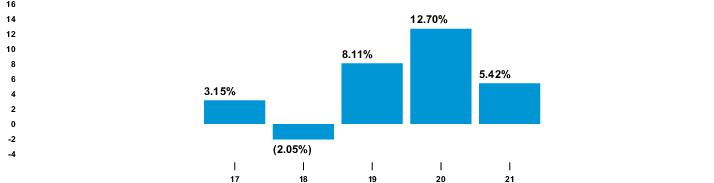
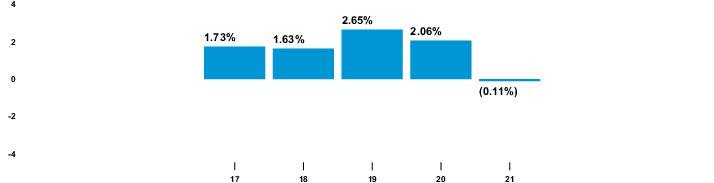
false 2022-08-31 485BPOS 0000875186 16.98 23.66 34.93 10.72 3.75 6.19 20.49 4.83 29.08 18.68 10.69 16.80 48.54 4.74 3.92 4.92 19.66 11.08 28.74 20.67 17.46 11.49 18.31 8.26 0.52 0.36 27.15 15.72 22.74 10.06 19.60 3.58 6.34 3.54 14.40 13.07 39.16 18.71 22.43 11.19 7.91 1.70 1.96 5.70 0.59 2.90 3.90 0.46 9.76 8.66 15.64 4.46 7.88 0.07 7.43 14.13 7.00 2.88 14.10 2.01 7.87 2.88 2.25 9.08 0.44 6.59 3.08 2.21 7.51 5.87 5.25 1.21 2.62 8.21 2.58 0.29 4.84 0.54 7.03 3.57 3.15 2.05 8.11 12.70 5.42 1.73 1.63 2.65 2.06 0.11 10.43 5.19 5.34 0000875186 2023-01-01 2023-01-01 0000875186 mspf:S000008429Member 2023-01-01 2023-01-01 0000875186 mspf:S000008429Member mspf:C000023137Member 2023-01-01 2023-01-01 0000875186 mspf:S000008429Member mspf:C000023137Member rr:AfterTaxesOnDistributionsAndSalesMember 2023-01-01 2023-01-01 0000875186 mspf:S000008429Member mspf:C000023137Member rr:AfterTaxesOnDistributionsMember 2023-01-01 2023-01-01 0000875186 mspf:S000008429Member mspf:LipperLargeCapCoreFundsAverageMember 2023-01-01 2023-01-01 0000875186 mspf:S000008429Member mspf:Russell1000IndexMember 2023-01-01 2023-01-01 0000875186 mspf:S000008430Member 2023-01-01 2023-01-01 0000875186 mspf:S000008430Member mspf:BloombergUsMunicipalBondIndexMember 2023-01-01 2023-01-01 0000875186 mspf:S000008430Member mspf:C000023138Member 2023-01-01 2023-01-01 0000875186 mspf:S000008430Member mspf:C000023138Member rr:AfterTaxesOnDistributionsAndSalesMember 2023-01-01 2023-01-01 0000875186 mspf:S000008430Member mspf:C000023138Member rr:AfterTaxesOnDistributionsMember 2023-01-01 2023-01-01 0000875186 mspf:S000008430Member mspf:LipperGeneralInsuredMunicipalDebtFundsAverageMember 2023-01-01 2023-01-01 0000875186 mspf:S000008433Member 2023-01-01 2023-01-01 0000875186 mspf:S000008433Member mspf:C000023141Member 2023-01-01 2023-01-01 0000875186 mspf:S000008433Member mspf:C000023141Member rr:AfterTaxesOnDistributionsAndSalesMember 2023-01-01 2023-01-01 0000875186 mspf:S000008433Member mspf:C000023141Member rr:AfterTaxesOnDistributionsMember 2023-01-01 2023-01-01 0000875186 mspf:S000008433Member mspf:LipperSmallCapCoreFundsAverageMember 2023-01-01 2023-01-01 0000875186 mspf:S000008433Member mspf:Russell2500IndexMember 2023-01-01 2023-01-01 0000875186 mspf:S000008435Member 2023-01-01 2023-01-01 0000875186 mspf:S000008435Member mspf:C000023143Member 2023-01-01 2023-01-01 0000875186 mspf:S000008435Member mspf:C000023143Member rr:AfterTaxesOnDistributionsAndSalesMember 2023-01-01 2023-01-01 0000875186 mspf:S000008435Member mspf:C000023143Member rr:AfterTaxesOnDistributionsMember 2023-01-01 2023-01-01 0000875186 mspf:S000008435Member mspf:LipperInternationalLargeCapCoreFundsAverageMember 2023-01-01 2023-01-01 0000875186 mspf:S000008435Member mspf:MSCIEAFEIndexNetMember 2023-01-01 2023-01-01 0000875186 mspf:S000008436Member 2023-01-01 2023-01-01 0000875186 mspf:S000008436Member mspf:C000023144Member 2023-01-01 2023-01-01 0000875186 mspf:S000008436Member mspf:C000023144Member rr:AfterTaxesOnDistributionsAndSalesMember 2023-01-01 2023-01-01 0000875186 mspf:S000008436Member mspf:C000023144Member rr:AfterTaxesOnDistributionsMember 2023-01-01 2023-01-01 0000875186 mspf:S000008436Member mspf:LipperEmergingMarketsFundsAverageMember 2023-01-01 2023-01-01 0000875186 mspf:S000008436Member mspf:MSCIEmergingMarketsIndexNetreflectsnodeductionforfeesexpensesortaxesMember 2023-01-01 2023-01-01 0000875186 mspf:S000008437Member 2023-01-01 2023-01-01 0000875186 mspf:S000008437Member mspf:BloombergBarclaysUSAggregateBondTMIndexreflectsnodeductionforfeesexpensesortaxesMember 2023-01-01 2023-01-01 0000875186 mspf:S000008437Member mspf:C000023145Member 2023-01-01 2023-01-01 0000875186 mspf:S000008437Member mspf:C000023145Member rr:AfterTaxesOnDistributionsAndSalesMember 2023-01-01 2023-01-01 0000875186 mspf:S000008437Member mspf:C000023145Member rr:AfterTaxesOnDistributionsMember 2023-01-01 2023-01-01 0000875186 mspf:S000008437Member mspf:LipperCoreBondFundsAverageMember 2023-01-01 2023-01-01 0000875186 mspf:S000008438Member 2023-01-01 2023-01-01 0000875186 mspf:S000008438Member mspf:BloombergBarclaysUSCorporateHighYieldBondIndexreflectsnodeductionforfeesexpensesortaxesMember 2023-01-01 2023-01-01 0000875186 mspf:S000008438Member mspf:C000023146Member 2023-01-01 2023-01-01 0000875186 mspf:S000008438Member mspf:C000023146Member rr:AfterTaxesOnDistributionsAndSalesMember 2023-01-01 2023-01-01 0000875186 mspf:S000008438Member mspf:C000023146Member rr:AfterTaxesOnDistributionsMember 2023-01-01 2023-01-01 0000875186 mspf:S000008438Member mspf:LipperHighYieldFundsAverageMember 2023-01-01 2023-01-01 0000875186 mspf:S000008439Member 2023-01-01 2023-01-01 0000875186 mspf:S000008439Member mspf:C000023147Member 2023-01-01 2023-01-01 0000875186 mspf:S000008439Member mspf:C000023147Member rr:AfterTaxesOnDistributionsAndSalesMember 2023-01-01 2023-01-01 0000875186 mspf:S000008439Member mspf:C000023147Member rr:AfterTaxesOnDistributionsMember 2023-01-01 2023-01-01 0000875186 mspf:S000008439Member mspf:FtseNonUsDollarWorldGovernmentBondIndexMember 2023-01-01 2023-01-01 0000875186 mspf:S000008439Member mspf:LipperInternationalIncomeFundsAverageMember 2023-01-01 2023-01-01 0000875186 mspf:S000052236Member 2023-01-01 2023-01-01 0000875186 mspf:S000052236Member mspf:BloombergUsTreasuryInflationProtectedSecuritiesTIPSIndexMember 2023-01-01 2023-01-01 0000875186 mspf:S000052236Member mspf:C000164312Member 2023-01-01 2023-01-01 0000875186 mspf:S000052236Member mspf:C000164312Member rr:AfterTaxesOnDistributionsAndSalesMember 2023-01-01 2023-01-01 0000875186 mspf:S000052236Member mspf:C000164312Member rr:AfterTaxesOnDistributionsMember 2023-01-01 2023-01-01 0000875186 mspf:S000052236Member mspf:LipperInflationProtectedBondFundsAverageMember 2023-01-01 2023-01-01 0000875186 mspf:S000052237Member 2023-01-01 2023-01-01 0000875186 mspf:S000052237Member mspf:C000164313Member 2023-01-01 2023-01-01 0000875186 mspf:S000052237Member mspf:C000164313Member rr:AfterTaxesOnDistributionsAndSalesMember 2023-01-01 2023-01-01 0000875186 mspf:S000052237Member mspf:C000164313Member rr:AfterTaxesOnDistributionsMember 2023-01-01 2023-01-01 0000875186 mspf:S000052237Member mspf:FTSE3MonthUSTreasuryBillIndexreflectsnodeductionforfeesexpensesortaxesMember 2023-01-01 2023-01-01 0000875186 mspf:S000052237Member mspf:LipperUltraShortObligationsFundsAverageMember 2023-01-01 2023-01-01 0000875186 mspf:S000060155Member 2023-01-01 2023-01-01 0000875186 mspf:S000060155Member mspf:C000196891Member 2023-01-01 2023-01-01 0000875186 mspf:S000060155Member mspf:C000196891Member rr:AfterTaxesOnDistributionsAndSalesMember 2023-01-01 2023-01-01 0000875186 mspf:S000060155Member mspf:C000196891Member rr:AfterTaxesOnDistributionsMember 2023-01-01 2023-01-01 0000875186 mspf:S000060155Member mspf:HfrxGlobalHedgeIndexMember 2023-01-01 2023-01-01 xbrli:pure iso4217:USD
As filed with the Securities and Exchange Commission on December 29, 2022
Securities Act File No. 033‑40823
Investment Company Act No. 811‑06318
UNITED STATES
SECURITIES AND EXCHANGE COMMISSION
WASHINGTON D.C. 20549
FORM N-1A
REGISTRATION STATEMENT
UNDER
|
|
|
| THE SECURITIES ACT OF 1933 |
|
|
| Post-effective Amendment No. 86 |
|
☒ |
and/or
REGISTRATION STATEMENT
UNDER
THE INVESTMENT COMPANY ACT OF 1940
(Check appropriate box or boxes)
Morgan Stanley Pathway Funds
2000 Westchester Avenue
Purchase, NY 10577
(Address of Principal Executive Offices) (Zip Code)
Registrant’s Telephone Number, including Area Code:
(800) 869‑3326
CT Corp
155 Federal Street Suite 700
Boston, MA 02110
(Name and Address of Agent for Service)
It is proposed that this filing will become effective (check appropriate box):
| ☐ |
immediately upon filing pursuant to paragraph (b) |
| ☒ |
on January 1, 2023 pursuant to paragraph (b) |
| ☐ |
60 days after filing pursuant to paragraph (a)(1) |
| ☐ |
On (date) pursuant to paragraph (a)(1) |
| ☐ |
On (date) pursuant to paragraph (a)(3) |
| ☐ |
75 days after filing pursuant to paragraph (a)(2) |
| ☐ |
On (date) pursuant to paragraph (a)(2) of rule 485 |

Morgan Stanley
Pathway Funds
Prospectus
» January 1, 2023
| • |
Large Cap Equity Fund (TLGUX) |
| • |
Small-Mid Cap Equity Fund (TSGUX) |
| • |
International Equity Fund (TIEUX) |
| • |
Emerging Markets Equity Fund (TEMUX) |
| • |
Core Fixed Income Fund (TIIUX) |
| • |
High Yield Fund (THYUX) |
| • |
International Fixed Income Fund (TIFUX) |
| • |
Municipal Bond Fund (TMUUX) |
| • |
Inflation-Linked Fixed Income Fund (TILUX) |
| • |
Ultra-Short Term Fixed Income Fund (TSDUX) |
| • |
Alternative Strategies Fund (TALTX) |
| INVESTMENT PRODUCTS: NOT FDIC INSURED • NO BANK GUARANTEE • MAY LOSE VALUE |
The Securities and Exchange Commission has not approved or disapproved these securities or determined whether this Prospectus is accurate or complete. Any statement to the contrary is a crime.
Morgan Stanley Pathway Funds
Investment objective
Capital appreciation.
Fund fees and expenses
This table describes the fees and expenses you may pay if you buy and hold shares of the Fund.
Annual Advisory Program Fees
(fees paid directly from your investment in the applicable Morgan Stanley-sponsored investment advisory program)
| Maximum annual fees in the Consulting Group Advisor, Select UMA or Portfolio Management investment advisory programs (as a percentage of prior quarter-end net assets)* |
2.00% |
Annual Fund Operating Expenses
(expenses that you pay each year as a percentage of the value of your investment in the Fund)
| Management Fees* |
0.60% |
| Distribution (12b-1) Fees |
None |
| Other Expenses |
0.09% |
| Total Annual Fund Operating Expenses |
0.69% |
| Waiver* |
(0.21)% |
| Net Annual Fund Operating Expenses* |
0.48% |
* CGAS (defined herein) has contractually agreed to waive fees and reimburse expenses in order to keep the Fund’s management fees from exceeding the total amount of sub-advisory fees paid by CGAS plus 0.20% based on average net assets. This contractual waiver will only apply if the Fund’s total management fees exceed the total amount of sub-advisory fees paid by CGAS plus 0.20% and will not affect the Fund’s total management fees if they are less than such amount. This fee waiver and/or reimbursement will continue for at least one year from the date of this prospectus or until such time as the Board of Trustees acts to discontinue all or a portion of such waiver and/or reimbursement when they deem such action is appropriate.
Examples
These examples are intended to help you compare the cost of investing in the Fund with the cost of investing in other mutual funds. The examples assume that you invest $10,000 in the Fund for the time periods indicated. The examples also assume that your investment has a 5% return each year and that the Fund’s operating expenses remain the same. The effect of the Fund’s contractual fee waiver is only reflected in the first year of the example. The figures are calculated based upon total annual Fund operating expenses and a maximum annual fee of 2.00% for the applicable Morgan Stanley-sponsored investment advisory program through which you invest. Although your actual costs may be higher or lower, based on these assumptions your costs would be:
AFTER
1 YEAR |
AFTER
3 YEARS |
AFTER
5 YEARS |
AFTER
10 YEARS |
| $251 |
$815 |
$1,406 |
$3,007 |
Portfolio turnover
The Fund pays transaction costs, such as commissions, when it buys and sells securities (or “turns over” its portfolio). A higher portfolio turnover rate may indicate higher transaction costs and may result in higher taxes when Fund shares are held in a taxable account. These costs, which are not reflected in annual fund operating expenses or in the above examples, affect the Fund’s performance. During the most recent fiscal year, the Fund’s portfolio turnover rate was 20% of the average value of its portfolio.
Principal investment strategies
The Fund will invest, under normal market conditions, at least 80% of its net assets (plus the amount of any borrowings for investment purposes) in the equity securities of large capitalization (or “cap”) companies or in other investments with similar economic characteristics. The Fund defines large cap companies as companies whose market capitalizations typically fall within the range of the Russell 1000® Index. The market capitalization of the companies in large-cap market indices and the Fund’s portfolio changes over time. The Fund may invest up to 10% of its assets in the securities of foreign issuers that are not traded on a U.S. exchange or the U.S. over-the-counter market. The Fund may also lend portfolio securities to earn additional income. Any income realized through securities lending may help Fund performance.
The Fund employs a “multi-manager” strategy whereby portions of the Fund are allocated to professional money managers (each, a “Sub-adviser,” collectively, the “Sub-advisers”) who are responsible for investing the assets of the Fund.
Principal risks of investing in the Fund
Loss of money is a risk of investing in the Fund.
The Fund’s principal risks include:
| • |
Market Risk, which is the risk that stock prices decline overall. Markets are volatile and can decline significantly in response to real or perceived adverse issuer, political, regulatory, market or economic developments in the U.S. and in other countries. Similarly, environmental and public health risks, such as natural disasters, epidemics, pandemics or widespread fear that such events may occur, may impact markets adversely and cause market volatility in both the short and long-term. Market risk may affect a single company, sector of the economy or the market as a whole. |
| • |
Equity Risk, which is the risk that prices of equity securities rise and fall daily due to factors affecting individual companies, particular industries or the equity market as a whole. |
| • |
Exchange-Traded Funds (“ETFs”) Risk, which is the risk of owning shares of an ETF and generally reflects the risks of owning the underlying securities the ETF is designed to track, although lack of liquidity in an ETF could result in its value being more volatile than the underlying portfolio |
| |
securities. When the Fund invests in an ETF, in addition to directly bearing the expenses associated with its own operations, it will bear a pro rata portion of the ETF’s expenses. |
| • |
Investment Style Risk, which means large cap and/or growth stocks could fall out of favor with investors and trail the performance of other types of investments. |
| • |
Foreign Investment Risk, which means risks unique to foreign securities, including less information about foreign issuers, less liquid securities markets, political instability and unfavorable changes in currency exchange rates. |
| • |
Securities Lending Risk, which includes the potential insolvency of a borrower and losses due to the re-investment of collateral received on loaned securities in investments that default or do not perform well. |
| • |
Manager Risk, which is the risk that poor security selection by a Sub-adviser will cause the Fund to underperform. This risk is common for all actively managed funds. |
| • |
Multi-Manager Risk, which is the risk that the investment styles of the Sub-advisers may not complement each other as expected by the Manager. The Fund may experience a higher portfolio turnover rate, which can increase the Fund’s transaction costs and result in more taxable short-term gains for shareholders. |
| • |
Issuer Risk, which is the risk that the value of a security may decline for reasons directly related to the issuer, such as management performance, financial leverage and reduced demand for the issuer’s goods or services. |
| • |
Sector Risk, which is the risk that the value of securities in a particular industry or sector will decline because of changing expectations for the performance of that industry or sector. From time to time, based on market or economic conditions, |
| |
the Fund may have significant positions in one or more sectors of the market. To the extent the Fund invests more heavily in particular sectors, its performance will be especially sensitive to developments that significantly affect those sectors. Individual sectors may be more volatile, and may perform differently, than the broader market. The industries that constitute a sector may all react in the same way to economic, political or regulatory events. |
An investment in the Fund is not a deposit of a bank and is not insured or guaranteed by the Federal Deposit Insurance Corporation or any other government agency. For more information on the risks of investing in the Fund please see the Fund details section of this Prospectus.
Performance
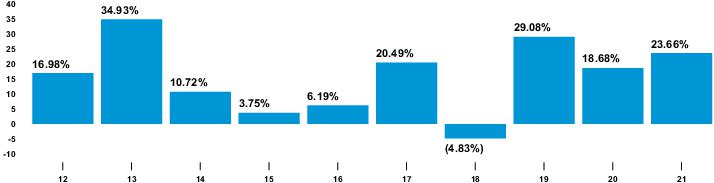
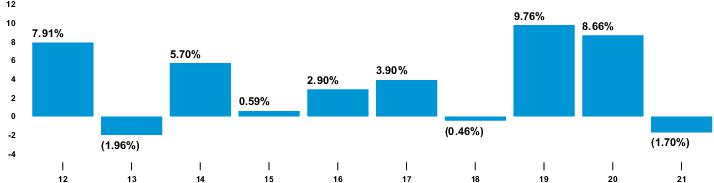
The bar chart below shows how the Fund’s investment results have varied from year to year, and the following table shows how the Fund’s annual total returns for various periods compare to those of the Fund’s benchmark index and Lipper peer group. This information provides some indication of the risks of investing in the Fund. The Fund is available only to investors participating in Morgan Stanley-sponsored investment advisory programs. These programs charge an annual fee (see Annual Advisory Program Fees above). The performance information in the bar chart and table below does not reflect this fee, which would reduce your return. The Fund’s past performance, before and after taxes, does not necessarily indicate how the Fund will perform in the future. For current performance information please see www.morganstanley.com/wealth-investmentsolutions/cgcm.
Annual total returns (%) calendar years
Large Cap Equity Fund
Fund’s best and worst calendar quarters
Best: 21.65% in 2nd quarter 2020
Worst: (21.39)% in 1st quarter 2020
Year-to-date: (26.02)% (through 3rd quarter 2022)
Average Annual Total Returns
(for the periods ended December 31, 2021)
| INCEPTION DATE 11/18/1991 |
1 YEAR |
5 YEARS |
10 YEARS |
| Fund (without advisory program fee) |
| Return Before Taxes |
23.66% |
16.78% |
15.38% |
| Return After Taxes on Distributions |
20.27% |
14.75% |
13.11% |
| Return After Taxes on Distributions and Sale of Fund Shares |
15.79% |
13.03% |
12.14% |
| Russell 1000® Index (reflects no deduction for fees, expenses or taxes) |
26.45% |
18.43% |
16.54% |
| Lipper Large-Cap Core Funds Average |
26.63% |
17.59% |
15.44% |
The after-tax returns are calculated using the highest historical individual federal marginal income tax rates and do not reflect the impact of state and local taxes. Actual after-tax returns depend on an individual investor’s tax situation and may differ from those shown, and after-tax returns shown are not relevant to investors who hold their Fund shares through tax-deferred arrangements, such as 401(k) plans or individual retirement accounts. In some cases, the return after taxes may exceed the return before taxes due to an assumed tax benefit from any losses on a sale of Fund shares at the end of the measurement period.
The Fund’s benchmark is the Russell 1000® Index. The Russell 1000® Index is composed of the 1,000 largest U.S. companies by market capitalization. Unlike the Fund, the benchmark is unmanaged and does not include any fees or expenses. An investor cannot invest directly in an index.
The Fund also compares its performance with the Lipper Large-Cap Core Funds Average, which is a secondary
benchmark and includes funds that invest at least 75% of their equity assets in companies with market capitalizations (on a three-year weighted basis) greater than 300% of the dollar-weighted median market capitalization of the middle 1,000 securities of the S&P SuperComposite 1500® Index.
Investment adviser
Consulting Group Advisory Services LLC (“CGAS” or the “Manager”), a business of Morgan Stanley Wealth Management (“MSWM”), serves as the investment adviser for the Fund. Subject to Board review, the Manager selects and oversees professional money managers (each a “Sub-adviser,” collectively, the “Sub-advisers”) who are responsible for investing the assets of the Fund. The Sub-advisers are selected based primarily upon the research and recommendation of the Manager, which includes a quantitative and qualitative evaluation of a Sub-adviser’s skills and investment results in managing assets for specific asset classes, investment styles and strategies. The Manager allocates and, when appropriate, reallocates the Fund’s assets among one or more Sub-advisers, continuously monitors and evaluates Sub-adviser performance (including trade execution), performs other due diligence functions (such as an assessment of changes in personnel or other developments at the Sub-advisers), and oversees Sub-adviser compliance with the Fund’s investment objectives, policies and guidelines. The Manager also monitors changes in market conditions and considers whether changes in the allocation of Fund assets or the lineup of Sub-advisers should be made in response to such changes in market conditions. Sub-advisers may also periodically recommend changes or enhancements to the Fund’s investment objectives, policies and guidelines, which are subject to the approval of the Manager and may also be subject to the approval of the Board.
Sub-advisers and portfolio managers
BlackRock Financial Management, Inc. (“BlackRock”)
ClearBridge Investments, LLC (“ClearBridge”)
Columbia Management Investment Advisers, LLC (“Columbia”)
Delaware Investments Fund Advisers, a member of Macquarie Investment Management Business Trust (“DIFA”)
Lazard Asset Management LLC (“Lazard”)
Lyrical Asset Management LP (“Lyrical”)
| PORTFOLIO MANAGERS |
SUB-ADVISER OR ADVISER |
FUND’S PORTFOLIO
MANAGER SINCE |
| Jennifer Hsui, CFA® Managing Director and Senior Portfolio Engineer |
BlackRock |
2018 |
| Paul Whitehead, Managing Director, Co-Head of Index Equity |
BlackRock |
2022 |
| Peter Sietsema, CFA® Director and Senior Portfolio Manager |
BlackRock |
2022 |
| Amy Whitelaw, Managing Director and Senior Portfolio Engineer |
BlackRock |
2017 |
| Peter Bourbeau, Managing Director and Portfolio Manager |
ClearBridge |
2017 |
| Margaret Vitrano, Managing Director and Portfolio Manager |
ClearBridge |
2017 |
| Richard Carter, Senior Portfolio Manager |
Columbia |
2016 |
| Thomas Galvin, CFA®, Senior Portfolio Manager and Head of Focused Large Cap Growth |
Columbia |
2016 |
| Todd Herget, Senior Portfolio Manager |
Columbia |
2016 |
| Kristen E. Bartholdson, Managing Director and Senior Portfolio Manager |
DIFA |
2016 |
| Nikhil G. Lalvani, CFA®, Managing Director, Senior Portfolio Manager and Team Leader |
DIFA |
2016 |
| Robert A. Vogel Jr., CFA®, Managing Director and Senior Portfolio Manager |
DIFA |
2016 |
| Erin Ksenak, Vice President, Portfolio Manager |
DIFA |
2020 |
| Christopher H. Blake, Managing Director and Portfolio Manager/Analyst |
Lazard |
2016 |
| Martin Flood, Managing Director and Portfolio Manager/Analyst |
Lazard |
2016 |
| Jay Levy, Director and Portfolio Manager/ Analyst |
Lazard |
2022 |
| John Mullins, Associate Portfolio Manager |
Lyrical |
2019 |
| Andrew Wellington, Managing Partner and Chief Investment Officer |
Lyrical |
2016 |
| Dan Kaskawits, Associate Portfolio Manager |
Lyrical |
2019 |
Purchase and sale of Fund shares
Purchases of shares of the Fund must be made through an investment advisory program with Morgan Stanley. You may purchase or sell shares of the Fund at net asset value on any day the New York Stock Exchange (“NYSE”) is open by contacting your Morgan Stanley Financial Advisor.
| • |
The minimum initial aggregate investment in the Morgan Stanley-sponsored investment advisory programs is $1,000. |
| • |
There is no minimum on additional investments in the Fund or the applicable investment advisory program through which you invest. |
| • |
Each of the Fund and the Morgan Stanley-sponsored investment advisory programs through which investments in the Fund are offered may vary or waive these investment minimums at any time. |
For more information about the Morgan Stanley-sponsored investment advisory programs, see the About the Funds section of this Prospectus.
Tax information
The Fund’s distributions are generally taxable to you as ordinary income, capital gains, or a combination of the two.
Payments to financial intermediaries
If you purchase shares of the Fund through a broker-dealer or other financial intermediary (such as a bank), the Fund and its related companies may pay the intermediary for the sale of Fund shares and related services. These payments may create a conflict of interest by influencing the broker-dealer or other intermediary and your sales person to recommend the Fund over another investment. Ask your salesperson or visit your financial intermediary’s website for more information.
Small-Mid Cap Equity Fund
Investment objective
Capital appreciation.
Fund fees and expenses
This table describes the fees and expenses you may pay if you buy and hold shares of the Fund.
Annual Advisory Program Fees
(fees paid directly from your investment in the applicable Morgan Stanley-sponsored investment advisory program)
| Maximum annual fees in the Consulting Group Advisor, Select UMA or Portfolio Management investment advisory programs (as a percentage of prior quarter-end net assets)* |
2.00% |
Annual Fund Operating Expenses
(expenses that you pay each year as a percentage of the value of your investment in the Fund)
| Management Fees* |
0.80% |
| Distribution (12b-1) Fees |
None |
| Other Expenses |
0.13% |
| Total Annual Fund Operating Expenses |
0.93% |
| Waiver* |
(0.34)% |
| Net Annual Fund Operating Expenses* |
0.59% |
* CGAS (defined herein) has contractually agreed to waive fees and reimburse expenses in order to keep the Fund’s management fees from exceeding the total amount of sub-advisory fees paid by CGAS plus 0.20% based on average net assets. This contractual waiver will only apply if the Fund’s total management fees exceed the total amount of sub-advisory fees paid by CGAS plus 0.20% and will not affect the Fund’s total management fees if they are less than such amount. This fee waiver and/or reimbursement will continue for at least one year from the date of this prospectus or until such time as the Board of Trustees acts to discontinue all or a portion of such waiver and/or reimbursement when they deem such action is appropriate.
Examples
These examples are intended to help you compare the cost of investing in the Fund with the cost of investing in other mutual funds. The examples assume that you invest $10,000 in the Fund for the time periods indicated. The examples also assume that your investment has a 5% return each year and that the Fund’s operating expenses remain the same. The effect of the Fund’s contractual fee waiver is only reflected in the first year of the example. The figures are calculated based upon total annual Fund operating expenses and a maximum annual fee of 2.00% for the applicable Morgan Stanley-sponsored investment advisory program through which you invest. Although your actual costs may be higher or lower, based on these assumptions your costs would be:
AFTER
1 YEAR |
AFTER
3 YEARS |
AFTER
5 YEARS |
AFTER
10 YEARS |
| $262 |
$875 |
$1,513 |
$3,228 |
Portfolio turnover
The Fund pays transaction costs, such as commissions, when it buys and sells securities (or “turns over” its portfolio). A higher portfolio turnover rate may indicate higher transaction costs and may result in higher taxes when Fund shares are held in a taxable account. These costs, which are not reflected in annual fund operating expenses or in the above examples, affect the Fund’s performance. During the most recent fiscal year, the Fund’s portfolio turnover rate was 41% of the average value of its portfolio.
Principal investment strategies
The Fund will invest, under normal market conditions, at least 80% of its net assets (plus the amount of any borrowing for investment purposes) in the equity securities of small-mid capitalization (or “cap”) companies or in other investments with similar economic characteristics. The Fund defines small-mid cap companies as companies with market caps not exceeding the highest month-end market cap value of any stock in the Russell 2500® or Russell Mid Cap Index for the previous 12 months, whichever is greater. The Fund may invest up to 10% of its assets in the securities of foreign issuers that are not traded on a U.S. exchange or the U.S. over-the-counter market. The Fund may also lend portfolio securities to earn additional income. Any income realized through securities lending may help Fund performance.
The Fund employs a “multi-manager” strategy whereby portions of the Fund are allocated to professional money managers (each, a “Sub-adviser,” collectively, the “Sub-advisers”) who are responsible for investing the assets of the Fund.
Principal risks of investing in the Fund
Loss of money is a risk of investing in the Fund.
The Fund’s principal risks include:
| • |
Market Risk, which is the risk that stock prices decline overall. Markets are volatile and can decline significantly in response to real or perceived adverse issuer, political, regulatory, market or economic developments in the U.S. and in other countries. Similarly, environmental and public health risks, such as natural disasters, epidemics, pandemics or widespread fear that such events may occur, may impact markets adversely and cause market volatility in both the short and long-term. Market risk may affect a single company, sector of the economy or the market as a whole. |
| • |
Equity Risk, which is the risk that prices of equity securities rise and fall daily due to factors affecting individual companies, particular industries or the equity market as a whole. |
| • |
Exchange-Traded Funds (“ETFs”) Risk, which is the risk of owning shares of an ETF and generally reflects the risks of owning the underlying securities the ETF is designed to track, although lack of liquidity in an ETF could result in its value being more volatile than the underlying portfolio |
| |
securities. When the Fund invests in an ETF, in addition to directly bearing the expenses associated with its own operations, it will bear a pro rata portion of the ETF’s expenses. |
| • |
Investment Style Risk, which means small cap and/or growth stocks could fall out of favor with investors and trail the performance of other types of investments. |
| • |
Small-Mid Cap Risk, which refers to the fact that historically, small-mid cap companies tend to be more vulnerable to adverse business and economic events, have been more sensitive to changes in earnings results and forecasts and investor expectations, and experience sharper swings in market values than larger, more established companies. At times, small-mid cap stocks may be less liquid and harder to sell at prices the Sub-advisers believe are appropriate. |
| • |
Foreign Investment Risk, which means risks unique to foreign securities, including less information about foreign issuers, less liquid securities markets, political instability and unfavorable changes in currency exchange rates. |
| • |
Securities Lending Risk, which includes the potential insolvency of a borrower and losses due to the re-investment of collateral received on loaned securities in investments that default or do not perform well. |
| • |
Manager Risk, which is the risk that poor security selection by a Sub-adviser will cause the Fund to underperform. This risk is common for all actively managed funds. |
| • |
Multi-Manager Risk, which is the risk that the investment styles of the Sub-advisers may not complement each other as expected by the Manager. The Fund may experience a higher portfolio turnover rate, which can increase the Fund’s transaction costs and result in more taxable short-term gains for shareholders. |
| • |
Issuer Risk, which is the risk that the value of a security may decline for reasons directly related to the issuer, such as management performance, financial leverage and reduced demand for the issuer’s goods or services. |
| • |
Sector Risk, which is the risk that the value of securities in a particular industry or sector will decline because of changing expectations for the performance of that industry or sector. From time to time, based on market or economic conditions, the Fund may have significant positions in one or more sectors of the market. To the extent the Fund invests more heavily in particular sectors, its performance will be especially sensitive to developments that significantly affect those sectors. Individual sectors may be more volatile, and may perform differently, than the broader market. The industries that constitute a sector may all react in the same way to economic, political or regulatory events. |
An investment in the Fund is not a deposit of a bank and is not insured or guaranteed by the Federal Deposit Insurance Corporation or any other government agency. For more information on the risks of investing in the Fund please see the Fund details section of this Prospectus.
Performance
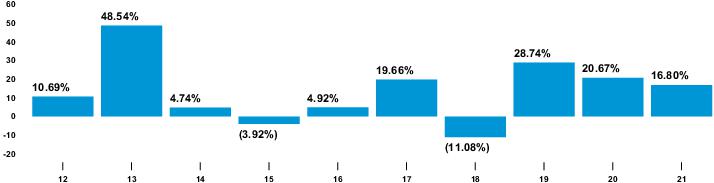
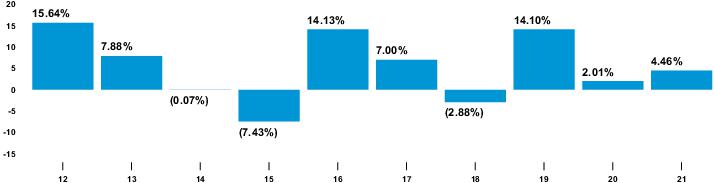
The bar chart below shows how the Fund’s investment results have varied from year to year, and the following table shows how the Fund’s annual total returns for various periods compare to those of the Fund’s benchmark index and Lipper peer group. This information provides some indication of the risks of investing in the Fund. The Fund is available only to investors participating in Morgan Stanley-sponsored investment advisory programs. These programs charge an annual fee (see Annual Advisory Program Fees above). The performance information in the bar chart and table below does not reflect this fee, which would reduce your return. The Fund’s past performance, before and after taxes, does not necessarily indicate how the Fund will perform in the future. For current performance information please see www.morganstanley.com/wealth-investmentsolutions/cgcm.
Annual total returns (%) calendar years
Small-Mid Cap Equity Fund
Fund’s best and worst calendar quarters
Best: 25.93% in 4th quarter 2020
Worst: (26.41)% in 1st quarter 2020
Year-to-date: (24.45)% (through 3rd quarter 2022)
Average Annual Total Returns
(for the periods ended December 31, 2021)
| INCEPTION DATE: 11/18/1991 |
1 YEAR |
5 YEARS |
10 YEARS |
| Fund (without advisory program fee) |
| Return Before Taxes |
16.80% |
14.06% |
12.86% |
| Return After Taxes on Distributions |
10.31% |
10.69% |
9.65% |
| Return After Taxes on Distributions and Sale of Fund Shares |
12.52% |
10.24% |
9.51% |
| Russell 2500® Index (reflects no deduction for fees, expenses or taxes) |
18.18% |
13.75% |
14.15% |
| Lipper Small-Cap Core Funds Average |
25.11% |
10.64% |
12.24% |
The after-tax returns are calculated using the highest historical individual federal marginal income tax rates and do not reflect the impact of state and local taxes. Actual after-tax returns depend on an individual investor’s tax situation and may differ from those shown, and after-tax returns shown are not relevant to investors who hold their Fund shares through tax-deferred arrangements, such as 401(k) plans or individual retirement accounts. In some cases, the return after taxes may exceed the return before taxes due to an assumed tax benefit from any losses on a sale of Fund shares at the end of the measurement period.
The Fund’s benchmark is the Russell 2500® Index. The Russell 2500® Index includes the smallest 2,500 U.S. companies out of the Russell 3000® Index universe. Unlike the Fund, the benchmark is unmanaged and does not include any fees or expenses. An investor cannot invest directly in an index.
The Fund also compares its performance with the Lipper Small-Cap Core Funds Average, which is a secondary benchmark and includes funds that invest at least 75% of their equity assets in companies with market capitalizations (on a three-year weighted basis) less than 250% of the dollar-weighted median of the smallest 500 of the middle 1,000 securities of the S&P SuperComposite 1500® Index.
Investment adviser
Consulting Group Advisory Services LLC (“CGAS” or the “Manager”), a business of Morgan Stanley Wealth Management (“MSWM”), serves as the investment adviser for the Fund. Subject to Board review, the Manager selects and oversees professional money managers (each a “Sub-adviser,” collectively, the “Sub-advisers”) who are responsible for investing the assets of the Fund. The Sub-advisers are selected based primarily upon the research and recommendation of the Manager, which includes a quantitative and qualitative evaluation of a Sub-adviser’s skills and investment results in managing assets for specific asset classes, investment styles and strategies. The Manager allocates and, when appropriate, reallocates the Fund’s assets among one or more Sub-advisers, continuously monitors and evaluates Sub-adviser performance (including trade execution), performs other due diligence functions (such as an assessment of changes in personnel or other developments at the Sub-advisers), and oversees Sub-adviser compliance with the Fund’s investment objectives, policies and guidelines. The Manager also monitors changes in market conditions and considers whether changes in the allocation of Fund assets or the lineup of Sub-advisers should be made in response to such changes in market conditions. Sub-advisers may also periodically recommend changes or enhancements to the Fund’s investment objectives, policies and guidelines, which are subject to the approval of the Manager and may also be subject to the approval of the Board.
Sub-advisers and portfolio managers
Aristotle Capital Boston, LLC (“Aristotle”)
BlackRock Financial Management, Inc. (“BlackRock”)
D.F. Dent & Company, Inc. (“DF Dent”)
Neuberger Berman Investment Advisers LLC (“Neuberger”)
Nuance Investments, LLC (“Nuance”)
Westfield Capital Management Company, L.P. (“Westfield”)
| PORTFOLIO MANAGERS |
SUB-ADVISER OR ADVISER |
FUND’S PORTFOLIO
MANAGER SINCE |
| David Adams, CFA®, CEO, Principal and Portfolio Manager |
Aristotle |
2019 |
| Jack McPherson, CFA®, President, Principal and Portfolio Manager |
Aristotle |
2019 |
| Jennifer Hsui, CFA® Managing Director and Senior Portfolio Engineer |
BlackRock |
2018 |
| Paul Whitehead, Managing Director, Co-Head of Index Equity |
BlackRock |
2022 |
| Peter Sietsema, CFA® Director and Senior Portfolio Manager |
BlackRock |
2022 |
| Amy Whitelaw, Managing Director and Senior Portfolio Engineer |
BlackRock |
2017 |
| Matthew F. Dent, CFA®, President |
DF Dent |
2019 |
| Bruce L. Kennedy II, CFA®, Vice President |
DF Dent |
2019 |
| Gary D. Mitchell, Vice President |
DF Dent |
2019 |
| Thomas F. O’Neil, Jr, CFA®, Vice President |
DF Dent |
2019 |
| Benjamin H. Nahum, Managing Director |
Neuberger |
2016 |
| Chad Baumler, CFA®, Vice-President and Co-CIO |
Nuance |
2019 |
| Scott Moore, CFA®, President and Co-CIO |
Nuance |
2019 |
| Darren Schryer, CFA®, CPA, Portfolio Manager |
Nuance |
2020 |
| Jack Meurer, CFA®, Associate Portfolio Manager |
Nuance |
2022 |
| Richard D. Lee, CFA®, Managing Partner and Deputy CIO |
Westfield |
2004 |
| Ethan J. Meyers, CFA®, Managing Partner and Director of Research |
Westfield |
2004 |
| John M. Montgomery, Managing Partner, COO and Portfolio Strategist |
Westfield |
2006 |
| William A. Muggia, President, CEO and CIO |
Westfield |
2004 |
Purchase and sale of Fund shares
Purchases of shares of the Fund must be made through an investment advisory program with Morgan Stanley. You may purchase or sell shares of the Fund at net asset value on any day the New York Stock Exchange (“NYSE”) is open by contacting your Morgan Stanley Financial Advisor.
| • |
The minimum initial aggregate investment in the Morgan Stanley-sponsored investment advisory programs is $1,000. |
| • |
There is no minimum on additional investments in the Fund or the applicable investment advisory program through which you invest. |
| • |
Each of the Fund and the Morgan Stanley-sponsored investment advisory programs through which investments in the Fund are offered may vary or waive these investment minimums at any time. |
For more information about the Morgan Stanley-sponsored investment advisory programs, see the About the Funds section of this Prospectus.
Tax information
The Fund’s distributions are generally taxable to you as ordinary income, capital gains, or a combination of the two.
Payments to financial intermediaries
If you purchase shares of the Fund through a broker-dealer or other financial intermediary (such as a bank), the Fund and its related companies may pay the intermediary for the sale of Fund shares and related services. These payments may create a conflict of interest by influencing the broker-dealer or other intermediary and your sales person to recommend the Fund over another investment. Ask your salesperson or visit your financial intermediary’s website for more information.
International Equity Fund
Investment objective
Capital appreciation.
Fund Fees and Expenses
This table describes the fees and expenses you may pay if you buy and hold shares of the Fund.
Annual Advisory Program Fees
(fees paid directly from your investment in the applicable Morgan Stanley-sponsored investment advisory program)
| Maximum annual fees in the Consulting Group Advisor, Select UMA, or Portfolio Management investment advisory programs (as a percentage of average prior quarter-end net assets)* |
2.00% |
Annual Fund Operating Expenses
(expenses that you pay each year as a percentage of the value of your investment in the Fund)
| Management Fees* |
0.70% |
| Distribution (12b-1) Fees |
None |
| Other Expenses |
0.15% |
| Total Annual Fund Operating Expenses |
0.85% |
| Waiver* |
(0.18)% |
| Net Annual Fund Operating Expenses* |
0.67% |
* CGAS (defined herein) has contractually agreed to waive fees and reimburse expenses in order to keep the Fund’s management fees from exceeding the total amount of sub-advisory fees paid by CGAS plus 0.20% based on average net assets. This contractual waiver will only apply if the Fund’s total management fees exceed the total amount of sub-advisory fees paid by CGAS plus 0.20% and will not affect the Fund’s total management fees if they are less than such amount. This fee waiver and/or reimbursement will continue for at least one year from the date of this prospectus or until such time as the Board of Trustees acts to discontinue all or a portion of such waiver and/or reimbursement when they deem such action is appropriate.
Examples
These examples are intended to help you compare the cost of investing in the Fund with the cost of investing in other mutual funds. The examples assume that you invest $10,000 in the Fund for the time periods indicated. The examples also assume that your investment has a 5% return each year and that the Fund’s operating expenses remain the same. The effect of the Fund’s contractual fee waiver is only reflected in the first year of the example. The figures are calculated based upon total annual Fund operating expenses and a maximum annual fee of 2.00% for the applicable Morgan Stanley-sponsored investment advisory program through which you invest. Although your actual costs may be higher or lower, based on these assumptions your costs would be:
AFTER
1 YEAR |
AFTER
3 YEARS |
AFTER
5 YEARS |
AFTER
10 YEARS |
| $270 |
$866 |
$1,488 |
$3,163 |
Portfolio turnover
The Fund pays transaction costs, such as commissions, when it buys and sells securities (or “turns over” its portfolio). A higher portfolio turnover rate may indicate higher transaction costs and may result in higher taxes when Fund shares are held in a taxable account. These costs, which are not reflected in annual fund operating expenses or in the above examples, affect the Fund’s performance. During the most recent fiscal year, the Fund’s portfolio turnover rate was 38% of the average value of its portfolio.
Principal investment strategies
The Fund will invest, under normal market conditions, at least 80% of its net assets (plus the amount of any borrowing for investment purposes) in the equity securities of companies located outside the U.S. The Fund focuses on companies located in developed markets, but also may invest a portion of its assets in securities of companies located in emerging markets. The Fund intends to diversify its assets by investing primarily in securities of issuers located in at least three foreign countries. The Fund may attempt to hedge against unfavorable changes in currency exchange rates by engaging in forward currency transactions or currency swaps and trading currency futures contracts and options on these futures. However, a Sub-adviser (as defined below) may choose not to, or may be unable to, hedge the Fund’s currency exposure. The Fund may also lend portfolio securities to earn additional income. Any income realized through securities lending may help Fund performance.
The Fund employs a “multi-manager” strategy whereby portions of the Fund are allocated to professional money managers (each, a “Sub-adviser,” collectively, the “Sub-advisers”) who are responsible for investing the assets of the Fund.
Principal risks of investing in the Fund
Loss of money is a risk of investing in the Fund.
The Fund’s principal risks include:
| • |
Market Risk, which is the risk that stock prices decline overall. Markets are volatile and can decline significantly in response to real or perceived adverse issuer, political, regulatory, market or economic developments in the U.S. and in other countries. Similarly, environmental and public health risks, such as natural disasters, epidemics, pandemics or widespread fear that such events may occur, may impact markets adversely and cause market volatility in both the short and long-term. Market risk may affect a single company, sector of the economy or the market as a whole. |
| • |
Equity Risk, which is the risk that prices of equity securities rise and fall daily due to factors affecting individual companies, particular industries or the equity market as a whole. |
| • |
Foreign Investment Risk, which means risks unique to foreign securities, including less information about foreign issuers, less liquid securities markets, political instability and unfavorable changes in currency exchange rates. |
| • |
Currency Risk, which refers to the risk that as a result of the Fund’s investments in securities denominated in, and/or receiving revenues in, foreign currencies, those currencies will decline in value relative to the U.S. dollar or, in the case of hedged positions, the U.S. dollar will decline in value relative to the currency hedged. |
| • |
Forwards, Futures, Options and Swaps Risk, which means that the Fund’s use of forwards, futures, options and swaps to enhance returns or hedge against market declines subjects the Fund to potentially greater volatility and/or losses. Even a small investment in forwards, futures, options or swaps can have a large impact on the Fund’s interest rate, securities market and currency exposure. Therefore, using forwards, futures, options or swaps can disproportionately increase losses and reduce opportunities for gains when interest rates, stock prices or currency rates are changing. The Fund may not fully benefit from or may lose money on its investment in forwards, futures, options or swaps if changes in their value do not correspond accurately to changes in the value of the Fund’s holdings. Investing in forwards, futures, options or swaps can also make the Fund’s assets less liquid and harder to value, especially in declining markets. The Fund may hold illiquid securities that may be difficult to sell and may be required to be fair valued. |
| • |
Emerging Markets Risk, emerging markets countries, which are generally defined as countries that may be represented in a market index such as the MSCI Emerging Markets Index (Net) or having per capita income in the low to middle ranges, as determined by the World Bank. In addition to foreign investment and currency risks, emerging markets may experience rising interest rates, or, more significantly, rapid inflation or hyperinflation. Emerging market securities may present market, credit, liquidity, legal, political and other risks different from, or greater than, the risks of investing in developed foreign countries. The Fund also could experience a loss from settlement and custody practices in some emerging markets. |
| • |
Small and Mid Cap Risk, which refers to the fact that historically, small and mid cap stocks tend to be more vulnerable to adverse business and economic events, more sensitive to changes in earnings results and forecasts and investor expectations and will experience sharper swings in market values than larger, more established companies. At times, small and mid cap stocks may be less liquid and harder to sell at prices the Sub-advisers believe are appropriate. |
| • |
Securities Lending Risk, which includes the potential insolvency of a borrower and losses due to the re-investment of collateral received on loaned securities in investments that default or do not perform well. |
| • |
Manager Risk, which is the risk that poor security selection by a Sub-adviser will cause the Fund to underperform. This risk is common for all actively managed funds. |
| • |
Multi-Manager Risk, which is the risk that the investment styles of the Sub-advisers may not complement each other |
| |
as expected by the Manager. The Fund may experience a higher portfolio turnover rate, which can increase the Fund’s transaction costs and result in more taxable short-term gains for shareholders. |
| • |
LIBOR Transition Risk refers to the fact that the elimination of the London Inter-Bank Offered Rate (“LIBOR”) rate may adversely affect the interest rates on, and value of, certain Fund investments that are tied to LIBOR. The U.K. Financial Conduct Authority stopped compelling or inducing banks to submit certain LIBOR rates and will do so for the remaining LIBOR rates immediately after June 30, 2023. Alternatives to LIBOR are established or in development in most major currencies and markets are slowly responding to these new rates. It is difficult to predict the full impact of the transition away from LIBOR on the Fund. |
| • |
Issuer Risk, which is the risk that the value of a security may decline for reasons directly related to the issuer, such as management performance, financial leverage and reduced demand for the issuer’s goods or services. |
| • |
Sector Risk, which is the risk that the value of securities in a particular industry or sector will decline because of changing expectations for the performance of that industry or sector. From time to time, based on market or economic conditions, the Fund may have significant positions in one or more sectors of the market. To the extent the Fund invests more heavily in particular sectors, its performance will be especially sensitive to developments that significantly affect those sectors. Individual sectors may be more volatile, and may perform differently, than the broader market. The industries that constitute a sector may all react in the same way to economic, political or regulatory events. |
An investment in the Fund is not a deposit of a bank and is not insured or guaranteed by the Federal Deposit Insurance Corporation or any other government agency. For more information on the risks of investing in the Fund please see the Fund details section of this Prospectus.
Performance
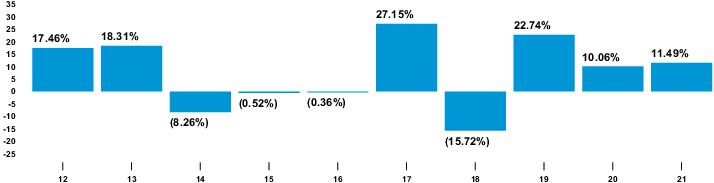
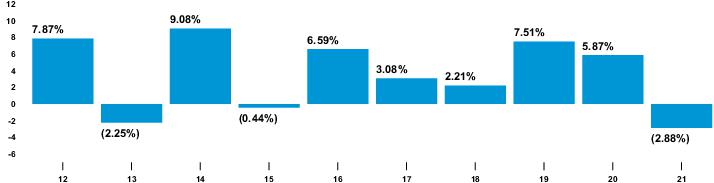
The bar chart below shows how the Fund’s investment results have varied from year to year, and the following table shows how the Fund’s annual total returns for various periods compare to those of the Fund’s benchmark index and Lipper peer group. This information provides some indication of the risks of investing in the Fund. The Fund is available only to investors participating in Morgan Stanley-sponsored investment advisory programs. These programs charge an annual fee (see Annual Advisory Program Fees above). The performance information in the bar chart and table below does not reflect this fee, which would reduce your return. The Fund’s past performance, before and after taxes, does not necessarily indicate how the Fund will perform in the future. For current performance information please see www.morganstanley.com/wealth-investmentsolutions/cgcm.
Annual total returns (%) calendar years
International Equity Fund
Fund’s best and worst calendar quarters
Best: 17.79% in 4th quarter 2020
Worst: (25.29)% in 1st quarter 2020
Year-to-date: (28.08)% (through 3rd quarter 2022)
Average Annual Total Returns
(for the periods ended December 31, 2021)
| INCEPTION DATE: 11/18/1991 |
1 YEAR |
5 YEARS |
10 YEARS |
| Fund (without advisory program fee) |
| Return Before Taxes |
11.49% |
10.05% |
7.39% |
| Return After Taxes on Distributions |
8.79% |
9.21% |
6.81% |
| Return After Taxes on Distributions and Sale of Fund Shares |
7.90% |
7.92% |
5.96% |
| MSCI EAFE® Index (Net) (reflects no deduction for fees, expenses or taxes) |
11.26% |
9.55% |
8.03% |
| Lipper International Large-Cap Core Funds Average |
10.75% |
9.34% |
7.13% |
The after-tax returns are calculated using the highest historical individual federal marginal income tax rates and do not reflect the impact of state and local taxes. Actual after-tax returns depend on an individual investor’s tax situation and may differ from those shown, and after-tax returns shown are not relevant to investors who hold their Fund shares through tax-deferred arrangements, such as 401(k) plans or individual retirement accounts. In some cases, the return after taxes may exceed the return before taxes due to an assumed tax benefit from any losses on a sale of Fund shares at the end of the measurement period.
The Fund’s benchmark is the MSCI EAFE® Index (Net). The Benchmark is a composite portfolio of equity total returns for developed countries in Europe and the Far East and Australia and New Zealand. Unlike the Fund, the benchmark is unmanaged and does not include any fees or expenses. An investor cannot invest directly in an index.
The Fund also compares its performance with the Lipper International Large-Cap Core Funds Average. The Lipper International Large-Cap Core Funds Average is composed of funds that, by fund practice, invest at least 75% of their equity assets in companies strictly outside of the U.S., with market capitalizations (on a three-year weighted basis) greater than the 250th largest companies in the S&P/Citigroup World ex-U.S. Broad Market® Index (“BMI®”). Large cap core securities typically have an average price-to-cash ratio, price-to-book ratio, and three year sales-per-year growth value, compared to S&P/Citigroup World ex-U.S. BMI®.
Investment adviser
Consulting Group Advisory Services LLC (“CGAS” or the “Manager”), a business of Morgan Stanley Wealth Management (“MSWM”), serves as the investment adviser for the Fund. Subject to Board review, the Manager selects and oversees professional money managers (each a “Sub-adviser,” collectively, the “Sub-advisers”) who are responsible for investing the assets of the Fund. The Sub-advisers are selected based primarily upon the research and recommendation of the Manager, which includes a quantitative and qualitative evaluation of a Sub-adviser’s skills and investment results in managing assets for specific asset classes, investment styles and strategies. The Manager allocates and, when appropriate, reallocates the Fund’s assets among one or more Sub-advisers, continuously monitors and evaluates Sub-adviser performance (including trade execution), performs other due diligence functions (such as an assessment of changes in personnel or other developments at the Sub-advisers), and oversees Sub-adviser compliance with the Fund’s investment objectives, policies and guidelines. The Manager also monitors changes in market conditions and considers whether changes in the allocation of Fund assets or the lineup of Sub-advisers should be made in response to such changes in market conditions. Sub-advisers may also periodically recommend changes or enhancements to the Fund’s investment objectives, policies and guidelines, which are subject to the approval of the Manager and may also be subject to the approval of the Board.
Sub-advisers and portfolio managers
BlackRock Financial Management, Inc. (“BlackRock”)
Causeway Capital Management LLC (“Causeway”)
Schroder Investment Management North America Inc. (“Schroders”)
Victory Capital Management, Inc. (“Victory Capital”)
Walter Scott & Partners Limited (“Walter Scott”)
| PORTFOLIO MANAGERS |
SUB-ADVISER OR ADVISER |
FUND’S PORTFOLIO
MANAGER SINCE |
| Jennifer Hsui, CFA® Managing Director and Senior Portfolio Engineer |
BlackRock |
2018 |
| Paul Whitehead, Managing Director, Co-Head of Index Equity |
BlackRock |
2022 |
| Peter Sietsema, CFA® Director and Senior Portfolio Manager |
BlackRock |
2022 |
| Amy Whitelaw, Managing Director and Senior Portfolio Engineer |
BlackRock |
2017 |
| Brian Cho, Portfolio Manager |
Causeway |
2021 |
| Jonathan P. Eng, Portfolio Manager |
Causeway |
2014 |
| Harry W. Hartford, President and Portfolio Manager |
Causeway |
2014 |
| Sarah H. Ketterer, Chief Executive Officer and Portfolio Manager |
Causeway |
2014 |
| Ellen Lee, Portfolio Manager |
Causeway |
2015 |
| Conor S. Muldoon, CFA®, Portfolio Manager |
Causeway |
2014 |
| Steven Nguyen, Portfolio Manager |
Causeway |
2019 |
| Alessandro Valentini, CFA®, Portfolio Manager |
Causeway |
2014 |
| James Gautrey, CFA®, Portfolio Manager |
Schroders |
2014 |
| Simon Webber, CFA®, Portfolio Manager |
Schroders |
2011 |
| Daniel B. LeVan, CFA®, Chief Investment Officer of Trivalent Investments, a Victory Capital investment franchise |
Victory Capital |
2017 |
| John W. Evers, CFA®, Senior Portfolio Manager |
Victory Capital |
2017 |
| Jane Henderson, Managing Director |
Walter Scott |
2021 |
| Charles Macquaker, Executive Director - Investment |
Walter Scott |
2021 |
| Roy Leckie, Executive Director – Investment & Client Service |
Walter Scott |
2021 |
| Maxim Skorniakov |
Walter Scott |
2022 |
| Fraser Fox |
Walter Scott |
2022 |
Purchase and sale of Fund shares
Purchases of shares of the Fund must be made through an investment advisory program with Morgan Stanley. You may purchase or sell shares of the Fund at net asset value on any day the New York Stock Exchange (“NYSE”) is open by contacting your Morgan Stanley Financial Advisor.
| • |
The minimum initial aggregate investment in the Morgan Stanley-sponsored investment advisory programs is $1,000. |
| • |
There is no minimum on additional investments in the Fund or the applicable investment advisory program through which you invest. |
| • |
Each of the Fund and the Morgan Stanley-sponsored investment advisory programs through which investments in the Fund are offered may vary or waive these investment minimums at any time. |
For more information about the Morgan Stanley-sponsored investment advisory programs, see the About the Funds section of this Prospectus.
Tax information
The Fund’s distributions are generally taxable to you as ordinary income, capital gains, or a combination of the two.
Payments to financial intermediaries
If you purchase shares of the Fund through a broker-dealer or other financial intermediary (such as a bank), the Fund and its related companies may pay the intermediary for the sale of Fund shares and related services. These payments may create a conflict of interest by influencing the broker-dealer or other intermediary and your sales person to recommend the Fund over another investment. Ask your salesperson or visit your financial intermediary’s website for more information.
Emerging Markets Equity Fund
Investment objective
Long-term capital appreciation.
Fund Fees and Expenses
This table describes the fees and expenses you may pay if you buy and hold shares of the Fund.
Annual Advisory Program Fees
(fees paid directly from your investment in the applicable Morgan Stanley-sponsored investment advisory program)
| Maximum annual fees in the Consulting Group Advisor, Select UMA, or Portfolio Management investment advisory programs (as a percentage of average prior quarter-end net assets)* |
2.00% |
Annual Fund Operating Expenses
(expenses that you pay each year as a percentage of the value of your investment in the Fund)
| Management Fees* |
0.90% |
| Distribution (12b-1) Fees |
None |
| Other Expenses |
0.25% |
| Total Annual Fund Operating Expenses |
1.15% |
| Waiver* |
(0.34)% |
| Net Annual Fund Operating Expenses* |
0.81% |
* CGAS (defined herein) has contractually agreed to waive fees and reimburse expenses in order to keep the Fund’s management fees from exceeding the total amount of sub-advisory fees paid by CGAS plus 0.20% based on average net assets. This contractual waiver will only apply if the Fund’s total management fees exceed the total amount of sub-advisory fees paid by CGAS plus 0.20% and will not affect the Fund’s total management fees if they are less than such amount. This fee waiver and/or reimbursement will continue for at least one year from the date of this prospectus or until such time as the Board of Trustees acts to discontinue all or a portion of such waiver and/or reimbursement when they deem such action is appropriate.
Examples
These examples are intended to help you compare the cost of investing in the Fund with the cost of investing in other mutual funds. The examples assume that you invest $10,000 in the Fund for the time periods indicated. The examples also assume that your investment has a 5% return each year and that the Fund’s operating expenses remain the same. The effect of the Fund’s contractual fee waiver is only reflected in the first year of the example. The figures are calculated based upon total annual Fund operating expenses and a maximum annual fee of 2.00% for the applicable Morgan Stanley-sponsored investment advisory program through which you invest. Although your actual costs may be higher or lower, based on these assumptions your costs would be:
AFTER
1 YEAR |
AFTER
3 YEARS |
AFTER
5 YEARS |
AFTER
10 YEARS |
| $284 |
$940 |
$1,620 |
$3,434 |
Portfolio turnover
The Fund pays transaction costs, such as commissions, when it buys and sells securities (or “turns over” its portfolio). A higher portfolio turnover rate may indicate higher transaction costs and may result in higher taxes when Fund shares are held in a taxable account. These costs, which are not reflected in annual fund operating expenses or in the above examples, affect the Fund’s performance. During the most recent fiscal year, the Fund’s portfolio turnover rate was 14% of the average value of its portfolio.
Principal investment strategies
The Fund will invest, under normal market conditions, at least 80% of its net assets (plus the amount of any borrowing for investment purposes) in equity securities of issuers organized, domiciled or with substantial operations in emerging markets countries, which are defined as countries included in an emerging markets index by a recognized index provider, such as the MSCI Emerging Markets Index (Net), or characterized as developing or emerging by any of the World Bank, the United Nations, the International Finance Corporation, or the European Bank for Reconstruction and Development. Certain emerging market countries may also be classified as “frontier” market countries, which are a subset of emerging countries with even smaller national economies. To diversify its investments, the Fund invests primarily in securities of issuers located in at least three foreign countries. The Fund also may invest a portion of its assets in closed-end investment companies that invest in emerging markets. The Fund may attempt to hedge against unfavorable changes in currency exchange rates by engaging in forward currency transactions and trading currency futures contracts and options on these futures; however, a Sub-adviser (as defined below) may choose not to, or may be unable to, hedge the Fund’s currency exposure. The Fund may also lend portfolio securities to earn additional income. Any income realized through securities lending may help Fund performance.
The Fund employs a “multi-manager” strategy whereby portions of the Fund are allocated to professional money managers (each, a “Sub-adviser,” collectively, the “Sub-advisers”) who are responsible for investing the assets of the Fund.
Principal risks of investing in the Fund
Loss of money is a risk of investing in the Fund.
The Fund’s principal risks include:
| • |
Market Risk, which is the risk that stock prices decline overall. Markets are volatile and can decline significantly in response to real or perceived adverse issuer, political, regulatory, market or economic developments in the U.S. and in other countries. Similarly, environmental and public health risks, such as natural disasters, epidemics, pandemics or widespread fear that such events may occur, may impact markets adversely and cause market volatility in both the short and long-term. Market risk may affect a single company, sector of the economy or the market as a whole. |
| • |
Equity Risk, which is the risk that prices of equity securities rise and fall daily due to factors affecting individual companies, particular industries or the equity market as a whole. |
| • |
Foreign Investment Risk, which means risks unique to foreign securities, including less information about foreign issuers, less liquid securities markets, political instability and unfavorable changes in currency exchange rates. |
| • |
Emerging Markets and Frontier Markets Risk, emerging markets countries, which are generally defined as countries that may be represented in a market index such as the MSCI Emerging Markets Index (Net) or having per capita income in the low to middle ranges, as determined by the World Bank. Certain emerging market countries may also be classified as “frontier” market countries, which are a subset of emerging countries with even smaller national economies. In addition to foreign investment and currency risks, emerging markets may experience rising interest rates, or, more significantly, rapid inflation or hyperinflation. Emerging market securities may present market, credit, liquidity, legal, political and other risks different from, or greater than, the risks of investing in developed foreign countries. The Fund also could experience a loss from settlement and custody practices in some emerging markets. These risks tend to be even more prevalent in frontier market countries. The economies of frontier market countries tend to be less correlated to global economic cycles than the economies of more developed countries and their markets have lower trading volumes and may exhibit greater price volatility and illiquidity. A small number of large investments in these markets may affect these markets more than more developed markets. Frontier market countries may also be more affected by government activities than more developed countries. For example, the governments of frontier market countries may exercise substantial influence within the private sector or subject investments to government approval, and governments of other countries may impose or negotiate trade barriers, exchange controls, adjustments to relative currency values and other measures that adversely affect a frontier market country. Governments of other countries may also impose sanctions or embargoes on frontier market countries. |
| |
Although all of these risks are generally heightened with respect to frontier market countries, they also apply to emerging market countries. |
| • |
Currency Risk, which refers to the risk that as a result of the Fund’s investments in securities denominated in, and/or receiving revenues in, foreign currencies, those currencies will decline in value relative to the U.S. dollar or, in the case of hedged positions, the U.S. dollar will decline in value relative to the currency hedged. |
| • |
Forwards, Futures and Options Risk, which means that the Fund’s use of forwards, futures and options to enhance returns or hedge against market declines subjects the Fund to potentially greater volatility and/or losses. Even a small investment in forwards, futures or options can have a large impact on the Fund’s Interest rate, securities market and currency exposure. Therefore, using forwards, futures or options can disproportionately increase losses and reduce opportunities for gains when interest rates, stock prices or currency rates are changing. The Fund may not fully benefit from or may lose money on its investment in forwards, futures or options if changes in their value do not correspond accurately to changes in the value of the Fund’s holdings. Investing in forwards, futures or options can also make the Fund’s assets less liquid and harder to value, especially in declining markets. The Fund may hold illiquid securities that may be difficult to sell and may be required to be fair valued. |
| • |
Closed-End Investment Company Risk, which means that since closed-end investment companies issue a fixed number of shares they typically trade on a stock exchange or over-the-counter at a premium or discount to their net asset value per share. The Fund will also bear its pro rata portion of any costs of a closed-end fund in which it invests. |
| • |
Securities Lending Risk, which includes the potential insolvency of a borrower and losses due to the re-investment of collateral received on loaned securities in investments that default or do not perform well. |
| • |
Strategy Risk, the Fund invests a portion of its assets in stocks believed by a Sub-adviser to be undervalued, but that may not realize their perceived value for extended periods of time or may never realize their perceived value. The Fund also invests a portion of its assets in stocks believed by a Sub-adviser to have the potential for growth, but that may not realize such perceived growth potential for extended periods of time or may never realize such perceived growth potential. Such stocks may be more volatile than other stocks because they can be more sensitive to investor perceptions of the issuing company’s growth potential. The stocks in which the Fund invests may respond differently to market and other developments than other types of stocks. |
| • |
Manager Risk, which is the risk that poor security selection by a Sub-adviser will cause the Fund to underperform. This risk is common for all actively managed funds. |
| • |
Multi-Manager Risk, which is the risk that the investment styles of the Sub-advisers may not complement each other as expected by the Manager. The Fund may experience a |
| |
higher portfolio turnover rate, which can increase the Fund’s transaction costs and result in more taxable short-term gains for shareholders. |
| • |
Issuer Risk, which is the risk that the value of a security may decline for reasons directly related to the issuer, such as management performance, financial leverage and reduced demand for the issuer’s goods or services. |
| • |
LIBOR Transition Risk, refers to the fact that the elimination of the London Inter-Bank Offered Rate (“LIBOR”) rate may adversely affect the interest rates on, and value of, certain Fund investments that are tied to LIBOR. The U.K. Financial Conduct Authority stopped compelling or inducing banks to submit certain LIBOR rates will do so for the remaining LIBOR rates immediately after June 30, 2023. Alternatives to LIBOR are established or in development in most major currencies and markets are slowly responding to these new rates. It is difficult to predict the full impact of the transition away from LIBOR on the Fund. |
| • |
Sector Risk, which is the risk that the value of securities in a particular industry or sector will decline because of changing expectations for the performance of that industry or sector. From time to time, based on market or economic conditions, the Fund may have significant positions in one or more sectors of the market. To the extent the Fund invests more heavily in particular sectors, its performance will be especially sensitive to developments that significantly affect those sectors. Individual sectors may be more volatile, and |
| |
may perform differently, than the broader market. The industries that constitute a sector may all react in the same way to economic, political or regulatory events. |
An investment in the Fund is not a deposit of a bank and is not insured or guaranteed by the Federal Deposit Insurance Corporation or any other government agency. For more information on the risks of investing in the Fund please see the Fund details section of this Prospectus.
Performance
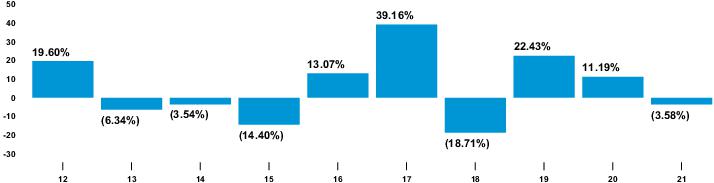
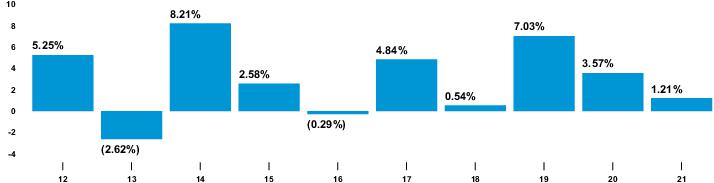
The bar chart below shows how the Fund’s investment results have varied from year to year, and the following table shows how the Fund’s annual total returns for various periods compare to those of the Fund’s benchmark index and Lipper peer group. This information provides some indication of the risks of investing in the Fund. The Fund is available only to investors participating in Morgan Stanley-sponsored investment advisory programs. These programs charge an annual fee (see Annual Advisory Program Fees above). The performance information in the bar chart and table below does not reflect this fee, which would reduce your return. The Fund’s past performance, before and after taxes, does not necessarily indicate how the Fund will perform in the future. For current performance information please see www.morganstanley.com/wealth-investmentsolutions/cgcm.
Annual total returns (%) calendar years
Emerging Markets Equity Fund
Fund’s best and worst calendar quarters
Best: 19.72% in 4th quarter 2020
Worst: (26.64)% in 1st quarter 2020
Year-to-date: (30.04)% (through 3rd quarter 2022)
Average Annual Total Returns
(for the periods ended December 31, 2021)
| INCEPTION DATE: 4/21/1994 |
1 YEAR |
5 YEARS |
10 YEARS |
| Fund (without advisory program fee) |
| Return Before Taxes |
(3.58)% |
8.23% |
4.50% |
| Return After Taxes on Distributions |
(4.48)% |
7.79% |
3.96% |
| Return After Taxes on Distributions and Sale of Fund Shares |
(1.34)% |
6.59% |
3.63% |
| MSCI Emerging Markets Index (Net) (reflects no deduction for fees, expenses or taxes) |
(2.54)% |
9.87% |
5.49% |
| Lipper Emerging Markets Funds Average |
(0.57)% |
10.27% |
5.83% |
The after-tax returns are calculated using the highest historical individual federal marginal income tax rates and do not reflect the impact of state and local taxes. Actual after-tax returns depend on an individual investor’s tax situation and may differ from those shown, and after-tax returns shown are not relevant to investors who hold their Fund shares through tax-deferred arrangements, such as 401(k) plans or individual retirement accounts. In some cases, the return after taxes may exceed the return before taxes due to an assumed tax benefit from any losses on a sale of Fund shares at the end of the measurement period.
The Fund’s benchmark is the MSCI Emerging Markets Index (Net). The benchmark is composed of equity total returns of countries with low to middle per capita incomes, as determined by the World Bank. Unlike the Fund, the benchmark is unmanaged and does not include any fees or expenses. An investor cannot invest directly in an index.
The Fund also compares its performance with the Lipper Emerging Markets Funds Average. The Lipper Emerging
Markets Funds Average is composed of funds that, by fund practice, seek long-term capital appreciation by investing at least 65% of their total assets in emerging market equity securities, where “emerging market” is defined by a country’s gross national product per capita or other economic measures.
Investment adviser
Consulting Group Advisory Services LLC (“CGAS” or the “Manager”), a business of Morgan Stanley Wealth Management (“MSWM”), serves as the investment adviser for the Fund. Subject to Board review, the Manager selects and oversees professional money managers (each a “Sub-adviser,” collectively, the “Sub-advisers”) who are responsible for investing the assets of the Fund. The Sub-advisers are selected based primarily upon the research and recommendation of the Manager, which includes a quantitative and qualitative evaluation of a Sub-adviser’s skills and investment results in managing assets for specific asset classes, investment styles and strategies. The Manager allocates and, when appropriate, reallocates the Fund’s assets among one or more Sub-advisers, continuously monitors and evaluates Sub-adviser performance (including trade execution), performs other due diligence functions (such as an assessment of changes in personnel or other developments at the Sub-advisers), and oversees Sub-adviser compliance with the Fund’s investment objectives, policies and guidelines. The Manager also monitors changes in market conditions and considers whether changes in the allocation of Fund assets or the lineup of Sub-advisers should be made in response to such changes in market conditions. Sub-advisers may also periodically recommend changes or enhancements to the Fund’s investment objectives, policies and guidelines, which are subject to the approval of the Manager and may also be subject to the approval of the Board.
Sub-advisers and portfolio managers
BlackRock Financial Management, Inc. (“BlackRock”)
Lazard Asset Management LLC (“Lazard”)
Martin Currie Inc. (“Martin Currie”)
Van Eck Associates Corporation (“VanEck”)
| PORTFOLIO MANAGERS |
SUB-ADVISER OR ADVISER |
FUND’S PORTFOLIO
MANAGER SINCE |
| Jennifer Hsui, CFA® Managing Director and Senior Portfolio Engineer |
BlackRock |
2018 |
| Paul Whitehead, Managing Director, Co-Head of Index Equity |
BlackRock |
2022 |
| Peter Sietsema, CFA® Director and Senior Portfolio Manager |
BlackRock |
2022 |
| Amy Whitelaw, Managing Director and Senior Portfolio Engineer |
Blackrock |
2017 |
| James M. Donald, CFA®, Managing Director, Portfolio Manager/Analyst and Head of Emerging Markets |
Lazard |
2009 |
| Rohit Chopra, Managing Director and Portfolio Manager Analyst |
Lazard |
2009 |
| Monika Shrestha, Managing Director and Portfolio Manager Analyst |
Lazard |
2015 |
| Ganesh Ramachandran, Managing Director and Portfolio Manager Analyst |
Lazard |
2020 |
| John R. Reinsberg, Deputy Chairman, Portfolio Manager Analyst and Head of International and Global Strategies |
Lazard |
2009 |
| Alastair Reynolds, Portfolio Manager |
Martin Currie |
2021 |
| Andrew Mathewson, Portfolio Manager |
Martin Currie |
2021 |
| Colin Dishington, Portfolio Manager |
Martin Currie |
2021 |
| Divya Mathur, Portfolio Manager |
Martin Currie |
2021 |
| Paul Desoisa, Portfolio Manager |
Martin Currie |
2021 |
| Paul Sloane, Portfolio Manager |
Martin Currie |
2021 |
| Aimee Truesdale |
Martin Currie |
2022 |
| David Semple, Portfolio Manager |
VanEck |
2016 |
| Angus Shillington, Deputy Portfolio Manager |
VanEck |
2016 |
Purchase and sale of Fund shares
Purchases of shares of the Fund must be made through an investment advisory program with Morgan Stanley. You may purchase or sell shares of the Fund at net asset value on any day the New York Stock Exchange (“NYSE”) is open by contacting your Morgan Stanley Financial Advisor.
| • |
The minimum initial aggregate investment in the Morgan Stanley-sponsored investment advisory programs is $1,000. |
| • |
There is no minimum on additional investments in the Fund or the applicable investment advisory program through which you invest. |
| • |
Each of the Fund and the Morgan Stanley-sponsored investment advisory programs through which investments in the Fund are offered may vary or waive these investment minimums at any time. |
For more information about the Morgan Stanley-sponsored investment advisory programs, see the About the Funds section of this Prospectus.
Tax information
The Fund’s distributions are generally taxable to you as ordinary income, capital gains, or a combination of the two.
Payments to financial intermediaries
If you purchase shares of the Fund through a broker-dealer or other financial intermediary (such as a bank), the Fund and its related companies may pay the intermediary for the sale of Fund shares and related services. These payments may create a conflict of interest by influencing the broker-dealer or other intermediary and your sales person to recommend the Fund over another investment. Ask your salesperson or visit your financial intermediary’s website for more information.
Investment objective
Maximum total return, consistent with preservation of capital and prudent investment management.
Fund fees and expenses
This table describes the fees and expenses you may pay if you buy and hold shares of the Fund.
Annual Advisory Program Fees
(fees paid directly from your investment in the applicable Morgan Stanley-sponsored investment advisory program)
| Maximum annual fees in the Consulting Group Advisor, Select UMA or Portfolio Management investment advisory programs (as a percentage of prior quarter-end net assets)* |
2.00% |
Annual Fund Operating Expenses
(expenses that you pay each year as a percentage of the value of your investment in the Fund)
| Management Fees* |
0.40% |
| Distribution (12b-1) Fees |
None |
| Other Expenses |
0.16% |
| Total Annual Fund Operating Expenses |
0.56% |
| Waiver* |
(0.03)% |
| Net Annual Fund Operating Expenses* |
0.53% |
* CGAS (defined herein) has contractually agreed to waive fees and reimburse expenses in order to keep the Fund’s management fees from exceeding the total amount of sub-advisory fees paid by CGAS plus 0.20% based on average net assets. This contractual waiver will only apply if the Fund’s total management fees exceed the total amount of sub-advisory fees paid by CGAS plus 0.20% and will not affect the Fund’s total management fees if they are less than such amount. This fee waiver and/or reimbursement will continue for at least one year from the date of this prospectus or until such time as the Board of Trustees acts to discontinue all or a portion of such waiver and/or reimbursement when they deem such action is appropriate.
Examples
These examples are intended to help you compare the cost of investing in the Fund with the cost of investing in other mutual funds. The examples assume that you invest $10,000 in the Fund for the time periods indicated. The examples also assume that your investment has a 5% return each year and that the Fund’s operating expenses remain the same. The effect of the Fund’s contractual fee waiver is only reflected in the first year of the example. The figures are calculated based upon total annual Fund operating expenses and a maximum annual fee of 2.00% for the applicable Morgan Stanley-sponsored investment advisory program through which you invest. Although your actual costs may be higher or lower, based on these assumptions your costs would be:
AFTER
1 YEAR |
AFTER
3 YEARS |
AFTER
5 YEARS |
AFTER
10 YEARS |
| $256 |
$794 |
$1,358 |
$2,893 |
Portfolio turnover
The Fund pays transaction costs, such as commissions, when it buys and sells securities (or “turns over” its portfolio). A higher portfolio turnover rate may indicate higher transaction costs and may result in higher taxes when Fund shares are held in a taxable account. These costs, which are not reflected in annual fund operating expenses or in the above examples, affect the Fund’s performance. During the most recent fiscal year, the Fund’s portfolio turnover rate was 238% of the average value of its portfolio.
Principal investment strategies
The Fund will invest, under normal market conditions, at least 80% of its net assets (plus the amount of any borrowing for investment purposes) in fixed income instruments. Fixed income instruments include securities issued or guaranteed by the U.S. Government, its agencies or government-sponsored enterprises (note that securities issued by U.S. Government agencies or government-sponsored enterprises may not be guaranteed by the U.S. Treasury); corporate debt securities of U.S. and non-U.S. issuers, including convertible securities and corporate commercial paper; mortgage-backed and other asset-backed securities; inflation-indexed bonds issued both by governments and corporations; structured notes, including hybrid or “indexed” securities and event-linked bonds; loan participations and assignments; delayed funding loans and revolving credit facilities; bank certificates of deposit, fixed time deposits and bankers’ acceptances; repurchase agreements on fixed income instruments and reverse repurchase agreements on fixed income instruments; debt securities issued by states or local governments and their agencies, authorities and other government-sponsored enterprises; obligations of non-U.S. governments or their subdivisions, agencies and government-sponsored enterprises; and obligations of international agencies or supranational entities.
The Fund may also invest in derivatives based on fixed income instruments, including futures, forwards, options, swaps, and swaptions, and may use other investment techniques such as mortgage dollar rolls, buy-backs and securities lending to earn additional income. The Fund also may engage in short sales. The Fund may also invest in Exchange-Traded Funds (“ETFs”) to gain exposure to a particular portion of the market while allocating assets among Sub-advisers (as defined below), transitioning the Fund’s portfolio or awaiting an opportunity to purchase securities directly.
Investments may be structured to provide all types of interest rate payments, including fixed, variable, floating, inverse, zero or interest-only rates of interest. The Fund may invest up to 30% of its total assets in securities denominated in foreign currencies and may invest beyond this limit in U.S. dollar-denominated securities of foreign issuers. The Fund may invest in currency spot and forward transactions for the purpose of active currency exposure. Foreign currency exposure (from non-U.S. dollar-denominated securities or currencies) normally will be limited to 20% of the Fund’s total
assets. The Fund may invest up to 15% in emerging market securities. The Fund may also invest up to 10% of its total assets in preferred stocks, convertible securities and other equity-related securities. The Fund may also lend portfolio securities to earn additional income. Any income realized through securities lending may help fund performance.
Credit quality. The Fund invests primarily in investment grade debt securities, but may invest up to 10% of its total assets in non-investment grade securities (sometimes called “high yield securities” or “junk bonds”) rated CCC- or higher by Moody’s, or equivalently rated by S&P or Fitch, or, if unrated, determined by the Sub-advisers to be of comparable quality.
Duration. The Fund’s average portfolio duration, as calculated by the Sub-advisers, normally ranges within two years (plus or minus) of the duration of the benchmark index. Duration is an approximate measure of the sensitivity of the market value of the Fund’s holdings to changes in interest rates. Maturity means the date on which the principal amount of a debt security is due and payable. Individual investments may be of any maturity.
The Fund employs a “multi-manager” strategy whereby portions of the Fund are allocated to professional money managers (each, a “Sub-adviser,” collectively, the “Sub-advisers”) who are responsible for investing the assets of the Fund.
Principal risks of investing in the Fund
Loss of money is a risk of investing in the Fund.
The Fund’s principal risks include:
| • |
Market Risk, which is the risk that the Fund will be affected by broad changes in the fixed income markets. The prices of the Fund’s fixed income securities respond to economic developments, particularly interest rate changes, as well as to perceptions about the creditworthiness of individual issuers, including governments and their agencies. Generally, the Fund’s fixed income securities will decrease in value if interest rates rise and vice versa. Declines in dealer market-making capacity as a result of structural or regulatory changes could decrease liquidity and/or increase volatility in the fixed income markets. In the case of foreign securities, price fluctuations will reflect international economic and political events, as well as changes in currency valuations relative to the U.S. dollar. In response to these events, the Fund’s value may fluctuate and/or the Fund may experience increased redemptions from shareholders, which may impact the Fund’s liquidity or force the Fund to sell securities into a declining or illiquid market. Environmental and public health risks, such as natural disasters, epidemics, pandemics or widespread fear that such events may occur, may impact markets adversely and cause market volatility in both the short- and long-term. |
| • |
Interest Rate Risk, which is the risk that interest rates rise and fall over time. When interest rates are low, the Fund’s yield and total return also may be low. When interest rates |
| |
rise, bond prices generally fall, which might cause the Fund’s share price to fall. When the Fund holds variable or floating rate securities, a decrease (or, in the case of inverse floating rate securities, an increase) in market interest rates will adversely affect the income received from such securities and the net asset value of the Fund’s shares. |
| • |
Credit and Junk Bond Risk, which means the credit quality of an investment could cause the Fund to lose money. Non-investment grade securities (sometimes called “high yield securities” or “junk bonds”) involve greater risks of default or downgrade, are more volatile and may be more susceptible than other issuers to economic downturns. Such securities are subject to the risk that the issuer may not be able to pay interest or dividends and ultimately to repay principal upon maturity, which could substantially adversely affect the market value of the securities. |
| • |
Prepayment and Extension Risks, which means a debt obligation may be paid off earlier or later than expected. Either situation could cause the Fund to hold securities paying lower-than-market rates of interest, which could hurt the Fund’s yield or share price. |
| • |
U.S. Government Securities Risk, which means that although U.S. Government securities are considered to be among the safest investments, they are still subject to the credit risk of the U.S. Government and are not guaranteed against price movements due to changing interest rates. Obligations issued by some U.S. Government agencies are backed by the U.S. Treasury, while others are backed solely by the ability of the agency to borrow from the U.S. Treasury or by the agency’s own resources. No assurance can be given that the U.S. Government will provide financial support to its agencies and instrumentalities if it is not obligated by law to do so. |
| • |
Convertible and Preferred Securities Risk, convertible and preferred securities have many of the same characteristics as stocks, including many of the same risks. In addition, convertible securities may be more sensitive to changes in interest rates than stocks. Convertible securities may also have credit ratings below investment grade, meaning that they carry a higher risk of failure by the issuer to pay principal and/or interest when due. |
| • |
Mortgage-Backed Securities Risk, exists when the Fund invests in mortgage-backed securities, which represent an interest in a pool of mortgages. Mortgage-backed securities are subject to prepayment and extension risk as well as the risk that underlying borrowers will be unable to meet their obligations. |
| • |
Asset-Backed Securities Risk, exists when the Fund invests in asset-backed securities which are structured like mortgage-backed securities, but instead of mortgage loans or interests in mortgage loans, the underlying assets may include such items as motor vehicle installment sales or installment loan contracts, leases of various types of real and personal property, and receivables from credit card agreements. Asset-backed securities are subject to many of the same risks as mortgage-backed securities including |
| |
prepayment and extension risk. The ability of an issuer of asset-backed securities to enforce its security interest in the underlying assets may be limited. |
| • |
Portfolio Turnover Risk, which is the risk that due to its investment strategy, the Fund may buy and sell securities frequently. This may result in higher transaction costs and additional capital gains tax liabilities. |
| • |
Liquidity Risk, exists when securities are difficult or impossible for the Fund to sell at the time and the price that the Fund would like due to a limited market or to legal restrictions. These securities may also need to be fair valued. |
| • |
Derivatives Risk, which means that the Fund’s use of futures, forwards, options, swaps and swaptions based on fixed income instruments to enhance returns or hedge against market declines subjects the Fund to potentially greater volatility and/or losses. Even a small investment in futures, forwards, options, swaps and swaptions can have a large impact on the Fund’s interest rate, securities market and currency exposure. Therefore, using futures, forwards, options, swaps and swaptions can disproportionately increase losses and reduce opportunities for gains when interest rates, stock prices or currency rates are changing. The Fund may not fully benefit from or may lose money on its investment in futures, forwards, options, swaps and swaptions if changes in their value do not correspond accurately to changes in the value of the Fund’s holdings. The other party to certain futures, forwards, options, swaps and swaptions presents the same types of credit risks as issuers of fixed income securities. Investing in futures, forwards, options, swaps and swaptions can also make the Fund’s assets less liquid and harder to value, especially in declining markets. |
| • |
Leverage Risk, which means the Fund’s use of leverage may exaggerate the effect of any increase or decrease in the value of the Fund’s portfolio securities and cause the Fund to liquidate portfolio positions when it may not be advantageous to do so to satisfy its obligations or to maintain asset coverage. |
| • |
Foreign Investment Risk, which means risks unique to foreign securities, including less information about foreign issuers, less liquid securities markets, political instability and unfavorable changes in currency exchange rates. |
| • |
Emerging Markets Risk, emerging markets countries, which are generally defined as countries that may be represented in a market index such as the MSCI Emerging Markets Index (Net) or having per capita income in the low to middle ranges, as determined by the World Bank. In addition to foreign investment and currency risks, emerging markets may experience rising interest rates, or, more significantly, rapid inflation or hyperinflation. Emerging market securities may present market, credit, liquidity, legal, political and other risks different from, or greater than, the risks of investing in developed foreign countries. The Fund also could experience a loss from settlement and custody practices in some emerging markets. |
| • |
Currency Risk, which refers to the risk that as a result of the Fund’s active positions in currencies and investments in securities denominated in, and/or receiving revenues in, foreign currencies, those currencies will decline in value relative to the U.S. dollar or, in the case of hedged positions, the U.S. dollar will decline in value relative to the currency hedged. |
| • |
Short Sale Risk, selling short may produce higher than normal portfolio turnover, result in increased transaction costs and magnify the potential for both gain and loss to the Fund. In addition, because the Fund’s loss on a short sale arises from increases in the value of the security sold short, such loss is theoretically unlimited. By contrast, the Fund’s loss on a long position arises from decreases in the value of the security and is limited by the fact that a security’s value cannot drop below zero. |
| • |
Securities Lending Risk, which includes the potential insolvency of a borrower and losses due to the re-investment of collateral received on loaned securities in investments that default or do not perform well. |
| • |
Delayed Funding Loans and Revolving Credit Facilities Risk, the Fund’s investments in delayed funding loans and revolving credit facilities may have the effect of requiring the Fund to increase its investment in a company at a time when it might not otherwise decide to do so. Delayed funding loans and revolving credit facilities are subject to credit, interest rate and liquidity risk and the risks of being a lender. |
| • |
Event-Linked Exposure Risk, event-linked exposure results in gains or losses that typically are contingent, or formulaically related to defined trigger events such as hurricanes, earthquakes, weather-related phenomena, or statistics relating to such events. If a trigger event occurs, a Fund may lose a portion of or the entire principal investment in the case of a bond or a portion of or the entire notional amount in the case of a swap. Event-linked exposure instruments often provide for an extension of maturity to process and audit loss claims where a trigger event has, or possibly has, occurred, such extension of maturity may increase volatility. Event-linked exposure may also expose a Fund to liquidity risk and certain unanticipated risks including credit risk, counterparty risk, adverse regulatory or jurisdictional interpretations, and adverse tax consequences. |
| • |
Repurchase Agreements and Reverse Repurchase Agreements Risk, is the risk that in the event of the insolvency of the counterparty to a repurchase agreement or reverse repurchase agreement, recovery of the repurchase price owed to the Fund or, in the case of a reverse repurchase agreement, the securities sold by the Fund, may be delayed. Because reverse repurchase agreements may be considered to be the practical equivalent of borrowing funds, they constitute a form of leverage. If the Fund reinvests the proceeds of a reverse repurchase agreement at a rate lower than the cost of the agreement, entering into the agreement will lower the Fund’s yield. |
| • |
LIBOR Transition Risk, refers to the fact that the elimination of the London Inter-Bank Offered Rate (“LIBOR”) rate may |
| |
adversely affect the interest rates on, and value of, certain Fund investments that are tied to LIBOR. The U.K. Financial Conduct Authority stopped compelling or inducing banks to submit certain LIBOR rates and will do so for the remaining LIBOR rates immediately after June 30, 2023. Alternatives to LIBOR are established or in development in most major currencies and markets are slowly responding to these new rates. It is difficult to predict the full impact of the transition away from LIBOR on the Fund. |
| • |
Manager Risk, which is the risk that poor security selection by a Sub-adviser will cause the Fund to underperform. This risk is common for all actively managed funds. |
| • |
Multi-Manager Risk, which is the risk that the investment styles of the Sub-advisers may not complement each other as expected by the Manager. The Fund may experience a higher portfolio turnover rate, which can increase the Fund’s transaction costs and result in more taxable short-term gains for shareholders. |
| • |
Issuer Risk, which is the risk that the value of a security may decline for reasons directly related to the issuer, such as management performance, financial leverage and reduced demand for the issuer’s goods or services. |
| • |
Exchange-Traded Funds (ETFs) Risk, which is the risk of owning shares of an ETF and generally reflects the risks of owning the underlying securities the ETF is designed to track, although lack of liquidity in an ETF could result in its value being more volatile than the underlying portfolio |
| |
securities. When the Fund invests in an ETF, in addition to directly bearing the expenses associated with its own operations, it will bear a pro rata portion of the ETF’s expenses. |
An investment in the Fund is not a deposit of a bank and is not insured or guaranteed by the Federal Deposit Insurance Corporation or any other government agency. For more information on the risks of investing in the Fund please see the Fund details section of this Prospectus.
Performance
The bar chart below shows how the Fund’s investment results have varied from year to year, and the following table shows how the Fund’s annual total returns for various periods compare to those of the Fund’s benchmark index and Lipper peer group. This information provides some indication of the risks of investing in the Fund. The Fund is available only to investors participating in Morgan Stanley-sponsored investment advisory programs. These programs charge an annual fee (see Annual Advisory Program Fees above). The performance information in the bar chart and table below does not reflect this fee, which would reduce your return. The Fund’s past performance, before and after taxes, does not necessarily indicate how the Fund will perform in the future. For current performance information please see www.morganstanley.com/wealth-investmentsolutions/cgcm.
Annual total returns (%) calendar years
Core Fixed Income Fund
Fund’s best and worst calendar quarters
Best: 4.96% in 2nd quarter 2020
Worst: (3.60)% in 1st quarter 2021
Year-to-date: (16.47)% (through 3rd quarter 2022)
Average Annual Total Returns
(for the periods ended December 31, 2021)
| INCEPTION DATE: 11/18/1991 |
1 YEAR |
5 YEARS |
10 YEARS |
| Fund (without advisory program fee) |
| Return Before Taxes |
(1.70)% |
3.93% |
3.45% |
| Return After Taxes on Distributions |
(2.54)% |
2.62% |
1.99% |
| Return After Taxes on Distributions and Sale of Fund Shares |
(0.92)% |
2.50% |
2.06% |
| Bloomberg U.S. Aggregate BondTM Index (reflects no deduction for fees, expenses or taxes) |
(1.54)% |
3.57% |
2.90% |
| Lipper Core Bond Funds Average |
(1.26)% |
3.65% |
3.10% |
The after-tax returns are calculated using the highest historical individual federal marginal income tax rates and do not reflect the impact of state and local taxes. Actual after-tax returns depend on an individual investor’s tax situation and may differ from those shown, and after-tax returns shown are not relevant to investors who hold their Fund shares through tax-deferred arrangements, such as 401(k) plans or individual retirement accounts. In some cases, the return after taxes may exceed the return before taxes due to an assumed tax benefit from any losses on a sale of Fund shares at the end of the measurement period.
The Fund’s benchmark is the Bloomberg U.S. Aggregate BondTM Index. The benchmark is composed of debt securities of the U.S. government and its agencies and publicly issued, fixed rate, non-convertible, investment-grade domestic corporate debt with at least one year remaining to maturity. Unlike the Fund, the benchmark is unmanaged and does not include any fees or expenses. An investor cannot invest directly in an index.
The Fund also compares its performance with the Lipper Core Bond Funds Average. The Lipper Core Bond Funds Average is composed of funds that, by fund practice, invest primarily in investment-grade debt issues rated in the top four grades by a nationally recognized statistical rating organization, with dollar-weighted average maturities of one to five years.
Investment adviser
Consulting Group Advisory Services LLC (“CGAS” or the “Manager”), a business of Morgan Stanley Wealth Management (“MSWM”), serves as the investment adviser for the Fund. Subject to Board review, the Manager selects and oversees professional money managers (each a “Sub-adviser,” collectively, the “Sub-advisers”) who are responsible for investing the assets of the Fund. The Sub-advisers are selected based primarily upon the research and recommendation of the Manager, which includes a quantitative and qualitative evaluation of a Sub-adviser’s skills and investment results in managing assets for specific asset classes, investment styles and strategies. The Manager allocates and, when appropriate, reallocates the Fund’s assets among one or more Sub-advisers, continuously monitors and evaluates Sub-adviser performance (including trade execution), performs other due diligence functions (such as an assessment of changes in personnel or other developments at the Sub-advisers), and oversees Sub-adviser compliance with the Fund’s investment objectives, policies and guidelines. The Manager also monitors changes in market conditions and considers whether changes in the allocation of Fund assets or the lineup of Sub-advisers should be made in response to such changes in market conditions. Sub-advisers may also periodically recommend changes or enhancements to the Fund’s investment objectives, policies and guidelines, which are subject to the approval of the Manager and may also be subject to the approval of the Board.
Sub-advisers and portfolio managers
BlackRock Financial Management, Inc. (“BlackRock”)
Metropolitan West Asset Management LLC (“MetWest”)
Western Asset Management Company (“Western”)
| PORTFOLIO MANAGERS |
SUB-ADVISER OR ADVISER |
FUND’S PORTFOLIO
MANAGER SINCE |
| David Antonelli, Director and Portfolio Manager |
BlackRock |
2012 |
| Akiva Dickstein, Managing Director and Portfolio Manager |
BlackRock |
2014 |
| Stephen Kane, CFA®, Co-Chief Investment Officer and Generalist Portfolio Manager |
MetWest |
2007 |
| Laird Landmann, President and Generalist Portfolio Manager |
MetWest |
2007 |
| Bryan Whalen, CFA®, Co-Chief Investment Officer and Generalist Portfolio Manager |
MetWest |
2007 |
| John Bellows, PhD, CFA®, Portfolio Manager |
Western |
2023 |
| Julien A. Scholnick, CFA®, Portfolio Manager |
Western |
2023 |
| S. Kenneth Leech, Chief Investment Officer |
Western |
2014 |
| Frederick R. Marki, CFA®, Portfolio Manager |
Western |
2023 |
| Mark S. Lindbloom, Portfolio Manager |
Western |
2008 |
Purchase and sale of Fund shares
Purchases of shares of the Fund must be made through an investment advisory program with Morgan Stanley. You may purchase or sell shares of the Fund at net asset value on any day the New York Stock Exchange (“NYSE”) is open by contacting your Morgan Stanley Financial Advisor.
| • |
The minimum initial aggregate investment in the Morgan Stanley-sponsored investment advisory programs is $1,000. |
| • |
There is no minimum on additional investments in the Fund or the applicable investment advisory program through which you invest. |
| • |
Each of the Fund and the Morgan Stanley-sponsored investment advisory programs through which investments in the Fund are offered may vary or waive these investment minimums at any time. |
For more information about the Morgan Stanley-sponsored investment advisory programs, see the About the Funds section of this Prospectus.
Tax information
The Fund’s distributions are generally taxable to you as ordinary income, capital gains, or a combination of the two.
Payments to financial intermediaries
If you purchase shares of the Fund through a broker-dealer or other financial intermediary (such as a bank), the Fund and its related companies may pay the intermediary for the sale of Fund shares and related services. These payments may create a conflict of interest by influencing the broker-dealer or other intermediary and your sales person to recommend the Fund over another investment. Ask your salesperson or visit your financial intermediary’s website for more information.
Investment objective
A high level of current income primarily through investment in below-investment grade debt securities.
Fund fees and expenses
This table describes the fees and expenses you may pay if you buy and hold shares of the Fund.
Annual Advisory Program Fees
(fees paid directly from your investment in the applicable Morgan Stanley-sponsored investment advisory program)
| Maximum annual fees in the Consulting Group Advisor, Select UMA or Portfolio Management investment advisory programs (as a percentage of prior quarter-end net assets)* |
2.00% |
Annual Fund Operating Expenses
(expenses that you pay each year as a percentage of the value of your investment in the Fund)
| Management Fees* |
0.70% |
| Distribution (12b-1) Fees |
None |
| Other Expenses |
0.37% |
| Total Annual Fund Operating Expenses |
1.07% |
| Waiver* |
(0.20)% |
| Net Annual Fund Operating Expenses* |
0.87% |
* CGAS (defined herein) has contractually agreed to waive fees and reimburse expenses in order to keep the Fund’s management fees from exceeding the total amount of sub-advisory fees paid by CGAS plus 0.20% based on average net assets. This contractual waiver will only apply if the Fund’s total management fees exceed the total amount of sub-advisory fees paid by CGAS plus 0.20% and will not affect the Fund’s total management fees if they are less than such amount. This fee waiver and/or reimbursement will continue for at least one year from the date of this prospectus or until such time as the Board of Trustees acts to discontinue all or a portion of such waiver and/or reimbursement when they deem such action is appropriate.
Examples
These examples are intended to help you compare the cost of investing in the Fund with the cost of investing in other mutual funds. The examples assume that you invest $10,000 in the Fund for the time periods indicated. The examples also assume that your investment has a 5% return each year and that the Fund’s operating expenses remain the same. The effect of the Fund’s contractual fee waiver is only reflected in the first year of the example. The figures are calculated based upon total annual Fund operating expenses and a maximum annual fee of 2.00% for the applicable Morgan Stanley-sponsored investment advisory program through which you invest. Although your actual costs may be higher or lower, based on these assumptions your costs would be:
AFTER
1 YEAR |
AFTER
3 YEARS |
AFTER
5 YEARS |
AFTER
10 YEARS |
| $290 |
$929 |
$1,593 |
$3,369 |
Portfolio turnover
The Fund pays transaction costs, such as commissions, when it buys and sells securities (or “turns over” its portfolio). A higher portfolio turnover rate may indicate higher transaction costs and may result in higher taxes when Fund shares are held in a taxable account. These costs, which are not reflected in annual fund operating expenses or in the above examples, affect the Fund’s performance. During the most recent fiscal year, the Fund’s portfolio turnover rate was 46% of the average value of its portfolio.
Principal investment strategies
The Fund will invest, under normal market conditions, at least 80% of its net assets (plus the amount of any borrowings for investment purposes) in U.S. dollar-denominated high yield fixed income securities of corporate issuers rated below investment grade by two or more nationally recognized statistical rating organizations (commonly called “junk bonds”), or, if unrated, of equivalent quality as determined by the Sub-advisers. These securities include all types of debt obligations, such as corporate bonds and notes, collateralized mortgage obligations and variable and floating rate securities. The Fund may invest up to 20% of its assets in securities not denominated in U.S. dollars, including securities of issuers located in emerging market foreign countries. The Fund also may invest up to 20% of its assets in equity and equity-related securities, including common stock, convertible securities, preferred stock, warrants and rights. The Fund may also lend portfolio securities to earn additional income. Any income realized through securities lending may help Fund performance.
Credit quality. The Fund invests primarily in high yield securities or junk bonds.
Duration. The Fund’s average portfolio duration, as calculated by the Sub-advisers (as defined below), ranges from two to six years. Duration is an approximate measure of the sensitivity of the market value of the Fund’s holdings to changes in interest rates. Maturity means the date on which the principal amount of a debt security is due and payable. Individual securities may be of any maturity.
The Fund employs a “multi-manager” strategy whereby portions of the Fund are allocated to professional money managers (each, a “Sub-adviser,” collectively, the “Sub-advisers”) who are responsible for investing the assets of the Fund.
Principal risks of investing in the Fund
Loss of money is a risk of investing in the Fund.
The Fund’s principal risks include:
| • |
Market Risk, which is the risk that the Fund will be affected by broad changes in the fixed income markets. The prices of the Fund’s fixed income securities respond to economic developments, particularly interest rate changes, as well as |
| |
to perceptions about the creditworthiness of individual issuers, including governments and their agencies. Generally, the Fund’s fixed income securities will decrease in value if interest rates rise and vice versa. Declines in dealer market-making capacity as a result of structural or regulatory changes could decrease liquidity and/or increase volatility in the fixed income markets. In the case of foreign securities, price fluctuations will reflect international economic and political events, as well as changes in currency valuations relative to the U.S. dollar. In response to these events, the Fund’s value may fluctuate and/or the Fund may experience increased redemptions from shareholders, which may impact the Fund’s liquidity or force the Fund to sell securities into a declining or illiquid market. Environmental and public health risks, such as natural disasters, epidemics, pandemics or widespread fear that such events may occur, may impact markets adversely and cause market volatility in both the short- and long-term. |
| • |
Derivatives Risk, which means that the Fund’s use of futures, forwards, options, swaps and swaptions based on fixed income instruments to enhance returns or hedge against market declines subjects the Fund to potentially greater volatility and/or losses. Even a small investment in futures, forwards, options, swaps and swaptions can have a large impact on the Fund’s interest rate, securities market and currency exposure. Therefore, using futures, forwards, options, swaps and swaptions can disproportionately increase losses and reduce opportunities for gains when interest rates, stock prices or currency rates are changing. The Fund may not fully benefit from or may lose money on its investment in futures, forwards, options, swaps and swaptions if changes in their value do not correspond accurately to changes in the value of the Fund’s holdings. The other party to certain futures, forwards, options, swaps and swaptions presents the same types of credit risks as issuers of fixed income securities. Investing in futures, forwards, options, swaps and swaptions can also make the Fund’s assets less liquid and harder to value, especially in declining markets. |
| • |
Equity Risk, which is the risk that prices of equity securities rise and fall daily due to factors affecting individual companies, particular industries or the equity market as a whole. |
| • |
Interest Rate Risk, which is the risk that interest rates rise and fall over time. When interest rates are low, the Fund’s yield and total return also may be low. When interest rates rise, bond prices generally fall, which might cause the Fund’s share price to fall. When the Fund holds variable or floating rate securities, a decrease (or, in the case of inverse floating rate securities, an increase) in market interest rates will adversely affect the income received from such securities and the net asset value of the Fund’s shares. |
| • |
Credit and Junk Bond Risk, which means the credit quality of an investment could cause the Fund to lose money. Non-investment grade securities (sometimes called “high yield securities” or “junk bonds”) involve greater risks of |
| |
default or downgrade, are more volatile and may be more susceptible than other issuers to economic downturns. Such securities are subject to the risk that the issuer may not be able to pay interest or dividends and ultimately to repay principal upon maturity, which could substantially adversely affect the market value of the securities. |
| • |
Prepayment and Extension Risks, which means a debt obligation may be paid off earlier or later than expected. Either situation could cause the Fund to hold securities paying lower-than-market rates of interest, which could hurt the Fund’s yield or share price. |
| • |
Mortgage-Backed Securities Risk, exists when the Fund invests in mortgage-backed securities, which represent an interest in a pool of mortgages. Mortgage-backed securities are subject to prepayment and extension risk as well as the risk that underlying borrowers will be unable to meet their obligations. |
| • |
Asset-Backed Securities Risk, exists when the Fund invests in asset-backed securities which are structured like mortgage-backed securities, but instead of mortgage loans or interests in mortgage loans, the underlying assets may include such items as motor vehicle installment sales or installment loan contracts, leases of various types of real and personal property, and receivables from credit card agreements. Asset-backed securities are subject to many of the same risks as mortgage-backed securities including prepayment and extension risk. The ability of an issuer of asset-backed securities to enforce its security interest in the underlying assets may be limited. |
| • |
Liquidity Risk, exists when securities are difficult or impossible for the Fund to sell at the time and the price that the Fund would like due to a limited market or to legal restrictions. These securities may also need to be fair valued. |
| • |
LIBOR Transition Risk, refers to the fact that the elimination of the London Inter-Bank Offered Rate (“LIBOR”) rate may adversely affect the interest rates on, and value of, certain Fund investments that are tied to LIBOR. The U.K. Financial Conduct Authority stopped compelling or inducing banks to submit certain LIBOR rates and will do so for the remaining LIBOR rates immediately after June 30, 2023. Alternatives to LIBOR are established or in development in most major currencies and markets are slowly responding to these new rates. It is difficult to predict the full impact of the transition away from LIBOR on the Fund. |
| • |
Foreign Investment Risk, which means risks unique to investing in foreign securities, including less information about foreign issuers, less liquid securities markets, political instability and unfavorable changes in currency exchange rates. |
| • |
Emerging Markets Risk, emerging markets countries, which are generally defined as countries that may be represented in a market index such as the MSCI Emerging Markets Index (Net) or having per capita income in the low to middle ranges, as determined by the World Bank. In addition to foreign investment and currency risks, emerging markets |
| |
may experience rising interest rates, or, more significantly, rapid inflation or hyperinflation. Emerging market securities may present market, credit, liquidity, legal, political and other risks different from, or greater than, the risks of investing in developed foreign countries. The Fund also could experience a loss from settlement and custody practices in some emerging markets. |
| • |
Currency Risk, which refers to the risk that as a result of the Fund’s investments in securities denominated in, and/or receiving revenues in, foreign currencies, those currencies will decline in value relative to the U.S. dollar or, in the case of hedged positions, the U.S. dollar will decline in value relative to the currency hedged. |
| • |
Convertible and Preferred Securities Risk, convertible and preferred securities have many of the same characteristics as stocks, including many of the same risks. In addition, convertible securities may be more sensitive to changes in interest rates than stocks. Convertible securities may also have credit ratings below investment grade, meaning that they carry a higher risk of failure by the issuer to pay principal and/or interest when due. |
| • |
Short Sale Risk, selling short may produce higher than normal portfolio turnover, result in increased transaction costs and magnify the potential for both gain and loss to the Fund. In addition, because the Fund’s loss on a short sale arises from increases in the value of the security sold short, such loss is theoretically unlimited. By contrast, the Fund’s loss on a long position arises from decreases in the value of the security and is limited by the fact that a security’s value cannot drop below zero. |
| • |
Securities Lending Risk, which includes the potential insolvency of a borrower and losses due to the re-investment of collateral received on loaned securities in investments that default or do not perform well. |
| • |
Manager Risk, which is the risk that poor security selection by a Sub-adviser will cause the Fund to underperform. This risk is common for all actively managed funds. |
| • |
Multi-Manager Risk, which is the risk that the investment styles of the Sub-advisers may not complement each other as expected by the Manager. The Fund may experience a higher portfolio turnover rate, which can increase the Fund’s transaction costs and result in more taxable short-term gains for shareholders. |
| • |
Issuer Risk, which is the risk that the value of a security may decline for reasons directly related to the issuer, such as management performance, financial leverage and reduced demand for the issuer’s goods or services. |
| • |
Leverage Risk means that the Fund’s use of derivatives may result in the Fund’s total investment exposure substantially exceeding the value of its portfolio securities and that the Fund’s investment returns depending substantially on the performance of securities that the Fund may not directly own. The use of leverage can amplify the effects of market volatility on the Fund’s share price and may also cause the Fund to liquidate portfolio positions when it would not be advantageous to do so in order to satisfy its obligations. The Fund’s use of leverage may result in a heightened risk of investment loss. |
An investment in the Fund is not a deposit of a bank and is not insured or guaranteed by the Federal Deposit Insurance Corporation or any other government agency. For more information on the risks of investing in the Fund please see the Fund details section of this Prospectus.
Performance
The bar chart below shows how the Fund’s investment results have varied from year to year, and the following table shows how the Fund’s annual total returns for various periods compare to those of the Fund’s benchmark index and Lipper peer group. This information provides some indication of the risks of investing in the Fund. The Fund is available only to investors participating in Morgan Stanley-sponsored investment advisory programs. These programs charge an annual fee (see Annual Advisory Program Fees above). The performance information in the bar chart and table below does not reflect this fee, which would reduce your return. The Fund’s past performance, before and after taxes, does not necessarily indicate how the Fund will perform in the future. For current performance information please see www.morganstanley.com/wealth-investmentsolutions/cgcm.
Annual total returns (%) calendar years
High Yield Fund
Fund’s best and worst calendar quarters
Best: 6.95% in 1st quarter 2019
Worst: (12.56)% in 1st quarter 2020
Year-to-date: (15.44)% (through 3rd quarter 2022)
Average Annual Total Returns
(for the periods ended December 31, 2021)
| INCEPTION DATE: 7/13/1998 |
1 YEAR |
5 YEARS |
10 YEARS |
| Fund (without advisory program fee) |
| Return Before Taxes |
4.46% |
4.79% |
5.22% |
| Return After Taxes on Distributions |
2.40% |
2.51% |
2.65% |
| Return After Taxes on Distributions and Sale of Fund Shares |
2.62% |
2.65% |
2.85% |
| Bloomberg U.S. Corporate High Yield Bond Index (reflects no deduction for fees, expenses or taxes) |
5.28% |
6.30% |
6.83% |
| Lipper High Yield Funds Average |
5.07% |
5.40% |
5.83% |
The after-tax returns are calculated using the highest historical individual federal marginal income tax rates and do not reflect the impact of state and local taxes. Actual after-tax returns depend on an individual investor’s tax situation and may differ from those shown, and after-tax returns shown are not relevant to investors who hold their Fund shares through tax-deferred arrangements, such as 401(k) plans or individual retirement accounts. In some cases, the return after taxes may exceed the return before taxes due to an assumed tax benefit from any losses on a sale of Fund shares at the end of the measurement period.
The Fund’s benchmark is the Bloomberg U.S. Corporate High Yield Bond Index, a broad-based market measure of high yield bonds, commonly known as “junk bonds.” The benchmark is designed to mirror the investible universe of the dollar-denominated high yield debt market. Unlike the Fund,
the benchmark is unmanaged and does not include any fees or expenses. An investor cannot invest directly in an index.
The Fund also compares its performance to the Lipper High Yield Funds Average. The Lipper High Yield Funds Average is composed of funds that, by fund practice, aim at high current yield from fixed income securities, have no quality or maturity restrictions, and tend to invest in lower grade debt issues.
Investment adviser
Consulting Group Advisory Services LLC (“CGAS” or the “Manager”), a business of Morgan Stanley Wealth Management (“MSWM”), serves as the investment adviser for the Fund. Subject to Board review, the Manager selects and oversees professional money managers (each a “Sub-adviser,” collectively, the “Sub-advisers”) who are responsible for investing the assets of the Fund. The Sub-advisers are selected based primarily upon the research and recommendation of the Manager, which includes a quantitative and qualitative evaluation of a Sub-adviser’s skills and investment results in managing assets for specific asset classes, investment styles and strategies. The Manager allocates and, when appropriate, reallocates the Fund’s assets among one or more Sub-advisers, continuously monitors and evaluates Sub-adviser performance (including trade execution), performs other due diligence functions (such as an assessment of changes in personnel or other developments at the Sub-advisers), and oversees Sub-adviser compliance with the Fund’s investment objectives, policies and guidelines. The Manager also monitors changes in market conditions and considers whether changes in the allocation of Fund assets or the lineup of Sub-advisers should be made in response to such changes in market conditions. Sub-advisers may also periodically recommend changes or enhancements to the Fund’s investment objectives, policies and guidelines, which are subject to the approval of the Manager and may also be subject to the approval of the Board.
Sub-advisers and portfolio managers
PineBridge Investments LLC (“PineBridge”)
Western Asset Management Company (“Western”)
| PORTFOLIO MANAGERS |
SUB-ADVISER OR ADVISER |
FUND’S PORTFOLIO
MANAGER SINCE |
| John Yovanovic, Managing Director and Portfolio Manager |
PineBridge |
2021 |
| Jeremy Burton, Managing Director and Portfolio Manager |
PineBridge |
2021 |
| Michael C. Buchanan, CFA®, Deputy Chief Investment Officer |
Western |
2005 |
| Walter E. Kilcullen, Portfolio Manager |
Western |
2017 |
| S. Kenneth Leech, Chief Investment Officer |
Western |
2014 |
Purchase and sale of Fund shares
Purchases of shares of the Fund must be made through an investment advisory program with Morgan Stanley. You may purchase or sell shares of the Fund at net asset value on any day the New York Stock Exchange (“NYSE”) is open by contacting your Morgan Stanley Financial Advisor.
| • |
The minimum initial aggregate investment in the Morgan Stanley-sponsored investment advisory programs is $1,000. |
| • |
There is no minimum on additional investments in the Fund or the applicable investment advisory program through which you invest. |
| • |
Each of the Fund and the Morgan Stanley-sponsored investment advisory programs through which investments in the Fund are offered may vary or waive these investment minimums at any time. |
For more information about the Morgan Stanley-sponsored investment advisory programs, see the About the Funds section of this Prospectus.
Tax information
The Fund’s distributions are generally taxable to you as ordinary income, capital gains, or a combination of the two.
Payments to financial intermediaries
If you purchase shares of the Fund through a broker-dealer or other financial intermediary (such as a bank), the Fund and its related companies may pay the intermediary for the sale of Fund shares and related services. These payments may create a conflict of interest by influencing the broker-dealer or other intermediary and your sales person to recommend the Fund over another investment. Ask your salesperson or visit your financial intermediary’s website for more information.
International Fixed Income Fund
Investment objective
Maximize current income, consistent with the protection of principal.
Fund fees and expenses
This table describes the fees and expenses you may pay if you buy and hold shares of the Fund.
Annual Advisory Program Fees
(fees paid directly from your investment in the applicable Morgan Stanley-sponsored investment advisory program)
| Maximum annual fees in the Consulting Group Advisor, Select UMA or Portfolio Management investment advisory programs (as a percentage of prior quarter-end net assets)* |
2.00% |
Annual Fund Operating Expenses
(expenses that you pay each year as a percentage of the value of your investment in the Fund)
| Management Fees* |
0.50% |
| Distribution (12b-1) Fees |
None |
| Other Expenses |
0.43% |
| Total Annual Fund Operating Expenses |
0.93% |
| Waiver* |
(0.05)% |
| Net Annual Fund Operating Expenses* |
0.88% |
* CGAS (defined herein) has contractually agreed to waive fees and reimburse expenses in order to keep the Fund’s management fees from exceeding the total amount of sub-advisory fees paid by CGAS plus 0.20% based on average net assets. This contractual waiver will only apply if the Fund’s total management fees exceed the total amount of sub-advisory fees paid by CGAS plus 0.20% and will not affect the Fund’s total management fees if they are less than such amount. This fee waiver and/or reimbursement will continue for at least one year from the date of this prospectus or until such time as the Board of Trustees acts to discontinue all or a portion of such waiver and/or reimbursement when they deem such action is appropriate.
Examples
These examples are intended to help you compare the cost of investing in the Fund with the cost of investing in other mutual funds. The examples assume that you invest $10,000 in the Fund for the time periods indicated. The examples also assume that your investment has a 5% return each year and that the Fund’s operating expenses remain the same. The effect of the Fund’s contractual fee waiver is only reflected in the first year of the example. The figures are calculated based upon total annual Fund operating expenses and a maximum annual fee of 2.00% for the applicable Morgan Stanley-sponsored investment advisory program through which you invest. Although your actual costs may be higher or lower, based on these assumptions your costs would be:
AFTER
1 YEAR |
AFTER
3 YEARS |
AFTER
5 YEARS |
AFTER
10 YEARS |
| $291 |
$902 |
$1,538 |
$3,248 |
Portfolio turnover
The Fund pays transaction costs, such as commissions, when it buys and sells securities (or “turns over” its portfolio). A higher portfolio turnover rate may indicate higher transaction costs and may result in higher taxes when Fund shares are held in a taxable account. These costs, which are not reflected in annual fund operating expenses or in the above examples, affect the Fund’s performance. During the most recent fiscal year, the Fund’s portfolio turnover rate was 312% of the average value of its portfolio.
Principal investment strategies
The Fund will invest, under normal market conditions, at least 80% of its net assets (plus the amount of any borrowing for investment purposes) in fixed income instruments. The Fund invests primarily in fixed income instruments of issuers located outside the U.S. Up to 15% of the Fund’s total assets may be invested in fixed income instruments of issuers located in emerging markets countries. The fixed income instruments in which the Fund may invest include securities issued or guaranteed by the U.S. Government, its agencies or government-sponsored enterprises (Note that securities issued by U.S. Government agencies or government-sponsored enterprises may not be guaranteed by the U.S. Treasury); corporate debt securities of U.S. and non-U.S. issuers, including preferred and convertible securities and corporate commercial paper; mortgage-backed and other asset-backed securities; inflation-indexed bonds issued both by governments and corporations; structured notes, including hybrid or “indexed” securities and event-linked bonds; loan participations and assignments; delayed funding loans and revolving credit facilities; bank loans; bank certificates of deposit, fixed time deposits and bankers’ acceptances; repurchase agreements on fixed income instruments and reverse repurchase agreements on fixed income instruments; debt securities issued by foreign sovereigns, states or local governments and their agencies, authorities and other government-sponsored enterprises; obligations of non-U.S. governments or their subdivisions, agencies and government-sponsored enterprises; and obligations of international agencies or supranational entities.
The Fund also may invest in derivatives based on fixed income instruments including futures, forwards, options, swaps, and swaptions and may use other investment techniques such as mortgage dollar rolls, buy-backs and securities lending to earn additional income. The Fund also may engage in short sales and invest in privately placed securities.
Investments may be structured to provide all types of interest rate payments, including fixed, variable, floating, inverse, zero or interest-only rates of interest. The Fund may invest in currency spot and forward transactions for the purpose of active currency exposure. Foreign currency exposure (from non-U.S. dollar-denominated securities or currencies) normally will be limited to 30% of the Fund’s total assets. The Fund may also invest up to 10% of its total assets in preferred stocks,
convertible securities and other equity-related securities. The Fund may also lend portfolio securities to earn additional income. Any income realized through securities lending may help Fund performance.
Credit Quality. The Fund invests primarily in investment grade debt securities, but may invest up to 15% of its total assets in non-investment grade securities (sometimes called “high yield securities” or “junk bonds”) rated CCC- or higher by Moody’s, or equivalently rated by S&P or Fitch, or, if unrated, determined by the Sub-adviser (as defined below) to be of comparable quality.
Duration. The Fund’s average portfolio duration, as calculated by the Sub-adviser, normally ranges within two years (plus or minus) of the duration of the benchmark index. Duration is an approximate measure of the sensitivity of the market value of the Fund’s holdings to changes in interest rates. Maturity means the date on which the principal amount of a debt security is due and payable. The Fund may invest in individual securities of any maturity.
Principal risks of investing in the Fund
Loss of money is a risk of investing in the Fund.
The Fund’s principal risks include:
| • |
Market Risk, which is the risk that the Fund will be affected by broad changes in the fixed income markets. The prices of the Fund’s fixed income securities respond to economic developments, particularly interest rate changes, as well as to perceptions about the creditworthiness of individual issuers, including governments and their agencies. Generally, the Fund’s fixed income securities will decrease in value if interest rates rise and vice versa. Declines in dealer market-making capacity as a result of structural or regulatory changes could decrease liquidity and/or increase volatility in the fixed income markets. In the case of foreign securities, price fluctuations will reflect international economic and political events, as well as changes in currency valuations relative to the U.S. dollar. In response to these events, the Fund’s value may fluctuate and/or the Fund may experience increased redemptions from shareholders, which may impact the Fund’s liquidity or force the Fund to sell securities into a declining or illiquid market. Environmental and public health risks, such as natural disasters, epidemics, pandemics or widespread fear that such events may occur, may impact markets adversely and cause market volatility in both the short- and long-term. |
| • |
Interest Rate Risk, which is the risk that interest rates rise and fall over time. When interest rates are low, the Fund’s yield and total return also may be low. When interest rates rise, bond prices generally fall, which might cause the Fund’s share price to fall. When the Fund holds variable or floating rate securities, a decrease (or, in the case of inverse floating rate securities, an increase) in market interest rates will adversely affect the income received from such securities and the net asset value of the Fund’s shares. |
| • |
Portfolio Turnover Risk, which is the risk that due to its investment strategy, the Fund may buy and sell securities frequently. This may result in higher transaction costs and additional capital gains tax liabilities. |
| • |
Credit and Junk Bond Risk, which means the credit quality of an investment could cause the Fund to lose money. Non-investment grade securities (sometimes called “high yield securities” or “junk bonds”) involve greater risks of default or downgrade, are more volatile and may be more susceptible than other issuers to economic downturns. Such securities are subject to the risk that the issuer may not be able to pay interest or dividends and ultimately to repay principal upon maturity, which could substantially adversely affect the market value of the securities. |
| • |
Prepayment and Extension Risks, which means a debt obligation may be paid off earlier or later than expected. Either situation could cause the Fund to hold securities paying lower-than-market rates of interest, which could hurt the Fund’s yield or share price. |
| • |
Mortgage-Backed Securities Risk, exists when the Fund invests in mortgage-backed securities, which represent an interest in a pool of mortgages. Mortgage-backed securities are subject to prepayment and extension risk as well as the risk that underlying borrowers will be unable to meet their obligations. |
| • |
Asset-Backed Securities Risk, exists when the Fund invests in asset-backed securities which are structured like mortgage-backed securities, but instead of mortgage loans or interests in mortgage loans, the underlying assets may include such items as motor vehicle installment sales or installment loan contracts, leases of various types of real and personal property, and receivables from credit card agreements. Asset-backed securities are subject to many of the same risks as mortgage-backed securities including prepayment and extension risk. The ability of an issuer of asset-backed securities to enforce its security interest in the underlying assets may be limited. |
| • |
Convertible and Preferred Securities Risk, convertible and preferred securities have many of the same characteristics as stocks, including many of the same risks. In addition, convertible securities may be more sensitive to changes in interest rates than stocks. Convertible securities may also have credit ratings below investment grade, meaning that they carry a higher risk of failure by the issuer to pay principal and/or interest when due. |
| • |
Derivatives Risk, which means that the Fund’s use of futures, forwards, options, swaps and swaptions based on fixed income instruments to enhance returns or hedge against market declines subjects the Fund to potentially greater volatility and/or losses. Even a small investment in futures, forwards, options, swaps and swaptions can have a large impact on the Fund’s interest rate, securities market and currency exposure. Therefore, using futures, forwards, options, swaps and swaptions can disproportionately increase losses and reduce opportunities for gains when interest rates, stock prices or currency rates are changing. |
| |
The Fund may not fully benefit from or may lose money on its investment in futures, forwards, options, swaps and swaptions if changes in their value do not correspond accurately to changes in the value of the Fund’s holdings. The other party to certain futures, forwards, options, swaps and swaptions presents the same types of credit risks as issuers of fixed income securities. Investing in futures, forwards, options, swaps and swaptions can also make the Fund’s assets less liquid and harder to value, especially in declining markets. |
| • |
Delayed Funding Loans and Revolving Credit Facilities Risk, the Fund’s investments in delayed funding loans and revolving credit facilities may have the effect of requiring the Fund to increase its investment in a company at a time when it might not otherwise decide to do so. Delayed funding loans and revolving credit facilities are subject to credit, interest rate and liquidity risk and the risks of being a lender. |
| • |
Event-Linked Exposure Risk, event-linked exposure results in gains or losses that typically are contingent, or formulaically related to defined trigger events such as hurricanes, earthquakes, weather-related phenomena, or statistics relating to such events. If a trigger event occurs, a Fund may lose a portion of or the entire principal investment in the case of a bond or a portion of or the entire notional amount in the case of a swap. Event-linked exposure instruments often provide for an extension of maturity to process and audit loss claims where a trigger event has, or possibly has, occurred, such extension of maturity may increase volatility. Event-linked exposure may also expose a Fund to liquidity risk and certain unanticipated risks including credit risk, counterparty risk, adverse regulatory or jurisdictional interpretations, and adverse tax consequences. |
| • |
Foreign Investment Risk, which means risks unique to foreign securities, including less information about foreign issuers, less liquid securities markets, political instability and unfavorable changes in currency exchange rates. |
| • |
Emerging Markets Risk, which refers to the fact that in addition to foreign investment and currency risks, emerging markets may experience rising interest rates, or, more significantly, rapid inflation or hyperinflation. Emerging market securities may present market, credit, liquidity, legal, political and other risks different from, or greater than, the risks of investing in developed foreign countries. The Fund also could experience a loss from settlement and custody practices in some emerging markets. |
| • |
Currency Risk, which refers to the risk that as a result of the Fund’s active positions in currencies and investments in securities denominated in, and/or receiving revenues in, foreign currencies, those currencies will decline in value relative to the U.S. dollar or, in the case of hedged positions, the U.S. dollar will decline in value relative to the currency hedged. |
| • |
Short Sale Risk, selling short may produce higher than normal portfolio turnover, result in increased transaction costs and magnify the potential for both gain and loss to the Fund. In addition, because the Fund’s loss on a short sale |
| |
arises from increases in the value of the security sold short, such loss is theoretically unlimited. By contrast, the Fund’s loss on a long position arises from decreases in the value of the security and is limited by the fact that a security’s value cannot drop below zero. |
| • |
Liquidity Risk, exists when securities are difficult or impossible for the Fund to sell at the time and the price that the Fund would like due to a limited market or to legal restrictions. These securities may also need to be fair valued. |
| • |
Securities Lending Risk, which includes the potential insolvency of a borrower and losses due to the re-investment of collateral received on loaned securities in investments that default or do not perform well. |
| • |
Manager Risk, which is the risk that poor security selection by the Sub-adviser will cause the Fund to underperform. This risk is common for all actively managed funds. |
| • |
Equity Risk, which is the risk that prices of equity securities rise and fall daily due to factors affecting individual companies, particular industries or the equity market as a whole. |
| • |
LIBOR Transition Risk refers to the fact that the elimination of the London Inter-Bank Offered Rate (“LIBOR”) rate may adversely affect the interest rates on, and value of, certain Fund investments that are tied to LIBOR. The U.K. Financial Conduct Authority stopped compelling or inducing banks to submit certain LIBOR rates and will do so for the remaining LIBOR rates immediately after June 30, 2023. Alternatives to LIBOR are established or in development in most major currencies and markets are slowly responding to these new rates. It is difficult to predict the full impact of the transition away from LIBOR on the Fund. |
| • |
Issuer Risk, which is the risk that the value of a security may decline for reasons directly related to the issuer, such as management performance, financial leverage and reduced demand for the issuer’s goods or services. |
| • |
Leverage Risk means that the Fund’s use of derivatives may result in the Fund’s total investment exposure substantially exceeding the value of its portfolio securities and that the Fund’s investment returns depending substantially on the performance of securities that the Fund may not directly own. The use of leverage can amplify the effects of market volatility on the Fund’s share price and may also cause the Fund to liquidate portfolio positions when it would not be advantageous to do so in order to satisfy its obligations. The Fund’s use of leverage may result in a heightened risk of investment loss. |
| • |
Foreign Sovereign Debt securities risk includes that (i) the governmental entity that controls the repayment of sovereign debt may not be willing or able to repay the principal and/or interest when it becomes due, due to factors such as debt service burden, political constraints, cash flow problems and other national economic factors; (ii) governments may default on their debt securities, which may require the Fund, as a holder of such securities, to participate in debt |
| |
rescheduling or additional lending to defaulting governments; and (iii) there is no bankruptcy proceeding by which defaulted sovereign debt may be collected in whole or in part. |
An investment in the Fund is not a deposit of a bank and is not insured or guaranteed by the Federal Deposit Insurance Corporation or any other government agency. For more information on the risks of investing in the Fund please see the Fund details section of this Prospectus.
Performance
The bar chart below shows how the Fund’s investment results have varied from year to year, and the following table shows how the Fund’s annual total returns for various periods
compare to those of the Fund’s benchmark index and Lipper peer group. This information provides some indication of the risks of investing in the Fund. The Fund is available only to investors participating in Morgan Stanley-sponsored investment advisory programs. These programs charge an annual fee (see Annual Advisory Program Fees above). The performance information in the bar chart and table below does not reflect this fee, which would reduce your return. The Fund’s past performance, before and after taxes, does not necessarily indicate how the Fund will perform in the future. For current performance information please see www.morganstanley.com/wealth-investmentsolutions/cgcm.
Annual total returns (%) calendar years
International Fixed Income Fund
Fund’s best and worst calendar quarters
Best: 3.66% in 2nd quarter 2020
Worst: (4.29)% in 2nd quarter 2015
Year-to-date: (12.84)% (through 3rd quarter 2022)
Average Annual Total Returns
(for the periods ended December 31, 2021)
| INCEPTION DATE: 11/18/1991 |
1 YEAR |
5 YEARS |
10 YEARS |
| Fund (without advisory program fee) |
| Return Before Taxes |
(2.88)% |
3.10% |
3.58% |
| Return After Taxes on Distributions |
(3.82)% |
2.08% |
1.96% |
| Return After Taxes on Distributions and Sale of Fund Shares |
(1.74)% |
1.90% |
1.97% |
| FTSE Non-U.S. Dollar World Government Bond Index (USD)-Hedged (reflects no deduction for fees, expenses or taxes) |
(2.35)% |
3.12% |
3.87% |
| Lipper International Income Funds Average |
(5.16)% |
2.20% |
1.46% |
The after-tax returns are calculated using the highest historical individual federal marginal income tax rates and do not reflect the impact of state and local taxes. Actual after-tax returns depend on an individual investor’s tax situation and may differ from those shown, and after-tax returns shown are not relevant to investors who hold their Fund shares through tax-deferred arrangements, such as 401(k) plans or individual retirement accounts. In some cases, the return after taxes may exceed the return before taxes due to an assumed tax benefit from any losses on a sale of Fund shares at the end of the measurement period.
The Fund’s benchmark is the FTSE Non-U.S. Dollar World Government Bond Index (USD)-Hedged. The benchmark is a market capitalization-weighted index consisting of government bond markets in developed countries, excluding the U.S., as the term “developed countries” is defined by the benchmark. Unlike the Fund, the benchmark is unmanaged and does not include any fees or expenses. An investor cannot invest directly in an index. Unlike the FTSE Non-U.S. Dollar World Government Bond Index (USD)-Hedged, the Fund may invest in U.S. securities.
The Fund also compares its performance with the Lipper International Income Funds Average. The Lipper International Income Funds Average is an average of the reinvested
performance of funds that invest primarily in U.S. dollar and non-U.S. dollar debt securities located in at least three countries, excluding the United States, except in periods of market weakness.
Investment adviser
Consulting Group Advisory Services LLC (“CGAS” or the “Manager”), a business of Morgan Stanley Wealth Management (“MSWM”), serves as the investment adviser for the Fund. Subject to Board review, the Manager selects and oversees professional money managers (each a “Sub-adviser,” collectively, the “Sub-advisers”) who are responsible for investing the assets of the Fund. The Sub-advisers are selected based primarily upon the research and recommendation of the Manager, which includes a quantitative and qualitative evaluation of a Sub-adviser’s skills and investment results in managing assets for specific asset
classes, investment styles and strategies. The Manager allocates and, when appropriate, reallocates the Fund’s assets among one or more Sub-advisers, continuously monitors and evaluates Sub-adviser performance (including trade execution), performs other due diligence functions (such as an assessment of changes in personnel or other developments at the Sub-advisers), and oversees Sub-adviser compliance with the Fund’s investment objectives, policies and guidelines. The Manager also monitors changes in market conditions and considers whether changes in the allocation of Fund assets or the lineup of Sub-advisers should be made in response to such changes in market conditions. Sub-advisers may also periodically recommend changes or enhancements to the Fund’s investment objectives, policies and guidelines, which are subject to the approval of the Manager and may also be subject to the approval of the Board.
Sub-adviser and portfolio manager
Pacific Investment Management Company LLC (“PIMCO”)
| PORTFOLIO MANAGER |
SUB-ADVISER OR ADVISER |
FUND’S PORTFOLIO
MANAGER SINCE |
| Sachin Gupta, Managing Director and Portfolio Manager |
PIMCO |
2014 |
Purchase and sale of Fund shares
Purchases of shares of the Fund must be made through an investment advisory program with Morgan Stanley. You may purchase or sell shares of the Fund at net asset value on any day the New York Stock Exchange (“NYSE”) is open by contacting your Morgan Stanley Financial Advisor.
| • |
The minimum initial aggregate investment in the Morgan Stanley-sponsored investment advisory programs is $1,000. |
| • |
There is no minimum on additional investments in the Fund or the applicable investment advisory program through which you invest. |
| • |
Each of the Fund and the Morgan Stanley-sponsored investment advisory programs through which investments in the Fund are offered may vary or waive these investment minimums at any time. |
For more information about the Morgan Stanley-sponsored investment advisory programs, see the About the Funds section of this Prospectus.
Tax information
The Fund’s distributions are generally taxable to you as ordinary income, capital gains, or a combination of the two.
Payments to financial intermediaries
If you purchase shares of the Fund through a broker-dealer or other financial intermediary (such as a bank), the Fund and its related companies may pay the intermediary for the sale of Fund shares and related services. These payments may create a conflict of interest by influencing the broker-dealer or other intermediary and your sales person to recommend the Fund over another investment. Ask your salesperson or visit your financial intermediary’s website for more information.
Investment objective
A high level of interest income that is excluded from federal income taxation, to the extent consistent with prudent investment management and the preservation of capital.
Fund fees and expenses
This table describes the fees and expenses you may pay if you buy and hold shares of the Fund.
Annual Advisory Program Fees
(fees paid directly from your investment in the applicable Morgan Stanley-sponsored investment advisory program)
| Maximum annual fees in the Consulting Group Advisor, Select UMA or Portfolio Management investment advisory programs (as a percentage of prior quarter-end net assets)* |
2.00% |
Annual Fund Operating Expenses
(expenses that you pay each year as a percentage of the value of your investment in the Fund)
| Management Fees* |
0.40% |
| Distribution (12b-1) Fees |
None |
| Other Expenses |
0.31% |
| Total Annual Fund Operating Expenses |
0.71% |
| Waiver*^ |
0.00% |
| Net Annual Fund Operating Expenses* |
0.71% |
* CGAS (defined herein) has contractually agreed to waive fees and reimburse expenses in order to keep the Fund’s management fees from exceeding the total amount of sub-advisory fees paid by CGAS plus 0.20% based on average net assets. This contractual waiver will only apply if the Fund’s total management fees exceed the total amount of sub-advisory fees paid by CGAS plus 0.20% and will not affect the Fund’s total management fees if they are less than such amount. This fee waiver and/or reimbursement will continue for at least one year from the date of this prospectus or until such time as the Board of Trustees acts to discontinue all or a portion of such waiver and/or reimbursement when they deem such action is appropriate.
^ No portion of the management fees were waived during the most recent fiscal year.
Examples
These examples are intended to help you compare the cost of investing in the Fund with the cost of investing in other mutual funds. The examples assume that you invest $10,000 in the Fund for the time periods indicated. The examples also assume that your investment has a 5% return each year and that the Fund’s operating expenses remain the same. The figures are calculated based upon total annual Fund operating expenses and a maximum annual fee of 2.00% for the applicable Morgan Stanley-sponsored investment advisory program through which you invest. Although your actual costs
may be higher or lower, based on these assumptions your costs would be:
AFTER
1 YEAR |
AFTER
3 YEARS |
AFTER
5 YEARS |
AFTER
10 YEARS |
| $274 |
$841 |
$1,435 |
$3,041 |
Portfolio turnover
The Fund pays transaction costs, such as commissions, when it buys and sells securities (or “turns over” its portfolio). A higher portfolio turnover rate may indicate higher transaction costs and may result in higher taxes when Fund shares are held in a taxable account. These costs, which are not reflected in annual fund operating expenses or in the above examples, affect the Fund’s performance. During the most recent fiscal year, the Fund’s portfolio turnover rate was 48% of the average value of its portfolio.
Principal investment strategies
The Fund will invest, under normal market conditions, at least 80% of its net assets (plus the amount of any borrowing for investment purposes) in tax exempt general obligation, revenue and private activity bonds and notes, which are issued by or on behalf of states, territories or possessions of the U.S. and the District of Columbia and their political subdivisions, agencies and instrumentalities (including Puerto Rico, the Virgin Islands and Guam). Tax-exempt means that the bonds pay interest that is excluded from gross income for regular federal income tax purposes but such bonds may pay income that is subject to the alternative minimum tax.
Credit quality. The Fund limits its investments to 20% in municipal obligations that are rated below investment grade by a nationally recognized statistical rating organization, or, if unrated, of equivalent quality as determined by the Sub-adviser (as defined below).
Duration. The Fund’s average portfolio duration, as calculated by the Sub-adviser, is typically maintained at +/- 3 years of the average benchmark duration, which is the average duration of all the constituent bonds in the Bloomberg U.S. Municipal Bond Index. The Sub-adviser seeks to target the average duration of the benchmark which varies over time and may be impacted by market conditions. Duration is an approximate measure of the sensitivity of the market value of the portfolio holdings to changes in interest rates.
The Fund may engage in transactions in certain derivatives, such as financial futures contracts and options thereon, indexed and inverse floating rate obligations and swap agreements, including credit default swap agreements. The Fund may use derivative instruments to hedge its investments or to seek to enhance returns.
The Fund may leverage its assets through the use of proceeds received through tender option bond transactions. In a tender option bond transaction, the Fund transfers municipal bonds or other municipal securities into a special purpose entity. A TOB
Trust typically issues two classes of beneficial interests: short-term floating rate interests (“TOB Floaters”), which are sold to third party investors, and residual inverse floating rate interests (“TOB Residuals”), which are generally issued to the Fund. The Fund may invest in TOB Residuals and may also invest in TOB Floaters. The Fund will look through to the underlying municipal bond held by a TOB Trust for purposes of the Fund’s 80% policy.
Principal risks of investing in the Fund
Loss of money is a risk of investing in the Fund.
The Fund’s principal risks include:
| • |
Market Risk, which is the risk that municipal bond prices decline overall. Markets are volatile and can decline significantly in response to real or perceived adverse issuer, political, regulatory, market or economic developments in the U.S. and in other countries. Similarly, environmental and public health risks, such as natural disasters, epidemics, pandemics or widespread fear that such events may occur, may impact markets adversely and cause market volatility in both the short- and long-term. Market risk may affect a single company, sector of the economy or the market as a whole. Declines in dealer market-making capacity as a result of structural or regulatory changes could decrease liquidity and/or increase volatility in the fixed income markets. |
| • |
Interest Rate Risk, which is the risk that interest rates rise and fall over time. When interest rates are low, the Fund’s yield and total return also may be low. When interest rates rise, bond prices generally fall, which might cause the Fund’s share price to fall. When the Fund holds variable or floating rate securities, a decrease (or, in the case of inverse floating rate securities, an increase) in market interest rates will adversely affect the income received from such securities and the net asset value of the Fund’s shares. |
| • |
Credit and Junk Bond Risk, which means the credit quality of an investment could cause the Fund to lose money. Non-investment grade securities (sometimes called “high yield securities” or “junk bonds”) involve greater risks of default or downgrade, are more volatile and may be more susceptible than other issuers to economic downturns. Such securities are subject to the risk that the issuer may not be able to pay interest or dividends and ultimately to repay principal upon maturity, which could substantially adversely affect the market value of the securities. |
| • |
Prepayment and Extension Risks, which means a debt obligation may be paid off earlier or later than expected. Either situation could cause the Fund to hold securities paying lower-than-market rates of interest, which could hurt the Fund’s yield or share price. |
| • |
Municipal Securities Risk, which includes the risk that new federal or state legislation or Internal Revenue Service determinations may adversely affect the tax-exempt status of securities held by the Fund or the financial ability of the municipalities to repay these obligations. Municipal securities, like other fixed income securities, rise and fall in |
| |
value in response to economic and market factors, primarily changes in interest rates, and actual or perceived credit quality. Rising interest rates will generally cause municipal securities to decline in value. Longer-term securities usually respond more sharply to interest rate changes than do shorter-term securities. A municipal security will also lose value if, due to rating downgrades or other factors, there are concerns about the issuer’s current or future ability to make principal or interest payments. State and local governments rely on taxes and, to some extent, revenues from private projects financed by municipal securities, to pay interest and principal on municipal debt. Poor statewide or local economic results or changing political sentiments may reduce tax revenues and increase the expenses of municipal issuers, making it more difficult for them to meet their obligations. Actual or perceived erosion of the creditworthiness of municipal issuers may reduce the value of the Fund’s holdings. As a result, the Fund will be more susceptible to factors that adversely affect issuers of municipal obligations than a mutual fund that does not have as great a concentration in municipal obligations. Also, there may be economic or political changes that impact the ability of issuers of municipal securities to repay principal and to make interest payments on securities owned by the Fund. Any changes in the financial condition of municipal issuers may also adversely affect the value of the Fund’s securities. Due to local economic and financial conditions, certain municipal issuers will be more susceptible to default on their obligations than others. Each of these risks may be heightened with respect to investments in U.S. instrumentalities, such as Guam, the Virgin Islands and Puerto Rico. |
| • |
Liquidity Risk, exists when securities are difficult or impossible for the Fund to sell at the time and the price that the Fund would like due to a limited market or to legal restrictions. These securities may also need to be fair valued. |
| • |
Taxation Risk, which means the possibility that some of the Fund’s income distributions, and distributions of the Fund’s gains, may be subject to federal taxation. The Fund will rely on the opinions of issuers’ bond counsel on the tax-exempt status of interest on municipal bond obligations. Neither the Fund nor its Sub-adviser will independently review the bases for those tax opinions, which may ultimately be determined to be incorrect and subject the Fund and its shareholders to substantial tax liabilities. In addition, the Fund may realize taxable gains on the sale of its securities or other transactions, and some of the Fund’s income distributions may be subject to the federal alternative minimum tax. This may result in a lower tax-adjusted return. Additionally, distributions of the Fund’s income and gains generally will be subject to state taxation. Municipal bond funds are generally not appropriate investments for those investing through a tax-deferred account, such as an individual retirement |
| |
account or employer-sponsored retirement plan, because the funds’ tax advantages are not applicable if investing through such an account. |
| • |
LIBOR Transition Risk refers to the fact that the elimination of the London Inter-Bank Offered Rate (“LIBOR”) rate may adversely affect the interest rates on, and value of, certain Fund investments that are tied to LIBOR. The U.K. Financial Conduct Authority stopped compelling or inducing banks to submit certain LIBOR rates and will do so for the remaining LIBOR rates immediately after June 30, 2023. Alternatives to LIBOR are established or in development in most major currencies and markets are slowly responding to these new rates. It is difficult to predict the full impact of the transition away from LIBOR on the Fund. |
| • |
Manager Risk, which is the risk that poor security selection by the Sub-adviser will cause the Fund to underperform relevant benchmarks or other investments with similar strategies. This risk is common for all actively managed funds. |
| • |
Issuer Risk, which is the risk that the value of a security may decline for reasons directly related to the issuer, such as management performance, financial leverage and reduced demand for the issuer’s goods or services. |
| • |
Leverage Risk, which means the Fund’s use of leverage may exaggerate the effect of any increase or decrease in the value of the Fund’s portfolio securities and cause the Fund to liquidate portfolio positions when it may not be advantageous to do so to satisfy its obligations or to maintain asset coverage. |
| • |
Tender Option Bonds and Related Securities Risk, which means the Fund’s participation in tender option bond transactions may reduce the Fund’s returns and/or increase volatility. Investments in tender option bond transactions expose the Fund to counterparty risk and leverage risk. An investment in a tender option bond transaction typically will involve greater risk than an investment in a municipal fixed rate security, including the risk of loss of principal. Distributions on TOB Residuals will bear an inverse relationship to short-term municipal security interest rates. Distributions on TOB Residuals paid to the Fund will be reduced or, in the extreme, eliminated as short-term municipal interest rates rise and will increase when short-term municipal interest rates fall. TOB Residuals generally will underperform the market for fixed rate municipal securities in a rising interest rate environment. The Fund may invest in TOB Trusts on either a non-recourse or recourse basis. If the Fund invests in a TOB Trust on a recourse basis, it could suffer losses in excess of the value of its TOB Residuals. |
| • |
Derivatives Risk, which means that the Fund’s use of futures, options and swaps based on fixed income instruments to enhance returns or hedge against market declines subjects the Fund to potentially greater volatility and/or losses. Even a small investment in futures, options and swaps can have a large impact on the Fund’s interest rate, securities market and currency exposure. Therefore, using futures, options and swaps can disproportionately increase losses and reduce opportunities for gains when interest rates, stock prices or currency rates are changing. The Fund may not fully benefit from or may lose money on its investment in futures, options and swaps if changes in their value do not correspond accurately to changes in the value of the Fund’s holdings. The other party to certain futures, options and swaps presents the same types of credit risks as issuers of fixed income securities. Investing in futures, options and swaps can also make the Fund’s assets less liquid and harder to value, especially in declining markets. |
| • |
Floating Rate Obligations Risk, which is the risk that unexpected changes in the interest rates on floating rate obligations could result in losses to the Fund. The price of inverse floating rate obligations (inverse floaters) is expected to decline when interest rates rise, and generally will be more volatile and decline further than the price of a bond with a similar maturity. |
An investment in the Fund is not a deposit of a bank and is not insured or guaranteed by the Federal Deposit Insurance Corporation or any other government agency. For more information on the risks of investing in the Fund please see the Fund details section of this Prospectus.
Performance
The bar chart below shows how the Fund’s investment results have varied from year to year, and the following table shows how the Fund’s annual total returns for various periods compare to those of the Fund’s benchmark index and Lipper peer group. This information provides some indication of the risks of investing in the Fund. The Fund is available only to investors participating in Morgan Stanley-sponsored investment advisory programs. These programs charge an annual fee (see Annual Advisory Program Fees above). The performance information in the bar chart and table below does not reflect this fee, which would reduce your return. The Fund’s past performance, before and after taxes, does not necessarily indicate how the Fund will perform in the future. For current performance information please see www.morganstanley.com/wealth-investmentsolutions/cgcm.
Annual total returns (%) calendar years
Municipal Bond Fund
Fund’s best and worst calendar quarters
Best: 3.02% in 1st quarter 2019
Worst: (3.76)% in 4th quarter 2016
Year-to-date: (12.55)% (through 3rd quarter 2022)
Average Annual Total Returns
(for the periods ended December 31, 2021)
| INCEPTION DATE: 11/18/1991 |
1 YEAR |
5 YEARS |
10 YEARS |
| Fund (without advisory program fee) |
| Return Before Taxes |
1.21% |
3.41% |
2.98% |
| Return After Taxes on Distributions |
1.12% |
3.28% |
2.55% |
| Return After Taxes on Distributions and Sale of Fund Shares |
1.42% |
3.11% |
2.58% |
| Bloomberg U.S. Municipal Bond Index (reflects no deduction for fees, expenses or taxes) |
1.52% |
4.17% |
3.72% |
| Lipper General & Insured Municipal Debt Funds Average |
2.28% |
4.14% |
3.81% |
The after-tax returns are calculated using the highest historical individual federal marginal income tax rates and do not reflect the impact of state and local taxes. Actual after-tax returns depend on an individual investor’s tax situation and may differ from those shown. In some cases, the return after taxes may exceed the return before taxes due to an assumed tax benefit from any losses on a sale of Fund shares at the end of the measurement period.
The Fund’s primary benchmark is the Bloomberg U.S. Municipal Bond Index. The benchmark is a composite measure of the total return performance of the municipal bond market. Unlike the Fund, the benchmark is unmanaged and does not include any fees or expenses. An investor cannot invest directly in an index.
The Fund also compares its performance with the Lipper General & Insured Municipal Debt Funds Average. The Lipper General & Insured Municipal Debt Funds Average is composed of funds that, by fund practice, invest in municipal debt issues in the top four credit ratings as determined by a nationally recognized statistical rating organization.
Investment adviser
Consulting Group Advisory Services LLC (“CGAS” or the “Manager”), a business of Morgan Stanley Wealth Management (“MSWM”), serves as the investment adviser for the Fund. Subject to Board review, the Manager selects and oversees professional money managers (each a “Sub-adviser,” collectively, the “Sub-advisers”) who are responsible for investing the assets of the Fund. The Sub-advisers are selected based primarily upon the research and recommendation of the Manager, which includes a quantitative and qualitative evaluation of a Sub-adviser’s skills and investment results in managing assets for specific asset classes, investment styles and strategies. The Manager allocates and, when appropriate, reallocates the Fund’s assets among one or more Sub-advisers, continuously monitors and evaluates Sub-adviser performance (including trade execution), performs other due diligence functions (such as an assessment of changes in personnel or other developments at the Sub-advisers), and oversees Sub-adviser compliance with the Fund’s investment objectives, policies and guidelines. The Manager also monitors changes in market conditions and considers whether changes in the allocation of Fund assets or the lineup of Sub-advisers should be made in response to such changes in market conditions. Sub-advisers may also periodically recommend changes or enhancements to the Fund’s investment objectives, policies and guidelines, which are subject to the approval of the Manager and may also be subject to the approval of the Board.
Sub-adviser and portfolio managers
BlackRock Financial Management, Inc. (“BlackRock”)
| PORTFOLIO MANAGERS |
SUB-ADVISER OR ADVISER |
FUND’ PORTFOLIO
MANAGER SINCE |
| Michael Kalinoski, CFA® Director |
BlackRock |
2019 |
| Kevin Maloney, CFA® Director |
BlackRock |
2019 |
Purchase and sale of Fund shares
Purchases of shares of the Fund must be made through an investment advisory program with Morgan Stanley. You may purchase or sell shares of the Fund at net asset value on any day the New York Stock Exchange (“NYSE”) is open by contacting your Morgan Stanley Financial Advisor.
| • |
The minimum initial aggregate investment in the Morgan Stanley-sponsored investment advisory programs is $1,000. |
| • |
There is no minimum on additional investments in the Fund or the applicable investment advisory program through which you invest. |
| • |
Each of the Fund and the Morgan Stanley-sponsored investment advisory programs through which investments in the Fund are offered may vary or waive these investment minimums at any time. |
For more information about the Morgan Stanley-sponsored investment advisory programs, see the About the Funds section of this Prospectus.
Tax information
The Fund’s distributions are generally expected to be exempt from regular federal income tax.
Payments to financial intermediaries
If you purchase shares of the Fund through a broker-dealer or other financial intermediary (such as a bank), the Fund and its related companies may pay the intermediary for the sale of Fund shares and related services. These payments may create a conflict of interest by influencing the broker-dealer or other intermediary and your sales person to recommend the Fund over another investment. Ask your salesperson or visit your financial intermediary’s website for more information.
Inflation-Linked Fixed Income Fund
Investment objective
Total return that exceeds the rate of inflation over an economic cycle.
Fund fees and expenses
This table describes the fees and expenses you may pay if you buy and hold shares of the Fund.
Annual Advisory Program Fees
(fees paid directly from your investment in the applicable Morgan Stanley-sponsored investment advisory program)
| Maximum annual fees in the Consulting Group Advisor, Select UMA or Portfolio Management investment advisory programs (as a percentage of prior quarter-end net assets)* |
2.00% |
Annual Fund Operating Expenses
(expenses that you pay each year as a percentage of the value of your investment in the Fund)
| Management Fees* |
0.50% |
| Distribution (12b-1) Fees |
None |
| Other Expenses(1) |
0.58% |
| Total Annual Fund Operating Expenses |
1.08% |
| Waiver* |
(0.05)% |
| Net Annual Fund Operating Expenses*(1) |
1.03% |
* CGAS (defined herein) has contractually agreed to waive fees and reimburse expenses in order to keep the Fund’s management fees from exceeding the total amount of sub-advisory fees paid by CGAS plus 0.20% based on average net assets. This contractual waiver will only apply if the Fund’s total management fees exceed the total amount of sub-advisory fees paid by CGAS plus 0.20% and will not affect the Fund’s total management fees if they are less than such amount. This fee waiver and/or reimbursement will continue for at least one year from the date of this prospectus or until such time as the Board of Trustees acts to discontinue all or a portion of such waiver and/or reimbursement when they deem such action is appropriate.
(1) Includes interest expense which represents 0.17%.
Examples
These examples are intended to help you compare the cost of investing in the Fund with the cost of investing in other mutual funds. The examples assume that you invest $10,000 in the Fund for the time periods indicated. The examples also assume that your investment has a 5% return each year and that the Fund’s operating expenses remain the same. The effect of the Fund’s contractual fee waiver is only reflected in the first year of the example. The figures are calculated based upon total annual Fund operating expenses and a maximum annual fee of 2.00% for the applicable Morgan Stanley-sponsored investment advisory program through which you invest. Although your actual costs may be higher or lower, based on these assumptions your costs would be:
AFTER
1 YEAR |
AFTER
3 YEARS |
AFTER
5 YEARS |
AFTER
10 YEARS |
| $306 |
$946 |
$1,611 |
$3,389 |
Portfolio turnover
The Fund pays transaction costs, such as commissions, when it buys and sells securities (or “turns over” its portfolio). A higher portfolio turnover rate may indicate higher transaction costs and may result in higher taxes when Fund shares are held in a taxable account. These costs, which are not reflected in annual fund operating expenses or in the above examples, affect the Fund’s performance. During the most recent fiscal year, the Fund’s portfolio turnover rate was 57% of the average value of its portfolio.
Principal investment strategies
Under normal market conditions, the Fund will invest at least 80% of its net assets (plus the amount of any borrowing for investment purposes) in fixed income securities. The Fund seeks to allocate assets among investments to achieve the highest level of real return (total return less the rate of inflation). The Fund will shift its investments among the following general asset classes: inflation-indexed securities issued by governments, corporations, and municipal issuers; investment grade fixed income securities and high-yield fixed income securities (i.e., junk bonds) issued by governments, corporations, and municipal issuers; and short-term non-dollar denominated debt securities. The Fund may also, to a lesser extent, invest in equity securities with high correlation to broad measures of inflation.
Inflation-indexed securities are fixed income securities that are structured to provide protection against inflation. The value of the security’s principal or the interest income paid on the security will be adjusted to track changes in an official inflation measure. The U.S. Treasury uses the Consumer Price Index for Urban Consumers as their inflation measure. Inflation-indexed securities issued by a foreign government are generally adjusted to reflect a comparable inflation index, calculated by that government.
The Fund invests primarily in investment grade debt securities; however, the Fund may invest up to 20% of its total assets in below investment grade debt securities (i.e., junk bonds), as rated by Moody’s, S&P or Fitch or, if unrated, determined by the Sub-adviser (as defined below) to be of comparable credit quality to such a rating. The Fund may also invest up to 30% of its total assets in foreign currency denominated securities, including emerging market securities. For purposes of pursuing its investment goal, the Fund may enter into currency-related transactions involving certain derivative instruments, including currency and cross currency forward contracts. The use of derivative currency transactions may allow the Fund to reduce a specific risk exposure of a portfolio security or its denominated currency or to obtain net long exposure to selected currencies. Under normal market conditions, the Fund will seek to limit its foreign currency exposure to 20% of its total assets.
The Fund may invest, without limitation, in derivative instruments, such as options, futures contracts, or swap
agreements, or in mortgage- or asset- backed securities, subject to applicable law and any other restrictions described in this Prospectus or Statement of Additional Information. The Fund may purchase or sell securities on a when-issued, delayed delivery, or forward commitment basis and may engage in short sales. The Fund may, without limitation, seek to obtain market exposure to the securities in which it primarily invests by entering into a series of purchase and sale contracts or by using other investment techniques (such as buy backs or dollar rolls). The Fund may also invest up to 10% of its total assets in preferred stocks.
The Fund’s investment objective is not fundamental and may be changed by the Board of Trustees without shareholder approval.
Principal risks of investing in the Fund
Loss of money is a risk of investing in the Fund.
The Fund’s principal risks include:
| • |
Interest Rate Risk, the risk that fixed income securities will decline in value because of an increase in interest rates; a fund with longer average portfolio duration will be more sensitive to changes in interest rates than a fund with shorter average portfolio duration. |
| • |
Call Risk, the risk that an issuer may exercise its right to redeem a fixed income security earlier than expected (a call). Issuers may call outstanding securities prior to their maturity for a number of reasons (e.g., declining interest rates, changes in credit spreads and improvements in the issuer’s credit quality). If an issuer calls a security that the Fund has invested in, the Fund may not recoup the full amount of its initial investment and may be forced to reinvest in lower-yielding securities, securities with greater credit risks or securities with other, less favorable features. |
| • |
Credit Risk, the risk that the Fund could lose money if the issuer or guarantor of a fixed income security, or the counterparty to a derivative contract, is unable or unwilling to meet its financial obligations. |
| • |
High Yield Risk, the risk that high yield securities and unrated securities of similar credit quality (commonly known as “junk bonds”) are subject to greater levels of credit, call and liquidity risks. High yield securities are considered primarily speculative with respect to the issuer’s continuing ability to make principal and interest payments and may be more volatile than higher-rated securities of similar maturity. |
| • |
Market Risk, the risk that the value of securities owned by the Fund may go up or down, sometimes rapidly or unpredictably, due to factors affecting securities markets generally or particular industries. Environmental and public health risks, such as natural disasters, epidemics, pandemics or widespread fear that such events may occur, may impact markets adversely and cause market volatility in both the short- and long-term. |
| • |
Issuer Risk, the risk that the value of a security may decline for a reason directly related to the issuer, such as management performance, financial leverage and reduced demand for the issuer’s goods or services. |
| • |
Liquidity Risk, the risk that a particular investment may be difficult to purchase or sell and that the Fund may be unable to sell illiquid securities at an advantageous time or price or achieve its desired level of exposure to a certain sector. Liquidity risk may result from the lack of an active market, reduced number and capacity of traditional market participants to make a market in fixed income securities, and may be magnified in a rising interest rate environment or other circumstances where investor redemptions from fixed income mutual funds may be higher than normal, causing increased supply in the market due to selling activity. |
| • |
Derivatives Risk, the risk of investing in derivative instruments (such as forwards, futures, options, swaps and structured securities), include liquidity, interest rate, market, and credit risks, each of which is described herein. Derivative instruments also may be difficult to accurately price due to their complexity, particularly derivative instruments that are traded off an exchange (also known as “over the counter”). Changes in the value of the derivative may not correlate perfectly with, and may be more sensitive to market events than, the underlying asset, rate or index, and the Fund could lose more than the initial amount invested. The Fund’s use of derivatives may result in losses to the Fund, a reduction in the Fund’s returns and/or increased volatility. Over-the-counter derivatives are also subject to the risk that the other party in the transaction will not fulfill its contractual obligations. For derivatives traded on exchanges, the primary credit risk is the creditworthiness of the Fund’s clearing broker or the exchange itself. |
| • |
LIBOR Transition Risk refers to the fact that the elimination of the London Inter-Bank Offered Rate (“LIBOR”) rate may adversely affect the interest rates on, and value of, certain Fund investments that are tied to LIBOR. The U.K. Financial Conduct Authority stopped compelling or inducing banks to submit certain LIBOR rates and will do so for the remaining LIBOR rates immediately after June 30, 2023. Alternatives to LIBOR are established or in development in most major currencies and markets are slowly responding to these new rates. It is difficult to predict the full impact of the transition away from LIBOR on the Fund. |
| • |
Equity Risk, the risk that the value of equity securities, such as common stocks and preferred stocks, may decline due to general market conditions which are not specifically related to a particular company or to factors affecting a particular industry or industries. Equity securities generally have greater price volatility than fixed income securities. |
| • |
Mortgage-Related and Other Asset-Backed Securities risk, the risks of investing in mortgage-related and other asset-backed securities, including interest rate risk, extension risk, prepayment risk, and credit risk. |
| • |
Asset-Backed Securities Risk, exists when the Fund invests in asset-backed securities which are structured like |
| |
mortgage-backed securities, but instead of mortgage loans or interests in mortgage loans, the underlying assets may include such items as motor vehicle installment sales or installment loan contracts, leases of various types of real and personal property, and receivables from credit card agreements. Asset-backed securities are subject to many of the same risks as mortgage-backed securities including prepayment and extension risk. The ability of an issuer of asset-backed securities to enforce its security interest in the underlying assets may be limited. |
| • |
Foreign (Non-U.S.) Investment Risk, the risk that investing in foreign securities may result in the Fund experiencing more rapid and extreme changes in value than a fund that invests exclusively in securities of U.S. companies, due to smaller markets, differing reporting, accounting and auditing standards, increased risk of delayed settlement of portfolio transactions or loss of certificates of portfolio securities, and the risk of unfavorable foreign government actions, including nationalization, expropriation or confiscatory taxation, currency blockage, or political changes or diplomatic developments. Foreign securities may also be less liquid and more difficult to value than securities of U.S. issuers. |
| • |
Emerging Markets Risk, the risk of investing in emerging market securities, primarily increased foreign investment risk. |
| • |
Sovereign Debt Risk, the risk that investments in fixed income instruments issued by sovereign entities may decline in value as a result of default or other adverse credit event resulting from the issuer’s inability or unwillingness to make principal or interest payments in a timely fashion. |
| • |
Currency Risk, the risk that foreign currencies will decline in value relative to the U.S. dollar and affect the Fund’s investments in foreign currencies or in securities that trade in, and receive revenues in, or in derivatives that provide exposure to, foreign currencies. |
| • |
Leveraging Risk, the risk that certain transactions of the Fund, such as reverse repurchase agreements, loans of portfolio securities, and the use of when-issued, delayed |
| |
delivery or forward commitment transactions, or derivative instruments, may give rise to leverage, magnifying gains and losses and causing the Fund to be more volatile than if it had not been leveraged. This means that leverage entails a heightened risk of loss. |
| • |
Short Sale Risk, the risk of entering into short sales, including the potential loss of more money than the actual cost of the investment, and the risk that the third party to the short sale may fail to honor its contract terms, causing a loss to the Fund. |
| • |
Portfolio Turnover Risk, which is the risk that due to its investment strategy, the Fund may buy and sell securities frequently. This may result in higher transaction costs and additional capital gains tax liabilities. |
An investment in the Fund is not a deposit of a bank and is not insured or guaranteed by the Federal Deposit Insurance Corporation or any other government agency. For more information on the risks of investing in the Fund please see the Fund details section of this Prospectus.
Performance
The bar chart below shows how the Fund’s investment results have varied from year to year, and the following table shows how the Fund’s annual total returns for various periods compare to those of the Fund’s benchmark index and Lipper peer group. This information provides some indication of the risks of investing in the Fund. The Fund is available only to investors participating in Morgan Stanley-sponsored investment advisory programs. These programs charge an annual fee (see Annual Advisory Program Fees above). The performance information in the bar chart and table below does not reflect this fee, which would reduce your return. The Fund’s past performance, before and after taxes, does not necessarily indicate how the Fund will perform in the future. For current performance information please see www.morganstanley.com/wealth-investmentsolutions/cgcm.
Annual total returns (%) calendar years
Inflation-Linked Fixed Income Fund
Fund’s best and worst calendar quarters
Best: 6.18% 2nd quarter 2020
Worst: (1.85)% 4th quarter 2016
Year-to-date: (14.23)% (through 3rd quarter 2022)
Average Annual Total Returns
(for the periods ended December 31, 2021)
| INCEPTION DATE: 3/8/2016 |
1 YEAR |
5 YEAR |
Since Inception |
| Fund (without advisory program fee) |
|
|
| Return Before Taxes |
5.42% |
5.35% |
5.14% |
| Return After Taxes on Distributions |
2.19% |
3.81% |
3.60% |
| Return After Taxes on Distributions and Sale of Fund Shares |
3.72% |
3.51% |
3.34% |
| Bloomberg U.S. Treasury Inflation Protected Securities (TIPS) Index (reflects no deduction for fees, expenses or taxes) |
5.96% |
5.34% |
4.96% |
| Lipper Inflation Protected Bond Funds Average |
5.40% |
4.53% |
4.35% |
The after-tax returns are calculated using the highest historical individual federal marginal income tax rates and do not reflect the impact of state and local taxes. Actual after-tax returns depend on an individual investor’s tax situation and may differ from those shown, and after-tax returns shown are not relevant to investors who hold their Fund shares through tax-deferred arrangements, such as 401(k) plans or individual retirement accounts. In some cases, the return after taxes may exceed the return before taxes due to an assumed tax benefit from any losses on a sale of Fund shares at the end of the measurement period.
The Fund’s benchmark is the Bloomberg U.S. Treasury Inflation Protected Securities (TIPS) Index. Unlike the Fund, the benchmark is unmanaged and does not include any fees or expenses. An investor cannot invest directly in an index.
The Fund also compares its performance with the Lipper Inflation Protected Bond Funds Average. The Lipper Inflation Protected Bond Funds Average is composed of funds that invest primarily in inflation-indexed fixed income securities issued in the United States that are structured to provide protection against inflation.
Investment adviser
Consulting Group Advisory Services LLC (“CGAS” or the “Manager”), a business of Morgan Stanley Wealth Management (“MSWM”), serves as the investment adviser for the Fund. Subject to Board review, the Manager selects and oversees professional money managers (each a “Sub-adviser,” collectively, the “Sub-advisers”) who are responsible for investing the assets of the Fund. The Sub-advisers are selected based primarily upon the research and recommendation of the Manager, which includes a quantitative and qualitative evaluation of a Sub-adviser’s skills and investment results in managing assets for specific asset classes, investment styles and strategies. The Manager allocates and, when appropriate, reallocates the Fund’s assets among one or more Sub-advisers, continuously monitors and evaluates Sub-adviser performance (including trade execution), performs other due diligence functions (such as an assessment of changes in personnel or other developments at the Sub-advisers), and oversees Sub-adviser compliance with the Fund’s investment objectives, policies and guidelines. The Manager also monitors changes in market conditions and considers whether changes in the allocation of Fund assets or the lineup of Sub-advisers should be made in response to such changes in market conditions. Sub-advisers may also periodically recommend changes or enhancements to the Fund’s investment objectives, policies and guidelines, which are subject to the approval of the Manager and may also be subject to the approval of the Board.
Sub-adviser and portfolio managers
Pacific Investment Management Company LLC (“PIMCO”)
| PORTFOLIO MANAGERS |
SUB-ADVISER OR ADVISER |
FUND’S PORTFOLIO
MANAGER SINCE |
| Daniel He, Executive Vice President and Real Return Portfolio Manager |
PIMCO |
2019 |
| Steve Rodosky, Managing Director and Real Return Portfolio Manager |
PIMCO |
2019 |
Purchase and sale of Fund shares
Purchases of shares of the Fund must be made through an investment advisory program with Morgan Stanley. You may purchase or sell shares of the Fund at net asset value on any day the New York Stock Exchange (“NYSE”) is open by contacting your Morgan Stanley Financial Advisor.
| • |
The minimum initial aggregate investment in the Morgan Stanley-sponsored investment advisory programs is $1,000. |
| • |
There is no minimum on additional investments in the Fund or the applicable investment advisory program through which you invest. |
| • |
Each of the Fund and the Morgan Stanley-sponsored investment advisory programs through which investments in the Fund are offered may vary or waive these investment minimums at any time. |
For more information about the Morgan Stanley-sponsored investment advisory programs, see the About the Funds section of this Prospectus.
Tax information
The Fund’s distributions are generally taxable to you as ordinary income, capital gains, or a combination of the two.
Payments to financial intermediaries
If you purchase shares of the Fund through a broker-dealer or other financial intermediary (such as a bank), the Fund and its related companies may pay the intermediary for the sale of Fund shares and related services. These payments may create a conflict of interest by influencing the broker-dealer or other intermediary and your sales person to recommend the Fund over another investment. Ask your salesperson or visit your financial intermediary’s website for more information.
Ultra-Short Term Fixed Income Fund
Investment objective
Total return, consistent with preservation of capital.
Fund fees and expenses
This table describes the fees and expenses you may pay if you buy and hold shares of the Fund.
Annual Advisory Program Fees
(fees paid directly from your investment in the applicable Morgan Stanley-sponsored investment advisory program)
| Maximum annual fees in the Consulting Group Advisor, Select UMA or Portfolio Management investment advisory programs (as a percentage of prior quarter-end net assets)* |
2.00% |
Annual Fund Operating Expenses
(expenses that you pay each year as a percentage of the value of your investment in the Fund)
| Management Fees* |
0.50% |
| Distribution (12b-1) Fees |
None |
| Other Expenses(1) |
0.17% |
| Total Annual Fund Operating Expenses |
0.67% |
| Waiver* |
(0.05)% |
| Net Annual Fund Operating Expenses*(1) |
0.62% |
* CGAS (defined herein) has contractually agreed to waive fees and reimburse expenses in order to keep the Fund’s management fees from exceeding the total amount of sub-advisory fees paid by CGAS plus 0.20% based on average net assets. This contractual waiver will only apply if the Fund’s total management fees exceed the total amount of sub-advisory fees paid by CGAS plus 0.20% and will not affect the Fund’s total management fees if they are less than such amount. This fee waiver and/or reimbursement will continue for at least one year from the date of this prospectus or until such time as the Board of Trustees acts to discontinue all or a portion of such waiver and/or reimbursement when they deem such action is appropriate.
(1) Includes interest expense which represents 0.02%.
Examples
These examples are intended to help you compare the cost of investing in the Fund with the cost of investing in other mutual funds. The examples assume that you invest $10,000 in the Fund for the time periods indicated. The examples also assume that your investment has a 5% return each year and that the Fund’s operating expenses remain the same. The effect of the Fund’s contractual fee waiver is only reflected in the first year of the example. The figures are calculated based upon total annual Fund operating expenses and a maximum annual fee of 2.00% for the applicable Morgan Stanley-sponsored investment advisory program through which you invest. Although your actual costs may be higher or lower, based on these assumptions your costs would be:
AFTER
1 YEAR |
AFTER
3 YEARS |
AFTER
5 YEARS |
AFTER
10 YEARS |
| $265 |
$825 |
$1,411 |
$2,999 |
Portfolio turnover
The Fund pays transaction costs, such as commissions, when it buys and sells securities (or “turns over” its portfolio). A higher portfolio turnover rate may indicate higher transactions costs and may result in higher taxes when Fund shares are held in a taxable account. These costs, which are not reflected in annual fund operating expenses or in the above examples, affect the Fund’s performance. During the most recent fiscal year, the Fund’s portfolio turnover rate was 86% of the average value of its portfolio.
Principal investment strategies
The Fund will invest, under normal market conditions, at least 80% of its net assets (plus the amount of any borrowing for investment purposes) in fixed income instruments with maturities of less than or equal to two years.
Under normal market conditions, the Fund invests primarily in investment-grade securities and will seek to maintain an average portfolio duration of two years or less. The Fund seeks to outperform the FTSE 3-Month U.S. Treasury Bill Index over a full market cycle, while maintaining overall risk similar to the index. The Fund will invest in government and corporate debt securities, mortgage- and asset-backed securities, money market instruments, collateralized loan obligations (“CLOs”), and derivatives, including futures contracts, forward contracts (such as currency and cross-currency forwards), options and swaps (such as interest rate swaps and credit default swaps). The Fund may invest up to 20% of net assets in securities rated below investment grade. It may also invest up to 30% of its total assets in securities denominated in foreign currencies and may invest beyond this limit in U.S. dollar-denominated securities of foreign issuers. Under normal market conditions, the Fund will seek to limit its foreign currency exposure to 20% of its total assets. The Fund may also lend portfolio securities to earn additional income. Any income realized through securities lending may help fund performance.
The Fund may invest up to 20% of its total assets in non-investment grade securities (sometimes called “high yield securities” or “junk bonds”) rated CCC- or higher by Moody’s, or equivalently rated by S&P or Fitch, or, if unrated, determined by the Sub-adviser (as defined below) to be of comparable credit quality.
The Fund’s average portfolio duration, as calculated by the Sub-adviser is normally less than two years. Duration is an approximate measure of the sensitivity of the market value of the Fund’s holdings to changes in interest rates. The longer a security’s duration, the more sensitive it will be to changes in interest rates. In addition, the dollar-weighted average portfolio maturity of the Fund, under normal circumstances, is expected not to exceed three years. Maturity means the date on which the principal amount of a debt security is due and payable. Individual investments may be of any maturity.
The Fund may purchase or sell securities on a when-issued, delayed delivery, or forward commitment basis and may
engage in short sales. The Fund may seek to obtain market exposure to the securities in which it primarily invests by entering into a series of purchase and sales contracts or by using other investment techniques (such as buy-backs or dollar rolls).
The Fund’s investment objective is not fundamental and may be changed by the Board of Trustees without shareholder approval.
Principal risks of investing in the Fund
Loss of money is a risk of investing in the Fund.
The Fund’s principal risks include:
| • |
Interest Rate Risk, the risk that fixed income securities will decline in value because of an increase in interest rates; a fund with a longer average portfolio duration will be more sensitive to changes in interest rates than a fund with a shorter average portfolio duration. |
| • |
Call Risk, the risk that an issuer may exercise its right to redeem a fixed income security earlier than expected (a call). Issuers may call outstanding securities prior to their maturity for a number of reasons (e.g., declining interest rates, changes in credit spreads and improvements in the issuer’s credit quality). If an issuer calls a security that the Fund has invested in, the Fund may not recoup the full amount of its initial investment and may be forced to reinvest in lower-yielding securities, securities with greater credit risks or securities with other, less favorable features. |
| • |
Credit Risk, the risk that the Fund could lose money if the issuer or guarantor of a fixed income security, or the counterparty to a derivative contract, is unable or unwilling to meet its financial obligations. |
| • |
High Yield Risk, the risk that high yield securities and unrated securities of similar credit quality (commonly known as “junk bonds”) are subject to greater levels of credit, call and liquidity risks. High yield securities are considered primarily speculative with respect to the issuer’s continuing ability to make principal and interest payments and may be more volatile than higher-rated securities of similar maturity. |
| • |
Market Risk, the risk that the value of securities owned by the Fund may go up or down, sometimes rapidly or unpredictably, due to factors affecting securities markets generally or particular industries. Environmental and public health risks, such as natural disasters, epidemics, pandemics or widespread fear that such events may occur, may impact markets adversely and cause market volatility in both the short- and long-term. |
| • |
Issuer Risk, the risk that the value of a security may decline for a reason directly related to the issuer, such as management performance, financial leverage and reduced demand for the issuer’s goods or services. |
| • |
Liquidity Risk, the risk that a particular investment may be difficult to purchase or sell and that the Fund may be unable to sell illiquid securities at an advantageous time or price or achieve its desired level of exposure to a certain sector. Liquidity risk may result from the lack of an active market, |
| |
reduced number and capacity of traditional market participants to make a market in fixed income securities, and may be magnified in a rising interest rate environment or other circumstances where investor redemptions from fixed income mutual funds may be higher than normal, causing increased supply in the market due to selling activity. |
| • |
Derivatives Risk, the risk of investing in derivative instruments (such as forwards, futures, options, swaps and structured securities), include liquidity, interest rate, market, and credit risks, each of which is described herein. Derivative instruments also may be difficult to accurately price due to their complexity, particularly derivative instruments that are traded off an exchange (also known as “over the counter”). Changes in the value of the derivative may not correlate perfectly with, and may be more sensitive to market events than, the underlying asset, rate or index, and the Fund could lose more than the initial amount invested. The Fund’s use of derivatives may result in losses to the Fund, a reduction in the Fund’s returns and/or increased volatility. Over-the-counter derivatives are also subject to the risk that the other party in the transaction will not fulfill its contractual obligations. For derivatives traded on exchanges, the primary credit risk is the creditworthiness of the Fund’s clearing broker or the exchange itself. |
| • |
LIBOR Transition Risk refers to the fact that the elimination of the London Inter-Bank Offered Rate (“LIBOR”) rate may adversely affect the interest rates on, and value of, certain Fund investments that are tied to LIBOR. The U.K. Financial Conduct Authority stopped compelling or inducing banks to submit certain LIBOR rates and will do so for the remaining LIBOR rates immediately after June 30, 2023. Alternatives to LIBOR are established or in development in most major currencies and markets are slowly responding to these new rates. It is difficult to predict the full impact of the transition away from LIBOR on the Fund. |
| • |
Securities Lending Risk, which includes the potential insolvency of a borrower and losses due to the re-investment of collateral received on loaned securities in investments that default or do not perform well. |
| • |
Equity Risk, the risk that the value of equity securities, such as common stocks and preferred stocks, may decline due to general market conditions which are not specifically related to a particular company or to factors affecting a particular industry or industries. Equity securities generally have greater price volatility than fixed income securities. |
| • |
Mortgage-Related and Other Asset-Backed Securities Risk, the risks of investing in mortgage-related and other asset-backed securities, including interest rate risk, extension risk, prepayment risk, and credit risk. |
| • |
U.S. Government Securities Risk, which means that although U.S. Government securities are considered to be among the safest investments, they are still subject to the credit risk of the U.S. Government and are not guaranteed against price movements due to changing interest rates. Obligations issued by some U.S. Government agencies are backed by the U.S. Treasury, while others are backed solely by the |
| |
ability of the agency to borrow from the U.S. Treasury or by the agency’s own resources. No assurance can be given that the U.S. Government will provide financial support to its agencies and instrumentalities if it is not obligated by law to do so. |
| • |
Money Market Securities Risk, means that an investment in the Fund is subject to the risk that the value of its investments in high-quality short-term obligations (“money market securities”) may be subject to changes in interest rates, changes in the rating of any money market security and in the ability of an issuer to make payments of interest and principal. |
| • |
Foreign (Non-U.S.) Investment Risk, the risk that investing in foreign securities may result in the Fund experiencing more rapid and extreme changes in value than a fund that invests exclusively in securities of U.S. companies, due to smaller markets, differing reporting, accounting and auditing standards, increased risk of delayed settlement of portfolio transactions or loss of certificates of portfolio securities, and the risk of unfavorable foreign government actions, including nationalization, expropriation or confiscatory taxation, currency blockage, or political changes or diplomatic developments. Foreign securities may also be less liquid and more difficult to value than securities of U.S. issuers. |
| • |
Currency Risk, the risk that foreign currencies will decline in value relative to the U.S. dollar and affect the Fund’s investments in foreign currencies or in securities that trade in, and receive revenues in, or in derivatives that provide exposure to, foreign currencies. |
| • |
Leveraging Risk, the risk that certain transactions of the Fund, such as reverse repurchase agreements, loans of portfolio securities, and the use of when-issued, delayed delivery or forward commitment transactions, or derivative instruments, may give rise to leverage, magnifying gains and losses and causing the Fund to be more volatile than if it had not been leveraged. This means that leverage entails a heightened risk of loss. |
| • |
Short Sale Risk, the risk of entering into short sales, including the potential loss of more money than the actual cost of the investment, and the risk that the third party to the short sale may fail to honor its contract terms, causing a loss to the Fund. |
| • |
Collateralized Loan Obligations Risk, collateralized loan obligations (“CLOs”) are a type of asset-backed security that is typically structured as a trust collateralized by a pool of loans. The cash flows from the trust are split into two or more portions, called tranches, varying in risk and yield. The risks of an investment in a CLO depend largely on the type of the collateral securities and the class of the instrument in which the Fund invests. In addition to the normal risks associated with fixed income securities, CLOs carry additional risks including, but not limited to: (i) the possibility that distributions from collateral securities will not be adequate to make interest or other payments; (ii) the quality of the collateral may decline in value or default; (iii) the Fund may invest in CLOs that are subordinate to other classes; and (iv) the complex structure of the security may not be fully understood at the time of investment and may produce disputes with the issuer or unexpected investment results. |
An investment in the Fund is not a deposit of a bank and is not insured or guaranteed by the Federal Deposit Insurance Corporation or any other government agency. For more information on the risks of investing in the Fund please see the Fund details section of this Prospectus.
Performance
The bar chart below shows how the Fund’s investment results have varied from year to year, and the following table shows how the Fund’s annual total returns for various periods compare to those of the Fund’s benchmark index and Lipper peer group. This information provides some indication of the risks of investing in the Fund. The Fund is available only to investors participating in Morgan Stanley-sponsored investment advisory programs. These programs charge an annual fee (see Annual Advisory Program Fees above). The performance information in the bar chart and table below does not reflect this fee, which would reduce your return. The Fund’s past performance, before and after taxes, does not necessarily indicate how the Fund will perform in the future. For current performance information please see www.morganstanley.com/wealth-investmentsolutions/cgcm.
Annual total returns (%) calendar years
Ultra-Short Term Fixed Income Fund
Fund’s best and worst calendar quarters
Best: 3.64% 2nd quarter 2020
Worst: (2.34)% 1st quarter 2020
Year-to-date: (0.51)% (through 3rd quarter 2022)
Average Annual Total Returns
(for the periods ended December 31, 2021)
| INCEPTION DATE: 3/8/2016 |
1 YEAR |
5 YEAR |
Since Inception |
| Fund (without advisory program fee) |
|
|
| Return Before Taxes |
(0.11)% |
1.59% |
1.71% |
| Return After Taxes on Distributions |
(0.36)% |
0.76% |
0.85% |
| Return After Taxes on Distributions and Sale of Fund Shares |
(0.07)% |
0.86% |
0.93% |
| FTSE 3-Month U.S. Treasury Bill Index (reflects no deduction for fees, expenses or taxes) |
0.05% |
1.11% |
1.00% |
| Lipper Ultra-Short Obligations Funds Average |
0.10% |
1.49% |
1.49% |
The after-tax returns are calculated using the highest historical individual federal marginal income tax rates and do not reflect the impact of state and local taxes. Actual after-tax returns depend on an individual investor’s tax situation and may differ from those shown, and after-tax returns shown are not relevant to investors who hold their Fund shares through tax-deferred arrangements, such as 401(k) plans or individual retirement accounts. In some cases, the return after taxes may exceed the return before taxes due to an assumed tax benefit from any losses on a sale of Fund shares at the end of the measurement period.
The Fund’s benchmark is the FTSE 3-Month U.S. Treasury Bill Index. Unlike the Fund, the benchmark is unmanaged and does not include any fees or expenses. An investor cannot invest directly in an index.
The Fund also compares its performance with the Lipper Ultra-Short Obligations Funds Average. The Lipper Ultra-Short Obligations Funds Average is composed of funds that invest primarily in investment-grade debt issues or better and maintain a portfolio dollar-weighted average maturity between 91 days and 365 days.
Investment adviser
Consulting Group Advisory Services LLC (“CGAS” or the “Manager”), a business of Morgan Stanley Wealth Management (“MSWM”), serves as the investment adviser for the Fund. Subject to Board review, the Manager selects and oversees professional money managers (each a “Sub-adviser,” collectively, the “Sub-advisers”) who are responsible for investing the assets of the Fund. The Sub-advisers are selected based primarily upon the research and recommendation of the Manager, which includes a quantitative and qualitative evaluation of a Sub-adviser’s skills and investment results in managing assets for specific asset classes, investment styles and strategies. The Manager allocates and, when appropriate, reallocates the Fund’s assets among one or more Sub-advisers, continuously monitors and evaluates Sub-adviser performance (including trade execution), performs other due diligence functions (such as an assessment of changes in personnel or other developments at the Sub-advisers), and oversees Sub-adviser compliance with the Fund’s investment objectives, policies and guidelines. The Manager also monitors changes in market conditions and considers whether changes in the allocation of Fund assets or the lineup of Sub-advisers should be made in response to such changes in market conditions. Sub-advisers may also periodically recommend changes or enhancements to the Fund’s investment objectives, policies and guidelines, which are subject to the approval of the Manager and may also be subject to the approval of the Board.
Sub-adviser and portfolio manager
Pacific Investment Management Company LLC (“PIMCO”)
| PORTFOLIO MANAGER |
SUB-ADVISER OR ADVISER |
FUND’S PORTFOLIO
MANAGER SINCE |
| Jerome M. Schneider, Managing Director and Portfolio Manager |
PIMCO |
Since Inception |
Purchase and sale of Fund shares
Purchases of shares of the Fund must be made through an investment advisory program with Morgan Stanley. You may purchase or sell shares of the Fund at net asset value on any day the New York Stock Exchange (“NYSE”) is open by contacting your Morgan Stanley Financial Advisor.
| • |
The minimum initial aggregate investment in the Morgan Stanley-sponsored investment advisory programs is $1,000. |
| • |
There is no minimum on additional investments in the Fund or the applicable investment advisory program through which you invest. |
| • |
Each of the Fund and the Morgan Stanley-sponsored investment advisory programs through which investments in the Fund are offered may vary or waive these investment minimums at any time. |
For more information about the Morgan Stanley-sponsored investment advisory programs, see the About the Funds section of this Prospectus.
Tax information
The Fund’s distributions are generally taxable to you as ordinary income, capital gains, or a combination of the two.
Payments to financial intermediaries
If you purchase shares of the Fund through a broker-dealer or other financial intermediary (such as a bank), the Fund and its related companies may pay the intermediary for the sale of Fund shares and related services. These payments may create a conflict of interest by influencing the broker-dealer or other intermediary and your sales person to recommend the Fund over another investment. Ask your salesperson or visit your financial intermediary’s website for more information.
Alternative Strategies Fund
Investment objective
Long term growth of capital.
Fund fees and expenses
This table describes the fees and expenses you may pay if you buy and hold shares of the Fund.
Annual Advisory Program Fees
(fees paid directly from your investment in the applicable Morgan Stanley-sponsored investment advisory program)
| Maximum annual fees in the Consulting Group Advisor, Select UMA or Portfolio Management investment advisory programs (as a percentage of prior quarter-end net assets)* |
2.00% |
Annual Fund Operating Expenses
(expenses that you pay each year as a percentage of the value of your investment in the Fund)
| Management Fees* |
1.20% |
| Distribution (12b-1) Fees |
None |
| Other Expenses |
0.39% |
| Acquired Fund Fees and Expenses** |
1.21% |
| Total Annual Fund Operating Expenses* |
2.80% |
| Waiver* |
(1.00)% |
| Net Annual Fund Operating Expenses* |
1.80% |
* CGAS (defined herein) has contractually agreed to waive fees and reimburse expenses in order to keep the Fund’s management fees from exceeding the total amount of sub-advisory fees paid by CGAS plus 0.20% based on average net assets. Because the Fund does not currently have sub-advisers, CGAS will contractually waive 1.00% of its management fees. In addition, CGAS and its affiliates have also separately agreed to waive fees and reimburse expenses in order to keep the Fund’s total annual operating expenses, (exclusive of interest from borrowing, brokerage commissions, taxes, acquired fund fees and expenses, and other extraordinary expenses not incurred in the ordinary course of the Fund’s business), from exceeding 0.70%. These contractual arrangements shall remain in effect for at least one year from the date of this prospectus or until such time as the Board of Trustees acts to discontinue all or a portion of such waiver and/or reimbursement when they deem such action is appropriate.
**The Fund may invest a portion of its assets in other investment companies (the “Acquired Funds”). The Fund’s shareholders indirectly bear a pro rata portion of the expenses of the Acquired Funds in which the Fund invests. “Acquired Fund Fees and Expenses” in the table is an estimate of those expenses. The estimate is based upon the average allocation of the Fund’s investments in the Acquired Funds and upon the actual total operating expenses of the Acquired Funds (including any current waivers and expense limitations) for the fiscal year ended August 31, 2022. Actual Acquired Fund Fees and Expenses incurred by the Fund may vary with changes in the allocation of Fund assets among the Acquired Funds and with other events that directly affect the fees and expenses of the Acquired Funds. Since “Acquired Fund Fees and Expenses” are not directly borne by the Fund, they are not reflected in the Fund’s financial statements, with the result that the Information presented in the table will differ from that presented in the Financial Highlights.
Examples
These examples are intended to help you compare the cost of investing in the Fund with the cost of investing in other mutual funds. The examples assume that you invest $10,000 in the Fund for the time periods indicated. The examples also assume that your investment has a 5% return each year and
that the Fund’s operating expenses remain the same. The effect of the Fund’s contractual fee waivers are only reflected in the first year of the example. The figures are calculated based upon total annual Fund operating expenses and a maximum annual fee of 2.00% for the applicable Morgan Stanley-sponsored investment advisory program through which you invest. Although your actual costs may be higher or lower, based on these assumptions your costs would be:
AFTER
1 YEAR |
AFTER
3 YEARS |
AFTER
5 YEARS |
AFTER
10 YEARS |
| $382 |
$1,356 |
$2,333 |
$4,794 |
Portfolio turnover
The Fund pays transaction costs, such as commissions, when it buys and sells securities (or “turns over” its portfolio). A higher portfolio turnover rate may indicate higher transaction costs and may result in higher taxes when Fund shares are held in a taxable account. These costs, which are not reflected in total annual Fund operating expenses or in the above examples, affect the Fund’s performance. During the most recent fiscal year, the Fund’s portfolio turnover rate was 18% of the average value of its portfolio.
Principal investment strategies
Under normal market conditions, the Fund seeks to generate long term growth across market cycles with reduced correlation to the equity and fixed income markets. The Fund seeks to achieve its investment objective by allocating its assets among shares of mutual funds, exchange-traded funds or closed-end funds managed by third-party professional money managers (“Underlying Funds”).
The Underlying Funds may apply a variety of alternative investment strategies, but will typically apply one or more of four main investment strategies, including: (i) investments in real asset strategies, (ii) equity-based tactical, value or event-driven strategies, (iii) absolute return strategies that seek to generate returns independent of market conditions, and (iv) equity hedged (i.e., long/short) strategies.
The Underlying Funds’ investment strategies may rely in part on derivative investments, such as futures, forwards, swaps, swaptions, and options, to implement their investment strategies, to generate positive returns, for hedging or risk management purposes, to limit volatility and to provide exposure to an instrument without directly purchasing it. The Underlying Funds’ investments may also include exposure to companies located both in the U.S. and in foreign countries, including companies located in emerging market countries. The Underlying Funds may invest in securities and other investments of all capitalization sizes, including securities and other investment that have exposure to small- and mid-capitalization issues. The Underlying Funds may also invest in investment grade fixed income securities of any maturity or duration.
The Fund may, in the future, allocate all or a portion of its assets directly to professional money managers (each, a “Sub-Adviser,” collectively, the “Sub-Advisers”), each of which would be responsible for investing its portion of the Fund’s assets. Currently, the Fund does not use any Sub-Advisers.
The Fund’s investment objective is not fundamental and may be changed by the Board of Trustees without shareholder approval.
Due to its investment strategy, the Fund may buy and sell securities and other instruments frequently.
Principal risks of investing in the Fund
Loss of money is a risk of investing in the Fund.
The following principal risks are applicable to the Fund:
| • |
Allocation Risk, which refers to the risk that the Adviser’s judgment about, and allocations among, strategies through investments in Underlying Funds may adversely affect the Fund’s performance. |
| • |
Closed-end fund risk, which means that since closed-end funds issue a fixed number of shares they typically trade on a stock exchange or over-the-counter at a premium or discount to their net asset value per share. The Fund will also bear its pro rata portion of any costs of a closed-end fund in which it invests. |
| • |
Investment company and exchange-traded funds (ETFs) risk, which is when the Fund invests in an investment company, in addition to directly bearing the expenses associated with its own operations, it will bear a pro rata portion of the investment company’s expenses. In addition, while the risks of owning shares of an investment company generally reflect the risks of owning the underlying investments of the investment company, the Fund may be subject to additional or different risks than if the Fund had invested directly in the underlying investments. |
| • |
Manager risk, which is the risk that poor selection of Underlying Funds by the Adviser will cause the Fund to underperform. |
| • |
Portfolio turnover risk, due to its investment strategy, the Fund may buy and sell securities frequently. This may result in higher transaction costs and additional capital gains tax liabilities. |
The following principal risks are applicable to the Fund’s investment in Underlying Funds:
| • |
Absolute Return Investing Risk, which refers to the risk that an Underlying Fund’s investment returns may converge with the investment returns of equity or fixed income markets during a period of declining stock prices, thereby eliminating the diversification benefit that the Underlying Fund expects from the strategies. During these times, the strategies’ correlations could increase, which in turn could increase the Underlying Fund’s overall volatility. |
| • |
Active Management Risk, due to the active management investment strategies used by the Underlying Funds, the Underlying Funds could underperform their benchmark indexes and/or other funds with similar investment objectives and/or strategies. |
| • |
Arbitrage Strategies Risk, which involves engaging in transactions that attempt to exploit price differences of identical, related or similar securities on different markets or in different forms. The Underlying Funds may realize losses or reduced rate of return if underlying relationships among securities in which they take investment positions change in an adverse manner or if a transaction is unexpectedly terminated or delayed. Trading to seek short-term capital appreciation can be expected to cause an Underlying Fund’s portfolio turnover rate to be substantially higher than that of the average equity-oriented investment company. |
| • |
Alternative Strategies Risk, pursued by the Underlying Funds may be subject to risks including, but not limited to, derivatives risk, liquidity risk, credit risk, commodities risk and risks associated with the use of leverage. |
| • |
Credit and Junk Bond Risk, which means the credit quality of an investment could cause an Underlying Fund to lose money. Non-investment grade securities (sometimes called “high yield securities” or “junk bonds”) involve greater risks of default or downgrade, are more volatile and may be more susceptible than other issuers to economic downturns. Such securities are subject to the risk that the issuer may not be able to pay interest or dividends and ultimately to repay principal upon maturity, which could substantially adversely affect the market value of the securities. |
| • |
Currency Risk, which refers to the risk that as a result of an Underlying Fund’s active positions in currencies and investments in securities denominated in, and/or receiving revenues in, foreign currencies, those currencies will decline in value relative to the U.S. dollar or, in the case of hedged positions, the U.S. dollar will decline in value relative to the currency hedged. |
| • |
Derivatives Risk, which means that an Underlying Fund’s use of futures, forwards, options, swaps and swaptions based on fixed income instruments to enhance returns or hedge against market declines subjects the Underlying Fund to potentially greater volatility and/or losses. Even a small investment in futures, forwards, options, swaps and swaptions can have a large impact on an Underlying Fund’s interest rate, securities market and currency exposure. Therefore, using futures, forwards, options, swaps and swaptions can disproportionately increase losses and reduce opportunities for gains when interest rates, stock prices or currency rates are changing. An Underlying Fund may not fully benefit from or may lose money on its investment in futures, forwards, options, swaps and swaptions if changes in their value do not correspond accurately to changes in the value of the Underlying Fund’s holdings. The other party to certain futures, forwards, options, swaps and swaptions presents the same types of credit risks as issuers of fixed |
| |
income securities. Investing in futures, forwards, options, swaps and swaptions can also make the Underlying Fund’s assets less liquid and harder to value, especially in declining markets. |
| • |
LIBOR Transition Risk refers to the fact that the elimination of the London Inter-Bank Offered Rate (“LIBOR”) rate may adversely affect the interest rates on, and value of, certain Fund investments that are tied to LIBOR. The U.K. Financial Conduct Authority stopped compelling or inducing banks to submit certain LIBOR rates and will do so for the remaining LIBOR rates immediately after June 30, 2023. Alternatives to LIBOR are established or in development in most major currencies and markets are slowly responding to these new rates. It is difficult to predict the full impact of the transition away from LIBOR on the Fund. |
| • |
Event-Linked Exposure Risk, event-linked exposure results in gains or losses that typically are contingent, or formulaically related to defined trigger events such as hurricanes, earthquakes, weather-related phenomena, or statistics relating to such events. If a trigger event occurs, an Underlying Fund may lose a portion of or the entire principal investment in the case of a bond or a portion of or the entire notional amount in the case of a swap. Event-linked exposure instruments often provide for an extension of maturity to process and audit loss claims where a trigger event has, or possibly has, occurred, such extension of maturity may increase volatility. Event-linked exposure may also expose an Underlying Fund to liquidity risk and certain unanticipated risks including credit risk, counterparty risk, adverse regulatory or jurisdictional interpretations, and adverse tax consequences. |
| • |
Emerging Markets Risk, emerging markets countries may experience rising interest rates, or, more significantly, rapid inflation or hyperinflation. Emerging market securities may present market, credit, liquidity, legal, political and other risks different from, or greater than, the risks of investing in developed foreign countries. An Underlying Fund also could experience a loss from settlement and custody practices in some emerging markets. |
| • |
Foreign Investment Risk, which means risks unique to foreign securities, including less information about foreign issuers, less liquid securities markets, political instability and unfavorable changes in currency exchange rates. |
| • |
Foreign Sovereign Debt Securities Risk, the risks that (i) the governmental entity that controls the repayment of sovereign debt may not be willing or able to repay the principal and/or interest when it becomes due, due to factors such as debt service burden, political constraints, cash flow problems and other national economic factors; (ii) governments may default on their debt securities, which may require holders of such securities to participate in debt rescheduling or additional lending to defaulting governments; and (iii) there is no bankruptcy proceeding by which defaulted sovereign debt may be collected in whole or in part. |
| • |
Interest Rate Risk, which is the risk that interest rates rise and fall over time, thereby affecting the value of certain investments of the Fund. |
| • |
Issuer Risk, which is the risk that the value of a security may decline for reasons directly related to the issuer, such as management performance, financial leverage and reduced demand for the issuer’s goods or services. |
| • |
Investment Limitation Risk, which refers to the potential that the Fund may want to invest in an Underlying Fund that is not available in sufficient quantities for the Fund to participate fully due to capacity constraints of the strategy. The Fund may therefore have reduced exposure to a capacity constrained Underlying Fund, which could adversely affect the Fund’s return. |
| • |
Leverage Risk, which means an Underlying Fund’s use of leverage may exaggerate the effect of any increase or decrease in the value of the Fund’s portfolio securities and cause the Underlying Fund to liquidate portfolio positions when it may not be advantageous to do so to satisfy its obligations or to maintain asset coverage. |
| • |
Liquidity Risk exists when securities are difficult or impossible for an Underlying Fund to sell at the time and the price that the Underlying Fund would like due to a limited market or to legal restrictions. These securities may also need to be fair valued. |
| • |
Market Risk, which is the risk that an Underlying Fund will be affected by changes in the markets for the various securities in which the Underlying Fund invests. Environmental and public health risks, such as natural disasters, epidemics, pandemics or widespread fear that such events may occur, may impact markets adversely and cause market volatility in both the short- and long-term. |
| • |
MLP Risk, which is the risk that, to the extent that an MLP’s interests are all in a particular industry, the MLP will be negatively impacted by economic events adversely impacting that industry. Additional risks of investing in an MLP also include those involved in investing in a partnership as opposed to a corporation, and the fact that MLPs may be subject to state taxation in certain jurisdictions which will have the effect of reducing the amount of income paid by the MLP to its investors. |
| • |
Short Sale Risk, selling short may produce higher than normal portfolio turnover, result in increased transaction costs and magnify the potential for both gain and loss to an Underlying Fund. |
| • |
Small and Medium Capitalization Company Risk, which is the risk that small and medium capitalization companies in which the Underlying Funds invest may be more vulnerable to adverse business or economic events than larger, more established companies. |
An investment in the Fund is not a deposit of a bank and is not insured or guaranteed by the Federal Deposit Insurance Corporation or any other government agency. For more information on the risks of investing in the Fund please see the Fund details section of this Prospectus.
Performance
The bar chart below shows how the Fund’s investment results have varied from year to year, and the following table shows how the Fund’s annual total returns for various periods compare to those of the Fund’s benchmark index and Lipper peer group. This information provides some indication of the risks of investing in the Fund. The Fund is available only to investors participating in Morgan Stanley-sponsored
investment advisory programs. These programs charge an annual fee (see Annual Advisory Program Fees above). The performance information in the bar chart and table below does not reflect this fee, which would reduce your return. The Fund’s past performance, before and after taxes, does not necessarily indicate how the Fund will perform in the future. For current performance information please see www.morganstanley.com/wealth-investmentsolutions/cgcm.
Annual total returns (%) calendar years
Alternative Strategies Fund
Fund’s best and worst calendar quarters
Best: 6.64% in 2nd quarter 2020
Worst: (9.43)% in 1st quarter 2020
Year-to-date: (3.58)% (through 3rd quarter 2022)
Average Annual Total Returns
(for the periods ended December 31, 2021)
| INCEPTION DATE: 2/15/2018 |
1 YEAR |
Since Inception |
| Fund (without advisory program fee) |
|
|
| Return Before Taxes |
5.34% |
3.62% |
| Return After Taxes on Distributions |
5.06% |
3.09% |
| Return After Taxes on Distributions and Sale of Fund Shares |
3.18% |
2.58% |
| HFRX Global Hedge Index (reflects no deduction for fees, expenses or taxes) |
3.65% |
2.68% |
The after-tax returns are calculated using the highest historical individual federal marginal income tax rates and do not reflect the impact of state and local taxes. Actual after-tax returns depend on an individual investor’s tax situation and may differ from those shown, and after-tax returns shown are not relevant to investors who hold their Fund shares through tax-deferred arrangements, such as 401(k) plans or individual retirement accounts. In some cases, the return after taxes may exceed the return before taxes due to an assumed tax benefit from any losses on a sale of Fund shares at the end of the measurement period.
The Fund’s benchmark is the HFRX Global Hedge Index. The benchmark is designed to be representative of the overall composition of the hedge fund universe. It is comprised of all eligible hedge fund strategies falling within four principal strategies: equity hedge, event driven, macro/CTA and relative value arbitrage. Unlike the Fund, the benchmark is unmanaged and does not include any fees or expenses. An investor cannot invest directly in an index.
Investment adviser and portfolio managers
Consulting Group Advisory Services LLC (“CGAS” or the “Manager”), a business of Morgan Stanley Wealth Management (“MSWM”), serves as the investment adviser for the Fund.
| PORTFOLIO MANAGERS |
ADVISER |
FUND’S PORTFOLIO
MANAGER SINCE |
| Michael Loewengart, Managing Director |
CGAS |
2022 |
| Sukru Saman, Executive Director |
CGAS |
Since Inception |
Purchase and sale of Fund shares
Purchases of shares of the Fund must be made through an investment advisory program with Morgan Stanley. You may purchase or sell shares of the Fund at net asset value on any day the New York Stock Exchange (“NYSE”) is open by contacting your Morgan Stanley Financial Advisor.
| • |
The minimum initial aggregate investment in the Morgan Stanley-sponsored investment advisory programs is $1,000. |
| • |
There is no minimum on additional investments in the Fund or the applicable investment advisory program through which you invest. |
| • |
Each of the Fund and the Morgan Stanley-sponsored investment advisory programs through which investments in the Fund are offered may vary or waive these investment minimums at any time. |
For more information about the Morgan Stanley-sponsored investment advisory programs, see the About the Funds section of this Prospectus.
Tax information
The Fund’s distributions are generally taxable to you as ordinary income, capital gains, or a combination of the two.
Payments to financial intermediaries
If you purchase shares of the Fund through a broker-dealer or other financial intermediary (such as a bank), the Fund and its related companies may pay the intermediary for the sale of Fund shares and related services. These payments may create a conflict of interest by influencing the broker-dealer or other intermediary and your sales person to recommend the Fund over another investment. Ask your salesperson or visit your financial intermediary’s website for more information.
Fund details
Investment objectives, strategies and risks
Large Cap Equity Fund
Investment objective
Capital appreciation.
Principal investment strategies
The Fund will invest, under normal market conditions, at least 80% of its net assets (plus the amount of any borrowings for investment purposes) in the equity securities of large capitalization (or “cap”) companies or in other investments with similar economic characteristics. The Fund defines large cap companies as companies whose market capitalizations typically fall within the range of the Russell 1000® Index. The market capitalization of the companies in large-cap market indices and the Fund’s portfolio changes over time. The Fund may invest up to 10% of its assets in the securities of foreign issuers that are not traded on a U.S. exchange or the U.S. over-the-counter market. The Fund may also lend portfolio securities to earn additional income. Any income realized through securities lending may help Fund performance.
How the Sub-advisers select the Fund’s investments
BlackRock Financial Management, Inc. (“BlackRock”) will employ a “passive” investment approach. This means that BlackRock will attempt to invest in a portfolio of assets whose performance is expected to match approximately the performance of the Russell 1000® Index before deduction of Fund expenses. The Fund will buy or sell securities only when BlackRock believes it is necessary to do so in order to match the performance of the index. Accordingly, it is anticipated that the Fund’s portfolio turnover and trading costs will be lower than those of an “actively” managed fund. However, the Fund has operating and other expenses, while an index does not. Therefore, the Fund will tend to underperform its target index to some degree over time. At times, the portfolio composition of the Fund may be altered (or rebalanced) to reflect changes in the characteristics of the index that the Fund tracks. BlackRock may invest a portion of the account in Exchange Traded Funds (“ETFs”) to reflect a growth or value tilt as directed by the Manager. The percentage of the Fund’s assets allocated to BlackRock is targeted at 55%.
ClearBridge Investments, LLC (“ClearBridge”) invests in large capitalization companies that it believes are dominant in their industries due to product, distribution or service strength. ClearBridge emphasizes individual security selection while diversifying the Fund’s investments across industries, which may help to reduce risk. ClearBridge attempts to identify established large capitalization companies with the highest growth potential, then analyze each company in detail, ranking its management, strategy and competitive market position. Finally, ClearBridge attempts to identify the best values available among the growth companies identified. ClearBridge may sell a security if it no longer meets the Fund’s investment criteria or for other reasons, including to meet redemptions or to redeploy assets to better investment opportunities.
ClearBridge defines large cap companies as those within the range of the Russell 1000® Index and the strategy may include investments in REITs and ADRs, as well as ordinary shares of non-U.S. companies. ClearBridge may sometimes invest portions of the account in cash equivalents and/or ETFs. The percentage of the Fund’s assets allocated to ClearBridge is targeted at 10%.
Columbia Management Investment Advisers, LLC (“Columbia”) invests primarily in common stocks of companies believed to have the potential for long-term growth. The portion of the Fund sub-advised by Columbia typically employs a focused portfolio investing style, which results in fewer holdings than a fund that seeks to achieve its investment objective by investing in a greater number of issuers. The portion of the Fund sub-advised by Columbia may invest directly in foreign securities or indirectly through depository receipts. Depository receipts are receipts issued by a bank or trust company reflecting ownership of underlying securities issued by foreign companies. The portion of the Fund sub-advised by Columbia may from time to time emphasize one or more sectors in selecting its investments, including health care and information technology sectors.
Fundamental analysis with risk management, including cross-correlation analysis, is used in identifying investment opportunities and constructing the portion of the Fund’s portfolio sub-advised by Columbia.
In selecting investments, Columbia considers, among other factors: (1) overall economic and market conditions; and (2) the financial condition and management of a company, including its competitive position, the quality of its balance sheet and earnings, its future prospects, and the potential for growth and stock price appreciation.
Columbia may sell a security when the security’s price reaches a target set by Columbia, if Columbia believes that that there is deterioration in the issuer’s financial circumstances or fundamental prospects, if other investments are more attractive; or for other reasons. The percentage of the Fund’s assets allocated to Columbia is targeted at 8%.
Delaware Investments Fund Advisers, a member of Macquarie Investment Management Business Trust (“DIFA”) invests primarily in securities of large-capitalization companies that DIFA believes have long-term capital appreciation potential. The portfolio currently defines large-capitalization stocks as those with market capitalizations of $5 billion or greater at the time of purchase. Typically, DIFA seeks to select securities that it believes are undervalued in relation to their intrinsic value as indicated by multiple factors, including the earnings and cash-flow potential or the asset value of the respective issuers. DIFA also considers a company’s plans for future operations on a selective basis. DIFA may sell a security if it no longer believes the security will contribute to meeting the investment objective of the Fund. The percentage of the Fund’s assets allocated to DIFA is targeted at 13%.
Lazard Asset Management LLC (“Lazard”) employs a philosophy based on value creation through its process of bottom-up stock selection for the Fund. Lazard implements a disciplined portfolio construction process. Lazard’s fundamental research seeks to identify investments typically featuring a robust organic cash flow, balance sheet strength and operational flexibility. The percentage of the Fund’s assets allocated to Lazard is targeted at 9%.
Lyrical Asset Management LP (“Lyrical”) employs a deep value style with a high quality focus. Lyrical employs a value investing philosophy and believes that a portfolio of companies with low valuations relative to their long-term normalized earnings power will outperform the overall market over time unlike some traditional value investors who are willing to own any business at the right price, Lyrical’s philosophy is to invest only in businesses that it believes are of good quality. Lyrical invests only in the common stock of companies within its investable universe, which is the top 1,000 U.S. listed stocks by market capitalization. The percentage of the Fund’s assets allocated to Lyrical is targeted at 5%.
Principal risks
Loss of money is a risk of investing in the Fund.
The Fund’s principal risks include:
| • |
Market Risk, which is the risk that stock prices decline overall. Stock markets tend to move in cycles, with periods of rising prices and periods of falling prices. Markets are volatile and can decline significantly in response to real or perceived adverse issuer, political, regulatory, market or economic developments in the U.S. and in other countries. Similarly, environmental and public health risks, such as natural disasters, epidemics, pandemics or widespread fear that such events may occur, may impact markets adversely and cause market volatility in both the short- and long-term. Recent examples include pandemic risks related to a coronavirus (COVID-19) and aggressive measures taken worldwide in response by governments, including closing borders, restricting international and domestic travel, and the imposition of prolonged quarantines of large populations, and by businesses, including changes to operations and reducing staff. The impact of the COVID-19 pandemic may last for an extended period of time and could result in a substantial economic downturn or recession. Market risk may affect a single company, sector of the economy or the market as a whole. |
| • |
Equity Risk, which is the risk that prices of equity securities rise and fall daily. Price movements may occur due to factors affecting individual companies, such as the issuance of an unfavorable earnings report, or other events affecting particular industries or the equity market as a whole. |
| • |
Exchange-Traded Funds (“ETFs”) Risk, which is the risk of owning shares of an ETF and generally reflects the risks of owning the underlying securities the ETF is designed to track, although lack of liquidity in an ETF could result in its value being more volatile than the underlying portfolio |
| |
securities. When the Fund invests in an ETF, in addition to directly bearing the expenses associated with its own operations, it will bear a pro rata portion of the ETF’s expenses. |
| • |
Investment Style Risk, which means large cap and/or growth stocks could fall out of favor with investors and trail the performance of other types of investments. Many of the risks of this Fund are associated with its emphasis on large cap and growth stocks. Both types of style tend to go in and out of favor. Additionally, the Fund generally will be more volatile than Large Capitalization Value Equity Investments because of the Fund’s focus on growth stocks. |
| • |
Foreign Investment Risk, which means risk unique to foreign securities, including less information about foreign issuers, less liquid securities markets, political instability and unfavorable changes in currency exchange rates. |
| • |
Securities Lending Risk, which includes the potential insolvency of the borrower that could result in delays in recovering securities and capital losses. Additionally, losses could result from the re-investment of collateral received on loaned securities in investments that default or do not perform well. |
| • |
Manager Risk, which is the risk that poor security selection by a Sub-adviser will cause the Fund to underperform relevant benchmarks or other investments with similar strategies. This risk is common for all actively managed funds. |
| • |
Multi-Manager Risk, which is the risk that the investment styles of the Sub-advisers may not complement each other as expected by the Manager. The Fund’s exposure to a particular stock, industry or technique could be greater or smaller than if the Fund had a single Sub-adviser. Also, the Fund may experience a higher portfolio turnover rate, which is the frequency with which the Fund sells and replaces its securities within a given period. Higher turnover can increase the Fund’s transaction costs, thereby lowering its returns. It also may generate more taxable short-term gains for shareholders. |
| • |
Issuer Risk, which is the risk that the value of a security may decline for reasons directly related to the issuer, such as management performance, financial leverage and reduced demand for the issuer’s goods or services. |
| • |
Sector Risk, which is the risk that the value of securities in a particular industry or sector will decline because of changing expectations for the performance of that industry or sector. From time to time, based on market or economic conditions, the Fund may have significant positions in one or more sectors of the market. To the extent the Fund invests more heavily in particular sectors, its performance will be especially sensitive to developments that significantly affect those sectors. Individual sectors may be more volatile, and may perform differently, than the broader market. The industries that constitute a sector may all react in the same way to economic, political or regulatory events. |
Small-Mid Cap Equity Fund
Investment objective
Capital appreciation.
Principal investment strategies
The Fund will invest, under normal market conditions, at least 80% of its net assets (plus the amount of any borrowing for investment purposes) in the equity securities of small-mid capitalization (or “cap”) companies or in other investments with similar economic characteristics. The Fund defines small-mid cap companies as companies with market caps not exceeding the highest month-end market cap value of any stock in the Russell 2500® or Russell Mid Cap Index for the previous 12 months, whichever is greater. The Fund may invest up to 10% of its assets in the securities of foreign issuers that are not traded on a U.S. exchange or the U.S. over-the-counter market. The Fund may also lend portfolio securities to earn additional income. Any income realized through securities lending may help Fund performance.
How the Sub-advisers select the Fund’s investments
Aristotle Capital Boston, LLC (“Aristotle”) invests a majority its net assets in equity securities of small and mid-capitalization companies. Aristotle considers small and mid-capitalization companies to be those companies that, at the time of initial purchase, typically have a market capitalization equal to or less than that of the largest company in the Russell 2500® Index during the most recent 12-month period. The Russell 2500® Index is reconstituted annually. Because small and mid-capitalization companies are defined by reference to an index, the range of market capitalization of companies in which the strategy invests may vary with market conditions. Investments in companies that move above or below the capitalization range may continue to be held by the strategy. The Aristotle strategy is a diversified, quality-oriented portfolio that is managed with a long-term time horizon. The team uses a fundamental, bottom-up approach to identify businesses the team believes possess quality management teams, favorable industry dynamics and attractive or improving financials, and seeks to invest in companies that are trading at meaningful discounts relative to intrinsic value. Research is generated using both qualitative and quantitative inputs to develop an in-depth understanding of individual businesses. The portfolio consists of 80-120 holdings and limits cash to less than 5.0% of the portfolio. Sectors are limited to +/-10% of the weight in the benchmark. The percentage of the Fund’s assets allocated to Aristotle is targeted at 15%.
BlackRock Financial Management, Inc. (“BlackRock”) uses a representative sampling indexing strategy to manage the Fund. “Representative sampling” is an indexing strategy that involves investing in a representative sample of securities that collectively has an investment profile similar to that of the Russell 2500® Index (the “Underlying Index”). The securities selected are expected to have, in the aggregate, investment
characteristics (based on factors such as market capitalization and industry weightings), fundamental characteristics (such as return variability and yield) and liquidity measures similar to those of the Underlying Index. The Fund may or may not hold all of the securities in the Underlying Index. BlackRock may invest a portion of the account in ETFs to reflect a growth or value tilt as directed by the Manager. The percentage of the Fund’s assets allocated to BlackRock is targeted at 42%.
D.F. Dent & Company, Inc. (“DF Dent”) typically invests in U.S.-listed equity securities, consisting of common stocks, real estate investment trusts (“REITS”), and ETFs. DF Dent invests in equity securities of domestic companies that in its view possess superior long-term growth characteristics and have strong, sustainable earnings prospects and reasonably valued stock prices. DF Dent may invest in companies that do not have particularly strong earnings histories but do have other attributes that in its view may contribute to accelerated growth in the foreseeable future. DF Dent relies on selecting individual stocks and does not try to predict when the stock market may rise or fall. DF Dent uses in-house research and other sources to conduct analyses of prospective Fund investments. In purchasing Fund investments, the DF Dent process begins with an initial analysis of prospective Fund investments across a range of industries. DF Dent then uses fundamental research to identify companies that it believes are well managed, are leaders in an industry niche, are consistent producers and/or exhibit sustainable growth. DF Dent may sell a security in the Fund’s portfolio if, for example, DF Dent believes it has become overvalued or its fundamentals have changed. DF Dent may also change the weighting in a stock if it becomes an excessively large position within the Fund due to appreciation. In addition, DF Dent may strategically invest a significant portion of the Fund’s total assets in cash or cash equivalents if in certain market conditions other appropriate investments for the Fund are not available at prices DF Dent believes are favorable to the Fund. The percentage of the Fund’s assets allocated to DF Dent is targeted at 10%.
Neuberger Berman Investment Advisers LLC (“Neuberger”) uses a bottom-up, research driven approach to identify stocks of companies that are available at market prices below Neuberger’s estimate of their intrinsic value and that Neuberger believes has the potential for appreciation in value over time. Neuberger’s estimate of a company’s intrinsic value represents its view of the company’s true, long-term economic value, which may be currently distorted by market inefficiencies. This estimate of intrinsic value represents what Neuberger believes a company could be worth if it is acquired, if its profitability normalizes to its long-term average level, or if its valuation moves in line with valuations of publicly traded peers. Neuberger believes that while markets are often efficient, certain investment opportunities tend to be mispriced due to market inefficiencies. For example, market inefficiencies may exist at times in the small capitalization segment of the market due to a lack of widely available research on these companies. The portfolio managers attempt to exploit these
market inefficiencies and look for opportunities to invest in companies they believe to be undervalued, such as companies with complex corporate structures, cyclical business and growing franchises whose growth has been temporarily interrupted. The percentage of the Fund’s assets allocated to Neuberger is targeted at 11%.
Nuance Investments, LLC (“Nuance”) selects securities for the investment portfolio by using an extensive quantitative screening and fundamental research process that identifies leading businesses selling at a discount to fair value with the potential to generate above-average rates of returns over time. Nuance seeks to identify companies across a range of industries and market sectors that have leading and sustainable market share positions, above-average financial strength, and are trading at a discount to Nuance’s internal view of intrinsic value. Nuance may sell an investment when it achieves or surpasses Nuance’s proprietary view of intrinsic value or when a security’s competitive position or financial situation erodes beyond Nuance’s expectations. The percentage of the Fund’s assets allocated to Nuance is targeted at 12%.
Westfield Capital Management Company, L.P. (“Westfield”) uses a fundamental bottom-up research approach, which seeks to identify reasonably priced stocks with high earnings potential. In order to seek the highest returns with the least degree of risk, Westfield generally favors stocks that, in the judgment of the firm, have: (i) sizeable management ownership; (ii) strong financial conditions; (iii) sufficient cash flow to fund growth internally; and (iv) strong pricing power. Westfield also considers factors such as earnings growth forecasts, price target estimates, total return potential, and business developments. Stocks may be sold when Westfield believes that the stocks no longer represent attractive investment opportunities, based on the factors described above. The percentage of the Fund’s assets allocated to Westfield is targeted at 10%.
Principal risks
Loss of money is a risk of investing in the Fund.
The Fund’s principal risks include:
| • |
Market Risk, which is the risk that stock prices decline overall. Stock markets tend to move in cycles, with periods of rising prices and periods of falling prices. Markets are volatile and can decline significantly in response to real or perceived adverse issuer, political, regulatory, market or economic developments in the U.S. and in other countries. Similarly, environmental and public health risks, such as natural disasters, epidemics, pandemics or widespread fear that such events may occur, may impact markets adversely and cause market volatility in both the short- and long-term. Recent examples include pandemic risks related to a coronavirus (COVID-19) and aggressive measures taken worldwide in response by governments, including closing borders, restricting international and domestic travel, and the |
| |
imposition of prolonged quarantines of large populations, and by businesses, including changes to operations and reducing staff. The impact of the COVID-19 pandemic may last for an extended period of time and could result in a substantial economic downturn or recession. Market risk may affect a single company, sector of the economy or the market as a whole. |
| • |
Equity Risk, which is the risk that prices of equity securities rise and fall daily. Price movements may occur due to factors affecting individual companies, such as the issuance of an unfavorable earnings report, or other events affecting particular industries or the equity market as a whole. |
| • |
Exchange-Traded Funds (“ETFs”) Risk, which is the risk of owning shares of an ETF and generally reflects the risks of owning the underlying securities the ETF is designed to track, although lack of liquidity in an ETF could result in its value being more volatile than the underlying portfolio securities. When the Fund invests in an ETF, in addition to directly bearing the expenses associated with its own operations, it will bear a pro rata portion of the ETF’s expenses. |
| • |
Investment Style Risk, which means small cap and/or growth stocks could fall out of favor with investors and trail the performance of other types of investments. Many of the risks of this Fund are associated with its emphasis on small cap and growth stocks. Both types of style tend to go in and out of favor. |
| • |
Small-Mid Cap Risk, which refers to the fact that historically, small-mid cap stocks have been riskier than large cap stocks. Small-mid cap companies tend to be more vulnerable to adverse business and economic events than larger, more established companies. Small-mid cap companies tend to have more limited product lines, capital resources and/or management depth. Small-mid cap companies tend to be more sensitive to changes in earnings results and forecasts and investor expectations and will experience sharper swings in market values. At times, small-mid cap stocks may be less liquid and harder to sell at prices the Sub-advisers believe are appropriate. Additionally, the Fund generally will be more volatile than large cap funds because of the Fund’s focus on small-mid cap stocks. The Fund may hold illiquid securities that may be difficult to sell and may be required to be fair valued. |
| • |
Foreign Investment Risk, which means risk unique to foreign securities, including less information about foreign issuers, less liquid securities markets, political instability and unfavorable changes in currency exchange rates. |
| • |
Securities Lending Risk, which includes the potential insolvency of the borrower that could result in delays in recovering securities and capital losses. Additionally, losses could result from the re-investment of collateral received on loaned securities in investments that default or do not perform well. |
| • |
Manager Risk, which is the risk that poor security selection by a Sub-adviser will cause the Fund to underperform relevant benchmarks or other investments with similar strategies. This risk is common for all actively managed funds. |
| • |
Multi-Manager Risk, which is the risk that the investment styles of the Sub-advisers may not complement each other as expected by the Manager. The Fund’s exposure to a particular stock, industry or technique could be greater or smaller than if the Fund had a single Sub-adviser. Also, the Fund may experience a higher portfolio turnover rate, which is the frequency with which the Fund sells and replaces its securities within a given period. Higher turnover can increase the Fund’s transaction costs, thereby lowering its returns. It also may generate more taxable short-term gains for shareholders. |
| • |
Issuer Risk, which is the risk that the value of a security may decline for reasons directly related to the issuer, such as management performance, financial leverage and reduced demand for the issuer’s goods or services. |
| • |
Sector Risk, which is the risk that the value of securities in a particular industry or sector will decline because of changing expectations for the performance of that industry or sector. From time to time, based on market or economic conditions, the Fund may have significant positions in one or more sectors of the market. To the extent the Fund invests more heavily in particular sectors, its performance will be especially sensitive to developments that significantly affect those sectors. Individual sectors may be more volatile, and may perform differently, than the broader market. The industries that constitute a sector may all react in the same way to economic, political or regulatory events. |
International Equity Fund
Investment objective
Capital appreciation.
Principal investment strategies
The Fund will invest, under normal market conditions, at least 80% of its net assets (plus the amount of any borrowing for investment purposes) in the equity securities of companies located outside the U.S. The Fund focuses on companies located in developed markets, but also may invest a portion of its assets in securities of companies located in emerging markets. The Fund intends to diversify its assets by investing primarily in securities of issuers located in at least three foreign countries. The Fund may attempt to hedge against unfavorable changes in currency exchange rates by engaging in forward currency transactions or currency swaps and trading currency futures contracts and options on these futures. However, a Sub-adviser (as defined below) may choose not to, or may be unable to, hedge the Fund’s currency exposure. The Fund may also lend portfolio securities to earn additional income. Any income realized through securities lending may help Fund performance.
How the Sub-advisers select the Fund’s investments
BlackRock Financial Management, Inc. (“BlackRock”) will employ a “passive” management approach, attempting to invest in a portfolio of assets whose performance is expected to match approximately the performance of the MSCI EAFE® Index (Net). The Fund will be substantially invested in securities in the MSCI EAFE® Index (Net), and will invest, under normal circumstances, at least 80% of its assets in securities or other financial instruments that are components of or have economic characteristics similar to the securities included in the MSCI EAFE® Index (Net). The Fund will invest in a statistically selected sample of equity securities included in the MSCI EAFE® Index (Net) and in derivative instruments linked to the MSCI EAFE® Index (Net). Equity securities include common stock, preferred stock, securities convertible into common stock and securities or other instruments whose price is linked to the value of common stock. The Fund will, under normal circumstances, invest in all of the countries represented in the MSCI EAFE® Index (Net). The Fund may not, however, invest in all of the companies within a country represented in the MSCI EAFE® Index (Net), or in the same weightings as in the MSCI EAFE® Index (Net). The percentage of the Fund’s assets allocated to BlackRock is targeted at 25%.
Causeway Capital Management LLC (“Causeway”) follows a value style, performing fundamental research supplemented by quantitative analysis. Beginning with a universe of companies throughout the non-U.S. developed and emerging markets, Causeway uses quantitative market capitalization and valuation screens to narrow the potential investment candidates to approximately 2,000 securities. To select investments, Causeway then performs fundamental research, which generally includes company specific research, company visits, and interviews of suppliers, customers, competitors, industry analysts, and experts. Causeway also applies a proprietary quantitative risk model to adjust return forecasts based on risk assessments. Using a value style means that Causeway buys stocks that it believes have lower prices than their true worth. For example, stocks may be “undervalued” because the issuing companies are in industries that are currently out of favor with investors. However, even in those industries, certain companies may have high rates of growth of earnings and be financially sound. Causeway considers whether a company has each of the following value characteristics in purchasing or selling securities for the Fund: (i) low price-to earnings ratio relative to the sector, (ii) high yield relative to the market, (iii) low price-to-book value ratio relative to the market, (iv) low price-to-cash flow ratio relative to the market, and (v) financial strength. Generally, price-to-earnings ratio and yield are the most important factors. The percentage of the Fund’s assets allocated to Causeway is targeted at 28%.
Schroder Investment Management North America Inc. (“Schroders”) Schroders seeks to invest in securities of international companies where they have identified a significant growth gap, which is defined as forward earnings growth that is
not yet recognized by the market. Schroders leverages the extensive knowledge of, and recommendations generated by, approximately 100 regional analysts located across the globe. The strongest ideas of these local analysts are then overlaid with the global perspective of an international team of global sector specialists. In Schroders’ view, this combination of local expertise and global analysis provides an optimal framework for identifying strong investment candidates and building high-quality efficient portfolios across multiple regions and sectors. The percentage of the Fund’s assets allocated to Schroders is targeted at 18%.
Victory Capital Management, Inc., (“Victory Capital”) pursues the Fund’s investment objective by investing primarily in equity securities of companies principally in countries represented in the S&P® Developed ex-U.S. SmallCap Index (“Index”). Under normal circumstances, at least 80% of the Fund’s assets will be invested in securities of small-capitalization companies. The Sub-adviser considers any company with a market capitalization at the time of purchase that is within such country’s smallest 15% based on market capitalization to be a small-capitalization company. The size of companies in the Index changes with market conditions and the composition of the Index. The Sub-adviser employs a bottom-up investment approach that emphasizes individual stock selection. The Sub-adviser’s investment process uses a combination of quantitative and traditional qualitative, fundamental analysis to identify attractive stocks with low relative price multiples and positive trends in earnings forecasts high profitability and companies with a strong or positively trending environmental, social, and governance (“ESG”) profile. The stock selection process is designed to produce a diversified portfolio that, relative to the Index, tends to have a below-average price-to-earnings ratio and an above-average earnings growth trend and above average return on invested capital. ESG investing considerations are not a primary or exclusive factor, but rather an additional inclusive consideration to Victory Capital’s process. The Fund’s investment allocation to countries and sectors tends to approximate the country and sector allocations of the Index, which concentrates its exposure in one or more countries, regions or sectors. The Index consists of the stocks representing the lowest 15% of float-adjusted market capitalization in each country other than the U.S. represented in the S&P® Developed Broad Market Index (BMI). The S&P® Developed BMI includes all listed shares of companies from 24 developed countries with float-adjusted market capitalizations of at least US$100 million and annual trading value of at least US$50 million. The Fund normally invests in a minimum of ten countries. The percentage of the Fund’s assets allocated to Victory Capital is targeted at 10%.
The Adviser regularly reviews the Fund’s investments and will sell a security if the Adviser believes there has been a deterioration in the rank of the security in accordance with the Adviser’s process, the security’s valuation has become
unattractive relative to other stocks in the universe or other available investments are considered to be more attractive.
Walter Scott & Partners Limited (“Walter Scott”) believes that, over time, the returns derived from investing in the shares of a company will reflect the internal wealth generated by that business. By investing in companies capable of sustaining exceptional rates of internal wealth creation over the long term, superior investment returns can be achieved. In-house fundamental research, rigorous analysis and collegiate decision-making are at the core of Walter Scott’s investment process. Walter Scott’s long-term strategy is to protect and grow its client’s assets over time by acting as responsible stewards of capital. To deliver this strategy effectively, the firm must seek to understand as fully as possible the risks and opportunities, including those relating to sustainability, faced by the companies in which it invests and the impact these could have on the performance of its clients’ investments. The team-based approach draws on the combined knowledge and experience of investment professionals. Collective discussion and debate around investment ideas and all portfolio holdings is integral to the investment approach. The industrial and geographic structure of portfolios reflects the bottom-up stock selection process, rather than the composition of indices. Portfolios are comprised of a carefully selected group of companies that satisfy Walter Scott’s strict investment criteria and the firm expects 100% of the alpha to come either directly or indirectly from stock selection. Walter Scott’s investment style is long-term growth at a reasonable price, paying close attention to valuation. The percentage of the Fund’s assets allocated to Walter Scott is targeted at 19%.
Principal risks
Loss of money is a risk of investing in the Fund.
The Fund’s principal risks include:
| • |
Market Risk, which is the risk that stock prices decline overall. Stock markets tend to move in cycles, with periods of rising prices and periods of falling prices. Markets are volatile and can decline significantly in response to real or perceived adverse issuer, political, regulatory, market or economic developments in the U.S. and in other countries. Similarly, environmental and public health risks, such as natural disasters, epidemics, pandemics or widespread fear that such events may occur, may impact markets adversely and cause market volatility in both the short- and long-term. Recent examples include pandemic risks related to a coronavirus (COVID-19) and aggressive measures taken worldwide in response by governments, including closing borders, restricting international and domestic travel, and the imposition of prolonged quarantines of large populations, and by businesses, including changes to operations and reducing staff. The impact of the COVID-19 pandemic may last for an extended period of time and could result in a substantial economic downturn or recession. Market risk may affect a single company, sector of the economy or the market as a whole. |
| • |
Equity Risk, which is the risk that prices of equity securities rise and fall daily. Price movements may occur due to factors affecting individual companies, such as the issuance of an unfavorable earnings report, or other events affecting particular industries or the equity market as a whole. |
| • |
Foreign Investment Risk, which means risks unique to investing in foreign issuers. These include: |
| • |
Less information about foreign issuers or markets may be available because of less rigorous accounting standards or regulatory practices. |
| • |
Many foreign markets are smaller, less liquid and more volatile than U.S. markets. In a changing market, the Sub-advisers may not be able to sell securities held by the Fund in amounts and at prices they consider reasonable. The Fund may hold illiquid securities that may be difficult to sell and may be required to be fair valued. |
| • |
Economic, political or social instability in foreign countries may significantly disrupt the principal financial markets in which the Fund invests. |
| • |
Foreign governments may expropriate assets, impose capital or currency controls, impose punitive taxes, or nationalize a company, which could have a severe effect on the Fund’s ability to bring its capital or income back to the U.S. or on security prices. |
| • |
Withholding and other foreign taxes may decrease the Fund’s return. |
| • |
Currency Risk, which refers to the risk that as a result of the Fund’s investments in securities denominated in, and/or receiving revenues in, foreign currencies, those currencies will decline in value relative to the U.S. dollar or, in the case of hedged positions, the U.S. dollar will decline in value relative to the currency hedged. In either event, the value of your investment in the Fund would be adversely affected. |
| • |
Forwards, Futures, Options and Swaps Risk, which means that the Fund’s use of forwards, futures, options and swaps to enhance returns or hedge against market declines subjects the Fund to potentially greater volatility and/or losses. Forwards, futures, options and swaps will obligate or entitle the Fund to deliver or receive an asset or a cash payment based on the change in value of one or more designated securities, currencies or indices. Even a small investment in forwards, futures, options or swaps can have a large impact on the Fund’s interest rate, securities market and currency exposure. Therefore, using forwards, futures, options or swaps can disproportionately increase losses and reduce opportunities for gains when interest rates, stock prices or currency rates are changing. The Fund may not fully benefit from or may lose money on its investment in forwards, futures, options or swaps if changes in their value do not correspond accurately to changes in the value of the Fund’s holdings. The other party to certain forward, futures or swap contracts presents the same types of credit risks as issuers of fixed income securities. Investing in forwards, futures, options or swaps can also make the Fund’s assets |
| |
less liquid and harder to value, especially in declining markets. The Fund may hold illiquid securities that may be difficult to sell and may be required to be fair valued. |
| • |
Emerging Markets Risk, which refers to the fact that the market value for emerging market equity securities historically has been very volatile and an investment in the Fund involves a substantial degree of risk. In addition to foreign investment and currency risks, which tend to be amplified in emerging markets, emerging markets may experience rising interest rates, or, more significantly, rapid inflation or hyperinflation. The economies of emerging market countries may grow at slower rates than expected or suffer a downturn or recession. Emerging market securities may present market, credit, liquidity, legal, political and other risks different from, or greater than, the risks of investing in developed foreign countries. The Fund also could experience a loss from settlement and custody practices in some emerging markets. |
| • |
Small and Mid Cap Risk, which refers to the fact that historically, small and mid cap stocks have been riskier than large cap stocks. Small and mid cap companies tend to be more vulnerable to adverse business and economic events than larger, more established companies. Small and mid cap companies tend to have more limited product lines, capital resources and/or management depth. Small and mid cap companies tend to be more sensitive to changes in earnings results and forecasts and investor expectations and will experience sharper swings in market values. At times, small and mid cap stocks may be less liquid and harder to sell at prices the Sub-advisers believe are appropriate. Additionally, the Fund generally will be more volatile than large cap funds because of the Fund’s focus on small and mid cap stocks. The Fund may hold illiquid securities that may be difficult to sell and may be required to be fair valued. |
| • |
Securities Lending Risk, which includes the potential insolvency of the borrower that could result in delays in recovering securities and capital losses. Additionally, losses could result from the re-investment of collateral received on loaned securities in investments that default or do not perform well. |
| • |
Manager Risk, which is the risk that poor security selection by a Sub-adviser will cause the Fund to underperform relevant benchmarks or other investments with similar strategies. This risk is common for all actively managed funds. |
| • |
Multi-Manager Risk, which is the risk that the investment styles of the Sub-advisers may not complement each other as expected by the Manager. The Fund’s exposure to a particular stock, industry or technique could be greater or smaller than if the Fund had a single Sub-adviser. Also, the Fund may experience a higher portfolio turnover rate, which is the frequency with which the Fund sells and replaces its securities within a given period. Higher turnover can increase the Fund’s transaction costs, thereby lowering its returns. It also may generate more taxable short-term gains for shareholders. |
| • |
LIBOR Transition Risk refers to the fact that the elimination of the London Inter-Bank Offered Rate (“LIBOR”) rate may adversely affect the interest rates on, and value of, certain Fund investments that are tied to LIBOR. The publication of LIBOR on a representation basis ceased for the one-week and two-month U.S. dollar LIBOR settings immediately after December 31, 2021 and is expected to cease for the remaining U.S. dollar LIBOR settings immediately after June 30, 2023. Alternatives to LIBOR are established or in development in most major currencies, including the Secured Overnight Financing Rate, which is intended to replace U.S. dollar LIBOR. There is no assurance that the composition or characteristics of any such alternative reference rate will be similar to or produce the same value or economic equivalence as LIBOR or that it will have the same volume or liquidity as did LIBOR prior to its discontinuance or unavailability. Questions around liquidity impacted by these rates, and how to appropriately adjust these rates at the time of transition, remain a concern for the Fund. Accordingly, it is difficult to predict the full impact of the transition away from LIBOR on the Fund until new reference rates and fallbacks for both legacy and new products, instruments and contracts are commercially accepted. |
| • |
Issuer Risk, which is the risk that the value of a security may decline for reasons directly related to the issuer, such as management performance, financial leverage and reduced demand for the issuer’s goods or services. |
| • |
Sector Risk, which is the risk that the value of securities in a particular industry or sector will decline because of changing expectations for the performance of that industry or sector. From time to time, based on market or economic conditions, the Fund may have significant positions in one or more sectors of the market. To the extent the Fund invests more heavily in particular sectors, its performance will be especially sensitive to developments that significantly affect those sectors. Individual sectors may be more volatile, and may perform differently, than the broader market. The industries that constitute a sector may all react in the same way to economic, political or regulatory events. |
Emerging Markets Equity Fund
Investment objective
Long-term capital appreciation.
Principal investment strategies
The Fund will invest, under normal market conditions, at least 80% of its net assets (plus the amount of any borrowing for investment purposes) in equity securities of issuers organized, domiciled or with substantial operations in emerging markets countries, which are defined as countries included in an emerging markets index by a recognized index provider, such as the MSCI Emerging Markets Index (Net), or characterized as developing or emerging by any of the World Bank, the United Nations, the International Finance Corporation, or the European Bank for Reconstruction and Development. Certain
emerging market countries may also be classified as “frontier” market countries, which are a subset of emerging countries with even smaller national economies. To diversify its investments, the Fund invests primarily in securities of issuers located in at least three foreign countries. The Fund also may invest a portion of its assets in closed-end investment companies that invest in emerging markets. The Fund may attempt to hedge against unfavorable changes in currency exchange rates by engaging in forward currency transactions and trading currency futures contracts and options on these futures; however, a Sub-adviser (as defined below) may choose not to, or may be unable to, hedge the Fund’s currency exposure. The Fund may also lend portfolio securities to earn additional income. Any income realized through securities lending may help Fund performance.
How the Sub-advisers select the Fund’s investments
BlackRock Financial Management, Inc. (“BlackRock”) will employ a “passive” management approach, attempting to invest in a portfolio of assets whose performance is expected to match approximately the performance of the MSCI Emerging Markets Index (Net). The Fund will be substantially invested in securities in the MSCI Emerging Markets Index (Net), and will invest, under normal circumstances, at least 80% of its assets in securities or other financial instruments that are components of or have economic characteristics similar to the securities included in the MSCI Emerging Markets Index (Net). The Fund will invest in a statistically selected sample of equity securities included in the MSCI Emerging Markets Index (Net) and in derivative instruments linked to the MSCI Emerging Markets Index (Net). Equity securities include common stock, preferred stock, securities convertible into common stock and securities or other instruments whose price is linked to the value of common stock. The Fund will, under normal circumstances, invest in all of the countries represented in the MSCI Emerging Markets Index (Net). The Fund may not, however, invest in all of the companies within a country represented in the MSCI Emerging Markets Index (Net), or in the same weightings as in the MSCI Emerging Markets Index (Net). The percentage of the Fund’s assets allocated to BlackRock is targeted at 35%.
Lazard Asset Management LLC (“Lazard”) manages a relative value strategy (“Strategy”) and invests primarily in equity securities, principally common stocks, of non-U.S. companies whose principal business activities are located in emerging or developing market countries. The Strategy is based on value creation through a process of bottom-up stock selection. The Strategy consists of an analytical framework, accounting validation, fundamental analysis and portfolio construction parameters. In the Strategy, assets are invested in companies that are believed to be undervalued based on their earnings, cash flow or asset values. The percentage of the Fund’s assets allocated to Lazard is targeted at 17.5%.
Martin Currie Inc. (“Martin Currie”) employs an active management approach, attempting to invest in a portfolio of
assets whose performance is expected to exceed that of the MSCI Emerging Markets Index (Net). Martin Currie seeks to invest in companies that can generate economic value in excess of the market’s existing expectations. The Sub-adviser adopts a long-term view when making this assessment, believing that a three- to five-year investment horizon best captures such opportunities. Martin Currie adopts a fundamental, bottom-up approach aiming to identify companies with sustainable growth potential with this research being enhanced by consideration of top-down risks that could impact the investment case. In addition, environmental, social and governance (ESG) factors are fully integrated into the process. The percentage of the Fund’s assets allocated to Martin Currie is targeted at 30%.
Van Eck Associates Corporation (“VanEck”) seeks long-term capital appreciation by investing primarily in securities of companies that are organized in, maintain at least 50% of their assets in, or derive at least 50% of their revenues from, emerging market countries. VanEck has broad discretion to identify countries that it considers to qualify as emerging markets. VanEck selects emerging market countries that the Fund will invest in based on VanEck’s evaluation of economic fundamentals, legal structure, political developments and other specific factors VanEck believes to be relevant. Utilizing qualitative and quantitative measures, the Fund’s portfolio manager seeks to invest in reasonably-priced companies that have strong structural growth potential. The portfolio manager seeks attractive investment opportunities in all areas of emerging markets and utilizes a flexible investment approach across all market capitalizations. VanEck seeks to (i) integrate financially-material environmental, social and governance (“ESG”) factors into the Fund’s investment process and (ii) reduce material exposure to issuers that VanEck deems controversial in the ESG universe. The Fund’s holdings may include issues denominated in currencies of emerging market countries, investment companies (like country funds) that invest in emerging market countries, and American Depositary Receipts, and similar types of investments, representing emerging market securities. The percentage of the Fund’s assets allocated to VanEck is targeted at 17.5%.
Principal risks
Loss of money is a risk of investing in the Fund.
The Fund’s principal risks include:
| • |
Market Risk, which is the risk that stock prices decline overall. Stock markets tend to move in cycles, with periods of rising prices and periods of falling prices. Markets are volatile and can decline significantly in response to real or perceived adverse issuer, political, regulatory, market or economic developments in the U.S. and in other countries. Similarly, environmental and public health risks, such as natural disasters, epidemics, pandemics or widespread fear that such events may occur, may impact markets adversely and cause market volatility in both the short- and long-term. Recent examples include pandemic risks related to a |
| |
coronavirus (COVID-19) and aggressive measures taken worldwide in response by governments, including closing borders, restricting international and domestic travel, and the imposition of prolonged quarantines of large populations, and by businesses, including changes to operations and reducing staff. The impact of the COVID-19 pandemic may last for an extended period of time and could result in a substantial economic downturn or recession. Market risk may affect a single company, sector of the economy or the market as a whole. |
| • |
Equity Risk, which is the risk that prices of equity securities rise and fall daily. Price movements may occur due to factors affecting individual companies, such as the issuance of an unfavorable earnings report, or other events affecting particular industries or the equity market as a whole. |
| • |
Foreign Investment Risk, which means risks unique to investing in foreign issuers. These include: |
| • |
Less information about foreign issuers or markets may be available because of less rigorous accounting standards or regulatory practices. |
| • |
Many foreign markets are smaller, less liquid and more volatile than U.S. markets. In a changing market, the Sub-advisers may not be able to sell securities held by the Fund in amounts and at prices they consider reasonable. The Fund may hold illiquid securities that may be difficult to sell and may be required to be fair valued. |
| • |
Economic, political or social instability in foreign countries may significantly disrupt the principal financial markets in which the Fund invests. |
| • |
Foreign governments may expropriate assets, impose capital or currency controls, impose punitive taxes, or nationalize a company, which could have a severe effect on the Fund’s ability to bring its capital or income back to the U.S. or on security prices. |
| • |
Withholding and other foreign taxes may decrease the Fund’s return. |
| • |
Emerging Markets and Frontier Markets Risk, emerging markets countries, which are generally defined as countries that may be represented in a market index such as the MSCI Emerging Markets Index (Net) or having per capita income in the low to middle ranges, as determined by the World Bank. Certain emerging market countries may also be classified as “frontier” market countries, which are a subset of emerging countries with even smaller national economies. In addition to foreign investment and currency risks, emerging markets may experience rising interest rates, or, more significantly, rapid inflation or hyperinflation. Emerging market securities may present market, credit, liquidity, legal, political and other risks different from, or greater than, the risks of investing in developed foreign countries. The Fund also could experience a loss from settlement and custody practices in some emerging markets. These risks tend to be even more prevalent in frontier market countries. The economies of frontier market countries tend to be less correlated to global economic cycles than the economies of more developed countries and their markets have lower trading volumes and |
| |
may exhibit greater price volatility and illiquidity. A small number of large investments in these markets may affect these markets more than more developed markets. Frontier market countries may also be more affected by government activities than more developed countries. For example, the governments of frontier market countries may exercise substantial influence within the private sector or subject investments to government approval, and governments of other countries may impose or negotiate trade barriers, exchange controls, adjustments to relative currency values and other measures that adversely affect a frontier market country. Governments of other countries may also impose sanctions or embargoes on frontier market countries. Although all of these risks are generally heightened with respect to frontier market countries, they also apply to emerging market countries. |
| • |
Currency Risk, which refers to the risk that as a result of the Fund’s investments in securities denominated in, and/or receiving revenues in, foreign currencies, those currencies will decline in value relative to the U.S. dollar or, in the case of hedged positions, the U.S. dollar will decline in value relative to the currency hedged. In either event, the value of your investment in the Fund would be adversely affected. |
| • |
Forwards, Futures and Options Risk, which means that the Fund’s use of forwards, futures and options to enhance returns or hedge against market declines subjects the Fund to potentially greater volatility and/or losses. Futures or options will obligate or entitle the Fund to deliver or receive an asset or a cash payment based on the change in value of one or more designated currencies or indices. Even a small investment in forwards, futures or options can have a large impact on the Fund’s interest rate, securities market and currency exposure. Therefore, using forwards, futures and options can disproportionately increase losses and reduce opportunities for gains when interest rates, stock prices or currency rates are changing. The Fund may not fully benefit from or may lose money on its investment in forwards, futures or options if changes in their value do not correspond accurately to changes in the value of the Fund’s holdings. The other party to certain forwards, futures or options presents the same types of credit risks as issuers of fixed income securities. Investing in forwards, futures and options can also make the Fund’s assets less liquid and harder to value, especially in declining markets. The Fund may hold illiquid securities that may be difficult to sell and may be required to be fair valued. |
| • |
Closed-End Investment Company Risk, which means that since closed-end investment companies issue a fixed number of shares they typically trade on a stock exchange or over-the-counter at a premium or discount to their net asset value per share. The Fund will also bear its pro rata portion of any costs of a closed-end fund in which it invests. |
| • |
Securities Lending Risk, which includes the potential insolvency of the borrower that could result in delays in recovering securities and capital losses. Additionally, losses |
| |
could result from the re-investment of collateral received on loaned securities in investments that default or do not perform well. |
| • |
Strategy Risk, the Fund invests a portion of its assets in stocks believed by a Sub-adviser to be undervalued, but that may not realize their perceived value for extended periods of time or may never realize their perceived value. The Fund also invests a portion of its assets in stocks believed by a Sub-adviser to have the potential for growth, but that may not realize such perceived growth potential for extended periods of time or may never realize such perceived growth potential. Such stocks may be more volatile than other stocks because they can be more sensitive to investor perceptions of the issuing company’s growth potential. The stocks in which the Fund invests may respond differently to market and other developments than other types of stocks. |
| • |
Manager Risk, which is the risk that poor security selection by a Sub-adviser will cause the Fund to underperform relevant benchmarks or other investments with similar strategies. This risk is common for all actively managed funds. |
| • |
Multi-Manager Risk, which is the risk that the investment styles of the Sub-advisers may not complement each other as expected by the Manager. The Fund’s exposure to a particular stock, industry or technique could be greater or smaller than if the Fund had a single Sub-adviser. Also, the Fund may experience a higher portfolio turnover rate, which is the frequency with which the Fund sells and replaces its securities within a given period. Higher turnover can increase the Fund’s transaction costs, thereby lowering its returns. It also may generate more taxable short-term gains for shareholders. |
| • |
Issuer Risk, which is the risk that the value of a security may decline for reasons directly related to the issuer, such as management performance, financial leverage and reduced demand for the issuer’s goods or services. |
| • |
LIBOR Transition Risk refers to the fact that the elimination of the London Inter-Bank Offered Rate (“LIBOR”) rate may adversely affect the interest rates on, and value of, certain Fund investments that are tied to LIBOR. The publication of LIBOR on a representative basis ceased for the one-week and two-month U.S. dollar LIBOR settings immediately after December 31, 2021 and is expected to cease for the remaining U.S. dollar LIBOR settings immediately after June 30, 2023. Alternatives to LIBOR are established or in development in most major currencies, including the Secured Overnight Financing Rate, which is intended to replace U.S. dollar LIBOR. There is no assurance that the composition or characteristics of any such alternative reference rate will be similar to or produce the same value or economic equivalence as LIBOR or that it will have the same volume or liquidity as did LIBOR prior to its discontinuance or unavailability. Questions around liquidity impacted by these rates, and how to appropriately adjust these rates at the time of transition, remain a concern for the Fund. Accordingly, it is difficult to predict the full impact of the transition away from |
| |
LIBOR on the Fund until new reference rates and fallbacks for both legacy and new products, instruments and contracts are commercially accepted. |
| • |
Sector Risk, which is the risk that the value of securities in a particular industry or sector will decline because of changing expectations for the performance of that industry or sector. From time to time, based on market or economic conditions, the Fund may have significant positions in one or more sectors of the market. To the extent the Fund invests more heavily in particular sectors, its performance will be especially sensitive to developments that significantly affect those sectors. Individual sectors may be more volatile, and may perform differently, than the broader market. The industries that constitute a sector may all react in the same way to economic, political or regulatory events. |
Core Fixed Income Fund
Investment objective
Maximum total return, consistent with preservation of capital and prudent investment management.
Principal investment strategies
The Fund will invest, under normal market conditions, at least 80% of its net assets (plus the amount of any borrowing for investment purposes) in fixed income instruments. Fixed income instruments include securities issued or guaranteed by the U.S. Government, its agencies or government-sponsored enterprises (note that securities issued by U.S. Government agencies or government-sponsored enterprises may not be guaranteed by the U.S. Treasury); corporate debt securities of U.S. and non-U.S. issuers, including convertible securities and corporate commercial paper; mortgage-backed and other asset-backed securities; inflation-indexed bonds issued both by governments and corporations; structured notes, including hybrid or “indexed” securities and event-linked bonds; loan participations and assignments; delayed funding loans and revolving credit facilities; bank certificates of deposit, fixed time deposits and bankers’ acceptances; repurchase agreements on fixed income instruments and reverse repurchase agreements on fixed income instruments; debt securities issued by states or local governments and their agencies, authorities and other government-sponsored enterprises; obligations of non-U.S. governments or their subdivisions, agencies and government-sponsored enterprises; and obligations of international agencies or supranational entities.
The Fund may also invest in derivatives based on fixed income instruments, including futures, forwards, options, swaps, and swaptions, and may use other investment techniques such as mortgage dollar rolls, buy-backs and securities lending to earn additional income. The Fund also may engage in short sales. The Fund may also invest in Exchange-Traded Funds (“ETFs”) to gain exposure to a particular portion of the market while allocating assets among Sub-advisers (as defined below), transitioning the Fund’s portfolio or awaiting an opportunity to purchase securities directly.
Investments may be structured to provide all types of interest rate payments, including fixed, variable, floating, inverse, zero or interest-only rates of interest. The Fund may invest up to 30% of its total assets in securities denominated in foreign currencies and may invest beyond this limit in U.S. dollar-denominated securities of foreign issuers. The Fund may invest in currency spot and forward transactions for the purpose of active currency exposure. Foreign currency exposure (from non-U.S. dollar-denominated securities or currencies) normally will be limited to 20% of the Fund’s total assets. The Fund may invest up to 15% in emerging market securities. The Fund may also invest up to 10% of its total assets in preferred stocks, convertible securities and other equity-related securities. The Fund may also lend portfolio securities to earn additional income. Any income realized through securities lending may help fund performance.
Credit quality. The Fund invests primarily in investment grade debt securities, but may invest up to 10% of its total assets in non-investment grade securities (sometimes called “high yield securities” or “junk bonds”) rated CCC- or higher by Moody’s, or equivalently rated by S&P or Fitch, or, if unrated, determined by the Sub-advisers to be of comparable quality.
Duration. The Fund’s average portfolio duration, as calculated by the Sub-advisers, normally ranges within two years (plus or minus) of the duration of the benchmark index. Duration is an approximate measure of the sensitivity of the market value of the Fund’s holdings to changes in interest rates. Maturity means the date on which the principal amount of a debt security is due and payable. Individual investments may be of any maturity.
How the Sub-advisers select the Fund’s investments
BlackRock Financial Management, Inc. (“BlackRock”) employs a relative value approach, which identifies Fund duration within a desired narrow range and adds value through sector and sub-sector rotation within the corporate and mortgage sectors. BlackRock evaluates securities within a risk management framework, which consists of determining interest rate risk, yield curve risk, cash flow risk, credit risk and liquidity risk of securities. The percentage of the Fund’s assets allocated to BlackRock is targeted at 33%.
Metropolitan West Asset Management LLC (“MetWest”) utilizes five value-added principal strategies in selecting investments: (1) duration management, (2) yield curve positioning, (3) sector allocation, (4) security selection, and (5) opportunistic execution. The first three strategies are top-down in orientation and start with a decision of where duration should be established (within a plus-or-minus one-year range from the benchmark). The bottom-up strategies of security selection and execution involve the day-to-day evaluation of the fixed income market to identify value opportunities across sectors and informed negotiation of prices at which transactions take place. The percentage of the Fund’s assets allocated to MetWest is targeted at 33%.
Western Asset Management Company (“Western”) focuses on investment grade, long-term debt securities, and emphasizes four key strategies to enhance total return: adjusting the allocation of the Fund among the key sectors of the fixed income market—government, corporate and mortgage- and asset-backed—depending on Western’s forecast of relative values; purchasing undervalued securities in each of the key sectors, while keeping overall quality high; tracking the duration of the overall Fund so that it falls within a narrow band relative to the benchmark index, with adjustments made to reflect Western’s long-term outlook for interest rates; and positioning the term structure of the Fund to take advantage of market developments. The percentage of the Fund’s assets allocated to Western is targeted at 34%.
Principal risks
Loss of money is a risk of investing in the Fund.
The Fund’s principal risks include:
| • |
Market Risk, which is the risk that the Fund will be affected by broad changes in the fixed income markets. The prices of the Fund’s fixed income securities respond to economic developments, particularly interest rate changes, as well as to perceptions about the creditworthiness of individual issuers, including governments and their agencies. Generally, the Fund’s fixed income securities will decrease in value if interest rates rise and vice versa. Declines in dealer market-making capacity as a result of structural or regulatory changes could decrease liquidity and/or increase volatility in the fixed income markets. In the case of foreign securities, price fluctuations will reflect international economic and political events, as well as changes in currency valuations relative to the U.S. dollar. In response to these events, the Fund’s value may fluctuate and/or the Fund may experience increased redemptions from shareholders, which may impact the Fund’s liquidity or force the Fund to sell securities into a declining or illiquid market. Environmental and public health risks, such as natural disasters, epidemics, pandemics or widespread fear that such events may occur, may impact markets adversely and cause market volatility in both the short- and long-term. Recent examples include pandemic risks related to a coronavirus (COVID-19) and aggressive measures taken worldwide in response by governments, including closing borders, restricting international and domestic travel, and the imposition of prolonged quarantines of large populations, and by businesses, including changes to operations and reducing staff. The impact of the COVID-19 pandemic may last for an extended period of time and could result in a substantial economic downturn or recession. |
| • |
Interest Rate Risk, which is the risk that interest rates rise and fall over time. As the yields of the underlying investments change over time, the Fund’s yield will change. When interest rates are low, the Fund’s yield and total return also may be low. When interest rates rise, bond prices generally fall, which might cause the Fund’s share price to |
| |
fall. The longer the Fund’s maturity or duration, the more sensitive its share price will be to interest rate movements. Variable and floating rate securities generally are less sensitive to interest rate changes but may decline in value if their interest rates do not rise as much, or as quickly, as interest rates in general. Conversely, floating rate securities will not generally increase in value if interest rates decline. Inverse floating rate securities may decrease in value if interest rates increase. Inverse floating rate securities may also exhibit greater price volatility than a fixed rate obligation with similar credit quality. When the Fund holds variable or floating rate securities, a decrease (or, in the case of inverse floating rate securities, an increase) in market interest rates will adversely affect the income received from such securities and the net asset value of the Fund’s shares. |
| • |
Credit and Junk Bond Risk, which means the credit quality of an investment could cause the Fund to lose money. Although the Fund invests primarily in investment grade securities, the Fund could lose money if the issuer or guarantor of a portfolio security or a counterparty to a derivative contract fails to make timely payment or otherwise honor its obligations. Non-investment grade securities (sometimes called “high yield securities” or “junk bonds”) involve greater risks of default or downgrade and are more volatile than investment grade securities due to actual or perceived changes in an issuer’s creditworthiness. Additionally, issuers of non-investment grade securities may be more susceptible than other issuers to economic downturns. Such securities are subject to the risk that the issuer may not be able to pay interest or dividends and ultimately to repay principal upon maturity. Discontinuation of these payments could substantially adversely affect the market value of the securities. |
| • |
Prepayment and Extension Risks, which means a debt obligation may be paid off earlier or later than expected. Either situation could cause the Fund to hold securities paying lower-than-market rates of interest, which could hurt the Fund’s yield or share price. Additionally, rising interest rates tend to extend the duration of certain fixed income securities, making them more sensitive to changes in interest rates. As a result, in a period of rising interest rates, the Fund may exhibit additional volatility. This is known as extension risk. When interest rates decline, borrowers may pay off their fixed income securities sooner than expected. This can reduce the returns of the Fund because the Fund will have to reinvest that money at the lower prevailing interest rates. This is known as prepayment risk. |
| • |
U.S. Government Securities Risk, it means that U.S. Government securities are obligations of, or guaranteed by, the U.S. Government, its agencies or government-sponsored entities. U.S. Government securities include issues by non-governmental entities (such as financial institutions) that carry direct guarantees from U.S. Government agencies as part of government initiatives in response to a market crisis or otherwise. Although the U.S. Government guarantees principal and interest payments on securities issued by the |
| |
U.S. Government and some of its agencies, such as securities issued by the Government National Mortgage Association, this guarantee does not apply to losses resulting from declines in the market value of these securities. U.S. Government securities include zero coupon securities that make payments of interest and principal only upon maturity, which tend to be subject to greater volatility than interest bearing securities with comparable maturities. Some of the U.S. Government securities that the Fund may hold are not guaranteed or backed by the full faith and credit of the U.S. Government, such as those issued by the Federal National Mortgage Association and the Federal Home Loan Mortgage Corporation. The maximum potential liability of the issuers of some U.S. Government securities may greatly exceed their current resources, including any legal right to support from the U.S. Government. Although U.S. Government securities are considered to be among the safest investments, they are still subject to the credit risk of the U.S. Government and are not guaranteed against price movements due to changing interest rates. |
| • |
Convertible Securities and Preferred Stocks Risk, convertible securities are bonds, debentures, notes, preferred stock or other securities that may be converted into or exercised for a prescribed amount of common stock at a specified time and price. Convertible securities provide an opportunity for equity participation, with the potential for a higher dividend or interest yield and lower price volatility compared to common stock. Convertible securities typically pay a lower interest rate than nonconvertible bonds of the same quality and maturity because of the conversion feature. The value of a convertible security is influenced by changes in interest rates, with investment value declining as interest rates increase and increasing as interest rates decline, and the credit standing of the issuer. The price of a convertible security will also normally vary in some proportion to changes in the price of the underlying common stock because of the conversion or exercise feature. Convertible securities may also be rated below investment grade (junk bonds) or not rated and are subject to credit risk and prepayment risk. |
| • |
Mortgage-Backed Securities Risk, exists when the Fund invests in mortgage-backed securities which represent an interest in a pool of mortgages. Mortgage-backed securities are subject to prepayment and extension risk, but the negative effect of a rate increase on the market value of mortgage-backed securities is usually more pronounced than it is for other types of fixed income securities, potentially increasing the volatility of a portfolio. Mortgage-backed securities are also subject to the risk that underlying borrowers will be unable to meet their obligations. |
| • |
Asset-Backed Securities Risk, exists when the Fund invests in asset-backed securities which are structured like mortgage-backed securities, but instead of mortgage loans or interests in mortgage loans, the underlying assets may include such items as motor vehicle installment sales or installment loan contracts, leases of various types of real |
| |
and personal property, and receivables from credit card agreements. Asset-backed securities are subject to many of the same risks as mortgage-backed securities including prepayment and extension risk. The ability of an issuer of asset-backed securities to enforce its security interest in the underlying assets may be limited. |
| • |
Portfolio Turnover Risk, which is the risk that due to its investment strategy, the Fund may buy and sell securities frequently. This may result in higher transaction costs and additional capital gains tax liabilities. |
| • |
Liquidity Risk exists when securities are difficult or impossible for the Fund to sell at the time and the price that the Fund would like due to a limited market or to legal restrictions. This may result in a loss or may otherwise be costly to the Fund. Additionally, the market for certain investments may become illiquid under adverse market or economic conditions independent of any specific adverse changes in the conditions of a particular issuer. These securities may also need to be fair valued. |
| • |
Derivatives Risk, which means that the Fund’s use of futures, forwards, options, swaps and swaptions based on fixed income instruments to enhance returns or hedge against market declines subjects the Fund to potentially greater volatility and/or losses. Futures, forwards, options, swaps and swaptions will obligate or entitle the Fund to deliver or receive an asset or a cash payment based on the change in value of one or more designated securities, currencies or indices. Even a small investment in futures, forwards, options, swaps and swaptions can have a large impact on the Fund’s interest rate, securities market and currency exposure. Therefore, using futures, forwards, options, swaps and swaptions can disproportionately increase losses and reduce opportunities for gains when interest rates, stock prices or currency rates are changing. The Fund may not fully benefit from or may lose money on its investment in futures, forwards, options, swaps and swaptions if changes in their value do not correspond accurately to changes in the value of the Fund’s holdings. The other party to certain futures, forwards, options, swaps and swaptions presents the same types of credit risks as issuers of fixed income securities. Investing in futures, forwards, options, swaps and swaptions can also make the Fund’s assets less liquid and harder to value, especially in declining markets. The Fund may hold illiquid securities that may be difficult to sell and may be required to be fair valued. |
| • |
Leverage Risk, which means the Fund creates an opportunity for increased net income but, at the same time, creates special risks. For example, leveraging may exaggerate changes in and increase the volatility of the net asset value of Fund shares. This is because leverage tends to exaggerate the effect of any increase or decrease in the value of the Fund’s portfolio securities. The use of leverage also may cause the Fund to liquidate portfolio positions when it may not be advantageous to do so to satisfy its obligations or to maintain asset coverage. |
| • |
Foreign Investment Risk, which means risks unique to investing in foreign issuers. These include: |
| • |
Less information about foreign issuers or markets may be available because of less rigorous accounting standards or regulatory practices. |
| • |
Many foreign markets are smaller, less liquid and more volatile than U.S. markets. In a changing market, the Sub-advisers may not be able to sell securities held by the Fund in amounts and at prices they consider reasonable. |
| • |
Economic, political or social instability in foreign countries may significantly disrupt the principal financial markets in which the Fund invests. |
| • |
Foreign governments may expropriate assets, impose capital or currency controls, impose punitive taxes, or nationalize a company, which could have a severe effect on the Fund’s ability to bring its capital or income back to the U.S. or on security prices. |
| • |
Withholding and other foreign taxes may decrease the Fund’s return. |
| • |
Emerging Markets Risk, which refers to the fact that the market value for emerging market equity securities historically has been very volatile and an investment in the Fund involves a substantial degree of risk. In addition to foreign investment and currency risks, which tend to be amplified in emerging markets, emerging markets may experience rising interest rates, or, more significantly, rapid inflation or hyperinflation. The economies of emerging market countries may grow at slower rates than expected or suffer a downturn or recession. Emerging market securities may present market, credit, liquidity, legal, political and other risks different from, or greater than, the risks of investing in developed foreign countries. The Fund also could experience a loss from settlement and custody practices in some emerging markets. |
| • |
Currency Risk, which refers to the risk that as a result of the Fund’s active positions in currencies and investments in securities denominated in, and/or receiving revenues in foreign currencies, those currencies will decline in value relative to the U.S. dollar or, in the case of hedged positions, that the U.S. dollar will decline in value relative to the currency hedged. In either event, the value of your investment in the Fund would be adversely affected. |
| • |
Short Sale Risk, selling short may produce higher than normal portfolio turnover and result in increased transaction costs to the Fund. In addition, selling short magnifies the potential for both gain and loss to the Fund. The larger the Fund’s short position, the greater the potential for gain and loss. If a security sold short increases in price, the Fund may have to cover its short position at a higher price than the short sale price, resulting in a loss. To borrow the security, the Fund also may be required to pay a premium, which could increase the cost of the security sold short. The amount of any gain will be decreased, and the amount of any loss increased, by the amount of the premium, dividends, interest or expenses the Fund may be required to pay in connection with the short sale. In addition, because |
| |
the Fund’s loss on a short sale arises from increases in the value of the security sold short, such loss is theoretically unlimited. By contrast, the Fund’s loss on a long position arises from decreases in the value of the security and is limited by the fact that a security’s value cannot drop below zero. |
| • |
Securities Lending Risk, which includes the potential insolvency of the borrower that could result in delays in recovering securities and capital losses. Additionally, losses could result from the re-investment of collateral received on loaned securities in investments that default or do not perform well. |
| • |
Delayed Funding Loans and Revolving Credit Facilities Risk, the Fund’s investments in delayed funding loans and revolving credit facilities may have the effect of requiring a Fund to increase its investment in a company at a time when it might not otherwise decide to do so (including at a time when such company’s financial condition makes it unlikely that such additional funding commitments will be repaid). Delayed funding loans and revolving credit facilities are subject to credit, interest rate and liquidity risk and the risks of being a lender. |
| • |
Event-Linked Exposure Risk, event-linked exposure results in gains or losses that typically are contingent, or formulaically related to defined trigger events. Examples of trigger events include hurricanes, earthquakes, weather-related phenomena, or statistics relating to such events. Some event-linked bonds are commonly referred to as “catastrophe bonds.” If a trigger event occurs, a Fund may lose a portion of or the entire principal investment in the case of a bond or a portion of or the entire notional amount in the case of a swap. Event-linked exposure instruments often provide for an extension of maturity to process and audit loss claims where a trigger event has, or possibly has, occurred. An extension of maturity may increase volatility. Event-linked exposure may also expose a Fund to certain unanticipated risks including credit risk, counterparty risk, adverse regulatory or jurisdictional interpretations, and adverse tax consequences. Event-linked exposures may also be subject to liquidity risk. |
| • |
Repurchase Agreements and Reverse Repurchase Agreements Risk, is the risk that in the event of the insolvency of the counterparty to a repurchase agreement or reverse repurchase agreement, recovery of the repurchase price owed to the Fund or, in the case of a reverse repurchase agreement, the securities sold by the Fund, may be delayed. Because reverse repurchase agreements may be considered to be the practical equivalent of borrowing funds, they constitute a form of leverage. If the Fund reinvests the proceeds of a reverse repurchase agreement at a rate lower than the cost of the agreement, entering into the agreement will lower the Fund’s yield. |
| • |
LIBOR Transition Risk refers to the fact that the elimination of the London Inter-Bank Offered Rate (“LIBOR”) rate may adversely affect the interest rates on, and value of, certain Fund investments that are tied to LIBOR. The publication of |
| |
LIBOR on a representative basis ceased for the one-week and two-month U.S. dollar LIBOR settings immediately after December 31, 2021 and is expected to cease for the remaining U.S. dollar LIBOR settings immediately after June 30, 2023. Alternatives to LIBOR are established or in development in most major currencies, including the Secured Overnight Financing Rate, which is intended to replace U.S. dollar LIBOR. There is no assurance that the composition or characteristics of any such alternative reference rate will be similar to or produce the same value or economic equivalence as LIBOR or that it will have the same volume or liquidity as did LIBOR prior to its discontinuance or unavailability. Questions around liquidity impacted by these rates, and how to appropriately adjust these rates at the time of transition, remain a concern for the Fund. Accordingly, it is difficult to predict the full impact of the transition away from LIBOR on the Fund until new reference rates and fallbacks for both legacy and new products, instruments and contracts are commercially accepted. |
| • |
Manager Risk, which is the risk that poor security selection by a Sub-adviser will cause the Fund to underperform relevant benchmarks or other investments with similar strategies. This risk is common for all actively managed funds. |
| • |
Multi-Manager Risk, which is the risk that the investment styles of the Sub-advisers may not complement each other as expected by the Manager. The Fund’s exposure to a particular stock, industry or technique could be greater or smaller than if the Fund had a single Sub-adviser. Also, the Fund may experience a higher portfolio turnover rate, which is the frequency with which the Fund sells and replaces its securities within a given period. Higher turnover can increase the Fund’s transaction costs, thereby lowering its returns. It also may generate more taxable short-term gains for shareholders. |
| • |
Issuer Risk, which is the risk that the value of a security may decline for reasons directly related to the issuer, such as management performance, financial leverage and reduced demand for the issuer’s goods or services. |
| • |
Exchange-Traded Funds (“ETFs”) Risk, which is the risk of owning shares of an ETF and generally reflects the risks of owning the underlying securities the ETF is designed to track, although lack of liquidity in an ETF could result in its value being more volatile than the underlying portfolio securities. When the Fund invests in an ETF, in addition to directly bearing the expenses associated with its own operations, it will bear a pro rata portion of the ETF’s expenses. |
High Yield Fund
Investment objective
A high level of current income primarily through investment in below-investment grade debt securities.
Principal investment strategies
The Fund will invest, under normal market conditions, at least 80% of its net assets (plus the amount of any borrowings for investment purposes) in U.S. dollar-denominated high yield fixed income securities of corporate issuers rated below investment grade by two or more nationally recognized statistical rating organizations (commonly called “junk bonds”), or, if unrated, of equivalent quality as determined by the Sub-advisers. These securities include all types of debt obligations, such as corporate bonds and notes, collateralized mortgage obligations and variable and floating rate securities. The Fund may invest up to 20% of its assets in securities not denominated in U.S. dollars, including securities of issuers located in emerging market foreign countries. The Fund also may invest up to 20% of its assets in equity and equity-related securities, including common stock, convertible securities, preferred stock, warrants and rights. The Fund may also lend portfolio securities to earn additional income. Any income realized through securities lending may help Fund performance.
Credit quality. The Fund invests primarily in high yield securities or junk bonds.
Duration. The Fund’s average portfolio duration, as calculated by the Sub-advisers (as defined below), ranges from two to six years. Duration is an approximate measure of the sensitivity of the market value of the Fund’s holdings to changes in interest rates. Maturity means the date on which the principal amount of a debt security is due and payable. Individual securities may be of any maturity.
How the Sub-advisers select the Fund’s investments
PineBridge Investments LLC (“PineBridge”) PineBridge’s High Yield Bond Strategy (the “strategy”) seeks to achieve its objective by investing primarily in a diversified portfolio of high-yield, lower-quality fixed-income securities of U.S. and foreign issuers, the risks of which are, in the judgement of PineBridge, consistent with the Strategy’s investment objective. PineBridge applies a team oriented fundamental analysis approach to the investment decision-making process to uncover value in the marketplace. By applying in-depth fundamental research to determine individual issuer weights as well as aggregate sector weights and by constantly monitoring those securities selected to avoid unexpected events, they seek to achieve consistent outperformance over an economic cycle. The investment process is focused on bottom-up credit analysis and security selection, driven by a proprietary credit rating process. The credit rating process specifically focuses on three sequential steps: evaluation of credit risk, appropriately pricing credit risk, and identifying and monitoring issuer specific metrics for early warning of changes in credit risk. Bonds are selected on a company by company basis with the goal of being appropriately compensated for the credit risk.
Under normal circumstances, the Strategy invests at least 80% of its net assets in non-investment grade debt securities,
commonly called “high yield” or “junk” bonds. Such bonds include debt securities rated BB+ or lower by S&P Global Ratings, a division of S&P Global Inc. (“S&P”), or comparably rated by another recognized statistical rating organization (“NRSRO”), or, if unrated, determined by PineBridge to be of comparable quality.
The Strategy also may invest up to 20% of its total assets in debt securities that are considered investment grade. Such securities include those rated BBB+, BBB or BBB- by S&P (or comparably rated by another NRSRO, or, if unrated, determined by PineBridge to be of comparable quality). The Strategy may invest in fixed-income securities of any maturity and in companies of any size, but intends to invest primarily in intermediate and long-term corporate obligations. The Strategy may also invest in foreign debt securities that are denominated in U.S. dollars or foreign currencies. The percentage of the Fund’s assets allocated to PineBridge is targeted at 50%. Such securities include those rated BBB+, BBB or BBB- by S&P (or comparably rated by another NRSRO, or, if unrated, determined by PineBridge to be of comparable quality). The Strategy may invest in fixed-income securities of any maturity and in companies of any size, but intends to invest primarily in intermediate and long-term corporate obligations. The Strategy may also invest in foreign debt securities that are denominated in U.S. dollars or foreign currencies. The percentage of the Fund’s assets allocated to PineBridge is targeted at 50%.
Western Asset Management Company (“Western”) seeks to minimize risk and maximize return through diversification among industry, quality and security sectors. In deciding among the securities in which the fund may invest, Western takes into account the credit quality, country of issue, interest rate, liquidity, maturity and yield of a security as well as other factors, including the fund’s effective duration and prevailing and anticipated market conditions. Effective duration seeks to measure the expected sensitivity of market price to changes in interest rates, taking into account the anticipated effects of structural complexities (for example, some bonds can be prepaid by the issuer.) Western uses a team-based approach that uses “bottom-up” research, meaning that Western focuses on analysis of individual investments, without over-emphasizing broad economic of market cycles. Using this approach, Western seeks to identify attractive industries and analyze individual companies and issuers for appropriate credit parameters and total rate of return potential. Western’s goal is to invest in companies with superior management teams and with strong track records, that have defensible market positions, strong cash flow generation and growth prospects, and underlying asset values under several different scenarios. The percentage of the Fund’s assets allocated to Western is targeted at 50%.
Principal risks
Loss of money is a risk of investing in the Fund.
The Fund’s principal risks include:
| • |
Market Risk, which is the risk that the Fund will be affected by broad changes in the fixed income markets. The prices of the Fund’s fixed income securities respond to economic developments, particularly interest rate changes, as well as to perceptions about the creditworthiness of individual issuers, including governments and their agencies. Generally, the Fund’s fixed income securities will decrease in value if interest rates rise and vice versa. Declines in dealer market-making capacity as a result of structural or regulatory changes could decrease liquidity and/or increase volatility in the fixed income markets. In the case of foreign securities, price fluctuations will reflect international economic and political events, as well as changes in currency valuations relative to the U.S. dollar. In response to these events, the Fund’s value may fluctuate and/or the Fund may experience increased redemptions from shareholders, which may impact the Fund’s liquidity or force the Fund to sell securities into a declining or illiquid market. Environmental and public health risks, such as natural disasters, epidemics, pandemics or widespread fear that such events may occur, may impact markets adversely and cause market volatility in both the short- and long-term. Recent examples include pandemic risks related to a coronavirus (COVID-19) and aggressive measures taken worldwide in response by governments, including closing borders, restricting international and domestic travel, and the imposition of prolonged quarantines of large populations, and by businesses, including changes to operations and reducing staff. The impact of the COVID-19 pandemic may last for an extended period of time and could result in a substantial economic downturn or recession. |
| • |
Derivatives Risk, which means that the Fund’s use of futures, forwards, options, swaps and swaptions based on fixed income instruments to enhance returns or hedge against market declines subjects the Fund to potentially greater volatility and/or losses. Futures, forwards, options, swaps and swaptions will obligate or entitle the Fund to deliver or receive an asset or a cash payment based on the change in value of one or more designated securities, currencies or indices. Even a small investment in futures, forwards, options, swaps and swaptions can have a large impact on the Fund’s interest rate, securities market and currency exposure. Therefore, using futures, forwards, options, swaps and swaptions can disproportionately increase losses and reduce opportunities for gains when interest rates, stock prices or currency rates are changing. The Fund may not fully benefit from or may lose money on its investment in futures, forwards, options, swaps and swaptions if changes in their value do not correspond accurately to changes in the value of the Fund’s holdings. The other party to certain futures, forwards, options, swaps and swaptions presents the same types of credit risks as issuers of fixed income securities. Investing in futures, forwards, options, swaps and swaptions can also make the |
| |
Fund’s assets less liquid and harder to value, especially in declining markets. The Fund may hold illiquid securities that may be difficult to sell and may be required to be fair valued. |
| • |
Equity Risk, which is the risk that prices of equity securities rise and fall daily. Price movements may occur due to factors affecting individual companies, such as the issuance of an unfavorable earnings report, or other events affecting particular industries or the equity market as a whole. |
| • |
Interest Rate Risk, which is the risk that interest rates rise and fall over time. As the yields of the underlying investments change over time, the Fund’s yield will change. When interest rates are low, the Fund’s yield and total return also may be low. When interest rates rise, bond prices generally fall, which might cause the Fund’s share price to fall. The longer the Fund’s maturity or duration, the more sensitive its share price will be to interest rate movements. Variable and floating rate securities generally are less sensitive to interest rate changes but may decline in value if their interest rates do not rise as much, or as quickly, as interest rates in general. Conversely, floating rate securities will not generally increase in value if interest rates decline. Inverse floating rate securities may decrease in value if interest rates increase. Inverse floating rate securities may also exhibit greater price volatility than a fixed rate obligation with similar credit quality. When the Fund holds variable or floating rate securities, a decrease (or, in the case of inverse floating rate securities, an increase) in market interest rates will adversely affect the income received from such securities and the net asset value of the Fund’s shares. |
| • |
Credit and Junk Bond Risk, which means the credit quality of an investment could cause the Fund to lose money. Investment in high yield securities or junk bonds involves substantial risk of loss. The Fund could lose money if the issuer or guarantor of a Fund security or a counterparty to a derivative contract fails to make timely payment or otherwise honor its obligations. Junk bonds involve greater risks of default or downgrade and are more volatile than investment grade securities. Junk bonds involve greater risk of price declines than investment- grade securities due to actual or perceived changes in an issuer’s creditworthiness. Additionally, issuers of junk bonds may be more susceptible than other issuers to economic downturns. Such securities are subject to the risk that the issuer may not be able to pay interest or dividends and ultimately to repay principal upon maturity. Discontinuation of these payments could substantially adversely affect the market value of the securities. |
| • |
Prepayment and Extension Risks, which means a debt obligation may be paid off earlier or later than expected. Either situation could cause the Fund to hold securities paying lower than market rates of interest, which could hurt the Fund’s yield or share price. Additionally, rising interest rates tend to extend the duration of certain fixed income securities, making them more sensitive to changes in interest rates. As a result, in a period of rising interest rates, the Fund may exhibit additional volatility. This is known as |
| |
extension risk. When interest rates decline, borrowers may pay off their fixed income securities sooner than expected. This can reduce the returns of the Fund because the Fund will have to reinvest that money at the lower prevailing interest rates. This is known as prepayment risk. |
| • |
Mortgage-Backed Securities Risk, exists when the Fund invests in mortgage-backed securities which represent an interest in a pool of mortgages. Mortgage-backed securities are subject to prepayment and extension risk but the negative effect of a rate increase on the market value of mortgage-backed securities is usually more pronounced than it is for other types of fixed income securities, potentially increasing the volatility of a portfolio. Mortgage-backed securities are also subject to the risk that underlying borrowers will be unable to meet their obligations. |
| • |
Asset-Backed Securities Risk, exists when the Fund invests in asset-backed securities which are structured like mortgage-backed securities, but instead of mortgage loans or interests in mortgage loans, the underlying assets may include such items as motor vehicle installment sales or installment loan contracts, leases of various types of real and personal property, and receivables from credit card agreements. Asset-backed securities are subject to many of the same risks as mortgage-backed securities including prepayment and extension risk. The ability of an issuer of asset-backed securities to enforce its security interest in the underlying assets may be limited. |
| • |
Liquidity Risk, exists when securities are difficult or impossible for the Fund to sell at the time and the price that the Fund would like due to a limited market or to legal restrictions. This may result in a loss or may otherwise be costly to the Fund. Additionally, the market for certain investments may become illiquid under adverse market or economic conditions independent of any specific adverse changes in the conditions of a particular issuer. These securities may also need to be fair valued. |
| • |
LIBOR Transition Risk refers to the fact that the elimination of the London Inter-Bank Offered Rate (“LIBOR”) rate may adversely affect the interest rates on, and value of, certain Fund investments that are tied to LIBOR. The publication of LIBOR on a representative basis ceased for the one-week and two-month U.S. dollar LIBOR settings immediately after December 31, 2021 and is expected to cease for the remaining U.S. dollar LIBOR settings immediately after June 30, 2023. Alternatives to LIBOR are established or in development in most major currencies, including the Secured Overnight Financing Rate, which is intended to replace U.S. dollar LIBOR. There is no assurance that the composition or characteristics of any such alternative reference rate will be similar to or produce the same value or economic equivalence as LIBOR or that it will have the same volume or liquidity as did LIBOR prior to its discontinuance or unavailability. Questions around liquidity impacted by these rates, and how to appropriately adjust these rates at the time of transition, remain a concern for the Fund. Accordingly, it is difficult to predict the full impact of the transition away from |
| |
LIBOR on the Fund until new reference rates and fallbacks for both legacy and new products, instruments and contracts are commercially accepted. |
| • |
Foreign Investment Risk, which means risks unique to investing in foreign issuers. These include: |
| • |
Less information about foreign issuers or markets may be available because of less rigorous accounting standards or regulatory practices. |
| • |
Many foreign markets are smaller, less liquid and more volatile than U.S. markets. In a changing market, the Sub-advisers may not be able to sell securities held by the Fund in amounts and at prices they consider reasonable. The Fund may hold illiquid securities that may be difficult to sell and may be required to be fair valued. |
| • |
Economic, political or social instability in foreign countries may significantly disrupt the principal financial markets in which the Fund invests. |
| • |
Foreign governments may expropriate assets, impose capital or currency controls, impose punitive taxes, or nationalize a company, which could have a severe effect on the Fund’s ability to bring its capital or income back to the U.S. or on security prices. |
| • |
Withholding and other foreign taxes may decrease the Fund’s return. |
| • |
Emerging Markets Risk, which refers to the fact that the market value for emerging market equity securities historically has been very volatile and an investment in the Fund involves a substantial degree of risk. In addition to foreign investment and currency risks, which tend to be amplified in emerging markets, emerging markets may experience rising interest rates, or, more significantly, rapid inflation or hyperinflation. The economies of emerging market countries may grow at slower rates than expected or suffer a downturn or recession. Emerging market securities may present market, credit, liquidity, legal, political and other risks different from, or greater than, the risks of investing in developed foreign countries. The Fund also could experience a loss from settlement and custody practices in some emerging markets. |
| • |
Currency Risk, which refers to the risk that as a result of the Fund’s investments in securities denominated in, and/or receiving revenues in, foreign currencies, those currencies will decline in value relative to the U.S. dollar or, in the case of hedged positions, the U.S. dollar will decline in value relative to the currency hedged. In either event, the value of your investment in the Fund would be adversely affected. |
| • |
Convertible Securities and Preferred Stocks Risk, convertible securities are bonds, debentures, notes, preferred stock or other securities that may be converted into or exercised for a prescribed amount of common stock at a specified time and price. Convertible securities provide an opportunity for equity participation, with the potential for a higher dividend or interest yield and lower price volatility compared to common stock. Convertible securities typically pay a lower interest rate than nonconvertible bonds of the same quality and maturity because of the conversion |
| |
feature. The value of a convertible security is influenced by changes in interest rates, with investment value declining as interest rates increase and increasing as interest rates decline, and the credit standing of the issuer. The price of a convertible security will also normally vary in some proportion to changes in the price of the underlying common stock because of the conversion or exercise feature. Convertible securities may also be rated below investment grade (junk bonds) or not rated and are subject to credit risk and prepayment risk. |
| • |
Short Sale Risk, selling short may produce higher than normal portfolio turnover and result in increased transaction costs to the Fund. In addition, selling short magnifies the potential for both gain and loss to the Fund. The larger the Fund’s short position, the greater the potential for gain and loss. If a security sold short increases in price, the Fund may have to cover its short position at a higher price than the short sale price, resulting in a loss. To borrow the security, the Fund also may be required to pay a premium, which could increase the cost of the security sold short. The amount of any gain will be decreased, and the amount of any loss increased, by the amount of the premium, dividends, interest or expenses the Fund may be required to pay in connection with the short sale. In addition, because the Fund’s loss on a short sale arises from increases in the value of the security sold short, such loss is theoretically unlimited. By contrast, the Fund’s loss on a long position arises from decreases in the value of the security and is limited by the fact that a security’s value cannot drop below zero. |
| • |
Securities Lending Risk, which includes the potential insolvency of the borrower that could result in delays in recovering securities and capital losses. Additionally, losses could result from the re-investment of collateral received on loaned securities in investments that default or do not perform well. |
| • |
Manager Risk, which is the risk that poor security selection by a Sub-adviser will cause the Fund to underperform relevant benchmarks or other investments with similar strategies. This risk is common for all actively managed funds. |
| • |
Multi-Manager Risk, which is the risk that the investment styles of the Sub-advisers may not complement each other as expected by the Manager. The Fund’s exposure to a particular stock, industry or technique could be greater or smaller than if the Fund had a single Sub-adviser. Also, the Fund may experience a higher portfolio turnover rate, which is the frequency with which the Fund sells and replaces its securities within a given period. Higher turnover can increase the Fund’s transaction costs, thereby lowering its returns. It also may generate more taxable short-term gains for shareholders. |
| • |
Issuer Risk, which is the risk that the value of a security may decline for reasons directly related to the issuer, such as management performance, financial leverage and reduced demand for the issuer’s goods or services. |
| • |
Leverage Risk means that the Fund’s use of derivatives may result in the Fund’s total investment exposure substantially exceeding the value of its portfolio securities and that the Fund’s investment returns depending substantially on the performance of securities that the Fund may not directly own. The use of leverage can amplify the effects of market volatility on the Fund’s share price and may also cause the Fund to liquidate portfolio positions when it would not be advantageous to do so in order to satisfy its obligations. The Fund’s use of leverage may result in a heightened risk of investment loss. |
International Fixed Income Fund
Investment objective
Maximize current income, consistent with the protection of principal.
Principal investment strategies
The Fund will invest, under normal market conditions, at least 80% of its net assets (plus the amount of any borrowing for investment purposes) in fixed income instruments. The Fund invests primarily in fixed income instruments of issuers located outside the U.S. Up to 15% of the Fund’s total assets may be invested in fixed income instruments of issuers located in emerging markets countries. The fixed income instruments in which the Fund may invest include securities issued or guaranteed by the U.S. Government, its agencies or government-sponsored enterprises (Note that securities issued by U.S. Government agencies or government-sponsored enterprises may not be guaranteed by the U.S. Treasury); corporate debt securities of U.S. and non-U.S. issuers, including preferred and convertible securities and corporate commercial paper; mortgage-backed and other asset-backed securities; inflation-indexed bonds issued both by governments and corporations; structured notes, including hybrid or “indexed” securities and event-linked bonds; loan participations and assignments; delayed funding loans and revolving credit facilities; bank loans; bank certificates of deposit, fixed time deposits and bankers’ acceptances; repurchase agreements on fixed income instruments and reverse repurchase agreements on fixed income instruments; debt securities issued by foreign sovereigns, states or local governments and their agencies, authorities and other government-sponsored enterprises; obligations of non-U.S. governments or their subdivisions, agencies and government-sponsored enterprises; and obligations of international agencies or supranational entities.
The Fund also may invest in derivatives based on fixed income instruments including futures, forwards, options, swaps, and swaptions and may use other investment techniques such as mortgage dollar rolls, buy-backs and securities lending to earn additional income. The Fund also may engage in short sales and invest in privately placed securities.
Investments may be structured to provide all types of interest rate payments, including fixed, variable, floating, inverse, zero or interest-only rates of interest. The Fund may invest in currency spot and forward transactions for the purpose of active currency exposure. Foreign currency exposure (from non-U.S. dollar-denominated securities or currencies) normally will be limited to 30% of the Fund’s total assets. The Fund may also invest up to 10% of its total assets in preferred stocks, convertible securities and other equity-related securities. The Fund may also lend portfolio securities to earn additional income. Any income realized through securities lending may help Fund performance.
Credit Quality. The Fund invests primarily in investment grade debt securities, but may invest up to 15% of its total assets in non-investment grade securities (sometimes called “high yield securities” or “junk bonds”) rated CCC- or higher by Moody’s, or equivalently rated by S&P or Fitch, or, if unrated, determined by the Sub-adviser (as defined below) to be of comparable quality.
Duration. The Fund’s average portfolio duration, as calculated by the Sub-adviser, normally ranges within two years (plus or minus) of the duration of the benchmark index. Duration is an approximate measure of the sensitivity of the market value of the Fund’s holdings to changes in interest rates. Maturity means the date on which the principal amount of a debt security is due and payable. The Fund may invest in individual securities of any maturity.
How the Sub-adviser selects the Fund’s investments
Pacific Investment Management Company LLC (“PIMCO”) employs a total return approach that focuses on both capital appreciation and income while managing overall risk. PIMCO manages global bond investments by focusing on both economic and credit fundamentals as key determinants of value in fixed income markets, limiting volatility with respect to the benchmark index.
Principal risks
Loss of money is a risk of investing in the Fund.
The Fund’s principal risks include:
| • |
Market Risk, which is the risk that the Fund will be affected by broad changes in the fixed income markets. The prices of the Fund’s fixed income securities respond to economic developments, particularly interest rate changes, as well as to perceptions about the creditworthiness of individual issuers, including governments and their agencies. Generally, the Fund’s fixed income securities will decrease in value if interest rates rise and vice versa. Declines in dealer market-making capacity as a result of structural or regulatory changes could decrease liquidity and/or increase volatility in the fixed income markets. In the case of foreign securities, price fluctuations will reflect international economic and political events, as well as changes in currency valuations relative to the U.S. dollar. In response to |
| |
these events, the Fund’s value may fluctuate and/or the Fund may experience increased redemptions from shareholders, which may impact the Fund’s liquidity or force the Fund to sell securities into a declining or illiquid market. Environmental and public health risks, such as natural disasters, epidemics, pandemics or widespread fear that such events may occur, may impact markets adversely and cause market volatility in both the short- and long-term. Recent examples include pandemic risks related to a coronavirus (COVID-19) and aggressive measures taken worldwide in response by governments, including closing borders, restricting international and domestic travel, and the imposition of prolonged quarantines of large populations, and by businesses, including changes to operations and reducing staff. The impact of the COVID-19 pandemic may last for an extended period of time and could result in a substantial economic downturn or recession. |
| • |
Interest Rate Risk, which is the risk that interest rates rise and fall over time. As the yields of the underlying investments change over time, the Fund’s yield will change. When interest rates are low, the Fund’s yield and total return also may be low. When interest rates rise, bond prices generally fall, which might cause the Fund’s share price to fall. The longer the Fund’s maturity or duration, the more sensitive its share price will be to interest rate movements. Variable and floating rate securities generally are less sensitive to interest rate changes but may decline in value if their interest rates do not rise as much, or as quickly, as interest rates in general. Conversely, floating rate securities will not generally increase in value if interest rates decline. Inverse floating rate securities may decrease in value if interest rates increase. Inverse floating rate securities may also exhibit greater price volatility than a fixed rate obligation with similar credit quality. When the Fund holds variable or floating rate securities, a decrease (or, in the case of inverse floating rate securities, an increase) in market interest rates will adversely affect the income received from such securities and the net asset value of the Fund’s shares. |
| • |
Portfolio Turnover Risk, which is the risk that due to its investment strategy, the Fund may buy and sell securities frequently. This may result in higher transaction costs and additional capital gains tax liabilities. |
| • |
Credit and Junk Bond Risk, which means the credit quality of an investment could cause the Fund to lose money. Although the Fund invests primarily in investment grade securities, the Fund could lose money if the issuer or guarantor of a portfolio security or a counterparty to a derivative contract fails to make timely payment or otherwise honor its obligations. Non-investment grade securities (sometimes called “high yield securities” or “junk bonds”) involve greater risks of default or downgrade and are more volatile than investment grade securities due to actual or perceived changes in an issuer’s creditworthiness. Additionally, issuers of non-investment grade securities may be more susceptible than other issuers to economic downturns. Such securities are subject to the risk that the issuer may not be able to pay |
| |
interest or dividends and ultimately to repay principal upon maturity. Discontinuation of these payments could substantially adversely affect the market value of the securities. |
| • |
Prepayment and Extension Risks, which means a debt obligation may be paid off earlier or later than expected. Either situation could cause the Fund to hold securities paying lower-than-market rates of interest, which could hurt the Fund’s yield or share price. Additionally, rising interest rates tend to extend the duration of certain fixed income securities, making them more sensitive to changes in interest rates. As a result, in a period of rising interest rates, the Fund may exhibit additional volatility. This is known as extension risk. When interest rates decline, borrowers may pay off their fixed income securities sooner than expected. This can reduce the returns of the Fund because the Fund will have to reinvest that money at the lower prevailing interest rates. This is known as prepayment risk. |
| • |
Mortgage-Backed Securities Risk, exists when the Fund invests in mortgage-backed securities which represent an interest in a pool of mortgages. Mortgage-backed securities are subject to prepayment and extension risk but the negative effect of a rate increase on the market value of mortgage-backed securities is usually more pronounced than it is for other types of fixed income securities, potentially increasing the volatility of a portfolio. Mortgage-backed securities are also subject to the risk that underlying borrowers will be unable to meet their obligations. |
| • |
Asset-Backed Securities Risk, exists when the Fund invests in asset-backed securities which are structured like mortgage-backed securities, but instead of mortgage loans or interests in mortgage loans, the underlying assets may include such items as motor vehicle installment sales or installment loan contracts, leases of various types of real and personal property, and receivables from credit card agreements. Asset-backed securities are subject to many of the same risks as mortgage-backed securities including prepayment and extension risk. The ability of an issuer of asset-backed securities to enforce its security interest in the underlying assets may be limited. |
| • |
Convertible Securities and Preferred Stocks Risk, convertible securities are bonds, debentures, notes, preferred stock or other securities that may be converted into or exercised for a prescribed amount of common stock at a specified time and price. Convertible securities provide an opportunity for equity participation, with the potential for a higher dividend or interest yield and lower price volatility compared to common stock. Convertible securities typically pay a lower interest rate than nonconvertible bonds of the same quality and maturity because of the conversion feature. The value of a convertible security is influenced by changes in interest rates, with investment value declining as interest rates increase and increasing as interest rates decline, and the credit standing of the issuer. The price of a convertible security will also normally vary in some proportion to changes in the price of the underlying common |
| |
stock because of the conversion or exercise feature. Convertible securities may also be rated below investment grade (junk bonds) or not rated and are subject to credit risk and prepayment risk. |
| • |
Derivatives risk, which means that the Fund’s use of futures, forwards, options, swaps and swaptions based on fixed income instruments to enhance returns or hedge against market declines subjects the Fund to potentially greater volatility and/or losses. Futures, forwards, options, swaps and swaptions will obligate or entitle the Fund to deliver or receive an asset or a cash payment based on the change in value of one or more designated securities, currencies or indices. Even a small investment in futures, forwards, options, swaps and swaptions can have a large impact on the Fund’s interest rate, securities market and currency exposure. Therefore, using futures, forwards, options, swaps and swaptions can disproportionately increase losses and reduce opportunities for gains when interest rates, stock prices or currency rates are changing. The Fund may not fully benefit from or may lose money on its investment in futures, forwards, options, swaps and swaptions if changes in their value do not correspond accurately to changes in the value of the Fund’s holdings. The other party to certain futures, forwards, options, swaps and swaptions presents the same types of credit risks as issuers of fixed income securities. Investing in futures, forwards, options, swaps and swaptions can also make the Fund’s assets less liquid and harder to value, especially in declining markets. The Fund may hold illiquid securities that may be difficult to sell and may be required to be fair valued. |
| • |
Delayed Funding Loans and Revolving Credit Facilities Risk, the Fund’s investments in delayed funding loans and revolving credit facilities may have the effect of requiring a Fund to increase its investment in a company at a time when it might not otherwise decide to do so (including at a time when such company’s financial condition makes it unlikely that such additional funding commitments will be repaid). Delayed funding loans and revolving credit facilities are subject to credit, interest rate and liquidity risk and the risks of being a lender. |
| • |
Event-Linked Exposure Risk, event-linked exposure results in gains or losses that typically are contingent, or formulaically related to defined trigger events. Examples of trigger events include hurricanes, earthquakes, weather-related phenomena, or statistics relating to such events. Some event-linked bonds are commonly referred to as “catastrophe bonds.” If a trigger event occurs, a Fund may lose a portion of or the entire principal investment in the case of a bond or a portion of or the entire notional amount in the case of a swap. Event-linked exposure instruments often provide for an extension of maturity to process and audit loss claims where a trigger event has, or possibly has, occurred. An extension of maturity may increase volatility. Event-linked exposure may also expose a Fund to certain unanticipated risks including credit risk, counterparty risk, |
| |
adverse regulatory or jurisdictional interpretations, and adverse tax consequences. Event-linked exposures may also be subject to liquidity risk. |
| • |
Foreign Investment Risks, which means risks unique to investing in foreign issuers. These include: |
| • |
Less information about foreign issuers or markets may be available because of less rigorous accounting standards or regulatory practices. |
| • |
Many foreign markets are smaller, less liquid and more volatile than U.S. markets. In a changing market, the Sub-adviser may not be able to sell securities held by the Fund in amounts and at prices it considers reasonable. The Fund may hold illiquid securities that may be difficult to sell and may be required to be fair valued. |
| • |
Economic, political or social instability in foreign countries may significantly disrupt the principal financial markets in which the Fund invests. |
| • |
Foreign governments may expropriate assets, impose capital or currency controls, impose punitive taxes, or nationalize a company, which could have a severe effect on the Fund’s ability to bring its capital or income back to the U.S. or on security prices. |
| • |
Withholding and other foreign taxes may decrease the Fund’s return. |
| • |
Emerging Markets Risk, which refers to the fact that the market value for emerging market equity securities historically has been very volatile and an investment in the Fund involves a substantial degree of risk. In addition to foreign investment and currency risks, which tend to be amplified in emerging markets, emerging markets may experience rising interest rates, or, more significantly, rapid inflation or hyperinflation. The economies of emerging market countries may grow at slower rates than expected or suffer a downturn or recession. Emerging market securities may present market, credit, liquidity, legal, political and other risks different from, or greater than, the risks of investing in developed foreign countries. The Fund also could experience a loss from settlement and custody practices in some emerging markets. |
| • |
Currency Risk, which refers to the risk that as a result of the Fund’s active positions in currencies and investments in securities denominated in, and/or receiving revenues in, foreign currencies, those currencies will decline in value relative to the U.S. dollar or, in the case of hedged positions, the U.S. dollar will decline in value relative to the currency hedged. In either event, the value of your investment in the Fund would be adversely affected. |
| • |
Short Sale Risk, selling short may produce higher than normal portfolio turnover and result in increased transaction costs to the Fund. In addition, selling short magnifies the potential for both gain and loss to the Fund. The larger the Fund’s short position, the greater the potential for gain and loss. If a security sold short increases in price, the Fund may have to cover its short position at a higher price than the short sale price, resulting in a loss. To borrow the security, the Fund also may be required to pay a premium, which |
| |
could increase the cost of the security sold short. The amount of any gain will be decreased, and the amount of any loss increased, by the amount of the premium, dividends, interest or expenses the Fund may be required to pay in connection with the short sale. In addition, because the Fund’s loss on a short sale arises from increases in the value of the security sold short, such loss is theoretically unlimited. By contrast, the Fund’s loss on a long position arises from decreases in the value of the security and is limited by the fact that a security’s value cannot drop below zero. |
| • |
Liquidity Risk, exists when securities are difficult or impossible for the Fund to sell at the time and the price that the Fund would like due to a limited market or to legal restrictions. This may result in a loss or may otherwise be costly to the Fund. Additionally, the market for certain investments may become illiquid under adverse market or economic conditions independent of any specific adverse changes in the conditions of a particular issuer. These securities may also need to be fair valued. |
| • |
Securities Lending Risk, which includes the potential insolvency of the borrower that could result in delays in recovering securities and capital losses. Additionally, losses could result from the re-investment of collateral received on loaned securities in investments that default or do not perform well. |
| • |
Manager Risk, which is the risk that poor security selection by the Sub-adviser will cause the Fund to underperform relevant benchmarks or other investments with similar strategies. This risk is common for all actively managed funds. |
| • |
Equity Risk, which is the risk that prices of equity securities rise and fall daily. Price movements may occur due to factors affecting individual companies, such as the issuance of an unfavorable earnings report, or other events affecting particular industries or the equity market as a whole. |
| • |
LIBOR Transition Risk refers to the fact that the elimination of the London Inter-Bank Offered Rate (“LIBOR”) rate may adversely affect the interest rates on, and value of, certain Fund investments that are tied to LIBOR. The publication of LIBOR on a representative basis ceased for the one-week and two-month U.S. dollar LIBOR settings immediately after December 31, 2021 and is expected to cease for the remaining U.S. dollar LIBOR settings immediately after June 30, 2023. Alternatives to LIBOR are established or in development in most major currencies, including the Secured Overnight Financing Rate, which is intended to replace U.S. dollar LIBOR. There is no assurance that the composition or characteristics of any such alternative reference rate will be similar to or produce the same value or economic equivalence as LIBOR or that it will have the same volume or liquidity as did LIBOR prior to its discontinuance or unavailability. Questions around liquidity impacted by these rates, and how to appropriately adjust these rates at the time of transition, remain a concern for the Fund. Accordingly, it is difficult to predict the full impact of the transition away from |
| |
LIBOR on the Fund until new reference rates and fallbacks for both legacy and new products, instruments and contracts are commercially accepted. |
| • |
Issuer Risk, which is the risk that the value of a security may decline for reasons directly related to the issuer, such as management performance, financial leverage and reduced demand for the issuer’s goods or services. |
| • |
Leverage Risk means that the Fund’s use of derivatives may result in the Fund’s total investment exposure substantially exceeding the value of its portfolio securities and that the Fund’s investment returns depending substantially on the performance of securities that the Fund may not directly own. The use of leverage can amplify the effects of market volatility on the Fund’s share price and may also cause the Fund to liquidate portfolio positions when it would not be advantageous to do so in order to satisfy its obligations. The Fund’s use of leverage may result in a heightened risk of investment loss. |
| • |
Foreign Sovereign Debt Securities Risk includes that (i) the governmental entity that controls the repayment of sovereign debt may not be willing or able to repay the principal and/or interest when it becomes due, due to factors such as debt service burden, political constraints, cash flow problems and other national economic factors; (ii) governments may default on their debt securities, which may require the Fund, as a holder of such securities, to participate in debt rescheduling or additional lending to defaulting governments; and (iii) there is no bankruptcy proceeding by which defaulted sovereign debt may be collected in whole or in part. |
Municipal Bond Fund
Investment objective
A high level of interest income that is excluded from federal income taxation, to the extent consistent with prudent investment management and the preservation of capital.
Principal investment strategies
The Fund will invest, under normal market conditions, at least 80% of its net assets (plus the amount of any borrowing for investment purposes) in tax exempt general obligation, revenue and private activity bonds and notes, which are issued by or on behalf of states, territories or possessions of the U.S. and the District of Columbia and their political subdivisions, agencies and instrumentalities (including Puerto Rico, the Virgin Islands and Guam). Tax-exempt means that the bonds pay interest that is excluded from gross income for regular federal income tax purposes but such bonds may pay income that is subject to the alternative minimum tax.
Credit quality. The Fund limits its investments to 20% in municipal obligations that are rated below investment grade by a nationally recognized statistical rating organization, or, if unrated, of equivalent quality as determined by the Sub-adviser (as defined below).
Duration. The Fund’s average portfolio duration, as calculated by the Sub-adviser, is typically maintained at +/- 3 years of the average benchmark duration, which is the average duration of all the constituent bonds in the Bloomberg U.S. Municipal Bond Index. The Sub-adviser seeks to target the average duration of the benchmark which varies over time and may be impacted by market conditions. Duration is an approximate measure of the sensitivity of the market value of the portfolio holdings to changes in interest rates.
The Fund may engage in transactions in certain derivatives, such as financial futures contracts and options thereon, indexed and inverse floating rate obligations and swap agreements, including credit default swap agreements. The Fund may use derivative instruments to hedge its investments or to seek to enhance returns.
The Fund may leverage its assets through the use of proceeds received through tender option bond transactions. In a tender option bond transaction, the Fund transfers municipal bonds or other municipal securities into a special purpose entity. A TOB Trust typically issues two classes of beneficial interests: short-term floating rate interests (“TOB Floaters”), which are sold to third party investors, and residual inverse floating rate interests (“TOB Residuals”), which are generally issued to the Fund. The Fund may invest in TOB Residuals and may also invest in TOB Floaters. The Fund will look through to the underlying municipal bond held by a TOB Trust for purposes of the Fund’s 80% policy.
How the Sub-adviser selects the Fund’s investments
BlackRock Financial Management, Inc. (“BlackRock”) seeks to achieve its objective by investing at least 80% of its assets in municipal bonds. Municipal bonds include debt obligations issued by or on behalf of a governmental entity or other qualifying issuer that pay interest that is, in the opinion of bond counsel to the issuer, generally excludable from gross income for Federal income tax purposes (except that the interest may be includable in taxable income for purposes of the Federal alternative minimum tax). Municipal bonds may be obligations of a variety of issuers, including governmental entities or other qualifying issuers. Issuers may be states, territories and possessions of the United States and the District of Columbia and their political subdivisions, agencies and instrumentalities. Municipal bonds also include short-term tax-exempt obligations like municipal notes and variable rate demand obligations. The Fund limits its investments to 20% in municipal obligations that are rated below investment grade by a nationally recognized statistical rating organization, or, if unrated, of equivalent quality as determined by the Sub-adviser. The percentage of the Fund’s assets allocated to BlackRock is targeted at 100%.
Principal risks
Loss of money is a risk of investing in the Fund.
The Fund’s principal risks include:
| • |
Market Risk, which is the risk that municipal bond prices decline overall. Bond markets tend to move in cycles, with periods of rising prices and periods of falling prices. Markets are volatile and can decline significantly in response to real or perceived adverse issuer, political, regulatory, market or economic developments in the U.S. and in other countries. Similarly, environmental and public health risks, such as natural disasters, epidemics, pandemics or widespread fear that such events may occur, may impact markets adversely and cause market volatility in both the short- and long-term. Recent examples include pandemic risks related to a coronavirus (COVID-19) and aggressive measures taken worldwide in response by governments, including closing borders, restricting international and domestic travel, and the imposition of prolonged quarantines of large populations, and by businesses, including changes to operations and reducing staff. The impact of the COVID-19 pandemic may last for an extended period of time and could result in a substantial economic downturn or recession. Market risk may affect a single company, sector of the economy or the market as a whole. Declines in dealer market-making capacity as a result of structural or regulatory changes could decrease liquidity and/or increase volatility in the fixed income markets. |
| • |
Interest Rate Risk, which is the risk that interest rates rise and fall over time. As the yields of the underlying investments change over time, the Fund’s yield will change. When interest rates are low, the Fund’s yield and total return also may be low. When interest rates rise, bond prices generally fall, which might cause the Fund’s share price to fall. The longer the Fund’s maturity, the more sensitive its share price will be to interest rate movements. Variable and floating rate securities generally are less sensitive to interest rate changes but may decline in value if their interest rates do not rise as much, or as quickly, as interest rates in general. Conversely, floating rate securities will not generally increase in value if interest rates decline. Inverse floating rate securities may decrease in value if interest rates increase. Inverse floating rate securities may also exhibit greater price volatility than a fixed rate obligation with similar credit quality. When the Fund holds variable or floating rate securities, a decrease (or, in the case of inverse floating rate securities, an increase) in market interest rates will adversely affect the income received from such securities and the net asset value of the Fund’s shares. |
| • |
Credit and Junk Bond Risk, which means the credit quality of an investment could cause the Fund to lose money. Non-investment grade securities (sometimes called “high yield securities” or “junk bonds”) involve greater risks of default or downgrade, are more volatile and may be more susceptible than other issuers to economic downturns. Such securities are subject to the risk that the issuer may not be able to pay interest or dividends and ultimately to repay principal upon maturity, which could substantially adversely affect the market value of the securities. |
| • |
Prepayment and Extension Risks, which means a debt obligation may be paid off earlier or later than expected. Either situation could cause the Fund to hold securities paying lower-than-market rates of interest, which could hurt the Fund’s yield or share price. Additionally, rising interest rates tend to extend the duration of certain fixed income securities, making them more sensitive to changes in interest rates. As a result, in a period of rising interest rates, the Fund may exhibit additional volatility. This is known as extension risk. When interest rates decline, borrowers may pay off their fixed income securities sooner than expected. This can reduce the returns of the Fund because the Fund will have to reinvest that money at the lower prevailing interest rates. This is known as prepayment risk. |
| • |
Municipal Securities Risk, which includes the risk that new federal or state legislation or Internal Revenue Service determinations may adversely affect the tax-exempt status of securities held by the Fund or the financial ability of the municipalities to repay these obligations. Municipal securities, like other fixed income securities, rise and fall in value in response to economic and market factors, primarily changes in interest rates, and actual or perceived credit quality. Rising interest rates will generally cause municipal securities to decline in value. Longer-term securities usually respond more sharply to interest rate changes than do shorter-term securities. A municipal security will also lose value if, due to rating downgrades or other factors, there are concerns about the issuer’s current or future ability to make principal or interest payments. State and local governments rely on taxes and, to some extent, revenues from private projects financed by municipal securities, to pay interest and principal on municipal debt. Poor statewide or local economic results or changing political sentiments may reduce tax revenues and increase the expenses of municipal issuers, making it more difficult for them to meet their obligations. Actual or perceived erosion of the creditworthiness of municipal issuers may reduce the value of the Fund’s holdings. As a result, the Fund will be more susceptible to factors that adversely affect issuers of municipal obligations than a mutual fund that does not have as great a concentration in municipal obligations. Also, there may be economic or political changes that impact the ability of issuers of municipal securities to repay principal and to make interest payments on securities owned by the Fund. Any changes in the financial condition of municipal issuers may also adversely affect the value of the Fund’s securities. Due to local economic and financial conditions, certain municipal issuers will be more susceptible to default on their obligations than others. Each of these risks may be heightened with respect to investments in U.S. instrumentalities, such as Guam, the Virgin Islands and Puerto Rico. |
| • |
Liquidity Risk, which means when there is little or no active trading market for specific types of securities, it can become more difficult to sell the securities at or near their perceived value. In such a market, the value of such securities and the |
| |
Fund’s share price may fall dramatically, even during periods of declining interest rates. The secondary market for certain municipal bonds tends to be less well-developed or liquid than many other securities markets, which may adversely affect the Fund’s ability to sell such municipal bonds at attractive prices. |
| • |
Taxation Risk, which means the possibility that some of the Fund’s income distributions may be, and distributions of the Fund’s gains may be subject to federal taxation. The Fund will rely on the opinions of issuers’ bond counsel on the tax-exempt status of interest on municipal bond obligations. Neither the Fund nor its Sub-adviser will independently review the bases for those tax opinions, which may ultimately be determined to be incorrect and subject the Fund and its shareholders to substantial tax liabilities. In addition, the Fund may realize taxable gains on the sale of its securities or other transactions, and some of the Fund’s income distributions may be subject to the federal alternative minimum tax. This may result in a lower tax-adjusted return. Additionally, distributions of the Fund’s income and gains generally will be subject to state taxation. Municipal bond funds are generally not appropriate investments for those investing through a tax-deferred account, such as an individual retirement account or employer-sponsored retirement plan, because the funds’ tax advantages are not applicable if investing through such an account. |
| • |
LIBOR Transition Risk refers to the fact that the elimination of the London Inter-Bank Offered Rate (“LIBOR”) rate may adversely affect the interest rates on, and value of, certain Fund investments that are tied to LIBOR. The publication of LIBOR on a representative basis ceased for the one-week and two-month U.S. dollar LIBOR settings immediately after December 31, 2021 and is expected to cease for the remaining U.S. dollar LIBOR settings immediately after June 30, 2023. Alternatives to LIBOR are established or in development in most major currencies, including the Secured Overnight Financing Rate, which is intended to replace U.S. dollar LIBOR. There is no assurance that the composition or characteristics of any such alternative reference rate will be similar to or produce the same value or economic equivalence as LIBOR or that it will have the same volume or liquidity as did LIBOR prior to its discontinuance or unavailability. Questions around liquidity impacted by these rates, and how to appropriately adjust these rates at the time of transition, remain a concern for the Fund. Accordingly, it is difficult to predict the full impact of the transition away from LIBOR on the Fund until new reference rates and fallbacks for both legacy and new products, instruments and contracts are commercially accepted. |
| • |
Manager Risk, which is the risk that poor security selection by the Sub-adviser will cause the Fund to underperform relevant benchmarks or other investments with similar strategies. This risk is common for all actively managed funds. |
| • |
Issuer Risk, which is the risk that the value of a security may decline for reasons directly related to the issuer, such as management performance, financial leverage and reduced demand for the issuer’s goods or services. |
| • |
Leverage Risk, which means the Fund’s use of leverage may exaggerate the effect of any increase or decrease in the value of the Fund’s portfolio securities and cause the Fund to liquidate portfolio positions when it may not be advantageous to do so to satisfy its obligations or to maintain asset coverage. |
| • |
Tender Option Bonds and Related Securities Risk, which means the Fund’s participation in tender option bond transactions may reduce the Fund’s returns and/or increase volatility. Investments in tender option bond transactions expose the Fund to counterparty risk and leverage risk. An investment in a tender option bond transaction typically will involve greater risk than an investment in a municipal fixed rate security, including the risk of loss of principal. Distributions on TOB Residuals will bear an inverse relationship to short-term municipal security interest rates. Distributions on TOB Residuals paid to the Fund will be reduced or, in the extreme, eliminated as short-term municipal interest rates rise and will increase when short-term municipal interest rates fall. TOB Residuals generally will underperform the market for fixed rate municipal securities in a rising interest rate environment. The Fund may invest in TOB Trusts on either a non-recourse or recourse basis. If the Fund invests in a TOB Trust on a recourse basis, it could suffer losses in excess of the value of its TOB Residuals. |
| • |
Derivatives Risk, which means that the Fund’s use of futures, forwards, options, swaps and swaptions based on fixed income instruments to enhance returns or hedge against market declines subjects the Fund to potentially greater volatility and/or losses. Even a small investment in futures, forwards, options, swaps and swaptions can have a large impact on the Fund’s interest rate, securities market and currency exposure. Therefore, using futures, forwards, options, swaps and swaptions can disproportionately increase losses and reduce opportunities for gains when interest rates, stock prices or currency rates are changing. The Fund may not fully benefit from or may lose money on its investment in futures, forwards, options, swaps and swaptions if changes in their value do not correspond accurately to changes in the value of the Fund’s holdings. The other party to certain futures, forwards, options, swaps and swaptions presents the same types of credit risks as issuers of fixed income securities. Investing in futures, forwards, options, swaps and swaptions can also make the Fund’s assets less liquid and harder to value, especially in declining markets. |
| • |
Floating Rate Obligations Risk, which is the risk that unexpected changes in the interest rates on floating rate obligations could result in losses to the Fund. In addition, the secondary market on which floating rate obligations are traded may be less liquid than the market for investment |
| |
grade securities or other types of income-producing securities, which may have an adverse impact on their market price. There is also a potential that there will be no active market to trade floating rate obligations, that there may be restrictions on their transfer, or that they may have delayed settlement periods. As a result, the Fund may be unable to sell such instruments at the desired time or may be able to sell only at a price less than fair market value. The price of inverse floating rate obligations (inverse floaters) is expected to decline when interest rates rise, and generally will be more volatile and decline further than the price of a bond with a similar maturity. These risks can be particularly high if leverage is used in the formula that determines the interest payable by the inverse floater, which may make the Fund’s returns more volatile and increase the risk of loss. Additionally, these securities may lose some or all of their principal and, in some cases, the Fund could lose money in excess of its investment. |
Inflation-Linked Fixed Income Fund
Investment objective
Total return that exceeds the rate of inflation over an economic cycle.
Principal investment strategies
Under normal market conditions, the Fund will invest at least 80% of its net assets (plus the amount of any borrowing for investment purposes) in fixed income securities. The Fund seeks to allocate assets among investments to achieve the highest level of real return (total return less the rate of inflation). The Fund will shift its investments among the following general asset classes: inflation-indexed securities issued by governments, corporations, and municipal issuers; investment grade fixed income securities and high-yield fixed income securities (i.e., junk bonds) issued by governments, corporations, and municipal issuers; and short-term non-dollar denominated debt securities. The Fund may also, to a lesser extent, invest in equity securities with high correlation to broad measures of inflation.
Inflation-indexed securities are fixed income securities that are structured to provide protection against inflation. The value of the security’s principal or the interest income paid on the security will be adjusted to track changes in an official inflation measure. The U.S. Treasury uses the Consumer Price Index for Urban Consumers as their inflation measure. Inflation-indexed securities issued by a foreign government are generally adjusted to reflect a comparable inflation index, calculated by that government.
The Fund invests primarily in investment grade debt securities; however, the Fund may invest up to 20% of its total assets in below investment grade debt securities (i.e., junk bonds), as rated by Moody’s, S&P or Fitch or, if unrated, determined by the Sub-adviser (as defined below) to be of comparable credit quality to such a rating. The Fund may also invest up to 30% of
its total assets in foreign currency denominated securities, including emerging market securities. For purposes of pursuing its investment goal, the Fund may enter into currency-related transactions involving certain derivative instruments, including currency and cross currency forward contracts. The use of derivative currency transactions may allow the Fund to reduce a specific risk exposure of a portfolio security or its denominated currency or to obtain net long exposure to selected currencies. Under normal market conditions, the Fund will seek to limit its foreign currency exposure to 20% of its total assets.
The Fund may invest, without limitation, in derivative instruments, such as options, futures contracts, or swap agreements, or in mortgage- or asset- backed securities, subject to applicable law and any other restrictions described in this Prospectus or Statement of Additional Information. The Fund may purchase or sell securities on a when-issued, delayed delivery, or forward commitment basis and may engage in short sales. The Fund may, without limitation, seek to obtain market exposure to the securities in which it primarily invests by entering into a series of purchase and sale contracts or by using other investment techniques (such as buy backs or dollar rolls). The Fund may also invest up to 10% of its total assets in preferred stocks.
The Fund’s investment objective is not fundamental and may be changed by the Board of Trustees without shareholder approval.
How the Sub-adviser selects the Fund’s investments
Pacific Investment Management Company LLC (“PIMCO”) employs a total return approach that focuses on maximum real return, consistent with preservation of capital and prudent investment management. PIMCO manages real return investments by focusing on both macro inflation outlook and bottom-up research capabilities as key determinants of value in fixed income markets, limiting volatility with respect to the benchmark index.
Principal risks
Loss of money is a risk of investing in the Fund.
The Fund’s principal risks include:
| • |
Interest Rate Risk, the risk that fixed income securities will decline in value because of an increase in interest rates; a fund with longer average portfolio duration will be more sensitive to changes in interest rates than a fund with shorter average portfolio duration. |
| • |
Call Risk, the risk that an issuer may exercise its right to redeem a fixed income security earlier than expected (a call). Issuers may call outstanding securities prior to their maturity for a number of reasons (e.g., declining interest rates, changes in credit spreads and improvements in the issuer’s credit quality). If an issuer calls a security that the Fund has invested in, the Fund may not recoup the full amount of its |
| |
initial investment and may be forced to reinvest in lower-yielding securities, securities with greater credit risks or securities with other, less favorable features. |
| • |
Credit Risk, the risk that the Fund could lose money if the issuer or guarantor of a fixed income security, or the counterparty to a derivative contract, is unable or unwilling to meet its financial obligations. |
| • |
High Yield Risk, the risk that high yield securities and unrated securities of similar credit quality (commonly known as “junk bonds”) are subject to greater levels of credit, call and liquidity risks. High yield securities are considered primarily speculative with respect to the issuer’s continuing ability to make principal and interest payments and may be more volatile than higher-rated securities of similar maturity. |
| • |
Market Risk, the risk that the value of securities owned by the Fund may go up or down, sometimes rapidly or unpredictably, due to factors affecting securities markets generally or particular industries. Environmental and public health risks, such as natural disasters, epidemics, pandemics or widespread fear that such events may occur, may impact markets adversely and cause market volatility in both the short- and long-term. Recent examples include pandemic risks related to a coronavirus (COVID-19) and aggressive measures taken worldwide in response by governments, including closing borders, restricting international and domestic travel, and the imposition of prolonged quarantines of large populations, and by businesses, including changes to operations and reducing staff. The impact of the COVID-19 pandemic may last for an extended period of time and could result in a substantial economic downturn or recession. |
| • |
Issuer Risk, the risk that the value of a security may decline for a reason directly related to the issuer, such as management performance, financial leverage and reduced demand for the issuer’s goods or services. |
| • |
Liquidity Risk, the risk that a particular investment may be difficult to purchase or sell and that the Fund may be unable to sell illiquid securities at an advantageous time or price or achieve its desired level of exposure to a certain sector. Liquidity risk may result from the lack of an active market, reduced number and capacity of traditional market participants to make a market in fixed income securities, and may be magnified in a rising interest rate environment or other circumstances where investor redemptions from fixed income mutual funds may be higher than normal, causing increased supply in the market due to selling activity. |
| • |
Derivatives Risk, the risk of investing in derivative instruments (such as forwards, futures, options, swaps and structured securities), include liquidity, interest rate, market, and credit risks, each of which is described herein. Derivative instruments also may be difficult to accurately price due to their complexity, particularly derivative instruments that are traded off an exchange (also known as “over the counter”). Changes in the value of the derivative may not correlate perfectly with, and may be more sensitive to market events than, the underlying asset, rate or index, |
| |
and the Fund could lose more than the initial amount invested. The Fund’s use of derivatives may result in losses to the Fund, a reduction in the Fund’s returns and/or increased volatility. Over-the-counter derivatives are also subject to the risk that the other party in the transaction will not fulfill its contractual obligations. For derivatives traded on exchanges, the primary credit risk is the creditworthiness of the Fund’s clearing broker or the exchange itself. |
| • |
LIBOR Transition Risk refers to the fact that the elimination of the London Inter-Bank Offered Rate (“LIBOR”) rate may adversely affect the interest rates on, and value of, certain Fund investments that are tied to LIBOR. The publication of LIBOR on a representative basis ceased for the one-week and two-month U.S. dollar LIBOR settings immediately after December 31, 2021 and is expected to cease for the remaining U.S. dollar LIBOR settings immediately after June 30, 2023. Alternatives to LIBOR are established or in development in most major currencies, including the Secured Overnight Financing Rate, which is intended to replace U.S. dollar LIBOR. There is no assurance that the composition or characteristics of any such alternative reference rate will be similar to or produce the same value or economic equivalence as LIBOR or that it will have the same volume or liquidity as did LIBOR prior to its discontinuance or unavailability. Questions around liquidity impacted by these rates, and how to appropriately adjust these rates at the time of transition, remain a concern for the Fund. Accordingly, it is difficult to predict the full impact of the transition away from LIBOR on the Fund until new reference rates and fallbacks for both legacy and new products, instruments and contracts are commercially accepted. |
| • |
Equity Risk, the risk that the value of equity securities, such as common stocks and preferred stocks, may decline due to general market conditions which are not specifically related to a particular company or to factors affecting a particular industry or industries. Equity securities generally have greater price volatility than fixed income securities. |
| • |
Mortgage-Related and Other Asset-Backed Securities Risk, the risks of investing in mortgage-related and other asset-backed securities, including interest rate risk, extension risk, prepayment risk, and credit risk. |
| • |
Asset-Backed Securities Risk, exists when the Fund invests in asset-backed securities which are structured like mortgage-backed securities, but instead of mortgage loans or interests in mortgage loans, the underlying assets may include such items as motor vehicle installment sales or installment loan contracts, leases of various types of real and personal property, and receivables from credit card agreements. Asset-backed securities are subject to many of the same risks as mortgage-backed securities including prepayment and extension risk. The ability of an issuer of asset-backed securities to enforce its security interest in the underlying assets may be limited. |
| • |
Foreign (Non-U.S.) Investment Risk, the risk that investing in foreign securities may result in the Fund experiencing more rapid and extreme changes in value than a fund that invests |
| |
exclusively in securities of U.S. companies, due to smaller markets, differing reporting, accounting and auditing standards, increased risk of delayed settlement of portfolio transactions or loss of certificates of portfolio securities, and the risk of unfavorable foreign government actions, including nationalization, expropriation or confiscatory taxation, currency blockage, or political changes or diplomatic developments. Foreign securities may also be less liquid and more difficult to value than securities of U.S. issuers. |
| • |
Emerging Markets Risk, the risk of investing in emerging market securities, primarily increased foreign investment risk. |
| • |
Sovereign Debt Risk, the risk that investments in fixed income instruments issued by sovereign entities may decline in value as a result of default or other adverse credit event resulting from the issuer’s inability or unwillingness to make principal or interest payments in a timely fashion. |
| • |
Currency Risk, the risk that foreign currencies will decline in value relative to the U.S. dollar and affect the Fund’s investments in foreign currencies or in securities that trade in, and receive revenues in, or in derivatives that provide exposure to, foreign currencies. |
| • |
Leveraging Risk, the risk that certain transactions of the Fund, such as reverse repurchase agreements, loans of portfolio securities, and the use of when-issued, delayed delivery or forward commitment transactions, or derivative instruments, may give rise to leverage, magnifying gains and losses and causing the Fund to be more volatile than if it had not been leveraged. This means that leverage entails a heightened risk of loss. |
| • |
Short Sale Risk, the risk of entering into short sales, including the potential loss of more money than the actual cost of the investment, and the risk that the third party to the short sale may fail to honor its contract terms, causing a loss to the Fund. |
| • |
Portfolio Turnover Risk, which is the risk that due to its investment strategy, the Fund may buy and sell securities frequently. This may result in higher transaction costs and additional capital gains tax liabilities. |
Ultra-Short Term Fixed Income Fund
Investment objective
Total return, consistent with preservation of capital.
Principal investment strategies
The Fund will invest, under normal market conditions, at least 80% of its net assets (plus the amount of any borrowing for investment purposes) in fixed income instruments with maturities of less than or equal to two years.
Under normal market conditions, the Fund invests primarily in investment-grade securities and will seek to maintain an average portfolio duration of two years or less. The Fund seeks to outperform the FTSE 3-Month U.S. Treasury Bill Index over a full market cycle, while maintaining overall risk similar to the index. The Fund will invest in government and corporate debt securities, mortgage- and asset-backed securities, money
market instruments, collateralized loan obligations (“CLOs”), and derivatives, including futures contracts, forward contracts (such as currency and cross-currency forwards), options and swaps (such as interest rate swaps and credit default swaps). The Fund may invest up to 20% of net assets in securities rated below investment grade. It may also invest up to 30% of its total assets in securities denominated in foreign currencies and may invest beyond this limit in U.S. dollar-denominated securities of foreign issuers. Under normal market conditions, the Fund will seek to limit its foreign currency exposure to 20% of its total assets. The Fund may also lend portfolio securities to earn additional income. Any income realized through securities lending may help fund performance.
The Fund may invest up to 20% of its total assets in non-investment grade securities (sometimes called “high yield securities” or “junk bonds”) rated CCC- or higher by Moody’s, or equivalently rated by S&P or Fitch, or, if unrated, determined by the Sub-adviser (as defined below) to be of comparable credit quality.
The Fund’s average portfolio duration, as calculated by the Sub-adviser is normally less than two years. Duration is an approximate measure of the sensitivity of the market value of the Fund’s holdings to changes in interest rates. The longer a security’s duration, the more sensitive it will be to changes in interest rates. In addition, the dollar-weighted average portfolio maturity of the Fund, under normal circumstances, is expected not to exceed three years. Maturity means the date on which the principal amount of a debt security is due and payable. Individual investments may be of any maturity.
The Fund may purchase or sell securities on a when-issued, delayed delivery, or forward commitment basis and may engage in short sales. The Fund may seek to obtain market exposure to the securities in which it primarily invests by entering into a series of purchase and sales contracts or by using other investment techniques (such as buy-backs or dollar rolls).
The Fund’s investment objective is not fundamental and may be changed by the Board of Trustees without shareholder approval.
How the Sub-adviser selects the Fund’s investments
Pacific Investment Management Company LLC (“PIMCO”) employs a total return approach that seeks maximum current income, consistent with preservation of capital and daily liquidity. PIMCO manages short-term return investments by focusing on ultra-short, high quality fixed income securities, offering higher potential than traditional cash investments, with modest additional risk.
Principal risks
Loss of money is a risk of investing in the Fund.
The Fund’s principal risks include:
| • |
Interest Rate Risk, the risk that fixed income securities will decline in value because of an increase in interest rates; a fund with a longer average portfolio duration will be more sensitive to changes in interest rates than a fund with a shorter average portfolio duration. |
| • |
Call Risk, the risk that an issuer may exercise its right to redeem a fixed income security earlier than expected (a call). Issuers may call outstanding securities prior to their maturity for a number of reasons (e.g., declining interest rates, changes in credit spreads and improvements in the issuer’s credit quality). If an issuer calls a security that the Fund has invested in, the Fund may not recoup the full amount of its initial investment and may be forced to reinvest in lower-yielding securities, securities with greater credit risks or securities with other, less favorable features. |
| • |
Credit Risk, the risk that the Fund could lose money if the issuer or guarantor of a fixed income security, or the counterparty to a derivative contract, is unable or unwilling to meet its financial obligations. |
| • |
High Yield Risk, the risk that high yield securities and unrated securities of similar credit quality (commonly known as “junk bonds”) are subject to greater levels of credit, call and liquidity risks. High yield securities are considered primarily speculative with respect to the issuer’s continuing ability to make principal and interest payments and may be more volatile than higher-rated securities of similar maturity. |
| • |
Market Risk, the risk that the value of securities owned by the Fund may go up or down, sometimes rapidly or unpredictably, due to factors affecting securities markets generally or particular industries. Environmental and public health risks, such as natural disasters, epidemics, pandemics or widespread fear that such events may occur, may impact markets adversely and cause market volatility in both the short- and long-term. Recent examples include pandemic risks related to a coronavirus (COVID-19) and aggressive measures taken worldwide in response by governments, including closing borders, restricting international and domestic travel, and the imposition of prolonged quarantines of large populations, and by businesses, including changes to operations and reducing staff. The impact of the COVID-19 pandemic may last for an extended period of time and could result in a substantial economic downturn or recession. |
| • |
Issuer Risk, the risk that the value of a security may decline for a reason directly related to the issuer, such as management performance, financial leverage and reduced demand for the issuer’s goods or services. |
| • |
Liquidity Risk, the risk that a particular investment may be difficult to purchase or sell and that the Fund may be unable to sell illiquid securities at an advantageous time or price or achieve its desired level of exposure to a certain sector. Liquidity risk may result from the lack of an active market, reduced number and capacity of traditional market participants to make a market in fixed income securities, and may be magnified in a rising interest rate environment or |
| |
other circumstances where investor redemptions from fixed income mutual funds may be higher than normal, causing increased supply in the market due to selling activity. |
| • |
Derivatives Risk, the risk of investing in derivative instruments (such as forwards, futures, options, swaps and structured securities), include liquidity, interest rate, market, and credit risks, each of which is described herein. Derivative instruments also may be difficult to accurately price due to their complexity, particularly derivative instruments that are traded off an exchange (also known as “over the counter”). Changes in the value of the derivative may not correlate perfectly with, and may be more sensitive to market events than, the underlying asset, rate or index, and the Fund could lose more than the initial amount invested. The Fund’s use of derivatives may result in losses to the Fund, a reduction in the Fund’s returns and/or increased volatility. Over-the-counter derivatives are also subject to the risk that the other party in the transaction will not fulfill its contractual obligations. For derivatives traded on exchanges, the primary credit risk is the creditworthiness of the Fund’s clearing broker or the exchange itself. |
| • |
LIBOR Transition Risk refers to the fact that the elimination of the London Inter-Bank Offered Rate (“LIBOR”) rate may adversely affect the interest rates on, and value of, certain Fund investments that are tied to LIBOR. The publication of LIBOR on a representative basis ceased for the one-week and two-month U.S. dollar LIBOR settings immediately after December 31, 2021 and is expected to cease for the remaining U.S. dollar LIBOR settings immediately after June 30, 2023. Alternatives to LIBOR are established or in development in most major currencies, including the Secured Overnight Financing Rate, which is intended to replace U.S. dollar LIBOR. There is no assurance that the composition or characteristics of any such alternative reference rate will be similar to or provide the same value or economic equivalence as LIBOR or that it will have the same volume or liquidity as did LIBOR prior to its discontinuance or unavailability. Questions around liquidity impacted by these rates, and how to appropriately adjust these rates at the time of transition, remain a concern for the Fund. Accordingly, it is difficult to predict the full impact of the transition away from LIBOR on the Fund until new reference rates and fallbacks for both legacy and new products, instruments and contracts are commercially accepted. |
| • |
Securities Lending Risk, which includes the potential insolvency of the borrower that could result in delays in recovering securities and capital losses. Additionally, losses could result from the re-investment of collateral received on loaned securities in investments that default or do not perform well. |
| • |
Equity risk, the risk that the value of equity securities, such as common stocks and preferred stocks, may decline due to general market conditions which are not specifically related to a particular company or to factors affecting a particular industry or industries. Equity securities generally have greater price volatility than fixed income securities. |
| • |
Mortgage-Related and Other Asset-Backed Securities Risk, the risks of investing in mortgage-related and other asset-backed securities, including interest rate risk, extension risk, prepayment risk, and credit risk. |
| • |
U.S. Government Securities Risk, it means that U.S. Government securities are obligations of, or guaranteed by, the U.S. Government, its agencies or government-sponsored entities. U.S. Government securities include issues by non-governmental entities (such as financial institutions) that carry direct guarantees from U.S. Government agencies as part of government initiatives in response to a market crisis or otherwise. Although the U.S. Government guarantees principal and interest payments on securities issued by the U.S. Government and some of its agencies, such as securities issued by the Government National Mortgage Association, this guarantee does not apply to losses resulting from declines in the market value of these securities. U.S. Government securities include zero coupon securities that make payments of interest and principal only upon maturity, which tend to be subject to greater volatility than interest bearing securities with comparable maturities. Some of the U.S. Government securities that a Fund may hold are not guaranteed or backed by the full faith and credit of the U.S. Government, such as those issued by the Federal National Mortgage Association and the Federal Home Loan Mortgage Corporation. The maximum potential liability of the issuers of some U.S. Government securities may greatly exceed their current resources, including any legal right to support from the U.S. Government. Although U.S. Government securities are considered to be among the safest investments, they are still subject to the credit risk of the U.S. Government and are not guaranteed against price movements due to changing interest rates. |
| • |
Money Market Securities Risk, means that an investment in the Fund is subject to the risk that the value of its investments in high-quality short-term obligations (“money market securities”) may be subject to changes in interest rates, changes in the rating of any money market security and in the ability of an issuer to make payments of interest and principal. |
| • |
Foreign (Non-U.S.) Investment Risk, the risk that investing in foreign securities may result in the Fund experiencing more rapid and extreme changes in value than a fund that invests exclusively in securities of U.S. companies, due to smaller markets, differing reporting, accounting and auditing standards, increased risk of delayed settlement of portfolio transactions or loss of certificates of portfolio securities, and the risk of unfavorable foreign government actions, including nationalization, expropriation or confiscatory taxation, currency blockage, or political changes or diplomatic developments. Foreign securities may also be less liquid and more difficult to value than securities of U.S. issuers. |
| • |
Currency Risk, the risk that foreign currencies will decline in value relative to the U.S. dollar and affect the Fund’s |
| |
investments in foreign currencies or in securities that trade in, and receive revenues in, or in derivatives that provide exposure to, foreign currencies. |
| • |
Leveraging Risk, the risk that certain transactions of the Fund, such as reverse repurchase agreements, loans of portfolio securities, and the use of when-issued, delayed delivery or forward commitment transactions, or derivative instruments, may give rise to leverage, magnifying gains and losses and causing the Fund to be more volatile than if it had not been leveraged. This means that leverage entails a heightened risk of loss. |
| • |
Short Sale Risk, the risk of entering into short sales, including the potential loss of more money than the actual cost of the investment, and the risk that the third party to the short sale may fail to honor its contract terms, causing a loss to the Fund. |
| • |
Collateralized Loan Obligations Risk, collateralized loan obligations (“CLOs”) are a type of asset-backed security that is typically structured as a trust collateralized by a pool of loans. The cash flows from the trust are split into two or more portions, called tranches, varying in risk and yield. The risks of an investment in a CLO depend largely on the type of the collateral securities and the class of the instrument in which the Fund invests. In addition to the normal risks associated with fixed income securities, CLOs carry additional risks including, but not limited to: (i) the possibility that distributions from collateral securities will not be adequate to make interest or other payments; (ii) the quality of the collateral may decline in value or default; (iii) the Fund may invest in CLOs that are subordinate to other classes; and (iv) the complex structure of the security may not be fully understood at the time of investment and may produce disputes with the issuer or unexpected investment results. |
Alternative Strategies Fund
Investment objective
Long term growth of capital.
Principal investment strategies
Under normal market conditions, the Fund seeks to generate long term growth across market cycles with reduced correlation to the equity and fixed income markets. The Fund seeks to achieve its investment objective by allocating its assets among shares of mutual funds, exchange-traded funds or closed-end funds managed by third-party professional money managers (“Underlying Funds”). The Adviser determines which Underlying Funds in which to invest the Fund’s assets through a diligence process that is designed to identify the most appropriate Underlying Funds under the circumstances. The Adviser then uses a risk-budgeting technique to allocate the Fund’s assets among the identified Underlying Funds, based on the investment exposure that each Underlying Fund represents and the Adviser’s views on various sectors, industries and investment strategies. The Adviser then monitors the Fund’s investments in Underlying
Funds on an ongoing basis to determine whether the Fund’s assets should be reallocated among the existing Underlying Funds, whether the Fund should invest in a new Underlying Fund and/or whether the Fund should sell out of its position in an Underlying Fund. As a result of this process, no single Underlying Fund should contribute excessively to the risk of the Fund’s overall portfolio.
The Underlying Funds may apply a variety of alternative investment strategies, but will typically apply one or more of four main investment strategies, including: (i) investments in real asset strategies, (ii) equity-based tactical, value or event-driven strategies, (iii) absolute return strategies that seek to generate returns independent of market conditions, and (iv) equity hedged (i.e., global macro, managed futures, multi strategy and long/short) strategies.
The Underlying Funds may apply a variety of alternative investment strategies, but will typically apply one or more of four main investment strategies, including:
1. Real Assets: Real assets strategies may include investments in (i) US or international real estate and securities of companies tied to the real estate industry; (ii) interests in natural resources and commodities; (iii) master limited partnerships; and (iv) infrastructure or utilities.
2. Equity Trading: Equity-based strategies encompass a wide range of investment programs, including (i) directional or tactical strategies, such as long/short (strategies that seek to profit from both increases and decreases in security prices) and global tactical asset allocation; (ii) relative value (strategies that seek to profit from price differences between related assets); and (iii) event driven strategies (such as distressed securities, special situations and merger arbitrage).
3. Absolute Return: Absolute return strategies seek to generate absolute returns independent of market conditions, while minimizing volatility by combining strategies with different volatility patterns. Absolute return strategies may include (i) long/short credit allocation; (ii) arbitrage strategies, such as fixed income or interest rate arbitrage, convertible arbitrage, and equity market neutral arbitrage; and (iii) unconstrained bond strategies.
4. Equity Hedged Strategies: Equity hedged strategies take long and short positions in equities (and related instruments) believed to be under- and overvalued, respectively. Short positions may also be used solely to hedge broad market exposure. Equity hedged strategies may include (i) managed futures; (ii) global macro; and (iii) multi-strategy funds.
The Underlying Funds’ investment strategies may rely in part on derivative investments, such as futures, forwards, swaps, swaptions, and options, to implement their investment strategies, to generate positive returns, for hedging or risk management purposes, to limit volatility and to provide exposure to an instrument without directly purchasing it. The Underlying Funds’ investments may also include exposure to companies located both in the U.S. and in foreign countries,
including companies located in emerging market countries. The Underlying Funds may invest in securities and other investments of all capitalization sizes, including securities and other investment that have exposure to small- and mid-capitalization issues. The Underlying Funds may also invest in investment grade fixed income securities of any maturity or duration.
The Fund may, in the future, allocate all or a portion of its assets directly to professional money managers (each, a “Sub-adviser,” collectively, the “Sub-advisers”), each of which would be responsible for investing its portion of the Fund’s assets. Currently, the Fund does not use any Sub-Advisers.
The Fund’s investment objective is not fundamental and may be changed by the Board of Trustees without shareholder approval.
Due to its investment strategy, the Fund may buy and sell securities and other instruments frequently.
Principal risks
Loss of money is a risk of investing in the Fund.
| • |
Absolute Return Investing Risk, which refers to the risk that the Fund’s investment returns may converge with the investment returns of equity or fixed income markets during a period of declining stock prices, thereby eliminating the diversification benefit that an Underlying Fund expects from the strategies. During these times, the strategies’ correlations could increase, which in turn could increase the Fund’s overall volatility. |
| • |
Active Management Risk, due to the active management investment strategies used by the Fund, the Fund could underperform its benchmark index and/or other funds with similar investment objectives and/or strategies. |
| • |
Arbitrage Strategies Risk, which involves engaging in transactions that attempt to exploit price differences of identical, related or similar securities on different markets or in different forms. The Fund may realize losses or reduced rate of return if underlying relationships among securities in which it takes investment positions change in an adverse manner or if a transaction is unexpectedly terminated or delayed. Trading to seek short-term capital appreciation can be expected to cause the Fund’s portfolio turnover rate to be substantially higher than that of the average equity-oriented investment company. |
| • |
Allocation Risk, which refers to the risk that the Adviser’s judgment about, and allocations among, strategies may adversely affect the Fund’s performance. |
| • |
Closed-End Fund Risk, which means that since closed-end funds issue a fixed number of shares they typically trade on a stock exchange or over-the-counter at a premium or discount to their net asset value per share. The Fund will also bear its pro rata portion of any costs of a closed-end fund in which it invests. |
| • |
Credit and Junk Bond Risk, which means the credit quality of an investment could cause an Underlying Fund to lose |
| |
money. Non-investment grade securities (sometimes called “high yield securities” or “junk bonds”) involve greater risks of default or downgrade, are more volatile and may be more susceptible than other issuers to economic downturns. Such securities are subject to the risk that the issuer may not be able to pay interest or dividends and ultimately to repay principal upon maturity, which could substantially adversely affect the market value of the securities. |
| • |
Currency Risk, which refers to the risk that as a result of the Fund’s active positions in currencies and investments in securities denominated in, and/or receiving revenues in, foreign currencies, those currencies will decline in value relative to the U.S. dollar or, in the case of hedged positions, the U.S. dollar will decline in value relative to the currency hedged. |
| • |
Derivatives Risk, which means that the Fund’s use of futures, forwards, options, swaps and swaptions based on fixed income instruments to enhance returns or hedge against market declines subjects the Fund to potentially greater volatility and/or losses. Even a small investment in futures, forwards, options, swaps and swaptions can have a large impact on the Fund’s interest rate, securities market and currency exposure. Therefore, using futures, forwards, options, swaps and swaptions can disproportionately increase losses and reduce opportunities for gains when interest rates, stock prices or currency rates are changing. The Fund may not fully benefit from or may lose money on its investment in futures, forwards, options, swaps and swaptions if changes in their value do not correspond accurately to changes in the value of the Fund’s holdings. The other party to certain futures, forwards, options, swaps and swaptions presents the same types of credit risks as issuers of fixed income securities. Investing in futures, forwards, options, swaps and swaptions can also make the Fund’s assets less liquid and harder to value, especially in declining markets. |
| • |
LIBOR Transition Risk refers to the fact that the elimination of the London Inter-Bank Offered Rate (“LIBOR”) rate may adversely affect the interest rates on, and value of, certain Fund investments that are tied to LIBOR. The publication of LIBOR on a representative basis ceased for the one-week and two-month U.S. dollar LIBOR settings immediately after December 31, 2021 and is expected to cease for the remaining U.S. dollar LIBOR settings immediately after June 30, 2023. Alternatives to LIBOR are established or in development in most major currencies, including the Secured Overnight Financing Rate, which is intended to replace U.S. dollar LIBOR. There is no assurance that the composition or characteristics of any such alternative reference rate will be similar to or produce the same value or economic equivalence as LIBOR or that it will have the same volume or liquidity as did LIBOR prior to its discontinuance or unavailability. Questions around liquidity impacted by these rates, and how to appropriately adjust these rates at the time of transition, remain a concern for the Fund. Accordingly, it is difficult to predict the full impact of the transition away from |
| |
LIBOR on the Fund until new reference rates and fallbacks for both legacy and new products, instruments and contracts are commercially accepted. |
| • |
Event-Linked Exposure Risk, event-linked exposure results in gains or losses that typically are contingent, or formulaically related to defined trigger events such as hurricanes, earthquakes, weather-related phenomena, or statistics relating to such events. If a trigger event occurs, a Fund may lose a portion of or the entire principal investment in the case of a bond or a portion of or the entire notional amount in the case of a swap. Event-linked exposure instruments often provide for an extension of maturity to process and audit loss claims where a trigger event has, or possibly has, occurred, such extension of maturity may increase volatility. Event-linked exposure may also expose a Fund to liquidity risk and certain unanticipated risks including credit risk, counterparty risk, adverse regulatory or jurisdictional interpretations, and adverse tax consequences. |
| • |
Emerging Markets Risk, emerging markets countries, which are generally defined as countries that may be represented in a market index such as the MSCI Emerging Markets Index (Net) or having per capita income in the low to middle ranges, as determined by the World Bank. In addition to foreign investment and currency risks, emerging markets may experience rising interest rates, or, more significantly, rapid inflation or hyperinflation. Emerging market securities may present market, credit, liquidity, legal, political and other risks different from, or greater than, the risks of investing in developed foreign countries. The Fund also could experience a loss from settlement and custody practices in some emerging markets. |
| • |
Foreign Investment Risk, which means risks unique to foreign securities, including less information about foreign issuers, less liquid securities markets, political instability and unfavorable changes in currency exchange rates. |
| • |
Foreign Sovereign Debt Securities Risk, the risks that (i) the governmental entity that controls the repayment of sovereign debt may not be willing or able to repay the principal and/or interest when it becomes due, due to factors such as debt service burden, political constraints, cash flow problems and other national economic factors; (ii) governments may default on their debt securities, which may require holders of such securities to participate in debt rescheduling or additional lending to defaulting governments; and (iii) there is no bankruptcy proceeding by which defaulted sovereign debt may be collected in whole or in part. |
| • |
Interest Rate Risk, which is the risk that interest rates rise and fall over time. When interest rates are low, the Fund’s yield and total return also may be low. When interest rates rise, bond prices generally fall, which might cause the Fund’s share price to fall. When the Fund holds variable or floating rate securities, a decrease (or, in the case of inverse floating rate securities, an increase) in market interest rates will adversely affect the income received from such securities and the net asset value of the Fund’s shares. |
| • |
Investment Company and Exchange-Traded Funds (ETFs) Risk, which is when the Fund invests in an investment company, in addition to directly bearing the expenses associated with its own operations, it will bear a pro rata portion of the investment company’s expenses. In addition, while the risks of owning shares of an investment company generally reflect the risks of owning the underlying investments of the investment company, the Fund may be subject to additional or different risks than if the Fund had invested directly in the underlying investments. For example, the lack of liquidity in an ETF could result in its value being more volatile than the underlying portfolio securities. Closed-end investment companies issue a fixed number of shares that trade on a stock exchange or over-the-counter at a premium or a discount to their net asset value. As a result, a closed-end fund’s share price fluctuates based on what another investor is willing to pay rather than on the market value of the securities in the fund. |
| • |
Issuer Risk, which is the risk that the value of a security may decline for reasons directly related to the issuer, such as management performance, financial leverage and reduced demand for the issuer’s goods or services. |
| • |
Investment Limitation Risk, which refers to the potential that the Fund may want to invest in an Underlying Fund that is not available in sufficient quantities for the Fund to participate fully due to capacity constraints of the strategy. The Fund may therefore have reduced exposure to a capacity constrained Underlying Fund, which could adversely affect the Fund’s return. |
| • |
Leverage Risk, which means the Fund’s use of leverage may exaggerate the effect of any increase or decrease in the value of the Fund’s portfolio securities and cause the Fund to liquidate portfolio positions when it may not be advantageous to do so to satisfy its obligations or to maintain asset coverage. |
| • |
Liquidity Risk exists when securities are difficult or impossible for the Fund to sell at the time and the price that the Fund would like due to a limited market or to legal restrictions. These securities may also need to be fair valued. |
| • |
Manager Risk, which is the risk that poor security selection by the Investment Adviser will cause the Fund to underperform. This risk is common for all actively managed funds. |
| • |
Market Risk, which is the risk that the Fund will be affected by broad changes in the fixed income markets. The prices of the Fund’s fixed income securities respond to economic developments, particularly interest rate changes, as well as to perceptions about the creditworthiness of individual issuers, including governments and their agencies. Generally, the Fund’s fixed income securities will decrease in value if interest rates rise and vice versa. Declines in dealer market-making capacity as a result of structural or regulatory changes could decrease liquidity and/or increase volatility in the fixed income markets. In the case of foreign securities, price fluctuations will reflect international |
| |
economic and political events, as well as changes in currency valuations relative to the U.S. dollar. In response to these events, the Fund’s value may fluctuate and/or the Fund may experience increased redemptions from shareholders, which may impact the Fund’s liquidity or force the Fund to sell securities into a declining or illiquid market. Similarly, Environmental and public health risks, such as natural disasters, epidemics, pandemics or widespread fear that such events may occur, may impact markets adversely and cause market volatility in both the short- and long-term. Recent examples include pandemic risks related to a coronavirus (COVID-19) and aggressive measures taken worldwide in response by governments, including closing borders, restricting international and domestic travel, and the imposition of prolonged quarantines of large populations, and by businesses, including changes to operations and reducing staff. The impact of the COVID-19 pandemic may last for an extended period of time and could result in a substantial economic downturn or recession. |
| • |
MLP Risk, which is the risk that, to the extent that an MLP’s interests are all in a particular industry, the MLP will be negatively impacted by economic events adversely impacting that industry. Additional risks of investing in an MLP also include those involved in investing in a partnership as opposed to a corporation. For example, state law governing partnerships is often less restrictive than state law governing corporations. Accordingly, there may be fewer protections afforded to investors in an MLP than investors in a corporation; for example, investors in MLPs may have limited voting rights or be liable under certain circumstances for amounts greater than the amount of their investment. In addition, MLPs may be subject to state taxation in certain jurisdictions which will have the effect of reducing the amount of income paid by the MLP to its investors. |
| • |
Portfolio Turnover Risk, due to its investment strategy, the Fund may buy and sell securities frequently. This may result in higher transaction costs and additional capital gains tax liabilities. |
| • |
Short Sale Risk, selling short may produce higher than normal portfolio turnover, result in increased transaction costs and magnify the potential for both gain and loss to the Fund. In addition, because the Fund’s loss on a short sale arises from increases in the value of the security sold short, such loss is theoretically unlimited. By contrast, the Fund’s loss on a long position arises from decreases in the value of the security and is limited by the fact that a security’s value cannot drop below zero. |
| • |
Small and Medium Capitalization Company Risk, which is the risk that small and medium capitalization companies in which the Fund invests may be more vulnerable to adverse business or economic events than larger, more established companies. In particular, small and medium capitalization companies may have limited product lines, markets and financial resources and may depend upon a relatively small management group. Therefore, small capitalization and medium capitalization stocks may be more volatile than |
those of larger companies. Small capitalization and medium capitalization stocks may be traded over-the-counter or listed on an exchange.
Consulting Group Advisory Services LLC (“CGAS” or the “Manager”), a business of Morgan Stanley Wealth Management (“MSWM”), serves as the investment adviser for each series of the Morgan Stanley Pathway Funds (the “Trust,” and each series, a “Fund,” and collectively, the “Funds”). The Funds share a “multi-manager” strategy. Other than with respect to the Alternative Strategies Fund, the Manager selects and oversees professional money managers (each a “Sub-adviser,” and collectively, the “Sub-advisers”) who are responsible for investing the assets of the Funds.
The investments and strategies described in this Prospectus are those that CGAS and the Sub-advisers use under normal conditions. During unusual economic or market conditions or for temporary defensive or liquidity purposes, each Fund may invest up to 100% of its assets in cash, money market instruments and other short-term obligations that would not ordinarily be consistent with a Fund’s objectives. A Fund will do so only if CGAS or the Sub-advisers believe that the risk of loss outweighs the opportunity for capital gains or higher income. There is no guarantee that any Fund will achieve its investment objective. Unless otherwise explicitly stated herein, or in the Statement of Additional Information (“SAI”), the investment policies and restrictions of the Funds are not fundamental and may be changed by the Board of Trustees of the Trust (“Board”), upon 60 days’ written notice to shareholders and without shareholder approval.
Currently the Alternative Strategies Fund gets its investment exposure through investments in non-affiliated mutual funds, exchange traded funds or closed end funds (“Underlying Funds”), as determined by CGAS. Over time and depending on the particular facts and circumstances, CGAS may hire sub-advisers to directly manage a portion of the Alternative Strategies Fund’s assets and may eventually move the entire Alternative Strategies Fund’s portfolio to a manager-of-managers model, consistent with other funds within the Trust.
The multi-manager strategy
Subject to Board review and approval, and in reliance on an exemptive order obtained from the SEC, the Manager selects and oversees professional money managers (the Sub-advisers) who are responsible for investing the assets of the Fund. The exemptive order permits CGAS, with the approval of the Board, to retain unaffiliated sub-advisers for a Fund without submitting the sub-advisory agreements to a vote of the Fund’s shareholders. Among other things, the exemptive order permits the non-disclosure of amounts payable by CGAS under such sub-advisory agreements.
The Sub-advisers are selected based primarily upon the research and recommendation of the Manager, which includes a quantitative and qualitative evaluation of a Sub-adviser’s skills and investment results in managing assets for specific asset classes, investment styles and strategies. The Manager allocates and, when appropriate, reallocates the Fund’s assets
among the Sub-advisers, continuously monitors and evaluates Sub-adviser performance (including trade execution), performs other due diligence functions (such as an assessment of changes in personnel or other developments at the Sub-advisers), and oversees Sub-adviser compliance with the Fund’s investment objectives, policies and guidelines. The Manager also monitors changes in market conditions and considers whether changes in the allocation of Fund assets or the lineup of Sub-advisers should be made in response to such changes in market conditions. Sub-advisers may also periodically recommend changes or enhancements to the Fund’s investment objectives, policies and guidelines, which are subject to the approval of the Manager and may also be subject to the approval of the Board.
The Manager screens a universe of registered investment advisory firms and tracks the performance of these advisory firms. The Manager continually evaluates the strength and performance of these firms, focusing on a number of key issues, which may include:
| • |
level of expertise |
| • |
relative performance and consistency of performance |
| • |
strict adherence to investment discipline or philosophy |
| • |
personnel, facility and financial strength |
| • |
quality of service and communication |
The Manager employs a rigorous evaluation process to select Sub-advisers that have distinguished themselves through consistent and superior performance. The Manager recommends the portion of assets of each Fund to be managed by each Sub-adviser and may adjust each allocation by up to 10% without Board approval under normal circumstances. During unusual economic or market conditions or in response to developments at one or more Sub-advisers, the Manager may adjust allocations without limitation.
Many of the Funds feature multiple Sub-advisers chosen to complement each other’s specific style of investing.
About the Morgan Stanley-sponsored investment advisory programs
Shares of the Funds are only available to participants in certain investment advisory programs sponsored by Morgan Stanley. The services offered through these programs may provide investors with asset allocation recommendations, which are implemented through the Funds.
These services generally include:
| • |
evaluating the investor’s investment objectives and time horizon |
| • |
analyzing the investor’s risk tolerance |
| • |
recommending an allocation of assets among the Funds in the Trust |
| • |
providing monitoring reports containing an analysis and evaluation of an investor’s account and recommending any changes |
While an investment advisory program makes recommendations, the ultimate investment decision is typically up to the investor and not the provider of the investment advisory program. Under an investment advisory program, an investor typically pays an advisory fee that may vary based on a number of factors. The maximum shareholder fee (in addition to annual fund operating expenses) for assets invested in the Trust through the Consulting Group Advisor, Select UMA or the Portfolio Management investment advisory programs is 2.00% of average quarter-end net assets.
Morgan Stanley Smith Barney, LLC (“the “Distributor”) may make payments for distribution and/or shareholder servicing activities out of its past profits and other available sources. The Distributor may also make payments for marketing, promotional or related expenses to dealers. The amount of these payments is determined by the Distributor and may be substantial. The Manager or an affiliate may make similar payments under similar arrangements.
The payments described above are often referred to as “revenue sharing payments.” The recipients of such payments may include the Distributor and other affiliates of the Manager, broker-dealers, financial institutions and other financial intermediaries through which investors may purchase shares of a Fund. In some circumstances, such payments may create an incentive for an intermediary or its employees or associated persons to recommend or sell shares of a Fund to you. Please contact your financial intermediary for details about revenue sharing payments it may receive.
Portfolio holdings
A description of each Fund’s policies and procedures with respect to the disclosure of its portfolio securities is available in the Fund’s SAI.
The Manager’s address is 2000 Westchester Avenue, Purchase, NY 10577. CGAS was formed as a Delaware corporation on September 21, 2005 and was reorganized as a Delaware limited liability company in May 2009. The Trust’s distributor, Morgan Stanley, is an affiliate of the Manager. The Manager was established to match the investment needs of institutional investors and substantial individual investors with appropriate and well qualified investment advisers.
Subject to the review and approval of the Board, and in reliance on an exemptive order obtained from the SEC, the Manager is responsible for selecting, supervising, monitoring and evaluating the Sub-advisers. The Manager may adjust the allocation of a Fund’s assets among Sub-advisers by up to 10%. Only the Board can make any adjustment affecting more than 10% of a Fund’s assets. The Manager also is responsible for recommending to the Board whether a Sub-adviser should be replaced. The Funds rely upon an exemptive order from the SEC that permits the Manager to select new Sub-advisers or replace existing Sub-advisers without first obtaining shareholder approval. One of the conditions of the exemptive order is that the Board, including a majority of the “non-interested” Trustees, must approve each new Sub-adviser. In accordance with the exemptive order, the Funds will provide
investors with information about each new Sub-adviser within 90 days of the hiring of any new Sub-adviser. The exemptive order also permits the non-disclosure of amounts payable by CGAS to each Sub-adviser.
A discussion regarding the Board’s basis for approving the investment advisory and sub-advisory agreements is available in the Trust’s Annual Report for the year ended August 31, 2022. For Sub-advisers approved after August 31, 2022, a discussion of the Board’s basis for approval of such agreement(s) will be in the Trust’s Semi-Annual Report for the period ending February 28, 2023.
The Sub-advisers. The Sub-advisers are responsible for the day-to-day investment management of the Funds. The names and addresses of the Sub-advisers, the percentage of Fund assets each Sub-adviser manages and certain information about the Fund manager or portfolio management team for each Fund are set forth below. The Fund’s SAI provides additional information about the portfolio managers’ compensation, other accounts managed by the portfolio managers, and the portfolio managers’ ownership of securities in each Fund.
| Fund |
Sub-adviser or Adviser |
Percentage |
Fund Manager/Fund Management Team
Members, Title, Past 5 years’ business experience |
Fund
Manager
Since |
| Large Cap Equity Fund |
BlackRock Financial Management, Inc. (“BlackRock”)
Park Avenue Plaza
55 East 52nd St.
New York, NY 10055 |
55% |
Jennifer Hsui, CFA®
Managing Director and Senior Portfolio Manager
(2006-present). Mrs. Hsui is the Chief Investment Officer for Global Portfolio Management within BlackRock’s ETF and Index Investments team. She is responsible for overseeing investment strategies in iShares ETFs and Institutional Index Equity products. |
2018 |
| |
|
|
Paul Whitehead
Managing Director, Co-Head of Index Equity
(2022-present). Mr. Whitehead is the Co-Head of BlackRock’s ETF and Index Investments business. He is responsible for overseeing the management of Institutional and iShares funds. |
2022 |
| Fund |
Sub-adviser or Adviser |
Percentage |
Fund Manager/Fund Management Team
Members, Title, Past 5 years’ business experience |
Fund
Manager
Since |
| Large Cap Equity Fund (continued) |
|
|
Peter Sietsema, CFA®
Director and Senior Portfolio Manager
Mr. Sietsema is the Head of Sub-Advised, US Institutional, and Canada/LatAm ETF Portfolio Management. Mr. Sietsema’s service with the firm dates back to 2007, including his years with Barclays Global Investors (BGI), which merged with BlackRock in 2009. At BGI, he was a portfolio manager withing the US Index Portfolio Management group in San Francisco. Mr. Sietsema began his career as Senior Manager of Alternative Investments at State Street. Mr. Sietsema earned a BS degree in business administration from California State University, Sacramento, in 2001. |
2022 |
| |
|
|
Amy Whitelaw
Managing Director and Senior Portfolio Manager
(1999-present). Mrs. Whitelaw is the Head of the America’s iShares Equity Portfolio Management team within BlackRock’s ETF and Index Equity (“EII”) team. She oversees the Americas Index Equity Portfolio Management team and is responsible for the teams that manager iShares ETFs and Institutional Index Equity product ranges. Mrs. Whitelaw is a member of the BlackRock Institutional Trust Company (BTC) Management Committee and BTC Enterprise Risk Management Committee. In addition, Mrs. Whitelaw also co-chairs BlackRock’s Global Women’s Initiative Network and formerly co-chaired the Women’s Initiative Network on the West Coast. |
2017 |
| |
ClearBridge Investments, LLC (“ClearBridge”)
620 8th Avenue, 48th FL
New York, NY 10018 |
10% |
Peter Bourbeau
Managing Director and Portfolio Manager
(1991-Present). Mr. Bourbeau has 31 years of investment industry experience. He joined ClearBridge or its predecessor in 1991. |
2017 |
| |
|
|
Margaret Vitrano
Managing Director and Portfolio Manager
(1997-Present). Ms. Vitrano has 26 years of investment industry experience. Margaret Vitrano joined ClearBridge or its predecessor in 1997. |
2017 |
| Fund |
Sub-adviser or Adviser |
Percentage |
Fund Manager/Fund Management Team
Members, Title, Past 5 years’ business experience |
Fund
Manager
Since |
| Large Cap Equity Fund (continued) |
Columbia Management Investment Advisers, LLC
(“Columbia”)
290 Congress Street
Boston, MA 02210 |
8% |
Richard Carter
Senior Portfolio Manager
(2009-present). Mr. Carter joined one of the Columbia legacy firms or acquired business lines in 2003. Mr. Carter began his investment career in 1993 and earned a B.A. from Connecticut College. |
2016 |
| |
|
Thomas Galvin, CFA®
Senior Portfolio Manager and Head of Focused Large Cap Growth
(2003-present). Mr. Galvin joined one of the Columbia legacy firms or acquired business lines in 2003. Mr. Galvin began his investment career in 1983 and earned an undergraduate degree in finance from Georgetown University and M.B.A. from New York University. |
2016 |
| |
|
|
Todd Herget
Senior Portfolio Manager
(2009-present). Mr. Herget joined one of the Columbia legacy firms or acquired business lines in 1998. Mr. Herget began his investment career in 1998 and earned a B.S. from Brigham Young University and an M.B.A. from the University of Notre Dame. |
2016 |
| |
Delaware Investments Fund Advisers, a member of Macquarie Investment Management Business Trust (“DIFA”)
610 Market Street
Philadelphia, PA 19106 |
13% |
Kristen E. Bartholdson
Vice President and Senior Portfolio Manager
Kristen E. Bartholdson is a senior portfolio manager for DIFA’s Large-Cap Value team. Prior to joining Macquarie Asset Management in 2006 as an associate portfolio manager, she worked at Susquehanna International Group from 2004 to 2006, where she was an equity research salesperson. From 2000 to 2004, she worked in equity research at Credit Suisse, most recently as an associated analyst in investment strategy. Bartholdson earned her bachelor’s degree in economics from Princeton University. |
2016 |
| |
|
Nikhil G. Lalvani, CFA®
Managing Director, Senior Portfolio Manager and Team Leader
Nikhil G. Lalvani is a senior portfolio manager for the firm’s US Large Cap Value Equity team and assumed the role of team leader in October 2018. At Macquarie Asset Management, Lalvani has worked as both a fundamental and quantitative analyst. Prior to joining the firm in 1997 as an account analyst, he was a research associate with Bloomberg. Lalvani holds a bachelor’s degree in finance from The Pennsylvania State University. He is a member of the CFA Institute and the CFA Society of Philadelphia. |
2016 |
| Fund |
Sub-adviser or Adviser |
Percentage |
Fund Manager/Fund Management Team
Members, Title, Past 5 years’ business experience |
Fund
Manager
Since |
| Large Cap Equity Fund (continued) |
|
|
Robert A. Vogel Jr., CFA®
Vice President and Senior Portfolio Manager
Robert A. Vogel Jr. is a senior portfolio manager for the firm’s US Large Cap Value Equity team. Prior to joining Macquarie Asset Management in 2004 as vice president and senior portfolio manager, he worked at Merrill Lynch Investment Managers for more than seven years, where he rose to the position of director and portfolio manager within the US Active Large-Cap Value team. He began his career in 1992 as a financial consultant at Merrill Lynch. Vogel graduated from Loyola University Maryland, earning both bachelor’s and master’s degrees in finance. He also earned an MBA with a concentration in finance from The Wharton School of the University of Pennsylvania. Vogel is a member of the CFA Society New York, the CFA Institute, and the CFA Society of Philadelphia. |
2016 |
| |
|
|
Erin Ksenak
Vice President and Portfolio Manager
Erin Ksenak is a portfolio manager on the firm’s US Large Cap Value Equity team, a role she assumed in December 2020. Prior to joining Macquarie Asset Management in May 2017 as an equity analyst for the US Large Cap Value Equity team, she worked at Affinity Investment Advisors from 2014 to April 2017 as a portfolio manager for the domestic and international equity investment team. Before that, Ksenak worked at Miller Investment Management as a research associate. From 2009 to 2014, she worked at Morgan Stanley Investment Management (later known as Echo Point Investment Management) as a senior research analyst. Ksenak graduated summa cum laude from Fordham University with a bachelor’s degree in finance. |
2020 |
| |
Lazard Asset
Management LLC (“Lazard”)
30 Rockefeller Plaza 57th Floor
New York, NY 10112 |
9% |
Christopher Blake
Managing Director and Portfolio Manager/Analyst
(1995-present). Mr. Blake is a Managing Director and Portfolio Manager/Analyst on various US equity strategies. |
2016 |
| |
|
Martin Flood
Managing Director and Portfolio Manager/Analyst
(1993-present). Mr. Flood is a Managing Director and Portfolio Manager/Analyst on various US and global equity strategies, focusing on client communications. |
2016 |
| |
|
|
Jay Levy
Director and Portfolio Manager/ Analyst
(1998-present) is a Director and Portfolio Manager/ Analyst on various US equity strategies. |
2022 |
| Fund |
Sub-adviser or Adviser |
Percentage |
Fund Manager/Fund Management Team
Members, Title, Past 5 years’ business experience |
Fund
Manager
Since |
| Large Cap Equity Fund (continued) |
Lyrical Asset Management LP (“Lyrical”)
250 West 55th Street, 37th Floor
New York, NY 10019 |
5% |
John Mullins
Associate Portfolio Manager
(2017-present). |
2019 |
Dan Kaskawits
Associate Portfolio Manager
(2018-present). |
2019 |
| |
|
|
Andrew Wellington
Managing Partner and Chief Investment Officer
(2008-present). |
2016 |
| |
| Small-Mid Cap Equity Fund |
Aristotle Capital Boston, LLC
(“Aristotle”)
One Federal Street, 36th Floor
Boston, MA 02110 |
15% |
David Adams, CFA®
CEO and Portfolio Manager
(2015-Present). Mr. Adams co-manages the Aristotle Boston SMID Strategy and is responsible for the day-to-day management of the strategy along with Mr. McPherson. |
2019 |
| |
|
|
Jack McPherson, CFA®
President and Portfolio Manager
(2015-Present). Mr. McPherson co-manages the Aristotle Boston SMID Strategy and is responsible for the day-to-day management of the strategy along with Mr. Adams. |
2019 |
| |
BlackRock Financial Management, Inc. (“BlackRock”)
Park Avenue Plaza
55 East 52nd St.
New York, NY 10055 |
42% |
Jennifer Hsui, CFA®
Managing Director and Senior Portfolio Manager
(2006-present). Mrs. Hsui is the Chief Investment Officer for Global Portfolio Management within BlackRock’s ETF and Index Investments team. She is responsible for overseeing investment strategies in iShares ETFs and Institutional Index Equity products. |
2018 |
| |
|
|
Paul Whitehead
Managing Director, Co-Head of Index Equity
(2022-present). Mr. Whitehead is the Co-Head of BlackRock’s ETF and Index Investments business. He is responsible for overseeing the management of Institutional and iShares funds. |
2022 |
| |
|
|
Peter Sietsema, CFA®
Director and Senior Portfolio Manager
Mr. Sietsema is the Head of Sub-Advised, US Institutional, and Canada/LatAm ETF Portfolio Management. Mr. Sietsema’s service with the firm dates back to 2007, including his years with Barclays Global Investors (BGI), which merged with BlackRock in 2009. At BGI, he was a portfolio manager withing the US Index Portfolio Management group in San Francisco. Mr. Sietsema began his career as Senior Manager of Alternative Investments at State Street. Mr. Sietsema earned a BS degree in business administration from California State University, Sacramento, in 2001. |
2022 |
| Fund |
Sub-adviser or Adviser |
Percentage |
Fund Manager/Fund Management Team
Members, Title, Past 5 years’ business experience |
Fund
Manager
Since |
| Small-Mid Cap Equity Fund (continued) |
|
|
Amy Whitelaw
Managing Director and Senior Portfolio Manager
(1999-present). Mrs. Whitelaw is the Head of the America’s iShares Equity Portfolio Management team within BlackRock’s ETF and Index Equity (“EII”) team. She oversees the Americas Index Equity Portfolio Management team and is responsible for the teams that manager iShares ETFs and Institutional Index Equity product ranges. Mrs. Whitelaw is a member of the BlackRock Institutional Trust Company (BTC) Management Committee and BTC Enterprise Risk Management Committee. In addition, Mrs. Whitelaw also co-chairs BlackRock’s Global Women’s Initiative Network and formerly co-chaired the Women’s Initiative Network on the West Coast. |
2017 |
| |
D.F. Dent & Company, Inc.
(“DF Dent”)
400 E. Pratt St. #720
Baltimore, MD 21202 |
10% |
Matthew F. Dent, CFA®
President
(2001-present). Mr. Dent has served as a portfolio manager on the strategy since 2001. |
2019 |
| |
|
|
Bruce L. Kennedy II, CFA®
Vice President
(2007-present). Mr. Kennedy has served as a portfolio manager on the strategy since 2007. |
2019 |
| |
|
|
Gary D. Mitchell, J.D.
Vice President
(2005-present). Mr. Mitchell has served as a portfolio manager on the strategy since 2005. |
2019 |
| |
|
|
Thomas F. O’Neil, Jr, CFA®
Vice President
(1987- present). Mr. O’Neil has served as a portfolio manager on the strategy since its inception in 1987. |
2019 |
| |
Neuberger Berman Investment Advisers LLC (“Neuberger”)
1290 6th Avenue
New York, NY 10104 |
11% |
Benjamin H. Nahum
Managing Director
Mr. Nahum is the portfolio manager for the fund. Mr. Nahum launched the fund’s strategy in 1997 and has been the Portfolio Manager for the strategy since its inception. |
2016 |
| Fund |
Sub-adviser or Adviser |
Percentage |
Fund Manager/Fund Management Team
Members, Title, Past 5 years’ business experience |
Fund
Manager
Since |
| Small-Mid Cap Equity Fund (continued) |
|
|
Chad Baumler, CFA®
Vice President and Co-CIO |
|
| |
Nuance Investments, LLC (“Nuance”)
4900 Main St. #220
Kansas City, MO 64112 |
12% |
Chad Baumler is the Vice President and Co-Chief Investment Officer of Nuance and is a co-owner of the firm. Chad is the Co-Portfolio Manager for Nuance Concentrated Value and Nuance Mid Cap Value, and he is the lead Portfolio Manager on the Nuance Concentrated Value Long Short. Chad also focuses his analytical skills on the Energy, Financials and Real Estate sectors. He has over 15 years of investment analyst experience and 10 years of portfolio management experience using a classic value approach.
Before joining Nuance, Chad was a Portfolio Manager for American Century Investments (ACI) where he co-managed the American Century Value fund and the American Century Market Neutral Value Fund. Prior to becoming a Portfolio Manager at ACI, he spent six years as an Investment Analyst specializing in the energy and finance sectors. Chad also has experience working in the commercial real estate industry at CB Richard Ellis, Inc. in Kansas City, Missouri.
Chad holds a Bachelor of Arts (BA) in Finance from the University of Northern Iowa and a Master of Business Administration (MBA) with a concentration in Investment Management from the University of Texas, McCombs School of Business. Chad is a CFA® charterholder and a member of the CFA institute.
CFA® and Chartered Financial Analyst® are registered trademarks owned by CFA Institute. |
2019 |
| Fund |
Sub-adviser or Adviser |
Percentage |
Fund Manager/Fund Management Team
Members, Title, Past 5 years’ business experience |
Fund
Manager
Since |
| Small-Mid Cap Equity Fund (continued) |
|
|
Scott Moore, CFA®
President and Co-CIO
Scott Moore is the President and Co-Chief Investment Officer of Nuance and is a co-owner of the firm. He founded the firm in November, 2008 and is also the Lead Portfolio Manager for Nuance Concentrated Value and Nuance Mid Cap Value. Scott has more than 31 years of investment experience, more than 29 years of value investment analyst experience and more than 23 years of portfolio management experience using a classic value approach. For the decade before co-founding Nuance, Scott managed more than $10 billion in institutional, intermediary and mutual fund assets for American Century Investments (ACI). Prior to becoming a Portfolio Manager, he spent three years as an Investment Analyst at ACI, specializing in the Telecommunications, Utilities, and Industrials sectors. He also worked as an Investment Analyst at Boatmen’s Trust Company in St. Louis, Missouri, and at ACI as a Fixed Investment Analyst.
Scott holds a Bachelor of Science (BS) in Finance from Southern Illinois University and a Master of Business Administration (MBA) with an emphasis in Finance from the University of Missouri. Scott is a CFA® charterholder and a member of the CFA Institute.
CFA® and Chartered Financial Analyst® are registered trademarks owned by CFA Institute. |
2019 |
| |
|
|
Darren Schryer, CFA CPA®
Portfolio Manager |
|
| |
|
|
Darren Schryer is a Portfolio Manager with Nuance. He also focuses his analytical skills on the Heath Care, Communication Services, and Information Technology sectors. Before joining Nuance in 2016, Darren was a Managing Director and Portfolio Manager for the MBA Investment Fund at the University of Texas, McCombs School of Business. Darren also spent three years as a Financial Advisor with Bluestone Financial Advisors in Bethesda, Maryland. Prior to working for Bluestone, he was an Audit & Tax Associate the Reznick Group. Darren holds a Bachelor of Science (BS) degrees in both Finance and Accounting from the University of Maryland and a Master of Business Administration (MBA) degree with a concentration in Investment Management from the University of Texas, McCombs School of Business. Darren is a CFA® charterholder and a member of the CFA Institute.
CFA® and Chartered Financial Analyst® are registered trademarks owned by CFA Institute. |
|
| Fund |
Sub-adviser or Adviser |
Percentage |
Fund Manager/Fund Management Team
Members, Title, Past 5 years’ business experience |
Fund
Manager
Since |
| Small-Mid Cap Equity Fund (continued) |
|
|
Jack Meurer, CFA®
Associate Portfolio Manager |
|
| |
|
|
During Jack’s tenure in the University of Wisconsin-Madison’s Applied Security Analysis Program, he was an analyst and portfolio manager for one of the program’s equity investment funds. Jack holds a Bachelor of Business Administration (BBA) in Finance from the University of Wisconsin-Madison and a Master of Science (MS) in Finance from the University of Wisconsin-Madison’s Applied Security Analysis Program. Jack is a CFA® charterholder and a member of the CFA Institute.
CFA® and Chartered Financial Analyst® are registered trademarks owned by CFA Institute. |
|
| |
Westfield Capital Management Company, L.P. (“Westfield”)
One Financial Center
23rd Floor
Boston, MA 02111 |
10% |
Richard D. Lee, CFA®
Managing Partner and Deputy CIO
Richard D. Lee is a Managing Partner and Deputy Chief Investment Officer of Westfield. He covers Hardware, Semiconductors and IT Services. Mr. Lee has been at Westfield since 2004 and has managed the Fund since 2004. |
2004 |
| |
|
Ethan J. Meyers, CFA®
Managing Partner and Director of Research
Ethcan J. Meyers, is a Managing Partner and Director of Research. Je covers Financial Technology and Business Services. Mr. Meyers has been at Westfield since 1999 and has managed the Fund since 2004. |
2004 |
| |
|
|
John M. Montgomery
Managing Partner, COO and Portfolio Strategist
John M. Montgomery is a Managing Partner, Chief Operating Officer and Portfolio Strategist of Westfield. Mr. Montgomery has been at Westfield since 2006 and has managed the Fund since 2006. |
2006 |
| |
|
|
William A. Muggia
President, CEO and CIO
William A. Miggia is President, Chief Executive Officer and Chief Investment Officer of Westfield. He provides market outlook and strategy. Mr. Muggia has been at Westfield since 1994 and has managed the Fund since 2004. |
2004 |
| |
| International Equity Fund |
BlackRock Financial Management, Inc. (“BlackRock”)
Park Avenue Plaza
55 East 52nd St.
New York, NY 10055 |
25% |
Jennifer Hsui, CFA®
Managing Director and Senior Portfolio Manager
(2006-present). Mrs. Hsui is the Chief Investment Officer for Global Portfolio Management within BlackRock’s ETF and Index Investments team. She is responsible for overseeing investment strategies in iShares ETFs and Institutional Index Equity products. |
2018 |
| Fund |
Sub-adviser or Adviser |
Percentage |
Fund Manager/Fund Management Team
Members, Title, Past 5 years’ business experience |
Fund
Manager
Since |
| International Equity Fund (continued) |
|
|
Paul Whitehead
Managing Director, Co-Head of Index Equity
(2022-present). Mr. Whitehead is the Co-Head of BlackRock’s ETF and Index Investments business. He is responsible for overseeing the management of Institutional and iShares funds. |
2022 |
| |
|
|
Peter Sietsema, CFA®
Director and Senior Portfolio Manager
Mr. Sietsema is the Head of Sub-Advised, US Institutional, and Canada/LatAm ETF Portfolio Management. Mr. Sietsema’s service with the firm dates back to 2007, including his years with Barclays Global Investors (BGI), which merged with BlackRock in 2009. At BGI, he was a portfolio manager withing the US Index Portfolio Management group in San Francisco. Mr. Sietsema began his career as Senior Manager of Alternative Investments at State Street. Mr. Sietsema earned a BS degree in business administration from California State University, Sacramento, in 2001. |
2022 |
| |
|
|
Amy Whitelaw
Managing Director and Senior Portfolio Manager
(1999-present). Mrs. Whitelaw is the Head of the America’s iShares Equity Portfolio Management team within BlackRock’s ETF and Index Equity (“EII”) team. She oversees the Americas Index Equity Portfolio Management team and is responsible for the teams that manager iShares ETFs and Institutional Index Equity product ranges. Mrs. Whitelaw is a member of the BlackRock Institutional Trust Company (BTC) Management Committee and BTC Enterprise Risk Management Committee. In addition, Mrs. Whitelaw also co-chairs BlackRock’s Global Women’s Initiative Network and formerly co-chaired the Women’s Initiative Network on the West Coast. |
2017 |
| |
Causeway Capital Management LLC (“Causeway”)
11111 Santa Monica Blvd.
15th Floor
Los Angeles, CA 90025 |
28% |
Alessandro Valentini, CFA®
Portfolio Manager
(2013-present). Mr. Valentini is a portfolio manager of Causeway and is responsible for investment research in the global health care and financials sectors. He joined the firm in July 2006 and has been a portfolio manager since April 2013. |
2014 |
| |
|
|
Jonathan P. Eng
Portfolio Manager
(2002-present). Mr. Eng is a director of Causeway and is responsible for investment research in the global consumer discretionary, industrials and materials sectors. He joined the firm in July 2001 as a research associate and has been a portfolio manager since February 2002. |
2014 |
| Fund |
Sub-adviser or Adviser |
Percentage |
Fund Manager/Fund Management Team
Members, Title, Past 5 years’ business experience |
Fund
Manager
Since |
| International Equity Fund (continued) |
|
|
Harry W. Hartford
President and Portfolio Manager
(2001-present). Mr. Hartford is the president of Causeway, portfolio manager for the firm’s fundamental and absolute return strategies, and director of research. He co-founded the firm in June 2001. |
2014 |
| |
|
|
Sarah H. Ketterer
Chief Executive Officer and Portfolio Manager
(2001-present). Ms. Ketterer is the chief executive officer of Causeway, portfolio manager for the firm’s fundamental and absolute return strategies and is responsible for investment research across all sectors. She co-founded the firm in June 2001. |
2014 |
| |
|
|
Ellen Lee
Portfolio Manager
(2007-present). Ms. Lee is a director of Causeway and is responsible for investment research in the energy and global utilities sectors. Ms. Lee joined the firm in August 2007 as a research associate and has been a portfolio manager since January 2015. |
2015 |
| |
|
|
Conor S. Muldoon, CFA®
Portfolio Manager
(2010-present). Mr. Muldoon is a director of Causeway and is responsible for investment research in the global financials and materials sectors. He joined the firm in August 2003 as a research associate and has been a portfolio manager since September 2010. |
2014 |
| |
|
|
Steven Nguyen
Portfolio Manager
(2019-present). Mr. Nguyen is a director of Causeway and is responsible for investment research in the global energy, utilities and health care sectors. He joined the firm in April 2012 as a research associate and has been a portfolio manager since January 2019. |
2019 |
| |
Schroder Investment Management
North America Inc. (“Schroders”)
7 Bryant Park
New York, NY 10018 |
18% |
James Gautrey, CFA®
Portfolio Manager
(2001-present). Mr. Gautrey became a portfolio manager for International Equities at Schroders in 2014. He began his career in 2001 with Schroders. |
2014 |
| |
|
Simon Webber, CFA®
Portfolio Manager
(1999-present). Mr. Webber has been a portfolio manager of the fund since 2011. He joined Schroders as a research analyst in 1999. |
2011 |
100 MORGAN STANLEY | 2023
| Fund |
Sub-adviser or Adviser |
Percentage |
Fund Manager/Fund Management Team
Members, Title, Past 5 years’ business experience |
Fund
Manager
Since |
| International Equity Fund (continued) |
Victory Capital Management, Inc. (“Victory Capital”)
15935 La Cantera Parkway
San Antonio, TX 78256 |
17.5% |
Daniel B. LeVan, CFA®
Chief Investment Officer of Trivalent Investments, a Victory Capital investment franchise
Chief Investment Officer of Trivalent Investments, a Victory Capital investment franchise, has been with Victory Capital since 2014. From 2007-2014, Mr. LeVan was a Senior Portfolio Manager of Munder Capital Management, which was acquired by Victory Capital in 2014. |
2017 |
| |
|
|
John W. Evers, CFA®
Senior Portfolio Manager
Senior Portfolio Manager, has been with Victory Capital’s Trivalent Investments since 2014. From 2007-2014, Mr. Evers was a Senior Portfolio Manager of Munder Capital Management, which was acquired by Victory Capital in 2014. |
2017 |
| |
Walter Scott & Partners Limited (“Walter Scott”)
One Charlotte Square,
Edinburg, EH2 4DR, Scotland |
19% |
Jane Henderson
Managing Director
Jane is Managing Director of Walter Scott. Having joined the firm in 1995 as an investment analyst, she has held a range of investment, management, client service and governance responsibilities and was instrumental in the development of the firm’s US investment strategy.Jane co-chaired Walter Scott’s Investment Management Group before becoming Managing Director in 2010. She holds a BSc (Hons) in Marine and Environmental Biology from the University of St Andrews. |
2021 |
| |
|
|
Charles Macquaker
Executive Director – Investment
Charlie is Executive Director, Investment at Walter Scott. Having joined the firm in 1991, he has held a range of investment, management, client service and governance responsibilities and has had extensive experience of analysing companies around the world, particularly in Europe and Japan. Charlie joined the Board in 2009 and is Co-Chair of the Investment Management Committee. He holds a BSc (Econ) (Hons) in European Studies from the University of Buckingham. |
2021 |
MORGAN STANLEY | 2023 101
| Fund |
Sub-adviser or Adviser |
Percentage |
Fund Manager/Fund Management Team
Members, Title, Past 5 years’ business experience |
Fund
Manager
Since |
| International Equity Fund (continued) |
|
|
Roy Leckie
Executive Director – Investment & Client Service
Roy is Executive Director, Investment & Client Service at Walter Scott. Since joining the firm in1995, he has held a range of investment, management, client service and governance responsibilities. Roy was integral to the development of the firm’s emerging market capabilities, and he has played a central role in the stewardship of Walter Scott’s global and international strategies since 2007. Roy joined the firm’s Board in 2008 and is Co-Chair of the Investment Management Committee. He holds a BSc (Hons) in Statistics from the University of Glasgow. |
2021 |
| |
|
|
Maxim Skorniakov
Investment Manager
Maxim is an Investment Manager at Walter Scott, who joined the firm in 2003. He holds an MA in Economics from the University of Colorado and an MS in Investment Analysis from the University of Stirling. Maxim is a CFA® charterholder. He joined the Investment Executive (IE) in 2022. |
2022 |
| |
|
|
Fraser Fox
Investment Manager
Fraser is an Investment Manager at Walter Scott, who joined the firm in 2003. He has experience across each of the three regional research teams, and he joined the Investment Executive (IE) in 2022. Fraser holds a first class LLB (Hons) in Law from the University of Edinburgh and is a CFA® charterholder. |
2022 |
| |
| Emerging Markets Equity Fund |
BlackRock Financial Management, Inc. (“BlackRock”)
Park Avenue Plaza
55 East 52nd St.
New York, NY 10055 |
35% |
Jennifer Hsui, CFA®
Managing Director, Co-Head and CIO of Index Equity
(2006-present). Mrs. Hsui is the Chief Investment Officer for Global Portfolio Management within BlackRock’s ETF and Index Investments team. She is responsible for overseeing investment strategies in iShares ETFs and Institutional Index Equity products. |
2018 |
| |
|
|
Paul Whitehead
Managing Director, Co-Head of Index Equity
(2022-present). Mr. Whitehead is the Co-Head of BlackRock’s ETF and Index Investments business. He is responsible for overseeing the management of Institutional and iShares funds. |
2022 |
102 MORGAN STANLEY | 2023
| Fund |
Sub-adviser or Adviser |
Percentage |
Fund Manager/Fund Management Team
Members, Title, Past 5 years’ business experience |
Fund
Manager
Since |
| Emerging Markets Equity Fund (continued) |
|
|
Peter Sietsema, CFA®
Director and Senior Portfolio Manager
Mr. Sietsema is the Head of Sub-Advised, US Institutional, and Canada/LatAm ETF Portfolio Management. Mr. Sietsema’s service with the firm dates back to 2007, including his years with Barclays Global Investors (BGI), which merged with BlackRock in 2009. At BGI, he was a portfolio manager withing the US Index Portfolio Management group in San Francisco. Mr. Sietsema began his career as Senior Manager of Alternative Investments at State Street. Mr. Sietsema earned a BS degree in business administration from California State University, Sacramento, in 2001. |
2022 |
| |
|
|
Amy Whitelaw
Managing Director and Senior Portfolio Manager
(1999-present). Mrs. Whitelaw is the Head of the America’s iShares Equity Portfolio Management team within BlackRock’s ETF and Index Equity (“EII”) team. She oversees the Americas Index Equity Portfolio Management team and is responsible for the teams that manager iShares ETFs and Institutional Index Equity product ranges. Mrs. Whitelaw is a member of the BlackRock Institutional Trust Company (BTC) Management Committee and BTC Enterprise Risk Management Committee. In addition, Mrs. Whitelaw also co-chairs BlackRock’s Global Women’s Initiative Network and formerly co-chaired the Women’s Initiative Network on the West Coast. |
2017 |
| |
Lazard Asset
Management LLC (“Lazard”)
30 Rockefeller Plaza
57th Floor
New York, NY 10112 |
17.5% |
Rohit Chopra
Managing Director and Portfolio Manager/Analyst
(1999-present). Mr. Chopra is a Portfolio Manager/ Analyst on the Emerging Markets Equity team, focusing on consumer and telecommunications research and analysis. |
2009 |
| |
|
|
James M. Donald, CFA®
Managing Director, Portfolio Manager/Analyst and Head of Emerging Markets
(1996-present). Mr. Donald is a Managing Director and Head of Emerging Markets and Portfolio Manager/Analyst on the Emerging Markets Equity team. He is also a member of the International Equity Select with Emerging Markets team. |
2009 |
MORGAN STANLEY | 2023 103
| Fund |
Sub-adviser or Adviser |
Percentage |
Fund Manager/Fund Management Team
Members, Title, Past 5 years’ business experience |
Fund
Manager
Since |
| Emerging Markets Equity Fund (continued) |
|
|
John R. Reinsberg
Deputy Chairman, Portfolio Manager/Analyst and Head of International and Global Strategies
(1992-present). Mr. Reinsberg is Deputy Chairman of Lazard Asset Management LLC and Head of International and Global Strategies. He is also a Portfolio Manager/ Analyst on the Global Equity and International Equity portfolio teams. |
2009 |
| |
|
|
Monika Shrestha
Managing Director and Portfolio Manager/Analyst
(2003-present). Ms. Shrestha is a Portfolio Manager/ Analyst on the Emerging Markets Equity team, responsible for research coverage of companies in the financial sector. |
2015 |
| |
|
|
Ganesh Ramachandran
Managing Director and Portfolio Manager/Analyst
(1997-present) Mr. Ramachandran is a Portfolio Manager/ Analyst on the Emerging Income and Emerging Markets Equity teams. |
2020 |
| |
Martin Currie Inc. (“Martin Currie”)
Saltire Court, 20 Castle Terrace,
Edinburgh, EH1 2ES, Scotland |
30% |
Alastair Reynolds
Portfolio Manager
(2010-present). Mr. Reynolds has been investing in equities for almost 30 years. He joined Martin Currie in 2010, when Martin Currie expanded its commitment to the Emerging Market asset class. In addition to managing investment portfolios and conducting investment research, Mr. Reynolds is also responsible for the overall management of Martin Currie’s Emerging Markets team. During his career, Mr. Reynolds has managed a broad range of emerging market equity strategies, including frontier markets and small caps. Prior to Joining Martin Currie, Mr. Reynolds worked at Scottish Widows Investment Partnership, Edinburgh Fund Managers and Scottish Amicable Investment Management. He is an associate of the UK Society of Investment Professionals (ASIP), the predecessor of the CFA Society of the UK. |
2021 |
104 MORGAN STANLEY | 2023
| Fund |
Sub-adviser or Adviser |
Percentage |
Fund Manager/Fund Management Team
Members, Title, Past 5 years’ business experience |
Fund
Manager
Since |
| Emerging Markets Equity Fund (continued) |
|
|
Andrew Mathewson
Portfolio Manager
(2005-present). Mr. Mathewson is a co-manager of Martin Currie’s Global Emerging Markets strategy. He is also a member of Martin Currie’s Investment Executive committee. Mr. Mathewson has had responsibility for researching stocks in the consumer and healthcare sectors since the formation of the Global Emerging Markets team in 2010. Prior to this, Mr. Mathewson worked in Martin Currie’s Asia and Global Emerging Markets team, as an investment manager for the Global Emerging Markets product with a research focus on EMEA markets. He joined Martin Currie in 2005 from the Scottish Investment Trust, where he was an investment manager for UK equities. Andrew is a CFA® charterholder. He has a BSc (Hons) in Economics from the University of St Andrews. |
2021 |
| |
|
|
Colin Dishington
Portfolio Manager
(2018-present). Mr. Dishington is a co-manager of Martin Currie’s Global Emerging Markets strategy, with responsibility for researching stocks in the communication services sector. Before re-joining Martin Currie in 2018, he worked as a research analyst at Matthews Asia, an Asia-only investment specialist. Before this, Mr. Dishington worked at Martin Currie from 2010-2012, initially as Assistant Research Analyst, working on global financial stocks, before progressing to Assistant Portfolio Manager in our Japan team. Mr. Dishington is a chartered accountant (CA), beginning his professional career at Chiene & Tait Chartered Accountants. He was then at Lloyds Banking Group before he first joined Martin Currie. He is a CFA® charterholder and has an MA in Economics from the University of Glasgow. |
2021 |
MORGAN STANLEY | 2023 105
| Fund |
Sub-adviser or Adviser |
Percentage |
Fund Manager/Fund Management Team
Members, Title, Past 5 years’ business experience |
Fund
Manager
Since |
| Emerging Markets Equity Fund (continued) |
|
|
Divya Mathur
Portfolio Manager
(2010-present). Mr. Mathur is a co-manager of Martin Currie’s global emerging markets (GEMs) strategy, with responsibility for technology sector research. He joined Martin Currie in 2010 from SWIP, where he was investment director on its GEMs desk. As portfolio manager, Mr. Mathur was lead manager of the Global Emerging Markets Infrastructure fund and co-manager of the balanced mandates. As sector analyst, he was responsible for stocks across the technology and utilities sectors in emerging markets. Earlier, Mr. Mathur spent over a decade at Henderson Global Investors in London, where he began his career as a quantitative strategist, before managing GEM and dedicated Indian equity portfolios for eight years. Mr. Mathur speaks Hindi. He is an associate of the UK Society of Investment Professionals (ASIP). Mr. Mathur has an MSc in investment analysis from the University of Stirling and a BSc (Hons) in Computer Science and Accounting from the University of Manchester. |
2021 |
| |
|
|
Paul Desoisa
Portfolio Manager
(2013-present). Mr. Desoisa is a co-manager of our Global Emerging Markets strategy, with responsibility for researching stocks in the industrial, financial and utilities sectors. Mr. Desoisa joined Martin Currie in 2013 researching technology, media and telecoms stocks in the Global team, before progressing into a portfolio management role in the North America team. He joined the Global Emerging Markets team as a portfolio manager in 2017. Before Martin Currie, Mr Desoisa worked as a trainee actuary for Punter Southall. Mr. Desoisa is a CFA® charterholder and has a BSc (Hons) in Mathematics and Statistics from the University of York. |
2021 |
106 MORGAN STANLEY | 2023
| Fund |
Sub-adviser or Adviser |
Percentage |
Fund Manager/Fund Management Team
Members, Title, Past 5 years’ business experience |
Fund
Manager
Since |
| Emerging Markets Equity Fund (continued) |
|
|
Paul Sloane
Portfolio Manager
(2018-present). Mr. Sloane is a co-manager of Martin Currie’s Global Emerging Markets (GEMs) strategy and has responsibility for researching financials stocks. Mr. Sloane first joined Martin Currie in 2003, leading our global financials research and co-managing our Global Financials Absolute Return Fund from 2006 to 2011 and Global Alpha strategy from 2013. Mr. Sloane left the firm in 2017 and re-joined in 2018 as part of the GEMs team. Prior to his time at Martin Currie, he was at Deutsche Bank, where he was responsible for specialist sales in the pan-European insurance sector. He started his career in 1993 as a Trainee Chartered Accountant at Standard Life before moving into an investment analyst role at Standard Life Investments in 1997. Mr. Sloane is a chartered accountant (CA) and an associate of the UK Society of Investment Professionals (ASIP). Mr. Sloane has a PGDip in Investment Analysis from the University of Stirling and a BA (Hons) Accounting from the University of Ulster. |
2021 |
| |
|
|
Aimee Truesdale
Portfolio Manager |
|
| |
|
|
(2022 present) Ms. Truesdale is a portfolio manager for Martin Currie’s Global Emerging Markets strategy and has responsibility for researching stocks in the healthcare sector. She joined Martin Currie in 2021. Before that, she was an assistant fund manager and equities analyst at Jupiter Asset Management, where she managed and conducted research on the firm’s Indian equities strategy. Part of her role involved collaborating with Jupiter’s stewardship team to oversee environmental, social and governance (ESG) issues at investee companies. Prior to this, she worked in the global equities and Asia equities teams at Waverton Investment Management. Before joining the investment management industry, she was a nuclear physicist at AWE, a U.K. Ministry of Defence research facility. Ms Truesdale is a CFA (Chartered Financial Analyst) charterholder and has a BSc in Physics with honours from the University of Edinburgh. |
2022 |
| |
Van Eck Associates Corporation (“VanEck”)
666 Third Avenue
New York, NY 10017 |
17.5% |
David Semple
Portfolio Manager
(2002-present). Mr. Semple is the Portfolio Manager of the strategy and is responsible for asset allocation and stock selection in global emerging markets. |
2016 |
MORGAN STANLEY | 2023 107
| Fund |
Sub-adviser or Adviser |
Percentage |
Fund Manager/Fund Management Team
Members, Title, Past 5 years’ business experience |
Fund
Manager
Since |
| Emerging Markets Equity Fund (continued) |
|
|
Angus Shillington
Deputy Portfolio Manager
(2014-present). Mr. Shillington is a Deputy Portfolio Manager of the strategy. Prior to that, he was a Senior Analyst at VanEck from 2009-2014. |
2016 |
| |
| Core Fixed Income Fund |
BlackRock Financial Management, Inc. (“BlackRock”)
Park Avenue Plaza
55 East 52nd St.
New York, NY 10055 |
33% |
David Antonelli
Director and Portfolio Manager
(2006-present). Mr. Antonelli is a portfolio manager in the Multi-sector and Mortgages Group within BlackRock Fundamental Fixed Income. He is a portfolio manager on the Institutional Multi-Sector Portfolio Team. Prior to that, he was a member of the Operations group (2002-2006). |
2012 |
| |
|
|
Akiva Dickstein
Managing Director and Portfolio Manager
(2009-present) Mr. Dickstein, Managing Director, is Head of Customized Multi-Sector Portfolios and co-Head of Global Inflation Linked Portfolios within BlackRock’s Global Fixed Income (GFI) group, and a member of the Global Fixed Income executive team. He is also a portfolio manager of BlackRock’s Core Bond Fund. Prior to taking his current responsibilities, Mr. Dickstein was the lead portfolio manager on BlackRock’s mortgage portfolios. |
2014 |
| |
Metropolitan West Asset Management, LLC (“MetWest”)
865 South Figueroa Street
Los Angeles, CA 90017 |
33% |
Stephen Kane, CFA®
Co-Chief Investment Officer and Generalist Portfolio Manager
Mr. Kane has been managing the Fund since 2007. He has been with Metropolitan West Asset Management since 1996. |
2007 |
| |
|
|
Laird Landmann
President and Generalist Portfolio Manager
Mr. Landmann has been managing the Fund since 2007. He has been with Metropolitan West Asset Management since 2004. |
2007 |
| |
|
|
Bryan Whalen, CFA®
Co-Chief Investment Officer and Generalist Portfolio Manager
Mr. Whalen has been managing the Fund since 2007. He had been with Metropolitan West Asset Management since 2004. |
2007 |
108 MORGAN STANLEY | 2023
| Fund |
Sub-adviser or Adviser |
Percentage |
Fund Manager/Fund Management Team
Members, Title, Past 5 years’ business experience |
Fund
Manager
Since |
| Core Fixed Income Fund (continued) |
Western Asset Management Company (“Western”)
385 E. Colorado Blvd.
Pasadena, CA 91101 |
34% |
John Bellows, PhD, CFA®
Portfolio Manager
John Bellows, PhD is a Portfolio Manager in Western Asset’s Pasadena officer focusing on US broad market strategies. In 2018 he took on an elevated role in the Global Portfolios Team, where he is a leading voice for US and global macro strategies. John is a member of the US Broad Strategy Committee, which formulates domestic investment themes and strategies, as well as the Global Investment Strategy Committee, which is responsible for setting policy and providing strategic investment oversight for the Firm. He joined the firm in 2012 as an Investment Management Strategy Analyst before assuming his current role. Prior to joining Western Asset, John served at the US Department of the Treasury, as the Acting Assistant Secretary of Economic Policy.
John holds a Bachelor of Arts in Economics from Dartmouth College, where he graduated magna cum laude, and a PhD in Economics from the University of California, Berkely. He is also a CFA® charterholder. |
2023 |
| |
|
|
Frederick R. Marki
Portfolio Manager |
|
| |
|
|
Frederick R. Marki is a Portfolio Manager with Western Asset Management Company, LLC and has more than 39 years of experience. Prior to joining the Firm in 2005, Mr. Marki was Senior Portfolio Manager with Citigroup Asset Management, Portfolio Manager with UBS, and Vice President with Merrill Lynch. He began his career as an Assistant Economist at the Federal Reserve Bank of New York.
Mr. Marki holds a Bachelor of Science degree from the Massachusetts Institute of Technology as well as the CFA designation. |
2023 |
| |
|
|
S. Kenneth Leech
Chief Investment Officer
(1990-present). Mr. Leech is the Chief Investment Officer at Western and supports the US Broad Market Investment Team. |
2014 |
| |
|
|
Julien A. Scholnick, CFA®
Portfolio Manager
Julien A. Scholnick is a Portfolio Manager with Western Asset Management Company, LLC and has more than 25 years of experience. Prior to joining the Firm in 2003, Mr. Scholnick served as an Associate in the Private Client Group with Salomon Smith Barney, as a Senior Analyst with Digital Coast Partners and as a Senior Analyst with Arthur Anderson, LLP.
Mr. Scholnick holds a Bachelor of Arts degree from the University of California, Los Angeles, and an MBA from Cornell University. He also holds the CFA designation. |
2015 |
MORGAN STANLEY | 2023 109
| Fund |
Sub-adviser or Adviser |
Percentage |
Fund Manager/Fund Management Team
Members, Title, Past 5 years’ business experience |
Fund
Manager
Since |
| Core Fixed Income Fund (continued) |
|
|
Mark S. Lindbloom
Portfolio Manager
Mr. Lindbloom leads the US Broad Market Investment Team. |
2008 |
| |
| High Yield Fund |
PineBridge Investments LLC (“PineBridge”)
Park Avenue Tower
65 E 55th Street
New York, NY 10022 |
50% |
John Yovanovic, CFA®
Managing Director and Portfolio Manager
(2000-Present). Mr. Yovanovic became Portfolio Manager of High Yield for the firm in 2005 and was promoted to lead PM in September of 2010. Prior to 2005, he held positions as a senior research analyst and as head of AIG’s high yield trading desk; while in investment research, he served as the energy/utilities group head. Previously, Mr. Yovanovic was a senior research analyst and trader at Mentor Investment Advisors, a division of Wachovia Corporation. Mr. Yovanovic started his career in equity research at VanKampen Funds, where he subsequently moved into high yield research and trading. He received a BBA from the University of Houston and is a CFA charterholder. |
2021 |
| |
|
|
Jeremy Burton, CFA®
Managing Director and Portfolio Manager
(2014-Present). Mr. Burton is a portfolio manager for PineBridge’s high yield bond and leveraged loan strategies. He has served as a portfolio manager since 2014. Previously, he was a credit research analyst covering a number of industries in the Communications and Consumer Cyclical sectors from 2004 to 2007 and from 2009 to 2017. Prior to that, he was an investment banking analyst with CIBC World Markets and an investment analyst with Linden Advisors. Mr. Burton received a BA with a concentration in History from Harvard College in 2000 and an MBA with a concentration in Finance from the Wharton School of Business at the University of Pennsylvania in 2004. He is a CFA® charterholder. |
2021 |
110 MORGAN STANLEY | 2023
| Fund |
Sub-adviser or Adviser |
Percentage |
Fund Manager/Fund Management Team
Members, Title, Past 5 years’ business experience |
Fund
Manager
Since |
| High Yield Fund (continued) |
Western Asset Management
Company (“Western”)
385 E. Colorado Blvd
Pasadena, CA 91101 |
50% |
Michael C. Buchanan, CFA®
Deputy Chief Investment Officer
(2005-present). Mr. Buchanan is the primary portfolio manager for Western’s US High Yield portfolios. |
2005 |
| |
|
Walter E. Kilcullen
Portfolio Manager
(2002-Present). Mr. Kilcullen is responsible for the day-to-day strategic oversight of his respective strategies as well as supervising the operations of various sector teams dedicated to the asset classes in which the strategy invests. |
2017 |
| |
|
S. Kenneth Leech
Chief Investment Officer
(1990-present). Mr. Leech is responsible for the day-to-day strategic oversight of his respective strategies as well as supervising the operations of various sector teams dedicated to the asset classes in which the strategy invests. |
2014 |
| |
| International Fixed Income Fund |
Pacific Investment Management
Company LLC (“PIMCO”)
650 Newport Center Drive
Newport Beach, CA 92660 |
100% |
Sachin Gupta
Managing Director and Portfolio Manager
(2003-Present). Mr. Gupta is a managing director in the Newport Beach office, global portfolio manager and head of the global desk. He is a member of the Asia-Pacific Portfolio Committee, currently rotating on the Investment Committee and has served on the Emerging Markets Portfolio Committee. Previously, he was in PIMCO’s London office managing European liability driven investment (LDI) portfolios and served on the European Portfolio Committee. Before that, he was part of PIMCO’s global portfolio management team in the Singapore office. In these roles, he focused on investments in government bonds, foreign exchange and interest rate derivatives across global markets. Prior to joining PIMCO in 2003, he was in the fixed income and currency derivatives group at ABN AMRO Bank. He has 24 years of investment experience and holds an MBA from XLRI, India. He received an undergraduate degree from Indian Institute of Technology, Delhi. He is a director of The Global Foodbanking Network, an international nonprofit that is working towards a hunger-free future in more than 30 countries. |
2014 |
MORGAN STANLEY | 2023 111
| Fund |
Sub-adviser or Adviser |
Percentage |
Fund Manager/Fund Management Team
Members, Title, Past 5 years’ business experience |
Fund
Manager
Since |
| |
| Municipal Bond Fund |
BlackRock Financial Management, Inc. (“BlackRock”)
Park Avenue Plaza
55 East 52nd St.
New York, NY 10055 |
100% |
Michael Kalinoski, CFA®
Director
(1999-Present). Mr. Kalinoski’s is a portfolio manager on the Municipal Mutual Fund Desk within BlackRock’s Municipal Fixed Income business in BlackRock’s Portfolio Management Group. Mr. Kalinoski’s service with the firm dates back to 1999, including his years with Merrill Lynch Investment Managers (MLIM), which merged with BlackRock in 2006. At MLIM, he was a member of the tax-exempt fixed income team responsible for managing a number of national and state funds. Prior to joining MLIM in 1999, Mr. Kalinoski was a municipal trader with Strong Capital Management. Mr. Kalinoski earned a Bachelor of Science in Accounting from Marquette University in 1992. |
2019 |
| |
|
|
Kevin Maloney, CFA®
Director
(2011-Present). Mr. Maloney is a Portfolio Manager for the mutual fund desk within the Municipal Fixed Income business in BlackRock’s Portfolio Management Group. Mr. Maloney began his career at BlackRock in 2011 as an Analyst on the Municipal Credit Research Team. He currently serves as a Portfolio Manager for the Municipal Mutual Fund Desk within BlackRock’s Global Fixed Income Group. Mr. Maloney graduated from Drexel University in 2011 with a Bachelor of Science in Finance. |
2019 |
| |
Inflation-Linked Fixed Income
Fund |
Pacific Investment Management
Company LLC (“PIMCO”)
650 Newport Center Drive
Newport Beach, CA 92660 |
100% |
Daniel He
Executive Vice President and Real Return Portfolio Manager
(2011-Present). Mr. He is an executive vice president and portfolio manager in the Newport Beach office. He is currently a member of the liquid products group specializing in real return and mortgage-backed securities and serves as a member of Americas portfolio committee. Previously, he was a member of the global rates desk focusing on government bonds, foreign exchange, and interest rate derivatives. Prior to joining PIMCO in 2011, he structured and traded derivative strategies in foreign exchange and interest rates for a global macro hedge fund in Singapore. He has 17 years of investment experience and holds an MBA from the University of Chicago Booth School of Business. He also holds a master’s degree in financial engineering and an undergraduate degree in computer science from the National University of Singapore. |
2019 |
112 MORGAN STANLEY | 2023
| Fund |
Sub-adviser or Adviser |
Percentage |
Fund Manager/Fund Management Team
Members, Title, Past 5 years’ business experience |
Fund
Manager
Since |
Inflation-Linked Fixed Income
Fund (continued) |
|
|
Steve Rodosky
Managing Director and Real Return Portfolio Manager
(2001-Present). Mr. Rodosky is a managing director in the Newport Beach office and a portfolio manager for real return and U.S. long duration strategies. He leads the rates liquid products team and also serves as head of talent management for portfolio management in the U.S. Prior to joining PIMCO in 2001, Mr. Rodosky was vice president of institutional sales with Merrill Lynch. He has 27 years of investment experience and holds a master’s degree in financial markets from Illinois Institute of Technology. He received an undergraduate degree from Villanova University. |
2019 |
| |
Ultra-Short Term Fixed Income
Fund |
Pacific Investment Management
Company LLC (“PIMCO”)
650 Newport Center Drive
Newport Beach, CA 92660 |
100% |
Jerome M. Schneider
Managing Director and Portfolio Manager
(2008-present). Mr. Schneider is a managing director in the Newport Beach office and head of short-term portfolio management and funding. Morningstar named him Fixed-Income Fund Manager of the Year (U.S.) for 2015. Prior to joining PIMCO in 2008, Mr. Schneider was a senior managing director with Bear Stearns. There he most recently specialized in credit and mortgage-related funding transactions and helped develop one of the first “repo” conduit financing companies. Additionally, during his tenure at Bear Stearns he held various positions on the municipal and fixed income derivatives trading desks. He has 27 years of investment experience and holds an undergraduate degree in economics and international relations from the University of Pennsylvania and an MBA from the Stern School of Business at New York University. |
Since Inception |
| |
| Alternative Strategies Fund |
Consulting Group Advisory Services LLC (“CGAS”)
2000 Westchester Avenue
Purchase, NY 10577 |
100% |
Michael Lowengart
Managing Director
Mr. Loewengart is a Managing Director of the Fund. |
2022 |
| |
|
|
Sukru Saman
Executive Director
(2014-present) Mr. Saman has been an investment officer and portfolio manager within Morgan Stanley Wealth Management since 2014. Prior to that, Sukru Saman was a due diligence analyst within Morgan Stanley Wealth Management. |
Since Inception |
MORGAN STANLEY | 2023 113
Management Fees. The Manager receives a management fee from each Fund for its services. In turn, the Manager pays each Sub-adviser a fee for its sub-advisory services. The Manager may voluntarily waive a portion or all of the management fees otherwise payable to it by a Fund. The chart below shows the contractual management fees for each Fund and the actual management fees paid to the Manager for the fiscal year ended August 31, 2022, based on a percentage of average daily net assets:
| FUND |
CONTRACTUAL
MANAGEMENT
FEE |
ACTUAL
MANAGEMENT FEE
PAID DURING MOST
RECENT FISCAL YEAR |
| Large Cap Equity Fund |
0.60% |
0.39% |
| Small-Mid Cap Equity Fund |
0.80% |
0.46% |
| International Equity Fund |
0.70% |
0.52% |
| Emerging Markets Equity Fund |
0.90% |
0.57% |
| Core Fixed Income Fund |
0.40% |
0.37% |
| High Yield Fund |
0.70% |
0.50% |
| International Fixed Income Fund |
0.50% |
0.45% |
| Municipal Bond Fund |
0.40% |
0.40% |
| Inflation-Linked Fixed Income Fund |
0.50% |
0.45% |
| Ultra-Short Term Fixed Income Fund |
0.50% |
0.45% |
| Alternative Strategies Fund |
1.20% |
0.20% |
Potential Conflicts of Interest. The management fees paid by each Fund to the Manager and the sub-advisory fees paid by the Manager to each Sub-adviser vary depending upon the Fund. The Manager intends to comply with the standards of fiduciary duty that require it to act solely in the best interest of a participant when making such investment recommendations and to avoid any conflict of interest. Due to the structure of its contractual fee waiver, which was designed to mitigate potential conflicts of interest, the Manager will not retain a larger portion of its management fees for any Fund, relative to any other Fund.
The SAI provides additional information about each Sub-adviser, including more information about their investment strategies and techniques, compensation paid to each Sub-adviser’s portfolio manager(s), other accounts managed by such portfolio managers and the portfolio managers’ ownership of the Fund’s shares.
Morgan Stanley affiliates, including their directors, officers or employees, may have banking or investment banking relationships with the issuers of securities that are held in the Funds. They may also own the securities of these issuers. However, in making investment decisions for the Funds, the Manager does not obtain or use inside information acquired by
any division, department or affiliate of Morgan Stanley in the course of those relationships. To the extent the Funds acquire securities from an issuer that has a borrowing or other relationship with Morgan Stanley or its affiliates, the proceeds of the purchase may be used to repay such borrowing or otherwise benefit Morgan Stanley and/or its affiliates.
Additional information regarding various former or current affiliates of, or predecessors to, CGAS or Morgan Stanley is included in the Trust’s Annual Report and the Form ADV of CGAS.
114 MORGAN STANLEY | 2023
Investment and account information
Account transactions
Purchase of shares. You may purchase shares of a Fund if you are a participant in an advisory program sponsored by Morgan Stanley. You may establish a brokerage account with Morgan Stanley free of charge in order to purchase shares of a Fund.
| • |
The minimum initial aggregate investment in the Morgan-Stanley-sponsored investment advisory programs is $1,000. |
| • |
The minimum investment in a Fund is $100. In other words, in order to invest in the Fund through your Morgan Stanley-sponsored investment advisory program, you must allocate at least $100 of your investment advisory program assets to the Fund. |
| • |
There is no minimum on additional investments in the Fund or the applicable investment advisory program through which you invest. |
| • |
Each of the Fund and the Morgan Stanley-sponsored investment advisory programs through which investments in the Fund are offered may vary or waive these investment minimums at any time. |
Shares of the Funds are sold at net asset value per share (“NAV”) without imposition of a sales charge but will be subject to any applicable advisory program fee. You may buy shares of a Fund at NAV on any day the NYSE is open by contacting your broker. All orders to purchase received by Morgan Stanley before 4:00 p.m. Eastern time will receive that day’s share price. Orders received after 4:00 p.m. will receive the next day’s share price. If the NYSE closes early, the Funds may accelerate transaction deadlines accordingly. All purchase orders must be in good order to be accepted. This means you have provided the following information:
| • |
Name of the Fund |
| • |
Your account number |
| • |
Dollar amount or number of shares to be purchased |
| • |
Signatures of each owner exactly as the account is registered |
Each Fund reserves the right to reject purchase orders or to stop offering its shares without notice. No order will be accepted unless Morgan Stanley has received and accepted an advisory agreement signed by the investor participating in a Morgan Stanley-sponsored investment advisory program. Orders may only be accepted from investors who maintain a brokerage account with Morgan Stanley. Payment for shares must be received by Morgan Stanley within three business days after the order is placed in good order.
Customer Identification Program. Federal law requires the Trust to obtain, verify and record identifying information, which will be reviewed solely for customer identification purposes, which may include the name, residential or business street address, date of birth (for an individual), Social Security Number or taxpayer identification number or other information, for each investor who opens an account directly with the Trust. Applications without the required information may not be
accepted. After accepting an application, to the extent permitted by applicable law or its customer identification program, the Trust reserves the right to: (i) place limits on transactions in any account until the identity of the investor is verified; (ii) refuse an investment in the Trust; or (iii) involuntarily redeem an investor’s shares and close an account in the event that the Trust is unable to verify an investor’s identity. The Trust has appointed an anti-money laundering officer to administer this process. The Trust will not be responsible for any loss in an investor’s account resulting from the investor’s delay in providing all required information or from closing an account and redeeming an investor’s shares pursuant to the customer identification program.
Redemption of shares. You may sell shares of a Fund at NAV on any day the NYSE is open by contacting your broker. All redemption requests accepted by Morgan Stanley before 4:00 p.m. Eastern time on any business day will be executed at that day’s share price. Orders accepted after 4:00 p.m. will be executed at the next day’s price. If the NYSE closes early, the Funds may accelerate transaction deadlines accordingly. All redemption orders must be in good form, which may require a signature guarantee (available from most banks, dealers, brokers, credit unions and federal savings and loan associations, but not from a notary public) to assure the safety of your account. If you discontinue your Morgan Stanley advisory service, you must redeem your shares in the Funds. The Funds are available only to investors in Morgan Stanley-sponsored investment advisory programs. If any account does not meet this or any other eligibility requirement, we reserve the right to liquidate such account.
In certain circumstances, the Board of Trustees may determine that it would be detrimental to the best interests of a Fund’s shareholders to make a redemption payment wholly in cash. In such situations, the Fund may pay a portion of a shareholder redemption request by a distribution in-kind of readily marketable portfolio securities, subject to applicable laws and regulations and the policies of the Trust. Shareholders receiving distributions in-kind may incur brokerage commissions when subsequently disposing of those securities.
Each Fund has the right to suspend redemptions of shares and to postpone the transmission of redemption proceeds to a shareholder’s account at Morgan Stanley for up to seven days, as permitted by law. For example, the Funds may suspend the shareholders’ right to redeem their shares if the NYSE restricts trading, the SEC declares an emergency or for similar reasons permitted by law. Redemption proceeds held in an investor’s brokerage account generally will not earn any income and Morgan Stanley may benefit from the use of temporarily uninvested funds. A shareholder who pays for shares of a Fund by personal check will be credited with the proceeds of a redemption of those shares after the purchaser’s check has cleared, which may take up to 10 days.
Exchange of shares. An investor that participates in an advisory program sponsored by Morgan Stanley may exchange
MORGAN STANLEY | 2023 115
shares in a Fund for shares in any other Fund in the Trust at NAV without payment of an exchange fee. Be sure to read the Prospectus and consider the investment objectives and policies of any Fund into which you make an exchange. An exchange is a taxable transaction except for exchanges within a retirement account.
Frequent purchases and sales of portfolio shares. Frequent purchases and redemptions of mutual fund shares may interfere with the efficient management of a Fund’s portfolio by its portfolio manager, increase portfolio transaction costs, and have a negative effect on a Fund’s long-term shareholders. For example, in order to handle large flows of cash into and out of a Fund, a portfolio manager may need to allocate more assets to cash or other short-term investments or sell securities, rather than maintaining full investment in securities selected to achieve the Fund’s investment objective. Frequent trading may cause a Fund to sell securities at less favorable prices. Transaction costs, such as brokerage commissions and market spreads, can detract from a Fund’s performance. In addition, the return received by long-term shareholders may be reduced when trades by other shareholders are made in an effort to take advantage of certain pricing discrepancies, when, for example, it is believed that a Fund’s share price, which is determined at the close of the NYSE on each trading day, does not accurately reflect the value of the Fund’s portfolio securities. Funds investing in foreign securities have been particularly susceptible to this form of arbitrage, but other Funds could also be affected.
Because of the potential harm to the Funds and their long-term shareholders, the Board has approved policies and procedures that are intended to discourage and prevent excessive trading and market timing abuses through the use of various surveillance and other techniques. Under these policies and procedures, the Trust may limit additional exchanges or purchases of Fund shares by shareholders whom the Manager believes to be engaged in these abusive trading activities. The intent of the policies and procedures is not to inhibit legitimate strategies, such as asset allocation, dollar cost averaging, or similar activities that may nonetheless result in frequent trading of Fund shares. For this reason, the Board has not adopted any specific restrictions on purchases and sales of Fund shares, but the Trust reserves the right to reject any exchange or purchase of Fund shares with or without prior notice to the account holder. In cases where surveillance of a particular account establishes what the Manager believes to be obvious market timing, the Manager will seek to block future purchases and exchanges of Fund shares by that account. Where surveillance of a particular account indicates activity that the Manager believes could be either abusive or for legitimate purposes, the Trust may permit the account holder to justify the activity.
The policies apply to any account, whether an individual account or accounts with financial intermediaries, such as investment advisers and retirement plan administrators,
commonly called omnibus accounts, where the intermediary holds Fund shares for a number of its customers in one account.
The Trust’s policies also require personnel, such as portfolio managers and investment staff, to report any abnormal or otherwise suspicious investment activity, and prohibit short-term trades by such personnel for their own account in mutual funds managed by the Manager and its affiliates, other than money market funds. Additionally, the Trust has adopted policies and procedures to prevent the selective release of information about the portfolio holdings held by Funds of the Trust, as such information may be used for market-timing and similar abusive practices.
Share certificates. Share certificates for the Funds will no longer be issued. If you currently hold share certificates of a Fund, such certificates will continue to be honored.
Account Termination. Either Morgan Stanley or you may terminate your account. If you terminate your advisory relationship, Morgan Stanley reserves the right to liquidate all MS Pathway Fund shares in your account.
Valuation of shares
Each Fund offers its shares at NAV. Each Fund calculates its NAV once daily as of the close of regular trading on the NYSE (generally at 4:00 p.m. Eastern time) on each day the NYSE is open. The NYSE is closed on certain holidays listed in the SAI. If the NYSE closes early, the Funds may accelerate calculation of NAV.
The valuation of the securities of each Fund is determined in good faith by or under the direction of the Board. The Board has approved procedures to be used to value each Fund’s securities for the purposes of determining each Fund’s NAV. The Board has delegated certain valuation functions to the Manager. A Fund generally values its securities based on readily available market quotations determined at the close of trading on the NYSE. Debt obligations that will mature in 60 days or less are valued at amortized cost, unless it is determined that using this method would not reflect an investment’s fair value. Debt obligations that will mature in more than 60 days are valued using valuations furnished by approved third-party pricing agents.
A Fund’s currency conversions, if any, are done as of the close of the New York Stock Exchange (“NYSE”). For securities that are traded on an exchange, the market price is usually the closing sale or official closing price on that exchange. In the case of securities not traded on an exchange, or if such closing prices are not otherwise available, the market price is typically determined by third-party pricing vendors using a variety of pricing techniques and methodologies. If vendors are unable to supply a price, or if the price supplied is deemed by the Manager to be unreliable, the Manager may determine the price, using quotations received from one or more broker/dealers that make a market in the security or by using
116 MORGAN STANLEY | 2023
fair value procedures approved by the Board. Certain Funds invest in emerging market securities and in securities rated below investment grade, some of which may be thinly traded, for which market quotations may not be readily available or may be unreliable; these Funds may use fair valuation procedures more frequently than funds that invest primarily in exchange-traded securities. A Fund also may use fair value procedures if the Manager determines that a significant event has occurred between when a market price is determined and when the Fund’s NAV is calculated. In particular, the value of foreign securities may be materially affected by events occurring after the close of the market on which they are valued, but before a Fund calculates its NAV.
For the International Equity Fund and the Emerging Markets Equity Fund, the Board has approved the use of a fair value model developed by a pricing service to price foreign equity securities on a daily basis.
Valuing securities using fair value procedures involves greater reliance on judgment than valuation of securities based on readily available market quotations. A Fund that uses fair value to price securities may value those securities higher or lower than another fund using market quotations or fair value to price the same securities. There can be no assurance that a Fund could obtain the fair value assigned to a security if it were to sell the security at approximately the time the Fund determines its net asset value.
Additionally, international markets may be open, and trading may take place, on days when U.S. markets are closed. For this reason, the values of foreign securities owned by a Fund could change on days when shares of the Fund cannot be bought or redeemed.
More information about the valuation of the Funds’ holdings can be found in the SAI.
Dividends and distributions
Each Fund intends to distribute all or substantially all of its net investment income and realized capital gains, if any, for each taxable year. The Core Fixed Income Fund, High Yield Fund, Municipal Bond Fund, Inflation-Linked Fixed Income Fund and Ultra-Short Term Fixed Income Fund declare and pay dividends, if any, monthly from net investment income. The Large Cap Equity Fund, Small-Mid Cap Equity Fund, International Equity Fund, Emerging Markets Equity Fund, International Fixed Income Fund and Alternative Strategies Fund declare and pay dividends, if any, annually from net investment income. All of the Funds declare and distribute realized net capital gains, if any, annually, typically in December. The equity oriented Funds expect distributions to be primarily from capital gains. The fixed income oriented Funds expect distributions to be primarily from income. All dividends and capital gains are reinvested in shares of the Fund that paid them unless the shareholder elects to receive them in cash.
Taxes
You should always consult your tax advisor for specific guidance regarding the federal, state and local tax effects of your investment in the Funds. This summary is based on current tax laws, which may change. This summary does not apply to shares held in an individual retirement account or other tax-qualified plans, which are generally not subject to current tax. Transactions relating to shares held in such accounts may, however, be taxable at some time in the future. The following is a summary of the U.S. federal income tax consequences of investing in the Funds.
Each Fund is treated as a separate entity for federal tax purposes and intends to qualify for special tax treatment afforded to regulated investment companies. So long as a Fund meets the requirements for being a tax-qualified regulated investment company (“RIC”), the Fund will pay no federal income tax on the earnings and gains, if any, it distributes to shareholders in a timely manner. If a Fund fails to qualify as a RIC or fails to meet the distribution requirement, the Fund will be subject to federal income tax at regular corporate rates (without a deduction for distributions to shareholders). In addition, when distributed, income (including any distributions of net tax-exempt income and net long-term capital gains) would also be taxable to shareholders as an ordinary dividend to the extent attributable to the Fund’s earnings and profits.
Distributions attributable to short-term capital gains are treated as dividends taxable at ordinary income rates. Distributions received by shareholders, other than in a tax-deferred retirement account, are taxable whether received in cash or reinvested in shares. Income distributions other than distributions of qualified dividend income, and distributions of short-term capital gain are generally taxable at ordinary income tax rates. Distributions that are reported by the Funds as long-term capital gains distributions and qualified dividend income are generally taxable at the rates applicable to long-term capital gains currently set at a maximum tax rate for individuals at 20% (lower rates apply to individuals in lower tax brackets). “Qualified dividend income” generally consists of dividends received from U.S. corporations (other than dividends from tax-exempt organizations and certain dividends from real estate investment trusts and RICs) and certain foreign corporations. In order for such dividends to be considered “qualified dividend income,” both the shareholders and a Fund must meet certain holding period requirements. Long-term capital gain distributions are taxable to you as long-term capital gain regardless of how long you have owned your shares. Certain of the Funds’ investment strategies may significantly limit their ability to make distributions that are eligible for treatment as qualified dividend income.
You may want to avoid buying shares when a Fund is about to declare a capital gain distribution or a taxable dividend, because the amount of the distribution received will be taxable to you even though it may actually be a return of a portion of your investment. This is known as “buying a dividend” and should be avoided by taxable investors.
MORGAN STANLEY | 2023 117
The Municipal Bond Fund expects to meet certain requirements that will allow such fund to pay “exempt-interest” dividends with respect to income derived from interest earned on qualifying tax-exempt obligations, which shareholders may exclude from their gross income for regular federal income tax purposes. Some of the Municipal Bond Fund’s income that is exempt from regular federal income taxation may be subject to the alternative minimum tax, for non-corporate shareholders. The Municipal Bond Fund may at times buy tax-exempt securities at a discount from the price at which they were originally issued, especially during periods of rising interest rates. For federal income tax purposes, some or all of this market discount will be included in the Fund’s ordinary income and will be ordinary income when it is paid to you. The Municipal Bond Fund may not be an appropriate investment for individual retirement accounts, for other tax-exempt or tax-deferred accounts or for investors who are not sensitive to the federal income tax consequences of their investments. Income exempt from federal taxation may nevertheless be subject to state and local taxation.
In general, redeeming shares, exchanging shares and receiving dividends and distributions (whether in cash or additional shares) are all taxable events. The following table summarizes the tax status to you, if you are a U.S. shareholder, of certain transactions related to the Funds.
U.S. individuals with income exceeding $200,000 ($250,000 if married and filing jointly) are subject to a 3.8% tax on their “net investment income,” including interest, dividends, and capital gains (including capital gains realized on the sale or exchange of shares of the Funds). “Net investment income” does not include distributions of exempt interest.
To the extent a Fund invests in foreign securities, it may be subject to foreign withholding taxes with respect to dividends or interest the Fund receives from sources in foreign countries. If more than 50% of the total assets of a Fund consists of foreign securities, such Fund will be eligible to elect to treat some of those taxes as a distribution to shareholders, which may allow shareholders to offset some of their U.S. federal income tax. A Fund (or its administrative agent) will notify you if it makes such an election and provide you with the information necessary to reflect foreign taxes paid on your income tax return. Foreign tax credits, if any, received by a Fund as a result of an investment in another RIC (including an ETF which is taxable as a RIC) will not be passed through to you unless the Fund qualifies as a “qualified fund-of-funds” under the Internal Revenue Code. If a Fund is a “qualified fund-of-funds” it will be eligible to file an election with the IRS that will enable the Fund to pass along these foreign tax credits to its shareholders. A Fund will be treated as a “qualified fund-of-funds” under the Internal Revenue Code if at least 50% of the value of the Fund’s total assets (at the close of each quarter of the Fund’s taxable year) is represented by interests in other RICs.
| Transactions |
Federal tax status |
| Redemptions or exchange of shares |
Usually taxable as capital gain or loss; long-term only if shares owned more than one year |
| Distributions of long-term capital gain |
Taxable as long-term capital gain |
| Distribution of short-term capital gain |
Generally taxable as ordinary income |
| Dividends from net investment income |
Taxable as ordinary income, but potentially taxable at long-term capital gain rates for equity oriented Funds if qualify for treatment as qualified dividend income |
| Exempt-interest dividends from Municipal Bond Fund |
Generally not taxable, may be subject to alternative minimum tax for non-corporate shareholders |
| Any of the above received by a qualified retirement account |
Not currently taxable, provided purchase of shares not debt-financed |
After the end of each year, the Funds (or their administrative agent) will provide you with information about the distributions and dividends you received and any redemption of shares during the previous year. If you do not provide the Funds with your correct taxpayer identification number and any required certifications, you may be subject to backup withholding on your Fund’s distributions, dividends and redemption proceeds. Since each shareholder’s circumstances are different and special tax rules may apply, you should consult your tax adviser about the federal, state, and local tax effects of your investment in a Fund. The Funds (or their administrative agent) must report to the Internal Revenue Service (“IRS”) and furnish to Fund shareholders the cost basis information for Fund shares. In addition to reporting the gross proceeds from the sale of Fund shares, each Fund (or its administrative agent) is also required to report the cost basis information for such shares and indicate whether these shares have a short-term or long-term holding period. For each sale of its shares, each Fund will permit its shareholders to elect from among several IRS-accepted cost basis methods, including the average cost basis method. In the absence of an election, each Fund will use a default cost basis method. The cost basis method elected by shareholders (or the cost basis method applied by default) for each sale of a Fund’s shares may not be changed after the settlement date of each such sale of a Fund’s shares. Shareholders should consult their tax advisors to determine the best IRS-accepted cost basis method for their tax situation and to obtain more information about cost basis reporting. Shareholders also should carefully review any cost basis information provided to them by a fund and make any additional basis, holding period or other adjustments that are required when reporting these amounts on their federal income tax returns.
118 MORGAN STANLEY | 2023
As noted above, investors, out of their own assets, will pay an advisory service fee in connection with their investment in the applicable Morgan Stanley-sponsored investment advisory program. This fee is separate and apart from the fees and expenses incurred by the Fund, which are indirectly borne by shareholders. For most investors who are individuals, this advisory service fee that is directly charged to them will be treated as a “miscellaneous itemized deduction.” For taxable years beginning before January 1, 2027, miscellaneous itemized deductions will not be deductible.
The above discussion is applicable to shareholders who are U.S. persons. If you are a non-U.S. person, please consult your own tax adviser with respect to the tax consequences to you of an investment in a Fund. If you have a tax-advantaged retirement account, you will generally not be subject to federal taxation on income and capital gain distributions until you begin receiving your distributions from your retirement account. You should consult your tax advisor regarding the rules governing your own retirement plan.
For more information about taxes please see the SAI.
MORGAN STANLEY | 2023 119
The financial highlights tables are intended to help you understand the performance of each Fund for the past five years or since inception if the Fund has commenced operations within the last five years. Certain information reflects financial results for a single Fund share. The total returns in the table represent the rate that an investor would have earned (or lost) on an investment in each Fund (assuming reinvestment of all dividends and distributions). The information below has been derived from the financial statements audited by Deloitte & Touche LLP, an independent registered public accounting firm, whose report, along with each Fund’s financial statements, is incorporated by reference in the SAI. The Annual Report to Shareholders and each Fund’s financial statements, as well as the SAI, are available at no cost from the Fund at the toll free number noted on the back cover to this Prospectus.
For a share of beneficial interest outstanding throughout each year ended August 31, unless otherwise noted:
| Large Cap Equity Fund |
|
|
|
|
|
|
|
|
|
| |
2022 |
|
2021 |
|
2020 |
|
2019 |
|
2018 |
| Net Asset Value, Beginning of Year |
$27.58 |
|
$21.62 |
|
$19.10 |
|
$21.31 |
|
$18.76 |
| Income (Loss) from Operations: |
|
|
|
|
|
|
|
|
|
| Net investment income(1) |
0.20 |
|
0.22 |
|
0.26 |
|
0.27 |
|
0.26 |
| Net realized and unrealized gain (loss) |
(3.96) |
|
6.49 |
|
3.23 |
|
(0.24) |
|
3.18 |
| Total Income (Loss) from Operations |
(3.76) |
|
6.71 |
|
3.49 |
|
0.03 |
|
3.44 |
| Less Distributions from: |
|
|
|
|
|
|
|
|
|
| Net investment income |
(0.20) |
|
(0.18) |
|
(0.20) |
|
(0.34) |
|
(0.24) |
| Net realized gain |
(2.71) |
|
(0.57) |
|
(0.77) |
|
(1.90) |
|
(0.65) |
| Total Distributions |
(2.91) |
|
(0.75) |
|
(0.97) |
|
(2.24) |
|
(0.89) |
| Net Asset Value, End of Year |
$20.91 |
|
$27.58 |
|
$21.62 |
|
$19.10 |
|
$21.31 |
| Total Return†(2) |
(15.44)% |
|
31.79% |
|
18.85% |
|
1.32% |
|
18.89% |
| Net Assets, End of Year (millions) |
$1,685 |
|
$2,175 |
|
$1,854 |
|
$1,554 |
|
$1,737 |
| Ratios to Average Net Assets: |
|
|
|
|
|
|
|
|
|
| Gross expenses |
0.69% |
|
0.68% |
|
0.70% |
|
0.69% |
|
0.69% |
| Net expenses(3) |
0.48 |
|
0.47 |
|
0.49 |
|
0.48 |
|
0.48 |
| Net investment income |
0.82 |
|
0.91 |
|
1.33 |
|
1.43 |
|
1.29 |
| Portfolio Turnover Rate |
20% |
|
15% |
|
21% |
|
13% |
|
29% |
| (1) |
Per share amounts have been calculated using the average shares method. |
| (2) |
Performance figures may reflect fee waivers and/or expense reimbursements and assume reinvestment of dividend distribution. In the absence of fee waivers and/or expense reimbursements, the total return would have been lower. Applicable advisory program charges, which may be up to 2.50%, are not reflected in the performance data and would reduce the total returns. Effective October 1, 2018, the new advisory program charge is 2.00%. Past performance is no guarantee of future results. |
| (3) |
Reflects fee waivers and/or expense reimbursements. |
| † |
Calculated based on the net asset value as of the last business day of the period. |
120 MORGAN STANLEY | 2023
For a share of beneficial interest outstanding throughout each year ended August 31, unless otherwise noted:
| Small-Mid Cap Equity Fund |
|
|
|
|
|
|
|
|
|
| |
2022 |
|
2021 |
|
2020 |
|
2019 |
|
2018 |
| Net Asset Value, Beginning of Year |
$24.35 |
|
$18.01 |
|
$18.60 |
|
$23.06 |
|
$19.53 |
| Income (Loss) from Operations: |
|
|
|
|
|
|
|
|
|
| Net investment income(1) |
0.12 |
|
0.13 |
|
0.13 |
|
0.12 |
|
0.10 |
| Net realized and unrealized gain (loss) |
(3.25) |
|
7.10 |
|
1.48 |
|
(1.83) |
|
4.14 |
| Total Income (Loss) from Operations |
(3.13) |
|
7.23 |
|
1.61 |
|
(1.71) |
|
4.24 |
| Less Distributions from: |
|
|
|
|
|
|
|
|
|
| Net investment income |
(0.08) |
|
(0.14) |
|
(0.10) |
|
(0.10) |
|
(0.03) |
| Net realized gain |
(4.58) |
|
(0.75) |
|
(2.10) |
|
(2.65) |
|
(0.68) |
| Total Distributions |
(4.66) |
|
(0.89) |
|
(2.20) |
|
(2.75) |
|
(0.71) |
| Net Asset Value, End of Year |
$16.56 |
|
$24.35 |
|
$18.01 |
|
$18.60 |
|
$23.06 |
| Total Return†(2) |
(15.89)% |
|
41.14% |
|
8.78% |
|
(6.25)% |
|
22.17% |
| Net Assets, End of Year (millions) |
$542 |
|
$677 |
|
$620 |
|
$423 |
|
$520 |
| Ratios to Average Net Assets: |
|
|
|
|
|
|
|
|
|
| Gross expenses |
0.93% |
|
0.92% |
|
0.96% |
|
0.98% |
|
0.92% |
| Net expenses(3) |
0.59 |
|
0.58 |
|
0.62 |
|
0.66 |
|
0.61 |
| Net investment income |
0.63 |
|
0.61 |
|
0.77 |
|
0.63 |
|
0.47 |
| Portfolio Turnover Rate |
41% |
|
29% |
|
45% |
|
65% |
|
34% |
| (1) |
Per share amounts have been calculated using the average shares method. |
| (2) |
Performance figures may reflect fee waivers and/or expense reimbursements and assume reinvestment of dividend distribution. In the absence of fee waivers and/or expense reimbursements, the total return would have been lower. Applicable advisory program charges, which may be up to 2.50%, are not reflected in the performance data and would reduce the total returns. Effective October 1, 2018, the new advisory program charge is 2.00%. Past performance is no guarantee of future results. |
| (3) |
Reflects fee waivers and/or expense reimbursements. |
| † |
Calculated based on the net asset value as of the last business day of the period. |
MORGAN STANLEY | 2023 121
For a share of beneficial interest outstanding throughout each year ended August 31, unless otherwise noted:
| International Equity Fund |
|
|
|
|
|
|
|
|
|
| |
2022 |
|
2021 |
|
2020 |
|
2019 |
|
2018 |
| Net Asset Value, Beginning of Year |
$15.54 |
|
$12.27 |
|
$11.59 |
|
$12.64 |
|
$12.34 |
Income (Loss) from Operations:
|
|
|
|
|
|
|
|
|
|
| Net investment income(1) |
0.27 |
|
0.21 |
|
0.17 |
|
0.28 |
|
0.27 |
| Net realized and unrealized gain (loss) |
(3.34) |
|
3.30 |
|
0.84 |
|
(1.09) |
|
0.24 |
| Total Income (Loss) from Operations |
(3.07) |
|
3.51 |
|
1.01 |
|
(0.81) |
|
0.51 |
Less Distributions from:
|
|
|
|
|
|
|
|
|
|
| Net investment income |
(0.33) |
|
(0.24) |
|
(0.33) |
|
(0.24) |
|
(0.21) |
| Net realized gain |
(0.95) |
|
— |
|
— |
|
— |
|
— |
| Total Distributions |
(1.28) |
|
(0.24) |
|
(0.33) |
|
(0.24) |
|
(0.21) |
| Net Asset Value, End of Year |
$11.19 |
|
$15.54 |
|
$12.27 |
|
$11.59 |
|
$12.64 |
| Total Return†(2) |
(21.37)% |
|
28.93% |
|
8.64% |
|
(6.34)% |
|
4.15% |
| Net Assets, End of Year (millions) |
$1,148 |
|
$1,458 |
|
$1,254 |
|
$1,311 |
|
$1,677 |
Ratios to Average Net Assets:
|
|
|
|
|
|
|
|
|
|
| Gross expenses |
0.85% |
|
0.84% |
|
0.87% |
|
0.84% |
|
0.83% |
| Net expenses(3) |
0.67 |
|
0.67 |
|
0.71 |
|
0.68 |
|
0.66 |
| Net investment income |
2.01 |
|
1.50 |
|
1.44 |
|
2.40 |
|
2.07 |
| Portfolio Turnover Rate |
38% |
|
52% |
|
39% |
|
28% |
|
41% |
| (1) |
Per share amounts have been calculated using the average shares method. |
| (2) |
Performance figures may reflect fee waivers and/or expense reimbursements and assume reinvestment of dividend distribution. In the absence of fee waivers and/or expense reimbursements, the total return would have been lower. Applicable advisory program charges, which may be up to 2.50%, are not reflected in the performance data and would reduce the total returns. Effective October 1, 2018, the new advisory program charge is 2.00%. Past performance is no guarantee of future results. |
| (3) |
Reflects fee waivers and/or expense reimbursements. |
| † |
Calculated based on the net asset value as of the last business day of the period. |
| |
|
| Emerging Markets Equity Fund |
|
|
|
|
|
|
|
|
|
| |
2022 |
|
2021 |
|
2020 |
|
2019 |
|
2018 |
| Net Asset Value, Beginning of Year |
$17.44 |
|
$14.67 |
|
$14.00 |
|
$14.29 |
|
$15.33 |
Income (Loss) from Operations:
|
|
|
|
|
|
|
|
|
|
| Net investment income(1) |
0.30 |
|
0.20 |
|
0.20 |
|
0.27 |
|
0.22 |
| Net realized and unrealized gain (loss) |
(4.65) |
|
2.90 |
|
0.75 |
|
(0.34) |
|
(1.06) |
| Total Income (Loss) from Operations |
(4.35) |
|
3.10 |
|
0.95 |
|
(0.07) |
|
(0.84) |
| Less Distributions from: |
|
|
|
|
|
|
|
|
|
| Net investment income |
(0.29) |
|
(0.33) |
|
(0.28) |
|
(0.22) |
|
(0.20) |
| Net realized gain |
(0.41) |
|
— |
|
— |
|
— |
|
— |
| Total Distributions |
(0.70) |
|
(0.33) |
|
(0.28) |
|
(0.22) |
|
(0.20) |
| Net Asset Value, End of Year |
$12.39 |
|
$17.44 |
|
$14.67 |
|
$14.00 |
|
$14.29 |
| Total Return†(2) |
(25.82)% |
|
21.28% |
|
6.79% |
|
(0.40)% |
|
(5.55)% |
| Net Assets, End of Year (millions) |
$481 |
|
$563 |
|
$548 |
|
$493 |
|
$498 |
Ratio to Average Net Assets:
|
|
|
|
|
|
|
|
|
|
| Gross expenses |
1.15% |
|
1.12% |
|
1.15% |
|
1.13% |
|
1.11% |
| Net expenses(3) |
0.81 |
|
0.80 |
|
0.84 |
|
0.82 |
|
0.80 |
| Net investment income |
2.10 |
|
1.18 |
|
1.44 |
|
1.95 |
|
1.42 |
| Portfolio Turnover Rate |
14% |
|
53% |
|
23% |
|
22% |
|
24% |
| (1) |
Per share amounts have been calculated using the average shares method. |
| (2) |
Performance figures may reflect fee waivers and/or expense reimbursements and assume reinvestment of dividend distribution. In the absence of fee waivers and/or expense reimbursements, the total return would have been lower. Applicable advisory program charges, which may be up to 2.50%, are not reflected in the performance data and would reduce the total returns. Effective October 1, 2018, the new advisory program charge is 2.00%. Past performance is no guarantee of future results. |
| (3) |
Reflects fee waivers and/or expense reimbursements. |
| † |
Calculated based on the net asset value as of the last business day of the period. |
122 MORGAN STANLEY | 2023
For a share of beneficial interest outstanding throughout each year ended August 31, unless otherwise noted:
| Core Fixed Income Fund |
|
|
|
|
|
|
|
|
|
| |
2022 |
|
2021 |
|
2020 |
|
2019 |
|
2018 |
| Net Asset Value, Beginning of Year |
$8.39 |
|
$8.79 |
|
$8.42 |
|
$7.86 |
|
$8.19 |
| Income (Loss) from Operations: |
|
|
|
|
|
|
|
|
|
| Net investment income(1) |
0.14 |
|
0.13 |
|
0.19 |
|
0.23 |
|
0.20 |
| Net realized and unrealized gain (loss) |
(1.20) |
|
(0.08) |
|
0.42 |
|
0.57 |
|
(0.31) |
| Total Income (Loss) from Operations |
(1.06) |
|
0.05 |
|
0.61 |
|
0.80 |
|
(0.11) |
| Less Distributions from: |
|
|
|
|
|
|
|
|
|
| Net investment income |
(0.16) |
|
(0.17) |
|
(0.22) |
|
(0.24) |
|
(0.21) |
| Tax return of capital |
— |
|
— |
|
— |
|
— |
|
(0.01) |
| Net realized gain |
(0.05) |
|
(0.28) |
|
(0.02) |
|
— |
|
— |
| Total Distributions |
(0.21) |
|
(0.45) |
|
(0.24) |
|
(0.24) |
|
(0.22) |
| Net Asset Value, End of Year |
$7.12 |
|
$8.39 |
|
$8.79 |
|
$8.42 |
|
$7.86 |
| Total Return†(2) |
(12.86)% |
|
0.58% |
|
7.46% |
|
10.39% |
|
(1.35)% |
| Net Assets, End of Year (millions) |
$1,352 |
|
$1,311 |
|
$981 |
|
$1,204 |
|
$867 |
| Ratios to Average Net Assets: |
|
|
|
|
|
|
|
|
|
| Gross expenses |
0.56% |
|
0.56% |
|
0.58% |
|
0.57% |
|
0.57% |
| Net expenses(3) |
0.53 |
|
0.54 |
|
0.56 |
|
0.56 |
|
0.56 |
| Net investment income |
1.85 |
|
1.57 |
|
2.27 |
|
2.85 |
|
2.49 |
| Portfolio Turnover Rate |
238% |
|
227% |
|
216% |
|
210% |
|
253% |
| (1) |
Per share amounts have been calculated using the average shares method. |
| (2) |
Performance figures may reflect fee waivers and/or expense reimbursements and assume reinvestment of dividend distribution. In the absence of fee waivers and/or expense reimbursements, the total return would have been lower. Applicable advisory program charges, which may be up to 2.50%, are not reflected in the performance data and would reduce the total returns. Effective October 1, 2018, the new advisory program charge is 2.00%. Past performance is no guarantee of future results. |
| (3) |
Reflects fee waivers and/or expense reimbursements. |
| † |
Calculated based on the net asset value as of the last business day of the period. |
| |
|
| High Yield Fund |
|
|
|
|
|
|
|
|
|
| |
2022 |
|
2021 |
|
2020 |
|
2019 |
|
2018 |
| Net Asset Value, Beginning of Year |
$3.72 |
|
$3.61 |
|
$3.76 |
|
$3.77 |
|
$3.86 |
| Income (Loss) from Operations: |
|
|
|
|
|
|
|
|
|
| Net investment income(1) |
0.17 |
|
0.18 |
|
0.17 |
|
0.19 |
|
0.20 |
| Net realized and unrealized gain (loss) |
(0.56) |
|
0.11 |
|
(0.15) |
|
— |
|
(0.08) |
| Total Income (Loss) from Operations |
(0.39) |
|
0.29 |
|
0.02 |
|
0.19 |
|
0.12 |
| Less Distributions from: |
|
|
|
|
|
|
|
|
|
| Net investment income |
(0.19) |
|
(0.18) |
|
(0.17) |
|
(0.20) |
|
(0.21) |
| Net Asset Value, End of Year |
$3.14 |
|
$3.72 |
|
$3.61 |
|
$3.76 |
|
$3.77 |
| Total Return†(2) |
(10.88)% |
|
8.61% |
|
0.14% |
|
5.58% |
|
3.20% |
| Net Assets, End of Year (millions) |
$113 |
|
$213 |
|
$282 |
|
$49 |
|
$58 |
| Ratios to Average Net Assets: |
|
|
|
|
|
|
|
|
|
| Gross expenses |
1.07% |
|
0.96% |
|
1.07% |
|
1.32% |
|
1.17% |
| Net expenses(3) |
0.87 |
|
0.76 |
|
0.86 |
|
1.12 |
|
0.97 |
| Net investment income |
4.88 |
|
4.79 |
|
4.85 |
|
5.09 |
|
5.27 |
| Portfolio Turnover Rate |
46% |
|
117% |
|
84% |
|
43% |
|
57% |
| (1) |
Per share amounts have been calculated using the average shares method. |
| (2) |
Performance figures may reflect fee waivers and/or expense reimbursements and assume reinvestment of dividend distribution. In the absence of fee waivers and/or expense reimbursements, the total return would have been lower. Applicable advisory program charges, which may be up to 2.50%, are not reflected in the performance data and would reduce the total returns. Effective October 1, 2018, the new advisory program charge is 2.00%. Past performance is no guarantee of future results. |
| (3) |
Reflects fee waivers and/or expense reimbursements. |
| † |
Calculated based on the net asset value as of the last business day of the period. |
MORGAN STANLEY | 2023 123
For a share of beneficial interest outstanding throughout each year ended August 31, unless otherwise noted:
| International Fixed Income Fund |
|
|
|
|
|
|
|
|
|
| |
2022 |
|
2021 |
|
2020 |
|
2019 |
|
2018 |
| Net Asset Value, Beginning of Year |
$8.12 |
|
$8.03 |
|
$8.35 |
|
$7.86 |
|
$7.78 |
| Income (Loss) from Operations: |
|
|
|
|
|
|
|
|
|
| Net investment income(1) |
0.07 |
|
0.07 |
|
0.20 |
|
0.06 |
|
0.14 |
| Net realized and unrealized gain (loss) |
(0.98) |
|
0.08 |
|
(0.15) |
|
0.70 |
|
0.03 |
| Total Income (Loss) from Operations |
(0.91) |
|
0.15 |
|
0.05 |
|
0.76 |
|
0.17 |
| Less Distributions from: |
|
|
|
|
|
|
|
|
|
| Net investment income |
(0.12) |
|
— |
|
(0.35) |
|
(0.27) |
|
(0.09) |
| Net realized gain |
(0.09) |
|
(0.06) |
|
(0.02) |
|
— |
|
— |
| Total Distributions |
(0.21) |
|
(0.06) |
|
(0.37) |
|
(0.27) |
|
(0.09) |
| Net Asset Value, End of Year |
$7.00 |
|
$8.12 |
|
$8.03 |
|
$8.35 |
|
$7.86 |
| Total Return†(2) |
(11.54)% |
|
1.86% |
|
0.75% |
|
10.01% |
|
2.25% |
| Net Assets, End of Year (millions) |
$171 |
|
$156 |
|
$135 |
|
$147 |
|
$145 |
| Ratios to Average Net Assets: |
|
|
|
|
|
|
|
|
|
| Gross expenses(3) |
0.93% |
|
0.97% |
|
1.16% |
|
1.24% |
|
1.01% |
| Net expenses(3)(4) |
0.88 |
|
0.92 |
|
1.11 |
|
1.19 |
|
0.95 |
| Net investment income |
0.95 |
|
0.92 |
|
2.49 |
|
0.77 |
|
1.76 |
| Portfolio Turnover Rate |
312% |
|
402% |
|
437% |
|
265% |
|
203% |
| (1) |
Per share amounts have been calculated using the average shares method. |
| (2) |
Performance figures may reflect fee waivers and/or expense reimbursements and assume reinvestment of dividend distribution. In the absence of fee waivers and/or expense reimbursements, the total return would have been lower. Applicable advisory program charges, which may be up to 2.50%, are not reflected in the performance data and would reduce the total returns. Effective October 1, 2018, the new advisory program charge is 2.00%. Past performance is no guarantee of future results. |
| (3) |
Ratio includes interest expense on reverse repurchase agreements and/or sale-buyback transactions which represents 0.00%, less than 0.005%, 0.09%, 0.15% and 0.04%, respectively. |
| (4) |
Reflects fee waivers and/or expense reimbursements. |
| † |
Calculated based on the net asset value as of the last business day of the period. |
| |
|
| Municipal Bond Fund |
|
|
|
|
|
|
|
|
|
| |
2022 |
|
2021 |
|
2020 |
|
2019 |
|
2018 |
| Net Asset Value, Beginning of Year |
$9.60 |
|
$9.53 |
|
$9.61 |
|
$9.11 |
|
$9.37 |
| Income (Loss) from Operations: |
|
|
|
|
|
|
|
|
|
| Net investment income(1) |
0.18 |
|
0.17 |
|
0.20 |
|
0.23 |
|
0.24 |
| Net realized and unrealized gain (loss) |
(1.03) |
|
0.12 |
|
(0.01) |
|
0.52 |
|
(0.26) |
| Total Income (Loss) from Operations |
(0.85) |
|
0.29 |
|
0.19 |
|
0.75 |
|
(0.02) |
| Less Distributions from: |
|
|
|
|
|
|
|
|
|
| Net investment income |
(0.18) |
|
(0.17) |
|
(0.21) |
|
(0.22) |
|
(0.24) |
| Net realized gain |
(0.02) |
|
(0.05) |
|
(0.06) |
|
(0.03) |
|
— |
| Total Distributions |
(0.20) |
|
(0.22) |
|
(0.27) |
|
(0.25) |
|
(0.24) |
| Net Asset Value, End of Year |
$8.55 |
|
$9.60 |
|
$9.53 |
|
$9.61 |
|
$9.11 |
| Total Return†(2) |
(8.91)% |
|
3.07% |
|
1.99% |
|
8.38% |
|
(0.21)% |
| Net Assets, End of Year (millions) |
$87 |
|
$92 |
|
$69 |
|
$86 |
|
$64 |
| Ratios to Average Net Assets: |
|
|
|
|
|
|
|
|
|
| Gross expenses |
0.71% |
|
0.73% |
|
0.73% |
|
0.74% |
|
0.72% |
| Net expenses |
0.71 |
|
0.73 |
|
0.73 |
|
0.74 |
|
0.72 |
| Net investment income |
1.99 |
|
1.79 |
|
2.16 |
|
2.44 |
|
2.61 |
| Portfolio Turnover Rate |
48% |
|
7% |
|
10% |
|
42% |
|
18% |
| (1) |
Per share amounts have been calculated using the average shares method. |
| (2) |
Performance figures may reflect fee waivers and/or expense reimbursements and assume reinvestment of dividend distribution. In the absence of fee waivers and/or expense reimbursements, the total return would have been lower. Applicable advisory program charges, which may be up to 2.50%, are not reflected in the performance data and would reduce the total returns. Effective October 1, 2018, the new advisory program charge is 2.00%. Past performance is no guarantee of future results. |
| † |
Calculated based on the net asset value as of the last business day of the period. |
124 MORGAN STANLEY | 2023
For a share of beneficial interest outstanding throughout each year ended August 31, unless otherwise noted:
| Inflation-Linked Fixed Income Fund |
|
|
|
|
|
|
|
|
|
| |
2022 |
|
2021 |
|
2020 |
|
2019 |
|
2018 |
| Net Asset Value, Beginning of Year |
$11.16 |
|
$11.13 |
|
$10.19 |
|
$9.79 |
|
$10.08 |
| Income (Loss) from Operations: |
|
|
|
|
|
|
|
|
|
| Net investment income(1) |
0.87 |
|
0.56 |
|
0.18 |
|
0.24 |
|
0.30 |
| Net realized and unrealized gain (loss) |
(1.54) |
|
0.07 |
|
0.88 |
|
0.38 |
|
(0.25) |
| Total Income (Loss) from Operations |
(0.67) |
|
0.63 |
|
1.06 |
|
0.62 |
|
0.05 |
| Less Distributions from: |
|
|
|
|
|
|
|
|
|
| Net investment income |
(0.93) |
|
(0.60) |
|
(0.12) |
|
(0.22) |
|
(0.34) |
| Net realized gain |
(0.39) |
|
— |
|
— |
|
— |
|
— |
| Total Distributions |
(1.32) |
|
(0.60) |
|
(0.12) |
|
(0.22) |
|
(0.34) |
| Net Asset Value, End of Year |
$9.17 |
|
$11.16 |
|
$11.13 |
|
$10.19 |
|
$9.79 |
| Total Return†(2) |
(6.55)% |
|
5.87% |
|
10.38% |
|
6.42% |
|
0.55% |
| Net Assets, End of Year (millions) |
$102 |
|
$148 |
|
$156 |
|
$217 |
|
$240 |
| Ratios to Average Net Assets: |
|
|
|
|
|
|
|
|
|
| Gross expenses(3) |
1.08% |
|
0.93% |
|
1.27% |
|
1.35% |
|
1.27% |
| Net expenses(3)(4) |
1.03 |
|
0.88 |
|
1.22 |
|
1.30 |
|
1.22 |
| Net investment income |
8.43 |
|
5.08 |
|
1.76 |
|
2.47 |
|
3.07 |
| Portfolio Turnover Rate |
57% |
|
104% |
|
193% |
|
143% |
|
72% |
| (1) |
Per share amounts have been calculated using the average shares method. |
| (2) |
Performance figures may reflect fee waivers and/or expense reimbursements and assume reinvestment of dividend distribution. In the absence of fee waivers and/or expense reimbursements, the total return would have been lower. Applicable advisory program charges, which may be up to 2.50%, are not reflected in the performance data and would reduce the total returns. Effective October 1, 2018, the new advisory program charge is 2.00%. Past performance is no guarantee of future results. |
| (3) |
Ratio includes interest expense on reverse repurchase agreements and/or sale-buyback transactions which represents 0.17%, 0.03%, 0.35%, 0.55% and 0.49%, respectively. |
| (4) |
Reflects fee waivers and/or expense reimbursements. |
| † |
Calculated based on the net asset value as of the last business day of the period. |
| |
|
| Ultra-Short Term Fixed Income Fund |
|
|
|
|
|
|
|
|
|
| |
2022 |
|
2021 |
|
2020 |
|
2019 |
|
2018 |
| Net Asset Value, Beginning of Year |
$9.89 |
|
$9.99 |
|
$9.90 |
|
$9.97 |
|
$9.99 |
| Income (Loss) from Operations: |
|
|
|
|
|
|
|
|
|
| Net investment income(1) |
0.08 |
|
0.05 |
|
0.18 |
|
0.25 |
|
0.19 |
| Net realized and unrealized gain (loss) |
(0.17) |
|
0.01 |
|
0.06 |
|
(0.06) |
|
0.02 |
| Total Income (Loss) from Operations |
(0.09) |
|
0.06 |
|
0.24 |
|
0.19 |
|
0.21 |
| Less Distributions from: |
|
|
|
|
|
|
|
|
|
| Net investment income |
(0.11) |
|
(0.16) |
|
(0.15) |
|
(0.26) |
|
(0.23) |
| Net Asset Value, End of Year |
$9.69 |
|
$9.89 |
|
$9.99 |
|
$9.90 |
|
$9.97 |
| Total Return†(2) |
(0.92)% |
|
0.61% |
|
2.36% |
|
2.07% |
|
2.09% |
| Net Assets, End of Year (millions) |
$506 |
|
$442 |
|
$398 |
|
$497 |
|
$507 |
| Ratios to Average Net Assets: |
|
|
|
|
|
|
|
|
|
| Gross expenses(3) |
0.67% |
|
0.67% |
|
0.69% |
|
0.82% |
|
0.71% |
| Net expenses(3)(4) |
0.62 |
|
0.62 |
|
0.64 |
|
0.77 |
|
0.66 |
| Net investment income |
0.79 |
|
0.50 |
|
1.78 |
|
2.51 |
|
1.90 |
| Portfolio Turnover Rate |
86% |
|
55% |
|
96% |
|
97% |
|
128% |
| (1) |
Per share amounts have been calculated using the average shares method. |
| (2) |
Performance figures may reflect fee waivers and/or expense reimbursements and assume reinvestment of dividend distribution. In the absence of fee waivers and/or expense reimbursements, the total return would have been lower. Applicable advisory program charges, which may be up to 2.50%, are not reflected in the performance data and would reduce the total returns. Effective October 1, 2018, the new advisory program charge is 2.00%. Past performance is no guarantee of future results. |
| (3) |
Ratio includes interest expense on reverse repurchase agreements and/or sale-buyback transactions which represents 0.02%, less than 0.005%, 0.02%, 0.07% and 0.04%, respectively. |
| (4) |
Reflects fee waivers and/or expense reimbursements. |
| † |
Calculated based on the net asset value as of the last business day of the period. |
MORGAN STANLEY | 2023 125
For a share of beneficial interest outstanding throughout each year ended August 31, unless otherwise noted:
| Alternative Strategies Fund |
|
|
|
|
|
|
|
|
|
| |
2022 |
|
2021 |
|
2020 |
|
2019 |
|
2018(1) |
| Net Asset Value, Beginning of Year/Period |
$10.99 |
|
$10.04 |
|
$10.10 |
|
$9.88 |
|
$10.00 |
| Income (Loss) from Operations: |
|
|
|
|
|
|
|
|
|
| Net investment income (loss)(2) |
0.20 |
|
0.13 |
|
0.15 |
|
0.10 |
|
(0.09) |
| Net realized and unrealized gain (loss) |
(0.42) |
|
0.91 |
|
0.10 |
|
0.19 |
|
(0.03) |
| Total Income (Loss) from Operations |
(0.22) |
|
1.04 |
|
0.25 |
|
0.29 |
|
(0.12) |
| Less Distributions from: |
|
|
|
|
|
|
|
|
|
| Net Investment Income |
(0.07) |
|
(0.09) |
|
(0.28) |
|
(0.07) |
|
— |
| Net realized gain |
(0.01) |
|
— |
|
(0.03) |
|
— |
|
— |
| Total Distributions |
(0.08) |
|
(0.09) |
|
(0.31) |
|
(0.07) |
|
— |
| Net Asset Value, End of Year/Period |
$10.69 |
|
$10.99 |
|
$10.04 |
|
$10.10 |
|
$9.88 |
| Total Return†(3) |
(2.06)% |
|
10.39% |
|
2.61% |
|
2.90% |
|
(1.20)%(4) |
| Net Assets, End of Year/Period (millions) |
$147 |
|
$119 |
|
$39 |
|
$27 |
|
$6 |
| Ratios to Average Net Assets: |
|
|
|
|
|
|
|
|
|
| Gross expenses |
1.59% |
|
1.56% |
|
1.85% |
|
2.34% |
|
11.00%(5) |
| Net expenses(6)(7) |
0.59 |
|
0.56 |
|
0.70 |
|
0.88 |
|
1.95(5) |
| Net investment income (loss) |
1.83 |
|
1.24 |
|
1.52 |
|
1.01 |
|
(1.72)(5) |
| Portfolio Turnover Rate |
18% |
|
18% |
|
34% |
|
16% |
|
14%(4) |
| (1) |
For the period from Fund inception (February 15, 2018) through the period ended August 31, 2018. |
| (2) |
Per share amounts have been calculated using the average shares method. |
| (3) |
Performance figures may reflect fee waivers and/or expense reimbursements and assume reinvestment of dividend distribution. In the absence of fee waivers and/or expense reimbursements, the total return would have been lower. Applicable advisory program charges, which may be up to 2.50%, are not reflected in the performance data and would reduce the total returns. Effective October 1, 2018, the new advisory program charge is 2.00%. Past performance is no guarantee of future results. |
| (4) |
Not annualized. |
| (5) |
Annualized. |
| (6) |
Reflects fee waivers and/or expense reimbursements. |
| (7) |
Does not reflect the Fund’s proportionate share of income and expenses from the Underlying Fund. |
| † |
Calculated based on the net asset value as of the last business day of the period. |
126 MORGAN STANLEY | 2023
For More Information
You may visit the Trust’s website at www.morganstanley.com/wealth-investmentsolutions/cgcm for a free copy of this Prospectus, or an annual or semi-annual report, or to request other information.
Annual and Semi-annual Reports
Additional information about the Funds’ investments is available in the Funds’ annual and semi-annual reports to shareholders. The Funds’ annual report contains a discussion of the market conditions and investment strategies that significantly affected the Funds’ performance during their last fiscal year.
The Trust sends only one report to a household if more than one account has the same address. Contact your Morgan Stanley financial advisor or the transfer agent if you do not want this policy to apply to you.
Statement of Additional Information (“SAI”)
The SAI provides more detailed information about the Funds and is incorporated into this Prospectus by reference.
Morgan Stanley Financial Advisor
Your Morgan Stanley financial advisor (“Financial Advisor”) is available to answer questions about the Funds or the investor’s overall asset allocation program.
Investors can obtain free copies of the annual and semi-annual reports, request the SAI, or request other information and discuss their questions about the Funds by contacting their Financial Advisor. Investors may also obtain free copies of these documents or request other information by calling:
1-800-869-3326 or by writing to the Funds at:
MS Pathway Funds
2000 Westchester Avenue
Purchase, NY 10577
or at the Funds’ website at www.morganstanley.com/wealth-investmentsolutions/cgcm
Reports and other information about the Funds are available on the EDGAR Database on the SEC’s Internet site at http://www.sec.gov. Copies of this information may be obtained for a duplicating fee by electronic request at the following e-mail address: publicinfo@sec.gov, or by writing the SEC’s Public Reference Section, Washington, D.C. 20549-1520.
If someone makes a statement about the Funds that is not in this Prospectus, you should not rely upon that information. Neither the Funds nor the distributor is offering to sell shares of the Funds to any person to whom the Funds may not lawfully sell their shares.
Investment Company Act File No. 811-06318
®2022 Morgan Stanley.
CGAS is an affiliate of Morgan Stanley.
STATEMENT OF ADDITIONAL INFORMATION
MORGAN STANLEY PATHWAY FUNDS
2000 Westchester Avenue
Purchase, NY 10577
1-800-869-3326
|
|
|
| Large Cap Equity Fund (TLGUX) |
|
International Fixed Income Fund (TIFUX) |
| Small-Mid Cap Equity Fund (TSGUX) |
|
Municipal Bond Fund (TMUUX) |
| International Equity Fund (TIEUX) |
|
Inflation-Linked Fixed Income Fund (TILUX) |
| Emerging Markets Equity Fund (TEMUX) |
|
Ultra-Short Term Fixed Income Fund (TSDUX) |
| Core Fixed Income Fund (TIIUX) |
|
Alternative Strategies Fund (TALTX) |
| High Yield Fund (THYUX) |
|
|
This Statement of Additional Information (“SAI”) supplements the information contained in the current prospectus (“Prospectus”) of Morgan Stanley Pathway Funds (“Trust” or “MS Pathway”), dated January 1, 2023, and should be read in conjunction with the Prospectus. The Prospectus or Funds’ annual or semi-annual report may be obtained upon request and free of charge by contacting any Financial Advisor of Morgan Stanley Wealth Management (“MSWM”), by writing or calling the Trust at the address or telephone number listed above, or on the Internet at: www.morganstanley.com/wealth-investmentsolutions/cgcm. This SAI, although not in itself a prospectus, is incorporated by reference into the Prospectus in its entirety. You will be notified by mail each time the Funds’ annual or semi-annual report is posted on the Funds’ website and provided with a link to access the report online.
TABLE OF CONTENTS
Capitalized terms used but not defined in this SAI have the meanings accorded to them in the Prospectus.
2
THE TRUST
MS Pathway was organized as an unincorporated business trust under the laws of The Commonwealth of Massachusetts pursuant to a Master Trust Agreement dated April 12, 1991, as amended from time to time (“Trust Agreement”). Currently, the Trust operates pursuant to a Third Amended and Restated Master Trust Agreement, dated December 17, 2018. The Trust is a series company that currently consists of eleven funds (individually, a “Fund” and collectively, the “Funds”). Each Fund is a separate series of the Trust, an open-end registered management investment company.
INVESTMENT OBJECTIVES, MANAGEMENT POLICIES AND RISK FACTORS
Each Fund, is diversified under the Investment Company Act of 1940, as amended (“1940 Act”), which means that, with respect to 75% of its total assets, the Fund will not invest more than 5% of its assets in the securities of any single issuer, nor hold more than 10% of the outstanding voting securities of any single issuer (other than, in each case, securities of other investment companies, and securities issued or guaranteed by the U.S. Government, its agencies or instrumentalities). The Prospectus discusses the investment objectives of the Funds, which are separate series of the Trust, and the policies to be employed to achieve those objectives. Supplemental information is set out below concerning the types of securities and other instruments in which the Funds may invest, the investment policies and strategies that the Funds may utilize and certain risks attendant to those investments, policies and strategies. The Funds may rely upon the independent advice of their respective Sub-advisers (each a “Sub-adviser,” collectively, the “Sub-advisers”) to evaluate potential investments.
Asset-Backed Securities (“ABS”)
ABSs are securities backed by non-mortgage assets such as company receivables, truck and auto loans, leases and credit card receivables. Other types of asset-backed securities may be created in the future. Asset-backed securities are generally issued as pass-through certificates, which represent undivided fractional ownership interests in the underlying pools of assets. Asset-backed securities may also be debt instruments, which are also known as collateralized obligations and are generally issued as the debt of a special purpose entity, such as a trust, organized solely for the purpose of owning such assets and issuing debt obligations.
Asset-backed securities may be traded over-the-counter and typically have a short-intermediate maturity structure depending on the paydown characteristics of the underlying financial assets which are passed through to the security holder. Asset-backed securities are not issued or guaranteed by the U.S. Government, its agencies or instrumentalities; however, the payment of principal and interest on such obligations may be guaranteed up to certain amounts and, for a certain period, by a letter of credit issued by a financial institution (such as a bank or insurance company) unaffiliated with the issuers of such securities. The purchase of asset-backed securities raises risk considerations peculiar to the financing of the instruments underlying such securities.
For example, there is a risk that another party could acquire an interest in the obligations superior to that of the holders of the asset-backed securities. There also is the possibility that recoveries on repossessed collateral may not, in some cases, be available to support payments on those securities.
Although certain Funds may each invest up to 5% of their assets in ABS, such Funds will invest only in ABS that have received AAA rating from both Moody’s and S&P. ABS may enhance a Fund’s performance; however, investing in ABS involves certain risks beyond those found in other types of mutual fund investments. For the avoidance of doubt, the Core Fixed Income Fund, High Yield Fund, International Fixed Income Fund, Inflation-Linked Fixed Income Fund, Ultra-Short Term Fixed Income Fund and Alternative Strategies Fund may invest in excess of these credit and holding limitations.
Collateralized Debt Obligations. The Core Fixed Income Fund, High Yield Fund, International Fixed Income Fund, Inflation-Linked Fixed Income Fund, Ultra-Short Term Fixed Income Fund and Alternative Strategies
3
Fund may invest in collateralized debt obligations (“CDOs”), which include collateralized bond obligations (“CBOs”), collateralized loan obligations (“CLOs”) and other similarly structured securities. CBOs and CLOs are types of asset-backed securities. A CBO is a trust which is backed by a diversified pool of high risk, below investment grade fixed income securities. A CLO is a trust typically collateralized by a pool of loans, which may include, among others, domestic and foreign senior secured loans, senior unsecured loans, and subordinate corporate loans, including loans that may be rated below investment grade or equivalent unrated loans.
For both CBOs and CLOs, the cash flows from the trust are split into two or more portions, called tranches, varying in risk and yield. The riskiest portion is the “equity” tranche that bears the bulk of defaults from the bonds or loans in the trust and serves to protect the other, more senior tranches from default in all but the most severe circumstances. Since they are partially protected from defaults, senior tranches from a CBO trust or CLO trust or trust of another CDO typically have higher ratings and lower yields than its underlying securities and can be rated investment grade. Despite the protection from the equity tranche, CBO, CLO or other CDO tranches can experience substantial losses due to actual defaults, increased sensitivity to defaults due to collateral default and disappearance of protecting tranches, market anticipation of defaults, as well as aversion to CBO, CLO or other CDO securities as a class.
The risks of an investment in a CBO, CLO or other CDO depend largely on the type of the collateral securities and the class of the instrument in which a Fund invests. Normally, CBOs, CLOs and other CDOs are privately offered and sold, and thus, are not registered under the securities laws. As a result, investments in CBOs, CLOs or other CDOs may be characterized by the Funds as illiquid securities; however, an active dealer market may exist for CBOs, CLOs or other CDOs allowing them to qualify for Rule 144A transactions. In addition to the normal risks associated with fixed income securities discussed elsewhere in this SAI and the Prospectus (e.g., interest rate risk and default risk), CBOs, CLOs or other CDOs carry additional risks including, but not limited to: (i) the possibility that distributions from collateral securities will not be adequate to make interest or other payments; (ii) the quality of the collateral may decline in value or default; (iii) the Funds may invest in CBOs, CLOs or other CDOs that are subordinate to other classes; and (iv) the complex structure of the security may not be fully understood at the time of investment and may produce disputes with the issuer or unexpected investment results.
Borrowing
Each Fund may borrow to the extent permitted under its investment restrictions and such borrowing may create leverage. Leverage increases investment risk as well as investment opportunity. If the income and investment gains on securities purchased with borrowed money exceed the interest paid on the borrowing, the net asset value (“NAV”) of a Fund’s shares will rise faster than would otherwise be the case. On the other hand, if the income and investment gains fail to cover the cost, including interest, of the borrowings, or if there are losses, the NAV of a Fund’s shares will decrease faster than otherwise would be the case. Each Fund may borrow money to the extent permitted under the 1940 Act. This means that, in general, a Fund may borrow money from banks for (i) any purpose on a secured basis in an amount up to 1/3 of the Fund’s total assets, or (ii) temporary administrative purposes on an unsecured basis in an amount not to exceed 5% of the Fund’s total assets.
Commercial Paper
Commercial paper consists of short-term, promissory notes issued by banks, corporations and other entities to finance short-term credit needs. These securities generally are discounted but sometimes may be interest bearing. Commercial paper, which also may be unsecured, is subject to credit risk.
Currency Transactions
Currency Exchange Rates. A Fund’s share value may change significantly when the currencies, other than the U.S. dollar, in which that Fund’s investments are quoted or denominated, strengthen or weaken against the U.S. dollar. Currency exchange rates generally are determined by the forces of supply and demand in the foreign
4
exchange markets and the relative merits of investments in different countries as seen from an international perspective. Currency exchange rates can also be affected unpredictably by intervention by U.S. or foreign governments or central banks or by currency controls or political developments in the U.S. or abroad.
Currency Risks. The value of the securities quoted or denominated in international currencies may be adversely affected by fluctuations in the relative currency exchange rates and by exchange control regulations. A Fund’s investment performance may be negatively affected by a devaluation of a currency in which the Fund’s investments are quoted or denominated. Further, a Fund’s investment performance may be significantly affected, either positively or negatively, by currency exchange rates because the U.S. dollar value of securities quoted or denominated in another currency will increase or decrease in response to changes in the value of such currency in relation to the U.S. dollar.
Cyber Security
As with any entity that conducts business through electronic means in the modern marketplace, the Funds, and their service providers, may be susceptible to operational and information security risks resulting from cyber-attacks. Cyber-attacks include, among other behaviors, stealing or corrupting data maintained online or digitally, denial of service attacks on websites, the unauthorized monitoring, release, misuse, loss, destruction or corruption of confidential information, unauthorized access to relevant systems, compromises to networks or devices that the Funds and their service providers use to service the Funds’ operations, operational disruption or failures in the physical infrastructure or operating systems that support the Funds and their service providers, or various other forms of cyber security breaches. Cyber-attacks affecting a Fund, Consulting Group Advisory Services LLC, the Funds’ investment adviser (“CGAS” or the “Manager”) or any of the Sub-advisers, the Fund’s distributor, custodian, transfer agent, or any other of the Fund’s intermediaries or service providers may adversely impact the Fund and its shareholders, potentially resulting in, among other things, financial losses or the inability of Fund shareholders to transact business. For instance, cyber-attacks may interfere with the processing of shareholder transactions, impact the Fund’s ability to calculate its NAVs, cause the release of private shareholder information or confidential business information, impede trading, subject the Fund to regulatory fines or financial losses and/or cause reputational damage. The Funds may also incur additional costs for cyber security risk management purposes designed to mitigate or prevent the risk of cyber-attacks. Such costs may be ongoing because threats of cyber-attacks are constantly evolving as cyber-attackers become more sophisticated and their techniques become more complex. Similar types of cyber security risks are also present for issuers of securities in which a Fund may invest, which could result in material adverse consequences for such issuers and may cause the Fund’s investment in such companies to lose value. There can be no assurance that the Funds, the Funds’ service providers, or the issuers of the securities in which the Funds invest will be able to identify all of the operational risks that may affect the Funds or to develop processes and controls to completely eliminate or mitigate their occurrence or effects due to systems and technology disruptions or failures. Further, there can be no assurance that the Funds, the Funds’ service providers, or the issuers of the securities in which the Funds will invest will not suffer losses relating to cyber-attacks or other information security breaches in the future.
Economic Risks of Global Health Events
An outbreak of respiratory disease caused by a novel coronavirus was first detected in China in December 2019 and has spread internationally. The transmission of COVID-19 and efforts to contain its spread have resulted in international, national and local border closings and other significant travel restrictions and disruptions, significant disruptions to business operations, disruptions to supply chains and customer activity, enhanced health screenings, significant challenges in healthcare service preparation and delivery, quarantines, event cancellations and restrictions, service cancellations, reductions and other changes, as well as general concern and uncertainty that has negatively affected the economic environment. These impacts also have caused significant volatility and declines in global financial markets, which have caused losses for investors. The ongoing effects of COVID-19 are unpredictable and may result in significant and prolonged effects on the Fund’s performance.
5
The United States has responded to the COVID-19 pandemic and resulting economic distress with fiscal and monetary stimulus packages. In March 2020, the U.S. Government passed the Coronavirus Aid, Relief, and Economic Security Act (the “CARES Act”) into law, providing for over $2.2 trillion in resources to small businesses, state and local governments, and individuals that have been adversely impacted by the COVID-19 pandemic. Additionally, the U.S. Government passed the American Rescue Plan Act of 2021 (“American Rescue Plan”) into law in March 2021, which provides for approximately $1.9 trillion in direct economic relief provisions to address the continuing impact of COVID-19 on the economy, public health, individuals and businesses. The American Rescue Plan builds upon many of the measures from the CARES Act and subsequent COVID-19 related legislation. There can be no guarantee that the CARES Act, American Rescue Plan or other economic stimulus bills (within the United States or other affected countries throughout the world) will be sufficient or will have their intended effects to mitigate the negative effect of COVID-19 on the economy. In addition, an unexpected or quick reversal of such policies could increase volatility in securities markets, which could adversely affect a Fund’s investments. Fiscal stimulus packages such as the CARES Act serve to further increase the federal budget deficit, which could lead to the downgrading of the long-term sovereign credit rating for the United States.
The Federal Reserve also enacted various programs since the start of the pandemic to support liquidity operations and funding in the financial markets, including massively expanding its reverse repurchase agreement operations, adding $1.5 trillion of liquidity to the banking system, establishing swap lines with other major central banks to provide dollar funding, establishing a program to support money market funds, easing various bank capital buffers, providing funding backstops for businesses to provide bridging loans for up to four years, and providing funding to help credit flow in asset-backed securities markets. Social and political tensions in the United States and around the world, may continue to contribute to increased market volatility, may have long-term effects on the U.S. and global financial markets, and may cause further economic uncertainties or deterioration in the United States and worldwide. It is not known how long the financial markets will continue to be affected by these events nor can the effects of these or similar events in the future on the U.S. economy, the securities markets and issuers held in the Funds’ investments be predicted. Market volatility, dramatic changes to interest rates and/or a return to unfavorable economic conditions may lower the Fund’s performance or impair the Fund’s ability to achieve its investment objective.
Equity Securities
The equity-oriented Funds, including the Alternative Strategies Fund, may invest in all types of equity securities, including exchange-traded and over-the-counter common and preferred stocks, warrants, rights, convertible securities, depositary receipts and shares, trust certificates, limited partnership interests, shares of other investment companies, real estate investment trusts and equity participations. The High Yield Fund and the Alternative Strategies Fund may invest up to 20% of its assets in equity securities.
Common Stock. Common stock is an interest in a company, limited liability company, or similar entity that entitles the holder to a share in the profits of the company, in the form of dividends, and the proceeds from a sale or liquidation of the company.
The interests of common shareholders are the most junior in a corporate structure. This means that in the event of the bankruptcy of the company its creditors and any holders of a preferred class of equity securities are paid before the common stockholders are entitled to receive anything. However, any assets of the company in excess of the amount owed to creditors or preferred stockholders are shared pro-rata among the common stockholders. Common stockholders normally have voting control of the company and are entitled to vote on the election of directors and certain fundamental corporate actions.
Convertible Securities. Convertible securities are preferred stocks or fixed income securities that are convertible at the option of the holder, or in some circumstances at the option of the issuing company, at a stated exchange rate or formula into the company’s common stock or other equity securities. At the time a company sells the
6
convertible securities, the conversion price is normally higher than the market price of the common stock. The Core Fixed Income Fund, International Fixed Income Fund, Inflation-Linked Fixed Income Fund and the Alternative Strategies Fund each may invest up to 10% of their total assets in preferred stocks, convertible securities and other equity-related securities.
A holder of convertible securities will generally receive interest or dividends at a rate lower than comparable debt securities, but the holder has the potential for additional gain if the market value of the common stock exceeds the conversion price. When the market price of the common stock is below the conversion price, convertible securities tend to trade like fixed income securities. If the market price of the common stock is higher than the conversion price, convertible securities tend to trade like the common stock. Convertible securities rank senior to common stocks in an issuer’s capital structure and consequently may be of higher quality and entail less risk than the issuer’s common stock. The price of a convertible security will normally vary in some proportion to changes in the price of the underlying common stock because of its conversion or exercise feature. However, the value of a convertible security may not increase or decrease as rapidly as the underlying common stock. A convertible security normally also will provide income and is subject to interest rate risk. Convertible securities may be lower-rated securities and are subject to greater levels of credit risk. A Fund may be forced to convert a security before it would otherwise choose which may have an adverse effect on the Fund’s ability to achieve its investment objective.
Initial Public Offerings (“IPOs”). The Large Cap Equity Fund, Small-Mid Cap Equity Fund, International Equity Fund, Emerging Markets Equity Fund and Alternative Strategies Fund may invest in equity securities purchased in IPOs. Securities purchased in IPOs generally have limited operating histories and may involve greater investment risk. The volume of IPOs and the levels at which the newly issued stocks trade in the secondary market are affected by the performance of the stock market overall. If IPOs are brought to the market, availability may be limited and a Fund may not be able to buy any shares at the offering price, or if it is able to buy shares, it may not be able to buy as many shares at the offering price as it would like. In addition, the prices of securities involved in IPOs are often subject to greater and more unpredictable price changes than more established stocks.
Investing in Small and Medium Capitalization Companies. Investing in the equity securities of small and medium capitalization companies involves additional risks compared to investing in large capitalization companies. Compared to large companies, these companies may have more limited product lines and capital resources; have less established markets for their products; have earnings that are more sensitive to changes in the economy, competition and technology; and be more dependent upon key members of management. The market value of the common stock of small and medium capitalization companies may be more volatile, particularly in response to company announcements or industry events, have less active trading markets and be harder to sell at the time and prices that a Sub-adviser considers appropriate.
Non-Publicly Traded Securities. Each Fund may invest in non-publicly traded securities, which may be less liquid than publicly traded securities. Although these securities may be resold in privately negotiated transactions, the prices realized from these sales could be less than those originally paid by a Fund. In addition, companies whose securities are not publicly traded are not subject to the disclosure and other investor protection requirements that may be applicable if their securities were publicly traded.
Preferred Stocks. Preferred stocks are equity securities, but they have many characteristics of fixed income securities. Their similarities to fixed income securities generally cause preferred stocks to trade more like debt instruments than common stocks. Thus, the value of preferred stocks reflects the credit risk of the company and the dividend yield on the preferred stocks compared to prevailing interest rates. Preferred stocks are entitled to receive dividends before any dividend is paid to the holders of common stock. The dividend may be at a fixed or variable dividend payment rate, may be payable on fixed dates or at times determined by the company and may be payable in cash, additional shares of preferred stock or other securities. Many preferred stocks are redeemable at the option of the company after a certain date. Holders of preferred stock are also entitled to receive a payment
7
upon the sale or liquidation of a company before any payment is made to the company’s common stockholders. However, preferred stock is an equity security and, therefore, is junior in priority of payment to the company’s creditors in the event of a bankruptcy, including holders of the company’s debt securities. This junior ranking to creditors makes preferred stock riskier than fixed income securities. The Core Fixed Income Fund, International Fixed Income Fund, Inflation-Linked Fixed Income Fund and Alternative Strategies Fund, each may invest up to 10% of their total assets in preferred stocks, convertible securities and other equity-related securities.
Warrants and Stock Purchase Rights. Warrants and stock purchase rights are securities permitting, but not obligating, their holder to purchase other securities, normally the issuer’s common stock. Stock purchase rights are frequently issued as a dividend to a company’s stockholders and represent the right to purchase a fixed number of shares at a fixed or formula price. The price may reflect a discount to the market price. Warrants are generally sold by a company or issuer together with fixed income securities and represent the right to a fixed number of shares of common stock or other securities at a fixed or formula price. The exercise price is normally higher than the market price at the time the company sells the warrant.
Warrants and stock purchase rights do not carry with them the right to receive dividends on or to vote the securities that they entitle their holders to purchase. They also do not entitle the holder to share in the assets of the company during the company’s liquidation. The rights to purchase common stock or other securities conferred by a warrant or stock purchase right may only be exercised on specific dates or for a specific period. Trading in these instruments is affected both by the relationship of the exercise price to the current market price of the common stock or other securities and by the period remaining until the right or warrant expires. An investment in warrants and stock purchase rights may be considered more speculative than other types of equity investments. A warrant or stock purchase right expires worthless if it is not exercised on or prior to its expiration date.
Fixed Income Securities
The market value of the obligations held by the Funds can be expected to vary inversely to changes in prevailing interest rates. Investors also should recognize that, in periods of declining interest rates, a Fund’s yield will tend to be somewhat higher than prevailing market rates and, in periods of rising interest rates a Fund’s yield will tend to be somewhat lower. Also, when interest rates are falling, the inflow of net new money to the Funds from the continuous sale of their shares will tend to be invested in instruments producing lower yields than the balance of their portfolios, thereby reducing a Fund’s current yield. In periods of rising interest rates, the opposite can be expected to occur. In addition, securities in which the Funds may invest may not yield as high a level of current income as might be achieved by investing in securities with less liquidity, less creditworthiness or longer maturities. Declines in dealer market-making capacity as a result of structural or regulatory changes could decrease liquidity and/or increase volatility in the fixed income markets.
The fixed income oriented Funds, including the Alternative Strategies Fund, may invest in U.S. government securities, its agencies or government-sponsored enterprises (note that securities issued by U.S. Government agencies or government-sponsored enterprises may not be guaranteed by the U.S. Treasury), corporate debt securities of U.S. and Non-U.S. issuers, including convertible securities and corporate commercial paper, mortgage-backed and other ABS, inflation-indexed bonds issued by both governments and corporations, structured notes, including hybrid or “indexed” securities and event-linked bonds, loan participations and assignments, delayed funding loans and revolving credit facilities, bank certificates of deposit, fixed time deposits and bankers’ acceptances, repurchase agreements on fixed income instruments and reverse repurchase agreements on fixed income instruments, debt securities issued by states or local governments and their agencies, authorities and other government-sponsored enterprises, and obligations of international agencies or supranational entities.
Brady Bonds. The High Yield Fund, Core Fixed Income Fund, International Fixed Income Fund, Inflation-Linked Fixed Income Fund and Alternative Strategies Fund may invest in so-called “Brady Bonds.” Brady Bonds
8
are issued as part of a debt restructuring in which the bonds are issued in exchange for cash and certain of the country’s outstanding commercial bank loans. Investors should recognize that Brady Bonds do not have a long payment history. Brady Bonds may be collateralized or uncollateralized, are issued in various currencies (primarily the U.S. dollar) and are actively traded in the over-the-counter secondary market for debt of Latin American issuers. In light of the history of commercial bank loan defaults by Latin American public and private entities, investments in Brady Bonds may be viewed as speculative and subject to, among other things, the risk of default.
Dollar-denominated, collateralized Brady Bonds, which may be fixed rate par bonds or floating rate discount bonds, are collateralized in full as to principal by U.S. Treasury zero coupon bonds having the same maturity as the bonds. Interest payment on these Brady Bonds generally are collateralized by cash or securities in the amount that, in the case of fixed rate bonds, is equal to at least one year of rolling interest payments or, in the case of floating rate bonds, initially is equal to at least one year’s rolling interest payments based on the applicable interest rate at that time and is adjusted at regular intervals thereafter.
Brady Bonds are often viewed as having three or four valuation components: the collateralized repayment of principal at final maturity; the collateralized interest payments; the uncollateralized interest payments; and any uncollateralized repayment of principal at maturity (these uncollateralized amounts constituting the “residual risk”).
Corporate Debt Securities. Corporate debt securities are subject to the risk of the issuer’s inability to meet principal and interest payments on the obligation and may also be subject to price volatility due to such factors as interest rate sensitivity, market perception of the creditworthiness of the issuer and general market liquidity. When interest rates rise, the value of corporate debt securities can be expected to decline. Debt securities with longer maturities tend to be more sensitive to interest rate movements than those with shorter maturities.
A Fund’s investments in U.S. dollar or foreign currency-denominated corporate debt securities of domestic or foreign issuers are limited to corporate debt securities (corporate bonds, debentures, notes and other similar corporate debt instruments, including convertible securities) which meet the minimum ratings criteria set forth for the Fund, or, if unrated, are in the Sub-adviser’s opinion comparable in quality to corporate debt securities in which the Fund may invest.
Corporate income-producing securities may include forms of preferred or preference stock. The rate of interest on a corporate debt security may be fixed, floating or variable, and may vary inversely with respect to a reference rate. The rate of return or return of principal on some debt obligations may be linked or indexed to the level of exchange rates between the U.S. dollar and a foreign currency or currencies. Debt securities may be acquired with warrants attached.
Securities rated Baa and BBB are the lowest which are considered “investment grade” obligations. Moody’s describes securities rated Baa as “medium-grade” obligations; they are “neither highly protected nor poorly secured ... [i]nterest payments and principal security appear adequate for the present but certain protective elements may be lacking or may be characteristically unreliable over any great length of time. Such bonds lack outstanding investment characteristics and in fact have speculative characteristics as well.” S&P describes securities rated BBB as “regarded as having an adequate capacity to pay interest and repay principal ... [w]hereas it normally exhibits adequate protection parameters, adverse economic conditions or changing circumstances are more likely to lead to a weakened capacity to pay interest and repay principal... than in higher rated categories.”
Custodial Receipts. Each Fund, other than the Ultra-Short Term Fixed Income Fund, may acquire custodial receipts or certificates, such as Certificates of Accrual on Treasury Securities (“CATS”), Treasury Investment Growth Receipts (“TIGRs”) and Financial Corporation Certificates (“FICO”) Strips, underwritten by securities dealers or banks that evidence ownership of future interest payments, principal payments or both on certain notes or bonds issued by the U.S. government, its agencies, authorities or instrumentalities. The underwriters of these
9
certificates or receipts purchase a U.S. government security and deposit the security in an irrevocable trust or custodial account with a custodian bank, which then issues receipts or certificates that evidence ownership of the periodic unmatured coupon payments and the final principal payments on the U.S. government security. Custodial receipts evidencing specific coupon or principal payments have the same general attributes as zero coupon U.S. government securities. Although typically under the terms of a custodial receipt a Fund is authorized to assert its rights directly against the issuer of the underlying obligation, the Fund may be required to assert through the custodian bank such rights as may exist against the underlying issuer. Thus, in the event the underlying issuer fails to pay principal and/or interest when due, a Fund may be subject to delays, expenses and risks that are greater than those that would have been involved if the Fund had purchased a direct obligation of the issuer. In addition, if the trust or custodial account in which the underlying security has been deposited is determined to be an association taxable as a corporation, instead of a non-taxable entity, the yield on the underlying security would be reduced in respect of any taxes paid.
Debt Securities Rating Criteria. Investment grade debt securities are those rated “BBB” or higher by the Standard & Poor’s Ratings Group (“S&P”), “Baa” or higher by Moody’s Investors Service, Inc. (“Moody’s”), the equivalent rating of other nationally recognized statistical rating organizations (“NRSROs”) or determined to be of equivalent credit quality by the Sub-adviser. Debt securities rated BBB are considered medium grade obligations. Adverse economic conditions or changing circumstances may weaken the issuer’s ability to pay interest and repay principal.
Below investment grade debt securities are those rated “BB” and below by S&P, Moody’s or the equivalent rating of other NRSROs. Below investment grade debt securities or comparable unrated securities are commonly referred to as “junk bonds” and are considered predominantly speculative and may be questionable as to capacity to make principal and interest payments. Changes in economic conditions are more likely to lead to a weakened capacity to make principal payments and interest payments. The amount of junk bond securities outstanding has proliferated as an increasing number of issuers have used junk bonds for corporate financing. An economic downturn could severely affect the ability of highly leveraged issuers to service their debt obligations or to repay their obligations upon maturity. Factors having an adverse impact on the market value of lower quality securities will have an adverse effect on a Fund’s NAV to the extent it invests in such securities. In addition, the Funds may incur additional expenses to the extent they are required to seek recovery upon a default in payment of principal or interest on their portfolio holdings.
The secondary market for junk bond securities, which is concentrated in relatively few market makers, may not be as liquid as the secondary market for more highly rated securities, a factor which may have an adverse effect on a Fund’s ability to dispose of a particular security when necessary to meet its liquidity needs. Under adverse market or economic conditions, the secondary market for junk bond securities could contract further, independent of any specific adverse changes in the condition of a particular issuer. As a result, a Fund could find it more difficult to sell these securities or may be able to sell the securities only at prices lower than if such securities were widely traded. Prices realized upon the sale of such lower rated or unrated securities, under these circumstances, may be less than the prices used in calculating the Fund’s NAV.
Since investors generally perceive that there are greater risks associated with lower quality debt securities of the type in which a Fund may invest a portion of its assets, the yields and prices of such securities may tend to fluctuate more than those for higher rated securities. In the lower quality segments of the debt securities market, changes in perceptions of issuers’ creditworthiness tend to occur more frequently and in a more pronounced manner than do changes in higher quality segments of the debt securities market, resulting in greater yield and price volatility.
Lower rated and comparable unrated debt securities tend to offer higher yields than higher rated securities with the same maturities because the historical financial condition of the issuers of such securities may not have been as strong as that of other issuers. However, lower rated securities generally involve greater risks of loss of income and principal than higher rated securities. The Sub-advisers will attempt to reduce these risks through
10
portfolio diversification and by analysis of each issuer and its ability to make timely payments of income and principal, as well as broad economic trends and corporate developments.
The definitions of the ratings of debt obligations may be found in Appendix A following this SAI.
Delayed Funding Loans and Revolving Credit Facilities. The Core Fixed Income Fund, International Fixed Income Fund, Inflation-Linked Fixed Income Fund, Ultra-Short Term Fixed Income Fund and Alternative Strategies Fund may enter into, or acquire participations in, delayed funding loans and revolving credit facilities. Delayed funding loans and revolving credit facilities are borrowing arrangements in which the lender agrees to make loans up to a maximum amount upon demand by the Borrower during a specified term. A revolving credit facility differs from a delayed funding loan in that as the Borrower repays the loan, an amount equal to the repayment may be borrowed again during the term of the revolving credit facility. Delayed funding loans and revolving credit facilities usually provide for floating or variable rates of interest. These commitments may have the effect of requiring a Fund to increase its investment in a company at a time when it might not otherwise decide to do so (including at a time when the company’s financial condition makes it unlikely that such amounts will be repaid). To the extent that a Fund is committed to advance additional funds, it will at all times segregate assets, determined to be liquid by the applicable Sub-adviser in accordance with procedures established by the Fund’s Board of Trustees (“Board” or “Trustees”), in an amount sufficient to meet such commitments.
The Funds may invest in delayed funding loans and revolving credit facilities with credit quality comparable to that of issuers of other portfolio investments. Delayed funding loans and revolving credit facilities may be subject to restrictions on transfer, and only limited opportunities may exist to resell such instruments. As a result, the Funds may be unable to sell such investments at an opportune time or may have to resell them at less than fair market value. The Funds currently intend to treat delayed funding loans and revolving credit facilities for which there is no readily available market as illiquid for purposes of its limitation on illiquid investments. Delayed funding loans and revolving credit facilities are considered debt obligations for purposes of the Fund’s investment restriction relating to the lending of funds or assets by the Fund.
Event-linked Bonds. The Core Fixed Income Fund, International Fixed Income Fund and Alternative Strategies Fund may invest in “event-linked bonds.” Event-linked bonds are fixed income securities for which the return of principal and payment of interest is contingent on the non-occurrence of a specific “trigger” event, such as a hurricane, earthquake, or other physical or weather-related phenomenon. They may be issued by government agencies, insurance companies, reinsurers, special purpose corporations or other on-shore or off-shore entities. If a trigger event causes losses exceeding a specific amount in the geographic region and time period specified in a bond, a Fund may lose a portion, or all of its principal invested in that bond. If no trigger event occurs, the Fund will recover its principal plus interest. For some event-linked bonds, the trigger event or losses may be based on company-wide losses, index-portfolio losses, industry indices, or readings of scientific instruments rather than specified actual losses. Often the event-linked bonds provide for extensions of maturity that are mandatory or optional at the discretion of the issuer, in order to process and audit loss claims in those cases where a trigger event has, or possibly has, occurred. In addition to the specified trigger events, event-linked bonds may also expose the Fund to certain unanticipated risks including but not limited to issuer (credit) default, adverse regulatory or jurisdictional interpretations, and adverse tax consequences.
Event-linked bonds are a relatively new type of financial instrument and there may not be a liquid market in which to trade these instruments. Lack of a liquid market may impose the risk of higher transaction costs and the possibility that a Fund may be forced to liquidate positions when it would not be advantageous to do so. Event-linked bonds are typically rated, and the Fund will only invest in catastrophe bonds that meet the credit quality requirements for the Fund.
High Yield Securities. The High Yield Fund will, and Core Fixed Income Fund, International Fixed Income Fund, Inflation-Linked Fixed Income Fund, Ultra-Short Term Fixed Income Fund and Alternative Strategies Fund may, invest in medium or lower rated securities and unrated securities of comparable quality, sometimes
11
referred to as “junk bonds.” Generally, such securities offer a higher current yield than is offered by higher rated securities, but also (i) will likely have some quality and protective characteristics that, in the judgment of the rating organizations, are outweighed by large uncertainties or major risk exposures to adverse conditions and (ii) are predominantly speculative with respect to the issuer’s capacity to pay interest and repay principal in accordance with the terms of the obligations.
The market values of certain of these securities also tend to be more sensitive to individual corporate developments and changes in economic conditions than higher quality bonds. In addition, medium and lower rated securities and comparable unrated securities generally present a higher degree of credit risk. The risk of loss because of default by these issuers is significantly greater because medium and lower rated securities generally are unsecured and frequently subordinated to the prior payment of senior indebtedness. In light of these risks, the Board has instructed the Sub-advisers, in evaluating the creditworthiness of an issue, whether rated or unrated, to take various factors into consideration, which may include, as applicable, the issuer’s financial resources, its sensitivity to economic conditions and trends, the operating history of and the community support for the facility financed by the issue, and the ability of the issuer’s management and regulatory matters.
In addition, the market value of securities in lower rated categories is more volatile than that of higher quality securities, and the markets in which medium and lower rated securities are traded are more limited than those in which higher rated securities are traded. The existence of limited markets may make it more difficult for a Fund to obtain accurate market quotations for purposes of valuing its securities and calculating its NAV. Moreover, the lack of a liquid trading market may restrict the availability of securities for the Fund to purchase and may also have the effect of limiting the ability of the Fund to sell securities at their fair value either to meet redemption requests or to respond to changes in the economy or the financial markets.
Lower rated debt obligations also present risks based on payment expectations. If an issuer calls the obligation for redemption, a Fund may have to replace the security with a lower yielding security, resulting in a decreased return for investors. Also, the principal value of bonds moves inversely with movements in interest rates; in the event of rising interest rates, the value of the securities held by the Fund may decline more than a portfolio consisting of higher rated securities. If the Fund experiences unexpected net redemptions, it may be forced to sell its higher rated bonds, resulting in a decline in the overall credit quality of the securities held by the Fund and increasing the exposure of the Fund to the risks of lower rated securities. Investments in zero coupon bonds may be more speculative and subject to greater fluctuations in value because of changes in interest rates than bonds that pay interest currently.
Subsequent to its purchase by a Fund, an issue of securities may cease to be rated or its rating may be reduced below the minimum required for purchase by the Fund. Neither event will require sale of these securities by the Fund, but the Sub-adviser will consider the event in determining whether the Fund should continue to hold the security.
Loan Participations. The Core Fixed Income Fund, High Yield Fund, International Fixed Income Fund, Inflation-Linked Fixed Income Fund, Ultra-Short Term Fixed Income Fund and Alternative Strategies Fund may invest in fixed and floating rate loans (“Loans”) arranged through private negotiations between a borrowing corporation, government or other entity (“Borrower”) and one or more financial institutions (“Lenders”) in the form of participations in Loans (“Participations”). Participations typically will result in the Fund having a contractual relationship only with the Lender, not with the Borrower. A Fund will have the right to receive payments of principal, interest and any fees to which it is entitled only from the Lender selling the Participation and only upon receipt by the Lender of the payments from the Borrower. In connection with purchasing Participations, a Fund generally will have no right to enforce compliance by the Borrower with the terms of the loan agreement relating to the Loan, nor any rights of set off against the Borrower, and the Fund may not directly benefit from any collateral supporting the Loan in which it has purchased the Participation. As a result, the Fund will assume the credit risk of both the Borrower and the Lender that is selling the Participation. In the event of the insolvency of the Lender selling a Participation, the Fund may be treated as a general creditor of the Lender and may not benefit from any set off between the Lender and the Borrower. The Funds will acquire Participations only if the Lender interposition between the Fund and the Borrower is determined by the applicable Sub-adviser to be creditworthy.
12
There are risks involved in investing in Participations. The Funds may have difficulty disposing of them because there is no liquid market for such securities. The lack of a liquid secondary market will have an adverse impact on the value of such securities and on a Fund’s ability to dispose of particular Participations when necessary to meet the Fund’s liquidity needs or in response to a specific economic event, such as a deterioration in the creditworthiness of the Borrower. The lack of a liquid market for Participations also may make it more difficult for a Fund to assign a value to these securities for purposes of valuing its portfolio and calculating its NAV.
Ratings as Investment Criteria. In general, the ratings of an NRSRO such as Moody’s and S&P represent the opinions of those agencies as to the quality of debt obligations that they rate. It should be emphasized, however, that these ratings are relative and subjective, are not absolute standards of quality and do not evaluate the market risk of securities. These ratings will be used by the Funds as initial criteria for the selection of portfolio securities, but the Funds also will rely upon the independent advice of their Sub-advisers to evaluate potential investments. Among the factors that will be considered are the long-term ability of the issuer to pay principal and interest and general economic trends.
Subsequent to its purchase by a Fund, an issue of debt obligations may cease to be rated or its rating may be reduced below the minimum required for purchase by that Fund. Neither event will require the sale of the debt obligation by the Fund, but the Fund’s Sub-advisers will consider the event in their determination of whether the Fund should continue to hold the obligation. In addition, to the extent that the ratings change as a result of changes in rating organizations or their rating systems or owing to a corporate restructuring of an NRSRO, a Fund will attempt to use comparable ratings as standards for its investments in accordance with its investment objectives and policies.
Trust Preferred Securities. The fixed income-oriented Funds, including the Alternative Strategies Fund, may invest in “trust preferred securities,” or “capital notes.” Trust preferred securities or capital notes are convertible preferred shares issued by a trust where proceeds from the sale are used to purchase convertible subordinated debt from the issuer. The convertible subordinated debt is the sole asset of the trust. The coupon from the issuer to the trust exactly mirrors the preferred dividend paid by the trust. Upon conversion by the investors, the trust in turn converts the convertible debentures and passes through the shares to the investors.
Variable and Floating Rate Securities. The Core Fixed Income Fund, High Yield Fund, International Fixed Income Fund, Municipal Bond Fund, Inflation-Linked Fixed Income Fund, Ultra-Short Term Fixed Income Fund and Alternative Strategies Fund may invest in variable and floating rate securities. Variable and floating rate securities provide for a periodic adjustment in the interest rate paid on the obligations. The terms of such obligations provide that interest rates are adjusted periodically based upon an interest rate adjustment index as provided in the respective obligations. The adjustment intervals may be regular, and range from daily up to annually, or may be event based, such as based on a change in the prime rate.
The Funds may invest in floating rate debt instruments (“floaters”) and engage in credit spread trades. The interest rate on a floater is a variable rate which is tied to another interest rate, such as a money-market index or Treasury bill rate. The interest rate on a floater resets periodically, typically every six months. While, because of the interest rate reset feature, floaters provide the Funds with a certain degree of protection against rises in interest rates, the Funds will participate in any declines in interest rates as well. A credit spread trade is an investment position relating to a difference in the prices or interest rates of two securities or currencies, where the value of the investment position is determined by movements in the difference between the prices or interest rates, as the case may be, of the respective securities or currencies.
The Funds may also invest in inverse floating rate debt instruments (“inverse floaters”). The interest rate on an inverse floater resets in the opposite direction from the market rate of interest to which the inverse floater is indexed. An inverse floating rate security may exhibit greater price volatility than a fixed rate obligation of similar credit quality.
13
Variable rate demand notes (“VRDNs”) are obligations issued by corporate or governmental entities which contain a floating or variable interest rate adjustment formula and an unconditional right of demand to receive payment of the unpaid principal balance plus accrued interest upon a short notice period not to exceed seven days. The interest rates are adjustable at intervals ranging from daily to up to every six months to some prevailing market rate for similar investments, such adjustment formula being calculated to maintain the market value of the VRDN at approximately the par value of the VRDN upon the adjustment date. The adjustments are typically based upon the prime rate of a bank or some other appropriate interest rate adjustment index.
Master demand notes are notes which provide for a periodic adjustment in the interest rate paid (usually tied to the Treasury bill auction rate) and permit daily changes in the principal amount borrowed. While there may be no active secondary market with respect to a particular VRDN purchased by the Funds, the Funds may, upon the notice specified in the note, demand payment of the principal of and accrued interest on the note at any time and may resell the note at any time to a third-party.
The absence of such an active secondary market, however, could make it difficult for the Funds to dispose of the VRDN involved in the event the issuer of the note defaulted on its payment obligations, and the Funds could, for this or other reasons, suffer a loss to the extent of the default.
Foreign Issuers
ADRs, EDRs, GDRs and Non-Voting Depository Receipts. The Funds (except for the Ultra-Short Term Fixed Income Fund) may purchase American Depositary Receipts (“ADRs”), European Depositary Receipts (“EDRs”), Global Depositary Receipts (“GDRs”), non-voting depository receipts, or other securities representing underlying shares of foreign companies. ADRs are publicly traded on exchanges or over-the-counter in the U.S. and are issued through “sponsored” or “unsponsored” arrangements. In a sponsored ADR arrangement, the foreign issuer assumes the obligation to pay some or all of the depository’s transaction fees, whereas under an unsponsored arrangement, the foreign issuer assumes no obligation and the depository’s transaction fees are paid by the ADR holders. In addition, less information is available in the U.S. about an unsponsored ADR than about a sponsored ADR, and the financial information about a company may not be as reliable for an unsponsored ADR as it is for a sponsored ADR. A Fund may invest in ADRs through both sponsored and unsponsored arrangements. Non-voting depository receipts are issued by the Stock Exchange of Thailand to facilitate foreign investment in Thailand companies. The underlying securities of a non-voting depository receipt may be ordinary or preferred stock, warrants or transferable subscription rights.
Custody Services and Related Investment Costs. Custody services and other costs relating to investment in international securities markets generally are more expensive than in the U.S. Such markets have settlement and clearance procedures that differ from those in the U.S. In certain markets there have been times when settlements have been unable to keep pace with the volume of securities transactions, making it difficult to conduct such transactions. The inability of a Fund to make intended securities purchases because of settlement problems could cause the Fund to miss attractive investment opportunities. Inability to dispose of a portfolio security caused by settlement problems could result either in losses to a Fund because of a subsequent decline in value of the portfolio security or could result in possible liability to the Fund. In addition, security settlement and clearance procedures in some emerging countries may not fully protect a Fund against loss or theft of its assets.
Economic, Political and Social Factors. Certain non-U.S. countries, including emerging markets, may be subject to a greater degree of economic, political and social instability than is the case in the U.S. and Western European countries. Such instability may result from, among other things: (i) authoritarian governments or military involvement in political and economic decision making; (ii) popular unrest associated with demands for improved economic, political and social conditions; (iii) internal insurgencies; (iv) hostile relations with neighboring countries; and (v) ethnic, religious and racial disaffection and conflict. Such economic, political and social instability could significantly disrupt the financial markets in such countries and the ability of the issuers in such countries to repay their obligations. Investing in emerging countries also involves the risk of
14
expropriation, nationalization, confiscation of assets and property or the imposition of restrictions on foreign investments and on repatriation of capital invested. In the event of such expropriation, nationalization or other confiscation in any emerging country, a Fund could lose its entire investment in that country.
Certain emerging market countries restrict or control foreign investment in their securities markets to varying degrees. These restrictions may limit a Fund’s investment in those markets and may increase the expenses of the Fund. In addition, the repatriation of both investment income and capital from certain markets in the region is subject to restrictions such as the need for certain governmental consents. Even where there is no outright restriction on repatriation of capital, the mechanics of repatriation may affect certain aspects of a Fund’s operation.
Economies in individual non-U.S. countries may differ favorably or unfavorably from the U.S. economy in such respects as growth of gross domestic product, rates of inflation, currency valuation, capital reinvestment, resource self-sufficiency and balance of payments positions. Many non-U.S. countries have experienced substantial, and in some cases extremely high, rates of inflation for many years. Inflation and rapid fluctuations in inflation rates have had, and may continue to have, very negative effects on the economies and securities markets of certain emerging countries.
Economies in emerging countries generally are dependent heavily upon international trade and, accordingly, have been and may continue to be affected adversely by trade barriers, exchange controls, managed adjustments in relative currency values and other protectionist measures imposed or negotiated by the countries with which they trade. These economies also have been, and may continue to be, affected adversely by economic conditions in the countries with which they trade.
Eurodollar Instruments and Yankee Bonds. The Core Fixed Income Fund, High Yield Fund, International Fixed Income Fund, Inflation-Linked Fixed Income Fund, Ultra-Short Term Fixed Income Fund and Alternative Strategies Fund may invest in Eurodollar certificates of deposit (“ECDs”), Eurodollar bonds and Yankee bonds. Eurodollar instruments are bonds of corporate and government issuers that pay interest and principal in U.S. dollars but are issued in markets outside the U.S., primarily in Europe. Yankee bonds are bonds of foreign governments and their agencies and foreign banks and corporations that pay interest in U.S. dollars and are typically issued in the U.S. ECDs are U.S. dollar-denominated certificates of deposit issued by foreign branches of domestic banks.
Eurozone Investment Risks. Certain of the regions in which the Funds invest, including the European Union, currently experience significant financial difficulties. Following the recent global economic crisis, some of these countries have depended on, and may continue to be dependent on, the assistance from others such as the European Central Bank or other governments or institutions, and failure to implement reforms as a condition of assistance could have a significant adverse effect on the value of investments in those and other European countries. In addition, countries that have adopted the euro are subject to fiscal and monetary controls that could limit the ability to implement their own economic policies, and could voluntarily abandon, or be forced out of, the euro. Such events could impact the market values of Eurozone and various other securities and currencies, cause redenomination of certain securities into less valuable local currencies and create more volatile and illiquid markets.
Foreign Securities. The Funds may invest in the securities of non-U.S. issuers. Funds that invest in securities denominated in foreign currencies may engage in foreign currency transactions on a spot (cash) basis and enter into forward foreign currency exchange contracts and invest in foreign currency futures contracts and options on foreign currencies and futures. A forward foreign currency exchange contract, which involves an obligation to purchase or sell a specific currency at a future date at a price set at the time of the contract, reduces a Fund’s exposure to changes in the value of the currency it will deliver and increases its exposure to changes in the value of the currency it will receive for the duration of the contract. The effect on the value of a Fund is similar to selling securities denominated in one currency and purchasing securities denominated in another currency. A
15
contract to sell foreign currency would limit any potential gain which might be realized if the value of the hedged currency increases. A Fund may enter into these contracts to hedge against foreign exchange risk, to increase exposure to a foreign currency or to shift exposure to foreign currency fluctuations from one currency to another. Suitable hedging transactions may not be available in all circumstances and there can be no assurance that a Fund will engage in such transactions at any given time or from time to time. Also, such transactions may not be successful and may eliminate any chance for a Fund to benefit from favorable fluctuations in relevant foreign currencies. A Fund may use one currency (or a basket of currencies) to hedge against adverse changes in the value of another currency (or a basket of currencies) when exchange rates between the two currencies are positively correlated. A Fund will segregate assets determined to be liquid by its Sub-adviser to cover its obligations under forward foreign currency exchange contracts entered into for non-hedging purposes.
Each of the Large Cap Equity Fund and Small-Mid Cap Equity may invest up to 10% of its assets in the securities of foreign issuers that are not traded on a U.S. exchange or the U.S. over-the-counter market. The Core Fixed Income Fund may invest up to 30% of its assets in non-U.S. dollar denominated securities and may invest up to 15% of its assets in emerging market securities. The High Yield Fund may invest up to 20% of its assets in securities not denominated in U.S. dollar, including securities of issuers located in emerging market foreign countries. The International Fixed Income Fund may invest up to 15% of its total assets in fixed income instruments of issuers located in emerging markets countries. The Inflation-Linked Fixed Income Fund may invest up to 30% of its total assets in foreign currency denominated securities. The Ultra-Short Term Fixed Income Fund may invest up to 30% of its total assets in securities denominated in foreign currencies and may invest beyond this limit in U.S. dollar-denominated securities of foreign issuers.
Frontier Markets. “Frontier market countries” are a subset of emerging market countries with even smaller national economies, so these risks may be magnified further. Frontier market countries may also be more affected by government activities than more developed countries. For example, the governments of frontier market countries may exercise substantial influence within the private sector or subject investments to government approval, and governments of other countries may impose or negotiate trade barriers, exchange controls, adjustments to relative currency values and other measures that adversely affect a frontier market country. Governments of other countries may also impose sanctions or embargoes on frontier market countries.
Foreign Securities Markets and Regulations. There may be less publicly available information about non-U.S. markets and issuers than is available with respect to U.S. securities and issuers. Non-U.S. companies generally are not subject to accounting, auditing and financial reporting standards, practices and requirements comparable to those applicable to U.S. companies. The trading markets for most non-U.S. securities are generally less liquid and subject to greater price volatility than the markets for comparable securities in the U.S. The markets for securities in certain emerging markets are in the earliest stages of their development. Even the markets for relatively widely traded securities in certain non-U.S. markets, including emerging countries, may not be able to absorb, without price disruptions, a significant increase in trading volume or trades of a size customarily undertaken by institutional investors in the U.S. Additionally, market making and arbitrage activities are generally less extensive in such markets, which may contribute to increased volatility and reduced liquidity.
The less liquid a market, the more difficult it may be for a Fund to accurately price its portfolio securities or to dispose of such securities at the times determined by the Sub-adviser to be appropriate. The risks associated with reduced liquidity may be particularly acute in situations in which a Fund’s operations require cash, such as in order to meet redemptions and to pay its expenses.
Risks of Non-U.S. Investments. To the extent a Fund invests in the securities of non-U.S. issuers, those investments involve considerations and risks not typically associated with investing in the securities of issuers in the U.S. These risks are heightened with respect to investments in countries with emerging markets and economies. The risks of investing in securities of non-U.S. issuers or issuers with significant exposure to non-U.S. markets may be related, among other things, to: (i) differences in size, liquidity and volatility of, and the degree and manner of regulation of, the securities markets of certain non-U.S. markets compared to the securities
16
markets in the U.S.; (ii) economic, political and social factors; and (iii) foreign exchange matters, such as restrictions on the repatriation of capital, fluctuations in exchange rates between the U.S. dollar and the currencies in which a Fund’s portfolio securities are quoted or denominated, exchange control regulations and costs associated with currency exchange. The political and economic structures in certain non-U.S. countries, particularly emerging markets, are expected to undergo significant evolution and rapid development, and such countries may lack the social, political and economic stability characteristic of more developed countries.
Unanticipated political or social developments may affect the values of a Fund’s investments in such countries. The economies and securities and currency markets of many emerging markets have experienced significant disruption and declines. There can be no assurances that these economic and market disruptions will not continue.
In addition, periodically there may be restrictions on investments in foreign companies. The universe of affected securities can change from time to time. As a result of an increase in the number of investors looking to sell such securities, or because of an inability to participate in an investment that the Adviser or a Sub-Adviser otherwise believes is attractive, a Fund may incur losses. Certain investments that are or become designated as prohibited investments may have less liquidity as a result of such designation and the market price of such prohibited investments may decline, potentially causing losses to a Fund. In addition, the market for securities of other such foreign-based issuers may also be negatively impacted, resulting in reduced liquidity and price declines.
Investments in the United Kingdom. In June 2016, the United Kingdom (“UK”) voted in a referendum to leave the European Union (“EU”). Although the Funds are established in the United States, the withdrawal of the UK from the EU, or “Brexit,” may cause the Funds to face a number of associated risks that could adversely affect returns to investors, including, but not limited to, risks associated with an uncertain regulatory landscape, currency fluctuation risks, and risks associated with general market disruption.
The UK formally notified the European Council of its intention to withdraw from the EU by invoking article 50 of the Lisbon Treaty in March 2017. On January 31, 2020, the UK officially withdrew from the EU and has entered into a transition phase on December 31, 2020. On January 1, 2021, the EU-UK Trade and Cooperation Agreement, a bilateral trade and cooperation deal governing the future relationship between the UK and the EU provisionally went into effect. The UK Parliament ratified the agreement in December 2020 and the EU Parliament ratified the agreement in April 2021. The agreement was then approved by EU member states and became effective in May 2021. However, many aspects of the UK-EU trade relationship remain subject to further negotiation. Brexit has resulted in volatility in European and global markets and could have negative long-term impacts on financial markets in the UK and throughout Europe. There is considerable uncertainty about the potential consequences of Brexit, the EU-UK Trade and Cooperation Agreement, how future negotiations of trade relations will proceed, and how the financial markets will react to all of the preceding. As this process unfolds, markets may be further disrupted. Brexit may also cause additional member states to contemplate departing from the EU, which would likely perpetuate political and economic instability in the region and cause additional market disruption in global financial markets.
Investments in China. China is an emerging market, and as a result, investments in securities of companies organized and listed in China may be subject to liquidity constraints and significantly higher volatility, from time to time, than investments in securities of more developed markets. China may be subject to considerable government intervention and varying degrees of economic, political and social instability. These factors may result in, among other things, a greater risk of stock market, interest rate, and currency fluctuations, as well as inflation. Accounting, auditing and financial reporting standards in China are different from U.S. standards and, therefore, disclosure of certain material information may not be made, may be less available, or may be less reliable. It may also be difficult or impossible for the Fund to obtain or enforce a judgment in a Chinese court. Investments in Taiwan may be adversely affected by its political and economic relationship with the People’s Republic of China (“China” or the “PRC”). In addition, the willingness of the Chinese government to support the Chinese and Hong Kong economies and markets is uncertain and changes in government policy could significantly affect the markets in both Hong Kong and China.
17
Increasing trade tensions between China and its trading partners, including the United States, have resulted in tariffs and may in the future result in additional measures or actions that could have an adverse effect on an investment in the Greater China region.
Investments in equity securities of companies based in the PRC and listed and traded on the Shanghai Stock Exchange and Shenzhen Stock Exchange (“A-Shares”) may be made through the Shanghai – Hong Kong and Shenzhen – Hong Kong Stock Connect programs (“Stock Connect”). Stock Connect is a securities trading and clearing program between either the Shanghai Stock Exchange or Shenzhen Stock Exchange and The Stock Exchange of Hong Kong Limited (“SEHK”), China Securities Depository and Clearing Corporation Limited and Hong Kong Securities Clearing Company Limited. Stock Connect is designed to permit mutual stock market access between mainland China and Hong Kong by allowing investors to trade and settle shares on each market via their local exchanges. Trading through Stock Connect is subject to a daily quota (“Daily Quota”), which limits the maximum daily net purchases on any particular day by Hong Kong investors (and foreign investors trading through Hong Kong) trading PRC listed securities and PRC investors trading Hong Kong listed securities trading through the relevant Stock Connect. Accordingly, a fund’s direct investments in A-Shares may be limited by the Daily Quota that limits total purchases through Stock Connect. The Daily Quota may restrict a fund’s ability to invest in A-Shares through Stock Connect on a timely basis, which could affect the fund’s performance.
Stock Connect is generally available only on business days when both the PRC markets and the Hong Kong market are open and when banks in both markets are open on the corresponding settlement days. Therefore, due to differences in trading days, a fund may not be able to trade its A-Shares and may also be subject to the risk of price fluctuations in A-Shares on days when Stock Connect is not trading.
Investments made through Stock Connect are subject to trading, clearance and settlement procedures that are untested in the PRC, which could pose risks to a fund. Because of the way in which A-Shares are held in Stock Connect, the precise nature and rights of a fund are not well defined under the law of the PRC and a fund may not be able to exercise the rights of a shareholder and may be limited in their ability to pursue claims against the issuers of a security. In addition, investments in A-Shares via Stock Connect are not covered by the Hong Kong Investor Compensation Fund, which means that a fund will be exposed to the risks of default of the broker(s) it engaged in its trading through Stock Connect and will be unable to make monetary claims on the investor compensation fund that it might otherwise be entitled to with respect to investments in Hong Kong securities. Stock Connect A-Shares generally may not be sold, purchased or otherwise transferred other than through Stock Connect in accordance with applicable rules. The list of A-Shares eligible to be traded through Stock Connect may change from time to time. When a China A-Shares issue is recalled from the list of securities eligible for trading on Stock Connect, a fund may only sell, but not buy, the securities, which could adversely affect the fund’s investment strategy. Current tax regulations in PRC, including a temporary exemption from PRC income tax and PRC business tax for capital gains realized from trading on Stock Connect, are subject to change. Any such change could have an adverse effect on a fund’s returns.
Supranational Entities. A Fund subject to the diversification requirements of the Internal Revenue Code of 1986, as amended (“IRC”), may invest up to 25% of its total assets in debt securities issued by supranational organizations such as the International Bank for Reconstruction and Development (“World Bank”), which was chartered to finance development projects in developing member countries; and the Asian Development Bank, which is an international development bank established to lend funds, promote investment and provide technical assistance to member nations in the Asian and Pacific regions. As supranational entities do not possess taxing authority, they are dependent upon their members’ continued support in order to meet interest and principal payments.
Withholding and Other Taxes. The Funds may be subject to taxes, including withholding taxes imposed by certain non-U.S. countries on income (possibly including, in some cases, capital gains) earned with respect to a Fund’s investments in such countries. These taxes will reduce the return achieved by a Fund. Treaties between the U.S. and such countries may reduce the otherwise applicable tax rates.
18
Derivatives
Overview
Funds may enter into a variety of derivatives as means to hedge their exposure to a number of risks associated with their investment strategies or otherwise implement their investment strategies. The derivatives markets consist of, among other things, (a) futures contracts and options on such futures (both of which trade exclusively on regulated futures exchanges), (b) swaps and other derivatives traded on regulated swap execution and trading facilities and privately-negotiated bilateral derivatives contracts and (c) certain securities or securities with embedded derivatives, such as options or hybrid securities (some of which may be traded on regulated securities exchanges). Transactions other than exchange-traded futures and exchange-traded options or securities are sometimes referred to as “OTC” derivatives. Derivatives contracts are available with respect to a variety of asset classes including, for example, foreign exchange, interest rates, credit, equity and commodities.
Rule 18f-4 under the 1940 Act governs a fund’s use of derivative instruments and certain other transactions that create future payment and/or delivery obligations by the Fund. Rule 18f-4 permits a Fund to enter into Derivatives Transactions (as defined below) and certain other transactions notwithstanding the restrictions on the issuance of “senior securities” under Section 18 of the 1940 Act. Section 18 of the 1940 Act, among other things, prohibits open-end funds, including a Fund, from issuing or selling any “senior security,” other than borrowing from a bank (subject to a requirement to maintain 300% “asset coverage”). In connection with the adoption of Rule 18f-4, the SEC eliminated the asset segregation framework arising from prior SEC guidance for covering Derivatives Transactions and certain financial instruments.
Under Rule 18f-4, “Derivatives Transactions” include the following: (1) any swap, security-based swap (including a contract for differences), futures contract, forward contract, option (excluding purchased options), any combination of the foregoing, or any similar instrument, under which a Fund is or may be required to make any payment or delivery of cash or other assets during the life of the instrument or at maturity or early termination, whether as margin or settlement payment or otherwise; (2) any short sale borrowing; (3) reverse repurchase agreements and similar financing transactions, if a Fund elects to treat these transactions as Derivatives Transactions under Rule 18f-4; and (4) when-issued or forward-settling securities (e.g., firm and standby commitments, including to-be-announced (“TBA”) commitments, and dollar rolls) and non-standard settlement cycle securities, unless the Fund intends to physically settle the transactions and the transaction will settle within 35 days of its trade date.
Rule 18f-4 requires that a Fund that invests in Derivatives Transactions above a specified amount adopt and implement a derivatives risk management program administered by a derivatives risk manager that is appointed by and overseen by the Funds’ Board, and comply with an outer limit on Fund leverage risk based on value at risk. A Fund that uses Derivatives Transactions in a limited amount are considered “limited derivatives users,” as defined in Rule 18f-4, will not be subject to the full requirements of Rule 18f-4, but will have to adopt and implement policies and procedures reasonably designed to manage the Funds’ derivatives risk. A Fund will be subject to reporting and recordkeeping requirements regarding its use of Derivatives Transactions.
The requirements of Rule 18f-4 may limit a Fund’s ability to engage in Derivatives Transactions as part of its investment strategies. These requirements may also increase the cost of a Fund’s investments and cost of doing business, which could adversely affect the value of the Fund’s investments and/or the performance of the Fund. The rule also may not be effective to limit a Fund’s risk of loss. In particular, measurements of value-at-risk (“VaR”) rely on historical data and may not accurately measure the degree of risk reflected in a Fund’s derivatives or other investments. There may be additional regulation of the use of Derivatives Transactions by registered investment companies, which could significantly affect their use. The ultimate impact of the regulations remains unclear. Additional regulation of Derivatives Transactions may make them more costly, limit their availability or utility, otherwise adversely affect their performance or disrupt markets.
Whether a Fund’s use of derivatives will be successful in furthering its investment objective will depend on the Sub-adviser(s) ability to predict correctly whether certain types of investments are likely to produce greater returns than other investments. Because derivatives are often bilateral contracts and because they may have terms
19
of greater than seven days, they may be considered illiquid. Moreover, in the context of a bilateral OTC derivative, a Fund bears the risk of loss of the amount expected to be received under a swap agreement in the event of the default or bankruptcy of a swap counterparty. Therefore, a Fund will enter into bilateral OTC derivatives only with counterparties that meet certain standards of creditworthiness (generally, such counterparties would have to be eligible counterparties under the terms of the Fund’s repurchase agreement guidelines). Certain restrictions imposed on a Fund by the IRC may also limit the Fund’s ability to use swaps.
Regulation of OTC Derivatives
In an attempt to reduce systemic and counterparty risks associated with OTC derivatives transactions, the Dodd-Frank Act and other non-U.S. regulatory schemes which are currently being implemented impose significant new regulations on the OTC derivatives markets and, among other things, will require that a substantial portion of standardized OTC derivatives must be submitted for clearing to regulated clearinghouses and executed on regulated trading facilities. Such OTC derivatives submitted for clearing will be subject to minimum initial and variation margin requirements set by the relevant clearinghouse. In addition, the regulators have broad discretion to impose margin requirements on certain OTC derivatives that are not centrally cleared, and regulations imposing such requirements have been proposed. The requirements for clearing and margin are likely to cause an increase in the costs of transacting in OTC derivatives.
On November 16, 2012, the Department of the Treasury (“Treasury”) issued a determination (“Determination”) that both foreign exchange swaps and foreign exchange forwards should not be regulated under the CEA and therefore should be exempted from the definition of “swap” under the CEA. Accordingly, foreign exchange swaps and foreign exchange forwards are exempt from the trade execution, mandatory clearing and margin requirements under the Dodd-Frank Act. However, many commonly used foreign exchange derivatives, including foreign currency options, foreign exchange swaps and non-deliverable forward foreign exchange contracts (“NDFs”) are not exempt from the definition of “swap” and therefore are subject to these regulations. While there is currently no requirement that NDFs be centrally cleared, it is expected that such clearing will be mandated by the U.S. Commodity Futures Trading Commission (“CFTC”) in the future. In addition, the margin rules for uncleared swaps issued by the CFTC further increase the cost of using NDFs which could in turn increase the cost of hedging foreign exchange risks.
Although certain limited exemptions from the clearing and margin requirements may be available to Funds, the OTC derivative dealers with which the Fund may execute the majority of its OTC derivatives may not be able to rely on such exemptions with respect to their hedging activities, and the increased costs that may be borne by the dealers may be passed through to their counterparties, such as the Funds, in the form of higher fees and less favorable dealer marks. As a result of these factors, it may become more difficult and costly for investment funds, including the Fund, to enter into highly tailored or customized transactions. They may also render certain strategies in which the Fund might otherwise engage impossible or so costly that they will no longer be economical to implement.
Absent an exemption, certain OTC derivatives market participants subject to U.S. regulations may be required to register in specified capacities with the Commodity Futures Trading Commission or the Securities Exchange Commission (e.g., as a swap dealer, securities-based swap dealer, major swap participant, major securities-based swap participant, futures commission merchant, commodity pool operator, commodity trading advisor, etc.). It is possible that, in the future, the Fund and/or the Manager may be required to register with a regulator in one or more of these capacities and will become subject to applicable regulatory requirements. Such dealers and major participants with whom the Fund may trade will be subject to minimum capital and margin requirements, and these requirements may apply irrespective of whether the OTC derivatives in question are exchange-traded or cleared. Swap dealers are subject to certain external and internal business conduct standards, disclosure requirements, reporting and recordkeeping requirements, transparency requirements, position limits, limitations on conflicts of interest, and other regulatory requirements. These requirements may increase the overall costs for OTC derivative dealers, which may be passed along, at least partially, to market participants such as the Funds in the form of higher fees or less advantageous dealer marks.
20
Although the Dodd-Frank Act requires many OTC derivatives transactions previously entered into on a principal-to-principal basis to be submitted for clearing by a regulated clearing house, certain of the derivatives that may be traded by the Fund may remain principal-to-principal or OTC contracts between the Fund and third parties entered into privately. The risk of counterparty non-performance can be significant in the case of these OTC instruments, and “bid-ask” spreads may be unusually wide in these unregulated markets. To the extent not mitigated by implementation of the Dodd-Frank Act, if at all, the risks posed by such instruments and techniques, which can be complex, may include: (1) credit risks (the exposure to the possibility of loss resulting from a counterparty’s failure to meet its financial obligations); (2) market risk (adverse movements in the price of a financial asset or commodity); (3) legal risks (the characterization of a transaction or a party’s legal capacity to enter into it could render the financial contract unenforceable, and the insolvency or bankruptcy of a counterparty could pre-empt otherwise enforceable contract rights); (4) operational risk (inadequate controls, deficient procedures, human error, system failure or fraud); (5) documentation risk (exposure to losses resulting from inadequate documentation); (6) liquidity risk (exposure to losses created by inability to prematurely terminate the derivative); (7) systemic risk (the risk that financial difficulties in one institution or a major market disruption will cause uncontrollable financial harm to the financial system); (8) concentration risk (exposure to losses from the concentration of closely related risks such as exposure to a particular industry or exposure linked to a particular entity); and (9) settlement risk (the risk faced when one party to a transaction has performed its obligations under a contract but has not yet received value from its counterparty).
OTC Derivatives Transactions are subject to Rule 18f-4 under the 1940 Act.
Interest Rate Derivatives
The Core Fixed Income Fund, with respect to 20% of its total assets, and the International Fixed Income Fund, with respect to 20% of its total assets, may enter into swaps. The Inflation-Linked Fixed Income Fund may invest, without limitation, in derivative instruments, such as swap agreements. A “fixed-for-floating” interest rate swap generally allows two counterparties to exchange their fixed and variable rate liabilities. Index swaps involve the exchange by the Fund with another party of the respective amounts payable with respect to a notional principal amount related to one or more indices. A total return swap allows for the exchange of the rate of return on an index, such as the Bloomberg U.S. Aggregate BondTM Index, for a variable interest rate. A swaption gives the purchaser the right to enter into a specified amount of a swap contract on or before a specified future date. The Funds may use these instruments so long as the underlying instrument is a security or index of an asset type permitted in the guidelines. To the extent a Fund invests in foreign currency-denominated securities, it may also invest in foreign exchange rate contracts, which are described in further detail below.
Depending on the terms of the particular option agreement, the Emerging Markets Equity Fund, Core Fixed Income Fund and International Fixed Income Fund will each generally incur a greater degree of risk when it writes a swap option than it will incur when it purchases a swap option. When a Fund purchases a swap option, it risks losing only the amount of the premium it has paid should it decide to let the option expire unexercised. However, when a Fund writes a swap option, upon exercise of the option the Fund will become obligated according to the terms of the underlying agreement.
Credit Default Swaps
Credit default swaps are a mechanism to either purchase or sell default protection. As a purchaser of a credit default swap, the Fund pays a premium to enter into an arrangement that protects a portfolio security in the event of a default with respect to the issuer of that security. As a seller of a credit default swap, the Fund collects a premium for selling protection. Consequently, credit default swaps may be used to obtain credit default protection or enhance portfolio income. The Funds may enter into these transactions to preserve a return or spread on a particular investment or portion of its assets, as a duration management technique or to protect against any increase in the price of securities the Fund anticipates purchasing at a later date. The Funds may also use these transactions for speculative purposes, such as to obtain the price performance of a security without
21
actually purchasing the security in circumstances where, for example, the subject security is illiquid, is unavailable for direct investment or available only on less attractive terms. Although certain index credit default swaps are currently subject to mandatory clearing, single name and certain other index credit default swaps are still transacted in the bilateral OTC derivatives market. As discussed above, swaps have risks associated with them, including the possible default by the counterparty to the transaction, illiquidity and, where swaps are used as hedges, the risk that the use of a swap could result in losses greater than if the swap had not been employed.
For purposes of applying a Fund’s investment policies and restrictions, swap agreements are generally valued by a Fund at market value. In the case of a credit default swap, however, in applying certain of the Funds’ investment policies and restrictions a Fund will value the swap at its notional amount or its full exposure value (i.e., the sum of the notional amount for the contract plus the market value), but may value the credit default swap at market value for purposes of applying certain of the Funds’ other investment policies and restrictions. For example, a Fund may value credit default swaps at full exposure value for purposes of the Fund’s credit quality guidelines because such value reflects the Fund’s actual economic exposure during the term of the credit default swap agreement. In this context, both the notional amount and the market value may be positive or negative depending on whether the Fund is selling or buying protection through the credit default swap. The manner in which certain securities or other instruments are valued by a Fund for purposes of applying investment policies and restrictions may differ from the manner in which those investments are valued by other types of investors.
Foreign Exchange Contracts
The Funds may invest in securities quoted or denominated in foreign currencies and may hold currencies to meet settlement requirements for foreign securities. To protect against uncertainty in the level of future exchange rates between a particular foreign currency and the U.S. dollar or between foreign currencies, Funds may engage in different types of foreign exchange transactions (collectively, “Foreign Exchange Contracts”) including, for example, forward foreign exchange contracts, non-deliverable forward exchange transactions, foreign exchange swaps, foreign exchange options, foreign exchange futures transactions and options on foreign exchange futures transactions. Each of these transaction types is described below. The amount the Fund may invest in Foreign Exchange Contracts is limited to the amount of the Fund’s aggregate investments in foreign currencies.
Generally, forward foreign exchange contracts are privately-negotiated bilateral agreements solely involving the exchange of 2 different currencies on a specific future date at a fixed exchange rate agreed upon at the inception of the transaction. They are distinguishable from so-called non-deliverable forward foreign exchange contracts which are discussed further below. Typically, forward foreign exchange contracts (i) are traded in an interbank market conducted directly between currency traders (typically commercial banks or other financial institutions) and their customers, (ii) generally have no deposit requirements and (iii) are consummated without payment of any commissions. The Funds, however, may enter into forward foreign exchange contracts requiring deposits and/or commissions. In fact, the Board of Governors of the Federal Reserve System has implemented supervisory guidance to the effect that federally regulated banks must collect variation margin payments from certain types of financial institutions which may include the Funds in connection with forward foreign exchange contracts. There currently is no central clearing system for such forward foreign exchange contracts entered into on this market and, accordingly, if a Fund wishes to ‘close out’ any such contracts entered into on this market before the specified date, it will be reliant upon the agreement of the relevant counterparty.
At or before the maturity of a forward foreign exchange contract, a Fund may either sell a portfolio security denominated in the same currency as its obligations under the forward foreign exchange contract and use the proceeds of such sale to make delivery under the forward foreign exchange contract or retain the security and offset its obligation to deliver the currency under the forward foreign exchange contract by purchasing a second contract pursuant to which the Fund will obtain, on the same maturity date, the same amount of the currency that it is obligated to deliver. If the Fund retains the portfolio security and engages in an offsetting transaction, the Fund, at the time of execution of the offsetting transaction, will incur a gain or a loss to the extent movement has
22
occurred in forward currency contract prices during the period between the Fund’s entering into the original forward foreign exchange contract and entering into the offsetting contract. Should forward prices decline during this period, the Fund will realize a gain to the extent the price of the currency it has agreed to sell exceeds the price of the currency it has agreed to purchase. Should forward prices increase, the Fund will suffer a loss to the extent the price of the currency it has agreed to purchase exceeds the price of the currency it has agreed to sell.
There are a number of risks associated with entering into forward foreign exchange contracts. These may include settlement risk, which is the risk of loss when one party to the forward foreign exchange contract delivers the currency it sold but does not receive the corresponding amount of the currency it bought. Although many forward foreign exchange transactions mitigate this risk through the use of a payment-versus-payment (“PVP”) settlement arrangement (such as settling trades through CLS Bank International or an escrow arrangement), there is no assurance that all forward foreign exchange transactions entered into by a Fund will be subject to such a PVP arrangement and, therefore, they may be subject to settlement risk. In addition, the market for forward foreign exchange contracts may be limited with respect to certain currencies such that, upon a contract’s maturity, a Fund may be unable to negotiate with the dealer to enter into an offsetting transaction. Moreover, there can be no assurance that an active forward foreign exchange contract market will always exist. Another risk associated with forward foreign exchange contracts is that the correlation between movements in the prices of those contracts and movements in the price of the underlying currency hedged or used for cover may not be perfect. These factors may restrict a Fund’s ability to successfully hedge against the risk of devaluation of currencies in which the Fund holds a substantial quantity of securities and are unrelated to the qualitative rating that may be assigned to any particular security. In addition, although forward foreign exchange contracts may mitigate the risk of loss resulting from a decline in the value of a hedged currency, they may also limit the potential gain that might result should from an increase in the value of the hedged currency. If a currency devaluation is generally anticipated, a Fund may not be able to contract to sell currency at a price above the devaluation level it anticipates.
The successful use of forward foreign exchange contracts as a hedging technique draws upon special skills and experience with respect to these instruments and usually depends on the ability of the Fund’s Sub-adviser to forecast interest rate and currency exchange rate movements correctly. Should interest or exchange rates move in an unexpected manner, the Fund may not achieve the anticipated benefits of forward foreign exchange contracts or may realize losses and thus be in a worse position than if those strategies had not been used. Many forward foreign exchange contracts are subject to no daily price fluctuation limits so adverse market movements could continue with respect to those contracts to an unlimited extent over a period of time.
To assure that a Fund’s forward foreign exchange contracts are not used to achieve investment leverage, the Fund will segregate cash or high-grade securities with its custodian in an amount at all times equal to or exceeding the Fund’s commitment with respect to these contracts.
A non-deliverable forward foreign exchange contract or “NDF” generally is similar to a forward foreign exchange contract, except that at maturity the NDF does not require physical delivery of currencies; rather, an NDF typically is settled in U.S. dollars or another reserve currency. One of the currencies involved in the transaction, usually an emerging market currency, may be subject to capital controls or similar restrictions, and is therefore said to be ‘‘non-deliverable.’’ Thus, under an NDF, the transaction terms provide for the payment of a net cash settlement amount on the settlement date in lieu of delivery of the notional amounts of the bought currency and the sold currency. The cash settlement amount is determined by converting the notional amount of one of the currencies (the “reference currency”) into the other currency (the “settlement currency”) at a spot foreign exchange rate that is observed on a pre-agreed pricing source or determined using another pre-agreed method (such source or method, the “settlement rate option”) on a date (a “valuation date”) prior to the settlement date, and netting the currency amounts so that a single net payment in the settlement currency is made on the settlement date by the party owing the excess. In some NDFs, each of the bought currency and the sold currency is converted into a third currency that serves as the settlement currency. In either case, under an NDF no payment or account transfer takes place in the reference currency.
23
Futures and Options on Futures
Each Fund may enter into futures contracts and purchase and write (sell) options on futures contracts, including but not limited to interest rate, securities index and foreign currency futures contracts and put and call options on these futures contracts. These contracts will be entered into only upon the concurrence of the Sub-adviser that such contracts are necessary or appropriate in the management of a Fund’s assets. These contracts will be entered into on exchanges designated by the CFTC or, consistent with CFTC regulations, on foreign exchanges. These transactions may be entered into for bona fide hedging and other permissible risk management purposes including protecting against anticipated changes in the value of securities a Fund intends to purchase.
The Funds may buy and sell index futures contracts with respect to any index traded on a recognized exchange or board of trade. An index futures contract is a bilateral agreement pursuant to which two parties agree to take or make delivery of an amount of cash equal to a specified dollar amount times the difference between the index value at the close of trading of the contract and the price at which the futures contract is originally struck. No physical delivery of the securities comprising the index is made. Instead, settlement in cash must occur upon the termination of the contract, with the settlement being the difference between the contract price, and the actual level of the stock index at the expiration of the contract. Generally, contracts are closed out prior to the expiration date of the contract.
All futures and options on futures positions will be covered by owning the underlying security or segregation of assets. With respect to long positions in a futures contract or option (e.g., futures contracts to purchase the underlying instrument and call options purchased or put options written on these futures contracts or instruments), the underlying value of the futures contract at all times will be covered by liquid assets segregated on the Fund’s assets.
A Fund may lose the expected benefit of these futures or options transactions and may incur losses if the prices of the underlying securities or commodities move in an unanticipated manner. In addition, changes in the value of a Fund’s futures and options positions may not prove to be perfectly or even highly correlated with changes in the value of its portfolio securities. Successful use of futures and related options is subject to a Sub-adviser’s ability to predict correctly movements in the direction of the securities markets generally, which ability may require different skills and techniques than predicting changes in the prices of individual securities. Moreover, futures and options contracts may only be closed out by entering into offsetting transactions on the exchange where the position was entered into (or a linked exchange), and as a result of daily price fluctuation limits there can be no assurance that an offsetting transaction could be entered into at an advantageous price at any particular time. Consequently, a Fund may realize a loss on a futures contract or option that is not offset by an increase in the value of its portfolio securities that are being hedged or the Fund may not be able to close a futures or options position without incurring a loss in the event of adverse price movements.
A Fund will incur brokerage costs whether or not its hedging is successful and will be required to post and maintain “margin” as a good-faith deposit against performance of its obligations under futures contracts and under options written by the Fund. Futures and options positions are marked to the market daily and a Fund may be required to make subsequent “variation” margin payments depending upon whether its positions increase or decrease in value. In this context margin payments involve no borrowing on the part of a Fund.
After an option is purchased, it may suffer a total loss of premium (plus transaction costs) if that option expires without being exercised. An option’s time value (i.e., the component of the option’s value at any time that exceeds the in-the-money amount as of such time) tends to diminish over time. Even though an option may be in-the-money to the purchaser at various times prior to its expiration date, the purchaser’s ability to realize the value of an option depends on when and how the option may be exercised. For example, the terms of a transaction may provide for the option to be exercised automatically if it is in-the-money on the expiration date. Conversely, the terms may require timely delivery of a notice of exercise, and exercise may be subject to other conditions (such as the occurrence or non-occurrence of certain events, such as knock-in, knock-out or other barrier events) and timing requirements, including the “style” of the option.
24
Options on Securities and Securities Indices
Each Fund may purchase put and call options on any security in which it may invest or options on any securities index based on securities in which it may invest. A Fund would also be able to enter into closing sale transactions in order to realize gains or minimize losses on options it has purchased.
Purchasing Call and Put Options. The Funds will normally purchase call options in anticipation of an increase in the market value of securities of the type in which they may invest. The purchase of a call option will entitle a Fund, in return for the premium paid, to purchase specified securities at a specified price during the option period. A Fund will ordinarily realize a gain if, during the option period, the value of such securities exceeded the sum of the exercise price, the premium paid and transaction costs; otherwise, the Fund will realize either no gain or a loss on the purchase of the call option.
Under a conventional cash-settled option, the purchaser of the option pays a premium in exchange for the right to receive, upon exercise of the option, (i) in the case of a call option, the excess, if any, of the reference price or value of the underlier (as determined pursuant to the terms of the option) above the option’s strike price or (ii) in the case of a put option, the excess, if any, of the option’s strike price above the reference price or value of the underlier (as so determined). Under a conventional physically-settled option structure, the purchaser of a call option has the right to purchase a specified quantity of the underlier at the strike price, and the purchaser of a put option has the right to sell a specified quantity of the underlier at the strike price.
A Fund will normally purchase put options in anticipation of a decline in the market value of securities in its portfolio (“protective puts”) or in securities in which it may invest. The purchase of a put option will entitle the Fund, in exchange for the premium paid, to sell specified securities at a specified price during the option period. The purchase of protective puts is designed to offset or hedge against a decline in the market value of the Fund’s securities. Put options may also be purchased by a Fund for the purpose of affirmatively benefiting from a decline in the price of securities which it does not own. The Fund will ordinarily realize a gain if, during the option period, the value of the underlying securities decreased below the exercise price sufficiently to more than cover the premium and transaction costs; otherwise, the Fund will realize either no gain or a loss on the purchase of the put option. Gains and losses on the purchase of protective put options would tend to be offset by countervailing changes in the value of the underlying portfolio securities.
Risks of Trading Options. The risk-return profile of an option may vary depending on the characteristics of the relevant transaction. For example, a “knock-out option” may expire prior to the scheduled expiration date if the reference price or value of the underlier falls below, in the case of a put option, or exceeds, in the case of a call option, an agreed upon price or value at specific points in time, or at any time during the exercise period, depending upon how the option is structured. The buyer of such an option bears the risk of reference price movements causing the option to expire prior to the scheduled expiration date. Transaction terms that give a party the right to extend or accelerate the scheduled termination date of a transaction are economically equivalent to options. Such features may cause holders of such options to incur significant losses if exercised against them. The option premium in respect of such features may be in the form of an explicit payment or may be implicit in other terms of the transaction.
There is no assurance that a liquid secondary market on an options exchange will exist for any particular exchange-traded option, or at any particular time. If a Fund is unable to affect a closing purchase transaction with respect to covered options it has written, the Fund will not be able to sell the underlying securities or dispose of its segregated assets until the options expire or are exercised. Similarly, if a Fund is unable to effect a closing sale transaction with respect to options it has purchased, it will have to exercise the options in order to realize any profit and will incur transaction costs upon the purchase or sale of underlying securities.
Reasons for the absence of a liquid secondary market on an exchange include the following: (i) there may be insufficient trading interest in certain options; (ii) restrictions may be imposed by an exchange on opening or
25
closing transactions or both; (iii) trading halts, suspensions or other restrictions may be imposed with respect to particular classes or series of options; (iv) unusual or unforeseen circumstances may interrupt normal operations on an exchange; (v) the facilities of an exchange or the Options Clearing Corporation (“OCC”) may not at all times be adequate to handle current trading volume; or (vi) one or more exchanges could, for economic or other reasons, decide or be compelled at some future date to discontinue the trading of options (or a particular class or series of options), in which event the secondary market on that exchange (or in that class or series of options) would cease to exist, although outstanding options on that exchange, if any, that had been issued by the OCC as a result of trades on that exchange would continue to be exercisable in accordance with their terms. A Fund may terminate its obligations under an exchange-traded call or put option by purchasing an option identical to the one it has written. Obligations under over-the-counter options may be terminated only by entering into an offsetting transaction with the counter-party to such option. Such purchases are referred to as “closing purchase transactions.” A Fund may purchase and sell both options that are traded on U.S. and foreign exchanges and options traded over the counter with broker-dealers who make markets in these options. The ability to terminate over-the-counter options is more limited than with exchange-traded options and may involve the risk that broker-dealers participating in such transactions will not fulfill their obligations.
Transactions by a Fund in options on securities and indices may be subject to limitations established by the CFTC, SEC, relevant self-regulatory organizations, each relevant exchange, board of trade or other trading facility governing the maximum number of options in each class which may be written or purchased by a single investor or group of investors acting in concert. Thus, the number of options that a Fund may write or purchase may be affected by options written or purchased by other investment advisory clients. An exchange, board of trade or other trading facility may order the liquidations of positions found to be in excess of these limits, and it may impose certain other sanctions.
The writing and purchase of options is a highly specialized activity that involves investment techniques and risks different from those associated with ordinary portfolio securities transactions. The successful use of protective puts for hedging purposes depends in part on a Sub-adviser’s ability to predict future price fluctuations and the degree of correlation between the options and securities markets.
The hours of trading for options may not conform to the hours during which the underlying securities are traded. To the extent the options markets close before the markets for the underlying securities, significant price movements can take place in the underlying markets that cannot be reflected in the options markets.
In addition to the risks of imperfect correlation between a Fund’s portfolio and the index underlying the option, the purchase of securities index options involves the risk that the premium and transaction costs paid by the Fund in purchasing an option will be lost. This could occur as a result of unanticipated movements in the price of the securities comprising the securities index on which the option is based.
Writing Covered Call and Put Options on Securities and Securities Indices. Each Fund, except the Ultra-Short Term Fixed Income Fund, may also write (sell) covered call and put options on any securities and on any securities index composed of securities in which it may invest. Options on securities indices are similar to options on securities, except that the exercise of securities index options requires cash payments and typically does not involve the actual purchase or sale of securities. In addition, securities index options are designed to reflect price fluctuations in a group of securities or segments of the securities market rather than price fluctuations in a single security.
A Fund may cover call options on a securities index by owning securities whose price changes are expected to be similar to those of the underlying index, or by having an absolute and immediate right to acquire such securities without additional cash consideration (or for additional consideration if cash in such amount is segregated) upon conversion or exchange of other securities in its portfolio. A Fund may cover call and put options on a securities index by segregating assets with a value equal to the exercise price.
26
The Trust, on behalf of the Funds to which this SAI relates, has filed with the National Futures Association a notice claiming an exclusion from the definition of the term “commodity pool operator” (“CPO”) under the Commodity Exchange Act (“CEA”), as amended, and the rules of the CFTC promulgated thereunder, with respect to the Funds’ operation. Accordingly, none of the Funds or CGAS is subject to registration or regulation as a CPO. Although CGAS has concluded based on its communications with and oversight of the Funds’ Sub-advisers that as of the date of this SAI the Funds currently operate within the exclusions from CFTC regulation, there is no certainty that a Fund or CGAS will be able to continue to rely on an exclusion from CFTC regulation in the future. A Fund may determine not to use investment strategies that trigger additional CFTC regulation or may determine to operate subject to CFTC regulation, if applicable. In addition, the Sub-advisers of a Fund that registers with the CFTC as a commodity pool may have to register with the CFTC as commodity trading advisers, unless an exemption from such registration applies. If a Fund or CGAS operates subject to CFTC regulation, it may incur additional expenses.
Illiquid Securities
Each Fund will not invest more than 15% of its net assets in illiquid and other securities that are not readily marketable. The term “illiquid securities” for this purpose means securities that cannot be disposed of within seven calendar days or less without the sale or disposition significantly changing the market value of the investment. Certain investments or asset classes may be illiquid investments due to restrictions on trading or limitations on transfer that would affect a determination of liquidity. Repurchase agreements maturing in more than seven days will be included for purposes of the foregoing limit. Securities subject to restrictions on resale under the Securities Act of 1933, as amended (“1933 Act”), are considered illiquid unless they are eligible for resale pursuant to Rule 144A or another exemption from the registration requirements of the 1933 Act and are determined to be liquid by the Sub-adviser. The Sub-advisers determine the liquidity of Rule 144A and other restricted securities according to procedures adopted by the Board. The Board monitors the Sub-advisers’ application of these guidelines and procedures. The inability of a Fund to dispose of illiquid investments readily or at reasonable prices could impair the Fund’s ability to raise cash for redemptions or other purposes.
Inflation-indexed Bonds
The Core Fixed Income Fund, International Fixed Income Fund, Inflation-Linked Fixed Income Fund and Ultra-Short Term Fixed Income Fund may invest in inflation-indexed bonds. Inflation-indexed bonds are fixed income securities whose principal value is periodically adjusted according to the rate of inflation. Two structures are common. The U.S. Treasury and some other issuers use a structure that accrues inflation into the principal value of the bond. Most other issuers pay out the Consumer Price Index accruals as part of a semiannual coupon.
Inflation-indexed securities issued by the U.S. Treasury have maturities of five, ten or thirty years, although it is possible that securities with other maturities will be issued in the future. The U.S. Treasury securities pay interest on a semi-annual basis, equal to a fixed percentage of the inflation-adjusted principal amount. For example, if a Fund purchased an inflation-indexed bond with a par value of $1,000 and a 3% real rate of return coupon (payable 1.5% semi-annually), and inflation over the first six months were 1%, the mid-year par value of the bond would be $1,010 and the first semi-annual interest payment would be $15.15 ($1,010 times 1.5%). If inflation during the second half of the year resulted in the whole years’ inflation equaling 3%, the end-of-year par value of the bond would be $1,030 and the second semi-annual interest payment would be $15.45 ($1,030 times 1.5%).
If the periodic adjustment rate measuring inflation falls, the principal value of inflation-indexed bonds will be adjusted downward, and consequently the interest payable on these securities (calculated with respect to a smaller principal amount) will be reduced. Repayment of the original bond principal upon maturity (as adjusted for inflation) is guaranteed in the case of U.S. Treasury inflation-indexed bonds, even during a period of deflation. However, the current market value of the bonds is not guaranteed and will fluctuate. The Funds may
27
also invest in other inflation related bonds which may or may not provide a similar guarantee. If a guarantee of principal is not provided, the adjusted principal value of the bond repaid at maturity may be less than the original principal.
The value of inflation-indexed bonds is expected to change in response to changes in real interest rates. Real interest rates in turn are tied to the relationship between nominal interest rates and the rate of inflation. Therefore, if inflation were to rise at a faster rate than nominal interest rates, real interest rates might decline, leading to an increase in value of inflation-indexed bonds. In contrast, if nominal interest rates increase at a rate greater than inflation, real interest rates may rise, possibly leading to a decrease in value of inflation-indexed bonds.
While these securities are expected to be protected from long-term inflationary trends, short-term increases in inflation may lead to a decline in value. If interest rates rise due to factors other than inflation (for example, due to changes in currency exchange rates), investors in these securities may not be protected to the extent that the increase is not reflected in the U.S. inflation rate.
The periodic adjustment of U.S. inflation-indexed bonds is tied to the Consumer Price Index for Urban Consumers (“CPI-U”), which is calculated monthly by the U.S. Bureau of Labor Statistics. The CPI-U is a measurement of changes in the cost of living, made up of components such as housing, food, transportation and energy. Inflation-indexed bonds issued by a foreign government are generally adjusted to reflect a comparable inflation index, calculated by that government. There can be no assurance that the CPI-U or any foreign inflation index will accurately measure the real rate of inflation in the prices of goods and services. Moreover, there can be no assurance that the rate of inflation in a foreign country will be correlated to the rate of inflation in the United States.
Any increase in the principal amount of an inflation-indexed bond will be considered taxable ordinary income, even though investors do not receive their principal until maturity.
Investments in Investment Companies
Each Fund may invest in the securities of other investment companies to the extent such investments are consistent with the Fund’s investment objectives and policies and permissible under the 1940 Act.
Pursuant to Section 12(d)(1) of the 1940 Act, subject to certain exceptions, a registered investment company may not acquire the securities of other domestic or foreign investment companies if, as a result: (i) more than 10% of the acquiring fund’s total assets would be invested in securities of other investment companies, (ii) such purchase would result in more than 3% of the total outstanding voting securities of any one investment company being held by the acquiring fund, or (iii) more than 5% of the acquiring fund’s total assets would be invested in any one investment company. These limitations do not apply to the purchase of shares of any investment company in connection with a merger, consolidation, reorganization or acquisition of substantially all the assets of another investment company. In addition, a registered investment company is not subject to the 3% limitation if (i) an ETF acquired by the fund, or the acquiring fund itself, has received an order for exemptive relief from the 3% limitation from the SEC and (ii) the ETF and the acquiring fund take appropriate steps to comply with any conditions in such order. In the alternative, a registered investment company may rely on Rule 12d1-3 under the 1940 Act, which allows unaffiliated mutual funds to exceed the 5% limitation and the 10% limitation, provided the aggregate sales loads any investor pays (i.e., the combined distribution expenses of both the acquiring fund and the acquired funds) does not exceed the limits on sales loads established by FINRA for funds of funds.
Rule 12d1-4 under the 1940 Act permits a Fund to invest in other investment companies, including exchange-traded funds (“ETFs”), beyond the statutory limits of Section 12(d)(1)(A), subject to certain conditions that are similar to those previously imposed on the Funds through exemptive orders. In connection with its adoption of Rule 12d1-4 on January 19, 2022, the SEC rescinded such exemptive orders, and certain other rules. Notwithstanding the foregoing, an investment company that is an acquired fund of a registered investment
28
company in reliance on Section 12(d)(1)(G) of the 1940 Act, generally will not be permitted to invest in shares of other investment companies beyond the limits set forth in Section 12(d)(1)(A), other than in the limited circumstances set forth in Rule 12d1-4.
A registered investment company also may invest its uninvested cash reserves or cash it receives as collateral from borrowers of its portfolio securities in connection with the fund’s securities lending program, in shares of one or more money market funds, which investments will not be subject to the limitations described above.
If a Fund invests in, and thus, is a shareholder of, another investment company, the Fund’s shareholders will indirectly bear the Fund’s proportionate share of the fees and expenses paid by such other investment company, including advisory fees, in addition to both the management fees payable directly by the Fund to the Fund’s own investment adviser and the other expenses that the Fund bears directly in connection with the Fund’s own operations. Investment companies may include index-based investments, such as ETFs that hold substantially all of their assets in securities representing a specific index. The main risk of investing in index-based investments is the same as investing in a portfolio of equity securities comprising the index. The market prices of index-based investments will fluctuate in accordance with both changes in the market value of their underlying portfolio securities and due to supply and demand for the instruments on the exchanges on which they are traded (which may result in their trading at a discount or premium to their NAVs). Index-based investments may not replicate exactly the performance of their specific index because of transaction costs and because of the temporary unavailability of certain component securities of the index.
Lending Portfolio Securities
Consistent with applicable regulatory requirements, each Fund, except the Municipal Bond Fund, may lend portfolio securities to brokers, dealers and other financial organizations. A Fund will not lend securities to affiliated companies unless the Fund has applied for and received specific authority to do so from the SEC. A Fund’s loan of securities will be collateralized by cash, letters of credit or U.S. government securities. A Fund will maintain the collateral in an amount at least equal to the current market value of the loaned securities. From time to time, a Fund may pay a part of the interest earned from the investment of collateral received for securities loaned to the borrower and/or a third-party that is unaffiliated with the Fund and is acting as a “finder.” A Fund will comply with the following conditions whenever it loans securities: (i) the Fund must receive at least 100% cash collateral or equivalent securities from the borrower; (ii) the borrower must increase the collateral whenever the market value of the securities loaned rises above the level of the collateral; (iii) the Fund must be able to terminate the loan at any time; (iv) the Fund must receive reasonable interest on the loan, as well as any dividends, interest or other distributions on the loaned securities and any increase in market value; (v) the Fund may pay only reasonable custodian fees in connection with the loan; and (vi) voting rights on the loaned securities may pass to the borrower except that, if a material event adversely affecting the investment in the loaned securities occurs, the Board must terminate the loan and regain the right to vote the securities. Generally, the borrower of any portfolio securities will be required to make payments to the lending Fund in lieu of any dividends the Fund would have otherwise received had it not loaned the securities to the borrower. Any such payments, however, will not be treated as “qualified dividend income” for purposes of determining what portion of the Fund’s regular dividends (as defined below) received by individuals may be taxed at the rates generally applicable to long-term capital gains (see “Taxes” below). Should the borrower of the securities fail financially, the Fund may experience delays in recovering the loaned securities or exercising its rights in the collateral. Loans are made only to borrowers that are deemed by the Manager to be of good financial standing. In a loan transaction, the Fund will also bear the risk of any decline in value of securities acquired with cash collateral. A Fund will minimize this risk by limiting the investment of cash collateral to money market funds or high quality instruments with short maturities or funds that invest only in such instruments.
A Fund may invest the cash received as collateral through loan transactions in other eligible securities, including shares of a registered money market fund or unregistered money market fund that complies with the requirements of Rule 2a-7 under the 1940 Act, including funds that do not seek to maintain a stable $1.00 per share NAV. Investing the cash collateral subjects a Fund’s investments to market appreciation or depreciation. A Fund
29
remains obligated to return all collateral to the borrower under the terms of its securities lending arrangements, even if the value of the investments made with the collateral has declined. Accordingly, if the value of an investment declines, a Fund would be required to liquidate other investments in order to return collateral to the borrower at the end of a loan.
LIBOR Transition Risk
The elimination of LIBOR may adversely affect the interest rates on, and value of, certain Fund investments for which the value is tied to LIBOR. Such investments may include bank loans, derivatives, floating rate securities, and other assets or liabilities tied to LIBOR. On July 27, 2017, the U.K. Financial Conduct Authority announced that it intends to stop compelling or inducing banks to submit LIBOR rates after 2021. The publication of LIBOR on a representative basis ceased for the one-week and two-month U.S. dollar LIBOR settings immediately after December 31, 2021 and is expected to cease for the remaining U.S. dollar LIBOR settings immediately after June 30, 2023. Actions by regulators have resulted in the establishment of alternative reference rates to LIBOR in most major currencies. The U.S. Federal Reserve, based on the recommendations of the New York Federal Reserve’s Alternative Reference Rate Committee (which consists of major derivative market participants and their regulators), has begun publishing a Secured Overnight Financing Rate (“SOFR”), that is intended to replace U.S. dollar LIBOR. Proposals for alternative reference rates for other currencies have also been announced or have already begun publication. There is no assurance that the composition or characteristics of any such alternative reference rate will be similar to or produce the same value or economic equivalence as LIBOR or that it will have the same volume or liquidity as did LIBOR prior to its discontinuance or unavailability. This, in turn, may affect the value or liquidity or return on certain Fund investments, result in costs incurred in connection with closing out positions and entering into new trades and reduce the effectiveness of related fund transactions such as hedges. These risks may also apply with respect to potential changes in connection with other interbank offering rates (e.g., Euribor) and other indexes, rates and values that may be used as “benchmarks” and are the subject of recent regulatory reform. Questions around liquidity impacted by these rates, and how to appropriately adjust these rates at the time of transition, remain a concern for the Fund. The effect of any changes to, or discontinuation of, LIBOR on the Fund will vary depending, among other things, on (1) existing fallback or termination provisions in individual contracts and (2) whether, how, and when industry participants develop and adopt new reference rates and fallbacks for both legacy and new products and instruments. Accordingly, it is difficult to predict the full impact of the transition away from LIBOR on the Fund until new reference rates and fallbacks for both legacy and new products, instruments and contracts are commercially accepted.
Money Market Instruments
Money market instruments include: U.S. government securities, certificates of deposit, time deposits and bankers’ acceptances issued by domestic banks (including their branches located outside the U.S. and subsidiaries located in Canada), domestic branches of foreign banks, savings and loan associations and similar institutions; high grade commercial paper; and repurchase agreements with respect to the foregoing types of instruments. Certificates of deposit (“CDs”) are short-term, negotiable obligations of commercial banks. Time deposits (“TDs”) are non-negotiable deposits maintained in banking institutions for specified periods of time at stated interest rates. Bankers’ acceptances are time drafts drawn on commercial banks by borrowers, usually in connection with international transactions.
Mortgage-Backed Securities
The Core Fixed Income Fund, High Yield Fund, International Fixed Income Fund, Inflation-Linked Fixed Income Fund, Ultra-Short Term Fixed Income Fund and Alternative Strategies Fund may invest in mortgage-related securities including mortgage-backed securities. The average maturity of pass-through pools of mortgage-backed securities varies with the maturities of the underlying mortgage instruments. In addition, a pool’s stated maturity may be shortened by unscheduled payments on the underlying mortgages. Factors affecting mortgage prepayments include the level of interest rates, general economic and social conditions, the location of the
30
mortgaged property and age of the mortgage. Because prepayment rates of individual pools vary widely, it is not possible to accurately predict the average life of a particular pool. Common practice is to assume that prepayments will result in an average life ranging from two to ten years for pools of fixed rate 30-year mortgages. Pools of mortgages with other maturities or different characteristics will have varying average life assumptions.
Mortgage-backed securities may be classified as private, governmental or government-related, depending on the issuer or guarantor. Private mortgage-backed securities represent pass-through pools consisting principally of conventional residential mortgage loans created by non-governmental issuers, such as commercial banks, savings and loan associations and private mortgage insurance companies. Governmental mortgage-backed securities are backed by the full faith and credit of the U.S. Government National Mortgage Association (“GNMA”), the principal U.S. guarantor of such securities, is a wholly-owned U.S. governmental corporation within the Department of Housing and Urban Development (“HUD”). Government related mortgage-backed securities are not backed by the full faith and credit of the United States. Issuers of these securities include the Federal National Mortgage Association (“FNMA” or “Fannie Mae”) and Federal Home Loan Mortgage Corporation (“FHLMC” or Freddie Mac”). FNMA is a government-sponsored corporation owned entirely by private stockholders that is subject to general regulation by the Secretary of Housing and Urban Development. Pass-through securities issued by FNMA are guaranteed as to timely payment of principal and interest by FNMA. FHLMC is a government sponsored corporation owned entirely by private stockholders that is subject to general regulation by the Secretary of HUD. Participation certificates representing interests in mortgages from FHLMC’s national portfolio are guaranteed as to the timely payment of interest and ultimate collection of principal by FHLMC. On September 6, 2008, the Federal Housing Finance Agency (“FHFA”) and the U.S. Treasury began a federal takeover of Fannie Mae and Freddie Mac, placing the two federal instrumentalities under conservatorship with the FHFA. Under the plan of conservatorship, the FHFA has assumed control of, and generally has the power to direct, the operations of Fannie Mae and Freddie Mac, and is empowered to exercise all powers collectively held by their respective shareholders, directors and officers, including the power to (1) take over the assets of and operate Fannie Mae and Freddie Mac with all the powers of the shareholders, the directors, and the officers of Fannie Mae and Freddie Mac and conduct all business of Fannie Mae and Freddie Mac; (2) collect all obligations and money due to Fannie Mae and Freddie Mac; (3) perform all functions of Fannie Mae and Freddie Mac which are consistent with the conservator’s appointment; (4) preserve and conserve the assets and property of Fannie Mae and Freddie Mac; and (5) contract for assistance in fulfilling any function, activity, action or duty of the conservator.
In connection with the actions taken by the FHFA, the U.S. Treasury has entered into certain preferred stock purchase agreements (SPAs) with each of Freddie Mac and Fannie Mae which establish the U.S. Treasury as the holder of a new class of senior preferred stock in each of Freddie Mac and Fannie Mae. The senior preferred stock was issued in connection with financial contributions from the U.S. Treasury to Freddie Mac and Fannie Mae. Although the SPAs are subject to amendment from time to time, currently the U.S. Treasury is obligated to provide such financial contributions up to an aggregate maximum amount determined by a formula set forth in the SPAs, and until such aggregate maximum amount is reached, there is not a specific end date to the U.S. Treasury’s obligations.
Since mid-2007, the residential mortgage market has been subject to extensive litigation and legislative and regulatory scrutiny. The result has been extensive reform legislation and regulations including with respect to loan underwriting, mortgage loan servicing, foreclosure practices and timing, loan modifications, enhanced disclosure and reporting obligations and risk retention. Numerous laws, regulations and rules related to residential mortgage loans generally, and foreclosure actions particularly, have been proposed or enacted by federal, state and local governmental authorities, which may result in delays in the foreclosure process, reduced payments by borrowers, modification of the original terms of mortgage loans, permanent forgiveness of debt, increased prepayments due to the availability of government-sponsored refinancing initiatives and/or increased reimbursable servicing expenses. Any of these factors could result in delays and reductions in distributions to residential mortgage-backed securities and may reduce the amount of investment proceeds to which a Fund would be entitled.
31
The conservatorship of Fannie Mae and Freddie Mac and the current uncertainty regarding the future status of these organizations may also adversely affect the mortgage market and the value of mortgage-related assets. It remains unclear to what extent the ability of Fannie Mae and Freddie Mac to act as the primary sources of liquidity in the residential mortgage markets, both by purchasing mortgage loans for their own portfolios and by guaranteeing mortgage-backed securities, may be curtailed. Legislators have repeatedly unveiled various plans to reduce and reform the role of Fannie Mae and Freddie Mac in the mortgage market and, possibly, wind down both institutions. Although it is unclear whether, and if so how, those plans may be implemented or how long any such wind-down or reform of Fannie Mae and Freddie Mac, if implemented, would take, a reduction in the ability of mortgage loan originators to access Fannie Mae and Freddie Mac to sell their mortgage loans may adversely affect the financial condition of mortgage loan originators. In addition, any decline in the value of agency securities may affect the value of residential mortgage-backed securities as a whole.
Since March 13, 2020, there have been a number of government initiatives applicable to federally backed mortgage loans in response to the economic impacts of the COVID-19 outbreak, including foreclosure and eviction moratoria, mortgage forbearance and loan modifications for borrowers and renters experiencing financial hardship due to COVID-19.
It is difficult to predict how government initiatives relating to COVID-19 may affect the federally backed mortgage market, the U.S. mortgage market as a whole and the price of securities relating to the mortgage markets. However, high forbearance rates create a real possibility of billions of dollars of loan servicers’ obligations to advance payment to investors in securities backed by mortgages in the absence of borrower payments on the underlying loans. Accordingly, the Funds cannot predict with certainty the extent to which these or similar initiatives in the future may adversely impact the value of the Funds’ investments in securities issued by Fannie Mae or Freddie Mac and in investments in securities in the U.S. mortgage industry as a whole.
The Trust expects that private and governmental entities may create mortgage loan pools offering pass-through investments in addition to those described above. The mortgages underlying these securities may be alternative mortgage instruments; that is, mortgage instruments whose principal or interest payments may vary or whose terms to maturity may be shorter than previously customary. As new types of mortgage-backed securities are developed and offered to investors, the Trust, consistent with the Funds’ investment objectives and policies, will consider making investments in those new types of securities on behalf of the Funds.
Mortgage-backed securities that are issued or guaranteed by the U.S. government, its agencies or instrumentalities, are not subject to the Funds’ industry concentration restrictions, by virtue of the exclusion from that test available to all U.S. government securities. In the case of privately issued mortgage-related securities, the Funds take the position that mortgage-related securities do not represent interests in any particular industry or group of industries.
The Core Fixed Income Fund, High Yield Fund, International Fixed Income Fund, Inflation-Linked Fixed Income Fund, Ultra-Short Term Fixed Income Fund and Alternative Strategies Fund may invest in government stripped mortgage-related securities (“SMBs”), collateralized mortgage obligations (“CMOs”) collateralized by mortgage loans or mortgage pass-through certificates and zero coupon securities, which, because of changes in interest rates, may be more speculative and subject to greater fluctuations in value than securities that currently pay interest. CMOs are obligations fully collateralized by a portfolio of mortgages or mortgage-related securities. Payments of principal and interest on the mortgages are passed through to the holders of the CMOs on the same schedule as they are received, although certain classes of CMOs have priority over others with respect to the receipt of prepayments on the mortgages. Therefore, depending on the type of CMOs in which a Fund invests, the investment may be subject to a greater or lesser risk of prepayment than other types of mortgage-related securities.
One type of SMB has one class receiving all of the interest from the mortgage assets (the interest-only, or “IO” class) while the other class will receive all of the principal (the principal-only, or “PO” class). The yield to
32
maturity on an IO class is extremely sensitive to the rate of principal payments (including prepayments) on the underlying mortgage assets, and a rapid rate of principal payments may have a material adverse effect on a Fund’s yield to maturity from these securities. Each of the Core Fixed Income Fund, International Fixed Income Fund, Inflation-Linked Fixed Income Fund and Ultra-Short Term Fixed Income Fund may invest up to 5% of its total assets in any combination of mortgage-related or other asset-backed IO, PO, or inverse floater securities.
The Funds may also invest in pass-through securities backed by adjustable rate mortgages that have been introduced by GNMA, FNMA and FHLMC. These securities bear interest at a rate that is adjusted monthly, quarterly or annually. The prepayment experience of the mortgages underlying these securities may vary from that for fixed rate mortgages. The Fund will purchase only mortgage-related securities issued by persons that are governmental agencies or instrumentalities or fall outside, or are excluded from, the definition of an investment company under the 1940 Act.
Foreign Mortgage-Related Securities. Foreign mortgage-related securities are interests in pools of mortgage loans made to residential home buyers domiciled in a foreign country. These include mortgage loans made by trust and mortgage loan companies, credit unions, chartered banks, and others. Pools of mortgage loans are assembled as securities for sale to investors by various governmental, government-related and private organizations (e.g., Canada Mortgage and Housing Corporation and First Australian National Mortgage Acceptance Corporation Limited). The mechanics of these mortgage-related securities are generally the same as those issued in the United States. However, foreign mortgage markets may differ materially from the U.S. mortgage market with respect to matters such as the sizes of loan pools, pre-payment experience, and maturities of loans.
Mortgage Dollar Roll Transactions
In order to enhance current income, the Core Fixed Income Fund, International Fixed Income Fund, Inflation-Linked Fixed Income Fund and Ultra-Short Term Fixed Income Fund may enter into mortgage dollar rolls with respect to mortgage related securities issued by GNMA, FNMA and FHLMC. In a mortgage dollar roll transaction, a Fund sells a mortgage related security to a financial institution, such as a bank or a broker-dealer, and simultaneously agrees to repurchase a similar security from the institution at a later date at an agreed upon price. The mortgage related securities that are repurchased will bear the same interest rate as those sold, but generally will be collateralized by different pools of mortgages with different prepayment histories than those sold. During the period between the sale and repurchase, a Fund will not be entitled to receive interest and principal payments on the securities sold. Proceeds of the sale will be invested in short-term instruments, particularly repurchase agreements, and the income from these investments, together with any additional fee income received on the sale, is intended to generate income for a Fund exceeding the yield on the securities sold. Mortgage dollar roll transactions involve the risk that the market value of the securities sold by a Fund may decline below the repurchase price of those securities. At the time a Fund enters into a mortgage dollar roll transaction, it will place in a segregated custodial account liquid securities having a value equal to the repurchase price (including accrued interest) and will subsequently monitor the account to insure that the equivalent value is maintained. Mortgage dollar roll transactions are considered borrowings by a Fund.
Municipal Obligations
The Municipal Bond Fund invests in municipal obligations, and the Core Fixed Income Fund, International Fixed Income Fund, Inflation-Linked Fixed Income Fund and Ultra-Short Term Fixed Income Fund may also invest in municipal obligations. These are obligations issued by or on behalf of states, territories and possessions of the United States (“U.S.”) and the District of Columbia and their political subdivisions, agencies and instrumentalities the interest on which, in the opinion of bond counsel to the issuer, is excluded from gross income for regular federal income tax purposes. Municipal obligations are issued to obtain funds for various public purposes, including the construction of public facilities such as airports, bridges, highways, housing, hospitals, mass transportation, schools, streets, water and sewer works and gas and electric utilities. They may
33
also be issued to refund outstanding obligations, to obtain funds for general operating expenses, to obtain funds to loan to other public institutions and facilities or to obtain funds in anticipation of the receipt of revenue or the issuance of other obligations. Municipal obligations consist of municipal bonds, municipal notes and municipal commercial paper as well as variable or floating rate obligations and participation interests.
Municipal obligations are subject to the provisions of bankruptcy, insolvency and other laws, such as the federal Bankruptcy Code, affecting the rights and remedies of creditors. In addition, Congress or state legislatures may enact laws extending the time for payment of principal or interest, or both, or imposing other constraints upon enforcement of such obligations or upon the ability of municipalities to levy taxes. There is also the possibility that, as a result of litigation or other conditions, the power or ability of any issuer to pay when due the principal of and interest on its obligations may be materially affected.
The secondary market for municipal obligations may be less liquid than for most taxable fixed income securities, which may limit a Fund’s ability to buy and sell these obligations at times and prices the Manager believes would be advantageous. There may be less information available about the financial condition of an issuer of municipal obligations than about issuers of other publicly traded securities. Also, state and federal bankruptcy laws could hinder a Fund’s ability to recover interest or principal in the event of a default by the issuer.
The yields on municipal obligations are dependent on a variety of factors, including general market conditions, supply and demand, general conditions of the municipal market, size of a particular offering, the maturity of the obligation, and the rating of the issue.
For purposes of applying a Fund’s diversification, concentration and other restrictions, the identification of the issuer of municipal obligations depends on the terms and conditions of the obligation. The “issuer” of municipal obligations is generally deemed to be the person expected to be the source of principal and interest payments on the obligations and may be:
| |
• |
|
the governmental agency, authority, instrumentality or other political subdivision that issued the security; |
| |
• |
|
the non-governmental user of a revenue bond-financed facility, the assets and revenues of which will be used to meet the payment obligations on the municipal security; or |
| |
• |
|
the guarantor of payment obligations on the municipal obligations. |
Municipal bonds, which generally have maturities of more than one year when issued, are designed to meet longer-term capital needs. Municipal bonds have two principal classifications: general obligation bonds and revenue bonds. General obligation bonds are backed by the issuer’s pledge of its full faith and credit based on its ability to levy taxes for the payment of principal and interest. These levies may be constitutionally or statutorily limited as to rate or amount. Revenue bonds are not backed by an issuer’s taxing authority but are payable only from the revenue derived from a particular facility or class of facilities. The issuer may repay these bonds from the proceeds of a special excise tax or other specific revenue source, but not the issuer’s general taxing power. Revenue bonds may include private activity bonds which may be issued by or on behalf of public authorities to finance various privately operated facilities and are not payable from the unrestricted revenues of the issuer. As a result, the credit quality of private activity bonds is frequently related directly to the credit standing of private corporations or other entities.
Private activity bonds include certain types of industrial development bonds issued by public authorities to finance various privately-operated facilities for business and manufacturing, housing, sports, convention or trade show facilities, airport, mass transit, port and parking facilities, air or water pollution control facilities, and certain facilities for water supply, gas, electricity or sewage or solid waste disposal. Private activity bonds are, in most cases, revenue bonds and are generally secured by the revenues derived from payments by the private user. The payment of the principal and interest on private activity bonds is dependent solely on the ability of the user of the facilities financed by the bonds to meet its financial obligations and the pledge, if any, of real and personal property so financed as security for such payment.
34
Private activity bonds that are issued by or on behalf of public authorities to finance privately operated facilities are considered municipal obligations if the interest paid on them qualifies as excluded from gross income (but not necessarily from alternative minimum taxable income) for federal income tax purposes in the opinion of bond counsel to the issuer.
Interest income on certain types of private activity bonds issued after August 7, 1986, to finance non-governmental activities is a specific tax preference item for purposes of the federal individual and corporate alternative minimum taxes. Individual and corporate shareholders may be subject to a federal alternative minimum tax to the extent that a Fund’s dividends are derived from interest on those bonds.
Municipal notes are short-term obligations of issuing municipalities or agencies, generally having maturities of less than three years, such as tax anticipation notes, revenue anticipation notes and bond anticipation notes. These instruments are sold in anticipation of the collection of taxes, receipt of other revenues or a bond sale. State and local governments or governmental entities issue these notes to provide short-term capital or to meet cash flow needs.
The Funds will only invest in Municipal Obligations to the extent consistent with a Fund’s fundamental and non-fundamental investment restrictions and subject to the requirements of Subchapter M of the IRC. The Municipal Bond Fund will not invest more than 25% of its total assets in municipal obligations of a single issuer and generally will seek to invest not more than 25% of its total assets in municipal obligations whose issuers are located in the same state.
Investment in Puerto Rico. To the extent a Fund invests in Puerto Rico municipal securities, the Fund’s performance will be affected by the fiscal and economic health of the Commonwealth of Puerto Rico, its political subdivisions, municipalities, agencies and authorities and political and regulatory developments affecting Puerto Rico municipal issuers. Developments in Puerto Rico may adversely affect the securities held by the Funds. Unfavorable developments in any economic sector may have far-reaching ramifications on the overall Puerto Rico municipal market. A number of events, including economic and political policy changes, tax base erosion, territory constitutional limits on tax increases, budget deficits, high rates of unemployment, Puerto Rico constitutional amendments, legislative measures, voter initiatives and other changes in the law, and other financial difficulties and changes in the credit ratings assigned to Puerto Rico’s municipal issuers, are likely to affect each Fund’s performance. The economy of Puerto Rico is closely linked to the mainland U.S. economy, as many of the external factors that affect the local economy are determined by the policies and performance of the mainland U.S. economy. Tourism makes a significant contribution to Puerto Rico’s economic activity so a decline in tourism, a change in tourism trends or an economic recession that reduces worldwide disposable income could disproportionately affect Puerto Rico’s economy relative to other economies that depend less on tourism. These challenges and uncertainties were heightened by hurricane Maria and the resulting natural disaster in Puerto Rico during the fall of 2017. Additionally, recent statements by government officials regarding management of the recovery burden may increase price volatility and the risk that Puerto Rican municipal securities held by the Funds will lose value.
Pay-in-Kind Securities
The fixed income-oriented Funds, including the Alternative Strategies Fund, may invest in pay-in-kind securities. Pay-in-kind securities are debt obligations or preferred stock that pays interest or dividends in the form of additional debt obligations or preferred stock.
Real Estate Investment Trusts (“REITs”)
Each Fund, except the Ultra-Short Term Fixed Income Fund and Alternative Strategies Fund, may invest in REITs. REITs are pooled investment vehicles which invest primarily in income producing real estate or real estate related loans or interests. REITs are generally classified as equity REITs, mortgage REITs or a
35
combination of equity and mortgage REITs. Equity REITs invest the majority of their assets directly in real property and derive income primarily from the collection of rents. Equity REITs can also realize capital gains by selling properties that have appreciated in value. Mortgage REITs invest the majority of their assets in real estate mortgages and derive income from the collection of interest payments. U.S. REITs are not taxed on income distributed to shareholders provided they comply with the applicable requirements of the IRC. Debt securities issued by REITs, for the most part, are general and unsecured obligations and are subject to risks associated with REITs.
Investing in REITs involves certain unique risks in addition to those risks associated with investing in the real estate industry in general. An equity REIT may be affected by changes in the value of the underlying properties owned by the REIT. A mortgage REIT may be affected by changes in interest rates and the ability of the issuers of its Fund mortgages to repay their obligations. REITs are dependent upon the skills of their managers and are not diversified. REITs are generally dependent upon maintaining cash flows to repay borrowings and to make distributions to shareholders and are subject to the risk of default by lessees or borrowers. REITs whose underlying assets are concentrated in properties used by a particular industry, such as health care, are also subject to industry related risks.
REITs (especially mortgage REITs) also are subject to interest rate risks. When interest rates decline, the value of a REIT’s investment in fixed rate obligations can be expected to rise. Conversely, when interest rates rise, the value of a REIT’s investment in fixed rate obligations can be expected to decline. If the REIT invests in adjustable rate mortgage loans the interest rates on which are reset periodically, yields on a REIT’s investments in such loans will gradually align themselves to reflect changes in market interest rates. This causes the value of such investments to fluctuate less dramatically in response to interest rate fluctuations than would investments in fixed rate obligations.
REITs may have limited financial resources, may trade less frequently and in a limited volume and may be subject to more abrupt or erratic price movements than larger company securities. Historically, REITs have been more volatile in price than the larger capitalization stocks included in Standard & Poor’s 500® Stock Index (“S&P 500”).
Repurchase Agreements
Each Fund may enter into repurchase agreements. Under the terms of a typical repurchase agreement, a Fund would acquire an underlying debt obligation for a relatively short period (usually not more than one week) subject to an obligation of the seller to repurchase, and the Fund to resell, the obligation at an agreed upon price and time, thereby determining the yield during the Fund’s holding period. This arrangement results in a fixed rate of return that is not subject to market fluctuations during the Fund’s holding period. A Fund may enter into repurchase agreements with respect to U.S. government securities with member banks of the Federal Reserve System and certain non-bank dealers. Under each repurchase agreement, the selling institution is required to maintain the value of the securities subject to the repurchase agreement at not less than their repurchase price. A Fund’s Sub-adviser, acting under the supervision of the Trustees, reviews on an ongoing basis the value of the collateral and the creditworthiness of those non-bank dealers with whom the Fund enters into repurchase agreements. A Fund will not invest in a repurchase agreement maturing in more than seven days if the investment, together with illiquid securities held by that Fund, exceeds 15% of the Fund’s total net assets. In entering into a repurchase agreement, a Fund bears a risk of loss in the event the other party to the transaction defaults on its obligations and the Fund is delayed or prevented from exercising its rights to dispose of the underlying securities, including the risk of a possible decline in the value of the underlying securities during the period in which the Fund seeks to assert its rights to them, the risk of incurring expenses associated with asserting those rights and the risk of losing all or a part of the income from the agreement.
Reverse Repurchase Agreements
The Emerging Markets Equity Fund, Core Fixed Income Fund, International Fixed Income Fund, Inflation-Linked Fixed Income Fund and Ultra-Short Term Fixed Income Fund may each enter into reverse repurchase
36
agreements with the financial institutions with which it may enter into repurchase agreements. Under a reverse repurchase agreement, a Fund sells securities to a financial institution and agrees to repurchase them at a mutually agreed upon date, price and rate of interest. During the period between the sale and repurchase, the Fund would not be entitled to principal and interest paid on the securities sold by the Fund. The Fund, however, would seek to achieve gains derived from the difference between the current sale price and the forward price for the future purchase as well as the interest earned on the proceeds on the initial sale. Reverse repurchase agreements will be viewed as borrowings by a Fund for the purpose of calculating the Fund’s indebtedness and will have the effect of leveraging the Fund’s assets.
Short Sales
The Large Cap Equity Fund, Small-Mid Cap Equity Fund, International Equity Fund, Emerging Markets Equity Fund, Core Fixed Income Fund, International Fixed Income Fund, Inflation-Linked Fixed Income Fund and Ultra-Short Term Fixed Income Fund may seek to hedge investments or realize additional gains through short sales. The Emerging Markets Equity Fund and International Fixed Income Fund may make short sales as part of their overall portfolio management strategies or to offset a potential decline in value of a security. Short sales are transactions in which a Fund sells a security it does not own in anticipation of a decline in the market value of that security. To complete such a transaction, the Fund borrows the security to make delivery to the buyer. The Fund is obligated to replace the security borrowed by purchasing it at the market price at or prior to the time of replacement. The price at such time may be more or less than the price at which the security was sold by the Fund. Until the security is replaced, the Fund is required to repay the lender any dividends or interest that accrues during the period of the loan. To borrow the security, the Fund also may be required to pay a premium, which would increase the cost of the security sold. A portion of the net proceeds of the short sale may be retained by the broker (or by the Fund’s custodian in a special custody account), to the extent necessary to collateralize the broker and to meet margin requirements, until the short position is closed out. A Fund will also incur transaction costs in effecting short sales.
A Fund will incur a loss as a result of the short sale if the price of the security increases between the date of the short sale and the date on which the Fund replaces the borrowed security. A Fund will realize a gain if the security declines in price between those dates. The amount of any gain will be decreased, and the amount of any loss increased, by the amount of the premiums, dividends, interest or expenses the Fund may be required to pay in connection with a short sale. An increase in the value of a security sold short by a Fund over the price at which it was sold short will result in a loss to the Fund, and there can be no assurance that the Fund will be able to close out the position at any particular time or at an acceptable price. Thus, the Fund’s losses on short sales are potentially unlimited.
Whenever a Fund engages in short sales, it maintains cash or liquid securities in an amount that, when combined with the amount of collateral deposited with the broker in connection with the short sale, equals the current market value of the security sold short. The assets so maintained are marked to market daily.
Management currently intends to limit the equity Funds’ (Large Cap Equity Fund, Small-Mid Cap Equity Fund, International Equity Fund and Emerging Markets Equity Fund) short sales to shares issued by ETFs. Utilizing this strategy will allow a Sub-adviser to adjust a Fund’s exposure in a particular sector, in a cost effective and convenient manner, without having to sell the Fund’s holdings of individual stocks in that sector.
Short Sales “Against the Box.” The Large Cap Equity Fund, Small-Mid Cap Equity Fund, International Equity Fund, Emerging Markets Equity Fund, Core Fixed Income Fund, International Fixed Income Fund, Inflation-Linked Fixed Income Fund and Ultra-Short Term Fixed Income Fund may seek to hedge investments or realize additional gains through short sales. In a short sale, a Fund borrows from a broker or bank securities identical to those being sold and delivers the borrowed securities to the buying party. The Fund is said to have a short position in the securities sold until it replaces the borrowed securities, at which time it receives the proceeds of the sale. A short sale is “against the box” if the Fund owns or has the right to acquire at no added cost securities identical to those sold short.
37
Structured Notes
The Core Fixed Income Fund, High Yield Fund, International Fixed Income Fund, Inflation-Linked Fixed Income Fund, Ultra-Short Term Fixed Income Fund and Alternative Strategies Fund may invest in structured notes. Typically, the value of the principal and/or interest on these instruments is determined by reference to changes in the value of specific currencies, interest rates, indexes or other financial indicators (“Reference”) or the relevant change in two or more References. The interest rate or the principal amount payable upon maturity or redemption may be increased or decreased depending upon changes in the applicable Reference. The terms of the structured securities may provide that in certain circumstances no principal is due at maturity and, therefore, may result in the loss of the Fund’s entire investment. The value of structured securities may move in the same or the opposite direction as the value of the Reference, so that appreciation of the Reference may produce an increase or decrease in the interest rate or value of the security at maturity. In addition, the change in interest rate or the value of the security at maturity may be a multiple of the change in the value of the Reference so that the security may be more or less volatile than the Reference, depending on the multiple. Consequently, structured securities may entail a greater degree of market risk and volatility than other types of debt obligations. Structured notes are derivative debt securities, the interest rate or principal of which is determined by an unrelated indicator. Indexed securities include structured notes as well as securities other than debt securities, the interest rate or principal of which is determined by an unrelated indicator. Indexed securities may include a multiplier that multiplies the indexed element by a specified factor and, therefore, the value of such securities may be very volatile. To the extent a Fund invests in these securities, however, the Sub-adviser analyzes these securities in its overall assessment of the effective duration of the Fund’s portfolio in an effort to monitor the Fund’s interest rate risk. Certain restrictions imposed on a Fund by the IRC may limit the Fund’s ability to use structured notes.
Temporary Investments
For temporary defensive purposes, during periods when a Sub-adviser of a Fund, in consultation with the Manager, believes that pursuing a Fund’s basic investment strategy may be inconsistent with the best interests of its shareholders, that Fund may invest its assets in the following money market instruments: U.S. government securities (including those purchased in the form of custodial receipts), repurchase agreements, CD and bankers’ acceptances issued by U.S. banks or savings and loan associations having assets of at least $500 million as of the end of their most recent fiscal year and high quality commercial paper. A Fund also may hold a portion of its assets in money market instruments or cash in amounts designed to pay expenses, to meet anticipated redemptions or pending investment in accordance with its objectives and policies. Any temporary investments may be purchased on a when-issued basis. A Fund’s investment in any other short-term debt instruments would be subject to the Fund’s investment objectives and policies, and to approval by the Board. For further discussion regarding money market instruments, see the section entitled, “Money Market Instruments” above.
For the same purposes, the International Equity Fund, Emerging Markets Equity Fund and International Fixed Income Fund may invest in obligations issued or guaranteed by foreign governments or by any of their political subdivisions, authorities, agencies or instrumentalities that are rated at least “AA” by an NRSRO, or if unrated, are determined by the Sub-adviser to be of equivalent quality. The Emerging Markets Equity Fund may also invest in obligations of foreign banks, but will limit its investments in such obligations to U.S. dollar-denominated obligations of foreign banks which at the time of investment: (i) have assets with a value of more than $10 billion; (ii) are among the 75 largest foreign banks in the world, based on the amount of assets; (iii) have branches in the U.S.; and (iv) are of comparable quality to obligations issued by U.S. banks in which the Fund may invest in the opinion of the Fund’s Sub-adviser.
U.S. Government Securities
U.S. government securities are subject to market and interest rate risk and may be subject to varying degrees of credit risk. The U.S. government securities in which the Funds may invest include debt obligations of varying maturities issued by the U.S. Treasury or issued or guaranteed by an agency or instrumentality of the U.S. government, including the Federal Housing Administration, Federal Financing Bank, Farmers Home
38
Administration, Export-Import Bank of the U.S., Small Business Administration, GNMA, General Services Administration, Central Bank for Cooperatives, Federal Farm Credit Banks, Federal Home Loan Banks, FHLMC, FNMA, Maritime Administration, Tennessee Valley Authority, District of Columbia Armory Board, Student Loan Marketing Association, Resolution Trust Corporation and various institutions that previously were or currently are part of the Farm Credit System. Some U.S. government securities, such as U.S. Treasury bills, Treasury notes and Treasury bonds, which differ only in their interest rates, maturities and times of issuance, are supported by the full faith and credit of the U.S. Others are supported by: (i) the right of the issuer to borrow from the U.S. Treasury, such as securities of the Federal Home Loan Banks; (ii) the discretionary authority of the U.S. government to purchase the agency’s obligations, such as securities of FNMA; or (iii) only the credit of the issuer, such as securities of FHLMC. No assurance can be given that the U.S. government will provide financial support in the future to U.S. government agencies, authorities or instrumentalities that are not supported by the full faith and credit of the U.S. Securities guaranteed as to principal and interest by the U.S. government, its agencies, authorities or instrumentalities (“U.S. government securities”) include: (i) securities for which the payment of principal and interest is backed by an irrevocable letter of credit issued by the U.S. government or any of its agencies, authorities or instrumentalities; and (ii) participations in loans made to foreign governments or other entities that are so guaranteed. The secondary market for certain of these participations is limited and, therefore, may be regarded as illiquid.
U.S. government securities may include zero coupon securities, which tend to be subject to greater market risk than interest-paying securities of similar maturities, that may be purchased when yields are attractive and/or to enhance Fund liquidity. Zero coupon U.S. government securities are debt obligations that are issued or purchased at a significant discount from face value. The discount approximates the total amount of interest the security will accrue and compound over the period until maturity or the particular interest payment date at a rate of interest reflecting the market rate of the security at the time of issuance. Zero coupon U.S. government securities do not require the periodic payment of interest. These investments benefit the issuer by mitigating its need for cash to meet debt service, but also require a higher rate of return to attract investors who are willing to defer receipt of cash. These investments may experience greater volatility in market value than U.S. government securities that make regular payments of interest. A Fund accrues income on these investments for tax and accounting purposes that is distributable to shareholders and which, because no cash is received at the time of accrual, may require the liquidation of other portfolio securities to satisfy the Fund’s distribution obligations, in which case the Fund will forgo the purchase of additional income producing assets with these funds. Zero coupon U.S. government securities include Separately Traded Registered Interest and Principal Securities (“STRIPS”) and Coupons Under Book-Entry Safekeeping (“CUBES”), which are issued by the U.S. Treasury as component parts of U.S. Treasury bonds and represent scheduled interest and principal payments on the bonds.
If the total public debt of the U.S. Government as a percentage of gross domestic product reaches high levels as a result of combating financial downturn or otherwise, such high levels of debt may create certain systemic risks if sound debt management practices are not implemented. A high national debt level may increase market pressures to meet government funding needs, which may increase borrowing costs and cause a government to issue additional debt, thereby increasing the risk of refinancing. A high national debt also raises concerns that a government may be unable or unwilling to repay the principal or interest on its debt. Unsustainable debt levels can decline the valuation of currencies and can prevent a government from implementing effective counter-cyclical fiscal policy during economic downturns.
An increase in national debt levels may also necessitate the need for the U.S. Congress to negotiate adjustments to the statutory debt ceiling to increase the cap on the amount the U.S. Government is permitted to borrow to meet its existing obligations and finance current budget deficits. Future downgrades could increase volatility in domestic and foreign financial markets, result in higher interest rates, lower prices of U.S. Treasury securities and increase the costs of different kinds of debt. Any controversy or ongoing uncertainty regarding statutory debt ceiling negotiations may impact the U.S. long-term sovereign credit rating and may cause market uncertainty. As a result, market prices and yields of securities supported by the full faith and credit of the U.S. government may be adversely affected. Although remote, it is at least theoretically possible that under certain scenarios the U.S. Government could default on its debt, including U.S. Treasury securities.
39
Exchange Rate-Related U.S. Government Securities. Each Fund may invest up to 5% of its assets in U.S. government securities for which the principal repayment at maturity, while paid in U.S. dollars, is determined by reference to the exchange rate between the U.S. dollar and the currency of one or more foreign countries (“Exchange Rate-Related Securities”). The interest payable on these securities is denominated in U.S. dollars, is not subject to foreign currency risk and, in most cases, is paid at rates higher than most other U.S. government securities in recognition of the foreign currency risk component of Exchange Rate-Related Securities.
Exchange Rate-Related Securities are issued in a variety of forms, depending on the structure of the principal repayment formula. The principal repayment formula may be structured so that the security holder will benefit if a particular foreign currency to which the security is linked is stable or appreciates against the U.S. dollar. In the alternative, the principal repayment formula may be structured so that the security holder benefits if the U.S. dollar is stable or appreciates against the linked foreign currency. Finally, the principal repayment formula can be a function of more than one currency and, therefore, be designed as a combination of those forms.
Investments in Exchange Rate-Related Securities entail special risks. There is the possibility of significant changes in rates of exchange between the U.S. dollar and any foreign currency to which an Exchange Rate-Related Security is linked. If currency exchange rates do not move in the direction or to the extent anticipated by the Sub-adviser at the time of purchase of the security, the amount of principal repaid at maturity might be significantly below the par value of the security, which might not be offset by the interest earned by the Fund over the term of the security. The rate of exchange between the U.S. dollar and other currencies is determined by the forces of supply and demand in the foreign exchange markets. These forces are affected by the international balance of payments and other economic and financial conditions, government intervention, speculation and other factors. The imposition or modification of foreign exchange controls by the U.S. or foreign governments or intervention by central banks could also affect exchange rates. Finally, there is no assurance that sufficient trading interest to create a liquid secondary market will exist for a particular Exchange Rate-Related Security because of conditions in the debt and foreign currency markets. Illiquidity in the forward foreign exchange market and the high volatility of the foreign exchange market may from time to time combine to make it difficult to sell an Exchange Rate-Related Security prior to maturity without incurring a significant price loss.
For the avoidance of doubt, the Core Fixed Income Fund, High Yield Fund, International Fixed Income Fund, Inflation-Linked Fixed Income Fund and Ultra-Short Term Fixed Income Fund may invest in Exchange Rate-Related Securities in excess of these limitations.
When-Issued and Delayed Delivery Securities and Forward Commitments
Each Fund may purchase securities, including U.S. government securities, on a when-issued basis or may purchase or sell securities for delayed delivery. In such transactions, delivery of the securities occurs beyond the normal settlement period, but no payment or delivery is made by a Fund prior to the actual delivery or payment by the other party to the transaction. The purchase of securities on a when-issued or delayed delivery basis involves the risk that the value of the securities purchased will decline prior to the settlement date. The sale of securities for delayed delivery involves the risk that the prices available in the market on the delivery date may be greater than those obtained in the sale transaction. Each Fund will also earmark or segregate cash or liquid assets or establish a segregated account on the Fund’s books in which it will continually maintain cash or cash equivalents or other liquid portfolio securities equal in value to commitments to purchase securities on a when-issued, delayed delivery or forward commitment basis.
40
INVESTMENT RESTRICTIONS
The following investment restrictions have been adopted by the Trust as fundamental policies of the Funds. Each Fund’s investment objective, stated in the Prospectus, is non-fundamental. Under the 1940 Act, a fundamental policy may not be changed without the vote of a majority of the outstanding voting securities of a Fund, which is defined in the 1940 Act as the lesser of (i) 67% or more of the shares present at a Fund meeting, if the holders of more than 50% of the outstanding shares of the Fund are present or represented by proxy, or (ii) more than 50% of the outstanding shares of the Fund.
Fundamental Investment Restrictions — The Large Cap Equity Fund, Small-Mid Cap Equity Fund, International Equity Fund, Emerging Markets Equity Fund, Core Fixed Income Fund, High Yield Fund, International Fixed Income Fund, Municipal Bond Fund, Inflation-Linked Fixed Income Fund, Ultra-Short Term Fixed Income Fund and Alternative Strategies Fund.
| 1. |
Except for the International Fixed Income Fund, each Fund will not deviate from the definition of a “diversified company” as defined in the 1940 Act and rules thereunder. |
| 2. |
A Fund, except the Municipal Bond Fund, will not invest more than 25% of its total assets in securities, the issuers of which conduct their principal business activities in the same industry. For purposes of this limitation, U.S. government securities and securities of state or municipal governments and their political subdivisions are not considered to be issued by members of any industry. |
| 3. |
A Fund will not issue “senior securities” as defined in the 1940 Act, and the rules, regulations and orders thereunder, except as permitted under the 1940 Act and the rules, regulations and orders thereunder. |
| 4. |
A Fund will not borrow money, except that (a) a Fund may borrow from banks for temporary or emergency (not leveraging) purposes, including the meeting of redemption requests which might otherwise require the untimely disposition of securities, in an amount not exceeding 331/3% of the value of the Fund’s total assets (including the amount borrowed) valued at the lesser of cost or market, less liabilities (not including the amount borrowed) and (b) a Fund may, to the extent consistent with its investment policies, enter into reverse repurchase agreements, forward roll transactions and similar investment strategies and techniques. |
| 5. |
A Fund will not make loans. This restriction does not apply to: (a) the purchase of debt obligations in which a Fund may invest consistent with its investment objectives and policies (including participation interests in such obligations); (b) repurchase agreements; and (c) loans of its portfolio securities. |
| 6. |
A Fund will not purchase or sell real estate, real estate mortgages, commodities or commodity contracts, but this restriction shall not prevent a Fund from: (a) investing in and selling securities of issuers engaged in the real estate business and securities which are secured by real estate or interests therein; (b) holding or selling real estate received in connection with securities it holds; (c) trading in futures contracts and options on futures contracts or (d) investing in or purchasing real estate investment trust securities. |
| 7. |
A Fund will not engage in the business of underwriting securities issued by other persons, except to the extent that a Fund may technically be deemed to be an underwriter under the 1933 Act in disposing of portfolio securities. |
| 8. |
A Fund will not purchase any securities on margin (except for such short-term credits as are necessary for the clearance of purchases and sales of portfolio securities). For purposes of this restriction, the deposit or payment by a Fund of underlying securities and other assets in escrow and collateral agreements with respect to initial or maintenance margin in connection with futures contracts and related options and options on securities, indexes or similar items is not considered to be the purchase of a security on margin. |
| 9. |
The Municipal Bond Fund will invest, under normal market conditions, at least 80% of its net assets, plus any borrowings for investment purposes, in tax exempt general obligation, revenue and private activity bonds and notes, which are issued by or on behalf of states, territories or possessions of the U.S. and the District of Columbia and their political subdivisions, agencies and instrumentalities (including Puerto Rico, the Virgin Islands and Guam). |
41
The following are non-fundamental investment restrictions and may be changed by a vote of a majority of Board at any time upon at least 60 days’ prior notice to shareholders. Each Fund’s investment objective, stated in the Prospectus, is non-fundamental.
Non-Fundamental Investment Restrictions — The Large Cap Equity Fund, Small-Mid Cap Equity Fund, International Equity Fund, Emerging Markets Equity Fund, Core Fixed Income Fund, High Yield Fund, International Fixed Income Fund, Municipal Bond Fund, Inflation-Linked Fixed Income Fund, Ultra-Short Term Fixed Income Fund and Alternative Strategies Fund.
| 1. |
A Fund will not invest in oil, gas or other mineral leases or exploration or development programs. |
| 2. |
A Fund (except the Core Fixed Income Fund and International Fixed Income Fund) will not make short sales of securities, unless it owns or has the right to obtain securities equivalent in kind and amount to the securities sold and provided that transactions in futures contracts and options are not deemed to constitute selling securities short. The Large Cap Equity Fund, Small-Mid Cap Equity Fund, International Equity Fund, Emerging Markets Equity Fund and Inflation-Linked Fixed Income Fund may engage in short sales on shares issued by ETFs. |
| 3. |
A Fund will not make investments for the purpose of exercising control or management. |
| 4. |
A Fund will not purchase securities of other investment companies, except as permitted by the 1940 Act, the rules or regulations thereunder or any exemption therefrom, as such statute, rules or regulations may be amended or interpreted from time to time. |
| 5. |
A Fund will not purchase or otherwise acquire any security if, as a result, more than 15% of its net assets would be invested in securities that are illiquid. |
| 6. |
The Large Cap Equity Fund will invest, under normal market conditions, at least 80% of its net assets, plus any borrowings for investment purposes, in the equity securities of large capitalization companies or in other investments with similar economic characteristics. The Fund defines large capitalization companies as companies with market capitalizations similar to companies in the Russell 1000® Index. Securities of companies whose market capitalizations no longer meet this definition after purchase by the Fund still will be considered securities of large capitalization companies for purposes of the Fund’s 80% investment policy. The size of companies in the index changes with market conditions and the composition of the index. |
| 7. |
The Small-Mid Cap Equity Fund will invest, under normal market conditions, at least 80% of its net assets, plus any borrowings for investment purposes, in the equity securities of small-mid capitalization companies or in other investments with similar economic characteristics. The Fund defines small-mid capitalization companies as companies with market capitalizations not exceeding the highest month-end market capitalization value of any stock in the Russell 2500® Index or the Russell Mid Cap index for the previous 12 months, whichever is greater. Securities of companies whose market capitalizations no longer meet this definition after purchase by the Fund still will be considered securities of small-mid capitalization companies for purposes of the Fund’s 80% investment policy. The size of the companies in the index changes with market conditions and the composition of the index. |
| 8. |
The International Equity Fund will invest, under normal market conditions, at least 80% of its net assets, plus any borrowings for investment purposes, in the equity securities of companies located outside the U.S. |
| 9. |
The Emerging Markets Equity Fund will invest, under normal market conditions, at least 80% of its net assets, plus any borrowings for investment purposes, in equity securities of issuers located in emerging markets countries, which are generally defined as countries that may be represented in a market index such as the MSCI Emerging Markets Index (Net) or having per capita income in the low to middle ranges, as determined by the World Bank, the United Nations, the International Finance Corporation, or the European Bank for Reconstruction and Development. |
| 10. |
The Core Fixed Income Fund will invest, under normal market conditions, at least 80% of its net assets, plus any borrowings for investment purposes, in fixed income instruments. |
42
| 11. |
The High Yield Fund will invest, under normal market conditions, at least 80% of its net assets, plus any borrowings for investment purposes, in U.S. dollar-denominated high yield fixed income securities of corporate issuers rated below investment grade by two or more nationally recognized statistical rating organizations, or, if unrated, of equivalent quality as determined by the Sub-advisers. |
| 12. |
The International Fixed Income Fund will invest, under normal market conditions, at least 80% of its net assets, plus any borrowings for investment purposes, in fixed income instruments. |
| 13. |
The Inflation-Linked Fixed Income Fund will invest, under normal market conditions, at least 80% of its net assets, plus any borrowings for investment purposes, in fixed income securities among the following general asset classes: inflation-indexed securities issued by governments, corporations, and municipal issuers; investment grade and high-yield fixed-income securities issued by governments, corporations, and municipal issuers; and short-term non-dollar denominated debt securities. |
| 14. |
The Ultra-Short Term Fixed Income Fund will invest, under normal market conditions, at least 80% of its net assets, plus any borrowings for investment purposes, in fixed income securities among the following general asset classes: inflation-indexed securities issued by governments, corporations, and municipal issuers; investment grade and high-yield fixed-income securities issued by governments, corporations, and municipal issuers; and short-term non-dollar denominated debt securities, with maturities of less than or equal to two years. |
The percentage limitations contained in the restrictions listed above (other than with the fundamental investment restriction regarding borrowing described above) apply at the time of purchase of securities. With respect to the limitation on illiquid securities, in the event that a subsequent change in net assets or other circumstances causes a Fund to exceed its limitation, the Fund will take steps to bring the aggregate amount of illiquid instruments back within the limitations as soon as reasonably practicable.
From time to time, a Fund may voluntarily participate in actions (for example, rights offerings, conversion privileges, exchange offers, credit event settlements, etc.) where the issuer or counterparty offers securities or instruments to holders or counterparties, such as a Fund, and the acquisition is determined to be beneficial to Fund shareholders (“Voluntary Action”). Notwithstanding any percentage investment limitation listed under this “Investment Restrictions” section or any percentage investment limitation of the 1940 Act or rules thereunder, if a Fund has the opportunity to acquire a permitted security or instrument through a Voluntary Action, and the Fund will exceed a percentage investment limitation following the acquisition, it will not constitute a violation if, prior to the receipt of the securities or instruments and after announcement of the offering, the Fund sells an offsetting amount of assets that are subject to the investment limitation in question at least equal to the value of the securities or instruments to be acquired.
Department of Labor (“DOL”) Exemption. Sales of Fund shares under certain investment advisory programs sponsored or advised by Morgan Stanley or its affiliates (“Investment Advisory Programs”) to clients that are employee benefit plans, IRAs or Keogh Plans (collectively, “Plans”) are subject to regulation by the Department of Labor (“DOL”) and the provisions of the Employee Retirement Income Security Act of 1974, as amended and/or the prohibited transaction provisions of Section 4975 of the IRC, as amended. Citigroup Global Markets Inc., the Funds’ former distributor (“CGMI”), through its predecessors, received a prohibited transaction exemption from the DOL covering certain transactions in shares of the Funds in connection with a Plan’s participation in the TRAK Personalized Investment Advisory Services Program (now TRAK® Pathway), and Morgan Stanley Wealth Management will comply with applicable requirements and conditions of other applicable exemptions with respect to the other investment advisory programs under which Fund shares are sold.
43
TRUSTEES AND OFFICERS OF THE TRUST
The Trust’s Board of Trustees (“Board” or “Trustees”) is responsible for overseeing the Trust’s management and operations. The Board approves all significant agreements between the Trust and the companies that furnish services to the Funds, including agreements with the Trust’s distributor, Sub-advisers, custodian, transfer agent and administrator. The Board elects officers who are responsible for the day-to-day operations of the Trust and the Funds and who execute policies authorized by the Board.
Consulting Group Advisory Services LLC (“CGAS” or “Manager”), a business of Morgan Stanley Wealth Management, serves as the investment adviser for each Fund. The Funds employ a “multi-manager” strategy. The Manager selects and oversees professional money managers (each a “Sub-adviser,” collectively, the “Sub-advisers”) who are responsible for investing the assets of the Funds allocated to them. In addition to investment management services, the Manager monitors and supervises the services provided to the Trust by its administrator. The Manager also is responsible for conducting all operations of the Trust, except those operations contracted to the Sub-advisers, the custodian, the transfer agent and the administrator.
The names of the Trustees and officers of the Trust as of January 1, 2022, their addresses and years of birth, together with information as to their principal business occupations and, for the Trustees, other board memberships they have held during the past five years, are set forth below. The executive officers of the Trust are employees of organizations that provide services to the Funds.
INDEPENDENT TRUSTEES
|
|
|
|
|
|
|
|
|
|
|
| Name, Address and Date of Birth |
|
Position(s) Held with Trust |
|
Term of Office and Length of Time Served* |
|
Principal Occupation(s) During Past Five Years |
|
Number of Funds in Fund Complex Overseen by Trustee |
|
Other Board Memberships Held During Past Five Years by Trustee |
| Adela Cepeda 2000 Westchester Avenue Purchase, NY 10577 Birth Year: 1958 |
|
Chairperson and Trustee |
|
Since 2008 (Chair since 2021) |
|
Managing Director, PFM Financial Advisors, LLC (Financial Advisory) (2016-December 2019); and formerly, President, A.C. Advisory, Inc. (Financial Advisory) (1995-September 2016) |
|
11 |
|
Director, BMO Financial Corp. (2012-present); Trustee, Mercer Funds (2005-present); Trustee, UBS Funds (2004- present); and formerly, Director, Fort Dearborn Income Securities (2000-August 2016) |
|
|
|
|
|
|
| Mark J. Reed 2000 Westchester Avenue Purchase, NY 10577 Birth Year: 1964 |
|
Trustee |
|
Since 2007 |
|
Vice President, Financial Advisor and Portfolio Manager, Wealth Enhancement Group (4/2021 to present), Principal and Portfolio Manager, North American Management Corp. (Investment Advisory) (2013-2021); and formerly, Managing Director and Chief Compliance Officer, Bush O’Donnell Investment Advisors, Inc. (Registered Investment Advisor) (1988-2013) |
|
11 |
|
None |
44
|
|
|
|
|
|
|
|
|
|
|
| Name, Address and Date of Birth |
|
Position(s) Held with Trust |
|
Term of Office and Length of Time Served* |
|
Principal Occupation(s) During Past Five Years |
|
Number of Funds in Fund Complex Overseen by Trustee |
|
Other Board Memberships Held During Past Five Years by Trustee |
| W. Thomas Matthews 2000 Westchester Avenue Purchase, NY 10577 Birth Year: 1949 |
|
Trustee |
|
Since 2009 (Interested Trustee from 2006-2009) |
|
Retired; Advisor, Smith Barney (2005-2007) |
|
11 |
|
Chairman Emeritus, Congressional Medal of Honor Foundation (2009-present); formerly Treasurer (2009-2016); and Chairman Emeritus, America’s Warrior Partnership (2017- present), formerly, Chairman (2013-2016) and Director (2013-2017) |
|
|
|
|
|
|
| Eric T. McKissack, CFA® 2000 Westchester Avenue Purchase, NY 10577 Birth Year: 1953 |
|
Vice Chair and Trustee |
|
Since 2013 (Vice Chair since 2021) |
|
Founder and Chief Executive Officer Emeritus, Channing Capital Management, LLC (Investment Management) (2017-December 2019); and formerly, Chief Executive Officer, Channing Capital Management, LLC (2004-2017) |
|
11 |
|
Trustee and Chairman, FlexShares Funds (2011- present); Trustee, The Art Institute of Chicago (2001-present); and Director, Urban Gateways (1995-present) |
|
|
|
|
|
|
| Teresa S. Westbrook 2000 Westchester Avenue Purchase, NY 10577 Birth Year: 1959 |
|
Trustee |
|
Since 2020 |
|
CPA/ Partner, Deloitte & Touche LLP (1999-2015) |
|
11 |
|
None |
INTERESTED TRUSTEE
|
|
|
|
|
|
|
|
|
|
|
| Name, Address and Date of Birth |
|
Position(s) Held with Trust |
|
Term of Office and Length of Time Served* |
|
Principal
Occupation(s) During Past
Five Years |
|
Number of Funds in Fund Complex Overseen by Trustee |
|
Other Board Memberships Held During Past Five Years by Trustee |
| Paul Ricciardelli** Morgan Stanley 522 Fifth Avenue, 14th Floor, New York, NY 10036 Birth Year: 1969 |
|
Trustee and Chief Executive Officer and President |
|
Since April 2017 |
|
Head of Morgan Stanley Portfolio Solutions (formerly Wealth Advisory Solutions), Morgan Stanley (March 2017-present; Head of IAR/GIMA, Morgan Stanley (20112018); and formerly, Head of Manager Solutions, Morgan Stanley (2015-March 2017) |
|
11 |
|
None |
45
OFFICERS
|
|
|
|
|
|
|
| Name, Address and Date of Birth |
|
Position(s) Held with Trust |
|
Term of Office*** and Length of Time Served |
|
Principal Occupation(s) During Past Five Years |
| Francis Smith Morgan Stanley 522 Fifth Avenue, 9th Floor New York, NY 10036 Birth Year: 1965 |
|
Chief Financial Officer and Treasurer |
|
Since 2014 |
|
Managing Director, Morgan Stanley (2017-present); formerly Executive Director, Morgan Stanley (2001-2016); and Treasurer and Principal Financial Officer of various Morgan Stanley Funds (2003-present) |
|
|
|
|
| Eric Metallo Morgan Stanley 1633 Broadway, 29th Floor New York, NY 10019 Birth Year: 1976 |
|
Chief Legal Officer and Secretary |
|
Since August 2015 |
|
Executive Director, Morgan Stanley Wealth Management (2014-present); and formerly Senior Vice President and Associate General Counsel, PineBridge Investments (2011-2014) |
|
|
|
|
| Joseph Signora Morgan Stanley 2000 Westchester Avenue Purchase, NY 10577 Birth Year: 1977 |
|
Chief Compliance Officer |
|
Since December 2017 |
|
Executive Director, Morgan Stanley (2017-present); formerly, Senior Director, AXA Equitable (2015-2017); Vice President, EQ Advisors Trust (2015-2017); Vice President, AXA Premier VIP Trust (2015-2017); Vice President, 1290 Funds (2015-2017); Vice President, FMG LLC (2015-2017) |
|
|
|
|
| Robert Garcia Morgan Stanley 522 Fifth Avenue, 14th Floor New York, NY 10036 Birth Year: 1983 |
|
Chief Operating Officer Investment Officer Co-Chief Operating Officer |
|
Since May 2016 Since July 2015 August 2015- May 2016 |
|
Head of Operations and Strategy, Morgan Stanley (2017-present); Head of Portfolio Operations-WMIR, Morgan Stanley (2016-present); Head of Packaged Digital Solutions, Morgan Stanley (2015-present); and formerly Head of Strategy and Development- Global Investment Solutions, Morgan Stanley (2013-2015) |
|
|
|
|
| Michael Loewengart Morgan Stanley 2000 Westchester Ave., Purchase, NY 10577 Birth Year: 1976 |
|
Investment Officer |
|
Since May 2022 |
|
Head of Portfolio Management, Morgan Stanley Portfolio Solutions (2022-present); Head of Investment Strategy, E*TRADE Financial (2007-2021) |
|
|
|
|
| Franceen Jansen Morgan Stanley 522 Fifth Avenue, 12th Floor New York, NY 10036 Birth Year: 1959 |
|
Investment Officer |
|
Since August 2015 |
|
Executive Director, Morgan Stanley (2010-present) |
46
|
|
|
|
|
|
|
| Name, Address and Date of Birth |
|
Position(s) Held with Trust |
|
Term of Office*** and Length of Time Served |
|
Principal Occupation(s) During Past Five Years |
| Andrew Cohen Morgan Stanley 522 Fifth Avenue, 14th Floor New York, NY 10036 Birth Year: 1978 |
|
Investment Officer |
|
Since May 2022 |
|
Portfolio Manager, Morgan Stanley Portfolio Solutions (2022-present); Director of Investment Research, E*TRADE Financial (2015-2021) |
|
|
|
|
| Sukru Saman Morgan Stanley 522 Fifth Avenue, 14th Floor New York, NY 10036 Birth Year: 1972 |
|
Investment Officer |
|
Since August 2015 |
|
Investment Officer, Morgan Stanley Wealth Management (2013-present) |
|
|
|
|
| Angela Degis Morgan Stanley 522 Fifth Avenue, 12th Floor New York, NY 10036 Birth Year: 1967 |
|
Investment Officer |
|
Since May 2022 |
|
Portfolio Manager, Morgan Stanley (2020-present) |
|
|
|
|
| James Totino Morgan Stanley 522 Fifth Avenue, 14th Floor New York, NY 10036 Birth Year: 1970 |
|
Investment Officer |
|
Since May 2018 |
|
Portfolio Specialist, Investment Officer, Morgan Stanley (2018-present); and formerly Investment Officer, Morgan Stanley (2011-2018) |
|
|
|
|
| Allison Menkes Morgan Stanley 1633 Broadway, 27th Floor New York, NY 10019 Birth Year: 1979 |
|
Anti-Money Laundering (“AML”) Compliance Officer |
|
Since March 2022 |
|
Head of Wealth Management Financial Crimes Advisory (2021-present); Cybercrimes Special Counsel, IRS Office of Chief Counsel (2018-2021); and Assistant General Counsel, Compliance & Investigations, Citigroup (2015-2018) |
|
|
|
|
| James J. Tracy Morgan Stanley 2000 Westchester Avenue Purchase, NY 10577 Birth Year: 1957 |
|
Product Management Officer Trustee Chief Executive Officer and President |
|
Since May 2016 2013-2015 2013-2015 |
|
Managing Director, Head of Consulting Group and Graystone Consulting (2018-present); Managing Director, Director of Consulting Group and Practice Management (2016-2018); Managing Director, Vice Chairman of Wealth Management (2015); and Managing Director, Director of Consulting Group Wealth Advisory Solutions (2012-2015) |
47
|
|
|
|
|
|
|
| Name, Address and Date of Birth |
|
Position(s) Held with Trust |
|
Term of Office*** and Length of Time Served |
|
Principal Occupation(s) During Past Five Years |
| Steven Ross Morgan Stanley 522 Fifth Avenue, 9th Floor New York, NY 10036 Birth Year: 1971 |
|
Assistant Treasurer |
|
Since 2014 |
|
Executive Director, Morgan Stanley (2013-present) |
|
|
|
|
| Suzan M. Barron Brown Brothers Harriman & Co. (“BBH&Co.”) 50 Post Office Square Boston, MA 02110 Birth Year: 1964 |
|
Assistant Secretary |
|
Since 2011 |
|
Senior Vice President and Senior Investor Services Counsel, Corporate Secretary Legal Administration Practice of Fund Administration, BBH&Co. (2005-present); Secretary, BBH Trust (2009-present) |
| * |
Each Trustee remains in office until he or she resigns, retires or is removed. |
| ** |
Mr. Ricciardelli is an “interested person” of the Trust as defined in the 1940 Act because of his position with Morgan Stanley. |
| *** |
The President, Treasurer and Secretary hold office until their respective successors are chosen and qualified or until he or she sooner dies, resigns, is removed or becomes disqualified. Each of the other officers serves at the pleasure of the Board. |
Board Composition and Leadership Structure
Currently, five of the six Trustees on the Board (83.33%) are not “interested persons” (as defined in the 1940 Act) of the Trust and as such are not affiliated with the Manager or any Sub-adviser (“Independent Trustees”). On January 1, 2021, the Board appointed Ms. Cepeda, an Independent Trustee, to serve as Chairperson of the Board. There are two primary committees of the Board: the Audit Committee and the Corporate Governance and Nominating Committee. Each Committee is chaired by an Independent Trustee and comprised solely of Independent Trustees. The Board has determined that this leadership structure is appropriate given the specific characteristics and circumstances of the Trust and in light of the services that the Manager and its affiliates and the Sub-advisers provide to the Trust and potential conflicts of interest that could arise from these relationships. The Board believes that the existing Board structure is appropriate because, among other things, it allows the Independent Trustees to exercise independent business judgment in evaluating the Trust’s management and service providers.
Board Oversight of Risk Management
The Board considers risk management issues as part of its general oversight responsibilities. As is the case with virtually all investment companies (as distinguished from operating companies), service providers to the Trust, primarily the Manager and its affiliates and the Sub-advisers, have responsibility for the day-to-day management of the Funds, which includes responsibility for risk management (including management of investment performance and investment risk, valuation risk, issuer and counterparty credit risk, compliance risk and operational risk). As part of its oversight, the Board, acting at its scheduled meetings, or the Chairperson of the Board or the appropriate Committee, acting between Board meetings, regularly interacts with and receives reports from senior personnel of service providers, including the Manager’s investment officers, the Trust’s and the Manager’s Chief Compliance Officer (“CCO”) and the Sub-advisers’ portfolio management personnel. The Board’s Audit Committee meets during its scheduled meetings, and between meetings the Audit Committee chair
48
maintains contact, with the Trust’s independent registered public accounting firm and the Trust’s Chief Financial Officer. The Board receives periodic presentations from senior personnel of the Manager or its affiliates regarding investment performance of the Funds and the applicable investment risk management process. The Board also receives periodic presentations from senior personnel of the Manager or its affiliates and the Sub-advisers regarding risk management generally, as well as periodic presentations regarding specific operational, compliance or investment areas, such as business continuity, anti-money laundering, cybersecurity, personal trading, valuation, credit, investment research, portfolio trading and transactions, and securities lending. The Board has adopted policies and procedures designed to address certain risks to the Funds. In addition, the Manager and other service providers to the Trust have adopted a variety of policies, procedures and controls designed to address particular risks to the Funds. Different processes, procedures and controls are employed with respect to different types of risks. However, it is not possible to eliminate all of the risks applicable to the Funds. The Board also receives reports from counsel to the Trust or counsel to the Manager and the Independent Trustees’ own independent legal counsel regarding regulatory compliance and governance matters. The Board’s oversight role does not make the Board a guarantor of the Funds’ investments or activities.
Individual Trustee Qualifications
The Board believes that each Trustee’s experience, qualifications, attributes or skills on an individual basis and in combination with those of the other Trustees lead to the conclusion that the Board possesses the requisite attributes and skills to effectively oversee the management of the Trust and the interests of Fund shareholders. The Board believes that the significance of each Trustee’s experience, qualifications, attributes or skills is an individual matter (meaning that experience that is important for one Trustee may not have the same value for another) and that these factors are best evaluated at the Board level, with no single Trustee, or particular factor, being indicative of Board effectiveness. However, the Board believes that Trustees must have the ability to critically review, evaluate, question and discuss information provided to them, and to interact effectively with Trust management, service providers and counsel, in order to exercise effective business judgment in the performance of their duties. The Board believes that the Trustees satisfy this standard. Experience relevant to having this ability may be achieved through a Trustee’s educational background; business, professional training or practice (e.g., accounting or law), public service or academic positions; experience from service as a board member (including the Board of the Trust) or as an executive of investment funds, public companies or significant private or not-for-profit entities or other organizations; and/or other life experiences. The charter for the Board’s Corporate Governance and Nominating Committee contains certain other factors considered by the Committee in identifying and evaluating potential nominees to the Board. The Board noted that most of the Trustees had experience serving as directors on the boards of operating companies and/or other investment companies. The Board considered that Mses. Cepeda and Westbrook and Messrs. Matthews, McKissack and Reed have or had careers in the financial services or investment management industries, including holding executive positions in companies engaged in these industries, which allows these Trustees to bring valuable, relevant experience as members of the Board. Mr. Ricciardelli has substantial experience as an executive and financial officer in leadership roles with Morgan Stanley and affiliated entities.
Board Committees
The Trust has an Audit Committee and a Corporate Governance and Nominating Committee. The members of the Audit Committee and the Corporate Governance and Nominating Committee consist of all the Independent Trustees of the Trust, namely Mses. Cepeda and Westbrook, and Messrs. Matthews, McKissack and Reed. The Board also at times may constitute other committees of the Board to assist in the evaluation of specific matters.
The Audit Committee oversees each Fund’s audit, accounting and financial reporting policies and practices and its internal controls. The Audit Committee approves, and recommends to the Board for its ratification, the selection, appointment, retention or termination of the Trust’s independent registered public accounting firm and approves the compensation of the independent registered public accounting firm. The Audit Committee also approves all audit and permissible non-audit services provided to each Fund by the independent registered public
49
accounting firm and all permissible non-audit services provided by the Trust’s independent registered public accounting firm to the Manager and any affiliated service providers if the engagement relates directly to Fund operations and financial reporting. The Audit Committee met two times during the Trust’s most recent fiscal year.
The Corporate Governance and Nominating Committee is charged with overseeing the Board governance matters and related Trustee practices, including selecting and nominating persons for election or appointment by the Board as Independent Trustees of the Trust. The Corporate Governance and Nominating Committee will consider nominees recommended by the Funds’ shareholders if a vacancy occurs. Shareholders who wish to recommend a nominee should send nominations to the Trust’s Secretary. The Corporate Governance and Nominating Committee also considers and recommends to the Board the appropriate compensation for serving as a Trustee on the Board. The Corporate Governance and Nominating Committee did not meet during the Trust’s most recent fiscal year.
Securities Beneficially Owned by Each Trustee
As of December 31, 2021, the Trustees of the Trust beneficially owned equity securities of the Funds within the dollar ranges presented in the table below:
|
|
|
|
|
|
|
|
|
| Name of Trustee |
|
Dollar Range of Equity Securities in the Funds of the Trust |
|
Aggregate Dollar
Range of Equity
Securities in all
Registered
Investment
Companies overseen
by Trustee in Family
of Investment
Companies |
|
| Adela Cepeda |
|
Large Cap Equity Fund |
|
Over $100,000 |
|
Over $ |
100,000 |
|
|
|
Small-Mid Cap Equity Fund |
|
$10,001-$50,000 |
|
|
|
|
|
|
International Equity Fund |
|
$10,001-$50,000 |
|
|
|
|
|
|
Emerging Markets Equity Fund |
|
$1-$10,000 |
|
|
|
|
|
|
Core Fixed Income Fund |
|
$10,001-$50,000 |
|
|
|
|
|
|
High Yield Fund |
|
$1-$10,000 |
|
|
|
|
|
|
International Fixed Income Fund |
|
$1-$10,000 |
|
|
|
|
|
|
Municipal Bond Fund |
|
None |
|
|
|
|
|
|
Inflation-Linked Fixed Income Fund |
|
None |
|
|
|
|
|
|
Ultra-Short Term Fixed Income Fund |
|
None |
|
|
|
|
|
|
Alternative Strategies Fund |
|
None |
|
|
|
|
|
|
|
|
| W. Thomas Matthews |
|
Large Cap Equity Fund |
|
None |
|
|
|
|
|
|
Small-Mid Cap Equity Fund |
|
None |
|
|
|
|
|
|
International Equity Fund |
|
None |
|
|
|
|
|
|
Emerging Markets Equity Fund |
|
None |
|
|
|
|
|
|
Core Fixed Income Fund |
|
None |
|
|
|
|
|
|
High Yield Fund |
|
None |
|
|
|
|
|
|
International Fixed Income Fund |
|
None |
|
|
|
|
|
|
Municipal Bond Fund |
|
None |
|
|
|
|
|
|
Inflation-Linked Fixed Income Fund |
|
None |
|
|
|
|
|
|
Ultra-Short Term Fixed Income Fund |
|
None |
|
|
|
|
|
|
Alternative Strategies Fund |
|
Over $100,000 |
|
Over $ |
100,000 |
|
50
|
|
|
|
|
|
|
|
|
| Name of Trustee |
|
Dollar Range of Equity Securities in the Funds of the Trust |
|
Aggregate Dollar
Range of Equity
Securities in all
Registered
Investment
Companies overseen
by Trustee in Family
of Investment
Companies |
|
| Eric T. McKissack |
|
Large Cap Equity Fund |
|
$50,001-$100,000 |
|
|
Over $100,000 |
|
|
|
Small-Mid Cap Equity Fund |
|
$10,001-$50,000 |
|
|
|
|
|
|
International Equity Fund |
|
Over $100,000 |
|
|
|
|
|
|
Emerging Markets Equity Fund |
|
$10,001-$50,000 |
|
|
|
|
|
|
Core Fixed Income Fund |
|
$50,001-$100,000 |
|
|
|
|
|
|
High Yield Fund |
|
$10,001-$50,000 |
|
|
|
|
|
|
International Fixed Income Fund |
|
$1-$10,000 |
|
|
|
|
|
|
Municipal Bond Fund |
|
None |
|
|
|
|
|
|
Inflation-Linked Fixed Income Fund |
|
$1-$10,000 |
|
|
|
|
|
|
Ultra-Short Term Fixed Income Fund |
|
$10,001-$50,000 |
|
|
|
|
|
|
Alternative Strategies Fund |
|
None |
|
|
|
|
|
|
|
|
| Mark J. Reed |
|
Large Cap Equity Fund |
|
$50,001-$100,000 |
|
Over $ |
100,000 |
|
|
|
Small-Mid Cap Equity Fund |
|
$10,001-$50,000 |
|
|
|
|
|
|
International Equity Fund |
|
$50,001-$100,000 |
|
|
|
|
|
|
Emerging Markets Equity Fund |
|
$10,001-$50,000 |
|
|
|
|
|
|
Core Fixed Income Fund |
|
$10,001-$50,000 |
|
|
|
|
|
|
High Yield Fund |
|
$1-$10,000 |
|
|
|
|
|
|
International Fixed Income Fund |
|
$1-$10,000 |
|
|
|
|
|
|
Municipal Bond Fund |
|
None |
|
|
|
|
|
|
Inflation-Linked Fixed Income Fund |
|
None |
|
|
|
|
|
|
Ultra-Short Term Fixed Income Fund |
|
$1-$10,000 |
|
|
|
|
|
|
Alternative Strategies Fund |
|
None |
|
|
|
|
|
|
|
|
| Teresa S. Westbrook |
|
Large Cap Equity Fund |
|
$10,001-$50,000 |
|
Over $ |
100,000 |
|
|
|
Small-Mid Cap Equity Fund |
|
$1-$10,000 |
|
|
|
|
|
|
International Equity Fund |
|
$10,001-$50,000 |
|
|
|
|
|
|
Emerging Markets Equity Fund |
|
$10,001-$50,000 |
|
|
|
|
|
|
Core Fixed Income Fund |
|
$10,001-$50,000 |
|
|
|
|
|
|
High Yield Fund |
|
$1-$10,000 |
|
|
|
|
|
|
International Fixed Income Fund |
|
None |
|
|
|
|
|
|
Municipal Bond Fund |
|
None |
|
|
|
|
|
|
Inflation-Linked Fixed Income Fund |
|
None |
|
|
|
|
|
|
Ultra-Short Term Fixed Income Fund |
|
$1-$10,000 |
|
|
|
|
|
|
Alternative Strategies Fund |
|
$10,001-$50,000 |
|
|
|
|
|
|
|
|
| Paul Ricciardelli |
|
Large Cap Equity Fund |
|
None |
|
|
None |
|
|
|
Small-Mid Cap Equity Fund |
|
None |
|
|
|
|
|
|
International Equity Fund |
|
None |
|
|
|
|
|
|
Emerging Markets Equity Fund |
|
None |
|
|
|
|
|
|
Core Fixed Income Fund |
|
None |
|
|
|
|
51
|
|
|
|
|
|
|
|
|
| Name of Trustee |
|
Dollar Range of Equity Securities in the Funds of the Trust |
|
Aggregate Dollar
Range of Equity
Securities in all
Registered
Investment
Companies overseen
by Trustee in Family
of Investment
Companies |
|
|
|
High Yield Fund |
|
None |
|
|
|
|
|
|
International Fixed Income Fund |
|
None |
|
|
|
|
|
|
Municipal Bond Fund |
|
None |
|
|
|
|
|
|
Inflation-Linked Fixed Income Fund |
|
None |
|
|
|
|
|
|
Ultra-Short Term Fixed Income Fund |
|
None |
|
|
|
|
|
|
Alternative Strategies Fund |
|
None |
|
|
|
|
Trustee Compensation
The following table shows the compensation paid by the Trust to each Independent Trustee during the last fiscal year of the Trust. Trustees who are “interested persons” of the Trust (as defined in the 1940 Act) and officers of the Trust do not receive compensation directly from the Trust. The Funds may bear a portion of the CCO’s annual compensation.
For the fiscal year ended August 31, 2022, the Independent Trustees were paid the following aggregate compensation by the Trust:
|
|
|
|
|
|
|
|
|
|
|
|
|
|
|
|
|
| Name of Person, Position |
|
Aggregate
Compensation
from Trust |
|
|
Pension or
Retirement
Benefits Accrued
as Part of Trust
Expenses |
|
|
Estimated
Annual
Benefits Upon
Retirement |
|
|
Total Compensation
from Fund Complex* |
|
| Adela Cepeda, Chairperson |
|
$ |
236,250 |
|
|
|
None |
|
|
|
None |
|
|
$ |
243,212 |
|
| Mark J. Reed |
|
$ |
222,500 |
|
|
|
None |
|
|
|
None |
|
|
$ |
227,072 |
|
| W. Thomas Matthews |
|
$ |
207,500 |
|
|
|
None |
|
|
|
None |
|
|
$ |
207,698 |
|
| Eric T. McKissack |
|
$ |
216,250 |
|
|
|
None |
|
|
|
None |
|
|
$ |
219,959 |
|
| Teresa S. Westbrook |
|
$ |
218,750 |
|
|
|
None |
|
|
|
None |
|
|
$ |
218,750 |
|
| Stephen E. Kaufman** |
|
$ |
87,500 |
|
|
|
None |
|
|
|
None |
|
|
$ |
87,500 |
|
| * |
Includes reimbursement for any out-of-pocket expenses incurred to attend meetings of the Board. |
| ** |
Mr. Kaufman’s tenure as Trustee Emeritus will come to an end on December 31, 2022. The emeritus program will also terminate as of that date. |
For the fiscal year ended August 31, 2022, each Trustee who was not affiliated with the Manager, any Sub-adviser or the Funds’ distributor was entitled to receive an annual fee of $200,000. The Chairperson of the Board, Vice Chair of the Board, Chair of the Audit Committee, and Chair of the Governance and Nominating Committee are entitled to receive additional fees of $25,000, $5,000, $15,000 and $15,000, respectively. Beginning January 1, 2023, the additional fees entitled to be received by the Vice Chair of the Board, Chair of the Audit Committee, and Chair of the Governance and Nominating Committee will increase to $10,000, $20,000 and $17,500, respectively. In addition, the Trustees will be paid a $15,000 fee per special meeting.
52
CONTROL PERSONS
As of December 15, 2022, none of the Independent Trustees, or his or her immediate family members, owned beneficially, or of record, any securities issued by the Manager or its affiliates, any Sub-adviser or distributor of the Trust, or in a person (other than a registered investment company) directly or indirectly controlling, controlled by, or under common control with the Manager, any Sub-advisers or distributor of the Trust.
PORTFOLIO TRANSACTIONS
Decisions to buy and sell securities for a Fund, with the exception of the Alternative Strategies Fund, are made by the Sub-adviser(s), subject to the overall review of the Manager and the Board. Although investment decisions for the Funds are made independently from those of the other accounts managed by a Sub-adviser, investments of the type that the Funds may make also may be made by those other accounts. When a Fund and one or more other accounts managed by a Sub-adviser are prepared to invest in, or desire to dispose of, the same security, available investments or opportunities for sales will be allocated in a manner believed by the Sub-adviser to be equitable to each. In some cases, this procedure may adversely affect the price paid or received by a Fund or the size of the position obtained or disposed of by a Fund.
The Board has approved procedures in conformity with Rule 10f-3 under the 1940 Act whereby the Funds may purchase securities that are offered in underwritings in which an affiliate participates. These procedures prohibit the Funds from directly or indirectly benefiting an affiliate in connection with such underwritings. In addition, for underwritings where an affiliate participates as a principal underwriter, certain restrictions may apply that could, among other things, limit the amount of securities that the Funds could purchase in the underwritings.
Transactions on U.S. stock exchanges and some foreign stock exchanges involve the payment of negotiated brokerage commissions. On exchanges on which commissions are negotiated, the cost of transactions may vary among different brokers. No stated commission is generally applicable to securities traded in U.S. over-the-counter markets, but the underwriters include an underwriting commission or concession and the prices at which securities are purchased from and sold to dealers include a dealer’s mark-up or mark-down. U.S. government securities generally are purchased from underwriters or dealers, although certain newly issued U.S. government securities may be purchased directly from the U.S. Treasury or from the issuing agency or instrumentality.
In selecting brokers or dealers to execute securities transactions on behalf of a Fund, its Sub-adviser seeks the best overall terms available. In assessing the best overall terms available for any transaction, the Sub-adviser will consider the factors it deems relevant, including the breadth of the market in the security, the price of the security, the financial condition and execution capability of the broker or dealer and the reasonableness of the commission, if any, for the specific transaction and on a continuing basis. In addition, each Advisory Agreement (as defined below) between the Manager and the Sub-adviser authorizes the Sub-adviser, in selecting brokers or dealers to execute a particular transaction, and in evaluating the best overall terms available, to consider the brokerage and research services (as those terms are defined in Section 28(e) of the Securities Exchange Act of 1934, as amended (“1934 Act”)) provided to the Fund and/or other accounts over which the Sub-adviser or its affiliates exercise investment discretion. In doing so, a Fund may pay higher commission rates than the lowest available when the Sub-adviser believes it is reasonable to do so in light of the value of the brokerage and research services provided by the broker effecting the transaction, as discussed below. It has for many years been a common practice in the investment advisory business for advisers of investment companies and other institutional investors to receive research services from broker-dealers which execute portfolio transactions for the clients of such advisers. Consistent with this practice, a Sub-adviser receives research services from many broker-dealers with which the Sub-adviser places portfolio trades. The Sub-adviser may also receive research or research credits from brokers which are generated from underwriting commissions when purchasing new issues of fixed income securities or other assets for a Fund. These services, which in some cases may also be purchased for cash, include such matters as general economic and security market reviews, industry and company reviews,
53
evaluations of securities and recommendations as to the purchase and sale of securities. Some of these services are of value to a Sub-adviser in advising its clients (including the Funds), although not all of these services are necessarily useful and of value in managing the Fund. The fees under the Management Agreement and the Advisory Agreements, respectively, are not reduced by reason of a Fund’s Sub-adviser receiving brokerage and research services. As noted above, a Sub-adviser may purchase new issues of securities for a Fund in underwritten fixed price offerings. In these situations, the underwriter or selling group member may provide the Sub-adviser with research in addition to selling the securities (at the fixed public offering price) to the Fund or other advisory clients. Because the offerings are conducted at a fixed price, the ability to obtain research from a broker-dealer in this situation provides knowledge that may benefit the Fund, other Sub-adviser clients, and the Sub-adviser without incurring additional costs. These arrangements may not fall within the safe harbor of Section 28(e) because the broker-dealer is considered acting in a principal capacity in underwritten transactions. However, the Financial Industry Regulatory Authority (“FINRA”) has adopted rules expressly permitting broker-dealers to provide bona fide research to advisers in connection with fixed price offerings under certain circumstances. As a general matter in these situations, the underwriter or selling group member will provide research credits at a rate that is higher than that which is available for secondary market transactions.
The Board will periodically review the commissions paid by a Fund to determine if the commissions paid over representative periods of time were reasonable in relation to the benefits inuring to the Fund. Over-the-counter purchases and sales by a Fund are transacted directly with principal market makers except in those cases in which better prices and executions may be obtained elsewhere.
To the extent consistent with applicable provisions of the 1940 Act and the rules and exemptions adopted by the SEC under the 1940 Act, the Board has determined that transactions for a Fund may be executed through an affiliated broker-dealer if, in the judgment of its Sub-adviser, the use of an affiliated broker-dealer is likely to result in price and execution at least as favorable as those of other qualified broker-dealers, and if, in the transaction, the affiliated broker-dealer charges the Fund a fair and reasonable rate.
The Funds will not purchase any security, including U.S. government securities, during the existence of any underwriting or selling group relating thereto of which any affiliate of the Funds thereof, is a member, except to the extent permitted by the SEC.
The Funds may use an affiliated broker-dealer as a commodities broker in connection with entering into futures contracts and options on futures contracts if, in the judgment of the Sub-adviser, the use of an affiliated broker-dealer is likely to result in price and execution at least as favorable as those of other qualified broker-dealers, and if, in the transaction, the affiliated broker-dealer charges the Fund a fair and reasonable rate.
54
BROKERAGE COMMISSIONS PAID
The following table sets forth certain information regarding each Fund’s payment of brokerage commissions for the fiscal years ended August 31, 2022, 2021 and 2020, including payments to brokers who are affiliated persons of the Funds:
|
|
|
|
|
|
|
|
|
|
|
|
|
|
|
|
|
|
|
|
|
|
|
|
|
|
| Fund |
|
Fiscal Year
Ended
August 31 |
|
Total Brokerage
Commissions Paid |
|
Commissions
Paid to
MS & Co. |
|
% of Total
Brokerage
Commissions Paid
to
MS & Co. |
|
% of Total
Dollar Amount
of Transactions
Involving
Commissions Paid
to
MS & Co. |
| Large Cap Equity Fund |
|
|
|
2022 |
|
|
|
$ |
129,488 |
1 |
|
|
$ |
7,513 |
|
|
|
|
5.80 |
% |
|
|
|
3.69 |
% |
|
|
|
|
2021 |
|
|
|
$ |
127,223 |
2 |
|
|
$ |
9,014 |
|
|
|
|
7.09 |
% |
|
|
|
2.67 |
% |
|
|
|
|
2020 |
|
|
|
$ |
164,346 |
3 |
|
|
$ |
2,495 |
|
|
|
|
1.52 |
% |
|
|
|
2.10 |
% |
| Small-Mid Cap Equity Fund |
|
|
|
2022 |
|
|
|
$ |
201,969 |
1 |
|
|
$ |
3,787 |
|
|
|
|
1.87 |
% |
|
|
|
1.93 |
% |
|
|
|
|
2021 |
|
|
|
$ |
241,245 |
2 |
|
|
$ |
6,761 |
|
|
|
|
2.80 |
% |
|
|
|
2.27 |
% |
|
|
|
|
2020 |
|
|
|
$ |
297,315 |
3 |
|
|
$ |
12,799 |
|
|
|
|
4.30 |
% |
|
|
|
3.14 |
% |
| International Equity Fund |
|
|
|
2022 |
|
|
|
$ |
568,995 |
1 |
|
|
$ |
0 |
|
|
|
|
0 |
% |
|
|
|
0 |
% |
|
|
|
|
2021 |
|
|
|
$ |
705,876 |
2 |
|
|
$ |
1,296 |
|
|
|
|
0.18 |
% |
|
|
|
0.08 |
% |
|
|
|
|
2020 |
|
|
|
$ |
683,455 |
3 |
|
|
$ |
1,555 |
|
|
|
|
0.23 |
% |
|
|
|
0.11 |
% |
| Emerging Markets Equity Fund |
|
|
|
2022 |
|
|
|
$ |
155,354 |
1 |
|
|
$ |
5,526 |
|
|
|
|
3.56 |
% |
|
|
|
2.14 |
% |
|
|
|
|
2021 |
|
|
|
$ |
430,874 |
2 |
|
|
$ |
16,758 |
|
|
|
|
3.89 |
% |
|
|
|
1.53 |
% |
|
|
|
|
2020 |
|
|
|
$ |
245,882 |
3 |
|
|
$ |
3,886 |
|
|
|
|
1.58 |
% |
|
|
|
0.80 |
% |
| Core Fixed Income Fund |
|
|
|
2022 |
|
|
|
$ |
138,339 |
|
|
|
$ |
0 |
|
|
|
|
0 |
% |
|
|
|
0 |
% |
|
|
|
|
2021 |
|
|
|
$ |
76,860 |
|
|
|
$ |
0 |
|
|
|
|
0 |
% |
|
|
|
0 |
% |
|
|
|
|
2020 |
|
|
|
$ |
120,045 |
|
|
|
$ |
15,465 |
|
|
|
|
12.88 |
% |
|
|
|
0.39 |
% |
| High Yield Fund |
|
|
|
2022 |
|
|
|
$ |
539 |
|
|
|
$ |
0 |
|
|
|
|
0 |
% |
|
|
|
0 |
% |
|
|
|
|
2021 |
|
|
|
$ |
258 |
|
|
|
$ |
0 |
|
|
|
|
0 |
% |
|
|
|
0 |
% |
|
|
|
|
2020 |
|
|
|
$ |
3,025 |
|
|
|
$ |
0 |
|
|
|
|
0 |
% |
|
|
|
0 |
% |
| International Fixed Income Fund |
|
|
|
2022 |
|
|
|
$ |
8,737 |
|
|
|
$ |
0 |
|
|
|
|
0 |
% |
|
|
|
0 |
% |
|
|
|
|
2021 |
|
|
|
$ |
5,294 |
|
|
|
$ |
0 |
|
|
|
|
0 |
% |
|
|
|
0 |
% |
|
|
|
|
2020 |
|
|
|
$ |
8,344 |
|
|
|
$ |
0 |
|
|
|
|
0 |
% |
|
|
|
0 |
% |
| Municipal Bond Fund |
|
|
|
2022 |
|
|
|
$ |
1,067 |
|
|
|
$ |
0 |
|
|
|
|
0 |
% |
|
|
|
0 |
% |
|
|
|
|
2021 |
|
|
|
$ |
243 |
|
|
|
$ |
0 |
|
|
|
|
0 |
% |
|
|
|
0 |
% |
|
|
|
|
2020 |
|
|
|
$ |
785 |
|
|
|
$ |
0 |
|
|
|
|
0 |
% |
|
|
|
0 |
% |
| Inflation-Linked Fixed Income Fund |
|
|
|
2022 |
|
|
|
$ |
6,171 |
|
|
|
$ |
0 |
|
|
|
|
0 |
% |
|
|
|
0 |
% |
|
|
|
|
2021 |
|
|
|
$ |
9,196 |
|
|
|
$ |
0 |
|
|
|
|
0 |
% |
|
|
|
0 |
% |
|
|
|
|
2020 |
|
|
|
$ |
14,456 |
|
|
|
$ |
0 |
|
|
|
|
0 |
% |
|
|
|
0 |
% |
| Ultra-Short Term Fixed Income Fund |
|
|
|
2022 |
|
|
|
$ |
29,562 |
|
|
|
$ |
0 |
|
|
|
|
0 |
% |
|
|
|
0 |
% |
|
|
|
|
2021 |
|
|
|
$ |
12,428 |
|
|
|
$ |
0 |
|
|
|
|
0 |
% |
|
|
|
0 |
% |
|
|
|
|
2020 |
|
|
|
$ |
21,293 |
|
|
|
$ |
0 |
|
|
|
|
0 |
% |
|
|
|
0 |
% |
| Alternative Strategies Fund |
|
|
|
2022 |
|
|
|
$ |
0 |
|
|
|
$ |
0 |
|
|
|
|
0 |
% |
|
|
|
0 |
% |
|
|
|
|
2021 |
|
|
|
$ |
0 |
|
|
|
$ |
0 |
|
|
|
|
0 |
% |
|
|
|
0 |
% |
|
|
|
|
2020 |
|
|
|
$ |
0 |
|
|
|
$ |
0 |
|
|
|
|
0 |
% |
|
|
|
0 |
% |
| 1 |
2022 Total includes commissions directed for research and statistical services for the period from July 1, 2021 to June 30, 2022 as follows: Large Cap Equity Fund— $3,248.15 ($67,980.02 total dollar amount of directed brokerage transactions); Small-Mid Cap Equity Fund— $0 ($25,318.61 total dollar amount of directed brokerage transactions); International Equity Fund— $204,607.55 ($348,743.20 total dollar amount of directed brokerage transactions); and Emerging Markets Equity Fund— $0 ($24,033.22 total dollar amount of directed brokerage transactions). |
55
| 2 |
2021 Total includes commissions directed for research and statistical services for the period from July 1, 2020 to June 30, 2021 as follows: Large Cap Equity Fund— $39,534.80 ($63,783.34 total dollar amount of directed brokerage transactions); Small-Mid Cap Equity Fund— $5,166.22 ($34,220.22 total dollar amount of directed brokerage transactions); International Equity Fund— $377,087.78 ($556,315.05 total dollar amount of directed brokerage transactions); and Emerging Markets Equity Fund— $20,937.32 ($60,196.99 total dollar amount of directed brokerage transactions). |
| 3 |
2020 Total includes commissions directed for research and statistical services for the period from July 1, 2019 to June 30, 2020 as follows: Large Cap Equity Fund— $77,868.78 ($154,705.45 total dollar amount of directed brokerage transactions); Small-Mid Cap Equity Fund— $35,680.31 ($147,658.37 total dollar amount of directed brokerage transactions); International Equity Fund— $339,869.09 ($577,904.20 total dollar amount of directed brokerage transactions); and Emerging Markets Equity Fund— $36,560.33 ($103,042.70 total dollar amount of directed brokerage transactions). |
The following table sets forth each Fund’s holdings of securities issued by the ten brokers and/or ten dealers that executed transactions for or with the Fund in the largest dollar amounts during the period:
|
|
|
|
|
| Fund and Broker/Dealer |
|
Value of Securities Held as of
Fiscal Year Ended August 31, 2022 |
|
| Large Cap Equity Fund |
|
|
|
|
| J.P. Morgan Securities LLC |
|
$ |
8,018,420 |
|
| Bank of America Corporation |
|
$ |
5,705,869 |
|
| Wells Fargo Securities LLC |
|
$ |
4,006,896 |
|
| Goldman Sachs & Co., LLC |
|
$ |
2,674,667 |
|
| Morgan Stanley & Co. LLC |
|
$ |
2,628,440 |
|
| Citigroup Global Markets Inc |
|
$ |
2,325,943 |
|
| BNY Mellon Capital Markets, LLC |
|
$ |
740,729 |
|
| VIRTU Americas LLC |
|
$ |
49,364 |
|
| Small-Mid Cap Equity Fund |
|
|
|
|
| Stifel, Nicolaus & Co., Inc. |
|
$ |
255,745 |
|
| Evercore Group LLC |
|
$ |
146,156 |
|
| International Equity Fund |
|
|
|
|
| Barclays Capital Inc. |
|
$ |
7,415,282 |
|
| UBS Securities LLC |
|
$ |
1,145,228 |
|
| Emerging Markets Equity Fund |
|
|
|
|
| N/A |
|
|
N/A |
|
| Core Fixed Income Fund |
|
|
|
|
| J.P. Morgan Securities LLC |
|
$ |
20,587,330 |
|
| Goldman Sachs & Co, LLC |
|
$ |
20,018,884 |
|
| Wells Fargo Securities LLC |
|
$ |
11,517,589 |
|
| Citigroup Global Markets Inc. |
|
$ |
8,301,245 |
|
| Deutsche Bank Securities Inc |
|
$ |
343,217 |
|
| High Yield Fund |
|
|
|
|
| N/A |
|
|
N/A |
|
| International Fixed Income Fund |
|
|
|
|
| Credit Suisse Securities (USA) LLC |
|
$ |
1,685,391 |
|
| Barclays Capital Inc |
|
$ |
1,270,040 |
|
| BNP Paribas Securities Corp |
|
$ |
820,724 |
|
| Societe Generale |
|
$ |
739,190 |
|
| Municipal Bond Fund |
|
|
|
|
| N/A |
|
|
N/A |
|
| Inflation-Linked Fixed Income Fund |
|
|
|
|
| N/A |
|
|
N/A |
|
| Ultra-Short Term Fixed Income Fund |
|
|
|
|
| N/A |
|
|
N/A |
|
| Alternative Strategies Fund |
|
|
|
|
| N/A |
|
|
N/A |
|
56
PORTFOLIO TURNOVER
The Funds may engage in active short-term trading to benefit from yield disparities among different issues of securities, to seek short-term profits during periods of fluctuating interest rates or for other reasons. The Funds will not consider portfolio turnover rate a limiting factor in making investment decisions.
A Fund’s turnover rate is calculated by dividing the lesser of purchases or sales of its portfolio securities for the year by the monthly average value of the portfolio securities. Securities or options with remaining maturities of one year or less on the date of acquisition are excluded from the calculation. Since the Funds are authorized to engage in transactions in options, they may experience increased portfolio turnover under certain market conditions as a result of their investment strategies. For instance, the exercise of a substantial number of options written by a Fund (because of appreciation of the underlying security in the case of call options or depreciation of the underlying security in the case of put options) could result in a turnover rate in excess of 100%. A portfolio turnover rate of 100% would occur if all of a Fund’s securities that are included in the computation of turnover were replaced once during a period of one year.
Certain practices that may be employed by a Fund could result in high portfolio turnover. For example, portfolio securities may be sold in anticipation of a rise in interest rates (market decline) or purchased in anticipation of a decline in interest rates (market rise) and later sold. In addition, a security may be sold and another of comparable quality purchased at approximately the same time to take advantage of what a Sub-adviser believes to be a temporary disparity in the normal yield relationship between the two securities. These yield disparities may occur for reasons not directly related to the investment quality of particular issues or the general movement of interest rates, such as changes in the overall demand for, or supply of, various types of securities. Portfolio turnover rates may vary greatly from year to year as well as within a particular year and may be affected by cash requirements for redemptions of a Fund’s shares as well as by requirements that enable a Fund to receive favorable tax treatment.
The Funds’ turnover rates for the last two fiscal years were as follows:
|
|
|
|
|
|
|
|
|
| Fund |
|
Fiscal Year Ended
August 31,
2022 |
|
|
Fiscal Year Ended
August 31,
2021 |
|
| Large Cap Equity Fund |
|
|
20 |
% |
|
|
15 |
% |
| Small-Mid Cap Equity Fund |
|
|
41 |
% |
|
|
29 |
% |
| International Equity Fund |
|
|
38 |
% |
|
|
52 |
% |
| Emerging Markets Equity Fund |
|
|
14 |
% |
|
|
53 |
% |
| Core Fixed Income Fund |
|
|
238 |
% |
|
|
227 |
% |
| High Yield Fund |
|
|
46 |
% |
|
|
117 |
% |
| International Fixed Income Fund |
|
|
312 |
% |
|
|
402 |
% |
| Municipal Bond Fund |
|
|
48 |
% |
|
|
7 |
% |
| Inflation-Linked Fixed Income Fund |
|
|
57 |
% |
|
|
104 |
% |
| Ultra-Short Term Fixed Income Fund |
|
|
86 |
% |
|
|
55 |
% |
| Alternative Strategies Fund |
|
|
18 |
% |
|
|
18 |
% |
57
INVESTMENT MANAGEMENT AND OTHER SERVICES
Manager; Sub-advisers. CGAS, a business of Morgan Stanley Wealth Management, serves as investment manager to the Trust pursuant to an investment management agreement (“Management Agreement”) between the Trust and CGAS. Each Sub-adviser serves as investment adviser to a Fund pursuant to separate written agreements with the Manager on behalf of the Funds (“Sub-advisory Agreements”).
Each Fund bears its own expenses, which generally include all costs not specifically borne by the Manager, the distributor, the Sub-advisers, the Administrator, the transfer agent or other service providers. Included among the Funds’ expenses are costs incurred in connection with a Fund’s organization; investment management and administration fees; fees for necessary professional and brokerage services; fees for any pricing services; the costs of regulatory compliance; and costs associated with maintaining the Trust’s legal existence and shareholder relations. As administrator, BBH&Co. provides various administrative services, including assisting with the supervision of the Trust’s operations, accounting and bookkeeping, calculating each Fund’s daily NAV, preparing reports to the Funds’ shareholders, preparing and filing reports with the SEC and state securities authorities, preparing and filing tax returns and preparing materials for meetings of the Trustees and its committees.
Under the Management Agreement, each Fund pays CGAS an investment management fee calculated daily at an annual rate based on each Fund’s average daily net assets and paid monthly in arrears. CGAS pays each Sub-adviser a sub-advisory fee from its investment management fees. The maximum allowable annual management fee, the aggregate sub-advisory fee paid by CGAS to the Sub-advisers and the fee retained by CGAS for the fiscal year ended August 31, 2022, are indicated below:
|
|
|
|
|
|
|
|
|
|
|
|
|
| Fund |
|
Sub-advisory Fee |
|
|
CGAS Fee |
|
|
Maximum
Allowable Annual
Management Fee |
|
| Large Cap Equity Fund |
|
|
0.19 |
% |
|
|
0.20 |
% |
|
|
0.60 |
% |
| Small-Mid Cap Equity Fund |
|
|
0.26 |
% |
|
|
0.20 |
% |
|
|
0.80 |
% |
| International Equity Fund |
|
|
0.32 |
% |
|
|
0.20 |
% |
|
|
0.70 |
% |
| Emerging Markets Equity Fund |
|
|
0.37 |
% |
|
|
0.20 |
% |
|
|
0.90 |
% |
| Core Fixed Income Fund |
|
|
0.17 |
% |
|
|
0.20 |
% |
|
|
0.40 |
% |
| High Yield Fund |
|
|
0.30 |
% |
|
|
0.20 |
% |
|
|
0.70 |
% |
| International Fixed Income Fund |
|
|
0.25 |
% |
|
|
0.20 |
% |
|
|
0.50 |
% |
| Municipal Bond Fund |
|
|
0.20 |
% |
|
|
0.20 |
% |
|
|
0.40 |
% |
| Inflation-Linked Fixed Income Fund |
|
|
0.25 |
% |
|
|
0.20 |
% |
|
|
0.50 |
% |
| Ultra-Short Term Fixed Income Fund |
|
|
0.25 |
% |
|
|
0.20 |
% |
|
|
0.50 |
% |
| Alternative Strategies Fund |
|
|
N/A |
|
|
|
0.20 |
% |
|
|
1.20 |
% |
The Fund’s actual advisory fees may be less than the amounts set forth above due to the effect of fee waivers. CGAS has contractually agreed to waive fees and reimburse expenses in order to keep the Fund’s management fees from exceeding the total amount of sub-advisory fees paid by CGAS plus 0.20% based on average net assets. This contractual waiver will only apply if a Fund’s total management fees exceed the total amount of sub-advisory fees paid by CGAS plus 0.20% and will not affect the Fund’s total management fees if they are less than such amount. Because the Alternative Strategies Fund does not currently have Sub-advisers, CGAS will contractually waive 1.00% of its management fees. In addition, for the Alternative Strategies Fund, CGAS and its affiliates have also contractually agreed to waive fees and reimburse expenses in order to keep the Fund’s total annual operating expenses (exclusive of interest from borrowing, brokerage commissions, taxes, acquired fund fees and expenses, and other extraordinary expenses not incurred in the ordinary course of the Fund’s business), from exceeding 0.70%. Each of these contractual waiver arrangements will continue for at least one year from the date of the Prospectus or until such time as the Board of Trustees acts to discontinue all or a portion of such waiver and/or reimbursement when they deem such action is appropriate.
58
The Funds’ investment management fee paid to CGAS for the fiscal years ended August 31, 2022, 2021 and 2020, are as follows:
|
|
|
|
|
|
|
|
|
|
|
|
|
|
|
|
|
|
|
|
|
|
|
|
|
| |
|
Fiscal year ended August 31, 2022 |
|
|
Fiscal year ended August 31, 2021 |
|
|
Fiscal year ended August 31, 2020 |
|
| Fund |
|
Management
Fee |
|
|
Management
Fee Waiver |
|
|
Management
Fee |
|
|
Management
Fee Waiver |
|
|
Management
Fee |
|
|
Management
Fee Waiver |
|
| Large Cap Equity Fund |
|
$ |
11,474,455 |
|
|
$ |
3,960,953 |
|
|
$ |
11,927,520 |
|
|
$ |
4,123,697 |
|
|
$ |
9,689,640 |
|
|
$ |
3,451,778 |
|
| Small-Mid Cap Equity Fund |
|
$ |
4,752,467 |
|
|
$ |
2,004,758 |
|
|
$ |
5,518,266 |
|
|
$ |
2,345,388 |
|
|
$ |
3,882,057 |
|
|
$ |
1,639,368 |
|
| International Equity Fund |
|
$ |
9,352,616 |
|
|
$ |
2,385,277 |
|
|
$ |
9,619,108 |
|
|
$ |
2,289,028 |
|
|
$ |
9,129,951 |
|
|
$ |
2,083,146 |
|
| Emerging Markets Equity Fund |
|
$ |
4,719,705 |
|
|
$ |
1,745,773 |
|
|
$ |
5,332,465 |
|
|
$ |
1,874,842 |
|
|
$ |
4,621,227 |
|
|
$ |
1,609,049 |
|
| Core Fixed Income Fund |
|
$ |
5,398,558 |
|
|
$ |
339,462 |
|
|
$ |
4,327,633 |
|
|
$ |
220,958 |
|
|
$ |
4,369,941 |
|
|
$ |
210,164 |
|
| High Yield Fund |
|
$ |
1,119,660 |
|
|
$ |
321,281 |
|
|
$ |
1,920,564 |
|
|
$ |
557,917 |
|
|
$ |
890,350 |
|
|
$ |
264,618 |
|
| International Fixed Income Fund |
|
$ |
851,136 |
|
|
$ |
92,668 |
|
|
$ |
717,752 |
|
|
$ |
75,250 |
|
|
$ |
690,437 |
|
|
$ |
70,538 |
|
| Municipal Bond Fund |
|
$ |
368,684 |
|
|
$ |
0 |
|
|
$ |
299,531 |
|
|
$ |
0 |
|
|
$ |
307,778 |
|
|
$ |
0 |
|
| Inflation-Linked Fixed Income Fund |
|
$ |
642,634 |
|
|
$ |
63,578 |
|
|
$ |
767,970 |
|
|
$ |
77,960 |
|
|
$ |
939,576 |
|
|
$ |
94,437 |
|
| Ultra-Short Term Fixed Income Fund |
|
$ |
2,687,905 |
|
|
$ |
283,145 |
|
|
$ |
2,104,173 |
|
|
$ |
224,510 |
|
|
$ |
2,283,531 |
|
|
$ |
234,934 |
|
| Alternative Strategies Fund |
|
$ |
1,663,382 |
|
|
$ |
1,386,152 |
|
|
$ |
859,139 |
|
|
$ |
715,949 |
|
|
$ |
393,868 |
|
|
$ |
376,339 |
|
Administrator. BBH&Co. serves as the administrator (“Administrator”) to the Funds pursuant to a written agreement (“Administration Agreement”). For its administrative services, BBH&Co. receives an annual asset-based fee of 0.025% on assets up to the first $5 billion, 0.02% on assets between $5 billion and $8 billion and 0.0175% on assets in excess of $8 billion, plus out-of-pocket expenses. The fee is calculated and allocated daily based on the relative assets of each Fund.
The Funds’ administration, fund accounting and custody service fees (“Administrative Fee”) paid to BBH&Co. for the fiscal years ended August 31, 2022, 2021 and 2020 are as follows:
|
|
|
|
|
|
|
|
|
|
|
|
|
|
|
|
|
|
|
|
|
|
|
|
|
| |
|
Fiscal year ended August 31, 2022 |
|
|
Fiscal year ended August 31, 2021 |
|
|
Fiscal year ended August 31, 2020 |
|
| Fund |
|
Administrative
Fee |
|
|
Administrative
Fee Waiver |
|
|
Administrative
Fee |
|
|
Administrative
Fee Waiver |
|
|
Administrative
Fee |
|
|
Administrative
Fee Waiver |
|
| Large Cap Equity Fund |
|
$ |
502,263 |
|
|
$ |
0 |
|
|
$ |
498,136 |
|
|
$ |
0 |
|
|
$ |
493,140 |
|
|
$ |
0 |
|
| Small-Mid Cap Equity Fund |
|
$ |
227,306 |
|
|
$ |
0 |
|
|
$ |
245,930 |
|
|
$ |
0 |
|
|
$ |
215,158 |
|
|
$ |
0 |
|
| International Equity Fund |
|
$ |
937,115 |
|
|
$ |
0 |
|
|
$ |
840,676 |
|
|
$ |
0 |
|
|
$ |
1,052,514 |
|
|
$ |
0 |
|
| Emerging Markets Equity Fund |
|
$ |
619,855 |
|
|
$ |
0 |
|
|
$ |
658,743 |
|
|
$ |
0 |
|
|
$ |
645,407 |
|
|
$ |
0 |
|
| Core Fixed Income Fund |
|
$ |
1,100,035 |
|
|
$ |
0 |
|
|
$ |
938,233 |
|
|
$ |
0 |
|
|
$ |
1,043,148 |
|
|
$ |
0 |
|
| High Yield Fund |
|
$ |
212,602 |
|
|
$ |
0 |
|
|
$ |
289,850 |
|
|
$ |
0 |
|
|
$ |
247,730 |
|
|
$ |
0 |
|
| International Fixed Income Fund |
|
$ |
429,518 |
|
|
$ |
0 |
|
|
$ |
378,711 |
|
|
$ |
0 |
|
|
$ |
480,549 |
|
|
$ |
0 |
|
59
|
|
|
|
|
|
|
|
|
|
|
|
|
|
|
|
|
|
|
|
|
|
|
|
|
| |
|
Fiscal year ended August 31, 2022 |
|
|
Fiscal year ended August 31, 2021 |
|
|
Fiscal year ended August 31, 2020 |
|
| Fund |
|
Administrative
Fee |
|
|
Administrative
Fee Waiver |
|
|
Administrative
Fee |
|
|
Administrative
Fee Waiver |
|
|
Administrative
Fee |
|
|
Administrative
Fee Waiver |
|
| Municipal Bond Fund |
|
$ |
138,314 |
|
|
$ |
0 |
|
|
$ |
106,129 |
|
|
$ |
0 |
|
|
$ |
119,436 |
|
|
$ |
0 |
|
| Inflation-Linked Fixed Income Fund |
|
$ |
209,180 |
|
|
$ |
0 |
|
|
$ |
183,415 |
|
|
$ |
0 |
|
|
$ |
225,504 |
|
|
$ |
0 |
|
| Ultra-Short Term Fixed Income Fund |
|
$ |
279,416 |
|
|
$ |
0 |
|
|
$ |
237,450 |
|
|
$ |
0 |
|
|
$ |
284,059 |
|
|
$ |
0 |
|
| Alternative Strategies Fund |
|
$ |
128,087 |
|
|
$ |
0 |
|
|
$ |
106,338 |
|
|
$ |
0 |
|
|
$ |
101,885 |
|
|
$ |
0 |
|
CGAS is owned by Morgan Stanley in its entirety. CGAS is a registered investment adviser and is responsible for overseeing the management of the Funds. Morgan Stanley Wealth Management, which works in conjunction with CGAS, has extensive experience in providing investment adviser selection services. Morgan Stanley Wealth Management’s analysts, in the aggregate, have many years of experience performing asset manager searches for institutional and individual clients. These analysts rely on the Manager’s comprehensive database of a universe of registered investment advisory firms. As of October 31, 2022, CGAS provided services with respect to over $7.311 billion of client assets invested in the Funds under a variety of investment advisory programs designed for individual and institutional investors.
The Manager, Morgan Stanley Wealth Management and each Sub-adviser pay the salaries of all officers and employees who are employed by them and the Trust, and the Manager. Morgan Stanley maintains office facilities for the Trust. The Manager, the Sub-advisers and BBH&Co. bear all expenses in connection with the performance of their respective services under the Management Agreement, the Sub-advisory Agreements, and the Administration Agreement, except as otherwise provided in the respective agreement.
Disclosure of Portfolio Holdings
The Trust has adopted policies and procedures with respect to the disclosure of each Fund’s securities and any ongoing arrangements to make available information about the Fund’s securities holdings. The policy requires that consideration always be given as to whether disclosure of information about a Fund’s securities holdings is in the best interests of the Fund’s shareholders, and that any conflicts of interest between the interests of the Fund’s shareholders and those of the Manager, the Administrator, Morgan Stanley or their affiliates, be addressed in a manner that places the interests of Fund shareholders first. The policy provides that information regarding a Fund’s securities holdings may not be shared with non-employees of the Trust’s service providers, with investors or potential investors (whether individual or institutional), or with third-parties unless it is done for legitimate Fund business purposes and in accordance with the policy.
The policy generally provides for the release of details of securities positions once they are considered “stale.” Data is considered stale 25 calendar days following quarter-end for funds other than money market funds, and 25 calendar days following month-end with respect to money market funds. The Manager believes that this passage of time prevents a third-party from benefiting from an investment decision made by a portfolio that has not been fully reflected by the market.
Under the policy, each Fund’s complete list of holdings (including the size of each position) may be made available to investors, potential investors, third-parties and non-employees with simultaneous public disclosure at least 25 days after calendar quarter end except in the case of money market funds’ holdings, which may be released with simultaneous public disclosure at least five days after month end. Typically, simultaneous public disclosure is achieved by the filing of Form N-PORT or Form N-CSR in accordance with SEC rules, provided that such filings may not be made until 25 days following quarter-end and/or posting the information to a Morgan Stanley or the Trust’s Internet site that is accessible by the public, or through public release by a third-party vendor.
60
The policy permits the release of limited portfolio holdings information that is not yet considered stale in certain situations, including:
| 1. |
Each Fund’s top ten securities, current as of month-end, and the individual size of each such security position may be released at any time following month-end with simultaneous public disclosure. |
| 2. |
Each Fund’s top ten securities positions (including the aggregate but not individual size of such positions) may be released at any time with simultaneous public disclosure. |
| 3. |
A list of securities (that may include portfolio holdings together with other securities) followed by a portfolio manager (without position sizes or identification of particular funds, including the Fund) may be disclosed to sell-side brokers at any time for the purpose of obtaining research and/or market information from such brokers. |
| 4. |
A trade in process may be discussed only with counterparties, potential counterparties and others involved in the transaction (i.e., brokers and custodians). |
| 5. |
Each Fund’s sector weightings, performance attribution (e.g., analysis of the Fund’s out performance or underperformance of its benchmark based on its portfolio holdings) and other summary and statistical information that does not include identification of specific portfolio holdings may be released, even if non-public, if such release is otherwise in accordance with the policy’s general principles. |
| 6. |
The Fund’s securities holdings may be released on an as-needed basis to its legal counsel, counsel to its Independent Trustees, and its independent registered public accounting firm, in required regulatory filings or otherwise to governmental agencies and authorities. |
Under the policy, if information about a Fund’s securities holdings is released pursuant to an ongoing arrangement with any party, the Fund must have a legitimate business purpose for the release of the information, and either the party receiving the information must be under a duty of confidentiality, or the release of non-public information must be subject to trading restrictions and confidential treatment to prohibit the entity from sharing with an unauthorized source or trading upon any non-public information provided. The Fund, the Manager, and any other affiliated party may not receive compensation or any other consideration in connection with such arrangements. Ongoing arrangements to make available information about the Fund’s portfolio securities will be reviewed at least annually by the Trustees.
The approval of the CCO, or his or her designee, must be obtained before entering into any new ongoing arrangement or altering any existing ongoing arrangement to make available portfolio holdings information, or with respect to any exceptions to the policy. Any exceptions to the policy must be consistent with the purposes of the policy. Exceptions are considered on a case-by-case basis and are granted only after a thorough examination and consultation with the Manager’s and Administrator’s legal department, as necessary. Exceptions to the policies are reported to the Trustees at their next regularly scheduled meeting.
Set forth below are charts showing those parties with whom the Manager, on behalf of each Fund, has authorized ongoing arrangements that include the release of portfolio holding information, the frequency of the release under such arrangements, and the length of the lag, if any, between the date of the below as recipients are service providers, fund rating agencies, consultants and analysts.
61
The Funds may release their portfolio holdings to the following recipients:
|
|
|
|
|
| Recipient |
|
Frequency |
|
Delay Before Dissemination |
| BBH&Co. (Administrator, Fund Custodian and Accounting Agent) |
|
Daily |
|
None |
| Thomson Reuters Vestek |
|
Daily |
|
None |
| FactSet Research Systems Inc. |
|
Daily |
|
None |
| Morningstar Inc. |
|
Daily |
|
None |
| MSCI Inc. |
|
Daily |
|
None |
| Insignis |
|
Daily |
|
None |
| Portfolio Management Technology |
|
Monthly |
|
One business day after month end |
| Bloomberg |
|
Monthly |
|
30 days after quarter end |
| Fitch, Inc. |
|
Monthly |
|
30 days after quarter end |
| Lipper |
|
Monthly |
|
30 days after quarter end |
| Moody’s Corp. |
|
Monthly |
|
30 days after quarter end |
| Investment Company Institute (ICI) |
|
Monthly |
|
30 days after quarter end |
| S&P |
|
Monthly |
|
30 days after quarter end |
| ITG |
|
Monthly |
|
None |
| FX Transparency, LLC |
|
Quarterly |
|
None |
| Global Trading Analytics |
|
Quarterly |
|
1-3 business day(s) after quarter end |
| Abel Noser |
|
As Needed |
|
None |
| Ernst & Young (Passive Foreign Investment Company analytics) |
|
As Needed |
|
None |
| ISS (Proxy Voting Services) |
|
As Needed |
|
None |
| PriceWaterhouseCoopers |
|
As Needed |
|
None |
Proxy Voting Policies
Although individual Trustees may not agree with particular policies or votes by the Manager, the Board has approved delegating proxy voting discretion to the Manager and Sub-advisers believing that they should be responsible for voting because it is a matter relating to the investment decision making process.
Non-equity securities, such as debt obligations and money market instruments are not usually considered voting securities, and proxy voting, if any, is typically limited to the solicitation of consents to changes in or waivers of features of debt securities, or plans of reorganization involving the issuer of the security. In the rare event that proxies are solicited with respect to any of these securities, the Manager or the Sub-adviser, as the case may be, would vote the proxy in accordance with the principles set forth in its proxy voting policies and procedures, including the procedures used when a vote presents a conflict between the interests of Fund shareholders, on the one hand, and those of the Manager or the Sub-adviser or any affiliated person of the Fund and the Fund’s shareholders, on the other.
Attached as Appendix B are copies of the guidelines and procedures that the Manager and Sub-advisers use to determine how to vote proxies relating to portfolio securities, including the procedures that the Manager and or Sub-advisers use when a vote presents a conflict between the interests of Fund shareholders, on the one hand, and those of the Manager or any affiliated person of the Trust or the Manager or Sub-advisers, on the other. This summary of the guidelines gives a general indication as to how the Manager and Sub-advisers will vote proxies relating to portfolio securities on each issue listed. However, the guidelines do not address all potential voting issues or the intricacies that may surround individual proxy votes. For that reason, there may be instances in which votes may vary from the guidelines presented. Notwithstanding the foregoing, the Manager and-or Sub-advisers as applicable always endeavors to vote proxies relating to portfolio securities in accordance with the Fund’s investment objectives.
The proxy voting policies of the Sub-advisers, or summaries thereof, are also found in Appendix B.
62
Information on how each Fund voted proxies relating to portfolio securities during the most recent 12-month period ended June 30 is available on the Trust’s website at: www.morganstanley.com/wealth-investmentsolutions/cgcm
Code of Ethics
Pursuant to Rule 17j-1 of the 1940 Act, each of the Trust, the Manager, each Sub-adviser and distributor has adopted a code of ethics that permits personnel to invest in securities for their own accounts, including securities that may be purchased or held by a Fund of the Trust. All personnel must place the interests of clients first and avoid activities, interests and relationships that might interfere with the duty to make decisions in the best interests of the clients. All personal securities transactions by employees must adhere to the requirements of the code and must be conducted in such a manner as to avoid any actual or potential conflict of interest, the appearance of such a conflict, or the abuse of an employee’s position of trust and responsibility.
Copies of the codes of ethics of the Trust, the Manager, Sub-advisers and distributor are on file with the SEC.
63
COUNSEL AND INDEPENDENT REGISTERED PUBLIC ACCOUNTING FIRM
Morgan, Lewis & Bockius LLP, 1701 Market Street, Philadelphia, PA 19103, serves as counsel to the Trust. Proskauer Rose LLP, 11 Times Square, New York, NY 10036, serves as counsel to the Independent Trustees.
Deloitte & Touche LLP, 200 Berkeley Street, Boston, Massachusetts 02116, serves as the independent registered public accounting firm of the Trust.
In the interest of economy and convenience, certificates representing shares in the Trust are not physically issued. BNY Mellon Investment Servicing (US) Inc., the Trust’s transfer agent, maintains a record of each shareholder’s ownership of Trust shares. Shares do not have cumulative voting rights, meaning that holders of more than 50% of the shares voting for the election of Trustees can elect all Trustees. Shares are transferable, but have no preemptive, conversion or subscription rights. Shareholders generally vote on a Trust-wide basis, except with respect to proposals affecting an individual Fund, such as those with respect to the Management Agreement.
Massachusetts law provides that shareholders could, under certain circumstances, be held personally liable for the obligations of the Trust. The Trust Agreement disclaims shareholder liability for acts or obligations of the Trust, however, and requires that notice of the disclaimer be given in each agreement, obligation or instrument entered into or executed by the Trust or a Trustee. The Trust Agreement provides for indemnification from the Trust’s property for all losses and expenses of any shareholder held personally liable for the obligations of the Trust. Thus, the risk of a shareholder’s incurring financial loss on account of shareholder liability is limited to circumstances in which the Trust would be unable to meet its obligations, a possibility that the Trust’s management believes is remote. Upon payment of any liability incurred by the Trust, the shareholder paying the liability will be entitled to reimbursement from the general assets of the Trust. The Trustees intend to conduct the operations of the Trust in a manner so as to avoid, as far as possible, ultimate liability of the shareholders for liabilities of the Trust.
PORTFOLIO MANAGER DISCLOSURE
Portfolio Managers
The following tables set forth certain additional information with respect to the portfolio managers for each Fund. Unless noted otherwise, all information is provided as of August 31, 2022.
Other Accounts Managed by Portfolio Managers
The tables below identify, for each portfolio manager, the number of accounts (other than the Fund) for which he or she has day-to-day management responsibilities and the total assets in such accounts, within each of the following categories: registered investment companies, other pooled investment vehicles, and other accounts.
Large Cap Equity Fund
BlackRock Financial Management, Inc.
|
|
|
|
|
|
|
|
|
|
|
|
|
|
|
|
|
|
|
|
|
|
|
|
|
| Portfolio Manager(s) |
|
Registered Investment
Company |
|
|
Other Pooled Investment
Vehicles |
|
|
Other Accounts |
|
| |
|
Accounts |
|
|
Assets |
|
|
Accounts |
|
|
Assets |
|
|
Accounts |
|
|
Assets |
|
| Paul Whitehead |
|
|
297 |
|
|
$ |
1.67 trillion |
|
|
|
1 |
|
|
$ |
1.69 billion |
|
|
|
0 |
|
|
$ |
0 |
|
| Peter Sietsema, CFA®* |
|
|
71 |
|
|
$ |
168.9 billion |
|
|
|
277 |
|
|
$ |
756.2 billion |
|
|
|
114 |
|
|
$ |
552.4 billion |
|
| Jennifer Hsui, CFA® |
|
|
330 |
|
|
$ |
1.79 trillion |
|
|
|
1 |
|
|
$ |
215.0 million |
|
|
|
1 |
|
|
$ |
162.2 million |
|
| Amy Whitelaw* |
|
|
340 |
|
|
$ |
1.79 trillion |
|
|
|
349 |
|
|
$ |
865.4 billion |
|
|
|
152 |
|
|
$ |
576.8 billion |
|
64
| * |
Portfolio manager manages accounts for which advisory fee is totally or partially based on performance, the number of accounts and assets for which advisory fee is totally or partially based on performance as of August 31, 2022 can be found in the table below: |
|
|
|
|
|
|
|
|
|
|
|
|
|
|
|
|
|
|
|
|
|
|
|
|
|
| Portfolio Manager(s) |
|
Registered Investment
Company |
|
|
Other Pooled Investment
Vehicles |
|
|
Other Accounts |
|
| |
|
Accounts |
|
|
Assets |
|
|
Accounts |
|
|
Assets |
|
|
Accounts |
|
|
Assets |
|
| Peter Sietsema, CFA® |
|
|
0 |
|
|
$ |
0 |
|
|
|
0 |
|
|
$ |
0 |
|
|
|
1 |
|
|
$ |
1.89 billion |
|
| Amy Whitelaw |
|
|
0 |
|
|
$ |
0 |
|
|
|
0 |
|
|
$ |
0 |
|
|
|
1 |
|
|
$ |
1.89 billion |
|
ClearBridge Investments, LLC
|
|
|
|
|
|
|
|
|
|
|
|
|
|
|
|
|
|
|
|
|
|
|
|
|
| Portfolio Manager(s) |
|
Registered Investment
Company |
|
|
Other Pooled Investment
Vehicles |
|
|
Other Accounts |
|
| |
|
Accounts |
|
|
Assets |
|
|
Accounts |
|
|
Assets |
|
|
Accounts |
|
|
Assets |
|
| Peter Bourbeau* |
|
|
14 |
|
|
$ |
17.67 billion |
|
|
|
4 |
|
|
$ |
4.15 billion |
|
|
|
89,750 |
|
|
$ |
26.72 billion |
|
| Margaret Vitrano* |
|
|
14 |
|
|
$ |
17.67 billion |
|
|
|
4 |
|
|
$ |
4.15 billion |
|
|
|
89,750 |
|
|
$ |
26.72 billion |
|
| * |
Portfolio manager manages accounts for which advisory fee is totally or partially based on performance, the number of accounts and assets for which advisory fee is totally or partially based on performance as of August 31, 2022 can be found in the table below: |
|
|
|
|
|
|
|
|
|
|
|
|
|
|
|
|
|
|
|
|
|
|
|
|
|
| Portfolio Manager(s) |
|
Registered Investment
Company |
|
|
Other Pooled Investment
Vehicles |
|
|
Other Accounts |
|
| |
|
Accounts |
|
|
Assets |
|
|
Accounts |
|
|
Assets |
|
|
Accounts |
|
|
Assets |
|
| Peter Bourbeau |
|
|
0 |
|
|
$ |
0 |
|
|
|
0 |
|
|
$ |
0 |
|
|
|
1 |
|
|
$ |
0.17 billion |
|
| Margaret Vitrano |
|
|
0 |
|
|
$ |
0 |
|
|
|
0 |
|
|
$ |
0 |
|
|
|
1 |
|
|
$ |
0.17 billion |
|
Columbia Management Investment Advisers, LLC
|
|
|
|
|
|
|
|
|
|
|
|
|
|
|
|
|
|
|
|
|
|
|
|
|
| Portfolio Manager(s) |
|
Registered Investment
Company |
|
|
Other Pooled Investment
Vehicles |
|
|
Other Accounts |
|
| |
|
Accounts |
|
|
Assets |
|
|
Accounts |
|
|
Assets |
|
|
Accounts |
|
|
Assets |
|
| Richard Carter |
|
|
3 |
|
|
$ |
3.14 billion |
|
|
|
1 |
|
|
$ |
365.8 million |
|
|
|
934 |
|
|
$ |
1.06 billion |
|
| Thomas Galvin |
|
|
3 |
|
|
$ |
3.14 billion |
|
|
|
1 |
|
|
$ |
365.8 million |
|
|
|
935 |
|
|
$ |
1.09 billion |
|
| Todd Herget |
|
|
3 |
|
|
$ |
3.14 billion |
|
|
|
1 |
|
|
$ |
365.8 million |
|
|
|
937 |
|
|
$ |
1.06 billion |
|
Delaware Investments Fund Advisers, a member of Macquarie Investment Management Business Trust (“DIFA”)
|
|
|
|
|
|
|
|
|
|
|
|
|
|
|
|
|
|
|
|
|
|
|
|
|
| Portfolio Manager(s) |
|
Registered Investment
Company |
|
|
Other Pooled Investment
Vehicles |
|
|
Other Accounts |
|
| |
|
Accounts |
|
|
Assets |
|
|
Accounts |
|
|
Assets |
|
|
Accounts |
|
|
Assets |
|
| Kristen E. Bartholdson |
|
|
5 |
|
|
$ |
9.0 billion |
|
|
|
4 |
|
|
$ |
777.0 million |
|
|
|
25 |
|
|
$ |
4.3 billion |
|
| Nikhil G. Lalvani, CFA® |
|
|
6 |
|
|
$ |
9.1 billion |
|
|
|
4 |
|
|
$ |
777.0 million |
|
|
|
25 |
|
|
$ |
4.3 billion |
|
| Robert A. Vogel Jr., CFA® |
|
|
5 |
|
|
$ |
9.0 billion |
|
|
|
4 |
|
|
$ |
777.0 million |
|
|
|
25 |
|
|
$ |
4.3 billion |
|
| Erin Ksenak |
|
|
6 |
|
|
$ |
9.0 billion |
|
|
|
4 |
|
|
$ |
777.0 million |
|
|
|
25 |
|
|
$ |
4.3 billion |
|
65
Lazard Asset Management LLC
|
|
|
|
|
|
|
|
|
|
|
|
|
|
|
|
|
|
|
|
|
|
|
|
|
| Portfolio Manager(s) |
|
Registered Investment
Company |
|
|
Other Pooled Investment
Vehicles |
|
|
Other Accounts |
|
| |
|
Accounts |
|
|
Assets |
|
|
Accounts |
|
|
Assets |
|
|
Accounts |
|
|
Assets |
|
| Christopher Blake* |
|
|
2 |
|
|
$ |
1,482,893,831 |
|
|
|
5 |
|
|
$ |
699,618,277 |
|
|
|
85 |
|
|
$ |
4,136,215,580 |
|
| Martin Flood* |
|
|
15 |
|
|
$ |
26,928,985,518 |
|
|
|
19 |
|
|
$ |
4,523,496,654 |
|
|
|
205 |
|
|
$ |
12,693,243,298 |
|
| Jay Levy* |
|
|
2 |
|
|
$ |
1,482,893,831 |
|
|
|
5 |
|
|
$ |
699,618,277 |
|
|
|
5 |
|
|
$ |
699,618,277 |
|
| James M. Donald, CFA®* |
|
|
12 |
|
|
$ |
8,839,001,275 |
|
|
|
13 |
|
|
$ |
2,797,880,362 |
|
|
|
83 |
|
|
$ |
9,811,980,314 |
|
| Rohit Chopra* |
|
|
7 |
|
|
$ |
3,730,936,704 |
|
|
|
11 |
|
|
$ |
2,281,795,510 |
|
|
|
33 |
|
|
$ |
5,802,045,283 |
|
| Monika Shrestha* |
|
|
7 |
|
|
$ |
3,730,936,704 |
|
|
|
11 |
|
|
$ |
2,281,795,510 |
|
|
|
33 |
|
|
$ |
5,802,045,283 |
|
| John R. Reinsberg* |
|
|
10 |
|
|
$ |
7,499,102,772 |
|
|
|
14 |
|
|
$ |
4,865,908,729 |
|
|
|
66 |
|
|
$ |
10,416,229,531 |
|
| Ganesh Ramachandran* |
|
|
10 |
|
|
$ |
3,943,234,630 |
|
|
|
12 |
|
|
$ |
2,316,389,538 |
|
|
|
33 |
|
|
$ |
5,802,045,283 |
|
| * |
Portfolio manager manages accounts for which advisory fees are totally or partially based on performance, the number of accounts and assets for which advisory fees are totally or partially based on performance as of August 31, 2022 can be found in the table below: |
|
|
|
|
|
|
|
|
|
|
|
|
|
|
|
|
|
|
|
|
|
|
|
|
|
| Portfolio Manager(s) |
|
Registered Investment
Company |
|
|
Other Pooled Investment
Vehicles |
|
|
Other Accounts |
|
| |
|
Accounts |
|
|
Assets |
|
|
Accounts |
|
|
Assets |
|
|
Accounts |
|
|
Assets |
|
| Christopher Blake |
|
|
0 |
|
|
$ |
0 |
|
|
|
0 |
|
|
$ |
0 |
|
|
|
1 |
|
|
$ |
151,732,351 |
|
| Martin Flood |
|
|
2 |
|
|
$ |
19,328,488,405 |
|
|
|
2 |
|
|
$ |
966,926,141 |
|
|
|
3 |
|
|
$ |
651,838,087 |
|
| Jay Levy |
|
|
0 |
|
|
$ |
0 |
|
|
|
0 |
|
|
$ |
0 |
|
|
|
1 |
|
|
$ |
151,732,351 |
|
| James M. Donald, CFA® |
|
|
1 |
|
|
$ |
4,836,427,272 |
|
|
|
0 |
|
|
$ |
0 |
|
|
|
4 |
|
|
$ |
754,429,749 |
|
| Rohit Chopra |
|
|
0 |
|
|
|
0 |
|
|
|
0 |
|
|
$ |
0 |
|
|
|
2 |
|
|
$ |
632,383,221 |
|
| Monika Shrestha |
|
|
0 |
|
|
|
0 |
|
|
|
0 |
|
|
$ |
0 |
|
|
|
2 |
|
|
$ |
632,383,221 |
|
| John R. Reinsberg |
|
|
0 |
|
|
|
0 |
|
|
|
0 |
|
|
$ |
0 |
|
|
|
2 |
|
|
$ |
118,794,630 |
|
| Ganesh Ramachandran |
|
|
0 |
|
|
|
0 |
|
|
|
0 |
|
|
$ |
0 |
|
|
|
2 |
|
|
$ |
632,383,221 |
|
Lyrical Asset Management LP
|
|
|
|
|
|
|
|
|
|
|
|
|
|
|
|
|
|
|
|
|
|
|
|
|
| Portfolio Manager(s) |
|
Registered Investment
Company |
|
|
Other Pooled Investment
Vehicles |
|
|
Other Accounts |
|
| |
|
Accounts |
|
|
Assets |
|
|
Accounts |
|
|
Assets |
|
|
Accounts |
|
|
Assets |
|
| Andrew Wellington* |
|
|
3 |
|
|
$ |
590 million |
|
|
|
5 |
|
|
$ |
1.181 million |
|
|
|
374 |
|
|
$ |
4,051 million |
|
| John Mullins* |
|
|
3 |
|
|
$ |
590 million |
|
|
|
5 |
|
|
$ |
1.181 million |
|
|
|
374 |
|
|
$ |
4,051 million |
|
| Dan Kaskawits* |
|
|
3 |
|
|
$ |
590 million |
|
|
|
5 |
|
|
$ |
1.181 million |
|
|
|
374 |
|
|
$ |
4,051 million |
|
| * |
Portfolio manager manages accounts for which advisory fee is totally or partially based on performance, the number of accounts and assets for which advisory fee is totally or partially based on performance as of August 31, 2022 can be found in the table below: |
|
|
|
|
|
|
|
|
|
|
|
|
|
|
|
|
|
|
|
|
|
|
|
|
|
| Portfolio Manager(s) |
|
Registered Investment
Company |
|
|
Other Pooled Investment
Vehicles |
|
|
Other Accounts |
|
| |
|
Accounts |
|
|
Assets |
|
|
Accounts |
|
|
Assets |
|
|
Accounts |
|
|
Assets |
|
| Andrew Wellington |
|
|
0 |
|
|
$ |
0 |
|
|
|
5 |
|
|
$ |
1,181 million |
|
|
|
117 |
|
|
$ |
446 million |
|
| John Mullins |
|
|
0 |
|
|
$ |
0 |
|
|
|
5 |
|
|
$ |
1,181 million |
|
|
|
117 |
|
|
$ |
446 million |
|
| Dan Kaskawits |
|
|
0 |
|
|
$ |
0 |
|
|
|
5 |
|
|
$ |
1,181 million |
|
|
|
117 |
|
|
$ |
446 million |
|
66
Small-Mid Cap Equity Fund
Aristotle Capital Boston, LLC
|
|
|
|
|
|
|
|
|
|
|
|
|
|
|
|
|
|
|
|
|
|
|
|
|
| Portfolio Manager(s) |
|
Registered Investment
Company |
|
|
Other Pooled Investment
Vehicles |
|
|
Other Accounts |
|
| |
|
Accounts |
|
|
Assets |
|
|
Accounts |
|
|
Assets |
|
|
Accounts |
|
|
Assets |
|
| David Adams, CFA®* |
|
|
1 |
|
|
$ |
188.42 million |
|
|
|
6 |
|
|
$ |
1,172.24 billion |
|
|
|
66 |
|
|
$ |
1,977.72 billion |
|
| Jack McPherson, CFA®* |
|
|
1 |
|
|
$ |
188.42 million |
|
|
|
6 |
|
|
$ |
1,172.24 billion |
|
|
|
66 |
|
|
$ |
1,977.72 billion |
|
| * |
Portfolio manager manages accounts for which advisory fee is totally or partially based on performance, the number of accounts and assets for which advisory fee is totally or partially based on performance as of August 31, 2022 can be found in the table below: |
|
|
|
|
|
|
|
|
|
|
|
|
|
|
|
|
|
|
|
|
|
|
|
|
|
| Portfolio Manager(s) |
|
Registered Investment
Company |
|
|
Other Pooled Investment
Vehicles |
|
|
Other Accounts |
|
| |
|
Accounts |
|
|
Assets |
|
|
Accounts |
|
|
Assets |
|
|
Accounts |
|
|
Assets |
|
| David Adams, CFA® |
|
|
0 |
|
|
$ |
0 |
|
|
|
1 |
|
|
$ |
151.35 million |
|
|
|
0 |
|
|
$ |
0 |
|
| Jack McPherson, CFA® |
|
|
0 |
|
|
$ |
0 |
|
|
|
1 |
|
|
$ |
151.35 million |
|
|
|
0 |
|
|
$ |
0 |
|
BlackRock Financial Management, Inc.
|
|
|
|
|
|
|
|
|
|
|
|
|
|
|
|
|
|
|
|
|
|
|
|
|
| Portfolio Manager(s) |
|
Registered Investment
Company |
|
|
Other Pooled Investment
Vehicles |
|
|
Other Accounts |
|
| |
|
Accounts |
|
|
Assets |
|
|
Accounts |
|
|
Assets |
|
|
Accounts |
|
|
Assets |
|
| Paul Whitehead |
|
|
297 |
|
|
$ |
1.67 trillion |
|
|
|
1 |
|
|
$ |
1.69 billion |
|
|
|
0 |
|
|
$ |
0 |
|
| Peter Sietsema, CFA®* |
|
|
71 |
|
|
$ |
169.6 billion |
|
|
|
277 |
|
|
$ |
756.2 billion |
|
|
|
114 |
|
|
$ |
552.4 billion |
|
| Suzanne Henige |
|
|
325 |
|
|
$ |
1.73 trillion |
|
|
|
1 |
|
|
$ |
36.75 billion |
|
|
|
0 |
|
|
$ |
0 |
|
| Jennifer Hsui |
|
|
330 |
|
|
$ |
1.79 trillion |
|
|
|
1 |
|
|
$ |
215.0 million |
|
|
$ |
162.2 million |
|
|
|
1 |
|
| Amy Whitelaw* |
|
|
340 |
|
|
$ |
1.79 trillion |
|
|
|
349 |
|
|
$ |
865.4 billion |
|
|
$ |
576.8 billion |
|
|
|
152 |
|
| * |
Portfolio manager manages accounts for which advisory fee is totally or partially based on performance, the number of accounts and assets for which advisory fee is totally or partially based on performance as of August 31, 2022 can be found in the table below: |
|
|
|
|
|
|
|
|
|
|
|
|
|
|
|
|
|
|
|
|
|
|
|
|
|
| Portfolio Manager(s) |
|
Registered Investment
Company |
|
|
Other Pooled Investment
Vehicles |
|
|
Other Accounts |
|
| |
|
Accounts |
|
|
Assets |
|
|
Accounts |
|
|
Assets |
|
|
Accounts |
|
|
Assets |
|
| Peter Sietsema, CFA® |
|
|
0 |
|
|
$ |
0 |
|
|
|
0 |
|
|
$ |
0 |
|
|
|
1 |
|
|
$ |
1.89 billion |
|
| Amy Whitelaw |
|
|
0 |
|
|
$ |
0 |
|
|
|
0 |
|
|
$ |
0 |
|
|
|
1 |
|
|
$ |
1.89 billion |
|
D.F. Dent & Company, Inc.
|
|
|
|
|
|
|
|
|
|
|
|
|
|
|
|
|
|
|
|
|
|
|
|
|
| Portfolio Manager(s) |
|
Registered Investment
Company |
|
|
Other Pooled Investment
Vehicles |
|
|
Other Accounts |
|
| |
|
Accounts |
|
|
Assets |
|
|
Accounts |
|
|
Assets |
|
|
Accounts |
|
|
Assets |
|
| Thomas F. O’Neil, Jr., CFA® |
|
|
31 |
|
|
$ |
77.3 million |
|
|
|
1 |
|
|
$ |
570 million |
|
|
|
0 |
|
|
$ |
0 |
|
| Matthew F. Dent, CFA® |
|
|
111 |
|
|
$ |
1.07 billion |
|
|
|
1 |
|
|
$ |
570 million |
|
|
|
0 |
|
|
$ |
0 |
|
| Gary D. Mitchell |
|
|
345 |
|
|
$ |
1.39 billion |
|
|
|
1 |
|
|
$ |
570 million |
|
|
|
0 |
|
|
$ |
0 |
|
| Bruce L. Kennedy II, CFA® |
|
|
8 |
|
|
$ |
8.05 million |
|
|
|
1 |
|
|
$ |
570 million |
|
|
|
0 |
|
|
$ |
0 |
|
67
Neuberger Berman Investment Advisers LLC
|
|
|
|
|
|
|
|
|
|
|
|
|
|
|
|
|
|
|
|
|
|
|
|
|
| Portfolio Manager(s) |
|
Registered Investment
Company |
|
|
Other Pooled Investment
Vehicles |
|
|
Other Accounts |
|
| |
|
Accounts |
|
|
Assets |
|
|
Accounts |
|
|
Assets |
|
|
Accounts |
|
|
Assets |
|
| Benjamin H. Nahum* |
|
|
5 |
|
|
$ |
1.697 billion |
|
|
|
1 |
|
|
$ |
200 million |
|
|
|
1,097 |
|
|
$ |
1,806 million |
|
| * |
Portfolio manager manages accounts for which advisory fee is totally or partially based on performance, the number of accounts and assets for which advisory fee is totally or partially based on performance as of August 31, 2022 can be found in the table below: |
|
|
|
|
|
|
|
|
|
|
|
|
|
|
|
|
|
|
|
|
|
|
|
|
|
| Portfolio Manager(s) |
|
Registered Investment
Company |
|
|
Other Pooled Investment
Vehicles |
|
|
Other Accounts |
|
| |
|
Accounts |
|
|
Assets |
|
|
Accounts |
|
|
Assets |
|
|
Accounts |
|
|
Assets |
|
| Benjamin H. Nahum |
|
|
0 |
|
|
$ |
0 |
|
|
|
0 |
|
|
$ |
0 |
|
|
|
2 |
|
|
$ |
249 million |
|
Nuance Investments, LLC
|
|
|
|
|
|
|
|
|
|
|
|
|
|
|
|
|
|
|
|
|
|
|
|
|
| Portfolio Manager(s) |
|
Registered Investment
Company |
|
|
Other Pooled Investment
Vehicles |
|
|
Other Accounts |
|
| |
|
Accounts |
|
|
Assets |
|
|
Accounts |
|
|
Assets |
|
|
Accounts |
|
|
Assets |
|
| Scott Moore, CFA®* |
|
|
6 |
|
|
$ |
4,120.8 million |
|
|
|
1 |
|
|
$ |
64.8 million |
|
|
|
777 |
|
|
$ |
1,502.5 million |
|
| Chad Baumler, CFA®* |
|
|
6 |
|
|
$ |
4,120.8 million |
|
|
|
1 |
|
|
$ |
64.8 million |
|
|
|
777 |
|
|
$ |
1,502.5 million |
|
| Darren Schryer, CFA,® CPA* |
|
|
6 |
|
|
$ |
4,120.8 million |
|
|
|
1 |
|
|
$ |
64.8 million |
|
|
|
777 |
|
|
$ |
1,502.5 million |
|
| Jack Meurer, CFA® * |
|
|
6 |
|
|
$ |
4,120.8 million |
|
|
|
1 |
|
|
$ |
64.8 million |
|
|
|
777 |
|
|
$ |
1,502.5 million |
|
| * |
Portfolio manager manages accounts for which advisory fee is totally or partially based on performance, the number of accounts and assets for which advisory fee is totally or partially based on performance as of August 31, 2022 can be found in the table below: |
|
|
|
|
|
|
|
|
|
|
|
|
|
|
|
|
|
|
|
|
|
|
|
|
|
| Portfolio Manager(s) |
|
Registered Investment
Company |
|
|
Other Pooled Investment
Vehicles |
|
|
Other Accounts |
|
| |
|
Accounts |
|
|
Assets |
|
|
Accounts |
|
|
Assets |
|
|
Accounts |
|
|
Assets |
|
| Scott Moore, CFA® |
|
|
0 |
|
|
$ |
0 |
|
|
|
0 |
|
|
$ |
0 |
|
|
|
1 |
|
|
$ |
61.0 million |
|
| Chad Baumler, CFA® |
|
|
0 |
|
|
$ |
0 |
|
|
|
0 |
|
|
$ |
0 |
|
|
|
1 |
|
|
$ |
61.0 million |
|
| Darren Schryer, CFA,® CPA |
|
|
0 |
|
|
$ |
0 |
|
|
|
0 |
|
|
$ |
0 |
|
|
|
1 |
|
|
$ |
61.0 million |
|
| Jack Meurer, CFA,® * |
|
|
0 |
|
|
$ |
0 |
|
|
|
0 |
|
|
$ |
0 |
|
|
|
1 |
|
|
$ |
61.0 million |
|
Westfield Capital Management Company, L.P.
|
|
|
|
|
|
|
|
|
|
|
|
|
|
|
|
|
|
|
|
|
|
|
|
|
| Portfolio Manager(s) |
|
Registered Investment
Company |
|
|
Other Pooled Investment
Vehicles |
|
|
Other Accounts |
|
| |
|
Accounts |
|
|
Assets |
|
|
Accounts |
|
|
Assets |
|
|
Accounts |
|
|
Assets |
|
| William A. Muggia* |
|
|
8 |
|
|
$ |
3,222,323,523 |
|
|
|
10 |
|
|
$ |
1,359,433,076 |
|
|
|
266 |
|
|
$ |
9,407,433,231 |
|
| Richard D. Lee, CFA®* |
|
|
7 |
|
|
$ |
3,082,064,254 |
|
|
|
6 |
|
|
$ |
1,304,720,202 |
|
|
|
216 |
|
|
$ |
8,454,635,693 |
|
| Ethan J. Meyers, CFA®* |
|
|
7 |
|
|
$ |
3,082,064,254 |
|
|
|
6 |
|
|
$ |
1,304,720,202 |
|
|
|
216 |
|
|
$ |
8,454,635,693 |
|
| John M. Montgomery* |
|
|
7 |
|
|
$ |
3,082,064,254 |
|
|
|
6 |
|
|
$ |
1,304,720,202 |
|
|
|
216 |
|
|
$ |
8,454,635,693 |
|
| * |
Portfolio manager manages accounts for which advisory fee is totally or partially based on performance, the number of accounts and assets for which advisory fee is totally or partially based on performance as of August 31, 2022 can be found in the table below: |
68
|
|
|
|
|
|
|
|
|
|
|
|
|
|
|
|
|
|
|
|
|
|
|
|
|
| Portfolio Manager(s) |
|
Registered Investment
Company |
|
|
Other Pooled Investment
Vehicles |
|
|
Other Accounts |
|
| |
|
Accounts |
|
|
Assets |
|
|
Accounts |
|
|
Assets |
|
|
Accounts |
|
|
Assets |
|
| William A. Muggia |
|
|
0 |
|
|
$ |
0 |
|
|
|
1 |
|
|
$ |
31,294,888 |
|
|
|
25 |
|
|
$ |
2,262,845,350 |
|
| Richard D. Lee, CFA® |
|
|
0 |
|
|
$ |
0 |
|
|
|
0 |
|
|
$ |
0 |
|
|
|
22 |
|
|
$ |
1,781,715,159 |
|
| Ethan J. Meyers, CFA® |
|
|
0 |
|
|
$ |
0 |
|
|
|
0 |
|
|
$ |
0 |
|
|
|
22 |
|
|
$ |
1,781,715,159 |
|
| John M. Montgomery |
|
|
0 |
|
|
$ |
0 |
|
|
|
0 |
|
|
$ |
0 |
|
|
|
22 |
|
|
$ |
1,781,715,159 |
|
International Equity Fund
BlackRock Financial Management, Inc.
|
|
|
|
|
|
|
|
|
|
|
|
|
|
|
|
|
|
|
|
|
|
|
|
|
| Portfolio Manager(s) |
|
Registered Investment
Company |
|
|
Other Pooled Investment
Vehicles |
|
|
Other Accounts |
|
| |
|
Accounts |
|
|
Assets |
|
|
Accounts |
|
|
Assets |
|
|
Accounts |
|
|
Assets |
|
| Paul Whitehead |
|
|
297 |
|
|
$ |
1.67 trillion |
|
|
|
1 |
|
|
$ |
1.69 billion |
|
|
|
0 |
|
|
$ |
0 |
|
| Peter Sietsema, CFA®* |
|
|
71 |
|
|
$ |
169.5 billion |
|
|
|
277 |
|
|
$ |
756.2 billion |
|
|
|
114 |
|
|
$ |
552.4 billion |
|
| Jennifer Hsui |
|
|
330 |
|
|
$ |
1.79 trillion |
|
|
|
1 |
|
|
$ |
215.0 million |
|
|
|
1 |
|
|
$ |
162.2 million |
|
| Amy Whitelaw* |
|
|
340 |
|
|
$ |
1.79 trillion |
|
|
|
349 |
|
|
$ |
865.4 billion |
|
|
|
152 |
|
|
$ |
576.8 billion |
|
| * |
Portfolio manager manages accounts for which advisory fee is totally or partially based on performance, the number of accounts and assets for which advisory fee is totally or partially based on performance as of August 31, 2022 can be found in the table below: |
|
|
|
|
|
|
|
|
|
|
|
|
|
|
|
|
|
|
|
|
|
|
|
|
|
| Portfolio Manager(s) |
|
Registered Investment
Company |
|
|
Other Pooled Investment
Vehicles |
|
|
Other Accounts |
|
| |
|
Accounts |
|
|
Assets |
|
|
Accounts |
|
|
Assets |
|
|
Accounts |
|
|
Assets |
|
| Peter Sietsema, CFA® |
|
|
0 |
|
|
$ |
0 |
|
|
|
0 |
|
|
$ |
0 |
|
|
|
1 |
|
|
$ |
1.89 billion |
|
| Amy Whitelaw |
|
|
0 |
|
|
$ |
0 |
|
|
|
0 |
|
|
$ |
0 |
|
|
|
1 |
|
|
$ |
1.89 billion |
|
Causeway Capital Management LLC
|
|
|
|
|
|
|
|
|
|
|
|
|
|
|
|
|
|
|
|
|
|
|
|
|
| Portfolio Manager(s) |
|
Registered Investment
Company |
|
|
Other Pooled Investment
Vehicles |
|
|
Other Accounts |
|
| |
|
Accounts |
|
|
Assets |
|
|
Accounts |
|
|
Assets |
|
|
Accounts |
|
|
Assets |
|
| Sarah H. Ketterer* |
|
|
14 |
|
|
$ |
10.86 billion |
|
|
|
19 |
|
|
$ |
3.14 billion |
|
|
|
126 |
|
|
$ |
15.76 billion |
|
| Harry W. Hartford* |
|
|
14 |
|
|
$ |
10.86 billion |
|
|
|
19 |
|
|
$ |
3.14 billion |
|
|
|
93 |
|
|
$ |
15.67 billion |
|
| Jonathan P. Eng* |
|
|
14 |
|
|
$ |
10.86 billion |
|
|
|
19 |
|
|
$ |
3.14 billion |
|
|
|
87 |
|
|
$ |
15.65 billion |
|
| Conor S. Muldoon, CFA*® |
|
|
14 |
|
|
$ |
10.86 billion |
|
|
|
19 |
|
|
$ |
3.14 billion |
|
|
|
84 |
|
|
$ |
15.65 billion |
|
| Alessandro Valentini, CFA*® |
|
|
14 |
|
|
$ |
10.86 billion |
|
|
|
19 |
|
|
$ |
3.14 billion |
|
|
|
86 |
|
|
$ |
15.65 billion |
|
| Ellen Lee* |
|
|
14 |
|
|
$ |
10.86 billion |
|
|
|
19 |
|
|
$ |
3.14 billion |
|
|
|
87 |
|
|
$ |
15.65 billion |
|
| Steven Nguyen* |
|
|
14 |
|
|
$ |
10.86 billion |
|
|
|
19 |
|
|
$ |
3.14 billion |
|
|
|
86 |
|
|
$ |
15.65 billion |
|
| Brian Cho* |
|
|
14 |
|
|
$ |
10.86 billion |
|
|
|
19 |
|
|
$ |
3.14 billion |
|
|
|
87 |
|
|
$ |
15.65 billion |
|
| * |
Portfolio manager manages accounts for which advisory fee is totally or partially based on performance, the number of accounts and assets for which advisory fee is totally or partially based on performance as of August 31, 2022 can be found in the table below: |
69
|
|
|
|
|
|
|
|
|
|
|
|
|
|
|
|
|
|
|
|
|
|
|
|
|
| Portfolio Manager(s) |
|
Registered Investment
Company |
|
|
Other Pooled Investment
Vehicles |
|
|
Other Accounts |
|
| |
|
Accounts |
|
|
Assets |
|
|
Accounts |
|
|
Assets |
|
|
Accounts |
|
|
Assets |
|
| Sarah H. Ketterer |
|
|
0 |
|
|
$ |
0 |
|
|
|
0 |
|
|
$ |
0 |
|
|
|
3 |
|
|
$ |
1.32 billion |
|
| Harry W. Hartford |
|
|
0 |
|
|
$ |
0 |
|
|
|
0 |
|
|
$ |
0 |
|
|
|
3 |
|
|
$ |
1.32 billion |
|
| Jonathan P. Eng |
|
|
0 |
|
|
$ |
0 |
|
|
|
0 |
|
|
$ |
0 |
|
|
|
3 |
|
|
$ |
1.32 billion |
|
| Conor S. Muldoon, CFA® |
|
|
0 |
|
|
$ |
0 |
|
|
|
0 |
|
|
$ |
0 |
|
|
|
3 |
|
|
$ |
1.32 billion |
|
| Alessandro Valentini, CFA® |
|
|
0 |
|
|
$ |
0 |
|
|
|
0 |
|
|
$ |
0 |
|
|
|
3 |
|
|
$ |
1.32 billion |
|
| Ellen Lee |
|
|
0 |
|
|
$ |
0 |
|
|
|
0 |
|
|
$ |
0 |
|
|
|
3 |
|
|
$ |
1.32 billion |
|
| Steven Nguyen |
|
|
0 |
|
|
$ |
0 |
|
|
|
0 |
|
|
$ |
0 |
|
|
|
3 |
|
|
$ |
1.32 billion |
|
| Brian Cho |
|
|
0 |
|
|
$ |
0 |
|
|
|
0 |
|
|
$ |
0 |
|
|
|
3 |
|
|
$ |
1.32 billion |
|
Schroder Investment Management North America Inc.
|
|
|
|
|
|
|
|
|
|
|
|
|
|
|
|
|
|
|
|
|
|
|
|
|
| Portfolio Manager(s) |
|
Registered Investment
Company |
|
|
Other Pooled Investment
Vehicles |
|
|
Other Accounts |
|
| |
|
Accounts |
|
|
Assets |
|
|
Accounts |
|
|
Assets |
|
|
Accounts |
|
|
Assets |
|
| Simon Webber, CFA®* |
|
|
5 |
|
|
$ |
6,770 million |
|
|
|
6 |
|
|
$ |
4,443 million |
|
|
|
17 |
|
|
$ |
6,088 million |
|
| James Gautrey, CFA®* |
|
|
4 |
|
|
$ |
6.716 million |
|
|
|
4 |
|
|
$ |
965 million |
|
|
|
12 |
|
|
$ |
3,591 million |
|
| * |
Portfolio manager manages accounts for which advisory fee is totally or partially based on performance, the number of accounts and assets for which advisory fee is totally or partially based on performance as of August 31, 2022 can be found in the table below: |
|
|
|
|
|
|
|
|
|
|
|
|
|
|
|
|
|
|
|
|
|
|
|
|
|
| Portfolio Manager(s) |
|
Registered Investment
Company |
|
|
Other Pooled Investment
Vehicles |
|
|
Other Accounts |
|
| |
|
Accounts |
|
|
Assets |
|
|
Accounts |
|
|
Assets |
|
|
Accounts |
|
|
Assets |
|
| Simon Webber, CFA® |
|
|
2 |
|
|
$ |
15,070 million |
|
|
|
1 |
|
|
$ |
61 million |
|
|
|
1 |
|
|
$ |
1,735 million |
|
| James Gautrey, CFA® |
|
|
2 |
|
|
$ |
15,070 million |
|
|
|
1 |
|
|
$ |
61 million |
|
|
|
0 |
|
|
$ |
0 |
|
Victory Capital Management Inc.
|
|
|
|
|
|
|
|
|
|
|
|
|
|
|
|
|
|
|
|
|
|
|
|
|
| Portfolio Manager(s) |
|
Registered Investment
Company |
|
|
Other Pooled Investment
Vehicles |
|
|
Other Accounts |
|
| |
|
Accounts |
|
|
Assets |
|
|
Accounts |
|
|
Assets |
|
|
Accounts |
|
|
Assets |
|
| Daniel B. LeVan, CFA® |
|
|
4 |
|
|
$ |
2,975.591 billion |
|
|
|
2 |
|
|
$ |
595.182 million |
|
|
|
4 |
|
|
$ |
622.430 million |
|
| John W. Evers, CFA®* |
|
|
5 |
|
|
$ |
3,044.471 billion |
|
|
|
2 |
|
|
$ |
595.182 million |
|
|
|
4 |
|
|
$ |
622.430 million |
|
| * |
Portfolio manager manages accounts for which advisory fee is totally or partially based on performance, the number of accounts and assets for which advisory fee is totally or partially based on performance as of August 31, 2022 can be found in the table below: |
|
|
|
|
|
|
|
|
|
|
|
|
|
|
|
|
|
|
|
|
|
|
|
|
|
| Portfolio Manager(s) |
|
Registered Investment
Company |
|
|
Other Pooled Investment
Vehicles |
|
|
Other Accounts |
|
| |
|
Accounts |
|
|
Assets |
|
|
Accounts |
|
|
Assets |
|
|
Accounts |
|
|
Assets |
|
| John W. Evers, CFA® |
|
|
1 |
|
|
$ |
68.880 million |
|
|
|
0 |
|
|
$ |
0 |
|
|
|
0 |
|
|
$ |
0 |
|
70
Walter Scott & Partners Limited
|
|
|
|
|
|
|
|
|
|
|
|
|
|
|
|
|
|
|
|
|
|
|
|
|
| Portfolio Manager(s) |
|
Registered Investment
Company |
|
|
Other Pooled Investment
Vehicles |
|
|
Other Accounts |
|
| |
|
Accounts |
|
|
Assets |
|
|
Accounts |
|
|
Assets |
|
|
Accounts |
|
|
Assets |
|
| Jane Henderson* |
|
|
4 |
|
|
$ |
7,205 million |
|
|
|
45 |
|
|
$ |
23,470 million |
|
|
|
137 |
|
|
$ |
45,579 million |
|
| Roy Leckie* |
|
|
4 |
|
|
$ |
7,205 million |
|
|
|
45 |
|
|
$ |
23,470 million |
|
|
|
137 |
|
|
$ |
45,579 million |
|
| Charles Macquaker* |
|
|
4 |
|
|
$ |
7,205 million |
|
|
|
45 |
|
|
$ |
23,470 million |
|
|
|
137 |
|
|
$ |
45,579 million |
|
| Maxim Skorniakov* |
|
|
4 |
|
|
$ |
7,205 million |
|
|
|
45 |
|
|
$ |
23,470 million |
|
|
|
137 |
|
|
$ |
45,579 million |
|
| Frazer Fox, CFA®* |
|
|
4 |
|
|
$ |
7,205 million |
|
|
|
45 |
|
|
$ |
23,470 million |
|
|
|
137 |
|
|
$ |
45,579 million |
|
| * |
Portfolio manager manages accounts for which advisory fee is totally or partially based on performance, the number of accounts and assets for which advisory fee is totally or partially based on performance as of August 31, 2022 can be found in the table below: |
|
|
|
|
|
|
|
|
|
|
|
|
|
|
|
|
|
|
|
|
|
|
|
|
|
| Portfolio Manager(s) |
|
Registered Investment
Company |
|
|
Other Pooled Investment
Vehicles |
|
|
Other Accounts |
|
| |
|
Accounts |
|
|
Assets |
|
|
Accounts |
|
|
Assets |
|
|
Accounts |
|
|
Assets |
|
| Jane Henderson |
|
|
0 |
|
|
$ |
0 |
|
|
|
2 |
|
|
$ |
183 million |
|
|
|
14 |
|
|
$ |
7,288 million |
|
| Roy Leckie |
|
|
0 |
|
|
$ |
0 |
|
|
|
2 |
|
|
$ |
183 million |
|
|
|
14 |
|
|
$ |
7,288 million |
|
| Charles Macquaker |
|
|
0 |
|
|
$ |
0 |
|
|
|
2 |
|
|
$ |
183 million |
|
|
|
14 |
|
|
$ |
7,288 million |
|
| Maxim Skorniakov |
|
|
0 |
|
|
$ |
0 |
|
|
|
2 |
|
|
$ |
183 million |
|
|
|
14 |
|
|
$ |
7,288 million |
|
| Frazer Fox, CFA® |
|
|
0 |
|
|
$ |
0 |
|
|
|
2 |
|
|
$ |
183 million |
|
|
|
14 |
|
|
$ |
7,288 million |
|
Emerging Markets Equity Fund
BlackRock Financial Management, Inc.
|
|
|
|
|
|
|
|
|
|
|
|
|
|
|
|
|
|
|
|
|
|
|
|
|
| Portfolio Manager(s) |
|
Registered Investment
Company |
|
|
Other Pooled Investment
Vehicles |
|
|
Other Accounts |
|
| |
|
Accounts |
|
|
Assets |
|
|
Accounts |
|
|
Assets |
|
|
Accounts |
|
|
Assets |
|
| Paul Whitehead |
|
|
297 |
|
|
$ |
1.67 trillion |
|
|
|
1 |
|
|
$ |
1.69 billion |
|
|
|
0 |
|
|
$ |
0 |
|
| Peter Sietsema, CFA®* |
|
|
71 |
|
|
$ |
169.6 billion |
|
|
|
277 |
|
|
$ |
756.2 billion |
|
|
|
114 |
|
|
$ |
552.4 billion |
|
| Jennifer Hsui |
|
|
330 |
|
|
$ |
1.79 trillion |
|
|
|
1 |
|
|
$ |
215.0 million |
|
|
|
1 |
|
|
$ |
162.2 million |
|
| Amy Whitelaw* |
|
|
340 |
|
|
$ |
1.79 trillion |
|
|
|
349 |
|
|
$ |
865.4 billion |
|
|
|
152 |
|
|
$ |
576.8 billion |
|
| * |
Portfolio manager manages accounts for which advisory fee is totally or partially based on performance, the number of accounts and assets for which advisory fee is totally or partially based on performance as of August 31, 2022 can be found in the table below: |
|
|
|
|
|
|
|
|
|
|
|
|
|
|
|
|
|
|
|
|
|
|
|
|
|
| Portfolio Manager(s) |
|
Registered Investment
Company |
|
|
Other Pooled Investment
Vehicles |
|
|
Other Accounts |
|
| |
|
Accounts |
|
|
Assets |
|
|
Accounts |
|
|
Assets |
|
|
Accounts |
|
|
Assets |
|
| Peter Sietsema, CFA® |
|
|
0 |
|
|
$ |
0 |
|
|
|
0 |
|
|
$ |
0 |
|
|
|
1 |
|
|
$ |
1.89 billion |
|
| Amy Whitelaw |
|
|
0 |
|
|
$ |
0 |
|
|
|
0 |
|
|
$ |
0 |
|
|
|
1 |
|
|
$ |
1.89 billion |
|
Lazard Asset Management LLC
|
|
|
|
|
|
|
|
|
|
|
|
|
|
|
|
|
|
|
|
|
|
|
|
|
| Portfolio Manager(s) |
|
Registered Investment
Company |
|
|
Other Pooled Investment
Vehicles |
|
|
Other Accounts |
|
| |
|
Accounts |
|
|
Assets |
|
|
Accounts |
|
|
Assets |
|
|
Accounts |
|
|
Assets |
|
| Christopher Blake |
|
|
2 |
|
|
$ |
1,482,893,831 |
|
|
|
5 |
|
|
$ |
699,618,277 |
|
|
|
85 |
|
|
$ |
4,136,215,580 |
|
| Martin Flood |
|
|
15 |
|
|
$ |
26,928,985,518 |
|
|
|
19 |
|
|
$ |
4,523,496,654 |
|
|
|
205 |
|
|
$ |
12,693,243,298 |
|
| Jay Levy |
|
|
2 |
|
|
$ |
1,482,893,831 |
|
|
|
5 |
|
|
$ |
699,618,277 |
|
|
|
5 |
|
|
$ |
699,618,277 |
|
71
|
|
|
|
|
|
|
|
|
|
|
|
|
|
|
|
|
|
|
|
|
|
|
|
|
| Portfolio Manager(s) |
|
Registered Investment
Company |
|
|
Other Pooled Investment
Vehicles |
|
|
Other Accounts |
|
| |
|
Accounts |
|
|
Assets |
|
|
Accounts |
|
|
Assets |
|
|
Accounts |
|
|
Assets |
|
| James M. Donald, CFA®* |
|
|
12 |
|
|
$ |
8,839,001,275 |
|
|
|
13 |
|
|
$ |
2,797,880,362 |
|
|
|
83 |
|
|
$ |
9,811,980,314 |
|
| Rohit Chopra* |
|
|
7 |
|
|
$ |
3,730,936,704 |
|
|
|
11 |
|
|
$ |
2,281,795,510 |
|
|
|
33 |
|
|
$ |
5,802,045,283 |
|
| Monika Shrestha* |
|
|
7 |
|
|
$ |
3,730,936,704 |
|
|
|
11 |
|
|
$ |
2,281,795,510 |
|
|
|
33 |
|
|
$ |
5,802,045,283 |
|
| John R. Reinsberg* |
|
|
10 |
|
|
$ |
7,499,102,772 |
|
|
|
14 |
|
|
$ |
4,865,908,729 |
|
|
|
66 |
|
|
$ |
10,416,229,531 |
|
| Ganesh Ramachandran* |
|
|
10 |
|
|
$ |
3,943,234,630 |
|
|
|
12 |
|
|
$ |
2,316,389,538 |
|
|
|
33 |
|
|
$ |
5,802,045,283 |
|
| * |
Portfolio manager manages accounts for which advisory fees are totally or partially based on performance, the number of accounts and assets for which advisory fees are totally or partially based on performance as of August 31, 2022 can be found in the table below: |
|
|
|
|
|
|
|
|
|
|
|
|
|
|
|
|
|
|
|
|
|
|
|
|
|
| Portfolio Manager(s) |
|
Registered Investment
Company |
|
|
Other Pooled Investment
Vehicles |
|
|
Other Accounts |
|
| |
|
Accounts |
|
|
Assets |
|
|
Accounts |
|
|
Assets |
|
|
Accounts |
|
|
Assets |
|
| Christopher Blake |
|
|
0 |
|
|
$ |
0 |
|
|
|
0 |
|
|
$ |
0 |
|
|
|
1 |
|
|
$ |
151,732,351 |
|
| Martin Flood |
|
|
2 |
|
|
$ |
19,328,488,405 |
|
|
|
2 |
|
|
$ |
966,926,141 |
|
|
|
3 |
|
|
$ |
651,838,087 |
|
| Jay Levy |
|
|
0 |
|
|
$ |
0 |
|
|
|
0 |
|
|
$ |
0 |
|
|
|
1 |
|
|
$ |
151,732,351 |
|
| James M. Donald, CFA® |
|
|
1 |
|
|
$ |
4,836,427,272 |
|
|
|
0 |
|
|
$ |
0 |
|
|
|
4 |
|
|
$ |
754,429,749 |
|
| Rohit Chopra |
|
|
0 |
|
|
$ |
0 |
|
|
|
0 |
|
|
$ |
0 |
|
|
|
2 |
|
|
$ |
632,383,221 |
|
| Monika Shrestha |
|
|
0 |
|
|
$ |
0 |
|
|
|
0 |
|
|
$ |
0 |
|
|
|
2 |
|
|
$ |
632,383,221 |
|
| John R. Reinsberg |
|
|
0 |
|
|
$ |
0 |
|
|
|
0 |
|
|
$ |
0 |
|
|
|
2 |
|
|
$ |
118,794,630 |
|
| Ganesh Ramachandran |
|
|
0 |
|
|
$ |
0 |
|
|
|
0 |
|
|
$ |
0 |
|
|
|
2 |
|
|
$ |
632,383,221 |
|
Martin Currie Inc.
|
|
|
|
|
|
|
|
|
|
|
|
|
|
|
|
|
|
|
|
|
|
|
|
|
| Portfolio Manager (s) |
|
Registered Investment
Company |
|
|
Other Pooled Investment
Vehicles |
|
|
Other Accounts |
|
| |
|
Accounts |
|
|
Assets $ |
|
|
Accounts |
|
|
Assets $ |
|
|
Accounts |
|
|
Assets $ |
|
| Alastair Reynolds* |
|
|
1 |
|
|
$ |
$630.84 million |
|
|
|
6 |
|
|
$ |
1,183.28 million |
|
|
|
13 |
|
|
$ |
4,904.25 million |
|
| Andrew Mathewson* |
|
|
1 |
|
|
$ |
$630.84 million |
|
|
|
6 |
|
|
$ |
1,183.28 million |
|
|
|
13 |
|
|
$ |
4,904.25 million |
|
| Colin Dishington* |
|
|
1 |
|
|
$ |
$630.84 million |
|
|
|
6 |
|
|
$ |
1,183.28 million |
|
|
|
13 |
|
|
$ |
4,904.25 million |
|
| Divya Mathur* |
|
|
1 |
|
|
$ |
$630.84 million |
|
|
|
6 |
|
|
$ |
1,183.28 million |
|
|
|
13 |
|
|
$ |
4,904.25 million |
|
| Paul Desoisa* |
|
|
1 |
|
|
$ |
$630.84 million |
|
|
|
6 |
|
|
$ |
1,183.28 million |
|
|
|
13 |
|
|
$ |
4,904.25 million |
|
| Paul Sloane* |
|
|
1 |
|
|
$ |
$630.84 million |
|
|
|
6 |
|
|
$ |
1,183.28 million |
|
|
|
13 |
|
|
$ |
4,904.25 million |
|
| Aimee Truesdale* |
|
|
1 |
|
|
$ |
$630.84 million |
|
|
|
6 |
|
|
$ |
1,183.28 million |
|
|
|
13 |
|
|
$ |
4,904.25 million |
|
| * |
Portfolio manager manages accounts for which advisory fee is totally or partially based on performance, the number of accounts and assets for which advisory fee is totally or partially based on performance as of August 31, 2022 can be found in the table below: |
|
|
|
|
|
|
|
|
|
|
|
|
|
|
|
|
|
|
|
|
|
|
|
|
|
| Portfolio Manager (s) |
|
Registered Investment
Company |
|
|
Other Pooled Investment
Vehicles |
|
|
Other Accounts |
|
| |
|
Accounts |
|
|
Assets $ |
|
|
Accounts |
|
|
Assets $ |
|
|
Accounts |
|
|
Assets |
|
| Alastair Reynolds |
|
|
0 |
|
|
$ |
0 |
|
|
|
0 |
|
|
$ |
0 |
|
|
|
2 |
|
|
$ |
902.47 million |
|
| Andrew Mathewson |
|
|
0 |
|
|
$ |
0 |
|
|
|
0 |
|
|
$ |
0 |
|
|
|
2 |
|
|
$ |
902.47 million |
|
| Colin Dishington |
|
|
0 |
|
|
$ |
0 |
|
|
|
0 |
|
|
$ |
0 |
|
|
|
2 |
|
|
$ |
902.47 million |
|
| Divya Mathur |
|
|
0 |
|
|
$ |
0 |
|
|
|
0 |
|
|
$ |
0 |
|
|
|
2 |
|
|
$ |
902.47 million |
|
| Paul Desoisa |
|
|
0 |
|
|
$ |
0 |
|
|
|
0 |
|
|
$ |
0 |
|
|
|
2 |
|
|
$ |
902.47 million |
|
| Paul Sloane |
|
|
0 |
|
|
$ |
0 |
|
|
|
0 |
|
|
$ |
0 |
|
|
|
2 |
|
|
$ |
902.47 million |
|
| Aimee Truesdale |
|
|
0 |
|
|
$ |
0 |
|
|
|
0 |
|
|
$ |
0 |
|
|
|
2 |
|
|
$ |
902.47 million |
|
72
Van Eck Associates Corporation
|
|
|
|
|
|
|
|
|
|
|
|
|
|
|
|
|
|
|
|
|
|
|
|
|
| Portfolio Manager(s) |
|
Registered Investment
Company |
|
|
Other Pooled Investment
Vehicles |
|
|
Other Accounts |
|
| |
|
Accounts |
|
|
Assets |
|
|
Accounts |
|
|
Assets |
|
|
Accounts |
|
|
Assets |
|
| David Semple |
|
|
4 |
|
|
$ |
1,358.41 million |
|
|
|
2 |
|
|
$ |
136.85 million |
|
|
|
2 |
|
|
$ |
40.02 million |
|
| Angus Shillington |
|
|
4 |
|
|
$ |
1,358.41 million |
|
|
|
2 |
|
|
$ |
136.85 million |
|
|
|
2 |
|
|
$ |
40.02 million |
|
Core Fixed Income Fund
BlackRock Financial Management, Inc.
|
|
|
|
|
|
|
|
|
|
|
|
|
|
|
|
|
|
|
|
|
|
|
|
|
| Portfolio Manager(s) |
|
Registered Investment
Company |
|
|
Other Pooled Investment
Vehicles |
|
|
Other Accounts |
|
| |
|
Accounts |
|
|
Assets |
|
|
Accounts |
|
|
Assets |
|
|
Accounts |
|
|
Assets |
|
| David Antonelli |
|
|
5 |
|
|
$ |
532.5 million |
|
|
|
3 |
|
|
$ |
79.65 million |
|
|
|
33 |
|
|
$ |
5.29 billion |
|
| Akiva Dickstein* |
|
|
22 |
|
|
$ |
25.76 billion |
|
|
|
24 |
|
|
$ |
8.24 billion |
|
|
|
263 |
|
|
$ |
100.1 billion |
|
| * |
Portfolio manager manages accounts for which advisory fee is totally or partially based on performance, the number of accounts and assets for which advisory fee is totally or partially based on performance as of August 31, 2022 can be found in the table below: |
|
|
|
|
|
|
|
|
|
|
|
|
|
|
|
|
|
|
|
|
|
|
|
|
|
| Portfolio Manager(s) |
|
Registered Investment
Company |
|
|
Other Pooled Investment
Vehicles |
|
|
Other Accounts |
|
| |
|
Accounts |
|
|
Assets |
|
|
Accounts |
|
|
Assets |
|
|
Accounts |
|
|
Assets |
|
| Akiva Dickstein |
|
|
0 |
|
|
$ |
0 |
|
|
|
0 |
|
|
$ |
0 |
|
|
|
5 |
|
|
$ |
1.67 billion |
|
Metropolitan West Asset Management LLC
|
|
|
|
|
|
|
|
|
|
|
|
|
|
|
|
|
|
|
|
|
|
|
|
|
| Portfolio Manager(s) |
|
Registered Investment
Company |
|
|
Other Pooled Investment
Vehicles |
|
|
Other Accounts |
|
| |
|
Accounts |
|
|
Assets (Billions) |
|
|
Accounts |
|
|
Assets (Billions) |
|
|
Accounts |
|
|
Assets (Billions) |
|
| Laird Landmann* |
|
|
30 |
|
|
$ |
107.49 |
|
|
|
44 |
|
|
$ |
16.24 |
|
|
|
198 |
|
|
$ |
52.59 |
|
| Stephen Kane* |
|
|
33 |
|
|
$ |
103.63 |
|
|
|
19 |
|
|
$ |
12.18 |
|
|
|
182 |
|
|
$ |
43.57 |
|
| Bryan Whalen* |
|
|
30 |
|
|
$ |
106.53 |
|
|
|
40 |
|
|
$ |
14.99 |
|
|
|
205 |
|
|
$ |
54.08 |
|
| * |
Portfolio manager manages accounts for which advisory fee is totally or partially based on performance, the number of accounts and assets for which advisory fee is totally or partially based on performance as of August 31, 2022 can be found in the table below: |
|
|
|
|
|
|
|
|
|
|
|
|
|
|
|
|
|
|
|
|
|
|
|
|
|
| Portfolio Manager(s) |
|
Registered Investment
Company |
|
|
Other Pooled Investment
Vehicles |
|
|
Other Accounts |
|
| |
|
Accounts |
|
|
Assets (Billions) |
|
|
Accounts |
|
|
Assets (Billions) |
|
|
Accounts |
|
|
Assets (Billions) |
|
| Laird Landmann |
|
|
0 |
|
|
$ |
0 |
|
|
|
25 |
|
|
$ |
3.89 |
|
|
|
10 |
|
|
$ |
7.69 |
|
| Stephen Kane |
|
|
0 |
|
|
$ |
0 |
|
|
|
3 |
|
|
$ |
0.50 |
|
|
|
10 |
|
|
$ |
5.41 |
|
| Bryan Whalen |
|
|
0 |
|
|
$ |
0 |
|
|
|
18 |
|
|
$ |
0.88 |
|
|
|
13 |
|
|
$ |
8.67 |
|
73
Western Asset Management Company
|
|
|
|
|
|
|
|
|
|
|
|
|
|
|
|
|
|
|
|
|
|
|
|
|
| Portfolio Manager(s) |
|
Registered Investment
Company |
|
|
Other Pooled Investment
Vehicles |
|
|
Other Accounts |
|
| |
|
Accounts |
|
|
Assets |
|
|
Accounts |
|
|
Assets |
|
|
Accounts |
|
|
Assets |
|
| S. Kenneth Leech* |
|
|
97 |
|
|
$ |
143,242 million |
|
|
|
325 |
|
|
$ |
73,252 million |
|
|
|
589 |
|
|
$ |
185,532 million |
|
| Mark S. Lindbloom* |
|
|
29 |
|
|
$ |
65,265 million |
|
|
|
25 |
|
|
$ |
13,962 million |
|
|
|
184 |
|
|
$ |
58,668 million |
|
| John Bellows* |
|
|
21 |
|
|
$ |
58,624 million |
|
|
|
21 |
|
|
$ |
10,593 million |
|
|
|
175 |
|
|
$ |
56,029 million |
|
| Julien A.Scholnick* |
|
|
23 |
|
|
$ |
62,571 million |
|
|
|
20 |
|
|
$ |
10,545 million |
|
|
|
170 |
|
|
$ |
54,700 million |
|
| Frederick R. Marki* |
|
|
25 |
|
|
$ |
60,185 million |
|
|
|
25 |
|
|
$ |
13,222 million |
|
|
|
182 |
|
|
$ |
60,700 million |
|
| * |
Portfolio manager manages accounts for which advisory fee is totally or partially based on performance, the number of accounts and assets for which advisory fee is totally or partially based on performance as of August 31, 2022 can be found in the table below: |
|
|
|
|
|
|
|
|
|
|
|
|
|
|
|
|
|
|
|
|
|
|
|
|
|
| Portfolio Manager(s) |
|
Registered Investment
Company |
|
|
Other Pooled Investment
Vehicles |
|
|
Other Accounts |
|
| |
|
Accounts |
|
|
Assets |
|
|
Accounts |
|
|
Assets |
|
|
Accounts |
|
|
Assets |
|
| S. Kenneth Leech |
|
|
0 |
|
|
$ |
0 |
|
|
|
26 |
|
|
$ |
2,686 million |
|
|
|
24 |
|
|
$ |
15,609 million |
|
| Mark S. Lindbloom |
|
|
0 |
|
|
$ |
0 |
|
|
|
0 |
|
|
$ |
0 |
|
|
|
7 |
|
|
$ |
5 ,181 million |
|
| John Bellows |
|
|
0 |
|
|
$ |
0 |
|
|
|
0 |
|
|
$ |
0 |
|
|
|
6 |
|
|
$ |
4,392 million |
|
| Julien A. Scholnick |
|
|
0 |
|
|
$ |
0 |
|
|
|
0 |
|
|
$ |
0 |
|
|
|
6 |
|
|
$ |
4,392 million |
|
| Frederick R. Marki |
|
|
0 |
|
|
$ |
0 |
|
|
|
0 |
|
|
$ |
0 |
|
|
|
8 |
|
|
$ |
6,632 million |
|
High Yield Fund
PineBridge Investments LLC
|
|
|
|
|
|
|
|
|
|
|
|
|
|
|
|
|
|
|
|
|
|
|
|
|
| Portfolio Manager(s) |
|
Registered Investment
Company |
|
|
Other Pooled Investment
Vehicles |
|
|
Other Accounts |
|
| |
|
Accounts |
|
|
Assets |
|
|
Accounts |
|
|
Assets |
|
|
Accounts |
|
|
Assets |
|
| John Yovanovic* |
|
|
5 |
|
|
$ |
3,430.45 million |
|
|
|
10 |
|
|
$ |
3,346.00 million |
|
|
|
20 |
|
|
$ |
6,408.04 million |
|
| Jeremy Burton* |
|
|
3 |
|
|
$ |
347.17 million |
|
|
|
10 |
|
|
$ |
3,535.39 million |
|
|
|
23 |
|
|
$ |
6,531.84 million |
|
| * |
Portfolio manager manages accounts for which advisory fee is totally or partially based on performance, the number of accounts and assets for which advisory fee is totally or partially based on performance as of August 31, 2022 can be found in the table below: |
|
|
|
|
|
|
|
|
|
|
|
|
|
|
|
|
|
|
|
|
|
|
|
|
|
| Portfolio Manager(s) |
|
Registered Investment
Company |
|
|
Other Pooled Investment
Vehicles |
|
|
Other Accounts |
|
| |
|
Accounts |
|
|
Assets |
|
|
Accounts |
|
|
Assets |
|
|
Accounts |
|
|
Assets |
|
| John Yovanovic |
|
|
1 |
|
|
$ |
97.07 million |
|
|
|
0 |
|
|
$ |
0 |
|
|
|
2 |
|
|
$ |
1,242.92 million |
|
| Jeremy Burton |
|
|
2 |
|
|
$ |
286.77 million |
|
|
|
0 |
|
|
$ |
0 |
|
|
|
2 |
|
|
$ |
1,242.92 million |
|
Western Asset Management Company
|
|
|
|
|
|
|
|
|
|
|
|
|
|
|
|
|
|
|
|
|
|
|
|
|
| Portfolio Manager(s) |
|
Registered Investment
Company |
|
|
Other Pooled Investment
Vehicles |
|
|
Other Accounts |
|
| |
|
Accounts |
|
|
Assets |
|
|
Accounts |
|
|
Assets |
|
|
Accounts |
|
|
Assets |
|
| S. Kenneth Leech* |
|
|
97 |
|
|
$ |
143,242 million |
|
|
|
325 |
|
|
$ |
73,252 million |
|
|
|
589 |
|
|
$ |
185,532 million |
|
| Michael C. Buchanan, CFA®* |
|
|
35 |
|
|
$ |
18,678 million |
|
|
|
76 |
|
|
$ |
24,275 million |
|
|
|
174 |
|
|
$ |
66,459 million |
|
| Walter Kilcullen* |
|
|
5 |
|
|
$ |
3,765 million |
|
|
|
13 |
|
|
$ |
5,840 million |
|
|
|
19 |
|
|
$ |
2,948 million |
|
| * |
Portfolio manager manages accounts for which advisory fee is totally or partially based on performance, the number of accounts and assets for which advisory fee is totally or partially based on performance as of August 31, 2022 can be found in the table below: |
74
|
|
|
|
|
|
|
|
|
|
|
|
|
|
|
|
|
|
|
|
|
|
|
|
|
| Portfolio Manager(s) |
|
Registered Investment
Company |
|
|
Other Pooled Investment
Vehicles |
|
|
Other Accounts |
|
| |
|
Accounts |
|
|
Assets |
|
|
Accounts |
|
|
Assets |
|
|
Accounts |
|
|
Assets |
|
| S. Kenneth Leech |
|
|
0 |
|
|
$ |
0 |
|
|
|
26 |
|
|
$ |
2,514 million |
|
|
|
24 |
|
|
$ |
15,609 million |
|
| Michael C. Buchanan, CFA® |
|
|
0 |
|
|
$ |
0 |
|
|
|
8 |
|
|
$ |
1,513 million |
|
|
|
10 |
|
|
$ |
6,454 million |
|
| Walter Kilcullen |
|
|
0 |
|
|
$ |
0 |
|
|
|
2 |
|
|
$ |
197 million |
|
|
|
0 |
|
|
$ |
0 |
|
International Fixed Income Fund
Pacific Investment Management Company LLC
|
|
|
|
|
|
|
|
|
|
|
|
|
|
|
|
|
|
|
|
|
|
|
|
|
| Portfolio
Manager(s) |
|
Registered Investment
Company |
|
|
Other Pooled Investment
Vehicles |
|
|
Other Accounts |
|
| |
|
Accounts |
|
|
Assets |
|
|
Accounts |
|
|
Assets |
|
|
Accounts |
|
|
Assets |
|
| Sachin Gupta* |
|
|
16 |
|
|
$ |
25,413.77 million |
|
|
|
23 |
|
|
$ |
12,356.52 million |
|
|
|
32 |
|
|
$ |
13,569.02 million |
|
| * |
Portfolio manager manages accounts for which advisory fee is totally or partially based on performance, the number of accounts and assets for which advisory fee is totally or partially based on performance as of August 31, 2022 can be found in the table below: |
|
|
|
|
|
|
|
|
|
|
|
|
|
|
|
|
|
|
|
|
|
|
|
|
|
| Portfolio Manager(s) |
|
Registered Investment
Company |
|
|
Other Pooled Investment
Vehicles |
|
|
Other Accounts |
|
| |
|
Accounts |
|
|
Assets |
|
|
Accounts |
|
|
Assets |
|
|
Accounts |
|
|
Assets |
|
| Sachin Gupta |
|
|
0 |
|
|
$ |
0 |
|
|
|
2 |
|
|
$ |
443.09 million |
|
|
|
3 |
|
|
$ |
641.84 million |
|
Municipal Bond Fund
BlackRock Financial Management, Inc.
|
|
|
|
|
|
|
|
|
|
|
|
|
|
|
|
|
|
|
|
|
|
|
|
|
| Portfolio Manager(s) |
|
Registered Investment
Company |
|
|
Other Pooled Investment
Vehicles |
|
|
Other Accounts |
|
| |
|
Accounts |
|
|
Assets |
|
|
Accounts |
|
|
Assets |
|
|
Accounts |
|
|
Assets |
|
| Michael Kalinoski |
|
|
19 |
|
|
$ |
32.31 billion |
|
|
|
0 |
|
|
$ |
0 |
|
|
|
0 |
|
|
$ |
0 |
|
| Kevin Maloney |
|
|
17 |
|
|
$ |
30.39 billion |
|
|
|
0 |
|
|
$ |
0 |
|
|
|
0 |
|
|
$ |
0 |
|
Inflation-Linked Fixed Income Fund
Pacific Investment Management Company LLC
|
|
|
|
|
|
|
|
|
|
|
|
|
|
|
|
|
|
|
|
|
|
|
|
|
| Portfolio
Manager(s) |
|
Registered Investment
Company |
|
|
Other Pooled Investment
Vehicles |
|
|
Other Accounts |
|
| |
|
Accounts |
|
|
Assets |
|
|
Accounts |
|
|
Assets |
|
|
Accounts |
|
|
Assets |
|
| Daniel He* |
|
|
19 |
|
|
$ |
28 ,173.74 million |
|
|
|
2 |
|
|
$ |
625.31 million |
|
|
|
7 |
|
|
$ |
2 ,203.50 million |
|
| Steve Rodosky* |
|
|
25 |
|
|
$ |
44,186.94 million |
|
|
|
8 |
|
|
$ |
2,417.07 million |
|
|
|
18 |
|
|
$ |
7,502.06 million |
|
| * |
Portfolio manager manages accounts for which advisory fee is totally or partially based on performance, the number of accounts and assets for which advisory fee is totally or partially based on performance as of August 31, 2022 can be found in the table below: |
|
|
|
|
|
|
|
|
|
|
|
|
|
|
|
|
|
|
|
|
|
|
|
|
|
| Portfolio Manager(s) |
|
Registered Investment
Company |
|
|
Other Pooled Investment
Vehicles |
|
|
Other Accounts |
|
| |
|
Accounts |
|
|
Assets |
|
|
Accounts |
|
|
Assets |
|
|
Accounts |
|
|
Assets |
|
| Daniel He |
|
|
0 |
|
|
$ |
0 |
|
|
|
1 |
|
|
$ |
426.16 million |
|
|
|
1 |
|
|
$ |
1,69.85 million |
|
| Steve Rodosky |
|
|
0 |
|
|
$ |
0 |
|
|
|
2 |
|
|
$ |
1,481.13 million |
|
|
|
4 |
|
|
$ |
1.292 million |
|
75
Ultra-Short Term Fixed Income Fund
Pacific Investment Management Company LLC
|
|
|
|
|
|
|
|
|
|
|
|
|
|
|
|
|
|
|
|
|
|
|
|
|
| Portfolio Manager(s) |
|
Registered Investment
Company |
|
|
Other Pooled Investment
Vehicles |
|
|
Other Accounts |
|
| |
|
Accounts |
|
|
Assets |
|
|
Accounts |
|
|
Assets |
|
|
Accounts |
|
|
Assets |
|
| Jerome M. Schneider* |
|
|
21 |
|
|
$ |
72,077.31 million |
|
|
|
8 |
|
|
$ |
15,653.38 million |
|
|
|
33 |
|
|
$ |
24,982.07 million |
|
| * |
Portfolio manager manages accounts for which advisory fee is totally or partially based on performance, the number of accounts and assets for which advisory fee is totally or partially based on performance as of August 31, 2022 can be found in the table below: |
|
|
|
|
|
|
|
|
|
|
|
|
|
|
|
|
|
|
|
|
|
|
|
|
|
| Portfolio Manager(s) |
|
Registered Investment
Company |
|
|
Other Pooled Investment
Vehicles |
|
|
Other Accounts |
|
| |
|
Accounts |
|
|
Assets |
|
|
Accounts |
|
|
Assets |
|
|
Accounts |
|
|
Assets |
|
| Jerome M. Schneider |
|
|
0 |
|
|
$ |
0 |
|
|
|
0 |
|
|
$ |
0 |
|
|
|
3 |
|
|
$ |
1,114.56 million |
|
Alternative Strategies Fund
Consulting Group Advisory Services LLC
|
|
|
|
|
|
|
|
|
|
|
|
|
|
|
|
|
|
|
|
|
|
|
|
|
| Portfolio Manager(s) |
|
Registered Investment
Company |
|
|
Other Pooled Investment
Vehicles |
|
|
Other Accounts |
|
| |
|
Accounts |
|
|
Assets |
|
|
Accounts |
|
|
Assets |
|
|
Accounts |
|
|
Assets |
|
| Sukru Saman |
|
|
0 |
|
|
$ |
0 |
|
|
|
0 |
|
|
$ |
0 |
|
|
|
2,084 |
|
|
$ |
146.5 million |
|
| Zachary Apoian |
|
|
0 |
|
|
$ |
0 |
|
|
|
0 |
|
|
$ |
0 |
|
|
|
0 |
|
|
$ |
0 |
|
PORTFOLIO MANAGER COMPENSATION
Aristotle Capital Boston, LLC (“Aristotle”)
Aristotle management believes the company remuneration structure exceeds industry standards and has resulted in Aristotle’s ability to attract and retain talented professionals. Aristotle focuses on long-term compensation packages that align individual incentives with the long-term business objectives. Aristotle believes their low historical level of turnover is proof of an attractive compensation structure.
Aristotle investment professionals are compensated with competitive base salaries and an annual discretionary bonus that reflects their individual contributions to company objectives. In addition, firm equity ownership may be granted to investment professionals the Executive Leadership team believes can contribute significant value to the firm over the long run. All six members of the research team are equity partners.
The bonus allocation set aside by management is determined by firm profitability. Aristotle believe the best way to motivate and compensate team members is to have each member of the research team focused on what is best for the overall portfolio, as opposed to individual areas of responsibility. Therefore, investment professionals are evaluated based on a qualitative assessment of their research contributions as well as overall client results, as opposed to a paper portfolio or an individual sector. Aristotle believes this structure leads to proper alignment with Aristotle’s clients and limits the potential for excessive risk taking in the portfolio.
Compensation is not dependent on the performance of any single account or Fund managed by the firm.
76
BlackRock Financial Management, Inc. (“BlackRock”)
BlackRock’s financial arrangements with its portfolio managers, its competitive compensation and its career path emphasis at all levels reflect the value senior management places on key resources. Compensation may include a variety of components and may vary from year to year based on a number of factors. The principal components of compensation include a base salary, a performance-based discretionary bonus, participation in various benefits programs and one or more of the incentive compensation programs established by BlackRock.
Base Compensation. Generally, portfolio managers receive base compensation based on their position with the firm.
Discretionary Incentive Compensation – Mr. Whitehead and Mses. Hsui, Henige and Whitelaw
Discretionary incentive compensation is a function of several components: the performance of BlackRock, Inc., the performance of the portfolio manager’s group within BlackRock, the investment performance, including risk-adjusted returns, of the firm’s assets under management or supervision by that portfolio manager relative to predetermined benchmarks, and the individual’s performance and contribution to the overall performance of these portfolios and BlackRock. In most cases, these benchmarks are the same as the benchmark or benchmarks against which the performance of the Funds or other accounts managed by the portfolio managers are measured. Among other things, BlackRock’s Chief Investment Officers make a subjective determination with respect to each portfolio manager’s compensation based on the performance of the Funds and other accounts managed by each portfolio manager relative to the various benchmarks. Performance of fixed income and multi-asset class funds is measured on a pre-tax and/or after-tax basis over various time periods including 1-, 3- and 5- year periods, as applicable. Performance of index funds is based on the performance of such funds relative to pre-determined tolerance bands around a benchmark, as applicable. The performance of Mses. Henige, Hsui and Whitelaw and Mr. Whitehead is not measured against a specific benchmark.
Discretionary Incentive Compensation – Messrs. Antonelli, Dickstein, Kalinoski and Maloney
Discretionary incentive compensation is a function of several components: the performance of BlackRock, Inc., the performance of the portfolio manager’s group within BlackRock, the investment performance, including risk-adjusted returns, of the firm’s assets under management or supervision by that portfolio manager relative to predetermined benchmarks, and the individual’s performance and contribution to the overall performance of these portfolios and BlackRock. In most cases, these benchmarks are the same as the benchmark or benchmarks against which the performance of the Funds or other accounts managed by the portfolio managers are measured. Among other things, BlackRock’s Chief Investment Officers make a subjective determination with respect to each portfolio manager’s compensation based on the performance of the Funds and other accounts managed by each portfolio manager relative to the various benchmarks. Performance of fixed income funds is measured on a pre-tax and/or after-tax basis over various time periods including 1-, 3- and 5- year periods, as applicable. With respect to these portfolio managers, such benchmarks for the Funds and other accounts are:
|
|
|
| Portfolio Manager |
|
Benchmarks |
| David Antonelli |
|
A combination of market-based indices (e.g., Standard & Poor’s Municipal Bond Index, Bloomberg US Aggregate Index), certain customized indices and certain fund industry peer groups. |
|
|
| Akiva Dickstein |
|
A combination of market-based indices (e.g. Bloomberg US Aggregate Index, Bloomberg US Universal Index and Bloomberg Intermediate Aggregate Index), certain customized indices and certain fund industry peer groups. |
|
|
| Michael Kalinoski Kevin Maloney |
|
A combination of market-based indices (e.g., Standard & Poor’s Municipal Bond Index), certain customized indices and certain fund industry peer groups. |
77
Distribution of Discretionary Incentive Compensation. Discretionary incentive compensation is distributed to portfolio managers in a combination of cash, deferred BlackRock, Inc. stock awards, and/or deferred cash awards that notionally track the return of certain BlackRock investment products.
Portfolio managers receive their annual discretionary incentive compensation in the form of cash. Portfolio managers whose total compensation is above a specified threshold also receive deferred BlackRock, Inc. stock awards annually as part of their discretionary incentive compensation. Paying a portion of discretionary incentive compensation in the form of deferred BlackRock, Inc. stock puts compensation earned by a portfolio manager for a given year “at risk” based on BlackRock’s ability to sustain and improve its performance over future periods. In some cases, additional deferred BlackRock, Inc. stock may be granted to certain key employees as part of a long-term incentive award to aid in retention, align interests with long-term shareholders and motivate performance. Deferred BlackRock, Inc. stock awards are generally granted in the form of BlackRock, Inc. restricted stock units that vest pursuant to the terms of the applicable plan and, once vested, settle in BlackRock, Inc. common stock. The portfolio managers of these Funds have deferred BlackRock, Inc. stock awards.
For certain portfolio managers, a portion of the discretionary incentive compensation is also distributed in the form of deferred cash awards that notionally track the returns of select BlackRock investment products they manage, which provides direct alignment of portfolio manager discretionary incentive compensation with investment product results. Deferred cash awards vest ratably over a number of years and, once vested, settle in the form of cash. Only portfolio managers who manage specified products and whose total compensation is above a specified threshold are eligible to participate in the deferred cash award program.
Other Compensation Benefits. In addition to base salary and discretionary incentive compensation, portfolio managers may be eligible to receive or participate in the following:
Incentive Savings Plans — BlackRock, Inc. has created a variety of incentive savings plans in which BlackRock employees are eligible to participate, including a 401(k) plan, the BlackRock Retirement Savings Plan (RSP), and the BlackRock Employee Stock Purchase Plan (ESPP). The employer contribution components of the RSP include a company match equal to 50% of the first 8% of eligible pay contributed to the plan capped at $5,000 per year, and a company retirement contribution equal to 3-5% of eligible compensation up to the Internal Revenue Service (“IRS”) limit ($290,000 for 2021). The RSP offers a range of investment options, including registered investment companies and collective investment funds managed by the firm. BlackRock contributions follow the investment direction set by participants for their own contributions or, absent participant investment direction, are invested into a target date fund that corresponds to, or is closest to, the year in which the participant attains age 65. The ESPP allows for investment in BlackRock common stock at a 5% discount on the fair market value of the stock on the purchase date. Annual participation in the ESPP is limited to the purchase of 1,000 shares of common stock or a dollar value of $25,000 based on its fair market value on the purchase date. All of the eligible portfolio managers are eligible to participate in these plans.
Causeway Capital Management LLC (“Causeway”)
Sarah H. Ketterer and Harry W. Hartford, the chief executive officer and president of Causeway, respectively, receive annual salaries and are entitled, as controlling owners of Causeway’s parent holding company, to distributions of the holding company’s profit based on their ownership interests. They do not receive incentive compensation. Messrs. Cho, Eng, Muldoon, Valentini and Nguyen and Ms. Lee receive salaries and may receive incentive compensation (including potential cash awards of growth units, or awards of equity units). Portfolio managers also receive, directly or through estate planning vehicles, distributions of Causeway’s profit based on their minority ownership interests in Causeway’s parent company. Causeway’s Compensation Committee weighing a variety of objective and subjective factors determines salary and incentive compensation and, subject to the approval of the holding company’s Board of Managers, may award equity units. Portfolios are team-managed and salary and incentive compensation are not based on the specific performance of the Sleeve or any single client account managed by Causeway but take into account the performance of the individual portfolio
78
manager, the relevant team and Causeway’s overall performance and financial results. For portfolio managers of the Sleeve, the performance of stocks selected for client portfolios within a particular industry or sector over a multi-year period relative to appropriate benchmarks will be relevant for portfolio managers assigned to that industry or sector. Causeway takes into account both quantitative and qualitative factors in determining the amount of incentive compensation awarded, including the following factors: individual research contribution, portfolio and team management contribution, group research contribution, client service and recruiting contribution, and other contributions to client satisfaction and firm development.
ClearBridge Investments, LLC (“ClearBridge”)
Compensation includes without limitation, salary, bonus, deferred compensation, and pension and retirement plans and arrangements, whether the compensation is cash or non-cash. This description must clearly disclose any differences between the method used to determine the Portfolio Manager’s compensation with respect to the Fund and other accounts.
ClearBridge’s portfolio managers participate in a competitive compensation program that is designed to attract and retain outstanding investment professionals and closely align the interests of its investment professionals with those of its clients and overall firm results.
The total compensation program includes significant incentive component that rewards high performance standards, integrity, and collaboration consistent with the firm’s values. Portfolio manager compensation is reviewed and modified each year as appropriate to reflect changes in the market and to ensure the continued alignment with the goals stated above. ClearBridge’s portfolio managers and other investment professionals receive a combination of base compensation and discretionary compensation, comprising a cash incentive award and deferred incentive plans described below.
Base Salary Compensation—Base salary is fixed and primarily determined based on market factors and the experience and responsibilities of the investment professional within the firm.
Discretionary Compensation—In addition to base compensation, managers may receive discretionary compensation. Discretionary compensation can include:
| |
• |
|
ClearBridge’s Deferred Incentive Plan (CDIP)—a mandatory program that typically defers 15% of discretionary year-end compensation into ClearBridge managed products. For portfolio managers, one-third of this deferral tracks the performance of their primary managed product, one-third tracks the performance of a composite portfolio of the firm’s new products and one-third can be elected to track the performance of one or more of ClearBridge’s managed funds. Consequently, portfolio managers can have two-thirds of their CDIP award tracking the performance of their primary managed product. For centralized research analysts, two-thirds of their deferral is elected to track the performance of one of more of ClearBridge managed funds, while one-third tracks the performance of the new product composite. ClearBridge then makes a company investment in the proprietary managed funds equal to the deferral amounts by fund. This investment is a company asset held on the balance sheet and paid out to the employees in shares subject to vesting requirements. |
| |
• |
|
Franklin Templeton Restricted Stock Deferral—a mandatory program that typically defers 5% of discretionary year-end compensation into Franklin Templeton restricted stock. The award is paid out to employees in shares subject to vesting requirements. Several factors are considered by ClearBridge Senior Management when determining discretionary compensation for portfolio managers. These include but are not limited to: |
| |
• |
|
Investment performance. A portfolio manager’s compensation is linked to the pre-tax investment performance of the fund/accounts managed by the portfolio manager. Investment performance is |
79
| |
calculated for 1-, 3-, and 5-year periods measured against the applicable product benchmark (e.g., a securities index and, with respect to a fund, the benchmark set forth in the fund’s Prospectus) and relative to applicable industry peer groups. The greatest weight is generally placed on 3- and 5-year performance; |
| |
• |
|
Appropriate risk positioning that is consistent with ClearBridge’s investment philosophy and the Investment Committee/CIO approach to generation of alpha; |
| |
• |
|
Overall firm profitability and performance; |
| |
• |
|
Amount and nature of assets managed by the portfolio manager; |
| |
• |
|
Contributions for asset retention, gathering and client satisfaction; |
| |
• |
|
Contribution to mentoring, coaching and/or supervising; |
| |
• |
|
Contribution and communication of investment ideas in ClearBridge’s Investment Committee meetings and on a day to day basis; and |
| |
• |
|
Market compensation survey research by independent third parties. |
Columbia Management Investment Advisers, LLC (“Columbia”)
Portfolio manager direct compensation is typically comprised of a base salary, and an annual incentive award that is paid either in the form of a cash bonus if the size of the award is under a specified threshold, or, if the size of the award is over a specified threshold, the award is paid in a combination of a cash bonus, an equity incentive award, and deferred compensation. Equity incentive awards are made in the form of Ameriprise Financial restricted stock or, for more senior employees, both Ameriprise Financial restricted stock and stock options. The investment return credited on deferred compensation is based on the performance of specified funds advised by Columbia (“Columbia Funds”), in most cases including the Columbia Funds the portfolio manager manages.
Base salary is typically determined based on market data relevant to the employee’s position, as well as other factors including internal equity. Base salaries are reviewed annually, and increases are typically given as promotional increases, internal equity adjustments, or market adjustments.
Under the Columbia annual incentive plan for investment professionals, awards are discretionary, and the amount of incentive awards for investment team members is variable based on (1) an evaluation of the investment performance of the investment team of which the investment professional is a member, reflecting the performance (and client experience) of the funds or accounts the investment professional manages and, if applicable, reflecting the individual’s work as an investment research analyst, (2) the results of a peer and/or management review of the individual, taking into account attributes such as team participation, investment process followed, communications, and leadership, and (3) the amount of aggregate funding of the plan determined by senior management of Columbia Threadneedle Investments and Ameriprise Financial, which takes into account Columbia Threadneedle Investments revenues and profitability, as well as Ameriprise Financial profitability, historical plan funding levels and other factors. Columbia Threadneedle Investments revenues and profitability are largely determined by assets under management. In determining the allocation of incentive compensation to investment teams, the amount of assets and related revenues managed by the team is also considered, alongside investment performance. Individual awards are subject to a comprehensive risk adjustment review process to ensure proper reflection in remuneration of adherence to our controls and Code of Conduct.
Investment performance for a fund or other account is measured using a scorecard that compares account performance against benchmarks, custom indexes and/or peer groups. Account performance may also be compared to unaffiliated passively managed ETFs, taking into consideration the management fees of comparable passively managed ETFs, when available and as determined by Columbia. Consideration is given to relative performance over the one-, three- and five-year periods, with the largest weighting on the three-year comparison.
80
For individuals and teams that manage multiple strategies and accounts, relative asset size is a key determinant in calculating the aggregate score, with weighting typically proportionate to actual assets. For investment leaders who have group management responsibilities, another factor in their evaluation is an assessment of the group’s overall investment performance. Exceptions to this general approach to bonuses exist for certain teams and individuals.
Equity incentive awards are designed to align participants’ interests with those of the shareholders of Ameriprise Financial. Equity incentive awards vest over multiple years, so they help retain employees.
Deferred compensation awards are designed to align participants’ interests with the investors in the Columbia Funds and other accounts they manage. The value of the deferral account is based on the performance of Columbia Funds. Employees have the option of selecting from various Columbia Funds for their deferral account, however portfolio managers must (other than by strict exception) allocate a minimum of 25% of their incentive awarded through the deferral program to the Columbia Fund(s) they manage. Deferrals vest over multiple years, so they help retain employees.
For all employees the benefit programs generally are the same and are competitive within the financial services industry. Employees participate in a wide variety of plans, including options in Medical, Dental, Vision, Health Care and Dependent Spending Accounts, Life Insurance, Long Term Disability Insurance, 401(k), and a cash balance pension plan.
Consulting Group Advisory Services LLC (“CGAS” or the “Manager”), a business of Morgan Stanley Wealth Management
The Manager’s compensation structure is based on a total reward system of base salary and incentive compensation, which is paid either in the form of cash bonus, or for employees meeting the specified deferred compensation eligibility threshold, partially as a cash bonus and partially as mandatory deferred compensation. Deferred compensation granted to employees is generally granted as a mix of deferred cash awards and equity-based awards in the form of stock units. The portion of incentive compensation granted in the form of a deferred compensation award and the terms of such awards are determined annually by the Compensation, Management Development and Succession Committee of the Morgan Stanley Board of Directors.
Delaware Investments Fund Advisers, a member of Macquarie Investment Management Business Trust (“DIFA”)
Compensation Structure
Each portfolio’s manager’s compensation consists of the following:
Base Salary—Each named portfolio manager receives a fixed base salary. Salaries are determined by a comparison to industry data prepared by third parties to ensure that portfolio manager salaries are in line with salaries paid at peer investment advisory firms.
Bonus—Each named portfolio manager is eligible to receive an annual cash bonus. The bonus pool is determined by the revenues associated with the products a portfolio manager manages. Macquarie Asset Management (“MAM”) keeps a percentage of the revenues and the remaining percentage of revenues (minus appropriate expenses associated with relevant product and the investment management team) create the “bonus pool” for the product. Various members of the team have the ability to earn a percentage of the bonus pool. The pool is allotted based on subjective factors and objective factors. The primary objective factor is the one-, three-, and five-year performance of the funds managed relative to the performance of the appropriate Broadridge Financial Solutions, Inc. (formerly, Lipper Inc.) peer groups and the performance of institutional composites relative to the appropriate indices. Three- and five-year performance is weighted more heavily and there is no objective award for a fund whose performance falls below the 50th percentile for a given time period.
81
Individual allocations of the bonus pool are based on individual performance measurements, both objective and subjective, as determined by senior management.
Portfolio managers participate in retention programs, including the Macquarie Asset Management Public Investments Notional Investment Plan, and the Macquarie Group Employee Retained Equity Plan, for alignment of interest purposes.
Macquarie Asset Management Public Investments Notional Investment Plan – A portion of a portfolio manager’s retained profit share may be notionally exposed to the return of certain funds within MAM Funds pursuant to the terms of the Macquarie Asset Management Public Investments Notional Investment Plan. The retained amount will vest in equal tranches over a period ranging from four to five years after the date of investment (depending on the level of the employee).
Macquarie Group Employee Retained Equity Plan – A portion of a portfolio manager’s retained profit share may be invested in the Macquarie Group Employee Retained Equity Plan (“MEREP”), which is used to deliver remuneration in the form of Macquarie equity. The main type of award currently being offered under the MEREP is units comprising a beneficial interest in a Macquarie share held in a trust for the employee, subject to the vesting and forfeiture provisions of the MEREP. Subject to vesting conditions, vesting and release of the shares occurs in a period ranging from four to five years after the date of investment (depending on the level of the employee).
Other Compensation—Portfolio managers may also participate in benefit plans and programs available generally to all similarly situated employees.
D.F. Dent & Company, Inc. (“DF Dent”)
Portfolio manager compensation is salary, bonus, and company profit sharing plan. Each PM’s bonus is based on firm’s success in the calendar year, the Midcap strategy’s success in the calendar, the PM’s contribution to the success of both firm and strategy, and quantitative measure of the PM’s stocks they are responsible for based one-, three-, and five-year returns. Given D.F. Dent is a long-term investor the three- and five-year performance is weighted 40% each, while the one-year performance is weighted 20%. Compensation is not fixed as the bonus is subjective. Compensation is based on pre-tax performance and assets held in the fund have no impact on PM compensation.
Lazard Asset Management LLC (“Lazard”)
Lazard’s portfolio managers are generally responsible for managing multiple types of accounts that may, or may not, invest in securities in which the Trust may invest or pursue a strategy similar to a Fund’s strategies. Portfolio managers responsible for managing the Funds may also manage sub-advised registered investment companies, collective investment trusts, unregistered funds and/or other pooled investment vehicles, separate accounts, separately managed account programs (often referred to as “wrap accounts”) and model portfolios.
Lazard compensates portfolio managers by a competitive salary and bonus structure, which is determined both quantitatively and qualitatively. Salary and bonus are paid in cash, stock and restricted interests in funds managed by Lazard or its affiliates. Portfolio managers are compensated on the performance of the aggregate group of portfolios managed by the teams of which they are a member rather than for a specific fund or account. Various factors are considered in the determination of a portfolio manager’s compensation. All of the portfolios managed by a portfolio manager are comprehensively evaluated to determine his or her positive and consistent performance contribution over time. Further factors include the amount of assets in the portfolios as well as qualitative aspects that reinforce Lazard’s investment philosophy.
Total compensation is generally not fixed, but rather is based on the following factors: (i) leadership, teamwork and commitment; (ii) maintenance of current knowledge and opinions on companies owned in the portfolio;
82
(iii) generation and development of new investment ideas, including the quality of security analysis and identification of appreciation catalysts; (iv) ability and willingness to develop and share ideas on a team basis; and (v) the performance results of the portfolios managed by the investment teams of which the portfolio manager is a member.
Variable bonus is based on the portfolio manager’s quantitative performance as measured by his or her ability to make investment decisions that contribute to the pre-tax absolute and relative returns of the accounts managed by the teams of which the portfolio manager is a member, by comparison of each account to a predetermined benchmark, generally as set forth in the Prospectus or other governing document, over the current fiscal year and the longer-term performance of such account, as well as performance of the account relative to peers. The portfolio manager’s bonus also can be influenced by subjective measurement of the manager’s ability to help others make investment decisions. A portion of a portfolio manager’s variable bonus is awarded under a deferred compensation arrangement pursuant to which the portfolio manager may allocate certain amounts awarded among certain portfolios, in shares that vest in two to three years. Certain portfolio managers’ bonus compensation may be tied to a fixed percentage of revenue or assets generated by the accounts managed by such portfolio management teams.
Lyrical Asset Management LP (“Lyrical”)
Portfolio managers receive competitive salaries and discretionary incentive compensation based on portfolio and firm performance, as well as individual contributions. A portion of incentive compensation typically is deferred for two to three years. In addition, Andrew Wellington is 50% owner of Lyrical Asset Management.
Martin Currie Inc. (“Martin Currie”)
Martin Currie believes its reward model must reflect its business objectives, namely to:
| |
• |
|
Support and enhance alpha generation |
| |
• |
|
Build outstanding client propositions |
Martin Currie has therefore introduced a revenue share model to create the best alignment between clients, portfolio managers and shareholders and facilitates simplicity and teamwork.
Its approach to compensation serves to attract and retain high caliber professionals and is designed to ensure alignment with its clients’ interests.
Compensation for its Global Emerging Markets team blends two components: base salary and annual bonus.
| 1. |
Salaries for the team are benchmarked using the latest market data to ensure they remain competitive. This is reviewed at least annually. |
| 2. |
Annual bonus for the Global Emerging Markets team is based on an agreed revenue share scheme mechanism. Each individual team member’s bonus is based on a formulaic calculation which takes into account: performance of the Global Emerging Markets strategy, individual contribution to the team which recognizes elements such as performance against qualitative objectives, development goals, living our values and longevity of service. |
| 3. |
Long-term incentivization and alignment with client interests are created through a significant proportion of annual bonus being deferred into the team’s own Funds, with a vesting period typically over three years. The deferral into Global Emerging Markets Funds ensures close alignment with client interests and, together with the deferral into parent company stock, provides longer-term team lock-in. Both the annual cash bonus and deferral position is also regularly externally benchmarked using the latest market data. |
83
The management of sustainability risks and other ESG factors is an integrated aspect of the firm’s investment process and is considered in the performance measurement of each member of our investment teams. Compliance with the firm’s ESG policies, which govern the monitoring and management of sustainability risks, is among the nonfinancial metrics which determine compensation outcomes.
All members of our Global Emerging Markets team are all employed on long-term employment contracts with 12-month notice periods.
Metropolitan West Asset Management LLC (“MetWest”)
Portfolio Manager Compensation
The overall objective of the Advisor’s compensation program for portfolio managers is to attract experienced and expert investment professionals and to retain them over the long-term. Compensation is comprised of several components which, in the aggregate, are designed to achieve these objectives and to reward the portfolio managers for their contributions to the successful performance of the accounts they manage. Portfolio managers are compensated through a combination of base salary, fee sharing based compensation (“fee sharing”), bonus and equity incentive participation in the Advisor’s parent company (“equity incentives”). Fee sharing and equity incentives generally represent most of the portfolio managers’ compensation. In some cases, portfolio managers are eligible for discretionary bonuses.
Salary is agreed to with portfolio managers at the time of employment and is reviewed from time to time. It does not change significantly and often does not constitute a significant part of a portfolio manager’s compensation.
Fee sharing for investment professionals is based on revenues generated by accounts in the investment strategy area for which the investment professionals are responsible. In most cases, revenues are allocated to a pool and fee sharing compensation is allocated among members of the investment team after the deduction of certain expenses (including compensation over a threshold level) related to the strategy group. The allocations are based on the investment professionals’ contribution to MetWest and its clients, including qualitative and quantitative contributions.
In general, the same fee sharing percentage is used to compensate a portfolio manager for investment services related to a Fund as that used to compensate portfolio managers for other client accounts in the same strategy managed by the Advisor or an affiliate of the Advisor (collectively, the “MetWest Advisors”). In some cases, the fee sharing pool includes revenues related to more than one product, in which case each participant in the pool is entitled to fee sharing derived from his or her contributions to all the included products.
Investment professionals are not directly compensated for generating performance fees. In some cases, the overall fee sharing pool is subject to fluctuation based on the relative pre-tax performance of the investment strategy composite returns, net of fees and expenses, to that of the benchmark. The measurement of performance relative to the benchmark can be based on single year or multiple year metrics, or a combination thereof. The benchmark used is the one associated with the Fund managed by the portfolio manager as disclosed in the Prospectus. Benchmarks vary from strategy to strategy but, within a given strategy, the same benchmark applies to all accounts, including the Funds.
Discretionary Bonus/Guaranteed Minimums. Discretionary bonuses may be paid out of an investment team’s fee sharing pool, as determined by the supervisor(s) in the department. In other cases where portfolio managers do not receive fee sharing or where it is determined that the combination of salary and fee sharing does not adequately compensate the portfolio manager, discretionary bonuses may be paid by the applicable MetWest Advisor. Also, pursuant to contractual arrangements, some portfolio managers received minimum bonuses.
Equity Incentives. Management believes that equity ownership aligns the interests of portfolio managers with the interests of the firm and its clients. Accordingly, MetWest’s key investment professionals participate in equity
84
incentives through ownership or participation in restricted unit plans that vest over time or unit appreciation plans of the Advisor’s parent company. The plans include the Fixed Income Retention Plan, Restricted Unit Plan and 2013 Equity Unit Incentive Plan.
Under the Fixed Income Retention Plan, certain portfolio managers in the fixed income area were awarded cash and/or partnership units in the Advisor’s parent company, either on a contractually-determined basis or on a discretionary basis. Awards under this plan were made in 2010 that vest over time.
Under the Restricted Unit Plan, certain portfolio managers in the fixed income and equity areas may be awarded partnership units in the Advisor’s parent company. Awards under this plan have vested over time, subject to satisfaction of performance criteria.
Under the 2013 Equity Unit Incentive Plan, certain portfolio managers in the fixed income and equity areas may be awarded options to acquire partnership units in the Advisor’s parent company with a strike price equal to the fair market value of the option at the date of grant. The options granted under this plan are subject to vesting and other conditions.
Other Plans and Compensation Vehicles. Portfolio managers may also elect to participate in the applicable MetWest Advisor’s 401(k) plan, to which they may contribute a portion of their pre- and post-tax compensation to the plan for investment on a tax-deferred basis.
Neuberger Berman Investment Advisers LLC (“Neuberger”)
Neuberger’s compensation philosophy is one that focuses on rewarding performance and incentivizing their employees. Neuberger is also focused on creating a compensation process that it believes is fair, transparent, and competitive with the market.
Compensation for Portfolio Managers consists of fixed (salary) and variable (bonus) compensation but is more heavily weighted on the variable portion of total compensation and is paid from a team compensation pool made available to the portfolio management team with which the Portfolio Manager is associated. The size of the team compensation pool is determined based on a formula that takes into consideration a number of factors including the pre-tax revenue that is generated by that particular portfolio management team, less certain adjustments. The bonus portion of the compensation is discretionary and is determined on the basis of a variety of criteria, including investment performance (including the aggregate multi-year track record), utilization of central resources (including research, sales and operations/support), business building to further the longer term sustainable success of the investment team, effective team/people management, and overall contribution to the success of NB. Certain Portfolio Managers may manage products other than mutual funds, such as high net worth separate accounts. For the management of these accounts, a Portfolio Manager may generally receive a percentage of pre-tax revenue determined on a monthly basis, less certain deductions. The percentage of revenue a Portfolio Manager receives pursuant to this arrangement will vary based on certain revenue thresholds.
The terms of Neuberger’s long-term retention incentives are as follows:
Employee-Owned Equity. Certain employees (primarily senior leadership and investment professionals) participate in NB’s equity ownership structure, which was designed to incentivize and retain key personnel. In addition, in prior years certain employees may have elected to have a portion of their compensation delivered in the form of equity. Neuberger also offers an equity acquisition program which allows employees a more direct opportunity to invest in NB. For confidentiality and privacy reasons, Neuberger cannot disclose individual equity holdings or program participation.
Contingent Compensation. Certain employees may participate in the Neuberger Berman Group Contingent Compensation Plan (the “CCP”) to serve as a means to further align the interests of their employees with the
85
success of the firm and the interests of their clients, and to reward continued employment. Under the CCP, up to 20% of a participant’s annual total compensation in excess of $500,000 is contingent and subject to vesting. The contingent amounts are maintained in a notional account that is tied to the performance of a portfolio of NB investment strategies as specified by the firm on an employee-by-employee basis. By having a participant’s contingent compensation tied to NB investment strategies, each employee is given further incentive to operate as a prudent risk manager and to collaborate with colleagues to maximize performance across all business areas. In the case of members of investment teams, including Portfolio Managers, the CCP is currently structured so that such employees have exposure to the investment strategies of their respective teams as well as the broader NB portfolio.
Restrictive Covenants. Most investment professionals, including Portfolio Managers, are subject to notice periods and restrictive covenants which include employee and client non-solicit restrictions as well as restrictions on the use of confidential information. In addition, depending on participation levels, certain senior professionals who have received equity grants have also agreed to additional notice and transition periods and, in some cases, non-compete restrictions. For confidentiality and privacy reasons, Neuberger cannot disclose individual restrictive covenant arrangements.
Nuance Investments, LLC (“Nuance”)
Nuance is 100% employee owned. The President and Co-CIO, Scott Moore, owns 78.12% of the firm. The Vice President and Co-CIO, Chad Baumler, owns 13.88%. Nuance believes there is not better alignment of compensation than firm ownership. If Nuance’s clients do well, the firm will do well, and Scott and Chad will benefit through their ownership in Nuance. The Adviser compensates the Portfolio Managers for their management of the Funds. The team is compensated in four ways: salary, bonus, profit sharing and asset revenue sharing. The base salary is determined by overall experience, expertise, and competitive market rates. The performance bonus is based on job performance. The profit and asset revenue sharing components of the compensation are motivation to stay loyal to the firm and participate in the growth and overall profitability of the firm. Whereas the performance of an account may contribute to the overall profitability of the firm, compensation of a Portfolio Manager is not based on the numerical performance of any client account. All of the Portfolio Managers’ compensation packages are paid by the Adviser and not by any client account.
Pacific Investment Management Company LLC (“PIMCO”)
Portfolio Manager Compensation
PIMCO’s approach to compensation seeks to provide professionals with a Total Compensation Plan and process that is driven by PIMCO’s mission and CORE values of collaboration, openness, responsibility and excellence.
Key Principles on Compensation Philosophy include:
| |
• |
|
PIMCO’s compensation practices are designed to attract and retain high performers. |
| |
• |
|
PIMCO’s compensation philosophy embraces a corporate culture of rewarding behaviors aligned to our CORE values. |
| |
• |
|
PIMCO’s goal is to ensure key professionals are aligned to PIMCO’s long-term success through awards linked to firm performance. |
| |
• |
|
PIMCO’s “Discern and Differentiate” discipline incorporates individual performance rating to guide total compensation outcomes. |
The Total Compensation Plan consists of three components. The compensation program for portfolio managers is designed to align with clients’ interests, emphasizing each portfolio manager’s ability to generate long-term investment success for PIMCO’s clients. A portfolio manager’s compensation is not based solely on the performance of any Fund or any other account managed by that portfolio manager:
86
Base Salary – Base salary is determined based on core job responsibilities, positions/levels and market factors. Base salary levels are reviewed annually, when there is a significant change in job responsibilities or position, or a significant change in market levels.
Performance Bonus – Performance bonuses are designed to reward risk-adjusted performance and contributions to PIMCO’s broader investment process. The compensation process is not formulaic and the following non-exhaustive list of qualitative and quantitative criteria are considered when determining the total compensation for portfolio managers:
| |
• |
|
Performance measured over a variety of longer-and shorter-term periods, including 5-year, 4-year, 3-year, 2-year and 1-year dollar-weighted and account-weighted, pre-tax total and risk-adjusted investment performance as judged against the applicable benchmarks (which may include internal investment performance-related benchmarks) for each account managed by a portfolio manager (including the Funds) and relative to applicable industry peer groups; greatest emphasis is placed on 5-year and 3-year performance, followed by 1-year performance; |
| |
• |
|
Consistency of investment performance across portfolios of similar mandate and guidelines, rewarding low dispersion and consistency of outperformance; |
| |
• |
|
Appropriate risk positioning 1and risk management mindset which includes consistency with PIMCO’s investment philosophy, the Investment Committee’s positioning guidance, absence of defaults, and appropriate alignment with client objectives; |
| |
• |
|
Contributions to mentoring, coaching and/or supervising members of team; |
| |
• |
|
Collaboration, idea generation, and contribution of investment ideas in the context of PIMCO’s investment process, Investment Committee meetings, and day-to-day management of portfolios; |
| |
• |
|
With much lesser importance than the aforementioned factors: amount and nature of assets managed by the portfolio manager, contributions to asset retention, and client satisfaction. |
PIMCO’s partnership culture further rewards strong long term risk adjusted returns with promotion decisions almost entirely tied to long term contributions to the investment process. 10-year performance can also be considered, though not explicitly as part of the compensation process.
Deferred Compensation: Long Term Incentive Plan (“LTIP”) and/or the Carried Interest Compensation Plan is awarded to key professionals. Employees who reach a total compensation threshold are delivered their annual compensation in a mix of cash and/or deferred compensation. PIMCO incorporates a progressive allocation of deferred compensation as a percentage of total compensation, which is in line with market practices.
| |
• |
|
The LTIP provides participants with deferred cash awards that appreciate or depreciate based on PIMCO’s operating earnings over a rolling three-year period. The plan provides a link between longer term company performance and participant pay, further motivating participants to make a long term commitment to PIMCO and our clients’ success. |
| |
• |
|
The Carried Interest Compensation Plan awards eligible individuals who provide services to PIMCO’s Alternative Funds a percentage (“points”) of the carried interest otherwise payable to PIMCO in the event that the applicable performance measurements described in the Alternative Fund’s partnership agreements are achieved. The awards are granted before any payments are made in respect of the awards and payout is contingent on long-term performance, and are intended to align the interests of the employees with that of PIMCO and the investors in the Alternative Funds. While subject to forfeiture and vesting terms, payments to participants are generally made if and when the applicable carried interest payments are made to PIMCO. |
| |
• |
|
Eligibility to participate in LTIP and the Carried Interest Compensation Plan is contingent upon continued employment at PIMCO and all other applicable eligibility requirements. |
87
Profit Sharing Plan. Portfolio managers who are Managing Directors of PIMCO receive compensation from a non-qualified profit sharing plan consisting of a portion of PIMCO’s net profits. Portfolio managers who are Managing Directors receive an amount determined by the Compensation Committee, based upon an individual’s overall contribution to the firm.
PineBridge Investments LLC (“PineBridge”)
Compensation for all PineBridge Portfolio Managers consists of both a salary and a bonus component. The salary component is a fixed base salary, and does not vary based on a Portfolio Manager’s performance. Generally, salary is based upon several factors, including experience and market levels of salary for such position. The bonus component is generally discretionarily determined based both on a Portfolio Manager’s individual performance and the overall performance of PineBridge. In assessing individual performance of Portfolio Managers, both qualitative performance measures and also quantitative performance measures assessing the management of a Portfolio Manager’s funds are considered. A Portfolio Manager may be offered a long-term incentive/performance unit plan (LTI) to share in the long-term growth of the company. The LTI Plan allows for the granting of incentive units representing equity interests in the company with the main objective of attracting and retaining talent, incentivizing employee long-term performance and ensuring employee alignment of interests with the firm’s long-term vision and goals.
Schroder Investment Management North America Inc. (“Schroders”)
Schroders’ methodology for measuring and rewarding the contribution made by portfolio managers combines quantitative measures with qualitative measures. Portfolio managers are compensated for their services to the accounts they manage in a combination of base salary and annual discretionary bonus, as well as the standard retirement, health and welfare benefits available to all Schroders employees. Base salary of Schroders employees is determined by reference to the level of responsibility inherent in the role and the experience of the incumbent, is benchmarked annually against market data to ensure competitive salaries and is paid in cash. The portfolio managers’ base salary is fixed and is subject to an annual review and will increase if market movements make this necessary or if there has been an increase in responsibilities.
Each portfolio manager’s bonus is based in part on performance. Discretionary bonuses for portfolio managers may be comprised of an agreed contractual floor, a revenue component and/or a discretionary component. Any discretionary bonus is determined by a number of factors. At a macro level the total amount available to spend is a function of the bonus to pre-bonus profit ratio before tax and the compensation to revenue ratio achieved by Schroders globally. Schroders then assesses the performance of the division and of a management team to determine the share of the aggregate bonus pool that is spent in each area. This focus on “team” maintains consistency and minimizes internal competition that may be detrimental to the interests of Schroders’ clients. For each item, Schroders assesses the performance of their accounts relative to competitors and to relevant benchmarks (which may be internally- and/or externally-based and which are considered over a range of performance periods), the level of funds under management and the level of performance fees generated, if any.
For those employees receiving significant bonuses, a part may be deferred in the form of Schroders plc stock. These employees may also receive part of the deferred award in the form of notional cash investments in a range of Schroder funds. These deferrals vest over a period of three years and are designed to ensure that the interests of the employees are aligned with those of the shareholders of Schroders.
Van Eck Associates Corporation (“VanEck”)
VanEck’s Portfolio Managers are paid a fixed base salary and a bonus. The bonus is based upon the quality of investment analysis and management of the funds for which they serve as portfolio manager. Portfolio managers who oversee accounts with significantly different fee structures are generally compensated by discretionary bonus rather than a set formula to help reduce potential conflicts of interest. At times, the Advisers and affiliates
88
manage accounts with incentive fees. The Advisers’ portfolio managers may serve as portfolio managers to other clients. Such “Other Clients” may have investment objectives or may implement investment strategies similar to those of the Funds. When the portfolio managers implement investment strategies for Other Clients that are similar or directly contrary to the positions taken by a Fund, the prices of the Fund’s securities may be negatively affected. The compensation that a Fund’s portfolio manager receives for managing other client accounts may be higher than the compensation the portfolio manager receives for managing the Fund. The portfolio managers do not believe that their activities materially disadvantage the Fund. The Advisers have implemented procedures to monitor trading across funds and its Other Clients.
Victory Capital Management Inc. (“Victory Capital”)
Victory Capital has designed the structure of its portfolio managers’ compensation to (1) align portfolio managers’ interests with those of Victory Capital’s clients with an emphasis on long-term, risk-adjusted investment performance, (2) help Victory Capital attract and retain high-quality investment professionals, and (3) contribute to Victory Capital’s overall financial success. Each of the portfolio managers receives a base salary plus an annual incentive bonus for managing separate accounts, investment companies, other pooled investment vehicles and other accounts (including any accounts for which Victory Capital receives a performance fee) (together, “Accounts”). A portfolio manager’s base salary is dependent on the manager’s level of experience and expertise. Victory Capital monitors each manager’s base salary relative to salaries paid for similar positions with peer firms by reviewing data provided by various consultants that specialize in competitive salary information. Such data, however, is not considered to be a definitive benchmark.
Each of the portfolio management teams employed by Victory Capital (including Trivalent Investments, which is responsible for managing a portion of the International Equity Fund) may earn incentive compensation based on a percentage of Victory Capital’s revenue attributable to fees paid by Accounts managed by the team. The chief investment officer of each team, in coordination with Victory Capital, determines the allocation of the incentive compensation earned by the team among the team’s portfolio managers by establishing a “target” incentive for each portfolio manager based on the manager’s level of experience and expertise in the manager’s investment style. Individual performance is based on objectives established annually using performance metrics such as portfolio structure and positioning, research, stock selection, asset growth, client retention, presentation skills, marketing to prospective clients and contribution to Victory Capital’s philosophy and values, such as leadership, risk management and teamwork. The annual incentive bonus also factors in individual investment performance of each portfolio manager’s portfolio or fund relative to a selected peer group(s). The overall performance results for a manager are based on the composite performance of all Accounts managed by that manager on a combination of one-, three- and five-year rolling performance periods as compared to the performance information of a peer group of similarly-managed competitors.
Victory Capital’s portfolio managers may participate in the equity ownership plan of Victory Capital’s parent company. There is an ongoing annual equity pool granted to certain employees based on their contribution to the firm. Eligibility for participation in these incentive programs depends on the manager’s performance and seniority.
Walter Scott & Partners Limited (“Walter Scott”)
Walter Scott’s staff are paid competitive base salaries. Everyone in the firm is eligible to participate in the firm’s annual profit share, which is a fixed percentage (25%) of the firm’s pretax and pre-incentive operating profits.
This is the sole source of incentive compensation with performance being measured on a variety of goals and outcomes unique to each individual but ultimately contributing to the firm’s investment objectives and the client service Walter Scott provides.
89
Compensation awards for those in the Research team are measured using the same outcomes. Long-term performance, contribution in portfolio management decisions, research effort, stock picking success and support in best serving our clients are amongst other factors considered when determining an individual’s profit share. The importance given to particular factors will vary over time and between individuals.
The relative weights of base salary and profit share move according to performance. The components of compensation will also vary from year-to-year depending on the level of operating profit. There is, however, no cap on profit share as a percentage of base salary.
For directors and some senior staff, the majority of annual compensation comprises a share of the firm’s profits. For directors and members of the Research team an element of this is deferred via a long-term incentive plan and invested in a global equity fund of which Walter Scott is the investment adviser. For some other roles the long-term incentive plan is in BNY Mellon stock. Both have a deferral period which vests on a pro-rata basis over four years.
Walter Scott’s compensation structure is designed to align with the long-term interest of our clients. It is consistent with our strategy, culture and purpose, ensuring sound and effective risk management alongside the fair and equal treatment of all staff. It is also consistent with our approach to responsible investment and the integration of sustainability risks into our investment process. Our Remuneration Policy aims to:
| |
• |
|
Support the sustainable growth of Walter Scott. |
| |
• |
|
Promote a fair, inclusive and motivated working culture. |
| |
• |
|
Attract and retain high-performing individuals. |
| |
• |
|
Reward superior performance. |
| |
• |
|
Deliver competitive compensation in the local employment market. |
Western Asset Management Company (“Western”)
At Western, one compensation methodology covers all employees, including investment professionals. Standard compensation includes competitive base salaries, generous employee benefits, incentive bonus and a retirement plan which includes an employer match and discretionary profit sharing. Incentive bonuses are usually distributed in November.
The Firm’s compensation philosophy is to manage fixed costs by paying competitive base salaries, but reward performance through the incentive bonus. A total compensation range for each position within Western is derived from annual market surveys and other relevant compensation-related data that benchmark each role to their job function and peer universe. This method is designed to base the reward for employees with total compensation reflective of the external market value of their skills, experience, and ability to produce desired results. Furthermore, the incentive bonus makes up the variable component of total compensation. Additional details regarding the incentive bonus are below:
| |
• |
|
Each employee participates in the annual review process in which a formal performance review is conducted at the end of the year and also a mid-year review is conducted halfway through the fiscal year. |
| |
• |
|
The incentive bonus is based on one’s individual contributions to the success of one’s team performance and the Firm. The overall success of the Firm will determine the amount of funds available to distribute for all incentive bonuses. |
| |
• |
|
Incentive compensation is the primary focus of management decisions when determining Total Compensation, as base salaries are purely targeting to pay a competitive rate for the role. |
90
| |
• |
|
Western offers long-term incentives (in the form of a deferred cash plan) as part of the discretionary bonus for eligible employees. The eligibility requirements are discretionary and the plan participants include all investment professionals, sales and relationship management professionals and senior managers. The purpose of the plan is to retain key employees by allowing them to participate in the plans where the awards are deferred and can be invested into a variety of Western funds until the vesting date. These contributions plus the investment gains are paid to the employee if he/she remains employed and in good standing with Western until the discretionary contributions become vested. Discretionary contributions made to the Plan will be placed in a special trust that restricts management’s use of and access to the money. |
For portfolio managers, the formal review process also includes the use of a Balanced Scorecard to measure performance. The Balanced Scorecard includes one-, three-, and five-year investment performance, monitoring of risk, (portfolio dispersion and tracking error), client support activities, adherence to client portfolio objectives and guidelines, and certain financial measures (assets under management and revenue trends). In reviewing investment performance, one-, three-, and five-year annualized returns are measured against appropriate market peer groups and to each fund’s benchmark index. These are structured to rewards relative performance of their specific portfolios/product and are determined by the professional’s job function and performance as measured by the review process.
Westfield Capital Management Company, L.P. (“Westfield”)
Members of the Westfield Investment Committee may be eligible to receive various components of compensation:
| |
• |
|
Investment Committee members receive a base salary commensurate with industry standards. |
| |
• |
|
Investment Committee members are also eligible to receive an annual performance-based bonus award. The amount awarded is based on the employee’s individual performance attribution and overall contribution to the investment performance of Westfield. |
| |
• |
|
Investment Committee members may be eligible to receive equity interests in the future profits of Westfield. Individual awards are typically determined by a member’s overall performance within the firm, including but not limited to contribution to company strategy, participation in marketing and client service initiatives, as well as longevity at the firm. Key members of Westfield’s management team who receive equity interests in the firm enter into agreements restricting post-employment competition and solicitation of clients and employees of Westfield. This compensation is in addition to the base salary and performance-based bonus. Equity interest grants typically vest over five years. |
POTENTIAL CONFLICTS OF INTEREST
Potential conflicts of interest may arise when a Fund’s portfolio manager has day-to-day management responsibilities with respect to one or more other funds or other accounts, as is the case for the portfolio managers listed in the tables above.
These potential conflicts include:
Allocation of Limited Time and Attention. A portfolio manager who is responsible for managing multiple funds and/or accounts may devote unequal time and attention to the management of those funds and/or accounts. As a result, the portfolio manager may not be able to formulate as complete a strategy or identify equally attractive investment opportunities for each of those accounts as might be the case if he or she were to devote substantially more attention to the management of a single fund. The effects of this potential conflict may be more pronounced where funds and/or accounts overseen by a particular portfolio manager have different investment strategies.
91
Allocation of Limited Investment Opportunities. If a portfolio manager identifies a limited investment opportunity that may be suitable for multiple funds and/or accounts, the opportunity may be allocated among these several funds or accounts, which may limit a fund’s ability to take full advantage of the investment opportunity.
Pursuit of Differing Strategies. At times, a portfolio manager may determine that an investment opportunity may be appropriate for only some of the funds and/or accounts for which he or she exercises investment responsibility, or may decide that certain of the funds and/or accounts should take differing positions with respect to a particular security. In these cases, the portfolio manager may place separate transactions for one or more funds or accounts which may affect the market price of the security or the execution of the transaction, or both, to the detriment or benefit of one or more other funds and/or accounts.
Selection of Brokers/Dealers. Portfolio managers may be able to select or influence the selection of the brokers and dealers that are used to execute securities transactions for the funds and/or account that they supervise. In addition to executing trades, some brokers and dealers provide portfolio managers with brokerage and research services (as those terms are defined in Section 28(e) of the 1934 Act), which may result in the payment of higher brokerage fees than might have otherwise be available. These services may be more beneficial to certain funds or accounts than to others. Although the payment of brokerage commissions is subject to the requirement that the portfolio manager determine in good faith that the commissions are reasonable in relation to the value of the brokerage and research services provided to the fund, a portfolio manager’s decision as to the selection of brokers and dealers could yield disproportionate costs and benefits among the funds and/or accounts that he or she manages.
Variation in Compensation. A conflict of interest may arise where the financial or other benefits available to the portfolio manager differ among the funds and/or accounts that he or she manages. If the structure of the investment Sub-adviser’s management fee and/or the portfolio manager’s compensation differs among funds and/or accounts (such as where certain funds or accounts pay higher management fees or performance-based management fees), the portfolio manager might be motivated to help certain funds and/or accounts over others. The portfolio manager might be motivated to favor funds and/or accounts in which he or she has an interest or in which the investment Sub-adviser and/or its affiliates have interests. Similarly, the desire to maintain or raise assets under management or to enhance the portfolio manager’s performance record or to derive other rewards, financial or otherwise, could influence the portfolio manager in affording to lend preferential treatment to those funds and/or accounts that could most significantly benefit the portfolio manager. Related Business Opportunities. A Sub-adviser or its affiliates may provide more services (such as distribution or recordkeeping) for some types of funds or accounts than for others. In such cases, a portfolio manager may benefit, either directly or indirectly, by devoting disproportionate attention to the management of fund and/or accounts that provide greater overall returns to a Sub-adviser and its affiliates.
Aristotle Capital Boston, LLC (“Aristotle”)
Potential conflicts of interest include:
| |
• |
|
Side-by-side Management: Potential conflicts of interest could arise when there is side-by side management of private funds, separately managed accounts and mutual funds. These conflicts may arise through trade allocation and through selections of portfolio securities. Aristotle seeks to mitigate conflict related to trade allocation through its trade rotation procedures. |
| |
• |
|
Trade Aggregation: In making investment decisions for the accounts, securities considered for investment by one account may also be appropriate for another account managed by Aristotle. On occasions when the purchase or sale of a security is deemed to be in the best interest of more than one account, Aristotle may, but is not required to, aggregate or block orders for the purchase or sale of securities for all such accounts to the extent consistent with best execution and the terms of the relevant investment advisory agreements. Such combined or blocked trades may be used to facilitate best execution, including negotiating more favorable prices, obtaining more timely or equitable execution or |
92
| |
reducing overall commission charges. Aggregation of transactions will occur only when Aristotle believes that such aggregation is consistent with Aristotle’s duty to seek best execution and best price for clients and is consistent with Aristotle’s investment advisory agreement with each client for which trades are being aggregated. Client accounts with certain restrictions and directed brokerage clients may be unable to participate in blocked transactions. |
| |
• |
|
Mutual Fund Compliance: Section 17(e)(1) prohibits a registered investment company and its affiliated persons from accepting any compensation “for the purchase or sale of property to or for the fund” unless the compensation is (1) regular salary from the fund; or (2) compensation for serving as underwriter or broker to the fund. Compensation includes a wide range of economic benefits, from gifts and entertainment to additional compensation for services that are part of a fund manager’s regular responsibilities, such as credit monitoring. Compensation that falls outside of the two limited exceptions will be subject of scrutiny and may be found to violate 17(e)(1) regardless of: (1) the amount of compensation; (2) whether there was intent or influence; or (3) whether the fund actually suffered economic harm. Once a conflict of interest is established, the burden shifts to the party in conflict. It is the policy of the Adviser to prohibit Trading Personnel from receiving any compensation for the purchase or sale of property to or for the mutual funds. Furthermore, Trading Personnel are prohibited from compensating any affiliated broker that initiates transactions on behalf of the mutual funds. |
| |
• |
|
Proxy Voting: Aristotle acknowledges its responsibility for identifying material conflicts of interest related to voting proxies. In order to ensure that Aristotle is aware of the facts necessary to identify conflicts, senior management of Aristotle must disclose to the CCO any personal conflicts such as officer or director positions held by them, their spouses or close relatives, in any portfolio company. Conflicts based on business relationships with Aristotle or any affiliate of Aristotle will be considered only to the extent that Aristotle has actual knowledge of such relationships. If a conflict may exist which cannot be otherwise addressed by the CIO, Aristotle may choose one of several options including: (1) “echo” or “mirror” voting the proxies in the same proportion as the votes of other proxy holders that are not Aristotle clients; (2) if possible, erecting information barriers around the person or persons making the voting decision sufficient to insulate the decision from the conflict; or (3) if agreed upon in writing with the client, forwarding the proxies to affected clients and allowing them to vote their own proxies. |
| |
• |
|
Supervisory Matters: Aristotle will take reasonable steps to ensure that neither it nor its employees offer or give, or solicit or accept, in the course of business, any inducements which may lead to such conflicts. Employees generally may not solicit gifts or gratuities nor give inducements, except in accordance with these policies and procedures. Additionally, any employment or other outside activity by an employee may result in possible conflicts of interests for the employee or for the firm and therefore is to be reviewed and approved by the CCO. Aristotle employees are generally allowed to serve on the board of directors of any publicly traded companies only with the prior authorization of the CCO. Because Aristotle encourages employee involvement in charitable, non-public organizations and civic and trade association activities, such outside activities will generally be approved unless a clear conflict of interest exists. Employees must update annually any requests for approval of an outside activity. |
BlackRock Financial Management, Inc. (“BlackRock”)
Portfolio Manager Potential Material Conflicts of Interest
BlackRock has built a professional working environment, firm-wide compliance culture and compliance procedures and systems designed to protect against potential incentives that may favor one account over another. BlackRock has adopted policies and procedures that address the allocation of investment opportunities, execution of portfolio transactions, personal trading by employees and other potential conflicts of interest that are designed
93
to ensure that all client accounts are treated equitably over time. Nevertheless, BlackRock furnishes investment management and advisory services to numerous clients in addition to the Fund, and BlackRock may, consistent with applicable law, make investment recommendations to other clients or accounts (including accounts which are hedge funds or have performance or higher fees paid to BlackRock, or in which portfolio managers have a personal interest in the receipt of such fees), which may be the same as or different from those made to the Fund. In addition, BlackRock, its affiliates and significant shareholders and any officer, director, shareholder or employee may or may not have an interest in the securities whose purchase and sale BlackRock recommends to the Fund. BlackRock, or any of its affiliates or significant shareholders, or any officer, director, shareholder, employee or any member of their families may take different actions than those recommended to the Fund by BlackRock with respect to the same securities. Moreover, BlackRock may refrain from rendering any advice or services concerning securities of companies of which any of BlackRock’s (or its affiliates’ or significant shareholders’) officers, directors or employees are directors or officers, or companies as to which BlackRock or any of its affiliates or significant shareholders or the officers, directors and employees of any of them has any substantial economic interest or possesses material non-public information. Certain portfolio managers also may manage accounts whose investment strategies may at times be opposed to the strategy utilized for a fund. It should also be noted that Messrs. Antonelli and Dickstein may be managing hedge fund and/or long only accounts, or may be part of a team managing hedge fund and/or long only accounts, subject to incentive fees. Messrs. Antonelli and Dickstein may therefore be entitled to receive a portion of any incentive fees earned on such accounts.
As a fiduciary, BlackRock owes a duty of loyalty to its clients and must treat each client fairly. When BlackRock purchases or sells securities for more than one account, the trades must be allocated in a manner consistent with its fiduciary duties. BlackRock attempts to allocate investments in a fair and equitable manner among client accounts, with no account receiving preferential treatment. To this end, BlackRock has adopted policies that are intended to ensure reasonable efficiency in client transactions and provide BlackRock with sufficient flexibility to allocate investments in a manner that is consistent with the particular investment discipline and client base, as appropriate.
Causeway Capital Management LLC (“Causeway”)
These portfolio managers who manage the Sleeve also manage their own personal accounts and other accounts, including accounts for corporations, pension plans, public retirement plans, sovereign wealth funds, superannuation funds, Taft- Hartley pension plans, endowments and foundations, mutual funds and other collective investment vehicles, charities, private trusts, wrap fee programs, and other institutions (collectively, “Other Accounts”). In managing certain of the Other Accounts, the portfolio managers employ investment strategies similar to those used in managing the Sleeve, subject to certain variations in investment restrictions. The portfolio managers purchase and sell securities for the Sleeve that they also recommend to Other Accounts. The portfolio managers at times give advice or take action with respect to certain accounts that differs from the advice given other accounts with similar investment strategies. Certain of the Other Accounts may pay higher or lower management fee rates than the Sleeve or pay performance-based fees to Causeway. Almost all of the portfolio managers have personal investments in one or more of the funds sponsored and managed by Causeway. Ms. Ketterer and Mr. Hartford each holds (through estate planning vehicles) a controlling voting interest in Causeway’s parent holding company and Messrs. Cho, Eng, Muldoon, Valentini and Nguyen, and Ms. Lee (directly or through estate planning vehicles) have minority ownership interests in Causeway’s parent holding company.
Actual or potential conflicts of interest arise from the portfolio managers’ management responsibilities with respect to the Other Accounts and their own personal accounts. These responsibilities may cause portfolio managers to devote unequal time and attention across client accounts and the differing fees, incentives and relationships with the various accounts provide incentives to favor certain accounts. Causeway has written compliance policies and procedures designed to mitigate or manage these conflicts of interest. These include policies and procedures to seek fair and equitable allocation of investment opportunities (including IPOs and new
94
issues) and trade allocations among all client accounts and policies and procedures concerning the disclosure and use of portfolio transaction information. Causeway also has a Code of Ethics which, among other things, limits personal trading by portfolio managers and other employees of Causeway. There is no guarantee that any such policies or procedures will cover every situation in which a conflict of interest arises.
ClearBridge Investments, LLC (“ClearBridge”)
Clearbridge serves as a sub-adviser to the Large Cap Equity Fund. Potential conflicts of interest may arise when the Fund’s portfolio managers also have day-to-day management responsibilities with respect to one or more other funds or other accounts, as is the case for the Fund’s portfolio managers.
Clearbridge and the Fund have adopted compliance policies and procedures that are designed to address various conflicts of interest that may arise for Clearbridge and the individuals that each employs. For example, Clearbridge seeks to minimize the effects of competing interests for the time and attention of portfolio managers by assigning portfolio managers to manage funds and accounts that share a similar investment style. Clearbridge has also adopted trade allocation procedures that are designed to facilitate the fair allocation of investment opportunities among multiple funds and accounts. There is no guarantee, however, that the policies and procedures adopted by Clearbridge and the Fund will be able to detect and/or prevent every situation in which an actual or potential conflict may appear. These potential conflicts include:
Allocation of Limited Time and Attention—A portfolio manager who is responsible for managing multiple funds and/or accounts may devote unequal time and attention to the management of those funds and/or accounts. The effects of this potential conflict may be more pronounced where funds and/or accounts overseen by a particular portfolio manager have different investment strategies.
Allocation of Investment Opportunities—If a portfolio manager identifies an investment opportunity that may be suitable for multiple funds and/or accounts, the opportunity may be allocated among these several funds or accounts, which may limit a fund’s ability to take full advantage of the investment opportunity. Clearbridge has adopted policies and procedures to ensure that all accounts, including the Fund, are treated equitably.
Pursuit of Differing Strategies—At times, a portfolio manager may determine that an investment opportunity may be appropriate for only some of the funds and/or accounts for which he or she exercises investment responsibility, or may decide that certain of the funds and/or accounts should take differing positions with respect to a particular security. In these cases, the portfolio manager may place separate transactions for one or more funds or accounts which may affect the market price of the security or the execution of the transaction, or both, to the detriment or benefit of one or more other funds and/or accounts.
Selection of Broker/Dealers—In addition to executing trades, some broker/dealers provide brokerage and research services (as those terms are defined in Section 28(e) of the 1934 Act), which may result in the payment of higher brokerage fees than might have otherwise been available. These services may be more beneficial to certain funds or accounts than to others. For this reason, Clearbridge has formed a brokerage committee that reviews, among other things, the allocation of brokerage to broker/dealers, best execution and soft dollar usage.
Variation in Compensation—A conflict of interest may arise where the financial or other benefits available to the portfolio manager differ among the funds and/or accounts that he or she manages. If the structure of the manager’s management fee (and the percentage paid to Clearbridge) differs among funds and/or accounts (such as where certain funds or accounts pay higher management fees or performance based management fees), the portfolio manager might be motivated to help certain funds and/or accounts over others. The portfolio manager might be motivated to favor funds and/or accounts in which he or she has an interest or in which the manager and/or its affiliates have interests. Similarly, the desire to maintain assets under management or to enhance the portfolio manager’s performance record or to derive other rewards, financial or otherwise, could influence the portfolio manager in affording preferential treatment to those funds and/or accounts that could most significantly benefit the portfolio manager.
95
Columbia Management Investment Advisers, LLC (“Columbia”)
Like other investment professionals with multiple clients, the Fund’s portfolio managers may face certain potential conflicts of interest in connection with managing both the Fund and other accounts at the same time. Columbia has adopted compliance policies and procedures that attempt to address certain of the potential conflicts that portfolio managers face in this regard. Certain of these conflicts of interest are summarized below.
The management of funds or other accounts with different advisory fee rates and/or fee structures, including accounts, such as Columbia’s hedge funds, that pay advisory fees based on account performance (performance fee accounts), may raise potential conflicts of interest for a portfolio manager by creating an incentive to favor accounts that pay higher fees, including performance fee accounts, such that the portfolio manager may have an incentive to allocate attractive investments disproportionately to performance fee accounts.
Similar conflicts of interest also may arise when a portfolio manager has personal investments in other accounts that may create an incentive to favor those accounts. When Columbia determines it necessary or appropriate in order to ensure compliance with restrictions on joint transactions under the 1940 Act, the Fund may not be able to invest in privately-placed securities in which other accounts advised by Columbia using a similar style, including performance fee accounts, are able to invest, even when Columbia believes such securities would otherwise represent attractive investment opportunities. As a general matter and subject to Columbia’s Code of Ethics and certain limited exceptions, including for investments in Columbia’s hedge funds, Columbia’s investment professionals do not have the opportunity to invest in client accounts, other than the funds advised by Columbia.
A portfolio manager who is responsible for managing multiple funds and/or accounts may devote unequal time and attention to the management of those funds and/or accounts. The effects of this potential conflict may be more pronounced where funds and/or accounts managed by a particular portfolio manager have different investment strategies.
A portfolio manager may be able to select or influence the selection of the broker/dealers that are used to execute securities transactions for the Fund. A portfolio manager’s decision as to the selection of broker/dealers could produce disproportionate costs and benefits among the Fund and the other accounts the portfolio manager manages.
A potential conflict of interest may arise when a portfolio manager buys or sells the same securities for the Fund and other accounts. On occasions when a portfolio manager considers the purchase or sale of a security to be in the best interests of the Fund as well as other accounts, Columbia’s trading desk may, to the extent consistent with applicable laws and regulations, aggregate the securities to be sold or bought in order to obtain the best execution and lower brokerage commissions, if any. Aggregation of trades may create the potential for unfairness to the Fund or another account if a portfolio manager favors one account over another in allocating the securities bought or sold. Columbia and its investment advisory affiliates (“Participating Affiliates”) may coordinate their trading operations for certain types of securities and transactions pursuant to personnel-sharing agreements or similar intercompany arrangements. However, typically Columbia does not coordinate trading activities with a Participating Affiliate with respect to accounts of that Participating Affiliate unless such Participating Affiliate is also providing trading services for accounts managed by Columbia. Similarly, a Participating Affiliate typically does not coordinate trading activities with Columbia with respect to accounts of Columbia unless Columbia is also providing trading services for accounts managed by such Participating Affiliate. As a result, it is possible that Columbia and its Participating Affiliates may trade in the same instruments at the same time, in the same or opposite direction or in different sequence, which could negatively impact the prices paid by the Fund on such instruments. Additionally, in circumstances where trading services are being provided on a coordinated basis for Columbia’s accounts (including the Fund) and the accounts of one or more Participating Affiliates in accordance with applicable law, it is possible that the allocation opportunities available to the Fund may be decreased, especially for less actively traded securities, or orders may take longer to execute, which may negatively impact Fund performance.
96
“Cross trades,” in which a portfolio manager sells a particular security held by the Fund to another account (potentially saving transaction costs for both accounts), could involve a potential conflict of interest if, for example, a portfolio manager is permitted to sell a security from one account to another account at a higher price than an independent third party would pay. Columbia has adopted compliance procedures that provide that any transactions between the Fund and another account managed by Columbia are to be made at a current market price, consistent with applicable laws and regulations.
Another potential conflict of interest may arise based on the different investment objectives and strategies of the Fund and other accounts managed by its portfolio managers. Depending on another account’s objectives and other factors, a portfolio manager may give advice to and make decisions for the Fund that may differ from advice given, or the timing or nature of decisions made, with respect to another account. A portfolio manager’s investment decisions are the product of many factors in addition to basic suitability for the particular account involved. Thus, a portfolio manager may buy or sell a particular security for certain accounts, and not for the Fund, even though it could have been bought or sold for the Fund at the same time. A portfolio manager also may buy a particular security for one or more accounts when one or more other accounts are selling the security (including short sales). There may be circumstances when a portfolio manager’s purchases or sales of portfolio securities for one or more accounts may have an adverse effect on other accounts, including the Fund.
The Fund’s portfolio managers also may have other potential conflicts of interest in managing the Fund, and the description above is not a complete description of every conflict that could exist in managing the Fund and other accounts. Many of the potential conflicts of interest to which Columbia’s portfolio managers are subject are essentially the same or similar to the potential conflicts of interest related to the investment management activities of Columbia and its affiliates.
Consulting Group Advisory Services LLC (“CGAS” or the “Manager”)
Because the portfolio managers may manage assets for other accounts (including institutional clients, pension plans and certain high net worth individuals), there may be an incentive to favor one client over another resulting in conflicts of interest. For instance, the Manager and/or its affiliates may receive fees from certain accounts that are higher than the fee they receive from the Funds. In those instances, the portfolio managers may have an incentive to favor the higher fee accounts over the Funds. The Manager and its affiliates have adopted trade allocation and other policies and procedures that they believe are reasonably designed to address these and other conflicts of interest.
Delaware Investments Fund Advisers, a member of Macquarie Investment Management Business Trust (“DIFA”)
The portfolio manager may perform investment management services for other funds or accounts similar to those provided to the sub-advised Fund, and the investment action for each other fund or account and the sub-advised may differ. For example, an account or fund may be selling a security, while another account or fund may be purchasing or holding the same security. As a result, transactions executed for one account and the sub-advised Fund may adversely affect the value of securities held by another fund or account. Additionally, the management of multiple other funds or accounts and the sub-advised Fund may give rise to potential conflicts of interest, as the portfolio manager must allocate time and effort to multiple funds or accounts and the sub-advised Fund. The portfolio manager may discover an investment opportunity that may be suitable for more than one account or fund. The investment opportunity may be limited, however, so that all funds or accounts for which the investment would be suitable may not be able to participate. DIFA has adopted procedures designed to allocate investments fairly across multiple funds or accounts.
Some of the accounts managed by the portfolio managers may have a performance-based fee. This compensation structure presents a potential conflict of interest. The portfolio manager has an incentive to manage these accounts so as to enhance their performance, to the possible detriment of other accounts for which the portfolio manager does not receive a performance-based fee.
97
The portfolio managers’ management of personal accounts may also present certain conflicts of interest. While DIFA’s Code of Ethics is designed to address these potential conflicts, there is no guarantee that it will do so.
D.F. Dent & Company, Inc. (“DF Dent”)
DF Dent does not anticipate any conflicts of interest in managing this Fund while managing other midcap accounts. Accounts are managed to a model and all Midcap accounts will get the identical portfolio, barring client restrictions. The portfolio managers are motivated to provide the best performance possible and to limit dispersion between client performance as much as possible.
Lazard Asset Management LLC (“Lazard”)
Although the potential for conflicts of interest exists when an investment adviser and portfolio managers manage other accounts that invest in securities in which the Funds may invest or that may pursue a strategy similar to the Funds’ investment strategies implemented by Lazard (collectively, “Similar Accounts”), Lazard has procedures in place that are designed to ensure that all accounts are treated fairly and that the Funds are not disadvantaged, including procedures regarding trade allocations and “conflicting trades” (e.g., long and short positions in the same or similar securities). In addition, the Funds are subject to different regulations than certain of the Similar Accounts, and, consequently, may not be permitted to engage in all the investment techniques or transactions, or to engage in such techniques or transactions to the same degree, as the Similar Accounts.
Potential conflicts of interest may arise because of Lazard’s management of the Fund and Similar Accounts, including the following:
1. Similar Accounts may have investment objectives, strategies and risks that differ from those of the Fund. In addition, the Funds are open-end investment companies as defined in the 1940 Act, subject to different regulations than certain of the Similar Accounts and, consequently, may not be permitted to invest in the same securities, exercise rights to exchange or convert securities or engage in all the investment techniques or transactions, or to invest, exercise or engage to the same degree, as the Similar Accounts. For these or other reasons, the portfolio managers may purchase different securities for a Fund and the corresponding Similar Accounts, and the performance of securities purchased for a Fund may vary from the performance of securities purchased for Similar Accounts, perhaps materially.
2. Conflicts of interest may arise with both the aggregation and allocation of securities transactions and allocation of limited investment opportunities. Lazard may be perceived as causing accounts it manages to participate in an offering to increase Lazard’s overall allocation of securities in that offering, or to increase Lazard’s ability to participate in future offerings by the same underwriter or issuer. Allocations of bunched trades, particularly trade orders that were only partially filled due to limited availability, and allocation of investment opportunities generally, could raise a potential conflict of interest, as Lazard may have an incentive to allocate securities that are expected to increase in value to preferred accounts. Initial public offerings, in particular, are frequently of very limited availability. A potential conflict of interest may be perceived to arise if transactions in one account closely follow related transactions in a different account, such as when a purchase increases the value of securities previously purchased by the other account, or when a sale in one account lowers the sale price received in a sale by a second account.
3. Portfolio managers may be perceived to have a conflict of interest because of the large number of Similar Accounts, in addition to the Funds, that they are managing on behalf of Lazard. Although Lazard does not track each individual portfolio manager’s time dedicated to each account, Lazard periodically reviews each portfolio manager’s overall responsibilities to ensure that he or she is able to allocate the necessary time and resources to effectively manage the Funds. As illustrated in the tables above, most of the portfolio managers manage a significant number of Similar Accounts in addition to the Funds.
4. Generally, Lazard and/or its portfolio managers have investments in Similar Accounts. This could be viewed as creating a potential conflict of interest, since certain of the portfolio managers do not invest in the Funds.
98
5. The tables above note the portfolio managers who manage Similar Accounts with respect to which the advisory fee is based on the performance of the account, which could give the portfolio managers and Lazard an incentive to favor such Similar Accounts over the Funds.
6. Portfolio managers may place transactions on behalf of Similar Accounts that are directly or indirectly contrary to investment decisions made for the Fund, which could have the potential to adversely impact the Fund, depending on market conditions. In addition, if the Fund’s investment in an issuer is at a different level of the issuer’s capital structure than an investment in the issuer by
Similar Accounts, in the event of credit deterioration of the issuer, there may be a conflict of interest between the Fund’s and such Similar Accounts’ investments in the issuer. If Lazard sells securities short, including on behalf of a Similar Account, it may be seen as harmful to the performance of the Fund to the extent it invests “long” in the same or similar securities whose market values fall as a result of short-selling activities.
7. Investment decisions are made independently from those of the Similar Accounts. If, however, such Similar Accounts desire to invest in, or dispose of, the same securities as the Fund, available investments or opportunities for sales will be allocated equitably to each. In some cases, this procedure may adversely affect the size of the position obtained for or disposed of by the Fund or the price paid or received by the Fund.
8. Under Lazard’s trade allocation procedures applicable to domestic and foreign initial and secondary public offerings and Rule 144A transactions (collectively herein a “Limited Offering”), Lazard will generally allocate Limited Offering shares among client accounts, including the Fund, pro rata based upon the aggregate asset size (excluding leverage) of the account. Lazard may also allocate Limited Offering shares on a random basis, as selected electronically, or other basis. It is often difficult for the Adviser to obtain a sufficient number of Limited Offering shares to provide a full allocation to each account. Lazard’s allocation procedures are designed to allocate Limited Offering securities in a fair and equitable manner.
Lyrical Asset Management LP (“Lyrical”)
A Portfolio Manager may manage other client accounts, some of which may have objectives similar to those of the Fund, including other collective investment vehicles which may be managed by Lyrical or any of its affiliates.
Lyrical will act in a manner that it considers fair, reasonable and equitable in allocating investment opportunities to the Fund but there are no specific obligations or requirements concerning the allocation of time, effort or investment opportunities to the Fund. Lyrical is not obligated to devote any specific amount of time to the affairs of the Fund and is not required to accord exclusivity or priority to the Fund in the event of limited investment opportunities arising from the application of speculative position limits or other factors.
When Lyrical determines that it would be appropriate for the Fund and one or more other investment accounts to participate in an investment opportunity, Lyrical will seek to execute orders for all of the participating investment accounts on an equitable basis. If Lyrical has determined to invest at the same time for more than one of the investment accounts, Lyrical will generally place combined orders for all such accounts simultaneously and if all such orders are not filled at the same price, it will generally average the prices paid. Similarly, if an order on behalf of more than one account cannot be fully executed under prevailing market conditions, Lyrical will allocate the trade among the different accounts on a basis that it considers equitable. Situations may occur where the Fund could be disadvantaged because of the investment activities conducted by Lyrical for other investment accounts.
The principals of Lyrical, as well as the employees and officers thereof and of organizations affiliated with Lyrical (“Affiliates”), may buy and sell securities for their own account or the account of others, but may not buy securities from or sell securities to the Fund. The Affiliates may engage for their own accounts, or for the
99
accounts of others, in other business ventures of any nature, and the Fund has no right to participate in or benefit from the other management activities of the Lyrical described above and the Affiliates are not obligated to account to the Fund for any profits or benefits made or derived therefrom, nor shall they have any obligation to disclose or refer to the Fund any of the investment or service opportunities obtained through such activities.
Martin Currie Inc. (“Martin Currie”)
There are no material conflicts of interest as a singular strategy is applied to all Global Emerging Markets Account.
Martin Currie takes a holistic view of conflict risk and conflict mitigation and have policies, systems and controls in place to identify potential conflicts between ourselves and our clients, as well as between one client and another. We aim to manage any conflicts of interest that may arise and to ensure, as far as practicable, that such conflicts do not adversely affect the interests of our clients.
While procedures are in place to minimize the risk, not all client portfolios that are investing in the same investment strategy will hold the same securities and receive the same investment return. Dispersion may be caused for a number of reasons including, but not limited to, cash-flow differences, client commission recapture programs, and individual client restrictions.
Metropolitan West Asset Management LLC (“MetWest”)
MetWest has policies and controls to avoid and/or mitigate conflicts of interest across its businesses. The policies and procedures in MetWest’s Code of Ethics (the “Code”) serve to address or mitigate both conflicts of interest and the appearance of any conflict of interest. The Code contains several restrictions and procedures designed to eliminate conflicts of interest relating to personal investment transactions, including (i) reporting account openings, changes, or closings (including accounts in which an Access Person has a “beneficial interest”), (ii) pre-clearance of non-exempt personal investment transactions (make a personal trade request for Securities) and (iii) the completion of timely required reporting (Initial Holdings Report, Quarterly Transactions Report, Annual Holdings Report and Annual Certificate of Compliance).
In addition, the Code addresses potential conflicts of interest through its policies on insider trading, anti-corruption, an employee’s outside business activities, political activities and contributions, confidentiality and whistleblower provisions.
Conflicts of interest may also arise in the management of accounts and investment vehicles. These conflicts may raise questions that would allow MetWest to allocate investment opportunities in a way that favors certain accounts or investment vehicles over other accounts or investment vehicles or incentivize a MetWest portfolio manager to receive greater compensation with regard to the management of certain account or investment vehicles. MetWest may give advice or take action with certain accounts or investment vehicles that could differ from the advice given or action taken on other accounts or investment vehicles.
When an investment opportunity is suitable for more than one account or investment vehicle, such investments will be allocated in a manner that is fair and equitable under the circumstances to all MetWest clients. As such, MetWest has adopted compliance policies and procedures in its Portfolio Management Policy that helps to identify a conflict of interest and then specifies how a conflict of interest is managed. MetWest’s Trading and Brokerage Policy also discusses the process of timing and method of allocations and addresses how the firm handles affiliate transactions.
The respective Equity and Fixed Income Trading and Allocation Committees review trading activities on behalf of client accounts, including the allocation of investment opportunities and address any issues with regard to side-by-side management in order to ensure that all of MetWest’s clients are treated on a fair and equitable basis. Further, the Portfolio Analytics Committee reviews MetWest’s investment strategies, evaluates various analytics to facilitate risk assessment, changes to performance composites and benchmarks and monitors the implementation and maintenance of the Global Investment Performance Standards or GIPS® compliance.
100
MetWest’s approach to handling conflicts of interest is multi-layered starting with its policies and procedures, reporting and pre-clearance processes and oversight by various committees.
Neuberger Berman Investment Advisers LLC (“Neuberger”)
Actual or apparent conflicts of interest may arise when a Portfolio Manager for Neuberger has day-to-day management responsibilities with respect to more than one fund or other account. The management of multiple funds and accounts (including proprietary accounts) may give rise to actual or potential conflicts of interest if the funds and accounts have different or similar objectives, benchmarks, time horizons, and fees, as the Portfolio Manager must allocate his or her time and investment ideas across multiple funds and accounts. The Portfolio Manager may execute transactions for another fund or account that may adversely impact the value of securities or instruments held by a fund, and which may include transactions that are directly contrary to the positions taken by a fund. For example, a Portfolio Manager may engage in short sales of securities or instruments for another account that are the same type of securities or instruments in which a fund it manages also invests. In such a case, the Portfolio Manager could be seen as harming the performance of the fund for the benefit of the account engaging in short sales if the short sales cause the market value of the securities or instruments to fall.
Additionally, if a Portfolio Manager identifies a limited investment opportunity that may be suitable for more than one fund or other account, a fund may not be able to take full advantage of that opportunity. There may also be regulatory limitations that prevent a fund from participating in a transaction that another account or fund managed by the same Portfolio Manager will invest. For example, the 1940 Act prohibits the mutual funds from participating in certain transactions with certain of its affiliates and from participating in “joint” transactions alongside certain of its affiliates. The prohibition on “joint” transactions may limit the ability of the funds to participate alongside its affiliates in privately negotiated transactions unless the transaction is otherwise permitted under existing regulatory guidance and may reduce the amount of privately negotiated transactions that the funds may participate in. Further, Neuberger may take an investment position or action for a fund or account that may be different from, inconsistent with, or have different rights than (e.g., voting rights, dividend or repayment priorities or other features that may conflict with one another), an action or position taken for one or more other funds or accounts, including a fund, having similar or different objectives.
A conflict may also be created by investing in different parts of an issuer’s capital structure (e.g., equity or debt, or different positions in the debt structure). Those positions and actions may adversely impact, or in some instances benefit, one or more affected accounts, including the funds. Potential conflicts may also arise because portfolio decisions and related actions regarding a position held for a fund or another account may not be in the best interests of a position held by another fund or account having similar or different objectives. If one account were to buy or sell portfolio securities or instruments shortly before another account bought or sold the same securities or instruments, it could affect the price paid or received by the second account. Securities selected for funds or accounts other than a fund may outperform the securities selected for the fund.
Finally, a conflict of interest may arise if Neuberger and a Portfolio Manager have a financial incentive to favor one account over another, such as a performance-based management fee that applies to one account but not all funds or accounts for which the Portfolio Manager is responsible. In the ordinary course of operations, certain businesses within the Neuberger Berman Organization (“NB”) will seek access to material non-public information. For instance, Neuberger portfolio managers may obtain and utilize material non-public information in purchasing loans and other debt instruments and certain privately placed or restricted equity instruments. From time to time, Neuberger portfolio managers will be offered the opportunity on behalf of applicable clients to participate on a creditors or other similar committee in connection with restructuring or other “work-out” activity, which participation could provide access to material non-public information.
NB maintains procedures that address the process by which material non-public information may be acquired intentionally by NB. When considering whether to acquire material non-public information, NB will attempt to balance the interests of all clients, taking into consideration relevant factors, including the extent of the
101
prohibition on trading that would occur, the size of NB’s existing position in the issuer, if any, and the value of the information as it relates to the investment decision-making process. The acquisition of material non-public information would likely give rise to a conflict of interest since NB may be prohibited from rendering investment advice to clients regarding the securities or instruments of such issuer and thereby potentially limiting the universe of securities or instruments that NB, including a fund, may purchase or potentially limiting the ability of NB, including a fund, to sell such securities or instruments. Similarly, where NB declines access to (or otherwise does not receive or share within NB) material non-public information regarding an issuer, the portfolio managers could potentially base investment decisions with respect to assets of such issuer solely on public information, thereby limiting the amount of information available to the portfolio managers in connection with such investment decisions. In determining whether or not to elect to receive material non-public information, NB will endeavor to act fairly to its clients as a whole. NB reserves the right to decline access to material non-public information, including declining to join a creditors or similar committee.
Neuberger has adopted certain compliance procedures which are designed to address these types of conflicts. However, there is no guarantee that such procedures will detect each and every situation in which a conflict arises.
Nuance Investments, LLC (“Nuance”)
Performance fee arrangements may create an incentive to favor higher fee paying accounts over other accounts in the allocation of investment opportunities. The Adviser has procedures designed and implemented to ensure that all clients are treated fairly and equally, and to mitigate any conflict that could influence the allocation of investment opportunities among clients.
The Portfolio Managers’ management of “other accounts” may give rise to potential conflicts of interest in connection with the management of a Fund’s investments, on the one hand, and the investments of the other accounts, on the other. The other accounts may have the same investment objective as a Fund. Therefore, a potential conflict of interest may arise as a result of the identical investment objectives, whereby a Portfolio Manager could favor one account over another. Another potential conflict could include a Portfolio Manager’s knowledge about the size, timing and possible market impact of Fund trades, whereby the Portfolio Manager could use this information to the advantage of other accounts and to the disadvantage of a Fund. However, the Adviser has established policies and procedures to ensure that the purchase and sale of securities among all accounts it manages are fairly and equitably allocated.
Pacific Investment Management Company LLC (“PIMCO”)
From time to time, potential and actual conflicts of interest may arise between a portfolio manager’s management of the investments of a Fund, on the one hand, and the management of other accounts, on the other. Potential and actual conflicts of interest may also arise as a result of PIMCO’s other business activities and PIMCO’s possession of material non-public information (“MNPI”) about an issuer. Other accounts managed by a portfolio manager might have similar investment objectives or strategies as the Funds, track the same index a Fund tracks or otherwise hold, purchase, or sell securities that are eligible to be held, purchased or sold by the Funds. The other accounts might also have different investment objectives or strategies than the Funds. Potential and actual conflicts of interest may also arise as a result of PIMCO serving as investment adviser to accounts that invest in the Funds. In this case, such conflicts of interest could in theory give rise to incentives for PIMCO to, among other things, vote proxies or redeem shares of a Fund in a manner beneficial to the investing account but detrimental to the Fund. Conversely, PIMCO’s duties to the Funds, as well as regulatory or other limitations applicable to the Funds, may affect the courses of action available to PIMCO-advised accounts (including certain Funds) that invest in the Funds in a manner that is detrimental to such investing accounts.
Because PIMCO is affiliated with Allianz SE, a large multi-national financial institution (together with its affiliates, “Allianz”), conflicts similar to those described below may occur between the Funds or other accounts
102
managed by PIMCO and PIMCO’s affiliates or accounts managed by those affiliates. Those affiliates (or their clients), which generally operate autonomously from PIMCO, may take actions that are adverse to the Funds or other accounts managed by PIMCO. In many cases, PIMCO will not be in a position to mitigate those actions or address those conflicts, which could adversely affect the performance of the Funds or other accounts managed by PIMCO (each, a “Client,” and collectively, the “Clients”). In addition, because certain Clients (as defined below) are affiliates of PIMCO or have investors who are affiliates or employees of PIMCO, PIMCO may have incentives to resolve conflicts of interest in favor of these Clients over other Clients.
Knowledge and Timing of Fund Trades. A potential conflict of interest may arise as a result of a portfolio manager’s day-to-day management of a Fund. Because of their positions with the Funds, the portfolio managers know the size, timing and possible market impact of a Fund’s trades. It is theoretically possible that the portfolio managers could use this information to the advantage of other accounts they manage and to the possible detriment of a Fund.
Investment Opportunities. A potential conflict of interest may arise as a result of a portfolio manager’s management of a number of accounts with varying investment guidelines. Often, an investment opportunity may be suitable for one or more Clients, but may not be available in sufficient quantities for all accounts to participate fully. Similarly, there may be limited opportunity to sell an investment held by a Fund and another Client. PIMCO has adopted policies and procedures reasonably designed to allocate investment opportunities on a fair and equitable basis over time.
PIMCO seeks to allocate orders across eligible Client accounts with similar investment guidelines and investment styles fairly and equitably, taking into consideration relevant factors including, among others, applicable investment restrictions and guidelines, regulatory requirements, risk tolerances and available cash. As part of PIMCO’s trade allocation process, portions of new fixed income investment opportunities are distributed among Client account categories where the relevant portfolio managers seek to participate in the investment. Those portions are then further allocated among the Client accounts within such categories pursuant to PIMCO’s trade allocation policy. Fund managers managing quantitative strategies and specialized accounts, such as those focused on international securities, mortgage-backed securities, bank loans, or other specialized asset classes, will likely receive an increased distribution of new fixed income investment opportunities where the investment involves a quantitative strategy or specialized asset class that matches the investment objective or focus of the Client account category.
Any particular allocation decision among Client accounts may be more or less advantageous to any one Client or group of Clients, and certain allocations will, to the extent consistent with PIMCO’s fiduciary obligations, deviate from a pro rata basis among Clients in order to address for example, differences in legal, tax, regulatory, risk management, concentration, exposure, Client guideline limitations and/or mandate or strategy considerations for the relevant Clients. PIMCO may determine that an investment opportunity or particular purchases or sales are appropriate for one or more Clients, but not appropriate for other Clients, or are appropriate or suitable for, or available to, Clients but in different sizes, terms, or timing than is appropriate or suitable for other Clients. For example, some Clients have higher risk tolerances than other Clients, such as private funds, which, in turn, allows PIMCO to allocate a wider variety and/or greater percentage of certain types of investments (which may or may not outperform other types of investments) to such Clients. Those Clients receiving an increased allocation as a result of the effect of their respective risk tolerance may be Clients that pay higher investment management fees or that pay incentive fees. In addition, certain Client account categories focusing on certain types of investments or asset classes will be given priority in new issue distribution and allocation with respect to the investments or asset classes that are the focus of their investment mandate. Legal, contractual, or regulatory issues and/or related expenses applicable to PIMCO or one or more Clients may result in certain Clients not receiving securities that may otherwise be appropriate for them or may result in PIMCO selling securities out of Client accounts even if it might otherwise be beneficial to continue to hold them. Additional factors that are taken into account in the distribution and allocation of investment opportunities to Client accounts include, without limitation: ability to utilize leverage and risk tolerance of the Client account; the amount of discretion
103
and trade authority given to PIMCO by the Client; availability of other similar investment opportunities; the Client account’s investment horizon and objectives; hedging, cash and liquidity needs of the portfolio; minimum increments and lot sizes; and underlying benchmark factors. Given all of the foregoing factors, the amount, timing, structuring, or terms of an investment by a Client, including a Fund, may differ from, and performance may be lower than, investments and performance of other Clients, including those that may provide greater fees or other compensation (including performance-based fees or allocations) to PIMCO. PIMCO has also adopted additional procedures to complement the general trade allocation policy that are designed to address potential conflicts of interest due to the side-by-side management of the Funds and certain pooled investment vehicles, including investment opportunity allocation issues.
From time to time, PIMCO may take an investment position or action for one or more Clients that may be different from, or inconsistent with, an action or position taken for one or more other Clients having similar or differing investment objectives. These positions and actions may adversely impact, or in some instances may benefit, one or more affected Clients (including Clients that are PIMCO affiliates) in which PIMCO has an interest, or which pays PIMCO higher fees or a performance fee. For example, a Client may buy a security and another Client may establish a short position in that same security. The subsequent short sale may result in a decrease in the price of the security that the other Client holds. Similarly, transactions or investments by one or more Clients may have the effect of diluting or otherwise disadvantaging the values, prices or investment strategies of another Client.
When PIMCO implements for one Client a portfolio decision or strategy ahead of, or contemporaneously with, similar portfolio decisions or strategies of another Client, market impact, liquidity constraints or other factors could result in one or more Clients receiving less favorable trading results, the costs of implementing such portfolio decisions or strategies could be increased or such Clients could otherwise be disadvantaged. On the other hand, potential conflicts may also arise because portfolio decisions regarding a Client may benefit other Clients. For example, the sale of a long position or establishment of a short position for a Client may decrease the price of the same security sold short by (and therefore benefit) other Clients, and the purchase of a security or covering of a short position in a security for a Client may increase the price of the same security held by (and therefore benefit) other Clients.
Under certain circumstances, a Client may invest in a transaction in which one or more other Clients are expected to participate, or already have made or will seek to make, an investment. In addition, to the extent permitted by applicable law, a Client may also engage in investment transactions that may result in other Clients being relieved of obligations, or that may cause other Clients to divest certain investments (e.g., a Client may make a loan to, or directly or indirectly acquire securities or indebtedness of, a company that uses the proceeds to refinance or reorganize its capital structure, which could result in repayment of debt held by another Client). Such Clients (or groups of Clients) may have conflicting interests and objectives in connection with such investments, including with respect to views on the operations or activities of the issuer involved, the targeted returns from the investment and the timeframe for, and method of, exiting the investment. When making such investments, PIMCO may do so in a way that favors one Client over another Client, even if both Clients are investing in the same security at the same time. Certain Clients may invest on a “parallel” basis (i.e., proportionately in all transactions at substantially the same time and on substantially the same terms and conditions). In addition, other accounts may expect to invest in many of the same types of investments as another account. However, there may be investments in which one or more of such accounts does not invest (or invests on different terms or on a non-pro rata basis) due to factors such as legal, tax, regulatory, business, contractual or other similar considerations or due to the provisions of a Client’s governing documents. Decisions as to the allocation of investment opportunities among such Clients present numerous conflicts of interest, which may not be resolved in a manner that is favorable to a Client’s interests. To the extent an investment is not allocated pro rata among such entities, a Client could incur a disproportionate amount of income or loss related to such investment relative to such other Client.
In addition, Clients may invest alongside one another in the same underlying investments or otherwise pursuant to a substantially similar investment strategy as one or more other Clients. In such cases, certain Clients may
104
have preferential liquidity and information rights relative to other Clients holding the same investments, with the result that such Clients will be able to withdraw/redeem their interests in underlying investments in priority to Clients who may have more limited access to information or more restrictive withdrawal/redemption rights. Clients with more limited information rights or more restrictive liquidity may therefore be adversely affected in the event of a downturn in the markets.
Further, potential conflicts may be inherent in PIMCO’s use of multiple strategies. For example, conflicts will arise in cases where different Clients invest in different parts of an issuer’s capital structure, including circumstances in which one or more Clients may own private securities or obligations of an issuer and other Clients may own or seek to acquire private securities of the same issuer. For example, a Client may acquire a loan, loan participation or a loan assignment of a particular borrower in which one or more other Clients have an equity investment, or may invest in senior debt obligations of an issuer for one Client and junior debt obligations or equity of the same issuer for another Client.
PIMCO may also, for example, direct a Client to invest in a tranche of a structured finance vehicle, such as a CLO or CDO, where PIMCO is also, at the same or different time, directing another Client to make investments in a different tranche of the same vehicle, which tranche’s interests may be adverse to other tranches. PIMCO may also cause a Client to purchase from, or sell assets to, an entity, such as a structured finance vehicle, in which other Clients may have an interest, potentially in a manner that will have an adverse effect on the other Clients. There may also be conflicts where, for example, a Client holds certain debt or equity securities of an issuer, and that same issuer has issued other debt, equity or other instruments that are owned by other Clients or by an entity, such as a structured finance vehicle, in which other Clients have an interest.
In each of the situations described above, PIMCO may take actions with respect to the assets held by one Client that are adverse to the other Clients, for example, by foreclosing on loans, by putting an issuer into default, or by exercising rights to purchase or sell to an issuer, causing an issuer to take actions adverse to certain classes of securities, or otherwise. In negotiating the terms and conditions of any such investments, or any subsequent amendments or waivers or taking any other actions, PIMCO may find that the interests of a Client and the interests of one or more other Clients could conflict. In these situations, decisions over items such as whether to make the investment or take an action, proxy voting, corporate reorganization, how to exit an investment, or bankruptcy or similar matters (including, for example, whether to trigger an event of default or the terms of any workout) may result in conflicts of interest. Similarly, if an issuer in which a Client and one or more other Clients directly or indirectly hold different classes of securities (or other assets, instruments or obligations issued by such issuer or underlying investments of such issuer) encounters financial problems, decisions over the terms of any workout will raise conflicts of interests (including, for example, conflicts over proposed waivers and amendments to debt covenants). For example, a debt holder may be better served by a liquidation of the issuer in which it may be paid in full, whereas an equity or junior bond holder might prefer a reorganization that holds the potential to create value for the equity holders. In some cases PIMCO may refrain from taking certain actions or making certain investments on behalf of Clients in order to avoid or mitigate certain conflicts of interest or to prevent adverse regulatory or other effects on PIMCO, or may sell investments for certain Clients (in each case potentially disadvantaging the Clients on whose behalf the actions are not taken, investments not made, or investments sold). In other cases, PIMCO may not refrain from taking actions or making investments on behalf of certain Clients that have the potential to disadvantage other Clients. In addition, PIMCO may take actions or refrain from taking actions in order to mitigate legal risks to PIMCO or its affiliates or its Clients even if disadvantageous to a Client’s account. Moreover, a Client may invest in a transaction in which one or more other Clients are expected to participate, or already have made or will seek to make, an investment.
Additionally, certain conflicts may exist with respect to portfolio managers who make investment decisions on behalf of several different types of Clients. Such portfolio managers may have an incentive to allocate trades, time or resources to certain Clients, including those Clients who pay higher investment management fees or that pay incentive fees or allocations, over other Clients. These conflicts may be heightened with respect to portfolio managers who are eligible to receive a performance allocation under certain circumstances as part of their compensation.
105
From time to time, PIMCO personnel may come into possession of MNPI which, if disclosed, might affect an investor’s decision to buy, sell or hold a security. Should a PIMCO employee come into possession of MNPI with respect to an issuer, he or she generally will be prohibited from communicating such information to, or using such information for the benefit of, Clients, which could limit the ability of Clients to buy, sell or hold certain investments, thereby limiting the investment opportunities or exit strategies available to Clients. In addition, holdings in the securities or other instruments of an issuer by PIMCO or its affiliates may affect the ability of a Client to make certain acquisitions of or enter into certain transactions with such issuer. PIMCO has no obligation or responsibility to disclose such information to, or use such information for the benefit of, any person (including Clients).
PIMCO maintains one or more restricted lists of companies whose securities are subject to certain trading prohibitions due to PIMCO’s business activities. PIMCO may restrict trading in an issuer’s securities if the issuer is on a restricted list or if PIMCO has MNPI about that issuer. In some situations, PIMCO may restrict Clients from trading in a particular issuer’s securities in order to allow PIMCO to receive MNPI on behalf of other Clients. A Client may be unable to buy or sell certain securities until the restriction is lifted, which could disadvantage the Client. PIMCO may also be restricted from making (or divesting of) investments in respect of some Clients but not others. In some cases, PIMCO may not initiate or recommend certain types of transactions, or may otherwise restrict or limit its advice relating to certain securities if a security is restricted due to MNPI or if PIMCO is seeking to limit receipt of MNPI.
PIMCO may conduct litigation or engage in other legal actions on behalf of one or more Clients. In such cases, Clients may be required to bear certain fees, costs, expenses and liabilities associated with the litigation. Other Clients that are or were investors in, or otherwise involved with, the subject investments may or may not (depending on the circumstances) be parties to such litigation actions, with the result that certain Clients may participate in litigation actions in which not all Clients with similar investments may participate, and such non-participating Clients may benefit from the results of such litigation actions without bearing or otherwise being subject to the associated fees, costs, expenses and liabilities. PIMCO, for example, typically does not pursue legal claims on behalf of its separate accounts. Furthermore, in certain situations, litigation or other legal actions pursued by PIMCO on behalf of a Client may be brought against or be otherwise adverse to a portfolio company or other investment held by a Client.
The foregoing is not a complete list of conflicts to which PIMCO or Clients may be subject. PIMCO seeks to review conflicts on a case-by-case basis as they arise. Any review will take into consideration the interests of the relevant Clients, the circumstances giving rise to the conflict, applicable PIMCO policies and procedures, and applicable laws. Clients (and investors in Funds) should be aware that conflicts will not necessarily be resolved in favor of their interests and may in fact be resolved in a manner adverse to their interests. PIMCO will attempt to resolve such matters fairly, but even so, matters may be resolved in favor of other Clients which pay PIMCO higher fees or performance fees or in which PIMCO or its affiliates have a significant proprietary interest. There can be no assurance that any actual or potential conflicts of interest will not result in a particular Client or group of Clients receiving less favorable investment terms in or returns from certain investments than if such conflicts of interest did not exist.
Conflicts like those described above may also occur between Clients, on the one hand, and PIMCO or its affiliates, on the other. These conflicts will not always be resolved in favor of the Client. In addition, because PIMCO is affiliated with Allianz, a large multi-national financial institution, conflicts similar to those described above may occur between clients of PIMCO and PIMCO’s affiliates or accounts managed by those affiliates. Those affiliates (or their clients), which generally operate autonomously from PIMCO, may take actions that are adverse to PIMCO’s Clients. In many cases PIMCO will have limited or no ability to mitigate those actions or address those conflicts, which could adversely affect Client performance. In addition, certain regulatory restrictions may prohibit PIMCO from using certain brokers or investing in certain companies (even if such companies are not affiliated with Allianz) because of the applicability of certain laws and regulations applicable to PIMCO, Allianz SE or their affiliates. An account’s willingness to negotiate terms or take actions with respect
106
to an investment may also be, directly or indirectly, constrained or otherwise impacted to the extent Allianz SE, PIMCO, and/or their affiliates, directors, partners, managers, members, officers or personnel are also invested therein or otherwise have a connection to the subject investment (e.g., serving as a trustee or board member thereof).
Performance Fees. A portfolio manager may advise certain accounts with respect to which the advisory fee is based entirely or partially on performance. Performance fee arrangements may create a conflict of interest for the portfolio manager in that the portfolio manager may have an incentive to allocate the investment opportunities that he or she believes might be the most profitable to such other accounts instead of allocating them to a Fund. PIMCO has adopted policies and procedures reasonably designed to allocate investment opportunities between the Funds and such other accounts on a fair and equitable basis over time.
PIMCO has implemented policies and procedures relating to, among other things, portfolio management and trading practices, personal investment transactions, insider trading, gifts and entertainment, and political contributions that seek to identify, manage and/or mitigate actual or potential conflicts of interest and resolve such conflicts appropriately if they occur. PIMCO seeks to resolve any actual or potential conflicts in each client’s best interest. For more information regarding PIMCO’s actual or potential conflicts of interest, please refer to Item 10 and Item 11 in PIMCO’s Form ADV, Part 2A, attached as Exhibit B.
PineBridge Investments LLC (“PineBridge”)
PineBridge recognizes that it may be subject to a conflict of interest with respect to allocations of investment opportunities and transactions among its clients. To mitigate these conflicts, PineBridge’s policies and procedures seek to provide that investment decisions are made in accordance with the fiduciary duties owed to such accounts and without consideration of PineBridge’s economic, investment or other financial interests. Personal securities transactions by an employee may raise a potential conflict of interest when an employee trades in a security that is considered for purchase or sale by a client, or recommended for purchase or sale by an employee to a client, in that the employee may be able to personally benefit from prior knowledge of transactions for a client by trading in a personal account. PineBridge has policies to address potential conflicts of interest when its employees buy or sell securities also bought or sold for clients. Under certain circumstances, conflicts may arise in cases where different clients of PineBridge invest in different parts of a single issuer’s capital structure, including circumstances in which one or more PineBridge clients may own private securities or obligations of an issuer and other PineBridge clients may own public securities of the same issuer. Such conflicts of interest will be discussed and resolved on a case-by-case basis and will take into consideration the interest of the relevant clients, the circumstances giving rise to the conflict, and applicable regulations. For a more detailed discussion of conflicts of interest, please refer to PineBridge Investment LLC’s Form ADV Part 2.
Schroder Investment Management North America Inc. (“Schroders”)
Whenever the Fund’s portfolio manager manages other accounts, potential conflicts of interest exist, including potential conflicts between the investment strategy of the Fund and the investment strategy of the other accounts. For example, in certain instances, a portfolio manager may take conflicting positions in a particular security for different accounts, by selling a security for one account and continuing to hold it for another account. In addition, the fact that other accounts require the portfolio manager to devote less than all of his time to the Fund may be seen itself to constitute a conflict with the interest of the Fund.
The portfolio manager may also execute transactions for another portfolio or account at the direction of such fund or account that may adversely impact the value of securities held by the Fund. Securities selected for funds or accounts other than the Fund may outperform the securities selected for the Fund. Finally, if the portfolio manager identifies a limited investment opportunity that may be suitable for more than one fund or other account, the Fund may not be able to take full advantage of that opportunity due to an allocation of that opportunity across all eligible funds and accounts.
107
At Schroders, individual portfolio managers may manage multiple accounts for multiple clients. In addition to mutual funds, these other accounts may include separate accounts, collective trusts, or offshore funds. Certain of these accounts may pay a performance fee, and portfolio managers may have an incentive to allocate investment to these accounts.
Schroders manages potential conflicts between funds or with other types of accounts through allocation policies and procedures, internal review processes, and oversight by directors. Schroders has developed trade allocation systems and controls to ensure that no one client, regardless of type, is intentionally favored at the expense of another. Allocation policies are designed to address potential conflicts in situations where two or more funds or accounts participate in investment decisions involving the same securities.
The structure of each portfolio manager’s compensation may give rise to potential conflicts of interest. Each portfolio manager’s base pay tends to increase with additional and more complex responsibilities that include increased assets under management, which indirectly links compensation to sales.
Schroders has adopted certain compliance procedures that are designed to address these, and other, types of conflicts. However, there is no guarantee that such procedures will detect each and every situation where a conflict arises.
Van Eck Associates Corporation (“VanEck”)
VanEck (and its principals, affiliates or employees) may serve as investment adviser to other client accounts and conduct investment activities for their own accounts. Such “Other Clients” may have investment objectives or may implement investment strategies similar to those of the Fund. When VanEck implements investment strategies for Other Clients that are similar or directly contrary to the positions taken by a Fund, the prices of the Fund’s securities may be negatively affected. For example, when purchase or sales orders for a Fund are aggregated with those of other Funds and/or Other Clients and allocated among them, the price that the Fund pays or receives may be more in the case of a purchase or less in a sale than if VanEck served as adviser to only the Fund. When Other Clients are selling a security that a Fund owns, the price of that security may decline as a result of the sales. The compensation that VanEck receives from Other Clients may be higher than the compensation paid by a Fund to VanEck. VanEck does not believe that its activities materially disadvantage a Fund. VanEck has implemented procedures to monitor trading across the Funds and its Other Clients. Furthermore, VanEck may recommend the Fund purchase securities of issuers to which it, or its affiliates, acts as adviser, manager, sponsor, distributor, marketing agent, or in another capacity and for which it receives advisory or other fees. While this practice may create conflicts of interest, VanEck has adopted procedures to minimize such conflicts.
Victory Capital Management Inc. (“Victory Capital”)
Victory Capital’s portfolio managers are often responsible for managing one or more mutual funds as well as other accounts, such as separate accounts, and other types of pooled investment vehicles, such as collective trust funds or unregistered hedge funds. A portfolio manager may manage other accounts which have materially higher fee arrangements than the Fund and may, in the future, manage other accounts which have a performance-based fee. A portfolio manager also may make personal investments in accounts they manage or support. The side-by-side management of the Fund along with other accounts may raise potential conflicts of interest by incenting a portfolio manager to direct a disproportionate amount of: (1) their attention; (2) limited investment opportunities, such as less liquid securities or initial public offerings; and/or (3) desirable trade allocations, to such other accounts. In addition, certain trading practices, such as cross-trading between funds or between the Fund and another account, raise conflict of interest issues. Victory Capital has policies and procedures in place, including Victory Capital’s internal review process, that are intended to identify and mitigate those conflicts. Please see Victory Capital’s Form ADV Part 2A for more information regarding potential conflicts.
108
Walter Scott & Partners Limited (“Walter Scott”)
Conflicts of interest are inherent throughout the investment management business, therefore from the outset the firm has organised its activities to ensure the interests of its clients are always placed first and to ensure any conflicts of interest do not cause harm to its clients. We manage all client accounts in the same way without bias to any client type. As such, there are no actual or potential conflicts between the investment strategy of the Fund and investment strategy of other accounts we manage.
Our firm’s income is derived from investment management fees which align the firm’s and its clients’ interests. The majority of our clients are charged fees on scales that reflect the value of assets in the client’s account. A few clients operate with performance related fees. We do not differentiate in the management of portfolios on the basis of the method of fee calculation or by client type.
Our general policy is to aggregate purchase and sale orders of securities held in a client’s account with similar orders being made simultaneously for other managed accounts if, in our reasonable judgment, this is in the best interest of clients with the aim being to treat all clients fairly. We seek to equitably apportion such aggregated order prices, commissions and other expenses among accounts. We do not use short sales or cross trades and our policy is to allocate partially filled trades on a pro-rata basis. A decision to deviate from this policy – due to economic reasons, board lots, low trading, client cash flows and volumes amongst other factors—can only be made by an authorized dealer. Such deviations are annotated with the rationale of the action taken being clearly documented for subsequent review. Partial execution of block orders is always allocated by the dealing desk at the average execution price for the day. We have the investment discretion for the majority of accounts that we manage.
Western Asset Management Company (“Western”)
Western has adopted compliance policies and procedures to address a wide range of potential conflicts of interest that could directly impact client portfolios arising out of its business as an investment adviser. For example, potential conflicts of interest may arise in connection with the management of multiple portfolios (including portfolios managed in a personal capacity). These could include potential conflicts of interest related to the knowledge and timing of a portfolio’s trades, investment opportunities and broker selection. Portfolio managers are privy to the size, timing, and possible market impact of a portfolio’s trades.
It is possible that an investment opportunity may be suitable for both a portfolio and other accounts managed by a portfolio manager but may not be available in sufficient quantities for both the portfolio and the other accounts to participate fully. Similarly, there may be limited opportunity to sell an investment held by a portfolio and another account. A conflict may arise where the portfolio manager may have an incentive to treat an account preferentially as compared to a portfolio because the account pays a performance-based fee or the portfolio manager, the Advisers or an affiliate has an interest in the account. The Firm has adopted procedures for allocation of portfolio transactions and investment opportunities across multiple client accounts on a fair and equitable basis over time. All eligible accounts that can participate in a trade share the same price on a pro-rata allocation basis to ensure that no conflict of interest occurs. Trades are allocated among similarly managed accounts to maintain consistency of portfolio strategy, taking into account cash availability, investment restrictions and guidelines, and portfolio composition versus strategy.
With respect to securities transactions, the Adviser determines which broker or dealer to use to execute each order, consistent with their duty to seek best execution of the transaction. However, with respect to certain other accounts (such as pooled investment vehicles that are not registered investment companies and other accounts managed for organizations and individuals), the Firm may be limited by the client with respect to the selection of brokers or dealers or may be instructed to direct trades through a particular broker or dealer. In these cases, trades for a portfolio in a particular security may be placed separately from, rather than aggregated with, such other accounts. Having separate transactions with respect to a security may temporarily affect the market price of the
109
security or the execution of the transaction, or both, to the possible detriment of a portfolio or the other account(s) involved. Additionally, the management of multiple portfolios and/or other accounts may result in a portfolio manager devoting unequal time and attention to the management of each portfolio and/or other account. Western’s team approach to portfolio management and block trading approach works to limit this potential risk.
The Firm also maintains a gift and entertainment policy to address the potential for a business contact to give gifts or host entertainment events that may influence the business judgment of an employee. Employees are permitted to retain gifts of only a nominal value and are required to make reimbursement for entertainment events above a certain value. All gifts (except those of a de minimus value) and entertainment events that are given or sponsored by a business contact are required to be reported in a gift and entertainment log which is reviewed on a regular basis for possible issues.
Employees of the Firm have access to transactions and holdings information regarding client accounts and the Firm’s overall trading activities. This information represents a potential conflict of interest because employees may take advantage of this information as they trade in their personal accounts. Accordingly, the Firm maintains a Code of Ethics that is compliant with Rule 17j-1 and Rule 204A-1 to address personal trading. In addition, the Code of Ethics seeks to establish broader principles of good conduct and fiduciary responsibility in all aspects of the Firm’s business. The Code of Ethics is administered by the Legal & Compliance Department and monitored through the Firm’s compliance monitoring program.
Western may also face other potential conflicts of interest with respect to managing client assets, and the description above is not a complete description of every conflict of interest that could be deemed to exist. The Firm also maintains a compliance monitoring program and engages independent auditors to conduct a SOC 1/ISAE 3402 audit on an annual basis. These steps help to ensure that potential conflicts of interest have been addressed.
Westfield Capital Management Company, L.P. (“Westfield”)
The simultaneous management of multiple accounts by Westfield’s investment professionals creates a possible conflict of interest as they must allocate their time and investment ideas across multiple accounts. This may result in the Investment Committee or portfolio managers allocating unequal attention and time to the management of each client account as each has different objectives, benchmarks, investment restrictions and fees. For most client accounts, investment decisions are made at the Investment Committee level. Once an idea has been approved, it is implemented across all eligible and participating accounts within the strategy.
Although the Investment Committee collectively acts as portfolio manager on most client accounts, there are some client accounts that are managed by a portfolio manager who also serves as a member of the Investment Committee. This can create a conflict of interest because investment decisions for these individually managed accounts do not require approval by the Investment Committee; thus, there is an opportunity for individually managed client accounts to trade in a security ahead of Investment Committee managed client accounts. Trade orders for individually managed accounts must be communicated to the Investment Committee. Additionally, the Compliance team performs periodic reviews of such accounts to ensure procedures have been followed.
Westfield has clients with performance-based fee arrangements. A conflict of interest can arise between those portfolios that incorporate a performance fee and those that do not. When the same securities are recommended for both types of accounts, it is Westfield’s policy to allocate investments, on a pro-rata basis, to all participating and eligible accounts, regardless of the account’s fee structure. Westfield’s Operations team performs ongoing reviews of each product’s model portfolio versus each client account. Discrepancies are researched, and exceptions are documented.
In placing each transaction for a client’s account, Westfield seeks best execution of that transaction except in cases where Westfield does not have the authority to select the broker or dealer, as stipulated by the client.
110
Westfield attempts to bundle directed brokerage accounts with non-directed accounts, and then utilize step-out trades to satisfy the directed arrangements. Clients who do not allow step-out trades generally will be executed after non-directed accounts.
Because of Westfield’s interest in receiving third party research services, there may be an incentive for Westfield to select a broker or dealer based on such interest rather than the clients’ interest in receiving most favorable execution. To mitigate the conflict that Westfield may have an incentive beyond best execution to utilize a particular broker, broker and research votes are conducted and reviewed on a quarterly basis. These votes provide the opportunity to recognize the unique research efforts of a wide variety of firms, as well as the opportunity to compare aggregate commission dollars with a particular broker to ensure appropriate correlation. Westfield’s Best Execution Committee also reviews transaction cost analysis data quarterly to monitor trading and commission activity.
Some Westfield clients have elected to retain certain brokerage firms as consultants or to invest their assets through a broker-sponsored wrap program for which Westfield acts as a manager. Several of these firms are on Westfield’s approved broker list. Since Westfield may gain new clients through such relationships and will interact closely with such firms to service the client, there may be an incentive for Westfield to select a broker or dealer based on such interest rather than the clients’ interest. To help ensure independence in the brokerage selection process, brokerage selection is handled by Westfield’s Traders, while client relationships are managed by their Marketing/Client Service team.
Personal accounts may give rise to conflicts of interest. Westfield and its employees will, from time to time, for their own investment accounts, purchase, sell, hold or own securities or other assets which may be recommended for purchase, sale or ownership for one or more clients. Westfield has a Code of Ethics which regulates trading in such accounts; requirements include regular reporting and preclearance of transactions. Compliance reviews personal trading activity regularly.
Westfield serves as manager to the General Partners of private funds, for which they also provide investment advisory services. Westfield and its employees have also invested their own funds in such vehicles and other investment strategies that are advised by the firm. Allowing such investments and having a financial interest in the private funds can create an incentive for the firm to favor these accounts because Westfield’s financial interests are more directly tied to the performance of such accounts. To help ensure all clients are treated equitably and fairly, Westfield allocates investment opportunities on a pro-rata basis. Compliance conducts periodic reviews of client accounts to ensure procedures have been followed.
In addition to a base salary and a performance-based bonus award, Westfield’s Marketing and Client Service team’s compensation is based on a percentage of annual revenue generated by new separate accounts and/or significant contributions to existing client accounts but excludes any sub-advised or advised mutual funds. This incentive poses a conflict in that members of the team could encourage investment in a product(s) that may not be suitable. To mitigate such risk, team members are not incentivized to sell one product versus another. Nor do they have specific sales targets. Further, Westfield’s new account process includes a review of client contracts and investment policy statements to ensure the recommended product is suitable prior to funding. Lastly, all incentive compensation is reviewed and approved by the COO and CFO.
PORTFOLIO MANAGER OWNERSHIP DISCLOSURE
As of August 31, 2022, no portfolio manager owned shares of any Fund in the Trust.
111
PURCHASE OF SHARES
Purchases of shares of a Fund through an Investment Advisory Program must be made through a brokerage account maintained with Morgan Stanley Wealth Management. Payment for Fund shares must be made through a brokerage account maintained with Morgan Stanley Wealth Management. No brokerage account or inactivity fee is charged in connection with a brokerage account through which an investor purchases shares of a Fund.
Shares of the Funds are available exclusively to participants in an Investment Advisory Program and are generally designed to relieve investors of the burden of devising an asset allocation strategy to meet their individual needs as well as selecting individual investments within each asset category among the myriad choices available. Investment Advisory Programs generally provide investment advice in connection with investments among the Funds by identifying the investor’s risk tolerances and investment objectives through evaluation of an investment questionnaire; identifying and recommending in writing an appropriate allocation of assets among the Funds that conform to those tolerances and objectives in a written recommendation; and providing, on a periodic basis, a written monitoring report to the investor containing an analysis and evaluation of an investor’s account and recommending any appropriate changes in the allocation of assets among the Funds. Usually under an Advisory Service, all investment decisions ultimately rest with the investor and investment discretion is not given to the investment adviser.
Shares of the Funds are offered for purchase and redemption at their respective NAV next determined, without imposition of any initial or contingent deferred sales charge except that Morgan Stanley Wealth Management generally is paid an investment advisory fee directly by the investors purchasing Fund shares through its Investment Advisory Programs.
REDEMPTION OF SHARES
Detailed information on how to redeem shares of a Fund is included in the Prospectus. The right of redemption of shares of a Fund may be suspended or the date of payment postponed: (i) for any periods during which the New York Stock Exchange, Inc. (“NYSE™”) is closed (other than for customary weekend and holiday closings), (ii) when trading in the markets a Fund normally utilizes is restricted, or an emergency, as defined by the rules and regulations of the SEC, exists making disposal of a Fund’s investments or determination of its NAV not reasonably practicable or (iii) for such other periods as the SEC by order may permit for the protection of a Fund’s shareholders.
REDEMPTIONS IN KIND
If the Trustees determine that it would be detrimental to the best interests of a Fund’s shareholders to make a redemption payment wholly in cash, the Fund may pay, in accordance with rules adopted by the SEC, any portion of a redemption in excess of the lesser of $250,000 or one percent (1%) of the Fund’s net assets by a distribution in kind of readily marketable portfolio securities in lieu of cash. Redemptions failing to meet this threshold must be made in cash. Shareholders receiving distributions in kind of portfolio securities may incur brokerage commissions when subsequently disposing of those securities.
NET ASSET VALUE
Each Fund’s NAV per share is calculated by the Fund’s administrator, BBH&Co., on each day, Monday through Friday, except days on which the NYSE is closed. The NYSE is currently scheduled to be closed on New Year’s Day, Martin Luther King Jr. Day, Presidents’ Day, Good Friday, Memorial Day, Juneteenth National Independence Day, Independence Day, Labor Day, Thanksgiving Day and Christmas Day, and on the preceding Friday when one of those holidays falls on a Saturday or on the subsequent Monday when one of those holidays falls on a Sunday. On those days, securities held by a Fund may nevertheless be actively traded and the value of that Fund’s shares could be significantly affected.
112
NAV per share is determined as of the close of regular trading on the NYSE and is computed by dividing the value of a Fund’s net assets by the total number of its shares outstanding. A security that is primarily traded on a domestic or foreign stock exchange is valued at the last sale price on that exchange as reported to a Fund or, if no sales occurred during the day, these investments are quoted at the mean between the current bid and ask prices. Securities that are primarily traded on foreign exchanges are generally valued for purposes of calculating a Fund’s NAV at the preceding closing values of the securities on their respective exchanges, except that, when an occurrence subsequent to the time a value was so established is likely to have changed that value, the fair market value of those securities will be determined in good faith by consideration of other factors pursuant to procedures adopted by the Board. Fund securities listed on the NASDAQ National Market System for which market quotations are available are valued at the official closing price. If there is no official closing price, the securities are valued at the last sale price. A security that is listed or traded on more than one exchange is valued for purposes of calculating a Fund’s NAV at the quotation on the exchange determined to be the primary market for the security. Exchange-traded options and futures contracts are valued at the last sale price in the market where such contracts are principally traded or, if no sales are reported, the bid price for purchased and written options. Securities traded in the over-the-counter (“OTC”) market are valued at the last sale price or, if no sales occurred during the day, these investments are valued at the mean between the bid and ask price. Debt securities of U.S. issuers (other than U.S. government securities and short-term investments) are valued by independent pricing services. When, in the judgment of the pricing services, quoted bid prices are available and are representative of the bid side of the market, these investments are valued at the mean between the quoted bid and ask prices. Investments for which no readily obtainable market quotations are available, in the judgment of the pricing service, are carried at market value as determined by using various pricing matrices. An option written by a Fund is generally valued at the last sale price or, in the absence of the last sale price, the last offer price. An option purchased by a Fund is generally valued at the last sale price or, in the absence of the last sale price, the last bid price. The value of a futures contract is equal to the unrealized gain or loss on the contract determined by marking the contract to the current settlement price for a like contract on the valuation date of the futures contract. A settlement price may not be used if the market makes a limit move with respect to a particular futures contract or if the securities underlying the futures contract experience significant price fluctuations after the determination of the settlement price. When a settlement price cannot be used, futures contracts will be valued at their fair market value as determined in good faith pursuant to procedures adopted by the Trustees.
For the International Equity Fund and the Emerging Markets Equity Fund, the Board has approved the use of a fair value model developed by a pricing service to price foreign equity securities on a daily basis.
Swaps are valued using quotes from approved broker-dealers. Other securities, options and other assets (including swaps and structured notes agreements) for which market quotations are not readily available are valued at fair value as determined pursuant to procedures adopted by the Trustees.
Foreign currency contracts will be valued using the official close price for such contracts on the New York Stock Exchange. All assets and liabilities initially expressed in foreign currency values will be converted into U.S. dollar values using the current exchange rate as of the close of the New York Stock Exchange. If the bid and offered quotations are not available, the rate of exchange will be determined in good faith pursuant to procedures adopted by the Board of Trustees. In carrying out the Trust’s valuation policies, the Manager may consult with others, including an independent pricing service retained by the Trust.
The valuation of a security held by a Fund in U.S. dollar-denominated securities with less than 60 days to maturity is based upon their amortized cost, which does not take into account unrealized capital gains or losses. Amortized cost valuation involves initially valuing an instrument at its cost and, thereafter, assuming a constant amortization to maturity of any discount or premium, regardless of the impact of fluctuating interest rates on the market value of the instrument. While this method provides certainty in valuation, it may result in periods during which value, as determined by amortized cost, is higher or lower than the price the Fund would receive if it sold the instrument.
113
TAXES
The following is a summary of certain material U.S. federal income tax considerations regarding the purchase, ownership and disposition of shares of the Funds by U.S. persons. This summary does not address all of the potential U.S. federal income tax consequences that may be applicable to a Fund or to all categories of investors, some of which may be subject to special tax rules. Prospective shareholders are urged to consult their own tax advisers with respect to the specific U.S. federal, state, local and foreign tax consequences of investing in a Fund. The summary is based on the IRC and the laws in effect on the date of this SAI and existing judicial and administrative interpretations thereof, all of which are subject to change, possibly with retroactive effect.
In order to qualify as a regulated investment company (“RIC”) under Subchapter M of the IRC, a Fund must meet certain requirements regarding the source of its income, the diversification of its assets and the distribution of its income. If the structured notes and swap agreements in which the Funds may invest are not “securities” within the meaning of the 1940 Act, then the Funds may not be able to meet these requirements. Although the Funds intend to take the position that these instruments are securities for this purpose, the Funds have not asked the IRS for a ruling and the IRS may not agree with this view. If a Fund does not meet the requirements for definition as a tax-qualified RIC, it will be subject to federal income tax at the regular corporate rate (21%). The remainder of this tax section assumes that the structured notes and swap agreements in which a Fund may invest are “securities” within the meaning of the 1940 Act.
The Funds and Their Investments
Each Fund intends to continue to qualify in each year as a separate RIC under the IRC. To so qualify, each Fund must, among other things: (a) derive at least 90% of its gross income in each taxable year from dividends, interest, payments with respect to certain securities loans and gains from the sale or other disposition of stock, securities or foreign currencies, other income (including, but not limited to, gains from options, futures or forward contracts) derived with respect to its business of investing in such stock, securities or currencies, and net income derived from interests in “qualified publicly traded partnerships” (i.e., partnerships that are traded on an established securities market or tradable on a secondary market, other than partnerships that derive 90% of their income from interest, dividends, capital gains, and other traditional permitted mutual fund income (the “Qualifying Income Test”); and (b) diversify its holdings so that, at the end of each quarter of the Fund’s taxable year, (i) at least 50% of the market value of the Fund’s total assets is represented by cash, securities of other RICs, U.S. government securities and other securities, with such other securities limited, in respect of any one issuer, to an amount not greater than 5% of the Fund’s total assets and not greater than 10% of the outstanding voting securities of such issuer and (ii) not more than 25% of the value of its assets is invested, including through corporations in which a Fund owns a 20% or greater voting stock interest, in the securities (other than U.S. government securities or securities of other RICs) of any one issuer, any two or more issuers that the Fund maintains 20% or more of the voting power in such issuers and such issuers are determined to be engaged in the same or similar trades or businesses, or related trades or businesses or in the securities of one or more qualified publicly traded partnerships (the “Asset Test”).
A Fund’s investments in partnerships, including in qualified publicly traded partnerships, may result in that Fund’s being subject to state, local or foreign income, franchise or withholding tax liabilities.
As a RIC, a Fund will not be subject to U.S. federal income tax on the portion of its net investment income and capital gains that it distributes to its shareholders in a timely manner, provided that it satisfies a minimum distribution requirement. To satisfy the minimum distribution requirement, a Fund must distribute to its shareholders at least the sum of (i) 90% of its “investment company taxable income” (i.e., income, including dividends and taxable interest, other than its net realized long-term capital gain over its net realized short-term capital loss), plus or minus certain adjustments, and (ii) 90% of its net tax-exempt income for the taxable year. Although each Fund intends to distribute substantially all of its net investment income and may distribute its capital gains for any taxable year, each Fund will be subject to income tax at the regular corporate rate (21%), as
114
applicable, on any taxable income or gains that it does not distribute to its shareholders. Each Fund is treated as a separate corporation for federal income tax purposes. Each Fund is therefore considered to be a separate entity in determining its treatment under the rules for RICs described herein. Losses in one Fund do not offset gains in another and the requirements (other than certain organizational requirements) for qualifying RIC status are determined at the Fund level rather than at the Trust level.
Notwithstanding the distribution requirement described above, the IRC imposes a 4% nondeductible excise tax on a Fund to the extent it does not distribute by the end of any calendar year at least the sum of (i) 98% of its ordinary income for that year and (ii) 98.2% of its capital gain net income (both long-term and short-term) for the one-year period ending, as a general rule, on October 31 of that year. For this purpose, however, any ordinary income or capital gain net income retained by a Fund that is subject to corporate income tax will be considered to have been distributed by year-end. In addition, the minimum amounts that must be distributed in any year to avoid the excise tax will be increased or decreased to reflect any under distribution or over distribution, as the case may be, from the previous year. Each Fund anticipates that it will pay such dividends and intends to make such distributions as are necessary in order to avoid the application of this excise tax, but can make no assurances that such tax will be completely eliminated.
If, in any taxable year, a Fund fails to qualify as a RIC under the IRC or fails to meet the distribution requirement, such Fund may be eligible for relief provisions if the failures are due to reasonable cause and not willful neglect and if a penalty tax is paid with respect to each failure to satisfy the applicable requirements. Additionally, relief is provided for certain de minimis failures of the diversification requirements where the Fund corrects the failure within a specified period. If a Fund fails to maintain qualification as a RIC for a tax year, and the relief provisions are not available, such Fund will be taxed in the same manner as an ordinary corporation and distributions to its shareholders will not be deductible by the Fund in computing its taxable income. In addition, in the event of a failure to qualify, a Fund’s distributions, to the extent derived from its current or accumulated earnings and profits, will constitute dividends that are taxable to shareholders as dividend income, even though those distributions might otherwise (at least in part) have been treated in the shareholders’ hands as a long-term capital gain or as tax-exempt interest. However, such dividends may be eligible (i) to be treated as qualified dividend income in the case of shareholders taxed as individuals and (ii) for the dividends received deduction in the case of corporate shareholders. Moreover, if a Fund fails to qualify as a RIC in any year, it must pay out its earnings and profits accumulated in that year in order to qualify again as a RIC. If a Fund failed to qualify as a RIC for a period greater than two taxable years, the Fund may be required to recognize any net built-in gains with respect to certain of its assets (i.e., the excess of the aggregate gains, including items of income, over aggregate losses that would have been realized with respect to such assets if the portfolio had been liquidated) in order to qualify as a RIC in a subsequent year. The Board reserves the right not to maintain the qualification of a Fund as a RIC if it determines such course of action to be beneficial to shareholders.
A Fund may elect to treat part or all of any “qualified late year loss” as if it had been incurred in the succeeding taxable year in determining the Fund’s taxable income, net capital gain, net short-term capital gain, and earnings and profits. The effect of this election is to treat any such “qualified late year loss” as if it had been incurred in the succeeding taxable year in characterizing Fund distributions for any calendar year. A “qualified late year loss” generally includes net capital loss, net long-term capital loss, or net short-term capital loss incurred after October 31 of the current taxable year (commonly referred to as “post-October losses”) and certain other late-year losses.
The following chart shows the approximate unused capital loss carryover, on August 31, 2022, by each Fund. For U.S. federal income tax purposes, these amounts are available to be carried forward and applied against future capital gains. If a Fund has a “net capital loss” (that is, capital losses in excess of capital gains), the excess of the Fund’s net short-term capital losses over its net long-term capital gains is treated as a short-term capital loss arising on the first day of the Fund’s next taxable year, and the excess (if any) of the Fund’s net long-term capital losses over its net short-term capital gains is treated as a long-term capital loss arising on the first day of the
115
Fund’s next taxable year. In addition, the carryover of capital losses may be limited under the general loss limitation rules if a Fund experiences an ownership change as defined in the IRC.
|
|
|
|
|
|
|
|
|
|
|
|
|
| FUND |
|
Total |
|
|
Post Act – ST |
|
|
Post Act—LT |
|
| Core Fixed Income Fund |
|
$ |
57,419,977 |
|
|
$ |
29,563,681 |
|
|
$ |
27,856,296 |
|
| High Yield Fund |
|
$ |
15,376,833 |
|
|
$ |
2,519,651 |
|
|
$ |
12,857,182 |
|
| International Fixed Income Fund |
|
$ |
2,681,290 |
|
|
$ |
— |
|
|
$ |
2,681,290 |
|
| Municipal Bond Fund |
|
$ |
1,920,798 |
|
|
$ |
1,386,208 |
|
|
$ |
534,590 |
|
| Ultra-Short Term Fixed Income Fund |
|
$ |
10,175,626 |
|
|
$ |
9,347,016 |
|
|
$ |
828,610 |
|
As a general rule, a Fund’s gain or loss on a sale or exchange of an investment will be a long-term capital gain or loss if the Fund has held the investment for more than one year and will be a short-term capital gain or loss if it has held the investment for one year or less. Gains or losses on the sale of debt securities denominated in a foreign currency may be re-characterized as ordinary income or losses, as described below.
In general, gain or loss on a short sale is recognized when a Fund closes the sale by delivering the borrowed property to the lender, not when the borrowed property is sold. Gain or loss from a short sale is generally considered as capital gain or loss to the extent that the property used to close the short sale constitutes a capital asset in a Fund’s hands. Except with respect to certain situations where the property used by a Fund to close a short sale has a long-term holding period on the date of the short sale, special rules would generally treat the gains on short sales as short-term capital gains. These rules may also terminate the running of the holding period of “substantially identical property” held by a Fund. Moreover, a loss on a short sale will be treated as a long-term capital loss if, on the date of the short sale, “substantially identical property” has been held by a Fund for more than one year. In general, a Fund will not be permitted to deduct payments made to reimburse the lender of securities for dividends paid on borrowed stock if the short sale is closed on or before the 45th day after the short sale is entered into.
A Fund’s transactions in zero coupon securities, foreign currencies, forward contracts, options and futures contracts (including options and futures contracts on foreign currencies) will be subject to special provisions of the IRC (including provisions relating to “hedging transactions” and “straddles”) that, among other things, may affect the ability of a Fund to qualify as a RIC, affect the character of gains and losses realized by that Fund (i.e., may affect whether gains or losses are ordinary or capital), accelerate recognition of income to the Fund and defer Fund losses. These rules could therefore affect the character, amount and timing of distributions to shareholders. These provisions also (i) will require a Fund to mark-to-market certain types of the positions in its portfolio (i.e., treat them as if they were closed out at the end of each year), and (ii) may cause the Fund to recognize income without receiving cash with which to pay dividends or make distributions in amounts necessary to satisfy the distribution requirements for avoiding income and excise taxes. Each Fund will monitor its transactions, intends to make the appropriate tax elections, if any, and intends to make the appropriate entries in its books and records when it acquires any zero coupon security, foreign currency, forward contract, option, futures contract or hedged investment in order to mitigate the effect of these rules and seek to prevent disqualification of the Fund as a RIC.
A Fund’s investment in so-called “section 1256 contracts,” such as regulated futures contracts, most foreign currency forward contracts traded in the interbank market and options on most stock indices, are subject to special tax rules. All section 1256 contracts held by a Fund at the end of its taxable year are required to be marked to their market value, and any unrealized gain or loss on those positions will be included in the Fund’s income as if each position had been sold for its fair market value at the end of the taxable year. The resulting gain or loss will be combined with any gain or loss realized by the Fund from positions in section 1256 contracts closed during the taxable year. Provided such positions were held as capital assets and were not part of a “hedging transaction” nor part of a “straddle,” 60% of the resulting net gain or loss will be treated as long-term capital gain or loss, and 40% of such net gain or loss will be treated as short-term capital gain or loss, regardless of the period of time the positions were actually held by the Fund.
116
A Fund may be required to defer the recognition of losses on section 1256 contracts to the extent of any unrecognized gains on offsetting positions held by the Fund. These provisions may also require the Funds to mark-to-market certain types of positions in their portfolios (i.e., treat them as if they were closed out), which may cause a Fund to recognize income without receiving cash with which to make distributions in amounts necessary to satisfy the distribution requirement and for avoiding the excise tax discussed above. Accordingly, in order to avoid certain income and excise taxes, a Fund may be required to liquidate its investments at a time when the investment adviser might not otherwise have chosen to do so.
To the extent a Fund writes options that are not subject to the rules of section 1256 of the IRC, the amount of the premium received by a Fund for writing such options will be entirely short-term capital gain to the Fund. In addition, if such an option is closed by a Fund, any gain or loss realized by the Fund as a result of closing the transaction will also be short-term capital gain or loss. If the holder of a put option exercises the holder’s right under the option, any gain or loss realized by a Fund upon the sale of the underlying security pursuant to such exercise will be short-term or long-term capital gain or loss to the Fund depending on the Fund’s holding period for the underlying security.
As a result of entering into swap contracts, a Fund may make or receive periodic net payments. A Fund may also make or receive a payment when a swap is terminated prior to maturity through an assignment of the swap or other closing transaction. Periodic net payments will generally constitute ordinary income or deductions, while termination of a swap will generally result in capital gain or loss (which will be a long-term capital gain or loss if a Fund has been a party to the swap for more than one year). With respect to certain types of swaps, the Fund may be required to currently recognize income or loss with respect to future payments on such swaps or may elect under certain circumstances to mark such swaps to market annually for tax purposes as ordinary income or loss. The tax treatment of many types of credit default swaps is uncertain.
A Fund may be required to treat amounts as taxable income or gain, subject to the distribution requirements referred to above, even though no corresponding amounts of cash are received concurrently, as a result of (1) marking to market, constructive sales or rules applicable to PFICs (as defined below) or partnerships or trusts in which the Fund invests or to certain options, futures or forward contracts, or “appreciated financial positions,” (2) the inability to obtain cash distributions or other amounts due to currency controls or restrictions on repatriation imposed by a foreign country with respect to a Fund’s investments (including through depositary receipts) in issuers in such country or (3) tax rules applicable to debt obligations acquired with “original issue discount,” including zero-coupon or deferred payment bonds and pay-in-kind debt obligations, or to market discount if an election is made with respect to such market discount. A Fund may therefore be required to obtain cash to be used to satisfy these distribution requirements by selling securities at times that it might not otherwise be desirable to do so or borrowing the necessary cash, thereby incurring interest expenses.
Any market discount recognized on a bond is taxable as ordinary income. A market discount bond is a bond acquired in the secondary market at a price below redemption value or adjusted issue price if issued with original issue discount. Absent an election by a Fund to include the market discount in income as it accrues, gain on the Fund’s disposition of such an obligation will be treated as ordinary income rather than capital gain to the extent of the accrued market discount.
A Fund may invest in inflation-linked debt securities. Any increase in the principal amount of an inflation-linked debt security will be original interest discount, which is taxable as ordinary income and is required to be distributed, even though the Fund will not receive the principal, including any increase thereto, until maturity. As noted above, if a Fund invests in such securities it may be required to liquidate other investments, including at times when it is not advantageous to do so, in order to satisfy its distribution requirements and to eliminate any possible taxation at the Fund level.
In general, for purposes of the Qualifying Income Test described above, income derived from a partnership will be treated as qualifying income only to the extent such income is attributable to items of income of the
117
partnership that would be qualifying income if realized directly by a Fund. However, 100% of the net income derived from an interest in a “qualified publicly traded partnership” (“QPTP”) (generally, a partnership (i) interests in which are traded on an established securities market or are readily tradable on a secondary market or the substantial equivalent thereof, (ii) that derives at least 90% of its income from the passive income sources specified in Code section 7704(d), and (iii) that generally derives less than 90% of its income from the same sources as described in the Qualifying Income Test) will be treated as qualifying income. In addition, although in general the passive loss rules of the IRC do not apply to RICs, such rules do apply to a RIC with respect to items attributable to an interest in a QPTP.
A Fund may invest in certain MLPs that may be treated as QPTPs. The net income from QPTPs is qualifying income for purposes of the Qualifying Income Test, but a Fund’s investment in one or more of such QPTPs is limited under the Asset Test to no more than 25% of the value of the Fund’s assets. The Funds will monitor their investments in such QPTPs in order to ensure compliance with the Qualifying Income Test and Asset Test. Please see the discussion regarding the consequences of failing to satisfy one of these RIC qualification tests set forth above. MLPs and other partnerships that the Funds may invest in will deliver a Schedule K-1 to the Funds to report their share of income, gains, losses, deductions and credits of the MLP or other partnership. The Schedule K-1 may be delayed and may not be received until after the time that a Fund issues its tax reporting statements. As a result, a Fund may at times find it necessary to reclassify the amount and character of its distributions to you after it issues you your tax reporting statement.
“Qualified publicly traded partnership income” within the meaning of Section 199A(e)(5) of the IRC is eligible for a 20% deduction by non-corporate taxpayers. Qualified publicly traded partnership income is generally income of a “publicly traded partnership” that is not treated as a corporation for U.S. federal income tax purposes that is effectively connected with such entity’s trade or business, but does not include certain investment income. A “publicly traded partnership” for purposes of this deduction is not necessarily the same as a “qualified publicly traded partnership,” as defined above. This deduction, if allowed in full, equates to a maximum effective tax rate of 29.6% (37% top rate applied to income after 20% deduction). The IRC does not contain a provision permitting a RIC, such as a Fund, to pass the special character of this income through to its shareholders. Currently, direct investors in entities that generate “qualified publicly traded partnership income” will enjoy the lower rate, but investors in RICs that invest in such entities will not.
The Funds may make investments into one or more exchange traded products, such as ETNs or ETFs, swaps or other derivative investments that may raise questions regarding the qualification of the income from such investments as qualifying income under the Qualifying Income Test. In addition, the determination of the value and the identity of the issuer of such investments are often unclear for purposes of the “Asset Test” described above. Each Fund intends to monitor its investments and the character of its income to ensure it will satisfy the Qualifying Income Test and to ensure that they are adequately diversified under the Asset Test, but it is possible that a Fund may fail to qualify as a RIC in a given tax year due to a failure to satisfy the Qualifying Income Test or Asset Test. Please see the discussion regarding the consequences of failing to satisfy one of these RIC qualification tests set forth above.
A Fund may invest in U.S. REITs. Investments in REIT equity securities may require a Fund to accrue and distribute income not yet received. To generate sufficient cash to make the requisite distributions, a Fund may be required to sell securities in its portfolio (including when it is not advantageous to do so) that it otherwise would have continued to hold. A Fund’s investments in REIT equity securities may at other times result in a Fund’s receipt of cash in excess of the REIT’s earnings; if a Fund distributes these amounts, these distributions could constitute a return of capital to such Fund’s shareholders for federal income tax purposes. Dividends paid by a REIT, other than capital gain distributions, will be taxable as ordinary income up to the amount of the REIT’s current and accumulated earnings and profits. Capital gain dividends paid by a REIT to a Fund will be treated as long-term capital gains by the Fund and, in turn, may be distributed by the Fund to its shareholders as capital gain distributions. Dividends received by a Fund from a REIT generally will not constitute qualified dividend income and will not qualify for the dividends received deduction. If a REIT is operated in a manner such that it fails to qualify as a REIT, an investment in the REIT would become subject to double taxation, meaning the
118
taxable income of the REIT would be subject to federal income tax at the regular corporate rate without any deduction for dividends paid to shareholders and the dividends would be taxable to shareholders as ordinary income (or possibly as qualified dividend income) to the extent of the REIT’s current and accumulated earnings and profits. The IRC treats all ordinary REIT dividends (i.e., ordinary REIT dividends other than capital gain dividends and portions of REIT dividends designated as qualified dividend income eligible for capital gain tax rates) as eligible for a 20% deduction by non-corporate taxpayers. This deduction, if allowed in full, equates to a maximum effective tax rate of 29.6% (37% top rate applied to income after 20% deduction). Distributions by a Fund to its shareholders that are attributable to qualified REIT dividends received by the Fund and which the Fund properly reports as “section 199A dividends,” are treated as “qualified REIT dividends” in the hands of non-corporate shareholders. A section 199A dividend is treated as a qualified REIT dividend only if the shareholder receiving such dividend holds the dividend-paying RIC shares for at least 46 days of the 91-day period beginning 45 days before the shares become ex-dividend, and is not under an obligation to make related payments with respect to a position in substantially similar or related property. A Fund is permitted to report such part of its dividends as section 199A dividends as are eligible, but is not required to do so.
REITs in which a Fund invests often do not provide complete and final tax information to the Funds until after the time that the Funds issue a tax reporting statement. As a result, a Fund may at times find it necessary to reclassify the amount and character of its distributions to you after it issues your tax reporting statement. When such reclassification is necessary, a Fund (or its administrative agent) will send you a corrected, final Form 1099-DIV to reflect the reclassified information. If you receive a corrected Form 1099-DIV, use the information on this corrected form, and not the information on the previously issued tax reporting statement, in completing your tax returns.
Foreign Investments. Dividends or other income (including, in some cases, capital gains) received by a Fund from investments in foreign securities may be subject to withholding and other taxes imposed by foreign countries. Tax conventions between certain countries and the U.S. may reduce or eliminate such taxes in some cases. If, as of the end of a Fund’s taxable year, more than 50% of the Fund’s assets consist of foreign securities, that Fund may elect to permit shareholders to claim a credit or deduction on their income tax returns for their pro rata portions of qualified taxes paid by that Fund during that taxable year to foreign countries in respect of foreign securities that the Fund has held for at least the minimum period specified in the IRC. In such a case, shareholders will include in gross income from foreign sources their pro rata shares of such taxes and must treat the amount so included as if the shareholder had paid the foreign tax directly. The shareholder may then either deduct the taxes deemed paid by him or her in computing his or her taxable income or, alternatively, use the foregoing information in calculating any foreign tax credit they may be entitled to use against the shareholders’ federal income tax. If a Fund makes the election, such Fund (or its administrative agent) will report annually to their shareholders the respective amounts per share of the Fund’s income from sources within, and taxes paid to, foreign countries and U.S. possessions. A shareholder’s ability to claim a foreign tax credit or deduction in respect of foreign taxes paid by a Fund may be subject to certain limitations imposed by the IRC, which may result in the shareholder not getting a full credit or deduction for the amount of such taxes. Shareholders who do not itemize on their federal income tax returns may claim a credit, but not a deduction, for such foreign taxes. Foreign taxes paid by a Fund will reduce the return from the Fund’s investments.
Foreign tax credits, if any, received by a Fund as a result of an investment in another RIC (including an ETF which is taxable as a RIC) will not be passed through to you unless the Fund qualifies as a “qualified fund-of-funds” under the IRC. If a Fund is a “qualified fund-of- funds” it will be eligible to file an election with the IRS that will enable the Fund to pass along these foreign tax credits to its shareholders. A Fund will be treated as a “qualified fund-of-funds” under the IRC if at least 50% of the value of the Fund’s total assets (at the close of each quarter of the Fund’s taxable year) is represented by interests in other RICs.
If a Fund purchases shares in certain foreign investment entities, called “passive foreign investment companies” (“PFICs”), it may be subject to U.S. federal income tax on a portion of any “excess distribution” or gain from the disposition of such shares even if such income is distributed as a taxable dividend by the Fund to its shareholders. Additional charges in the nature of interest may be imposed on the Fund in respect of deferred taxes arising from
119
such distributions or gains. If a Fund were to invest in a PFIC and elect to treat the PFIC as a “qualified electing fund” under the IRC, in lieu of the foregoing requirements, the Fund might be required to include in income each year a portion of the ordinary earnings and net capital gains of the qualified electing fund, even if not distributed to the Fund, and such amounts would be subject to the 90% and excise tax distribution requirements described above. Amounts included in income each year by a Fund arising from a qualified electing fund election, will be “qualifying income” under the Qualifying Income Test (as described above) even if not distributed to the Fund, if the Fund derives such income from its business of investing in stock, securities or currencies. In order to make this election, the Fund would be required to obtain certain annual information from the PFICs in which it invests, which may be difficult or impossible to obtain. Alternatively, a Fund may make a mark-to-market election that will result in the Fund being treated as if it had sold and repurchased all of the PFIC stock at the end of each year. In such case, the Fund would report any such gains as ordinary income and would deduct any such losses as ordinary losses to the extent of previously recognized gains. The election must be made separately for each PFIC owned by the Fund and, once made, would be effective for all subsequent taxable years of the Fund, unless revoked with the consent of the IRS. By making the election, a Fund could potentially ameliorate the adverse tax consequences with respect to its ownership of shares in a PFIC, but in any particular year may be required to recognize income in excess of the distributions it receives from PFICs and its proceeds from dispositions of PFIC stock. The Fund may have to distribute this “phantom” income and gain to satisfy the 90% distribution requirement and to avoid imposition of the 4% excise tax. Each Fund intends to make the appropriate tax elections, if possible, and take any additional steps that are necessary to mitigate the effect of these rules.
Under Section 988 of the IRC, gains or losses attributable to fluctuations in exchange rates between the time a Fund accrues income or receivables or expenses or other liabilities denominated in a foreign currency and the time the Fund actually collects such income or pays such liabilities are generally treated as ordinary income or ordinary loss. Similarly, gains or losses on foreign currency, foreign currency forward contracts, certain foreign currency options or futures contracts and the disposition of debt securities denominated in foreign currency, to the extent attributable to fluctuations in exchange rates between the acquisition and disposition dates, are also treated as ordinary income or loss unless a Fund were to elect otherwise.
Taxation of U.S. Shareholders
Dividends and Distributions. Dividends and other distributions by a Fund are generally treated under the IRC as received by the shareholders at the time the dividend or distribution is made. However, any dividend or distribution declared by a Fund in October, November or December of any calendar year and payable to shareholders of record on a specified date in such a month shall be deemed to have been received by each shareholder on December 31 of such calendar year. Under this rule, therefore, a shareholder may be taxed in one year on dividends or distributions actually received in January of the following calendar year.
Each Fund intends to distribute annually to its shareholders substantially all of its investment company taxable income, and any net realized long-term capital gains in excess of net realized short-term capital losses (including any capital loss carryovers). However, if a Fund retains for investment an amount equal to all or a portion of its net long-term capital gains in excess of its net short-term capital losses (including any capital loss carryovers), it will be subject to federal corporate income tax, and may also be subject to a state tax, on the amount retained. In that event, the Fund will report such retained amounts as undistributed capital gains in a notice to its shareholders who (a) will be required to include in income for U.S. federal income tax purposes, as long-term capital gains, their proportionate shares of the undistributed amount, (b) will be entitled to credit their proportionate shares of the 21% tax paid by the Fund on the undistributed amount against their U.S. federal income tax liabilities, if any, and to claim refunds to the extent their credits exceed their liabilities, if any, and (c) will be entitled to increase their tax basis, for U.S. federal income tax purposes, in their shares by an amount equal to 79% of the amount of undistributed capital gains included in the shareholder’s income. Organizations or persons not subject to U.S. federal income tax on such capital gains will be entitled to a refund of their pro rata share of such taxes paid by the Fund upon filing appropriate returns or claims for refund with the IRS.
120
Distributions of net realized long-term capital gains, if any, that a Fund reports as capital gains dividends are taxable as long-term capital gains, whether paid in cash or in shares and regardless of how long a shareholder has held shares of the Fund. All other dividends paid by a Fund (including dividends from short-term capital gains) from its current and accumulated earnings and profits (“regular dividends”) are generally subject to tax as ordinary income. However, any dividends paid by the Municipal Bond Fund that are properly reported as exempt-interest dividends will not be subject to regular federal income tax.
Special rules may apply, however, to certain dividends paid to individuals. Such a dividend may be subject to tax at the rates generally applicable to long-term capital gains for individuals (currently set at a maximum rate of 20%), provided that the individual receiving the dividend satisfies certain holding period and other requirements. Dividends subject to these special rules are not actually treated as capital gains, however, and thus are not included in the computation of an individual’s net capital gain and generally cannot be used to offset capital losses. The long-term capital gains rates will apply to (i) 100% of the regular dividends paid by a Fund to an individual in a particular taxable year if 95% or more of the Fund’s gross income (ignoring gains attributable to the sale of stocks and securities except to the extent net short-term capital gain from such sales exceeds net long-term capital loss from such sales) in that taxable year is attributable to qualified dividend income received by the Fund; or (ii) the portion of the regular dividends paid by a Fund to an individual in a particular taxable year that is attributable to qualified dividend income received by the Fund in that taxable year if such qualified dividend income accounts for less than 95% of the Fund’s gross income (ignoring gains attributable to the sale of stocks and securities except to the extent net short-term capital gain from such sales exceeds net long-term capital loss from such sales) for that taxable year. For this purpose, “qualified dividend income” generally means income from dividends-received by the Fund from U.S. corporations and certain foreign corporations, provided that the Fund and the individual satisfy certain holding period requirements and have not hedged their positions in certain ways. However, qualified dividend income does not include any dividends-received from tax-exempt corporations. Also, dividends-received by a Fund from a REIT or another RIC generally are qualified dividend income only to the extent the dividend distributions are made out of qualified dividend income received by such REIT or other RIC. In the case of securities lending transactions, payments in lieu of dividends are not qualified dividend income. If a shareholder elects to treat Fund dividends as investment income for purposes of the limitation on the deductibility of investment interest, such dividends would not be a qualified dividend income.
Distributions from capital gains are generally made after applying any available capital loss carryforwards. Because the Core Fixed Income Fund, High Yield Fund, International Fixed Income Fund, Municipal Bond Fund, Inflation-Linked Fixed Income Fund, and Ultra-Short Term Fixed Income Fund will receive income primarily in the form of interest derived from their investments, such Funds are generally not expected to make distributions eligible to be treated as qualified dividend income. In addition, certain of the International Equity Fund and Emerging Markets Equity Fund’s investment strategies may limit their ability to make distributions eligible to be treated as qualified dividend income.
You will receive information at or near the end of each calendar year setting forth the amount of dividends paid by us that are eligible for the reduced rates.
Distributions in excess of a Fund’s current and accumulated earnings and profits will, as to each shareholder, be treated as a tax-free return of capital to the extent of a shareholder’s basis in his shares of the Fund, and as a capital gain thereafter (if the shareholder holds his shares of the Fund as capital assets). Shareholders receiving dividends or distributions in the form of additional shares should be treated for U.S. federal income tax purposes as receiving a distribution in an amount equal to the amount of money that the shareholders receiving cash dividends and should have a cost basis in the shares received equal to such amount.
Regular dividends paid by a Fund that are attributable to certain dividends received by that Fund from U.S. corporations may qualify for the federal dividends-received deduction for corporations. The portion of the dividends received from a Fund that qualifies for the dividends-received deduction for corporations will be reduced to the extent that a Fund holds dividend-paying stock for fewer than 46 days (91 days for certain
121
preferred stocks). A Fund’s holding period requirement must be satisfied separately for each dividend during a prescribed period before and after the ex-dividend date and will not include any period during which that Fund has reduced its risk of loss from holding the stock by purchasing an option to sell, granting an option to buy, or entering into a short sale of substantially identical stock or securities, such as securities convertible into the stock. The holding period for stock may also be reduced if a Fund diminishes its risk of loss by holding one or more other positions with respect to substantially similar or related properties. Dividends-received deductions will be allowed only with respect to dividends paid on Fund shares for which a corporate shareholder satisfies the same holding period rules applicable to the Fund, and the deduction is subject to limitations on debt financing at both the Fund and shareholder levels. Corporate shareholders should also consult its tax adviser regarding the possibility that its federal tax basis in its Fund shares may be reduced by the receipt of “extraordinary dividends” from a Fund, and to the extent such basis would be reduced below zero, current recognition of income would be required. Because the Core Fixed Income Fund, High Yield Fund, International Fixed Income Fund, Municipal Bond Fund, Inflation-Linked Fixed Income Fund, and Ultra-Short Term Fixed Income Fund will receive income generally in the form of interest derived from their investments, none of their dividends are expected to qualify under the IRC for the dividends received deductions for corporations.
Investors considering buying shares of a Fund on or just prior to the record date for a taxable dividend or capital gain distribution should be aware that, although the price of shares just purchased at that time may reflect the amount of the forthcoming distribution, such dividend or distribution may nevertheless be taxable to them.
Unless a shareholder falls within certain exceptions, the custodian, broker or other administrative agent holding shares in the Fund on a shareholder’s behalf must report to the IRS and furnish to the shareholder the cost basis information for shares of a Fund. In addition to reporting the gross proceeds from the sale of shares of a Fund, an affected shareholder will receive cost basis information for such shares which will indicate whether these shares had a short-term or long-term holding period. For each sale of shares of a Fund, a shareholder is to elect from among several IRS-accepted cost basis methods, including the average cost basis method. In the absence of an election, the custodian, broker or other administrative agent holding shares in the Fund will use a default cost basis method they have chosen which should have been communicated to such shareholders. The cost basis method elected by a shareholder (or the cost basis method applied by default) for each sale of shares of a Fund may not be changed after the settlement date of each such sale. Shareholders should consult with your tax advisors to determine the best IRS-accepted cost basis method for your tax situation and to obtain more information about cost basis reporting. Shareholders also should carefully review any cost basis information provided to them by a Fund and make any additional basis, holding period or other adjustments that are required when reporting these amounts on their federal income tax returns.
If a Fund is the holder of record of any stock on the record date for any dividends payable with respect to such stock, such dividends will be included in the Fund’s gross income not as of the date received but as of the later of (i) the date such stock became ex-dividend with respect to such dividends (i.e., the date on which a buyer of the stock would not be entitled to receive the declared, but unpaid, dividends) or (ii) the date the Fund acquired such stock. Accordingly, in order to satisfy its income distribution requirements, a Fund may be required to pay dividends based on anticipated earnings, and shareholders may receive dividends in an earlier year than would otherwise be the case.
If the Municipal Bond Fund meets certain requirements, it may pay exempt-interest dividends to its shareholders. Exempt-interest dividends generally are excluded from your gross income for federal income tax purposes. Interest on indebtedness incurred by a shareholder to purchase or carry shares of the Municipal Bond Fund will not be deductible for U.S. federal income tax purposes to the extent that the Fund distributes exempt-interest dividends during the taxable year. If a shareholder receives exempt-interest dividends with respect to any share of the Municipal Bond Fund and if the share is held by the shareholder for six months or fewer, then any loss on the sale or exchange of the share may, to the extent of the exempt-interest dividends, will be disallowed. However, the loss disallowance rule for exempt-interest dividends will not apply to any loss incurred on a redemption or exchange of shares of a fund that declares dividends daily and distributes them at least monthly. In
122
addition, the IRC may require a shareholder that receives exempt-interest dividends to treat as taxable income a portion of certain otherwise non-taxable social security and railroad retirement benefit payments.
Furthermore, a portion of any exempt-interest dividend paid by the Municipal Bond Fund that represents income derived from certain revenue or private activity bonds held by the Fund may not retain its tax-exempt status in the hands of a shareholder who is a “substantial user” of a facility financed by such bonds, or a “related person” thereof. Moreover, some or all of the exempt-interest dividends distributed by the Municipal Bond Fund may be a specific preference item, or a component of an adjustment item, for purposes of the federal alternative minimum tax. For tax years beginning after December 31, 2022, exempt-interest dividends may be subject to the federal corporate alternative minimum tax for certain corporations. In addition, the receipt of dividends and distributions from the Municipal Bond Fund may affect a foreign corporate shareholder’s federal “branch profits” tax liability and the federal “excess net passive income” tax liability of a shareholder of an S corporation. The IRS may challenge the tax-exempt status of municipal bonds held by municipal bond investments. If the IRS were successful in its challenge, shareholders may be liable for taxes on past and future distributions received with respect to such bonds. Shareholders should consult their own tax advisors as to whether they are (i) “substantial users” with respect to a facility or “related” to such users within the meaning of the IRC or (ii) subject to a federal alternative minimum tax, the federal “branch profits” tax, or the federal “excess net passive income” tax.
A RIC that receives business interest income may pass through its net business interest income for purposes of the tax rules applicable to the interest expense limitations under Section 163(j) of the IRC. A RIC’s total “Section 163(j) Interest Dividend” for a tax year is limited to the excess of the RIC’s business interest income over the sum of its business interest expense and its other deductions properly allocable to its business interest income. A RIC may, in its discretion, designate all or a portion of ordinary dividends as Section 163(j) Interest Dividends, which would allow the recipient shareholder to treat the designated portion of such dividends as interest income for purposes of determining such shareholder’s interest expense deduction limitation under Section 163(j). This can potentially increase the amount of a shareholder’s interest expense deductible under Section 163(j). In general, to be eligible to treat a Section 163(j) Interest Dividend as interest income, you must have held your shares in a Fund for more than 180 days during the 361-day period beginning on the date that is 180 days before the date on which the share becomes ex-dividend with respect to such dividend. Section 163(j) Interest Dividends, if so designated by such Fund, will be reported to your financial intermediary or otherwise in accordance with the requirements specified by the IRS.
Certain types of income received by a Fund from real estate mortgage investment conduits (“REMICs”), a REIT that is a taxable mortgage pool (“TMP”) or that has a subsidiary that is a TMP or that invests in the residual interest of a REMIC, or other investments may cause the Fund to designate some or all of its distributions as “excess inclusion income.” To Fund shareholders such excess inclusion income may (1) constitute taxable income as “unrelated business taxable income” (“UBTI”) for those shareholders who would otherwise be tax-exempt such as individual retirement accounts, 401(k) accounts, Keogh plans, pension plans and certain charitable entities; (2) not be offset against net operating losses for tax purposes; (3) not be eligible for reduced U.S. withholding for non-U.S. shareholders even from tax treaty countries; and (4) cause the Fund to be subject to tax if certain “disqualified organizations” as defined by the IRC are Fund shareholders. Charitable remainder trusts are subject to special rules and should consult their tax advisor. The IRS has issued guidance with respect to these issues and prospective shareholders, especially charitable remainder trusts, are strongly encouraged to consult their tax advisors regarding these issues. Tax-exempt entities are not permitted to offset losses from one trade or business against the income or gain of another trade or business. Certain net losses incurred prior to January 1, 2018 are permitted to offset gain and income created by an unrelated trade or business, if otherwise available.
Sales, Exchanges, or Redemptions. Upon the sale or exchange of his shares, a shareholder will realize a taxable gain or loss equal to the difference between the amount realized and his basis in his shares. A redemption of shares by a Fund will generally be treated as a sale for this purpose. Assuming a shareholder holds Fund shares as
123
a capital asset, such gain or loss will be treated as capital gain or loss if the shares are capital assets in the shareholder’s hands, and will generally be long-term capital gain or loss if the shares are held for more than one year and short-term capital gain or loss if the shares are held for one year or less. Any loss realized on a sale or exchange will be disallowed to the extent the shares disposed of are replaced, including replacement through the reinvesting of dividends and capital gains distributions in the Fund, within a 61-day period beginning 30 days before and ending 30 days after the disposition of the shares. In such a case, the basis of the shares acquired will be increased to reflect the disallowed loss. Any loss realized by a shareholder on the sale of a Fund share held by the shareholder for six months or less will be treated for U.S. federal income tax purposes as a long-term capital loss to the extent of any distributions or deemed distributions of long-term capital gains received by the shareholder with respect to such share. If a shareholder incurs a sales charge in acquiring shares of the Fund, disposes of those shares within 90 days and then acquires shares in a mutual fund for which the otherwise applicable sales charge is reduced by reason of a reinvestment right (e.g., an exchange privilege), the original sales charge will not be taken into account in computing gain/loss on the original shares to the extent the subsequent sales charge is reduced. Instead, the disregarded portion of the original sales charge will be added to the tax basis of the newly acquired shares. Furthermore, the same rule also applies to a disposition of the newly acquired shares made within 90 days of the second acquisition. This provision prevents a shareholder from immediately deducting the sales charge by shifting his or her investment within a family of mutual funds.
Net Investment Income Tax. U.S. individuals with income exceeding $200,000 ($250,000 if married and filing jointly) are subject to a 3.8% tax on their “net investment income”, including interest, dividends, and capital gains (including capital gains realized on the sale or exchange of shares). “Net investment income” does not include distributions of exempt-interest.
Notices. Shareholders will also receive, if appropriate, various written notices after the close of a Fund’s taxable year regarding the U.S. federal income tax status of certain dividends, distributions and deemed distributions that were paid (or that are treated as having been paid) by the Fund to its shareholders during the preceding taxable year.
Backup Withholding. A Fund may be required to withhold at a rate of 24% and remit to the U.S. Treasury the amount withheld on amounts payable to shareholders who (i) fail to provide the Fund with their correct taxpayer identification number, (ii) have failed to make required certifications such as that they are not subject to backup withholding or are U.S. persons, or (iii) are subject to backup withholding. Certain shareholders are exempt from backup withholding. Backup withholding is not an additional tax and any amount withheld may be credited against a shareholder’s U.S. federal income tax liability.
Other Taxes. Dividends, distributions and redemption proceeds may also be subject to additional state, local and foreign taxes depending on each shareholder’s particular situation.
If a shareholder recognizes a loss with respect to a Fund’s shares of $2 million or more for an individual shareholder or $10 million or more for a corporate shareholder, the shareholder must file with the IRS a disclosure statement on Form 8886. Direct shareholders of portfolio securities are in many cases exempted from this reporting requirement, but under current guidance, shareholders of a RIC are not exempt. The fact that a loss is reportable under these regulations does not affect the legal determination of whether the taxpayer’s treatment of the loss is proper. Shareholders should consult their tax advisors to determine the applicability of these regulations in light of their individual circumstances.
Taxation of Non-U.S. Shareholders
Any non-U.S. shareholders in the Funds may be subject to U.S. withholding and estate tax and are encouraged to consult their tax advisors prior to investing in the Funds.
Dividends paid by a Fund to non-U.S. shareholders are generally subject to withholding tax at a 30% rate or a reduced rate specified by an applicable income tax treaty to the extent derived from investment income and short-term capital gains. In order to obtain a reduced rate of withholding, a non-U.S. shareholder will be required
124
to provide an IRS Form W-8BEN or W-8BEN-E certifying its entitlement to benefits under a treaty. The withholding tax does not apply to regular dividends paid to a non-U.S. shareholder who provides a Form W-8ECI, certifying that the dividends are effectively connected with the non-U.S. shareholder’s conduct of a trade or business within the U.S. Instead, the effectively connected dividends will be subject to regular U.S. income tax as if the non-U.S. shareholder were a U.S. shareholder. A non-U.S. corporation receiving effectively connected dividends may also be subject to additional “branch profits tax” imposed at a rate of 30% (or lower treaty rate).
In general, U.S. federal withholding tax will not apply to any gain or income realized by a non-U.S. shareholder in respect of any distributions of net long-term capital gains over net short-term capital losses, exempt-interest dividends, or upon the sale or other disposition of shares of the Fund.
Properly-designated dividends are generally exempt from U.S. federal withholding tax where they (i) are paid in respect of the Fund’s “qualified net interest income” (generally, the Fund’s U.S. source interest income, other than certain contingent interest and interest from obligations of a corporation or partnership in which the Fund is at least a 10% shareholder, reduced by expenses that are allocable to such income) and (ii) are paid in respect of the Fund’s “qualified short-term capital gains” (generally, the excess of the Fund’s net short-term capital gain over the Fund’s long-term capital loss for such taxable year). However, depending on its circumstances, the fund may designate all, some or none of its potentially eligible dividends as such qualified net interest income or as qualified short-term capital gains, and/or treat such dividends, in whole or in part, as eligible for this exemption from withholding. In order to qualify for this exemption from withholding, a non-U.S. shareholder will need to comply with applicable certification requirements relating to its non-U.S. status (including, in general, furnishing an IRS Form W-8BEN or substitute Form). In the case of shares held through an intermediary, the intermediary may withhold even if a Fund designates the payment as qualified net interest income or qualified short-term capital gains. Non-U.S. shareholders should contact their intermediaries with respect to the application of these rules to their accounts.
A U.S. withholding tax at a 30% rate is imposed on dividends for shareholders who own their shares through foreign accounts or foreign intermediaries if certain disclosure requirements related to U.S. accounts or ownership are not satisfied.
A distribution from a Fund to foreign shareholders who have held more than 5% of a class of Fund shares at any time during the one-year period ending on the date of distribution is treated as real property gain with certain tax filing requirements applicable, if such distribution is attributable to a distribution of real property gain received by the Fund from a REIT and if 50% or more of the value of the Fund’s assets are invested in REITs and other U.S. real property holding corporations. In such case the foreign shareholder would be subject to a 21% withholding tax with respect to such distribution and such distribution would be treated as income effectively connected with a U.S. trade or business. Such treatment may give rise to an obligation on the part of the foreign shareholder to file a U.S. federal income tax return. Moreover, such distribution may be subject to a 30% branch profits tax in the hands of a foreign shareholder that is a corporation. Restrictions apply regarding wash sales and substitute payment transactions.
If you hold your shares in a tax-qualified retirement account, you generally will not be subject to federal taxation on income and capital gains distribution from a Fund, until you begin receiving payments from your retirement account. You should consult your tax adviser regarding the tax rules that apply to your retirement account.
Distributions by a Fund to shareholders and the ownership of shares may be subject to state and local taxes. Rules of state and local taxation of dividend and capital gains distributions from RICs often differ from the rules for federal income taxation described above. Shareholders are urged to consult their tax advisors as to the consequences of these and other state and local tax rules affecting an investment in Fund shares.
The foregoing is only a summary of certain material U.S. federal income tax considerations generally affecting the Funds and their shareholders and is not intended as a substitute for careful tax planning. Shareholders are urged to consult their tax advisers with specific reference to their own tax situations, including their state and local tax liabilities.
125
DISTRIBUTOR
Morgan Stanley Smith Barney LLC, located at 2000 Westchester Avenue, Purchase, New York 10577, serves as the Funds’ distributor pursuant to a written agreement, which was approved by the Trustees of the Trust, including a majority of the Independent Trustees. The distributor may be deemed to be an underwriter for purposes of the 1933 Act. The distributor may make payments for distribution and/or shareholder servicing activities out of its past profits and other available sources. The distributor may also make payments for marketing, promotional or related expenses to dealers. The amount of these payments is determined by the distributor and may be substantial. The Manager or an affiliate may make similar payments under similar arrangements.
CUSTODIAN AND TRANSFER AGENT
BBH&Co., 50 Post Office Square, Boston, Massachusetts 02110, serves as the Trust’s custodian, fund accountant and administrator. Under its agreements with the Trust, BBH&Co. holds the Trust’s Fund securities, calculates each Fund’s daily NAV, provides various administrative services and keeps all required accounts and records. For its custody services, BBH&Co. receives a monthly fee based upon the month-end market value of securities held in custody and also receives certain securities transaction charges and out-of-pocket expenses.
BNY Mellon Investment Servicing (US) located at P.O. Box 9699, Providence, Rhode Island 02940-9699, serves as a transfer agent and shareholder services to the Trust to render certain shareholder record keeping and accounting services.
BNY Asset Servicing, located at BNY Mellon Center, 201 Washington Street, Boston, MA 02108-4408, provides shareholder services to the Trust, with respect to maintenance of Morgan Stanley Wealth Management accounts.
126
SECURITIES LENDING ACTIVITY
BBH acts as securities lending agent for the Funds. The services provided by BBH include (i) entering into loans subject to guidelines or restrictions provided by the Funds; (ii) establishing and maintaining collateral accounts; (iii) monitoring daily the value of the loaned securities and collateral; (iv) seeking additional collateral as necessary from borrowers, and returning collateral to borrowers; (v) receiving and holding collateral from borrowers, and facilitating the investment and reinvestment of cash collateral; (vi) negotiating loan terms; (vii) selecting securities to be loaned subject to guidelines or restrictions provided by the Funds; (viii) recordkeeping and account servicing; (ix) monitoring dividend and proxy activity relating to loaned securities; and (x) arranging for return of loaned securities to the Funds at loan termination.
The table below sets forth the gross income received by the Funds from securities lending activities during the fiscal year ended August 31, 2022. The table also shows the fees and/or other compensation paid by the applicable Funds, any other fees or payments incurred by each Fund resulting from lending securities providers, and the net income earned by the Funds for securities lending activities.
|
|
|
|
|
|
|
|
|
|
|
|
|
|
|
|
|
|
|
|
|
|
|
|
|
| |
|
Large Cap
Equity Fund |
|
|
Small-Mid
Cap Equity
Fund |
|
|
International
Equity Fund |
|
|
Emerging
Markets
Equity Fund |
|
|
Core Fixed
Income Fund |
|
|
High
Yield Fund |
|
| Gross Income from securities lending activities (including income from cash collateral reinvestment) |
|
$ |
132,729 |
|
|
$ |
278,240 |
|
|
$ |
419,568 |
|
|
$ |
44,516 |
|
|
$ |
2,048 |
|
|
$ |
395 |
|
| Fees/compensation for securities lending activities and related services |
|
|
|
|
|
|
|
|
|
|
|
|
|
|
|
|
|
|
|
|
|
|
|
|
| Fees paid to securities lending agent from a revenue split |
|
$ |
12,557 |
|
|
$ |
32,248 |
|
|
$ |
49,653 |
|
|
$ |
5,612 |
|
|
$ |
24 |
|
|
$ |
49 |
|
| Fees paid for any cash collateral management service (including fees deducted from a pooled cash collateral reinvestment vehicle) that are not included in the revenue split |
|
$ |
209 |
|
|
$ |
96 |
|
|
$ |
627 |
|
|
$ |
85 |
|
|
$ |
1,684 |
|
|
$ |
68 |
|
| Administrative fees not included in revenue split |
|
$ |
0 |
|
|
$ |
0 |
|
|
$ |
0 |
|
|
$ |
0 |
|
|
$ |
0 |
|
|
$ |
0 |
|
| Indemnification fee not included in revenue split |
|
$ |
0 |
|
|
$ |
0 |
|
|
$ |
0 |
|
|
$ |
0 |
|
|
$ |
0 |
|
|
$ |
0 |
|
| Rebate (paid to borrower) |
|
$ |
48,651 |
|
|
$ |
62,521 |
|
|
$ |
87,880 |
|
|
$ |
6,940 |
|
|
$ |
202 |
|
|
$ |
0 |
|
| Other fees not included in revenue split |
|
$ |
0 |
|
|
$ |
0 |
|
|
$ |
0 |
|
|
$ |
0 |
|
|
$ |
0 |
|
|
$ |
0 |
|
| Aggregate fees/compensation for securities lending activities and related services |
|
$ |
61,417 |
|
|
$ |
94,865 |
|
|
$ |
138,160 |
|
|
$ |
12,637 |
|
|
$ |
1,910 |
|
|
$ |
117 |
|
| Net Income from securities lending activities |
|
$ |
71,312 |
|
|
$ |
183,375 |
|
|
$ |
281,408 |
|
|
$ |
31,879 |
|
|
$ |
138 |
|
|
$ |
278 |
|
127
FINANCIAL STATEMENTS
The Trust’s Annual Report, and the report of the independent registered public accounting firm, for the fiscal year ended August 31, 2022, is incorporated herein by reference in its entirety. The Annual Report was filed on November 4, 2022, Accession Number 0001193125-22-277920.
128
APPENDIX A—RATINGS OF DEBT OBLIGATIONS
BOND AND NOTE RATINGS
Standard & Poor’s Ratings Service (“Standard & Poor’s”)— Ratings from “AA” to “CCC” may be modified by the addition of a plus (+) or minus (-) sign to show relative standings within the major rating categories.
|
|
|
| AAA |
|
Bonds rated “AAA” have the highest rating assigned by Standard & Poor’s. Capacity to pay interest and repay principal is extremely strong. |
|
|
| AA |
|
Bonds rated “AA” have a very strong capacity to pay interest and repay principal and differ from the highest rated issues only in a small degree. |
|
|
| A |
|
Bonds rated “A” have a strong capacity to pay interest and repay principal although they are somewhat more susceptible to the adverse effects of changes in circumstances and economic conditions than debt in higher rated categories. |
|
|
| BBB |
|
Bonds rated “BBB” are regarded as having an adequate capacity to pay interest and repay principal. Whereas they normally exhibit adequate protection parameters, adverse economic conditions or changing circumstances are more likely to lead to a weakened capacity to pay interest and repay principal for bonds in this category than in higher rated categories |
|
|
BB, B, CCC,
CC and C |
|
Bonds rated “BB”, “B”, “CCC”, “CC” and “C” are regarded, on balance, as predominantly speculative with respect to capacity to pay interest and repay principal in accordance with the terms of the obligation. “BB” represents the lowest degree of speculation and “C” the highest degree of speculation. While such bonds will likely have some quality and protective characteristics, these are outweighed by large uncertainties or major risk exposures to adverse conditions. |
|
|
| D |
|
Bonds rated “D” are in default and payment of interest and/or repayment of principal is in arrears. |
Moody’s Investors Service (“Moody’s”)— Numerical modifiers 1, 2 and 3 may be applied to each generic rating from “Aa” to “Caa” where 1 is the highest and 3 the lowest ranking within its generic category.
|
|
|
|
|
| Aaa |
|
Bonds rated “Aaa” are judged to be of the best quality. They carry the smallest degree of investment risk and are generally referred to as “gilt edge.” Interest payments are protected by a large or by an exceptionally stable margin and principal is secure. While the various protective elements are likely to change, such changes as can be visualized are most unlikely to impair the fundamentally strong position of such issues. |
|
|
| Aa |
|
Bonds rated “Aa” are judged to be of high quality by all standards. Together with the “Aaa” group they comprise what are generally known as high grade bonds. They are rated lower than the best bonds because margins of protection may not be as large as in “Aaa” securities or fluctuation of protective elements may be of greater amplitude or there may be other elements present which make the long-term risks appear somewhat larger than in “Aaa” securities. |
|
|
| A |
|
Bonds rated “A” possess many favorable investment attributes and are to be considered as upper medium grade obligations. Factors giving security to principal and interest are considered adequate but elements may be present which suggest a susceptibility to impairment sometime in the future. |
|
|
| Baa |
|
Bonds rated “Baa” are considered as medium grade obligations, i.e., they are neither highly protected nor poorly secured. Interest payments and principal security appear adequate for the present but certain protective elements may be lacking or may be characteristically unreliable over any great length of time. Such bonds lack outstanding investment characteristics and in fact have speculative characteristics as well. |
A-1
|
|
|
|
|
| Ba |
|
Bonds rated “Ba” are judged to have speculative elements; their future cannot be considered as well assured. Often the protection of interest and principal payments may be very moderate and therefore not well safeguarded during both good and bad times over the future. Uncertainty of position characterizes bonds in this class. |
|
|
| B |
|
Bonds rated “B” generally lack characteristics of desirable investments. Assurance of interest and principal payments or of maintenance of other terms of the contract over any long period of time may be small. |
|
|
| Caa |
|
Bonds rated “Caa” are of poor standing. These may be in default, or present elements of danger may exist with respect to principal or interest. |
|
|
| Ca |
|
Bonds rated “Ca” represent obligations which are speculative in a high degree. Such issues are often in default or have other marked shortcomings. |
|
|
| C |
|
Bonds rated “C” are the lowest class of bonds and issues so rated can be regarded as having extremely poor prospects of ever attaining any real investment standing. |
Fitch Ratings Service (“Fitch”)— Ratings from “AA” to “CCC” may be modified by the addition of a plus (+) or minus (-) sign to show relative standings within the major rating categories.
|
|
|
| AAA |
|
Bonds rated “AAA” have the highest rating assigned by Fitch. Capacity to pay interest and repay principal is extremely strong. |
|
|
| AA |
|
Bonds rated “AA” have a very strong capacity to pay interest and repay principal and differ from the highest rated issues only in a small degree. |
|
|
| A |
|
Bonds rated “A” have a strong capacity to pay interest and repay principal although they are somewhat more susceptible to the adverse effects of changes in circumstances and economic conditions than debt in higher rated categories. |
|
|
| BBB |
|
Bonds rated “BBB” are regarded as having an adequate capacity to pay interest and repay principal. Whereas they normally exhibit adequate protection parameters, adverse economic conditions or changing circumstances are more likely to lead to a weakened capacity to pay interest and repay principal for bonds in this category than in higher rated categories. |
|
|
BB, B, CCC,
CC and C |
|
Bonds rated “BB”, “B”, “CCC”, “CC” and “C” are regarded, on balance, as predominantly speculative with respect to capacity to pay interest and repay principal in accordance with the terms of the obligation. “BB” represents a lower degree of speculation than “B”, and “CC” the highest degree of speculation. While such bonds will likely have some quality and protective characteristics, these are outweighed by large uncertainties or major risk exposures to adverse conditions. |
|
|
| NR |
|
Indicates that the bond is not rated by Standard & Poor’s, Moody’s, or Fitch. |
Short-Term Security Ratings
|
|
|
| SP-1 |
|
Standard & Poor’s highest rating indicating very strong or strong capacity to pay principal and interest; those issues determined to possess overwhelming safety characteristics are denoted with a plus (+) sign. |
|
|
| A-1 |
|
Standard & Poor’s highest commercial paper and variable-rate demand obligation (VRDO) rating indicating that the degree of safety regarding timely payment is either overwhelming or very strong; those issues determined to possess overwhelming safety characteristics are denoted with a plus (+) sign. |
|
|
| VMIG 1 |
|
Moody’s highest rating for issues having a demand feature —VRDO. |
|
|
| P-1 |
|
Moody’s highest rating for commercial paper and for VRDO prior to the advent of the VMIG 1 rating. |
|
|
| F-1 |
|
Fitch’s highest rating indicating the strongest capacity for timely payment of financial commitments; those issues determined to possess overwhelming strong credit feature are denoted with a plus (+) sign. |
A-2
APPENDIX B
MORGAN STANLEY PATHWAY FUNDS
Proxy Voting Policies and Procedures Pursuant to Rule 38a-1
Under the Investment Company Act of 1940
Rules Summary:
The proxy voting rules are designed to mitigate conflicts of interest for anyone voting a proxy—whether the person/entity voting a proxy on behalf of MS Pathway is the Manager, Sub-adviser, or a third-party.
Rule 30b1-4 under the Investment Company of 1940, as amended, (“1940 Act”) requires MS Pathway to file an annual report on Form N-PX not later than August 31 of each year, containing the Registrant’s proxy voting record for the most recent twelve month period ended June 30.
Rule 206(4)-6 under the Investment Advisers Act of 1940 (“Advisers Act”) requires investment advisers, that exercise voting authority with respect to client securities, to adopt and implement written policies and procedures, reasonably designed to ensure that the adviser votes proxies in the best interest of its clients. And they must describe how the adviser addresses material conflicts between its interests and those of its clients with respect to proxy voting.
Item 13(f) of Form N-1A requires an investment company to include a description of its proxy voting policies and procedures (or, alternatively, a copy of the policies and procedures themselves) in its SAI.
Items 22(b)(7) and 22(c)(5) of Form N-1A require an investment company to disclose in each annual and semi-annual report transmitted to shareholders that a description of the policies and procedures that the investment company uses to determine how to vote proxies relating to portfolio securities is available (i) without charge, upon request, by calling a specified toll-free (or collect) telephone number; (ii) on the investment company’s website, if applicable; and (iii) on the SEC’s website at www.sec.gov.
Items 13(f), 22(b)(8), and 22(c)(6) of Form N-1A require an investment company to disclose in each registration statement and annual and semi-annual report that information regarding how the investment company voted proxies relating to portfolio securities during the most recent twelve month period ended June 30th is available (i) without charge, upon request, by calling a specified toll-free (or collect) telephone number; or on or through the investment company’s website at a specified Internet address; or both; and (ii) on the SEC’s website at www.sec.gov.
Policy:
It is MS Pathway’s policy for all proxies to be voted in the best interests of shareholders. The Trust’s administrator has primary responsibility for obtaining proxy voting information from Sub-advisers and/or their third-party service providers, when necessary, and for coordinating with these parties to compile and file Form N-PX on behalf of the Trust.
The Trust has delegated proxy voting responsibilities for securities held by the funds to the Manager and Sub-advisers, as applicable, subject to the Trustees’ general oversight. As a matter of policy, MS Pathway requires its Sub-advisers to vote all proxies. The Trust’s administrator is not responsible for verifying the substantive accuracy of the information provided by the Manager, Sub-advisers or third-party service providers with respect to any fund’s proxy voting record. In delegating proxy responsibilities, the Trustees have directed that proxies be voted consistent with the Trust and its shareholders best interests and in compliance with all applicable proxy voting rules and regulations. The Manager and Sub-advisers have adopted their own proxy voting policies and guidelines for this purpose (collectively, the “Proxy Voting Procedures”). The Proxy Voting Procedures address,
B-1
among other things, material conflicts of interest that may arise between the interests of a Fund and the interests of the Manager, Sub-advisers and their affiliates. In the event that a Sub-advisers does not vote a proxy, the Manager’s Proxy Voting Procedures requires ISS, a third-party, to: 1) review the proxy; 2) provide advice on how to vote the proxy, and; 3) vote in accordance with its recommendation.
The Proxy Voting Procedures are provided in Appendix B of this SAI. Information regarding how the Funds voted proxies relating to portfolio securities during the most recent 12-month period ended June 30 is available (1) on the SEC’s website at www.sec.gov and (2) publicly available Smith Barney internet website at www.morganstanley.com/wealth-investmentsolutions/cgcm.
Procedures:
These procedures are intended to document how the Trust complies with the requirements and restrictions of the 1940 Act and the Advisers Act, and the rules and forms thereunder, with respect to the disclosure of proxy voting records, including the annual filing of proxy voting records on Form N-PX.
1. Web-Based Platform
Proxy voting history will be available on a publicly available Morgan Stanley internet website: (www.morganstanley.com/wealth-investmentsolutions/cgcm).
2. Filing on Form N-PX
The Administrator has the primary responsibility for obtaining the proxy voting information from Sub-advisers and/or their third-party service providers, when necessary, and for coordinating with the Vendor to produce the proxy voting records needed to file Form N-PX on behalf of the Trust. The Trust’s administrator is responsible for beginning the process of gathering such information promptly after June 30 of each year.
The Administrator is responsible for preparing and filing the funds’ reports on Form N-PX in a timely manner. Upon receipt of proxy voting record information from Operations and/or the Vendor, the Administrator will coordinate review, as appropriate, to confirm that the correct entities are covered for the correct periods, and that sufficient information is provided to satisfy the legal requirements for filing on Form N-PX. In connection with any follow-up requests, the Administrator will coordinate between the Manager, any Sub-advisers and their third-party service providers (as applicable), and the Vendor. The Trust’s administrator is responsible for maintaining appropriate records with respect to Form N-PX filings it makes on behalf of the Trust.
3. Reporting
The Manager will provide, or cause ISS to provide, to the Trust’s administrator or other designee on a timely basis, any and all reports and information necessary to prepare and file Form N-PX or other required SEC filings including the items set forth below under “Recordkeeping.” In connection with the Trustees’ annual review of the Funds’ proxy voting process, the Manager will provide, or cause ISS to provide, any information reasonably requested by the Board of Trustees.
4. Recordkeeping
The Manager will keep and maintain the following records:
| |
1) |
a copy of the Proxy Voting Procedures; |
| |
2) |
a copy of the ISS Proxy Guidelines; |
| |
3) |
copies of all proxy statements received regarding underlying portfolio securities held by the Funds (hard copies by ISS or electronic filings from the SEC’s EDGAR system); |
B-2
| |
4) |
identification of each proxy’s issuer including the exchange ticker and CUSIP number (if available); |
| |
5) |
a record of all votes cast on behalf of the Funds; |
| |
6) |
copies of any documents used or prepared by the Manager in order to make a decision as to how to vote proxies or that memorialized the basis for the voting decision; |
| |
7) |
written requests from the Funds’ shareholders for information as to how the Manager voted proxies for the Funds; and |
| |
8) |
written responses by the Manager to any requests from the Funds’ shareholders for information as to how the Manager voted proxies for the Fund. |
These records and other items shall be maintained in an easily-accessible place for at least five (5) years from the end of the fiscal year during which the last entry was made on this record, the first two (2) years in the office of the Manager. Certain records will also be maintained by ISS.
Morgan Stanley Pathway Funds
Sub-advisers
|
|
|
| Fund |
|
Sub-adviser |
| Large Cap Equity Fund |
|
BlackRock Financial Management, Inc. ClearBridge Investments, LLC Columbia Management Investment Advisers, LLC Delaware Investments Fund Advisers, a member of Macquarie Investment Management Business Trust Lazard Asset Management LLC Lyrical Asset Management LP |
|
|
| Small-Mid Cap Equity Fund |
|
Aristotle Capital Boston, LLC BlackRock Financial Management, Inc. D.F. Dent & Company, Inc. Neuberger Berman Investment Advisers LLC Nuance Investments, LLC Westfield Capital Management Company, L.P. |
|
|
| International Equity Fund |
|
BlackRock Financial Management, Inc. Causeway Capital Management LLC Schroder Investment Management North America Inc. Victory Capital Management Inc. Walter Scott & Partners Limited |
|
|
| Emerging Markets Equity Fund |
|
BlackRock Financial Management, Inc. Martin Currie Inc. Lazard Asset Management LLC Van Eck Associates Corporation |
|
|
| Core Fixed Income Fund |
|
BlackRock Financial Management, Inc. Metropolitan West Asset Management, LLC Western Asset Management Company |
|
|
| High Yield Fund |
|
PineBridge Investments LLC Western Asset Management Company |
|
|
| International Fixed Income Fund |
|
Pacific Investment Management Company LLC |
|
|
| Municipal Bond Fund |
|
BlackRock Financial Management, Inc. |
B-3
|
|
|
| Fund |
|
Sub-adviser |
|
|
| Inflation-Linked Fixed Income Fund |
|
Pacific Investment Management Company LLC |
|
|
| Ultra-Short Term Fixed Income Fund |
|
Pacific Investment Management Company LLC |
|
|
| Alternative Strategies Fund |
|
N/A |
To facilitate locating a Sub-adviser’s proxy voting policy, they are included below alphabetically by Sub-adviser name.
B-4
Consulting Group Advisory Services LLC (“CGAS”)
Proxy Voting Policies and Procedures
Policy Statement: Rule 206(4)-6 under the Investment Advisers Act of 1940 requires, among other things, investment advisers (“advisers”) that exercise voting authority with respect to client securities to adopt and implement written policies and procedures reasonably designed to ensure the adviser votes proxies in the best interests of its clients, including addressing material conflicts of interest. Additionally, advisers must comply with certain recordkeeping requirements with respect to proxy voting.
Procedures: The Pathway Funds (“Funds”) have delegated proxy voting responsibility for securities held by the Funds to CGAS and the Sub-advisers, as applicable, subject to the Funds’ general oversight.
As the registered investment adviser to the Pathway Funds, CGAS has a fiduciary obligation to vote proxies associated with the securities it has selected in the best interests of the Funds’ clients. CGAS seeks to ensure that all votes are free from conflicts and inappropriate influences.
CGAS has retained Institutional Shareholder Services (“ISS”) as a proxy administrator to assist with proxy voting responsibilities in accordance with these policies and procedures.
To ensure proxies are voted in the best interest of Fund clients, CGAS has adopted the attached proxy guidelines for voting proxies on specific types of issues.
Unless instructed otherwise, the proxy administrator will cast votes for each proxy in accordance with the Guidelines. Where required by law, CGAS may be required to vote proxies for funds, that rely upon Section 12(d)(1)(F) in purchasing securities issued by another investment company, in the same proportion as the vote of all other shareholders of the acquired fund (i.e., “echo vote”). Furthermore, CGAS will echo vote proxy matters that are not covered by the Guidelines. If it is not possible to echo vote (e.g., such as in a contested election), CGAS will abstain from or take similar action with regard to such votes. This procedure is intended to minimize potential conflicts of interest related to proxy voting.
Escalation: Any issues arising under this Policy, including exception requests, should be escalated to the Chief Compliance Officer of CGAS accompanied by written documentation.
Record Keeping: CGAS will maintain all records required to be maintained under and in accordance with, the Investment Advisers Act of 1940 with respect to CGAS’ voting of proxies. Such records will include, but are not limited to:
| |
a) |
CGAS’ proxy voting policies and procedures and the proxy voting Guidelines. |
1
| |
b) |
Proxy statements and ballots. CGAS may satisfy this requirement by relying on SEC EDGAR filings or files retained by the proxy administrator. |
| |
c) |
Records of votes cast. CGAS may satisfy this requirement by relying on the proxy administrator to retain, on CGAS’ behalf, a record of the votes cast. |
| |
d) |
A copy of any document created by CGAS representatives that was material in making a decision on how to vote proxies or that memorialized the basis for the decision. |
Placeholder for Voting Guidelines:
ISS Guidelines
2
U N I T E D S T A T E S Concise Proxy Voting Guidelines Benchmark Policy Recommendations Effective for Meetings on or after February 1, 2022 Published December 14, 2021 I S S G O V E R N A N C E . C O M © 2021 | Institutional Shareholder Services and/or its affiliates
|
|
|
| UNITED STATES PROXY VOTING GUIDELINES |
|

|
The policies contained herein are a s ampling only of selected key ISS U.S. proxy voting guidelines, and are not intended to be exhaustive. The complete guidelines can be found at:
https://www.issgovernance.com/policy-gateway/voting-policies/
Board of Directors
Voting on Director Nominees in Uncontested Elections
|
|
|

|
|
General Recommendation: Generally vote for director nominees, except under the following circumstances (with new nominees1 considered on case-by-case basis): |
Independence
Vote against2 or withhold from non-independent directors (Executive Directors and Non-Independent Non- Executive Directors per ISS’ Classification of Directors) when:
| |
• |
|
Independent directors comprise 50 percent or less of the board; |
| |
• |
|
The non-independent director serves on the audit, compensation, or nominating committee; |
| |
• |
|
The company lacks an audit, compensation, or nominating committee so that the full board functions as that committee; or |
| |
• |
|
The company lacks a formal nominating committee, even if the board attests that the independent directors fulfill the functions of such a committee. |
Composition
Attendance at Board and Committee Meetings: Generally vote against or withhold from directors (except nominees who served only part of the fiscal year3) who attend less than 75 percent of the aggregate of their board and committee meetings for the period for which they served, unless an acceptable reason for absences is disclosed in the proxy or another SEC filing. Acceptable reasons for director absences are generally limited to the following:
| |
• |
|
Medical issues/illness; |
| |
• |
|
Family emergencies; and |
| |
• |
|
Missing only one meeting (when the total of all meetings is three or fewer). |
| 1 |
A “new nominee” is a director who is being presented for election by shareholders for the first time. Recommendations on new nominees who have served for less than one year are made on a case-by-case basis depending on the timing of their appointment and the problematic governance issue in question. |
| 2 |
In general, companies with a plurality vote standard use “Withhold” as the contrary vote option in director elections; companies with a majority vote standard use “Against”. However, it will vary by company and the proxy must be checked to determine the valid contrary vote option for the particular company. |
| 3 |
Nominees who served for only part of the fiscal year are generally exempted from the attendance policy. |
|
|
|
| UNITED STATES PROXY VOTING GUIDELINES |
|
|
In cases of chronic poor attendance without reasonable justification, in addition to voting against the director(s) with poor attendance, generally vote against or withhold from appropriate members of the nominating/governance committees or the full board.
If the proxy disclosure is unclear and insufficient to determine whether a director attended at least 75 percent of the aggregate of his/her board and committee meetings during his/her period of service, vote against or withhold from the director(s) in question.
Overboarded Directors: Generally vote against or withhold from individual directors who:
| |
• |
|
Sit on more than five public company boards; or |
| |
• |
|
Are CEOs of public companies who sit on the boards of more than two public companies besides their own— withhold only at their outside boards4. |
Gender Diversity: For companies in the Russell 3000 or S&P 1500 indices, generally vote against or withhold from the chair of the nominating committee (or other directors on a case-by-case basis) at companies where there are no women on the company’s board. An exception will be made if there was a woman on the board at the preceding annual meeting and the board makes a firm commitment to return to a gender-diverse status within a year.
This policy will also apply for companies not in the Russell 3000 and S&P1500 indices, effective for meetings on or after Feb. 1, 2023.
Racial and/or Ethnic Diversity: For companies in the Russell 3000 or S&P 1500 indices, generally vote against or withhold from the chair of the nominating committee (or other directors on a case-by-case basis) where the board has no apparent racially or ethnically diverse members5. An exception will be made if there was racial and/or ethnic diversity on the board at the preceding annual meeting and the board makes a firm commitment to appoint at least one racial and/or ethnic diverse member within a year.
Responsiveness
Vote case-by-case on individual directors, committee members, or the entire board of directors as appropriate if:
| |
• |
|
The board failed to act on a shareholder proposal that received the support of a majority of the shares cast in the previous year or failed to act on a management proposal seeking to ratify an existing charter/bylaw provision that received opposition of a majority of the shares cast in the previous year. Factors that will be considered are: |
| |
• |
|
Disclosed outreach efforts by the board to shareholders in the wake of the vote; |
| |
• |
|
Rationale provided in the proxy statement for the level of implementation; |
| |
• |
|
The subject matter of the proposal; |
| |
• |
|
The level of support for and opposition to the resolution in past meetings; |
| |
• |
|
Actions taken by the board in response to the majority vote and its engagement with shareholders; |
| |
• |
|
The continuation of the underlying issue as a voting item on the ballot (as either shareholder or management proposals); and |
| |
• |
|
Other factors as appropriate. |
| 4 |
Although all of a CEO’s subsidiary boards with publicly-traded common stock will be counted as separate boards, ISS will not recommend a withhold vote for the CEO of a parent company board or any of the controlled (>50 percent ownership) subsidiaries of that parent but may do so at subsidiaries that are less than 50 percent controlled and boards outside the parent/subsidiary relationships. |
| 5 |
Aggregate diversity statistics provided by the board will only be considered if specific to racial and/or ethnic diversity. |
|
|
|
| UNITED STATES PROXY VOTING GUIDELINES |
|
|
| |
• |
|
The board failed to act on takeover offers where the majority of shares are tendered; |
| |
• |
|
At the previous board election, any director received more than 50 percent withhold/against votes of the shares cast and the company has failed to address the issue(s) that caused the high withhold/against vote. |
Vote case-by-case on Compensation Committee members (or, in exceptional cases, the full board) and the Say on Pay proposal if:
| |
• |
|
The company’s previous say-on-pay received the support of less than 70 percent of votes cast. Factors that will be considered are: |
| |
• |
|
The company’s response, including: |
| |
• |
|
Disclosure of engagement efforts with major institutional investors, including the frequency and timing of engagements and the company participants (including whether independent directors participated); |
| |
• |
|
Disclosure of the specific concerns voiced by dissenting shareholders that led to the say-on-pay opposition; |
| |
• |
|
Disclosure of specific and meaningful actions taken to address shareholders’ concerns; |
| |
• |
|
Other recent compensation actions taken by the company; |
| |
• |
|
Whether the issues raised are recurring or isolated; |
| |
• |
|
The company’s ownership structure; and |
| |
• |
|
Whether the support level was less than 50 percent, which would warrant the highest degree of responsiveness. |
| |
• |
|
The board implements an advisory vote on executive compensation on a less frequent basis than the frequency that received the plurality of votes cast. |
Accountability
Problematic Takeover Defenses/Governance Structure
Poison Pills: Vote against or withhold from all nominees (except new nominees1, who should be considered case- by-case) if:
| |
• |
|
The company has a poison pill that was not approved by shareholders6. However, vote case-by-case on nominees if the board adopts an initial pill with a term of one year or less, depending on the disclosed rationale for the adoption, and other factors as relevant (such as a commitment to put any renewal to a shareholder vote); |
| |
• |
|
The board makes a material adverse modification to an existing pill, including, but not limited to, extension, renewal, or lowering the trigger, without shareholder approval; or |
| |
• |
|
The pill, whether short-term7 or long-term, has a deadhand or slowhand feature. |
Classified Board Structure: The board is classified, and a continuing director responsible for a problematic governance issue at the board/committee level that would warrant a withhold/against vote recommendation is not up for election. All appropriate nominees (except new) may be held accountable.
Removal of Shareholder Discretion on Classified Boards: The company has opted into, or failed to opt out of, state laws requiring a classified board structure.
Director Performance Evaluation: The board lacks mechanisms to promote accountability and oversight, coupled with sustained poor performance relative to peers. Sustained poor performance is measured by one-,
| 6 |
Public shareholders only, approval prior to a company’s becoming public is insufficient. |
| 7 |
If the short-term pill with a deadhand or slowhand feature is enacted but expires before the next shareholder vote, ISS will generally still recommend withhold/against nominees at the next shareholder meeting following its adoption. |
|
|
|
| UNITED STATES PROXY VOTING GUIDELINES |
|
|
three-, and five-year total shareholder returns in the bottom half of a company’s four-digit GICS industry group (Russell 3000 companies only). Take into consideration the company’s operational metrics and other factors as warranted. Problematic provisions include but are not limited to:
| |
• |
|
A classified board structure; |
| |
• |
|
A supermajority vote requirement; |
| |
• |
|
Either a plurality vote standard in uncontested director elections, or a majority vote standard in contested elections; |
| |
• |
|
The inability of shareholders to call special meetings; |
| |
• |
|
The inability of shareholders to act by written consent; |
| |
• |
|
A multi-class capital structure; and/or |
| |
• |
|
A non-shareholder-approved poison pill. |
Unilateral Bylaw/Charter Amendments and Problematic Capital Structures: Generally vote against or withhold from directors individually, committee members, or the entire board (except new nominees1, who should be considered case-by-case) if the board amends the company’s bylaws or charter without shareholder approval in a manner that materially diminishes shareholders’ rights or that could adversely impact shareholders, considering the following factors:
| |
• |
|
The board’s rationale for adopting the bylaw/charter amendment without shareholder ratification; |
| |
• |
|
Disclosure by the company of any significant engagement with shareholders regarding the amendment; |
| |
• |
|
The level of impairment of shareholders’ rights caused by the board’s unilateral amendment to the bylaws/charter; |
| |
• |
|
The board’s track record with regard to unilateral board action on bylaw/charter amendments or other entrenchment provisions; |
| |
• |
|
The company’s ownership structure; |
| |
• |
|
The company’s existing governance provisions; |
| |
• |
|
The timing of the board’s amendment to the bylaws/charter in connection with a significant business development; and |
| |
• |
|
Other factors, as deemed appropriate, that may be relevant to determine the impact of the amendment on shareholders. |
Unless the adverse amendment is reversed or submitted to a binding shareholder vote, in subsequent years vote case-by-case on director nominees. Generally vote against (except new nominees1, who should be considered case-by-case) if the directors:
| |
• |
|
Adopted supermajority vote requirements to amend the bylaws or charter; or |
| |
• |
|
Eliminated shareholders’ ability to amend bylaws. |
Unequal Voting Rights
Problematic Capital Structure—Newly Public Companies: For 2022, for newly public companies8, generally vote against or withhold from the entire board (except new nominees1, who should be considered case-by-case) if, prior to or in connection with the company’s public offering, the company or its board implemented a multi-class capital structure in which the classes have unequal voting rights without subjecting the multi-class capital structure to a reasonable time-based sunset. In assessing the reasonableness of a time-based sunset provision, consideration will be given to the company’s lifespan, its post-IPO ownership structure and the board’s disclosed
| 8 |
Newly-public companies generally include companies that emerge from bankruptcy, SPAC transactions, spin-offs, direct listings, and those who complete a traditional initial public offering. |
|
|
|
| UNITED STATES PROXY VOTING GUIDELINES |
|
|
rationale for the sunset period selected. No sunset period of more than seven years from the date of the IPO will be considered to be reasonable.
Continue to vote against or withhold from incumbent directors in subsequent years, unless the problematic capital structure is reversed, removed, or subject to a newly added reasonable sunset.
Common Stock Capital Structure with Unequal Voting Rights: Starting Feb 1, 2023, generally vote withhold or against directors individually, committee members, or the entire board (except new nominees1, who should be considered case-by-case), if the company employs a common stock structure with unequal voting rights9.
Exceptions to this policy will generally be limited to:
| |
• |
|
Newly-public companies8 with a sunset provision of no more than seven years from the date of going public; |
| |
• |
|
Limited Partnerships and the Operating Partnership (OP) unit structure of REITs; |
| |
• |
|
Situations where the unequal voting rights are considered de minimis; or |
| |
• |
|
The company provides sufficient protections for minority shareholders, such as allowing minority shareholders a regular binding vote on whether the capital structure should be maintained. |
Problematic Governance Structure—Newly Public Companies: For newly public companies8, generally vote against or withhold from directors individually, committee members, or the entire board (except new nominees1, who should be considered case-by-case) if, prior to or in connection with the company’s public offering, the company or its board adopted the following bylaw or charter provisions that are considered to be materially adverse to shareholder rights:
| |
• |
|
Supermajority vote requirements to amend the bylaws or charter; |
| |
• |
|
A classified board structure; or |
| |
• |
|
Other egregious provisions. |
A reasonable sunset provision will be considered a mitigating factor.
Unless the adverse provision is reversed or removed, vote case-by-case on director nominees in subsequent years.
Management Proposals to Ratify Existing Charter or Bylaw Provisions: Vote against/withhold from individual directors, members of the governance committee, or the full board, where boards ask shareholders to ratify existing charter or bylaw provisions considering the following factors:
| |
• |
|
The presence of a shareholder proposal addressing the same issue on the same ballot; |
| |
• |
|
The board’s rationale for seeking ratification; |
| |
• |
|
Disclosure of actions to be taken by the board should the ratification proposal fail; |
| |
• |
|
Disclosure of shareholder engagement regarding the board’s ratification request; |
| |
• |
|
The level of impairment to shareholders’ rights caused by the existing provision; |
| |
• |
|
The history of management and shareholder proposals on the provision at the company’s past meetings; |
| |
• |
|
Whether the current provision was adopted in response to the shareholder proposal; |
| |
• |
|
The company’s ownership structure; and |
| |
• |
|
Previous use of ratification proposals to exclude shareholder proposals. |
Restrictions on Shareholders’ Rights
| 9 |
This generally includes classes of common stock that have additional votes per share than other shares; classes of shares that are not entitled to vote on all the same ballot items or nominees; or stock with time-phased voting rights (“loyalty shares”). |
|
|
|
| UNITED STATES PROXY VOTING GUIDELINES |
|
|
Restricting Binding Shareholder Proposals: Generally vote against or withhold from the members of the governance committee if:
| |
• |
|
The company’s governing documents impose undue restrictions on shareholders’ ability to amend the bylaws. Such restrictions include but are not limited to: outright prohibition on the submission of binding shareholder proposals or share ownership requirements, subject matter restrictions, or time holding requirements in excess of SEC Rule 14a-8. Vote against or withhold on an ongoing basis. |
Submission of management proposals to approve or ratify requirements in excess of SEC Rule 14a-8 for the submission of binding bylaw amendments will generally be viewed as an insufficient restoration of shareholders’ rights. Generally continue to vote against or withhold on an ongoing basis until shareholders are provided with an unfettered ability to amend the bylaws or a proposal providing for such unfettered right is submitted for shareholder approval.
Problematic Audit-Related Practices
Generally vote against or withhold from the members of the Audit Committee if:
| |
• |
|
The non-audit fees paid to the auditor are excessive; |
| |
• |
|
The company receives an adverse opinion on the company’s financial statements from its auditor; or |
| |
• |
|
There is persuasive evidence that the Audit Committee entered into an inappropriate indemnification agreement with its auditor that limits the ability of the company, or its shareholders, to pursue legitimate legal recourse against the audit firm. |
Vote case-by-case on members of the Audit Committee and potentially the full board if:
| |
• |
|
Poor accounting practices are identified that rise to a level of serious concern, such as: fraud; misapplication of GAAP; and material weaknesses identified in Section 404 disclosures. Examine the severity, breadth, chronological sequence, and duration, as well as the company’s efforts at remediation or corrective actions, in determining whether withhold/against votes are warranted. |
Problematic Compensation Practices
In the absence of an Advisory Vote on Executive Compensation (Say on Pay) ballot item or in egregious situations, vote against or withhold from the members of the Compensation Committee and potentially the full board if:
| |
• |
|
There is an unmitigated misalignment between CEO pay and company performance (pay for performance); |
| |
• |
|
The company maintains significant problematic pay practices; or |
| |
• |
|
The board exhibits a significant level of poor communication and responsiveness to shareholders. |
Generally vote against or withhold from the Compensation Committee chair, other committee members, or potentially the full board if:
| |
• |
|
The company fails to include a Say on Pay ballot item when required under SEC provisions, or under the |
| |
• |
|
company’s declared frequency of say on pay; or |
| |
• |
|
The company fails to include a Frequency of Say on Pay ballot item when required under SEC provisions. |
Generally vote against members of the board committee responsible for approving/setting non-employee director compensation if there is a pattern (i.e. two or more years) of awarding excessive non-employee director compensation without disclosing a compelling rationale or other mitigating factors.
Problematic Pledging of Company Stock:
|
|
|
| UNITED STATES PROXY VOTING GUIDELINES |
|
|
Vote against the members of the committee that oversees risks related to pledging, or the full board, where a significant level of pledged company stock by executives or directors raises concerns. The following factors will be considered:
| |
• |
|
The presence of an anti-pledging policy, disclosed in the proxy statement, that prohibits future pledging activity; |
| |
• |
|
The magnitude of aggregate pledged shares in terms of total common shares outstanding, market value, and trading volume; |
| |
• |
|
Disclosure of progress or lack thereof in reducing the magnitude of aggregate pledged shares over time; |
| |
• |
|
Disclosure in the proxy statement that shares subject to stock ownership and holding requirements do not include pledged company stock; and |
| |
• |
|
Any other relevant factors. |
Climate Accountability
For companies that are significant greenhouse gas (GHG) emitters, through their operations or value chain10, generally vote against or withhold from the incumbent chair of the responsible committee (or other directors on a case-by-case basis) in cases where ISS determines that the company is not taking the minimum steps needed to understand, assess, and mitigate risks related to climate change to the company and the larger economy.
For 2022, minimum steps to understand and mitigate those risks are considered to be the following. Both minimum criteria will be required to be in compliance:
| |
• |
|
Detailed disclosure of climate-related risks, such as according to the framework established by the Task Force on Climate-related Financial Disclosures (TCFD), including: |
| |
• |
|
Board governance measures; |
| |
• |
|
Risk management analyses; and |
| |
• |
|
Appropriate GHG emissions reduction targets. |
For 2022, “appropriate GHG emissions reductions targets” will be any well-defined GHG reduction targets. Targets for Scope 3 emissions will not be required for 2022 but the targets should cover at least a significant portion of the company’s direct emissions. Expectations about what constitutes “minimum steps to mitigate risks related to climate change” will increase over time.
Governance Failures
Under extraordinary circumstances, vote against or withhold from directors individually, committee members, or the entire board, due to:
| |
• |
|
Material failures of governance, stewardship, risk oversight11, or fiduciary responsibilities at the company; |
| |
• |
|
Failure to replace management as appropriate; or |
| |
• |
|
Egregious actions related to a director’s service on other boards that raise substantial doubt about his or her ability to effectively oversee management and serve the best interests of shareholders at any company. |
| 10 |
For 2022, companies defined as “significant GHG emitters” will be those on the current Climate Action 100+ Focus Group list. 11 Examples of failure of risk oversight include but are not limited to: bribery; large or serial fines or sanctions from regulatory bodies; demonstrably poor risk oversight of environmental and social issues, including climate change; significant adverse legal judgments or settlement; or hedging of company stock. |
|
|
|
| UNITED STATES PROXY VOTING GUIDELINES |
|
|
Voting on Director Nominees in Contested Elections
Vote-No Campaigns
|
|
|

|
|
General Recommendation: In cases where companies are targeted in connection with public “vote-no” campaigns,evaluate director nominees under the existing governance policies for voting on director nominees in uncontested elections. Take into consideration the arguments submitted by shareholders and other publicly available information. |
Proxy Contests/Proxy Access
|
|
|
|
|
|
General Recommendation: Vote case-by-case on the election of directors in contested elections, considering the following factors: |
| |
• |
|
Long-term financial performance of the company relative to its industry; |
| |
• |
|
Management’s track record; |
| |
• |
|
Background to the contested election; |
| |
• |
|
Nominee qualifications and any compensatory arrangements; |
| |
• |
|
Strategic plan of dissident slate and quality of the critique against management; |
| |
• |
|
Likelihood that the proposed goals and objectives can be achieved (both slates); and |
| |
• |
|
Stock ownership positions. |
In the case of candidates nominated pursuant to proxy access, vote case-by-case considering any applicable factors listed above or additional factors which may be relevant, including those that are specific to the company, to the nominee(s) and/or to the nature of the election (such as whether there are more candidates than board seats).
Other Board-Related Proposals
Independent Board Chair
|
|
|
|
|
|
General Recommendation: Generally vote for shareholder proposals requiring that the board chair position be filled by an independent director, taking into consideration the following: |
| |
• |
|
The scope and rationale of the proposal; |
| |
• |
|
The company’s current board leadership structure; |
| |
• |
|
The company’s governance structure and practices; |
| |
• |
|
Company performance; and |
| |
• |
|
Any other relevant factors that may be applicable. |
The following factors will increase the likelihood of a “for” recommendation:
| |
• |
|
A majority non-independent board and/or the presence of non-independent directors on key board committees; |
| |
• |
|
A weak or poorly-defined lead independent director role that fails to serve as an appropriate counterbalance to a combined CEO/chair role; |
| |
• |
|
The presence of an executive or non-independent chair in addition to the CEO, a recent recombination of the role of CEO and chair, and/or departure from a structure with an independent chair; |
| |
• |
|
Evidence that the board has failed to oversee and address material risks facing the company; |
| |
• |
|
A material governance failure, particularly if the board has failed to adequately respond to shareholder concerns or if the board has materially diminished shareholder rights; or |
| |
• |
|
Evidence that the board has failed to intervene when management’s interests are contrary to shareholders’ interests. |
|
|
|
| UNITED STATES PROXY VOTING GUIDELINES |
|
|
Shareholder Rights & Defenses
Shareholder Ability to Act by Written Consent
|
|
|
|
|
|
General Recommendation: Generally vote against management and shareholder proposals to restrict or prohibit shareholders’ ability to act by written consent. |
Generally vote for management and shareholder proposals that provide shareholders with the ability to act by written consent, taking into account the following factors:
| |
• |
|
Shareholders’ current right to act by written consent; |
| |
• |
|
The inclusion of exclusionary or prohibitive language; |
| |
• |
|
Investor ownership structure; and |
| |
• |
|
Shareholder support of, and management’s response to, previous shareholder proposals. |
Vote case-by-case on shareholder proposals if, in addition to the considerations above, the company has the following governance and antitakeover provisions:
| |
• |
|
An unfettered12 right for shareholders to call special meetings at a 10 percent threshold; |
| |
• |
|
A majority vote standard in uncontested director elections; |
| |
• |
|
No non-shareholder-approved pill; and |
| |
• |
|
An annually elected board. |
Shareholder Ability to Call Special Meetings
|
|
|
|
|
|
General Recommendation: Vote against management or shareholder proposals to restrict or prohibit shareholders’ ability to call special meetings. |
Generally vote for management or shareholder proposals that provide shareholders with the ability to call special meetings taking into account the following factors:
| |
• |
|
Shareholders’ current right to call special meetings; |
| |
• |
|
Minimum ownership threshold necessary to call special meetings (10 percent preferred); |
| |
• |
|
The inclusion of exclusionary or prohibitive language; |
| |
• |
|
Investor ownership structure; and |
| |
• |
|
Shareholder support of, and management’s response to, previous shareholder proposals. |
Virtual Shareholder Meetings
|
|
|
|
|
|
General Recommendation: Generally vote for management proposals allowing for the convening of shareholder meetings by electronic means, so long as they do not preclude in-person meetings. Companies are encouraged to disclose the circumstances under which virtual-only13 meetings would be held, and to allow for comparable rights and opportunities for shareholders to participate electronically as they would have during an in-person meeting. |
| 12 |
“Unfettered” means no restrictions on agenda items, no restrictions on the number of shareholders who can group together to reach the 10 percent threshold, and only reasonable limits on when a meeting can be called: no greater than 30 days after the last annual meeting and no greater than 90 prior to the next annual meeting. |
| 13 |
Virtual-only shareholder meeting” refers to a meeting of shareholders that is held exclusively using technology without a corresponding in-person meeting. |
|
|
|
| UNITED STATES PROXY VOTING GUIDELINES |
|
|
Vote case-by-case on shareholder proposals concerning virtual-only meetings, considering:
| |
• |
|
Scope and rationale of the proposal; and |
| |
• |
|
Concerns identified with the company’s prior meeting practices. |
Capital / Restructuring
Common Stock Authorization
General Authorization Requests
|
|
|
|
|
|
General Recommendation: Vote case-by-case on proposals to increase the number of authorized shares of common stock that are to be used for general corporate purposes: |
| |
• |
|
If share usage (outstanding plus reserved) is less than 50% of the current authorized shares, vote for an increase of up to 50% of current authorized shares. |
| |
• |
|
If share usage is 50% to 100% of the current authorized, vote for an increase of up to 100% of current authorized shares. |
| |
• |
|
If share usage is greater than current authorized shares, vote for an increase of up to the current share usage. |
| |
• |
|
In the case of a stock split, the allowable increase is calculated (per above) based on the post-split adjusted authorization. |
Generally vote against proposed increases, even if within the above ratios, if the proposal or the company’s prior or ongoing use of authorized shares is problematic, including, but not limited to:
| |
• |
|
The proposal seeks to increase the number of authorized shares of the class of common stock that has superior voting rights to other share classes; |
| |
• |
|
On the same ballot is a proposal for a reverse split for which support is warranted despite the fact that it would result in an excessive increase in the share authorization; |
| |
• |
|
The company has a non-shareholder approved poison pill (including an NOL pill); or |
| |
• |
|
The company has previous sizeable placements (within the past 3 years) of stock with insiders at prices substantially below market value, or with problematic voting rights, without shareholder approval. |
However, generally vote for proposed increases beyond the above ratios or problematic situations when there is disclosure of specific and severe risks to shareholders of not approving the request, such as:
| |
• |
|
In, or subsequent to, the company’s most recent 10-K filing, the company discloses that there is substantial doubt about its ability to continue as a going concern; |
| |
• |
|
The company states that there is a risk of imminent bankruptcy or imminent liquidation if shareholders do not approve the increase in authorized capital; or |
| |
• |
|
A government body has in the past year required the company to increase its capital ratios. |
For companies incorporated in states that allow increases in authorized capital without shareholder approval, generally vote withhold or against all nominees if a unilateral capital authorization increase does not conform to the above policies.
Specific Authorization Requests
|
|
|
|
|
|
General Recommendation: Generally vote for proposals to increase the number of authorized common shares where the primary purpose of the increase is to issue shares in connection with transaction(s) (such as |
|
|
|
| UNITED STATES PROXY VOTING GUIDELINES |
|
|
acquisitions, SPAC transactions, private placements, or similar transactions) on the same ballot, or disclosed in the proxy statement, that warrant support. For such transactions, the allowable increase will be the greater of:
| |
• |
|
twice the amount needed to support the transactions on the ballot, and |
| |
• |
|
the allowable increase as calculated for general issuances above. |
Mergers and Acquisitions
|
|
|

|
|
General Recommendation: Vote case-by-case on mergers and acquisitions. Review and evaluate the merits and drawbacks of the proposed transaction, balancing various and sometimes countervailing factors including: |
| |
• |
|
Valuation - Is the value to be received by the target shareholders (or paid by the acquirer) reasonable? While the fairness opinion may provide an initial starting point for assessing valuation reasonableness, emphasis is placed on the offer premium, market reaction, and strategic rationale. |
| |
• |
|
Market reaction - How has the market responded to the proposed deal? A negative market reaction should cause closer scrutiny of a deal. |
| |
• |
|
Strategic rationale - Does the deal make sense strategically? From where is the value derived? Cost and revenue synergies should not be overly aggressive or optimistic, but reasonably achievable. Management should also have a favorable track record of successful integration of historical acquisitions. |
| |
• |
|
Negotiations and process - Were the terms of the transaction negotiated at arm’s-length? Was the process fair and equitable? A fair process helps to ensure the best price for shareholders. Significant negotiation “wins” can also signify the deal makers’ competency. The comprehensiveness of the sales process (e.g., full auction, partial auction, no auction) can also affect shareholder value. |
| |
• |
|
Conflicts of interest - Are insiders benefiting from the transaction disproportionately and inappropriately as compared to non-insider shareholders? As the result of potential conflicts, the directors and officers of the company may be more likely to vote to approve a merger than if they did not hold these interests. Consider whether these interests may have influenced these directors and officers to support or recommend the merger. The CIC figure presented in the “ISS Transaction Summary” section of this report is an aggregate figure that can in certain cases be a misleading indicator of the true value transfer from shareholders to insiders. Where such figure appears to be excessive, analyze the underlying assumptions to determine whether a potential conflict exists. |
| |
• |
|
Governance - Will the combined company have a better or worse governance profile than the current governance profiles of the respective parties to the transaction? If the governance profile is to change for the worse, the burden is on the company to prove that other issues (such as valuation) outweigh any deterioration in governance. |
Compensation
Executive Pay Evaluation
Underlying all evaluations are five global principles that most investors expect corporations to adhere to in designing and administering executive and director compensation programs:
| |
1. |
Maintain appropriate pay-for-performance alignment, with emphasis on long-term shareholder value: This principle encompasses overall executive pay practices, which must be designed to attract, retain, and appropriately motivate the key employees who drive shareholder value creation over the long term. It will take into consideration, among other factors, the link between pay and performance; the mix between fixed and variable pay; performance goals; and equity-based plan costs; |
| |
2. |
Avoid arrangements that risk “pay for failure”: This principle addresses the appropriateness of long or indefinite contracts, excessive severance packages, and guaranteed compensation; |
| |
3. |
Maintain an independent and effective compensation committee: This principle promotes oversight of executive pay programs by directors with appropriate skills, knowledge, experience, and a sound process |
|
|
|
| UNITED STATES PROXY VOTING GUIDELINES |
|
|
| |
for compensation decision-making (e.g., including access to independent expertise and advice when needed); |
| |
4. |
Provide shareholders with clear, comprehensive compensation disclosures: This principle underscores the importance of informative and timely disclosures that enable shareholders to evaluate executive pay practices fully and fairly; |
| |
5. |
Avoid inappropriate pay to non-executive directors: This principle recognizes the interests of shareholders in ensuring that compensation to outside directors is reasonable and does not compromise their independence and ability to make appropriate judgments in overseeing managers’ pay and performance. At the market level, it may incorporate a variety of generally accepted best practices. |
Advisory Votes on Executive Compensation—Management Proposals (Say-on-Pay)
|
|
|
|
|
|
General Recommendation: Vote case-by-case on ballot items related to executive pay and practices, as well as certain aspects of outside director compensation. |
Vote against Advisory Votes on Executive Compensation (Say-on-Pay or “SOP”) if:
| |
• |
|
There is an unmitigated misalignment between CEO pay and company performance (pay for performance); |
| |
• |
|
The company maintains significant problematic pay practices; |
| |
• |
|
The board exhibits a significant level of poor communication and responsiveness to shareholders. |
Vote against or withhold from the members of the Compensation Committee and potentially the full board if:
| |
• |
|
There is no SOP on the ballot, and an against vote on an SOP would otherwise be warranted due to pay-for- performance misalignment, problematic pay practices, or the lack of adequate responsiveness on compensation issues raised previously, or a combination thereof; |
| |
• |
|
The board fails to respond adequately to a previous SOP proposal that received less than 70 percent support of votes cast; |
| |
• |
|
The company has recently practiced or approved problematic pay practices, such as option repricing or option backdating; or |
| |
• |
|
The situation is egregious. |
Primary Evaluation Factors for Executive Pay
Pay-for-Performance Evaluation
ISS annually conducts a pay-for-performance analysis to identify strong or satisfactory alignment between pay and performance over a sustained period. With respect to companies in the S&P1500, Russell 3000, or Russell 3000E Indices14, this analysis considers the following:
| |
1. |
Peer Group15 Alignment: |
| |
• |
|
The degree of alignment between the company’s annualized TSR rank and the CEO’s annualized total pay rank within a peer group, each measured over a three-year period. |
| |
• |
|
The rankings of CEO total pay and company financial performance within a peer group, each measured over a three-year period. |
| 14 |
The Russell 3000E Index includes approximately 4,000 of the largest U.S. equity securities. |
| 15 |
The revised peer group is generally comprised of 14-24 companies that are selected using market cap, revenue (or assets for certain financial firms), GICS industry group, and company’s selected peers’ GICS industry group, with size constraints, via a process designed to select peers that are comparable to the subject company in terms of revenue/assets and industry, and also within a market-cap bucket that is reflective of the company’s market cap. For Oil, Gas & Consumable Fuels companies, market cap is the only size determinant. |
|
|
|
| UNITED STATES PROXY VOTING GUIDELINES |
|
|
| |
• |
|
The multiple of the CEO’s total pay relative to the peer group median in the most recent fiscal year. |
| |
2. |
Absolute Alignment16 – the absolute alignment between the trend in CEO pay and company TSR over the prior five fiscal years – i.e., the difference between the trend in annual pay changes and the trend in annualized TSR during the period. |
If the above analysis demonstrates significant unsatisfactory long-term pay-for-performance alignment or, in the case of companies outside the Russell indices, a misalignment between pay and performance is otherwise suggested, our analysis may include any of the following qualitative factors, as relevant to an evaluation of how various pay elements may work to encourage or to undermine long-term value creation and alignment with shareholder interests:
| |
• |
|
The ratio of performance- to time-based incentive awards; |
| |
• |
|
The overall ratio of performance-based compensation to fixed or discretionary pay; |
| |
• |
|
The rigor of performance goals; |
| |
• |
|
The complexity and risks around pay program design; |
| |
• |
|
The transparency and clarity of disclosure; |
| |
• |
|
The company’s peer group benchmarking practices; |
| |
• |
|
Financial/operational results, both absolute and relative to peers; |
| |
• |
|
Special circumstances related to, for example, a new CEO in the prior FY or anomalous equity grant practices (e.g., bi-annual awards); |
| |
• |
|
Realizable pay17 compared to grant pay; and |
| |
• |
|
Any other factors deemed relevant. |
Problematic Pay Practices
The focus is on executive compensation practices that contravene the global pay principles, including:
| |
• |
|
Problematic practices related to non-performance-based compensation elements; |
| |
• |
|
Incentives that may motivate excessive risk-taking or present a windfall risk; and |
| |
• |
|
Pay decisions that circumvent pay-for-performance, such as options backdating or waiving performance requirements. |
Problematic Pay Practices related to Non-Performance-Based Compensation Elements
Pay elements that are not directly based on performance are generally evaluated case-by-case considering the context of a company’s overall pay program and demonstrated pay-for-performance philosophy. Please refer to ISS’ U .S. Compensation Policies FAQ document for detail on specific pay practices that have been identified as potentially problematic and may lead to negative recommendations if they are deemed to be inappropriate or unjustified relative to executive pay best practices. The list below highlights the problematic practices that carry significant weight in this overall consideration and may result in adverse vote recommendations:
| |
• |
|
Repricing or replacing of underwater stock options/SARs without prior shareholder approval (including cash buyouts and voluntary surrender of underwater options); |
| |
• |
|
Extraordinary perquisites or tax gross-ups; |
| |
• |
|
New or materially amended agreements that provide for: |
| |
• |
|
Excessive termination or CIC severance payments (generally exceeding 3 times base salary and average/target/most recent bonus); |
| 16 |
Only Russell 3000 Index companies are subject to the Absolute Alignment analysis. |
| 17 |
ISS research reports include realizable pay for S&P1500 companies. |
|
|
|
| UNITED STATES PROXY VOTING GUIDELINES |
|
|
| |
• |
|
CIC severance payments without involuntary job loss or substantial diminution of duties (“single” or “modified single” triggers) or in connection with a problematic Good Reason definition; |
| |
• |
|
CIC excise tax gross-up entitlements (including “modified” gross-ups); |
| |
• |
|
Multi-year guaranteed awards that are not at risk due to rigorous performance conditions; |
| |
• |
|
Liberal CIC definition combined with any single-trigger CIC benefits; |
| |
• |
|
Insufficient executive compensation disclosure by externally-managed issuers (EMIs) such that a reasonable assessment of pay programs and practices applicable to the EMI’s executives is not possible; |
| |
• |
|
Any other provision or practice deemed to be egregious and present a significant risk to investors. |
Options Backdating
The following factors should be examined case-by-case to allow for distinctions to be made between “sloppy” plan administration versus deliberate action or fraud:
| |
• |
|
Reason and motive for the options backdating issue, such as inadvertent vs. deliberate grant date changes; |
| |
• |
|
Duration of options backdating; |
| |
• |
|
Size of restatement due to options backdating; |
| |
• |
|
Corrective actions taken by the board or compensation committee, such as canceling or re-pricing backdated options, the recouping of option gains on backdated grants; and |
| |
• |
|
Adoption of a grant policy that prohibits backdating and creates a fixed grant schedule or window period for equity grants in the future. |
Compensation Committee Communications and Responsiveness
Consider the following factors case-by-case when evaluating ballot items related to executive pay on the board’s responsiveness to investor input and engagement on compensation issues:
| |
• |
|
Failure to respond to majority-supported shareholder proposals on executive pay topics; or |
| |
• |
|
Failure to adequately respond to the company’s previous say-on-pay proposal that received the support of less than 70 percent of votes cast, taking into account: |
| |
• |
|
Disclosure of engagement efforts with major institutional investors, including the frequency and timing of engagements and the company participants (including whether independent directors participated); |
| |
• |
|
Disclosure of the specific concerns voiced by dissenting shareholders that led to the say-on-pay opposition; |
| |
• |
|
Disclosure of specific and meaningful actions taken to address shareholders’ concerns; |
| |
• |
|
Other recent compensation actions taken by the company; |
| |
• |
|
Whether the issues raised are recurring or isolated; |
| |
• |
|
The company’s ownership structure; and |
| |
• |
|
Whether the support level was less than 50 percent, which would warrant the highest degree of responsiveness. |
Equity-Based and Other Incentive Plans
Please refer to ISS’ U .S. Equity Compensation Plans FAQ document for additional details on the Equity Plan Scorecard policy.
|
|
|
| UNITED STATES PROXY VOTING GUIDELINES |
|
|
|
|
|

|
|
General Recommendation: Vote case-by-case on certain equity-based compensation plans18 depending on a combination of certain plan features and equity grant practices, where positive factors may counterbalance negative factors, and vice versa, as evaluated using an “Equity Plan Scorecard” (EPSC) approach with three pillars: |
| |
• |
|
Plan Cost: The total estimated cost of the company’s equity plans relative to industry/market cap peers, measured by the company’s estimated Shareholder Value Transfer (SVT) in relation to peers and considering both: |
| |
• |
|
SVT based on new shares requested plus shares remaining for future grants, plus outstanding unvested/unexercised grants; and |
| |
• |
|
SVT based only on new shares requested plus shares remaining for future grants. |
| |
• |
|
Quality of disclosure around vesting upon a change in control (CIC); |
| |
• |
|
Discretionary vesting authority; |
| |
• |
|
Liberal share recycling on various award types; |
| |
• |
|
Lack of minimum vesting period for grants made under the plan; |
| |
• |
|
Dividends payable prior to award vesting. |
| |
• |
|
The company’s three-year burn rate relative to its industry/market cap peers; |
| |
• |
|
Vesting requirements in CEO’s recent equity grants (3-year look-back); |
| |
• |
|
The estimated duration of the plan (based on the sum of shares remaining available and the new shares requested, divided by the average annual shares granted in the prior three years); |
| |
• |
|
The proportion of the CEO’s most recent equity grants/awards subject to performance conditions; |
| |
• |
|
Whether the company maintains a sufficient claw-back policy; |
| |
• |
|
Whether the company maintains sufficient post-exercise/vesting share-holding requirements. |
Generally vote against the plan proposal if the combination of above factors indicates that the plan is not, overall, in shareholders’ interests, or if any of the following egregious factors (“overriding factors”) apply:
| |
• |
|
Awards may vest in connection with a liberal change-of-control definition; |
| |
• |
|
The plan would permit repricing or cash buyout of underwater options without shareholder approval (either by expressly permitting it – for NYSE and Nasdaq listed companies – or by not prohibiting it when the company has a history of repricing – for non-listed companies); |
| |
• |
|
The plan is a vehicle for problematic pay practices or a significant pay-for-performance disconnect under certain circumstances; |
| |
• |
|
The plan is excessively dilutive to shareholders’ holdings; |
| |
• |
|
The plan contains an evergreen (automatic share replenishment) feature; or |
| |
• |
|
Any other plan features are determined to have a significant negative impact on shareholder interests. |
Social and Environment al Issues
Global Approach
Issues covered under the policy include a wide range of topics, including consumer and product safety, environment and energy, labor standards and human rights, workplace and board diversity, and corporate political
| 18 |
Proposals evaluated under the EPSC policy generally include those to approve or amend (1) stock option plans for employees and/or employees and directors, (2) restricted stock plans for employees and/or employees and directors, and (3) omnibus stock incentive plans for employees and/or employees and directors; amended plans will be further evaluated case-by-case. |
|
|
|
| UNITED STATES PROXY VOTING GUIDELINES |
|
|
issues. While a variety of factors goes into each analysis, the overall principle guiding all vote recommendations focuses on how the proposal may enhance or protect shareholder value in either the short or long term.
|
|
|
|
|
|
General Recommendation: Generally vote case-by-case, examining primarily whether implementation of the proposal is likely to enhance or protect shareholder value. The following factors will be considered: |
| |
• |
|
If the issues presented in the proposal are more appropriately or effectively dealt with through legislation or government regulation; |
| |
• |
|
If the company has already responded in an appropriate and sufficient manner to the issue(s) raised in the proposal; |
| |
• |
|
Whether the proposal’s request is unduly burdensome (scope or timeframe) or overly prescriptive; |
| |
• |
|
The company’s approach compared with any industry standard practices for addressing the issue(s) raised by the proposal; |
| |
• |
|
Whether there are significant controversies, fines, penalties, or litigation associated with the company’s environmental or social practices; |
| |
• |
|
If the proposal requests increased disclosure or greater transparency, whether reasonable and sufficient information is currently available to shareholders from the company or from other publicly available sources; and |
| |
• |
|
If the proposal requests increased disclosure or greater transparency, whether implementation would reveal proprietary or confidential information that could place the company at a competitive disadvantage. |
Say on Climate (SoC) Management Proposals
|
|
|
|
|
|
General Recommendation: Vote case-by-case on management proposals that request shareholders to approve the company’s climate transition action plan19, taking into account the completeness and rigor of the plan. Information that will be considered where available includes the following: |
| |
• |
|
The extent to which the company’s climate related disclosures are in line with TCFD recommendations and meet other market standards; |
| |
• |
|
Disclosure of its operational and supply chain GHG emissions (Scopes 1, 2, and 3); |
| |
• |
|
The completeness and rigor of company’s short-, medium-, and long-term targets for reducing operational and supply chain GHG emissions (Scopes 1, 2, and 3 if relevant); |
| |
• |
|
Whether the company has sought and received third-party approval that its targets are science-based; |
| |
• |
|
Whether the company has made a commitment to be “net zero” for operational and supply chain emissions (Scopes 1, 2, and 3) by 2050; |
| |
• |
|
Whether the company discloses a commitment to report on the implementation of its plan in subsequent years; |
| |
• |
|
Whether the company’s climate data has received third-party assurance; |
| |
• |
|
Disclosure of how the company’s lobbying activities and its capital expenditures align with company strategy; |
| |
• |
|
Whether there are specific industry decarbonization challenges; and |
| |
• |
|
The company’s related commitment, disclosure, and performance compared to its industry peers. |
Say on Climate (SoC) Shareholder Proposals
|
|
|
|
|
|
General Recommendation: Vote case-by-case on shareholder proposals that request the company to disclose a report providing its GHG emissions levels and reduction targets and/or its upcoming/approved climate transition action plan and provide shareholders the opportunity to express approval or disapproval of its GHG emissions reduction plan, taking into account information such as the following: |
| 19 |
Variations of this request also include climate transition related ambitions, or commitment to reporting on the implementation of a climate plan. |
|
|
|
| UNITED STATES PROXY VOTING GUIDELINES |
|
|
| |
• |
|
The completeness and rigor of the company’s climate-related disclosure; |
| |
• |
|
The company’s actual GHG emissions performance; |
| |
• |
|
Whether the company has been the subject of recent, significant violations, fines, litigation, or controversy related to its GHG emissions; and |
| |
• |
|
Whether the proposal’s request is unduly burdensome (scope or timeframe) or overly prescriptive. |
Climate Change/Greenhouse Gas (GHG) Emissions

|
General Recommendation: Generally vote for resolutions requesting that a company disclose information on the financial, physical, or regulatory risks it faces related to climate change on its operations and investments or on how the company identifies, measures, and manages such risks, considering: |
| |
• |
|
Whether the company already provides current, publicly-available information on the impact that climate change may have on the company as well as associated company policies and procedures to address related risks and/or opportunities; |
| |
• |
|
The company’s level of disclosure compared to industry peers; and |
| |
• |
|
Whether there are significant controversies, fines, penalties, or litigation associated with the company’s climate change-related performance. |
Generally vote for proposals requesting a report on greenhouse gas (GHG) emissions from company operations and/or products and operations, unless:
| |
• |
|
The company already discloses current, publicly-available information on the impacts that GHG emissions may have on the company as well as associated company policies and procedures to address related risks and/or opportunities; |
| |
• |
|
The company’s level of disclosure is comparable to that of industry peers; and |
| |
• |
|
There are no significant, controversies, fines, penalties, or litigation associated with the company’s GHG emissions. |
Vote case-by-case on proposals that call for the adoption of GHG reduction goals from products and operations, taking into account:
| |
• |
|
Whether the company provides disclosure of year-over-year GHG emissions performance data; |
| |
• |
|
Whether company disclosure lags behind industry peers; |
| |
• |
|
The company’s actual GHG emissions performance; |
| |
• |
|
The company’s current GHG emission policies, oversight mechanisms, and related initiatives; and |
| |
• |
|
Whether the company has been the subject of recent, significant violations, fines, litigation, or controversy related to GHG emissions. |
Racial Equity and/or Civil Rights Audit Guidelines

|
General Recommendation: Vote case-by-case on proposals asking a company to conduct an independent racial equity and/or civil rights audit, taking into account: |
| |
• |
|
The company’s established process or framework for addressing racial inequity and discrimination internally; |
| |
• |
|
Whether the company has issued a public statement related to its racial justice efforts in recent years, or has committed to internal policy review; |
| |
• |
|
Whether the company has engaged with impacted communities, stakeholders, and civil rights experts, |
| |
• |
|
The company’s track record in recent years of racial justice measures and outreach externally; |
| |
• |
|
Whether the company has been the subject of recent controversy, litigation, or regulatory actions related to racial inequity or discrimination; and |
| |
• |
|
Whether the company’s actions are aligned with market norms on civil rights, and racial or ethnic diversity. |
|
|
|
| UNITED STATES PROXY VOTING GUIDELINES |
|
|
We empower investors and companies to build
for long-term and sustainable growth by providing high-
quality data, analytics, and insight.
GETSTARTED WITH ISS SOLUTIONS
Email sales@issgovernance.com or visit issgovernance.com for more information.
Founded in 1985, the Institutional Shareholder Services group of companies (“ISS”) is the world’s leading provider of corporate governance and responsible investment solutions alongside fund intelligence and services, events, and editorial content for institutional investors, globally. ISS’ solutions include objective governance research and recommendations; responsible investment data, analytics, and research; end-to-end proxy voting and distribution solutions; turnkey securities class-action claims management (provided by Securities Class Action Services, LLC); reliable global governance data and modeling tools; asset management intelligence, portfolio execution and monitoring, fund services, and media. Clients rely on ISS’ expertise to help them make informed investment decisions.
This document and all of the information contained in it, including without limitation all text, data, graphs, and charts (collectively, the “Information”) is the property of Institutional Shareholder Services Inc. (ISS), its subsidiaries, or, in some cases third party suppliers.
The Information has not been submitted to, nor received approval from, the United States Securities and Exchange Commission or any other regulatory body. None of the Information constitutes an offer to sell (or a solicitation of an offer to buy), or a promotion or recommendation of, any security, financial product or other investment vehicle or any trading strategy, and ISS does not endorse, approve, or otherwise express any opinion regarding any issuer, securities, financial products or instruments or trading strategies.
The user of the Information assumes the entire risk of any use it may make or permit to be made of the Information.
ISS MAKES NO EXPRESS OR IMPLIED WARRANTIES OR REPRESENTATIONS WITH RESPECT TO THE INFORMATION AND EXPRESSLY DISCLAIMS ALL IMPLIED WARRANTIES (INCLUDING, WITHOUT LIMITATION, ANY IMPLIED WARRANTIES OF ORIGINALITY, ACCURACY, TIMELINESS, NON-INFRINGEMENT, COMPLETENESS, MERCHANTABILITY, AND FITNESS for A PARTICULAR PURPOSE) WITH RESPECT TO ANY OF THE INFORMATION.
Without limiting any of the foregoing and to the maximum extent permitted by law, in no event shall ISS have any liability regarding any of the Information for any direct, indirect, special, punitive, consequential (including lost profits), or any other damages even if notified of the possibility of such damages. The foregoing shall not exclude or limit any liability that may not by applicable law be excluded or limited.
© 2021 | Institutional Shareholder Services and/or its affiliates
U N I T E D S T A T E S T A F T—H A R T L E Y P R O X Y V O T I N G G U I DE L I N E S 2022 Executive Summary Published January 19, 2022 I S S G O V E R N A N C E . C O M © 2022 | Institutional Shareholder Services and/or its affiliates
|
|
|
| EXECUTIVE SUMMARY 2022 TAFT - HARTLEY U.S. PROXY VOTING GUIDELINES |
|
|
TABLE OF CONTENTS
|
|
|
|
|
| Introduction |
|
|
3 |
|
| Board of Directors |
|
|
4 |
|
|
|
| Voting on Director Nominees in Uncontested Elections |
|
|
4 |
|
| Board Size |
|
|
5 |
|
| Board Diversity |
|
|
5 |
|
| Majority Threshold Voting Requirement for Director Elections |
|
|
5 |
|
| Cumulative Voting |
|
|
5 |
|
| Shareholder Access to the Proxy |
|
|
5 |
|
| Takeover Defenses / Shareholder Rights |
|
|
6 |
|
| Poison Pills |
|
|
6 |
|
| Proxy Contests — Voting for Director Nominees in Contested Elections |
|
|
6 |
|
|
|
| Capital Structure |
|
|
7 |
|
|
|
| Increase Authorized Common Stock |
|
|
7 |
|
| Reverse Stock Splits |
|
|
7 |
|
| Dual Class Structures |
|
|
7 |
|
| Preferred Stock Authorization |
|
|
7 |
|
| Share Repurchase Programs |
|
|
8 |
|
|
|
| Auditor Ratification |
|
|
8 |
|
|
|
| Auditor Independence |
|
|
8 |
|
|
|
| Mergers, Acquisitions, and Restructurings |
|
|
8 |
|
|
|
| Mergers and Acquisitions |
|
|
9 |
|
| Reincorporation |
|
|
9 |
|
|
|
| Executive Compensation |
|
|
9 |
|
|
|
| Equity Incentive Plans |
|
|
9 |
|
| Options Backdating |
|
|
9 |
|
| Advisory Votes on Executive Compensation – Management Say-on-Pay Proposals (MSOP) |
|
|
10 |
|
| Golden Parachutes |
|
|
10 |
|
| Proposals to Limit Executive and Director Pay |
|
|
10 |
|
|
|
| Corporate Responsibility & Accountability |
|
|
11 |
|
|
|
| Corporate and Supplier Codes of Conduct |
|
|
11 |
|
| Greenhouse Gas Emissions |
|
|
11 |
|
| Sustainability Reporting and Planning |
|
|
11 |
|
| Hydraulic Fracturing |
|
|
12 |
|
| Workplace Practices and Human Rights |
|
|
12 |
|
|
|
|
| EXECUTIVE SUMMARY 2022 TAFT - HARTLEY U.S. PROXY VOTING GUIDELINES |
|
|
Introduction
The proxy voting policy of ISS’ Taft-Hartley Advisory Services is based upon the AFL-CIO Proxy Voting Guidelines, which comply with all the fiduciary standards delineated by the U.S. Department of Labor.
Taft-Hartley client accounts are governed by the Employee Retirement Income Security Act (ERISA). ERISA sets forth the tenets under which pension fund assets must be managed and invested. Proxy voting rights have been declared by the Department of Labor to be valuable plan assets and therefore must be exercised in accordance with the fiduciary duties of loyalty and prudence. The duty of loyalty requires that the voting fiduciary exercise proxy voting authority solely in the economic interest of participants and plan beneficiaries. The duty of prudence requires that decisions be made based on financial criteria and that a clear process exists for evaluating proxy issues.
The Taft-Hartley Advisory Services voting policy was carefully crafted to meet those requirements by promoting long-term shareholder value, emphasizing the “economic best interests” of plan participants and beneficiaries. Taft-Hartley Advisory Services will assess the short-term and long-term impact of a vote and will promote a position that is consistent with the long-term economic best interests of plan members embodied in the principle of a “worker-owner view of value.”
The Taft-Hartley Advisory Services guidelines address a broad range of issues, including election of directors, executive compensation, proxy contests, auditor ratification, and tender offer defenses – all significant voting items that affect long-term shareholder value. In addition, these guidelines delve deeper into workplace issues that may have an impact on corporate performance, including:
| |
• |
|
Corporate policies that affect job security and wage levels; |
| |
• |
|
Corporate policies that affect local economic development and stability; |
| |
• |
|
Corporate responsibility to employees, communities and the environment; and |
| |
• |
|
Workplace safety and health issues. |
Taft-Hartley Advisory Services shall analyze each proxy on a case-by-case basis, informed by the guidelines outlined in the following pages. Taft-Hartley Advisory Services does not intend for these guidelines to be exhaustive. It is neither practical nor productive to fashion voting guidelines and policies which attempt to address every eventuality. Rather, Taft-Hartley Advisory Services’ guidelines are intended to cover the most significant and frequent proxy issues that arise. Issues not covered by the guidelines shall be voted in the interest of plan participants and beneficiaries of the plan based on a worker-owner view of long-term corporate value. Taft-Hartley Advisory Services shall revise its guidelines as events warrant and will remain in conformity with the AFL-CIO proxy voting policy.
|
|
|
| EXECUTIVE SUMMARY 2022 TAFT - HARTLEY U.S. PROXY VOTING GUIDELINES |
|
|
The policies contained herein are a s ampling only of selected key Taft-Hartley Advisory Services U.S. proxy voting guidelines, and are not intended to be exhaustive. The complete guidelines can be found at:
https://www.issgovernance.com/policy-gateway/voting-policies/
Board of Directors
Voting on Director Nominees in Uncontested Elections
Electing directors is the single most important stock ownership right that shareholders can exercise. The board of directors is responsible for holding management accountable to performance standards on behalf of the shareholders. Taft-Hartley Advisory Services supports annually elected boards and holds directors to a high standard when voting on their election, qualifications, and compensation.
Taft-Hartley Advisory Services believes votes should be cast in a manner that will encourage the independence of boards. In particular, the Taft-Hartley guidelines board independence standards require a two-thirds majority independent board. The Taft-Hartley guidelines also employ a higher bar on director independence classifications and consider directors who have been on the board for a period exceeding 10 years as non-independent directors. Furthermore, key board committees should be composed entirely of independent directors. Taft-Hartley Advisory Services supports shareholders proposals requesting the separation of the chairman and CEO positions and opposes the election of a non-independent chair.
Taft-Hartley Advisory Services takes into account the attendance records of directors, using a benchmark attendance rate of 75 percent of board and committee meetings. Cases of chronic poor attendance without reasonable justification may also warrant adverse recommendations for nominating/governance committees or the full board. Taft-Hartley Advisory Services will also vote against a director nominee who serves on an excessive number of boards. A non-CEO director will be deemed “overboarded” if he/she sits on more than four public company boards while CEO directors will be considered as such if they serve on more than one public company board besides their own. Furthermore, adverse recommendations for directors may be warranted at companies where problematic pay practices exist, and where boards have not been accountable or responsive to their shareholders.
For companies that are significant greenhouse gas (GHG) emitters, through their operations or value chain1, Taft- Hartley Advisory Services will generally vote against or withhold from the incumbent chair of the responsible committee (or other directors on a case-by-case basis) in cases where Taft-Hartley Advisory Services determines that the company is not taking the minimum steps needed to understand, assess, and mitigate risks related to climate change to the company and the larger economy.
| 1 |
For 2022, companies defined as “significant GHG emitters” will be those on the current Climate Action 100+ Focus Group list. |
|
|
|
| EXECUTIVE SUMMARY 2022 TAFT - HARTLEY U.S. PROXY VOTING GUIDELINES |
|
|
Board Size
While there is no hard and fast rule among institutional investors as to what may be an optimal board size, a board that is too large may function inefficiently. Conversely, a board that is too small may allow the CEO to exert disproportionate influence or may stretch the time requirements of individual directors too thin. Given that the preponderance of boards in the U.S. range between five and fifteen directors, many institutional investors believe this benchmark is a useful standard for evaluating such proposals. Taft-Hartley Advisory Services will generally vote against any proposal seeking to amend the company’s board size to fewer than five seats or more than fifteen seats.
Board Diversity
Taft-Hartley Advisory Services will generally vote against or withhold from the chair of the nominating committee (or other directors on a case-by-case basis) for companies in the Russell 3000 or S&P 1500 indices that lack gender diversity or where the board has no apparent racially or ethnically diverse members2.
Taft-Hartley Advisory Services will support shareholder proposals asking the board to make greater efforts to search for qualified female and minority candidates for nomination to the board of director. Taft-Hartley fiduciaries generally believe that increasing diversity in the boardroom better reflects a company’s workforce, customers and community, and enhances shareholder value.
Majority Threshold Voting Requirement for Director Elections
Taft-Hartley fiduciaries believe shareholders should have a greater voice in regard to the election of directors and view majority threshold voting as a viable alternative to the current deficiencies of the plurality system in the U.S. Shareholders have expressed strong support for resolutions on majority threshold voting. Taft-Hartley Advisory Services supports proposals calling for directors to be elected with an affirmative majority of votes cast and/or the elimination of the plurality standard for electing directors, provided the proposal includes a carve-out for a plurality voting standard in contested director elections.
Cumulative Voting
Under a cumulative voting scheme, shareholders are permitted to have one vote per share for each director to be elected and may apportion these votes among the director candidates in any manner they wish. This voting method allows minority shareholders to influence the outcome of director contests by “cumulating” their votes for one nominee, thereby creating a measure of independence from management control. Taft-Hartley Advisory Services will generally vote against proposals to eliminate cumulative voting, and for proposals to allow cumulative voting.
Shareholder Access to the Proxy
Many investors view proxy access as an important shareholder right, one that is complementary to other best- practice corporate governance features. Taft-Hartley Advisory Services is generally supportive of reasonably crafted shareholder proposals advocating for the ability of long-term shareholders to cost-effectively nominate director candidates that represent their interests on management’s proxy card. Shareholder proposals that have
| 2 |
Aggregate diversity statistics provided by the board will only be considered if specific to racial and/or ethnic diversity. |
|
|
|
| EXECUTIVE SUMMARY 2022 TAFT - HARTLEY U.S. PROXY VOTING GUIDELINES |
|
|
the potential to result in abuse of the proxy access right by way of facilitating hostile takeovers will generally not be supported.
Takeover Defenses / Shareholder Rights
Topics evaluated in this category include shareholders’ ability to call a special meeting or act by written consent, the adoption or redemption of poison pills, unequal voting rights, fair price provisions, greenmail, supermajority vote requirements, and confidential voting.
Taft-Hartley Advisory Services will generally vote for management proposals allowing for the convening of shareholder meetings by electronic means, so long as they do not preclude in-person meetings. Companies are encouraged to disclose the circumstances under which virtual-only meetings would be held, and to allow for comparable rights and opportunities for shareholders to participate electronically as they would have during an in- person meeting.
Taft-Hartley Advisory Services generally opposes takeover defenses, as they limit shareholder value by eliminating the takeover or control premium for the company. As owners of the company, shareholders should be given the opportunity to decide on the merits of takeover offers. Further, takeover devices can be used to entrench a board that is unresponsive to shareholders on both governance and corporate social responsibility issues.
Poison Pills
Shareholder rights plans, more commonly known as poison pills, are warrants issued to shareholders allowing them to purchase shares from the company at a price far below market value when a certain ownership threshold has been reached, thereby effectively preventing a takeover. Poison pills can entrench management and give the board veto power over takeover bids, thereby altering the balance of power between shareholders and management. While poison pills are evaluated on a case-by-case basis depending on a company’s particular set of circumstances, Taft-Hartley Advisory Services will generally vote for proposals to submit a company’s poison pill to shareholder vote and/or eliminate or redeem poison pills.
Proxy Contests — Voting for Director Nominees in Contested Elections
Contested elections of directors frequently occur when a board candidate or “dissident slate” seeks election for the purpose of achieving a significant change in corporate policy or control of seats on the board. Competing slates will be evaluated on a case-by-case basis with a number of considerations in mind. These include, but are not limited to, the following: personal qualifications of each candidate; the economic impact of the policies advanced by the dissident slate of nominees; and their expressed and demonstrated commitment to the interests of the shareholders of the company.
|
|
|
| EXECUTIVE SUMMARY 2022 TAFT - HARTLEY U.S. PROXY VOTING GUIDELINES |
|
|
Capital Structure
Increase Authorized Common Stock
Corporations seek shareholder approval to increase their supply of common stock for a variety of business reasons. Taft-Hartley Advisory Services will vote for proposals to increase authorized common stock when management has provided a specific justification for the increase, evaluating proposals on a case-by-case basis. An increase of up to 50 percent is enough to allow a company to meet its capital needs. Taft-Hartley Advisory Services will vote against proposals to increase an authorization by more than 50 percent unless management provides compelling reasons for the increase. Adverse recommendations would be considered warranted if the proposal or the company’s prior or ongoing use of authorized shares is problematic (e.g., the company has a non-shareholder approved poison pill).
Reverse Stock Splits
Reverse splits exchange multiple shares for a lesser amount to increase share price. Evaluation of management proposals to implement a reverse stock split will take into account whether there is a corresponding proportional decrease in authorized shares. Without a corresponding decrease, a reverse stock split is effectively an increase in authorized shares by way of reducing the number of shares outstanding, while leaving the number of authorized shares to be issued at the pre-split level. Taft-Hartley Advisory Services also considers if the reverse stock split is necessary to maintain listing of a company’s stock on the national stock exchanges, or if there is substantial doubt about the company’s ability to continue as a going concern without additional financing.
Taft-Hartley Advisory Services generally supports a reverse stock split if the number of authorized shares will be reduced proportionately. When there is not a proportionate reduction of authorized shares, Taft-Hartley trustees should oppose such proposals unless a stock exchange has provided notice to the company of a potential delisting.
Dual Class Structures
Taft-Hartley Advisory Services does not support dual share class structures. Incumbent management can use a dual class structure to gain unequal voting rights. A separate class of shares with superior voting rights can allow management to concentrate its power and insulate itself from the majority of its shareholders. An additional drawback is the added cost and complication of maintaining the two class system. Taft-Hartley Advisory Services will vote for a one share, one vote capital structure, and vote against the creation or continuation of dual class structures.
Preferred Stock Authorization
Preferred stock is an equity security which has certain features similar to debt instruments- such as fixed dividend payments and seniority of claims to common stock—and usually carries little to no voting rights. The terms of blank check preferred stock give the board of directors the power to issue shares of preferred stock at their discretion with voting, conversion, distribution, and other rights to be determined by the board at time of issue. Taft-Hartley Advisory Services will generally vote for proposals to authorize preferred stock in cases where the company specifies the voting, dividend, conversion, and other rights of such stock and the terms of the preferred stock appear reasonable. Taft-Hartley Advisory Services will also consider company-specific factors including the company’s prior or ongoing use of authorized shares, disclosure on specific reasons/rationale for the proposed increase, the dilutive impact of the request, disclosure of specific risks to shareholders of not approving the request, and whether the shares requested are blank check preferred shares that can be used for antitakeover purposes.
|
|
|
| EXECUTIVE SUMMARY 2022 TAFT - HARTLEY U.S. PROXY VOTING GUIDELINES |
|
|
Share Repurchase Programs
While most U.S. companies can and do implement share buyback programs via board resolutions without shareholder votes, there are exceptions to this rule. Certain financial institutions, for example, are required by their regulators to receive shareholder approval for buyback programs. In addition, certain U.S.-listed cross-market companies are required by the law of their country of incorporation to receive shareholder approval to grant the board the authority to repurchase shares.
For U.S.-incorporated companies, and foreign-incorporated U.S. Domestic Issuers that are traded solely on U.S. exchanges, Taft-Hartley Advisory Services will vote for management proposals to institute open-market share repurchase plans in which all shareholders may participate on equal terms, or to grant the board authority to conduct open-market repurchases, in the absence of company-specific concerns. Taft-Hartley Advisory Services will vote case-by-case on proposals to repurchase shares directly from specified shareholders, balancing the stated rationale against the possibility for the repurchase authority to be misused, such as to repurchase shares from executives at a premium to market price.
Auditor Ratification
Auditor Independence
Auditors are the backbone upon which a company’s financial health is measured, and auditor independence is essential for rendering objective opinions upon which investors then rely. When an auditor is paid more in consulting fees than for auditing, its relationship with the company is left open to conflicts of interest. Because accounting scandals evaporate shareholder value, any proposal to ratify auditors is examined for potential conflicts of interest, with particular attention to the fees paid to the auditor, auditor tenure, as well as whether the ratification of auditors has been put up for shareholder vote. Failure by a company to present its selection of auditors for shareholder ratification should be discouraged as it undermines good governance and disenfranchises shareholders.
Taft-Hartley Advisory Services will vote against the ratification of a company’s auditor if it receives more than one- quarter of its total fees for consulting or if auditor tenure has exceeded seven years. A vote against the election of Audit Committee members will also be recommended when auditor ratification is not included on the proxy ballot and/or when consulting fees exceed audit fees. Taft-Hartley Advisory Services supports shareholder proposals to ensure auditor independence and effect mandatory auditor ratification.
Mergers, Acquisitions, and Restructurings
Taft-Hartley Advisory Services votes for corporate transactions that take the high road to competitiveness and company growth. Taft-Hartley Advisory Services believes that structuring merging companies to build long-term relationships with a stable and quality work force and preserving good jobs creates long-term company value. Taft- Hartley Advisory Services opposes corporate transactions which indiscriminately lay off workers and shed valuable competitive resources.
|
|
|
| EXECUTIVE SUMMARY 2022 TAFT - HARTLEY U.S. PROXY VOTING GUIDELINES |
|
|
Mergers and Acquisitions
Mergers, acquisitions, spinoffs, reincorporations, and other corporate restructuring plans are evaluated on a case- by-case basis, given the potential for significant impact on shareholder value and on shareholders’ economic interests. In addition, these corporate actions can have a significant impact on community stakeholders and the workforce, and may affect the levels of employment, community lending, equal opportunity, and impact on the environment.
Reincorporation
For a company that seeks to reincorporate, Taft-Hartley Advisory Services evaluates the merits of the move on a case-by-case basis, taking into consideration both financial and corporate governance concerns including the reasons for reincorporation, a comparison of both the company’s governance practices and provisions prior to and following the reincorporation, and corporation laws of original state and destination state.
Executive Compensation
Equity Incentive Plans
Taft-Hartley Advisory Services supports compensating executives at a reasonable rate and believes that executive compensation should be strongly correlated to sustained performance. Stock options and other forms of equity compensation should be performance-based with an eye toward improving shareholder value. Well-designed stock option plans align the interests of executives and shareholders by providing that executives benefit when stock prices rise as the company— and shareholders— prosper together. Poorly designed equity award programs can encourage excessive risk-taking behavior and incentivize executives to pursue corporate strategies that promote short-term stock price to the ultimate detriment of long-term shareholder value.
Many plans sponsored by management provide goals so easily attained that executives can realize massive rewards even though shareholder value is not necessarily created. Stock options that are awarded selectively and excessively can dilute shareholders’ share value and voting power. In general, Taft-Hartley Advisory Services supports plans that are offered at fair terms to executives who satisfy well-defined performance goals. Option plans are evaluated on a case-by-case basis, taking into consideration factors including: exercise price, voting power dilution, equity burn rate, executive concentration ratios, pay-for-performance, and the presence of any repricing provisions.
Options Backdating
Options backdating has serious implications and has resulted in financial restatements, delisting of companies, and/or the termination of executives or directors. When options backdating has taken place, Taft-Hartley Advisory Services may consider recommending against or withholding votes from the compensation committee, depending on the severity of the practices and the subsequent corrective actions taken by the board. Taft-Hartley Advisory Services adopts a case-by-case approach to the options backdating issue to differentiate companies that had sloppy administration versus those that had committed fraud, as well as those companies that have since taken corrective action. Instances in which companies have committed fraud are more disconcerting, and Taft-Hartley Advisory Services will look to them to adopt formal policies to ensure that such practices will not re-occur in the future.
|
|
|
| EXECUTIVE SUMMARY 2022 TAFT - HARTLEY U.S. PROXY VOTING GUIDELINES |
|
|
Advisory Votes on Executive Compensation – Management Say-on-Pay Proposals (MSOP)
The Dodd-Frank Wall Street Reform and Consumer Protection Act requires advisory shareholder votes on executive compensation (management “Say on Pay”), an advisory vote on the frequency of Say on Pay, as well as a shareholder advisory vote on golden parachute compensation. Taft-Hartley Advisory Services believes that executive pay programs should be fair, competitive, reasonable, and appropriate, and that pay for performance should be a central tenet in executive compensation philosophy. Taft-Hartley Advisory Services will vote against MSOP proposals if there is a misalignment between CEO pay and company performance, the company maintains problematic pay practices, and the board exhibits a significant level of poor communication and responsiveness to shareholders.
Taft-Hartley Advisory Services also supports annual advisory votes on compensation, which provide the most consistent and clear communication channel for shareholder concerns about companies’ executive pay programs.
Golden Parachutes
Golden parachutes are designed to protect the senior level employees of a corporation in the event of a change-in- control. Under most golden parachute agreements, senior level management employees receive a lump sum pay- out triggered by a change-in-control at usually two to three times base salary. These severance agreements can grant extremely generous benefits to well-paid executives and most often offer no value to shareholders. Taft- Hartley Advisory Services will vote for shareholder proposals to have all golden parachute agreements submitted for shareholder ratification, and evaluates golden parachutes compensation on a case-by-case basis, consistent with Taft-Hartley Advisory Services’ policies on problematic pay practices related to severance packages.
Proposals to Limit Executive and Director Pay
Taft-Hartley Advisory Services will vote for shareholder proposals that seek additional disclosure of executive and director pay information. Taft-Hartley Advisory Services will also vote for shareholder proposals that seek to eliminate outside directors’ retirement benefits. Taft-Hartley Advisory Services reviews on a case-by-case basis all other shareholder proposals that seek to limit executive and director pay. This includes shareholder proposals that seek to link executive compensation to non-financial factors such as corporate downsizing, customer/employee satisfaction, community involvement, human rights, social and environmental goals and performance.
|
|
|
| EXECUTIVE SUMMARY 2022 TAFT - HARTLEY U.S. PROXY VOTING GUIDELINES |
|
|
Corporate Responsibility & Accountability
Taft-Hartley Advisory Services generally supports social, workforce, and environmental shareholder-sponsored resolutions if they seek to create responsible corporate citizens while at the same time attempting to enhance long-term shareholder value. Taft-Hartley Advisory Services typically supports proposals that ask for disclosure reporting of information that is not available outside the company and not proprietary in nature. Such reporting is particularly most vital when it appears that a company has not adequately addressed shareholder concerns regarding social, workplace, environmental and/or other issues.
Corporate and Supplier Codes of Conduct
Taft-Hartley Advisory Services generally supports proposals that call for the adoption and/or enforcement of clear principles or codes of conduct relating to countries in which there are systematic violations of human rights. These conditions include the use of slave, child, or prison labor, undemocratically elected governments, widespread reports by human rights advocates, fervent pro-democracy protests, or economic sanctions and boycotts.
Many proposals refer to the seven core conventions, commonly referred to as the “Declaration on Fundamental Principles and Rights At Work,” ratified by the International Labor Organization (ILO). The seven conventions fall under four broad categories: i) right to organize and bargain collectively; ii) non-discrimination in employment; iii) abolition of forced labor; and iv) end of child labor. Each member nation of the ILO body is bound to respect and promote these rights to the best of their abilities.
Taft-Hartley Advisory Services supports the implementation and reporting on ILO codes of conduct. Taft-Hartley Advisory Services also votes in favor of requests for an assessment of the company’s human rights risks in its operation or in its supply chain, or report on its human rights risk assessment process.
Greenhouse Gas Emissions
Shareholder proposals asking a company to issue a report to shareholders – at reasonable cost and omitting proprietary information – on greenhouse gas emissions ask that the report include descriptions of efforts within companies to reduce emissions, their financial exposure and potential liability from operations that contribute to global warming, and their direct or indirect efforts to promote the view that global warming is not a threat. Proponents argue that there is scientific proof that the burning of fossil fuels causes global warming, that future legislation may make companies financially liable for their contributions to global warming, and that a report on the company’s role in global warming can be assembled at reasonable cost. Taft-Hartley Advisory Services generally supports greater disclosure on climate change-related proposals.
Sustainability Reporting and Planning
The concept of sustainability is commonly understood as meeting the needs of the present generation without compromising the ability of future generations to meet their own needs. Indeed, the term sustainability is complex and poses significant challenges for companies on many levels. Many in the investment community have termed this broader responsibility the “triple bottom line,” referring to the triad of performance goals related to economic prosperity, social responsibility and environmental quality. In essence, the concept requires companies to balance the needs and interests of their various stakeholders while operating in a manner that sustains business growth for the long-term, supports local communities and protects the environment and natural capital for future generations.
Taft-Hartley Advisory Services generally supports shareholder proposals seeking greater disclosure on the company’s environmental and social practices, and/or associated risks and liabilities.
|
|
|
| EXECUTIVE SUMMARY 2022 TAFT - HARTLEY U.S. PROXY VOTING GUIDELINES |
|
|
Hydraulic Fracturing
Shareholder proponents have elevated concerns on the use of hydraulic fracturing, an increasingly controversial process in which water, sand, and a mix of chemicals is blasted horizontally into tight layers of shale rock to extract natural gas. As this practice has gained more widespread use, environmentalists have raised concerns that the chemicals mixed with sand and water to aid the fracturing process can contaminate ground water supplies. Proponents of resolutions at companies that employ hydraulic fracturing are also concerned that wastewater produced by the process could overload the waste treatment plants to which it is shipped. Shareholders have asked companies that utilize hydraulic fracturing to report on the environmental impact of the practice and to disclose policies aimed at reducing hazards from the process.
Taft-Hartley Advisory Services generally supports shareholder requests seeking greater transparency on the practice of hydraulic fracturing and its associated risks.
Workplace Practices and Human Rights
Taft-Hartley Advisory Services supports shareholder requests for workplace safety reports, including reports on accident risk reduction effort. In addition, Taft-Hartley Advisory Services will generally support proposals calling for action on equal employment opportunity and anti-discrimination, and requests to conduct an independent racial equity and/or civil rights audit.
|
|
|
| EXECUTIVE SUMMARY 2022 TAFT - HARTLEY U.S. PROXY VOTING GUIDELINES |
|
|
We empower investors and companies to build
for long-term and sustainable growth by providing high-
quality data, analytics, and insight.
GET STARTED WITH ISS SOLUTIONS
Email sales@issgovernance.com or visit issgovernance.com for more information.
Founded in 1985, the Institutional Shareholder Services group of companies (“ISS”) is the world’s leading provider of corporate governance and responsible investment solutions alongside fund intelligence and services, events, and editorial content for institutional investors, globally. ISS’ solutions include objective governance research and recommendations; responsible investment data, analytics, and research; end-to-end proxy voting and distribution solutions; turnkey securities class-action claims management (provided by Securities Class Action Services, LLC); reliable global governance data and modeling tools; asset management intelligence, portfolio execution and monitoring, fund services, and media. Clients rely on ISS’ expertise to help them make informed investment decisions.
This document and all of the information contained in it, including without limitation all text, data, graphs, and charts (collectively, the “Information”) is the property of Institutional Shareholder Services Inc. (ISS), its subsidiaries, or, in some cases third party suppliers.
The Information has not been submitted to, nor received approval from, the United States Securities and Exchange Commission or any other regulatory body. None of the Information constitutes an offer to sell (or a solicitation of an offer to buy), or a promotion or recommendation of, any security, financial product or other investment vehicle or any trading strategy, and ISS does not endorse, approve, or otherwise express any opinion regarding any issuer, securities, financial products or instruments or trading strategies.
The user of the Information assumes the entire risk of any use it may make or permit to be made of the Information.
ISS MAKES NO EXPRESS OR IMPLIED WARRANTIES OR REPRESENTATIONS WITH RESPECT TO THE INFORMATION AND EXPRESSLY DISCLAIMS ALL IMPLIED WARRANTIES (INCLUDING, WITHOUT LIMITATION, ANY IMPLIED WARRANTIES OF ORIGINALITY, ACCURACY, TIMELINESS, NON-INFRINGEMENT, COMPLETENESS, MERCHANTABILITY, AND FITNESS for A PARTICULAR PURPOSE) WITH RESPECT TO ANY OF THE INFORMATION.
Without limiting any of the foregoing and to the maximum extent permitted by law, in no event shall ISS have any liability regarding any of the Information for any direct, indirect, special, punitive, consequential (including lost profits), or any other damages even if notified of the possibility of such damages. The foregoing shall not exclude or limit any liability that may not by applicable law be excluded or limited.
© 2022 | Institutional Shareholder Services and/or its affiliates
UNITED STATES SRI PROXY VOTING GUIDELINES 2022 Executive Summary Published January 19, 2022 TITLE ISS GOVERNANCE.COM©2022 | Institutional Shareholder Services and/or its affiliates
|
|
|
| EXECUTIVE SUMMARY 2022 SRI U.S. PROXY VOTING GUIDELINES |
|
|
TABLE OF CONTENTS
|
|
|
|
|
|
|
| INTRODUCTION |
|
|
3 |
|
| MANAGEMENT PROPOSALS |
|
|
4 |
|
| 1. |
|
Board of Directors |
|
|
4 |
|
| 2. |
|
Board Responsiveness |
|
|
5 |
|
| 3. |
|
Auditors |
|
|
5 |
|
| 4. |
|
Takeover Defenses / Shareholder Rights |
|
|
5 |
|
| 5. |
|
Miscellaneous Governance Provisions |
|
|
5 |
|
| 6. |
|
Capital Structures |
|
|
6 |
|
| 7. |
|
Executive and Director Compensation |
|
|
6 |
|
| 8. |
|
Mergers and Corporate Restructurings |
|
|
6 |
|
| 9. |
|
Mutual Fund Proxies |
|
|
7 |
|
|
|
| SHAREHOLDER PROPOSALS |
|
|
7 |
|
| 10. |
|
Shareholder Proposals on Corporate Governance and Executive Compensation |
|
|
7 |
|
| 11. |
|
Shareholder Proposals on Social and Environmental Topics |
|
|
7 |
|
|
|
|
| EXECUTIVE SUMMARY 2022 SRI U.S. PROXY VOTING GUIDELINES |
|
|
INTRODUCTION
ISS’ Social Advisory Services division recognizes that socially responsible investors have dual objectives: financial and social. Socially responsible investors invest for economic gain, as do all investors, but they also require that companies in which they invest conduct their business in a socially and environmentally responsible manner.
The dual objectives carry through to the proxy voting activity, after the security selection process is completed. In voting their shares, socially responsible institutional shareholders are concerned not only with economic returns to shareholders and good corporate governance, but also with the ethical behavior of corporations and the social and environmental impact of their actions.
Social Advisory Services has, therefore, developed proxy voting guidelines that are consistent with the dual objectives of socially responsible shareholders. On matters of social and environmental import, the guidelines seek to reflect a broad consensus of the socially responsible investing community. Generally, Social Advisory Services takes as frame of reference policies that have been developed by groups such as the Interfaith Center on Corporate Responsibility, the General Board of Pension and Health Benefits of the United Methodist Church, Domini Social Investments, and other leading church shareholders and socially responsible mutual fund companies. Additionally, Social Advisory Services incorporates the active ownership and investment philosophies of leading globally recognized initiatives such as the United Nations Environment Programme Finance Initiative (UNEP FI), the United Nations Principles for Responsible Investment (UNPRI), the United Nations Global Compact, and environmental and social European Union Directives.
On matters of corporate governance, executive compensation, and corporate structure, Social Advisory Services guidelines are based on a commitment to create and preserve economic value and to advance principles of good corporate governance consistent with responsibilities to society as a whole.
The guidelines provide an overview of how Social Advisory Services recommends that its clients vote. Social Advisory Services notes that there may be cases in which the final vote recommendation on a particular company varies from the voting guidelines due to the fact that Social Advisory Services closely examines the merits of each proposal and consider relevant information and company-specific circumstances in arriving at decisions. Where ISS acts as voting agent for its clients, it follows each client’s voting policy, which may differ in some cases from the policies outlined in this document. Social Advisory Services updates its guidelines on an annual basis to take into account emerging issues and trends on environmental, social, and corporate governance topics, in addition to evolving market standards, regulatory changes, and client feedback.
The guidelines evaluate management and shareholder proposals as follows:
|
|
|
| EXECUTIVE SUMMARY 2022 SRI U.S. PROXY VOTING GUIDELINES |
|
|
The policies contained herein are a s ampling only of selected key Social Advisory Services U.S. proxy voting guidelines, and are not intended to be exhaustive. The complete guidelines can be found at:
https://www.issgovernance.com/policy-gateway/voting-policies/
MANAGEMENT PROPOSALS
1. Board of Directors
Social Advisory Services considers director elections to be one of the most important voting decisions that shareholders make. Boards should be composed of a majority of independent directors and key board committees should be composed entirely of independent directors. The independent directors are expected to organize much of the board’s work, even if the chief executive officer also serves as chairman of the board. It is expected that boards will engage in critical self-evaluation of themselves and of individual members. Directors are ultimately responsible to the corporation’s shareholders. The most direct expression of this responsibility is the requirement that directors be elected to their positions by the shareholders.
Social Advisory Services will generally oppose all director nominees if the board is not majority independent and will vote against or withhold from non-independent directors who sit on key board committees. Social Advisory Services will also vote against or withhold from incumbent members of the nominating committee, or other directors on a case-by-case basis, where the board is not comprised of at least 40 percent underrepresented gender identities1 or at least 20 percent racially or ethnically diverse directors. The election of directors who have failed to attend a minimum of 75 percent of board and committee meetings held during the year will be opposed. Furthermore, Social Advisory Services will vote against or withhold from a director nominee who serves on an excessive number of boards. A non-CEO director will be deemed “overboarded” if they sit on more than five public company boards while CEO directors will be considered as such if they serve on more than two public company boards besides their own.
In addition, Social Advisory Services will generally vote against or withhold from directors individually, committee members, or potentially the entire board, for failure to adequately guard against or manage ESG risks or for lack of sustainability reporting in the company’s public documents and/or website in conjunction with a failure to adequately manage or mitigate ESG risks. For companies that are significant greenhouse gas (GHG) emitters, through their operations or value chain2, Social Advisory Services will generally vote against or withhold from the incumbent chair of the responsible committee (or other directors on a case-by-case basis) in cases where Social Advisory Services determines that the company is not taking the minimum steps needed to understand, assess, and mitigate risks related to climate change to the company and the larger economy.
Social Advisory Services supports requests asking for the separation of the positions of chairman and CEO, opposes the creation of classified boards, and reviews proposals to change board size on a case-by-case basis. Social Advisory Services also generally supports shareholder proposals calling for greater access to the board, affording shareholders the ability to nominate directors to corporate boards. Social Advisory Services may vote against or
| 1 |
Underrepresented gender identities include directors who identify as women or as non-binary. |
| 2 |
For 2022, companies defined as “significant GHG emitters” will be those on the current Climate Action 100+ Focus Group list. |
|
|
|
| EXECUTIVE SUMMARY 2022 SRI U.S. PROXY VOTING GUIDELINES |
|
|
withhold from directors at companies where problematic pay practices exist, and where boards have not been accountable or responsive to their shareholders.
2. Board Responsiveness
Social Advisory Services will vote case-by-case on individual directors, committee members, or the entire board of directors as appropriate if the board fails to act on a shareholder proposal that received the support of a majority of the shares in the previous year. When evaluating board responsiveness issues, Social Advisory Services takes into account other factors, including the board’s failure to act on takeover offers where the majority of shares are tendered; if at the previous board election, any director received more than 50 percent withhold/against votes of the shares cast and the company has failed to address the issue(s) that caused the high withhold/against vote; or if the board implements an advisory vote on executive compensation on a less frequent basis than the frequency that received the plurality of votes cast.
3. Auditors
While it is recognized that the company is in the best position to evaluate the competence of the outside accountants, Social Advisory Services believes that outside accountants must ultimately be accountable to shareholders. Given the rash of accounting irregularities that were not detected by audit panels or auditors, shareholder ratification is an essential step in restoring investor confidence. A Blue Ribbon Commission concluded that audit committees must improve their current level of oversight of independent accountants. Social Advisory Services will vote against the ratification of the auditor in cases where non-audit fees represent more than 25 percent of the total fees paid to the auditor in the previous year. Social Advisory Services supports requests asking for the rotation of the audit firm, if the request includes a timetable of five years or more.
4. Takeover Defenses / Shareholder Rights
Topics evaluated in this category include shareholders’ ability to call a special meeting or act by written consent, the adoption or redemption of poison pills, unequal voting rights, fair price provisions, greenmail, supermajority vote requirements, and confidential voting.
Social Advisory Services will generally vote for management proposals allowing for the convening of shareholder meetings by electronic means, so long as they do not preclude in-person meetings. Companies are encouraged to disclose the circumstances under which virtual-only meetings would be held, and to allow for comparable rights and opportunities for shareholders to participate electronically as they would have during an in-person meeting.
Social Advisory Services generally opposes takeover defenses, as they limit shareholder value by eliminating the takeover or control premium for the company. As owners of the company, shareholders should be given the opportunity to decide on the merits of takeover offers. Further, takeover devices can be used to entrench a board that is unresponsive to shareholders on both governance and corporate social responsibility issues.
5. Miscellaneous Governance Provisions
Social Advisory Services evaluates proposals that concern governance issues such as shareholder meeting adjournments, quorum requirements, corporate name changes, and bundled or conditional proposals on a case- by-case basis, taking into account the impact on shareholder rights.
|
|
|
| EXECUTIVE SUMMARY 2022 SRI U.S. PROXY VOTING GUIDELINES |
|
|
6. Capital Structures
Capital structure related topics include requests for increases in authorized stock, stock splits and reverse stock splits, issuances of blank check preferred stock, debt restructurings, and share repurchase plans.
Social Advisory Services supports a one-share, one-vote policy and opposes mechanisms that skew voting rights. Social Advisory Services supports capital requests that provide companies with adequate financing flexibility while protecting shareholders from excessive dilution of their economic and voting interests. Proposals to increase common stock are evaluated on a case-by-case basis, taking into account the company’s prior or ongoing use of share authorizations and elements of the current request.
7. Executive and Director Compensation
The global financial crisis has resulted in significant erosion of shareholder value and highlighted the need for greater assurance that executive compensation is principally performance-based, fair, reasonable, and not designed in a manner that would incentivize excessive risk-taking by management. The crisis has raised questions about the role of pay incentives in influencing executive behavior and motivating inappropriate or excessive risk- taking and other unsustainable practices that could threaten a corporation‘s long-term viability. The safety lapses that led to the disastrous explosions at BP’s Deepwater Horizon oil rig and Massey Energy’s Upper Big Branch mine, and the resulting unprecedented losses in shareholder value; a) underscore the importance of incorporating meaningful economic incentives around social and environmental considerations in compensation program design, and; b) exemplify the costly liabilities of failing to do so.
Social Advisory Services evaluates executive and director compensation by considering the presence of appropriate pay-for-performance alignment with long-term shareholder value, compensation arrangements that risk “pay for failure,” and an assessment of the clarity and comprehensiveness of compensation disclosures. Shareholder proposals calling for additional disclosure on compensation issues or the alignment of executive compensation with social or environmental performance criteria are supported, while shareholder proposals calling for other changes to a company’s compensation programs are reviewed on a case-by-case basis.
The Dodd-Frank Wall Street Reform and Consumer Protection Act requires advisory shareholder votes on executive compensation (Say on Pay), an advisory vote on the frequency of say on pay, as well as a shareholder advisory vote on golden parachute compensation. Social Advisory Services will vote against Say on Pay proposals if there is a misalignment between CEO pay and company performance, the company maintains problematic pay practices, and the board exhibits a significant level of poor communication and responsiveness to shareholders.
Social Advisory Services will evaluate whether pay quantum is in alignment with company performance, and consideration will also be given to whether the proportion of performance-contingent pay elements is sufficient in light of concerns with a misalignment between executive pay and company performance.
Social Advisory Services will vote case-by-case on certain equity-based compensation plans depending on a combination of certain plan features and equity grant practices, where positive factors may counterbalance negative factors, and vice versa, as evaluated using an “equity plan scorecard” (EPSC) approach.
8. Mergers and Corporate Restructurings
Mergers, acquisitions, spinoffs, reincorporations, and other corporate restructuring plans are evaluated on a case- by-case basis, given the potential for significant impact on shareholder value and on shareholders’ economic interests. In addition, these corporate actions can have a significant impact on community stakeholders and the workforce, and may affect the levels of employment, community lending, equal opportunity, and impact on the environment.
|
|
|
| EXECUTIVE SUMMARY 2022 SRI U.S. PROXY VOTING GUIDELINES |
|
|
9. Mutual Fund Proxies
There are a number of proposals that are specific to mutual fund proxies, including the election of trustees, investment advisory agreements, and distribution agreements. Social Advisory Services evaluates these proposals on a case-by-case basis taking into consideration recent trends and best practices at mutual funds.
SHAREHOLDER PROPOSALS
10. Shareholder Proposals on Corporate Governance and Executive Compensation
Shareholder proposals topics include board-related issues, shareholder rights and board accountability issues, as well as compensation matters. Each year, shareholders file numerous proposals that address key issues regarding corporate governance and executive compensation. Social Advisory Services evaluates these proposals from the perspective that good corporate governance practices can have positive implications for a company and its ability to maximize shareholder value. Proposals that seek to improve a board’s accountability to its shareholders and other stakeholders are supported. Social Advisory Services supports initiatives that seek to strengthen the link between executive pay and performance, including performance elements related to corporate social responsibility.
11. Shareholder Proposals on Social and Environmental Topics
Shareholder resolutions on social and environmental topics include workplace diversity and safety topics, codes of conduct, labor standards and human rights, the environment and energy, weapons, consumer welfare, and public safety.
Socially responsible shareholder resolutions are receiving a great deal more attention from institutional shareholders today than they have in the past. In addition to the moral and ethical considerations intrinsic to many of these proposals, there is a growing recognition of their potential impact on the economic performance of the company. Among the reasons for this change are:
| |
• |
|
The number and variety of shareholder resolutions on social and environmental issues has increased; |
| |
• |
|
Many of the sponsors and supporters of these resolutions are large institutional shareholders with significant holdings, and therefore, greater direct influence on the outcomes; |
| |
• |
|
The proposals are more sophisticated – better written, more focused, and more sensitive to the feasibility of implementation; and |
| |
• |
|
Investors now understand that a company’s response to social and environmental issues can have serious economic consequences for the company and its shareholders. |
Social Advisory Services generally supports requests for additional disclosures that would allow shareholders to better assess the board and management’s oversight of risks in the company’s operations. Social Advisory Services will closely evaluate proposals that ask the company to cease certain actions that the proponent believes are harmful to society or some segment of society with special attention to the company’s legal and ethical obligations, its ability to remain profitable, and potential negative publicity if the company fails to honor the request. Social Advisory Services supports shareholder proposals that seek to improve a company’s public image or reduce its exposure to liabilities and risks.
|
|
|
| EXECUTIVE SUMMARY 2022 SRI U.S. PROXY VOTING GUIDELINES |
|
|
We empower investors and companies to build
for long-term and sustainable growth by providing high-
quality data, analytics, and insight.
GET STARTED WITH ISS SOLUTIONS
Email sales@issgovernance.com or visit issgovernance.com for more information.
Founded in 1985, the Institutional Shareholder Services group of companies (“ISS”) is the world’s leading provider of corporate governance and responsible investment solutions alongside fund intelligence and services, events, and editorial content for institutional investors, globally. ISS’ solutions include objective governance research and recommendations; responsible investment data, analytics, and research; end-to-end proxy voting and distribution solutions; turnkey securities class-action claims management (provided by Securities Class Action Services, LLC); reliable global governance data and modeling tools; asset management intelligence, portfolio execution and monitoring, fund services, and media. Clients rely on ISS’ expertise to help them make informed investment decisions.
This document and all of the information contained in it, including without limitation all text, data, graphs, and charts (collectively, the “Information”) is the property of Institutional Shareholder Services Inc. (ISS), its subsidiaries, or, in some cases third party suppliers.
The Information has not been submitted to, nor received approval from, the United States Securities and Exchange Commission or any other regulatory body. None of the Information constitutes an offer to sell (or a solicitation of an offer to buy), or a promotion or recommendation of, any security, financial product or other investment vehicle or any trading strategy, and ISS does not endorse, approve, or otherwise express any opinion regarding any issuer, securities, financial products or instruments or trading strategies.
The user of the Information assumes the entire risk of any use it may make or permit to be made of the Information.
ISS MAKES NO EXPRESS OR IMPLIED WARRANTIES OR REPRESENTATIONS WITH RESPECT TO THE INFORMATION AND EXPRESSLY DISCLAIMS ALL IMPLIED WARRANTIES (INCLUDING, WITHOUT LIMITATION, ANY IMPLIED WARRANTIES OF ORIGINALITY, ACCURACY, TIMELINESS, NON-INFRINGEMENT, COMPLETENESS, MERCHANTABILITY, AND FITNESS for A PARTICULAR PURPOSE) WITH RESPECT TO ANY OF THE INFORMATION.
Without limiting any of the foregoing and to the maximum extent permitted by law, in no event shall ISS have any liability regarding any of the Information for any direct, indirect, special, punitive, consequential (including lost profits), or any other damages even if notified of the possibility of such damages. The foregoing shall not exclude or limit any liability that may not by applicable law be excluded or limited.
© 2022 | Institutional Shareholder Services and/or its affiliates
UNITED STATES SUSTAINABILI TYPROXY VOTING GUIDLINES 2022 Executive Summary Published January 19, 2022 ISS GOVERNANCE.C OM © 2022 | Institutional Shareholder Services and/or its affiliates
|
|
|
| EXECUTIVE SUMMARY 2022 SUSTAIN ABILITY U.S. PROXY VOTING GUIDELINES |
|
|
TABLE OF CONTENTS
|
|
|
|
|
|
|
| INTRODUCTION |
|
|
3 |
|
| MANAGEMENT PROPOSALS |
|
|
4 |
|
| 1. |
|
Board of Directors |
|
|
4 |
|
| 2. |
|
Board Responsiveness |
|
|
5 |
|
| 3. |
|
Auditors |
|
|
5 |
|
| 4. |
|
Takeover Defenses / Shareholder Rights |
|
|
5 |
|
| 5. |
|
Miscellaneous Governance Provisions |
|
|
5 |
|
| 6. |
|
Capital Structures |
|
|
6 |
|
| 7. |
|
Executive and Director Compensation |
|
|
6 |
|
| 8. |
|
Mergers and Corporate Restructurings |
|
|
6 |
|
| 9. |
|
Mutual Fund Proxies |
|
|
6 |
|
|
|
| SHAREHOLDER PROPOSALS |
|
|
7 |
|
| 10. |
|
Shareholder Proposals on Corporate Governance and Executive Compensation |
|
|
7 |
|
| 11. |
|
Shareholder Proposals on Social and Environmental Topics |
|
|
7 |
|
|
|
|
| EXECUTIVE SUMMARY 2022 SUSTAIN ABILITY U.S. PROXY VOTING GUIDELINES |
|
|
INTRODUCTION
ISS’ Sustainability Advisory Services recognizes the growing view among investment professionals that sustainability or environmental, social, and corporate governance (ESG) factors could present material risks to portfolio investments. Whereas investment managers have traditionally analyzed topics such as board accountability and executive compensation to mitigate risk, greater numbers are incorporating ESG performance into their investment decision making in order to have a more comprehensive understanding of the overall risk profile of the companies in which they invest to ensure sustainable long-term profitability for their beneficiaries.
Investors concerned with portfolio value preservation and enhancement through the incorporation of sustainability factors can also carry out this active ownership approach through their proxy voting activity. In voting their shares, sustainability-minded investors are concerned not only with economic returns to shareholders and good corporate governance, but also with ensuring corporate activities and practices are aligned with the broader objectives of society. These investors seek standardized reporting on ESG issues, request information regarding an issuer’s adoption of, or adherence to, relevant norms, standards, codes of conduct or universally recognized international initiatives including affirmative support for related shareholder resolutions advocating enhanced disclosure and transparency.
Sustainability Advisory Services has, therefore, developed proxy voting guidelines that are consistent with the objectives of sustainability-minded investors and fiduciaries. On matters of ESG import, ISS’ Sustainability Policy seeks to promote support for recognized global governing bodies promoting sustainable business practices advocating for stewardship of environment, fair labor practices, non-discrimination, and the protection of human rights. Generally, ISS’ Sustainability Policy will take as its frame of reference internationally recognized sustainability-related initiatives such as the United Nations Environment Programme Finance Initiative (UNEP FI), United Nations Principles for Responsible Investment (UNPRI), United Nations Global Compact, Global Reporting Initiative (GRI), Carbon Principles, International Labour Organization Conventions (ILO), Ceres Roadmap 2030, Global Sullivan Principles, MacBride Principles, and environmental and social European Union Directives. Each of these efforts promote a fair, unified and productive reporting and compliance environment which advances positive corporate ESG actions that promote practices that present new opportunities or that mitigate related financial and reputational risks.
On matters of corporate governance, executive compensation, and corporate structure, the Sustainability Policy guidelines are based on a commitment to create and preserve economic value and to advance principles of good corporate governance.
These guidelines provide an overview of how ISS approaches proxy voting issues for subscribers of the Sustainability Policy. Sustainability Advisory Services notes there may be cases in which the final vote recommendation at a particular company varies from the voting guidelines due to the fact that Sustainability Advisory Services closely examines the merits of each proposal and consider relevant information and company- specific circumstances in arriving at decisions. To that end, ISS engages with both interested shareholders as well as issuers to gain further insight into contentious issues facing the company. Where ISS acts as voting agent for clients, it follows each client’s voting policy, which may differ in some cases from the policies outlined in this document. Sustainability Advisory Services updates its guidelines on an annual basis to take into account emerging issues and trends on environmental, social and corporate governance topics, as well as the evolution of market standards, regulatory changes and client feedback.
|
|
|
| EXECUTIVE SUMMARY 2022 SUSTAIN ABILITY U.S. PROXY VOTING GUIDELINES |
|
|
The policies contained herein are a s ampling only of selected key Sustainability Advisory Services U.S. proxy voting guidelines, and are not intended to be exhaustive. The complete guidelines can be found at:
https://www.issgovernance.com/policy-gateway/voting-policies/
MANAGEMENT PROPOSALS
1. Board of Directors
ISS’ Sustainability Advisory Services considers director elections to be one of the most important voting decisions that shareholders make. Boards should be sufficiently independent from management (and significant shareholders) so as to ensure that they are able and motivated to effectively supervise management’s performance for the benefit of all shareholders, including in setting and monitoring the execution of corporate strategy, with appropriate use of shareholder capital, and in setting and monitoring executive compensation programs that support that strategy. The chair of the board should ideally be an independent director, and all boards should have an independent leadership position or a similar role in order to help provide appropriate counterbalance to executive management, as well as having sufficiently independent committees that focus on key governance concerns such as audit, compensation, and nomination of directors.
Sustainability Advisory Services will generally oppose non-independent director nominees if the board is not composed of a majority of independent directors and will vote against or withhold from non-independent directors who sit on key board committees. Sustainability Advisory Services will also vote against or withhold from the chair of the nominating committee, or other nominees on a case-by-case basis, if the board lacks at least one director of an underrepresented gender identity1 or where the board has no apparent racially or ethnically diverse members. The election of directors who have failed to attend a minimum of 75 percent of board and committee meetings held during the year will be opposed. Furthermore, Sustainability Advisory Services will vote against or withhold from a director nominee who serves on an excessive number of boards. A non-CEO director will be deemed “overboarded” if they sit on more than five public company boards while CEO directors will be considered as such if they serve on more than two public company boards besides their own.
In addition, Sustainability Advisory Services will generally vote against or withhold from directors individually, committee members, or potentially the entire board, for failure to adequately guard against or manage ESG risks or for lack of sustainability reporting in the company’s public documents and/or website in conjunction with a failure to adequately manage or mitigate ESG risks. For companies that are significant greenhouse gas (GHG) emitters, through their operations or value chain2, Sustainability Advisory Services will generally vote against or withhold from the incumbent chair of the responsible committee (or other directors on a case-by-case basis) in cases where Sustainability Advisory Services determines that the company is not taking the minimum steps needed to understand, assess, and mitigate risks related to climate change to the company and the larger economy.
Sustainability Advisory Services generally supports requests asking for the separation of the positions of chairman and CEO, and shareholder proposals calling for greater access to the board, affording shareholders the ability to nominate directors to corporate boards. Sustainability Advisory Services may vote against or withhold from
1 Underrepresented gender identities include directors who identify as women or as non-binary.
2 For 2022, companies defined as “significant GHG emitters” will be those on the current Climate Action 100+ Focus Group list.
|
|
|
| EXECUTIVE SUMMARY 2022 SUSTAIN ABILITY U.S. PROXY VOTING GUIDELINES |
|
|
directors at companies where problematic pay practices exist, and where boards have not been accountable or responsive to their shareholders.
2. Board Responsiveness
Sustainability Advisory Services will vote case-by-case on individual directors, committee members, or the entire board of directors as appropriate if the board fails to act on a shareholder proposal that received the support of a majority of the shares in the previous year. When evaluating board responsiveness issues, Sustainability Advisory Services takes into account other factors including the board’s failure to act on takeover offers where the majority of shares are tendered; if at the previous board election, any director received more than 50 percent withhold/against votes of the shares cast and the company has failed to address the issue(s) that caused the high withhold/against vote; or if the board implements an advisory vote on executive compensation on a less frequent basis than the frequency that received the plurality of votes cast.
3. Auditors
While it is recognized that the company is in the best position to evaluate the competence of the outside accountants, Sustainability Advisory Services believes that outside accountants must ultimately be accountable to shareholders. Given the rash of accounting irregularities that were not detected by audit panels or auditors, shareholder ratification is an essential step in restoring investor confidence. A Blue Ribbon Commission concluded that audit committees must improve their current level of oversight of independent accountants. Sustainability Advisory Services will vote against the ratification of the auditor in cases where fees for non-audit services are excessive.
4. Takeover Defenses / Shareholder Rights
Topics evaluated in this category include shareholders’ ability to call a special meeting or act by written consent, the adoption or redemption of poison pills, unequal voting rights, fair price provisions, greenmail, supermajority vote requirements, and confidential voting.
Sustainability Advisory Services will generally vote for management proposals allowing for the convening of shareholder meetings by electronic means, so long as they do not preclude in-person meetings. Companies are encouraged to disclose the circumstances under which virtual-only meetings would be held, and to allow for comparable rights and opportunities for shareholders to participate electronically as they would have during an in- person meeting.
Sustainability Advisory Services generally opposes takeover defenses, as they limit shareholder value by eliminating the takeover or control premium for the company. As owners of the company, shareholders should be given the opportunity to decide on the merits of takeover offers. Further, takeover devices can be used to entrench a board that is unresponsive to shareholders on both governance and corporate social responsibility issues.
5. Miscellaneous Governance Provisions
Sustainability Advisory Services evaluates proposals that concern governance issues such as shareholder meeting adjournments, quorum requirements, corporate name changes, and bundled or conditional proposals on a case- by-case basis, taking into account the impact on shareholder rights.
|
|
|
| EXECUTIVE SUMMARY 2022 SUSTAIN ABILITY U.S. PROXY VOTING GUIDELINES |
|
|
6. Capital Structures
Capital structure related topics include requests for increases in authorized stock, stock splits and reverse stock splits, issuances of blank check preferred stock, debt restructurings, and share repurchase plans. Sustainability Advisory Services supports a one-share, one-vote policy and opposes mechanisms that skew voting rights.
Sustainability Advisory Services supports capital requests that provide companies with adequate financing flexibility while protecting shareholders from excessive dilution of their economic and voting interests. Proposals to increase common stock are evaluated on a case-by-case basis, taking into account the company’s past use of share authorizations and elements of the current request.
7. Executive and Director Compensation
The Dodd-Frank Wall Street Reform and Consumer Protection Act requires advisory shareholder votes on executive compensation (Say on Pay), an advisory vote on the frequency of say on pay, as well as a shareholder advisory vote on golden parachute compensation. Sustainability Advisory Services will vote against Say on Pay proposals if there is an unmitigated misalignment between CEO pay and company performance, the company maintains problematic pay practices, and the board exhibits a significant level of poor communication and responsiveness to shareholders.
Sustainability Advisory Services will vote case-by-case on certain equity-based compensation plans depending on a combination of certain plan features and equity grant practices, where positive factors may counterbalance negative factors, and vice versa, as evaluated using an “equity plan scorecard” (EPSC) approach.
8. Mergers and Corporate Restructurings
Mergers, acquisitions, spinoffs, reincorporations, and other corporate restructuring plans are evaluated on a case-by- case basis, given the potential for significant impact on shareholder value and on shareholders’ economic interests. In addition, these corporate actions can have a significant impact on community stakeholders and the workforce, and may affect the levels of employment, community lending, equal opportunity, and impact on the environment.
9. Mutual Fund Proxies
There are a number of proposals that are specific to mutual fund proxies, including the election of trustees, investment advisory agreements, and distribution agreements. Sustainability Advisory Services evaluates these proposals on a case-by-case basis taking into consideration recent trends and best practices at mutual funds.
|
|
|
| EXECUTIVE SUMMARY 2022 SUSTAIN ABILITY U.S. PROXY VOTING GUIDELINES |
|
|
SHAREHOLDER PROPOSALS
10. Shareholder Proposals on Corporate Governance and Executive Compensation
Shareholder proposals topics include board-related issues, shareholder rights and board accountability issues, as well as compensation matters. Each year, shareholders file numerous proposals that address key issues regarding corporate governance and executive compensation. Sustainability Advisory Services evaluates these proposals from the perspective that good corporate governance practices can have positive implications for a company and its ability to maximize shareholder value. Proposals that seek to improve a board’s accountability to its shareholders and other stakeholders are supported.
11. Shareholder Proposals on Social and Environmental Topics
Shareholder resolutions on social and environmental topics include workplace diversity and safety topics, codes of conduct, labor standards and human rights, the environment and energy, weapons, consumer welfare, and public safety.
Socially responsible shareholder resolutions are receiving a great deal more attention from institutional shareholders today than they have in the past. In addition to the moral and ethical considerations intrinsic to many of these proposals, there is a growing recognition of their potential impact on the economic performance of the company. Among the reasons for this change are:
| |
• |
|
The number and variety of shareholder resolutions on social and environmental issues has increased; |
| |
• |
|
Many of the sponsors and supporters of these resolutions are large institutional shareholders with significant holdings, and therefore, greater direct influence on the outcomes; |
| |
• |
|
The proposals are more sophisticated – better written, more focused, and more sensitive to the feasibility of implementation; and |
| |
• |
|
Investors now understand that a company’s response to social and environmental issues can have serious economic consequences for the company and its shareholders. |
While focusing on value enhancement through risk mitigation and exposure to new sustainability-related opportunities, these resolutions also seek standardized reporting on ESG issues, request information regarding an issuer’s adoption of, or adherence to, relevant norms, standards, codes of conduct or universally recognized international initiatives to promote disclosure and transparency. Sustainability Advisory Services generally supports standards-based ESG shareholder proposals that enhance long-term shareholder and stakeholder value while aligning the interests of the company with those of society at large. In particular, the policy will focus on resolutions seeking greater transparency and/or adherence to internationally recognized standards and principles.
|
|
|
| EXECUTIVE SUMMARY 2022 SUSTAIN ABILITY U.S. PROXY VOTING GUIDELINES |
|
|
We empower investors and companies to build
for long-term and sustainable growth by providing high-
quality data, analytics, and insight.
GET STARTED WITH ISS SOLUTIONS
Email sales@issgovernance.com or visit issgovernance.com for more information.
Founded in 1985, the Institutional Shareholder Services group of companies (“ISS”) is the world’s leading provider of corporate governance and responsible investment solutions alongside fund intelligence and services, events, and editorial content for institutional investors, globally. ISS’ solutions include objective governance research and recommendations; responsible investment data, analytics, and research; end-to-end proxy voting and distribution solutions; turnkey securities class-action claims management (provided by Securities Class Action Services, LLC); reliable global governance data and modeling tools; asset management intelligence, portfolio execution and monitoring, fund services, and media. Clients rely on ISS’ expertise to help them make informed investment decisions.
This document and all of the information contained in it, including without limitation all text, data, graphs, and charts (collectively, the “Information”) is the property of Institutional Shareholder Services Inc. (ISS), its subsidiaries, or, in some cases third party suppliers.
The Information has not been submitted to, nor received approval from, the United States Securities and Exchange Commission or any other regulatory body. None of the Information constitutes an offer to sell (or a solicitation of an offer to buy), or a promotion or recommendation of, any security, financial product or other investment vehicle or any trading strategy, and ISS does not endorse, approve, or otherwise express any opinion regarding any issuer, securities, financial products or instruments or trading strategies.
The user of the Information assumes the entire risk of any use it may make or permit to be made of the Information.
ISS MAKES NO EXPRESS OR IMPLIED WARRANTIES OR REPRESENTATIONS WITH RESPECT TO THE INFORMATION AND EXPRESSLY DISCLAIMS ALL IMPLIED WARRANTIES (INCLUDING, WITHOUT LIMITATION, ANY IMPLIED WARRANTIES OF ORIGINALITY, ACCURACY, TIMELINESS, NON-INFRINGEMENT, COMPLETENESS, MERCHANTABILITY, AND FITNESS for A PARTICULAR PURPOSE) WITH RESPECT TO ANY OF THE INFORMATION.
Without limiting any of the foregoing and to the maximum extent permitted by law, in no event shall ISS have any liability regarding any of the Information for any direct, indirect, special, punitive, consequential (including lost profits), or any other damages even if notified of the possibility of such damages. The foregoing shall not exclude or limit any liability that may not by applicable law be excluded or limited.
© 2022 | Institutional Shareholder Services and/or its affiliates
ARISTOTLE CAPITAL BOSTON, LLC
PROXY VOTING POLICIES & PROCEDURES
(supported by Aristotle Capital Management, LLC1)
Updated 01/19/2021
Introduction
Aristotle Capital Boston, LLC (“Aristotle Boston”), in compliance with the principles of Rule 204-2 of the Advisers Act, has adopted and implemented policies and procedures for voting proxies in the best interest of clients, to describe the procedures to clients, and to tell clients how they may obtain information about how Aristotle Boston has actually voted their proxies. While decisions about how to vote must be determined on a case-by-case basis, Aristotle Boston’s general policies and procedures for voting proxies are set forth below.
Specific Proxy Voting Policies and Procedures
Aristotle Boston believes that the voting of proxies is an important part of portfolio management as it represents an opportunity for shareholders to make their voices heard and to influence the direction of a company. Unless otherwise directed by the client, Aristotle Boston will vote proxies and will vote such proxies in the manner that, in its opinion, serves the best interests of the clients in accordance with this policy. When voting proxies for non-model holdings, Aristotle Boston can vote in accordance with Institutional Shareholder Services (“ISS”) recommendation. (Non-model holdings refers to securities where the client has provided instruction to Aristotle Capital to restrict trading the securities.) Otherwise, the following policies and procedures are implemented.
Aristotle Boston has contracted with ISS to provide proxy voting support. Under the terms of its arrangement with ISS, Aristotle Boston directs each custodian to forward proxy ballots to ISS for processing. Aristotle Boston has access to the ballots through the ISS website and may provide ISS with instructions on how to vote the ballots or Aristotle Boston may vote the ballots through the website. ISS records the votes and provides proxy voting accounting and reporting. Case-by-case proxy voting decisions are generally made by Portfolio Managers. All voting records are maintained by ISS, except that Aristotle Boston will maintain copies of any document created by Aristotle Boston that was material in making a determination of how to vote a “case-by-case” proxy or that memorializes the basis for that decision.
The following details Aristotle Boston’s philosophy and practice regarding the voting of proxies.
Voting Guidelines
Aristotle Boston has adopted guidelines for certain types of matters to assist Portfolio Managers in the review and voting of proxies on a case-by-case basis. These guidelines are set forth below:
| |
a. |
Election of Directors and Similar Matters |
In an uncontested election, Aristotle Boston will generally vote in favor of management’s proposed directors. In a contested election, Aristotle Boston will evaluate proposed directors on a case-by-case basis. With respect to proposals regarding the structure of a company’s board of directors, Aristotle Boston will review any contested proposal on its merits.
Notwithstanding the foregoing, Aristotle Boston expects to support proposals to:
| |
• |
|
Limit directors’ liability and broaden directors’ indemnification rights; |
| 1 |
Aristotle Capital Management, LLC (“Aristotle Capital”), is a registered investment adviser and affiliate of Aristotle Boston. As such, Aristotle Capital provides certain administrative, marketing, distribution and back office support for Aristotle Boston. Certain personnel listed in this Manual are Aristotle Capital employees and Access Persons of Aristotle Boston. Certain personnel titles are referring to titles at Aristotle Capital. |
1
And expects to generally vote against proposals to:
| |
• |
|
Adopt or continue the use of a classified board structure; and |
| |
• |
|
Add special interest directors to the board of directors (e.g., efforts to expand the board of directors to control the outcome of a particular decision). |
| |
b. |
Audit Committee Approvals |
Aristotle Boston generally supports proposals that help ensure that a company’s auditors are independent and capable of delivering a fair and accurate opinion of a company’s finances. Aristotle Boston will generally vote to ratify management’s recommendation and selection of auditors.
Aristotle Boston may consider all proposals that will have a material effect on shareholder rights on a case-by-case basis. Notwithstanding the foregoing, Aristotle Boston expects to generally support proposals to:
| |
• |
|
Adopt confidential voting and independent tabulation of voting results; and |
| |
• |
|
Require shareholder approval of poison pills; |
And expects to generally vote against proposals to:
| |
• |
|
Adopt super-majority voting requirements; and |
| |
• |
|
Restrict the rights of shareholders to call special meetings, amend the bylaws or act by written consent. |
| |
2. |
Anti-Takeover Measures, Corporate Restructurings and Similar Matters |
Aristotle Boston may review any proposal to adopt an anti-takeover measure, to undergo a corporate restructuring (e.g., change of entity form or state of incorporation, mergers or acquisitions) or to take similar action by reviewing the potential short and long-term effects of the proposal on the company. These effects may include, without limitation, the economic and financial impact the proposal may have on the company, and the market impact that the proposal may have on the company’s stock.
Notwithstanding the foregoing, Aristotle Boston expects to generally support proposals to:
| |
• |
|
Prohibit the payment of greenmail (i.e., the purchase by the company of its own shares to prevent a hostile takeover); |
| |
• |
|
Adopt fair price requirements (i.e., requirements that all shareholders be paid the same price in a tender offer or takeover context), unless Portfolio Managers deems them sufficiently limited in scope; and |
| |
• |
|
Require shareholder approval of “poison pills.” |
And expects to generally vote against proposals to:
| |
• |
|
Adopt classified boards of directors; |
| |
• |
|
Reincorporate a company where the primary purpose appears to Portfolio Managers to be the creation of takeover defenses; and |
| |
• |
|
Require a company to consider the non-financial effects of mergers or acquisitions. |
2
| |
3. |
Capital Structure Proposals |
Aristotle Boston will seek to evaluate capital structure proposals on their own merits on a case-by-case basis.
Notwithstanding the foregoing, Aristotle Boston expects to generally support proposals to:
| |
• |
|
Eliminate preemptive rights. |
Aristotle Boston generally supports proposals that encourage the disclosure of a company’s compensation policies. In addition, Aristotle Boston generally supports proposals that fairly compensate executives, particularly those proposals that link executive compensation to performance. Aristotle Boston may consider any contested proposal related to a company’s compensation policies on a case-by-case basis.
Notwithstanding the foregoing, Aristotle Boston expects to generally support proposals to:
| |
• |
|
Require shareholders approval of golden parachutes; and |
| |
• |
|
Adopt golden parachutes that do not exceed 1 to 3 times the base compensation of the applicable executives. |
And expects to generally vote against proposals to:
| |
• |
|
Adopt measures that appear to Portfolio Managers to arbitrarily limit executive or employee benefits. |
| |
5. |
Stock Option Plans and Share Issuances |
Aristotle Boston evaluates proposed stock option plans and share issuances on a case-by-case basis. In reviewing proposals regarding stock option plans and issuances, Aristotle Boston may consider, without limitation, the potential dilutive effect on shareholders and the potential short and long-term economic effects on the company. We believe that stock option plans do not necessarily align the interest of executives and outside directors with those of shareholders. We believe that well thought out cash compensation plans can achieve these objectives without diluting shareholders ownership. Therefore, we generally will vote against stock option plans. However, we will review these proposals on a case-by- case basis to determine that shareholders interests are being represented. We certainly are in favor of management, directors and employees owning stock, but prefer that the shares are purchased in the open market.
Notwithstanding the foregoing, Aristotle Boston expects to generally vote against proposals to:
| |
• |
|
Establish or continue stock option plans and share issuances that are not in the best interest of the shareholders. |
| |
6. |
Corporate Responsibility and Social Issues |
Aristotle Boston generally believes that ordinary business matters (including, without limitation, positions on corporate responsibility and social issues) are primarily the responsibility of a company’s management that should be addressed solely by the company’s management. These types of proposals, often initiated by shareholders, may request that the company disclose or amend certain business practices.
Aristotle Boston will consider proposals involving corporate responsibility and social issues on a case-by-case basis.
3
In cases where Aristotle Boston is aware of a conflict between the interests of a client(s) and the interests of Aristotle Boston or an affiliated person of Aristotle Boston (e.g., a portfolio holding is a client or an affiliate of a client of Aristotle Boston), the Aristotle Boston will take the following steps:
| |
(a) |
vote matters that are specifically covered by this proxy voting policy (e.g., matters where Aristotle Boston’s vote is strictly in accordance with this policy and not in its discretion) in accordance with this policy; and |
| |
(b) |
for other matters, contact the client for instructions with respect to how to vote the proxy. |
| |
8. |
Disclosure of Proxy Voting Policy |
Upon receiving a written request from a client, Aristotle Boston will provide a copy of this policy within a reasonable amount of time. If approved by the client, this policy and any requested records may be provided electronically.
Aristotle Boston shall keep the following records for a period of at least five years, the first two in an easily accessible place:
| |
(i) |
A copy of this policy; |
| |
(ii) |
Proxy statements received regarding client securities; |
| |
(iii) |
Records of votes cast on behalf of clients; |
| |
(iv) |
Any documents prepared by Aristotle Boston that were material to making a decision how to vote, or that memorialized the basis for the decision; and |
| |
(v) |
Records of client requests for proxy voting information. |
Aristotle Boston may rely on proxy statements filed on the SEC EDGAR system instead of keeping its own copies, and may rely on proxy statements and records of proxy votes cast by Aristotle Boston that are maintained with a third party such as a proxy voting service, provided that Aristotle Boston has obtained an undertaking from the third party to provide a copy of the documents promptly upon request.
| |
10. |
Proxy Voting for Accounts Subject to ERISA |
Department of Labor (“DOL”) provided investment managers the following guidance about their
ERISA responsibilities, when voting proxies:
Where the authority to manage plan assets has been delegated to an investment manager, only the investment manager has authority to vote proxies, except when the named fiduciary has reserved to itself or to another named fiduciary (as authorized by the plan document) the right to direct a plan trustee regarding the voting of proxies.2
DOL has also indicated that an adviser with a duty to vote proxies has an obligation to take reasonable steps under the circumstances to ensure that it receives the proxies. Appropriate steps include informing the plan sponsor and its trustees, bank custodian or broker-dealer custodian of the requirement that all proxies be forwarded to the adviser and making periodic reviews during the proxy season, including follow-up letters and phone calls if necessary. When voting proxies, an investment manager must consider proxies as a plan asset and act solely in accordance with the economic interest of the plan and its participants and beneficiaries.3
| 2 |
Interpretive Bulletin 94-2, July 28, 1994. |
| 3 |
Department of Labor ERISA Rule 404a-1(e)(2)(ii). |
4
DOL has also indicated that the adviser must consider any costs involved when voting proxies for plan assets. Adviser should evaluate material facts that form the basis for any particular voting decision or other exercise of shareholder right. Aristotle Boston may decide, after a facts and circumstances analysis, to refrain from voting if it is determined that a plan client would incur unreasonable costs.
DOL has also indicated that the adviser must exercise prudence and diligence in the selection and monitoring of persons, if any, selected to advise or otherwise assist with exercises of shareholder rights. Aristotle Boston has contracted with ISS to provide proxy voting support and periodically reviews ISS guidelines as part of vendor oversight.
DOL has also indicated that the adviser must properly document votes and that the named fiduciary has a duty to monitor the proxy voting process of the adviser. Advisers should be prepared to issue proxy voting reports to clients. Records of “solicitation” activities by issuers (or others) should be maintained. Records should reflect a verification of each proxy to each share in each account. Records should be maintained in such a manner that it is easy to backtrack. Copies of each executed ballot should be maintained. Aristotle Boston has access to proxy voting records through ISS and can issue copies of proxy voting reports to clients upon request. Aristotle Boston maintains a log of solicitations it receives from issuers or others.
5
BlackRock
Global Principles
(Updated January 2022)
Introduction to BlackRock
BlackRock’s purpose is to help more and more people experience financial well-being. We manage assets on behalf of institutional and individual clients, across a full spectrum of investment strategies, asset classes, and regions. Our client base includes pension plans, endowments, foundations, charities, official institutions, insurers and other financial institutions, as well as individuals around the world. As part of our fiduciary duty to our clients, we have determined that it is generally in the best long-term interest of our clients to promote sound corporate governance as an informed, engaged shareholder. At BlackRock, this is the responsibility of the Investment Stewardship team.
Philosophy on investment stewardship
Companies are responsible for ensuring they have appropriate governance structures to serve the interests of shareholders and other key stakeholders. We believe that there are certain fundamental rights attached to shareholding. Companies and their boards should be accountable to shareholders and structured with appropriate checks and balances to ensure that they operate in shareholders’ best interests to create sustainable value. Shareholders should have the right to vote to elect, remove, and nominate directors, approve the appointment of the auditor, and amend the corporate charter or by-laws. Shareholders should be able to vote on key board decisions that are material to the protection of their investment, including but not limited to, changes to the purpose of the business, dilution levels and pre-emptive rights, and the distribution of income and capital structure. In order to make informed decisions, we believe that shareholders have the right to sufficient and timely information. In addition, shareholder voting rights should be proportionate to their economic ownership—the principle of “one share, one vote” helps achieve this balance.
Consistent with these shareholder rights, we believe BlackRock has a responsibility to monitor and provide feedback to companies, in our role as stewards of our clients’ investments. Investment stewardship is how we use our voice as an investor to promote sound corporate governance and business practices to help maximize long-term shareholder value for our clients, the vast majority of whom are investing for long-term goals such as retirement. BlackRock Investment Stewardship (“BIS”) does this through engagement with management teams and/or board members on material business issues including, but not limited to environmental, social, and governance (“ESG”) matters and, for those clients who have given us authority, through voting proxies in their best long-term economic interests. We also participate in the public dialogue to help shape global norms and industry standards with the goal of supporting a policy framework consistent with our clients’ interests as long-term shareholders.
BlackRock looks to companies to provide timely, accurate, and comprehensive disclosure on all material governance and business matters, including ESG-related issues. This transparency allows shareholders to appropriately understand and assess how relevant risks and opportunities are being effectively identified and managed.
Where company reporting and disclosure is inadequate or we believe the approach taken may be inconsistent with sustainable, long-term value creation, we will engage with a company and/or vote in a manner that encourages progress.
BlackRock views engagement as an important activity; engagement provides us with the opportunity to improve our understanding of the business and risks and opportunities that are material to the companies in which our clients invest, including those related to ESG. Engagement also informs our voting decisions. As long-term investors on behalf of clients, we seek to have regular and continuing dialogue with executives and board directors to advance sound governance and sustainable business practices, as well as to understand the effectiveness of the company’s management and oversight of material issues. Engagement is an important mechanism for providing feedback on company practices and disclosures, particularly where we believe they could be enhanced. Similarly, it provides us an opportunity to hear directly from company boards and management on how they believe their actions are aligned with sustainable, long-term value creation. We primarily engage through direct dialogue but may use other tools such as written correspondence to share our perspectives.
We generally vote in support of management and boards that demonstrate an approach consistent with creating sustainable, long-term value. If we have concerns about a company’s approach, we may choose to explain our expectations to a company’s board and management. Following our engagement, we may signal through our voting that we have outstanding concerns, generally by voting against the re- election of directors we view as having responsibility for an issue. We apply our regional proxy voting guidelines to achieve the outcome we believe is most aligned with our clients’ long-term economic interests.
Key themes
We recognize that accepted standards and norms of corporate governance can differ between markets. However, we believe there are certain fundamental elements of governance practice that are intrinsic globally to a company’s ability to create long-term value. This set of global themes are set out in this overarching set of principles (the “Principles”), which are anchored in transparency and accountability.
At a minimum, we believe companies should observe the accepted corporate governance standards in their domestic market and ask that, if they do not, they explain how their approach better supports sustainable long-term value creation.
These Principles cover seven key themes:
| |
• |
|
Auditors and audit-related issues |
| |
• |
|
Capital structure, mergers, asset sales, and other special transactions |
| |
• |
|
Compensation and benefits |
| |
• |
|
Environmental and social issues |
| |
• |
|
General corporate governance matters and shareholder protections |
Our regional and market-specific voting guidelines explain how these Principles inform our voting decisions in relation to specific ballot items for shareholder meetings.
Boards and directors
Our primary focus is on the performance of the board of directors. The performance of the board is critical to the economic success of the company and the protection of shareholders’ interests. As part of their responsibilities, board members owe fiduciary duties to shareholders in overseeing the strategic direction and operation of the company. For this reason, BIS sees engaging with and the election of directors as one of our most important and impactful responsibilities.
We support boards whose approach is consistent with creating sustainable long-term value. This includes the effective management of strategic, operational, financial, and material ESG factors and the consideration of key stakeholder interests. The board should establish and maintain a framework of robust and effective governance mechanisms to support its oversight of the company’s strategic aims. We look to the board to articulate the effectiveness of these mechanisms in overseeing the management of business risks and opportunities and the fulfillment of the company’s purpose. Disclosure of material issues that affect the company’s long term strategy and value creation, including material ESG factors, is essential for shareholders to be able to appropriately understand and assess how risks are effectively identified, managed, and mitigated.
Where a company has not adequately disclosed and demonstrated it has fulfilled these responsibilities, we will consider voting against the re-election of directors whom we consider having particular responsibility for the issue. We assess director performance on a case-by-case basis and in light of each company’s circumstances, taking into consideration our assessment of their governance, business practices that support sustainable, long-term value creation, and performance. In serving the interests of shareholders, the responsibility of the board of directors includes, but is not limited to, the following:
| |
• |
|
Establishing an appropriate corporate governance structure |
| |
• |
|
Supporting and overseeing management in setting long-term strategic goals and applicable measures of value-creation and milestones that will demonstrate progress, and taking steps to address anticipated or actual obstacles to success |
| |
• |
|
Providing oversight on the identification and management of material, business operational, and sustainability-related risks |
| |
• |
|
Overseeing the financial resilience of the company, the integrity of financial statements and the robustness of a company’s Enterprise Risk Management1 framework |
| |
• |
|
Making decisions on matters that require independent evaluation which may include mergers, acquisitions and dispositions, activist situations or other similar cases |
| |
• |
|
Establishing appropriate executive compensation structures |
| |
• |
|
Addressing business issues, including environmental and social risks and opportunities, when they have the potential to materially impact the company’s long-term value |
There should be clear definitions of the role of the board, the committees of the board and senior management. Set out below are ways in which boards and directors can demonstrate a commitment to acting in the best long-term economic interests of all shareholders. We will seek to engage with the appropriate directors where we have concerns about the performance of the company, board, or individual directors and may signal outstanding concerns in our voting.
| 1 |
Enterprise risk management is a process, effected by the entity’s board of directors, management, and other personnel, applied in strategy setting and across the enterprise, designed to identify potential events that may affect the entity, and manage risk to be within the risk appetite, to provide reasonable assurance regarding the achievement of objectives. (Committee of Sponsoring Organizations of the Treadway Commission (COSO), Enterprise Risk Management — Integrated Framework, September 2004, New York, NY) |
Regular accountability
BlackRock believes that directors should stand for re-election on a regular basis, ideally annually. In our experience, annual re-elections allow shareholders to reaffirm their support for board members or hold them accountable for their decisions in a timely manner. When board members are not re-elected annually, we believe it is good practice for boards to have a rotation policy to ensure that, through a board cycle, all directors have had their appointment re-confirmed, with a proportion of directors being put forward for re-election at each annual general meeting.
Effective board composition
Regular director elections also give boards the opportunity to adjust their composition in an orderly way to reflect the evolution of the company’s strategy and the market environment. BlackRock believes it is beneficial for new directors to be brought onto the board periodically to refresh the group’s thinking and in a manner that supports both continuity and appropriate succession planning. We consider the average overall tenure of the board, where we are seeking a balance between the knowledge and experience of longer-serving members and the fresh perspectives of newer members. We expect companies to keep under regular review the effectiveness of its board (including its size), and assess directors nominated for election or re-election in the context of the composition of the board as a whole. This assessment should consider a number of factors, including the potential need to address gaps in skills, experience, diversity and independence.
When nominating new directors to the board, we ask that there is sufficient information on the individual candidates so that shareholders can assess the suitability of each individual nominee and the overall board composition. These disclosures should give an understanding of how the collective experience and expertise of the board aligns with the company’s long-term strategy and business model. We are interested in diversity in the board room as a means to promoting diversity of thought and avoiding ‘group think’. We ask boards to disclose how diversity is considered in board composition, including demographic characteristics such as gender, race/ethnicity and age; as well as professional characteristics, such as a director’s industry experience, specialist areas of expertise and geographic location. We assess a board’s diversity in the context of a company’s domicile, business model and strategy. Self-identified board demographic diversity can usefully be disclosed in aggregate, consistent with local law. We believe boards should aspire to meaningful diversity of membership, at least consistent with local regulatory requirements and best practices, while recognizing that building a strong, diverse board can take time.
This position is based on our view that diversity of perspective and thought – in the board room, in the management team and throughout the company – leads to better long term economic outcomes for companies. Academic research already reveals correlations between specific dimensions of diversity and effects on decision-making processes and outcomes.2 In our experience, greater diversity in the board room contributes to more robust discussions and more innovative and resilient decisions. Over time, greater diversity in the board room can also promote greater diversity and resilience in the leadership team, and the workforce more broadly. That diversity can enable companies to develop businesses that more closely reflect and resonate with the customers and communities they serve.
We expect there to be a sufficient number of independent directors, free from conflicts of interest or undue influence from connected parties, to ensure objectivity in the decision-making of the board and its ability to oversee management. Common impediments to independence may include but are not limited to:
| |
• |
|
Current or recent employment at the company or a subsidiary |
| |
• |
|
Being, or representing, a shareholder with a substantial shareholding in the company |
| |
• |
|
Interlocking directorships |
| |
• |
|
Having any other interest, business or other relationship which could, or could reasonably be perceived to, materially interfere with a director’s ability to act in the best interests of the company and its shareholders. |
BlackRock believes that boards are most effective at overseeing and advising management when there is a senior independent board leader. This director may chair the board or, where the chair is also the CEO (or is otherwise not independent), be designated as a lead independent director. The role of this director is to enhance the effectiveness of the independent members of the board through shaping the agenda, ensuring adequate information is provided to the board, and encouraging independent participation in board deliberations. The lead independent director or another appropriate director should be available to shareholders in those situations where an independent director is best placed to explain and contextualize a company’s approach.
There are matters for which the board has responsibility that may involve a conflict of interest for executives or for affiliated directors. BlackRock believes that objective oversight of such matters is best achieved when the board forms committees comprised entirely of independent directors. In many markets, these committees of the board specialize in audit, director nominations and compensation matters. An ad hoc committee might also be formed to decide on a special transaction, particularly one involving a related party, or to investigate a significant adverse event.
| 2 |
For example, the role of gender diversity on team cohesion and participative communication is explored by: Post, C., 2015, When is female leadership an advantage? Coordination requirements, team cohesion, and team interaction norms, Journal of Organizational Behavior, 36, 1153-1175. http://dx.doi.org/10.1002/job.2031. |
Sufficient capacity
As the role and expectations of a director are increasingly demanding, directors must be able to commit an appropriate amount of time to board and committee matters. It is important that directors have the capacity to meet all of their responsibilities—including when there are unforeseen events – and therefore, they should not take on an excessive number of roles that would impair their ability to fulfill their duties.
Auditors and audit-related issues
BlackRock recognizes the critical importance of financial statements, which should provide a true and fair picture of a company’s financial condition. Accordingly, the assumptions made by management and reviewed by the auditor in preparing the financial statements should be reasonable and justified.
The accuracy of financial statements, inclusive of financial and non-financial information, is of paramount importance to BlackRock. Investors increasingly recognize that a broader range of risks and opportunities have the potential to materially impact financial performance. Over time, we expect increased scrutiny of the assumptions underlying financial reports, particularly those that pertain to the impact of the transition to a low carbon economy on a company’s business model and asset mix.
In this context, audit committees, or equivalent, play a vital role in a company’s financial reporting system by providing independent oversight of the accounts, material financial and non-financial information, internal control frameworks, and in the absence of a dedicated risk committee, Enterprise Risk Management systems. BlackRock believes that effective audit committee oversight strengthens the quality and reliability of a company’s financial statements and provides an important level of reassurance to shareholders.
We hold members of the audit committee or equivalent responsible for overseeing the management of the audit function. Audit committees or equivalent should have clearly articulated charters that set out their responsibilities and have a rotation plan in place that allows for a periodic refreshment of the committee membership to introduce fresh perspectives to audit oversight.
We take particular note of critical accounting matters, cases involving significant financial restatements, or ad hoc notifications of material financial weakness. In this respect, audit committees should provide timely disclosure on the remediation of Key and Critical Audit Matters identified either by the external auditor or Internal Audit function.
The integrity of financial statements depends on the auditor being free of any impediments to being an effective check on management. To that end, we believe it is important that auditors are, and are seen to be, independent. Where an audit firm provides services to the company in addition to the audit, the fees earned should be disclosed and explained. Audit committees should have in place a procedure for assessing annually the independence of the auditor and the quality of the external audit process.
Comprehensive disclosure provides investors with a sense of the company’s long-term operational risk management practices and, more broadly, the quality of the board’s oversight. The audit committee or equivalent, or a dedicated risk committee, should periodically review the company’s risk assessment and risk management policies and the significant risks and exposures identified by management, the internal auditors or the independent accountants, and management’s steps to address them. In the absence of robust disclosures, we may reasonably conclude that companies are not adequately managing risk.
Capital structure, mergers, asset sales, and other special transactions
The capital structure of a company is critical to shareholders as it impacts the value of their investment and the priority of their interest in the company relative to that of other equity or debt investors. Pre-emptive rights are a key protection for shareholders against the dilution of their interests.
Effective voting rights are basic rights of share ownership. We believe strongly in one vote for one share as a guiding principle that supports effective corporate governance. Shareholders, as the residual claimants, have the strongest interest in protecting company value, and voting power should match economic exposure.
In principle, we disagree with the creation of a share class with equivalent economic exposure and preferential, differentiated voting rights. In our view, this structure violates the fundamental corporate governance principle of proportionality, and results in a concentration of power in the hands of a few shareholders, thus disenfranchising other shareholders and amplifying any potential conflicts of interest. However, we recognize that in certain markets, at least for a period of time, companies may have a valid argument for listing dual classes of shares with differentiated voting rights. We believe that such companies should review these share class structures on a regular basis or as company circumstances change. Additionally, they should seek shareholder approval of their capital structure on a periodic basis via a management proposal at the company’s shareholder meeting. The proposal should give unaffiliated shareholders the opportunity to affirm the current structure or establish mechanisms to end or phase out controlling structures at the appropriate time, while minimizing costs to shareholders.
In assessing mergers, asset sales, or other special transactions, BlackRock’s primary consideration is the long-term economic interests of our clients as shareholders. Boards proposing a transaction need to clearly explain the economic and strategic rationale behind it. We will review a proposed transaction to determine the degree to which it can enhance long-term shareholder value. We would prefer that proposed transactions have the unanimous support of the board and have been negotiated at arm’s length. We may seek reassurance
from the board that executives’ and/or board members’ financial interests in a given transaction have not adversely affected their ability to place shareholders’ interests before their own. Where the transaction involves related parties, we would expect the recommendation to support it to come from the independent directors, and ideally, the terms also have been assessed through an independent appraisal process. In addition, it is good practice that it be approved by a separate vote of the non-conflicted parties.
BlackRock believes that shareholders have a right to dispose of company shares in the open market without unnecessary restriction. In our view, corporate mechanisms designed to limit shareholders’ ability to sell their shares are contrary to basic property rights. Such mechanisms can serve to protect and entrench interests other than those of the shareholders. We believe that shareholders are broadly capable of making decisions in their own best interests. We expect any so-called ‘shareholder rights plans’ proposed by a board to be subject to shareholder approval upon introduction and periodically thereafter.
Compensation and benefits
BlackRock expects a company’s board of directors to put in place a compensation structure that incentivizes and rewards executives appropriately. There should be a clear link between variable pay and operational and financial performance. Performance metrics should be stretching and aligned with a company’s strategy and business model. BIS does not have a position on the use of ESG-related criteria, but believes that where companies choose to include them, they should be as rigorous as other financial or operational targets. Long-term incentive plans should vest over timeframes aligned with the delivery of long-term shareholder value. Compensation committees should guard against contractual arrangements that would entitle executives to material compensation for early termination of their employment. Finally, pension contributions and other deferred compensation arrangements should be reasonable in light of market practice.
We are not supportive of one-off or special bonuses unrelated to company or individual performance. Where discretion has been used by the compensation committee or its equivalent, we expect disclosure relating to how and why the discretion was used, and how the adjusted outcome is aligned with the interests of shareholders. We acknowledge that the use of peer group evaluation by compensation committees can help ensure competitive pay; however, we are concerned when the rationale for increases in total compensation at a company is solely based on peer benchmarking rather than a rigorous measure of outperformance.
We encourage companies to clearly explain how compensation outcomes have rewarded outperformance against peer firms.
We believe consideration should be given to building claw back provisions into incentive plans such that executives would be required to forgo rewards when they are not justified by actual performance and/or when compensation was based on faulty financial reporting or deceptive business practices. We also favor recoupment from any senior executive whose behavior caused material financial harm to shareholders, material reputational risk to the company, or resulted in a criminal investigation, even if such actions did not ultimately result in a material restatement of past results.
Non-executive directors should be compensated in a manner that is commensurate with the time and effort expended in fulfilling their professional responsibilities. Additionally, these compensation arrangements should not risk compromising directors’ independence or aligning their interests too closely with those of the management, whom they are charged with overseeing.
We use third party research, in addition to our own analysis, to evaluate existing and proposed compensation structures. We may vote against members of the compensation committee or equivalent board members for poor compensation practices or structures.
Environmental and social issues
We believe that well-managed companies will deal effectively with material environmental and social (“E&S”) factors relevant to their businesses. Governance is the core structure by which boards can oversee the creation of sustainable long-term value. Appropriate risk oversight of E&S considerations stems from this construct.
Robust disclosure is essential for investors to effectively evaluate companies’ strategy and business practices related to material E&S risks and opportunities. Given the increased understanding of material sustainability risks and opportunities, and the need for better information to assess them, BlackRock will advocate for continued improvement in companies’ reporting, where necessary, and will express any concerns through our voting where a company’s actions or disclosures are inadequate.
BlackRock encourages companies to use the framework developed by the Task Force on Climate-related Financial Disclosures (TCFD) to disclose their approach to ensuring they have a sustainable business model and to supplement that disclosure with industry-specific metrics such as those identified by the Sustainability Accounting Standards Board (SASB).3 While the TCFD framework was developed to support climate-related risk disclosure, the four pillars of the TCFD Governance, Strategy, Risk Management, and Metrics and Targets are a useful way for companies to disclose how they identify, assess, manage, and oversee a variety of sustainability-related risks and opportunities. SASB’s industry-specific guidance (as identified in its materiality map) is beneficial in
| 3 |
The International Financial Reporting Standards (IFRS) Foundation announced in November 2021 the formation of an International Sustainability Standards Board (ISSB)to develop a comprehensive global baseline of high-quality sustainability disclosure standards to meet investors’ information needs. The IFRS Foundation plans to complete consolidation of the Climate Disclosure Standards Board (CDSB—an initiative of CDP) and the Value Reporting Foundation (VRF—which houses the Integrated Reporting Framework and the SASB Standards) by June 2022. |
helping companies identify key performance indicators (KPIs) across various dimensions of sustainability that are considered to be financially material and decision-useful within their industry.
We recognize that some companies may report using different standards, which may be required by regulation, or one of a number of private standards. In such cases, we ask that companies highlight the metrics that are industry-or company-specific.
Companies may also adopt or refer to guidance on sustainable and responsible business conduct issued by supranational organizations such as the United Nations or the Organization for Economic Cooperation and Development. Further, industry-specific initiatives on managing specific operational risks may be useful. Companies should disclose any global standards adopted, the industry initiatives in which they participate, any peer group benchmarking undertaken, and any assurance processes to help investors understand their approach to sustainable and responsible business practices.
Climate risk
BlackRock believes that climate change has become a defining factor in companies’ long-term prospects. We ask every company to help its investors understand how it may be impacted by climate-related risk and opportunities, and how these factors are considered within their strategy in a manner consistent with the company’s business model and sector. Specifically, we ask companies to articulate how their business model is aligned to a scenario in which global warming is limited to well below 2°C, moving towards global net zero emissions by 2050.
In Stewardship, we understand that climate change can be very challenging for many companies, as they seek to drive long-term value by mitigating risks and capturing opportunities. A growing number of companies, financial institutions, as well as governments, have committed to advancing net zero. There is growing consensus that companies can benefit from the more favorable macro-economic environment under an orderly, timely and just transition to net zero.4 Many companies are asking what their role should be in contributing to a just transition – in ensuring a reliable energy supply and protecting the most vulnerable from energy price shocks and economic dislocation. They are also seeking more clarity as to the public policy path that will help align greenhouse gas reduction actions with commitments.
In this context, we ask companies to disclose a business plan for how they intend to deliver long-term financial performance through the transition to global net zero, consistent with their business model and sector. We encourage companies to demonstrate that their plans are resilient under likely decarbonization pathways, and the global aspiration to limit warming to 1.5°C.5 We also encourage companies to disclose how considerations related to having a reliable energy supply and just transition affect their plans.
We look to companies to set short-, medium- and long-term science-based targets, where available for their sector, for greenhouse gas reductions and to demonstrate how their targets are consistent with the long-term economic interests of their shareholders. Companies have an opportunity to use and contribute to the development of alternative energy sources and low-carbon transition technologies that will be essential to reaching net zero. We also recognize that some continued investment is required to maintain a reliable, affordable supply of fossil fuels during the transition. We ask companies to disclose how their capital allocation across alternatives, transition technologies, and fossil fuel production is consistent with their strategy and their emissions reduction targets.
Key stakeholder interests
We believe that to advance long-term shareholders’ interests, companies should consider the interests of their key stakeholders’. It is for each company to determine its key stakeholders based on what is material to its business, but they are likely to include employees, business partners (such as suppliers and distributors), clients and consumers, government, and the communities in which they operate.
Considering the interests of key stakeholders recognizes the collective nature of long-term value creation and the extent to which each company’s prospects for growth are tied to its ability to foster strong sustainable relationships with and support from those stakeholders. Companies should articulate how they address adverse impacts that could arise from their business practices and affect critical business relationships with their stakeholders. We expect companies to implement, to the extent appropriate, monitoring processes (often referred to as due diligence) to identify and mitigate potential adverse impacts, and grievance mechanisms to remediate any actual adverse material impacts. The maintenance of trust within these relationships can be equated with a company’s long-term success.
To ensure transparency and accountability, companies should disclose how they have identified their key stakeholders and considered their interests in business decision-making, demonstrating the applicable governance, strategy, risk management, and metrics and targets. This approach should be overseen by the board, which is well positioned to ensure that the approach taken is informed by and aligns with the company’s strategy and purpose.
| 4 |
For example, BlackRock’s Capital Markets Assumptions anticipate 25 points of cumulative economic gains over a 20-year period in an orderly transition as compared to the alternative. This better macro environment will support better economic growth, financial stability, job growth, productivity, as well as ecosystem stability and health outcomes. |
| 5 |
The global aspiration is reflective of aggregated efforts; companies in developed and emerging markets are not equally equipped to transition their business and reduce emissions at the same rate—those in developed markets with the largest market capitalization are better positioned to adapt their business models at an accelerated pace. Government policy and regional targets may be reflective of these realities. |
General corporate governance matters and shareholder protections
BlackRock believes that shareholders have a right to material and timely information on the financial performance and viability of the companies in which they invest. In addition, companies should publish information on the governance structures in place and the rights of shareholders to influence these structures. The reporting and disclosure provided by companies help shareholders assess whether their economic interests have been protected and the quality of the board’s oversight of management. We believe shareholders should have the right to vote on key corporate governance matters, including changes to governance mechanisms, to submit proposals to the shareholders’ meeting, and to call special meetings of shareholders.
Corporate Form
We believe it is the responsibility of the board to determine the corporate form that is most appropriate given the company’s purpose and business model.6 Companies proposing to change their corporate form to a public benefit corporation or similar entity should put it to a shareholder vote if not already required to do so under applicable law. Supporting documentation from companies or shareholder proponents proposing to alter the corporate form should clearly articulate how the interests of shareholders and different stakeholders would be impacted as well as the accountability and voting mechanisms that would be available to shareholders. As a fiduciary on behalf of clients, we generally support management proposals if our analysis indicates that shareholders’ interests are adequately protected. Relevant shareholder proposals are evaluated on a case-by-case basis.
Shareholder proposals
In most markets in which BlackRock invests on behalf of clients, shareholders have the right to submit proposals to be voted on by shareholders at a company’s annual or extraordinary meeting, as long as eligibility and procedural requirements are met. The matters that we see put forward by shareholders address a wide range of topics, including governance reforms, capital management, and improvements in the management or disclosure of E&S risks.
BlackRock is subject to certain requirements under antitrust law in the United States that place restrictions and limitations on how BlackRock can interact with the companies in which we invest on behalf of our clients, including our ability to submit shareholder proposals. As noted above, we can vote on proposals put forth by others.
When assessing shareholder proposals, we evaluate each proposal on its merit, with a singular focus on its implications for long-term value creation. We consider the business and economic relevance of the issue raised, as well as its materiality and the urgency with which we believe it should be addressed. We take into consideration the legal effect of the proposal, as shareholder proposals may be advisory or legally binding depending on the jurisdiction. We would not support proposals that we believe would result in over-reaching into the basic business decisions of the issuer.
Where a proposal is focused on a material business risk that we agree needs to be addressed and the intended outcome is consistent with long-term value creation, we will look to the board and management to demonstrate that the company has met the intent of the request made in the shareholder proposal. Where our analysis and / or engagement indicate an opportunity for improvement in the company’s approach to the issue, we may support shareholder proposals that are reasonable and not unduly constraining on management. Alternatively, or in addition, we may vote against the re-election of one or more directors if, in our assessment, the board has not responded sufficiently or with an appropriate sense of urgency. We may also support a proposal if management is on track, but we believe that voting in favor might accelerate progress.
BlackRock’s oversight of its investment stewardship activities
Oversight
We hold ourselves to a very high standard in our investment stewardship activities, including proxy voting. To meet this standard, BIS is comprised of BlackRock employees who do not have other responsibilities other than their roles in BIS. BIS is considered an investment function.
BlackRock maintains three regional advisory committees (“Stewardship Advisory Committees”) for (a) the Americas; (b) Europe, the Middle East and Africa (“EMEA”); and (c) Asia-Pacific, generally consisting of senior BlackRock investment professionals and/or senior employees with practical boardroom experience. The regional Stewardship Advisory Committees review and advise on amendments to BIS proxy voting guidelines covering markets within each respective region (“Guidelines”). The advisory committees do not determine voting decisions, which are the responsibility of BIS.
In addition to the regional Stewardship Advisory Committees, the Investment Stewardship Global Oversight Committee (“Global Committee”) is a risk-focused committee, comprised of senior representatives from various BlackRock investment teams, a senior legal representative, the Global Head of Investment Stewardship (“Global Head”), and other senior executives with relevant experience and team oversight. The Global Oversight Committee does not determine voting decisions, which are the responsibility of BIS.
The Global Head has primary oversight of the activities of BIS, including voting in accordance with the Guidelines, which require the application of professional judgment and consideration of each company’s unique circumstances. The Global Committee reviews and
| 6 |
Corporate form refers to the legal structure by which a business is organized. |
approves amendments to these Principles. The Global Committee also reviews and approves amendments to the regional Guidelines, as proposed by the regional Stewardship Advisory Committees.
In addition, the Global Committee receives and reviews periodic reports regarding the votes cast by BIS, as well as updates on material process issues, procedural changes and other risk oversight considerations. The Global Committee reviews these reports in an oversight capacity as informed by the BIS corporate governance engagement program and the Guidelines.
BIS carries out engagement with companies, monitors and executes proxy votes, and conducts vote operations (including maintaining records of votes cast) in a manner consistent with the relevant Guidelines. BIS also conducts research on corporate governance issues and participates in industry discussions to contribute to and keep abreast of important developments in the corporate governance field. BIS may utilize third parties for certain of the foregoing activities and performs oversight of those third parties. BIS may raise complicated or particularly controversial matters for internal discussion with the relevant investment teams and governance specialists for discussion and guidance prior to making a voting decision.
Vote execution
We carefully consider proxies submitted to funds and other fiduciary account(s) (“Fund” or “Funds”) for which we have voting authority. BlackRock votes (or refrains from voting) proxies for each Fund for which we have voting authority based on our evaluation of the best long-term economic interests of our clients as shareholders, in the exercise of our independent business judgment, and without regard to the relationship of the issuer of the proxy (or any shareholder proponent or dissident shareholder) to the Fund, the Fund’s affiliates (if any), BlackRock or BlackRock’s affiliates, or BlackRock employees (see “Conflicts management policies and procedures”, below).
When exercising voting rights, BlackRock will normally vote on specific proxy issues in accordance with the Guidelines for the relevant market. The Guidelines are reviewed annually and are amended consistent with changes in the local market practice, as developments in corporate governance occur, or as otherwise deemed advisable by the applicable Stewardship Advisory Committees. BIS analysts may, in the exercise of their professional judgment, conclude that the Guidelines do not cover the specific matter upon which a proxy vote is required or that an exception to the Guidelines would be in the best long-term economic interests of BlackRock’s clients.
In the uncommon circumstance of there being a vote with respect to fixed income securities or the securities of privately held issuers, the decision generally will be made by a Fund’s portfolio managers and/or BIS based on their assessment of the particular transactions or other matters at issue.
In certain markets, proxy voting involves logistical issues which can affect BlackRock’s ability to vote such proxies, as well as the desirability of voting such proxies. These issues include but are not limited to: (i) untimely notice of shareholder meetings; (ii) restrictions on a foreigner’s ability to exercise votes; (iii) requirements to vote proxies in person; (iv) “share-blocking” (requirements that investors who exercise their voting rights surrender the right to dispose of their holdings for some specified period in proximity to the shareholder meeting); (v) potential difficulties in translating the proxy; (vi) regulatory constraints; and (vii) requirements to provide local agents with unrestricted powers of attorney to facilitate voting instructions. We are not supportive of impediments to the exercise of voting rights such as share-blocking or overly burdensome administrative requirements.
As a consequence, BlackRock votes proxies in these situations on a “best-efforts” basis. In addition, BIS may determine that it is generally in the best interests of BlackRock’s clients not to vote proxies (or not to vote our full allocation) if the costs (including but not limited to opportunity costs associated with share-blocking constraints) associated with exercising a vote are expected to outweigh the benefit the client would derive by voting on the proposal.
Portfolio managers have full discretion to vote the shares in the Funds they manage based on their analysis of the economic impact of a particular ballot item on their investors. Portfolio managers may, from time to time, reach differing views on how best to maximize economic value with respect to a particular investment. Therefore, portfolio managers may, and sometimes do, vote shares in the Funds under their management differently from BIS or from one another. However, because BlackRock’s clients are mostly long-term investors with long-term economic goals, ballots are frequently cast in a uniform manner.
Conflicts management policies and procedures
BIS maintains policies and procedures that seek to prevent undue influence on BlackRock’s proxy voting activity. Such influence might stem from any relationship between the investee company (or any shareholder proponent or dissident shareholder) and BlackRock, BlackRock’s affiliates, a Fund or a Fund’s affiliates, or BlackRock employees. The following are examples of sources of perceived or potential conflicts of interest:
| |
• |
|
BlackRock clients who may be issuers of securities or proponents of shareholder resolutions |
| |
• |
|
BlackRock business partners or third parties who may be issuers of securities or proponents of shareholder resolutions |
| |
• |
|
BlackRock employees who may sit on the boards of public companies held in Funds managed by BlackRock |
| |
• |
|
Significant BlackRock, Inc. investors who may be issuers of securities held in Funds managed by BlackRock |
| |
• |
|
Securities of BlackRock, Inc. or BlackRock investment funds held in Funds managed by BlackRock |
| |
• |
|
BlackRock, Inc. board members who serve as senior executives or directors of public companies held in Funds managed by BlackRock |
BlackRock has taken certain steps to mitigate perceived or potential conflicts including, but not limited to, the following:
| |
• |
|
Adopted the Guidelines which are designed to advance our clients’ interests in the companies in which BlackRock invests on their behalf. |
| |
• |
|
Established a reporting structure that separates BIS from employees with sales, vendor management, or business partnership roles. In addition, BlackRock seeks to ensure that all engagements with corporate issuers, dissident shareholders or shareholder proponents are managed consistently and without regard to BlackRock’s relationship with such parties. Clients or business partners are not given special treatment or differentiated access to BIS. BIS prioritizes engagements based on factors including but not limited to our need for additional information to make a voting decision or our view on the likelihood that an engagement could lead to positive outcome(s) over time for the economic value of the company. Within the normal course of business, BIS may engage directly with BlackRock clients, business partners and/or third parties, and/or with employees with sales, vendor management, or business partnership roles, in discussions regarding our approach to stewardship, general corporate governance matters, client reporting needs, and/or to otherwise ensure that proxy-related client service levels are met. |
| |
• |
|
Determined to engage, in certain instances, an independent fiduciary to vote proxies as a further safeguard to avoid potential conflicts of interest, to satisfy regulatory compliance requirements, or as may be otherwise required by applicable law. In such circumstances, the independent fiduciary provides BlackRock’s proxy voting agent with instructions, in accordance with the Guidelines, as to how to vote such proxies, and BlackRock’s proxy voting agent votes the proxy in accordance with the independent fiduciary’s determination. BlackRock uses an independent fiduciary to vote proxies of BlackRock, Inc. and companies affiliated with BlackRock, Inc. BlackRock may also use an independent fiduciary to vote proxies of: |
| |
• |
|
public companies that include BlackRock employees on their boards of directors, |
| |
• |
|
public companies of which a BlackRock, Inc. board member serves as a senior executive or a member of the board of directors, |
| |
• |
|
public companies that are the subject of certain transactions involving BlackRock Funds, |
| |
• |
|
public companies that are joint venture partners with BlackRock, and |
| |
• |
|
public companies when legal or regulatory requirements compel BlackRock to use an independent fiduciary. |
In selecting an independent fiduciary, we assess several characteristics, including but not limited to: independence, an ability to analyze proxy issues and vote in the best economic interest of our clients, reputation for reliability and integrity, and operational capacity to accurately deliver the assigned votes in a timely manner. We may engage more than one independent fiduciary, in part to mitigate potential or perceived conflicts of interest at an independent fiduciary. The Global Committee appoints and reviews the performance of the independent fiduciaries, generally on an annual basis.
Securities lending
When so authorized, BlackRock acts as a securities lending agent on behalf of Funds. Securities lending is a well-regulated practice that contributes to capital market efficiency. It also enables funds to generate additional returns for a fund, while allowing fund providers to keep fund expenses lower.
With regard to the relationship between securities lending and proxy voting, BlackRock’s approach is informed by our fiduciary responsibility to act in our clients’ best interests. In most cases, BlackRock anticipates that the potential long-term value to the Fund of voting shares would be less than the potential revenue the loan may provide the Fund. However, in certain instances, BlackRock may determine, in its independent business judgment as a fiduciary, that the value of voting outweighs the securities lending revenue loss to clients and would therefore recall shares to be voted in those instances.
The decision to recall securities on loan as part of BlackRock’s securities lending program in order to vote is based on an evaluation of various factors that include, but are not limited to, assessing potential securities lending revenue alongside the potential long-term value to clients of voting those securities (based on the information available at the time of recall consideration).7 BIS works with
| 7 |
Recalling securities on loan can be impacted by the timing of record dates. In the United States, for example, the record date of a shareholder meeting typically falls before the proxy statements are released. Accordingly, it is not practicable to evaluate a proxy statement, determine that a vote has a material impact on a fund and recall any shares on loan in advance of the record date for the annual meeting. As a result, managers must weigh independent business judgement as a fiduciary, the benefit to a fund’s shareholders of recalling loaned shares in advance of an estimated record date without knowing whether there will be a vote on matters which have a material impact on the fund (thereby forgoing potential securities lending revenue for the fund’s shareholders) or leaving shares on loan to potentially earn revenue for the fund (thereby forgoing the opportunity to vote). |
colleagues in the Securities Lending and Risk and Quantitative Analysis teams to evaluate the costs and benefits to clients of recalling shares on loan.
Periodically, BlackRock reviews our process for determining whether to recall securities on loan in order to vote and may modify it as necessary.
Voting guidelines
The issue-specific Guidelines published for each region/country in which we vote are intended to summarize BlackRock’s general philosophy and approach to issues that may commonly arise in the proxy voting context in each market where we invest. The Guidelines are not intended to be exhaustive. BIS applies the Guidelines on a case-by-case basis, in the context of the individual circumstances of each company and the specific issue under review. As such, the Guidelines do not indicate how BIS will vote in every instance. Rather, they reflect our view about corporate governance issues generally, and provide insight into how we typically approach issues that commonly arise on corporate ballots.
Reporting and vote transparency
We are committed to transparency in the stewardship work we do on behalf of clients. We inform clients about our engagement and voting policies and activities through direct communication and through disclosure on our website. Each year we publish an annual report that provides a global overview of our investment stewardship engagement and voting activities. Additionally, we make public our market-specific voting guidelines for the benefit of clients and companies with whom we engage. We also publish commentaries to share our perspective on market developments and emerging key themes.
At a more granular level, we publish quarterly our vote record for each company that held a shareholder meeting during the period, showing how we voted on each proposal and explaining any votes against management proposals or on shareholder proposals. For shareholder meetings where a vote might be high profile or of significant interest to clients, we may publish a vote bulletin after the meeting, disclosing and explaining our vote on key proposals. We also publish a quarterly list of all companies with which we engaged and the key topics addressed in the engagement meeting.
In this way, we help inform our clients about the work we do on their behalf in promoting the governance and business models that support long-term sustainable value creation.
CAUSEWAY CAPITAL MANAGEMENT LLC
PROXY VOTING POLICIES AND PROCEDURES
Overview
As an investment adviser with fiduciary responsibilities to its clients, Causeway Capital Management LLC (“Causeway”) votes the proxies of companies owned by investment vehicles managed and sponsored by Causeway, and institutional and private clients who have granted Causeway such voting authority. Causeway has adopted these Proxy Voting Policies and Procedures to govern how it performs and documents its fiduciary duty regarding the voting of proxies.
Proxies are voted solely in what Causeway believes is the best interests of the client, a fund’s shareholders or, where employee benefit assets are involved, plan participants and beneficiaries (collectively “clients”). Causeway’s intent is to vote proxies, wherever possible to do so, in a manner consistent with its fiduciary obligations. Practicalities involved in international investing may make it impossible at times, and at other times disadvantageous, to vote proxies in every instance.
The Chief Operating Officer of Causeway supervises the proxy voting process. Proxy voting staff monitor upcoming proxy votes, review proxy research, identify potential conflicts of interest and escalate such issues to the Chief Operating Officer, receive input from portfolio managers, and ultimately submit proxy votes in accordance with these Proxy Voting Policies and Procedures. The Chief Operating Officer and President have final decision-making authority over case-by-case votes. To assist in fulfilling its responsibility for voting proxies, Causeway currently uses Institutional Shareholder Services Inc. (“ISS”) for proxy research, which assists the decision-making process, and for proxy voting services, which include organizing and tracking pending proxies, communicating voting decisions to custodian banks, and maintaining records. Causeway will conduct periodic due diligence on ISS and its capacity and competency to provide proxy research and the proxy voting services provided to Causeway.
Proxy Voting Guidelines
Causeway generally votes on specific matters in accordance with the proxy voting guidelines set forth below. However, Causeway reserves the right to vote proxies on behalf of clients on a case-by-case basis if the facts and circumstances so warrant.
Causeway’s proxy voting guidelines are designed to cast votes consistent with certain basic principles: (i) increasing shareholder value; (ii) maintaining or increasing shareholder influence over the board of directors and management; (iii) establishing and enhancing strong and independent boards of directors; (iv) maintaining or increasing the rights of shareholders; and (v) aligning the interests of management and employees with those of shareholders with a view toward the reasonableness of executive compensation and shareholder dilution. Causeway’s guidelines also recognize that a company’s
management is charged with day-to-day operations and, therefore, Causeway generally votes on routine business matters in favor of management’s proposals or positions.
Causeway generally votes for:
| |
• |
|
distributions of income |
| |
• |
|
appointment of auditors |
| |
• |
|
director compensation, unless deemed excessive |
| |
• |
|
boards of directors – Causeway generally votes for management’s slate of director nominees. However, it votes against incumbent nominees with poor attendance records, or who have otherwise acted in a manner Causeway believes is not in the best interests of shareholders. Causeway recognizes that, in certain jurisdictions, local law or regulation may influence Board composition. |
| |
• |
|
financial results/director and auditor reports |
| |
• |
|
changing corporate names and other similar matters |
Causeway generally votes the following matters on a case-by-case basis:
| |
• |
|
amendments to articles of association or other governing documents |
| |
• |
|
changes in board or corporate governance structure |
| |
• |
|
changes in authorized capital including proposals to issue shares |
| |
• |
|
compensation – Causeway believes that it is important that a company’s equity-based compensation plans, including stock option or restricted stock plans, are aligned with the interests of shareholders, including Causeway’s clients, and focus on observable long-term returns. Causeway evaluates compensation plans on a case-by-case basis, with due consideration of potential consequences of a particular compensation plan. Causeway generally opposes packages that it believes provide excessive awards or create excessive shareholder dilution. Causeway generally opposes proposals to reprice options because the underlying stock has fallen in value. |
| |
• |
|
social and environmental issues – Causeway believes that it is generally management’s responsibility to address such issues within the context of increasing long-term shareholder value. To the extent that management’s |
| |
position on a social or environmental issue is inconsistent with increasing long-term shareholder value, Causeway may vote against management or abstain. Causeway may also seek to engage in longer-term dialogue with management on these issues, either separately or in connection with proxy votes on the issue. |
| |
• |
|
mergers, acquisitions and other corporate reorganizations or restructurings |
| |
• |
|
changes in state or country of incorporation |
| |
• |
|
related party transactions |
Causeway generally votes against:
| |
• |
|
anti-takeover mechanisms – Causeway generally opposes anti-takeover mechanisms including poison pills, unequal voting rights plans, staggered boards, provisions requiring supermajority approval of a merger and other matters that are designed to limit the ability of shareholders to approve merger transactions. |
Conflicts of Interest
Causeway’s interests may, in certain proxy voting situations, be in conflict with the interests of clients. Causeway may have a conflict if a company that is soliciting a proxy is a client of Causeway or is a major business partner or vendor for Causeway. Causeway may also have a conflict if Causeway personnel have significant business or personal relationships with participants in proxy contests, corporate directors or director candidates.
The Chief Operating Officer determines the issuers with which Causeway may have a significant business relationship. For this purpose, a “significant business relationship” is one that: (1) represents 1.5% or more of Causeway’s prior calendar year gross revenues; (2) represents $2,000,000 or more in payments from a sponsored vehicle during the prior calendar year; or (3) may not directly involve revenue to Causeway or payments from its sponsored vehicles, but is otherwise determined by the Chief Operating Officer to be significant to Causeway or its affiliates or sponsored vehicles, such as a primary service provider of a fund or vehicle managed and sponsored by Causeway, or a significant relationship with the company that might create an incentive for Causeway to vote in favor of management.
The Chief Operating Officer will identify issuers with which Causeway’s employees who are involved in the proxy voting process may have a significant personal or family
relationship. For this purpose, a “significant personal or family relationship” is one that would be reasonably likely to influence how Causeway votes proxies.
Proxy voting staff will seek to identify potential conflicts of interest in the first instance and escalate relevant information to the Chief Operating Officer. The Chief Operating Officer will reasonably investigate information relating to conflicts of interest. For purposes of identifying conflicts under this policy, the Chief Operating Officer will rely on publicly available information about Causeway and its affiliates, information about Causeway and its affiliates that is generally known by Causeway’s employees, and other information actually known by the Chief Operating Officer. Absent actual knowledge, the Chief Operating Officer is not required to investigate possible conflicts involving Causeway where the information is (i) non-public, (ii) subject to information blocking procedures, or (iii) otherwise not readily available to the Chief Operating Officer.
Proxy voting staff will maintain a list of issuers with which there may be a conflict and will monitor for potential conflicts of interest on an ongoing basis.
Proxy proposals that are “routine,” such as uncontested elections of directors or those not subject to a vote withholding campaign, meeting formalities, and approvals of annual reports/financial statements are presumed not to involve material conflicts of interest. For non-routine proposals, the Chief Operating Officer in consultation with Causeway’s General Counsel/Chief Compliance Officer decides if they involve a material conflict of interest.
If a proposal is determined to involve a material conflict of interest, Causeway may, but is not required to, obtain instructions from the client on how to vote the proxy or obtain the client’s consent for Causeway’s vote. If Causeway does not seek the client’s instructions or consent, Causeway will vote as follows:
| |
• |
|
If a “for” or “against” or “with management” guideline applies to the proposal, Causeway will vote in accordance with that guideline. |
| |
• |
|
If a “for” or “against” or “with management” guideline does not apply to the proposal, Causeway will follow the recommendation of an independent third party such as ISS. If Causeway seeks to follow the recommendation of a third party, the Chief Operating Officer will assess the third party’s capacity and competency to analyze the issue, as well as the third party’s ability to identify and address conflicts of interest it may have with respect to the recommendation. |
To monitor potential conflicts of interest regarding the research and recommendations of independent third parties, such as ISS, proxy voting staff will review the third party’s disclosures of significant relationships. The Chief Operating Officer will review proxy votes involving issuers where a significant relationship has been identified by the proxy research provider.
Practical Limitations Relating to Proxy Voting
While the proxy voting process is well established in the United States and other developed markets with numerous tools and services available to assist an investment manager, voting proxies of non-US companies located in certain jurisdictions may involve a number of problems that may restrict or prevent Causeway’s ability to vote such proxies. These problems include, but are not limited to: (i) proxy statements and ballots being written in a language other than English; (ii) untimely and/or inadequate notice of shareholder meetings relative to deadlines required to submit votes; (iii) restrictions on the ability of holders outside the issuer’s jurisdiction of organization to exercise votes; (iv) requirements to vote proxies in person; (v) restrictions on the sale of the securities for a period of time prior to the shareholder meeting; and (vi) requirements to provide local agents with powers of attorney (which Causeway will typically rely on clients to maintain) to facilitate Causeway’s voting instructions. As a result, Causeway will only use its best efforts to vote clients’ non-US proxies and Causeway may decide not to vote a proxy if it determines that it would be impractical or disadvantageous to do so.
In addition, regarding US and non-US companies, Causeway will not vote proxies if it does not receive adequate information from the client’s custodian in sufficient time to cast the vote.
For clients with securities lending programs, Causeway may not be able to vote proxies for securities that a client has loaned to a third party. Causeway recognizes that clients manage their own securities lending programs. Causeway may, but is not obligated to, notify a client that Causeway is being prevented from voting a proxy due to the securities being on loan. There can be no assurance that such notice will be received in time for the client, if it so chooses, to recall the security.

Proxy Voting Policies and Procedures
Amended as of February 2022
| I. |
Types of Accounts for Which ClearBridge Votes Proxies |
| III. |
How ClearBridge Votes |
| IV. |
Conflicts of Interest |
| |
A. |
Procedures for Identifying Conflicts of Interest |
| |
B. |
Procedures for Assessing Materiality of Conflicts of Interest and for Addressing Material Conflicts of Interest |
| |
C. |
Third Party Proxy Voting Firm—Conflicts of Interest |
| |
D. |
Proxy Contest Defenses |
| |
F. |
Miscellaneous Governance Provisions |
| |
H. |
Executive and Director Compensation |
| |
I. |
State/Country of Incorporation |
| |
J. |
Mergers and Corporate Restructuring |
| |
K. |
Social and Environmental Issues |
| VII. |
Disclosure of Proxy Voting |
| VIII. |
Recordkeeping and Oversight |
1
Proxy Voting Policies and Procedures
Amended as of February 2022
| I. |
TYPES OF ACCOUNTS FOR WHICH CLEARBRIDGE VOTES PROXIES |
ClearBridge votes proxies for each client for which it has investment discretion unless the investment management agreement provides that the client or other authorized party (e.g., a trustee or named fiduciary of a plan) is responsible for voting proxies.
In voting proxies, we are guided by general fiduciary principles. Our goal is to act prudently, solely in the best interest of the beneficial owners of the accounts we manage. We attempt to provide for the consideration of all factors that could affect the value of the investment and will vote proxies in the manner that we believe will be consistent with efforts to maximize shareholder values.
| III. |
HOW CLEARBRIDGE VOTES |
Section V of these policies and procedures sets forth certain stated positions. In the case of a proxy issue for which there is a stated position, we generally vote in accordance with the stated position. In the case of a proxy issue for which there is a list of factors set forth in Section V that we consider in voting on such issue, we consider those factors and vote on a case-by-case basis in accordance with the general principles set forth above. In the case of a proxy issue for which there is no stated position or list of factors that we consider in voting on such issue, we vote on a case-by-case basis in accordance with the general principles set forth above. We may utilize an external service provider to provide us with information and/or a recommendation with regard to proxy votes but we are not required to follow any such recommendations. The use of an external service provider does not relieve us of our responsibility for the proxy vote.
For routine matters, we usually vote according to our policy or the external service provider’s recommendation, although we are not obligated to do so and each individual portfolio management team may vote contrary to our policy or the recommendation of the external service provider. If a matter is non-routine, e.g., management’s recommendation is different than that of the external service provider and ClearBridge is a significant holder or it is a significant holding for ClearBridge, the issues will be highlighted to the appropriate investment teams. Different investment teams may vote differently on the same issue, depending upon their assessment of clients’ best interests.
ClearBridge’s policies are reviewed annually and its proxy voting process is overseen and coordinated by its Proxy Committee.
2
| IV. |
CONFLICTS OF INTEREST |
In furtherance of ClearBridge’s goal to vote proxies in the best interests of clients, ClearBridge follows procedures designed to identify and address material conflicts that may arise between ClearBridge’s interests and those of its clients before voting proxies on behalf of such clients.
A. Procedures for Identifying Conflicts of Interest
ClearBridge relies on the following to seek to identify conflicts of interest with respect to proxy voting:
| |
1. |
ClearBridge’s employees are periodically reminded of their obligation (i) to be aware of the potential for conflicts of interest on the part of ClearBridge with respect to voting proxies on behalf of client accounts both as a result of their personal relationships or personal or business relationships relating to another Franklin Resources, Inc. (“Franklin”) business unit, and (ii) to bring conflicts of interest of which they become aware to the attention of ClearBridge’s General Counsel/Chief Compliance Officer. |
| |
2. |
ClearBridge’s finance area maintains and provides to ClearBridge Compliance and proxy voting personnel an up- to-date list of all client relationships that have historically accounted for or are projected to account for greater than 1% of ClearBridge’s net revenues. |
| |
3. |
As a general matter, ClearBridge takes the position that relationships between a non-ClearBridge Franklin unit and an issuer (e.g., investment management relationship between an issuer and a non-ClearBridge Franklin affiliate) do not present a conflict of interest for ClearBridge in voting proxies with respect to such issuer because ClearBridge operates as an independent business unit from other Franklin business units and because of the existence of informational barriers between ClearBridge and certain other Franklin business units. As noted above, ClearBridge employees are under an obligation to bring such conflicts of interest, including conflicts of interest which may arise because of an attempt by another Franklin business unit or non-ClearBridge Franklin officer or employee to influence proxy voting by ClearBridge to the attention of ClearBridge Compliance. |
| |
4. |
A list of issuers with respect to which ClearBridge has a potential conflict of interest in voting proxies on behalf of client accounts will be maintained by ClearBridge proxy voting personnel. ClearBridge will not vote proxies relating to such issuers until it has been determined that the conflict of interest is not material or a method for resolving the conflict of interest has been agreed upon and implemented, as described in Section IV below. |
B. Procedures for Assessing Materiality of Conflicts of Interest and for Addressing Material Conflicts of Interest
| |
1. |
ClearBridge maintains a Proxy Committee which, among other things, reviews and addresses conflicts of interest brought to its attention. The Proxy Committee is comprised of such ClearBridge personnel (and others, at ClearBridge’s request), as are designated from time to time. The current members of the Proxy Committee are set forth in the Proxy Committee’s Terms of Reference. |
3
| |
2. |
All conflicts of interest identified pursuant to the procedures outlined in Section IV. A. must be brought to the attention of the Proxy Committee for resolution. A proxy issue that will be voted in accordance with a stated ClearBridge position on such issue or in accordance with the recommendation of an independent third party generally is not brought to the attention of the Proxy Committee for a conflict of interest review because ClearBridge’s position is that any conflict of interest issues are resolved by voting in accordance with a pre-determined policy or in accordance with the recommendation of an independent third party. |
| |
3. |
The Proxy Committee will determine whether a conflict of interest is material. A conflict of interest will be considered material to the extent that it is determined that such conflict is likely to influence, or appear to influence, ClearBridge’s decision-making in voting the proxy. All materiality determinations will be based on an assessment of the particular facts and circumstances. A written record of all materiality determinations made by the Proxy Committee will be maintained. |
| |
4. |
If it is determined by the Proxy Committee that a conflict of interest is not material, ClearBridge may vote proxies notwithstanding the existence of the conflict. |
| |
5. |
If it is determined by the Proxy Committee that a conflict of interest is material, the Proxy Committee will determine an appropriate method to resolve such conflict of interest before the proxy affected by the conflict of interest is voted. Such determination shall be based on the particular facts and circumstances, including the importance of the proxy issue, the nature of the conflict of interest, etc. Such methods may include: |
| |
• |
|
disclosing the conflict to clients and obtaining their consent before voting; |
| |
• |
|
suggesting to clients that they engage another party to vote the proxy on their behalf; |
| |
• |
|
in the case of a conflict of interest resulting from a particular employee’s personal relationships, removing such employee from the decision-making process with respect to such proxy vote; or |
| |
• |
|
such other method as is deemed appropriate given the particular facts and circumstances, including the importance of the proxy issue, the nature of the conflict of interest, etc.* |
A written record of the method used to resolve a material conflict of interest shall be maintained.
C. Third Party Proxy Voting Firm—Conflicts of Interest
With respect to a third-party proxy voting firm described herein, the Proxy Committee will periodically review and assess such firm’s policies, procedures and practices with respect to the disclosure and handling of conflicts of interest.
| * |
Especially in the case of an apparent, as opposed to actual, conflict of interest, the Proxy Committee may resolve such conflict of interest by satisfying itself that ClearBridge’s proposed vote on a proxy issue is in the best interest of client accounts and is not being influenced by the conflict of interest. |
4
These are policy guidelines that can always be superseded, subject to the duty to act solely in the best interest of the beneficial owners of accounts, by the investment management professionals responsible for the account holding the shares being voted. There may be occasions when different investment teams vote differently on the same issue. In addition, in the case of Taft-Hartley clients, ClearBridge will comply with a client direction to vote proxies in accordance with Institutional Shareholder Services’ (ISS) PVS Proxy Voting Guidelines, which ISS represents to be fully consistent with AFL-CIO guidelines.
A. Election of Directors
| |
1. |
Voting on Director Nominees in Uncontested Elections. |
| |
a. |
We withhold our vote from a director nominee who: |
| |
• |
|
attended less than 75 percent of the company’s board and committee meetings without a valid excuse (illness, service to the nation/local government, work on behalf of the company); |
| |
• |
|
received more than 50 percent withheld votes of the shares cast at the previous board election, and the company has failed to address the issue as to why; |
| |
• |
|
is a member of the company’s audit committee, when excessive non-audit fees were paid to the auditor, or there are chronic control issues and an absence of established effective control mechanisms; |
| |
• |
|
is a member of the company’s compensation committee if the compensation committee ignore a say on pay proposal that a majority of shareholders opposed; |
| |
• |
|
is a member of the company’s nominating committee and there is no gender diversity on the board (or those currently proposed for election to the board do not meet that criterion). |
| |
• |
|
is a member of the company’s nominating committee and there is no racial/ethnic diversity on the board (or those currently proposed for election to the board do not meet that criterion).1 |
| |
b. |
We vote for all other director nominees. |
| |
2. |
Chairman and CEO is the Same Person. |
We vote on a case-by-case basis on shareholder proposals that would require the positions of the Chairman and CEO to be held by different persons. We would generally vote FOR such a proposal unless there are compelling reasons to vote against the proposal, including:
| |
• |
|
Designation of a lead director |
| |
• |
|
Majority of independent directors (supermajority) |
| 1 |
This position only applies to Anglo markets which is defined as US, Canada, UK, Ireland, Australia and New Zealand. |
5
| |
• |
|
All independent key committees |
| |
• |
|
Size of the company (based on market capitalization) |
| |
• |
|
Established governance guidelines |
| |
3. |
Majority of Independent Directors |
| |
a. |
We vote for shareholder proposals that request that the board be comprised of a majority of independent directors. Generally that would require that the director have no connection to the company other than the board seat. In determining whether an independent director is truly independent (e.g. when voting on a slate of director candidates), we consider certain factors including, but not necessarily limited to, the following: whether the director or his/her company provided professional services to the company or its affiliates either currently or in the past year; whether the director has any transactional relationship with the company; whether the director is a significant customer or supplier of the company; whether the director is employed by a foundation or university that received significant grants or endowments from the company or its affiliates; and whether there are interlocking directorships. |
| |
b. |
We vote for shareholder proposals that request that the board audit, compensation and/or nominating committees include independent directors exclusively. |
| |
4. |
Stock Ownership Requirements |
We vote against shareholder proposals requiring directors to own a minimum amount of company stock in order to qualify as a director, or to remain on the board.
We vote against shareholder proposals to limit the tenure of independent directors.
| |
6. |
Director and Officer Indemnification and Liability Protection |
| |
a. |
Subject to subparagraphs 2, 3, and 4 below, we vote for proposals concerning director and officer indemnification and liability protection. |
| |
b. |
We vote for proposals to limit and against proposals to eliminate entirely director and officer liability for monetary damages for violating the duty of care. |
| |
c. |
We vote against indemnification proposals that would expand coverage beyond just legal expenses to acts, such as negligence, that are more serious violations of fiduciary obligations than mere carelessness. |
| |
d. |
We vote for only those proposals that provide such expanded coverage noted in subparagraph 3 above in cases when a director’s or officer’s legal defense was unsuccessful if: (1) the director was found to have acted in good faith and in a manner that he reasonably |
6
| |
believed was in the best interests of the company, and (2) if only the director’s legal expenses would be covered. |
| |
7. |
Director Qualifications |
| |
a. |
We vote case-by-case on proposals that establish or amend director qualifications. Considerations include how reasonable the criteria are and to what degree they may preclude dissident nominees from joining the board. |
| |
b. |
We vote against shareholder proposals requiring two candidates per board seat. |
B. Proxy Contests
| |
1. |
Voting for Director Nominees in Contested Elections |
We vote on a case-by-case basis in contested elections of directors. Considerations include: chronology of events leading up to the proxy contest; qualifications of director nominees (incumbents and dissidents); for incumbents, whether the board is comprised of a majority of outside directors; whether key committees (i.e.: nominating, audit, compensation) comprise solely of independent outsiders; discussion with the respective portfolio manager(s).
| |
2. |
Reimburse Proxy Solicitation Expenses |
We vote on a case-by-case basis on proposals to provide full reimbursement for dissidents waging a proxy contest. Considerations include: identity of persons who will pay solicitation expenses; cost of solicitation; percentage that will be paid to proxy solicitation firms.
C. Auditors
We vote for proposals to ratify auditors, unless an auditor has a financial interest in or association with the company, and is therefore not independent; or there is reason to believe that the independent auditor has rendered an opinion that is neither accurate nor indicative of the company’s financial position or there is reason to believe the independent auditor has not followed the highest level of ethical conduct. Specifically, we will vote to ratify auditors if the auditors only provide the company audit services and such other audit-related and non-audit services the provision of which will not cause such auditors to lose their independence under applicable laws, rules and regulations.
| |
2. |
Financial Statements and Director and Auditor Reports |
We generally vote for management proposals seeking approval of financial accounts and reports and the discharge of management and supervisory board members, unless there is concern about the past actions of the company’s auditors or directors.
7
| |
3. |
Remuneration of Auditors |
We vote for proposals to authorize the board or an audit committee of the board to determine the remuneration of auditors, unless there is evidence of excessive compensation relative to the size and nature of the company.
| |
4. |
Indemnification of Auditors |
We vote against proposals to indemnify auditors.
D. Proxy Contest Defenses
| |
1. |
Board Structure: Staggered vs. Annual Elections |
| |
a. |
We vote against proposals to classify the board. |
| |
b. |
We vote for proposals to repeal classified boards and to elect all directors annually. |
| |
2. |
Shareholder Ability to Remove Directors |
| |
a. |
We vote against proposals that provide that directors may be removed only for cause. |
| |
b. |
We vote for proposals to restore shareholder ability to remove directors with or without cause. |
| |
c. |
We vote against proposals that provide that only continuing directors may elect replacements to fill board vacancies. |
| |
d. |
We vote for proposals that permit shareholders to elect directors to fill board vacancies. |
| |
a. |
If plurality voting is in place for uncontested director elections, we vote for proposals to permit or restore cumulative voting. |
| |
b. |
If majority voting is in place for uncontested director elections, we vote against cumulative voting. |
| |
c. |
If plurality voting is in place for uncontested director elections, and proposals to adopt both cumulative voting and majority voting are on the same slate, we vote for majority voting and against cumulative voting. |
We vote for non-binding and/or binding resolutions requesting that the board amend a company’s by-laws to stipulate that directors need to be elected with an affirmative majority of the votes cast, provided that it does not conflict with the state law where the company is incorporated. In addition, all resolutions need to provide for a carve-out for a plurality vote standard when there are more nominees than board seats (i.e. contested election). In addition, ClearBridge strongly encourages
8
companies to adopt a post-election director resignation policy setting guidelines for the company to follow to promptly address situations involving holdover directors.
| |
5. |
Shareholder Ability to Call Special Meetings |
| |
a. |
We vote against proposals to restrict or prohibit shareholder ability to call special meetings. |
| |
b. |
We vote for proposals that provide shareholders with the ability to call special meetings, taking into account a minimum ownership threshold of 10 percent (and investor ownership structure, depending on bylaws). |
| |
6. |
Shareholder Ability to Act by Written Consent |
| |
a. |
We vote against proposals to restrict or prohibit shareholder ability to take action by written consent. |
| |
b. |
We vote for proposals to allow or make easier shareholder action by written consent. |
| |
7. |
Shareholder Ability to Alter the Size of the Board |
| |
a. |
We vote for proposals that seek to fix the size of the board. |
| |
b. |
We vote against proposals that give management the ability to alter the size of the board without shareholder approval. |
| |
8. |
Advance Notice Proposals |
We vote on advance notice proposals on a case-by-case basis, giving support to those proposals which allow shareholders to submit proposals as close to the meeting date as reasonably possible and within the broadest window possible.
| |
a. |
We vote against proposals giving the board exclusive authority to amend the by-laws. |
| |
b. |
We vote for proposals giving the board the ability to amend the by-laws in addition to shareholders. |
| |
10. |
Article Amendments (not otherwise covered by ClearBridge Proxy Voting Policies and Procedures). |
We review on a case-by-case basis all proposals seeking amendments to the articles of association.
We vote for article amendments if:
| |
• |
|
shareholder rights are protected; |
| |
• |
|
there is negligible or positive impact on shareholder value; |
| |
• |
|
management provides adequate reasons for the amendments; and |
9
| |
• |
|
the company is required to do so by law (if applicable). |
E. Tender Offer Defenses
| |
a. |
We vote for shareholder proposals that ask a company to submit its poison pill for shareholder ratification. |
| |
b. |
We vote on a case-by-case basis on shareholder proposals to redeem a company’s poison pill. Considerations include: when the plan was originally adopted; financial condition of the company; terms of the poison pill. |
| |
c. |
We vote on a case-by-case basis on management proposals to ratify a poison pill. Considerations include: sunset provision—poison pill is submitted to shareholders for ratification or rejection every 2 to 3 years; shareholder redemption feature -10% of the shares may call a special meeting or seek a written consent to vote on rescinding the rights plan. |
| |
a. |
We vote for fair price proposals, as long as the shareholder vote requirement embedded in the provision is no more than a majority of disinterested shares. |
| |
b. |
We vote for shareholder proposals to lower the shareholder vote requirement in existing fair price provisions. |
| |
a. |
We vote for proposals to adopt anti-greenmail charter or bylaw amendments or otherwise restrict a company’s ability to make greenmail payments. |
| |
b. |
We vote on a case-by-case basis on anti-greenmail proposals when they are bundled with other charter or bylaw amendments. |
| |
a. |
We vote against dual class exchange offers. |
| |
b. |
We vote against dual class re-capitalization. |
| |
5. |
Supermajority Shareholder Vote Requirement to Amend the Charter or Bylaws |
| |
a. |
We vote against management proposals to require a supermajority shareholder vote to approve charter and bylaw amendments. |
| |
b. |
We vote for shareholder proposals to lower supermajority shareholder vote requirements for charter and bylaw amendments. |
| |
6. |
Supermajority Shareholder Vote Requirement to Approve Mergers |
10
| |
a. |
We vote against management proposals to require a supermajority shareholder vote to approve mergers and other significant business combinations. |
| |
b. |
We vote for shareholder proposals to lower supermajority shareholder vote requirements for mergers and other significant business combinations. |
| |
7. |
White Knight/Squire Placements |
We vote for shareholder proposals to require approval of blank check preferred stock issues.
F. Miscellaneous Governance Provisions
| |
a. |
We vote for shareholder proposals that request corporations to adopt confidential voting, use independent tabulators and use independent inspectors of election as long as the proposals include clauses for proxy contests as follows: in the case of a contested election, management is permitted to request that the dissident group honor its confidential voting policy. If the dissidents agree, the policy remains in place. If the dissidents do not agree, the confidential voting policy is waived. |
| |
b. |
We vote for management proposals to adopt confidential voting subject to the proviso for contested elections set forth in sub-paragraph A.1. above. |
We vote for shareholder proposals that would allow significant company shareholders equal access to management’s proxy material in order to evaluate and propose voting recommendations on proxy proposals and director nominees, and in order to nominate their own candidates to the board.
We vote on a case-by-case basis on bundled or “conditioned” proxy proposals. In the case of items that are conditioned upon each other, we examine the benefits and costs of the packaged items. In instances when the joint effect of the conditioned items is not in shareholders’ best interests and therefore not in the best interests of the beneficial owners of accounts, we vote against the proposals. If the combined effect is positive, we support such proposals.
| |
4. |
Shareholder Advisory Committees |
We vote on a case-by-case basis on proposals to establish a shareholder advisory committee. Considerations include: rationale and cost to the firm to form such a committee. We generally vote against such proposals if the board and key nominating committees are comprised solely of independent/outside directors.
We vote for proposals that seek to bring forth other business matters.
11
We vote on a case-by-case basis on proposals that seek to adjourn a shareholder meeting in order to solicit additional votes.
We vote against proposals if a company fails to provide shareholders with adequate information upon which to base their voting decision.
G. Capital Structure
| |
1. |
Common Stock Authorization |
| |
a. |
We vote on a case-by-case basis on proposals to increase the number of shares of common stock authorized for issue, except as described in paragraph 2 below. |
| |
b. |
Subject to paragraph 3, below we vote for the approval requesting increases in authorized shares if the company meets certain criteria: |
| |
• |
|
Company has already issued a certain percentage (i.e. greater than 50%) of the company’s allotment. |
| |
• |
|
The proposed increase is reasonable (i.e. less than 150% of current inventory) based on an analysis of the company’s historical stock management or future growth outlook of the company. |
| |
c. |
We vote on a case-by-case basis, based on the input of affected portfolio managers, if holding is greater than 1% of an account. |
| |
2. |
Stock Distributions: Splits and Dividends |
We vote on a case-by-case basis on management proposals to increase common share authorization for a stock split, provided that the split does not result in an increase of authorized but unissued shares of more than 100% after giving effect to the shares needed for the split.
We vote for management proposals to implement a reverse stock split, provided that the reverse split does not result in an increase of authorized but unissued shares of more than 100% after giving effect to the shares needed for the reverse split.
| |
4. |
Blank Check Preferred Stock |
| |
a. |
We vote against proposals to create, authorize or increase the number of shares with regard to blank check preferred stock with unspecified voting, conversion, dividend distribution and other rights. |
| |
b. |
We vote for proposals to create “declawed” blank check preferred stock (stock that cannot be used as a takeover defense). |
12
| |
c. |
We vote for proposals to authorize preferred stock in cases where the company specifies the voting, dividend, conversion, and other rights of such stock and the terms of the preferred stock appear reasonable. |
| |
d. |
We vote for proposals requiring a shareholder vote for blank check preferred stock issues. |
| |
5. |
Adjust Par Value of Common Stock |
We vote for management proposals to reduce the par value of common stock.
| |
a. |
We vote on a case-by-case basis for shareholder proposals seeking to establish them and consider the following factors: |
| |
• |
|
Characteristics of the size of the holding (holder owning more than 1% of the outstanding shares). |
| |
• |
|
Percentage of the rights offering (rule of thumb less than 5%). |
| |
b. |
We vote on a case-by-case basis for shareholder proposals seeking the elimination of pre-emptive rights. |
We vote on a case-by-case basis for proposals to increase common and/or preferred shares and to issue shares as part of a debt-restructuring plan. Generally, we approve proposals that facilitate debt restructuring.
| |
8. |
Share Repurchase Programs |
We vote for management proposals to institute open-market share repurchase plans in which all shareholders may participate on equal terms.
We vote for proposals to create a new class of nonvoting or sub voting common stock if:
| |
• |
|
It is intended for financing purposes with minimal or no dilution to current shareholders |
| |
• |
|
It is not designed to preserve the voting power of an insider or significant shareholder |
| |
10. |
Issue Stock for Use with Rights Plan |
We vote against proposals that increase authorized common stock for the explicit purpose of implementing a shareholder rights plan (poison pill).
| |
11. |
Debt Issuance Requests |
13
When evaluating a debt issuance request, the issuing company’s present financial situation is examined. The main factor for analysis is the company’s current debt-to-equity ratio, or gearing level. A high gearing level may incline markets and financial analysts to downgrade the company’s bond rating, increasing its investment risk factor in the process. A gearing level up to 100 percent is considered acceptable.
We vote for debt issuances for companies when the gearing level is between zero and 100 percent.
We view on a case-by-case basis proposals where the issuance of debt will result in the gearing level being greater than 100 percent. Any proposed debt issuance is compared to industry and market standards.
We generally vote for the adopting of financing plans if we believe they are in the best economic interests of shareholders.
H. Executive and Director Compensation
In general, we vote for executive and director compensation plans, with the view that viable compensation programs reward the creation of stockholder wealth by having high payout sensitivity to increases in shareholder value. Certain factors, however, such as repricing underwater stock options without shareholder approval, would cause us to vote against a plan. Additionally, in some cases we would vote against a plan deemed unnecessary.
| |
1. |
OBRA-Related Compensation Proposals |
| |
a. |
Amendments that Place a Cap on Annual Grant or Amend Administrative Features |
We vote for plans that simply amend shareholder-approved plans to include administrative features or place a cap on the annual grants any one participant may receive to comply with the provisions of Section 162(m) of the Internal Revenue Code.
| |
b. |
Amendments to Added Performance-Based Goals |
We vote for amendments to add performance goals to existing compensation plans to comply with the provisions of Section 162(m) of the Internal Revenue Code.
| |
c. |
Amendments to Increase Shares and Retain Tax Deductions Under OBRA |
We vote for amendments to existing plans to increase shares reserved and to qualify the plan for favorable tax treatment under the provisions of Section 162(m) the Internal Revenue Code.
| |
d. |
Approval of Cash or Cash-and-Stock Bonus Plans |
We vote for cash or cash-and-stock bonus plans to exempt the compensation from taxes under the provisions of Section 162(m) of the Internal Revenue Code.
14
We vote for proposals to expense stock options on financial statements.
| |
3. |
Shareholder Proposals to Limit Executive and Director Pay |
| |
a. |
We vote on a case-by-case basis on all shareholder proposals that seek additional disclosure of executive and director pay information. Considerations include: cost and form of disclosure. We vote for such proposals if additional disclosure is relevant to shareholder’s needs and would not put the company at a competitive disadvantage relative to its industry. |
| |
b. |
We vote on a case-by-case basis on all other shareholder proposals that seek to limit executive and director pay. |
| |
4. |
Reports to Assess the Feasibility of Including Sustainability as a Performance Metric |
We vote in favor of non-binding proposals for reports on the feasibility of including sustainability as a performance metric for senior executive compensation.
We have a policy of voting to reasonably limit the level of options and other equity-based compensation arrangements available to management to reasonably limit shareholder dilution and management compensation. For options and equity-based compensation arrangements, we vote FOR proposals or amendments that would result in the available awards being less than 10% of fully diluted outstanding shares (i.e. if the combined total of shares, common share equivalents and options available to be awarded under all current and proposed compensation plans is less than 10% of fully diluted shares). In the event the available awards exceed the 10% threshold, we would also consider the % relative to the common practice of its specific industry (e.g. technology firms). Other considerations would include, without limitation, the following:
| |
• |
|
Compensation committee comprised of independent outside directors |
| |
• |
|
Repricing without shareholder approval prohibited |
| |
• |
|
3-year average burn rate for company |
| |
• |
|
Plan administrator has authority to accelerate the vesting of awards |
| |
• |
|
Shares under the plan subject to performance criteria |
| |
a. |
We vote for shareholder proposals to have golden parachutes submitted for shareholder ratification. |
| |
b. |
We vote on a case-by-case basis on all proposals to ratify or cancel golden parachutes. Considerations include: the amount should not exceed 3 times average base salary plus guaranteed benefits; golden parachute should be less attractive than an ongoing employment opportunity with the firm. |
15
| |
a. |
We vote for shareholder proposals that request a company not to make any death benefit payments to senior executives’ estates or beneficiaries, or pay premiums in respect to any life insurance policy covering a senior executive’s life (“golden coffin”). We carve out benefits provided under a plan, policy or arrangement applicable to a broader group of employees, such as offering group universal life insurance. |
| |
b. |
We vote for shareholder proposals that request shareholder approval of survivor benefits for future agreements that, following the death of a senior executive, would obligate the company to make payments or awards not earned. |
| |
7. |
Anti-Tax Gross-up Policy |
| |
a. |
We vote for proposals that ask a company to adopt a policy whereby it will not make, or promise to make, any tax gross-up payment to its senior executives, except for tax gross-ups provided pursuant to a plan, policy, or arrangement applicable to management employees of the company generally, such as relocation or expatriate tax equalization policy; we also vote for proposals that ask management to put gross-up payments to a shareholder vote. |
| |
b. |
We vote against proposals where a company will make, or promise to make, any tax gross-up payment to its senior executives without a shareholder vote, except for tax gross-ups provided pursuant to a plan, policy, or arrangement applicable to management employees of the company generally, such as relocation or expatriate tax equalization policy. |
| |
8. |
Employee Stock Ownership Plans (ESOPs) |
We vote for proposals that request shareholder approval in order to implement an ESOP or to increase authorized shares for existing ESOPs, except in cases when the number of shares allocated to the ESOP is “excessive” (i.e., generally greater than five percent of outstanding shares).
| |
9. |
Employee Stock Purchase Plans |
| |
a. |
We vote for qualified plans where all of the following apply: |
| |
• |
|
The purchase price is at least 85 percent of fair market value |
| |
• |
|
The offering period is 27 months or less |
| |
• |
|
The number of shares allocated to the plan is five percent or less of outstanding shares |
If the above do not apply, we vote on a case-by-case basis.
| |
b. |
We vote for non-qualified plans where all of the following apply: |
| |
• |
|
All employees of the company are eligible to participate (excluding 5 percent or more beneficial owners) |
| |
• |
|
There are limits on employee contribution (ex: fixed dollar amount) |
16
| |
• |
|
There is a company matching contribution with a maximum of 25 percent of an employee’s contribution |
| |
• |
|
There is no discount on the stock price on purchase date (since there is a company match) |
If the above do not apply, we vote against the non-qualified employee stock purchase plan.
| |
10. |
401(k) Employee Benefit Plans |
We vote for proposals to implement a 401(k) savings plan for employees.
| |
11. |
Stock Compensation Plans |
| |
a. |
We vote for stock compensation plans which provide a dollar-for-dollar cash for stock exchange. |
| |
b. |
We vote on a case-by-case basis for stock compensation plans which do not provide a dollar-for-dollar cash for stock exchange using a quantitative model. |
| |
12. |
Directors Retirement Plans |
| |
a. |
We vote against retirement plans for non-employee directors. |
| |
b. |
We vote for shareholder proposals to eliminate retirement plans for non-employee directors. |
| |
13. |
Management Proposals to Reprice Options |
We vote against management proposals seeking approval to reprice options.
| |
14. |
Shareholder Proposals Regarding Executive and Director Pay |
| |
a. |
We vote against shareholder proposals seeking to set absolute levels on compensation or otherwise dictate the amount or form of compensation. |
| |
b. |
We vote against shareholder proposals requiring director fees be paid in stock only. |
| |
c. |
We vote against shareholder proposals to eliminate vesting of options and restricted stock on change of control. |
| |
d. |
We vote for shareholder proposals to put option repricing to a shareholder vote. |
| |
e. |
We vote for shareholder proposals that call for a non-binding advisory vote on executive pay (“say-on-pay”). Company boards would adopt a policy giving shareholders the opportunity at each annual meeting to vote on an advisory resolution to ratify the compensation of the named executive officers set forth in the proxy statement’s summary compensation table. |
| |
f. |
We vote “annual” for the frequency of say-on-pay proposals rather than once every two or three years. |
17
| |
g. |
We vote on a case-by-case basis for all other shareholder proposals regarding executive and director pay, taking into account company performance, pay level versus peers, pay level versus industry, and long term corporate outlook. |
| |
15. |
Management Proposals on Executive Compensation |
For non-binding advisory votes on executive officer compensation, when management and the external service provider agree, we vote for the proposal. When management and the external service provider disagree, the proposal becomes a refer item. In the case of a Refer item, the factors under consideration will include the following:
| |
• |
|
Company performance over the last 1, 3, and 5-year periods on a total shareholder return basis |
| |
• |
|
Performance metrics for short- and long-term incentive programs |
| |
• |
|
CEO pay relative to company performance (is there a misalignment) |
| |
• |
|
Tax gross-ups to senior executives |
| |
• |
|
Change-in-control arrangements |
| |
• |
|
Presence of a clawback provision, ownership guidelines, or stock holding requirements for senior executives |
| |
16. |
Stock Retention / Holding Period of Equity Awards |
We vote on a case-by-case basis on shareholder proposals asking companies to adopt policies requiring senior executives to retain all or a significant (>50 percent) portion of their shares acquired through equity compensation plans, either:
| |
• |
|
While employed and/or for one to two years following the termination of their employment; or |
| |
• |
|
For a substantial period following the lapse of all other vesting requirements for the award, with ratable release of a portion of the shares annually during the lock-up period |
The following factors will be taken into consideration:
| |
• |
|
Whether the company has any holding period, retention ratio, or named executive officer ownership requirements currently in place |
| |
• |
|
Actual stock ownership of the company’s named executive officers |
| |
• |
|
Policies aimed at mitigating risk taking by senior executives |
| |
• |
|
Pay practices at the company that we deem problematic |
I. State/Country of Incorporation
18
| |
1. |
Voting on State Takeover Statutes |
| |
a. |
We vote for proposals to opt out of state freeze-out provisions. |
| |
b. |
We vote for proposals to opt out of state disgorgement provisions. |
| |
2. |
Voting on Re-incorporation Proposals |
We vote on a case-by-case basis on proposals to change a company’s state or country of incorporation. Considerations include: reasons for re-incorporation (i.e. financial, restructuring, etc); advantages/benefits for change (i.e. lower taxes); compare the differences in state/country laws governing the corporation.
| |
3. |
Control Share Acquisition Provisions |
| |
a. |
We vote against proposals to amend the charter to include control share acquisition provisions. |
| |
b. |
We vote for proposals to opt out of control share acquisition statutes unless doing so would enable the completion of a takeover that would be detrimental to shareholders. |
| |
c. |
We vote for proposals to restore voting rights to the control shares. |
| |
d. |
We vote for proposals to opt out of control share cashout statutes. |
J. Mergers and Corporate Restructuring
| |
1 |
Mergers and Acquisitions |
| |
a. |
We vote on a case-by-case basis on mergers and acquisitions. Considerations include: benefits/advantages of the combined companies (i.e. economies of scale, operating synergies, increase in market power/share, etc.); offer price (premium or discount); change in the capital structure; impact on shareholder rights. |
| |
2 |
Corporate Restructuring |
| |
a. |
We vote on a case-by-case basis on corporate restructuring proposals involving minority squeeze outs and leveraged buyouts. Considerations include: offer price, other alternatives/offers considered and review of fairness opinions. |
| |
a. |
We vote on a case-by-case basis on spin-offs. Considerations include the tax and regulatory advantages, planned use of sale proceeds, market focus, and managerial incentives. |
| |
a. |
We vote on a case-by-case basis on asset sales. Considerations include the impact on the balance sheet/working capital, value received for the asset, and potential elimination of diseconomies. |
19
| |
a. |
We vote on a case-by-case basis on liquidations after reviewing management’s efforts to pursue other alternatives, appraisal value of assets, and the compensation plan for executives managing the liquidation. |
| |
a. |
We vote for proposals to restore, or provide shareholders with, rights of appraisal. |
| |
7 |
Changing Corporate Name |
| |
a. |
We vote for proposals to change the “corporate name”, unless the proposed name change bears a negative connotation. |
| |
8 |
Conversion of Securities |
| |
a. |
We vote on a case-by-case basis on proposals regarding conversion of securities. Considerations include the dilution to existing shareholders, the conversion price relative to market value, financial issues, control issues, termination penalties, and conflicts of interest. |
| |
a. |
We vote against proposals that ask the board to consider non-shareholder constituencies or other non-financial effects when evaluating a merger or business combination. |
K. Social and Environmental Issues
When considering environmental and social (E&S) proposals, we have an obligation to vote proxies in the best interest of our clients, considering both shareholder value as well as societal impact.
| |
1. |
Sustainability Reporting |
| |
a. |
We vote for proposals seeking greater disclosure on the company’s environmental, social & governance policies and practices; |
| |
b. |
We vote for proposals that would require companies whose annual revenues are at least $5 billion to prepare a sustainability report. All others will be decided on a case-by-case basis. |
| |
a. |
We vote for proposals supporting nomination of most qualified candidates, inclusive of a diverse pool of women and people of color, to the Board of Directors and senior management levels; |
| |
b. |
We vote for proposals requesting comprehensive disclosure on board diversity; |
| |
c. |
We vote for proposals requesting comprehensive disclosure on employee diversity; |
20
| |
d. |
We vote for proposals requesting comprehensive reports on gender and racial pay disparity; |
| |
e. |
We vote for proposals seeking to amend a company’s EEO statement or diversity policies to prohibit discrimination based on sexual orientation and/or gender identity. |
| |
3. |
Climate Risk Disclosure |
| |
a. |
We vote for climate proposals seeking more disclosure on financial, physical or regulatory risks related to climate change and/or how the company measures and manages such risks; |
| |
b. |
We vote for climate proposals requesting a report/disclosure of goals on GHG emissions reduction targets from company operations and/or products; |
| |
4. |
Case-by-case E&S proposals (examples) |
| |
a. |
Animal welfare policies; |
| |
b. |
Human rights and company policies; |
| |
c. |
Operations in high-risk or sensitive areas; |
| |
d. |
Product integrity and marketing. |
L. Miscellaneous
| |
1. |
Charitable Contributions |
We vote against proposals to eliminate, direct or otherwise restrict charitable contributions.
| |
2. |
Political Contributions |
We will vote in favor of non-binding proposals for reports on corporate lobbying and political contributions.
In general, we vote on a case-by-case basis on other shareholder proposals pertaining to political contributions. In determining our vote on political contribution proposals we consider, among other things, the following:
| |
• |
|
Does the company have a political contributions policy publicly available |
| |
• |
|
How extensive is the disclosure on these documents |
| |
• |
|
What oversight mechanisms the company has in place for approving/reviewing political contributions and expenditures |
| |
• |
|
Does the company provide information on its trade association expenditures |
| |
• |
|
Total amount of political expenditure by the company in recent history |
21
| |
a. |
We vote against proposals to provide management with the authority to adjourn an annual or special meeting absent compelling reasons to support the proposal. |
| |
b. |
We vote against proposals to reduce quorum requirements for shareholder meetings below a majority of the shares outstanding unless there are compelling reasons to support the proposal. |
| |
c. |
We vote for by-law or charter changes that are of a housekeeping nature (updates or corrections). |
| |
d. |
We vote for management proposals to change the date/time/location of the annual meeting unless the proposed change is unreasonable. |
| |
e. |
We vote against shareholder proposals to change the date/time/location of the annual meeting unless the current scheduling or location is unreasonable. |
| |
f. |
We vote against proposals to approve other business when it appears as voting item. |
In some markets, shareholders are routinely asked to approve:
| |
• |
|
the opening of the shareholder meeting |
| |
• |
|
that the meeting has been convened under local regulatory requirements |
| |
• |
|
the presence of a quorum |
| |
• |
|
the agenda for the shareholder meeting |
| |
• |
|
the election of the chair of the meeting |
| |
• |
|
the allowance of questions |
| |
• |
|
the publication of minutes |
| |
• |
|
the closing of the shareholder meeting |
We generally vote for these and similar routine management proposals.
| |
5. |
Allocation of Income and Dividends |
We generally vote for management proposals concerning allocation of income and the distribution of dividends, unless the amount of the distribution is consistently and unusually small or large.
| |
6. |
Stock (Scrip) Dividend Alternatives |
| |
a. |
We vote for most stock (scrip) dividend proposals. |
22
| |
b. |
We vote against proposals that do not allow for a cash option unless management demonstrates that the cash option is harmful to shareholder value. |
ClearBridge has determined that registered investment companies, particularly closed end investment companies, raise special policy issues making specific voting guidelines frequently inapplicable. To the extent that ClearBridge has proxy voting authority with respect to shares of registered investment companies, ClearBridge shall vote such shares in the best interest of client accounts and subject to the general fiduciary principles set forth herein without regard to the specific voting guidelines set forth in Section V. A. through L.
The voting policy guidelines set forth herein will be reviewed annually and may be changed by ClearBridge in its sole discretion.
In certain situations, ClearBridge may determine not to vote proxies on behalf of a client because ClearBridge believes that the expected benefit to the client of voting shares is outweighed by countervailing considerations. Examples of situations in which ClearBridge may determine not to vote proxies on behalf of a client include:
A. Share Blocking
Proxy voting in certain countries requires “share blocking.” This means that shareholders wishing to vote their proxies must deposit their shares shortly before the date of the meeting (e.g. one week) with a designated depositary. During the blocking period, shares that will be voted at the meeting cannot be sold until the meeting has taken place and the shares have been returned to client accounts by the designated depositary. In deciding whether to vote shares subject to share blocking, ClearBridge will consider and weigh, based on the particular facts and circumstances, the expected benefit to clients of voting in relation to the detriment to clients of not being able to sell such shares during the applicable period.
B Securities on Loan
Certain clients of ClearBridge, such as an institutional client or a mutual fund for which ClearBridge acts as a sub-adviser, may engage in securities lending with respect to the securities in their accounts. ClearBridge typically does not direct or oversee such securities lending activities. To the extent feasible and practical under the circumstances, ClearBridge will request that the client recall shares that are on loan so that such shares can be voted if ClearBridge believes that the expected benefit to the client of voting such shares outweighs the detriment to the client of recalling such shares (e.g., foregone income). The ability to timely recall shares for proxy voting purposes typically is not entirely within the control of ClearBridge and requires the cooperation of the client and its other service providers. Under certain circumstances, the recall of shares in time for such shares to be voted may not be possible due to applicable proxy voting record dates and administrative considerations.
23
| VII. |
DISCLOSURE OF PROXY VOTING |
ClearBridge employees may not disclose to others outside of ClearBridge (including employees of other Franklin business units) how ClearBridge intends to vote a proxy absent prior approval from ClearBridge’s General Counsel/Chief Compliance Officer, except that a ClearBridge investment professional may disclose to a third party (other than an employee of another Franklin business unit) how s/he intends to vote without obtaining prior approval from ClearBridge’s General Counsel/Chief Compliance Officer if (1) the disclosure is intended to facilitate a discussion of publicly available information by ClearBridge personnel with a representative of a company whose securities are the subject of the proxy, (2) the company’s market capitalization exceeds $1 billion and (3) ClearBridge has voting power with respect to less than 5% of the outstanding common stock of the company.
If a ClearBridge employee receives a request to disclose ClearBridge’s proxy voting intentions to, or is otherwise contacted by, another person outside of ClearBridge (including an employee of another Franklin business unit) in connection with an upcoming proxy voting matter, he/she should immediately notify ClearBridge’s General Counsel/Chief Compliance Officer.
If a portfolio manager wants to take a public stance with regards to a proxy, s/he must consult with ClearBridge’s General Counsel/Chief Compliance Officer before making or issuing a public statement.
| VIII. |
RECORDKEEPING AND OVERSIGHT |
ClearBridge shall maintain the following records relating to proxy voting:
| |
• |
|
a copy of these policies and procedures; |
| |
• |
|
a copy of each proxy form (as voted); |
| |
• |
|
a copy of each proxy solicitation (including proxy statements) and related materials with regard to each vote; |
| |
• |
|
documentation relating to the identification and resolution of conflicts of interest; |
| |
• |
|
any documents created by ClearBridge that were material to a proxy voting decision or that memorialized the basis for that decision; and |
| |
• |
|
a copy of each written client request for information on how ClearBridge voted proxies on behalf of the client, and a copy of any written response by ClearBridge to any (written or oral) client request for information on how ClearBridge voted proxies on behalf of the requesting client. |
Such records shall be maintained and preserved in an easily accessible place for a period of not less than six years from the end of the fiscal year during which the last entry was made on such record, the first two years in an appropriate office of the ClearBridge adviser.
24
To the extent that ClearBridge is authorized to vote proxies for a United States Registered Investment Company, ClearBridge shall maintain such records as are necessary to allow such fund to comply with its recordkeeping, reporting and disclosure obligations under applicable laws, rules and regulations.
In lieu of keeping copies of proxy statements, ClearBridge may rely on proxy statements filed on the EDGAR system as well as on third party records of proxy statements and votes cast if the third party provides an undertaking to provide the documents promptly upon request.
25
Columbia Management Investment Advisers, LLC
APPENDIX B — CORPORATE GOVERNANCE AND PROXY VOTING
PRINCIPLES
Corporate Governance and Proxy Voting Principles
This document sets out our views and more detail on key issues and the broad principles that help shape our approach as we seek to votes proxies in clients’ best long-term economic interests pursuant to our Proxy Voting Policy.
As active investors, well informed investment research and stewardship of our clients’ investments are important aspects of our responsible investment activities. Our approach to this is framed in the relevant Responsible Investment Policies we maintain and publish. These policy documents provide an overview of our approach in practice (e.g., around the integration of environmental, social and governance (ESG) and sustainability research and analysis).
As part of this, acting on behalf of our clients and as shareholders of a company, we are charged with responsibility for exercising the voting rights associated with that share ownership. Unless clients decide otherwise, that forms part of the stewardship duty we owe our clients in managing their assets. Subject to practical limitations, we therefore aim to exercise all voting rights for which we are responsible, although exceptions do nevertheless arise (for example, due to technical or administrative issues, including those related to Powers of Attorney, share blocking, related option rights or the presence of other exceptional or market-specific issues). This provides us with the opportunity to use those voting rights to express our views on relevant aspects of the business of a company, to highlight concerns to the board, to promote good practice and, when appropriate, to exercise related rights. In doing so, we have an obligation to ensure that we do that in the best long-term economic interests of our clients and in keeping with the mandate we have from them.
Corporate governance has particular importance to us in this context, which reflects our view that well governed companies are better positioned to manage the risks and challenges inherent in business, capture opportunities that help deliver sustainable growth and returns for our clients. Governance is a term used to describe the arrangements and practices that frame how directors and management of a company organize and operate in leading and directing a business on behalf of the shareholders of the company. Such arrangements and practices give effect to the mechanisms through which companies facilitate the exercise of shareholders’ rights and define the extent to which these are equitable for all shareholders.
We recognize that companies are not homogeneous and some variation in governance structures and practice is to be expected. In formulating our approach, we are also mindful of best practice standards and codes that help frame good practice, including international frameworks and investment industry guidance. While we are mindful of company and industry specific issues, as well as normal market practice, in considering the approach and proposals of a company we are guided solely by the best long-term economic interests of our clients along with their mandate and will consider any issues and related disclosures or explanations in that context.
Shareholder Rights
The shareholder membership of listed companies is generally made up (directly or indirectly) of diverse individuals and institutions whose views, interests, goals and time horizons can vary considerably.
Nevertheless, as shareholders, having confidence that the capital we commit to a company will be protected from misuse (e.g. from any potential agency conflicts) and will be prudently managed is important to us, our clients, and as a factor in the development and proper functioning of capital markets.
It is not the role of shareholders to micromanage businesses, rather it is the role and duty of directors to promote the long-term success of their company as noted in the next section. Nevertheless, by virtue of their share-ownership interest and position, shareholders are afforded certain rights to ensure, amongst other things, that appropriate leadership of the business is in place (e.g. through the appointment of the directors), review their performance (e.g. through receipt of the annual report & accounts, updates and general meetings), approve the broad parameters of the company’s authorities (e.g. in agreeing capital authorities), approve the appointment or ratification of external auditors, or indeed to exercise other rights afforded to shareholders (e.g. to requisition matters for consideration at General meetings).
Shareholder rights, framed in law, regulation and a company’s formational documents (i.e., bylaws or articles of association), are an important and integral part of corporate governance frameworks and the context in which we retain confidence in committing capital to businesses, to support their growth, development and success. This is particularly true in terms of ensuring that minority shareholders’ rights and interests will be respected. Arrangements or actions that detract from these rights and interest (including control distortions) need to be avoided.
While the precise nature and scope of shareholder rights vary across jurisdictions and many related aspects of our expectations are touched upon in other parts of these Principles, a number merit direct mention in this context:
B-1
Equal treatment of all shareholders
One share one vote: Ordinary or common shares should feature one vote for each share and discriminatory voting rights or equivalent arrangements are neither appropriate nor welcome. Companies need to disclose sufficient information about the key attributes of all of the group’s capital structure (including minority interests in subsidiaries) to enable a proper understanding of the structures in place and their implications.
Controlling shareholder agreements: where a company has a controlling shareholder (whether by virtue of the control of voting rights or through board representation) it should put an agreement in place to safeguard the independence of the company and ability of the board to fulfill its duties to the shareholders as a whole.
Shareholder approvals
Boards should ensure that shareholders have the ability and right to:
| |
• |
|
effectively exercise their voting rights across the full range of business normally associated with general meetings of a company in line with market best practice (e.g. the election of individual directors, discharge authorities, capital authorities, auditor appointment, major or related party transactions etc.); |
| |
• |
|
place items on the agenda of general meetings, and to propose resolutions subject to reasonable limitations; |
| |
• |
|
call a meeting of shareholders for the purpose of transacting the legitimate business of the company; and that shareholder rights are not circumvented through, for example, the introduction or maintenance of limitations in the company’s formational documents. |
Shareholder engagement
Boards should ensure that:
| |
• |
|
Clear, consistent and effective reporting to shareholders is undertaken at regular intervals and that they remain aware of shareholder sentiment on major issues to do with the business, its strategy and performance. Where significant shareholder dissent is emerging or apparent (e.g. through the voting levels seen at General Meetings), boards should act to address that. |
| |
• |
|
Boards should also allow a reasonable opportunity for the shareholders at a general meeting to ask questions about or make comments on the management of the company, and to ask the external auditor questions related to the audit. |
As an institutional shareholder, stewardship is about more than just voting and include monitoring and reviews of companies’ activities and developments. Where appropriate it may also include engagement with companies on matters such as strategy, performance, risk, capital structure, standards of operational practice, including environmental, social and governance factors. Our broad approach to these stewardship responsibilities and activities are set out in our Global Stewardship Statement.
Shareholder resolutions
Shareholder resolutions represent the exercise of a key shareholder right and may encompass a wide range of issues.
As such, we assess shareholder resolutions in light of good practice, the standards already applied by a company, how proportionate the proposals are, their alignment with our philosophy and approach, as well any potential conflicts with our clients’ interests. We will incorporate into our decision whether a shareholder resolution is binding in nature or advisory (non-binding) in applying these considerations.
The Board
Strong corporate governance starts with a balanced, effective, and independent board. The directors are collectively responsible for the long-term success and ongoing evolution in the leadership of the company, within a framework of prudent and effective oversight, policies and controls.
The board is thus responsible for providing leadership to the business, setting and monitoring the strategy, overseeing its management and implementation, as well as for ensuring that a culture of integrity and strong standards is maintained across all activities and operations. Not least this should enable business opportunities and risk to be assessed and responded to appropriately.
Boards need to have appropriate independent membership and an effective balance and diversity (re: skills, knowledge, experience, race/ethnicity, gender, approach and perspectives) that complements the strategy, operations and footprint of the business. For non-executive (supervisory) directors (NEDs),the ability to provide objective input and scrutiny, on behalf of the shareholders, is essential in ensuring diversity of thought and integrity in board deliberations. In this context, the importance of true independence of thought is critical. NEDs need to be reflective and thoughtful in their approach, being able to ask challenging, often difficult questions, while offering considered and constructive input to board discussions, based on sound judgement. The same holds true in terms of board committee membership.
B-2
Suitably independent committees are one important mechanism for non-executive supervisory directors to achieve this, whether that is in respect of risk, audit, succession or remuneration, so as to enable them to participate effectively as part of the board and in their role as directors of the business.
As part of this dynamic, well considered succession planning, orientation, on-going briefings, updates and annual evaluations (that make regular use of external facilitation) of the board, its sub-committees and members are essential.
All directors should be able to allocate sufficient time to the company to discharge their responsibilities fully and effectively and have an appropriate knowledge of the business and access to its operations and staff. Given the important role and duties of a board member, it is important that directors are not over-boarded and can maintain consistent participation at all their board and committee meetings and their wider engagement with the companies they lead.
All directors should be subject to annual election. However, in markets where that is not normal or best practice, we expect all directors to be subject to re-election in line with local market best practice, but in any case, at least every four years. At the same time, arrangements that might entrench boards or management, or otherwise insulate them from accountability, should be avoided.
Given their role and duties, directors should also ensure that they are well informed about the views and/or concerns of shareholders, as well as understanding the dynamic around their broader stakeholders (including bondholders, pension fund trustees, employees, customers, suppliers and the communities they operate in).
Chair of the Board
The Board Chair has a crucial function in providing leadership in the boardroom, setting the right context in terms of the board’s overall responsibility for the oversight of the business and its strategy. It is the Board Chair’s role to manage the board agenda and the provision of information to directors, as well as to ensure open boardroom discussion that enables the directors to have effective dialogue and provide the constructive challenge that a company needs. This role is distinct from the role of a chief executive officer who leads the day-to-day running of the business and implementation of the strategy.
We expect the Board Chair (or lead/senior independent director) to ensure that the board is aware of the views and considers concerns raised by shareholders, whether through ongoing dialogue and engagement with shareholders or where notable dissent has been indicated through shareholder voting.
We recognize that in some markets the combination of roles is not uncommon, nevertheless we regard the separation of the roles of the Board Chair and the CEO to be a matter of good practice and governance. In light of experience, we consider that this separation encourages collegial decision-making on matters of importance for a public company, and a balanced board, and it also mitigates potential conflicts of interest. Not least it also helps mitigate against the risk of a concentration of decision making powers in the hands of a single individual. Separation is deemed to improve the board’s capacity for independent decision making and increases accountability.
The Chair of the Board’s role should be complemented by an independent non-executive director appointed as the senior or lead independent director, who can provide a sounding board for the chair and serve as a deputy and intermediary for the other directors and, indeed, shareholders when necessary.
Capital Management
Prudent capital management is a key building block for the long-term success of a business, supporting the strategy and ensuring its ability to weather adverse economic conditions. Clarity on the capital structure plans, related disciplines and how they relate to the strategy for growth, capital investment and M&A, or to share buybacks, dividends and/or other distributions, is a critical ingredient in building a shared understanding of the business with shareholders and other providers of capital.
From a shareholder perspective the rationale for and potential dilution from equity capital issuances and, for example, the risks of poorly timed or structured share buybacks are important considerations in granting capital authorities at shareholder meetings. These activities can have significant implications and need to be approached by boards and management with care and consideration for shareholder interests.
In seeking shareholder approval for equity capital issuance authorities, companies should ensure the rationale for policy on, and approach to, the use of such authorities is disclosed. Routine disapplication of pre-emption rights (pro-rata rights of first refusal) should not exceed 10% (or lower where that is market practice) and authorities should be structured in line with best practice.
Similarly, prudent management of debt through the cycle is important. Boards should ensure they monitor and oversee the maintenance of prudent levels of debt (e.g. average net-debt not just the year-end position) and leverage in the business and balance sheet, which should extend to contingent and off-balance sheet liabilities. They should also ensure that sudden spikes in
B-3
leverage can be explained in the context of the broader long-term business strategy. Large, unexplained or unjustified authorities to issue debt, or to increase or remove debt limits set out in a company’s formational documents, can raise potentially significant concerns for both long-term shareholders and bondholders, which the board needs to be mindful of.
Taking on debt solely to fund buybacks and/or hit ‘per-share’ targets such as EPS established under short- term variable remuneration schemes should be explained and a robust rationale provided.
Any exceptional cases should be supported by a substantive justification and explained properly to shareholders.
Major Transactions
Mergers, acquisitions, joint ventures and disposals are a regular feature of business and the capital markets. In many cases these are a normal part of the management and development of a business and the implementation of its strategy. However, large, inappropriate or poorly executed transactions can also lead to operational issues, significant write-downs and shareholder value destruction.
Boards should be actively involved in the planning for and assessment of potential transactions, ensuring that an appropriately disciplined approach (to both acquisitions and disposals) is maintained that is clearly aligned with the strategy. Ensuring appropriate and effective oversight of such activity is critical and monitoring the integration and subsequent performance against plan and related objectives (including synergies) is an important role of the board.
Where major transactions are not subject to shareholder approval, companies should consider the views of their major shareholders, subject to regulatory constraints and shareholders’ policies on being made “insiders”.
Related Party Transactions
The scope for conflicts and abuse in related party transactions in any market is a potentially significant issue. Such concerns can arise in relation to individual transactions or from the number, nature or pattern of them. Alongside appropriate procedures to identify and manage conflicts of interest, boards should have a robust, independent process for reviewing, approving and monitoring related party transactions (both individual transactions and in aggregate).
A committee of independent directors, with the ability to take independent advice, should review related party transactions, their nature and their incidence or aggregate levels, to determine whether they are necessary, appropriate and in the best interests of the company and, if so, agree what terms are fair for other shareholders. All related party transactions should be reported to the board and be subject to approval.
The company should also disclose transactions that are significant, whether by virtue of their materiality to the business, the individuals involved or given the risk of perceived conflicts of interest, along with the rationale for allowing them.
Where a related party transaction is allowed to proceed it must be:
| |
• |
|
subject to proper oversight by the board and regular review (e.g. audit, shareholder approval); |
| |
• |
|
clearly justified and not be detrimental to the long-term interests of the company; |
| |
• |
|
undertaken in the normal course of business; |
| |
• |
|
undertaken on fully commercial terms; |
| |
• |
|
in line with best practice; and |
| |
• |
|
in the interests of all shareholders. |
Tax Management
Tax management approached prudently and legally, is part of the responsible management of a company’s affairs. Artificial or ‘aggressive’ tax strategies and constructs create imprudent risks for a company.
They can pose potentially significant reputation and commercial risks for those that are, or are perceived to be, pushing the boundaries of tax practice by, for example, exploiting loopholes and tax havens to avoid paying tax. The same reputation risks hold in respect of the directors of companies involved in such practices and the perception of the culture and attitudes it evidences. This applies equally to the use of tax avoidance structures in executive compensation arrangements, as it does at a corporate level.
From an investor perspective, tax management offers an insight into the culture predominant in a company and the attitudes and risk appetite of the management and directors. It also offers an additional indicator on the quality of earnings, risk and potential liabilities of a business, which can be relevant in terms of valuation and the investment quality of a business.
B-4
We expect the board to take a responsible approach to overseeing a company’s approach to and policy on tax and the related risks, to ensure that the company’s approach is and remains prudent and sustainable. The risks arising from engineered tax optimization practices should be understood and avoided; those arising from policy reforms (e.g. those being coordinated by the Organisation for Economic Co-Operation and Development (OECD) and other authorities) should be properly mitigated. The board should regularly review the business’s tax policy, its implementation and the related risks, as well as in response to significant events that may affect it. A summary of the tax policy and related codes of conduct should be published by companies, highlighting the approach to managing the associated risks.
In terms of changes in tax domicile or re-incorporation, while economic benefit may be gained, there should be no diminution of shareholders rights as a result of the changes, nor triggering of variable compensation as a result of the associated technical, legal or structural changes required.
Annual Report and Accounts
Annual reports and accounts are a key reference document for shareholders and the providers of a company’s long-term capital. They should provide a summary account of the board’s stewardship of the business that year (as opposed say to being designed or prepared for a secondary market context i.e. decision usefulness), whilst setting a direction of travel for the future.
In the annual report, the board should present a fair, balanced and understandable assessment of the company’s strategy, business plan, objectives, KPIs, capital and assets, operations, risks, challenges, performance and prospects in its annual report. This should include how the business’ approach is adapting to major trends (e.g. from technology, climate change or demographics etc.) that could have a material impact on the business and the related risks and opportunities it sees and how they affect the sustainability of the business and its long-term prospects.
The annual financial statements (accounts) need to be prepared on a prudent basis and present a true and fair view of the state of affairs of the business, its assets, liabilities, financial position and distributable profit or the loss. Boards should ensure that aggressive accounting practices are avoided and recognize that headline compliance with accounting standards, where significant judgement and discretion can be used, is unlikely of itself to effectively provide comfort that a ‘true & fair view’ is being maintained. Boards should ensure company practice does not fall into the trap of accounting form over substance.
The annual report and accounts are a reflection of the quality and prudence of management and the board of directors. Managements should strive for perfection in delivering these important documents. Errors and omissions may ultimately factor in our view toward the constitution and effectiveness of management and the board.
While recognizing the differences that exist in market norms and dynamics, we expect companies to plan for and look to the long-term in their reporting. The board should ensure that the company does not become fixated on quarterly numbers at the expense of investment for the long-term.
External Audit
The statutory audit is a significant and important shareholder and creditor protection mechanism, to which we attach considerable importance. Its purpose is to protect the company itself from errors, omissions or, potentially, wrongdoing, as well as to signal any issues to shareholders to enable them to engage with the directors, not least through the general meeting.
Companies should, therefore, ensure that the relationship with the auditor is clearly owned and overseen by the Audit Committee and that they maintain a robust, independent and effective audit and that the auditors are and are seen to be independent. As part of this, companies should have a clear policy on the approach to and general timeframes relating to re-tendering the audit contract.
Non-audit work should be kept to a minimum, require prior audit committee approval and largely be restricted to audit related work. Audit committees should also oversee any work undertaken by other audit firms to ensure that the company’s options and choice of alternative auditors is not compromised by potential conflicts.
Internal Audit and Risk Committees
Companies need to maintain an effective system of internal control, which should be measured against internationally accepted standards of internal audit and tested periodically for its adequacy.
Companies are encouraged to have an internal audit function that supports the board and executives in the oversight and management of risks. We expect financial institutions to maintain a separate risk committee and support this practice, where appropriate, in other companies.
B-5
Compensation/Remuneration
Executive pay has been a persistent area of concern and controversy over the years. Given the problems around executive pay inflation, widening pay differentials, questions about the linkage with performance and perceived rewards for failure, and complexity, compensation (remuneration) committees need to ensure a prudent approach is maintained.
We expect a substantial proportion of executive pay to be performance based, vesting according to the achievement of stretching performance metrics that are clearly aligned with the company’s strategy, management’s value creation and the experience of its shareholders. In terms of pay and overall employee costs, we will have particular regard to the relative levels of pay compared to the performance of the business, distributions to shareholders.
In relation to any accompanying pensions arrangements, including cash contributions in lieu thereof as well as benefits more broadly, we expect applicable valuations (i.e. contribution rates in the context of pensions) to be set prudently under the circumstances. Where any pensions benefit provided to executives is enhanced as compared to equivalent benefits provided to the wider workforce, we will consider this in our evaluation of the fairness and proportionality of the total remuneration package.
Across a company’s pay arrangements, structural or technical provisions that can weaken or undermine the principle of pay for performance, need to be avoided, and change-in-control arrangements should be prudent and not linked to outlier practices. Similarly, we are generally supportive of local market best practices that enhance the alignment of pay and performance, such as retention and deferral arrangements, malus/clawback, reasonable all-employee share schemes etc. Consideration should also be given to the disclosures required around pay ratios and the ramifications for the companies in which we invest.
Broadly speaking, compensation (remuneration) committees should look to ensure that their company’s pay arrangements are:
| |
1. |
Clear, simple and understandable; |
| |
2. |
Balanced and proportionate, in respect of structure, deliverables, opportunity and the market; |
| |
3. |
Aligned with the long-term strategy, related key performance indicators and risk management discipline; |
| |
4. |
Linked robustly to the delivery of performance; |
| |
5. |
Delivering outcomes that reflect value creation and the shareholder ‘experience’; and |
| |
6. |
Structured to avoid pay for failure or the avoidance of accountability to shareholders. |
Where a company consults with its shareholders on its executive pay arrangements, the compensation (remuneration) committee chair should take ownership and lead that process, ensuring proper two-way dialogue, as deference to consultants undermines credibility. That said, pay is only one aspect of the dialogue we need to have or prioritize with companies. As a result, we would note that, generally, we only look to participate directly in such consultations where we are a significant shareholder.
Corporate Responsibility
Well run or improving companies are better positioned to adapt to and manage the risks and challenges inherent in business. As investors, a holistic focus on the characteristics and exposures of a business provides us with a valuable insight into important aspects of the opportunities it has and its quality.
Sustainability themes
Sustainability themes (whether social or environmental in nature) are catalysts of change, creating both risks and opportunities. A company’s ability not only to adapt to but also to capitalize on the opportunities such themes highlight - by innovating and commercializing solutions (outputs, products or services) that respond to them – are relevant to investors given the long-term economic benefits they can generate for investors. Companies should make appropriate and integrated disclosures reflecting touch points for their strategy, R&D, capex, operational performance and commercial aspirations.
In doing so, companies should be mindful of the growing interest that exists amongst investors and other stakeholders in how a company’s approach to sustainability themes is aligned with the policy principles set out in the UN Sustainable Development Goals (SDGs). Impact oriented investment is a small but fast-growing part of the investment landscape.
Environmental, Social and Governance (ESG) Practices
A company’s recognition and management of its material ESG exposures and related disclosures provide shareholders with an additional lens through which to assess the quality, leadership, strategic focus, risk management and operational standards of practice of a business. Reflecting our philosophy on the importance of integrating ESG considerations into our assessment of how well a business is run, we will consider the level and effectiveness of ESG disclosure made by companies in their annual
B-6
reports and other materials. Our focus will be on those factors deemed material to businesses in a given sector, with a focus on practices that we consider are unsustainable, create potential risks or adverse impacts to stakeholders, or which are in need of improvement to avoid erosion of shareholder value.
As investors, in framing and assessing what are the material ESG factors for a business, we draw on the Sustainability Accounting Standards Board (SASB)’s materiality framework. SASB’s mission is to help businesses identify, manage and report on the sustainability topics that matter most given their industry. Their standards have been developed based on extensive research and feedback from companies, investors, and other market participants as part of a transparent, publicly-documented process. While companies may have specific exposures unique to their circumstances, the SASB standards form the basis and starting point for assessing and monitoring a company’s ESG characteristics and their economic impact.
Where management and the board have not demonstrated adequate standards of practice, or effort to be transparent in how they address and mitigate material ESG issues or are considered to be failing to adequately address current or emergent risks that may threaten shareholder value in the future, we may take voting action to highlight this.
Climate Risk
Climate risk is and will increasingly be a focus for companies and investors. The growing number of regulatory interventions and the public debate around climate change make this a distinct issue in its own right.
The 2016 Paris Agreement set a number of globally agreed goals on climate change and greenhouse gas emissions reduction. Policy interventions, regulatory changes and initiatives, such as the Financial Stability Board’s Taskforce on Climate Related Financial Disclosures(TCFD), provide a clear indication of the importance attached to this issue.
The TCFD recommendations provide a framework in which climate related issues can be assessed and disclosed, to enable:
| |
1. |
an understanding how resilient an organization’s strategy is to climate-related risks; |
| |
2. |
appropriate pricing of climate related risks and opportunities; and |
| |
3. |
a broad understanding of the financial systems’ exposure to climate related risk. |
As investors, we recommend the TCFD framework for facilitating the development of effective disclosures. These disclosures, as well as those sought by CDP, are ever more important in the assessments that need to be made by investors. A company’s exposure and approach to climate change, related plans, risks, standards and targets, as well as the operational and commercial opportunities being pursued, are increasingly ‘decision useful’ matters to investors and can have a direct impact on shareholder value.
Where management and the board have not provided adequate or relevant disclosures to facilitate and enable effective assessments of how climate risks are being addressed and mitigated in practice, we may take voting action to highlight this.
International Standards of Practice
Generally accepted international standards and principles provide investors with clear frameworks to assess issues and controversies (‘adverse impacts’) surrounding or arising from a business and its operations.
We place particularly importance on the following in our approach:
| |
• |
|
UN Guiding Principles on Business and Human Rights (the “Ruggie Principles”) |
| |
• |
|
International Labour Organisation (ILO) Core Labor Standards |
Where issues arise that suggest a failure to meet generally accepted international standards and principles, this raises questions about a company’s management, culture, operating standards and risks. Where such issues arise, this will be taken into account as part of our deliberations on voting action.
B-7
Macquarie Asset Management
Public Investments
Global Proxy Voting Policies and Procedures
April 2022
Introduction
Macquarie Asset Management Public Investments (“MPI”) is a global active manager within the asset management division of the Macquarie Group. These Proxy Voting Policies and Procedures (the “Procedures”) are utilized by the following companies1 within MPI:
| |
• |
|
Macquarie Investment Management Business Trust (“MIMBT”): MIMBT is a registered investment adviser with the U.S. Securities and Exchange Commission (“SEC”) pursuant to the Investment Advisers Act of 1940, as amended, (the “Advisers Act”). MIMBT is headquartered in Philadelphia, PA, USA and consists of the following series of entities: Delaware Management Company, Macquarie Investment Management Advisers, Delaware Capital Management, Macquarie Asset Advisers, Macquarie Alternative Strategies, and Delaware Investments Fund Advisers. |
| |
• |
|
Macquarie Investment Management Global Limited (“MIMGL”): MIMGL holds an Australian financial services licence and is also a registered investment adviser with the SEC pursuant to the Advisers Act. MIMGL is headquartered in Sydney, Australia. |
| |
• |
|
Macquarie Investment Management Europe S.A. (“MIME S.A.”): MIME S.A. is authorized and regulated by the Commission de Surveillance du Secteur Financier (“CSSF”) in the Grand Duchy of Luxembourg. MIME S.A. has an application pending to become a registered investment adviser with the SEC pursuant to the Advisers Act. MIME S.A. is headquartered in Luxembourg. |
| |
• |
|
Macquarie Funds Management Hong Kong Limited (“MFMHK”): MFMHK is licensed by the Securities and Futures Commission of Hong Kong and is also a registered investment adviser with the SEC pursuant to the Advisers Act. MFMHK is headquartered in Hong Kong. |
| |
• |
|
Macquarie Investment Management Austria Kapitalanlage AG (“MIMAK”): MIMAK is authorized and regulated by the Financial Markets Authority (“FMA”) |
| 1 |
The list of companies noted within these Procedures does not include every asset management entity within the MPI organization. For inquiries regarding the proxy voting policies of MPI companies not included above, please contact such MPI entity or your MPI representative for more details. |
1
| |
in Austria and is also a registered investment adviser with the SEC pursuant to the Advisers Act. MIMAK is headquartered in Vienna, Austria. |
| |
• |
|
Macquarie Investment Management Europe Limited (“MIMEL”): MIMEL is authorized and regulated by the Financial Conduct Authority (“FCA”) in the United Kingdom. MIMEL is also a registered investment adviser with the SEC pursuant to the Advisers Act. MIMEL is headquartered in London, England. |
| |
• |
|
MIMBT and its series, MIMGL, MIME S.A., MFMHK, MIMAK, and MIMEL are referred to herein as MPI. |
MPI provides investment advisory and portfolio management services to various types of clients such as registered and unregistered commingled funds, defined benefit plans, defined contribution plans, private and public pension funds, foundations, endowment funds and other types of institutional investors. Pursuant to the terms of an investment management agreement between MPI and its client or as a result of some other type of specific delegation by the client, MPI is often given the authority and discretion to exercise the securityholder’s right to vote on company and shareholder resolutions (referred to herein as “proxy” or “proxies”) relating to the underlying securities held in such client portfolios managed by MPI. Also, clients sometimes ask MPI to give voting advice on certain proxies without delegating full responsibility to MPI to vote proxies on behalf of the client. Clients also have the option to retain the responsibility to vote proxies for their portfolio securities and occasionally clients will ask MPI to vote proxies pursuant to a client’s proxy voting policy. In cases where MPI has been delegated the responsibility to vote or provide advice on proxies, MPI has developed the following Procedures in order to ensure that MPI votes proxies or gives proxy voting advice that MPI believe is in the best interests of its clients. Typically, the investment management agreement between MPI and a client will fully and fairly disclose the terms of MPI’s role in proxy voting and such agreement will demonstrate the client’s informed consent on such proxy voting authority.
Procedures for Voting Proxies
MPI has established a Proxy Voting Committee (the “Committee”) that is responsible for overseeing MPI’s proxy voting process. The Committee consists of the following persons in MPI: (i) at least five portfolio management representatives; (ii) one representative from Fund Administration; (iii) one representative from the Client Group; (iv) one representative from Compliance; and (v) one representative from the Legal Department. The person(s) representing each department on the Committee may change from time to time, but at least one member of the Committee will also be a member of MPI’s ESG Oversight Committee. The Committee will meet as necessary to help MPI fulfill its duties to vote proxies for clients, but in any event, will meet at least quarterly to discuss various proxy voting issues. The Committee may meet in person, by video conference, and/or telephonically and may also conduct business via email or by other electronic communication.
2
One of the main responsibilities of the Committee is to review and approve the Procedures on a yearly basis or as otherwise necessary. When reviewing the Procedures, the Committee looks to see if the Procedures are designed to allow MPI to vote proxies in a manner consistent with the goals of voting in the best interests of clients and maximizing the value of the underlying shares being voted on by MPI. The Committee will also review the Procedures to make sure that they comply with any new rules promulgated by the SEC, the Australian Securities & Investments Commission (“ASIC”), the CSSF, the FMA, the FCA, the European Securities and Markets Authority (“ESMA”), or other relevant regulatory bodies. After the Procedures are approved by the Committee, MPI will vote proxies or give advice on voting proxies generally in accordance with such Procedures and MPI’s Proxy Voting Guidelines (the “Guidelines”). The Guidelines are also reviewed and approved on a yearly basis or as otherwise necessary.
In order to facilitate the actual process of voting proxies, MPI retains the following proxy advisory firms (as of the date of these Procedures) for various services: Institutional Shareholder Services (“ISS”); Glass Lewis & Co., including its Australian subsidiary CGI Glass Lewis (together, “Glass Lewis”); and Ownership Matters (“OM”). ISS, Glass Lewis, OM, and any other proxy advisory firms utilized by MPI are collectively referred to as “Proxy Advisor” within these Procedures. Also, certain clients may request that MPI utilize the client’s preferred proxy advisory firm from time to time and as agreed to by the parties.
The Proxy Advisor and/or the client’s custodian monitor corporate events in connection with MPI’s client accounts. After receiving the proxy statements, Proxy Advisor will review the proxy issues and recommend a vote in accordance with MPI’s Guidelines. When the Guidelines state that a proxy issue will be decided on a case-by-case basis, Proxy Advisor’s custom research team will look at the relevant facts and circumstances and research the issue to provide MPI with a recommendation as to how the proxy should be voted in accordance with the parameters described in the Guidelines. If the Guidelines do not address a particular proxy issue, Proxy Advisor will similarly look at the relevant facts and circumstances and research the issue to provide a recommendation as to how the proxy should be voted. In limited cases where Proxy Advisor is unable to provide research and a proxy vote recommendation for a portfolio company, MPI will be solely responsible for researching the proxy and voting the proxy.
Proxy Advisor’s proxy voting research recommendations are made available to the applicable portfolio management teams within MPI to review and evaluate prior to the corresponding shareholder meeting. As described further below in the “Proxy Voting Guidelines” section, there will be times when a MPI portfolio management team believes that the best interests of the client will be better served if MPI votes a proxy counter to Proxy Advisor’s research recommendation under the Guidelines. In these cases, the portfolio management team will document the rationale for their votes and provide such rationale to the Committee or the Committee’s delegates for its records. The Committee and its delegates are responsible for reviewing the rationale for these votes to assure that it provides a reasonable basis for any vote.
3
After a proxy has been voted, Proxy Advisor will create a record of the vote in order to help MPI comply with its duties listed under “Availability of Proxy Voting Information and Recordkeeping” below. If a client provides MPI with its own instruction on a given proxy vote for their portfolio, MPI will forward the client’s instruction to Proxy Advisor who will vote the client’s proxy pursuant to the client’s instruction.
MPI will attempt to vote every proxy which they or their agents receive when a client has given MPI the authority and direction to vote such proxies. However, there are situations in which MPI may not be able to process a proxy or the cost of processing such proxies would be high and/or exceed the expected benefits to the client. Examples of such situations include, but are not limited to: MPI may not have sufficient time to process a vote because MPI or its agents received a proxy statement in an untimely manner; MPI generally retains voting rights in respect of securities lent or pledged as collateral but may in certain situations be unable to vote a proxy, for example in relation to a security that is on loan pursuant to a securities lending program; or casting a vote on a security could involve additional costs such as hiring a translator or hiring an agent or traveling to the site of the shareholder meeting to vote the proxy in person. Use of a Proxy Advisor and relationships with multiple custodians can help to mitigate a situation where MPI is unable to vote a proxy.
Company Management Recommendations
When determining whether to invest in a particular company, one of the factors MPI may consider is the quality and depth of the company’s management. As a result, MPI believes that recommendations of management on any issue (particularly routine issues) should be given a fair amount of weight in determining how proxy issues should be voted. Thus, on many issues, MPI’s votes are cast in accordance with the recommendations of the company’s management. However, MPI may vote against management’s position when it runs counter to the Guidelines, and MPI will also vote against management’s recommendation when MPI believes such position is not in the best interests of MPI’s clients.
MPI portfolio management teams retain the ability to discuss upcoming proxy votes with company management. In those instances where MPI votes against management’s recommendation and the proxy result is contrary to MPI’s vote, the portfolio management team that manages the security may escalate the matter. Each portfolio management team is responsible for determining whether there is a need to escalate based on the facts and circumstances of the proxy vote. Options available to the portfolio management team include: directly contacting the company’s senior management; utilizing MPI’s Head of ESG Oversight to engage with the company on the team’s behalf; and/or reducing the team’s holdings in the company or divesting from the position in its entirety.
Conflicts of Interest
As a matter of policy, the Committee and any other officers, directors, employees and affiliated persons of MPI may not be influenced by outside sources who have interests
4
which conflict with the interests of MPI’s clients when voting proxies for such clients. However, in order to ensure that MPI votes proxies in the best interests of the client, MPI has established various systems described below to properly deal with a material conflict of interest.
Most of the proxies which MPI receives on behalf of its clients are voted in accordance with the Guidelines. As stated above, these Procedures (including the Guidelines) are reviewed and approved by the Committee annually and at other necessary times. The custom Guidelines are then utilized by Proxy Advisor going forward to provide recommendations on how to vote client proxies. The Committee approves the Guidelines only after it has determined that the Guidelines are designed to help MPI vote proxies in a manner consistent with the goal of voting in the best interests of its clients. Since the Guidelines are pre-determined by the Committee, application of the Guidelines by MPI’s portfolio management teams when voting proxies after reviewing the proxy and research provided by Proxy Advisor should in most instances adequately address any potential conflicts of interest.
If MPI becomes aware of a conflict of interest in an upcoming proxy vote, the proxy vote will generally be referred to the Committee or the Committee’s delegates for review. If the portfolio management team for such proxy intends to vote in accordance with Proxy Advisor’s recommendation pursuant to our Guidelines, then no further action is needed to be taken by the Committee. If the MPI portfolio management team is considering voting a proxy contrary to Proxy Advisor’s research recommendation under the Guidelines, the Committee or its delegates will assess the proposed vote to determine if it is reasonable. The Committee or its delegates will also assess whether any business or other material relationships between MPI and a portfolio company (unrelated to the ownership of the portfolio company’s securities) could have influenced an inconsistent vote on that company’s proxy. If the Committee or its delegates determines that the proposed proxy vote is unreasonable or unduly influenced by a conflict, the portfolio management team will be required to vote the proxy in accordance with Proxy Advisor’s research recommendation or abstain from voting. Except as permitted by law, MPI will not vote in relation to related party securities on proposals in which MPI has an interest other than as an investor. Generally, MPI will abstain from voting on proposals related to Macquarie Group Limited (“MGL”) or on entities controlled by MGL.
Oversight of Proxy Advisory Firm
The Committee and appropriate MPI personnel are responsible for overseeing Proxy Advisor’s proxy voting activities for MPI’s clients. MPI will conduct periodic due diligence of Proxy Advisor that will include: (i) Proxy Advisor’s conflict of interest procedures and any other pertinent procedures or representations from Proxy Advisor in an attempt to ensure that Proxy Advisor will make research recommendations for voting proxies in an impartial manner and in the best interests of MPI’s clients; (ii) the adequacy and quality of Proxy Advisor’s staffing, personnel, and technology; (iii) the methodologies, guidelines, sources and factors underlying Proxy Advisor’s voting recommendations; (iv) whether Proxy Advisor has an effective engagement process for seeking timely input from issuers, its clients and other third parties and how that input is incorporated into
5
Proxy Advisor’s methodologies, guidelines and proxy voting recommendations; (v) how Proxy Advisor ensures that it has complete, accurate and up-to-date information about each proxy voting matter and updates its research accordingly; (vi) reviewing whether Proxy Advisor has undergone any recent, material organizational or business changes; and (vii) a review of Proxy Advisor’s general compliance with the terms of its agreement with MPI.
Availability of Proxy Voting Information and Recordkeeping
Clients of MPI will be directed to their client service representative to obtain information from MPI on how their securities were voted. At the beginning of a new relationship with a client, MPI will typically provide clients with a concise summary of MPI’s proxy voting process and will inform clients that they can obtain a copy of the complete Procedures upon request. Existing clients will also be provided with the above information as agreed with the client.
Where required by applicable law, MPI will also retain records regarding proxy voting on behalf of clients. MPI will typically keep records of the following items: (i) the Procedures; (ii) proxy statements received regarding client securities (via hard copies held by Proxy Advisor or electronic filings from the company’s respective regulatory filing system); (iii) records of votes cast on behalf of MPI’s clients (via Proxy Advisor); (iv) records of a client’s written request for information on how MPI voted proxies for the client, and any MPI written response to an oral or written client request for information on how MPI voted proxies for the client; and (v) any documents prepared by MPI that were material to making a decision as to how to vote or that memorialized the basis for that decision.
Proxy Voting Guidelines
The Proxy Voting Guidelines summarize MPI’s positions on various issues and give a general indication as to how MPI will vote proxies on each issue. The Proxy Voting Committee has reviewed the Guidelines and determined that voting proxies pursuant to the Guidelines should be in the best interests of the client and should align with the goal of maximizing the value of the client’s investments.
For certain clients, MPI may also need to take into account additional factors outside of the Guidelines that will influence how MPI analyzes and votes proxies. For example, proxy votes made by MPI for a client with specialized investment objectives and strategies may take into account additional research and factors that may lead a portfolio management team to vote a proxy in a different manner. In these situations, MPI may also develop one-off proxy voting guidelines for such client. In addition, the location of a portfolio company may also necessitate MPI having to review additional research and factors in order to account for local laws and standards when voting proxies.
Moreover, the list of Guidelines may not include all potential voting issues. To the extent that the Guidelines do not cover potential voting issues, MPI will vote on such
6
issues in a manner that is consistent with the spirit of the Guidelines and that MPI believes promotes the best interests of the client.
Although MPI will usually vote proxies in accordance with these Guidelines, each MPI portfolio management team reserves the right to vote certain issues counter to the Guidelines if, after a thorough review of the matter, the team believes that a client’s best interests would be served by such a vote. In all cases, the MPI portfolio management team responsible for voting proxies on behalf of a client will have the final decision on how to vote proxies, subject to these Procedures.
To the extent that management of a portfolio company or another company shareholder would like to engage with MPI on a particular proxy statement, the company or shareholder should reach out to the MPI portfolio management team who holds the applicable company security on behalf of its clients. MPI will consider any additional information provided by the company or shareholder regarding an upcoming proxy and analyze such information along with prior research provided by Proxy Advisor before coming to a decision on how to vote an applicable proxy.
7
PROXY VOTING POLICY AND PROCEDURES
April 2019
I. GENERAL STATEMENT
D.F. Dent and Company (“D.F. Dent”) has discretion to vote the proxies for the majority of its accounts, including the DF Dent Premier Growth Fund, the DF Dent Midcap Growth Fund, and the DF Dent Small Cap Growth Fund (the Funds). Proxy voting is an important right of shareholders and reasonable care and diligence must be undertaken to ensure that such rights are properly and timely exercised. D.F. Dent uses Broadridge’s Proxy Edge software system for the collection, voting and recordkeeping of proxies for all client accounts for which we have responsibility (i.e., clients who have not assumed proxy voting authority for themselves or have not given such authority to their custodian, broker, consultant, etc.). To resolve conflicts between the contractual responsibility for proxy voting in our Advisory Agreements with clients and the instructions that we may have received over the years from clients, custodians, brokers, consultants, etc., D.F. Dent undertook in early 2007 to verify, with the help of ProxyEdge, the identity of those clients who affirmatively do not authorize D.F. Dent to vote proxies for them. In the absence of this verification by ProxyEdge, D.F. Dent will continue to vote proxies for client accounts in order to protect clients’ interests as shareholders.
II. POLICIES AND PROCEDURES FOR VOTING PROXIES
D.F. Dent will vote those proxies in the best interest of its clients and the Fund’s shareholders and in accordance with these procedures and policies.
Since the quality and integrity of management is a primary factor D.F. Dent considers when investing in an issuer, the recommendation of the issuer’s management on any issue, particularly routine issues, will be given substantial weight in deciding how to vote proxies. However, D.F. Dent will not support the position of the issuer’s management in any situation where we determine that the position is not in the best interest of our clients. The instances in which D.F. Dent may vote against an issuer’s board of directors or “management” proposal will be determined on a case-by-case basis, and the Designated Officer with respect to proxy voting will document those instances in our Proxy Voting file.
D.F. Dent has listed the following, specific examples of voting decisions for the types of proposals that are frequently presented. D.F. Dent generally votes according to these guidelines. D.F. Dent may, on occasion, vote otherwise when D.F. Dent believes it to be in the best interest of our clients:
| |
• |
|
D.F. Dent generally supports shareholder proposals to reduce a super-majority vote requirement and opposes management proposals to add a super-majority vote requirement. |
| |
• |
|
D.F. Dent generally opposes proposals to create a new class of stock with superior voting rights. |
| |
• |
|
D.F. Dent generally opposes proposals to classify a board. |
| |
• |
|
D.F. Dent generally supports proposals to eliminate cumulative voting. |
| |
• |
|
D.F. Dent generally opposes re-pricing of stock options without shareholder approval. |
| |
• |
|
D.F. Dent generally supports proposals to require majority voting for the election of Directors |
| |
• |
|
D.F. Dent generally opposes poison pills. |
| |
• |
|
D.F. Dent generally reviews proposals for changes in corporate structure such as changes in the state of incorporation or mergers individually. We generally oppose proposals where management does not offer an appropriate rationale. |
| |
• |
|
D.F. Dent generally opposes the elimination of the rights of shareholders to call special meetings. |
| |
• |
|
D.F. Dent generally supports management’s proposals regarding the approval of independent auditors. |
| |
• |
|
D.F. Dent generally opposes shareholder proposals that apply restrictions related to political or special interest issues which affect the ability of the company to do business or be competitive and which have negative financial impact. |
| |
• |
|
D.F. Dent generally opposes proposals that require that the company provide costly, duplicative, or redundant reports, or reports of a non-business nature. |
D.F. Dent recognizes that under certain circumstances it may have a conflict of interest in voting proxies. A conflict of interest, means any circumstance in which D.F. Dent (including officers, directors, agents and employees) knowingly does business with, receives compensation from, or sits on the board of, a particular issuer or closely affiliated entity, and, therefore, may appear to have a conflict between its own interests and the interests of fund shareholders in how proxies of that issuer are voted.
If D.F. Dent determines that a material conflict of interest exists, the Chief Compliance Officer and/or Designated Officer will determine whether it is appropriate to disclose the conflict to the affected clients, to give the clients an opportunity to vote the proxies themselves, or to address the voting issue through other objective means such as voting in a manner consistent with a predetermined voting policy or receiving an independent third party voting recommendation.
III. RECORDKEEPING
The Designated Officer or a Compliance Officer will maintain hard-copy or electronic files relating to D.F. Dent’s proxy voting procedures in an easily accessible place, including through the ProxyEdge website. Records will be maintained and preserved for five years from the end of the fiscal year during which the last entry was made on a record. Records of the following will be included in the files:
| A. |
Copies of the proxy voting procedures and policies, and any amendments thereto. |
| B. |
A copy of each proxy statement that D.F. Dent receives on widely held stocks. The proxy statements may be retained in hard copy or may be available on ProxyEdge or the SEC’s EDGAR system. |
| C. |
A record of each vote that D.F. Dent casts, including the information required to file Form N-PX. |
| D. |
A copy of any document D.F. Dent created that was material to making a decision how to vote proxies, or that memorializes that decision, including the resolution of any conflict. |
| E. |
A copy of each written client request for information on how D.F. Dent voted such client’s proxies, and a copy of any written response to any (written or verbal) client request for information on how D.F. Dent voted its proxies. |
IV. DISCLOSURE
| A. |
D.F. Dent will disclose in its Form ADV Part II that its clients may contact D.F. Dent by toll-free telephone number in order to obtain information on how D.F. Dent voted such |
| |
client’s proxies, or to request information about the mechanics for proxy voting through the ProxyEdge system (e.g., information in the ProxyEdge User Guide). |
| B. |
If a client requests information about the voting of particular proxies, D.F. Dent will send to the client a report concerning each voted proxy that is the subject of the client’s request consisting of (1) the name of the issuer, (2) the proposal voted upon and (3) how D.F. Dent voted the client’s proxy. |
| C. |
A concise summary of these Proxy Voting Procedures and Policies will be included in D.F. Dent’s Form ADV Part II and will be updated whenever these procedures and policies are amended. |
Lazard Asset Management
Global Proxy Voting Policy
Lazard Asset Management LLC and its investment advisory subsidiaries (“Lazard” or the “firm”) provide investment management services for client accounts, including proxy voting services. As a fiduciary, Lazard is obligated to vote proxies in the best interests of its clients over the long-term. Lazard has developed a structure that is designed to ensure that proxy voting is conducted in an appropriate manner, consistent with clients’ best interests, and within the framework of this Proxy Voting Policy (the “Policy”).
Lazard manages assets for a variety of clients worldwide, including institutions, financial intermediaries, sovereign wealth funds, and private clients. To the extent that proxy voting authority is delegated to Lazard, Lazard’s general policy is to vote proxies on a given issue in the same manner for all of its clients. This Policy is based on the view that Lazard, in its role as investment adviser, must vote proxies based on what it believes (i) will maximize sustainable shareholder value as a long-term investor; (ii) is in the best interest of its clients; and (iii) the votes that it casts are intended in good faith to accomplish those objectives.
This Policy recognizes that there may be times when meeting agendas or proposals may create the appearance of a material conflict of interest for Lazard. Lazard will look to alleviate the potential conflict by voting according to pre-approved guidelines. In conflict situations where a pre-approved guideline is to vote case-by-case, Lazard will vote according to the recommendation of one of the proxy voting services Lazard retains to provide independent analysis. More information on how Lazard handles material conflicts of interest in proxy voting is provided in Section F of this Policy.
| B. |
Responsibility to Vote Proxies |
Generally, Lazard is willing to accept delegation from its clients to vote proxies. Lazard does not delegate that authority to any other person or entity, but retains complete authority for voting all proxies on behalf of its clients. Not all clients delegate proxy-voting authority to Lazard, however, and Lazard will not vote proxies, or provide advice to clients on how to vote proxies, in the absence of a specific delegation of authority or an obligation under applicable law. For example, securities that are held in an investment advisory account for which Lazard exercises no investment discretion are not voted by Lazard, nor are shares that a client has authorized their custodian bank to use in a stock loan program which passes voting rights to the party with possession of the shares.
| C. |
General Administration |
1. Overview and Governance
Lazard’s proxy voting process is administered by members of its Operations Department (“the Proxy Administration Team”). Oversight of the process is provided by Lazard’s Legal & Compliance Department
1
and by a Proxy Committee comprised of senior investment professionals, members of the Legal & Compliance Department, the firm’s Co-Heads of Sustainable Investment & Environmental, Social and Corporate Governance (“ESG”) and other personnel. The Proxy Committee meets regularly, generally on a quarterly basis, to review this Policy and other matters relating to the firm’s proxy voting functions. Meetings may be convened more frequently (for example, to discuss a specific proxy agenda or proposal) as needed. A representative of Lazard’s Legal & Compliance Department will participate in all Proxy Committee meetings.
A quorum for the conduct of any meeting will be met if a majority of the Proxy Committee’s members are in attendance by phone or in person. Decisions of the Proxy Committee will be made by consensus and minutes of each meeting will be taken and maintained by the Legal & Compliance Department. The Proxy Committee may, upon consultation with Lazard’s Chief Compliance Officer, General Counsel or his/her designee, take any action that it believes to be necessary or appropriate to carry out the purposes of the Policy. The Chief Compliance Officer, General Counsel or his/her designee, is responsible for updating this Policy, interpreting this Policy, and may act on behalf of the Proxy Committee in circumstances where a meeting of the members is not feasible.
2. Role of Third Parties
Lazard currently subscribes to advisory and other proxy voting services provided by Institutional Shareholder Services Inc. (“ISS”) and Glass, Lewis & Co. (“Glass Lewis”). These proxy advisory services provide independent analysis and recommendations regarding various companies’ proxy proposals. While this research serves to help improve our understanding of the issues surrounding a company’s proxy proposals, Lazard’s Portfolio Manager/Analysts and Research Analysts (collectively, “Portfolio Management”) are responsible for providing the vote recommendation for a given proposal except when the Conflicts of Interest policy applies (see Section F).
ISS provides additional proxy-related administrative services to Lazard. ISS receives on Lazard’s behalf all proxy information sent by custodians that hold securities on behalf of Lazard’s clients and sponsored funds. ISS posts all relevant information regarding the proxy on its password-protected website for Lazard to review, including meeting dates, all agendas and ISS’ analysis. The Proxy Administration Team reviews this information on a daily basis and regularly communicates with representatives of ISS to ensure that all agendas are considered and proxies are voted on a timely basis. ISS also provides Lazard with vote execution, recordkeeping and reporting support services. Members of the Proxy Committee, along with members of the Legal & Compliance Team, conducts periodic due diligence of ISS and Glass Lewis consisting of an annual questionnaire and, as appropriate, on site visits.
The Proxy Committee believes that the Policy is consistent with the firm’s Corporate Governance Principals and ESG and Climate Change Policies at https://www.lazardassetmanagement.com/about/esg.
2
3. Voting Process
The Proxy Committee has approved proxy voting guidelines applicable to specific types of common proxy proposals (the “Approved Guidelines”). As discussed more fully below in Section D of this Policy, depending on the proposal, an Approved Guideline may provide that Lazard should vote for or against the proposal, or that the proposal should be considered on a case-by-case basis.
For each shareholder meeting the Proxy Administration Team provides Portfolio Management with the agenda and proposals, the Approved Guidelines, independent vote recommendations from Glass Lewis and ISS and supporting analyses for each proposal. Unless Portfolio Management disagrees with the Approved Guideline for a specific proposal, or where a potential material conflict of interest exists, the Proxy Administration Team will generally vote the proposal according to the Approved Guideline. In cases where Portfolio Management recommends a vote contrary to the Approved Guideline, a member of the Proxy Administration Team will contact a member of the Legal & Compliance Department advising the Proxy Committee. Such communication, which may be in the form of an e-mail, shall include: the name of the issuer, a description of the proposal, the Approved Guideline, any potential conflict of interest presented and the reason(s) Portfolio Management believes a proxy vote in this manner is in the best interest of clients In such cases, the Proxy Committee and the Legal & Compliance Department will review the proposal and make a determination.
Where the Approved Guideline for a particular type of proxy proposal is to vote on a case-by-case basis, Lazard believes that Portfolio Management is best able to evaluate the potential impact to shareholders resulting from a particular proposal. Similarly, with respect to certain Lazard strategies, as discussed more fully in Sections F and G below, the Proxy Administration Team will consult with Portfolio Management to determine when it would be appropriate to abstain from voting. The Proxy Administration Team seeks Portfolio Management’s recommendation on how to vote all such proposals. The Proxy Administration Team may also consult with Lazard’s Chief Compliance Officer, General Counsel or his/her designee, and may seek the final approval of the Proxy Committee regarding a recommendation by Portfolio Management.
As a global firm, we recognize that there are differing governance models adopted in various countries and that local laws and practices vary widely. Although the Approved Guidelines are intended to be applied uniformly world-wide, where appropriate, Lazard will consider regional/local law and guidance in applying the Policy.
Shareholders receive proxies involving many different proposals. Many proposals are routine in nature, such as a change in a company’s name. Others are more complicated, such as items regarding corporate governance and shareholder rights, changes to capital structure, stock option plans and other executive compensation/ issues, election of directors, mergers and other significant transactions and social or political issues. Lazard’s Approved Guidelines for certain common agenda items are outlined below. The Proxy
3
Committee will also consider any other proposals presented and determine whether to implement a new Approved Guideline.
Certain strategy-specific considerations may result in Lazard voting proxies other than according to the Approved Guidelines, not voting shares at all, issuing standing instructions to ISS on how to vote certain proxy matters on behalf of Lazard, or taking other action where unique circumstances require special voting efforts or considerations. These considerations are discussed in more detail in Section G, below.
1. Routine Items
Lazard generally votes routine items as recommended by the issuer’s management and board of directors, based on the view that management is generally in a better position to assess these matters. Lazard considers routine items to be those that do not change the structure, charter, bylaws, or operations of an issuer in any way that is material to long-term shareholder value. Routine items generally include:
| |
• |
|
issues relating to the timing or conduct of annual meetings; |
| |
• |
|
provisionary financial budgets and strategy for the current year; |
| |
• |
|
proposals that allow votes submitted for the first call of the shareholder meeting to be considered in the event of a second call; |
| |
• |
|
proposals to receive or approve of variety of routine reports (Lazard will generally vote FOR the approval of financial statements and director and auditor reports unless there are concerns about the accounts presented or audit procedures used or the company is not responsive to shareholder questions about specific items that should be publicly disclosed); and |
| |
• |
|
changes to a company’s name. |
2. Amendments to Board Policy/Charter/Regulation:
Proposals to amend a company’s Articles of Association and other bylaws are commonly seen at shareholder meetings. Companies usually disclose what is being amended, or the amended bylaws, or both in their meeting circulars. Amendments are nearly always bundled together as a single voting resolution, and Lazard’s general approach is to review these amendments on a case-by-case basis and to oppose article amendments as a whole when they include changes Lazard opposes.
Lazard has Approved Guidelines generally to vote FOR bylaw amendments that are driven by regulatory changes and are technical in nature or meant to update company-specific information such as address and/or business scope.
Lazard has Approved Guidelines generally to vote AGAINST bylaw amendments if
| |
• |
|
there is no disclosure on the proposed amendments or full text of the amended bylaw; or |
| |
• |
|
the amendments include increase in the decision authority of what is considered “excessive” and the company fails to provide a compelling justification. |
4
3. Corporate Governance and Shareholder Rights
Many proposals address issues related to corporate governance and shareholder rights. These items often relate to a board of directors and its committees, anti-takeover measures, and the conduct of the company’s shareholder meetings.
a. Board of Directors and its Committees
Lazard votes in favor of provisions that it believes will increase the effectiveness of an issuer’s board of directors.
Lazard has Approved Guidelines generally to vote FOR the following:
| |
• |
|
the establishment of an independent nominating committee, audit committee or compensation committee of a board of directors1; |
| |
• |
|
a requirement that a substantial majority (e.g., 2/3) of a company’s directors be independent; |
| |
• |
|
a proposal that a majority of the entirety of the board’s committees be comprised of independent directors; |
| |
• |
|
proposals seeking to de-classify a board; |
| |
• |
|
the implementation of director stock retention/holding periods; |
| |
• |
|
proposals relating to the establishment of directors’ mandatory retirement age and age restrictions for directors especially where such proposals seek to facilitate the improvement of the diversity of the board; and |
| |
• |
|
changes to the articles of association and other relevant documents which are in the long-term interests of shareholders; |
| |
• |
|
the appointment or (re)election of internal statutory auditors/fiscal council members unless (a) the name of the management nominees are not disclosed in a timely manner prior to the meeting, (b) there are serious concerns about statutory reports presented or the audit procedures used, (c) questions exist concerning any of the auditors, (d) the auditors have previously served the company in an executive capacity (or are otherwise considered affiliated) or (e) minority shareholders have presented timely disclosure of minority fiscal council nominee(s) to be elected under separate elections. |
Lazard has Approved Guidelines generally to vote on a CASE by CASE Basis for the following:
| |
• |
|
proposals to require an independent board chair or the separation of chairman and CEO; and |
| |
• |
|
establishment of shareholder advisory committees. |
| 1 |
However, Lazard will vote against proposals to elect or appoint such committee if the company is on the MSCI-EAFE or local main index and (1) a member of executive management would be a member of the committee; (2) more than one board member who is dependent on a major shareholder would be on the committee or (3) the chair of the board would also be the chair of the committee. |
5
Lazard has Approved Guidelines generally to vote AGAINST the following:
| |
• |
|
proposals seeking to classify a board |
| |
• |
|
the election of directors where the board does not have independent “key committees” or sufficient board independence; |
| |
• |
|
non-independent directors who serve on key committees that are not sufficiently independent; |
| |
• |
|
proposals relating to cumulative voting; |
| |
• |
|
proposals where the names of the candidates (in the case of an election) or the principles for the establishment of a committee (where a new committee is being created) have not been disclosed in a timely manner; |
| |
• |
|
release of restrictions on competitive activities of directors2 if (a) there is a lack of disclosure on the key information including identities of directors in question, current position in the company and outside boards they are serving on or (b) the non-nomination system is employed by the company for the director election; and |
the discharge of directors, including members of the management board and/or supervisory board and auditors, unless there is reliable information about significant and compelling concerns that the board is not fulfilling its fiduciary duties3.
b. Anti-takeover Measures
Certain proposals are intended to deter outside parties from taking control of a company. Such proposals could entrench management and adversely affect shareholder rights and the value of the company’s shares.
Consequently, Lazard has adopted Approved Guidelines to vote AGAINST:
| |
• |
|
proposals to adopt supermajority vote requirements or increase vote requirements; |
| |
• |
|
proposals seeking to adopt fair price provisions and on a case-by-case basis regarding proposals seeking to rescind them; and |
| |
• |
|
“blank check” preferred stock. |
Lazard has adopted Approved Guidelines to vote on a CASE by CASE basis regarding other provisions seeking to amend a company’s by-laws or charter regarding anti-takeover provisions or shareholder rights plans (also known as “poison pill plans”).
Lazard has adopted an Approved Guideline to vote FOR proposals that ask management to submit any new poison pill plan to shareholder vote.
| 2 |
This is intended to cover instances where directors engage in commercial transactions with the company and/or are involved with other companies (outside board memberships). |
| 3 |
For example, a lack of oversight or actions by board members which invoke shareholder distrust, legal issues aiming to hold the board responsible for breach of trust or egregious governance issues. |
6
c. Conduct of Shareholder Meetings
Lazard generally opposes any effort by management to restrict or limit shareholder participation in shareholder meetings, and is in favor of efforts to enhance shareholder participation. Lazard has therefore adopted Approved Guidelines to vote AGAINST:
| |
• |
|
proposals to adjourn US meetings; |
| |
• |
|
proposals seeking to eliminate or restrict shareholders’ right to call a special meeting; |
| |
• |
|
efforts to eliminate or restrict right of shareholders to act by written consent; and |
| |
• |
|
proposals to adopt supermajority vote requirements, or increase vote requirements. |
Lazard has adopted Approved Guidelines to vote on a CASE by CASE basis on changes to quorum requirements and FOR proposals providing for confidential voting.
4. Changes to Capital Structure
Lazard receives many proxies that include proposals relating to a company’s capital structure. These proposals vary greatly, as each one is unique to the circumstances of the company involved, as well as the general economic and market conditions existing at the time of the proposal. A board and management may have many legitimate business reasons in seeking to effect changes to the issuer’s capital structure, including investing in financial products and raising additional capital for appropriate business reasons, cash flow and market conditions. Lazard generally believes that these decisions are best left to management but will monitor these proposals closely to ensure that they are aligned with the long-term interests of shareholders.
Lazard has adopted Approved Guidelines to vote FOR:
| |
• |
|
management proposals to increase or decrease authorized common or preferred stock (unless it is believed that doing so is intended to serve as an anti-takeover measure); |
| |
• |
|
stock splits and reverse stock splits; |
| |
• |
|
investments in financial products unless the company fails to provide meaningful shareholder vote or there are significant concerns with the company’s previous similar investments;4 |
| |
• |
|
requests to reissue any repurchased shares unless there is clear evidence of abuse of authority in the past; |
| |
• |
|
management proposals to adopt or amend dividend reinvestment plans; and |
| |
• |
|
dividend distribution policies unless (a) the dividend payout ratio has been consistently below 30% without adequate explanation or (b) the payout is excessive given the company’s financial position. |
| 4 |
Evaluate (a) any known concerns with previous investments, (b) amount of the proposed investment relative to the company’s assets and (c) disclosure of the nature of products in which the company proposed to invest and associated risks of the investment. |
7
Lazard has adopted Approved Guidelines to vote on a CASE by CASE basis for:
| |
• |
|
matters affecting shareholder rights, such as amending votes-per-share; |
| |
• |
|
management proposals to issue a new class of common or preferred shares (unless covered by an Approved Guideline relating to the disapplication of pre-emption rights); |
| |
• |
|
the use of proceeds and the company’s past share issuances5; |
| |
• |
|
proposals seeking to approve or amend stock ownership limitations or transfer restrictions; and |
| |
• |
|
loan and financing proposals. In assessing requests for loan financing provided by a related party the following factors will be considered: (a) use of proceeds, size or specific amount of loan requested, interest rate and relation of the party providing the loan. |
Lazard has adopted Approved Guidelines to vote AGAINST:
| |
• |
|
changes in capital structure designed to be used in poison pill plans or which seeks to disregard pre-emption rights in a way that does not follow guidance set by the UK Pre-Emption Group’s Statement of Principles; |
| |
• |
|
the provision of loans to clients, controlling shareholders and actual controlling persons of the company; and |
| |
• |
|
the provision of loans to an entity in which the company’s ownership stake is less than 75% and the financing provision is not proportionate to the company’s equity stake. |
5. Executive Compensation Issues
Lazard supports efforts by companies to adopt compensation and incentive programs to attract and retain the highest caliber management possible, and to align the interests of a board, management and employees with those of long-term shareholders. Lazard generally favors programs intended to reward management and employees for positive and sustained, long-term performance but will take into account various considerations such as whether compensation appears to be appropriate for the company after an analysis of the totality of the circumstances (including the company’s time in history and evolution).
Lazard has Approved Guidelines generally to vote FOR
| |
• |
|
employee stock purchase plans, deferred compensation plans, stock option plans and stock appreciation rights plans that are in the long-term interests of shareholders; |
| |
• |
|
proposals to submit severance agreements to shareholders for approval; |
| |
• |
|
annual advisory votes on compensation outcomes where the outcomes are considered to be aligned with the interest of shareholders; and |
| 5 |
Specifically, with respect to the issuance of shares to raise funds for general financing purposes, Lazard will consider the Measures for the Administration of the Issuance of Securities by Listed Companies 2006 and the Detailed Rules for Private Placement by Listed Companies, the China Securities Regulatory Commission. |
8
| |
• |
|
annual compensation policy votes where the policy structures are considered to be aligned with the interest of shareholders. |
Lazard has Approved Guidelines generally to vote on a CASE by CASE basis regarding:
| |
• |
|
restricted stock plans that do not define performance criteria; and |
| |
• |
|
proposals to approve executive loans to exercise options. |
Lazard has Approved Guidelines generally to vote AGAINST:
| |
• |
|
proposals to re-price underwater options; |
| |
• |
|
annual advisory votes on remuneration outcomes where the outcomes are considered not to be in the interests of shareholders; and |
| |
• |
|
annual remuneration policy vote where the policy structures are considered not to be in the interests of shareholders. |
6. Mergers and Other Significant Transactions
Shareholders are asked to consider a number of different types of significant transactions, including mergers, acquisitions, sales of all or substantially all of a company’s assets, reorganizations involving business combinations and liquidations. Each of these transactions is unique. Therefore, Lazard’s Approved Guideline is to vote on a CASE by CASE basis for these proposals.
7. Environmental, Social, and Corporate Governance
Proposals involving environmental, social, and corporate governance issues take many forms and cover a wide array of issues. Some examples may include: proposals to have a company increase its environmental disclosure; adoption of principles to limit or eliminate certain business activities; adoption of certain conservation efforts; adoption of proposals to improve the diversity of the board, the senior management team and the workforce in general; adoption of proposals to improve human capital management or the adoption of certain principles regarding employment practices or discrimination policies. These items are often presented by shareholders and are often opposed by the company’s management and its board of directors.
As set out in Lazard’s separate ESG Policy, Lazard is committed to an investment approach that incorporates ESG considerations in a comprehensive manner in order to safeguard the long-term interests of our clients and to manage more effectively long-term investment risks and opportunities related to ESG matters. Lazard generally supports the notion that corporations should be expected to act as good citizens. Lazard generally votes on environmental, social and corporate governance proposals in a way that it believes will most increase long-term shareholder value.
9
Lazard’s Approved Guidelines are structured to evaluate many environmental, social and corporate governance proposals on a case-by-case basis.
However, as a guide, Lazard will generally vote FOR proposals:
| |
• |
|
asking for a company to increase its environmental/social disclosures (e.g., to provide a corporate sustainability report); |
| |
• |
|
seeking the approval of anti-discrimination policies; |
| |
• |
|
which are considered socially responsible agenda items; |
| |
• |
|
which improve an investee company’s ESG risk management and related disclosures; and |
| |
• |
|
deemed to be in the long-term interests of shareholders. |
8. Shareholder Proposals
Lazard believes in the ability of shareholders to leverage their rights related to the use of shareholder proposals to address deficits in best practices and related disclosures by companies. Many ESG issues are improved through such use of shareholder proposals. For example, some companies are collaborating with shareholders on such proposals by voicing their support and recommending that shareholders vote in-line with such proposals.
Lazard has Approved Guidelines generally to vote FOR shareholder proposals which:
| |
• |
|
seek improved disclosure of an investee company’s ESG practices over an appropriate timeframe; |
| |
• |
|
seek improved transparency over how the investee company is supporting the transition to a low carbon economy; |
| |
• |
|
seek to improve the diversity of the board; |
| |
• |
|
seek improved disclosures on the diversity of the board and the wider workforce; |
| |
• |
|
seek to establish minimum stock-ownership requirements for directors over an appropriate time frame; |
| |
• |
|
seek to eliminate or restrict severance agreements, or |
| |
• |
|
are deemed to be in the long-term interests of shareholders including Lazard’s clients. |
Lazard has Approved Guidelines generally to vote AGAINST shareholder proposals which:
| |
• |
|
seek to infringe excessively on management’s decision-making flexibility; |
| |
• |
|
seek to establish additional board committees (absent demonstrable need); |
| |
• |
|
seek to establish term limits for directors if this is unnecessary; |
| |
• |
|
seek to change the size of a board (unless this facilitates improved board diversity); |
| |
• |
|
seek to require two candidates for each board seat; or |
| |
• |
|
are considered not to be in the long-terms interests of shareholders. |
10
| E. |
Voting Securities in Different Countries |
Laws and regulations regarding shareholder rights and voting procedures differ dramatically across the world. In certain countries, the requirements or restrictions imposed before proxies may be voted may outweigh any benefit that could be realized by voting the proxies involved. For example, certain countries restrict a shareholder’s ability to sell shares for a certain period of time if the shareholder votes proxies at a meeting (a practice known as “share blocking”). In other instances, the costs of voting a proxy (i.e., by being routinely required to send a representative to the meeting) may simply outweigh any benefit to the client if the proxy is voted. Generally, the Proxy Administration Team will consult with Portfolio Management in determining whether to vote these proxies.
There may be other instances where Portfolio Management may wish to refrain from voting proxies (See Section G.1. below).
1. Overview
This Policy and related procedures implemented by Lazard are designed to address potential conflicts of interest posed by Lazard’s business and organizational structure. Examples of such potential conflicts of interest are:
| |
• |
|
Lazard Frères & Co. LLC (“LF&Co.”), Lazard’s parent company and a registered broker- dealer, or a financial advisory affiliate, has a relationship with a company the shares of which are held in accounts of Lazard clients, and has provided financial advisory or related services to the company with respect to an upcoming significant proxy proposal (i.e., a merger or other significant transaction); |
| |
• |
|
Lazard serves as an investment adviser for a company the management of which supports a particular proposal; |
| |
• |
|
Lazard serves as an investment adviser for the pension plan of an organization that sponsors a proposal; or |
| |
• |
|
A Lazard employee who would otherwise be involved in the decision-making process regarding a particular proposal has a material relationship with the issuer or owns shares of the issuer. |
2. General Policy
All proxies must be voted in the best long-term interest of each Lazard client, without consideration of the interests of Lazard, LF&Co. or any of their employees or affiliates. The Proxy Administration Team is responsible for all proxy voting in accordance with this Policy after consulting with the appropriate member or members of Portfolio Management, the Proxy Committee and/or the Legal & Compliance Department. No other employees of Lazard, LF&Co. or their affiliates may influence or attempt to influence the vote on any proposal. Violations of this Policy could result in disciplinary action, including letter of censure, fine
11
or suspension, or termination of employment. Any such conduct may also violate state and Federal securities and other laws, as well as Lazard’s client agreements, which could result in severe civil and criminal penalties being imposed, including the violator being prohibited from ever working for any organization engaged in a securities business. Every officer and employee of Lazard who participates in any way in the decision-making process regarding proxy voting is responsible for considering whether they have a conflicting interest or the appearance of a conflicting interest on any proposal. A conflict could arise, for example, if an officer or employee has a family member who is an officer of the issuer or owns securities of the issuer. If an officer or employee believes such a conflict exists or may appear to exist, he or she should notify the Chief Compliance Officer immediately and, unless determined otherwise, should not continue to participate in the decision-making process.
3. Monitoring for Conflicts and Voting When a Material Conflict Exists
The Proxy Administration Team monitors for potential conflicts of interest that could be viewed as influencing the outcome of Lazard’s voting decision. Consequently, the steps that Lazard takes to monitor conflicts, and voting proposals when the appearance of a material conflict exists, differ depending on whether the Approved Guideline for the specific item is clearly defined to vote for or against, or is to vote on a case-by-case basis. Any questions regarding application of these conflict procedures, including whether a conflict exists, should be addressed to Lazard’s Chief Compliance Officer or General Counsel.
| |
a. |
Where Approved Guideline Is For or Against |
Lazard has an Approved Guideline to vote for or against regarding most proxy agenda/proposals. Generally, unless Portfolio Management disagrees with the Approved Guideline for a specific proposal, the Proxy Administration Team votes according to the Approved Guideline. It is therefore necessary to consider whether an apparent conflict of interest exists when Portfolio Management disagrees with the Approved Guideline. The Proxy Administration Team will use its best efforts to determine whether a conflict of interest or potential conflict of interest exists. If conflict appears to exist, then the proposal will be voted according to the Approved Guideline. In situations where the Approved Guideline is to vote Case by Case, Lazard will vote in accordance with the recommendations of one of the proxy voting services Lazard retains to provide independent analysis. Lazard also reserves its right to Abstain.
In addition, in the event of a conflict that arises in connection with a proposal for Lazard to vote shares held by Lazard clients in a Lazard mutual fund, Lazard will typically vote each proposal for or against proportion to the shares voted by other shareholders.
| |
b. |
Where Approved Guideline Is Case-by-Case |
In situations where the Approved Guideline is to vote case-by-case and a material conflict of interest appears to exist, Lazard’s policy is to vote the proxy item according to the majority recommendation of the independent proxy services to which we subscribe. Lazard also reserves the right to Abstain.
12
1. Issues Relating to Management of Specific Lazard Strategies
Due to the nature of certain strategies managed by Lazard, there may be times when Lazard believes that it may not be in the best interests of its clients to vote in accordance with the Approved Guidelines, or to vote proxies at all. In certain markets, the fact that Lazard is voting proxies may become public information, and, given the nature of those markets, may impact the price of the securities involved. Lazard may simply require more time to fully understand and address a situation prior to determining what would be in the best interests of shareholders. In these cases the Proxy Administration Team will look to Portfolio Management to provide guidance on proxy voting rather than vote in accordance with the Approved Guidelines, and will obtain the Proxy Committee’s confirmation accordingly.
Additionally, Lazard may not receive notice of a shareholder meeting in time to vote proxies for or may simply be prevented from voting proxies in connection with a particular meeting. Due to the compressed time frame for notification of shareholder meetings and Lazard’s obligation to vote proxies on behalf of its clients, Lazard may issue standing instructions to ISS on how to vote on certain matters.
Different strategies managed by Lazard may hold the same securities. However, due to the differences between the strategies and their related investment objectives, one Portfolio Management team may desire to vote differently than the other, or one team may desire to abstain from voting proxies while the other may desire to vote proxies. In this event, Lazard would generally defer to the recommendation of the Portfolio Management teams to determine what action would be in the best interests of its clients. The Chief Compliance Officer or General Counsel, in consultation with members of the Proxy Committee will determine whether it is appropriate to approve a request to split votes among one or more Portfolio Management teams.
2. Stock Lending
As noted in Section B above, Lazard does not generally vote proxies for securities that a client has authorized their custodian bank to use in a stock loan program, which passes voting rights to the party with possession of the shares. Under certain circumstances, Lazard may determine to recall loaned stocks in order to vote the proxies associated with those securities. For example, if Lazard determines that the entity in possession of the stock has borrowed the stock solely to be able to obtain control over the issuer of the stock by voting proxies, or if the client should specifically request Lazard to vote the shares on loan, Lazard may determine to recall the stock and vote the proxies itself. However, it is expected that this will be done only in exceptional circumstances. In such event, Portfolio Management will make this determination and the Proxy Administration Team will vote the proxies in accordance with the Approved Guidelines.
13
Separately managed account clients of Lazard who have authorized Lazard to vote proxies on their behalf will receive information on proxy voting with respect to that account. Additionally, the US mutual funds managed by Lazard will disclose proxy voting information on an annual basis on Form N-PX which is filed with the SEC.
Lazard will maintain records relating to the implementation of the Approved Guidelines and this Policy, including a copy of the Approved Guidelines and this Policy, proxy statements received regarding client securities, a record of votes cast and any other document created by Lazard that was material to a determination regarding the voting of proxies on behalf of clients or that memorializes the basis for that decision. Such proxy voting books and records shall be maintained in the manner and for the length of time required in accordance with applicable regulations.
| J. |
Review of Policy and Approved Guidelines |
The Proxy Committee will review this Policy at least annually to consider whether any changes should be made to it or to any of the Approved Guidelines. The Proxy Committee will make revisions to its Approved Guidelines when it determines it is appropriate or when it sees an opportunity to materially improve outcomes for clients. Questions or concerns regarding the Policy should be raised with Lazard’s General Counsel or Chief Compliance Officer.
Revised As Of April 1, 2022
14
EFFECTIVE MARCH 2021
LYRICAL PROXY VOTING POLICY AND PROCEDURES
Statement of Policy
Since the Firm exercises voting authority with respect to certain Clients’ securities, the Adviser is required to adopt and implement written policies and procedures that are reasonably designed to ensure that the Adviser votes Client securities in a manner consistent with the best interests of such Client (Rule 206(4)-6). The SEC has indicated that a discretionary investment manager is required to exercise voting authority with respect to Client securities, even if the investment advisory agreement is silent on this point, unless the Client has specifically retained voting authority. Proxy voting is an important right of shareholders and reasonable care and diligence must be undertaken to ensure that such rights are properly and timely exercised. Where the Adviser has discretion to vote the proxies of its Clients, it will vote those proxies in the best interest of its Clients and in accordance with these policies and procedures.
Responsibility for Implementing this Policy
The Compliance Officer is responsible for implementing, updating and monitoring the Firm’s Proxy Voting Policies and Procedures, for ensuring appropriate disclosure is given to Clients, and assisting in the resolution of conflicts of interests. The Compliance Officer is also responsible for maintaining, as part of the Firm’s books and records, copies of the Firm’s procedures, proxy records and any backup documentation relating to voting decisions and conflict resolution in accordance with applicable record keeping requirements.
The Compliance Officer can delegate any responsibilities under this policy to another person.
Procedures to Implement this Policy
Generally, proxies are automatically received by the Firm’s third party proxy voting services firm and are voted in accordance with the guidelines detailed below. In some instances, proxies may not be automatically voted in accordance with the guidelines. In such instances, the Compliance Officer or his delegate shall monitor and place proxy votes in accordance with the guidelines set forth below. The Compliance Officer will monitor the third party to assure that all proxies are being properly voted and appropriate records are being retained.
Voting Guidelines
In the absence of specific voting guidelines from the Client, the Firm will vote proxies in the best interests of each particular Client, which may result in different voting results for proxies for the same issuer. To assist the Firm in its responsibilities for voting proxies, an unaffiliated, third party proxy voting services firm has been retained as an expert in the proxy voting and corporate governance area. The Firm’s Compliance Officer and Portfolio Manager have reviewed and approved the policies and procedures prepared by the proxy voting services firm and have determined that these policies and procedures accurately reflect the Firm’s objective standards in voting proxies for the Firm’s Clients.
The Firm will generally vote proxies based upon the recommendations of the proxy voting services firm consistent with the Proxy Paper Guidelines; however, the Firm may conduct a more detailed analysis and will exercise its own judgment on a case-by-case basis and may override any recommendation of the proxy voting services firm that it does not believe is in the best interest of its Clients. In considering whether a
more detailed analysis is required, the Firm considers if there are any particular factors affecting the issuer (e.g., M&A activity, contested elections of directors, etc.). In the event the Firm fails to instruct the proxy voting services firm on how to vote a proxy, the proxy voting services firm is directed to vote in accordance with its recommendations.
The Firm believes that voting proxies in accordance with the following guidelines is in the best interests of its Clients.
| |
• |
|
Generally, the Firm will vote in favor of routine corporate housekeeping proposals, including election of directors (where no corporate governance issues are implicated), selection of auditors, and increases in or reclassification of common stock. |
| |
• |
|
Generally, the Firm will vote against proposals that make it more difficult to replace members of the issuer’s board of directors, including proposals to stagger the board, cause management to be overrepresented on the board, introduce cumulative voting, introduce unequal voting rights, and create supermajority voting. |
For other proposals, the Firm shall determine whether a proposal is in the best interests of its Clients and may take into account the following factors, among others:
| |
• |
|
whether the proposal was recommended by management and the Firm’s opinion of management; |
| |
• |
|
whether the proposal acts to entrench existing management; and |
| |
• |
|
whether the proposal fairly compensates management for past and future performance. |
Conflicts of Interest
The Compliance Officer will identify any conflicts that exist between the interests of the Firm and its Clients. This examination will include a review of the relationship of the Firm and its affiliates with the issuer of each security and any of the issuer’s affiliates to determine if the issuer is a Client of the Firm or an affiliate of the Firm or has some other relationship with the Firm or a Client of the Firm.
If a material conflict exists, the Firm will determine whether voting in accordance with the voting guidelines and factors described above is in the best interests of the Client. The Firm will also determine whether it is appropriate to disclose the conflict to the affected Clients and, except in the case of Clients that are subject to ERISA, give the Clients the opportunity to vote their proxies themselves.
Oversight of Third-Party Proxy Voting Firm
The Adviser will generally conduct a review of its proxy voting services firm on an annual basis. Such review shall address any established guidance from the SEC in conducting ongoing reviews of third-party proxy voting firms and typically includes an analysis of the firm’s processes to maintain accurate and complete information and address conflicts of interest and an overview any relevant business changes.
Disclosure
The Firm will disclose in its Form ADV Part 2 that Clients may contact the Compliance Officer, via mail or telephone, in order to obtain information on how the Firm voted such Client’s proxies, and to request a copy of these policies and procedures. If a Client requests this information, the Compliance Officer will prepare a written response to the Client that lists, with respect to each voted proxy about which the Client
has inquired, (a) the name of the issuer; (b) the proposal voted upon, and (c) how the Firm voted the Client’s proxy.
A concise summary of this Proxy Voting Policy and Procedure is included in the Firm’s Form ADV Part 2, and is updated whenever these policies and procedures are updated.
Recordkeeping
The Compliance Officer will maintain files relating to the Firm’s proxy voting procedures in an easily accessible place. Records are maintained and preserved for five years from the end of the fiscal year during which the last entry was made on a record, with records for the first two years kept in the offices of the Firm. Records of the following are included in the files:
| |
• |
|
Copies of this proxy voting policy and procedures, and any amendments thereto. |
| |
• |
|
A copy of each proxy statement that the Firm receives, provided however that the Firm may rely on obtaining a copy of proxy statements from the SEC’s EDGAR system for those proxy statements that are so available. The Firm may choose instead to have a third party retain a copy of proxy statements (provided that the third party undertakes to provide a copy of the proxy statements promptly upon request). |
| |
• |
|
A record of each vote that the Firm casts. The Firm may also rely on a third party to retain a copy of the votes cast (provided that the third party undertakes to provide a copy of the record promptly upon request). |
| |
• |
|
A copy of any document the Firm created that was material to making a decision how to vote proxies, or that memorializes that decision. |
| |
• |
|
A copy of each written Client request for information on how the Firm voted such Client’s proxies, and a copy of any written response to any (written or oral) Client request for information on how the Firm voted its proxies. |
| |
• |
|
Annual reviews of proxy voting policies and procedures, including reviews of third-party proxy advisory firms. |
Class Action Claims
The Firm generally does not participate in class actions but will evaluate relevant class action claims on a case-by-case basis.
|
|
|
| PROXY VOTING POLICY FEBRUARY 2022 |
|

|
Introduction
This policy applies to clients who have specifically authorised Martin Currie to vote proxies in the investment management agreement (IMA) or other written instrument or who have, without specifically authorising MC to vote proxies, granted general investment discretion and sets out how we approach voting proxies for these clients.
We recognise that we have a duty to act in the best interests of our clients. To that end, our Proxy Voting Policy is designed to enhance shareholders’ long-term economic interests. All our voting decisions are made in-house and are undertaken in accordance with our Global Corporate Governance Principles and in line with our clients’ best interests. Proxy voting is integral to stewardship and as such we will, in most cases, routinely inform management of our investee companies when we are voting against them on material matters and provide our rationale.
Our policy is updated at least annually, taking into account emerging issues and trends, the evolution of market standards, and regulatory changes. The policy considers market-specific recommended best practices, transparency, and disclosure when addressing issues such as board structure, director accountability, corporate governance standards, executive compensation, shareholder rights, corporate transactions, and social/environmental issues.
The framework for making these decisions is set out in our Global Corporate Governance Principles.
As responsible stewards of our customers’ capital, the fundamental tenet of our Global Corporate Governance Principles is to protect and enhance the economic interests of our clients. These principles are focused around corporate governance and the role of board directors in promoting corporate success, thereby creating sustainable value for shareholders while having regard to other stakeholders, both internal and external.
We believe that Sustainability or Environmental, Social and Governance (ESG) factors create risks and opportunities for companies and that these should be managed appropriately. In particular, we believe that good governance of the companies in which we invest is an essential part of creating shareholder value and delivering investment performance for our clients.
We have adopted the International Corporate Governance Network (ICGN) Global Governance Principles, which set out a primary standard for well-governed companies that is widely applicable, irrespective of national legislative frameworks or listing rules. We also reference the Principles of Corporate Governance developed by the Organisation for Economic Co-operation and Development (OECD) which are intended to help policymakers evaluate and improve the international frameworks for corporate governance.
Differences in national market regulation mean that a single set of detailed guidelines is unlikely to be appropriate for all the countries in which we invest. Where local corporate governance codes are consistent with our overall principles we will adopt these. At a minimum we would expect companies to comply with the accepted corporate governance standard in their domestic market or to explain why doing so is not in the interest of (minority) shareholders.
This document should also be read alongside our Global Corporate Governance Principles and our Stewardship and Engagement Policy which articulates how we discharge our stewardship duties for our clients.
This policy has been drafted in accordance with the Financial Reporting Council’s Stewardship Code.. It is also intended to comply with Rule 206(4)-6 under the Investment Advisers Act of 1940. This policy sets forth the procedures of Martin Currie Investment Management Limited and Martin Currie Inc, (together ‘Martin Currie’) for voting proxies for clients, including investment companies registered under the Investment Company Act of 1940, as amended, except where such clients require different standards to the voting of proxies to be applied on their behalf.
We believe the ICGN principles provide a strong and concise framework for determining the minimum corporate governance standards we should expect from the companies in which we invest. We provide more detail on these in our Martin Currie Global Corporate Governance Principles.
We recognise that the circumstances under which companies operate vary considerably and as such we
take into account the specific circumstances of each company when assessing how to approach corporate governance.

INVESTING TO IMPROVE LIVES™
|
|
|
|
|
| PROXY VOTING POLICY |
|
|
|

|
Scope and principles
This policy covers:
The guiding principles on which we base our proxy voting decisions
How we carry out proxy voting and exercise voting rights in the best interests of our clients
How we report to our clients
The guiding principles for how we vote for our clients are the Martin Currie Global Corporate Governance Principles. These high level principles are set out below:
Principle 1: Board role and responsibilities
The board should promote the long-term best interests of the company by acting on an informed basis with good faith, care and loyalty, for the benefit of shareholders, while having regard to relevant stakeholders.
Principle 2: Leadership and independence
Board leadership requires clarity and balance in board and executive roles and an integrity of independent process to protect the interests of shareholders and relevant stakeholders in promoting the long-term success of the company
Principle 3: Composition and appointment
The board should comprise a sufficient mix of directors with relevant knowledge, independence, competence, industry experience and diversity of perspectives to generate effective challenge, discussion and objective decision-making in alignment with the company’s purpose, long-term strategy and relevant stakeholders.
Principle 4: Corporate culture
The board should instil and demonstrate a culture of high standards of business ethics and integrity aligned with the company’s purpose and values at board level and throughout the workforce.
Principle 5: Remuneration
Remuneration should be designed to equitably and effectively align the interests of the CEO, executive officers and workforce with a company’s strategy and purpose to help ensure long-term sustainable value preservation and creation. Aggregate remuneration should be appropriately balanced with the payment of dividends to shareholders and retention of capital for future investment and the level of quantum should be defendable relative to social considerations relating to inequality.
Principle 6: Risk oversight
The board should proactively oversee the assessment and disclosure of the company’s key risks and approve the approach to risk management and internal controls regularly or with any significant business change and satisfy itself that the approach is functioning effectively
Principle 7: Corporate reporting
Boards should oversee timely and reliable company disclosures for shareholders and relevant stakeholders relating to the company’s financial position, approach to sustainability, performance, business model, strategy, and long-term prospects.
Principle 8: Internal and external audit
The board should establish rigorous, independent and effective internal and external audit procedures, to ensure the quality and integrity of corporate reporting.
|
|
|
|
|
| PROXY VOTING POLICY |
|
|
|
|
Principle 9: Shareholder rights
Rights of all shareholders should be equal and must be protected. Fundamental to this protection is ensuring that a shareholder’s voting rights are directly linked to its economic stake, and that minority shareholders have voting rights on key decisions or transactions which affect their interest in the company.
Principle 10: Shareholder meetings
Boards should ensure that meetings with shareholders are efficiently, democratically and securely facilitated to enable constructive interactivity and accountability for the company’s long-term strategy, performance, and approach to sustainable value creation upon which voting decisions may be influenced.
The full ICGN Global Governance Principles can be found here: ICGN Global Governance Principles
Voting guidelines
Differences in national market regulation and corporate governance codes mean that a single set of detailed guidelines is unlikely to be appropriate for all the markets in which we invest. We summarise below the areas that we will most commonly focus on when forming a view on how to cast the proxies for our clients.
Director elections
In deciding how to vote on director elections we will consider, amongst other things:
| |
• |
|
The composition of the board including skills and experience, diversity and whether the CEO/Chairman positions are held by one individual. |
| |
• |
|
Whether the proportion of independent directors on the board is appropriate - The board of a widely- held company should comprise a majority of independent non-executive directors. Controlled companies should have a majority of independent non-executive directors, and at least three (or one-third) independent directors, on the board. |
| |
• |
|
Director attendance at board/committee meetings - where it is less than 75%, we would expect this to be explained. |
| |
• |
|
The number and nature of board appointments and individual holds - the tolerance will be lower where one of these is a CEO position. |
| |
• |
|
Unnecessary bundling of director elections. |
| |
• |
|
The composition of any committees and the appropriateness of their membership - for example whether the audit committee has recent and relevant financial experience. |
| |
• |
|
The appropriateness of the decisions made e.g., on remuneration. |
| |
• |
|
The quality, transparency and timing of reporting. |
| |
• |
|
Any egregious actions - e.g., material failures of governance, stewardship, risk oversight or fiduciary responsibilities, independence classification. |
Remuneration
Where remuneration is put to a shareholder vote we will consider the extent to which it is aligned with our overall principles on remuneration, namely:
| |
• |
|
Remuneration should be aligned to long-term success and the desired corporate culture of the organisation. |
| |
• |
|
Remuneration schemes for both executives and non-executives should ensure that rewards reflect long -term returns to shareholders. |
| |
• |
|
Disclosure associated with remuneration polices should be timely, clear and understandable for both investors and executives. |
| |
• |
|
Remuneration levels should not be higher than is necessary to attract and retain the individuals required to achieve the business strategy. |
| |
• |
|
Executive management and non-executive directors should make a material long-term investment in shares of the businesses they manage or oversee safeguards put in place to ensure alignment of interest with shareholders. |
| |
• |
|
The remuneration committee should, ideally, comprise entirely independent non-executive directors or supervisory board members. |
| |
• |
|
The remuneration committee should use the discretion provided to it by shareholders to ensure that awards properly reflect business performance. |
|
|
|
|
|
| PROXY VOTING POLICY |
|
|
|
|
| |
• |
|
Non-Executive Director remuneration should consist solely of a cash retainer and equity-based remuneration subject to adequate safeguards being in place. |
Capital Structure
Companies will commonly make requests to shareholders to approve changes to the capital structure of the business including share issuance, share repurchases, and takeover defence schemes. When considering these requests, we will take the circumstances of each company into account and, amongst other things, the following:
| |
• |
|
The voting structure and in particular where this diverges from one-share-one vote. We will normally vote against requests for the creation or continuation of dual-class capital structures, increased authorisation of classes of shares with superior voting rights or the creation of new or additional super voting shares. |
| |
• |
|
The potential for dilution - in markets where pre-emption rights apply to share issuance in general any routine authority to disapply pre-emption rights should not exceed 10 percent of ordinary share capital in any one year. |
| |
• |
|
Where there is a general authority to issue equity consideration will be given to other shareholder rights - for example the ability of shareholders to vote on significant transactions. |
| |
• |
|
Share buy-backs - where a request is made to authorise a share buy-back the time period this should be renewed annually and limited to no more than 15% of shares outstanding. Companies should have a clear policy on how they approach share buy-backs and should disclose in their next Annual Report the justification for any own share purchases made in the previous year. |
| |
• |
|
Take-over defence schemes - these will be reviewed on a case-by-case basis but are discouraged. |
Shareholder proposals
Shareholder proposals can cover a wide range of topics and as such we will review each on its own merits. These will frequently focus on environmental and social issues as well as governance issues. We expect companies to manage effectively environmental, social and ethical factors that are relevant to their business, with a view to enhancing long-term sustainability and that companies should clearly define board and senior management responsibilities for environmental, social and ethical issues.
We vote on shareholder proposals on a pragmatic basis taking into account the context of the company concerned and any actions the company is already taking to address the concerns raised. We also expect boards to address issues raised where there is significant support for a shareholder proposal.
As signatories to the Net Zero Asset Managers Initiative and to Climate Action 100+ we recognise the materiality of climate change to many companies and shareholder proposals are likely to play a role in achieving the goals of these initiatives in aligning businesses to net zero. As such, for climate related proposals, we will also consider the alignment of the shareholder proposals with these ambitions.
External research and proxy advisor
ISS is our proxy voting advisor and provides voting recommendations for Martin Currie in accordance with their own policy which is closely aligned with our internal policy. In addition, we use the services of Ownership Matters a specialist governance advisor. As appropriate, they engage with public issuers, shareholders, activists, and other stakeholders to seek additional information and to gain insight and context in order to provide informed vote recommendations. Martin Currie’s starting point is to act in the best interests of our clients. Our voting decisions are informed by both our own internal work and that of our proxy advisor and specialist governance advisor. We assess voting matters on a case-by-case basis, taking into account a company’s circumstances but are guided by our over-arching principles on good corporate governance. The assessment is carried out by the member of the investment team with responsibility for the stock in conjunction with the Head of Stewardship and ESG. We recognise that regulatory frameworks vary across markets and that corporate governance practices vary internationally.
Conflicts of Interest
Martin Currie recognises that there is a potential conflict of interest when we vote for a proxy solicited by a company with which we, or our portfolio managers, have a material business or personal relationship. In this context, the member of the investment team has a duty to disclose any potential, actual or apparent material conflict of interest relating to a proxy vote. Generally, a conflict is unlikely to arise if the vote is in accordance with our guidelines and that of our proxy advisor. However, if a member of the investment team wishes to vote contrary to the guidelines in relation to a company with which we have any material business or personal
|
|
|
|
|
| PROXY VOTING POLICY |
|
|
|
|
relationship, the matter must be referred to the Investment Executive for independent consideration. We would consider a potential conflict of interest to exist where Martin Currie or relevant staff has a material personal or business relationship with the proponent, issuer or other relevant participants in the proxy proposal.
In the event that a portfolio manager is materially conflicted they are obliged to disclose the conflict of interest and provide their justification for voting contrary to the guidelines to the Investment Executive for independent consideration. The Investment Executive are required to provide approval before the vote can be carried out. If the Investment Executive are unable to approve the vote one of the following courses of action will be taken:
| |
• |
|
vote such proxy according to the specific recommendation of our proxy advisor |
| |
• |
|
request that the client votes such proxy |
In the event that Martin Currie is materially conflicted, the firm will:
| |
• |
|
vote such proxy according to the specific recommendation of our proxy advisor |
| |
• |
|
request that the client votes such proxy |
The compliance team will also be informed of all instances where a conflict of interest arises in order for them to carry out an oversight role.
The Investment Operations team, as part of its annual due diligence, reviews the processes and controls adopted by our proxy advisor to manage potential material conflicts of interest it may face when performing the responsibilities delegated to it by the client.
Share blocking
Proxy voting in certain countries requires ‘share blocking’. That is, shareholders wishing to vote their proxies must deposit their shares shortly before the date of the meeting (usually one week) with a designated depositary. During this blocking period, shares that will be voted at the meeting cannot be sold until the meeting has taken place and the shares are returned to the shareholders’ custodian banks.
Martin Currie has determined that the value of exercising the vote does not usually outweigh the detriment of not being able to transact in the shares during this period. Accordingly, if share blocking is required, we are likely to abstain from voting those shares.
Stock lending
Martin Currie does not provide clients with a stock lending service. Should they want to lend their stock, they have to make their own arrangements, and assume responsibility for calling back their shares if they wish to exercise their voting rights. Where we are aware that securities are on loan and if we judge a vote to be material, we may advise the relevant clients recall that stock in order to cast a proxy vote. In circumstances where it is not possible or practical to assess the materiality or where it is not possible to recall the security (e.g., where the events subject to voting are not communicated by the company in sufficient time) no votes will be cast. Martin Currie may utilise third party service providers to assist it in identifying and evaluating whether an event is material, and to assist it in recalling loaned securities for proxy voting purposes. Where some or all shares of a portfolio company are on loan at the record date in relation to a meeting of that company, those shares cannot be voted. Martin Currie is generally not advised of what shares are on loan and may not have an opportunity to recall the shares prior to the record date.
As a result, in most cases, those shares will not be voted.
Proxy voting records
A copy of Martin Curries Proxy Voting Policy and Procedures is available upon request. Clients may also obtain information on how Martin Currie voted with respect to their proxies by contacting our client services team at Martin Currie Investment Management Ltd, Saltire Court, 20 Castle Terrace, Edinburgh, Scotland, EH1 2ES, tel. 44 (0) 131 229 5252, fax 44 (0) 1312222532, email:
distributionclientmanagement@martincurrie.com.
|
|
|
|
|
| PROXY VOTING POLICY |
|
|
|
|
Martin Currie has a specific record-keeping policy which describes in greater detail the record-keeping processes as apply to proxy voting.
Martin Currie has been accepted as a signatory to the UK Stewardship Code 2020 (‘the Code’). The Code aims to enhance the quality of engagement between institutional investors and companies to help improve long-term returns to shareholders and the efficient exercise of governance responsibilities by setting out good practice on engagement with investee companies. In accordance with the provisions of the Code and our Global Corporate Governance Principles, cumulative proxy voting records are published quarterly on our website. This disclosure does not contain voting records for individual clients. Specific voting records for each client are available to those clients at any time upon request.
Martin Currie Investment Management Ltd, registered in Scotland (no 66107). Martin Currie Inc, registered in Scotland (no BR2575). Both companies are authorised and regulated by the Financial Conduct Authority.
Martin Currie Investment Management Limited, Saltire Court, 20 Castle Terrace, Edinburgh EH1 2ES, Tel: 44 (0) 131 229 5252 Fax: 44 (0) 131 228 5959, www.martincurrie.com. Martin Currie Inc, 280 Park Avenue, New York, NY 10017 is also registered with the Securities Exchange Commission. Please note that calls to the above number and any other communications may be recorded.
© 2022 Martin Currie Investment Management Limited.
GLOBAL PORTFOLIO PROXY VOTING GUIDELINES
April 2022
TCW, through certain subsidiaries and affiliates of acts as investment advisor for a variety of clients, including US-registered investment companies. TCW has the right to vote proxies on behalf of its registered investment company clients, and believes that proxy voting rights can be a significant asset of its clients’ holdings. Accordingly, TCW seeks to exercise that right consistent with its fiduciary duties on behalf of its clients. This policy applies to all discretionary accounts over which TCW has proxy voting responsibility or an obligation to provide proxy voting guidance with respect to the holdings it advises on a model or wrap basis.
While the Global Portfolio Proxy Voting Guidelines (the “Guidelines”) outlined here are written to apply internationally, differences in local practice and law make a universal application of these guidelines impractical. As a consequence, it is important to note that each proposal is considered individually, reflecting the effects on the specific company and unique attributes of the industry and/or geography. In addition, this document serves as a set of general guidelines, not hardcoded rules, which are designed to aid us in voting proxies for TCW and not necessarily in making investment decisions. At TCW, we reserve the right in all cases to vote in contravention of these Guidelines, where doing so is judged to represent the best interests of its clients in the specific situation.
Engagement Philosophy
Engagement and stewardship are integral components of our research and investment processes, as we seek to deliver on our clients’ financial objectives. We are guided by our role as fiduciaries and have implemented our stewardship practices in pursuit of strong financial performance. We believe our deep fundamental research model positions us well for constructive engagement, including proxy voting, with issuers around the world. Through informed, active ownership, we are confident we can impact issuer behavior by encouraging what we consider best practices on material issues to benefit our clients, financial markets, and the global economy.
Accordingly, our engagement practices are continuing to evolve.
TCW has a large and important platform, providing opportunity to engage with issuers. Direct engagement with issuers covers a range of issues, including balance sheet management, corporate strategy, financial performance and risk, governance, adaptability, and sustainability themes. This engagement is an essential and a growing part of our investment process. Portfolio managers, industry analysts, and ESG analysts all collaborate in an ongoing dialogue with issuers, as well as suppliers, customers, and competitors. Maintaining this ongoing dialogue is central to how we implement our stewardship responsibilities and informs the investment decisions we make on behalf of our clients. For ESG engagement in particular, it should be noted that just dialoguing with issuers that already demonstrate a comprehensive approach to ESG is only one key facet of engagement. It’s also important to engage with issuers that have less advanced sustainability practices. By engaging with those early in their sustainability journey, or those that have begun to implement sustainability goals but not yet fully achieved the desired results, TCW may be able to have a direct influence with issuers. Such engagement may benefit all stakeholders, including financial market participants, the global community, environment, and individual constituents. TCW is continuing to evaluate and build on its ability to have impactful dialogues that will lead to such benefits.
Engagement is a long-term and dynamic process that evolves over multiple years. While change may take years to materialize, analysts will continue to enhance, reinforce and monitor ESG engagement objectives as part of a regular interaction with issuers. The lack of response or progress from issuers will be reflected in ESG assessments. Insufficient progress on engagement themes and/or reluctance to engage with TCW will be flagged and may result
|
|
|
|
|
|
|
|

|
|

|
|
PPc6091 04/29/22 |
|
24 |
in investment changes.
Proxy Voting Procedures
TCW will make every reasonable effort to execute on proxy votes on behalf of its clients prior to the applicable deadlines. However, TCW often relies on third parties, including custodians and clients, for the timely provision of proxy ballots. TCW may be unable to execute on proxy votes if it does not receive requisite materials with sufficient time to review and process them.
Proxy Committee
In order to carry out its fiduciary responsibilities in the voting of proxies for its clients, TCW has established a proxy voting committee (the “Proxy Committee”). The Proxy Committee generally meets quarterly (or at such other frequency as determined by the Proxy Committee), and its duties include establishing and maintaining proxy voting guidelines and procedures (the “Guidelines”), overseeing the internal proxy voting process, and reviewing proxy voting proposals and issues that may not be covered by the Guidelines. The Proxy Committee has been working with TCW’s equity investment teams to evolve TCW’s engagement process, proxy voting philosophy, scope of coverage, and execution.
Proxy Voting Services
TCW also uses outside proxy voting services (each an “Outside Service”) to help manage the proxy voting process. An Outside Service facilitates TCW’s voting according to the Guidelines (or, if applicable, according to guidelines submitted by TCW’s clients) by providing proxy research, an enhanced voting technology solution, and record keeping and reporting system(s). To supplement its own research and analysis in determining how best to vote a particular proxy proposal, TCW may utilize research, analysis or recommendations provided by the proxy voting service on a case-by-case basis. TCW does not as a policy follow the assessments or recommendations provided by the proxy voting service without its own determination and review. Under specified circumstances described below involving potential conflicts of interest, an Outside Service may also be requested to help decide certain proxy votes. In those instances, the Proxy Committee shall review and evaluate the voting recommendations of such Outside Service to ensure that recommendations are consistent with TCW’s clients’ best interests.
Sub-Advisor
Where TCW has retained the services of a Sub-adviser to provide day-to-day portfolio management for the portfolio, the Adviser may delegate proxy voting authority to the Sub-Adviser; provided that the Sub-Adviser either (1) follows the Adviser’s Proxy Voting Policy and Procedures; or (2) has demonstrated that its proxy voting policies and procedures (“Sub-Adviser’s Proxy Voting Policies and Procedures”) are in the best interests of the Adviser’s clients and appear to comply with governing regulations. TCW also shall be provided the opportunity to review a Sub-Adviser’s Proxy Voting Policy and Procedures as deemed necessary or appropriate by TCW.
Conflicts of Interest
In the event a potential conflict of interest arises in the context of voting proxies for TCW’s clients, TCW will cast its votes solely according to the Guidelines and any other applicable guidelines provided by TCW’s clients. In cases where a conflict of interest exists and there is no predetermined vote, or the Guidelines (or any applicable TCW client guidelines) refer such vote to the portfolio manager for decision, the Proxy Committee will vote the proposals in a manner consistent with established conflict of interest protocols.
Proxy Voting Information and Recordkeeping
Upon request, TCW provides proxy voting records to its clients. TCW shall disclose the present policy as well as the results of its implementation (including the way TCW has voted) on its website in accordance with applicable law.
|
|
|
|
|
|
|
|
|
|
|
|
PPc6091 04/29/22 |
|
25 |
TCW or an Outside Service will keep records of the following items: (i) Proxy Voting Guidelines and any other proxy voting procedures; (ii) proxy statements received regarding client securities (unless such statements are available on the SEC’s Electronic Data Gathering, Analysis, and Retrieval (EDGAR) system); (iii) records of votes cast on behalf of clients (if maintained by an Outside Service, that Outside Service will provide copies of those records promptly upon request); (iv) records of written requests for proxy voting information and TCW’s response; and (v) any documents prepared by TCW that were material to making a decision how to vote, or that memorialized the basis for the decision. Additionally, TCW or an Outside Service will maintain any documentation related to an identified material conflict of interest.
TCW or an Outside Service will maintain these records in an easily accessible place for at least five years from the end of the fiscal year during which the last entry was made on such record. For the most recent two years, TCW or an Outside Service will store such records at its principal office.
International Proxy Voting
While TCW utilizes these Proxy Voting Guidelines for both international and domestic portfolios and clients, there are some significant differences between voting U.S. company proxies and voting non-U.S. company proxies. For U.S. companies, it is relatively easy to vote proxies, as the proxies are automatically received and may be voted by mail or electronically.
For proxies of non-U.S. companies, although it is typically both difficult and costly to vote proxies, TCW will make every reasonable effort to vote such proxies.
Our Approach to Proxy Voting
The Guidelines reflect TCW’s general position and practice on certain key issues, including ESG issues. To preserve the ability of its portfolio managers to make the best decisions in each case as stated previously, the Guidelines listed are intended only to provide context on topical issues. The full set of Guidelines are reviewed and updated as necessary, but at least annually, by the Proxy Committee.
In making proxy voting decisions, one key consideration, among other themes discussed below, is the materiality of ESG to a company’s business activity and relevance to shareholder value. TCW believes that ESG issues can affect the performance of investment portfolios (to varying degrees across companies, sectors, regions, asset classes and through time). As a signatory to the United Nations Principles for Responsible Investment, TCW also recognizes that applying certain ESG principles may better align investors with broader objectives of society.
ESG factors constitute an increasingly important component of TCW’s overall proxy voting philosophy, which continues to be founded on the investment teams’ assessment of the best interests of our clients, always guided by their particular investment objectives. In addressing corporate issues, ESG factors typically play a role consistent with TCW’s analysis. It is ultimately the portfolio manager’s decision, what is in the best interests of the clients in each particular case.
GUIDELINES
Governance
Election of Directors
TCW believes boards that reflect a wide range of perspectives create shareholder value. The selection and screening process for identifying qualified candidates for a company’s board of directors requires the consideration of many critical factors, including relevant skills, talents and background experience, in addition to a diversity of candidates and corresponding diversity of the broader Board. We believe strongly that the diversity of skills, abilities, backgrounds, experiences and points of view can foster the development of a more creative,
|
|
|
|
|
|
|
|
|
|
|
|
PPc6091 04/29/22 |
|
26 |
effective and dynamic Board, which, in turn, helps support shareholder value creation. We believe it is not in shareholders’ best interests for the full board to be comprised of directors from the same industry, gender, race, nationality, education background or ethnic group.
We may vote against the reelection of Nominating/Governance Committee chair if we believe the board is not meeting local market standards from a diversity perspective. In the case of local standards, we refer to quotas established by local governance codes, which exist in many European markets, and in some U.S. states. In the US broadly and Japan, we look for a least one female on the board as a minimum standard. To support these efforts, we may vote against the reelection of Nominating/Governance Committee Chairs of S&P 500 companies that do not disclose the racial and ethnic composition of their boards.
Independence and Commitment
TCW will typically vote in support of proposals calling for improved independence of board members. To determine appropriate minimum levels of board independence, we tend to evaluate considering international best practices. We also believe that an independent chair is the preferred structure for board leadership, as this structure can help avoid inherent conflict of self-oversight and can help ensure robust debate and diversity of thought within the boardroom. Consequently, we will tend to support management proposals to separate the chair and CEO or establish a lead director.
TCW considers director attendance and commitment to board activities as important for shareholder value creation. We expect directors to attend a minimum number of board meetings. We may vote against directors who consistency fall below that minimum threshold. Additionally, we want to consider how extended a director is with respect to other Board activities and will take this factor into consideration in appropriate resolutions.
Compensation
TCW carefully reviews executive compensation, as we believe this is an important area in which the board’s priorities and effectiveness are revealed. We believe compensation should be closely aligned with company performance, with reference to compensation paid by the company’s peers, and compensation programs should be designed to promote sustainable shareholder returns while discouraging excessive risk taking. We believe strongly that executive compensation plans help established the incentive structure that plays a role in strategy, decision-making and risk management for an organization. There is broad variety in compensation design and structure depending on the unique features of companies. We believe the most effective compensation plans attract and retain high caliber executives, foster a culture of performance and accountability, and align management’s interests with those of long-term shareholders.
Ownership
TCW believes that a firm’s ownership structure should be transparent and provide for the alignment of shareholders’ interests. As such, we generally will oppose multiple common stock share classes with unequal voting rights, but are supportive of capital structure changes such as share issuances which protect minority shareholders’ interests by limiting dilution. Likewise, we generally will oppose anti-takeover positions such as supermajority provisions, poison pills, undue restrictions on the right to call special meetings, and any other provision that limits or eliminates minority shareholders’ rights. We are generally supportive of mergers and restructurings that we believe will be accretive to minority shareholders, but we may oppose those which appear unreasonable from a valuation prospective or entail a questionable strategic and/or financial rationale. Many of our proxy voting requests involve capital structure issues, such as issuance or repurchase of shares, issuance of debt, allocations, and employee stock option plans. In each of these cases, TCW will generally vote in favor of management where appropriate, but only if the proposal does not conflict with our criteria for transparency and alignment with shareholders’ interests.
Other Corporate Matters
|
|
|
|
|
|
|
|
|
|
|
|
PPc6091 04/29/22 |
|
27 |
Other frequent proxy voting requests involve such matters as roles of executives, appointments of accountants and other professional advisors, amendments to corporate documents, and procedures for consents. In these and similar corporate matters, TCW will also generally vote in favor of management where appropriate, but again, only if the proposal does not conflict with our criteria for transparency and alignment with shareholders’ interests.
Environmental and Social Issues
As outlined in our ESG Investment Policy Statement, we understand that the incorporation of material sustainability factors into the investment research process – consistent with existing investment processes – helps achieve our goal to improve risk-adjusted returns over the long-term for our investors. We believe fundamentally that ESG issues tend to have an impact on investment outcomes due to the changing global landscape, regulations, consumer preferences, and employee trends. Sustainability related data, including climate metrics, also provides increasingly relevant information by which to evaluate investment opportunities. ESG integration is not only consistent with our fiduciary duty, but more specifically, supports the fulfillment of this duty.
TCW’s ESG integration efforts will support both risk mitigation and the identification of opportunities based on relevant sustainability factors. ESG analysis helps us to avoid investments where we believe that we are not being sufficiently compensated in the market for the recognized risks. ESG integration also supports our evaluation of key opportunities to business models or firms with strong sustainability characteristics that may not yet be reflected in market pricing.
ESG integration does not mean that sustainability factors are the sole consideration for an investment decision; instead, TCW’s investment teams evaluate a variety of traditional and sustainability factors to make informed investment decisions. By increasing the information assessed by the portfolio management teams, we believe we are able to generate a more holistic view of an investment, which we believe may generate enhanced risk-adjusted returns for our clients around the world. If we believe that ESG risks – particularly governance – are substantial or the range of possible outcomes is too broad and/or the market technicals unfavorable, then we may decide not to invest.
In the context of proxy voting, TCW will evaluate shareholder resolutions regarding environmental and social issues in the context of financial materiality of the issue to the company’s operations. We believe that all companies face risks associated with environmental and social factors. However, we recognize that these risks manifest themselves differently at each company as a result of their individual operations, workforce, structure and geography, among many other important factors. Accordingly, we place a significant emphasis on the financial implications of a company adopting, or indeed not adopting, any proposed shareholder resolution. To assist our analysis and perspective, we will utilize the Sustainability Accounting Standards Board (SASB) to better assess and understand the materiality of such factors on business models.
Climate Risk
TCW is proud to support the Task Force on Climate-related Financial Disclosures (TCFD). As a long-term investor, we believe the impact of climate change is broad and material to investment decisions, creating both risks and opportunities across financial markets and the global economy. Our ESG integration efforts embed our views on climate change into the investment research processes. This integrated approach enables our analysts and portfolio managers to focus on where we see climate risk and opportunities as material financial factors.
Physical and transition risks stemming from climate change will have significant societal, economic, and political consequences, particularly over medium- and long-term horizons. As an active manager across diverse asset classes, our deep fundamental research focuses on assessing risk while seeking to identify attractive investment opportunities in the transition to a low-carbon economy.
It is important to note that TCW reviews climate change in the context of broader sustainability risk and not in
|
|
|
|
|
|
|
|
|
|
|
|
PPc6091 04/29/22 |
|
28 |
isolation. Biodiversity, natural resource utilization and other sustainability factors are interrelated to climate change and should be evaluated in coordination with each other. TCW supports the Sustainable Development Goals (SDGs) as the reference framework to assess wide-ranging opportunities.
Reporting on climate readiness will help stakeholders understand companies’ willingness and ability to adapt to or mitigate physical risks posed to their business by a changing climate. We continue to focus our voting practices in this area, and will encourage companies to provide more detail. In general, we will favor proposals seeking greater disclosure on plans to reduce total contribution to climate change, GHG emissions reduction targets, environmental reporting and use of renewables or energy efficient technologies.
Climate-Related Lobbying
Increasingly, companies have begun providing additional disclosure concerning how they ensure corporate funds are spent in ways consistent with their stated climate policy. There is growing recognition by investors and companies that alignment between stated values on climate and lobbying activity is important. In general, TCW will support proposals requesting more information on a company’s climate-related lobbying.
Corporate Culture, Human Capital and Diversity & Inclusion
We believe human capital management is an area of material importance to all companies. Maintaining a diverse and engaged workforce can help mitigate risks related to low worker productivity, employee turnover and lawsuits based on discrimination or harassment. Given the importance of this issue, we believe management should provide shareholders with adequate information to be able to assess the management of this important business aspect. We believe diversity, equity and inclusion or “DEI” practices are a material input to long-term performance, so as our clients’ fiduciaries, we seek to better understand how and to what extent a company’s approach to diversity is integrated with talent management at all levels. This is only possible when there is a consistent and robust disclosure in place. We believe diversity among directors, leaders and employees positively contributes to shareholder value by imbuing a company with a myriad of perspectives that help it to better navigate complex challenges. A strong culture of diversity and inclusion begins in the boardroom.
We will also generally support shareholder proposals asking for improved workforce diversity disclosure, e.g., EEO-1 reporting and gender pay equity reporting.
Human Rights
While human rights across a company’s business operations and supply chains is part of our research process, we seek to assess companies’ exposures to these risks, determine the sectors for which this risk is most material (i.e. highest possibility of supply-chain exposure), enhance our engagement points and potentially work with external data providers to gain insights on specific companies and industries. Consequently, we will support proposals requesting enhanced disclosure on companies’ approach to mitigating the risk of human rights violations in their business operations and supply chains.
Additional Information
A description of TCW’s policies and procedures relating to proxy voting and class actions may also be found in the firm’s Part 2A of Form ADV. A copy of TCW’s Form ADV is available to clients upon request to the Proxy Specialist.
|
|
|
|
|
|
|
|
|
|
|
|
PPc6091 04/29/22 |
|
29 |
Summary of Neuberger Berman’s Proxy Voting Policy
Neuberger Berman Investment Advisers LLC (“NBIA”). NBIA has implemented written Proxy Voting Policies and Procedures (Proxy Voting Policy) that are designed to reasonably ensure that NBIA votes proxies prudently and in the best interest of its advisory clients for whom NBIA has voting authority. The Proxy Voting Policy also describes how NBIA addresses any conflicts that may arise between its interests and those of its clients with respect to proxy voting. The following is a summary of the Proxy Voting Policy.
NBIA’s Governance and Proxy Committee (“Proxy Committee”) is responsible for developing, authorizing, implementing and updating the Proxy Voting Policy, administering and overseeing the proxy voting process, and engaging and overseeing any independent third-party vendors as voting delegates to review, monitor and/or vote proxies. In order to apply the Proxy Voting Policy noted above in a timely and consistent manner, NBIA utilizes Glass, Lewis & Co. (“Glass Lewis”) to vote proxies in accordance with NBIA’s voting guidelines or, in instances where a material conflict has been determined to exist, in accordance with the voting recommendations of an independent third party.
NBIA retains final authority and fiduciary responsibility for proxy voting. NBIA believes that this process is reasonably designed to address material conflicts of interest that may arise between NBIA and a client as to how proxies are voted.
In the event that an investment professional at NBIA believes that it is in the best interest of a client or clients to vote proxies in a manner inconsistent with the voting guidelines, the Proxy Committee will review information submitted by the investment professional to determine that there is no material conflict of interest between NBIA and the client with respect to the voting of the proxy in the requested manner.
If the Proxy Committee determines that the voting of a proxy as recommended by the investment professional would not be appropriate, the Proxy Committee shall: (i) take no further action, in which case Glass Lewis shall vote such proxy in accordance with the voting guidelines; (ii) disclose such conflict to the client or clients and obtain written direction from the client as to how to vote the proxy; (iii) suggest that the client or clients engage another party to determine how to vote the proxy; or (iv) engage another independent third party to determine how to vote the proxy.
2022.04.19
NUANCE PROXY VOTING
POLICY
It is the Firm’s policy, where it has accepted responsibility to vote proxies on behalf a particular client, to vote such proxies in the best interest of its clients and ensure that the vote is not the product of an actual or potential conflict of interest. For client’s that are subject to ERISA, it is the Firm’s policy to follow the provisions of any ERISA plan’s investment policy statement or other documentation that might be provided in the voting of plan securities, unless it determines that to do so would breach its fiduciary duties under ERISA.
RESPONSIBILITY
Where the Firm has accepted responsibility to vote proxies on behalf a particular client, the Co-Chief Investment Officers are responsible for ensuring that proxies are voted in a manner consistent with the proxy voting guidelines adopted by the Firm (the “Proxy Voting Guidelines”) and the Firm’s policies and procedures.
PROCEDURES
The Firm will vote client proxies where a client requests and the Firm accepts such responsibility, or in the case of an employee benefit plan, as defined by ERISA, where such responsibility has been properly delegated to, and assumed by, the Firm. In such circumstances the Firm will only cast proxy votes in a manner consistent with the best interest of its clients or, to the extent applicable, their beneficiaries. The Firm shall, in its Form ADV, generally disclose to clients information about these policies and procedures and how clients may obtain information on how the Firm voted their proxies when applicable.
It is generally the responsibility of the custodian appointed by the client, or the program sponsor in the case of the SMA/UMA Accounts, to ensure ballots are generated sufficiently in advance of the relevant meeting to allow adequate time for the processing of both paper and electronic ballots to be delivered to Nuance’s proxy voting vendor, ISS. Certain custodians provide Nuance with notice of eligible proxy ballots in the aggregate, rather than on the underlying account-level. In the case of aggregated ballots, Nuance is not afforded underlying account-level transparency. Nuance undertakes reasonable efforts to reconcile aggregated ballots to the account level but in instances where that is not possible, Nuance’s policy is to vote such ballots in accordance with its policy. At any time, a client may contact the Firm to request information about its proxy voting policies. It is generally the Firm’s policy not to disclose its proxy voting records to unaffiliated third parties or special interest groups.
The Firm’s Trading & Portfolio Operations Department will be responsible for monitoring corporate actions and ensuring that proxies are submitted in a timely manner. The Firm may delegate the responsibility to vote client proxies to one or more persons (such person(s) are hereafter referred to as “Responsible Voting Parties”) consistent with the Proxy Voting Guidelines. Specifically, when the Firm receives proxy proposals where the Proxy Voting Guidelines outline its general position as voting either “for” or “against,” the proxy will be voted by one of the Responsible Voting Parties in accordance with the Firm’s Proxy Voting Guidelines. When the Firm receives proxy proposals where the Proxy Voting Guidelines do not include a recommendation or otherwise outline a general position as voting on a case-by-case basis, the proxy will be forwarded to the portfolio management team, which will review the proposal and either vote the proxy or instruct one of the Responsible Voting Parties on how to vote the proxy.
It is intended that the Proxy Voting Guidelines will be applied with a measure of flexibility. Accordingly, except as otherwise provided in these policies and procedures, the Responsible Voting Parties may vote a proxy contrary to the Proxy Voting Guidelines if is the Firm has determined that such action is in the best interest of the Firm’s clients. In the exercise of such discretion, the Responsible Voting Parties along with other relevant firm personnel, may take into account a wide array of factors relating to the matter under consideration, the nature of the proposal and the company involved. Similarly, poor past performance, uncertainties about management and future directions and other factors may lead to a conclusion that particular proposals by an issuer present unacceptable investment risks and should be voted in accordance with such conclusions. In addition, the proposals should be evaluated in context. Special circumstances or instructions from clients may also justify casting different votes for different clients with respect to the same proxy vote.
The Responsible Voting Parties will document the rationale for all proxies voted contrary to the Proxy Voting Guidelines. Such information will be maintained as part of the Firm’s recordkeeping process. In performing its responsibilities, the Firm may consider information from one or more sources including, but not limited to, management of the company presenting the proposal, shareholder groups, legal counsel and independent proxy research services. In all cases, however, the ultimate decisions on how to vote proxies is made by the Responsible Voting Parties. The Responsible Voting Parties may consult with various members of the Firm’s staff including the Portfolio Management Team or the Compliance & Risk Committee.
ERISA Plans
Plans managed by the Firm governed by ERISA shall be administered consistent with the terms of the plan’s investment policy statement or other documentation that might be provided and applicable provisions of ERISA. In cases where the Firm has been delegated sole proxy voting discretion, these policies and procedures will be followed subject to the fiduciary responsibility standards of ERISA. These standards require fiduciaries to act prudently and to discharge their duties solely in the interest of participants and beneficiaries. The Department of Labor has indicated that voting decisions of ERISA fiduciaries must generally focus on the course that would most likely increase the value of the stock being voted. Specifically, and pursuant to Rule 404a-1, the Firm will ensure that its voting policies applicable to authority exercised on behalf of ERISA plans follow the six-part principles test to:
| |
• |
|
Act solely in accordance with the economic interests of the plan and its participants; |
| |
• |
|
Consider any costs involved; |
| |
• |
|
Not subordinate the financial interests of plan participants to any non-pecuniary objectives or promote non-pecuniary benefits or goals unrelated to plan participants’ financial interests; |
| |
• |
|
Evaluate material facts that form the basis for any particular proxy vote or other exercise of shareholder rights; |
| |
• |
|
Maintain records on proxy voting activities and other exercises of shareholder rights; and |
| |
• |
|
Exercise prudence and diligence in the selection and monitoring of persons (if any) selected to advise or assist with proxy votes (such as providing research and analysis, recommendations regarding proxy votes or other administrative, recordkeeping and reporting services). |
The firm will ensure that its policies and its review process include an analysis to ensure that it has not considered environmental, social, corporate governance or similar considerations (ESG) in a way that would subordinate pecuniary factors when exercising its voting authority.
The documents governing ERISA individual account plans may set forth various procedures for voting “employer securities” held by the plan. Where authority over the investment of plan assets is granted to plan participants, many individual account plans provide that proxies for employer securities will be voted in accordance with directions received from plan participants as to shares allocated to their plan accounts. In some cases, the governing plan documents may further provide that unallocated shares and/or allocated shares for which no participant directions are received will be voted in accordance with a proportional voting method in which such shares are voted proportionately in the same manner as are allocated shares for which directions from participants have been received.
Retention and Oversight of Proxy Advisory Firms
The Firm has retained Institutional Shareholder Service (“ISS”), an independent adviser that specializes in providing a variety of fiduciary-level proxy services to financial service firms. The services provided include substantive, in-depth research, global and domestic issuer analysis, vote and issue recommendations, record retention, reconciliation, and ballot processing. To assist Nuance in facilitating proxy voting, ISS provides company level reports that summarize key data elements contained within an issuers proxy statement and an analysis on vote measures. While Nuance votes all proxies based on its own policies in the best interests of its clients, the Firm primarily relies on the ISS recommendations. ISS provides vote execution, reporting and recordkeeping services in addition to vote research.
Nuance monitors its vendor communications to take into account additional information (i.e., subsequent notices or filings) and conducts an additional analysis if the Firm determines that information could impact the outcome of the Firm’s vote determination.
As part of Nuance’s ongoing oversight of vendors, periodic due diligence is performed on ISS to ensure policies regarding vote recommendation methodologies are understood, to make a reasonable inquiry that conflicts of interest are known and disclosed, and to ensure that we can form a reasonable belief that the proxy advisory firm has the capacity and competency to analyze the matters upon which it offers recommendations to Nuance. The Chief Compliance Officer along with the Responsible Voting Parties will ensure that any third party recommendations followed will be consistent with the Proxy Voting Guidelines.
Conflicts of Interest
The Firm may occasionally be subject to conflicts of interest in the voting of proxies due to business or personal relationships it maintains with persons having an interest in the outcome of certain votes. The Firm, along with any affiliates and/or employees, may also occasionally have business or personal relationships with other proponents of proxy proposals, participants in proxy contests, corporate directors, or candidates for directorships.
If the Responsible Voting Parties become aware of any potential or actual conflict of interest relating to a particular proxy proposal, they will promptly report such conflict to the Compliance & Risk Committee. Conflicts of interest will be handled in various ways depending on their type and materiality of the conflict. The Firm will take the below steps to ensure that its proxy voting decisions are made in the best interest of its clients and are not the product of such conflict.
| |
• |
|
Where the Proxy Voting Guidelines outline the Firm’s voting position, as either “for” or “against” such proxy proposal, voting will be in accordance with the its Proxy Voting Guidelines. |
| |
• |
|
Where the Proxy Voting Guidelines outline the Firm’s voting position to be determined on a “case-by-case” basis for such proxy proposal, or such proposal is not contemplated in the Proxy Voting Guidelines, then one of the two following methods will be selected by the Committee depending upon the facts and circumstances of each situation and the requirements of applicable law: |
| |
• |
|
vote the proxy in accordance with the voting recommendation of a non-affiliated third party vendor; or |
| |
• |
|
provide the client with sufficient information regarding the proxy proposal and obtain the client’s consent or direction before voting. |
Review of Third Party Research Service Conflicts of Interest
We consider the research of ISS, so the Responsible Vote Parties take reasonable steps to verify that ISS is, in fact, independent based on all of the relevant facts and circumstances. This includes reviewing ISS’s conflict management procedures on an annual basis. When reviewing these conflict management procedures, we will consider, among other things, whether ISS (i) has the capacity and competency to adequately analyze proxy issues; (ii) can offer research in an impartial manner and in the best interests of our clients; and (iii) what conflicts ISS has disclosed to us.
Mutual Fund
The Firm acts as an investment advisor to the Nuance Concentrated Value Fund, the Nuance Mid Cap Value Fund and the Nuance Concentrated Value Long-Short Fund custodied at US Bank N.A. US Bank will prepare and file Form N-PX in accordance with Nuance’s proxy votes, as tracked by ISS. All proxies will be voted in accordance with any applicable investment restrictions of the fund and, to the extent applicable, any resolutions or other instructions approved by an authorized person of the fund. The Firm has oversight responsibility of the proper voting of proxies and the accuracy of the Form N-PX filing. The Chief Compliance Officer shall work with the Fund team to ensure accurate and timely filings are made.
Special Circumstances
The Firm may choose not to vote proxies in certain situations or for certain accounts, such as: (i) where a client has informed the Firm that they wish to retain the right to vote the proxy; (ii) where the Firm deems the cost of voting the proxy would exceed any anticipated benefit to the client; (iii) where a proxy is received for a client that has terminated the Firm’s services; (iv) where a proxy is received for a security that the Firm no longer manages (i.e., the Firm had previously sold the entire position); and/or (v) where the exercise of voting rights could restrict the ability of an account’s Portfolio Managers to freely trade the security in question (as is the case, for example, in certain foreign jurisdictions known as “blocking markets”).
In addition, certain accounts over which the Firm has proxy-voting discretion may participate in securities lending programs administered by the custodian or a third party. Because the title to loaned securities passes to the borrower, the Firm will be unable to vote any security that is out on loan to a borrower on a proxy record date. If the Firm has investment discretion, however, the Firm shall reserve the right to instruct the lending agent to terminate a loan in situations where the matter to be voted upon is deemed to be material to the investment and the benefits of voting the security are deemed to outweigh the costs of terminating the loan.
PROXY VOTING GUIDELINES
In accordance with Rules 30b1-4 (new) & 206(4)-6 (new) & 204-2 (amended) of the Investment Adviser Act of 1940, Nuance Investments, LLC (“NUANCE”) is providing all clients with a summary of its proxy voting procedures.
Upon opening an account with Nuance, clients are given the option to delegate proxy-voting discretion to Nuance by completing the appropriate documents. Nuance will only exercise proxy-voting discretion over client shares in the instances where clients give Nuance discretionary authority to vote on their behalf. Clients retain the responsibility to inform the custodian of their account of their intention to delegate proxy voting discretion to Nuance.
It is Nuance’s policy to vote client shares based on its proxy voting policy after consideration of the ISS recommendations. Our policy includes a review of potential conflicts that exist relative to voting decisions and that may impact our clients. If we identify a conflict of interest that exists between us and our client, our policy is to review each conflict on a case-by-case basis. ISS and Nuance retain a record of all recommendations.
ISS is a neutral third party that issues recommendations based upon its own internal guidelines and outlines them in its “ISS United States Proxy Voting Guidelines – Benchmark Policy Recommendations” document available at: https://www.issgovernance.com/file/policy/active/americas/US-Voting-Guidelines.pdf. To the extent Nuance uses automated or pre-population of votes, the Firm will monitor communications, taking into account additional information (i.e., subsequent notices or filings) to determine if such information could impact the outcome of the Firm’s vote determination when such determination is based on an ISS recommendation.
Nuance may vote client shares inconsistent with ISS recommendations if Nuance believes, based on its internal review, that it is in the best interest of its clients. In such a case, Nuance will have on file written documentation detailing why they believe ISS’s recommendation was not in the client’s best interest.
Nuance votes client shares via ISS, an electronic voting platform provided by Broadridge Financial Solutions, Inc. Additionally, ISS retains a record of proxy votes for each client.
Annually, Nuance will file Form N-PX with the SEC, which will contain each fund’s complete proxy voting record.
Nuance’s Compliance & Risk Committee will review all proxy votes to ensure consistency with its procedures.
Upon request, clients can receive a copy of Nuance’s proxy voting procedures and ISS’s proxy voting guidelines.
These procedures are currently in effect.
If you have any questions or would like a copy of Nuance’s proxy voting procedures, ISS’s proxy voting guidelines and/or a record of how your shares were voted, please contact Nuance’ Chief Compliance Officer at 816-743-7080.
BOOKS AND RECORDS
In its books and records, the Firm will maintain a copy of the following documents:
| |
• |
|
proxy statement that the Firm receives regarding client’s securities; |
| |
• |
|
votes that the Firm casts on behalf of a client; |
| |
• |
|
any document the Firm created that was material to making a decision on how to vote proxies on behalf of a client or that memorialize the basis for such decision; and |
| |
• |
|
written client request for information on how the Firm voted proxies on behalf of the requesting client and a copy of the Firm’s written response to any (written or verbal) client request for information on how the Firm voted proxies on behalf of the requesting client. |
The Firm may rely upon the Commission’s EDGAR system to maintain certain records referred to above.

Global Proxy Voting Policy Summary
Policy Statement: PIMCO adopted a written proxy voting policy (“Proxy Policy”) as required by Rule 206(4)-6 under the Advisers Act. The Proxy Policy is intended to foster PIMCO’s compliance with its fiduciary obligations and applicable law. The Proxy Policy applies to any voting or consent rights with respect to securities held in accounts over which PIMCO has discretionary voting authority. The Proxy Policy is designed in a manner reasonably expected to ensure that voting and consent rights are exercised in the best interests of PIMCO’s clients.
Overview: As a general matter, PIMCO will adhere to its fiduciary obligations for any proxies it has the authority to vote on behalf of its clients. Each proxy is voted on a case-by-case basis, taking into account relevant facts and circumstances. When considering client proxies1, PIMCO may determine not to vote a proxy in limited circumstances.
Equity Securities.2 PIMCO has retained an Industry Service Provider (“ISP”)3 to provide research and voting recommendations for proxies relating to Equity Securities in accordance with the ISP’s guidelines. By following the guidelines of an independent third party, PIMCO seeks to mitigate potential conflicts of interest PIMCO may have with respect to proxies covered by the ISP.
PIMCO will follow the recommendations of the ISP unless: (i) the ISP does not provide a voting recommendation; or (ii) a PM/Analyst decides to override the ISP’s voting recommendation. In each case as described above, the Legal and Compliance department will review the proxy to determine whether an actual or potential conflict of interest exists. When the ISP does not provide a voting recommendation, the relevant PM/Analyst will make a determination regarding how, or if, the proxy will be voted by completing required documentation.
Fixed Income Securities. Fixed income securities can be processed as proxy ballots or corporate action-consents4 at the discretion of the issuer/ custodian.
When processed as proxy ballots, the ISP generally does not provide a voting recommendation and their role is limited to election processing and recordkeeping. In such instances, any elections would follow the standard process discussed above for Equity Securities.
When processed as corporate action-consents, the Legal and Compliance department will review all election forms to determine whether an actual or potential conflict of interest exists with respect to the PM’s consent election. PIMCO’s Credit Research and Portfolio Management Groups are responsible
| 1 |
Proxies generally describe corporate action consent rights (relative to fixed income securities) and proxy voting ballots (relative to fixed income or equity securities) as determined by the issuer or custodian. |
| 2 |
The term “Equity Securities” means common and preferred stock, including common and preferred shares issued by investment companies; it does not include debt securities convertible into equity securities. |
| 3 |
The ISP for Equity Securities proxy voting is Institutional Shareholder Services (“ISS”), Inc., 1177 Avenue of the Americas 2nd Floor, New York NY 10036. |
| 4 |
Voting or consent rights shall not include matters which are primarily decisions to buy or sell investments, such as tender offers, exchange offers, conversions, put options, redemptions, and Dutch auctions. |
GLOBAL PROXY VOTING POLICY SUMMARY | MAY 2020
for issuing recommendations on how to vote proxy ballots and corporation action-consents with respect to fixed income securities.
Resolution of potential/identified conflicts of interest. The Proxy Policy permits PIMCO to seek to resolve material conflicts of interest by pursuing any one of several courses of action. With respect to material conflicts of interest between PIMCO and a client account, the Proxy Policy permits PIMCO to either: (i) convene a working group to assess and resolve the conflict (the “Proxy Working Group”); or (ii) vote in accordance with protocols previously established by the Proxy Policy, the Proxy Working Group and/or other relevant procedures approved by PIMCO’s Legal and Compliance department or PIMCO’s Conflict Committee with respect to specific types of conflicts.
PIMCO will supervise and periodically review its proxy voting activities and the implementation of the Proxy Policy. PIMCO’s Proxy Policy, and information about how PIMCO voted a client’s proxies, is available upon request.
ISP Oversight: Consistent with its fiduciary obligations, PIMCO will perform periodic due diligence and oversight of ISP’s engaged to provide PIMCO with proxy voting research and recommendations. PIMCO’s due diligence and oversight process includes, but is not limited to, the evaluation of: the ISP’s capacity and competency to provide proxy voting research and recommendations5 and the ISP’s compliance program.
Sub-Adviser Engagement: As an investment manager, PIMCO may exercise its discretion to engage a Sub-Adviser to provide portfolio management services to certain PIMCO-affiliated Funds. Consistent with its management responsibilities, the Sub-Adviser will assume the authority for voting proxies on behalf of PIMCO for these Funds. Sub-Advisers may utilize third parties to perform certain services related to their portfolio management responsibilities. As a fiduciary, PIMCO will maintain oversight of the investment management responsibilities (which may include proxy voting) performed by the Sub-Adviser and contracted third parties.
| 5 |
This includes the adequacy and quality of the ISP’s operational infrastructure as it relates to its process for seeking timely input from issuers and its voting methodologies. |
GLOBAL PROXY VOTING POLICY SUMMARY | MAY 2020
20 December 2021 PineBridge Investments Proxy Voting Policies and Procedures The information contained herein is the property of PineBridge Investments and may not be copied, used, or disclosed, in whole or in part, stored in a retrieval system, or transmitted in any form or by any means (electronic, mechanical, reprographic, recording, or otherwise) without the prior written permission of PineBridge Investments.
|
|
|
| Proxy Voting Policies and Procedures |
|

|
Proxy voting is an important right of shareholders, such as PineBridge Clients, for which PineBridge must take reasonable care and diligence to ensure such rights are properly and timely exercised. PineBridge, as a fiduciary for its Clients, must vote proxies in their best interest. We believe considering forward looking improvement in ESG issues is in the economic interest of our Clients. Please refer to the PineBridge Stewardship and Engagement Policy for details on how PineBridge interacts with companies, entities or other market participants on Environmental, Social and Governance (ESG) issues.
Proxy Procedures
As a registered investment adviser that votes (or delegates the voting of) securities held in Client portfolios, PineBridge has implemented proxy voting procedures that are reasonably designed to help ensure that a) PineBridge votes proxies in the best interest of its Clients; b) describes its proxy voting procedures to its Clients, and c) discloses to Clients how they may obtain information on how PineBridge voted their proxies. These procedures are designed to help enable PineBridge to manage material conflicts of interest. While PineBridge must disclose its votes upon request to Clients, no public disclosure is required. (Note that disclosure is required for any mutual funds advised by PineBridge, on Form N-PX.)
Record-Keeping
PineBridge must retain (i) these proxy voting policies and procedures; (ii) proxy statements received regarding Client securities; (iii) records of votes it casts on behalf of Clients; (iv) records of Client requests for proxy voting information, and; (v) any documents prepared by PineBridge that were material to making a decision how to vote, or that memorialized the basis for the decision. PineBridge may rely on proxy statements filed on EDGAR instead of keeping its own copies and rely on proxy statements and records of proxy votes cast by PineBridge that are maintained by contract with a third-party proxy voting service or other third party.
Proxies of Shares of Non-U.S. Corporations
PineBridge has implemented general voting policies with respect to non-U.S. shares owned by Clients. However, although U.S. companies must give shareholders at least 20 days’ advance notice to vote proxies, some non-U.S. companies may provide considerably shorter notice or none at all. PineBridge is not required to “rush” voting decisions in order to meet an impractical deadline, and as a result, PineBridge or PineBridge affiliates’ regional designees under certain circumstances may not vote certain proxies. In addition, certain non-U.S. regulations impose additional costs to a Portfolio that votes proxies, and PineBridge will take that into consideration when determining whether or not to vote.
In the case of a material conflict between the interests of PineBridge and those of its Clients, PineBridge will take steps to address such conflicts (which may include consulting with counsel) and will attempt to resolve all conflicts in the Client’s best interest.
| |
• |
|
Compliance is responsible for ensuring that the PineBridge ADV includes the appropriate language summarizing PineBridge’s proxy voting procedures and for updating the summary in the ADV whenever the procedures are updated. Compliance is also responsible for consulting with Legal to ensure that PineBridge’s proxy voting policy is kept up to date and in a form appropriate for transmission to Clients. |
| |
• |
|
If a Client or potential Client requests a copy of the Proxy Voting Policy from Client Relations or Sales, Compliance should be contacted for the most recent version, or it may be obtained from the intranet. Client Relations will send to such Client a copy of the current version of the voting procedures within 7 days and will ensure that Compliance receives a log of each Client’s request and the action taken. |
| |
• |
|
If a Client requests access to the records of how PineBridge voted its proxies, the Client should be assured that this will be provided, and Operations should be consulted. Operations has access to these proxy voting records. |
|
|
|
| Proxy Voting Policies and Procedures |
|
|
| |
• |
|
PineBridge has established a Stewardship Committee (the “Committee”), which is responsible for defining and monitoring PineBridge’s proxy voting strategy and process. The Committee is comprised of members of senior management, portfolio management, Compliance, Legal, Product and Operations. |
| |
• |
|
The Committee conducts an annual review of the proxy voting guidelines for domestic and non-U.S. Portfolios. Guidelines are reviewed to ensure that the interests of PineBridge’s Clients are best served. |
| |
• |
|
Issues not addressed in the voting guidelines are determined on a case-by-case basis with input from the Committee and portfolio managers. |
| |
• |
|
PineBridge has engaged a third-party vendor to administer proxy voting on its behalf. The vendor receives, in a majority of cases, proxies directly from the Client’s custodian and votes them based on PineBridge’ s voting guidelines. |
| |
• |
|
In circumstances where PineBridge receives proxies directly, these proxies must be sent to the vendor promptly. The vendor then votes them in accordance with PineBridge’s voting guidelines. The vendor maintains a listing of all votes cast on behalf of PineBridge Clients. |

PROXY VOTING
Schroder Investment Management North America Inc. (“the Adviser”) treats the voting of proxies as an important part of its management of client assets. It votes proxies in a manner that it deems to be in the best interest of its clients. This proxy voting policy outlines the approach taken by the Adviser to the responsible use of voting rights in companies on behalf of our clients.
The Adviser recognizes the responsibility to make considered use of voting rights. The Adviser therefore evaluates voting issues on our investments and, where the Adviser has the authority to do so, votes on them in line with our fiduciary responsibilities in what we deem to be the interests of our clients in accordance with applicable law. The Adviser:
| |
a. |
Has written policies and procedures that are reasonably designed to ensure that the Adviser votes in the best interest of clients in accordance with applicable law; |
| |
b. |
Discloses to clients the ways in which they may obtain information on how the Adviser voted with respect to their securities; and |
| |
c. |
Upon request from the client, provide details regarding its proxy policies and procedures. |
The Adviser fulfills its responsibilities with respect to proxy voting with assistance from the Schroders Corporate Governance Group, which manages the proxy voting process for Schroders globally. The Group Proxy Committee is responsible for ensuring compliance with its proxy voting policy. When voting proxies, the Group Proxy Committee relies on the Global Environmental, Social and Governance Policy (“the Global Policy”) and the actual voting of proxies is carried out by Schroder Investment Management Ltd., a UK affiliate of the Adviser.
|
|
|
| SCHRODERS US COMPLIANCE MANUAL: PROXY VOTING EFFECTIVE February 2005, revised Sept 2011, March 2014, May 2019, April 2020, May 2021, August 2022 |
|

|
The Group Proxy Committee exercises oversight to assure that proxies are:
| |
• |
|
Voted in accordance with the Global Policy and that any votes inconsistent with the Global Policy are documented; and |
| |
• |
|
The Governance Group uses proxy research from third party service providers as part of their analytical process when making decisions on particular proxy proposals. The Adviser’s Proxy Committee oversees and reviews the actions of the Group Proxy Committee and bears ultimate responsibility for proxy voting decisions. It ensures that votes are in line with our fiduciary responsibilities in what the Adviser deems to be the best interests of our client in accordance with applicable law. |
The scope of the Adviser’s Proxy Committee’s activities are set out in the terms of reference that govern the activities of the Proxy Committee.
| III. |
OVERSIGHT OF PROXY SERVICE PROVIDER |
Schroders has retained an independent third party service provider (the “Proxy Service Provider”) to analyze proxy issues, provide recommendations on how to vote those issues, and to provide administrative assistance with the proxy voting process. While the Group Proxy Committee takes into consideration the information provided by the Proxy Service Provider, the Group Proxy Committee votes all proxies based on the Global Policy and its and the Adviser’s determinations regarding the best interests of its clients.
The Group Proxy Committee monitors the Proxy Service Provider’s performance and conflicts of interest to ensure the Adviser continues to vote proxies in the best interests of its clients in accordance with applicable law. As part of its ongoing oversight, the Group Proxy Committee performs periodic and ongoing due diligence on the Proxy Service Provider, which include, among other things, steps to identify the Proxy Service Provider’s capacity, competency, and conflicts of interest.
| IV. |
VOTING CONFLICTS OF INTEREST |
Occasions may arise where a conflict or perceived conflict of interest related to a proxy proposal exists. In such situations, the Group Proxy Committee will follow the voting recommendations of the Proxy Service Provider. If a recommendation from the Proxy Service Provider is unavailable, however, or if the Group Proxy Committee believes it should
|
|
|
| SCHRODERS US COMPLIANCE MANUAL: PROXY VOTING EFFECTIVE February 2005, revised Sept 2011, March 2014, May 2019, April 2020, May 2021, August 2022 |
|

|
override the recommendations of the the Proxy Service Provider (for example, because following the recommendation could result in a vote that may also benefit, or be perceived to benefit, the Adviser’s interest), then the Group Committee will obtain approval of the decision from the Global Head of Equities with the rationale of such vote being recorded in writing.
The Adviser is required to maintain records related to proxy voting statements received regarding client securities, records of votes cast, records of client requests for proxy information, and documents prepared by Schroders that were material to making the decision on how to vote. These must be maintained in an easily accessible place for five years.
| |
1. |
The Adviser discloses in its Form ADV Part 2 that clients may contact their Client Service Representative to obtain the Proxy Voting Policy and information as to specific votes. |
| |
2. |
A summary of this Proxy Voting Policy and Procedures is included in the Adviser’s Form ADV Part 2, and will be updated whenever these policies and procedures are updated. |
The Chief Compliance Officer, along with the Compliance Department, periodically reviews a sample of proxy votes to determine whether those votes, acting through a third party, complied with policies and procedures. The Chief Compliance Officer may rely on reports provided by the Group Proxy Committee.
|
|
|
| SCHRODERS US COMPLIANCE MANUAL: PROXY VOTING EFFECTIVE February 2005, revised Sept 2011, March 2014, May 2019, April 2020, May 2021, August 2022 |
|

|
The Chief Compliance Officer, along with the Compliance Department, shall review, no less frequently than annually, the adequacy of these policies and procedures to ensure they continue to be reasonably designed to confirm that proxies are voted in the best interests of clients in accordance with applicable law.
|
|
|
| SCHRODERS US COMPLIANCE MANUAL: PROXY VOTING EFFECTIVE February 2005, revised Sept 2011, March 2014, May 2019, April 2020, May 2021, August 2022 |
|

|
VanEck Proxy Voting Policy – September 2022
Policy Statement
When VanEck has been granted proxy voting authority by a client, VanEck, as a matter of policy and practice, will vote all proxies in accordance with applicable rules and regulations and in the best interests of its clients without influence by real or apparent conflicts of interest. Under its duty of care,VanEck will monitor corporate events and vote proxies. Under the duty of loyalty, VanEck will castproxy votes in a manner consistent with the best interest of its clients and not subrogate the clients’interests to its own.
VanEck has adopted the following policies and procedures, which are reasonably designed to ensure that proxies are voted in a manner that is consistent with the best interests of its clients in accordance with its fiduciary duties and Rule 206(4)-6 under the Advisers Act.
Background / Regulatory Requirements
An investment adviser must exercise the duties of care and loyalty with respect to proxy voting in accordance with its fiduciary duties and SEC rules 30b1-4, 206(4)-6 and 204-2, as amended under the Advisers Act. Consistent with its fiduciary duties and Rule 206(4)-6 under the Advisers Act, an adviser owes its clients the duties of care and loyalty when voting proxies on their behalf. As such, an adviser must stay abreast of corporate events and vote proxies in a manner that is always in the best interests of its clients despite any potential conflicts of interest.
Rule 206(4)-6 of the Advisers Act requires an adviser to (a) adopt and implement written policies and procedures that are reasonably designed to ensure that client securities are voted in the best interests of clients, which must include how an adviser addresses material conflicts that may arise between an adviser’s interests and those of its clients; and b) disclose information about its proxy voting procedures to its clients and to inform clients how to obtain information about how their proxies were voted.
Additionally, Rule 204-2 under the Advisers Act requires an adviser to maintain certain proxy voting records.
An adviser that exercises voting authority without complying with Rule 206(4)-6 will be deemed to have engaged in a “fraudulent, deceptive, or manipulative” act, practice or course of business within the meaning of Section 206(4) of the Advisers Act.
Procedure
PROXY VOTING AGENT
VanEck has engaged Glass, Lewis & Co., LLC (“Glass Lewis”), an independent third party proxy voting specialist, to assist in the implementation and administration of proxy voting-related functions. Glass Lewis is responsible for notifying VanEck of all upcoming meetings, providing a proxy analysis and vote recommendation for each proposal, verifying that all proxies are received, submitting vote instructions to the appropriate tabulator, and contacting custodian banks to request missing proxies. In addition, Glass Lewis is responsible for maintaining copies of all proxy statements received by issuers and to promptly provide such materials to VanEck upon request.
VanEck oversees the Glass Lewis activities by reviewing reports produced by Glass Lewis, performing periodic audits of the proxy votes, reviewing Glass Lewis policies, procedures and practices regarding potential conflicts of interest, and conducting periodic onsite due diligence.
PROXY VOTING GUIDELINES
VanEck has adopted the Glass Lewis Proxy Voting Guidelines (the “Proxy Voting Guidelines”). The Proxy Voting Guidelines reflect VanEck’s general voting positions on specific corporate governance issues and corporate actions. The Proxy Voting Guidelines address routine as well as significant matters commonly encountered. VanEck’s portfolio managers review the Proxy Voting Guidelines (including any revisions made to the Proxy Voting Guidelines) on an annual basis.
While it is VanEck’s policy to generally follow the Proxy Voting Guidelines, the portfolio manager retains the right, on any specific proxy, to vote differently from the Proxy Voting Guidelines, if he/she believes it is in the best interests of VanEck’s clients. Absent a Glass Lewis vote recommendation, such votes will be made on a case-by-case basis by VanEck. Any such exceptions will be documented by the portfolio manager and reviewed by the CCO or designee.
PRE-POPULATION OF VOTES
The Adviser pre-populates votes with Glass Lewis to help ensure all proxies are voted and such proxies are voted consistent with Glass Lewis’ recommendations. The Adviser has the right to change or override the vote up until the vote deadline and in some instances up until the time of the meeting. In
the absence of intervention by the Adviser, Glass Lewis will submit votes prior to the vote deadline. The Adviser has established procedures to access and review additional information provided by the issuer of a proxy that may become available before the Adviser casts its vote.
SHARES OF REGISTERED INVESTMENT COMPANIES
Certain funds advised by VanEck may invest their assets in other unaffiliated investment companies. To comply with Section 12(d)(1)(F) and Rule 12d1-4 of the 1940 Act, funds that hold shares in underlying funds may vote their shares in any underlying fund in the same proportion as the vote of all other shareholders in that underlying fund (sometimes called “echo” or “proportionate” voting) as required by the rules. The above proportionate voting procedures do not apply to non-U.S. underlying funds held by the VanEck Funds.
NON-VOTING
FOREIGN SECURITIES
VanEck may refrain from voting a proxy of a foreign issue due to logistical considerations that may impair VanEck’s ability to vote the proxy. These issues may include, but are not limited to: (i) proxy statements and ballots being written in a foreign language, (ii) untimely notice of a shareholder meeting, (iii) requirements to vote proxies in person, (iv) restrictions on foreigner’s ability to exercise votes, or (v) requirements to provide local agents with power of attorney to facilitate the voting instructions. Such proxies are voted on a best-efforts basis.
In certain foreign jurisdictions, the voting of portfolio proxies can result in additional restrictions that have an economic impact or cost to the security, such as “share-blocking.” Share-blocking would prevent VanEck from selling the shares of the foreign company for a period of time if VanEck votes the portfolio proxy relating to the foreign company. VanEck will generally refrain from voting proxies on foreign securities that are subject to share blocking restrictions.
SECURITIES LENDING
Certain portfolios managed by VanEck participate in securities lending programs to generate additional revenue. Proxy voting rights generally pass to the borrower when a security is on loan. If the security in question is on loan as part of a securities lending program, the Adviser may determine that the benefit to the Client of voting a particular proxy is outweighed by the revenue that would be lost by terminating
the loan and recalling the securities. VanEck will use its best efforts to recall a security on loan and vote such securities if the portfolio manager determines that the proxy involves a material event.There may be other instances where the Adviser may determine that casting a vote will not reasonably be expected to have a material effect on the value of a Client’s investments and instances where the Adviser is unable to vote because it did not receive proxy materials timely. Annually, the Adviser shall provide a report to the Board of proxies not voted.
RESOLVING MATERIAL CONFLICTS OF INTEREST
VanEck may occasionally be subject to material conflicts of interest in voting proxies due to business or personal relationships it maintains with persons having an interest in the outcome of certain votes.A “material conflict of interest” means the existence of a business relationship between a portfolio company or an affiliate and VanEck, any affiliate or subsidiary, or an “affiliated person” of a VanEck mutual fund. Examples of when a material conflict of interest exists include a situation where the adviser provides significant investment advisory, brokerage or other services to a company whose management is soliciting proxies; an officer of the adviser serves on the board of a charitable organization that receives charitable contributions from the portfolio company and the charitable organization is a client of the adviser; a portfolio company that is a significant selling agent of the adviser’s products and services solicits proxies; a broker-dealer or insurance company that controls 5% or more of the adviser’s assets solicits proxies; the adviser serves as an investment adviser to the pension or other investment account of the portfolio company; the adviser and the portfolio company have a lending relationship. In each of these situations voting against management may cause the adviser a loss of revenue or other benefit.When a material conflict of interest exists, proxies will be voted in the following manner:
1. Strict adherence to the Proxy Voting Guidelines, or
2. The potential conflict will be disclosed to the client:
a) Requesting the client to vote the proxy,
b) Recommending the client to engage another party to determine how the proxy should be voted, or
c) If the foregoing are not acceptable to the client, disclosure of how VanEck intends to vote and a written consent to that vote by the client.
Any deviations from the foregoing voting mechanisms must be approved by the CCO with a written explanation of the reason for the deviation.
CLIENT INQUIRIES AND DISCLOSURE
VanEck provides clients with a copy of the Proxy Voting Policy and Procedures upon request. In addition, it discloses a summary of this policy in Part 2A of Form ADV which it provides to clients at or prior to entering into an investment advisory agreement with a client and also offers to existing clients on an annual basis.
Generally, clients of VanEck have the right, and shall be afforded the opportunity, to have access to records of voting actions taken with respect to securities held in their respective accounts. All inquiries by clients as to how VanEck has voted proxies must immediately be forwarded to the Portfolio Administration Department.
OVERSIGHT OF PROXY ADVISER
The Adviser oversees Glass Lewis’ activities by reviewing various voting reports. The Adviser reviews Glass Lewis’ policies, procedures and practices regarding potential conflicts of interest to confirm that Glass Lewis remains independent and objective in the formulation of its recommendations. No less frequently than annually, the Adviser shall review Glass Lewis’ capacity/competency (i.e., nature andquality of services, capability of research staff, methodologies for formulating voting recommendations, the adequacy and quality of staffing, personnel and technology, as applicable). The Adviser shall no less frequently than annually sample actual votes cast to confirm votes were cast as intended.
RECORDKEEPING
VanEck is required to maintain and preserve in an easily accessible place for a period of not less than five years, the first two years in VanEck’s office, the following records:
1. Copies of VanEck’s Proxy Voting Policies, Procedures and Guidelines;
2. Copies or records of each proxy statement received with respect to clients’ securities for whom VanEck exercises voting authority;
3. A record of each vote cast on behalf of an account as well as certain records pertaining to VanEck’s decision on the vote;
4. A copy of any document created by VanEck that was material to making a decision how to
vote proxies on behalf of a client or that memorializes the basis for that decision; and
5. A copy of each written client request for information on how VanEck voted proxies on behalf of the client, and a copy of any written response by VanEck to any client request for information (either written or oral) on how VanEck voted proxies on behalf of the requesting client.
VanEck relies on Glass Lewis to maintain proxy statements and records of proxy votes on VanEck’s behalf. As such, Glass Lewis must provide a copy of the records promptly upon request.
|
|
|
|

|
| Compliance Policy Executive Summary |
|
|
| Policy Name: |
|
H-12 Proxy Voting Policy |
| Applicability: |
|
Victory Capital Management Inc. (“Victory Capital”) |
| Category: |
|
Investments — General |
| Compliance Owner: |
|
Chief Compliance Officer, Victory Capital |
| Business Owner: |
|
Director Responsible Investment, Victory Capital |
| Effective Date: |
|
June 1, 2022 |
| Executive Summary: |
|
Policy and procedures governing the voting of client securities |
BACKGROUND AND RISKS
Voting rights associated with security ownership are closely related to the discretionary asset management services Victory Capital provides to its clients. Therefore, Victory Capital should be capable of accepting and exercising voting authority on behalf of clients with the same standard of care, skill, prudence, and diligence it is subject to when exercising its investment authority on behalf of clients. Further, in order to exercise voting authority on behalf of clients, Victory Capital must comply with Rule 206(4)-6 (the “proxy rule”) which requires Victory Capital to adopt and implement written policies and procedures designed to ensure it votes securities in the best interest of clients including managing material conflicts of interest between Victory Capital and its clients. The proxy rule also requires Victory Capital to disclose to clients a summary of its proxy voting policies and procedures, how they may obtain a copy of these procedures, and information about how Victory Capital voted their securities.
Inability to accept and exercise voting authority on behalf of clients or failure to comply with the proxy rule could result in violations of securities law, breach of fiduciary duty, client harm, or damage to Victory Capital’s reputation.
POLICY
Victory Capital will establish policies and procedures and retain resources necessary to ensure it is capable of exercising voting authority on behalf of clients according to the same standard of care with which it exercises investment authority. Because Victory Capital will exercise voting authority, it will comply with the proxy rule and must vote securities in the best interest of clients.
For purposes of this policy, voting in the best interest of clients means using complete and accurate information to vote with the objective of increasing the long-term economic value of client assets. Similar to investment decision making, voting decisions are qualitative in nature and Victory Capital will consider a variety of factors to arrive at vote decisions. Further a voting decision in the same security may be different between clients for the same reasons Victory Capital clients are invested in different securities. For example, client agreements, investment strategies, or specific investment franchise views on ballot proposals may cause the same security to be voted in a different manner across Victory Capital’s client base.
Victory Capital will vote all securities over which it has authority, provided the client has voting rights and there is sufficient time and information available to make informed decisions. Victory Capital will take reasonable steps to obtain appropriate and timely information. In situations where voting may impact the ability to trade a security (e.g., shareblocking), Victory Capital will not vote unless it determines that voting is in a client’s best interest.
For a copy of the guidelines (as defined below) please visit Victory Capital’s website at https://investor.vcm.com/policies. To obtain information on specific proxies voted by Victory Capital, clients may contact their Victory Capital client manager or email an inquiry to client_service_team@vcm.com.
Victory Capital will create, maintain, and retain appropriate records related to voting client securities.
LIST OF REQUIRED CONTROLS
| |
• |
|
Proxy Voting Committee (the “committee”) |
| |
• |
|
Client Investment Management Agreements (“IMAs”) |
| |
• |
|
Third-party proxy firm (“proxy firm”) |
| |
• |
|
M-19 Vendor Due Diligence and Oversight (“vendor oversight policy”) |
| |
• |
|
Proxy voting guidelines |
| |
• |
|
Annual committee guideline review |
| |
• |
|
M-13 Record Retention and Destruction, Appendix A (“recordkeeping requirements”) |
CONTROL IMPLEMENTATION PROCEDURES
| |
• |
|
The committee will consist of members with experience related to the functional areas applicable to voting client securities including responsible investing, investment management, operations, and compliance. The committee is responsible for exercising Victory Capital’s fiduciary responsibilities related to voting client securities including voting in the best interests of clients and identifying and managing conflicts of interest. The committee will be active, keep a charter, and maintain records that demonstrate adequate execution of its responsibilities. |
| |
• |
|
When a client enters into an advisory relationship with Victory Capital, proxy voting roles and responsibilities between the client and Victory Capital will be fully disclosed. Responsibilities delegated to Victory Capital will be communicated to the committee and the committee will be responsible for implementing voting requirements in accordance with each IMA. |
| |
• |
|
In order to support its fiduciary duty related to voting client securities, Victory Capital will retain, and the committee will oversee a third-party proxy advisory firm (“proxy firm”) to provide both administrative and advisory services related to voting client securities. Selection and ongoing oversight of the proxy firm will be conducted in accordance with the vendor oversight policy. The Sponsor, as defined in the vendor oversight policy, must be a member of the committee. Currently, Victory Capital retains Institutional Shareholder Services Inc. as its proxy firm. |
| |
• |
|
The committee will adopt written proxy voting guidelines authored by the proxy firm (“guidelines”). These guidelines can be used as standing instructions on how the proxy firm must vote ballots provided that the committee must: |
| |
• |
|
Have the ability to customize the guidelines. |
| |
• |
|
Retain the ability to override the guidelines on individual ballot proposals at the client level. |
| |
• |
|
Review the guidelines at least annually, implement customizations based on this review, and submit a written memo to the compliance committee documenting the results of the annual review that includes the name of the proxy firm, links to the specific guidelines adopted, and a description of customizations made. |
| |
• |
|
Make the memo available to clients upon request. |
| |
• |
|
The purpose of the guidelines is 1) to benefit from the specialized expertise related to voting securities provided by the proxy firm and to provide an independent source to resolve conflicts of interest identified between Victory Capital and its clients. For the first purpose, the committee will take into account the guidelines but will have ultimate responsibility for voting decisions. The committee will, in its discretion, rely on additional sources such as portfolio manager input to ensure the voting decisions it makes are in the best interest of specific clients. If the guidelines are silent on any pending ballot proposal, the committee will exercise its voting responsibility with due care and document the rationale for the vote decision. For the second purpose, if the committee identifies a conflict of interest between Victory Capital and clients, the committee must vote in accordance with the guidelines unless the rationale for deviating from guidelines has unanimous consent from the committee and is put in writing, including an analysis of how the conflict of interest is eliminated, mitigated, or disclosed. |
| |
• |
|
The proxy firm will provide technology-based platform that provides operational controls over voting securities that include, at minimum, ballot reconciliation, casting complete ballots in a timely manner and in accordance with adopted written guidelines, ability to adjust or override a vote based on committee input, and reporting. The committee is responsible for ensuring these controls are operating as intended though must, at minimum, develop reporting designed to ensure all eligible client accounts are properly set up and configured on the proxy firm’s platform and that the proxy firm is voting securities in accordance with the guidelines and this policy. Such reports should be reviewed by the committee at regular intervals and any exceptions should be referred to the LCR department |
| |
• |
|
The disclosures required under the proxy rule will be contained in Victory Capital’s Form ADV, Part 2A and will be delivered to clients at the time and frequency required by regulation. |
| |
• |
|
The committee will be familiar with the recordkeeping requirements related to voting client securities and will maintain records and ensure the proxy firm maintains records for the required periods. |

PROXY VOTING POLICY
Considered proxy voting helps us ensure strong corporate governance and protect long-term shareholder value. It allows us to express our views and initiate or contribute to positive change, and to protect and promote the interests of our clients.
Where authorised to do so, we vote at shareholder meetings in a manner consistent with our clients’ best interests. While we carefully consider management’s views when determining how to vote, our final decision is always subject to our assessment of the likely client impact. While we aim to vote on every resolution, this is on a ‘best endeavours’ basis and may not always be possible. In the event of a vote against management, we notify the company in question, outlining our rationale for the decision.
To ensure that we have all the necessary information on an Annual General Meeting or Extraordinary General Meeting, we receive documentation on forthcoming votes from custodians and ISS. We consider the recommendations from ISS for information purposes but arrive at voting decisions independently.
1. REVIEW & MONITORING OF PROXY VOTING
Voting is overseen by the Investment Stewardship Committee and all votes are signed off either by the Chair or Vice Chair of the Investment Stewardship Committee, Head of Investment Operations and Sustainability, Co-Head of Research, Executive Director Investment Operations or in their absence a director of Walter Scott. The Investment Stewardship Committee will decide how to vote in the event a voting
item does not fall within our policy or the investment manager or analyst has requested further guidance. Contentious issues also go to the committee for a final voting decision. The Investment Management Committee reviews any contentious voting decisions on a quarterly basis.
The Investment Operations Team is responsible for managing the proxy voting process. The team works with the investment managers and analysts to ensure voting is consistent and aligned with our current thinking and approach. The process is overseen by the Investment Stewardship Committee.
2. CONFLICTS OF INTEREST
Potential conflicts of interest may arise when we exercise our discretionary proxy voting authority on behalf of client and fund accounts. For example, many of our clients are corporate-sponsored pension schemes associated with companies in which we invest. Walter Scott as a firm or senior employees of the firm may also have business or personal relationships with companies or stakeholders involved with the proxies that we are voting. This could be, for example, the issuer, proxy solicitor or a shareholder activist. This is not an exhaustive list and we may encounter additional conflicts when exercising our discretionary proxy voting authority.
We have designed our Proxy Voting Policy, procedures and pre-established voting guidelines to ensure that only the interests of our clients influence our voting decisions. In the event of a potential conflict, the matter is referred to our Investment
Stewardship Committee to confirm if the vote in question is consistent with the Proxy Voting Policy.
If the Investment Stewardship Committee determines that a vote cannot be made consistent with the Proxy Voting Policy due to an actual or perceived conflict of interest, for example if the proxy proposal is not addressed by our pre-established voting guidelines or the conflict is too great, the committee will not approve voting. Instead, it will consider options deemed necessary and appropriate to manage the conflict and act in the best interests of clients, including, but not limited to, seeking voting direction or consent from clients.
3. VOTING GUIDELINES
While we consider all votes on a case-by-case basis, we have guidelines in place for specific issues. If an investment manager or analyst chooses not to follow these guidelines, they must explain the rationale and submit the conclusion to the Investment Stewardship Committee for review.
4. BOARDS & DIRECTORS
4 . 1 BOARD INDEPENDENCE
We expect boards to meet minimum standards of independence to be able to hold management to account. We generally like to see an independent chair of the board and/or an independent lead director. We may vote against the election of directors whose appointment would cause independence to fall below these standards, and/or against the chair of the board where we have serious concerns.
Effective 1 August 2005. Revised 20 June 2022
01
PROXY VOTING POLICY
4.2 BOARD COMMITTEES
Where there are separate committees to oversee remuneration, audit, nomination and other topics, we may vote against chairs or members where we have concerns about independence, skills, attendance or over-commitment, or the matters overseen by the committee.
4.3 BOARD COMPOSITION & DIVERSITY
We believe that boards should comprise a group of individuals with the requisite skills and experience to ensure effective and inclusive decision-making in alignment with the company’s purpose and key stakeholders. Boards should be appropriately sized and diverse. We will consider supporting resolutions aimed at increasing board diversity if these are in the best long-term interests of shareholders.
4.4 DIRECTOR ATTENDANCE
If a director persistently fails to attend board and/or committee meetings, we will consider abstaining or voting against the re-election of that individual.
4.5 DIRECTOR COMMITMENTS
When voting on directorships, we give consideration to each individual’s other commitments and the extent to which these might compromise their ability to carry out their responsibilities. If we believe a director is not fully committed to their role, we will typically seek to engage with the company in the first instance.
4.6 CLASSIFIED/ STAGGERED BOARDS
We generally support declassification of boards. The provision for annual election of directors is typically in the best long-term interests of shareholders.
5. AUDIT
5.1 APPOINTMENT OF EXTERNAL AUDITOR
The selection of an external auditor should be subject to shareholder approval. There should be transparency in advance of an audit tender so that shareholders can engage with the company in relation to the process should they wish to do so. It is our preference that the auditor should be rotated at appropriate intervals both at the audit
partner and firm level. Provided we deem the balance between audit and non-audit fees and tenure to be appropriate, we will generally approve resolutions regarding the appointment of external auditors.
6. REMUNERATION
6.1 DISCLOSURE
Remuneration disclosure should be transparent and understandable. It should facilitate comparability and accountability, while aligning with the long-term strategic objectives of the business. We will generally vote against disclosure that fails to meet these standards.
6.2 EXECUTIVE PAY
It is our preference for executive remuneration to align the interests of management and directors with long-term sustainable value creation. We generally vote in favour of compensation plans that we consider reasonable and proportionate. We will consider voting against proposals that appear excessive in the context of wider industry pay practices.
6.3 EMPLOYEE STOCK PURCHASE PLANS
We are in favour of employee stock plans that align with the interests of shareholders and are appropriate in quantum.
6.4 SAY ON PAY
We favour a more frequent advisory vote on pay. This ensures long-term alignment between management’s remuneration and the interests of shareholders.
6.5 NON—EXECUTIVE REMUNERATION
The board as a whole should determine levels of pay for non-executive directors and the non-executive chair in such a manner as to ensure independence, objectivity, and alignment with shareholders’ interests. Performance-based pay or share options should not be granted to non-executive directors and non-executive chairs.
7. CHANGES TO CAPITAL STRUCTURE
7.1 RAISING EQUITY
We tend to vote against proposals that allow management to raise equity if the potential
increase in the share count is more than 10% and no specific reason for the capital increase is given. If a specific reason is given then we will evaluate each proposal on its merits. We also give consideration to potential dilution from outstanding incentive plans and the timeframe for these awards.
7.2 PRE—EMPTIVE RIGHTS
We generally vote against proposals to waive shareholders’ pre-emptive rights to participate in a capital increase if the dilution potentially exceeds 10%. We may accept waiving of pre-emptive rights in certain situations, such as the creation of shares to pay for acquisitions or to reward staff.
7.3 SHARE REPURCHASES & REISSUANCE
We will typically approve proposals asking for permission to repurchase shares. Furthermore, we will generally vote for proposals to reissue previously repurchased shares as long as the change in the share count is less than 10%.
7.4 TAKE OVER PROTECTION
We will generally vote against anti-takeover proposals or other ‘poison pill’ arrangements, including the authority to grant shares for such purposes.
8. PROTECTION OF SHAREHOLDER RIGHTS
8.1 VOTING STRUCTURES
Our preference is for a ‘one share, one vote’ voting structure for ordinary or common shares. We discourage any divergence from this approach that gives certain shareholders power or control disproportionate to their economic interests. In the event that such voting structures already exist, we encourage disclosure and explanation, and favour the use of ‘sunset’ mechanisms.
8.2 DUAL—CLASS SHARE STRUCTURES
We discourage dual class share structures. If these already exist, then we encourage regular review and commensurate extra protections for minority shareholders, particularly in the event of a takeover bid.
02
PROXY VOTING POLICY
8.3 RELATED—PARTY TRANSACTIONS
We consider management’s guidance on related-party transactions and we will vote in favour if the resolution aligns with the best interests of shareholders in the long-term.
9. MISCELLANEOUS
9.1 ALLOCATION OF INCOME & DIVIDENDS
We may consider voting against proposals where the dividend allocation is below what we consider appropriate and the company retains significant cash on its balance sheet without adequate explanation. We may abstain if a company has not specified the dividend allocation.
9.2 VAGUE OR POORLY DEFINED PROPOSALS
Where proposals are vague or poorly defined, we generally seek clarification from the company. If this is not forthcoming, we will generally vote against.
9.3 POLITICAL DONATIONS
We oppose proposals asking for permission to make political donations.
9.4 PLEDGING OF SHARES
We generally discourage the pledging of stock by management and directors of investee companies.
9.5 BUNDLED RESOLUTIONS
We review bundled resolutions on a case-by-case basis and encourage unbundling.
9.6 SUSTAINABILITY & CORPORATE RESPONSIBILITY ISSUES
We consider sustainability and corporate responsibility resolutions, including those relating to climate risk, on a case-by-case
basis. We will generally vote in favour of proposals that improve standards and practices, and which are in the long-term interests of stakeholders.
9.7 SHAREHOLDER PROPOSALS
We evaluate each proposal separately and take due consideration of materiality and management’s guidance. If the proposal is in the long-term interests of stakeholders, we will typically vote in favour.
9.8 AD—HOC ITEMS
We generally vote against proposals requesting approval for ad-hoc items.
10. REPORTING ON PROXY VOTING
We publish aggregate annual voting data on our website, alongside quarterly resolution-level data. Our annual Sustainability report also includes aggregate quarterly voting data.
11. OWNERSHIP
This policy is owned by Walter Scott’s Investment Management Committee.
WALTER SCOTT & PARTNERS LIMITED, ONE CHARLOTTE SQUARE, EDINBURGH EH2 4DR
TEL: +44(0)1312251357. FAX:+44(0)1312257997
WWW.WALTER SCOTT. COM
Registered in Scotland 93685. Registered Office as above. Authorised and regulated by the Financial Conduct Authority. FCA Head Office: 12 Endeavour Square, London E20 1JN · www.fca.org.uk
03
PROXY VOTING – Western Asset Management
BACKGROUND
An investment adviser is required to adopt and implement policies and procedures that we believe are reasonably designed to ensure that proxies are voted in the best interest of clients, in accordance with fiduciary duties and SEC Rule 206(4)-6 under the Investment Advisers Act of 1940 (“Advisers Act”). The authority to vote the proxies of our clients is established through investment management agreements or comparable documents. In addition to SEC requirements governing advisers, long-standing fiduciary standards and responsibilities have been established for ERISA accounts. Unless a manager of ERISA assets has been expressly precluded from voting proxies, the Department of Labor has determined that the responsibility for these votes lies with the investment manager.
POLICY
As a fixed income only manager, the occasion to vote proxies is very rare. However, the Firm has adopted and implemented policies and procedures that we believe are reasonably designed to ensure that proxies are voted in the best interest of clients, in accordance with our fiduciary duties and SEC Rule 206(4)-6 under the Investment Advisers Act of 1940 (“Advisers Act”). In addition to SEC requirements governing advisers, our proxy voting policies reflect the long-standing fiduciary standards and responsibilities for ERISA accounts. Unless a manager of ERISA assets has been expressly precluded from voting proxies, the Department of Labor has determined that the responsibility for these votes lies with the Investment Manager.
While the guidelines included in the procedures are intended to provide a benchmark for voting standards, each vote is ultimately cast on a case-by-case basis, taking into consideration the Firm’s contractual obligations to our clients and all other relevant facts and circumstances at the time of the vote (such that these guidelines may be overridden to the extent the Firm deems appropriate). In exercising its voting authority, Western Asset will not consult or enter into agreements with officers, directors or employees of Legg Mason Inc. or any of its affiliates (other than Western Asset affiliated companies) regarding the voting of any securities owned by its clients.
PROCEDURE
Responsibility and Oversight
The Western Asset Legal and Compliance Department is responsible for administering and overseeing the proxy voting process. The gathering of proxies is coordinated through the Corporate Actions area of Investment Support (“Corporate Actions”). Research analysts and portfolio managers are responsible for determining appropriate voting positions on each proxy utilizing any applicable guidelines contained in these procedures.
Client Authority
The Investment Management Agreement for each client is reviewed at account start-up for proxy voting instructions. If an agreement is silent on proxy voting, but contains an overall delegation
December 1, 2019
1
of discretionary authority or if the account represents assets of an ERISA plan, Western Asset will assume responsibility for proxy voting. The Legal and Compliance Department maintains a matrix of proxy voting authority.
Proxy Gathering
Registered owners of record, client custodians, client banks and trustees (“Proxy Recipients”) that receive proxy materials on behalf of clients should forward them to Corporate Actions. Proxy Recipients for new clients (or, if Western Asset becomes aware that the applicable Proxy Recipient for an existing client has changed, the Proxy Recipient for the existing client) are notified at start-up of appropriate routing to Corporate Actions of proxy materials received and reminded of their responsibility to forward all proxy materials on a timely basis. If Western Asset personnel other than Corporate Actions receive proxy materials, they should promptly forward the materials to Corporate Actions.
Proxy Voting
Once proxy materials are received by Corporate Actions, they are forwarded to the Legal and Compliance Department for coordination and the following actions:
| |
a. |
Proxies are reviewed to determine accounts impacted. |
| |
b. |
Impacted accounts are checked to confirm Western Asset voting authority. |
| |
c. |
Legal and Compliance Department staff reviews proxy issues to determine any material conflicts of interest. (See conflicts of interest section of these procedures for further information on determining material conflicts of interest.) |
| |
d. |
If a material conflict of interest exists, (i) to the extent reasonably practicable and permitted by applicable law, the client is promptly notified, the conflict is disclosed and Western Asset obtains the client’s proxy voting instructions, and (ii) to the extent that it is not reasonably practicable or permitted by applicable law to notify the client and obtain such instructions (e.g., the client is a mutual fund or other commingled vehicle or is an ERISA plan client), Western Asset seeks voting instructions from an independent third party. |
| |
e. |
Legal and Compliance Department staff provides proxy material to the appropriate research analyst or portfolio manager to obtain their recommended vote. Research analysts and portfolio managers determine votes on a case-by-case basis taking into account the voting guidelines contained in these procedures. For avoidance of doubt, depending on the best interest of each individual client, Western Asset may vote the same proxy differently for different clients. The analyst’s or portfolio manager’s basis for their decision is documented and maintained by the Legal and Compliance Department. |
| |
f. |
Legal and Compliance Department staff votes the proxy pursuant to the instructions received in (d) or (e) and returns the voted proxy as indicated in the proxy materials. |
December 1, 2019
2
Timing
Western Asset’s Legal and Compliance Department personnel act in such a manner to ensure that, absent special circumstances, the proxy gathering and proxy voting steps noted above can be completed before the applicable deadline for returning proxy votes.
Recordkeeping
Western Asset maintains records of proxies voted pursuant to Rule 204-2 of the Advisers Act and ERISA DOL Bulletin 94-2. These records include:
| |
a. |
A copy of Western Asset’s proxy voting policies and procedures. |
| |
b. |
Copies of proxy statements received with respect to securities in client accounts. |
| |
c. |
A copy of any document created by Western Asset that was material to making a decision how to vote proxies. |
| |
d. |
Each written client request for proxy voting records and Western Asset’s written response to both verbal and written client requests. |
| |
e. |
A proxy log including: |
| |
2. |
Exchange ticker symbol of the issuer’s shares to be voted; |
| |
3. |
Committee on Uniform Securities Identification Procedures (“CUSIP”) number for the shares to be voted; |
| |
4. |
A brief identification of the matter voted on; |
| |
5. |
Whether the matter was proposed by the issuer or by a shareholder of the issuer; |
| |
6. |
Whether a vote was cast on the matter; |
| |
7. |
A record of how the vote was cast; and |
| |
8. |
Whether the vote was cast for or against the recommendation of the issuer’s management team. |
Records are maintained in an easily accessible place for a period of not less than five years with the first two years in Western Asset’s offices.
Disclosure
Western Asset’s proxy policies and procedures are described in the firm’s Part 2A of Form ADV. Clients are provided with a copy of these policies and procedures upon request. In addition, clients may receive reports on how their proxies have been voted, upon request.
Conflicts of Interest
All proxies are reviewed by the Legal and Compliance Department for material conflicts of interest. Issues to be reviewed include, but are not limited to:
December 1, 2019
3
| |
1. |
Whether Western Asset (or, to the extent required to be considered by applicable law, its affiliates) manages assets for the company or an employee group of the company or otherwise has an interest in the company; |
| |
2. |
Whether Western Asset or an officer or director of Western Asset or the applicable portfolio manager or analyst responsible for recommending the proxy vote (together, “Voting Persons”) is a close relative of or has a personal or business relationship with an executive, director or person who is a candidate for director of the company or is a participant in a proxy contest; and |
| |
3. |
Whether there is any other business or personal relationship where a Voting Person has a personal interest in the outcome of the matter before shareholders. |
Voting Guidelines
Western Asset’s substantive voting decisions are based on the particular facts and circumstances of each proxy vote and are evaluated by the designated research analyst or portfolio manager. The examples outlined below are meant as guidelines to aid in the decision making process.
Guidelines are grouped according to the types of proposals generally presented to shareholders. Part I deals with proposals which have been approved and are recommended by a company’s board of directors; Part II deals with proposals submitted by shareholders for inclusion in proxy statements; Part III addresses issues relating to voting shares of investment companies; and Part IV addresses unique considerations pertaining to foreign issuers.
| I. |
Board Approved Proposals |
The vast majority of matters presented to shareholders for a vote involve proposals made by a company itself that have been approved and recommended by its board of directors. In view of the enhanced corporate governance practices currently being implemented in public companies, Western Asset generally votes in support of decisions reached by independent boards of directors. More specific guidelines related to certain board-approved proposals are as follows:
| |
1. |
Matters relating to the Board of Directors |
Western Asset votes proxies for the election of the company’s nominees for directors and for board-approved proposals on other matters relating to the board of directors with the following exceptions:
| |
a. |
Votes are withheld for the entire board of directors if the board does not have a majority of independent directors or the board does not have nominating, audit and compensation committees composed solely of independent directors. |
| |
b. |
Votes are withheld for any nominee for director who is considered an independent director by the company and who has received compensation from the company other than for service as a director. |
December 1, 2019
4
| |
c. |
Votes are withheld for any nominee for director who attends less than 75% of board and committee meetings without valid reasons for absences. |
| |
d. |
Votes are cast on a case-by-case basis in contested elections of directors. |
| |
2. |
Matters relating to Executive Compensation |
Western Asset generally favors compensation programs that relate executive compensation to a company’s long-term performance. Votes are cast on a case-by-case basis on board-approved proposals relating to executive compensation, except as follows:
| |
a. |
Except where the firm is otherwise withholding votes for the entire board of directors, Western Asset votes for stock option plans that will result in a minimal annual dilution. |
| |
b. |
Western Asset votes against stock option plans or proposals that permit replacing or repricing of underwater options. |
| |
c. |
Western Asset votes against stock option plans that permit issuance of options with an exercise price below the stock’s current market price. |
| |
d. |
Except where the firm is otherwise withholding votes for the entire board of directors, Western Asset votes for employee stock purchase plans that limit the discount for shares purchased under the plan to no more than 15% of their market value, have an offering period of 27 months or less and result in dilution of 10% or less. |
| |
3. |
Matters relating to Capitalization |
The management of a company’s capital structure involves a number of important issues, including cash flows, financing needs and market conditions that are unique to the circumstances of each company. As a result, Western Asset votes on a case-by-case basis on board-approved proposals involving changes to a company’s capitalization except where Western Asset is otherwise withholding votes for the entire board of directors.
| |
a. |
Western Asset votes for proposals relating to the authorization of additional common stock. |
| |
b. |
Western Asset votes for proposals to effect stock splits (excluding reverse stock splits). |
| |
c. |
Western Asset votes for proposals authorizing share repurchase programs. |
| |
4. |
Matters relating to Acquisitions, Mergers, Reorganizations and Other Transactions |
Western Asset votes these issues on a case-by-case basis on board-approved transactions.
| |
5. |
Matters relating to Anti-Takeover Measures |
Western Asset votes against board-approved proposals to adopt anti-takeover measures except as follows:
December 1, 2019
5
| |
a. |
Western Asset votes on a case-by-case basis on proposals to ratify or approve shareholder rights plans. |
| |
b. |
Western Asset votes on a case-by-case basis on proposals to adopt fair price provisions. |
| |
6. |
Other Business Matters |
Western Asset votes for board-approved proposals approving such routine business matters such as changing the company’s name, ratifying the appointment of auditors and procedural matters relating to the shareholder meeting.
| |
a. |
Western Asset votes on a case-by-case basis on proposals to amend a company’s charter or bylaws. |
| |
b. |
Western Asset votes against authorization to transact other unidentified, substantive business at the meeting. |
| II. |
Shareholder Proposals |
SEC regulations permit shareholders to submit proposals for inclusion in a company’s proxy statement. These proposals generally seek to change some aspect of a company’s corporate governance structure or to change some aspect of its business operations. Western Asset votes in accordance with the recommendation of the company’s board of directors on all shareholder proposals, except as follows:
1. Western Asset votes for shareholder proposals to require shareholder approval of shareholder rights plans.
2. Western Asset votes for shareholder proposals that are consistent with Western Asset’s proxy voting guidelines for board-approved proposals.
3. Western Asset votes on a case-by-case basis on other shareholder proposals where the firm is otherwise withholding votes for the entire board of directors.
| III. |
Voting Shares of Investment Companies |
Western Asset may utilize shares of open or closed-end investment companies to implement its investment strategies. Shareholder votes for investment companies that fall within the categories listed in Parts I and II above are voted in accordance with those guidelines.
1. Western Asset votes on a case-by-case basis on proposals relating to changes in the investment objectives of an investment company taking into account the original intent of the fund and the role the fund plays in the clients’ portfolios.
2. Western Asset votes on a case-by-case basis all proposals that would result in increases in expenses (e.g., proposals to adopt 12b-1 plans, alter investment advisory arrangements or
December 1, 2019
6
approve fund mergers) taking into account comparable expenses for similar funds and the services to be provided.
| IV. |
Voting Shares of Foreign Issuers |
In the event Western Asset is required to vote on securities held in non-U.S. issuers – i.e. issuers that are incorporated under the laws of a foreign jurisdiction and that are not listed on a U.S. securities exchange or the NASDAQ stock market, the following guidelines are used, which are premised on the existence of a sound corporate governance and disclosure framework. These guidelines, however, may not be appropriate under some circumstances for foreign issuers and therefore apply only where applicable.
1. Western Asset votes for shareholder proposals calling for a majority of the directors to be independent of management.
2. Western Asset votes for shareholder proposals seeking to increase the independence of board nominating, audit and compensation committees.
3. Western Asset votes for shareholder proposals that implement corporate governance standards similar to those established under U.S. federal law and the listing requirements of U.S. stock exchanges, and that do not otherwise violate the laws of the jurisdiction under which the company is incorporated.
4. Western Asset votes on a case-by-case basis on proposals relating to (1) the issuance of common stock in excess of 20% of a company’s outstanding common stock where shareholders do not have preemptive rights, or (2) the issuance of common stock in excess of 100% of a company’s outstanding common stock where shareholders have preemptive rights.
RETIREMENT ACCOUNTS
For accounts subject to ERISA, as well as other Retirement Accounts, Western Asset is presumed to have the responsibility to vote proxies for the client. The Department of Labor (“DOL”) has issued a bulletin that states that investment managers have the responsibility to vote proxies on behalf of Retirement Accounts unless the authority to vote proxies has been specifically reserved to another named fiduciary. Furthermore, unless Western Asset is expressly precluded from voting the proxies, the DOL has determined that the responsibility remains with the investment manager.
In order to comply with the DOL’s position, Western Asset will be presumed to have the obligation to vote proxies for its Retirement Accounts unless Western Asset has obtained a specific written instruction indicating that: (a) the right to vote proxies has been reserved to a named fiduciary of the client, and (b) Western Asset is precluded from voting proxies on behalf of the client. If Western Asset does not receive such an instruction, Western Asset will be responsible for voting proxies in the best interests of the Retirement Account client and in accordance with any proxy voting guidelines provided by the client.
December 1, 2019
7
Westfield Proxy Voting
Introduction
Westfield will offer to vote proxies for all client accounts. Westfield believes that the voting of proxies can be an important tool for investors to promote best practices in corporate governance. Therefore, Westfield seeks to vote all proxies in the best interest of our clients which includes ERISA plan participants and beneficiaries, as applicable. Westfield also recognizes that the voting of proxies with respect to securities held in client accounts is an investment responsibility having economic value. Based on this, Westfield votes all ballots received for client accounts and covers all costs associated with voting proxy ballots.
In accordance with Rule 206(4)-6 under the Investment Advisers Act of 1940 (the “Act”), Westfield has adopted and implemented policies and procedures that we believe are reasonably designed to ensure that proxies are voted in the best interest of our clients. Westfield’s authority to vote proxies for our clients is established in writing, usually by the investment advisory contract. Clients can change such authority at any time with prior written notice to Westfield. Clients can also contact their Marketing representative or the Operations Department (wcmops@wcmgmt.com) for a report of how their accounts’ securities were voted.
Oversight of Proxy Voting Function
Westfield has engaged a third-party service provider, Institutional Shareholder Services, Inc. (the “vendor”), to assist with proxy voting. Westfield’s Operations Proxy team (the “Proxy team”) will:
| |
• |
|
oversee the vendor; this includes performing annual audits of the proxy votes and conducting annual due diligence; |
| |
• |
|
ensure required proxy records are retained according to applicable rules and regulations and internal policy; |
| |
• |
|
distribute proxy reports prepared by the vendor for internal and external requests; |
| |
• |
|
review the proxy policy and voting guidelines at least annually; and |
| |
• |
|
identify material conflicts of interest that may impair Westfield’s ability to vote shares in our clients’ best interest. |
Proxy Voting Guidelines
Westfield utilizes the vendor’s proxy voting guidelines, which consider market-specific best practices, transparency, and disclosure when addressing shareholder matters. Westfield does not select a client’s voting policy. Clients must choose the policy that best fits their requirements. Clients may choose to vote in accordance with the vendor’s U.S. proxy voting guidelines (i.e., Standard Guidelines), Taft-Hartley guidelines which are in full conformity with the AFL-CIO’s proxy voting guidelines, Socially Responsible Investing Guidelines (“SRI”) or Sustainability Guidelines. A summary of ISS’ voting guidelines is located at the end of this policy.
The vendor reviews the above listed policies annually to ensure they are still considering market-specific best practices, transparency, and disclosure when addressing shareholder matters. Westfield reviews these changes annually to ensure they are in our clients’ best interests.
Generally, information on Westfield’s proxy voting decisions or status of votes will not be communicated or distributed to external solicitors. On occasion, Westfield may provide such information to solicitors if we believe a response will benefit our clients or a response is requested from the Westfield security analyst or portfolio manager.
Proxy Voting Process
The vendor tracks proxy meetings and reconciles proxy ballots received for each meeting. Westfield will
Westfield Capital Management Company, L.P.
Date Approved: 02/14/2022
Westfield Proxy Voting
use best efforts in obtaining any missing ballots; however, we vote only those proxy ballots the vendor has received. For any missing ballots, the vendor and/or Westfield will contact custodians to locate such missing ballots. Since there can be many factors affecting proxy ballot retrieval, it is possible that Westfield will not receive a ballot in time to place a vote. Clients who participate in securities lending programs should be aware that Westfield will not call back any shares on loan for proxy voting purposes. However, Westfield could request a client call back shares if we determine there is the potential for a material benefit in doing so.
For each meeting, the vendor reviews the agenda and applies a vote recommendation for each proposal based on the written guidelines assigned to the applicable accounts. Proxies will be voted in accordance with the guidelines, unless the Westfield analyst or portfolio manager believes that following the vendor’s guidelines would not be in the clients’ best interests.
With limited exceptions, an analyst or portfolio manager may request to override the Standard or the Sustainability Guidelines at any time on or before the meeting cutoff date. In addition, certain proxy ballots (e.g., contentious proposals) may necessitate further review from the analyst or portfolio manager. The Proxy team will attempt to identify such ballots and bring them to the analyst’s or portfolio manager’s attention. If the analyst or portfolio manager chooses to vote against the vendor’s stated guidelines in any instance, he/she must make the request in writing and provide a rationale for the vote against the stated guidelines. No analyst or portfolio manager overrides are permitted in the Taft-Hartley and SRI guidelines.
Conflicts of Interest
Compliance and the Proxy team are responsible for identifying conflicts of interest that could arise when voting proxy ballots on behalf of Westfield’s clients. Per Westfield’s Code of Ethics and other internal policies, all employees should avoid situations where potential conflicts may exist. Westfield has put in place certain reviews to ensure proxies are voted solely on the investment merits of the proposal. In identifying potential conflicts, Compliance will review many factors, including, but not limited to existing relationships with Westfield or an employee, and the vendor’s disclosed conflicts. If an actual conflict of interest is identified, it is reviewed by the Compliance and/or the Proxy teams. If it is determined that the conflict is material in nature, the analyst or portfolio manager may not override the vendor’s recommendation. Westfield’s material conflicts are coded within the vendor’s system. These meetings are flagged within the system to ensure Westfield does not override the vendor’s recommendations.
Annually, Westfield will review ISS’ policies regarding their disclosure of their significant relationships to determine if there are conflicts that would impact Westfield. Westfield will also review their Code of Ethics which specifically identifies their actual or potential conflicts. During the annual due diligence visit Westfield ensures that ISS still has firewalls in place to separate the staff that performs proxy analyses and research from the members of ISS Corporate Solutions, Inc.
Proxy Reports
Westfield can provide account specific proxy reports to clients upon request or at scheduled time periods (e.g., quarterly). Client reporting requirements typically are established during the initial account set-up stage, but clients may modify this reporting schedule at any time with prior written notice to Westfield. The reports will contain at least the following information:
| |
• |
|
how the account voted on each agendaitem |
| |
• |
|
how management recommended the vote to be cast on each agenda item |
Westfield Capital Management Company, L.P.
Date Approved: 02/14/2022
Westfield Proxy Voting
| |
• |
|
rationale for any votes against the established guidelines (rationale is not always provided for votes that are in-line with guidelines since these are set forth in the written guidelines) |
Recordkeeping
In accordance with Rule 204-2 of the Investment Advisers Act of 1940, proxy voting records will be maintained for at least five years. The following records will be retained by either Westfield or the proxy vendor:
| |
• |
|
a copy of the Proxy Voting Polices and Guidelines and amendments that were in effect during the required time period; |
| |
• |
|
electronic or paper copies of each proxy statement received by Westfield or the vendor with respect to securities in client accounts (Westfield may also rely on obtaining copies of proxy statements from the SEC’s Electronic Data Gathering, Analysis, and Retrieval (EDGAR) system); |
| |
• |
|
records of each vote cast for each client; |
| |
• |
|
documentation created by Westfield that were material to making a decision on how to vote proxies or memorializes the basis for such decision (basis for decisions voted in line with policy is provided in the written guidelines); |
| |
• |
|
written reports to clients on proxy voting and all client requests for information and Westfield’s response; |
| |
• |
|
disclosure documentation to clients on how they may obtain information on how Westfield voted their securities |
Westfield Capital Management Company, L.P.
Date Approved: 02/14/2022
PART C: OTHER INFORMATION
|
|
|
| Exhibit No. |
|
Exhibit |
|
|
| (a)(1) |
|
Third Amended and Restated Master Trust Agreement, dated December 17, 2018, is incorporated by reference to PEA No. 78 filed on December 21, 2018. |
|
|
| (b)(1) |
|
Amended and Restated By-Laws, dated December 17, 2018, is incorporated by reference to PEA No. 78 filed on December 21, 2018. |
|
|
| (c) |
|
Not Applicable. |
|
|
| (d)(1) |
|
Investment Management Agreement, dated as of October 28, 2009, between the Registrant and Consulting Group Advisory Services LLC (“CGAS”) is incorporated by reference to PEA No. 53 to the Registration Statement on Form N-1A filed on December 29, 2009. |
|
|
| (d)(2) |
|
Amendment to Investment Management Agreement between the Alternative Strategies Fund and CGAS, dated December 20, 2017, is incorporated by reference to PEA No. 76 filed on December 29, 2017. |
|
|
| (d)(3) |
|
Investment Advisory Agreement, dated May 20, 2019, between CGAS and Aristotle Capital Boston, LLC (“Aristotle”) relating to Small-Mid Cap Equity Fund, is incorporated by reference to PEA No. 82 to the Registration Statement on Form N-1A filed on December 27, 2019. |
|
|
| (d)(4) |
|
Investment Advisory Agreement, dated October 28, 2009, between CGAS and BlackRock Financial Management, Inc. (“BlackRock”) relating to Core Fixed Income Fund (formerly, Core Fixed Income Investments) is incorporated by reference to PEA No. 53 to the Registration Statement on Form N-1A filed on December 29, 2009. |
|
|
| (d)(5) |
|
Supplement to Investment Advisory Agreement, dated February 22, 2016, between CGAS and BlackRock relating to the addition of the Large Cap Equity Fund and the Small-Mid Cap Equity Fund is incorporated by reference to PEA No. 73 to the Registration Statement on Form N-1A filed on December 22, 2016. |
|
|
| (d)(6) |
|
Supplement to Investment Advisory Agreement, dated July 15, 2015, between CGAS and BlackRock relating to the addition of the International Equity Fund and the Emerging Markets Equity Fund is incorporated by reference to PEA No. 73 to the Registration Statement on Form N-1A filed on December 22, 2016. |
|
|
| (d)(7) |
|
Supplement to Investment Advisory Agreement, dated February 25, 2019, between CGAS and BlackRock relating to the addition of the Municipal Bond Fund, is incorporated by reference to PEA No. 82 to the Registration Statement on Form N-1A filed on December 27, 2019. |
|
|
| (d)(8) |
|
Investment Advisory Agreement, May 22, 2014, between CGAS and Causeway Capital Management LLC (“Causeway”) relating to International Equity Fund (formerly, International Equity Investments) is incorporated by reference to PEA No. 63 to the Registration Statement on Form N-1A filed on December 29, 2014. |
|
|
| (d)(9) |
|
Investment Advisory Agreement, dated November 20, 2017, between CGAS and ClearBridge Investments, LLC (“ClearBridge”) relating to Large Cap Equity Fund, is incorporated by reference to PEA No. 76 filed on December 29, 2017. |
|
|
| (d)(10) |
|
Amendment to Investment Advisory Agreement, dated October 12, 2022, between CGAS and ClearBridge, relating to Large Cap Equity Fund, is filed herein. |
|
|
| (d)(11) |
|
Investment Advisory Agreement, dated February 22, 2016, between CGAS and Columbia Management Investment Advisers, LLC (“Columbia”) relating to Large Cap Equity Fund is incorporated by reference to PEA No. 73 to the Registration Statement on Form N-1A filed on December 22, 2016. |
|
|
| (d)(12) |
|
Investment Advisory Agreement, dated January 4, 2010, between CGAS and Delaware Management Company (“DMC”), a series of Delaware Management Business Trust, relating to Large Capitalization Growth Fund (formerly, Large Capitalization Growth Investments) and Small Capitalization Value Equity Fund (formerly, Small Capitalization Value Equity Investments) is incorporated by reference to PEA No. 56 to the Registration Statement on Form N-1A filed on October 21, 2011. |
|
|
|
| Exhibit No. |
|
Exhibit |
|
|
| (d)(13) |
|
Assignment and Assumption of Investment Advisory Agreement, dated May 1, 2013, between CGAS and DMC to Delaware Investments Fund Advisers (“Delaware”) relating to Large Capitalization Growth Fund (formerly, Large Capitalization Growth Investments) and Small Capitalization Value Equity Fund (formerly, Small Capitalization Value Equity Investments) is incorporated by reference to PEA No. 63 to the Registration Statement on Form N-1A filed on December 29, 2014. |
|
|
| (d)(14) |
|
Investment Advisory Agreement, dated January 11, 2016, between CGAS and Delaware relating to Large Cap Equity Fund is incorporated by reference to PEA No. 73 to the Registration Statement on Form N-1A filed on December 22, 2016. |
|
|
| (d)(15) |
|
Investment Advisory Agreement, dated May 20, 2019, between CGAS and D.F. Dent & Company, Inc. (“DF Dent”) relating to Small-Mid Cap Equity Fund, is incorporated by reference to PEA No. 82 to the Registration Statement on Form N-1A filed on December 27, 2019. |
|
|
| (d)(16) |
|
Investment Advisory Agreement, dated October 28, 2009, between CGAS and Lazard Asset Management LLC (“Lazard”) relating to Emerging Markets Equity Fund (formerly, Emerging Markets Equity Investments—Value Strategy) is incorporated by reference to PEA No. 53 to the Registration Statement on Form N-1A filed on December 29, 2009. |
|
|
| (d)(17) |
|
Investment Advisory Agreement, dated January 31, 2013, between CGAS and Lazard relating to Emerging Markets Equity Fund—Growth Strategy (formerly, Emerging Markets Equity Investments—Growth Strategy) is incorporated by reference to PEA No. 61 to the Registration Statement on Form N-1A filed on December 27, 2013. |
|
|
| (d)(18) |
|
Investment Advisory Agreement, dated February 22, 2016, between CGAS and Lazard relating to Large Cap Equity Fund is incorporated by reference to PEA No. 73 to the Registration Statement on Form N-1A filed on December 22, 2016. |
|
|
| (d)(19) |
|
Investment Advisory Agreement, dated February 22, 2016, between CGAS and Lyrical Asset Management LP (“Lyrical”) relating to Large Cap Equity Fund is incorporated by reference to PEA No. 73 to the Registration Statement on Form N-1A filed on December 22, 2016. |
|
|
| (d)(20) |
|
Investment Advisory Agreement, dated March 19, 2021, between CGAS and Martin Currie Inc. (“Martin Currie”) relating to Emerging Markets Equity Fund, is incorporated by reference to PEA no. 87 to the Registration Statement on Form N-1A filed on December 29, 2021. |
|
|
| (d)(21) |
|
Investment Advisory Agreement, dated February 6, 2013, between CGAS and Metropolitan West Asset Management, LLC (“MetWest”) relating to Core Fixed Income Fund (formerly, Core Fixed Income Investments) is incorporated by reference to PEA No. 61 to the Registration Statement on Form N-1A filed on December 27, 2013. |
|
|
| (d)(22) |
|
Investment Advisory Agreement, dated February 22, 2016, between CGAS and Neuberger Berman Investment Advisers LLC (“Neuberger”) relating to Small-Mid Cap Equity Fund is incorporated by reference to PEA No. 73 to the Registration Statement on Form N-1A filed on December 22, 2016. |
|
|
| (d)(23) |
|
Investment Advisory Agreement, dated May 20, 2019, between CGAS and Nuance Investments, LLC (“Nuance”) relating to Small-Mid Cap Equity Fund, is incorporated by reference to PEA No. 82 to the Registration Statement on Form N-1A filed on December 27, 2019. |
|
|
| (d)(24) |
|
Investment Advisory Agreement, dated October 28, 2009, between CGAS and Pacific Investment Management Company LLC (“PIMCO”) relating to International Fixed Income Fund (formerly, International Fixed Income Investments) is incorporated by reference to PEA No. 53 to the Registration Statement on Form N-1A filed on December 29, 2009. |
|
|
| (d)(25) |
|
Supplement to Investment Advisory Agreement, dated April 13, 2012, between CGAS and PIMCO relating to the addition of the International Fixed Income Fund—Emerging Local Bond Strategy (formerly, International Fixed Income Investments—Emerging Local Bond Strategy), is incorporated by reference to PEA No. 59 to the Registration Statement on Form N-1A filed on December 28, 2012. |
|
|
| (d)(26) |
|
Supplement to Investment Advisory Agreement, dated September 15, 2015, between CGAS and PIMCO relating to the removal of the International Fixed Income Fund—Emerging Local Bond Strategy (formerly, International Fixed Income Investments—Emerging Local Bond Strategy), is incorporated by reference to PEA No. 70 to the Registration Statement on Form N-1A filed on December 29, 2015. |
|
|
|
| Exhibit No. |
|
Exhibit |
|
|
| (d)(27) |
|
Form of Investment Advisory Agreement, between CGAS and PIMCO relating to Inflation-Linked Fixed Income Fund and Ultra-Short Term Fixed Income Fund, is incorporated by reference to PEA No. 70 to the Registration Statement on Form N-1A filed on December 29, 2015. |
|
|
| (d)(28) |
|
Amended Investment Advisory Agreement, dated January 20, 2016, between CGAS and PIMCO relating to the addition of the Inflation-Linked Fixed Income Fund and Ultra-Short Term Fixed Income Fund is incorporated by reference to PEA No. 73 to the Registration Statement on Form N-1A filed on December 22, 2016. |
|
|
| (d)(29) |
|
Investment Advisory Agreement, dated March 19, 2021, between CGAS and PineBridge Investments LLC (“PineBridge”) relating to High Yield Fund, is incorporated by reference to PEA no. 87 to the Registration Statement on Form N-1A filed on December 29, 2021. |
|
|
| (d)(30) |
|
Investment Advisory Agreement, dated October 28, 2009, between CGAS and Schroder Investment Management North America Inc. (“Schroders”) relating to International Equity Fund (formerly, International Equity Investments) is incorporated by reference to PEA No. 53 to the Registration Statement on Form N-1A filed on December 29, 2009. |
|
|
| (d)(31) |
|
Investment Sub-Advisory Agreement, dated August 27, 2007, between Schroders and Schroder Investment Management North America Ltd. (“SIMNA Ltd.”) is incorporated by reference to PEA No. 49 to the Registration Statement on Form N-1A filed on October 26, 2007. |
|
|
| (d)(32) |
|
Investment Advisory Agreement, dated July 20, 2016, between CGAS and Van Eck Associates Corporation (“VanEck”) relating to Emerging Markets Equity Fund is incorporated by reference to PEA No. 73 to the Registration Statement on Form N-1A filed on December 22, 2016. |
|
|
| (d)(33) |
|
Investment Advisory Agreement, dated November 27, 2017, between CGAS and Victory Capital Management, Inc. (“Victory Capital”) relating to International Equity Fund, is incorporated by reference to PEA No. 76 filed on December 29, 2017. |
|
|
| (d)(34) |
|
Investment Advisory Agreement, dated March 19, 2021, between CGAS and Walter Scott & Partners Limited (“Walter Scott”) relating to International Equity Fund, is incorporated by reference to PEA no. 87 to the Registration Statement on Form N-1A filed on December 29, 2021. |
|
|
| (d)(35) |
|
Investment Advisory Agreement, dated October 28, 2009, between CGAS and Western Asset Management Company (“Western”) relating to Core Fixed Income Fund (formerly, Core Fixed Income Investments) and High Yield Fund (formerly, High Yield Investments), is incorporated by reference to PEA No. 53 to the Registration Statement on Form N-1A filed on December 29, 2009. |
|
|
| (d)(36) |
|
Investment Advisory Agreement, dated October 28, 2009, between CGAS and Westfield Capital Management Company, L.P. (“Westfield”) relating to Large Capitalization Growth Fund (formerly, Large Capitalization Growth Investments) and Small Capitalization Growth Fund (formerly, Small Capitalization Growth Investments) is incorporated by reference to PEA No. 53 to the Registration Statement on Form N-1A filed on December 29, 2009. |
|
|
| (d)(37) |
|
Amendment to Investment Advisory Agreement, dated February 22, 2016, between CGAS and Westfield relating to Small-Mid Cap Equity Fund is incorporated by reference to PEA No. 73 to the Registration Statement on Form N-1A filed on December 22, 2016. |
|
|
| (e)(1) |
|
Distribution Agreement, dated August 29, 2013, between the Registrant and Morgan Stanley Smith Barney LLC is incorporated by reference to PEA No. 61 to the Registration Statement on Form N-1A filed on December 27, 2013. |
|
|
| (f) |
|
Not Applicable. |
|
|
| (g)(1) |
|
Custodian Services Agreement, dated January 1, 2011, between the Trust and Brown Brothers Harriman & Co. (“BBH”) is incorporated by reference to PEA No. 56 to the Registration Statement on Form N-1A filed on October 21, 2011. |
|
|
| (g)(2) |
|
Amendment to Custodian Services Agreement, dated December 17, 2015, between the Trust and BBH, is incorporated by reference to PEA No. 70 to the Registration Statement on Form N-1A filed on December 29, 2015. |
|
|
| (g)(3) |
|
Form of Amended Custodian Services Agreement, dated January 2018, between the Trust and BBH, is incorporated by reference to PEA No. 76 filed on December 29, 2017. |
|
|
|
| Exhibit No. |
|
Exhibit |
|
|
| (h)(1) |
|
Transfer Agency and Services Agreement, dated as of January 1, 2009, between the Trust and PFPC Inc. (now BNY Mellon Investment Servicing (US)) is incorporated by reference to PEA No. 56 to the Registration Statement on Form N-1A filed on October 21, 2011. |
|
|
| (h)(2) |
|
Administration Agreement, dated December 23, 2010, and effective January 1, 2011, between the Trust and BBH is incorporated by reference to PEA No. 56 to the Registration Statement on Form N-1A filed on October 21, 2011. |
|
|
| (h)(3) |
|
Amendment to Administration Agreement, dated as of May 25, 2011, between the Trust and BBH is incorporated by reference to PEA No. 56 to the Registration Statement on Form N-1A filed on October 21, 2011. |
|
|
| (h)(4) |
|
Amendment to Administration Agreement, dated as of December 17, 2015, between the Trust and BBH, is incorporated by reference to PEA No. 70 to the Registration Statement on Form N-1A filed on December 29, 2015. |
|
|
| (h)(5) |
|
Form of Amendment to Administration Agreement, dated January 2018, between the Trust and BBH, is incorporated by reference to PEA No. 76 filed on December 29, 2017. |
|
|
| (h)(6) |
|
Amendment to Administration Agreement, dated May 29, 2018, between the Trust and BBH, is incorporated by reference to PEA No. 82 to the Registration Statement on Form N-1A filed on December 27, 2019. |
|
|
| (h)(7) |
|
Administrative Services Agreement, dated as of May 12, 2010, between the Trust and Morgan Stanley Smith Barney LLC, is incorporated by reference to PEA No. 55 to the Registration Statement on Form N-1A filed on December 29, 2010. |
|
|
| (i) |
|
Opinion of Morgan, Lewis & Bockius LLP, dated December 29, 2022, is filed herein. |
|
|
| (j) |
|
Consent of Deloitte & Touche LLP, Independent Registered Public Accounting Firm, dated December 28, 2022, is filed herein. |
|
|
| (k) |
|
Not Applicable. |
|
|
| (l) |
|
Purchase Agreement between the Registrant and Shearson Lehman Brothers Inc. is incorporated by reference to PEA No. 1. |
|
|
| (m) |
|
Not Applicable. |
|
|
| (n) |
|
Not Applicable. |
|
|
| (o) |
|
Reserved. |
|
|
| (p)(1) |
|
Code of Ethics for Morgan Stanley Pathway Funds, dated May 17, 2018, is incorporated by reference to PEA No. 82 to the Registration Statement on Form N-1A filed on December 27, 2019. |
|
|
| (p)(2) |
|
Code of Ethics for CGAS, dated April 6, 2021, is filed herein. |
|
|
| (p)(3) |
|
Code of Ethics for Aristotle, dated October 4, 2022, is filed herein. |
|
|
| (p)(4) |
|
Code of Ethics for BlackRock, dated December 7, 2021, is filed herein. |
|
|
| (p)(5) |
|
Code of Ethics for Causeway, dated June 21, 2022, is filed herein. |
|
|
| (p)(6) |
|
Code of Ethics for ClearBridge, dated September 9, 2021, is filed . |
|
|
| (p)(7) |
|
Code of Ethics for Columbia, dated December 2021 is filed herein. |
|
|
| (p)(8) |
|
Code of Ethics for Delaware, dated September 8, 2020, is incorporated by reference to PEA No. 84 to the Registration Statement on form N-1A filed on December 28, 2020. |
|
|
| (p)(9) |
|
Code of Ethics for DF Dent, dated December 2021 is filed herein. |
|
|
| (p)(10) |
|
Code of Ethics for Lazard, dated July 2020 filed herein. |
|
|
| (p)(11) |
|
Code of Ethics for Lyrical, dated, March 2021, is filed herein. |
|
|
| (p)(12) |
|
Code of Ethics for Martin Currie dated November 2020 is incorporated by reference to PEA no. 87 to the Registration Statement on Form N-1A filed on December 29, 2021. |
|
|
| (p)(13) |
|
Code of Ethics for The TCW Group, Inc (on behalf of MetWest), dated October 10, 2022, is filed herein. |
|
|
|
| Exhibit No. |
|
Exhibit |
|
|
| (p)(14) |
|
Code of Ethics for Neuberger, dated June 30, 2022, is filed herein. |
|
|
| (p)(15) |
|
Code of Ethics for Nuance, dated April 19, 2022, is filed herein. |
|
|
| (p)(16) |
|
Code of Ethics for PIMCO, date November 22, 2021, is filed herein. |
|
|
| (p)(17) |
|
Code of Ethics for PineBridge, dated August 2021, is incorporated by reference to PEA No. 87 to the Registration Statement on Form N-1A filed on December 29, 2021. |
|
|
| (p)(18) |
|
Code of Ethics for Schroders, dated June 2021, is incorporated by reference to PEA No. 87 to the Registration Statement on Form N-1A filed on December 29, 2021. |
|
|
| (p)(19) |
|
Code of Ethics for Van Eck, dated August 29, 2022, is filed herein. |
|
|
| (p)(20) |
|
Code of Ethics for Victory Capital, dated January 1, 2022, is filed herein. |
|
|
| (p)(21) |
|
Code of Ethics for Walter Scott, dated January 19, 2022, is filed herein. |
|
|
| (p)(22) |
|
Code of Ethics for Western, dated June 30, 2021, is filed herein. |
|
|
| (p)(23) |
|
Code of Ethics for Westfield dated May 13, 2022, is filed herein. |
|
|
| (q) (1) |
|
Power of Attorney, dated April 18, 2013, is incorporated by reference to PEA No. 61 to the Registration Statement on Form N-1A filed on December 27, 2013. |
|
|
| (q) (2) |
|
Power of Attorney, dated August 21, 2015, is incorporated by reference to PEA No. 69 to the Registration Statement on Form N-1A filed on October 15, 2015. |
|
|
| (q) (3) |
|
Power of Attorney for Teresa Westbrook, dated December 29, 2022, is filed herein. |
| Item 29. |
Persons Controlled by or Under Common Control with the Fund |
None.
Incorporated by reference to Pre-Effective Amendment No. 2 to the Registration Statement on Form N-1A filed on January 7, 1993.
| Item 31. |
Business and Other Connections of the Investment Adviser |
Investment Manager – The Consulting Group
The Consulting Group and its predecessor have been in the investment consulting business since 1973. The Consulting Group is a division of CGAS. CGAS was formed as a Delaware corporation in September 2005, and was reorganized as a Delaware limited liability company in May 2009. CGAS and the Consulting Group are each businesses of Morgan Stanley.
The list required by this Item 31 of officers and directors of CGAS and the Consulting Group, together with information as to any other business, profession, vocation or employment of a substantial nature engaged in by such officers and directors during the past two fiscal years is incorporated by reference to Form ADV filed by CGAS on behalf of Consulting Group pursuant to the Advisers Act (SEC File No. 801-64791).
Sub-adviser – Aristotle Capital Boston, LLC
Aristotle serves as an investment advisor to the Small-Mid Cap Equity Fund. Aristotle serves as an investment advisor to institutional and individual clients. Aristotle’s principal executive offices are located at One Federal Street, 36th Floor, Boston, MA 02110.
The list required by this this Item 31 of officers and directors of Aristotle, together with information as to any other business, profession, vocation or employment of a substantial nature engaged in by such officers and directors during the past two years, is incorporated by reference to Schedules A and D of Form ADV filed by Aristotle pursuant to the Advisers Act (SEC File No. 801-80368).
Sub-adviser – BlackRock Financial Management, Inc.
BlackRock serves as an investment advisor to the Large Cap Equity Fund, Small-Mid Cap Equity Fund, International Equity Fund, Emerging Markets Equity Fund, Municipal Bond Fund and the Core Fixed Income Fund. BlackRock has been registered as an investment advisor under the Advisers Act since 1988. BlackRock serves as an investment advisor to institutional and retail clients. BlackRock’s principal executive offices are located at Park Ave. Plaza, 55 East 52nd Street, New York, NY 10055.
The list required by this Item 31 of officers and directors of BlackRock, together with information as to any other business, profession, vocation or employment of a substantial nature engaged in by such officers and directors during the past two years, is incorporated by reference to Schedules A and D of Form ADV filed by BlackRock pursuant to the Advisers Act (SEC File No. 801-48433).
Sub-adviser – Causeway Capital Management LLC
Causeway serves as an investment advisor to the International Equity Fund. Causeway provides investment advisory services to institutions. Causeway’s principal executive offices are located at 11111 Santa Monica Boulevard, 15th Floor, Los Angeles, CA 90025.
The list required by this Item 31 of officers and directors of Causeway, together with information as to any other business, profession, vocation or employment of a substantial nature engaged in by such officers and directors during the past two years, is incorporated by reference to Schedules A and D of Form ADV filed by Causeway pursuant to the Advisers Act (SEC File No. 801-60343).
Sub-adviser – ClearBridge Investments, LLC
Clearbridge serves as an investment advisor to the Large Cap Equity Fund. ClearBridge provides investment advisory services to individual and institutional clients. ClearBridge’s principal executive offices are located at 620 8th Avenue, 48th Fl, New York, NY 10018.
The list required by this Item 31 of officers and directors of ClearBridge, together with information as to any other business, profession, vocation or employment of a substantial nature engaged in by such officers and directors during the past two years, is incorporated by reference to Schedules A and D of Form ADV filed by ClearBridge pursuant to the Advisers Act (SEC File No. 801-64710).
Sub-adviser – Columbia Management Investment Advisers, LLC
Columbia serves as an investment advisor to the Large Cap Equity Fund. Columbia provides investment advisory services to institutions. Columbia’s principal executive offices are located at 290 Congress Street,
Boston, MA 02110.
The list required by this Item 31 of officers and directors of Columbia, together with information as to any other business, profession, vocation or employment of a substantial nature engaged in by such officers and directors during the past two years, is incorporated by reference to Schedules A and D of Form ADV filed by Columbia pursuant to the Advisers Act (SEC File No. 801-25943).
Sub-adviser – Delaware Investments Fund Advisers, a member of Macquarie Investment Management Business Trust
Delaware serves as an investment advisor to the Large Cap Equity Fund. Delaware is a wholly-owned subsidiary of Macquarie Affiliated Managers, (USA), Inc., a subsidiary of Macquarie Group Limited and is located at 610 Market Street, Philadelphia, PA 19106.
The list required by this Item 31 of officers and directors of Delaware, together with information as to any other business, profession, vocation or employment of a substantial nature engaged in by such officers and directors during the past two years, is incorporated by reference to Schedules A and D of Form ADV filed by Delaware pursuant to the Advisers Act (SEC File No. 801-32108).
Sub-adviser – D.F. Dent & Company, Inc.
DF Dent serves as an investment advisor to the Small-Mid Cap Equity Fund. DF Dent serves as an investment advisor to individuals and institutions. DF Dent’s principal executive offices are located at 400 East Pratt St., 7th Floor, Baltimore, MD 21202.
The list required by this this Item 31 of officers and directors of DF Dent, together with information as to any other business, profession, vocation or employment of a substantial nature engaged in by such officers and directors during the past two years, is incorporated by reference to Schedules A and D of Form ADV filed by DF Dent pursuant to the Advisers Act (SEC File No. 801-11364).
Sub-adviser – Lazard Asset Management LLC
Lazard serves as an investment advisor to the Large Cap Equity Fund and the Emerging Markets Equity Fund. Lazard provides investment advisory services to individuals and institutions. Lazard’s principal executive offices are located at 30 Rockefeller Plaza, 57th Floor, New York, NY 10112.
The list required by this Item 31 of officers and directors of Lazard, together with information as to any other business, profession, vocation or employment of a substantial nature engaged in by such officers and directors during the past two years, is incorporated by reference to Schedule A and D of Form ADV filed by Lazard pursuant to the Advisers Act (SEC File No. 801-61701).
Sub-adviser – Lyrical Asset Management LP
Lyrical serves as an investment advisor to the Large Cap Equity Fund. Lyrical provides investment advisory services to individuals and institutions. Lyrical’s principal executive offices are located at 250 West 55th Street, 37th Floor, New York, NY 10019.
The list required by this Item 31 of officers and directors of Lyrical, together with information as to any other business, profession, vocation or employment of a substantial nature engaged in by such officers and directors during the past two years, is incorporated by reference to Schedule A and D of Form ADV filed by Lyrical pursuant to the Advisers Act (SEC File No. 801-71099).
Sub-adviser – Martin Currie Inc.
Martin Currie serves as investment adviser to the Emerging Markets Equity Fund. Martin Currie provides investment advisory services to individual and institutional clients. Martin Currie’s principal executive offices are located at Saltire Court, 20 Castle Terrace, Edinburgh, EH1 2ES, Scotland.
The list required by this Item 31 of officers and directors of Martin Currie, together with information as to any other business, profession, vocation or employment of a substantial nature engaged in by such officers and directors during the past two years, is incorporated by reference to Schedules A and D of Form ADV filed by Martin Currie pursuant to the Advisers Act (SEC File No. 801-14261).
Sub-adviser – Metropolitan West Asset Management, LLC
MetWest serves as investment adviser to the Core Fixed Income Fund. MetWest provides investment advisory services to individual and institutional clients. MetWest is a wholly-owned subsidiary of The TCW Group, Inc. MetWest’s principal executive offices are located at 865 S. Figueroa Street, Los Angeles, CA 90017.
The list required by this Item 31 of officers and directors of MetWest, together with information as to any other business, profession, vocation or employment of a substantial nature engaged in by such officers and directors during the past two years, is incorporated by reference to Schedules A and D of Form ADV filed by MetWest pursuant to the Advisers Act (SEC File No. 801-53332).
Sub-adviser – Neuberger Berman Investment Advisers LLC
Neuberger serves as investment adviser to the Small-Mid Cap Equity Fund. Neuberger provides investment advisory services to individual and institutional clients. Neuberger’s principal executive offices are located at 1290 6th Avenue, New York, NY 10104.
The list required by this Item 31 of officers and directors of Neuberger, together with information as to any other business, profession, vocation or employment of a substantial nature engaged in by such officers and directors during the past two years, is incorporated by reference to Schedules A and D of Form ADV filed by Neuberger pursuant to the Advisers Act (SEC File No. 801-61757).
Sub-adviser – Nuance Investments, LLC
Nuance serves as an investment advisor to the Small-Mid Cap Equity Fund. Nuance serves as an investment advisor to individual and institutional clients. Nuance’s principal executive offices are located at 4900 Main Street, Suite 220, Kansas City, MO 64112.
The list required by this Item 31 of officers and directors of Nuance, together with information as to any other business, profession, vocation or employment of a substantial nature engaged in by such officers and directors during the past two years, is incorporated by reference to Schedules A and D of Form ADV filed by Nuance pursuant to the Advisers Act (SEC File No. 801-69682).
Sub-adviser – Pacific Investment Management Company LLC
PIMCO serves as an investment advisor to the International Fixed Income Fund, Inflation-Linked Fixed Income Fund and Ultra-Short Term Fixed Income Fund. PIMCO has been registered as an investment advisor under the Advisers Act since 1971. PIMCO serves as an investment advisor to institutional and retail clients. PIMCO’s principal executive offices are located at 650 Newport Center Drive, Newport Beach, CA 92660.
The list required by this Item 31 of officers and directors of PIMCO, together with information as to any other business, profession, vocation or employment of a substantial nature engaged in by such officers and directors during the past two years, is incorporated by reference to Schedules A and D of Form ADV filed by PIMCO pursuant to the Advisers Act (SEC File No. 801-48187).
Sub-adviser – PineBridge Investments LLC
PineBridge serves as investment adviser to the High Yield Fund. PineBridge provides investment advisory services to individual and institutional clients. PineBridge’s principal executive offices are located at Park Avenue Tower, 65 E 55th Street, New York, NY 10022.
The list required by this Item 31 of officers and directors of PineBridge, together with information as to any other business, profession, vocation or employment of a substantial nature engaged in by such officers and directors during the past two years, is incorporated by reference to Schedules A and D of Form ADV filed by PineBridge pursuant to the Advisers Act (SEC File No. 801-18759).
Sub-adviser – Schroder Investment Management North America Inc.
Schroders serves as investment adviser to the International Equity Fund. Schroders provides investment advisory services to individual and institutional clients. Schroders’ principal executive offices are located at 7 Bryant Park, New York, NY 10018.
The list required by this Item 31 of officers and directors of Schroders, together with information as to any other business, profession, vocation or employment of a substantial nature engaged in by such officers and directors during the past two years, is incorporated by reference to Schedules A and D of Form ADV filed by Schroders pursuant to the Advisers Act (SEC File No. 801-15834).
Sub-adviser – Van Eck Associates Corporation
VanEck serves as investment adviser to the Emerging Markets Equity Fund. VanEck provides investment advisory services to individual and institutional clients. VanEck’s principal executive offices are located at 666 Third Avenue, New York, NY 10017.
The list required by this Item 31 of officers and directors of VanEck, together with information as to any other business, profession, vocation or employment of a substantial nature engaged in by such officers and directors during the past two years, is incorporated by reference to Schedules A and D of Form ADV filed by VanEck pursuant to the Advisers Act (SEC File No. 801-21340).
Sub-adviser – Victory Capital Management, Inc.
Victory Capital serves as investment adviser to the International Equity Fund. Victory Capital provides investment advisory services to individual and institutional clients. Victory Capital’s principal executive offices are located at 15935 La Cantera Parkway, San Antonio, TX 78256.
The list required by this Item 31 of officers and directors of Victory Capital, together with information as to any other business, profession, vocation or employment of a substantial nature engaged in by such officers and directors during the past two years, is incorporated by reference to Schedules A and D of Form ADV filed by Victory Capital pursuant to the Advisers Act (SEC File No. 801-46878).
Sub-adviser – Walter Scott & Partners Limited
Walter Scott serves as investment adviser to the International Equity Fund. Walter Scott provides investment advisory services to individual and institutional clients. Walter Scott’s principal executive offices are located at One Charlotte Square, Edinburgh, EH2 4DR, Scotland.
The list required by this Item 31 of officers and directors of Walter Scott, together with information as to any other business, profession, vocation or employment of a substantial nature engaged in by such officers and directors during the past two years, is incorporated by reference to Schedules A and D of Form ADV filed by Walter Scott pursuant to the Advisers Act (SEC File No. 801-19420).
Sub-adviser – Western Asset Management Company
Western serves as investment advisor to the Core Fixed Income Fund and High Yield Fund. Western has been registered as an investment advisor under the Advisers Act since 1971. Western serves as an investment advisor to institutional and retail clients. Western’s principal executive offices are located at 385 E. Colorado Blvd., Pasadena, CA 91101.
The list required by this Item 31 of officers and directors of Western, together with information as to any other business, profession, vocation or employment of a substantial nature engaged in by such officers and directors during the past two years, is incorporated by reference to Schedules A and D of Form ADV filed by Western pursuant to the Advisers Act (SEC File No. 801-8162).
Sub-adviser – Westfield Capital Management Company, L.P.
Westfield serves as an investment advisor to the Small-Mid Cap Equity Fund. Westfield is the investment adviser of various institutional clients. Westfield’s principal executive offices are located One Financial Center, 23rd Floor, Boston, MA 02111.
The list required by this Item 31 of officers and directors of Westfield, together with information as to any other business, profession, vocation or employment of a substantial nature engaged in by such officers and directors during the past two years, is incorporated by reference to Schedule A and D of Form ADV filed by Westfield pursuant to the Advisers Act (SEC File No. 801-69413).
| Item 32. |
Principal Underwriters |
| |
(a) |
Morgan Stanley Smith Barney LLC, the distributor of the Registrant, is the distributor for each series of Morgan Stanley Pathway Funds. |
| |
(b) |
The information required by this Item 32 with respect to each trustee, officer and partner of Morgan Stanley is incorporated by reference to Schedule A of Form BD filed by Morgan Stanley pursuant to the Securities Exchange Act of 1934 (SEC File No. 8-68191). |
| Item 33. |
Location of Accounts and Records |
Morgan Stanley Pathway Funds
2000 Westchester Avenue
Purchase, NY 10577
Brown Brothers Harriman & Co.
50 Post Office Square
Boston, MA 02110
Morgan Stanley Smith Barney LLC
2000 Westchester Avenue
Purchase, NY 10577
Consulting Group Advisory Services LLC
2000 Westchester Avenue
Purchase, NY 10577
BNY Investment Servicing (US)
P.O. Box 9699
Providence, RI 02940-9699
BNY Asset Servicing
BNY Mellon Center
201 Washington Street
Boston, MA 02108-4408
Aristotle Capital Boston, LLC
One Federal Street, 36th Floor
Boston, MA 02110
BlackRock Financial Management, Inc.
Park Ave. Plaza
55 East 52nd Street
New York, NY 10055
Causeway Capital Management LLC
11111 Santa Monica Boulevard, 15th Floor
Los Angeles, CA 90025
ClearBridge Investments, LLC
620 8th Avenue, 48th Fl
New York, NY 10018
Columbia Management Investment Advisers, LLC
290 Congress Street
Boston, MA 02110
Delaware Investments Fund Advisers
610 Market Street
Philadelphia, PA 19106
D.F. Dent & Company, Inc.
400 East Pratt St., 7th Floor
Baltimore, MD 21202
Lazard Asset Management LLC
30 Rockefeller Plaza, 57th Floor
New York, NY 10112
Lyrical Asset Management LP
250 West 55th Street, 37th Floor
New York, NY 10019
Martin Currie Inc.
Saltire Court, 20 Castle Terrace
Edinburgh, EH1 2ES, Scotland
Metropolitan West Asset Management, LLC
865 S. Figueroa Street
Los Angeles, CA 90017
Neuberger Berman Investment Advisers LLC
1290 6th Avenue
New York, NY 10104
Nuance Investments, LLC
4900 Main Street, Suite 220
Kansas City, MO 64112
Pacific Investment Management Company LLC
650 Newport Center Drive
Newport Beach, CA 92660
PineBridge Investments LLC
Park Avenue Tower
65 E 55th Street
New York, NY 10022
Schroder Investment Management North America Inc.
7 Bryant Park
New York, NY 10018
Van Eck Associates Corporation
666 Third Avenue
New York, NY 10017
Victory Capital Management, Inc.
15935 La Cantera Parkway
San Antonio, TX 78256
Walter Scott & Partners Limited
One Charlotte Square
Edinburgh, EH2 4DR, Scotland
Western Asset Management Company
385 E. Colorado Blvd.
Pasadena, CA 91101
Westfield Capital Management Company, L.P.
One Financial Center, 23rd Floor
Boston, MA 02111
| Item 34. |
Management Services |
Not Applicable.
Not Applicable.
SIGNATURES
Pursuant to the requirements of the Securities Act of 1933, as amended, and the Investment Company Act of 1940, as amended, the Registrant certifies that it meets all of the requirements for effectiveness of this registration statement under rule 485(b) under the Securities Act of 1933, as amended and has duly caused this Post-Effective Amendment No. 86 to its Registration Statement to be signed on its behalf by the undersigned, and where applicable, the true and lawful attorney-in-fact, thereto duly authorized, in the city of New York and State of New York on the 29th day of December 2022.
MORGAN STANLEY PATHWAY FUNDS
|
|
|
| By: |
|
/s/ Paul Ricciardelli |
|
|
Paul Ricciardelli, Chief Executive Officer |
Pursuant to the requirements of the Securities Act of 1933, this Post-Effective Amendment No. 86 to the Registration Statement has been signed below by the following persons in the capacities and on the date indicated.
|
|
|
|
|
| Name |
|
Title |
|
Date |
|
|
|
| /s/ Paul Ricciardelli Paul Ricciardelli |
|
Trustee and Chief Executive Officer |
|
December 29, 2022 |
|
|
|
| /s/ Francis Smith Francis Smith |
|
Chief Financial Officer |
|
December 29, 2022 |
|
|
|
| Adela Cepeda* |
|
Trustee |
|
December 29, 2022 |
|
|
|
| W. Thomas Matthews* |
|
Trustee |
|
December 29, 2022 |
|
|
|
| Eric McKissack* |
|
Trustee |
|
December 29, 2022 |
|
|
|
| Mark J. Reed* |
|
Trustee |
|
December 29, 2022 |
|
|
|
| /s/ Teresa S. Westbrook Teresa S. Westbrook |
|
Trustee |
|
December 29, 2022 |
| * |
Signed pursuant to a power of attorney. |
|
|
|
|
|
| /s/ Eric Metallo |
|
|
|
December 29, 2022 |
| Eric Metallo, Secretary and Attorney-in-Fact |
|
|
|
|
Exhibit Index
|
|
|
| Exhibit No. |
|
Exhibit |
|
|
| (d)(10) |
|
Amendment to Investment Advisory Agreement, dated October 12, 2022, between CGAS and ClearBridge, relating to the Large Cap Equity Fund. |
|
|
| (i) |
|
Opinion of Morgan, Lewis & Bockius LLP, dated December 29, 2022. |
|
|
| (j) |
|
Consent of Deloitte & Touche LLP, Independent Registered Public Accounting Firm, dated December 28, 2022. |
|
|
| (p)(2) |
|
Code of Ethics for CGAS, dated October 4, 2022. |
|
|
| (p)(3) |
|
Code of Ethics for Aristotle, dated October 4, 2022. |
|
|
| (p)(4) |
|
Code of Ethics for BlackRock, dated December 7, 2021. |
|
|
| (p)(5) |
|
Code of Ethics for Causeway, dated June 21, 2022. |
|
|
| (p)(6) |
|
Code of Ethics for ClearBridge, dated September 9, 2021. |
|
|
| (p)(7) |
|
Code of Ethics for Columbia, dated December 2021. |
|
|
| (p)(9) |
|
Code of Ethics for DF Dent, dated December 2021. |
|
|
| (p)(10) |
|
Code of Ethics for Lazard, dated July 2020. |
|
|
| (p)(11) |
|
Code of Ethics for Lyrical, dated March 2021. |
|
|
| (p)(13) |
|
Code of Ethics for The TCW Group, Inc. (on behalf of MetWest), dated October 10, 2022. |
|
|
| (p)(14) |
|
Code of Ethics for Neuberger, dated June 30, 2022. |
|
|
| (p)(15) |
|
Code of Ethics for Nuance, dated April 19, 2022. |
|
|
| (p)(16) |
|
Code of Ethics for PIMCO, dated November 22, 2021. |
|
|
| (p)(19) |
|
Code of Ethics for Van Eck, dated August 29, 2022. |
|
|
| (p)(20) |
|
Code of Ethics for Victory Capital, dated January 1, 2022. |
|
|
| (p)(21) |
|
Code of Ethics for Walter Scott, dated January 19, 2022. |
|
|
| (p)(22) |
|
Code of Ethics for Western, dated June 30, 2021. |
|
|
| (p)(23) |
|
Code of Ethics for Westfield, dated May 13, 2022. |
|
|
| (q)(3) |
|
Power of Attorney for Teresa Westbrook, dated December 29, 2022. |
MORGAN STANLEY PATHWAY FUNDS
October 12, 2022
ClearBridge Investments LLC.
620 8th Avenue, 48th floor
New York, NY 10018
Fax: 877-638-5508
Attention: General Counsel
Subject: Morgan Stanley Pathway Funds Amendment to Investment Advisory Agreement
Dear General Counsel:
In connection with the
Investment Advisory Agreement (the “Agreement”) dated November 20th, 2017, and as amended from time to time, between Consulting Group Advisory Services LLC (the “Manager”) and
ClearBridge Investments LLC. (the “Adviser”) on behalf of the Morgan Stanley Pathway Funds (f/k/a Consulting Group Capital Markets Funds) and in addition to those terms and conditions stated therein, the Manager and Adviser agree to the
following:
Effective as of November 1st 2022 (the “Effective Date”):
| |
1. |
Appendix A to the Agreement is hereby deleted and replaced in its entirety with the updated version of Appendix
A attached hereto. Commencing as of the Effective Date, all references to the term “Agreement” shall mean the Agreement, as amended hereby. |
All other terms and provisions of the Agreement not amended herein shall remain in full force and effect.
If the terms and conditions described above are in accordance with your understanding, kindly indicate your acceptance of this Amendment by
signing and returning to us the enclosed copy.
|
|
|
|
|
|
|
|
|
| THE MANAGER |
|
|
|
THE ADVISER |
| CONSULTING GROUP ADVISORY SERVICES LLC |
|
|
|
CLEARBRIDGE INVESTMENTS, LLC. |
|
|
|
|
|
| By: |
|

|
|
|
|
By: |
|

|
| Name: |
|
Robert Garcia |
|
|
|
Name: |
|
Cynthia K. List |
| Title: |
|
Chief Operating Officer |
|
|
|
Title: |
|
CFO |
Page 1
APPENDIX A
FEE SCHEDULE
For the services provided
by Adviser to the Allocated Assets, pursuant to the attached Investment Advisory Agreement, the Manager will pay the Adviser a fee, computed daily and payable monthly, based on the average daily net assets of the Allocated Assets at the following
annual rates of the average daily net assets of the Allocated Assets as determined by the Trust’s accounting agent:
|
|
|
|
|
| PORTFOLIO |
|
ASSETS |
|
RATE |
| Morgan Stanley Pathway Funds -
Large Cap Equity Fund (Clearbridge
- Large Cap Growth) |
|
All Assets |
|
30bps |

December 29, 2022
Morgan Stanley Pathway Funds
2000 Westchester Avenue
Purchase, NY 10577
| Re: |
Opinion of Counsel regarding Post-Effective Amendment No. 86 to the Registration
Statement filed on Form N-1A under the Securities Act of 1933 (File No. 811-06318) |
Ladies and Gentlemen:
We have acted as counsel to Morgan
Stanley Pathway Funds, a Massachusetts business trust (the “Trust”), in connection with the above-referenced registration statement (as amended, the “Registration Statement”), which relates to the Trust’s units of beneficial
interest, with no par value (collectively, the “Shares”). This opinion is being delivered to you in connection with the Trust’s filing of Post-Effective Amendment No. 86 to the Registration Statement (the “Amendment”)
to be filed with the U.S. Securities and Exchange Commission pursuant to Rule 485(b) under the Securities Act of 1933, as amended (the “1933 Act”). With your permission, all assumptions and statements of reliance herein have been made
without any independent investigation or verification on our part except to the extent otherwise expressly stated, and we express no opinion with respect to the subject matter or accuracy of such assumptions or items relied upon.
In connection with this opinion, we have reviewed, among other things, executed copies of the following documents:
(a) a certificate, dated December 23, 2022, of the Commonwealth of Massachusetts certifying that the Trust is validly existing under the laws of the
Commonwealth of Massachusetts;
(b) the Third Amended and Restated Master Trust Agreement for the Trust and all amendments and supplements thereto (the
“Trust Agreement”);
(c) a certificate executed by Eric C. Metallo, Chief Legal Officer and Secretary of the Trust, certifying as to, and
attaching copies of, the Trust Agreement, the Trust’s Second Amended and Restated By-Laws and certain resolutions adopted by the Board of Trustees of the Trust authorizing the issuance of the Shares; and
(d) a printer’s proof of the Amendment.
In our capacity as counsel to the Trust, we have examined the originals or certified, conformed or reproduced
copies of all records, agreements, instruments and documents as we have deemed relevant or necessary as the basis for the opinion hereinafter expressed. In all such examinations, we have assumed the legal capacity of all natural persons executing
documents, the genuineness of all signatures, the authenticity of all original or certified copies and the conformity to original or certified copies of all copies submitted to us as conformed or reproduced copies. As to various questions of fact
relevant to such opinion, we have relied upon, and assume the accuracy of, certificates and oral or written statements of public officials and officers and representatives of the Trust. We have assumed that the Amendment, as filed with the U.S.
Securities and Exchange Commission, will be in substantially the form of the printer’s proof referred to in paragraph (d) above.
Based upon,
and subject to, the limitations set forth herein, we are of the opinion that the Shares, when issued and sold in accordance with the terms of purchase described in the Registration Statement, will be legally issued, fully paid and non-assessable under the laws of the Commonwealth of Massachusetts, except that, as set forth in the Registration Statement, shareholders of a Fund may under certain circumstances be held personally liable for its
obligations.
We hereby consent to the filing of this opinion as an exhibit to the Registration Statement. In giving this consent, we do not concede that
we are in the category of persons whose consent is required under Section 7 of the 1933 Act.
|
| Very truly yours, |
|
| /s/ Morgan, Lewis & Bockius LLP |
2
CONSENT OF INDEPENDENT REGISTERED PUBLIC ACCOUNTING FIRM
We consent to the incorporation by reference in this Post-Effective Amendment to Registration Statement
No. 033-40823 on Form N-1A of our report dated October 28, 2022 relating to the financial statements and financial highlights of Large Cap Equity Fund, Small-Mid Cap Equity Fund, International Equity Fund, Emerging Markets Equity Fund, Core Fixed Income Fund, High Yield Fund, International Fixed Income Fund, Municipal Bond Fund, Inflation-Linked Fixed Income Fund,
Ultra-Short Term Fixed Income Fund, and Alternative Strategies Fund, each a series of Morgan Stanley Pathway Funds, appearing in the Annual Report on Form N-CSR of Morgan Stanley Pathway Funds for the year
ended August 31, 2022 and to the references to us under the headings “Financial Highlights” in the Prospectus and “Counsel and Independent Registered Public Accounting Firm” and “Financial Statements” in the
Statement of Additional Information, which are part of such Registration Statement.
|
| /s/ DELOITTE & TOUCHE LLP |
|
| Boston, Massachusetts |
|
| December 28, 2022 |

Morgan Stanley Wealth Management
US Investment Advisory Code of Ethics
Table
of Contents
|
|
|
|
|
|
|
| 1 |
|
Executive Summary |
|
|
1 |
|
| 2 |
|
Scope |
|
|
1 |
|
| 3 |
|
Policy Overview |
|
|
2 |
|
| 4 |
|
Fiduciary Duties When Dealing With Investment Advisory Clients |
|
|
4 |
|
| 5 |
|
IA Access Person Obligations |
|
|
5 |
|
| 6 |
|
Obligations for All IA Access Persons |
|
|
9 |
|
| 7 |
|
Special Trading Restrictions for Certain IA Access Persons |
|
|
9 |
|
| 8 |
|
Enforcement and Administration of the IA Code of Ethics |
|
|
10 |
|
| 9 |
|
Appendix |
|
|
11 |
|
|
|
|
|
|
| Effective Date April 6, 2021 |
|
Contact Information Robin Joines |
Morgan Stanley Wealth Management
US Investment Advisory Code of Ethics
Morgan Stanley Smith Barney LLC, doing business as Morgan Stanley Wealth Management, (“WM” or the “Firm”) is a registered
investment adviser as well as a registered broker-dealer. The Firm provides investment advisory services and programs, generally through its Consulting Group (“CG”) business unit.
Furthermore, Consulting Group Advisory Services, LLC (“CGAS”) and Morgan Stanley Smith Barney Venture Services LLC are registered
investment advisers and affiliates of Morgan Stanley Smith Barney LLC. CGAS acts solely as the adviser of the Pathway Funds. Morgan Stanley Smith Barney Venture Services LLC acts exclusively as the adviser of Morgan Stanley HedgePremier Composition
Series LLC a Delaware limited liability company, which serves as a “feeder fund” that offers one or more series of units of limited liability company interests. All employees of CGAS and Morgan Stanley Smith Barney Venture Services LLC are
deemed employees of the Firm and are subject to this code. Any references to “WM” or the “Firm” in this Code of Ethics include CGAS and Morgan Stanley Smith Barney Venture Services LLC.
The Investment Advisers Act of 1940 (“Advisers Act”) requires that the Firm adopt a Code of Ethics governing the standards of
business conduct that apply to its advisory employees, particularly regarding their personal trading and securities account holdings. This Morgan Stanley Wealth Management US Investment Advisory Code of Ethics (“IA Code of Ethics” or
“Code”) fulfills that responsibility. WM employees are also subject to the Morgan Stanley Code of Conduct and, depending on their job responsibilities, various other Compliance Manuals (such as the Morgan Stanley U.S. Wealth Management
Compliance Manual) Compliance Notices, and stand-alone policies, as applicable.
This IA Code of Ethics is not intended to supersede
the policies set forth in the Compliance Manuals and policies, but addresses the additional responsibilities that you have as employees, including temporary and contingent personnel, of a registered investment adviser. All references to WM employees
include temporary and contingent personnel throughout this Code. Compliance with the IA Code of Ethics is the responsibility of all WM investment advisory employees and is a condition of employment with WM.
This IA Code of Ethics is effective April 6, 2021.
When acting in an investment advisory capacity, you and the Firm have a fiduciary duty to our Clients. This duty requires that you put our
Clients’ interests ahead of your own and the Firm’s interests, while adhering to the highest standards of integrity. These fiduciary responsibilities apply to many investment- related activities, including, but not limited to,: sales and
marketing, portfolio management, securities trading, allocation of investment opportunities, client service, operations support, performance measurement and reporting, new product development, and your personal investing activities. This includes
the duty to avoid material conflicts of interest (and, if this is not possible, to provide full and fair disclosure to Clients), keeping accurate books and records and supervising personnel appropriately.
No code of ethics can anticipate every situation. Even if no specific provision of the IA Code of Ethics applies to a given situation, you are
expected to follow both the letter and spirit of this Code. By following the IA Code of Ethics and other WM codes and policies, by adhering to the letter and the spirit of all applicable laws and regulations and by applying sound judgment to your
activities, we can demonstrate our commitment to integrity and excellence in WM’s investment advisory and other businesses.
If
you have any questions about the IA Code of Ethics or the actions subject to the Code, please contact a representative from the Legal and Compliance Division. Key contacts are listed in Appendix A.
| 3.1 |
Other Morgan Stanley Smith Barney Codes |
Where applicable to your responsibilities, the IA Code of Ethics must be read in conjunction with other WM Compliance Codes, Manuals and
Notices, including the following:
| |
• |
|
Morgan Stanley Code of Conduct |
| |
• |
|
WM US Compliance Manual |
| |
• |
|
WM US Branch Managers Supervisory Manual |
| |
• |
|
Morgan Stanley Smith Barney Investment Advisory Policies and Procedures (“IA Policies and Procedures”)
|
| |
• |
|
Consulting Group Advisory Services Policies and Procedures Manual |
| |
• |
|
Morgan Stanley Smith Barney Venture Services Investment Advisory Policies and Procedures |
Employees may find the Compliance Codes, Manuals and Notices on the Policy Portal and 3DR.
The following terms are used throughout this Code, and the definitions used are for the purpose of this Code only.
“IA Access Persons” are employees of WM who have access to non-public
information regarding Clients’ purchase or sale of securities, are involved in making securities recommendations to Clients or have access to such recommendations that are non-public. Employees who are
considered IA Access Persons are included in Section 5.1 of this Code.
“Beneficial Ownership” refers to any
Security (defined below) in which you have or share a direct or indirect pecuniary interest. “Pecuniary interest” means the opportunity, directly or indirectly, to profit or share in any profit derived from a transaction in the subject
Securities. Beneficial Ownership also includes having or sharing, directly or indirectly, the power to vote (or to direct the voting) and/or the power to purchase or sell (or to direct the purchase or sale) through any contract, arrangement, or
understanding as these terms are defined in Section 13(d) of the Exchange Act and Rule 13d-3 thereunder.
Your Beneficial Ownership interest ordinarily includes Securities held in the name of your
spouse, domestic partner, minor children and other relatives resident in your home and unrelated persons in circumstances that suggest a sharing of financial interest (such as when you significantly contribute to the financial support of the
unrelated person, or share in profits of that person’s Securities transactions). Key factors in evaluating Beneficial Ownership include the opportunity to benefit, directly or indirectly, from the proceeds of a Security, and the extent of your
control over the Security.
“Business Day” means any day on which Wealth Management’s main office in New York
is open for business. Unless otherwise specified, reference to a “day” means a calendar day.
“Client”
means any person or entity for which WM serves as investment manager or investment adviser.
“Chief Compliance
Officer” refers to the WM Investment Advisory Chief Compliance Officer (“CCO”), and where applicable, the CGAS or Morgan Stanley Smith Barney Venture Services LLC CCO.
“Covered Accounts” are accounts that are owned or controlled, in whole or in part, directly or indirectly, by IA Access
Persons, their spouses or domestic partners, dependents and other persons for whom the IA Access Person, their spouse or domestic partner contributes substantial financial support. Covered Accounts include those in which an IA Access Person, their
spouse or domestic partner has a beneficial interest and any accounts that an IA Access Person, their spouse or domestic partner could be expected to influence or control. Examples of Covered Accounts are included in Section 5.2 of this Code.
“Immediate Family” includes child, stepchild, grandchild, parent, stepparent, grandparent, spouse, sibling,
mother- in-law, son-in-law, daughter-in-law, father-in-law, sister-in-law,
brother-in-law and adoptive relationships. It may also include other relationships (whether or not recognized by law) that could lead to possible conflicts of interest,
diversions of investment opportunities or appearances of impropriety that the IA Code of Ethics is intended to prevent. If you have questions about whether a particular relationship constitutes an “Immediate Family” relationship, please
contact the CCO.
“Security” means any interest or instrument commonly known as a security, including:
| |
• |
|
Any note, stock, security future, bond, debenture, evidence of indebtedness, certificate of interest or
participation of any profit-sharing agreement, including those held in physical certificate form; |
| |
• |
|
All derivative instruments, such as options and warrants; |
| |
• |
|
Interests in limited partnerships and limited liability companies; |
| |
• |
|
Non-US unit trusts and non-US
mutual funds; |
| |
• |
|
Open-end mutual funds that are advised or
sub-advised by Morgan Stanley (or its affiliates); and |
| |
• |
|
Private investment funds and hedge funds. |
The term Security does not include:
| |
• |
|
Securities that are the direct obligations of the government of the United States; |
| |
• |
|
Money market instruments — bankers’ acceptances, bank certificates of deposit, commercial paper and
high quality short-term debt obligations; |
| |
• |
|
Shares issued by money market funds; |
| |
• |
|
Shares issued by open-end mutual funds that are not advised or sub-advised by Morgan Stanley (or its affiliates); |
| |
• |
|
Shares issued by unit investment trusts that are invested exclusively in one or more open-end funds, none of which are advised or sub-advised by Morgan Stanley (or its affiliates); |
| |
• |
|
Physical commodities (including foreign currencies) or any derivatives thereof; and |
| 4 |
Fiduciary Duties When Dealing With Investment Advisory Clients |
As a registered investment adviser, the fiduciary duties that the Firm owes to our Clients are our first priority and we must strive to avoid
activities, interests, and relationships that might interfere, or appear to interfere, with our obligations and responsibilities to our Clients. Among other things, this means that you may be prohibited from engaging in a Securities transaction that
involves a material conflict of interest, the appearance of impropriety or the possible diversion of an investment opportunity for yourself that may be also appropriate for your Clients.
| 4.1 |
General Fiduciary Principles |
Compliance with the requirements of the IA Code of Ethics will not automatically insulate from scrutiny a transaction that may be contrary to
your fiduciary responsibilities. For example, if you wish to purchase (or sell) a particular Security for your own account, you should always first consider whether that trade would benefit any of your Clients. If you have any doubt regarding the
propriety of any Securities transaction—personal or otherwise—you should consult with your supervisor or the Legal and Compliance Division before taking any action.
At all times when dealing with advisory Clients, you should be mindful of the following core principles:
| |
• |
|
Place the Clients’ interests first. You must avoid serving your own personal interests ahead
of the interests of our Clients. You may not, directly or indirectly, cause a Client to take action, or not take action, for your own personal benefit rather than for that of the Client. For example, if a certain investment opportunity is limited,
it may be a breach of your fiduciary duty for you to personally participate in that opportunity without first considering whether the investment is appropriate for a Client. Additionally, in such a situation, you should consider how to distribute
that investment idea between your Clients in a fair and equitable manner without preference of one Client over another. |
| |
• |
|
Avoid taking inappropriate advantage of your position. You may not use knowledge of a
Client’s, the Firm’s, a Morgan Stanley (or its affiliates), or third-party manager’s portfolio transaction to profit from that knowledge, such as by front-running. |
| |
• |
|
Avoid potential conflicts of interest. You must avoid placing yourself in a compromising position
where your interests may conflict with those of the Firm or its advisory Clients, unless the arrangement is pre-approved in writing by your supervisor and the Compliance Department. For example, you may be
prohibited from serving on a board of a charitable institution to which you and/or the Firm also provide investment advice. |
| 4.2 |
Responsibilities Covered In Other Policies and Codes |
As a WM employee, you are already subject to several policies that explain your obligations to Clients, the Firm and the public. These policies
are included in the Code of Conduct, Compliance Manuals and stand-alone policies. Policies in the areas listed below have particular relevance to your activities as an employee of a registered investment adviser:
| |
• |
|
WM Outside Business Activities – WM Employees are required to obtain prior approval through
the OBI System before participating in any Outside Business Activity. |
| |
• |
|
Gifts and Entertainment – Subject to the specific restrictions set forth in the WM Compliance
Manual, gifts must be reasonable and must not be conditioned on acquiring or maintaining business or obtaining a reciprocal benefit. |
| |
• |
|
Misuse of Inside Information – Material Non-Public
Information (“MNPI”), sometimes referred to as “inside information,” includes all non-public information that may have a significant impact on the price of a security, derivative or other
financial instrument, or that a reasonable investor would likely consider |
| |
important in making an investment decision. The Global Confidential and Material Non-Public Information Policy addresses handling confidential information
in a manner which protects Morgan Stanley’s reputation for integrity, promotes relationships with our clients, safeguards Firm assets and helps to ensure compliance with the complex regulations governing the financial services and banking
industry. |
| |
• |
|
WM Employee Trading – Policy governing Employee Securities Accounts and related trading
activity of WM employees located in the Americas. |
| |
• |
|
Non-Cash Compensation – All employees and business units are
required to disclose non-cash compensation received from product vendors and obtain any required approvals as set forth in the Firm’s Non-Cash Compensation policy.
|
| |
• |
|
U.S. Political Contributions and Activities – Places restrictions and obligations on Morgan Stanley
and its employees, wherever they are located, in connection with Political Contributions and Political Solicitation Activity involving Government Officials and Political Organizations. Accordingly, all Morgan Stanley employees are required to
preclear U.S. Political Contributions and Political Solicitation Activity. |
| 5 |
IA Access Person Obligations |
All WM employees are subject to the requirements set forth in the WM Employee Trading Policy. In accordance with
204A-1, all IA Access Persons are subject to the reporting obligations described herein. Furthermore, certain IA Access Persons are subject to additional obligations and restrictions that are described in
Sections 6 and 7. This Section provides examples of IA Access Persons, Covered Accounts, and describes the reporting and personal trading requirements.
IA Access Persons are employees who have access to non-public information regarding Clients’
purchase or sale of securities, are involved in making securities recommendations to Clients or have access to such recommendations that are nonpublic. For purposes of this code, the following employees have been identified as IA Access Persons:
| |
• |
|
Financial Advisors or Private Wealth Advisors in the Portfolio Management Program; |
| |
• |
|
Financial Advisors or Private Wealth Advisors in the Consulting Group Advisor Program; |
| |
• |
|
Private Wealth Advisors in the Wealth Management Services Program; |
| |
• |
|
Financial Advisors or Private Wealth Advisors in the Graystone Consulting business, as well as all members
of the Graystone Discretionary Oversight Committee; |
| |
• |
|
All employees of WM’s Consulting Group, including, but not limited to, Institutional Consulting, Managed
Advisory Portfolio Solutions (“MAPS”) Portfolio Managers and Portfolio Associates, and all employees within the Portfolio and Trading Solutions group (some of whom may also be subject to the UIT Code of Ethics); |
| |
• |
|
All Consulting Group Advisory Directors; |
| |
• |
|
Members of the Consulting Group Investment Committee; |
| |
• |
|
All employees of Wealth Management Global Investment Office (“GIO”), including, but not limited to:
|
| |
• |
|
All employees within the GIO Chief Operating Officer Organization |
| |
• |
|
All employees within Market Research & Strategy (excluding any GIO employee who is exclusively acting in
a Research capacity) |
| |
• |
|
All employees within Portfolio Construction & Investment Tools |
| |
• |
|
All employees within Portfolio & Investment Manager Solutions (excluding any GIO employee who is
exclusively acting in a Research capacity) |
| |
• |
|
Members of the Investment Solutions Investment Committee; |
Any GIO employee who is exclusively acting in a Research capacity is not considered an IA Access Person.
| |
• |
|
All employees identified as CGAS representatives1;
|
| |
• |
|
All employees within Hedge Fund Advisory; |
| |
• |
|
All centrally located sales support for Consulting Group; |
| |
• |
|
All employees supporting trading for investment advisory clients; |
| |
• |
|
All employees within the Trade Support & Services unit in WM Operations; |
| |
• |
|
Directors of Morgan Stanley Smith Barney Venture Services LLC, and members of the Morgan Stanley Smith Barney
Venture Services LLC Investment Committee; |
| |
• |
|
All Legal and Compliance Division employees who provide direct coverage for the WM Investment Advisory
businesses; |
| |
• |
|
All WM Investment Risk and Global Product Committee employees who provide direct coverage for the WM Investment
Advisory businesses; and |
| |
• |
|
Any other persons so designated and notified in writing by the CCO. |
Please note that the definition of an IA Access Person under the IA Code of Ethics differs from the same term used in other contexts. For
example, under the Code of Conduct, Morgan Stanley Management Committee members and Managing Directors are “Access Persons” and subject to additional restrictions with respect to trading in Morgan Stanley securities.
If you have any questions regarding whether or not you are an IA Access Person, please contact the Legal and Compliance Division.
| 5.2 |
Definition of Covered Accounts |
If you are an IA Access Person, the personal trading requirements under the IA Code of Ethics only relate to your Covered Accounts. Covered
Accounts include:
any account that is owned or controlled, in whole or in part, directly or indirectly, by you, your spouse or
domestic partner, dependents and other persons for whom you, your spouse or domestic partner contributes substantial financial support. This includes accounts in which you, your spouse or domestic partner have a Beneficial Interest and accounts that
you, your spouse or domestic partner could be expected to influence or control.
What is considered a Covered Account?
The following are some examples of Covered Accounts:
| |
• |
|
Any account you own individually; |
| 1 |
CGAS representatives who are Morgan Stanley Investment Management (“MSIM”) employees fulfill their
obligations under the IA Code by complying with the requirements of MSIM’s Public Side Code of Ethics. |
| |
• |
|
Any account you own jointly with others (for example, joint accounts, spousal accounts, partnerships, trusts and
controlling interests in corporations); |
| |
• |
|
Any account in which a member of your Immediate Family has a Beneficial Interest if the account is one over which
you, your spouse or domestic partner have decision-making authority (for example, you, your spouse or domestic partner act as trustee, executor, or guardian); |
| |
• |
|
Accounts owned by your children or other relatives of you or your spouse or domestic partner who reside in the
same household as you and to whom you, your spouse or domestic partner contribute substantial financial support; |
| |
• |
|
Brokerage accounts in the name of your spouse, domestic partner or minor child; |
| |
• |
|
Corporate accounts controlled, directly or indirectly, by you or your spouse, domestic partner or minor child;
|
| |
• |
|
Trust accounts or similar arrangements for which you or your spouse, domestic partner or child acts as trustee or
otherwise guides or influences; |
| |
• |
|
Trust accounts or similar arrangements that benefit, directly or indirectly, you, your spouse or domestic
partner; |
| |
• |
|
UGMA/UTMA accounts for which you or your spouse, domestic partner or minor child acts as custodian or for which
you are the beneficiary; and |
| |
• |
|
Partnership accounts controlled, directly or indirectly, by you or your spouse, domestic partner or minor child.
|
Not Considered Covered Accounts: The following types of accounts are not Covered Accounts:
| |
• |
|
An open-end mutual fund account held directly with a fund company
(provided the fund is not advised or sub- advised by Morgan Stanley (or its affiliates)); |
| |
• |
|
529 Plans, provided that the plan does not hold municipal fund securities advised or sub-advised by Morgan Stanley or its affiliates; |
| |
• |
|
Cryptocurrency wallets/accounts (e.g. BitCoin); |
| |
• |
|
Retirement accounts that cannot be used as traditional brokerage accounts and cannot be used to buy or sell
securities, such as company-sponsored 401(k) accounts that only permit investment in a specific list of non- affiliated mutual funds; and |
| |
• |
|
Direct subscription accounts with the Federal Reserve Bank for the purchase of U.S. Treasury Securities.
|
Discretionary Managed Accounts: If you have granted full discretionary authority for an account to
Morgan Stanley Wealth Management or another investment manager where you are not the manager, the account is not subject to the obligations set forth in Section 7. However, all managed accounts are subject to the reporting requirements set
forth in Section 5.3. You may establish investment guidelines for the manager to follow; however, those guidelines may not be changed so frequently as to give the appearance that you control or are directing the account’s investments.
Outside Accounts: Please note that accounts held outside of WM are
deemed Covered Accounts even if you have received prior written approval for the account.
If you are uncertain as to whether an
account is a Covered Account, please consult the Legal and Compliance Division.
| 5.3 |
IA Access Person Reporting Requirements |
All IA Access Persons are subject to the following three reporting requirements relating to their Covered Accounts. If you are an IA Access
Person, your manager or the Compliance Department will contact you in connection with each of these requirements.
| |
i. |
Initial Holdings Reports |
All employees must provide the following within ten (10) days of becoming an Access Person:
| |
• |
|
A recent statement (no older than 45 days) showing Securities (including Private Investments and Limited
Offerings) held in a Covered Account, including the title and type of Security, and as applicable, the exchange ticker symbol or CUSIP/SEDOL number, interest rate and maturity date, number of shares and principal amount of each Security Beneficially
Owned; |
| |
• |
|
The name of any broker-dealer or financial institution with which the Covered Account is maintained; and
|
| |
• |
|
Copies of stock certificate(s) or other evidences of ownership held in physical form.
|
| |
ii. |
Quarterly Transaction Reports |
If you are an IA Access Person and maintain your accounts at WM, or if you have obtained approval from Morgan Stanley to maintain your
account(s) outside of WM, you have satisfied the requirement to provide quarterly transaction information to management. From time to time, you may be required to provide additional information upon request from the Compliance Department.
| |
iii. |
Annual Holdings Reports |
IA Access Persons must annually submit the following information (which may be contained in duplicate account statements) relating to their
securities holdings in Covered Accounts. All such information must be current within 45 days of the date of the submission:
| |
• |
|
All Securities held in a Covered Account, including the title and type of security, and as applicable the
exchange ticker symbol or CUSIP/SEDOL number, interest rate and maturity date, number of shares and/or principal amount of each Security Beneficially Owned; |
| |
• |
|
The name of any broker-dealer or financial institution with which the Covered Account is maintained; and
|
| |
• |
|
The date the IA Access Person submits the report. |
Annual Holdings Reports are facilitated through the Annual Certification of Employees (“ACE”) process, which is generally
administered during the second quarter of the calendar year.
| 6 |
Obligations for All IA Access Persons |
| 6.1 |
Trading Restrictions for All IA Access Persons |
| |
i. |
Initial Public Offerings (IPO) |
Consistent with Firm policies, IA Access Persons, including their immediate family members, are prohibited from purchasing shares of equity
initial public offerings (“IPO”). IA Access Persons are also prohibited from purchasing new issue debt and preferred equity that is convertible into common stock. Please see the WM Employee Trading Policy or the Global Employee
Trading, Investing and Outside Business Activities Policy, as applicable to you, for more details.
| |
ii. |
Private Investments including Limited Offerings |
Consistent with Firm policies, IA Access Persons are required to obtain pre-approval before purchasing
or participating in Private Investments as described in the WM Private Investments Policy or the Global Employee Trading, Investing and Outside Business Activities Policy, as applicable to you. For the purpose of this Code of Ethics,
Private Investments include, but are not limited to, investments in private businesses, hedge funds, private equity funds, limited partnerships, and peer-to-peer lending
clubs (“Limited Offerings”).
| 7 |
Special Trading Restrictions for Certain IA Access Persons |
In addition to the obligations previously described, certain IA Access Persons are subject to the following restrictions and obligations.
| 7.1 |
Trading Restrictions for MAPS Portfolio Managers and Portfolio Associates |
MAPS Portfolio Managers and Portfolio Associates (collectively, “MAPS Portfolio Managers”) have unique access to sensitive
information related to WM’s investment advisory activities. In order to avoid even the appearance of conflict, certain restrictions are placed on the personal trading of MAPS Portfolio Managers. Therefore, in addition to any trading
restrictions described in other Firm policies, procedures or codes, MAPS Portfolio Managers are prohibited from purchasing or selling in their Covered Accounts the same Security the same day the manager has added or removed a Security in their model
as well as any Security increased or decreased within the model. Trades in derivatives of the security in the Covered Accounts are also prohibited on trade date. Other IA Access Persons are not subject to this restriction.
| 7.2 |
Trading Restrictions for Portfolio Management FAs |
Portfolio Management FAs (“PM FAs”) are prohibited from purchasing or selling in their Covered Accounts the same Security (or
derivative of the same Security) as their Client(s) if the PM FA’s personal trade is executed the same day and prior to a Portfolio Management Client’s trade that the PM FA initiates. This prohibition does not apply to the PM FA’s
personal trading that is executed as part of a block order along with other Client accounts.
PM FAs may trade in their Covered Accounts
within two hours after the last trade of the same Security for their Clients, as long they do not receive a better price than their Portfolio Management Clients, subject to a de minimis exception, and trade on the same side of the market.
PM FAs may trade options in their Covered Accounts as long as their options trade is executed
after the last Client trade of the underlying Security is executed that same day, and only if their trading does not present a conflict with the Client’s trades.
PM FAs may not trade in their Covered Accounts the same Security opposite their Portfolio Management Clients during the same trading day.
| 7.3 |
Pre-Trade Requirements |
Employees in Portfolio and Trading Solutions, MAPS Portfolio Managers, the Custom Solutions and Wealth Advisory Solutions groups under
Portfolio & Investment Manager Solutions, CGAS Investment Officers, members of the Investment Solutions Investment Committee, voting members of the Consulting Group Investment Committee, Directors of Morgan Stanley Smith Barney Venture
Services LLC and members of the Morgan Stanley Smith Barney Venture Services LLC Investment Committee must receive pre-approval for every Securities transaction (as defined in Section 3.2) in their
Covered Accounts. Employees must obtain pre-approval from their Designated Manager by using the Trade Pre-Clearance System (“TPC”). Once approval is obtained,
the trade must be completed by the close of business on the following Business Day on which approval is given, except in cases in which systematic limitations preclude the employee’s ability to complete execution within this timeframe. Any such
instance should be communicated by the IA Access Person to their manager as soon as they are aware of such a situation. For transactions that are not completed within the allotted time (other than those subject to the aforementioned systematic
limitations), employees must apply to have the transaction approved again. If you are unable to complete your pre-approval through the TPC system, you may complete the WM Investment Advisory Code of Ethics
Employee Pre-Trade Authorization Request Form (Appendix B)
| 8 |
Enforcement and Administration of the IA Code of Ethics |
If you believe you may have violated the law or any WM codes or policies, including the IA Code of Ethics, you must promptly notify your
supervisor or the WM Legal and Compliance Division. If you observe or become aware of any illegal, unethical, or otherwise improper conduct relating to the Firm or that could have an impact on the Firm’s business reputation or its
Clients—whether by another employee, a Client, a consultant, a supplier, or other third party—you must promptly discuss your concerns with your supervisor or the WM Legal and Compliance Division.
| 8.2 |
Consequences of Violating the IA Code of Ethics |
If you violate the IA Code of Ethics, you may be subject to the full range of disciplinary sanctions available to the Firm. The Firm, in its
sole discretion, may also report your activities to its regulators, which could give rise to regulatory or criminal investigations.
The IA
Code of Ethics forms part of the terms and conditions of your employment at WM. You will be held personally responsible for any improper or illegal acts you commit during your employment. You also could be held liable under applicable law for the
actions of others if you knew or reasonably should have known about their misconduct. You are expected to cooperate and fully comply with any internal investigations or allegations of violations of the IA Code of Ethics.
|
|
|
|
|
|
|
|
|
|
|
| Tim Hansen |
|
WM Compliance, Investment Advisory, CCO |
|
914-225-0052 |
|
Timothy.Hansen@morganstanley.com |
|
|
|
|
| Robin Joines |
|
WM Compliance, Investment Advisory, Deputy CCO |
|
212-537-3241 |
|
Robin.Joines@morganstanley.com |
|
|
|
|
| Anna Pacewicz Hill |
|
WM Legal |
|
914-225-7342 |
|
Anna.Pacewicz.Hill@morganstanley.com |
|
|
|
|
| Kara Julian |
|
WM Consulting Group, COO |
|
914-225-6094 |
|
Kara.Julian@morganstanley.com |
|
|
|
|
| Chris Gargano |
|
WM Compliance, CCO CGAS, MSP UITs |
|
212-537-2929 |
|
Chris.Gargano@morganstanley.com |
|
|
|
|
| Mike Annunziata |
|
WM Compliance. CCO MSSB Venture Services |
|
914-225-5321 |
|
Michael.A.Annunziata@morganstanley.com |
|
|
|
|
| Joseph Signora |
|
WM Compliance, CCO Pathway Funds |
|
914-225-0830 |
|
Joseph.Signora@morganstanley.com |
| 9.2 |
B: Morgan Stanley Smith Barney Investment Advisory Code of Ethics Employee
Pre-Trade Authorization Request Form |
Please click here to open Appendix
B.
Morgan Stanley Wealth Management –Investment Advisory Code of Ethics
Employee Pre-Trade Authorization Request Form
Employee Name:
Account Name (if different) and relationship to
employee:
Account Number:
Name of Financial Advisor/Private
Wealth Advisor:
Broker/dealer at which account is maintained (if other than Morgan Stanley):
I request permission to effect a transaction in the security as indicated below for my own account or for another account in which I have a beneficial
interest or legal title, or over which I otherwise have investment discretion. I understand the approval will be effective only for a transaction executed prior to the close of business on the day following the day approval is granted. Any
transaction, or portion thereof, not completed within this timeframe will require a new approval request.
I certify that:
| |
• |
|
The proposed transaction is permitted under the Code of Ethics, Code of Conduct and relevant Employee Trading
Policy for my business; |
| |
• |
|
I have confirmed that this security is not on MSSB’s Restricted List at the time of this request;
|
| |
• |
|
I have confirmed that this trade complies with relevant holding period requirements for Morgan Stanley
securities (generally 30 days); |
| |
• |
|
I am not in possession of any material non-public information
regarding this security; |
| |
• |
|
I am not aware of unpublished research in this security; |
| |
• |
|
I am not aware of any recent or planned Firm or Client activity in this security. |
|
|
|
|
|
|
|
|
|
|
|
| NAME OF SECURITY |
|
CUSIP / SEDOL
NUMBER /
SYMBOL |
|
# SHARES
/ UNITS |
|
BUY /
SELL |
|
MARKET /
LIMIT* |
|
APPROX. PRINCIPAL
AMOUNT |
|
|
|
|
|
|
|
|
|
|
|
|
|
|
|
|
|
|
|
|
|
|
|
|
|
|
|
|
|
|
|
|
|
|
|
|
| * Price of Limit Order: |
|
* Limit Orders are only good for the day the transaction is
approved. |
To Be Completed By Supervisor:
| |
☐ |
Approval Granted (Approval expires COB on the following Business Day). |
|
|
|
| |
|
|
| Supervisor (signature and printed name) |
|
Date |
For the Custom Solutions and Wealth Advisory Solutions groups under Portfolio &
Investment Manager Solutions, and CGAS Investment Officers, please send to: Franceen.Jansen@morganstanley.com
For Portfolio
and Trading Solutions and MAPS employees, please send to Lauren.Hempstead@morganstanley.com

ARISTOTLE CAPITAL BOSTON, LLC
CODE OF ETHICS
Updated
10/04/2022
Reviewed 10/04/2022
This Code of Ethics (“Code”) is adopted in compliance with the requirements of U.S. securities laws applicable to registered investment advisers and
registered investment companies. Registered investment advisers are required by Rule 204A-1 under the Investment Advisers Act of 1940, as amended (“Advisers Act”), to adopt a code of ethics which,
among other things, sets forth the standards of business conduct required of their Access Persons, fiduciary obligations of the Adviser and its Access Persons and requires those Access Persons to comply with the Federal Securities Laws. Similarly,
each registered investment company and its adviser and principal underwriter must adopt a code of ethics pursuant to Rule 17j-1 under the Investment Company Act of 1940, as amended (“Company Act”).
In conformity with these rules, this Code is adopted by Aristotle Capital Boston, LLC (“Aristotle Boston” or the “Adviser”), in its role as investment adviser to separately managed accounts, in its role as investment adviser or sub-adviser to registered investment companies (“Mutual Funds”) and as a sub-adviser to Collective Investment Trusts (CITs).
| 1. |
Standards of Business Conduct |
We seek to foster a reputation for integrity and professionalism. That reputation is a vital business asset. The confidence and trust placed in us by our
clients, including individual accounts as well as Mutual Funds (collectively, “Clients”) and their investors, is something we value and endeavor to protect. To further that goal, we have adopted this Code and implemented policies and
procedures to prevent fraudulent, deceptive and manipulative practices and to ensure compliance with the Federal Securities Laws and the fiduciary duties owed to our Clients.
We are fiduciaries to our Clients. As such, we have affirmative duties of care, honesty, loyalty and good faith to act in the best interests of our Clients.
Our Clients’ interests are paramount to and come before our personal interests. Our Supervised Persons, as defined in this Code, are also expected to behave as fiduciaries with respect to our Clients. This means that each must render
disinterested advice, protect Client assets (including nonpublic information about a Client or a Client’s account) and act always in the best interest of our Clients. We must also strive to identify and avoid conflicts of interest, however such
conflicts may arise.
Access Persons and Supervised Persons of Aristotle Boston must not:
| |
• |
|
employ any device, scheme or artifice to defraud a Client; |
| |
• |
|
make to a Client or an investor or prospective investor in any of the Mutual Funds managed by Aristotle Boston
any untrue statement of a material fact or omit to state to a Client or any investor or prospective investor in any of the Mutual Funds managed by Aristotle Boston a material fact necessary in order to make the statements made, in light of the
circumstances under which they are made, not misleading; |
| |
• |
|
engage in any act, practice, or course of business which operates or would operate as a fraud or deceit upon a
Client or any investor or prospective investor in any of the Mutual Funds managed by Aristotle Boston; |
| |
• |
|
engage in any manipulative practice with respect to a Client or any investor or prospective investor in any of
the Mutual Funds managed by Aristotle Boston; |
| |
• |
|
use their positions, or any investment opportunities presented by virtue of their positions, to personal
advantage or to the detriment of a Client; or |
| |
• |
|
conduct personal trading activities in contravention of this Code or applicable legal principles or in such a
manner as may be inconsistent with the duties owed to Clients as a fiduciary. |
To assure compliance with these restrictions and the
Federal Securities Laws, as defined in this Code, we have adopted, and agreed to be governed by, the provisions of this Code in addition to the procedures contained in the applicable Compliance Manual and the CFA Institute Code of Ethics and
Standards of Professional Conduct.1 However, Access Persons and Supervised Persons are expected to comply not merely with the “letter of the law”, but with the spirit of the laws, this
Code and applicable Compliance Manual.
Should you have any doubt as to whether this Code applies to you, you should contact the Chief Compliance Officer
(CCO).
As used in the Code, the following terms have the following meanings:
| |
A. |
Access Persons are any of the Firm’s Supervised Persons who |
| |
1. |
Has access to nonpublic information regarding any clients’ purchase or sale of securities, or nonpublic
information regarding the portfolio holdings of any reportable fund; |
| |
2. |
Is involved in making securities recommendations to Clients or has access to such recommendations that are
nonpublic; |
| |
3. |
Is a director, officer, or partner of the firm; and/or |
| |
4. |
Is any other person who the CCO determines to be an Access Person. |
For purposes of this Code, Aristotle Capital has determined that all full-time employees are Access Persons. The CCO will inform all Access
Persons of their status as such and will maintain a list of Access Persons. The Firm’s Access Person list is available upon request.
| |
B. |
Automatic Investment Plan means any program in which regular periodic purchases (or withdrawals) are
made automatically in (or from) investment accounts in accordance with a predetermined schedule and allocation, including, but not limited to, any dividend reinvestment plan (DRIP). |
| |
C. |
Beneficial Ownership generally means having a direct or indirect pecuniary interest in a security and is
legally defined to be beneficial ownership as used in Rule 16a-1(a)(2) under Section 16 of the Securities Exchange Act of 1934, as amended (“Exchange Act”). However, any transactions or holdings
reports required by Section 4.C of this Code may contain a statement that the report will not be construed as an admission that the person making the report has any direct or indirect beneficial ownership in the security or securities to which
the report relates. |
| |
D. |
Chief Compliance Officer or CCO means the Adviser’s Chief Compliance Officer, as designated
on Form ADV, Part 1, Schedule A, or the CCO’s designee, as applicable. |
| |
E. |
Covered Associate as defined by Rule 206(4)-5(Pay to Play rule)
means: |
| |
1. |
Any general partner, managing member or executive officer, or other individual with a similar status or
function; |
| |
2. |
Any employee who solicits a government entity for the investment adviser and any person who supervises,
directly or indirectly, such employee; and |
| |
3. |
Any political action committee controlled by the investment adviser or by any person described in paragraphs
(f)(2)(i) and (f)(2)(ii) of this section. |
| 1 |
Applicable compliance manuals include, among others, the Adviser’s policies and procedures adopted
pursuant to Advisers Act Rule 206(4)-7. Access Persons and Supervised Persons are required to comply with relevant compliance procedures, whether or not listed. |
| |
F. |
A Domestic Partner is an unmarried person who shares common living quarters with an
employee and lives in a committed, intimate relationship that is not legally defined as marriage by the state in which the partners reside. |
| |
G. |
Federal Securities Laws means: (1) the Securities Act of 1933, as amended (“Securities
Act”); (2) the Exchange Act; (3) the Sarbanes-Oxley Act of 2002; (4) the Advisers Act; (5) title V of the Gramm-Leach-Bliley Act; (6) any rules adopted by the SEC under the foregoing statutes; (8) the Bank Secrecy Act, as it
applies to investment advisers; and (9) any rules adopted under relevant provisions of the Bank Secrecy Act by the SEC or the Department of the Treasury. |
| |
H. |
Initial Public Offering or IPO means an offering of securities registered under the Securities
Act, the issuer of which, immediately before the registration, was not subject to the reporting requirements of Exchange Act Sections 13 or 15(d). |
| |
I. |
Limited Offering and Private Placements means an offering that is exempt from registration under the
Securities Act Sections 4(2) or 4(6) or pursuant to Securities Act Rules 504, 505 or 506. Limited Offerings of securities issued by Aristotle Boston or any Private Fund are included in the term Limited Offering. |
| |
J. |
Purchase or Sale of a Security includes, among other things, the writing of an option to purchase or
sell a security. |
| |
K. |
Reportable Fund means: (1) any registered investment company advised or sub-advised by Aristotle Boston or its affiliates; or (2) any registered investment company whose investment adviser or principal underwriter controls, is controlled by or is under common control with Aristotle
Boston. |
| |
L. |
Reportable Security means any security as defined in Advisers Act Section 202(a)(18) and Company
Act Section 2(a)(36) except (1) direct obligations of the Government of the United States; (2) bankers’ acceptances, bank certificates of deposit, commercial paper and high quality short-term debt instruments, including
repurchase agreements; (3) shares issued by money market funds; (4) shares issued by open-end funds; and (5) shares issued by unit investment trusts that are invested exclusively in one or more open-end funds, none of which are Reportable Funds. For purposes of this Code, the term Reportable Security, which provides a broader exemption than the term “Covered Security”,2 is used for compliance with both Rule 204A-1 and Rule 17j-1, except as otherwise noted. |
| |
M. |
Security Held or to be Acquired means any Reportable Security which, within a (1) day, 1. is or has
been held by a Client, or (ii) is being or has been considered by a Client or the Adviser for purchase by a Client. This definition also includes any option to purchase or sell any security convertible into or exchangeable for a Reportable
Security. |
| |
N. |
Supervised Person means: |
| |
1. |
Any director, officer, or partner of the firm (including any other person of a similar status or performing a
similar role); or |
| |
2. |
Any employee of the firm; or |
| |
3. |
any other persons who provide advice on behalf of the adviser and are subject to the adviser’s supervision
and control; or |
| 2 |
Covered Security under Rule 17j-1 means any security as defined in
Company Act Section 2(a)(36) except (1) direct obligations of the Government of the United States; (2) bankers’ acceptances, bank certificates of deposit, commercial paper and high quality short-term debt instruments, including
repurchase agreements; and (3) shares issued by open-end registered investment companies. |
| |
4. |
Any other person who the CCO deems to be a Supervised Person. |
Contractors and consultants may, in certain circumstances, be deemed to be Supervised Persons
| |
O. |
StarCompliance is the electronic system which receives and processes reportable personal transactions
and certifications under this Code. |
| 3. |
Compliance with Governing Laws, Regulations and Procedures |
| |
A. |
All Access Persons shall comply with all applicable federal and state laws and rules and regulations of
any governmental agency or self-regulatory organization governing his or her activities. |
| |
B. |
Each Access Person, at the time of hire, will receive information on how to access the Code and the
related procedures therein. Further, each Access Person must complete and submit a statement on an annual basis that he or she has reviewed the Code. Each Access Person shall have and maintain knowledge of and shall comply with the provisions of
this Code and any procedures that are subsequently amended or adopted hereunder. |
| |
C. |
All Access Persons shall comply with all the laws and regulations concerning insider trading and with
the Adviser’s prohibition against insider trading as specified below under Substantive Restrictions. |
| |
D. |
All Access Persons shall comply with limitations on political activity as specified under the
substantive restrictions listed below and shall notify the CCO of any political contributions. |
| |
E. |
Any Access Person having supervisory responsibility shall exercise reasonable supervision over other
Access Persons subject to his or her control, with the purpose of preventing any violation by such persons of applicable statutes and regulations, or the provisions of this Code adopted hereunder. |
| |
F. |
Any Access Person encountering evidence that appears to be a violation of applicable statutes or
regulations or provisions of this Code shall report such evidence to the CCO or such other person as appointed in procedures adopted hereunder. Any such action by the Access Person responsible for the reporting shall remain confidential, unless the
Access Person waives confidentiality or federal or state law or authorities compel disclosure. The failure to report such evidence may result in disciplinary proceedings or further action as deemed appropriate by the Adviser. |
| 4. |
Substantive Restrictions |
| |
A. |
Blackout Period. No Access Person shall buy or sell a Reportable Security on the same day as any trades
in the Reportable Security are made for Client accounts unless the Client transaction is a result of: |
| |
• |
|
bringing a new Client’s account of Reportable Securities in line with the existing accounts in the strategy;
|
| |
• |
|
an immaterial cash flow in a Client’s account; or |
| |
• |
|
an account liquidation related to an account termination request. |
A relaxation of, or exemption from, these procedures may only be granted by the CCO after the personal trading request and authorization form
has been reviewed. The price paid or received by a Client account for any Reportable Security should not be affected by a buying or selling interest on the part of an Access Person, or otherwise result in an inappropriate advantage to the Access
Person.
| |
B. |
No Access Persons may transact in securities issued by a company on the Restricted List for which
Aristotle Boston is in possession of inside information, unless such purchase or sale is approved pursuant to Aristotle Boston’s policies and procedures on Insider Trading. |
| |
C. |
IPO and Limited Offering Restrictions. Access Persons may not acquire any securities issued as part of
an IPO or a Limited Offering, absent prior CCO approval using the form attached as Exhibit A or through StarCompliance. Any such approval will take into account, among other factors, whether the investment opportunity should be reserved for a
Client and whether the opportunity is being offered to such person because of his or her position with Aristotle Boston. Once pre-approval has been granted, the
pre-approved transaction must be executed within twenty-four hours. An Access Person who has been authorized to acquire such securities must disclose their interests if considering an investment in such
securities for a Client. Any decision to acquire the issuer’s securities on behalf of a Client shall be subject to review by Access Persons with no personal interest in the issuer. |
| |
D. |
Other Trading Restrictions. Access Persons may not: (1) hold more than 5% of the outstanding
securities of a single company without the approval of the CCO; or (2) engage in frequent trading in securities (e.g., day trading). |
| |
E. |
Short Swing Profits. Access Persons may not profit from the purchase and sale or sale and purchase of a
security within a 15-calendar day period, unless the transaction was authorized by the CCO. |
| |
F. |
Gift Policy. Access Persons must not give or accept gifts from any entity doing business with or on
behalf of the Adviser and/or Mutual Funds in contravention of the Gift Policy outlined below. Gifts of an extraordinary or extravagant nature to an employee should be declined or returned in order not to compromise the reputation of the employee or
the firm. Gifts of nominal value or those that are customary in the industry such as meals or entertainment may be appropriate but should first be approved by the CCO. Any form of a loan by an employee to a client or by a client to an employee is
not allowed as a matter of firm policy and good business practice. |
Access Persons must report gifts and/or entertainment
given or received in excess of $25 to the CCO or designee by completing the Gift Reporting Form, through StarCompliance, attached as Exhibit H.
Access Persons must obtain approval from the CCO or designee to give or accept gifts and/or entertainment in excess of $250 (either one single
gift, or in aggregate, within one calendar year) to any individual or entity. Access Persons must seek approval by completing the Gift Reporting Form through StarCompliance.
Limits may be lower as required by certain third parties, such as clients or business partners, among others. In such cases, the lower limit
will apply. Access Persons must be aware of and shall comply with such lower limits.
A relaxation of, or exemption from, these procedures
may only be granted by the CCO after the CCO has reviewed a completed Gift Reporting Form.
| |
G. |
Political Contributions. All Access Persons must disclose all political contributions. Political
contribution by Access Persons are subject to the following limits: |
| |
(1) |
All contributions must be reported to the CCO. Contributions in excess of the amounts stated below must be pre-approved by the CCO. |
| |
(a) |
$350 in an election in which an Access Person can vote for |
| |
(b) |
$150 in an election in which an Access Person cannot vote |
| |
(2) |
The CCO may permit higher contribution amounts, depending on the circumstances. The contribution must be pre-cleared and reported to Compliance. |
| |
(3) |
Limits may be lower as required by state or local law, in such cases the lower requirement will apply.
|
| |
(4) |
Exceptions to the above approval criteria may be granted only in limited circumstances at the discretion of the
CCO after examination of the specific facts and circumstances. |
| |
(5) |
Contributions in excess of the limits above will be evaluated with the consideration of the Covered Associate
definition. |
| |
(6) |
Using the firm’s name or funds to support political candidates or issues, or elected or appointed
government officials is prohibited. |
| |
(7) |
Please refer to the policies and procedures related to political contributions in the adviser’s Compliance
Manual. A Political Contribution Pre-clearance Request Form can be found in Exhibit G of this Code’s Appendix. |
| |
H. |
Conflicts of Interest. Access Persons must provide disinterested advice and any relevant potential
personal or business conflicts of interest must be disclosed to the CCO and, where appropriate, “Information Wall” procedures may be utilized to avoid potential conflicts of interest. Access Persons must avoid engaging in any activity
which might reflect poorly upon themselves or Aristotle Boston or which would impair their ability to discharge their duties with respect to Aristotle Boston and Aristotle Boston’s Clients. |
| |
I. |
Fair Treatment. Access Persons must avoid taking any action which would favor one Client or group of
Clients over another in violation of our fiduciary duties and applicable law. Access Persons must comply with relevant provisions of our Compliance Manual designed to detect, prevent or mitigate such conflicts. |
| |
J. |
Outside Business Activities. Must be reviewed and approved by the CCO, include: |
| |
• |
|
being employed or compensated by any other entity; |
| |
• |
|
engaging in any other business including part-time, evening or weekend employment; |
| |
• |
|
serving as an officer, director, partner, etc., in any other entity; |
| |
• |
|
ownership interest in any non-publicly traded company or other
private investments; or, |
| |
• |
|
any public speaking or writing activities. |
Written approval for any of the above activities is to be obtained by an employee before undertaking any such activity so that a determination
may be made that the activities do not interfere with any of the employee’s responsibilities at the firm and any conflicts of interests in such activities may be addressed.
| |
K. |
Service as Outside Director, Trustee or Executor. Access Persons shall not serve on the boards of
directors of publicly traded companies, or in any similar capacity, absent the prior approval of such service by the CCO following the receipt of a written request for such approval attached here as Exhibit I. In the event such a request is
approved, information barrier procedures may be utilized to avoid potential conflicts of interest. Other than by virtue of their position with Aristotle Boston or with respect to a family member, no Access Person may serve as a trustee, executor or
fiduciary. Similarly, Access Persons may not serve on a creditor’s committee. In appropriate circumstances the CCO may grant exemptions from this provision. |
| |
L. |
Forfeitures. If there is a violation of paragraphs A, B, C or D, above, the CCO may determine whether
any profits should be forfeited and may be paid to one or more Clients for the benefit of the Client(s). The CCO will determine whether gifts accepted in violation of paragraph E need to be forfeited, if practicable, and/or dealt with in any manner
determined appropriate and in the best interests of our Clients. |
| |
M. |
Reporting Violations. Any Supervised Person who believes that a violation of this Code has taken place
must promptly report that violation to the CCO. To the extent that such reports are provided to a designee, the designee shall provide periodic updates to the CCO with respect to violations reported. Supervised Persons may make these reports
anonymously and no adverse action shall be taken against any such person making such a report in good faith. |
| |
N. |
Waivers. CCO may grant waivers of any substantive restriction in appropriate circumstances (e.g.,
personal hardship) and will maintain records necessary to justify such waivers. |
| |
O. |
Brokerage Accounts. Access Persons must disclose all brokerage accounts that he/she has direct or
indirect beneficial ownership or discretionary authority to the CCO and instruct their brokers to provide timely duplicate account statements or electronic holdings and transaction data (through StarCompliance) to the CCO. Access Persons must submit
holdings and transaction reports for Reportable Securities and Reportable Funds in which the Access Person has, or acquires, any direct or indirect beneficial ownership. An Access Person is presumed to be a beneficial owner of Reportable Securities
and/or Reportable Funds that are held by his or her immediate family members sharing the Access Person’s household and any Domestic Partner’s accounts. |
A sample form of duplicate account statement and confirmations request letter is included as Exhibit E.
| 5. |
Pre-clearance and Reporting Procedures |
| |
(1) |
Each Access Person shall obtain prior approval from the CCO in the form attached as Exhibit A (or
through similar format, including without limitation through StarCompliance) for all personal securities transactions in Reportable Securities and Reportable Funds. |
| |
(2) |
Access Persons may not acquire any securities issued as part of an IPO, Limited Offering, private placement, or
private partnership absent prior approval in the form attached as Exhibit A (or through similar format, including without limitation through StarCompliance) of the CCO. |
| |
B. |
Pre-clearance Exceptions.
Pre-clearance requirements do not apply to: |
| |
(1) |
Purchases or sales effected in any account over which the Access Person has no direct or indirect influence or
control; |
| |
(2) |
Purchases or sales of Reportable Securities which are not eligible for purchase or sale by any Client;
|
| |
(3) |
Purchases or sales of open-end funds. Access Persons are reminded that
“front- running” Client transactions or trading on the basis of material, nonpublic inside or confidential information violates not only this Code, but our insider trading policies and procedures as well as other securities laws and, if
proven, can be punishable by fines and other penalties;3 |
| 3 |
Purchases or sales of ETFs are still subject to the Reporting Requirements set forth in Section 5.C.,
below. |
| |
(4) |
Purchases or sales which are non-volitional on the part of either the
Access Person or the Client; |
| |
(5) |
Transactions in securities which are not Reportable Securities; |
| |
(6) |
Purchases which are part of an Automatic Investment Plan or DRIP; |
| |
(7) |
Purchases effected upon the exercise of rights issued by an issuer pro rata to all holders of a class of
its securities, to the extent such rights were acquired from such issuer, and sales of such rights so acquired; |
| |
(8) |
Any investment grade fixed income securities transaction, or series of related transactions, involving 100
units ($100,000 principal amount) or less in the aggregate, if the Access Person has no prior knowledge of transactions in such securities on behalf of a Client; and |
| |
(9) |
Transactions in GNMA securities. |
Access Persons should consult the CCO if there are any questions about whether one of the exemptions listed above applies to a given
transaction. Aristotle Boston may, from time to time and in the sole discretion of the CCO, maintain a “Restricted List” of securities in which Access Persons may not trade.
| |
(1) |
Initial and Annual Holdings Reports. Each Access Person must submit to the CCO for review the initial
holdings report (example attached as Exhibits B or such other form designated by the CCO, including through StarCompliance): (i) not later than ten (10) days after becoming an Access Person, reflecting the Access Person’s holdings
as of a date not more than 45 days prior to becoming an Access Person; and (ii) annually (attached as Exhibit C or such other form designated by the CCO, including through StarCompliance), on a date selected by the CCO, as of a date not
more than 45 days prior to the date the report was submitted. |
| |
(2) |
Holdings reports must contain the following information: |
| |
(a) |
the title and type of security and as applicable, the exchange ticker symbol or CUSIP number, number of shares,
and principal amount of each Reportable Security in which the Access Person has any direct or indirect beneficial ownership; |
| |
(b) |
the name of any broker, dealer or bank with which the Access Person maintains an account in which any
securities are held for the Access Person’s direct or indirect benefit. (Note that even those accounts that hold only non-Reportable Securities must be included); and |
| |
(c) |
the date the Access Person submits the report. |
| |
(3) |
Brokerage statements containing all required information may be substituted for the holdings report Form if
submitted timely. To the extent that a brokerage statement or confirmation lacks some of the information otherwise required to be reported, you may submit a holdings report containing the missing information as a supplement to the statement or
confirmation. |
Quarterly Reports. Within 30 days after the end of each calendar quarter, each Access Person must
submit a report to the CCO for review covering all transactions within the quarter in non-excepted Reportable Securities in the form attached as Exhibit D or such other form designated by the CCO,
including through StarCompliance.
| |
(4) |
Transactions reports must contain the following information: |
| |
(a) |
the date of the transaction, the title and, as applicable, the exchange ticker symbol or CUSIP number, interest
rate and maturity date, number of shares, and principal amount of each Reportable Security involved; |
| |
(b) |
the nature of the transaction (i.e., purchase, sale or any other type of acquisition or disposition);
|
| |
(c) |
the price of the security at which the transaction was effected; |
| |
(d) |
the name of the broker-dealer or bank with or through which the transaction was effected;
|
| |
(e) |
the date the Access Person submits the report; |
| |
(f) |
brokerage account statements or electronic holdings and transaction data (through StarCompliance) containing
all required information may be substituted for the attached form if submitted timely. To the extent that a brokerage statement or confirmation lacks some of the information otherwise required to be reported, you may submit a transactions report
containing the missing information as a supplement to the statement or confirmation. |
| |
D. |
Exceptions to Reporting Requirements. |
The reporting requirements of Section 5.C. apply to all transactions in Reportable Securities other than:
| |
(1) |
transactions with respect to securities held in accounts over which the Access Person had no direct or indirect
influence or control; and |
| |
(2) |
transactions effected pursuant to an Automatic Investment Plan or DRIP. |
In the event the discretion over the account changes such that the Access Person has direct or indirect influence or control, the Access Person
must promptly report to the CCO and begin providing quarterly account statements. An Access Person will generally be deemed to have “direct or indirect influence or control” over any account in which he or she:
| |
(1) |
Directs the purchases and/or sales of investments; |
| |
(2) |
Suggests purchases and/or sales of investments to the trustee or third-party discretionary manager; or
|
| |
(3) |
Consults with a trustee or third-party discretionary manager as to the particular allocation of investments to
be made in the account and the manager acts upon such consultation. |
Please note that granting a third-party
discretionary investment authority over an account does not, by itself, exempt an account from the reporting requirements. Similarly, trusts over which an Access Person is the grantor or beneficiary may also be subject to the reporting requirements,
regardless of whether a trustee has management authority. Aristotle Boston will conduct additional due diligence to determine whether an Access Person may have any direct or indirect influence or control over the investment decisions of such
accounts, which may include:
| |
(1) |
Evaluating the relationship between the Access Person and the person managing the account;
|
| |
(2) |
Requesting completion of periodic certifications by the Access Person or third-party managers regarding the
Access Person’s influence over the account; |
| |
(3) |
Requesting periodic completion of holdings or transaction reports to identify transactions that would have been
prohibited pursuant to this Code, absent reliance on the reporting exemption; or |
| |
(4) |
Periodically request statements for accounts managed by third-parties where there is no identified direct or
indirect influence or control over the investment decisions in an account. |
If an Access Person is unsure as to whether
an account is qualified for the exemption, he or she should consult with the CCO. In the event it is determined that the Access Person may have direct or indirect influence or control over investment decisions, the Access Person will be required to pre-clear trades for all Reportable Securities and Reportable Funds in the account as well as provide account statements as required with any reportable account.
| |
E. |
Duplicate Statements and Trade Confirmations. Each Access Person, with respect to each brokerage account
in which such Access Person has any direct or indirect beneficial interest, may choose to arrange that the broker shall mail directly to the CCO at the same time they are mailed or furnished to such Access Person (1) duplicate copies of broker
trade confirmations covering each transaction in a Reportable Security and each Reportable Fund in such account and (2) copies of periodic statements with respect to the account, provided, however, that such duplicate copies need not be filed
for transactions involving Non-Reportable Securities. This requirement also may be waived by the CCO in situations when the CCO determines that duplicate copies are unnecessary. A sample form of duplicate
account statement and confirmation request letter is attached as Exhibit E. |
| |
F. |
Prohibition on Self Pre-clearance. No Access Person shall pre-clear his/her own trades, review their own reports or approve their own exemptions from this Code. When such actions are to be undertaken with respect to a personal transaction of the CCO, the President, Chief
Executive Officer, Chief Investment Officer or Chief Risk Officer or other senior compliance person will perform such actions as are required of the CCO by this Code. |
| 6. |
Code Notification and Access Person Certifications |
The CCO shall provide notice to all Access Persons of their status under this Code and shall deliver a copy of the Code to each Access Person annually.
Additionally, each Access Person will be provided a copy of any Code amendments. After reading the Code or amendment and the CFA Institute Code of Ethics, each Access Person shall make the certification contained in Exhibit F or such other
form designated by the CCO, including through StarCompliance. Annual certifications are due within 45 days after the end of each calendar year. Certifications with respect to amendments to the Code must be returned to the CCO within a reasonably
prompt time. To the extent that any Code related training sessions or seminars are held, the CCO shall keep records of such sessions and the Access Persons attending. (A copy of the CFA Institute Code of Ethics and Standards of Professional Conduct
is included in Exhibit J.)
| 7. |
Review of Required Code Reports |
| |
A. |
Reports required to be submitted pursuant to the Code will be reviewed by the CCO on a periodic basis.
|
| |
B. |
Any material violation or potential material violation of the Code must be promptly reported to the CCO.
The CCO will investigate any such violation or potential violation and report violations the CCO determines to be “material” to the President and/or the Board, as appropriate, with a recommendation of such action to be taken against any
individual who is determined to have violated the Code, as is necessary and appropriate to cure the violation and prevent future violations. Other violations shall be handled by the CCO in a manner the CCO deems to be appropriate. However, sanctions
more severe than a warning or censure must be approved by the President or the Board, as applicable.4 |
| 4 |
To the extent that the President also serves as CCO, no such report or approval will be required.
|
| |
C. |
The CCO will keep a written record of all investigations in connection with any Code violations
including any action taken as a result of the violation. |
| |
D. |
Sanctions for violations of the Code include: verbal or written warnings and censures, monetary
sanctions, disgorgement or dismissal. Where a particular Client has been harmed by the action, disgorgement may be paid directly to the Client; otherwise, monetary sanctions shall be paid to an appropriate charity determined by the President or CCO.
|
| 8. |
Recordkeeping and Review |
This Code, a record of all certifications of an Access Person’s receipt of the Code or any amendments thereto, any written prior approval for a Reportable
Securities transaction given pursuant to Section 5.A. of the Code, a copy of each report by an Access Person, a record of any violation of the Code and any action taken as a result of the violation, any written report hereunder by the CCO, and
lists of all persons required to make and/or review reports under the Code shall be preserved with the Adviser’s records, for the periods and in the manner required by Advisers Act Rule 204-2. To the
extent appropriate and permissible, the CCO may choose to keep such records electronically.
The CCO shall review this Code and its operation annually and may determine to make amendments to the Code as a result of that review. Material and non-material amendments to this Code should be made and distributed as described in Section 6. Code Notifications and Access Person Certifications.
| |
A. |
Disciplinary Actions Any violation of this Code, for any reason or any degree of severity (whether or
not the Access Person intended to violate the Code), may be grounds for disciplinary action, including dismissal. |
The
Adviser may take one or more of the following disciplinary actions including but not limited to: issuing a letter of instruction; requiring a meeting with the CCO, issuing a violation report; issuing a letter of reprimand; requiring disgorgement of
profits; requiring trade(s) to be broken at the Access Person’s expense; requiring corrective action, suspension, or dismissal and the reporting of the violation to the appropriate regulatory authorities.
| |
B. |
Procedural Non-compliance |
Non-compliance with the procedural requirements of this Code (i.e. failure to submit holdings reports
in a timely manner) will be documented. Repeated failure to disclose or repeated non-compliance (i.e. three similar failures to comply in one year) will be considered a violation and may result in disciplinary
action.
| |
C. |
Violations of Trading Non-compliance
|
Failure to comply, whether intentional or not, with the pre-clearance
requirements and/or substantive prohibitions of this Code with respect to trading activity may result in disciplinary action as identified above in Section 9.A. Additionally, if a violation occurs which creates an actual conflict of interest
with a Client account, the Adviser reserves the right to treat such violation as one that warrants disciplinary action.
Code of Business Conduct and Ethics
December 7, 2021

Code of Business Conduct and Ethics
Effective Date: December 7, 2021
This global Code of Business Conduct and Ethics (“Code”) governs the general commitment by BlackRock, Inc. and its subsidiaries (collectively,
“BlackRock”) to conduct its business activities in the highest ethical and professional manner and to put client interests first. BlackRock’s reputation for integrity is one of its most important assets and is instrumental to its
business success. While this Code covers a wide range of business activities, practices, and procedures, it does not cover every issue that may arise in the course of BlackRock’s many business activities. Rather, it sets out basic principles
designed to guide BlackRock’s employees and directors. Consultants and contingent, contract, or temporary workers are expected to comply with the principles of this Code and policies applicable to their location, function, and status.
Every BlackRock employee and director — whatever his or her position — is responsible for upholding high ethical and professional standards and must
seek to avoid even the appearance of improper behavior. Any violation of this Code may result in disciplinary action to the extent permitted by applicable law. Any employee who becomes aware of an actual or potential violation of this Code or other
BlackRock policy is required to follow the reporting process described in the Global Policy for Reporting Illegal or Unethical Conduct and in Section 10 below.
| 2. |
Compliance with Laws and Regulations |
BlackRock’s global business activities are subject to extensive governmental regulation and oversight and it is critical that BlackRock and its employees
comply with applicable laws, rules, and regulations, including those relating to insider trading. Employees are expected to refer to the guidance contained in the Compliance Manual and the various policies and procedures contained in the Policy
Library in compliance with these laws and regulations and to seek advice from supervisors and Legal & Compliance (“L&C”) as necessary.
Conflicts of interest may arise when a person’s private interest interferes, or appears to interfere, with the interests of BlackRock, or where the
interests of an employee or the firm are inconsistent with those of a client or potential client, resulting in the risk of damage to the interests of BlackRock or one or more of its clients. A conflict may arise, for example, if an employee takes an
action or has an interest that could appear to make it difficult for the employee to conduct the employee’s responsibilities to BlackRock and/or the client objectively and effectively, or if such employee or any person associated with the
employee, including but not limited to members of the employee’s family or household, receives an improper personal benefit, such as money or a loan, as a result of the individual’s position at BlackRock. BlackRock has adopted policies,
procedures, and controls designed to manage conflicts of interest, including the Global Conflicts of Interest Policy and the Global Outside Activity Policy. Employees are required to comply with these and other compliance related policies,
procedures, and controls and to help mitigate potential conflicts of interest by adhering to the following standard of conduct:
| |
• |
|
Act solely in the best interests of clients; |
| |
• |
|
Uphold BlackRock’s high ethical and professional standards; |
Limited

1
Code of Business Conduct and Ethics
December 7, 2021
| |
• |
|
Identify, report, and manage actual, apparent, or potential conflicts of interest; and |
| |
• |
|
Make full and fair disclosure of any conflicts of interests, as may be required. |
Conflicts of interest may not always be clear-cut and it is not possible to describe every situation in which a
conflict of interest may arise – any question with respect to whether a conflict of interest exists, together with any actual or potential conflict of interest, should be directed to managers and L&C.
| 4. |
Insider Trading and Personal Trading |
Employees and directors who have access to confidential information about BlackRock, its clients, or issuers in which it invests client assets, are prohibited
from using or sharing that information for security trading purposes or for any other purpose except in the proper conduct of our business. All non-public information about BlackRock or any of our clients or
issuers should be considered “confidential information.” Use of material, non-public information in connection with any investment decision or recommendation or to “tip” others who might
make an investment decision on the basis of this information is unethical and illegal and could result in civil and/or criminal penalties. Under the Global Personal Trading Policy, BlackRock employees are required to
pre-clear all transactions in securities (except for certain exempt securities). Please consult the Global Insider Trading Policy for additional information.
| 5. |
Gifts and Entertainment |
Employees must act in the best interests of our clients and consider the reputation of BlackRock when receiving or providing any gift or entertainment.
Employees are prohibited from offering, promising, giving or receiving, or authorizing others to offer, promise, give or receive anything of value, either directly or indirectly, to any party in order to improperly obtain or retain business, or to
otherwise gain an improper business advantage.
In addition, strict laws (including criminal laws) govern the provision of gifts and entertainment,
including meals, transportation, and lodging, to public officials. Employees are prohibited from providing gifts or anything of value to public officials or their employees or family members in connection with BlackRock’s business for the
purpose of obtaining or retaining business or a business advantage. Please consult the Global Gifts and Entertainment Policy for additional information. Regional specific regulatory restrictions also apply.
| 6. |
Political Contributions |
Employees are required to pre-clear political contributions in accordance with the U.S. Political Contributions Policy
- Global.
| 7. |
Corporate Opportunities |
Employees and directors:
| |
• |
|
are prohibited from taking personal opportunities for themselves that are discovered through the use of corporate
property, information, or position without the consent of L&C; |
| |
• |
|
are prohibited from using corporate property, information, or position for improper personal gain;
|
| |
• |
|
may not compete with BlackRock either directly or indirectly; and |
| |
• |
|
owe a duty to BlackRock to advance its legitimate interests when the opportunity to do so arises.
|
Limited
2
Code of Business Conduct and Ethics
December 7, 2021
| 8. |
Competition and Fair Dealing |
BlackRock seeks to outperform its competition fairly and honestly by seeking competitive advantage through superior performance; BlackRock does not engage in
illegal or unethical business practices. BlackRock and its employees and directors should endeavor to respect the rights of, and deal fairly with, BlackRock’s clients, vendors, and competitors. Specifically, the following conduct is prohibited:
| |
• |
|
misappropriating proprietary information; |
| |
• |
|
possessing trade secret information obtained without the owner’s consent; |
| |
• |
|
inducing disclosure of proprietary information or trade secret information by past or present employees of other
companies; and |
| |
• |
|
taking unfair advantage of anyone through manipulation, concealment, abuse of privileged information,
misrepresentation of material facts, or any other intentional unfair-dealing practice. |
BlackRock’s employees and directors have an obligation of confidentiality to BlackRock and its clients. Confidential information includes non-public information that might be of use to competitors or that might harm BlackRock or its clients, if disclosed, and non-public information that clients and other parties
have entrusted to BlackRock. The obligation to preserve confidential information continues even after employment ends. This obligation does not limit employees from reporting possible violations of law or regulation to a regulator or from making
disclosures under whistleblower provisions, as discussed in greater detail in the Global Policy for Reporting Illegal or Unethical Conduct and relevant confidentiality policies and agreements.
| 10. |
Reporting Any Illegal or Unethical Behavior |
Every employee is required to report any illegal or unethical conduct about which they become aware, including those concerning accounting or auditing matters.
Employees may report concerns to L&C by contacting a Managing Director in L&C directly or by contacting the Business Integrity Hotline, contact details for which are available via the intranet homepage. BlackRock will not retaliate or
discriminate against any employee because of a good faith report. Employees have the right to report directly to a regulator and may do so anonymously; employees may provide protected disclosures under whistleblower laws and cooperate voluntarily
with regulators, in each case without fear of retaliation by BlackRock. Please consult the Global Policy for Reporting Illegal or Unethical Conduct and local compliance manuals for additional detail.
| 11. |
Protection and Proper Use of BlackRock Assets |
Employees and directors should make every effort to protect BlackRock’s assets and use them efficiently. This obligation extends to BlackRock’s
proprietary information, including intellectual property such as trade secrets, patents, trademarks, and copyrights, as well as business, marketing and service plans, engineering and manufacturing ideas, systems, software programs, designs,
databases, records, salary information, and any unpublished financial data and reports. Unauthorized use or distribution of proprietary information constitutes a violation of BlackRock policy and could result in civil and/or criminal penalties.
Employees should refer to the Intellectual Property Policy and the Corporate Information Security and Acceptable Use of Technology Policy for additional information on the obligation to protect BlackRock’s property.
| 12. |
Bribery and Corruption |
BlackRock employees and directors are prohibited from making payments or offering or giving anything of value, directly or indirectly, to public officials of
any country, or to persons in the private sector, if the intent is to influence such persons to perform (or reward them for performing) a relevant function or activity improperly or to obtain or retain business or an advantage in the course of
business conduct.
Limited
3
Code of Business Conduct and Ethics
December 7, 2021
Employees should refer to the Global Anti-Bribery and Corruption Policy for additional information.
| 13. |
Equal Employment Opportunity and Harassment |
The diversity of BlackRock’s employees is a tremendous asset. BlackRock is firmly committed to providing equal opportunity in all aspects of employment
and will not tolerate any illegal discrimination or harassment of any kind. In particular, it is BlackRock’s policy to afford equal opportunity to all qualified applicants and existing employees without regard to race, ethnicity, religion,
color, national origin, sex, pregnancy status, pregnancy-related medical conditions, gender, gender identity or expression, sexual orientation, age, ancestry, physical or mental disability, familial or marital status, political affiliation,
citizenship status, genetic information, or protected veteran or military status or any other basis that would be in violation of any applicable ordinance or law. In addition, BlackRock will not tolerate harassment, bias, or other inappropriate
conduct on the basis of any of the above protected categories. BlackRock’s Global Diversity, Equity and Inclusion Guidelines, which outline the firm’s Equal Employment Opportunity policies, and other employment policies are available in
the Policy Library.
BlackRock requires honest and accurate recording and reporting of information in order to conduct its business and to make responsible business decisions.
BlackRock, as a financial services provider and a public company, is subject to extensive regulations regarding maintenance and retention of books and records. BlackRock’s books, records, accounts, and financial statements must be maintained in
reasonable detail, must appropriately reflect BlackRock’s transactions, and must conform both to applicable legal requirements and to BlackRock’s system of internal controls. Please consult the Global Records Management Policy and other
record retention policies, available in the Policy Library, for additional information.
Any waiver of this Code for an executive officer or director must be made only by BlackRock’s Board of Directors or a Board committee and must be promptly
disclosed as required by law or stock exchange regulation.
Limited
4
CODE OF ETHICS
CAUSEWAY CAPITAL MANAGEMENT TRUST
and
CAUSEWAY CAPITAL
MANAGEMENT LLC
I. INTRODUCTION
A. Standards of Conduct. This Code of Ethics has been adopted by the Trust and the Adviser in compliance with Rule 17j-1 under the 1940 Act and Rule 204A-1 under the Advisers Act. Capitalized terms used in this Code are defined in Appendix 1 to this Code. All Appendixes referred to herein
are attached to and are a part of this Code.
This Code is based on the principles that the trustees, managers, officers, and employees of
the Trust and the Adviser have a fiduciary duty to the Trust and that the board of managers, officers, and employees of the Adviser or its parent holding company also have a fiduciary duty to the Adviser’s other clients. Fiduciaries owe their
clients duties of loyalty, honesty, good faith and fair dealing. As fiduciaries, Covered Persons must at all times:
1.
Place the interests of the Funds and Private Accounts first. Covered Persons must scrupulously avoid serving their own personal interests ahead of the interests of the Funds and Private Accounts. Covered Persons may not induce or cause a Fund
or Private Account to take action, or not to take action, for personal benefit, rather than for the benefit of the Fund or Private Account. For example, a Covered Person would violate this Code by causing a Fund or Private Account to purchase a
Security he or she owned for the purpose of increasing the price of that Security or by Market Timing Funds or Private Accounts.
2. Avoid taking inappropriate advantage of their positions. Covered Persons may not, for example, use their knowledge of
portfolio transactions to profit by the market effect of such transactions. Receipt of investment opportunities, perquisites, or gifts from persons seeking business with the Trust or the Adviser could call into question the exercise of a Covered
Person’s independent judgment.
3. Conduct all personal Securities Transactions in full compliance with this Code
including the reporting requirements. All personal Securities Transactions must be conducted consistent with this Code and in such a manner as to avoid actual or potential conflict of interest or any abuse of an individual’s position of
trust and responsibility. Doubtful situations should be brought to the attention of the Compliance Officer (or a designee) and resolved in favor of the Funds and Private Accounts.
4. Comply with all applicable federal securities laws. Covered Persons must comply with all applicable federal
securities laws. It is prohibited for a Covered Person, in connection with the purchase or sale, directly or indirectly, by the person of a Security held or to be acquired by a Fund or Private Account:
| |
(i) |
To employ any device, scheme or artifice to defraud a Fund or Private Account; |
-1-
| |
(ii) |
To make any untrue statement of a material fact to a Fund or Private Account or omit to state a material fact
necessary in order to make the statements made to a Fund or Private Account, in light of the circumstances under which they are made, not misleading; |
| |
(iii) |
To engage in any act, practice or course of business that operates or would operate as a fraud or deceit on a
Fund or Private Account; or |
| |
(iv) |
To engage in any manipulative practice with respect to a Fund or Private Account. |
This Code does not attempt to identify all possible conflicts of interest, and literal compliance with each of its specific provisions will
not act as a shield from liability for personal trading or other conduct that violates a fiduciary duty to Fund shareholders or Private Account clients.
Violations of the Code must be reported promptly to the Compliance Officer. Failure to comply with the Code may result in sanctions,
including termination of employment.
B. Appendixes to the Code. The Appendixes to this Code are attached to and are a part of
the Code. The Appendixes include the following:
| |
1. |
Definitions (Appendix 1), |
| |
2. |
Contact Persons (Appendix 2), |
| |
3. |
Certification of Compliance with Code of Ethics (Appendix 3 and
3-I), |
| |
a) |
Personal Securities Holdings and Accounts Disclosure Form (Appendix
3-A) |
| |
4. |
Form Letter to Broker, Dealer or Bank (Appendix 4). |
| |
5. |
Report of Securities Transactions (Appendix 5) |
| |
6. |
Initial Public Offering / Private Placement Clearance Form (Appendix 6) |
C. Application of the Code to Independent Fund Trustees. The following provisions do not apply to Independent Fund Trustees and their
Immediate Families.
| |
1. |
Personal Securities Transactions (Section II) |
| |
2. |
Initial, Quarterly and Annual Holdings Reporting Requirements (Section III.A) |
II. PERSONAL SECURITIES TRANSACTIONS
A. Prohibited Transactions.
1. Prohibited Securities Transactions. The following Securities Transactions are prohibited and will not be authorized
by the Compliance Officer (or a designee) absent exceptional circumstances. The prohibitions apply only to the categories of persons specified.
a. Pending Buy or Sell Orders (Investment Personnel and Access Persons). Any purchase or sale of Securities (except
Funds) by Investment Personnel or Access Persons on any day during which any Fund or Private Account has a pending “buy” or “sell” order in the same Security (or Equivalent Security) until that order is executed or withdrawn.
This prohibition applies whether the Securities Transaction is in the same direction (e.g., two purchases) or the opposite direction (a purchase and sale) as the transaction of the Fund or Private Account. See exemption in Section II.B.2.
-2-
b. Seven-Day Blackout (Investment
Personnel and Access Persons). Purchases or sales of Securities (except Funds and registered open-end investment companies that are not ETFs) by Investment Personnel or Access Persons within seven calendar
days before and after a purchase or sale of the same Securities (or Equivalent Securities) by any Fund or Private Account. For example, if a Fund or Private Account trades a Security on day one, day eight is the first day any Investment Personnel or
Access Persons may trade that Security (or Equivalent Security) for an account in which he or she has a beneficial interest. This prohibition applies whether the Securities Transaction is in the same direction or the opposite direction as the
transaction of the Fund or Private Account. This prohibition also does not apply where a personal trade follows or precedes a Fund or Private Account trade to purchase or sell a basket of securities to invest cash or raise cash (e.g., program
trades or cash equitization trades). Investment Personnel and Access Persons may not cause a Fund or Private Account to refrain from trading in order to avoid the application of this prohibition. See exemption in Section II.B.2.
c. Intention to Buy or Sell for a Fund or Private Account (Investment Personnel and Access Persons). Purchases or sales
of Securities (except Funds) by an Access Person or Investment Person at a time when that Access Person or Investment Person intends, or knows of another’s intention, to purchase or sell that Security (or an Equivalent Security) on behalf of a
Fund or Private Account. This prohibition also applies whether the Securities Transaction is in the same direction or the opposite direction as the transaction of the Fund or Private Account. This prohibition does not apply with respect to Fund or
Private Account trades to purchase or sell a basket of securities to invest cash or raise cash (e.g., program trades or cash equitization trades).
d. Sixty Day Short-Term Trading Profit Restriction (Investment Personnel and Access Persons). Investment Personnel are
prohibited from profiting from any purchase and sale, or sale and purchase, of a Security or Equivalent Security within sixty calendar days. All Access Persons are prohibited from profiting from any purchase and sale, or sale and purchase, of a Fund
or Private Account within sixty calendar days.
e. Restricted List (Investment Personnel and Access Persons).
Investment Personnel and Access Persons are prohibited from purchases or sales of Securities on the Adviser’s Restricted List, if any.
f. Holdings Restriction (Investment Personnel and Access Persons). Investment Personnel and Access Persons are
prohibited from purchasing Securities or Equivalent Securities (except Funds and ETFs) currently held or sold short by any Fund or Private Account.
g. Excessive Trading (Investment Personnel and Access Persons). Excessive trading is strongly discouraged. Excessive
trading means trading with a frequency that potentially imposes an administrative burden on the Compliance department, interferes with regular job duties, or adversely affects clients, as determined by the Compliance Officer in his or her
discretion. In general, any Access Person requesting preclearance for more than 10 Securities Transactions in a month should expect additional scrutiny regarding his or her trades. The Compliance Officer or a designee monitors trading
-3-
activity, and may report such activity to Adviser management and/or limit the number of Securities Transactions by an Access Person during a given period. Notwithstanding the foregoing, this rule
does not apply to Securities Transactions in an account that is managed by a broker or adviser with discretionary authority over the account.
2. Always Prohibited Securities Transactions. The following Securities Transactions for Funds or Private Accounts are
prohibited for all Access Persons and Investment Persons and will not be authorized under any circumstances.
a. Inside
Information. Any transaction in a Security while in possession of material nonpublic information regarding the Security or the issuer of the Security. For more detailed information, see the Adviser’s Insider Trading Policy in its Compliance
Policies and Procedures.
b. Market Manipulation. Transactions intended to raise, lower, or maintain the price of
any Security or to create a false appearance of active trading.
c. Others. Any other transactions deemed by the
Compliance Officer (or a designee) to involve a conflict of interest, possible diversions of a corporate opportunity, an appearance of impropriety, or an administrative burden, or determined by the Compliance Officer (or designee) in his or her
discretion to be prohibited for any other reason.
3. Initial Public Offerings (Investment Personnel and Access
Persons). Any purchase of Securities by Investment Personnel or Access Persons in an initial public offering (other than a new offering of a registered open-end investment company) or purchase of
cryptocurrency tokens or Initial Coin Offerings (which may be analogous to IPOs) is only permitted if the Compliance Officer grants permission in advance after considering, among other facts, whether the investment opportunity should be reserved for
a Fund or Private Account and whether the opportunity is being offered to the person by virtue of the person’s position as an Investment Person or Access Person. If authorized, the Compliance Officer will maintain a record of the reasons for
such authorization (see Appendix 6).
4. Private Placements (Investment Personnel and Access Persons).
Acquisition of Beneficial Interests in Securities in a Private Placement by Investment Personnel or Access Persons is only permitted if the Compliance Officer (or a designee) grants permission in advance after considering, among other facts, whether
the investment opportunity should be reserved for a Fund or Private Account and whether the opportunity is being offered to the person by virtue of the person’s position as an Investment Person or Access Person. If a Private Placement
transaction is permitted, the Compliance Officer will maintain a record of the reasons for such approval (see Appendix 6). Investment Personnel who have acquired securities in a Private Placement are required to disclose that investment to the
Compliance Officer when they play a part in any subsequent consideration of an investment in the issuer by a Fund or Private Account, and the decision to purchase securities of the issuer by a Fund or Private Account must be independently authorized
by a Portfolio Manager with no personal interest in the issuer.
-4-
B. Exemptions.
1. The following Securities Transactions are exempt from the restrictions set forth in Section II.A.
a. Mutual Funds/CITs. Securities issued by any registered open-end investment
companies or collective investment trusts (excluding Funds, mutual fund clients and collective investment trusts for which the Adviser serves as investment adviser or subadviser and ETFs);
b. No Knowledge. Securities Transactions where neither the Access Person nor Investment Person nor an Immediate Family
member knows of the transaction before it is completed (for example, Securities Transactions effected for an Access Person or Investment Person by a trustee of a blind trust or by an automated or “robo” adviser without Access Person or
Investment Person input or approval, or discretionary trades involving an investment partnership or investment club in which the Access Person or Investment Person is neither consulted nor advised of the trade before it is executed);
c. Certain Corporate Actions. Any acquisition of Securities through stock dividends, dividend reinvestments, stock
splits, reverse stock splits, mergers, consolidations, spin-offs, or other similar corporate reorganizations or distributions generally applicable to all holders of the same class of Securities;
d. Rights. Any acquisition of Securities through the exercise of rights issued by an issuer pro rata to
all holders of a class of its Securities, to the extent the rights were acquired in the issue;
e. Charities and
Inheritances. Any disposition of Securities (or Equivalent Securities) donated or transferred to charitable or similar organizations, or any acquisition of Securities (or Equivalent Securities) through inheritance or similar estate transfer
processes. This exception does not apply to a donation where the Access Person or Investment Person knows that the recipient will immediately sell the Securities (or Equivalent Securities).
f. Miscellaneous. Any transaction in the following: (1) bankers’ acceptances, (2) bank certificates of
deposit, (3) commercial paper, (4) high quality short-term debt, including repurchase agreements, (5) Securities that are direct obligations of the U.S. Government, (6) municipal bonds, and (7) other Securities as may from time
to time be designated in writing by the Compliance Officer on the grounds that the risk of abuse is minimal or non-existent.
2. Personal Transactions in Securities that also are being purchased, sold or held by a Fund or Private Account are exempt from
the prohibitions of Sections II.A.1. a and b if the Investment Person or Access Person does not, in connection with his or her regular functions or duties, make, participate in, or obtain information regarding the purchase or sale of
Securities by that Fund or Private Account.
3. Application to Commodities, Futures, Options on Futures and Options on
Broad-Based Indexes. Commodities, futures (including currency futures and futures on securities comprising part of a broad-based, publicly traded market based index of stocks, but not including futures on single securities) and options on
futures and options on broad-based indexes are not subject to the prohibited transaction provisions of Section II.A., but are subject to the Code’s transaction reporting requirements.
4. Application to Currencies and Cryptocurrencies. Currencies, such as US Dollars or euros, are not Securities and are
not subject to the Code. Similarly, cryptocurrencies, such as Bitcoin, which are a virtual or digital representation of value, are not Securities and are not subject to the Code. However, purchases of cryptocurrency tokens and ICOs are subject to
preclearance, and, depending on the instrument, derivatives on tokens are subject to preclearance.
-5-
III. REPORTING AND PRECLEARANCE REQUIREMENTS
A. Reporting and Preclearance Requirements for Access Persons and Investment Personnel
1. Preclearance Procedures. Access Persons and Investment Persons must obtain approval from the Compliance Officer prior
to entering into any Securities Transactions (including IPOs and Private Placements) or purchases or sales of cryptocurrency tokens or ICOs (which are subject to the same procedures as Securities Transactions below), except that preclearance is not
required for the exempt Securities Transactions set forth in Section II.B or for Securities Transactions in Funds or federal Thrift Savings Plan funds. An Access Person’s or Investment Person’s first failure to preclear a Securities
Transaction within a five year period will not be considered a violation and will receive a warning, unless the Securities Transaction involves a violation of the prohibitions of Section II.A. Access Persons and Investment Persons may preclear
Securities Transactions only where they have a present intent to transact in the Security.
To preclear a Securities
Transaction, an Access Person or Investment Person shall communicate his or her request to the Compliance Officer, either through the automated preclearance system or a manual process, and provide the following information:
| |
b) |
Type of security (stock, bond, note, etc.); and |
| |
c) |
Nature of transaction (purchase or sale). |
Approval of a Securities Transaction, once given, is effective only for two business days or until the employee discovers that
the information provided at the time the transaction was approved is no longer accurate, whichever is shorter.
2.
Initial Holdings and Accounts Report. Every Access Person and Investment Person must submit within 10 calendar days of becoming an Access Person or Investment Person an Initial Holdings and Accounts Report (see Appendix 3-A) to the Compliance Officer listing all Securities accounts and Securities that he or she holds in such accounts in which that Access Person or Investment Person (or Immediate Family member) has a Beneficial
Interest. The information in the Initial Holdings and Accounts Report must be current as of a date not more than 45 calendar days prior to the date the person becomes an Access Person or Investment Person.
3. Quarterly Reporting Requirements. Every Access Person and Investment Person (and Immediate Family member) must
arrange for the Compliance Officer or a designee to receive directly from any broker, dealer, or bank that effects any Securities Transaction, duplicate copies of each confirmation for each such transaction and periodic statements for each brokerage
account in which such Access Person or Investment Person (and Immediate Family member) has a Beneficial Interest. Attached hereto as Appendix 4 is a form of letter that may be used to request such documents from such entities. All copies must be
received no later than 30 calendar days after the end of the calendar quarter. Each confirmation or statement must disclose the following information:
| |
a) |
the date of the transaction; |
| |
b) |
the title (and exchange ticker symbol or CUSIP number, interest rate and maturity date, as applicable);
|
-6-
| |
c) |
the number of shares and principal amount; |
| |
d) |
the nature of the transaction (e.g., purchase or sale); |
| |
e) |
the price of the Security; and |
| |
f) |
the name of the broker, dealer or bank through which the trade was effected. |
If an Access Person or Investment Person (or Immediate Family member) is not able to arrange for duplicate confirmations and
periodic statements to be sent that contain the information required above, or if a transaction is consummated without an intermediary, he or she must submit a quarterly transaction report (see Appendix 5) within 30 calendar days after the
completion of each calendar quarter to the Compliance Officer or a designee.
4. Every Access Person or Investment Person
who establishes a Securities account during the quarter in which that Access Person or Investment Person (or Immediate Family member) has a Beneficial Interest must submit an Account Report (see Appendix 5) to the Compliance Officer or a designee.
This report must be submitted to the Compliance Officer or a designee within 30 calendar days after the completion of each calendar quarter.
5. Annual Holdings and Accounts Report. Every Access Person and Investment Person must annually submit an Annual
Holdings and Accounts Report (see Appendix 3-A) listing all Securities accounts and Securities in which that Access Person or Investment Person (or Immediate Family member) has a Beneficial Interest. The
information in the Annual Holdings Report must be current as of a date no more than 45 calendar days before the report is submitted.
6. An Access Person or Investment Person is not required to report Securities accounts that may only hold open-end mutual funds (except ETFs) or collective investment trusts; however, an Access Person or Investment Person is required to report Securities accounts that are permitted to hold other Securities or ETFs even
if the Securities account does not currently hold other Securities or ETFs.
B. Reporting Requirements for Independent Fund Trustees
Each Independent Fund Trustee (and his or her Immediate Family) must report to the Compliance Officer or a designee any
trade in a Security by any account in which the Independent Fund Trustee has any Beneficial Interest if the Independent Fund Trustee knew or, in the ordinary course of fulfilling his or her duty as a Trustee of the Trust, should have known that
during the 15-calendar day period immediately preceding or after the date of the transaction in a Security by the Trustee such Security (or an Equivalent Security) was or would be purchased or sold by a Fund
or such purchase or sale by a Fund was or would be considered by the Fund, except with respect to purchases or sales of a basket of securities to invest cash or raise cash (e.g., program trades or cash equitization trades). Independent Fund
Trustees who need to report such transactions should refer to the procedures outlined in Section III.A.2.
C. Exemptions, Disclaimers
and Availability of Reports
1. Exemptions.
(a) A Securities Transaction involving the following circumstances or Securities is exempt from the reporting requirements
discussed above: (1) neither the Access Person or Investment Person nor an Immediate Family member had any direct or indirect influence or control over the transaction; (2) Securities directly issued by the U.S. Government;
(3) bankers’ acceptances; (4) bank certificates of deposit; (5) commercial paper; (6) high quality short-term debt instruments, including repurchase agreements; and (7) shares issued by
open-end mutual funds or collective investment trusts (excluding Funds, mutual fund and collective investment trust clients for which the Adviser serves as investment adviser or subadviser and ETFs).
-7-
(b) An Access Person or Investment Person shall not be required to make a
transaction report under Section III.A. to the extent that information in the report would duplicate information recorded by the Adviser pursuant to Rule 204-2(a)(13) of the Advisers Act.
(c) With respect to transactions effected pursuant to an Automatic Investment Plan, Access Persons and Investment Persons need
not make quarterly transaction reports under Section III.A.
2. Disclaimers. Any report of a Securities Transaction
for the benefit of a person other than the individual in whose account the transaction is placed may contain a statement that the report should not be construed as an admission by the person making the report that he or she has any direct or
indirect beneficial ownership in the Security to which the report relates.
3. Availability of Reports. All
information supplied pursuant to this Code may be made available for inspection to the Board of Trustees of the Trust, the management of the Adviser, the Compliance Officer, any party to which any investigation is referred by any of the foregoing,
the SEC, any self-regulatory organization of which the Adviser is a member, any state securities commission or regulator, and any attorney or agent of the foregoing or of the Trust. Information supplied pursuant to this Code may also be maintained
by a third-party vendor engaged by the Adviser to facilitate administration of the Code, provided the vendor has agreed to maintain the confidentiality of such information.
IV. FIDUCIARY DUTIES
A. Confidentiality. Covered Persons are prohibited from revealing information relating to the investment intentions or activities of
the Funds or Private Accounts except to persons whose responsibilities require knowledge of the information.
B. Corporate
Opportunities. Access Persons and Investment Persons may not take personal advantage of any opportunity properly belonging to the Funds or Private Accounts. This includes, but is not limited to, acquiring Securities for one’s own account
that would otherwise be acquired for a Fund or Private Account.
C. Undue Influence. Covered Persons may not cause or attempt to
cause any Fund or Private Account to purchase, sell or hold any Security in a manner calculated to create any personal benefit to the Covered Person. If a Covered Person (or Immediate Family member) stands to benefit materially from an investment
decision for a Fund or Private Account which the Covered Person is recommending or participating in, the Covered Person must disclose to those persons with authority to make investment decisions for the Fund or Private Account (or, if the Covered
Person in question is a person with authority to make investment decisions for the Fund or Private Account, to the Compliance Officer) any Beneficial Interest that the Covered Person (or Immediate Family member) has in that Security or an Equivalent
Security, or in the issuer thereof, where the decision could create a material benefit to the Covered Person (or Immediate Family member) or the appearance of impropriety. The person to whom the Covered Person reports the interest, in consultation
with the Compliance Officer, must determine whether or not the Covered Person will be restricted in making investment decisions.
-8-
V. COMPLIANCE WITH THIS CODE OF ETHICS
A. Compliance Officer Review
1. Monitoring of Personal Securities Transactions. The Compliance Officer or a designee will review personal Securities
Transactions and holdings reports made pursuant to Section III.
2. Investigating Violations of the Code. The
Compliance Officer will investigate any suspected violation of the Code and report the results of each investigation to the Chief Operating Officer of the Adviser. The Chief Operating Officer together with the Compliance Officer will review the
results of any investigation of any reported or suspected violation of the Code.
3. Annual Reports. At least
annually, the Compliance Officer must furnish to the Trust’s Board of Trustees, and the Board of Trustees must consider, a written report that (1) describes any issues arising under this Code or procedures since the last report to the
Board of Trustees, including, but not limited to, information about material violations of the Code or procedures and sanctions imposed in response to the material violations, and (2) certifies that the Fund and the Adviser have adopted
procedures reasonably necessary to prevent Covered Persons from violating the Code.
B. Remedies
1. Sanctions. If the Compliance Officer and the Chief Operating Officer of the Adviser determine that a Covered Person
has committed a violation of the Code following a report of the Compliance Officer, the Compliance Officer and the Chief Operating Officer of the Adviser may impose sanctions and take other actions as they deem appropriate, including a letter of
caution, suspension of personal trading rights, suspension of employment (with or without compensation), fine, civil referral to the SEC, criminal referral, and termination of the employment of the violator for cause. Absent exceptional
circumstances, an Access Person’s first violation of the Code within a five year period would result in a 30- calendar day suspension of personal trading privileges, a second violation within a five year
period would result in a 90- calendar day suspension of personal trading privileges, and a third violation within a five year period would result in a 2-year suspension
of trading privileges. For these purposes, violations would be measured from the date the violation occurred and include, for accumulation purposes, past violations. A suspension of trading privileges would generally entail a prohibition from
purchasing Securities, but would not prohibit purchases of registered open-end investment companies or collective investment trusts and would not prohibit sales of Securities or purchases of Securities to
cover short positions.
The Compliance Officer and the Chief Operating Officer of the Adviser also may require the Covered Person to
reverse the trade(s) in question and forfeit any profit or absorb any loss derived therefrom. The amount of profit shall be calculated by the Compliance Officer and the Chief Operating Officer of the Adviser. Such profit and any other monetary fine
imposed hereunder shall be paid by the Covered Person to the Adviser and forwarded by the Adviser to a charitable organization selected by the Compliance Officer and the Chief Operating Officer of the Adviser. The Compliance Officer and the Chief
Operating Officer of the Adviser may not review his or her own transaction.
2. Sole Authority. The Compliance
Officer and the Chief Operating Officer of the Adviser have sole authority, subject to the review set forth in Section V.B.1 above, to determine the remedy for any violation of the Code, including appropriate disposition of any monies forfeited
pursuant to this provision. Failure to promptly abide by a directive to reverse a trade or forfeit profits may result in the imposition of additional sanctions.
-9-
C. Exceptions to the Code. Exceptions to the Code will rarely, if ever, be granted. The
Compliance Officer may grant exceptions to the requirements of the Code on a case by case basis if the Compliance Officer finds that the proposed conduct involves negligible opportunity for abuse, or upon a showing by the employee that he or she
would suffer extreme financial hardship should an exception not be granted. Should the subject of the exception request involve a Securities Transaction, a change in the employee’s investment objectives, tax strategies, or special new
investment opportunities would not constitute acceptable reasons for an exception. Any exceptions granted must be in writing.
D.
Compliance Certification. The Adviser shall provide each Covered Person with a copy of the Code of Ethics and any amendments. Each Access Person and Investment Person shall certify that he or she has received, read and understands the Code
and any amendments by executing the Certification of Compliance with the Code of Ethics form (see Appendix 3). In addition, on an annual basis, all Access Persons and Investment Persons will be required to
re-certify on such form (see Appendix 3) that they have read and understand the Code and any amendments, that they have complied with the requirements of the Code, and that they have reported all Securities
Transactions required to be disclosed or reported pursuant to the requirements of the Code. Independent Fund Trustees and members of the board of managers of the Adviser’s parent holding company should complete Appendix 3-I only.
E. Inquiries Regarding the Code. The Compliance Officer will answer any questions about
the Code or any other compliance-related matters.
DATED: April 25, 2005
REVISED: November 1, 2005; January 30, 2006; January 28, 2008; February 1, 2010; August 2, 2010; August 10, 2010; July 1,
2013; June 30, 2015; June 30, 2016; December 29, 2017; June 29, 2018; June 3, 2019; June 30, 2020; October 1, 2020; June 30, 2021; June 30, 2022
-10-
Appendix 1
DEFINITIONS
“1940 Act” means the Investment Company Act of 1940, as amended.
“Access Person” means any officer, general partner or Advisory Person of the Trust, the Adviser, or Causeway (Shanghai)
Information Consulting Co., Ltd.; provided, that the employees of SEI Investments Global Funds Services and its affiliates (collectively, “SEI”) shall not be deemed to be “Access Persons” as their trading activity is covered by
the Code of Ethics adopted by SEI in compliance with Rule 17j-1 under the 1940 Act. Unless otherwise determined by the Compliance Officer in writing, Independent Fund Trustees and members of the board of
managers of the Adviser’s parent holding company who are not Advisory Persons are deemed not to be Access Persons under this Code on the grounds that they do not have regular access to information or recommendations regarding the purchase or
sale of Securities by Funds or Private Accounts and the risk of abuse is deemed minimal.
“Adviser” means Causeway
Capital Management LLC.
“Advisers Act” means the Investment Advisers Act of 1940, as amended.
“Advisory Person” means
(1) any trustee, member of the board of managers of the Adviser’s parent holding company, or officer, general partner or employee of the
Adviser, Causeway (Shanghai) Information Consulting Co., Ltd., or the Trust (or of any company in a Control relationship with any of such companies) who, in connection with his or her regular functions or duties, makes, participates in, or obtains
or has access to information regarding the purchase or sale of Securities by, or the nonpublic portfolio holdings of, the Funds or Private Accounts, or has access to or whose functions relate to the making of any recommendations with respect to such
purchases or sales, and
(2) any natural person in a Control relationship to the Trust or the Adviser who obtains information concerning
recommendations made to the Funds or Private Accounts with respect to the purchase or sale of Securities by the Funds or Private Accounts.
“Automatic Investment Plan” means a program in which regular periodic purchases (or withdrawals) are made automatically in
(or from) investment accounts in accordance with a predetermined schedule and allocation. An Automatic Investment Plan includes a dividend reinvestment plan.
“Beneficial Interest” means the opportunity, directly or indirectly, through any contract, arrangement, understanding,
relationship or otherwise, to profit, or share in any profit derived from, a transaction in the subject Securities. A Covered Person is deemed to have a Beneficial Interest in Securities owned by members of his or her Immediate Family. Common
examples of Beneficial Interest include joint accounts, spousal accounts, UTMA accounts, partnerships, trusts and controlling interests in corporations. Any uncertainty as to whether a Covered Person has a Beneficial Interest in a Security should be
brought to the attention of the Compliance Officer. Such questions will be resolved in accordance with, and this definition shall be subject to, the definition of “beneficial owner” found in Rules
16a-1(a)(2) and (5) promulgated under the Securities Exchange Act of 1934.
“Code” means this Code of Ethics, as it may be amended from time to time.
i
“Compliance Officer” means the Chief Compliance Officer of the Adviser and the
Trust and the persons designated in Appendix 2, as such Appendix shall be amended from time to time.
“Control” shall
have the same meaning as that set forth in Section 2(a)(9) of the 1940 Act.
“Covered Person” means any Access
Person, Investment Person, Independent Fund Trustee, member of the board of managers of the Adviser’s parent holding company, or member, officer or employee of the Adviser, Causeway (Shanghai) Information Consulting Co., Ltd., or the
Adviser’s parent holding company (or of any company in a Control relationship with any of such companies).
“Equivalent
Security” means any Security issued by the same entity as the issuer of a subject Security, including options, rights, stock appreciation rights, warrants, preferred stock, restricted stock, phantom stock, futures on single securities,
bonds, and other obligations of that company or security otherwise convertible into that security. Options on securities and futures on single securities are included even if, technically, they are issued by the Options Clearing Corporation, a
futures clearing authority, or a similar entity.
“ETF” means exchange-traded fund.
“Fund” means a portfolio of the Trust.
“Immediate Family” of a person means any of the following persons who reside in the same household as such person:
|
|
|
|
|
| child |
|
grandparent |
|
son-in-law |
| stepchild |
|
spouse |
|
daughter-in-law |
| grandchild |
|
sibling |
|
brother-in-law |
| parent |
|
mother-in-law |
|
sister-in-law |
| stepparent |
|
father-in-law |
|
|
Immediate Family includes adoptive relationships and any other relationship (whether or not recognized by law) which the
Compliance Officer determines could lead to the possible conflicts of interest, diversions of corporate opportunity, or appearances of impropriety which this Code is intended to prevent.
“Independent Fund Trustee” means a trustee of the Trust who is not an “interested person” as that term is defined
in Section 2(a)(19) of the 1940 Act.
“Initial Coin Offering” or “ICO”, which may also be referred to as a
“token” offering, is similar to an IPO and used to raise capital, often providing the buyer certain rights once issued.
“Initial Public Offering” or “IPO” is an offering of securities registered under the Securities Act of 1933 by an
issuer who immediately before the registration of such securities was not subject to the reporting requirements of sections 13 or 15(d) of the Securities Exchange Act of 1934.
“Investment Personnel” and “Investment Person” mean (1) employees of the Adviser, Causeway (Shanghai)
Information Consulting Co., Ltd., or the Trust (or of any company in a Control relationship with any of such companies) who, in connection with his or her regular functions or duties, makes or participates in making recommendations regarding the
purchase or sale of Securities, or (2) any natural person who Controls the Adviser or the Trust and who obtains information concerning recommendations made to the Funds or Private Accounts regarding the purchase and sale of Securities by the
Funds or Private Accounts. References to Investment Personnel include without limitation Portfolio Managers.
ii
“Market Timing” means transactions deemed by the Compliance Officer to
constitute the short-term buying and selling of shares of Funds or Private Accounts to exploit pricing inefficiencies.
“Portfolio
Manager” means a person who has or shares principal day-to-day responsibility for managing the portfolio of a Fund or Private Account.
“Private Account” means the portion of a portfolio of a private client or mutual fund client for which the Adviser serves as
investment adviser or subadviser.
“Private Placement” means a limited offering exempt from registration pursuant to
Rules 504, 505 or 506 or under Section 4(2) or 4(6) of the Securities Act of 1933.
“Restricted List” means the list
of companies maintained by the Compliance Officer about which the Adviser or its affiliates potentially possess material nonpublic information.
“SEC” means the Securities and Exchange Commission.
“Security” means a security as defined in Section 2(a)(36) of the 1940 Act or Section 202(a)(18) of the Advisers
Act, including, but not limited to, stock, notes, bonds, debentures, and other evidences of indebtedness (including loan participations and assignments), limited partnership interests, investment contracts, and all derivative instruments of the
foregoing, such as options and warrants. “Security” does not include futures and options on futures (except for single security futures and options on futures), but the purchase and sale of such instruments are nevertheless subject to the
reporting requirements of the Code. “Security” also does not include currencies or cryptocurrencies, but the purchase and sale of ICOs and tokens are nevertheless subject to the reporting requirements of the Code.
“Securities Transaction” means a purchase or sale of Securities in which a person (or Immediate Family member of such person)
has or acquires a Beneficial Interest.
“Trust” means Causeway Capital Management Trust, an investment company registered
under the 1940 Act for which the Adviser serves as investment adviser.
iii
Appendix 2
CONTACT PERSONS
COMPLIANCE OFFICER
| |
1. |
Kurt J. Decko, Chief Compliance Officer/General Counsel |
| |
2. |
Kevin Hu, Compliance Officer |
No Compliance Officer is permitted to preclear or review his/her own transactions or reports under this Code.
Appendix 3
CERTIFICATION OF COMPLIANCE WITH CODE OF ETHICS
I acknowledge that I have received the Code of Ethics dated June 30, 2022, and certify that:
1. I have read the Code of Ethics and any amendments and I understand that it applies to me and to all accounts in which I or a member of my
Immediate Family has any Beneficial Interest.
2. In accordance with Section III.A of the Code of Ethics, I will report or have reported
all Securities Transactions in which I have, or a member of my Immediate Family has, a Beneficial Interest, except for transactions exempt from reporting under Section III.C.
3. I have listed on Appendix 3-A of this form all accounts and securities in which I have, or any
member of my Immediate Family has, any Beneficial Interest.
4. I will comply or have complied with the Code of Ethics in all other
respects.
5. I agree to disgorge and forfeit any profits on prohibited transactions in accordance with the requirements of the Code of
Ethics.
|
| Access Person’s/Investment
Person’s Signature |
|
| |
| Print Name |
Date:____________________
Appendix 3-A
PERSONAL SECURITIES HOLDINGS and ACCOUNTS DISCLOSURE FORM
(for use as an Initial or Annual Holdings and Accounts Report)
Pursuant to Section III.A.1 or III.A.3 of the Code of Ethics, please list all Securities accounts and, if not included in a listed Securities
account, all Securities holdings in which you or your Immediate Family member has a Beneficial Interest. You do not need to list those Securities that are exempt pursuant to Section III.C.
|
|
|
|
|
|
|
| Is this an Initial or Annual Report? |
|
|
|
|
|
|
|
|
|
| Name of Access Person/Investment Person: |
|
|
|
|
|
|
|
|
|
| Name of Account Holder(s): |
|
|
|
|
|
|
|
|
|
| Relationship to Access Person/Investment Person: |
|
|
|
|
|
|
|
|
|
|
|
SECURITIES ACCOUNTS:
|
|
|
|
|
| Account Name |
|
Account Number |
|
Name of Broker/Dealer/Bank |
| 1. |
|
|
|
|
| 2. |
|
|
|
|
| 3. |
|
|
|
|
| 4. |
|
|
|
|
(Include additional rows as necessary)
SECURITIES HOLDINGS:
List below Securities held
other than in a Securities account listed above :
|
|
|
|
|
|
|
|
|
|
|
|
|
| Title and type of Security (and exchange ticker symbol or CUSIP
number) |
|
No. of
Shares/Units
(if applicable) |
|
|
Principal Amount |
|
|
Name of Broker/Dealer/Bank (if any) |
|
| 1. |
|
|
|
|
|
|
|
|
|
|
|
|
| 2. |
|
|
|
|
|
|
|
|
|
|
|
|
| 3.
4.
5. |
|
|
|
|
|
|
|
|
|
|
|
|
(Attach separate sheets as necessary)
I certify that this Report constitutes all the Securities accounts and Securities that must be reported pursuant to this Code.
|
|
|
|
|
|
|
| |
|
|
|
|
| Access Person/Investment Person Signature |
|
|
|
|
|
|
|
| |
|
|
|
|
| Print Name |
|
|
|
Date |
Appendix 3-I
CERTIFICATION OF COMPLIANCE WITH CODE OF ETHICS
(Independent Fund Trustees
and
members of the board
of managers of the Adviser’s parent holding company)
I acknowledge that I have received the Code of Ethics dated June 30, 2022, and certify
that:
1. I have read the Code of Ethics and any amendments, and I understand that it applies to me and to all accounts in which I or a
member of my Immediate Family has any Beneficial Interest.
2. I will report or have reported all Securities Transactions required to be
reported under Section III.B of the Code in which I have, or a member of my Immediate Family has, a Beneficial Interest (Independent Fund Trustees only).
3. I will comply or have complied with applicable provisions of the Code of Ethics in all other respects.
Date:__________________
Appendix 4
Form of Letter to Broker, Dealer or Bank
<Date>
<Broker Name and Address>
Subject: Account # _________________
Dear
________________:
Causeway Capital Management LLC (“Adviser”), my employer, is a registered investment adviser. In connection
with the Code of Ethics adopted by the Adviser, I am required to request that you send duplicate confirmations of individual transactions as well as duplicate periodic statements for the referenced account to my employer. Please note that the
confirmations and/or periodic statements must disclose the following information:
| |
1) |
date of the transaction; |
| |
2) |
the title of the security (including exchange ticker symbol or CUSIP number, interest rate and maturity date,
as applicable); |
| |
3) |
the number of shares and principal amount; |
| |
4) |
the nature of the transaction (e.g., purchase or sale); |
| |
5) |
the price of the security; and |
| |
6) |
the name of the firm effecting the trade. |
If you are unable to provide this information, please let me know immediately. Otherwise, please address the confirmations and statements directly to:
<address>
Your cooperation is most
appreciated. If you have any questions regarding these requests, please contact me or the Adviser’s Chief Compliance Officer/General Counsel, Kurt J. Decko at (310) 231-6100.
|
| Sincerely, |
|
| <Name of Access Person/Investment Person> |
Appendix 5
|
| REPORT OF SECURITY TRANSACTIONS |
| FOR QUARTER ENDED _____________________ |
Investment Persons and Access Persons: You do not need to report transactions in 1) direct obligations of the U.S.
Government, 2) bankers’ acceptances, bank CDs, commercial paper, high quality short-term debt instruments, including repurchase agreements, 3) shares of an open-end investment company or collective
investment trust(excluding Funds, mutual fund and collective investment trust clients for which the Adviser serves as investment adviser or subadviser and ETFs), 4) transactions for which you had no direct or indirect influence or control; and 5)
transactions effected pursuant to an Automatic Investment Plan.
Independent Fund Trustees: If you are an Independent Fund Trustee, then you only
need to report a transaction if you, at the time of that transaction, knew or, in the ordinary course of fulfilling your official duties as a Trustee to the Trust, should have known that, during the
15-calendar day period immediately before or after your transaction in a Security:
| |
1) |
a Fund purchased or sold such Security or |
| |
2) |
a Fund or the Adviser considered purchasing or selling such Security. |
Note that purchases or sales of a basket of securities by a Fund to invest cash or raise cash (e.g., program trades or cash equitization trades) do not
trigger a reporting obligation.
Disclose all Securities Transactions for the period covered by this report:
|
|
|
|
|
|
|
|
|
|
|
|
|
| Title of
Security* |
|
Number
Shares |
|
Date of
Transaction |
|
Price at
Which
Effected |
|
Principal
Amount |
|
Bought
or Sold |
|
Name of
Broker/Dealer/Bank |
| * |
Please disclose the interest rate or maturity date and exchange ticker symbol or CUSIP number, as applicable.
|
Did you establish any securities accounts during the period covered by this report? ___ Yes ___ No
If Yes, please complete the following:
|
|
|
|
|
|
|
|
|
| Name of Broker |
|
Date of
Account Opening |
|
|
Account Number |
|
|
|
|
|
|
|
|
|
|
|
|
|
|
|
|
|
|
|
|
|
|
|
|
|
|
|
|
____ The above is a record of every Securities Transaction or account opened which I had, or in which I acquired, any direct
or indirect Beneficial Interest during the period indicated above.
____ I certify that the Compliance Officer has received confirmations or account
statements pertaining to all Securities Transactions executed that disclose the information required above, and has received notice of any accounts opened, during the period covered by this report.
____ I have nothing to report for the period covered by this report.
|
|
|
| Date: ____________________________________ |
|
Signature: ____________________________________ |
Appendix 6
INITIAL PUBLIC OFFERING / PRIVATE PLACEMENT
CLEARANCE FORM
(for the use
of the Compliance Officer only)
The Code for the Trust and the Adviser prohibits any acquisition of Securities in an Initial Public
Offering (other than shares of open-end investment companies) and Private Placement by any Investment Person or Access Person unless permitted by the Compliance Officer. In these instances, a record of the
rationale supporting the approval of such transactions must be completed and retained for a period of five years after the end of the fiscal year in which approval is granted. This form should be used for such recordkeeping purposes; the Compliance
Officer’s signature on an appropriate preclearance form for such securities also shall suffice for record keeping purposes.
|
|
|
|
|
|
|
|
|
| Date of Request |
|
|
|
|
|
|
|
|
|
| Name of IPO / Private Placement: |
|
|
|
|
|
|
|
|
|
| Date of Offering: |
|
|
|
|
|
|
|
|
|
| Number of Shares/Interests |
|
|
|
|
|
|
|
|
|
| Price: |
|
|
|
|
|
|
|
|
|
| Name of Broker/Dealer/Bank |
|
|
|
|
___ I have cleared the IPO / Private Placement transaction described above.
Reasons supporting the decision to approve the above transaction:
|
| |
| Name of Compliance Officer |
|
| |
| Signature of Compliance Officer |
|
| |
| Date |

Code of Ethics
Amended as of September 9, 2021
Scope and Purpose
Set forth below is the Code of Ethics (the “Code”) for ClearBridge Investments as required by Rule
204A-1 under the Investment Advisers Act of 1940, as amended (the “Advisers Act”), and Rule 17j-1 under the Investment Company Act of 1940, as amended (the
“Investment Company Act”).
This Code is based on the principle that ClearBridge and its employees owe a fiduciary duty to
ClearBridge’s clients, and that all persons covered by this code must therefore avoid activities, interests and relationships that might (i) present a conflict of interest or the appearance of a conflict of interest, or (ii) otherwise
interfere with ClearBridge’s ability to make decisions in the best interests of any of its clients.
This Code of Ethics applies to all
officers, directors and employees (full and part time) of ClearBridge as well as certain consultants designated by the General Counsel/Chief Compliance Officer from time to time (“Access Persons”).
Statement of Policies
| (A) |
STANDARDS OF BUSINESS CONDUCT |
All Access Persons must comply with the following standards of business conduct:
Clients Come First. At all times, Access Persons are required to place the interests of clients before their own and not to take inappropriate advantage
of their position with ClearBridge. An Access Person may not induce or cause a client to take action, or not to take action, for the Access Person’s personal benefit, rather than for the benefit of the client.
Do Not Take Advantage. Access Persons may not use their knowledge of open, executed, or pending portfolio transactions to profit by the market effect
of such transactions, nor may they use their knowledge of transactions or portfolio holdings of investment companies and separate accounts managed by ClearBridge to engage in short term or other abusive trading.
Avoid Conflicts of Interest. Conflicts of interest may arise in situations where client relationships may tempt preferential treatment, e.g.,
where account size or fee structure would make it more beneficial for the adviser to allocate certain trades to a client. Conflicts of interest may also arise in connection with securities transactions by employees of the adviser, especially those
employees who are aware of actual transactions or client holdings or transactions under consideration for clients.
Compliance policies and procedures have been adopted by ClearBridge in order to meet all legal obligations to our
clients, particularly those arising under the federal securities laws and ERISA. Procedures have been instituted to mitigate or obviate actual or potential conflicts of interest. The Compliance Department’s role is to ensure that appropriate
procedures are adopted by the business and to monitor to ascertain that such procedures are followed. Any questions relating to this Code or other policies or procedures should be addressed to the Compliance Department.
Access Persons are expected to honor the confidential nature of company and client affairs. Confidential information shall not be communicated outside of
ClearBridge or to other affiliated companies of Franklin Resources, Inc. (“Franklin”) in compliance with the Information Barrier Policy, and shall only be communicated within ClearBridge on a “need to know” basis.
Access Persons must also avoid making unnecessary disclosure of ANY internal information concerning ClearBridge, Franklin, or their affiliates and their
business relationships.
For information relating to “material non-public information” and “insider
trading,” please see ClearBridge’s Policy on Material Non-Public Information on the intranet site.
| |
(i) |
All Access Persons who are subject to this Code are required to comply with all federal securities and other
pertinent laws applicable to ClearBridge’s business. |
| |
(ii) |
All Access Persons are required to comply with the Personal Securities Transactions Policy incorporated herein.
|
| (D) |
DUTY TO REPORT AND NON-RETALIATION POLICY |
Should an employee become aware of any conduct which the employee believes may constitute a violation of this Code, the law, or any ClearBridge policy, the
employee must promptly report such conduct to the General Counsel/Chief Compliance Officer or her designee. All information about potential or suspected violations reported to the General Counsel/Chief Compliance Officer will be investigated and the
identity of the reporting person will be kept confidential. ClearBridge’s policy prohibits any retaliatory action against a reporting person, including discharge, demotion, suspension, threats or harassment.
Administration of the Code
Administration of the Code
shall be the responsibility of the Compliance Department, which is also responsible for monitoring for compliance with the Code. Any violation of this Code by Access Persons will be considered serious and may result in disciplinary action, which may
include the unwinding of trades, disgorgement of profits, monetary fine or censure and suspension or termination of employment. Any violation of this Code will be reported by the Compliance Department to the person’s supervisor, and, as
appropriate, to ClearBridge’s Management Committee and/or to the Chief Compliance Officers of any funds managed by ClearBridge.
-2-
The Human Resources Department is responsible for ensuring that a copy of the Code is delivered to all persons at
the time they become Access Persons of ClearBridge. As a condition of continuing employment, each employee is required to acknowledge, in writing (See Exhibit A), receipt of a copy of the Code and that he or she understands his/her obligations and
responsibilities hereunder within 10 days of becoming an Access Person subject to this Code. Each Access Person is also obligated to acknowledge receipt of any amendments to the Code. On an annual basis, each Access Person must certify that s/he has
complied with the Code.
Questions
All questions
about an individual’s responsibilities and obligations under the Code of Ethics should be referred to ClearBridge’s General Counsel/Chief Compliance Officer or her designee.
Outside Directorships
Access Persons are prohibited from
serving on the board of directors of any publicly listed or traded company or of any company whose securities are held in any client portfolio, except with the prior authorization (See Exhibit B) of (i) the Chief Executive Officer of
ClearBridge or, in his/her absence, the General Counsel based upon a determination that the board service would be consistent with the best interests of ClearBridge’s clients. If permission to serve as a director is given, the company will be
placed on a Restricted List. Transactions in that company’s securities for client and personal securities accounts will only be authorized when certification has been obtained from that company’s Secretary or similar officer that its
directors are not in possession of material price sensitive information with respect to its securities.
-3-
PERSONAL SECURITIES TRANSACTIONS POLICY
POLICY STATEMENT
While Access Persons are neither
prohibited from holding individual securities nor engaging in individual securities transactions, by promulgating this Policy, ClearBridge is not endorsing or encouraging such activity. ClearBridge recognizes that in its role as an investment
adviser, its responsibility is to its clients and their investments. Clients always come first. ClearBridge believes that its primary obligation is that any potential investment first be considered from the perspective of its appropriateness for any
client portfolios. Only after it is determined that it is not appropriate for any client should an employee consider it for a personal account.
SUMMARY
All Access Persons are subject to the
restrictions contained in this Personal Securities Transactions Policy (the “Policy”) with respect to their securities transactions. The following serves as a summary of the most common restrictions. Please refer to specific sections that
follow this summary for more detail, including definitions of persons covered by this Policy, accounts covered by this Policy (“Covered Accounts”), securities covered by this Policy (“Covered Securities”), reports required by
this Policy (“Reports”) and the procedures for compliance with this Policy.
| |
• |
|
All purchases or sales of equity securities and securities convertible into equity securities
(generally, stocks, convertible bonds and their equivalents) by Access Persons, and certain of their family members, must be precleared, except as noted below. |
| |
• |
|
All Access Persons must execute their transactions in Covered Securities through approved broker/dealers which
are broker/dealers who feed transaction and holding information to ClearBridge through FIS Protegent PTA® (“Approved Brokers”). The list of Approved Brokers is on the PTA site.
Permission to use a non-approved broker will only be granted in exigent circumstances (See Exhibit C). |
| |
• |
|
Portfolio Managers and Portfolio Analysts are prohibited from purchasing or selling a Covered Security within
seven calendar days before or after an account managed by them has traded in the same (or a related) security, unless a de minimis exception applies. This includes a change in a model utilized in a retail “SMA” or “wrap”
program. |
| |
• |
|
All other Access Persons are prohibited from transacting in a Covered Security on any day a client is trading in
such security, unless a de minimis exception applies. |
| |
• |
|
De Minimis Exception: There is a de minimis exception pertaining to transactions of up to 500
shares in any 7 calendar day period of a large cap US equity ($10 billion or greater in market cap) or the equivalent number of shares of non-US large cap companies trading in the US as American
Depository Receipts or American Depository Shares (“ADRs”). |
| |
• |
|
Access Persons are prohibited from profiting from the purchase and sale or sale and purchase of a Covered
Security, or a related security, within 60 calendar days. |
| |
• |
|
Portfolio Managers are prohibited from buying securities, directly or indirectly, in an initial public offering.
Any other Access Person wishing to buy securities, directly or indirectly, in an initial public offering must receive prior permission from the Chief Investment Officer (or his designee) and the Chief Compliance Officer (or her designee).
|
-4-
| |
• |
|
Any Access Person wishing to buy securities, directly or indirectly, in a private placement must receive prior
permission from the Chief Compliance Officer and his/her immediate supervisor (See Exhibit D). |
| |
• |
|
All Access Persons must report all trades in Reportable Funds, as defined, below. |
| |
• |
|
Funds managed by ClearBridge (“Managed Funds”): |
| |
• |
|
Shares must be held in an Approved Brokerage Account (except if they are in the Franklin Resources, Inc. 401(k)
plan or held directly by the transfer agent of our proprietary funds). Compliance must be notified of directly held proprietary funds. |
| |
• |
|
Shares are subject to a 60 day holding period, as explained below. |
DEFINITIONS
Access Person means an employee,
director or officer of ClearBridge or a consultant designated as Access Person from time to time.
Notwithstanding anything herein to the contrary,
this Code does not cover any individual covered under the Franklin Resources, Inc.’s 17j-1/Personal Trading Policy (the “Franklin Access Persons”), including, without limitation:
| (1) |
the Franklin representatives on the Clearbridge Board of Directors; and |
| (2) |
any other employee of Franklin who may be considered an “Access Person” to ClearBridge (as such
term is defined in Rule 204A-1 under the Advisers Act), unless such person has been designated as an Access Person subject to this Code by the General Counsel/Chief Compliance Officer.
|
ClearBridge hereby delegates to the Franklin Regulatory Compliance Department responsibility for monitoring the Franklin Access
Persons’ compliance with the Franklin17j-1/Personal Trading Policy and for enforcing the provisions of such policy against such persons.
Portfolio Analyst means any research analyst who supports one or more specific management teams and who has been designated as such by the General
Counsel/Chief Compliance Officer.
Covered Securities means stocks, notes, bonds, closed-end funds,
exchange- traded funds, off-shore funds, hedge funds, debentures, and other evidences of indebtedness, including senior debt, subordinated debt, investment contracts, commodity contracts and futures. Managed
Funds and Reportable Funds, as defined herein, are also Covered Securities. The same limitations of this Code pertain to transactions in a security related to a Covered Security, such as an option to purchase or sell a Covered Security and any
security convertible into or exchangeable for a Covered Security.
Covered Account means an account in which Covered Securities are owned by an
Access Person or an account in which the Access Person has a Beneficial Interest, as defined below. A Covered Account includes all accounts that could hold Covered Securities in which the Access Person has a Beneficial Interest regardless of what,
if any, securities are maintained in such accounts (thus, even if an account does not hold
-5-
Covered Securities, if it has the capability of holding Covered Securities, the account must be disclosed). Funds held directly with fund companies do not need to be disclosed if no Managed Funds
(as defined below) or Reportable Funds (as defined below) are held in such accounts. Qualified Tuition Programs (“Section 529 plans” or “College Savings Plans”) are not subject to this Policy.
SECURITIES AND TRANSACTIONS NOT COVERED BY THIS POLICY ARE:
| |
• |
|
shares in any open-end US registered investment company (mutual fund),
which is not managed, advised or sub-advised by ClearBridge or a Franklin affiliate |
| |
• |
|
shares issued by money market funds, including Reportable Funds |
| |
• |
|
shares issued by unit investment trusts that are invested exclusively in one or more open-end funds other than Reportable Funds |
| |
• |
|
securities which are direct obligations of the U.S. Government (i.e., Treasuries) |
| |
• |
|
bankers’ acceptances, bank certificates of deposit, commercial paper, repurchase agreements and other high
quality short-term debt instruments1 |
IF A SECURITY IS NOT COVERED BY THIS POLICY,
YOU MAY PURCHASE OR SELL IT WITHOUT OBTAINING PRECLEARANCE AND YOU DO NOT HAVE TO REPORT IT.
Approved Broker means any broker/dealer who feeds
transaction and holding information to ClearBridge through FIS Protegent PTA®.
Managed
Funds means US registered investment companies advised or subadvised by ClearBridge. They can include proprietary as well as non-proprietary funds, open-end, closed-end and exchange-traded funds (“ETFs”). Access Persons are prohibited from engaging in short sales of ETFs managed by ClearBridge, except short sales against the box.
Reportable Funds means US registered investment companies advised or subadvised by any advisory affiliate of ClearBridge. They can include proprietary
and non-proprietary funds.
Beneficial Interest means the opportunity, directly or indirectly, through any
contract, arrangement, understanding, relationship or otherwise, to share at any time in any profit derived from a transaction in a Covered Security.
You
are deemed to have a Beneficial Interest in the following:
| |
(1) |
any Security owned individually by you; |
| |
(2) |
any Security owned jointly by you with others (for example, joint accounts, spousal accounts, partnerships,
trusts and controlling interests in corporations); and |
| |
(3) |
any Security in which a member of your Immediate Family has a Beneficial Interest if the Security is held in an
account over which you have decision making authority (for example, you act as trustee, executor, or guardian). |
| 1 |
High quality short-term debt instruments means any instrument having a maturity at issuance of less than 366
days and which is rated in one of the highest two rating categories by a Nationally Recognized Statistical Rating Organization, or which is unrated but is of comparable quality. |
-6-
You are deemed to have a Beneficial Interest in accounts held by your spouse (including his/her IRA accounts),
minor children and other members of your immediate family (children, stepchildren, grandchildren, parents, step parents, grandparents, siblings, in-laws and adoptive relationships) who share your household. In
addition, you are deemed to have a Beneficial Interest in accounts maintained by your domestic partner (an unrelated adult with whom you share your home and contribute to each other’s support). This presumption may be rebutted by convincing
evidence that the profits derived from transactions in the Covered Securities will not provide you with any economic benefit.
You have a Beneficial
Interest in the following:
| |
• |
|
Your interest as a general partner in Covered Securities held by a general or limited partnership;
|
| |
• |
|
Your interest as a manager-member in the Covered Securities held by a limited liability company;
|
| |
• |
|
Your interest as a member of an “investment club” or an organization that is formed for the purpose of
investing a pool of monies in Covered Securities; |
| |
• |
|
Your ownership of Covered Securities as trustee where either you or members of your immediate family have a
vested interest in the principal or income of the trust; |
| |
• |
|
Your ownership of a vested interest in a trust; |
| |
• |
|
Your status as a settlor or a trust, unless the consent of all of the beneficiaries is required in order for you
to revoke the trust. |
You do not have a Beneficial Interest in Covered Securities held by a corporation, partnership, limited liability
company or other entity in which you hold an equity interest unless you are a controlling equity holder or you have or share investment control over the Covered Securities held by the entity.
IF YOU ARE IN ANY DOUBT AS TO WHETHER AN ACCOUNT FALLS WITHIN THE DEFINITION OF COVERED ACCOUNT OR WHETHER YOU WOULD BE DEEMED TO HAVE A BENEFICIAL INTEREST
IN AN ACCOUNT, PLEASE SEE COMPLIANCE.
BLACK OUT PERIODS
Portfolio Managers—In order to prevent buying or selling securities in competition with orders for clients, or from taking advantage of
knowledge of securities being considered for purchase or sale for clients2, Portfolio Managers and the Portfolio Analysts working directly with the Portfolio Manager on his/her portfolios will not
be able to execute a trade in a Covered Security within seven calendar days before or after an account managed by said Portfolio Manager has traded in the same (or a related) security (the “Blackout Period”). The blackout period also
pertains to situations when the Portfolio Manager changes a model utilized in a retail “SMA” or “wrap” program.
| 2 |
A security is “being considered for purchase or sale” when a recommendation to purchase or sell a
security has been made or communicated and, with respect to the person making the recommendation, when such person seriously considers making such a recommendation. |
-7-
Research Analysts—For purposes of the Vision Fund, a research analyst is deemed to be
a portfolio manager for his/her sleeve of the Fund and is subject to the 14 day Blackout Period for purchases and sales made at his/her direction.
All Other Access Persons are precluded from executing a trade in a Covered Security on the same day that there is a client order for the
same (or a related) security, unless a de minimis exception applies.
De Minimis exception: Transactions involving shares in certain
companies traded on US stock exchanges or the NASDAQ will be approved regardless of whether there are outstanding client orders. The exception applies to transactions involving no more than 500 shares, during any 7 calendar day period, per
issuer (or the equivalent number of shares represented by ADRs) in securities of companies with market capitalizations of $10 billion or more. In the case of options, an employee may purchase or sell up to 5 option contracts to control
up to 500 shares in the underlying security of such large cap company.
| |
• |
|
Preclearance is required for all de minimis transactions. |
HOLDING PERIODS
TRADES BY ACCESS PERSONS IN MANAGED
FUNDS ARE SUBJECT TO A 60 CALENDAR DAY HOLDING PERIOD. SECURITIES MAY NOT BE SOLD OR BOUGHT BACK WITHIN 60 CALENDAR DAYS AFTER THE ORIGINAL TRANSACTION WITHOUT THE PERMISSION OF THE CHIEF COMPLIANCE OFFICER.
ACCESS PERSONS CANNOT PURCHASE OR SELL THE SAME COVERED SECURITY WITHIN 60 CALENDAR DAYS IF SUCH TRANSACTIONS WILL RESULT IN A PROFIT.
The Short Term Trading Prohibition does not pertain to individual stock options that are part of a hedged position where the underlying stock has been held
for more than 60 calendar days and the entire position (including the underlying security) is closed out. ETFs not managed by ClearBridge are also not subject to the Holding Period.
PRECLEARANCE
| |
• |
|
Preclearance is obtained through the Personal Trading Assistant found under “Compliance” on the
ClearBridge intranet site. |
| |
• |
|
Preclearance is valid until close of business on the business day during which preclearance was obtained. If the
transaction has not been executed within that timeframe, a new preclearance must be obtained. |
| |
• |
|
IF YOU WISH TO PURCHASE AN INITIAL PUBLIC OFFERING3, YOU
MUST OBTAIN PERMISSION FROM THE CIO AND THE CHIEF COMPLIANCE OFFICER (SEE, EXHIBIT F). PORTFOLIO MANAGERS CANNOT PARTICIPATE IN IPOS FOR THEIR PERSONAL ACCOUNTS EXCEPT FOR OFFERINGS OF CLOSED END FUNDS. |
| 3 |
An IPO is an offering of securities registered under the Securities Act, the issuer of which, immediately
before the registration, was not subject to reporting requirements under the federal securities laws. |
-8-
| |
• |
|
IF YOU WISH TO PURCHASE SECURITIES IN A PRIVATE PLACEMENT,4
YOU MUST OBTAIN PERMISSION FROM THE CHIEF COMPLIANCE OFFICER AND YOUR SUPERVISOR. |
The following transactions do not require pre-clearance:
| |
• |
|
Transactions in a Covered Account over which an Access Person has no direct or indirect influence or control such
as where investment discretion is delegated in writing to an independent fiduciary. Fully discretionary accounts managed by either an internal or external registered investment adviser are permitted and may be custodied away from an Approved Broker
if copies of periodic (monthly or quarterly) statements that contain transaction information as detailed under Reporting Requirements be sent to the Compliance Department. The Access Person must ensure that there is no communication between
the manager and the Access Person with regard to investment decisions prior to execution. The Access Person must provide the Compliance Department with a copy of the advisory agreement reflecting that a third party has discretion and ensure that
Compliance receives transactions and holdings information. |
| |
• |
|
Transactions in ETFs and exchange-traded notes (“ETNs”); however, they must be reported. Transactions
in ETFs and ETNs which occur in a Covered Account do not need to be separately reported. |
| |
• |
|
Transactions in estate or trust accounts of which an Access Person or related person has a beneficial ownership,
but no power to affect investment decisions. There must be no communication between the account(s) and the Access Person with regard to investment decisions prior to execution. The Access Person must direct the trustee/bank to furnish copies of
statements that contain transaction information as detailed under Reporting Requirements to the Compliance Department. |
| |
• |
|
Transactions which are non-volitional on the part of an Access Person
(i.e., the receipt of securities pursuant to a stock dividend or merger, a gift or inheritance). However, the sale of securities acquired in a non-volitional manner is treated as any other transaction
and subject to pre-clearance. |
| |
• |
|
Sales pursuant to a bona fide tender offer. |
| |
• |
|
Purchases of the stock of a company pursuant to an automatic investment plan which is a program in which regular
periodic purchases (or withdrawals) are made automatically in (or from) investment accounts in accordance with a predetermined schedule and allocation. An automatic investment plan includes a dividend reinvestment plan. Payroll deduction
contributions to 401(k) plans are deemed to be pursuant to automatic investment plans. (Preclearance and reporting of particular instances of dividend reinvestment is not required; annual reporting of holdings is required).
|
| |
• |
|
The receipt or exercise of rights issued by a company on a pro rata basis to all holders of a class of security
and the sale of such rights. However, if you purchase the rights from a third-party, the transaction must be pre-cleared. Likewise, the sale of such rights must be
pre-cleared. |
| 4 |
A private placement is an offering of securities that are not registered under the Securities Act because the
offering qualified for an exemption from the registration provisions. |
-9-
| |
• |
|
Purchases and sales of Franklin’s publicly traded securities or the receipt or exercise of an employee stock
option under any of Franklin’s employee stock plans. See below. e |
| |
• |
|
Purchases of an employer’s securities done under a bona fide employee benefit plan or the receipt or
exercise of options in an employer’s securities done under a bona fide employee stock option plan of a company not affiliated with Franklin by an employee of that company who is a member of an Access Person’s immediate family do not
require preclearance. However, sales of the employer’s stock, whether part of the employee benefit or stock option plans, do require preclearance and reporting. Furthermore, employee benefit plans that allow the employee to buy or sell Covered
Securities other than those of the employer are subject to the requirements of the Code, including preclearance, reporting and holding periods. |
| |
• |
|
Any transaction involving non-financial commodities, futures (including
currency futures and futures on securities comprising part of a broad-based, publicly traded market based index of stocks) and options on futures. |
| |
• |
|
Any acquisition or disposition of a security in connection with an option-related transaction that has been
previously approved. For example, if you received clearance to buy a call and then decide to exercise it, you are not required to obtain preclearance in order to exercise the call. |
| |
• |
|
Transactions involving options on broad-based indices, including, but not limited to, the S&P 500, the
S&P 100, NASDAQ 100, Russell 2000, Russell 1000, Russell 3000, Nikkei 300, NYSE Composite and the Wilshire Small Cap. |
| |
• |
|
Access Persons desiring to make a bona fide5 gift or
charitable contribution of Covered Securities or who receive a bona fide gift of Covered Securities, including an inheritance, do not need to preclear the transactions. However, such gift or contribution must be reported in the next quarterly
report (See “Reporting Requirements”). |
| |
• |
|
Fixed income investments other than fixed income securities convertible into equity securities.
|
| |
• |
|
Transactions in open-end Managed Funds and Reportable Funds (including
ETFs). Note: transactions in all closed end funds, including the ones managed by ClearBridge, do require preclearance. |
SHORTING TRANSACTIONS IN FRANKLIN RESOURCES INC. SECURITIES AND CLOSED-END FUNDS
Access Persons are prohibited from effecting short sales, including “short sales against the box” of securities issued by Franklin and securities
issued by any closed-end fund sponsored or advised by any Franklin adviser. Also prohibited are economically equivalent transactions, whether in the form of call or put options, swap transactions or other
derivative transactions, that would result in a Access Person having a net short exposure to Franklin or any closed-end fund sponsored or advised by the Franklin’s subsidiaries. The list of closed end
funds sponsored or advised by such subsidiaries is contained in the list of Reportable Funds available in PTA.
| 5 |
A bona fide gift or contribution is one where the donor does not receive anything of monetary value in
return. |
-10-
REPORTING REQUIREMENTS
All Access Persons are required to immediately report the establishment of any new Covered Accounts to Compliance, even if the Covered Account is with an
Approved Broker. This is necessary so that the Covered Account can be linked to PTA. Access Persons are also required to report to the Compliance Department the establishment of any account in a Managed Fund directly with the Funds’ transfer
agent.
The Approved Brokers provide the Compliance Department with a daily report of all transactions executed by personnel. The Funds’ transfer
agent provides the Compliance Department with transactions in the Managed Funds. If you have received permission to maintain a Covered Account at other than an Approved Broker, including spousal accounts for which you received a waiver from the
requirement to preclear, you must arrange for the broker to provide Compliance with the following information.
Reports of Each Transaction in a
Covered Security
No later than at the opening of business on the business day following the day of execution of a trade for a Covered Account,
Compliance must be provided with the following information:
name of security
exchange ticker symbol or CUSIP
nature of transaction (purchase, sale, etc.)
number of shares/units or principal amount
price of transaction
date of
trade
name of broker
the
date the Access Person submits the report
Quarterly Reports
If you have engaged in a transaction that did not require preclearance but did require reporting, please confirm that Compliance has received the required
information, as follows:
No later than 30 days after the end of each calendar quarter, each Access Person who maintains a Covered Account at other than an
Approved Broker will provide Compliance with a report of all transactions in Covered Securities in the quarter, including the name of the Covered Security, the exchange ticker symbol or CUSIP, the number of shares and principal amount, whether it
was a buy or sell, the price and the name of the broker through whom effected.
Annual Reports
Within 45 days after the end of the calendar year, each Access Person must report all his/her holdings in Covered Securities as at December 31, including
the title, exchange ticker symbol or CUSIP, number of shares and principal amount of each Covered Security the Access Person owns (as defined above) and the
-11-
names of all Covered Accounts. The report will be made through certification on the Personal Trading Assistant. Any holdings that do not appear should be provided to Compliance for entry in the
system prior to certification. Any Access Person failing to certify within the required time period will not be allowed to engage in any personal securities transactions.
OTHER REPORTS
Initial Employment
No later than 10 days after initial employment with ClearBridge, or notification of coverage under this Code, each Access Person must provide Compliance with a
list of each Covered Security s/he owns (as defined above). The information provided, which must be current as of a date no more than 45 days prior to the date such person became an employee (or subject to this Code), must include the title of the
security, the exchange ticker symbol or CUSIP, the number of shares owned (for equities) and principal amount (for debt securities), The Access Person must also provide information, which must include the name of the broker, dealer or bank with whom
the Access Person maintains an account in which any securities are held for the direct or indirect benefit of the Access Person. This information will be entered into the Personal Trading Assistant by Compliance and must be certified to,
electronically, by the Access Person before s/he can effectuate any transactions. If the Access Person does not maintain a Covered Account with an Approved Broker, s/he will be given a reasonable amount of time to transfer the Covered Account(s) to
an Approved Broker.
Reportable Funds
No later than
30 days after the end of each calendar quarter, TRANSACTIONS IN REPORTABLE FUNDS (OTHER THAN THOSE MANAGED BY CLEARBRIDGE) MUST BE REPORTED.
The
information on personal securities transactions received and recorded will be deemed to satisfy the obligations contained in Rule 204A-1 under the Advisers Act and Rule
17j-1 under the Investment Company Act. Such reports may, where appropriate, contain a statement to the effect that the reporting of the transaction is not to be construed as an admission that the person has
any direct or indirect beneficial interest or ownership in the security.
ADMINISTRATION OF THE CODE
At least annually, the Chief Compliance Officer, on behalf of ClearBridge, will furnish to the boards or to the Chief Compliance Officer of any US registered
investment company to which ClearBridge acts as adviser or subadviser, a written report that:
| (i) |
Describes any issues arising under the Code or this Policy since the last report to the board, including, but
not limited to, information about material violations of the Code or this Policy and sanctions imposed in response to the material violations; and |
| (ii) |
Certifies that the ClearBridge has adopted procedures reasonably necessary to prevent Access Persons from
violating the Code or this Policy. |
|
|
|
| Adopted: |
|
February 14, 2007* |
| Amended: |
|
April 1, 2007 |
| Amended: |
|
June 1, 2007 |
-12-
|
|
|
| Amended: |
|
December 10, 2008 |
| Amended: |
|
August 10, 2009 |
| Amended: |
|
June 8, 2010 |
| Amended: |
|
January 7, 2013 |
| Amended: |
|
May 15, 2017 |
| * |
Amending and Restating the Code of Ethics adopted January 28, 2005, as amended. |
-13-
Exhibit A
Acknowledgement of Code of Ethics Form
I acknowledge that
I have received and read the Code of Ethics for ClearBridge dated August , 2021. I understand the provisions of the Code of Ethics as described therein and agree to abide by them.
|
|
|
| Access Person Name (Print): |
|
|
|
|
| Signature: |
|
|
|
|
| Date: |
|
|
|
|
|
| Date of
Hire: |
|
|
|
Job Function & Title: |
|
|
|
Supervisor: |
|
|
|
Location: |
|
|
|
Floor and/or Zone: |
|
|
|
Telephone Number: |
|
|
This Acknowledgment form must be completed and returned within 10 days of employment or otherwise becoming an Access Person of
ClearBridge to:
ClearBridge Compliance
620 8th Avenue
New York, NY 10018
Please fax to: (877) 406-7343
Original signature must be sent, however a fax copy may be sent to (877) 406-7343 in order to meet the ten
(10) day deadline.
Exhibit B
Outside Directorship Form
Access Persons must obtain
prior written approval from ClearBridge’s CEO or, in his/her absence, the General Counsel, to serve as a director of any publicly held company or any company whose securities are held by clients. Access Persons serving as outside directors
are not entitled to indemnification or insurance coverage by ClearBridge or its affiliates unless service on the board is at the specific written request of ClearBridge or its affiliates.
COMPLETE ONE COPY OF THIS FORM FOR EACH APPLICABLE ENTITY
|
|
|
|
|
| Print Name |
| Title |
|
Office Telephone Number |
| Department Name |
|
Location |
|
|
|
|
|
|
|
|
|
|
|
| 1. Name of Entity |
|
|
|
|
|
|
|
Date |
| 2. Main Activity of the Entity |
|
|
|
|
|
|
|
|
| 3. Your
Title or Function |
|
Date Association/Term
Begins |
|
Date Term Expires |
|
Annual Compensation
$ |
|
|
|
|
|
|
|
|
|
| 4. Is the Directorship
requested by ClearBridge or its affiliates? |
|
☐ No |
|
☐ Yes |
|
☐ Attach copy of Request Letter and other
details. |
| 5. Do you know of any
significant adverse information about the entity or any actual or potential conflict of interest between the entity and ClearBridge or its affiliates? |
|
☐ No |
|
☐ Yes |
|
☐ Attach
detail and documents. |
| 6. For PUBLIC COMPANIES attach the most recent “10-K”; “10-Q”; Latest Annual Report; “8-K’s”; and Prospectus |
|
☐
10-K
Attached |
|
☐ Ann. Rpt
Attached |
|
☐ Prospectus
Attached |
| For NON-PUBLIC
ENTITIES attach Audit Financial Statements |
|
☐ 10-Q
Attached |
|
☐ 8-K’s Attached |
|
☐ Fin.
Stmts.
Attached |
| 7. Does the entity or
any principal have an account or other business relationship with ClearBridge or its affiliates? |
|
☐ No |
|
☐ Yes |
|
If yes, specify Account No.or describe
relationship |
| 8. Additional
Remarks |
|
|
|
|
|
|
|
|
Access Person Representations:
| |
• |
|
I will not use any material non-public information gleaned through my
directorship for my own benefit nor share any such information with others. |
|
|
|
|
|
|
|
| Access Person Signature |
|
Access Person’s Signature |
|
|
|
Date
|
| Chief Executive Officer |
|
Print Name |
|
Signature |
|
Date |
| General Counsel |
|
Print Name |
|
Signature |
|
Date |
Upon completion of this form, fax to Compliance at 877-406-7343,
then forward via inter-office mail to:
ClearBridge Compliance, 620 8th Avenue,
New York, NY 10018
-15-
Exhibit C
Outside Brokerage Account Approval Request Form
The following information is provided in order to obtain Compliance approval to open and/or maintain a brokerage account
outside the approved list of brokers:
|
|
|
| Outside Brokerage Firm Name: |
|
|
| Brokerage Firm Address:
(Where letter should be sent) |
|
|
| |
|
| |
|
| Account Number: |
|
|
| Full Account Title: |
|
|
Please indicate the reason why you are requesting to open and/or maintain a brokerage account outside of the approved
list of brokers:
| |
❑ |
The account is a fully discretionary account managed by an investment adviser, registered with the SEC.
|
| |
❑ |
The account is a joint account with my spouse who works for the brokerage firm where the account will be
maintained. |
| |
❑ |
The account is my spouse’s individual account who works for a regulated entity. |
| |
❑ |
Estate or trust accounts of which an Access Person or related person has a beneficial ownership, but no
power to affect investment decisions. There must be no communication between the account(s) and the Access Person or related person with regard to investment decisions prior to execution. |
A copy of any relevant statement(s) and this
completed form must be provided to:
ClearBridge Compliance
620 8th Avenue, New York, NY 10018
Please fax to: (877) 406-7343
|
|
|
|
|
|
|
|
|
|
|
|
|
| |
|
|
|
|
|
|
|
|
|
|
|
|
|
|
|
|
|
| Access Person Signature |
|
Date |
|
|
|
Chief Compliance Officer Signature |
|
Date |
-16-
Exhibit D
Outside Investment Approval Request Form
ClearBridge
policy requires Access Persons to obtain the prior written approval of the Chief Compliance Officer and your immediate supervisor before making an outside investment. Examples of “outside investments” include,
but are not limited to, Private Placements and any investments in securities that cannot be made through an Approved Brokerage account. If the investment is a private placement, you must provide a copy of the prospectus, offering statement or other
similar document. If you are a broker-dealer registered representative, a copy of this form and supporting documentation will be provided to Franklin Distributors Compliance.
Access Persons must not make outside investments if such investments could present a potential conflict of interest. Approval of such an investment reflects a
determination that it does not pose a conflict of interest with ClearBridge’s clients.
|
|
|
|
|
|
|
| PRINT Name |
|
|
|
|
|
Date |
| Title/Position |
|
|
|
Office Telephone Number |
|
Department Name |
|
Location |
|
|
|
|
|
|
|
|
|
| Name of
Investment |
|
Anticipated Date
of Investment |
|
Amount of
investment
$ |
|
|
|
|
|
|
|
|
|
|
|
|
|
Type of
Investment |
|
☐ Private Placement |
|
|
|
☐ |
|
Other investment which cannot be made through an approved brokerage account. (specify) |
| Is your participation exclusively as a passive investor? |
|
☐ Yes |
|
☐ No |
|
If no, please explain any other involvement. |
Access Person Representations:
| |
• |
|
I certify that this investment does not take an investment opportunity from a client.
|
Send the completed form and all relevant documents to:
ClearBridge Compliance, 620 8th Avenue, New York, NY 10018
Please fax to (877) 406-7343
|
|
|
|
|
|
|
|
|
|
|
| Access Person Signature |
|
Access Person’s Signature |
|
Date
|
| Supervisor Approval |
|
Print Name of Supervisor |
|
Title of Supervisor |
|
Signature of Supervisor |
|
Date |
Chief Compliance
Officer Approval |
|
Print Name of CCO |
|
Signature of CCO |
|
Date |
-17-
Exhibit E
Initial Report of Securities Holdings Form
This report
must be signed, dated and returned within 10 days of employment or otherwise becoming an Access Person and the holdings report must be current as of a date not more than 45 days prior to the person becoming an Access Person. This report must be
submitted to:
ClearBridge Compliance
620 8th Avenue, New York, NY 10018
Please fax to (877) 406-7343
|
|
|
|
Employee Name:
|
|
Date of
Employment:
|
Brokerage Accounts:
| ❑ |
I do not have a beneficial ownership of any account(s) with any financial services firm. Please refer to
Exhibit “A” for definition of beneficial ownership. |
| ❑ |
I maintain or have a beneficial ownership in the following account(s) with the financial services
firm(s) listed below (attach additional information if necessary-e.g., a brokerage statement). Please include the information required below for any broker, dealer or bank where an account is maintained which holds securities for your direct
or indirect benefit as of the date you began your employment. |
|
|
|
|
|
| |
|
|
| Name of Financial Service(s) Firm and Address |
|
Account Title |
|
Account Number |
| |
|
|
| |
|
|
|
|
| |
|
|
| |
|
|
|
|
Securities Holdings:
Complete the following (or attach a copy of your most recent statement(s)) listing all of the securities holdings in which you have a beneficial
ownership, with the exception of non-proprietary U.S. registered open-ended mutual funds for which CBI does not serve as adviser or sub-adviser and U.S Government
securities if:
| |
• |
|
You own securities that are held by financial services firm(s) as described above. If you submit a copy of a
statement, it must include all of the information set forth below. Please be sure to include any additional securities purchased since the date of the brokerage statement that is attached. Use additional sheets if necessary.
|
| |
• |
|
Your securities are not held with a financial service(s) firm (e.g., stock and dividend reinvestment programs and
private placements, shares held in certificate form by you or for you or shares held at a transfer agent). |
|
|
|
|
|
|
|
|
|
| |
|
|
|
|
| Title of Security |
|
Ticker Symbol or
CUSIP No. |
|
Number of Shares |
|
Principal Amount |
|
Financial Services Firm |
| |
|
|
|
|
|
|
|
|
| |
|
|
|
|
|
|
|
|
| |
|
|
|
|
|
|
|
|
| ❑ |
I have no securities holdings to report. |
|
|
|
| Signature:
|
|
Date of Signature: |
-18-
Exhibit F
Initial Public Offering Request Form
ClearBridge’s
Code of Ethics requires Access Persons to obtain the prior written approval of a Chief Investment Officer and the Chief Compliance Officer before buying an initial public offering. (An IPO is an offering of securities registered under
the Securities Act, the issuer of which, immediately before the registration, was not subject to reporting requirements under the federal securities laws.)
Please note that Portfolio Managers are prohibited from participating in an IPO in their personal accounts except for offerings of closed end funds that are
either advised or sub-advised by ClearBridge.
Access Persons must not make an investment in an initial public
offering if such investment may present a potential conflict of interest.
|
|
|
|
|
|
|
| Print Name |
|
|
|
Date |
|
|
| Title/Position |
|
|
|
|
|
|
|
|
|
| Name
of Security |
|
Anticipated Date
of Offering |
|
Number of
Shares |
Access Person Representation:
I certify that this investment does not take an investment opportunity from a client.
Send the completed form and all relevant documents to:
ClearBridge Compliance
620 8th Avenue
New York, NY 10018
Please fax to (877) 406-7343
|
|
|
|
|
| |
|
|
|
Access Person Name |
|
Access Person’s Signature
|
|
Date
|
| |
|
|
|
Chief Compliance Officer |
|
Chief Compliance Officer’s
Signature |
|
Date
|
| |
|
|
|
Chief Investment Officer |
|
Chief Investment Officer’s
Signature |
|
Date
|
-19-

COLUMBIA THREADNEEDLE INVESTMENTS
GLOBAL PERSONAL ACCOUNT DEALING AND CODE OF ETHICS
|
|
|
| Policy Type |
|
Global Policy |
|
|
| Last Review Date |
|
December 2021 |
|
|
| Applicable Global Regulatory Authorities |
|
SEC Rule 204A-1 of the Advisers Act
SEC Rule 17j-1 of the Investment Company Act
FCA Rule Conduct of Business Sourcebook (COBS) 11.7
Securities and Futures Act
MAS guidelines on Risk Management Practices-Internal Controls
MAS Guidelines on Individual Accountability and Conduct
Code of Conduct for Persons licensed by the Securities and Futures Commission
Section 13 of the Bank Holding Company Act known as the “Volcker
Rule” JFSA “Comprehensive Guideline for Supervision of Financial
Instruments Business Operators, etc.” Japan Investment Advisors Association
self-regulation |
|
|
| Related Policies |
|
See Appendix C-Other Policies Applicable to Covered Persons |
|
|
| Applicability and Scope |
|
All Covered Persons and certain household members, trusteeships and executorships of Covered Persons. See Appendix B-Entities That Have Adopted Policy |

Standard of Business Conduct: The conduct of personal dealings in investments by Covered Persons (See Appendix A-Definitions for Covered
Persons definition) employed by or affiliated with the Ameriprise Global Asset Management Entities1 (the “Firms”) is a matter of the utmost importance to the organization, its clients,
its regulators and to employees themselves. It is essential that the Firms appropriately manage access to privileged information concerning clients’ portfolios, the Firms’ trading intentions and trading activities, and that the Firms
discharge their duties in a way that does not harm the interests of clients, the Firms or breach any legal or regulatory requirements. It is important that the Firms are not seen to act on privileged information for personal gain.
Duty Owed to Clients: Various regulations applicable to the Firms impose a fiduciary duty to act in the exclusive best interest of their clients
at all times recognizing their role as a “Trusted Adviser”. A number of specific obligations flow from the duty that is owed to clients, including:
| |
• |
|
To act solely in the best interests of clients at all times. |
| |
• |
|
To make full and fair disclosure of all material facts, particularly where the Firms’ interests may conflict
with those of its clients. |
| |
• |
|
To act in a manner which satisfies the fiduciary duty owed to clients. |
| |
• |
|
To refrain from favouring the interest of a particular client over the interests of another client.
|
| |
• |
|
To keep all information about clients (including former clients) confidential, including the client’s
identity, client’s securities holdings information, and other non-public information. |
| |
• |
|
To exercise a high degree of care to ensure that adequate and accurate representations and other information is
presented appropriately. |
In connection with providing investment management services to clients, this includes prohibiting any activity
which directly or indirectly:
| |
• |
|
Defrauds a client in any manner. |
| |
• |
|
Misleads a client, including any statement that omits material facts. |
| |
• |
|
Operates or would operate as a fraud or deceit on a client. |
| |
• |
|
Functions as a manipulative practice with respect to a client. |
| |
• |
|
Functions as a manipulative practice with respect to securities. |
Specifically, the fiduciary duty owed to clients means the following outcomes must be achieved:
| |
• |
|
To have a reasonable, independent basis for investment advice. |
| |
• |
|
To ensure that investment advice is suitable to the client’s investment objectives, needs and circumstances.
|
| 1 |
See Appendix B-Entities That Have Adopted Policy
|
This document is current as of the
last review date but subject to change thereafter.
Columbia Threadneedle Investments (Columbia Threadneedle) is the global brand name of the Columbia and
Threadneedle group of companies.
| |
• |
|
To refrain from effecting Personal Securities Transactions inconsistent with clients’ interests.
|
| |
• |
|
To obtain best execution for clients’ securities transactions. |
Conflicts of Interest: All Covered Persons must be vigilant in terms of identifying circumstances that may present a conflict of interest. A conflict
of interest is any situation that presents an incentive to act other than in the best interest of a client or without objectivity. A conflict of interest may arise, for example, when a Covered Person engages in a transaction that potentially favors:
| |
• |
|
The Firms’ interests over a client’s interest |
| |
• |
|
The interest of a Covered Person over a client’s interest |
| |
• |
|
One client’s interest over another client’s interest |
In addition to this Ameriprise Global Asset Management Personal Account Dealing and Code of Ethics Policy (“Policy”), the Firms have adopted various
policies designed to prevent, or otherwise manage, conflicts of interest in contexts outside of personal trading. To effectively manage conflicts of interest, all Covered Persons must seek to prevent conflicts of interest, including the appearance
of a conflict.
The requirements set forth in this Policy do not identify all possible conflicts of interest that may arise in relation to personal
transactions. Employees are encouraged to seek assistance from their local Compliance resources (see Appendix D-Resources) whenever they have any questions concerning obligations
under the Policy, including conflicts of interest situations or concerns.
Additional Standards of Conduct and Regulatory Requirements:
Covered Persons must comply with other policies adopted by the individual Ameriprise Global Asset Management Entities that are intended to promote fair and ethical standards of business conduct and comply with related regulatory requirements,
including the Ameriprise Financial Global Code of Conduct. (See Appendix C-Other Policies Applicable to Covered Persons).
This document is current as of the
last review date but subject to change thereafter.
Columbia Threadneedle Investments (Columbia Threadneedle) is the global brand name of the Columbia and
Threadneedle group of companies.
| 1.2. |
Specific Policy Requirements |
This Policy applies to all Covered Persons and certain household members, Trusteeships and Executorships of Covered Persons. Covered Persons include:
| |
• |
|
All Columbia Threadneedle employees and contractors, including employees of Columbia Wanger Asset Management
(CWAM) and Lionstone. |
| |
• |
|
Any other individual with a specific role (including working on a project) which compels Covered Person
status due to access to proprietary information (e.g., holdings/transactions), such as the member of a staff group that provides ongoing audit, technology, finance, compliance, or legal support to Firms. |
| |
• |
|
Any other persons that may be deemed appropriate by Compliance. |
Covered Securities Transactions/Accounts: This Policy governs a Covered Person’s personal securities transactions as well as those securities
transactions in which a Covered Person is deemed to have a direct or indirect Beneficial Ownership (see Appendix A-Definitions for Beneficial Ownership definition) and over which a Covered Person
exercises direct or indirect influence or control (“Affiliated Accounts”). An account generally is covered by this Policy if it is:
| |
• |
|
In the Covered Person’s name |
| |
• |
|
In the name of the Covered Person’s spouse/partner and/or any financially dependent members of the Covered
Person’s household, |
| |
• |
|
Of a partnership in which the Covered Person or a member of his/her immediate family is a partner with direct or
indirect investment discretion |
| |
• |
|
Of a trust in which the Covered Person (or a member of his/her immediate family) is a beneficiary and a trustee
with direct or indirect investment discretion |
| |
• |
|
Of a closely held corporation in which the Covered Person or a member of his/her immediate family holds shares
and have direct or indirect investment discretion |
It is the responsibility of the Covered Person to seek advice in the event that it is
not clear whether certain personal securities transactions are covered by this Policy.
Material Nonpublic Information: A Covered Person who is in
possession of material nonpublic information (often referred to as “Inside Information”) about securities or financial instruments is prohibited from buying, selling, recommending or trading such securities or financial instruments. In
addition, a Covered Person must not communicate or disclose such information to others who may misuse it. Material nonpublic information may include nonpublic information about a pooled investment vehicle (e.g., UCITS, open-end and closed-end mutual funds, and private funds) that are advised or sub-advised by the Firm. The Firms each have adopted
specific policies that address these prohibitions, and set forth specific protocols for handling material nonpublic information (see Appendix C-Other Policies Applicable to Covered Persons)
This document is current as of the
last review date but subject to change thereafter.
Columbia Threadneedle Investments (Columbia Threadneedle) is the global brand name of the Columbia and
Threadneedle group of companies.
Disclosure of Brokerage Accounts Covered Persons must promptly disclose their brokerage accounts to
their Firm’s Compliance group and ensure that each broker-dealer with which he/she maintains an account sends to the Compliance group, as soon as practicable, copies of all confirmations of securities transactions and of all monthly, quarterly
and annual account statements. In order to comply with regulatory expectations concerning the monitoring of trading activity within Covered Persons’ accounts, there are requirements on where brokerage accounts may be maintained for the trading
of certain types of securities. Please refer to Appendix H – Limited Choice Policy for specific information by region.
Notification of Brokerage Accounts Covered Persons must immediately report any brokerage accounts opened by completing the following steps:
| |
• |
|
Add the account to the PTA system using the “Add Brokerage Account” functionality.
|
| |
• |
|
Notify your broker of your association with Ameriprise Financial or Columbia Threadneedle. You are responsible
for notifying your broker that you are affiliated with or employed by a broker/dealer and ensuring that Personal Trade Compliance is provided with duplicate statements and confirmations for your account(s). |
North America employees – any brokerage account outside of Limited Choice brokers (as listed in Appendix H) for example, a brokerage account
holding mutual funds only, must be approved by Personal Trade Compliance prior to establishing the account in order to comply with FINRA rule 3210.
UK/APAC employees – Employees are required to authorize the electronic feeds between the approved brokers listed in Appendix H and Columbia Threadneedle
Investments.
Personal Trading Restrictions
Prohibition on “Front Running”: Covered Persons are prohibited from engaging in a Personal Securities Transaction that involves the purchase
or sale of a Reportable Security when such Covered Person has knowledge that such security (1) is being considered for purchase or sale by a client account or (2) is being purchased or sold by a client account.
Prior Approval (Pre-Clearance) of Personal Security Transactions: Covered Persons must obtain approval –
often referred to as pre-clearance - from Compliance prior to effecting a securities trade in most categories of investments. This pre-clearance requirement
extends to securities transactions in all accounts for which the Covered Person has Beneficial Ownership (see Appendix A-Definitions). If the Covered Person receives
pre-clearance approval, it is valid only for the duration of the locally defined approval period; in North America preclearance is good only for the day it is granted, in EMEA/APAC preclearance is good for the
day granted and until the end of the following business day. If a Covered Person does not effect the pre-cleared personal trade(s) within that locally approved time period, the Covered Person must request and
obtain pre-clearance for the proposed personal trade(s) again before the trade(s) are effected. If the Covered Person does not receive pre-clearance approval, he/she
must not effect the requested Personal Securities Transaction (but may request approval on a subsequent day).
Covered Persons are required to obtain such
pre-clearance approval for the majority of investments (e.g., stocks, bonds, Exchange Traded Funds (“ETFs”), closed-end funds). Please refer to Appendix E-Individual Security Requirements which identifies those categories of investments to which pre-clearance is or is not applicable.
This document is current as of the
last review date but subject to change thereafter.
Columbia Threadneedle Investments (Columbia Threadneedle) is the global brand name of the Columbia and
Threadneedle group of companies.
Private Placements/Limited Offerings: Investments in private placement offerings require approval by
the Compliance group (e.g., private placements, non-exchange traded REITs, hedge funds, fixed income new issues, unlisted structured products, non-charity crowdfunding,
etc.). If approved, the approval is good for 90 days.
Gifts and Charitable Donations: Approval is not necessary for a gift of securities to a Non-Profit Organization, but Compliance should be notified in advance and the Short-Term and 14-day Blackout rules do not apply. For gifting securities to a For-Profit Organization, individual, trust or other person or entity (other than a Non-Profit Organization), the pre-clearance
requirement and 14-day Blackout rule do apply if you are purchasing the securities you intend to give. If the securities are already owned, the transfer of securities does not require pre-clearance. If you receive a gift of securities, you must update your holdings on PTA and no pre-clearance is required.
Short-Term Trading Prohibition (30 Day Holding Period)
Individual Securities at a Profit: Covered Persons are prohibited from engaging in short-term trading of Reportable Securities. This means that Covered
Persons may not buy (or add to their existing position), then sell the same securities (or equivalent) within 30 calendar days if the trade would result in a gain. Covered Persons must wait until calendar day 31 (Trade Date + 30) to
trade out of a position at a profit within the same account.
Covered Funds and other Pooled Investment Vehicles: A Covered Person is prohibited
from short term trading in any Covered Fund (e.g., mutual fund, SICAV, OEIC, or other pooled investment vehicle, see Appendix F-Covered Funds List) held for less than 30 calendar days, or a longer time
if specified in the Covered Fund’s prospectus or similar disclosure document. Covered Persons are prohibited from engaging in market timing (short-term trading) in shares of any pooled investment vehicles and must comply with the holding period
policy established by any prospectus.
Transactions exempted from short-term trading prohibitions: Money market fund investments, automated
investments and withdrawal programs, and Dividend Reinvestments are not subject to the 30-day holding period.
Initial Public Offerings (“IPOs”) and Limited Offerings/Private Placements:
| |
• |
|
Equity IPOs in North America are prohibited including direct purchased programs. |
| |
• |
|
Covered Persons are required to obtain pre-clearance approval to purchase
IPOs or Limited Offerings/Private Placements, including additions to existing holdings but excluding capital calls for previously approved commitments. |
| |
• |
|
Such approval will only be granted when 1) it is determined that the investment in a private fund (if a
proprietary private fund) meets the applicable banking regulatory requirements2 and 2) it is established that there is no conflict or appearance of a conflict with any Client or other possible
impropriety (such as where the Security in the Limited Offering is appropriate for purchase by a Client, or when his/her participation in the Limited Offering is suggested by a person who has a business relationship with any such Company or expects
to establish such a relationship). |
| |
• |
|
The 30-day holding period also applies to IPOs. |
| 2 |
The review of applicability of banking requirements will occur during the subscription process.
|
This document is current as of the
last review date but subject to change thereafter.
Columbia Threadneedle Investments (Columbia Threadneedle) is the global brand name of the Columbia and
Threadneedle group of companies.
Cryptocurrency3:
Transactions: Transactions in cryptocurrency, such as Bitcoin, Ethereum, Lite Coin etc., do not require reporting. However, transactions in any publicly
traded cryptocurrency tracker instrument, such as Grayscale’s Bitcoin Investment Trust (“GBTC”), require pre-clearance approval, must be held and traded at an approved broker (See Appendix
H).
Accounts: Cryptocurrency accounts are not reportable and must be at firms that offer ONLY cryptocurrency investments. Accounts at firms that
also offer brokerage options are prohibited.
Initial Coin Offerings (“ICOs”): Participation in ICOs is prohibited.
Participation in Investment Clubs:
No Covered Person may
participate in private investment clubs or other similar groups.
Derivatives:
Covered Persons are strongly discouraged from investing in any form of derivative that could give rise to an open ended, unlimited liability. Most derivative
trading is subject to pre-clearance requirements, option trading guidelines and the Short-Term Trading Prohibition. (See Appendix G-Options/Short Trading
Guidelines).
Frequent and Unusual Trading Activity:
Compliance monitors patterns of personal trading activity and may require additional information from a Covered Person with respect to a specific trade or
series of transactions. In addition, frequent personal trading activity is strongly discouraged. Although each situation is case specific, we generally review trading amounts over 25 trades per quarter for further analysis, which could result in
corrective measures.
Columbia Wanger Asset Management (CWAM) Specific Trading Restrictions:
No CWAM Covered Person shall purchase any Reportable Security that is owned by a CWAM Client Account (excluding ETFs).
| 3 |
Personal Trade Compliance continues to monitor the evolving digital assets/cryptocurrency space and the impact
on Covered Persons under the Policy. These requirements may change if regulatory guidance or rules should be provided. All Covered Persons are encouraged to contact Personal Trade Compliance prior to transacting in any form of digital
assets/cryptocurrency to ensure compliance with the latest regulatory and firm guidance/requirements. |
This document is current as of the
last review date but subject to change thereafter.
Columbia Threadneedle Investments (Columbia Threadneedle) is the global brand name of the Columbia and
Threadneedle group of companies.
Additional Trading Restrictions for Investment Personnel
Rules Applicable to Portfolio Managers and other Designated Covered Persons:
14 Day Blackout Period: Portfolio Managers (and other Covered Persons specifically identified by Compliance) are not permitted to transact in any
security that is purchased or sold in a client account 7 calendar days before and 7 calendar days after a client account they manage trades in that same (or equivalent) security. This means a Portfolio Manager (and other Designated Covered Persons)
must wait until calendar day 8 to trade the security. Application of this rule may be applied broader based on team function and location.
Because it is
a Portfolio Manager’s responsibility to put his/her client’s interests ahead of his/her own, he/she may not delay taking appropriate action for a client account in order to avoid potential adverse consequences in his/her personal account.
In certain limited instances, Compliance, at their discretion, may determine that a trade should be deemed to have not caused a black out violation (e.g., unexpected significant client redemption or inflow triggering a sale or purchase in all
securities held in the client portfolio).
Rules Applicable to Research Analysts:
Centralised Research Analysts (those who publish research for the use by Columbia Threadneedle) are prohibited from engaging in a personal securities
transaction that involves securities issued by issuers on their Coverage List at the security (not issuer) level. This restriction includes securities convertible into, options on, and derivatives of, such securities.
Embedded Research Analysts-should the analyst have access to place an order within a fund they will be subject to the same blackout period as a
Portfolio Manager (see above).
Rules Applicable to Trading Personnel:
3 Day Blackout Period: Traders are not permitted to transact in any security that is purchased or sold in a client account 3 calendar days after the
client transaction. This means a Trader must wait until calendar day 4 to trade the security. Application of this rule may be adjusted based on team function and location.
Rules applicable to Ameriprise Shares:
All employees at
band level 50 and above are subject to a blackout period of trading Ameriprise shares. The blackout occurs on the first calendar day of January, April, July, and October and lasts until one full trading day after the Ameriprise earnings for the
preceding quarter are publicly released. During this period employees are restricted from trading any Ameriprise shares. All applicable employees will receive emails notifying of the start and end date of the blackout.
This document is current as of the
last review date but subject to change thereafter.
Columbia Threadneedle Investments (Columbia Threadneedle) is the global brand name of the Columbia and
Threadneedle group of companies.
| 1.3. |
Reporting Requirements |
Initial Holdings Report and Certification: Upon becoming a Covered Person under this Policy, one must disclose all securities holdings (as
indicated in Appendix E-Individual Securities Requirements) in which they have Beneficial Ownership (as defined in Appendix A-Definitions). All brokerage
accounts must be disclosed.
All Covered Persons are notified of this requirement and are provided with a copy of this Policy when they first become
subject to the Policy. This initial certification must be completed within 10 calendar days of becoming a Covered Person. This information must be current as of the date no more than 45 days prior to the date the person becomes a Covered Person.
Annual Certification: Covered Persons are also required to complete an annual accounts and holdings certification. This certification allows the
Covered Person to validate the Brokerage Accounts and certain securities holdings in which they have Beneficial Ownership (as defined in Appendix A-Definitions). Covered Persons also certify that they
have received, read and understand the Policy. This information must be current as of a date no more than 45 days prior to the date the report was submitted.
Quarterly Certification: On a quarterly basis, Covered Persons must also certify to securities transactions outside of a previously reported and
approved Brokerage Account. The quarterly certification must be completed within 30 calendar days of the last day of the quarter.
All reports and other documents and information supplied by or on behalf of any Covered Person in accordance with the requirements of this Policy will be
treated as confidential, but are subject to review as provided herein and in the procedures by Legal, Compliance and other involved departments of the Firms, by Personal Trading, senior management, by representatives relevant regulatory authority of
the asset management business’ regulatory or self-regulatory authority, or otherwise as required by law, regulation, or court order.
The collection and use of personal data for employees and clients located in EMEA by firms is subject to regulation to ensure the protection of data subjects;
the firm sets out the general principles for handling personal data that must be followed by all staff within the EMEA Personal Data Policy. The firm has put in place comprehensive but proportionate governance measures to minimise the risk of
breaches and uphold the protection of personal data. The relevant measures have been documented within this Policy.
This document is current as of the
last review date but subject to change thereafter.
Columbia Threadneedle Investments (Columbia Threadneedle) is the global brand name of the Columbia and
Threadneedle group of companies.
| 2. |
ADMINISTRATIVE REQUIREMENTS |
| 2.1. |
Summary of Legal and Regulatory Requirements |
Regulatory rules require registered investment advisers and investment companies to adopt a code of ethics to; protect the firm’s clients, set forth
standards of conduct, comply with applicable federal securities laws and address personal trading. SEC Rule 204A-1 under the Advisers Act (“Rule 204A-1”)
requires each registered investment adviser to adopt a code of ethics that sets out standards of conduct expected of advisory personnel, safeguards material nonpublic information about client transactions and requires advisers’ “access
persons” to report their personal securities transactions, including transactions in any mutual fund managed by the adviser.
Rule 17j-1 makes it unlawful for any affiliated person of a fund or any affiliated person of its investment adviser or principal underwriter to engage in certain enumerated types of misconduct in connection with the
purchase or sale by such person of a security held or to be acquired by the fund. Each fund and its investment adviser and principal underwriter are required to adopt a written code of ethics containing provisions reasonably necessary to prevent the
specified types of misconduct, and to use reasonable diligence and institute procedures reasonably necessary to prevent violations of the code.
FCA Rule
COBS 11.7 requires a firm that conducts designated investment business to establish, implement and maintain adequate arrangements aimed at preventing certain activities (entering into certain personal transactions or advising anyone else to do so,
or disclosing any non-public information) of any relevant person that may give rise to a conflict of interest, or who has access to inside information as defined in the Market Abuse Regulation3 or to other
confidential information relating to clients or transactions with or for clients by virtue of an activity carried out by him on behalf of the firm.
MAS
Guidelines on Risk Management Practices – Internal Controls state that an institution should have adequate policies, procedures and controls to address conflict of interest situations. It should require employees to disclose such conflicts on a
timely basis. These cases should be escalated to either the Board or senior management and disclosed to customers where relevant.
MAS Guidelines on
Individual Accountability and Conduct – the Board and senior management should ensure that a framework is in place to address the standards of conduct expected of all employees. This includes fair dealing (treating customers fairly) and
management of conflicts of interest.
Code of Conduct for Persons licensed by or registered with the Securities and Futures Commission – A licensed
person should have a policy which has been communicated to employees in writing on whether employees are permitted to deal or trade for their own accounts. Transactions of employees’ accounts and related accounts should be reported to and
actively monitored and procedures maintained to detect irregularities and ensure that the handling by the licensed or registered person of these transactions or orders is not prejudicial to the interests of their clients.
This document is current as of the
last review date but subject to change thereafter.
Columbia Threadneedle Investments (Columbia Threadneedle) is the global brand name of the Columbia and
Threadneedle group of companies.
| 2.2. |
Roles and Responsibilities/Supervision |
At least annually, each Chief Compliance Officer/Compliance Executive of the Ameriprise Global Asset Management Entities must review the adequacy of this
Policy and the policies and procedures herein referenced.
| 2.3. |
Escalation for Non-Compliance |
The Firms have various resources for Covered Persons to raise compliance issues and concerns on a confidential basis (refer to Appendix D-Resources for a list of Compliance resources). In general, a Covered Person should first discuss a compliance issue with their supervisor, department head, Chief Compliance Officer, Compliance Executive, or
other resource listed on Appendix D-Resources. In the event that a Covered Person does not feel comfortable discussing compliance issues through these channels, the employee may anonymously report
suspected violations of law or company policy by contacting their local resources (refer to Appendix D-Resources). Employees are encouraged to report these questionable practices so that the Firms have
an opportunity to address and resolve these issues before they become more significant regulatory or legal issues.
Violations/Breaches of this Policy are
taken seriously and may result in disciplinary actions and/or sanctions. Disciplinary actions could be up to and including termination of employment and sanctions will vary depending on local requirements or the circumstances (e.g., depending on the
severity of the violation, if a record of previous violations exists, etc.).
| 2.4. |
Monitoring/Oversight |
Compliance is responsible for the daily monitoring of employee personal trading and applicable accounts through the usage of personal trading assistant.
Escalation of matters are provided to appropriate local governance committee.
Columbia Threadneedle must provide information that is material about it’s business practices to clients and/or regulatory agencies, including information
about any conflicts of interests and the policies to address such conflicts. Practices related to this Policy are publicly disclosed in accordance to local rules and regulations.
Each respective Compliance group is primarily responsible for maintaining records created with respect to this Policy and the procedures adopted to implement
it. All records must be maintained for five years after the end of the fiscal year in which the documents were later of creation or last use, the first two years in an easily accessible place.
This document is current as of the
last review date but subject to change thereafter.
Columbia Threadneedle Investments (Columbia Threadneedle) is the global brand name of the Columbia and
Threadneedle group of companies.
APPENDIX A-DEFINITIONS
Beneficial Owner of an account or a security includes any person who, directly or indirectly, has or shares voting or investment power. For the purposes of the
Code of Ethics, a beneficial owner includes accounts held in the name of you, your spouse/partner and/or any financially dependent members of your household.)
In addition, you also have Beneficial Ownership if any of the individuals listed above:
| |
• |
|
Is a trustee or custodian for an account (e.g., for a child or parent) |
| |
• |
|
Exercises discretion over an account via a power of attorney arrangement or as an executor of an estate after
death |
| |
• |
|
Has another arrangement where they give advice and also have a direct or indirect ownership (e.g., treasurer of
an outside organization). |
Brokerage Account: A Brokerage Account is an account held at a licensed brokerage firm in which
securities on the Securities Reporting List are bought and sold (e.g., stocks, bonds, futures, options, Covered Funds). This includes employer-sponsored incentive savings plans.
Closed-End Funds: A closed-end fund is a publicly traded investment
company that raises a fixed amount of capital through an (IPO. The fund is then structured, listed and traded like a stock on a stock exchange.
Covered
Funds: Closed-End Funds, ETFs and Open-Ended Funds for which a Columbia Threadneedle entity serves as an investment adviser or for which an affiliate of Columbia Management Investment Advisers, LLC serves as
principal underwriter are considered “Covered Funds.”
Covered Persons includes all Columbia Threadneedle employees and contractors, any other
individual with a specific role (including working on a project) which compels Covered Person status due to access to proprietary information (e.g., holdings/transactions), such as the member of a staff group that provides ongoing audit, technology,
finance, compliance, or legal support to Firms, and any other persons that may be deemed appropriate by Compliance.
Private Funds: Private investment
funds sponsored and managed by CMIA or other entities listed in Appendix B.
Reportable Security “Reportable Security” includes all
corporate securities, options on securities, warrants, rights, ETFs and municipal securities.
“Reportable Security” excludes: direct
obligations of the United States government; bankers’ acceptances, bank certificates of deposit, commercial paper and high quality short-term debt instruments, including repurchase agreements; insurance company general accounts (short-term cash
equivalent options of a variable life insurance policy); shares of a money market fund or other short-term income or short-term bond funds; shares of any open-end mutual fund, including any shares of a
Reportable Fund; and futures and options on futures.
This document is current as of the
last review date but subject to change thereafter.
Columbia Threadneedle Investments (Columbia Threadneedle) is the global brand name of the Columbia and
Threadneedle group of companies.
APPENDIX B-ENTITIIES THAT HAVE ADOPTED POLICY
Ameriprise Certificate Company (ACC)
Columbia Cent CLO Advisers,
LLC (CCCA)
Columbia Management Investment Advisers, LLC (CMIA)
Columbia Management Investment Distributors, Inc. (CMID)
Columbia Management Investment Services, Corp.(CMIS)
Columbia
Wanger Asset Management, LLC (CWAM)
Lionstone Partners, LLC (Lionstone)
The Threadneedle group of companies*
| * |
The Threadneedle group of companies comprises those companies whose holding company is TAM UK International
Holdings Limited and Ameriprise Asset Management Holdings Singapore (PTE.) Limited. |
This document is current as of the
last review date but subject to change thereafter.
Columbia Threadneedle Investments (Columbia Threadneedle) is the global brand name of the Columbia and
Threadneedle group of companies.
APPENDIX C – OTHER POLICIES APPLICABLE TO COVERED PERSONS
Ameriprise Financial Global Code of Conduct
Ameriprise Handling
Whistleblower Claims Policy
Ameriprise Limited Choice Policy
CTI NA Policy - Privacy and Information Security and Identity Theft Prevention Program
Global Policy – Inside Information
Global Policy -
Portfolio Holdings Disclosure Policy
Global Policy - Gifts and Entertainment
Global Policy – Political Contributions
Global Policy
– Outside Activities and Family Relationships
Threadneedle Other Conflicts of Interest Policies Applicable to Covered Persons:
Threadneedle Market Abuse & Insider Dealing Policy
Threadneedle Conflicts of Interest Policy
Threadneedle Treating
Customers Fairly
Threadneedle Whistleblowing Policy
This document is current as of the
last review date but subject to change thereafter.
Columbia Threadneedle Investments (Columbia Threadneedle) is the global brand name of the Columbia and
Threadneedle group of companies.
APPENDIX D – RESOURCES
Compliance Resources
Send email to
Personal.Trading@ampf.com or call Personal Trading - 612-671-5196
Contact the Compliance Team if you are ever at doubt as to your obligations under this Policy.
Whistleblowing
Ameriprise Financial provides a dedicated
resource through NAVEX Global (formerly known as Ethicspoint) (800-963-6395), a comprehensive and confidential reporting service for U.S. employees to report
suspected fraud, abuse or other misconduct.
EMEA employees, in accordance with the EMEA/APAC Whistleblowing Policy, may contact the following for
reporting, investigating and remedying any wrongdoing in the workplace.
|
|
|
|
|
| Reporting Option |
|
Contact Email |
|
Contact Number (+44) |
| Safecall |
|
|
|
0800 915 1571 |
|
|
|
| FCA whistleblowing line |
|
whistle@fca.gov.uk |
|
020 7066 9200 |
|
|
|
| Protect |
|
https://protect-advice.org.uk/advice-line/p |
|
020 3117 2520 |
APAC employees, in accordance with the EMEA/APAC Whistleblowing Policy, may contact the Head of HR APAC, the Head of Legal or
Compliance or Safecall (number noted above) for reporting, investigating and remedying any wrongdoing in the workplace.
This document is current as of the
last review date but subject to change thereafter.
Columbia Threadneedle Investments (Columbia Threadneedle) is the global brand name of the Columbia and
Threadneedle group of companies.
APPENDIX E-INDIVIDUAL SECURITIES REQUIREMENTS
Pre-clearance Requirements
All securities held in brokerage accounts (including 401K Alight Financial self-directed brokerage accounts) are subject to prior approval (“pre-clearance”) under the Policy, including ETFs, Closed End Funds and publicly traded crypto-related securities, except those listed below:
| |
• |
|
Ameriprise Financial Stock4 (only) |
| |
• |
|
Annuities and Life Insurance (where there is no specific investment exposure) |
| |
• |
|
Bank products (checking/savings, CDs, etc.) |
| |
• |
|
Digital assets/cryptocurrencies |
| |
• |
|
Debt securities issued by any government |
| |
• |
|
Dividend Reinvestment Plans (DRIPS) |
| |
• |
|
Non-Investment derivatives – sporting bets only
|
| |
• |
|
Columbia Threadneedle - EMEA Products* |
| |
• |
|
Unit Investment Trusts (UITs) |
| * |
Pre-clearance only required by FPDC/SPC members (applicable to EMEA
only). |
Reporting Requirements
Brokerage accounts
All brokerage accounts,
including the Alight 401(k) self-directed accounts, must be reported to Personal Trade Compliance through the PTA system. This reporting requirement applies even if the holdings in the account do not require reporting (See Holdings below).
Holdings
The following securities do not
require reporting:
| |
• |
|
Ameriprise Financial Stock |
| |
• |
|
Annuities (report only Covered Funds listed in Appendix F) |
| |
• |
|
Bank products (checking/savings, CDs etc.) |
| |
• |
|
Debt securities issued by any government |
| |
• |
|
Open-End Mutual Funds (report only Covered Funds listed in
Appendix F) |
| 4 |
Other rules, including blackout and holding periods, still apply and there can be no speculative trading in
Ameriprise Financial Stock. |
This document is current as of the
last review date but subject to change thereafter.
Columbia Threadneedle Investments (Columbia Threadneedle) is the global brand name of the Columbia and
Threadneedle group of companies.
APPENDIX F-COVERED FUNDS LIST
The Global Asset Management Personal Account Dealing and Code of Ethics Policy (“Policy”) speaks to certain rules concerning activity within Covered
Funds. Closed-End Funds, ETFs and Mutual Funds for which Columbia Management Investment Advisers, LLC serves as an investment adviser or for which an affiliate of Columbia Management Investment Advisers, LLC
serves as principal underwriter are considered “Covered Funds.” 5
The following is the
list of Covered Funds as of December 2021:
| |
• |
|
All Columbia Mutual Funds (both retail and variable), including Columbia Acorn Funds, Wanger Funds, and
Multi-Manager Funds offered through Ameriprise Financial advisory programs |
| |
• |
|
All Columbia Threadneedle – EMEA and Asia Funds |
| |
• |
|
Columbia Seligman Premium Technology Growth Fund, Inc. |
| |
• |
|
Tri-Continental Corporation |
| |
• |
|
BMO Disciplined International Fund, Mid-Cap Value Fund, Small-Cap Value Fund, Mid-Cap Growth Fund, Dividend Income Fund, Large Cap Value Fund, Low Volatility Equity Fund, Large Cap Growth Fund,
Small-Cap Growth Fund |
Third-Party Funds Sub Advised by CMIA:
| |
• |
|
Destinations Large Cap Equity Fund |
| |
• |
|
NVIT Columbia Overseas Value Fund |
| |
• |
|
Pathway Large Cap Equity Fund |
| |
• |
|
SA Columbia Focused Value Portfolio |
| |
• |
|
VALIC Company I Capital Appreciation Fund |
| |
• |
|
VY Columbia Contrarian Core Portfolio |
| |
• |
|
VY Columbia Small Cap Value II Portfolio |
| 5 |
Under the Volcker Rule, certain employee investments/holdings in proprietary funds may need to be reviewed to
ensure that the holdings meet banking exclusions and exemptions requirements. Employees identified as “senior executive officers or directors” may need to provide holdings data for these funds on an ad hoc basis for analysis by the GCO.
|
This document is current as of the
last review date but subject to change thereafter.
Columbia Threadneedle Investments (Columbia Threadneedle) is the global brand name of the Columbia and
Threadneedle group of companies.
APPENDIX G-OPTIONS/SHORT TRADING GUIDELINES
Short Trading-General Guidelines
Shorting individual
securities is prohibited. Shorting broad-based market securities (ETFs) is permitted.
Options Trading-General Guidelines
All persons subject to the Policy should not deal in any form of derivative that could give rise to an open ended, unlimited liability.
All Covered Persons must obtain pre-clearance via PTA prior to placing an options trade.
Short term trading at a profit is prohibited under the code. Covered Persons may not trade options that will result in a gain if held less than 30 days.
Covered Persons must wait trade date plus 30 days before closing the position at a profit.
Acceptable Transactions
| |
• |
|
Options that have an expiration greater than 30 days and |
| |
• |
|
Out of the money option contracts |
| |
• |
|
In the money option contracts only if there is an underlying position held greater than 30 days
|
Prohibited Transactions
| |
• |
|
Options that have an expiration within 30 days |
| |
• |
|
In the money option contracts – unless there is a sufficient underlying position held greater than 30 days
(100 shares per contract) |
| |
• |
|
Buying and selling options contracts at a profit held less than 30 days |
Key Reminders
Covered Persons are required to preclear
the option ticker symbol (please use the new option symbology) and not the underlying ticker.
Covered Persons are responsible for calculating the 30-day holding period (Trade date + 30 days), you must use the average cost method (PTA does not calculate the 30-day holding period).
Receiving pre-clearance does not exclude you from other personal trading rules included in the Policy.
This document is current as of the
last review date but subject to change thereafter.
Columbia Threadneedle Investments (Columbia Threadneedle) is the global brand name of the Columbia and
Threadneedle group of companies.
APPENDIX H-LIMITED CHOICE POLICY
In order to comply with regulators expectations concerning the monitoring of trading activity within Covered Person accounts, Ameriprise Financial and Columbia
Threadneedle Investments maintain a “limited choice” brokerage policy which dictates where certain types of securities must be held and traded.
The types of securities that are subject to the Limited Choice Policy are specified in Appendix E-Individual
Securities Requirements. Securities not subject to the Limited Choice Policy may be held in brokerage accounts and must meet certain requirements. See Notification of Brokerage Accounts in Section 1.2 of Policy.
Securities subject to the Limited Choice Policy must be held, and trading must be conducted, through one of these brokers. Due to global availability of
certain brokers and electronic feeds from those brokers, each region has specific requirements that must be followed for that region:
| |
• |
|
Ameriprise/Columbia Threadneedle North America - Ameriprise Financial Brokerage, Charles Schwab, Merrill
Lynch |
| |
• |
|
Columbia Threadneedle UK – Barclays, Hargreaves Lansdown, Interactive Brokers (Charles Schwab and
Merrill Lynch – restricted to U.S based accounts only) |
| |
• |
|
Columbia Threadneedle EMEA, excluding UK -. Employees of Columbia Threadneedle EMEA must report their
broker accounts on PTA prior to trading and provide contract notes to Personal Trade Compliance as soon as practicable following execution of their trade. |
| |
• |
|
Columbia Threadneedle APAC - Singapore employees are encouraged to use UOB and Interactive because they do
provide electronic feeds. Employees of Columbia Threadneedle APAC must report their broker accounts on PTA prior to trading and provide contract notes (if not on an electronic feed) to Personal Trade Compliance as soon as practicable following
execution of their trade. |
If you maintain a brokerage account outside of the approved brokers that holds securities subject to the
Limited Choice policy, you have the following options:
| |
1. |
You may transfer the subject holdings to a like-ownership account at one of the approved brokers for your
region. See Notification of Brokerage Accounts in Section 1.2 of Policy. |
| |
2. |
You may liquidate the subject holdings (subject to the requirements in the Policy) and either hold the proceeds
as cash or reinvest in non-subject securities. |
| |
3. |
You may apply for an exception. Contact Personal Trading for more information about what may be an allowable
exception and what steps need to be taken to request an exception. An exception does not make you exempt from complying with all other requirements in Policy). |
Covered Persons must comply with the Limited Choice Policy requirements within 30 days of becoming a Covered Person.
This document is current as of the
last review date but subject to change thereafter.
Columbia Threadneedle Investments (Columbia Threadneedle) is the global brand name of the Columbia and
Threadneedle group of companies.
December 2021
Attachment 19(a)
D.F.
DENT AND COMPANY, INC.
CODE OF ETHICS
I. Introduction and Overview
In our efforts to ensure
that D.F. Dent and Company develops and maintains a reputation for integrity and high ethical standards, it is essential not only that D.F. Dent and its employees comply with relevant federal and state securities laws, but also that we maintain high
standards of personal and professional conduct. D.F. Dent’s Code of Ethics (the “Code”) is designed to help ensure that we conduct our business consistent with these high standards.
D.F. Dent is a fee-only firm. We believe the best interest of our clients requires the disclosure, mitigation and/or
removal of any conflict of interest. The only compensation we receive is paid directly to us from our clients. We have no allegiance to any company, product or service and will make the decisions we believe are best for our clients.
The policies and procedures set forth in the Code apply to all employees of the firm. Failure to comply with the Code may result in disciplinary action,
including termination of employment.
D.F. Dent holds to the following principles:
| |
• |
|
We are fiduciaries. Our duty is at all times to place the interests of our clients first. |
| |
• |
|
All personal securities transactions will be conducted in such a manner as to be consistent with the Code of
Ethics (and the incorporated “Code of Conduct for Personal Securities Transactions”) and to avoid any actual or potential conflict of interest or any abuse of an employee’s position of trust and responsibility. |
| |
• |
|
No employee should take inappropriate advantage of his/her position. |
| |
• |
|
Information concerning the identity and financial circumstances of any client is confidential.
|
| |
• |
|
Independence in the investment decision-making process is paramount. |
II. Standards of Business Conduct
All employees must
comply with all applicable federal and state securities laws. Employees are not permitted, in connection with the purchase or sale, directly or indirectly, of a security held or to be acquired by a client:
| |
• |
|
To defraud such client in any manner; |
| |
• |
|
To mislead such client, including by making a statement that omits material facts; |
| |
• |
|
To engage in any act, practice or course of conduct that operates or would operate as a fraud or deceit upon such
a client; |
| |
• |
|
To engage in any manipulative practice with respect to such client; or |
| |
• |
|
To engage in any manipulative practice with respect to securities, including price manipulation.
|
Conflicts of Interest
As a fiduciary, D.F. Dent has an affirmative duty of care, loyalty, honesty, and good faith to act in the best interests of its clients. Compliance with this
duty can be achieved by avoiding conflicts of interest and by fully disclosing to the Chief Compliance Officer or Review Officer all material facts concerning any conflict that does arise with respect to any client. Employees should try to avoid any
situation that has even the appearance of conflict or impropriety.
Insider Trading
Supervised Persons/Access Persons are prohibited from trading, either personally or on behalf of others, while in possession of material, nonpublic
information. All employees are prohibited from communicating material nonpublic information to others in violation of the law. If an employee is in possession of material, non-public information about a
security which D.F. Dent is actively trading or may trade, the employee has the responsibility to bring the issue to the attention of the Chief Compliance Officer. The Chief Compliance Officer will then determine whether to relay the information to
the relevant company, the SEC or others.
Personal Securities Transactions
All employees are required to comply with the firm’s policies and procedures regarding personal securities transactions. Refer to the attached document
entitled “Code of Conduct for Personal Securities Transactions.”
Employee-Owned Separately Managed Accounts
Employees are permitted to open a separately managed account to be managed by D.F. Dent. Employee-owned accounts must follow a model and trade with the model
trading group. There is no individual employee discretion over the account. Employee accounts trade in the regular trading rotation and are governed by D.F. Dent’s standard fee schedule. The account minimum for employee-owned SMAs is $100,000.
Tax loss harvesting is an available option and is to be done in a predetermined and systematic manner that is easy to administer and doesn’t involve the individual employee. The Chief Compliance Officer sets one predetermined date each year as
the day to do all employee tax loss selling. The account owner can set a predetermined loss threshold, and on the set date, all lots with losses exceeding the thresholds will be sold and bought back 31 days later in order to match the model.
Employee-owned SMAs are not considered personal securities accounts and do not change the Code of Conduct for Personal Securities Transactions in any way.
Acceptance of Gifts and Entertainment
A conflict of
interest occurs when the personal interests of employees interfere or could potentially interfere with their responsibilities to the firm and its clients. The overriding principle is that Supervised Persons should not accept inappropriate or
excessive gifts, favors, entertainment, special accommodations, or other things of material value that could influence their decision-making or make them feel beholden to a person or firm. No Supervised Person may accept cash gifts or cash
equivalents to or from any entity that does business with the
adviser. A Supervised person may accept an entertainment event of reasonable value whose primary purpose is not
business, such as dinner or a sporting event, if the person or entity providing the entertainment is present. D.F. Dent uses $100 per instance/per person as the threshold value for gifts. While there is no specific threshold value for entertainment,
the entertainment event must be reasonable and may not be excessive. Gifts and entertainment should be reported to Compliance for review. If a Supervised Person believes he/she has received a thing of material value over $100 the primary purpose of
which is not business, such Supervised Person must bring the issue to the attention of the Chief Compliance Officer promptly.
Providing of Gifts and
Entertainment
Similarly, Supervised Persons should not offer gifts, favors, entertainment or other things of value that could be viewed as overly
generous or aimed at influencing decision-making or making a client feel beholden to the firm or the Supervised Person. D.F. Dent uses $100 per instance/per person as the threshold value for gifts. While there is no specific threshold value for
entertainment, the entertainment event must be reasonable and may not be excessive. Gifts and entertainment should be reported to Compliance for review. No Supervised Person may give or offer any gift of more than this threshold value to existing
clients, prospective clients, or any entity that does business with or on behalf of the adviser without pre-approval by the Chief Compliance Officer. Charitable contributions of any value to a 501(c)(3) non-profit client or prospect (i.e., organizations who have expressed tangible interest in using DFD as an investment adviser) are exempted from the CCO pre-approval
requirement but still must be reported to Dawn Pfaff for recording on company log. Any D.F. Dent employee who intends to make a political contribution above the following thresholds must first seek
pre-approval by the CCO (in the case of CCO, she seeks pre-approval from another Compliance Officer). The stated thresholds are $350 annually to an official for whom the
employee is entitled to vote or $150 annually to an official for whom the employee is not entitled to vote. D.F. Dent maintains a Pay-To-Play Policy separate from this
Code that is designed to prevent violations of Rule 206(4)-5 under the Investment Advisers Act of 1940.
Confidentiality
Information concerning the identity of
security holdings and financial circumstances of clients is confidential. All information about clients must be kept in strict confidence, including the client’s identity (unless the client consents), the client’s financial circumstances,
the client’s security holdings, and advice furnished to the client by the firm.
Any employee is prohibited from disclosing to persons outside the
firm any material nonpublic information about any client, the securities investments made by the firm on behalf of a client, information regarding the firm’s trading strategies, except as required to effectuate securities transactions on behalf
of a client or for other legitimate business purposes.
Service on a Board of Directors
Because of the high potential for conflicts of interest and insider trading problems, investment personnel may not serve on the boards of directors of any
public companies without previous written approval from the Chief Compliance Officer based on a determination that the board service is consistent will the interests of D.F. Dent’s investors and Fund shareholders. Absent written approval by the
Chief Compliance Officer, a director of a private company is required to resign at the end of the current term if the company goes public during his or her term as a director.
Marketing and Promotional Activities
All verbal and written statements, including those made to clients, prospective clients, their representatives, or the media must be professional, accurate,
balanced, and not misleading in any way. Any promotional materials must be pre-approved.
III. Other Outside
Activities
General
Employees are prohibited from
engaging in outside business or investment activities that may interfere with their duties with the firm. Outside business affiliations, including directorships of private companies, consulting engagements, or public/charitable positions must be
approved in writing by the Chief Compliance Officer and/or the President.
Fiduciary Appointments
Employees must obtain approval from the Chief Compliance Officer before accepting an executorships, trusteeship, or power of attorney, other than with respect
to a family member. Fiduciary appointments on behalf of family members must be disclosed at the inception of the relationship.
Creditors Committees
Employees are prohibited from serving on a creditors committee except as approved by the firm as part of the person’s employment duties.
Disclosure
Employees should disclose any personal
interest that might present a conflict of interest or harm the reputation of the firm.
IV. Chief Compliance Officer
D.F. Dent has appointed Carolyn Gaynor as its Chief Compliance Officer. All references to the Chief Compliance Officer or CCO in the Compliance Manual or
elsewhere refer to Carolyn Gaynor. Certification of each employee’s understanding of and compliance with the Code of Ethics will occur at least annually. All employees are required to attend any scheduled training sessions or read any
applicable materials sent out by the Chief Compliance Officer.
V. Reporting Violations
All employees are required to report violation of the firm’s Code promptly to the Chief Compliance Officer. All such reports will be treated
confidentially to the extent permitted by law and will be investigated promptly and appropriately. Reports may not be submitted anonymously. The types of reporting may include noncompliance with applicable laws, rules,
and regulations; fraud or illegal acts involving any aspect of the firm’s business; material misstatements
in regulatory filings, internal books and records, clients’ records or reports; activity that is harmful to clients including Fund shareholders, and deviations for required controls and procedures that safeguard clients and the firm.
Apparent Violations
Employees are required to report
“apparent” or “suspected” violations in addition to actual or known violations of the Code.
Alternate Designee
Christina Walters is designated as the alternate person to whom employees may report violations.
Retaliation
Retaliation against an individual who
reports a violation is prohibited and constitutes a further violation of the Code.
VI. Sanctions
Any violations of the Code of Ethics will result in disciplinary action that a designated person deems appropriate, including, but not limited to, a warning,
fines, disgorgement, suspension, demotion, or termination of employment. In addition to sanctions, violations may result in referral to civil or criminal authorities where appropriate.
|
|
|
| VII. Definitions |
|
|
| Access Person- |
|
Any Supervised Person who has access to nonpublic information regarding any clients’ purchase or sale of
securities (or nonpublic information regarding the portfolio holdings of any reportable fund), or who is involved in making securities recommendations to clients, or who has access to such recommendations that are nonpublic. While under the
Investment Advisers Act, Access Persons and Supervised Persons are distinguishable, this Code makes no distinction between Access Persons and Supervised Persons. Based on the size and configuration of our Firm, all Supervised Persons are considered
Access Persons and shall be referred to as “Supervised Persons”. |
|
|
| Supervised Person |
|
- Includes directors, officers, and partners of the firm, employees of the firm, and
any other person who provides advice on behalf of the adviser or is subject to the adviser’s supervision and control. This may include relatives of directors, officers and employees with accounts over which these directors, officers and
employees have direct or indirect influence or control. |
|
|
| Covered Securities |
|
- Any stock, bond, future, investment contract or any other instrument that is
considered a “security” under the Investment Advisers Act including any option to purchase or sell, and any security convertible into or exchangeable for, such security. Covered securities do not include: |
| |
• |
|
Direct obligations of the US Government (e.g., treasury securities) |
| |
• |
|
Bankers’ acceptances, bank certificates of deposit, commercial paper, and high quality short-term debt
obligations, including repurchase agreements. |
| |
• |
|
Shares issued by money market funds |
| |
• |
|
Shares issued by open-end mutual funds that are not advised or sub-advised by the firm |
CODE OF CONDUCT FOR PERSONAL SECURITIES TRANSACTIONS
This Code of Conduct for Personal Securities Transactions (the “Code of Conduct”) has been adopted by D.F. Dent and
Company, Inc. (“D.F. Dent”) with respect to D.F. Dent’s investment advisory services to U.S. registered investment companies or series thereof (each a “Fund”). The Code establishes standards and procedures for the detection
and prevention of inappropriate personal securities transactions by persons having knowledge of the investments or investment intentions of a Fund and addresses other situations involving a potential conflict of interest. The Code of Conduct
incorporates D.F. Dent’s Code of Ethics. Definitions of underlined terms not included in the Code of Ethics are included in Appendix A.
**Note: This Code of Conduct was originally drafted for applicability to the D.F. Dent mutual fund (symbol DFDPX), but it applies as well to D.F. Dent managed
portfolios.
This Code of Conduct is intended to ensure that the personal securities transactions of persons subject to the Code of
Conduct are conducted in accordance with the following principles:
| |
(i) |
the duty at all times to place first the interests of Clients; |
| |
(ii) |
the requirement that all personal securities transactions be conducted consistent with this Code of
Conduct and in such a manner as to avoid any actual or potential conflict of interest or any abuse of an individual’s responsibility and position of trust; and |
| |
(iii) |
the fundamental standard that D.F. Dent personnel not take inappropriate advantage of their positions.
|
| 1. |
WHO IS COVERED BY THIS CODE OF CONDUCT |
This Code of Conduct applies to all Supervised Persons. The Code of Conduct imposes restrictions and requirements regarding opening securities
accounts, effecting securities transactions and reporting securities transactions.
Failure to comply with this Code of Conduct is a very
serious matter and may result in disciplinary action, including, among other things, monetary fines, disgorgement of profits, and suspension or termination of employment.
| 2. |
PRECLEARANCE REQUIREMENT |
All Supervised Persons must obtain prior written approval from the designated Review Officer (in the form of a “Personal Transaction Pre-Authorization”) before engaging in personal securities transactions. Approvals will be valid for 24 hours unless otherwise noted. Shares of exchange-traded index funds, as well as shares issued by unit
investment trusts that are invested exclusively in one or more open-end funds, none of which are funds advised or sub-advised by the firm, are not technically excluded
from the definition of Covered Securities, but pre-clearance (in the form of a Personal Securities Pre-Authorization) will not be required for transactions in these
shares.
| |
(a) |
Fraudulent Conduct. No Supervised Person may use any information concerning a security held or to be
acquired by a Fund, or his or her ability to influence any investment decisions, for personal gain or in a manner detrimental to the interests of a Fund. In addition, no director, officer or employee shall, directly or indirectly:
|
| |
(1) |
employ any device, scheme or artifice to defraud a Fund or engage in any manipulative practice with respect to
a Fund; |
| |
(2) |
make to a Fund, any untrue statement of a material fact or omit to state to a Fund a material fact necessary in
order to make the statements made, in light of the circumstances under which they are made, not misleading; |
| |
(3) |
engage in any act, practice, or course of business that operates or would operate as a fraud or deceit on a
Fund; or |
| |
(4) |
engage in any manipulative practice with respect to a Fund. |
| |
(b) |
Breaches of Confidentiality. Except as required in the normal course of carrying out their business
responsibilities, no Supervised Person shall reveal information relating to the investment intentions or activities of any Fund, or securities that are being considered for purchase or sale on behalf of any Fund. |
| |
(c) |
In addition to the restrictions in Section 3(a), Supervised Persons are subject to the following
restrictions: |
| |
(i) |
Blackout Period. Supervised Persons shall not purchase or sell a Covered Security within five
calendar days before or three calendar days after a D.F. Dent client account trades in that security. Any profits realized on trades within this proscribed period shall be disgorged and given to charity. |
| |
(1) |
Blackout Period Exclusions and Definitions. The following transactions shall not be prohibited by this
Code of Conduct and are not subject to the limitations of Section 3(c): |
| |
(A) |
purchases or sales over which the Supervised Person has no direct or indirect influence or control (for this
purpose, a Supervised Person is deemed to have direct or indirect influence or control over the accounts of a spouse, minor children and relatives residing in the Supervised Person’s home or accounts for which the Supervised Person has trading
authorization or discretion); |
| |
(B) |
purchases which are part of an automatic dividend reinvestment plan; |
| |
(C) |
purchases or sales which are non-volitional on the part of the
Supervised Person; |
| |
(D) |
purchases or sales of the Funds (not subject to a blackout period but subject to
pre-approval); |
| |
(E) |
purchases effected upon the exercise of rights issued by an issuer
pro-rata to all holders of a class of its securities, to the extent such rights were acquired from such issuer. |
| |
(F) |
Note on Institutional Accounts with Executed Contract but No Funding. For certain institutional accounts
of D.F. Dent, D.F. Dent has received a signed contract, but the accounts have not been funded and may not ever be funded. Owing to the impossibility of predicting when these institutional accounts will be funded (if ever), the possibility of these
accounts being funded will not factor into determination of the Blackout Period for Covered Securities. Periodically, D.F. Dent will analyze the funding patterns in these accounts to determine if this exception to the Blackout Period should be
reconsidered. |
| |
(ii) |
Restricted List of Securities. D.F. Dent shall maintain a restricted list of equities that consists of
equities or derivatives thereof that are (1) in a D.F. Dent verified model portfolio; or (2) on a D.F. Dent Watch List as a potential portfolio holding. Supervised Persons may not make personal purchases or sales of equities in
either of these two categories. Charitable gifts of stock that a Supervised Person already owns are not subject to these restrictions provided that prior approval by the Chief Compliance Officer (CCO) or the designated Review Officer is granted and
the CCO or Review Officer selects a date in the future that the stock may be gifted. This policy does not allow for purchases from the restricted list for the purpose of making charitable gifts of newly acquired stock. For all other
|
| |
covered securities, Supervised Persons may seek approval of a personal purchase or sale subject to the preclearance requirements in section 2 above. Each D.F. Dent portfolio manager/analyst is
obligated to place an equity on the watch list as soon as that portfolio manager/analyst considers that equity a prospective investment for D.F. Dent’s client accounts and may remove it from the watch list if that portfolio manager/analyst no
longer considers that equity a prospective investment for D.F. Dent’s client accounts. |
| |
(iii) |
Forced Selling and Forced Holding. As of April 2012, for equities with a market cap below
$5 billion, Supervised Persons with personal holdings (including accounts directly or indirectly controlled by portfolio managers/analysts) must sell their personal holdings if the purchases took place within one year before the equities are
initially purchased for clients (as of April 2012 and thereafter). As of April 2016, for equities with a market cap above $5 billion, Supervised Persons with personal holdings (including accounts directly or indirectly controlled by portfolio
managers/analysts) must sell their personal holdings if the purchases took place within three months before the equities are initially purchased for clients (as of April 2016 and thereafter). These rules apply only to D.F. Dent’s initial
purchase of the equity for clients; it does not apply if both Supervised Persons and clients have held the equity historically, and we intend to purchase it for select clients that do not own it yet (e.g., new clients). Special situations of
involuntary or passive acquisition of shares (e.g., private company going public and distributing shares to investors in a limited partnership) may be analyzed on a
case-by-case basis as long as these special situations and their resolution are documented by the Chief Compliance Officer or Review Officer. In cases where Supervised
Persons are not forced to sell personal holdings with a market cap below $5 billion (because they purchased those personal holdings more than a year before D.F. Dent’s initial purchase of the equity for clients), Supervised Persons may
choose to sell the personal holdings before the initial purchase by clients, but they are not obligated to sell the personal holdings. However, if Supervised Persons chose not to sell the holdings personally before the initial purchase for clients,
Supervised Persons may not sell or gift the stock until all clients have sold the equity (other than the clients that have restricted D.F. Dent from selling the equity for any reason, including tax minimization). Any exceptions must be reviewed and
approved by the Chief Compliance Officer. |
| |
(iv) |
Undue Influence. Supervised Persons shall not cause or attempt to cause any Fund to purchase,
sell or hold any security in a manner calculated to create any personal benefit to them and shall not recommend any securities transactions for a Fund without having disclosed their interest, if any, in such securities or the issuer thereof,
including, without limitation, (i) beneficial ownership of any securities of such issuer, (ii) any position with such issuer or its affiliates and (iii) any present or proposed business relationship between the Supervised
Person (or any party in which he or she has a significant interest) and such issuer or its affiliates. |
| |
(v) |
Corporate Opportunities. Supervised Persons shall not take personal advantage of any opportunity
properly belonging to a Fund. |
| |
(vi) |
Public Offerings. Supervised Persons may not directly or indirectly acquire securities in an initial
public offering. |
| |
(vii) |
Private Placements. Supervised Persons may not directly or indirectly acquire securities in a private
placement unless the Review Officer determines whether the investment opportunity should be reserved for a Fund, and whether such opportunity is being offered to the by virtue of their position with the Fund. Any Supervised Person of a Fund who has
taken a personal position through a private placement will be under an affirmative obligation to disclose that position in writing to the Review Officer if he or she plays a material role in the Fund’s subsequent investment decision regarding
the same issuer; this separate disclosure must be made even though the Supervised Person has previously disclosed the ownership of the privately placed security in compliance with the preclearance requirements of this section. Once disclosure is
given, an independent review of the Fund’s investment decision will be made. |
| |
(viii) |
Other Prohibited Transactions. Supervised Persons shall not: |
| |
(1) |
induce or cause a Fund to take actions or to fail to take action, for personal benefit rather than for the
benefit of the Fund; |
| |
(2) |
accept anything other than of de minimis value or any other preferential treatment from any broker-dealer or
other entity with which a Fund does business; |
| |
(3) |
establish or maintain an account at a broker-dealer, bank or other entity through which securities transactions
may be effected without written notice to the designated Review Officer prior to establishing such an account; |
| |
(4) |
use knowledge of portfolio transactions of a Fund for their personal benefit or the personal benefit of others;
or |
| |
(5) |
violate the anti-fraud provisions of the federal or state securities laws. |
| 4. |
REPORTING REQUIREMENTS |
| |
(a) |
Reporting. Supervised Persons, must report to the designated Review Officer the information described in
this Section with respect to transactions in any Covered Security in which they have, or by reason of such transaction acquire, any direct or indirect beneficial ownership. The submission to the Review Officer of duplicate broker trade confirmations
and brokerage statements on all securities transactions and holdings shall satisfy the reporting requirements of this Section 4. |
| |
(b) |
Exclusions from Reporting. Purchases or sales in Covered Securities in an account in which the
Supervised Person has no direct or indirect influence or control are not subject to the reporting requirements of this Section. |
| |
(c) |
Initial Holding Reports. No later than ten (10) days after a Supervised Person becomes subject to
this Code of Conduct (e.g., upon hire), he/she must report the following information or have instructed his/her broker to report the following information (which information must be current as of date no more than 45 days prior to the date the
person becomes a Supervised Person): |
| |
(i) |
the title, number of shares and principal amount of each Covered Security (whether or not publicly traded) in
which the Supervised Person has any direct or indirect Beneficial Ownership as of the date he or she became subject to this Code of Conduct; |
| |
(ii) |
the name of any broker, dealer or bank with whom the Supervised Person maintained an account in which any
securities were held for the Supervised Person’s direct or indirect benefit as of the date he or she became subject to this Code of Conduct; and |
| |
(iii) |
the date that the report is submitted. |
| |
(d) |
Quarterly Transaction Reports. No later than fifteen (15) days after the end of a calendar quarter,
Supervised Persons must report the following information: |
| |
(i) |
with respect to any transaction during the quarter in a Covered Security (whether or not publicly traded) in
which the Supervised Person has, or by reason of such transaction acquired, any direct or indirect Beneficial Ownership: |
| |
(1) |
the date of the transaction, the title, the interest rate and maturity date (if applicable), the number of
shares and the principal amount of each Covered Security involved; |
| |
(2) |
the nature of the transaction (i.e., purchase, sale or any other type of acquisition or disposition);
|
| |
(3) |
the price of the Covered Security at which the transaction was effected; |
| |
(4) |
the name of the broker, dealer or bank with or through which the transaction was effected; and
|
| |
(5) |
the date that the report is submitted by the Supervised Person. |
| |
(ii) |
with respect to any account established by the Supervised Person during the quarter in which any Covered
Securities (whether or not publicly traded) were held during the quarter for the Supervised Person’s direct or indirect benefit, the following: |
| |
(1) |
the name of the broker, dealer or bank with whom the Access Person established the account;
|
| |
(2) |
the date the account was established; and |
| |
(3) |
the date that the report is submitted by the Access Person. |
| |
(e) |
Annual Holdings Reports. All Supervised Persons must also submit an annual statement (which information
must be current as of a date no more than forty-five (45) days before the report is submitted) containing the following information: |
| |
(1) |
the title, number of shares and principal amount of Each Covered Security in which the Supervised Person had
any direct or indirect beneficial ownership; |
| |
(2) |
the name of any broker, dealer or bank with whom the Supervised Person maintains an account in which any
securities are held for the direct or indirect benefit of the Supervised Person; and |
| |
(3) |
the date that the report is submitted by the Supervised Person. |
Annually. Supervised Persons must also certify that they have not directed trades in a personal account that they have not identified to D.F.
Dent as one over which they do not have direct or indirect control (i.e., an account whose statements are not copied to D.F. Dent)
| |
(f) |
Certification of Compliance. All Supervised Persons are required to certify annually (in the form of
Attachment A) that they have read and understood the Code of Ethics, recognize that they are subject to the Code of Ethics, have complied with all the requirements of the Code of Ethics and have disclosed or reported all personal securities
transactions pursuant to the requirements of the Code of Ethics. |
| |
(g) |
Account Opening Procedures. All Supervised Persons shall provide written notice to the Review Officer
prior to opening any account with any entity through which a Covered Securities transaction may be effected. In addition, Supervised Persons must promptly: |
| |
(i) |
provide full access to a Fund, its agents and attorneys to any and all records and documents which a Fund
considers relevant to any securities transactions or other matters subject to the Code of Conduct; |
| |
(ii) |
cooperate with a Fund, or its agents and attorneys, in investigating any securities transactions or other
matter subject to the Code of Conduct; |
| |
(iii) |
provide a Fund, its agents and attorneys with an explanation (in writing if requested) of the facts and
circumstances surrounding any securities transaction or other matter to the Code of Conduct; and |
| |
(iv) |
promptly notify the Review Officer or such other individual as a Fund may direct, in writing, from time to
time, of any incident of noncompliance with the Code of Conduct by anyone subject to this Code of Conduct. |
| |
(a) |
Duties of Review Officer. Carolyn Gaynor has been appointed as the Review Officer. Carolyn Gaynor and
Christina Walters will: |
| |
(i) |
identify all persons subject to this Code of Conduct; |
| |
(ii) |
review all securities transactions and holdings reports and maintain the names of persons responsible for
reviewing these reports; |
| |
(iii) |
compare, on a quarterly basis, all Covered Securities transactions with each Fund’s completed portfolio
transactions to determine whether a Code of Conduct violation may have occurred; and |
| |
(iv) |
maintain a signed acknowledgement by each person who is then subject to this Code of Ethics (in the form of
Attachment A). |
| |
(b) |
Post-Trade Review Process. Following receipt of trade confirms and statements, transactions may be
screened for violations of the Code of Conduct as well as potential conflicts of interest. |
| |
(c) |
Potential Trade Conflict. When there appears to be a transaction that conflicts with the Code of
Conduct, the Review Officer will request a written explanation of the person’s transaction. If after post-trade review, it is determined that there has been a violation of the Code of Conduct, a report will be made by the designated Review
Officer with a recommendation of appropriate action to the Board of Directors of D.F. Dent and the Board of Trustees of Atlantic Fund Administration. |
| |
(d) |
Required Records. The Review Officer shall maintain and cause to be maintained: |
| |
(i) |
a copy of any code of ethics adopted by D.F. Dent which has been in effect during the previous five
(5) years in an easily accessible place; |
| |
(ii) |
a record of any violation of any code of ethics and of any actions taken as a result of such violation, in an
easily accessible place for at least five (5) years after the end of the fiscal year in which the violation occurs; |
| |
(iii) |
a copy of each report made by anyone subject to this Code of Conduct as required by Section 4 for at least
five (5) years after the end of the fiscal year in which the report is made, the first two (2) years in an easily accessible place; |
| |
(iv) |
a copy of each written report and certification required pursuant to Section 5(e) of this Code of Conduct
for at least five (5) years after the end of the fiscal year in which it is made, the first two (2) years in an easily accessible place; |
| |
(v) |
a record of all persons, currently or within the past five years, who are or were required to make reports
under section 4 of this Code of Conduct, or who are or were responsible for reviewing these reports, must be maintained in an easily accessible place; and |
| |
(vi) |
a record of any decision, and the reasons supporting the decisions, approving the acquisition by Investment
Personnel of privately placed securities for at least five (5) years after the end of the fiscal year in which the approval is granted. |
| |
(e) |
Submission to Fund Board. The Review Officer shall annually prepare a written report to the Board of
Trustees of Atlantic Fund Administration that: |
| |
(i) |
describes any issues under this Code of Conduct or its procedures since the last report to the Directors,
including, but not limited to, information about material violations of the code or procedures and sanctions imposed in response to the material violations; and |
| |
(ii) |
certifies that D.F. Dent has adopted procedures reasonably necessary to prevent its Supervised Persons from
violating this Code of Conduct. |
D.F. DENT AND COMPANY, INC.
CODE OF ETHICS
APPENDIX
A: DEFINITIONS
| (a) |
Act means the Investment Company of 1940, as amended. |
| (b) |
Beneficial Owner shall have the meaning as that set forth in Rule
16a-1(a)(2) under the Securities Exchange Act of 1934, as amended, except that the determination of direct or indirect beneficial ownership shall apply to all Covered Securities which a Supervised Person owns
or acquires. A beneficial owner of a security is any person who, directly or indirectly, through any contract, arrangement, understanding, relationship or otherwise, has or shares a direct or indirect pecuniary interest (the opportunity, directly or
indirectly, to profit or share in any profit derived from a transaction in the subject securities) in a security. |
| (c) |
Indirect pecuniary interest in a security includes securities held by a person’s immediate family
sharing the same household. Immediate family means any child, stepchild, grandchild, parent, stepparent, grandparent, spouse, sibling, mother-in-law, father-in-law, son-in-law,
daughter-in-law, brother-in-law, or sister-in-law (including adoptive relationships). |
| (d) |
Control means the power to exercise a controlling influence over the management or policies of a
company, unless this power is solely the result of an official position with the company. Ownership of 25% or more of a company’s outstanding voting securities is presumed to give the holder thereof control over the company. This presumption
may be rebutted by the Review Officer based upon the facts and circumstances of a given situation. |
| (e) |
Purchase or sale includes, among other things, the writing of an option to purchase or sell.
|
| (f) |
Security held or to be acquired by the Fund means: |
| |
(i) |
any Covered Security which, within the most recent 15 days (x) is or has been held by the applicable Fund
or (y) is being or has been considered by the applicable Fund or its investment adviser for purchase by the applicable Fund; and |
| |
(ii) |
any option to purchase or sell, and any security convertible into or exchangeable for, a Covered Security.
|
| (g) |
Watch List: The purpose of creation and administration of the Watch List is to avoid employee
transactions in securities that are being considered for investment in one of our Model portfolios in order to prevent perceived front running or other conflicts of interest. An analyst should add an equity to the Watch List when the analyst plans
to conduct or is conducting active research on the company for potential recommendation to the Model portfolios. The equity can be removed from the Watch List, at the discretion of the covering analyst, where the research has been completed and
either (1) the analyst has decided not to recommend the equity for substantive investment reasons (e.g.., the equity does not meet D.F Dent’s core investment criteria); or (2) the stock recommendation has been rejected by the relevant
product team(s) for substantive investment reasons (i.e., not merely based on valuation). If the equity has been voted on favorably by the relevant product team(s), the equity will also be removed from the Watch List, but it will stay [restricted]
because it will be in a Model portfolio. |
It is up to the individual covering analyst to add names to or remove names from the Watch List.
If the covering analyst believes a name has been determined not to meet D.F. Dent’s Core investment criteria, the analyst should remove it from the Watch List. If the analyst believes the name has been determined to meet D.F. Dent core
investment criteria, but we are waiting to purchase it at a more favorable valuation, the analyst should keep it on the Watch List.
CODE OF ETHICS AND PERSONAL INVESTMENT POLICY
For
Lazard Asset
Management LLC
Lazard Asset Management Securities LLC
Lazard Asset Management (Canada), Inc.
And
Certain Registered
Investment Companies
This Code of Ethics and Personal Investment Policy (the “Policy” or this “Code”) has been adopted by Lazard
Asset Management LLC, Lazard Asset Management Securities LLC, Lazard Asset Management (Canada), Inc. (collectively “LAM”), and the U.S.-registered investment companies advised, managed or sponsored by LAM that have adopted this Policy
(“LAM Funds”), to set forth (A) the standards of business conduct expected of Covered Persons (as defined below) and (B) certain procedures designed to minimize conflicts and potential conflicts of interest between LAM employees
and LAM’s Clients (including the LAM Funds), and between LAM Fund directors or trustees (“Directors”) and the LAM Funds. The Policy is intended to comply with Rule 204A-1 under the Investment
Advisers Act of 1940 (the “Advisers Act”), Rule 17j-1 under the Investment Company Act of 1940 (“1940 Act”) and NFA Compliance Rule 2-9. Section II
of the Policy, in particular, is designed to prevent fraudulent or manipulative practices, including such practices respecting purchases or sales of Securities held or to be acquired by LAM Client accounts. It is also designed to prevent such
practices, including short-term trading or “market timing,” as they relate to Covered Persons’ investments in open-end mutual funds whether or not managed by LAM.
All employees of LAM, including employees who serve as Fund officers or directors, are treated as access persons under the Advisers Act. They are herein
referred to as “Covered Persons,” and are required to adhere to this Policy as well as all laws and regulations applicable to LAM’s business activities. Consultants to LAM also may be deemed Covered Persons by LAM’s Chief
Compliance Officer and his/her designees. Additionally, all Directors of the Funds are subject to this Policy as indicated below.
I. Statement of
Principles
LAM is an investment adviser registered with the Securities and Exchange Commission and offers discretionary and non-discretionary asset management services to its Clients, including the Funds. Accordingly, LAM and its employees serve as fiduciaries to these Clients. This fiduciary relationship requires LAM and Covered Persons
to adhere to the highest standards of ethical conduct and seek to avoid even the appearance of improper behavior. In addition, when acting as fiduciaries LAM and Covered Persons must place the interests of the firm’s Clients above their own.
(Detailed descriptions of LAM’s fiduciary duties are set forth in Section 1 of the LAM Compliance Manual.)
In order to promote compliance with these fiduciary duties, and to manage potential conflicts of interest, LAM
has adopted without limitation:
| |
• |
|
The personal investment procedures set forth in Section II of this Policy; |
| |
• |
|
Restrictions on the provision and receipt of gifts and business entertainment, as set forth in Section 33 of
the LAM Compliance Manual; |
| |
• |
|
The political contribution pre-clearance requirements set forth in
Section 36 of the LAM Compliance Manual; |
| |
• |
|
The outside business activity pre-clearance requirements set forth in
Section 34 of the LAM Compliance Manual; |
| |
• |
|
The policies promoting best execution and prohibiting directed brokerage consistent with Rule 12b-1(h)(1) under the 1940 Act, as set forth in Section 16 of the Compliance Manual; |
| |
• |
|
The insider trading and Lazard Information Barrier policies set forth in Section 32 of the LAM Compliance
Manual; and |
| |
• |
|
Policies requiring adherence to anti-corruption laws, including the U.S. Foreign Corrupt Practices Act, as set
forth in Section 4 of the LAM Compliance Manual. |
LAM employees are also bound by the Lazard Ltd Code of Business Conduct and
Ethics, a copy of which is published on Lazard.com.
Ensuring compliance with the firm’s policies and applicable laws is the responsibility of every
Covered Person. LAM employees are required to report suspected violations to their supervisors or the LAM Legal & Compliance Department. As a matter of policy, LAM will not retaliate against individuals who report suspected violations in
good faith. (Details of LAM’s non-retaliation policy may be found in Section 1 of the LAM Compliance Manual.)
II. Personal Investment Policy & Procedures
A. Overview
All Covered Persons owe a
fiduciary duty to LAM’s Clients when conducting their personal investment transactions. Covered Persons must place the interest of Clients first and avoid activities, interests and relationships that might interfere with the duty to make
decisions in the best interests of the Clients. The fundamental standard to be followed in personal securities transactions is that Covered Persons and Directors may not take inappropriate advantage of their positions.
Covered Persons are reminded that they also are subject to other policies of LAM, including the policies noted above concerning insider trading and the
receipt of gifts and entertainment. It bears noting that Covered Persons must never trade in a security while in possession of material, non-public information about the issuer or the market for those
securities, even if the Covered Person has satisfied all other requirements of this policy.
LAM’s Chief Compliance Officer shall be responsible for supervising the firm’s implementation of this
Code and all record-keeping functions mandated hereunder, including the review of all initial and annual holding reports as well as the quarterly transactions reports described below. The Chief Compliance Officer may delegate certain of the
functions under this Policy to others in the Legal & Compliance Department, and shall promptly report to LAM’s General Counsel or the Chief Executive Officer all material violations of, or material deviations from, this Policy. This
Policy will be delivered as appropriate to the Directors, who also will be asked to approve any material amendments to the Policy.
B.
Definitions
“Investment Personnel” of a LAM Fund or LAM, for purposes of this Policy, includes:
| |
1. |
Any employee of the LAM Fund or LAM (or of any company in a control relationship to the LAM Fund or LAM) who,
in connection with his or her regular functions or duties, makes or participates in making recommendations regarding the purchase or sale of securities by the LAM Fund. |
| |
2. |
Any natural person who controls the LAM Fund or LAM and who obtains information concerning recommendations made
to the LAM Fund regarding the purchase or sale of securities by the LAM Fund. |
“Personal Securities Accounts,” for
purposes of this Policy include any account in or through which a Security can be purchased or sold, which includes, but is not limited to, a brokerage account; a custody account; a bank account; an individual retirement account; a 401(k)
plan account that allows investments in Securities beyond open-end mutual funds; and variable annuity accounts or variable life insurance policies that allow investments in Securities beyond open-end mutual funds. Such Personal Securities Accounts include:
| |
1. |
Accounts in the Covered Person’s or Director’s name or accounts in which the Covered Person or
Director has a direct or indirect beneficial interest (a definition of Beneficial Ownership is included in Exhibit A); |
| |
2. |
Accounts in the name of the Covered Person’s or Director’s spouse; |
| |
3. |
Accounts in the name of children under the age of 18, whether or not living with the Covered Person or
Director, and accounts in the name of relatives or other individuals living with the Covered Person or Director or for whose support the Covered Person or Director is wholly or partially responsible (together with the Covered Person’s or
Director’s spouse and minor children, “Related Persons”); 1 |
| 1 |
Unless otherwise indicated, all provisions of this Code apply to Related Persons. |
| |
4. |
Accounts in which the Covered Person or Director or any Related Person directly or indirectly controls,
participates in, or has the right to control or participate in, investment decisions. |
For purposes of this Policy, Personal Securities
Accounts do not include the following, and each such Account and any transaction in Securities in such Account are not subject to Section II.C through Section II.I of this Policy2:
| |
1. |
Estate or trust accounts in which a Covered Person or Related Person has a beneficial interest, but no power to
affect investment decisions, and fully discretionary accounts managed by LAM, another registered investment adviser, a registered representative of a registered broker-dealer or another person/entity approved by the Legal & Compliance
Department are permitted to be excepted from the definition if, (i) for Covered Persons and Related Persons, the Covered Person receives permission from the Legal & Compliance Department, and (ii) for all persons covered by this
Code, there is no communication between the adviser (or such other approved person/entity) to the account and such person with regard to investment decisions prior to execution; |
| |
2. |
Other accounts over which the Covered Person or Related Person has no direct or indirect influence or control,
provided the Covered Person obtains consent to maintain the account, and permission to be excepted from the definition, by the Legal & Compliance Department; |
| |
3. |
401(k) plan account and similar retirement accounts that permit the participant to invest only in open-end mutual funds and where the Covered Person or Related Person agrees not to invest in any LAM Funds or Sub-Advised
Funds;3 |
| |
4. |
Accounts that may only invest in open-end mutual funds that are not LAM
Funds or Sub-Advised Funds, or similar accounts (e.g., direct investment accounts at mutual fund sponsor firms, variable annuity/life contracts issued by investment companies registered under the 1940
Act) where the Covered Person or Related Person agrees not to invest in any LAM Funds or Sub-Advised Funds. |
| |
5. |
Qualified state tuition programs (also known as “529 Programs”) where investment options and
frequency of transactions are limited by state or federal laws. |
A “Security” or “Securities,” for purposes of this
Policy, generally includes any instrument defined in Section 2(a)(36) of the 1940 Act, including the following:
| |
3. |
shares of closed-end funds, exchange-traded funds (commonly referred to
as “ETFs”), exchange-traded notes (“ETNs”) and unit investment trusts |
| 2 |
Except that Investment Personnel of a LAM Fund or LAM are not exempt from Section II.D.1 through Section II.D.5
of this Policy with respect to transactions in Securities through such accounts. |
| 3 |
In particular, LAM employee 401(k) accounts at Fidelity are not Personal Securities Accounts. However, Fidelity
Broker-Link brokerage accounts that are linked to employee 401(k) accounts are Personal Securities Accounts. |
| |
4. |
shares of open-end mutual funds (including the LAM Funds or any mutual
fund for which LAM serves as a sub-adviser (“Sub-Advised Funds”))4 |
| |
5. |
interests in hedge funds |
| |
6. |
interests in private equity funds |
| |
8. |
private placements or unlisted securities |
| |
9. |
debentures, and other evidences of indebtedness, including senior debt and, subordinated debt
|
| |
10. |
investment, commodity or futures contracts |
| |
11. |
all derivative instruments such as swaps, options, warrants and structured securities |
For purposes of this Policy, a Security does not include:
| |
1. |
money market mutual funds |
| |
2. |
U.S. Treasury obligations (including state and municipal securities collateralized by U.S. Treasury
obligations) |
| |
3. |
mortgage pass-throughs (e.g., Ginnie Maes) that are direct obligations of the U.S. government
|
| |
5. |
bank certificates of deposit |
| |
7. |
high quality short-term debt instruments (meaning any instrument that has a maturity at issuance of less than
366 days and that is rated in one of the two highest rating categories by a nationally recognized statistical rating organization, such as S&P or Moody’s), including repurchase agreements. |
| |
8. |
Lazard-sponsored and managed employee securities companies or “ESC
Funds” |
C. Opening and Maintaining Employee Accounts
All Covered Persons and their Related Persons must generally maintain their Personal Securities Accounts at a broker-dealer approved by the Legal &
Compliance Department which will electronically transmit Personal Securities Account information to the Compliance Science System (the “Approved Broker-Dealers”). Covered Persons and their Related Persons who have Personal Securities
Accounts at a broker-dealer that is not capable of transmitting information to the Compliance Science System electronically generally will be required to transfer such Accounts to an Approved Broker-Dealer (including Fidelity Investments and Charles
Schwab). A list of Approved Broker-Dealers is set forth in Exhibit B.
| 4 |
A current list of Sub-Advised Funds is maintained by LAM’s
operations group and shared with the Legal & Compliance Department and is available to employees upon request. |
In rare cases, LAM’s Chief Compliance Office or his/her designee may allow Covered Persons or Related
Persons to maintain Personal Securities Accounts at firms other than Approved Broker-Dealers where (A) Approved Broker-Dealers do not offer a particular investment product or service desired by the Covered Person or Related Person, or
(B) a Related Person must maintain their Accounts at a specific broker-dealer, by reason of their employment, or (C) in other exceptional circumstances. Covered Persons may submit a request for exemption to the Legal & Compliance
Department. For any Personal Securities Account not maintained at an Approved Broker-Dealer, Covered Persons and their Related Persons must arrange to have duplicate copies of trade confirmations and statements provided to the Legal &
Compliance Department at the following address: Lazard Asset Management LLC, Attn: Chief Compliance Officer, 30 Rockefeller Plaza, 56th Floor, New York, NY 10112-6300. All other provisions of this
policy will continue to apply to any Personal Securities Account that is not maintained at an Approved Broker-Dealer.
It is the responsibility of Covered
Persons to disclose all relevant Personal Securities Accounts to LAM’s Legal & Compliance Department. Pursuant to Section H below, new Covered Persons must disclose their Personal Securities Accounts, and those of their Related
Persons, through the Compliance Science System (or directly to the Legal & Compliance Department) within ten (10) calendar days of joining LAM. Existing Covered Persons must disclose new Personal Securities Accounts for which they or
their Related Persons have a beneficial interest promptly to the Legal & Compliance Department, before any trading in Securities takes place.
D. Restrictions
All trades by Covered
Persons or Related Persons in Securities through Personal Securities Accounts must be pre-approved through the Compliance Science System (or directly by the Legal & Compliance Department where access
to the System is not possible) pursuant to the procedures and exceptions set forth in Section E below (the “Pre-Clearance Requirement”).
| |
1. |
Conflicts with Client Activity. Subject to the exceptions below, no Security may be purchased or sold in
any Personal Securities Account seven (7) calendar days before or after a LAM Client account trades in the same security (the “Blackout Period”). |
| |
2. |
Conflicts with LAM Restricted List. No Security on the LAM Restricted List may be purchased or sold in
any Personal Securities Account. |
| |
3. |
90 Day Holding Period. Securities transactions, including transactions in LAM Funds or Sub-Advised Funds and any derivatives, must be for investment purposes rather than for speculation. Consequently, subject to Section E below, Covered Persons or their Related Persons may not purchase and sell the
same Securities within ninety (90) calendar days (i.e., a security acquired may be sold on the 91st day but not the 89th day after
acquisition), calculated on a First In, First Out (FIFO) basis (the “90 Day Hold”). Profits from sales that occur within the 90 Day Hold are subject to disgorgement or other sanctions pursuant to Section J below. |
| |
4. |
Public Offerings. No transaction for a Personal Securities Account may be made in Securities sold in an
initial public offering or secondary offering. |
| |
5. |
Private Placements. Securities offered pursuant to a private placement (e.g., hedge funds, private
equity funds or any other pooled investment vehicle the interests or shares of which are offered in a private placement) may not be purchased or sold by a Covered Person or Related Person without the prior approval of LAM’s Chief Compliance
Officer or his/her designee. Pre-approval of such investments must be requested by Covered Persons through the Compliance Science System. In connection with any decision to approve such a private placement,
the Legal & Compliance Department will prepare a report of the decision that explains the reasoning for the decision and an analysis of any potential conflict of interest. Any Covered Person receiving approval to acquire Securities in a
private placement must disclose that investment when the Covered Person participates in a subsequent consideration of an investment in such issuer by or for a LAM Client and any decision by or made on behalf of the LAM Client to invest in such
issuer will be subject to an independent review by investment personnel of LAM with no personal interest in the issuer. |
| |
6. |
Private Funds. Private funds are sold on a private placement basis and as noted above are subject to
prior approval by LAM’s Legal & Compliance Department through the Compliance Science System. In considering whether or not to approve an investment in a hedge fund, the Chief Compliance Officer or his or her designee, will review a
copy of the fund’s offering memorandum, subscription documents and other governing documents (“Offering Documents”), along with any side letters, as deemed appropriate in order to ensure that the proposed investment is being made in a
manner that does not conflict with LAM’s fiduciary duties. |
Upon receipt of a request by a Covered Person to invest
in a hedge fund, the Legal & Compliance Department will contact the Fund of Funds Group (the “Team”) and identify the fund in which the Covered Person has requested permission to invest. The Team will advise the Legal &
Compliance Department if the fund is on the Team’s approved list or if the Team is otherwise interested in investing Client assets in the fund. If the fund is not on the Team’s approved list and the Team is not interested in investing in
the fund, the Chief Compliance Officer will generally approve the Covered Person’s investment, unless other considerations warrant denying the investment. If the fund is on the approved list or the Team may be interested in investing in the
fund, then the Legal & Compliance Department will determine whether the fund is subject to capacity constraints. If the fund is subject to capacity constraints, then the Covered Person’s request will be denied and priority will be
given to the Team to invest Client assets in the fund. If the fund is not subject to capacity constraints, then the Covered Person will generally be permitted to invest along with the Team. If the fund is on the approved list or the Team may be
interested in investing in the fund, then the Covered Person’s investment will be reviewed by the Chief Compliance Officer or his or her designee as described above.
| |
7. |
Short Sales. Covered Persons are prohibited from engaging directly in short sales of any security.
However, provided the investment is otherwise permitted under this Policy and has received all necessary approvals, an investment in a hedge fund interest or other permitted Security that engages in short selling is permitted. Covered Persons are
prohibited from buying or otherwise taking a “long” position in a put option when they do not hold the underlying stock since this can result in a short sale on the expiration date of the contract. |
| |
8. |
Inside Information. No transaction may be made in violation of the Material Non-Public Information Policies and Procedures (“Inside Information”) as outlined in Section 32 of the LAM Compliance Manual. |
| |
9. |
Lazard Ltd Stock (LAZ). All trading in shares of LAZ by Covered Persons or Related Persons must be pre-cleared pursuant to Section F below, unless such trading is conducted by Lazard on behalf of Covered Persons or Related Persons through company programs. Trading in LAZ shares is subject to special trading
prohibitions, the dates and conditions of which are determined by Lazard senior management; typically, LAZ trading will be prohibited beginning two weeks before each calendar quarter end through a date that is two business days after a public
earnings announcement. Covered Persons are prohibited from entering into options contracts related to LAZ shares. |
| |
10. |
Levered ETFs and ETNs. Covered Persons and Related Persons are prohibited from trading in securities of
levered ETFs or ETNs in their Personal Securities Accounts. These financial instruments are inconsistent with the provisions of this Code, insofar as they generally are designed to be held for short-term periods and can invite speculative trade
decisions. Examples of prohibited levered ETFs and ETNs are set forth in Exhibit C. |
| |
11. |
Directorships. Covered Persons may not serve on the board of directors of any corporation or entity
(other than a related Lazard entity) without the prior approval of LAM’s Chief Compliance Officer or General Counsel, pursuant to Section 34 of the LAM Compliance Manual. |
| |
12. |
Control of Issuer. Covered Persons and Related Persons may not acquire any security, directly or
indirectly, for purposes of obtaining control of the issuer. |
| |
13. |
Prohibited Investment Platforms. Covered Persons are prohibited from maintaining Personal Securities
Accounts on the retail-trading platform Robinhood Financial LLC. However, Fintech applications created by Approved Brokers are permitted under this Code. |
E. Exemptions
The Chief Compliance
Officer or his/her designee may determine that one of the following exemptions to the Policy applies:
| 1. |
Exemptions from Pre-Clearance Requirement, Blackout Period and/or 90
Day Hold. |
| |
a) |
Investments in open-end mutual funds other than LAM Funds or Sub-Advised Funds are exempt from these three requirements. However, Covered Persons and Related Persons are required to trade in such fund shares in compliance with the applicable prospectus. For purposes of
clarity, investments in LAM Funds and Sub-Advised Funds remain subject to the Blackout Period (to the extent applicable), Pre-Clearance Requirement and 90 Day Hold.
|
| |
b) |
Investments in non-levered broad-based ETFs and ETNs to this Policy are
also exempt from these three requirements; however, sales of any ETFs or ETNs in response to a margin call are subject to the Pre-Clearance Requirement. |
| |
c) |
Sales attributable to tax-loss harvesting by a Covered Person or
Related Person are subject to the Pre-Clearance Requirement but are not subject to the 90 Day Hold or the Blackout Period. |
| |
d) |
Transactions in connection with corporate actions are also exempt from each of the Pre-Clearance Requirement, the Blackout Period and, as applicable, the 90 Day Hold. |
| |
e) |
Direct investment programs, which allow the purchase of Securities directly from the issuer without the
intermediation of a broker-dealer are exempt from the Blackout Period and the 90 Day Hold, provided that: (i) the timing and size of the purchases are established by a pre-arranged schedule (e.g.,
dividend reinvestment plans); and (ii) the Covered Persons obtains Pre-Clearance prior to participating in such program. Covered Persons also must provide Required Reporting Information relating to such
investments in the annual report as specified in Section H.4. |
| |
f) |
The Pre-Clearance Requirement, Blackout Period and/or 90 Day Hold
generally shall not apply to transactions for which the Covered Person or Related Person does not have, or has relinquished, control. Examples include trades related to (1) deferred compensation award vestings (exempt from all three); (2) the
exercise of Security-related rights on a pro rata basis (exempt from all three); and (3) a commitment to trade predetermined amounts of a Security on a specific future date, pre-arranged with the
Legal & Compliance Department (exempt from Blackout Period only). |
| 2. |
Exceptions to the Pre-Clearance and/or Blackout Period
|
| |
a) |
Discretionary Exceptions. Purchases or sales of Securities which receive the prior approval of the Chief
Compliance Officer or, in his or her absence, another senior member of the Legal & Compliance Department, may be exempted from the Blackout Period if such purchases or sales are determined to be unlikely to have any material negative
economic impact on or give rise to an appearance of impropriety with respect to any Client account managed or advised by LAM. For example, the Chief Compliance Officer or his/her designee may find no conflicts or improprieties where Client activity
within a Blackout Period is related to non-material inflows or outflows rather than discretionary investment decisions. |
| |
b) |
De Minimis Exemptions. The Blackout Period shall not apply to any transaction in (1) an equity
Security which does not exceed an aggregate transaction amount of $50,000 of the security, provided the issuer has a market capitalization greater than US $5 billion; (2) an equity Security which does not exceed an aggregate transaction
amount of $25,000 of the security, provided the issuer has a market capitalization between US $500 million and US $5 billion; and (3) fixed income Securities, or series of related transactions, involving up to $25,000 face value of
that fixed income security, provided that the issuer has a market capitalization of greater than US $5 billion for its equity Securities. |
For purposes of clarity, any Securities subject to an exception above must be included on reports required to be
submitted to the Legal & Compliance Department consistent with this Policy. Exceptions are not applicable to trades in any Security on the LAM Restricted List or trades in LAZ when a corporate trading prohibition is
applicable.
F. Prohibited Recommendations
No Investment Personnel shall recommend or execute any Securities transaction for any LAM Client account under his/her discretionary management, without having
disclosed, through the Compliance Science System or otherwise in writing, to the Chief Compliance Officer or his/her designee any direct or indirect interest in such Securities or issuers (including any such interest held by a Related Person).
Similarly, no Investment Personnel shall execute any Securities transaction for his/her Personal Securities Account without having disclosed through the Compliance Science System or otherwise in writing, to the Chief Compliance Officer or his/he
designee, any direct or indirect interest that LAM Client accounts under his/her discretionary management may have. The interest could be in the form of:
| |
1. |
Any direct or indirect beneficial ownership of any Securities of such issuer; |
| |
2. |
Any contemplated transaction by the person in such Securities; |
| |
3. |
Any position with such issuer or its affiliates; or |
| |
4. |
Any present or proposed business relationship between such issuer or its affiliates and the Investment
Personnel or any party in which such Investment Personnel have a significant interest. |
The Exceptions in Section E(2), above, may apply
to the pre-clearance requests subject to this Section F, within the discretion of the Chief Compliance Officer or his/her designee.
G. Transaction Approval Procedures – Compliance Science System
All Security transactions by Covered Persons and Related Persons in Personal Securities Accounts must receive prior approval from the LAM Legal &
Compliance Department as described below. To pre-clear a transaction, Covered Persons must on behalf of themselves or a Related Person:
| |
1. |
Electronically complete and “sign” the relevant trade request form in the Compliance Science system,
completing all fields accurately [lam.complysci.com]. |
| |
2. |
After the request is processed, the Covered Person will be notified by the Compliance Science System if the
order is approved or not approved. If the order is approved, the Covered Person or Related Person is responsible to transmit the order to the broker-dealer where his or her account is maintained. |
Trade approvals from the Compliance Science System are only valid for the business day in which they are issued. If the approved trade is not executed
by the broker-dealer of the Covered Person or Related Person on the business day the approval is received, the proposed trade must be re-submitted to the Compliance Science System for re-approval.
Pre-clearance requests will be processed though the Compliance
Science System each business day from approximately 8:30 a.m. ET through 3:45 p.m. ET. The Legal & Compliance Department endeavors to preclear transactions promptly; however, transactions may not always be approved on the day in
which they are received. This is especially the case where pre-clearance requests are received late in the business day. Certain factors, such as time of day the order is submitted or length of time it takes
to confirm Client activity, all play a role in the length of time it takes to preclear a transaction.
H. Required Reporting
| |
1. |
Initial Certification. Within 10 days of becoming a Covered Person, such Covered Person must submit to
the Legal & Compliance Department an acknowledgement that they have received a copy of this Policy, and that they have read and understood its provisions. |
| |
2. |
Initial Holdings Report. Within 10 days of becoming a Covered Person, the Covered Person must submit to
the Legal & Compliance Department a statement of all Securities in which such Covered Person has any direct or indirect beneficial ownership. This statement must include (i) the title, number of shares and principal amount of each
Security, (ii) the name of any broker, dealer, insurance company, or bank with whom the Covered Person maintained an account in which any Securities were held for the direct or indirect benefit of such Covered Person and (iii) the date of
submission by the Covered Person; (i), (ii) and (iii), together with any other information required by the Compliance Science System, being the “Required Reporting Information”. The Required Reporting Information provided in this statement
must be current as of a date no more than 45 days prior to the Covered Person’s date of employment at LAM. |
| |
3. |
Quarterly Report. Within 30 days after the end of each calendar quarter, each Covered Person must
provide a statement including the Required Reporting Information to the Legal & Compliance Department via the Compliance Science System relating to Securities transactions executed during the previous quarter for all Personal Securities
Accounts and any new Personal Securities Accounts in which any Securities were held established during the previous quarter for the direct or indirect benefit of the Covered Person. Any such report may contain a statement that the report shall not
be construed as an admission by the person making such report that he or she has any direct or indirect beneficial ownership in the security to which the report relates. |
| |
4. |
Annual Report. Each Covered Person shall submit within 45 days after the end of each calendar year an
annual report to the Legal & Compliance Department via the Compliance Science System showing, as of the end of the calendar year the Required Reporting Information for each account in which any Securities are held for the direct or indirect
benefit of the Covered Person or Related Persons. For purposes of clarity, a Covered Person’s investments in any direct investment program must be reported on the Covered Person’s annual report. |
| |
5. |
Annual Certification. All Covered Persons are required to certify annually via the Compliance Science
System that they have (i) read and understand this Policy and recognize that they are subject to its terms and conditions, (ii) complied with the requirements of this policy and (iii) disclosed or reported all Personal Securities
Accounts and transactions required to be disclosed or reported pursuant to this Code. LAM will maintain a copy of this Policy on the intranet site accessible to all Covered Persons, and its annual certification request will identify the location of
the Policy to all Covered Persons. Amendments to the Policy, if any, will be transmitted to Covered Persons electronically. |
I. Fund Directors.
Each Director who is
not an “interested person” (as defined in the 1940 Act) of a LAM Fund and who would be required to provide reports pursuant to Section II.H of this Policy solely by reason of being a Director is excepted from such reporting requirements
pursuant to Rule 17j-1(d)(2), except that the Director shall make a quarterly report to the Legal & Compliance Department of transactions in Securities if the Director knew or, in the ordinary course
of fulfilling his or her official duties as a Director should have known, that during the 15-day period immediately before or after the Director’s transaction a LAM Fund on whose board the Director serves
purchased or sold a Security, or the LAM Fund or LAM considered purchasing or selling the Security.
J. Sanctions.
The Legal & Compliance Department shall track all violations of this Policy and may impose appropriate sanctions, including without limitation
warnings, disgorgement of trading profits to charity, and suspension of personal trading privileges. The Department shall report all material violations to LAM’s Chief Executive Officer or General Counsel, who may impose such sanctions as
deemed appropriate, including, among other things, a letter of censure, fines, or suspension / termination of the violator’s employment.
K. Retention of Records.
All records
relating to personal Securities transactions hereunder and other records meeting the requirements of applicable law, including a copy of this policy and any other policies covering the subject matter hereof, shall be maintained in the manner and to
the extent required by applicable law, including Rule 204-2 under the Advisers Act and Rule 17j-1 under the 1940 Act. The Legal & Compliance Department shall
have the responsibility for maintaining records created under this policy.
L. Board Review.
The Chief Compliance Officer shall provide to the Board of Directors of each Fund, on a quarterly basis, a written report regarding activity under this policy,
and at least annually, a written report and certification meeting the requirements of Rule 17j-1 under the 1940 Act.
M. Other Codes of Ethics.
To the extent that any officer of any Fund is not a Covered Person hereunder, or an investment subadviser of or, for an
open-end Fund only, principal underwriter for any Fund and their respective access persons (as defined in Rule 17j-1) are not Covered Persons hereunder, those persons
must be covered by separate codes of ethics which are approved in accordance with applicable law.
Exhibit A
EXPLANATION OF BENEFICIAL OWNERSHIP
You are considered to have “Beneficial Ownership” of Securities if you have or share a direct or indirect “Pecuniary Interest” in
the Securities.
You have a “Pecuniary Interest” in Securities if you have the opportunity, directly or indirectly, to profit or share in any
profit derived from a transaction in the Securities.
The following are examples of an indirect Pecuniary Interest in Securities:
| |
1. |
Securities held by members of your immediate family sharing the same household; however, this
presumption may be rebutted by convincing evidence that profits derived from transactions in these Securities will not provide you with any economic benefit. “Immediate family” means any child, stepchild, grandchild, parent, stepparent,
grandparent, spouse, sibling, mother-in-law, father-in-law, son-in-law, daughter-in-law,
brother-in-law, or sister-in-law, and includes any adoptive relationship.
|
| |
2. |
Your interest as a general partner in Securities held by a general or limited partnership.
|
| |
3. |
Your interest as a manager-member in the Securities held by a limited liability company. |
| |
4. |
A performance-related fee, other than an asset-based fee, received by any broker, dealer, bank, insurance
company, investment company, investment adviser, investment manager, trustee or person or entity performing a similar function. |
You do
not have an indirect Pecuniary Interest in Securities held by a corporation, partnership, limited liability company or other entity in which you hold an equity interest, unless you are a controlling equity holder or you have or share
investment control over the Securities held by the entity.
The following circumstances constitute Beneficial Ownership by you of Securities held by a
trust:
| |
1. |
Your status as a trustee where either you or a member of your immediate family is a trust beneficiary.
|
| |
2. |
Your status as a trust beneficiary and you have or share investment control over trust transactions.
|
| |
3. |
Your status as a settler of a trust if you have the right to revoke the trust without the consent of a
beneficiary and you have or share investment control over the Securities in the trust. |
The foregoing is only a summary of the meaning of “beneficial ownership”. For purposes of the
attached policy, “beneficial ownership” shall be interpreted in the same manner, as it would be in determining whether a person is subject to the provisions of Section 16 of the Securities Exchange Act of 1934 and the rules and
regulations thereunder.
Exhibit B
APPROVED BROKER-DEALERS
PREFERRED
BROKERS
Fidelity
Charles Schwab
OTHER APPROVED BROKERS
Ameriprise Financial
Chase Investment Services Corp.
Citigroup
Commonwealth Financial
Network
Dreyfus Brokerage Services
E*Trade
Edward Jones
Goldman Sachs
Interactive
Brokers
JP Morgan Private Bank
Merrill Lynch
Morgan Stanley
RBC Wealth Mgmt/Advisor Services
T. Rowe Price
TD Ameritrade
UBS
Vanguard
Exhibit C
PROHIBITED LEVERED ETFs AND ETNs (EXAMPLES)
Note: This is not an exhaustive list of prohibited levered ETFs and ETNs.
|
|
|
|
|
| Ticker |
|
Name |
|
|
| AGA |
|
DB AGRICULTURE DOUBLE SHORT |
|
|
| AGLS |
|
ADVSHRS ACCUVEST GBL LNG SHR |
|
|
| AGQ |
|
PROSHARES ULTRA SILVER |
|
|
| AMJL |
|
CREDIT SUISSE X-LINKSMP2XLVGALRN |
|
|
| BAR |
|
DIREXION DAILY GOLD BULL 3X |
|
|
| BARS |
|
DIREXION DAILY GOLD BEAR 3X |
|
|
| BDCL |
|
ETRACS 2X WELLS FARGO BDCI |
|
|
| BDD |
|
DB BASE METALS DOUBLE LONG |
|
|
| BGU |
|
DIREXION DAILY LARGE CAP BULL 3X |
|
|
| BGZ |
|
DIREXION DAILY LARGE CAP BEAR 3X |
|
|
| BIB |
|
PROSHARES ULTRA NASD BIOTECH |
|
|
| BIS |
|
PROSHARES ULTRASHORT NAS BIO |
|
|
| BOIL |
|
PROSHARES ULTRA BLOOMBERG NA |
|
|
| BOM |
|
DB BASE METALS DOUBLE SHORT |
|
|
| BRIL |
|
DIREXION DAILY BRIC BULL 3X |
|
|
| BRIS |
|
DIREXION DAILY BRIC BEAR 3X |
|
|
| BRZS |
|
DIREXION DAILY BRAZIL BEAR 3 |
|
|
| BRZU |
|
DIREXION DAILY BRAZIL BULL 3 |
|
|
| BUNT |
|
DB 3X GERMAN BUND FUTURES |
|
|
| BXDC |
|
BARCLAYS ETN+SHORT C S&P 500 |
|
|
| BXDD |
|
BARCLAYS ETN+SHORT D S&P 500 |
|
|
| BXUB |
|
BARCLAYS ETN+LONG B S&P 500 |
|
|
| BXUC |
|
BARCLAYS ETN+LONG C S&P 500 |
|
|
| BZQ |
|
PROSHARES ULTRASHORT MSCI BR |
|
|
| CEFL |
|
ETRACS MONTH PAY 2X LEV C/E |
|
|
| CHAU |
|
DIREXION DAILY CSI 300 CHI A BULL 2X |
|
|
| CLAW |
|
DIREXION DLY HOMEBLD SUP BEAR 3X |
|
|
| CMD |
|
ULTRASHORT DJ-UBS COMMODITY PR |
|
|
| COWL |
|
DIREXION DLY AGRI BULL 3X |
|
|
| COWS |
|
DIREXION DAILY AGRI BEAR 3X |
|
|
| CROC |
|
PROSHARES ULTRASHORT AUD |
|
|
| CSMB |
|
X-LINKS 2XLEVRG MERGER ARB |
|
|
| CURE |
|
DIREXION HEALTHCARE BULL 3X |
|
|
|
|
|
| CZI |
|
DIREXION CHINA BEAR 3X SHARES |
|
|
| CZM |
|
DIREXION CHINA BULL 3X SHARES |
|
|
| DAG |
|
DB AGRICULTURE DOUBLE LONG |
|
|
| DDM |
|
PROSHARES ULTRA DOW30 |
|
|
| DEE |
|
DB COMMODITY DOUBLE SHORT |
|
|
| DGAZ |
|
VELOCITYSHARES 3X INVERSE NA |
|
|
| DGLD |
|
VELOCITYSHARES 3X INVERSE GO |
|
|
| DGP |
|
DB GOLD DOUBLE LONG ETN |
|
|
| DIG |
|
PROSHARES ULTRA OIL & GAS |
|
|
| DPK |
|
DIREXION DAILY DEV M BEAR 3X |
|
|
| DPST |
|
DIREXION DLY REG BANKS BULL 3X |
|
|
| DRIP |
|
DIREXION DLY SP OIL GAS EXP BEAR 3X |
|
|
| DRN |
|
DIREXION DLY REAL EST BULL3X |
|
|
| DRR |
|
MARKET VECTORS DBL SHORT EUR |
|
|
| DRV |
|
DIREXION DLY REAL EST BEAR3X |
|
|
| DSLV |
|
VELOCITYSHARES 3X INVERSE SI |
|
|
| DSTJ |
|
JPMORGAN 2X SHORT TREASURY |
|
|
| DSXJ |
|
JPMORGAN 2X SHORT 10 YR TREA |
|
|
| DTO |
|
DB CRUDE OIL DOUBLE SHORT |
|
|
| DUG |
|
PROSHARES ULTRASHORT OIL&GAS |
|
|
| DUST |
|
DIREXION DAILY GOLD MINERS I |
|
|
| DVHL |
|
ETRACS MON PAY 2XLEV HI INC |
|
|
| DVYL |
|
ETRACS 2X DJ SEL DVD ETN |
|
|
| DWTIF |
|
VELOCITYSHARES 3X INVERSE CR |
|
|
| DXD |
|
PROSHARES ULTRASHORT DOW30 |
|
|
| DXO |
|
POWERSHARES DB CRUDE OIL 2X |
|
|
| DYY |
|
DB COMMODITY DOUBLE LONG |
|
|
| DZK |
|
DIREXION DLY DEV MKT BULL 3X |
|
|
| DZZ |
|
DB GOLD DOUBLE SHORT ETN |
|
|
| EDC |
|
DIREXION DLY EMG MKT BULL 3X |
|
|
| EDZ |
|
DIREXION DLY EMG MKT BEAR 3X |
|
|
| EET |
|
PROSHARES ULT MSCI EMER MKTS |
|
|
| EEV |
|
PROSHARES ULTSHRT MSCI EM |
|
|
| EFO |
|
PROSHARES ULTRA MSCI EAFE |
|
|
| EFU |
|
PROSHARES ULTSHRT MSCI EAFE |
|
|
| EMLB |
|
IPATH LONG ENHANCED MCSI EM IN |
|
|
| EMSA |
|
IPATH SE MSCI EM INDEX ETN |
|
|
| EPV |
|
PROSHARES ULTRASHORT FTSE EU |
|
|
| ERX |
|
DIREXION DAILY ENERGY BUL 3X |
|
|
| ERY |
|
DIREXION DLY ENERGY BEAR 3X |
|
|
| EUO |
|
PROSHARES ULTRASHORT EURO |
|
|
| EURL |
|
DIREXION DAILY FTSE EUROPE B |
|
|
| EURZ |
|
DIREXION DAILY FTSE EUROPE B |
|
|
|
|
|
| EWV |
|
PROSHARES ULTSHRT MSCI JAPAN |
|
|
| EZJ |
|
PROSHARES ULTRA MSCI JAPAN |
|
|
| FAS |
|
DIREXION DAILY FIN BULL 3X |
|
|
| FAZ |
|
DIREXION DAILY FINL BEAR 3X |
|
|
| FBG |
|
FI ENHANCED BIG CAP GR ETN |
|
|
| FBGX |
|
FI ENHANCED LARGE CAP GROWTH |
|
|
| FCGL |
|
DIREXION DAILY NATURAL GAS |
|
|
| FEEU |
|
FI ENHANCED EUROPE 50 ETN |
|
|
| FIBG |
|
CS FI ENHANCED BIG CAP GROW |
|
|
| FIEG |
|
FI ENHANCED GLOBAL HI YLD |
|
|
| FIEU |
|
CS FI ENHANCED EUROPE 50 ETN |
|
|
| FIGY |
|
FI ENHANCED GLOBAL HIGH YLD |
|
|
| FINU |
|
PROSHARES ULTRAPRO FINANCIAL |
|
|
| FINZ |
|
PROSHARES ULTRAPRO SHORT FIN |
|
|
| FLGE |
|
FI LARGE CAP GROWTH ENHANCED |
|
|
| FOL |
|
FACTORSHARES 2X: OIL-S&P500 |
|
|
| FSA |
|
FACTORSHARES 2X: TBD-S&P500 |
|
|
| FSE |
|
FACTORSHARES 2X: S&P500-TBD |
|
|
| FSG |
|
FACTORSHARES 2X: GOLD-S&P500 |
|
|
| FSU |
|
FACTORSHARES 2X: S&P500-USD |
|
|
| FXP |
|
PROSHARES ULTRASHORT FTSE CH |
|
|
| GASL |
|
DIREXION DLY NAT GAS BULL 3X |
|
|
| GASX |
|
DIREXION DLY NAT GAS BEAR 3X |
|
|
| GDAY |
|
PROSHARES ULT AUSTRALIAN DOL |
|
|
| GLDL |
|
DIREXION DAILY GOLD BULL 3X |
|
|
| GLDS |
|
DIREXION DAILY GOLD BEAR 3X |
|
|
| GLL |
|
PROSHARES ULTRASHORT GOLD |
|
|
| GUSH |
|
DIREXION DLY SP OIL GAS EXP BULL 3X |
|
|
| HAKD |
|
DIREXION DAILY CYBER SEC BEAR 2X |
|
|
| HAKK |
|
DIREXION DAILY CYBER SEC BULL 2X |
|
|
| HBU |
|
PROSHARES ULTRA HOMEBUILDERS |
|
|
| HBZ |
|
PROSHARES ULTRA SHORT HOMEBLD |
|
|
| HOML |
|
ETRACS MON RESET 2X LEV ISE EHB |
|
|
| HYDD |
|
DIREXION DAILY HIGH YIELD BEAR 2X |
|
|
| IGU |
|
PROSHARES ULTRA INVEST GRADE |
|
|
| INDL |
|
DIREXION DAILY MSCI INDIA BU |
|
|
| INDZ |
|
DIREXION DAILY INDIA BEAR 3X |
|
|
| IPLT |
|
2X INVERSE PLATINUM ETN |
|
|
| ITLT |
|
POWERSHARES DB 3X ITAL TR BD |
|
|
| J10L |
|
GUGGENHEIM INVERSE 2X S&P 50 |
|
|
| J10U |
|
GUGGENHEIM 2X S&P 500 ETF |
|
|
| JDST |
|
DIREXION DLY JR GOLD BEAR 3X |
|
|
| JGBD |
|
DB 3X INVERSE JAPANESE GOVT |
|
|
|
|
|
| JGBT |
|
DB 3X JAPANESE GOVT BND FUT |
|
|
| JNUG |
|
DIRXN DAILY JR BULL GOLD 3X |
|
|
| JPNL |
|
DIREXION DAILY JAPAN 3X BULL |
|
|
| JPNS |
|
JAPAN DAILY JAPAN 3X BEAR |
|
|
| JPX |
|
PROSHARES U/S MSCI PAC X-JPN |
|
|
| KOLD |
|
PROSHARES ULTRASHORT BLOOMBE |
|
|
| KORU |
|
DIREXION DAILY SK BULL 3X |
|
|
| KORZ |
|
DIREXION DAILY SOUTH KOREA |
|
|
| KRU |
|
PROSHARES ULTRA S&P REGIONAL |
|
|
| LABD |
|
DIREXION DAILY SP BIOTECH BEAR 3X |
|
|
| LABU |
|
DIREXION DAILY SP BIOTECH BULL 3X |
|
|
| LBJ |
|
DIREXION DLY LAT AMER BULL3X |
|
|
| LBND |
|
DB 3X LONG 25+ YEAR TREASURY |
|
|
| LHB |
|
DIREXION DLY LATIN AMER 3X |
|
|
| LMLP |
|
ETRACS MNTH PAY 2XL WF MLP |
|
|
| LPLT |
|
2X LONG PLATINUM ETN |
|
|
| LRET |
|
ETRACS MON PAY 2XLEV MSCI SU REIT |
|
|
| LSKY |
|
ETRACS MONTHLY 2XLEVERAGED ISE |
|
|
| LTL |
|
PROSHARES ULTRA TELECOMMUNIC |
|
|
| MATL |
|
DIREXION DLY BAS MAT BULL 3X |
|
|
| MATS |
|
DIREXION DLY BAS MAT BEAR 3X |
|
|
| MDLL |
|
DIREXION DAILY MID CAP BULL 2X |
|
|
| MFLA |
|
IPATH LE MSCI EAFE INDEX ETN |
|
|
| MFSA |
|
IPATH SE MSCI EAFE INDEX ETN |
|
|
| MIDU |
|
DIREXION DLY MID CAP BULL 3X |
|
|
| MIDZ |
|
DIREXION DLY MID CAP BEAR 3X |
|
|
| MLPL |
|
ETRACS 2X LEV LG ALERIAN MLP |
|
|
| MLPQ |
|
ETRACS 2X MON LEV ALER MLP INFRA |
|
|
| MLPZ |
|
ETRACS 2X MON LEV SP MLP INDEX B |
|
|
| MORL |
|
ETRACS MONTHLY PAY 2XLEVERAG |
|
|
| MVV |
|
PROSHARES ULTRA MIDCAP400 |
|
|
| MWJ |
|
DIREXION DAILY MID CAP BULL 3X SHA |
|
|
| MWN |
|
DIREXION DAILY MID CAP BEAR 3X SH |
|
|
| MZZ |
|
PROSHARES ULTSHRT MIDCAP400 |
|
|
| NAIL |
|
DIREXION DAILY HOMEBL SUP BULL 3X |
|
|
| NUGT |
|
DIREXION DAILY GOLD MINERS I |
|
|
| PILL |
|
DIREXION DLY PHARMA MED BULL 2X |
|
|
| PILS |
|
DIREXION DLY PHARMA MED BEAR 2X |
|
|
| PST |
|
PROSHARES ULTRASHORT 7-10 YR |
|
|
| QID |
|
PROSHARES ULTRASHORT QQQ |
|
|
| QLD |
|
PROSHARES ULTRA QQQ |
|
|
| REA |
|
RYDEX 2X ENERGY |
|
|
| REC |
|
RYDEX INV 2X S&P ENERGY |
|
|
|
|
|
| RETL |
|
DIREXION DLY RETAIL BULL 3X |
|
|
| RETS |
|
DIREXION DLY RETAIL BEAR 3X |
|
|
| REW |
|
PROSHARES ULTRASHORT TECH |
|
|
| RFL |
|
RYDEX 2X FINANCIAL |
|
|
| RFN |
|
RYDEX INV 2X FINANCIAL |
|
|
| RHM |
|
RYDEX 2X HEALTH CARE |
|
|
| RHO |
|
RYDEX INV 2X HEALTH CARE |
|
|
| RMM |
|
RYDEX 2X S&P MIDCAP 400 ETF |
|
|
| RMS |
|
RYDEX INVERSE 2X S&P MIDCAP |
|
|
| ROLA |
|
IPATH LX RUSSELL 1000 ETN |
|
|
| ROM |
|
PROSHARES ULTRA TECHNOLOGY |
|
|
| ROSA |
|
IPATH SX RUSSELL 1000 ETN |
|
|
| RRY |
|
RYDEX 2X RUSSELL 2000 ETF |
|
|
| RRZ |
|
RYDEX INVERSE 2X RUSS 2000 |
|
|
| RSU |
|
GUGGENHEIM 2X S&P 500 ETF |
|
|
| RSU |
|
GUGGENHEIM 2X S&P 500 ETF |
|
|
| RSW |
|
GUGGENHEIM INVERSE 2X S&P 50 |
|
|
| RSW1 |
|
GUGGENHEIM INVERSE 2X S&P 50 |
|
|
| RTG |
|
RYDEX 2X TECHNOLOGY |
|
|
| RTLA |
|
IPATH LX RUSSELL 2000 ETN |
|
|
| RTSA |
|
IPATH SX RUSSELL 2000 ETN |
|
|
| RTW |
|
RYDEX INV 2X TECHNOLOGY |
|
|
| RUSL |
|
DIREXION RUSSIA BULL 3X |
|
|
| RUSS |
|
DIREXION DLY RUSSIA BEAR 3X |
|
|
| RWXL |
|
UBS ETRACS M PY 2XLVG DJ INTL RELES |
|
|
| RXD |
|
PROSHARES ULTRASHORT HEALTH |
|
|
| RXL |
|
PROSHARES ULTRA HEALTH CARE |
|
|
| SAA |
|
PROSHARES ULTRA SMALLCAP600 |
|
|
| SBND |
|
DB 3X SHORT 25+ YEAR TREAS |
|
|
| SCC |
|
PROSHARES ULTRASHORT CONS SV |
|
|
| SCO |
|
PROSHARES ULTRASHORT BLOOMBE |
|
|
| SDD |
|
PROSHARES ULTRASHORT SC600 |
|
|
| SDK |
|
PROSHARES ULTSHRT RUS MC GRW |
|
|
| SDOW |
|
PROSHARES ULTPRO SHRT DOW30 |
|
|
| SDP |
|
PROSHARES ULTSHRT UTILITIES |
|
|
| SDS |
|
PROSHARES ULTRASHORT S&P500 |
|
|
| SDYL |
|
ETRACS 2X S&P DVD ETN |
|
|
| SFK |
|
PROSHARES ULTSHRT R1000 GRW |
|
|
| SFLA |
|
IPATH LX S&P 500 ETN |
|
|
| SFSA |
|
IPATH SX S&P 500 ETN |
|
|
| SICK |
|
DIREXION DLY HLTHCRE BEAR 3X |
|
|
| SIJ |
|
PROSHARES ULTSHRT INDUSTRIAL |
|
|
| SINF |
|
PROSHARES ULTRAPRO SHORT 10Y |
|
|
|
|
|
| SJF |
|
PROSHARES ULTSHRT R1000 VALU |
|
|
| SJH |
|
PROSHARES ULTRASHRT R2000 VA |
|
|
| SJL |
|
PROSHARES ULTSHRT MC VALUE |
|
|
| SKF |
|
PROSHARES ULTSHRT FINANCIALS |
|
|
| SKK |
|
PROSHARES ULTSHRT RUS 2000 G |
|
|
| SMDD |
|
PROSHARES ULTPRO SHRT MC400 |
|
|
| SMHD |
|
ETRACS MON PAY 2X LEV US SM CAP H |
|
|
| SMK |
|
PROSHARES ULTRASHORT MSCI ME |
|
|
| SMLL |
|
DIREXION DAILY SM CAP BULL 2X |
|
|
| SMN |
|
PROSHARES ULTSHRT BASIC MAT |
|
|
| SOXL |
|
DIREXION DAILY SEMI BULL 3X |
|
|
| SOXS |
|
DIREXION DAILY SEMICON 3X |
|
|
| SPLX |
|
ETRACS MNTHLY RESET 2XS&P500 |
|
|
| SPUU |
|
DIREXION DAILY S&P 500 2X |
|
|
| SPXL |
|
DIREXION DAILY S&P 500 BULL |
|
|
| SPXS |
|
DIREXION DAILY S&P 500 BEAR |
|
|
| SPXU |
|
PROSH ULTRAPRO SHORT S&P 500 |
|
|
| SQQQ |
|
PROSHARES ULTRAPRO SHORT QQQ |
|
|
| SRS |
|
PROSHARES ULTRASHORT RE |
|
|
| SRTY |
|
PROSHARES ULTRAPRO SHRT R2K |
|
|
| SSDL |
|
ETRACS MONTHLY 2X LEV ISE SSD IND |
|
|
| SSG |
|
PROSHARES ULTSHRT SEMICONDUC |
|
|
| SSO |
|
PROSHARES ULTRA S&P500 |
|
|
| SYTL |
|
DIREXION DAILY 7-10 YR TREA BULL 2X |
|
|
| SZK |
|
PROSHARES ULTSHRT CONS GOODS |
|
|
| TBT |
|
PROSHARES ULTRASHORT 20+Y TR |
|
|
| TBZ |
|
PROSHARES ULTRASHORT 3-7 TSY |
|
|
| TECL |
|
DIREXION DAILY TECH BULL 3X |
|
|
| TECS |
|
DIREXION DAILY TECH BEAR 3X |
|
|
| TLL |
|
PROSHARES ULTRASHORT TELECOM |
|
|
| TMF |
|
DIREXION DLY 20+Y T BULL 3X |
|
|
| TMV |
|
DIREXION DLY 20+Y TR BEAR 3X |
|
|
| TNA |
|
DIREXION DLY SM CAP BULL 3X |
|
|
| TPS |
|
PROSHARES ULTRASHORT TIPS |
|
|
| TQQQ |
|
PROSHARES ULTRAPRO QQQ |
|
|
| TTT |
|
PROSHARES ULT -3X 20+ YR TSY |
|
|
| TVIX |
|
VELOCITYSHARES 2X VIX SH-TRM |
|
|
| TVIZ |
|
VELOCITYSHARES 2X VIX MED-TM |
|
|
| TWM |
|
PROSHARES ULTRASHORT R2000 |
|
|
| TWQ |
|
PROSHARES ULTSHRT RUSS 3000 |
|
|
| TYD |
|
DIREXION DLY 7-10Y T BULL 3X |
|
|
| TYH |
|
DIREXION DAILY TECHNOLOGY BULL3X |
|
|
| TYO |
|
DIREXION DLY 7-10Y T BEAR 3X |
|
|
|
|
|
| TYP |
|
DIREXION DAILY TECHNOLOGY BEAR3X |
|
|
| TZA |
|
DIREXION DLY SM CAP BEAR 3X |
|
|
| UBR |
|
PROSHARES ULTRA MSCI BRAZIL |
|
|
| UBT |
|
PROSHARES ULTRA 20+ YEAR TSY |
|
|
| UCC |
|
PROSHARES ULTRA CONS SERVICE |
|
|
| UCD |
|
PROSHARES ULTRA BLOOMBERG CO |
|
|
| UCO |
|
PROSHARES ULTRA BLOOMBERG CR |
|
|
| UDNT |
|
POWERSHARES DB 3X SHRT USD |
|
|
| UDOW |
|
PROSHARES ULTRAPRO DOW30 |
|
|
| UGAZ |
|
VELOCITYSHARES 3X LG NAT GAS |
|
|
| UGE |
|
PROSHARES ULTRA CONSUM GOODS |
|
|
| UGL |
|
PROSHARES ULTRA GOLD |
|
|
| UGLD |
|
VELOCITYSHARES 3X LONG GOLD |
|
|
| UINF |
|
PROSHARES-ULTRAPRO 10 YR TIP |
|
|
| UJB |
|
PROSHARES ULTRA HIGH YIELD |
|
|
| UKF |
|
PROSHARES ULTRA RUS 1000 GR |
|
|
| UKK |
|
PROSHARES ULTRA RUSS 2000 GR |
|
|
| UKW |
|
PROSHARES ULTRA RUSS MC GRWT |
|
|
| ULE |
|
PROSHARES ULTRA EURO |
|
|
| UMDD |
|
PROSHARES ULTRAPRO MIDCAP400 |
|
|
| UMX |
|
PROSHARES ULTRA MSCI MEXICO |
|
|
| UPRO |
|
PROSHARES ULTRAPRO S&P 500 |
|
|
| UPV |
|
PROSHARES ULTRA FTSE EUROPE |
|
|
| UPW |
|
PROSHARES ULTRA UTILITIES |
|
|
| URE |
|
PROSHARES ULTRA REAL ESTATE |
|
|
| URR |
|
MARKET VECTORS DBLE LNG EURO |
|
|
| URTY |
|
PROSHARES ULTRAPRO RUSS2000 |
|
|
| USD |
|
PROSHARES ULTRA SEMICONDUCT |
|
|
| USLV |
|
VELOCITYSHARES 3X LNG SILVER |
|
|
| UST |
|
PROSHARES ULTRA 7-10 YEAR TR |
|
|
| UUPT |
|
POWERSHARES DB 3X LNG USD |
|
|
| UVG |
|
PROSHARES ULTRA RUS 1000 VAL |
|
|
| UVT |
|
PROSHARES ULTRA RUSS2000 VAL |
|
|
| UVU |
|
PROSHARES ULTRA MID CAP VAL |
|
|
| UVXY |
|
PROSHARES ULTRA VIX ST FUTUR |
|
|
| UWC |
|
PROSHARES ULTRA RUSSELL 3000 |
|
|
| UWM |
|
PROSHARES ULTRA RUSSELL2000 |
|
|
| UWTIF |
|
VELOCITYSHARES 3X LONG CRUDE |
|
|
| UXI |
|
PROSHARES ULTRA INDUSTRIALS |
|
|
| UXJ |
|
PROSHARES ULT MSCI PAC X-JPN |
|
|
| UYG |
|
PROSHARES ULTRA FINANCIALS |
|
|
| UYM |
|
PROSHARES ULTRA BASIC MATERI |
|
|
| VZZ |
|
IPATH LE SP500 VIX M/T FUTUR |
|
|
|
|
|
| VZZB |
|
IPATH LE SP500 VIX M/T FUTURES |
|
|
| WDRW |
|
DIREXION DLY REG BANKS BEAR 3X |
|
|
| XPP |
|
PROSHARES ULTRA FTSE CHINA50 |
|
|
| YANG |
|
DIREXION DAILY FTSE CHINA BE |
|
|
| YCL |
|
PROSHARES ULTRA YEN |
|
|
| YCS |
|
PROSHARES ULTRASHORT YEN |
|
|
| YINN |
|
DIREXION DAILY FTSE CHINA BU |
|
|
| ZSL |
|
PROSHARES ULTRASHORT SILVER |
LYRICAL ASSET MANAGEMENT LP
CODE OF ETHICS
(effective
March 2021)
As an investment adviser, the Firm stands in a position of trust and confidence with respect to our clients. Accordingly we
have a fiduciary duty to place the interests of all client account and funds (collectively, the “Funds”) before the interests of the Firm and our Employees. Also note, insofar as the Company manages mutual funds, Rule 17j-1 of the Investment Company Act of 1940 mandates that the Company adopt a Code of Ethics addressing matters contained herein. In order to assist the Firm and our Employees in meeting our obligations as a
fiduciary, the Firm has adopted this Code of Ethics (the “Code”). The Code incorporates the following general principles which all Employees are expected to uphold:
| |
• |
|
We must at all times place the interests of our Funds first. |
| |
• |
|
All personal securities transactions must be conducted in a manner consistent with the Code and avoid any actual
or potential conflicts of interest or any abuse of an Employee’s position of trust and responsibility. |
| |
• |
|
Employees must not take any inappropriate advantage of their positions at the Firm. |
| |
• |
|
Information concerning the identity of securities and financial circumstances of the Funds and their investors
must be kept confidential. |
| |
• |
|
Independence in the investment decision-making process must be maintained at all times. |
The Firm believes that these general principles not only help us fulfill our fiduciary obligations, but also protect the Firm’s
reputation and instill in our Employees the Firm’s commitment to honesty, integrity and professionalism. Employees should understand that these general principles apply to all conduct, whether or not the conduct also is covered by more specific
standards or procedures set forth below. Failure to comply with the Code may result in disciplinary action, including termination of employment.
| A. |
Persons and Accounts Covered by the Code |
The Code applies to all of the Firm’s Employees, which for purposes of the Code include all of the Firm’s supervised persons. The
Firm’s supervised persons consist of our directors, officers and partners (or other persons occupying a similar status or performing similar functions); our employees; and any other person who provides advice on behalf of the Firm and is
subject to the Firm’s supervision and control.
A-1
Certain provisions of the Code apply only to the Firm’s “access persons”. Our access persons include any Employee
who:
| |
• |
|
Has access to nonpublic information regarding any Fund’s purchases or sales of securities, or nonpublic
information regarding the portfolio holdings of any SEC registered investment company that the Firm or any of our affiliates manages; or |
| |
• |
|
Is involved in making securities recommendations to the Funds, or has access to such recommendations that are
nonpublic. |
All of the Firm’s directors, officers and partners are presumed to be access persons.
| |
3. |
Accounts and Covered Securities |
The requirements and restrictions contained in the Code apply to all “covered securities” in any “personal
account”.
The term “personal account” means any securities account in which an Employee has any direct or indirect “beneficial
ownership,” and includes any personal account of an Employee’s immediate family member (including any relative by blood or marriage either living in the Employee’s household or financially dependent on the Employee).
An Employee is deemed to have beneficial ownership if the Employee, directly or indirectly, through any contract, arrangement,
understanding, relationship or otherwise, has or shares a direct or indirect opportunity to profit or share in any profit derived from the relevant personal account. For a full definition of beneficial ownership, refer to Rule 16a-1(a)(2) under the Securities Exchange Act of 1934 (the “Exchange Act”).
The term “covered securities” includes all securities defined as such under the Investment Advisers Act of 1940 (the
“Advisers Act”), and includes:
| |
• |
|
Debt and equity securities; |
| |
• |
|
All forms of limited partnership and limited liability company interests, including interests in private
investment funds (such as hedge funds), and interests in investment clubs; |
| |
• |
|
Foreign unit trusts and foreign mutual funds; |
| |
• |
|
Initial coin offerings (each, an “ICO”); and |
| |
• |
|
Options and futures on the foregoing. |
The term “covered securities,” however, does not include the following:
A-2
| |
• |
|
Direct obligations of the U.S. government (e.g., treasury securities); |
| |
• |
|
Bankers’ acceptances, bank certificates of deposit, commercial paper, and high-quality short-term debt
obligations, including repurchase agreements; |
| |
• |
|
Shares issued by money market funds; |
| |
• |
|
ETFs and ETNs that are organized as unit investment trusts; |
| |
• |
|
Shares of open-end mutual funds that are not advised or sub-advised by the Firm (or the Firm’s affiliates); |
| |
• |
|
Shares issued by unit investment trusts that are invested exclusively in one or more open-end mutual funds, none of which are funds advised or sub-advised by the Firm (or the Firm’s affiliates); |
| |
• |
|
Cryptocurrencies or virtual currencies, if created outside the context of an ICO; and |
| |
• |
|
Options and futures on the foregoing. |
Any questions regarding the application of these terms should be referred to, and addressed by, the Compliance Officer.
| |
c. |
Investments in Securities purchased for Firm Clients |
Any purchase or sale by an Employee (other than through accounts managed by the Firm) in securities (each, a “Firm Holding”) that
would then be purchased (or sold short) for a new Lyrical Asset Management LP account will be prohibited. Further, in the event an Employee holds an investment (long or short) in a security that becomes a Firm Holding, it is
the Firm’s policy that such position shall not be sold (or bought to cover) until after such security has been fully sold (or bought to cover) for all clients of the Firm.
| B. |
Compliance with Applicable Federal Securities Laws |
In addition to the general principles of conduct stated in the Code and the specific trading restrictions and reporting requirements described
below, the Code requires all Employees to comply with applicable federal securities laws. These laws include the Securities Act of 1933 (the “Securities Act”), the Exchange Act, the Sarbanes-Oxley Act of 2002, the Investment Company
Act of 1940, the Advisers Act, Title V of the Gramm-Leach-Bliley Act of 1999, any rules adopted by the Securities and Exchange Commission under any of these statutes, the Bank Secrecy Act as it applies to private investment funds and investment
advisers, and any rules adopted thereunder by the Securities and Exchange Commission or the Department of the Treasury.
| C. |
Securities Holdings Reports by Access Persons
|
| |
1. |
Initial and Annual Holdings Reports |
| |
a. |
Contents of Holdings Reports |
A-3
Every access person must submit both initial and annual holdings reports to the
Compliance Officer that discloses all covered securities held in any personal account. Each such report must contain, at a minimum:
(1) the title and type of covered security, and the exchange ticker symbol or CUSIP number (as applicable), number of shares, and
principal amount of each covered security in any personal account;
(2) the name of any broker, dealer or bank with which
the access person maintains any personal account; and
(3) the date on which the access person submits the report.
| |
b. |
Timing of Holdings Reports |
Every access person must submit a holdings report, substantially in the form attached hereto as Exhibit A, within the following
time frames:
(1) no later than 10 days after becoming an access person, and the information contained in the report must be
current as of a date no more than 45 days prior to the date of becoming an access person; and
(2) at least once each year
thereafter within 30 days of the end of the Firm’s fiscal year, and the information contained in the report must be current as of a date no more than 45 days prior to the date the report is submitted.
| |
2. |
Quarterly Transaction Reports |
| |
a. |
Contents of Transaction Reports |
Every access person must submit a quarterly transaction report to the Compliance Officer for each covered securities transaction
in any personal account. The report must contain, at a minimum, the following information for each transaction:
(1) the date of
the transaction, the title, and the exchange ticker symbol or CUSIP number (as applicable), interest rate and maturity date, number of shares, and principal amount of each covered security involved;
(2) the nature of the transaction (i.e., purchase, sale or any other type of acquisition or disposition);
(3) the price of the covered security at which the transaction was effected;
(4) the name of the broker, dealer or bank with or through which the transaction was effected; and
(5) the date on which the access person submits the report.
| |
b. |
Timing of Quarterly Transaction Reports |
A-4
Each access person must submit a quarterly transaction report, substantially in the
form attached hereto as Exhibit B, no later than 30 days after the end of each calendar quarter, which report must cover, at a minimum, all transactions that occurred during the preceding quarter.
| |
3. |
Exceptions to the Reporting Requirements |
No access person is required to submit:
| |
a. |
Any report with respect to covered securities held in a personal account over which the access
person had no direct or indirect influence or control (e.g., a blind trust). |
| |
b. |
A quarterly transaction report with respect to transactions effected pursuant to an automatic investment plan
(i.e., a program in which regular periodic purchases (or withdrawals) are made automatically in (or from) investment accounts in accordance with a predetermined schedule and allocation, including any dividend reinvestment plans).
|
| |
c. |
A quarterly transaction report if the report would duplicate information contained in broker trade
confirmations or account statements that the Firm holds in its records so long as the Firm receives such confirmations or statements no later than 30 days after the end of the applicable calendar quarter. |
| D. |
Pre-Approval for Trades in Covered Securities, IPOs and Private
Placements |
Every access person must obtain approval from the Compliance Officer before acquiring for a
personal account any covered security whether in a public markets transaction, or either:
| |
• |
|
Issued in an initial public offering (i.e., an offering of securities registered under the Securities Act,
the issuer of which, immediately before registration, was not subject to the reporting requirements of Section 13 or Section 15(d) of the Exchange Act); or |
| |
• |
|
Issued in a limited offering (i.e., an offering that is exempt from registration under the Securities Act
pursuant to Section 4(2), Section 4(6), Rule 504, Rule 505 or Rule 506 thereunder). |
| E. |
Prohibited Transactions in Mutual Funds |
All Employees are prohibited from engaging in short-term trading for their personal accounts in the shares of any open-end mutual fund (i.e., market timing). For purposes of the Code, the term “short-term trading” means any purchase and sale or sale and purchase of the shares of a mutual fund within a 30-day period, or such longer period as may be specified by a mutual fund’s prospectus. In addition, all Employees are prohibited from trading in the shares of mutual funds for their personal accounts,
and for the Funds managed by the Firm, in a manner inconsistent with a mutual fund’s prospectus.
A-5
| F. |
Service on Boards of Directors and Other Outside Activities |
An Employee’s service on the board of directors of an outside company, as well as other outside activities generally, could lead to the
potential for conflicts of interest and insider trading problems, and may otherwise interfere with an Employee’s duties to the Firm. Accordingly, Employees are prohibited from serving on the boards of directors of any outside company, unless
the service (i) would be in the best interests of the Firm or the Funds and (ii) has been approved in writing by the Compliance Officer. In addition, any Employee serving on the board of a private company which is about to go public may be
required to resign either immediately or at the end of the current term.
The Firm also discourages Employees from (i) engaging in
outside business ventures (such as consulting engagements or public/charitable positions); (ii) accepting any executorships, trusteeship or power of attorney (except with respect to a family member); and (iii) serving on a creditors committee
except as part of the Employee’s duties at the Firm. Accordingly, an Employee must obtain pre-approval from the Compliance Officer prior to engaging in any of these activities.
| G. |
Gifts and Entertainment |
Please refer to the Firm’s gifts and entertainment policy.
Every Employee must immediately report any violation of the Code to the Compliance Officer or, in the Compliance Officer’s absence, the
General Counsel. All reports will be treated confidentially and investigated promptly and appropriately. The Firm will not retaliate against any Employee who reports a violation of the Code in good faith and any retaliation constitutes a further
violation of the Code. The Compliance Officer will keep records of any violation of the Code, and of any action taken as a result of the violation.
| I. |
Exceptions to the Code |
The Compliance Officer may, under very limited circumstances, grant an exception from the requirements of the Code on a case-by-case basis, provided that:
| |
• |
|
The Employee seeking the exception provides the Compliance Officer with a written statement (i) detailing
the efforts made to comply with the requirement from which the Employee seeks an exception and (ii) containing a representation that compliance with the requirement would impose significant undue hardship on the Employee; |
| |
• |
|
The Compliance Officer believes that the exception would not harm or defraud a Fund, violate the general
principles stated in the Code or compromise the Employee’s or the Firm’s fiduciary duty to any Fund; and |
| |
• |
|
The Employee provides any supporting documentation that the Compliance Officer may request from the Employee.
|
No exceptions may be made to the fundamental requirements contained in the Code that have been adopted to meet
applicable rules under the Advisers Act.
A-6
| J. |
Administration of the Code |
The Compliance Officer will receive and review all reports submitted pursuant to the Code. The Compliance Officer will review the reports to
determine that access person trades are consistent with requirements and restrictions set forth in the Code and do not otherwise indicate any improper trading activities. The Compliance Officer also will ensure that all books and records
relating to the Code are properly maintained. The books and records required to be maintained include the following:
| |
• |
|
A copy of the Code that is in effect, or at any time within the past five years was in effect;
|
| |
• |
|
A record of any violation of the Code, and of any action taken as a result of the violation;
|
| |
• |
|
A record of all written acknowledgements of receipt, review and understanding of the Code from each person who is
currently, or within the past five years was, an Employee; |
| |
• |
|
A record of each report made by an access person, including any brokerage confirmations and brokerage
account statements obtained from access persons; |
| |
• |
|
A record of the names of persons who are currently, or within the past five years were, access persons;
and |
| |
• |
|
A record of any decision, and the reasons supporting the decision, to approve the acquisition of an IPO or
limited offering. |
| |
• |
|
A record of any exception from the Code granted by the Compliance Officer, all related documentation supplied by
the Employee seeking the exception, and the reasons supporting the decision to grant the exception. |
These books and
records must be maintained by the Firm in an easily accessible place for at least five years from the end of the fiscal year during which the record was created, the first two years in an appropriate office of the Firm.
Finally, the Firm is required to include a description of our Code in Part II of our Form ADV and, upon request, furnish investors in the
Funds with a copy of the Code. The Compliance Officer will ensure that a proper description of our Code is included in the Form ADV and will coordinate the distribution of our Code to any investors who request a copy.
Any violation of any provision of the Code may result in disciplinary action. The Compliance Officer, in consultation with the General Counsel,
will determine an appropriate sanction. Disciplinary action may include, among other sanctions, a letter of reprimand, disgorgement, suspension, demotion or termination of employment.
A-7
| L. |
Acknowledgment of Receipt and Compliance |
The Firm will provide each Employee with a copy of the Code and any amendments hereto. Any questions regarding any provision of the Code or its
application should be directed to the Compliance Officer. Each Employee must provide the Firm with a written acknowledgement (in the form provided by the Firm) evidencing the fact that such Employee has received and reviewed, and understands, the
Code.
March, 2021
A-8
EXHIBIT A
HOLDINGS REPORT
Name of Access Person:
Date of
Submission:
Type of Report (check one): Initial Holdings Report (submitted within 10 days after becoming an access person)
Annual Holdings Report (submitted annually)
|
|
|
|
|
| Account Title |
|
Broker/Institution
Name and Address |
|
Account Number |
| |
|
|
|
|
| |
|
|
|
|
| |
|
|
|
|
| |
|
|
|
|
|
|
|
|
|
|
|
|
|
| Title of Security |
|
Type of Security |
|
Ticker or CUSIP |
|
Number of Shares |
|
Principal Amount |
|
1. |
|
|
|
|
|
|
|
|
|
2. |
|
|
|
|
|
|
|
|
|
3. |
|
|
|
|
|
|
|
|
|
4. |
|
|
|
|
|
|
|
|
|
5. |
|
|
|
|
|
|
|
|
|
6. |
|
|
|
|
|
|
|
|
|
7. |
|
|
|
|
|
|
|
|
|
8. |
|
|
|
|
|
|
|
|
|
9. |
|
|
|
|
|
|
|
|
|
10. |
|
|
|
|
|
|
|
|
I hereby certify that the information contained in this report is accurate and that listed above are all personal accounts and
covered securities with respect to which I have beneficial ownership.
A-9
EXHIBIT B
QUARTERLY TRANSACTION REPORT
Name of
Access Person:
Date of
Submission:
|
|
|
|
|
|
|
|
|
|
|
|
|
| Trade Date and Transaction Type |
|
Transaction Price and Number of Shares |
|
Name of Security |
|
Ticker or CUSIP |
|
Interest Rate and Maturity Date |
|
Principal Amount |
|
Broker/
Institution |
| |
|
|
|
|
|
|
|
|
|
|
|
|
| |
|
|
|
|
|
|
|
|
|
|
|
|
| |
|
|
|
|
|
|
|
|
|
|
|
|
| |
|
|
|
|
|
|
|
|
|
|
|
|
| |
|
|
|
|
|
|
|
|
|
|
|
|
| |
|
|
|
|
|
|
|
|
|
|
|
|
| |
|
|
|
|
|
|
|
|
|
|
|
|
| |
|
|
|
|
|
|
|
|
|
|
|
|
| |
|
|
|
|
|
|
|
|
|
|
|
|
I hereby certify that the information contained in this report is accurate and that listed above are all transactions
for the quarter ended of covered securities with respect to which I have beneficial ownership.
B-1


October 10, 2022
Table of Contents
|
|
|
|
|
| General Principles |
|
|
1 |
|
|
|
| Personal Investment Transactions |
|
|
3 |
|
|
|
| Overview |
|
|
3 |
|
|
|
| Covered Transactions/Covered Accounts |
|
|
3 |
|
|
|
| Pre-clearance of Covered Transactions |
|
|
5 |
|
|
|
| Pre-clearance Process |
|
|
5 |
|
|
|
| Limitations on Pre-Clearance |
|
|
5 |
|
|
|
| Personal Trading Restrictions |
|
|
5 |
|
|
|
| Prohibited Transactions |
|
|
5 |
|
|
|
| Additional Restrictions for Certain Investment Personnel |
|
|
6 |
|
|
|
| Exempt Securities |
|
|
8 |
|
|
|
| Exemptive Relief |
|
|
11 |
|
|
|
| Reporting |
|
|
11 |
|
|
|
| Personal Investment Reporting |
|
|
11 |
|
|
|
| Reporting on Opening, Changing or Closing a Covered Account |
|
|
12 |
|
|
|
| Required Certifications |
|
|
13 |
|
|
|
| Policy Statement on Insider Trading |
|
|
14 |
|
|
|
| What You Should Do If You Have Questions About Inside Information? |
|
|
15 |
|
|
|
| TCW Policy on Insider Trading |
|
|
15 |
|
|
|
| Trading Prohibition |
|
|
15 |
|
|
|
| Communication Prohibition |
|
|
17 |
|
|
|
| What is Material Information? |
|
|
17 |
|
|
|
| What is Non-Public Information? |
|
|
18 |
|
|
|
| Examples of How TCW Personnel Could Obtain Inside Information and What You Should Do In These
Cases |
|
|
19 |
|
|
|
| Deal-Specific Information |
|
|
19 |
|
|
|
| Participation in Rapid Fire Capital Infusions |
|
|
21 |
|
|
|
| Overview |
|
|
21 |
|
|
|
| What Should You Do? |
|
|
21 |
|
|
|
| What Are The Ramifications For Participating In A Rapid Fire Capital Infusion? |
|
|
21 |
|
|
|
| Creditors’ Committees |
|
|
23 |
|
|
|
| Information about TCW Products |
|
|
23 |
|
|
|
| Contacts with Public Companies |
|
|
24 |
|
|
|
| Expert Networks |
|
|
25 |
|
|
|
| What Is The Effect Of Receiving Inside Information? |
|
|
26 |
|
|
|
| Does TCW Monitor Trading Activities? |
|
|
27 |
|
|
|
| Penalties and Enforcement by SEC and Private Litigants |
|
|
27 |
|
|
|
| Ethical Wall Procedures |
|
|
27 |
|
|
|
| Identification of the Walled-In Individual or
Group |
|
|
28 |
|
|
|
| Isolation of Information |
|
|
28 |
|
|
|
| Restrictions on Communications |
|
|
28 |
|
|
|
| Restrictions on Access to Information |
|
|
28 |
|
|
|
| Trading Activities by Persons within the Wall |
|
|
28 |
|
|
|
| Termination of Ethical Wall Procedures |
|
|
30 |
|
|
|
| Certain Operational Procedures |
|
|
30 |
|
|
|
| Maintenance of Restricted List |
|
|
30 |
|
|
|
| Exemptions |
|
|
30 |
|
|
|
|
|
|

|
|
|
|
PPc6133 10/07/22 |
|
|
|
|
|
|
|
| Gifts & Entertainment: Anti-Corruption Policy |
|
|
31 |
|
|
|
| Gifts |
|
|
31 |
|
|
|
| Entertainment or Similar Expenditures |
|
|
31 |
|
|
|
| Gifts, Entertainment, Payments & Preferential Treatment |
|
|
33 |
|
|
|
| Gifts Provided By the Firm/Access Persons |
|
|
33 |
|
|
|
| Entertainment and Hospitality Provided by the Firm/Access Persons |
|
|
34 |
|
|
|
| Gifts and Entertainment Received by Firm Personnel |
|
|
36 |
|
|
|
| Foreign Corrupt Practices Act (FCPA) |
|
|
37 |
|
|
|
| Statement of Purpose |
|
|
37 |
|
|
|
| Scope |
|
|
39 |
|
|
|
| Prohibited Conduct |
|
|
39 |
|
|
|
| Health or Safety Exception |
|
|
39 |
|
|
|
| Third Party Representatives |
|
|
40 |
|
|
|
| Red Flag Reporting |
|
|
40 |
|
|
|
| Mandatory Reporting |
|
|
42 |
|
|
|
| Books and Records |
|
|
43 |
|
|
|
| Outside Business Activities |
|
|
44 |
|
|
|
| General |
|
|
44 |
|
|
|
| Obtaining Approval/Reporting |
|
|
44 |
|
|
|
| Political Activities & Contributions |
|
|
46 |
|
|
|
| Introduction |
|
|
46 |
|
|
|
| General Rules |
|
|
46 |
|
|
|
| Fundraising and Soliciting Political Contributions |
|
|
46 |
|
|
|
| Rules Governing Firm Contributions and Activities |
|
|
47 |
|
|
|
| Federal Elections |
|
|
47 |
|
|
|
| Contributions to State and Local Candidates and Committees |
|
|
48 |
|
|
|
| Political Activities on Firm Premises and Using Firm Resources |
|
|
48 |
|
|
|
| Federal, State, and Local Elections |
|
|
48 |
|
|
|
| Rules for Individuals |
|
|
49 |
|
|
|
| Responsibility for Personal Contribution Limits |
|
|
49 |
|
|
|
| Pre-Approval of all Political Contributions and Volunteer Activity |
|
|
50 |
|
|
|
| New Hires |
|
|
50 |
|
|
|
| Participation in Public Affairs |
|
|
50 |
|
|
|
| Other Employee Conduct |
|
|
51 |
|
|
|
| Personal Loans |
|
|
51 |
|
|
|
| Taking Advantage of a Business Opportunity That Rightfully Belongs To the Firm |
|
|
51 |
|
|
|
| Disclosure of a Direct or Indirect Interest in a Transaction |
|
|
51 |
|
|
|
| Corporate Property or Services |
|
|
51 |
|
|
|
| Use of TCW Stationery |
|
|
52 |
|
|
|
| Giving Advice to Clients |
|
|
52 |
|
|
|
| Confidentiality |
|
|
53 |
|
|
|
| Sanctions |
|
|
53 |
|
|
|
| Reporting Illegal or Suspicious Activity - “Whistleblower Policy” |
|
|
53 |
|
|
|
| Policy |
|
|
53 |
|
|
|
| Procedure |
|
|
53 |
|
|
|
| Glossary |
|
|
56 |
|
|
|
|
|
|
|
|
|
|
|
PPc6133 10/07/22 |
General
Principles
The TCW Group, Inc. is the parent of several companies that provide investment advisory services. As used in this Code of Ethics or Code, the
“Firm” or “TCW” refers to The TCW Group, Inc., TCW Advisors, and controlled affiliates.
This Code is based on the principle that the
officers, directors and employees of the Firm owe a fiduciary duty to the Firm’s clients. In consideration of this you must:
| |
• |
|
Protect the interests of the Firm’s clients before looking after your own. |
| |
• |
|
If you know that an investment team is considering a transaction in a security, don’t trade that security.
|
| |
• |
|
Never use opportunities provided for the Firm’s clients by brokers or others for your personal benefit.
|
| |
• |
|
Avoid actual or apparent conflicts of interest in conducting your personal investing. |
| |
• |
|
Never trade on the basis of client information, or otherwise use client information for personal benefit.
|
| |
• |
|
Maintain the confidentiality of all client financial and other confidential information. Loose lips sink ships.
|
| |
• |
|
Comply with all applicable securities laws and Firm policies, including this Code. |
| |
• |
|
Communicate with clients or prospective clients candidly. |
| |
• |
|
Exercise independent judgment when making investment decisions. |
| |
• |
|
Treat all clients fairly. |
In addition to the above fiduciary requirements, Officers, directors and employees of the Firm are prohibited from violating the laws of the United States,
including but not limited to, the applicable federal and state securities laws. These provisions prohibit any manipulative conduct in connection with transactions in Securities in the marketplace:
| |
• |
|
Employing any device, scheme or artifice to defraud; |
| |
• |
|
Making any untrue statement of a material fact, or omitting to state a material fact necessary in order to make
the statements made not misleading, in connection with the offer, purchase, or sale of Securities; or |
| |
• |
|
Engaging in any action, transaction, practice or course of business that would operate as a fraud or deceit upon
any person. |
This Code of Ethics applies to all Access Persons and their respective Covered Persons, as defined herein. New employees
are provided copies of the Code of Ethics as part of their onboarding process. Since the Code and amendments made to it are always available on myTCW, Access Persons are deemed to be in receipt of the Code. Annually, all Access Persons are required
to acknowledge that they have received the Code and any amendments and understand its contents. As always, if you have any questions, the Administrator of the Code of Ethics and the Compliance Department are available to help.
When in doubt, call the General Counsel, the Chief Compliance Officer, or any member of the Compliance or Legal Department before taking action. We are here
to help. The reputation that TCW has built through decades of hard work can be destroyed by a single action . As an Access Person, you are responsible for safeguarding the reputation of TCW.
|
|
|
|
|
|
|
|
|
|
PPc6133 10/07/22 1 |
Individuals covered by this Code of Ethics are required to promptly report any violation to the Administrator of
the Code of Ethics and/or the Chief Compliance Officer. Violations of this Code constitute grounds for disciplinary actions, including immediate dismissal.
|
|
|
|
|
|
|
|
|
|
PPc6133 10/07/22 2 |
Personal
Investment Transactions
Overview
The first part of this
policy restricts your personal investment activities to avoid actual or apparent conflicts of interest with investment activities on behalf of clients of the Firm. The second part addresses reporting requirements for personal investing. You must
conduct your personal investment activities in compliance with these rules.
Any questions about this policy should be addressed to the Administrator of
the Code of Ethics at extension 0467 or ace@tcw.com.
All Securities trading by Access Persons and Covered Persons is monitored and reviewed. If
patterns arise or it is determined that trading during the course of normal operations is of such a level as to interfere with the Person’s work performance or responsibilities, create any actual or apparent conflict of interest, negatively
impact the operations of TCW or violate any Firm policy, limits may be imposed. The Person may be notified by his/her supervisor, or such other appropriate officer(s) that there is a trading issues, and that trading restrictions and/or other
disciplinary action, as appropriate, may be implemented.
Every Covered Person should be familiar with the requirements of this policy. Contact the
Administrator of the Code of Ethics to send each Covered Person a copy of this policy.
Covered Transactions/Covered Accounts
This policy covers investment activities (“Covered Transactions”) (i) by any Access Person or Covered Person in a Covered Account, or (ii) in
any account in which any Access Person has a “beneficial interest”.
An Access Person has a “beneficial interest” in an account if
that Access Person:
| |
• |
|
has benefits substantially equivalent to owning the Securities or the account, |
| |
• |
|
can obtain ownership of the Securities in the account within 60 days, or |
| |
• |
|
can vote or dispose of the Securities in the account. |
Any account of an Access Person or Covered Person is a “Covered Account.” Covered Accounts include any personal trading account in which you have a
beneficial interest. A representative list of such accounts includes:
| |
• |
|
Brokerage accounts (i.e. individual, joint, trust, custodial); Individual Retirement Accounts (all types); DRIPs,
profit sharing, and any other account/vehicle that have the ability to trade any non-exempt investment product. |
| |
• |
|
401(k) and 529 Plans accounts that provide the ability to trade any
non-exempt investment product. |
| |
• |
|
Please note: If the accounts hold MetWest or TCW funds, these accounts require reporting as well.
|
| |
• |
|
Accounts held directly at mutual funds are exempt unless the account holds MetWest or TCW funds.
|
| |
• |
|
A relative’s brokerage account for which the Access Person can effect trades, or an estate for which the
Access Person makes investment decisions as executor. |
|
|
|
|
|
|
|
|
|
|
PPc6133 10/07/22 3 |
| |
• |
|
This includes accounts for relatives in the same household (residence). |
| |
• |
|
Direct investments in private funds. |
Violations of this policy by a Covered Person will be treated as violations by you.
|
|
|
|
|
|
|
|
|
|
PPc6133 10/07/22 4 |
Pre-clearance of Covered Transactions
Generally, all trading by Access Persons and Covered Persons requires pre-clearance. Exempt securities are listed in
this Code of Ethics.
Pre-clearance Process
Pre-clearance is required for any non-exempt security. For example:
| |
• |
|
Options, warrants, financial commodities, any other derivative linked to a specific security or other derivative
product. |
| |
• |
|
ETFs/ETNs, Closed-end Funds |
| |
• |
|
Private placements/securities/funds |
| |
• |
|
Any other investment product not listed on the Exempt securities list in the Code of Ethics
|
Pre-clearance expires at 1:00 p.m. Los Angeles time (4:00 p.m. New York time) on the next
business day after approval has been received. If your order has not been executed by the next business day after approval, it should be canceled and a new pre-clearance obtained.
For marketable securities and Private Placement pre-clearance, log on to StarCompliance and file the required
preclearance form at https://tcw-ng.starcompliance.com/
Outside Fiduciary Accounts and Non-Discretionary Accounts require special procedures. Contact the Administrator of the Code of Ethics.
Limitations on
Pre-Clearance
All pre-clearance requests in StarCompliance will be limited to 65 approved requests per calendar
quarter. Once an Access Person or Covered Person has reached 65 approved pre-clearance requests for the quarter, StarCompliance will automatically deny each subsequent
pre-clearance request (i.e. beginning with the 66th pre-clearance request).
Personal Trading Restrictions
If you receive two or more personal securities trading violations within a 2-year period, the Firm will impose an
automatic 90-day trading suspension on your trading. Specifically, a trading suspension will result in automatic denials of all pre-clearance requests for 90 days.
Prohibited Transactions
The following activities are prohibited
and pre-clearance will generally not be available.
|
|
|
|
|
|
|
|
|
|
PPc6133 10/07/22 5 |
|
|
|
|
|
| Prohibited Transaction |
|
Exceptions/Limitations |
|
Consequences/Comments |
|
|
|
| Transacting in a Security that the Firm is trading for its clients |
|
Exception: Permitted once the Firm’s
trading is completed or cancelled |
|
Portfolio managers may accumulate a position in a particular security over a period of time. During such accumulation period, permission for personal trades in that security will generally not be granted. |
|
|
|
| Transacting in a security that the Access Person knows is under consideration for trading by the Firm for its clients |
|
|
|
|
|
|
|
| Acquiring any Security in an IPO or any Digital
Currency in an ICO |
|
Exception: Permitted if the Security is an
Exempt Security. See chart below. |
|
|
|
|
|
| Acquiring an interest in a 3rd party registered investment company advised or sub-advised by the Firm |
|
Exception: TCW sub-advised ETFs are permitted, but, as with all ETFs, must still be pre-cleared and reported as stated below. |
|
See Prohibited Third-Party Mutual Fund List under Forms on myTCW. |
Additional Restrictions for Certain Investment Personnel
In addition to the foregoing prohibited transactions, the following are prohibited for the Investment Personnel indicated below.
|
|
|
|
|
| Prohibited Transaction |
|
Applies to |
|
Consequences/Comments |
| Profiting from the purchase and sale, or sale and purchase, of the same (or equivalent) Securities within 60 calendar days. |
|
• Investment Personnel
• Members of Investment
Compliance |
|
Transactions will be matched using a LIFO system.
Profits from the sale or purchase of a security obtained within 60 days of the exercise of written call or put options are subject to the rule prohibiting such
transactions for Investment Personnel. All profits of prohibited trades are subject
to disgorgement Exceptions:
• Exempt Securities
• ETFs and ETNs (Though exempt
from this rule, ETFs and ETNs still must be pre-cleared through StarCompliance)
• Transactions in derivatives linked to ETFs and ETNs such as options on ETFs and ETNs must be pre-cleared and are not exempt from this rule. |
|
|
|
|
|
|
|
|
|
|
PPc6133 10/07/22 6 |
|
|
|
|
|
| Purchasing or selling a Security in the 5 business days BEFORE that Security is bought or sold on behalf of a Firm client (except for
account rebalancings to maintain proportions after cash receipts, redemptions, or the like, that do not involve any investment decision) , in any
• Covered Account, or
• Outside Fiduciary Account |
|
• Prohibited for Investment Personnel related to the client account in which the
Security is transacted.
• Members of Investment Compliance |
|
• All prohibited transactions will generally be reversed; and
• all profits are subject to
disgorgement. Exceptions:
• Stock transactions resulting
from the forced exercise of a call or put option that you have written |
|
|
|
|
|
|
|
|
|
|
PPc6133 10/07/22 7 |
|
|
|
|
|
| Purchasing a Security in the 5 business days after that Security is sold on behalf of a Firm client, or selling a Security in the 5 business
days AFTER that Security is purchased on behalf of a Firm client (except for account rebalancings to maintain proportions after cash receipts, redemptions, or the like, that do not involve any investment decision), in any
• Covered Account, or
• Outside Fiduciary Account
|
|
• Prohibited
for Investment Personnel related to the client account in which the security is transacted.
• Members of Investment Compliance
|
|
• All
prohibited transactions will generally be reversed; and
• all profits are subject to disgorgement.
Exceptions:
• Stock transactions resulting from the forced exercise of a call or put option that you have
written |
| Purchasing or selling any Security in the 5 business days AFTER a TCW-advised or sub-advised
registered investment company buys or sells the Security (except for account rebalancings to maintain proportions after cash receipts, redemptions, or the like, that do not involve any investment decision), in any
• Covered Account, or
• Outside Fiduciary Account
|
|
• Prohibited for Investment Personnel involved in managing funds for the
registered investment company
• Members of Investment Compliance |
|
• All prohibited transactions will generally be reversed; and
• all profits are subject to
disgorgement. Exceptions:
• Stock transactions resulting
from the forced exercise of a call or put option that you have written |
| Purchasing or selling any Security in a manner inconsistent with any recommendation made by that research analyst less than 90 days prior to
the proposed purchase or sale |
|
• Prohibited for any Analyst or Researcher |
|
• All prohibited transactions must be reversed; and
• all profits are subject to
disgorgement. |
| Recommending any Security for purchase by the Firm, including writing a research report advocating for the purchase of a Security, where such individual also holds such Security in a Covered Account. |
|
• Prohibited for any portfolio manager, Researcher or Analyst, unless they have
held such Security for at least three months prior to the recommendation or drafting of the research report. |
|
• All prohibited transactions must be reversed; and
• all profits are subject to
disgorgement. |
Exempt Securities
Pre-clearance is generally not required for Exempt Securities. The following table identifies Exempt Securities and summarizes any pre-clearance and reporting requirements
that apply.
|
|
|
|
|
|
|
| Types of Exempt Securities |
|
Pre-clearance
Required? |
|
Reporting Required? |
|
Limitations/Comments |
| MetWest or TCW Fund in a Firm or Non-Firm Account |
|
No |
|
Yes |
|
Compliance with frequent trading rules required |
|
|
|
|
|
|
|
|
|
|
PPc6133 10/07/22 8 |
|
|
|
|
|
|
|
| U.S. Government Securities (including agency obligations) |
|
No |
|
No |
|
|
|
|
|
|
| Investment-grade rated Securities issued by any State, Commonwealth or territory of the United States, or any political subdivision or taxing authority thereof |
|
No |
|
Yes |
|
|
|
|
|
|
| Bank certificates of deposit or time deposits |
|
No |
|
No |
|
|
|
|
|
|
| Bankers’ Acceptances |
|
No |
|
No |
|
|
|
|
|
|
| Investment grade debt instruments with a term of 13 months or less, including commercial paper, fixed-rate notes and repurchase agreements |
|
No |
|
Yes |
|
Ask the Legal Department for clarification if any questions. |
|
|
|
|
| Shares in money market mutual funds or a fund that appears on the exempt list. |
|
No |
|
No |
|
|
|
|
|
|
| Shares in open-end investment companies not advised or
sub-advised by the Firm. (ETFs, ETNs and closed-end funds are not exempt and require pre-clearance) |
|
No |
|
No*
* MetWest and TCW funds require reporting. |
|
See Prohibited Third-Party Mutual Fund List under myTCW. |
|
|
|
|
| Investments in Collective Investment Trust (CIT) |
|
No |
|
No*
* TCW CITs require reporting |
|
|
|
|
|
|
| Shares of unit investment trusts that are invested exclusively in mutual funds not advised by the Firm. |
|
No |
|
No |
|
|
|
|
|
|
| Municipal bonds traded in the market |
|
No |
|
Yes |
|
No |
|
|
|
|
| Trades in Non-Discretionary Accounts which you, your spouse, your domestic partner, or your significant other established. |
|
The Account must first be certified as Non-Discretionary by Compliance – Contact the Administrator of the Code of Ethics. If designated
as Non- Discretionary, no pre-clearance of trades required. |
|
The Account must first be certified as Non-Discretionary by Compliance – Contact the Administrator of the Code of Ethics. If designated as
Non-Discretionary, no reporting of trades required. |
|
Periodic sample reviews of statements of non-discretionary accounts will be conducted. |
|
|
|
|
| Dividends reinvested through a Dividend Reinvestment Plan (DRIP)
[Note: While automatic transactions within DRIPS and ESOPs do not require pre-clearance, any volitional transactions
within DRIPS and ESOPs must be pre-cleared] |
|
No, unless the transaction is not automatic |
|
Yes |
|
|
|
|
|
|
|
|
|
|
|
|
PPc6133 10/07/22 9 |
|
|
|
|
|
|
|
| Securities purchased pursuant to certain Robo Advisory Programs |
|
The Program must first be evaluated by Compliance - Contact the Administrator of the Code of Ethics. If designated as Non-Discretionary, no
pre-clearance of trades required. |
|
The Program must first be evaluated by Compliance - Contact the Administrator of the Code of Ethics. If designated as Non-Discretionary, no reporting of trades required. |
|
Periodic sample reviews of statements of non-discretionary accounts will be conducted. |
|
|
|
|
| Security purchases effected upon the exercise of rights issued by the issuer pro rata to all holders of a class of its securities, to the extent that such rights were acquired from such issuer, and sales of such rights were so
acquired. |
|
No |
|
Yes |
|
|
|
|
|
|
| Securities where the Firm acts as an adviser or distributor for the investment, offered in:
• A hedge fund;
• Private Placement; or
• Other Limited
Offerings |
|
No |
|
Yes |
|
Firm already must approve in order to invest, which serves as pre-clearance. |
|
|
|
|
| Interests in Firm-sponsored limited partnerships or other Firm-sponsored private placements, including those that that are
• Estate planning transfers
• Court-ordered
transfers |
|
No |
|
Yes |
|
Firm already must approve in order to invest, which serves as pre-clearance. |
|
|
|
|
| Securities acquired or sold in connection with the involuntary exercise or assignment of an option. |
|
No, unless you voluntarily exercise an option. |
|
Yes, securities received must be reported. |
|
Profits from the sale or purchase of a security obtained within 60 days of the exercise of written call or
put options are subject to the rule prohibiting such transactions for
Investment Personnel. |
|
|
|
|
| Ownership Interests in Clipper Holding, LP |
|
No |
|
No |
|
|
|
|
|
|
| Ownership Interests in TCW Owners, LLC |
|
No |
|
No |
|
|
|
|
|
|
|
|
|
|
|
|
PPc6133 10/07/22 10 |
|
|
|
|
|
|
|
| Rule 10b5-1 Plans |
|
Prior approval required to enter plan. Transactions pursuant to an approved plan will not require
pre-clearance. |
|
Yes |
|
|
|
|
|
|
| Direct Purchase Plans |
|
Prior approval required to enter plan. Transactions pursuant to an approved plan will not require
pre-clearance. |
|
Yes |
|
|
|
|
|
|
| Direct investments in Cryptocurrencies or Digital Currencies. However, investment products derived from cryptocurrencies or digital currencies are NOT exempt. |
|
No |
|
No |
|
Bitcoin ETFs and other derivative products based on Cryptocurrencies or Digital Currencies require both preclearance and reporting. |
|
|
|
|
| Futures and Non-Financial Commodities |
|
No |
|
Yes |
|
Financial Commodities are not exempt and requires both pre-clearance and reporting. |
Exemptive Relief
To seek
approval for a Code of Ethics exemption, contact the Administrator of the Code of Ethics. The Administrator of the Code of Ethics will require a written statement indicating the basis for the requested approval, and coordinate obtaining the approval
of the Approving Officers. The Approving Officers have no obligation to grant any requested approval or exemption.
The Approving Officers also may, under
appropriate circumstances, grant exemption from Access Person status to any person.
Reporting
Personal Investment Reporting
Access Persons are required to
report all non-exempt security holdings and transactions (including investments in private placements) as part of the certifications listed below.
|
|
|
|
|
|
|
|
|
|
PPc6133 10/07/22 11 |
TCW receives automated feeds from many major brokers (“Linked Brokers”). If your broker is not a Linked
Broker, you must ensure that TCW receives duplicate broker statements. The Administrator of the Code of Ethics can inform you if your broker is a Linked Broker, and set up your account for automated feed. If your broker is not a Linked Broker, the
Administrator of the Code of Ethics can assist you with a release letter (“407 letter”) to allow TCW to receive duplicate statements. Corporate actions such as mergers, purchases and sales, spin-offs, stock splits, stock-on-stock dividends and like activities must also be reported unless made through an account with a Linked Broker. In addition, Access Persons must timely file all
reports for all transactions as provided in the tables below and must promptly report the opening, closing or changing of any Covered Accounts.
Reporting
on Opening, Changing or Closing a Covered Account
Brokerage Accounts: You must use the StarCompliance,
https://tcw-ng.starcompliance.com/, system to enter information about each Covered Account:
|
|
|
|
|
|
|
|
|
|
PPc6133 10/07/22 12 |
|
|
|
|
|
| Activity |
|
Comments |
|
Exceptions |
| • Upon becoming an Access Person
• Upon opening a new Covered
Account while you are an Access Person |
|
Updates must occur within 30 days of the event |
|
You are not required to report or enter information for:
• Outside Fiduciary Accounts
• Accounts that can only invest
in open end mutual funds *Accounts holding MetWest and TCW funds require
reporting |
|
|
|
| • Upon closing, or making any change to a Covered Account while you are an
Access Person |
|
Updates must occur within 30 days of the event |
|
N/A |
Separate Accounts: You must obtain pre-clearance from your group head and the
Approving Officers to open a personal separately managed account at the Firm.
Required Certifications
Reports are filed online at https://tcw-ng.starcompliance.com/
If you will not be able to file a report on time, contact the Administrator of the Code of Ethics prior to the filing due date.
|
|
|
|
|
| Certification |
|
When Due |
|
Additional Requirements |
| Initial Holdings Report |
|
Within 10 days after becoming an Access Person |
|
Include all securities except Exempt Securities
Include all Covered Accounts. Holdings must be current no earlier than 45 days before you became an Access Person |
|
|
|
| Quarterly Report of Personal Investment Transactions |
|
By each January 15, April 15, July 15 and
October 15 |
|
Must be filed even if there were no transactions during the period. |
|
|
|
| Annual Holdings Report |
|
By January 31 of each year |
|
Same as Initial report, except that holdings must be current as of December 31 of the prior year. |
|
|
|
| Annual Certificate of Compliance |
|
By January 31 of each year |
|
|
|
|
|
| Report on Outside Activities (Includes, among other activities, Directorships, Officerships, Creditor Committees, Board Observation Rights and Employment) |
|
4th quarter of each year |
|
|
|
|
|
|
|
|
|
|
|
|
PPc6133 10/07/22 13 |
Policy
Statement on Insider Trading
Members of the Firm occasionally come into possession of material, non-public
information or “inside information”. Various laws, court decisions, and general ethical standards impose duties with respect to the use of this inside information.
The SEC rules provide that any purchase or sale of a security while “having awareness” of inside information is illegal regardless of whether the
information was a motivating factor in making a trade.
|
|
|
|
|
|
|
|
|
|
PPc6133 10/07/22 14 |
Courts may attribute one employee’s knowledge of inside information to other employees that trade in the
affected security, even if no actual communication of this knowledge occurred. Thus, by buying or selling a particular Security in the normal course of business, Firm personnel other than those with actual knowledge of inside information could
inadvertently subject the Firm to liability.
The risks in this area can be significantly reduced through the use of a combination of trading restrictions
and information barriers designed to confine material non-public information to a given individual, group or department (see defined term “Ethical Walls”).
See the Reference Table below if you have any questions on this Policy or who to consult in certain situations.
What You Should Do If You Have Questions About Inside Information?
|
|
|
| Topic |
|
You Should Contact: |
| If you have a question about: |
|
The Legal Department |
|
|
| • The Insider Trading Policy in general |
|
|
|
|
| • Whether information is “material” or
“non-public” |
|
|
|
|
| • If you have a question about whether you have received inside information on a
Firm commingled fund (e.g. partnerships, trusts, mutual funds) |
|
|
|
|
| • Whether you have received material
non-public information about a public company |
|
|
|
|
| • Obtaining deal-specific information
(pre-clearance is required) |
|
|
|
|
| • Sitting on a Creditors’ Committee (preapproval is required) |
|
|
|
|
| • Need to have an Ethical Wall established |
|
|
|
|
| • Terminating an Ethical Wall |
|
|
|
|
| • Section 13/16 issues |
|
|
|
|
| • Who is “within” or “outside” an Ethical Wal
|
|
|
| |
|
| If you wish to serve on a Board of Directors, serve as an alternate on a Board, serve as a Board Observer or sit on a Creditors Committee
|
|
Administrator of the Code of Ethics |
| |
|
| (Pre-approval is required) |
|
|
|
|
| In the event of inadvertent or non-intentional disclosure of
material non-public information |
|
The Legal Department |
TCW Policy on Insider Trading
Trading Prohibition
| |
• |
|
No Access Person of the Firm, either for themselves or on behalf of clients or others, may buy or sell a security
(i.e., stock, bonds, convertibles, options, warrants or derivatives tied to a company’s securities) while in possession of material, non-public information about the company (except as listed in Deal-
Specific Information below). |
| |
• |
|
This applies in the case of both publicly traded and private companies. |
| |
• |
|
This means that you may not buy or sell such securities for yourself or anyone, including your spouse, domestic
partner, relative, friend, or client and you may not recommend that anyone else buy or sell a security of a company on the basis of inside information regarding that company. |
|
|
|
|
|
|
|
|
|
|
PPc6133 10/07/22 15 |
If you believe you have received oral or written material, non-public
information, you should not discuss the information with anyone except the Legal Department. Do not discuss the information with your supervisor, department head or any other individual who is on your team.
|
|
|
|
|
|
|
|
|
|
PPc6133 10/07/22 16 |
Communication Prohibition
No Access Person may communicate material, non-public information to others who have no official need to know. This is
known as “tipping,” which also is a violation of the insider trading laws, even if you as the “tipper” did not personally benefit. Therefore, you should not discuss such information acquired on the job with your spouse, domestic
partner or with friends, relatives, clients, or anyone else inside or outside of the Firm except on a need-to-know basis relative to your duties at the Firm.
Remember that TCW Mutual Funds are publicly traded entities and you may be privy to material non-public information
regarding those entities. Communicating such information in violation of the Firm’s policies is illegal.
The prohibition on sharing material, non-public information extends to affiliates such as the Carlyle and Nippon Life entities.
What is Material
Information?
Information (whether positive or negative) is material:
| |
• |
|
When a reasonable investor would consider it important in making an investment decision or |
| |
• |
|
When it could reasonably be expected to have an effect on the price of a company’s securities.
|
Some examples of Material Information are:
| |
• |
|
Earnings results, changes in previously released earnings estimates, liquidity problems, dividend changes,
defaults, |
| |
• |
|
Projections, major capital investment plans, |
| |
• |
|
Significant labor disputes, |
| |
• |
|
Significant merger, tender offers, secondary offerings, rights offerings,
spin-off, joint venture, stock buy backs, stock splits or acquisition proposals or agreements, |
| |
• |
|
New product releases, price changes, schedule changes, |
| |
• |
|
Significant accounting changes, credit rating changes, write-offs or charges, |
| |
• |
|
Major technological discoveries, breakthroughs or failures, |
| |
• |
|
Major contract awards or cancellations, significant regulatory developments (e.g. FDA approvals),
|
| |
• |
|
Governmental investigations, major litigation or disposition of litigation, or |
| |
• |
|
Extraordinary management developments or changes. |
Because no clear or “bright line” definition of what is material exists, assessments sometimes require a fact- specific inquiry. If you have
questions about whether information is material, direct the questions to the Legal Department.
|
|
|
|
|
|
|
|
|
|
PPc6133 10/07/22 17 |
What is Non-Public Information?
Non-public information is information that:
| |
• |
|
Has not been disseminated broadly to investors in the marketplace, such as a press release or publication in the
Wall Street Journal or other generally circulated publication; or |
| |
• |
|
Has not become available to the general public through a public filing with the SEC or some other governmental
agency, Bloomberg, or release by Standard & Poor’s or Reuters. |
|
|
|
|
|
|
|
|
|
|
PPc6133 10/07/22 18 |
Examples of How TCW Personnel Could Obtain Inside Information and What You Should Do In These Cases
Examples of how a person could come into possession of inside information include:
Board of Directors Seats or Observation Rights
| |
• |
|
Most public companies have restrictions on trading by Board members except during trading window periods.
|
| |
• |
|
Anyone who wishes to serve on a Board of Directors or as a Board Observer must seek pre-approval and complete the Outside Business Activity Form that is posted on myTCW and submit it to the Administrator of the Code of Ethics who will coordinate the approval process. |
| |
• |
|
If approval is granted, the Administrator of the Code of Ethics will notify the Legal Department so that the
appropriate Ethical Wall and/or restricted securities listing can be made. |
Portfolio Managers:
| |
• |
|
Sitting on Boards of public companies in connection with an equity or fixed income position that they manage; or
|
| |
• |
|
Having the intent to control or work with others to attempt to influence or control a company.
|
| |
• |
|
Working with expert network consultants who were recent employees of a company involving a major transaction.
|
Should be mindful of:
| |
• |
|
SEC filing obligations under Section 16 of the Exchange Act |
| |
• |
|
“Short swing profits” restrictions and penalties related to purchases and sales of shares held in
client accounts within a 6-month period. |
The Legal Department should be consulted in these
situations.
Deal-Specific Information
Employees may
receive inside information for legitimate purposes such as:
| |
• |
|
In the context of a direct investment, secondary transaction or participation in a transaction for a client
account |
| |
• |
|
In the context of forming a confidential relationship |
| |
• |
|
Receiving “private” information through on-line services such as Intralinks. |
This “deal-specific information” may be used by the department to which it was given for the purpose for which it was given. This type of situation
typically arises in:
| |
• |
|
loan participations, bank debt financings, |
|
|
|
|
|
|
|
|
|
|
PPc6133 10/07/22 19 |
| |
• |
|
venture capital financing, |
| |
• |
|
purchases of distressed securities, |
| |
• |
|
oil and gas investments, and |
| |
• |
|
purchases of substantial blocks of stock from insiders. |
|
|
|
|
|
|
|
|
|
|
PPc6133 10/07/22 20 |
It should be assumed that inside information is transmitted whenever:
| |
• |
|
A confidentiality agreement is entered into; |
| |
• |
|
An oral agreement is made or an expectation exists that you will maintain the information as confidential; or
|
| |
• |
|
There is a pattern or practice of sharing confidences so that the recipient knows or reasonably should know that
the provider expects the information to be kept confidential, such pattern or practice is sufficient to form a confidential relationship. |
There is a presumed duty of trust and confidence when a person receives material non-public information from his or
her spouse, parent, child, or sibling.
Remember that even if the transaction for which the deal-specific information is received involves securities that
are not publicly traded, the issuer may have other classes of traded securities, and the receipt of inside information can affect the ability of other product groups at the Firm to trade in those securities.
If you are to receive any deal-specific information or material, non-public information on a company (whether domestic
or foreign), contact the Legal Department, who then will implement the appropriate Ethical Wall and trading procedures.
Participation in Rapid Fire
Capital Infusions
Overview
From time to time, public
companies may seek rapid-fire capital infusions of capital from institutional investors. In the past, these have involved investment banks contacting potential investors, often over the weekends, on a
pre-announcement basis.
What Should You Do?
If you work with marketable security strategies and you receive a call to participate in an offering before it is publicly announced, please contact the Legal
Department, General Counsel or Chief Compliance Officer. Do not ask the name of the company that is the subject of the financing or agree to any confidentiality or standstill agreements. Otherwise, you may restrict trading in your and
other portfolios and the Firm. Your email should include the contact information for the person who contacted you.
What Are The Ramifications For
Participating In A Rapid Fire Capital Infusion?
Historically, the Firm’s marketable securities strategies have not received material non-public information and have relied solely on public information. Some of the ramifications of your participating in a rapid fire capital infusion are:
| |
• |
|
Your accounts will be restricted for the company in question as soon as you learn about the name of the company,
even if you decide not to participate. There is no ability to preview the names because just knowing about the potential transaction is in itself material non-public information. |
|
|
|
|
|
|
|
|
|
|
PPc6133 10/07/22 21 |
| |
• |
|
A restriction in a name could last for a period of time and that period cannot be predicted in advance. In many
cases, it may be a fairly short period (a week or so). |
| |
• |
|
You will need to be available or designate someone in your portfolio management group to be fully available at
night and possibly over the weekend to consider the transaction(s). |
|
|
|
|
|
|
|
|
|
|
PPc6133 10/07/22 22 |
If your group decides to participate in the offering, the Legal Department will work with your group to implement
appropriate Ethical Wall procedures with the goal of ensuring that others at the Firm who do not have the information will not be frozen in their trading securities of the issuer. The shares of the company at issue will be restricted in accounts
managed by your group and possibly others at the Firm until after the terms of the financing (or other material non-public information) are publicly announced.
Creditors’ Committees
Members of the Firm may be asked to
participate on a Creditors’ Committee which is given access to inside information. Since this could affect the Firm’s ability to trade in securities in the company, before agreeing to sit on any Creditors’ Committee, contact the
Administrator of the Code of Ethics who will obtain any necessary approvals and notify the Legal Department so that the appropriate Ethical Wall can be established and/or restricted securities listings can be made.
Information about TCW Products
Employees could come into
possession of inside information about the Firm’s limited partnerships, trusts, and mutual funds that is not generally known to their investors or the public. The following could be considered inside information:
| |
• |
|
Plans with respect to dividends, closing down a fund or changes in portfolio management personnel
|
| |
• |
|
Buying or selling securities in a Firm product with knowledge of an imminent change in dividends or
|
| |
• |
|
A large-scale buying or selling program or a sudden shift in allocation that was not generally known
|
Disclosing holdings of the TCW Mutual Funds on a selective basis could also be viewed as an improper disclosure of non-public information and should not be done. The Firm currently discloses holdings of the TCW Mutual Funds to the general public and investors through tcw.com on a monthly basis. This disclosure may occur on or
prior to the 15th calendar day following the end of that month (or, if the 15th calendar day is not a business day, the next business day thereafter). Disclosure of these funds’ holdings at other times, where a general disclosure has not yet
been made through tcw.com, requires special confidentiality procedures and must be pre-cleared with the Legal Department (See the Marketing and Communications Policy for further information concerning
portfolio holdings disclosure).
In the event of inadvertent or unintentional disclosure of material non-public
information, the person making the disclosure should immediately contact the Legal Department or General Counsel. The Legal Department should notify the Administrator of the Code of Ethics of this type of inside information so that appropriate
restrictions can be put in place.
|
|
|
|
|
|
|
|
|
|
PPc6133 10/07/22 23 |
Contacts with Public Companies
Contacts with public companies are an important part of the Firm’s research efforts coupled with publicly available information. Difficult legal issues
arise when an employee becomes aware of material, non-public information through a company contact. This could happen, for example, if a company’s Chief Financial Officer prematurely discloses quarterly
results, or if an investor-relations representative makes a selective disclosure of adverse news to a handful of investors. In such situations, the Firm must make a judgment regarding its further trading conduct.
If an issue arises in this area, a research analyst’s notes could become subject to scrutiny. Research analyst’s notes have become increasingly the
target of plaintiffs’ attorneys in securities class actions.
|
|
|
|
|
|
|
|
|
|
PPc6133 10/07/22 24 |
The SEC has declared publicly that they will take strict action against what they see as “selective
disclosures” by corporate insiders to securities analysts, even when the corporate insider was getting no personal benefit and was trying to correct market misinformation. Analysts and portfolio managers who have private discussions with
management of a company should be clear about whether they desire to obtain inside information and become restricted or not receive such information.
If
an analyst or portfolio manager receives what he or she believes is inside information and if you feel you received it in violation of a corporate insider’s fiduciary duty or for his or her personal benefit, you should not trade and should
discuss the situation with the Legal Department.
Expert Networks
The Firm may, from time to time, execute agreements with companies that provide access to a group of professionals, specialized information or research
services (“Expert Networks”). In such circumstances, Expert Networks are engaged to provide authorized TCW employees with information that may be helpful in TCW understanding an industry, legislative initiatives, and many other important
topical areas. However, TCW is mindful of the fact that Expert Networks present significant legal, compliance and regulatory risks concerning the receipt and transmission of materially non-public information.
Given this inherent risk, TCW requires that, in addition to the requisite approval from our vendor management team, the compliance policies of each
Expert Network are reviewed and approved by our Compliance Department prior to entering into an agreement for services. In the course of the review, the Compliance Department may rely on certifications and affirmations made by the Expert Networks as
to the underlying processes. Furthermore, the Firm requires that each employee who wishes to participate in an Expert Network read and confirm their understanding of the Firm Expert Network Guidelines, as well as complete an Insider Trading training
module to ensure that they understand the Firm policies regarding material non-public information and insider trading. A TCW employee that participates in a meeting with an Expert Network, regardless of the
medium through which the meeting is conducted (i.e. phone, video call, or any other means by which such meeting may occur), should be assigned the task of creating notes during or contemporaneously with the meeting (“Notes”). These Notes
should be delivered to the Compliance Department within seven (7) days of the meeting. In conjunction with the appropriate departments, the Compliance Department will maintain a log of all Expert Network calls.
The Compliance Department may chaperone Expert Network calls or periodically sample and conduct a review of calls by inspecting the Notes, and/or any written
or audio recording of the call that may be available. If, based upon this review, Compliance determines that MNPI may have been disclosed during a call, they will immediately notify the General Counsel and the Chief Compliance Officer. A review to
determine if MNPI was received, and any actions to be taken, will be conducted in accordance with TCW’s policies and procedures regarding MNPI. Additionally, the Compliance Department will sample personal trading activity by employees in the
securities of publicly traded companies in similar industries as those discussed during the calls.
|
|
|
|
|
|
|
|
|
|
PPc6133 10/07/22 25 |
What Is The Effect Of Receiving Inside Information?
Any person actually receiving inside information is subject to the trading and communication prohibitions discussed above. However, restrictions may extend to
other persons and departments within the company. In the event of receipt of inside information by an employee, the Firm generally will:
Establish an
Ethical Wall around the individual or a select group or department, and/or place a “firm wide restriction” on securities in the affected company that would bar any purchases or sales of the securities by any department or person within the
Firm, whether for a client or personal account unless there is specific approval from the Compliance or Legal Departments.
|
|
|
|
|
|
|
|
|
|
PPc6133 10/07/22 26 |
In connection with the Ethical Wall protocol, those persons falling within the Ethical Wall would be subject to
the trading prohibition and, except for need-to-know communications to others within the Ethical Wall, the communication prohibition discussed above. The breadth of the
Ethical Wall and the persons included within it will be determined on a case-by-case basis. In these circumstances, the Ethical Wall procedures are designed to
“isolate” the inside information and restrict access to it to an individual or select group to allow the remainder of the Firm not to be affected by it.
In any case where an Ethical Wall is imposed, the Ethical Wall procedures discussed below must be strictly observed. Each Group Head is responsible for
ensuring that members of his or her group abide by these Ethical Wall procedures in every instance.
Does TCW Monitor Trading Activities?
Yes, TCW monitors trading activities through one or more of the following:
| |
• |
|
Conducts reviews of trading in public securities listed on the Restricted Securities List. |
| |
• |
|
Surveys client account transactions that may violate laws against insider trading and, when necessary,
investigates such trades |
| |
• |
|
Conducts monitoring of the Ethical Walls. |
| |
• |
|
Reviews personal securities trading to identify insider trading, other violations of the law or violations of the
Firm’s policies. |
| |
• |
|
Obtains securities holding and transaction reports as required by SEC rules and regulations.
|
Penalties and Enforcement by SEC and Private Litigants
Insider trading violations subject both the Firm and the individuals involved to severe civil and criminal penalties and could result in damaging the
reputation of the Firm. Violations constitute grounds for disciplinary sanctions, including dismissal.
The SEC pursues all cases of insider trading
regardless of size and parties involved. Penalties for violations are severe for both the individual and possibly his or her employer. The regulators, the market and the Firm view violations seriously and there can be significant fines, jail time
and lawsuits.
Ethical Wall Procedures
The SEC has long
recognized that procedures designed to isolate inside information to specific individuals or groups can be a legitimate means of curtailing attribution of knowledge of such inside information to an entire company. These types of procedures are known
as Ethical Wall procedures. In those situations where the Firm believes inside information can be isolated, the following Ethical Wall procedures would apply. These Ethical Wall procedures are designed to “quarantine” or
“isolate” the individuals or select group of persons with the inside information within the Ethical Wall.
|
|
|
|
|
|
|
|
|
|
PPc6133 10/07/22 27 |
Identification of the Walled-In Individual or Group
The persons subject to the Ethical Wall will be identified by name or group designation. If the Ethical Wall procedures are applicable simply because of
someone serving on a Board of Directors of a public company in a personal capacity, the Ethical Wall likely will apply exclusively to that individual, although in certain circumstances expanding the wall may be appropriate. When the information is
received as a result of being on a Creditors’ Committee, serving on a Board in a capacity related to the Firm’s investment activities, or receiving deal-specific information, the walled-in group
generally will refer to the group associated with the deal and, in some cases, related groups or groups that are highly interactive with that group. Determination of the breadth of the Ethical Wall is fact-specific and must be made by the Legal
Department, the General Counsel, or the Chief Compliance Officer. Therefore, as noted above, advising them if you come into possession of material, non-public information is important. If you are in a group
where you expect to continuously receive material non-public information as part of its strategy, a global Ethical Wall may be required to be imposed on the department.
Isolation of Information
Fundamental to the concept of an
Ethical Wall is that the inside information be effectively quarantined to the walled-in group. The two basic procedures that must be followed to accomplish this are as follows: restrictions n communications
and restrictions on access to information.
Restrictions on Communications
Communications regarding the inside information of the subject company should only be held with persons within the
walled-in group on a need-to-know basis or with the General Counsel, the Legal Department or Chief Compliance Officer.
Communications should be discreet and should not be held in the halls, in the lunchroom or on cellular phones. In some cases using code names for the subject company as a precautionary measure may be appropriate.
If persons outside of the group are aware of your access to information and ask you about the target company, they should be told simply that you are not at
liberty to discuss it. On occasion, discussing the matter with someone at the Firm outside of the group may be desirable. However, no such communications should be held without first receiving the prior clearance of the General Counsel, the Legal
Department, or the Chief Compliance Officer. In such case, the person outside of the group and possibly his or her entire department, thereby will be designated as “inside the wall” and will be subject to all Ethical Wall restrictions in
this policy.
Restrictions on Access to Information
The
files, computer files and offices where confidential information is physically stored generally should be made inaccessible to persons not within the walled-in group.
Trading Activities by Persons within the Wall
Persons within
the Ethical Wall are prohibited from buying or selling securities in the subject company, whether on behalf of the Firm or clients or in personal transactions except:
|
|
|
|
|
|
|
|
|
|
PPc6133 10/07/22 28 |
| |
• |
|
Where the affected persons have received deal-specific information, the persons are permitted to use the
information to consummate the deal for which deal-specific information was given (Note that if the transaction is a secondary trade (vs. a direct company issuance), the Legal Department should be consulted to determine any disclosure obligations to
the counterparty, and |
|
|
|
|
|
|
|
|
|
|
PPc6133 10/07/22 29 |
| |
• |
|
In connection with a client directed liquidation of an account in full provided that no confidential information
has been shared with the client. The liquidating portfolio manager should confirm to the Administrator of the Code of Ethics in connection with such liquidation that no confidential information was shared with the client. |
Termination of Ethical Wall Procedures
When the information
that is the subject of the Ethical Wall has been publicly disseminated, a confidentiality agreement expires and information is no longer being provided or if the information has become stale, the person who contacted the Legal or Compliance
Department to have the Ethical Wall established must notify the Legal Department as to whether the Ethical Wall can be terminated. This is particularly true if the information was received in an isolated circumstance such as an inadvertent
disclosure to an analyst or receipt of deal-specific information.
Persons who by reason of an ongoing relationship or position with the company are
exposed more frequently to the receipt of such information (e.g., being a member of the Board of Directors or on a Creditors’ Committee) would be subject ordinarily to the Ethical Wall procedures on a continuing basis and may be permitted to
trade only during certain “window periods” when the company permits such “access” persons to trade.
Certain Operational Procedures
The following are certain operational procedures that will be followed to ensure communication of insider trading policies to Firm employees and
enforcement thereof by the Firm.
Maintenance of Restricted List
The Restricted Securities List is updated as needed by the Administrator of the Code of Ethics, who distributes it as necessary. The Administrator of the Code
of Ethics also updates an annotated copy of the list and maintains the history of each item that has been deleted. This annotated Restricted Securities List is available to the General Counsel and the Chief Compliance Officer, as well as any
additional persons, which either of them may approve.
The Restricted Securities List restricts issuers (i.e., companies) and not just specific securities
issued by the issuer. The list of ticker symbols on the Restricted Securities List should not be considered the complete list – the key is that you are restricted as to the company or a derivative that is tied to the company. This is of
particular importance to the strategies which may invest in securities listed on foreign exchanges.
The Restricted Securities List must be checked before
each trade. If an order is not completed on one day, then the open order should be checked against the Restricted Securities List every day it is open beyond the approved period that was given (e.g., the waiver you received was for a specific
period, such as one day).
Exemptions
Once an issuer is
placed on the Restricted Securities List, any purchase or sale specified on the list (whether a personal trade or on behalf of a client account) must be cleared with the Administrator of the Code of Ethics.
|
|
|
|
|
|
|
|
|
|
PPc6133 10/07/22 30 |
Gifts & Entertainment: Anti-Corruption Policy
Access
Persons may provide reasonable Gifts and Entertainment for the bona fide purpose of promoting, demonstrating, or explaining Firm services, including fostering strong client relationships.
Where possible, or as required in this Policy, you should notify your department head before, or after, providing or accepting any Gifts or Entertainment,
even if no other approval is required and report it to StarCompliance. As discussed below, Access Persons may also be required to obtain approval when giving or receiving certain Gifts and Entertainment. Unless otherwise specified below, if
approvals are required, you must submit your request through StarCompliance for approval by the Administrator of the Code of Ethics. Access Persons must obtain prior written approval from the Administrator of the Code of Ethics where required. The
Administrator of the Code of Ethics shall elevate the request in the event of high risk or higher value gifts, or as otherwise necessary or appropriate. Notwithstanding the foregoing, in light of the impromptu nature of some Entertainment, approval
for Access Persons providing entertainment may on occasion be after the fact. After the fact approval shall not be deemed a violation of this Policy where (1) approval prior to such impromptu Entertainment was not feasible, and (2) the
provision of such Entertainment or the value of such Entertainment does not violate applicable U.S. or local laws. However, to the extent feasible, any required approvals should be obtained before accepting or giving Gifts or Entertainment. It is
the Access Person’s responsibility to seek prior approval from the Administrator of the Code of Ethics for Gifts and Entertainment which can be reasonably anticipated in advance of travel, events, meetings, conferences, or other similar
circumstances where Gifts or Entertainment may be given or received. Repeated reliance on the impromptu nature of giving or receiving Gifts or Entertainment may be considered a violation of this Policy and may result in disciplinary action.
Gifts
A “Gift” is anything of value given or received
without paying its reasonable fair value (e.g. merchandise, cash, gift cards, favors, credit, special discounts on goods or services, free services, loans of goods or money, tickets to sports or entertainment events, trips and hotel expenses where
Access Persons are not present as attendees). Entertainment (as defined below) is not a Gift.
| |
• |
|
A Gift must only be provided as a courtesy or token of regard or esteem (“Token Gift”).
|
| |
• |
|
Any Token Gifts should be appropriate under the circumstances, not be excessive in value (generally, not more
than $100) and involve no element of concealment. |
| |
• |
|
Gifts of cash or cash equivalents are prohibited. |
You may not give or accept a Gift if you know, or have reason to know, that it is not permitted under the applicable laws.
Entertainment or Similar Expenditures
“Entertainment”
generally refers to items of value that are given or received by hosts or guests while in the presence of TCW Access Persons. This means the attendance by both you and your hosts or guests at a meal, sporting event, theater production, tickets to an
event sponsorship, or comparable event which may also include accommodation expenses covering your hosts or guests’ meal, travel to, or other related accommodation expenses at a conference or an out-of-town event.
|
|
|
|
|
|
|
|
|
|
PPc6133 10/07/22 31 |
| |
• |
|
Business Entertainment (including meals, sporting events, theater productions, or comparable events) may only be
provided if (i) a legitimate business purpose exists for such entertainment and (ii) such entertainment is reasonable and not excessive (e.g., 3 days of golf for a 1-day seminar is excessive and not
reasonable). |
|
|
|
|
|
|
|
|
|
|
PPc6133 10/07/22 32 |
| |
• |
|
Tickets received in relation to (i) an event sponsorship or (ii) received on behalf of a charitable
contribution that Access Persons give or receive to guests are considered entertainment and require reporting to StarCompliance. |
| |
• |
|
You may never pay or accept payment of Entertainment or similar expenditures if they are not commensurate with
local custom or practice or if you know or have reason to know that they are not permitted under the applicable laws. |
Access Persons
are required to follow the approval process set forth below, and in this Policy, to obtain the requisite approvals in StarCompliance, if any, before or after giving or receiving Gifts or Entertainment.
Gifts, Entertainment, Payments & Preferential Treatment
Gifts or Entertainment may create an actual or apparent conflict of interest, which could affect (or appear to affect) the recipients’ independent
business judgment. Therefore, the Policy establishes reasonable limits and procedures relating to giving and receiving Gifts and Entertainment.
If
approval is required, Access Persons should request approval through StarCompliance, and wait for a decision before taking any action. The Administrator of the Code of Ethics shall review the submission with your department head and the Approving
Officers, as appropriate. Access Persons are required to log gifts & entertainment given or received regardless of amount in StarCompliance. Refer to the table below which describes the Gifts & Entertainment for which a log may be
required. If you have any doubt about whether a Gift or Entertainment requires approval, you should err on the side of caution and seek approval. Notwithstanding the foregoing, in light of the impromptu nature of some Entertainment, approval for
Access Persons providing entertainment may on occasion be after the fact. After the fact approval shall not be deemed a violation of this Policy where (1) approval prior to such impromptu Entertainment was not feasible, and (2) the
provision of such Entertainment or the value of such Entertainment does not violate applicable U.S. or local laws. However, to the extent feasible, any required approvals should be obtained before accepting or giving Gifts or Entertainment. It is
the Access Person’s responsibility to seek prior approval from the Administrator of the Code of Ethics for Gifts and Entertainment which can be reasonably anticipated in advance of travel, events, meetings, conferences, or other similar
circumstances where Gifts or Entertainment may be given or received. Repeated reliance on the impromptu nature of giving or receiving Gifts or Entertainment may be considered a violation of this Policy and may result in disciplinary action.
Gifts Provided By the Firm/Access Persons
|
|
|
| Type of Gift To Be Given |
|
Approval Required |
|
|
| Cash Gifts (including gift cards) |
|
Prohibited |
|
|
| Token Gifts (e.g. bottles of wine, fruit baskets, books) under
$100 (unless given to a Foreign Official or Domestic Official) |
|
No Approval Required
Reporting is required to StarCompliance regardless of amount. |
|
|
| Gifts in excess of $100 that seem appropriate under the circumstances |
|
Pre-Approval Required |
|
|
| Personal Charitable Gifts given where the recipient has a known business relationship with or a connection to a client or potential client of the Firm |
|
Pre-Approval Required |
|
|
|
|
|
|
|
|
|
|
PPc6133 10/07/22 33 |
|
|
|
|
|
| Gifts to Foreign Officials or Domestic Officials (regardless of value) |
|
Pre-Approval Required |
|
|
| Charitable Gifts given on behalf of the Firm |
|
Pre-Approval Required. The Charitable Contribution request form must be completed before making the Gift. |
|
|
| Gifts by TCW Funds Distributors LLC (formerly, TCW Brokerage Services), a limited-purpose broker-dealer (“TFD”) Registered Persons aggregating less than $100 per year |
|
No Approval Required, But Each Individual Must Maintain Their Own Log On StarCompliance Showing:
• Name of recipient(s)
• Date of Gift(s)
• Value of Gift(s)
A log is not required to record gifts of de minimis value (e.g. pens, notepads or modest
desk ornaments) or promotional items of nominal value that display the firm’s logo (e.g. umbrellas, tote bags or shirts) that are substantially below the $100 limit. However, all other gifts MUST be logged. If you are in doubt if something
meets the “de minimis” standard, then the gift should be logged. |
|
|
| Gifts by TFD Registered Persons aggregating more than $100 per year that do not relate to the business of the recipient’s employer. Examples of gifts not relating to the business of the recipient’s employer include
personal gifts (not paid for by TCW) where there is a pre-existing personal or family relationship between you and the recipient. |
|
Pre-Approval Required, And Must Maintain Log in StarCompliance Showing:
• Name of recipient(s)
• Date of Gift(s)
• Value of
Gift(s) |
|
|
| Gifts by TFD Registered Persons aggregating more than $100 per year that do relate to the business of the recipient’s employer |
|
Prohibited |
|
|
| Gifts to Unions or Union Officers |
|
Pre-Approval Required. The Request Form for Approval for Gift/Entertainment must be completed before making the gift. In addition, an LM-10 Information
Report is required to be completed, approved by an officer and submitted to the Administrator of the Code of Ethics and to the Legal Department for each occurrence. |
Entertainment and Hospitality Provided by the Firm/Access Persons
|
|
|
| Amount |
|
Approval Required |
|
|
| $250 or less per person and $2,500 or less in aggregate per event |
|
No Approval Required
Reporting to StarCompliance is required regardless of amount. |
|
|
| Greater than $250 per person or $2,500 or more in aggregate per event |
|
Pre-Approval Required |
|
|
| Attendance and participation at educational or industry sponsored events (for example, tickets for attendance or purchasing a table at an industry conference) |
|
No Approval Required
Reporting to StarCompliance is required regardless of amount. |
|
|
| If provided to Unions or Union Officers |
|
The Request Form for Approval for Gift/Entertainment must be completed before making the entertainment. In addition, an LM-10 Information Report is required to be completed, approved by an
officer and submitted to the Administrator of the Code of Ethics and to the Legal Department for each occurrence. |
|
|
| If provided to a Foreign Official or Domestic Official
(regardless of value) |
|
Pre-Approval Required |
|
|
|
|
|
|
|
|
|
|
PPc6133 10/07/22 34 |
Note that for public pension plans, and in some cases other clients, Gifts or Entertainment may have to be
disclosed by the Firm in response to client questionnaires and may reflect unfavorably on the Firm in obtaining business. Receipt of Gifts may even lead to disqualification. Therefore, discretion and restraint is advised.
|
|
|
|
|
|
|
|
|
|
PPc6133 10/07/22 35 |
Gifts and Entertainment Received by Firm Personnel
You should not accept Gifts that are of excessive value (generally, $100 or more) or inappropriate under the circumstances. Access Persons are required to
report and seek approval for any gift that they receive worth more than $100 to the Administrator of the Code of Ethics.
If a Gift has a value over $100
and is not approved as being otherwise appropriate, you should (i) reject the Gift,
(ii) give the Gift to the Administrator of the Code of Ethics who
will return it to the person giving the Gift (you may include a cover note), or (iii) if returning the Gift could affect friendly relations between a third party and the Firm, give it to the Administrator of the Code of Ethics, which will
donate it to charity.
If the host of an event is personally present at the event, the event will be considered Entertainment; otherwise, it will be
considered a Gift. You should not accept any invitation for Entertainment that is excessive or inappropriate under the circumstances. There may be some circumstances where it is difficult to reject an invitation or provision of hospitality or
Entertainment. Where rejecting such an invitation or provision of hospitality could affect friendly relations between a third party and the Firm, use your best judgment and promptly report the entertainment or hospitality to the Administrator of the
Code of Ethics. The Administrator of the Code of Ethics shall review such situation with your department head and the Approving Officers, as appropriate. No absolute rules exist, so good judgment must be exercised, considering the context,
circumstances, and frequency of the Entertainment or hospitality. For example, approval might be required for an out-of-town sporting event, but not for a business
conference in the same venue.
In light of the nature of Gift-giving and the impromptu nature of some Entertainment, approval for Access Persons accepting
such items may often be after the fact. However, to the extent feasible, any required approvals should be obtained before accepting Gifts or Entertainment. Where prior approval is not possible with respect to impromptu Gifts or Entertainment, the
Access Persons receiving such Gift or Entertainment must seek approval as soon as is reasonably practicable. If such Gift or Entertainment received is impermissible under U.S. or local laws, then the Administrator for the Code of Ethics may require
the Access Persons to return the Gifts or reimburse such Entertainment received.
|
|
|
|
|
| Type of Gift/Entertainment Received |
|
Approval Required |
|
|
| Cash Gifts (including gift cards) |
|
Prohibited |
|
|
| Solicitation by Access Persons of Gifts from clients, suppliers, brokers, business partners, or potential business partners |
|
Prohibited |
|
|
| Appropriate Gifts with value of $100 or less*
Promotional gifts of nominal value (e.g. pens, notepads or modest desk ornaments, umbrellas, tote bags or shirts) that display a firm’s logo that are
substantially below the $100 limit does not require reporting. |
|
No Approval Required
Reporting is required to StarCompliance regardless of amount |
|
|
| Tickets(s) to attend an industry conference or seminar paid by a vendor or other third party (note that payment of airfare, accommodations, meals and other expenses paid by such vendor or third party would still require approval,
unless exempted per the Speaker Exemption below) |
|
No Approval Required
Reporting is required to StarCompliance regardless of amount |
|
|
| Gifts believed to have a value in excess of $100, that seem appropriate under the circumstances* |
|
Approval Required |
|
|
|
|
|
|
|
|
|
|
PPc6133 10/07/22 36 |
|
|
|
|
|
| Gifts given to a wide group of recipients (e.g. closing dinner
Gifts, holiday Gifts)* |
|
No Approval Required
Reporting is required to StarCompliance regardless of amount |
|
|
| Gifts received from the same donor more than twice in a calendar year* |
|
Approval Required |
|
|
| Entertainment on a personal basis, involving a small group of people, more than twice in one calendar year |
|
Approval Required |
|
|
| Entertainment over $250 per event* |
|
Approval Required |
|
|
| Out-of-town accommodations and airfare for business conference or other industry event paid by sponsor as speaker expenses, or on the same basis as
other attendees (the “Speaker Exemption”) |
|
No Approval Required
Reporting is required to StarCompliance regardless of amount |
|
|
| Other out-of-town travel expenses, other than on a business trip or industry conference that is customary and usual for business purposes |
|
Approval Required |
| * |
For Investment Personnel only: |
| |
• |
|
All Gifts and Entertainment, of any value, received from broker/dealers must be reported in StarCompliance.
|
| |
• |
|
All Gifts received from broker/dealers with a value in excess of $100/person are prohibited and should be
returned to the broker/dealer or turned over to Compliance for appropriate disposition. |
| |
• |
|
If an Investment Personnel is granted approval to accept entertainment with a value in excess of $250 per event
from a broker/dealer, that person must personally pay the amount in excess of $250 and must maintain records indicating such payment. |
Foreign Corrupt Practices Act (FCPA)
The FCPA permits small
payments to low-level Foreign Officials (typically in countries with pervasive corruption) to expedite or secure the performance of non-discretionary government action
(e.g., processing governmental papers, providing police protection, and providing mail service) under limited circumstances (“Facilitating Payments”). Nevertheless, because such payments may be illegal under the local law of the foreign
country involved and/or other applicable anti-corruption laws and rules, such as the Bribery Act, this Policy prohibits Firm Personnel from making such payments, regardless of whether such payments would be permissible under the FCPA.
Statement of Purpose
TCW (the “Firm”) is committed to
complying with all applicable anti-corruption laws and rules, including, but not limited to, the U.S Foreign Corrupt Practices Act of 1977, as amended (the “FCPA”), the U.S. Travel Act (the “Travel Act”), the U.K. Bribery Act of
2010 (the “Bribery Act”) and any laws enacted pursuant to the OECD Convention on Combating Bribery of Foreign Public Officials in International Business Transactions (the “OECD Convention”). The purpose of this Anti-Corruption
Policy (the “Policy”) is to ensure compliance with all applicable anti-corruption laws and rules.
|
|
|
|
|
|
|
|
|
|
PPc6133 10/07/22 37 |
Of course, no policy can anticipate every possible situation that might arise. As such, Firm Personnel (defined
below) are encouraged to discuss any questions that they may have relating to the Policy with their supervisor, Firm contact or the Legal or Compliance Departments. When in doubt, Firm Personnel should seek guidance.
|
|
|
|
|
|
|
|
|
|
PPc6133 10/07/22 38 |
Scope
This Policy
is mandatory and applies to all directors, officers and employees of the Firm and any persons engaged to act on behalf of the Firm, including agents, representatives, temporary agency personnel, consultants, and contract-based personnel, wherever
located (collectively referred to as “Firm Personnel”). Violations of this Policy may result in disciplinary action, up to and including termination of employment and referral to regulatory and criminal authorities.
Prohibited Conduct
Firm Personnel shall not, directly or
indirectly, make, offer, or authorize any gift, payment or other inducement for the benefit of any person, including a Foreign Official or Domestic Official, with the intent that the recipient misuse his/her position to aid the Firm in obtaining,
retaining, or directing business.
“Foreign Official” includes government officials, political party leaders, candidates for public office,
employees of state-owned enterprises (such as state-owned banks or pension plans), employees of public international organizations (such as the World Bank or the International Monetary Fund), and close relatives or agents of any of the foregoing.
Because U.S. regulators have a very broad view of what constitutes a “Foreign Official,” Firm Personnel should err on the side of caution by treating counter-parties as Foreign Officials when in doubt.
“Domestic Official” means any officer or employee of any government entity, department, agency, or instrumentality (federal, state, or local) in the
U.S., candidates for public office, and close relatives or agents of any of the foregoing.
For purposes of this Policy, Foreign Official and Domestic
Official also includes individuals who have actual influence in the award of business and any person or entity hired to review or accept bids for a government entity.
All payments, whether large or small, are prohibited if they are, in substance, bribes or kickbacks, including, cash payments, gifts, and the provision of
hospitality and entertainment expenses. Personal funds (your own or a third party’s) must not be used to accomplish what is otherwise prohibited by this Policy.
Firm Personnel are also prohibited from requesting, agreeing to accept, or accepting Gifts from any third party in exchange for or as a reward for improper or
unapproved performance of their job responsibilities.
Health or Safety Exception
Facilitating Payments are permitted in rare circumstances when the health or safety of Firm Personnel (or anyone else) is at risk. If a payment is made
pursuant to this limited exception, Firm Personnel must report the payment and circumstances to the Legal Department as soon as possible after the health or safety of the individual(s) is no longer at risk. The payment must also be accurately
recorded in the Firm’s books and records.
|
|
|
|
|
|
|
|
|
|
PPc6133 10/07/22 39 |
Third Party Representatives
Under the FCPA and other anti-bribery laws, the Firm may be held responsible for the misconduct of its agents, representatives, business partners, consultants,
contractors or any other third party engaged to act on the Firm’s behalf (collectively “Third Party Representatives”). As such, prior to entering into an agreement with any Third Party Representative regarding business outside the
United States, the Firm shall perform anti-corruption related due diligence and obtain from the Third Party Representative appropriate assurances of compliance in accordance with this Policy. The Legal Department is required to approve all
engagements with Third Party Representatives. Any anti-corruption compliance issue that comes to the attention of any Firm Personnel must be reported to the General Counsel and addressed before proceeding with the relevant transaction or doing
business with or through a Third Party Representative.
Firm Personnel should be alert to the activities of any Third Party Representative with whom they
interact and promptly report any suspicious activity to the Legal Department. Firm Personnel should be especially alert to Third Party Representatives who are located in or interact with individuals in countries with high levels of corruption (the
United States Department of Justice and Transparency International maintain internet-accessible lists of countries where corruption is a concern). Firm Personnel must consult with the Legal Department whenever encountering a situation involving any
anti-corruption issue, including a Red Flag, or any other similar situation.
It is important for Firm Personnel to identify and report anti-corruption
compliance issues in the ordinary course of business. To this end, the following shall apply to all Firm Personnel:
| |
a. |
Familiarize yourself with the examples of Red Flags listed in this Policy; Attend anti-corruption training as
applicable so you can identify the types of situations that may raise Red Flags or other compliance concerns that are not enumerated in this Policy; |
| |
b. |
Be vigilant in detecting Red Flags; it is prohibited to “consciously avoid” or “close your
eyes” to a violation or to a Red Flag; |
| |
c. |
Look out for Red Flags both before and during a relationship with any transaction partner; and
|
| |
d. |
If you have information concerning a potential Red Flag, contact the General Counsel immediately.
|
No Firm Personnel who in good faith provides information regarding a possible Red Flag will suffer any retaliation or adverse
employment decision as a consequence of such report.
The existence of a Red Flag does not necessarily mean that a violation has occurred or will occur.
However, once a Red Flag arises, Firm Personnel must report the Red Flag to the Legal Department who will oversee a reasonable inquiry into the circumstances surrounding the Red Flag. Upon request, other Firm Personnel will cooperate with and assist
in the review of the Red Flag. The extent of this inquiry will depend on the facts of the particular situation and the degree of risk involved.
Red Flag
Reporting
Firm Personnel are required to promptly report to the General Counsel any situations that raise anti-corruption compliance Red Flags. All Firm
Personnel are expected to be alert to any Red Flags or other situations that may indicate any compliance issues. The existence of a Red Flag requires additional diligence to address potential problems before a transaction may go forward. Red Flags
include (but are not limited to):
|
|
|
|
|
|
|
|
|
|
PPc6133 10/07/22 40 |
| |
• |
|
A request for reimbursement of extraordinary, poorly documented, or last minute expenses; |
| |
• |
|
A request for payment in cash, to a numbered account, or to an account in the name of someone other than the
appropriate counterparty; |
|
|
|
|
|
|
|
|
|
|
PPc6133 10/07/22 41 |
| |
• |
|
A request for payment in a country other than the one in which the transaction is taking place or counterparty is
located, especially if it is a country with limited banking transparency; |
| |
• |
|
An unreasonable request (taking into consideration the circumstances of the request, including the size of
payment and the timing of the request) for payment in advance or prior to an award of a contract, license, concession, or other business; |
| |
• |
|
A refusal by a party to certify that it will comply with the requirements and prohibitions of this Policy,
applicable anti-corruption laws and rules; |
| |
• |
|
A refusal, if asked, to disclose owners, partners, or principals; |
| |
• |
|
Use of shell or holding companies that obscure an entity’s ownership without credible explanation;
|
| |
• |
|
As measured by local customs or standards, or under circumstances particular to the party’s environment, the
party’s business seems understaffed, ill equipped, or inconveniently located to undertake its proposed relationship with the Firm; |
| |
• |
|
The party, under the circumstances, appears to have insufficient know-how
or experience to provide the services the Firm needs; and |
| |
• |
|
In the case of engaging a Third Party Representative, the potential Third Party Representative:
|
| |
• |
|
has an employee or a family member of an employee in a government position, particularly if the family member is
or could be in a position to direct business to the Firm; |
| |
• |
|
is insolvent or has significant financial difficulties that would reasonably be expected to impact its dealings
with the Firm; |
| |
• |
|
displays ignorance of or indifference to local laws and regulations; |
| |
• |
|
is unable to provide appropriate business references; |
| |
• |
|
lacks transparency in expenses and accounting records; |
| |
• |
|
is the subject of credible rumors or media reports of inappropriate payments; or |
| |
• |
|
requests payment that is disproportionate to the services provided. |
Mandatory Reporting
Firm Personnel and Third Party
Representatives are required to promptly report to the General Counsel or Chief Compliance Officer any instance in which they believe that they, or any other Firm Personnel or Third Party Representative may have violated this Policy. All suspected
violations of this Policy, including minor violations, should be reported. For example, a failure to obtain pre-approval before giving Gifts in excess of $100 should be reported. In addition, Firm Personnel
and Third Party Representatives must alert the General Counsel or Chief Compliance Officer if anyone solicits improper Gifts, payments or other inducements from them, including any request made by Foreign Official or Domestic Official for a payment
that would be prohibited under this Policy or any other actions taken to induce such a payment.
Firm Personnel may also report suspected violations of
this Policy as specified in the Firm’s Whistleblower Policy.
|
|
|
|
|
|
|
|
|
|
PPc6133 10/07/22 42 |
Books and Records
The Firm is required to maintain books and records that accurately reflect the Firm’s transactions, use of Firm assets, and other similar information. The
Firm is also required to maintain the internal accounting controls necessary to maintain proper control over the Firm’s actions. The Firm should not create any undisclosed or unrecorded accounts for any purpose. False or artificial entries are
not to be made in the books and records of the Firm for any reason.
|
|
|
|
|
|
|
|
|
|
PPc6133 10/07/22 43 |
Outside
Business Activities
General
The Firm discourages employees
from holding outside employment, including consulting. In addition, an employee may not engage in outside employment that:
| |
• |
|
interferes, competes, or conflicts with the interests of the Firm or gives an appearance of a conflict of
interest. |
| |
• |
|
Employment in the securities brokerage industry is prohibited. |
| |
• |
|
Employees must abstain from negotiating, approving, or voting on any transaction between the Firm and any outside
organization with which they are affiliated, except in the ordinary course of providing services for the Firm and on a fully disclosed basis. |
| |
• |
|
encroaches on normal working time or otherwise impairs performance, |
| |
• |
|
implies Firm sponsorship or support of an outside organization, or |
| |
• |
|
adversely reflects directly or indirectly on the Firm. |
A conflict of interest may arise if an employee is engaged in an outside business activity (“OBA”) or receives any compensation for outside services
that may be inconsistent with the Firm’s business interests. Examples of OBAs may include, but are not limited to, the following with any non-TCW entities or organizations:
| |
• |
|
Serving in any capacity of any non-affiliated company or institution,
including positions in TCW investment-related entities. |
| |
• |
|
Accepting appointment as a fiduciary, including executor, trustee, guardian, conservator or general partner,
except for the employee or immediate family for estate planning and other non-commercial and personal purposes |
| |
• |
|
Honorariums, public speaking appearances or instruction courses at educational institutions
|
| |
• |
|
Providing investment advice, or any other financial services to, any person, organization or association,
including any that are exclusively charitable, fraternal, religious, civic and are recognized as tax exempt. |
| |
• |
|
Regardless if compensation is received or not, ANY active role/position you have with an outside entity or
organization. |
Obtaining Approval/Reporting
All employees are required to obtain pre-approval before engaging in any OBA by submitting an Outside Business Activity
request through StarCompliance. The Administrator of the Code of Ethics will then coordinate the approval and reporting process.
|
|
|
|
|
|
|
|
|
|
PPc6133 10/07/22 44 |
In addition, all employees are required to submit an initial Outside Business Activity request upon their hire
through StarCompliance if they have any OBA . Each employee that has disclosed an OBA must submit an updated request upon material changes to the activity or role involved. All employees will also complete the Report on Outside Business Activity
annually.
|
|
|
|
|
|
|
|
|
|
PPc6133 10/07/22 45 |
Political Activities & Contributions
Introduction
In the U.S., both federal and state laws impose restrictions on certain kinds of political contributions and activities. These laws apply not only to U.S.
citizens, but also to foreign nationals and both U.S. and foreign corporations and other institutions. Accordingly, the Firm has adopted policies and procedures concerning political contributions and activities regarding federal, state, and local
candidates, officials and political parties.
This policy applies to the Firm and all employees, and in some cases to affiliates, consultants, placement
agents and solicitors working for the Firm. Failure to comply with these rules could result in civil or criminal penalties for the Firm and the individuals involved or loss of business for the Firm.
These policies are intended to comply with these laws and regulations and to avoid any appearance of impropriety. These policies are not intended to otherwise
interfere with an individual’s right to participate in the political process. If you have any questions about political contributions or activities, contact the Administrator of the Code of Ethics.
General Rules
All persons are prohibited from making or
soliciting political contributions where the purpose is to assist the Firm in obtaining or retaining business.
No employee shall apply pressure, direct
or implied, on any other employee that infringes upon an individual’s right to decide whether, to whom, in what capacity, or in what amount or extent, to engage in political activities.
All persons are prohibited from doing indirectly or through another person anything prohibited by these policies and procedures or to avoid a required review
for approval.
Fundraising and Soliciting Political Contributions
Firm officers, directors or other personnel may not make political solicitations under the auspices of the Firm, unless authorized in writing by the General
Counsel who will maintain a copy. Use of Firm letterhead, email signature blocks, logos or other identifiers of TCW is prohibited.
Any solicitation or
invitations to fundraisers by a Firm officer, director or other personnel on behalf of candidates, party committees or political committees must:
| |
• |
|
originate from the individual’s home address, |
| |
• |
|
make clear that the solicitation is not sponsored by the Firm, and |
| |
• |
|
make clear that the contribution is voluntary on the part of the person being solicited. |
|
|
|
|
|
|
|
|
|
|
PPc6133 10/07/22 46 |
Rules Governing Firm Contributions and Activities
Federal Elections
The Firm is prohibited from:
| |
• |
|
making or facilitating contributions to federal candidates from corporate treasury funds, |
| |
• |
|
making or facilitating contributions or donations to federal political party committees and making donations to
state and local political party committees if the committees use the funds for federal election activities, |
|
|
|
|
|
|
|
|
|
|
PPc6133 10/07/22 47 |
| |
• |
|
using, or allowing the use of, corporate facilities, resources, or employees for federal political activities
other than for making corporate communications to its officers, directors, stockholders, and their families, and |
| |
• |
|
making partisan communications to its “rank and file” employees or to the public at large.
|
Contributions to State and Local Candidates and Committees
The limitations on corporate political contributions and activities vary significantly from state to state. All Firm employees must obtain pre-clearance from the General Counsel prior to:
| |
• |
|
using the Firm’s funds for any political contributions to state or local candidates, or
|
| |
• |
|
making any political contribution in the Firm’s name. |
Political Activities on Firm Premises and Using Firm Resources
Federal, State, and Local Elections
All employees are prohibited
from:
| |
• |
|
Using Firm resources for political activities, including the use of photocopier paper for political flyers, or
Firm-provided refreshments at a political event, and |
| |
• |
|
directing subordinates to participate in federal, state, and/or local fundraising or other political activities,
except where those subordinates have voluntarily agreed to participate in such activities. Any employee considering the use of the services of a subordinate employee (whether or not in the same reporting line) for political activities must inform
the subordinate that his or her participation is strictly voluntary and that he or she may decline to participate without the risk of retaliation or any adverse job action. |
Federal law and Firm policy allow an individual to engage in limited personal, volunteer political activities on company premises on behalf of a federal
candidate if:
| |
• |
|
the individual obtains approval before the activities occur. Contact the Administrator of the Code of Ethics to
request approval. |
| |
• |
|
the political activities are isolated and incidental (they may not exceed 1 hour per week or 4 hours per month),
|
| |
• |
|
the activities do not prevent the individual from completing normal work or interfere with the Firm’s normal
activity, |
| |
• |
|
the activities do not raise the overhead of the Firm (for example, result in phone charges, postage or delivery
charges, use of Firm materials), and |
| |
• |
|
the activities do not involve services performed by other employees (including secretaries, assistants, or other
subordinates) unless the other employees voluntarily engage in the political activities. |
TCW follows the above policy for activities
related to state and local elections.
|
|
|
|
|
|
|
|
|
|
PPc6133 10/07/22 48 |
Rules for Individuals
Responsibility for Personal Contribution Limits
Federal law and
the laws of many states and localities establish contribution limits for individuals. Each employee is responsible for knowing and remaining within those limits.
|
|
|
|
|
|
|
|
|
|
PPc6133 10/07/22 49 |
Pre-Approval of all Political Contributions and Volunteer Activity
Each TCW employee, and their spouse, domestic partner and relative or significant other sharing the same house, must submit a Political Contribution Request
Form to the Administrator of the Code of Ethics and obtain pre-approval before:
| |
• |
|
making or soliciting any Contribution to a current holder or candidate for a state, local or federal elected
office, or a campaign committee, political party committee, proposition, referendum, initiative, 501(c)4, other political committee or organization (example: Republican, Democratic Governors Association or Super PAC) or inaugural committee. A
Contribution includes anything of value given or paid to: |
| |
• |
|
influence any election for federal, state or local office; |
| |
• |
|
pay any debt incurred in connection with such election; or |
| |
• |
|
pay any transition or inaugural expenses incurred by the successful candidate for state or local office.
|
| |
• |
|
volunteering their services to a political campaign, political party committee, proposition, referendum,
initiative, political action committee (“PAC”) or political organization. |
Access Persons are required to affirm after the end
of each calendar quarter that they have reported all political contributions and volunteer services they, and each of their spouse, domestic partner and relative or significant other sharing the same house, have provided during the quarter.
New Hires
TCW considers all employees to be Covered Associates.
New hires may not be made without the prior review of their political contributions and activities by Compliance. Human Resources will gather information on any new hire and provide this to Compliance for review. This information shall include
information about the political contributions or activities of the new hire. Legal and Compliance can exempt individuals or categories of employees from this review.
Participation in Public Affairs
The Firm encourages its
employees to be involved in public affairs and political processes. Normally, participation in public affairs takes place outside of regular business hours. If participation in public affairs requires corporate time, or you wish to accept an
appointive office, or you want to run for elective office, contact the Administrator of the Code of Ethics in order to request approval.
You must
campaign on your own time. You may not use Firm property or services without proper reimbursement to the Firm.
Employees participating in political
activities do so as individuals and not as representatives of the Firm. You may not:
| |
• |
|
use either the Firm’s name or its address in material you mail or fundraising, and |
| |
• |
|
identify the Firm in any advertisements or literature, except as necessary biographical information.
|
|
|
|
|
|
|
|
|
|
|
PPc6133 10/07/22 50 |
Other
Employee Conduct
Personal Loans
You may not borrow from
clients or from Firm vendors or service providers, except those who engage in lending in the usual course of their business and then only on terms offered to others in similar circumstances, without special treatment. This prohibition does not
preclude borrowing from individuals related to you by blood or marriage.
Taking Advantage of a Business Opportunity That Rightfully Belongs To the Firm
Employees must not take for their own advantage a business opportunity that rightfully belongs to the Firm. Whenever the Firm has been actively soliciting a business opportunity, or the opportunity has been offered to it, or the Firm’s funds,
facilities, or personnel have been used in pursuing the opportunity, that opportunity rightfully belongs to the Firm and not to employees who may be in a position to divert the opportunity for their own benefits.
Examples of improperly taking advantage of a corporate opportunity include:
| |
• |
|
selling information to which an employee has access because of his/her position, |
| |
• |
|
acquiring any property interest or right when the Firm is known to be interested in the property in question,
|
| |
• |
|
receiving a commission or fee on a transaction that would otherwise accrue to the Firm, and
|
| |
• |
|
diverting business or personnel from the Firm. |
Disclosure of a Direct or Indirect Interest in a Transaction
If
you or any family member have any interest in a transaction (whether on behalf of a client or the Firm), that interest must be disclosed, in writing, to the General Counsel or the Chief Compliance Officer to allow assessment of potential conflicts
of interest.
You do not need to report any interest that is otherwise reported in accordance with the Personal Investment Transactions Policy.
Example of an interest that should be disclosed: conducting TCW business with a vendor or service provider who is related to you or for which your parent,
spouse, or child is an officer should be disclosed.
Corporate Property or Services
You may not purchase or acquire corporate property or use of the services of other employees for personal purposes. For example, you may not use inside counsel
for personal legal advice absent approval from the General Counsel or use of outside counsel for that advice at the Firm’s expense.
|
|
|
|
|
|
|
|
|
|
PPc6133 10/07/22 51 |
Use of TCW Stationery
You may not use corporate stationery for personal correspondence or other
non-job-related purposes.
Giving Advice to Clients
The Firm cannot practice law or provide legal advice.
| |
• |
|
Avoid statements that might be interpreted as legal advice; and |
|
|
|
|
|
|
|
|
|
|
PPc6133 10/07/22 52 |
| |
• |
|
Avoid giving clients advice on tax matters, the preparation of tax returns, or investment decisions, except as
appropriate in the performance of a fiduciary or advisory responsibility, or as otherwise required in the ordinary course of your duties. |
Confidentiality
All information relating to past, current, and prospective clients is confidential and is not to be discussed with anyone outside the organization under any
circumstance. All employees and on-site long term temporary employees and consultants will be required to sign and adhere to a Confidentiality Agreement. You should report violations of the Confidentiality
Agreement to the Chief Compliance Officer.
Sanctions
The Firm may impose such sanctions it deems
appropriate upon discovering a violation of this Code, including, but not limited to, an oral or written reprimand, supplemental training, a reversal of a transaction and disgorgement of profits, demotion, and suspension or termination of
employment.
Reporting Illegal or Suspicious Activity - “Whistleblower Policy”
Policy
The Firm is committed to compliance with the law and its
policies in all of its operations. The Firm’s employees can provide early identification of significant issues that arise with compliance with policies and the law. The Firm’s policy is to create an environment in which its employees can
report these issues in good faith without fear of reprisal.
The Firm requires that all employees report activity that is illegal or does not comply with
the Firm’s policies and procedures (“Compliance Issues”), including this Code. Reports about Compliance Issues will be held confidentially by the Firm except as otherwise required to investigate and address the issues raised. The Firm
expects the exercise of the Whistleblower Policy to be used responsibly. If an employee believes that a policy is not being followed because it is being overlooked, one first step could be to bring the issue to the attention of the party charged
with the operation of the policy. If, however, you believe that a policy is not being followed and feel uncomfortable bringing it to the attention of the person involved, you may follow the other procedures set forth in this policy.
Procedure
In some cases, an employee should be able to resolve
issues or concerns with their manager or, if appropriate, other management senior to their manager. However, this may fail or the employee may have legitimate reasons to choose not to notify management. In such cases, the Firm has established a
system for employees to report Compliance Issues.
|
|
|
|
|
|
|
|
|
|
PPc6133 10/07/22 53 |
An employee who has a good faith belief that a Compliance Issue may occur or is occurring is required to come
forward and report under this policy. “Good faith” means that the employee believes that they are disclosing information that is truthful, but it does not require that a reported concern is correct.
|
|
|
|
|
|
|
|
|
|
PPc6133 10/07/22 54 |
The report should be made to the General Counsel or an Associate General Counsel, and may be made in person, in
writing, via email at TCWWhistleblower@tcw.com or via the whistleblower line at (213) 244-0055. The whistleblower email and line is only directly accessible by the General Counsel. Reports may also be
made anonymously via the whistleblower line or the whistleblower drop box located in the dining room on the 21st floor of the Los Angeles office and in the Town Hall pantry in the New York office; however, the Firm encourages employees to identify
themselves when making a report to facilitate follow-up communication. When making a report, employees should state in as much detail as possible the facts that raised a concern.
The General Counsel will consult with others. Depending on the nature of the matters covered by the report and other relevant facts and circumstances, the
other persons consulted may include other members of the Legal team, the Chief Compliance Officer and other members of the Compliance team, outside counsel and/ or independent investigators, as appropriate, about the investigation. If deemed
necessary and appropriate, a formal or informal investigation may be conducted by the General Counsel and Legal team or an external party.
The Firm
understands the importance of maintaining confidentiality of the reporting employee. The identity of the employee making the report will be kept confidential, except to the extent that disclosure may be required by law, a governmental agency, or
self-regulatory organization, or as an essential part of completing the investigation. The employee making the report will be advised if confidentiality cannot be maintained. To the extent practicable, employees will be kept apprised of the
Firm’s response to their reports.
The Chief Compliance Officer will follow up to assure that the investigation is completed, that any Compliance
Issue is addressed, and that no acts of retribution or retaliation occur against the person reporting violations or cooperating in an investigation in good faith.
Each quarter (or more frequently as necessary), the General Counsel will provide TCW’s Board of Directors with an update regarding the status of each
report received under this policy during the preceding quarter. Employees may also contact the SEC’s Office of the Whistleblower at (202) 551-4790 or via fax at (703)
813-9322, or via the California Office of the Attorney General’s whistleblower hotline at (800) 952-5225. The Attorney General refers calls received on its
whistleblower hotline to an appropriate governmental authority for review and possible investigation.
Submitting a report that is known to be false is a
violation of this Reporting of Illegal or Suspicious Activity Policy.
|
|
|
|
|
|
|
|
|
|
PPc6133 10/07/22 55 |
Glossary
A
Access Person(s) – Includes all of the Firm’s
directors, officers, and employees, except those who (i) do not devote substantially all working time to the activities of the Firm, and (ii) do not have access to information about the day to-day investment activities of the Firm. A
consultant, temporary employee, or other person may be considered an Access Person depending on various factors, including length of service, nature of duties, and access to Firm information.
Account – A separate account and/or a commingled fund (e.g., limited partnership, trust, mutual fund, REIT, and CBO/CDO/CLO).
Administrator of the Code of Ethics – Shall be a member of the Compliance Department, as designated by the Chief Compliance Officer.
Approving Officers – The following conflicts of interest situations involving a Covered Officer must be approved by (i) Managing
Director of Product Services & Data or Chief Operating Officer of the Firm and (ii) one of the General Counsel or Chief Compliance Officer.
B
Beneficial Interest – an interest of an
Access Person in a security or account of another person under which they (i) can obtain benefits substantially equivalent to owning the security, (ii) can obtain ownership of the security immediately or within 60 days, or (iii) can
vote or dispose of the security.
C
CBO – Collateralized bond obligation.
CDO – Collateralized debt obligation. A security backed by a pool of bonds, loans, and other assets.
Chief Compliance Officer – The Chief Compliance Officer of TCW. For purposes of this policy, the term Chief Compliance Officer shall
include persons authorized by the Chief Compliance Officer to handle certain matters under this Code of Ethics policy.
CLO –
Collateralized loan obligation.
Code of Ethics or Code – This Code of Ethics.
Covered Account – Any account of an Access Person or Covered Person is a “Covered Account .” Covered Accounts include any
personal trading account in which you have a beneficial interest. A non-exhaustive or a representative list of such accounts include:
| |
• |
|
Brokerage accounts (i.e. individual, joint, trust, custodial); Individual Retirement Accounts (all types); DRIPs,
profit sharing, and any other account/vehicle that have the ability to trade any non-exempt investment product. |
|
|
|
|
|
|
|
|
|
|
PPc6133 10/07/22 56 |
| |
• |
|
401(k) and 529 Plans accounts that provide the ability to trade any
non-exempt investment product. |
| |
• |
|
Please note: If the accounts hold MetWest or TCW funds, these accounts require reporting as well.
|
| |
• |
|
Accounts held directly at mutual funds are exempt unless the account holds MetWest or TCW funds.
|
| |
• |
|
A relative’s brokerage account for which the Access Person can effect trades, or an estate for which the
Access Person makes investment decisions as executor. |
| |
• |
|
Direct investments in private funds |
|
|
|
|
|
|
|
|
|
|
PPc6133 10/07/22 57 |
Covered Person – Spouse, minor child, relative or significant other sharing a house with an
Access Person, or any other person, when the Access Person has a “beneficial interest” in the person’s accounts or securities.
Covered Transaction – A transaction in a Covered Account.
Cryptocurrencies – Cryptocurrencies, like Bitcoin and Ethereum, are pieces of computer code that are not managed by any authority (see
Digital Currencies definition, below). Creation, as well as use, is maintained through a distributed ledger, typically a blockchain, that serves as a public financial database.
D
Digital Currencies – Digital currency
refers to the electronic form of fiat money issued by governments. Unlike Cryptocurrencies, digital currency does not require encryption, and users are required to use secure and unique passwords in order to protect their digital wallets from
hacking or theft.
Direct Purchase Plan – An investment service that allows individuals to purchase a security directly from a company
or through a transfer agent. Not all companies offer Direct Purchase Plans and the plans often have restrictions on when an individual can purchase.
E
Entertainment – Generally refers to items
of value that are given or received by hosts or guests while in the presence of TCW Access Persons. This means the attendance by both you and your hosts or guests at a meal, sporting event, theater production, tickets to an event sponsorship, or
comparable event which may also include accommodation expenses covering your hosts or guests’ meal, travel to, or other related accommodation expenses at a conference or an
out-of-town event.
ETF – Exchange Traded Fund. A fund
that tracks an index but can be traded like a stock.
ETN – Exchange Traded Note – An unsecured debt security that tracks an
underlying index of securities and trade on a major exchange like a stock.
Ethical Walls or Informational Barriers – The
conscientious use of a combination of trading restrictions and information barriers designed to confine material non-public information to a given individual, group, or department.
Exchange Act – Securities Exchange Act of 1934, as amended.
Exempt Securities – Those Securities described in the subsection Exempt Securities in the Personal Investment Transactions Policy.
F
Financial Commodity – Any futures or option
contract that is not based on an agricultural commodity, a natural resource such as energy or metals, or other physical or tangible commodity. It includes currencies (both virtual and non-virtual), equity
securities, fixed income securities, and indexes of various kinds.
Firm or TCW – The TCW Group of companies.
|
|
|
|
|
|
|
|
|
|
PPc6133 10/07/22 58 |
Firm Personnel – All directors, officers and employees of the Firm and any persons engaged
to act on behalf of the Firm, including agents, representatives, temporary agency personnel, consultants, and contract-based personnel, wherever located.
|
|
|
|
|
|
|
|
|
|
PPc6133 10/07/22 59 |
Foreign Official – Includes (i) government officials, (ii) political party
leaders, (iii) candidates for office, (iv) employees of state-owned enterprises (such as state-owned banks or pension plans), and (v) relatives or agents of a Foreign Official if a payment is made to such relative or agent of a Foreign
Official with the knowledge or intent that it ultimately would benefit the Foreign Official.
G
General Counsel – The General Counsel of
TCW. For purposes of this policy, the term General Counsel shall include persons authorized by the General Counsel to handle certain matters under this Code of Ethics policy.
Gift – Anything of value received without paying its reasonable fair value (e.g., favors, credit, special discounts on goods or services,
free services, loans of goods or money, tickets to sports or entertainment events, trips and hotel expenses). If something falls within the definition of Entertainment, it does not fall within the category of Gifts.
I
Initial Coin Offerings (ICOs) – An initial
coin offering (ICO) is a type of capital-raising activity in the cryptocurrency and blockchain environment. The ICO can be viewed as an initial public offering (IPO) that uses cryptocurrencies and may be considered securities offerings which may
need to be registered with the SEC or fall under an exemption to registration under the Exchange Act.
IPO – Initial public offering.
An offering of securities registered under the Securities Act, the issuer of which, immediately before the registration, was not subject to the reporting requirements of Sections 13 or 15(d) of the Exchange Act.
Inside information – Material, non-public information.
Investment Compliance – The support group for certain trading areas that, among others, checks proposed trades and open trades against
investment restrictions.
Investment Personnel – Includes (i) any portfolio manager or securities analyst or securities trader
who provides information or advice to a portfolio manager or who helps execute a portfolio manager’s decision, and (ii) a member of the Investment Compliance Department.
L
Limited Offering – An offering that is
exempt from registration under the Securities Act pursuant to Sections 4(2) or 4(6), or pursuant to Rules 504, 505, or 506 or under the Securities Act. Note that a CBO or CDO is considered a Limited Offering or Private Placement.
Linked Broker – A broker that provides account information by automatic feed to StarCompliance.
LM-10 Information Report – Report required for reporting gifts or entertainment to labor unions or
union officials.
M
Material Information – Information that a
reasonable investor would consider important in making an investment decision. Generally, this is information the disclosure of which could reasonably be expected to have an effect on the price of a company’s securities.
|
|
|
|
|
|
|
|
|
|
PPc6133 10/07/22 60 |
MetWest – Metropolitan West Asset Management, LLC, a U.S.-registered investment advisor and
direct subsidiary of The TCW Group, Inc.
MetWest Mutual Funds – Metropolitan West Funds, each of its series, and any other
proprietary, registered, open-end investment companies (mutual funds) advised by MetWest.
|
|
|
|
|
|
|
|
|
|
PPc6133 10/07/22 61 |
N
Non-Discretionary Accounts – Accounts for which the individual does not directly or indirectly
make or in-fluence the investment decisions.
Non-Financial
Commodity – Any futures contract based on an agricultural commodity, a natural resource such as energy or metals, or other physical or tangible commodity. It includes commodities that may be physically delivered or agricultural commodities.
This extends to environmental commodities like carbon offset credits, emission allowances and renewable energy credits (RECs).
O
Outside Fiduciary Accounts – Certain
fiduciary accounts outside of the Firm for which an individual has received the Firm’s approval to act as fiduciary and that the Firm has determined qualify to be treated as Outside Fiduciary Accounts under this Code of Ethics.
P
Private Placements – An offering that is exempt from registration under the Securities Act pursuant to Sections 4(2) or 4(6), or pursuant
to Rules 504, 505, or 506 or under the Securities Act. Note that a CBO or CDO is considered a Limited Offering or Private Placement.
R
REIT – Real estate investment trust.
Registered Person(s) – Any person having a securities license (e.g., Series 6, 7, 24, etc.) with TFD.
Restricted Securities List – A list of the securities for which the Firm is generally limited firm-wide from engaging in transactions.
Rule 10b5-1 Plan – A rule established by the Securities Exchange Commission (SEC) that allows
insiders of publicly traded corporations to set up a trading plan for selling stocks they own. Rule 10b5-1 allows major holders to sell a predetermined number of shares at a predetermined time.
S
SEC – Securities and Exchange Commission.
Securities – Includes any interest or instrument commonly known as a security, including stocks, bonds, ETFs, ETNs, shares of mutual
funds, and other investment companies (including money market funds and their equivalents), options, warrants, financial commodities, a derivative linked to a specific security or other derivative products and interests in privately placed offerings
and limited partnerships, including hedge funds. Does not include cryptocurrencies or digital currencies.
Securities Act – Securities
Act of 1933, as amended.
T
TAMCO – TCW Asset Management Company LLC, a
U.S.-registered investment advisor and direct subsidiary of The TCW Group, Inc.
|
|
|
|
|
|
|
|
|
|
PPc6133 10/07/22 62 |
TCW or Firm – The TCW Group of companies.
TCW Advisor – Includes TAMCO, TIMCO, MetWest and any other U.S. federally registered advisors directly or indirectly controlled by The TCW
Group, Inc.
|
|
|
|
|
|
|
|
|
|
PPc6133 10/07/22 63 |
TCW Funds – TCW Funds, Inc., each of its series, and any other proprietary, registered, open-end investment companies (mutual funds) advised by TIMCO.
TCW Mutual Funds – Collectively, the
TCW Funds, MetWest Mutual Funds, and TSI and any other registered investment company advised by TIMCO, MetWest or any other affiliate, unless otherwise indicated.
TFD or TCW Funds Distributors LLC – A limited-purpose broker-dealer (formerly, TCW Brokerage Services).
TIMCO – TCW Investment Management Company LLC, a U.S.-registered investment advisor and direct subsidiary of The TCW Group, Inc.
TSI – TCW Strategic Income Fund, Inc., a registered, closed-end investment company advised by
TIMCO.
|
|
|
|
|
|
|
|
|
|
PPc6133 10/07/22 64 |
NEUBERGER BERMAN
CODE OF ETHICS
|
|
|
| Last Updated: |
|
30 June 2022 |
| Policy Owner: |
|
NB Central Compliance |
| Previous Versions: |
|
31 March 2022 |
|
|
18 January 2022 |
|
|
26 January 2021 |
|
|
January 2019 |
|
|
January 2018 |
|
|
January 2016 |
|
|
January 2013 |
|
|
May 2011 |
CODE OF ETHICS
This Code of Ethics (the “Code”) is adopted by the North-American based registered investment advisers (the “NB Advisers”)1 of Neuberger Berman Group LLC (the “Firm”) pursuant to Rule 204A-1 under the Investment Advisers Act of 1940 (the “Advisers Act”), the
Neuberger Berman Group of Funds (the “NB Funds”) and any NB Adviser that serves as investment adviser or sub-adviser to the NB Funds or other non-NB Funds
(collectively, the “Funds”) pursuant to Rule 17j-1 under the Investment Company Act of 1940 (the “Company Act”).
Any questions relating to this document should be brought to the attention of your designated Chief Compliance Officer or the firm’s Head of Compliance,
Brad E. Cetron. A list of Chief Compliance Officers and other Compliance contacts of the NB Advisers is attached here as Exhibit A.
By accepting
employment with the Firm, you have agreed to be bound by this Code of Ethics. On an annual basis you will be required to certify in writing your understanding of, and adherence to, this Code and your intention to comply with its requirements
(including any amendments).
| 1 |
Neuberger Berman Investment Advisers LLC (“NBIA”), NB Alternatives Advisers LLC (“NBAA”),
Neuberger Berman Canada l ULC and Neuberger Berman BD LLC (“NBBD”). This Code also applies to Neuberger Berman Trust Company N.A. and Neuberger Berman Trust Company of Delaware N.A. |
2
Table of Contents
|
|
|
|
|
| Statement of General Principles |
|
|
4 |
|
| A. General Prohibitions |
|
|
5 |
|
| B. Definitions |
|
|
5 |
|
| C. Code Policies |
|
|
11 |
|
| 1. Covered Accounts |
|
|
11 |
|
| 2. Initial Public Offerings |
|
|
11 |
|
| 3. Information Barrier |
|
|
11 |
|
| 4. Transactions in Restricted List Securities |
|
|
12 |
|
| 5. Private Placements |
|
|
12 |
|
| 6. Digital Assets |
|
|
12 |
|
| 7. Dissemination of Client Information |
|
|
13 |
|
| 8. Gifts |
|
|
13 |
|
| 9. Related Issuer |
|
|
13 |
|
| 10. Trading Opposite Clients |
|
|
13 |
|
| 11. Service on a Board of Directors |
|
|
14 |
|
| 12. Limitations on Short and Long Positions |
|
|
14 |
|
| 13. Transactions in Shares of Funds |
|
|
15 |
|
| 14. Transactions in Futures, Swaps, Forwards and Commodities |
|
|
15 |
|
| 15. Sanctions |
|
|
15 |
|
| 16. Violations |
|
|
15 |
|
| D. Reporting Requirements |
|
|
16 |
|
| 1. Reports by Access Persons |
|
|
16 |
|
| 2. Reports by Disinterested Directors/Trustees |
|
|
17 |
|
| 3. Exceptions to Reporting Requirements |
|
|
17 |
|
| 4. Notification of Reporting Obligations |
|
|
18 |
|
| E. Code Procedures |
|
|
18 |
|
| 1. Maintenance of Covered Accounts |
|
|
18 |
|
| 2. Pre-Clearance of Securities Transactions |
|
|
18 |
|
| 3. Blackout Period |
|
|
19 |
|
| 4. Price Restitution |
|
|
20 |
|
| 5. Holding Period |
|
|
21 |
|
| 6. Code Procedures Monitoring |
|
|
22 |
|
| F. NB Funds’ Ethics and Compliance Committee |
|
|
23 |
|
| G. Annual Report to the NB Funds’ Board |
|
|
23 |
|
| H. Administration |
|
|
23 |
|
| I. Recordkeeping |
|
|
24 |
|
| EXHIBIT A - Compliance Contacts |
|
|
25 |
|
| EXHIBIT B - Applicability of Code Procedures to Temporary Access Persons |
|
|
26 |
|
3
Statement of General Principles
The Code is designed to ensure, among other things, that employees put Client interests first and conduct their activities in a manner consistent with
applicable Federal Securities Laws. The following principles shall govern the personal investment activities of all individuals subject to this Code:
| |
• |
|
Employees must at all times place the interests of Clients ahead of their personal interests - Client trades
have priority over personal securities trades. |
| |
• |
|
Personal securities transactions must be conducted in accordance with this Code and in such a manner as to
avoid any actual, perceived or potential conflict of interest or abuse of an employee’s position of trust and responsibility. |
| |
• |
|
Employees should not take advantage of their position to benefit themselves at the expense of any Client.
|
| |
• |
|
In personal securities investing, employees should follow a philosophy of investment rather than trading.
|
| |
• |
|
Employees must comply with applicable Federal Securities Laws. |
4
A. General Prohibitions
No person associated with the NB Advisers or the Firm, in connection with the purchase or sale, directly or indirectly, of a security held or to be acquired by
a Client, shall:
| |
• |
|
Employ any device, scheme or artifice to defraud any Client; |
| |
• |
|
Make any untrue statement of a material fact to any Client or omit to state to such Client a material fact
necessary in order to make the statements made, in light of the circumstances under which they are made, not misleading; |
| |
• |
|
Engage in any act, practice, or course of business which operates or would operate as a fraud or deceit upon
any Client; |
| |
• |
|
Engage in any manipulative practice with respect to any Client; |
| |
• |
|
Engage in any transaction in a security while in possession of material nonpublic information regarding the
security or the issuer of the security; or |
| |
• |
|
Engage in any transaction intended to raise, lower, or maintain the price of any security or to create a false
appearance of active trading. |
B. Definitions
The following words have the following meanings in this Code:
Access Person
| a. |
Any employee, officer, director of any NB Adviser or NB Fund (or any company controlled by the NB Advisers) and
their Immediate Family Members; and |
| b. |
Any director, officer or general partner of a principal underwriter who, in the ordinary course of business,
makes, participates in or obtains information regarding the purchase or sale of Covered Securities by any NB Fund for which the principal underwriter acts, or whose functions or duties in the ordinary course of business relate to the making of any
recommendation to the NB Fund regarding the purchase or sale of Covered Securities. |
| c. |
Any temporary employee, consultant, contractor, intern or other person who will be on the Firm’s premises
for a period of ninety (90) days or more. See Exhibit B for applicability of Code Procedures to Temporary Access Persons. |
Advisory Person
An Access Person of the NB Advisers who,
in connection with his or her regular functions or duties, makes, or participates in making, recommendations regarding the purchase or sale of Covered Securities by a Related Client. The determination as to whether an individual is an Advisory
Person shall be made by the Legal and Compliance Department, taking into consideration the following roles and responsibilities: Portfolio Manager, Traders, Analysts (credit/research) and any member on any of their respective teams, including
Administrative Assistants.
5
Beneficial Interest
An employee has a Beneficial Interest in an account if they may profit or share in the profit from transactions. In general, a person is regarded as having
direct or indirect Beneficial Interest in securities held in his or her name, as well as:
| |
• |
|
in the name of an Immediate Family Member; |
| |
• |
|
in his or her name as trustee for himself or herself or for his or her Immediate Family Member;
|
| |
• |
|
in a trust in which he or she has a Beneficial Interest or is the settlor with a power to revoke;
|
| |
• |
|
by another person and he or she has a contract or an understanding with such person that the securities held in
that person’s name are for his or her benefit; |
| |
• |
|
in the form of acquisition rights of such security through the exercise of warrants, options, rights, or
conversion rights; |
| |
• |
|
by a partnership of which he or she is a member; |
| |
• |
|
by a corporation which he or she uses as a personal trading medium; |
| |
• |
|
by a holding company which he or she controls; or |
| |
• |
|
any other relationship in which a person would have beneficial ownership under Rule 16a-1(a)(2) of the Securities Exchange Act of 1934 and the rules and regulations thereunder, except that the determination of direct or indirect Beneficial Interest shall apply to all securities which an Access
Person has or acquires. |
Any employee who wishes to disclaim a Beneficial Interest in any securities must submit a written request to the
Legal and Compliance Department explaining the reasons therefore. Any disclaimers granted by the Legal and Compliance Department must be made in writing. Without limiting the foregoing, if a disclaimer is granted to any employee with respect to an
account of an Immediate Family Member, the provisions of this Code applicable to such employee shall not apply to the Immediate Family Member for which such disclaimer was granted. However, if the Immediate Family Member whose account was disclaimed
is also an employee of an NB Adviser, the sections of this Code applicable to employees would still be applicable to the employee’s Immediate Family Member.
Blind Trust
A trust in which an Access Person has
Beneficial Interest or is the settlor with a power to revoke, with respect to which the Legal and Compliance Department has determined that such Access Person has no direct or indirect influence or control over the selection or disposition of
securities and no knowledge of transactions therein, provided, however, that direct or indirect influence or control of such trust is held by a person or entity not associated with the Firm and not a relative of such Access Person.
Client
An investment advisory account, including, but
not limited to, the Funds, other commingled investment vehicles and separate accounts for which any of the NB Advisers provides investment advice, management or exercises discretion.
6
“Control” means the power to exercise a controlling influence over the management or policies of
a company, unless such power is solely the result of an official position with such company. Generally, any person who owns beneficially, either directly or through one or more controlled companies, more than 25 percent of the voting securities
of a company shall be presumed to control such company (Section 2(a)(9) of the Company Act).
Covered Account
An account held in the name of an Access Person where the Access Person has, or is deemed to have, a Beneficial Interest, including investments held outside of
an account over which an Access Person has physical control, such as a stock certificate.
Covered Security
| a. |
Any note, stock, treasury stock, security future, bond, debenture, evidence of indebtedness, certificate of
interest or participation in any profit-sharing agreement, collateral-trust certificate, preorganization certificate or subscription, transferable share, investment contract, voting-trust certificate, certificate of deposit for a security,
fractional undivided interest in oil, gas, or other mineral rights, any put, call, straddle, option, or privilege on any security (including a certificate of deposit) or on any group or index of securities (including any interest therein or based on
the value thereof), or any put, call, straddle, option, or privilege entered into on a national securities exchange relating to foreign currency, or, in general, any interest or instrument commonly known as a “security”, or any certificate
of interest or participation in, temporary or interim certificate for, receipt for, guarantee of, or warrant or right to subscribe to or purchase, any of the foregoing; |
| b. |
Shares of any Fund; and |
| c. |
Exchange Traded Funds and closed-end funds registered under the Company
Act. |
The term Covered Security does not include:
| a. |
Direct obligations of the Government of the United States, its territories or States or Related Securities
thereof, (including short term debt securities that are government securities within the meaning of the law); |
| b. |
Bankers’ acceptances, bank certificates of deposit, commercial paper and high quality short-term debt
instruments including repurchase agreements; and |
| c. |
Shares issued by registered open-end investment companies for which any
NB Adviser does not act as investment adviser, sub-adviser or distributor provided such shares are held directly with the fund company in a mutual fund account and not in a third-party brokerage account unless
the Access Person has obtained prior written approval from the Legal and Compliance Department to maintain such account. |
De minimis Restitution
Price
restitutions that result in less than $2500 collectively (which may be updated from time to time) or where the gain to be received by each underlying Client account is less than $100.
7
Digital Asset
A “Digital Asset” is an asset that is issued and/or transferred using distributed ledger or blockchain technology (“distributed ledger
technology”), including, but not limited to, so-called “virtual currencies,” “coins,” and “tokens.” A particular digital asset may or may not meet the definition of
“security” under the federal securities laws. Cryptocurrency is a form of digital asset. References made herein to “Digital Assets” should be construed as referring to all digital assets, including cryptocurrency (for example,
Bitcoin, Ethereum and any other cryptocurrencies).
Digital Asset Derivative
A Digital Asset Derivative is one whose value is based on or derived from the value of a Digital Asset such as options, futures and swaps on a Digital Asset.
Disinterested Director/Trustee
A person who serves
as director/trustee of an NB Fund and is not otherwise affiliated with an NB Fund.
Domestic Partnership
An interpersonal relationship between two individuals who live together and share a common domestic life (“Domestic Partners”).2
Ethics and Compliance Committee
The Ethics and Compliance Committee of the NB Funds (except the NB Registered Private Equity Funds).
Exchange Traded Fund
Unit investment trusts or
open-ended investment companies registered under the Company Act that trade on a national stock exchange.
Exempt Transactions
Transactions that may be exempt from certain provisions of the Code such as, pre-clearance, minimum holding period, or
blackout periods. Exempt Transactions are not exempt from the general provisions of the Code including reporting requirements. The following have been defined as Exempt Transactions:
| a. |
Transactions in Managed Accounts. |
| b. |
Transactions made automatically in accordance with a predetermined schedule and allocation, such as part of a
dividend reinvestment plan (“DRIP”). |
| c. |
An involuntary purchase effected upon the exercise of rights issued by an issuer pro rata to all holders of a
class of its securities, to the extent such rights were acquired from such issuer, and sales of rights so acquired. |
| d. |
The acquisition or disposition of securities through stock dividends, stock splits, reverse stock splits,
mergers, margin calls, consolidations, spin-offs, or other similar corporate reorganizations or distributions generally applicable to all holders of the same class of securities. |
| e. |
Securities transactions effected in Blind Trusts. |
| 2 |
The above definition is being used solely for purposes of this Code of Ethics and should not be construed as
the applicable definition for other purposes (e.g., employee benefits). |
8
| f. |
A transaction by an NB Fund Disinterested Director/Trustee unless at the time of such transaction, the
Disinterested Fund Director/Trustee, knew or should have known that, during the fifteen calendar day period immediately preceding or, after the date of the transaction by the Disinterested Director/Trustee, such security was purchased or sold by the
NB Fund or was being considered for purchase or sale for Clients of the NB Adviser, provided that the foregoing does not apply if the Disinterested Fund Director/Trustee gains knowledge that such security was held by the NB Fund due to public
disclosure on the NB Fund’s website of such holding. |
| g. |
Transactions in the following broad-based security indices: S&P 500, NASDAQ,
7-10 Year Treasury Bond Index, 20+ Year Treasury Bond Index, Russell 2000 and Dow Jones Industrial Average.3 |
| h. |
Other transactions designated in writing by the Legal and Compliance Department. |
Federal Securities Laws
The Securities Act of 1933
(“Securities Act”), the Securities Exchange Act of 1934 (“Exchange Act”), the Company Act, the Advisers Act, the Sarbanes-Oxley Act of 2002 (as applicable), Title V of the Gramm- Leach-Bliley Act, any rules adopted by the
Securities and Exchange Commission (“SEC”) under any of these statutes, the Bank Secrecy Act as it applies to registered investment companies and investment advisers, and any rules adopted thereunder by the SEC or the Department of the
Treasury.
Fund
Any investment company, and series
thereof, registered under the Company Act for which any NB Adviser is the investment manager, investment adviser, sub-adviser, administrator or distributor.
iCompliance
The Firm’s proprietary employee
compliance dashboard managed by the Legal and Compliance Department. iCompliance facilitates the reporting and monitoring of a number of key compliance requirements including: the Firm’s annual personal securities holding affirmation; tracking
of employee outside investments, outside activities, political contributions and employee licenses and registrations; and a pre-trade approval process for employee trading activity that occurs at third party
broker-dealers.
Immediate Family Member
| a. |
An Access Person’s child, stepchild, grandchild, parent, stepparent, grandparent, spouse, Domestic
Partner, sibling, mother-in-law, father-in-law, son-in-law, daughter-in-law, brother-in-law, sister-in-law, including adoptive relationships who share the same household as the Access Person or to whom the employee provides material financial support; and |
| b. |
Any other relative or person who shares the same household as the Access Person or to whom the employee
provides material financial support and is deemed to be an Immediate Family Member by the Legal and Compliance Department. |
Legal and
Compliance Department
The Neuberger Berman Legal and Compliance Department.
| 3 |
Transactions involving a futures contract or swap on the broad-based security indices are prohibited.
|
9
Limited Access Person
An Access Person’s Immediate Family Member who would otherwise be an Access Person but who is determined by the Legal and Compliance Department to be a
Limited Access Person considering factors including, but not limited to, whether the Immediate Family Member shares the same household as the Access Person and is financially dependent on the Access Person.
Limited Access Person Account
An account in the name of
a Limited Access Person held at the Firm. A Limited Access Person Account may be treated as a Managed Account at the discretion of the Legal and Compliance Department.
Managed Account
A Covered Account where full control and
investment discretion has been delegated pursuant to an investment advisory agreement that includes the payment of a management fee to: 1) an unrelated third-party investment manager, or 2) a Neuberger Berman portfolio management team of which the
employee is not a member. A Limited Access Person Account may be treated as a Managed Account at the discretion of the Legal and Compliance Department.
NB Advisers
The Firm’s North American-based
investment advisers: Neuberger Berman Investment Advisers LLC, Neuberger Berman Canada ULC, Neuberger Berman BD LLC, NB Alternatives Advisers LLC, Neuberger Berman Trust Company N.A., Neuberger Berman Trust Company of Delaware N.A.
NB Closed-End Fund (“CEF”) Insider
An Access Person who is a director, officer or principal stockholder (holder of more than 10% of a class of reportable securities) of any company that has a
class of equity securities registered pursuant to Section 12 of the Exchange Act and is subject to beneficial ownership reporting obligations under Section 16. Obligations apply to all insiders of the
closed-end funds (“NB CEF”) as well as to NBIA and certain of its affiliated persons.
NB Funds
The NB Group of Funds.
Private Placement
An offering that is exempt from registration under the Securities Act pursuant to Section 4(2) or Section 4(6) or pursuant to Rules 504, 505 or 506
under the Securities Act.
Related Client
A Client
account, including a proprietary account consisting of seed capital during the incubation period, for which an Advisory Person or the portfolio management team of which the Advisory Person is a member, has or is deemed to have, investment
decision-making authority or is responsible for maintaining and/or reviewing information pertaining to the account.
Related Issuer
An issuer with respect to which an Advisory Person or their Immediate Family Member: (i) has a material business relationship with such issuer or any
promoter, underwriter, officer, director, or employee of such issuer; or (ii) is an Immediate Family Member of any officer, director or senior management employee of such issuer.
10
Related Security
A Related Security is one whose value is based on or derived from the value of another security, including convertible securities and derivative securities
such as options and warrants.
Security Held or to be Acquired by a Client
Any Covered Security (or Related Security) that within the most recent fifteen (15) days:
| |
• |
|
is or has been held by a Client, or |
| |
• |
|
is being or has been considered by a NB Adviser for purchase by such Client. |
Trading Desk
The Neuberger Berman Trading Desk.
C. Code Policies
Access Persons who are not Advisory Persons are generally permitted to maintain their Covered Accounts at Neuberger Berman, or with prior
approval from the Legal and Compliance Department, at Fidelity Investments (“Fidelity”). Advisory Persons are generally required to maintain their Covered Accounts at Neuberger Berman.4
Canadian Employees Only. Employees in Canada are required to maintain their Covered Accounts at RBC and to ensure
that any accounts opened are added to the electronic feed between Neuberger Berman and RBC.
| |
2. |
Initial Public Offerings |
Access Persons are generally prohibited from acquiring direct or indirect beneficial ownership of any equity security in an initial public
offering.
The Firm has adopted Information Barrier Policies and Procedures (the “Policy”). All Access Persons are required to be familiar with
the Policy and shall certify, on an annual basis, that they have read, understood and complied with the requirements of this Code and the Policy.
| 4 |
See Section E(1) for information related to Maintenance of Employee Covered Accounts. |
11
| |
4. |
Transactions in Restricted List Securities |
Access Persons may obtain material non-public information (“MNPI”) or establish special or
“insider” relationships with one or more issuers of securities (e.g., the employee may become an officer or director of an issuer, a member of a creditor committee that engages in material negotiations with an issuer, and so forth). In
such cases, the Access Person should keep in mind that they are subject to the Firm’s Information Barrier Policies and Procedures.
Access Persons may not acquire direct or indirect Beneficial Interest in any Private Placement without prior written approval from the Legal
and Compliance Department and such other persons as may be required. Private Placements include, but are not limited to, any interest in a hedge fund, private equity vehicle or other similar private or limited offering investment. Pre-approval for NB-sponsored private securities transactions made through the firm’s Employee Investment Solutions (EIS) team are submitted by the Legal and Compliance
Department on the employee’s behalf.
Approval of a Private Placement shall take into account, among other factors, whether: i) the
investment opportunity should be reserved for a Client, and ii) the opportunity is being offered to the individual by virtue of his or her position with the Firm, the NB Adviser or his or her relationship with or to the Client or the issuer of the
Private Placement. Additional capital investments (other than capital calls related to the initially approved investment) in a previously approved Private Placement require a new approval.
Advisory Persons who hold a previously approved Private Placement and are subsequently involved, or play a part in the consideration of the
same Private Placement as an investment for a Related Client, must inform the Legal and Compliance Department of their personal investment (or their Immediate Family Member’s investment). The decision to invest in the Private Placement for a
Related Client will be determined by the Legal and Compliance Department and other relevant parties as deemed necessary for the review process.
Access Persons’ private placement redemptions are subject to review and approval by the Legal and Compliance Department.
Access Persons transacting in Digital Assets are required to disclose their coin-exchange accounts (“Digital Assets Accounts”)5 and obtain prior approval for Digital Asset transactions by submitting a pre-clearance request in iCompliance. All Digital Assets transactions executed in
Digital Assets Accounts are subject to the 60 calendar day holding period.6
| 5 |
For example, Coinbase, Robinhood, etc. |
| 6 |
Effective April 22, 2022, Access Persons must disclose any Digital Assets Account in iCompliance within 30
calendar days, and all Digital Assets transactions are subject to the pre-clearance requirement and 60 calendar day holding period. |
12
Same-Day Blackout Period. An Advisory Person may
not buy or sell a Digital Asset on a day during which a Related Client account executes a “buy” or “sell” order in the same Digital Asset or a Digital Asset Derivative. Purchases that occur on the same day will be required to be
“broken.” Any losses will be incurred by the Advisory Person and any gains (including gains disgorged from a sale on the same day) may be donated to a charitable organization designated by the Firm.
Quarterly iCompliance Certification. Within 30 days of each calendar quarter-end, Access Persons
are required to certify that:
| |
i. |
all Digital Assets Accounts have been disclosed; |
| |
ii. |
Any Digital Assets transactions executed during the reporting quarter were
pre-cleared; and |
| |
iii. |
Digital Assets transactions have complied with the required 60 calendar day holding period.
|
In addition, Advisory Persons who transact in Digital Assets for Related Client accounts are also required to provide
evidence of any Digital Assets transactions executed during the reporting period.
| |
7. |
Dissemination of Client Information |
Access Persons are prohibited from revealing material information relating to current or anticipated investment intentions, portfolio
transactions or activities of Client/Funds except to persons whose responsibilities require knowledge of such information.
Access Persons are prohibited from giving or receiving any gift or other item of value to or from any one person or entity that does business
with the Firm without prior approval from the Legal and Compliance Department. Generally, promotional items valued at $25 or less do not require prior approval although certain recipients may be subject to stricter gift limits under state rules or
rules applicable to ERISA fiduciaries. The Firm has adopted the Gifts & Entertainment Policy and Procedures to which all employees are subject.
Advisory Persons are required to disclose to the Legal and Compliance Department when they play a part in any consideration of an investment by
a Client in a Related Issuer. The decision to purchase securities of the Related Issuer for a Client will be determined by the Legal and Compliance Department and other relevant parties as deemed necessary for the review process.
| |
10. |
Trading Opposite Clients |
No Advisory Person or Advisory Person of a Fund may execute transactions in a Covered Security held in a Covered Account that would be on the
opposite side of any trade in a Related Client account that was executed within 5 business days prior to the trade in the Covered Account (“Opposite Side Trade”). For example, if an Advisory Person executes a
13
purchase of shares of Company XYZ on Monday, February 1st for a Related Client account(s), that
Advisory Person and their team will be prohibited from executing a sale of shares of Company XYZ for their Covered Accounts between the time when the Related Client order was submitted on Monday, February 1st through the close of trading on Monday,
February 8th.
Notwithstanding the foregoing, an Advisory Person or Advisory Person of a Fund (or their team member) may execute an
Opposite Side Trade for the following reasons:
| |
• |
|
to capture a gain or loss for tax purposes; |
| |
• |
|
the Advisory Person or Advisory Person of a Fund sold the security for the Related Client account in order to
raise cash; |
| |
• |
|
securities transactions effected in Blind Trusts; |
| |
• |
|
securities transactions that are non-volitional on the part of the
Advisory Person or Advisory Person of a Fund. Non-volitional transactions include shares obtained or redeemed through a corporate action (e.g., stock dividend) or the exercise of rights issued by an issuer pro
rata to all holders of a class of securities; or |
| |
• |
|
other such exceptions as may be granted by the Legal and Compliance Department. |
| |
11. |
Service on a Board of Directors |
Access Persons are prohibited from serving on the board of directors of any public or private company without prior written approved from the
Legal and Compliance Department.7
| |
12. |
Limitations on Short and Long Positions |
Advisory Persons are not permitted to: a) sell short any security (or Related Security) that they hold or intend to hold for a Related Client;
or b) buy a long position in a security (or Related Security) if they have or intend to create a short position in the same security for a Related Client. Notwithstanding the foregoing, certain types of transactions may be permitted with prior
approval from the Legal and Compliance Department and the CIO (or designee), such as
| |
i. |
A purchase to cover an existing short position, except that if an Advisory Person intends to create a long
position for a Related Client in the same security, all Related Client transactions must be completed before the Advisory Person can cover their short position. |
| |
ii. |
A short sale against a broad-based index. Approved broad-based indices include the S&P 500, NASDAQ, 7-10 Year Treasury Bond Index, 20+ Year Treasury Bond Index, Russell 2000 and Dow Jones Industrial Average. Any other index must be approved by the Legal and Compliance Department before engaging in any short sales
against such index. |
| 7 |
Request must be made through iCompliance by completing the Outside Affiliation request form. Requirement also
applies to positions held with outside companies in connection with an employee’s NB work-related responsibilities. |
14
| |
iii. |
A short sale to hedge an existing security position provided the hedging activity is proportionate to the
account. |
| |
iv. |
Any approvals granted under this section will not relieve the Advisory Person from being subject to Price
Restitution. |
| |
13. |
Transactions in Shares of Funds |
| |
a. |
All trading in shares of a Fund is subject to the terms of the prospectus and the Statement of Additional
Information of the Fund. |
| |
b. |
No Access Person may engage in excessive trading or market timing in any shares of any Fund.
|
| |
14. |
Transactions in Futures, Swaps, Forwards and Commodities |
The Firm is subject to regulatory requirements mandating the monitoring of certain financial instruments positions held by client accounts, and
in some cases, employee personal accounts. To minimize the regulatory risk to the Firm and ensure the focus is on required client monitoring, Access Persons are prohibited from entering into any transaction (long or short) involving a futures
contract, swap, forward contract (including currency forwards), and commodities. Access Persons who join the Firm with such holdings must close out the positions at the earliest opportunity. Adding to, or rolling such positions is not permitted.
The Firm shall have the authority to impose sanctions for violations of this Code. Such sanctions may include a letter of censure, suspension
or termination of the employment of the violator, forfeiture of profits, forfeiture of personal trading privileges, forfeiture of gifts, or any other penalty deemed to be appropriate.
Access Persons must report apparent or suspected violations in addition to actual or known violations of the Code to the Legal and Compliance
Department. Access Persons are encouraged to seek advice from the Legal and Compliance Department with respect to any action or transaction which may violate this Code and to refrain from any action or transaction which might lead to the appearance
of a violation. The types of reporting that are required under this Code include:
| |
• |
|
Non-compliance with applicable laws, rules, and regulations;
|
| |
• |
|
Fraud or illegal acts involving any aspect of the Firm’s business; |
| |
• |
|
Material misstatements in regulatory filings, internal books and records, client records or reports;
|
| |
• |
|
Activity that is harmful to clients, including fund investors; and |
| |
• |
|
Deviations from required controls and procedures that safeguard clients and the Firm. |
15
D. Reporting Requirements8
1. Reports by Access Persons
| |
i. |
All Access Persons must disclose their Covered Accounts within 10 calendar days of becoming an Access Person.
The initial holdings disclosure must include all Covered Accounts in which the Access Person has a direct or indirect Beneficial Interest. Access Persons may satisfy this requirement by providing copies of their account statements for all Covered
Accounts to the Legal and Compliance Department (as applicable). |
| |
ii. |
The information provided must be current as of a date no more than 45 days prior to the date the person became
an Access Person. |
| |
iii. |
Access Persons will be provided with a copy of the Code of Ethics and be required to acknowledge receipt of the
Code. |
| |
i. |
Within 30 days of the end of each calendar quarter, Access Persons must disclose securities transactions in any
Covered Security in which such Access Person has, or by reason of such transaction acquires, any direct or indirect Beneficial Interest that occurred during the previous quarter. For each transaction executed during the quarter, the following
information must be provided: |
| |
• |
|
the date of the transaction; |
| |
• |
|
type of transaction (buy, sell, short, cover, etc.); |
| |
• |
|
name of security, exchange ticker, symbol or CUSIP number; |
| |
• |
|
the number of shares, price and principal amount; |
| |
• |
|
the broker, dealer or bank with, or through which, the transaction was effected; and |
| |
• |
|
the interest rate and maturity date (as applicable). |
| |
ii. |
The above requirement may be satisfied if information is being received by Neuberger Berman as stated in
Section D(3). |
| |
i. |
On an annual basis, Access Persons must affirm that all Covered Accounts have been reported and are reflected
in iCompliance. |
| 8 |
All Code reporting disclosures are done through iCompliance. |
16
| |
ii. |
Access Persons are required to certify that they have read, understand, and complied with the Code of Ethics
and the Information Barrier Policies and Procedures, and have disclosed or reported all personal securities transactions, holdings and accounts required to be disclosed or reported pursuant to the requirements of the Code. |
| |
iii. |
The information provided must be current as of a date no more than 45 days of the date the report is submitted.
|
| |
iv. |
With respect to any Blind Trust in which an Access Person has a Beneficial Interest, such Access Person must
certify that they do not exert any direct or indirect influence or control over the trustee by: a) suggesting or directing any particular transactions in the account, or b) consulting with the trustee regarding the allocation of investments in the
account. |
| |
v. |
With respect to any Managed Account managed by a third-party, Access Persons must certify that they do not
exert any direct or indirect influence or control over the third-party manager by: a) suggesting or directing any particular transactions in the account, or b) consulting with the third-party manager regarding the allocation of investments in the
account. |
2. Reports by Disinterested Directors/Trustees
A director/trustee of a NB Fund who is not an “interested person” of the NB Fund within the meaning of section 2(a)(19) of the
Company Act, and who would be required to make a report solely by reason of being a NB Fund director/trustee, need not make:
| |
a. |
An initial holdings disclosure and annual holdings disclosure under Section D(1)(a) and (c) above; and
|
| |
b. |
A quarterly transactions disclosure under Section D(1)(b) above, unless the director/trustee knew or, in the
ordinary course of fulfilling their official duties as a NB Fund director/trustee, should have known that during the 15-day period immediately before or after the director/trustee’s transaction in a
Covered Security, the NB Fund purchased or sold the Covered Security, or the NB Fund or its investment adviser considered purchasing or selling the Covered Security, provided that the foregoing does not apply if the Disinterested Fund
Director/Trustee gains knowledge that such security was held by the NB Fund due to public disclosure on the NB Fund’s website of such holding. |
3. Exceptions to Reporting Requirements
With regards to Section D(1)(b), Access Persons need not disclose holdings if such disclosure would duplicate information contained in trade
confirmations or account statements (including electronic feeds of such information) received by Neuberger Berman. For purposes of the foregoing, the Legal and Compliance Department maintains (i) electronic records of all securities
transactions effected through Neuberger Berman and Fidelity, and (ii) copies of any duplicate confirmations that have been provided to the Legal and Compliance Department under this Code of Ethics with respect to securities transactions that,
pursuant to exceptions granted by the Legal and Compliance Department, have not been effected through Neuberger Berman.
17
4. Notification of Reporting Obligations
The Legal and Compliance Department shall identify all Access Persons who are required to make reports under the Code and inform them of their
reporting obligations.
E. Code Procedures
1. Maintenance of Covered Accounts
| |
i. |
Access Persons who are not Advisory Persons may maintain their Covered Accounts at Neuberger Berman or
Fidelity. Prior written approval from the Legal and Compliance Department is required for Fidelity accounts. |
| |
ii. |
Advisory Persons are required to maintain their Covered Accounts at Neuberger Berman.9 |
| |
iii. |
Limited Access Persons are not required to keep their securities accounts at Neuberger Berman or Fidelity.
|
| |
b. |
Exceptions to Maintenance of Covered Accounts at Neuberger Berman or Fidelity: |
| |
i. |
Managed Accounts. Any Access Person granted approval to maintain an external Managed Account is required to
direct their broker, adviser or trustee to provide duplicate copies of all trade confirmations, as well as copies of account statements to the Legal and Compliance Department. |
| |
ii. |
DRIPs established directly with the issuer that have been approved by the Legal and Compliance Department and
for which duplicate copies of confirmations and periodic statements are provided. |
| |
iii. |
Other accounts as may be permitted by the Legal and Compliance Department. |
2. Pre-Clearance of Securities Transactions
| |
i. |
Access Persons are required to obtain prior approval for transactions in Covered Accounts not maintained at
Neuberger Berman by submitting a pre-clearance request in iCompliance that is compared with the Firm’s Restricted List. |
| 9 |
An exception may apply for certain Advisory Persons. |
18
| |
ii. |
Access Persons are required to obtain prior approval from the Trading Desk before executing any transactions in
Covered Accounts held at Neuberger Berman. Before granting approval, the Trading Desk, subject to oversight by the Legal and Compliance Department, will determine whether: |
| |
• |
|
the employee is an Advisory Person of a Fund that is a Related Client with a pending “buy” or
“sell” order in the same (or Related Security); |
| |
• |
|
the security is on the Firm’s Restricted List(s); or |
| |
• |
|
the transaction is de minimis |
| |
iii. |
The Legal and Compliance Department reviews transactions for required trade
pre-clearance and all transactions are subject to the Price Restitution review, subject to certain exceptions (see section E(4)). |
Advisory Persons who are members of the Firm’s Equity Research Department are subject to additional
pre-approval requirements for their personal trading. Members of the Research Department should refer to the Equity Research Department’s Procedures for specific details.
Access Persons who are NB CEF Insiders must obtain prior approval from mutual fund compliance before placing any transactions in the NB CEFs.
| |
d. |
Exceptions from Pre-clearance Requirement |
| |
ii. |
Other securities designated in writing by the Legal and Compliance Department |
3. Blackout Period
| |
a. |
Same Day – Advisory Persons of a Fund |
| |
i. |
An Advisory Person of a Fund may not buy or sell a Covered Security (or a Related Security) on a day during
which any Related Client executes either a “buy” or “sell” order in the same security (“Same Day Blackout Period”). |
| |
ii. |
Purchases that occur within the Same Day Blackout Period will be required to be “broken.” Any losses
will be incurred by the Covered Account and any gains (including gains disgorged from a sale within the Same Day Blackout Period) may be donated to a charitable organization designated by the Firm. |
19
| |
iii. |
Certain Limited Access Person Accounts may be subject to the Same Day Blackout Period. |
Advisory Persons who are members of the Firm’s Equity Research Department may be subject to a blackout period for their personal trading.
Members of the Research Department should refer to the Equity Research Department’s Procedures for specific details.
4. Price
Restitution
| |
a. |
Same Day Price Restitution |
| |
• |
|
If an Access Person purchases or sells a Covered Security in a Covered Account and a Client purchases or sells
the same security during the same day, the Access Person may not receive a more favorable price than that received by the Client. |
| |
ii. |
Limited Access Persons |
| |
• |
|
If an Advisory Person related to a Limited Access Person purchases or sells a Covered Security in the Limited
Access Person Account and such Advisory Person purchases or sells the same security during the same day for a Related Client, the Limited Access Person Account may not receive a more favorable price than that received by the Related Client.
|
| |
iii. |
For the avoidance of doubt, a “purchase” includes a long buy, as well as a cover short, and a
“sell” includes a long sell, as well as a short sale. |
| |
b. |
Five(5)/One(1) Day Price Restitution – Advisory Persons |
| |
i. |
If an Advisory Person purchases or sells a Covered Security within five (5) business days prior, or one
(1) business day subsequent to a Related Client (“5/1 Price Restitution”), the Advisory Person may not receive a more favorable price than that received by the Related Client. |
| |
ii. |
Certain Limited Access Person Accounts may be subject to the 5/1 Price Restitution. |
| |
iii. |
For the avoidance of doubt, a “purchase” includes a long buy, as well as a cover short, and a
“sell” includes a long sell, as well as a short sale. |
20
| |
c. |
Price Restitution Execution |
| |
i. |
Price restitution will generally be executed when there is a total gain of at least $2500 (which may be updated
from time to time) from the difference in price received by the Access Person vs. the Related Client(s), and a gain of at least $100 to each underlying Client Account. |
| |
ii. |
With respect to the Funds, the Legal and Compliance Department reserves the right to review the individual
restitutions below $2500 and may require payment of these amounts if facts and circumstances warrant. |
| |
iii. |
Where restitution is required, preference shall be to provide the economic benefit to Clients where
operationally, contractually or legally permitted. Where otherwise not feasible or permitted, restitution may be made by transfer, wire or check and shall be remitted to the Firm for donation to a charitable organization designated by the Firm.
|
| |
d. |
Exceptions to Price Restitution |
| |
ii. |
De minimis Restitution. |
| |
iii. |
Transactions in non-Covered Securities. |
| |
iv. |
Transactions arising through hedged options trading. |
| |
v. |
Transactions in the Firm’s retirement contribution program. |
| |
vi. |
Certain transactions related to the initial investment of a Related Client account or investments made as a
result of additional funds contributed to an existing Related Client account communicated to the Legal and Compliance Department. |
| |
vii. |
Other exceptions designated in writing by the Legal and Compliance Department. |
5. Holding Period
| |
a. |
Sixty (60) Day Holding Period |
| |
i. |
All securities positions, including both long and short positions, established in any Covered Account must be
held for at least 60 calendar days.10 |
| |
ii. |
Access Persons are required to hold shares of any Fund for at least 60 calendar days. After the holding period
has lapsed, Fund shares may be redeemed or exchanged; however, the redemption or exchange of such shares will result in a new 60-day holding period. |
| 10 |
Effective February 1, 2022. |
21
| |
iii. |
The holding period begins on the day of the transaction and is measured on a
last-in, first-out (“LIFO”) basis. |
| |
b. |
Exceptions to the Holding Period |
| |
i. |
Transactions in Managed Accounts |
| |
ii. |
U.S. Treasury obligations |
| |
iii. |
Bona fide hedging transactions, identified as such to the Legal and Compliance Department prior to execution,
on the following broad-based indices: S&P 500, NASDAQ, 7-10 Year Treasury Bond Index, 20+ Year Treasury Bond Index, Russell 2000 and Dow Jones Industrial Average. |
| |
iv. |
Positions where at time of order entry, there is an expected loss of at least 10%. This exclusion does not
apply to losses in options on equities. |
| |
v. |
Notwithstanding the foregoing, on a limited basis and with the prior approval of the Legal and Compliance
Department and CIO (or designee), shares that have been held for at least one year may be sold even if additional shares of the same security were purchased in the last 60 calendar days. |
| |
vi. |
The 60-day holding period for Funds shall not apply to:
|
| |
• |
|
Taxable and tax-exempt money market funds; |
| |
• |
|
Variable annuity contracts for which a Fund does not serve as the underlying investment vehicle; and
|
| |
• |
|
Shares of an investment company that are purchased through an automatic investment program or payroll deduction.
|
| |
vii. |
The above exclusions shall not apply if, in the opinion of the Legal and Compliance Department, a pattern of
excessive trading exists. |
Any requests for exceptions to the above holding period must be submitted to the Legal and
Compliance Department.
6. Code Procedures Monitoring
The Legal and Compliance Department will conduct post-trade monitoring of employee trades to ascertain that such trading conforms to the
procedures above, and where required, that employees have obtained the necessary pre-trade approvals as may be applicable.
22
F. NB Funds’ Ethics and Compliance Committee11
| |
1. |
The Ethics and Compliance Committee shall be composed of at least two members who shall be Disinterested
Director/Trustees selected by the Board of Directors/Trustees of the Company/Trust (the “Board”). |
| |
2. |
The Ethics and Compliance Committee shall consult regularly with the Legal and Compliance Department and/or the
NB Funds Chief Compliance Officer and either the Committee or the Board shall meet no less frequently than annually with the Legal and Compliance Department and/or the NB Funds Chief Compliance Officer regarding the implementation of this Code. The
Legal and Compliance Department shall provide the Ethics and Compliance Committee with such reports as are required herein or as are requested by the Ethics and Compliance Committee. |
| |
3. |
On a quarterly basis, i) the NB Funds’ Chief Compliance Officer reviews with the Ethics and Compliance
Committee violations of the Code, if any, and ii) the Chief Compliance Officers of NBIA and NBBD provide certifications to the NB Funds’ Board with respect to whether there were any material violations of the Code. |
G. Annual Report to the NB Funds’ Board
No less
frequently than annually and concurrently with reports to the Board, the NB Funds Chief Compliance Officer shall furnish to the Funds, and the Board must consider a written report that:
| |
• |
|
describes any issues arising under this Code or procedures concerning personal investing since the last such
report, including, but not limited to, information about material violations of the Code or procedures and sanctions imposed in response to the material violations; |
| |
• |
|
certifies that NBIA, the NB Funds or any NB Adviser, as applicable, have adopted procedures reasonably necessary
to prevent Access Persons from violating the Code; and |
| |
• |
|
identifies any recommended changes in existing restrictions or procedures based upon the fund’s experience
under the Code, evolving industry practices, or developments in applicable laws or regulations. |
H. Administration
| |
1. |
All Access Persons must be presented with a copy of this Code of Ethics upon commencement of employment and any
amendments thereafter. |
| |
2. |
All Access Persons are required to read this Code of Ethics and to acknowledge in writing that they have read,
understood and agreed to abide by this Code of Ethics, upon commencement of employment and on an annual basis thereafter. In addition, Access Persons are required to read and understand any amendments thereto. |
| 11 |
The Ethics and Compliance Committee is a committee for all the NB Funds except the NB Registered Private Equity
Funds. On a quarterly basis, the NB Funds’ Chief Compliance Officer reviews with the Board of Directors/Trustees of the NB Registered Private Equity Funds (“PE Funds Board”) violations of the Code, if any; and on a quarterly basis the
Chief Compliance Officers of NBIA, NBAA and NBBD provide certifications to the PE Funds’ Board with respect to whether there were any material violations of the Code. |
23
| |
3. |
All Access Persons are required to provide a list of their Covered Accounts. |
| |
4. |
Access Persons who violate the rules of this Code of Ethics are subject to sanctions, which may include
censure, suspension or termination of employment. |
| |
5. |
Nothing contained in this Code of Ethics shall be interpreted as relieving any Covered Account from acting in
accordance with the provisions of any applicable law, rule or regulation or any other statement of policy or procedure governing the conduct of Access Persons. |
| |
6. |
If any Access Person has any question with regard to the applicability of the provisions of this Code of Ethics
generally or with regard to any securities transaction, he or she should consult with Legal and Compliance. |
| |
7. |
The Legal and Compliance Department may grant exceptions to the requirements of this Code based upon individual
facts and circumstances. Exceptions granted will be documented and retained in accordance with record-keeping requirements. Exceptions will not serve as precedent for additional exceptions, even under similar circumstances. |
I. Recordkeeping
The Firm shall maintain the following
records:
| |
1. |
A copy of this Code of Ethics and any Code of Ethics that has been in effect within the previous five years.
|
| |
2. |
Any record of any violation of this Code of Ethics and any action taken as a result of the violation. These
records shall be maintained in an easily accessible place for at least five years after the end of the fiscal year in which the violation occurs. |
| |
3. |
A copy of each report made by an Access Person as required by this Code of Ethics, including any information
provided in lieu of the monthly reports. These records shall be maintained for at least five years after the end of the fiscal year in which the report is made or the information provided, the first two years in an easily accessible place.
|
| |
4. |
A record of all persons, currently or within the past five years, who are or were required to make reports
under this Code of Ethics, or who are or were responsible for reviewing these reports. These records shall be maintained in an easily accessible place. |
| |
5. |
A copy of each decision to approve an acquisition by an Access Person of any Private Placement. These records
must be maintained for at least five years after the end of the fiscal year in which the approval is granted. |
24
EXHIBIT A
Compliance Contacts
|
|
|
|
|
| NB Adviser |
|
Compliance Contact |
|
Contact
Information |
| NB Alternatives Advisers LLC and Neuberger Berman Investment Advisers LLC - Alternatives |
|
Joseph Bertini, CCO |
|
(212) 476-9802 |
| |
Beverly Griffith |
|
(646) 497-4402 |
| |
David Leimgruber |
|
(212) 476-9151 |
|
|
|
| Neuberger Berman Canada ULC |
|
Viviana Beltrametti Walker, CCO |
|
(646) 497-4354 |
|
|
|
| Neuberger Berman Investment Advisers LLC - Fixed Income |
|
Brian Lord, CCO |
|
(312) 325-7707 |
| |
Paul Carter |
|
(312) 325-7765 |
|
|
|
| Neuberger Berman Investment Advisers LLC - Equity |
|
Brad Cetron, CCO |
|
(646) 497-4654 |
|
|
Anna Movchan |
|
(646) 497-4651 |
|
|
Henry Rosenberg |
|
(646) 497-4668 |
| Neuberger Berman BD LLC |
|
Joshua Blackman |
|
(646) 497-4791 |
|
|
Jason Hauptman |
|
(646) 497-4681 |
|
|
Stacy Miller |
|
(646) 497-4663 |
|
|
Cathy Collier |
|
(212) 476-8120 |
|
|
Paula Roman |
|
(646) 497-4667 |
|
|
|
| Neuberger Berman Investment Advisers LLC - Mutual Funds |
|
Savonne Ferguson, CCO |
|
(646) 497-4934 |
| |
Chris Connor |
|
(212) 476-5430 |
| |
Janelle White |
|
(646) 497-4938 |
| |
Joelle Edwards |
|
(646) 497-4665 |
| |
Noel Daugherty |
|
(646) 497-4653 |
|
|
|
| Neuberger Berman Trust Company N.A. Neuberger Berman Trust Company of Delaware N.A |
|
Benedykt Szwalbenest, CCO |
|
(212) 476-9869 |
Registration Department Contacts
|
|
|
|
|
| Robert Ciraola |
|
(646) 497-4656 |
|
|
| Tara Rodrigues |
|
(646) 497-4694 |
|
|
25
EXHIBIT B
Applicability of Code Procedures to Temporary Access Persons
This section describes the requirements under the Code procedures applicable to Temporary Access Persons who will be on the Firm’s premises for ninety
(90) days or more and will have access to certain types of firm information. The Legal and Compliance Department reserves the right to treat persons who will be on the Firm’s premises for less than ninety (90) days as
Temporary Access Persons if it deems so appropriate. Absent specific mention in this section, Temporary Access Persons are subject to all other provisions of the Code.
D.1. Reporting Requirements – Temporary Access Persons
1. Initial Disclosure
| |
a. |
All Temporary Access Persons must disclose their Covered Accounts within 10 calendar days of becoming a
Temporary Access Person. The initial holdings disclosure must include all Covered Accounts in which the Temporary Access Person has a direct or indirect Beneficial Interest. Temporary Access Persons may satisfy this requirement by providing copies
of their account statements for all Covered Accounts to the Legal and Compliance Department (as applicable). |
| |
b. |
The information provided must be current as of a date no more than 45 days prior to the date the person became
an Access Person. |
| |
c. |
Temporary Access Persons will be provided with a copy of the Code of Ethics and be required to acknowledge
receipt of the Code. |
2. Ongoing Disclosure
| |
a. |
Temporary Access Persons must provide the Legal and Compliance Department with duplicate statements of all
Covered Accounts disclosed, on a monthly basis (or quarterly, as may be applicable) for their duration at the Firm. |
E.1. Maintenance
of Covered Accounts
| |
1. |
Temporary Access Persons are not required to hold their Covered Accounts at Neuberger Berman, but must either
1) direct their broker, adviser or trustee, as applicable, to provide duplicate copies of all trade confirmations, as well as copies of account statements to the Legal and Compliance Department for their duration at the Firm, or 2) provide copies of
their trade confirmations and account statements to the Legal and Compliance Department. |
E.2.
Pre-Clearance of Securities Transactions
| |
1. |
Temporary Access Persons are required to obtain prior approval for transactions in Covered Accounts by
submitting a pre-clearance request in iCompliance. |
26
E.3. Same-Day Blackout Period
| |
1. |
A Temporary Access Person of a Fund may not buy or sell a Covered Security (or Related Security) on a day
during which any Related Client executes either a “buy” or “sell” order in the same security (“Same Day Blackout Period”). |
| |
2. |
Purchases that occur within the Same Day Blackout Period will be required to be “broken.” Any losses
will be incurred by the Covered Account and any gains (including gains disgorged from a sale within the Same Day Blackout Period) may be donated to a charitable organization designated by the Firm. |
E.4. Price Restitution
| |
1. |
Same Day Price Restitution |
| |
a. |
If a Temporary Access Person purchases or sells a Covered Security in a Covered Account and a Client purchases
or sells the same security during the same day, the Temporary Access Person may not receive a more favorable price than that received by the Client. |
| |
2. |
Five(5)/One(1) Day Price Restitution |
| |
a. |
If a Temporary Access Person purchases or sells a Covered Security within five (5) business days prior, or
one (1) business day subsequent to a Related Client (“5/1 Price Restitution”), the Temporary Advisory Person may not receive a more favorable price than that received by the Related Client. |
E.5. Holding Period
| |
1. |
Sixty (60) Day Holding Period |
| |
a. |
All securities positions, including both long and short positions, established in any Covered Account must be
held for at least 60 calendar days. |
| |
b. |
Temporary Access Persons are required to hold shares of any Fund for at least 60 calendar days. After the
holding period has lapsed, Fund shares may be redeemed or exchanged; however, the redemption or exchange of such shares will result in a new 60-day holding period. |
| |
c. |
The holding period begins on the day of the transaction and is measured on a
last-in, first- out (“LIFO”) basis. |
27
E.6. Digital Assets
| |
1. |
Temporary Access Persons transacting in Digital Assets are required to disclose their Digital Assets Accounts
in iCompliance and obtain prior approval for Digital Assets transactions by submitting a pre-clearance request in iCompliance. All Digital Assets transactions executed in Digital Assets Accounts are subject to
the 60 calendar day holding period. |
| |
2. |
Within 30 days of each calendar quarter-end, Temporary Access Persons
are required to certify that: |
| |
i. |
all Digital Assets Accounts have been disclosed; |
| |
ii. |
Any Digital Assets transactions executed during the reporting quarter were
pre-cleared; and |
| |
iii. |
Digital Assets transactions have complied with the required 60 calendar day holding period.
|
28
2022.04.19
NUANCE CODE OF ETHICS
INTRODUCTION
The Firm has adopted this code of ethics (the “Code” or “Code of Ethics”) in compliance with Rule
204A-1 under the Advisers Act and Rule 17j-1 under the 1940 Act in order to specify the standard of conduct expected of its Associated Persons. The Firm will describe
its code of ethics to clients in writing and, upon request, furnish clients with a copy of the code of ethics.
All Associated Persons of the Firm must
comply with applicable federal securities laws. In particular, it is unlawful for the Firm and any Associated Person, by use of the mails or any means or instrumentality of interstate commerce, directly or indirectly:
| |
• |
|
to employ any device, scheme or artifice to defraud any client or prospective client of the Firm;
|
| |
• |
|
to make any untrue statement of a material fact to the Fund or omit to state a material fact necessary in order
to make the statements made to the Fund, in light of the circumstances under which they are made, not misleading; |
| |
• |
|
to engage in any transaction, practice, or course of business which operates or would operate as a fraud or
deceit upon any client or prospective client of the Firm; or |
| |
• |
|
to engage in any fraudulent, deceptive, or manipulative practice. |
In adopting this Code, the Firm recognizes that it, and its affiliated persons owe a fiduciary duty to the Firm’s client accounts and must (1) at
all times place the interests of Firm clients first; (2) conduct personal securities transactions in a manner consistent with this Code and avoid any abuse of a position of trust and responsibility; and (3) adhere to the fundamental
standard that Associated Persons should not take inappropriate advantage of their positions. In addition, the Firm and its Associated Persons must comply with all applicable federal securities laws, which shall generally be explained in the
Firm’s Compliance Manual. Associated Persons must report any violations of the Code of Ethics to the Firm’s Chief Compliance Officer.
DEFINITIONS
“Access Person” means any supervised person of the Firm:
| |
• |
|
who has access to nonpublic information regarding any clients’ purchase or sale of securities;
|
| |
• |
|
who is involved in making securities recommendations to clients, or who has access to such recommendations that
are nonpublic; |
| |
• |
|
because the Firm’s primary business is providing investment advice, all of the Firm’s directors,
officers, partners, Associated Persons and employees are presumed to be access persons; or |
| |
• |
|
such other persons as the Chief Compliance Officer shall designate. |
“Acquisition” or “Acquire” includes any purchase and the receipt of any gift or bequest of any Reportable Security.
“Affiliate Account” means, as to any Access Person, an Account:
| |
• |
|
of any Family Member of the Access Person; |
| |
• |
|
for which the Access Person acts as a custodian, trustee or other fiduciary; |
| |
• |
|
of any corporation, partnership, joint venture, trust, company or other entity which is neither subject to the
reporting requirements of section 13 or 15(d) of the Securities Exchange Act of 1934 (the “1934 Act”) nor registered under the Investment Company Act of 1940 (the “Company Act”) and in which the Access Person or a Family Member
has a direct or indirect Beneficial Ownership; and |
| |
• |
|
of any Access Person of the Firm. |
“Associated Person” of the Firm means any Access Person, and any employees, including independent contractors, and employees of affiliated
companies who perform advisory functions on behalf of the Firm. For clarification, all Associated Persons are considered Access Persons.
“Automatic investment plan” means a program in which regular periodic purchases (or withdrawals) are made automatically in (or from)
investment accounts in accordance with a predetermined schedule and allocation. An automatic investment plan includes a dividend reinvestment plan.
“Beneficial Ownership” means a direct or indirect “pecuniary interest” (as defined in
16a-1(a)(2) under the 1934 Act that is held or shared by a person directly or indirectly (through any contract, arrangement, understanding, relationship or otherwise) in a Security. This term generally means
the opportunity directly or indirectly to profit or share in any profit derived from a transaction in a Security. An Access Person is presumed to have Beneficial Ownership of any Family Member’s account.
2022.04.19
“Client Account” means any account for which the Firm provides services, including
investment advice and investment decisions.
“Control” has the same meaning as in section 2(a)(9) of the Company Act.
Section 2(a)(9) defines “Control” as the power to exercise a controlling influence over the management or policies of a company, unless this power is solely the result of an official position with the company.
“Disposition” or “Dispose” includes any sale and the making of any personal or charitable gift of Reportable Securities.
“Family Member” of an Access Person means:
| |
• |
|
that person’s spouse or minor child who resides in the same household; |
| |
• |
|
any adult related by blood, marriage or adoption to the Access Person (a “relative”) who shares the
Access Person’s household; |
| |
• |
|
any relative dependent on the Access Person for financial support; and |
| |
• |
|
any other relationship (whether or not recognized by law) which the Chief Compliance Officer determines could
lead to the possible conflicts of interest or appearances of impropriety this Code is intended to prevent. |
“Indirect Access
Person” includes the staff of any of our affiliate companies who have access to Nuance trading data and client information. Indirect Access Persons may include without limitation, IT professionals, operations staff, legal and compliance
staff and accounting professionals. A list of the Indirect Access Persons is under separate cover.
“Initial Public Offering” means an
offering of securities registered under the Securities Act of 1933 (the “1933 Act”), the issuer of which, immediately before the registration, was not subject to the reporting requirements of section 13 or 15(d) of the 1934 Act.
“Limited Offering” means an offering that is exempt from registration under the 1933 Act pursuant to section 4(2) or section 4(6) of the 1933
Act or rule 504, 505 or 506 under the 1933 Act.
“Material Non-Public Information”
| |
• |
|
Information is generally deemed “material” if a reasonable investor would consider it important in
deciding whether to purchase or sell a company’s securities or information that is reasonably certain to affect the market price of the company’s securities, regardless of whether the information is directly related to the company’s
business. |
| |
• |
|
Information is considered “nonpublic” when it has not been effectively disseminated to the marketplace.
Information found in reports filed with the Commission or appearing in publications of general circulation would be considered public information. |
“Purchase or sale of a Security” includes, among other things, transactions in options to purchase or sell a Security.
“Reportable Security” means a Security as defined in the Code, but does not include:
| |
• |
|
direct obligations of the Government of the United States; |
| |
• |
|
money market instruments, bankers’ acceptances, bank certificates of deposit, commercial paper, repurchase
agreements and other high quality short-term debt instruments, including repurchase agreements; |
| |
• |
|
shares issued by money market funds; |
| |
• |
|
shares issued by exchange traded funds |
| |
• |
|
shares issued by other mutual funds, unless the adviser acts as the investment adviser or principal underwriter
for the fund; and |
| |
• |
|
shares issued by unit investment trusts that are invested exclusively in unaffiliated mutual funds.
|
“Restricted Security” means any Security on the Firm’s Restricted Security List. In general, this list will
include securities of public companies which are clients of the Firm, or whose senior management are clients of the Firm.
“Security”
means any note, stock, treasury stock, security future, bond, debenture, evidence of indebtedness, certificate of interest or participation in any profit-sharing agreement, collateral-trust certificate, preorganization certificate or subscription,
transferable share, investment contract, voting-trust certificate, certificate of deposit for a security, fractional undivided interest in oil, gas, or other mineral rights, any put, call, straddle, option, or privilege on any security (including a
certificate of deposit) or on any group or index of securities (including any interest therein or based on the value thereof), or any put, call, straddle, option, or privilege entered into on a national securities exchange relating to foreign
currency, or, in general, any interest or instrument commonly known as a “security”, or any certificate of interest or participation in, temporary or interim certificate for, receipt for, guaranty of, or warrant or right to subscribe to or
purchase any of the foregoing.
“Third Party Managed Account” means any account for which the Access Person has granted the ability to
execute trades on a fully discretionary basis to a third-party Investment adviser, who is not related to or affiliated with Nuance or the Access Person.
2022.04.19
PROHIBITED PURCHASES, SALES AND PRACTICES
Cross Trading
No Access Person may execute any principal or agency cross securities transactions for client accounts or execute any cross trades between client accounts.
Additionally, no Access Personal may cross transactions involving the Fund. Any contemplated cross transactions with the Fund are required to be proposed to the Fund Administration Team prior to completion in accordance with the Trust’s Rule 17a-7 procedures. Principal transactions are generally defined as transactions where an advisor, acting as principal for its own account or the account of an affiliated broker-dealer, buys from or sells any security
to any advisory client. A principal transaction may also be deemed to have occurred if a security is crossed between an affiliated hedge fund and another client account. An agency cross transaction is generally defined as a transaction where a
person acts as an investment advisor in relation to a transaction in which the investment advisor, or any person controlled by or under common control with the investment advisor, acts as broker for both the advisory client and for another person on
the other side of the transaction. Agency cross transactions may arise where an advisor is dually registered as a broker-dealer or has an affiliated broker-dealer.
Improper Use of Information
No Access Person may
use his or her knowledge about the securities transactions or holdings of a Client Account in trading for any account that is directly or indirectly beneficially owned by the Access Person or for any Affiliate Account. Any investment ideas developed
by an Access Person pertaining to their role at Nuance must be made available to Client Accounts before the Access Person may engage in personal transactions or transactions for an Affiliate Account based on these ideas.
No Associated Person:
| |
• |
|
while aware of material nonpublic information about a company, may purchase or sell securities of that company
until the information becomes publicly disseminated and the market has had an opportunity to react; |
| |
• |
|
shall disclose material nonpublic information about a company to any person except for lawful purposes;
|
| |
• |
|
may purchase any Restricted Securities, found on the Restricted Securities List (see Restricted Securities List
document), as for as long as the publicly traded company (or any member of its senior management) is a client of the Firm, unless expressly approved in advance by the Chief Compliance Officer. |
Initial Public Offerings
No Access Person may
acquire any securities in an Initial Public Offering without first obtaining pre-clearance and approval from the Chief Compliance Officer.
Limited Offerings
No Access Person may acquire
any securities in a Limited Offering without first obtaining pre-clearance and approval from the Chief Compliance Officer. This policy excludes the accounts of Access Persons that are in the composite of any
of the firm’s products.
PERSONAL TRADING POLICY
Purpose of the Personal Trading Policy
As an investment advisor, Nuance is entrusted with the assets of our clients for investment purposes. Our fiduciary responsibility is to place the
interest of our clients before our own and to avoid any and all conflicts of interest. All Access Persons of Nuance are expected to be compliant will all guidelines set forth in this document.
Personal Investing Activity Restrictions
To be
compliant with appropriate law and our own high ethical standards each Access Person is responsible to ensure that our clients are always the investing priority and that personal investing interests are always secondary to our clients’
interests. The following guidelines are designed to clarify this alignment.
| 1. |
Investment opportunities arising as a result of Nuance work and analysis must first be considered for inclusion
in our client portfolios. |
| 2. |
Personal trades must be submitted for prior approval in accordance with the
Pre-Clearance Rules outlined below. |
| 3. |
Personal trading involving securities that are both in the Nuance universe of companies that the Investment
team studies for portfolio inclusion and currently owned in a model (inclusive of residual ownership by clients) are not permitted. The only exceptions to this rule are trades placed in a disclosed Third Party Managed Account or if an Access Person
owns a discretionary account of a specific Nuance composite, in which case executing simultaneously with our clients is permitted. |
| 4. |
Securities in the Nuance universe but not in a model (including no residual ownership by clients) may be
requested for approval by Nuance Access Persons. Approval will be conditioned on the following factors and valid only for the day of the request: |
| |
a. |
Access Persons must not be in possession of any material non public information regarding the investment
opportunity; and |
2022.04.19
| |
b. |
Nuance must not be actively purchasing or selling on behalf of a client including residual activity or
transactions for any other reason; and |
| |
c. |
A review of liquidity issues must conclude that the approval will not cause the Access Person’s trade to
have a material impact on the price of the security. These liquidity tests are as follows: |
| |
• |
|
Calculate the 30 day average daily volume |
| |
• |
|
Multiply the 30 day average daily volume by 5%. |
| |
• |
|
If the amount requested for a personal trade is greater than 5%, the trade cannot be approved due to liquidity
issues |
| |
d. |
A review with the Investment Team must conclude that the security is not currently being considered for
purchase or sale on behalf of a client or strategy. |
| |
e. |
If the request is approved and the security in question is at a later time purchased for client portfolios, no
further purchases will be allowed and liquidating trades will be subject to the steps outlined above and restricted based on portfolio activity. |
| 5. |
There will be no investing in Initial Public Offerings of common stocks by Access Persons. These are reserved
for clients. If an Access Person owns a discretionary account of a specific Nuance composite, then this is allowed. |
| 6. |
No Access Person may engage in “front running” – defined as trading for one’s own account
before all positions of the firm’s client orders are completed. |
Discussion of New Employee Accounts
Accounts for new employees may occasionally include holdings overlapping with the Nuance Universe or Nuance portfolio holdings. Employees can opt to liquidate
these names or choose to maintain them, subject to trading restrictions and pre-clearance review following the steps outlined above.
Discussion of Third Party Managed Accounts
Access
Persons who maintain a Third Party Managed Account are required to attest on a quarterly basis that all trades have been executed on a discretionary basis by the third-party investment adviser.
Discussion of Composite Portfolios and Accounts
The majority of Nuance accounts are expected to be in the form of Separate Accounts which will trade simultaneously based on a composite strategy developed by
the Nuance Portfolio Management Team.
For example, the Nuance Concentrated Value Composite is a Nuance product and/or composite that is marketed as
Nuance Concentrated Value. This product has specific investment restrictions, guidelines and objectives designed to add value for our clients. Nuance Concentrated Value has a defined model portfolio which is updated regularly. After each new account
has entered the composite, all accounts will trade simultaneously within the composite with certain liquidity, basis point threshold, and trading cost related restrictions.
Access Persons may choose to invest in any Nuance strategy through a separate account. In these cases, all trading activities within these accounts will be
governed by the trading guidelines, restrictions and policies that are consistent with those of all other clients invested within that particular composite.
Discussion of All Other Accounts
Access Persons
are required to disclose all investment accounts for which they have Beneficial Ownership.
Pre-Clearance
Rules for All Other Accounts
The process for trading clearance for all other accounts is as follows:
| |
1. |
All transactions in equities (common and preferred stock), convertibles, and options require an electronic
submission, email, letter, or memo, and trading is restricted until official approval is received from the Chief Compliance Officer or their delegate. |
| |
2. |
Personal Trading Pre-Approval Process |
| |
a. |
Compliance will determine if the security has been considered for inclusion in any Nuance products or is
already in a Nuance product in accordance with the Personal Investing Activity Restrictions section of this Policy. |
2022.04.19
| |
b. |
The Chief Compliance Officer or a Delegate will review and either approve or deny the request. If the trade in
question is for the Chief Compliance Officer personal accounts, a Delegate will review and either approve or deny. |
| |
c. |
If the security is not owned by Nuance and is not considered for Nuance portfolios, the Compliance department
will review and approve. |
| |
d. |
If approved, the Chief Compliance Officer will send the access person an email or notification of approval and
documenting when it is appropriate to trade. |
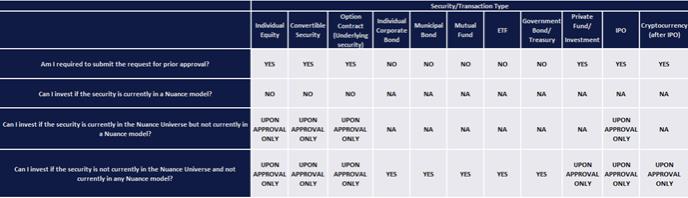
Reporting Requirements
| |
• |
|
All accounts in which the Access Person has beneficial ownership should have duplicate statements or electronic
feeds sent to the Compliance Department of Nuance Investments, LLC. Further, all pre-clearance approvals shall be maintained for audit purposes. |
| |
• |
|
All documentation must be kept in a file for audit purposes for all trades regardless of size.
|
Exceptions to the Policy
There can be exceptions to the policy. An exception can only be made if the Co-Chief Investment Officer and the Chief
Compliance Officer both grant what is expected to be very limited exemptions to specific provisions of this document on a case-by-case basis. Exceptions must be approved
in writing prior to execution.
REPORTING
An Access Person must submit to the Chief Compliance
Officer, on forms designated by the Chief Compliance Officer, the following reports as to all Reportable Securities holdings and brokerage accounts in which the Access Person has, or by reason of a transaction, acquires, Beneficial Ownership.
Initial Holdings Reports
Not later than 10 days
after an Access Person becomes an Access Person, a Certification and Holdings Report as set forth on CODE OF ETHICS CERTIFICATION AND HOLDINGS REPORT attestation with the following information which must be current as of a date no more than 45 days
prior to the date the person becomes an Access Person:
| |
• |
|
the title, type of security and as applicable the exchange ticker or CUSIP number, number of shares and principal
amount of each Reportable Security in which the Access Person has any direct or indirect Beneficial Ownership; |
| |
• |
|
the name of any broker, dealer or bank in which the Access Person maintains an account in which any securities
(including but not limited to Reportable Securities) are held for the Access Person’s direct or indirect Beneficial Ownership; and |
| |
• |
|
the date the report is being submitted by the Access Person. |
2022.04.19
Quarterly Reportable Securities Transaction Reports
Not later than 30 days after the end of each calendar quarter, a Transactions Report as set forth on CODE OF ETHICS TRANSACTIONS REPORT attestation for any
transaction (i.e., purchase, sale, gift or any other type of Acquisition or Disposition) during the calendar quarter of a Reportable Security in which the Access Person had any direct or indirect Beneficial Ownership including:
| |
• |
|
the date of the transaction, the title, the exchange ticker symbol or CUSIP number (if applicable), the interest
rate and maturity date (if applicable), the number of shares and the principal amount of each Reportable Security; |
| |
• |
|
the nature of the transaction (i.e., purchase, sale, gift or any other type of Acquisition or Disposition):
|
| |
• |
|
the price of the Reportable Security at which the transaction was effected; |
| |
• |
|
the name of the broker, dealer or bank with or through which the transaction was effected; and
|
| |
• |
|
the date the report is being submitted by the Access Person; |
| |
• |
|
special circumstances related to the purchase of Securities by Access Persons of the Firm are further discussed
in the Personal Trading Policy; |
| |
• |
|
with respect to any account established by the Access Person in which any securities were held during the quarter
for the direct or indirect benefit of the Access Person: The name of the broker, dealer or bank with whom the Access Person Established the Account; |
| |
• |
|
the date the account was established; and |
| |
• |
|
the date that the report is submitted by the Access Persons. |
All Trading Approval Pre-Approvals will be matched to the Quarterly Reportable Securities Transactions Reports as part
of the review process.
Annual Holdings Reports
At least once each 12-month period, within 30 days of calendar year-end, a
Certification and Holdings Report as set forth on the CODE OF ETHICS CERTIFICATION AND HOLDINGS REPORT attestation with the following information, which must be current as of a date no more than 45 days prior to the date the report is submitted:
| |
• |
|
the title, type of security, and as applicable the exchange ticker or CUSIP number, number of shares and
principal amount of each Reportable Security in which the Access Person has any direct or indirect Beneficial Ownership; |
| |
• |
|
the name of any broker, dealer or bank in which the Access Person maintains an account in which securities
(including but not limited to Reportable Securities) are held for the Access Person’s direct or indirect Beneficial Ownership; and |
| |
• |
|
the date the report is being submitted by the Access Person. |
The Annual Holdings Reports will be compared to the Initial Holdings Reports and Quarterly Holdings Reports as a part of the review process in order to ensure
that all holdings are accurately reported.
Exceptions From Reporting Requirements
An Access Person need not submit:
| |
• |
|
any reports with respect to Securities held in accounts over which the Access Person had no discretion, or which
are limited to holding non-reportable securities; |
| |
• |
|
a transaction report with respect to transactions effected pursuant to an automatic investment plan;
|
| |
• |
|
a transaction report if the report would duplicate information contained in broker trade confirmations or account
statements and data feeds that the Firm receives so long as the Firm receives the data feed, confirmations or statements no later than 30 days after the close of the calendar quarter in which the transaction takes place. |
Disclaimer of Beneficial Ownership
Any report
submitted by an Access Person in accordance with this Code may contain a statement that the report will not be construed as an admission by that person that he or she has any direct or indirect Beneficial Ownership in any Security or brokerage
account to which the report relates. The existence of any report will not, by itself, be construed as an admission that any event included in the report is a violation of this code.
2022.04.19
Annual Certification of Compliance
Each Access Person must submit annually, a Certification and Holdings Report as set forth on the CODE OF ETHICS CERTIFICATION AND HOLDINGS REPORT attestation
by a date specified by the Chief Compliance Officer, that the Access Person:
| |
• |
|
has received, read and understand this Code and recognizes that the Access Person is subject to the Code;
|
| |
• |
|
has complied with all the requirements of this Code; and |
| |
• |
|
has disclosed or reported all personal securities transactions, holdings and accounts required by this Code to be
disclosed or reported. |
Annual Fund Reporting
On an annual basis, Nuance’s Chief Compliance Officer shall prepare a written report describing any issues arising under the Code of Ethics, including
information about any material violations of the Code of Ethics or its underlying procedures and any sanctions imposed due to such violations and submit the information to each Registered Fund Client’s Chief Compliance Officer for review by the
Registered Fund Client’s Board of Trustees.
Also on an annual basis, Nuance’s Chief Compliance Officer shall certify to the Board of Trustees
of each Registered Fund Client that Nuance has adopted procedures reasonably necessary to prevent its Access Persons from violating the Code of Ethics.
OUTSIDE BUSINESS ACTIVITIES
While Nuance is not a broker/dealer or a member of FINRA, according to FINRA Rule 3270, “No registered person may be an employee, independent contractor,
sole proprietor, officer, director or partner of another person, or be compensated, or have the reasonable expectation of compensation, from any other person as a result of any business activity outside the scope of the relationship with his or her
member firm, unless he or she has provided prior written notice to the member, in such form as specified by the member. Passive investments and activities subject to the requirements of NASD Rule 3040 shall be exempted from this requirement.”
In order to ensure compliance with this rule, all Access Persons are required to submit information to the Chief Compliance Officer detailing all
applicable outside business activities. In addition, any changes to outside business activities must be submitted to the Chief Compliance Officer within 30 days. The Chief Compliance Officer is responsible for review and approval of or objection to
all outside business activities. Approval of or objection to an outside business activity will be determined on a case-by-case basis, taking into consideration all
applicable information.
No Access Person, direct or indirect, may serve on the board of a company that is a portfolio holding of the Fund per the MPS
Policies (Exhibit B). Any request to serve on the board of directors of any company, public or private, must be submitted to the Chief Compliance Officer prior to accepting such a position.
CONFIDENTIALITY
Non-Disclosure of Confidential Information
No Access Person, except in the course of his or her duties, may reveal to any other person any information about securities transactions being considered for,
recommended to, or executed on behalf of a Client Account. In addition, no Associated Person may use confidential information for their own benefit or disclose such confidential information to any third party, except as such disclosure or use may be
required in connection with their employment or as may be consented to in writing by the Chief Compliance Officer. These provisions shall continue in full force and effect after termination of the Associated Persons relationship with the Firm,
regardless of the reason for such termination.
Confidentiality of Information in Access Persons’ Reports
All information obtained from any Access Person under this Code normally will be kept in strict confidence by the Firm. However, reports of transactions and
other information obtained under this Code may be made available to the Commission, any other regulatory or self-regulatory organization or any other civil or criminal authority or court to the extent required by law or regulation or to the extent
considered appropriate by management of the Firm. Furthermore, in the event of violations or apparent violations of the Code information may be made available to appropriate management and supervisory personnel of the Firm, to any legal counsel to
the above persons and to the appropriate persons associated with a Client Account affected by the violation.
2022.04.19
SANCTIONS
Upon determining that an Access Person has violated
this Code of Ethics, the Firm’s Chief Compliance Officer or his or her designee, may impose such sanctions as he or she deems appropriate. These include, but are not limited to, a letter of censure, disgorgement of profits obtained in
connection with a violation, the imposition of fines, restrictions on future personal trading, termination of the Access Person’s position or relationship with the Firm or referral to civil or criminal authorities.
Anyone who in good faith raises an issue regarding a possible violation of this Code, law or regulation or any suspected illegal or unethical behavior shall
be protected from retaliation.
DUTIES OF THE CHIEF COMPLIANCE OFFICER
Identifying and Notifying Access Persons
The Chief Compliance Officer will identify each Access Person and notify each Access Person that the person is subject to this Code, including the
reporting requirements.
Providing Information to Access Persons
The Chief Compliance Officer will provide advice, with the assistance of counsel where needed, about the interpretation of this Code.
Revising the Restricted Securities List
The Chief
Compliance Officer shall ensure that the Restricted Securities List is updated as necessary.
Reviewing Reports
The Chief Compliance Officer will review the reports submitted by each Access Person, or received directly by the custodian, to determine whether there may
have been any transactions prohibited by this Code.
Maintaining Records
In its books and records, the Firm shall maintain all documents related to the Code including:
| |
• |
|
a copy of the Code of Ethics adopted and implemented and any other Code of Ethics that has been in effect at any
time within the past five years; |
| |
• |
|
a record of any violation of the Code, and of any action taken as a result of the violation;
|
| |
• |
|
a record of all written acknowledgments for each person who is currently, or within the past five years was, an
Associated Person of the Firm; |
| |
• |
|
a record of each Access Person report described in the Code; |
| |
• |
|
a record of the names of persons who are currently, or within the past five years were, Access Persons; and
|
| |
• |
|
a record of any decision and the reasons supporting the decision, to approve the acquisition of beneficial
ownership in any security in an initial public offering or limited offering, for at least five years after the end of the fiscal year in which the approval was granted. |
All records shall be maintained in accordance with Rules 204-2 under the Advisers Act and Rule 17j-1(f) under the 1940 Act.
Compliance and Review of the Chief Compliance Officer
The Chief Compliance Officer must comply with the Code of Ethics, including obtaining pre-clearance for certain
activities and submitting any required forms and/or reports. The President & Co-Chief Investment Officer or a Delegate shall be responsible for all of the duties otherwise performed by the Chief
Compliance Officer with regard to ensuring the compliance of the Chief Compliance Officer.
INSIDER TRADING
Improper use of inside information when conducting any
securities transaction is a serious violation of securities laws and will not be tolerated. Any person having access to material, non-public information will violate anti-fraud provisions of the federal
securities laws by effecting transactions or communicating such information for the purpose of effecting transactions in such securities without public disclosure of the information. Supervised persons will not purchase or sell a security, either
personally or on behalf of others, while in the possession of material, non-public information. Supervised persons are also forbidden to communicate material, non-public
information to others in violation of the law. This policy applies to all supervised persons and extends to activities within and outside of their duties with Nuance.
2022.04.19
The Chief Compliance Officer will be responsible for establishing, implementing, monitoring and enforcing all
of Nuance’s policies and procedures regarding insider trading. If any supervised person is unsure whether information could violate Nuance’s policies and procedures on insider trading or has questions on any aspect of Nuance’s
policies and procedures on insider trading, questions should be directed to the Chief Compliance Officer prior to implementing any trades. The prohibition on the use of inside information extends to family members, associates and
acquaintances of the person coming into possession of such information.
Any time a supervised person suspects that a client or another supervised person
is trading based on inside information or determines that they have received material, non-public information, it must be reported to the Chief Compliance Officer immediately. Persons having knowledge
of material, non-public information will not place any securities transactions in securities relating to such information for any account. In addition, no recommendations will be made in relation to any
securities affected by the information. Information will be communicated only to the Chief Compliance Officer who will then determine the appropriate course of action to take. The Chief Compliance Officer shall confidentially
document Nuance’s actions in addressing the material inside information.
The Chief Compliance Officer is responsible for supervising all
supervised persons conducting advisory business and is responsible for restricting, as much as possible, the number of supervised persons having access to any inside information. Only those supervised persons with a need to know such information for
the purpose of their job performance will have such information disclosed to them. If such information must be disclosed to a supervised person, the Chief Compliance Officer will document the following:
| |
• |
|
the name of each supervised person to whom the information was communicated to; |
| |
• |
|
the supervised person’s position within the company; |
| |
• |
|
the name of the security affected; |
| |
• |
|
the name of the person requesting communication of the information; |
| |
• |
|
the reason for the communication; |
| |
• |
|
the nature of the communication; and |
| |
• |
|
the date of the communication. |
The Chief Compliance Officer is responsible for establishing procedures, reviewing procedures, updating procedures and ensuring that all supervised
persons are continuously aware of and understand procedures regarding insider trading policies and procedures. Nuance’s policies will be reviewed on a regular basis and updated as necessary. All supervised persons will be required to review
Nuance’s written Compliance Manual at least annually. Supervised persons will then sign an acknowledgement indicating that they are aware of, understand and agree to comply with Nuance’s policies and procedures at all times. Since
Nuance’s insider trading policies and procedures are included in this manual, supervised persons are acknowledging that they are aware of, understand and will comply with Nuance’s insider trading policies and procedures at all times. If
Nuance is aware of any securities that are restricted from trading, the Chief Compliance Officer will maintain a list of these securities. This list will be kept current at all times and will be provided to all supervised persons on a regular basis.
The Chief Compliance Officer will perform the following procedures no less than quarterly for the purpose of detecting insider trading:
| |
• |
|
review trading activity reports or confirmations and statements for each officer, director, investment advisor
representative and supervised person of Nuance; and |
| |
• |
|
review and monitor the trading activity of all accounts managed by Nuance. |
| |
• |
|
collect attestations regarding receipt of material non public information from the Investment, Trading and
Research Teams. |
Such reviews may occur in conjunction with Code of Ethics, trading or other reviews conducted by the firm and are not
required to be segregated and marked as separate reviews. The consequences for trading on or communicating material, non-public information are severe. Consequences can be imposed on the persons involved in
insider trading and their employer. Penalties can be imposed even if the parties involved do not personally benefit from the activities involved in the violation. In addition to the regulatory and criminal penalties that could be imposed, supervised
persons can expect that any violation of Nuance’s insider trading policy will result in serious penalties to all parties involved, potentially including dismissal from employment with Nuance.

Policy PIMCO’s Code of Ethics sets out standards of conduct to help you avoid potential conflicts of interest that may arise from
your personal securities transactions and outside business activities. All employees must read and understand the Code. Effective Date: May 2009 Last Revision: November 22, 2021
PIMCO’s Code of Ethics (“Code”) contains the rules that govern your personal trading and
outside business activities. These rules are summarized below. Please see the Code for more details (capitalized terms are defined in the Appendix).
YOU HAVE THE FOLLOWING FUNDAMENTAL RESPONSIBILITIES:
| |
• |
|
You have a duty to place the interests of Clients first |
| |
• |
|
You must avoid any actual or potential conflict of interest |
| |
• |
|
You must not take inappropriate advantage of your position at PIMCO |
| |
• |
|
You must comply with all applicable Securities and Commodities Laws |
You must pre-clear and receive approval for your Personal Securities Transactions, unless an exemption is
available. Personal Securities Transaction is a very broad concept and includes transactions in Securities, Derivatives, currencies for investment purposes and commodities for investment purposes, but does not include direct transactions in
Cryptocurrencies, except as noted in Appendix IV for Cryptocurrency Portfolio Persons. It is your responsibility to understand the treatment of any proposed transaction under the Code by checking the definitions found in Appendix I. You are
encouraged to consult with a Compliance Officer if you have any question as to the status of a particular instrument under the Code.
Personal Real
Estate Investment Transactions (as defined in Appendix II) that constitute Private Placements are Personal Securities Transactions that are subject to the Code, and must be pre-cleared and receive prior
approval in accordance with Section III.C.
You can pre-clear and receive approval for your transaction by
the following two-step process:
|
| Step 1: To pre-clear a transaction, you must input the details of the proposed transaction into the Compliance Portal system (accessible through the PIMCO Intranet) and follow the instructions.
Step 2: You will receive notification as
to whether your proposed transaction is approved or denied. If your proposed transaction is approved, the approval is valid only for the day on which the approval was granted and the following business day, unless otherwise indicated in the approval
confirmation or unless you are notified differently by a Compliance Officer. If you do not execute your transaction within the required timeframe or if the information in your request changes, you must repeat the
pre-clearance process prior to undertaking the transaction. |
Generally, certain types of transactions, such as purchases or sales of government securities,
open-end mutual funds, and interval funds, do not require pre-clearance and approval. See Sections III.C.2. and III.C.3. of the Code for specific guidance.
However, Portfolio Persons (see Appendix I) are subject to more restrictive pre-clearance requirements, which are set
forth in Section III.C.2.a.
|
|
|
| CODE OF ETHICS | November 22, 2021 |
|
2 |
BLACK-OUT PERIODS FOR PORTFOLIO PERSONS
Employees classified as Portfolio Persons are prohibited from executing certain transactions during black-out periods,
as defined below:
| |
• |
|
Purchases or sales prior to, and including, seven calendar days before a Client transaction in the same Financial
Instrument or any Related Financial Instrument (each as defined in Appendix I) |
| |
• |
|
Purchases or sales within three calendar days following a Client transaction in the same Financial Instrument or
any Related Financial Instrument |
CIRCUMSTANCES THAT MAY RESTRICT YOUR PERSONAL SECURITIES TRANSACTIONS:
| |
• |
|
When there are pending Client orders in the same Financial Instrument or a Related Financial Instrument
|
| |
• |
|
Black-out periods in closed-end
funds advised or sub-advised by PIMCO |
| |
• |
|
Section 16 holding periods |
| |
• |
|
Initial Public Offerings (with certain exemptions for fixed income and other securities) |
| |
• |
|
Special Purpose Acquisition Companies (SPACs) |
| |
• |
|
Private Placements and hedge funds |
| |
• |
|
Securities issued by Allianz SE |
| |
• |
|
Securities on PIMCO’s Restricted Securities List |
The Code has other requirements that may restrict your personal securities transactions in addition to those summarized above. Please review the entire
Code. Remember that you can be sanctioned for failing to comply with the Code. If you have any questions, please ask a Compliance Officer.
PIMCO
CODE OF ETHICS
This Code of Ethics (“Code”) sets out standards of conduct to help PIMCO’s directors, officers and employees (each, an “Employee” and
collectively, “Employees”)1 avoid potential conflicts that may arise from their Personal Securities Transactions and outside business activities. You must read and understand this Code.
Compliance can assist you with any questions.
| II. |
YOUR FUNDAMENTAL RESPONSIBILITIES |
PIMCO insists on a culture that promotes honesty and high ethical standards. This Code is intended to assist Employees in meeting the high ethical standards
PIMCO follows in conducting its business. The following general fiduciary principles must govern your activities:
| |
• |
|
You have a duty to place the interests of Clients first |
| |
• |
|
You must avoid any actual or potential conflict of interest |
| |
• |
|
You must not take inappropriate advantage of your position at PIMCO |
| |
• |
|
You must comply with all applicable Securities and Commodities Laws |
If you violate this Code or its associated policies and procedures, PIMCO may impose disciplinary action against you, including full or partial
disgorgement of profits, a reduction in discretionary compensation, censure, demotion, suspension or dismissal, or any other sanction or remedial action required or permitted by law, rule or regulation.
| 1 |
Employees also include certain employees of PIMCO Investments and employees designated as dual-personnel of
Gurtin Municipal Bond Management (“Gurtin Dual-Personnel”). For the avoidance of doubt, Gurtin Dual-Personnel are subject to the Code of Ethics in their capacity as both PIMCO employees and Gurtin Dual-Personnel. Additionally, employees of
certain non-U.S. affiliates of PIMCO are known as “Associated Persons.” Associated Persons are subject to the respective Code of Ethics of the affiliate with which they are employed.
|
|
|
|
| CODE OF ETHICS | November 22, 2021 |
|
3 |
| III. |
PERSONAL INVESTMENTS |
In general, when making personal investments you must exercise extreme care to ensure that you do not violate this Code and your fiduciary
duties. You may not take inappropriate advantage of your position at PIMCO in connection with your personal investments. In addition, any excessive or inappropriate trading that, in PIMCO’s view, interferes with job performance, or compromises
the duty that PIMCO owes to its Clients, will not be tolerated. This Code covers the personal investments of all Employees and their Immediate Family Members (see Appendix I). Therefore, you and your Immediate Family Members must conduct all your
personal investments consistent with this Code.
| |
B. |
Prohibition on Short-Term Trading (“30 Calendar Day Rule”) |
Employees are prohibited from engaging in short-term trading strategies for their own accounts. Unless specifically exempted under this Code, a
short term trade is any purchase followed by a sell, or any sell followed by a purchase, of the same Financial Instrument within 30 calendar days.
This prohibition applies on a last in, first out basis: 1) even if the purchase and sell transactions occur in different accounts; 2)
regardless of any designated tax lots associated with the purchase or sell transaction; and 3) only to Financial Instruments that require pre-clearance under the Section III.C. of the Code.
The date of the first transaction is considered day one, and Employees may not execute a transaction in the opposite direction until day 31.
Employees will absorb any losses and will be instructed to disgorge any profits associated with short term trades in any Financial Instrument that requires pre-clearance. Compliance will calculate profits
based on any or all opposite way transactions that occur within a 30 calendar day period, even if the transactions result in realized losses in one or more individual account(s). Transaction costs and potential tax liabilities will not be included
in the profit calculations. Compliance also may instruct the employee to reverse a transaction that violates the 30 Calendar Rule.
Profits
from such trades must be disgorged as required by a Compliance Officer.
Note, an Option transaction with an expiration date within the 30
calendar days, as described above, of the initial purchase or sale date is also prohibited. Options must have an expiration date that is at least 31 days from the initial purchase or sale date.
See the Appendix for specific guidance on options trading with regards to pre-clearance and the 30
Calendar Day Rule.
Notwithstanding the foregoing, disgorgement will not be required for transactions in which the calculated profit is
less than $25.
The following transactions are exempt from the 30 Calendar Day Rule:
| |
1. |
Transactions that are exempt from the pre-clearance and approval
requirement as provided in Sections III.C.2. and III.C.3. of the Code (i.e., Exempt Reportable Transactions and Exempt Transactions as defined in those Sections). For purposes of this exclusion, although Portfolio Persons must observe the pre-clearance requirements specified in Section II.C.2.a., Portfolio Persons’ transactions in direct obligations of the U.S. or non-U.S. Government are excluded from the
30 Calendar Day Rule. |
| |
2. |
Transactions that ‘roll forward’ Options or Futures, i.e., the simultaneous closing and opening of
Options or Futures contracts solely to extend the expiration or maturity of the initial position to the month immediately following such expiration or maturity, but that otherwise maintain the economic features (e.g., size and strike price) of the
position. |
|
|
|
| CODE OF ETHICS | November 22, 2021 |
|
4 |
| |
a. |
When a transaction is rolled forward, day one for purposes of calculating compliance with the 30 Calendar Day
Rule will be the date of the initial purchase and not the date of any subsequent roll forward transaction(s). |
Note: Notwithstanding the exemption from the 30 Calendar Day Rule, transactions that roll forward Options or Futures positions are
still subject to the applicable pre-clearance requirements of the Code.
| |
3. |
Transactions in cash-equivalent ETFs provided permission is obtained from Compliance in advance.
|
Prior to transacting, all Employees must represent in their pre-clearance request that the transaction is
not in contravention of the 30 Calendar Day Rule.
| |
C. |
Pre-clearance and Approval of Personal Securities Transactions
|
You must pre-clear and receive prior approval for all Personal
Securities Transactions unless the transaction is subject to an exemption under this Code.
The
Pre-clearance and Approval Process described below applies to all Employees and their Immediate Family Members.
| |
1. |
Pre-clearance and Approval Process |
Pre-clearance and approval of Personal Securities Transactions helps PIMCO prevent certain investments
that may conflict with Client trading activities or other regulatory requirements. Except as provided in Sections III.C.2. and III.C.3. below, you must pre-clear and receive prior approval for all Personal
Securities Transactions by following the two-step process below:
|
| The Pre-clearance and Approval Process is a two-step process:
Step 1: To pre-clear a transaction, you must input the details of the
proposed transaction into the Compliance Portal system (accessible through the PIMCO Intranet) and follow the instructions. See Sections III.C.2. and III.C.3. for certain transactions that do not require
pre-clearance and approval.
Step 2: You will receive notification as to whether your proposed transaction is approved or denied. If your
proposed transaction is approved, the approval is valid only for the day on which the approval was granted and the following business day, unless otherwise indicated in the approval confirmation or unless you are notified differently by a Compliance
Officer. If you do not execute your transaction within the required timeframe or if the information in your pre-clearance request changes, you must repeat the
pre-clearance process prior to undertaking the transaction.
Note: If you place a Good-until-Canceled (“GTC”) or Limit Order and the order is not fully executed or
filled by the end of the following business day (midnight local time), you must repeat the pre-clearance process. |
| |
2. |
Transactions Excluded from the Pre-clearance and Approval
Requirement (but still subject to the Reporting Requirements) |
|
|
|
| CODE OF ETHICS | November 22, 2021 |
|
5 |
Except as otherwise provided below, you are not required to
pre-clear and receive prior approval for the following Personal Securities Transactions, although you are still responsible for complying with the reporting requirements of Section V. of this Code for these
transactions (each, an “Exempt Reportable Transaction”):
| |
a. |
Purchases2 or sales of direct obligations of the U.S.
Government or any other national government. However, if you are a Portfolio Person, as defined in the Code, you are required to pre-clear and receive prior approval for purchases and sales of direct
obligations of the U.S. Government or any other national government except as set forth in Section III.C.3.f. below; |
| |
b. |
The acquisition or disposition of a Financial Instrument as the result of a stock dividend, stock split,
reverse stock split, merger, consolidation, spin-off or other similar corporate distribution or reorganization applicable to such holders of a class of Financial Instrument or, with respect to Financial
Instruments except Futures, a non-volitional assignment or call pursuant to an options contract (voluntary corporate actions require pre-clearance);
|
| |
c. |
Transactions in open-end mutual funds or interval funds (including
those held through a variable insurance product account) managed or sub-advised by PIMCO or an Allianz affiliated entity (in other words, transactions in funds managed or
sub-advised by PIMCO or an Allianz affiliated entity must be reported but do not need to be pre-cleared). |
Similarly, direct investments in open-end mutual funds or interval funds managed or sub-advised by PIMCO or an Allianz affiliated entity that are held within a qualified tuition program sponsored by a state, state agency or educational institution and authorized by Internal Revenue Code
Section 529 (also known as a 529 Plan) must be reported but do not need to be pre-cleared. Further, investments in an Allianz 529 Plan must also be reported, even if such account does not hold PIMCO or
Allianz affiliated funds. The Compliance department has access to information on your holdings in PIMCO private funds and open-end mutual funds in your PIMCO/Allianz 401(k). However, your personal accounts
including PCRA, deferred compensation plans, Fund Invest and Allianz Employee Stock Purchase Plan must be disclosed via the Compliance Portal;
| |
d. |
Transactions in any Non-Discretionary Account for which you and your
Immediate Family Member(s): (i) do not exercise investment discretion; (ii) do not receive notice of specific transactions prior to execution; and (iii) otherwise have no direct or indirect influence or control. You must still disclose the
account and complete a managed account certification in Compliance Portal. |
| |
e. |
Transactions pursuant to an Automatic Investment Plan, including the Allianz Employee Stock Purchase Plan,
except that any transaction overriding the Automatic Investment Plan’s predetermined schedule and allocation must be pre-cleared and approved. Notwithstanding the foregoing, an employee may make
adjustments to the future percentage investment allocations in the Allianz employee stock purchase plan without pre-clearance. |
Employee/Immediate Family Member directed sales from an Automatic Investment Plan, including the Allianz Employee Stock Purchase Plan, are
subject to pre-clearance; and
| |
f. |
Transactions in accounts held on automated asset allocation platforms over which neither you nor an Immediate
Family Member exercises any investment discretion, including with respect to the Financial Instruments involved in such transactions and the allocation percentages utilized within the asset allocation platform. You must contact the Compliance
Officer if you have this type of account. |
It is important to remember that transactions in Closed-End Funds and ETFs are subject to the
pre-clearance and blackout period requirements.
| 2 |
See Section III.C.3.f. for certain additional exemptions. |
|
|
|
| CODE OF ETHICS | November 22, 2021 |
|
6 |
| |
3. |
Transactions Excluded from the Pre-clearance and Approval
Requirement and Reporting Requirements |
All Personal Securities Transactions by Employees must be reported under the
Code with a few limited exceptions set forth below. The following Personal Securities Transactions are exempt from the pre-clearance, approval, and reporting requirements provided in Sections III.C and V. of
the Code (each, an “Exempt Transaction”):
| |
a. |
Purchases or sales of bank certificates of deposit (“CDs”), bankers acceptances, commercial paper and
other high quality, non-sovereign short-term debt instruments (with an original maturity of less than one year), including repurchase agreements; |
| |
b. |
Purchases which are made by reinvesting dividends (cash or in-kind) on
a Financial Instrument including reinvestments pursuant to an Automatic Investment Plan; |
| |
c. |
Purchases/sales of physical currencies or physical commodities not for investment purposes;3 |
| |
d. |
Purchases or sales of open-end mutual funds or interval funds
(including those held through a variable insurance product direct account or a 529 Plan account) that are not managed or sub-advised by PIMCO or an Allianz affiliated entity |
| |
e. |
Purchases or sales of unit investment trusts that are invested exclusively in one or more open-end mutual funds that are not advised or sub-advised by PIMCO or an Allianz affiliated entity; and |
| |
f. |
Purchases of direct obligations of the U.S. Government where such transactions are effected via non-competitive bid or of U.S. savings bonds through the U.S. Department of the Treasury’s TreasuryDirect system. |
| |
D. |
Additional Requirements Applicable to Portfolio Persons |
If you are a “Portfolio Person” (see Appendix I) with respect to a Client transaction, you are subject to the blackout periods listed
below. Note that transactions that do not require pre-clearance under Sections III.C.2. and III.C.3. of the Code are not subject to these blackout periods. Regardless of whether you are required to pre-clear your transaction, you must not take inappropriate advantage of your position as a Portfolio Person in violation of the Code.
| |
1. |
Purchases and sales seven calendar days prior to a Client transaction |
A Portfolio Person may not transact in a Financial Instrument prior to, and including, seven calendar days before transacting in the same
Financial Instrument or a Related Financial Instrument for a Client. Similarly, a Portfolio Person may not transact in a Financial Instrument prior to, and including, seven calendar days if the Portfolio Person knows of another Portfolio
Person’s intention to transact in the same Financial Instrument for a Client. Thus, if you personally transact within seven calendar days (inclusive) of a Client transaction in the same or Related Financial Instrument, your personal securities
transaction will be considered a violation of the Code of Ethics unless the Client transaction was directed by someone else without your knowledge or you disclose to Compliance that you are aware of a pending firm transaction, and a Compliance
Officer approves your personal securities transaction outside of the Compliance Portal.
| 3 |
For the avoidance of doubt, direct purchases/sales of Cryptocurrencies are not “Personal Securities
Transactions” (as defined in Appendix I) and thus are not subject to the pre-clearance and reporting requirements, except as noted in Appendix IV for Cryptocurrency Portfolio Persons. However,
Derivatives on and indirect investments in Cryptocurrencies are “Personal Securities Transactions” and are subject to the pre-clearance and reporting requirements.
|
|
|
|
| CODE OF ETHICS | November 22, 2021 |
|
7 |
Specific conditions for research analysts
A research analyst may not transact in the same Financial Instrument, any other Financial Instrument issued by the same issuer or a Related
Financial Instrument that such research analyst is analyzing for a Client (whether such analysis was requested by another person or was undertaken on the research analyst’s own initiative). Such prohibition remains in effect until the research
analyst is notified in writing that the Financial Instrument has been selected or rejected for purchase or sale for a Client account or until the research analyst obtains permission to transact in the same Financial Instrument, any other Financial
Instrument issued by the same issuer or a Related Financial Instrument from a Managing Director supervisor and a Compliance Officer.
| |
2. |
Purchases and sales within three calendar days following a Client transaction |
A Portfolio Person may not transact in a Financial Instrument within three calendar days after (i) transacting in the same Financial
Instrument or a Related Financial Instrument for a Client; or (ii) a Client’s transaction in the same Financial Instrument or a Related Financial Instrument if the Portfolio Person knows that another Portfolio Person has transacted in such
Financial Instrument or a Related Financial Instrument for a Client.
| |
3. |
Specific provisions for Real Estate Portfolio Persons with respect to PIMCO advised private funds that
invest in real estate4 |
Real Estate Portfolio Persons
must report Personal Real Estate Investment Transactions5 and pre-clear and receive prior approval of certain Personal Real Estate Investment Transactions.
Please refer to Appendix II for a discussion of the pre-clearance and reporting requirements for
Personal Real Estate Investment Transactions.
Please note that Personal Real Estate Investment Transactions that constitute Private
Placements are Personal Securities Transactions and must be pre-cleared and receive prior approval in accordance with Section III.C of the Code.
Prior to transacting, Portfolio Persons must represent in their pre-clearance request that
they are not aware of any pending transactions or proposed transactions in the next seven calendar days in the same Financial Instrument or a Related Financial Instrument for any Client. Please consider the timing of your
personal transactions carefully.
| |
E. |
Circumstances that May Restrict Your Trading |
If your Personal Securities Transaction falls within one of the following categories, it will generally be denied by the Compliance Officer. It
is your responsibility to initially determine if any of the following categories apply to your situation or transaction:
If the gross aggregate market value exposure of your transaction in the Financial Instrument requiring
pre-clearance over a 30 calendar day period across all your Personal Securities Accounts exceeds $25,000 and (i) the Financial Instrument or a Related Financial Instrument has been purchased or
sold by a Client on that day; or (ii) there is a pending Client order in the Financial Instrument or a Related Financial Instrument, then you CANNOT trade the Financial Instrument or any Related Financial Instrument on the same day and your pre-clearance request will be denied. This prohibition is in addition to any other requirements or prohibitions in this Code that may be applicable (e.g., under “III.D. Additional Requirements Applicable to
Portfolio Persons”).
| 4 |
For purposes of this clause 3 and Appendix II, the term Financial Instrument as it applies to Personal
Securities Transactions of Portfolio Persons shall include Real Estate Investment Transactions. |
| 5 |
See Appendix II for definition of Real Estate Portfolio Person and Personal Real Estate Investment
Transactions. |
|
|
|
| CODE OF ETHICS | November 22, 2021 |
|
8 |
As a general matter, transactions up to $250,000 per day in common stock publicly issued by an
issuer, and options thereon, included in the Standard & Poor’s 500 Index (“S&P 500® Index”) will be permitted (subject to any other applicable requirements of the
Code, such as the pre-clearance and blackout period requirements). Note, with respect to an option transaction, exposure is measured by the underlying notional value of the option.
Transactions that ‘roll forward’ Futures contracts or Options on Futures contracts may be approved. Such a roll is considered to
be the simultaneous closing and opening of Futures or Options on Futures solely to extend the expiration or maturity of the previous position to the next available contract period immediately following such expiration or maturity, but that otherwise
maintains the same economic features (e.g., size and strike price) of the position.
| |
2. |
Initial Public Offerings, SPACs, Private Placements and Investments in Hedge Funds
|
As a general matter, you should expect that pre-clearance requests involving
Initial Public Offerings (except for fixed-income, preferred, business development companies, registered investment companies, commodity pools and convertible securities offerings) and SPACs will be denied. Proposed transactions in private
placements, or hedge funds will be reviewed by the Compliance Officer and subject to a number of criteria, including whether the investment opportunity should be reserved for Clients.
| |
3. |
Allianz SE Investments |
You may not trade in shares of Allianz SE during any designated blackout period. In general, the trading windows end six weeks prior to the
release of Allianz SE annual financial statements and two weeks prior to the release of Allianz SE quarterly results. This restriction applies to the exercise of cash-settled options or any kind of rights granted under compensation or incentive
programs that completely or in part refer to Allianz SE. Allianz SE blackout dates are communicated to employees and are posted on the employee trading center. A list of such blackout periods is accessible through the PIMCO Intranet.
| |
4. |
Blackout Period in any Closed End Fund Advised or Sub-Advised by
PIMCO |
You may not trade any closed end fund advised or sub-advised by PIMCO
during a designated blackout period. A list of such blackout periods is accessible through the PIMCO Intranet.
| |
5. |
Trade Restricted Securities List |
The Legal and Compliance department maintains and periodically updates the Trade Restricted Securities List that contains certain securities
that may not be traded by Employees. The Trade Restricted Securities List is not distributed to employees, but requests to purchase or sell any security on the Trade Restricted Securities List will be denied.
| |
6. |
Section 16 Holding Periods |
If you are a reporting person under Section 16 of the Securities Exchange Act of 1934, with respect to any closed end fund advised or sub-advised by PIMCO, you are subject to a six month holding period and you must make certain filings with the SEC. It is your responsibility to determine if you are subject to Section 16 requirements and to
arrange for appropriate filings. Please consult a Compliance Officer for more information.
| |
F. |
Excessive Trading and Market Timing of Mutual Fund Shares. |
The issue of excessive trading and market timing by mutual fund shareholders is serious and not unique to PIMCO. You are subject to the terms
and restrictions of an open-end mutual fund’s prospectus, including restrictions such fund may impose on excessive trading. You may not engage in trading of shares of an
open-end mutual fund that is inconsistent with the prospectus of that fund.
|
|
|
| CODE OF ETHICS | November 22, 2021 |
|
9 |
| |
G. |
Your Actions are Subject to Review by a Compliance Officer and Your Supervisor |
The Compliance Officer may undertake such investigation as he or she considers necessary to determine if your proposed transaction complies
with this Code, including post-trade monitoring. The Compliance Officer may impose measures intended to avoid potential conflicts of interest or to address any trading that requires additional scrutiny.
In addition to the Compliance Officer, your supervisor may, unless restricted by relevant regulations, review your personal trading activity on
a periodic or more frequent basis. This individual will work with the Compliance Officer on any such reviews.
| |
H. |
Consequences for Violations of this Code |
| |
1. |
If determined appropriate by the General Counsel or Compliance Officer you may be subject to remedial actions
(a) if you violate this Code; or (b) to protect the integrity and reputation of PIMCO even in the absence of a proven violation. Such remedial actions may include, but are not limited to, full or partial disgorgement of the profits you
earned on an investment transaction, a reduction in discretionary performance compensation, censure, demotion, suspension or dismissal, or any other sanction or remedial action required or permitted by law, rule or regulation. As part of any
remedial action, you may be required to reverse an investment transaction and forfeit any profit or to absorb any loss from the transaction. |
| |
2. |
PIMCO’s General Counsel or Compliance Officer shall have the authority to determine whether you have
violated this Code and, if so, to impose, in consultation with an employee’s supervisor and other relevant parties, the remedial actions they consider appropriate or required by law, rule or regulation. In making their determination, the
General Counsel or Compliance Officer, in consultation with an employee’s supervisor and other relevant parties, may consider, among other factors, the gravity of your violation, the frequency of your violations, whether any violation caused
harm or the potential of harm to a Client, your efforts to cooperate with their investigation, and your efforts to correct any conduct that led to a violation. |
| IV. |
YOUR ONGOING OBLIGATIONS UNDER THIS CODE |
This Code imposes certain ongoing obligations on you. If you have any questions regarding these obligations please contact the Compliance Officer.
The fiduciary principles of this Code and Securities and Commodities Laws prohibit you from trading while in possession of material, non-public information (“MNPI”) received from any source or communicating this information to others.6 If you believe you may have access to material, non-public information or are unsure about whether information is material or non-public, please consult a Compliance Officer and the PIMCO MNPI Policy. Any violation of
PIMCO’s MNPI Policy may result in penalties that could include termination of employment with PIMCO.
| |
B. |
Compliance with Securities and Commodities Laws |
You must comply with all applicable Securities and Commodities Laws.
| |
C. |
Duty to Report Violations of this Code |
You are required to promptly report any violation of this Code of which you become aware, whether your own or another Employee’s. Reports
of violations other than your own may be made anonymously and confidentially to the Compliance Officer.
| 6 |
As described in Section III.C.2, purchases or sales of open-end mutual
funds and interval funds managed or sub-advised by PIMCO are exempt from the pre-clearance and approval process; however, the insider trading prohibition
described above applies to MNPI received with respect to an open-end mutual fund or interval fund advised or sub-advised by PIMCO or its affiliates. Non-public information regarding a mutual fund or interval fund is MNPI if such information could materially impact the fund’s net asset value.
|
|
|
|
| CODE OF ETHICS | November 22, 2021 |
|
10 |
| |
D. |
Right to Communicate Directly with Governmental, Regulatory or Self-Regulatory Bodies
|
This Code will not be interpreted or applied in any manner that would violate any PIMCO employee’s legal rights
as an employee under applicable law. For example, nothing in this Code or Appendices attached hereto prohibits or in any way restricts any PIMCO employee from reporting possible violations of law or regulation to, otherwise communicating directly
with, cooperating with or providing information to any governmental or regulatory body or any self-regulatory organization or making other disclosures that are protected under applicable law or regulations of the Securities and Exchange Commission
or any other governmental or regulatory body or self-regulatory organization. A PIMCO employee does not need prior PIMCO authorization before taking any such action and a PIMCO employee is not required to inform PIMCO if he or she chooses to take
such action.
| V. |
YOUR REPORTING REQUIREMENTS |
| |
A. |
On-Line Certification of Receipt and Quarterly Compliance
Certification |
You will be required to certify your receipt of this Code. On a quarterly basis you must certify that
any personal investments effected during the quarter were done in compliance with this Code. You will also be required to certify your ongoing compliance with this Code on a quarterly basis. Required certifications must be completed within 30
calendar days following the end of the quarter, unless otherwise approved by a Compliance Officer.
| |
B. |
Reports of Securities Holdings |
You and your Immediate Family Members must report all your Personal Securities Accounts and all transactions in your Personal
Securities Accounts unless the transaction is an Exempt Transaction. You must agree to allow your broker-dealer to provide the Compliance Officer with electronic reports of your Personal Securities Accounts and transactions and to
allow the Compliance department to access all Personal Securities Account information. You will also be required to certify on a quarterly basis that you have reported all of your Personal Securities Accounts to Compliance via the
personal trading system (accessible through the PIMCO Intranet). Required certifications must be completed within 30 calendar days following the end of the quarter.
You and your Immediate Family Members must maintain your Personal Securities Accounts with an Approved Broker. The list of Approved
Brokers is accessible through the PIMCO Intranet or a Compliance Officer.
If you maintain a Personal Securities Account at a
broker-dealer other than at an Approved Broker, you will need to close those accounts or transfer them to an Approved Broker within a specified period of time, unless otherwise granted an exemption by a Compliance Officer. Upon opening a Personal
Securities Account at an Approved Broker, Employees are required to disclose the Personal Securities Account to Compliance via the personal trading system (accessible through the PIMCO Intranet). By maintaining your Personal
Securities Account with one or more of the Approved Brokers, you and your Immediate Family Member’s quarterly and annual transaction summaries will be sent directly to the Compliance department for review.
|
|
|
| CODE OF ETHICS | November 22, 2021 |
|
11 |
| |
2. |
Initial Holdings Report |
Within ten calendar days of becoming an Employee, you must submit via the personal trading system (accessible through the PIMCO Intranet) an
Initial Report of Personal Securities Accounts and all holdings in Financial Instruments except Exempt Transactions. This includes all holdings in Private Placements, such as private equity and hedge fund investments. Please contact the
Compliance Officer if you have not already completed this Initial Report of Personal Securities Accounts and all holdings in Financial Instruments.
| |
3. |
Quarterly and Annual Holdings Report |
If you maintain (i) Personal Securities Accounts with broker-dealers that are not on the list of Approved Brokers, or (ii) a
Beneficial Interest in Financial Instruments not held in a Personal Securities Account, please contact the Compliance Officer to arrange for providing quarterly and annual reports within 30 days following quarter end.
| |
4. |
Changes in Your Immediate Family Members |
You must promptly notify a Compliance Officer of any change to your Immediate Family Members (e.g., as a result of a marriage, divorce, legal
separation, death, adoption, movement from your household or change in dependence status) that may affect the Personal Securities Accounts for which you have reporting or other responsibilities.
| VI. |
COMPLIANCE DEPARTMENT RESPONSIBILITIES |
| |
A. |
Authority to Grant Waivers of the Requirements of this Code |
The Compliance Officer, in consultation with PIMCO’s General Counsel or his or her designee, has the authority to exempt any Employee or
any personal investment transaction from any or all of the provisions of this Code if the Compliance Officer determines that such exemption would not be against the interests of any Client and is consistent with applicable laws and regulations,
including Rule 204A-1 under the Advisers Act and Rule 17j-1 under the Investment Company Act. The Compliance Officer will prepare and file a written memorandum of any
exemption granted, describing the circumstances and reasons for the exemption.
| |
B. |
Annual Report to Boards of Funds that PIMCO Advises or Sub-Advises
|
PIMCO will furnish a written report annually to the directors or trustees of each fund that PIMCO advises or sub-advises. Each report will describe any issues arising under this Code, or under procedures implemented by PIMCO to prevent violations of this Code, since PIMCO’s last report, including, but not limited to,
information about material violations of this Code, procedures and sanctions imposed in response to such material violations, and certify that PIMCO has adopted procedures reasonably necessary to prevent its Employees from violating this Code.
| |
C. |
Maintenance of Records |
The Compliance Officer will keep all records maintained at PIMCO’s primary office for at least two years and will otherwise keep in an
easily accessible place for at least five years from the end of either the fiscal year in which the document was created or the last fiscal year during which the document was effective or in force, whichever is later. Such records include: copies of
this Code and any amendments hereto, all Personal Securities Account statements and reports of Employees, a list of all Employees and persons responsible for reviewing Employees reports, copies of all
pre-clearance forms, records of violations and actions taken as a result of violations, and acknowledgments, certifications and other memoranda relating to the administration of this Code.
|
|
|
| CODE OF ETHICS | November 22, 2021 |
|
12 |
| VII. |
ACTIVITIES OUTSIDE OF PIMCO |
| |
A. |
Approval of Activities Outside of PIMCO |
| |
1. |
You may not engage in full-time or part-time service as an officer, director, partner, manager, member,
proprietor, principal, consultant or employee of any Business Organization or Non-Profit Organization other than PIMCO, PIMCO Investments, the PIMCO Foundation, PIMCO Partners, or a fund for which PIMCO is an
adviser (whether or not that business organization is publicly traded) unless you have received the prior written approval from PIMCO’s General Counsel or other designated person. |
| |
2. |
Without prior written approval, you may not provide financial advice (e.g., through service on a finance or
investment committee) to a private, educational or charitable organization (other than a trust or foundation established by you or an Immediate Family Member) or enter into any agreement to be employed or to accept compensation in any form (e.g., in
the form of commissions, salary, fees, bonuses, shares or contingent compensation) from any person or entity other than PIMCO or one of its affiliates. |
| |
3. |
Certain non-compensated positions in which you would serve in a
decision-making capacity (such as on a board of directors for a charity or Non-Profit Organization) must also have been reviewed or approved by PIMCO’s General Counsel or other designated person.
|
| |
4. |
PIMCO’s General Counsel or other designated person may approve such an outside activity if he or she
determines that your service or activities outside of PIMCO would not be inconsistent with the interests of PIMCO and its Clients. Other factors that may be considered include any remuneration received or proposed to be received as part of the
activity, whether the activity or expected time spent is consistent with your duties to PIMCO and its Clients, and any other factors deemed relevant. PIMCO’s General Counsel or other designated person may also stipulate that approval of your
participation in the outside activity is subject to specified conditions. Requests to serve on the board of a publicly traded entity will generally be denied. |
| |
5. |
Regardless of the outcome of PIMCO’s review of your participation in any proposed outside activity, you
may not, directly or indirectly, publicly suggest, claim or imply that PIMCO is associated with or in any way approves the activity. |
| VIII. |
TEMPORARY EMPLOYEES |
Temporary Employees that are classified as Contingent Workforce are considered “Employees” for purposes of this Code. The Compliance Officer may
exempt such persons from any requirement hereunder if the Compliance Officer determines that such exemption would not have a material adverse effect on any Client account. It is the Temporary Employee’s responsibility to understand the
applicability of the Code (including any exemptions) based on the specific facts and circumstances of the employee’s role, responsibilities and access to information.
|
|
|
| CODE OF ETHICS | November 22, 2021 |
|
13 |
APPENDIX I
Glossary
The following definitions apply to the
capitalized terms used in this Code:
Applicable Cryptocurrency – means any Cryptocurrency currently traded by PIMCO on behalf of clients.
Approved Broker – means a broker-dealer approved by the Compliance Officer. The list of Approved Brokers for each PIMCO location is
accessible through the PIMCO Intranet or can be obtained from the Compliance Officer.
Associated Persons – means an employee of PIMCO
LLC’s non-U.S. affiliates. Associated Persons are subject to the respective Code of Ethics of the non-U.S. affiliate with whom they are employed, which are, in
relevant part, substantially the same as this Code. Associated Persons are subject to the oversight and supervision of PIMCO LLC.
Automatic Investment
Plan – means a program in which regular periodic purchases (or withdrawals) are made automatically in (or from) investment accounts in accordance with a predetermined schedule and allocation. An Automatic Investment Plan includes a dividend
reinvestment plan.
Beneficial Interest – means when a person has or shares direct or indirect pecuniary interest in accounts or in reportable
Financial Instruments. Pecuniary interest means that a person has the ability to profit, directly or indirectly, or share in any profit from a transaction. Indirect pecuniary interest extends to, unless specifically excepted by a Compliance Officer,
an interest in a Financial Instrument held by: (1) a joint account to which you are a party; (2) a partnership in which you are a general partner; (3) a partnership in which you or an Immediate Family Member holds a controlling
interest and with respect to which Financial Instrument you or an Immediate Family Member has investment discretion; (4) a limited liability company in which you are a managing member; (5) a limited liability company in which you or an
Immediate Family Member holds a controlling interest and with respect to which Financial Instrument you or an Immediate Family Member has investment discretion; (6) a trust in which you or an Immediate Family Member has a vested interest or
serves as a trustee with investment discretion; (7) a closely-held corporation in which you or an Immediate Family Member holds a controlling interest and with respect to which Financial Instrument you or an Immediate Family Member has
investment discretion; or (8) any account (including retirement, pension, deferred compensation or similar account) in which you or an Immediate Family has a substantial economic interest. A pecuniary interest (thus, Beneficial Interest) may
arise with respect to any Financial Instrument including without limitation those (such as private equity and hedge fund investments) obtained through Private Placements.
Cryptocurrency Account – solely for the purposes of the Cryptocurrency Portfolio Person addendum, means any Personal Securities Account that holds
or is expected to hold Applicable Cryptocurrency.
Cryptocurrency Portfolio Person – means any person who directly supports or directs trading
in Applicable Cryptocurrency on behalf of PIMCO clients.
Business Organization – means an entity formed for the purpose of carrying on a
commercial enterprise and/or to achieve certain commercial goals. It may take the form a sole proprietorship, partnership, limited liability company, corporation or other structure.
Client – means any person or entity to which PIMCO provides investment advisory services.
Contingent Workforce – means individuals subject to provisional work agreements which may include temporary contract workers, independent
contractors or independent consultants.
Cryptocurrency – means any virtual or digital representation of value, token or other asset in which
encryption techniques are used to regulate the generation of such assets and to verify the transfer of assets, which is not a Security or otherwise characterized as a security under the relevant law.
|
|
|
| CODE OF ETHICS | November 22, 2021 |
|
14 |
Derivative – means (1) any Futures (as defined below); and (2) a forward contract, a
“swap”, a “cap”, a “collar”, a “floor” and an over-the-counter option (other than an option on a foreign currency, an option on a
basket of currencies, an option on a Security or an option on an index of Securities, which are included in the definition of “Security”). Questions regarding whether a particular instrument or transaction is a Derivative for purposes of
this policy should be directed to the Compliance Officer or his or her designee. For avoidance of doubt, a derivative on a Cryptocurrency is considered to be a “Derivative” for purposes of the Code.
Financial Instrument – means a Security, Derivative, commodity or currency as investment, but does not include Cryptocurrencies. For the avoidance
of doubt, futures contracts on Cryptocurrencies are “Financial Instruments” for purposes of the Code.
Futures – means a futures
contract and an option on a futures contract traded on a U.S. or non-U.S. board of trade, such as the Chicago Board of Trade or the London International Financial Futures Exchange.
Immediate Family Member of an Employee – means: (1) any of the following persons sharing the same household with the Employee (which does not
include temporary house guests): a person’s child, stepchild, grandchild, parent, stepparent, grandparent, spouse, sibling, mother-in-law, father-in-law, son-in-law,
daughter-in-law, brother-in-law, sister-in-law, legal guardian, adoptive relative, or domestic partner; (2) any person sharing the same household with the Employee (which does not include temporary house guests) that holds an account in
which the Employee is a joint owner or listed as a beneficiary; or (3) any person sharing the same household with the Employee in which the Employee contributes to the maintenance of the household and material financial support of such person.
Initial Public Offering – means an offering of securities registered under the Securities Act of 1933, the issuer of which, immediately
before the registration, was not subject to the reporting requirements of Sections 13 or 15(d) of the Securities Exchange Act of 1934.
Non-Discretionary Account – means any account managed by a broker dealer, futures commission merchant, or trustee as to which neither the Employee nor an Immediate Family Member: (1) exercises
investment discretion; (2) receives notice of specific transactions prior to execution; and (3) has direct or indirect influence or control over the account.
Non-Profit Organization – means an organization (generally
tax-exempt) that serves the public interest. In general, the purpose of this type of organization must be charitable, educational, scientific, religious or literary. A nonprofit organization is often dedicated
to furthering a particular social cause or advocating for a particular point of view.
Personal Securities Account – means (1) any
account (including any custody account, safekeeping account, retirement account such as an IRA or 401(k) plan, and any account maintained by an entity that may act as a broker or principal) in which an Employee has any direct or indirect Beneficial
Interest, including Personal Securities Accounts and trusts for the benefit of such persons; and (2) any account maintained for a financial dependent. Thus, the term “Personal Securities Accounts” also includes, among
others:
(i) Trusts for which the Employee acts as trustee, executor or custodian;
(ii) Accounts of or for the benefit of a person who receives financial support from the Employee;
(iii) Accounts of or for the benefit of an Immediate Family Member; and
(iv) Accounts in which the Employee is a joint owner or has trading authority.
For the avoidance of doubt, the term “Personal Securities Account” does not include: (1) an account on the U.S. Department of the
Treasury’s TreasuryDirect system, so long as the securities purchased through and/or held in such account may only be, or were, purchased through a non-competitive bid process; or (2) any account
with direct holdings of Cryptocurrencies. For avoidance of doubt, an account that holds Derivatives on Cryptocurrencies would constitute a “Personal Securities Account” for purposes of the Code, and is subject to the requirements of
Section V.B above.
|
|
|
| CODE OF ETHICS | November 22, 2021 |
|
15 |
Personal Securities Transaction – means transactions in Securities (whether publicly offered or a
Private Placement), Derivatives, currencies for investment purposes and commodities for investment purposes, but does not include direct transactions in a Cryptocurrency, except for Cryptocurrency Portfolio Persons as noted in Appendix IV. For the
avoidance of doubt, “Personal Securities Transaction” includes Derivatives on a Cryptocurrency.
PIMCO – means “Pacific
Investment Management Company LLC”.
PIMCO Investments – means “PIMCO Investments LLC”.
Portfolio Person – means an Employee, including a portfolio manager with respect to an account, who: (1) provides information or advice with
respect to the purchase or sale of a Financial Instrument, such as a research analyst; or (2) helps execute a portfolio manager’s investment decisions. Members of Portfolio Risk Management, and Economists are also considered to be
Portfolio Persons. Generally, a Portfolio Person with respect to a Client transaction includes the generalist portfolio manager for the Client, the specialist portfolio manager or trading assistant with respect to the transactions in that account
attributable to that specialist or trading assistant, and any research analyst that played a role in researching or recommending a particular Financial Instrument.
Private Placement – means an offering that is exempt from registration under the Securities Act of 1933 pursuant to Section 4(2) or
Section 4(6) or pursuant to SEC Rules 504, 505 or 506 under the Securities Act of 1933, including hedge funds or private equity funds or similar laws of non-U.S. jurisdictions.
Related Financial Instrument – means any Derivative directly tied to the same underlying Financial Instrument, including, but not limited to, any
swap, option or warrant to purchase or sell that same underlying Financial Instrument, and any Derivative convertible into or exchangeable for that same underlying Financial Instrument. For example, the purchase and exercise of an option to acquire
a Security is subject to the same restrictions that would apply to the purchase of the Security itself.
Securities and Commodities Laws –
means the securities and/or commodities laws of any jurisdiction applicable to any Employee, including for any employee located in the U.S. or employed by PIMCO, the following laws: Securities Act of 1933, the Securities Exchange Act of 1934, the
Sarbanes-Oxley Act of 2002, the Investment Company Act of 1940, the Investment Advisers Act of 1940, Title V of the Gramm-Leach-Bliley Act, any rules adopted by the U.S. Securities and Exchange Commission under any of these statutes, the Bank
Secrecy Act as it applies to funds, broker-dealers and investment advisers, and any rules adopted thereunder by the U.S. Securities and Exchange Commission or the U.S. Department of the Treasury, the Commodity Exchange Act, any rules adopted by the
U.S. Commodity Futures Trading Commission under this statute, and applicable rules adopted by the National Futures Association.
Security –
means any note, stock, treasury stock, security future, security-based swap, bond, debenture, evidence of indebtedness, certificate of indebtedness, certificate of interest or participation in any profit-sharing agreement, collateral-trust
certificate, preorganization certificate or subscription, transferable share, investment contract (e.g., investment in a business), voting-trust certificate, certificate of deposit for a security, fractional undivided interest in oil, gas or other
mineral rights, any put, call, straddle, option, or privilege on any security, (including a certificate of deposit) or on any group or index of securities (including any interest therein or based on the value thereof), or any put, call, straddle,
option, or privilege entered into on a national securities exchange relating to foreign currency, or in general, any interest of instrument commonly known as a “security”, or any certificate of interest or participation in, temporary or
interim certificate for, receipt for, guaranty of, or warrant or right to subscribe to or purchase any of the foregoing.
Compliance Portal –
means PIMCO’s proprietary employee trading pre-clearance system.
|
|
|
| CODE OF ETHICS | November 22, 2021 |
|
16 |
APPENDIX II
PIMCO-advised private funds and accounts make investments in real estate.
Real Estate Portfolio Persons must generally pre-clear and receive prior approval from the Compliance Officer for
Personal Real Estate Investment Transactions like other Personal Securities Transactions.
Real Estate Portfolio Person – means a Portfolio
Person, or any other Employee designated by a Compliance Officer, with respect to PIMCO advised private funds that executes Real Estate Investment Transactions.
Real Estate Investment Transactions – means transactions involving real estate (such as, without limitation, purchases, sales, financings or other
forms of investments in office, multifamily, retail, commercial, industrial or hospitality properties or interest in real estate services or service providers), either directly or through investments in funds (other than registered investment
companies or publicly traded Securities that are otherwise subject to the Code of Ethics), joint ventures, partnerships, limited liability companies, mortgage or mezzanine loans or other Securities (other than publicly traded Securities that are
otherwise subject to the Code of Ethics).
Personal Real Estate Investment Transactions – means Real Estate Investment Transactions for
investment purposes.
Indirect investments (e.g., real estate funds or partnerships) may also be subject to
pre-clearance as Private Placements under the Code of Ethics. Like other types of personal investments, you are required to report Personal Real Estate Investment Transactions on a quarterly basis.
Notwithstanding the above:
| |
• |
|
Transactions involving residential properties owned for personal use (such as a primary residence or a vacation
home), as well as loans, advances or gifts to Immediate Family Members to assist in their purchase or maintenance of such properties, are not subject to pre-clearance or the reporting requirements.
|
| |
• |
|
Transactions involving one- to four-unit residential properties purchased
for investment purposes are not subject to pre-clearance, so long as such transaction would not (i) constitute a Security (e.g., an interest in an entity of which you are not the general partner, managing
member or equivalent), or (ii) violate any of your responsibilities under the Code of Ethics. Such transactions are subject to the reporting requirements, however. |
Trades of Securities or instruments that are identified by a ticker, CUSIP, ISIN or Sedol must be pre-cleared using
Compliance Portal (accessible through the PIMCO Intranet).
The Code of Ethics requires you to avoid conflicts of interest related to personal
investments, including Personal Real Estate Investment Transactions. You are expected to avoid any investment, interest or association which interferes or might interfere with your independent exercise of judgment in the best interest of PIMCO and
its Clients, including funds advised by PIMCO. Disclosure of personal or other circumstances constituting a conflict of interest should be reported to the Compliance Officer.
|
|
|
| CODE OF ETHICS | November 22, 2021 |
|
17 |
APPENDIX III
See the below for specific guidance on options trading with regards to pre-clearance and the 30 Calendar Day Rule.
|
|
|
|
|
| Option Trading |
|
Pre-clearance Required |
|
Subject to Short Term Trading Restriction
("30 Calendar Day Rule") |
| Purchasing/Selling an Option |
|
Yes |
|
Yes The
option’s expiration date must be greater than 30 days from the date of the option transaction.
An options contract cannot be bought and sold, or sold and bought, within 30 calendar days.
For avoidance of doubt, employees may trade a different
options contract (i.e., different expiration or strike) within 30 calendar days. |
|
|
|
| Involuntary Option Assignment/Exercise of Existing Option Position |
|
No
Purchase or sale of underlying
Security not directed by the
Employee |
|
No
The acquisition/disposition of a
security resulting from an existing option
position via an involuntary assignment/exercise is not subject to the 30 Calendar Day Rule |
|
|
|
| Directing an Option Exercise of Existing Options Position |
|
Yes
To exercise an option, the purchase or sale of the underlying security must be pre-cleared before directing the option exercise |
|
Yes
After the receipt or disposal of the
underlying security due to a directed option exercise, employees are prohibited from executing an opposite way transaction in the
underlying security for 30 calendar days |
|
|
|
| Rolling an Option on a Future7 (see section III.B.2.) |
|
Yes
Pre-clearance of both legs of the transaction is required to roll the option |
|
No
The same option on a futures contract bought and sold, or sold and bought within 30 days to roll the exposure is not subject to the 30
Calendar Day Rule |
|
|
|
| Rolling an Option on All Other Underlying Securities |
|
Yes
Pre-clearance of both legs of the transaction is required to roll the option |
|
Yes
Other options are not allowed to roll within 30 calendar days (i.e., they are subject to the 30 Calendar Day Rule) |
| 7 |
For the avoidance of doubt, futures are allowed to be rolled within 30 calendar days. |
|
|
|
| CODE OF ETHICS | November 22, 2021 |
|
18 |
APPENDIX IV
Cryptocurrency Portfolio Person Requirements
PIMCO has
established special requirements that apply to Cryptocurrency Portfolio Persons, defined as employees who directly support or direct trading in Applicable Cryptocurrency on behalf of PIMCO clients. Cryptocurrency Portfolio Persons must:
| |
• |
|
Report all Cryptocurrency Accounts within the Compliance Portal and provide quarterly and annual statements of
transactions and holdings reports to Compliance within 30 calendar days following each quarter end |
| |
• |
|
For the avoidance of doubt, each Cryptocurrency Portfolio Person must ensure that all Cryptocurrency Accounts are
held with a provider that can generate a transactions history report for submission to Compliance |
| |
• |
|
Pre-clear all Applicable Cryptocurrency transactions (including
purchases, sales, and conversions between a Applicable Cryptocurrency and another asset) within the Compliance Portal |
| |
• |
|
Applicable Cryptocurrency transactions executed in an opposite way within
30-calendar days are prohibited (purchase and sale, sale and purchase, or equivalent conversions); see Section III.B. for further details regarding the short-term trading prohibition |
| |
• |
|
Note that the short-term trading prohibition applies even if the purchase/sale/conversion transactions occur in
different Cryptocurrency Accounts |
| |
• |
|
Not transact in Applicable Cryptocurrency: (i) seven calendar days prior to, (ii) three calendar days
after, or (iii) the same day of, in each case, a PIMCO client trade in Applicable Cryptocurrency; see Section III.D. for further details regarding the blackout period prohibition |
|
|
|
|
|
| |
|
|
|
Restriction Applicable to
Cryptocurrency Portfolio Persons |
| Applicable
Cryptocurrency |
|
Report Cryptocurrency Accounts |
|
Yes |
| |
Pre-clear Transactions |
|
Yes |
| |
30-Calendar Day Rule |
|
Yes |
| |
Blackout Period |
|
Yes |
|
|
|
| CODE OF ETHICS | November 22, 2021 |
|
19 |
VANECK
CODE OF ETHICS
AND
CODE OF BUSINESS CONDUCT
Effective: April 1, 2016
Updated:
August 29, 2022

|
|
|
|
|
|
|
| I. GENERAL POLICY STATEMENT |
|
|
4 |
|
|
|
|
| 1. |
|
Adoption of the Code |
|
|
4 |
|
|
|
|
| 2. |
|
Standards of Business Conduct |
|
|
4 |
|
|
|
| II. CODE OF ETHICS |
|
|
6 |
|
|
|
| PERSONAL SECURITIES TRANSACTIONS POLICY |
|
|
6 |
|
|
|
|
| 1. |
|
Introduction |
|
|
6 |
|
|
|
|
| 2. |
|
Reportable Accounts |
|
|
6 |
|
|
|
|
| 3. |
|
Non-Reportable Accounts |
|
|
7 |
|
|
|
|
| 4. |
|
Administration and Reporting Requirements |
|
|
8 |
|
|
|
|
| 4.1. |
|
Designated Brokers |
|
|
8 |
|
|
|
|
| 4.2. |
|
Initial Certification and Account Report |
|
|
9 |
|
|
|
|
| 4.3. |
|
New Account Reporting |
|
|
10 |
|
|
|
|
| 4.4. |
|
Quarterly Certification and Account Report |
|
|
10 |
|
|
|
|
| 4.5. |
|
Annual Certification and Account Report |
|
|
11 |
|
|
|
|
| 5. |
|
Exempt Securities |
|
|
12 |
|
|
|
|
| 6. |
|
Exempt Transactions |
|
|
12 |
|
|
|
|
| 7. |
|
Prohibited Transactions in Reportable Accounts |
|
|
13 |
|
|
|
|
| 8. |
|
Pre-Clearance Requirements |
|
|
14 |
|
|
|
|
| 9. |
|
Blackout Periods |
|
|
16 |
|
|
|
|
| 9.1. |
|
De Minimis Transactions Exempt from the Blackout Periods |
|
|
17 |
|
|
|
|
| 10. |
|
Private Placements (Limited Offerings) |
|
|
18 |
|
|
|
|
| 11. |
|
Short-Term Trading Restrictions |
|
|
19 |
|
|
|
| III. ADMINISTRATION AND ENFORCEMENT OF THE CODE |
|
|
21 |
|
|
|
|
| 1. |
|
Violations of the Code and Sanctions |
|
|
21 |
|
|
|
|
| 2. |
|
Reporting of Violations |
|
|
21 |
|
|
|
|
| 3. |
|
Annual Reports to the Boards |
|
|
21 |
|
|
|
|
| 4. |
|
Amendments to the Code |
|
|
22 |
|
|
|
|
| 5. |
|
Questions Concerning the Code |
|
|
22 |
|
|
|
|
| 6. |
|
Books and Records |
|
|
22 |
|
|
|
| IV. CODE OF BUSINESS CONDUCT |
|
|
23 |
|
|
|
|
| 1. |
|
Statement of General Fiduciary Principles |
|
|
23 |
|
|
|
|
| 2. |
|
Compliance with Governing Laws, Regulations and Procedures |
|
|
23 |
|
Page 2
|
|
|
|
|
|
|
| 3. |
|
Insider Trading |
|
|
24 |
|
|
|
|
| 4. |
|
Corporate Opportunities |
|
|
24 |
|
|
|
|
| 5. |
|
Confidentiality |
|
|
24 |
|
|
|
|
| 6. |
|
Anti-Corruption |
|
|
25 |
|
|
|
|
| 7. |
|
Gifts and Entertainment |
|
|
25 |
|
|
|
|
| 8. |
|
Political Contributions |
|
|
25 |
|
|
|
|
| 9. |
|
Charitable Donations at the Requests of Clients or Prospective Clients |
|
|
25 |
|
|
|
|
| 10. |
|
Outside Business Activities |
|
|
26 |
|
|
|
|
| 11. |
|
Conflicts of Interest |
|
|
26 |
|
|
|
| V. DEFINITIONS |
|
|
27 |
|
Page 3
I. GENERAL POLICY STATEMENT
This Code of Ethics and Code of Business Conduct (the “Code”) is adopted by the entities set forth below and is applicable to such
entities and their Access Persons:
| |
• |
|
Van Eck Associates Corporation |
| |
• |
|
Van Eck Securities Corporation |
| |
• |
|
Van Eck Absolute Return Advisers Corporation |
| |
• |
|
MarketVector Indexes GmbH |
| |
• |
|
VanEck Asset Management UK Limited |
| |
• |
|
VanEck Investment Management (Shanghai) Co., Ltd. |
| |
• |
|
VanEck Private Fund Management (Shanghai) Co., Ltd. |
| |
• |
|
Van Eck Global Asset Management (Asia) Limited |
| |
• |
|
VanEck Australia Pty Ltd. |
| |
• |
|
VanEck Investments Limited |
| |
• |
|
VanEck Digital Assets Alpha GP, LLC |
| |
• |
|
VanEck Digital Assets GP, LLC |
| |
• |
|
VanEck Singapore Pte. Ltd. |
| |
• |
|
VanEck Asset Management B.V. |
(Each of the foregoing entities is hereinafter referred to individually as a VanEck Entity and collectively as “VanEck”.)
Capitalized terms not otherwise defined in the text of the Code shall have the meanings set forth in the “Definitions” section of
the Code.
2. Standards of Business Conduct
The Code sets forth the standards of business conduct for VanEck and each Access Person. It is based on the principle that VanEck owes a
fiduciary duty of undivided loyalty to each Client. As such, VanEck and each Access Person must avoid transactions, activities and relationships that might interfere or appear to interfere with making decisions that are in the best interests of
Clients. In general, VanEck and each Access Person are required to:
| |
i. |
conform to the ethical standards set forth in the Code; |
| |
ii. |
comply with all applicable laws, rules and regulations, including, but not limited to the Federal Securities
Laws; |
Page 4
| |
iii. |
avoid actual or potential conflicts of interest and fully disclose all material facts concerning any actual or
potential conflicts of interest that may arise; |
| |
iv. |
put the interests of Clients first; |
| |
v. |
ensure that all personal securities transactions are conducted consistent with the Code; |
| |
vi. |
not abuse a position of trust and responsibility; and |
| |
vii. |
not take inappropriate advantage of their positions. |
The Code is intended to prevent certain practices by Access Persons in connection with the purchase or sale, directly or indirectly, by such
persons of Securities Held or to be Acquired by a Client. Accordingly, an Access Person may not:
(i) employ any device, scheme or artifice
to defraud a Client;
(ii) make any untrue statement of a material fact to a Client or omit to state a material fact necessary in order to
make the statements made to the Client, in light of the circumstances under which they are made, not misleading;
(iii) engage in any act,
practice or course of business that operates or would operate as a fraud or deceit on a Client; or
(iv) engage in any manipulative
practice with respect to a Client.
The Code is designed to comply with the regulatory requirements of Section 17(j) of the 1940 Act
and the rules thereunder and Rule 204A-1 under the Advisers Act, and is also intended to prohibit activities that would violate certain fiduciary duties owed by VanEck to its Clients pursuant to
Section 206 of the Advisers Act.
The Code sets forth the minimum standards of business conduct believed appropriate for VanEck and
each Access Person. Technical compliance with the provisions of the Code will not insulate your actions from scrutiny for evidence of abuse of your duties under the Code.
If you are confronted with a potential or apparent conflict of interest, you should consult the VanEck Compliance department (the
“Compliance Department”) for advice concerning the propriety of your actions, and obtain prior approval, if required. All discussions will be treated as confidential.
The CCO or designee will review all reports submitted by Access Persons pursuant to the Code and may exempt an Access Person from any of the
requirements hereunder if she or he determines such an exemption would not have a material adverse effect on any Client and provided it is in compliance with all applicable laws.
Page 5
PERSONAL SECURITIES TRANSACTIONS POLICY
Access Persons must conduct all of their personal investment transactions in full compliance with the Code, the VanEck Insider Trading Policy
and other VanEck policies and procedures which are designed to prevent and detect inappropriate personal trading practices and activities by Access Persons. The primary objective of the Code and such policies and procedures is to have each Access
Person adhere to insider trading prohibitions and observe the duty to place the interests of Clients ahead of their own personal investment interests. The requirements regarding personal securities transactions contained in the Code are designed to
avoid potential or actual conflicts of interest or the appearance of impropriety that may arise when engaging in purchasing or selling personal securities and other financial instruments that are being held in or may be acquired by
a Client account.
Access Persons are required to report all Reportable Accounts, which consist of Personal Accounts and Related Accounts, that hold
or may acquire a Covered Security in which the Access Person has a Beneficial Ownership interest, including:
| |
• |
|
Any account in the Access Person’s individual name; |
| |
• |
|
Any joint tenant-in-common
account in which the Access Person has an interest or is a participant; and |
| |
• |
|
Any account for which the Access Person acts as a trustee, executor, or custodian. |
| |
• |
|
Any Immediate Family Account1; and |
| |
• |
|
Any account over which the Access Person has investment discretion or has the power (whether or not
exercised) to direct the acquisition or disposition of Covered Securities (including securities of Reportable Funds), including the accounts of any individual that is managed or controlled directly or indirectly by an Access Person or through
an Access Person, such as the account of an investment club to which the Access Person belongs or an account for a charitable organization in which the Access Person can influence or make investment decisions. |
Types of Reportable Accounts include, but are not limited to:
| |
• |
|
401(k) accounts with a brokerage capabilities option activated |
| |
• |
|
Mutual fund accounts with brokerage capabilities |
| |
• |
|
529 Plans with brokerage capabilities |
| 1 |
For Australian Based Access Persons see Exemption for Immediate Family Members under separate section in the
Code. |
Page 6
| |
• |
|
IRAs with brokerage capabilities |
| |
• |
|
Roth IRAs with brokerage capabilities |
| |
• |
|
On-Line Lending Platforms (in which the Access Person is an investor, not
a borrower) Employee Stock Purchase Plans |
| |
• |
|
An account that can hold a mutual fund or security that is managed by a VanEck Entity |
| |
• |
|
Any account that holds or may acquire a Covered Security |
| |
• |
|
Australian Managed Investment Schemes held in an account that has brokerage capabilities |
| 3. |
Non-Reportable Accounts |
All Access Persons
The accounts listed below are considered to be Non-Reportable Accounts and are not subject to the
reporting requirements set forth in the Code. Evidence that an account is a Non-Reportable Account must be provided by the Access Person to the Compliance Department.
| |
• |
|
Fully Discretionary Account - a Personal Account or Related Account managed or held by a broker-dealer,
bank, futures commission merchant, On-Line Lending Platform (in which the Access Person is an investor, not a borrower), investment adviser, trustee and/or other similar party who has full discretion to manage
such account where the Access Person (a) has no authority to exercise any investment discretion over the account; (b) has no authority to suggest or receive notice of transactions prior to their execution in the account; and (c) does
not otherwise have any direct or indirect influence or control over the account. |
| |
• |
|
In addition, to qualify as a Fully Discretionary Account, the individual broker, registered representative,
merchant or trustee responsible for the account must not be responsible for nor receive advance notice of any Purchase or Sale of a Covered Security on behalf of a Client account. |
| |
• |
|
To qualify an account as a Fully Discretionary Account, the CCO or designee must receive and approve a form
submitted through the Compliance System or written notice via email, if the Compliance System is not available, which demonstrates that the account meets the foregoing qualifications as a Fully Discretionary Account.2 |
| |
• |
|
Independent verification is required to be obtained from the discretionary manager and confirmed periodically
thereafter. |
| |
• |
|
When discretionary management, as described above, ceases to exist, the Access Person is required to report the
change in status of the account immediately to the Compliance Department. |
| |
• |
|
Any account that trades only Exempt Securities (as defined herein). |
| |
• |
|
VanEck 401(k) accounts. |
| |
• |
|
BVV – Private Bank Retirement Fund for Financial Industry Employees for which the Access Person has no
investment discretion; and |
| |
• |
|
German Lawyers Fund for which the Access Person has no investment discretion. |
If you are unsure whether an account is required to be reported, please contact the Compliance Department for guidance.
| 2 |
Australian Superannuation accounts for which the Access Person has no investment discretion are fully
discretionary accounts. |
Page 7
Australian Based Access Persons
Due to various industry practices and customs in Australia, the personal trade and monitoring policies relating to an Access Person living and
working in Australia (“Australian Access Person”) are modified herein with respect to their application to an Immediate Family Account of an Australian Access Person.
An Immediate Family Account: a) over which an Australian Access Person has no direct influence or control; or b) in which an Australian Access
Person has no Beneficial Ownership interest is excluded from the pre-clearance requirements of Section 8 of the Code and short-term trading requirements of Section 11 of the Code for Covered
Securities. One exception relates to investments in any pooled investment vehicles sponsored by a VanEck Entity. Investments by all Australian Access Persons and their Immediate Family Members in pooled investment vehicles sponsored by a
VanEck Entity must also comply with the blackout periods under the Code that govern investments in such vehicles. Transactions in VanEck Sponsored products by an Australian Based Immediate Family Member must be reported on a quarterly basis to the
CCO or designee.
The following are the only reporting requirements that apply to Immediate Family Accounts. Of an Australian Access Person:
| |
1. |
The Australian Access Person must provide a quarterly certification through the Compliance System or via email,
if the Compliance System is not available, to the CCO or designee stating that there has not been and will not be any sharing of confidential information regarding VanEck’s activity by the Australian Access Person with any Immediate Family
Member that could potentially be used in trading securities for the Immediate Family Account; and |
| |
2. |
That he or she has communicated to the Immediate Family Member the Blackout Periods and restrictions imposed on
trading pooled investment vehicles sponsored by a VanEck Entity. |
| 4. |
Administration and Reporting Requirements |
VanEck has selected certain broker-dealers as “Designated Brokers”. The Compliance Department receives automated trade confirmations
and/or account statements directly from these broker-dealers, thereby eliminating the need for an Access Person or broker-dealer to submit copies of these documents in paper format. The Compliance Department maintains the list of Designated Brokers.
Access Persons located in the United States are required to establish any new Reportable Account(s) with a Designated Broker. Existing
Reportable Accounts of U.S. Access Persons at non-Designated Brokers may be grandfathered in, provided Access Persons submit to the Compliance Department through the Compliance System or via email, if the
Compliance System is not available. A quarterly transaction report must be provided within 30 days following the end of each calendar quarter, and a holdings report must be provided within 45 calendar days of the end of each calendar year. All new
U.S. Access Persons must maintain all Reportable Accounts with a Designated Broker and must transfer their Reportable Account(s) to a Designated Broker within a reasonable period from their initial commencement of employment.
Page 8
Certain exceptions may be granted as determined by the CCO or designee. Access Persons must
submit a request for an exception in writing to the CCO or designee in advance prior to opening a Reportable Account with a non-Designated Broker. If the circumstances of the
non-Designated Broker account change in any way, it is the Access Person’s responsibility to notify the Compliance Department immediately. The nature of the change may cause the exception to be revoked.
An Access Person may not assume that because an exception was granted in one instance that an Access Person will be permitted to open a new account with the same or another non-Designated Broker.
Non-U.S. Access Persons may maintain their Reportable Account(s) with a
non-Designated Broker, provided that they submit to Compliance through the Compliance System or via email, if the Compliance System is not available, a quarterly transaction report within 30 days following the
end of each calendar quarter, and a holdings report within 10 calendar days of becoming an Access Person and thereafter, within 45 calendar days of the end of each calendar year.
4.2. Initial Certification and Account Report
Each Access Person will be provided with a copy of the Code when hired by a VanEck Entity.
Within 10 days of becoming an Access Person, such Access Person is required to do the following through the Compliance System or via email, if the Compliance
System is not available:
| |
1. |
Certify to his or her receipt and understanding of and compliance with the Code. |
| |
2. |
Certify to his or her Reportable Accounts by including the following information: |
| |
a) |
The name of each broker-dealer, bank, futures commission merchant,
On-Line Lending Platform (in which the Access Person is an investor, not a borrower), investment adviser, trustee and/or other similar party that maintains Reportable Accounts for the Access Person; and
|
| |
b) |
The account number for each Reportable Account that holds or may acquire a Covered Security.
|
| |
3. |
Submit an initial holdings certification and report (“Initial Certification”) through the Compliance
System or via email, if the Compliance System is not available, which: |
| |
a) |
Identifies the Covered Securities (including private placement investments) in which the Access Person had any
Beneficial Ownership that were held directly with an issuer (e.g. direct stock purchase plans; or accounts held with open-end mutual funds that a VanEck Entity advises or
sub-advises); |
| |
b) |
Provides the following details about each Covered Security in which the Access Person had any Beneficial
Ownership when the person became an Access Person: |
| |
i. |
The title and type, and as applicable the exchange ticker symbol or CUSIP number, the interest rate and
maturity date, the number of shares and the principal amount of each such Covered Security; |
| |
c) |
Includes the name of each broker-dealer, bank, futures commission merchant,
On-Line Lending Platform (in which the Access Person is an investor, not a borrower), investment adviser, trustee and/or other similar party with whom the Access Person maintained an account in which any
securities were held for the direct or indirect benefit of the Access Person as of the date the person became an Access Person; |
| |
d) |
Includes the date that the Initial Certification is submitted by the Access Person; and |
| |
e) |
Includes information that is current as of a date no more than 45 days prior to commencing employment or
becoming subject to the Code. |
Page 9
| |
4. |
Provide copies of the account statements3 showing the
holdings detailed in the Initial Certification. |
| |
5. |
Submit the Fully Discretionary Account Disclosure Form, if applicable, through the Compliance System or via
email, if the Compliance System is not available. |
4.3. New Account Reporting
An Access Person is required to obtain
PRE-APPROVAL4 from the Compliance Department before opening a Reportable Account. An Access Person is required to request pre-approval for this account through the Compliance System or via email, if the Compliance System is not available, and identify it as a new account. The Compliance Department will review the request and, if
approved, will issue a letter in accordance with FINRA Rule 3210 to the broker-dealer requesting this document..
4.4. Quarterly Certification and Account Report5
Within 30 days after the end of a calendar quarter, each Access Person is required to do the following through the Compliance System or via
email, if the Compliance System is not available:
| |
1. |
Certify to his or her understanding of and compliance with the Code. |
| |
2. |
Affirm that all Reportable Accounts and all transactions in Covered Securities (including private placement
investments), have been reported. |
| |
3. |
Submit a quarter end statement6 that provides the
following details about any transaction in a Reportable Account that occurred during the quarter for which the Compliance Department does not get an electronic feed: |
| |
a) |
The date of the transaction, the title, and as applicable the exchange ticker symbol or CUSIP number, the
interest rate and maturity date, the number of shares and the principal amount of each Covered Security involved; |
| |
b) |
The nature of the transaction (i.e., purchase, sale, or any other type of acquisition or disposition);
|
| |
c) |
The price of the Covered Security at which the transaction was effected; |
| |
d) |
The name of the broker-dealer, bank, futures commission merchant,
On-Line Lending Platform (in which the Access Person is an investor, not a borrower), investment adviser, trustee and/or other similar party with or through which the transaction was effected; and
|
| |
e) |
The date that the report is submitted by the Access Person. |
| |
4. |
Submit a quarter end holdings7 report which:
|
| |
a. |
Identifies the Covered Securities in which the Access Person had any Beneficial Ownership that were held
directly with an issuer (e.g. direct stock purchase plans; or accounts held with open-end mutual funds that a VanEck Entity advises or sub-advises);
|
| 3 |
For private placement investments an account statement is required to the extent it is available.
|
| 4 |
Pre-Approval is deemed to be notification within 3 business days of
opening or prior to funding and/or transacting in the account if less than 3 business days. |
| 5 |
The year-end certification will serve as both the year-end and fourth quarter certification. |
| 6 |
For private placement investments a quarter end statement is required to the extent it is available.
|
| 7 |
Australian Based Access Persons are only required to submit annual holdings report as of June 30 of the
year being requested. |
Page 10
| |
5. |
Submit a quarter end statement that provides the following details with respect to any account established by
the Access Person in which any securities were held during the quarter for the direct or indirect benefit of the Access Person for which the Compliance Department does not get an electronic feed: |
| |
a) |
The name of the broker-dealer, bank, futures commission merchant,
On-Line Lending Platform (in which the Access Person is an investor, not a borrower), investment adviser, trustee and/or other similar party with whom the Access Person established the account;
|
| |
b) |
The date the account was established, if it was opened during the quarter; and |
| |
c) |
The date that the report is submitted by the Access Person. |
4.5. Annual Certification and Account Report
Within 30 days after the end of a calendar year, each Access Person is required to do the following through the Compliance System or via email,
if the Compliance System is not available:
| |
6. |
Certify to his or her receipt and understanding of and compliance with the Code; |
| |
7. |
Certify to his or her Reportable Accounts by including the following information: |
| |
a. |
The name of each broker-dealer, bank, futures commission merchant,
On-Line Lending Platform (in which the Access Person is an investor, not a borrower), investment adviser, trustee and/or other similar party that maintains a Reportable Account for the Access Person; and
|
| |
b. |
The account number for each Reportable Account that holds or may acquire a Covered Security.
|
| |
8. |
Submit a year end holdings certification (“Annual Certification”)8 through the Compliance System or via email, if the Compliance System is not available, which: |
| |
a. |
Identifies the Covered Securities (including private placement investments) in which the Access Person had any
Beneficial Ownership that were held directly with an issuer (e.g. direct stock purchase plans; or accounts held with open-end mutual funds that a VanEck Entity advises or
sub-advises); |
| |
b. |
Provides the following details about each Covered Security in which the Access Person had any Beneficial
Ownership: |
| |
i. |
The title and type, and as applicable the exchange ticker symbol or CUSIP number, the interest rate and
maturity date, the number of shares and the principal amount of each such Covered Security; |
| |
c. |
Includes the name of any broker-dealer, bank, futures commission merchant,
On-Line Lending Platform (in which the Access Person is an investor, not a borrower), investment adviser, trustee and/or other similar party with whom an Access Person maintains an account in which any
securities are held for the direct or indirect benefit of the Access Person; |
| |
d. |
Includes the date that the Annual Certification is submitted by the Access Person; and |
| |
e. |
Includes information that is current as of a date no more than 45 days prior to the date the Annual
Certification is submitted. |
| 8 |
Australian Based Access Persons are only required to submit annual holdings report as of June 30 of the
year being requested. |
Page 11
| |
9. |
Provide copies of the account statements9 showing the
holdings detailed in the Annual Certification. If Reportable Accounts are maintained at a Designated Broker with an electronic feed, such statements will be received directly by the Compliance
Department.10 |
| |
10. |
Re-Confirm that each of the Access Person’s Fully Discretionary
Accounts, if any, meet the requisite qualifications for being a Non-Reportable Account. |
The following securities are not “Covered Securities” under the Code and are deemed to be “Exempt Securities”. Access
Persons and their Reportable Accounts may engage in transactions in any Exempt Security without obtaining pre-clearance.
| |
(a) |
Direct obligations of the Government of the United States; |
| |
(b) |
Bankers’ acceptances, bank certificates of deposit, commercial paper and high quality, short-term debt
instruments, including repurchase agreements; |
| |
(c) |
Shares issued by open-end investment companies (mutual funds)
registered under the 1940 Act other than Reportable Funds; |
| |
(d) |
Forwards on currencies; |
| |
(e) |
Futures on currencies (except Bitcoin and Ethereum futures); |
| |
(f) |
Futures on interest rates; and |
| |
(g) |
Shares issued by money market funds. |
The following types of transactions are NOT subject to the pre-clearance requirements under the
Code.
| 1. |
Trading in Exempt Securities as defined in the Code; |
| 2. |
Trading in Fully Discretionary Accounts; |
| 3. |
Non-volitional transactions: Purchases and sales of Covered Securities
in accordance with a pre-set amount or pre-determined schedule effected through an Automatic Investment Plan or dividend reinvestment plan (“DRIP”). This
includes the automatic reinvestment of dividends, income or interest received from a Covered Security in such plans or any other type of account; |
|
|
|
|
|
| Note: The initial pre-set amount and/or pre-determined schedule and subsequent purchase or sale of Covered Securities OUTSIDE of the pre-set amount
and/or pre-determined schedule must be pre-cleared. |
| 4. |
Purchases of Covered Securities by mandatory exercise of rights issued to the holders of a class of
Covered Securities pro-rata, to the extent they are issued with respect to Covered Securities of which Access Persons have Beneficial Ownership; |
| 9 |
For private placement investments an account statement is required to the extent it is available.
|
| 10 |
Compliance maintains the right to request paper statements from the Access Person irrespective of whether or
not electronic copies are received directly from the broker. |
Page 12
| 5. |
Acquisitions or dispositions of Covered Securities as the result of a stock dividend, stock split, reverse
stock split, merger, consolidation, spin-off or other similar corporate distribution or reorganization applicable to holders of a class of Covered Securities of which Access Persons have Beneficial Ownership;
|
| 6. |
Automatic exercise or liquidation by a stock exchange of an “in-the-money” derivative instrument upon expiration which results in the delivery of Covered Securities pursuant to a written option that is exercised against an Access Person; and
|
| 7. |
Covered Securities received by an Access Person as a gift. |
| 7. |
Prohibited Transactions in Reportable Accounts |
An Access Person may not engage in the following transactions involving Covered Securities in the Access Person’s Reportable Accounts
unless an exemption is granted by the CCO or designee.
Public Offerings
Public offerings give rise to potential conflicts of interest since such offerings are generally offered to investors who have relationships
with the underwriters involved in the offerings. In order to limit the opportunity for an Access Person to profit from his/her position with VanEck, the following restrictions apply:
Access Persons and accounts in which the Access Person has Beneficial Ownership are prohibited from investing in equity and equity-related
securities in IPOs, in any jurisdiction, whether or not VanEck is participating in the offering on behalf of a Client account.
Access Persons and accounts in which the Access Person has Beneficial Ownership are prohibited from trading in secondary offerings.
Access Persons and accounts in which the Access Person has Beneficial Ownership are prohibited from trading in a new debt offering, unless it
is deemed to be an Exempt Security.
Access Persons and accounts in which the Access Person has Beneficial Ownership are prohibited from investing in derivative instruments, with
the exception of permissible option transactions; fully hedged options, or unless as otherwise permitted under the Code.
Permissible
Options Transactions and Fully Hedged Options include the following:
| |
1. |
Selling a Call or Buying a Put with a 30 day or greater expiration at time of purchase or sale if
at the time of purchase or sale account is long the underlying; |
| |
2. |
Selling a Put with a 30 day or greater expiration at time of sale; If put gets automatically exercised prior to
30 days, the underlying security will need to be held for 30 days calculated from the date of the put transaction was sold; |
| |
3. |
Buying a Call with a 30 day or greater expiration at time of purchase; |
Page 13
| |
4. |
Selling a Put and Buying a Call, each with a 30 day or greater expiration at time of sale or purchase;
|
| |
5. |
Buying a Put and Selling a Call, each with a 30 day or greater expiration at time of purchase or sale; if at
the time of purchase or sale, the account is long the underlying. |
Option transactions that would circumvent the
intent of the holding period or that would lead to net short exposure to the underlying stock are prohibited.
Firm Wide Restricted List
| |
• |
|
VanEck, from time to time, may restrict Access Persons from trading in certain Covered Securities in their
Reportable Accounts to enhance an information barrier by preventing the appearance of impropriety in connection with trading, or preventing the use or appearance of use of inside information. |
| |
• |
|
Unless granted an exemption by the CCO or designee, Access Persons are prohibited from trading any Covered
Securities on the Firm wide restricted list in their Reportable Accounts. |
Short Sales or Margin Transactions
Access Persons are prohibited from engaging in short sales because accounts may be “frozen” or subject to a forced close out because
of the general restrictions that apply to personal transactions.
| 8. |
Pre-Clearance Requirements |
Access Persons are required to pre-clear all transactions in Covered Securities in which
they have Beneficial Ownership through the Compliance System, or via email, if the Compliance System is not available, with the exception of those outlined in the section of the Code entitled: “Exempt Transactions”.
Note: Transactions subject to the De Minimis Exceptions as set forth in the Code are required to be
pre-cleared through the Compliance System or via email, if the Compliance System is not available.
Purchases of Covered Securities by voluntary exercise of rights issued to the holders of a class of Covered Securities pro-rata, to the extent they are issued with respect to Covered Securities in which Access Persons have Beneficial Ownership are required to be pre-cleared by the CCO or
designee. They will not be subject to the pre-clearance approval time frame (as set forth below).
Gifts of securities by Access Persons, given or received, including Covered Securities in which the Access Persons have Beneficial Ownership,
are required to be pre-cleared for purposes of recording the transaction but are not subject to the pre-clearance approval time frame.
Cryptocurrency Investments11:
Different requirements and limitations may apply to Access Persons that have been specifically identified by the Compliance Department as a
member of the Crypto Investment Group.
Crypto Investment Group will include employees who: i) in the normal conduct of
their job responsibilities are likely to receive or be perceived to be aware of or receive material nonpublic information concerning the purchase or sale of cryptocurrency by pooled investment vehicles or separate advisory client accounts
(“client accounts”), ii) makes recommendations or investment decisions on behalf of client accounts regarding the purchase or sale of cryptocurrencies, iii) has the power to exercise a controlling influence over the management and policies
of the Adviser or over investment decisions who obtains information concerning recommendations made to a client account with regard to the purchase or sale of a cryptocurrency , or iv) any person deemed to be a member of Crypto Investment Group by
the Chief Compliance Officer or designee.
| 11 |
Cryptocurrencies, and Bitcoin and Ethereum Futures transactions are only subject to pre-clearance requirements and not subject to other provisions set forth in the Code. |
Page 14
All Access Persons are required to obtain pre-approval
prior to purchasing or selling ownership interests in Bitcoin (BTC) and Ethereum (ETH) cryptocurrencies, or Bitcoin and Ethereum futures contracts.
Access Persons of the Crypto Investment Group are required to obtain pre-approval prior to purchasing
or selling ownership interests in all cryptocurrency tokens.
Pre-Clearance Approval Time Frame:
U.S. and European Based Access Persons:
Covered Securities traded on:
U.S. Exchange or in a
U.S. Market - pre-clearance approval is effective until the close of business on the day of the approval of the pre-clearance request.
Foreign Exchange or in a Foreign Market - pre-clearance approval is effective until the close of business on
the business day following the day on which the pre-clearance request was approved.
Cryptocurrency
Investments – pre-clearance is effective until the beginning of the next business day following the day on which the pre-clearance request was approved.
Australian and Asian Based Access Persons:
Covered Securities traded on:
U.S. Exchange or
in a U.S. Market or Foreign Exchange or in a Foreign Market - pre-clearance approval is effective until the close of business on the business day following the day on which the pre-clearance request was approved.
Cryptocurrency Investments –
pre-clearance approval is effective until the beginning of the next business day following the day on which the pre-clearance request was approved.
Note: Access Persons may only utilize a “Day Order with a Limit” so long as the transaction is consistent with
the provisions of the Code, including De Minimis Orders, unless the transaction is an “Exempt Transaction”.
Failure to
comply with the pre-clearance requirements is a violation of the Code. In the event that an Access Person fails to pre-clear a transaction as required by the Code, the
Access Person may be required to cancel, liquidate, or otherwise unwind the trade and/or disgorge any profits realized in connection with the trade. In addition, other sanctions might be imposed in accordance with the provisions of the Code.
Page 15
Upon submission of a pre-clearance request through the
Compliance System, or via email if the Compliance System is not available, Access Persons will receive an approval or denial message in connection with the pre-clearance request. Under extenuating
circumstances, Access Persons may email the Compliance Department to make a pre-clearance request and the Compliance Department may enter the request through the Compliance System on the Access Person’s
behalf and notify him or her whether the trade request has been approved or denied.
The CCO reserves the right to waive or impose
different pre-clearance requirements on a case by case basis consistent with applicable laws. Any such action by the CCO will be documented accordingly.
Conflicts of interest arise when Access Persons purchase or sell a Covered Security in which the Access Persons have Beneficial Ownership at or
near the same time when a VanEck Entity is buying or selling the same or equivalent Covered Security or a derivative of the Covered Security for a Client account. To reduce the potential for conflicts of interest or the appearance of impropriety
that can arise, Access Persons are either prohibited from trading during a certain period before and after a trade is executed on behalf of a Client or trading will be reviewed if trades cannot be automatically blocked by the system. This period is
referred to as a “Blackout Period”.
If an Access Person trades in a Covered Security in which the Access Person has Beneficial
Ownership while such Covered Security is the subject of a Blackout Period, such trade may be required to be canceled, liquidated, or otherwise unwound and/or profits disgorged that are realized in connection with the transaction. Such profits will
be required to be donated to a charity.
Access Persons may not purchase or sell a Covered Security, a derivative thereof or another
similar security issued by the same issuer (“Issuer Securities”) in which the Access Persons have Beneficial Ownership or the trade will be reviewed and the Access Person may be asked to unwind the trade or take such other action if: :
| |
(i) |
the Issuer Security has been purchased or sold on behalf of a Client within the 3 business days prior to the
day of a pre-clearance request;12 |
| |
(ii) |
there is a pending buy or sell order in the Issuer Security on behalf of a Client on the same day as a pre-clearance request;13 |
| |
(iii) |
there was a subsequent buy or sell order in the Issuer Security on behalf of a Client on the day after a pre-clearance request was granted;14 or |
| |
(iv) |
the Issuer Security was purchased or sold on behalf of a Client within the 3 business days after the day a pre-clearance request was granted.15 |
Access Persons may request a waiver to trade during a Blackout Period. The Compliance Department will review and document any exception
granted. Exceptions will only be granted under extenuating circumstances and for valid reasons; mitigation of investment loss will not be considered a valid reason.
| 12 |
Applicable to all Access Persons with subject to the De Minimis or compliance waiver |
| 13 |
Applicable to all Access Persons with subject to the De Minimis or compliance waiver |
| 14 |
Reviewed for all Access Persons, conflicts addressed on a case by case basis by Compliance
|
| 15 |
Reviewed for all Access Persons, conflicts addressed on a case by case basis by Compliance
|
Page 16
The CCO or designee may impose additional Blackout Periods in addition to those specified herein,
for any reason.
9.1. De Minimis Transactions Exempt from the Blackout Periods
The following types of transactions are defined as “De Minimis Transactions” under the Code and are exempt from the Blackout Periods.
Such transactions are either highly liquid, present no conflict or present a low-risk conflict with Client transactions.
De Minimis Transactions are exempt from the Blackout Periods but are required to be
pre-cleared, and reported and are subject to holding periods and the ban on short-term trading profits as set forth in the Code.
De Minimis Transactions
| |
1. |
Purchases and sales of an equity Covered Security or an equivalent equity Covered Security, that, in the
aggregate do not exceed 500 shares per day per issuer with a total market capitalization of U.S. $5 billion or greater and are less than or equal to 1% of the daily average trading volume for such Covered Security at the time of investment;
|
| |
2. |
Purchases and sales of an exchange traded fund unaffiliated with a VanEck Entity, that, in the aggregate do not
exceed 200 shares per day per exchange traded fund with a total market capitalization of U.S. $5 billion or greater and are less than or equal to 1% of the daily average trading volume for such exchange traded fund at the time of investment;
|
| |
3. |
Purchases and sales of Bitcoin and Ethereum cryptocurrencies that, in the aggregate across all accounts, do not
exceed 1 BTC and 10 ETH crypto per day; and |
| |
4. |
Purchases and sales of a cryptocurrency other than Bitcoin and Ethereum that, in the aggregate across all
accounts, do not exceed $500 USD or €500 EUR per cryptocurrency token per day. |
Issuer and exchange traded fund
market capitalization amounts may change from time to time. Accordingly, a Covered Security or exchange traded fund that has a market capitalization within the requirements at the time of an initial transaction may fall below the required market
capitalization at the time of a subsequent transaction preventing an Access Person from being able to rely on the De Minimis Transaction exemption to effect the subsequent transaction.
Page 17
Summary of Blackout Periods and De Minimis Transactions for Access Persons
|
|
|
|
|
| Blackout Period |
|
De Minimis Transactions |
|
Non-De Minims
Transactions |
| Client trade within the 3 business days prior to the day of a pre-clearance request |
|
No Blackout Period or conflict |
|
• Personal trade pre-clearance
request denied |
|
|
|
| Pending Client trade on the same day as a pre-clearance request |
|
No Blackout Period or conflict |
|
• Personal trade pre-clearance
request denied |
|
|
|
| Subsequent Client trade on the day after a pre-clearance request was granted |
|
No Blackout Period or conflict |
|
• If an Access Person makes a personal trade in a Covered Security in
which the Access Person has Beneficial Ownership and there is a subsequent trade for a Client on the same day, the trade by the Access Person will be treated as a conflict and analyzed accordingly in terms of action required to be taken in regard to
the conflict between the personal trade and the Client trade |
|
|
|
| Client trade within the 3 business days after the day a pre-clearance request was granted |
|
No Blackout Period or conflict |
|
• If Access Person makes a personal trade in a Covered Security in which
the Access Person has Beneficial Ownership and there is a trade for a Client 3 days later, the trade by the Access Person will be treated as a conflict and analyzed accordingly in terms of action required to be taken in regard to the conflict
between the personal trade and the Client trade |
| 10. |
Private Placements (Limited Offerings) |
Acquisitions of Covered Securities in which Access Persons have Beneficial Ownership in a private placement (also called a Limited Offering) by
such Access Persons are subject to special pre-clearance requirements. Investments in private investment funds, hedge funds, PIPEs, and Regulation D Offerings are considered to be private placements. Prior
approval is required by the (a) Head of Active Equity Trading or designee; and (b) CCO or designee. Additional contributions or redemptions relating to private placements must also be pre-cleared in
the same manner as the initial investment.
Page 18
Approval will not be given if, among other things:
| |
• |
|
The investment opportunity is suitable for Clients and the investment professionals intend to make such an
investment for Clients; |
| |
• |
|
The investment opportunity has been offered to an Access Person solely by virtue of the Access Person’s
position; or |
| |
• |
|
The investment opportunity could be considered a favor or gift designed to influence an Access Person’s
judgment in the performance of the Access Person’s job duties as compensation for services rendered to the issuer. |
Approved private placement investments will NOT be subject to the IPO restrictions if the IPO is a result of an Access
Person’s investment in the private placement.
A private placement pre-approval form with attached
documentation will be required to be submitted through the Compliance System or via email, if the Compliance System is not available, for approval. The offering memorandum and subscription agreement, if available, should be submitted as supporting
documentation. The approval or denial of a pre-approval request will be communicated within a reasonable time through the Compliance System or via e-mail if the
Compliance System is not available. Pre-clearance will become effective when the pre-clearance request is approved and will expire within twenty (20) calendar days
after the date the pre-clearance request is approved. If the pre-clearance has expired for a proposed purchase or sale, an Access Person must submit another pre-clearance request.
| 11. |
Short-Term Trading Restrictions |
Access Persons cannot purchase and sell, or sell and purchase, the same Covered Securities in which the
Access Persons have Beneficial Ownership (other than Exempt Securities) within thirty (30) calendar days.
Opening option positions expiring in less than 30 calendar days will result in violations of the short-term trading ban.
Short-term trading restrictions also apply to the purchase and subsequent gifting of Covered Securities.
The restrictions on short-term trading profits are applicable to an Access Person’s Reportable Accounts on an aggregate basis. A series
of purchases and sales is measured on a last-in, first-out basis (“LIFO”) accounting method until all purchases and sales transactions of the same Covered
Security or Issuer Security or VanEck Sponsored ETF within a 30 calendar day period in a Reportable Account are matched. A purchase or sale is ordinarily deemed to occur on trade date. For example, the purchase is considered to be made on day 1, day
31 is the first day a sale of those Covered Securities may be made.
Subject to an exemption granted by the CCO or designee, Covered
Securities may be repurchased within 30 calendar days of a sale provided there are no additional conflicts with the Code.
Page 19
NOTE:
| |
• |
|
Shares of open-end mutual funds sponsored by a VanEck Entity (excluding
401(k) transactions) must be held for 30 calendar days from the purchase date. The 30 day holding period for shares of open-end mutual funds sponsored by a VanEck Entity is measured from the time of the most
recent purchase or sale of the shares of the relevant Reportable Fund. |
| |
• |
|
De Minimis Transactions are subject to the 30 calendar day holding period. |
Any short-term trade that violates these restrictions may be required to be unwound and/or any profits realized on the transaction may be
required to be disgorged. Other disciplinary actions might be taken in in the event an Access Person fails to adhere to the short-term trading restrictions in accordance with the Code.
Exceptions to the short-term trading restrictions may be requested in advance of a trade and may be granted only in rare cases of economic
hardship, gifting of securities, or other unusual circumstances where it is determined that no abuse is involved and the mitigating factors of the situation strongly support an exception to the restrictions. Exception requests are to be addressed to
the CCO or designee through the Compliance System or via e-mail if the Compliance System is not available.
Short-Term Trading and Market Timing in Mutual Funds
VanEck seeks to discourage short-term or excessive trading, often referred to as market timing. Access Persons must be familiar with the market
timing policy described in the prospectus of each fund in which they invest and must not engage in trading activity that might violate the purpose or intent of a particular fund’s market timing policy. To the extent a third party sponsored
mutual fund has a longer holding period than 30 calendar days, the Access Persons must comply with that fund’s specific market timing policy.
Page 20
III. ADMINISTRATION AND ENFORCEMENT OF THE CODE
| 1. |
Violations of the Code and Sanctions |
Compliance with the Code is a basic condition of employment with VanEck. A violation of the Code may constitute grounds for remedial action,
including but not limited to a letter of caution, warning, censure, re-certification of the Code, disgorgement of profits, suspension of trading privileges, and/or suspension or termination of employment. In
addition, a violation of the Code may constitute a violation of law and can result in either civil or criminal penalties for an individual and the Firm. The CCO or designee will impose a sanction for a violation accordingly.
| 2. |
Reporting of Violations |
Access Persons have an obligation to report violations of the Code and other policies and procedures to the CCO or designee. The CCO or
designee will report all material violations and may report any non-material violations of the Code to the Board of Trustees (the “Board”) of each Reportable Fund and, as applicable,
the Board of third party funds for which a VanEck Entity serves as a sub-adviser.
All violations
of the Code by Access Persons will be reported to the Board of VEAC and VanEck’s Risk Management Committee no less frequently than annually.
| 3. |
Annual Reports to the Boards |
| |
1. |
No less frequently than annually, the CCO shall furnish to the Board of each Reportable Fund, and the Board
shall consider, a written report that: |
| |
a. |
Describes any issues arising under the Code or procedures since the last report to the Board, including, but
not limited to, information about material violations of the Code or procedures and sanctions imposed in response to the material violations; and |
| |
b. |
Certifies that each of the Adviser and Distributor has adopted procedures reasonably necessary to prevent
Access Persons from violating the Code. |
| |
2. |
No less frequently than annually, the CCO shall report to the Board of each Reportable Fund regarding:
|
| |
a. |
All existing procedures concerning personal trading activities and any procedural changes made during the past
year; |
| |
b. |
Any recommended changes to the Code or such procedures; and |
| |
c. |
Any issues arising under the Code since the last report to the Board, including, but not limited to,
information about any material violations of the Code and any sanctions imposed in response to any material violations. |
Page 21
| 4. |
Amendments to the Code |
The Code may be amended provided that any material change to the Code must be approved by the Board of each Reportable Fund no later than six
months after the material change is adopted, and further provided that any amendments to the Code that are proposed to a Board for approval must be accompanied by a certification from the CCO that the Adviser and Distributor have adopted procedures
reasonably necessary to prevent Access Persons from violating the Code.
| 5. |
Questions Concerning the Code |
Access Persons are encouraged to seek guidance with respect to any matters under the Code. Conflicts of interest, potential conflicts of
interest, or the appearance of conflicts of interest are challenging and situations may arise that require interpretation of the Code as it relates to specific fact patterns. When such a situation arises, please contact the Compliance Department for
guidance before engaging in the contemplated transaction.
VanEck, as applicable, shall maintain and preserve:
(i) a copy of the Code (and any prior code of ethics that was in effect at any time during the past six years) in an easily accessible place
for a period of not less than six years;
(ii) a record of any violation of the Code and of any action taken as a result of such violation
in an easily accessible place for at least six years after the end of the fiscal year in which the violation occurred;
(iii) a copy of
each report made by an Access Person (or any other information provided in lieu of a report as permitted herein) submitted under the Code for a period of not less than six years after the end of the fiscal year in which the report is made or the
information is provided, the first two years in an easily accessible place;
(iv) a record of all persons, currently or within the past six
years, who are or were required to make reports pursuant to the Code, or who are or were responsible for reviewing these reports, in an easily accessible place;
(v) a copy of each report submitted to the appropriate Board pursuant to the provisions of the Code for at least six years after the end of the
fiscal year in which such report was made (the first two years in an easily accessible place); and
(vi) a record of any decision, and the
reasons supporting the decision, to approve the acquisition by an Access Person of securities in IPOs or Private Placements transactions for at least six years after the end of the fiscal year in which the approval is granted.
Page 22
IV. CODE OF BUSINESS CONDUCT
| 1. |
Statement of General Fiduciary Principles |
The Code is based on fiduciary standards. Each Access Person is in a position of trust and as such, must act at all times with the utmost
integrity, avoid any actual or potential conflict of interest and not otherwise abuse the Access Person’s position of trust. The Access Person must observe an affirmative duty of care, loyalty, honesty and good faith.
An Access Person owes certain obligations to Clients which include:
| |
• |
|
A duty to act in the best interests of Clients, including full and fair disclosure of all material facts where
the investment advisory business interests may conflict with Client interests; |
| |
• |
|
To effect personal security interests consistent with the Code and in such a manner to avoid any actual or
potential conflict of interest or abuse of an individual’s position of trust and responsibility that is inconsistent with a Client’s interests; |
| |
• |
|
To refrain from favoring the interests of a particular Client over the interests of another Client;
|
| |
• |
|
For an Access Person trading Client assets, to obtain best execution on Client security transactions; and
|
| |
• |
|
To uphold Client confidentiality and other non-public information.
|
A conflict of interest may also arise when an Access Person’s personal interest interferes, or gives the appearance of
interfering, in some way with the interests of VanEck or its Clients.
| 2. |
Compliance with Governing Laws, Regulations and Procedures |
VanEck’s business is subject to laws, rules, and regulations in multiple jurisdictions in which it conducts its operations. Such
regulations broadly prohibit fraudulent, manipulative or deceptive market activities of any kind, either directly or indirectly, in connection with any security or derivative instrument. Access Persons must comply fully with all laws, rules and
regulations of any governmental agency or self-regulatory organization governing VanEck’s business and activities.
VanEck does
business in a number of jurisdictions where applicable laws, rules, regulations, customs and social requirements may be different from those in the United States. In the case of any conflict between foreign and United States law, or in any situation
where an Access Person has a doubt as to the proper course of conduct, it is incumbent upon an Access Person to immediately consult the Compliance Department.
Beyond the strictly legal aspects involved, Access Persons at all times are expected to act honestly and maintain the highest standards of
ethics and business conduct, consistent with the professional image of VanEck. In that spirit, Access Persons are not permitted to:
| (i) |
Defraud a Client or prospective Client in any manner; |
Page 23
| (ii) |
Mislead a Client or prospective Client, including making a statement that omits material facts;
|
| (iii) |
Engage in any act, practice or course of conduct which operates or would operate as a fraud or deceit upon a
Client or prospective Client; |
| (iv) |
Engage in any manipulative practice with respect to a Client or prospective Client; |
| (v) |
Engage in any manipulative practices with respect to securities, including price manipulation;
|
| (vi) |
Misuse material, non-public information obtained while being employed
at VanEck; or |
| (vii) |
Otherwise violate applicable Governing Laws and Regulations. |
To assist Access Persons, VanEck has a Compliance Manual and various other policies and procedures which provide guidance for complying with these laws and
regulations. In addition, the Compliance Department provides training to assist Access Persons in complying with the laws and regulations governing VanEck’s business.
Access Persons who have access to confidential information about VanEck, issuers it invests in, indices its affiliated entities manage or its
Clients are not permitted to use or share that information for security trading purposes or for any other purpose except the conduct of VanEck business. Material, non-public information about VanEck is
considered “confidential information”. To use such material, non-public information for personal financial benefit or to “tip” others who might make an investment decision on the basis of
this confidential information is against the policies of the Code and other VanEck policies and is also illegal. VanEck has adopted separate VanEck Insider Trading policies and procedures that Access Persons are required to comply with.
| 4. |
Corporate Opportunities |
Access Persons owe a duty to VanEck and are prohibited from taking opportunities that are identified through the use of corporate property,
information, or position for their own benefit without first confirming that there is no legitimate business opportunity for VanEck or its Clients.
Access Persons must keep confidential any material, non-public information regarding VanEck, the
Reportable Funds, any Client or any entity whose securities they know or should have known are under investment review by a portfolio management team acting on behalf of VanEck. Access Persons have the highest fiduciary obligation not to reveal
confidential information of any nature to any party that does not have an explicitly clear and compelling need to know such information.
Page 24
VanEck does not tolerate any form of corruption. Federal and State laws, and laws of other countries, prohibit the payment or receipt of
bribes, kickbacks, inducements, facilitation payments, non-monetary benefits, or other illegal gratuities or payments by or on behalf of VanEck or Access Persons in connection with our businesses. In order to
ensure that VanEck fully complies with the requirements of the U.S. Foreign Corrupt Practices Act (the “FCPA”) and applicable international laws regulating payments to non-U.S. public officials,
candidates and political parties, an Access Person must be familiar with VanEck’s Foreign Corrupt Practices Act policy and procedures.
| 7. |
Gifts and Entertainment |
Access Persons or their Immediate Family Members sharing the same household should not receive or offer a gift unless it (a) is in
compliance with VanEck’s Gifts and Entertainment and VanEck’s Travel policies; (b) does not violate applicable laws or regulations; (c) is unsolicited; (d) is not a cash gift; (e) is not excessive
in value; (f) is not construed as a bribe or payoff; (g) is given or accepted without obligation; and (h) is not intended to obtain or retain business.
Strict laws and regulations govern the interaction with government or public officials including gifts and/or entertainment, meals,
transportation and lodging. Access Persons are prohibited from providing gifts or anything of value to public officials or their employees or members of their families in connection VanEck’s business.
Access Persons are prohibited from giving anything of value, directly or indirectly to (a) public officials with the intention to
influence the official and obtain an advantage by such giving; and (b) persons in the private sector if the intent is to induce such individuals to perform or reward them for performing an activity or function on behalf of VanEck.
Access Persons are prohibited from making illegal payments to public officials of any country of the purpose of obtaining or retaining
business or gain an advantage in doing VanEck’s business.
VanEck has implemented a separate policy and procedure on Foreign
Corrupt Practices Act. Please refer to this policy and discuss with your manager and Legal/Compliance regarding any gift or entertainment which you believe may not be appropriate.
| 8. |
Political Contributions |
VanEck has implemented a policy on Political Contributions to political candidates, parties, and Political Action Committees. Please refer to VanEck’s
Political Contributions policy.
| 9. |
Charitable Donations at the Requests of Clients or Prospective Clients |
Charitable contributions at the request of Clients or prospective Clients can give rise to conflict situations related to VanEck’s business. Additionally,
they can also give rise to breaches of anti-bribery laws. Please refer to VanEck’s Charitable Contributions policy.
Page 25
| 10. |
Outside Business Activities |
Outside business activities must not reflect adversely on the firm or give rise to real or apparent conflicts of interest with an access
person’s duties and responsibilities to the firm. Access persons must be alert to potential conflicts of interest and be aware that they may be asked to discontinue an outside business activity if a potential conflict arises. Please refer to
VanEck’s Outside Business Activities policy.
| 11. |
Conflicts of Interest |
Certain interests or activities of access persons may involve a significant and actual or potential conflict with the interests or activities
of VanEck and/or its Clients, or may give the appearance of a conflict even though no actual or potential conflict exists. Each access person must be alert to such conflicts of interest, potential or actual, and should scrupulously examine and avoid
any such activity or situation in which personal behavior directly or indirectly conflicts or may give rise to an appearance of conflict with the interest of VanEck or its Clients. VanEck has adopted the Conflict of Interest policy
that Access Persons are required to comply with.
Page 26
| 1.1 |
1933 Act is the Securities Act of 1933, as amended. |
| 1.2 |
1934 Act is the Securities Exchange Act of 1934, as amended. |
| 1.3 |
1940 Act is the Investment Company Act of 1940, as amended. |
| 1.4 |
Access Person means: (a) any trustee, director, officer, general partner or employee of a VanEck
Entity, except it does not include a trustee or director of a VanEck Entity who, in connection with his or her regular functions or duties, does not make, participate in, or obtain information regarding, the purchase or sale of Covered Securities by
a Reportable Fund; and (b) any other person deemed to be an Access Person by the CCO or designee.16 |
| 1.5 |
Adviser is Van Eck Associates Corporation (“VEAC”) or Van Eck Absolute Return Advisers
Corporation (“VEARA”), and any other VanEck Entity that serves as an investment adviser for a Reportable Fund. |
| 1.6 |
Advisers Act is the Investment Advisers Act of 1940, as amended. |
| 1.7 |
Automatic Investment Plan means a program in which regular periodic purchases (or withdrawals) are made
automatically in (or from) investment accounts in accordance with a predetermined schedule and allocation. An Automatic Investment Plan includes a dividend reinvestment plan. |
| 1.8 |
Beneficial Ownership generally means any interest in a security for which an Access Person or any member
of his or her immediate family sharing the same household can directly or indirectly receive a monetary (“pecuniary”) benefit. It shall be interpreted in the same manner as it would be under Rule
16a-1(a)(2) under the 1934 Act in determining whether a person is the beneficial owner of a security for purposes of Section 16 of the 1934 Act and the rules and regulations
thereunder. Any report required by this Code may contain a statement that the report will not be construed as an admission that the person making the report has any Beneficial Ownership in the Covered Security to which the
report relates. |
| 1.9 |
Chief Compliance Officer (“CCO”) means singularly or collectively the Chief Compliance Officer
of each of VEAC and VEARA appointed pursuant to Rule 206(4)-7 under the Advisers Act and Chief Compliance Officer of the Distributor. |
| 1.10 |
Client means any natural person or company (including the Reportable Funds) for whom or which a VanEck
Entity serves as an “investment adviser” within the meaning of Section 202(a)(11) of the Advisers Act. |
| 1.11 |
Control has the same meaning as set forth in Section 2(a)(9) of the 1940 Act.
|
| 1.12 |
Covered Security means a security as defined in Section 2(a)(36) of the 1940 Act and any On-Line Loan, except that it does not include: |
| |
(a) |
Direct obligations of the Government of the United States; |
| |
(b) |
Bankers’ acceptances, bank certificates of deposit, commercial paper and high quality, short-term debt
instruments, including repurchase agreements; |
| |
(c) |
Shares issued by open-end investment companies (mutual funds)
registered under the 1940 Act other than Reportable Funds; |
| |
(d) |
Forwards on currencies; |
| 16 |
Persons who are not employees but who have access to current information regarding Client trading (such as
independent contractors) are considered employees for purposes of the Code. The CCO may exempt such persons from any requirement hereunder if the CCO determines that such exemption would not have a material adverse effect on any Client account.
|
Page 27
| |
(e) |
Futures on currencies (except Bitcoin and Ethereum futures); |
| |
(f) |
Futures on interest rates; |
| |
(g) |
Shares issued by money market funds. |
| 1.13 |
Cryptocurrency is a digital representation of a stored value secured through cryptography. Each currency
is represented by alphanumeric codes that may be generated and recorded on a blockchain network and recognized as a method of payment by users on that network. Cryptocurrency does not include non-fungible
tokens (“NFTs”), since NFTs are non-fungible, and have a value that goes way beyond economics. |
| 1.14 |
Crypto Investment Group will include employees who: i) in the normal conduct of their job
responsibilities are likely to receive or be perceived to be aware of or receive material nonpublic information concerning the purchase or sale of cryptocurrency by pooled investment vehicles or separate advisory client accounts (“client
accounts”), ii) makes recommendations or investment decisions on behalf of client accounts regarding the purchase or sale of cryptocurrencies, iii) has the power to exercise a controlling influence over the management and policies of the
Adviser or over investment decisions who obtains information concerning recommendations made to a client account with regard to the purchase or sale of a cryptocurrency , or iv) any person deemed to be a member of Crypto Investment Group by the
Chief Compliance Officer or designee. |
| 1.15 |
Distributor is Van Eck Securities Corporation or any other VanEck Entity that serves as a principal
underwriter of a Reportable Fund. |
| 1.16 |
Federal Securities Laws means the 1933 Act, the 1934 Act, the Sarbanes-Oxley Act of 2002, the 1940 Act,
the Advisers Act, Title V of the Gramm-Leach-Bliley Act, any rules adopted by the Securities and Exchange Commission (the “SEC”) under any of these statutes, the Bank Secrecy Act as it applies to funds and investment advisers, and any
rules adopted thereunder by the SEC or the Department of the Treasury. |
| 1.17 |
Firm means VEAC and any of its affiliated entities worldwide. |
| 1.18 |
Immediate Family Account is an account held by or for the benefit of an Immediate Family Member.
|
| 1.19 |
Immediate Family Member is a person who resides in the household of an Access Person or who depends on
an Access Person for basic living support: spouse; common law spouse; live in partner; any child; stepchild; grandchild; parent; stepparent; grandparent; sibling;
mother-in-law; father-in-law; son-in-law; daughter-in-law; or sister-in-law,
including any adoptive relationships. House or apartment roommates will be reviewed on a case by case basis. There is a presumption that an Access Person can control accounts held by an Immediate Family Member sharing the same household. This
presumption may be rebutted only by convincing evidence. |
| 1.20 |
Initial Public Offering (“IPO”) means an offering of securities registered under the 1933 Act,
the issuer of which, immediately before the registration, was not subject to the reporting requirements of Section 13 or 15(d) of the 1934 Act. |
| 1.21 |
Limited Offering or Private Placement means an offering that is exempt from registration under the 1933
Act pursuant to Section 4(a)(2) or 4(a)(5) thereof or Rule 504, 505 or 506 thereunder. |
| 1.22 |
On-Line Lending Platform means a platform that provides a
marketplace for lending, often referred to as “peer-to-peer lending”. |
| 1.23 |
On-Line Loan means a loan originated on an On-Line Lending Platform. |
| 1.24 |
Purchase or Sale of a Covered Security includes, among other things, the writing of an option to
purchase or sell a Covered Security. |
Page 28
| 1.25 |
Reportable Fund means (i) any investment company registered under the 1940 Act for which the Firm
serves as an investment adviser as defined in Section 2(a)(20) of the 1940 Act; or (ii) any investment company registered under the 1940 Act whose investment adviser or principal underwriter controls, is controlled by or is under common
control with the Firm. |
| 1.26 |
Securities Held or to be Acquired means (i) any Covered Security which, within the most recent 15
days (A) is or has been held by a Reportable Fund, (B) is being or has been considered by a Reportable Fund or its Adviser for purchase by the Reportable Fund, and (ii) any option to purchase or sell, and any security convertible into
or exchangeable for, a Covered Security described in (i). |
| 1.27 |
Trust means either individually or collectively the VanEck ETF Trust, VanEck Funds, and VanEck VIP
Trust. |
Page 29
|
|
|
|
|
| Version |
|
Date Updated |
|
Date Effective |
| 1 |
|
January 1, 2016 |
|
January 1, 2016 for certain sections and April 1st for others |
|
|
|
| 2 |
|
July 26, 2016 |
|
|
|
|
|
| 3 |
|
October 21, 2016 |
|
|
|
|
|
| 4 |
|
January 31, 2017 |
|
|
|
|
|
| 5 |
|
December 5, 2017 |
|
|
|
|
|
| 6 |
|
August 15, 2019 |
|
|
|
|
|
| 7 |
|
February 21, 2020 |
|
|
|
|
|
| 8 |
|
November 1, 2021 |
|
|
|
|
|
| 9 |
|
August 29, 2022 |
|
|
Page 30
|
| Code of Ethics for Victory Capital Management Inc. and WestEnd Advisors, LLC |
Code of Ethics for Victory Capital Management Inc.
and WestEnd Advisors, LLC
Effective January 1, 2022
Previously updated: June
1, 2021
|
|
|
| Code of Ethics for Victory Capital Management Inc. and WestEnd Advisors, LLC |
|
January 1, 2022 |
|
|
|
|
|
|
|
| 1. |
|
Introduction |
|
|
1 |
|
|
|
|
| 2. |
|
Definitions |
|
|
2 |
|
|
|
|
| 3. |
|
Culture of Compliance |
|
|
4 |
|
|
|
|
| 4. |
|
Policy Statement on Insider Trading |
|
|
5 |
|
|
|
|
| A. |
|
Introduction |
|
|
5 |
|
|
|
|
| B. |
|
Scope of the Policy Statement |
|
|
5 |
|
|
|
|
| C. |
|
What is Material Information? |
|
|
5 |
|
|
|
|
| D. |
|
What is Non-Public Information? |
|
|
6 |
|
|
|
|
| E. |
|
Identifying Inside Information |
|
|
6 |
|
|
|
|
| F. |
|
Contact with Public Companies |
|
|
7 |
|
|
|
|
| G. |
|
Tender Offers |
|
|
7 |
|
|
|
|
| H. |
|
Protecting Sensitive Information |
|
|
7 |
|
|
|
|
| I. |
|
Trading in Securities Listed on Exchanges in Other Countries |
|
|
7 |
|
|
|
|
| J. |
|
Public Company Confidential Records |
|
|
7 |
|
|
|
|
| 5. |
|
Conflicts of Interest |
|
|
8 |
|
|
|
|
| A. |
|
Gifts and Entertainment |
|
|
8 |
|
|
|
|
| B. |
|
Political Contributions |
|
|
9 |
|
|
|
|
| C. |
|
Outside Business Activities |
|
|
10 |
|
|
|
|
| D. |
|
Other Prohibitions on Conduct |
|
|
11 |
|
|
|
|
| E. |
|
Review of Employee Communications |
|
|
11 |
|
|
|
|
| 6. |
|
Standards of Business Conduct |
|
|
12 |
|
|
|
|
| 7. |
|
Personal Trading, Code of Ethics Reporting and Certifications |
|
|
12 |
|
|
|
|
| A. |
|
Employee Investment Accounts |
|
|
12 |
|
|
|
|
| B. |
|
Employee Investment Account Reporting |
|
|
13 |
|
|
|
|
| C. |
|
Personal Trading Requirements and Restrictions |
|
|
14 |
|
|
|
|
| D. |
|
Representation and Warranties |
|
|
17 |
|
|
|
|
| E. |
|
Quarterly and Annual Certifications of Compliance |
|
|
17 |
|
|
|
|
| Code of Ethics for Victory Capital Management Inc. and WestEnd Advisors, LLC |
|
January 1, 2022 |
|
|
|
|
|
|
|
| F. |
|
Review Procedures |
|
|
18 |
|
|
|
|
| G. |
|
Recordkeeping |
|
|
18 |
|
|
|
|
| H. |
|
Whistleblower Provisions |
|
|
18 |
|
|
|
|
| I. |
|
Confidentiality |
|
|
18 |
|
|
|
|
| J. |
|
Reporting to the Board of Directors of Affiliated Funds |
|
|
18 |
|
|
|
|
| 8. |
|
Code of Ethics Violation Guidelines |
|
|
18 |
|
|
|
| Appendix 1 – Affiliated Funds, Proprietary Products & Reportable
Funds |
|
|
i |
|
|
|
| Appendix 2 – Approved Brokers List |
|
|
ii |
|
|
|
| Appendix 3 – Investment Account Disclosure |
|
|
iii |
|
|
|
| Appendix 4 – Reportable Securities |
|
|
iv |
|
|
|
| Appendix 5 – ETFs Eligible for De Minimis Transaction Exemption |
|
|
vi |
|
|
|
| Supplement 1 - RS Investments (Hong Kong) Limited Code of Ethics Supplement
(“Hong Kong Supplement”) |
|
|
vii |
|
|
|
| Supplement 2 - RS Investment Management (Singapore) Pte. Ltd. (“RSIMS”) Code of Ethics Supplement (“Singapore Supplement”) |
|
|
x |
|
|
|
|
| Code of Ethics for Victory Capital Management Inc. and WestEnd Advisors, LLC |
|
January 1, 2022 |
Rule 204A-1 of the Investment Advisers Act of 1940 (“Advisers Act”) requires all investment advisers
registered with the Securities and Exchange Commission (“SEC”) to adopt codes of ethics that set forth standards of conduct and require compliance with federal securities laws. Victory Capital Management Inc. (“VCM”) and WestEnd
Advisors, LLC (“WestEnd”) are both registered investment advisers under the Advisers Act and also both wholly owned subsidiaries of Victory Capital Holdings, Inc. (“VCH”). WestEnd and VCM, together with VCM’s subsidiaries,
RS Investments (UK) Limited, RS Investments (Hong Kong) Limited, and RS Investment Management (Singapore) Pte. Ltd. (collectively the “Affiliated Advisers”), have adopted this Code of Ethics (“Code”), which sets forth the
standards of business conduct that are required of Access Persons. As an adviser to regulated investment companies, VCM also adopts this Code in adherence to Rule 17j-11 under the Investment Company Act of 1940, as amended (the “Investment Company Act”). Officers and employees of RS Investments (Hong Kong) Limited and RS Investment Management
(Singapore) Pte. Ltd. should also review the related Code supplements.
VCH is a Delaware corporation with its Class A common stock listed on the
NASDAQ Global Select Market, under the ticker symbol “VCTR.” As a public company, compliance policies were adopted that apply to VCH and the Affiliated Advisers (collectively “Victory Capital’). The VCH policies are in addition
to the compliance program of the Affiliated Advisers. In particular, the policies that apply to Victory Capital include: (1) Code of Business Conduct and Ethics, (2) Corporate Communications Policy and (3) Insider Trading Policy.
Affiliated Advisers make these policies readily available to their Access Persons.
Victory Capital Services, Inc. (“VCS”), a Victory Capital
affiliate, is a registered broker-dealer and principal underwriter of VCM’s Affiliated Funds (defined herein) and has adopted this Code in compliance with Rule 17j-1 under the Investment Company Act.
Victory Capital Transfer Agent, Inc., also a Victory Capital affiliate, is the registered transfer agent for the USAA Mutual Funds and certain Victory Funds. Certain Access Persons service USAA Mutual Fund direct accounts through a dedicated Contact
Center. Victory Capital is not affiliated with United Services Automobile Association (“USAA”) or its affiliates.
Access Persons have a
responsibility to adhere to the highest ethical principles. Thus, the Code imposes obligations in addition to those required under applicable laws and regulations. The Code is a minimum standard of conduct. Additionally, Access Persons must act in
accordance with their fiduciary duty owed to Affiliated Adviser clients. Therefore, literal compliance with the Code will not protect an Access Persons if their behavior otherwise violates their fiduciary duty. If an Access Person is uncertain as to
the intent or purpose of any provision of the Code, or whether a proposed action is compatible with their fiduciary duty, they should consult the appropriate Affiliated Adviser Chief Compliance Officer (“CCO”) or a member of the Compliance
team.
The Affiliated Advisers recognize the importance of an Access Person’s ability to manage and develop their own and their dependents’
financial resources through long-term investments and strategies. However, because of the potential conflicts of interest inherent in our business and our industry, the Affiliated Advisers have implemented certain standards and limitations designed
to minimize these conflicts.
Victory Capital’s reputation is of paramount importance; therefore, the Affiliated Advisers will not tolerate blemishes
due to careless personal trading or other conduct prohibited by the Code. Consequently, Material Violations (as defined herein) of the Code may be subject to harsh sanctions. Frequent violations of the Code may result in limitations on personal
securities trading or other disciplinary actions, which can include termination of employment.
| 1 |
Rule 17j-1 requires that fund advisers adopt written codes of ethics
and have procedures in place to prevent their personnel from abusing their access to information about the fund’s securities trading and requires “access persons” to submit reports periodically containing information about their
personal securities holdings and transactions. |
|
|
|
|
|
|
|
Copyright © 2022, Victory Capital Management Inc. |
|
Page 1 of 20 |
|
|
|
| Code of Ethics for Victory Capital Management Inc. and WestEnd Advisors, LLC |
|
January 1, 2022 |
“Access Person” means any employee of VCM. It also includes anyone deemed an Access Person by a CCO. As a matter of practice, the Board of
Directors of the USAA Mutual Funds Trust, Victory Portfolios, Victory Portfolios II and Victory Variable Insurance Funds (collectively the “Victory Funds”) generally consists of members who are not employees or officers of Victory Capital,
or their affiliates. Unless designated by the COO, a non-employee director is not treated as an “access person” within the meaning of Rule 204A-1 under the
Advisers Act and is not treated as either an “access person” or an “advisory person” of VCM.
“Affiliated Funds”
means any individual series portfolio of the USAA Mutual Funds Trust, Victory Portfolios, Victory Portfolios II and Victory Variable Insurance Funds, as well as other sub-advised affiliates listed in Appendix
1, each an investment company registered under the Investment Company Act.
“Automatic or Periodic Investment Plan” is a program in which
regular periodic purchases (or withdrawals) are made automatically in (or from) investment accounts in accordance with a predetermined schedule and allocation. An Automatic Investment Plan includes a dividend reinvestment plan.
“Beneficial Interest” means the opportunity, directly or indirectly, through any contract, arrangement, understanding, relationship or
otherwise, to profit, or share in any profit derived from, a transaction in the subject Securities. An Access Person is deemed to have a Beneficial Interest in securities owned by members of his or her Immediate Family. Common examples of Beneficial
Interest include joint accounts, spousal accounts (including Non-Victory Capital Employee Compensation Programs, Non-Victory Capital Employee Stock Participation
Program, and Employer-Sponsored Retirement Plan Accounts), Uniform Transfers to Minors Act accounts, partnerships, trusts and controlling interests in corporations. Any uncertainty as to whether an Access Person has a Beneficial Interest in a
Security should be brought to the attention of the Compliance Department. Such questions will be resolved in accordance with, and this definition shall be interpreted in a manner consistent with, the definition of “beneficial owner” set
forth in Rules 16a-1(a)(2) and (5) promulgated under the Securities Exchange Act of 1934.
“Blackout
Period” means seven (7) calendar days before through three (3) calendar days after the date a client trade is executed for VCM or the month in which a security is added to the Securities Under Consideration list for WestEnd.
“Business Entertainment” includes any social event, hospitality event, charitable event, sporting event, entertainment event, meal, leisure
activity or event of like nature or purpose, and any transportation or lodging accompanying or related to such activity or event, including any entertainment activity offered in connection with an educational event or business conference,
irrespective of whether any business is conducted during, or is attendant to, such activity.
“Covered Government Official” means a 1)
state or local governmental official; 2) candidate for state or local office; or 3) federal candidate currently holding state or local office. A governmental “official” includes an incumbent, candidate, or successful candidate for elective
office of a state or local government entity, if the office is directly or indirectly responsible for, or can influence the outcome of, the hiring of an investment adviser, or has authority to appoint any person who is directly or indirectly
responsible for, or can influence the outcome of, the hiring of an investment adviser, by a state or a political subdivision of a state.
“De
Minimis Security” means a security of an issuer with a market cap of $10 Billion or more at the time of purchase, In certain situations, a client trade in a De Minimis Security may not trigger a Blackout Period (see
Section 7.C. Personal Trading Requirements and Restrictions for more detailed information). Personal Trades in De Minimis Securities in Personal Accounts always require
pre-clearance and are subject to all other provisions of the Code.
“Exempt Securities” means 1)
direct obligations of the U.S. Government; 2) bankers’ acceptances, bank certificates of deposit and commercial paper; 3) investment grade, short-term debt instruments, including repurchase agreements; 4) shares held in money market funds; 5)
variable insurance products that invest in funds for which an Affiliated Adviser does not act as adviser or sub-adviser; 6) open-end mutual funds for which an Affiliated
Advisers does not act as adviser or sub-adviser; and 7) investments in qualified tuition programs (“529 Plans”). Exempt Securities do not need to be
pre-cleared.
|
|
|
|
|
|
|
Copyright © 2022, Victory Capital Management Inc. |
|
Page 2 of 20 |
|
|
|
| Code of Ethics for Victory Capital Management Inc. and WestEnd Advisors, LLC |
|
January 1, 2022 |
“Franchise” means a group of employees who report directly or indirectly to the same Chief
Investment Officer that oversees a brand-named strategy
“Immediate Family” means all family members who share the same household,
including but not limited to, a spouse, domestic partner, fiancée, parents, grandparents, children, grandchildren, siblings, step-siblings, step-children, step-parents, or in-laws. Immediate Family
includes adoptive relationships and any other relationships (whether or not recognized by law) that a CCO determines could lead to conflicts of interest, diversions of corporate opportunity or create the appearance of impropriety.
“Initial Holdings Report” is a report that discloses all securities holdings of every Access Person, which must be submitted to the
Compliance Department within ten (10) calendar days of becoming an Access Person.
“Initial Public Offering” or “IPO”
means an offering of securities registered under the Securities Act of 1933, the issuer of which, immediately before such registration, was not subject to the reporting requirements of Sections 13 or 15(d) of the 1934 Act.
“Managed Accounts” means investment advisory or brokerage accounts over which an Access Person has no direct or indirect influence or control
in the investment decisions or activities.
“Material Non-Public Information” or “MNPI”
means information that is both material and non-public that might have an effect on the market for a security. Access Persons who possess MNPI must not act or cause others to act on such
information.
“Material Violation” means any violation of this Code or other misconduct deemed material by a CCO, in conjunction with the
Compliance Committee or the VCM Board of Directors.
“Maximum Allowable Trades” means Access Persons are limited to 20 trades per
calendar quarter across their Personal Accounts. A trade in the same security in multiple accounts on the same day will count as one trade towards the Maximum Allowable Trades in a quarter. Trades that do not require
pre-clearance (i.e. open-end mutual funds, dividend reinvestments) will not count towards the Maximum Allowable Trades.
“MCO” means MyComplianceOffice, which is a web-based compliance system used to track and approve
employee personal trading, gifts and entertainment, political contributions, and outside business activities, store policies, and facilitate employee certifications and manage other compliance objectives.
“Personal Account” means an investment account in which an employee retains investment discretion.
“Personal Trading” or “Personal Trades” means trades or transactions by Access Persons in their Personal Accounts.
“Proprietary Product” is a fund or product in which Victory Capital or its employees have an aggregate of 25% or more Beneficial Interest.
See Appendix 1 – Affiliated Funds, Proprietary Products & Reportable Funds for more information.
“Reportable
Fund” means any investment company registered under the Investment Company Act for which an Affiliated Adviser is an investment adviser or a sub-adviser, or any registered investment company whose
investment adviser or principal underwriter controls Victory Capital, is controlled by Victory Capital, or is under common control with Victory Capital. See Appendix 1 – Affiliated Funds, Proprietary Products &
Reportable Funds for more information.
“Reportable Security” means any security that is not an Exempt Security, for which Access
persons must submit holdings and transaction reports. See the list of Exempt Securities under Appendix 4, as defined by rule 204A-1 under the Investment Advisers Act of 1940.
|
|
|
|
|
|
|
Copyright © 2022, Victory Capital Management Inc. |
|
Page 3 of 20 |
|
|
|
| Code of Ethics for Victory Capital Management Inc. and WestEnd Advisors, LLC |
|
January 1, 2022 |
“RIC” means a Regulated Investment Company.
“Short-Sell” or “Short-Selling” means the sale of a security that is not owned by the seller. Access Persons may not take a short
position in a security. However, mutual funds or ETFs that correspond to the inverse performance of a broad-based index are not considered to be Short-Sales. For example, buying (long) the ProShares Short S&P500 ETF is permitted. Employees may
also trade in funds that track a volatility index.
“Solutions Team” means any employee who is a member of the Solutions Platform group,
generally involved in passive investments.
“Victory Capital Stock” means securities offered by VCH or any subsidiary through a
registration statement that has been declared effective by the SEC (e.g. “VCTR”).
The Affiliated Advisers’ primary objective is to provide value through investment advisory, sub-advisory and other
financial services to a wide range of clients, including governments, corporations, financial institutions, high net worth individuals, pension funds, and retail clients.
The Affiliated Advisers require that all dealings on behalf of existing and prospective clients be handled with honesty, integrity and high ethical standards,
and that such dealings adhere to the letter and the spirit of applicable laws, regulations and contractual guidelines. As a general matter, the Affiliated Advisers are fiduciaries that owe their clients a duty of undivided loyalty, and you have a
responsibility to act in a manner consistent with this duty. You must actively work to avoid the possibility that the advice or services provided to clients is, or gives the appearance of being, based on your self-interest or the interests of the
Affiliated Advisers and not in the clients’ best interests. Violations of the Code must be reported promptly to the appropriate CCO or his/her designee.
You must act solely in the best interests of our clients. Statutory and regulatory requirements impose specific responsibilities governing the behavior of
personnel in carrying out their responsibilities to clients and you must comply fully with these rules and regulations. Your respective Compliance Department professionals are available to assist you in meeting these requirements.
Since no set of rules can anticipate every possible situation, it is essential that you obtain guidance from the appropriate CCO, Chief Legal Officer
(“CLO”), or their designees when you are unsure how to follow these rules in letter and in spirit. It is your responsibility to fully understand and comply with the Code and other applicable policies or seek guidance from a CCO. Technical
compliance with the Code and its procedures will not necessarily validate an action. Any activity that compromises the Affiliated Advisers integrity, even if it does not expressly violate a rule, may result in further action from a CCO. In some
instances, a CCO holds discretionary authority to apply exceptions under the Code. In a CCO’s absence, the CLO may act in his or her place.
The
Affiliated Advisers’ fiduciary responsibilities apply to a broad range of investment and related activities, including sales and marketing, portfolio management, securities trading, allocation of investment opportunities, client service,
operations support, performance measurement and reporting, new product development as well as personal investing activities. These obligations include the duty to avoid material conflicts of interest (and, if this is not possible, to provide full
and fair disclosure to clients in communications), to keep accurate books and records, and to supervise personnel appropriately. These concepts are further described in the sections that follow.
|
|
|
|
|
|
|
Copyright © 2022, Victory Capital Management Inc. |
|
Page 4 of 20 |
|
|
|
| Code of Ethics for Victory Capital Management Inc. and WestEnd Advisors, LLC |
|
January 1, 2022 |
| 4. |
POLICY STATEMENT ON INSIDER TRADING |
The Affiliated Advisers seek to foster a culture of compliance, a reputation for integrity, professionalism and values, and endeavors to
protect the confidence and trust placed in us by our clients. To further that goal, this Policy Statement implements procedures to deter the misuse of MNPI in securities transactions.
The term “insider trading” is not defined in the federal securities laws but refers generally to the situation when a person trades
while aware of MNPI or communicates MNPI to others in breach of a duty of trust or confidence.
While the law concerning insider trading is
not static, it is generally understood that the law prohibits any of the following:
| |
• |
|
Trading by an insider, while aware of MNPI; |
| |
• |
|
Trading by a non-insider, while aware of MNPI, where the information was
disclosed to the non-insider in violation of an insider’s duty to keep it confidential; or |
| |
• |
|
Communicating MNPI to others in breach of a duty of trust or confidence. |
Trading securities while in possession of MNPI or improperly communicating that information to others may result in stringent penalties.
Criminal sanctions may include fines of up to $5,000,000, twenty years’ imprisonment, or both. The civil penalty for a violator may be an amount up to three times the profit (or loss avoided) as a result of the insider trading violation, and a
permanent bar from working in the securities industry. Investors may sue and seek to recover damages for insider trading violations.
Regardless of whether a regulatory inquiry occurs, the Affiliated Advisers take seriously any violation of this Policy Statement. Such
violations constitute grounds for disciplinary sanctions, up to and including dismissal.
| |
B. |
Scope of the Policy Statement |
This Policy Statement is drafted broadly and will be applied and interpreted in a similar manner. It applies to all Access Persons and to
transactions in any security participated in by Immediate Family members of Access Persons or trusts or corporations controlled by Access Persons.
Any questions relating to this Policy Statement should be directed to a CCO or his/her designee. You must notify compliance immediately if you
have any reason to believe that a violation of this Policy Statement has occurred or is about to occur.
| |
C. |
What is Material Information? |
Trading on inside information is not a basis for liability unless the information relied upon is deemed to be material. “Material”
information is defined generally as information for which there is a substantial likelihood that a reasonable investor would consider it important in making his or her investment decisions, or information that is reasonably certain to have a
substantial effect on the price of a company’s securities. If the disclosure of that information would be expected to alter the total mix of information that is publicly available about that company, then the information is considered material.
Any questions about whether information is material should be directed to a member of compliance.
|
|
|
|
|
|
|
Copyright © 2022, Victory Capital Management Inc. |
|
Page 5 of 20 |
|
|
|
| Code of Ethics for Victory Capital Management Inc. and WestEnd Advisors, LLC |
|
January 1, 2022 |
Material information often relates to a company’s financial results and operations,
including, for example, dividend changes, earning results, changes in previously released earnings estimates, significant merger or acquisition proposals or agreements, major litigation, liquidation problems, and extraordinary management
developments. Information about a company could be material because of its expected effect on a particular class of the company’s securities, all of the company’s securities, the securities of another company, or the securities of several
companies. Material information does not have to relate to a company’s business. For example, in Carpenter v. U.S., the Supreme Court considered as material certain information about the contents of a forthcoming newspaper column that
was expected to affect the market price of a security. In that case, a reporter for The Wall Street Journal was found criminally liable for disclosing to others the dates that reports on various companies would appear in the Journal and whether
those reports would be favorable or not.
| |
D. |
What is Non-Public Information? |
For issues concerning insider trading to arise, information must not only be material, it must also be
“non-public”. Non-public information is information that has not been made available to investors generally. Information received in circumstances indicating
that it is not yet in general circulation or where the recipient knows or should know that the information could only have been provided by an “insider” is also deemed non-public information. For non-public information to become public information, it must be disseminated through recognized channels of distribution designed to broadly reach the securities marketplace.
Facts verifying that the information is public (and therefore has become generally available) may include, for example, and without limitation,
disclosure in:
| |
• |
|
National business and financial wire service, such as Dow Jones or Reuters; |
| |
• |
|
National news service or newspaper, such as AP or The Wall Street Journal; or |
| |
• |
|
Publicly disseminated disclosure document, such as a proxy statement or prospectus. |
The circulation of rumors or “talk on the street”, even if accurate, widespread and reported in the media, does not constitute the
requisite public disclosure. In addition, the information must not only be publicly disclosed, there must also be adequate time for the market to digest the information. Material non-public information is not
made public by selective dissemination. Material information improperly disclosed only to institutional investors or to a fund analyst or a favored group of analysts retains its status as
“non-public” information that must not be disclosed or otherwise misused.
Partial
disclosure does not constitute public dissemination. So long as any material component of the “inside” information has yet to be publicly disclosed, the information is deemed non-public and may not
be misused.
| |
E. |
Identifying Inside Information |
Before executing any Personal Trades or trades for client accounts, Access Persons must determine whether they have access to MNPI. If you
believe that you might have access to MNPI, you should take the following steps:
| |
• |
|
Report the information and proposed trade immediately to a CCO or a member of compliance; |
| |
• |
|
Do not purchase or sell the securities as Personal Trades or for clients without written clearance to do so from
a CCO or a member of compliance; and |
| |
• |
|
Do not communicate the information inside other than to compliance and, if necessary, your direct manager.
|
A member of the Compliance Department will determine whether the information is material and non-public.
|
|
|
|
|
|
|
Copyright © 2022, Victory Capital Management Inc. |
|
Page 6 of 20 |
|
|
|
| Code of Ethics for Victory Capital Management Inc. and WestEnd Advisors, LLC |
|
January 1, 2022 |
| |
F. |
Contact with Public Companies |
The Affiliated Advisers contact with public companies may help form the basis of investment decisions. Legal issues may arise if, in the course
of these contacts, you become aware of MNPI. This could happen, for example, if a company’s chief financial officer were to prematurely disclose quarterly results, or an investor relations representative selectively discloses adverse news to a
handful of investors.
Tender offers represent a particular concern in the law of insider trading for two reasons. First, tender offer activity often produces
extraordinary gyrations in the price of the target company’s securities. Trading during this time is more likely to attract regulatory attention (and produces a disproportionate percentage of insider trading cases). Second, the SEC forbids
trading and “tipping” while in possession of MNPI regarding the receipt of a tender offer, the tender offeror, the target company or anyone acting on behalf of either of these parties. You should exercise caution any time you become aware
of non-public information relating to a tender offer.
| |
H. |
Protecting Sensitive Information |
You are responsible for safeguarding all confidential information relating to investment research, fund and client holdings, including analyst
research reports, investment meeting discussions or notes, and current fund or client transaction information, regardless whether such information is deemed MNPI. Other types of information (for example, marketing plans, employment issues and
shareholder identities) may also be confidential and should not be shared with individuals outside the company unless approved by a CCO or an executive officer.
You are expressly prohibited from knowingly spreading any false rumor concerning any company, or any purported market development, that is
designed to impact trading in or the price of that company’s or any other company’s securities, and from engaging in any other type of activity that constitutes illegal market manipulation.
| |
I. |
Trading in Securities Listed on Exchanges in Other Countries |
Trading in securities listed on exchanges in other countries is governed by the laws of that country. When trading in such securities, you must
ensure compliance with applicable law, which in all relevant cases prohibits trading on the basis of MNPI or price-sensitive information, as those terms are defined in the relevant jurisdiction.
| |
J. |
Public Company Confidential Records |
VCH’s and Affiliated Adviser records must always be treated as confidential and must not be disclosed or used for any purpose at any time
other than for the normal course of business. Information learned about other entities in a special relationship with VCH, such as acquisition, joint venture and partnership negotiations, is confidential and must not be disclosed without proper
authorization.
At all times, you are prohibited from making any recommendation or expressing any opinion as to trading in Victory Capital
Stock
See VCH’s Corporate Communications Policy and Insider Trading Policy for more information.
|
|
|
|
|
|
|
Copyright © 2022, Victory Capital Management Inc. |
|
Page 7 of 20 |
|
|
|
| Code of Ethics for Victory Capital Management Inc. and WestEnd Advisors, LLC |
|
January 1, 2022 |
A “conflict of interest” exists when your interests may be contrary to our client and shareholders interests. A conflict may arise if you takes
action or have business, financial or other interests that may make it difficult to perform your work objectively and effectively.
Conflicts of interest
may arise, for example, if you or your Immediate Family member receives improper personal benefits (for example, personal loans, services, or payment for services) as a result of your position at an Affiliated Adviser or you gain personal enrichment
or benefits through access to confidential information. Conflicts may also arise if you or an Immediate Family member holds a financial interest in a company that does business with an Affiliated Adviser or has outside business interests that may
result in divided loyalties or compromised independent judgment. Conflicts may also arise when making securities investments for Proprietary Products or Personal Accounts or when determining how to allocate trading opportunities.
Conflicts of interest can arise in many common situations, despite best efforts to avoid them. This Code does not attempt to identify all possible conflicts
of interest. Literal compliance with each of the specific procedures will not shield you from liability for Personal Trading or other conduct that violates your fiduciary duties to clients. You are encouraged to seek clarification of, and discuss
questions about, potential conflicts of interest. Any questions regarding a conflict of interest or potential conflict of interest should be directed to a manager, a CCO or a representative of compliance.
The following areas represent many common types of conflicts of interests and the procedures to be followed; however, the list is not intended to be all-inclusive. A summary is provided for each case, but further details can be found in the related policies and procedures for your specific Affiliated Adviser. To the extent there is a conflict between an
Affiliated Adviser’s related policies and procedures and the requirements of the Code, the Code shall prevail. For questions related to conflicts of interest, please contact a member of your Affiliated Adviser’s compliance department.
| |
A. |
Gifts and Entertainment |
Gifts
Giving or receiving
gifts or other items of value to or from persons doing business or seeking to do business with an Affiliated Adviser could call into question the independence of its judgment as a fiduciary of its clients. Accordingly, such conduct is only permitted
in accordance with the limitations stated herein.
Affiliated Adviser policies on gifts and entertainment are derived from industry
practices. You should be aware that there are various laws and regulations that prohibit you from giving anything of value to employees of various financial institutions in connection with attempts to obtain any business transaction with the
institution, which is viewed as a form of bribery. If there is any question about the appropriateness of any particular gift, you should consult a member of compliance.
Under no circumstances may a gift be received as any form of compensation for services provided by an Affiliated Adviser or an Access Person.
Gifts of nominal value may be given to or accepted from present or prospective customers, brokers, service providers, suppliers or vendors with whom there is an actual or potential business relationship. You are required to promptly report all gifts
given in excess of $50 in the Affiliated Adviser’s expense reporting system. Any gifts received in excess of $50 must promptly be disclosed in MCO. Gifts from an individual or entity may not exceed $100 in aggregate value in any calendar year
unless approval is obtained from your direct manager and compliance.
|
|
|
|
|
|
|
Copyright © 2022, Victory Capital Management Inc. |
|
Page 8 of 20 |
|
|
|
| Code of Ethics for Victory Capital Management Inc. and WestEnd Advisors, LLC |
|
January 1, 2022 |
Gifts of up to $100 per person per year may be provided to present or prospective customers,
brokers, service providers, suppliers or vendors with whom there is an actual or potential business relationship.
Additional policies
concerning gifts may be applicable depending on the type of customer (e.g., ERISA, foreign, union, government officials, or Covered Government Officials).
Please refer to the Gifts and Entertainment Policy (F-3) for more information.
Entertainment
You may
sponsor and participate in Reasonable and Customary Business Entertainment. Any Business Entertainment that is not Reasonable and Customary must be pre-approved by a CCO and your manager. You must accompany
the persons being entertained for an entertainment activity to qualify as permissible Business Entertainment. All Business Entertainment expenses must be reported promptly in the applicable expense reporting system, listing each attendee at the
entertainment event. The receipt of Business Entertainment in excess of $50 per occurrence per employee must be disclosed promptly after each occurrence in MCO. If the client, broker, service provider, vendor or supplier is not present, the
entertainment is considered a gift. Items that are normally associated with entertainment that are given or received during a virtual event can be considered entertainment as long as the appropriate parties are in attendance at the virtual event.
Additional policies concerning gifts and entertainment may be applicable depending on the type of customer (e.g., ERISA, foreign, union,
government officials, or Covered Government Officials).
Please refer to the Gifts and Entertainment Policy (F-3) for more information.
| |
B. |
Political Contributions |
SEC regulations limit political contributions to Covered Government Officials by employees of investment advisory firms and certain affiliated
companies. The SEC’s “Pay-to-Play” Rule 206(4)-5 (the “Rule”) prohibits advisers from receiving any
compensation for providing investment advice to a government entity within two years after a contribution has been made by the adviser or one of its covered associates. The two-year time out is triggered by a
political contribution to an official of a government entity. The date of the contribution starts the time out.
The Rule permits
contributions of up to $350 per person for any election to an elected official or candidate for whom the individual is entitled to vote, and up to $150 per person for any election to an elected official or candidate for whom the individual is not
entitled to vote. Many U.S. cities, states and other government entities have also adopted regulations restricting political contributions by associates of investment management firms seeking to provide services to a governmental entity. While
contributions to candidates in federal elections would generally not raise any issues under state or local laws, contributions to state and local officials may not be approved depending on the circumstances. Prior to the commencement of employment,
you must disclose all political contributions in the past 2 years to Human Resources. During employment, you must receive approval from compliance through MCO before making personal political contributions at all levels. Political contributions
which require pre-approval include, but are not limited to, the following:
| |
• |
|
Covered Government Officials; |
| |
• |
|
Federal candidate campaigns and affiliated committees; |
| |
• |
|
Political Action Committees (PACs) and Super PACs; and |
| |
• |
|
Non-profit organizations that may engage in political activities, such as
501(c)(4), 501(c)(6) organizations, and 527 organizations |
Note: U.S. national political party donations (e.g. Democratic
or Republican) do not require pre-clearance.
|
|
|
|
|
|
|
Copyright © 2022, Victory Capital Management Inc. |
|
Page 9 of 20 |
|
|
|
| Code of Ethics for Victory Capital Management Inc. and WestEnd Advisors, LLC |
|
January 1, 2022 |
Contributions include:
| |
• |
|
Monetary contributions, gifts or loans; |
| |
• |
|
“In kind” contributions (e.g. donations of goods or services or underwriting or hosting fundraisers);
|
| |
• |
|
Contributions to help pay a debt incurred in connection with an election (including transition or inaugural
expenses, purchasing tickets to inaugural events); |
| |
• |
|
Contributions to joint fund-raising committees; or |
| |
• |
|
Contributions made by a PAC that is controlled by an Access Person. |
See the Political Contributions Policy (F-2) for more information.
| |
C. |
Outside Business Activities |
Prior to commencement of employment with VCM, all Outside Business Activities (“OBAs”) must be disclosed to Human Resources. During
employment and prior to commencement of any new OBA, you must fill out and submit an OBA request form in MCO. You are responsible for notifying compliance of any material OBA changes and must review, update and certify quarterly to your OBA
activities.
Holding Political Office/Appointments
You must avoid any political appointment that may conflict with the performance of your duties on behalf of the Affiliated Advisers and their
clients Prior written approval must be obtained from a CCO before holding political office and, if approved, must be confirmed annually through the compliance certification process. You must expressly remove yourself from any discussions and
decisions regarding products or services offered by the Affiliated Advisers.
Outside Employment or Business Activities
You may pursue other interests on your own time as long as the activity doesn’t conflict, interfere, or reflect negatively on the
Affiliated Advisers or their clients. However, full-time employees should consider their position to be their primary employment.
All
outside business activities must be reported to and pre-approved by both your manager and a CCO. Outside employment or business activities may be considered any activity conducted by you for another
organization or business purpose that is outside the scope of your job function with the Affiliated Advisers. This includes, but is not limited to, being an employee, independent contractor, consultant, sole proprietor, officer, director or partner
of another organization, or being compensated by, or having the reasonable expectation of compensation from, any other person or organization as a result of any business activity outside the scope of the relationship with the Affiliated Advisers.
Certain activities are not considered reportable OBAs, including any non-investment related activity that is exclusively charitable, civic, religious or fraternal, and is recognized as tax exempt.
Passive investments requirements are governed by the Limited Offerings and Private Placement sections of this Code. If you are unsure if a
specific activity is an OBA or passive investment, you should consults with a member of compliance.
Absent prior approval of a CCO and the
Chief Executive Officer, you or your Immediate Family member may not serve on the board of directors of any publicly traded company or investment company. You are your Immediate Family member’s service on a
for-profit private company’s board of directors must also be pre-approved by your direct manager and a CCO or CLO, and reported on the your annual Code
certification.
|
|
|
|
|
|
|
Copyright © 2022, Victory Capital Management Inc. |
|
Page 10 of 20 |
|
|
|
| Code of Ethics for Victory Capital Management Inc. and WestEnd Advisors, LLC |
|
January 1, 2022 |
All outside employment or business activities must be reported to and pre-approved by both the your direct manager and a CCO and reported on your quarterly certification. You are prohibited from the commencement of any outside employment or business activities until a CCO’s
approval within MCO has occurred.
In addition to these outside employment or business activity procedures, if you are a registered
representatives of VCS, you must also adhere to related requirements as set forth in VCS’s Written Supervisory Procedures Manual.
See
the Outside Business Activity Policy (F-4) for more information.
Bequests
A bequest is the act of leaving or giving something of value in a will. The acceptance of a bequest from a client, vendor or business partner
may raise questions about the propriety of that relationship. Any potential or actual bequest in excess of $100 made to you by a client, vendor, or business partner under a will or trust agreement must be reported to compliance. Such bequests shall
be subject to the approval of your direct manage and a CCO.
| |
D. |
Other Prohibitions on Conduct |
In addition to the specific prohibitions detailed elsewhere in the Code, you are subject to a general requirement not to engage or participate
in any act or practice that would defraud Affiliated Adviser clients. This general prohibition includes, among other things:
| |
• |
|
Making any untrue statement of a material fact or employing any device, scheme or artifice to defraud a client;
|
| |
• |
|
Omitting to state a material fact, or failing to provide any information necessary to properly clarify any
statements made, in light of the circumstances, thereby creating a materially misleading impression; |
| |
• |
|
Misuse of client confidential information; |
| |
• |
|
Making investment decisions, changing internal research ratings and trading decisions other than exclusively for
the benefit and in the best interest of our clients; |
| |
• |
|
Using information about investment or trading decisions or changes in research ratings (whether considered,
proposed or made) to benefit or avoid economic injury to an Access Person or anyone other than our clients. |
| |
• |
|
Taking, delaying or failing to take any action with respect to any research recommendation, report or rating or
any investment or trading decision for a client in order to avoid economic injury to an Access Person or anyone other than a client; |
| |
• |
|
Purchasing or selling a security on the basis of knowledge of a possible trade by or for a client with the intent
of personally profiting from personal holdings in the same or related securities (“front-running” or “scalping”); |
| |
• |
|
Revealing to any other person (except in the normal course of an your duties on behalf of a client) any
information regarding securities transactions by any client or the consideration by any client of any such securities transactions; or |
| |
• |
|
Engaging in any act, practice or course of business that operates or would operate as a fraud or deceit on a
client or engaging in any manipulative practice with respect to any client. |
| |
E. |
Review of Employee Communications |
All correspondence related to the Affiliated Advisers’ business and any client correspondence is subject to review by compliance. The
Affiliated Advisers are required to maintain original records of employee correspondence that is communicated on approved devices (such as through email). In addition, the Affiliated Advisers are required to monitor employee communications and
compliance
|
|
|
|
|
|
|
Copyright © 2022, Victory Capital Management Inc. |
|
Page 11 of 20 |
|
|
|
| Code of Ethics for Victory Capital Management Inc. and WestEnd Advisors, LLC |
|
January 1, 2022 |
with conflicts of interest and insider trading policies and procedures. Consequently, all employee communications, including emails and other forms of electronic communication for are archived
and subject to review for compliance purposes. You are advised that you should have no expectation of privacy regarding personal communications that are sent or received on company-provided or connected electronic devices or communication platforms,
such as instant messages or emails.
Additionally, you are prohibited from sending client communications via any personal email account,
instant messaging, text or other method that is not captured in our archiving system. You may only use an Affiliated Adviser’s e-mail system, instant messaging system, Bloomberg and other explicitly
approved methods for business-related communications. You are permitted to communicate on an Affiliated Adviser’s e-mail system connected through personal mobile devices such as smartphones. See
the appropriate technology policy for more information.
| 6. |
STANDARDS OF BUSINESS CONDUCT |
| |
• |
|
You have a duty to place the interests of client accounts first and not take advantage of your position at the
expense of clients |
| |
• |
|
You must not mislead or defraud any clients by any statement, act or manipulative practice.
|
| |
• |
|
All personal securities transactions must be conducted in a manner to avoid any actual, potential, or appearance
of, a conflict of interest, or any abuse of your position of trust and responsibility. |
| |
• |
|
You may not induce or cause a client to take action, or not to take action, for personal benefit.
|
| |
• |
|
You may not share portfolio holdings information except as permitted by the applicable portfolio holdings
disclosure policy. See the policy for more information. |
| |
• |
|
You must notify a CCO or CLO, as soon as reasonably practical, if you are arrested, arraigned, indicted or plead
no contest or guilty to any criminal offense (other than minor traffic violations) or if named as a defendant in any investment-related civil proceeding or any administrative or disciplinary action. |
| 7. |
PERSONAL TRADING, CODE OF ETHICS REPORTING AND CERTIFICATIONS |
Personal Trading is a privilege granted by the Affiliated Advisers that may be withdrawn at any time. The CCOs have complete discretion over all Personal
Trading activity and have no obligation to explain any denial or restriction relating thereto. You may be required to disgorge any gains generated (or losses avoided) from Personal Trading violations. Access Persons must maintain adequate records of
all Personal Trading transactions and be prepared to disclose those transactions to compliance.
| |
A. |
Employee Investment Accounts |
Subject to disclosure and pre-clearance requirements, Access Persons may open and maintain Managed
Accounts and Personal Accounts with select brokers supported by MCO through direct electronic feeds (“Approved Brokers”). Any accounts held with a broker that is not on the Approved Broker List must be transferred to an Approved Broker
within 90 days of the commencement of employment.
On a
case-by-case basis, compliance may approve certain accounts held with brokers that are not on the Approved Brokers List. Compliance must still receive statements for
each of these types of accounts, regardless of whether they are Managed or Personal Accounts.
For a list of Approved Brokers see
Appendix 2 – Approved Brokers List. For a summary of account disclosure requirements see Appendix 3 – Investment Account Disclosure. For a summary of pre-clearance requirements see
Appendix 4 – Reportable Securities.
|
|
|
|
|
|
|
Copyright © 2022, Victory Capital Management Inc. |
|
Page 12 of 20 |
|
|
|
| Code of Ethics for Victory Capital Management Inc. and WestEnd Advisors, LLC |
|
January 1, 2022 |
Managed Accounts
Access Persons may open and maintain Managed Accounts with Approved Brokers. With the exception of IPOs and Limited Offerings, the requirements
listed below under Personal Trading Requirements and Restrictions do not apply to Managed Accounts. Participation in an IPO or a private placement in a Managed Account still requires prior approval of a CCO or his/her designee.
Managed Accounts require the following:
| |
• |
|
They must be approved by compliance prior to trading or on the next quarterly certification, whichever is sooner;
|
| |
• |
|
At the end of each quarter, all employees must certify that all Managed Accounts have been disclosed and
verify all transactions are correctly reflected in MCO; |
| |
• |
|
The employee must certify and compliance must be able to independently verify that the account is truly
discretionary; and |
| |
• |
|
Access Persons must certify quarterly that they had no direct or indirect influence or control over any
transactions that occurred in their Managed Accounts. |
Failure to adhere to these requirements could lead to disciplinary
actions and penalties up to and including termination.
Personal Accounts
Access Persons may open and maintain Personal Accounts with brokers on the Approved Brokers List. All requirements listed below under Personal
Trading Requirements and Restrictions apply to Personal Accounts.
Personal Accounts require the following:
| |
• |
|
They must be approved by compliance prior to trading or on the next quarterly certification, whichever is sooner;
|
| |
• |
|
At the end of each quarter, all employees must certify that all Personal Accounts have been disclosed and
verify all Personal Trades or transactions are correctly reflected in MCO. |
Access Persons acknowledge and agree that the
Affiliated Advisers may request and obtain information regarding Personal Accounts from broker-dealers. Affiliated Advisers may use personal information, including name, address and social security numbers, to identify and verify employee accounts.
| |
B. |
Employee Investment Account Reporting |
Investment Account Disclosure
All Personal Accounts and Managed Accounts must be disclosed to and approved by compliance prior to trading or on the next quarterly
certification, whichever is sooner. New Hires may not trade in their existing accounts until they have been disclosed and approved by compliance. By regulation, such disclosure must take place within 10 days of hire. Failure to comply may result in
sanctions imposed by the VCM Compliance Committee and/or Board of Directors.
|
|
|
|
|
|
|
Copyright © 2022, Victory Capital Management Inc. |
|
Page 13 of 20 |
|
|
|
| Code of Ethics for Victory Capital Management Inc. and WestEnd Advisors, LLC |
|
January 1, 2022 |
Initial Holdings Report/Annual Holdings Report
No Personal Trading will be authorized before compliance has received a completed Initial Holdings Report as part of the new hire on-boarding process. Any exceptions must be approved by a CCO. The Initial Holdings Report must be submitted to compliance within ten (10) calendar days of becoming an Access Person. All Access Persons must
submit a similar report annually to compliance. These reports must include the following information:
| |
• |
|
The date when the individual became an Access Person (Initial Holdings Report only); |
| |
• |
|
The name of each Personal Account in which any securities are or could be held in the Beneficial Interest of the
Access Person, and the name of the broker-dealer or financial institution holding these accounts; |
| |
• |
|
Current holdings in private placements (or non-public offering),
including private equity, hedge funds or partnerships; and |
| |
• |
|
Each Reportable Security or Reportable Fund in which the Access Person has a Beneficial Interest, including
title, number of shares, and principal amount. Holdings information must be current as of 45 calendar days before the report is submitted. |
Quarterly Securities Transaction Report
At the end of each quarter, every Access Person must verify his or her Personal Trades or transactions in Personal Accounts through MCO by
submitting a Securities Transaction Report (“STR”) no later than 30 calendar days following the end of each calendar quarter (whether or not trades were made). The STR must include:
| |
• |
|
A description of any transaction in a Reportable Security or Reportable Fund effected during the preceding
quarter, such as the date, number of shares, principal amount of securities involved, nature of the transaction (i.e., a buy or a sell), price, and the name of the broker-dealer or financial institution that effected the transaction; and
|
| |
• |
|
The name and number for any account established in the preceding quarter, including the name and address of the
broker-dealer or financial institution where the account is held and the date it was created. |
Certain transactions are
exempt from the quarterly reporting requirement. See “Summary of Pre-clearance Requirements” in Appendix 4 – Reportable Securities for more information.
| |
C. |
Personal Trading Requirements and Restrictions |
Prohibited Securities and Transactions
Commodities, currencies, futures, options, and selling securities short are prohibited in Personal Accounts.
Investments in companies under common control of VCH are also prohibited in Personal Accounts.
Pre-clearance Requirement
Transactions that require pre-clearance are listed in Appendix 4 – Reportable Securities.
For transactions that require preclearance, you must obtain compliance approval prior to executing the transaction. Approval may only be
requested by submitting a Personal Trade Pre-Clearance Request (“PTR”) in MCO. Compliance approval expires at the end of the trading day approval was provided (see exception granted to Covered
Persons, as defined in VCH’s Insider Trading Policy).
In certain circumstances, an approved and executed Personal Trade may
need to be broken or profits disgorged (e.g. a Blackout Period triggered by subsequent client trading).
Cryptocurrencies –
Trading in cryptocurrencies must be pre-cleared using the appropriate section of the Trade Pre-Clearance form within MCO. Such trades must be executed either in an
account at a firm that is on our approved broker list (see Appendix 2) or in an account that does not offer any security trading capability. Accounts established to trade cryptocurrencies that do not have security trading capabilities must be
reported in MCO. Receiving pre-clearance approval does not relieve you of your fiduciary duty and their responsibility to follow the spirit of the Code.
|
|
|
|
|
|
|
Copyright © 2022, Victory Capital Management Inc. |
|
Page 14 of 20 |
|
|
|
| Code of Ethics for Victory Capital Management Inc. and WestEnd Advisors, LLC |
|
January 1, 2022 |
Compliance will review cryptocurrency trade requests for perceived or actual conflicts. As a
general rule, compliance expects that cryptocurrencies traded on common crypto exchanges (e.g. Coinbase) will not pose a conflict and would be approved. Trades in cryptocurrencies will not be subject to the Short-Term Trading Period or count towards
your Maximum Allowable Trades, however compliance may deny trades if it determines an actual or perceived conflict exists or an employee is trading too frequently. Decisions for approval and denial are the sole responsibility of compliance and are
final.
You should be aware that the regulatory environment continues to evolve with respect to cryptocurrencies. In the future, you may be
required to divest crypto holdings or hold them only at approved account providers if deemed necessary to meet regulatory requirements.
Prohibition on Personal Trades Ahead of Client Pending Orders
You are prohibited from executing Personal Trades in securities where you are aware of any pending orders in such securities by any Franchise
that, if executed, would trigger a Blackout Period, create a conflict, or disadvantage a client. Adherence to the above Pre-Clearance Requirement does not provide relief from this prohibition.
Franchise Blackout Period
The Franchise Blackout Period is triggered by all client trades within an employee’s specific Franchise. There are no exceptions to the
Franchise Blackout period. Therefore, a Personal Trade by a Franchise employee in the same name as a client trade of that employee’s Franchise during a Blackout Period is strictly prohibited.
Solutions Team Blackout Period
The Solutions Team Blackout Period is triggered by all Solutions Platform client trades. Therefore, a Personal Trade by a Solutions Team member
during a Blackout Period in the same name as a Solutions Platform client is generally prohibited. Personal Trades in De Minimis Securities by Solutions Team members are not subject to the Solutions Team Blackout Period. The appropriate CCO, or
his/her designee, may determine that a non-volitional client trade (e.g. cash flow trading) did not trigger a Blackout Period. In such cases, Compliance will confirm that there are no other potential conflicts
before approving the Personal Trade.
The appropriate CCO, or his/her designee, may extend the Solutions Team Blackout Period beyond 10
days and apply it to employees outside of the Solutions Team during rebalance periods.
Standard Blackout Period
For all other employees (e.g. support staff), the Standard Blackout Period is triggered by all client trades. Therefore, a Personal Trade by an
employee during a Blackout Period in the same name as any client is generally prohibited. Personal Trades in De Minimis Securities are not subject to the Standard Blackout Period. The appropriate CCO, or his/her designee, may determine that a non-volitional client trade (e.g. cash flow trading) did not trigger a Blackout Period. In such cases, Compliance will confirm that there are no other potential conflicts before approving the Personal Trade.
Additionally, in certain situations (e.g. shared office spaces), the CCO, or his/her designee, may apply the Standard Blackout Period to Franchise or Solutions employees.
|
|
|
|
|
|
|
Copyright © 2022, Victory Capital Management Inc. |
|
Page 15 of 20 |
|
|
|
| Code of Ethics for Victory Capital Management Inc. and WestEnd Advisors, LLC |
|
January 1, 2022 |
Private Equity Prohibitions
Employees who are part of a franchise that invests in private equity on behalf of clients are prohibited from investing in any publicly-listed
portfolio companies held by such franchise. Publicly-listed companies that are not portfolio companies but are in similar sectors and industries as those that are held will be reviewed on a case-by-case basis for potential conflicts.
Short-Term Holding Period
Personal Trading must be for investment purposes rather than for speculation. You may not purchase and sell or sell and purchase the same
security within sixty (60) calendar days, calculated on a LIFO basis. This means each purchase will require you to hold your entire position in that security for 60 days. Similarly, this means each sale will require you not to purchase that
name for 60 days. Excess profits (or losses avoided) as a result of violating this restriction may be subject to disgorgement. You should carefully consider whether you have the conviction to hold an entire position or refrain from adding to a
position for at least 60 days before engaging in buy or sell transactions. See exceptions related to trading in Victory Capital stock. The Short-Term Holding Period only applies to transactions that require
pre-clearance.
The appropriate CCO, in his/her sole discretion, may approve exceptions to this
requirement.
Maximum Allowable Trades
You are limited to 20 Personal Trades per calendar quarter across your Personal Accounts. A trade in the same security in multiple accounts on
the same day will count as one trade. A CCO, in his/her sole discretion, may approve exceptions to this requirement.
Small Market
Capitalization Securities
Personal Trading in smaller market capitalization stocks (e.g. less than $1 billion), especially any
“microcap stocks”, is discouraged. Personal Trading by members of a Franchise in common holdings with clients, especially in low volume or low market capitalization stocks, could lead to a potential conflict of interest and therefore may
be prohibited.
IPO Rule
You may not directly or indirectly acquire a Beneficial Interest in any securities offered in an IPO or in an Initial Coin Offering
(ICO), in a Personal Account or Managed Account, without prior approval of a CCO or his/her designee.
Limited Offerings (Private
Placements)
You may not acquire a Beneficial Interest in a private placement without the prior approval of a CCO or his/her
designee. Prior approval is required whether investing directly or through a Personal Account or Managed Account. Private placements, such as investment in a private company, investments in a hedge fund or other private investment fund are
reportable through the pre-clearance process. Subsequent capital contributions and full or partial redemptions must be pre-cleared through MCO.
Market Timing Mutual Fund Transactions
You shall not participate in any activity that may be construed as market timing of mutual funds. Specifically, you shall not engage in
excessive trading or market timing activities as described in each prospectus of a Proprietary Products or Reportable Fund.
|
|
|
|
|
|
|
Copyright © 2022, Victory Capital Management Inc. |
|
Page 16 of 20 |
|
|
|
| Code of Ethics for Victory Capital Management Inc. and WestEnd Advisors, LLC |
|
January 1, 2022 |
Trading in Victory Capital Stock
Victory Capital Stock (VCTR) is a Reportable Security under the Code and any transaction in VCTR in a Personal Account must be precleared. You
may be eligible for certain benefits related to VCTR, such as participation in the ESPP and grants of stock options or restricted stock. Certain transactions related to these benefits will require
pre-clearance. For a summary of pre-clearance requirements for VCTR see Pre-Clearance Requirements for Victory Capital Stock
under Appendix 4 – Reportable Securities. If you are uncertain whether a transaction requires pre-clearance, they should consult with compliance prior to trading.
VCTR transactions related to the above employee benefits will not trigger the Short-Term Holding Period in a Personal Account. Likewise, VCTR
transactions in a Personal Account will not affect an employee’s ability to exercise such employee benefits.
Covered Persons, as
defined in VCH’s Insider Trading Policy, will have 3 business days upon receipt of approval to effect transactions in VCTR.
| |
D. |
Representations and Warranties |
Each time you submit a PTR, you shall be deemed to make the following representations and warranties:
| |
• |
|
You are not in possession of any MNPI for the requested security; |
| |
• |
|
You are not aware of any client trading in the same security during any Blackout Period to which you are subject
|
| |
• |
|
You have not traded the same position in the opposite direction, in the past 60 days (Mandatory Short-Term
Holding Period); |
| |
E. |
Quarterly and Annual Certifications of Compliance |
You are required to certify quarterly that you have disclosed all reportable:
| |
1. |
Gifts and entertainment; |
| |
2. |
Outside Business Activities; |
| |
3. |
Political activity and contributions; |
| |
4. |
All Personal Trading Accounts, including Managed Accounts; and |
You are required to certify annually to the following:
| |
1. |
You have read, understand and complied with this Code and other related policies; |
| |
2. |
You have read, understand and complied with Victory Capital’s Corporate Information Protection and
Technology Use Policy (A-8); |
| |
3. |
You have provided and verified all reportable holdings data; and |
| |
4. |
You have answered all additional questions and disclosures within the Annual Code of Ethics Certification in an
accurate and truthful manner. |
|
|
|
|
|
|
|
Copyright © 2022, Victory Capital Management Inc. |
|
Page 17 of 20 |
|
|
|
| Code of Ethics for Victory Capital Management Inc. and WestEnd Advisors, LLC |
|
January 1, 2022 |
Compliance will maintain review procedures consistent with this Code.
All Code of Ethics records will be maintained pursuant to the provisions of Rule 204A-1 under the
Advisers Act and Rule 17j-1 under the Investment Company Act.
| |
H. |
Whistleblower Provisions |
If you believe that there has been a violation of this Code, you must promptly notify a CCO or CLO or report anonymously to the Ethics
telephone hotline at 800-584-9055. You are protected from retaliation for reporting violations of this Code. Retaliation or the threat of retaliation against you for
reporting a violation constitutes a further violation of this Code and may lead to immediate suspension and further sanctions. See the appropriate whistleblower policy for more information.
VCM is also responsible for communicating the Affiliated Funds’ whistleblower procedures to applicable employees. The Affiliated
Funds have implemented procedures for receiving anonymous reports of suspected or actual violations of Affiliated Funds’ policies and questionable accounting, internal accounting controls, or auditing matters. Call 866-844-3863 to initiate a report regarding an Affiliated Fund.
All information obtained from any employee shall be kept in strict confidence, except when requested by the SEC or any other regulatory or
self-regulatory organization, and may otherwise be disclosed to the extent required by law or regulation. Additionally, certain information may be provided to a broker-dealer, service provider or vendor, such as employee name, social security
number and home address, in order to ascertain Personal Trading activity that is required to be disclosed by an Access Person.
| |
J. |
Reporting to the Board of Directors of Affiliated Funds |
At least annually, the appropriate Affiliated Advisers will provide the Board of Directors of Affiliated Funds with information regarding: 1)
any Material Violations under this Code and any sanctions imposed as a response to such Material Violation; and 2) certification that it has adopted procedures necessary to prevent Access Persons from violating this Code.
| 8. |
CODE OF ETHICS VIOLATION GUIDELINES |
You are responsible for conducting your activities in accordance with this Code. Violations of the Code may result in applicable sanctions.
Sanctions may correlate to the severity of the violation and may take into consideration, among other things, such factors as the frequency and severity of
any prior violations. A CCO may recommend escalation to the VCM Board of Directors and Compliance Committee. When necessary, the VCM Board of Directors may obtain input from the Compliance Committee and a CCO when determining whether such violation
is a Material Violation.
|
|
|
|
|
|
|
Copyright © 2022, Victory Capital Management Inc. |
|
Page 18 of 20 |
|
|
|
| Code of Ethics for Victory Capital Management Inc. and WestEnd Advisors, LLC |
|
January 1, 2022 |
The CCOs hold discretionary authority to revoke Personal Trading privileges for any length of time and also
reserve the right to lift Personal Trading sanctions in response to market conditions. Additionally, a CCO or Compliance Committee may impose a monetary penalty for any violation. A CCO will report all warnings, violations, exceptions granted and
sanctions to the Compliance Committee.
|
|
|
| Minor Violations |
|
Potential Actions |
|
|
| • Provided incorrect or incomplete account or trading information
• Engaging in a pattern of
discouraged or excessive trading
• Trading without pre-clearance approval when trade would
have normally been approved and additional violations did not occur
• Failure to submit a complete or timely initial or annual holdings or securities transactions
report • Failure to provide
the Compliance Department a duplicate confirmation in a timely manner after request or notice by the Compliance Department
• Failure to pre-clear properly an outside business activity
prior to commencement of such activity
• Failure to complete a quarterly or annual certification by due date
• Failure to pre-clear an investment in a private placement that would have been approved |
|
• Compliance may question you and document response
• 1st violation within a 12-month period may result in a warning letter
• CCO and Compliance Committee may be notified of all warnings and citations given to employees
• You may be required to break
a trade or disgorge profits from the trade
• Any additional actions a CCO or Compliance deem appropriate under the circumstances |
|
|
| Technical Violations |
|
Potential Actions |
|
|
| • Any pattern of a Minor Violation within a
12-month period may qualify as a Technical Violation
• Failure to report a Personal Account
• Trading without pre-clearance approval when trade would not have been approved
• Trading without pre-clearance or supplied incorrect
information, which may have resulted in additional violations
• Failure to pre-clear any activity that would have been
denied by the Compliance Department
• Any willful violations of the Code, as determined by a CCO, to be more severe than a Minor
Violation |
|
• Compliance may question you and document response
• Compliance may issue a
warning letter • Compliance
Committee may be notified
• Human Resources may be notified
• You may be required to break
a trade or disgorge profits from the trade – any such profits will be donated to charity
• Temporary ban from Personal Trading for no less than 30 calendar days
• A fine may be imposed, as
determined by a CCO on a case-by-case basis
• Any other actions deemed appropriate by a CCO or compliance |
|
|
| Repeat Technical Violations |
|
Potential Actions |
|
|
| • Any Technical Violation that is repeated at least two (2) times during a 12-month period |
|
• A CCO may meet with your direct manager to discuss violation
• Human Resources may be
notified • You may be
required to break a trade or disgorge profits from the trade – any such profits will be donated to charity
• Three (3) or more technical violations within a
12-month period may receive a citation letter, monetary fine and loss of Personal Trading privileges for no less than 90 calendar days
• Any other actions deemed appropriate by a CCO or compliance |
|
|
|
|
|
|
|
Copyright © 2022, Victory Capital Management Inc. |
|
Page 19 of 20 |
|
|
|
| Code of Ethics for Victory Capital Management Inc. and WestEnd Advisors, LLC |
|
January 1, 2022 |
|
|
|
| Material Violations / Fraudulent Actions |
|
Potential Actions |
|
|
| • Any Material Violation |
|
• Compliance Committee will review and recommend sanctions and penalties up to and
including termination of employment
• The Board of Directors and, when applicable, clients may be notified
• Possible criminal sanctions
imposed by regulatory authorities
• A fine of $10,000 may be imposed by the Board of Directors
• Any other actions deemed
appropriate by a CCO, Compliance Committee or the Board of Directors |
The Code of Ethics Violation Guidelines provides examples of potential Code violations and the actions that Victory Capital
might take if you violate the Code; it is not intended to serve as an exhaustive list of potential Code violations or actions relating thereto. All findings of Code violations and any actions relating thereto will be made on a case-by-case basis. The CCOs have discretion to interpret violations and impose various sanctions in response to such violations as deemed necessary.
Reconsideration
If you wish to dispute a violation
notice, you may submit a written explanation of the circumstances of the violation to a CCO. The CCOs (and the CLO if escalation is deemed necessary) will review submissions on a
case-by-case basis. The CCOs and CLO are under no obligation to change any sanction that has been imposed.
|
|
|
|
|
|
|
Copyright © 2022, Victory Capital Management Inc. |
|
Page 20 of 20 |
Appendix 1 – Affiliated Funds, Proprietary Products & Reportable Funds
As described in this Code, certain restrictions apply to trading in an Affiliated Fund, a Proprietary Product and any fund sub-advised by an Affiliated Adviser. Please refer to the company’s intranet site “Under the wing” for a complete list or follow one of the links below.
Affiliated Funds
For the most up-to-date list of Affiliated Victory Funds, please visit www.vcm.com.
Proprietary Products
Pre-clearance is required before trading in one of the following Proprietary Products, which is a fund or product in
which Victory Capital or its employees have an aggregate of 25% or more Beneficial Interest:
| |
• |
|
Victory Munder Small Cap Growth Fund (MASCX, MYSGX), managed by Munder Capital Management |
| |
• |
|
Victory Munder Small Cap/Mid-Cap Blend (strategy), managed by Munder
Capital Management |
Sub-Advised Funds
VCM acts as sub-adviser to a number of unaffiliated registered investment companies (mutual funds). Please refer to
VCM’s ADV filed with the SEC by searching for the firm name on https://www.adviserinfo.sec.gov. ADV Part 1 contains SECTION 5.G.(3), which lists “Advisers to Registered Investment Companies and Business Development Companies”.
The name of the fund complex can be obtained by searching for the SEC File Number (under More Options) using EDGAR: https://www.sec.gov/edgar/searchedgar/companysearch.html. A complete list is also available on the company’s intranet
site “Under the wing” under the compliance tab.
|
|
|
|
|
|
|
Copyright © 2022, Victory Capital Management Inc. |
|
Page i of xi |
Appendix 2 – Approved Brokers List
You are allowed to open new or maintain existing personal or managed accounts at any of the brokers listed below. However, you may NOT begin trading in a
brokerage account until it is reported in MCO and set up on our broker data feed. The approved brokers have been divided into tiers based on how responsive they typically are to our requests to add new accounts to the broker data feed.
Tier 1 Approved Brokers
These brokers provide
enhanced broker data feed functionality and typically add new accounts to our broker data feed within 1 – 3 business days.
Tier 2 Approved Brokers
These brokers may take
longer than Tier 1 Approved Brokers, but they generally add new accounts to our broker data feed within 5 business days.
| |
1. |
Ameriprise Financial Services |
Tier 3 Approved Brokers
These brokers may require
you to sign a form before they will add a new account to our broker data feed, and/or typically take longer to update the feed once all their requirements are met – your ability to trade in a new account at these firms may be significantly
delayed.
Approved Non-Brokers
The following types of accounts are typically not held through a traditional brokerage firm but are still allowed under the Code of Ethics – you may be
required to manually report transactions effected in reportable securities within these types of accounts.
| |
1. |
Employer Sponsored Retirement Plans |
| |
3. |
Direct Registration Service (DRS – i.e. Computershare, American Stock Transfer Company, etc.)
|
|
|
|
|
|
|
|
Copyright © 2022, Victory Capital Management Inc. |
|
Page ii of xi |
Appendix 3 – Investment Account Disclosure
New Hires may not trade in their existing accounts until they have been disclosed and approved by compliance. By regulation, such disclosure must take place
within 10 days of hire. All new Personal Accounts and Managed Accounts must be reported to compliance prior to trading or on the next quarterly certification, whichever is sooner. Failure to comply may result in sanctions
imposed by the VCM Compliance Committee and/or Board of Directors.
The below chart summarizes certain account types and their disclosure requirements. If
you have a beneficial interest in any account identified below, you must follow the disclosure requirements. If you are uncertain whether an account should be disclosed or if you have a beneficial interest in an account not
listed below, you should consult with a CCO or a member of the Compliance team.
|
|
|
|
|
| Account Type |
|
Initial Disclosure |
|
Periodic Verification |
|
|
|
| All Personal Accounts |
|
Yes |
|
Yes |
|
|
|
| All Managed Accounts |
|
Yes |
|
Yes |
|
|
|
| Affiliated Fund Direct Accounts |
|
Yes |
|
Yes |
|
|
|
| 401(k) if able to hold Reportable Securities |
|
Yes |
|
Yes |
|
|
|
| Security Lending Accounts |
|
Yes |
|
Yes |
|
|
|
| Margin Accounts |
|
Yes |
|
Yes |
|
|
|
| Investment Club Accounts |
|
Yes |
|
Yes |
|
|
|
| Private Placements |
|
Yes |
|
No |
|
|
|
| Unaffiliated Open-end Mutual Fund Direct Accounts |
|
No |
|
No |
|
|
|
| Retirement accounts if unable to hold Reportable Securities |
|
No |
|
No |
|
|
|
| 529 Plans |
|
No |
|
No |
|
|
|
| Bank accounts if unable to hold Reportable Securities |
|
No |
|
No |
|
|
|
| Donor Advised Fund (only pre-clear gift of stock to account) |
|
No |
|
No |
|
|
|
| HSA Investments (if unable to hold Reportable Securities) |
|
No |
|
No |
|
|
|
| Accounts that facilitate trading cryptocurrencies |
|
Yes |
|
Yes |
|
|
|
|
|
|
|
Copyright © 2022, Victory Capital Management Inc. |
|
Page iii of xi |
Also see the Account Reporting Job Aid for more details.
Appendix 4 – Reportable Securities
Most transactions in Personal Accounts require you to submit a PTR through MCO. See Section VI: Personal Trading Requirements and Restrictions for more
information.
Summary of Pre-clearance and Reporting Requirements
The below chart summarizes the pre-clearance and reporting requirements of certain security types. Additional details
can be found in the Pre-Clearance Job Aid. If you are uncertain whether a transaction requires pre-clearance, you should consult with a CCO or a member of the Compliance
team. For Victory Capital Stock, please refer to the Summary of Pre-Clearance Requirements for Victory Capital Stock provided in this Appendix.
|
| Prohibited in Personal Accounts |
|
| Commodity Futures |
|
| Futures |
|
| Options |
|
| Currency Futures |
|
| Selling Securities Short |
|
| Companies under common control with VCH |
|
| Pre-clear in Managed Accounts and Personal
Accounts |
|
| Initial Public Offerings (IPO) |
|
| Initial Coin Offerings (ICO) |
|
| Private placements |
|
| Pre-clear in Personal Accounts |
|
| Equities |
|
| Corporate, High-Yield, Convertible, International, and Municipal Bonds |
|
| Exchange-traded funds (ETFs), including affiliated ETFs |
|
| Exchange-traded notes (ETNs) |
|
| Closed-end funds |
|
| Mortgage-Backed Securities |
|
| Agency Securities (e.g. Fannie Mae, Freddie Mac etc.) |
|
| Trust preferred & traditional preferred securities |
|
| Any securities that are gifted or donated by an Access Person (e.g. direct to charity or to donor advised fund) |
|
| Unit investment trusts |
|
| Victory Proprietary Products (MASCX, MYSGX, MAEMX, MYEMX) |
|
| VCM 401(k) transactions greater than $100,000 in a Proprietary Product |
|
| Cryptocurrencies (e.g. Bitcoin, Ethereum, etc.) |
|
| Reportable ONLY (pre-clearance NOT
required) |
|
| Dividend Reinvestment Plans (DRIPs) |
|
| Victory or USAA Mutual Funds, unless it’s a Proprietary Product |
|
| Variable insurance products only where an Affiliated Adviser serves as adviser or sub-adviser |
|
| Exempt Transactions (only the effect of these transactions will be captured as an update on the
annual holdings certification) |
|
| Approved automatic or periodic investment plans |
|
| Dividend reinvestment transactions |
|
| Corporate action transactions (e.g., stock splits, rights offerings, mergers and acquisitions) |
|
| Security lending transactions |
|
| Exempt Securities not subject to the Code |
|
| Direct obligations of the U.S. government |
|
| Bankers’ acceptances, bank certificates of deposit and commercial paper |
|
| Investment grade, short-term debt instruments, including repurchase agreements |
|
|
|
|
|
|
|
Copyright © 2022, Victory Capital Management Inc. |
|
Page iv of xi |
|
|
|
| Code of Ethics for Victory Capital Management Inc. and WestEnd Advisors, LLC |
|
January 1, 2022 |
|
| Money market funds |
|
| Variable insurance products unless an Affiliated Adviser acts as adviser or sub-adviser |
|
| Unaffiliated open-end mutual funds |
|
| Investments in qualified tuition programs (“529 Plans”), including the USAA College Savings Plan |
|
| Physical Commodities (i.e. precious metals) |
|
| Foreign Currencies held in order to use as currency (not for investment/speculation purposes) |
Summary of Pre-Clearance Requirements for Victory Capital Stock (ticker
“VCTR”)
|
|
|
| VCTR Transaction Description |
|
Pre-Clear |
| Common Stock (Class A Shares) |
|
|
|
|
| Employee purchase or sale in any Personal Account (e.g. a brokerage account for the benefit of the employee or for the benefit of the employee’s Immediate Family) |
|
Yes |
|
|
| Employee purchase or sale in a Managed Account approved by Compliance. |
|
No |
|
|
| Employee Stock Purchase Plan (ESPP) |
|
|
|
|
| Purchases made pursuant to Employee Stock Purchase Plan |
|
No |
|
|
| Sales of shares acquired through the Employee Stock Purchase Plan |
|
Yes |
|
|
| Options |
|
|
|
|
| Sale of shares in the open market acquired through the exercise of any options |
|
Yes |
|
|
| Cash Exercise - Employee pays the entire cost of the exercise. |
|
No |
|
|
| Withhold Shares - Victory Capital withholds shares equal to the cost of the exercise. |
|
No |
|
|
| Restricted Stock (Class B Shares) |
|
|
|
|
| Selling restricted stock in the open market |
|
Yes |
|
|
| Cash - Cash payment to cover vested shares tax liability |
|
No |
|
|
| Net - Surrender shares to Victory Capital to cover vested shares tax liability |
|
No |
|
|
| 10b5-1 Trading Plan |
|
|
|
|
| Officers of VCH required to make filings under Section 16 of the Securities and Exchange Act of 1934, as amended, conducting trades in accordance with an approved 10b5-1 Trading
Plan. |
|
No |
|
|
|
|
|
|
|
Copyright © 2022, Victory Capital Management Inc. |
|
Page v of xi |
Appendix 5 – ETFs Eligible for De Minimis Transaction Exemption
Firm trades in the following ETFs will not trigger any Blackout Period due to their use as highly liquid cash management vehicles in various client accounts.
|
|
|
|
|
| Name |
|
Symbol |
|
CUSIP |
| iShares 7-10 Year Treasury Bond ETF |
|
IEF |
|
464287440 |
|
|
|
| iShares 20+ Year Treasury Bond ETF |
|
TLT |
|
464287432 |
|
|
|
| iShares Core MSCI EAFE ETF |
|
IEFA |
|
46432F842 |
|
|
|
| iShares Core MSCI Emerging Markets ETF |
|
IEMG |
|
46434G103 |
|
|
|
| iShares Core S&P 500 ETF |
|
IVV |
|
464287200 |
|
|
|
| iShares Core U.S. Aggregate Bond ETF |
|
AGG |
|
464287226 |
|
|
|
| iShares FTSE China 25 Index |
|
FXI |
|
464287184 |
|
|
|
| iShares iBoxx $ High Yield Corporate Bond |
|
HYG |
|
464288513 |
|
|
|
| iShares iBoxx $ Investment Grade Corporate Bond ETF |
|
LQD |
|
464287242 |
|
|
|
| iShares MSCI ACWI Index Fund |
|
ACWI |
|
464288257 |
|
|
|
| iShares MSCI China Index Fund |
|
MCHI |
|
46429B671 |
|
|
|
| iShares MSCI Emerging Index Fund ETF |
|
EEM |
|
464287234 |
|
|
|
| iShares MSCI EAFE Index Fund ETF |
|
EFA |
|
464287465 |
|
|
|
| iShares MSCI Japan Index Fund ETF |
|
EWJ |
|
464286848 |
|
|
|
| iShares MSCI India |
|
INDA |
|
46429B598 |
|
|
|
| iShares Russell 1000 |
|
IWF |
|
464287614 |
|
|
|
| iShares Russell 2000 ETF |
|
IWM |
|
464287655 |
|
|
|
| iShares Russell 2000 Value |
|
IWN |
|
464287630 |
|
|
|
| iShares Russell Mid-Cap Value |
|
IWS |
|
464287473 |
|
|
|
| SPDR Bloomberg Barclays High Yield Bond ETF |
|
JNK |
|
78468R622 |
|
|
|
| SPDR S&P 500 ETF |
|
SPY |
|
78462F103 |
|
|
|
| SPDR S&P MidCap 400 ETF |
|
MDY |
|
78467Y107 |
|
|
|
| Vanguard FTSE All-World ex-US ETF |
|
VEU |
|
922042775 |
|
|
|
| Vanguard FTSE Developed Markets ETF |
|
VEA |
|
921943858 |
|
|
|
| Vanguard FTSE Emerging Markets ETF |
|
VWO |
|
922042858 |
|
|
|
| Vanguard FTSE Europe ETF |
|
VGK |
|
922042874 |
|
|
|
| Vanguard Mortgage-Backed Securities ETF |
|
VMBS |
|
92206C771 |
|
|
|
| Vanguard Real Estate ETF |
|
VNQ |
|
922908553 |
|
|
|
| Vanguard Short-Term Bond ETF |
|
BSV |
|
921937827 |
|
|
|
| Vanguard Short-Term Corporate Bond ETF |
|
VCSH |
|
92206C409 |
|
|
|
| Vanguard S&P 500 ETF |
|
VOO |
|
922908363 |
|
|
|
| Vanguard Total Bond Market ETF |
|
BND |
|
921937835 |
|
|
|
| Vanguard Total International Stock ETF |
|
VXUS |
|
921909768 |
|
|
|
| Vanguard Total Stock Market ETF |
|
VTI |
|
922908769 |
|
|
|
|
|
|
|
Copyright © 2022, Victory Capital Management Inc. |
|
Page vi of xi |
|
|
|
| Code of Ethics for Victory Capital Management Inc. and WestEnd Advisors, LLC |
|
January 1, 2022 |
Supplement 1
RS Investments (Hong Kong) Limited
Code of Ethics Supplement (“Hong Kong Supplement”)
The following policies and procedures are in addition to, and supersede where relevant, the policies and procedures detailed in the Code.
General
Compliance with all regulatory requirements is of
the utmost importance to RS Investments (Hong Kong) Limited (“RSHK”). All staff members of RSHK should read and understand the content of the Code and Victory Capital’s Compliance Manual (the “Compliance Manual”), and
each staff member should also read and understand the content of the Code of Conduct for Persons Licensed by or Registered with the Securities and Futures Commission (the “Code of Conduct”) and the Fund Manager Code of Conduct (the
“FMCC”) issued by the Securities and Futures Commission (the “SFC”) where such staff member is licensed by the SFC. RSHK should at all times have at least one designated Compliance Officer. The Compliance Officer
and the responsible officers who are ultimately responsible for seeking to ensure compliance by RSHK with all applicable regulatory requirements on a daily basis are identified in the RSHK Compliance Manual.
In addition, it is also the duty of all staff members of RSHK to comply with the contents of the Code and the Compliance Manual, and to observe all other
regulatory requirements as applicable to them from time to time, in all their activities on behalf of RSHK. Failure to do so may result in disciplinary action.
General
Every director, manager or any other person
involved in the management of RSHK has a statutory obligation to take all reasonable measures from time to time to seek to ensure that proper safeguards exist to prevent RSHK from acting in a way which would result in RSHK perpetrating any market
misconduct under the Securities and Futures Ordinance (the “SFO”).
Market Misconduct
“Market misconduct” under the SFO means:
| |
4. |
Disclosure of information about prohibited transactions |
| |
5. |
Disclosure of false or misleading information inducing transactions stock market manipulation; and
|
| |
6. |
Includes attempting to engage in, or assisting, counseling or procuring another person to engage in any of the
above activities |
Insider Dealing
See Section IV – Policy Statement on Insider Trading for more information.
|
|
|
|
|
|
|
Copyright © 2022, Victory Capital Management Inc. |
|
Page vii of xi |
|
|
|
| Code of Ethics for Victory Capital Management Inc. and WestEnd Advisors, LLC |
|
January 1, 2022 |
False Trading
False trading attracts civil and criminal liabilities. In brief, false trading occurs when a person, in Hong Kong or elsewhere, engages in conduct intending
that, or being reckless as to whether, it creates, or is likely to create, a false or misleading appearance of active trading in securities or futures contracts traded on a Hong Kong or overseas market. An
on-market “wash sale” or “matched order” is presumed to create a false or misleading appearance of active trading.
Price Rigging
Price rigging attracts civil and criminal
liabilities. In brief, price rigging occurs where a person, in Hong Kong or elsewhere engages, directly or indirectly, in:
| |
1. |
A wash sale which maintains, increases, reduces, stabilizes or causes fluctuations in, the price of securities
traded on a Hong Kong market; or |
| |
2. |
Any fictitious or artificial transaction or device, intending that, or being reckless as to whether, it
maintains, increases, reduces, stabilizes or causes fluctuations in, the price of securities, or the price for dealing in futures contracts, traded on a Hong Kong market. |
There will also be a breach where such activity is carried out in Hong Kong which affects shares and futures contracts that are traded on an overseas market.
Disclosure of Prohibited Transactions and Disclosure of False and Misleading Information
Disclosure of prohibited transactions and disclosure of false and misleading information inducing transactions attract civil and criminal liabilities. In
brief, these occur when a person discloses, circulates or disseminates information:
| |
1. |
To the effect that the price of securities of a corporation, or the price for dealings in futures contracts,
will be maintained, reduced or stabilized because of a prohibited transaction; or |
| |
2. |
That is likely to induce a transaction in securities or futures contracts if the information is false or
misleading. |
Stock Market Manipulation
Stock market manipulation attracts civil and criminal liabilities under the laws of Hong Kong. It is prohibited when, in Hong Kong or elsewhere, a person
enters into, directly or indirectly, two or more transactions in securities that by themselves or in conjunction with any other transaction increase reduce, maintain or stabilize the price of securities and with the effect of influencing the
investment decisions of other persons.
Other Offenses
All Victory Capital employees, including the employees of RSHK, are prohibited from engaging in the Short-Selling of any securities, including
“naked” or “uncovered,” Short-Selling on the SEHK. It is a criminal offence under the SFO for a person to sell securities at or through the SEHK unless at the time of the sale he (or his client, if he acts as an agent) has a
presently exercisable and unconditional right to vest the securities in the purchaser of them, or believes and has reasonable grounds to believe that he (or his client, as the case may be) has such a right.
RSHK should also note that section 171 of the SFO imposes a duty to report Short-Selling transactions (which are covered) on both the seller (as a principal,
whether he is a client or an intermediary) and the intermediary (as an agent). RSHK must also observe the Securities and Futures (Short-Selling and Securities Borrowing and Lending (Miscellaneous) Rules) and the SFC’s “Guidance Note on
Short-Selling Reporting and Stock Lending Record Keeping Requirements” as applicable.
RSHK and the employees of RSHK shall not make any unsolicited
call (unless specifically allowed under s174 of the SFO or under the Securities and Futures (Unsolicited Calls – Exclusion) Rules in order to induce or attempt to induce another person to sell or purchase securities, futures contract or
leveraged foreign exchange contract.
|
|
|
|
|
|
|
Copyright © 2022, Victory Capital Management Inc. |
|
Page viii of xi |
|
|
|
| Code of Ethics for Victory Capital Management Inc. and WestEnd Advisors, LLC |
|
January 1, 2022 |
Other criminal offences under the SFO include:
| |
1. |
Offence involving fraudulent or deceptive devices etc. in transactions in securities, futures contracts or
leveraged foreign exchange trading; |
| |
2. |
Offence of disclosing false or misleading information inducing others to enter into leveraged foreign exchange
contracts; and |
| |
3. |
Offence of falsely representing dealings in futures contracts on behalf of others, etc. |
Other Misconduct
Prohibition on Shadowing
An employee is prohibited from replicating deliberately what the clients of RSHK trade for the purpose of making speculative profits or avoiding losses.
Prohibition on Churning or Twisting
RSHK is not
permitted to generate high commission income by putting excessive orders through the client accounts.
Prohibition on Rat Trading
An employee is prohibited from rat trading, which covers deliberate trading to the disadvantage of the client. For example, a fund manager might execute a buy
order and delay allocating it to the funds or accounts it manages. If the price moves up, he may allocate it to his own account or to a nominee account at the lower execution price. On the other hand, he may delay executing the order and, if the
price moves down, buy it at the lower price for himself or herself and sell it to the fund or accounts that it manages.
|
|
|
|
|
|
|
Copyright © 2022, Victory Capital Management Inc. |
|
Page ix of xi |
|
|
|
| Code of Ethics for Victory Capital Management Inc. and WestEnd Advisors, LLC |
|
January 1, 2022 |
Supplement 2
RS Investment Management (Singapore) Pte. Ltd. (“RSIMS”)
Code of Ethics Supplement (“Singapore Supplement”)
The policies and procedures in this Singapore Supplement to the Code apply to Access Persons of RSIMS and are in addition to, and supplement, the policies and
procedures detailed in the Code.
Matters set out in the relevant sections of this Singapore Supplement shall be read in conjunction, and as one, with the
Code. To the extent there is any inconsistency between the Code and this Singapore Supplement, this Singapore Supplement shall prevail.
Short-Selling
of Securities
All Victory Capital employees, including employees of RSIMS, are prohibited from Short-Selling any security.
Trading on Inside Information
In addition to the
requirements set out in the Code, all employees of RSIMS and all members of their Immediate Family are required to comply with all applicable laws in Singapore in relation to any Securities Transactions. Such laws include but are not limited to Part
XII (Market Conduct) of the Securities and Futures Act (Chapter 289 of Singapore) (“SFA”) which set out prohibitions against the following conduct:
| |
• |
|
False trading and market rigging transactions; |
| |
• |
|
Securities market manipulation and manipulation of prices of futures contracts and cornering;
|
| |
• |
|
The making of false or misleading statements or the dissemination of information that is false or misleading;
|
| |
• |
|
Fraudulently inducing persons to deal in securities or trade in futures contracts; |
| |
• |
|
Employment of fraudulent or deceptive devices, or manipulative and deceptive devices; |
| |
• |
|
Insider trading and tipping off. |
Reporting Requirements
In addition to the Personal
Account and Personal Trading requirements and restrictions set out in the Code, each employee of RSIMS who acts as a representative of RSIMS in RSIMS’ capacity as the holder of a capital markets services license issued pursuant to the SFA for
fund management (each a “Relevant Access Person”) is required to maintain a register of his or her interests in securities (as such term is defined in section 2(1) of the SFA, the relevant extract of which is set out in the Appendix) that
are listed for quotation, or quoted, on a securities exchange or recognized market operator in the prescribed Form 15 to the Securities and Futures (Licensing and Conduct of Business) Regulations (Rg 10).
Within 7 days after the date he or she acquires the interest in the relevant securities, each Relevant Access Person shall be required to enter into his or
her register:
| |
1. |
Particulars of securities in which such Relevant Access Person has any interest; and |
| |
2. |
Particulars of such interests. |
Where there is any change in any interest in the securities of such Relevant Access Person, he or she shall enter particulars of the change (including the
date of the change and the circumstances by reason of which the change has occurred), within 7 days after the date of the change.
All entries in the
register must be kept in an easily accessible form for a period of not less than 5 years after the date on which such entry was first made. The register shall:
| |
1. |
If in physical form, be kept at RSIMS’s principal place of business in Singapore; or
|
|
|
|
|
|
|
|
Copyright © 2022, Victory Capital Management Inc. |
|
Page x of xi |
|
|
|
| Code of Ethics for Victory Capital Management Inc. and WestEnd Advisors, LLC |
|
January 1, 2022 |
| |
2. |
If in electronic form, be kept in such manner so as to ensure that full access to the register may be gained by
the Monetary Authority of Singapore (“MAS”) at RSIMS’s principal place of business in Singapore. |
RSIMS is required to
maintain records of the place at which the Relevant Access Persons keep their respective registers and the places at which copies of those registers are kept in Singapore. As a separate matter, RSIMS is also required to maintain a Form 15 in
relation to RSIMS’ own interests in the relevant Securities.
|
|
|
|
|
|
|
Copyright © 2022, Victory Capital Management Inc. |
|
Page xi of xi |
CODE OF ETHICS
|
|
|
|
|
| Walter Scott has a strong ethics and compliance culture and has established policies
and procedures to ensure that it meets regulatory, legal and best practice requirements together with maintaining high fiduciary standards in the management of its clients’ assets. Employees of Walter Scott bear a fiduciary responsibility to
its clients and are therefore responsible for knowing, understanding and following the firm’s policies and procedures.
Walter Scott has adopted a Code of Ethics that is made up of three parts:
1. BNY Mellon Code of Conduct and Interpretative Guidance (the “BNY Mellon Code”);
2. BNY Mellon Personal Securities
Trading Policy (the “PSTP”)
3. Walter Scott Personal Securities Trading Policy.
1. BNY MELLON CODE
The BNY Mellon Code provides to employees the framework and sets the expectations for
business conduct. In addition, it clarifies our responsibilities to clients, employees, suppliers, government officials, competitors and the communities we serve and outlines important legal and ethical issues:
1. Respecting Others: mutual respect
and professional treatment; harassment-free environment; and safety and security.
2. Avoiding Conflicts: gifts and entertainment; outside employment and business dealings; outside service
as a director, officer or general partner; ownership of an outside business; |
|
fiduciary appointments; personal investment decisions; dealing with family and
close personal friends; and corporate opportunities.
3. Conducting Business: fair competition and anti-trust; anti-corruption and improper payments; and
combating financial crime and money laundering.
4. Working with Governments: knowing the restrictions or limitations on presenting and receiving
hospitality; observing a ‘higher standard of care’; and cooperating with government investigations and audits.
5. Protecting Company Assets: financial integrity; additional standards for senior financial
professionals; protecting client and employee records and observing privacy principles; records management; use of computers, systems and corporate information; and inside or proprietary information.
6. Supporting our Communities:
political activities; investor and media relations; charitable contributions and corporate sponsorship; participating in trade associations, and conferences and speaking engagements.
All employees are bound by the BNY Mellon Code and must sign their acceptance of this
on joining the firm. 2. BNY MELLON PERSONAL SECURITIES TRADING POLICY
The PSTP is designed to reinforce our reputation for integrity by avoiding even the
appearance of impropriety and to ensure compliance with applicable laws in the conduct of our business. The PSTP sets forth procedures and limitations that |
|
govern the personal securities transactions of our employees in accounts held in their own names as well as accounts in which they have
indirect ownership. All employees other than Facilities, are classified as Monitored Employees and must follow the approved broker requirements contained within the BNY Mellon policy.
3. WALTER SCOTT PERSONAL SECURITIES TRADING POLICY
In addition to the PSTP we have a more restrictive policy regarding personal securities
trading which prevents employees from having discretion to purchase single equities with the exception of BNY Mellon stock. Compliance with the personal securities trading rules is a condition of employment and our employees must, therefore, be
familiar with them. Employees can invest in two UK based funds which are sponsored by BNY Mellon with us acting as investment advisor. One of these funds is also utilised as part of the long-term incentive plan.
3.1 DISCLOSURE / PRE - CLEARANCE
Existing holdings, which must be disclosed within 10 calendar days of joining the firm,
may be retained or, following pre-clearance, sold at a later date.
3.2 PRE-CLEARANCE REQUIRED
For all buys and sells pre-clearance is required with the following exception.
Pre-clearance is not required for unit trusts and OEICs except for those being managed |
Effective 1 April 2018. Revised 19 January 2022.
01
CODE OF ETHICS
|
|
|
|
|
| by any BNY Mellon affiliate (known as “Proprietary Funds”). This only
relates to unit trusts and OEICs not investment trusts or ETFs. Investment trusts and ETFs must be pre-cleared and included in the quarterly reporting as described below.
3.3 PROHIBITED INVESTMENTS
Our employees may not invest in:
• individual securities other
than BNY Mellon stock;
• rights issues on individual securities;
• collective investment
vehicles where we act as the sub-adviser (except the BNY Mellon Long Term Global Equity Fund and the BNY Mellon Global Leaders Fund where Walter Scott is the investment manager);
• convertible bonds;
• custom made ETFs or ISAs;
• spread betting on securities,
currencies or indices; • or
derivative instruments based on individual securities. 3.4 REPORTING
Our employees must attest quarterly both on any trading activity during the quarter
(excluding non- affiliated unit trusts and OEICs) plus their total holdings as at the end of the reporting period within 30 calendar days. Unit trusts, OEICs (with the exception of those managed by any BNY
Mellon affiliates, known as “Proprietary Funds”), and AVCs need not be reported, however the prohibited investments noted above apply. Employees are permitted to open discretionary investment accounts where they are not involved in
decisions at the individual security level. This information is maintained in the
Protegent Personal Trading Assistant system provided by BNY Mellon. This system is monitored by the BNY Mellon Employee Compliance/Securities Trading Conduct group. Within the PTSP, certain employees (Facilities) are not required to maintain
information in the Protegent |
|
Personal Trading Assistant system. In these instances, this information is retained by the Walter Scott Risk & Compliance team.
All employees must verify an annual declaration confirming acceptance of the BNY Mellon
Code, the PTSP and the Walter Scott Personal Securities Trading Policy and that no violation of those policies has occurred during the period.
3.5 PRIVATE PLACEMENTS
Investments in private placements, i.e. shares in private companies, partnerships and investments in family owned businesses, must receive prior written
approval from both Walter Scott and the BNY Mellon Employee Compliance/Securities Trading Conduct group.
3.6 SHORT TERM TRADING / DISGORGEMENT
Our employees are prohibited from engaging in short-term trading (i.e. selling and purchasing BNY Mellon securities within any 60 calendar day period) with any
profits being disgorged. 4. OWNERSHIP
This statement is owned by Walter Scott’s Risk and Compliance Committee.
A copy of these policies will be provided upon request. |
|
|
WALTER SCOTT & PARTNERS LIMITED, ONE CHARLOTTE SQUARE, EDINBURGH EH2 4DR
TEL: +44 (0)131 225 1357. FAX: +44 (0)131 225 7997
WWW.WALTERSCOTT.COM
Registered in Scotland 93685. Registered Office as above. Authorised and regulated by the Financial Conduct Authority.
FCA Head Office: 12 Endeavour Square, London E20 1JN · www.fca.org.uk
02
CODE OF ETHICS
Western Asset Investment Grade Income Fund, Inc.
Western Asset Management Company, LLC
Western Asset Management Company Limited
Western Asset Management Company Pte. Ltd.
Western Asset Funds, Inc.
Western Asset Premier Bond Fund
Western Asset Inflation-Linked Income Fund
Western Asset Inflation-Linked Opportunities & Income Fund
Revised June 30, 2021
TABLE OF CONTENTS
|
|
|
|
|
| What are the Objectives and Spirit of the Code? |
|
|
3 |
|
| Who is Subject to the Code? |
|
|
5 |
|
| Who Administers the Code? |
|
|
7 |
|
| Fiduciary Duty to Clients and Funds |
|
|
9 |
|
| Reporting of Personal Trading |
|
|
11 |
|
| Preclearance Process for Personal Trading |
|
|
16 |
|
| • What Trades Must Be Precleared? |
|
|
16 |
|
| • What Trades are Not Required to be Precleared? |
|
|
17 |
|
| • How does the Preclearance Process Work? |
|
|
19 |
|
| Personal Trading Restrictions |
|
|
20 |
|
| • Holding Periods |
|
|
21 |
|
| • Blackout Periods |
|
|
21 |
|
| • Preclearance Sought in Good Faith |
|
|
22 |
|
| Requirements for Fund Directors |
|
|
23 |
|
2
WHAT ARE THE OBJECTIVES AND SPIRIT OF THE CODE?
Adoption of Code of Ethics by Western Asset and the Funds. Western Asset Management Company, Western Asset Management Company Pte. Ltd. and Western
Asset Management Company Limited (referred to generally as “Western Asset”) act as fiduciaries and, as such, are entrusted to act in the best interests of all clients, including investment companies. Accordingly, Western Asset has adopted
this Code of Ethics in order to ensure that employees uphold their fiduciary obligations and to place the interests of clients, including the Funds, before their own.
In addition, Western Asset Investment Grade Income Fund, Western Asset Premier Bond Fund, Western Asset Funds, Inc., Western Asset Inflation-Linked
Securities & Income Fund and Western Asset Inflation- Linked Income Fund (referred to generally as the “Funds”) have also adopted this Code of Ethics in order to ensure that persons associated with the Funds, including
Directors/Trustees (“Directors”), honor their fiduciary commitment to place the interests of the Funds before their own.
Regulatory
Requirement. The Investment Company Act of 1940 requires each investment company (i.e., the Funds), as well as its investment adviser and principal underwriter, to adopt a code of ethics. In addition, the Investment Advisers Act of 1940
requires each investment adviser (i.e., Western Asset) to adopt a code of ethics. Both Acts also require that records be kept relating to the administration of the Code of Ethics. This Code of Ethics shall be read and interpreted in a manner
consistent with these Acts and their related rules.
Compliance with Applicable Law. All persons associated with Western Asset are obligated to
understand and comply with their obligations under applicable law. Among other things, laws and regulations make clear that it is illegal to defraud clients and Funds in any manner, mislead clients or Funds by affirmative statement or by omitting a
material fact that should be disclosed, or to engage in any manipulative conduct with respect to clients, Funds, or the trading of securities.
Confidential Information. All persons associated with Western Asset and the Funds may be in a position to know about client identities, investment
objectives, funding levels, and future plans as well as information about the transactions that Western Asset executes on their behalf and the securities holdings in their accounts. All this information is considered confidential and must not be
shared unless otherwise permitted.
Avoiding Conflicts of Interest. Neither Western Asset employees nor Fund Directors may take advantage of their
knowledge or position to place their interests ahead of Western Asset clients or the Funds, as the case may be. Different obligations may apply to different persons under this Code of Ethics, but this duty includes an obligation not to improperly
trade in personal investment accounts, as well as an obligation to maintain complete objectivity and independence in making decisions that impact the management of client assets, including the Funds. Western Asset employees and Fund Directors must
disclose all material facts concerning any potential conflict of interest that may arise to the Funds’ Chief Compliance Officer or the Western Asset Chief Compliance Officer, as appropriate.
Upholding the Spirit of the Code of Ethics. The Code of Ethics sets forth principles and standards of conduct, but it does not and cannot cover every
possible scenario or circumstance. Each person is expected to act in accordance with the spirit of the Code of Ethics and their fiduciary duty. Technical compliance with the Code of Ethics is not sufficient if a particular action or series of
actions would violate the spirit of the Code of Ethics.
3
Western Asset Compliance Policies and Procedures. In addition to the Code of Ethics, Western Asset has
established policies and procedures that are designed to address compliance requirements and conflicts and potential conflicts of interest not related to personal trading. Employees have an obligation to follow Western Asset’s compliance
policies and procedures.
4
WHO IS SUBJECT TO THE CODE?
While the spirit and objectives of the Code generally are the same for each person covered by the Code of Ethics, different specific requirements may apply to
different categories of people. Western Asset and the Funds have both adopted the Code of Ethics, and the requirements for Western Asset employees differ from those for Fund Directors. You must understand what category or categories apply to you in
order to understand which requirements you are subject to.
Western Asset Employees, Officers and Directors. As a condition of employment, all
Western Asset employees, officers and directors (generally referred to as “Western Asset employees”) must read, understand and agree to comply with the Code of Ethics. You have an obligation to seek guidance or take any other appropriate
steps to make sure you understand your obligations under the Code of Ethics. On an annual basis, you are required to certify that you have read and understand the Code of Ethics and agree to comply.
Western Asset Independent Contractors. Independent contractors may be subject to the Code of Ethics depending on the length of time with Western Asset,
the nature of the engagement and the access to information. If designated, you are required to comply with the Code of Ethics and make all the required certifications. All independent contractors are still obliged to observe obligations of
confidentiality and other terms of their engagements.
Directors of the Funds. The Code of Ethics applies to interested Directors of the Funds who
are also Western Asset employees or otherwise interested persons because of their business affiliations with Western Asset. Interested Directors who are also employees or are otherwise interested persons because of their business affiliations with
Franklin Templeton Investments are subject to the Franklin Templeton Investments Code of Ethics.
| |
• |
|
Western Asset Funds, Inc. |
| |
• |
|
Western Asset Investment Grade Income Fund, Inc. |
| |
• |
|
Western Asset Premier Bond Fund |
| |
• |
|
Western Asset Inflation-Linked Income Fund |
| |
• |
|
Western Asset Inflation-Linked Opportunities & Income Fund. |
| |
• |
|
If a Director is considered to be an “interested person” of a Fund, its investment adviser or principal
underwriter within the meaning of Section 2(a)(19) of the Investment Company Act of 1940, then he or she is considered an Interested Director. |
| |
• |
|
If a Director is not considered to be an “interested person,” then he or she is considered to be a
Disinterested Director. |
| |
• |
|
If you are both a Fund Director and an employee of Western Asset, you are subject to the requirements that apply
to you as an employee of Western Asset, as applicable. |
5
| |
• |
|
Western Asset Interested Directors are subject to those requirements forth in the Section below titled
“Requirements for Fund Directors.” |
Access Persons. Western Asset employees and Fund Officers and Directors are
considered “Access Persons” because they may have access to information regarding investment decisions, transactions and holdings. Other people may also be considered to be “Access Persons” and subject to the same requirements as
Western Asset employees including the following:
| |
• |
|
Any natural person that has the power to exercise a controlling influence over the management and policies of
Western Asset or the Funds and who obtains information concerning recommendations made to a client account, including a Fund, with regard to the purchase or sale of a security. |
| |
• |
|
Any person who provides advice on behalf of Western Asset and is subject to Western Asset’s supervision and
control. |
| |
• |
|
Any other such person as the Chief Compliance Officer of Western Asset or the Funds designate.
|
Investment Persons. If you are a Western Asset employee and you also make recommendations or investment decisions on behalf of
Western Asset as part of your regular functions or duties, or you make or participate in making recommendations regarding the purchase or sale of securities for a Western Asset client or account, you are considered an “Investment Person.”
Investment Persons are subject to all the requirements of Western Asset employees, but also must comply with additional restrictions due to their knowledge and involvement with investment decisions Western Asset is considering or planning for the
future.
Other Codes of Ethics. If you are an Access Person under this Code, but you are employed principally by affiliates of Western Asset and
you are subject to a Code of Ethics that complies with applicable law, you are subject to the relevant provisions of the Code of Ethics of your principal employer and not subject to this Code. The principal application of this is for those subject
to codes of Franklin Resources, Inc. and related subsidiaries (collectively, “Franklin Templeton Investments.”)
6
WHO ADMINISTERS THE CODE?
Western Asset Pasadena Management Committee:
| |
• |
|
Responsibilities. The Western Asset Pasadena Management Committee has ultimate responsibility for the Code
of Ethics. The Management Committee shall review and approve or deny any changes or proposed changes to the Code of Ethics. The Management Committee shall also receive periodic reports from the Legal and Compliance Department regarding violations of
the Code of Ethics. The Management Committee shall determine the appropriate policy with respect to sanctions for Code of Ethics violations. The Management Committee may delegate the administration of this Code of Ethics to other individuals or
departments, including the power to impose sanctions for particular violations according to the framework approved by the Committee. |
| |
• |
|
Interpretation: The Management Committee is the final arbiter of questions of interpretation under this
Code of Ethics. |
Western Asset Chief Compliance Officer:
| |
• |
|
Receipt of Violations. The Chief Compliance Officer (known as the “CCO”) for Western Asset is
the person designated to receive all violations of the Code of Ethics. If a Western Asset employee becomes aware of a violation of this Code of Ethics or a violation of applicable law, they have an obligation to report the matter promptly to the
CCO. |
| |
• |
|
Review of Violations. The Western Asset CCO must review all violations of the Code of Ethics and oversee
any appropriate investigation and subsequent response with respect to Western Asset. |
Chief Compliance Officer for the Funds:
| |
• |
|
Responsibilities. The Chief Compliance Officer for the Funds is responsible for overseeing the
administration of the Funds’ compliance policies and procedures. |
| |
• |
|
Reporting of Violations. All violations of the Funds’ Code of Ethics must be reported to the
Funds’ Chief Compliance Officer. To the extent that a violation involves a Fund Director, the Funds’ CCO shall oversee any appropriate investigation and subsequent response with respect to the Funds. |
Sanctions for Violations of the Code of Ethics:
| |
• |
|
If you violate the Code of Ethics, you may be subject to sanctions. Violations may take a variety of forms,
depending on the facts and circumstances and should reflect the nature of the violation, the risk to clients and other similar factors. |
| |
• |
|
In evaluating a violation, a variety of factors may be considered including any evidence of a violation of the
law, potential or actual harm to client interests, evidence of fraud, neglect or indifference to the Code of Ethics, frequency of violations, prior violations, and cooperation or mitigation efforts of the employee. |
7
| |
• |
|
Sanctions may include any of the following types of sanctions or such other sanctions as may be deemed
appropriate: |
| |
• |
|
Verbal or written warnings |
| |
• |
|
Written warnings with copies to the employee’s supervisor and/or personnel file |
| |
• |
|
Limits on personal trading activities, such as limits on the ability to trade or open new positions
|
| |
• |
|
Requirements to disgorge profits and/or reverse trades |
| |
• |
|
Referrals to Human Resources for disciplinary action |
8
FIDUCIARY DUTY TO CLIENTS AND FUNDS
Comply with Applicable Law. A variety of securities laws, including those described in this Code of Ethics, apply to the operation of Western Asset and
the Funds. It is your responsibility to understand your obligations under these laws and to comply with those requirements. You have an obligation to seek assistance from the Legal and Compliance Department if you are unsure of what your obligations
are under this Code of Ethics.
Fiduciary Duty. As a fiduciary for Western Asset clients, including the Funds, you have an obligation to act in
clients’ best interests. You must scrupulously avoid serving your personal interests ahead of the interests of clients and the Funds. That includes making sure that client interests come first and that you avoid any potential or actual
conflicts of interest. That fiduciary duty extends to all aspects of the business. Conflicts and potential conflicts can arise in a variety of situations. You may have information regarding clients, their investment strategies, strategic plans,
assets, holdings, transactions, personnel matters and other information. This information may not be communicated in any manner to benefit yourself or other persons. This obligation extends to avoiding potential conflicts between client accounts as
well. You may not inappropriately favor the interests of one client over another.
Compliance with the Code of Ethics. All new staff are provided
with a copy of this Code of Ethics upon joining the Firm and the current version is posted on the Firm’s intranet. From time to time, the Firm may revise the Code of Ethics and you will be provided with a copy of any such amendments to the
Code. On an annual basis and when the Code of Ethics is amended, you will be required to acknowledge in writing that you have received, understand and agree to comply with the Code of Ethics.
Personal Interests. As a general matter, you may not improperly take personal advantage of your knowledge of recent, pending or intended securities
activities for clients, including the Funds. In addition, you may not improperly take advantage of your position to personally gain at the expense of the interests of Western Asset, clients, or the Funds.
Maintaining the Best Interests of Clients. The provisions of this Code of Ethics address some of the ways in which you are expected to uphold the
fiduciary duty to clients and the Funds. It is not an exclusive list.
Confidentiality. Unless otherwise permitted, information regarding clients
or their accounts may not be shared with persons outside of the Firm, such as vendors, family members, or market participants. In particular, information regarding the trading intentions of clients or Western Asset on behalf of its clients may not
be shared.
Personal trading:
| |
• |
|
A potential conflict exists between the interests of clients (including the Funds) and your personal investment
activities. This conflict may take shape in a variety of ways, including the particular trades you execute and the volume of trading you do. |
9
| |
• |
|
You may not engage in an excessive volume of trading in your personal accounts. High volumes of personal trading
may raise concerns that your energies and interests are not aligned with client interests. |
| |
• |
|
Depending on the particular security that you choose to buy, a holding period may also apply that requires you to
hold that security for a minimum period of time. |
| |
• |
|
At all times, you have an obligation to refrain from personally trading to manipulate the prices of securities
and trading on material non-public information. |
| |
• |
|
Given the potential conflict that exists between client transactions, holdings and intentions and your personal
trading activity, the Code of Ethics contains detailed requirements regarding your personal conduct and the monitoring of your personal trading activity. The remaining sections of the Code of Ethics provide guidance on the requirements that must be
followed in connection with your personal trading activity. |
10
REPORTING OF PERSONAL TRADING
You must provide information regarding your personal investment accounts as required under this Code of Ethics. Reporting obligations take effect at the
inception of your involvement with Western Asset or a Fund, and continue on a monthly, quarterly and annual basis. As with other provisions of the Code of Ethics, you are expected to understand and comply with the obligations that apply to you.
(Applicable provisions for Western Asset Interested Directors are described more fully below in the Section titled “Requirements for Fund Directors.”)
In order to monitor potential conflicts of interest and your compliance with the Code, Western Asset employees and Interested Directors must identify
investment accounts and provide information on particular securities transactions in those accounts.
Western Asset Management Company employees (i.e.,
those located in the Pasadena and New York offices) must maintain personal brokerage accounts only with brokers approved by the Firm. New hires must transfer their accounts within 90-days of hire. The
criterion for broker approval is whether a broker is willing and able to provide electronic feeds to Western Asset for purposes of monitoring and administration of the Code of Ethics and Western Asset’s systems can effectively accommodate the
electronic feeds. A list of approved brokers shall be published by the Legal and Compliance Department for reference by employees. Limited exceptions may be granted by the General Counsel or Chief Compliance Officer in such cases as may be necessary
or prudent on a case by case basis (such as for accounts of family members of employees).
Which investment accounts do Western Asset employees and
Western Asset Interested Directors need to report?
Report any of the following investment accounts:
| |
• |
|
Any investment account with a broker-dealer or bank in which you have a direct or indirect interest, including
accounts that are yours or that you share jointly with another person. This includes joint accounts, spousal accounts, UTMA accounts, partnerships, trusts and controlling interests in corporations. |
| |
• |
|
This requirement generally will cover any type of brokerage account opened with a broker- dealer or bank.
|
| |
• |
|
You must also report any Individual Retirement Account (“IRA”) held with a broker-dealer or bank.
|
| |
• |
|
Any investment account with a broker-dealer or bank over which you have investment decision- making authority
(including accounts you are named on, such as being a guardian, executor or trustee, as well as accounts you are not named on, such as an account owned by another person for which you have been granted trading authority). |
| |
• |
|
Any investment account with a broker-dealer or bank established by partnership, corporation, or other entity in
which you have a direct or indirect interest through any formal or informal understanding or agreement. |
11
| |
• |
|
Any college savings account in which you hold securities issued under Section 529 of the Internal Revenue
Code and in which you have a direct or indirect interest. |
| |
• |
|
Any account established to hold shares in a Franklin Resources, Inc. Employee Stock Investment Plan (ESIP) or
similar plan. |
| |
• |
|
Any other account that the Western Asset Management Committee or its delegate deems appropriate in light of your
interest or involvement. |
| |
• |
|
You are presumed to have investment decision-making authority for, and therefore must report, any investment
account of a member of your immediate family if they live in the same household as you. (Immediate family includes a spouse, child, grandchild, stepchild, parent, grandparent, sibling, mother or father-in-law, son or daughter in-law, or brother or sister in-law.) You may rebut this presumption if you are able to provide
Western Asset with satisfactory assurances that you have no material interest in the account and exercise no control over investment decisions made regarding the account. Consult with the Legal and Compliance Department for guidance regarding this
process. |
Do not report any of the following accounts:
| |
• |
|
Do not report investment accounts that are not held at a broker-dealer or bank that permit investments
only in shares of open-end investment companies or funds: |
| |
• |
|
Do not report such an investment account if the account holds only shares in money market funds.
|
| |
• |
|
Do not report such an investment account if you only invest in
open-end funds not advised or sub-advised by Western Asset or a Franklin Templeton Investments affiliate. If you begin investing in
open-end funds advised or sub-advised by Western Asset or an affiliate, you must report the investment account. |
| |
• |
|
Do not report any 401(k), 403(b) or other company sponsored retirement accounts unless there is trading activity
in funds advised or sub-advised by Western Asset or an affiliate. The list is available from the Legal and Compliance Department. Note: If you have a Western Asset 401(k) account, no additional reporting is
required, but you are subject to the holding period requirements described in the Section below titled “Personal Trading Restrictions.” |
What reports are Western Asset employees and Western Asset Interested Directors required to provide?
At hire: What information is required when you are hired or become a Western Asset employee or a Western Asset Interested Director of a
Fund?
| |
• |
|
You must report all of your investment accounts. (See information above for more detail on which accounts must be
reported.) |
12
| |
• |
|
The report must either include copies of statements or the name of the broker, dealer or bank, title on the
account, security names, exchange ticker and CUSIP as applicable, and the number of shares and principal amount of all holdings. |
| |
• |
|
There is no requirement to report holdings of digital tokens, altcoins, crypto currencies or similar assets. This
obligation may be revised based on further regulatory guidance, particularly if such instruments are deemed to be “securities.” |
| |
• |
|
You must sign and date all initial reports. |
| |
• |
|
You must report required information within 10 calendar days from the date of hire or the date on which you
become a Western Asset employee or Western Asset Interested Director. |
| |
• |
|
All the information that you report must be no more than 45 days old. |
| |
• |
|
The Legal and Compliance Department will attempt to arrange with your brokerage firm to receive duplicate
confirmations and statements to enable the firm to monitor your trading activities, but your assistance may be required. |
Electronic Confirmations and Statements: The Western Asset Legal and Compliance Department will attempt to arrange to receive duplicate
copies of transaction confirmations and account statements for each investment account directly from each financial institution with whom you have reported having an investment account. To the extent that Western Asset is able to directly obtain
such information, you will not be required to separately provide the information described below for quarterly or annual transaction reports. You may be asked to confirm Western Asset’s records in lieu of providing your own holdings or
transaction reports. Your assistance may be required for information Western Asset does not have or is not able to obtain otherwise, which may include providing statements to Western Asset yourself or coordinating with your financial institution to
send confirmations and statements to Western Asset.
Quarterly Transaction Reports: What information is required on a quarterly
basis?
| |
• |
|
You must report all transactions in covered securities in which you have a direct or indirect beneficial interest
during a quarter to the Legal and Compliance Department within 30 days after quarter end, regardless of whether the account is required to be reported as described above. |
| |
• |
|
What are “covered securities”? “Covered securities” are any security as defined by the
Investment Advisers Act of 1940, Investment Company Act of 1940, any financial instrument related to a security, including fixed income securities, any equity securities, any derivatives on fixed income or equity securities, ETFs, closed-end mutual funds, and any open-end mutual funds managed, advised or sub-advised by Western Asset or an affiliate. “Covered
securities” does not include digital tokens, altcoins, crypto currencies or similar assets. This obligation may be revised based on further regulatory guidance, particularly if such instruments are deemed to be “securities.”
|
| |
• |
|
“Covered securities” does not include obligations of the US government, bankers acceptances, bank
certificates of deposit, commercial paper and high quality short term debt instruments such as repurchase agreements and other instruments as described below in the Section titled “What Trades are Not Required to be Precleared?”
|
13
| |
• |
|
The report shall state the title and number of shares, the principal amount of the security involved, the
interest rate and maturity date if applicable, the date and nature of the transaction, the price at which the transaction was effected and the name of the broker, dealer or bank with or through whom the transaction was effected.
|
| |
• |
|
The report must also include the date it was submitted. |
| |
• |
|
You may not be required to file a quarterly report if the Legal and Compliance Department received duplicate
copies of your broker confirmations and statements within the 30 day time period. From time to time, however, the Legal and Compliance Department may not receive all duplicate statements from brokers or may not receive them on a timely basis. In
those cases, you will be notified by the Legal and Compliance Department and you have an obligation to provide copies of the statements or report all transactions you execute during the quarter in some other form. |
| |
• |
|
If you have no investment accounts or executed no transactions in covered securities, you may be asked to confirm
that you had no investment activity (either independent of an account or in a newly opened account). |
Annual Holdings
Reports: What information is required on an annual basis?
| |
• |
|
You must provide a list of all covered securities in which you have a direct or indirect interest, including
those not held in an account at a broker-dealer or bank. The list must include the title, the exchange ticker or CUSIP number as applicable, number of shares and principal amount of each covered security. Copies of investment account statements
containing such information are sufficient. Holdings are not required to include digital tokens, altcoins, crypto currencies or similar assets unless they are held in a securities account at a broker-dealer or bank. |
| |
• |
|
You must report the account number, account name and financial institution for each investment account with a
broker-dealer of bank for which you are required to report. |
| |
• |
|
While the Western Asset Legal and Compliance Department may be receiving duplicate statements and confirmations
for your investment accounts, this annual reporting requirement is intended to serve as a check to make sure that all of Western Asset’s information is accurate and current. |
| |
• |
|
The information in the annual report must be current as of a date no more than 45 days before the report is
submitted and the annual report must include the date it was submitted to the Western Asset Legal and Compliance Department. |
| |
• |
|
You also must certify annually that you have complied with the requirements of this Code of Ethics and that you
have disclosed or reported all transactions and holdings required to be disclosed or reported pursuant to the requirements of this Code. |
14
New Investment Accounts: When do I need to report new investment accounts that are
required to be reported under the Code of Ethics?
| |
• |
|
After you open an account or after you assume a role or obtain an interest in an account that requires reporting
(as discussed in the Section titled “Reporting of Personal Trading”), you have 30 calendar days after the end of the quarter to report the account. |
| |
• |
|
You must report the title of the account, the name of the financial institution for the account, the date the
account was established (or the date on which you gained an interest or authority that requires the account to be reported) and the date reported. |
Additional Reporting for Certain Persons. What additional reporting obligations exist for Directors and Officers of Closed-End Investment Companies, officers or Western Asset, or designated members of the Western Asset Investment Strategy Group?
| |
• |
|
Section 16 of the Securities Exchange Act of 1934 requires Directors and Officers of any closed-end investment company to report to the Securities and Exchange Commission changes in their personal ownership of that closed-end investment company’s stock. Note
that reporting is not required for all close-end investment companies, but only the shares of those closed-end funds for which a person serves as a director or officer.
|
| |
• |
|
In addition, Section 16 requires Western Asset officers and designated members of the Western Asset
Investment Strategy Group to forfeit to the Fund any profit realized from any purchase and sale, or any sale and purchase, of Fund shares within any period of less than six months. Under Section 16, holding periods operate on a “last in,
first out” methodology, so the six month holding period for all holdings re-sets with each new purchase. Such persons should consult the Western Asset Legal and Compliance Department for further guidance
regarding specific provisions of the law, including applicable reporting requirements. |
| |
• |
|
If provided with the necessary information, the Western Asset Legal and Compliance Department will assist and
make the filings with the Securities and Exchange Commission on your behalf. |
15
PRECLEARANCE PROCESS FOR PERSONAL TRADING
Before you execute a personal trade, the trade may need to be precleared to ensure that there is no conflict with Western Asset’s current trading
activities on behalf of its clients (including the Funds). All Western Asset employees are required to preclear trades in securities except as provided below.
WHAT TRADES MUST BE PRECLEARED?
Any
Security (unless excluded below). You must preclear trades in any security, which means any bond, stock, debenture, certificate of interest or participation in any profit sharing venture, warrant, right and generally anything that meets the
definition of “security” under the Investment Advisers Act of 1940 and the Investment Company Act of 1940. Except for money market instruments, G-7 government direct obligations and government direct
obligations of Singapore and Australia, all fixed income securities must be precleared.
Restricted List. Subject to the caveat
below for common stock, you are required to preclear the securities of any issuer that are listed on the Western Asset restricted list.
Common Stocks. You are only required to preclear publicly traded common stocks if the issuer of the common stock is listed on the
Western Asset restricted list. In cases where the common stock is on the restricted list, designated as being eligible for trading, and the issuer has USD$10 billion or more in market capitalization,
pre-clearance is only required if your trade is over USD$100,000 in value. Restrictions also apply to investments in private placements (including private funds) or initial public offerings (see discussion
below). Preclearance is not required, however, for trading in stocks issued by Franklin Resources, Inc. as long as all other restrictions such as restricted periods are followed.
Stocks of Brazilian Issuers. You must preclear all Brazilian equity trades except trades of a de minimis amount (i.e.,
trades of 500 shares or less per day for any issuer with a market capitalization in excess of USD$10 billion). This preclearance requirement includes both common and preferred shares as well as local shares and GDR/ADR securities.
Derivatives. Trades in any financial instrument related to a security that is required to be
pre-cleared, including options on securities, futures contracts, single stock futures, options on futures contracts and any other derivative must be precleared.
Shares in any Affiliated Open or Closed-end Mutual Fund or REIT. Preclearance is required if you
purchase or sell shares of open-end or closed-end funds and/or REITs advised or sub-advised by Western Asset outside of your
Western Asset 401(k) participant account. This includes preclearance for such purchases or sales in a spouse’s retirement account. You are not required to preclear trades in your Western Asset 401(k) participant account. Note: No
preclearance is required for investments in any money market funds.
Systematic Investment Plans. Preclearance is required when
executing an initial instruction for any purchases or sales that are made pursuant to a systematic investment or withdrawal plan involving a security that requires preclearance. For example, a systematic investment plan that regularly purchases
16
shares of a Western Asset Fund would need to be precleared when the initial instruction was made, but not for each specific subsequent purchase. A systematic investment or withdrawal plan is one
pursuant to which a prescribed purchase or sale will be automatically made on a regular, predetermined basis without affirmative action by the Access Person. As such, only the initial investment instruction (and any subsequent changes to the
instruction) requires preclearance.
Private Placement Securities. All Western Asset employees must preclear any trades in private
placement securities (i.e., any offering that is exempt from registration under the Securities Act of 1933 pursuant to section 4(2) or 4(6) or pursuant to rule 504, rule 505, or rule 506 under the Securities Act of 1933) whether or not fixed
income related. This requirement includes all private investment partnerships or funds such as hedge funds and private real estate holding partnerships.
Initial Public Offerings. Investment Persons are prohibited from participating in Initial Public Offerings (other than closed-end fund offerings where Western Asset is an adviser or sub-adviser). Special Purpose Acquisition Company (SPAC) offerings are considered Initial Public Offerings.
529 College Savings Plans. Any transaction in units of a college savings plan established under Section 529 of the Internal Revenue
Code where the underlying investments are open-end funds advised or sub- advised by Western Asset or an affiliate. A list of such funds is available from the Legal and Compliance Department.
Transactions in Retirement Accounts and Deferred Compensation Plans. All purchases or sales of investment companies or funds advised or sub-advised by Western Asset in any retirement account other than your Western Asset 401(k) participant account or Deferred Compensation Plan must be precleared. Note: Trades in investment companies or
funds in your Western Asset 401(k) account are not required to be precleared, but are subject to a 60-day holding period if they are advised or sub-advised by Western
Asset. Trades in the brokerage portion of your Western Asset 401(k) such as those in individual tickers or CUSIPs are subject to the same personal trading pre-clear rules as if they were purchased outside of
the 401(k) account.
Shares of Preferred Stock. You are required to preclear all transactions in shares of preferred stock.
WHAT TRADES ARE NOT REQUIRED TO BE PRECLEARED?
Common Stocks. As long as the issuer of the securities is not listed on the Western Asset restricted list, you are not required to
preclear publicly traded common stocks. All Western Asset employees are also required to preclear an equity security in the case of a private placement or an initial public offering (see discussion above).
Government Securities. Trades in any direct obligations of the U.S. Government or any G7 government are not required to be precleared.
High Quality Short-term Debt Instruments. High quality short term debt instruments including bankers acceptances, bank certificates
of deposit, commercial paper, variable-rate demand notes, repurchase agreements and other high quality short-term debt instruments (meaning any instrument that has a maturity at issuance of less than 366 days and that is rated in one of the two
highest rating categories by a nationally recognized statistical rating organization, such as S&P or Moody’s) are not required to be precleared.
17
Money Market Funds. Trades in any investment company or fund that is a money market fund
are not required to be precleared.
Open-End Mutual Funds. Trades in open-end mutual funds that are not advised or sub-advised by Western Asset are not required to be precleared.
Closed-End Mutual Funds, Exchange Traded Funds (“ETFs”) and Real Estate Investment Trusts
(“REITs”). Transactions of closed end mutual funds, ETFs and REITs are not required to be precleared unless they are advised by Western Asset.
Transactions Retirement Accounts and Deferred Compensation Plans. Purchases or sales of investment companies or funds in your Western
Asset 401(k) participant account or Deferred Compensation Plan are not required to be precleared. Note: Trades in your Western Asset 401(k) account are not required to be precleared, but are subject to a holding period requirement if they are
advised or sub-advised by Western Asset. Trades in the brokerage portion of your Western Asset 401(k) such as those in individual tickers or CUSIPs are subject to the same personal trading pre-clear rules as if they were purchased outside of the 401(k) account.
Employee Savings Investment
Plans. Purchases, sales of Franklin Resources, Inc. stock in Employee Savings Investment Plans or similar are not required to be pre-cleared. Elections to participate or stop participating or changes to
participation levels are not required to be pre-cleared.
Systematic Investment Plans. Any
purchases or sales that are made pursuant to a systematic investment or withdrawal plan that has previously been approved by a Preclearance Officer. A systematic investment plan is any plan where a sale or purchase will be automatically made on a
regular, predetermined basis without your authorization for each transaction. The first instruction must be precleared, but each subsequent purchase is not required to be precleared unless changes are made to the terms of the standing order.
No Knowledge. Securities transactions where you have no knowledge of the transaction before it is completed (for example, a transaction
effected by a Trustee of a blind trust or discretionary trades involving an investment partnership or investment club, when you are neither consulted nor advised of the trade before it is executed) are not required to be precleared.
Certain Corporate Actions. Any acquisition of securities through stock dividends, dividend reinvestments, stock splits, reverse stock
splits, mergers, consolidations, spin-offs, exercise of rights or other similar corporate reorganizations or distributions generally applicable to all holders of the same class of securities is not required to be precleared.
Options-Related Activity. Any acquisition or disposition of a security in connection with an option- related transaction that has been
previously approved. For example, if you receive approval to write a covered call, and the call is later exercised, you are not required to obtain preclearance in order to exercise the call. Preclearance of a derivative of a security is required
only if the underlying security requires preclearance.
18
Commodities, Futures and Options on Futures. Any transaction involving commodities,
futures (including currency futures and futures on securities comprising part of a broad-based, publicly traded market based index of stocks) and options on futures. Preclearance is required for any single issuer derivatives, such as single stock
futures.
529 College Savings Plans. Any transaction in units of a college savings plan established under Section 529 of the
Internal Revenue Code, unless the underlying investment includes open-end funds advised or sub-advised by Western Asset or an affiliate.
Digital Assets. Digital tokens, altcoins, crypto currencies or similar assets Crypto currency is treated the same as any other currency
and is not a security, so it does not require pre-clearance. This obligation may be revised based on further regulatory guidance.
Miscellaneous. Any transaction in any other securities as the Western Asset Chief Compliance Officer may designate on the grounds that
the risk of abuse is minimal or non-existent.
HOW DOES THE PRECLEARANCE PROCESS WORK?
Understand the Preclearance requirements. Review the Section above titled “Preclearance Process for Personal Trading” to
determine if the security requires preclearance.
Trading Authorization Form. Obtain and complete a Trading Authorization Form or
access the on-line personal trading system (if available to you).
Submission for approval.
Submit the request for approval to a Preclearance Officer for a determination of approval or denial. The Chief Compliance Officer shall designate Preclearance Officers to consider requests for approval or denials.
Approval or Denial. The Preclearance Officer shall determine whether approval of the proposed trade would place the individual’s
interests ahead of the interests of Western Asset clients (including the Funds). To be valid, a Preclearance Officer must sign the Trading Authorization Form or otherwise evidence approval.
Expiration of Trading Permission. Trade authorizations expire at the end of the trading day during which authorization is granted. Trade
authorizations also expire if they are revoked or if you learn that the information provided in the Trade Authorization request is not accurate. If the authorization expires, a new authorization must be obtained before the trade order may be placed.
If an order is placed but has not been executed before the authorization expires (e.g., a limit order), no new authorization is necessary unless the order is amended in any way.
Transactions of a Preclearance Officer. A Preclearance Officer may not approve his or her own Trading Authorization Form.
Proxies. You may designate a representative to complete and submit a Trade Authorization Form if you are unable to complete the form on
your behalf in order to obtain proper authorization.
19
PERSONAL TRADING RESTRICTIONS
In addition to reporting and preclearance obligations, you are also subject to restrictions regarding the manner in which you trade and hold securities in any
personal investment accounts for which you report transactions. (The Section above titled “Reporting of Personal Trading” describes which accounts must be reported.)
For all Western Asset employees:
| |
• |
|
Market Manipulation. You shall not execute any securities transactions with the intent to raise, lower, or
maintain the price of any security or to falsely create the appearance of trading activity. |
| |
• |
|
Spread Betting. Spread Betting is a speculative transaction that involves taking a bet on the price
movement of a security, index or other financial product via a spread betting company. Spread betting on financial products is not permitted and employees may not use spread betting accounts to circumvent the Code of Ethics. Spread betting on non-financial products, such as sporting events, is not covered by the Code of Ethics. |
| |
• |
|
Trading on Inside Information. You shall not purchase or sell any security if you have material nonpublic
information about the security or the issuer of the security. You are also subject to Western Asset’s policy on insider trading. This policy applies both to personal transactions and to transactions executed by Western Asset personnel on behalf
of client accounts. |
| |
• |
|
Excessive Personal Trading. You are limited to 75 transactions per calendar quarter. Transactions are
defined as executions - therefore, a buy and a sell of the same security are considered as two transactions and multiple fills for limit orders are each considered a transaction unless brokers provide information to permit independent confirmation
that multiple confirmations originated from a single order. This does not apply to accounts held by family members where you do not have any trading authority, fully managed accounts where you have given permission to another party to manage your
account, and rebalancing of investments in the 401(k), 403(b) or any other company sponsored retirement accounts. Single expressions of investment intent with multiple executions are counted as a single trade (i.e., multiple fills on a limit
or a block trade across multiple family accounts). Corporate actions or options exercises are not counted. Quant-type strategies declared in advance and done with the approval of the Chief Compliance Officer may be exempted if the individual
exercises no discretion over when or if their orders are actually executed. |
| |
• |
|
Initial Public Offerings for Investment Persons: Investment Persons may not purchase any securities through an
initial public offering (other than closed-end funds for which Western Asset is an adviser or sub-adviser). |
Regardless of whether a transaction is specifically prohibited in this Code of Ethics, you may not engage in any personal securities transactions that
(i) impact your ability to carry out your assigned duties or (ii) increase the possibility of an actual or apparent conflict of interest.
20
Holding Periods for securities in personal accounts for all Western Asset employees:
| |
• |
|
After making a purchase, you must hold that security for at least 30 calendar days unless specified otherwise
below. Holding periods are measured on a first-in-first-out basis unless otherwise specified below. The holding period applies if
investment exposure takes the form of single stock futures, options or other similar instruments. |
| |
• |
|
Holding periods apply for all securities except transactions in money market funds, government/sovereign
securities issued by G-7 countries and derivatives on such securities, high quality short-term debt instruments, ETFs or other index securities, options on broad-based indices, currencies, and open-end mutual funds not advised by Western Asset. |
| |
• |
|
A 60-day holding period applies for all mutual funds, investment
companies, unit trusts, REITs, or other commingled vehicles for which Western Asset serves as adviser or sub-adviser. |
| |
• |
|
This limitation applies to any purchases or sales in your individual retirement account, 401(k), deferred
compensation plan, or any similar retirement plan or investment account for you or your immediate family. There is no holding period for purchases or sales done through a systematic investment or withdrawal plan. |
| |
• |
|
There is no holding period for accounts held by family members where you do not have any trading authority or
fully managed accounts where you have given permission to another party to manage your account. You may not direct or recommend trades or take any other action that serves to circumvent the provisions of the Code of Ethics. |
| |
• |
|
The holding period may be deemed inapplicable in circumstances such as stop-loss orders declared in advance or
extreme market volatility if prudent and consistent with the Firm’s overarching fiduciary duties to clients and regulatory obligations. |
Blackout Periods:
| |
• |
|
One Day Blackout period for all Western Asset employees: |
| |
• |
|
You may not purchase or sell a fixed-income security (or any security convertible into a fixed income security)
of an issuer on the same day in which Western Asset is purchasing or selling a fixed-income security from that same issuer. |
| |
• |
|
Contemporaneous trading activity will be the basis for a denial of a request for trading preclearance.
|
| |
• |
|
Seven Day Blackout period for Investment Persons: |
| |
• |
|
You may not purchase or sell a fixed income security (or any security convertible into a fixed income security)
if Western Asset purchases or sells securities of the same issuer within seven calendar days before or after the date of your purchase or sale. |
21
Preclearance Sought and Obtained in Good Faith:
| |
• |
|
The blackout period restriction may be deemed inapplicable if, consistent with the overarching duty to put client
interests ahead of personal or Firm interests, an Access Person making a personal transaction has sought and received preclearance. This determination will take into account such factors as the degree of involvement in or access to the persons or
teams making the investment decision. |
22
REQUIREMENTS FOR FUND DIRECTORS
Interested Directors of the Funds that are also Western Asset employees
| |
• |
|
If you are an Interested Director and also a Western Asset or Franklin Templeton Investments employee, you are
subject to all the Code of Ethics requirements that apply to you as a Western Asset or Franklin Templeton Investments employee. Accordingly, if you are a Western Asset employee, you are required to comply with all provisions of this Code of Ethics.
If you are a Franklin Templeton Investments employee, you are not subject to the provision of this Code of Ethics, but you are required to comply with the Franklin Templeton Investments Code of Ethics. |
| |
• |
|
You are also subject to the requirements under Section 16 of the Securities and Exchange Act of 1934. For
Interested Directors who are also Western Asset employees, this obligation is addressed in the Section above titled “Reporting of Personal Trading.” |
Interested Directors of the Funds that are not Western Asset employees
| |
• |
|
Applicable Provisions of the Code of Ethics. For an Interested Director that is not a Western Asset
employee, only the requirements as set forth in the following Sections of the Code of Ethics shall apply: |
| |
• |
|
Objectives and Spirit of the Code |
| |
• |
|
Persons Subject to the Code |
| |
• |
|
Persons Who Administer the Code |
| |
• |
|
Reporting of Personal Trading |
| |
• |
|
Requirements for Fund Directors |
These sections may also incorporate other parts of the Code of Ethics by reference.
| |
• |
|
Rule 17j-1 Requirements with Respect to Reporting of Personal Trading.
The requirements described above in the Section titled “Reporting of Personal Trading” shall only apply to the extent required by Rule 17j-1. In particular, no reporting of any open-end mutual funds is required. |
| |
• |
|
Section 16 Reporting. Section 16 of the Securities and Exchange Act of 1934
requires all Directors of closed-end investment companies to report changes in your personal ownership of shares of investment companies for which you a Director. If provided with the necessary information,
the Legal and Compliance Department will assist and make filings with the Securities and Exchange Commission on your behalf. |
| |
• |
|
Section 16 Personal Trading Restrictions. Section 16 of the Securities and
Exchange Act requires a Director to forfeit to the Fund any profit realized from any purchase and sale, or any sale and purchase, of Fund shares within any period of less than six months. Under Section 16, holding periods operate on a
“last in, first out” methodology, so the six month holding period for all holdings re-sets with each new purchase. |
23
Westfield Code of Ethics
In accordance with Rule 204A-1 of the Investment Advisers Act of 1940 and with Rule
17j-1 of the Investment Company Act of 1940, as amended, Westfield Capital Management Company, L.P. (“Westfield”) has developed and implemented this Code of Ethics (the “Code”) to set forth
standards for business conduct and personal activities. The Code serves many purposes. Among them are to:
| |
• |
|
educate employees of Westfield’s expectations and the laws governing their conduct; |
| |
• |
|
remind employees that they are in a position of trust and must act with complete propriety at all times;
|
| |
• |
|
protect the reputation of Westfield; |
| |
• |
|
guard against violations of securities laws; |
| |
• |
|
protect Westfield’s clients by deterring misconduct; and |
| |
• |
|
establish procedures for employees to follow so Westfield can assess whether employees are complying with our
ethical principles. |
Key terms used throughout this Code are defined in Appendix A.
Persons Covered by the Code
All permanent Westfield
employees are covered under the Code. All employees are deemed an “Access Person”. Compliance will deem an Access Person also as an “Investment Person” if the person makes or participates in making investment recommendations for
client accounts. Investment Persons may be required to provide additional information for certain personal activities and may be subject to additional transactional restrictions than non-Investment Persons. At
any time, employees may check their status by contacting Compliance.
Temporary employees may be subject to either all or certain provisions within the
Code. Compliance may also deem a temporary employee an Access Person.
Waivers to Code
The Chief Compliance Officer (the “CCO”) and the Director of Compliance (the “DOC”) have the authority to grant written waivers of the
provisions of this Code in appropriate instances. However, Westfield expects that waivers will be granted only in rare instances. Compliance will document any waivers granted. No waivers shall be granted on any provisions of the Code that are
mandated by the rules and regulations of the U.S. Securities and Exchange Commission (the “SEC”).
Ethical Principles
As a fiduciary for its clients, Westfield owes its clients the utmost duty of loyalty, good faith, and fair dealing. As an employee of Westfield, you are
obligated to uphold these important duties. Westfield expects every employee to uphold these principles when acting on behalf of the firm or in any capacity that may affect the firm’s advisory business.
| |
• |
|
Employees must act with honesty, integrity, and professionalism in all aspects of our business.
|
| |
• |
|
Employees are to place the interests of Westfield’s clients first, at all times. |
| |
• |
|
Employees must not take advantage of their positions or of investment opportunities that would otherwise be
available for Westfield’s clients. |
| |
• |
|
Employees must treat all information concerning clients (e.g., trading, holdings, investment recommendations, and
financial situations) confidential. |
| |
• |
|
Employees must exercise independent, unbiased judgment in the investment decision-making process.
|
Standards of Business Conduct
The
following standards govern all conduct, whether or not the conduct is covered by more specific provisions in the Code or other Westfield policies.
Westfield Capital Management Company, L.P.
Date Approved:
05/13/2022
Westfield Code of Ethics
| |
• |
|
Employees must comply with applicable federal securities laws. |
| |
• |
|
Defraud any Westfield client in any manner. |
| |
• |
|
Mislead any client, including making a statement that omits material facts or passing along information that is
baseless or suspected to be untrue. |
| |
• |
|
Engage in any act, practice or course of conduct which operates or would operate as a fraud or deceit upon any
client (e.g., creating the false appearance of active trading in client accounts). |
| |
• |
|
Engage in any manipulative practice with respect to any client. |
| |
• |
|
Engage in any manipulative practice with respect to securities, including price or market manipulation. This
includes rumor mongering, which is illegal and can lead to allegations of market manipulation. |
| |
• |
|
Employees are prohibited from inappropriately favoring the interests of one client over another as it would
constitute a breach of fiduciary duty. |
| |
• |
|
Employees must not use for their own direct or indirect benefit (or the benefit of anyone other than
Westfield’s clients) information about: (a)Westfield’s trading or investment recommendations for client accounts, (b) our relationships with our clients, or (c) our relationships with the brokerage community. Personal securities
transactions must be conducted in accordance with applicable provisions in the Code. |
| |
• |
|
Employees must comply with the spirit and letter of the Code and other internal policies. Technical compliance
with the requirements in the Code or other policies does not insulate you from scrutiny for any actions that can create the appearance of a violation or the appearance that you are circumventing the rules. |
| |
• |
|
Employees must avoid any actual or potential conflicts of interest with Westfield’s clients. Employees will
be required to complete certifications or questionnaires on such matters. It is the employee’s responsibility to promptly notify Compliance of any changes to their responses. |
| |
• |
|
Employees must ensure that any personal activities (e.g., personal trading) conducted during work hours do not
interfere (or appears to interfere) with their daily work. |
| |
• |
|
Employees must disclose any family members who have senior level positions at public or private companies.
|
| |
• |
|
Employees must not accept from or give to clients or other business contacts any gifts or business entertainment
that would present an actual or potential conflict of interest or would be viewed as improper. (See Westfield’s policy on Gifts and Business Entertainment) |
| |
• |
|
Employees may not recommend, implement, or consider any securities transaction for client accounts without having
disclosed any material business or personal relationship (e.g., family member is a senior employee) with or beneficial ownership or other material interest in the issuer or its affiliates, to Compliance. If Compliance deems the disclosed interest to
present a material conflict, the employee may not participate in any decision-making process regarding that issuer. |
Westfield Capital Management Company,
L.P.
Date Approved: 05/13/2022
Westfield Code of Ethics
| |
• |
|
Employees must act in the best interest of Westfield’s clients regarding execution and other costs paid by
clients for brokerage services. This includes disclosing to Compliance any personal investment in any business or personal (e.g., family member) relationship with brokers utilized by Westfield for client transactions or research services. All
employees must strictly adhere to Westfield’s policies and procedures regarding brokerage services, including those on best execution, research services, and directed brokerage. |
| |
• |
|
Employees must disclose to Compliance any personal investments or other interests in third-party service
providers if the employees negotiate or make decisions on behalf of the firm with such third-party service providers. If any employee has such an interest, Compliance may prohibit the person from negotiating or making decisions regarding
Westfield’s business with those companies. |
| |
• |
|
Employees are prohibited from making referrals to clients (e.g., attorneys, accountants) if the employee will
benefit in any way. |
Reporting Unethical or Illegal Behavior
If at any time an employee has knowledge of any behavior that might be viewed as unethical, illegal or in violation of internal policies, the employee must
report such behavior immediately.
How to Report. To promote employee reporting, while protecting the employee and maintaining their identity in
confidence, Westfield offers different methods for reporting.
| |
• |
|
Contact the CCO and/or DOC |
Employees may report actual or suspected violations by contacting the CCO and/or the DOC directly (or the Chief Executive Officer if the
suspected violation is by the CCO). Employees are not required to report such matters to their managers before contacting the CCO and/or the DOC.
| |
• |
|
Report via Westfield’s Whistleblower Hotline |
Please call (800) 376-1389. Calls are accessible to the CCO and DOC only. All calls are anonymous. If
suspected violation is by the CCO and/or DOC, employees should contact the CEO directly and not leave a message on the whistleblower hotline.
What to
Report. Employees should report any: a) noncompliance with applicable laws, rules and regulations, or internal policies such as the Code; b) fraud or illegal acts involving any aspect of the firm’s business; c) material misstatements in
regulatory filings, internal books and records, client records or reports, and financial statements; d) activity that is harmful to clients; and e) material deviations from required controls and procedures that safeguard clients and the firm.
Usage of Information Provided. The CCO and/or the DOC will take the steps deemed necessary under the circumstances to investigate relevant facts
surrounding the information provided, and to take any appropriate corrective measures. Reporting employees typically will not be notified of any actions the firm is taking in response to their comments.
Guidance. Employees are encouraged to seek guidance from the CCO and/or the DOC with respect to any violation and to refrain from any action or
transaction that might lead to the appearance of a violation.
Confidentiality. Any report created shall be treated confidentially. Best
efforts will be used to ensure that specific details of the report cannot be used to identify the reporting employee.
Westfield Capital Management Company,
L.P.
Date Approved: 05/13/2022
Westfield Code of Ethics
Retaliation. No employee who in good faith reports a suspected unethical or illegal business practice
will be subject to retaliation or discipline for having done so, even if such reports ultimately establish that no violation had occurred.
SEC
Whistleblower Program
Westfield encourages employees to report unethical or illegal behavior to the firm first, but employees also have an option of
directly reporting actual or suspected violations to the SEC’s Whistleblower Office. The SEC offers awards and incentives to individuals who voluntarily provide original information that leads to a successful enforcement. There are very
specific criteria and procedures that apply when making such a report to the SEC. Regardless of the employee’s reporting method, Westfield will utilize the framework described directly above with regards to reported information.
The SEC encourages individuals to submit information in writing by filling out their questionnaire at
https://denebleo.sec.gov/TCRExternal/disclaimer.xhtml. Alternatively, you may submit information by mail to the Office of the Whistleblower at 100 F Street, NE, Mail Stop 5971, Washington, D.C. 20549 or by fax to (703) 813-9322.
Employees have the option to directly report actual or suspected violations to the SEC during and after their
employment with Westfield.
Westfield Capital Management Company,
L.P.
Date Approved: 05/13/2022
Westfield Code of Ethics
Personal Trading
(All references to Access Persons in this section include family members.)
Preclearance Requirement
Access Persons must obtain
approval from Compliance prior to entering into any personal securities transactions in a Covered Security for a Covered Account, as defined in Appendix A. Written approval must be received prior to executing any personal security transaction.
With limited exceptions, approvals are valid until 4:00pm on the day they were granted. Approvals for certain transactions (e.g., private offering of
securities) may be extended with the CCO’s or the DOC’s permission. In such instances, the approval is valid until either the transaction is executed or revoked by Compliance. Access Persons are responsible for notifying Compliance when
the transaction has been either completed or cancelled.
Because Westfield primarily supervises domestic growth equities, certain transactions and
securities pose minimal conflicts with our clients. As such, the following securities also are exempt from the preclearance requirement. (Reporting requirements still apply). If a security or transaction is not listed directly below or excluded from
the Covered Security definition in Appendix A, then it must be precleared.
| |
• |
|
ETFs and ETNs that are not advised and/or subadvised by Westfield, that are not short the market, a sector,
industry, etc. |
| |
• |
|
Closed-end mutual funds |
| |
• |
|
Gifting or transferring shares from one account to another |
Submitting Preclearance Requests
Preclearance requests
for securities transactions should be submitted through the online personal transactions system, StarCompliance (the “personal trading system”). Compliance will set up each Access Person in the system and provide training. It is important
that Access Persons not share their passwords with anyone as they are responsible for the information created, modified, and deleted from the system under their login information.
Should an Access Person wish to make a personal security transaction but does not have access to the system, the person must contact a senior member of
Compliance for preclearance of the transaction. Compliance will enter the transaction into the system, which will send an approval or denial, via email, to the requestor. It is the Access Person’s responsibility to ensure that the trade
information contained in the email confirmation is complete and accurate (i.e., transaction type, shares requested, brokerage account, and security name) prior to entering into the transaction.
Private Offerings
Any requests to enter into private
offerings of securities must be first discussed with a senior member of Compliance. At a minimum, Compliance will request a copy of the offering documents, if applicable and available, in order to obtain the security/issuer name, investment amount,
and target investment date. If the offering documents are not available, Compliance will accept a written confirmation from the company. Written confirmation should include the security name, investment amount and target investment date. If the
transaction is approved, the employee may then submit the preclearance request. Access Persons must receive a written approval (either from the personal trading system or an email from Compliance) before entering into the transaction.
Westfield Capital Management Company,
L.P.
Date Approved: 05/13/2022
Westfield Code of Ethics
Reviewing Preclearance Requests
Preclearance requests are not reviewed until after 9:30am. Preclearance requests submitted prior to 9:30am will be placed in pending status. Preclearance
requests that go into pending after 3:00pm will be reviewed on a best efforts basis. If a response is not received by 4:00pm, Access Persons are not permitted to enter into the trade and must re-enter the
preclearance request the following day. Employee must ensure to cancel all limit orders that are not fully executed by 4:00pm each day.
Compliance has
full authority to:
| |
• |
|
revoke a preclearance any time after it is granted; |
| |
• |
|
require an Access Person to close out or reverse a transaction; and |
| |
• |
|
not provide an explanation for a preclearance denial or revocation, especially when the reasons are confidential
in nature. |
Restrictions to Personal Securities Transactions
The following restrictions and limitations have been placed on personal securities transactions to address actual or possible conflicts arising from personal
trading activities.
| |
• |
|
Material, Non-public Information. Access Persons who possess or
have been made aware of material, non-public information regarding a security, or the issuer of a security may not engage in any transaction of such security or related security. (See Westfield’s policy
on Insider Trading.) |
| |
• |
|
Market Manipulation. Access Persons may not engage in any transactions intended to raise, lower, or
maintain the price of any security. |
| |
• |
|
Market Timing and Excessive Trading. Access Persons must not engage in excessive trading or market timing
activities with respect to any mutual fund. When placing trades in any mutual fund, whether the trade is placed directly in a personal account, 401(k) account, deferred compensation account, account held with an intermediary or any other account,
Access Persons must comply with the rules set forth in the fund’s prospectus and SAI regarding the frequency and timing of such trades. |
| |
• |
|
Transactions with Clients. Access Persons are prohibited from knowingly selling to, or purchasing from, a
client any security or other property, except publicly–traded securities issued by such client. |
| |
• |
|
Advised and/or Subadvised Funds. Access Persons are prohibited from trading in ETFs and mutual funds that
are advised and/or subadvised by Westfield without prior Compliance approval. |
| |
• |
|
Transactions Likely to Raise Conflicts with Duties to Clients. Access Persons may not enter into any
transactions that: a) may have a negative impact on their attention to their responsibilities to the firm or our clients (e.g., trading frequently in personal accounts), or b) overextend their financial resources or commit them to financial
liability that they are unable to meet. |
| |
• |
|
Derivatives, Warrants and Rights. Access Persons are prohibited from trading options, forwards, swaps,
warrants, rights and any other similar security in their Covered Accounts. |
| |
• |
|
Private and Limited Offerings (e.g., IPOs). Typically, if client accounts are participating in a private
or limited offering, Access Persons may not participate in the same offering. With prior approval from the CCO and/or DOC, Access Persons may participate alongside client accounts, but the client’s interest will always come first. This includes
Access Persons invested in Westfield’s LPs (e.g., Micro-Cap Fund). |
Westfield Capital Management Company,
L.P.
Date Approved: 05/13/2022
Westfield Code of Ethics
| |
• |
|
Short Selling and Short ETFs/ETNs. Access Persons are prohibited from short selling securities in their
Covered Accounts. This applies to ETFs/ETNs that are short the market, a sector, industry, etc. |
| |
• |
|
30-Day Holding Period. Covered Security investments made in
Covered Accounts must be held for a minimum period of 30 calendar days after purchase (day one starts one day after trade date). ETFs and ETNs are not subject to the 30-day holding period.
|
Investment Team Sales in Covered Securities
All analysts (defined as sector and research analysts) that own securities in their covered accounts that overlap with their sector universe and are
owned in a Westfield strategy managed by Westfield’s Investment Committee must hold such security or securities until they have been fully liquidated from all strategies. Once the security is fully liquidated, the analyst may sell their
personal shares 5 business days following the last client sale.
All individual portfolio managers that own securities in their covered accounts that
overlap with the individual portfolios that they manage, must hold such security or securities until they have been fully liquidated from all client accounts under their management. Once the security is fully liquidated; the portfolio manager
may sell their personal shares 5 business days following the last client sale.
The above restrictions do not apply to securities that are held due to
client restrictions (e.g., tax considerations, retention for proxy voting, etc.). Any exceptions must be approved by the CCO and/or the DOC. Analysts may continue to trim and/or sell securities for their covered accounts that are not in their
sector universe. Portfolio managers may continue to trim/sell securities for their covered accounts that are not held in the portfolios they manage. Any trims/sales will still follow the above personal securities transaction restrictions,
front running and blackout periods as applicable.
Front Running and Blackout Periods
Front running is an illegal practice. Access Persons should not enter into a personal security transaction when the Access Person knows, or has reason to
believe, that the security or related security: a) has recently been acted upon, b) may in the near future be recommended for action, or c) may in the near future be acted upon by the firm for client accounts.
| |
• |
|
For Covered Securities that have been traded in client accounts, the blackout period begins five business days
before the client trade and ends five business days after the last client trade. If the Covered Security was traded for reasons outside of an investment recommendation (e.g., cash flow, rebalancing/dispersion, etc.), the blackout period begins when
the trades are placed on the blotter and ends when the trades have been completed. |
| |
• |
|
For Covered Securities that have been recommended or are “under consideration,” the blackout period
begins five business days before the day a security was recommended or placed under consideration and typically ends five business days thereafter. Some securities may remain on the restricted list for longer periods of time. Compliance has full
discretion to decide whether a security is restricted and for how long. |
| |
• |
|
ETFs and ETNs that are not advised and/or subadvised by Westfield are not subject to the blackout periods
discussed in this section. |
New Employees
All new employees will be required to be in compliance with Westfield’s Code within 10 calendar days from their date of hire (e.g., must cover short
positions). New employees may also be allowed to continue to hold put and/or call options until they expire. Compliance will review these on a case by case basis.
Westfield Capital Management Company,
L.P.
Date Approved: 05/13/2022
Westfield Code of Ethics
New investment team employees will be allowed 10 calendar days to trim/liquidate securities within their
sector universe that overlap with a strategy managed by Westfield’s Investment Committee. However, all other provisions within the Code must be followed (e.g., must follow preclearance requirements, blackout periods apply).
Initial 401(k) allocations, including open-end mutual Funds sub-advised
or advised by Westfield do not require preclearance.
Westfield Capital Management Company,
L.P.
Date Approved: 05/13/2022
Westfield Code of Ethics
Reporting Requirements for Personal Securities Transactions
Unless noted in Exemptions in this section, Access Persons must file the reports described below, even if the person has had no holdings, transactions
or accounts to list in the reports.
Reports are submitted through the personal trading system, which will track the dates and times of submissions. All
submissions will remain confidential and will not be accessible by anyone other than Compliance and to the extent necessary to implement and enforce the provisions of the Code or to comply with regulatory or legal requirements.
Access Persons are responsible for reviewing and verifying the information on all of their reports prior to submission. You must promptly speak with
Compliance about any errors, omissions or discrepancies on these reports before they are submitted.
Initial and Annual Holdings Reports. Access
Persons must submit a report of their holdings in Covered Securities within 10 days after the day they become an Access Person and on an annual basis thereafter. Initial holdings information should be current as of a date no more than 45 days
prior to the employee’s date of becoming an Access Person. Annual holding reports should be as of December 31st and submitted within 30 days after the calendar year end. For each holding,
Access Persons must provide: 1) the title and type of security, 2) as applicable, the exchange ticker symbol or cusip number, 3) the number of shares and principal amount of each reportable security in which the access person has any direct or
indirect beneficial ownership, 4) the name of any broker, dealer or bank with which the access person maintains an account in which any securities are held for the access person’s direct or indirect benefit, and 5) the date the access person
submits the report.
Quarterly Transaction Reports. Access Persons are required to report Covered Securities transactions for the most recent
calendar quarter. Each transaction should indicate: 1) the date of the transaction, the title, and as applicable the exchange ticker symbol or cusip number, interest rate and maturity date, number of shares, and principal amount of each reportable
security involved, 2) the nature of the transaction (i.e., purchase, sale or any other type of acquisition or disposition), 3) the price of the security at which the transaction was effected, 4) the name of broker, dealer or bank with or through
which the transaction was effected, and 5) the date the access person submits the report. Quarterly transaction reports are due within 30 days after the calendar quarter end.
Initial Investment Account Reports. Access Persons must submit brokerage statements for all accounts held for their direct or indirect benefit
within 10 days after the day they become an Access Person. Compliance will review these statements and determine if the accounts would fall under ongoing reporting requirements (i.e., a Covered Account). Statements should be dated no later
than 45 days prior to the employee becoming an Access Person.
Quarterly Investment Account Reports. Access Persons must certify to a list of their
Covered Accounts (as defined in Appendix A). Quarterly account reports are due within 30 days after the calendar quarter end.
Access Persons must notify
Compliance of any new and closed Covered Accounts as soon as reasonably possible. Closed accounts will remain active in the personal trading system and will be subject to applicable reporting requirements described above, unless Compliance has been
notified otherwise.
Duplicate Statements or Confirms. Duplicate copies of personal transaction confirmations or account statements are
required for Covered Accounts. Copies of such documents must be sent directly to Compliance or through an electronic feed into the personal trading system. Employees with accounts set up to receive electronic feeds in the personal trading system are
not required to provide paper copies of confirmations or statements as transactions and positions directly feed into the system. If Compliance does not receive the appropriate electronic data or duplicate confirmations and statements, Compliance
will request the documents from the Access Person. This requirement does not satisfy the quarterly or annual reporting requirements outlined above.
Westfield Capital Management Company,
L.P.
Date Approved: 05/13/2022
Westfield Code of Ethics
Private Investments. A confirmation of the investment with the invested dollar amount must be
submitted to Compliance promptly after the investment is made.
Exemptions
The following transactions are exempt from the preclearance and/or reporting requirements discussed previously. Access Persons should be reminded that these
exemptions do not absolve them from violations of other Westfield policies, applicable laws and regulations, as well as the spirit of the Code.
| |
• |
|
No Knowledge or Control. Transactions where the Access Person has no influence, control or
knowledge are exempt from preclearance (e.g., corporate or broker actions). |
| |
• |
|
Subject to Compliance approval, Access Persons can omit any report with respect to securities held in accounts
over which the Access Person had no direct or indirect influence or control. |
| |
• |
|
Managed Accounts. Transactions effected in accounts managed by an external financial adviser are exempt
from preclearance and reporting requirements. Access Persons may speak to their adviser about their financial goals and objectives, but they are not permitted to consult with their adviser (or be consulted) on any specific security transactions. To
qualify for this exemption, Access Persons must: |
| |
• |
|
Have their financial adviser provide an initial written certification to Westfield on the arrangement and/or
provide a copy of the managed account agreement with their financial adviser. |
| |
• |
|
Complete certifications quarterly regarding their influence or control over these accounts.
|
| |
• |
|
Annually have their financial adviser provide a written certification to Westfield that they did not consult with
their adviser on any specific security transactions and that the adviser did not consult with them on any specific security transactions. |
| |
• |
|
If requested, provide Compliance with copies of holdings and/or transactions made in their account(s).
|
| |
• |
|
529 Plans or College Savings Plans. Transactions in 529 Plans or college savings plans are exempt from
preclearance and reporting requirements. (Does not apply to Coverdell ESAs that are invested in Covered Securities.) |
| |
• |
|
Automatic Investment Plans. Transactions effected pursuant to an automatic investment plan
are exempt from preclearance and reporting requirements. |
| |
• |
|
Prior Employer’s Profit Sharing or Retirement Plans. Transactions executed in a prior employer’s
profit sharing or retirement plan are exempt from preclearance and reporting. This exemption does not apply to transactions in reportable securities or to any discretionary brokerage account option that may be available from a former employer. Such
transactions/accounts are subject to preclearance and reporting requirements. |
| |
• |
|
Other. Transactions in securities determined by Compliance to present a low potential for impropriety or
the appearance of impropriety may be exempt from transactional restrictions and preclearance/reporting requirements. Compliance will review these on a case-by-case
basis. |
Westfield Capital Management Company,
L.P.
Date Approved: 05/13/2022
Westfield Code of Ethics
Administration
Approval and Distribution
Compliance will distribute the
Code (either as a stand-alone document or as part of the firm’s Compliance Manual) to all employees during the first week of hire and at least annually thereafter. Employees are required to acknowledge their having received, read, and complied
with the Code.
Material amendments or material revisions made to this Code will be approved by the CCO and the Management Committee. Upon approval, the
Code will be distributed to all employees shortly thereafter. Immaterial amendments do not require Management Committee approval and will be distributed either with material amendments or during the annual distribution period. Employees may be
required to complete appropriate acknowledgements after distribution.
Training and Education
Compliance is responsible for coordinating the training and education of employees regarding the Code. All newly hired employees are required to complete a
compliance overview session that includes a review of the Code. They also are required to acknowledge that they have attended the new employee training and have received a copy of the Code (as part of the firm’s Compliance Manual). Temporary or
contract employees will be required to sign a confidentiality agreement and attend a compliance overview session.
Employees are required to attend all
training sessions and read any applicable materials that Compliance deems appropriate. On occasion, it may be necessary for certain departments or individuals to receive additional training. Should this be the case, a member of Compliance will
coordinate with the appropriate department managers to discuss particular topics and concerns to address at the training session.
Personal
Transactions Monitoring
On at least a quarterly basis, a member of Compliance will review and monitor required reports for conformity with all
applicable provisions outlined in the personal trading section. Each member of the Compliance Department will review and monitor each other’s reports as required by the Code.
Annual Review of Code
The CCO and/or the DOC will
review, at least annually, the adequacy of the Code and the effectiveness of its implementation. Such results are usually recorded in the firm’s annual testing program.
Reports to Management Committee
At least annually, the
CCO will report material Code matters to Westfield’s Management Committee. On occasion, the CCO will also report immaterial items to the Management Committee in order to keep them informed of Code matters.
Recordkeeping Requirements
Westfield will maintain the
following records in a readily accessible place for a period of not less than seven years.
| |
• |
|
A copy of each Code that is in effect, or at any time within the past seven years; |
| |
• |
|
A record of any violation of the Code, and of any action taken as a result of the violation, for seven years
after the end of the fiscal year in which the violation occurred; |
| |
• |
|
A copy of each report and acknowledgement made under the Code for the past seven years after the end of the
fiscal year in which the report is made or information is provided; |
| |
• |
|
A list of names of persons, currently or within the past seven years, who are or were Access Persons or
Investment Persons; |
Westfield Capital Management Company,
L.P.
Date Approved: 05/13/2022
Westfield Code of Ethics
| |
• |
|
A record of any decision, and the reasons supporting the decision, for approving the acquisition of IPOs and
limited offerings for at least seven years after the end of the fiscal year in which the approval was granted; and |
| |
• |
|
A record of any granted waivers or exceptions, and supporting reasons, to any provisions of the Code.
|
Violations and Sanctions
Westfield treats violations of the Code (including violations of the spirit of the Code) very seriously. If an employee violates either the letter or the
spirit of this Code, Westfield may impose disciplinary actions or fines, or it may make a civil or criminal referral to appropriate regulatory entities (Refer to Appendix B for the sanctions table). Code violations become a part of the
employee’s employment history at Westfield. Multiple violations within a 12-month period will be reported to Human Resources and appropriate supervisors or managers. Employees should always consult with
the CCO and/or the DOC if they are in doubt of any of the requirements or restrictions in the Code.
A senior member of Compliance will notify employees
of any discrepancy between their personal activities and the rules outlined in this Code. Each violation and the circumstances surrounding each violation will be reviewed by a senior member of Compliance. Based on the review, a senior member of
Compliance will determine whether the policies established in this Code have been violated, and whether any action should be taken. The CCO and/or the DOC will determine appropriate sanctions (in accordance with Westfield’s sanctions
guidelines). Once the sanction has been approved, Compliance will notify the employee. Compliance has the discretion of reporting material Code matters to the Operations & Risk Management Committee and/or the Management Committee.
Westfield Capital Management Company,
L.P.
Date Approved: 05/13/2022
Westfield Code of Ethics
Appendix A: Glossary of Terms
Access Person is any Westfield employee or non-employee who meets at least one of the following conditions:
| |
• |
|
is an officer, director, or partner |
| |
• |
|
has access to nonpublic information about client purchases or sales of securities |
| |
• |
|
makes or participates in making investment recommendations to clients |
| |
• |
|
has access to client investment recommendations that are non-public
|
| |
• |
|
has access to nonpublic information regarding the portfolio holdings of affiliated mutual funds
|
Beneficial Interest generally refers to the opportunity, directly or indirectly, to profit or share in any profit.
Business Day refers to every official Westfield working day of the week.
Client Account refers to any account over which Westfield has been granted authority to purchase and/or sell securities on the client’s behalf.
Covered Account refers to any investment account over which an Access Person:
| |
a. |
has direct or indirect beneficial interest; or |
| |
b. |
exercises investment control, meaning he or she actually provides input into or makes the security buy and/or
sell decisions for the account. The account does not need to be in an Access Person’s name; if an Access Person has either joint or sole investment control over an account, it may be considered a Covered Account. |
Covered Security refers to any security or fund that does not fall under one of the following exceptions:
| |
• |
|
Direct obligations of the Government of the United States (e.g., treasury bills, treasury bonds, U.S. savings
bonds); |
| |
• |
|
Bankers’ acceptances, bank certificates of deposits, commercial paper, and high-quality short term debt
instruments, including repurchase agreements; |
| |
• |
|
Shares issued by money market funds; |
| |
• |
|
Shares issued by open-end mutual funds that are not sub-advised or advised by Westfield; |
| |
• |
|
Shares issued by unit investment trusts (“UITs”) that are invested exclusively in one or more open-end mutual funds, none of which are sub-advised or advised by Westfield. |
Employee means all Westfield personnel who are not hired on a temporary or contract basis.
Family member refers to a spouse, children, step-children, grandchildren, parents, step-parents, grandparents, domestic partners, siblings, parents-in-law, children-in-law, as well as adoptive relationships sharing the same household.
Investment Person means any Access Person who makes or participates in making investment recommendations for client accounts.
Reportable Fund means any pooled fund, regardless of whether it is offered publicly or privately, for which Westfield serves as adviser or sub-adviser. This includes Westfield limited partnerships.
Short Selling means selling a security that is not
owned in the account.
Westfield Capital Management Company,
L.P.
Date Approved: 05/13/2022
Code of Ethics
Appendix B: Sanctions Guidelines
Sanctions can be more or less than what is indicated in the table below. Sanctions such as disgorgement of profits (gross of any taxes or transaction costs)
and reversal of trades may be considered in addition to or instead of the sanctions indicated in the table below, In recommending sanctions, Compliance will:
| |
• |
|
Consider an employee’s role and responsibilities, past trading history, facts and circumstances around the
violation and other applicable factors |
| |
• |
|
Impose the highest of all applicable sanctions, if a violation falls within more than one category or if multiple
violations occur on the same day |
| |
• |
|
Review violations not listed in the table on a
case-by-case basis |
| |
• |
|
Consult with the Management Committee or Operations & Risk Management Committee members, if needed
|
|
|
|
|
|
| Violation |
|
Management and Investment Committee,
Research Analysts, Partners, Traders, Directors |
|
All Other Employees |
| Late Reporting or Certification
All listed fines are per day after due date and per report or certification |
|
First Offense: $500
Second Offense: $750 and suspension of personal securities transaction rights (up to 6 months)
Subsequent Offense: $1,500 and suspension of personal securities transaction
rights (up to 12 months) |
|
First Offense: $100
Second Offense: $200 and suspension of personal securities transaction rights (up to 3 months)
Subsequent Offense: $300 and suspension of personal securities transaction rights
(up to 6 months) |
|
|
|
| Failure to Preclear (includes trading more
shares then were precleared) |
|
First Offense: $2,000 per transaction and suspension of personal securities transaction rights for 30 days
Second Offense: $5,000 per transaction and suspension of personal securities
transaction rights for 3 months Subsequent Offense: $10,000 per transaction
and suspension of personal securities transaction rights for 12 months |
|
First Offense: $500 per transaction
Second Offense: $1,000 per transaction and suspension of personal securities transaction rights for 30 days
Subsequent Offense: $2,500 per transaction and suspension of personal securities
transaction rights for 6 months |
Westfield Capital Management Company,
L.P.
Date Approved: 05/13/2022
Code of Ethics
|
|
|
|
|
| Market Timing |
|
Termination of employment and civil or criminal referral |
|
Termination of employment and civil or criminal referral |
|
|
|
| Failure to Make Accurate or Complete Reports |
|
Monetary fines starting at $5,000; suspension of personal securities transaction rights; possible termination of employment |
|
Monetary fines starting at $1,000; suspension of personal securities transaction rights; possible termination of employment |
|
|
|
| Front Running |
|
$2,500 per transaction; temporary or permanent suspension of personal securities transaction rights; possible termination of employment |
|
$2,500 per transaction; temporary or permanent suspension of personal securities transaction rights; possible termination of employment |
|
|
|
| 30-day Holding Period |
|
First Offense: 2,000 per transaction
Second Offense: $5,000 per transaction; suspension of personal transaction rights (up to 6 months)
Subsequent Offense: $7,500 per transaction; suspension of personal securities
transaction rights (up to 12 months) |
|
First Offense: $500 per transaction
Second Offense: $1,000 per transaction; suspension of personal transaction rights (up to 6 months)
Subsequent Offense: $2,500 per transaction; suspension of personal securities
transaction rights (up to 12 months) |
Westfield Capital Management Company,
L.P.
Date Approved: 05/13/2022
POWER OF ATTORNEY
The person whose signature appears below, hereby constitutes and appoints the Chief Executive Officer, Chief Financial Officer and Secretary,
of MORGAN STANLEY PATHWAY FUNDS (the “Trust”) and each of them, his or her true and lawful attorneys-in-fact and agents, with full power and authority of substitution and
resubstitution, to do any and all acts and things and to execute any and all instruments that said attorneys-in-fact and agents, or any of them, may deem necessary or
advisable or that may be required to enable the Trust to comply with the Investment Company Act of 1940, as amended, and the Securities Act of 1933, as amended (collectively, the “Acts”), and any rules, regulations or requirements of the
U.S. Securities and Exchange Commission in respect thereof, in connection with the filing and effectiveness of any and all amendments (including post-effective amendments) to the Trust’s Registration Statement (Securities Act File No. 033-40823), including specifically, but without limiting the generality of the foregoing, the power and authority to sign in the name and on behalf of the undersigned as a trustee of the Trust any and all
such amendments and registration statements filed with the U.S. Securities and Exchange Commission under said Acts, and any other instruments or documents related thereto, and the undersigned does hereby ratify and confirm all that said attorneys-in-fact and agents, or any of them, shall do or cause to be done by virtue hereof.
All past acts of such attorneys-in-fact and agents in
furtherance of the foregoing are hereby ratified and confirmed.
This power of attorney shall be valid for the date hereof until revoked
by me.
WITNESS our hands on the date set forth below.
|
|
|
|
|
| /s/ Teresa S. Westbrook |
|
Trustee |
|
December 29, 2022 |
| Teresa S. Westbrook |
|
|
|
|
v3.22.4
| X |
- DefinitionBoolean flag that is true when the XBRL content amends previously-filed or accepted submission.
| Name: |
dei_AmendmentFlag |
| Namespace Prefix: |
dei_ |
| Data Type: |
xbrli:booleanItemType |
| Balance Type: |
na |
| Period Type: |
duration |
|
| X |
- DefinitionThe date the document was made available and submitted, in YYYY-MM-DD format. The date of submission, date of acceptance by the recipient, and the document effective date are all potentially different.
| Name: |
dei_DocumentCreationDate |
| Namespace Prefix: |
dei_ |
| Data Type: |
xbrli:dateItemType |
| Balance Type: |
na |
| Period Type: |
duration |
|
| X |
- DefinitionThe date when a document, upon receipt and acceptance, becomes officially effective, in YYYY-MM-DD format. Usually it is a system-assigned date time value, but it may be declared by the submitter in some cases.
| Name: |
dei_DocumentEffectiveDate |
| Namespace Prefix: |
dei_ |
| Data Type: |
xbrli:dateItemType |
| Balance Type: |
na |
| Period Type: |
duration |
|
| X |
- DefinitionFor the EDGAR submission types of Form 8-K: the date of the report, the date of the earliest event reported; for the EDGAR submission types of Form N-1A: the filing date; for all other submission types: the end of the reporting or transition period. The format of the date is YYYY-MM-DD.
| Name: |
dei_DocumentPeriodEndDate |
| Namespace Prefix: |
dei_ |
| Data Type: |
xbrli:dateItemType |
| Balance Type: |
na |
| Period Type: |
duration |
|
| X |
- DefinitionThe type of document being provided (such as 10-K, 10-Q, 485BPOS, etc). The document type is limited to the same value as the supporting SEC submission type, or the word 'Other'.
| Name: |
dei_DocumentType |
| Namespace Prefix: |
dei_ |
| Data Type: |
dei:submissionTypeItemType |
| Balance Type: |
na |
| Period Type: |
duration |
|
| X |
- DefinitionA unique 10-digit SEC-issued value to identify entities that have filed disclosures with the SEC. It is commonly abbreviated as CIK. Reference 1: http://www.xbrl.org/2003/role/presentationRef
-Publisher SEC
-Name Regulation 12B
-Number 240
-Section 12
-Subsection b-2
| Name: |
dei_EntityCentralIndexKey |
| Namespace Prefix: |
dei_ |
| Data Type: |
dei:centralIndexKeyItemType |
| Balance Type: |
na |
| Period Type: |
duration |
|
| X |
- DefinitionOne of: N-1A (Mutual Fund), N-1 (Open-End Separate Account with No Variable Annuities), N-2 (Closed-End Investment Company), N-3 (Separate Account Registered as Open-End Management Investment Company), N-4 (Variable Annuity UIT Separate Account), N-5 (Small Business Investment Company), N-6 (Variable Life UIT Separate Account), S-1 or S-3 (Face Amount Certificate Company), S-6 (UIT, Non-Insurance Product). Reference 1: http://www.xbrl.org/2003/role/presentationRef
-Publisher SEC
-Name Regulation S-T
-Number 232
-Section 313
| Name: |
dei_EntityInvCompanyType |
| Namespace Prefix: |
dei_ |
| Data Type: |
dei:invCompanyType |
| Balance Type: |
na |
| Period Type: |
duration |
|
| X |
- DefinitionThe exact name of the entity filing the report as specified in its charter, which is required by forms filed with the SEC. Reference 1: http://www.xbrl.org/2003/role/presentationRef
-Publisher SEC
-Name Regulation 12B
-Number 240
-Section 12
-Subsection b-2
| Name: |
dei_EntityRegistrantName |
| Namespace Prefix: |
dei_ |
| Data Type: |
xbrli:normalizedStringItemType |
| Balance Type: |
na |
| Period Type: |
duration |
|
| X |
- DefinitionThe date of the prospectus. Reference 1: http://www.xbrl.org/2003/role/presentationRef
-Publisher SEC
-Name Form
-Number N-1A
-Chapter A
-Section 1
-Subsection a
-Paragraph 3
| Name: |
rr_ProspectusDate |
| Namespace Prefix: |
rr_ |
| Data Type: |
xbrli:dateItemType |
| Balance Type: |
na |
| Period Type: |
duration |
|
| X |
- References
+ Details
| Name: |
rr_RiskReturnAbstract |
| Namespace Prefix: |
rr_ |
| Data Type: |
xbrli:stringItemType |
| Balance Type: |
na |
| Period Type: |
duration |
|
v3.22.4
| Label |
Element |
Value |
| Large Cap Equity Fund |
|
|
|
| Risk/Return: |
rr_RiskReturnAbstract |
|
|
| Risk/Return [Heading] |
rr_RiskReturnHeading |
Large Cap Equity Fund
|
|
| Objective [Heading] |
rr_ObjectiveHeading |
Investment objective
|
|
| Objective, Primary [Text Block] |
rr_ObjectivePrimaryTextBlock |
Capital appreciation.
|
|
| Expense [Heading] |
rr_ExpenseHeading |
Fund fees and expenses
|
|
| Expense Narrative [Text Block] |
rr_ExpenseNarrativeTextBlock |
This table describes the fees and expenses you may pay if you buy and hold shares of the Fund.
|
|
| Shareholder Fees Caption [Text] |
rr_ShareholderFeesCaption |
Annual Advisory Program Fees(fees paid directly from your investment in the applicable Morgan Stanley-sponsored investment advisory program)
|
|
| Operating Expenses Caption [Text] |
rr_OperatingExpensesCaption |
Annual Fund Operating Expenses(expenses that you pay each year as a percentage of the value of your investment in the Fund)
|
|
| Portfolio Turnover [Heading] |
rr_PortfolioTurnoverHeading |
Portfolio turnover
|
|
| Portfolio Turnover [Text Block] |
rr_PortfolioTurnoverTextBlock |
The Fund pays transaction costs, such as commissions, when it buys and sells securities (or “turns over” its portfolio). A higher portfolio turnover rate may indicate higher transaction costs and may result in higher taxes when Fund shares are held in a taxable account. These costs, which are not reflected in annual fund operating expenses or in the above examples, affect the Fund’s performance. During the most recent fiscal year, the Fund’s portfolio turnover rate was 20% of the average value of its portfolio.
|
|
| Portfolio Turnover, Rate |
rr_PortfolioTurnoverRate |
20.00%
|
|
| Expense Example [Heading] |
rr_ExpenseExampleHeading |
Examples
|
|
| Expense Example Narrative [Text Block] |
rr_ExpenseExampleNarrativeTextBlock |
These examples are intended to help you compare the cost of investing in the Fund with the cost of investing in other mutual funds. The examples assume that you invest $10,000 in the Fund for the time periods indicated. The examples also assume that your investment has a 5% return each year and that the Fund’s operating expenses remain the same. The effect of the Fund’s contractual fee waiver is only reflected in the first year of the example. The figures are calculated based upon total annual Fund operating expenses and a maximum annual fee of 2.00% for the applicable Morgan Stanley-sponsored investment advisory program through which you invest. Although your actual costs may be higher or lower, based on these assumptions your costs would be:
|
|
| Strategy [Heading] |
rr_StrategyHeading |
Principal investment strategies
|
|
| Strategy Narrative [Text Block] |
rr_StrategyNarrativeTextBlock |
The Fund will invest, under normal market conditions, at least 80% of its net assets (plus the amount of any borrowings for investment purposes) in the equity securities of large capitalization (or “cap”) companies or in other investments with similar economic characteristics. The Fund defines large cap companies as companies whose market capitalizations typically fall within the range of the Russell 1000® Index. The market capitalization of the companies in large-cap market indices and the Fund’s portfolio changes over time. The Fund may invest up to 10% of its assets in the securities of foreign issuers that are not traded on a U.S. exchange or the U.S. over-the-counter market. The Fund may also lend portfolio securities to earn additional income. Any income realized through securities lending may help Fund performance. The Fund employs a “multi-manager” strategy whereby portions of the Fund are allocated to professional money managers (each, a “Sub-adviser,” collectively, the “Sub-advisers”) who are responsible for investing the assets of the Fund.
|
|
| Risk [Heading] |
rr_RiskHeading |
Principal risks of investing in the Fund
|
|
| Risk Narrative [Text Block] |
rr_RiskNarrativeTextBlock |
Loss of money is a risk of investing in the Fund. The Fund’s principal risks include:
| • |
Market Risk, which is the risk that stock prices decline overall. Markets are volatile and can decline significantly in response to real or perceived adverse issuer, political, regulatory, market or economic developments in the U.S. and in other countries. Similarly, environmental and public health risks, such as natural disasters, epidemics, pandemics or widespread fear that such events may occur, may impact markets adversely and cause market volatility in both the short and long-term. Market risk may affect a single company, sector of the economy or the market as a whole. |
| • |
Equity Risk, which is the risk that prices of equity securities rise and fall daily due to factors affecting individual companies, particular industries or the equity market as a whole. |
| • |
Exchange-Traded Funds (“ETFs”) Risk, which is the risk of owning shares of an ETF and generally reflects the risks of owning the underlying securities the ETF is designed to track, although lack of liquidity in an ETF could result in its value being more volatile than the underlying portfolio |
| |
securities. When the Fund invests in an ETF, in addition to directly bearing the expenses associated with its own operations, it will bear a pro rata portion of the ETF’s expenses. |
| • |
Investment Style Risk, which means large cap and/or growth stocks could fall out of favor with investors and trail the performance of other types of investments. |
| • |
Foreign Investment Risk, which means risks unique to foreign securities, including less information about foreign issuers, less liquid securities markets, political instability and unfavorable changes in currency exchange rates. |
| • |
Securities Lending Risk, which includes the potential insolvency of a borrower and losses due to the re-investment of collateral received on loaned securities in investments that default or do not perform well. |
| • |
Manager Risk, which is the risk that poor security selection by a Sub-adviser will cause the Fund to underperform. This risk is common for all actively managed funds. |
| • |
Multi-Manager Risk, which is the risk that the investment styles of the Sub-advisers may not complement each other as expected by the Manager. The Fund may experience a higher portfolio turnover rate, which can increase the Fund’s transaction costs and result in more taxable short-term gains for shareholders. |
| • |
Issuer Risk, which is the risk that the value of a security may decline for reasons directly related to the issuer, such as management performance, financial leverage and reduced demand for the issuer’s goods or services. |
| • |
Sector Risk, which is the risk that the value of securities in a particular industry or sector will decline because of changing expectations for the performance of that industry or sector. From time to time, based on market or economic conditions, |
| |
the Fund may have significant positions in one or more sectors of the market. To the extent the Fund invests more heavily in particular sectors, its performance will be especially sensitive to developments that significantly affect those sectors. Individual sectors may be more volatile, and may perform differently, than the broader market. The industries that constitute a sector may all react in the same way to economic, political or regulatory events. | An investment in the Fund is not a deposit of a bank and is not insured or guaranteed by the Federal Deposit Insurance Corporation or any other government agency. For more information on the risks of investing in the Fund please see the Fund details section of this Prospectus.
|
|
| Risk Lose Money [Text] |
rr_RiskLoseMoney |
Loss of money is a risk of investing in the Fund.
|
|
| Risk Not Insured Depository Institution [Text] |
rr_RiskNotInsuredDepositoryInstitution |
An investment in the Fund is not a deposit of a bank and is not insured or guaranteed by the Federal Deposit Insurance Corporation or any other government agency.
|
|
| Bar Chart and Performance Table [Heading] |
rr_BarChartAndPerformanceTableHeading |
Performance
|
|
| Performance Narrative [Text Block] |
rr_PerformanceNarrativeTextBlock |
The bar chart below shows how the Fund’s investment results have varied from year to year, and the following table shows how the Fund’s annual total returns for various periods compare to those of the Fund’s benchmark index and Lipper peer group. This information provides some indication of the risks of investing in the Fund. The Fund is available only to investors participating in Morgan Stanley-sponsored investment advisory programs. These programs charge an annual fee (see Annual Advisory Program Fees above). The performance information in the bar chart and table below does not reflect this fee, which would reduce your return. The Fund’s past performance, before and after taxes, does not necessarily indicate how the Fund will perform in the future. For current performance information please see www.morganstanley.com/wealth-investmentsolutions/cgcm.
|
|
| Performance Information Illustrates Variability of Returns [Text] |
rr_PerformanceInformationIllustratesVariabilityOfReturns |
The bar chart below shows how the Fund’s investment results have varied from year to year, and the following table shows how the Fund’s annual total returns for various periods compare to those of the Fund’s benchmark index and Lipper peer group.
|
|
| Performance Additional Market Index [Text] |
rr_PerformanceAdditionalMarketIndex |
The Fund also compares its performance with the Lipper Large-Cap Core Funds Average, which is a secondarybenchmark and includes funds that invest at least 75% of their equity assets in companies with market capitalizations (on a three-year weighted basis) greater than 300% of the dollar-weighted median market capitalization of the middle 1,000 securities of the S&P SuperComposite 1500® Index.
|
|
| Performance Availability Website Address [Text] |
rr_PerformanceAvailabilityWebSiteAddress |
www.morganstanley.com/wealth-investmentsolutions/cgcm
|
|
| Performance Past Does Not Indicate Future [Text] |
rr_PerformancePastDoesNotIndicateFuture |
The Fund’s past performance, before and after taxes, does not necessarily indicate how the Fund will perform in the future.
|
|
| Bar Chart [Heading] |
rr_BarChartHeading |
Annual total returns (%) calendar yearsLarge Cap Equity Fund
|
|
| Bar Chart Does Not Reflect Sales Loads [Text] |
rr_BarChartDoesNotReflectSalesLoads |
These programs charge an annual fee (see Annual Advisory Program Fees above). The performance information in the bar chart and table below does not reflect this fee, which would reduce your return.
|
|
| Bar Chart Closing [Text Block] |
rr_BarChartClosingTextBlock |
Fund’s best and worst calendar quarters Best: 21.65% in 2nd quarter 2020
Worst: (21.39)% in 1st quarter 2020
Year-to-date: (26.02)% (through 3rd quarter 2022)
|
|
| Performance Table Heading |
rr_PerformanceTableHeading |
Average Annual Total Returns (for the periods ended December 31, 2021)
|
|
| Performance Table Uses Highest Federal Rate |
rr_PerformanceTableUsesHighestFederalRate |
The after-tax returns are calculated using the highest historical individual federal marginal income tax rates and do not reflect the impact of state and local taxes.
|
|
| Performance Table Not Relevant to Tax Deferred |
rr_PerformanceTableNotRelevantToTaxDeferred |
Actual after-tax returns depend on an individual investor’s tax situation and may differ from those shown, and after-tax returns shown are not relevant to investors who hold their Fund shares through tax-deferred arrangements, such as 401(k) plans or individual retirement accounts.
|
|
| Performance Table Explanation after Tax Higher |
rr_PerformanceTableExplanationAfterTaxHigher |
In some cases, the return after taxes may exceed the return before taxes due to an assumed tax benefit from any losses on a sale of Fund shares at the end of the measurement period.
|
|
| Performance Table Narrative |
rr_PerformanceTableNarrativeTextBlock |
The after-tax returns are calculated using the highest historical individual federal marginal income tax rates and do not reflect the impact of state and local taxes. Actual after-tax returns depend on an individual investor’s tax situation and may differ from those shown, and after-tax returns shown are not relevant to investors who hold their Fund shares through tax-deferred arrangements, such as 401(k) plans or individual retirement accounts. In some cases, the return after taxes may exceed the return before taxes due to an assumed tax benefit from any losses on a sale of Fund shares at the end of the measurement period. The Fund’s benchmark is the Russell 1000® Index. The Russell 1000® Index is composed of the 1,000 largest U.S. companies by market capitalization. Unlike the Fund, the benchmark is unmanaged and does not include any fees or expenses. An investor cannot invest directly in an index. The Fund also compares its performance with the Lipper Large-Cap Core Funds Average, which is a secondary benchmark and includes funds that invest at least 75% of their equity assets in companies with market capitalizations (on a three-year weighted basis) greater than 300% of the dollar-weighted median market capitalization of the middle 1,000 securities of the S&P SuperComposite 1500® Index.
|
|
| Large Cap Equity Fund | Large Cap Equity Fund |
|
|
|
| Risk/Return: |
rr_RiskReturnAbstract |
|
|
| Maximum annual fees in the Consulting Group Advisor, Select UMA or Portfolio Management investment advisory programs (as a percentage of prior quarter-end net assets) |
rr_MaximumAccountFeeOverAssets |
2.00%
|
[1] |
| Management Fees |
rr_ManagementFeesOverAssets |
0.60%
|
[1] |
| Distribution (12b-1) Fees |
rr_DistributionAndService12b1FeesOverAssets |
none
|
|
| Other Expenses |
rr_OtherExpensesOverAssets |
0.09%
|
|
| Total Annual Fund Operating Expenses |
rr_ExpensesOverAssets |
0.69%
|
|
| Waiver |
rr_FeeWaiverOrReimbursementOverAssets |
(0.21%)
|
[1] |
| Net Annual Fund Operating Expenses |
rr_NetExpensesOverAssets |
0.48%
|
[1] |
| AFTER 1 YEAR |
rr_ExpenseExampleYear01 |
$ 251
|
|
| AFTER 3 YEARS |
rr_ExpenseExampleYear03 |
815
|
|
| AFTER 5 YEARS |
rr_ExpenseExampleYear05 |
1,406
|
|
| AFTER 10 YEARS |
rr_ExpenseExampleYear10 |
$ 3,007
|
|
| 2012 |
rr_AnnualReturn2012 |
16.98%
|
|
| 2013 |
rr_AnnualReturn2013 |
34.93%
|
|
| 2014 |
rr_AnnualReturn2014 |
10.72%
|
|
| 2015 |
rr_AnnualReturn2015 |
3.75%
|
|
| 2016 |
rr_AnnualReturn2016 |
6.19%
|
|
| 2017 |
rr_AnnualReturn2017 |
20.49%
|
|
| 2018 |
rr_AnnualReturn2018 |
(4.83%)
|
|
| 2019 |
rr_AnnualReturn2019 |
29.08%
|
|
| 2020 |
rr_AnnualReturn2020 |
18.68%
|
|
| 2021 |
rr_AnnualReturn2021 |
23.66%
|
|
| Year to Date Return, Label |
rr_YearToDateReturnLabel |
Year-to-date:
|
|
| Bar Chart, Year to Date Return, Date |
rr_BarChartYearToDateReturnDate |
Sep. 30, 2022
|
|
| Bar Chart, Year to Date Return |
rr_BarChartYearToDateReturn |
(26.02%)
|
|
| Highest Quarterly Return, Label |
rr_HighestQuarterlyReturnLabel |
Best:
|
|
| Highest Quarterly Return, Date |
rr_BarChartHighestQuarterlyReturnDate |
Jun. 30, 2020
|
|
| Highest Quarterly Return |
rr_BarChartHighestQuarterlyReturn |
21.65%
|
|
| Lowest Quarterly Return, Label |
rr_LowestQuarterlyReturnLabel |
Worst:
|
|
| Lowest Quarterly Return, Date |
rr_BarChartLowestQuarterlyReturnDate |
Mar. 31, 2020
|
|
| Lowest Quarterly Return |
rr_BarChartLowestQuarterlyReturn |
(21.39%)
|
|
| 1 YEAR |
rr_AverageAnnualReturnYear01 |
23.66%
|
|
| 5 YEARS |
rr_AverageAnnualReturnYear05 |
16.78%
|
|
| 10 YEARS |
rr_AverageAnnualReturnYear10 |
15.38%
|
|
| INCEPTION DATE |
rr_AverageAnnualReturnInceptionDate |
Nov. 18, 1991
|
|
| Large Cap Equity Fund | Return After Taxes on Distributions | Large Cap Equity Fund |
|
|
|
| Risk/Return: |
rr_RiskReturnAbstract |
|
|
| 1 YEAR |
rr_AverageAnnualReturnYear01 |
20.27%
|
|
| 5 YEARS |
rr_AverageAnnualReturnYear05 |
14.75%
|
|
| 10 YEARS |
rr_AverageAnnualReturnYear10 |
13.11%
|
|
| INCEPTION DATE |
rr_AverageAnnualReturnInceptionDate |
Nov. 18, 1991
|
|
| Large Cap Equity Fund | Return After Taxes on Distributions and Sale of Fund Shares | Large Cap Equity Fund |
|
|
|
| Risk/Return: |
rr_RiskReturnAbstract |
|
|
| 1 YEAR |
rr_AverageAnnualReturnYear01 |
15.79%
|
|
| 5 YEARS |
rr_AverageAnnualReturnYear05 |
13.03%
|
|
| 10 YEARS |
rr_AverageAnnualReturnYear10 |
12.14%
|
|
| INCEPTION DATE |
rr_AverageAnnualReturnInceptionDate |
Nov. 18, 1991
|
|
| Large Cap Equity Fund | Russell 1000® Index (reflects no deduction for fees, expenses or taxes) |
|
|
|
| Risk/Return: |
rr_RiskReturnAbstract |
|
|
| 1 YEAR |
rr_AverageAnnualReturnYear01 |
26.45%
|
|
| 5 YEARS |
rr_AverageAnnualReturnYear05 |
18.43%
|
|
| 10 YEARS |
rr_AverageAnnualReturnYear10 |
16.54%
|
|
| INCEPTION DATE |
rr_AverageAnnualReturnInceptionDate |
Nov. 18, 1991
|
|
| Large Cap Equity Fund | Lipper Large-Cap Core Funds Average |
|
|
|
| Risk/Return: |
rr_RiskReturnAbstract |
|
|
| 1 YEAR |
rr_AverageAnnualReturnYear01 |
26.63%
|
|
| 5 YEARS |
rr_AverageAnnualReturnYear05 |
17.59%
|
|
| 10 YEARS |
rr_AverageAnnualReturnYear10 |
15.44%
|
|
| INCEPTION DATE |
rr_AverageAnnualReturnInceptionDate |
Nov. 18, 1991
|
|
|
|
| X |
- DefinitionIf the Fund has annual returns for at least one calendar year, provide a bar chart showing the Fund's annual total returns for each of the last 10 calendar years (or for the life of the Fund if less than 10 years), but only for periods subsequent to the effective date of the Fund's registration statement. Present the corresponding numerical return adjacent to each bar. If the Fund's fiscal year is other than a calendar year, include the year-to-date return information as of the end of the most recent quarter in a footnote to the bar chart. Following the bar chart, disclose the Fund's highest and lowest return for a quarter during the 10 years or other period of the bar chart. When a Multiple Class Fund offers more than one Class in the prospectus, provide annual total returns in the bar chart for only one of those Classes. The Fund can select which Class to include (e.g., the oldest Class, the Class with the greatest net assets). Reference 1: http://www.xbrl.org/2003/role/presentationRef
-Publisher SEC
-Name Form
-Number N-1A
-Chapter A
-Section 4
-Subsection b
-Paragraph 2
-Subparagraph ii
| Name: |
rr_AnnualReturn2012 |
| Namespace Prefix: |
rr_ |
| Data Type: |
xbrli:pureItemType |
| Balance Type: |
na |
| Period Type: |
duration |
|
| X |
- DefinitionIf the Fund has annual returns for at least one calendar year, provide a bar chart showing the Fund's annual total returns for each of the last 10 calendar years (or for the life of the Fund if less than 10 years), but only for periods subsequent to the effective date of the Fund's registration statement. Present the corresponding numerical return adjacent to each bar. If the Fund's fiscal year is other than a calendar year, include the year-to-date return information as of the end of the most recent quarter in a footnote to the bar chart. Following the bar chart, disclose the Fund's highest and lowest return for a quarter during the 10 years or other period of the bar chart. When a Multiple Class Fund offers more than one Class in the prospectus, provide annual total returns in the bar chart for only one of those Classes. The Fund can select which Class to include (e.g., the oldest Class, the Class with the greatest net assets). Reference 1: http://www.xbrl.org/2003/role/presentationRef
-Publisher SEC
-Name Form
-Number N-1A
-Chapter A
-Section 4
-Subsection b
-Paragraph 2
-Subparagraph ii
| Name: |
rr_AnnualReturn2013 |
| Namespace Prefix: |
rr_ |
| Data Type: |
xbrli:pureItemType |
| Balance Type: |
na |
| Period Type: |
duration |
|
| X |
- DefinitionIf the Fund has annual returns for at least one calendar year, provide a bar chart showing the Fund's annual total returns for each of the last 10 calendar years (or for the life of the Fund if less than 10 years), but only for periods subsequent to the effective date of the Fund's registration statement. Present the corresponding numerical return adjacent to each bar. If the Fund's fiscal year is other than a calendar year, include the year-to-date return information as of the end of the most recent quarter in a footnote to the bar chart. Following the bar chart, disclose the Fund's highest and lowest return for a quarter during the 10 years or other period of the bar chart. When a Multiple Class Fund offers more than one Class in the prospectus, provide annual total returns in the bar chart for only one of those Classes. The Fund can select which Class to include (e.g., the oldest Class, the Class with the greatest net assets). Reference 1: http://www.xbrl.org/2003/role/presentationRef
-Publisher SEC
-Name Form
-Number N-1A
-Chapter A
-Section 4
-Subsection b
-Paragraph 2
-Subparagraph ii
| Name: |
rr_AnnualReturn2014 |
| Namespace Prefix: |
rr_ |
| Data Type: |
xbrli:pureItemType |
| Balance Type: |
na |
| Period Type: |
duration |
|
| X |
- DefinitionIf the Fund has annual returns for at least one calendar year, provide a bar chart showing the Fund's annual total returns for each of the last 10 calendar years (or for the life of the Fund if less than 10 years), but only for periods subsequent to the effective date of the Fund's registration statement. Present the corresponding numerical return adjacent to each bar. If the Fund's fiscal year is other than a calendar year, include the year-to-date return information as of the end of the most recent quarter in a footnote to the bar chart. Following the bar chart, disclose the Fund's highest and lowest return for a quarter during the 10 years or other period of the bar chart. When a Multiple Class Fund offers more than one Class in the prospectus, provide annual total returns in the bar chart for only one of those Classes. The Fund can select which Class to include (e.g., the oldest Class, the Class with the greatest net assets). Reference 1: http://www.xbrl.org/2003/role/presentationRef
-Publisher SEC
-Name Form
-Number N-1A
-Chapter A
-Section 4
-Subsection b
-Paragraph 2
-Subparagraph ii
| Name: |
rr_AnnualReturn2015 |
| Namespace Prefix: |
rr_ |
| Data Type: |
xbrli:pureItemType |
| Balance Type: |
na |
| Period Type: |
duration |
|
| X |
- DefinitionIf the Fund has annual returns for at least one calendar year, provide a bar chart showing the Fund's annual total returns for each of the last 10 calendar years (or for the life of the Fund if less than 10 years), but only for periods subsequent to the effective date of the Fund's registration statement. Present the corresponding numerical return adjacent to each bar. If the Fund's fiscal year is other than a calendar year, include the year-to-date return information as of the end of the most recent quarter in a footnote to the bar chart. Following the bar chart, disclose the Fund's highest and lowest return for a quarter during the 10 years or other period of the bar chart. When a Multiple Class Fund offers more than one Class in the prospectus, provide annual total returns in the bar chart for only one of those Classes. The Fund can select which Class to include (e.g., the oldest Class, the Class with the greatest net assets). Reference 1: http://www.xbrl.org/2003/role/presentationRef
-Publisher SEC
-Name Form
-Number N-1A
-Chapter A
-Section 4
-Subsection b
-Paragraph 2
-Subparagraph ii
| Name: |
rr_AnnualReturn2016 |
| Namespace Prefix: |
rr_ |
| Data Type: |
xbrli:pureItemType |
| Balance Type: |
na |
| Period Type: |
duration |
|
| X |
- DefinitionIf the Fund has annual returns for at least one calendar year, provide a bar chart showing the Fund's annual total returns for each of the last 10 calendar years (or for the life of the Fund if less than 10 years), but only for periods subsequent to the effective date of the Fund's registration statement. Present the corresponding numerical return adjacent to each bar. If the Fund's fiscal year is other than a calendar year, include the year-to-date return information as of the end of the most recent quarter in a footnote to the bar chart. Following the bar chart, disclose the Fund's highest and lowest return for a quarter during the 10 years or other period of the bar chart. When a Multiple Class Fund offers more than one Class in the prospectus, provide annual total returns in the bar chart for only one of those Classes. The Fund can select which Class to include (e.g., the oldest Class, the Class with the greatest net assets). Reference 1: http://www.xbrl.org/2003/role/presentationRef
-Publisher SEC
-Name Form
-Number N-1A
-Chapter A
-Section 4
-Subsection b
-Paragraph 2
-Subparagraph ii
| Name: |
rr_AnnualReturn2017 |
| Namespace Prefix: |
rr_ |
| Data Type: |
xbrli:pureItemType |
| Balance Type: |
na |
| Period Type: |
duration |
|
| X |
- DefinitionIf the Fund has annual returns for at least one calendar year, provide a bar chart showing the Fund's annual total returns for each of the last 10 calendar years (or for the life of the Fund if less than 10 years), but only for periods subsequent to the effective date of the Fund's registration statement. Present the corresponding numerical return adjacent to each bar. If the Fund's fiscal year is other than a calendar year, include the year-to-date return information as of the end of the most recent quarter in a footnote to the bar chart. Following the bar chart, disclose the Fund's highest and lowest return for a quarter during the 10 years or other period of the bar chart. When a Multiple Class Fund offers more than one Class in the prospectus, provide annual total returns in the bar chart for only one of those Classes. The Fund can select which Class to include (e.g., the oldest Class, the Class with the greatest net assets). Reference 1: http://www.xbrl.org/2003/role/presentationRef
-Publisher SEC
-Name Form
-Number N-1A
-Chapter A
-Section 4
-Subsection b
-Paragraph 2
-Subparagraph ii
| Name: |
rr_AnnualReturn2018 |
| Namespace Prefix: |
rr_ |
| Data Type: |
xbrli:pureItemType |
| Balance Type: |
na |
| Period Type: |
duration |
|
| X |
- DefinitionIf the Fund has annual returns for at least one calendar year, provide a bar chart showing the Fund's annual total returns for each of the last 10 calendar years (or for the life of the Fund if less than 10 years), but only for periods subsequent to the effective date of the Fund's registration statement. Present the corresponding numerical return adjacent to each bar. If the Fund's fiscal year is other than a calendar year, include the year-to-date return information as of the end of the most recent quarter in a footnote to the bar chart. Following the bar chart, disclose the Fund's highest and lowest return for a quarter during the 10 years or other period of the bar chart. When a Multiple Class Fund offers more than one Class in the prospectus, provide annual total returns in the bar chart for only one of those Classes. The Fund can select which Class to include (e.g., the oldest Class, the Class with the greatest net assets). Reference 1: http://www.xbrl.org/2003/role/presentationRef
-Publisher SEC
-Name Form
-Number N-1A
-Chapter A
-Section 4
-Subsection b
-Paragraph 2
-Subparagraph ii
| Name: |
rr_AnnualReturn2019 |
| Namespace Prefix: |
rr_ |
| Data Type: |
xbrli:pureItemType |
| Balance Type: |
na |
| Period Type: |
duration |
|
| X |
- DefinitionIf the Fund has annual returns for at least one calendar year, provide a bar chart showing the Fund's annual total returns for each of the last 10 calendar years (or for the life of the Fund if less than 10 years), but only for periods subsequent to the effective date of the Fund's registration statement. Present the corresponding numerical return adjacent to each bar. If the Fund's fiscal year is other than a calendar year, include the year-to-date return information as of the end of the most recent quarter in a footnote to the bar chart. Following the bar chart, disclose the Fund's highest and lowest return for a quarter during the 10 years or other period of the bar chart. When a Multiple Class Fund offers more than one Class in the prospectus, provide annual total returns in the bar chart for only one of those Classes. The Fund can select which Class to include (e.g., the oldest Class, the Class with the greatest net assets). Reference 1: http://www.xbrl.org/2003/role/presentationRef
-Publisher SEC
-Name Form
-Number N-1A
-Chapter A
-Section 4
-Subsection b
-Paragraph 2
-Subparagraph ii
| Name: |
rr_AnnualReturn2020 |
| Namespace Prefix: |
rr_ |
| Data Type: |
xbrli:pureItemType |
| Balance Type: |
na |
| Period Type: |
duration |
|
| X |
- DefinitionIf the Fund has annual returns for at least one calendar year, provide a bar chart showing the Fund's annual total returns for each of the last 10 calendar years (or for the life of the Fund if less than 10 years), but only for periods subsequent to the effective date of the Fund's registration statement. Present the corresponding numerical return adjacent to each bar. If the Fund's fiscal year is other than a calendar year, include the year-to-date return information as of the end of the most recent quarter in a footnote to the bar chart. Following the bar chart, disclose the Fund's highest and lowest return for a quarter during the 10 years or other period of the bar chart. When a Multiple Class Fund offers more than one Class in the prospectus, provide annual total returns in the bar chart for only one of those Classes. The Fund can select which Class to include (e.g., the oldest Class, the Class with the greatest net assets). Reference 1: http://www.xbrl.org/2003/role/presentationRef
-Publisher SEC
-Name Form
-Number N-1A
-Chapter A
-Section 4
-Subsection b
-Paragraph 2
-Subparagraph ii
| Name: |
rr_AnnualReturn2021 |
| Namespace Prefix: |
rr_ |
| Data Type: |
xbrli:pureItemType |
| Balance Type: |
na |
| Period Type: |
duration |
|
| X |
- Definition
+ ReferencesReference 1: http://www.xbrl.org/2003/role/presentationRef
-Publisher SEC
-Name Form
-Number N-1A
-Chapter A
-Section 4
-Subsection b
-Paragraph 2
-Subparagraph instructions
-Clause 4
| Name: |
rr_AverageAnnualReturnInceptionDate |
| Namespace Prefix: |
rr_ |
| Data Type: |
xbrli:dateItemType |
| Balance Type: |
na |
| Period Type: |
duration |
|
| X |
- Definition
+ ReferencesReference 1: http://www.xbrl.org/2003/role/presentationRef
-Publisher SEC
-Name Form
-Number N-1A
-Chapter A
-Section 4
-Subsection b
-Paragraph 2
-Subparagraph iii
-Clause 1
-Exhibit 2
| Name: |
rr_AverageAnnualReturnYear01 |
| Namespace Prefix: |
rr_ |
| Data Type: |
xbrli:pureItemType |
| Balance Type: |
na |
| Period Type: |
duration |
|
| X |
- Definition
+ ReferencesReference 1: http://www.xbrl.org/2003/role/presentationRef
-Publisher SEC
-Name Form
-Number N-1A
-Chapter A
-Section 4
-Subsection b
-Paragraph 2
-Subparagraph iii
-Clause 1
-Exhibit 2
| Name: |
rr_AverageAnnualReturnYear05 |
| Namespace Prefix: |
rr_ |
| Data Type: |
xbrli:pureItemType |
| Balance Type: |
na |
| Period Type: |
duration |
|
| X |
- Definition
+ ReferencesReference 1: http://www.xbrl.org/2003/role/presentationRef
-Publisher SEC
-Name Form
-Number N-1A
-Chapter A
-Section 4
-Subsection b
-Paragraph 2
-Subparagraph iii
-Clause 1
-Exhibit 2
| Name: |
rr_AverageAnnualReturnYear10 |
| Namespace Prefix: |
rr_ |
| Data Type: |
xbrli:pureItemType |
| Balance Type: |
na |
| Period Type: |
duration |
|
| X |
- DefinitionIf the Fund has annual returns for at least one calendar year, provide a bar chart showing the Fund's annual total returns for each of the last 10 calendar years (or for the life of the Fund if less than 10 years), but only for periods subsequent to the effective date of the Fund's registration statement. Present the corresponding numerical return adjacent to each bar. If the Fund's fiscal year is other than a calendar year, include the year-to-date return information as of the end of the most recent quarter in a footnote to the bar chart. Following the bar chart, disclose the Fund's highest and lowest return for a quarter during the 10 years or other period of the bar chart. Reference 1: http://www.xbrl.org/2003/role/presentationRef
-Publisher SEC
-Name Form
-Number N-1A
-Chapter A
-Section 4
-Subsection b
-Paragraph 2
-Subparagraph ii
| Name: |
rr_BarChartClosingTextBlock |
| Namespace Prefix: |
rr_ |
| Data Type: |
dtr-types:textBlockItemType |
| Balance Type: |
na |
| Period Type: |
duration |
|
| X |
- DefinitionInclude the bar chart and table required by Item 4 (b)(2)(ii) and (iii) of this section. Provide a brief explanation of how the information illustrates the variability of the Fund's returns (e.g., by stating that the information provides some indication of the risks of investing in the Fund by showing changes in the Fund's performance from year to year and by showing how the Fund's average annual returns for 1, 5, and 10 years compare with those of a broad measure of market performance). Provide a statement to the effect that the Fund's past performance (before and after taxes) is not necessarily an indication of how the Fund will perform in the future. Provide annual total returns beginning with the earliest calendar year. Calculate annual returns using the Instructions to Item 8(a), except that the calculations should be based on calendar years. If a Fund's shares are sold subject to a sales load or account fees, state that sales loads or account fees are not reflected in the bar chart and that, if these amounts were reflected, returns would be less than those shown. Reference 1: http://www.xbrl.org/2003/role/presentationRef
-Publisher SEC
-Name Form
-Number N-1A
-Chapter A
-Section 4
-Subsection b
-Paragraph 2
-Subparagraph i
| Name: |
rr_BarChartDoesNotReflectSalesLoads |
| Namespace Prefix: |
rr_ |
| Data Type: |
xbrli:stringItemType |
| Balance Type: |
na |
| Period Type: |
duration |
|
| X |
- DefinitionRisk/Return Bar Chart and Table. Reference 1: http://www.xbrl.org/2003/role/presentationRef
-Publisher SEC
-Name Form
-Number N-1A
-Chapter A
-Section 4
-Subsection b
-Paragraph 2
| Name: |
rr_BarChartHeading |
| Namespace Prefix: |
rr_ |
| Data Type: |
xbrli:stringItemType |
| Balance Type: |
na |
| Period Type: |
duration |
|
| X |
- DefinitionIf the Fund has annual returns for at least one calendar year, provide a bar chart showing the Fund's annual total returns for each of the last 10 calendar years (or for the life of the Fund if less than 10 years), but only for periods subsequent to the effective date of the Fund's registration statement. Present the corresponding numerical return adjacent to each bar. If the Fund's fiscal year is other than a calendar year, include the year-to-date return information as of the end of the most recent quarter in a footnote to the bar chart. Following the bar chart, disclose the Fund's highest and lowest return for a quarter during the 10 years or other period of the bar chart. Reference 1: http://www.xbrl.org/2003/role/presentationRef
-Publisher SEC
-Name Form
-Number N-1A
-Chapter A
-Section 4
-Subsection b
-Paragraph 2
-Subparagraph ii
| Name: |
rr_BarChartHighestQuarterlyReturn |
| Namespace Prefix: |
rr_ |
| Data Type: |
xbrli:pureItemType |
| Balance Type: |
na |
| Period Type: |
duration |
|
| X |
- DefinitionIf the Fund has annual returns for at least one calendar year, provide a bar chart showing the Fund's annual total returns for each of the last 10 calendar years (or for the life of the Fund if less than 10 years), but only for periods subsequent to the effective date of the Fund's registration statement. Present the corresponding numerical return adjacent to each bar. If the Fund's fiscal year is other than a calendar year, include the year-to-date return information as of the end of the most recent quarter in a footnote to the bar chart. Following the bar chart, disclose the Fund's highest and lowest return for a quarter during the 10 years or other period of the bar chart. Reference 1: http://www.xbrl.org/2003/role/presentationRef
-Publisher SEC
-Name Form
-Number N-1A
-Chapter A
-Section 4
-Subsection b
-Paragraph 2
-Subparagraph ii
| Name: |
rr_BarChartHighestQuarterlyReturnDate |
| Namespace Prefix: |
rr_ |
| Data Type: |
xbrli:dateItemType |
| Balance Type: |
na |
| Period Type: |
duration |
|
| X |
- DefinitionIf the Fund has annual returns for at least one calendar year, provide a bar chart showing the Fund's annual total returns for each of the last 10 calendar years (or for the life of the Fund if less than 10 years), but only for periods subsequent to the effective date of the Fund's registration statement. Present the corresponding numerical return adjacent to each bar. If the Fund's fiscal year is other than a calendar year, include the year-to-date return information as of the end of the most recent quarter in a footnote to the bar chart. Following the bar chart, disclose the Fund's highest and lowest return for a quarter during the 10 years or other period of the bar chart. Reference 1: http://www.xbrl.org/2003/role/presentationRef
-Publisher SEC
-Name Form
-Number N-1A
-Chapter A
-Section 4
-Subsection b
-Paragraph 2
-Subparagraph ii
| Name: |
rr_BarChartLowestQuarterlyReturn |
| Namespace Prefix: |
rr_ |
| Data Type: |
xbrli:pureItemType |
| Balance Type: |
na |
| Period Type: |
duration |
|
| X |
- DefinitionIf the Fund has annual returns for at least one calendar year, provide a bar chart showing the Fund's annual total returns for each of the last 10 calendar years (or for the life of the Fund if less than 10 years), but only for periods subsequent to the effective date of the Fund's registration statement. Present the corresponding numerical return adjacent to each bar. If the Fund's fiscal year is other than a calendar year, include the year-to-date return information as of the end of the most recent quarter in a footnote to the bar chart. Following the bar chart, disclose the Fund's highest and lowest return for a quarter during the 10 years or other period of the bar chart. Reference 1: http://www.xbrl.org/2003/role/presentationRef
-Publisher SEC
-Name Form
-Number N-1A
-Chapter A
-Section 4
-Subsection b
-Paragraph 2
-Subparagraph ii
| Name: |
rr_BarChartLowestQuarterlyReturnDate |
| Namespace Prefix: |
rr_ |
| Data Type: |
xbrli:dateItemType |
| Balance Type: |
na |
| Period Type: |
duration |
|
| X |
- DefinitionIf the Fund has annual returns for at least one calendar year, provide a bar chart showing the Fund's annual total returns for each of the last 10 calendar years (or for the life of the Fund if less than 10 years), but only for periods subsequent to the effective date of the Fund's registration statement. Present the corresponding numerical return adjacent to each bar. If the Fund's fiscal year is other than a calendar year, include the year-to-date return information as of the end of the most recent quarter in a footnote to the bar chart. Following the bar chart, disclose the Fund's highest and lowest return for a quarter during the 10 years or other period of the bar chart. Reference 1: http://www.xbrl.org/2003/role/presentationRef
-Publisher SEC
-Name Form
-Number N-1A
-Chapter A
-Section 4
-Subsection b
-Paragraph 2
-Subparagraph ii
| Name: |
rr_BarChartYearToDateReturn |
| Namespace Prefix: |
rr_ |
| Data Type: |
xbrli:pureItemType |
| Balance Type: |
na |
| Period Type: |
duration |
|
| X |
- DefinitionIf the Fund has annual returns for at least one calendar year, provide a bar chart showing the Fund's annual total returns for each of the last 10 calendar years (or for the life of the Fund if less than 10 years), but only for periods subsequent to the effective date of the Fund's registration statement. Present the corresponding numerical return adjacent to each bar. If the Fund's fiscal year is other than a calendar year, include the year-to-date return information as of the end of the most recent quarter in a footnote to the bar chart. Following the bar chart, disclose the Fund's highest and lowest return for a quarter during the 10 years or other period of the bar chart. Reference 1: http://www.xbrl.org/2003/role/presentationRef
-Publisher SEC
-Name Form
-Number N-1A
-Chapter A
-Section 4
-Subsection b
-Paragraph 2
-Subparagraph ii
| Name: |
rr_BarChartYearToDateReturnDate |
| Namespace Prefix: |
rr_ |
| Data Type: |
xbrli:dateItemType |
| Balance Type: |
na |
| Period Type: |
duration |
|
| X |
- DefinitionDistribution [and/or Service] (12b-1) Fees" include all distribution or other expenses incurred during the most recent fiscal year under a plan adopted pursuant to rule 12b-1 [17 CFR 270.12b-1]. Under an appropriate caption or a subcaption of "Other Expenses," disclose the amount of any distribution or similar expenses deducted from the Fund's assets other than pursuant to a rule 12b-1 plan. Reference 1: http://www.xbrl.org/2003/role/presentationRef
-Publisher SEC
-Name Form
-Number N-1A
-Chapter A
-Section 3
-Subsection table
-Paragraph 1
-Subparagraph 9
| Name: |
rr_DistributionAndService12b1FeesOverAssets |
| Namespace Prefix: |
rr_ |
| Data Type: |
rr:NonNegativePure4Type |
| Balance Type: |
na |
| Period Type: |
duration |
|
| X |
- DefinitionHeading for Expense Example. Reference 1: http://www.xbrl.org/2003/role/presentationRef
-Publisher SEC
-Name Form
-Number N-1A
-Chapter A
-Section 3
-Subsection instructions
-Paragraph 4
| Name: |
rr_ExpenseExampleHeading |
| Namespace Prefix: |
rr_ |
| Data Type: |
xbrli:stringItemType |
| Balance Type: |
na |
| Period Type: |
duration |
|
| X |
- DefinitionThe Example is intended to help you compare the cost of investing in the Fund with the cost of investing in other mutual funds. Reference 1: http://www.xbrl.org/2003/role/presentationRef
-Publisher SEC
-Name Form
-Number N-1A
-Chapter A
-Section 3
-Subsection example
-Paragraph 1
-Subparagraph 1
| Name: |
rr_ExpenseExampleNarrativeTextBlock |
| Namespace Prefix: |
rr_ |
| Data Type: |
dtr-types:textBlockItemType |
| Balance Type: |
na |
| Period Type: |
duration |
|
| X |
- DefinitionThe Example assumes that you invest $10,000 in the Fund for the time periods indicated and then you redeem all of your shares at the end of those periods. The Example also assumes that your investment has a 5% return per year and that the Fund's operating expenses remained the same. Although your actual costs may be higher or lower. Reference 1: http://www.xbrl.org/2003/role/presentationRef
-Publisher SEC
-Name Form
-Number N-1A
-Chapter A
-Section 3
-Subsection instructions
-Paragraph 4
| Name: |
rr_ExpenseExampleYear01 |
| Namespace Prefix: |
rr_ |
| Data Type: |
rr:NonNegativeMonetaryType |
| Balance Type: |
na |
| Period Type: |
duration |
|
| X |
- DefinitionThe Example assumes that you invest $10,000 in the Fund for the time periods indicated and then you redeem all of your shares at the end of those periods. The Example also assumes that your investment has a 5% return per year and that the Fund's operating expenses remained the same. Although your actual costs may be higher or lower. Reference 1: http://www.xbrl.org/2003/role/presentationRef
-Publisher SEC
-Name Form
-Number N-1A
-Chapter A
-Section 3
-Subsection example
-Paragraph 1
-Subparagraph 2
| Name: |
rr_ExpenseExampleYear03 |
| Namespace Prefix: |
rr_ |
| Data Type: |
rr:NonNegativeMonetaryType |
| Balance Type: |
na |
| Period Type: |
duration |
|
| X |
- DefinitionThe Example assumes that you invest $10,000 in the Fund for the time periods indicated and then you redeem all of your shares at the end of those periods. The Example also assumes that your investment has a 5% return per year and that the Fund's operating expenses remained the same. Although your actual costs may be higher or lower. Reference 1: http://www.xbrl.org/2003/role/presentationRef
-Publisher SEC
-Name Form
-Number N-1A
-Chapter A
-Section 3
-Subsection example
-Paragraph 1
-Subparagraph 2
| Name: |
rr_ExpenseExampleYear05 |
| Namespace Prefix: |
rr_ |
| Data Type: |
rr:NonNegativeMonetaryType |
| Balance Type: |
na |
| Period Type: |
duration |
|
| X |
- DefinitionThe Example assumes that you invest $10,000 in the Fund for the time periods indicated and then you redeem all of your shares at the end of those periods. The Example also assumes that your investment has a 5% return per year and that the Fund's operating expenses remained the same. Although your actual costs may be higher or lower. Reference 1: http://www.xbrl.org/2003/role/presentationRef
-Publisher SEC
-Name Form
-Number N-1A
-Chapter A
-Section 3
-Subsection example
-Paragraph 1
-Subparagraph 2
| Name: |
rr_ExpenseExampleYear10 |
| Namespace Prefix: |
rr_ |
| Data Type: |
rr:NonNegativeMonetaryType |
| Balance Type: |
na |
| Period Type: |
duration |
|
| X |
- DefinitionRisk/Return Summary Fee Table Includes the following information, in plain English under rule 421(d) under the Securities Act, after Item 2 Fees and expenses of the Fund This table describes the fees and expenses that you may pay if you buy and hold shared of the Fund. You may qualify for sales charge discounts if you and your family invest, or agree to invest in the future, at least $[_____] in [name of fund family] funds. Shareholder Fees (fees paid directly from your investment) Example This Example is intended to help you compare the cost of investing in the Fund with the cost of investing in other mutual funds. The Example assumes that you invest $10,000 in the Fund for the time periods indicated and then you redeem all of your shares at the end of those periods. The Example also assumes that your investment has a 5% return per year and that the Fund's operating expenses remained the same. Although your actual costs may be higher or lower, based on these assumptions your costs would be You would pay the following expenses if you did not redeem your shares The Example does not reflect sales charges (loads) on reinvested dividends [and other distributions]. If these sales charges (loads) were included, your costs would be higher. Portfolio Turnover The Fund pays transaction costs, such as commissions, when it buys and sells securities (or "turns over" its portfolio). A higher portfolio turnover may indicate higher transaction costs. These costs, which are not reflected in annual fund operating expenses or in the example, affect the Fund's performance. During the most recent fiscal year, the Fund's portfolio turnover rate was __% of the average value of its whole portfolio. Instructions. A.3.instructions.6 New Funds. For purposes of this Item, a "New Fund" is a Fund that does not include in Form N-1A financial statements reporting operating results or that includes financial statements for the Fund's initial fiscal year reporting operating results for a period of 6 months or less. The following Instructions apply to New Funds. Reference 1: http://www.xbrl.org/2003/role/presentationRef
-Publisher SEC
-Name Form
-Number N-1A
-Chapter A
-Section 3
-Subsection instructions
-Paragraph 1
-Subparagraph d
| Name: |
rr_ExpenseHeading |
| Namespace Prefix: |
rr_ |
| Data Type: |
xbrli:stringItemType |
| Balance Type: |
na |
| Period Type: |
duration |
|
| X |
- DefinitionThis table describes the fees and expenses that you may pay if you buy, hold, and sell shares of the Fund. You may pay other fees, such as brokerage commissions and other fees to financial intermediaries, which are not reflected in the tables and examples below. You may qualify for sales charge discounts if you and your family invest, or agree to invest in the future, at least $[ ] in [name of fund family] funds. More information about these and other discounts is available from your financial intermediary and in [identify section heading and page number] of the Fund's prospectus and [identify section heading and page number] of the Fund's statement of additional information Reference 1: http://www.xbrl.org/2003/role/presentationRef
-Publisher SEC
-Name Form
-Number N-1A
-Chapter A
-Section 3
-Subsection instructions
-Paragraph 1
-Subparagraph b
| Name: |
rr_ExpenseNarrativeTextBlock |
| Namespace Prefix: |
rr_ |
| Data Type: |
dtr-types:textBlockItemType |
| Balance Type: |
na |
| Period Type: |
duration |
|
| X |
- DefinitionTotal Annual Fund Operating Expenses. If the Fund is a Feeder Fund, reflect the aggregate expenses of the Feeder Fund and the Master Fund in a single fee table using the captions provided. In a footnote to the fee table, state that the table and Example reflect the expenses of both the Feeder and Master Funds. If the prospectus offers more than one Class of a Multiple Class Fund or more than one Feeder Fund that invests in the same Master Fund, provide a separate response for each Class or Feeder Fund. Base the percentages of "Annual Fund Operating Expenses" on amounts incurred during the Fund's most recent fiscal year, but include in expenses amounts that would have been incurred absent expense reimbursement or fee waiver arrangements. If the Fund has changed its fiscal year and, as a result, the most recent fiscal year is less than three months, use the fiscal year prior to the most recent fiscal year as the basis for determining "Annual Fund Operating Expenses." Reference 1: http://www.xbrl.org/2003/role/presentationRef
-Publisher SEC
-Name Form
-Number N-1A
-Chapter A
-Section 3
-Subsection instructions
-Paragraph 3
-Subparagraph d
| Name: |
rr_ExpensesOverAssets |
| Namespace Prefix: |
rr_ |
| Data Type: |
rr:NonNegativePure4Type |
| Balance Type: |
na |
| Period Type: |
duration |
|
| X |
- DefinitionTotal Annual Fund Operating Expenses. If there were expense reimbursement or fee waiver arrangements that reduced any Fund operating expenses and will continue to reduce them for no less than one year from the effective date of the Fund's registration statement, a Fund may add two captions to the table one caption showing the amount of the expense reimbursement or fee waiver, and a second caption showing the Fund's net expenses after subtracting the fee reimbursement or expense waiver from the total fund operating expenses. The Fund should place these additional captions directly below the "Total Annual Fund Operating Expenses" caption of the table and should use appropriate descriptive captions, such as "Fee Waiver [and/or Expense Reimbursement]" and "Total Annual Fund Operating Expenses After Fee Waiver [and/or Expense Reimbursement]," respectively. If the Fund provides this disclosure, also disclose the period for which the expense reimbursement or fee waiver arrangement is expected to continue, and briefly describe who can terminate the arrangement and under what circumstances. Reference 1: http://www.xbrl.org/2003/role/presentationRef
-Publisher SEC
-Name Form
-Number N-1A
-Chapter A
-Section 3
-Subsection table
-Paragraph 1
-Subparagraph 11
| Name: |
rr_FeeWaiverOrReimbursementOverAssets |
| Namespace Prefix: |
rr_ |
| Data Type: |
rr:NonPositivePure4Type |
| Balance Type: |
na |
| Period Type: |
duration |
|
| X |
- DefinitionIf the Fund has annual returns for at least one calendar year, provide a bar chart showing the Fund's annual total returns for each of the last 10 calendar years (or for the life of the Fund if less than 10 years), but only for periods subsequent to the effective date of the Fund's registration statement. Present the corresponding numerical return adjacent to each bar. If the Fund's fiscal year is other than a calendar year, include the year-to-date return information as of the end of the most recent quarter in a footnote to the bar chart. Following the bar chart, disclose the Fund's highest and lowest return for a quarter during the 10 years or other period of the bar chart. Reference 1: http://www.xbrl.org/2003/role/presentationRef
-Publisher SEC
-Name Form
-Number N-1A
-Chapter A
-Section 4
-Subsection b
-Paragraph 2
-Subparagraph ii
| Name: |
rr_HighestQuarterlyReturnLabel |
| Namespace Prefix: |
rr_ |
| Data Type: |
xbrli:stringItemType |
| Balance Type: |
na |
| Period Type: |
duration |
|
| X |
- DefinitionIf the Fund has annual returns for at least one calendar year, provide a bar chart showing the Fund's annual total returns for each of the last 10 calendar years (or for the life of the Fund if less than 10 years), but only for periods subsequent to the effective date of the Fund's registration statement. Present the corresponding numerical return adjacent to each bar. If the Fund's fiscal year is other than a calendar year, include the year-to-date return information as of the end of the most recent quarter in a footnote to the bar chart. Following the bar chart, disclose the Fund's highest and lowest return for a quarter during the 10 years or other period of the bar chart. Reference 1: http://www.xbrl.org/2003/role/presentationRef
-Publisher SEC
-Name Form
-Number N-1A
-Chapter A
-Section 4
-Subsection b
-Paragraph 2
-Subparagraph ii
| Name: |
rr_LowestQuarterlyReturnLabel |
| Namespace Prefix: |
rr_ |
| Data Type: |
xbrli:stringItemType |
| Balance Type: |
na |
| Period Type: |
duration |
|
| X |
- DefinitionManagement Fees include investment advisory fees (including any fees based on the Fund's performance), any other management fees payable to the investment adviser or its affiliates, and administrative fees payable to the investment adviser or its affiliates that are not included as "Other Expenses." Reference 1: http://www.xbrl.org/2003/role/presentationRef
-Publisher SEC
-Name Form
-Number N-1A
-Chapter A
-Section 3
-Subsection instructions
-Paragraph 3
-Subparagraph a
| Name: |
rr_ManagementFeesOverAssets |
| Namespace Prefix: |
rr_ |
| Data Type: |
rr:NonNegativePure4Type |
| Balance Type: |
na |
| Period Type: |
duration |
|
| X |
- DefinitionInclude the caption "Maximum Account Fees" only if the Fund charges these fees. A Fund may omit other captions if the Fund does not charge the fees or expenses covered by the captions. Disclose account fees that may be charged to a typical investor in the Fund; fees that apply to only a limited number of shareholders based on their particular circumstances need not be disclosed. Include a caption describing the maximum account fee (e.g., "Maximum Account Maintenance Fee" or "Maximum Cash Management Fee"). State the maximum annual account fee as either a fixed dollar amount or a percentage of assets. Include in a parenthetical to the caption the basis on which any percentage is calculated. If an account fee is charged only to accounts that do not meet a certain threshold (e.g., accounts under $5) Reference 1: http://www.xbrl.org/2003/role/presentationRef
-Publisher SEC
-Name Form
-Number N-1A
-Chapter A
-Section 3
-Subsection table
-Paragraph 1
-Subparagraph 6
| Name: |
rr_MaximumAccountFeeOverAssets |
| Namespace Prefix: |
rr_ |
| Data Type: |
rr:NonNegativePure4Type |
| Balance Type: |
na |
| Period Type: |
duration |
|
| X |
- DefinitionTotal Annual Fund Operating Expenses. Reference 1: http://www.xbrl.org/2003/role/presentationRef
-Publisher SEC
-Name Form
-Number N-1A
-Chapter A
-Section 3
-Subsection table
-Paragraph 1
-Subparagraph 11
| Name: |
rr_NetExpensesOverAssets |
| Namespace Prefix: |
rr_ |
| Data Type: |
rr:NonNegativePure4Type |
| Balance Type: |
na |
| Period Type: |
duration |
|
| X |
- DefinitionInvestment Objectives/Goals. Disclose the Fund's investment objectives or goals. A Fund also may identify its type or category (e.g., that it is a Money Market Fund or a balanced fund). Reference 1: http://www.xbrl.org/2003/role/presentationRef
-Publisher SEC
-Name Form
-Number N-1A
-Chapter A
-Section 2
-Subsection a
| Name: |
rr_ObjectiveHeading |
| Namespace Prefix: |
rr_ |
| Data Type: |
xbrli:stringItemType |
| Balance Type: |
na |
| Period Type: |
duration |
|
| X |
- DefinitionInvestment Objectives/Goals. Disclose the Fund's investment objectives or goals. A Fund also may identify its type or category (e.g., that it is a Money Market Fund or a balanced fund). Reference 1: http://www.xbrl.org/2003/role/presentationRef
-Publisher SEC
-Name Form
-Number N-1A
-Chapter A
-Section 2
-Subsection a
| Name: |
rr_ObjectivePrimaryTextBlock |
| Namespace Prefix: |
rr_ |
| Data Type: |
dtr-types:textBlockItemType |
| Balance Type: |
na |
| Period Type: |
duration |
|
| X |
- DefinitionAnnual Fund Operating Expenses (ongoing expenses that you pay each year as a percentage of the value of your investment) Reference 1: http://www.xbrl.org/2003/role/presentationRef
-Publisher SEC
-Name Form
-Number N-1A
-Chapter A
-Section 3
-Subsection table
-Paragraph 1
-Subparagraph 7
| Name: |
rr_OperatingExpensesCaption |
| Namespace Prefix: |
rr_ |
| Data Type: |
xbrli:stringItemType |
| Balance Type: |
na |
| Period Type: |
duration |
|
| X |
- Definition"Other Expenses" include all expenses not otherwise disclosed in the table that are deducted from the Fund's assets or charged to all shareholder accounts. The amount of expenses deducted from the Fund's assets are the amounts shown as expenses in the Fund's statement of operations (including increases resulting from complying with paragraph 2(g) of rule 6-07 of Regulation S-X [17 CFR 210.6-07]). "Other Expenses" do not include extraordinary expenses as determined under generally accepted accounting principles (see Accounting Principles Board Opinion No. 30). If extraordinary expenses were incurred that materially affected the Fund's "Other Expenses," disclose in a footnote to the table what "Other Expenses" would have been had the extraordinary expenses been included. Reference 1: http://www.xbrl.org/2003/role/presentationRef
-Publisher SEC
-Name Form
-Number N-1A
-Chapter A
-Section 3
-Subsection instructions
-Paragraph 3
-Subparagraph c
-Clause i
| Name: |
rr_OtherExpensesOverAssets |
| Namespace Prefix: |
rr_ |
| Data Type: |
rr:NonNegativePure4Type |
| Balance Type: |
na |
| Period Type: |
duration |
|
| X |
- DefinitionRisk/Return Bar Chart and Table. Reference 1: http://www.xbrl.org/2003/role/presentationRef
-Publisher SEC
-Name Form
-Number N-1A
-Chapter A
-Section 4
-Subsection b
-Paragraph 2
| Name: |
rr_PerformanceNarrativeTextBlock |
| Namespace Prefix: |
rr_ |
| Data Type: |
dtr-types:textBlockItemType |
| Balance Type: |
na |
| Period Type: |
duration |
|
| X |
- DefinitionIf the Fund has annual returns for at least one calendar year, provide a table showing the Fund's (A) average annual total return; (B) average annual total return (after taxes on distributions); and (C) average annual total return (after taxes on distributions and redemption). A Money Market Fund should show only the returns described in clause (A) of the preceding sentence. All returns should be shown for 1-, 5-, and 10- calendar year periods ending on the date of the most recently completed calendar year (or for the life of the Fund, if shorter), but only for periods subsequent to the effective date of the Fund's registration statement. The table also should show the returns of an appropriate broad-based securities market index as defined in Instruction 5 to Item 22(b)(7) for the same periods. A Fund that has been in existence for more than 10 years also may include returns for the life of the Fund. A Money Market Fund may provide the Fund's 7-day yield ending on the date of the most recent calendar year or disclose a toll-free (or collect) telephone number that investors can use to obtain the Fund's current 7-day yield. For a Fund (other than a Money Market Fund or a Fund described in General Instruction C.3.(d)(iii)), provide the information in the following table with the specified captions AVERAGE ANNUAL TOTAL RETURNS (For the periods ended December 31, _____). For a Fund that provides annual total returns for only one calendar year or for a Fund that does not include the bar chart because it does not have annual returns for a full calendar year, modify, as appropriate, the narrative explanation required by paragraph (c)(2)(i) (e.g., by stating that the information gives some indication of the risks of an investment in the Fund by comparing the Fund's performance with a broad measure of market performance). Reference 1: http://www.xbrl.org/2003/role/presentationRef
-Publisher SEC
-Name Form
-Number N-1A
-Chapter A
-Section 4
-Subsection b
-Paragraph 2
-Subparagraph iv
| Name: |
rr_PerformanceTableNarrativeTextBlock |
| Namespace Prefix: |
rr_ |
| Data Type: |
dtr-types:textBlockItemType |
| Balance Type: |
na |
| Period Type: |
duration |
|
| X |
- DefinitionDisclose the portfolio turnover rate provided in response to Item 14(a) for the most recent fiscal year (or for such shorter period as the Fund has been in operation). Disclose the period for which the information is provided if less than a full fiscal year. A Fund that is a Money Market Fund may omit the portfolio turnover information required by this Item. Reference 1: http://www.xbrl.org/2003/role/presentationRef
-Publisher SEC
-Name Form
-Number N-1A
-Chapter A
-Section 3
-Subsection instructions
-Paragraph 5
| Name: |
rr_PortfolioTurnoverHeading |
| Namespace Prefix: |
rr_ |
| Data Type: |
xbrli:stringItemType |
| Balance Type: |
na |
| Period Type: |
duration |
|
| X |
- DefinitionThis element represents the rate of portfolio turnover presented as a percentage (SEC Form N-1A 2006-09-14 A.3.example.3 Portfolio Turnover A.3.instructions.5 Portfolio Turnover). Reference 1: http://www.xbrl.org/2003/role/presentationRef
-Publisher SEC
-Name Form
-Number N-1A
-Chapter A
-Section 3
-Subsection example
-Paragraph 3
| Name: |
rr_PortfolioTurnoverRate |
| Namespace Prefix: |
rr_ |
| Data Type: |
xbrli:pureItemType |
| Balance Type: |
na |
| Period Type: |
duration |
|
| X |
- DefinitionDisclose the portfolio turnover rate provided in response to Item 14(a) for the most recent fiscal year (or for such shorter period as the Fund has been in operation). Disclose the period for which the information is provided if less than a full fiscal year. A Fund that is a Money Market Fund may omit the portfolio turnover information required by this Item. Reference 1: http://www.xbrl.org/2003/role/presentationRef
-Publisher SEC
-Name Form
-Number N-1A
-Chapter A
-Section 3
-Subsection example
-Paragraph 3
| Name: |
rr_PortfolioTurnoverTextBlock |
| Namespace Prefix: |
rr_ |
| Data Type: |
dtr-types:textBlockItemType |
| Balance Type: |
na |
| Period Type: |
duration |
|
| X |
- DefinitionNarrative Risk Disclosure. Reference 1: http://www.xbrl.org/2003/role/presentationRef
-Publisher SEC
-Name Form
-Number N-1A
-Chapter A
-Section 4
-Subsection b
-Paragraph 1
| Name: |
rr_RiskHeading |
| Namespace Prefix: |
rr_ |
| Data Type: |
xbrli:stringItemType |
| Balance Type: |
na |
| Period Type: |
duration |
|
| X |
- DefinitionSummarize the principal risks of investing in the Fund, including the risks to which the Fund's portfolio as a whole is subject and the circumstances reasonably likely to affect adversely the Fund's net asset value, yield, and total return. Unless the Fund is a Money Market Fund, disclose that loss of money is a risk of investing in the Fund. If the Fund is a Money Market Fund, include the following statement: "You could lose money by investing in the Fund." Reference 1: http://www.xbrl.org/2003/role/presentationRef
-Publisher SEC
-Name Form
-Number N-1A
-Chapter A
-Section 4
-Subsection b
-Paragraph 1
-Subparagraph i
Reference 2: http://www.xbrl.org/2003/role/presentationRef
-Publisher SEC
-Name Form
-Number N-1A
-Chapter A
-Section 4
-Subsection b
-Paragraph 1
-Subparagraph ii
-Clause A
Reference 3: http://www.xbrl.org/2003/role/presentationRef
-Publisher SEC
-Name Form
-Number N-1A
-Chapter A
-Section 4
-Subsection b
-Paragraph 1
-Subparagraph ii
-Clause B
Reference 4: http://www.xbrl.org/2003/role/presentationRef
-Publisher SEC
-Name Form
-Number N-1A
-Chapter A
-Section 4
-Subsection b
-Paragraph 1
-Subparagraph ii
-Clause C
| Name: |
rr_RiskLoseMoney |
| Namespace Prefix: |
rr_ |
| Data Type: |
xbrli:stringItemType |
| Balance Type: |
na |
| Period Type: |
duration |
|
| X |
- DefinitionNarrative Risk Disclosure. A Fund may, in responding to this Item, describe the types of investors for whom the Fund is intended or the types of investment goals that may be consistent with an investment in the Fund. Reference 1: http://www.xbrl.org/2003/role/presentationRef
-Publisher SEC
-Name Form
-Number N-1A
-Chapter A
-Section 4
-Subsection b
-Paragraph 1
-Subparagraph i
-Clause instruction
| Name: |
rr_RiskNarrativeTextBlock |
| Namespace Prefix: |
rr_ |
| Data Type: |
dtr-types:textBlockItemType |
| Balance Type: |
na |
| Period Type: |
duration |
|
| X |
- DefinitionIf the Fund is advised by or sold through an insured depository institution, state that "An investment in the Fund is not a deposit of the bank and is not insured or guaranteed by the Federal Deposit Insurance Corporation or any other government agency." Reference 1: http://www.xbrl.org/2003/role/presentationRef
-Publisher SEC
-Name Form
-Number N-1A
-Chapter A
-Section 4
-Subsection b
-Paragraph 1
-Subparagraph iii
| Name: |
rr_RiskNotInsuredDepositoryInstitution |
| Namespace Prefix: |
rr_ |
| Data Type: |
xbrli:stringItemType |
| Balance Type: |
na |
| Period Type: |
duration |
|
| X |
- References
+ Details
| Name: |
rr_RiskReturnAbstract |
| Namespace Prefix: |
rr_ |
| Data Type: |
xbrli:stringItemType |
| Balance Type: |
na |
| Period Type: |
duration |
|
| X |
- DefinitionRisk/Return Summary Investment Objectives/Goals Include the following information, in plain English under rule 421(d) under the Securities Act, in the order and subject matter indicated Reference 1: http://www.xbrl.org/2003/role/presentationRef
-Publisher SEC
-Name Form
-Number N-1A
-Chapter A
-Section 2
| Name: |
rr_RiskReturnHeading |
| Namespace Prefix: |
rr_ |
| Data Type: |
xbrli:stringItemType |
| Balance Type: |
na |
| Period Type: |
duration |
|
| X |
- DefinitionShareholder Fees (fees paid directly from your investment). Reference 1: http://www.xbrl.org/2003/role/presentationRef
-Publisher SEC
-Name Form
-Number N-1A
-Chapter A
-Section 3
-Subsection table
-Paragraph 1
| Name: |
rr_ShareholderFeesCaption |
| Namespace Prefix: |
rr_ |
| Data Type: |
xbrli:stringItemType |
| Balance Type: |
na |
| Period Type: |
duration |
|
| X |
- DefinitionPrincipal investment strategies of the Fund. Summarize how the Fund intends to achieve its investment objectives by identifying the Fund's principal investment strategies (including the type or types of securities in which the Fund invests or will invest principally) and any policy to concentrate in securities of issuers in a particular industry or group of industries. Reference 1: http://www.xbrl.org/2003/role/presentationRef
-Publisher SEC
-Name Form
-Number N-1A
-Chapter A
-Section 4
-Subsection a
| Name: |
rr_StrategyHeading |
| Namespace Prefix: |
rr_ |
| Data Type: |
xbrli:stringItemType |
| Balance Type: |
na |
| Period Type: |
duration |
|
| X |
- DefinitionPrincipal investment strategies of the Fund. Summarize how the Fund intends to achieve its investment objectives by identifying the Fund's principal investment strategies (including the type or types of securities in which the Fund invests or will invest principally) and any policy to concentrate in securities of issuers in a particular industry or group of industries. Reference 1: http://www.xbrl.org/2003/role/presentationRef
-Publisher SEC
-Name Form
-Number N-1A
-Chapter A
-Section 4
-Subsection a
| Name: |
rr_StrategyNarrativeTextBlock |
| Namespace Prefix: |
rr_ |
| Data Type: |
dtr-types:textBlockItemType |
| Balance Type: |
na |
| Period Type: |
duration |
|
| X |
- DefinitionIf the Fund has annual returns for at least one calendar year, provide a bar chart showing the Fund's annual total returns for each of the last 10 calendar years (or for the life of the Fund if less than 10 years), but only for periods subsequent to the effective date of the Fund's registration statement. Present the corresponding numerical return adjacent to each bar. If the Fund's fiscal year is other than a calendar year, include the year-to-date return information as of the end of the most recent quarter in a footnote to the bar chart. Following the bar chart, disclose the Fund's highest and lowest return for a quarter during the 10 years or other period of the bar chart. Reference 1: http://www.xbrl.org/2003/role/presentationRef
-Publisher SEC
-Name Form
-Number N-1A
-Chapter A
-Section 4
-Subsection b
-Paragraph 2
-Subparagraph ii
| Name: |
rr_YearToDateReturnLabel |
| Namespace Prefix: |
rr_ |
| Data Type: |
xbrli:stringItemType |
| Balance Type: |
na |
| Period Type: |
duration |
|
| X |
- Details
| Name: |
dei_LegalEntityAxis=mspf_S000008429Member |
| Namespace Prefix: |
|
| Data Type: |
na |
| Balance Type: |
|
| Period Type: |
|
|
| X |
- Details
| Name: |
rr_ProspectusShareClassAxis=mspf_C000023137Member |
| Namespace Prefix: |
|
| Data Type: |
na |
| Balance Type: |
|
| Period Type: |
|
|
v3.22.4
| Label |
Element |
Value |
| Small-Mid Cap Equity Fund |
|
|
|
| Risk/Return: |
rr_RiskReturnAbstract |
|
|
| Risk/Return [Heading] |
rr_RiskReturnHeading |
Small-Mid Cap Equity Fund
|
|
| Objective [Heading] |
rr_ObjectiveHeading |
Investment objective
|
|
| Objective, Primary [Text Block] |
rr_ObjectivePrimaryTextBlock |
Capital appreciation.
|
|
| Expense [Heading] |
rr_ExpenseHeading |
Fund fees and expenses
|
|
| Expense Narrative [Text Block] |
rr_ExpenseNarrativeTextBlock |
This table describes the fees and expenses you may pay if you buy and hold shares of the Fund.
|
|
| Shareholder Fees Caption [Text] |
rr_ShareholderFeesCaption |
Annual Advisory Program Fees(fees paid directly from your investment in the applicable Morgan Stanley-sponsored investment advisory program)
|
|
| Operating Expenses Caption [Text] |
rr_OperatingExpensesCaption |
Annual Fund Operating Expenses(expenses that you pay each year as a percentage of the value of your investment in the Fund)
|
|
| Portfolio Turnover [Heading] |
rr_PortfolioTurnoverHeading |
Portfolio turnover
|
|
| Portfolio Turnover [Text Block] |
rr_PortfolioTurnoverTextBlock |
The Fund pays transaction costs, such as commissions, when it buys and sells securities (or “turns over” its portfolio). A higher portfolio turnover rate may indicate higher transaction costs and may result in higher taxes when Fund shares are held in a taxable account. These costs, which are not reflected in annual fund operating expenses or in the above examples, affect the Fund’s performance. During the most recent fiscal year, the Fund’s portfolio turnover rate was 41% of the average value of its portfolio.
|
|
| Portfolio Turnover, Rate |
rr_PortfolioTurnoverRate |
41.00%
|
|
| Expense Example [Heading] |
rr_ExpenseExampleHeading |
Examples
|
|
| Expense Example Narrative [Text Block] |
rr_ExpenseExampleNarrativeTextBlock |
These examples are intended to help you compare the cost of investing in the Fund with the cost of investing in other mutual funds. The examples assume that you invest $10,000 in the Fund for the time periods indicated. The examples also assume that your investment has a 5% return each year and that the Fund’s operating expenses remain the same. The effect of the Fund’s contractual fee waiver is only reflected in the first year of the example. The figures are calculated based upon total annual Fund operating expenses and a maximum annual fee of 2.00% for the applicable Morgan Stanley-sponsored investment advisory program through which you invest. Although your actual costs may be higher or lower, based on these assumptions your costs would be:
|
|
| Strategy [Heading] |
rr_StrategyHeading |
Principal investment strategies
|
|
| Strategy Narrative [Text Block] |
rr_StrategyNarrativeTextBlock |
The Fund will invest, under normal market conditions, at least 80% of its net assets (plus the amount of any borrowing for investment purposes) in the equity securities of small-mid capitalization (or “cap”) companies or in other investments with similar economic characteristics. The Fund defines small-mid cap companies as companies with market caps not exceeding the highest month-end market cap value of any stock in the Russell 2500® or Russell Mid Cap Index for the previous 12 months, whichever is greater. The Fund may invest up to 10% of its assets in the securities of foreign issuers that are not traded on a U.S. exchange or the U.S. over-the-counter market. The Fund may also lend portfolio securities to earn additional income. Any income realized through securities lending may help Fund performance. The Fund employs a “multi-manager” strategy whereby portions of the Fund are allocated to professional money managers (each, a “Sub-adviser,” collectively, the “Sub-advisers”) who are responsible for investing the assets of the Fund.
|
|
| Risk [Heading] |
rr_RiskHeading |
Principal risks of investing in the Fund
|
|
| Risk Narrative [Text Block] |
rr_RiskNarrativeTextBlock |
Loss of money is a risk of investing in the Fund. The Fund’s principal risks include:
| • |
Market Risk, which is the risk that stock prices decline overall. Markets are volatile and can decline significantly in response to real or perceived adverse issuer, political, regulatory, market or economic developments in the U.S. and in other countries. Similarly, environmental and public health risks, such as natural disasters, epidemics, pandemics or widespread fear that such events may occur, may impact markets adversely and cause market volatility in both the short and long-term. Market risk may affect a single company, sector of the economy or the market as a whole. |
| • |
Equity Risk, which is the risk that prices of equity securities rise and fall daily due to factors affecting individual companies, particular industries or the equity market as a whole. |
| • |
Exchange-Traded Funds (“ETFs”) Risk, which is the risk of owning shares of an ETF and generally reflects the risks of owning the underlying securities the ETF is designed to track, although lack of liquidity in an ETF could result in its value being more volatile than the underlying portfolio |
| |
securities. When the Fund invests in an ETF, in addition to directly bearing the expenses associated with its own operations, it will bear a pro rata portion of the ETF’s expenses. |
| • |
Investment Style Risk, which means small cap and/or growth stocks could fall out of favor with investors and trail the performance of other types of investments. |
| • |
Small-Mid Cap Risk, which refers to the fact that historically, small-mid cap companies tend to be more vulnerable to adverse business and economic events, have been more sensitive to changes in earnings results and forecasts and investor expectations, and experience sharper swings in market values than larger, more established companies. At times, small-mid cap stocks may be less liquid and harder to sell at prices the Sub-advisers believe are appropriate. |
| • |
Foreign Investment Risk, which means risks unique to foreign securities, including less information about foreign issuers, less liquid securities markets, political instability and unfavorable changes in currency exchange rates. |
| • |
Securities Lending Risk, which includes the potential insolvency of a borrower and losses due to the re-investment of collateral received on loaned securities in investments that default or do not perform well. |
| • |
Manager Risk, which is the risk that poor security selection by a Sub-adviser will cause the Fund to underperform. This risk is common for all actively managed funds. |
| • |
Multi-Manager Risk, which is the risk that the investment styles of the Sub-advisers may not complement each other as expected by the Manager. The Fund may experience a higher portfolio turnover rate, which can increase the Fund’s transaction costs and result in more taxable short-term gains for shareholders. |
| • |
Issuer Risk, which is the risk that the value of a security may decline for reasons directly related to the issuer, such as management performance, financial leverage and reduced demand for the issuer’s goods or services. |
| • |
Sector Risk, which is the risk that the value of securities in a particular industry or sector will decline because of changing expectations for the performance of that industry or sector. From time to time, based on market or economic conditions, the Fund may have significant positions in one or more sectors of the market. To the extent the Fund invests more heavily in particular sectors, its performance will be especially sensitive to developments that significantly affect those sectors. Individual sectors may be more volatile, and may perform differently, than the broader market. The industries that constitute a sector may all react in the same way to economic, political or regulatory events. | An investment in the Fund is not a deposit of a bank and is not insured or guaranteed by the Federal Deposit Insurance Corporation or any other government agency. For more information on the risks of investing in the Fund please see the Fund details section of this Prospectus.
|
|
| Risk Lose Money [Text] |
rr_RiskLoseMoney |
Loss of money is a risk of investing in the Fund.
|
|
| Risk Not Insured Depository Institution [Text] |
rr_RiskNotInsuredDepositoryInstitution |
An investment in the Fund is not a deposit of a bank and is not insured or guaranteed by the Federal Deposit Insurance Corporation or any other government agency.
|
|
| Bar Chart and Performance Table [Heading] |
rr_BarChartAndPerformanceTableHeading |
Performance
|
|
| Performance Narrative [Text Block] |
rr_PerformanceNarrativeTextBlock |
The bar chart below shows how the Fund’s investment results have varied from year to year, and the following table shows how the Fund’s annual total returns for various periods compare to those of the Fund’s benchmark index and Lipper peer group. This information provides some indication of the risks of investing in the Fund. The Fund is available only to investors participating in Morgan Stanley-sponsored investment advisory programs. These programs charge an annual fee (see Annual Advisory Program Fees above). The performance information in the bar chart and table below does not reflect this fee, which would reduce your return. The Fund’s past performance, before and after taxes, does not necessarily indicate how the Fund will perform in the future. For current performance information please see www.morganstanley.com/wealth-investmentsolutions/cgcm.
|
|
| Performance Information Illustrates Variability of Returns [Text] |
rr_PerformanceInformationIllustratesVariabilityOfReturns |
The bar chart below shows how the Fund’s investment results have varied from year to year, and the following table shows how the Fund’s annual total returns for various periods compare to those of the Fund’s benchmark index and Lipper peer group.
|
|
| Performance Additional Market Index [Text] |
rr_PerformanceAdditionalMarketIndex |
The Fund also compares its performance with the Lipper Small-Cap Core Funds Average, which is a secondary benchmark and includes funds that invest at least 75% of their equity assets in companies with market capitalizations (on a three-year weighted basis) less than 250% of the dollar-weighted median of the smallest 500 of the middle 1,000 securities of the S&P SuperComposite 1500® Index.
|
|
| Performance Availability Website Address [Text] |
rr_PerformanceAvailabilityWebSiteAddress |
www.morganstanley.com/wealth-investmentsolutions/cgcm
|
|
| Performance Past Does Not Indicate Future [Text] |
rr_PerformancePastDoesNotIndicateFuture |
The Fund’s past performance, before and after taxes, does not necessarily indicate how the Fund will perform in the future.
|
|
| Bar Chart [Heading] |
rr_BarChartHeading |
Annual total returns (%) calendar yearsSmall-Mid Cap Equity Fund
|
|
| Bar Chart Does Not Reflect Sales Loads [Text] |
rr_BarChartDoesNotReflectSalesLoads |
These programs charge an annual fee (see Annual Advisory Program Fees above). The performance information in the bar chart and table below does not reflect this fee, which would reduce your return.
|
|
| Bar Chart Closing [Text Block] |
rr_BarChartClosingTextBlock |
Fund’s best and worst calendar quarters Best: 25.93% in 4th quarter 2020
Worst: (26.41)% in 1st quarter 2020
Year-to-date: (24.45)% (through 3rd quarter 2022)
|
|
| Performance Table Heading |
rr_PerformanceTableHeading |
Average Annual Total Returns (for the periods ended December 31, 2021)
|
|
| Performance Table Uses Highest Federal Rate |
rr_PerformanceTableUsesHighestFederalRate |
The after-tax returns are calculated using the highest historical individual federal marginal income tax rates and do not reflect the impact of state and local taxes.
|
|
| Performance Table Not Relevant to Tax Deferred |
rr_PerformanceTableNotRelevantToTaxDeferred |
Actual after-tax returns depend on an individual investor’s tax situation and may differ from those shown, and after-tax returns shown are not relevant to investors who hold their Fund shares through tax-deferred arrangements, such as 401(k) plans or individual retirement accounts.
|
|
| Performance Table Explanation after Tax Higher |
rr_PerformanceTableExplanationAfterTaxHigher |
In some cases, the return after taxes may exceed the return before taxes due to an assumed tax benefit from any losses on a sale of Fund shares at the end of the measurement period.
|
|
| Performance Table Narrative |
rr_PerformanceTableNarrativeTextBlock |
The after-tax returns are calculated using the highest historical individual federal marginal income tax rates and do not reflect the impact of state and local taxes. Actual after-tax returns depend on an individual investor’s tax situation and may differ from those shown, and after-tax returns shown are not relevant to investors who hold their Fund shares through tax-deferred arrangements, such as 401(k) plans or individual retirement accounts. In some cases, the return after taxes may exceed the return before taxes due to an assumed tax benefit from any losses on a sale of Fund shares at the end of the measurement period. The Fund’s benchmark is the Russell 2500® Index. The Russell 2500® Index includes the smallest 2,500 U.S. companies out of the Russell 3000® Index universe. Unlike the Fund, the benchmark is unmanaged and does not include any fees or expenses. An investor cannot invest directly in an index. The Fund also compares its performance with the Lipper Small-Cap Core Funds Average, which is a secondary benchmark and includes funds that invest at least 75% of their equity assets in companies with market capitalizations (on a three-year weighted basis) less than 250% of the dollar-weighted median of the smallest 500 of the middle 1,000 securities of the S&P SuperComposite 1500® Index.
|
|
| Small-Mid Cap Equity Fund | Small-Mid Cap Equity Fund |
|
|
|
| Risk/Return: |
rr_RiskReturnAbstract |
|
|
| Maximum annual fees in the Consulting Group Advisor, Select UMA or Portfolio Management investment advisory programs (as a percentage of prior quarter-end net assets) |
rr_MaximumAccountFeeOverAssets |
2.00%
|
[1] |
| Management Fees |
rr_ManagementFeesOverAssets |
0.80%
|
[1] |
| Distribution (12b-1) Fees |
rr_DistributionAndService12b1FeesOverAssets |
none
|
|
| Other Expenses |
rr_OtherExpensesOverAssets |
0.13%
|
|
| Total Annual Fund Operating Expenses |
rr_ExpensesOverAssets |
0.93%
|
|
| Waiver |
rr_FeeWaiverOrReimbursementOverAssets |
(0.34%)
|
[1] |
| Net Annual Fund Operating Expenses |
rr_NetExpensesOverAssets |
0.59%
|
[1] |
| AFTER 1 YEAR |
rr_ExpenseExampleYear01 |
$ 262
|
|
| AFTER 3 YEARS |
rr_ExpenseExampleYear03 |
875
|
|
| AFTER 5 YEARS |
rr_ExpenseExampleYear05 |
1,513
|
|
| AFTER 10 YEARS |
rr_ExpenseExampleYear10 |
$ 3,228
|
|
| 2012 |
rr_AnnualReturn2012 |
10.69%
|
|
| 2013 |
rr_AnnualReturn2013 |
48.54%
|
|
| 2014 |
rr_AnnualReturn2014 |
4.74%
|
|
| 2015 |
rr_AnnualReturn2015 |
(3.92%)
|
|
| 2016 |
rr_AnnualReturn2016 |
4.92%
|
|
| 2017 |
rr_AnnualReturn2017 |
19.66%
|
|
| 2018 |
rr_AnnualReturn2018 |
(11.08%)
|
|
| 2019 |
rr_AnnualReturn2019 |
28.74%
|
|
| 2020 |
rr_AnnualReturn2020 |
20.67%
|
|
| 2021 |
rr_AnnualReturn2021 |
16.80%
|
|
| Year to Date Return, Label |
rr_YearToDateReturnLabel |
Year-to-date:
|
|
| Bar Chart, Year to Date Return, Date |
rr_BarChartYearToDateReturnDate |
Sep. 30, 2022
|
|
| Bar Chart, Year to Date Return |
rr_BarChartYearToDateReturn |
(24.45%)
|
|
| Highest Quarterly Return, Label |
rr_HighestQuarterlyReturnLabel |
Best:
|
|
| Highest Quarterly Return, Date |
rr_BarChartHighestQuarterlyReturnDate |
Dec. 31, 2020
|
|
| Highest Quarterly Return |
rr_BarChartHighestQuarterlyReturn |
25.93%
|
|
| Lowest Quarterly Return, Label |
rr_LowestQuarterlyReturnLabel |
Worst:
|
|
| Lowest Quarterly Return, Date |
rr_BarChartLowestQuarterlyReturnDate |
Mar. 31, 2020
|
|
| Lowest Quarterly Return |
rr_BarChartLowestQuarterlyReturn |
(26.41%)
|
|
| 1 YEAR |
rr_AverageAnnualReturnYear01 |
16.80%
|
|
| 5 YEARS |
rr_AverageAnnualReturnYear05 |
14.06%
|
|
| 10 YEARS |
rr_AverageAnnualReturnYear10 |
12.86%
|
|
| INCEPTION DATE |
rr_AverageAnnualReturnInceptionDate |
Nov. 18, 1991
|
|
| Small-Mid Cap Equity Fund | Return After Taxes on Distributions | Small-Mid Cap Equity Fund |
|
|
|
| Risk/Return: |
rr_RiskReturnAbstract |
|
|
| 1 YEAR |
rr_AverageAnnualReturnYear01 |
10.31%
|
|
| 5 YEARS |
rr_AverageAnnualReturnYear05 |
10.69%
|
|
| 10 YEARS |
rr_AverageAnnualReturnYear10 |
9.65%
|
|
| INCEPTION DATE |
rr_AverageAnnualReturnInceptionDate |
Nov. 18, 1991
|
|
| Small-Mid Cap Equity Fund | Return After Taxes on Distributions and Sale of Fund Shares | Small-Mid Cap Equity Fund |
|
|
|
| Risk/Return: |
rr_RiskReturnAbstract |
|
|
| 1 YEAR |
rr_AverageAnnualReturnYear01 |
12.52%
|
|
| 5 YEARS |
rr_AverageAnnualReturnYear05 |
10.24%
|
|
| 10 YEARS |
rr_AverageAnnualReturnYear10 |
9.51%
|
|
| INCEPTION DATE |
rr_AverageAnnualReturnInceptionDate |
Nov. 18, 1991
|
|
| Small-Mid Cap Equity Fund | Russell 2500® Index (reflects no deduction for fees, expenses or taxes) |
|
|
|
| Risk/Return: |
rr_RiskReturnAbstract |
|
|
| 1 YEAR |
rr_AverageAnnualReturnYear01 |
18.18%
|
|
| 5 YEARS |
rr_AverageAnnualReturnYear05 |
13.75%
|
|
| 10 YEARS |
rr_AverageAnnualReturnYear10 |
14.15%
|
|
| INCEPTION DATE |
rr_AverageAnnualReturnInceptionDate |
Nov. 18, 1991
|
|
| Small-Mid Cap Equity Fund | Lipper Small-Cap Core Funds Average |
|
|
|
| Risk/Return: |
rr_RiskReturnAbstract |
|
|
| 1 YEAR |
rr_AverageAnnualReturnYear01 |
25.11%
|
|
| 5 YEARS |
rr_AverageAnnualReturnYear05 |
10.64%
|
|
| 10 YEARS |
rr_AverageAnnualReturnYear10 |
12.24%
|
|
| INCEPTION DATE |
rr_AverageAnnualReturnInceptionDate |
Nov. 18, 1991
|
|
|
|
| X |
- DefinitionIf the Fund has annual returns for at least one calendar year, provide a bar chart showing the Fund's annual total returns for each of the last 10 calendar years (or for the life of the Fund if less than 10 years), but only for periods subsequent to the effective date of the Fund's registration statement. Present the corresponding numerical return adjacent to each bar. If the Fund's fiscal year is other than a calendar year, include the year-to-date return information as of the end of the most recent quarter in a footnote to the bar chart. Following the bar chart, disclose the Fund's highest and lowest return for a quarter during the 10 years or other period of the bar chart. When a Multiple Class Fund offers more than one Class in the prospectus, provide annual total returns in the bar chart for only one of those Classes. The Fund can select which Class to include (e.g., the oldest Class, the Class with the greatest net assets). Reference 1: http://www.xbrl.org/2003/role/presentationRef
-Publisher SEC
-Name Form
-Number N-1A
-Chapter A
-Section 4
-Subsection b
-Paragraph 2
-Subparagraph ii
| Name: |
rr_AnnualReturn2012 |
| Namespace Prefix: |
rr_ |
| Data Type: |
xbrli:pureItemType |
| Balance Type: |
na |
| Period Type: |
duration |
|
| X |
- DefinitionIf the Fund has annual returns for at least one calendar year, provide a bar chart showing the Fund's annual total returns for each of the last 10 calendar years (or for the life of the Fund if less than 10 years), but only for periods subsequent to the effective date of the Fund's registration statement. Present the corresponding numerical return adjacent to each bar. If the Fund's fiscal year is other than a calendar year, include the year-to-date return information as of the end of the most recent quarter in a footnote to the bar chart. Following the bar chart, disclose the Fund's highest and lowest return for a quarter during the 10 years or other period of the bar chart. When a Multiple Class Fund offers more than one Class in the prospectus, provide annual total returns in the bar chart for only one of those Classes. The Fund can select which Class to include (e.g., the oldest Class, the Class with the greatest net assets). Reference 1: http://www.xbrl.org/2003/role/presentationRef
-Publisher SEC
-Name Form
-Number N-1A
-Chapter A
-Section 4
-Subsection b
-Paragraph 2
-Subparagraph ii
| Name: |
rr_AnnualReturn2013 |
| Namespace Prefix: |
rr_ |
| Data Type: |
xbrli:pureItemType |
| Balance Type: |
na |
| Period Type: |
duration |
|
| X |
- DefinitionIf the Fund has annual returns for at least one calendar year, provide a bar chart showing the Fund's annual total returns for each of the last 10 calendar years (or for the life of the Fund if less than 10 years), but only for periods subsequent to the effective date of the Fund's registration statement. Present the corresponding numerical return adjacent to each bar. If the Fund's fiscal year is other than a calendar year, include the year-to-date return information as of the end of the most recent quarter in a footnote to the bar chart. Following the bar chart, disclose the Fund's highest and lowest return for a quarter during the 10 years or other period of the bar chart. When a Multiple Class Fund offers more than one Class in the prospectus, provide annual total returns in the bar chart for only one of those Classes. The Fund can select which Class to include (e.g., the oldest Class, the Class with the greatest net assets). Reference 1: http://www.xbrl.org/2003/role/presentationRef
-Publisher SEC
-Name Form
-Number N-1A
-Chapter A
-Section 4
-Subsection b
-Paragraph 2
-Subparagraph ii
| Name: |
rr_AnnualReturn2014 |
| Namespace Prefix: |
rr_ |
| Data Type: |
xbrli:pureItemType |
| Balance Type: |
na |
| Period Type: |
duration |
|
| X |
- DefinitionIf the Fund has annual returns for at least one calendar year, provide a bar chart showing the Fund's annual total returns for each of the last 10 calendar years (or for the life of the Fund if less than 10 years), but only for periods subsequent to the effective date of the Fund's registration statement. Present the corresponding numerical return adjacent to each bar. If the Fund's fiscal year is other than a calendar year, include the year-to-date return information as of the end of the most recent quarter in a footnote to the bar chart. Following the bar chart, disclose the Fund's highest and lowest return for a quarter during the 10 years or other period of the bar chart. When a Multiple Class Fund offers more than one Class in the prospectus, provide annual total returns in the bar chart for only one of those Classes. The Fund can select which Class to include (e.g., the oldest Class, the Class with the greatest net assets). Reference 1: http://www.xbrl.org/2003/role/presentationRef
-Publisher SEC
-Name Form
-Number N-1A
-Chapter A
-Section 4
-Subsection b
-Paragraph 2
-Subparagraph ii
| Name: |
rr_AnnualReturn2015 |
| Namespace Prefix: |
rr_ |
| Data Type: |
xbrli:pureItemType |
| Balance Type: |
na |
| Period Type: |
duration |
|
| X |
- DefinitionIf the Fund has annual returns for at least one calendar year, provide a bar chart showing the Fund's annual total returns for each of the last 10 calendar years (or for the life of the Fund if less than 10 years), but only for periods subsequent to the effective date of the Fund's registration statement. Present the corresponding numerical return adjacent to each bar. If the Fund's fiscal year is other than a calendar year, include the year-to-date return information as of the end of the most recent quarter in a footnote to the bar chart. Following the bar chart, disclose the Fund's highest and lowest return for a quarter during the 10 years or other period of the bar chart. When a Multiple Class Fund offers more than one Class in the prospectus, provide annual total returns in the bar chart for only one of those Classes. The Fund can select which Class to include (e.g., the oldest Class, the Class with the greatest net assets). Reference 1: http://www.xbrl.org/2003/role/presentationRef
-Publisher SEC
-Name Form
-Number N-1A
-Chapter A
-Section 4
-Subsection b
-Paragraph 2
-Subparagraph ii
| Name: |
rr_AnnualReturn2016 |
| Namespace Prefix: |
rr_ |
| Data Type: |
xbrli:pureItemType |
| Balance Type: |
na |
| Period Type: |
duration |
|
| X |
- DefinitionIf the Fund has annual returns for at least one calendar year, provide a bar chart showing the Fund's annual total returns for each of the last 10 calendar years (or for the life of the Fund if less than 10 years), but only for periods subsequent to the effective date of the Fund's registration statement. Present the corresponding numerical return adjacent to each bar. If the Fund's fiscal year is other than a calendar year, include the year-to-date return information as of the end of the most recent quarter in a footnote to the bar chart. Following the bar chart, disclose the Fund's highest and lowest return for a quarter during the 10 years or other period of the bar chart. When a Multiple Class Fund offers more than one Class in the prospectus, provide annual total returns in the bar chart for only one of those Classes. The Fund can select which Class to include (e.g., the oldest Class, the Class with the greatest net assets). Reference 1: http://www.xbrl.org/2003/role/presentationRef
-Publisher SEC
-Name Form
-Number N-1A
-Chapter A
-Section 4
-Subsection b
-Paragraph 2
-Subparagraph ii
| Name: |
rr_AnnualReturn2017 |
| Namespace Prefix: |
rr_ |
| Data Type: |
xbrli:pureItemType |
| Balance Type: |
na |
| Period Type: |
duration |
|
| X |
- DefinitionIf the Fund has annual returns for at least one calendar year, provide a bar chart showing the Fund's annual total returns for each of the last 10 calendar years (or for the life of the Fund if less than 10 years), but only for periods subsequent to the effective date of the Fund's registration statement. Present the corresponding numerical return adjacent to each bar. If the Fund's fiscal year is other than a calendar year, include the year-to-date return information as of the end of the most recent quarter in a footnote to the bar chart. Following the bar chart, disclose the Fund's highest and lowest return for a quarter during the 10 years or other period of the bar chart. When a Multiple Class Fund offers more than one Class in the prospectus, provide annual total returns in the bar chart for only one of those Classes. The Fund can select which Class to include (e.g., the oldest Class, the Class with the greatest net assets). Reference 1: http://www.xbrl.org/2003/role/presentationRef
-Publisher SEC
-Name Form
-Number N-1A
-Chapter A
-Section 4
-Subsection b
-Paragraph 2
-Subparagraph ii
| Name: |
rr_AnnualReturn2018 |
| Namespace Prefix: |
rr_ |
| Data Type: |
xbrli:pureItemType |
| Balance Type: |
na |
| Period Type: |
duration |
|
| X |
- DefinitionIf the Fund has annual returns for at least one calendar year, provide a bar chart showing the Fund's annual total returns for each of the last 10 calendar years (or for the life of the Fund if less than 10 years), but only for periods subsequent to the effective date of the Fund's registration statement. Present the corresponding numerical return adjacent to each bar. If the Fund's fiscal year is other than a calendar year, include the year-to-date return information as of the end of the most recent quarter in a footnote to the bar chart. Following the bar chart, disclose the Fund's highest and lowest return for a quarter during the 10 years or other period of the bar chart. When a Multiple Class Fund offers more than one Class in the prospectus, provide annual total returns in the bar chart for only one of those Classes. The Fund can select which Class to include (e.g., the oldest Class, the Class with the greatest net assets). Reference 1: http://www.xbrl.org/2003/role/presentationRef
-Publisher SEC
-Name Form
-Number N-1A
-Chapter A
-Section 4
-Subsection b
-Paragraph 2
-Subparagraph ii
| Name: |
rr_AnnualReturn2019 |
| Namespace Prefix: |
rr_ |
| Data Type: |
xbrli:pureItemType |
| Balance Type: |
na |
| Period Type: |
duration |
|
| X |
- DefinitionIf the Fund has annual returns for at least one calendar year, provide a bar chart showing the Fund's annual total returns for each of the last 10 calendar years (or for the life of the Fund if less than 10 years), but only for periods subsequent to the effective date of the Fund's registration statement. Present the corresponding numerical return adjacent to each bar. If the Fund's fiscal year is other than a calendar year, include the year-to-date return information as of the end of the most recent quarter in a footnote to the bar chart. Following the bar chart, disclose the Fund's highest and lowest return for a quarter during the 10 years or other period of the bar chart. When a Multiple Class Fund offers more than one Class in the prospectus, provide annual total returns in the bar chart for only one of those Classes. The Fund can select which Class to include (e.g., the oldest Class, the Class with the greatest net assets). Reference 1: http://www.xbrl.org/2003/role/presentationRef
-Publisher SEC
-Name Form
-Number N-1A
-Chapter A
-Section 4
-Subsection b
-Paragraph 2
-Subparagraph ii
| Name: |
rr_AnnualReturn2020 |
| Namespace Prefix: |
rr_ |
| Data Type: |
xbrli:pureItemType |
| Balance Type: |
na |
| Period Type: |
duration |
|
| X |
- DefinitionIf the Fund has annual returns for at least one calendar year, provide a bar chart showing the Fund's annual total returns for each of the last 10 calendar years (or for the life of the Fund if less than 10 years), but only for periods subsequent to the effective date of the Fund's registration statement. Present the corresponding numerical return adjacent to each bar. If the Fund's fiscal year is other than a calendar year, include the year-to-date return information as of the end of the most recent quarter in a footnote to the bar chart. Following the bar chart, disclose the Fund's highest and lowest return for a quarter during the 10 years or other period of the bar chart. When a Multiple Class Fund offers more than one Class in the prospectus, provide annual total returns in the bar chart for only one of those Classes. The Fund can select which Class to include (e.g., the oldest Class, the Class with the greatest net assets). Reference 1: http://www.xbrl.org/2003/role/presentationRef
-Publisher SEC
-Name Form
-Number N-1A
-Chapter A
-Section 4
-Subsection b
-Paragraph 2
-Subparagraph ii
| Name: |
rr_AnnualReturn2021 |
| Namespace Prefix: |
rr_ |
| Data Type: |
xbrli:pureItemType |
| Balance Type: |
na |
| Period Type: |
duration |
|
| X |
- Definition
+ ReferencesReference 1: http://www.xbrl.org/2003/role/presentationRef
-Publisher SEC
-Name Form
-Number N-1A
-Chapter A
-Section 4
-Subsection b
-Paragraph 2
-Subparagraph instructions
-Clause 4
| Name: |
rr_AverageAnnualReturnInceptionDate |
| Namespace Prefix: |
rr_ |
| Data Type: |
xbrli:dateItemType |
| Balance Type: |
na |
| Period Type: |
duration |
|
| X |
- Definition
+ ReferencesReference 1: http://www.xbrl.org/2003/role/presentationRef
-Publisher SEC
-Name Form
-Number N-1A
-Chapter A
-Section 4
-Subsection b
-Paragraph 2
-Subparagraph iii
-Clause 1
-Exhibit 2
| Name: |
rr_AverageAnnualReturnYear01 |
| Namespace Prefix: |
rr_ |
| Data Type: |
xbrli:pureItemType |
| Balance Type: |
na |
| Period Type: |
duration |
|
| X |
- Definition
+ ReferencesReference 1: http://www.xbrl.org/2003/role/presentationRef
-Publisher SEC
-Name Form
-Number N-1A
-Chapter A
-Section 4
-Subsection b
-Paragraph 2
-Subparagraph iii
-Clause 1
-Exhibit 2
| Name: |
rr_AverageAnnualReturnYear05 |
| Namespace Prefix: |
rr_ |
| Data Type: |
xbrli:pureItemType |
| Balance Type: |
na |
| Period Type: |
duration |
|
| X |
- Definition
+ ReferencesReference 1: http://www.xbrl.org/2003/role/presentationRef
-Publisher SEC
-Name Form
-Number N-1A
-Chapter A
-Section 4
-Subsection b
-Paragraph 2
-Subparagraph iii
-Clause 1
-Exhibit 2
| Name: |
rr_AverageAnnualReturnYear10 |
| Namespace Prefix: |
rr_ |
| Data Type: |
xbrli:pureItemType |
| Balance Type: |
na |
| Period Type: |
duration |
|
| X |
- DefinitionIf the Fund has annual returns for at least one calendar year, provide a bar chart showing the Fund's annual total returns for each of the last 10 calendar years (or for the life of the Fund if less than 10 years), but only for periods subsequent to the effective date of the Fund's registration statement. Present the corresponding numerical return adjacent to each bar. If the Fund's fiscal year is other than a calendar year, include the year-to-date return information as of the end of the most recent quarter in a footnote to the bar chart. Following the bar chart, disclose the Fund's highest and lowest return for a quarter during the 10 years or other period of the bar chart. Reference 1: http://www.xbrl.org/2003/role/presentationRef
-Publisher SEC
-Name Form
-Number N-1A
-Chapter A
-Section 4
-Subsection b
-Paragraph 2
-Subparagraph ii
| Name: |
rr_BarChartClosingTextBlock |
| Namespace Prefix: |
rr_ |
| Data Type: |
dtr-types:textBlockItemType |
| Balance Type: |
na |
| Period Type: |
duration |
|
| X |
- DefinitionInclude the bar chart and table required by Item 4 (b)(2)(ii) and (iii) of this section. Provide a brief explanation of how the information illustrates the variability of the Fund's returns (e.g., by stating that the information provides some indication of the risks of investing in the Fund by showing changes in the Fund's performance from year to year and by showing how the Fund's average annual returns for 1, 5, and 10 years compare with those of a broad measure of market performance). Provide a statement to the effect that the Fund's past performance (before and after taxes) is not necessarily an indication of how the Fund will perform in the future. Provide annual total returns beginning with the earliest calendar year. Calculate annual returns using the Instructions to Item 8(a), except that the calculations should be based on calendar years. If a Fund's shares are sold subject to a sales load or account fees, state that sales loads or account fees are not reflected in the bar chart and that, if these amounts were reflected, returns would be less than those shown. Reference 1: http://www.xbrl.org/2003/role/presentationRef
-Publisher SEC
-Name Form
-Number N-1A
-Chapter A
-Section 4
-Subsection b
-Paragraph 2
-Subparagraph i
| Name: |
rr_BarChartDoesNotReflectSalesLoads |
| Namespace Prefix: |
rr_ |
| Data Type: |
xbrli:stringItemType |
| Balance Type: |
na |
| Period Type: |
duration |
|
| X |
- DefinitionRisk/Return Bar Chart and Table. Reference 1: http://www.xbrl.org/2003/role/presentationRef
-Publisher SEC
-Name Form
-Number N-1A
-Chapter A
-Section 4
-Subsection b
-Paragraph 2
| Name: |
rr_BarChartHeading |
| Namespace Prefix: |
rr_ |
| Data Type: |
xbrli:stringItemType |
| Balance Type: |
na |
| Period Type: |
duration |
|
| X |
- DefinitionIf the Fund has annual returns for at least one calendar year, provide a bar chart showing the Fund's annual total returns for each of the last 10 calendar years (or for the life of the Fund if less than 10 years), but only for periods subsequent to the effective date of the Fund's registration statement. Present the corresponding numerical return adjacent to each bar. If the Fund's fiscal year is other than a calendar year, include the year-to-date return information as of the end of the most recent quarter in a footnote to the bar chart. Following the bar chart, disclose the Fund's highest and lowest return for a quarter during the 10 years or other period of the bar chart. Reference 1: http://www.xbrl.org/2003/role/presentationRef
-Publisher SEC
-Name Form
-Number N-1A
-Chapter A
-Section 4
-Subsection b
-Paragraph 2
-Subparagraph ii
| Name: |
rr_BarChartHighestQuarterlyReturn |
| Namespace Prefix: |
rr_ |
| Data Type: |
xbrli:pureItemType |
| Balance Type: |
na |
| Period Type: |
duration |
|
| X |
- DefinitionIf the Fund has annual returns for at least one calendar year, provide a bar chart showing the Fund's annual total returns for each of the last 10 calendar years (or for the life of the Fund if less than 10 years), but only for periods subsequent to the effective date of the Fund's registration statement. Present the corresponding numerical return adjacent to each bar. If the Fund's fiscal year is other than a calendar year, include the year-to-date return information as of the end of the most recent quarter in a footnote to the bar chart. Following the bar chart, disclose the Fund's highest and lowest return for a quarter during the 10 years or other period of the bar chart. Reference 1: http://www.xbrl.org/2003/role/presentationRef
-Publisher SEC
-Name Form
-Number N-1A
-Chapter A
-Section 4
-Subsection b
-Paragraph 2
-Subparagraph ii
| Name: |
rr_BarChartHighestQuarterlyReturnDate |
| Namespace Prefix: |
rr_ |
| Data Type: |
xbrli:dateItemType |
| Balance Type: |
na |
| Period Type: |
duration |
|
| X |
- DefinitionIf the Fund has annual returns for at least one calendar year, provide a bar chart showing the Fund's annual total returns for each of the last 10 calendar years (or for the life of the Fund if less than 10 years), but only for periods subsequent to the effective date of the Fund's registration statement. Present the corresponding numerical return adjacent to each bar. If the Fund's fiscal year is other than a calendar year, include the year-to-date return information as of the end of the most recent quarter in a footnote to the bar chart. Following the bar chart, disclose the Fund's highest and lowest return for a quarter during the 10 years or other period of the bar chart. Reference 1: http://www.xbrl.org/2003/role/presentationRef
-Publisher SEC
-Name Form
-Number N-1A
-Chapter A
-Section 4
-Subsection b
-Paragraph 2
-Subparagraph ii
| Name: |
rr_BarChartLowestQuarterlyReturn |
| Namespace Prefix: |
rr_ |
| Data Type: |
xbrli:pureItemType |
| Balance Type: |
na |
| Period Type: |
duration |
|
| X |
- DefinitionIf the Fund has annual returns for at least one calendar year, provide a bar chart showing the Fund's annual total returns for each of the last 10 calendar years (or for the life of the Fund if less than 10 years), but only for periods subsequent to the effective date of the Fund's registration statement. Present the corresponding numerical return adjacent to each bar. If the Fund's fiscal year is other than a calendar year, include the year-to-date return information as of the end of the most recent quarter in a footnote to the bar chart. Following the bar chart, disclose the Fund's highest and lowest return for a quarter during the 10 years or other period of the bar chart. Reference 1: http://www.xbrl.org/2003/role/presentationRef
-Publisher SEC
-Name Form
-Number N-1A
-Chapter A
-Section 4
-Subsection b
-Paragraph 2
-Subparagraph ii
| Name: |
rr_BarChartLowestQuarterlyReturnDate |
| Namespace Prefix: |
rr_ |
| Data Type: |
xbrli:dateItemType |
| Balance Type: |
na |
| Period Type: |
duration |
|
| X |
- DefinitionIf the Fund has annual returns for at least one calendar year, provide a bar chart showing the Fund's annual total returns for each of the last 10 calendar years (or for the life of the Fund if less than 10 years), but only for periods subsequent to the effective date of the Fund's registration statement. Present the corresponding numerical return adjacent to each bar. If the Fund's fiscal year is other than a calendar year, include the year-to-date return information as of the end of the most recent quarter in a footnote to the bar chart. Following the bar chart, disclose the Fund's highest and lowest return for a quarter during the 10 years or other period of the bar chart. Reference 1: http://www.xbrl.org/2003/role/presentationRef
-Publisher SEC
-Name Form
-Number N-1A
-Chapter A
-Section 4
-Subsection b
-Paragraph 2
-Subparagraph ii
| Name: |
rr_BarChartYearToDateReturn |
| Namespace Prefix: |
rr_ |
| Data Type: |
xbrli:pureItemType |
| Balance Type: |
na |
| Period Type: |
duration |
|
| X |
- DefinitionIf the Fund has annual returns for at least one calendar year, provide a bar chart showing the Fund's annual total returns for each of the last 10 calendar years (or for the life of the Fund if less than 10 years), but only for periods subsequent to the effective date of the Fund's registration statement. Present the corresponding numerical return adjacent to each bar. If the Fund's fiscal year is other than a calendar year, include the year-to-date return information as of the end of the most recent quarter in a footnote to the bar chart. Following the bar chart, disclose the Fund's highest and lowest return for a quarter during the 10 years or other period of the bar chart. Reference 1: http://www.xbrl.org/2003/role/presentationRef
-Publisher SEC
-Name Form
-Number N-1A
-Chapter A
-Section 4
-Subsection b
-Paragraph 2
-Subparagraph ii
| Name: |
rr_BarChartYearToDateReturnDate |
| Namespace Prefix: |
rr_ |
| Data Type: |
xbrli:dateItemType |
| Balance Type: |
na |
| Period Type: |
duration |
|
| X |
- DefinitionDistribution [and/or Service] (12b-1) Fees" include all distribution or other expenses incurred during the most recent fiscal year under a plan adopted pursuant to rule 12b-1 [17 CFR 270.12b-1]. Under an appropriate caption or a subcaption of "Other Expenses," disclose the amount of any distribution or similar expenses deducted from the Fund's assets other than pursuant to a rule 12b-1 plan. Reference 1: http://www.xbrl.org/2003/role/presentationRef
-Publisher SEC
-Name Form
-Number N-1A
-Chapter A
-Section 3
-Subsection table
-Paragraph 1
-Subparagraph 9
| Name: |
rr_DistributionAndService12b1FeesOverAssets |
| Namespace Prefix: |
rr_ |
| Data Type: |
rr:NonNegativePure4Type |
| Balance Type: |
na |
| Period Type: |
duration |
|
| X |
- DefinitionHeading for Expense Example. Reference 1: http://www.xbrl.org/2003/role/presentationRef
-Publisher SEC
-Name Form
-Number N-1A
-Chapter A
-Section 3
-Subsection instructions
-Paragraph 4
| Name: |
rr_ExpenseExampleHeading |
| Namespace Prefix: |
rr_ |
| Data Type: |
xbrli:stringItemType |
| Balance Type: |
na |
| Period Type: |
duration |
|
| X |
- DefinitionThe Example is intended to help you compare the cost of investing in the Fund with the cost of investing in other mutual funds. Reference 1: http://www.xbrl.org/2003/role/presentationRef
-Publisher SEC
-Name Form
-Number N-1A
-Chapter A
-Section 3
-Subsection example
-Paragraph 1
-Subparagraph 1
| Name: |
rr_ExpenseExampleNarrativeTextBlock |
| Namespace Prefix: |
rr_ |
| Data Type: |
dtr-types:textBlockItemType |
| Balance Type: |
na |
| Period Type: |
duration |
|
| X |
- DefinitionThe Example assumes that you invest $10,000 in the Fund for the time periods indicated and then you redeem all of your shares at the end of those periods. The Example also assumes that your investment has a 5% return per year and that the Fund's operating expenses remained the same. Although your actual costs may be higher or lower. Reference 1: http://www.xbrl.org/2003/role/presentationRef
-Publisher SEC
-Name Form
-Number N-1A
-Chapter A
-Section 3
-Subsection instructions
-Paragraph 4
| Name: |
rr_ExpenseExampleYear01 |
| Namespace Prefix: |
rr_ |
| Data Type: |
rr:NonNegativeMonetaryType |
| Balance Type: |
na |
| Period Type: |
duration |
|
| X |
- DefinitionThe Example assumes that you invest $10,000 in the Fund for the time periods indicated and then you redeem all of your shares at the end of those periods. The Example also assumes that your investment has a 5% return per year and that the Fund's operating expenses remained the same. Although your actual costs may be higher or lower. Reference 1: http://www.xbrl.org/2003/role/presentationRef
-Publisher SEC
-Name Form
-Number N-1A
-Chapter A
-Section 3
-Subsection example
-Paragraph 1
-Subparagraph 2
| Name: |
rr_ExpenseExampleYear03 |
| Namespace Prefix: |
rr_ |
| Data Type: |
rr:NonNegativeMonetaryType |
| Balance Type: |
na |
| Period Type: |
duration |
|
| X |
- DefinitionThe Example assumes that you invest $10,000 in the Fund for the time periods indicated and then you redeem all of your shares at the end of those periods. The Example also assumes that your investment has a 5% return per year and that the Fund's operating expenses remained the same. Although your actual costs may be higher or lower. Reference 1: http://www.xbrl.org/2003/role/presentationRef
-Publisher SEC
-Name Form
-Number N-1A
-Chapter A
-Section 3
-Subsection example
-Paragraph 1
-Subparagraph 2
| Name: |
rr_ExpenseExampleYear05 |
| Namespace Prefix: |
rr_ |
| Data Type: |
rr:NonNegativeMonetaryType |
| Balance Type: |
na |
| Period Type: |
duration |
|
| X |
- DefinitionThe Example assumes that you invest $10,000 in the Fund for the time periods indicated and then you redeem all of your shares at the end of those periods. The Example also assumes that your investment has a 5% return per year and that the Fund's operating expenses remained the same. Although your actual costs may be higher or lower. Reference 1: http://www.xbrl.org/2003/role/presentationRef
-Publisher SEC
-Name Form
-Number N-1A
-Chapter A
-Section 3
-Subsection example
-Paragraph 1
-Subparagraph 2
| Name: |
rr_ExpenseExampleYear10 |
| Namespace Prefix: |
rr_ |
| Data Type: |
rr:NonNegativeMonetaryType |
| Balance Type: |
na |
| Period Type: |
duration |
|
| X |
- DefinitionRisk/Return Summary Fee Table Includes the following information, in plain English under rule 421(d) under the Securities Act, after Item 2 Fees and expenses of the Fund This table describes the fees and expenses that you may pay if you buy and hold shared of the Fund. You may qualify for sales charge discounts if you and your family invest, or agree to invest in the future, at least $[_____] in [name of fund family] funds. Shareholder Fees (fees paid directly from your investment) Example This Example is intended to help you compare the cost of investing in the Fund with the cost of investing in other mutual funds. The Example assumes that you invest $10,000 in the Fund for the time periods indicated and then you redeem all of your shares at the end of those periods. The Example also assumes that your investment has a 5% return per year and that the Fund's operating expenses remained the same. Although your actual costs may be higher or lower, based on these assumptions your costs would be You would pay the following expenses if you did not redeem your shares The Example does not reflect sales charges (loads) on reinvested dividends [and other distributions]. If these sales charges (loads) were included, your costs would be higher. Portfolio Turnover The Fund pays transaction costs, such as commissions, when it buys and sells securities (or "turns over" its portfolio). A higher portfolio turnover may indicate higher transaction costs. These costs, which are not reflected in annual fund operating expenses or in the example, affect the Fund's performance. During the most recent fiscal year, the Fund's portfolio turnover rate was __% of the average value of its whole portfolio. Instructions. A.3.instructions.6 New Funds. For purposes of this Item, a "New Fund" is a Fund that does not include in Form N-1A financial statements reporting operating results or that includes financial statements for the Fund's initial fiscal year reporting operating results for a period of 6 months or less. The following Instructions apply to New Funds. Reference 1: http://www.xbrl.org/2003/role/presentationRef
-Publisher SEC
-Name Form
-Number N-1A
-Chapter A
-Section 3
-Subsection instructions
-Paragraph 1
-Subparagraph d
| Name: |
rr_ExpenseHeading |
| Namespace Prefix: |
rr_ |
| Data Type: |
xbrli:stringItemType |
| Balance Type: |
na |
| Period Type: |
duration |
|
| X |
- DefinitionThis table describes the fees and expenses that you may pay if you buy, hold, and sell shares of the Fund. You may pay other fees, such as brokerage commissions and other fees to financial intermediaries, which are not reflected in the tables and examples below. You may qualify for sales charge discounts if you and your family invest, or agree to invest in the future, at least $[ ] in [name of fund family] funds. More information about these and other discounts is available from your financial intermediary and in [identify section heading and page number] of the Fund's prospectus and [identify section heading and page number] of the Fund's statement of additional information Reference 1: http://www.xbrl.org/2003/role/presentationRef
-Publisher SEC
-Name Form
-Number N-1A
-Chapter A
-Section 3
-Subsection instructions
-Paragraph 1
-Subparagraph b
| Name: |
rr_ExpenseNarrativeTextBlock |
| Namespace Prefix: |
rr_ |
| Data Type: |
dtr-types:textBlockItemType |
| Balance Type: |
na |
| Period Type: |
duration |
|
| X |
- DefinitionTotal Annual Fund Operating Expenses. If the Fund is a Feeder Fund, reflect the aggregate expenses of the Feeder Fund and the Master Fund in a single fee table using the captions provided. In a footnote to the fee table, state that the table and Example reflect the expenses of both the Feeder and Master Funds. If the prospectus offers more than one Class of a Multiple Class Fund or more than one Feeder Fund that invests in the same Master Fund, provide a separate response for each Class or Feeder Fund. Base the percentages of "Annual Fund Operating Expenses" on amounts incurred during the Fund's most recent fiscal year, but include in expenses amounts that would have been incurred absent expense reimbursement or fee waiver arrangements. If the Fund has changed its fiscal year and, as a result, the most recent fiscal year is less than three months, use the fiscal year prior to the most recent fiscal year as the basis for determining "Annual Fund Operating Expenses." Reference 1: http://www.xbrl.org/2003/role/presentationRef
-Publisher SEC
-Name Form
-Number N-1A
-Chapter A
-Section 3
-Subsection instructions
-Paragraph 3
-Subparagraph d
| Name: |
rr_ExpensesOverAssets |
| Namespace Prefix: |
rr_ |
| Data Type: |
rr:NonNegativePure4Type |
| Balance Type: |
na |
| Period Type: |
duration |
|
| X |
- DefinitionTotal Annual Fund Operating Expenses. If there were expense reimbursement or fee waiver arrangements that reduced any Fund operating expenses and will continue to reduce them for no less than one year from the effective date of the Fund's registration statement, a Fund may add two captions to the table one caption showing the amount of the expense reimbursement or fee waiver, and a second caption showing the Fund's net expenses after subtracting the fee reimbursement or expense waiver from the total fund operating expenses. The Fund should place these additional captions directly below the "Total Annual Fund Operating Expenses" caption of the table and should use appropriate descriptive captions, such as "Fee Waiver [and/or Expense Reimbursement]" and "Total Annual Fund Operating Expenses After Fee Waiver [and/or Expense Reimbursement]," respectively. If the Fund provides this disclosure, also disclose the period for which the expense reimbursement or fee waiver arrangement is expected to continue, and briefly describe who can terminate the arrangement and under what circumstances. Reference 1: http://www.xbrl.org/2003/role/presentationRef
-Publisher SEC
-Name Form
-Number N-1A
-Chapter A
-Section 3
-Subsection table
-Paragraph 1
-Subparagraph 11
| Name: |
rr_FeeWaiverOrReimbursementOverAssets |
| Namespace Prefix: |
rr_ |
| Data Type: |
rr:NonPositivePure4Type |
| Balance Type: |
na |
| Period Type: |
duration |
|
| X |
- DefinitionIf the Fund has annual returns for at least one calendar year, provide a bar chart showing the Fund's annual total returns for each of the last 10 calendar years (or for the life of the Fund if less than 10 years), but only for periods subsequent to the effective date of the Fund's registration statement. Present the corresponding numerical return adjacent to each bar. If the Fund's fiscal year is other than a calendar year, include the year-to-date return information as of the end of the most recent quarter in a footnote to the bar chart. Following the bar chart, disclose the Fund's highest and lowest return for a quarter during the 10 years or other period of the bar chart. Reference 1: http://www.xbrl.org/2003/role/presentationRef
-Publisher SEC
-Name Form
-Number N-1A
-Chapter A
-Section 4
-Subsection b
-Paragraph 2
-Subparagraph ii
| Name: |
rr_HighestQuarterlyReturnLabel |
| Namespace Prefix: |
rr_ |
| Data Type: |
xbrli:stringItemType |
| Balance Type: |
na |
| Period Type: |
duration |
|
| X |
- DefinitionIf the Fund has annual returns for at least one calendar year, provide a bar chart showing the Fund's annual total returns for each of the last 10 calendar years (or for the life of the Fund if less than 10 years), but only for periods subsequent to the effective date of the Fund's registration statement. Present the corresponding numerical return adjacent to each bar. If the Fund's fiscal year is other than a calendar year, include the year-to-date return information as of the end of the most recent quarter in a footnote to the bar chart. Following the bar chart, disclose the Fund's highest and lowest return for a quarter during the 10 years or other period of the bar chart. Reference 1: http://www.xbrl.org/2003/role/presentationRef
-Publisher SEC
-Name Form
-Number N-1A
-Chapter A
-Section 4
-Subsection b
-Paragraph 2
-Subparagraph ii
| Name: |
rr_LowestQuarterlyReturnLabel |
| Namespace Prefix: |
rr_ |
| Data Type: |
xbrli:stringItemType |
| Balance Type: |
na |
| Period Type: |
duration |
|
| X |
- DefinitionManagement Fees include investment advisory fees (including any fees based on the Fund's performance), any other management fees payable to the investment adviser or its affiliates, and administrative fees payable to the investment adviser or its affiliates that are not included as "Other Expenses." Reference 1: http://www.xbrl.org/2003/role/presentationRef
-Publisher SEC
-Name Form
-Number N-1A
-Chapter A
-Section 3
-Subsection instructions
-Paragraph 3
-Subparagraph a
| Name: |
rr_ManagementFeesOverAssets |
| Namespace Prefix: |
rr_ |
| Data Type: |
rr:NonNegativePure4Type |
| Balance Type: |
na |
| Period Type: |
duration |
|
| X |
- DefinitionInclude the caption "Maximum Account Fees" only if the Fund charges these fees. A Fund may omit other captions if the Fund does not charge the fees or expenses covered by the captions. Disclose account fees that may be charged to a typical investor in the Fund; fees that apply to only a limited number of shareholders based on their particular circumstances need not be disclosed. Include a caption describing the maximum account fee (e.g., "Maximum Account Maintenance Fee" or "Maximum Cash Management Fee"). State the maximum annual account fee as either a fixed dollar amount or a percentage of assets. Include in a parenthetical to the caption the basis on which any percentage is calculated. If an account fee is charged only to accounts that do not meet a certain threshold (e.g., accounts under $5) Reference 1: http://www.xbrl.org/2003/role/presentationRef
-Publisher SEC
-Name Form
-Number N-1A
-Chapter A
-Section 3
-Subsection table
-Paragraph 1
-Subparagraph 6
| Name: |
rr_MaximumAccountFeeOverAssets |
| Namespace Prefix: |
rr_ |
| Data Type: |
rr:NonNegativePure4Type |
| Balance Type: |
na |
| Period Type: |
duration |
|
| X |
- DefinitionTotal Annual Fund Operating Expenses. Reference 1: http://www.xbrl.org/2003/role/presentationRef
-Publisher SEC
-Name Form
-Number N-1A
-Chapter A
-Section 3
-Subsection table
-Paragraph 1
-Subparagraph 11
| Name: |
rr_NetExpensesOverAssets |
| Namespace Prefix: |
rr_ |
| Data Type: |
rr:NonNegativePure4Type |
| Balance Type: |
na |
| Period Type: |
duration |
|
| X |
- DefinitionInvestment Objectives/Goals. Disclose the Fund's investment objectives or goals. A Fund also may identify its type or category (e.g., that it is a Money Market Fund or a balanced fund). Reference 1: http://www.xbrl.org/2003/role/presentationRef
-Publisher SEC
-Name Form
-Number N-1A
-Chapter A
-Section 2
-Subsection a
| Name: |
rr_ObjectiveHeading |
| Namespace Prefix: |
rr_ |
| Data Type: |
xbrli:stringItemType |
| Balance Type: |
na |
| Period Type: |
duration |
|
| X |
- DefinitionInvestment Objectives/Goals. Disclose the Fund's investment objectives or goals. A Fund also may identify its type or category (e.g., that it is a Money Market Fund or a balanced fund). Reference 1: http://www.xbrl.org/2003/role/presentationRef
-Publisher SEC
-Name Form
-Number N-1A
-Chapter A
-Section 2
-Subsection a
| Name: |
rr_ObjectivePrimaryTextBlock |
| Namespace Prefix: |
rr_ |
| Data Type: |
dtr-types:textBlockItemType |
| Balance Type: |
na |
| Period Type: |
duration |
|
| X |
- DefinitionAnnual Fund Operating Expenses (ongoing expenses that you pay each year as a percentage of the value of your investment) Reference 1: http://www.xbrl.org/2003/role/presentationRef
-Publisher SEC
-Name Form
-Number N-1A
-Chapter A
-Section 3
-Subsection table
-Paragraph 1
-Subparagraph 7
| Name: |
rr_OperatingExpensesCaption |
| Namespace Prefix: |
rr_ |
| Data Type: |
xbrli:stringItemType |
| Balance Type: |
na |
| Period Type: |
duration |
|
| X |
- Definition"Other Expenses" include all expenses not otherwise disclosed in the table that are deducted from the Fund's assets or charged to all shareholder accounts. The amount of expenses deducted from the Fund's assets are the amounts shown as expenses in the Fund's statement of operations (including increases resulting from complying with paragraph 2(g) of rule 6-07 of Regulation S-X [17 CFR 210.6-07]). "Other Expenses" do not include extraordinary expenses as determined under generally accepted accounting principles (see Accounting Principles Board Opinion No. 30). If extraordinary expenses were incurred that materially affected the Fund's "Other Expenses," disclose in a footnote to the table what "Other Expenses" would have been had the extraordinary expenses been included. Reference 1: http://www.xbrl.org/2003/role/presentationRef
-Publisher SEC
-Name Form
-Number N-1A
-Chapter A
-Section 3
-Subsection instructions
-Paragraph 3
-Subparagraph c
-Clause i
| Name: |
rr_OtherExpensesOverAssets |
| Namespace Prefix: |
rr_ |
| Data Type: |
rr:NonNegativePure4Type |
| Balance Type: |
na |
| Period Type: |
duration |
|
| X |
- DefinitionRisk/Return Bar Chart and Table. Reference 1: http://www.xbrl.org/2003/role/presentationRef
-Publisher SEC
-Name Form
-Number N-1A
-Chapter A
-Section 4
-Subsection b
-Paragraph 2
| Name: |
rr_PerformanceNarrativeTextBlock |
| Namespace Prefix: |
rr_ |
| Data Type: |
dtr-types:textBlockItemType |
| Balance Type: |
na |
| Period Type: |
duration |
|
| X |
- DefinitionIf the Fund has annual returns for at least one calendar year, provide a table showing the Fund's (A) average annual total return; (B) average annual total return (after taxes on distributions); and (C) average annual total return (after taxes on distributions and redemption). A Money Market Fund should show only the returns described in clause (A) of the preceding sentence. All returns should be shown for 1-, 5-, and 10- calendar year periods ending on the date of the most recently completed calendar year (or for the life of the Fund, if shorter), but only for periods subsequent to the effective date of the Fund's registration statement. The table also should show the returns of an appropriate broad-based securities market index as defined in Instruction 5 to Item 22(b)(7) for the same periods. A Fund that has been in existence for more than 10 years also may include returns for the life of the Fund. A Money Market Fund may provide the Fund's 7-day yield ending on the date of the most recent calendar year or disclose a toll-free (or collect) telephone number that investors can use to obtain the Fund's current 7-day yield. For a Fund (other than a Money Market Fund or a Fund described in General Instruction C.3.(d)(iii)), provide the information in the following table with the specified captions AVERAGE ANNUAL TOTAL RETURNS (For the periods ended December 31, _____). For a Fund that provides annual total returns for only one calendar year or for a Fund that does not include the bar chart because it does not have annual returns for a full calendar year, modify, as appropriate, the narrative explanation required by paragraph (c)(2)(i) (e.g., by stating that the information gives some indication of the risks of an investment in the Fund by comparing the Fund's performance with a broad measure of market performance). Reference 1: http://www.xbrl.org/2003/role/presentationRef
-Publisher SEC
-Name Form
-Number N-1A
-Chapter A
-Section 4
-Subsection b
-Paragraph 2
-Subparagraph iv
| Name: |
rr_PerformanceTableNarrativeTextBlock |
| Namespace Prefix: |
rr_ |
| Data Type: |
dtr-types:textBlockItemType |
| Balance Type: |
na |
| Period Type: |
duration |
|
| X |
- DefinitionDisclose the portfolio turnover rate provided in response to Item 14(a) for the most recent fiscal year (or for such shorter period as the Fund has been in operation). Disclose the period for which the information is provided if less than a full fiscal year. A Fund that is a Money Market Fund may omit the portfolio turnover information required by this Item. Reference 1: http://www.xbrl.org/2003/role/presentationRef
-Publisher SEC
-Name Form
-Number N-1A
-Chapter A
-Section 3
-Subsection instructions
-Paragraph 5
| Name: |
rr_PortfolioTurnoverHeading |
| Namespace Prefix: |
rr_ |
| Data Type: |
xbrli:stringItemType |
| Balance Type: |
na |
| Period Type: |
duration |
|
| X |
- DefinitionThis element represents the rate of portfolio turnover presented as a percentage (SEC Form N-1A 2006-09-14 A.3.example.3 Portfolio Turnover A.3.instructions.5 Portfolio Turnover). Reference 1: http://www.xbrl.org/2003/role/presentationRef
-Publisher SEC
-Name Form
-Number N-1A
-Chapter A
-Section 3
-Subsection example
-Paragraph 3
| Name: |
rr_PortfolioTurnoverRate |
| Namespace Prefix: |
rr_ |
| Data Type: |
xbrli:pureItemType |
| Balance Type: |
na |
| Period Type: |
duration |
|
| X |
- DefinitionDisclose the portfolio turnover rate provided in response to Item 14(a) for the most recent fiscal year (or for such shorter period as the Fund has been in operation). Disclose the period for which the information is provided if less than a full fiscal year. A Fund that is a Money Market Fund may omit the portfolio turnover information required by this Item. Reference 1: http://www.xbrl.org/2003/role/presentationRef
-Publisher SEC
-Name Form
-Number N-1A
-Chapter A
-Section 3
-Subsection example
-Paragraph 3
| Name: |
rr_PortfolioTurnoverTextBlock |
| Namespace Prefix: |
rr_ |
| Data Type: |
dtr-types:textBlockItemType |
| Balance Type: |
na |
| Period Type: |
duration |
|
| X |
- DefinitionNarrative Risk Disclosure. Reference 1: http://www.xbrl.org/2003/role/presentationRef
-Publisher SEC
-Name Form
-Number N-1A
-Chapter A
-Section 4
-Subsection b
-Paragraph 1
| Name: |
rr_RiskHeading |
| Namespace Prefix: |
rr_ |
| Data Type: |
xbrli:stringItemType |
| Balance Type: |
na |
| Period Type: |
duration |
|
| X |
- DefinitionSummarize the principal risks of investing in the Fund, including the risks to which the Fund's portfolio as a whole is subject and the circumstances reasonably likely to affect adversely the Fund's net asset value, yield, and total return. Unless the Fund is a Money Market Fund, disclose that loss of money is a risk of investing in the Fund. If the Fund is a Money Market Fund, include the following statement: "You could lose money by investing in the Fund." Reference 1: http://www.xbrl.org/2003/role/presentationRef
-Publisher SEC
-Name Form
-Number N-1A
-Chapter A
-Section 4
-Subsection b
-Paragraph 1
-Subparagraph i
Reference 2: http://www.xbrl.org/2003/role/presentationRef
-Publisher SEC
-Name Form
-Number N-1A
-Chapter A
-Section 4
-Subsection b
-Paragraph 1
-Subparagraph ii
-Clause A
Reference 3: http://www.xbrl.org/2003/role/presentationRef
-Publisher SEC
-Name Form
-Number N-1A
-Chapter A
-Section 4
-Subsection b
-Paragraph 1
-Subparagraph ii
-Clause B
Reference 4: http://www.xbrl.org/2003/role/presentationRef
-Publisher SEC
-Name Form
-Number N-1A
-Chapter A
-Section 4
-Subsection b
-Paragraph 1
-Subparagraph ii
-Clause C
| Name: |
rr_RiskLoseMoney |
| Namespace Prefix: |
rr_ |
| Data Type: |
xbrli:stringItemType |
| Balance Type: |
na |
| Period Type: |
duration |
|
| X |
- DefinitionNarrative Risk Disclosure. A Fund may, in responding to this Item, describe the types of investors for whom the Fund is intended or the types of investment goals that may be consistent with an investment in the Fund. Reference 1: http://www.xbrl.org/2003/role/presentationRef
-Publisher SEC
-Name Form
-Number N-1A
-Chapter A
-Section 4
-Subsection b
-Paragraph 1
-Subparagraph i
-Clause instruction
| Name: |
rr_RiskNarrativeTextBlock |
| Namespace Prefix: |
rr_ |
| Data Type: |
dtr-types:textBlockItemType |
| Balance Type: |
na |
| Period Type: |
duration |
|
| X |
- DefinitionIf the Fund is advised by or sold through an insured depository institution, state that "An investment in the Fund is not a deposit of the bank and is not insured or guaranteed by the Federal Deposit Insurance Corporation or any other government agency." Reference 1: http://www.xbrl.org/2003/role/presentationRef
-Publisher SEC
-Name Form
-Number N-1A
-Chapter A
-Section 4
-Subsection b
-Paragraph 1
-Subparagraph iii
| Name: |
rr_RiskNotInsuredDepositoryInstitution |
| Namespace Prefix: |
rr_ |
| Data Type: |
xbrli:stringItemType |
| Balance Type: |
na |
| Period Type: |
duration |
|
| X |
- References
+ Details
| Name: |
rr_RiskReturnAbstract |
| Namespace Prefix: |
rr_ |
| Data Type: |
xbrli:stringItemType |
| Balance Type: |
na |
| Period Type: |
duration |
|
| X |
- DefinitionRisk/Return Summary Investment Objectives/Goals Include the following information, in plain English under rule 421(d) under the Securities Act, in the order and subject matter indicated Reference 1: http://www.xbrl.org/2003/role/presentationRef
-Publisher SEC
-Name Form
-Number N-1A
-Chapter A
-Section 2
| Name: |
rr_RiskReturnHeading |
| Namespace Prefix: |
rr_ |
| Data Type: |
xbrli:stringItemType |
| Balance Type: |
na |
| Period Type: |
duration |
|
| X |
- DefinitionShareholder Fees (fees paid directly from your investment). Reference 1: http://www.xbrl.org/2003/role/presentationRef
-Publisher SEC
-Name Form
-Number N-1A
-Chapter A
-Section 3
-Subsection table
-Paragraph 1
| Name: |
rr_ShareholderFeesCaption |
| Namespace Prefix: |
rr_ |
| Data Type: |
xbrli:stringItemType |
| Balance Type: |
na |
| Period Type: |
duration |
|
| X |
- DefinitionPrincipal investment strategies of the Fund. Summarize how the Fund intends to achieve its investment objectives by identifying the Fund's principal investment strategies (including the type or types of securities in which the Fund invests or will invest principally) and any policy to concentrate in securities of issuers in a particular industry or group of industries. Reference 1: http://www.xbrl.org/2003/role/presentationRef
-Publisher SEC
-Name Form
-Number N-1A
-Chapter A
-Section 4
-Subsection a
| Name: |
rr_StrategyHeading |
| Namespace Prefix: |
rr_ |
| Data Type: |
xbrli:stringItemType |
| Balance Type: |
na |
| Period Type: |
duration |
|
| X |
- DefinitionPrincipal investment strategies of the Fund. Summarize how the Fund intends to achieve its investment objectives by identifying the Fund's principal investment strategies (including the type or types of securities in which the Fund invests or will invest principally) and any policy to concentrate in securities of issuers in a particular industry or group of industries. Reference 1: http://www.xbrl.org/2003/role/presentationRef
-Publisher SEC
-Name Form
-Number N-1A
-Chapter A
-Section 4
-Subsection a
| Name: |
rr_StrategyNarrativeTextBlock |
| Namespace Prefix: |
rr_ |
| Data Type: |
dtr-types:textBlockItemType |
| Balance Type: |
na |
| Period Type: |
duration |
|
| X |
- DefinitionIf the Fund has annual returns for at least one calendar year, provide a bar chart showing the Fund's annual total returns for each of the last 10 calendar years (or for the life of the Fund if less than 10 years), but only for periods subsequent to the effective date of the Fund's registration statement. Present the corresponding numerical return adjacent to each bar. If the Fund's fiscal year is other than a calendar year, include the year-to-date return information as of the end of the most recent quarter in a footnote to the bar chart. Following the bar chart, disclose the Fund's highest and lowest return for a quarter during the 10 years or other period of the bar chart. Reference 1: http://www.xbrl.org/2003/role/presentationRef
-Publisher SEC
-Name Form
-Number N-1A
-Chapter A
-Section 4
-Subsection b
-Paragraph 2
-Subparagraph ii
| Name: |
rr_YearToDateReturnLabel |
| Namespace Prefix: |
rr_ |
| Data Type: |
xbrli:stringItemType |
| Balance Type: |
na |
| Period Type: |
duration |
|
| X |
- Details
| Name: |
dei_LegalEntityAxis=mspf_S000008433Member |
| Namespace Prefix: |
|
| Data Type: |
na |
| Balance Type: |
|
| Period Type: |
|
|
| X |
- Details
| Name: |
rr_ProspectusShareClassAxis=mspf_C000023141Member |
| Namespace Prefix: |
|
| Data Type: |
na |
| Balance Type: |
|
| Period Type: |
|
|
v3.22.4
| Label |
Element |
Value |
| International Equity Fund |
|
|
|
| Risk/Return: |
rr_RiskReturnAbstract |
|
|
| Risk/Return [Heading] |
rr_RiskReturnHeading |
International Equity Fund
|
|
| Objective [Heading] |
rr_ObjectiveHeading |
Investment objective
|
|
| Objective, Primary [Text Block] |
rr_ObjectivePrimaryTextBlock |
Capital appreciation.
|
|
| Expense [Heading] |
rr_ExpenseHeading |
Fund Fees and Expenses
|
|
| Expense Narrative [Text Block] |
rr_ExpenseNarrativeTextBlock |
This table describes the fees and expenses you may pay if you buy and hold shares of the Fund.
|
|
| Shareholder Fees Caption [Text] |
rr_ShareholderFeesCaption |
Annual Advisory Program Fees(fees paid directly from your investment in the applicable Morgan Stanley-sponsored investment advisory program)
|
|
| Operating Expenses Caption [Text] |
rr_OperatingExpensesCaption |
Annual Fund Operating Expenses(expenses that you pay each year as a percentage of the value of your investment in the Fund)
|
|
| Portfolio Turnover [Heading] |
rr_PortfolioTurnoverHeading |
Portfolio turnover
|
|
| Portfolio Turnover [Text Block] |
rr_PortfolioTurnoverTextBlock |
The Fund pays transaction costs, such as commissions, when it buys and sells securities (or “turns over” its portfolio). A higher portfolio turnover rate may indicate higher transaction costs and may result in higher taxes when Fund shares are held in a taxable account. These costs, which are not reflected in annual fund operating expenses or in the above examples, affect the Fund’s performance. During the most recent fiscal year, the Fund’s portfolio turnover rate was 38% of the average value of its portfolio.
|
|
| Portfolio Turnover, Rate |
rr_PortfolioTurnoverRate |
38.00%
|
|
| Expense Example [Heading] |
rr_ExpenseExampleHeading |
Examples
|
|
| Expense Example Narrative [Text Block] |
rr_ExpenseExampleNarrativeTextBlock |
These examples are intended to help you compare the cost of investing in the Fund with the cost of investing in other mutual funds. The examples assume that you invest $10,000 in the Fund for the time periods indicated. The examples also assume that your investment has a 5% return each year and that the Fund’s operating expenses remain the same. The effect of the Fund’s contractual fee waiver is only reflected in the first year of the example. The figures are calculated based upon total annual Fund operating expenses and a maximum annual fee of 2.00% for the applicable Morgan Stanley-sponsored investment advisory program through which you invest. Although your actual costs may be higher or lower, based on these assumptions your costs would be:
|
|
| Strategy [Heading] |
rr_StrategyHeading |
Principal investment strategies
|
|
| Strategy Narrative [Text Block] |
rr_StrategyNarrativeTextBlock |
The Fund will invest, under normal market conditions, at least 80% of its net assets (plus the amount of any borrowing for investment purposes) in the equity securities of companies located outside the U.S. The Fund focuses on companies located in developed markets, but also may invest a portion of its assets in securities of companies located in emerging markets. The Fund intends to diversify its assets by investing primarily in securities of issuers located in at least three foreign countries. The Fund may attempt to hedge against unfavorable changes in currency exchange rates by engaging in forward currency transactions or currency swaps and trading currency futures contracts and options on these futures. However, a Sub-adviser (as defined below) may choose not to, or may be unable to, hedge the Fund’s currency exposure. The Fund may also lend portfolio securities to earn additional income. Any income realized through securities lending may help Fund performance. The Fund employs a “multi-manager” strategy whereby portions of the Fund are allocated to professional money managers (each, a “Sub-adviser,” collectively, the “Sub-advisers”) who are responsible for investing the assets of the Fund.
|
|
| Risk [Heading] |
rr_RiskHeading |
Principal risks of investing in the Fund
|
|
| Risk Narrative [Text Block] |
rr_RiskNarrativeTextBlock |
Loss of money is a risk of investing in the Fund. The Fund’s principal risks include:
| • |
Market Risk, which is the risk that stock prices decline overall. Markets are volatile and can decline significantly in response to real or perceived adverse issuer, political, regulatory, market or economic developments in the U.S. and in other countries. Similarly, environmental and public health risks, such as natural disasters, epidemics, pandemics or widespread fear that such events may occur, may impact markets adversely and cause market volatility in both the short and long-term. Market risk may affect a single company, sector of the economy or the market as a whole. |
| • |
Equity Risk, which is the risk that prices of equity securities rise and fall daily due to factors affecting individual companies, particular industries or the equity market as a whole. |
| • |
Foreign Investment Risk, which means risks unique to foreign securities, including less information about foreign issuers, less liquid securities markets, political instability and unfavorable changes in currency exchange rates. |
| • |
Currency Risk, which refers to the risk that as a result of the Fund’s investments in securities denominated in, and/or receiving revenues in, foreign currencies, those currencies will decline in value relative to the U.S. dollar or, in the case of hedged positions, the U.S. dollar will decline in value relative to the currency hedged. |
| • |
Forwards, Futures, Options and Swaps Risk, which means that the Fund’s use of forwards, futures, options and swaps to enhance returns or hedge against market declines subjects the Fund to potentially greater volatility and/or losses. Even a small investment in forwards, futures, options or swaps can have a large impact on the Fund’s interest rate, securities market and currency exposure. Therefore, using forwards, futures, options or swaps can disproportionately increase losses and reduce opportunities for gains when interest rates, stock prices or currency rates are changing. The Fund may not fully benefit from or may lose money on its investment in forwards, futures, options or swaps if changes in their value do not correspond accurately to changes in the value of the Fund’s holdings. Investing in forwards, futures, options or swaps can also make the Fund’s assets less liquid and harder to value, especially in declining markets. The Fund may hold illiquid securities that may be difficult to sell and may be required to be fair valued. |
| • |
Emerging Markets Risk, emerging markets countries, which are generally defined as countries that may be represented in a market index such as the MSCI Emerging Markets Index (Net) or having per capita income in the low to middle ranges, as determined by the World Bank. In addition to foreign investment and currency risks, emerging markets may experience rising interest rates, or, more significantly, rapid inflation or hyperinflation. Emerging market securities may present market, credit, liquidity, legal, political and other risks different from, or greater than, the risks of investing in developed foreign countries. The Fund also could experience a loss from settlement and custody practices in some emerging markets. |
| • |
Small and Mid Cap Risk, which refers to the fact that historically, small and mid cap stocks tend to be more vulnerable to adverse business and economic events, more sensitive to changes in earnings results and forecasts and investor expectations and will experience sharper swings in market values than larger, more established companies. At times, small and mid cap stocks may be less liquid and harder to sell at prices the Sub-advisers believe are appropriate. |
| • |
Securities Lending Risk, which includes the potential insolvency of a borrower and losses due to the re-investment of collateral received on loaned securities in investments that default or do not perform well. |
| • |
Manager Risk, which is the risk that poor security selection by a Sub-adviser will cause the Fund to underperform. This risk is common for all actively managed funds. |
| • |
Multi-Manager Risk, which is the risk that the investment styles of the Sub-advisers may not complement each other |
| |
as expected by the Manager. The Fund may experience a higher portfolio turnover rate, which can increase the Fund’s transaction costs and result in more taxable short-term gains for shareholders. |
| • |
LIBOR Transition Risk refers to the fact that the elimination of the London Inter-Bank Offered Rate (“LIBOR”) rate may adversely affect the interest rates on, and value of, certain Fund investments that are tied to LIBOR. The U.K. Financial Conduct Authority stopped compelling or inducing banks to submit certain LIBOR rates and will do so for the remaining LIBOR rates immediately after June 30, 2023. Alternatives to LIBOR are established or in development in most major currencies and markets are slowly responding to these new rates. It is difficult to predict the full impact of the transition away from LIBOR on the Fund. |
| • |
Issuer Risk, which is the risk that the value of a security may decline for reasons directly related to the issuer, such as management performance, financial leverage and reduced demand for the issuer’s goods or services. |
| • |
Sector Risk, which is the risk that the value of securities in a particular industry or sector will decline because of changing expectations for the performance of that industry or sector. From time to time, based on market or economic conditions, the Fund may have significant positions in one or more sectors of the market. To the extent the Fund invests more heavily in particular sectors, its performance will be especially sensitive to developments that significantly affect those sectors. Individual sectors may be more volatile, and may perform differently, than the broader market. The industries that constitute a sector may all react in the same way to economic, political or regulatory events. | An investment in the Fund is not a deposit of a bank and is not insured or guaranteed by the Federal Deposit Insurance Corporation or any other government agency. For more information on the risks of investing in the Fund please see the Fund details section of this Prospectus.
|
|
| Risk Lose Money [Text] |
rr_RiskLoseMoney |
Loss of money is a risk of investing in the Fund.
|
|
| Risk Not Insured Depository Institution [Text] |
rr_RiskNotInsuredDepositoryInstitution |
An investment in the Fund is not a deposit of a bank and is not insured or guaranteed by the Federal Deposit Insurance Corporation or any other government agency.
|
|
| Bar Chart and Performance Table [Heading] |
rr_BarChartAndPerformanceTableHeading |
Performance
|
|
| Performance Narrative [Text Block] |
rr_PerformanceNarrativeTextBlock |
The bar chart below shows how the Fund’s investment results have varied from year to year, and the following table shows how the Fund’s annual total returns for various periods compare to those of the Fund’s benchmark index and Lipper peer group. This information provides some indication of the risks of investing in the Fund. The Fund is available only to investors participating in Morgan Stanley-sponsored investment advisory programs. These programs charge an annual fee (see Annual Advisory Program Fees above). The performance information in the bar chart and table below does not reflect this fee, which would reduce your return. The Fund’s past performance, before and after taxes, does not necessarily indicate how the Fund will perform in the future. For current performance information please see www.morganstanley.com/wealth-investmentsolutions/cgcm.
|
|
| Performance Information Illustrates Variability of Returns [Text] |
rr_PerformanceInformationIllustratesVariabilityOfReturns |
The bar chart below shows how the Fund’s investment results have varied from year to year, and the following table shows how the Fund’s annual total returns for various periods compare to those of the Fund’s benchmark index and Lipper peer group.
|
|
| Performance Additional Market Index [Text] |
rr_PerformanceAdditionalMarketIndex |
The Fund also compares its performance with the Lipper International Large-Cap Core Funds Average. The Lipper International Large-Cap Core Funds Average is composed of funds that, by fund practice, invest at least 75% of their equity assets in companies strictly outside of the U.S., with market capitalizations (on a three-year weighted basis) greater than the 250th largest companies in the S&P/Citigroup World ex-U.S. Broad Market® Index (“BMI®”). Large cap core securities typically have an average price-to-cash ratio, price-to-book ratio, and three year sales-per-year growth value, compared to S&P/Citigroup World ex-U.S. BMI®.
|
|
| Performance Availability Website Address [Text] |
rr_PerformanceAvailabilityWebSiteAddress |
www.morganstanley.com/wealth-investmentsolutions/cgcm
|
|
| Performance Past Does Not Indicate Future [Text] |
rr_PerformancePastDoesNotIndicateFuture |
The Fund’s past performance, before and after taxes, does not necessarily indicate how the Fund will perform in the future.
|
|
| Bar Chart [Heading] |
rr_BarChartHeading |
Annual total returns (%) calendar yearsInternational Equity Fund
|
|
| Bar Chart Does Not Reflect Sales Loads [Text] |
rr_BarChartDoesNotReflectSalesLoads |
These programs charge an annual fee (see Annual Advisory Program Fees above). The performance information in the bar chart and table below does not reflect this fee, which would reduce your return.
|
|
| Bar Chart Closing [Text Block] |
rr_BarChartClosingTextBlock |
Fund’s best and worst calendar quarters Best: 17.79% in 4th quarter 2020
Worst: (25.29)% in 1st quarter 2020
Year-to-date: (28.08)% (through 3rd quarter 2022)
|
|
| Performance Table Heading |
rr_PerformanceTableHeading |
Average Annual Total Returns (for the periods ended December 31, 2021)
|
|
| Performance Table Uses Highest Federal Rate |
rr_PerformanceTableUsesHighestFederalRate |
The after-tax returns are calculated using the highest historical individual federal marginal income tax rates and do not reflect the impact of state and local taxes.
|
|
| Performance Table Not Relevant to Tax Deferred |
rr_PerformanceTableNotRelevantToTaxDeferred |
Actual after-tax returns depend on an individual investor’s tax situation and may differ from those shown, and after-tax returns shown are not relevant to investors who hold their Fund shares through tax-deferred arrangements, such as 401(k) plans or individual retirement accounts.
|
|
| Performance Table Explanation after Tax Higher |
rr_PerformanceTableExplanationAfterTaxHigher |
In some cases, the return after taxes may exceed the return before taxes due to an assumed tax benefit from any losses on a sale of Fund shares at the end of the measurement period.
|
|
| Performance Table Narrative |
rr_PerformanceTableNarrativeTextBlock |
The after-tax returns are calculated using the highest historical individual federal marginal income tax rates and do not reflect the impact of state and local taxes. Actual after-tax returns depend on an individual investor’s tax situation and may differ from those shown, and after-tax returns shown are not relevant to investors who hold their Fund shares through tax-deferred arrangements, such as 401(k) plans or individual retirement accounts. In some cases, the return after taxes may exceed the return before taxes due to an assumed tax benefit from any losses on a sale of Fund shares at the end of the measurement period. The Fund’s benchmark is the MSCI EAFE® Index (Net). The Benchmark is a composite portfolio of equity total returns for developed countries in Europe and the Far East and Australia and New Zealand. Unlike the Fund, the benchmark is unmanaged and does not include any fees or expenses. An investor cannot invest directly in an index. The Fund also compares its performance with the Lipper International Large-Cap Core Funds Average. The Lipper International Large-Cap Core Funds Average is composed of funds that, by fund practice, invest at least 75% of their equity assets in companies strictly outside of the U.S., with market capitalizations (on a three-year weighted basis) greater than the 250th largest companies in the S&P/Citigroup World ex-U.S. Broad Market® Index (“BMI®”). Large cap core securities typically have an average price-to-cash ratio, price-to-book ratio, and three year sales-per-year growth value, compared to S&P/Citigroup World ex-U.S. BMI®.
|
|
| International Equity Fund | International Equity Fund |
|
|
|
| Risk/Return: |
rr_RiskReturnAbstract |
|
|
| Maximum annual fees in the Consulting Group Advisor, Select UMA, or Portfolio Management investment advisory programs (as a percentage of average prior quarter-end net assets) |
rr_MaximumAccountFeeOverAssets |
2.00%
|
[1] |
| Management Fees |
rr_ManagementFeesOverAssets |
0.70%
|
[1] |
| Distribution (12b-1) Fees |
rr_DistributionAndService12b1FeesOverAssets |
none
|
|
| Other Expenses |
rr_OtherExpensesOverAssets |
0.15%
|
|
| Total Annual Fund Operating Expenses |
rr_ExpensesOverAssets |
0.85%
|
|
| Waiver |
rr_FeeWaiverOrReimbursementOverAssets |
(0.18%)
|
[1] |
| Net Annual Fund Operating Expenses |
rr_NetExpensesOverAssets |
0.67%
|
[1] |
| AFTER 1 YEAR |
rr_ExpenseExampleYear01 |
$ 270
|
|
| AFTER 3 YEARS |
rr_ExpenseExampleYear03 |
866
|
|
| AFTER 5 YEARS |
rr_ExpenseExampleYear05 |
1,488
|
|
| AFTER 10 YEARS |
rr_ExpenseExampleYear10 |
$ 3,163
|
|
| 2012 |
rr_AnnualReturn2012 |
17.46%
|
|
| 2013 |
rr_AnnualReturn2013 |
18.31%
|
|
| 2014 |
rr_AnnualReturn2014 |
(8.26%)
|
|
| 2015 |
rr_AnnualReturn2015 |
(0.52%)
|
|
| 2016 |
rr_AnnualReturn2016 |
(0.36%)
|
|
| 2017 |
rr_AnnualReturn2017 |
27.15%
|
|
| 2018 |
rr_AnnualReturn2018 |
(15.72%)
|
|
| 2019 |
rr_AnnualReturn2019 |
22.74%
|
|
| 2020 |
rr_AnnualReturn2020 |
10.06%
|
|
| 2021 |
rr_AnnualReturn2021 |
11.49%
|
|
| Year to Date Return, Label |
rr_YearToDateReturnLabel |
Year-to-date:
|
|
| Bar Chart, Year to Date Return, Date |
rr_BarChartYearToDateReturnDate |
Sep. 30, 2022
|
|
| Bar Chart, Year to Date Return |
rr_BarChartYearToDateReturn |
(28.08%)
|
|
| Highest Quarterly Return, Label |
rr_HighestQuarterlyReturnLabel |
Best:
|
|
| Highest Quarterly Return, Date |
rr_BarChartHighestQuarterlyReturnDate |
Dec. 31, 2020
|
|
| Highest Quarterly Return |
rr_BarChartHighestQuarterlyReturn |
17.79%
|
|
| Lowest Quarterly Return, Label |
rr_LowestQuarterlyReturnLabel |
Worst:
|
|
| Lowest Quarterly Return, Date |
rr_BarChartLowestQuarterlyReturnDate |
Mar. 31, 2020
|
|
| Lowest Quarterly Return |
rr_BarChartLowestQuarterlyReturn |
(25.29%)
|
|
| 1 YEAR |
rr_AverageAnnualReturnYear01 |
11.49%
|
|
| 5 YEARS |
rr_AverageAnnualReturnYear05 |
10.05%
|
|
| 10 YEARS |
rr_AverageAnnualReturnYear10 |
7.39%
|
|
| INCEPTION DATE |
rr_AverageAnnualReturnInceptionDate |
Nov. 18, 1991
|
|
| International Equity Fund | Return After Taxes on Distributions | International Equity Fund |
|
|
|
| Risk/Return: |
rr_RiskReturnAbstract |
|
|
| 1 YEAR |
rr_AverageAnnualReturnYear01 |
8.79%
|
|
| 5 YEARS |
rr_AverageAnnualReturnYear05 |
9.21%
|
|
| 10 YEARS |
rr_AverageAnnualReturnYear10 |
6.81%
|
|
| INCEPTION DATE |
rr_AverageAnnualReturnInceptionDate |
Nov. 18, 1991
|
|
| International Equity Fund | Return After Taxes on Distributions and Sale of Fund Shares | International Equity Fund |
|
|
|
| Risk/Return: |
rr_RiskReturnAbstract |
|
|
| 1 YEAR |
rr_AverageAnnualReturnYear01 |
7.90%
|
|
| 5 YEARS |
rr_AverageAnnualReturnYear05 |
7.92%
|
|
| 10 YEARS |
rr_AverageAnnualReturnYear10 |
5.96%
|
|
| INCEPTION DATE |
rr_AverageAnnualReturnInceptionDate |
Nov. 18, 1991
|
|
| International Equity Fund | MSCI EAFE® Index (Net) (reflects no deduction for fees, expenses or taxes) |
|
|
|
| Risk/Return: |
rr_RiskReturnAbstract |
|
|
| 1 YEAR |
rr_AverageAnnualReturnYear01 |
11.26%
|
|
| 5 YEARS |
rr_AverageAnnualReturnYear05 |
9.55%
|
|
| 10 YEARS |
rr_AverageAnnualReturnYear10 |
8.03%
|
|
| INCEPTION DATE |
rr_AverageAnnualReturnInceptionDate |
Nov. 18, 1991
|
|
| International Equity Fund | Lipper International Large-Cap Core Funds Average |
|
|
|
| Risk/Return: |
rr_RiskReturnAbstract |
|
|
| 1 YEAR |
rr_AverageAnnualReturnYear01 |
10.75%
|
|
| 5 YEARS |
rr_AverageAnnualReturnYear05 |
9.34%
|
|
| 10 YEARS |
rr_AverageAnnualReturnYear10 |
7.13%
|
|
| INCEPTION DATE |
rr_AverageAnnualReturnInceptionDate |
Nov. 18, 1991
|
|
|
|
| X |
- DefinitionIf the Fund has annual returns for at least one calendar year, provide a bar chart showing the Fund's annual total returns for each of the last 10 calendar years (or for the life of the Fund if less than 10 years), but only for periods subsequent to the effective date of the Fund's registration statement. Present the corresponding numerical return adjacent to each bar. If the Fund's fiscal year is other than a calendar year, include the year-to-date return information as of the end of the most recent quarter in a footnote to the bar chart. Following the bar chart, disclose the Fund's highest and lowest return for a quarter during the 10 years or other period of the bar chart. When a Multiple Class Fund offers more than one Class in the prospectus, provide annual total returns in the bar chart for only one of those Classes. The Fund can select which Class to include (e.g., the oldest Class, the Class with the greatest net assets). Reference 1: http://www.xbrl.org/2003/role/presentationRef
-Publisher SEC
-Name Form
-Number N-1A
-Chapter A
-Section 4
-Subsection b
-Paragraph 2
-Subparagraph ii
| Name: |
rr_AnnualReturn2012 |
| Namespace Prefix: |
rr_ |
| Data Type: |
xbrli:pureItemType |
| Balance Type: |
na |
| Period Type: |
duration |
|
| X |
- DefinitionIf the Fund has annual returns for at least one calendar year, provide a bar chart showing the Fund's annual total returns for each of the last 10 calendar years (or for the life of the Fund if less than 10 years), but only for periods subsequent to the effective date of the Fund's registration statement. Present the corresponding numerical return adjacent to each bar. If the Fund's fiscal year is other than a calendar year, include the year-to-date return information as of the end of the most recent quarter in a footnote to the bar chart. Following the bar chart, disclose the Fund's highest and lowest return for a quarter during the 10 years or other period of the bar chart. When a Multiple Class Fund offers more than one Class in the prospectus, provide annual total returns in the bar chart for only one of those Classes. The Fund can select which Class to include (e.g., the oldest Class, the Class with the greatest net assets). Reference 1: http://www.xbrl.org/2003/role/presentationRef
-Publisher SEC
-Name Form
-Number N-1A
-Chapter A
-Section 4
-Subsection b
-Paragraph 2
-Subparagraph ii
| Name: |
rr_AnnualReturn2013 |
| Namespace Prefix: |
rr_ |
| Data Type: |
xbrli:pureItemType |
| Balance Type: |
na |
| Period Type: |
duration |
|
| X |
- DefinitionIf the Fund has annual returns for at least one calendar year, provide a bar chart showing the Fund's annual total returns for each of the last 10 calendar years (or for the life of the Fund if less than 10 years), but only for periods subsequent to the effective date of the Fund's registration statement. Present the corresponding numerical return adjacent to each bar. If the Fund's fiscal year is other than a calendar year, include the year-to-date return information as of the end of the most recent quarter in a footnote to the bar chart. Following the bar chart, disclose the Fund's highest and lowest return for a quarter during the 10 years or other period of the bar chart. When a Multiple Class Fund offers more than one Class in the prospectus, provide annual total returns in the bar chart for only one of those Classes. The Fund can select which Class to include (e.g., the oldest Class, the Class with the greatest net assets). Reference 1: http://www.xbrl.org/2003/role/presentationRef
-Publisher SEC
-Name Form
-Number N-1A
-Chapter A
-Section 4
-Subsection b
-Paragraph 2
-Subparagraph ii
| Name: |
rr_AnnualReturn2014 |
| Namespace Prefix: |
rr_ |
| Data Type: |
xbrli:pureItemType |
| Balance Type: |
na |
| Period Type: |
duration |
|
| X |
- DefinitionIf the Fund has annual returns for at least one calendar year, provide a bar chart showing the Fund's annual total returns for each of the last 10 calendar years (or for the life of the Fund if less than 10 years), but only for periods subsequent to the effective date of the Fund's registration statement. Present the corresponding numerical return adjacent to each bar. If the Fund's fiscal year is other than a calendar year, include the year-to-date return information as of the end of the most recent quarter in a footnote to the bar chart. Following the bar chart, disclose the Fund's highest and lowest return for a quarter during the 10 years or other period of the bar chart. When a Multiple Class Fund offers more than one Class in the prospectus, provide annual total returns in the bar chart for only one of those Classes. The Fund can select which Class to include (e.g., the oldest Class, the Class with the greatest net assets). Reference 1: http://www.xbrl.org/2003/role/presentationRef
-Publisher SEC
-Name Form
-Number N-1A
-Chapter A
-Section 4
-Subsection b
-Paragraph 2
-Subparagraph ii
| Name: |
rr_AnnualReturn2015 |
| Namespace Prefix: |
rr_ |
| Data Type: |
xbrli:pureItemType |
| Balance Type: |
na |
| Period Type: |
duration |
|
| X |
- DefinitionIf the Fund has annual returns for at least one calendar year, provide a bar chart showing the Fund's annual total returns for each of the last 10 calendar years (or for the life of the Fund if less than 10 years), but only for periods subsequent to the effective date of the Fund's registration statement. Present the corresponding numerical return adjacent to each bar. If the Fund's fiscal year is other than a calendar year, include the year-to-date return information as of the end of the most recent quarter in a footnote to the bar chart. Following the bar chart, disclose the Fund's highest and lowest return for a quarter during the 10 years or other period of the bar chart. When a Multiple Class Fund offers more than one Class in the prospectus, provide annual total returns in the bar chart for only one of those Classes. The Fund can select which Class to include (e.g., the oldest Class, the Class with the greatest net assets). Reference 1: http://www.xbrl.org/2003/role/presentationRef
-Publisher SEC
-Name Form
-Number N-1A
-Chapter A
-Section 4
-Subsection b
-Paragraph 2
-Subparagraph ii
| Name: |
rr_AnnualReturn2016 |
| Namespace Prefix: |
rr_ |
| Data Type: |
xbrli:pureItemType |
| Balance Type: |
na |
| Period Type: |
duration |
|
| X |
- DefinitionIf the Fund has annual returns for at least one calendar year, provide a bar chart showing the Fund's annual total returns for each of the last 10 calendar years (or for the life of the Fund if less than 10 years), but only for periods subsequent to the effective date of the Fund's registration statement. Present the corresponding numerical return adjacent to each bar. If the Fund's fiscal year is other than a calendar year, include the year-to-date return information as of the end of the most recent quarter in a footnote to the bar chart. Following the bar chart, disclose the Fund's highest and lowest return for a quarter during the 10 years or other period of the bar chart. When a Multiple Class Fund offers more than one Class in the prospectus, provide annual total returns in the bar chart for only one of those Classes. The Fund can select which Class to include (e.g., the oldest Class, the Class with the greatest net assets). Reference 1: http://www.xbrl.org/2003/role/presentationRef
-Publisher SEC
-Name Form
-Number N-1A
-Chapter A
-Section 4
-Subsection b
-Paragraph 2
-Subparagraph ii
| Name: |
rr_AnnualReturn2017 |
| Namespace Prefix: |
rr_ |
| Data Type: |
xbrli:pureItemType |
| Balance Type: |
na |
| Period Type: |
duration |
|
| X |
- DefinitionIf the Fund has annual returns for at least one calendar year, provide a bar chart showing the Fund's annual total returns for each of the last 10 calendar years (or for the life of the Fund if less than 10 years), but only for periods subsequent to the effective date of the Fund's registration statement. Present the corresponding numerical return adjacent to each bar. If the Fund's fiscal year is other than a calendar year, include the year-to-date return information as of the end of the most recent quarter in a footnote to the bar chart. Following the bar chart, disclose the Fund's highest and lowest return for a quarter during the 10 years or other period of the bar chart. When a Multiple Class Fund offers more than one Class in the prospectus, provide annual total returns in the bar chart for only one of those Classes. The Fund can select which Class to include (e.g., the oldest Class, the Class with the greatest net assets). Reference 1: http://www.xbrl.org/2003/role/presentationRef
-Publisher SEC
-Name Form
-Number N-1A
-Chapter A
-Section 4
-Subsection b
-Paragraph 2
-Subparagraph ii
| Name: |
rr_AnnualReturn2018 |
| Namespace Prefix: |
rr_ |
| Data Type: |
xbrli:pureItemType |
| Balance Type: |
na |
| Period Type: |
duration |
|
| X |
- DefinitionIf the Fund has annual returns for at least one calendar year, provide a bar chart showing the Fund's annual total returns for each of the last 10 calendar years (or for the life of the Fund if less than 10 years), but only for periods subsequent to the effective date of the Fund's registration statement. Present the corresponding numerical return adjacent to each bar. If the Fund's fiscal year is other than a calendar year, include the year-to-date return information as of the end of the most recent quarter in a footnote to the bar chart. Following the bar chart, disclose the Fund's highest and lowest return for a quarter during the 10 years or other period of the bar chart. When a Multiple Class Fund offers more than one Class in the prospectus, provide annual total returns in the bar chart for only one of those Classes. The Fund can select which Class to include (e.g., the oldest Class, the Class with the greatest net assets). Reference 1: http://www.xbrl.org/2003/role/presentationRef
-Publisher SEC
-Name Form
-Number N-1A
-Chapter A
-Section 4
-Subsection b
-Paragraph 2
-Subparagraph ii
| Name: |
rr_AnnualReturn2019 |
| Namespace Prefix: |
rr_ |
| Data Type: |
xbrli:pureItemType |
| Balance Type: |
na |
| Period Type: |
duration |
|
| X |
- DefinitionIf the Fund has annual returns for at least one calendar year, provide a bar chart showing the Fund's annual total returns for each of the last 10 calendar years (or for the life of the Fund if less than 10 years), but only for periods subsequent to the effective date of the Fund's registration statement. Present the corresponding numerical return adjacent to each bar. If the Fund's fiscal year is other than a calendar year, include the year-to-date return information as of the end of the most recent quarter in a footnote to the bar chart. Following the bar chart, disclose the Fund's highest and lowest return for a quarter during the 10 years or other period of the bar chart. When a Multiple Class Fund offers more than one Class in the prospectus, provide annual total returns in the bar chart for only one of those Classes. The Fund can select which Class to include (e.g., the oldest Class, the Class with the greatest net assets). Reference 1: http://www.xbrl.org/2003/role/presentationRef
-Publisher SEC
-Name Form
-Number N-1A
-Chapter A
-Section 4
-Subsection b
-Paragraph 2
-Subparagraph ii
| Name: |
rr_AnnualReturn2020 |
| Namespace Prefix: |
rr_ |
| Data Type: |
xbrli:pureItemType |
| Balance Type: |
na |
| Period Type: |
duration |
|
| X |
- DefinitionIf the Fund has annual returns for at least one calendar year, provide a bar chart showing the Fund's annual total returns for each of the last 10 calendar years (or for the life of the Fund if less than 10 years), but only for periods subsequent to the effective date of the Fund's registration statement. Present the corresponding numerical return adjacent to each bar. If the Fund's fiscal year is other than a calendar year, include the year-to-date return information as of the end of the most recent quarter in a footnote to the bar chart. Following the bar chart, disclose the Fund's highest and lowest return for a quarter during the 10 years or other period of the bar chart. When a Multiple Class Fund offers more than one Class in the prospectus, provide annual total returns in the bar chart for only one of those Classes. The Fund can select which Class to include (e.g., the oldest Class, the Class with the greatest net assets). Reference 1: http://www.xbrl.org/2003/role/presentationRef
-Publisher SEC
-Name Form
-Number N-1A
-Chapter A
-Section 4
-Subsection b
-Paragraph 2
-Subparagraph ii
| Name: |
rr_AnnualReturn2021 |
| Namespace Prefix: |
rr_ |
| Data Type: |
xbrli:pureItemType |
| Balance Type: |
na |
| Period Type: |
duration |
|
| X |
- Definition
+ ReferencesReference 1: http://www.xbrl.org/2003/role/presentationRef
-Publisher SEC
-Name Form
-Number N-1A
-Chapter A
-Section 4
-Subsection b
-Paragraph 2
-Subparagraph instructions
-Clause 4
| Name: |
rr_AverageAnnualReturnInceptionDate |
| Namespace Prefix: |
rr_ |
| Data Type: |
xbrli:dateItemType |
| Balance Type: |
na |
| Period Type: |
duration |
|
| X |
- Definition
+ ReferencesReference 1: http://www.xbrl.org/2003/role/presentationRef
-Publisher SEC
-Name Form
-Number N-1A
-Chapter A
-Section 4
-Subsection b
-Paragraph 2
-Subparagraph iii
-Clause 1
-Exhibit 2
| Name: |
rr_AverageAnnualReturnYear01 |
| Namespace Prefix: |
rr_ |
| Data Type: |
xbrli:pureItemType |
| Balance Type: |
na |
| Period Type: |
duration |
|
| X |
- Definition
+ ReferencesReference 1: http://www.xbrl.org/2003/role/presentationRef
-Publisher SEC
-Name Form
-Number N-1A
-Chapter A
-Section 4
-Subsection b
-Paragraph 2
-Subparagraph iii
-Clause 1
-Exhibit 2
| Name: |
rr_AverageAnnualReturnYear05 |
| Namespace Prefix: |
rr_ |
| Data Type: |
xbrli:pureItemType |
| Balance Type: |
na |
| Period Type: |
duration |
|
| X |
- Definition
+ ReferencesReference 1: http://www.xbrl.org/2003/role/presentationRef
-Publisher SEC
-Name Form
-Number N-1A
-Chapter A
-Section 4
-Subsection b
-Paragraph 2
-Subparagraph iii
-Clause 1
-Exhibit 2
| Name: |
rr_AverageAnnualReturnYear10 |
| Namespace Prefix: |
rr_ |
| Data Type: |
xbrli:pureItemType |
| Balance Type: |
na |
| Period Type: |
duration |
|
| X |
- DefinitionIf the Fund has annual returns for at least one calendar year, provide a bar chart showing the Fund's annual total returns for each of the last 10 calendar years (or for the life of the Fund if less than 10 years), but only for periods subsequent to the effective date of the Fund's registration statement. Present the corresponding numerical return adjacent to each bar. If the Fund's fiscal year is other than a calendar year, include the year-to-date return information as of the end of the most recent quarter in a footnote to the bar chart. Following the bar chart, disclose the Fund's highest and lowest return for a quarter during the 10 years or other period of the bar chart. Reference 1: http://www.xbrl.org/2003/role/presentationRef
-Publisher SEC
-Name Form
-Number N-1A
-Chapter A
-Section 4
-Subsection b
-Paragraph 2
-Subparagraph ii
| Name: |
rr_BarChartClosingTextBlock |
| Namespace Prefix: |
rr_ |
| Data Type: |
dtr-types:textBlockItemType |
| Balance Type: |
na |
| Period Type: |
duration |
|
| X |
- DefinitionInclude the bar chart and table required by Item 4 (b)(2)(ii) and (iii) of this section. Provide a brief explanation of how the information illustrates the variability of the Fund's returns (e.g., by stating that the information provides some indication of the risks of investing in the Fund by showing changes in the Fund's performance from year to year and by showing how the Fund's average annual returns for 1, 5, and 10 years compare with those of a broad measure of market performance). Provide a statement to the effect that the Fund's past performance (before and after taxes) is not necessarily an indication of how the Fund will perform in the future. Provide annual total returns beginning with the earliest calendar year. Calculate annual returns using the Instructions to Item 8(a), except that the calculations should be based on calendar years. If a Fund's shares are sold subject to a sales load or account fees, state that sales loads or account fees are not reflected in the bar chart and that, if these amounts were reflected, returns would be less than those shown. Reference 1: http://www.xbrl.org/2003/role/presentationRef
-Publisher SEC
-Name Form
-Number N-1A
-Chapter A
-Section 4
-Subsection b
-Paragraph 2
-Subparagraph i
| Name: |
rr_BarChartDoesNotReflectSalesLoads |
| Namespace Prefix: |
rr_ |
| Data Type: |
xbrli:stringItemType |
| Balance Type: |
na |
| Period Type: |
duration |
|
| X |
- DefinitionRisk/Return Bar Chart and Table. Reference 1: http://www.xbrl.org/2003/role/presentationRef
-Publisher SEC
-Name Form
-Number N-1A
-Chapter A
-Section 4
-Subsection b
-Paragraph 2
| Name: |
rr_BarChartHeading |
| Namespace Prefix: |
rr_ |
| Data Type: |
xbrli:stringItemType |
| Balance Type: |
na |
| Period Type: |
duration |
|
| X |
- DefinitionIf the Fund has annual returns for at least one calendar year, provide a bar chart showing the Fund's annual total returns for each of the last 10 calendar years (or for the life of the Fund if less than 10 years), but only for periods subsequent to the effective date of the Fund's registration statement. Present the corresponding numerical return adjacent to each bar. If the Fund's fiscal year is other than a calendar year, include the year-to-date return information as of the end of the most recent quarter in a footnote to the bar chart. Following the bar chart, disclose the Fund's highest and lowest return for a quarter during the 10 years or other period of the bar chart. Reference 1: http://www.xbrl.org/2003/role/presentationRef
-Publisher SEC
-Name Form
-Number N-1A
-Chapter A
-Section 4
-Subsection b
-Paragraph 2
-Subparagraph ii
| Name: |
rr_BarChartHighestQuarterlyReturn |
| Namespace Prefix: |
rr_ |
| Data Type: |
xbrli:pureItemType |
| Balance Type: |
na |
| Period Type: |
duration |
|
| X |
- DefinitionIf the Fund has annual returns for at least one calendar year, provide a bar chart showing the Fund's annual total returns for each of the last 10 calendar years (or for the life of the Fund if less than 10 years), but only for periods subsequent to the effective date of the Fund's registration statement. Present the corresponding numerical return adjacent to each bar. If the Fund's fiscal year is other than a calendar year, include the year-to-date return information as of the end of the most recent quarter in a footnote to the bar chart. Following the bar chart, disclose the Fund's highest and lowest return for a quarter during the 10 years or other period of the bar chart. Reference 1: http://www.xbrl.org/2003/role/presentationRef
-Publisher SEC
-Name Form
-Number N-1A
-Chapter A
-Section 4
-Subsection b
-Paragraph 2
-Subparagraph ii
| Name: |
rr_BarChartHighestQuarterlyReturnDate |
| Namespace Prefix: |
rr_ |
| Data Type: |
xbrli:dateItemType |
| Balance Type: |
na |
| Period Type: |
duration |
|
| X |
- DefinitionIf the Fund has annual returns for at least one calendar year, provide a bar chart showing the Fund's annual total returns for each of the last 10 calendar years (or for the life of the Fund if less than 10 years), but only for periods subsequent to the effective date of the Fund's registration statement. Present the corresponding numerical return adjacent to each bar. If the Fund's fiscal year is other than a calendar year, include the year-to-date return information as of the end of the most recent quarter in a footnote to the bar chart. Following the bar chart, disclose the Fund's highest and lowest return for a quarter during the 10 years or other period of the bar chart. Reference 1: http://www.xbrl.org/2003/role/presentationRef
-Publisher SEC
-Name Form
-Number N-1A
-Chapter A
-Section 4
-Subsection b
-Paragraph 2
-Subparagraph ii
| Name: |
rr_BarChartLowestQuarterlyReturn |
| Namespace Prefix: |
rr_ |
| Data Type: |
xbrli:pureItemType |
| Balance Type: |
na |
| Period Type: |
duration |
|
| X |
- DefinitionIf the Fund has annual returns for at least one calendar year, provide a bar chart showing the Fund's annual total returns for each of the last 10 calendar years (or for the life of the Fund if less than 10 years), but only for periods subsequent to the effective date of the Fund's registration statement. Present the corresponding numerical return adjacent to each bar. If the Fund's fiscal year is other than a calendar year, include the year-to-date return information as of the end of the most recent quarter in a footnote to the bar chart. Following the bar chart, disclose the Fund's highest and lowest return for a quarter during the 10 years or other period of the bar chart. Reference 1: http://www.xbrl.org/2003/role/presentationRef
-Publisher SEC
-Name Form
-Number N-1A
-Chapter A
-Section 4
-Subsection b
-Paragraph 2
-Subparagraph ii
| Name: |
rr_BarChartLowestQuarterlyReturnDate |
| Namespace Prefix: |
rr_ |
| Data Type: |
xbrli:dateItemType |
| Balance Type: |
na |
| Period Type: |
duration |
|
| X |
- DefinitionIf the Fund has annual returns for at least one calendar year, provide a bar chart showing the Fund's annual total returns for each of the last 10 calendar years (or for the life of the Fund if less than 10 years), but only for periods subsequent to the effective date of the Fund's registration statement. Present the corresponding numerical return adjacent to each bar. If the Fund's fiscal year is other than a calendar year, include the year-to-date return information as of the end of the most recent quarter in a footnote to the bar chart. Following the bar chart, disclose the Fund's highest and lowest return for a quarter during the 10 years or other period of the bar chart. Reference 1: http://www.xbrl.org/2003/role/presentationRef
-Publisher SEC
-Name Form
-Number N-1A
-Chapter A
-Section 4
-Subsection b
-Paragraph 2
-Subparagraph ii
| Name: |
rr_BarChartYearToDateReturn |
| Namespace Prefix: |
rr_ |
| Data Type: |
xbrli:pureItemType |
| Balance Type: |
na |
| Period Type: |
duration |
|
| X |
- DefinitionIf the Fund has annual returns for at least one calendar year, provide a bar chart showing the Fund's annual total returns for each of the last 10 calendar years (or for the life of the Fund if less than 10 years), but only for periods subsequent to the effective date of the Fund's registration statement. Present the corresponding numerical return adjacent to each bar. If the Fund's fiscal year is other than a calendar year, include the year-to-date return information as of the end of the most recent quarter in a footnote to the bar chart. Following the bar chart, disclose the Fund's highest and lowest return for a quarter during the 10 years or other period of the bar chart. Reference 1: http://www.xbrl.org/2003/role/presentationRef
-Publisher SEC
-Name Form
-Number N-1A
-Chapter A
-Section 4
-Subsection b
-Paragraph 2
-Subparagraph ii
| Name: |
rr_BarChartYearToDateReturnDate |
| Namespace Prefix: |
rr_ |
| Data Type: |
xbrli:dateItemType |
| Balance Type: |
na |
| Period Type: |
duration |
|
| X |
- DefinitionDistribution [and/or Service] (12b-1) Fees" include all distribution or other expenses incurred during the most recent fiscal year under a plan adopted pursuant to rule 12b-1 [17 CFR 270.12b-1]. Under an appropriate caption or a subcaption of "Other Expenses," disclose the amount of any distribution or similar expenses deducted from the Fund's assets other than pursuant to a rule 12b-1 plan. Reference 1: http://www.xbrl.org/2003/role/presentationRef
-Publisher SEC
-Name Form
-Number N-1A
-Chapter A
-Section 3
-Subsection table
-Paragraph 1
-Subparagraph 9
| Name: |
rr_DistributionAndService12b1FeesOverAssets |
| Namespace Prefix: |
rr_ |
| Data Type: |
rr:NonNegativePure4Type |
| Balance Type: |
na |
| Period Type: |
duration |
|
| X |
- DefinitionHeading for Expense Example. Reference 1: http://www.xbrl.org/2003/role/presentationRef
-Publisher SEC
-Name Form
-Number N-1A
-Chapter A
-Section 3
-Subsection instructions
-Paragraph 4
| Name: |
rr_ExpenseExampleHeading |
| Namespace Prefix: |
rr_ |
| Data Type: |
xbrli:stringItemType |
| Balance Type: |
na |
| Period Type: |
duration |
|
| X |
- DefinitionThe Example is intended to help you compare the cost of investing in the Fund with the cost of investing in other mutual funds. Reference 1: http://www.xbrl.org/2003/role/presentationRef
-Publisher SEC
-Name Form
-Number N-1A
-Chapter A
-Section 3
-Subsection example
-Paragraph 1
-Subparagraph 1
| Name: |
rr_ExpenseExampleNarrativeTextBlock |
| Namespace Prefix: |
rr_ |
| Data Type: |
dtr-types:textBlockItemType |
| Balance Type: |
na |
| Period Type: |
duration |
|
| X |
- DefinitionThe Example assumes that you invest $10,000 in the Fund for the time periods indicated and then you redeem all of your shares at the end of those periods. The Example also assumes that your investment has a 5% return per year and that the Fund's operating expenses remained the same. Although your actual costs may be higher or lower. Reference 1: http://www.xbrl.org/2003/role/presentationRef
-Publisher SEC
-Name Form
-Number N-1A
-Chapter A
-Section 3
-Subsection instructions
-Paragraph 4
| Name: |
rr_ExpenseExampleYear01 |
| Namespace Prefix: |
rr_ |
| Data Type: |
rr:NonNegativeMonetaryType |
| Balance Type: |
na |
| Period Type: |
duration |
|
| X |
- DefinitionThe Example assumes that you invest $10,000 in the Fund for the time periods indicated and then you redeem all of your shares at the end of those periods. The Example also assumes that your investment has a 5% return per year and that the Fund's operating expenses remained the same. Although your actual costs may be higher or lower. Reference 1: http://www.xbrl.org/2003/role/presentationRef
-Publisher SEC
-Name Form
-Number N-1A
-Chapter A
-Section 3
-Subsection example
-Paragraph 1
-Subparagraph 2
| Name: |
rr_ExpenseExampleYear03 |
| Namespace Prefix: |
rr_ |
| Data Type: |
rr:NonNegativeMonetaryType |
| Balance Type: |
na |
| Period Type: |
duration |
|
| X |
- DefinitionThe Example assumes that you invest $10,000 in the Fund for the time periods indicated and then you redeem all of your shares at the end of those periods. The Example also assumes that your investment has a 5% return per year and that the Fund's operating expenses remained the same. Although your actual costs may be higher or lower. Reference 1: http://www.xbrl.org/2003/role/presentationRef
-Publisher SEC
-Name Form
-Number N-1A
-Chapter A
-Section 3
-Subsection example
-Paragraph 1
-Subparagraph 2
| Name: |
rr_ExpenseExampleYear05 |
| Namespace Prefix: |
rr_ |
| Data Type: |
rr:NonNegativeMonetaryType |
| Balance Type: |
na |
| Period Type: |
duration |
|
| X |
- DefinitionThe Example assumes that you invest $10,000 in the Fund for the time periods indicated and then you redeem all of your shares at the end of those periods. The Example also assumes that your investment has a 5% return per year and that the Fund's operating expenses remained the same. Although your actual costs may be higher or lower. Reference 1: http://www.xbrl.org/2003/role/presentationRef
-Publisher SEC
-Name Form
-Number N-1A
-Chapter A
-Section 3
-Subsection example
-Paragraph 1
-Subparagraph 2
| Name: |
rr_ExpenseExampleYear10 |
| Namespace Prefix: |
rr_ |
| Data Type: |
rr:NonNegativeMonetaryType |
| Balance Type: |
na |
| Period Type: |
duration |
|
| X |
- DefinitionRisk/Return Summary Fee Table Includes the following information, in plain English under rule 421(d) under the Securities Act, after Item 2 Fees and expenses of the Fund This table describes the fees and expenses that you may pay if you buy and hold shared of the Fund. You may qualify for sales charge discounts if you and your family invest, or agree to invest in the future, at least $[_____] in [name of fund family] funds. Shareholder Fees (fees paid directly from your investment) Example This Example is intended to help you compare the cost of investing in the Fund with the cost of investing in other mutual funds. The Example assumes that you invest $10,000 in the Fund for the time periods indicated and then you redeem all of your shares at the end of those periods. The Example also assumes that your investment has a 5% return per year and that the Fund's operating expenses remained the same. Although your actual costs may be higher or lower, based on these assumptions your costs would be You would pay the following expenses if you did not redeem your shares The Example does not reflect sales charges (loads) on reinvested dividends [and other distributions]. If these sales charges (loads) were included, your costs would be higher. Portfolio Turnover The Fund pays transaction costs, such as commissions, when it buys and sells securities (or "turns over" its portfolio). A higher portfolio turnover may indicate higher transaction costs. These costs, which are not reflected in annual fund operating expenses or in the example, affect the Fund's performance. During the most recent fiscal year, the Fund's portfolio turnover rate was __% of the average value of its whole portfolio. Instructions. A.3.instructions.6 New Funds. For purposes of this Item, a "New Fund" is a Fund that does not include in Form N-1A financial statements reporting operating results or that includes financial statements for the Fund's initial fiscal year reporting operating results for a period of 6 months or less. The following Instructions apply to New Funds. Reference 1: http://www.xbrl.org/2003/role/presentationRef
-Publisher SEC
-Name Form
-Number N-1A
-Chapter A
-Section 3
-Subsection instructions
-Paragraph 1
-Subparagraph d
| Name: |
rr_ExpenseHeading |
| Namespace Prefix: |
rr_ |
| Data Type: |
xbrli:stringItemType |
| Balance Type: |
na |
| Period Type: |
duration |
|
| X |
- DefinitionThis table describes the fees and expenses that you may pay if you buy, hold, and sell shares of the Fund. You may pay other fees, such as brokerage commissions and other fees to financial intermediaries, which are not reflected in the tables and examples below. You may qualify for sales charge discounts if you and your family invest, or agree to invest in the future, at least $[ ] in [name of fund family] funds. More information about these and other discounts is available from your financial intermediary and in [identify section heading and page number] of the Fund's prospectus and [identify section heading and page number] of the Fund's statement of additional information Reference 1: http://www.xbrl.org/2003/role/presentationRef
-Publisher SEC
-Name Form
-Number N-1A
-Chapter A
-Section 3
-Subsection instructions
-Paragraph 1
-Subparagraph b
| Name: |
rr_ExpenseNarrativeTextBlock |
| Namespace Prefix: |
rr_ |
| Data Type: |
dtr-types:textBlockItemType |
| Balance Type: |
na |
| Period Type: |
duration |
|
| X |
- DefinitionTotal Annual Fund Operating Expenses. If the Fund is a Feeder Fund, reflect the aggregate expenses of the Feeder Fund and the Master Fund in a single fee table using the captions provided. In a footnote to the fee table, state that the table and Example reflect the expenses of both the Feeder and Master Funds. If the prospectus offers more than one Class of a Multiple Class Fund or more than one Feeder Fund that invests in the same Master Fund, provide a separate response for each Class or Feeder Fund. Base the percentages of "Annual Fund Operating Expenses" on amounts incurred during the Fund's most recent fiscal year, but include in expenses amounts that would have been incurred absent expense reimbursement or fee waiver arrangements. If the Fund has changed its fiscal year and, as a result, the most recent fiscal year is less than three months, use the fiscal year prior to the most recent fiscal year as the basis for determining "Annual Fund Operating Expenses." Reference 1: http://www.xbrl.org/2003/role/presentationRef
-Publisher SEC
-Name Form
-Number N-1A
-Chapter A
-Section 3
-Subsection instructions
-Paragraph 3
-Subparagraph d
| Name: |
rr_ExpensesOverAssets |
| Namespace Prefix: |
rr_ |
| Data Type: |
rr:NonNegativePure4Type |
| Balance Type: |
na |
| Period Type: |
duration |
|
| X |
- DefinitionTotal Annual Fund Operating Expenses. If there were expense reimbursement or fee waiver arrangements that reduced any Fund operating expenses and will continue to reduce them for no less than one year from the effective date of the Fund's registration statement, a Fund may add two captions to the table one caption showing the amount of the expense reimbursement or fee waiver, and a second caption showing the Fund's net expenses after subtracting the fee reimbursement or expense waiver from the total fund operating expenses. The Fund should place these additional captions directly below the "Total Annual Fund Operating Expenses" caption of the table and should use appropriate descriptive captions, such as "Fee Waiver [and/or Expense Reimbursement]" and "Total Annual Fund Operating Expenses After Fee Waiver [and/or Expense Reimbursement]," respectively. If the Fund provides this disclosure, also disclose the period for which the expense reimbursement or fee waiver arrangement is expected to continue, and briefly describe who can terminate the arrangement and under what circumstances. Reference 1: http://www.xbrl.org/2003/role/presentationRef
-Publisher SEC
-Name Form
-Number N-1A
-Chapter A
-Section 3
-Subsection table
-Paragraph 1
-Subparagraph 11
| Name: |
rr_FeeWaiverOrReimbursementOverAssets |
| Namespace Prefix: |
rr_ |
| Data Type: |
rr:NonPositivePure4Type |
| Balance Type: |
na |
| Period Type: |
duration |
|
| X |
- DefinitionIf the Fund has annual returns for at least one calendar year, provide a bar chart showing the Fund's annual total returns for each of the last 10 calendar years (or for the life of the Fund if less than 10 years), but only for periods subsequent to the effective date of the Fund's registration statement. Present the corresponding numerical return adjacent to each bar. If the Fund's fiscal year is other than a calendar year, include the year-to-date return information as of the end of the most recent quarter in a footnote to the bar chart. Following the bar chart, disclose the Fund's highest and lowest return for a quarter during the 10 years or other period of the bar chart. Reference 1: http://www.xbrl.org/2003/role/presentationRef
-Publisher SEC
-Name Form
-Number N-1A
-Chapter A
-Section 4
-Subsection b
-Paragraph 2
-Subparagraph ii
| Name: |
rr_HighestQuarterlyReturnLabel |
| Namespace Prefix: |
rr_ |
| Data Type: |
xbrli:stringItemType |
| Balance Type: |
na |
| Period Type: |
duration |
|
| X |
- DefinitionIf the Fund has annual returns for at least one calendar year, provide a bar chart showing the Fund's annual total returns for each of the last 10 calendar years (or for the life of the Fund if less than 10 years), but only for periods subsequent to the effective date of the Fund's registration statement. Present the corresponding numerical return adjacent to each bar. If the Fund's fiscal year is other than a calendar year, include the year-to-date return information as of the end of the most recent quarter in a footnote to the bar chart. Following the bar chart, disclose the Fund's highest and lowest return for a quarter during the 10 years or other period of the bar chart. Reference 1: http://www.xbrl.org/2003/role/presentationRef
-Publisher SEC
-Name Form
-Number N-1A
-Chapter A
-Section 4
-Subsection b
-Paragraph 2
-Subparagraph ii
| Name: |
rr_LowestQuarterlyReturnLabel |
| Namespace Prefix: |
rr_ |
| Data Type: |
xbrli:stringItemType |
| Balance Type: |
na |
| Period Type: |
duration |
|
| X |
- DefinitionManagement Fees include investment advisory fees (including any fees based on the Fund's performance), any other management fees payable to the investment adviser or its affiliates, and administrative fees payable to the investment adviser or its affiliates that are not included as "Other Expenses." Reference 1: http://www.xbrl.org/2003/role/presentationRef
-Publisher SEC
-Name Form
-Number N-1A
-Chapter A
-Section 3
-Subsection instructions
-Paragraph 3
-Subparagraph a
| Name: |
rr_ManagementFeesOverAssets |
| Namespace Prefix: |
rr_ |
| Data Type: |
rr:NonNegativePure4Type |
| Balance Type: |
na |
| Period Type: |
duration |
|
| X |
- DefinitionInclude the caption "Maximum Account Fees" only if the Fund charges these fees. A Fund may omit other captions if the Fund does not charge the fees or expenses covered by the captions. Disclose account fees that may be charged to a typical investor in the Fund; fees that apply to only a limited number of shareholders based on their particular circumstances need not be disclosed. Include a caption describing the maximum account fee (e.g., "Maximum Account Maintenance Fee" or "Maximum Cash Management Fee"). State the maximum annual account fee as either a fixed dollar amount or a percentage of assets. Include in a parenthetical to the caption the basis on which any percentage is calculated. If an account fee is charged only to accounts that do not meet a certain threshold (e.g., accounts under $5) Reference 1: http://www.xbrl.org/2003/role/presentationRef
-Publisher SEC
-Name Form
-Number N-1A
-Chapter A
-Section 3
-Subsection table
-Paragraph 1
-Subparagraph 6
| Name: |
rr_MaximumAccountFeeOverAssets |
| Namespace Prefix: |
rr_ |
| Data Type: |
rr:NonNegativePure4Type |
| Balance Type: |
na |
| Period Type: |
duration |
|
| X |
- DefinitionTotal Annual Fund Operating Expenses. Reference 1: http://www.xbrl.org/2003/role/presentationRef
-Publisher SEC
-Name Form
-Number N-1A
-Chapter A
-Section 3
-Subsection table
-Paragraph 1
-Subparagraph 11
| Name: |
rr_NetExpensesOverAssets |
| Namespace Prefix: |
rr_ |
| Data Type: |
rr:NonNegativePure4Type |
| Balance Type: |
na |
| Period Type: |
duration |
|
| X |
- DefinitionInvestment Objectives/Goals. Disclose the Fund's investment objectives or goals. A Fund also may identify its type or category (e.g., that it is a Money Market Fund or a balanced fund). Reference 1: http://www.xbrl.org/2003/role/presentationRef
-Publisher SEC
-Name Form
-Number N-1A
-Chapter A
-Section 2
-Subsection a
| Name: |
rr_ObjectiveHeading |
| Namespace Prefix: |
rr_ |
| Data Type: |
xbrli:stringItemType |
| Balance Type: |
na |
| Period Type: |
duration |
|
| X |
- DefinitionInvestment Objectives/Goals. Disclose the Fund's investment objectives or goals. A Fund also may identify its type or category (e.g., that it is a Money Market Fund or a balanced fund). Reference 1: http://www.xbrl.org/2003/role/presentationRef
-Publisher SEC
-Name Form
-Number N-1A
-Chapter A
-Section 2
-Subsection a
| Name: |
rr_ObjectivePrimaryTextBlock |
| Namespace Prefix: |
rr_ |
| Data Type: |
dtr-types:textBlockItemType |
| Balance Type: |
na |
| Period Type: |
duration |
|
| X |
- DefinitionAnnual Fund Operating Expenses (ongoing expenses that you pay each year as a percentage of the value of your investment) Reference 1: http://www.xbrl.org/2003/role/presentationRef
-Publisher SEC
-Name Form
-Number N-1A
-Chapter A
-Section 3
-Subsection table
-Paragraph 1
-Subparagraph 7
| Name: |
rr_OperatingExpensesCaption |
| Namespace Prefix: |
rr_ |
| Data Type: |
xbrli:stringItemType |
| Balance Type: |
na |
| Period Type: |
duration |
|
| X |
- Definition"Other Expenses" include all expenses not otherwise disclosed in the table that are deducted from the Fund's assets or charged to all shareholder accounts. The amount of expenses deducted from the Fund's assets are the amounts shown as expenses in the Fund's statement of operations (including increases resulting from complying with paragraph 2(g) of rule 6-07 of Regulation S-X [17 CFR 210.6-07]). "Other Expenses" do not include extraordinary expenses as determined under generally accepted accounting principles (see Accounting Principles Board Opinion No. 30). If extraordinary expenses were incurred that materially affected the Fund's "Other Expenses," disclose in a footnote to the table what "Other Expenses" would have been had the extraordinary expenses been included. Reference 1: http://www.xbrl.org/2003/role/presentationRef
-Publisher SEC
-Name Form
-Number N-1A
-Chapter A
-Section 3
-Subsection instructions
-Paragraph 3
-Subparagraph c
-Clause i
| Name: |
rr_OtherExpensesOverAssets |
| Namespace Prefix: |
rr_ |
| Data Type: |
rr:NonNegativePure4Type |
| Balance Type: |
na |
| Period Type: |
duration |
|
| X |
- DefinitionRisk/Return Bar Chart and Table. Reference 1: http://www.xbrl.org/2003/role/presentationRef
-Publisher SEC
-Name Form
-Number N-1A
-Chapter A
-Section 4
-Subsection b
-Paragraph 2
| Name: |
rr_PerformanceNarrativeTextBlock |
| Namespace Prefix: |
rr_ |
| Data Type: |
dtr-types:textBlockItemType |
| Balance Type: |
na |
| Period Type: |
duration |
|
| X |
- DefinitionIf the Fund has annual returns for at least one calendar year, provide a table showing the Fund's (A) average annual total return; (B) average annual total return (after taxes on distributions); and (C) average annual total return (after taxes on distributions and redemption). A Money Market Fund should show only the returns described in clause (A) of the preceding sentence. All returns should be shown for 1-, 5-, and 10- calendar year periods ending on the date of the most recently completed calendar year (or for the life of the Fund, if shorter), but only for periods subsequent to the effective date of the Fund's registration statement. The table also should show the returns of an appropriate broad-based securities market index as defined in Instruction 5 to Item 22(b)(7) for the same periods. A Fund that has been in existence for more than 10 years also may include returns for the life of the Fund. A Money Market Fund may provide the Fund's 7-day yield ending on the date of the most recent calendar year or disclose a toll-free (or collect) telephone number that investors can use to obtain the Fund's current 7-day yield. For a Fund (other than a Money Market Fund or a Fund described in General Instruction C.3.(d)(iii)), provide the information in the following table with the specified captions AVERAGE ANNUAL TOTAL RETURNS (For the periods ended December 31, _____). For a Fund that provides annual total returns for only one calendar year or for a Fund that does not include the bar chart because it does not have annual returns for a full calendar year, modify, as appropriate, the narrative explanation required by paragraph (c)(2)(i) (e.g., by stating that the information gives some indication of the risks of an investment in the Fund by comparing the Fund's performance with a broad measure of market performance). Reference 1: http://www.xbrl.org/2003/role/presentationRef
-Publisher SEC
-Name Form
-Number N-1A
-Chapter A
-Section 4
-Subsection b
-Paragraph 2
-Subparagraph iv
| Name: |
rr_PerformanceTableNarrativeTextBlock |
| Namespace Prefix: |
rr_ |
| Data Type: |
dtr-types:textBlockItemType |
| Balance Type: |
na |
| Period Type: |
duration |
|
| X |
- DefinitionDisclose the portfolio turnover rate provided in response to Item 14(a) for the most recent fiscal year (or for such shorter period as the Fund has been in operation). Disclose the period for which the information is provided if less than a full fiscal year. A Fund that is a Money Market Fund may omit the portfolio turnover information required by this Item. Reference 1: http://www.xbrl.org/2003/role/presentationRef
-Publisher SEC
-Name Form
-Number N-1A
-Chapter A
-Section 3
-Subsection instructions
-Paragraph 5
| Name: |
rr_PortfolioTurnoverHeading |
| Namespace Prefix: |
rr_ |
| Data Type: |
xbrli:stringItemType |
| Balance Type: |
na |
| Period Type: |
duration |
|
| X |
- DefinitionThis element represents the rate of portfolio turnover presented as a percentage (SEC Form N-1A 2006-09-14 A.3.example.3 Portfolio Turnover A.3.instructions.5 Portfolio Turnover). Reference 1: http://www.xbrl.org/2003/role/presentationRef
-Publisher SEC
-Name Form
-Number N-1A
-Chapter A
-Section 3
-Subsection example
-Paragraph 3
| Name: |
rr_PortfolioTurnoverRate |
| Namespace Prefix: |
rr_ |
| Data Type: |
xbrli:pureItemType |
| Balance Type: |
na |
| Period Type: |
duration |
|
| X |
- DefinitionDisclose the portfolio turnover rate provided in response to Item 14(a) for the most recent fiscal year (or for such shorter period as the Fund has been in operation). Disclose the period for which the information is provided if less than a full fiscal year. A Fund that is a Money Market Fund may omit the portfolio turnover information required by this Item. Reference 1: http://www.xbrl.org/2003/role/presentationRef
-Publisher SEC
-Name Form
-Number N-1A
-Chapter A
-Section 3
-Subsection example
-Paragraph 3
| Name: |
rr_PortfolioTurnoverTextBlock |
| Namespace Prefix: |
rr_ |
| Data Type: |
dtr-types:textBlockItemType |
| Balance Type: |
na |
| Period Type: |
duration |
|
| X |
- DefinitionNarrative Risk Disclosure. Reference 1: http://www.xbrl.org/2003/role/presentationRef
-Publisher SEC
-Name Form
-Number N-1A
-Chapter A
-Section 4
-Subsection b
-Paragraph 1
| Name: |
rr_RiskHeading |
| Namespace Prefix: |
rr_ |
| Data Type: |
xbrli:stringItemType |
| Balance Type: |
na |
| Period Type: |
duration |
|
| X |
- DefinitionSummarize the principal risks of investing in the Fund, including the risks to which the Fund's portfolio as a whole is subject and the circumstances reasonably likely to affect adversely the Fund's net asset value, yield, and total return. Unless the Fund is a Money Market Fund, disclose that loss of money is a risk of investing in the Fund. If the Fund is a Money Market Fund, include the following statement: "You could lose money by investing in the Fund." Reference 1: http://www.xbrl.org/2003/role/presentationRef
-Publisher SEC
-Name Form
-Number N-1A
-Chapter A
-Section 4
-Subsection b
-Paragraph 1
-Subparagraph i
Reference 2: http://www.xbrl.org/2003/role/presentationRef
-Publisher SEC
-Name Form
-Number N-1A
-Chapter A
-Section 4
-Subsection b
-Paragraph 1
-Subparagraph ii
-Clause A
Reference 3: http://www.xbrl.org/2003/role/presentationRef
-Publisher SEC
-Name Form
-Number N-1A
-Chapter A
-Section 4
-Subsection b
-Paragraph 1
-Subparagraph ii
-Clause B
Reference 4: http://www.xbrl.org/2003/role/presentationRef
-Publisher SEC
-Name Form
-Number N-1A
-Chapter A
-Section 4
-Subsection b
-Paragraph 1
-Subparagraph ii
-Clause C
| Name: |
rr_RiskLoseMoney |
| Namespace Prefix: |
rr_ |
| Data Type: |
xbrli:stringItemType |
| Balance Type: |
na |
| Period Type: |
duration |
|
| X |
- DefinitionNarrative Risk Disclosure. A Fund may, in responding to this Item, describe the types of investors for whom the Fund is intended or the types of investment goals that may be consistent with an investment in the Fund. Reference 1: http://www.xbrl.org/2003/role/presentationRef
-Publisher SEC
-Name Form
-Number N-1A
-Chapter A
-Section 4
-Subsection b
-Paragraph 1
-Subparagraph i
-Clause instruction
| Name: |
rr_RiskNarrativeTextBlock |
| Namespace Prefix: |
rr_ |
| Data Type: |
dtr-types:textBlockItemType |
| Balance Type: |
na |
| Period Type: |
duration |
|
| X |
- DefinitionIf the Fund is advised by or sold through an insured depository institution, state that "An investment in the Fund is not a deposit of the bank and is not insured or guaranteed by the Federal Deposit Insurance Corporation or any other government agency." Reference 1: http://www.xbrl.org/2003/role/presentationRef
-Publisher SEC
-Name Form
-Number N-1A
-Chapter A
-Section 4
-Subsection b
-Paragraph 1
-Subparagraph iii
| Name: |
rr_RiskNotInsuredDepositoryInstitution |
| Namespace Prefix: |
rr_ |
| Data Type: |
xbrli:stringItemType |
| Balance Type: |
na |
| Period Type: |
duration |
|
| X |
- References
+ Details
| Name: |
rr_RiskReturnAbstract |
| Namespace Prefix: |
rr_ |
| Data Type: |
xbrli:stringItemType |
| Balance Type: |
na |
| Period Type: |
duration |
|
| X |
- DefinitionRisk/Return Summary Investment Objectives/Goals Include the following information, in plain English under rule 421(d) under the Securities Act, in the order and subject matter indicated Reference 1: http://www.xbrl.org/2003/role/presentationRef
-Publisher SEC
-Name Form
-Number N-1A
-Chapter A
-Section 2
| Name: |
rr_RiskReturnHeading |
| Namespace Prefix: |
rr_ |
| Data Type: |
xbrli:stringItemType |
| Balance Type: |
na |
| Period Type: |
duration |
|
| X |
- DefinitionShareholder Fees (fees paid directly from your investment). Reference 1: http://www.xbrl.org/2003/role/presentationRef
-Publisher SEC
-Name Form
-Number N-1A
-Chapter A
-Section 3
-Subsection table
-Paragraph 1
| Name: |
rr_ShareholderFeesCaption |
| Namespace Prefix: |
rr_ |
| Data Type: |
xbrli:stringItemType |
| Balance Type: |
na |
| Period Type: |
duration |
|
| X |
- DefinitionPrincipal investment strategies of the Fund. Summarize how the Fund intends to achieve its investment objectives by identifying the Fund's principal investment strategies (including the type or types of securities in which the Fund invests or will invest principally) and any policy to concentrate in securities of issuers in a particular industry or group of industries. Reference 1: http://www.xbrl.org/2003/role/presentationRef
-Publisher SEC
-Name Form
-Number N-1A
-Chapter A
-Section 4
-Subsection a
| Name: |
rr_StrategyHeading |
| Namespace Prefix: |
rr_ |
| Data Type: |
xbrli:stringItemType |
| Balance Type: |
na |
| Period Type: |
duration |
|
| X |
- DefinitionPrincipal investment strategies of the Fund. Summarize how the Fund intends to achieve its investment objectives by identifying the Fund's principal investment strategies (including the type or types of securities in which the Fund invests or will invest principally) and any policy to concentrate in securities of issuers in a particular industry or group of industries. Reference 1: http://www.xbrl.org/2003/role/presentationRef
-Publisher SEC
-Name Form
-Number N-1A
-Chapter A
-Section 4
-Subsection a
| Name: |
rr_StrategyNarrativeTextBlock |
| Namespace Prefix: |
rr_ |
| Data Type: |
dtr-types:textBlockItemType |
| Balance Type: |
na |
| Period Type: |
duration |
|
| X |
- DefinitionIf the Fund has annual returns for at least one calendar year, provide a bar chart showing the Fund's annual total returns for each of the last 10 calendar years (or for the life of the Fund if less than 10 years), but only for periods subsequent to the effective date of the Fund's registration statement. Present the corresponding numerical return adjacent to each bar. If the Fund's fiscal year is other than a calendar year, include the year-to-date return information as of the end of the most recent quarter in a footnote to the bar chart. Following the bar chart, disclose the Fund's highest and lowest return for a quarter during the 10 years or other period of the bar chart. Reference 1: http://www.xbrl.org/2003/role/presentationRef
-Publisher SEC
-Name Form
-Number N-1A
-Chapter A
-Section 4
-Subsection b
-Paragraph 2
-Subparagraph ii
| Name: |
rr_YearToDateReturnLabel |
| Namespace Prefix: |
rr_ |
| Data Type: |
xbrli:stringItemType |
| Balance Type: |
na |
| Period Type: |
duration |
|
| X |
- Details
| Name: |
dei_LegalEntityAxis=mspf_S000008435Member |
| Namespace Prefix: |
|
| Data Type: |
na |
| Balance Type: |
|
| Period Type: |
|
|
| X |
- Details
| Name: |
rr_ProspectusShareClassAxis=mspf_C000023143Member |
| Namespace Prefix: |
|
| Data Type: |
na |
| Balance Type: |
|
| Period Type: |
|
|
v3.22.4
| Label |
Element |
Value |
| Emerging Markets Equity Fund |
|
|
|
| Risk/Return: |
rr_RiskReturnAbstract |
|
|
| Risk/Return [Heading] |
rr_RiskReturnHeading |
Emerging Markets Equity Fund
|
|
| Objective [Heading] |
rr_ObjectiveHeading |
Investment objective
|
|
| Objective, Primary [Text Block] |
rr_ObjectivePrimaryTextBlock |
Long-term capital appreciation.
|
|
| Expense [Heading] |
rr_ExpenseHeading |
Fund Fees and Expenses
|
|
| Expense Narrative [Text Block] |
rr_ExpenseNarrativeTextBlock |
This table describes the fees and expenses you may pay if you buy and hold shares of the Fund.
|
|
| Shareholder Fees Caption [Text] |
rr_ShareholderFeesCaption |
Annual Advisory Program Fees(fees paid directly from your investment in the applicable Morgan Stanley-sponsored investment advisory program)
|
|
| Operating Expenses Caption [Text] |
rr_OperatingExpensesCaption |
Annual Fund Operating Expenses(expenses that you pay each year as a percentage of the value of your investment in the Fund)
|
|
| Portfolio Turnover [Heading] |
rr_PortfolioTurnoverHeading |
Portfolio turnover
|
|
| Portfolio Turnover [Text Block] |
rr_PortfolioTurnoverTextBlock |
The Fund pays transaction costs, such as commissions, when it buys and sells securities (or “turns over” its portfolio). A higher portfolio turnover rate may indicate higher transaction costs and may result in higher taxes when Fund shares are held in a taxable account. These costs, which are not reflected in annual fund operating expenses or in the above examples, affect the Fund’s performance. During the most recent fiscal year, the Fund’s portfolio turnover rate was 14% of the average value of its portfolio.
|
|
| Portfolio Turnover, Rate |
rr_PortfolioTurnoverRate |
14.00%
|
|
| Expense Example [Heading] |
rr_ExpenseExampleHeading |
Examples
|
|
| Expense Example Narrative [Text Block] |
rr_ExpenseExampleNarrativeTextBlock |
These examples are intended to help you compare the cost of investing in the Fund with the cost of investing in other mutual funds. The examples assume that you invest $10,000 in the Fund for the time periods indicated. The examples also assume that your investment has a 5% return each year and that the Fund’s operating expenses remain the same. The effect of the Fund’s contractual fee waiver is only reflected in the first year of the example. The figures are calculated based upon total annual Fund operating expenses and a maximum annual fee of 2.00% for the applicable Morgan Stanley-sponsored investment advisory program through which you invest. Although your actual costs may be higher or lower, based on these assumptions your costs would be:
|
|
| Strategy [Heading] |
rr_StrategyHeading |
Principal investment strategies
|
|
| Strategy Narrative [Text Block] |
rr_StrategyNarrativeTextBlock |
The Fund will invest, under normal market conditions, at least 80% of its net assets (plus the amount of any borrowing for investment purposes) in equity securities of issuers organized, domiciled or with substantial operations in emerging markets countries, which are defined as countries included in an emerging markets index by a recognized index provider, such as the MSCI Emerging Markets Index (Net), or characterized as developing or emerging by any of the World Bank, the United Nations, the International Finance Corporation, or the European Bank for Reconstruction and Development. Certain emerging market countries may also be classified as “frontier” market countries, which are a subset of emerging countries with even smaller national economies. To diversify its investments, the Fund invests primarily in securities of issuers located in at least three foreign countries. The Fund also may invest a portion of its assets in closed-end investment companies that invest in emerging markets. The Fund may attempt to hedge against unfavorable changes in currency exchange rates by engaging in forward currency transactions and trading currency futures contracts and options on these futures; however, a Sub-adviser (as defined below) may choose not to, or may be unable to, hedge the Fund’s currency exposure. The Fund may also lend portfolio securities to earn additional income. Any income realized through securities lending may help Fund performance. The Fund employs a “multi-manager” strategy whereby portions of the Fund are allocated to professional money managers (each, a “Sub-adviser,” collectively, the “Sub-advisers”) who are responsible for investing the assets of the Fund.
|
|
| Risk [Heading] |
rr_RiskHeading |
Principal risks of investing in the Fund
|
|
| Risk Narrative [Text Block] |
rr_RiskNarrativeTextBlock |
Loss of money is a risk of investing in the Fund. The Fund’s principal risks include:
| • |
Market Risk, which is the risk that stock prices decline overall. Markets are volatile and can decline significantly in response to real or perceived adverse issuer, political, regulatory, market or economic developments in the U.S. and in other countries. Similarly, environmental and public health risks, such as natural disasters, epidemics, pandemics or widespread fear that such events may occur, may impact markets adversely and cause market volatility in both the short and long-term. Market risk may affect a single company, sector of the economy or the market as a whole. |
| • |
Equity Risk, which is the risk that prices of equity securities rise and fall daily due to factors affecting individual companies, particular industries or the equity market as a whole. |
| • |
Foreign Investment Risk, which means risks unique to foreign securities, including less information about foreign issuers, less liquid securities markets, political instability and unfavorable changes in currency exchange rates. |
| • |
Emerging Markets and Frontier Markets Risk, emerging markets countries, which are generally defined as countries that may be represented in a market index such as the MSCI Emerging Markets Index (Net) or having per capita income in the low to middle ranges, as determined by the World Bank. Certain emerging market countries may also be classified as “frontier” market countries, which are a subset of emerging countries with even smaller national economies. In addition to foreign investment and currency risks, emerging markets may experience rising interest rates, or, more significantly, rapid inflation or hyperinflation. Emerging market securities may present market, credit, liquidity, legal, political and other risks different from, or greater than, the risks of investing in developed foreign countries. The Fund also could experience a loss from settlement and custody practices in some emerging markets. These risks tend to be even more prevalent in frontier market countries. The economies of frontier market countries tend to be less correlated to global economic cycles than the economies of more developed countries and their markets have lower trading volumes and may exhibit greater price volatility and illiquidity. A small number of large investments in these markets may affect these markets more than more developed markets. Frontier market countries may also be more affected by government activities than more developed countries. For example, the governments of frontier market countries may exercise substantial influence within the private sector or subject investments to government approval, and governments of other countries may impose or negotiate trade barriers, exchange controls, adjustments to relative currency values and other measures that adversely affect a frontier market country. Governments of other countries may also impose sanctions or embargoes on frontier market countries. |
| |
Although all of these risks are generally heightened with respect to frontier market countries, they also apply to emerging market countries. |
| • |
Currency Risk, which refers to the risk that as a result of the Fund’s investments in securities denominated in, and/or receiving revenues in, foreign currencies, those currencies will decline in value relative to the U.S. dollar or, in the case of hedged positions, the U.S. dollar will decline in value relative to the currency hedged. |
| • |
Forwards, Futures and Options Risk, which means that the Fund’s use of forwards, futures and options to enhance returns or hedge against market declines subjects the Fund to potentially greater volatility and/or losses. Even a small investment in forwards, futures or options can have a large impact on the Fund’s Interest rate, securities market and currency exposure. Therefore, using forwards, futures or options can disproportionately increase losses and reduce opportunities for gains when interest rates, stock prices or currency rates are changing. The Fund may not fully benefit from or may lose money on its investment in forwards, futures or options if changes in their value do not correspond accurately to changes in the value of the Fund’s holdings. Investing in forwards, futures or options can also make the Fund’s assets less liquid and harder to value, especially in declining markets. The Fund may hold illiquid securities that may be difficult to sell and may be required to be fair valued. |
| • |
Closed-End Investment Company Risk, which means that since closed-end investment companies issue a fixed number of shares they typically trade on a stock exchange or over-the-counter at a premium or discount to their net asset value per share. The Fund will also bear its pro rata portion of any costs of a closed-end fund in which it invests. |
| • |
Securities Lending Risk, which includes the potential insolvency of a borrower and losses due to the re-investment of collateral received on loaned securities in investments that default or do not perform well. |
| • |
Strategy Risk, the Fund invests a portion of its assets in stocks believed by a Sub-adviser to be undervalued, but that may not realize their perceived value for extended periods of time or may never realize their perceived value. The Fund also invests a portion of its assets in stocks believed by a Sub-adviser to have the potential for growth, but that may not realize such perceived growth potential for extended periods of time or may never realize such perceived growth potential. Such stocks may be more volatile than other stocks because they can be more sensitive to investor perceptions of the issuing company’s growth potential. The stocks in which the Fund invests may respond differently to market and other developments than other types of stocks. |
| • |
Manager Risk, which is the risk that poor security selection by a Sub-adviser will cause the Fund to underperform. This risk is common for all actively managed funds. |
| • |
Multi-Manager Risk, which is the risk that the investment styles of the Sub-advisers may not complement each other as expected by the Manager. The Fund may experience a |
| |
higher portfolio turnover rate, which can increase the Fund’s transaction costs and result in more taxable short-term gains for shareholders. |
| • |
Issuer Risk, which is the risk that the value of a security may decline for reasons directly related to the issuer, such as management performance, financial leverage and reduced demand for the issuer’s goods or services. |
| • |
LIBOR Transition Risk, refers to the fact that the elimination of the London Inter-Bank Offered Rate (“LIBOR”) rate may adversely affect the interest rates on, and value of, certain Fund investments that are tied to LIBOR. The U.K. Financial Conduct Authority stopped compelling or inducing banks to submit certain LIBOR rates will do so for the remaining LIBOR rates immediately after June 30, 2023. Alternatives to LIBOR are established or in development in most major currencies and markets are slowly responding to these new rates. It is difficult to predict the full impact of the transition away from LIBOR on the Fund. |
| • |
Sector Risk, which is the risk that the value of securities in a particular industry or sector will decline because of changing expectations for the performance of that industry or sector. From time to time, based on market or economic conditions, the Fund may have significant positions in one or more sectors of the market. To the extent the Fund invests more heavily in particular sectors, its performance will be especially sensitive to developments that significantly affect those sectors. Individual sectors may be more volatile, and |
| |
may perform differently, than the broader market. The industries that constitute a sector may all react in the same way to economic, political or regulatory events. | An investment in the Fund is not a deposit of a bank and is not insured or guaranteed by the Federal Deposit Insurance Corporation or any other government agency. For more information on the risks of investing in the Fund please see the Fund details section of this Prospectus.
|
|
| Risk Lose Money [Text] |
rr_RiskLoseMoney |
Loss of money is a risk of investing in the Fund.
|
|
| Risk Not Insured Depository Institution [Text] |
rr_RiskNotInsuredDepositoryInstitution |
An investment in the Fund is not a deposit of a bank and is not insured or guaranteed by the Federal Deposit Insurance Corporation or any other government agency.
|
|
| Bar Chart and Performance Table [Heading] |
rr_BarChartAndPerformanceTableHeading |
Performance
|
|
| Performance Narrative [Text Block] |
rr_PerformanceNarrativeTextBlock |
The bar chart below shows how the Fund’s investment results have varied from year to year, and the following table shows how the Fund’s annual total returns for various periods compare to those of the Fund’s benchmark index and Lipper peer group. This information provides some indication of the risks of investing in the Fund. The Fund is available only to investors participating in Morgan Stanley-sponsored investment advisory programs. These programs charge an annual fee (see Annual Advisory Program Fees above). The performance information in the bar chart and table below does not reflect this fee, which would reduce your return. The Fund’s past performance, before and after taxes, does not necessarily indicate how the Fund will perform in the future. For current performance information please see www.morganstanley.com/wealth-investmentsolutions/cgcm.
|
|
| Performance Information Illustrates Variability of Returns [Text] |
rr_PerformanceInformationIllustratesVariabilityOfReturns |
The bar chart below shows how the Fund’s investment results have varied from year to year, and the following table shows how the Fund’s annual total returns for various periods compare to those of the Fund’s benchmark index and Lipper peer group.
|
|
| Performance Additional Market Index [Text] |
rr_PerformanceAdditionalMarketIndex |
The Fund also compares its performance with the Lipper Emerging Markets Funds Average. The Lipper EmergingMarkets Funds Average is composed of funds that, by fund practice, seek long-term capital appreciation by investing at least 65% of their total assets in emerging market equity securities, where “emerging market” is defined by a country’s gross national product per capita or other economic measures.
|
|
| Performance Availability Website Address [Text] |
rr_PerformanceAvailabilityWebSiteAddress |
www.morganstanley.com/wealth-investmentsolutions/cgcm
|
|
| Performance Past Does Not Indicate Future [Text] |
rr_PerformancePastDoesNotIndicateFuture |
The Fund’s past performance, before and after taxes, does not necessarily indicate how the Fund will perform in the future.
|
|
| Bar Chart [Heading] |
rr_BarChartHeading |
Annual total returns (%) calendar yearsEmerging Markets Equity Fund
|
|
| Bar Chart Does Not Reflect Sales Loads [Text] |
rr_BarChartDoesNotReflectSalesLoads |
These programs charge an annual fee (see Annual Advisory Program Fees above). The performance information in the bar chart and table below does not reflect this fee, which would reduce your return.
|
|
| Bar Chart Closing [Text Block] |
rr_BarChartClosingTextBlock |
Fund’s best and worst calendar quarters Best: 19.72% in 4th quarter 2020
Worst: (26.64)% in 1st quarter 2020
Year-to-date: (30.04)% (through 3rd quarter 2022)
|
|
| Performance Table Heading |
rr_PerformanceTableHeading |
Average Annual Total Returns (for the periods ended December 31, 2021)
|
|
| Performance Table Uses Highest Federal Rate |
rr_PerformanceTableUsesHighestFederalRate |
The after-tax returns are calculated using the highest historical individual federal marginal income tax rates and do not reflect the impact of state and local taxes.
|
|
| Performance Table Not Relevant to Tax Deferred |
rr_PerformanceTableNotRelevantToTaxDeferred |
Actual after-tax returns depend on an individual investor’s tax situation and may differ from those shown, and after-tax returns shown are not relevant to investors who hold their Fund shares through tax-deferred arrangements, such as 401(k) plans or individual retirement accounts.
|
|
| Performance Table Explanation after Tax Higher |
rr_PerformanceTableExplanationAfterTaxHigher |
In some cases, the return after taxes may exceed the return before taxes due to an assumed tax benefit from any losses on a sale of Fund shares at the end of the measurement period.
|
|
| Performance Table Narrative |
rr_PerformanceTableNarrativeTextBlock |
The after-tax returns are calculated using the highest historical individual federal marginal income tax rates and do not reflect the impact of state and local taxes. Actual after-tax returns depend on an individual investor’s tax situation and may differ from those shown, and after-tax returns shown are not relevant to investors who hold their Fund shares through tax-deferred arrangements, such as 401(k) plans or individual retirement accounts. In some cases, the return after taxes may exceed the return before taxes due to an assumed tax benefit from any losses on a sale of Fund shares at the end of the measurement period. The Fund’s benchmark is the MSCI Emerging Markets Index (Net). The benchmark is composed of equity total returns of countries with low to middle per capita incomes, as determined by the World Bank. Unlike the Fund, the benchmark is unmanaged and does not include any fees or expenses. An investor cannot invest directly in an index. The Fund also compares its performance with the Lipper Emerging Markets Funds Average. The Lipper Emerging Markets Funds Average is composed of funds that, by fund practice, seek long-term capital appreciation by investing at least 65% of their total assets in emerging market equity securities, where “emerging market” is defined by a country’s gross national product per capita or other economic measures.
|
|
| Emerging Markets Equity Fund | Emerging Markets Equity Fund |
|
|
|
| Risk/Return: |
rr_RiskReturnAbstract |
|
|
| Maximum annual fees in the Consulting Group Advisor, Select UMA, or Portfolio Management investment advisory programs (as a percentage of average prior quarter-end net assets) |
rr_MaximumAccountFeeOverAssets |
2.00%
|
[1] |
| Management Fees |
rr_ManagementFeesOverAssets |
0.90%
|
[1] |
| Distribution (12b-1) Fees |
rr_DistributionAndService12b1FeesOverAssets |
none
|
|
| Other Expenses |
rr_OtherExpensesOverAssets |
0.25%
|
|
| Total Annual Fund Operating Expenses |
rr_ExpensesOverAssets |
1.15%
|
|
| Waiver |
rr_FeeWaiverOrReimbursementOverAssets |
(0.34%)
|
[1] |
| Net Annual Fund Operating Expenses |
rr_NetExpensesOverAssets |
0.81%
|
[1] |
| AFTER 1 YEAR |
rr_ExpenseExampleYear01 |
$ 284
|
|
| AFTER 3 YEARS |
rr_ExpenseExampleYear03 |
940
|
|
| AFTER 5 YEARS |
rr_ExpenseExampleYear05 |
1,620
|
|
| AFTER 10 YEARS |
rr_ExpenseExampleYear10 |
$ 3,434
|
|
| 2012 |
rr_AnnualReturn2012 |
19.60%
|
|
| 2013 |
rr_AnnualReturn2013 |
(6.34%)
|
|
| 2014 |
rr_AnnualReturn2014 |
(3.54%)
|
|
| 2015 |
rr_AnnualReturn2015 |
(14.40%)
|
|
| 2016 |
rr_AnnualReturn2016 |
13.07%
|
|
| 2017 |
rr_AnnualReturn2017 |
39.16%
|
|
| 2018 |
rr_AnnualReturn2018 |
(18.71%)
|
|
| 2019 |
rr_AnnualReturn2019 |
22.43%
|
|
| 2020 |
rr_AnnualReturn2020 |
11.19%
|
|
| 2021 |
rr_AnnualReturn2021 |
(3.58%)
|
|
| Year to Date Return, Label |
rr_YearToDateReturnLabel |
Year-to-date:
|
|
| Bar Chart, Year to Date Return, Date |
rr_BarChartYearToDateReturnDate |
Sep. 30, 2022
|
|
| Bar Chart, Year to Date Return |
rr_BarChartYearToDateReturn |
(30.04%)
|
|
| Highest Quarterly Return, Label |
rr_HighestQuarterlyReturnLabel |
Best:
|
|
| Highest Quarterly Return, Date |
rr_BarChartHighestQuarterlyReturnDate |
Dec. 31, 2020
|
|
| Highest Quarterly Return |
rr_BarChartHighestQuarterlyReturn |
19.72%
|
|
| Lowest Quarterly Return, Label |
rr_LowestQuarterlyReturnLabel |
Worst:
|
|
| Lowest Quarterly Return, Date |
rr_BarChartLowestQuarterlyReturnDate |
Mar. 31, 2020
|
|
| Lowest Quarterly Return |
rr_BarChartLowestQuarterlyReturn |
(26.64%)
|
|
| 1 YEAR |
rr_AverageAnnualReturnYear01 |
(3.58%)
|
|
| 5 YEARS |
rr_AverageAnnualReturnYear05 |
8.23%
|
|
| 10 YEARS |
rr_AverageAnnualReturnYear10 |
4.50%
|
|
| INCEPTION DATE |
rr_AverageAnnualReturnInceptionDate |
Apr. 21, 1994
|
|
| Emerging Markets Equity Fund | Return After Taxes on Distributions | Emerging Markets Equity Fund |
|
|
|
| Risk/Return: |
rr_RiskReturnAbstract |
|
|
| 1 YEAR |
rr_AverageAnnualReturnYear01 |
(4.48%)
|
|
| 5 YEARS |
rr_AverageAnnualReturnYear05 |
7.79%
|
|
| 10 YEARS |
rr_AverageAnnualReturnYear10 |
3.96%
|
|
| INCEPTION DATE |
rr_AverageAnnualReturnInceptionDate |
Apr. 21, 1994
|
|
| Emerging Markets Equity Fund | Return After Taxes on Distributions and Sale of Fund Shares | Emerging Markets Equity Fund |
|
|
|
| Risk/Return: |
rr_RiskReturnAbstract |
|
|
| 1 YEAR |
rr_AverageAnnualReturnYear01 |
(1.34%)
|
|
| 5 YEARS |
rr_AverageAnnualReturnYear05 |
6.59%
|
|
| 10 YEARS |
rr_AverageAnnualReturnYear10 |
3.63%
|
|
| INCEPTION DATE |
rr_AverageAnnualReturnInceptionDate |
Apr. 21, 1994
|
|
| Emerging Markets Equity Fund | MSCI Emerging Markets Index (Net) (reflects no deduction for fees, expenses or taxes) |
|
|
|
| Risk/Return: |
rr_RiskReturnAbstract |
|
|
| 1 YEAR |
rr_AverageAnnualReturnYear01 |
(2.54%)
|
|
| 5 YEARS |
rr_AverageAnnualReturnYear05 |
9.87%
|
|
| 10 YEARS |
rr_AverageAnnualReturnYear10 |
5.49%
|
|
| INCEPTION DATE |
rr_AverageAnnualReturnInceptionDate |
Apr. 21, 1994
|
|
| Emerging Markets Equity Fund | Lipper Emerging Markets Funds Average |
|
|
|
| Risk/Return: |
rr_RiskReturnAbstract |
|
|
| 1 YEAR |
rr_AverageAnnualReturnYear01 |
(0.57%)
|
|
| 5 YEARS |
rr_AverageAnnualReturnYear05 |
10.27%
|
|
| 10 YEARS |
rr_AverageAnnualReturnYear10 |
5.83%
|
|
| INCEPTION DATE |
rr_AverageAnnualReturnInceptionDate |
Apr. 21, 1994
|
|
|
|
| X |
- DefinitionIf the Fund has annual returns for at least one calendar year, provide a bar chart showing the Fund's annual total returns for each of the last 10 calendar years (or for the life of the Fund if less than 10 years), but only for periods subsequent to the effective date of the Fund's registration statement. Present the corresponding numerical return adjacent to each bar. If the Fund's fiscal year is other than a calendar year, include the year-to-date return information as of the end of the most recent quarter in a footnote to the bar chart. Following the bar chart, disclose the Fund's highest and lowest return for a quarter during the 10 years or other period of the bar chart. When a Multiple Class Fund offers more than one Class in the prospectus, provide annual total returns in the bar chart for only one of those Classes. The Fund can select which Class to include (e.g., the oldest Class, the Class with the greatest net assets). Reference 1: http://www.xbrl.org/2003/role/presentationRef
-Publisher SEC
-Name Form
-Number N-1A
-Chapter A
-Section 4
-Subsection b
-Paragraph 2
-Subparagraph ii
| Name: |
rr_AnnualReturn2012 |
| Namespace Prefix: |
rr_ |
| Data Type: |
xbrli:pureItemType |
| Balance Type: |
na |
| Period Type: |
duration |
|
| X |
- DefinitionIf the Fund has annual returns for at least one calendar year, provide a bar chart showing the Fund's annual total returns for each of the last 10 calendar years (or for the life of the Fund if less than 10 years), but only for periods subsequent to the effective date of the Fund's registration statement. Present the corresponding numerical return adjacent to each bar. If the Fund's fiscal year is other than a calendar year, include the year-to-date return information as of the end of the most recent quarter in a footnote to the bar chart. Following the bar chart, disclose the Fund's highest and lowest return for a quarter during the 10 years or other period of the bar chart. When a Multiple Class Fund offers more than one Class in the prospectus, provide annual total returns in the bar chart for only one of those Classes. The Fund can select which Class to include (e.g., the oldest Class, the Class with the greatest net assets). Reference 1: http://www.xbrl.org/2003/role/presentationRef
-Publisher SEC
-Name Form
-Number N-1A
-Chapter A
-Section 4
-Subsection b
-Paragraph 2
-Subparagraph ii
| Name: |
rr_AnnualReturn2013 |
| Namespace Prefix: |
rr_ |
| Data Type: |
xbrli:pureItemType |
| Balance Type: |
na |
| Period Type: |
duration |
|
| X |
- DefinitionIf the Fund has annual returns for at least one calendar year, provide a bar chart showing the Fund's annual total returns for each of the last 10 calendar years (or for the life of the Fund if less than 10 years), but only for periods subsequent to the effective date of the Fund's registration statement. Present the corresponding numerical return adjacent to each bar. If the Fund's fiscal year is other than a calendar year, include the year-to-date return information as of the end of the most recent quarter in a footnote to the bar chart. Following the bar chart, disclose the Fund's highest and lowest return for a quarter during the 10 years or other period of the bar chart. When a Multiple Class Fund offers more than one Class in the prospectus, provide annual total returns in the bar chart for only one of those Classes. The Fund can select which Class to include (e.g., the oldest Class, the Class with the greatest net assets). Reference 1: http://www.xbrl.org/2003/role/presentationRef
-Publisher SEC
-Name Form
-Number N-1A
-Chapter A
-Section 4
-Subsection b
-Paragraph 2
-Subparagraph ii
| Name: |
rr_AnnualReturn2014 |
| Namespace Prefix: |
rr_ |
| Data Type: |
xbrli:pureItemType |
| Balance Type: |
na |
| Period Type: |
duration |
|
| X |
- DefinitionIf the Fund has annual returns for at least one calendar year, provide a bar chart showing the Fund's annual total returns for each of the last 10 calendar years (or for the life of the Fund if less than 10 years), but only for periods subsequent to the effective date of the Fund's registration statement. Present the corresponding numerical return adjacent to each bar. If the Fund's fiscal year is other than a calendar year, include the year-to-date return information as of the end of the most recent quarter in a footnote to the bar chart. Following the bar chart, disclose the Fund's highest and lowest return for a quarter during the 10 years or other period of the bar chart. When a Multiple Class Fund offers more than one Class in the prospectus, provide annual total returns in the bar chart for only one of those Classes. The Fund can select which Class to include (e.g., the oldest Class, the Class with the greatest net assets). Reference 1: http://www.xbrl.org/2003/role/presentationRef
-Publisher SEC
-Name Form
-Number N-1A
-Chapter A
-Section 4
-Subsection b
-Paragraph 2
-Subparagraph ii
| Name: |
rr_AnnualReturn2015 |
| Namespace Prefix: |
rr_ |
| Data Type: |
xbrli:pureItemType |
| Balance Type: |
na |
| Period Type: |
duration |
|
| X |
- DefinitionIf the Fund has annual returns for at least one calendar year, provide a bar chart showing the Fund's annual total returns for each of the last 10 calendar years (or for the life of the Fund if less than 10 years), but only for periods subsequent to the effective date of the Fund's registration statement. Present the corresponding numerical return adjacent to each bar. If the Fund's fiscal year is other than a calendar year, include the year-to-date return information as of the end of the most recent quarter in a footnote to the bar chart. Following the bar chart, disclose the Fund's highest and lowest return for a quarter during the 10 years or other period of the bar chart. When a Multiple Class Fund offers more than one Class in the prospectus, provide annual total returns in the bar chart for only one of those Classes. The Fund can select which Class to include (e.g., the oldest Class, the Class with the greatest net assets). Reference 1: http://www.xbrl.org/2003/role/presentationRef
-Publisher SEC
-Name Form
-Number N-1A
-Chapter A
-Section 4
-Subsection b
-Paragraph 2
-Subparagraph ii
| Name: |
rr_AnnualReturn2016 |
| Namespace Prefix: |
rr_ |
| Data Type: |
xbrli:pureItemType |
| Balance Type: |
na |
| Period Type: |
duration |
|
| X |
- DefinitionIf the Fund has annual returns for at least one calendar year, provide a bar chart showing the Fund's annual total returns for each of the last 10 calendar years (or for the life of the Fund if less than 10 years), but only for periods subsequent to the effective date of the Fund's registration statement. Present the corresponding numerical return adjacent to each bar. If the Fund's fiscal year is other than a calendar year, include the year-to-date return information as of the end of the most recent quarter in a footnote to the bar chart. Following the bar chart, disclose the Fund's highest and lowest return for a quarter during the 10 years or other period of the bar chart. When a Multiple Class Fund offers more than one Class in the prospectus, provide annual total returns in the bar chart for only one of those Classes. The Fund can select which Class to include (e.g., the oldest Class, the Class with the greatest net assets). Reference 1: http://www.xbrl.org/2003/role/presentationRef
-Publisher SEC
-Name Form
-Number N-1A
-Chapter A
-Section 4
-Subsection b
-Paragraph 2
-Subparagraph ii
| Name: |
rr_AnnualReturn2017 |
| Namespace Prefix: |
rr_ |
| Data Type: |
xbrli:pureItemType |
| Balance Type: |
na |
| Period Type: |
duration |
|
| X |
- DefinitionIf the Fund has annual returns for at least one calendar year, provide a bar chart showing the Fund's annual total returns for each of the last 10 calendar years (or for the life of the Fund if less than 10 years), but only for periods subsequent to the effective date of the Fund's registration statement. Present the corresponding numerical return adjacent to each bar. If the Fund's fiscal year is other than a calendar year, include the year-to-date return information as of the end of the most recent quarter in a footnote to the bar chart. Following the bar chart, disclose the Fund's highest and lowest return for a quarter during the 10 years or other period of the bar chart. When a Multiple Class Fund offers more than one Class in the prospectus, provide annual total returns in the bar chart for only one of those Classes. The Fund can select which Class to include (e.g., the oldest Class, the Class with the greatest net assets). Reference 1: http://www.xbrl.org/2003/role/presentationRef
-Publisher SEC
-Name Form
-Number N-1A
-Chapter A
-Section 4
-Subsection b
-Paragraph 2
-Subparagraph ii
| Name: |
rr_AnnualReturn2018 |
| Namespace Prefix: |
rr_ |
| Data Type: |
xbrli:pureItemType |
| Balance Type: |
na |
| Period Type: |
duration |
|
| X |
- DefinitionIf the Fund has annual returns for at least one calendar year, provide a bar chart showing the Fund's annual total returns for each of the last 10 calendar years (or for the life of the Fund if less than 10 years), but only for periods subsequent to the effective date of the Fund's registration statement. Present the corresponding numerical return adjacent to each bar. If the Fund's fiscal year is other than a calendar year, include the year-to-date return information as of the end of the most recent quarter in a footnote to the bar chart. Following the bar chart, disclose the Fund's highest and lowest return for a quarter during the 10 years or other period of the bar chart. When a Multiple Class Fund offers more than one Class in the prospectus, provide annual total returns in the bar chart for only one of those Classes. The Fund can select which Class to include (e.g., the oldest Class, the Class with the greatest net assets). Reference 1: http://www.xbrl.org/2003/role/presentationRef
-Publisher SEC
-Name Form
-Number N-1A
-Chapter A
-Section 4
-Subsection b
-Paragraph 2
-Subparagraph ii
| Name: |
rr_AnnualReturn2019 |
| Namespace Prefix: |
rr_ |
| Data Type: |
xbrli:pureItemType |
| Balance Type: |
na |
| Period Type: |
duration |
|
| X |
- DefinitionIf the Fund has annual returns for at least one calendar year, provide a bar chart showing the Fund's annual total returns for each of the last 10 calendar years (or for the life of the Fund if less than 10 years), but only for periods subsequent to the effective date of the Fund's registration statement. Present the corresponding numerical return adjacent to each bar. If the Fund's fiscal year is other than a calendar year, include the year-to-date return information as of the end of the most recent quarter in a footnote to the bar chart. Following the bar chart, disclose the Fund's highest and lowest return for a quarter during the 10 years or other period of the bar chart. When a Multiple Class Fund offers more than one Class in the prospectus, provide annual total returns in the bar chart for only one of those Classes. The Fund can select which Class to include (e.g., the oldest Class, the Class with the greatest net assets). Reference 1: http://www.xbrl.org/2003/role/presentationRef
-Publisher SEC
-Name Form
-Number N-1A
-Chapter A
-Section 4
-Subsection b
-Paragraph 2
-Subparagraph ii
| Name: |
rr_AnnualReturn2020 |
| Namespace Prefix: |
rr_ |
| Data Type: |
xbrli:pureItemType |
| Balance Type: |
na |
| Period Type: |
duration |
|
| X |
- DefinitionIf the Fund has annual returns for at least one calendar year, provide a bar chart showing the Fund's annual total returns for each of the last 10 calendar years (or for the life of the Fund if less than 10 years), but only for periods subsequent to the effective date of the Fund's registration statement. Present the corresponding numerical return adjacent to each bar. If the Fund's fiscal year is other than a calendar year, include the year-to-date return information as of the end of the most recent quarter in a footnote to the bar chart. Following the bar chart, disclose the Fund's highest and lowest return for a quarter during the 10 years or other period of the bar chart. When a Multiple Class Fund offers more than one Class in the prospectus, provide annual total returns in the bar chart for only one of those Classes. The Fund can select which Class to include (e.g., the oldest Class, the Class with the greatest net assets). Reference 1: http://www.xbrl.org/2003/role/presentationRef
-Publisher SEC
-Name Form
-Number N-1A
-Chapter A
-Section 4
-Subsection b
-Paragraph 2
-Subparagraph ii
| Name: |
rr_AnnualReturn2021 |
| Namespace Prefix: |
rr_ |
| Data Type: |
xbrli:pureItemType |
| Balance Type: |
na |
| Period Type: |
duration |
|
| X |
- Definition
+ ReferencesReference 1: http://www.xbrl.org/2003/role/presentationRef
-Publisher SEC
-Name Form
-Number N-1A
-Chapter A
-Section 4
-Subsection b
-Paragraph 2
-Subparagraph instructions
-Clause 4
| Name: |
rr_AverageAnnualReturnInceptionDate |
| Namespace Prefix: |
rr_ |
| Data Type: |
xbrli:dateItemType |
| Balance Type: |
na |
| Period Type: |
duration |
|
| X |
- Definition
+ ReferencesReference 1: http://www.xbrl.org/2003/role/presentationRef
-Publisher SEC
-Name Form
-Number N-1A
-Chapter A
-Section 4
-Subsection b
-Paragraph 2
-Subparagraph iii
-Clause 1
-Exhibit 2
| Name: |
rr_AverageAnnualReturnYear01 |
| Namespace Prefix: |
rr_ |
| Data Type: |
xbrli:pureItemType |
| Balance Type: |
na |
| Period Type: |
duration |
|
| X |
- Definition
+ ReferencesReference 1: http://www.xbrl.org/2003/role/presentationRef
-Publisher SEC
-Name Form
-Number N-1A
-Chapter A
-Section 4
-Subsection b
-Paragraph 2
-Subparagraph iii
-Clause 1
-Exhibit 2
| Name: |
rr_AverageAnnualReturnYear05 |
| Namespace Prefix: |
rr_ |
| Data Type: |
xbrli:pureItemType |
| Balance Type: |
na |
| Period Type: |
duration |
|
| X |
- Definition
+ ReferencesReference 1: http://www.xbrl.org/2003/role/presentationRef
-Publisher SEC
-Name Form
-Number N-1A
-Chapter A
-Section 4
-Subsection b
-Paragraph 2
-Subparagraph iii
-Clause 1
-Exhibit 2
| Name: |
rr_AverageAnnualReturnYear10 |
| Namespace Prefix: |
rr_ |
| Data Type: |
xbrli:pureItemType |
| Balance Type: |
na |
| Period Type: |
duration |
|
| X |
- DefinitionIf the Fund has annual returns for at least one calendar year, provide a bar chart showing the Fund's annual total returns for each of the last 10 calendar years (or for the life of the Fund if less than 10 years), but only for periods subsequent to the effective date of the Fund's registration statement. Present the corresponding numerical return adjacent to each bar. If the Fund's fiscal year is other than a calendar year, include the year-to-date return information as of the end of the most recent quarter in a footnote to the bar chart. Following the bar chart, disclose the Fund's highest and lowest return for a quarter during the 10 years or other period of the bar chart. Reference 1: http://www.xbrl.org/2003/role/presentationRef
-Publisher SEC
-Name Form
-Number N-1A
-Chapter A
-Section 4
-Subsection b
-Paragraph 2
-Subparagraph ii
| Name: |
rr_BarChartClosingTextBlock |
| Namespace Prefix: |
rr_ |
| Data Type: |
dtr-types:textBlockItemType |
| Balance Type: |
na |
| Period Type: |
duration |
|
| X |
- DefinitionInclude the bar chart and table required by Item 4 (b)(2)(ii) and (iii) of this section. Provide a brief explanation of how the information illustrates the variability of the Fund's returns (e.g., by stating that the information provides some indication of the risks of investing in the Fund by showing changes in the Fund's performance from year to year and by showing how the Fund's average annual returns for 1, 5, and 10 years compare with those of a broad measure of market performance). Provide a statement to the effect that the Fund's past performance (before and after taxes) is not necessarily an indication of how the Fund will perform in the future. Provide annual total returns beginning with the earliest calendar year. Calculate annual returns using the Instructions to Item 8(a), except that the calculations should be based on calendar years. If a Fund's shares are sold subject to a sales load or account fees, state that sales loads or account fees are not reflected in the bar chart and that, if these amounts were reflected, returns would be less than those shown. Reference 1: http://www.xbrl.org/2003/role/presentationRef
-Publisher SEC
-Name Form
-Number N-1A
-Chapter A
-Section 4
-Subsection b
-Paragraph 2
-Subparagraph i
| Name: |
rr_BarChartDoesNotReflectSalesLoads |
| Namespace Prefix: |
rr_ |
| Data Type: |
xbrli:stringItemType |
| Balance Type: |
na |
| Period Type: |
duration |
|
| X |
- DefinitionRisk/Return Bar Chart and Table. Reference 1: http://www.xbrl.org/2003/role/presentationRef
-Publisher SEC
-Name Form
-Number N-1A
-Chapter A
-Section 4
-Subsection b
-Paragraph 2
| Name: |
rr_BarChartHeading |
| Namespace Prefix: |
rr_ |
| Data Type: |
xbrli:stringItemType |
| Balance Type: |
na |
| Period Type: |
duration |
|
| X |
- DefinitionIf the Fund has annual returns for at least one calendar year, provide a bar chart showing the Fund's annual total returns for each of the last 10 calendar years (or for the life of the Fund if less than 10 years), but only for periods subsequent to the effective date of the Fund's registration statement. Present the corresponding numerical return adjacent to each bar. If the Fund's fiscal year is other than a calendar year, include the year-to-date return information as of the end of the most recent quarter in a footnote to the bar chart. Following the bar chart, disclose the Fund's highest and lowest return for a quarter during the 10 years or other period of the bar chart. Reference 1: http://www.xbrl.org/2003/role/presentationRef
-Publisher SEC
-Name Form
-Number N-1A
-Chapter A
-Section 4
-Subsection b
-Paragraph 2
-Subparagraph ii
| Name: |
rr_BarChartHighestQuarterlyReturn |
| Namespace Prefix: |
rr_ |
| Data Type: |
xbrli:pureItemType |
| Balance Type: |
na |
| Period Type: |
duration |
|
| X |
- DefinitionIf the Fund has annual returns for at least one calendar year, provide a bar chart showing the Fund's annual total returns for each of the last 10 calendar years (or for the life of the Fund if less than 10 years), but only for periods subsequent to the effective date of the Fund's registration statement. Present the corresponding numerical return adjacent to each bar. If the Fund's fiscal year is other than a calendar year, include the year-to-date return information as of the end of the most recent quarter in a footnote to the bar chart. Following the bar chart, disclose the Fund's highest and lowest return for a quarter during the 10 years or other period of the bar chart. Reference 1: http://www.xbrl.org/2003/role/presentationRef
-Publisher SEC
-Name Form
-Number N-1A
-Chapter A
-Section 4
-Subsection b
-Paragraph 2
-Subparagraph ii
| Name: |
rr_BarChartHighestQuarterlyReturnDate |
| Namespace Prefix: |
rr_ |
| Data Type: |
xbrli:dateItemType |
| Balance Type: |
na |
| Period Type: |
duration |
|
| X |
- DefinitionIf the Fund has annual returns for at least one calendar year, provide a bar chart showing the Fund's annual total returns for each of the last 10 calendar years (or for the life of the Fund if less than 10 years), but only for periods subsequent to the effective date of the Fund's registration statement. Present the corresponding numerical return adjacent to each bar. If the Fund's fiscal year is other than a calendar year, include the year-to-date return information as of the end of the most recent quarter in a footnote to the bar chart. Following the bar chart, disclose the Fund's highest and lowest return for a quarter during the 10 years or other period of the bar chart. Reference 1: http://www.xbrl.org/2003/role/presentationRef
-Publisher SEC
-Name Form
-Number N-1A
-Chapter A
-Section 4
-Subsection b
-Paragraph 2
-Subparagraph ii
| Name: |
rr_BarChartLowestQuarterlyReturn |
| Namespace Prefix: |
rr_ |
| Data Type: |
xbrli:pureItemType |
| Balance Type: |
na |
| Period Type: |
duration |
|
| X |
- DefinitionIf the Fund has annual returns for at least one calendar year, provide a bar chart showing the Fund's annual total returns for each of the last 10 calendar years (or for the life of the Fund if less than 10 years), but only for periods subsequent to the effective date of the Fund's registration statement. Present the corresponding numerical return adjacent to each bar. If the Fund's fiscal year is other than a calendar year, include the year-to-date return information as of the end of the most recent quarter in a footnote to the bar chart. Following the bar chart, disclose the Fund's highest and lowest return for a quarter during the 10 years or other period of the bar chart. Reference 1: http://www.xbrl.org/2003/role/presentationRef
-Publisher SEC
-Name Form
-Number N-1A
-Chapter A
-Section 4
-Subsection b
-Paragraph 2
-Subparagraph ii
| Name: |
rr_BarChartLowestQuarterlyReturnDate |
| Namespace Prefix: |
rr_ |
| Data Type: |
xbrli:dateItemType |
| Balance Type: |
na |
| Period Type: |
duration |
|
| X |
- DefinitionIf the Fund has annual returns for at least one calendar year, provide a bar chart showing the Fund's annual total returns for each of the last 10 calendar years (or for the life of the Fund if less than 10 years), but only for periods subsequent to the effective date of the Fund's registration statement. Present the corresponding numerical return adjacent to each bar. If the Fund's fiscal year is other than a calendar year, include the year-to-date return information as of the end of the most recent quarter in a footnote to the bar chart. Following the bar chart, disclose the Fund's highest and lowest return for a quarter during the 10 years or other period of the bar chart. Reference 1: http://www.xbrl.org/2003/role/presentationRef
-Publisher SEC
-Name Form
-Number N-1A
-Chapter A
-Section 4
-Subsection b
-Paragraph 2
-Subparagraph ii
| Name: |
rr_BarChartYearToDateReturn |
| Namespace Prefix: |
rr_ |
| Data Type: |
xbrli:pureItemType |
| Balance Type: |
na |
| Period Type: |
duration |
|
| X |
- DefinitionIf the Fund has annual returns for at least one calendar year, provide a bar chart showing the Fund's annual total returns for each of the last 10 calendar years (or for the life of the Fund if less than 10 years), but only for periods subsequent to the effective date of the Fund's registration statement. Present the corresponding numerical return adjacent to each bar. If the Fund's fiscal year is other than a calendar year, include the year-to-date return information as of the end of the most recent quarter in a footnote to the bar chart. Following the bar chart, disclose the Fund's highest and lowest return for a quarter during the 10 years or other period of the bar chart. Reference 1: http://www.xbrl.org/2003/role/presentationRef
-Publisher SEC
-Name Form
-Number N-1A
-Chapter A
-Section 4
-Subsection b
-Paragraph 2
-Subparagraph ii
| Name: |
rr_BarChartYearToDateReturnDate |
| Namespace Prefix: |
rr_ |
| Data Type: |
xbrli:dateItemType |
| Balance Type: |
na |
| Period Type: |
duration |
|
| X |
- DefinitionDistribution [and/or Service] (12b-1) Fees" include all distribution or other expenses incurred during the most recent fiscal year under a plan adopted pursuant to rule 12b-1 [17 CFR 270.12b-1]. Under an appropriate caption or a subcaption of "Other Expenses," disclose the amount of any distribution or similar expenses deducted from the Fund's assets other than pursuant to a rule 12b-1 plan. Reference 1: http://www.xbrl.org/2003/role/presentationRef
-Publisher SEC
-Name Form
-Number N-1A
-Chapter A
-Section 3
-Subsection table
-Paragraph 1
-Subparagraph 9
| Name: |
rr_DistributionAndService12b1FeesOverAssets |
| Namespace Prefix: |
rr_ |
| Data Type: |
rr:NonNegativePure4Type |
| Balance Type: |
na |
| Period Type: |
duration |
|
| X |
- DefinitionHeading for Expense Example. Reference 1: http://www.xbrl.org/2003/role/presentationRef
-Publisher SEC
-Name Form
-Number N-1A
-Chapter A
-Section 3
-Subsection instructions
-Paragraph 4
| Name: |
rr_ExpenseExampleHeading |
| Namespace Prefix: |
rr_ |
| Data Type: |
xbrli:stringItemType |
| Balance Type: |
na |
| Period Type: |
duration |
|
| X |
- DefinitionThe Example is intended to help you compare the cost of investing in the Fund with the cost of investing in other mutual funds. Reference 1: http://www.xbrl.org/2003/role/presentationRef
-Publisher SEC
-Name Form
-Number N-1A
-Chapter A
-Section 3
-Subsection example
-Paragraph 1
-Subparagraph 1
| Name: |
rr_ExpenseExampleNarrativeTextBlock |
| Namespace Prefix: |
rr_ |
| Data Type: |
dtr-types:textBlockItemType |
| Balance Type: |
na |
| Period Type: |
duration |
|
| X |
- DefinitionThe Example assumes that you invest $10,000 in the Fund for the time periods indicated and then you redeem all of your shares at the end of those periods. The Example also assumes that your investment has a 5% return per year and that the Fund's operating expenses remained the same. Although your actual costs may be higher or lower. Reference 1: http://www.xbrl.org/2003/role/presentationRef
-Publisher SEC
-Name Form
-Number N-1A
-Chapter A
-Section 3
-Subsection instructions
-Paragraph 4
| Name: |
rr_ExpenseExampleYear01 |
| Namespace Prefix: |
rr_ |
| Data Type: |
rr:NonNegativeMonetaryType |
| Balance Type: |
na |
| Period Type: |
duration |
|
| X |
- DefinitionThe Example assumes that you invest $10,000 in the Fund for the time periods indicated and then you redeem all of your shares at the end of those periods. The Example also assumes that your investment has a 5% return per year and that the Fund's operating expenses remained the same. Although your actual costs may be higher or lower. Reference 1: http://www.xbrl.org/2003/role/presentationRef
-Publisher SEC
-Name Form
-Number N-1A
-Chapter A
-Section 3
-Subsection example
-Paragraph 1
-Subparagraph 2
| Name: |
rr_ExpenseExampleYear03 |
| Namespace Prefix: |
rr_ |
| Data Type: |
rr:NonNegativeMonetaryType |
| Balance Type: |
na |
| Period Type: |
duration |
|
| X |
- DefinitionThe Example assumes that you invest $10,000 in the Fund for the time periods indicated and then you redeem all of your shares at the end of those periods. The Example also assumes that your investment has a 5% return per year and that the Fund's operating expenses remained the same. Although your actual costs may be higher or lower. Reference 1: http://www.xbrl.org/2003/role/presentationRef
-Publisher SEC
-Name Form
-Number N-1A
-Chapter A
-Section 3
-Subsection example
-Paragraph 1
-Subparagraph 2
| Name: |
rr_ExpenseExampleYear05 |
| Namespace Prefix: |
rr_ |
| Data Type: |
rr:NonNegativeMonetaryType |
| Balance Type: |
na |
| Period Type: |
duration |
|
| X |
- DefinitionThe Example assumes that you invest $10,000 in the Fund for the time periods indicated and then you redeem all of your shares at the end of those periods. The Example also assumes that your investment has a 5% return per year and that the Fund's operating expenses remained the same. Although your actual costs may be higher or lower. Reference 1: http://www.xbrl.org/2003/role/presentationRef
-Publisher SEC
-Name Form
-Number N-1A
-Chapter A
-Section 3
-Subsection example
-Paragraph 1
-Subparagraph 2
| Name: |
rr_ExpenseExampleYear10 |
| Namespace Prefix: |
rr_ |
| Data Type: |
rr:NonNegativeMonetaryType |
| Balance Type: |
na |
| Period Type: |
duration |
|
| X |
- DefinitionRisk/Return Summary Fee Table Includes the following information, in plain English under rule 421(d) under the Securities Act, after Item 2 Fees and expenses of the Fund This table describes the fees and expenses that you may pay if you buy and hold shared of the Fund. You may qualify for sales charge discounts if you and your family invest, or agree to invest in the future, at least $[_____] in [name of fund family] funds. Shareholder Fees (fees paid directly from your investment) Example This Example is intended to help you compare the cost of investing in the Fund with the cost of investing in other mutual funds. The Example assumes that you invest $10,000 in the Fund for the time periods indicated and then you redeem all of your shares at the end of those periods. The Example also assumes that your investment has a 5% return per year and that the Fund's operating expenses remained the same. Although your actual costs may be higher or lower, based on these assumptions your costs would be You would pay the following expenses if you did not redeem your shares The Example does not reflect sales charges (loads) on reinvested dividends [and other distributions]. If these sales charges (loads) were included, your costs would be higher. Portfolio Turnover The Fund pays transaction costs, such as commissions, when it buys and sells securities (or "turns over" its portfolio). A higher portfolio turnover may indicate higher transaction costs. These costs, which are not reflected in annual fund operating expenses or in the example, affect the Fund's performance. During the most recent fiscal year, the Fund's portfolio turnover rate was __% of the average value of its whole portfolio. Instructions. A.3.instructions.6 New Funds. For purposes of this Item, a "New Fund" is a Fund that does not include in Form N-1A financial statements reporting operating results or that includes financial statements for the Fund's initial fiscal year reporting operating results for a period of 6 months or less. The following Instructions apply to New Funds. Reference 1: http://www.xbrl.org/2003/role/presentationRef
-Publisher SEC
-Name Form
-Number N-1A
-Chapter A
-Section 3
-Subsection instructions
-Paragraph 1
-Subparagraph d
| Name: |
rr_ExpenseHeading |
| Namespace Prefix: |
rr_ |
| Data Type: |
xbrli:stringItemType |
| Balance Type: |
na |
| Period Type: |
duration |
|
| X |
- DefinitionThis table describes the fees and expenses that you may pay if you buy, hold, and sell shares of the Fund. You may pay other fees, such as brokerage commissions and other fees to financial intermediaries, which are not reflected in the tables and examples below. You may qualify for sales charge discounts if you and your family invest, or agree to invest in the future, at least $[ ] in [name of fund family] funds. More information about these and other discounts is available from your financial intermediary and in [identify section heading and page number] of the Fund's prospectus and [identify section heading and page number] of the Fund's statement of additional information Reference 1: http://www.xbrl.org/2003/role/presentationRef
-Publisher SEC
-Name Form
-Number N-1A
-Chapter A
-Section 3
-Subsection instructions
-Paragraph 1
-Subparagraph b
| Name: |
rr_ExpenseNarrativeTextBlock |
| Namespace Prefix: |
rr_ |
| Data Type: |
dtr-types:textBlockItemType |
| Balance Type: |
na |
| Period Type: |
duration |
|
| X |
- DefinitionTotal Annual Fund Operating Expenses. If the Fund is a Feeder Fund, reflect the aggregate expenses of the Feeder Fund and the Master Fund in a single fee table using the captions provided. In a footnote to the fee table, state that the table and Example reflect the expenses of both the Feeder and Master Funds. If the prospectus offers more than one Class of a Multiple Class Fund or more than one Feeder Fund that invests in the same Master Fund, provide a separate response for each Class or Feeder Fund. Base the percentages of "Annual Fund Operating Expenses" on amounts incurred during the Fund's most recent fiscal year, but include in expenses amounts that would have been incurred absent expense reimbursement or fee waiver arrangements. If the Fund has changed its fiscal year and, as a result, the most recent fiscal year is less than three months, use the fiscal year prior to the most recent fiscal year as the basis for determining "Annual Fund Operating Expenses." Reference 1: http://www.xbrl.org/2003/role/presentationRef
-Publisher SEC
-Name Form
-Number N-1A
-Chapter A
-Section 3
-Subsection instructions
-Paragraph 3
-Subparagraph d
| Name: |
rr_ExpensesOverAssets |
| Namespace Prefix: |
rr_ |
| Data Type: |
rr:NonNegativePure4Type |
| Balance Type: |
na |
| Period Type: |
duration |
|
| X |
- DefinitionTotal Annual Fund Operating Expenses. If there were expense reimbursement or fee waiver arrangements that reduced any Fund operating expenses and will continue to reduce them for no less than one year from the effective date of the Fund's registration statement, a Fund may add two captions to the table one caption showing the amount of the expense reimbursement or fee waiver, and a second caption showing the Fund's net expenses after subtracting the fee reimbursement or expense waiver from the total fund operating expenses. The Fund should place these additional captions directly below the "Total Annual Fund Operating Expenses" caption of the table and should use appropriate descriptive captions, such as "Fee Waiver [and/or Expense Reimbursement]" and "Total Annual Fund Operating Expenses After Fee Waiver [and/or Expense Reimbursement]," respectively. If the Fund provides this disclosure, also disclose the period for which the expense reimbursement or fee waiver arrangement is expected to continue, and briefly describe who can terminate the arrangement and under what circumstances. Reference 1: http://www.xbrl.org/2003/role/presentationRef
-Publisher SEC
-Name Form
-Number N-1A
-Chapter A
-Section 3
-Subsection table
-Paragraph 1
-Subparagraph 11
| Name: |
rr_FeeWaiverOrReimbursementOverAssets |
| Namespace Prefix: |
rr_ |
| Data Type: |
rr:NonPositivePure4Type |
| Balance Type: |
na |
| Period Type: |
duration |
|
| X |
- DefinitionIf the Fund has annual returns for at least one calendar year, provide a bar chart showing the Fund's annual total returns for each of the last 10 calendar years (or for the life of the Fund if less than 10 years), but only for periods subsequent to the effective date of the Fund's registration statement. Present the corresponding numerical return adjacent to each bar. If the Fund's fiscal year is other than a calendar year, include the year-to-date return information as of the end of the most recent quarter in a footnote to the bar chart. Following the bar chart, disclose the Fund's highest and lowest return for a quarter during the 10 years or other period of the bar chart. Reference 1: http://www.xbrl.org/2003/role/presentationRef
-Publisher SEC
-Name Form
-Number N-1A
-Chapter A
-Section 4
-Subsection b
-Paragraph 2
-Subparagraph ii
| Name: |
rr_HighestQuarterlyReturnLabel |
| Namespace Prefix: |
rr_ |
| Data Type: |
xbrli:stringItemType |
| Balance Type: |
na |
| Period Type: |
duration |
|
| X |
- DefinitionIf the Fund has annual returns for at least one calendar year, provide a bar chart showing the Fund's annual total returns for each of the last 10 calendar years (or for the life of the Fund if less than 10 years), but only for periods subsequent to the effective date of the Fund's registration statement. Present the corresponding numerical return adjacent to each bar. If the Fund's fiscal year is other than a calendar year, include the year-to-date return information as of the end of the most recent quarter in a footnote to the bar chart. Following the bar chart, disclose the Fund's highest and lowest return for a quarter during the 10 years or other period of the bar chart. Reference 1: http://www.xbrl.org/2003/role/presentationRef
-Publisher SEC
-Name Form
-Number N-1A
-Chapter A
-Section 4
-Subsection b
-Paragraph 2
-Subparagraph ii
| Name: |
rr_LowestQuarterlyReturnLabel |
| Namespace Prefix: |
rr_ |
| Data Type: |
xbrli:stringItemType |
| Balance Type: |
na |
| Period Type: |
duration |
|
| X |
- DefinitionManagement Fees include investment advisory fees (including any fees based on the Fund's performance), any other management fees payable to the investment adviser or its affiliates, and administrative fees payable to the investment adviser or its affiliates that are not included as "Other Expenses." Reference 1: http://www.xbrl.org/2003/role/presentationRef
-Publisher SEC
-Name Form
-Number N-1A
-Chapter A
-Section 3
-Subsection instructions
-Paragraph 3
-Subparagraph a
| Name: |
rr_ManagementFeesOverAssets |
| Namespace Prefix: |
rr_ |
| Data Type: |
rr:NonNegativePure4Type |
| Balance Type: |
na |
| Period Type: |
duration |
|
| X |
- DefinitionInclude the caption "Maximum Account Fees" only if the Fund charges these fees. A Fund may omit other captions if the Fund does not charge the fees or expenses covered by the captions. Disclose account fees that may be charged to a typical investor in the Fund; fees that apply to only a limited number of shareholders based on their particular circumstances need not be disclosed. Include a caption describing the maximum account fee (e.g., "Maximum Account Maintenance Fee" or "Maximum Cash Management Fee"). State the maximum annual account fee as either a fixed dollar amount or a percentage of assets. Include in a parenthetical to the caption the basis on which any percentage is calculated. If an account fee is charged only to accounts that do not meet a certain threshold (e.g., accounts under $5) Reference 1: http://www.xbrl.org/2003/role/presentationRef
-Publisher SEC
-Name Form
-Number N-1A
-Chapter A
-Section 3
-Subsection table
-Paragraph 1
-Subparagraph 6
| Name: |
rr_MaximumAccountFeeOverAssets |
| Namespace Prefix: |
rr_ |
| Data Type: |
rr:NonNegativePure4Type |
| Balance Type: |
na |
| Period Type: |
duration |
|
| X |
- DefinitionTotal Annual Fund Operating Expenses. Reference 1: http://www.xbrl.org/2003/role/presentationRef
-Publisher SEC
-Name Form
-Number N-1A
-Chapter A
-Section 3
-Subsection table
-Paragraph 1
-Subparagraph 11
| Name: |
rr_NetExpensesOverAssets |
| Namespace Prefix: |
rr_ |
| Data Type: |
rr:NonNegativePure4Type |
| Balance Type: |
na |
| Period Type: |
duration |
|
| X |
- DefinitionInvestment Objectives/Goals. Disclose the Fund's investment objectives or goals. A Fund also may identify its type or category (e.g., that it is a Money Market Fund or a balanced fund). Reference 1: http://www.xbrl.org/2003/role/presentationRef
-Publisher SEC
-Name Form
-Number N-1A
-Chapter A
-Section 2
-Subsection a
| Name: |
rr_ObjectiveHeading |
| Namespace Prefix: |
rr_ |
| Data Type: |
xbrli:stringItemType |
| Balance Type: |
na |
| Period Type: |
duration |
|
| X |
- DefinitionInvestment Objectives/Goals. Disclose the Fund's investment objectives or goals. A Fund also may identify its type or category (e.g., that it is a Money Market Fund or a balanced fund). Reference 1: http://www.xbrl.org/2003/role/presentationRef
-Publisher SEC
-Name Form
-Number N-1A
-Chapter A
-Section 2
-Subsection a
| Name: |
rr_ObjectivePrimaryTextBlock |
| Namespace Prefix: |
rr_ |
| Data Type: |
dtr-types:textBlockItemType |
| Balance Type: |
na |
| Period Type: |
duration |
|
| X |
- DefinitionAnnual Fund Operating Expenses (ongoing expenses that you pay each year as a percentage of the value of your investment) Reference 1: http://www.xbrl.org/2003/role/presentationRef
-Publisher SEC
-Name Form
-Number N-1A
-Chapter A
-Section 3
-Subsection table
-Paragraph 1
-Subparagraph 7
| Name: |
rr_OperatingExpensesCaption |
| Namespace Prefix: |
rr_ |
| Data Type: |
xbrli:stringItemType |
| Balance Type: |
na |
| Period Type: |
duration |
|
| X |
- Definition"Other Expenses" include all expenses not otherwise disclosed in the table that are deducted from the Fund's assets or charged to all shareholder accounts. The amount of expenses deducted from the Fund's assets are the amounts shown as expenses in the Fund's statement of operations (including increases resulting from complying with paragraph 2(g) of rule 6-07 of Regulation S-X [17 CFR 210.6-07]). "Other Expenses" do not include extraordinary expenses as determined under generally accepted accounting principles (see Accounting Principles Board Opinion No. 30). If extraordinary expenses were incurred that materially affected the Fund's "Other Expenses," disclose in a footnote to the table what "Other Expenses" would have been had the extraordinary expenses been included. Reference 1: http://www.xbrl.org/2003/role/presentationRef
-Publisher SEC
-Name Form
-Number N-1A
-Chapter A
-Section 3
-Subsection instructions
-Paragraph 3
-Subparagraph c
-Clause i
| Name: |
rr_OtherExpensesOverAssets |
| Namespace Prefix: |
rr_ |
| Data Type: |
rr:NonNegativePure4Type |
| Balance Type: |
na |
| Period Type: |
duration |
|
| X |
- DefinitionRisk/Return Bar Chart and Table. Reference 1: http://www.xbrl.org/2003/role/presentationRef
-Publisher SEC
-Name Form
-Number N-1A
-Chapter A
-Section 4
-Subsection b
-Paragraph 2
| Name: |
rr_PerformanceNarrativeTextBlock |
| Namespace Prefix: |
rr_ |
| Data Type: |
dtr-types:textBlockItemType |
| Balance Type: |
na |
| Period Type: |
duration |
|
| X |
- DefinitionIf the Fund has annual returns for at least one calendar year, provide a table showing the Fund's (A) average annual total return; (B) average annual total return (after taxes on distributions); and (C) average annual total return (after taxes on distributions and redemption). A Money Market Fund should show only the returns described in clause (A) of the preceding sentence. All returns should be shown for 1-, 5-, and 10- calendar year periods ending on the date of the most recently completed calendar year (or for the life of the Fund, if shorter), but only for periods subsequent to the effective date of the Fund's registration statement. The table also should show the returns of an appropriate broad-based securities market index as defined in Instruction 5 to Item 22(b)(7) for the same periods. A Fund that has been in existence for more than 10 years also may include returns for the life of the Fund. A Money Market Fund may provide the Fund's 7-day yield ending on the date of the most recent calendar year or disclose a toll-free (or collect) telephone number that investors can use to obtain the Fund's current 7-day yield. For a Fund (other than a Money Market Fund or a Fund described in General Instruction C.3.(d)(iii)), provide the information in the following table with the specified captions AVERAGE ANNUAL TOTAL RETURNS (For the periods ended December 31, _____). For a Fund that provides annual total returns for only one calendar year or for a Fund that does not include the bar chart because it does not have annual returns for a full calendar year, modify, as appropriate, the narrative explanation required by paragraph (c)(2)(i) (e.g., by stating that the information gives some indication of the risks of an investment in the Fund by comparing the Fund's performance with a broad measure of market performance). Reference 1: http://www.xbrl.org/2003/role/presentationRef
-Publisher SEC
-Name Form
-Number N-1A
-Chapter A
-Section 4
-Subsection b
-Paragraph 2
-Subparagraph iv
| Name: |
rr_PerformanceTableNarrativeTextBlock |
| Namespace Prefix: |
rr_ |
| Data Type: |
dtr-types:textBlockItemType |
| Balance Type: |
na |
| Period Type: |
duration |
|
| X |
- DefinitionDisclose the portfolio turnover rate provided in response to Item 14(a) for the most recent fiscal year (or for such shorter period as the Fund has been in operation). Disclose the period for which the information is provided if less than a full fiscal year. A Fund that is a Money Market Fund may omit the portfolio turnover information required by this Item. Reference 1: http://www.xbrl.org/2003/role/presentationRef
-Publisher SEC
-Name Form
-Number N-1A
-Chapter A
-Section 3
-Subsection instructions
-Paragraph 5
| Name: |
rr_PortfolioTurnoverHeading |
| Namespace Prefix: |
rr_ |
| Data Type: |
xbrli:stringItemType |
| Balance Type: |
na |
| Period Type: |
duration |
|
| X |
- DefinitionThis element represents the rate of portfolio turnover presented as a percentage (SEC Form N-1A 2006-09-14 A.3.example.3 Portfolio Turnover A.3.instructions.5 Portfolio Turnover). Reference 1: http://www.xbrl.org/2003/role/presentationRef
-Publisher SEC
-Name Form
-Number N-1A
-Chapter A
-Section 3
-Subsection example
-Paragraph 3
| Name: |
rr_PortfolioTurnoverRate |
| Namespace Prefix: |
rr_ |
| Data Type: |
xbrli:pureItemType |
| Balance Type: |
na |
| Period Type: |
duration |
|
| X |
- DefinitionDisclose the portfolio turnover rate provided in response to Item 14(a) for the most recent fiscal year (or for such shorter period as the Fund has been in operation). Disclose the period for which the information is provided if less than a full fiscal year. A Fund that is a Money Market Fund may omit the portfolio turnover information required by this Item. Reference 1: http://www.xbrl.org/2003/role/presentationRef
-Publisher SEC
-Name Form
-Number N-1A
-Chapter A
-Section 3
-Subsection example
-Paragraph 3
| Name: |
rr_PortfolioTurnoverTextBlock |
| Namespace Prefix: |
rr_ |
| Data Type: |
dtr-types:textBlockItemType |
| Balance Type: |
na |
| Period Type: |
duration |
|
| X |
- DefinitionNarrative Risk Disclosure. Reference 1: http://www.xbrl.org/2003/role/presentationRef
-Publisher SEC
-Name Form
-Number N-1A
-Chapter A
-Section 4
-Subsection b
-Paragraph 1
| Name: |
rr_RiskHeading |
| Namespace Prefix: |
rr_ |
| Data Type: |
xbrli:stringItemType |
| Balance Type: |
na |
| Period Type: |
duration |
|
| X |
- DefinitionSummarize the principal risks of investing in the Fund, including the risks to which the Fund's portfolio as a whole is subject and the circumstances reasonably likely to affect adversely the Fund's net asset value, yield, and total return. Unless the Fund is a Money Market Fund, disclose that loss of money is a risk of investing in the Fund. If the Fund is a Money Market Fund, include the following statement: "You could lose money by investing in the Fund." Reference 1: http://www.xbrl.org/2003/role/presentationRef
-Publisher SEC
-Name Form
-Number N-1A
-Chapter A
-Section 4
-Subsection b
-Paragraph 1
-Subparagraph i
Reference 2: http://www.xbrl.org/2003/role/presentationRef
-Publisher SEC
-Name Form
-Number N-1A
-Chapter A
-Section 4
-Subsection b
-Paragraph 1
-Subparagraph ii
-Clause A
Reference 3: http://www.xbrl.org/2003/role/presentationRef
-Publisher SEC
-Name Form
-Number N-1A
-Chapter A
-Section 4
-Subsection b
-Paragraph 1
-Subparagraph ii
-Clause B
Reference 4: http://www.xbrl.org/2003/role/presentationRef
-Publisher SEC
-Name Form
-Number N-1A
-Chapter A
-Section 4
-Subsection b
-Paragraph 1
-Subparagraph ii
-Clause C
| Name: |
rr_RiskLoseMoney |
| Namespace Prefix: |
rr_ |
| Data Type: |
xbrli:stringItemType |
| Balance Type: |
na |
| Period Type: |
duration |
|
| X |
- DefinitionNarrative Risk Disclosure. A Fund may, in responding to this Item, describe the types of investors for whom the Fund is intended or the types of investment goals that may be consistent with an investment in the Fund. Reference 1: http://www.xbrl.org/2003/role/presentationRef
-Publisher SEC
-Name Form
-Number N-1A
-Chapter A
-Section 4
-Subsection b
-Paragraph 1
-Subparagraph i
-Clause instruction
| Name: |
rr_RiskNarrativeTextBlock |
| Namespace Prefix: |
rr_ |
| Data Type: |
dtr-types:textBlockItemType |
| Balance Type: |
na |
| Period Type: |
duration |
|
| X |
- DefinitionIf the Fund is advised by or sold through an insured depository institution, state that "An investment in the Fund is not a deposit of the bank and is not insured or guaranteed by the Federal Deposit Insurance Corporation or any other government agency." Reference 1: http://www.xbrl.org/2003/role/presentationRef
-Publisher SEC
-Name Form
-Number N-1A
-Chapter A
-Section 4
-Subsection b
-Paragraph 1
-Subparagraph iii
| Name: |
rr_RiskNotInsuredDepositoryInstitution |
| Namespace Prefix: |
rr_ |
| Data Type: |
xbrli:stringItemType |
| Balance Type: |
na |
| Period Type: |
duration |
|
| X |
- References
+ Details
| Name: |
rr_RiskReturnAbstract |
| Namespace Prefix: |
rr_ |
| Data Type: |
xbrli:stringItemType |
| Balance Type: |
na |
| Period Type: |
duration |
|
| X |
- DefinitionRisk/Return Summary Investment Objectives/Goals Include the following information, in plain English under rule 421(d) under the Securities Act, in the order and subject matter indicated Reference 1: http://www.xbrl.org/2003/role/presentationRef
-Publisher SEC
-Name Form
-Number N-1A
-Chapter A
-Section 2
| Name: |
rr_RiskReturnHeading |
| Namespace Prefix: |
rr_ |
| Data Type: |
xbrli:stringItemType |
| Balance Type: |
na |
| Period Type: |
duration |
|
| X |
- DefinitionShareholder Fees (fees paid directly from your investment). Reference 1: http://www.xbrl.org/2003/role/presentationRef
-Publisher SEC
-Name Form
-Number N-1A
-Chapter A
-Section 3
-Subsection table
-Paragraph 1
| Name: |
rr_ShareholderFeesCaption |
| Namespace Prefix: |
rr_ |
| Data Type: |
xbrli:stringItemType |
| Balance Type: |
na |
| Period Type: |
duration |
|
| X |
- DefinitionPrincipal investment strategies of the Fund. Summarize how the Fund intends to achieve its investment objectives by identifying the Fund's principal investment strategies (including the type or types of securities in which the Fund invests or will invest principally) and any policy to concentrate in securities of issuers in a particular industry or group of industries. Reference 1: http://www.xbrl.org/2003/role/presentationRef
-Publisher SEC
-Name Form
-Number N-1A
-Chapter A
-Section 4
-Subsection a
| Name: |
rr_StrategyHeading |
| Namespace Prefix: |
rr_ |
| Data Type: |
xbrli:stringItemType |
| Balance Type: |
na |
| Period Type: |
duration |
|
| X |
- DefinitionPrincipal investment strategies of the Fund. Summarize how the Fund intends to achieve its investment objectives by identifying the Fund's principal investment strategies (including the type or types of securities in which the Fund invests or will invest principally) and any policy to concentrate in securities of issuers in a particular industry or group of industries. Reference 1: http://www.xbrl.org/2003/role/presentationRef
-Publisher SEC
-Name Form
-Number N-1A
-Chapter A
-Section 4
-Subsection a
| Name: |
rr_StrategyNarrativeTextBlock |
| Namespace Prefix: |
rr_ |
| Data Type: |
dtr-types:textBlockItemType |
| Balance Type: |
na |
| Period Type: |
duration |
|
| X |
- DefinitionIf the Fund has annual returns for at least one calendar year, provide a bar chart showing the Fund's annual total returns for each of the last 10 calendar years (or for the life of the Fund if less than 10 years), but only for periods subsequent to the effective date of the Fund's registration statement. Present the corresponding numerical return adjacent to each bar. If the Fund's fiscal year is other than a calendar year, include the year-to-date return information as of the end of the most recent quarter in a footnote to the bar chart. Following the bar chart, disclose the Fund's highest and lowest return for a quarter during the 10 years or other period of the bar chart. Reference 1: http://www.xbrl.org/2003/role/presentationRef
-Publisher SEC
-Name Form
-Number N-1A
-Chapter A
-Section 4
-Subsection b
-Paragraph 2
-Subparagraph ii
| Name: |
rr_YearToDateReturnLabel |
| Namespace Prefix: |
rr_ |
| Data Type: |
xbrli:stringItemType |
| Balance Type: |
na |
| Period Type: |
duration |
|
| X |
- Details
| Name: |
dei_LegalEntityAxis=mspf_S000008436Member |
| Namespace Prefix: |
|
| Data Type: |
na |
| Balance Type: |
|
| Period Type: |
|
|
| X |
- Details
| Name: |
rr_ProspectusShareClassAxis=mspf_C000023144Member |
| Namespace Prefix: |
|
| Data Type: |
na |
| Balance Type: |
|
| Period Type: |
|
|
v3.22.4
| Label |
Element |
Value |
| Core Fixed Income Fund |
|
|
|
| Risk/Return: |
rr_RiskReturnAbstract |
|
|
| Risk/Return [Heading] |
rr_RiskReturnHeading |
Core Fixed Income Fund
|
|
| Objective [Heading] |
rr_ObjectiveHeading |
Investment objective
|
|
| Objective, Primary [Text Block] |
rr_ObjectivePrimaryTextBlock |
Maximum total return, consistent with preservation of capital and prudent investment management.
|
|
| Expense [Heading] |
rr_ExpenseHeading |
Fund fees and expenses
|
|
| Expense Narrative [Text Block] |
rr_ExpenseNarrativeTextBlock |
This table describes the fees and expenses you may pay if you buy and hold shares of the Fund.
|
|
| Shareholder Fees Caption [Text] |
rr_ShareholderFeesCaption |
Annual Advisory Program Fees(fees paid directly from your investment in the applicable Morgan Stanley-sponsored investment advisory program)
|
|
| Operating Expenses Caption [Text] |
rr_OperatingExpensesCaption |
Annual Fund Operating Expenses(expenses that you pay each year as a percentage of the value of your investment in the Fund)
|
|
| Portfolio Turnover [Heading] |
rr_PortfolioTurnoverHeading |
Portfolio turnover
|
|
| Portfolio Turnover [Text Block] |
rr_PortfolioTurnoverTextBlock |
The Fund pays transaction costs, such as commissions, when it buys and sells securities (or “turns over” its portfolio). A higher portfolio turnover rate may indicate higher transaction costs and may result in higher taxes when Fund shares are held in a taxable account. These costs, which are not reflected in annual fund operating expenses or in the above examples, affect the Fund’s performance. During the most recent fiscal year, the Fund’s portfolio turnover rate was 238% of the average value of its portfolio.
|
|
| Portfolio Turnover, Rate |
rr_PortfolioTurnoverRate |
238.00%
|
|
| Expense Example [Heading] |
rr_ExpenseExampleHeading |
Examples
|
|
| Expense Example Narrative [Text Block] |
rr_ExpenseExampleNarrativeTextBlock |
These examples are intended to help you compare the cost of investing in the Fund with the cost of investing in other mutual funds. The examples assume that you invest $10,000 in the Fund for the time periods indicated. The examples also assume that your investment has a 5% return each year and that the Fund’s operating expenses remain the same. The effect of the Fund’s contractual fee waiver is only reflected in the first year of the example. The figures are calculated based upon total annual Fund operating expenses and a maximum annual fee of 2.00% for the applicable Morgan Stanley-sponsored investment advisory program through which you invest. Although your actual costs may be higher or lower, based on these assumptions your costs would be:
|
|
| Strategy [Heading] |
rr_StrategyHeading |
Principal investment strategies
|
|
| Strategy Narrative [Text Block] |
rr_StrategyNarrativeTextBlock |
The Fund will invest, under normal market conditions, at least 80% of its net assets (plus the amount of any borrowing for investment purposes) in fixed income instruments. Fixed income instruments include securities issued or guaranteed by the U.S. Government, its agencies or government-sponsored enterprises (note that securities issued by U.S. Government agencies or government-sponsored enterprises may not be guaranteed by the U.S. Treasury); corporate debt securities of U.S. and non-U.S. issuers, including convertible securities and corporate commercial paper; mortgage-backed and other asset-backed securities; inflation-indexed bonds issued both by governments and corporations; structured notes, including hybrid or “indexed” securities and event-linked bonds; loan participations and assignments; delayed funding loans and revolving credit facilities; bank certificates of deposit, fixed time deposits and bankers’ acceptances; repurchase agreements on fixed income instruments and reverse repurchase agreements on fixed income instruments; debt securities issued by states or local governments and their agencies, authorities and other government-sponsored enterprises; obligations of non-U.S. governments or their subdivisions, agencies and government-sponsored enterprises; and obligations of international agencies or supranational entities. The Fund may also invest in derivatives based on fixed income instruments, including futures, forwards, options, swaps, and swaptions, and may use other investment techniques such as mortgage dollar rolls, buy-backs and securities lending to earn additional income. The Fund also may engage in short sales. The Fund may also invest in Exchange-Traded Funds (“ETFs”) to gain exposure to a particular portion of the market while allocating assets among Sub-advisers (as defined below), transitioning the Fund’s portfolio or awaiting an opportunity to purchase securities directly. Investments may be structured to provide all types of interest rate payments, including fixed, variable, floating, inverse, zero or interest-only rates of interest. The Fund may invest up to 30% of its total assets in securities denominated in foreign currencies and may invest beyond this limit in U.S. dollar-denominated securities of foreign issuers. The Fund may invest in currency spot and forward transactions for the purpose of active currency exposure. Foreign currency exposure (from non-U.S. dollar-denominated securities or currencies) normally will be limited to 20% of the Fund’s total assets. The Fund may invest up to 15% in emerging market securities. The Fund may also invest up to 10% of its total assets in preferred stocks, convertible securities and other equity-related securities. The Fund may also lend portfolio securities to earn additional income. Any income realized through securities lending may help fund performance. Credit quality. The Fund invests primarily in investment grade debt securities, but may invest up to 10% of its total assets in non-investment grade securities (sometimes called “high yield securities” or “junk bonds”) rated CCC- or higher by Moody’s, or equivalently rated by S&P or Fitch, or, if unrated, determined by the Sub-advisers to be of comparable quality. Duration. The Fund’s average portfolio duration, as calculated by the Sub-advisers, normally ranges within two years (plus or minus) of the duration of the benchmark index. Duration is an approximate measure of the sensitivity of the market value of the Fund’s holdings to changes in interest rates. Maturity means the date on which the principal amount of a debt security is due and payable. Individual investments may be of any maturity. The Fund employs a “multi-manager” strategy whereby portions of the Fund are allocated to professional money managers (each, a “Sub-adviser,” collectively, the “Sub-advisers”) who are responsible for investing the assets of the Fund.
|
|
| Risk [Heading] |
rr_RiskHeading |
Principal risks of investing in the Fund
|
|
| Risk Narrative [Text Block] |
rr_RiskNarrativeTextBlock |
Loss of money is a risk of investing in the Fund. The Fund’s principal risks include:
| • |
Market Risk, which is the risk that the Fund will be affected by broad changes in the fixed income markets. The prices of the Fund’s fixed income securities respond to economic developments, particularly interest rate changes, as well as to perceptions about the creditworthiness of individual issuers, including governments and their agencies. Generally, the Fund’s fixed income securities will decrease in value if interest rates rise and vice versa. Declines in dealer market-making capacity as a result of structural or regulatory changes could decrease liquidity and/or increase volatility in the fixed income markets. In the case of foreign securities, price fluctuations will reflect international economic and political events, as well as changes in currency valuations relative to the U.S. dollar. In response to these events, the Fund’s value may fluctuate and/or the Fund may experience increased redemptions from shareholders, which may impact the Fund’s liquidity or force the Fund to sell securities into a declining or illiquid market. Environmental and public health risks, such as natural disasters, epidemics, pandemics or widespread fear that such events may occur, may impact markets adversely and cause market volatility in both the short- and long-term. |
| • |
Interest Rate Risk, which is the risk that interest rates rise and fall over time. When interest rates are low, the Fund’s yield and total return also may be low. When interest rates |
| |
rise, bond prices generally fall, which might cause the Fund’s share price to fall. When the Fund holds variable or floating rate securities, a decrease (or, in the case of inverse floating rate securities, an increase) in market interest rates will adversely affect the income received from such securities and the net asset value of the Fund’s shares. |
| • |
Credit and Junk Bond Risk, which means the credit quality of an investment could cause the Fund to lose money. Non-investment grade securities (sometimes called “high yield securities” or “junk bonds”) involve greater risks of default or downgrade, are more volatile and may be more susceptible than other issuers to economic downturns. Such securities are subject to the risk that the issuer may not be able to pay interest or dividends and ultimately to repay principal upon maturity, which could substantially adversely affect the market value of the securities. |
| • |
Prepayment and Extension Risks, which means a debt obligation may be paid off earlier or later than expected. Either situation could cause the Fund to hold securities paying lower-than-market rates of interest, which could hurt the Fund’s yield or share price. |
| • |
U.S. Government Securities Risk, which means that although U.S. Government securities are considered to be among the safest investments, they are still subject to the credit risk of the U.S. Government and are not guaranteed against price movements due to changing interest rates. Obligations issued by some U.S. Government agencies are backed by the U.S. Treasury, while others are backed solely by the ability of the agency to borrow from the U.S. Treasury or by the agency’s own resources. No assurance can be given that the U.S. Government will provide financial support to its agencies and instrumentalities if it is not obligated by law to do so. |
| • |
Convertible and Preferred Securities Risk, convertible and preferred securities have many of the same characteristics as stocks, including many of the same risks. In addition, convertible securities may be more sensitive to changes in interest rates than stocks. Convertible securities may also have credit ratings below investment grade, meaning that they carry a higher risk of failure by the issuer to pay principal and/or interest when due. |
| • |
Mortgage-Backed Securities Risk, exists when the Fund invests in mortgage-backed securities, which represent an interest in a pool of mortgages. Mortgage-backed securities are subject to prepayment and extension risk as well as the risk that underlying borrowers will be unable to meet their obligations. |
| • |
Asset-Backed Securities Risk, exists when the Fund invests in asset-backed securities which are structured like mortgage-backed securities, but instead of mortgage loans or interests in mortgage loans, the underlying assets may include such items as motor vehicle installment sales or installment loan contracts, leases of various types of real and personal property, and receivables from credit card agreements. Asset-backed securities are subject to many of the same risks as mortgage-backed securities including |
| |
prepayment and extension risk. The ability of an issuer of asset-backed securities to enforce its security interest in the underlying assets may be limited. |
| • |
Portfolio Turnover Risk, which is the risk that due to its investment strategy, the Fund may buy and sell securities frequently. This may result in higher transaction costs and additional capital gains tax liabilities. |
| • |
Liquidity Risk, exists when securities are difficult or impossible for the Fund to sell at the time and the price that the Fund would like due to a limited market or to legal restrictions. These securities may also need to be fair valued. |
| • |
Derivatives Risk, which means that the Fund’s use of futures, forwards, options, swaps and swaptions based on fixed income instruments to enhance returns or hedge against market declines subjects the Fund to potentially greater volatility and/or losses. Even a small investment in futures, forwards, options, swaps and swaptions can have a large impact on the Fund’s interest rate, securities market and currency exposure. Therefore, using futures, forwards, options, swaps and swaptions can disproportionately increase losses and reduce opportunities for gains when interest rates, stock prices or currency rates are changing. The Fund may not fully benefit from or may lose money on its investment in futures, forwards, options, swaps and swaptions if changes in their value do not correspond accurately to changes in the value of the Fund’s holdings. The other party to certain futures, forwards, options, swaps and swaptions presents the same types of credit risks as issuers of fixed income securities. Investing in futures, forwards, options, swaps and swaptions can also make the Fund’s assets less liquid and harder to value, especially in declining markets. |
| • |
Leverage Risk, which means the Fund’s use of leverage may exaggerate the effect of any increase or decrease in the value of the Fund’s portfolio securities and cause the Fund to liquidate portfolio positions when it may not be advantageous to do so to satisfy its obligations or to maintain asset coverage. |
| • |
Foreign Investment Risk, which means risks unique to foreign securities, including less information about foreign issuers, less liquid securities markets, political instability and unfavorable changes in currency exchange rates. |
| • |
Emerging Markets Risk, emerging markets countries, which are generally defined as countries that may be represented in a market index such as the MSCI Emerging Markets Index (Net) or having per capita income in the low to middle ranges, as determined by the World Bank. In addition to foreign investment and currency risks, emerging markets may experience rising interest rates, or, more significantly, rapid inflation or hyperinflation. Emerging market securities may present market, credit, liquidity, legal, political and other risks different from, or greater than, the risks of investing in developed foreign countries. The Fund also could experience a loss from settlement and custody practices in some emerging markets. |
| • |
Currency Risk, which refers to the risk that as a result of the Fund’s active positions in currencies and investments in securities denominated in, and/or receiving revenues in, foreign currencies, those currencies will decline in value relative to the U.S. dollar or, in the case of hedged positions, the U.S. dollar will decline in value relative to the currency hedged. |
| • |
Short Sale Risk, selling short may produce higher than normal portfolio turnover, result in increased transaction costs and magnify the potential for both gain and loss to the Fund. In addition, because the Fund’s loss on a short sale arises from increases in the value of the security sold short, such loss is theoretically unlimited. By contrast, the Fund’s loss on a long position arises from decreases in the value of the security and is limited by the fact that a security’s value cannot drop below zero. |
| • |
Securities Lending Risk, which includes the potential insolvency of a borrower and losses due to the re-investment of collateral received on loaned securities in investments that default or do not perform well. |
| • |
Delayed Funding Loans and Revolving Credit Facilities Risk, the Fund’s investments in delayed funding loans and revolving credit facilities may have the effect of requiring the Fund to increase its investment in a company at a time when it might not otherwise decide to do so. Delayed funding loans and revolving credit facilities are subject to credit, interest rate and liquidity risk and the risks of being a lender. |
| • |
Event-Linked Exposure Risk, event-linked exposure results in gains or losses that typically are contingent, or formulaically related to defined trigger events such as hurricanes, earthquakes, weather-related phenomena, or statistics relating to such events. If a trigger event occurs, a Fund may lose a portion of or the entire principal investment in the case of a bond or a portion of or the entire notional amount in the case of a swap. Event-linked exposure instruments often provide for an extension of maturity to process and audit loss claims where a trigger event has, or possibly has, occurred, such extension of maturity may increase volatility. Event-linked exposure may also expose a Fund to liquidity risk and certain unanticipated risks including credit risk, counterparty risk, adverse regulatory or jurisdictional interpretations, and adverse tax consequences. |
| • |
Repurchase Agreements and Reverse Repurchase Agreements Risk, is the risk that in the event of the insolvency of the counterparty to a repurchase agreement or reverse repurchase agreement, recovery of the repurchase price owed to the Fund or, in the case of a reverse repurchase agreement, the securities sold by the Fund, may be delayed. Because reverse repurchase agreements may be considered to be the practical equivalent of borrowing funds, they constitute a form of leverage. If the Fund reinvests the proceeds of a reverse repurchase agreement at a rate lower than the cost of the agreement, entering into the agreement will lower the Fund’s yield. |
| • |
LIBOR Transition Risk, refers to the fact that the elimination of the London Inter-Bank Offered Rate (“LIBOR”) rate may |
| |
adversely affect the interest rates on, and value of, certain Fund investments that are tied to LIBOR. The U.K. Financial Conduct Authority stopped compelling or inducing banks to submit certain LIBOR rates and will do so for the remaining LIBOR rates immediately after June 30, 2023. Alternatives to LIBOR are established or in development in most major currencies and markets are slowly responding to these new rates. It is difficult to predict the full impact of the transition away from LIBOR on the Fund. |
| • |
Manager Risk, which is the risk that poor security selection by a Sub-adviser will cause the Fund to underperform. This risk is common for all actively managed funds. |
| • |
Multi-Manager Risk, which is the risk that the investment styles of the Sub-advisers may not complement each other as expected by the Manager. The Fund may experience a higher portfolio turnover rate, which can increase the Fund’s transaction costs and result in more taxable short-term gains for shareholders. |
| • |
Issuer Risk, which is the risk that the value of a security may decline for reasons directly related to the issuer, such as management performance, financial leverage and reduced demand for the issuer’s goods or services. |
| • |
Exchange-Traded Funds (ETFs) Risk, which is the risk of owning shares of an ETF and generally reflects the risks of owning the underlying securities the ETF is designed to track, although lack of liquidity in an ETF could result in its value being more volatile than the underlying portfolio |
| |
securities. When the Fund invests in an ETF, in addition to directly bearing the expenses associated with its own operations, it will bear a pro rata portion of the ETF’s expenses. | An investment in the Fund is not a deposit of a bank and is not insured or guaranteed by the Federal Deposit Insurance Corporation or any other government agency. For more information on the risks of investing in the Fund please see the Fund details section of this Prospectus.
|
|
| Risk Lose Money [Text] |
rr_RiskLoseMoney |
Loss of money is a risk of investing in the Fund.
|
|
| Risk Not Insured Depository Institution [Text] |
rr_RiskNotInsuredDepositoryInstitution |
An investment in the Fund is not a deposit of a bank and is not insured or guaranteed by the Federal Deposit Insurance Corporation or any other government agency.
|
|
| Bar Chart and Performance Table [Heading] |
rr_BarChartAndPerformanceTableHeading |
Performance
|
|
| Performance Narrative [Text Block] |
rr_PerformanceNarrativeTextBlock |
The bar chart below shows how the Fund’s investment results have varied from year to year, and the following table shows how the Fund’s annual total returns for various periods compare to those of the Fund’s benchmark index and Lipper peer group. This information provides some indication of the risks of investing in the Fund. The Fund is available only to investors participating in Morgan Stanley-sponsored investment advisory programs. These programs charge an annual fee (see Annual Advisory Program Fees above). The performance information in the bar chart and table below does not reflect this fee, which would reduce your return. The Fund’s past performance, before and after taxes, does not necessarily indicate how the Fund will perform in the future. For current performance information please see www.morganstanley.com/wealth-investmentsolutions/cgcm.
|
|
| Performance Information Illustrates Variability of Returns [Text] |
rr_PerformanceInformationIllustratesVariabilityOfReturns |
The bar chart below shows how the Fund’s investment results have varied from year to year, and the following table shows how the Fund’s annual total returns for various periods compare to those of the Fund’s benchmark index and Lipper peer group.
|
|
| Performance Additional Market Index [Text] |
rr_PerformanceAdditionalMarketIndex |
The Fund also compares its performance with the Lipper Core Bond Funds Average. The Lipper Core Bond Funds Average is composed of funds that, by fund practice, invest primarily in investment-grade debt issues rated in the top four grades by a nationally recognized statistical rating organization, with dollar-weighted average maturities of one to five years.
|
|
| Performance Availability Website Address [Text] |
rr_PerformanceAvailabilityWebSiteAddress |
www.morganstanley.com/wealth-investmentsolutions/cgcm
|
|
| Performance Past Does Not Indicate Future [Text] |
rr_PerformancePastDoesNotIndicateFuture |
The Fund’s past performance, before and after taxes, does not necessarily indicate how the Fund will perform in the future.
|
|
| Bar Chart [Heading] |
rr_BarChartHeading |
Annual total returns (%) calendar yearsCore Fixed Income Fund
|
|
| Bar Chart Does Not Reflect Sales Loads [Text] |
rr_BarChartDoesNotReflectSalesLoads |
These programs charge an annual fee (see Annual Advisory Program Fees above). The performance information in the bar chart and table below does not reflect this fee, which would reduce your return.
|
|
| Bar Chart Closing [Text Block] |
rr_BarChartClosingTextBlock |
Fund’s best and worst calendar quarters Best: 4.96% in 2nd quarter 2020
Worst: (3.60)% in 1st quarter 2021
Year-to-date: (16.47)% (through 3rd quarter 2022)
|
|
| Performance Table Heading |
rr_PerformanceTableHeading |
Average Annual Total Returns (for the periods ended December 31, 2021)
|
|
| Performance Table Uses Highest Federal Rate |
rr_PerformanceTableUsesHighestFederalRate |
The after-tax returns are calculated using the highest historical individual federal marginal income tax rates and do not reflect the impact of state and local taxes.
|
|
| Performance Table Not Relevant to Tax Deferred |
rr_PerformanceTableNotRelevantToTaxDeferred |
Actual after-tax returns depend on an individual investor’s tax situation and may differ from those shown, and after-tax returns shown are not relevant to investors who hold their Fund shares through tax-deferred arrangements, such as 401(k) plans or individual retirement accounts.
|
|
| Performance Table Explanation after Tax Higher |
rr_PerformanceTableExplanationAfterTaxHigher |
In some cases, the return after taxes may exceed the return before taxes due to an assumed tax benefit from any losses on a sale of Fund shares at the end of the measurement period.
|
|
| Performance Table Narrative |
rr_PerformanceTableNarrativeTextBlock |
The after-tax returns are calculated using the highest historical individual federal marginal income tax rates and do not reflect the impact of state and local taxes. Actual after-tax returns depend on an individual investor’s tax situation and may differ from those shown, and after-tax returns shown are not relevant to investors who hold their Fund shares through tax-deferred arrangements, such as 401(k) plans or individual retirement accounts. In some cases, the return after taxes may exceed the return before taxes due to an assumed tax benefit from any losses on a sale of Fund shares at the end of the measurement period. The Fund’s benchmark is the Bloomberg U.S. Aggregate BondTM Index. The benchmark is composed of debt securities of the U.S. government and its agencies and publicly issued, fixed rate, non-convertible, investment-grade domestic corporate debt with at least one year remaining to maturity. Unlike the Fund, the benchmark is unmanaged and does not include any fees or expenses. An investor cannot invest directly in an index. The Fund also compares its performance with the Lipper Core Bond Funds Average. The Lipper Core Bond Funds Average is composed of funds that, by fund practice, invest primarily in investment-grade debt issues rated in the top four grades by a nationally recognized statistical rating organization, with dollar-weighted average maturities of one to five years.
|
|
| Core Fixed Income Fund | Core Fixed Income Fund |
|
|
|
| Risk/Return: |
rr_RiskReturnAbstract |
|
|
| Maximum annual fees in the Consulting Group Advisor, Select UMA or Portfolio Management investment advisory programs (as a percentage of prior quarter-end net assets) |
rr_MaximumAccountFeeOverAssets |
2.00%
|
[1] |
| Management Fees |
rr_ManagementFeesOverAssets |
0.40%
|
[1] |
| Distribution (12b-1) Fees |
rr_DistributionAndService12b1FeesOverAssets |
none
|
|
| Other Expenses |
rr_OtherExpensesOverAssets |
0.16%
|
|
| Total Annual Fund Operating Expenses |
rr_ExpensesOverAssets |
0.56%
|
|
| Waiver |
rr_FeeWaiverOrReimbursementOverAssets |
(0.03%)
|
[1] |
| Net Annual Fund Operating Expenses |
rr_NetExpensesOverAssets |
0.53%
|
[1] |
| AFTER 1 YEAR |
rr_ExpenseExampleYear01 |
$ 256
|
|
| AFTER 3 YEARS |
rr_ExpenseExampleYear03 |
794
|
|
| AFTER 5 YEARS |
rr_ExpenseExampleYear05 |
1,358
|
|
| AFTER 10 YEARS |
rr_ExpenseExampleYear10 |
$ 2,893
|
|
| 2012 |
rr_AnnualReturn2012 |
7.91%
|
|
| 2013 |
rr_AnnualReturn2013 |
(1.96%)
|
|
| 2014 |
rr_AnnualReturn2014 |
5.70%
|
|
| 2015 |
rr_AnnualReturn2015 |
0.59%
|
|
| 2016 |
rr_AnnualReturn2016 |
2.90%
|
|
| 2017 |
rr_AnnualReturn2017 |
3.90%
|
|
| 2018 |
rr_AnnualReturn2018 |
(0.46%)
|
|
| 2019 |
rr_AnnualReturn2019 |
9.76%
|
|
| 2020 |
rr_AnnualReturn2020 |
8.66%
|
|
| 2021 |
rr_AnnualReturn2021 |
(1.70%)
|
|
| Year to Date Return, Label |
rr_YearToDateReturnLabel |
Year-to-date:
|
|
| Bar Chart, Year to Date Return, Date |
rr_BarChartYearToDateReturnDate |
Sep. 30, 2022
|
|
| Bar Chart, Year to Date Return |
rr_BarChartYearToDateReturn |
(16.47%)
|
|
| Highest Quarterly Return, Label |
rr_HighestQuarterlyReturnLabel |
Best:
|
|
| Highest Quarterly Return, Date |
rr_BarChartHighestQuarterlyReturnDate |
Jun. 30, 2020
|
|
| Highest Quarterly Return |
rr_BarChartHighestQuarterlyReturn |
4.96%
|
|
| Lowest Quarterly Return, Label |
rr_LowestQuarterlyReturnLabel |
Worst:
|
|
| Lowest Quarterly Return, Date |
rr_BarChartLowestQuarterlyReturnDate |
Mar. 31, 2021
|
|
| Lowest Quarterly Return |
rr_BarChartLowestQuarterlyReturn |
(3.60%)
|
|
| 1 YEAR |
rr_AverageAnnualReturnYear01 |
(1.70%)
|
|
| 5 YEARS |
rr_AverageAnnualReturnYear05 |
3.93%
|
|
| 10 YEARS |
rr_AverageAnnualReturnYear10 |
3.45%
|
|
| INCEPTION DATE |
rr_AverageAnnualReturnInceptionDate |
Nov. 18, 1991
|
|
| Core Fixed Income Fund | Return After Taxes on Distributions | Core Fixed Income Fund |
|
|
|
| Risk/Return: |
rr_RiskReturnAbstract |
|
|
| 1 YEAR |
rr_AverageAnnualReturnYear01 |
(2.54%)
|
|
| 5 YEARS |
rr_AverageAnnualReturnYear05 |
2.62%
|
|
| 10 YEARS |
rr_AverageAnnualReturnYear10 |
1.99%
|
|
| INCEPTION DATE |
rr_AverageAnnualReturnInceptionDate |
Nov. 18, 1991
|
|
| Core Fixed Income Fund | Return After Taxes on Distributions and Sale of Fund Shares | Core Fixed Income Fund |
|
|
|
| Risk/Return: |
rr_RiskReturnAbstract |
|
|
| 1 YEAR |
rr_AverageAnnualReturnYear01 |
(0.92%)
|
|
| 5 YEARS |
rr_AverageAnnualReturnYear05 |
2.50%
|
|
| 10 YEARS |
rr_AverageAnnualReturnYear10 |
2.06%
|
|
| INCEPTION DATE |
rr_AverageAnnualReturnInceptionDate |
Nov. 18, 1991
|
|
| Core Fixed Income Fund | Bloomberg U.S. Aggregate Bond™ Index (reflects no deduction for fees, expenses or taxes) |
|
|
|
| Risk/Return: |
rr_RiskReturnAbstract |
|
|
| 1 YEAR |
rr_AverageAnnualReturnYear01 |
(1.54%)
|
|
| 5 YEARS |
rr_AverageAnnualReturnYear05 |
3.57%
|
|
| 10 YEARS |
rr_AverageAnnualReturnYear10 |
2.90%
|
|
| INCEPTION DATE |
rr_AverageAnnualReturnInceptionDate |
Nov. 18, 1991
|
|
| Core Fixed Income Fund | Lipper Core Bond Funds Average |
|
|
|
| Risk/Return: |
rr_RiskReturnAbstract |
|
|
| 1 YEAR |
rr_AverageAnnualReturnYear01 |
(1.26%)
|
|
| 5 YEARS |
rr_AverageAnnualReturnYear05 |
3.65%
|
|
| 10 YEARS |
rr_AverageAnnualReturnYear10 |
3.10%
|
|
| INCEPTION DATE |
rr_AverageAnnualReturnInceptionDate |
Nov. 18, 1991
|
|
|
|
| X |
- DefinitionIf the Fund has annual returns for at least one calendar year, provide a bar chart showing the Fund's annual total returns for each of the last 10 calendar years (or for the life of the Fund if less than 10 years), but only for periods subsequent to the effective date of the Fund's registration statement. Present the corresponding numerical return adjacent to each bar. If the Fund's fiscal year is other than a calendar year, include the year-to-date return information as of the end of the most recent quarter in a footnote to the bar chart. Following the bar chart, disclose the Fund's highest and lowest return for a quarter during the 10 years or other period of the bar chart. When a Multiple Class Fund offers more than one Class in the prospectus, provide annual total returns in the bar chart for only one of those Classes. The Fund can select which Class to include (e.g., the oldest Class, the Class with the greatest net assets). Reference 1: http://www.xbrl.org/2003/role/presentationRef
-Publisher SEC
-Name Form
-Number N-1A
-Chapter A
-Section 4
-Subsection b
-Paragraph 2
-Subparagraph ii
| Name: |
rr_AnnualReturn2012 |
| Namespace Prefix: |
rr_ |
| Data Type: |
xbrli:pureItemType |
| Balance Type: |
na |
| Period Type: |
duration |
|
| X |
- DefinitionIf the Fund has annual returns for at least one calendar year, provide a bar chart showing the Fund's annual total returns for each of the last 10 calendar years (or for the life of the Fund if less than 10 years), but only for periods subsequent to the effective date of the Fund's registration statement. Present the corresponding numerical return adjacent to each bar. If the Fund's fiscal year is other than a calendar year, include the year-to-date return information as of the end of the most recent quarter in a footnote to the bar chart. Following the bar chart, disclose the Fund's highest and lowest return for a quarter during the 10 years or other period of the bar chart. When a Multiple Class Fund offers more than one Class in the prospectus, provide annual total returns in the bar chart for only one of those Classes. The Fund can select which Class to include (e.g., the oldest Class, the Class with the greatest net assets). Reference 1: http://www.xbrl.org/2003/role/presentationRef
-Publisher SEC
-Name Form
-Number N-1A
-Chapter A
-Section 4
-Subsection b
-Paragraph 2
-Subparagraph ii
| Name: |
rr_AnnualReturn2013 |
| Namespace Prefix: |
rr_ |
| Data Type: |
xbrli:pureItemType |
| Balance Type: |
na |
| Period Type: |
duration |
|
| X |
- DefinitionIf the Fund has annual returns for at least one calendar year, provide a bar chart showing the Fund's annual total returns for each of the last 10 calendar years (or for the life of the Fund if less than 10 years), but only for periods subsequent to the effective date of the Fund's registration statement. Present the corresponding numerical return adjacent to each bar. If the Fund's fiscal year is other than a calendar year, include the year-to-date return information as of the end of the most recent quarter in a footnote to the bar chart. Following the bar chart, disclose the Fund's highest and lowest return for a quarter during the 10 years or other period of the bar chart. When a Multiple Class Fund offers more than one Class in the prospectus, provide annual total returns in the bar chart for only one of those Classes. The Fund can select which Class to include (e.g., the oldest Class, the Class with the greatest net assets). Reference 1: http://www.xbrl.org/2003/role/presentationRef
-Publisher SEC
-Name Form
-Number N-1A
-Chapter A
-Section 4
-Subsection b
-Paragraph 2
-Subparagraph ii
| Name: |
rr_AnnualReturn2014 |
| Namespace Prefix: |
rr_ |
| Data Type: |
xbrli:pureItemType |
| Balance Type: |
na |
| Period Type: |
duration |
|
| X |
- DefinitionIf the Fund has annual returns for at least one calendar year, provide a bar chart showing the Fund's annual total returns for each of the last 10 calendar years (or for the life of the Fund if less than 10 years), but only for periods subsequent to the effective date of the Fund's registration statement. Present the corresponding numerical return adjacent to each bar. If the Fund's fiscal year is other than a calendar year, include the year-to-date return information as of the end of the most recent quarter in a footnote to the bar chart. Following the bar chart, disclose the Fund's highest and lowest return for a quarter during the 10 years or other period of the bar chart. When a Multiple Class Fund offers more than one Class in the prospectus, provide annual total returns in the bar chart for only one of those Classes. The Fund can select which Class to include (e.g., the oldest Class, the Class with the greatest net assets). Reference 1: http://www.xbrl.org/2003/role/presentationRef
-Publisher SEC
-Name Form
-Number N-1A
-Chapter A
-Section 4
-Subsection b
-Paragraph 2
-Subparagraph ii
| Name: |
rr_AnnualReturn2015 |
| Namespace Prefix: |
rr_ |
| Data Type: |
xbrli:pureItemType |
| Balance Type: |
na |
| Period Type: |
duration |
|
| X |
- DefinitionIf the Fund has annual returns for at least one calendar year, provide a bar chart showing the Fund's annual total returns for each of the last 10 calendar years (or for the life of the Fund if less than 10 years), but only for periods subsequent to the effective date of the Fund's registration statement. Present the corresponding numerical return adjacent to each bar. If the Fund's fiscal year is other than a calendar year, include the year-to-date return information as of the end of the most recent quarter in a footnote to the bar chart. Following the bar chart, disclose the Fund's highest and lowest return for a quarter during the 10 years or other period of the bar chart. When a Multiple Class Fund offers more than one Class in the prospectus, provide annual total returns in the bar chart for only one of those Classes. The Fund can select which Class to include (e.g., the oldest Class, the Class with the greatest net assets). Reference 1: http://www.xbrl.org/2003/role/presentationRef
-Publisher SEC
-Name Form
-Number N-1A
-Chapter A
-Section 4
-Subsection b
-Paragraph 2
-Subparagraph ii
| Name: |
rr_AnnualReturn2016 |
| Namespace Prefix: |
rr_ |
| Data Type: |
xbrli:pureItemType |
| Balance Type: |
na |
| Period Type: |
duration |
|
| X |
- DefinitionIf the Fund has annual returns for at least one calendar year, provide a bar chart showing the Fund's annual total returns for each of the last 10 calendar years (or for the life of the Fund if less than 10 years), but only for periods subsequent to the effective date of the Fund's registration statement. Present the corresponding numerical return adjacent to each bar. If the Fund's fiscal year is other than a calendar year, include the year-to-date return information as of the end of the most recent quarter in a footnote to the bar chart. Following the bar chart, disclose the Fund's highest and lowest return for a quarter during the 10 years or other period of the bar chart. When a Multiple Class Fund offers more than one Class in the prospectus, provide annual total returns in the bar chart for only one of those Classes. The Fund can select which Class to include (e.g., the oldest Class, the Class with the greatest net assets). Reference 1: http://www.xbrl.org/2003/role/presentationRef
-Publisher SEC
-Name Form
-Number N-1A
-Chapter A
-Section 4
-Subsection b
-Paragraph 2
-Subparagraph ii
| Name: |
rr_AnnualReturn2017 |
| Namespace Prefix: |
rr_ |
| Data Type: |
xbrli:pureItemType |
| Balance Type: |
na |
| Period Type: |
duration |
|
| X |
- DefinitionIf the Fund has annual returns for at least one calendar year, provide a bar chart showing the Fund's annual total returns for each of the last 10 calendar years (or for the life of the Fund if less than 10 years), but only for periods subsequent to the effective date of the Fund's registration statement. Present the corresponding numerical return adjacent to each bar. If the Fund's fiscal year is other than a calendar year, include the year-to-date return information as of the end of the most recent quarter in a footnote to the bar chart. Following the bar chart, disclose the Fund's highest and lowest return for a quarter during the 10 years or other period of the bar chart. When a Multiple Class Fund offers more than one Class in the prospectus, provide annual total returns in the bar chart for only one of those Classes. The Fund can select which Class to include (e.g., the oldest Class, the Class with the greatest net assets). Reference 1: http://www.xbrl.org/2003/role/presentationRef
-Publisher SEC
-Name Form
-Number N-1A
-Chapter A
-Section 4
-Subsection b
-Paragraph 2
-Subparagraph ii
| Name: |
rr_AnnualReturn2018 |
| Namespace Prefix: |
rr_ |
| Data Type: |
xbrli:pureItemType |
| Balance Type: |
na |
| Period Type: |
duration |
|
| X |
- DefinitionIf the Fund has annual returns for at least one calendar year, provide a bar chart showing the Fund's annual total returns for each of the last 10 calendar years (or for the life of the Fund if less than 10 years), but only for periods subsequent to the effective date of the Fund's registration statement. Present the corresponding numerical return adjacent to each bar. If the Fund's fiscal year is other than a calendar year, include the year-to-date return information as of the end of the most recent quarter in a footnote to the bar chart. Following the bar chart, disclose the Fund's highest and lowest return for a quarter during the 10 years or other period of the bar chart. When a Multiple Class Fund offers more than one Class in the prospectus, provide annual total returns in the bar chart for only one of those Classes. The Fund can select which Class to include (e.g., the oldest Class, the Class with the greatest net assets). Reference 1: http://www.xbrl.org/2003/role/presentationRef
-Publisher SEC
-Name Form
-Number N-1A
-Chapter A
-Section 4
-Subsection b
-Paragraph 2
-Subparagraph ii
| Name: |
rr_AnnualReturn2019 |
| Namespace Prefix: |
rr_ |
| Data Type: |
xbrli:pureItemType |
| Balance Type: |
na |
| Period Type: |
duration |
|
| X |
- DefinitionIf the Fund has annual returns for at least one calendar year, provide a bar chart showing the Fund's annual total returns for each of the last 10 calendar years (or for the life of the Fund if less than 10 years), but only for periods subsequent to the effective date of the Fund's registration statement. Present the corresponding numerical return adjacent to each bar. If the Fund's fiscal year is other than a calendar year, include the year-to-date return information as of the end of the most recent quarter in a footnote to the bar chart. Following the bar chart, disclose the Fund's highest and lowest return for a quarter during the 10 years or other period of the bar chart. When a Multiple Class Fund offers more than one Class in the prospectus, provide annual total returns in the bar chart for only one of those Classes. The Fund can select which Class to include (e.g., the oldest Class, the Class with the greatest net assets). Reference 1: http://www.xbrl.org/2003/role/presentationRef
-Publisher SEC
-Name Form
-Number N-1A
-Chapter A
-Section 4
-Subsection b
-Paragraph 2
-Subparagraph ii
| Name: |
rr_AnnualReturn2020 |
| Namespace Prefix: |
rr_ |
| Data Type: |
xbrli:pureItemType |
| Balance Type: |
na |
| Period Type: |
duration |
|
| X |
- DefinitionIf the Fund has annual returns for at least one calendar year, provide a bar chart showing the Fund's annual total returns for each of the last 10 calendar years (or for the life of the Fund if less than 10 years), but only for periods subsequent to the effective date of the Fund's registration statement. Present the corresponding numerical return adjacent to each bar. If the Fund's fiscal year is other than a calendar year, include the year-to-date return information as of the end of the most recent quarter in a footnote to the bar chart. Following the bar chart, disclose the Fund's highest and lowest return for a quarter during the 10 years or other period of the bar chart. When a Multiple Class Fund offers more than one Class in the prospectus, provide annual total returns in the bar chart for only one of those Classes. The Fund can select which Class to include (e.g., the oldest Class, the Class with the greatest net assets). Reference 1: http://www.xbrl.org/2003/role/presentationRef
-Publisher SEC
-Name Form
-Number N-1A
-Chapter A
-Section 4
-Subsection b
-Paragraph 2
-Subparagraph ii
| Name: |
rr_AnnualReturn2021 |
| Namespace Prefix: |
rr_ |
| Data Type: |
xbrli:pureItemType |
| Balance Type: |
na |
| Period Type: |
duration |
|
| X |
- Definition
+ ReferencesReference 1: http://www.xbrl.org/2003/role/presentationRef
-Publisher SEC
-Name Form
-Number N-1A
-Chapter A
-Section 4
-Subsection b
-Paragraph 2
-Subparagraph instructions
-Clause 4
| Name: |
rr_AverageAnnualReturnInceptionDate |
| Namespace Prefix: |
rr_ |
| Data Type: |
xbrli:dateItemType |
| Balance Type: |
na |
| Period Type: |
duration |
|
| X |
- Definition
+ ReferencesReference 1: http://www.xbrl.org/2003/role/presentationRef
-Publisher SEC
-Name Form
-Number N-1A
-Chapter A
-Section 4
-Subsection b
-Paragraph 2
-Subparagraph iii
-Clause 1
-Exhibit 2
| Name: |
rr_AverageAnnualReturnYear01 |
| Namespace Prefix: |
rr_ |
| Data Type: |
xbrli:pureItemType |
| Balance Type: |
na |
| Period Type: |
duration |
|
| X |
- Definition
+ ReferencesReference 1: http://www.xbrl.org/2003/role/presentationRef
-Publisher SEC
-Name Form
-Number N-1A
-Chapter A
-Section 4
-Subsection b
-Paragraph 2
-Subparagraph iii
-Clause 1
-Exhibit 2
| Name: |
rr_AverageAnnualReturnYear05 |
| Namespace Prefix: |
rr_ |
| Data Type: |
xbrli:pureItemType |
| Balance Type: |
na |
| Period Type: |
duration |
|
| X |
- Definition
+ ReferencesReference 1: http://www.xbrl.org/2003/role/presentationRef
-Publisher SEC
-Name Form
-Number N-1A
-Chapter A
-Section 4
-Subsection b
-Paragraph 2
-Subparagraph iii
-Clause 1
-Exhibit 2
| Name: |
rr_AverageAnnualReturnYear10 |
| Namespace Prefix: |
rr_ |
| Data Type: |
xbrli:pureItemType |
| Balance Type: |
na |
| Period Type: |
duration |
|
| X |
- DefinitionIf the Fund has annual returns for at least one calendar year, provide a bar chart showing the Fund's annual total returns for each of the last 10 calendar years (or for the life of the Fund if less than 10 years), but only for periods subsequent to the effective date of the Fund's registration statement. Present the corresponding numerical return adjacent to each bar. If the Fund's fiscal year is other than a calendar year, include the year-to-date return information as of the end of the most recent quarter in a footnote to the bar chart. Following the bar chart, disclose the Fund's highest and lowest return for a quarter during the 10 years or other period of the bar chart. Reference 1: http://www.xbrl.org/2003/role/presentationRef
-Publisher SEC
-Name Form
-Number N-1A
-Chapter A
-Section 4
-Subsection b
-Paragraph 2
-Subparagraph ii
| Name: |
rr_BarChartClosingTextBlock |
| Namespace Prefix: |
rr_ |
| Data Type: |
dtr-types:textBlockItemType |
| Balance Type: |
na |
| Period Type: |
duration |
|
| X |
- DefinitionInclude the bar chart and table required by Item 4 (b)(2)(ii) and (iii) of this section. Provide a brief explanation of how the information illustrates the variability of the Fund's returns (e.g., by stating that the information provides some indication of the risks of investing in the Fund by showing changes in the Fund's performance from year to year and by showing how the Fund's average annual returns for 1, 5, and 10 years compare with those of a broad measure of market performance). Provide a statement to the effect that the Fund's past performance (before and after taxes) is not necessarily an indication of how the Fund will perform in the future. Provide annual total returns beginning with the earliest calendar year. Calculate annual returns using the Instructions to Item 8(a), except that the calculations should be based on calendar years. If a Fund's shares are sold subject to a sales load or account fees, state that sales loads or account fees are not reflected in the bar chart and that, if these amounts were reflected, returns would be less than those shown. Reference 1: http://www.xbrl.org/2003/role/presentationRef
-Publisher SEC
-Name Form
-Number N-1A
-Chapter A
-Section 4
-Subsection b
-Paragraph 2
-Subparagraph i
| Name: |
rr_BarChartDoesNotReflectSalesLoads |
| Namespace Prefix: |
rr_ |
| Data Type: |
xbrli:stringItemType |
| Balance Type: |
na |
| Period Type: |
duration |
|
| X |
- DefinitionRisk/Return Bar Chart and Table. Reference 1: http://www.xbrl.org/2003/role/presentationRef
-Publisher SEC
-Name Form
-Number N-1A
-Chapter A
-Section 4
-Subsection b
-Paragraph 2
| Name: |
rr_BarChartHeading |
| Namespace Prefix: |
rr_ |
| Data Type: |
xbrli:stringItemType |
| Balance Type: |
na |
| Period Type: |
duration |
|
| X |
- DefinitionIf the Fund has annual returns for at least one calendar year, provide a bar chart showing the Fund's annual total returns for each of the last 10 calendar years (or for the life of the Fund if less than 10 years), but only for periods subsequent to the effective date of the Fund's registration statement. Present the corresponding numerical return adjacent to each bar. If the Fund's fiscal year is other than a calendar year, include the year-to-date return information as of the end of the most recent quarter in a footnote to the bar chart. Following the bar chart, disclose the Fund's highest and lowest return for a quarter during the 10 years or other period of the bar chart. Reference 1: http://www.xbrl.org/2003/role/presentationRef
-Publisher SEC
-Name Form
-Number N-1A
-Chapter A
-Section 4
-Subsection b
-Paragraph 2
-Subparagraph ii
| Name: |
rr_BarChartHighestQuarterlyReturn |
| Namespace Prefix: |
rr_ |
| Data Type: |
xbrli:pureItemType |
| Balance Type: |
na |
| Period Type: |
duration |
|
| X |
- DefinitionIf the Fund has annual returns for at least one calendar year, provide a bar chart showing the Fund's annual total returns for each of the last 10 calendar years (or for the life of the Fund if less than 10 years), but only for periods subsequent to the effective date of the Fund's registration statement. Present the corresponding numerical return adjacent to each bar. If the Fund's fiscal year is other than a calendar year, include the year-to-date return information as of the end of the most recent quarter in a footnote to the bar chart. Following the bar chart, disclose the Fund's highest and lowest return for a quarter during the 10 years or other period of the bar chart. Reference 1: http://www.xbrl.org/2003/role/presentationRef
-Publisher SEC
-Name Form
-Number N-1A
-Chapter A
-Section 4
-Subsection b
-Paragraph 2
-Subparagraph ii
| Name: |
rr_BarChartHighestQuarterlyReturnDate |
| Namespace Prefix: |
rr_ |
| Data Type: |
xbrli:dateItemType |
| Balance Type: |
na |
| Period Type: |
duration |
|
| X |
- DefinitionIf the Fund has annual returns for at least one calendar year, provide a bar chart showing the Fund's annual total returns for each of the last 10 calendar years (or for the life of the Fund if less than 10 years), but only for periods subsequent to the effective date of the Fund's registration statement. Present the corresponding numerical return adjacent to each bar. If the Fund's fiscal year is other than a calendar year, include the year-to-date return information as of the end of the most recent quarter in a footnote to the bar chart. Following the bar chart, disclose the Fund's highest and lowest return for a quarter during the 10 years or other period of the bar chart. Reference 1: http://www.xbrl.org/2003/role/presentationRef
-Publisher SEC
-Name Form
-Number N-1A
-Chapter A
-Section 4
-Subsection b
-Paragraph 2
-Subparagraph ii
| Name: |
rr_BarChartLowestQuarterlyReturn |
| Namespace Prefix: |
rr_ |
| Data Type: |
xbrli:pureItemType |
| Balance Type: |
na |
| Period Type: |
duration |
|
| X |
- DefinitionIf the Fund has annual returns for at least one calendar year, provide a bar chart showing the Fund's annual total returns for each of the last 10 calendar years (or for the life of the Fund if less than 10 years), but only for periods subsequent to the effective date of the Fund's registration statement. Present the corresponding numerical return adjacent to each bar. If the Fund's fiscal year is other than a calendar year, include the year-to-date return information as of the end of the most recent quarter in a footnote to the bar chart. Following the bar chart, disclose the Fund's highest and lowest return for a quarter during the 10 years or other period of the bar chart. Reference 1: http://www.xbrl.org/2003/role/presentationRef
-Publisher SEC
-Name Form
-Number N-1A
-Chapter A
-Section 4
-Subsection b
-Paragraph 2
-Subparagraph ii
| Name: |
rr_BarChartLowestQuarterlyReturnDate |
| Namespace Prefix: |
rr_ |
| Data Type: |
xbrli:dateItemType |
| Balance Type: |
na |
| Period Type: |
duration |
|
| X |
- DefinitionIf the Fund has annual returns for at least one calendar year, provide a bar chart showing the Fund's annual total returns for each of the last 10 calendar years (or for the life of the Fund if less than 10 years), but only for periods subsequent to the effective date of the Fund's registration statement. Present the corresponding numerical return adjacent to each bar. If the Fund's fiscal year is other than a calendar year, include the year-to-date return information as of the end of the most recent quarter in a footnote to the bar chart. Following the bar chart, disclose the Fund's highest and lowest return for a quarter during the 10 years or other period of the bar chart. Reference 1: http://www.xbrl.org/2003/role/presentationRef
-Publisher SEC
-Name Form
-Number N-1A
-Chapter A
-Section 4
-Subsection b
-Paragraph 2
-Subparagraph ii
| Name: |
rr_BarChartYearToDateReturn |
| Namespace Prefix: |
rr_ |
| Data Type: |
xbrli:pureItemType |
| Balance Type: |
na |
| Period Type: |
duration |
|
| X |
- DefinitionIf the Fund has annual returns for at least one calendar year, provide a bar chart showing the Fund's annual total returns for each of the last 10 calendar years (or for the life of the Fund if less than 10 years), but only for periods subsequent to the effective date of the Fund's registration statement. Present the corresponding numerical return adjacent to each bar. If the Fund's fiscal year is other than a calendar year, include the year-to-date return information as of the end of the most recent quarter in a footnote to the bar chart. Following the bar chart, disclose the Fund's highest and lowest return for a quarter during the 10 years or other period of the bar chart. Reference 1: http://www.xbrl.org/2003/role/presentationRef
-Publisher SEC
-Name Form
-Number N-1A
-Chapter A
-Section 4
-Subsection b
-Paragraph 2
-Subparagraph ii
| Name: |
rr_BarChartYearToDateReturnDate |
| Namespace Prefix: |
rr_ |
| Data Type: |
xbrli:dateItemType |
| Balance Type: |
na |
| Period Type: |
duration |
|
| X |
- DefinitionDistribution [and/or Service] (12b-1) Fees" include all distribution or other expenses incurred during the most recent fiscal year under a plan adopted pursuant to rule 12b-1 [17 CFR 270.12b-1]. Under an appropriate caption or a subcaption of "Other Expenses," disclose the amount of any distribution or similar expenses deducted from the Fund's assets other than pursuant to a rule 12b-1 plan. Reference 1: http://www.xbrl.org/2003/role/presentationRef
-Publisher SEC
-Name Form
-Number N-1A
-Chapter A
-Section 3
-Subsection table
-Paragraph 1
-Subparagraph 9
| Name: |
rr_DistributionAndService12b1FeesOverAssets |
| Namespace Prefix: |
rr_ |
| Data Type: |
rr:NonNegativePure4Type |
| Balance Type: |
na |
| Period Type: |
duration |
|
| X |
- DefinitionHeading for Expense Example. Reference 1: http://www.xbrl.org/2003/role/presentationRef
-Publisher SEC
-Name Form
-Number N-1A
-Chapter A
-Section 3
-Subsection instructions
-Paragraph 4
| Name: |
rr_ExpenseExampleHeading |
| Namespace Prefix: |
rr_ |
| Data Type: |
xbrli:stringItemType |
| Balance Type: |
na |
| Period Type: |
duration |
|
| X |
- DefinitionThe Example is intended to help you compare the cost of investing in the Fund with the cost of investing in other mutual funds. Reference 1: http://www.xbrl.org/2003/role/presentationRef
-Publisher SEC
-Name Form
-Number N-1A
-Chapter A
-Section 3
-Subsection example
-Paragraph 1
-Subparagraph 1
| Name: |
rr_ExpenseExampleNarrativeTextBlock |
| Namespace Prefix: |
rr_ |
| Data Type: |
dtr-types:textBlockItemType |
| Balance Type: |
na |
| Period Type: |
duration |
|
| X |
- DefinitionThe Example assumes that you invest $10,000 in the Fund for the time periods indicated and then you redeem all of your shares at the end of those periods. The Example also assumes that your investment has a 5% return per year and that the Fund's operating expenses remained the same. Although your actual costs may be higher or lower. Reference 1: http://www.xbrl.org/2003/role/presentationRef
-Publisher SEC
-Name Form
-Number N-1A
-Chapter A
-Section 3
-Subsection instructions
-Paragraph 4
| Name: |
rr_ExpenseExampleYear01 |
| Namespace Prefix: |
rr_ |
| Data Type: |
rr:NonNegativeMonetaryType |
| Balance Type: |
na |
| Period Type: |
duration |
|
| X |
- DefinitionThe Example assumes that you invest $10,000 in the Fund for the time periods indicated and then you redeem all of your shares at the end of those periods. The Example also assumes that your investment has a 5% return per year and that the Fund's operating expenses remained the same. Although your actual costs may be higher or lower. Reference 1: http://www.xbrl.org/2003/role/presentationRef
-Publisher SEC
-Name Form
-Number N-1A
-Chapter A
-Section 3
-Subsection example
-Paragraph 1
-Subparagraph 2
| Name: |
rr_ExpenseExampleYear03 |
| Namespace Prefix: |
rr_ |
| Data Type: |
rr:NonNegativeMonetaryType |
| Balance Type: |
na |
| Period Type: |
duration |
|
| X |
- DefinitionThe Example assumes that you invest $10,000 in the Fund for the time periods indicated and then you redeem all of your shares at the end of those periods. The Example also assumes that your investment has a 5% return per year and that the Fund's operating expenses remained the same. Although your actual costs may be higher or lower. Reference 1: http://www.xbrl.org/2003/role/presentationRef
-Publisher SEC
-Name Form
-Number N-1A
-Chapter A
-Section 3
-Subsection example
-Paragraph 1
-Subparagraph 2
| Name: |
rr_ExpenseExampleYear05 |
| Namespace Prefix: |
rr_ |
| Data Type: |
rr:NonNegativeMonetaryType |
| Balance Type: |
na |
| Period Type: |
duration |
|
| X |
- DefinitionThe Example assumes that you invest $10,000 in the Fund for the time periods indicated and then you redeem all of your shares at the end of those periods. The Example also assumes that your investment has a 5% return per year and that the Fund's operating expenses remained the same. Although your actual costs may be higher or lower. Reference 1: http://www.xbrl.org/2003/role/presentationRef
-Publisher SEC
-Name Form
-Number N-1A
-Chapter A
-Section 3
-Subsection example
-Paragraph 1
-Subparagraph 2
| Name: |
rr_ExpenseExampleYear10 |
| Namespace Prefix: |
rr_ |
| Data Type: |
rr:NonNegativeMonetaryType |
| Balance Type: |
na |
| Period Type: |
duration |
|
| X |
- DefinitionRisk/Return Summary Fee Table Includes the following information, in plain English under rule 421(d) under the Securities Act, after Item 2 Fees and expenses of the Fund This table describes the fees and expenses that you may pay if you buy and hold shared of the Fund. You may qualify for sales charge discounts if you and your family invest, or agree to invest in the future, at least $[_____] in [name of fund family] funds. Shareholder Fees (fees paid directly from your investment) Example This Example is intended to help you compare the cost of investing in the Fund with the cost of investing in other mutual funds. The Example assumes that you invest $10,000 in the Fund for the time periods indicated and then you redeem all of your shares at the end of those periods. The Example also assumes that your investment has a 5% return per year and that the Fund's operating expenses remained the same. Although your actual costs may be higher or lower, based on these assumptions your costs would be You would pay the following expenses if you did not redeem your shares The Example does not reflect sales charges (loads) on reinvested dividends [and other distributions]. If these sales charges (loads) were included, your costs would be higher. Portfolio Turnover The Fund pays transaction costs, such as commissions, when it buys and sells securities (or "turns over" its portfolio). A higher portfolio turnover may indicate higher transaction costs. These costs, which are not reflected in annual fund operating expenses or in the example, affect the Fund's performance. During the most recent fiscal year, the Fund's portfolio turnover rate was __% of the average value of its whole portfolio. Instructions. A.3.instructions.6 New Funds. For purposes of this Item, a "New Fund" is a Fund that does not include in Form N-1A financial statements reporting operating results or that includes financial statements for the Fund's initial fiscal year reporting operating results for a period of 6 months or less. The following Instructions apply to New Funds. Reference 1: http://www.xbrl.org/2003/role/presentationRef
-Publisher SEC
-Name Form
-Number N-1A
-Chapter A
-Section 3
-Subsection instructions
-Paragraph 1
-Subparagraph d
| Name: |
rr_ExpenseHeading |
| Namespace Prefix: |
rr_ |
| Data Type: |
xbrli:stringItemType |
| Balance Type: |
na |
| Period Type: |
duration |
|
| X |
- DefinitionThis table describes the fees and expenses that you may pay if you buy, hold, and sell shares of the Fund. You may pay other fees, such as brokerage commissions and other fees to financial intermediaries, which are not reflected in the tables and examples below. You may qualify for sales charge discounts if you and your family invest, or agree to invest in the future, at least $[ ] in [name of fund family] funds. More information about these and other discounts is available from your financial intermediary and in [identify section heading and page number] of the Fund's prospectus and [identify section heading and page number] of the Fund's statement of additional information Reference 1: http://www.xbrl.org/2003/role/presentationRef
-Publisher SEC
-Name Form
-Number N-1A
-Chapter A
-Section 3
-Subsection instructions
-Paragraph 1
-Subparagraph b
| Name: |
rr_ExpenseNarrativeTextBlock |
| Namespace Prefix: |
rr_ |
| Data Type: |
dtr-types:textBlockItemType |
| Balance Type: |
na |
| Period Type: |
duration |
|
| X |
- DefinitionTotal Annual Fund Operating Expenses. If the Fund is a Feeder Fund, reflect the aggregate expenses of the Feeder Fund and the Master Fund in a single fee table using the captions provided. In a footnote to the fee table, state that the table and Example reflect the expenses of both the Feeder and Master Funds. If the prospectus offers more than one Class of a Multiple Class Fund or more than one Feeder Fund that invests in the same Master Fund, provide a separate response for each Class or Feeder Fund. Base the percentages of "Annual Fund Operating Expenses" on amounts incurred during the Fund's most recent fiscal year, but include in expenses amounts that would have been incurred absent expense reimbursement or fee waiver arrangements. If the Fund has changed its fiscal year and, as a result, the most recent fiscal year is less than three months, use the fiscal year prior to the most recent fiscal year as the basis for determining "Annual Fund Operating Expenses." Reference 1: http://www.xbrl.org/2003/role/presentationRef
-Publisher SEC
-Name Form
-Number N-1A
-Chapter A
-Section 3
-Subsection instructions
-Paragraph 3
-Subparagraph d
| Name: |
rr_ExpensesOverAssets |
| Namespace Prefix: |
rr_ |
| Data Type: |
rr:NonNegativePure4Type |
| Balance Type: |
na |
| Period Type: |
duration |
|
| X |
- DefinitionTotal Annual Fund Operating Expenses. If there were expense reimbursement or fee waiver arrangements that reduced any Fund operating expenses and will continue to reduce them for no less than one year from the effective date of the Fund's registration statement, a Fund may add two captions to the table one caption showing the amount of the expense reimbursement or fee waiver, and a second caption showing the Fund's net expenses after subtracting the fee reimbursement or expense waiver from the total fund operating expenses. The Fund should place these additional captions directly below the "Total Annual Fund Operating Expenses" caption of the table and should use appropriate descriptive captions, such as "Fee Waiver [and/or Expense Reimbursement]" and "Total Annual Fund Operating Expenses After Fee Waiver [and/or Expense Reimbursement]," respectively. If the Fund provides this disclosure, also disclose the period for which the expense reimbursement or fee waiver arrangement is expected to continue, and briefly describe who can terminate the arrangement and under what circumstances. Reference 1: http://www.xbrl.org/2003/role/presentationRef
-Publisher SEC
-Name Form
-Number N-1A
-Chapter A
-Section 3
-Subsection table
-Paragraph 1
-Subparagraph 11
| Name: |
rr_FeeWaiverOrReimbursementOverAssets |
| Namespace Prefix: |
rr_ |
| Data Type: |
rr:NonPositivePure4Type |
| Balance Type: |
na |
| Period Type: |
duration |
|
| X |
- DefinitionIf the Fund has annual returns for at least one calendar year, provide a bar chart showing the Fund's annual total returns for each of the last 10 calendar years (or for the life of the Fund if less than 10 years), but only for periods subsequent to the effective date of the Fund's registration statement. Present the corresponding numerical return adjacent to each bar. If the Fund's fiscal year is other than a calendar year, include the year-to-date return information as of the end of the most recent quarter in a footnote to the bar chart. Following the bar chart, disclose the Fund's highest and lowest return for a quarter during the 10 years or other period of the bar chart. Reference 1: http://www.xbrl.org/2003/role/presentationRef
-Publisher SEC
-Name Form
-Number N-1A
-Chapter A
-Section 4
-Subsection b
-Paragraph 2
-Subparagraph ii
| Name: |
rr_HighestQuarterlyReturnLabel |
| Namespace Prefix: |
rr_ |
| Data Type: |
xbrli:stringItemType |
| Balance Type: |
na |
| Period Type: |
duration |
|
| X |
- DefinitionIf the Fund has annual returns for at least one calendar year, provide a bar chart showing the Fund's annual total returns for each of the last 10 calendar years (or for the life of the Fund if less than 10 years), but only for periods subsequent to the effective date of the Fund's registration statement. Present the corresponding numerical return adjacent to each bar. If the Fund's fiscal year is other than a calendar year, include the year-to-date return information as of the end of the most recent quarter in a footnote to the bar chart. Following the bar chart, disclose the Fund's highest and lowest return for a quarter during the 10 years or other period of the bar chart. Reference 1: http://www.xbrl.org/2003/role/presentationRef
-Publisher SEC
-Name Form
-Number N-1A
-Chapter A
-Section 4
-Subsection b
-Paragraph 2
-Subparagraph ii
| Name: |
rr_LowestQuarterlyReturnLabel |
| Namespace Prefix: |
rr_ |
| Data Type: |
xbrli:stringItemType |
| Balance Type: |
na |
| Period Type: |
duration |
|
| X |
- DefinitionManagement Fees include investment advisory fees (including any fees based on the Fund's performance), any other management fees payable to the investment adviser or its affiliates, and administrative fees payable to the investment adviser or its affiliates that are not included as "Other Expenses." Reference 1: http://www.xbrl.org/2003/role/presentationRef
-Publisher SEC
-Name Form
-Number N-1A
-Chapter A
-Section 3
-Subsection instructions
-Paragraph 3
-Subparagraph a
| Name: |
rr_ManagementFeesOverAssets |
| Namespace Prefix: |
rr_ |
| Data Type: |
rr:NonNegativePure4Type |
| Balance Type: |
na |
| Period Type: |
duration |
|
| X |
- DefinitionInclude the caption "Maximum Account Fees" only if the Fund charges these fees. A Fund may omit other captions if the Fund does not charge the fees or expenses covered by the captions. Disclose account fees that may be charged to a typical investor in the Fund; fees that apply to only a limited number of shareholders based on their particular circumstances need not be disclosed. Include a caption describing the maximum account fee (e.g., "Maximum Account Maintenance Fee" or "Maximum Cash Management Fee"). State the maximum annual account fee as either a fixed dollar amount or a percentage of assets. Include in a parenthetical to the caption the basis on which any percentage is calculated. If an account fee is charged only to accounts that do not meet a certain threshold (e.g., accounts under $5) Reference 1: http://www.xbrl.org/2003/role/presentationRef
-Publisher SEC
-Name Form
-Number N-1A
-Chapter A
-Section 3
-Subsection table
-Paragraph 1
-Subparagraph 6
| Name: |
rr_MaximumAccountFeeOverAssets |
| Namespace Prefix: |
rr_ |
| Data Type: |
rr:NonNegativePure4Type |
| Balance Type: |
na |
| Period Type: |
duration |
|
| X |
- DefinitionTotal Annual Fund Operating Expenses. Reference 1: http://www.xbrl.org/2003/role/presentationRef
-Publisher SEC
-Name Form
-Number N-1A
-Chapter A
-Section 3
-Subsection table
-Paragraph 1
-Subparagraph 11
| Name: |
rr_NetExpensesOverAssets |
| Namespace Prefix: |
rr_ |
| Data Type: |
rr:NonNegativePure4Type |
| Balance Type: |
na |
| Period Type: |
duration |
|
| X |
- DefinitionInvestment Objectives/Goals. Disclose the Fund's investment objectives or goals. A Fund also may identify its type or category (e.g., that it is a Money Market Fund or a balanced fund). Reference 1: http://www.xbrl.org/2003/role/presentationRef
-Publisher SEC
-Name Form
-Number N-1A
-Chapter A
-Section 2
-Subsection a
| Name: |
rr_ObjectiveHeading |
| Namespace Prefix: |
rr_ |
| Data Type: |
xbrli:stringItemType |
| Balance Type: |
na |
| Period Type: |
duration |
|
| X |
- DefinitionInvestment Objectives/Goals. Disclose the Fund's investment objectives or goals. A Fund also may identify its type or category (e.g., that it is a Money Market Fund or a balanced fund). Reference 1: http://www.xbrl.org/2003/role/presentationRef
-Publisher SEC
-Name Form
-Number N-1A
-Chapter A
-Section 2
-Subsection a
| Name: |
rr_ObjectivePrimaryTextBlock |
| Namespace Prefix: |
rr_ |
| Data Type: |
dtr-types:textBlockItemType |
| Balance Type: |
na |
| Period Type: |
duration |
|
| X |
- DefinitionAnnual Fund Operating Expenses (ongoing expenses that you pay each year as a percentage of the value of your investment) Reference 1: http://www.xbrl.org/2003/role/presentationRef
-Publisher SEC
-Name Form
-Number N-1A
-Chapter A
-Section 3
-Subsection table
-Paragraph 1
-Subparagraph 7
| Name: |
rr_OperatingExpensesCaption |
| Namespace Prefix: |
rr_ |
| Data Type: |
xbrli:stringItemType |
| Balance Type: |
na |
| Period Type: |
duration |
|
| X |
- Definition"Other Expenses" include all expenses not otherwise disclosed in the table that are deducted from the Fund's assets or charged to all shareholder accounts. The amount of expenses deducted from the Fund's assets are the amounts shown as expenses in the Fund's statement of operations (including increases resulting from complying with paragraph 2(g) of rule 6-07 of Regulation S-X [17 CFR 210.6-07]). "Other Expenses" do not include extraordinary expenses as determined under generally accepted accounting principles (see Accounting Principles Board Opinion No. 30). If extraordinary expenses were incurred that materially affected the Fund's "Other Expenses," disclose in a footnote to the table what "Other Expenses" would have been had the extraordinary expenses been included. Reference 1: http://www.xbrl.org/2003/role/presentationRef
-Publisher SEC
-Name Form
-Number N-1A
-Chapter A
-Section 3
-Subsection instructions
-Paragraph 3
-Subparagraph c
-Clause i
| Name: |
rr_OtherExpensesOverAssets |
| Namespace Prefix: |
rr_ |
| Data Type: |
rr:NonNegativePure4Type |
| Balance Type: |
na |
| Period Type: |
duration |
|
| X |
- DefinitionRisk/Return Bar Chart and Table. Reference 1: http://www.xbrl.org/2003/role/presentationRef
-Publisher SEC
-Name Form
-Number N-1A
-Chapter A
-Section 4
-Subsection b
-Paragraph 2
| Name: |
rr_PerformanceNarrativeTextBlock |
| Namespace Prefix: |
rr_ |
| Data Type: |
dtr-types:textBlockItemType |
| Balance Type: |
na |
| Period Type: |
duration |
|
| X |
- DefinitionIf the Fund has annual returns for at least one calendar year, provide a table showing the Fund's (A) average annual total return; (B) average annual total return (after taxes on distributions); and (C) average annual total return (after taxes on distributions and redemption). A Money Market Fund should show only the returns described in clause (A) of the preceding sentence. All returns should be shown for 1-, 5-, and 10- calendar year periods ending on the date of the most recently completed calendar year (or for the life of the Fund, if shorter), but only for periods subsequent to the effective date of the Fund's registration statement. The table also should show the returns of an appropriate broad-based securities market index as defined in Instruction 5 to Item 22(b)(7) for the same periods. A Fund that has been in existence for more than 10 years also may include returns for the life of the Fund. A Money Market Fund may provide the Fund's 7-day yield ending on the date of the most recent calendar year or disclose a toll-free (or collect) telephone number that investors can use to obtain the Fund's current 7-day yield. For a Fund (other than a Money Market Fund or a Fund described in General Instruction C.3.(d)(iii)), provide the information in the following table with the specified captions AVERAGE ANNUAL TOTAL RETURNS (For the periods ended December 31, _____). For a Fund that provides annual total returns for only one calendar year or for a Fund that does not include the bar chart because it does not have annual returns for a full calendar year, modify, as appropriate, the narrative explanation required by paragraph (c)(2)(i) (e.g., by stating that the information gives some indication of the risks of an investment in the Fund by comparing the Fund's performance with a broad measure of market performance). Reference 1: http://www.xbrl.org/2003/role/presentationRef
-Publisher SEC
-Name Form
-Number N-1A
-Chapter A
-Section 4
-Subsection b
-Paragraph 2
-Subparagraph iv
| Name: |
rr_PerformanceTableNarrativeTextBlock |
| Namespace Prefix: |
rr_ |
| Data Type: |
dtr-types:textBlockItemType |
| Balance Type: |
na |
| Period Type: |
duration |
|
| X |
- DefinitionDisclose the portfolio turnover rate provided in response to Item 14(a) for the most recent fiscal year (or for such shorter period as the Fund has been in operation). Disclose the period for which the information is provided if less than a full fiscal year. A Fund that is a Money Market Fund may omit the portfolio turnover information required by this Item. Reference 1: http://www.xbrl.org/2003/role/presentationRef
-Publisher SEC
-Name Form
-Number N-1A
-Chapter A
-Section 3
-Subsection instructions
-Paragraph 5
| Name: |
rr_PortfolioTurnoverHeading |
| Namespace Prefix: |
rr_ |
| Data Type: |
xbrli:stringItemType |
| Balance Type: |
na |
| Period Type: |
duration |
|
| X |
- DefinitionThis element represents the rate of portfolio turnover presented as a percentage (SEC Form N-1A 2006-09-14 A.3.example.3 Portfolio Turnover A.3.instructions.5 Portfolio Turnover). Reference 1: http://www.xbrl.org/2003/role/presentationRef
-Publisher SEC
-Name Form
-Number N-1A
-Chapter A
-Section 3
-Subsection example
-Paragraph 3
| Name: |
rr_PortfolioTurnoverRate |
| Namespace Prefix: |
rr_ |
| Data Type: |
xbrli:pureItemType |
| Balance Type: |
na |
| Period Type: |
duration |
|
| X |
- DefinitionDisclose the portfolio turnover rate provided in response to Item 14(a) for the most recent fiscal year (or for such shorter period as the Fund has been in operation). Disclose the period for which the information is provided if less than a full fiscal year. A Fund that is a Money Market Fund may omit the portfolio turnover information required by this Item. Reference 1: http://www.xbrl.org/2003/role/presentationRef
-Publisher SEC
-Name Form
-Number N-1A
-Chapter A
-Section 3
-Subsection example
-Paragraph 3
| Name: |
rr_PortfolioTurnoverTextBlock |
| Namespace Prefix: |
rr_ |
| Data Type: |
dtr-types:textBlockItemType |
| Balance Type: |
na |
| Period Type: |
duration |
|
| X |
- DefinitionNarrative Risk Disclosure. Reference 1: http://www.xbrl.org/2003/role/presentationRef
-Publisher SEC
-Name Form
-Number N-1A
-Chapter A
-Section 4
-Subsection b
-Paragraph 1
| Name: |
rr_RiskHeading |
| Namespace Prefix: |
rr_ |
| Data Type: |
xbrli:stringItemType |
| Balance Type: |
na |
| Period Type: |
duration |
|
| X |
- DefinitionSummarize the principal risks of investing in the Fund, including the risks to which the Fund's portfolio as a whole is subject and the circumstances reasonably likely to affect adversely the Fund's net asset value, yield, and total return. Unless the Fund is a Money Market Fund, disclose that loss of money is a risk of investing in the Fund. If the Fund is a Money Market Fund, include the following statement: "You could lose money by investing in the Fund." Reference 1: http://www.xbrl.org/2003/role/presentationRef
-Publisher SEC
-Name Form
-Number N-1A
-Chapter A
-Section 4
-Subsection b
-Paragraph 1
-Subparagraph i
Reference 2: http://www.xbrl.org/2003/role/presentationRef
-Publisher SEC
-Name Form
-Number N-1A
-Chapter A
-Section 4
-Subsection b
-Paragraph 1
-Subparagraph ii
-Clause A
Reference 3: http://www.xbrl.org/2003/role/presentationRef
-Publisher SEC
-Name Form
-Number N-1A
-Chapter A
-Section 4
-Subsection b
-Paragraph 1
-Subparagraph ii
-Clause B
Reference 4: http://www.xbrl.org/2003/role/presentationRef
-Publisher SEC
-Name Form
-Number N-1A
-Chapter A
-Section 4
-Subsection b
-Paragraph 1
-Subparagraph ii
-Clause C
| Name: |
rr_RiskLoseMoney |
| Namespace Prefix: |
rr_ |
| Data Type: |
xbrli:stringItemType |
| Balance Type: |
na |
| Period Type: |
duration |
|
| X |
- DefinitionNarrative Risk Disclosure. A Fund may, in responding to this Item, describe the types of investors for whom the Fund is intended or the types of investment goals that may be consistent with an investment in the Fund. Reference 1: http://www.xbrl.org/2003/role/presentationRef
-Publisher SEC
-Name Form
-Number N-1A
-Chapter A
-Section 4
-Subsection b
-Paragraph 1
-Subparagraph i
-Clause instruction
| Name: |
rr_RiskNarrativeTextBlock |
| Namespace Prefix: |
rr_ |
| Data Type: |
dtr-types:textBlockItemType |
| Balance Type: |
na |
| Period Type: |
duration |
|
| X |
- DefinitionIf the Fund is advised by or sold through an insured depository institution, state that "An investment in the Fund is not a deposit of the bank and is not insured or guaranteed by the Federal Deposit Insurance Corporation or any other government agency." Reference 1: http://www.xbrl.org/2003/role/presentationRef
-Publisher SEC
-Name Form
-Number N-1A
-Chapter A
-Section 4
-Subsection b
-Paragraph 1
-Subparagraph iii
| Name: |
rr_RiskNotInsuredDepositoryInstitution |
| Namespace Prefix: |
rr_ |
| Data Type: |
xbrli:stringItemType |
| Balance Type: |
na |
| Period Type: |
duration |
|
| X |
- References
+ Details
| Name: |
rr_RiskReturnAbstract |
| Namespace Prefix: |
rr_ |
| Data Type: |
xbrli:stringItemType |
| Balance Type: |
na |
| Period Type: |
duration |
|
| X |
- DefinitionRisk/Return Summary Investment Objectives/Goals Include the following information, in plain English under rule 421(d) under the Securities Act, in the order and subject matter indicated Reference 1: http://www.xbrl.org/2003/role/presentationRef
-Publisher SEC
-Name Form
-Number N-1A
-Chapter A
-Section 2
| Name: |
rr_RiskReturnHeading |
| Namespace Prefix: |
rr_ |
| Data Type: |
xbrli:stringItemType |
| Balance Type: |
na |
| Period Type: |
duration |
|
| X |
- DefinitionShareholder Fees (fees paid directly from your investment). Reference 1: http://www.xbrl.org/2003/role/presentationRef
-Publisher SEC
-Name Form
-Number N-1A
-Chapter A
-Section 3
-Subsection table
-Paragraph 1
| Name: |
rr_ShareholderFeesCaption |
| Namespace Prefix: |
rr_ |
| Data Type: |
xbrli:stringItemType |
| Balance Type: |
na |
| Period Type: |
duration |
|
| X |
- DefinitionPrincipal investment strategies of the Fund. Summarize how the Fund intends to achieve its investment objectives by identifying the Fund's principal investment strategies (including the type or types of securities in which the Fund invests or will invest principally) and any policy to concentrate in securities of issuers in a particular industry or group of industries. Reference 1: http://www.xbrl.org/2003/role/presentationRef
-Publisher SEC
-Name Form
-Number N-1A
-Chapter A
-Section 4
-Subsection a
| Name: |
rr_StrategyHeading |
| Namespace Prefix: |
rr_ |
| Data Type: |
xbrli:stringItemType |
| Balance Type: |
na |
| Period Type: |
duration |
|
| X |
- DefinitionPrincipal investment strategies of the Fund. Summarize how the Fund intends to achieve its investment objectives by identifying the Fund's principal investment strategies (including the type or types of securities in which the Fund invests or will invest principally) and any policy to concentrate in securities of issuers in a particular industry or group of industries. Reference 1: http://www.xbrl.org/2003/role/presentationRef
-Publisher SEC
-Name Form
-Number N-1A
-Chapter A
-Section 4
-Subsection a
| Name: |
rr_StrategyNarrativeTextBlock |
| Namespace Prefix: |
rr_ |
| Data Type: |
dtr-types:textBlockItemType |
| Balance Type: |
na |
| Period Type: |
duration |
|
| X |
- DefinitionIf the Fund has annual returns for at least one calendar year, provide a bar chart showing the Fund's annual total returns for each of the last 10 calendar years (or for the life of the Fund if less than 10 years), but only for periods subsequent to the effective date of the Fund's registration statement. Present the corresponding numerical return adjacent to each bar. If the Fund's fiscal year is other than a calendar year, include the year-to-date return information as of the end of the most recent quarter in a footnote to the bar chart. Following the bar chart, disclose the Fund's highest and lowest return for a quarter during the 10 years or other period of the bar chart. Reference 1: http://www.xbrl.org/2003/role/presentationRef
-Publisher SEC
-Name Form
-Number N-1A
-Chapter A
-Section 4
-Subsection b
-Paragraph 2
-Subparagraph ii
| Name: |
rr_YearToDateReturnLabel |
| Namespace Prefix: |
rr_ |
| Data Type: |
xbrli:stringItemType |
| Balance Type: |
na |
| Period Type: |
duration |
|
| X |
- Details
| Name: |
dei_LegalEntityAxis=mspf_S000008437Member |
| Namespace Prefix: |
|
| Data Type: |
na |
| Balance Type: |
|
| Period Type: |
|
|
| X |
- Details
| Name: |
rr_ProspectusShareClassAxis=mspf_C000023145Member |
| Namespace Prefix: |
|
| Data Type: |
na |
| Balance Type: |
|
| Period Type: |
|
|
v3.22.4
| Label |
Element |
Value |
| High Yield Fund |
|
|
|
| Risk/Return: |
rr_RiskReturnAbstract |
|
|
| Risk/Return [Heading] |
rr_RiskReturnHeading |
High Yield Fund
|
|
| Objective [Heading] |
rr_ObjectiveHeading |
Investment objective
|
|
| Objective, Primary [Text Block] |
rr_ObjectivePrimaryTextBlock |
A high level of current income primarily through investment in below-investment grade debt securities.
|
|
| Expense [Heading] |
rr_ExpenseHeading |
Fund fees and expenses
|
|
| Expense Narrative [Text Block] |
rr_ExpenseNarrativeTextBlock |
This table describes the fees and expenses you may pay if you buy and hold shares of the Fund.
|
|
| Shareholder Fees Caption [Text] |
rr_ShareholderFeesCaption |
Annual Advisory Program Fees(fees paid directly from your investment in the applicable Morgan Stanley-sponsored investment advisory program)
|
|
| Operating Expenses Caption [Text] |
rr_OperatingExpensesCaption |
Annual Fund Operating Expenses(expenses that you pay each year as a percentage of the value of your investment in the Fund)
|
|
| Portfolio Turnover [Heading] |
rr_PortfolioTurnoverHeading |
Portfolio turnover
|
|
| Portfolio Turnover [Text Block] |
rr_PortfolioTurnoverTextBlock |
The Fund pays transaction costs, such as commissions, when it buys and sells securities (or “turns over” its portfolio). A higher portfolio turnover rate may indicate higher transaction costs and may result in higher taxes when Fund shares are held in a taxable account. These costs, which are not reflected in annual fund operating expenses or in the above examples, affect the Fund’s performance. During the most recent fiscal year, the Fund’s portfolio turnover rate was 46% of the average value of its portfolio.
|
|
| Portfolio Turnover, Rate |
rr_PortfolioTurnoverRate |
46.00%
|
|
| Expense Example [Heading] |
rr_ExpenseExampleHeading |
Examples
|
|
| Expense Example Narrative [Text Block] |
rr_ExpenseExampleNarrativeTextBlock |
These examples are intended to help you compare the cost of investing in the Fund with the cost of investing in other mutual funds. The examples assume that you invest $10,000 in the Fund for the time periods indicated. The examples also assume that your investment has a 5% return each year and that the Fund’s operating expenses remain the same. The effect of the Fund’s contractual fee waiver is only reflected in the first year of the example. The figures are calculated based upon total annual Fund operating expenses and a maximum annual fee of 2.00% for the applicable Morgan Stanley-sponsored investment advisory program through which you invest. Although your actual costs may be higher or lower, based on these assumptions your costs would be:
|
|
| Strategy [Heading] |
rr_StrategyHeading |
Principal investment strategies
|
|
| Strategy Narrative [Text Block] |
rr_StrategyNarrativeTextBlock |
The Fund will invest, under normal market conditions, at least 80% of its net assets (plus the amount of any borrowings for investment purposes) in U.S. dollar-denominated high yield fixed income securities of corporate issuers rated below investment grade by two or more nationally recognized statistical rating organizations (commonly called “junk bonds”), or, if unrated, of equivalent quality as determined by the Sub-advisers. These securities include all types of debt obligations, such as corporate bonds and notes, collateralized mortgage obligations and variable and floating rate securities. The Fund may invest up to 20% of its assets in securities not denominated in U.S. dollars, including securities of issuers located in emerging market foreign countries. The Fund also may invest up to 20% of its assets in equity and equity-related securities, including common stock, convertible securities, preferred stock, warrants and rights. The Fund may also lend portfolio securities to earn additional income. Any income realized through securities lending may help Fund performance. Credit quality. The Fund invests primarily in high yield securities or junk bonds. Duration. The Fund’s average portfolio duration, as calculated by the Sub-advisers (as defined below), ranges from two to six years. Duration is an approximate measure of the sensitivity of the market value of the Fund’s holdings to changes in interest rates. Maturity means the date on which the principal amount of a debt security is due and payable. Individual securities may be of any maturity. The Fund employs a “multi-manager” strategy whereby portions of the Fund are allocated to professional money managers (each, a “Sub-adviser,” collectively, the “Sub-advisers”) who are responsible for investing the assets of the Fund.
|
|
| Risk [Heading] |
rr_RiskHeading |
Principal risks of investing in the Fund
|
|
| Risk Narrative [Text Block] |
rr_RiskNarrativeTextBlock |
Loss of money is a risk of investing in the Fund. The Fund’s principal risks include:
| • |
Market Risk, which is the risk that the Fund will be affected by broad changes in the fixed income markets. The prices of the Fund’s fixed income securities respond to economic developments, particularly interest rate changes, as well as |
| |
to perceptions about the creditworthiness of individual issuers, including governments and their agencies. Generally, the Fund’s fixed income securities will decrease in value if interest rates rise and vice versa. Declines in dealer market-making capacity as a result of structural or regulatory changes could decrease liquidity and/or increase volatility in the fixed income markets. In the case of foreign securities, price fluctuations will reflect international economic and political events, as well as changes in currency valuations relative to the U.S. dollar. In response to these events, the Fund’s value may fluctuate and/or the Fund may experience increased redemptions from shareholders, which may impact the Fund’s liquidity or force the Fund to sell securities into a declining or illiquid market. Environmental and public health risks, such as natural disasters, epidemics, pandemics or widespread fear that such events may occur, may impact markets adversely and cause market volatility in both the short- and long-term. |
| • |
Derivatives Risk, which means that the Fund’s use of futures, forwards, options, swaps and swaptions based on fixed income instruments to enhance returns or hedge against market declines subjects the Fund to potentially greater volatility and/or losses. Even a small investment in futures, forwards, options, swaps and swaptions can have a large impact on the Fund’s interest rate, securities market and currency exposure. Therefore, using futures, forwards, options, swaps and swaptions can disproportionately increase losses and reduce opportunities for gains when interest rates, stock prices or currency rates are changing. The Fund may not fully benefit from or may lose money on its investment in futures, forwards, options, swaps and swaptions if changes in their value do not correspond accurately to changes in the value of the Fund’s holdings. The other party to certain futures, forwards, options, swaps and swaptions presents the same types of credit risks as issuers of fixed income securities. Investing in futures, forwards, options, swaps and swaptions can also make the Fund’s assets less liquid and harder to value, especially in declining markets. |
| • |
Equity Risk, which is the risk that prices of equity securities rise and fall daily due to factors affecting individual companies, particular industries or the equity market as a whole. |
| • |
Interest Rate Risk, which is the risk that interest rates rise and fall over time. When interest rates are low, the Fund’s yield and total return also may be low. When interest rates rise, bond prices generally fall, which might cause the Fund’s share price to fall. When the Fund holds variable or floating rate securities, a decrease (or, in the case of inverse floating rate securities, an increase) in market interest rates will adversely affect the income received from such securities and the net asset value of the Fund’s shares. |
| • |
Credit and Junk Bond Risk, which means the credit quality of an investment could cause the Fund to lose money. Non-investment grade securities (sometimes called “high yield securities” or “junk bonds”) involve greater risks of |
| |
default or downgrade, are more volatile and may be more susceptible than other issuers to economic downturns. Such securities are subject to the risk that the issuer may not be able to pay interest or dividends and ultimately to repay principal upon maturity, which could substantially adversely affect the market value of the securities. |
| • |
Prepayment and Extension Risks, which means a debt obligation may be paid off earlier or later than expected. Either situation could cause the Fund to hold securities paying lower-than-market rates of interest, which could hurt the Fund’s yield or share price. |
| • |
Mortgage-Backed Securities Risk, exists when the Fund invests in mortgage-backed securities, which represent an interest in a pool of mortgages. Mortgage-backed securities are subject to prepayment and extension risk as well as the risk that underlying borrowers will be unable to meet their obligations. |
| • |
Asset-Backed Securities Risk, exists when the Fund invests in asset-backed securities which are structured like mortgage-backed securities, but instead of mortgage loans or interests in mortgage loans, the underlying assets may include such items as motor vehicle installment sales or installment loan contracts, leases of various types of real and personal property, and receivables from credit card agreements. Asset-backed securities are subject to many of the same risks as mortgage-backed securities including prepayment and extension risk. The ability of an issuer of asset-backed securities to enforce its security interest in the underlying assets may be limited. |
| • |
Liquidity Risk, exists when securities are difficult or impossible for the Fund to sell at the time and the price that the Fund would like due to a limited market or to legal restrictions. These securities may also need to be fair valued. |
| • |
LIBOR Transition Risk, refers to the fact that the elimination of the London Inter-Bank Offered Rate (“LIBOR”) rate may adversely affect the interest rates on, and value of, certain Fund investments that are tied to LIBOR. The U.K. Financial Conduct Authority stopped compelling or inducing banks to submit certain LIBOR rates and will do so for the remaining LIBOR rates immediately after June 30, 2023. Alternatives to LIBOR are established or in development in most major currencies and markets are slowly responding to these new rates. It is difficult to predict the full impact of the transition away from LIBOR on the Fund. |
| • |
Foreign Investment Risk, which means risks unique to investing in foreign securities, including less information about foreign issuers, less liquid securities markets, political instability and unfavorable changes in currency exchange rates. |
| • |
Emerging Markets Risk, emerging markets countries, which are generally defined as countries that may be represented in a market index such as the MSCI Emerging Markets Index (Net) or having per capita income in the low to middle ranges, as determined by the World Bank. In addition to foreign investment and currency risks, emerging markets |
| |
may experience rising interest rates, or, more significantly, rapid inflation or hyperinflation. Emerging market securities may present market, credit, liquidity, legal, political and other risks different from, or greater than, the risks of investing in developed foreign countries. The Fund also could experience a loss from settlement and custody practices in some emerging markets. |
| • |
Currency Risk, which refers to the risk that as a result of the Fund’s investments in securities denominated in, and/or receiving revenues in, foreign currencies, those currencies will decline in value relative to the U.S. dollar or, in the case of hedged positions, the U.S. dollar will decline in value relative to the currency hedged. |
| • |
Convertible and Preferred Securities Risk, convertible and preferred securities have many of the same characteristics as stocks, including many of the same risks. In addition, convertible securities may be more sensitive to changes in interest rates than stocks. Convertible securities may also have credit ratings below investment grade, meaning that they carry a higher risk of failure by the issuer to pay principal and/or interest when due. |
| • |
Short Sale Risk, selling short may produce higher than normal portfolio turnover, result in increased transaction costs and magnify the potential for both gain and loss to the Fund. In addition, because the Fund’s loss on a short sale arises from increases in the value of the security sold short, such loss is theoretically unlimited. By contrast, the Fund’s loss on a long position arises from decreases in the value of the security and is limited by the fact that a security’s value cannot drop below zero. |
| • |
Securities Lending Risk, which includes the potential insolvency of a borrower and losses due to the re-investment of collateral received on loaned securities in investments that default or do not perform well. |
| • |
Manager Risk, which is the risk that poor security selection by a Sub-adviser will cause the Fund to underperform. This risk is common for all actively managed funds. |
| • |
Multi-Manager Risk, which is the risk that the investment styles of the Sub-advisers may not complement each other as expected by the Manager. The Fund may experience a higher portfolio turnover rate, which can increase the Fund’s transaction costs and result in more taxable short-term gains for shareholders. |
| • |
Issuer Risk, which is the risk that the value of a security may decline for reasons directly related to the issuer, such as management performance, financial leverage and reduced demand for the issuer’s goods or services. |
| • |
Leverage Risk means that the Fund’s use of derivatives may result in the Fund’s total investment exposure substantially exceeding the value of its portfolio securities and that the Fund’s investment returns depending substantially on the performance of securities that the Fund may not directly own. The use of leverage can amplify the effects of market volatility on the Fund’s share price and may also cause the Fund to liquidate portfolio positions when it would not be advantageous to do so in order to satisfy its obligations. The Fund’s use of leverage may result in a heightened risk of investment loss. | An investment in the Fund is not a deposit of a bank and is not insured or guaranteed by the Federal Deposit Insurance Corporation or any other government agency. For more information on the risks of investing in the Fund please see the Fund details section of this Prospectus.
|
|
| Risk Lose Money [Text] |
rr_RiskLoseMoney |
Loss of money is a risk of investing in the Fund.
|
|
| Risk Not Insured Depository Institution [Text] |
rr_RiskNotInsuredDepositoryInstitution |
An investment in the Fund is not a deposit of a bank and is not insured or guaranteed by the Federal Deposit Insurance Corporation or any other government agency.
|
|
| Bar Chart and Performance Table [Heading] |
rr_BarChartAndPerformanceTableHeading |
Performance
|
|
| Performance Narrative [Text Block] |
rr_PerformanceNarrativeTextBlock |
The bar chart below shows how the Fund’s investment results have varied from year to year, and the following table shows how the Fund’s annual total returns for various periods compare to those of the Fund’s benchmark index and Lipper peer group. This information provides some indication of the risks of investing in the Fund. The Fund is available only to investors participating in Morgan Stanley-sponsored investment advisory programs. These programs charge an annual fee (see Annual Advisory Program Fees above). The performance information in the bar chart and table below does not reflect this fee, which would reduce your return. The Fund’s past performance, before and after taxes, does not necessarily indicate how the Fund will perform in the future. For current performance information please see www.morganstanley.com/wealth-investmentsolutions/cgcm.
|
|
| Performance Information Illustrates Variability of Returns [Text] |
rr_PerformanceInformationIllustratesVariabilityOfReturns |
The bar chart below shows how the Fund’s investment results have varied from year to year, and the following table shows how the Fund’s annual total returns for various periods compare to those of the Fund’s benchmark index and Lipper peer group.
|
|
| Performance Additional Market Index [Text] |
rr_PerformanceAdditionalMarketIndex |
The Fund also compares its performance to the Lipper High Yield Funds Average. The Lipper High Yield Funds Average is composed of funds that, by fund practice, aim at high current yield from fixed income securities, have no quality or maturity restrictions, and tend to invest in lower grade debt issues.
|
|
| Performance Availability Website Address [Text] |
rr_PerformanceAvailabilityWebSiteAddress |
www.morganstanley.com/wealth-investmentsolutions/cgcm
|
|
| Performance Past Does Not Indicate Future [Text] |
rr_PerformancePastDoesNotIndicateFuture |
The Fund’s past performance, before and after taxes, does not necessarily indicate how the Fund will perform in the future.
|
|
| Bar Chart [Heading] |
rr_BarChartHeading |
Annual total returns (%) calendar yearsHigh Yield Fund
|
|
| Bar Chart Does Not Reflect Sales Loads [Text] |
rr_BarChartDoesNotReflectSalesLoads |
These programs charge an annual fee (see Annual Advisory Program Fees above). The performance information in the bar chart and table below does not reflect this fee, which would reduce your return.
|
|
| Bar Chart Closing [Text Block] |
rr_BarChartClosingTextBlock |
Fund’s best and worst calendar quarters Best: 6.95% in 1st quarter 2019
Worst: (12.56)% in 1st quarter 2020
Year-to-date: (15.44)% (through 3rd quarter 2022)
|
|
| Performance Table Heading |
rr_PerformanceTableHeading |
Average Annual Total Returns (for the periods ended December 31, 2021)
|
|
| Performance Table Uses Highest Federal Rate |
rr_PerformanceTableUsesHighestFederalRate |
The after-tax returns are calculated using the highest historical individual federal marginal income tax rates and do not reflect the impact of state and local taxes.
|
|
| Performance Table Not Relevant to Tax Deferred |
rr_PerformanceTableNotRelevantToTaxDeferred |
Actual after-tax returns depend on an individual investor’s tax situation and may differ from those shown, and after-tax returns shown are not relevant to investors who hold their Fund shares through tax-deferred arrangements, such as 401(k) plans or individual retirement accounts.
|
|
| Performance Table Explanation after Tax Higher |
rr_PerformanceTableExplanationAfterTaxHigher |
In some cases, the return after taxes may exceed the return before taxes due to an assumed tax benefit from any losses on a sale of Fund shares at the end of the measurement period.
|
|
| Performance Table Narrative |
rr_PerformanceTableNarrativeTextBlock |
The after-tax returns are calculated using the highest historical individual federal marginal income tax rates and do not reflect the impact of state and local taxes. Actual after-tax returns depend on an individual investor’s tax situation and may differ from those shown, and after-tax returns shown are not relevant to investors who hold their Fund shares through tax-deferred arrangements, such as 401(k) plans or individual retirement accounts. In some cases, the return after taxes may exceed the return before taxes due to an assumed tax benefit from any losses on a sale of Fund shares at the end of the measurement period. The Fund’s benchmark is the Bloomberg U.S. Corporate High Yield Bond Index, a broad-based market measure of high yield bonds, commonly known as “junk bonds.” The benchmark is designed to mirror the investible universe of the dollar-denominated high yield debt market. Unlike the Fund, the benchmark is unmanaged and does not include any fees or expenses. An investor cannot invest directly in an index. The Fund also compares its performance to the Lipper High Yield Funds Average. The Lipper High Yield Funds Average is composed of funds that, by fund practice, aim at high current yield from fixed income securities, have no quality or maturity restrictions, and tend to invest in lower grade debt issues.
|
|
| High Yield Fund | High Yield Fund |
|
|
|
| Risk/Return: |
rr_RiskReturnAbstract |
|
|
| Maximum annual fees in the Consulting Group Advisor, Select UMA or Portfolio Management investment advisory programs (as a percentage of prior quarter-end net assets) |
rr_MaximumAccountFeeOverAssets |
2.00%
|
[1] |
| Management Fees |
rr_ManagementFeesOverAssets |
0.70%
|
[1] |
| Distribution (12b-1) Fees |
rr_DistributionAndService12b1FeesOverAssets |
none
|
|
| Other Expenses |
rr_OtherExpensesOverAssets |
0.37%
|
|
| Total Annual Fund Operating Expenses |
rr_ExpensesOverAssets |
1.07%
|
|
| Waiver |
rr_FeeWaiverOrReimbursementOverAssets |
(0.20%)
|
[1] |
| Net Annual Fund Operating Expenses |
rr_NetExpensesOverAssets |
0.87%
|
[1] |
| AFTER 1 YEAR |
rr_ExpenseExampleYear01 |
$ 290
|
|
| AFTER 3 YEARS |
rr_ExpenseExampleYear03 |
929
|
|
| AFTER 5 YEARS |
rr_ExpenseExampleYear05 |
1,593
|
|
| AFTER 10 YEARS |
rr_ExpenseExampleYear10 |
$ 3,369
|
|
| 2012 |
rr_AnnualReturn2012 |
15.64%
|
|
| 2013 |
rr_AnnualReturn2013 |
7.88%
|
|
| 2014 |
rr_AnnualReturn2014 |
(0.07%)
|
|
| 2015 |
rr_AnnualReturn2015 |
(7.43%)
|
|
| 2016 |
rr_AnnualReturn2016 |
14.13%
|
|
| 2017 |
rr_AnnualReturn2017 |
7.00%
|
|
| 2018 |
rr_AnnualReturn2018 |
(2.88%)
|
|
| 2019 |
rr_AnnualReturn2019 |
14.10%
|
|
| 2020 |
rr_AnnualReturn2020 |
2.01%
|
|
| 2021 |
rr_AnnualReturn2021 |
4.46%
|
|
| Year to Date Return, Label |
rr_YearToDateReturnLabel |
Year-to-date:
|
|
| Bar Chart, Year to Date Return, Date |
rr_BarChartYearToDateReturnDate |
Sep. 30, 2022
|
|
| Bar Chart, Year to Date Return |
rr_BarChartYearToDateReturn |
(15.44%)
|
|
| Highest Quarterly Return, Label |
rr_HighestQuarterlyReturnLabel |
Best:
|
|
| Highest Quarterly Return, Date |
rr_BarChartHighestQuarterlyReturnDate |
Mar. 31, 2019
|
|
| Highest Quarterly Return |
rr_BarChartHighestQuarterlyReturn |
6.95%
|
|
| Lowest Quarterly Return, Label |
rr_LowestQuarterlyReturnLabel |
Worst:
|
|
| Lowest Quarterly Return, Date |
rr_BarChartLowestQuarterlyReturnDate |
Mar. 31, 2020
|
|
| Lowest Quarterly Return |
rr_BarChartLowestQuarterlyReturn |
(12.56%)
|
|
| 1 YEAR |
rr_AverageAnnualReturnYear01 |
4.46%
|
|
| 5 YEARS |
rr_AverageAnnualReturnYear05 |
4.79%
|
|
| 10 YEARS |
rr_AverageAnnualReturnYear10 |
5.22%
|
|
| INCEPTION DATE |
rr_AverageAnnualReturnInceptionDate |
Jul. 13, 1998
|
|
| High Yield Fund | Return After Taxes on Distributions | High Yield Fund |
|
|
|
| Risk/Return: |
rr_RiskReturnAbstract |
|
|
| 1 YEAR |
rr_AverageAnnualReturnYear01 |
2.40%
|
|
| 5 YEARS |
rr_AverageAnnualReturnYear05 |
2.51%
|
|
| 10 YEARS |
rr_AverageAnnualReturnYear10 |
2.65%
|
|
| INCEPTION DATE |
rr_AverageAnnualReturnInceptionDate |
Jul. 13, 1998
|
|
| High Yield Fund | Return After Taxes on Distributions and Sale of Fund Shares | High Yield Fund |
|
|
|
| Risk/Return: |
rr_RiskReturnAbstract |
|
|
| 1 YEAR |
rr_AverageAnnualReturnYear01 |
2.62%
|
|
| 5 YEARS |
rr_AverageAnnualReturnYear05 |
2.65%
|
|
| 10 YEARS |
rr_AverageAnnualReturnYear10 |
2.85%
|
|
| INCEPTION DATE |
rr_AverageAnnualReturnInceptionDate |
Jul. 13, 1998
|
|
| High Yield Fund | Bloomberg U.S. Corporate High Yield Bond Index (reflects no deduction for fees, expenses or taxes) |
|
|
|
| Risk/Return: |
rr_RiskReturnAbstract |
|
|
| 1 YEAR |
rr_AverageAnnualReturnYear01 |
5.28%
|
|
| 5 YEARS |
rr_AverageAnnualReturnYear05 |
6.30%
|
|
| 10 YEARS |
rr_AverageAnnualReturnYear10 |
6.83%
|
|
| INCEPTION DATE |
rr_AverageAnnualReturnInceptionDate |
Jul. 13, 1998
|
|
| High Yield Fund | Lipper High Yield Funds Average |
|
|
|
| Risk/Return: |
rr_RiskReturnAbstract |
|
|
| 1 YEAR |
rr_AverageAnnualReturnYear01 |
5.07%
|
|
| 5 YEARS |
rr_AverageAnnualReturnYear05 |
5.40%
|
|
| 10 YEARS |
rr_AverageAnnualReturnYear10 |
5.83%
|
|
| INCEPTION DATE |
rr_AverageAnnualReturnInceptionDate |
Jul. 13, 1998
|
|
|
|
| X |
- DefinitionIf the Fund has annual returns for at least one calendar year, provide a bar chart showing the Fund's annual total returns for each of the last 10 calendar years (or for the life of the Fund if less than 10 years), but only for periods subsequent to the effective date of the Fund's registration statement. Present the corresponding numerical return adjacent to each bar. If the Fund's fiscal year is other than a calendar year, include the year-to-date return information as of the end of the most recent quarter in a footnote to the bar chart. Following the bar chart, disclose the Fund's highest and lowest return for a quarter during the 10 years or other period of the bar chart. When a Multiple Class Fund offers more than one Class in the prospectus, provide annual total returns in the bar chart for only one of those Classes. The Fund can select which Class to include (e.g., the oldest Class, the Class with the greatest net assets). Reference 1: http://www.xbrl.org/2003/role/presentationRef
-Publisher SEC
-Name Form
-Number N-1A
-Chapter A
-Section 4
-Subsection b
-Paragraph 2
-Subparagraph ii
| Name: |
rr_AnnualReturn2012 |
| Namespace Prefix: |
rr_ |
| Data Type: |
xbrli:pureItemType |
| Balance Type: |
na |
| Period Type: |
duration |
|
| X |
- DefinitionIf the Fund has annual returns for at least one calendar year, provide a bar chart showing the Fund's annual total returns for each of the last 10 calendar years (or for the life of the Fund if less than 10 years), but only for periods subsequent to the effective date of the Fund's registration statement. Present the corresponding numerical return adjacent to each bar. If the Fund's fiscal year is other than a calendar year, include the year-to-date return information as of the end of the most recent quarter in a footnote to the bar chart. Following the bar chart, disclose the Fund's highest and lowest return for a quarter during the 10 years or other period of the bar chart. When a Multiple Class Fund offers more than one Class in the prospectus, provide annual total returns in the bar chart for only one of those Classes. The Fund can select which Class to include (e.g., the oldest Class, the Class with the greatest net assets). Reference 1: http://www.xbrl.org/2003/role/presentationRef
-Publisher SEC
-Name Form
-Number N-1A
-Chapter A
-Section 4
-Subsection b
-Paragraph 2
-Subparagraph ii
| Name: |
rr_AnnualReturn2013 |
| Namespace Prefix: |
rr_ |
| Data Type: |
xbrli:pureItemType |
| Balance Type: |
na |
| Period Type: |
duration |
|
| X |
- DefinitionIf the Fund has annual returns for at least one calendar year, provide a bar chart showing the Fund's annual total returns for each of the last 10 calendar years (or for the life of the Fund if less than 10 years), but only for periods subsequent to the effective date of the Fund's registration statement. Present the corresponding numerical return adjacent to each bar. If the Fund's fiscal year is other than a calendar year, include the year-to-date return information as of the end of the most recent quarter in a footnote to the bar chart. Following the bar chart, disclose the Fund's highest and lowest return for a quarter during the 10 years or other period of the bar chart. When a Multiple Class Fund offers more than one Class in the prospectus, provide annual total returns in the bar chart for only one of those Classes. The Fund can select which Class to include (e.g., the oldest Class, the Class with the greatest net assets). Reference 1: http://www.xbrl.org/2003/role/presentationRef
-Publisher SEC
-Name Form
-Number N-1A
-Chapter A
-Section 4
-Subsection b
-Paragraph 2
-Subparagraph ii
| Name: |
rr_AnnualReturn2014 |
| Namespace Prefix: |
rr_ |
| Data Type: |
xbrli:pureItemType |
| Balance Type: |
na |
| Period Type: |
duration |
|
| X |
- DefinitionIf the Fund has annual returns for at least one calendar year, provide a bar chart showing the Fund's annual total returns for each of the last 10 calendar years (or for the life of the Fund if less than 10 years), but only for periods subsequent to the effective date of the Fund's registration statement. Present the corresponding numerical return adjacent to each bar. If the Fund's fiscal year is other than a calendar year, include the year-to-date return information as of the end of the most recent quarter in a footnote to the bar chart. Following the bar chart, disclose the Fund's highest and lowest return for a quarter during the 10 years or other period of the bar chart. When a Multiple Class Fund offers more than one Class in the prospectus, provide annual total returns in the bar chart for only one of those Classes. The Fund can select which Class to include (e.g., the oldest Class, the Class with the greatest net assets). Reference 1: http://www.xbrl.org/2003/role/presentationRef
-Publisher SEC
-Name Form
-Number N-1A
-Chapter A
-Section 4
-Subsection b
-Paragraph 2
-Subparagraph ii
| Name: |
rr_AnnualReturn2015 |
| Namespace Prefix: |
rr_ |
| Data Type: |
xbrli:pureItemType |
| Balance Type: |
na |
| Period Type: |
duration |
|
| X |
- DefinitionIf the Fund has annual returns for at least one calendar year, provide a bar chart showing the Fund's annual total returns for each of the last 10 calendar years (or for the life of the Fund if less than 10 years), but only for periods subsequent to the effective date of the Fund's registration statement. Present the corresponding numerical return adjacent to each bar. If the Fund's fiscal year is other than a calendar year, include the year-to-date return information as of the end of the most recent quarter in a footnote to the bar chart. Following the bar chart, disclose the Fund's highest and lowest return for a quarter during the 10 years or other period of the bar chart. When a Multiple Class Fund offers more than one Class in the prospectus, provide annual total returns in the bar chart for only one of those Classes. The Fund can select which Class to include (e.g., the oldest Class, the Class with the greatest net assets). Reference 1: http://www.xbrl.org/2003/role/presentationRef
-Publisher SEC
-Name Form
-Number N-1A
-Chapter A
-Section 4
-Subsection b
-Paragraph 2
-Subparagraph ii
| Name: |
rr_AnnualReturn2016 |
| Namespace Prefix: |
rr_ |
| Data Type: |
xbrli:pureItemType |
| Balance Type: |
na |
| Period Type: |
duration |
|
| X |
- DefinitionIf the Fund has annual returns for at least one calendar year, provide a bar chart showing the Fund's annual total returns for each of the last 10 calendar years (or for the life of the Fund if less than 10 years), but only for periods subsequent to the effective date of the Fund's registration statement. Present the corresponding numerical return adjacent to each bar. If the Fund's fiscal year is other than a calendar year, include the year-to-date return information as of the end of the most recent quarter in a footnote to the bar chart. Following the bar chart, disclose the Fund's highest and lowest return for a quarter during the 10 years or other period of the bar chart. When a Multiple Class Fund offers more than one Class in the prospectus, provide annual total returns in the bar chart for only one of those Classes. The Fund can select which Class to include (e.g., the oldest Class, the Class with the greatest net assets). Reference 1: http://www.xbrl.org/2003/role/presentationRef
-Publisher SEC
-Name Form
-Number N-1A
-Chapter A
-Section 4
-Subsection b
-Paragraph 2
-Subparagraph ii
| Name: |
rr_AnnualReturn2017 |
| Namespace Prefix: |
rr_ |
| Data Type: |
xbrli:pureItemType |
| Balance Type: |
na |
| Period Type: |
duration |
|
| X |
- DefinitionIf the Fund has annual returns for at least one calendar year, provide a bar chart showing the Fund's annual total returns for each of the last 10 calendar years (or for the life of the Fund if less than 10 years), but only for periods subsequent to the effective date of the Fund's registration statement. Present the corresponding numerical return adjacent to each bar. If the Fund's fiscal year is other than a calendar year, include the year-to-date return information as of the end of the most recent quarter in a footnote to the bar chart. Following the bar chart, disclose the Fund's highest and lowest return for a quarter during the 10 years or other period of the bar chart. When a Multiple Class Fund offers more than one Class in the prospectus, provide annual total returns in the bar chart for only one of those Classes. The Fund can select which Class to include (e.g., the oldest Class, the Class with the greatest net assets). Reference 1: http://www.xbrl.org/2003/role/presentationRef
-Publisher SEC
-Name Form
-Number N-1A
-Chapter A
-Section 4
-Subsection b
-Paragraph 2
-Subparagraph ii
| Name: |
rr_AnnualReturn2018 |
| Namespace Prefix: |
rr_ |
| Data Type: |
xbrli:pureItemType |
| Balance Type: |
na |
| Period Type: |
duration |
|
| X |
- DefinitionIf the Fund has annual returns for at least one calendar year, provide a bar chart showing the Fund's annual total returns for each of the last 10 calendar years (or for the life of the Fund if less than 10 years), but only for periods subsequent to the effective date of the Fund's registration statement. Present the corresponding numerical return adjacent to each bar. If the Fund's fiscal year is other than a calendar year, include the year-to-date return information as of the end of the most recent quarter in a footnote to the bar chart. Following the bar chart, disclose the Fund's highest and lowest return for a quarter during the 10 years or other period of the bar chart. When a Multiple Class Fund offers more than one Class in the prospectus, provide annual total returns in the bar chart for only one of those Classes. The Fund can select which Class to include (e.g., the oldest Class, the Class with the greatest net assets). Reference 1: http://www.xbrl.org/2003/role/presentationRef
-Publisher SEC
-Name Form
-Number N-1A
-Chapter A
-Section 4
-Subsection b
-Paragraph 2
-Subparagraph ii
| Name: |
rr_AnnualReturn2019 |
| Namespace Prefix: |
rr_ |
| Data Type: |
xbrli:pureItemType |
| Balance Type: |
na |
| Period Type: |
duration |
|
| X |
- DefinitionIf the Fund has annual returns for at least one calendar year, provide a bar chart showing the Fund's annual total returns for each of the last 10 calendar years (or for the life of the Fund if less than 10 years), but only for periods subsequent to the effective date of the Fund's registration statement. Present the corresponding numerical return adjacent to each bar. If the Fund's fiscal year is other than a calendar year, include the year-to-date return information as of the end of the most recent quarter in a footnote to the bar chart. Following the bar chart, disclose the Fund's highest and lowest return for a quarter during the 10 years or other period of the bar chart. When a Multiple Class Fund offers more than one Class in the prospectus, provide annual total returns in the bar chart for only one of those Classes. The Fund can select which Class to include (e.g., the oldest Class, the Class with the greatest net assets). Reference 1: http://www.xbrl.org/2003/role/presentationRef
-Publisher SEC
-Name Form
-Number N-1A
-Chapter A
-Section 4
-Subsection b
-Paragraph 2
-Subparagraph ii
| Name: |
rr_AnnualReturn2020 |
| Namespace Prefix: |
rr_ |
| Data Type: |
xbrli:pureItemType |
| Balance Type: |
na |
| Period Type: |
duration |
|
| X |
- DefinitionIf the Fund has annual returns for at least one calendar year, provide a bar chart showing the Fund's annual total returns for each of the last 10 calendar years (or for the life of the Fund if less than 10 years), but only for periods subsequent to the effective date of the Fund's registration statement. Present the corresponding numerical return adjacent to each bar. If the Fund's fiscal year is other than a calendar year, include the year-to-date return information as of the end of the most recent quarter in a footnote to the bar chart. Following the bar chart, disclose the Fund's highest and lowest return for a quarter during the 10 years or other period of the bar chart. When a Multiple Class Fund offers more than one Class in the prospectus, provide annual total returns in the bar chart for only one of those Classes. The Fund can select which Class to include (e.g., the oldest Class, the Class with the greatest net assets). Reference 1: http://www.xbrl.org/2003/role/presentationRef
-Publisher SEC
-Name Form
-Number N-1A
-Chapter A
-Section 4
-Subsection b
-Paragraph 2
-Subparagraph ii
| Name: |
rr_AnnualReturn2021 |
| Namespace Prefix: |
rr_ |
| Data Type: |
xbrli:pureItemType |
| Balance Type: |
na |
| Period Type: |
duration |
|
| X |
- Definition
+ ReferencesReference 1: http://www.xbrl.org/2003/role/presentationRef
-Publisher SEC
-Name Form
-Number N-1A
-Chapter A
-Section 4
-Subsection b
-Paragraph 2
-Subparagraph instructions
-Clause 4
| Name: |
rr_AverageAnnualReturnInceptionDate |
| Namespace Prefix: |
rr_ |
| Data Type: |
xbrli:dateItemType |
| Balance Type: |
na |
| Period Type: |
duration |
|
| X |
- Definition
+ ReferencesReference 1: http://www.xbrl.org/2003/role/presentationRef
-Publisher SEC
-Name Form
-Number N-1A
-Chapter A
-Section 4
-Subsection b
-Paragraph 2
-Subparagraph iii
-Clause 1
-Exhibit 2
| Name: |
rr_AverageAnnualReturnYear01 |
| Namespace Prefix: |
rr_ |
| Data Type: |
xbrli:pureItemType |
| Balance Type: |
na |
| Period Type: |
duration |
|
| X |
- Definition
+ ReferencesReference 1: http://www.xbrl.org/2003/role/presentationRef
-Publisher SEC
-Name Form
-Number N-1A
-Chapter A
-Section 4
-Subsection b
-Paragraph 2
-Subparagraph iii
-Clause 1
-Exhibit 2
| Name: |
rr_AverageAnnualReturnYear05 |
| Namespace Prefix: |
rr_ |
| Data Type: |
xbrli:pureItemType |
| Balance Type: |
na |
| Period Type: |
duration |
|
| X |
- Definition
+ ReferencesReference 1: http://www.xbrl.org/2003/role/presentationRef
-Publisher SEC
-Name Form
-Number N-1A
-Chapter A
-Section 4
-Subsection b
-Paragraph 2
-Subparagraph iii
-Clause 1
-Exhibit 2
| Name: |
rr_AverageAnnualReturnYear10 |
| Namespace Prefix: |
rr_ |
| Data Type: |
xbrli:pureItemType |
| Balance Type: |
na |
| Period Type: |
duration |
|
| X |
- DefinitionIf the Fund has annual returns for at least one calendar year, provide a bar chart showing the Fund's annual total returns for each of the last 10 calendar years (or for the life of the Fund if less than 10 years), but only for periods subsequent to the effective date of the Fund's registration statement. Present the corresponding numerical return adjacent to each bar. If the Fund's fiscal year is other than a calendar year, include the year-to-date return information as of the end of the most recent quarter in a footnote to the bar chart. Following the bar chart, disclose the Fund's highest and lowest return for a quarter during the 10 years or other period of the bar chart. Reference 1: http://www.xbrl.org/2003/role/presentationRef
-Publisher SEC
-Name Form
-Number N-1A
-Chapter A
-Section 4
-Subsection b
-Paragraph 2
-Subparagraph ii
| Name: |
rr_BarChartClosingTextBlock |
| Namespace Prefix: |
rr_ |
| Data Type: |
dtr-types:textBlockItemType |
| Balance Type: |
na |
| Period Type: |
duration |
|
| X |
- DefinitionInclude the bar chart and table required by Item 4 (b)(2)(ii) and (iii) of this section. Provide a brief explanation of how the information illustrates the variability of the Fund's returns (e.g., by stating that the information provides some indication of the risks of investing in the Fund by showing changes in the Fund's performance from year to year and by showing how the Fund's average annual returns for 1, 5, and 10 years compare with those of a broad measure of market performance). Provide a statement to the effect that the Fund's past performance (before and after taxes) is not necessarily an indication of how the Fund will perform in the future. Provide annual total returns beginning with the earliest calendar year. Calculate annual returns using the Instructions to Item 8(a), except that the calculations should be based on calendar years. If a Fund's shares are sold subject to a sales load or account fees, state that sales loads or account fees are not reflected in the bar chart and that, if these amounts were reflected, returns would be less than those shown. Reference 1: http://www.xbrl.org/2003/role/presentationRef
-Publisher SEC
-Name Form
-Number N-1A
-Chapter A
-Section 4
-Subsection b
-Paragraph 2
-Subparagraph i
| Name: |
rr_BarChartDoesNotReflectSalesLoads |
| Namespace Prefix: |
rr_ |
| Data Type: |
xbrli:stringItemType |
| Balance Type: |
na |
| Period Type: |
duration |
|
| X |
- DefinitionRisk/Return Bar Chart and Table. Reference 1: http://www.xbrl.org/2003/role/presentationRef
-Publisher SEC
-Name Form
-Number N-1A
-Chapter A
-Section 4
-Subsection b
-Paragraph 2
| Name: |
rr_BarChartHeading |
| Namespace Prefix: |
rr_ |
| Data Type: |
xbrli:stringItemType |
| Balance Type: |
na |
| Period Type: |
duration |
|
| X |
- DefinitionIf the Fund has annual returns for at least one calendar year, provide a bar chart showing the Fund's annual total returns for each of the last 10 calendar years (or for the life of the Fund if less than 10 years), but only for periods subsequent to the effective date of the Fund's registration statement. Present the corresponding numerical return adjacent to each bar. If the Fund's fiscal year is other than a calendar year, include the year-to-date return information as of the end of the most recent quarter in a footnote to the bar chart. Following the bar chart, disclose the Fund's highest and lowest return for a quarter during the 10 years or other period of the bar chart. Reference 1: http://www.xbrl.org/2003/role/presentationRef
-Publisher SEC
-Name Form
-Number N-1A
-Chapter A
-Section 4
-Subsection b
-Paragraph 2
-Subparagraph ii
| Name: |
rr_BarChartHighestQuarterlyReturn |
| Namespace Prefix: |
rr_ |
| Data Type: |
xbrli:pureItemType |
| Balance Type: |
na |
| Period Type: |
duration |
|
| X |
- DefinitionIf the Fund has annual returns for at least one calendar year, provide a bar chart showing the Fund's annual total returns for each of the last 10 calendar years (or for the life of the Fund if less than 10 years), but only for periods subsequent to the effective date of the Fund's registration statement. Present the corresponding numerical return adjacent to each bar. If the Fund's fiscal year is other than a calendar year, include the year-to-date return information as of the end of the most recent quarter in a footnote to the bar chart. Following the bar chart, disclose the Fund's highest and lowest return for a quarter during the 10 years or other period of the bar chart. Reference 1: http://www.xbrl.org/2003/role/presentationRef
-Publisher SEC
-Name Form
-Number N-1A
-Chapter A
-Section 4
-Subsection b
-Paragraph 2
-Subparagraph ii
| Name: |
rr_BarChartHighestQuarterlyReturnDate |
| Namespace Prefix: |
rr_ |
| Data Type: |
xbrli:dateItemType |
| Balance Type: |
na |
| Period Type: |
duration |
|
| X |
- DefinitionIf the Fund has annual returns for at least one calendar year, provide a bar chart showing the Fund's annual total returns for each of the last 10 calendar years (or for the life of the Fund if less than 10 years), but only for periods subsequent to the effective date of the Fund's registration statement. Present the corresponding numerical return adjacent to each bar. If the Fund's fiscal year is other than a calendar year, include the year-to-date return information as of the end of the most recent quarter in a footnote to the bar chart. Following the bar chart, disclose the Fund's highest and lowest return for a quarter during the 10 years or other period of the bar chart. Reference 1: http://www.xbrl.org/2003/role/presentationRef
-Publisher SEC
-Name Form
-Number N-1A
-Chapter A
-Section 4
-Subsection b
-Paragraph 2
-Subparagraph ii
| Name: |
rr_BarChartLowestQuarterlyReturn |
| Namespace Prefix: |
rr_ |
| Data Type: |
xbrli:pureItemType |
| Balance Type: |
na |
| Period Type: |
duration |
|
| X |
- DefinitionIf the Fund has annual returns for at least one calendar year, provide a bar chart showing the Fund's annual total returns for each of the last 10 calendar years (or for the life of the Fund if less than 10 years), but only for periods subsequent to the effective date of the Fund's registration statement. Present the corresponding numerical return adjacent to each bar. If the Fund's fiscal year is other than a calendar year, include the year-to-date return information as of the end of the most recent quarter in a footnote to the bar chart. Following the bar chart, disclose the Fund's highest and lowest return for a quarter during the 10 years or other period of the bar chart. Reference 1: http://www.xbrl.org/2003/role/presentationRef
-Publisher SEC
-Name Form
-Number N-1A
-Chapter A
-Section 4
-Subsection b
-Paragraph 2
-Subparagraph ii
| Name: |
rr_BarChartLowestQuarterlyReturnDate |
| Namespace Prefix: |
rr_ |
| Data Type: |
xbrli:dateItemType |
| Balance Type: |
na |
| Period Type: |
duration |
|
| X |
- DefinitionIf the Fund has annual returns for at least one calendar year, provide a bar chart showing the Fund's annual total returns for each of the last 10 calendar years (or for the life of the Fund if less than 10 years), but only for periods subsequent to the effective date of the Fund's registration statement. Present the corresponding numerical return adjacent to each bar. If the Fund's fiscal year is other than a calendar year, include the year-to-date return information as of the end of the most recent quarter in a footnote to the bar chart. Following the bar chart, disclose the Fund's highest and lowest return for a quarter during the 10 years or other period of the bar chart. Reference 1: http://www.xbrl.org/2003/role/presentationRef
-Publisher SEC
-Name Form
-Number N-1A
-Chapter A
-Section 4
-Subsection b
-Paragraph 2
-Subparagraph ii
| Name: |
rr_BarChartYearToDateReturn |
| Namespace Prefix: |
rr_ |
| Data Type: |
xbrli:pureItemType |
| Balance Type: |
na |
| Period Type: |
duration |
|
| X |
- DefinitionIf the Fund has annual returns for at least one calendar year, provide a bar chart showing the Fund's annual total returns for each of the last 10 calendar years (or for the life of the Fund if less than 10 years), but only for periods subsequent to the effective date of the Fund's registration statement. Present the corresponding numerical return adjacent to each bar. If the Fund's fiscal year is other than a calendar year, include the year-to-date return information as of the end of the most recent quarter in a footnote to the bar chart. Following the bar chart, disclose the Fund's highest and lowest return for a quarter during the 10 years or other period of the bar chart. Reference 1: http://www.xbrl.org/2003/role/presentationRef
-Publisher SEC
-Name Form
-Number N-1A
-Chapter A
-Section 4
-Subsection b
-Paragraph 2
-Subparagraph ii
| Name: |
rr_BarChartYearToDateReturnDate |
| Namespace Prefix: |
rr_ |
| Data Type: |
xbrli:dateItemType |
| Balance Type: |
na |
| Period Type: |
duration |
|
| X |
- DefinitionDistribution [and/or Service] (12b-1) Fees" include all distribution or other expenses incurred during the most recent fiscal year under a plan adopted pursuant to rule 12b-1 [17 CFR 270.12b-1]. Under an appropriate caption or a subcaption of "Other Expenses," disclose the amount of any distribution or similar expenses deducted from the Fund's assets other than pursuant to a rule 12b-1 plan. Reference 1: http://www.xbrl.org/2003/role/presentationRef
-Publisher SEC
-Name Form
-Number N-1A
-Chapter A
-Section 3
-Subsection table
-Paragraph 1
-Subparagraph 9
| Name: |
rr_DistributionAndService12b1FeesOverAssets |
| Namespace Prefix: |
rr_ |
| Data Type: |
rr:NonNegativePure4Type |
| Balance Type: |
na |
| Period Type: |
duration |
|
| X |
- DefinitionHeading for Expense Example. Reference 1: http://www.xbrl.org/2003/role/presentationRef
-Publisher SEC
-Name Form
-Number N-1A
-Chapter A
-Section 3
-Subsection instructions
-Paragraph 4
| Name: |
rr_ExpenseExampleHeading |
| Namespace Prefix: |
rr_ |
| Data Type: |
xbrli:stringItemType |
| Balance Type: |
na |
| Period Type: |
duration |
|
| X |
- DefinitionThe Example is intended to help you compare the cost of investing in the Fund with the cost of investing in other mutual funds. Reference 1: http://www.xbrl.org/2003/role/presentationRef
-Publisher SEC
-Name Form
-Number N-1A
-Chapter A
-Section 3
-Subsection example
-Paragraph 1
-Subparagraph 1
| Name: |
rr_ExpenseExampleNarrativeTextBlock |
| Namespace Prefix: |
rr_ |
| Data Type: |
dtr-types:textBlockItemType |
| Balance Type: |
na |
| Period Type: |
duration |
|
| X |
- DefinitionThe Example assumes that you invest $10,000 in the Fund for the time periods indicated and then you redeem all of your shares at the end of those periods. The Example also assumes that your investment has a 5% return per year and that the Fund's operating expenses remained the same. Although your actual costs may be higher or lower. Reference 1: http://www.xbrl.org/2003/role/presentationRef
-Publisher SEC
-Name Form
-Number N-1A
-Chapter A
-Section 3
-Subsection instructions
-Paragraph 4
| Name: |
rr_ExpenseExampleYear01 |
| Namespace Prefix: |
rr_ |
| Data Type: |
rr:NonNegativeMonetaryType |
| Balance Type: |
na |
| Period Type: |
duration |
|
| X |
- DefinitionThe Example assumes that you invest $10,000 in the Fund for the time periods indicated and then you redeem all of your shares at the end of those periods. The Example also assumes that your investment has a 5% return per year and that the Fund's operating expenses remained the same. Although your actual costs may be higher or lower. Reference 1: http://www.xbrl.org/2003/role/presentationRef
-Publisher SEC
-Name Form
-Number N-1A
-Chapter A
-Section 3
-Subsection example
-Paragraph 1
-Subparagraph 2
| Name: |
rr_ExpenseExampleYear03 |
| Namespace Prefix: |
rr_ |
| Data Type: |
rr:NonNegativeMonetaryType |
| Balance Type: |
na |
| Period Type: |
duration |
|
| X |
- DefinitionThe Example assumes that you invest $10,000 in the Fund for the time periods indicated and then you redeem all of your shares at the end of those periods. The Example also assumes that your investment has a 5% return per year and that the Fund's operating expenses remained the same. Although your actual costs may be higher or lower. Reference 1: http://www.xbrl.org/2003/role/presentationRef
-Publisher SEC
-Name Form
-Number N-1A
-Chapter A
-Section 3
-Subsection example
-Paragraph 1
-Subparagraph 2
| Name: |
rr_ExpenseExampleYear05 |
| Namespace Prefix: |
rr_ |
| Data Type: |
rr:NonNegativeMonetaryType |
| Balance Type: |
na |
| Period Type: |
duration |
|
| X |
- DefinitionThe Example assumes that you invest $10,000 in the Fund for the time periods indicated and then you redeem all of your shares at the end of those periods. The Example also assumes that your investment has a 5% return per year and that the Fund's operating expenses remained the same. Although your actual costs may be higher or lower. Reference 1: http://www.xbrl.org/2003/role/presentationRef
-Publisher SEC
-Name Form
-Number N-1A
-Chapter A
-Section 3
-Subsection example
-Paragraph 1
-Subparagraph 2
| Name: |
rr_ExpenseExampleYear10 |
| Namespace Prefix: |
rr_ |
| Data Type: |
rr:NonNegativeMonetaryType |
| Balance Type: |
na |
| Period Type: |
duration |
|
| X |
- DefinitionRisk/Return Summary Fee Table Includes the following information, in plain English under rule 421(d) under the Securities Act, after Item 2 Fees and expenses of the Fund This table describes the fees and expenses that you may pay if you buy and hold shared of the Fund. You may qualify for sales charge discounts if you and your family invest, or agree to invest in the future, at least $[_____] in [name of fund family] funds. Shareholder Fees (fees paid directly from your investment) Example This Example is intended to help you compare the cost of investing in the Fund with the cost of investing in other mutual funds. The Example assumes that you invest $10,000 in the Fund for the time periods indicated and then you redeem all of your shares at the end of those periods. The Example also assumes that your investment has a 5% return per year and that the Fund's operating expenses remained the same. Although your actual costs may be higher or lower, based on these assumptions your costs would be You would pay the following expenses if you did not redeem your shares The Example does not reflect sales charges (loads) on reinvested dividends [and other distributions]. If these sales charges (loads) were included, your costs would be higher. Portfolio Turnover The Fund pays transaction costs, such as commissions, when it buys and sells securities (or "turns over" its portfolio). A higher portfolio turnover may indicate higher transaction costs. These costs, which are not reflected in annual fund operating expenses or in the example, affect the Fund's performance. During the most recent fiscal year, the Fund's portfolio turnover rate was __% of the average value of its whole portfolio. Instructions. A.3.instructions.6 New Funds. For purposes of this Item, a "New Fund" is a Fund that does not include in Form N-1A financial statements reporting operating results or that includes financial statements for the Fund's initial fiscal year reporting operating results for a period of 6 months or less. The following Instructions apply to New Funds. Reference 1: http://www.xbrl.org/2003/role/presentationRef
-Publisher SEC
-Name Form
-Number N-1A
-Chapter A
-Section 3
-Subsection instructions
-Paragraph 1
-Subparagraph d
| Name: |
rr_ExpenseHeading |
| Namespace Prefix: |
rr_ |
| Data Type: |
xbrli:stringItemType |
| Balance Type: |
na |
| Period Type: |
duration |
|
| X |
- DefinitionThis table describes the fees and expenses that you may pay if you buy, hold, and sell shares of the Fund. You may pay other fees, such as brokerage commissions and other fees to financial intermediaries, which are not reflected in the tables and examples below. You may qualify for sales charge discounts if you and your family invest, or agree to invest in the future, at least $[ ] in [name of fund family] funds. More information about these and other discounts is available from your financial intermediary and in [identify section heading and page number] of the Fund's prospectus and [identify section heading and page number] of the Fund's statement of additional information Reference 1: http://www.xbrl.org/2003/role/presentationRef
-Publisher SEC
-Name Form
-Number N-1A
-Chapter A
-Section 3
-Subsection instructions
-Paragraph 1
-Subparagraph b
| Name: |
rr_ExpenseNarrativeTextBlock |
| Namespace Prefix: |
rr_ |
| Data Type: |
dtr-types:textBlockItemType |
| Balance Type: |
na |
| Period Type: |
duration |
|
| X |
- DefinitionTotal Annual Fund Operating Expenses. If the Fund is a Feeder Fund, reflect the aggregate expenses of the Feeder Fund and the Master Fund in a single fee table using the captions provided. In a footnote to the fee table, state that the table and Example reflect the expenses of both the Feeder and Master Funds. If the prospectus offers more than one Class of a Multiple Class Fund or more than one Feeder Fund that invests in the same Master Fund, provide a separate response for each Class or Feeder Fund. Base the percentages of "Annual Fund Operating Expenses" on amounts incurred during the Fund's most recent fiscal year, but include in expenses amounts that would have been incurred absent expense reimbursement or fee waiver arrangements. If the Fund has changed its fiscal year and, as a result, the most recent fiscal year is less than three months, use the fiscal year prior to the most recent fiscal year as the basis for determining "Annual Fund Operating Expenses." Reference 1: http://www.xbrl.org/2003/role/presentationRef
-Publisher SEC
-Name Form
-Number N-1A
-Chapter A
-Section 3
-Subsection instructions
-Paragraph 3
-Subparagraph d
| Name: |
rr_ExpensesOverAssets |
| Namespace Prefix: |
rr_ |
| Data Type: |
rr:NonNegativePure4Type |
| Balance Type: |
na |
| Period Type: |
duration |
|
| X |
- DefinitionTotal Annual Fund Operating Expenses. If there were expense reimbursement or fee waiver arrangements that reduced any Fund operating expenses and will continue to reduce them for no less than one year from the effective date of the Fund's registration statement, a Fund may add two captions to the table one caption showing the amount of the expense reimbursement or fee waiver, and a second caption showing the Fund's net expenses after subtracting the fee reimbursement or expense waiver from the total fund operating expenses. The Fund should place these additional captions directly below the "Total Annual Fund Operating Expenses" caption of the table and should use appropriate descriptive captions, such as "Fee Waiver [and/or Expense Reimbursement]" and "Total Annual Fund Operating Expenses After Fee Waiver [and/or Expense Reimbursement]," respectively. If the Fund provides this disclosure, also disclose the period for which the expense reimbursement or fee waiver arrangement is expected to continue, and briefly describe who can terminate the arrangement and under what circumstances. Reference 1: http://www.xbrl.org/2003/role/presentationRef
-Publisher SEC
-Name Form
-Number N-1A
-Chapter A
-Section 3
-Subsection table
-Paragraph 1
-Subparagraph 11
| Name: |
rr_FeeWaiverOrReimbursementOverAssets |
| Namespace Prefix: |
rr_ |
| Data Type: |
rr:NonPositivePure4Type |
| Balance Type: |
na |
| Period Type: |
duration |
|
| X |
- DefinitionIf the Fund has annual returns for at least one calendar year, provide a bar chart showing the Fund's annual total returns for each of the last 10 calendar years (or for the life of the Fund if less than 10 years), but only for periods subsequent to the effective date of the Fund's registration statement. Present the corresponding numerical return adjacent to each bar. If the Fund's fiscal year is other than a calendar year, include the year-to-date return information as of the end of the most recent quarter in a footnote to the bar chart. Following the bar chart, disclose the Fund's highest and lowest return for a quarter during the 10 years or other period of the bar chart. Reference 1: http://www.xbrl.org/2003/role/presentationRef
-Publisher SEC
-Name Form
-Number N-1A
-Chapter A
-Section 4
-Subsection b
-Paragraph 2
-Subparagraph ii
| Name: |
rr_HighestQuarterlyReturnLabel |
| Namespace Prefix: |
rr_ |
| Data Type: |
xbrli:stringItemType |
| Balance Type: |
na |
| Period Type: |
duration |
|
| X |
- DefinitionIf the Fund has annual returns for at least one calendar year, provide a bar chart showing the Fund's annual total returns for each of the last 10 calendar years (or for the life of the Fund if less than 10 years), but only for periods subsequent to the effective date of the Fund's registration statement. Present the corresponding numerical return adjacent to each bar. If the Fund's fiscal year is other than a calendar year, include the year-to-date return information as of the end of the most recent quarter in a footnote to the bar chart. Following the bar chart, disclose the Fund's highest and lowest return for a quarter during the 10 years or other period of the bar chart. Reference 1: http://www.xbrl.org/2003/role/presentationRef
-Publisher SEC
-Name Form
-Number N-1A
-Chapter A
-Section 4
-Subsection b
-Paragraph 2
-Subparagraph ii
| Name: |
rr_LowestQuarterlyReturnLabel |
| Namespace Prefix: |
rr_ |
| Data Type: |
xbrli:stringItemType |
| Balance Type: |
na |
| Period Type: |
duration |
|
| X |
- DefinitionManagement Fees include investment advisory fees (including any fees based on the Fund's performance), any other management fees payable to the investment adviser or its affiliates, and administrative fees payable to the investment adviser or its affiliates that are not included as "Other Expenses." Reference 1: http://www.xbrl.org/2003/role/presentationRef
-Publisher SEC
-Name Form
-Number N-1A
-Chapter A
-Section 3
-Subsection instructions
-Paragraph 3
-Subparagraph a
| Name: |
rr_ManagementFeesOverAssets |
| Namespace Prefix: |
rr_ |
| Data Type: |
rr:NonNegativePure4Type |
| Balance Type: |
na |
| Period Type: |
duration |
|
| X |
- DefinitionInclude the caption "Maximum Account Fees" only if the Fund charges these fees. A Fund may omit other captions if the Fund does not charge the fees or expenses covered by the captions. Disclose account fees that may be charged to a typical investor in the Fund; fees that apply to only a limited number of shareholders based on their particular circumstances need not be disclosed. Include a caption describing the maximum account fee (e.g., "Maximum Account Maintenance Fee" or "Maximum Cash Management Fee"). State the maximum annual account fee as either a fixed dollar amount or a percentage of assets. Include in a parenthetical to the caption the basis on which any percentage is calculated. If an account fee is charged only to accounts that do not meet a certain threshold (e.g., accounts under $5) Reference 1: http://www.xbrl.org/2003/role/presentationRef
-Publisher SEC
-Name Form
-Number N-1A
-Chapter A
-Section 3
-Subsection table
-Paragraph 1
-Subparagraph 6
| Name: |
rr_MaximumAccountFeeOverAssets |
| Namespace Prefix: |
rr_ |
| Data Type: |
rr:NonNegativePure4Type |
| Balance Type: |
na |
| Period Type: |
duration |
|
| X |
- DefinitionTotal Annual Fund Operating Expenses. Reference 1: http://www.xbrl.org/2003/role/presentationRef
-Publisher SEC
-Name Form
-Number N-1A
-Chapter A
-Section 3
-Subsection table
-Paragraph 1
-Subparagraph 11
| Name: |
rr_NetExpensesOverAssets |
| Namespace Prefix: |
rr_ |
| Data Type: |
rr:NonNegativePure4Type |
| Balance Type: |
na |
| Period Type: |
duration |
|
| X |
- DefinitionInvestment Objectives/Goals. Disclose the Fund's investment objectives or goals. A Fund also may identify its type or category (e.g., that it is a Money Market Fund or a balanced fund). Reference 1: http://www.xbrl.org/2003/role/presentationRef
-Publisher SEC
-Name Form
-Number N-1A
-Chapter A
-Section 2
-Subsection a
| Name: |
rr_ObjectiveHeading |
| Namespace Prefix: |
rr_ |
| Data Type: |
xbrli:stringItemType |
| Balance Type: |
na |
| Period Type: |
duration |
|
| X |
- DefinitionInvestment Objectives/Goals. Disclose the Fund's investment objectives or goals. A Fund also may identify its type or category (e.g., that it is a Money Market Fund or a balanced fund). Reference 1: http://www.xbrl.org/2003/role/presentationRef
-Publisher SEC
-Name Form
-Number N-1A
-Chapter A
-Section 2
-Subsection a
| Name: |
rr_ObjectivePrimaryTextBlock |
| Namespace Prefix: |
rr_ |
| Data Type: |
dtr-types:textBlockItemType |
| Balance Type: |
na |
| Period Type: |
duration |
|
| X |
- DefinitionAnnual Fund Operating Expenses (ongoing expenses that you pay each year as a percentage of the value of your investment) Reference 1: http://www.xbrl.org/2003/role/presentationRef
-Publisher SEC
-Name Form
-Number N-1A
-Chapter A
-Section 3
-Subsection table
-Paragraph 1
-Subparagraph 7
| Name: |
rr_OperatingExpensesCaption |
| Namespace Prefix: |
rr_ |
| Data Type: |
xbrli:stringItemType |
| Balance Type: |
na |
| Period Type: |
duration |
|
| X |
- Definition"Other Expenses" include all expenses not otherwise disclosed in the table that are deducted from the Fund's assets or charged to all shareholder accounts. The amount of expenses deducted from the Fund's assets are the amounts shown as expenses in the Fund's statement of operations (including increases resulting from complying with paragraph 2(g) of rule 6-07 of Regulation S-X [17 CFR 210.6-07]). "Other Expenses" do not include extraordinary expenses as determined under generally accepted accounting principles (see Accounting Principles Board Opinion No. 30). If extraordinary expenses were incurred that materially affected the Fund's "Other Expenses," disclose in a footnote to the table what "Other Expenses" would have been had the extraordinary expenses been included. Reference 1: http://www.xbrl.org/2003/role/presentationRef
-Publisher SEC
-Name Form
-Number N-1A
-Chapter A
-Section 3
-Subsection instructions
-Paragraph 3
-Subparagraph c
-Clause i
| Name: |
rr_OtherExpensesOverAssets |
| Namespace Prefix: |
rr_ |
| Data Type: |
rr:NonNegativePure4Type |
| Balance Type: |
na |
| Period Type: |
duration |
|
| X |
- DefinitionRisk/Return Bar Chart and Table. Reference 1: http://www.xbrl.org/2003/role/presentationRef
-Publisher SEC
-Name Form
-Number N-1A
-Chapter A
-Section 4
-Subsection b
-Paragraph 2
| Name: |
rr_PerformanceNarrativeTextBlock |
| Namespace Prefix: |
rr_ |
| Data Type: |
dtr-types:textBlockItemType |
| Balance Type: |
na |
| Period Type: |
duration |
|
| X |
- DefinitionIf the Fund has annual returns for at least one calendar year, provide a table showing the Fund's (A) average annual total return; (B) average annual total return (after taxes on distributions); and (C) average annual total return (after taxes on distributions and redemption). A Money Market Fund should show only the returns described in clause (A) of the preceding sentence. All returns should be shown for 1-, 5-, and 10- calendar year periods ending on the date of the most recently completed calendar year (or for the life of the Fund, if shorter), but only for periods subsequent to the effective date of the Fund's registration statement. The table also should show the returns of an appropriate broad-based securities market index as defined in Instruction 5 to Item 22(b)(7) for the same periods. A Fund that has been in existence for more than 10 years also may include returns for the life of the Fund. A Money Market Fund may provide the Fund's 7-day yield ending on the date of the most recent calendar year or disclose a toll-free (or collect) telephone number that investors can use to obtain the Fund's current 7-day yield. For a Fund (other than a Money Market Fund or a Fund described in General Instruction C.3.(d)(iii)), provide the information in the following table with the specified captions AVERAGE ANNUAL TOTAL RETURNS (For the periods ended December 31, _____). For a Fund that provides annual total returns for only one calendar year or for a Fund that does not include the bar chart because it does not have annual returns for a full calendar year, modify, as appropriate, the narrative explanation required by paragraph (c)(2)(i) (e.g., by stating that the information gives some indication of the risks of an investment in the Fund by comparing the Fund's performance with a broad measure of market performance). Reference 1: http://www.xbrl.org/2003/role/presentationRef
-Publisher SEC
-Name Form
-Number N-1A
-Chapter A
-Section 4
-Subsection b
-Paragraph 2
-Subparagraph iv
| Name: |
rr_PerformanceTableNarrativeTextBlock |
| Namespace Prefix: |
rr_ |
| Data Type: |
dtr-types:textBlockItemType |
| Balance Type: |
na |
| Period Type: |
duration |
|
| X |
- DefinitionDisclose the portfolio turnover rate provided in response to Item 14(a) for the most recent fiscal year (or for such shorter period as the Fund has been in operation). Disclose the period for which the information is provided if less than a full fiscal year. A Fund that is a Money Market Fund may omit the portfolio turnover information required by this Item. Reference 1: http://www.xbrl.org/2003/role/presentationRef
-Publisher SEC
-Name Form
-Number N-1A
-Chapter A
-Section 3
-Subsection instructions
-Paragraph 5
| Name: |
rr_PortfolioTurnoverHeading |
| Namespace Prefix: |
rr_ |
| Data Type: |
xbrli:stringItemType |
| Balance Type: |
na |
| Period Type: |
duration |
|
| X |
- DefinitionThis element represents the rate of portfolio turnover presented as a percentage (SEC Form N-1A 2006-09-14 A.3.example.3 Portfolio Turnover A.3.instructions.5 Portfolio Turnover). Reference 1: http://www.xbrl.org/2003/role/presentationRef
-Publisher SEC
-Name Form
-Number N-1A
-Chapter A
-Section 3
-Subsection example
-Paragraph 3
| Name: |
rr_PortfolioTurnoverRate |
| Namespace Prefix: |
rr_ |
| Data Type: |
xbrli:pureItemType |
| Balance Type: |
na |
| Period Type: |
duration |
|
| X |
- DefinitionDisclose the portfolio turnover rate provided in response to Item 14(a) for the most recent fiscal year (or for such shorter period as the Fund has been in operation). Disclose the period for which the information is provided if less than a full fiscal year. A Fund that is a Money Market Fund may omit the portfolio turnover information required by this Item. Reference 1: http://www.xbrl.org/2003/role/presentationRef
-Publisher SEC
-Name Form
-Number N-1A
-Chapter A
-Section 3
-Subsection example
-Paragraph 3
| Name: |
rr_PortfolioTurnoverTextBlock |
| Namespace Prefix: |
rr_ |
| Data Type: |
dtr-types:textBlockItemType |
| Balance Type: |
na |
| Period Type: |
duration |
|
| X |
- DefinitionNarrative Risk Disclosure. Reference 1: http://www.xbrl.org/2003/role/presentationRef
-Publisher SEC
-Name Form
-Number N-1A
-Chapter A
-Section 4
-Subsection b
-Paragraph 1
| Name: |
rr_RiskHeading |
| Namespace Prefix: |
rr_ |
| Data Type: |
xbrli:stringItemType |
| Balance Type: |
na |
| Period Type: |
duration |
|
| X |
- DefinitionSummarize the principal risks of investing in the Fund, including the risks to which the Fund's portfolio as a whole is subject and the circumstances reasonably likely to affect adversely the Fund's net asset value, yield, and total return. Unless the Fund is a Money Market Fund, disclose that loss of money is a risk of investing in the Fund. If the Fund is a Money Market Fund, include the following statement: "You could lose money by investing in the Fund." Reference 1: http://www.xbrl.org/2003/role/presentationRef
-Publisher SEC
-Name Form
-Number N-1A
-Chapter A
-Section 4
-Subsection b
-Paragraph 1
-Subparagraph i
Reference 2: http://www.xbrl.org/2003/role/presentationRef
-Publisher SEC
-Name Form
-Number N-1A
-Chapter A
-Section 4
-Subsection b
-Paragraph 1
-Subparagraph ii
-Clause A
Reference 3: http://www.xbrl.org/2003/role/presentationRef
-Publisher SEC
-Name Form
-Number N-1A
-Chapter A
-Section 4
-Subsection b
-Paragraph 1
-Subparagraph ii
-Clause B
Reference 4: http://www.xbrl.org/2003/role/presentationRef
-Publisher SEC
-Name Form
-Number N-1A
-Chapter A
-Section 4
-Subsection b
-Paragraph 1
-Subparagraph ii
-Clause C
| Name: |
rr_RiskLoseMoney |
| Namespace Prefix: |
rr_ |
| Data Type: |
xbrli:stringItemType |
| Balance Type: |
na |
| Period Type: |
duration |
|
| X |
- DefinitionNarrative Risk Disclosure. A Fund may, in responding to this Item, describe the types of investors for whom the Fund is intended or the types of investment goals that may be consistent with an investment in the Fund. Reference 1: http://www.xbrl.org/2003/role/presentationRef
-Publisher SEC
-Name Form
-Number N-1A
-Chapter A
-Section 4
-Subsection b
-Paragraph 1
-Subparagraph i
-Clause instruction
| Name: |
rr_RiskNarrativeTextBlock |
| Namespace Prefix: |
rr_ |
| Data Type: |
dtr-types:textBlockItemType |
| Balance Type: |
na |
| Period Type: |
duration |
|
| X |
- DefinitionIf the Fund is advised by or sold through an insured depository institution, state that "An investment in the Fund is not a deposit of the bank and is not insured or guaranteed by the Federal Deposit Insurance Corporation or any other government agency." Reference 1: http://www.xbrl.org/2003/role/presentationRef
-Publisher SEC
-Name Form
-Number N-1A
-Chapter A
-Section 4
-Subsection b
-Paragraph 1
-Subparagraph iii
| Name: |
rr_RiskNotInsuredDepositoryInstitution |
| Namespace Prefix: |
rr_ |
| Data Type: |
xbrli:stringItemType |
| Balance Type: |
na |
| Period Type: |
duration |
|
| X |
- References
+ Details
| Name: |
rr_RiskReturnAbstract |
| Namespace Prefix: |
rr_ |
| Data Type: |
xbrli:stringItemType |
| Balance Type: |
na |
| Period Type: |
duration |
|
| X |
- DefinitionRisk/Return Summary Investment Objectives/Goals Include the following information, in plain English under rule 421(d) under the Securities Act, in the order and subject matter indicated Reference 1: http://www.xbrl.org/2003/role/presentationRef
-Publisher SEC
-Name Form
-Number N-1A
-Chapter A
-Section 2
| Name: |
rr_RiskReturnHeading |
| Namespace Prefix: |
rr_ |
| Data Type: |
xbrli:stringItemType |
| Balance Type: |
na |
| Period Type: |
duration |
|
| X |
- DefinitionShareholder Fees (fees paid directly from your investment). Reference 1: http://www.xbrl.org/2003/role/presentationRef
-Publisher SEC
-Name Form
-Number N-1A
-Chapter A
-Section 3
-Subsection table
-Paragraph 1
| Name: |
rr_ShareholderFeesCaption |
| Namespace Prefix: |
rr_ |
| Data Type: |
xbrli:stringItemType |
| Balance Type: |
na |
| Period Type: |
duration |
|
| X |
- DefinitionPrincipal investment strategies of the Fund. Summarize how the Fund intends to achieve its investment objectives by identifying the Fund's principal investment strategies (including the type or types of securities in which the Fund invests or will invest principally) and any policy to concentrate in securities of issuers in a particular industry or group of industries. Reference 1: http://www.xbrl.org/2003/role/presentationRef
-Publisher SEC
-Name Form
-Number N-1A
-Chapter A
-Section 4
-Subsection a
| Name: |
rr_StrategyHeading |
| Namespace Prefix: |
rr_ |
| Data Type: |
xbrli:stringItemType |
| Balance Type: |
na |
| Period Type: |
duration |
|
| X |
- DefinitionPrincipal investment strategies of the Fund. Summarize how the Fund intends to achieve its investment objectives by identifying the Fund's principal investment strategies (including the type or types of securities in which the Fund invests or will invest principally) and any policy to concentrate in securities of issuers in a particular industry or group of industries. Reference 1: http://www.xbrl.org/2003/role/presentationRef
-Publisher SEC
-Name Form
-Number N-1A
-Chapter A
-Section 4
-Subsection a
| Name: |
rr_StrategyNarrativeTextBlock |
| Namespace Prefix: |
rr_ |
| Data Type: |
dtr-types:textBlockItemType |
| Balance Type: |
na |
| Period Type: |
duration |
|
| X |
- DefinitionIf the Fund has annual returns for at least one calendar year, provide a bar chart showing the Fund's annual total returns for each of the last 10 calendar years (or for the life of the Fund if less than 10 years), but only for periods subsequent to the effective date of the Fund's registration statement. Present the corresponding numerical return adjacent to each bar. If the Fund's fiscal year is other than a calendar year, include the year-to-date return information as of the end of the most recent quarter in a footnote to the bar chart. Following the bar chart, disclose the Fund's highest and lowest return for a quarter during the 10 years or other period of the bar chart. Reference 1: http://www.xbrl.org/2003/role/presentationRef
-Publisher SEC
-Name Form
-Number N-1A
-Chapter A
-Section 4
-Subsection b
-Paragraph 2
-Subparagraph ii
| Name: |
rr_YearToDateReturnLabel |
| Namespace Prefix: |
rr_ |
| Data Type: |
xbrli:stringItemType |
| Balance Type: |
na |
| Period Type: |
duration |
|
| X |
- Details
| Name: |
dei_LegalEntityAxis=mspf_S000008438Member |
| Namespace Prefix: |
|
| Data Type: |
na |
| Balance Type: |
|
| Period Type: |
|
|
| X |
- Details
| Name: |
rr_ProspectusShareClassAxis=mspf_C000023146Member |
| Namespace Prefix: |
|
| Data Type: |
na |
| Balance Type: |
|
| Period Type: |
|
|
v3.22.4
| Label |
Element |
Value |
| International Fixed Income Fund |
|
|
|
| Risk/Return: |
rr_RiskReturnAbstract |
|
|
| Risk/Return [Heading] |
rr_RiskReturnHeading |
International Fixed Income Fund
|
|
| Objective [Heading] |
rr_ObjectiveHeading |
Investment objective
|
|
| Objective, Primary [Text Block] |
rr_ObjectivePrimaryTextBlock |
Maximize current income, consistent with the protection of principal.
|
|
| Expense [Heading] |
rr_ExpenseHeading |
Fund fees and expenses
|
|
| Expense Narrative [Text Block] |
rr_ExpenseNarrativeTextBlock |
This table describes the fees and expenses you may pay if you buy and hold shares of the Fund.
|
|
| Shareholder Fees Caption [Text] |
rr_ShareholderFeesCaption |
Annual Advisory Program Fees(fees paid directly from your investment in the applicable Morgan Stanley-sponsored investment advisory program)
|
|
| Operating Expenses Caption [Text] |
rr_OperatingExpensesCaption |
Annual Fund Operating Expenses(expenses that you pay each year as a percentage of the value of your investment in the Fund)
|
|
| Portfolio Turnover [Heading] |
rr_PortfolioTurnoverHeading |
Portfolio turnover
|
|
| Portfolio Turnover [Text Block] |
rr_PortfolioTurnoverTextBlock |
The Fund pays transaction costs, such as commissions, when it buys and sells securities (or “turns over” its portfolio). A higher portfolio turnover rate may indicate higher transaction costs and may result in higher taxes when Fund shares are held in a taxable account. These costs, which are not reflected in annual fund operating expenses or in the above examples, affect the Fund’s performance. During the most recent fiscal year, the Fund’s portfolio turnover rate was 312% of the average value of its portfolio.
|
|
| Portfolio Turnover, Rate |
rr_PortfolioTurnoverRate |
312.00%
|
|
| Expense Example [Heading] |
rr_ExpenseExampleHeading |
Examples
|
|
| Expense Example Narrative [Text Block] |
rr_ExpenseExampleNarrativeTextBlock |
These examples are intended to help you compare the cost of investing in the Fund with the cost of investing in other mutual funds. The examples assume that you invest $10,000 in the Fund for the time periods indicated. The examples also assume that your investment has a 5% return each year and that the Fund’s operating expenses remain the same. The effect of the Fund’s contractual fee waiver is only reflected in the first year of the example. The figures are calculated based upon total annual Fund operating expenses and a maximum annual fee of 2.00% for the applicable Morgan Stanley-sponsored investment advisory program through which you invest. Although your actual costs may be higher or lower, based on these assumptions your costs would be:
|
|
| Strategy [Heading] |
rr_StrategyHeading |
Principal investment strategies
|
|
| Strategy Narrative [Text Block] |
rr_StrategyNarrativeTextBlock |
The Fund will invest, under normal market conditions, at least 80% of its net assets (plus the amount of any borrowing for investment purposes) in fixed income instruments. The Fund invests primarily in fixed income instruments of issuers located outside the U.S. Up to 15% of the Fund’s total assets may be invested in fixed income instruments of issuers located in emerging markets countries. The fixed income instruments in which the Fund may invest include securities issued or guaranteed by the U.S. Government, its agencies or government-sponsored enterprises (Note that securities issued by U.S. Government agencies or government-sponsored enterprises may not be guaranteed by the U.S. Treasury); corporate debt securities of U.S. and non-U.S. issuers, including preferred and convertible securities and corporate commercial paper; mortgage-backed and other asset-backed securities; inflation-indexed bonds issued both by governments and corporations; structured notes, including hybrid or “indexed” securities and event-linked bonds; loan participations and assignments; delayed funding loans and revolving credit facilities; bank loans; bank certificates of deposit, fixed time deposits and bankers’ acceptances; repurchase agreements on fixed income instruments and reverse repurchase agreements on fixed income instruments; debt securities issued by foreign sovereigns, states or local governments and their agencies, authorities and other government-sponsored enterprises; obligations of non-U.S. governments or their subdivisions, agencies and government-sponsored enterprises; and obligations of international agencies or supranational entities. The Fund also may invest in derivatives based on fixed income instruments including futures, forwards, options, swaps, and swaptions and may use other investment techniques such as mortgage dollar rolls, buy-backs and securities lending to earn additional income. The Fund also may engage in short sales and invest in privately placed securities. Investments may be structured to provide all types of interest rate payments, including fixed, variable, floating, inverse, zero or interest-only rates of interest. The Fund may invest in currency spot and forward transactions for the purpose of active currency exposure. Foreign currency exposure (from non-U.S. dollar-denominated securities or currencies) normally will be limited to 30% of the Fund’s total assets. The Fund may also invest up to 10% of its total assets in preferred stocks, convertible securities and other equity-related securities. The Fund may also lend portfolio securities to earn additional income. Any income realized through securities lending may help Fund performance. Credit Quality. The Fund invests primarily in investment grade debt securities, but may invest up to 15% of its total assets in non-investment grade securities (sometimes called “high yield securities” or “junk bonds”) rated CCC- or higher by Moody’s, or equivalently rated by S&P or Fitch, or, if unrated, determined by the Sub-adviser (as defined below) to be of comparable quality. Duration. The Fund’s average portfolio duration, as calculated by the Sub-adviser, normally ranges within two years (plus or minus) of the duration of the benchmark index. Duration is an approximate measure of the sensitivity of the market value of the Fund’s holdings to changes in interest rates. Maturity means the date on which the principal amount of a debt security is due and payable. The Fund may invest in individual securities of any maturity.
|
|
| Risk [Heading] |
rr_RiskHeading |
Principal risks of investing in the Fund
|
|
| Risk Narrative [Text Block] |
rr_RiskNarrativeTextBlock |
Loss of money is a risk of investing in the Fund. The Fund’s principal risks include:
| • |
Market Risk, which is the risk that the Fund will be affected by broad changes in the fixed income markets. The prices of the Fund’s fixed income securities respond to economic developments, particularly interest rate changes, as well as to perceptions about the creditworthiness of individual issuers, including governments and their agencies. Generally, the Fund’s fixed income securities will decrease in value if interest rates rise and vice versa. Declines in dealer market-making capacity as a result of structural or regulatory changes could decrease liquidity and/or increase volatility in the fixed income markets. In the case of foreign securities, price fluctuations will reflect international economic and political events, as well as changes in currency valuations relative to the U.S. dollar. In response to these events, the Fund’s value may fluctuate and/or the Fund may experience increased redemptions from shareholders, which may impact the Fund’s liquidity or force the Fund to sell securities into a declining or illiquid market. Environmental and public health risks, such as natural disasters, epidemics, pandemics or widespread fear that such events may occur, may impact markets adversely and cause market volatility in both the short- and long-term. |
| • |
Interest Rate Risk, which is the risk that interest rates rise and fall over time. When interest rates are low, the Fund’s yield and total return also may be low. When interest rates rise, bond prices generally fall, which might cause the Fund’s share price to fall. When the Fund holds variable or floating rate securities, a decrease (or, in the case of inverse floating rate securities, an increase) in market interest rates will adversely affect the income received from such securities and the net asset value of the Fund’s shares. |
| • |
Portfolio Turnover Risk, which is the risk that due to its investment strategy, the Fund may buy and sell securities frequently. This may result in higher transaction costs and additional capital gains tax liabilities. |
| • |
Credit and Junk Bond Risk, which means the credit quality of an investment could cause the Fund to lose money. Non-investment grade securities (sometimes called “high yield securities” or “junk bonds”) involve greater risks of default or downgrade, are more volatile and may be more susceptible than other issuers to economic downturns. Such securities are subject to the risk that the issuer may not be able to pay interest or dividends and ultimately to repay principal upon maturity, which could substantially adversely affect the market value of the securities. |
| • |
Prepayment and Extension Risks, which means a debt obligation may be paid off earlier or later than expected. Either situation could cause the Fund to hold securities paying lower-than-market rates of interest, which could hurt the Fund’s yield or share price. |
| • |
Mortgage-Backed Securities Risk, exists when the Fund invests in mortgage-backed securities, which represent an interest in a pool of mortgages. Mortgage-backed securities are subject to prepayment and extension risk as well as the risk that underlying borrowers will be unable to meet their obligations. |
| • |
Asset-Backed Securities Risk, exists when the Fund invests in asset-backed securities which are structured like mortgage-backed securities, but instead of mortgage loans or interests in mortgage loans, the underlying assets may include such items as motor vehicle installment sales or installment loan contracts, leases of various types of real and personal property, and receivables from credit card agreements. Asset-backed securities are subject to many of the same risks as mortgage-backed securities including prepayment and extension risk. The ability of an issuer of asset-backed securities to enforce its security interest in the underlying assets may be limited. |
| • |
Convertible and Preferred Securities Risk, convertible and preferred securities have many of the same characteristics as stocks, including many of the same risks. In addition, convertible securities may be more sensitive to changes in interest rates than stocks. Convertible securities may also have credit ratings below investment grade, meaning that they carry a higher risk of failure by the issuer to pay principal and/or interest when due. |
| • |
Derivatives Risk, which means that the Fund’s use of futures, forwards, options, swaps and swaptions based on fixed income instruments to enhance returns or hedge against market declines subjects the Fund to potentially greater volatility and/or losses. Even a small investment in futures, forwards, options, swaps and swaptions can have a large impact on the Fund’s interest rate, securities market and currency exposure. Therefore, using futures, forwards, options, swaps and swaptions can disproportionately increase losses and reduce opportunities for gains when interest rates, stock prices or currency rates are changing. |
| |
The Fund may not fully benefit from or may lose money on its investment in futures, forwards, options, swaps and swaptions if changes in their value do not correspond accurately to changes in the value of the Fund’s holdings. The other party to certain futures, forwards, options, swaps and swaptions presents the same types of credit risks as issuers of fixed income securities. Investing in futures, forwards, options, swaps and swaptions can also make the Fund’s assets less liquid and harder to value, especially in declining markets. |
| • |
Delayed Funding Loans and Revolving Credit Facilities Risk, the Fund’s investments in delayed funding loans and revolving credit facilities may have the effect of requiring the Fund to increase its investment in a company at a time when it might not otherwise decide to do so. Delayed funding loans and revolving credit facilities are subject to credit, interest rate and liquidity risk and the risks of being a lender. |
| • |
Event-Linked Exposure Risk, event-linked exposure results in gains or losses that typically are contingent, or formulaically related to defined trigger events such as hurricanes, earthquakes, weather-related phenomena, or statistics relating to such events. If a trigger event occurs, a Fund may lose a portion of or the entire principal investment in the case of a bond or a portion of or the entire notional amount in the case of a swap. Event-linked exposure instruments often provide for an extension of maturity to process and audit loss claims where a trigger event has, or possibly has, occurred, such extension of maturity may increase volatility. Event-linked exposure may also expose a Fund to liquidity risk and certain unanticipated risks including credit risk, counterparty risk, adverse regulatory or jurisdictional interpretations, and adverse tax consequences. |
| • |
Foreign Investment Risk, which means risks unique to foreign securities, including less information about foreign issuers, less liquid securities markets, political instability and unfavorable changes in currency exchange rates. |
| • |
Emerging Markets Risk, which refers to the fact that in addition to foreign investment and currency risks, emerging markets may experience rising interest rates, or, more significantly, rapid inflation or hyperinflation. Emerging market securities may present market, credit, liquidity, legal, political and other risks different from, or greater than, the risks of investing in developed foreign countries. The Fund also could experience a loss from settlement and custody practices in some emerging markets. |
| • |
Currency Risk, which refers to the risk that as a result of the Fund’s active positions in currencies and investments in securities denominated in, and/or receiving revenues in, foreign currencies, those currencies will decline in value relative to the U.S. dollar or, in the case of hedged positions, the U.S. dollar will decline in value relative to the currency hedged. |
| • |
Short Sale Risk, selling short may produce higher than normal portfolio turnover, result in increased transaction costs and magnify the potential for both gain and loss to the Fund. In addition, because the Fund’s loss on a short sale |
| |
arises from increases in the value of the security sold short, such loss is theoretically unlimited. By contrast, the Fund’s loss on a long position arises from decreases in the value of the security and is limited by the fact that a security’s value cannot drop below zero. |
| • |
Liquidity Risk, exists when securities are difficult or impossible for the Fund to sell at the time and the price that the Fund would like due to a limited market or to legal restrictions. These securities may also need to be fair valued. |
| • |
Securities Lending Risk, which includes the potential insolvency of a borrower and losses due to the re-investment of collateral received on loaned securities in investments that default or do not perform well. |
| • |
Manager Risk, which is the risk that poor security selection by the Sub-adviser will cause the Fund to underperform. This risk is common for all actively managed funds. |
| • |
Equity Risk, which is the risk that prices of equity securities rise and fall daily due to factors affecting individual companies, particular industries or the equity market as a whole. |
| • |
LIBOR Transition Risk refers to the fact that the elimination of the London Inter-Bank Offered Rate (“LIBOR”) rate may adversely affect the interest rates on, and value of, certain Fund investments that are tied to LIBOR. The U.K. Financial Conduct Authority stopped compelling or inducing banks to submit certain LIBOR rates and will do so for the remaining LIBOR rates immediately after June 30, 2023. Alternatives to LIBOR are established or in development in most major currencies and markets are slowly responding to these new rates. It is difficult to predict the full impact of the transition away from LIBOR on the Fund. |
| • |
Issuer Risk, which is the risk that the value of a security may decline for reasons directly related to the issuer, such as management performance, financial leverage and reduced demand for the issuer’s goods or services. |
| • |
Leverage Risk means that the Fund’s use of derivatives may result in the Fund’s total investment exposure substantially exceeding the value of its portfolio securities and that the Fund’s investment returns depending substantially on the performance of securities that the Fund may not directly own. The use of leverage can amplify the effects of market volatility on the Fund’s share price and may also cause the Fund to liquidate portfolio positions when it would not be advantageous to do so in order to satisfy its obligations. The Fund’s use of leverage may result in a heightened risk of investment loss. |
| • |
Foreign Sovereign Debt securities risk includes that (i) the governmental entity that controls the repayment of sovereign debt may not be willing or able to repay the principal and/or interest when it becomes due, due to factors such as debt service burden, political constraints, cash flow problems and other national economic factors; (ii) governments may default on their debt securities, which may require the Fund, as a holder of such securities, to participate in debt |
| |
rescheduling or additional lending to defaulting governments; and (iii) there is no bankruptcy proceeding by which defaulted sovereign debt may be collected in whole or in part. | An investment in the Fund is not a deposit of a bank and is not insured or guaranteed by the Federal Deposit Insurance Corporation or any other government agency. For more information on the risks of investing in the Fund please see the Fund details section of this Prospectus.
|
|
| Risk Lose Money [Text] |
rr_RiskLoseMoney |
Loss of money is a risk of investing in the Fund.
|
|
| Risk Not Insured Depository Institution [Text] |
rr_RiskNotInsuredDepositoryInstitution |
An investment in the Fund is not a deposit of a bank and is not insured or guaranteed by the Federal Deposit Insurance Corporation or any other government agency.
|
|
| Bar Chart and Performance Table [Heading] |
rr_BarChartAndPerformanceTableHeading |
Performance
|
|
| Performance Narrative [Text Block] |
rr_PerformanceNarrativeTextBlock |
The bar chart below shows how the Fund’s investment results have varied from year to year, and the following table shows how the Fund’s annual total returns for various periods compare to those of the Fund’s benchmark index and Lipper peer group. This information provides some indication of the risks of investing in the Fund. The Fund is available only to investors participating in Morgan Stanley-sponsored investment advisory programs. These programs charge an annual fee (see Annual Advisory Program Fees above). The performance information in the bar chart and table below does not reflect this fee, which would reduce your return. The Fund’s past performance, before and after taxes, does not necessarily indicate how the Fund will perform in the future. For current performance information please see www.morganstanley.com/wealth-investmentsolutions/cgcm.
|
|
| Performance Information Illustrates Variability of Returns [Text] |
rr_PerformanceInformationIllustratesVariabilityOfReturns |
The bar chart below shows how the Fund’s investment results have varied from year to year, and the following table shows how the Fund’s annual total returns for various periods compare to those of the Fund’s benchmark index and Lipper peer group.
|
|
| Performance Additional Market Index [Text] |
rr_PerformanceAdditionalMarketIndex |
The Fund also compares its performance with the Lipper International Income Funds Average. The Lipper International Income Funds Average is an average of the reinvestedperformance of funds that invest primarily in U.S. dollar and non-U.S. dollar debt securities located in at least three countries, excluding the United States, except in periods of market weakness.
|
|
| Performance Availability Website Address [Text] |
rr_PerformanceAvailabilityWebSiteAddress |
www.morganstanley.com/wealth-investmentsolutions/cgcm
|
|
| Performance Past Does Not Indicate Future [Text] |
rr_PerformancePastDoesNotIndicateFuture |
The Fund’s past performance, before and after taxes, does not necessarily indicate how the Fund will perform in the future.
|
|
| Bar Chart [Heading] |
rr_BarChartHeading |
Annual total returns (%) calendar yearsInternational Fixed Income Fund
|
|
| Bar Chart Does Not Reflect Sales Loads [Text] |
rr_BarChartDoesNotReflectSalesLoads |
These programs charge an annual fee (see Annual Advisory Program Fees above). The performance information in the bar chart and table below does not reflect this fee, which would reduce your return.
|
|
| Bar Chart Closing [Text Block] |
rr_BarChartClosingTextBlock |
Fund’s best and worst calendar quarters Best: 3.66% in 2nd quarter 2020
Worst: (4.29)% in 2nd quarter 2015
Year-to-date: (12.84)% (through 3rd quarter 2022)
|
|
| Performance Table Heading |
rr_PerformanceTableHeading |
Average Annual Total Returns (for the periods ended December 31, 2021)
|
|
| Performance Table Uses Highest Federal Rate |
rr_PerformanceTableUsesHighestFederalRate |
The after-tax returns are calculated using the highest historical individual federal marginal income tax rates and do not reflect the impact of state and local taxes.
|
|
| Performance Table Not Relevant to Tax Deferred |
rr_PerformanceTableNotRelevantToTaxDeferred |
Actual after-tax returns depend on an individual investor’s tax situation and may differ from those shown, and after-tax returns shown are not relevant to investors who hold their Fund shares through tax-deferred arrangements, such as 401(k) plans or individual retirement accounts.
|
|
| Performance Table Explanation after Tax Higher |
rr_PerformanceTableExplanationAfterTaxHigher |
In some cases, the return after taxes may exceed the return before taxes due to an assumed tax benefit from any losses on a sale of Fund shares at the end of the measurement period.
|
|
| Performance Table Narrative |
rr_PerformanceTableNarrativeTextBlock |
The after-tax returns are calculated using the highest historical individual federal marginal income tax rates and do not reflect the impact of state and local taxes. Actual after-tax returns depend on an individual investor’s tax situation and may differ from those shown, and after-tax returns shown are not relevant to investors who hold their Fund shares through tax-deferred arrangements, such as 401(k) plans or individual retirement accounts. In some cases, the return after taxes may exceed the return before taxes due to an assumed tax benefit from any losses on a sale of Fund shares at the end of the measurement period. The Fund’s benchmark is the FTSE Non-U.S. Dollar World Government Bond Index (USD)-Hedged. The benchmark is a market capitalization-weighted index consisting of government bond markets in developed countries, excluding the U.S., as the term “developed countries” is defined by the benchmark. Unlike the Fund, the benchmark is unmanaged and does not include any fees or expenses. An investor cannot invest directly in an index. Unlike the FTSE Non-U.S. Dollar World Government Bond Index (USD)-Hedged, the Fund may invest in U.S. securities. The Fund also compares its performance with the Lipper International Income Funds Average. The Lipper International Income Funds Average is an average of the reinvested performance of funds that invest primarily in U.S. dollar and non-U.S. dollar debt securities located in at least three countries, excluding the United States, except in periods of market weakness.
|
|
| International Fixed Income Fund | International Fixed Income Fund |
|
|
|
| Risk/Return: |
rr_RiskReturnAbstract |
|
|
| Maximum annual fees in the Consulting Group Advisor, Select UMA or Portfolio Management investment advisory programs (as a percentage of prior quarter-end net assets) |
rr_MaximumAccountFeeOverAssets |
2.00%
|
[1] |
| Management Fees |
rr_ManagementFeesOverAssets |
0.50%
|
[1] |
| Distribution (12b-1) Fees |
rr_DistributionAndService12b1FeesOverAssets |
none
|
|
| Other Expenses |
rr_OtherExpensesOverAssets |
0.43%
|
|
| Total Annual Fund Operating Expenses |
rr_ExpensesOverAssets |
0.93%
|
|
| Waiver |
rr_FeeWaiverOrReimbursementOverAssets |
(0.05%)
|
[1] |
| Net Annual Fund Operating Expenses |
rr_NetExpensesOverAssets |
0.88%
|
[1] |
| AFTER 1 YEAR |
rr_ExpenseExampleYear01 |
$ 291
|
|
| AFTER 3 YEARS |
rr_ExpenseExampleYear03 |
902
|
|
| AFTER 5 YEARS |
rr_ExpenseExampleYear05 |
1,538
|
|
| AFTER 10 YEARS |
rr_ExpenseExampleYear10 |
$ 3,248
|
|
| 2012 |
rr_AnnualReturn2012 |
7.87%
|
|
| 2013 |
rr_AnnualReturn2013 |
(2.25%)
|
|
| 2014 |
rr_AnnualReturn2014 |
9.08%
|
|
| 2015 |
rr_AnnualReturn2015 |
(0.44%)
|
|
| 2016 |
rr_AnnualReturn2016 |
6.59%
|
|
| 2017 |
rr_AnnualReturn2017 |
3.08%
|
|
| 2018 |
rr_AnnualReturn2018 |
2.21%
|
|
| 2019 |
rr_AnnualReturn2019 |
7.51%
|
|
| 2020 |
rr_AnnualReturn2020 |
5.87%
|
|
| 2021 |
rr_AnnualReturn2021 |
(2.88%)
|
|
| Year to Date Return, Label |
rr_YearToDateReturnLabel |
Year-to-date:
|
|
| Bar Chart, Year to Date Return, Date |
rr_BarChartYearToDateReturnDate |
Sep. 30, 2022
|
|
| Bar Chart, Year to Date Return |
rr_BarChartYearToDateReturn |
(12.84%)
|
|
| Highest Quarterly Return, Label |
rr_HighestQuarterlyReturnLabel |
Best:
|
|
| Highest Quarterly Return, Date |
rr_BarChartHighestQuarterlyReturnDate |
Jun. 30, 2020
|
|
| Highest Quarterly Return |
rr_BarChartHighestQuarterlyReturn |
3.66%
|
|
| Lowest Quarterly Return, Label |
rr_LowestQuarterlyReturnLabel |
Worst:
|
|
| Lowest Quarterly Return, Date |
rr_BarChartLowestQuarterlyReturnDate |
Jun. 30, 2015
|
|
| Lowest Quarterly Return |
rr_BarChartLowestQuarterlyReturn |
(4.29%)
|
|
| 1 YEAR |
rr_AverageAnnualReturnYear01 |
(2.88%)
|
|
| 5 YEARS |
rr_AverageAnnualReturnYear05 |
3.10%
|
|
| 10 YEARS |
rr_AverageAnnualReturnYear10 |
3.58%
|
|
| INCEPTION DATE |
rr_AverageAnnualReturnInceptionDate |
Nov. 18, 1991
|
|
| International Fixed Income Fund | Return After Taxes on Distributions | International Fixed Income Fund |
|
|
|
| Risk/Return: |
rr_RiskReturnAbstract |
|
|
| 1 YEAR |
rr_AverageAnnualReturnYear01 |
(3.82%)
|
|
| 5 YEARS |
rr_AverageAnnualReturnYear05 |
2.08%
|
|
| 10 YEARS |
rr_AverageAnnualReturnYear10 |
1.96%
|
|
| INCEPTION DATE |
rr_AverageAnnualReturnInceptionDate |
Nov. 18, 1991
|
|
| International Fixed Income Fund | Return After Taxes on Distributions and Sale of Fund Shares | International Fixed Income Fund |
|
|
|
| Risk/Return: |
rr_RiskReturnAbstract |
|
|
| 1 YEAR |
rr_AverageAnnualReturnYear01 |
(1.74%)
|
|
| 5 YEARS |
rr_AverageAnnualReturnYear05 |
1.90%
|
|
| 10 YEARS |
rr_AverageAnnualReturnYear10 |
1.97%
|
|
| INCEPTION DATE |
rr_AverageAnnualReturnInceptionDate |
Nov. 18, 1991
|
|
| International Fixed Income Fund | FTSE Non-U.S. Dollar World Government Bond Index (USD)-Hedged (reflects no deduction for fees, expenses or taxes) |
|
|
|
| Risk/Return: |
rr_RiskReturnAbstract |
|
|
| 1 YEAR |
rr_AverageAnnualReturnYear01 |
(2.35%)
|
|
| 5 YEARS |
rr_AverageAnnualReturnYear05 |
3.12%
|
|
| 10 YEARS |
rr_AverageAnnualReturnYear10 |
3.87%
|
|
| INCEPTION DATE |
rr_AverageAnnualReturnInceptionDate |
Nov. 18, 1991
|
|
| International Fixed Income Fund | Lipper International Income Funds Average |
|
|
|
| Risk/Return: |
rr_RiskReturnAbstract |
|
|
| 1 YEAR |
rr_AverageAnnualReturnYear01 |
(5.16%)
|
|
| 5 YEARS |
rr_AverageAnnualReturnYear05 |
2.20%
|
|
| 10 YEARS |
rr_AverageAnnualReturnYear10 |
1.46%
|
|
| INCEPTION DATE |
rr_AverageAnnualReturnInceptionDate |
Nov. 18, 1991
|
|
|
|
| X |
- DefinitionIf the Fund has annual returns for at least one calendar year, provide a bar chart showing the Fund's annual total returns for each of the last 10 calendar years (or for the life of the Fund if less than 10 years), but only for periods subsequent to the effective date of the Fund's registration statement. Present the corresponding numerical return adjacent to each bar. If the Fund's fiscal year is other than a calendar year, include the year-to-date return information as of the end of the most recent quarter in a footnote to the bar chart. Following the bar chart, disclose the Fund's highest and lowest return for a quarter during the 10 years or other period of the bar chart. When a Multiple Class Fund offers more than one Class in the prospectus, provide annual total returns in the bar chart for only one of those Classes. The Fund can select which Class to include (e.g., the oldest Class, the Class with the greatest net assets). Reference 1: http://www.xbrl.org/2003/role/presentationRef
-Publisher SEC
-Name Form
-Number N-1A
-Chapter A
-Section 4
-Subsection b
-Paragraph 2
-Subparagraph ii
| Name: |
rr_AnnualReturn2012 |
| Namespace Prefix: |
rr_ |
| Data Type: |
xbrli:pureItemType |
| Balance Type: |
na |
| Period Type: |
duration |
|
| X |
- DefinitionIf the Fund has annual returns for at least one calendar year, provide a bar chart showing the Fund's annual total returns for each of the last 10 calendar years (or for the life of the Fund if less than 10 years), but only for periods subsequent to the effective date of the Fund's registration statement. Present the corresponding numerical return adjacent to each bar. If the Fund's fiscal year is other than a calendar year, include the year-to-date return information as of the end of the most recent quarter in a footnote to the bar chart. Following the bar chart, disclose the Fund's highest and lowest return for a quarter during the 10 years or other period of the bar chart. When a Multiple Class Fund offers more than one Class in the prospectus, provide annual total returns in the bar chart for only one of those Classes. The Fund can select which Class to include (e.g., the oldest Class, the Class with the greatest net assets). Reference 1: http://www.xbrl.org/2003/role/presentationRef
-Publisher SEC
-Name Form
-Number N-1A
-Chapter A
-Section 4
-Subsection b
-Paragraph 2
-Subparagraph ii
| Name: |
rr_AnnualReturn2013 |
| Namespace Prefix: |
rr_ |
| Data Type: |
xbrli:pureItemType |
| Balance Type: |
na |
| Period Type: |
duration |
|
| X |
- DefinitionIf the Fund has annual returns for at least one calendar year, provide a bar chart showing the Fund's annual total returns for each of the last 10 calendar years (or for the life of the Fund if less than 10 years), but only for periods subsequent to the effective date of the Fund's registration statement. Present the corresponding numerical return adjacent to each bar. If the Fund's fiscal year is other than a calendar year, include the year-to-date return information as of the end of the most recent quarter in a footnote to the bar chart. Following the bar chart, disclose the Fund's highest and lowest return for a quarter during the 10 years or other period of the bar chart. When a Multiple Class Fund offers more than one Class in the prospectus, provide annual total returns in the bar chart for only one of those Classes. The Fund can select which Class to include (e.g., the oldest Class, the Class with the greatest net assets). Reference 1: http://www.xbrl.org/2003/role/presentationRef
-Publisher SEC
-Name Form
-Number N-1A
-Chapter A
-Section 4
-Subsection b
-Paragraph 2
-Subparagraph ii
| Name: |
rr_AnnualReturn2014 |
| Namespace Prefix: |
rr_ |
| Data Type: |
xbrli:pureItemType |
| Balance Type: |
na |
| Period Type: |
duration |
|
| X |
- DefinitionIf the Fund has annual returns for at least one calendar year, provide a bar chart showing the Fund's annual total returns for each of the last 10 calendar years (or for the life of the Fund if less than 10 years), but only for periods subsequent to the effective date of the Fund's registration statement. Present the corresponding numerical return adjacent to each bar. If the Fund's fiscal year is other than a calendar year, include the year-to-date return information as of the end of the most recent quarter in a footnote to the bar chart. Following the bar chart, disclose the Fund's highest and lowest return for a quarter during the 10 years or other period of the bar chart. When a Multiple Class Fund offers more than one Class in the prospectus, provide annual total returns in the bar chart for only one of those Classes. The Fund can select which Class to include (e.g., the oldest Class, the Class with the greatest net assets). Reference 1: http://www.xbrl.org/2003/role/presentationRef
-Publisher SEC
-Name Form
-Number N-1A
-Chapter A
-Section 4
-Subsection b
-Paragraph 2
-Subparagraph ii
| Name: |
rr_AnnualReturn2015 |
| Namespace Prefix: |
rr_ |
| Data Type: |
xbrli:pureItemType |
| Balance Type: |
na |
| Period Type: |
duration |
|
| X |
- DefinitionIf the Fund has annual returns for at least one calendar year, provide a bar chart showing the Fund's annual total returns for each of the last 10 calendar years (or for the life of the Fund if less than 10 years), but only for periods subsequent to the effective date of the Fund's registration statement. Present the corresponding numerical return adjacent to each bar. If the Fund's fiscal year is other than a calendar year, include the year-to-date return information as of the end of the most recent quarter in a footnote to the bar chart. Following the bar chart, disclose the Fund's highest and lowest return for a quarter during the 10 years or other period of the bar chart. When a Multiple Class Fund offers more than one Class in the prospectus, provide annual total returns in the bar chart for only one of those Classes. The Fund can select which Class to include (e.g., the oldest Class, the Class with the greatest net assets). Reference 1: http://www.xbrl.org/2003/role/presentationRef
-Publisher SEC
-Name Form
-Number N-1A
-Chapter A
-Section 4
-Subsection b
-Paragraph 2
-Subparagraph ii
| Name: |
rr_AnnualReturn2016 |
| Namespace Prefix: |
rr_ |
| Data Type: |
xbrli:pureItemType |
| Balance Type: |
na |
| Period Type: |
duration |
|
| X |
- DefinitionIf the Fund has annual returns for at least one calendar year, provide a bar chart showing the Fund's annual total returns for each of the last 10 calendar years (or for the life of the Fund if less than 10 years), but only for periods subsequent to the effective date of the Fund's registration statement. Present the corresponding numerical return adjacent to each bar. If the Fund's fiscal year is other than a calendar year, include the year-to-date return information as of the end of the most recent quarter in a footnote to the bar chart. Following the bar chart, disclose the Fund's highest and lowest return for a quarter during the 10 years or other period of the bar chart. When a Multiple Class Fund offers more than one Class in the prospectus, provide annual total returns in the bar chart for only one of those Classes. The Fund can select which Class to include (e.g., the oldest Class, the Class with the greatest net assets). Reference 1: http://www.xbrl.org/2003/role/presentationRef
-Publisher SEC
-Name Form
-Number N-1A
-Chapter A
-Section 4
-Subsection b
-Paragraph 2
-Subparagraph ii
| Name: |
rr_AnnualReturn2017 |
| Namespace Prefix: |
rr_ |
| Data Type: |
xbrli:pureItemType |
| Balance Type: |
na |
| Period Type: |
duration |
|
| X |
- DefinitionIf the Fund has annual returns for at least one calendar year, provide a bar chart showing the Fund's annual total returns for each of the last 10 calendar years (or for the life of the Fund if less than 10 years), but only for periods subsequent to the effective date of the Fund's registration statement. Present the corresponding numerical return adjacent to each bar. If the Fund's fiscal year is other than a calendar year, include the year-to-date return information as of the end of the most recent quarter in a footnote to the bar chart. Following the bar chart, disclose the Fund's highest and lowest return for a quarter during the 10 years or other period of the bar chart. When a Multiple Class Fund offers more than one Class in the prospectus, provide annual total returns in the bar chart for only one of those Classes. The Fund can select which Class to include (e.g., the oldest Class, the Class with the greatest net assets). Reference 1: http://www.xbrl.org/2003/role/presentationRef
-Publisher SEC
-Name Form
-Number N-1A
-Chapter A
-Section 4
-Subsection b
-Paragraph 2
-Subparagraph ii
| Name: |
rr_AnnualReturn2018 |
| Namespace Prefix: |
rr_ |
| Data Type: |
xbrli:pureItemType |
| Balance Type: |
na |
| Period Type: |
duration |
|
| X |
- DefinitionIf the Fund has annual returns for at least one calendar year, provide a bar chart showing the Fund's annual total returns for each of the last 10 calendar years (or for the life of the Fund if less than 10 years), but only for periods subsequent to the effective date of the Fund's registration statement. Present the corresponding numerical return adjacent to each bar. If the Fund's fiscal year is other than a calendar year, include the year-to-date return information as of the end of the most recent quarter in a footnote to the bar chart. Following the bar chart, disclose the Fund's highest and lowest return for a quarter during the 10 years or other period of the bar chart. When a Multiple Class Fund offers more than one Class in the prospectus, provide annual total returns in the bar chart for only one of those Classes. The Fund can select which Class to include (e.g., the oldest Class, the Class with the greatest net assets). Reference 1: http://www.xbrl.org/2003/role/presentationRef
-Publisher SEC
-Name Form
-Number N-1A
-Chapter A
-Section 4
-Subsection b
-Paragraph 2
-Subparagraph ii
| Name: |
rr_AnnualReturn2019 |
| Namespace Prefix: |
rr_ |
| Data Type: |
xbrli:pureItemType |
| Balance Type: |
na |
| Period Type: |
duration |
|
| X |
- DefinitionIf the Fund has annual returns for at least one calendar year, provide a bar chart showing the Fund's annual total returns for each of the last 10 calendar years (or for the life of the Fund if less than 10 years), but only for periods subsequent to the effective date of the Fund's registration statement. Present the corresponding numerical return adjacent to each bar. If the Fund's fiscal year is other than a calendar year, include the year-to-date return information as of the end of the most recent quarter in a footnote to the bar chart. Following the bar chart, disclose the Fund's highest and lowest return for a quarter during the 10 years or other period of the bar chart. When a Multiple Class Fund offers more than one Class in the prospectus, provide annual total returns in the bar chart for only one of those Classes. The Fund can select which Class to include (e.g., the oldest Class, the Class with the greatest net assets). Reference 1: http://www.xbrl.org/2003/role/presentationRef
-Publisher SEC
-Name Form
-Number N-1A
-Chapter A
-Section 4
-Subsection b
-Paragraph 2
-Subparagraph ii
| Name: |
rr_AnnualReturn2020 |
| Namespace Prefix: |
rr_ |
| Data Type: |
xbrli:pureItemType |
| Balance Type: |
na |
| Period Type: |
duration |
|
| X |
- DefinitionIf the Fund has annual returns for at least one calendar year, provide a bar chart showing the Fund's annual total returns for each of the last 10 calendar years (or for the life of the Fund if less than 10 years), but only for periods subsequent to the effective date of the Fund's registration statement. Present the corresponding numerical return adjacent to each bar. If the Fund's fiscal year is other than a calendar year, include the year-to-date return information as of the end of the most recent quarter in a footnote to the bar chart. Following the bar chart, disclose the Fund's highest and lowest return for a quarter during the 10 years or other period of the bar chart. When a Multiple Class Fund offers more than one Class in the prospectus, provide annual total returns in the bar chart for only one of those Classes. The Fund can select which Class to include (e.g., the oldest Class, the Class with the greatest net assets). Reference 1: http://www.xbrl.org/2003/role/presentationRef
-Publisher SEC
-Name Form
-Number N-1A
-Chapter A
-Section 4
-Subsection b
-Paragraph 2
-Subparagraph ii
| Name: |
rr_AnnualReturn2021 |
| Namespace Prefix: |
rr_ |
| Data Type: |
xbrli:pureItemType |
| Balance Type: |
na |
| Period Type: |
duration |
|
| X |
- Definition
+ ReferencesReference 1: http://www.xbrl.org/2003/role/presentationRef
-Publisher SEC
-Name Form
-Number N-1A
-Chapter A
-Section 4
-Subsection b
-Paragraph 2
-Subparagraph instructions
-Clause 4
| Name: |
rr_AverageAnnualReturnInceptionDate |
| Namespace Prefix: |
rr_ |
| Data Type: |
xbrli:dateItemType |
| Balance Type: |
na |
| Period Type: |
duration |
|
| X |
- Definition
+ ReferencesReference 1: http://www.xbrl.org/2003/role/presentationRef
-Publisher SEC
-Name Form
-Number N-1A
-Chapter A
-Section 4
-Subsection b
-Paragraph 2
-Subparagraph iii
-Clause 1
-Exhibit 2
| Name: |
rr_AverageAnnualReturnYear01 |
| Namespace Prefix: |
rr_ |
| Data Type: |
xbrli:pureItemType |
| Balance Type: |
na |
| Period Type: |
duration |
|
| X |
- Definition
+ ReferencesReference 1: http://www.xbrl.org/2003/role/presentationRef
-Publisher SEC
-Name Form
-Number N-1A
-Chapter A
-Section 4
-Subsection b
-Paragraph 2
-Subparagraph iii
-Clause 1
-Exhibit 2
| Name: |
rr_AverageAnnualReturnYear05 |
| Namespace Prefix: |
rr_ |
| Data Type: |
xbrli:pureItemType |
| Balance Type: |
na |
| Period Type: |
duration |
|
| X |
- Definition
+ ReferencesReference 1: http://www.xbrl.org/2003/role/presentationRef
-Publisher SEC
-Name Form
-Number N-1A
-Chapter A
-Section 4
-Subsection b
-Paragraph 2
-Subparagraph iii
-Clause 1
-Exhibit 2
| Name: |
rr_AverageAnnualReturnYear10 |
| Namespace Prefix: |
rr_ |
| Data Type: |
xbrli:pureItemType |
| Balance Type: |
na |
| Period Type: |
duration |
|
| X |
- DefinitionIf the Fund has annual returns for at least one calendar year, provide a bar chart showing the Fund's annual total returns for each of the last 10 calendar years (or for the life of the Fund if less than 10 years), but only for periods subsequent to the effective date of the Fund's registration statement. Present the corresponding numerical return adjacent to each bar. If the Fund's fiscal year is other than a calendar year, include the year-to-date return information as of the end of the most recent quarter in a footnote to the bar chart. Following the bar chart, disclose the Fund's highest and lowest return for a quarter during the 10 years or other period of the bar chart. Reference 1: http://www.xbrl.org/2003/role/presentationRef
-Publisher SEC
-Name Form
-Number N-1A
-Chapter A
-Section 4
-Subsection b
-Paragraph 2
-Subparagraph ii
| Name: |
rr_BarChartClosingTextBlock |
| Namespace Prefix: |
rr_ |
| Data Type: |
dtr-types:textBlockItemType |
| Balance Type: |
na |
| Period Type: |
duration |
|
| X |
- DefinitionInclude the bar chart and table required by Item 4 (b)(2)(ii) and (iii) of this section. Provide a brief explanation of how the information illustrates the variability of the Fund's returns (e.g., by stating that the information provides some indication of the risks of investing in the Fund by showing changes in the Fund's performance from year to year and by showing how the Fund's average annual returns for 1, 5, and 10 years compare with those of a broad measure of market performance). Provide a statement to the effect that the Fund's past performance (before and after taxes) is not necessarily an indication of how the Fund will perform in the future. Provide annual total returns beginning with the earliest calendar year. Calculate annual returns using the Instructions to Item 8(a), except that the calculations should be based on calendar years. If a Fund's shares are sold subject to a sales load or account fees, state that sales loads or account fees are not reflected in the bar chart and that, if these amounts were reflected, returns would be less than those shown. Reference 1: http://www.xbrl.org/2003/role/presentationRef
-Publisher SEC
-Name Form
-Number N-1A
-Chapter A
-Section 4
-Subsection b
-Paragraph 2
-Subparagraph i
| Name: |
rr_BarChartDoesNotReflectSalesLoads |
| Namespace Prefix: |
rr_ |
| Data Type: |
xbrli:stringItemType |
| Balance Type: |
na |
| Period Type: |
duration |
|
| X |
- DefinitionRisk/Return Bar Chart and Table. Reference 1: http://www.xbrl.org/2003/role/presentationRef
-Publisher SEC
-Name Form
-Number N-1A
-Chapter A
-Section 4
-Subsection b
-Paragraph 2
| Name: |
rr_BarChartHeading |
| Namespace Prefix: |
rr_ |
| Data Type: |
xbrli:stringItemType |
| Balance Type: |
na |
| Period Type: |
duration |
|
| X |
- DefinitionIf the Fund has annual returns for at least one calendar year, provide a bar chart showing the Fund's annual total returns for each of the last 10 calendar years (or for the life of the Fund if less than 10 years), but only for periods subsequent to the effective date of the Fund's registration statement. Present the corresponding numerical return adjacent to each bar. If the Fund's fiscal year is other than a calendar year, include the year-to-date return information as of the end of the most recent quarter in a footnote to the bar chart. Following the bar chart, disclose the Fund's highest and lowest return for a quarter during the 10 years or other period of the bar chart. Reference 1: http://www.xbrl.org/2003/role/presentationRef
-Publisher SEC
-Name Form
-Number N-1A
-Chapter A
-Section 4
-Subsection b
-Paragraph 2
-Subparagraph ii
| Name: |
rr_BarChartHighestQuarterlyReturn |
| Namespace Prefix: |
rr_ |
| Data Type: |
xbrli:pureItemType |
| Balance Type: |
na |
| Period Type: |
duration |
|
| X |
- DefinitionIf the Fund has annual returns for at least one calendar year, provide a bar chart showing the Fund's annual total returns for each of the last 10 calendar years (or for the life of the Fund if less than 10 years), but only for periods subsequent to the effective date of the Fund's registration statement. Present the corresponding numerical return adjacent to each bar. If the Fund's fiscal year is other than a calendar year, include the year-to-date return information as of the end of the most recent quarter in a footnote to the bar chart. Following the bar chart, disclose the Fund's highest and lowest return for a quarter during the 10 years or other period of the bar chart. Reference 1: http://www.xbrl.org/2003/role/presentationRef
-Publisher SEC
-Name Form
-Number N-1A
-Chapter A
-Section 4
-Subsection b
-Paragraph 2
-Subparagraph ii
| Name: |
rr_BarChartHighestQuarterlyReturnDate |
| Namespace Prefix: |
rr_ |
| Data Type: |
xbrli:dateItemType |
| Balance Type: |
na |
| Period Type: |
duration |
|
| X |
- DefinitionIf the Fund has annual returns for at least one calendar year, provide a bar chart showing the Fund's annual total returns for each of the last 10 calendar years (or for the life of the Fund if less than 10 years), but only for periods subsequent to the effective date of the Fund's registration statement. Present the corresponding numerical return adjacent to each bar. If the Fund's fiscal year is other than a calendar year, include the year-to-date return information as of the end of the most recent quarter in a footnote to the bar chart. Following the bar chart, disclose the Fund's highest and lowest return for a quarter during the 10 years or other period of the bar chart. Reference 1: http://www.xbrl.org/2003/role/presentationRef
-Publisher SEC
-Name Form
-Number N-1A
-Chapter A
-Section 4
-Subsection b
-Paragraph 2
-Subparagraph ii
| Name: |
rr_BarChartLowestQuarterlyReturn |
| Namespace Prefix: |
rr_ |
| Data Type: |
xbrli:pureItemType |
| Balance Type: |
na |
| Period Type: |
duration |
|
| X |
- DefinitionIf the Fund has annual returns for at least one calendar year, provide a bar chart showing the Fund's annual total returns for each of the last 10 calendar years (or for the life of the Fund if less than 10 years), but only for periods subsequent to the effective date of the Fund's registration statement. Present the corresponding numerical return adjacent to each bar. If the Fund's fiscal year is other than a calendar year, include the year-to-date return information as of the end of the most recent quarter in a footnote to the bar chart. Following the bar chart, disclose the Fund's highest and lowest return for a quarter during the 10 years or other period of the bar chart. Reference 1: http://www.xbrl.org/2003/role/presentationRef
-Publisher SEC
-Name Form
-Number N-1A
-Chapter A
-Section 4
-Subsection b
-Paragraph 2
-Subparagraph ii
| Name: |
rr_BarChartLowestQuarterlyReturnDate |
| Namespace Prefix: |
rr_ |
| Data Type: |
xbrli:dateItemType |
| Balance Type: |
na |
| Period Type: |
duration |
|
| X |
- DefinitionIf the Fund has annual returns for at least one calendar year, provide a bar chart showing the Fund's annual total returns for each of the last 10 calendar years (or for the life of the Fund if less than 10 years), but only for periods subsequent to the effective date of the Fund's registration statement. Present the corresponding numerical return adjacent to each bar. If the Fund's fiscal year is other than a calendar year, include the year-to-date return information as of the end of the most recent quarter in a footnote to the bar chart. Following the bar chart, disclose the Fund's highest and lowest return for a quarter during the 10 years or other period of the bar chart. Reference 1: http://www.xbrl.org/2003/role/presentationRef
-Publisher SEC
-Name Form
-Number N-1A
-Chapter A
-Section 4
-Subsection b
-Paragraph 2
-Subparagraph ii
| Name: |
rr_BarChartYearToDateReturn |
| Namespace Prefix: |
rr_ |
| Data Type: |
xbrli:pureItemType |
| Balance Type: |
na |
| Period Type: |
duration |
|
| X |
- DefinitionIf the Fund has annual returns for at least one calendar year, provide a bar chart showing the Fund's annual total returns for each of the last 10 calendar years (or for the life of the Fund if less than 10 years), but only for periods subsequent to the effective date of the Fund's registration statement. Present the corresponding numerical return adjacent to each bar. If the Fund's fiscal year is other than a calendar year, include the year-to-date return information as of the end of the most recent quarter in a footnote to the bar chart. Following the bar chart, disclose the Fund's highest and lowest return for a quarter during the 10 years or other period of the bar chart. Reference 1: http://www.xbrl.org/2003/role/presentationRef
-Publisher SEC
-Name Form
-Number N-1A
-Chapter A
-Section 4
-Subsection b
-Paragraph 2
-Subparagraph ii
| Name: |
rr_BarChartYearToDateReturnDate |
| Namespace Prefix: |
rr_ |
| Data Type: |
xbrli:dateItemType |
| Balance Type: |
na |
| Period Type: |
duration |
|
| X |
- DefinitionDistribution [and/or Service] (12b-1) Fees" include all distribution or other expenses incurred during the most recent fiscal year under a plan adopted pursuant to rule 12b-1 [17 CFR 270.12b-1]. Under an appropriate caption or a subcaption of "Other Expenses," disclose the amount of any distribution or similar expenses deducted from the Fund's assets other than pursuant to a rule 12b-1 plan. Reference 1: http://www.xbrl.org/2003/role/presentationRef
-Publisher SEC
-Name Form
-Number N-1A
-Chapter A
-Section 3
-Subsection table
-Paragraph 1
-Subparagraph 9
| Name: |
rr_DistributionAndService12b1FeesOverAssets |
| Namespace Prefix: |
rr_ |
| Data Type: |
rr:NonNegativePure4Type |
| Balance Type: |
na |
| Period Type: |
duration |
|
| X |
- DefinitionHeading for Expense Example. Reference 1: http://www.xbrl.org/2003/role/presentationRef
-Publisher SEC
-Name Form
-Number N-1A
-Chapter A
-Section 3
-Subsection instructions
-Paragraph 4
| Name: |
rr_ExpenseExampleHeading |
| Namespace Prefix: |
rr_ |
| Data Type: |
xbrli:stringItemType |
| Balance Type: |
na |
| Period Type: |
duration |
|
| X |
- DefinitionThe Example is intended to help you compare the cost of investing in the Fund with the cost of investing in other mutual funds. Reference 1: http://www.xbrl.org/2003/role/presentationRef
-Publisher SEC
-Name Form
-Number N-1A
-Chapter A
-Section 3
-Subsection example
-Paragraph 1
-Subparagraph 1
| Name: |
rr_ExpenseExampleNarrativeTextBlock |
| Namespace Prefix: |
rr_ |
| Data Type: |
dtr-types:textBlockItemType |
| Balance Type: |
na |
| Period Type: |
duration |
|
| X |
- DefinitionThe Example assumes that you invest $10,000 in the Fund for the time periods indicated and then you redeem all of your shares at the end of those periods. The Example also assumes that your investment has a 5% return per year and that the Fund's operating expenses remained the same. Although your actual costs may be higher or lower. Reference 1: http://www.xbrl.org/2003/role/presentationRef
-Publisher SEC
-Name Form
-Number N-1A
-Chapter A
-Section 3
-Subsection instructions
-Paragraph 4
| Name: |
rr_ExpenseExampleYear01 |
| Namespace Prefix: |
rr_ |
| Data Type: |
rr:NonNegativeMonetaryType |
| Balance Type: |
na |
| Period Type: |
duration |
|
| X |
- DefinitionThe Example assumes that you invest $10,000 in the Fund for the time periods indicated and then you redeem all of your shares at the end of those periods. The Example also assumes that your investment has a 5% return per year and that the Fund's operating expenses remained the same. Although your actual costs may be higher or lower. Reference 1: http://www.xbrl.org/2003/role/presentationRef
-Publisher SEC
-Name Form
-Number N-1A
-Chapter A
-Section 3
-Subsection example
-Paragraph 1
-Subparagraph 2
| Name: |
rr_ExpenseExampleYear03 |
| Namespace Prefix: |
rr_ |
| Data Type: |
rr:NonNegativeMonetaryType |
| Balance Type: |
na |
| Period Type: |
duration |
|
| X |
- DefinitionThe Example assumes that you invest $10,000 in the Fund for the time periods indicated and then you redeem all of your shares at the end of those periods. The Example also assumes that your investment has a 5% return per year and that the Fund's operating expenses remained the same. Although your actual costs may be higher or lower. Reference 1: http://www.xbrl.org/2003/role/presentationRef
-Publisher SEC
-Name Form
-Number N-1A
-Chapter A
-Section 3
-Subsection example
-Paragraph 1
-Subparagraph 2
| Name: |
rr_ExpenseExampleYear05 |
| Namespace Prefix: |
rr_ |
| Data Type: |
rr:NonNegativeMonetaryType |
| Balance Type: |
na |
| Period Type: |
duration |
|
| X |
- DefinitionThe Example assumes that you invest $10,000 in the Fund for the time periods indicated and then you redeem all of your shares at the end of those periods. The Example also assumes that your investment has a 5% return per year and that the Fund's operating expenses remained the same. Although your actual costs may be higher or lower. Reference 1: http://www.xbrl.org/2003/role/presentationRef
-Publisher SEC
-Name Form
-Number N-1A
-Chapter A
-Section 3
-Subsection example
-Paragraph 1
-Subparagraph 2
| Name: |
rr_ExpenseExampleYear10 |
| Namespace Prefix: |
rr_ |
| Data Type: |
rr:NonNegativeMonetaryType |
| Balance Type: |
na |
| Period Type: |
duration |
|
| X |
- DefinitionRisk/Return Summary Fee Table Includes the following information, in plain English under rule 421(d) under the Securities Act, after Item 2 Fees and expenses of the Fund This table describes the fees and expenses that you may pay if you buy and hold shared of the Fund. You may qualify for sales charge discounts if you and your family invest, or agree to invest in the future, at least $[_____] in [name of fund family] funds. Shareholder Fees (fees paid directly from your investment) Example This Example is intended to help you compare the cost of investing in the Fund with the cost of investing in other mutual funds. The Example assumes that you invest $10,000 in the Fund for the time periods indicated and then you redeem all of your shares at the end of those periods. The Example also assumes that your investment has a 5% return per year and that the Fund's operating expenses remained the same. Although your actual costs may be higher or lower, based on these assumptions your costs would be You would pay the following expenses if you did not redeem your shares The Example does not reflect sales charges (loads) on reinvested dividends [and other distributions]. If these sales charges (loads) were included, your costs would be higher. Portfolio Turnover The Fund pays transaction costs, such as commissions, when it buys and sells securities (or "turns over" its portfolio). A higher portfolio turnover may indicate higher transaction costs. These costs, which are not reflected in annual fund operating expenses or in the example, affect the Fund's performance. During the most recent fiscal year, the Fund's portfolio turnover rate was __% of the average value of its whole portfolio. Instructions. A.3.instructions.6 New Funds. For purposes of this Item, a "New Fund" is a Fund that does not include in Form N-1A financial statements reporting operating results or that includes financial statements for the Fund's initial fiscal year reporting operating results for a period of 6 months or less. The following Instructions apply to New Funds. Reference 1: http://www.xbrl.org/2003/role/presentationRef
-Publisher SEC
-Name Form
-Number N-1A
-Chapter A
-Section 3
-Subsection instructions
-Paragraph 1
-Subparagraph d
| Name: |
rr_ExpenseHeading |
| Namespace Prefix: |
rr_ |
| Data Type: |
xbrli:stringItemType |
| Balance Type: |
na |
| Period Type: |
duration |
|
| X |
- DefinitionThis table describes the fees and expenses that you may pay if you buy, hold, and sell shares of the Fund. You may pay other fees, such as brokerage commissions and other fees to financial intermediaries, which are not reflected in the tables and examples below. You may qualify for sales charge discounts if you and your family invest, or agree to invest in the future, at least $[ ] in [name of fund family] funds. More information about these and other discounts is available from your financial intermediary and in [identify section heading and page number] of the Fund's prospectus and [identify section heading and page number] of the Fund's statement of additional information Reference 1: http://www.xbrl.org/2003/role/presentationRef
-Publisher SEC
-Name Form
-Number N-1A
-Chapter A
-Section 3
-Subsection instructions
-Paragraph 1
-Subparagraph b
| Name: |
rr_ExpenseNarrativeTextBlock |
| Namespace Prefix: |
rr_ |
| Data Type: |
dtr-types:textBlockItemType |
| Balance Type: |
na |
| Period Type: |
duration |
|
| X |
- DefinitionTotal Annual Fund Operating Expenses. If the Fund is a Feeder Fund, reflect the aggregate expenses of the Feeder Fund and the Master Fund in a single fee table using the captions provided. In a footnote to the fee table, state that the table and Example reflect the expenses of both the Feeder and Master Funds. If the prospectus offers more than one Class of a Multiple Class Fund or more than one Feeder Fund that invests in the same Master Fund, provide a separate response for each Class or Feeder Fund. Base the percentages of "Annual Fund Operating Expenses" on amounts incurred during the Fund's most recent fiscal year, but include in expenses amounts that would have been incurred absent expense reimbursement or fee waiver arrangements. If the Fund has changed its fiscal year and, as a result, the most recent fiscal year is less than three months, use the fiscal year prior to the most recent fiscal year as the basis for determining "Annual Fund Operating Expenses." Reference 1: http://www.xbrl.org/2003/role/presentationRef
-Publisher SEC
-Name Form
-Number N-1A
-Chapter A
-Section 3
-Subsection instructions
-Paragraph 3
-Subparagraph d
| Name: |
rr_ExpensesOverAssets |
| Namespace Prefix: |
rr_ |
| Data Type: |
rr:NonNegativePure4Type |
| Balance Type: |
na |
| Period Type: |
duration |
|
| X |
- DefinitionTotal Annual Fund Operating Expenses. If there were expense reimbursement or fee waiver arrangements that reduced any Fund operating expenses and will continue to reduce them for no less than one year from the effective date of the Fund's registration statement, a Fund may add two captions to the table one caption showing the amount of the expense reimbursement or fee waiver, and a second caption showing the Fund's net expenses after subtracting the fee reimbursement or expense waiver from the total fund operating expenses. The Fund should place these additional captions directly below the "Total Annual Fund Operating Expenses" caption of the table and should use appropriate descriptive captions, such as "Fee Waiver [and/or Expense Reimbursement]" and "Total Annual Fund Operating Expenses After Fee Waiver [and/or Expense Reimbursement]," respectively. If the Fund provides this disclosure, also disclose the period for which the expense reimbursement or fee waiver arrangement is expected to continue, and briefly describe who can terminate the arrangement and under what circumstances. Reference 1: http://www.xbrl.org/2003/role/presentationRef
-Publisher SEC
-Name Form
-Number N-1A
-Chapter A
-Section 3
-Subsection table
-Paragraph 1
-Subparagraph 11
| Name: |
rr_FeeWaiverOrReimbursementOverAssets |
| Namespace Prefix: |
rr_ |
| Data Type: |
rr:NonPositivePure4Type |
| Balance Type: |
na |
| Period Type: |
duration |
|
| X |
- DefinitionIf the Fund has annual returns for at least one calendar year, provide a bar chart showing the Fund's annual total returns for each of the last 10 calendar years (or for the life of the Fund if less than 10 years), but only for periods subsequent to the effective date of the Fund's registration statement. Present the corresponding numerical return adjacent to each bar. If the Fund's fiscal year is other than a calendar year, include the year-to-date return information as of the end of the most recent quarter in a footnote to the bar chart. Following the bar chart, disclose the Fund's highest and lowest return for a quarter during the 10 years or other period of the bar chart. Reference 1: http://www.xbrl.org/2003/role/presentationRef
-Publisher SEC
-Name Form
-Number N-1A
-Chapter A
-Section 4
-Subsection b
-Paragraph 2
-Subparagraph ii
| Name: |
rr_HighestQuarterlyReturnLabel |
| Namespace Prefix: |
rr_ |
| Data Type: |
xbrli:stringItemType |
| Balance Type: |
na |
| Period Type: |
duration |
|
| X |
- DefinitionIf the Fund has annual returns for at least one calendar year, provide a bar chart showing the Fund's annual total returns for each of the last 10 calendar years (or for the life of the Fund if less than 10 years), but only for periods subsequent to the effective date of the Fund's registration statement. Present the corresponding numerical return adjacent to each bar. If the Fund's fiscal year is other than a calendar year, include the year-to-date return information as of the end of the most recent quarter in a footnote to the bar chart. Following the bar chart, disclose the Fund's highest and lowest return for a quarter during the 10 years or other period of the bar chart. Reference 1: http://www.xbrl.org/2003/role/presentationRef
-Publisher SEC
-Name Form
-Number N-1A
-Chapter A
-Section 4
-Subsection b
-Paragraph 2
-Subparagraph ii
| Name: |
rr_LowestQuarterlyReturnLabel |
| Namespace Prefix: |
rr_ |
| Data Type: |
xbrli:stringItemType |
| Balance Type: |
na |
| Period Type: |
duration |
|
| X |
- DefinitionManagement Fees include investment advisory fees (including any fees based on the Fund's performance), any other management fees payable to the investment adviser or its affiliates, and administrative fees payable to the investment adviser or its affiliates that are not included as "Other Expenses." Reference 1: http://www.xbrl.org/2003/role/presentationRef
-Publisher SEC
-Name Form
-Number N-1A
-Chapter A
-Section 3
-Subsection instructions
-Paragraph 3
-Subparagraph a
| Name: |
rr_ManagementFeesOverAssets |
| Namespace Prefix: |
rr_ |
| Data Type: |
rr:NonNegativePure4Type |
| Balance Type: |
na |
| Period Type: |
duration |
|
| X |
- DefinitionInclude the caption "Maximum Account Fees" only if the Fund charges these fees. A Fund may omit other captions if the Fund does not charge the fees or expenses covered by the captions. Disclose account fees that may be charged to a typical investor in the Fund; fees that apply to only a limited number of shareholders based on their particular circumstances need not be disclosed. Include a caption describing the maximum account fee (e.g., "Maximum Account Maintenance Fee" or "Maximum Cash Management Fee"). State the maximum annual account fee as either a fixed dollar amount or a percentage of assets. Include in a parenthetical to the caption the basis on which any percentage is calculated. If an account fee is charged only to accounts that do not meet a certain threshold (e.g., accounts under $5) Reference 1: http://www.xbrl.org/2003/role/presentationRef
-Publisher SEC
-Name Form
-Number N-1A
-Chapter A
-Section 3
-Subsection table
-Paragraph 1
-Subparagraph 6
| Name: |
rr_MaximumAccountFeeOverAssets |
| Namespace Prefix: |
rr_ |
| Data Type: |
rr:NonNegativePure4Type |
| Balance Type: |
na |
| Period Type: |
duration |
|
| X |
- DefinitionTotal Annual Fund Operating Expenses. Reference 1: http://www.xbrl.org/2003/role/presentationRef
-Publisher SEC
-Name Form
-Number N-1A
-Chapter A
-Section 3
-Subsection table
-Paragraph 1
-Subparagraph 11
| Name: |
rr_NetExpensesOverAssets |
| Namespace Prefix: |
rr_ |
| Data Type: |
rr:NonNegativePure4Type |
| Balance Type: |
na |
| Period Type: |
duration |
|
| X |
- DefinitionInvestment Objectives/Goals. Disclose the Fund's investment objectives or goals. A Fund also may identify its type or category (e.g., that it is a Money Market Fund or a balanced fund). Reference 1: http://www.xbrl.org/2003/role/presentationRef
-Publisher SEC
-Name Form
-Number N-1A
-Chapter A
-Section 2
-Subsection a
| Name: |
rr_ObjectiveHeading |
| Namespace Prefix: |
rr_ |
| Data Type: |
xbrli:stringItemType |
| Balance Type: |
na |
| Period Type: |
duration |
|
| X |
- DefinitionInvestment Objectives/Goals. Disclose the Fund's investment objectives or goals. A Fund also may identify its type or category (e.g., that it is a Money Market Fund or a balanced fund). Reference 1: http://www.xbrl.org/2003/role/presentationRef
-Publisher SEC
-Name Form
-Number N-1A
-Chapter A
-Section 2
-Subsection a
| Name: |
rr_ObjectivePrimaryTextBlock |
| Namespace Prefix: |
rr_ |
| Data Type: |
dtr-types:textBlockItemType |
| Balance Type: |
na |
| Period Type: |
duration |
|
| X |
- DefinitionAnnual Fund Operating Expenses (ongoing expenses that you pay each year as a percentage of the value of your investment) Reference 1: http://www.xbrl.org/2003/role/presentationRef
-Publisher SEC
-Name Form
-Number N-1A
-Chapter A
-Section 3
-Subsection table
-Paragraph 1
-Subparagraph 7
| Name: |
rr_OperatingExpensesCaption |
| Namespace Prefix: |
rr_ |
| Data Type: |
xbrli:stringItemType |
| Balance Type: |
na |
| Period Type: |
duration |
|
| X |
- Definition"Other Expenses" include all expenses not otherwise disclosed in the table that are deducted from the Fund's assets or charged to all shareholder accounts. The amount of expenses deducted from the Fund's assets are the amounts shown as expenses in the Fund's statement of operations (including increases resulting from complying with paragraph 2(g) of rule 6-07 of Regulation S-X [17 CFR 210.6-07]). "Other Expenses" do not include extraordinary expenses as determined under generally accepted accounting principles (see Accounting Principles Board Opinion No. 30). If extraordinary expenses were incurred that materially affected the Fund's "Other Expenses," disclose in a footnote to the table what "Other Expenses" would have been had the extraordinary expenses been included. Reference 1: http://www.xbrl.org/2003/role/presentationRef
-Publisher SEC
-Name Form
-Number N-1A
-Chapter A
-Section 3
-Subsection instructions
-Paragraph 3
-Subparagraph c
-Clause i
| Name: |
rr_OtherExpensesOverAssets |
| Namespace Prefix: |
rr_ |
| Data Type: |
rr:NonNegativePure4Type |
| Balance Type: |
na |
| Period Type: |
duration |
|
| X |
- DefinitionRisk/Return Bar Chart and Table. Reference 1: http://www.xbrl.org/2003/role/presentationRef
-Publisher SEC
-Name Form
-Number N-1A
-Chapter A
-Section 4
-Subsection b
-Paragraph 2
| Name: |
rr_PerformanceNarrativeTextBlock |
| Namespace Prefix: |
rr_ |
| Data Type: |
dtr-types:textBlockItemType |
| Balance Type: |
na |
| Period Type: |
duration |
|
| X |
- DefinitionIf the Fund has annual returns for at least one calendar year, provide a table showing the Fund's (A) average annual total return; (B) average annual total return (after taxes on distributions); and (C) average annual total return (after taxes on distributions and redemption). A Money Market Fund should show only the returns described in clause (A) of the preceding sentence. All returns should be shown for 1-, 5-, and 10- calendar year periods ending on the date of the most recently completed calendar year (or for the life of the Fund, if shorter), but only for periods subsequent to the effective date of the Fund's registration statement. The table also should show the returns of an appropriate broad-based securities market index as defined in Instruction 5 to Item 22(b)(7) for the same periods. A Fund that has been in existence for more than 10 years also may include returns for the life of the Fund. A Money Market Fund may provide the Fund's 7-day yield ending on the date of the most recent calendar year or disclose a toll-free (or collect) telephone number that investors can use to obtain the Fund's current 7-day yield. For a Fund (other than a Money Market Fund or a Fund described in General Instruction C.3.(d)(iii)), provide the information in the following table with the specified captions AVERAGE ANNUAL TOTAL RETURNS (For the periods ended December 31, _____). For a Fund that provides annual total returns for only one calendar year or for a Fund that does not include the bar chart because it does not have annual returns for a full calendar year, modify, as appropriate, the narrative explanation required by paragraph (c)(2)(i) (e.g., by stating that the information gives some indication of the risks of an investment in the Fund by comparing the Fund's performance with a broad measure of market performance). Reference 1: http://www.xbrl.org/2003/role/presentationRef
-Publisher SEC
-Name Form
-Number N-1A
-Chapter A
-Section 4
-Subsection b
-Paragraph 2
-Subparagraph iv
| Name: |
rr_PerformanceTableNarrativeTextBlock |
| Namespace Prefix: |
rr_ |
| Data Type: |
dtr-types:textBlockItemType |
| Balance Type: |
na |
| Period Type: |
duration |
|
| X |
- DefinitionDisclose the portfolio turnover rate provided in response to Item 14(a) for the most recent fiscal year (or for such shorter period as the Fund has been in operation). Disclose the period for which the information is provided if less than a full fiscal year. A Fund that is a Money Market Fund may omit the portfolio turnover information required by this Item. Reference 1: http://www.xbrl.org/2003/role/presentationRef
-Publisher SEC
-Name Form
-Number N-1A
-Chapter A
-Section 3
-Subsection instructions
-Paragraph 5
| Name: |
rr_PortfolioTurnoverHeading |
| Namespace Prefix: |
rr_ |
| Data Type: |
xbrli:stringItemType |
| Balance Type: |
na |
| Period Type: |
duration |
|
| X |
- DefinitionThis element represents the rate of portfolio turnover presented as a percentage (SEC Form N-1A 2006-09-14 A.3.example.3 Portfolio Turnover A.3.instructions.5 Portfolio Turnover). Reference 1: http://www.xbrl.org/2003/role/presentationRef
-Publisher SEC
-Name Form
-Number N-1A
-Chapter A
-Section 3
-Subsection example
-Paragraph 3
| Name: |
rr_PortfolioTurnoverRate |
| Namespace Prefix: |
rr_ |
| Data Type: |
xbrli:pureItemType |
| Balance Type: |
na |
| Period Type: |
duration |
|
| X |
- DefinitionDisclose the portfolio turnover rate provided in response to Item 14(a) for the most recent fiscal year (or for such shorter period as the Fund has been in operation). Disclose the period for which the information is provided if less than a full fiscal year. A Fund that is a Money Market Fund may omit the portfolio turnover information required by this Item. Reference 1: http://www.xbrl.org/2003/role/presentationRef
-Publisher SEC
-Name Form
-Number N-1A
-Chapter A
-Section 3
-Subsection example
-Paragraph 3
| Name: |
rr_PortfolioTurnoverTextBlock |
| Namespace Prefix: |
rr_ |
| Data Type: |
dtr-types:textBlockItemType |
| Balance Type: |
na |
| Period Type: |
duration |
|
| X |
- DefinitionNarrative Risk Disclosure. Reference 1: http://www.xbrl.org/2003/role/presentationRef
-Publisher SEC
-Name Form
-Number N-1A
-Chapter A
-Section 4
-Subsection b
-Paragraph 1
| Name: |
rr_RiskHeading |
| Namespace Prefix: |
rr_ |
| Data Type: |
xbrli:stringItemType |
| Balance Type: |
na |
| Period Type: |
duration |
|
| X |
- DefinitionSummarize the principal risks of investing in the Fund, including the risks to which the Fund's portfolio as a whole is subject and the circumstances reasonably likely to affect adversely the Fund's net asset value, yield, and total return. Unless the Fund is a Money Market Fund, disclose that loss of money is a risk of investing in the Fund. If the Fund is a Money Market Fund, include the following statement: "You could lose money by investing in the Fund." Reference 1: http://www.xbrl.org/2003/role/presentationRef
-Publisher SEC
-Name Form
-Number N-1A
-Chapter A
-Section 4
-Subsection b
-Paragraph 1
-Subparagraph i
Reference 2: http://www.xbrl.org/2003/role/presentationRef
-Publisher SEC
-Name Form
-Number N-1A
-Chapter A
-Section 4
-Subsection b
-Paragraph 1
-Subparagraph ii
-Clause A
Reference 3: http://www.xbrl.org/2003/role/presentationRef
-Publisher SEC
-Name Form
-Number N-1A
-Chapter A
-Section 4
-Subsection b
-Paragraph 1
-Subparagraph ii
-Clause B
Reference 4: http://www.xbrl.org/2003/role/presentationRef
-Publisher SEC
-Name Form
-Number N-1A
-Chapter A
-Section 4
-Subsection b
-Paragraph 1
-Subparagraph ii
-Clause C
| Name: |
rr_RiskLoseMoney |
| Namespace Prefix: |
rr_ |
| Data Type: |
xbrli:stringItemType |
| Balance Type: |
na |
| Period Type: |
duration |
|
| X |
- DefinitionNarrative Risk Disclosure. A Fund may, in responding to this Item, describe the types of investors for whom the Fund is intended or the types of investment goals that may be consistent with an investment in the Fund. Reference 1: http://www.xbrl.org/2003/role/presentationRef
-Publisher SEC
-Name Form
-Number N-1A
-Chapter A
-Section 4
-Subsection b
-Paragraph 1
-Subparagraph i
-Clause instruction
| Name: |
rr_RiskNarrativeTextBlock |
| Namespace Prefix: |
rr_ |
| Data Type: |
dtr-types:textBlockItemType |
| Balance Type: |
na |
| Period Type: |
duration |
|
| X |
- DefinitionIf the Fund is advised by or sold through an insured depository institution, state that "An investment in the Fund is not a deposit of the bank and is not insured or guaranteed by the Federal Deposit Insurance Corporation or any other government agency." Reference 1: http://www.xbrl.org/2003/role/presentationRef
-Publisher SEC
-Name Form
-Number N-1A
-Chapter A
-Section 4
-Subsection b
-Paragraph 1
-Subparagraph iii
| Name: |
rr_RiskNotInsuredDepositoryInstitution |
| Namespace Prefix: |
rr_ |
| Data Type: |
xbrli:stringItemType |
| Balance Type: |
na |
| Period Type: |
duration |
|
| X |
- References
+ Details
| Name: |
rr_RiskReturnAbstract |
| Namespace Prefix: |
rr_ |
| Data Type: |
xbrli:stringItemType |
| Balance Type: |
na |
| Period Type: |
duration |
|
| X |
- DefinitionRisk/Return Summary Investment Objectives/Goals Include the following information, in plain English under rule 421(d) under the Securities Act, in the order and subject matter indicated Reference 1: http://www.xbrl.org/2003/role/presentationRef
-Publisher SEC
-Name Form
-Number N-1A
-Chapter A
-Section 2
| Name: |
rr_RiskReturnHeading |
| Namespace Prefix: |
rr_ |
| Data Type: |
xbrli:stringItemType |
| Balance Type: |
na |
| Period Type: |
duration |
|
| X |
- DefinitionShareholder Fees (fees paid directly from your investment). Reference 1: http://www.xbrl.org/2003/role/presentationRef
-Publisher SEC
-Name Form
-Number N-1A
-Chapter A
-Section 3
-Subsection table
-Paragraph 1
| Name: |
rr_ShareholderFeesCaption |
| Namespace Prefix: |
rr_ |
| Data Type: |
xbrli:stringItemType |
| Balance Type: |
na |
| Period Type: |
duration |
|
| X |
- DefinitionPrincipal investment strategies of the Fund. Summarize how the Fund intends to achieve its investment objectives by identifying the Fund's principal investment strategies (including the type or types of securities in which the Fund invests or will invest principally) and any policy to concentrate in securities of issuers in a particular industry or group of industries. Reference 1: http://www.xbrl.org/2003/role/presentationRef
-Publisher SEC
-Name Form
-Number N-1A
-Chapter A
-Section 4
-Subsection a
| Name: |
rr_StrategyHeading |
| Namespace Prefix: |
rr_ |
| Data Type: |
xbrli:stringItemType |
| Balance Type: |
na |
| Period Type: |
duration |
|
| X |
- DefinitionPrincipal investment strategies of the Fund. Summarize how the Fund intends to achieve its investment objectives by identifying the Fund's principal investment strategies (including the type or types of securities in which the Fund invests or will invest principally) and any policy to concentrate in securities of issuers in a particular industry or group of industries. Reference 1: http://www.xbrl.org/2003/role/presentationRef
-Publisher SEC
-Name Form
-Number N-1A
-Chapter A
-Section 4
-Subsection a
| Name: |
rr_StrategyNarrativeTextBlock |
| Namespace Prefix: |
rr_ |
| Data Type: |
dtr-types:textBlockItemType |
| Balance Type: |
na |
| Period Type: |
duration |
|
| X |
- DefinitionIf the Fund has annual returns for at least one calendar year, provide a bar chart showing the Fund's annual total returns for each of the last 10 calendar years (or for the life of the Fund if less than 10 years), but only for periods subsequent to the effective date of the Fund's registration statement. Present the corresponding numerical return adjacent to each bar. If the Fund's fiscal year is other than a calendar year, include the year-to-date return information as of the end of the most recent quarter in a footnote to the bar chart. Following the bar chart, disclose the Fund's highest and lowest return for a quarter during the 10 years or other period of the bar chart. Reference 1: http://www.xbrl.org/2003/role/presentationRef
-Publisher SEC
-Name Form
-Number N-1A
-Chapter A
-Section 4
-Subsection b
-Paragraph 2
-Subparagraph ii
| Name: |
rr_YearToDateReturnLabel |
| Namespace Prefix: |
rr_ |
| Data Type: |
xbrli:stringItemType |
| Balance Type: |
na |
| Period Type: |
duration |
|
| X |
- Details
| Name: |
dei_LegalEntityAxis=mspf_S000008439Member |
| Namespace Prefix: |
|
| Data Type: |
na |
| Balance Type: |
|
| Period Type: |
|
|
| X |
- Details
| Name: |
rr_ProspectusShareClassAxis=mspf_C000023147Member |
| Namespace Prefix: |
|
| Data Type: |
na |
| Balance Type: |
|
| Period Type: |
|
|
v3.22.4
| Label |
Element |
Value |
| Municipal Bond Fund |
|
|
|
| Risk/Return: |
rr_RiskReturnAbstract |
|
|
| Risk/Return [Heading] |
rr_RiskReturnHeading |
Municipal Bond Fund
|
|
| Objective [Heading] |
rr_ObjectiveHeading |
Investment objective
|
|
| Objective, Primary [Text Block] |
rr_ObjectivePrimaryTextBlock |
A high level of interest income that is excluded from federal income taxation, to the extent consistent with prudent investment management and the preservation of capital.
|
|
| Expense [Heading] |
rr_ExpenseHeading |
Fund fees and expenses
|
|
| Expense Narrative [Text Block] |
rr_ExpenseNarrativeTextBlock |
This table describes the fees and expenses you may pay if you buy and hold shares of the Fund.
|
|
| Shareholder Fees Caption [Text] |
rr_ShareholderFeesCaption |
Annual Advisory Program Fees (fees paid directly from your investment in the applicable Morgan Stanley-sponsored investment advisory program)
|
|
| Operating Expenses Caption [Text] |
rr_OperatingExpensesCaption |
Annual Fund Operating Expenses (expenses that you pay each year as a percentage of the value of your investment in the Fund)
|
|
| Portfolio Turnover [Heading] |
rr_PortfolioTurnoverHeading |
Portfolio turnover
|
|
| Portfolio Turnover [Text Block] |
rr_PortfolioTurnoverTextBlock |
The Fund pays transaction costs, such as commissions, when it buys and sells securities (or “turns over” its portfolio). A higher portfolio turnover rate may indicate higher transaction costs and may result in higher taxes when Fund shares are held in a taxable account. These costs, which are not reflected in annual fund operating expenses or in the above examples, affect the Fund’s performance. During the most recent fiscal year, the Fund’s portfolio turnover rate was 48% of the average value of its portfolio.
|
|
| Portfolio Turnover, Rate |
rr_PortfolioTurnoverRate |
48.00%
|
|
| Expense Example [Heading] |
rr_ExpenseExampleHeading |
Examples
|
|
| Expense Example Narrative [Text Block] |
rr_ExpenseExampleNarrativeTextBlock |
These examples are intended to help you compare the cost of investing in the Fund with the cost of investing in other mutual funds. The examples assume that you invest $10,000 in the Fund for the time periods indicated. The examples also assume that your investment has a 5% return each year and that the Fund’s operating expenses remain the same. The figures are calculated based upon total annual Fund operating expenses and a maximum annual fee of 2.00% for the applicable Morgan Stanley-sponsored investment advisory program through which you invest. Although your actual costs may be higher or lower, based on these assumptions your costs would be:
|
|
| Strategy [Heading] |
rr_StrategyHeading |
Principal investment strategies
|
|
| Strategy Narrative [Text Block] |
rr_StrategyNarrativeTextBlock |
The Fund will invest, under normal market conditions, at least 80% of its net assets (plus the amount of any borrowing for investment purposes) in tax exempt general obligation, revenue and private activity bonds and notes, which are issued by or on behalf of states, territories or possessions of the U.S. and the District of Columbia and their political subdivisions, agencies and instrumentalities (including Puerto Rico, the Virgin Islands and Guam). Tax-exempt means that the bonds pay interest that is excluded from gross income for regular federal income tax purposes but such bonds may pay income that is subject to the alternative minimum tax. Credit quality. The Fund limits its investments to 20% in municipal obligations that are rated below investment grade by a nationally recognized statistical rating organization, or, if unrated, of equivalent quality as determined by the Sub-adviser (as defined below). Duration. The Fund’s average portfolio duration, as calculated by the Sub-adviser, is typically maintained at +/- 3 years of the average benchmark duration, which is the average duration of all the constituent bonds in the Bloomberg U.S. Municipal Bond Index. The Sub-adviser seeks to target the average duration of the benchmark which varies over time and may be impacted by market conditions. Duration is an approximate measure of the sensitivity of the market value of the portfolio holdings to changes in interest rates. The Fund may engage in transactions in certain derivatives, such as financial futures contracts and options thereon, indexed and inverse floating rate obligations and swap agreements, including credit default swap agreements. The Fund may use derivative instruments to hedge its investments or to seek to enhance returns. The Fund may leverage its assets through the use of proceeds received through tender option bond transactions. In a tender option bond transaction, the Fund transfers municipal bonds or other municipal securities into a special purpose entity. A TOB Trust typically issues two classes of beneficial interests: short-term floating rate interests (“TOB Floaters”), which are sold to third party investors, and residual inverse floating rate interests (“TOB Residuals”), which are generally issued to the Fund. The Fund may invest in TOB Residuals and may also invest in TOB Floaters. The Fund will look through to the underlying municipal bond held by a TOB Trust for purposes of the Fund’s 80% policy.
|
|
| Risk [Heading] |
rr_RiskHeading |
Principal risks of investing in the Fund
|
|
| Risk Narrative [Text Block] |
rr_RiskNarrativeTextBlock |
Loss of money is a risk of investing in the Fund. The Fund’s principal risks include:
| • |
Market Risk, which is the risk that municipal bond prices decline overall. Markets are volatile and can decline significantly in response to real or perceived adverse issuer, political, regulatory, market or economic developments in the U.S. and in other countries. Similarly, environmental and public health risks, such as natural disasters, epidemics, pandemics or widespread fear that such events may occur, may impact markets adversely and cause market volatility in both the short- and long-term. Market risk may affect a single company, sector of the economy or the market as a whole. Declines in dealer market-making capacity as a result of structural or regulatory changes could decrease liquidity and/or increase volatility in the fixed income markets. |
| • |
Interest Rate Risk, which is the risk that interest rates rise and fall over time. When interest rates are low, the Fund’s yield and total return also may be low. When interest rates rise, bond prices generally fall, which might cause the Fund’s share price to fall. When the Fund holds variable or floating rate securities, a decrease (or, in the case of inverse floating rate securities, an increase) in market interest rates will adversely affect the income received from such securities and the net asset value of the Fund’s shares. |
| • |
Credit and Junk Bond Risk, which means the credit quality of an investment could cause the Fund to lose money. Non-investment grade securities (sometimes called “high yield securities” or “junk bonds”) involve greater risks of default or downgrade, are more volatile and may be more susceptible than other issuers to economic downturns. Such securities are subject to the risk that the issuer may not be able to pay interest or dividends and ultimately to repay principal upon maturity, which could substantially adversely affect the market value of the securities. |
| • |
Prepayment and Extension Risks, which means a debt obligation may be paid off earlier or later than expected. Either situation could cause the Fund to hold securities paying lower-than-market rates of interest, which could hurt the Fund’s yield or share price. |
| • |
Municipal Securities Risk, which includes the risk that new federal or state legislation or Internal Revenue Service determinations may adversely affect the tax-exempt status of securities held by the Fund or the financial ability of the municipalities to repay these obligations. Municipal securities, like other fixed income securities, rise and fall in |
| |
value in response to economic and market factors, primarily changes in interest rates, and actual or perceived credit quality. Rising interest rates will generally cause municipal securities to decline in value. Longer-term securities usually respond more sharply to interest rate changes than do shorter-term securities. A municipal security will also lose value if, due to rating downgrades or other factors, there are concerns about the issuer’s current or future ability to make principal or interest payments. State and local governments rely on taxes and, to some extent, revenues from private projects financed by municipal securities, to pay interest and principal on municipal debt. Poor statewide or local economic results or changing political sentiments may reduce tax revenues and increase the expenses of municipal issuers, making it more difficult for them to meet their obligations. Actual or perceived erosion of the creditworthiness of municipal issuers may reduce the value of the Fund’s holdings. As a result, the Fund will be more susceptible to factors that adversely affect issuers of municipal obligations than a mutual fund that does not have as great a concentration in municipal obligations. Also, there may be economic or political changes that impact the ability of issuers of municipal securities to repay principal and to make interest payments on securities owned by the Fund. Any changes in the financial condition of municipal issuers may also adversely affect the value of the Fund’s securities. Due to local economic and financial conditions, certain municipal issuers will be more susceptible to default on their obligations than others. Each of these risks may be heightened with respect to investments in U.S. instrumentalities, such as Guam, the Virgin Islands and Puerto Rico. |
| • |
Liquidity Risk, exists when securities are difficult or impossible for the Fund to sell at the time and the price that the Fund would like due to a limited market or to legal restrictions. These securities may also need to be fair valued. |
| • |
Taxation Risk, which means the possibility that some of the Fund’s income distributions, and distributions of the Fund’s gains, may be subject to federal taxation. The Fund will rely on the opinions of issuers’ bond counsel on the tax-exempt status of interest on municipal bond obligations. Neither the Fund nor its Sub-adviser will independently review the bases for those tax opinions, which may ultimately be determined to be incorrect and subject the Fund and its shareholders to substantial tax liabilities. In addition, the Fund may realize taxable gains on the sale of its securities or other transactions, and some of the Fund’s income distributions may be subject to the federal alternative minimum tax. This may result in a lower tax-adjusted return. Additionally, distributions of the Fund’s income and gains generally will be subject to state taxation. Municipal bond funds are generally not appropriate investments for those investing through a tax-deferred account, such as an individual retirement |
| |
account or employer-sponsored retirement plan, because the funds’ tax advantages are not applicable if investing through such an account. |
| • |
LIBOR Transition Risk refers to the fact that the elimination of the London Inter-Bank Offered Rate (“LIBOR”) rate may adversely affect the interest rates on, and value of, certain Fund investments that are tied to LIBOR. The U.K. Financial Conduct Authority stopped compelling or inducing banks to submit certain LIBOR rates and will do so for the remaining LIBOR rates immediately after June 30, 2023. Alternatives to LIBOR are established or in development in most major currencies and markets are slowly responding to these new rates. It is difficult to predict the full impact of the transition away from LIBOR on the Fund. |
| • |
Manager Risk, which is the risk that poor security selection by the Sub-adviser will cause the Fund to underperform relevant benchmarks or other investments with similar strategies. This risk is common for all actively managed funds. |
| • |
Issuer Risk, which is the risk that the value of a security may decline for reasons directly related to the issuer, such as management performance, financial leverage and reduced demand for the issuer’s goods or services. |
| • |
Leverage Risk, which means the Fund’s use of leverage may exaggerate the effect of any increase or decrease in the value of the Fund’s portfolio securities and cause the Fund to liquidate portfolio positions when it may not be advantageous to do so to satisfy its obligations or to maintain asset coverage. |
| • |
Tender Option Bonds and Related Securities Risk, which means the Fund’s participation in tender option bond transactions may reduce the Fund’s returns and/or increase volatility. Investments in tender option bond transactions expose the Fund to counterparty risk and leverage risk. An investment in a tender option bond transaction typically will involve greater risk than an investment in a municipal fixed rate security, including the risk of loss of principal. Distributions on TOB Residuals will bear an inverse relationship to short-term municipal security interest rates. Distributions on TOB Residuals paid to the Fund will be reduced or, in the extreme, eliminated as short-term municipal interest rates rise and will increase when short-term municipal interest rates fall. TOB Residuals generally will underperform the market for fixed rate municipal securities in a rising interest rate environment. The Fund may invest in TOB Trusts on either a non-recourse or recourse basis. If the Fund invests in a TOB Trust on a recourse basis, it could suffer losses in excess of the value of its TOB Residuals. |
| • |
Derivatives Risk, which means that the Fund’s use of futures, options and swaps based on fixed income instruments to enhance returns or hedge against market declines subjects the Fund to potentially greater volatility and/or losses. Even a small investment in futures, options and swaps can have a large impact on the Fund’s interest rate, securities market and currency exposure. Therefore, using futures, options and swaps can disproportionately increase losses and reduce opportunities for gains when interest rates, stock prices or currency rates are changing. The Fund may not fully benefit from or may lose money on its investment in futures, options and swaps if changes in their value do not correspond accurately to changes in the value of the Fund’s holdings. The other party to certain futures, options and swaps presents the same types of credit risks as issuers of fixed income securities. Investing in futures, options and swaps can also make the Fund’s assets less liquid and harder to value, especially in declining markets. |
| • |
Floating Rate Obligations Risk, which is the risk that unexpected changes in the interest rates on floating rate obligations could result in losses to the Fund. The price of inverse floating rate obligations (inverse floaters) is expected to decline when interest rates rise, and generally will be more volatile and decline further than the price of a bond with a similar maturity. | An investment in the Fund is not a deposit of a bank and is not insured or guaranteed by the Federal Deposit Insurance Corporation or any other government agency. For more information on the risks of investing in the Fund please see the Fund details section of this Prospectus.
|
|
| Risk Lose Money [Text] |
rr_RiskLoseMoney |
Loss of money is a risk of investing in the Fund.
|
|
| Risk Not Insured Depository Institution [Text] |
rr_RiskNotInsuredDepositoryInstitution |
An investment in the Fund is not a deposit of a bank and is not insured or guaranteed by the Federal Deposit Insurance Corporation or any other government agency.
|
|
| Bar Chart and Performance Table [Heading] |
rr_BarChartAndPerformanceTableHeading |
Performance
|
|
| Performance Narrative [Text Block] |
rr_PerformanceNarrativeTextBlock |
The bar chart below shows how the Fund’s investment results have varied from year to year, and the following table shows how the Fund’s annual total returns for various periods compare to those of the Fund’s benchmark index and Lipper peer group. This information provides some indication of the risks of investing in the Fund. The Fund is available only to investors participating in Morgan Stanley-sponsored investment advisory programs. These programs charge an annual fee (see Annual Advisory Program Fees above). The performance information in the bar chart and table below does not reflect this fee, which would reduce your return. The Fund’s past performance, before and after taxes, does not necessarily indicate how the Fund will perform in the future. For current performance information please see www.morganstanley.com/wealth-investmentsolutions/cgcm.
|
|
| Performance Information Illustrates Variability of Returns [Text] |
rr_PerformanceInformationIllustratesVariabilityOfReturns |
The bar chart below shows how the Fund’s investment results have varied from year to year, and the following table shows how the Fund’s annual total returns for various periods compare to those of the Fund’s benchmark index and Lipper peer group.
|
|
| Performance Additional Market Index [Text] |
rr_PerformanceAdditionalMarketIndex |
The Fund also compares its performance with the Lipper General & Insured Municipal Debt Funds Average. The Lipper General & Insured Municipal Debt Funds Average is composed of funds that, by fund practice, invest in municipal debt issues in the top four credit ratings as determined by a nationally recognized statistical rating organization.
|
|
| Performance Availability Website Address [Text] |
rr_PerformanceAvailabilityWebSiteAddress |
www.morganstanley.com/wealth-investmentsolutions/cgcm
|
|
| Performance Past Does Not Indicate Future [Text] |
rr_PerformancePastDoesNotIndicateFuture |
The Fund’s past performance, before and after taxes, does not necessarily indicate how the Fund will perform in the future.
|
|
| Bar Chart [Heading] |
rr_BarChartHeading |
Annual total returns (%) calendar years Municipal Bond Fund
|
|
| Bar Chart Does Not Reflect Sales Loads [Text] |
rr_BarChartDoesNotReflectSalesLoads |
These programs charge an annual fee (see Annual Advisory Program Fees above). The performance information in the bar chart and table below does not reflect this fee, which would reduce your return.
|
|
| Bar Chart Closing [Text Block] |
rr_BarChartClosingTextBlock |
Fund’s best and worst calendar quarters Best: 3.02% in 1st quarter 2019
Worst: (3.76)% in 4th quarter 2016
Year-to-date: (12.55)% (through 3rd quarter 2022)
|
|
| Performance Table Heading |
rr_PerformanceTableHeading |
Average Annual Total Returns (for the periods ended December 31, 2021)
|
|
| Performance Table Uses Highest Federal Rate |
rr_PerformanceTableUsesHighestFederalRate |
The after-tax returns are calculated using the highest historical individual federal marginal income tax rates and do not reflect the impact of state and local taxes.
|
|
| Performance Table Not Relevant to Tax Deferred |
rr_PerformanceTableNotRelevantToTaxDeferred |
Actual after-tax returns depend on an individual investor’s tax situation and may differ from those shown.
|
|
| Performance Table Explanation after Tax Higher |
rr_PerformanceTableExplanationAfterTaxHigher |
In some cases, the return after taxes may exceed the return before taxes due to an assumed tax benefit from any losses on a sale of Fund shares at the end of the measurement period.
|
|
| Performance Table Narrative |
rr_PerformanceTableNarrativeTextBlock |
The after-tax returns are calculated using the highest historical individual federal marginal income tax rates and do not reflect the impact of state and local taxes. Actual after-tax returns depend on an individual investor’s tax situation and may differ from those shown. In some cases, the return after taxes may exceed the return before taxes due to an assumed tax benefit from any losses on a sale of Fund shares at the end of the measurement period. The Fund’s primary benchmark is the Bloomberg U.S. Municipal Bond Index. The benchmark is a composite measure of the total return performance of the municipal bond market. Unlike the Fund, the benchmark is unmanaged and does not include any fees or expenses. An investor cannot invest directly in an index. The Fund also compares its performance with the Lipper General & Insured Municipal Debt Funds Average. The Lipper General & Insured Municipal Debt Funds Average is composed of funds that, by fund practice, invest in municipal debt issues in the top four credit ratings as determined by a nationally recognized statistical rating organization.
|
|
| Municipal Bond Fund | Municipal Bond Fund |
|
|
|
| Risk/Return: |
rr_RiskReturnAbstract |
|
|
| Maximum annual fees in the Consulting Group Advisor, Select UMA or Portfolio Management investment advisory programs (as a percentage of prior quarter-end net assets) |
rr_MaximumAccountFeeOverAssets |
2.00%
|
[1] |
| Management Fees |
rr_ManagementFeesOverAssets |
0.40%
|
[1] |
| Distribution (12b-1) Fees |
rr_DistributionAndService12b1FeesOverAssets |
none
|
|
| Other Expenses |
rr_OtherExpensesOverAssets |
0.31%
|
|
| Total Annual Fund Operating Expenses |
rr_ExpensesOverAssets |
0.71%
|
|
| Waiver |
rr_FeeWaiverOrReimbursementOverAssets |
none
|
[1],[2] |
| Net Annual Fund Operating Expenses |
rr_NetExpensesOverAssets |
0.71%
|
[1] |
| AFTER 1 YEAR |
rr_ExpenseExampleYear01 |
$ 274
|
|
| AFTER 3 YEARS |
rr_ExpenseExampleYear03 |
841
|
|
| AFTER 5 YEARS |
rr_ExpenseExampleYear05 |
1,435
|
|
| AFTER 10 YEARS |
rr_ExpenseExampleYear10 |
$ 3,041
|
|
| 2012 |
rr_AnnualReturn2012 |
5.25%
|
|
| 2013 |
rr_AnnualReturn2013 |
(2.62%)
|
|
| 2014 |
rr_AnnualReturn2014 |
8.21%
|
|
| 2015 |
rr_AnnualReturn2015 |
2.58%
|
|
| 2016 |
rr_AnnualReturn2016 |
(0.29%)
|
|
| 2017 |
rr_AnnualReturn2017 |
4.84%
|
|
| 2018 |
rr_AnnualReturn2018 |
0.54%
|
|
| 2019 |
rr_AnnualReturn2019 |
7.03%
|
|
| 2020 |
rr_AnnualReturn2020 |
3.57%
|
|
| 2021 |
rr_AnnualReturn2021 |
1.21%
|
|
| Year to Date Return, Label |
rr_YearToDateReturnLabel |
Year-to-date:
|
|
| Bar Chart, Year to Date Return, Date |
rr_BarChartYearToDateReturnDate |
Sep. 30, 2022
|
|
| Bar Chart, Year to Date Return |
rr_BarChartYearToDateReturn |
(12.55%)
|
|
| Highest Quarterly Return, Label |
rr_HighestQuarterlyReturnLabel |
Best:
|
|
| Highest Quarterly Return, Date |
rr_BarChartHighestQuarterlyReturnDate |
Mar. 31, 2019
|
|
| Highest Quarterly Return |
rr_BarChartHighestQuarterlyReturn |
3.02%
|
|
| Lowest Quarterly Return, Label |
rr_LowestQuarterlyReturnLabel |
Worst:
|
|
| Lowest Quarterly Return, Date |
rr_BarChartLowestQuarterlyReturnDate |
Dec. 31, 2016
|
|
| Lowest Quarterly Return |
rr_BarChartLowestQuarterlyReturn |
(3.76%)
|
|
| 1 YEAR |
rr_AverageAnnualReturnYear01 |
1.21%
|
|
| 5 YEARS |
rr_AverageAnnualReturnYear05 |
3.41%
|
|
| 10 YEARS |
rr_AverageAnnualReturnYear10 |
2.98%
|
|
| INCEPTION DATE |
rr_AverageAnnualReturnInceptionDate |
Nov. 18, 1991
|
|
| Municipal Bond Fund | Return After Taxes on Distributions | Municipal Bond Fund |
|
|
|
| Risk/Return: |
rr_RiskReturnAbstract |
|
|
| 1 YEAR |
rr_AverageAnnualReturnYear01 |
1.12%
|
|
| 5 YEARS |
rr_AverageAnnualReturnYear05 |
3.28%
|
|
| 10 YEARS |
rr_AverageAnnualReturnYear10 |
2.55%
|
|
| INCEPTION DATE |
rr_AverageAnnualReturnInceptionDate |
Nov. 18, 1991
|
|
| Municipal Bond Fund | Return After Taxes on Distributions and Sale of Fund Shares | Municipal Bond Fund |
|
|
|
| Risk/Return: |
rr_RiskReturnAbstract |
|
|
| 1 YEAR |
rr_AverageAnnualReturnYear01 |
1.42%
|
|
| 5 YEARS |
rr_AverageAnnualReturnYear05 |
3.11%
|
|
| 10 YEARS |
rr_AverageAnnualReturnYear10 |
2.58%
|
|
| INCEPTION DATE |
rr_AverageAnnualReturnInceptionDate |
Nov. 18, 1991
|
|
| Municipal Bond Fund | Bloomberg U.S. Municipal Bond Index (reflects no deduction for fees, expenses or taxes) |
|
|
|
| Risk/Return: |
rr_RiskReturnAbstract |
|
|
| 1 YEAR |
rr_AverageAnnualReturnYear01 |
1.52%
|
|
| 5 YEARS |
rr_AverageAnnualReturnYear05 |
4.17%
|
|
| 10 YEARS |
rr_AverageAnnualReturnYear10 |
3.72%
|
|
| INCEPTION DATE |
rr_AverageAnnualReturnInceptionDate |
Nov. 18, 1991
|
|
| Municipal Bond Fund | Lipper General & Insured Municipal Debt Funds Average |
|
|
|
| Risk/Return: |
rr_RiskReturnAbstract |
|
|
| 1 YEAR |
rr_AverageAnnualReturnYear01 |
2.28%
|
|
| 5 YEARS |
rr_AverageAnnualReturnYear05 |
4.14%
|
|
| 10 YEARS |
rr_AverageAnnualReturnYear10 |
3.81%
|
|
| INCEPTION DATE |
rr_AverageAnnualReturnInceptionDate |
Nov. 18, 1991
|
|
|
|
| X |
- DefinitionIf the Fund has annual returns for at least one calendar year, provide a bar chart showing the Fund's annual total returns for each of the last 10 calendar years (or for the life of the Fund if less than 10 years), but only for periods subsequent to the effective date of the Fund's registration statement. Present the corresponding numerical return adjacent to each bar. If the Fund's fiscal year is other than a calendar year, include the year-to-date return information as of the end of the most recent quarter in a footnote to the bar chart. Following the bar chart, disclose the Fund's highest and lowest return for a quarter during the 10 years or other period of the bar chart. When a Multiple Class Fund offers more than one Class in the prospectus, provide annual total returns in the bar chart for only one of those Classes. The Fund can select which Class to include (e.g., the oldest Class, the Class with the greatest net assets). Reference 1: http://www.xbrl.org/2003/role/presentationRef
-Publisher SEC
-Name Form
-Number N-1A
-Chapter A
-Section 4
-Subsection b
-Paragraph 2
-Subparagraph ii
| Name: |
rr_AnnualReturn2012 |
| Namespace Prefix: |
rr_ |
| Data Type: |
xbrli:pureItemType |
| Balance Type: |
na |
| Period Type: |
duration |
|
| X |
- DefinitionIf the Fund has annual returns for at least one calendar year, provide a bar chart showing the Fund's annual total returns for each of the last 10 calendar years (or for the life of the Fund if less than 10 years), but only for periods subsequent to the effective date of the Fund's registration statement. Present the corresponding numerical return adjacent to each bar. If the Fund's fiscal year is other than a calendar year, include the year-to-date return information as of the end of the most recent quarter in a footnote to the bar chart. Following the bar chart, disclose the Fund's highest and lowest return for a quarter during the 10 years or other period of the bar chart. When a Multiple Class Fund offers more than one Class in the prospectus, provide annual total returns in the bar chart for only one of those Classes. The Fund can select which Class to include (e.g., the oldest Class, the Class with the greatest net assets). Reference 1: http://www.xbrl.org/2003/role/presentationRef
-Publisher SEC
-Name Form
-Number N-1A
-Chapter A
-Section 4
-Subsection b
-Paragraph 2
-Subparagraph ii
| Name: |
rr_AnnualReturn2013 |
| Namespace Prefix: |
rr_ |
| Data Type: |
xbrli:pureItemType |
| Balance Type: |
na |
| Period Type: |
duration |
|
| X |
- DefinitionIf the Fund has annual returns for at least one calendar year, provide a bar chart showing the Fund's annual total returns for each of the last 10 calendar years (or for the life of the Fund if less than 10 years), but only for periods subsequent to the effective date of the Fund's registration statement. Present the corresponding numerical return adjacent to each bar. If the Fund's fiscal year is other than a calendar year, include the year-to-date return information as of the end of the most recent quarter in a footnote to the bar chart. Following the bar chart, disclose the Fund's highest and lowest return for a quarter during the 10 years or other period of the bar chart. When a Multiple Class Fund offers more than one Class in the prospectus, provide annual total returns in the bar chart for only one of those Classes. The Fund can select which Class to include (e.g., the oldest Class, the Class with the greatest net assets). Reference 1: http://www.xbrl.org/2003/role/presentationRef
-Publisher SEC
-Name Form
-Number N-1A
-Chapter A
-Section 4
-Subsection b
-Paragraph 2
-Subparagraph ii
| Name: |
rr_AnnualReturn2014 |
| Namespace Prefix: |
rr_ |
| Data Type: |
xbrli:pureItemType |
| Balance Type: |
na |
| Period Type: |
duration |
|
| X |
- DefinitionIf the Fund has annual returns for at least one calendar year, provide a bar chart showing the Fund's annual total returns for each of the last 10 calendar years (or for the life of the Fund if less than 10 years), but only for periods subsequent to the effective date of the Fund's registration statement. Present the corresponding numerical return adjacent to each bar. If the Fund's fiscal year is other than a calendar year, include the year-to-date return information as of the end of the most recent quarter in a footnote to the bar chart. Following the bar chart, disclose the Fund's highest and lowest return for a quarter during the 10 years or other period of the bar chart. When a Multiple Class Fund offers more than one Class in the prospectus, provide annual total returns in the bar chart for only one of those Classes. The Fund can select which Class to include (e.g., the oldest Class, the Class with the greatest net assets). Reference 1: http://www.xbrl.org/2003/role/presentationRef
-Publisher SEC
-Name Form
-Number N-1A
-Chapter A
-Section 4
-Subsection b
-Paragraph 2
-Subparagraph ii
| Name: |
rr_AnnualReturn2015 |
| Namespace Prefix: |
rr_ |
| Data Type: |
xbrli:pureItemType |
| Balance Type: |
na |
| Period Type: |
duration |
|
| X |
- DefinitionIf the Fund has annual returns for at least one calendar year, provide a bar chart showing the Fund's annual total returns for each of the last 10 calendar years (or for the life of the Fund if less than 10 years), but only for periods subsequent to the effective date of the Fund's registration statement. Present the corresponding numerical return adjacent to each bar. If the Fund's fiscal year is other than a calendar year, include the year-to-date return information as of the end of the most recent quarter in a footnote to the bar chart. Following the bar chart, disclose the Fund's highest and lowest return for a quarter during the 10 years or other period of the bar chart. When a Multiple Class Fund offers more than one Class in the prospectus, provide annual total returns in the bar chart for only one of those Classes. The Fund can select which Class to include (e.g., the oldest Class, the Class with the greatest net assets). Reference 1: http://www.xbrl.org/2003/role/presentationRef
-Publisher SEC
-Name Form
-Number N-1A
-Chapter A
-Section 4
-Subsection b
-Paragraph 2
-Subparagraph ii
| Name: |
rr_AnnualReturn2016 |
| Namespace Prefix: |
rr_ |
| Data Type: |
xbrli:pureItemType |
| Balance Type: |
na |
| Period Type: |
duration |
|
| X |
- DefinitionIf the Fund has annual returns for at least one calendar year, provide a bar chart showing the Fund's annual total returns for each of the last 10 calendar years (or for the life of the Fund if less than 10 years), but only for periods subsequent to the effective date of the Fund's registration statement. Present the corresponding numerical return adjacent to each bar. If the Fund's fiscal year is other than a calendar year, include the year-to-date return information as of the end of the most recent quarter in a footnote to the bar chart. Following the bar chart, disclose the Fund's highest and lowest return for a quarter during the 10 years or other period of the bar chart. When a Multiple Class Fund offers more than one Class in the prospectus, provide annual total returns in the bar chart for only one of those Classes. The Fund can select which Class to include (e.g., the oldest Class, the Class with the greatest net assets). Reference 1: http://www.xbrl.org/2003/role/presentationRef
-Publisher SEC
-Name Form
-Number N-1A
-Chapter A
-Section 4
-Subsection b
-Paragraph 2
-Subparagraph ii
| Name: |
rr_AnnualReturn2017 |
| Namespace Prefix: |
rr_ |
| Data Type: |
xbrli:pureItemType |
| Balance Type: |
na |
| Period Type: |
duration |
|
| X |
- DefinitionIf the Fund has annual returns for at least one calendar year, provide a bar chart showing the Fund's annual total returns for each of the last 10 calendar years (or for the life of the Fund if less than 10 years), but only for periods subsequent to the effective date of the Fund's registration statement. Present the corresponding numerical return adjacent to each bar. If the Fund's fiscal year is other than a calendar year, include the year-to-date return information as of the end of the most recent quarter in a footnote to the bar chart. Following the bar chart, disclose the Fund's highest and lowest return for a quarter during the 10 years or other period of the bar chart. When a Multiple Class Fund offers more than one Class in the prospectus, provide annual total returns in the bar chart for only one of those Classes. The Fund can select which Class to include (e.g., the oldest Class, the Class with the greatest net assets). Reference 1: http://www.xbrl.org/2003/role/presentationRef
-Publisher SEC
-Name Form
-Number N-1A
-Chapter A
-Section 4
-Subsection b
-Paragraph 2
-Subparagraph ii
| Name: |
rr_AnnualReturn2018 |
| Namespace Prefix: |
rr_ |
| Data Type: |
xbrli:pureItemType |
| Balance Type: |
na |
| Period Type: |
duration |
|
| X |
- DefinitionIf the Fund has annual returns for at least one calendar year, provide a bar chart showing the Fund's annual total returns for each of the last 10 calendar years (or for the life of the Fund if less than 10 years), but only for periods subsequent to the effective date of the Fund's registration statement. Present the corresponding numerical return adjacent to each bar. If the Fund's fiscal year is other than a calendar year, include the year-to-date return information as of the end of the most recent quarter in a footnote to the bar chart. Following the bar chart, disclose the Fund's highest and lowest return for a quarter during the 10 years or other period of the bar chart. When a Multiple Class Fund offers more than one Class in the prospectus, provide annual total returns in the bar chart for only one of those Classes. The Fund can select which Class to include (e.g., the oldest Class, the Class with the greatest net assets). Reference 1: http://www.xbrl.org/2003/role/presentationRef
-Publisher SEC
-Name Form
-Number N-1A
-Chapter A
-Section 4
-Subsection b
-Paragraph 2
-Subparagraph ii
| Name: |
rr_AnnualReturn2019 |
| Namespace Prefix: |
rr_ |
| Data Type: |
xbrli:pureItemType |
| Balance Type: |
na |
| Period Type: |
duration |
|
| X |
- DefinitionIf the Fund has annual returns for at least one calendar year, provide a bar chart showing the Fund's annual total returns for each of the last 10 calendar years (or for the life of the Fund if less than 10 years), but only for periods subsequent to the effective date of the Fund's registration statement. Present the corresponding numerical return adjacent to each bar. If the Fund's fiscal year is other than a calendar year, include the year-to-date return information as of the end of the most recent quarter in a footnote to the bar chart. Following the bar chart, disclose the Fund's highest and lowest return for a quarter during the 10 years or other period of the bar chart. When a Multiple Class Fund offers more than one Class in the prospectus, provide annual total returns in the bar chart for only one of those Classes. The Fund can select which Class to include (e.g., the oldest Class, the Class with the greatest net assets). Reference 1: http://www.xbrl.org/2003/role/presentationRef
-Publisher SEC
-Name Form
-Number N-1A
-Chapter A
-Section 4
-Subsection b
-Paragraph 2
-Subparagraph ii
| Name: |
rr_AnnualReturn2020 |
| Namespace Prefix: |
rr_ |
| Data Type: |
xbrli:pureItemType |
| Balance Type: |
na |
| Period Type: |
duration |
|
| X |
- DefinitionIf the Fund has annual returns for at least one calendar year, provide a bar chart showing the Fund's annual total returns for each of the last 10 calendar years (or for the life of the Fund if less than 10 years), but only for periods subsequent to the effective date of the Fund's registration statement. Present the corresponding numerical return adjacent to each bar. If the Fund's fiscal year is other than a calendar year, include the year-to-date return information as of the end of the most recent quarter in a footnote to the bar chart. Following the bar chart, disclose the Fund's highest and lowest return for a quarter during the 10 years or other period of the bar chart. When a Multiple Class Fund offers more than one Class in the prospectus, provide annual total returns in the bar chart for only one of those Classes. The Fund can select which Class to include (e.g., the oldest Class, the Class with the greatest net assets). Reference 1: http://www.xbrl.org/2003/role/presentationRef
-Publisher SEC
-Name Form
-Number N-1A
-Chapter A
-Section 4
-Subsection b
-Paragraph 2
-Subparagraph ii
| Name: |
rr_AnnualReturn2021 |
| Namespace Prefix: |
rr_ |
| Data Type: |
xbrli:pureItemType |
| Balance Type: |
na |
| Period Type: |
duration |
|
| X |
- Definition
+ ReferencesReference 1: http://www.xbrl.org/2003/role/presentationRef
-Publisher SEC
-Name Form
-Number N-1A
-Chapter A
-Section 4
-Subsection b
-Paragraph 2
-Subparagraph instructions
-Clause 4
| Name: |
rr_AverageAnnualReturnInceptionDate |
| Namespace Prefix: |
rr_ |
| Data Type: |
xbrli:dateItemType |
| Balance Type: |
na |
| Period Type: |
duration |
|
| X |
- Definition
+ ReferencesReference 1: http://www.xbrl.org/2003/role/presentationRef
-Publisher SEC
-Name Form
-Number N-1A
-Chapter A
-Section 4
-Subsection b
-Paragraph 2
-Subparagraph iii
-Clause 1
-Exhibit 2
| Name: |
rr_AverageAnnualReturnYear01 |
| Namespace Prefix: |
rr_ |
| Data Type: |
xbrli:pureItemType |
| Balance Type: |
na |
| Period Type: |
duration |
|
| X |
- Definition
+ ReferencesReference 1: http://www.xbrl.org/2003/role/presentationRef
-Publisher SEC
-Name Form
-Number N-1A
-Chapter A
-Section 4
-Subsection b
-Paragraph 2
-Subparagraph iii
-Clause 1
-Exhibit 2
| Name: |
rr_AverageAnnualReturnYear05 |
| Namespace Prefix: |
rr_ |
| Data Type: |
xbrli:pureItemType |
| Balance Type: |
na |
| Period Type: |
duration |
|
| X |
- Definition
+ ReferencesReference 1: http://www.xbrl.org/2003/role/presentationRef
-Publisher SEC
-Name Form
-Number N-1A
-Chapter A
-Section 4
-Subsection b
-Paragraph 2
-Subparagraph iii
-Clause 1
-Exhibit 2
| Name: |
rr_AverageAnnualReturnYear10 |
| Namespace Prefix: |
rr_ |
| Data Type: |
xbrli:pureItemType |
| Balance Type: |
na |
| Period Type: |
duration |
|
| X |
- DefinitionIf the Fund has annual returns for at least one calendar year, provide a bar chart showing the Fund's annual total returns for each of the last 10 calendar years (or for the life of the Fund if less than 10 years), but only for periods subsequent to the effective date of the Fund's registration statement. Present the corresponding numerical return adjacent to each bar. If the Fund's fiscal year is other than a calendar year, include the year-to-date return information as of the end of the most recent quarter in a footnote to the bar chart. Following the bar chart, disclose the Fund's highest and lowest return for a quarter during the 10 years or other period of the bar chart. Reference 1: http://www.xbrl.org/2003/role/presentationRef
-Publisher SEC
-Name Form
-Number N-1A
-Chapter A
-Section 4
-Subsection b
-Paragraph 2
-Subparagraph ii
| Name: |
rr_BarChartClosingTextBlock |
| Namespace Prefix: |
rr_ |
| Data Type: |
dtr-types:textBlockItemType |
| Balance Type: |
na |
| Period Type: |
duration |
|
| X |
- DefinitionInclude the bar chart and table required by Item 4 (b)(2)(ii) and (iii) of this section. Provide a brief explanation of how the information illustrates the variability of the Fund's returns (e.g., by stating that the information provides some indication of the risks of investing in the Fund by showing changes in the Fund's performance from year to year and by showing how the Fund's average annual returns for 1, 5, and 10 years compare with those of a broad measure of market performance). Provide a statement to the effect that the Fund's past performance (before and after taxes) is not necessarily an indication of how the Fund will perform in the future. Provide annual total returns beginning with the earliest calendar year. Calculate annual returns using the Instructions to Item 8(a), except that the calculations should be based on calendar years. If a Fund's shares are sold subject to a sales load or account fees, state that sales loads or account fees are not reflected in the bar chart and that, if these amounts were reflected, returns would be less than those shown. Reference 1: http://www.xbrl.org/2003/role/presentationRef
-Publisher SEC
-Name Form
-Number N-1A
-Chapter A
-Section 4
-Subsection b
-Paragraph 2
-Subparagraph i
| Name: |
rr_BarChartDoesNotReflectSalesLoads |
| Namespace Prefix: |
rr_ |
| Data Type: |
xbrli:stringItemType |
| Balance Type: |
na |
| Period Type: |
duration |
|
| X |
- DefinitionRisk/Return Bar Chart and Table. Reference 1: http://www.xbrl.org/2003/role/presentationRef
-Publisher SEC
-Name Form
-Number N-1A
-Chapter A
-Section 4
-Subsection b
-Paragraph 2
| Name: |
rr_BarChartHeading |
| Namespace Prefix: |
rr_ |
| Data Type: |
xbrli:stringItemType |
| Balance Type: |
na |
| Period Type: |
duration |
|
| X |
- DefinitionIf the Fund has annual returns for at least one calendar year, provide a bar chart showing the Fund's annual total returns for each of the last 10 calendar years (or for the life of the Fund if less than 10 years), but only for periods subsequent to the effective date of the Fund's registration statement. Present the corresponding numerical return adjacent to each bar. If the Fund's fiscal year is other than a calendar year, include the year-to-date return information as of the end of the most recent quarter in a footnote to the bar chart. Following the bar chart, disclose the Fund's highest and lowest return for a quarter during the 10 years or other period of the bar chart. Reference 1: http://www.xbrl.org/2003/role/presentationRef
-Publisher SEC
-Name Form
-Number N-1A
-Chapter A
-Section 4
-Subsection b
-Paragraph 2
-Subparagraph ii
| Name: |
rr_BarChartHighestQuarterlyReturn |
| Namespace Prefix: |
rr_ |
| Data Type: |
xbrli:pureItemType |
| Balance Type: |
na |
| Period Type: |
duration |
|
| X |
- DefinitionIf the Fund has annual returns for at least one calendar year, provide a bar chart showing the Fund's annual total returns for each of the last 10 calendar years (or for the life of the Fund if less than 10 years), but only for periods subsequent to the effective date of the Fund's registration statement. Present the corresponding numerical return adjacent to each bar. If the Fund's fiscal year is other than a calendar year, include the year-to-date return information as of the end of the most recent quarter in a footnote to the bar chart. Following the bar chart, disclose the Fund's highest and lowest return for a quarter during the 10 years or other period of the bar chart. Reference 1: http://www.xbrl.org/2003/role/presentationRef
-Publisher SEC
-Name Form
-Number N-1A
-Chapter A
-Section 4
-Subsection b
-Paragraph 2
-Subparagraph ii
| Name: |
rr_BarChartHighestQuarterlyReturnDate |
| Namespace Prefix: |
rr_ |
| Data Type: |
xbrli:dateItemType |
| Balance Type: |
na |
| Period Type: |
duration |
|
| X |
- DefinitionIf the Fund has annual returns for at least one calendar year, provide a bar chart showing the Fund's annual total returns for each of the last 10 calendar years (or for the life of the Fund if less than 10 years), but only for periods subsequent to the effective date of the Fund's registration statement. Present the corresponding numerical return adjacent to each bar. If the Fund's fiscal year is other than a calendar year, include the year-to-date return information as of the end of the most recent quarter in a footnote to the bar chart. Following the bar chart, disclose the Fund's highest and lowest return for a quarter during the 10 years or other period of the bar chart. Reference 1: http://www.xbrl.org/2003/role/presentationRef
-Publisher SEC
-Name Form
-Number N-1A
-Chapter A
-Section 4
-Subsection b
-Paragraph 2
-Subparagraph ii
| Name: |
rr_BarChartLowestQuarterlyReturn |
| Namespace Prefix: |
rr_ |
| Data Type: |
xbrli:pureItemType |
| Balance Type: |
na |
| Period Type: |
duration |
|
| X |
- DefinitionIf the Fund has annual returns for at least one calendar year, provide a bar chart showing the Fund's annual total returns for each of the last 10 calendar years (or for the life of the Fund if less than 10 years), but only for periods subsequent to the effective date of the Fund's registration statement. Present the corresponding numerical return adjacent to each bar. If the Fund's fiscal year is other than a calendar year, include the year-to-date return information as of the end of the most recent quarter in a footnote to the bar chart. Following the bar chart, disclose the Fund's highest and lowest return for a quarter during the 10 years or other period of the bar chart. Reference 1: http://www.xbrl.org/2003/role/presentationRef
-Publisher SEC
-Name Form
-Number N-1A
-Chapter A
-Section 4
-Subsection b
-Paragraph 2
-Subparagraph ii
| Name: |
rr_BarChartLowestQuarterlyReturnDate |
| Namespace Prefix: |
rr_ |
| Data Type: |
xbrli:dateItemType |
| Balance Type: |
na |
| Period Type: |
duration |
|
| X |
- DefinitionIf the Fund has annual returns for at least one calendar year, provide a bar chart showing the Fund's annual total returns for each of the last 10 calendar years (or for the life of the Fund if less than 10 years), but only for periods subsequent to the effective date of the Fund's registration statement. Present the corresponding numerical return adjacent to each bar. If the Fund's fiscal year is other than a calendar year, include the year-to-date return information as of the end of the most recent quarter in a footnote to the bar chart. Following the bar chart, disclose the Fund's highest and lowest return for a quarter during the 10 years or other period of the bar chart. Reference 1: http://www.xbrl.org/2003/role/presentationRef
-Publisher SEC
-Name Form
-Number N-1A
-Chapter A
-Section 4
-Subsection b
-Paragraph 2
-Subparagraph ii
| Name: |
rr_BarChartYearToDateReturn |
| Namespace Prefix: |
rr_ |
| Data Type: |
xbrli:pureItemType |
| Balance Type: |
na |
| Period Type: |
duration |
|
| X |
- DefinitionIf the Fund has annual returns for at least one calendar year, provide a bar chart showing the Fund's annual total returns for each of the last 10 calendar years (or for the life of the Fund if less than 10 years), but only for periods subsequent to the effective date of the Fund's registration statement. Present the corresponding numerical return adjacent to each bar. If the Fund's fiscal year is other than a calendar year, include the year-to-date return information as of the end of the most recent quarter in a footnote to the bar chart. Following the bar chart, disclose the Fund's highest and lowest return for a quarter during the 10 years or other period of the bar chart. Reference 1: http://www.xbrl.org/2003/role/presentationRef
-Publisher SEC
-Name Form
-Number N-1A
-Chapter A
-Section 4
-Subsection b
-Paragraph 2
-Subparagraph ii
| Name: |
rr_BarChartYearToDateReturnDate |
| Namespace Prefix: |
rr_ |
| Data Type: |
xbrli:dateItemType |
| Balance Type: |
na |
| Period Type: |
duration |
|
| X |
- DefinitionDistribution [and/or Service] (12b-1) Fees" include all distribution or other expenses incurred during the most recent fiscal year under a plan adopted pursuant to rule 12b-1 [17 CFR 270.12b-1]. Under an appropriate caption or a subcaption of "Other Expenses," disclose the amount of any distribution or similar expenses deducted from the Fund's assets other than pursuant to a rule 12b-1 plan. Reference 1: http://www.xbrl.org/2003/role/presentationRef
-Publisher SEC
-Name Form
-Number N-1A
-Chapter A
-Section 3
-Subsection table
-Paragraph 1
-Subparagraph 9
| Name: |
rr_DistributionAndService12b1FeesOverAssets |
| Namespace Prefix: |
rr_ |
| Data Type: |
rr:NonNegativePure4Type |
| Balance Type: |
na |
| Period Type: |
duration |
|
| X |
- DefinitionHeading for Expense Example. Reference 1: http://www.xbrl.org/2003/role/presentationRef
-Publisher SEC
-Name Form
-Number N-1A
-Chapter A
-Section 3
-Subsection instructions
-Paragraph 4
| Name: |
rr_ExpenseExampleHeading |
| Namespace Prefix: |
rr_ |
| Data Type: |
xbrli:stringItemType |
| Balance Type: |
na |
| Period Type: |
duration |
|
| X |
- DefinitionThe Example is intended to help you compare the cost of investing in the Fund with the cost of investing in other mutual funds. Reference 1: http://www.xbrl.org/2003/role/presentationRef
-Publisher SEC
-Name Form
-Number N-1A
-Chapter A
-Section 3
-Subsection example
-Paragraph 1
-Subparagraph 1
| Name: |
rr_ExpenseExampleNarrativeTextBlock |
| Namespace Prefix: |
rr_ |
| Data Type: |
dtr-types:textBlockItemType |
| Balance Type: |
na |
| Period Type: |
duration |
|
| X |
- DefinitionThe Example assumes that you invest $10,000 in the Fund for the time periods indicated and then you redeem all of your shares at the end of those periods. The Example also assumes that your investment has a 5% return per year and that the Fund's operating expenses remained the same. Although your actual costs may be higher or lower. Reference 1: http://www.xbrl.org/2003/role/presentationRef
-Publisher SEC
-Name Form
-Number N-1A
-Chapter A
-Section 3
-Subsection instructions
-Paragraph 4
| Name: |
rr_ExpenseExampleYear01 |
| Namespace Prefix: |
rr_ |
| Data Type: |
rr:NonNegativeMonetaryType |
| Balance Type: |
na |
| Period Type: |
duration |
|
| X |
- DefinitionThe Example assumes that you invest $10,000 in the Fund for the time periods indicated and then you redeem all of your shares at the end of those periods. The Example also assumes that your investment has a 5% return per year and that the Fund's operating expenses remained the same. Although your actual costs may be higher or lower. Reference 1: http://www.xbrl.org/2003/role/presentationRef
-Publisher SEC
-Name Form
-Number N-1A
-Chapter A
-Section 3
-Subsection example
-Paragraph 1
-Subparagraph 2
| Name: |
rr_ExpenseExampleYear03 |
| Namespace Prefix: |
rr_ |
| Data Type: |
rr:NonNegativeMonetaryType |
| Balance Type: |
na |
| Period Type: |
duration |
|
| X |
- DefinitionThe Example assumes that you invest $10,000 in the Fund for the time periods indicated and then you redeem all of your shares at the end of those periods. The Example also assumes that your investment has a 5% return per year and that the Fund's operating expenses remained the same. Although your actual costs may be higher or lower. Reference 1: http://www.xbrl.org/2003/role/presentationRef
-Publisher SEC
-Name Form
-Number N-1A
-Chapter A
-Section 3
-Subsection example
-Paragraph 1
-Subparagraph 2
| Name: |
rr_ExpenseExampleYear05 |
| Namespace Prefix: |
rr_ |
| Data Type: |
rr:NonNegativeMonetaryType |
| Balance Type: |
na |
| Period Type: |
duration |
|
| X |
- DefinitionThe Example assumes that you invest $10,000 in the Fund for the time periods indicated and then you redeem all of your shares at the end of those periods. The Example also assumes that your investment has a 5% return per year and that the Fund's operating expenses remained the same. Although your actual costs may be higher or lower. Reference 1: http://www.xbrl.org/2003/role/presentationRef
-Publisher SEC
-Name Form
-Number N-1A
-Chapter A
-Section 3
-Subsection example
-Paragraph 1
-Subparagraph 2
| Name: |
rr_ExpenseExampleYear10 |
| Namespace Prefix: |
rr_ |
| Data Type: |
rr:NonNegativeMonetaryType |
| Balance Type: |
na |
| Period Type: |
duration |
|
| X |
- DefinitionRisk/Return Summary Fee Table Includes the following information, in plain English under rule 421(d) under the Securities Act, after Item 2 Fees and expenses of the Fund This table describes the fees and expenses that you may pay if you buy and hold shared of the Fund. You may qualify for sales charge discounts if you and your family invest, or agree to invest in the future, at least $[_____] in [name of fund family] funds. Shareholder Fees (fees paid directly from your investment) Example This Example is intended to help you compare the cost of investing in the Fund with the cost of investing in other mutual funds. The Example assumes that you invest $10,000 in the Fund for the time periods indicated and then you redeem all of your shares at the end of those periods. The Example also assumes that your investment has a 5% return per year and that the Fund's operating expenses remained the same. Although your actual costs may be higher or lower, based on these assumptions your costs would be You would pay the following expenses if you did not redeem your shares The Example does not reflect sales charges (loads) on reinvested dividends [and other distributions]. If these sales charges (loads) were included, your costs would be higher. Portfolio Turnover The Fund pays transaction costs, such as commissions, when it buys and sells securities (or "turns over" its portfolio). A higher portfolio turnover may indicate higher transaction costs. These costs, which are not reflected in annual fund operating expenses or in the example, affect the Fund's performance. During the most recent fiscal year, the Fund's portfolio turnover rate was __% of the average value of its whole portfolio. Instructions. A.3.instructions.6 New Funds. For purposes of this Item, a "New Fund" is a Fund that does not include in Form N-1A financial statements reporting operating results or that includes financial statements for the Fund's initial fiscal year reporting operating results for a period of 6 months or less. The following Instructions apply to New Funds. Reference 1: http://www.xbrl.org/2003/role/presentationRef
-Publisher SEC
-Name Form
-Number N-1A
-Chapter A
-Section 3
-Subsection instructions
-Paragraph 1
-Subparagraph d
| Name: |
rr_ExpenseHeading |
| Namespace Prefix: |
rr_ |
| Data Type: |
xbrli:stringItemType |
| Balance Type: |
na |
| Period Type: |
duration |
|
| X |
- DefinitionThis table describes the fees and expenses that you may pay if you buy, hold, and sell shares of the Fund. You may pay other fees, such as brokerage commissions and other fees to financial intermediaries, which are not reflected in the tables and examples below. You may qualify for sales charge discounts if you and your family invest, or agree to invest in the future, at least $[ ] in [name of fund family] funds. More information about these and other discounts is available from your financial intermediary and in [identify section heading and page number] of the Fund's prospectus and [identify section heading and page number] of the Fund's statement of additional information Reference 1: http://www.xbrl.org/2003/role/presentationRef
-Publisher SEC
-Name Form
-Number N-1A
-Chapter A
-Section 3
-Subsection instructions
-Paragraph 1
-Subparagraph b
| Name: |
rr_ExpenseNarrativeTextBlock |
| Namespace Prefix: |
rr_ |
| Data Type: |
dtr-types:textBlockItemType |
| Balance Type: |
na |
| Period Type: |
duration |
|
| X |
- DefinitionTotal Annual Fund Operating Expenses. If the Fund is a Feeder Fund, reflect the aggregate expenses of the Feeder Fund and the Master Fund in a single fee table using the captions provided. In a footnote to the fee table, state that the table and Example reflect the expenses of both the Feeder and Master Funds. If the prospectus offers more than one Class of a Multiple Class Fund or more than one Feeder Fund that invests in the same Master Fund, provide a separate response for each Class or Feeder Fund. Base the percentages of "Annual Fund Operating Expenses" on amounts incurred during the Fund's most recent fiscal year, but include in expenses amounts that would have been incurred absent expense reimbursement or fee waiver arrangements. If the Fund has changed its fiscal year and, as a result, the most recent fiscal year is less than three months, use the fiscal year prior to the most recent fiscal year as the basis for determining "Annual Fund Operating Expenses." Reference 1: http://www.xbrl.org/2003/role/presentationRef
-Publisher SEC
-Name Form
-Number N-1A
-Chapter A
-Section 3
-Subsection instructions
-Paragraph 3
-Subparagraph d
| Name: |
rr_ExpensesOverAssets |
| Namespace Prefix: |
rr_ |
| Data Type: |
rr:NonNegativePure4Type |
| Balance Type: |
na |
| Period Type: |
duration |
|
| X |
- DefinitionTotal Annual Fund Operating Expenses. If there were expense reimbursement or fee waiver arrangements that reduced any Fund operating expenses and will continue to reduce them for no less than one year from the effective date of the Fund's registration statement, a Fund may add two captions to the table one caption showing the amount of the expense reimbursement or fee waiver, and a second caption showing the Fund's net expenses after subtracting the fee reimbursement or expense waiver from the total fund operating expenses. The Fund should place these additional captions directly below the "Total Annual Fund Operating Expenses" caption of the table and should use appropriate descriptive captions, such as "Fee Waiver [and/or Expense Reimbursement]" and "Total Annual Fund Operating Expenses After Fee Waiver [and/or Expense Reimbursement]," respectively. If the Fund provides this disclosure, also disclose the period for which the expense reimbursement or fee waiver arrangement is expected to continue, and briefly describe who can terminate the arrangement and under what circumstances. Reference 1: http://www.xbrl.org/2003/role/presentationRef
-Publisher SEC
-Name Form
-Number N-1A
-Chapter A
-Section 3
-Subsection table
-Paragraph 1
-Subparagraph 11
| Name: |
rr_FeeWaiverOrReimbursementOverAssets |
| Namespace Prefix: |
rr_ |
| Data Type: |
rr:NonPositivePure4Type |
| Balance Type: |
na |
| Period Type: |
duration |
|
| X |
- DefinitionIf the Fund has annual returns for at least one calendar year, provide a bar chart showing the Fund's annual total returns for each of the last 10 calendar years (or for the life of the Fund if less than 10 years), but only for periods subsequent to the effective date of the Fund's registration statement. Present the corresponding numerical return adjacent to each bar. If the Fund's fiscal year is other than a calendar year, include the year-to-date return information as of the end of the most recent quarter in a footnote to the bar chart. Following the bar chart, disclose the Fund's highest and lowest return for a quarter during the 10 years or other period of the bar chart. Reference 1: http://www.xbrl.org/2003/role/presentationRef
-Publisher SEC
-Name Form
-Number N-1A
-Chapter A
-Section 4
-Subsection b
-Paragraph 2
-Subparagraph ii
| Name: |
rr_HighestQuarterlyReturnLabel |
| Namespace Prefix: |
rr_ |
| Data Type: |
xbrli:stringItemType |
| Balance Type: |
na |
| Period Type: |
duration |
|
| X |
- DefinitionIf the Fund has annual returns for at least one calendar year, provide a bar chart showing the Fund's annual total returns for each of the last 10 calendar years (or for the life of the Fund if less than 10 years), but only for periods subsequent to the effective date of the Fund's registration statement. Present the corresponding numerical return adjacent to each bar. If the Fund's fiscal year is other than a calendar year, include the year-to-date return information as of the end of the most recent quarter in a footnote to the bar chart. Following the bar chart, disclose the Fund's highest and lowest return for a quarter during the 10 years or other period of the bar chart. Reference 1: http://www.xbrl.org/2003/role/presentationRef
-Publisher SEC
-Name Form
-Number N-1A
-Chapter A
-Section 4
-Subsection b
-Paragraph 2
-Subparagraph ii
| Name: |
rr_LowestQuarterlyReturnLabel |
| Namespace Prefix: |
rr_ |
| Data Type: |
xbrli:stringItemType |
| Balance Type: |
na |
| Period Type: |
duration |
|
| X |
- DefinitionManagement Fees include investment advisory fees (including any fees based on the Fund's performance), any other management fees payable to the investment adviser or its affiliates, and administrative fees payable to the investment adviser or its affiliates that are not included as "Other Expenses." Reference 1: http://www.xbrl.org/2003/role/presentationRef
-Publisher SEC
-Name Form
-Number N-1A
-Chapter A
-Section 3
-Subsection instructions
-Paragraph 3
-Subparagraph a
| Name: |
rr_ManagementFeesOverAssets |
| Namespace Prefix: |
rr_ |
| Data Type: |
rr:NonNegativePure4Type |
| Balance Type: |
na |
| Period Type: |
duration |
|
| X |
- DefinitionInclude the caption "Maximum Account Fees" only if the Fund charges these fees. A Fund may omit other captions if the Fund does not charge the fees or expenses covered by the captions. Disclose account fees that may be charged to a typical investor in the Fund; fees that apply to only a limited number of shareholders based on their particular circumstances need not be disclosed. Include a caption describing the maximum account fee (e.g., "Maximum Account Maintenance Fee" or "Maximum Cash Management Fee"). State the maximum annual account fee as either a fixed dollar amount or a percentage of assets. Include in a parenthetical to the caption the basis on which any percentage is calculated. If an account fee is charged only to accounts that do not meet a certain threshold (e.g., accounts under $5) Reference 1: http://www.xbrl.org/2003/role/presentationRef
-Publisher SEC
-Name Form
-Number N-1A
-Chapter A
-Section 3
-Subsection table
-Paragraph 1
-Subparagraph 6
| Name: |
rr_MaximumAccountFeeOverAssets |
| Namespace Prefix: |
rr_ |
| Data Type: |
rr:NonNegativePure4Type |
| Balance Type: |
na |
| Period Type: |
duration |
|
| X |
- DefinitionTotal Annual Fund Operating Expenses. Reference 1: http://www.xbrl.org/2003/role/presentationRef
-Publisher SEC
-Name Form
-Number N-1A
-Chapter A
-Section 3
-Subsection table
-Paragraph 1
-Subparagraph 11
| Name: |
rr_NetExpensesOverAssets |
| Namespace Prefix: |
rr_ |
| Data Type: |
rr:NonNegativePure4Type |
| Balance Type: |
na |
| Period Type: |
duration |
|
| X |
- DefinitionInvestment Objectives/Goals. Disclose the Fund's investment objectives or goals. A Fund also may identify its type or category (e.g., that it is a Money Market Fund or a balanced fund). Reference 1: http://www.xbrl.org/2003/role/presentationRef
-Publisher SEC
-Name Form
-Number N-1A
-Chapter A
-Section 2
-Subsection a
| Name: |
rr_ObjectiveHeading |
| Namespace Prefix: |
rr_ |
| Data Type: |
xbrli:stringItemType |
| Balance Type: |
na |
| Period Type: |
duration |
|
| X |
- DefinitionInvestment Objectives/Goals. Disclose the Fund's investment objectives or goals. A Fund also may identify its type or category (e.g., that it is a Money Market Fund or a balanced fund). Reference 1: http://www.xbrl.org/2003/role/presentationRef
-Publisher SEC
-Name Form
-Number N-1A
-Chapter A
-Section 2
-Subsection a
| Name: |
rr_ObjectivePrimaryTextBlock |
| Namespace Prefix: |
rr_ |
| Data Type: |
dtr-types:textBlockItemType |
| Balance Type: |
na |
| Period Type: |
duration |
|
| X |
- DefinitionAnnual Fund Operating Expenses (ongoing expenses that you pay each year as a percentage of the value of your investment) Reference 1: http://www.xbrl.org/2003/role/presentationRef
-Publisher SEC
-Name Form
-Number N-1A
-Chapter A
-Section 3
-Subsection table
-Paragraph 1
-Subparagraph 7
| Name: |
rr_OperatingExpensesCaption |
| Namespace Prefix: |
rr_ |
| Data Type: |
xbrli:stringItemType |
| Balance Type: |
na |
| Period Type: |
duration |
|
| X |
- Definition"Other Expenses" include all expenses not otherwise disclosed in the table that are deducted from the Fund's assets or charged to all shareholder accounts. The amount of expenses deducted from the Fund's assets are the amounts shown as expenses in the Fund's statement of operations (including increases resulting from complying with paragraph 2(g) of rule 6-07 of Regulation S-X [17 CFR 210.6-07]). "Other Expenses" do not include extraordinary expenses as determined under generally accepted accounting principles (see Accounting Principles Board Opinion No. 30). If extraordinary expenses were incurred that materially affected the Fund's "Other Expenses," disclose in a footnote to the table what "Other Expenses" would have been had the extraordinary expenses been included. Reference 1: http://www.xbrl.org/2003/role/presentationRef
-Publisher SEC
-Name Form
-Number N-1A
-Chapter A
-Section 3
-Subsection instructions
-Paragraph 3
-Subparagraph c
-Clause i
| Name: |
rr_OtherExpensesOverAssets |
| Namespace Prefix: |
rr_ |
| Data Type: |
rr:NonNegativePure4Type |
| Balance Type: |
na |
| Period Type: |
duration |
|
| X |
- DefinitionRisk/Return Bar Chart and Table. Reference 1: http://www.xbrl.org/2003/role/presentationRef
-Publisher SEC
-Name Form
-Number N-1A
-Chapter A
-Section 4
-Subsection b
-Paragraph 2
| Name: |
rr_PerformanceNarrativeTextBlock |
| Namespace Prefix: |
rr_ |
| Data Type: |
dtr-types:textBlockItemType |
| Balance Type: |
na |
| Period Type: |
duration |
|
| X |
- DefinitionIf the Fund has annual returns for at least one calendar year, provide a table showing the Fund's (A) average annual total return; (B) average annual total return (after taxes on distributions); and (C) average annual total return (after taxes on distributions and redemption). A Money Market Fund should show only the returns described in clause (A) of the preceding sentence. All returns should be shown for 1-, 5-, and 10- calendar year periods ending on the date of the most recently completed calendar year (or for the life of the Fund, if shorter), but only for periods subsequent to the effective date of the Fund's registration statement. The table also should show the returns of an appropriate broad-based securities market index as defined in Instruction 5 to Item 22(b)(7) for the same periods. A Fund that has been in existence for more than 10 years also may include returns for the life of the Fund. A Money Market Fund may provide the Fund's 7-day yield ending on the date of the most recent calendar year or disclose a toll-free (or collect) telephone number that investors can use to obtain the Fund's current 7-day yield. For a Fund (other than a Money Market Fund or a Fund described in General Instruction C.3.(d)(iii)), provide the information in the following table with the specified captions AVERAGE ANNUAL TOTAL RETURNS (For the periods ended December 31, _____). For a Fund that provides annual total returns for only one calendar year or for a Fund that does not include the bar chart because it does not have annual returns for a full calendar year, modify, as appropriate, the narrative explanation required by paragraph (c)(2)(i) (e.g., by stating that the information gives some indication of the risks of an investment in the Fund by comparing the Fund's performance with a broad measure of market performance). Reference 1: http://www.xbrl.org/2003/role/presentationRef
-Publisher SEC
-Name Form
-Number N-1A
-Chapter A
-Section 4
-Subsection b
-Paragraph 2
-Subparagraph iv
| Name: |
rr_PerformanceTableNarrativeTextBlock |
| Namespace Prefix: |
rr_ |
| Data Type: |
dtr-types:textBlockItemType |
| Balance Type: |
na |
| Period Type: |
duration |
|
| X |
- DefinitionDisclose the portfolio turnover rate provided in response to Item 14(a) for the most recent fiscal year (or for such shorter period as the Fund has been in operation). Disclose the period for which the information is provided if less than a full fiscal year. A Fund that is a Money Market Fund may omit the portfolio turnover information required by this Item. Reference 1: http://www.xbrl.org/2003/role/presentationRef
-Publisher SEC
-Name Form
-Number N-1A
-Chapter A
-Section 3
-Subsection instructions
-Paragraph 5
| Name: |
rr_PortfolioTurnoverHeading |
| Namespace Prefix: |
rr_ |
| Data Type: |
xbrli:stringItemType |
| Balance Type: |
na |
| Period Type: |
duration |
|
| X |
- DefinitionThis element represents the rate of portfolio turnover presented as a percentage (SEC Form N-1A 2006-09-14 A.3.example.3 Portfolio Turnover A.3.instructions.5 Portfolio Turnover). Reference 1: http://www.xbrl.org/2003/role/presentationRef
-Publisher SEC
-Name Form
-Number N-1A
-Chapter A
-Section 3
-Subsection example
-Paragraph 3
| Name: |
rr_PortfolioTurnoverRate |
| Namespace Prefix: |
rr_ |
| Data Type: |
xbrli:pureItemType |
| Balance Type: |
na |
| Period Type: |
duration |
|
| X |
- DefinitionDisclose the portfolio turnover rate provided in response to Item 14(a) for the most recent fiscal year (or for such shorter period as the Fund has been in operation). Disclose the period for which the information is provided if less than a full fiscal year. A Fund that is a Money Market Fund may omit the portfolio turnover information required by this Item. Reference 1: http://www.xbrl.org/2003/role/presentationRef
-Publisher SEC
-Name Form
-Number N-1A
-Chapter A
-Section 3
-Subsection example
-Paragraph 3
| Name: |
rr_PortfolioTurnoverTextBlock |
| Namespace Prefix: |
rr_ |
| Data Type: |
dtr-types:textBlockItemType |
| Balance Type: |
na |
| Period Type: |
duration |
|
| X |
- DefinitionNarrative Risk Disclosure. Reference 1: http://www.xbrl.org/2003/role/presentationRef
-Publisher SEC
-Name Form
-Number N-1A
-Chapter A
-Section 4
-Subsection b
-Paragraph 1
| Name: |
rr_RiskHeading |
| Namespace Prefix: |
rr_ |
| Data Type: |
xbrli:stringItemType |
| Balance Type: |
na |
| Period Type: |
duration |
|
| X |
- DefinitionSummarize the principal risks of investing in the Fund, including the risks to which the Fund's portfolio as a whole is subject and the circumstances reasonably likely to affect adversely the Fund's net asset value, yield, and total return. Unless the Fund is a Money Market Fund, disclose that loss of money is a risk of investing in the Fund. If the Fund is a Money Market Fund, include the following statement: "You could lose money by investing in the Fund." Reference 1: http://www.xbrl.org/2003/role/presentationRef
-Publisher SEC
-Name Form
-Number N-1A
-Chapter A
-Section 4
-Subsection b
-Paragraph 1
-Subparagraph i
Reference 2: http://www.xbrl.org/2003/role/presentationRef
-Publisher SEC
-Name Form
-Number N-1A
-Chapter A
-Section 4
-Subsection b
-Paragraph 1
-Subparagraph ii
-Clause A
Reference 3: http://www.xbrl.org/2003/role/presentationRef
-Publisher SEC
-Name Form
-Number N-1A
-Chapter A
-Section 4
-Subsection b
-Paragraph 1
-Subparagraph ii
-Clause B
Reference 4: http://www.xbrl.org/2003/role/presentationRef
-Publisher SEC
-Name Form
-Number N-1A
-Chapter A
-Section 4
-Subsection b
-Paragraph 1
-Subparagraph ii
-Clause C
| Name: |
rr_RiskLoseMoney |
| Namespace Prefix: |
rr_ |
| Data Type: |
xbrli:stringItemType |
| Balance Type: |
na |
| Period Type: |
duration |
|
| X |
- DefinitionNarrative Risk Disclosure. A Fund may, in responding to this Item, describe the types of investors for whom the Fund is intended or the types of investment goals that may be consistent with an investment in the Fund. Reference 1: http://www.xbrl.org/2003/role/presentationRef
-Publisher SEC
-Name Form
-Number N-1A
-Chapter A
-Section 4
-Subsection b
-Paragraph 1
-Subparagraph i
-Clause instruction
| Name: |
rr_RiskNarrativeTextBlock |
| Namespace Prefix: |
rr_ |
| Data Type: |
dtr-types:textBlockItemType |
| Balance Type: |
na |
| Period Type: |
duration |
|
| X |
- DefinitionIf the Fund is advised by or sold through an insured depository institution, state that "An investment in the Fund is not a deposit of the bank and is not insured or guaranteed by the Federal Deposit Insurance Corporation or any other government agency." Reference 1: http://www.xbrl.org/2003/role/presentationRef
-Publisher SEC
-Name Form
-Number N-1A
-Chapter A
-Section 4
-Subsection b
-Paragraph 1
-Subparagraph iii
| Name: |
rr_RiskNotInsuredDepositoryInstitution |
| Namespace Prefix: |
rr_ |
| Data Type: |
xbrli:stringItemType |
| Balance Type: |
na |
| Period Type: |
duration |
|
| X |
- References
+ Details
| Name: |
rr_RiskReturnAbstract |
| Namespace Prefix: |
rr_ |
| Data Type: |
xbrli:stringItemType |
| Balance Type: |
na |
| Period Type: |
duration |
|
| X |
- DefinitionRisk/Return Summary Investment Objectives/Goals Include the following information, in plain English under rule 421(d) under the Securities Act, in the order and subject matter indicated Reference 1: http://www.xbrl.org/2003/role/presentationRef
-Publisher SEC
-Name Form
-Number N-1A
-Chapter A
-Section 2
| Name: |
rr_RiskReturnHeading |
| Namespace Prefix: |
rr_ |
| Data Type: |
xbrli:stringItemType |
| Balance Type: |
na |
| Period Type: |
duration |
|
| X |
- DefinitionShareholder Fees (fees paid directly from your investment). Reference 1: http://www.xbrl.org/2003/role/presentationRef
-Publisher SEC
-Name Form
-Number N-1A
-Chapter A
-Section 3
-Subsection table
-Paragraph 1
| Name: |
rr_ShareholderFeesCaption |
| Namespace Prefix: |
rr_ |
| Data Type: |
xbrli:stringItemType |
| Balance Type: |
na |
| Period Type: |
duration |
|
| X |
- DefinitionPrincipal investment strategies of the Fund. Summarize how the Fund intends to achieve its investment objectives by identifying the Fund's principal investment strategies (including the type or types of securities in which the Fund invests or will invest principally) and any policy to concentrate in securities of issuers in a particular industry or group of industries. Reference 1: http://www.xbrl.org/2003/role/presentationRef
-Publisher SEC
-Name Form
-Number N-1A
-Chapter A
-Section 4
-Subsection a
| Name: |
rr_StrategyHeading |
| Namespace Prefix: |
rr_ |
| Data Type: |
xbrli:stringItemType |
| Balance Type: |
na |
| Period Type: |
duration |
|
| X |
- DefinitionPrincipal investment strategies of the Fund. Summarize how the Fund intends to achieve its investment objectives by identifying the Fund's principal investment strategies (including the type or types of securities in which the Fund invests or will invest principally) and any policy to concentrate in securities of issuers in a particular industry or group of industries. Reference 1: http://www.xbrl.org/2003/role/presentationRef
-Publisher SEC
-Name Form
-Number N-1A
-Chapter A
-Section 4
-Subsection a
| Name: |
rr_StrategyNarrativeTextBlock |
| Namespace Prefix: |
rr_ |
| Data Type: |
dtr-types:textBlockItemType |
| Balance Type: |
na |
| Period Type: |
duration |
|
| X |
- DefinitionIf the Fund has annual returns for at least one calendar year, provide a bar chart showing the Fund's annual total returns for each of the last 10 calendar years (or for the life of the Fund if less than 10 years), but only for periods subsequent to the effective date of the Fund's registration statement. Present the corresponding numerical return adjacent to each bar. If the Fund's fiscal year is other than a calendar year, include the year-to-date return information as of the end of the most recent quarter in a footnote to the bar chart. Following the bar chart, disclose the Fund's highest and lowest return for a quarter during the 10 years or other period of the bar chart. Reference 1: http://www.xbrl.org/2003/role/presentationRef
-Publisher SEC
-Name Form
-Number N-1A
-Chapter A
-Section 4
-Subsection b
-Paragraph 2
-Subparagraph ii
| Name: |
rr_YearToDateReturnLabel |
| Namespace Prefix: |
rr_ |
| Data Type: |
xbrli:stringItemType |
| Balance Type: |
na |
| Period Type: |
duration |
|
| X |
- Details
| Name: |
dei_LegalEntityAxis=mspf_S000008430Member |
| Namespace Prefix: |
|
| Data Type: |
na |
| Balance Type: |
|
| Period Type: |
|
|
| X |
- Details
| Name: |
rr_ProspectusShareClassAxis=mspf_C000023138Member |
| Namespace Prefix: |
|
| Data Type: |
na |
| Balance Type: |
|
| Period Type: |
|
|
v3.22.4
| Label |
Element |
Value |
| Inflation-Linked Fixed Income Fund |
|
|
|
| Risk/Return: |
rr_RiskReturnAbstract |
|
|
| Risk/Return [Heading] |
rr_RiskReturnHeading |
Inflation-Linked Fixed Income Fund
|
|
| Objective [Heading] |
rr_ObjectiveHeading |
Investment objective
|
|
| Objective, Primary [Text Block] |
rr_ObjectivePrimaryTextBlock |
Total return that exceeds the rate of inflation over an economic cycle.
|
|
| Expense [Heading] |
rr_ExpenseHeading |
Fund fees and expenses
|
|
| Expense Narrative [Text Block] |
rr_ExpenseNarrativeTextBlock |
This table describes the fees and expenses you may pay if you buy and hold shares of the Fund.
|
|
| Shareholder Fees Caption [Text] |
rr_ShareholderFeesCaption |
Annual Advisory Program Fees (fees paid directly from your investment in the applicable Morgan Stanley-sponsored investment advisory program)
|
|
| Operating Expenses Caption [Text] |
rr_OperatingExpensesCaption |
Annual Fund Operating Expenses (expenses that you pay each year as a percentage of the value of your investment in the Fund)
|
|
| Portfolio Turnover [Heading] |
rr_PortfolioTurnoverHeading |
Portfolio turnover
|
|
| Portfolio Turnover [Text Block] |
rr_PortfolioTurnoverTextBlock |
The Fund pays transaction costs, such as commissions, when it buys and sells securities (or “turns over” its portfolio). A higher portfolio turnover rate may indicate higher transaction costs and may result in higher taxes when Fund shares are held in a taxable account. These costs, which are not reflected in annual fund operating expenses or in the above examples, affect the Fund’s performance. During the most recent fiscal year, the Fund’s portfolio turnover rate was 57% of the average value of its portfolio.
|
|
| Portfolio Turnover, Rate |
rr_PortfolioTurnoverRate |
57.00%
|
|
| Expense Example [Heading] |
rr_ExpenseExampleHeading |
Examples
|
|
| Expense Example Narrative [Text Block] |
rr_ExpenseExampleNarrativeTextBlock |
These examples are intended to help you compare the cost of investing in the Fund with the cost of investing in other mutual funds. The examples assume that you invest $10,000 in the Fund for the time periods indicated. The examples also assume that your investment has a 5% return each year and that the Fund’s operating expenses remain the same. The effect of the Fund’s contractual fee waiver is only reflected in the first year of the example. The figures are calculated based upon total annual Fund operating expenses and a maximum annual fee of 2.00% for the applicable Morgan Stanley-sponsored investment advisory program through which you invest. Although your actual costs may be higher or lower, based on these assumptions your costs would be:
|
|
| Strategy [Heading] |
rr_StrategyHeading |
Principal investment strategies
|
|
| Strategy Narrative [Text Block] |
rr_StrategyNarrativeTextBlock |
Under normal market conditions, the Fund will invest at least 80% of its net assets (plus the amount of any borrowing for investment purposes) in fixed income securities. The Fund seeks to allocate assets among investments to achieve the highest level of real return (total return less the rate of inflation). The Fund will shift its investments among the following general asset classes: inflation-indexed securities issued by governments, corporations, and municipal issuers; investment grade fixed income securities and high-yield fixed income securities (i.e., junk bonds) issued by governments, corporations, and municipal issuers; and short-term non-dollar denominated debt securities. The Fund may also, to a lesser extent, invest in equity securities with high correlation to broad measures of inflation. Inflation-indexed securities are fixed income securities that are structured to provide protection against inflation. The value of the security’s principal or the interest income paid on the security will be adjusted to track changes in an official inflation measure. The U.S. Treasury uses the Consumer Price Index for Urban Consumers as their inflation measure. Inflation-indexed securities issued by a foreign government are generally adjusted to reflect a comparable inflation index, calculated by that government. The Fund invests primarily in investment grade debt securities; however, the Fund may invest up to 20% of its total assets in below investment grade debt securities (i.e., junk bonds), as rated by Moody’s, S&P or Fitch or, if unrated, determined by the Sub-adviser (as defined below) to be of comparable credit quality to such a rating. The Fund may also invest up to 30% of its total assets in foreign currency denominated securities, including emerging market securities. For purposes of pursuing its investment goal, the Fund may enter into currency-related transactions involving certain derivative instruments, including currency and cross currency forward contracts. The use of derivative currency transactions may allow the Fund to reduce a specific risk exposure of a portfolio security or its denominated currency or to obtain net long exposure to selected currencies. Under normal market conditions, the Fund will seek to limit its foreign currency exposure to 20% of its total assets. The Fund may invest, without limitation, in derivative instruments, such as options, futures contracts, or swap agreements, or in mortgage- or asset- backed securities, subject to applicable law and any other restrictions described in this Prospectus or Statement of Additional Information. The Fund may purchase or sell securities on a when-issued, delayed delivery, or forward commitment basis and may engage in short sales. The Fund may, without limitation, seek to obtain market exposure to the securities in which it primarily invests by entering into a series of purchase and sale contracts or by using other investment techniques (such as buy backs or dollar rolls). The Fund may also invest up to 10% of its total assets in preferred stocks. The Fund’s investment objective is not fundamental and may be changed by the Board of Trustees without shareholder approval.
|
|
| Risk [Heading] |
rr_RiskHeading |
Principal risks of investing in the Fund
|
|
| Risk Narrative [Text Block] |
rr_RiskNarrativeTextBlock |
Loss of money is a risk of investing in the Fund. The Fund’s principal risks include:
| • |
Interest Rate Risk, the risk that fixed income securities will decline in value because of an increase in interest rates; a fund with longer average portfolio duration will be more sensitive to changes in interest rates than a fund with shorter average portfolio duration. |
| • |
Call Risk, the risk that an issuer may exercise its right to redeem a fixed income security earlier than expected (a call). Issuers may call outstanding securities prior to their maturity for a number of reasons (e.g., declining interest rates, changes in credit spreads and improvements in the issuer’s credit quality). If an issuer calls a security that the Fund has invested in, the Fund may not recoup the full amount of its initial investment and may be forced to reinvest in lower-yielding securities, securities with greater credit risks or securities with other, less favorable features. |
| • |
Credit Risk, the risk that the Fund could lose money if the issuer or guarantor of a fixed income security, or the counterparty to a derivative contract, is unable or unwilling to meet its financial obligations. |
| • |
High Yield Risk, the risk that high yield securities and unrated securities of similar credit quality (commonly known as “junk bonds”) are subject to greater levels of credit, call and liquidity risks. High yield securities are considered primarily speculative with respect to the issuer’s continuing ability to make principal and interest payments and may be more volatile than higher-rated securities of similar maturity. |
| • |
Market Risk, the risk that the value of securities owned by the Fund may go up or down, sometimes rapidly or unpredictably, due to factors affecting securities markets generally or particular industries. Environmental and public health risks, such as natural disasters, epidemics, pandemics or widespread fear that such events may occur, may impact markets adversely and cause market volatility in both the short- and long-term. |
| • |
Issuer Risk, the risk that the value of a security may decline for a reason directly related to the issuer, such as management performance, financial leverage and reduced demand for the issuer’s goods or services. |
| • |
Liquidity Risk, the risk that a particular investment may be difficult to purchase or sell and that the Fund may be unable to sell illiquid securities at an advantageous time or price or achieve its desired level of exposure to a certain sector. Liquidity risk may result from the lack of an active market, reduced number and capacity of traditional market participants to make a market in fixed income securities, and may be magnified in a rising interest rate environment or other circumstances where investor redemptions from fixed income mutual funds may be higher than normal, causing increased supply in the market due to selling activity. |
| • |
Derivatives Risk, the risk of investing in derivative instruments (such as forwards, futures, options, swaps and structured securities), include liquidity, interest rate, market, and credit risks, each of which is described herein. Derivative instruments also may be difficult to accurately price due to their complexity, particularly derivative instruments that are traded off an exchange (also known as “over the counter”). Changes in the value of the derivative may not correlate perfectly with, and may be more sensitive to market events than, the underlying asset, rate or index, and the Fund could lose more than the initial amount invested. The Fund’s use of derivatives may result in losses to the Fund, a reduction in the Fund’s returns and/or increased volatility. Over-the-counter derivatives are also subject to the risk that the other party in the transaction will not fulfill its contractual obligations. For derivatives traded on exchanges, the primary credit risk is the creditworthiness of the Fund’s clearing broker or the exchange itself. |
| • |
LIBOR Transition Risk refers to the fact that the elimination of the London Inter-Bank Offered Rate (“LIBOR”) rate may adversely affect the interest rates on, and value of, certain Fund investments that are tied to LIBOR. The U.K. Financial Conduct Authority stopped compelling or inducing banks to submit certain LIBOR rates and will do so for the remaining LIBOR rates immediately after June 30, 2023. Alternatives to LIBOR are established or in development in most major currencies and markets are slowly responding to these new rates. It is difficult to predict the full impact of the transition away from LIBOR on the Fund. |
| • |
Equity Risk, the risk that the value of equity securities, such as common stocks and preferred stocks, may decline due to general market conditions which are not specifically related to a particular company or to factors affecting a particular industry or industries. Equity securities generally have greater price volatility than fixed income securities. |
| • |
Mortgage-Related and Other Asset-Backed Securities risk, the risks of investing in mortgage-related and other asset-backed securities, including interest rate risk, extension risk, prepayment risk, and credit risk. |
| • |
Asset-Backed Securities Risk, exists when the Fund invests in asset-backed securities which are structured like |
| |
mortgage-backed securities, but instead of mortgage loans or interests in mortgage loans, the underlying assets may include such items as motor vehicle installment sales or installment loan contracts, leases of various types of real and personal property, and receivables from credit card agreements. Asset-backed securities are subject to many of the same risks as mortgage-backed securities including prepayment and extension risk. The ability of an issuer of asset-backed securities to enforce its security interest in the underlying assets may be limited. |
| • |
Foreign (Non-U.S.) Investment Risk, the risk that investing in foreign securities may result in the Fund experiencing more rapid and extreme changes in value than a fund that invests exclusively in securities of U.S. companies, due to smaller markets, differing reporting, accounting and auditing standards, increased risk of delayed settlement of portfolio transactions or loss of certificates of portfolio securities, and the risk of unfavorable foreign government actions, including nationalization, expropriation or confiscatory taxation, currency blockage, or political changes or diplomatic developments. Foreign securities may also be less liquid and more difficult to value than securities of U.S. issuers. |
| • |
Emerging Markets Risk, the risk of investing in emerging market securities, primarily increased foreign investment risk. |
| • |
Sovereign Debt Risk, the risk that investments in fixed income instruments issued by sovereign entities may decline in value as a result of default or other adverse credit event resulting from the issuer’s inability or unwillingness to make principal or interest payments in a timely fashion. |
| • |
Currency Risk, the risk that foreign currencies will decline in value relative to the U.S. dollar and affect the Fund’s investments in foreign currencies or in securities that trade in, and receive revenues in, or in derivatives that provide exposure to, foreign currencies. |
| • |
Leveraging Risk, the risk that certain transactions of the Fund, such as reverse repurchase agreements, loans of portfolio securities, and the use of when-issued, delayed |
| |
delivery or forward commitment transactions, or derivative instruments, may give rise to leverage, magnifying gains and losses and causing the Fund to be more volatile than if it had not been leveraged. This means that leverage entails a heightened risk of loss. |
| • |
Short Sale Risk, the risk of entering into short sales, including the potential loss of more money than the actual cost of the investment, and the risk that the third party to the short sale may fail to honor its contract terms, causing a loss to the Fund. |
| • |
Portfolio Turnover Risk, which is the risk that due to its investment strategy, the Fund may buy and sell securities frequently. This may result in higher transaction costs and additional capital gains tax liabilities. | An investment in the Fund is not a deposit of a bank and is not insured or guaranteed by the Federal Deposit Insurance Corporation or any other government agency. For more information on the risks of investing in the Fund please see the Fund details section of this Prospectus.
|
|
| Risk Lose Money [Text] |
rr_RiskLoseMoney |
Loss of money is a risk of investing in the Fund.
|
|
| Risk Not Insured Depository Institution [Text] |
rr_RiskNotInsuredDepositoryInstitution |
An investment in the Fund is not a deposit of a bank and is not insured or guaranteed by the Federal Deposit Insurance Corporation or any other government agency.
|
|
| Bar Chart and Performance Table [Heading] |
rr_BarChartAndPerformanceTableHeading |
Performance
|
|
| Performance Narrative [Text Block] |
rr_PerformanceNarrativeTextBlock |
The bar chart below shows how the Fund’s investment results have varied from year to year, and the following table shows how the Fund’s annual total returns for various periods compare to those of the Fund’s benchmark index and Lipper peer group. This information provides some indication of the risks of investing in the Fund. The Fund is available only to investors participating in Morgan Stanley-sponsored investment advisory programs. These programs charge an annual fee (see Annual Advisory Program Fees above). The performance information in the bar chart and table below does not reflect this fee, which would reduce your return. The Fund’s past performance, before and after taxes, does not necessarily indicate how the Fund will perform in the future. For current performance information please see www.morganstanley.com/wealth-investmentsolutions/cgcm.
|
|
| Performance Information Illustrates Variability of Returns [Text] |
rr_PerformanceInformationIllustratesVariabilityOfReturns |
The bar chart below shows how the Fund’s investment results have varied from year to year, and the following table shows how the Fund’s annual total returns for various periods compare to those of the Fund’s benchmark index and Lipper peer group.
|
|
| Performance Additional Market Index [Text] |
rr_PerformanceAdditionalMarketIndex |
The Fund also compares its performance with the Lipper Inflation Protected Bond Funds Average. The Lipper Inflation Protected Bond Funds Average is composed of funds that invest primarily in inflation-indexed fixed income securities issued in the United States that are structured to provide protection against inflation.
|
|
| Performance Availability Website Address [Text] |
rr_PerformanceAvailabilityWebSiteAddress |
www.morganstanley.com/wealth-investmentsolutions/cgcm
|
|
| Performance Past Does Not Indicate Future [Text] |
rr_PerformancePastDoesNotIndicateFuture |
The Fund’s past performance, before and after taxes, does not necessarily indicate how the Fund will perform in the future.
|
|
| Bar Chart [Heading] |
rr_BarChartHeading |
Annual total returns (%) calendar yearsInflation-Linked Fixed Income Fund
|
|
| Bar Chart Does Not Reflect Sales Loads [Text] |
rr_BarChartDoesNotReflectSalesLoads |
These programs charge an annual fee (see Annual Advisory Program Fees above). The performance information in the bar chart and table below does not reflect this fee, which would reduce your return.
|
|
| Bar Chart Closing [Text Block] |
rr_BarChartClosingTextBlock |
Fund’s best and worst calendar quarters Best: 6.18% 2nd quarter 2020
Worst: (1.85)% 4th quarter 2016
Year-to-date: (14.23)% (through 3rd quarter 2022)
|
|
| Performance Table Heading |
rr_PerformanceTableHeading |
Average Annual Total Returns (for the periods ended December 31, 2021)
|
|
| Performance Table Uses Highest Federal Rate |
rr_PerformanceTableUsesHighestFederalRate |
The after-tax returns are calculated using the highest historical individual federal marginal income tax rates and do not reflect the impact of state and local taxes.
|
|
| Performance Table Not Relevant to Tax Deferred |
rr_PerformanceTableNotRelevantToTaxDeferred |
Actual after-tax returns depend on an individual investor’s tax situation and may differ from those shown, and after-tax returns shown are not relevant to investors who hold their Fund shares through tax-deferred arrangements, such as 401(k) plans or individual retirement accounts.
|
|
| Performance Table Explanation after Tax Higher |
rr_PerformanceTableExplanationAfterTaxHigher |
In some cases, the return after taxes may exceed the return before taxes due to an assumed tax benefit from any losses on a sale of Fund shares at the end of the measurement period.
|
|
| Performance Table Narrative |
rr_PerformanceTableNarrativeTextBlock |
The after-tax returns are calculated using the highest historical individual federal marginal income tax rates and do not reflect the impact of state and local taxes. Actual after-tax returns depend on an individual investor’s tax situation and may differ from those shown, and after-tax returns shown are not relevant to investors who hold their Fund shares through tax-deferred arrangements, such as 401(k) plans or individual retirement accounts. In some cases, the return after taxes may exceed the return before taxes due to an assumed tax benefit from any losses on a sale of Fund shares at the end of the measurement period. The Fund’s benchmark is the Bloomberg U.S. Treasury Inflation Protected Securities (TIPS) Index. Unlike the Fund, the benchmark is unmanaged and does not include any fees or expenses. An investor cannot invest directly in an index. The Fund also compares its performance with the Lipper Inflation Protected Bond Funds Average. The Lipper Inflation Protected Bond Funds Average is composed of funds that invest primarily in inflation-indexed fixed income securities issued in the United States that are structured to provide protection against inflation.
|
|
| Inflation-Linked Fixed Income Fund | Inflation-Linked Fixed Income Fund |
|
|
|
| Risk/Return: |
rr_RiskReturnAbstract |
|
|
| Maximum annual fees in the Consulting Group Advisor, Select UMA or Portfolio Management investment advisory programs (as a percentage of prior quarter-end net assets) |
rr_MaximumAccountFeeOverAssets |
2.00%
|
[1] |
| Management Fees |
rr_ManagementFeesOverAssets |
0.50%
|
[1] |
| Distribution (12b-1) Fees |
rr_DistributionAndService12b1FeesOverAssets |
none
|
|
| Other Expenses |
rr_OtherExpensesOverAssets |
0.58%
|
[2] |
| Total Annual Fund Operating Expenses |
rr_ExpensesOverAssets |
1.08%
|
|
| Waiver |
rr_FeeWaiverOrReimbursementOverAssets |
(0.05%)
|
[1] |
| Net Annual Fund Operating Expenses |
rr_NetExpensesOverAssets |
1.03%
|
[1],[2] |
| AFTER 1 YEAR |
rr_ExpenseExampleYear01 |
$ 306
|
|
| AFTER 3 YEARS |
rr_ExpenseExampleYear03 |
946
|
|
| AFTER 5 YEARS |
rr_ExpenseExampleYear05 |
1,611
|
|
| AFTER 10 YEARS |
rr_ExpenseExampleYear10 |
$ 3,389
|
|
| 2017 |
rr_AnnualReturn2017 |
3.15%
|
|
| 2018 |
rr_AnnualReturn2018 |
(2.05%)
|
|
| 2019 |
rr_AnnualReturn2019 |
8.11%
|
|
| 2020 |
rr_AnnualReturn2020 |
12.70%
|
|
| 2021 |
rr_AnnualReturn2021 |
5.42%
|
|
| Year to Date Return, Label |
rr_YearToDateReturnLabel |
Year-to-date:
|
|
| Bar Chart, Year to Date Return, Date |
rr_BarChartYearToDateReturnDate |
Sep. 30, 2022
|
|
| Bar Chart, Year to Date Return |
rr_BarChartYearToDateReturn |
(14.23%)
|
|
| Highest Quarterly Return, Label |
rr_HighestQuarterlyReturnLabel |
Best:
|
|
| Highest Quarterly Return, Date |
rr_BarChartHighestQuarterlyReturnDate |
Jun. 30, 2020
|
|
| Highest Quarterly Return |
rr_BarChartHighestQuarterlyReturn |
6.18%
|
|
| Lowest Quarterly Return, Label |
rr_LowestQuarterlyReturnLabel |
Worst:
|
|
| Lowest Quarterly Return, Date |
rr_BarChartLowestQuarterlyReturnDate |
Dec. 31, 2016
|
|
| Lowest Quarterly Return |
rr_BarChartLowestQuarterlyReturn |
(1.85%)
|
|
| 1 YEAR |
rr_AverageAnnualReturnYear01 |
5.42%
|
|
| 5 YEAR |
rr_AverageAnnualReturnYear05 |
5.35%
|
|
| SINCE INCEPTION |
rr_AverageAnnualReturnSinceInception |
5.14%
|
|
| INCEPTION DATE |
rr_AverageAnnualReturnInceptionDate |
Mar. 08, 2016
|
|
| Inflation-Linked Fixed Income Fund | Return After Taxes on Distributions | Inflation-Linked Fixed Income Fund |
|
|
|
| Risk/Return: |
rr_RiskReturnAbstract |
|
|
| 1 YEAR |
rr_AverageAnnualReturnYear01 |
2.19%
|
|
| 5 YEAR |
rr_AverageAnnualReturnYear05 |
3.81%
|
|
| SINCE INCEPTION |
rr_AverageAnnualReturnSinceInception |
3.60%
|
|
| INCEPTION DATE |
rr_AverageAnnualReturnInceptionDate |
Mar. 08, 2016
|
|
| Inflation-Linked Fixed Income Fund | Return After Taxes on Distributions and Sale of Fund Shares | Inflation-Linked Fixed Income Fund |
|
|
|
| Risk/Return: |
rr_RiskReturnAbstract |
|
|
| 1 YEAR |
rr_AverageAnnualReturnYear01 |
3.72%
|
|
| 5 YEAR |
rr_AverageAnnualReturnYear05 |
3.51%
|
|
| SINCE INCEPTION |
rr_AverageAnnualReturnSinceInception |
3.34%
|
|
| INCEPTION DATE |
rr_AverageAnnualReturnInceptionDate |
Mar. 08, 2016
|
|
| Inflation-Linked Fixed Income Fund | Bloomberg U.S. Treasury Inflation Protected Securities (TIPS) Index (reflects no deduction for fees, expenses or taxes) |
|
|
|
| Risk/Return: |
rr_RiskReturnAbstract |
|
|
| 1 YEAR |
rr_AverageAnnualReturnYear01 |
5.96%
|
|
| 5 YEAR |
rr_AverageAnnualReturnYear05 |
5.34%
|
|
| SINCE INCEPTION |
rr_AverageAnnualReturnSinceInception |
4.96%
|
|
| INCEPTION DATE |
rr_AverageAnnualReturnInceptionDate |
Mar. 08, 2016
|
|
| Inflation-Linked Fixed Income Fund | Lipper Inflation Protected Bond Funds Average |
|
|
|
| Risk/Return: |
rr_RiskReturnAbstract |
|
|
| 1 YEAR |
rr_AverageAnnualReturnYear01 |
5.40%
|
|
| 5 YEAR |
rr_AverageAnnualReturnYear05 |
4.53%
|
|
| SINCE INCEPTION |
rr_AverageAnnualReturnSinceInception |
4.35%
|
|
| INCEPTION DATE |
rr_AverageAnnualReturnInceptionDate |
Mar. 08, 2016
|
|
|
|
| X |
- DefinitionIf the Fund has annual returns for at least one calendar year, provide a bar chart showing the Fund's annual total returns for each of the last 10 calendar years (or for the life of the Fund if less than 10 years), but only for periods subsequent to the effective date of the Fund's registration statement. Present the corresponding numerical return adjacent to each bar. If the Fund's fiscal year is other than a calendar year, include the year-to-date return information as of the end of the most recent quarter in a footnote to the bar chart. Following the bar chart, disclose the Fund's highest and lowest return for a quarter during the 10 years or other period of the bar chart. When a Multiple Class Fund offers more than one Class in the prospectus, provide annual total returns in the bar chart for only one of those Classes. The Fund can select which Class to include (e.g., the oldest Class, the Class with the greatest net assets). Reference 1: http://www.xbrl.org/2003/role/presentationRef
-Publisher SEC
-Name Form
-Number N-1A
-Chapter A
-Section 4
-Subsection b
-Paragraph 2
-Subparagraph ii
| Name: |
rr_AnnualReturn2017 |
| Namespace Prefix: |
rr_ |
| Data Type: |
xbrli:pureItemType |
| Balance Type: |
na |
| Period Type: |
duration |
|
| X |
- DefinitionIf the Fund has annual returns for at least one calendar year, provide a bar chart showing the Fund's annual total returns for each of the last 10 calendar years (or for the life of the Fund if less than 10 years), but only for periods subsequent to the effective date of the Fund's registration statement. Present the corresponding numerical return adjacent to each bar. If the Fund's fiscal year is other than a calendar year, include the year-to-date return information as of the end of the most recent quarter in a footnote to the bar chart. Following the bar chart, disclose the Fund's highest and lowest return for a quarter during the 10 years or other period of the bar chart. When a Multiple Class Fund offers more than one Class in the prospectus, provide annual total returns in the bar chart for only one of those Classes. The Fund can select which Class to include (e.g., the oldest Class, the Class with the greatest net assets). Reference 1: http://www.xbrl.org/2003/role/presentationRef
-Publisher SEC
-Name Form
-Number N-1A
-Chapter A
-Section 4
-Subsection b
-Paragraph 2
-Subparagraph ii
| Name: |
rr_AnnualReturn2018 |
| Namespace Prefix: |
rr_ |
| Data Type: |
xbrli:pureItemType |
| Balance Type: |
na |
| Period Type: |
duration |
|
| X |
- DefinitionIf the Fund has annual returns for at least one calendar year, provide a bar chart showing the Fund's annual total returns for each of the last 10 calendar years (or for the life of the Fund if less than 10 years), but only for periods subsequent to the effective date of the Fund's registration statement. Present the corresponding numerical return adjacent to each bar. If the Fund's fiscal year is other than a calendar year, include the year-to-date return information as of the end of the most recent quarter in a footnote to the bar chart. Following the bar chart, disclose the Fund's highest and lowest return for a quarter during the 10 years or other period of the bar chart. When a Multiple Class Fund offers more than one Class in the prospectus, provide annual total returns in the bar chart for only one of those Classes. The Fund can select which Class to include (e.g., the oldest Class, the Class with the greatest net assets). Reference 1: http://www.xbrl.org/2003/role/presentationRef
-Publisher SEC
-Name Form
-Number N-1A
-Chapter A
-Section 4
-Subsection b
-Paragraph 2
-Subparagraph ii
| Name: |
rr_AnnualReturn2019 |
| Namespace Prefix: |
rr_ |
| Data Type: |
xbrli:pureItemType |
| Balance Type: |
na |
| Period Type: |
duration |
|
| X |
- DefinitionIf the Fund has annual returns for at least one calendar year, provide a bar chart showing the Fund's annual total returns for each of the last 10 calendar years (or for the life of the Fund if less than 10 years), but only for periods subsequent to the effective date of the Fund's registration statement. Present the corresponding numerical return adjacent to each bar. If the Fund's fiscal year is other than a calendar year, include the year-to-date return information as of the end of the most recent quarter in a footnote to the bar chart. Following the bar chart, disclose the Fund's highest and lowest return for a quarter during the 10 years or other period of the bar chart. When a Multiple Class Fund offers more than one Class in the prospectus, provide annual total returns in the bar chart for only one of those Classes. The Fund can select which Class to include (e.g., the oldest Class, the Class with the greatest net assets). Reference 1: http://www.xbrl.org/2003/role/presentationRef
-Publisher SEC
-Name Form
-Number N-1A
-Chapter A
-Section 4
-Subsection b
-Paragraph 2
-Subparagraph ii
| Name: |
rr_AnnualReturn2020 |
| Namespace Prefix: |
rr_ |
| Data Type: |
xbrli:pureItemType |
| Balance Type: |
na |
| Period Type: |
duration |
|
| X |
- DefinitionIf the Fund has annual returns for at least one calendar year, provide a bar chart showing the Fund's annual total returns for each of the last 10 calendar years (or for the life of the Fund if less than 10 years), but only for periods subsequent to the effective date of the Fund's registration statement. Present the corresponding numerical return adjacent to each bar. If the Fund's fiscal year is other than a calendar year, include the year-to-date return information as of the end of the most recent quarter in a footnote to the bar chart. Following the bar chart, disclose the Fund's highest and lowest return for a quarter during the 10 years or other period of the bar chart. When a Multiple Class Fund offers more than one Class in the prospectus, provide annual total returns in the bar chart for only one of those Classes. The Fund can select which Class to include (e.g., the oldest Class, the Class with the greatest net assets). Reference 1: http://www.xbrl.org/2003/role/presentationRef
-Publisher SEC
-Name Form
-Number N-1A
-Chapter A
-Section 4
-Subsection b
-Paragraph 2
-Subparagraph ii
| Name: |
rr_AnnualReturn2021 |
| Namespace Prefix: |
rr_ |
| Data Type: |
xbrli:pureItemType |
| Balance Type: |
na |
| Period Type: |
duration |
|
| X |
- Definition
+ ReferencesReference 1: http://www.xbrl.org/2003/role/presentationRef
-Publisher SEC
-Name Form
-Number N-1A
-Chapter A
-Section 4
-Subsection b
-Paragraph 2
-Subparagraph instructions
-Clause 4
| Name: |
rr_AverageAnnualReturnInceptionDate |
| Namespace Prefix: |
rr_ |
| Data Type: |
xbrli:dateItemType |
| Balance Type: |
na |
| Period Type: |
duration |
|
| X |
- Definition
+ ReferencesReference 1: http://www.xbrl.org/2003/role/presentationRef
-Publisher SEC
-Name Form
-Number N-1A
-Chapter A
-Section 4
-Subsection b
-Paragraph 2
-Subparagraph iii
-Clause 1
-Exhibit 2
| Name: |
rr_AverageAnnualReturnSinceInception |
| Namespace Prefix: |
rr_ |
| Data Type: |
xbrli:pureItemType |
| Balance Type: |
na |
| Period Type: |
duration |
|
| X |
- Definition
+ ReferencesReference 1: http://www.xbrl.org/2003/role/presentationRef
-Publisher SEC
-Name Form
-Number N-1A
-Chapter A
-Section 4
-Subsection b
-Paragraph 2
-Subparagraph iii
-Clause 1
-Exhibit 2
| Name: |
rr_AverageAnnualReturnYear01 |
| Namespace Prefix: |
rr_ |
| Data Type: |
xbrli:pureItemType |
| Balance Type: |
na |
| Period Type: |
duration |
|
| X |
- Definition
+ ReferencesReference 1: http://www.xbrl.org/2003/role/presentationRef
-Publisher SEC
-Name Form
-Number N-1A
-Chapter A
-Section 4
-Subsection b
-Paragraph 2
-Subparagraph iii
-Clause 1
-Exhibit 2
| Name: |
rr_AverageAnnualReturnYear05 |
| Namespace Prefix: |
rr_ |
| Data Type: |
xbrli:pureItemType |
| Balance Type: |
na |
| Period Type: |
duration |
|
| X |
- DefinitionIf the Fund has annual returns for at least one calendar year, provide a bar chart showing the Fund's annual total returns for each of the last 10 calendar years (or for the life of the Fund if less than 10 years), but only for periods subsequent to the effective date of the Fund's registration statement. Present the corresponding numerical return adjacent to each bar. If the Fund's fiscal year is other than a calendar year, include the year-to-date return information as of the end of the most recent quarter in a footnote to the bar chart. Following the bar chart, disclose the Fund's highest and lowest return for a quarter during the 10 years or other period of the bar chart. Reference 1: http://www.xbrl.org/2003/role/presentationRef
-Publisher SEC
-Name Form
-Number N-1A
-Chapter A
-Section 4
-Subsection b
-Paragraph 2
-Subparagraph ii
| Name: |
rr_BarChartClosingTextBlock |
| Namespace Prefix: |
rr_ |
| Data Type: |
dtr-types:textBlockItemType |
| Balance Type: |
na |
| Period Type: |
duration |
|
| X |
- DefinitionInclude the bar chart and table required by Item 4 (b)(2)(ii) and (iii) of this section. Provide a brief explanation of how the information illustrates the variability of the Fund's returns (e.g., by stating that the information provides some indication of the risks of investing in the Fund by showing changes in the Fund's performance from year to year and by showing how the Fund's average annual returns for 1, 5, and 10 years compare with those of a broad measure of market performance). Provide a statement to the effect that the Fund's past performance (before and after taxes) is not necessarily an indication of how the Fund will perform in the future. Provide annual total returns beginning with the earliest calendar year. Calculate annual returns using the Instructions to Item 8(a), except that the calculations should be based on calendar years. If a Fund's shares are sold subject to a sales load or account fees, state that sales loads or account fees are not reflected in the bar chart and that, if these amounts were reflected, returns would be less than those shown. Reference 1: http://www.xbrl.org/2003/role/presentationRef
-Publisher SEC
-Name Form
-Number N-1A
-Chapter A
-Section 4
-Subsection b
-Paragraph 2
-Subparagraph i
| Name: |
rr_BarChartDoesNotReflectSalesLoads |
| Namespace Prefix: |
rr_ |
| Data Type: |
xbrli:stringItemType |
| Balance Type: |
na |
| Period Type: |
duration |
|
| X |
- DefinitionRisk/Return Bar Chart and Table. Reference 1: http://www.xbrl.org/2003/role/presentationRef
-Publisher SEC
-Name Form
-Number N-1A
-Chapter A
-Section 4
-Subsection b
-Paragraph 2
| Name: |
rr_BarChartHeading |
| Namespace Prefix: |
rr_ |
| Data Type: |
xbrli:stringItemType |
| Balance Type: |
na |
| Period Type: |
duration |
|
| X |
- DefinitionIf the Fund has annual returns for at least one calendar year, provide a bar chart showing the Fund's annual total returns for each of the last 10 calendar years (or for the life of the Fund if less than 10 years), but only for periods subsequent to the effective date of the Fund's registration statement. Present the corresponding numerical return adjacent to each bar. If the Fund's fiscal year is other than a calendar year, include the year-to-date return information as of the end of the most recent quarter in a footnote to the bar chart. Following the bar chart, disclose the Fund's highest and lowest return for a quarter during the 10 years or other period of the bar chart. Reference 1: http://www.xbrl.org/2003/role/presentationRef
-Publisher SEC
-Name Form
-Number N-1A
-Chapter A
-Section 4
-Subsection b
-Paragraph 2
-Subparagraph ii
| Name: |
rr_BarChartHighestQuarterlyReturn |
| Namespace Prefix: |
rr_ |
| Data Type: |
xbrli:pureItemType |
| Balance Type: |
na |
| Period Type: |
duration |
|
| X |
- DefinitionIf the Fund has annual returns for at least one calendar year, provide a bar chart showing the Fund's annual total returns for each of the last 10 calendar years (or for the life of the Fund if less than 10 years), but only for periods subsequent to the effective date of the Fund's registration statement. Present the corresponding numerical return adjacent to each bar. If the Fund's fiscal year is other than a calendar year, include the year-to-date return information as of the end of the most recent quarter in a footnote to the bar chart. Following the bar chart, disclose the Fund's highest and lowest return for a quarter during the 10 years or other period of the bar chart. Reference 1: http://www.xbrl.org/2003/role/presentationRef
-Publisher SEC
-Name Form
-Number N-1A
-Chapter A
-Section 4
-Subsection b
-Paragraph 2
-Subparagraph ii
| Name: |
rr_BarChartHighestQuarterlyReturnDate |
| Namespace Prefix: |
rr_ |
| Data Type: |
xbrli:dateItemType |
| Balance Type: |
na |
| Period Type: |
duration |
|
| X |
- DefinitionIf the Fund has annual returns for at least one calendar year, provide a bar chart showing the Fund's annual total returns for each of the last 10 calendar years (or for the life of the Fund if less than 10 years), but only for periods subsequent to the effective date of the Fund's registration statement. Present the corresponding numerical return adjacent to each bar. If the Fund's fiscal year is other than a calendar year, include the year-to-date return information as of the end of the most recent quarter in a footnote to the bar chart. Following the bar chart, disclose the Fund's highest and lowest return for a quarter during the 10 years or other period of the bar chart. Reference 1: http://www.xbrl.org/2003/role/presentationRef
-Publisher SEC
-Name Form
-Number N-1A
-Chapter A
-Section 4
-Subsection b
-Paragraph 2
-Subparagraph ii
| Name: |
rr_BarChartLowestQuarterlyReturn |
| Namespace Prefix: |
rr_ |
| Data Type: |
xbrli:pureItemType |
| Balance Type: |
na |
| Period Type: |
duration |
|
| X |
- DefinitionIf the Fund has annual returns for at least one calendar year, provide a bar chart showing the Fund's annual total returns for each of the last 10 calendar years (or for the life of the Fund if less than 10 years), but only for periods subsequent to the effective date of the Fund's registration statement. Present the corresponding numerical return adjacent to each bar. If the Fund's fiscal year is other than a calendar year, include the year-to-date return information as of the end of the most recent quarter in a footnote to the bar chart. Following the bar chart, disclose the Fund's highest and lowest return for a quarter during the 10 years or other period of the bar chart. Reference 1: http://www.xbrl.org/2003/role/presentationRef
-Publisher SEC
-Name Form
-Number N-1A
-Chapter A
-Section 4
-Subsection b
-Paragraph 2
-Subparagraph ii
| Name: |
rr_BarChartLowestQuarterlyReturnDate |
| Namespace Prefix: |
rr_ |
| Data Type: |
xbrli:dateItemType |
| Balance Type: |
na |
| Period Type: |
duration |
|
| X |
- DefinitionIf the Fund has annual returns for at least one calendar year, provide a bar chart showing the Fund's annual total returns for each of the last 10 calendar years (or for the life of the Fund if less than 10 years), but only for periods subsequent to the effective date of the Fund's registration statement. Present the corresponding numerical return adjacent to each bar. If the Fund's fiscal year is other than a calendar year, include the year-to-date return information as of the end of the most recent quarter in a footnote to the bar chart. Following the bar chart, disclose the Fund's highest and lowest return for a quarter during the 10 years or other period of the bar chart. Reference 1: http://www.xbrl.org/2003/role/presentationRef
-Publisher SEC
-Name Form
-Number N-1A
-Chapter A
-Section 4
-Subsection b
-Paragraph 2
-Subparagraph ii
| Name: |
rr_BarChartYearToDateReturn |
| Namespace Prefix: |
rr_ |
| Data Type: |
xbrli:pureItemType |
| Balance Type: |
na |
| Period Type: |
duration |
|
| X |
- DefinitionIf the Fund has annual returns for at least one calendar year, provide a bar chart showing the Fund's annual total returns for each of the last 10 calendar years (or for the life of the Fund if less than 10 years), but only for periods subsequent to the effective date of the Fund's registration statement. Present the corresponding numerical return adjacent to each bar. If the Fund's fiscal year is other than a calendar year, include the year-to-date return information as of the end of the most recent quarter in a footnote to the bar chart. Following the bar chart, disclose the Fund's highest and lowest return for a quarter during the 10 years or other period of the bar chart. Reference 1: http://www.xbrl.org/2003/role/presentationRef
-Publisher SEC
-Name Form
-Number N-1A
-Chapter A
-Section 4
-Subsection b
-Paragraph 2
-Subparagraph ii
| Name: |
rr_BarChartYearToDateReturnDate |
| Namespace Prefix: |
rr_ |
| Data Type: |
xbrli:dateItemType |
| Balance Type: |
na |
| Period Type: |
duration |
|
| X |
- DefinitionDistribution [and/or Service] (12b-1) Fees" include all distribution or other expenses incurred during the most recent fiscal year under a plan adopted pursuant to rule 12b-1 [17 CFR 270.12b-1]. Under an appropriate caption or a subcaption of "Other Expenses," disclose the amount of any distribution or similar expenses deducted from the Fund's assets other than pursuant to a rule 12b-1 plan. Reference 1: http://www.xbrl.org/2003/role/presentationRef
-Publisher SEC
-Name Form
-Number N-1A
-Chapter A
-Section 3
-Subsection table
-Paragraph 1
-Subparagraph 9
| Name: |
rr_DistributionAndService12b1FeesOverAssets |
| Namespace Prefix: |
rr_ |
| Data Type: |
rr:NonNegativePure4Type |
| Balance Type: |
na |
| Period Type: |
duration |
|
| X |
- DefinitionHeading for Expense Example. Reference 1: http://www.xbrl.org/2003/role/presentationRef
-Publisher SEC
-Name Form
-Number N-1A
-Chapter A
-Section 3
-Subsection instructions
-Paragraph 4
| Name: |
rr_ExpenseExampleHeading |
| Namespace Prefix: |
rr_ |
| Data Type: |
xbrli:stringItemType |
| Balance Type: |
na |
| Period Type: |
duration |
|
| X |
- DefinitionThe Example is intended to help you compare the cost of investing in the Fund with the cost of investing in other mutual funds. Reference 1: http://www.xbrl.org/2003/role/presentationRef
-Publisher SEC
-Name Form
-Number N-1A
-Chapter A
-Section 3
-Subsection example
-Paragraph 1
-Subparagraph 1
| Name: |
rr_ExpenseExampleNarrativeTextBlock |
| Namespace Prefix: |
rr_ |
| Data Type: |
dtr-types:textBlockItemType |
| Balance Type: |
na |
| Period Type: |
duration |
|
| X |
- DefinitionThe Example assumes that you invest $10,000 in the Fund for the time periods indicated and then you redeem all of your shares at the end of those periods. The Example also assumes that your investment has a 5% return per year and that the Fund's operating expenses remained the same. Although your actual costs may be higher or lower. Reference 1: http://www.xbrl.org/2003/role/presentationRef
-Publisher SEC
-Name Form
-Number N-1A
-Chapter A
-Section 3
-Subsection instructions
-Paragraph 4
| Name: |
rr_ExpenseExampleYear01 |
| Namespace Prefix: |
rr_ |
| Data Type: |
rr:NonNegativeMonetaryType |
| Balance Type: |
na |
| Period Type: |
duration |
|
| X |
- DefinitionThe Example assumes that you invest $10,000 in the Fund for the time periods indicated and then you redeem all of your shares at the end of those periods. The Example also assumes that your investment has a 5% return per year and that the Fund's operating expenses remained the same. Although your actual costs may be higher or lower. Reference 1: http://www.xbrl.org/2003/role/presentationRef
-Publisher SEC
-Name Form
-Number N-1A
-Chapter A
-Section 3
-Subsection example
-Paragraph 1
-Subparagraph 2
| Name: |
rr_ExpenseExampleYear03 |
| Namespace Prefix: |
rr_ |
| Data Type: |
rr:NonNegativeMonetaryType |
| Balance Type: |
na |
| Period Type: |
duration |
|
| X |
- DefinitionThe Example assumes that you invest $10,000 in the Fund for the time periods indicated and then you redeem all of your shares at the end of those periods. The Example also assumes that your investment has a 5% return per year and that the Fund's operating expenses remained the same. Although your actual costs may be higher or lower. Reference 1: http://www.xbrl.org/2003/role/presentationRef
-Publisher SEC
-Name Form
-Number N-1A
-Chapter A
-Section 3
-Subsection example
-Paragraph 1
-Subparagraph 2
| Name: |
rr_ExpenseExampleYear05 |
| Namespace Prefix: |
rr_ |
| Data Type: |
rr:NonNegativeMonetaryType |
| Balance Type: |
na |
| Period Type: |
duration |
|
| X |
- DefinitionThe Example assumes that you invest $10,000 in the Fund for the time periods indicated and then you redeem all of your shares at the end of those periods. The Example also assumes that your investment has a 5% return per year and that the Fund's operating expenses remained the same. Although your actual costs may be higher or lower. Reference 1: http://www.xbrl.org/2003/role/presentationRef
-Publisher SEC
-Name Form
-Number N-1A
-Chapter A
-Section 3
-Subsection example
-Paragraph 1
-Subparagraph 2
| Name: |
rr_ExpenseExampleYear10 |
| Namespace Prefix: |
rr_ |
| Data Type: |
rr:NonNegativeMonetaryType |
| Balance Type: |
na |
| Period Type: |
duration |
|
| X |
- DefinitionRisk/Return Summary Fee Table Includes the following information, in plain English under rule 421(d) under the Securities Act, after Item 2 Fees and expenses of the Fund This table describes the fees and expenses that you may pay if you buy and hold shared of the Fund. You may qualify for sales charge discounts if you and your family invest, or agree to invest in the future, at least $[_____] in [name of fund family] funds. Shareholder Fees (fees paid directly from your investment) Example This Example is intended to help you compare the cost of investing in the Fund with the cost of investing in other mutual funds. The Example assumes that you invest $10,000 in the Fund for the time periods indicated and then you redeem all of your shares at the end of those periods. The Example also assumes that your investment has a 5% return per year and that the Fund's operating expenses remained the same. Although your actual costs may be higher or lower, based on these assumptions your costs would be You would pay the following expenses if you did not redeem your shares The Example does not reflect sales charges (loads) on reinvested dividends [and other distributions]. If these sales charges (loads) were included, your costs would be higher. Portfolio Turnover The Fund pays transaction costs, such as commissions, when it buys and sells securities (or "turns over" its portfolio). A higher portfolio turnover may indicate higher transaction costs. These costs, which are not reflected in annual fund operating expenses or in the example, affect the Fund's performance. During the most recent fiscal year, the Fund's portfolio turnover rate was __% of the average value of its whole portfolio. Instructions. A.3.instructions.6 New Funds. For purposes of this Item, a "New Fund" is a Fund that does not include in Form N-1A financial statements reporting operating results or that includes financial statements for the Fund's initial fiscal year reporting operating results for a period of 6 months or less. The following Instructions apply to New Funds. Reference 1: http://www.xbrl.org/2003/role/presentationRef
-Publisher SEC
-Name Form
-Number N-1A
-Chapter A
-Section 3
-Subsection instructions
-Paragraph 1
-Subparagraph d
| Name: |
rr_ExpenseHeading |
| Namespace Prefix: |
rr_ |
| Data Type: |
xbrli:stringItemType |
| Balance Type: |
na |
| Period Type: |
duration |
|
| X |
- DefinitionThis table describes the fees and expenses that you may pay if you buy, hold, and sell shares of the Fund. You may pay other fees, such as brokerage commissions and other fees to financial intermediaries, which are not reflected in the tables and examples below. You may qualify for sales charge discounts if you and your family invest, or agree to invest in the future, at least $[ ] in [name of fund family] funds. More information about these and other discounts is available from your financial intermediary and in [identify section heading and page number] of the Fund's prospectus and [identify section heading and page number] of the Fund's statement of additional information Reference 1: http://www.xbrl.org/2003/role/presentationRef
-Publisher SEC
-Name Form
-Number N-1A
-Chapter A
-Section 3
-Subsection instructions
-Paragraph 1
-Subparagraph b
| Name: |
rr_ExpenseNarrativeTextBlock |
| Namespace Prefix: |
rr_ |
| Data Type: |
dtr-types:textBlockItemType |
| Balance Type: |
na |
| Period Type: |
duration |
|
| X |
- DefinitionTotal Annual Fund Operating Expenses. If the Fund is a Feeder Fund, reflect the aggregate expenses of the Feeder Fund and the Master Fund in a single fee table using the captions provided. In a footnote to the fee table, state that the table and Example reflect the expenses of both the Feeder and Master Funds. If the prospectus offers more than one Class of a Multiple Class Fund or more than one Feeder Fund that invests in the same Master Fund, provide a separate response for each Class or Feeder Fund. Base the percentages of "Annual Fund Operating Expenses" on amounts incurred during the Fund's most recent fiscal year, but include in expenses amounts that would have been incurred absent expense reimbursement or fee waiver arrangements. If the Fund has changed its fiscal year and, as a result, the most recent fiscal year is less than three months, use the fiscal year prior to the most recent fiscal year as the basis for determining "Annual Fund Operating Expenses." Reference 1: http://www.xbrl.org/2003/role/presentationRef
-Publisher SEC
-Name Form
-Number N-1A
-Chapter A
-Section 3
-Subsection instructions
-Paragraph 3
-Subparagraph d
| Name: |
rr_ExpensesOverAssets |
| Namespace Prefix: |
rr_ |
| Data Type: |
rr:NonNegativePure4Type |
| Balance Type: |
na |
| Period Type: |
duration |
|
| X |
- DefinitionTotal Annual Fund Operating Expenses. If there were expense reimbursement or fee waiver arrangements that reduced any Fund operating expenses and will continue to reduce them for no less than one year from the effective date of the Fund's registration statement, a Fund may add two captions to the table one caption showing the amount of the expense reimbursement or fee waiver, and a second caption showing the Fund's net expenses after subtracting the fee reimbursement or expense waiver from the total fund operating expenses. The Fund should place these additional captions directly below the "Total Annual Fund Operating Expenses" caption of the table and should use appropriate descriptive captions, such as "Fee Waiver [and/or Expense Reimbursement]" and "Total Annual Fund Operating Expenses After Fee Waiver [and/or Expense Reimbursement]," respectively. If the Fund provides this disclosure, also disclose the period for which the expense reimbursement or fee waiver arrangement is expected to continue, and briefly describe who can terminate the arrangement and under what circumstances. Reference 1: http://www.xbrl.org/2003/role/presentationRef
-Publisher SEC
-Name Form
-Number N-1A
-Chapter A
-Section 3
-Subsection table
-Paragraph 1
-Subparagraph 11
| Name: |
rr_FeeWaiverOrReimbursementOverAssets |
| Namespace Prefix: |
rr_ |
| Data Type: |
rr:NonPositivePure4Type |
| Balance Type: |
na |
| Period Type: |
duration |
|
| X |
- DefinitionIf the Fund has annual returns for at least one calendar year, provide a bar chart showing the Fund's annual total returns for each of the last 10 calendar years (or for the life of the Fund if less than 10 years), but only for periods subsequent to the effective date of the Fund's registration statement. Present the corresponding numerical return adjacent to each bar. If the Fund's fiscal year is other than a calendar year, include the year-to-date return information as of the end of the most recent quarter in a footnote to the bar chart. Following the bar chart, disclose the Fund's highest and lowest return for a quarter during the 10 years or other period of the bar chart. Reference 1: http://www.xbrl.org/2003/role/presentationRef
-Publisher SEC
-Name Form
-Number N-1A
-Chapter A
-Section 4
-Subsection b
-Paragraph 2
-Subparagraph ii
| Name: |
rr_HighestQuarterlyReturnLabel |
| Namespace Prefix: |
rr_ |
| Data Type: |
xbrli:stringItemType |
| Balance Type: |
na |
| Period Type: |
duration |
|
| X |
- DefinitionIf the Fund has annual returns for at least one calendar year, provide a bar chart showing the Fund's annual total returns for each of the last 10 calendar years (or for the life of the Fund if less than 10 years), but only for periods subsequent to the effective date of the Fund's registration statement. Present the corresponding numerical return adjacent to each bar. If the Fund's fiscal year is other than a calendar year, include the year-to-date return information as of the end of the most recent quarter in a footnote to the bar chart. Following the bar chart, disclose the Fund's highest and lowest return for a quarter during the 10 years or other period of the bar chart. Reference 1: http://www.xbrl.org/2003/role/presentationRef
-Publisher SEC
-Name Form
-Number N-1A
-Chapter A
-Section 4
-Subsection b
-Paragraph 2
-Subparagraph ii
| Name: |
rr_LowestQuarterlyReturnLabel |
| Namespace Prefix: |
rr_ |
| Data Type: |
xbrli:stringItemType |
| Balance Type: |
na |
| Period Type: |
duration |
|
| X |
- DefinitionManagement Fees include investment advisory fees (including any fees based on the Fund's performance), any other management fees payable to the investment adviser or its affiliates, and administrative fees payable to the investment adviser or its affiliates that are not included as "Other Expenses." Reference 1: http://www.xbrl.org/2003/role/presentationRef
-Publisher SEC
-Name Form
-Number N-1A
-Chapter A
-Section 3
-Subsection instructions
-Paragraph 3
-Subparagraph a
| Name: |
rr_ManagementFeesOverAssets |
| Namespace Prefix: |
rr_ |
| Data Type: |
rr:NonNegativePure4Type |
| Balance Type: |
na |
| Period Type: |
duration |
|
| X |
- DefinitionInclude the caption "Maximum Account Fees" only if the Fund charges these fees. A Fund may omit other captions if the Fund does not charge the fees or expenses covered by the captions. Disclose account fees that may be charged to a typical investor in the Fund; fees that apply to only a limited number of shareholders based on their particular circumstances need not be disclosed. Include a caption describing the maximum account fee (e.g., "Maximum Account Maintenance Fee" or "Maximum Cash Management Fee"). State the maximum annual account fee as either a fixed dollar amount or a percentage of assets. Include in a parenthetical to the caption the basis on which any percentage is calculated. If an account fee is charged only to accounts that do not meet a certain threshold (e.g., accounts under $5) Reference 1: http://www.xbrl.org/2003/role/presentationRef
-Publisher SEC
-Name Form
-Number N-1A
-Chapter A
-Section 3
-Subsection table
-Paragraph 1
-Subparagraph 6
| Name: |
rr_MaximumAccountFeeOverAssets |
| Namespace Prefix: |
rr_ |
| Data Type: |
rr:NonNegativePure4Type |
| Balance Type: |
na |
| Period Type: |
duration |
|
| X |
- DefinitionTotal Annual Fund Operating Expenses. Reference 1: http://www.xbrl.org/2003/role/presentationRef
-Publisher SEC
-Name Form
-Number N-1A
-Chapter A
-Section 3
-Subsection table
-Paragraph 1
-Subparagraph 11
| Name: |
rr_NetExpensesOverAssets |
| Namespace Prefix: |
rr_ |
| Data Type: |
rr:NonNegativePure4Type |
| Balance Type: |
na |
| Period Type: |
duration |
|
| X |
- DefinitionInvestment Objectives/Goals. Disclose the Fund's investment objectives or goals. A Fund also may identify its type or category (e.g., that it is a Money Market Fund or a balanced fund). Reference 1: http://www.xbrl.org/2003/role/presentationRef
-Publisher SEC
-Name Form
-Number N-1A
-Chapter A
-Section 2
-Subsection a
| Name: |
rr_ObjectiveHeading |
| Namespace Prefix: |
rr_ |
| Data Type: |
xbrli:stringItemType |
| Balance Type: |
na |
| Period Type: |
duration |
|
| X |
- DefinitionInvestment Objectives/Goals. Disclose the Fund's investment objectives or goals. A Fund also may identify its type or category (e.g., that it is a Money Market Fund or a balanced fund). Reference 1: http://www.xbrl.org/2003/role/presentationRef
-Publisher SEC
-Name Form
-Number N-1A
-Chapter A
-Section 2
-Subsection a
| Name: |
rr_ObjectivePrimaryTextBlock |
| Namespace Prefix: |
rr_ |
| Data Type: |
dtr-types:textBlockItemType |
| Balance Type: |
na |
| Period Type: |
duration |
|
| X |
- DefinitionAnnual Fund Operating Expenses (ongoing expenses that you pay each year as a percentage of the value of your investment) Reference 1: http://www.xbrl.org/2003/role/presentationRef
-Publisher SEC
-Name Form
-Number N-1A
-Chapter A
-Section 3
-Subsection table
-Paragraph 1
-Subparagraph 7
| Name: |
rr_OperatingExpensesCaption |
| Namespace Prefix: |
rr_ |
| Data Type: |
xbrli:stringItemType |
| Balance Type: |
na |
| Period Type: |
duration |
|
| X |
- Definition"Other Expenses" include all expenses not otherwise disclosed in the table that are deducted from the Fund's assets or charged to all shareholder accounts. The amount of expenses deducted from the Fund's assets are the amounts shown as expenses in the Fund's statement of operations (including increases resulting from complying with paragraph 2(g) of rule 6-07 of Regulation S-X [17 CFR 210.6-07]). "Other Expenses" do not include extraordinary expenses as determined under generally accepted accounting principles (see Accounting Principles Board Opinion No. 30). If extraordinary expenses were incurred that materially affected the Fund's "Other Expenses," disclose in a footnote to the table what "Other Expenses" would have been had the extraordinary expenses been included. Reference 1: http://www.xbrl.org/2003/role/presentationRef
-Publisher SEC
-Name Form
-Number N-1A
-Chapter A
-Section 3
-Subsection instructions
-Paragraph 3
-Subparagraph c
-Clause i
| Name: |
rr_OtherExpensesOverAssets |
| Namespace Prefix: |
rr_ |
| Data Type: |
rr:NonNegativePure4Type |
| Balance Type: |
na |
| Period Type: |
duration |
|
| X |
- DefinitionRisk/Return Bar Chart and Table. Reference 1: http://www.xbrl.org/2003/role/presentationRef
-Publisher SEC
-Name Form
-Number N-1A
-Chapter A
-Section 4
-Subsection b
-Paragraph 2
| Name: |
rr_PerformanceNarrativeTextBlock |
| Namespace Prefix: |
rr_ |
| Data Type: |
dtr-types:textBlockItemType |
| Balance Type: |
na |
| Period Type: |
duration |
|
| X |
- DefinitionIf the Fund has annual returns for at least one calendar year, provide a table showing the Fund's (A) average annual total return; (B) average annual total return (after taxes on distributions); and (C) average annual total return (after taxes on distributions and redemption). A Money Market Fund should show only the returns described in clause (A) of the preceding sentence. All returns should be shown for 1-, 5-, and 10- calendar year periods ending on the date of the most recently completed calendar year (or for the life of the Fund, if shorter), but only for periods subsequent to the effective date of the Fund's registration statement. The table also should show the returns of an appropriate broad-based securities market index as defined in Instruction 5 to Item 22(b)(7) for the same periods. A Fund that has been in existence for more than 10 years also may include returns for the life of the Fund. A Money Market Fund may provide the Fund's 7-day yield ending on the date of the most recent calendar year or disclose a toll-free (or collect) telephone number that investors can use to obtain the Fund's current 7-day yield. For a Fund (other than a Money Market Fund or a Fund described in General Instruction C.3.(d)(iii)), provide the information in the following table with the specified captions AVERAGE ANNUAL TOTAL RETURNS (For the periods ended December 31, _____). For a Fund that provides annual total returns for only one calendar year or for a Fund that does not include the bar chart because it does not have annual returns for a full calendar year, modify, as appropriate, the narrative explanation required by paragraph (c)(2)(i) (e.g., by stating that the information gives some indication of the risks of an investment in the Fund by comparing the Fund's performance with a broad measure of market performance). Reference 1: http://www.xbrl.org/2003/role/presentationRef
-Publisher SEC
-Name Form
-Number N-1A
-Chapter A
-Section 4
-Subsection b
-Paragraph 2
-Subparagraph iv
| Name: |
rr_PerformanceTableNarrativeTextBlock |
| Namespace Prefix: |
rr_ |
| Data Type: |
dtr-types:textBlockItemType |
| Balance Type: |
na |
| Period Type: |
duration |
|
| X |
- DefinitionDisclose the portfolio turnover rate provided in response to Item 14(a) for the most recent fiscal year (or for such shorter period as the Fund has been in operation). Disclose the period for which the information is provided if less than a full fiscal year. A Fund that is a Money Market Fund may omit the portfolio turnover information required by this Item. Reference 1: http://www.xbrl.org/2003/role/presentationRef
-Publisher SEC
-Name Form
-Number N-1A
-Chapter A
-Section 3
-Subsection instructions
-Paragraph 5
| Name: |
rr_PortfolioTurnoverHeading |
| Namespace Prefix: |
rr_ |
| Data Type: |
xbrli:stringItemType |
| Balance Type: |
na |
| Period Type: |
duration |
|
| X |
- DefinitionThis element represents the rate of portfolio turnover presented as a percentage (SEC Form N-1A 2006-09-14 A.3.example.3 Portfolio Turnover A.3.instructions.5 Portfolio Turnover). Reference 1: http://www.xbrl.org/2003/role/presentationRef
-Publisher SEC
-Name Form
-Number N-1A
-Chapter A
-Section 3
-Subsection example
-Paragraph 3
| Name: |
rr_PortfolioTurnoverRate |
| Namespace Prefix: |
rr_ |
| Data Type: |
xbrli:pureItemType |
| Balance Type: |
na |
| Period Type: |
duration |
|
| X |
- DefinitionDisclose the portfolio turnover rate provided in response to Item 14(a) for the most recent fiscal year (or for such shorter period as the Fund has been in operation). Disclose the period for which the information is provided if less than a full fiscal year. A Fund that is a Money Market Fund may omit the portfolio turnover information required by this Item. Reference 1: http://www.xbrl.org/2003/role/presentationRef
-Publisher SEC
-Name Form
-Number N-1A
-Chapter A
-Section 3
-Subsection example
-Paragraph 3
| Name: |
rr_PortfolioTurnoverTextBlock |
| Namespace Prefix: |
rr_ |
| Data Type: |
dtr-types:textBlockItemType |
| Balance Type: |
na |
| Period Type: |
duration |
|
| X |
- DefinitionNarrative Risk Disclosure. Reference 1: http://www.xbrl.org/2003/role/presentationRef
-Publisher SEC
-Name Form
-Number N-1A
-Chapter A
-Section 4
-Subsection b
-Paragraph 1
| Name: |
rr_RiskHeading |
| Namespace Prefix: |
rr_ |
| Data Type: |
xbrli:stringItemType |
| Balance Type: |
na |
| Period Type: |
duration |
|
| X |
- DefinitionSummarize the principal risks of investing in the Fund, including the risks to which the Fund's portfolio as a whole is subject and the circumstances reasonably likely to affect adversely the Fund's net asset value, yield, and total return. Unless the Fund is a Money Market Fund, disclose that loss of money is a risk of investing in the Fund. If the Fund is a Money Market Fund, include the following statement: "You could lose money by investing in the Fund." Reference 1: http://www.xbrl.org/2003/role/presentationRef
-Publisher SEC
-Name Form
-Number N-1A
-Chapter A
-Section 4
-Subsection b
-Paragraph 1
-Subparagraph i
Reference 2: http://www.xbrl.org/2003/role/presentationRef
-Publisher SEC
-Name Form
-Number N-1A
-Chapter A
-Section 4
-Subsection b
-Paragraph 1
-Subparagraph ii
-Clause A
Reference 3: http://www.xbrl.org/2003/role/presentationRef
-Publisher SEC
-Name Form
-Number N-1A
-Chapter A
-Section 4
-Subsection b
-Paragraph 1
-Subparagraph ii
-Clause B
Reference 4: http://www.xbrl.org/2003/role/presentationRef
-Publisher SEC
-Name Form
-Number N-1A
-Chapter A
-Section 4
-Subsection b
-Paragraph 1
-Subparagraph ii
-Clause C
| Name: |
rr_RiskLoseMoney |
| Namespace Prefix: |
rr_ |
| Data Type: |
xbrli:stringItemType |
| Balance Type: |
na |
| Period Type: |
duration |
|
| X |
- DefinitionNarrative Risk Disclosure. A Fund may, in responding to this Item, describe the types of investors for whom the Fund is intended or the types of investment goals that may be consistent with an investment in the Fund. Reference 1: http://www.xbrl.org/2003/role/presentationRef
-Publisher SEC
-Name Form
-Number N-1A
-Chapter A
-Section 4
-Subsection b
-Paragraph 1
-Subparagraph i
-Clause instruction
| Name: |
rr_RiskNarrativeTextBlock |
| Namespace Prefix: |
rr_ |
| Data Type: |
dtr-types:textBlockItemType |
| Balance Type: |
na |
| Period Type: |
duration |
|
| X |
- DefinitionIf the Fund is advised by or sold through an insured depository institution, state that "An investment in the Fund is not a deposit of the bank and is not insured or guaranteed by the Federal Deposit Insurance Corporation or any other government agency." Reference 1: http://www.xbrl.org/2003/role/presentationRef
-Publisher SEC
-Name Form
-Number N-1A
-Chapter A
-Section 4
-Subsection b
-Paragraph 1
-Subparagraph iii
| Name: |
rr_RiskNotInsuredDepositoryInstitution |
| Namespace Prefix: |
rr_ |
| Data Type: |
xbrli:stringItemType |
| Balance Type: |
na |
| Period Type: |
duration |
|
| X |
- References
+ Details
| Name: |
rr_RiskReturnAbstract |
| Namespace Prefix: |
rr_ |
| Data Type: |
xbrli:stringItemType |
| Balance Type: |
na |
| Period Type: |
duration |
|
| X |
- DefinitionRisk/Return Summary Investment Objectives/Goals Include the following information, in plain English under rule 421(d) under the Securities Act, in the order and subject matter indicated Reference 1: http://www.xbrl.org/2003/role/presentationRef
-Publisher SEC
-Name Form
-Number N-1A
-Chapter A
-Section 2
| Name: |
rr_RiskReturnHeading |
| Namespace Prefix: |
rr_ |
| Data Type: |
xbrli:stringItemType |
| Balance Type: |
na |
| Period Type: |
duration |
|
| X |
- DefinitionShareholder Fees (fees paid directly from your investment). Reference 1: http://www.xbrl.org/2003/role/presentationRef
-Publisher SEC
-Name Form
-Number N-1A
-Chapter A
-Section 3
-Subsection table
-Paragraph 1
| Name: |
rr_ShareholderFeesCaption |
| Namespace Prefix: |
rr_ |
| Data Type: |
xbrli:stringItemType |
| Balance Type: |
na |
| Period Type: |
duration |
|
| X |
- DefinitionPrincipal investment strategies of the Fund. Summarize how the Fund intends to achieve its investment objectives by identifying the Fund's principal investment strategies (including the type or types of securities in which the Fund invests or will invest principally) and any policy to concentrate in securities of issuers in a particular industry or group of industries. Reference 1: http://www.xbrl.org/2003/role/presentationRef
-Publisher SEC
-Name Form
-Number N-1A
-Chapter A
-Section 4
-Subsection a
| Name: |
rr_StrategyHeading |
| Namespace Prefix: |
rr_ |
| Data Type: |
xbrli:stringItemType |
| Balance Type: |
na |
| Period Type: |
duration |
|
| X |
- DefinitionPrincipal investment strategies of the Fund. Summarize how the Fund intends to achieve its investment objectives by identifying the Fund's principal investment strategies (including the type or types of securities in which the Fund invests or will invest principally) and any policy to concentrate in securities of issuers in a particular industry or group of industries. Reference 1: http://www.xbrl.org/2003/role/presentationRef
-Publisher SEC
-Name Form
-Number N-1A
-Chapter A
-Section 4
-Subsection a
| Name: |
rr_StrategyNarrativeTextBlock |
| Namespace Prefix: |
rr_ |
| Data Type: |
dtr-types:textBlockItemType |
| Balance Type: |
na |
| Period Type: |
duration |
|
| X |
- DefinitionIf the Fund has annual returns for at least one calendar year, provide a bar chart showing the Fund's annual total returns for each of the last 10 calendar years (or for the life of the Fund if less than 10 years), but only for periods subsequent to the effective date of the Fund's registration statement. Present the corresponding numerical return adjacent to each bar. If the Fund's fiscal year is other than a calendar year, include the year-to-date return information as of the end of the most recent quarter in a footnote to the bar chart. Following the bar chart, disclose the Fund's highest and lowest return for a quarter during the 10 years or other period of the bar chart. Reference 1: http://www.xbrl.org/2003/role/presentationRef
-Publisher SEC
-Name Form
-Number N-1A
-Chapter A
-Section 4
-Subsection b
-Paragraph 2
-Subparagraph ii
| Name: |
rr_YearToDateReturnLabel |
| Namespace Prefix: |
rr_ |
| Data Type: |
xbrli:stringItemType |
| Balance Type: |
na |
| Period Type: |
duration |
|
| X |
- Details
| Name: |
dei_LegalEntityAxis=mspf_S000052236Member |
| Namespace Prefix: |
|
| Data Type: |
na |
| Balance Type: |
|
| Period Type: |
|
|
| X |
- Details
| Name: |
rr_ProspectusShareClassAxis=mspf_C000164312Member |
| Namespace Prefix: |
|
| Data Type: |
na |
| Balance Type: |
|
| Period Type: |
|
|
v3.22.4
| Label |
Element |
Value |
| Ultra-Short Term Fixed Income Fund |
|
|
|
| Risk/Return: |
rr_RiskReturnAbstract |
|
|
| Risk/Return [Heading] |
rr_RiskReturnHeading |
Ultra-Short Term Fixed Income Fund
|
|
| Objective [Heading] |
rr_ObjectiveHeading |
Investment objective
|
|
| Objective, Primary [Text Block] |
rr_ObjectivePrimaryTextBlock |
Total return, consistent with preservation of capital.
|
|
| Expense [Heading] |
rr_ExpenseHeading |
Fund fees and expenses
|
|
| Expense Narrative [Text Block] |
rr_ExpenseNarrativeTextBlock |
This table describes the fees and expenses you may pay if you buy and hold shares of the Fund.
|
|
| Shareholder Fees Caption [Text] |
rr_ShareholderFeesCaption |
Annual Advisory Program Fees (fees paid directly from your investment in the applicable Morgan Stanley-sponsored investment advisory program)
|
|
| Operating Expenses Caption [Text] |
rr_OperatingExpensesCaption |
Annual Fund Operating Expenses (expenses that you pay each year as a percentage of the value of your investment in the Fund)
|
|
| Portfolio Turnover [Heading] |
rr_PortfolioTurnoverHeading |
Portfolio turnover
|
|
| Portfolio Turnover [Text Block] |
rr_PortfolioTurnoverTextBlock |
The Fund pays transaction costs, such as commissions, when it buys and sells securities (or “turns over” its portfolio). A higher portfolio turnover rate may indicate higher transactions costs and may result in higher taxes when Fund shares are held in a taxable account. These costs, which are not reflected in annual fund operating expenses or in the above examples, affect the Fund’s performance. During the most recent fiscal year, the Fund’s portfolio turnover rate was 86% of the average value of its portfolio.
|
|
| Portfolio Turnover, Rate |
rr_PortfolioTurnoverRate |
86.00%
|
|
| Expense Example [Heading] |
rr_ExpenseExampleHeading |
Examples
|
|
| Expense Example Narrative [Text Block] |
rr_ExpenseExampleNarrativeTextBlock |
These examples are intended to help you compare the cost of investing in the Fund with the cost of investing in other mutual funds. The examples assume that you invest $10,000 in the Fund for the time periods indicated. The examples also assume that your investment has a 5% return each year and that the Fund’s operating expenses remain the same. The effect of the Fund’s contractual fee waiver is only reflected in the first year of the example. The figures are calculated based upon total annual Fund operating expenses and a maximum annual fee of 2.00% for the applicable Morgan Stanley-sponsored investment advisory program through which you invest. Although your actual costs may be higher or lower, based on these assumptions your costs would be:
|
|
| Strategy [Heading] |
rr_StrategyHeading |
Principal investment strategies
|
|
| Strategy Narrative [Text Block] |
rr_StrategyNarrativeTextBlock |
The Fund will invest, under normal market conditions, at least 80% of its net assets (plus the amount of any borrowing for investment purposes) in fixed income instruments with maturities of less than or equal to two years. Under normal market conditions, the Fund invests primarily in investment-grade securities and will seek to maintain an average portfolio duration of two years or less. The Fund seeks to outperform the FTSE 3-Month U.S. Treasury Bill Index over a full market cycle, while maintaining overall risk similar to the index. The Fund will invest in government and corporate debt securities, mortgage- and asset-backed securities, money market instruments, collateralized loan obligations (“CLOs”), and derivatives, including futures contracts, forward contracts (such as currency and cross-currency forwards), options and swaps (such as interest rate swaps and credit default swaps). The Fund may invest up to 20% of net assets in securities rated below investment grade. It may also invest up to 30% of its total assets in securities denominated in foreign currencies and may invest beyond this limit in U.S. dollar-denominated securities of foreign issuers. Under normal market conditions, the Fund will seek to limit its foreign currency exposure to 20% of its total assets. The Fund may also lend portfolio securities to earn additional income. Any income realized through securities lending may help fund performance. The Fund may invest up to 20% of its total assets in non-investment grade securities (sometimes called “high yield securities” or “junk bonds”) rated CCC- or higher by Moody’s, or equivalently rated by S&P or Fitch, or, if unrated, determined by the Sub-adviser (as defined below) to be of comparable credit quality. The Fund’s average portfolio duration, as calculated by the Sub-adviser is normally less than two years. Duration is an approximate measure of the sensitivity of the market value of the Fund’s holdings to changes in interest rates. The longer a security’s duration, the more sensitive it will be to changes in interest rates. In addition, the dollar-weighted average portfolio maturity of the Fund, under normal circumstances, is expected not to exceed three years. Maturity means the date on which the principal amount of a debt security is due and payable. Individual investments may be of any maturity. The Fund may purchase or sell securities on a when-issued, delayed delivery, or forward commitment basis and may engage in short sales. The Fund may seek to obtain market exposure to the securities in which it primarily invests by entering into a series of purchase and sales contracts or by using other investment techniques (such as buy-backs or dollar rolls). The Fund’s investment objective is not fundamental and may be changed by the Board of Trustees without shareholder approval.
|
|
| Risk [Heading] |
rr_RiskHeading |
Principal risks of investing in the Fund
|
|
| Risk Narrative [Text Block] |
rr_RiskNarrativeTextBlock |
Loss of money is a risk of investing in the Fund. The Fund’s principal risks include:
| • |
Interest Rate Risk, the risk that fixed income securities will decline in value because of an increase in interest rates; a fund with a longer average portfolio duration will be more sensitive to changes in interest rates than a fund with a shorter average portfolio duration. |
| • |
Call Risk, the risk that an issuer may exercise its right to redeem a fixed income security earlier than expected (a call). Issuers may call outstanding securities prior to their maturity for a number of reasons (e.g., declining interest rates, changes in credit spreads and improvements in the issuer’s credit quality). If an issuer calls a security that the Fund has invested in, the Fund may not recoup the full amount of its initial investment and may be forced to reinvest in lower-yielding securities, securities with greater credit risks or securities with other, less favorable features. |
| • |
Credit Risk, the risk that the Fund could lose money if the issuer or guarantor of a fixed income security, or the counterparty to a derivative contract, is unable or unwilling to meet its financial obligations. |
| • |
High Yield Risk, the risk that high yield securities and unrated securities of similar credit quality (commonly known as “junk bonds”) are subject to greater levels of credit, call and liquidity risks. High yield securities are considered primarily speculative with respect to the issuer’s continuing ability to make principal and interest payments and may be more volatile than higher-rated securities of similar maturity. |
| • |
Market Risk, the risk that the value of securities owned by the Fund may go up or down, sometimes rapidly or unpredictably, due to factors affecting securities markets generally or particular industries. Environmental and public health risks, such as natural disasters, epidemics, pandemics or widespread fear that such events may occur, may impact markets adversely and cause market volatility in both the short- and long-term. |
| • |
Issuer Risk, the risk that the value of a security may decline for a reason directly related to the issuer, such as management performance, financial leverage and reduced demand for the issuer’s goods or services. |
| • |
Liquidity Risk, the risk that a particular investment may be difficult to purchase or sell and that the Fund may be unable to sell illiquid securities at an advantageous time or price or achieve its desired level of exposure to a certain sector. Liquidity risk may result from the lack of an active market, |
| |
reduced number and capacity of traditional market participants to make a market in fixed income securities, and may be magnified in a rising interest rate environment or other circumstances where investor redemptions from fixed income mutual funds may be higher than normal, causing increased supply in the market due to selling activity. |
| • |
Derivatives Risk, the risk of investing in derivative instruments (such as forwards, futures, options, swaps and structured securities), include liquidity, interest rate, market, and credit risks, each of which is described herein. Derivative instruments also may be difficult to accurately price due to their complexity, particularly derivative instruments that are traded off an exchange (also known as “over the counter”). Changes in the value of the derivative may not correlate perfectly with, and may be more sensitive to market events than, the underlying asset, rate or index, and the Fund could lose more than the initial amount invested. The Fund’s use of derivatives may result in losses to the Fund, a reduction in the Fund’s returns and/or increased volatility. Over-the-counter derivatives are also subject to the risk that the other party in the transaction will not fulfill its contractual obligations. For derivatives traded on exchanges, the primary credit risk is the creditworthiness of the Fund’s clearing broker or the exchange itself. |
| • |
LIBOR Transition Risk refers to the fact that the elimination of the London Inter-Bank Offered Rate (“LIBOR”) rate may adversely affect the interest rates on, and value of, certain Fund investments that are tied to LIBOR. The U.K. Financial Conduct Authority stopped compelling or inducing banks to submit certain LIBOR rates and will do so for the remaining LIBOR rates immediately after June 30, 2023. Alternatives to LIBOR are established or in development in most major currencies and markets are slowly responding to these new rates. It is difficult to predict the full impact of the transition away from LIBOR on the Fund. |
| • |
Securities Lending Risk, which includes the potential insolvency of a borrower and losses due to the re-investment of collateral received on loaned securities in investments that default or do not perform well. |
| • |
Equity Risk, the risk that the value of equity securities, such as common stocks and preferred stocks, may decline due to general market conditions which are not specifically related to a particular company or to factors affecting a particular industry or industries. Equity securities generally have greater price volatility than fixed income securities. |
| • |
Mortgage-Related and Other Asset-Backed Securities Risk, the risks of investing in mortgage-related and other asset-backed securities, including interest rate risk, extension risk, prepayment risk, and credit risk. |
| • |
U.S. Government Securities Risk, which means that although U.S. Government securities are considered to be among the safest investments, they are still subject to the credit risk of the U.S. Government and are not guaranteed against price movements due to changing interest rates. Obligations issued by some U.S. Government agencies are backed by the U.S. Treasury, while others are backed solely by the |
| |
ability of the agency to borrow from the U.S. Treasury or by the agency’s own resources. No assurance can be given that the U.S. Government will provide financial support to its agencies and instrumentalities if it is not obligated by law to do so. |
| • |
Money Market Securities Risk, means that an investment in the Fund is subject to the risk that the value of its investments in high-quality short-term obligations (“money market securities”) may be subject to changes in interest rates, changes in the rating of any money market security and in the ability of an issuer to make payments of interest and principal. |
| • |
Foreign (Non-U.S.) Investment Risk, the risk that investing in foreign securities may result in the Fund experiencing more rapid and extreme changes in value than a fund that invests exclusively in securities of U.S. companies, due to smaller markets, differing reporting, accounting and auditing standards, increased risk of delayed settlement of portfolio transactions or loss of certificates of portfolio securities, and the risk of unfavorable foreign government actions, including nationalization, expropriation or confiscatory taxation, currency blockage, or political changes or diplomatic developments. Foreign securities may also be less liquid and more difficult to value than securities of U.S. issuers. |
| • |
Currency Risk, the risk that foreign currencies will decline in value relative to the U.S. dollar and affect the Fund’s investments in foreign currencies or in securities that trade in, and receive revenues in, or in derivatives that provide exposure to, foreign currencies. |
| • |
Leveraging Risk, the risk that certain transactions of the Fund, such as reverse repurchase agreements, loans of portfolio securities, and the use of when-issued, delayed delivery or forward commitment transactions, or derivative instruments, may give rise to leverage, magnifying gains and losses and causing the Fund to be more volatile than if it had not been leveraged. This means that leverage entails a heightened risk of loss. |
| • |
Short Sale Risk, the risk of entering into short sales, including the potential loss of more money than the actual cost of the investment, and the risk that the third party to the short sale may fail to honor its contract terms, causing a loss to the Fund. |
| • |
Collateralized Loan Obligations Risk, collateralized loan obligations (“CLOs”) are a type of asset-backed security that is typically structured as a trust collateralized by a pool of loans. The cash flows from the trust are split into two or more portions, called tranches, varying in risk and yield. The risks of an investment in a CLO depend largely on the type of the collateral securities and the class of the instrument in which the Fund invests. In addition to the normal risks associated with fixed income securities, CLOs carry additional risks including, but not limited to: (i) the possibility that distributions from collateral securities will not be adequate to make interest or other payments; (ii) the quality of the collateral may decline in value or default; (iii) the Fund may invest in CLOs that are subordinate to other classes; and (iv) the complex structure of the security may not be fully understood at the time of investment and may produce disputes with the issuer or unexpected investment results. | An investment in the Fund is not a deposit of a bank and is not insured or guaranteed by the Federal Deposit Insurance Corporation or any other government agency. For more information on the risks of investing in the Fund please see the Fund details section of this Prospectus.
|
|
| Risk Lose Money [Text] |
rr_RiskLoseMoney |
Loss of money is a risk of investing in the Fund.
|
|
| Risk Not Insured Depository Institution [Text] |
rr_RiskNotInsuredDepositoryInstitution |
An investment in the Fund is not a deposit of a bank and is not insured or guaranteed by the Federal Deposit Insurance Corporation or any other government agency.
|
|
| Bar Chart and Performance Table [Heading] |
rr_BarChartAndPerformanceTableHeading |
Performance
|
|
| Performance Narrative [Text Block] |
rr_PerformanceNarrativeTextBlock |
The bar chart below shows how the Fund’s investment results have varied from year to year, and the following table shows how the Fund’s annual total returns for various periods compare to those of the Fund’s benchmark index and Lipper peer group. This information provides some indication of the risks of investing in the Fund. The Fund is available only to investors participating in Morgan Stanley-sponsored investment advisory programs. These programs charge an annual fee (see Annual Advisory Program Fees above). The performance information in the bar chart and table below does not reflect this fee, which would reduce your return. The Fund’s past performance, before and after taxes, does not necessarily indicate how the Fund will perform in the future. For current performance information please see www.morganstanley.com/wealth-investmentsolutions/cgcm.
|
|
| Performance Information Illustrates Variability of Returns [Text] |
rr_PerformanceInformationIllustratesVariabilityOfReturns |
The bar chart below shows how the Fund’s investment results have varied from year to year, and the following table shows how the Fund’s annual total returns for various periods compare to those of the Fund’s benchmark index and Lipper peer group.
|
|
| Performance Additional Market Index [Text] |
rr_PerformanceAdditionalMarketIndex |
The Fund also compares its performance with the Lipper Ultra-Short Obligations Funds Average. The Lipper Ultra-Short Obligations Funds Average is composed of funds that invest primarily in investment-grade debt issues or better and maintain a portfolio dollar-weighted average maturity between 91 days and 365 days.
|
|
| Performance Availability Website Address [Text] |
rr_PerformanceAvailabilityWebSiteAddress |
www.morganstanley.com/wealth-investmentsolutions/cgcm
|
|
| Performance Past Does Not Indicate Future [Text] |
rr_PerformancePastDoesNotIndicateFuture |
The Fund’s past performance, before and after taxes, does not necessarily indicate how the Fund will perform in the future.
|
|
| Bar Chart [Heading] |
rr_BarChartHeading |
Annual total returns (%) calendar yearsUltra-Short Term Fixed Income Fund
|
|
| Bar Chart Does Not Reflect Sales Loads [Text] |
rr_BarChartDoesNotReflectSalesLoads |
These programs charge an annual fee (see Annual Advisory Program Fees above). The performance information in the bar chart and table below does not reflect this fee, which would reduce your return.
|
|
| Bar Chart Closing [Text Block] |
rr_BarChartClosingTextBlock |
Fund’s best and worst calendar quarters Best: 3.64% 2nd quarter 2020
Worst: (2.34)% 1st quarter 2020
Year-to-date: (0.51)% (through 3rd quarter 2022)
|
|
| Performance Table Heading |
rr_PerformanceTableHeading |
Average Annual Total Returns (for the periods ended December 31, 2021)
|
|
| Performance Table Uses Highest Federal Rate |
rr_PerformanceTableUsesHighestFederalRate |
The after-tax returns are calculated using the highest historical individual federal marginal income tax rates and do not reflect the impact of state and local taxes.
|
|
| Performance Table Not Relevant to Tax Deferred |
rr_PerformanceTableNotRelevantToTaxDeferred |
Actual after-tax returns depend on an individual investor’s tax situation and may differ from those shown, and after-tax returns shown are not relevant to investors who hold their Fund shares through tax-deferred arrangements, such as 401(k) plans or individual retirement accounts.
|
|
| Performance Table Explanation after Tax Higher |
rr_PerformanceTableExplanationAfterTaxHigher |
In some cases, the return after taxes may exceed the return before taxes due to an assumed tax benefit from any losses on a sale of Fund shares at the end of the measurement period.
|
|
| Performance Table Narrative |
rr_PerformanceTableNarrativeTextBlock |
The after-tax returns are calculated using the highest historical individual federal marginal income tax rates and do not reflect the impact of state and local taxes. Actual after-tax returns depend on an individual investor’s tax situation and may differ from those shown, and after-tax returns shown are not relevant to investors who hold their Fund shares through tax-deferred arrangements, such as 401(k) plans or individual retirement accounts. In some cases, the return after taxes may exceed the return before taxes due to an assumed tax benefit from any losses on a sale of Fund shares at the end of the measurement period. The Fund’s benchmark is the FTSE 3-Month U.S. Treasury Bill Index. Unlike the Fund, the benchmark is unmanaged and does not include any fees or expenses. An investor cannot invest directly in an index. The Fund also compares its performance with the Lipper Ultra-Short Obligations Funds Average. The Lipper Ultra-Short Obligations Funds Average is composed of funds that invest primarily in investment-grade debt issues or better and maintain a portfolio dollar-weighted average maturity between 91 days and 365 days.
|
|
| Ultra-Short Term Fixed Income Fund | Ultra-Short Term Fixed Income Fund |
|
|
|
| Risk/Return: |
rr_RiskReturnAbstract |
|
|
| Maximum annual fees in the Consulting Group Advisor, Select UMA or Portfolio Management investment advisory programs (as a percentage of prior quarter-end net assets) |
rr_MaximumAccountFeeOverAssets |
2.00%
|
[1] |
| Management Fees |
rr_ManagementFeesOverAssets |
0.50%
|
[1] |
| Distribution (12b-1) Fees |
rr_DistributionAndService12b1FeesOverAssets |
none
|
|
| Other Expenses |
rr_OtherExpensesOverAssets |
0.17%
|
[2] |
| Total Annual Fund Operating Expenses |
rr_ExpensesOverAssets |
0.67%
|
|
| Waiver |
rr_FeeWaiverOrReimbursementOverAssets |
(0.05%)
|
[1] |
| Net Annual Fund Operating Expenses |
rr_NetExpensesOverAssets |
0.62%
|
[1],[2] |
| AFTER 1 YEAR |
rr_ExpenseExampleYear01 |
$ 265
|
|
| AFTER 3 YEARS |
rr_ExpenseExampleYear03 |
825
|
|
| AFTER 5 YEARS |
rr_ExpenseExampleYear05 |
1,411
|
|
| AFTER 10 YEARS |
rr_ExpenseExampleYear10 |
$ 2,999
|
|
| 2017 |
rr_AnnualReturn2017 |
1.73%
|
|
| 2018 |
rr_AnnualReturn2018 |
1.63%
|
|
| 2019 |
rr_AnnualReturn2019 |
2.65%
|
|
| 2020 |
rr_AnnualReturn2020 |
2.06%
|
|
| 2021 |
rr_AnnualReturn2021 |
(0.11%)
|
|
| Year to Date Return, Label |
rr_YearToDateReturnLabel |
Year-to-date:
|
|
| Bar Chart, Year to Date Return, Date |
rr_BarChartYearToDateReturnDate |
Sep. 30, 2022
|
|
| Bar Chart, Year to Date Return |
rr_BarChartYearToDateReturn |
(0.51%)
|
|
| Highest Quarterly Return, Label |
rr_HighestQuarterlyReturnLabel |
Best:
|
|
| Highest Quarterly Return, Date |
rr_BarChartHighestQuarterlyReturnDate |
Jun. 30, 2020
|
|
| Highest Quarterly Return |
rr_BarChartHighestQuarterlyReturn |
3.64%
|
|
| Lowest Quarterly Return, Label |
rr_LowestQuarterlyReturnLabel |
Worst:
|
|
| Lowest Quarterly Return, Date |
rr_BarChartLowestQuarterlyReturnDate |
Mar. 31, 2020
|
|
| Lowest Quarterly Return |
rr_BarChartLowestQuarterlyReturn |
(2.34%)
|
|
| 1 YEAR |
rr_AverageAnnualReturnYear01 |
(0.11%)
|
|
| 5 YEAR |
rr_AverageAnnualReturnYear05 |
1.59%
|
|
| SINCE INCEPTION |
rr_AverageAnnualReturnSinceInception |
1.71%
|
|
| INCEPTION DATE |
rr_AverageAnnualReturnInceptionDate |
Mar. 08, 2016
|
|
| Ultra-Short Term Fixed Income Fund | Return After Taxes on Distributions | Ultra-Short Term Fixed Income Fund |
|
|
|
| Risk/Return: |
rr_RiskReturnAbstract |
|
|
| 1 YEAR |
rr_AverageAnnualReturnYear01 |
(0.36%)
|
|
| 5 YEAR |
rr_AverageAnnualReturnYear05 |
0.76%
|
|
| SINCE INCEPTION |
rr_AverageAnnualReturnSinceInception |
0.85%
|
|
| INCEPTION DATE |
rr_AverageAnnualReturnInceptionDate |
Mar. 08, 2016
|
|
| Ultra-Short Term Fixed Income Fund | Return After Taxes on Distributions and Sale of Fund Shares | Ultra-Short Term Fixed Income Fund |
|
|
|
| Risk/Return: |
rr_RiskReturnAbstract |
|
|
| 1 YEAR |
rr_AverageAnnualReturnYear01 |
(0.07%)
|
|
| 5 YEAR |
rr_AverageAnnualReturnYear05 |
0.86%
|
|
| SINCE INCEPTION |
rr_AverageAnnualReturnSinceInception |
0.93%
|
|
| INCEPTION DATE |
rr_AverageAnnualReturnInceptionDate |
Mar. 08, 2016
|
|
| Ultra-Short Term Fixed Income Fund | FTSE 3-Month U.S. Treasury Bill Index (reflects no deduction for fees, expenses or taxes) |
|
|
|
| Risk/Return: |
rr_RiskReturnAbstract |
|
|
| 1 YEAR |
rr_AverageAnnualReturnYear01 |
0.05%
|
|
| 5 YEAR |
rr_AverageAnnualReturnYear05 |
1.11%
|
|
| SINCE INCEPTION |
rr_AverageAnnualReturnSinceInception |
1.00%
|
|
| INCEPTION DATE |
rr_AverageAnnualReturnInceptionDate |
Mar. 08, 2016
|
|
| Ultra-Short Term Fixed Income Fund | Lipper Ultra-Short Obligations Funds Average |
|
|
|
| Risk/Return: |
rr_RiskReturnAbstract |
|
|
| 1 YEAR |
rr_AverageAnnualReturnYear01 |
0.10%
|
|
| 5 YEAR |
rr_AverageAnnualReturnYear05 |
1.49%
|
|
| SINCE INCEPTION |
rr_AverageAnnualReturnSinceInception |
1.49%
|
|
| INCEPTION DATE |
rr_AverageAnnualReturnInceptionDate |
Mar. 08, 2016
|
|
|
|
| X |
- DefinitionIf the Fund has annual returns for at least one calendar year, provide a bar chart showing the Fund's annual total returns for each of the last 10 calendar years (or for the life of the Fund if less than 10 years), but only for periods subsequent to the effective date of the Fund's registration statement. Present the corresponding numerical return adjacent to each bar. If the Fund's fiscal year is other than a calendar year, include the year-to-date return information as of the end of the most recent quarter in a footnote to the bar chart. Following the bar chart, disclose the Fund's highest and lowest return for a quarter during the 10 years or other period of the bar chart. When a Multiple Class Fund offers more than one Class in the prospectus, provide annual total returns in the bar chart for only one of those Classes. The Fund can select which Class to include (e.g., the oldest Class, the Class with the greatest net assets). Reference 1: http://www.xbrl.org/2003/role/presentationRef
-Publisher SEC
-Name Form
-Number N-1A
-Chapter A
-Section 4
-Subsection b
-Paragraph 2
-Subparagraph ii
| Name: |
rr_AnnualReturn2017 |
| Namespace Prefix: |
rr_ |
| Data Type: |
xbrli:pureItemType |
| Balance Type: |
na |
| Period Type: |
duration |
|
| X |
- DefinitionIf the Fund has annual returns for at least one calendar year, provide a bar chart showing the Fund's annual total returns for each of the last 10 calendar years (or for the life of the Fund if less than 10 years), but only for periods subsequent to the effective date of the Fund's registration statement. Present the corresponding numerical return adjacent to each bar. If the Fund's fiscal year is other than a calendar year, include the year-to-date return information as of the end of the most recent quarter in a footnote to the bar chart. Following the bar chart, disclose the Fund's highest and lowest return for a quarter during the 10 years or other period of the bar chart. When a Multiple Class Fund offers more than one Class in the prospectus, provide annual total returns in the bar chart for only one of those Classes. The Fund can select which Class to include (e.g., the oldest Class, the Class with the greatest net assets). Reference 1: http://www.xbrl.org/2003/role/presentationRef
-Publisher SEC
-Name Form
-Number N-1A
-Chapter A
-Section 4
-Subsection b
-Paragraph 2
-Subparagraph ii
| Name: |
rr_AnnualReturn2018 |
| Namespace Prefix: |
rr_ |
| Data Type: |
xbrli:pureItemType |
| Balance Type: |
na |
| Period Type: |
duration |
|
| X |
- DefinitionIf the Fund has annual returns for at least one calendar year, provide a bar chart showing the Fund's annual total returns for each of the last 10 calendar years (or for the life of the Fund if less than 10 years), but only for periods subsequent to the effective date of the Fund's registration statement. Present the corresponding numerical return adjacent to each bar. If the Fund's fiscal year is other than a calendar year, include the year-to-date return information as of the end of the most recent quarter in a footnote to the bar chart. Following the bar chart, disclose the Fund's highest and lowest return for a quarter during the 10 years or other period of the bar chart. When a Multiple Class Fund offers more than one Class in the prospectus, provide annual total returns in the bar chart for only one of those Classes. The Fund can select which Class to include (e.g., the oldest Class, the Class with the greatest net assets). Reference 1: http://www.xbrl.org/2003/role/presentationRef
-Publisher SEC
-Name Form
-Number N-1A
-Chapter A
-Section 4
-Subsection b
-Paragraph 2
-Subparagraph ii
| Name: |
rr_AnnualReturn2019 |
| Namespace Prefix: |
rr_ |
| Data Type: |
xbrli:pureItemType |
| Balance Type: |
na |
| Period Type: |
duration |
|
| X |
- DefinitionIf the Fund has annual returns for at least one calendar year, provide a bar chart showing the Fund's annual total returns for each of the last 10 calendar years (or for the life of the Fund if less than 10 years), but only for periods subsequent to the effective date of the Fund's registration statement. Present the corresponding numerical return adjacent to each bar. If the Fund's fiscal year is other than a calendar year, include the year-to-date return information as of the end of the most recent quarter in a footnote to the bar chart. Following the bar chart, disclose the Fund's highest and lowest return for a quarter during the 10 years or other period of the bar chart. When a Multiple Class Fund offers more than one Class in the prospectus, provide annual total returns in the bar chart for only one of those Classes. The Fund can select which Class to include (e.g., the oldest Class, the Class with the greatest net assets). Reference 1: http://www.xbrl.org/2003/role/presentationRef
-Publisher SEC
-Name Form
-Number N-1A
-Chapter A
-Section 4
-Subsection b
-Paragraph 2
-Subparagraph ii
| Name: |
rr_AnnualReturn2020 |
| Namespace Prefix: |
rr_ |
| Data Type: |
xbrli:pureItemType |
| Balance Type: |
na |
| Period Type: |
duration |
|
| X |
- DefinitionIf the Fund has annual returns for at least one calendar year, provide a bar chart showing the Fund's annual total returns for each of the last 10 calendar years (or for the life of the Fund if less than 10 years), but only for periods subsequent to the effective date of the Fund's registration statement. Present the corresponding numerical return adjacent to each bar. If the Fund's fiscal year is other than a calendar year, include the year-to-date return information as of the end of the most recent quarter in a footnote to the bar chart. Following the bar chart, disclose the Fund's highest and lowest return for a quarter during the 10 years or other period of the bar chart. When a Multiple Class Fund offers more than one Class in the prospectus, provide annual total returns in the bar chart for only one of those Classes. The Fund can select which Class to include (e.g., the oldest Class, the Class with the greatest net assets). Reference 1: http://www.xbrl.org/2003/role/presentationRef
-Publisher SEC
-Name Form
-Number N-1A
-Chapter A
-Section 4
-Subsection b
-Paragraph 2
-Subparagraph ii
| Name: |
rr_AnnualReturn2021 |
| Namespace Prefix: |
rr_ |
| Data Type: |
xbrli:pureItemType |
| Balance Type: |
na |
| Period Type: |
duration |
|
| X |
- Definition
+ ReferencesReference 1: http://www.xbrl.org/2003/role/presentationRef
-Publisher SEC
-Name Form
-Number N-1A
-Chapter A
-Section 4
-Subsection b
-Paragraph 2
-Subparagraph instructions
-Clause 4
| Name: |
rr_AverageAnnualReturnInceptionDate |
| Namespace Prefix: |
rr_ |
| Data Type: |
xbrli:dateItemType |
| Balance Type: |
na |
| Period Type: |
duration |
|
| X |
- Definition
+ ReferencesReference 1: http://www.xbrl.org/2003/role/presentationRef
-Publisher SEC
-Name Form
-Number N-1A
-Chapter A
-Section 4
-Subsection b
-Paragraph 2
-Subparagraph iii
-Clause 1
-Exhibit 2
| Name: |
rr_AverageAnnualReturnSinceInception |
| Namespace Prefix: |
rr_ |
| Data Type: |
xbrli:pureItemType |
| Balance Type: |
na |
| Period Type: |
duration |
|
| X |
- Definition
+ ReferencesReference 1: http://www.xbrl.org/2003/role/presentationRef
-Publisher SEC
-Name Form
-Number N-1A
-Chapter A
-Section 4
-Subsection b
-Paragraph 2
-Subparagraph iii
-Clause 1
-Exhibit 2
| Name: |
rr_AverageAnnualReturnYear01 |
| Namespace Prefix: |
rr_ |
| Data Type: |
xbrli:pureItemType |
| Balance Type: |
na |
| Period Type: |
duration |
|
| X |
- Definition
+ ReferencesReference 1: http://www.xbrl.org/2003/role/presentationRef
-Publisher SEC
-Name Form
-Number N-1A
-Chapter A
-Section 4
-Subsection b
-Paragraph 2
-Subparagraph iii
-Clause 1
-Exhibit 2
| Name: |
rr_AverageAnnualReturnYear05 |
| Namespace Prefix: |
rr_ |
| Data Type: |
xbrli:pureItemType |
| Balance Type: |
na |
| Period Type: |
duration |
|
| X |
- DefinitionIf the Fund has annual returns for at least one calendar year, provide a bar chart showing the Fund's annual total returns for each of the last 10 calendar years (or for the life of the Fund if less than 10 years), but only for periods subsequent to the effective date of the Fund's registration statement. Present the corresponding numerical return adjacent to each bar. If the Fund's fiscal year is other than a calendar year, include the year-to-date return information as of the end of the most recent quarter in a footnote to the bar chart. Following the bar chart, disclose the Fund's highest and lowest return for a quarter during the 10 years or other period of the bar chart. Reference 1: http://www.xbrl.org/2003/role/presentationRef
-Publisher SEC
-Name Form
-Number N-1A
-Chapter A
-Section 4
-Subsection b
-Paragraph 2
-Subparagraph ii
| Name: |
rr_BarChartClosingTextBlock |
| Namespace Prefix: |
rr_ |
| Data Type: |
dtr-types:textBlockItemType |
| Balance Type: |
na |
| Period Type: |
duration |
|
| X |
- DefinitionInclude the bar chart and table required by Item 4 (b)(2)(ii) and (iii) of this section. Provide a brief explanation of how the information illustrates the variability of the Fund's returns (e.g., by stating that the information provides some indication of the risks of investing in the Fund by showing changes in the Fund's performance from year to year and by showing how the Fund's average annual returns for 1, 5, and 10 years compare with those of a broad measure of market performance). Provide a statement to the effect that the Fund's past performance (before and after taxes) is not necessarily an indication of how the Fund will perform in the future. Provide annual total returns beginning with the earliest calendar year. Calculate annual returns using the Instructions to Item 8(a), except that the calculations should be based on calendar years. If a Fund's shares are sold subject to a sales load or account fees, state that sales loads or account fees are not reflected in the bar chart and that, if these amounts were reflected, returns would be less than those shown. Reference 1: http://www.xbrl.org/2003/role/presentationRef
-Publisher SEC
-Name Form
-Number N-1A
-Chapter A
-Section 4
-Subsection b
-Paragraph 2
-Subparagraph i
| Name: |
rr_BarChartDoesNotReflectSalesLoads |
| Namespace Prefix: |
rr_ |
| Data Type: |
xbrli:stringItemType |
| Balance Type: |
na |
| Period Type: |
duration |
|
| X |
- DefinitionRisk/Return Bar Chart and Table. Reference 1: http://www.xbrl.org/2003/role/presentationRef
-Publisher SEC
-Name Form
-Number N-1A
-Chapter A
-Section 4
-Subsection b
-Paragraph 2
| Name: |
rr_BarChartHeading |
| Namespace Prefix: |
rr_ |
| Data Type: |
xbrli:stringItemType |
| Balance Type: |
na |
| Period Type: |
duration |
|
| X |
- DefinitionIf the Fund has annual returns for at least one calendar year, provide a bar chart showing the Fund's annual total returns for each of the last 10 calendar years (or for the life of the Fund if less than 10 years), but only for periods subsequent to the effective date of the Fund's registration statement. Present the corresponding numerical return adjacent to each bar. If the Fund's fiscal year is other than a calendar year, include the year-to-date return information as of the end of the most recent quarter in a footnote to the bar chart. Following the bar chart, disclose the Fund's highest and lowest return for a quarter during the 10 years or other period of the bar chart. Reference 1: http://www.xbrl.org/2003/role/presentationRef
-Publisher SEC
-Name Form
-Number N-1A
-Chapter A
-Section 4
-Subsection b
-Paragraph 2
-Subparagraph ii
| Name: |
rr_BarChartHighestQuarterlyReturn |
| Namespace Prefix: |
rr_ |
| Data Type: |
xbrli:pureItemType |
| Balance Type: |
na |
| Period Type: |
duration |
|
| X |
- DefinitionIf the Fund has annual returns for at least one calendar year, provide a bar chart showing the Fund's annual total returns for each of the last 10 calendar years (or for the life of the Fund if less than 10 years), but only for periods subsequent to the effective date of the Fund's registration statement. Present the corresponding numerical return adjacent to each bar. If the Fund's fiscal year is other than a calendar year, include the year-to-date return information as of the end of the most recent quarter in a footnote to the bar chart. Following the bar chart, disclose the Fund's highest and lowest return for a quarter during the 10 years or other period of the bar chart. Reference 1: http://www.xbrl.org/2003/role/presentationRef
-Publisher SEC
-Name Form
-Number N-1A
-Chapter A
-Section 4
-Subsection b
-Paragraph 2
-Subparagraph ii
| Name: |
rr_BarChartHighestQuarterlyReturnDate |
| Namespace Prefix: |
rr_ |
| Data Type: |
xbrli:dateItemType |
| Balance Type: |
na |
| Period Type: |
duration |
|
| X |
- DefinitionIf the Fund has annual returns for at least one calendar year, provide a bar chart showing the Fund's annual total returns for each of the last 10 calendar years (or for the life of the Fund if less than 10 years), but only for periods subsequent to the effective date of the Fund's registration statement. Present the corresponding numerical return adjacent to each bar. If the Fund's fiscal year is other than a calendar year, include the year-to-date return information as of the end of the most recent quarter in a footnote to the bar chart. Following the bar chart, disclose the Fund's highest and lowest return for a quarter during the 10 years or other period of the bar chart. Reference 1: http://www.xbrl.org/2003/role/presentationRef
-Publisher SEC
-Name Form
-Number N-1A
-Chapter A
-Section 4
-Subsection b
-Paragraph 2
-Subparagraph ii
| Name: |
rr_BarChartLowestQuarterlyReturn |
| Namespace Prefix: |
rr_ |
| Data Type: |
xbrli:pureItemType |
| Balance Type: |
na |
| Period Type: |
duration |
|
| X |
- DefinitionIf the Fund has annual returns for at least one calendar year, provide a bar chart showing the Fund's annual total returns for each of the last 10 calendar years (or for the life of the Fund if less than 10 years), but only for periods subsequent to the effective date of the Fund's registration statement. Present the corresponding numerical return adjacent to each bar. If the Fund's fiscal year is other than a calendar year, include the year-to-date return information as of the end of the most recent quarter in a footnote to the bar chart. Following the bar chart, disclose the Fund's highest and lowest return for a quarter during the 10 years or other period of the bar chart. Reference 1: http://www.xbrl.org/2003/role/presentationRef
-Publisher SEC
-Name Form
-Number N-1A
-Chapter A
-Section 4
-Subsection b
-Paragraph 2
-Subparagraph ii
| Name: |
rr_BarChartLowestQuarterlyReturnDate |
| Namespace Prefix: |
rr_ |
| Data Type: |
xbrli:dateItemType |
| Balance Type: |
na |
| Period Type: |
duration |
|
| X |
- DefinitionIf the Fund has annual returns for at least one calendar year, provide a bar chart showing the Fund's annual total returns for each of the last 10 calendar years (or for the life of the Fund if less than 10 years), but only for periods subsequent to the effective date of the Fund's registration statement. Present the corresponding numerical return adjacent to each bar. If the Fund's fiscal year is other than a calendar year, include the year-to-date return information as of the end of the most recent quarter in a footnote to the bar chart. Following the bar chart, disclose the Fund's highest and lowest return for a quarter during the 10 years or other period of the bar chart. Reference 1: http://www.xbrl.org/2003/role/presentationRef
-Publisher SEC
-Name Form
-Number N-1A
-Chapter A
-Section 4
-Subsection b
-Paragraph 2
-Subparagraph ii
| Name: |
rr_BarChartYearToDateReturn |
| Namespace Prefix: |
rr_ |
| Data Type: |
xbrli:pureItemType |
| Balance Type: |
na |
| Period Type: |
duration |
|
| X |
- DefinitionIf the Fund has annual returns for at least one calendar year, provide a bar chart showing the Fund's annual total returns for each of the last 10 calendar years (or for the life of the Fund if less than 10 years), but only for periods subsequent to the effective date of the Fund's registration statement. Present the corresponding numerical return adjacent to each bar. If the Fund's fiscal year is other than a calendar year, include the year-to-date return information as of the end of the most recent quarter in a footnote to the bar chart. Following the bar chart, disclose the Fund's highest and lowest return for a quarter during the 10 years or other period of the bar chart. Reference 1: http://www.xbrl.org/2003/role/presentationRef
-Publisher SEC
-Name Form
-Number N-1A
-Chapter A
-Section 4
-Subsection b
-Paragraph 2
-Subparagraph ii
| Name: |
rr_BarChartYearToDateReturnDate |
| Namespace Prefix: |
rr_ |
| Data Type: |
xbrli:dateItemType |
| Balance Type: |
na |
| Period Type: |
duration |
|
| X |
- DefinitionDistribution [and/or Service] (12b-1) Fees" include all distribution or other expenses incurred during the most recent fiscal year under a plan adopted pursuant to rule 12b-1 [17 CFR 270.12b-1]. Under an appropriate caption or a subcaption of "Other Expenses," disclose the amount of any distribution or similar expenses deducted from the Fund's assets other than pursuant to a rule 12b-1 plan. Reference 1: http://www.xbrl.org/2003/role/presentationRef
-Publisher SEC
-Name Form
-Number N-1A
-Chapter A
-Section 3
-Subsection table
-Paragraph 1
-Subparagraph 9
| Name: |
rr_DistributionAndService12b1FeesOverAssets |
| Namespace Prefix: |
rr_ |
| Data Type: |
rr:NonNegativePure4Type |
| Balance Type: |
na |
| Period Type: |
duration |
|
| X |
- DefinitionHeading for Expense Example. Reference 1: http://www.xbrl.org/2003/role/presentationRef
-Publisher SEC
-Name Form
-Number N-1A
-Chapter A
-Section 3
-Subsection instructions
-Paragraph 4
| Name: |
rr_ExpenseExampleHeading |
| Namespace Prefix: |
rr_ |
| Data Type: |
xbrli:stringItemType |
| Balance Type: |
na |
| Period Type: |
duration |
|
| X |
- DefinitionThe Example is intended to help you compare the cost of investing in the Fund with the cost of investing in other mutual funds. Reference 1: http://www.xbrl.org/2003/role/presentationRef
-Publisher SEC
-Name Form
-Number N-1A
-Chapter A
-Section 3
-Subsection example
-Paragraph 1
-Subparagraph 1
| Name: |
rr_ExpenseExampleNarrativeTextBlock |
| Namespace Prefix: |
rr_ |
| Data Type: |
dtr-types:textBlockItemType |
| Balance Type: |
na |
| Period Type: |
duration |
|
| X |
- DefinitionThe Example assumes that you invest $10,000 in the Fund for the time periods indicated and then you redeem all of your shares at the end of those periods. The Example also assumes that your investment has a 5% return per year and that the Fund's operating expenses remained the same. Although your actual costs may be higher or lower. Reference 1: http://www.xbrl.org/2003/role/presentationRef
-Publisher SEC
-Name Form
-Number N-1A
-Chapter A
-Section 3
-Subsection instructions
-Paragraph 4
| Name: |
rr_ExpenseExampleYear01 |
| Namespace Prefix: |
rr_ |
| Data Type: |
rr:NonNegativeMonetaryType |
| Balance Type: |
na |
| Period Type: |
duration |
|
| X |
- DefinitionThe Example assumes that you invest $10,000 in the Fund for the time periods indicated and then you redeem all of your shares at the end of those periods. The Example also assumes that your investment has a 5% return per year and that the Fund's operating expenses remained the same. Although your actual costs may be higher or lower. Reference 1: http://www.xbrl.org/2003/role/presentationRef
-Publisher SEC
-Name Form
-Number N-1A
-Chapter A
-Section 3
-Subsection example
-Paragraph 1
-Subparagraph 2
| Name: |
rr_ExpenseExampleYear03 |
| Namespace Prefix: |
rr_ |
| Data Type: |
rr:NonNegativeMonetaryType |
| Balance Type: |
na |
| Period Type: |
duration |
|
| X |
- DefinitionThe Example assumes that you invest $10,000 in the Fund for the time periods indicated and then you redeem all of your shares at the end of those periods. The Example also assumes that your investment has a 5% return per year and that the Fund's operating expenses remained the same. Although your actual costs may be higher or lower. Reference 1: http://www.xbrl.org/2003/role/presentationRef
-Publisher SEC
-Name Form
-Number N-1A
-Chapter A
-Section 3
-Subsection example
-Paragraph 1
-Subparagraph 2
| Name: |
rr_ExpenseExampleYear05 |
| Namespace Prefix: |
rr_ |
| Data Type: |
rr:NonNegativeMonetaryType |
| Balance Type: |
na |
| Period Type: |
duration |
|
| X |
- DefinitionThe Example assumes that you invest $10,000 in the Fund for the time periods indicated and then you redeem all of your shares at the end of those periods. The Example also assumes that your investment has a 5% return per year and that the Fund's operating expenses remained the same. Although your actual costs may be higher or lower. Reference 1: http://www.xbrl.org/2003/role/presentationRef
-Publisher SEC
-Name Form
-Number N-1A
-Chapter A
-Section 3
-Subsection example
-Paragraph 1
-Subparagraph 2
| Name: |
rr_ExpenseExampleYear10 |
| Namespace Prefix: |
rr_ |
| Data Type: |
rr:NonNegativeMonetaryType |
| Balance Type: |
na |
| Period Type: |
duration |
|
| X |
- DefinitionRisk/Return Summary Fee Table Includes the following information, in plain English under rule 421(d) under the Securities Act, after Item 2 Fees and expenses of the Fund This table describes the fees and expenses that you may pay if you buy and hold shared of the Fund. You may qualify for sales charge discounts if you and your family invest, or agree to invest in the future, at least $[_____] in [name of fund family] funds. Shareholder Fees (fees paid directly from your investment) Example This Example is intended to help you compare the cost of investing in the Fund with the cost of investing in other mutual funds. The Example assumes that you invest $10,000 in the Fund for the time periods indicated and then you redeem all of your shares at the end of those periods. The Example also assumes that your investment has a 5% return per year and that the Fund's operating expenses remained the same. Although your actual costs may be higher or lower, based on these assumptions your costs would be You would pay the following expenses if you did not redeem your shares The Example does not reflect sales charges (loads) on reinvested dividends [and other distributions]. If these sales charges (loads) were included, your costs would be higher. Portfolio Turnover The Fund pays transaction costs, such as commissions, when it buys and sells securities (or "turns over" its portfolio). A higher portfolio turnover may indicate higher transaction costs. These costs, which are not reflected in annual fund operating expenses or in the example, affect the Fund's performance. During the most recent fiscal year, the Fund's portfolio turnover rate was __% of the average value of its whole portfolio. Instructions. A.3.instructions.6 New Funds. For purposes of this Item, a "New Fund" is a Fund that does not include in Form N-1A financial statements reporting operating results or that includes financial statements for the Fund's initial fiscal year reporting operating results for a period of 6 months or less. The following Instructions apply to New Funds. Reference 1: http://www.xbrl.org/2003/role/presentationRef
-Publisher SEC
-Name Form
-Number N-1A
-Chapter A
-Section 3
-Subsection instructions
-Paragraph 1
-Subparagraph d
| Name: |
rr_ExpenseHeading |
| Namespace Prefix: |
rr_ |
| Data Type: |
xbrli:stringItemType |
| Balance Type: |
na |
| Period Type: |
duration |
|
| X |
- DefinitionThis table describes the fees and expenses that you may pay if you buy, hold, and sell shares of the Fund. You may pay other fees, such as brokerage commissions and other fees to financial intermediaries, which are not reflected in the tables and examples below. You may qualify for sales charge discounts if you and your family invest, or agree to invest in the future, at least $[ ] in [name of fund family] funds. More information about these and other discounts is available from your financial intermediary and in [identify section heading and page number] of the Fund's prospectus and [identify section heading and page number] of the Fund's statement of additional information Reference 1: http://www.xbrl.org/2003/role/presentationRef
-Publisher SEC
-Name Form
-Number N-1A
-Chapter A
-Section 3
-Subsection instructions
-Paragraph 1
-Subparagraph b
| Name: |
rr_ExpenseNarrativeTextBlock |
| Namespace Prefix: |
rr_ |
| Data Type: |
dtr-types:textBlockItemType |
| Balance Type: |
na |
| Period Type: |
duration |
|
| X |
- DefinitionTotal Annual Fund Operating Expenses. If the Fund is a Feeder Fund, reflect the aggregate expenses of the Feeder Fund and the Master Fund in a single fee table using the captions provided. In a footnote to the fee table, state that the table and Example reflect the expenses of both the Feeder and Master Funds. If the prospectus offers more than one Class of a Multiple Class Fund or more than one Feeder Fund that invests in the same Master Fund, provide a separate response for each Class or Feeder Fund. Base the percentages of "Annual Fund Operating Expenses" on amounts incurred during the Fund's most recent fiscal year, but include in expenses amounts that would have been incurred absent expense reimbursement or fee waiver arrangements. If the Fund has changed its fiscal year and, as a result, the most recent fiscal year is less than three months, use the fiscal year prior to the most recent fiscal year as the basis for determining "Annual Fund Operating Expenses." Reference 1: http://www.xbrl.org/2003/role/presentationRef
-Publisher SEC
-Name Form
-Number N-1A
-Chapter A
-Section 3
-Subsection instructions
-Paragraph 3
-Subparagraph d
| Name: |
rr_ExpensesOverAssets |
| Namespace Prefix: |
rr_ |
| Data Type: |
rr:NonNegativePure4Type |
| Balance Type: |
na |
| Period Type: |
duration |
|
| X |
- DefinitionTotal Annual Fund Operating Expenses. If there were expense reimbursement or fee waiver arrangements that reduced any Fund operating expenses and will continue to reduce them for no less than one year from the effective date of the Fund's registration statement, a Fund may add two captions to the table one caption showing the amount of the expense reimbursement or fee waiver, and a second caption showing the Fund's net expenses after subtracting the fee reimbursement or expense waiver from the total fund operating expenses. The Fund should place these additional captions directly below the "Total Annual Fund Operating Expenses" caption of the table and should use appropriate descriptive captions, such as "Fee Waiver [and/or Expense Reimbursement]" and "Total Annual Fund Operating Expenses After Fee Waiver [and/or Expense Reimbursement]," respectively. If the Fund provides this disclosure, also disclose the period for which the expense reimbursement or fee waiver arrangement is expected to continue, and briefly describe who can terminate the arrangement and under what circumstances. Reference 1: http://www.xbrl.org/2003/role/presentationRef
-Publisher SEC
-Name Form
-Number N-1A
-Chapter A
-Section 3
-Subsection table
-Paragraph 1
-Subparagraph 11
| Name: |
rr_FeeWaiverOrReimbursementOverAssets |
| Namespace Prefix: |
rr_ |
| Data Type: |
rr:NonPositivePure4Type |
| Balance Type: |
na |
| Period Type: |
duration |
|
| X |
- DefinitionIf the Fund has annual returns for at least one calendar year, provide a bar chart showing the Fund's annual total returns for each of the last 10 calendar years (or for the life of the Fund if less than 10 years), but only for periods subsequent to the effective date of the Fund's registration statement. Present the corresponding numerical return adjacent to each bar. If the Fund's fiscal year is other than a calendar year, include the year-to-date return information as of the end of the most recent quarter in a footnote to the bar chart. Following the bar chart, disclose the Fund's highest and lowest return for a quarter during the 10 years or other period of the bar chart. Reference 1: http://www.xbrl.org/2003/role/presentationRef
-Publisher SEC
-Name Form
-Number N-1A
-Chapter A
-Section 4
-Subsection b
-Paragraph 2
-Subparagraph ii
| Name: |
rr_HighestQuarterlyReturnLabel |
| Namespace Prefix: |
rr_ |
| Data Type: |
xbrli:stringItemType |
| Balance Type: |
na |
| Period Type: |
duration |
|
| X |
- DefinitionIf the Fund has annual returns for at least one calendar year, provide a bar chart showing the Fund's annual total returns for each of the last 10 calendar years (or for the life of the Fund if less than 10 years), but only for periods subsequent to the effective date of the Fund's registration statement. Present the corresponding numerical return adjacent to each bar. If the Fund's fiscal year is other than a calendar year, include the year-to-date return information as of the end of the most recent quarter in a footnote to the bar chart. Following the bar chart, disclose the Fund's highest and lowest return for a quarter during the 10 years or other period of the bar chart. Reference 1: http://www.xbrl.org/2003/role/presentationRef
-Publisher SEC
-Name Form
-Number N-1A
-Chapter A
-Section 4
-Subsection b
-Paragraph 2
-Subparagraph ii
| Name: |
rr_LowestQuarterlyReturnLabel |
| Namespace Prefix: |
rr_ |
| Data Type: |
xbrli:stringItemType |
| Balance Type: |
na |
| Period Type: |
duration |
|
| X |
- DefinitionManagement Fees include investment advisory fees (including any fees based on the Fund's performance), any other management fees payable to the investment adviser or its affiliates, and administrative fees payable to the investment adviser or its affiliates that are not included as "Other Expenses." Reference 1: http://www.xbrl.org/2003/role/presentationRef
-Publisher SEC
-Name Form
-Number N-1A
-Chapter A
-Section 3
-Subsection instructions
-Paragraph 3
-Subparagraph a
| Name: |
rr_ManagementFeesOverAssets |
| Namespace Prefix: |
rr_ |
| Data Type: |
rr:NonNegativePure4Type |
| Balance Type: |
na |
| Period Type: |
duration |
|
| X |
- DefinitionInclude the caption "Maximum Account Fees" only if the Fund charges these fees. A Fund may omit other captions if the Fund does not charge the fees or expenses covered by the captions. Disclose account fees that may be charged to a typical investor in the Fund; fees that apply to only a limited number of shareholders based on their particular circumstances need not be disclosed. Include a caption describing the maximum account fee (e.g., "Maximum Account Maintenance Fee" or "Maximum Cash Management Fee"). State the maximum annual account fee as either a fixed dollar amount or a percentage of assets. Include in a parenthetical to the caption the basis on which any percentage is calculated. If an account fee is charged only to accounts that do not meet a certain threshold (e.g., accounts under $5) Reference 1: http://www.xbrl.org/2003/role/presentationRef
-Publisher SEC
-Name Form
-Number N-1A
-Chapter A
-Section 3
-Subsection table
-Paragraph 1
-Subparagraph 6
| Name: |
rr_MaximumAccountFeeOverAssets |
| Namespace Prefix: |
rr_ |
| Data Type: |
rr:NonNegativePure4Type |
| Balance Type: |
na |
| Period Type: |
duration |
|
| X |
- DefinitionTotal Annual Fund Operating Expenses. Reference 1: http://www.xbrl.org/2003/role/presentationRef
-Publisher SEC
-Name Form
-Number N-1A
-Chapter A
-Section 3
-Subsection table
-Paragraph 1
-Subparagraph 11
| Name: |
rr_NetExpensesOverAssets |
| Namespace Prefix: |
rr_ |
| Data Type: |
rr:NonNegativePure4Type |
| Balance Type: |
na |
| Period Type: |
duration |
|
| X |
- DefinitionInvestment Objectives/Goals. Disclose the Fund's investment objectives or goals. A Fund also may identify its type or category (e.g., that it is a Money Market Fund or a balanced fund). Reference 1: http://www.xbrl.org/2003/role/presentationRef
-Publisher SEC
-Name Form
-Number N-1A
-Chapter A
-Section 2
-Subsection a
| Name: |
rr_ObjectiveHeading |
| Namespace Prefix: |
rr_ |
| Data Type: |
xbrli:stringItemType |
| Balance Type: |
na |
| Period Type: |
duration |
|
| X |
- DefinitionInvestment Objectives/Goals. Disclose the Fund's investment objectives or goals. A Fund also may identify its type or category (e.g., that it is a Money Market Fund or a balanced fund). Reference 1: http://www.xbrl.org/2003/role/presentationRef
-Publisher SEC
-Name Form
-Number N-1A
-Chapter A
-Section 2
-Subsection a
| Name: |
rr_ObjectivePrimaryTextBlock |
| Namespace Prefix: |
rr_ |
| Data Type: |
dtr-types:textBlockItemType |
| Balance Type: |
na |
| Period Type: |
duration |
|
| X |
- DefinitionAnnual Fund Operating Expenses (ongoing expenses that you pay each year as a percentage of the value of your investment) Reference 1: http://www.xbrl.org/2003/role/presentationRef
-Publisher SEC
-Name Form
-Number N-1A
-Chapter A
-Section 3
-Subsection table
-Paragraph 1
-Subparagraph 7
| Name: |
rr_OperatingExpensesCaption |
| Namespace Prefix: |
rr_ |
| Data Type: |
xbrli:stringItemType |
| Balance Type: |
na |
| Period Type: |
duration |
|
| X |
- Definition"Other Expenses" include all expenses not otherwise disclosed in the table that are deducted from the Fund's assets or charged to all shareholder accounts. The amount of expenses deducted from the Fund's assets are the amounts shown as expenses in the Fund's statement of operations (including increases resulting from complying with paragraph 2(g) of rule 6-07 of Regulation S-X [17 CFR 210.6-07]). "Other Expenses" do not include extraordinary expenses as determined under generally accepted accounting principles (see Accounting Principles Board Opinion No. 30). If extraordinary expenses were incurred that materially affected the Fund's "Other Expenses," disclose in a footnote to the table what "Other Expenses" would have been had the extraordinary expenses been included. Reference 1: http://www.xbrl.org/2003/role/presentationRef
-Publisher SEC
-Name Form
-Number N-1A
-Chapter A
-Section 3
-Subsection instructions
-Paragraph 3
-Subparagraph c
-Clause i
| Name: |
rr_OtherExpensesOverAssets |
| Namespace Prefix: |
rr_ |
| Data Type: |
rr:NonNegativePure4Type |
| Balance Type: |
na |
| Period Type: |
duration |
|
| X |
- DefinitionRisk/Return Bar Chart and Table. Reference 1: http://www.xbrl.org/2003/role/presentationRef
-Publisher SEC
-Name Form
-Number N-1A
-Chapter A
-Section 4
-Subsection b
-Paragraph 2
| Name: |
rr_PerformanceNarrativeTextBlock |
| Namespace Prefix: |
rr_ |
| Data Type: |
dtr-types:textBlockItemType |
| Balance Type: |
na |
| Period Type: |
duration |
|
| X |
- DefinitionIf the Fund has annual returns for at least one calendar year, provide a table showing the Fund's (A) average annual total return; (B) average annual total return (after taxes on distributions); and (C) average annual total return (after taxes on distributions and redemption). A Money Market Fund should show only the returns described in clause (A) of the preceding sentence. All returns should be shown for 1-, 5-, and 10- calendar year periods ending on the date of the most recently completed calendar year (or for the life of the Fund, if shorter), but only for periods subsequent to the effective date of the Fund's registration statement. The table also should show the returns of an appropriate broad-based securities market index as defined in Instruction 5 to Item 22(b)(7) for the same periods. A Fund that has been in existence for more than 10 years also may include returns for the life of the Fund. A Money Market Fund may provide the Fund's 7-day yield ending on the date of the most recent calendar year or disclose a toll-free (or collect) telephone number that investors can use to obtain the Fund's current 7-day yield. For a Fund (other than a Money Market Fund or a Fund described in General Instruction C.3.(d)(iii)), provide the information in the following table with the specified captions AVERAGE ANNUAL TOTAL RETURNS (For the periods ended December 31, _____). For a Fund that provides annual total returns for only one calendar year or for a Fund that does not include the bar chart because it does not have annual returns for a full calendar year, modify, as appropriate, the narrative explanation required by paragraph (c)(2)(i) (e.g., by stating that the information gives some indication of the risks of an investment in the Fund by comparing the Fund's performance with a broad measure of market performance). Reference 1: http://www.xbrl.org/2003/role/presentationRef
-Publisher SEC
-Name Form
-Number N-1A
-Chapter A
-Section 4
-Subsection b
-Paragraph 2
-Subparagraph iv
| Name: |
rr_PerformanceTableNarrativeTextBlock |
| Namespace Prefix: |
rr_ |
| Data Type: |
dtr-types:textBlockItemType |
| Balance Type: |
na |
| Period Type: |
duration |
|
| X |
- DefinitionDisclose the portfolio turnover rate provided in response to Item 14(a) for the most recent fiscal year (or for such shorter period as the Fund has been in operation). Disclose the period for which the information is provided if less than a full fiscal year. A Fund that is a Money Market Fund may omit the portfolio turnover information required by this Item. Reference 1: http://www.xbrl.org/2003/role/presentationRef
-Publisher SEC
-Name Form
-Number N-1A
-Chapter A
-Section 3
-Subsection instructions
-Paragraph 5
| Name: |
rr_PortfolioTurnoverHeading |
| Namespace Prefix: |
rr_ |
| Data Type: |
xbrli:stringItemType |
| Balance Type: |
na |
| Period Type: |
duration |
|
| X |
- DefinitionThis element represents the rate of portfolio turnover presented as a percentage (SEC Form N-1A 2006-09-14 A.3.example.3 Portfolio Turnover A.3.instructions.5 Portfolio Turnover). Reference 1: http://www.xbrl.org/2003/role/presentationRef
-Publisher SEC
-Name Form
-Number N-1A
-Chapter A
-Section 3
-Subsection example
-Paragraph 3
| Name: |
rr_PortfolioTurnoverRate |
| Namespace Prefix: |
rr_ |
| Data Type: |
xbrli:pureItemType |
| Balance Type: |
na |
| Period Type: |
duration |
|
| X |
- DefinitionDisclose the portfolio turnover rate provided in response to Item 14(a) for the most recent fiscal year (or for such shorter period as the Fund has been in operation). Disclose the period for which the information is provided if less than a full fiscal year. A Fund that is a Money Market Fund may omit the portfolio turnover information required by this Item. Reference 1: http://www.xbrl.org/2003/role/presentationRef
-Publisher SEC
-Name Form
-Number N-1A
-Chapter A
-Section 3
-Subsection example
-Paragraph 3
| Name: |
rr_PortfolioTurnoverTextBlock |
| Namespace Prefix: |
rr_ |
| Data Type: |
dtr-types:textBlockItemType |
| Balance Type: |
na |
| Period Type: |
duration |
|
| X |
- DefinitionNarrative Risk Disclosure. Reference 1: http://www.xbrl.org/2003/role/presentationRef
-Publisher SEC
-Name Form
-Number N-1A
-Chapter A
-Section 4
-Subsection b
-Paragraph 1
| Name: |
rr_RiskHeading |
| Namespace Prefix: |
rr_ |
| Data Type: |
xbrli:stringItemType |
| Balance Type: |
na |
| Period Type: |
duration |
|
| X |
- DefinitionSummarize the principal risks of investing in the Fund, including the risks to which the Fund's portfolio as a whole is subject and the circumstances reasonably likely to affect adversely the Fund's net asset value, yield, and total return. Unless the Fund is a Money Market Fund, disclose that loss of money is a risk of investing in the Fund. If the Fund is a Money Market Fund, include the following statement: "You could lose money by investing in the Fund." Reference 1: http://www.xbrl.org/2003/role/presentationRef
-Publisher SEC
-Name Form
-Number N-1A
-Chapter A
-Section 4
-Subsection b
-Paragraph 1
-Subparagraph i
Reference 2: http://www.xbrl.org/2003/role/presentationRef
-Publisher SEC
-Name Form
-Number N-1A
-Chapter A
-Section 4
-Subsection b
-Paragraph 1
-Subparagraph ii
-Clause A
Reference 3: http://www.xbrl.org/2003/role/presentationRef
-Publisher SEC
-Name Form
-Number N-1A
-Chapter A
-Section 4
-Subsection b
-Paragraph 1
-Subparagraph ii
-Clause B
Reference 4: http://www.xbrl.org/2003/role/presentationRef
-Publisher SEC
-Name Form
-Number N-1A
-Chapter A
-Section 4
-Subsection b
-Paragraph 1
-Subparagraph ii
-Clause C
| Name: |
rr_RiskLoseMoney |
| Namespace Prefix: |
rr_ |
| Data Type: |
xbrli:stringItemType |
| Balance Type: |
na |
| Period Type: |
duration |
|
| X |
- DefinitionNarrative Risk Disclosure. A Fund may, in responding to this Item, describe the types of investors for whom the Fund is intended or the types of investment goals that may be consistent with an investment in the Fund. Reference 1: http://www.xbrl.org/2003/role/presentationRef
-Publisher SEC
-Name Form
-Number N-1A
-Chapter A
-Section 4
-Subsection b
-Paragraph 1
-Subparagraph i
-Clause instruction
| Name: |
rr_RiskNarrativeTextBlock |
| Namespace Prefix: |
rr_ |
| Data Type: |
dtr-types:textBlockItemType |
| Balance Type: |
na |
| Period Type: |
duration |
|
| X |
- DefinitionIf the Fund is advised by or sold through an insured depository institution, state that "An investment in the Fund is not a deposit of the bank and is not insured or guaranteed by the Federal Deposit Insurance Corporation or any other government agency." Reference 1: http://www.xbrl.org/2003/role/presentationRef
-Publisher SEC
-Name Form
-Number N-1A
-Chapter A
-Section 4
-Subsection b
-Paragraph 1
-Subparagraph iii
| Name: |
rr_RiskNotInsuredDepositoryInstitution |
| Namespace Prefix: |
rr_ |
| Data Type: |
xbrli:stringItemType |
| Balance Type: |
na |
| Period Type: |
duration |
|
| X |
- References
+ Details
| Name: |
rr_RiskReturnAbstract |
| Namespace Prefix: |
rr_ |
| Data Type: |
xbrli:stringItemType |
| Balance Type: |
na |
| Period Type: |
duration |
|
| X |
- DefinitionRisk/Return Summary Investment Objectives/Goals Include the following information, in plain English under rule 421(d) under the Securities Act, in the order and subject matter indicated Reference 1: http://www.xbrl.org/2003/role/presentationRef
-Publisher SEC
-Name Form
-Number N-1A
-Chapter A
-Section 2
| Name: |
rr_RiskReturnHeading |
| Namespace Prefix: |
rr_ |
| Data Type: |
xbrli:stringItemType |
| Balance Type: |
na |
| Period Type: |
duration |
|
| X |
- DefinitionShareholder Fees (fees paid directly from your investment). Reference 1: http://www.xbrl.org/2003/role/presentationRef
-Publisher SEC
-Name Form
-Number N-1A
-Chapter A
-Section 3
-Subsection table
-Paragraph 1
| Name: |
rr_ShareholderFeesCaption |
| Namespace Prefix: |
rr_ |
| Data Type: |
xbrli:stringItemType |
| Balance Type: |
na |
| Period Type: |
duration |
|
| X |
- DefinitionPrincipal investment strategies of the Fund. Summarize how the Fund intends to achieve its investment objectives by identifying the Fund's principal investment strategies (including the type or types of securities in which the Fund invests or will invest principally) and any policy to concentrate in securities of issuers in a particular industry or group of industries. Reference 1: http://www.xbrl.org/2003/role/presentationRef
-Publisher SEC
-Name Form
-Number N-1A
-Chapter A
-Section 4
-Subsection a
| Name: |
rr_StrategyHeading |
| Namespace Prefix: |
rr_ |
| Data Type: |
xbrli:stringItemType |
| Balance Type: |
na |
| Period Type: |
duration |
|
| X |
- DefinitionPrincipal investment strategies of the Fund. Summarize how the Fund intends to achieve its investment objectives by identifying the Fund's principal investment strategies (including the type or types of securities in which the Fund invests or will invest principally) and any policy to concentrate in securities of issuers in a particular industry or group of industries. Reference 1: http://www.xbrl.org/2003/role/presentationRef
-Publisher SEC
-Name Form
-Number N-1A
-Chapter A
-Section 4
-Subsection a
| Name: |
rr_StrategyNarrativeTextBlock |
| Namespace Prefix: |
rr_ |
| Data Type: |
dtr-types:textBlockItemType |
| Balance Type: |
na |
| Period Type: |
duration |
|
| X |
- DefinitionIf the Fund has annual returns for at least one calendar year, provide a bar chart showing the Fund's annual total returns for each of the last 10 calendar years (or for the life of the Fund if less than 10 years), but only for periods subsequent to the effective date of the Fund's registration statement. Present the corresponding numerical return adjacent to each bar. If the Fund's fiscal year is other than a calendar year, include the year-to-date return information as of the end of the most recent quarter in a footnote to the bar chart. Following the bar chart, disclose the Fund's highest and lowest return for a quarter during the 10 years or other period of the bar chart. Reference 1: http://www.xbrl.org/2003/role/presentationRef
-Publisher SEC
-Name Form
-Number N-1A
-Chapter A
-Section 4
-Subsection b
-Paragraph 2
-Subparagraph ii
| Name: |
rr_YearToDateReturnLabel |
| Namespace Prefix: |
rr_ |
| Data Type: |
xbrli:stringItemType |
| Balance Type: |
na |
| Period Type: |
duration |
|
| X |
- Details
| Name: |
dei_LegalEntityAxis=mspf_S000052237Member |
| Namespace Prefix: |
|
| Data Type: |
na |
| Balance Type: |
|
| Period Type: |
|
|
| X |
- Details
| Name: |
rr_ProspectusShareClassAxis=mspf_C000164313Member |
| Namespace Prefix: |
|
| Data Type: |
na |
| Balance Type: |
|
| Period Type: |
|
|
v3.22.4
| Label |
Element |
Value |
| Alternative Strategies Fund |
|
|
|
| Risk/Return: |
rr_RiskReturnAbstract |
|
|
| Risk/Return [Heading] |
rr_RiskReturnHeading |
Alternative Strategies Fund
|
|
| Objective [Heading] |
rr_ObjectiveHeading |
Investment objective
|
|
| Objective, Primary [Text Block] |
rr_ObjectivePrimaryTextBlock |
Long term growth of capital.
|
|
| Expense [Heading] |
rr_ExpenseHeading |
Fund fees and expenses
|
|
| Expense Narrative [Text Block] |
rr_ExpenseNarrativeTextBlock |
This table describes the fees and expenses you may pay if you buy and hold shares of the Fund.
|
|
| Shareholder Fees Caption [Text] |
rr_ShareholderFeesCaption |
Annual Advisory Program Fees (fees paid directly from your investment in the applicable Morgan Stanley-sponsored investment advisory program)
|
|
| Operating Expenses Caption [Text] |
rr_OperatingExpensesCaption |
Annual Fund Operating Expenses (expenses that you pay each year as a percentage of the value of your investment in the Fund)
|
|
| Portfolio Turnover [Heading] |
rr_PortfolioTurnoverHeading |
Portfolio turnover
|
|
| Portfolio Turnover [Text Block] |
rr_PortfolioTurnoverTextBlock |
The Fund pays transaction costs, such as commissions, when it buys and sells securities (or “turns over” its portfolio). A higher portfolio turnover rate may indicate higher transaction costs and may result in higher taxes when Fund shares are held in a taxable account. These costs, which are not reflected in total annual Fund operating expenses or in the above examples, affect the Fund’s performance. During the most recent fiscal year, the Fund’s portfolio turnover rate was 18% of the average value of its portfolio.
|
|
| Portfolio Turnover, Rate |
rr_PortfolioTurnoverRate |
18.00%
|
|
| Acquired Fund Fees and Expenses, Based on Estimates [Text] |
rr_AcquiredFundFeesAndExpensesBasedOnEstimates |
“Acquired Fund Fees and Expenses” in the table is an estimate of those expenses. The estimate is based upon the average allocation of the Fund’s investments in the Acquired Funds and upon the actual total operating expenses of the Acquired Funds (including any current waivers and expense limitations) for the fiscal year ended August 31, 2022.
|
|
| Expenses Not Correlated to Ratio Due to Acquired Fund Fees [Text] |
rr_ExpensesNotCorrelatedToRatioDueToAcquiredFundFees |
Since “Acquired Fund Fees and Expenses” are not directly borne by the Fund, they are not reflected in the Fund’s financial statements, with the result that the Information presented in the table will differ from that presented in the Financial Highlights.
|
|
| Expense Example [Heading] |
rr_ExpenseExampleHeading |
Examples
|
|
| Expense Example Narrative [Text Block] |
rr_ExpenseExampleNarrativeTextBlock |
These examples are intended to help you compare the cost of investing in the Fund with the cost of investing in other mutual funds. The examples assume that you invest $10,000 in the Fund for the time periods indicated. The examples also assume that your investment has a 5% return each year and that the Fund’s operating expenses remain the same. The effect of the Fund’s contractual fee waivers are only reflected in the first year of the example. The figures are calculated based upon total annual Fund operating expenses and a maximum annual fee of 2.00% for the applicable Morgan Stanley-sponsored investment advisory program through which you invest. Although your actual costs may be higher or lower, based on these assumptions your costs would be:
|
|
| Strategy [Heading] |
rr_StrategyHeading |
Principal investment strategies
|
|
| Strategy Narrative [Text Block] |
rr_StrategyNarrativeTextBlock |
Under normal market conditions, the Fund seeks to generate long term growth across market cycles with reduced correlation to the equity and fixed income markets. The Fund seeks to achieve its investment objective by allocating its assets among shares of mutual funds, exchange-traded funds or closed-end funds managed by third-party professional money managers (“Underlying Funds”). The Underlying Funds may apply a variety of alternative investment strategies, but will typically apply one or more of four main investment strategies, including: (i) investments in real asset strategies, (ii) equity-based tactical, value or event-driven strategies, (iii) absolute return strategies that seek to generate returns independent of market conditions, and (iv) equity hedged (i.e., long/short) strategies. The Underlying Funds’ investment strategies may rely in part on derivative investments, such as futures, forwards, swaps, swaptions, and options, to implement their investment strategies, to generate positive returns, for hedging or risk management purposes, to limit volatility and to provide exposure to an instrument without directly purchasing it. The Underlying Funds’ investments may also include exposure to companies located both in the U.S. and in foreign countries, including companies located in emerging market countries. The Underlying Funds may invest in securities and other investments of all capitalization sizes, including securities and other investment that have exposure to small- and mid-capitalization issues. The Underlying Funds may also invest in investment grade fixed income securities of any maturity or duration. The Fund may, in the future, allocate all or a portion of its assets directly to professional money managers (each, a “Sub-Adviser,” collectively, the “Sub-Advisers”), each of which would be responsible for investing its portion of the Fund’s assets. Currently, the Fund does not use any Sub-Advisers. The Fund’s investment objective is not fundamental and may be changed by the Board of Trustees without shareholder approval. Due to its investment strategy, the Fund may buy and sell securities and other instruments frequently.
|
|
| Risk [Heading] |
rr_RiskHeading |
Principal risks of investing in the Fund
|
|
| Risk Narrative [Text Block] |
rr_RiskNarrativeTextBlock |
Loss of money is a risk of investing in the Fund. The following principal risks are applicable to the Fund:
| • |
Allocation Risk, which refers to the risk that the Adviser’s judgment about, and allocations among, strategies through investments in Underlying Funds may adversely affect the Fund’s performance. |
| • |
Closed-end fund risk, which means that since closed-end funds issue a fixed number of shares they typically trade on a stock exchange or over-the-counter at a premium or discount to their net asset value per share. The Fund will also bear its pro rata portion of any costs of a closed-end fund in which it invests. |
| • |
Investment company and exchange-traded funds (ETFs) risk, which is when the Fund invests in an investment company, in addition to directly bearing the expenses associated with its own operations, it will bear a pro rata portion of the investment company’s expenses. In addition, while the risks of owning shares of an investment company generally reflect the risks of owning the underlying investments of the investment company, the Fund may be subject to additional or different risks than if the Fund had invested directly in the underlying investments. |
| • |
Manager risk, which is the risk that poor selection of Underlying Funds by the Adviser will cause the Fund to underperform. |
| • |
Portfolio turnover risk, due to its investment strategy, the Fund may buy and sell securities frequently. This may result in higher transaction costs and additional capital gains tax liabilities. | The following principal risks are applicable to the Fund’s investment in Underlying Funds:
| • |
Absolute Return Investing Risk, which refers to the risk that an Underlying Fund’s investment returns may converge with the investment returns of equity or fixed income markets during a period of declining stock prices, thereby eliminating the diversification benefit that the Underlying Fund expects from the strategies. During these times, the strategies’ correlations could increase, which in turn could increase the Underlying Fund’s overall volatility. |
| • |
Active Management Risk, due to the active management investment strategies used by the Underlying Funds, the Underlying Funds could underperform their benchmark indexes and/or other funds with similar investment objectives and/or strategies. |
| • |
Arbitrage Strategies Risk, which involves engaging in transactions that attempt to exploit price differences of identical, related or similar securities on different markets or in different forms. The Underlying Funds may realize losses or reduced rate of return if underlying relationships among securities in which they take investment positions change in an adverse manner or if a transaction is unexpectedly terminated or delayed. Trading to seek short-term capital appreciation can be expected to cause an Underlying Fund’s portfolio turnover rate to be substantially higher than that of the average equity-oriented investment company. |
| • |
Alternative Strategies Risk, pursued by the Underlying Funds may be subject to risks including, but not limited to, derivatives risk, liquidity risk, credit risk, commodities risk and risks associated with the use of leverage. |
| • |
Credit and Junk Bond Risk, which means the credit quality of an investment could cause an Underlying Fund to lose money. Non-investment grade securities (sometimes called “high yield securities” or “junk bonds”) involve greater risks of default or downgrade, are more volatile and may be more susceptible than other issuers to economic downturns. Such securities are subject to the risk that the issuer may not be able to pay interest or dividends and ultimately to repay principal upon maturity, which could substantially adversely affect the market value of the securities. |
| • |
Currency Risk, which refers to the risk that as a result of an Underlying Fund’s active positions in currencies and investments in securities denominated in, and/or receiving revenues in, foreign currencies, those currencies will decline in value relative to the U.S. dollar or, in the case of hedged positions, the U.S. dollar will decline in value relative to the currency hedged. |
| • |
Derivatives Risk, which means that an Underlying Fund’s use of futures, forwards, options, swaps and swaptions based on fixed income instruments to enhance returns or hedge against market declines subjects the Underlying Fund to potentially greater volatility and/or losses. Even a small investment in futures, forwards, options, swaps and swaptions can have a large impact on an Underlying Fund’s interest rate, securities market and currency exposure. Therefore, using futures, forwards, options, swaps and swaptions can disproportionately increase losses and reduce opportunities for gains when interest rates, stock prices or currency rates are changing. An Underlying Fund may not fully benefit from or may lose money on its investment in futures, forwards, options, swaps and swaptions if changes in their value do not correspond accurately to changes in the value of the Underlying Fund’s holdings. The other party to certain futures, forwards, options, swaps and swaptions presents the same types of credit risks as issuers of fixed |
| |
income securities. Investing in futures, forwards, options, swaps and swaptions can also make the Underlying Fund’s assets less liquid and harder to value, especially in declining markets. |
| • |
LIBOR Transition Risk refers to the fact that the elimination of the London Inter-Bank Offered Rate (“LIBOR”) rate may adversely affect the interest rates on, and value of, certain Fund investments that are tied to LIBOR. The U.K. Financial Conduct Authority stopped compelling or inducing banks to submit certain LIBOR rates and will do so for the remaining LIBOR rates immediately after June 30, 2023. Alternatives to LIBOR are established or in development in most major currencies and markets are slowly responding to these new rates. It is difficult to predict the full impact of the transition away from LIBOR on the Fund. |
| • |
Event-Linked Exposure Risk, event-linked exposure results in gains or losses that typically are contingent, or formulaically related to defined trigger events such as hurricanes, earthquakes, weather-related phenomena, or statistics relating to such events. If a trigger event occurs, an Underlying Fund may lose a portion of or the entire principal investment in the case of a bond or a portion of or the entire notional amount in the case of a swap. Event-linked exposure instruments often provide for an extension of maturity to process and audit loss claims where a trigger event has, or possibly has, occurred, such extension of maturity may increase volatility. Event-linked exposure may also expose an Underlying Fund to liquidity risk and certain unanticipated risks including credit risk, counterparty risk, adverse regulatory or jurisdictional interpretations, and adverse tax consequences. |
| • |
Emerging Markets Risk, emerging markets countries may experience rising interest rates, or, more significantly, rapid inflation or hyperinflation. Emerging market securities may present market, credit, liquidity, legal, political and other risks different from, or greater than, the risks of investing in developed foreign countries. An Underlying Fund also could experience a loss from settlement and custody practices in some emerging markets. |
| • |
Foreign Investment Risk, which means risks unique to foreign securities, including less information about foreign issuers, less liquid securities markets, political instability and unfavorable changes in currency exchange rates. |
| • |
Foreign Sovereign Debt Securities Risk, the risks that (i) the governmental entity that controls the repayment of sovereign debt may not be willing or able to repay the principal and/or interest when it becomes due, due to factors such as debt service burden, political constraints, cash flow problems and other national economic factors; (ii) governments may default on their debt securities, which may require holders of such securities to participate in debt rescheduling or additional lending to defaulting governments; and (iii) there is no bankruptcy proceeding by which defaulted sovereign debt may be collected in whole or in part. |
| • |
Interest Rate Risk, which is the risk that interest rates rise and fall over time, thereby affecting the value of certain investments of the Fund. |
| • |
Issuer Risk, which is the risk that the value of a security may decline for reasons directly related to the issuer, such as management performance, financial leverage and reduced demand for the issuer’s goods or services. |
| • |
Investment Limitation Risk, which refers to the potential that the Fund may want to invest in an Underlying Fund that is not available in sufficient quantities for the Fund to participate fully due to capacity constraints of the strategy. The Fund may therefore have reduced exposure to a capacity constrained Underlying Fund, which could adversely affect the Fund’s return. |
| • |
Leverage Risk, which means an Underlying Fund’s use of leverage may exaggerate the effect of any increase or decrease in the value of the Fund’s portfolio securities and cause the Underlying Fund to liquidate portfolio positions when it may not be advantageous to do so to satisfy its obligations or to maintain asset coverage. |
| • |
Liquidity Risk exists when securities are difficult or impossible for an Underlying Fund to sell at the time and the price that the Underlying Fund would like due to a limited market or to legal restrictions. These securities may also need to be fair valued. |
| • |
Market Risk, which is the risk that an Underlying Fund will be affected by changes in the markets for the various securities in which the Underlying Fund invests. Environmental and public health risks, such as natural disasters, epidemics, pandemics or widespread fear that such events may occur, may impact markets adversely and cause market volatility in both the short- and long-term. |
| • |
MLP Risk, which is the risk that, to the extent that an MLP’s interests are all in a particular industry, the MLP will be negatively impacted by economic events adversely impacting that industry. Additional risks of investing in an MLP also include those involved in investing in a partnership as opposed to a corporation, and the fact that MLPs may be subject to state taxation in certain jurisdictions which will have the effect of reducing the amount of income paid by the MLP to its investors. |
| • |
Short Sale Risk, selling short may produce higher than normal portfolio turnover, result in increased transaction costs and magnify the potential for both gain and loss to an Underlying Fund. |
| • |
Small and Medium Capitalization Company Risk, which is the risk that small and medium capitalization companies in which the Underlying Funds invest may be more vulnerable to adverse business or economic events than larger, more established companies. | An investment in the Fund is not a deposit of a bank and is not insured or guaranteed by the Federal Deposit Insurance Corporation or any other government agency. For more information on the risks of investing in the Fund please see the Fund details section of this Prospectus.
|
|
| Risk Lose Money [Text] |
rr_RiskLoseMoney |
Loss of money is a risk of investing in the Fund.
|
|
| Risk Not Insured Depository Institution [Text] |
rr_RiskNotInsuredDepositoryInstitution |
An investment in the Fund is not a deposit of a bank and is not insured or guaranteed by the Federal Deposit Insurance Corporation or any other government agency.
|
|
| Bar Chart and Performance Table [Heading] |
rr_BarChartAndPerformanceTableHeading |
Performance
|
|
| Performance Narrative [Text Block] |
rr_PerformanceNarrativeTextBlock |
The bar chart below shows how the Fund’s investment results have varied from year to year, and the following table shows how the Fund’s annual total returns for various periods compare to those of the Fund’s benchmark index and Lipper peer group. This information provides some indication of the risks of investing in the Fund. The Fund is available only to investors participating in Morgan Stanley-sponsored investment advisory programs. These programs charge an annual fee (see Annual Advisory Program Fees above). The performance information in the bar chart and table below does not reflect this fee, which would reduce your return. The Fund’s past performance, before and after taxes, does not necessarily indicate how the Fund will perform in the future. For current performance information please see www.morganstanley.com/wealth-investmentsolutions/cgcm.
|
|
| Performance Information Illustrates Variability of Returns [Text] |
rr_PerformanceInformationIllustratesVariabilityOfReturns |
The bar chart below shows how the Fund’s investment results have varied from year to year, and the following table shows how the Fund’s annual total returns for various periods compare to those of the Fund’s benchmark index and Lipper peer group.
|
|
| Performance Availability Website Address [Text] |
rr_PerformanceAvailabilityWebSiteAddress |
www.morganstanley.com/wealth-investmentsolutions/cgcm
|
|
| Performance Past Does Not Indicate Future [Text] |
rr_PerformancePastDoesNotIndicateFuture |
The Fund’s past performance, before and after taxes, does not necessarily indicate how the Fund will perform in the future.
|
|
| Bar Chart [Heading] |
rr_BarChartHeading |
Annual total returns (%) calendar years Alternative Strategies Fund
|
|
| Bar Chart Does Not Reflect Sales Loads [Text] |
rr_BarChartDoesNotReflectSalesLoads |
These programs charge an annual fee (see Annual Advisory Program Fees above). The performance information in the bar chart and table below does not reflect this fee, which would reduce your return.
|
|
| Bar Chart Closing [Text Block] |
rr_BarChartClosingTextBlock |
Fund’s best and worst calendar quarters Best: 6.64% in 2nd quarter 2020
Worst: (9.43)% in 1st quarter 2020
Year-to-date: (3.58)% (through 3rd quarter 2022)
|
|
| Performance Table Heading |
rr_PerformanceTableHeading |
Average Annual Total Returns (for the periods ended December 31, 2021)
|
|
| Performance Table Uses Highest Federal Rate |
rr_PerformanceTableUsesHighestFederalRate |
The after-tax returns are calculated using the highest historical individual federal marginal income tax rates and do not reflect the impact of state and local taxes.
|
|
| Performance Table Not Relevant to Tax Deferred |
rr_PerformanceTableNotRelevantToTaxDeferred |
Actual after-tax returns depend on an individual investor’s tax situation and may differ from those shown, and after-tax returns shown are not relevant to investors who hold their Fund shares through tax-deferred arrangements, such as 401(k) plans or individual retirement accounts.
|
|
| Performance Table Explanation after Tax Higher |
rr_PerformanceTableExplanationAfterTaxHigher |
In some cases, the return after taxes may exceed the return before taxes due to an assumed tax benefit from any losses on a sale of Fund shares at the end of the measurement period.
|
|
| Performance Table Narrative |
rr_PerformanceTableNarrativeTextBlock |
The after-tax returns are calculated using the highest historical individual federal marginal income tax rates and do not reflect the impact of state and local taxes. Actual after-tax returns depend on an individual investor’s tax situation and may differ from those shown, and after-tax returns shown are not relevant to investors who hold their Fund shares through tax-deferred arrangements, such as 401(k) plans or individual retirement accounts. In some cases, the return after taxes may exceed the return before taxes due to an assumed tax benefit from any losses on a sale of Fund shares at the end of the measurement period. The Fund’s benchmark is the HFRX Global Hedge Index. The benchmark is designed to be representative of the overall composition of the hedge fund universe. It is comprised of all eligible hedge fund strategies falling within four principal strategies: equity hedge, event driven, macro/CTA and relative value arbitrage. Unlike the Fund, the benchmark is unmanaged and does not include any fees or expenses. An investor cannot invest directly in an index.
|
|
| Alternative Strategies Fund | Alternative Strategies Fund |
|
|
|
| Risk/Return: |
rr_RiskReturnAbstract |
|
|
| Maximum annual fees in the Consulting Group Advisor, Select UMA or Portfolio Management investment advisory programs (as a percentage of prior quarter-end net assets) |
rr_MaximumAccountFeeOverAssets |
2.00%
|
[1] |
| Management Fees |
rr_ManagementFeesOverAssets |
1.20%
|
[1] |
| Distribution (12b-1) Fees |
rr_DistributionAndService12b1FeesOverAssets |
none
|
|
| Other Expenses |
rr_OtherExpensesOverAssets |
0.39%
|
|
| Acquired Fund Fees and Expenses |
rr_AcquiredFundFeesAndExpensesOverAssets |
1.21%
|
[2] |
| Total Annual Fund Operating Expenses |
rr_ExpensesOverAssets |
2.80%
|
[1] |
| Waiver |
rr_FeeWaiverOrReimbursementOverAssets |
(1.00%)
|
[1] |
| Net Annual Fund Operating Expenses |
rr_NetExpensesOverAssets |
1.80%
|
[1] |
| AFTER 1 YEAR |
rr_ExpenseExampleYear01 |
$ 382
|
|
| AFTER 3 YEARS |
rr_ExpenseExampleYear03 |
1,356
|
|
| AFTER 5 YEARS |
rr_ExpenseExampleYear05 |
2,333
|
|
| AFTER 10 YEARS |
rr_ExpenseExampleYear10 |
$ 4,794
|
|
| 2019 |
rr_AnnualReturn2019 |
10.43%
|
|
| 2020 |
rr_AnnualReturn2020 |
5.19%
|
|
| 2021 |
rr_AnnualReturn2021 |
5.34%
|
|
| Year to Date Return, Label |
rr_YearToDateReturnLabel |
Year-to-date:
|
|
| Bar Chart, Year to Date Return, Date |
rr_BarChartYearToDateReturnDate |
Sep. 30, 2022
|
|
| Bar Chart, Year to Date Return |
rr_BarChartYearToDateReturn |
(3.58%)
|
|
| Highest Quarterly Return, Label |
rr_HighestQuarterlyReturnLabel |
Best:
|
|
| Highest Quarterly Return, Date |
rr_BarChartHighestQuarterlyReturnDate |
Jun. 30, 2020
|
|
| Highest Quarterly Return |
rr_BarChartHighestQuarterlyReturn |
6.64%
|
|
| Lowest Quarterly Return, Label |
rr_LowestQuarterlyReturnLabel |
Worst:
|
|
| Lowest Quarterly Return, Date |
rr_BarChartLowestQuarterlyReturnDate |
Mar. 31, 2020
|
|
| Lowest Quarterly Return |
rr_BarChartLowestQuarterlyReturn |
(9.43%)
|
|
| 1 YEAR |
rr_AverageAnnualReturnYear01 |
5.34%
|
|
| SINCE INCEPTION |
rr_AverageAnnualReturnSinceInception |
3.62%
|
|
| INCEPTION DATE |
rr_AverageAnnualReturnInceptionDate |
Feb. 15, 2018
|
|
| Alternative Strategies Fund | Return After Taxes on Distributions | Alternative Strategies Fund |
|
|
|
| Risk/Return: |
rr_RiskReturnAbstract |
|
|
| 1 YEAR |
rr_AverageAnnualReturnYear01 |
5.06%
|
|
| SINCE INCEPTION |
rr_AverageAnnualReturnSinceInception |
3.09%
|
|
| INCEPTION DATE |
rr_AverageAnnualReturnInceptionDate |
Feb. 15, 2018
|
|
| Alternative Strategies Fund | Return After Taxes on Distributions and Sale of Fund Shares | Alternative Strategies Fund |
|
|
|
| Risk/Return: |
rr_RiskReturnAbstract |
|
|
| 1 YEAR |
rr_AverageAnnualReturnYear01 |
3.18%
|
|
| SINCE INCEPTION |
rr_AverageAnnualReturnSinceInception |
2.58%
|
|
| INCEPTION DATE |
rr_AverageAnnualReturnInceptionDate |
Feb. 15, 2018
|
|
| Alternative Strategies Fund | HFRX Global Hedge Index (reflects no deduction for fees, expenses or taxes) |
|
|
|
| Risk/Return: |
rr_RiskReturnAbstract |
|
|
| 1 YEAR |
rr_AverageAnnualReturnYear01 |
3.65%
|
|
| SINCE INCEPTION |
rr_AverageAnnualReturnSinceInception |
2.68%
|
|
| INCEPTION DATE |
rr_AverageAnnualReturnInceptionDate |
Feb. 15, 2018
|
|
|
|
| X |
- DefinitionThis element represents a statement that "Acquired Fund" (as defined) fees and expenses for the current year are based on estimates. Reference 1: http://www.xbrl.org/2003/role/presentationRef
-Publisher SEC
-Name Form
-Number N-1A
-Chapter A
-Section 3
-Subsection instructions
-Paragraph 3
-Subparagraph f
-Clause vi
| Name: |
rr_AcquiredFundFeesAndExpensesBasedOnEstimates |
| Namespace Prefix: |
rr_ |
| Data Type: |
xbrli:stringItemType |
| Balance Type: |
na |
| Period Type: |
duration |
|
| X |
- DefinitionTotal Annual Fund Operating Expenses. Reference 1: http://www.xbrl.org/2003/role/presentationRef
-Publisher SEC
-Name Form
-Number N-1A
-Chapter A
-Section 3
-Subsection table
-Paragraph 1
-Subparagraph 11
| Name: |
rr_AcquiredFundFeesAndExpensesOverAssets |
| Namespace Prefix: |
rr_ |
| Data Type: |
rr:NonNegativePure4Type |
| Balance Type: |
na |
| Period Type: |
duration |
|
| X |
- DefinitionIf the Fund has annual returns for at least one calendar year, provide a bar chart showing the Fund's annual total returns for each of the last 10 calendar years (or for the life of the Fund if less than 10 years), but only for periods subsequent to the effective date of the Fund's registration statement. Present the corresponding numerical return adjacent to each bar. If the Fund's fiscal year is other than a calendar year, include the year-to-date return information as of the end of the most recent quarter in a footnote to the bar chart. Following the bar chart, disclose the Fund's highest and lowest return for a quarter during the 10 years or other period of the bar chart. When a Multiple Class Fund offers more than one Class in the prospectus, provide annual total returns in the bar chart for only one of those Classes. The Fund can select which Class to include (e.g., the oldest Class, the Class with the greatest net assets). Reference 1: http://www.xbrl.org/2003/role/presentationRef
-Publisher SEC
-Name Form
-Number N-1A
-Chapter A
-Section 4
-Subsection b
-Paragraph 2
-Subparagraph ii
| Name: |
rr_AnnualReturn2019 |
| Namespace Prefix: |
rr_ |
| Data Type: |
xbrli:pureItemType |
| Balance Type: |
na |
| Period Type: |
duration |
|
| X |
- DefinitionIf the Fund has annual returns for at least one calendar year, provide a bar chart showing the Fund's annual total returns for each of the last 10 calendar years (or for the life of the Fund if less than 10 years), but only for periods subsequent to the effective date of the Fund's registration statement. Present the corresponding numerical return adjacent to each bar. If the Fund's fiscal year is other than a calendar year, include the year-to-date return information as of the end of the most recent quarter in a footnote to the bar chart. Following the bar chart, disclose the Fund's highest and lowest return for a quarter during the 10 years or other period of the bar chart. When a Multiple Class Fund offers more than one Class in the prospectus, provide annual total returns in the bar chart for only one of those Classes. The Fund can select which Class to include (e.g., the oldest Class, the Class with the greatest net assets). Reference 1: http://www.xbrl.org/2003/role/presentationRef
-Publisher SEC
-Name Form
-Number N-1A
-Chapter A
-Section 4
-Subsection b
-Paragraph 2
-Subparagraph ii
| Name: |
rr_AnnualReturn2020 |
| Namespace Prefix: |
rr_ |
| Data Type: |
xbrli:pureItemType |
| Balance Type: |
na |
| Period Type: |
duration |
|
| X |
- DefinitionIf the Fund has annual returns for at least one calendar year, provide a bar chart showing the Fund's annual total returns for each of the last 10 calendar years (or for the life of the Fund if less than 10 years), but only for periods subsequent to the effective date of the Fund's registration statement. Present the corresponding numerical return adjacent to each bar. If the Fund's fiscal year is other than a calendar year, include the year-to-date return information as of the end of the most recent quarter in a footnote to the bar chart. Following the bar chart, disclose the Fund's highest and lowest return for a quarter during the 10 years or other period of the bar chart. When a Multiple Class Fund offers more than one Class in the prospectus, provide annual total returns in the bar chart for only one of those Classes. The Fund can select which Class to include (e.g., the oldest Class, the Class with the greatest net assets). Reference 1: http://www.xbrl.org/2003/role/presentationRef
-Publisher SEC
-Name Form
-Number N-1A
-Chapter A
-Section 4
-Subsection b
-Paragraph 2
-Subparagraph ii
| Name: |
rr_AnnualReturn2021 |
| Namespace Prefix: |
rr_ |
| Data Type: |
xbrli:pureItemType |
| Balance Type: |
na |
| Period Type: |
duration |
|
| X |
- Definition
+ ReferencesReference 1: http://www.xbrl.org/2003/role/presentationRef
-Publisher SEC
-Name Form
-Number N-1A
-Chapter A
-Section 4
-Subsection b
-Paragraph 2
-Subparagraph instructions
-Clause 4
| Name: |
rr_AverageAnnualReturnInceptionDate |
| Namespace Prefix: |
rr_ |
| Data Type: |
xbrli:dateItemType |
| Balance Type: |
na |
| Period Type: |
duration |
|
| X |
- Definition
+ ReferencesReference 1: http://www.xbrl.org/2003/role/presentationRef
-Publisher SEC
-Name Form
-Number N-1A
-Chapter A
-Section 4
-Subsection b
-Paragraph 2
-Subparagraph iii
-Clause 1
-Exhibit 2
| Name: |
rr_AverageAnnualReturnSinceInception |
| Namespace Prefix: |
rr_ |
| Data Type: |
xbrli:pureItemType |
| Balance Type: |
na |
| Period Type: |
duration |
|
| X |
- Definition
+ ReferencesReference 1: http://www.xbrl.org/2003/role/presentationRef
-Publisher SEC
-Name Form
-Number N-1A
-Chapter A
-Section 4
-Subsection b
-Paragraph 2
-Subparagraph iii
-Clause 1
-Exhibit 2
| Name: |
rr_AverageAnnualReturnYear01 |
| Namespace Prefix: |
rr_ |
| Data Type: |
xbrli:pureItemType |
| Balance Type: |
na |
| Period Type: |
duration |
|
| X |
- DefinitionIf the Fund has annual returns for at least one calendar year, provide a bar chart showing the Fund's annual total returns for each of the last 10 calendar years (or for the life of the Fund if less than 10 years), but only for periods subsequent to the effective date of the Fund's registration statement. Present the corresponding numerical return adjacent to each bar. If the Fund's fiscal year is other than a calendar year, include the year-to-date return information as of the end of the most recent quarter in a footnote to the bar chart. Following the bar chart, disclose the Fund's highest and lowest return for a quarter during the 10 years or other period of the bar chart. Reference 1: http://www.xbrl.org/2003/role/presentationRef
-Publisher SEC
-Name Form
-Number N-1A
-Chapter A
-Section 4
-Subsection b
-Paragraph 2
-Subparagraph ii
| Name: |
rr_BarChartClosingTextBlock |
| Namespace Prefix: |
rr_ |
| Data Type: |
dtr-types:textBlockItemType |
| Balance Type: |
na |
| Period Type: |
duration |
|
| X |
- DefinitionInclude the bar chart and table required by Item 4 (b)(2)(ii) and (iii) of this section. Provide a brief explanation of how the information illustrates the variability of the Fund's returns (e.g., by stating that the information provides some indication of the risks of investing in the Fund by showing changes in the Fund's performance from year to year and by showing how the Fund's average annual returns for 1, 5, and 10 years compare with those of a broad measure of market performance). Provide a statement to the effect that the Fund's past performance (before and after taxes) is not necessarily an indication of how the Fund will perform in the future. Provide annual total returns beginning with the earliest calendar year. Calculate annual returns using the Instructions to Item 8(a), except that the calculations should be based on calendar years. If a Fund's shares are sold subject to a sales load or account fees, state that sales loads or account fees are not reflected in the bar chart and that, if these amounts were reflected, returns would be less than those shown. Reference 1: http://www.xbrl.org/2003/role/presentationRef
-Publisher SEC
-Name Form
-Number N-1A
-Chapter A
-Section 4
-Subsection b
-Paragraph 2
-Subparagraph i
| Name: |
rr_BarChartDoesNotReflectSalesLoads |
| Namespace Prefix: |
rr_ |
| Data Type: |
xbrli:stringItemType |
| Balance Type: |
na |
| Period Type: |
duration |
|
| X |
- DefinitionRisk/Return Bar Chart and Table. Reference 1: http://www.xbrl.org/2003/role/presentationRef
-Publisher SEC
-Name Form
-Number N-1A
-Chapter A
-Section 4
-Subsection b
-Paragraph 2
| Name: |
rr_BarChartHeading |
| Namespace Prefix: |
rr_ |
| Data Type: |
xbrli:stringItemType |
| Balance Type: |
na |
| Period Type: |
duration |
|
| X |
- DefinitionIf the Fund has annual returns for at least one calendar year, provide a bar chart showing the Fund's annual total returns for each of the last 10 calendar years (or for the life of the Fund if less than 10 years), but only for periods subsequent to the effective date of the Fund's registration statement. Present the corresponding numerical return adjacent to each bar. If the Fund's fiscal year is other than a calendar year, include the year-to-date return information as of the end of the most recent quarter in a footnote to the bar chart. Following the bar chart, disclose the Fund's highest and lowest return for a quarter during the 10 years or other period of the bar chart. Reference 1: http://www.xbrl.org/2003/role/presentationRef
-Publisher SEC
-Name Form
-Number N-1A
-Chapter A
-Section 4
-Subsection b
-Paragraph 2
-Subparagraph ii
| Name: |
rr_BarChartHighestQuarterlyReturn |
| Namespace Prefix: |
rr_ |
| Data Type: |
xbrli:pureItemType |
| Balance Type: |
na |
| Period Type: |
duration |
|
| X |
- DefinitionIf the Fund has annual returns for at least one calendar year, provide a bar chart showing the Fund's annual total returns for each of the last 10 calendar years (or for the life of the Fund if less than 10 years), but only for periods subsequent to the effective date of the Fund's registration statement. Present the corresponding numerical return adjacent to each bar. If the Fund's fiscal year is other than a calendar year, include the year-to-date return information as of the end of the most recent quarter in a footnote to the bar chart. Following the bar chart, disclose the Fund's highest and lowest return for a quarter during the 10 years or other period of the bar chart. Reference 1: http://www.xbrl.org/2003/role/presentationRef
-Publisher SEC
-Name Form
-Number N-1A
-Chapter A
-Section 4
-Subsection b
-Paragraph 2
-Subparagraph ii
| Name: |
rr_BarChartHighestQuarterlyReturnDate |
| Namespace Prefix: |
rr_ |
| Data Type: |
xbrli:dateItemType |
| Balance Type: |
na |
| Period Type: |
duration |
|
| X |
- DefinitionIf the Fund has annual returns for at least one calendar year, provide a bar chart showing the Fund's annual total returns for each of the last 10 calendar years (or for the life of the Fund if less than 10 years), but only for periods subsequent to the effective date of the Fund's registration statement. Present the corresponding numerical return adjacent to each bar. If the Fund's fiscal year is other than a calendar year, include the year-to-date return information as of the end of the most recent quarter in a footnote to the bar chart. Following the bar chart, disclose the Fund's highest and lowest return for a quarter during the 10 years or other period of the bar chart. Reference 1: http://www.xbrl.org/2003/role/presentationRef
-Publisher SEC
-Name Form
-Number N-1A
-Chapter A
-Section 4
-Subsection b
-Paragraph 2
-Subparagraph ii
| Name: |
rr_BarChartLowestQuarterlyReturn |
| Namespace Prefix: |
rr_ |
| Data Type: |
xbrli:pureItemType |
| Balance Type: |
na |
| Period Type: |
duration |
|
| X |
- DefinitionIf the Fund has annual returns for at least one calendar year, provide a bar chart showing the Fund's annual total returns for each of the last 10 calendar years (or for the life of the Fund if less than 10 years), but only for periods subsequent to the effective date of the Fund's registration statement. Present the corresponding numerical return adjacent to each bar. If the Fund's fiscal year is other than a calendar year, include the year-to-date return information as of the end of the most recent quarter in a footnote to the bar chart. Following the bar chart, disclose the Fund's highest and lowest return for a quarter during the 10 years or other period of the bar chart. Reference 1: http://www.xbrl.org/2003/role/presentationRef
-Publisher SEC
-Name Form
-Number N-1A
-Chapter A
-Section 4
-Subsection b
-Paragraph 2
-Subparagraph ii
| Name: |
rr_BarChartLowestQuarterlyReturnDate |
| Namespace Prefix: |
rr_ |
| Data Type: |
xbrli:dateItemType |
| Balance Type: |
na |
| Period Type: |
duration |
|
| X |
- DefinitionIf the Fund has annual returns for at least one calendar year, provide a bar chart showing the Fund's annual total returns for each of the last 10 calendar years (or for the life of the Fund if less than 10 years), but only for periods subsequent to the effective date of the Fund's registration statement. Present the corresponding numerical return adjacent to each bar. If the Fund's fiscal year is other than a calendar year, include the year-to-date return information as of the end of the most recent quarter in a footnote to the bar chart. Following the bar chart, disclose the Fund's highest and lowest return for a quarter during the 10 years or other period of the bar chart. Reference 1: http://www.xbrl.org/2003/role/presentationRef
-Publisher SEC
-Name Form
-Number N-1A
-Chapter A
-Section 4
-Subsection b
-Paragraph 2
-Subparagraph ii
| Name: |
rr_BarChartYearToDateReturn |
| Namespace Prefix: |
rr_ |
| Data Type: |
xbrli:pureItemType |
| Balance Type: |
na |
| Period Type: |
duration |
|
| X |
- DefinitionIf the Fund has annual returns for at least one calendar year, provide a bar chart showing the Fund's annual total returns for each of the last 10 calendar years (or for the life of the Fund if less than 10 years), but only for periods subsequent to the effective date of the Fund's registration statement. Present the corresponding numerical return adjacent to each bar. If the Fund's fiscal year is other than a calendar year, include the year-to-date return information as of the end of the most recent quarter in a footnote to the bar chart. Following the bar chart, disclose the Fund's highest and lowest return for a quarter during the 10 years or other period of the bar chart. Reference 1: http://www.xbrl.org/2003/role/presentationRef
-Publisher SEC
-Name Form
-Number N-1A
-Chapter A
-Section 4
-Subsection b
-Paragraph 2
-Subparagraph ii
| Name: |
rr_BarChartYearToDateReturnDate |
| Namespace Prefix: |
rr_ |
| Data Type: |
xbrli:dateItemType |
| Balance Type: |
na |
| Period Type: |
duration |
|
| X |
- DefinitionDistribution [and/or Service] (12b-1) Fees" include all distribution or other expenses incurred during the most recent fiscal year under a plan adopted pursuant to rule 12b-1 [17 CFR 270.12b-1]. Under an appropriate caption or a subcaption of "Other Expenses," disclose the amount of any distribution or similar expenses deducted from the Fund's assets other than pursuant to a rule 12b-1 plan. Reference 1: http://www.xbrl.org/2003/role/presentationRef
-Publisher SEC
-Name Form
-Number N-1A
-Chapter A
-Section 3
-Subsection table
-Paragraph 1
-Subparagraph 9
| Name: |
rr_DistributionAndService12b1FeesOverAssets |
| Namespace Prefix: |
rr_ |
| Data Type: |
rr:NonNegativePure4Type |
| Balance Type: |
na |
| Period Type: |
duration |
|
| X |
- DefinitionHeading for Expense Example. Reference 1: http://www.xbrl.org/2003/role/presentationRef
-Publisher SEC
-Name Form
-Number N-1A
-Chapter A
-Section 3
-Subsection instructions
-Paragraph 4
| Name: |
rr_ExpenseExampleHeading |
| Namespace Prefix: |
rr_ |
| Data Type: |
xbrli:stringItemType |
| Balance Type: |
na |
| Period Type: |
duration |
|
| X |
- DefinitionThe Example is intended to help you compare the cost of investing in the Fund with the cost of investing in other mutual funds. Reference 1: http://www.xbrl.org/2003/role/presentationRef
-Publisher SEC
-Name Form
-Number N-1A
-Chapter A
-Section 3
-Subsection example
-Paragraph 1
-Subparagraph 1
| Name: |
rr_ExpenseExampleNarrativeTextBlock |
| Namespace Prefix: |
rr_ |
| Data Type: |
dtr-types:textBlockItemType |
| Balance Type: |
na |
| Period Type: |
duration |
|
| X |
- DefinitionThe Example assumes that you invest $10,000 in the Fund for the time periods indicated and then you redeem all of your shares at the end of those periods. The Example also assumes that your investment has a 5% return per year and that the Fund's operating expenses remained the same. Although your actual costs may be higher or lower. Reference 1: http://www.xbrl.org/2003/role/presentationRef
-Publisher SEC
-Name Form
-Number N-1A
-Chapter A
-Section 3
-Subsection instructions
-Paragraph 4
| Name: |
rr_ExpenseExampleYear01 |
| Namespace Prefix: |
rr_ |
| Data Type: |
rr:NonNegativeMonetaryType |
| Balance Type: |
na |
| Period Type: |
duration |
|
| X |
- DefinitionThe Example assumes that you invest $10,000 in the Fund for the time periods indicated and then you redeem all of your shares at the end of those periods. The Example also assumes that your investment has a 5% return per year and that the Fund's operating expenses remained the same. Although your actual costs may be higher or lower. Reference 1: http://www.xbrl.org/2003/role/presentationRef
-Publisher SEC
-Name Form
-Number N-1A
-Chapter A
-Section 3
-Subsection example
-Paragraph 1
-Subparagraph 2
| Name: |
rr_ExpenseExampleYear03 |
| Namespace Prefix: |
rr_ |
| Data Type: |
rr:NonNegativeMonetaryType |
| Balance Type: |
na |
| Period Type: |
duration |
|
| X |
- DefinitionThe Example assumes that you invest $10,000 in the Fund for the time periods indicated and then you redeem all of your shares at the end of those periods. The Example also assumes that your investment has a 5% return per year and that the Fund's operating expenses remained the same. Although your actual costs may be higher or lower. Reference 1: http://www.xbrl.org/2003/role/presentationRef
-Publisher SEC
-Name Form
-Number N-1A
-Chapter A
-Section 3
-Subsection example
-Paragraph 1
-Subparagraph 2
| Name: |
rr_ExpenseExampleYear05 |
| Namespace Prefix: |
rr_ |
| Data Type: |
rr:NonNegativeMonetaryType |
| Balance Type: |
na |
| Period Type: |
duration |
|
| X |
- DefinitionThe Example assumes that you invest $10,000 in the Fund for the time periods indicated and then you redeem all of your shares at the end of those periods. The Example also assumes that your investment has a 5% return per year and that the Fund's operating expenses remained the same. Although your actual costs may be higher or lower. Reference 1: http://www.xbrl.org/2003/role/presentationRef
-Publisher SEC
-Name Form
-Number N-1A
-Chapter A
-Section 3
-Subsection example
-Paragraph 1
-Subparagraph 2
| Name: |
rr_ExpenseExampleYear10 |
| Namespace Prefix: |
rr_ |
| Data Type: |
rr:NonNegativeMonetaryType |
| Balance Type: |
na |
| Period Type: |
duration |
|
| X |
- DefinitionRisk/Return Summary Fee Table Includes the following information, in plain English under rule 421(d) under the Securities Act, after Item 2 Fees and expenses of the Fund This table describes the fees and expenses that you may pay if you buy and hold shared of the Fund. You may qualify for sales charge discounts if you and your family invest, or agree to invest in the future, at least $[_____] in [name of fund family] funds. Shareholder Fees (fees paid directly from your investment) Example This Example is intended to help you compare the cost of investing in the Fund with the cost of investing in other mutual funds. The Example assumes that you invest $10,000 in the Fund for the time periods indicated and then you redeem all of your shares at the end of those periods. The Example also assumes that your investment has a 5% return per year and that the Fund's operating expenses remained the same. Although your actual costs may be higher or lower, based on these assumptions your costs would be You would pay the following expenses if you did not redeem your shares The Example does not reflect sales charges (loads) on reinvested dividends [and other distributions]. If these sales charges (loads) were included, your costs would be higher. Portfolio Turnover The Fund pays transaction costs, such as commissions, when it buys and sells securities (or "turns over" its portfolio). A higher portfolio turnover may indicate higher transaction costs. These costs, which are not reflected in annual fund operating expenses or in the example, affect the Fund's performance. During the most recent fiscal year, the Fund's portfolio turnover rate was __% of the average value of its whole portfolio. Instructions. A.3.instructions.6 New Funds. For purposes of this Item, a "New Fund" is a Fund that does not include in Form N-1A financial statements reporting operating results or that includes financial statements for the Fund's initial fiscal year reporting operating results for a period of 6 months or less. The following Instructions apply to New Funds. Reference 1: http://www.xbrl.org/2003/role/presentationRef
-Publisher SEC
-Name Form
-Number N-1A
-Chapter A
-Section 3
-Subsection instructions
-Paragraph 1
-Subparagraph d
| Name: |
rr_ExpenseHeading |
| Namespace Prefix: |
rr_ |
| Data Type: |
xbrli:stringItemType |
| Balance Type: |
na |
| Period Type: |
duration |
|
| X |
- DefinitionThis table describes the fees and expenses that you may pay if you buy, hold, and sell shares of the Fund. You may pay other fees, such as brokerage commissions and other fees to financial intermediaries, which are not reflected in the tables and examples below. You may qualify for sales charge discounts if you and your family invest, or agree to invest in the future, at least $[ ] in [name of fund family] funds. More information about these and other discounts is available from your financial intermediary and in [identify section heading and page number] of the Fund's prospectus and [identify section heading and page number] of the Fund's statement of additional information Reference 1: http://www.xbrl.org/2003/role/presentationRef
-Publisher SEC
-Name Form
-Number N-1A
-Chapter A
-Section 3
-Subsection instructions
-Paragraph 1
-Subparagraph b
| Name: |
rr_ExpenseNarrativeTextBlock |
| Namespace Prefix: |
rr_ |
| Data Type: |
dtr-types:textBlockItemType |
| Balance Type: |
na |
| Period Type: |
duration |
|
| X |
- DefinitionTotal Annual Fund Operating Expenses. If the Fund is a Feeder Fund, reflect the aggregate expenses of the Feeder Fund and the Master Fund in a single fee table using the captions provided. In a footnote to the fee table, state that the table and Example reflect the expenses of both the Feeder and Master Funds. If the prospectus offers more than one Class of a Multiple Class Fund or more than one Feeder Fund that invests in the same Master Fund, provide a separate response for each Class or Feeder Fund. Base the percentages of "Annual Fund Operating Expenses" on amounts incurred during the Fund's most recent fiscal year, but include in expenses amounts that would have been incurred absent expense reimbursement or fee waiver arrangements. If the Fund has changed its fiscal year and, as a result, the most recent fiscal year is less than three months, use the fiscal year prior to the most recent fiscal year as the basis for determining "Annual Fund Operating Expenses." Reference 1: http://www.xbrl.org/2003/role/presentationRef
-Publisher SEC
-Name Form
-Number N-1A
-Chapter A
-Section 3
-Subsection instructions
-Paragraph 3
-Subparagraph d
| Name: |
rr_ExpensesOverAssets |
| Namespace Prefix: |
rr_ |
| Data Type: |
rr:NonNegativePure4Type |
| Balance Type: |
na |
| Period Type: |
duration |
|
| X |
- DefinitionTotal Annual Fund Operating Expenses. If there were expense reimbursement or fee waiver arrangements that reduced any Fund operating expenses and will continue to reduce them for no less than one year from the effective date of the Fund's registration statement, a Fund may add two captions to the table one caption showing the amount of the expense reimbursement or fee waiver, and a second caption showing the Fund's net expenses after subtracting the fee reimbursement or expense waiver from the total fund operating expenses. The Fund should place these additional captions directly below the "Total Annual Fund Operating Expenses" caption of the table and should use appropriate descriptive captions, such as "Fee Waiver [and/or Expense Reimbursement]" and "Total Annual Fund Operating Expenses After Fee Waiver [and/or Expense Reimbursement]," respectively. If the Fund provides this disclosure, also disclose the period for which the expense reimbursement or fee waiver arrangement is expected to continue, and briefly describe who can terminate the arrangement and under what circumstances. Reference 1: http://www.xbrl.org/2003/role/presentationRef
-Publisher SEC
-Name Form
-Number N-1A
-Chapter A
-Section 3
-Subsection table
-Paragraph 1
-Subparagraph 11
| Name: |
rr_FeeWaiverOrReimbursementOverAssets |
| Namespace Prefix: |
rr_ |
| Data Type: |
rr:NonPositivePure4Type |
| Balance Type: |
na |
| Period Type: |
duration |
|
| X |
- DefinitionIf the Fund has annual returns for at least one calendar year, provide a bar chart showing the Fund's annual total returns for each of the last 10 calendar years (or for the life of the Fund if less than 10 years), but only for periods subsequent to the effective date of the Fund's registration statement. Present the corresponding numerical return adjacent to each bar. If the Fund's fiscal year is other than a calendar year, include the year-to-date return information as of the end of the most recent quarter in a footnote to the bar chart. Following the bar chart, disclose the Fund's highest and lowest return for a quarter during the 10 years or other period of the bar chart. Reference 1: http://www.xbrl.org/2003/role/presentationRef
-Publisher SEC
-Name Form
-Number N-1A
-Chapter A
-Section 4
-Subsection b
-Paragraph 2
-Subparagraph ii
| Name: |
rr_HighestQuarterlyReturnLabel |
| Namespace Prefix: |
rr_ |
| Data Type: |
xbrli:stringItemType |
| Balance Type: |
na |
| Period Type: |
duration |
|
| X |
- DefinitionIf the Fund has annual returns for at least one calendar year, provide a bar chart showing the Fund's annual total returns for each of the last 10 calendar years (or for the life of the Fund if less than 10 years), but only for periods subsequent to the effective date of the Fund's registration statement. Present the corresponding numerical return adjacent to each bar. If the Fund's fiscal year is other than a calendar year, include the year-to-date return information as of the end of the most recent quarter in a footnote to the bar chart. Following the bar chart, disclose the Fund's highest and lowest return for a quarter during the 10 years or other period of the bar chart. Reference 1: http://www.xbrl.org/2003/role/presentationRef
-Publisher SEC
-Name Form
-Number N-1A
-Chapter A
-Section 4
-Subsection b
-Paragraph 2
-Subparagraph ii
| Name: |
rr_LowestQuarterlyReturnLabel |
| Namespace Prefix: |
rr_ |
| Data Type: |
xbrli:stringItemType |
| Balance Type: |
na |
| Period Type: |
duration |
|
| X |
- DefinitionManagement Fees include investment advisory fees (including any fees based on the Fund's performance), any other management fees payable to the investment adviser or its affiliates, and administrative fees payable to the investment adviser or its affiliates that are not included as "Other Expenses." Reference 1: http://www.xbrl.org/2003/role/presentationRef
-Publisher SEC
-Name Form
-Number N-1A
-Chapter A
-Section 3
-Subsection instructions
-Paragraph 3
-Subparagraph a
| Name: |
rr_ManagementFeesOverAssets |
| Namespace Prefix: |
rr_ |
| Data Type: |
rr:NonNegativePure4Type |
| Balance Type: |
na |
| Period Type: |
duration |
|
| X |
- DefinitionInclude the caption "Maximum Account Fees" only if the Fund charges these fees. A Fund may omit other captions if the Fund does not charge the fees or expenses covered by the captions. Disclose account fees that may be charged to a typical investor in the Fund; fees that apply to only a limited number of shareholders based on their particular circumstances need not be disclosed. Include a caption describing the maximum account fee (e.g., "Maximum Account Maintenance Fee" or "Maximum Cash Management Fee"). State the maximum annual account fee as either a fixed dollar amount or a percentage of assets. Include in a parenthetical to the caption the basis on which any percentage is calculated. If an account fee is charged only to accounts that do not meet a certain threshold (e.g., accounts under $5) Reference 1: http://www.xbrl.org/2003/role/presentationRef
-Publisher SEC
-Name Form
-Number N-1A
-Chapter A
-Section 3
-Subsection table
-Paragraph 1
-Subparagraph 6
| Name: |
rr_MaximumAccountFeeOverAssets |
| Namespace Prefix: |
rr_ |
| Data Type: |
rr:NonNegativePure4Type |
| Balance Type: |
na |
| Period Type: |
duration |
|
| X |
- DefinitionTotal Annual Fund Operating Expenses. Reference 1: http://www.xbrl.org/2003/role/presentationRef
-Publisher SEC
-Name Form
-Number N-1A
-Chapter A
-Section 3
-Subsection table
-Paragraph 1
-Subparagraph 11
| Name: |
rr_NetExpensesOverAssets |
| Namespace Prefix: |
rr_ |
| Data Type: |
rr:NonNegativePure4Type |
| Balance Type: |
na |
| Period Type: |
duration |
|
| X |
- DefinitionInvestment Objectives/Goals. Disclose the Fund's investment objectives or goals. A Fund also may identify its type or category (e.g., that it is a Money Market Fund or a balanced fund). Reference 1: http://www.xbrl.org/2003/role/presentationRef
-Publisher SEC
-Name Form
-Number N-1A
-Chapter A
-Section 2
-Subsection a
| Name: |
rr_ObjectiveHeading |
| Namespace Prefix: |
rr_ |
| Data Type: |
xbrli:stringItemType |
| Balance Type: |
na |
| Period Type: |
duration |
|
| X |
- DefinitionInvestment Objectives/Goals. Disclose the Fund's investment objectives or goals. A Fund also may identify its type or category (e.g., that it is a Money Market Fund or a balanced fund). Reference 1: http://www.xbrl.org/2003/role/presentationRef
-Publisher SEC
-Name Form
-Number N-1A
-Chapter A
-Section 2
-Subsection a
| Name: |
rr_ObjectivePrimaryTextBlock |
| Namespace Prefix: |
rr_ |
| Data Type: |
dtr-types:textBlockItemType |
| Balance Type: |
na |
| Period Type: |
duration |
|
| X |
- DefinitionAnnual Fund Operating Expenses (ongoing expenses that you pay each year as a percentage of the value of your investment) Reference 1: http://www.xbrl.org/2003/role/presentationRef
-Publisher SEC
-Name Form
-Number N-1A
-Chapter A
-Section 3
-Subsection table
-Paragraph 1
-Subparagraph 7
| Name: |
rr_OperatingExpensesCaption |
| Namespace Prefix: |
rr_ |
| Data Type: |
xbrli:stringItemType |
| Balance Type: |
na |
| Period Type: |
duration |
|
| X |
- Definition"Other Expenses" include all expenses not otherwise disclosed in the table that are deducted from the Fund's assets or charged to all shareholder accounts. The amount of expenses deducted from the Fund's assets are the amounts shown as expenses in the Fund's statement of operations (including increases resulting from complying with paragraph 2(g) of rule 6-07 of Regulation S-X [17 CFR 210.6-07]). "Other Expenses" do not include extraordinary expenses as determined under generally accepted accounting principles (see Accounting Principles Board Opinion No. 30). If extraordinary expenses were incurred that materially affected the Fund's "Other Expenses," disclose in a footnote to the table what "Other Expenses" would have been had the extraordinary expenses been included. Reference 1: http://www.xbrl.org/2003/role/presentationRef
-Publisher SEC
-Name Form
-Number N-1A
-Chapter A
-Section 3
-Subsection instructions
-Paragraph 3
-Subparagraph c
-Clause i
| Name: |
rr_OtherExpensesOverAssets |
| Namespace Prefix: |
rr_ |
| Data Type: |
rr:NonNegativePure4Type |
| Balance Type: |
na |
| Period Type: |
duration |
|
| X |
- DefinitionRisk/Return Bar Chart and Table. Reference 1: http://www.xbrl.org/2003/role/presentationRef
-Publisher SEC
-Name Form
-Number N-1A
-Chapter A
-Section 4
-Subsection b
-Paragraph 2
| Name: |
rr_PerformanceNarrativeTextBlock |
| Namespace Prefix: |
rr_ |
| Data Type: |
dtr-types:textBlockItemType |
| Balance Type: |
na |
| Period Type: |
duration |
|
| X |
- DefinitionIf the Fund has annual returns for at least one calendar year, provide a table showing the Fund's (A) average annual total return; (B) average annual total return (after taxes on distributions); and (C) average annual total return (after taxes on distributions and redemption). A Money Market Fund should show only the returns described in clause (A) of the preceding sentence. All returns should be shown for 1-, 5-, and 10- calendar year periods ending on the date of the most recently completed calendar year (or for the life of the Fund, if shorter), but only for periods subsequent to the effective date of the Fund's registration statement. The table also should show the returns of an appropriate broad-based securities market index as defined in Instruction 5 to Item 22(b)(7) for the same periods. A Fund that has been in existence for more than 10 years also may include returns for the life of the Fund. A Money Market Fund may provide the Fund's 7-day yield ending on the date of the most recent calendar year or disclose a toll-free (or collect) telephone number that investors can use to obtain the Fund's current 7-day yield. For a Fund (other than a Money Market Fund or a Fund described in General Instruction C.3.(d)(iii)), provide the information in the following table with the specified captions AVERAGE ANNUAL TOTAL RETURNS (For the periods ended December 31, _____). For a Fund that provides annual total returns for only one calendar year or for a Fund that does not include the bar chart because it does not have annual returns for a full calendar year, modify, as appropriate, the narrative explanation required by paragraph (c)(2)(i) (e.g., by stating that the information gives some indication of the risks of an investment in the Fund by comparing the Fund's performance with a broad measure of market performance). Reference 1: http://www.xbrl.org/2003/role/presentationRef
-Publisher SEC
-Name Form
-Number N-1A
-Chapter A
-Section 4
-Subsection b
-Paragraph 2
-Subparagraph iv
| Name: |
rr_PerformanceTableNarrativeTextBlock |
| Namespace Prefix: |
rr_ |
| Data Type: |
dtr-types:textBlockItemType |
| Balance Type: |
na |
| Period Type: |
duration |
|
| X |
- DefinitionDisclose the portfolio turnover rate provided in response to Item 14(a) for the most recent fiscal year (or for such shorter period as the Fund has been in operation). Disclose the period for which the information is provided if less than a full fiscal year. A Fund that is a Money Market Fund may omit the portfolio turnover information required by this Item. Reference 1: http://www.xbrl.org/2003/role/presentationRef
-Publisher SEC
-Name Form
-Number N-1A
-Chapter A
-Section 3
-Subsection instructions
-Paragraph 5
| Name: |
rr_PortfolioTurnoverHeading |
| Namespace Prefix: |
rr_ |
| Data Type: |
xbrli:stringItemType |
| Balance Type: |
na |
| Period Type: |
duration |
|
| X |
- DefinitionThis element represents the rate of portfolio turnover presented as a percentage (SEC Form N-1A 2006-09-14 A.3.example.3 Portfolio Turnover A.3.instructions.5 Portfolio Turnover). Reference 1: http://www.xbrl.org/2003/role/presentationRef
-Publisher SEC
-Name Form
-Number N-1A
-Chapter A
-Section 3
-Subsection example
-Paragraph 3
| Name: |
rr_PortfolioTurnoverRate |
| Namespace Prefix: |
rr_ |
| Data Type: |
xbrli:pureItemType |
| Balance Type: |
na |
| Period Type: |
duration |
|
| X |
- DefinitionDisclose the portfolio turnover rate provided in response to Item 14(a) for the most recent fiscal year (or for such shorter period as the Fund has been in operation). Disclose the period for which the information is provided if less than a full fiscal year. A Fund that is a Money Market Fund may omit the portfolio turnover information required by this Item. Reference 1: http://www.xbrl.org/2003/role/presentationRef
-Publisher SEC
-Name Form
-Number N-1A
-Chapter A
-Section 3
-Subsection example
-Paragraph 3
| Name: |
rr_PortfolioTurnoverTextBlock |
| Namespace Prefix: |
rr_ |
| Data Type: |
dtr-types:textBlockItemType |
| Balance Type: |
na |
| Period Type: |
duration |
|
| X |
- DefinitionNarrative Risk Disclosure. Reference 1: http://www.xbrl.org/2003/role/presentationRef
-Publisher SEC
-Name Form
-Number N-1A
-Chapter A
-Section 4
-Subsection b
-Paragraph 1
| Name: |
rr_RiskHeading |
| Namespace Prefix: |
rr_ |
| Data Type: |
xbrli:stringItemType |
| Balance Type: |
na |
| Period Type: |
duration |
|
| X |
- DefinitionSummarize the principal risks of investing in the Fund, including the risks to which the Fund's portfolio as a whole is subject and the circumstances reasonably likely to affect adversely the Fund's net asset value, yield, and total return. Unless the Fund is a Money Market Fund, disclose that loss of money is a risk of investing in the Fund. If the Fund is a Money Market Fund, include the following statement: "You could lose money by investing in the Fund." Reference 1: http://www.xbrl.org/2003/role/presentationRef
-Publisher SEC
-Name Form
-Number N-1A
-Chapter A
-Section 4
-Subsection b
-Paragraph 1
-Subparagraph i
Reference 2: http://www.xbrl.org/2003/role/presentationRef
-Publisher SEC
-Name Form
-Number N-1A
-Chapter A
-Section 4
-Subsection b
-Paragraph 1
-Subparagraph ii
-Clause A
Reference 3: http://www.xbrl.org/2003/role/presentationRef
-Publisher SEC
-Name Form
-Number N-1A
-Chapter A
-Section 4
-Subsection b
-Paragraph 1
-Subparagraph ii
-Clause B
Reference 4: http://www.xbrl.org/2003/role/presentationRef
-Publisher SEC
-Name Form
-Number N-1A
-Chapter A
-Section 4
-Subsection b
-Paragraph 1
-Subparagraph ii
-Clause C
| Name: |
rr_RiskLoseMoney |
| Namespace Prefix: |
rr_ |
| Data Type: |
xbrli:stringItemType |
| Balance Type: |
na |
| Period Type: |
duration |
|
| X |
- DefinitionNarrative Risk Disclosure. A Fund may, in responding to this Item, describe the types of investors for whom the Fund is intended or the types of investment goals that may be consistent with an investment in the Fund. Reference 1: http://www.xbrl.org/2003/role/presentationRef
-Publisher SEC
-Name Form
-Number N-1A
-Chapter A
-Section 4
-Subsection b
-Paragraph 1
-Subparagraph i
-Clause instruction
| Name: |
rr_RiskNarrativeTextBlock |
| Namespace Prefix: |
rr_ |
| Data Type: |
dtr-types:textBlockItemType |
| Balance Type: |
na |
| Period Type: |
duration |
|
| X |
- DefinitionIf the Fund is advised by or sold through an insured depository institution, state that "An investment in the Fund is not a deposit of the bank and is not insured or guaranteed by the Federal Deposit Insurance Corporation or any other government agency." Reference 1: http://www.xbrl.org/2003/role/presentationRef
-Publisher SEC
-Name Form
-Number N-1A
-Chapter A
-Section 4
-Subsection b
-Paragraph 1
-Subparagraph iii
| Name: |
rr_RiskNotInsuredDepositoryInstitution |
| Namespace Prefix: |
rr_ |
| Data Type: |
xbrli:stringItemType |
| Balance Type: |
na |
| Period Type: |
duration |
|
| X |
- References
+ Details
| Name: |
rr_RiskReturnAbstract |
| Namespace Prefix: |
rr_ |
| Data Type: |
xbrli:stringItemType |
| Balance Type: |
na |
| Period Type: |
duration |
|
| X |
- DefinitionRisk/Return Summary Investment Objectives/Goals Include the following information, in plain English under rule 421(d) under the Securities Act, in the order and subject matter indicated Reference 1: http://www.xbrl.org/2003/role/presentationRef
-Publisher SEC
-Name Form
-Number N-1A
-Chapter A
-Section 2
| Name: |
rr_RiskReturnHeading |
| Namespace Prefix: |
rr_ |
| Data Type: |
xbrli:stringItemType |
| Balance Type: |
na |
| Period Type: |
duration |
|
| X |
- DefinitionShareholder Fees (fees paid directly from your investment). Reference 1: http://www.xbrl.org/2003/role/presentationRef
-Publisher SEC
-Name Form
-Number N-1A
-Chapter A
-Section 3
-Subsection table
-Paragraph 1
| Name: |
rr_ShareholderFeesCaption |
| Namespace Prefix: |
rr_ |
| Data Type: |
xbrli:stringItemType |
| Balance Type: |
na |
| Period Type: |
duration |
|
| X |
- DefinitionPrincipal investment strategies of the Fund. Summarize how the Fund intends to achieve its investment objectives by identifying the Fund's principal investment strategies (including the type or types of securities in which the Fund invests or will invest principally) and any policy to concentrate in securities of issuers in a particular industry or group of industries. Reference 1: http://www.xbrl.org/2003/role/presentationRef
-Publisher SEC
-Name Form
-Number N-1A
-Chapter A
-Section 4
-Subsection a
| Name: |
rr_StrategyHeading |
| Namespace Prefix: |
rr_ |
| Data Type: |
xbrli:stringItemType |
| Balance Type: |
na |
| Period Type: |
duration |
|
| X |
- DefinitionPrincipal investment strategies of the Fund. Summarize how the Fund intends to achieve its investment objectives by identifying the Fund's principal investment strategies (including the type or types of securities in which the Fund invests or will invest principally) and any policy to concentrate in securities of issuers in a particular industry or group of industries. Reference 1: http://www.xbrl.org/2003/role/presentationRef
-Publisher SEC
-Name Form
-Number N-1A
-Chapter A
-Section 4
-Subsection a
| Name: |
rr_StrategyNarrativeTextBlock |
| Namespace Prefix: |
rr_ |
| Data Type: |
dtr-types:textBlockItemType |
| Balance Type: |
na |
| Period Type: |
duration |
|
| X |
- DefinitionIf the Fund has annual returns for at least one calendar year, provide a bar chart showing the Fund's annual total returns for each of the last 10 calendar years (or for the life of the Fund if less than 10 years), but only for periods subsequent to the effective date of the Fund's registration statement. Present the corresponding numerical return adjacent to each bar. If the Fund's fiscal year is other than a calendar year, include the year-to-date return information as of the end of the most recent quarter in a footnote to the bar chart. Following the bar chart, disclose the Fund's highest and lowest return for a quarter during the 10 years or other period of the bar chart. Reference 1: http://www.xbrl.org/2003/role/presentationRef
-Publisher SEC
-Name Form
-Number N-1A
-Chapter A
-Section 4
-Subsection b
-Paragraph 2
-Subparagraph ii
| Name: |
rr_YearToDateReturnLabel |
| Namespace Prefix: |
rr_ |
| Data Type: |
xbrli:stringItemType |
| Balance Type: |
na |
| Period Type: |
duration |
|
| X |
- Details
| Name: |
dei_LegalEntityAxis=mspf_S000060155Member |
| Namespace Prefix: |
|
| Data Type: |
na |
| Balance Type: |
|
| Period Type: |
|
|
| X |
- Details
| Name: |
rr_ProspectusShareClassAxis=mspf_C000196891Member |
| Namespace Prefix: |
|
| Data Type: |
na |
| Balance Type: |
|
| Period Type: |
|
|
{
"instance": {
"d382313d485bpos.htm": {
"axisCustom": 0,
"axisStandard": 3,
"baseTaxonomies": {
"http://xbrl.sec.gov/dei/2021": 8,
"http://xbrl.sec.gov/rr/2021": 880
},
"contextCount": 66,
"dts": {
"calculationLink": {
"local": [
"mspf-20221229_cal.xml"
]
},
"definitionLink": {
"local": [
"mspf-20221229_def.xml"
]
},
"inline": {
"local": [
"d382313d485bpos.htm"
]
},
"labelLink": {
"local": [
"mspf-20221229_lab.xml"
]
},
"presentationLink": {
"local": [
"mspf-20221229_pre.xml"
]
},
"schema": {
"local": [
"mspf-20221229.xsd"
],
"remote": [
"http://www.xbrl.org/2003/xbrl-instance-2003-12-31.xsd",
"http://www.xbrl.org/2003/xbrl-linkbase-2003-12-31.xsd",
"http://www.xbrl.org/2003/xl-2003-12-31.xsd",
"http://www.xbrl.org/2003/xlink-2003-12-31.xsd",
"http://www.xbrl.org/2005/xbrldt-2005.xsd",
"http://www.xbrl.org/lrr/role/negated-2009-12-16.xsd",
"https://www.xbrl.org/dtr/type/2020-01-21/types.xsd",
"https://xbrl.sec.gov/dei/2021/dei-2021.xsd",
"https://xbrl.sec.gov/rr/2021/rr-2021.xsd"
]
}
},
"elementCount": 247,
"entityCount": 1,
"hidden": {
"http://xbrl.sec.gov/dei/2021": 4,
"http://xbrl.sec.gov/rr/2021": 93,
"total": 97
},
"keyCustom": 0,
"keyStandard": 79,
"memberCustom": 43,
"memberStandard": 2,
"nsprefix": "mspf",
"nsuri": "http://www.morganstanley.com/20221229",
"report": {
"R1": {
"firstAnchor": {
"ancestors": [
"div",
"div",
"div",
"body",
"html"
],
"baseRef": "d382313d485bpos.htm",
"contextRef": "DefaultContext",
"decimals": null,
"first": true,
"lang": "en-US",
"name": "dei:EntityRegistrantName",
"reportCount": 1,
"unique": true,
"unitRef": null,
"xsiNil": "false"
},
"groupType": "document",
"isDefault": "false",
"longName": "000000 - Document - Document and Entity Information {Elements}",
"menuCat": "",
"order": "1",
"role": "http://www.morganstanley.com/role/DocumentDocumentandEntityInformationElements000000",
"shortName": "Document and Entity Information",
"subGroupType": "",
"uniqueAnchor": {
"ancestors": [
"div",
"div",
"div",
"body",
"html"
],
"baseRef": "d382313d485bpos.htm",
"contextRef": "DefaultContext",
"decimals": null,
"first": true,
"lang": "en-US",
"name": "dei:EntityRegistrantName",
"reportCount": 1,
"unique": true,
"unitRef": null,
"xsiNil": "false"
}
},
"R10": {
"firstAnchor": {
"ancestors": [
"div",
"div",
"div",
"div",
"body",
"html"
],
"baseRef": "d382313d485bpos.htm",
"contextRef": "S000052236Member",
"decimals": null,
"first": true,
"lang": "en-US",
"name": "rr:RiskReturnHeading",
"reportCount": 1,
"unique": true,
"unitRef": null,
"xsiNil": "false"
},
"groupType": "disclosure",
"isDefault": "false",
"longName": "000181 - Disclosure - Risk/Return Detail Data {Elements} - Inflation-Linked Fixed Income Fund",
"menuCat": "",
"order": "10",
"role": "http://www.morganstanley.com/role/DisclosureRiskReturnDetailDataElementsInflation-LinkedFixedIncomeFund000181",
"shortName": "Risk/Return Detail Data- Inflation-Linked Fixed Income Fund",
"subGroupType": "",
"uniqueAnchor": {
"ancestors": [
"div",
"div",
"div",
"div",
"body",
"html"
],
"baseRef": "d382313d485bpos.htm",
"contextRef": "S000052236Member",
"decimals": null,
"first": true,
"lang": "en-US",
"name": "rr:RiskReturnHeading",
"reportCount": 1,
"unique": true,
"unitRef": null,
"xsiNil": "false"
}
},
"R11": {
"firstAnchor": {
"ancestors": [
"div",
"div",
"div",
"div",
"body",
"html"
],
"baseRef": "d382313d485bpos.htm",
"contextRef": "S000052237Member",
"decimals": null,
"first": true,
"lang": "en-US",
"name": "rr:RiskReturnHeading",
"reportCount": 1,
"unique": true,
"unitRef": null,
"xsiNil": "false"
},
"groupType": "disclosure",
"isDefault": "false",
"longName": "000201 - Disclosure - Risk/Return Detail Data {Elements} - Ultra-Short Term Fixed Income Fund",
"menuCat": "",
"order": "11",
"role": "http://www.morganstanley.com/role/DisclosureRiskReturnDetailDataElementsUltra-ShortTermFixedIncomeFund000201",
"shortName": "Risk/Return Detail Data- Ultra-Short Term Fixed Income Fund",
"subGroupType": "",
"uniqueAnchor": {
"ancestors": [
"div",
"div",
"div",
"div",
"body",
"html"
],
"baseRef": "d382313d485bpos.htm",
"contextRef": "S000052237Member",
"decimals": null,
"first": true,
"lang": "en-US",
"name": "rr:RiskReturnHeading",
"reportCount": 1,
"unique": true,
"unitRef": null,
"xsiNil": "false"
}
},
"R12": {
"firstAnchor": {
"ancestors": [
"div",
"div",
"div",
"div",
"body",
"html"
],
"baseRef": "d382313d485bpos.htm",
"contextRef": "S000060155Member",
"decimals": null,
"first": true,
"lang": "en-US",
"name": "rr:RiskReturnHeading",
"reportCount": 1,
"unique": true,
"unitRef": null,
"xsiNil": "false"
},
"groupType": "disclosure",
"isDefault": "false",
"longName": "000221 - Disclosure - Risk/Return Detail Data {Elements} - Alternative Strategies Fund",
"menuCat": "",
"order": "12",
"role": "http://www.morganstanley.com/role/DisclosureRiskReturnDetailDataElementsAlternativeStrategiesFund000221",
"shortName": "Risk/Return Detail Data- Alternative Strategies Fund",
"subGroupType": "",
"uniqueAnchor": {
"ancestors": [
"div",
"div",
"div",
"div",
"body",
"html"
],
"baseRef": "d382313d485bpos.htm",
"contextRef": "S000060155Member",
"decimals": null,
"first": true,
"lang": "en-US",
"name": "rr:RiskReturnHeading",
"reportCount": 1,
"unique": true,
"unitRef": null,
"xsiNil": "false"
}
},
"R2": {
"firstAnchor": {
"ancestors": [
"div",
"div",
"div",
"div",
"body",
"html"
],
"baseRef": "d382313d485bpos.htm",
"contextRef": "S000008429Member",
"decimals": null,
"first": true,
"lang": "en-US",
"name": "rr:RiskReturnHeading",
"reportCount": 1,
"unique": true,
"unitRef": null,
"xsiNil": "false"
},
"groupType": "disclosure",
"isDefault": "false",
"longName": "000021 - Disclosure - Risk/Return Detail Data {Elements} - Large Cap Equity Fund",
"menuCat": "",
"order": "2",
"role": "http://www.morganstanley.com/role/DisclosureRiskReturnDetailDataElementsLargeCapEquityFund000021",
"shortName": "Risk/Return Detail Data- Large Cap Equity Fund",
"subGroupType": "",
"uniqueAnchor": {
"ancestors": [
"div",
"div",
"div",
"div",
"body",
"html"
],
"baseRef": "d382313d485bpos.htm",
"contextRef": "S000008429Member",
"decimals": null,
"first": true,
"lang": "en-US",
"name": "rr:RiskReturnHeading",
"reportCount": 1,
"unique": true,
"unitRef": null,
"xsiNil": "false"
}
},
"R3": {
"firstAnchor": {
"ancestors": [
"div",
"div",
"div",
"div",
"body",
"html"
],
"baseRef": "d382313d485bpos.htm",
"contextRef": "S000008433Member",
"decimals": null,
"first": true,
"lang": "en-US",
"name": "rr:RiskReturnHeading",
"reportCount": 1,
"unique": true,
"unitRef": null,
"xsiNil": "false"
},
"groupType": "disclosure",
"isDefault": "false",
"longName": "000041 - Disclosure - Risk/Return Detail Data {Elements} - Small-Mid Cap Equity Fund",
"menuCat": "",
"order": "3",
"role": "http://www.morganstanley.com/role/DisclosureRiskReturnDetailDataElementsSmall-MidCapEquityFund000041",
"shortName": "Risk/Return Detail Data- Small-Mid Cap Equity Fund",
"subGroupType": "",
"uniqueAnchor": {
"ancestors": [
"div",
"div",
"div",
"div",
"body",
"html"
],
"baseRef": "d382313d485bpos.htm",
"contextRef": "S000008433Member",
"decimals": null,
"first": true,
"lang": "en-US",
"name": "rr:RiskReturnHeading",
"reportCount": 1,
"unique": true,
"unitRef": null,
"xsiNil": "false"
}
},
"R4": {
"firstAnchor": {
"ancestors": [
"div",
"div",
"div",
"div",
"body",
"html"
],
"baseRef": "d382313d485bpos.htm",
"contextRef": "S000008435Member",
"decimals": null,
"first": true,
"lang": "en-US",
"name": "rr:RiskReturnHeading",
"reportCount": 1,
"unique": true,
"unitRef": null,
"xsiNil": "false"
},
"groupType": "disclosure",
"isDefault": "false",
"longName": "000061 - Disclosure - Risk/Return Detail Data {Elements} - International Equity Fund",
"menuCat": "",
"order": "4",
"role": "http://www.morganstanley.com/role/DisclosureRiskReturnDetailDataElementsInternationalEquityFund000061",
"shortName": "Risk/Return Detail Data- International Equity Fund",
"subGroupType": "",
"uniqueAnchor": {
"ancestors": [
"div",
"div",
"div",
"div",
"body",
"html"
],
"baseRef": "d382313d485bpos.htm",
"contextRef": "S000008435Member",
"decimals": null,
"first": true,
"lang": "en-US",
"name": "rr:RiskReturnHeading",
"reportCount": 1,
"unique": true,
"unitRef": null,
"xsiNil": "false"
}
},
"R5": {
"firstAnchor": {
"ancestors": [
"div",
"div",
"div",
"div",
"body",
"html"
],
"baseRef": "d382313d485bpos.htm",
"contextRef": "S000008436Member",
"decimals": null,
"first": true,
"lang": "en-US",
"name": "rr:RiskReturnHeading",
"reportCount": 1,
"unique": true,
"unitRef": null,
"xsiNil": "false"
},
"groupType": "disclosure",
"isDefault": "false",
"longName": "000081 - Disclosure - Risk/Return Detail Data {Elements} - Emerging Markets Equity Fund",
"menuCat": "",
"order": "5",
"role": "http://www.morganstanley.com/role/DisclosureRiskReturnDetailDataElementsEmergingMarketsEquityFund000081",
"shortName": "Risk/Return Detail Data- Emerging Markets Equity Fund",
"subGroupType": "",
"uniqueAnchor": {
"ancestors": [
"div",
"div",
"div",
"div",
"body",
"html"
],
"baseRef": "d382313d485bpos.htm",
"contextRef": "S000008436Member",
"decimals": null,
"first": true,
"lang": "en-US",
"name": "rr:RiskReturnHeading",
"reportCount": 1,
"unique": true,
"unitRef": null,
"xsiNil": "false"
}
},
"R6": {
"firstAnchor": {
"ancestors": [
"div",
"div",
"div",
"div",
"body",
"html"
],
"baseRef": "d382313d485bpos.htm",
"contextRef": "S000008437Member",
"decimals": null,
"first": true,
"lang": "en-US",
"name": "rr:RiskReturnHeading",
"reportCount": 1,
"unique": true,
"unitRef": null,
"xsiNil": "false"
},
"groupType": "disclosure",
"isDefault": "false",
"longName": "000101 - Disclosure - Risk/Return Detail Data {Elements} - Core Fixed Income Fund",
"menuCat": "",
"order": "6",
"role": "http://www.morganstanley.com/role/DisclosureRiskReturnDetailDataElementsCoreFixedIncomeFund000101",
"shortName": "Risk/Return Detail Data- Core Fixed Income Fund",
"subGroupType": "",
"uniqueAnchor": {
"ancestors": [
"div",
"div",
"div",
"div",
"body",
"html"
],
"baseRef": "d382313d485bpos.htm",
"contextRef": "S000008437Member",
"decimals": null,
"first": true,
"lang": "en-US",
"name": "rr:RiskReturnHeading",
"reportCount": 1,
"unique": true,
"unitRef": null,
"xsiNil": "false"
}
},
"R7": {
"firstAnchor": {
"ancestors": [
"div",
"div",
"div",
"div",
"body",
"html"
],
"baseRef": "d382313d485bpos.htm",
"contextRef": "S000008438Member",
"decimals": null,
"first": true,
"lang": "en-US",
"name": "rr:RiskReturnHeading",
"reportCount": 1,
"unique": true,
"unitRef": null,
"xsiNil": "false"
},
"groupType": "disclosure",
"isDefault": "false",
"longName": "000121 - Disclosure - Risk/Return Detail Data {Elements} - High Yield Fund",
"menuCat": "",
"order": "7",
"role": "http://www.morganstanley.com/role/DisclosureRiskReturnDetailDataElementsHighYieldFund000121",
"shortName": "Risk/Return Detail Data- High Yield Fund",
"subGroupType": "",
"uniqueAnchor": {
"ancestors": [
"div",
"div",
"div",
"div",
"body",
"html"
],
"baseRef": "d382313d485bpos.htm",
"contextRef": "S000008438Member",
"decimals": null,
"first": true,
"lang": "en-US",
"name": "rr:RiskReturnHeading",
"reportCount": 1,
"unique": true,
"unitRef": null,
"xsiNil": "false"
}
},
"R8": {
"firstAnchor": {
"ancestors": [
"div",
"div",
"div",
"div",
"body",
"html"
],
"baseRef": "d382313d485bpos.htm",
"contextRef": "S000008439Member",
"decimals": null,
"first": true,
"lang": "en-US",
"name": "rr:RiskReturnHeading",
"reportCount": 1,
"unique": true,
"unitRef": null,
"xsiNil": "false"
},
"groupType": "disclosure",
"isDefault": "false",
"longName": "000141 - Disclosure - Risk/Return Detail Data {Elements} - International Fixed Income Fund",
"menuCat": "",
"order": "8",
"role": "http://www.morganstanley.com/role/DisclosureRiskReturnDetailDataElementsInternationalFixedIncomeFund000141",
"shortName": "Risk/Return Detail Data- International Fixed Income Fund",
"subGroupType": "",
"uniqueAnchor": {
"ancestors": [
"div",
"div",
"div",
"div",
"body",
"html"
],
"baseRef": "d382313d485bpos.htm",
"contextRef": "S000008439Member",
"decimals": null,
"first": true,
"lang": "en-US",
"name": "rr:RiskReturnHeading",
"reportCount": 1,
"unique": true,
"unitRef": null,
"xsiNil": "false"
}
},
"R9": {
"firstAnchor": {
"ancestors": [
"div",
"div",
"div",
"div",
"body",
"html"
],
"baseRef": "d382313d485bpos.htm",
"contextRef": "S000008430Member",
"decimals": null,
"first": true,
"lang": "en-US",
"name": "rr:RiskReturnHeading",
"reportCount": 1,
"unique": true,
"unitRef": null,
"xsiNil": "false"
},
"groupType": "disclosure",
"isDefault": "false",
"longName": "000161 - Disclosure - Risk/Return Detail Data {Elements} - Municipal Bond Fund",
"menuCat": "",
"order": "9",
"role": "http://www.morganstanley.com/role/DisclosureRiskReturnDetailDataElementsMunicipalBondFund000161",
"shortName": "Risk/Return Detail Data- Municipal Bond Fund",
"subGroupType": "",
"uniqueAnchor": {
"ancestors": [
"div",
"div",
"div",
"div",
"body",
"html"
],
"baseRef": "d382313d485bpos.htm",
"contextRef": "S000008430Member",
"decimals": null,
"first": true,
"lang": "en-US",
"name": "rr:RiskReturnHeading",
"reportCount": 1,
"unique": true,
"unitRef": null,
"xsiNil": "false"
}
},
"S1": {
"firstAnchor": {
"ancestors": [
"div",
"div",
"div",
"div",
"body",
"html"
],
"baseRef": "d382313d485bpos.htm",
"contextRef": "S000008429Member",
"decimals": null,
"lang": "en-US",
"name": "rr:RiskReturnHeading",
"reportCount": 1,
"unitRef": null,
"xsiNil": "false"
},
"groupType": "RR_Summaries",
"isDefault": "true",
"longName": "000000350 - Disclosure - S000008429 [Member]",
"section": 0,
"shortName": "S000008429 [Member]",
"subGroupType": "",
"uniqueAnchor": {
"ancestors": [
"div",
"div",
"div",
"div",
"body",
"html"
],
"baseRef": "d382313d485bpos.htm",
"contextRef": "S000008429Member",
"decimals": null,
"lang": "en-US",
"name": "rr:RiskReturnHeading",
"reportCount": 1,
"unitRef": null,
"xsiNil": "false"
}
},
"S10": {
"firstAnchor": {
"ancestors": [
"div",
"div",
"div",
"div",
"body",
"html"
],
"baseRef": "d382313d485bpos.htm",
"contextRef": "S000052237Member",
"decimals": null,
"lang": "en-US",
"name": "rr:RiskReturnHeading",
"reportCount": 1,
"unitRef": null,
"xsiNil": "false"
},
"groupType": "RR_Summaries",
"isDefault": "false",
"longName": "000003847 - Disclosure - S000052237 [Member]",
"section": 9,
"shortName": "S000052237 [Member]",
"subGroupType": "",
"uniqueAnchor": {
"ancestors": [
"div",
"div",
"div",
"div",
"body",
"html"
],
"baseRef": "d382313d485bpos.htm",
"contextRef": "S000052237Member",
"decimals": null,
"lang": "en-US",
"name": "rr:RiskReturnHeading",
"reportCount": 1,
"unitRef": null,
"xsiNil": "false"
}
},
"S11": {
"firstAnchor": {
"ancestors": [
"div",
"div",
"div",
"div",
"body",
"html"
],
"baseRef": "d382313d485bpos.htm",
"contextRef": "S000060155Member",
"decimals": null,
"lang": "en-US",
"name": "rr:RiskReturnHeading",
"reportCount": 1,
"unitRef": null,
"xsiNil": "false"
},
"groupType": "RR_Summaries",
"isDefault": "false",
"longName": "000004211 - Disclosure - S000060155 [Member]",
"section": 10,
"shortName": "S000060155 [Member]",
"subGroupType": "",
"uniqueAnchor": {
"ancestors": [
"div",
"div",
"div",
"div",
"body",
"html"
],
"baseRef": "d382313d485bpos.htm",
"contextRef": "S000060155Member",
"decimals": null,
"lang": "en-US",
"name": "rr:RiskReturnHeading",
"reportCount": 1,
"unitRef": null,
"xsiNil": "false"
}
},
"S12": {
"firstAnchor": {
"ancestors": [
"div",
"div",
"div",
"body",
"html"
],
"baseRef": "d382313d485bpos.htm",
"contextRef": "DefaultContext",
"decimals": null,
"lang": "en-US",
"name": "dei:DocumentCreationDate",
"reportCount": 1,
"unitRef": null,
"xsiNil": "false"
},
"groupType": "RR_Summaries",
"isDefault": "false",
"longName": "000043714 - Disclosure - Document and Entity Information",
"section": 11,
"shortName": "Document and Entity Information",
"subGroupType": "",
"uniqueAnchor": {
"ancestors": [
"div",
"div",
"div",
"body",
"html"
],
"baseRef": "d382313d485bpos.htm",
"contextRef": "DefaultContext",
"decimals": null,
"lang": "en-US",
"name": "dei:DocumentCreationDate",
"reportCount": 1,
"unitRef": null,
"xsiNil": "false"
}
},
"S2": {
"firstAnchor": {
"ancestors": [
"div",
"div",
"div",
"div",
"body",
"html"
],
"baseRef": "d382313d485bpos.htm",
"contextRef": "S000008433Member",
"decimals": null,
"lang": "en-US",
"name": "rr:RiskReturnHeading",
"reportCount": 1,
"unitRef": null,
"xsiNil": "false"
},
"groupType": "RR_Summaries",
"isDefault": "false",
"longName": "000000733 - Disclosure - S000008433 [Member]",
"section": 1,
"shortName": "S000008433 [Member]",
"subGroupType": "",
"uniqueAnchor": {
"ancestors": [
"div",
"div",
"div",
"div",
"body",
"html"
],
"baseRef": "d382313d485bpos.htm",
"contextRef": "S000008433Member",
"decimals": null,
"lang": "en-US",
"name": "rr:RiskReturnHeading",
"reportCount": 1,
"unitRef": null,
"xsiNil": "false"
}
},
"S3": {
"firstAnchor": {
"ancestors": [
"div",
"div",
"div",
"div",
"body",
"html"
],
"baseRef": "d382313d485bpos.htm",
"contextRef": "S000008435Member",
"decimals": null,
"lang": "en-US",
"name": "rr:RiskReturnHeading",
"reportCount": 1,
"unitRef": null,
"xsiNil": "false"
},
"groupType": "RR_Summaries",
"isDefault": "false",
"longName": "000001123 - Disclosure - S000008435 [Member]",
"section": 2,
"shortName": "S000008435 [Member]",
"subGroupType": "",
"uniqueAnchor": {
"ancestors": [
"div",
"div",
"div",
"div",
"body",
"html"
],
"baseRef": "d382313d485bpos.htm",
"contextRef": "S000008435Member",
"decimals": null,
"lang": "en-US",
"name": "rr:RiskReturnHeading",
"reportCount": 1,
"unitRef": null,
"xsiNil": "false"
}
},
"S4": {
"firstAnchor": {
"ancestors": [
"div",
"div",
"div",
"div",
"body",
"html"
],
"baseRef": "d382313d485bpos.htm",
"contextRef": "S000008436Member",
"decimals": null,
"lang": "en-US",
"name": "rr:RiskReturnHeading",
"reportCount": 1,
"unitRef": null,
"xsiNil": "false"
},
"groupType": "RR_Summaries",
"isDefault": "false",
"longName": "000001522 - Disclosure - S000008436 [Member]",
"section": 3,
"shortName": "S000008436 [Member]",
"subGroupType": "",
"uniqueAnchor": {
"ancestors": [
"div",
"div",
"div",
"div",
"body",
"html"
],
"baseRef": "d382313d485bpos.htm",
"contextRef": "S000008436Member",
"decimals": null,
"lang": "en-US",
"name": "rr:RiskReturnHeading",
"reportCount": 1,
"unitRef": null,
"xsiNil": "false"
}
},
"S5": {
"firstAnchor": {
"ancestors": [
"div",
"div",
"div",
"div",
"body",
"html"
],
"baseRef": "d382313d485bpos.htm",
"contextRef": "S000008437Member",
"decimals": null,
"lang": "en-US",
"name": "rr:RiskReturnHeading",
"reportCount": 1,
"unitRef": null,
"xsiNil": "false"
},
"groupType": "RR_Summaries",
"isDefault": "false",
"longName": "000001930 - Disclosure - S000008437 [Member]",
"section": 4,
"shortName": "S000008437 [Member]",
"subGroupType": "",
"uniqueAnchor": {
"ancestors": [
"div",
"div",
"div",
"div",
"body",
"html"
],
"baseRef": "d382313d485bpos.htm",
"contextRef": "S000008437Member",
"decimals": null,
"lang": "en-US",
"name": "rr:RiskReturnHeading",
"reportCount": 1,
"unitRef": null,
"xsiNil": "false"
}
},
"S6": {
"firstAnchor": {
"ancestors": [
"div",
"div",
"div",
"div",
"body",
"html"
],
"baseRef": "d382313d485bpos.htm",
"contextRef": "S000008438Member",
"decimals": null,
"lang": "en-US",
"name": "rr:RiskReturnHeading",
"reportCount": 1,
"unitRef": null,
"xsiNil": "false"
},
"groupType": "RR_Summaries",
"isDefault": "false",
"longName": "000002382 - Disclosure - S000008438 [Member]",
"section": 5,
"shortName": "S000008438 [Member]",
"subGroupType": "",
"uniqueAnchor": {
"ancestors": [
"div",
"div",
"div",
"div",
"body",
"html"
],
"baseRef": "d382313d485bpos.htm",
"contextRef": "S000008438Member",
"decimals": null,
"lang": "en-US",
"name": "rr:RiskReturnHeading",
"reportCount": 1,
"unitRef": null,
"xsiNil": "false"
}
},
"S7": {
"firstAnchor": {
"ancestors": [
"div",
"div",
"div",
"div",
"body",
"html"
],
"baseRef": "d382313d485bpos.htm",
"contextRef": "S000008439Member",
"decimals": null,
"lang": "en-US",
"name": "rr:RiskReturnHeading",
"reportCount": 1,
"unitRef": null,
"xsiNil": "false"
},
"groupType": "RR_Summaries",
"isDefault": "false",
"longName": "000002759 - Disclosure - S000008439 [Member]",
"section": 6,
"shortName": "S000008439 [Member]",
"subGroupType": "",
"uniqueAnchor": {
"ancestors": [
"div",
"div",
"div",
"div",
"body",
"html"
],
"baseRef": "d382313d485bpos.htm",
"contextRef": "S000008439Member",
"decimals": null,
"lang": "en-US",
"name": "rr:RiskReturnHeading",
"reportCount": 1,
"unitRef": null,
"xsiNil": "false"
}
},
"S8": {
"firstAnchor": {
"ancestors": [
"div",
"div",
"div",
"div",
"body",
"html"
],
"baseRef": "d382313d485bpos.htm",
"contextRef": "S000008430Member",
"decimals": null,
"lang": "en-US",
"name": "rr:RiskReturnHeading",
"reportCount": 1,
"unitRef": null,
"xsiNil": "false"
},
"groupType": "RR_Summaries",
"isDefault": "false",
"longName": "000003144 - Disclosure - S000008430 [Member]",
"section": 7,
"shortName": "S000008430 [Member]",
"subGroupType": "",
"uniqueAnchor": {
"ancestors": [
"div",
"div",
"div",
"div",
"body",
"html"
],
"baseRef": "d382313d485bpos.htm",
"contextRef": "S000008430Member",
"decimals": null,
"lang": "en-US",
"name": "rr:RiskReturnHeading",
"reportCount": 1,
"unitRef": null,
"xsiNil": "false"
}
},
"S9": {
"firstAnchor": {
"ancestors": [
"div",
"div",
"div",
"div",
"body",
"html"
],
"baseRef": "d382313d485bpos.htm",
"contextRef": "S000052236Member",
"decimals": null,
"lang": "en-US",
"name": "rr:RiskReturnHeading",
"reportCount": 1,
"unitRef": null,
"xsiNil": "false"
},
"groupType": "RR_Summaries",
"isDefault": "false",
"longName": "000003482 - Disclosure - S000052236 [Member]",
"section": 8,
"shortName": "S000052236 [Member]",
"subGroupType": "",
"uniqueAnchor": {
"ancestors": [
"div",
"div",
"div",
"div",
"body",
"html"
],
"baseRef": "d382313d485bpos.htm",
"contextRef": "S000052236Member",
"decimals": null,
"lang": "en-US",
"name": "rr:RiskReturnHeading",
"reportCount": 1,
"unitRef": null,
"xsiNil": "false"
}
}
},
"segmentCount": 45,
"tag": {
"dei_AmendmentDescription": {
"auth_ref": [],
"lang": {
"en-us": {
"role": {
"documentation": "Description of changes contained within amended document.",
"label": "Amendment Description"
}
}
},
"localname": "AmendmentDescription",
"nsuri": "http://xbrl.sec.gov/dei/2021",
"presentation": [
"http://www.morganstanley.com/role/DocumentDocumentandEntityInformationElements000000"
],
"xbrltype": "stringItemType"
},
"dei_AmendmentFlag": {
"auth_ref": [],
"lang": {
"en-us": {
"role": {
"documentation": "Boolean flag that is true when the XBRL content amends previously-filed or accepted submission.",
"label": "Amendment Flag"
}
}
},
"localname": "AmendmentFlag",
"nsuri": "http://xbrl.sec.gov/dei/2021",
"presentation": [
"http://www.morganstanley.com/role/DocumentDocumentandEntityInformationElements000000"
],
"xbrltype": "booleanItemType"
},
"dei_DocumentCreationDate": {
"auth_ref": [],
"lang": {
"en-us": {
"role": {
"documentation": "The date the document was made available and submitted, in YYYY-MM-DD format. The date of submission, date of acceptance by the recipient, and the document effective date are all potentially different.",
"label": "Document Creation Date"
}
}
},
"localname": "DocumentCreationDate",
"nsuri": "http://xbrl.sec.gov/dei/2021",
"presentation": [
"http://www.morganstanley.com/role/DocumentDocumentandEntityInformationElements000000"
],
"xbrltype": "dateItemType"
},
"dei_DocumentDomain": {
"auth_ref": [],
"lang": {
"en-us": {
"role": {
"documentation": "Type of the document as assigned by the filer, corresponding to SEC document naming convention standards.",
"label": "Prospectus"
}
}
},
"localname": "DocumentDomain",
"nsuri": "http://xbrl.sec.gov/dei/2021",
"presentation": [
"http://www.morganstanley.com/role/DisclosureRiskReturnDetailDataElementsAlternativeStrategiesFund000221",
"http://www.morganstanley.com/role/DisclosureRiskReturnDetailDataElementsCoreFixedIncomeFund000101",
"http://www.morganstanley.com/role/DisclosureRiskReturnDetailDataElementsEmergingMarketsEquityFund000081",
"http://www.morganstanley.com/role/DisclosureRiskReturnDetailDataElementsHighYieldFund000121",
"http://www.morganstanley.com/role/DisclosureRiskReturnDetailDataElementsInflation-LinkedFixedIncomeFund000181",
"http://www.morganstanley.com/role/DisclosureRiskReturnDetailDataElementsInternationalEquityFund000061",
"http://www.morganstanley.com/role/DisclosureRiskReturnDetailDataElementsInternationalFixedIncomeFund000141",
"http://www.morganstanley.com/role/DisclosureRiskReturnDetailDataElementsLargeCapEquityFund000021",
"http://www.morganstanley.com/role/DisclosureRiskReturnDetailDataElementsMunicipalBondFund000161",
"http://www.morganstanley.com/role/DisclosureRiskReturnDetailDataElementsSmall-MidCapEquityFund000041",
"http://www.morganstanley.com/role/DisclosureRiskReturnDetailDataElementsUltra-ShortTermFixedIncomeFund000201"
],
"xbrltype": "domainItemType"
},
"dei_DocumentEffectiveDate": {
"auth_ref": [],
"lang": {
"en-us": {
"role": {
"documentation": "The date when a document, upon receipt and acceptance, becomes officially effective, in YYYY-MM-DD format. Usually it is a system-assigned date time value, but it may be declared by the submitter in some cases.",
"label": "Document Effective Date"
}
}
},
"localname": "DocumentEffectiveDate",
"nsuri": "http://xbrl.sec.gov/dei/2021",
"presentation": [
"http://www.morganstanley.com/role/DocumentDocumentandEntityInformationElements000000"
],
"xbrltype": "dateItemType"
},
"dei_DocumentInformationDocumentAxis": {
"auth_ref": [],
"lang": {
"en-us": {
"role": {
"documentation": "The axis of a table defines the relationship between the domain members or categories in the table and the line items or concepts that complete the table.",
"label": "Document [Axis]"
}
}
},
"localname": "DocumentInformationDocumentAxis",
"nsuri": "http://xbrl.sec.gov/dei/2021",
"presentation": [
"http://www.morganstanley.com/role/DisclosureRiskReturnDetailDataElementsAlternativeStrategiesFund000221",
"http://www.morganstanley.com/role/DisclosureRiskReturnDetailDataElementsCoreFixedIncomeFund000101",
"http://www.morganstanley.com/role/DisclosureRiskReturnDetailDataElementsEmergingMarketsEquityFund000081",
"http://www.morganstanley.com/role/DisclosureRiskReturnDetailDataElementsHighYieldFund000121",
"http://www.morganstanley.com/role/DisclosureRiskReturnDetailDataElementsInflation-LinkedFixedIncomeFund000181",
"http://www.morganstanley.com/role/DisclosureRiskReturnDetailDataElementsInternationalEquityFund000061",
"http://www.morganstanley.com/role/DisclosureRiskReturnDetailDataElementsInternationalFixedIncomeFund000141",
"http://www.morganstanley.com/role/DisclosureRiskReturnDetailDataElementsLargeCapEquityFund000021",
"http://www.morganstanley.com/role/DisclosureRiskReturnDetailDataElementsMunicipalBondFund000161",
"http://www.morganstanley.com/role/DisclosureRiskReturnDetailDataElementsSmall-MidCapEquityFund000041",
"http://www.morganstanley.com/role/DisclosureRiskReturnDetailDataElementsUltra-ShortTermFixedIncomeFund000201"
],
"xbrltype": "stringItemType"
},
"dei_DocumentPeriodEndDate": {
"auth_ref": [],
"lang": {
"en-us": {
"role": {
"documentation": "For the EDGAR submission types of Form 8-K: the date of the report, the date of the earliest event reported; for the EDGAR submission types of Form N-1A: the filing date; for all other submission types: the end of the reporting or transition period. The format of the date is YYYY-MM-DD.",
"label": "Document Period End Date"
}
}
},
"localname": "DocumentPeriodEndDate",
"nsuri": "http://xbrl.sec.gov/dei/2021",
"presentation": [
"http://www.morganstanley.com/role/DocumentDocumentandEntityInformationElements000000"
],
"xbrltype": "dateItemType"
},
"dei_DocumentType": {
"auth_ref": [],
"lang": {
"en-us": {
"role": {
"documentation": "The type of document being provided (such as 10-K, 10-Q, 485BPOS, etc). The document type is limited to the same value as the supporting SEC submission type, or the word 'Other'.",
"label": "Document Type"
}
}
},
"localname": "DocumentType",
"nsuri": "http://xbrl.sec.gov/dei/2021",
"presentation": [
"http://www.morganstanley.com/role/DocumentDocumentandEntityInformationElements000000"
],
"xbrltype": "submissionTypeItemType"
},
"dei_EntityCentralIndexKey": {
"auth_ref": [
"r78"
],
"lang": {
"en-us": {
"role": {
"documentation": "A unique 10-digit SEC-issued value to identify entities that have filed disclosures with the SEC. It is commonly abbreviated as CIK.",
"label": "Entity Central Index Key"
}
}
},
"localname": "EntityCentralIndexKey",
"nsuri": "http://xbrl.sec.gov/dei/2021",
"presentation": [
"http://www.morganstanley.com/role/DocumentDocumentandEntityInformationElements000000"
],
"xbrltype": "centralIndexKeyItemType"
},
"dei_EntityDomain": {
"auth_ref": [],
"lang": {
"en-us": {
"role": {
"documentation": "All the names of the entities being reported upon in a document. Any legal structure used to conduct activities or to hold assets. Some examples of such structures are corporations, partnerships, limited liability companies, grantor trusts, and other trusts. This item does not include business and geographical segments which are included in the geographical or business segments domains.",
"label": "Series"
}
}
},
"localname": "EntityDomain",
"nsuri": "http://xbrl.sec.gov/dei/2021",
"presentation": [
"http://www.morganstanley.com/role/DisclosureRiskReturnDetailDataElementsAlternativeStrategiesFund000221",
"http://www.morganstanley.com/role/DisclosureRiskReturnDetailDataElementsCoreFixedIncomeFund000101",
"http://www.morganstanley.com/role/DisclosureRiskReturnDetailDataElementsEmergingMarketsEquityFund000081",
"http://www.morganstanley.com/role/DisclosureRiskReturnDetailDataElementsHighYieldFund000121",
"http://www.morganstanley.com/role/DisclosureRiskReturnDetailDataElementsInflation-LinkedFixedIncomeFund000181",
"http://www.morganstanley.com/role/DisclosureRiskReturnDetailDataElementsInternationalEquityFund000061",
"http://www.morganstanley.com/role/DisclosureRiskReturnDetailDataElementsInternationalFixedIncomeFund000141",
"http://www.morganstanley.com/role/DisclosureRiskReturnDetailDataElementsLargeCapEquityFund000021",
"http://www.morganstanley.com/role/DisclosureRiskReturnDetailDataElementsMunicipalBondFund000161",
"http://www.morganstanley.com/role/DisclosureRiskReturnDetailDataElementsSmall-MidCapEquityFund000041",
"http://www.morganstanley.com/role/DisclosureRiskReturnDetailDataElementsUltra-ShortTermFixedIncomeFund000201"
],
"xbrltype": "domainItemType"
},
"dei_EntityInvCompanyType": {
"auth_ref": [
"r79"
],
"lang": {
"en-us": {
"role": {
"documentation": "One of: N-1A (Mutual Fund), N-1 (Open-End Separate Account with No Variable Annuities), N-2 (Closed-End Investment Company), N-3 (Separate Account Registered as Open-End Management Investment Company), N-4 (Variable Annuity UIT Separate Account), N-5 (Small Business Investment Company), N-6 (Variable Life UIT Separate Account), S-1 or S-3 (Face Amount Certificate Company), S-6 (UIT, Non-Insurance Product).",
"label": "Entity Inv Company Type"
}
}
},
"localname": "EntityInvCompanyType",
"nsuri": "http://xbrl.sec.gov/dei/2021",
"presentation": [
"http://www.morganstanley.com/role/DocumentDocumentandEntityInformationElements000000"
],
"xbrltype": "invCompanyType"
},
"dei_EntityRegistrantName": {
"auth_ref": [
"r78"
],
"lang": {
"en-us": {
"role": {
"documentation": "The exact name of the entity filing the report as specified in its charter, which is required by forms filed with the SEC.",
"label": "Registrant Name"
}
}
},
"localname": "EntityRegistrantName",
"nsuri": "http://xbrl.sec.gov/dei/2021",
"presentation": [
"http://www.morganstanley.com/role/DocumentDocumentandEntityInformationElements000000"
],
"xbrltype": "normalizedStringItemType"
},
"dei_LegalEntityAxis": {
"auth_ref": [],
"lang": {
"en-us": {
"role": {
"documentation": "The set of legal entities associated with a report.",
"label": "Series [Axis]"
}
}
},
"localname": "LegalEntityAxis",
"nsuri": "http://xbrl.sec.gov/dei/2021",
"presentation": [
"http://www.morganstanley.com/role/DisclosureRiskReturnDetailDataElementsAlternativeStrategiesFund000221",
"http://www.morganstanley.com/role/DisclosureRiskReturnDetailDataElementsCoreFixedIncomeFund000101",
"http://www.morganstanley.com/role/DisclosureRiskReturnDetailDataElementsEmergingMarketsEquityFund000081",
"http://www.morganstanley.com/role/DisclosureRiskReturnDetailDataElementsHighYieldFund000121",
"http://www.morganstanley.com/role/DisclosureRiskReturnDetailDataElementsInflation-LinkedFixedIncomeFund000181",
"http://www.morganstanley.com/role/DisclosureRiskReturnDetailDataElementsInternationalEquityFund000061",
"http://www.morganstanley.com/role/DisclosureRiskReturnDetailDataElementsInternationalFixedIncomeFund000141",
"http://www.morganstanley.com/role/DisclosureRiskReturnDetailDataElementsLargeCapEquityFund000021",
"http://www.morganstanley.com/role/DisclosureRiskReturnDetailDataElementsMunicipalBondFund000161",
"http://www.morganstanley.com/role/DisclosureRiskReturnDetailDataElementsSmall-MidCapEquityFund000041",
"http://www.morganstanley.com/role/DisclosureRiskReturnDetailDataElementsUltra-ShortTermFixedIncomeFund000201"
],
"xbrltype": "stringItemType"
},
"dei_LegalEntityIdentifier": {
"auth_ref": [
"r0"
],
"lang": {
"en-us": {
"role": {
"documentation": "A globally unique ISO 17442 value to identify entities, commonly abbreviated as LEI.",
"label": "Legal Entity Identifier"
}
}
},
"localname": "LegalEntityIdentifier",
"nsuri": "http://xbrl.sec.gov/dei/2021",
"presentation": [
"http://www.morganstanley.com/role/DocumentDocumentandEntityInformationElements000000"
],
"xbrltype": "legalEntityIdentifierItemType"
},
"dei_TradingSymbol": {
"auth_ref": [],
"lang": {
"en-us": {
"role": {
"documentation": "Trading symbol of an instrument as listed on an exchange.",
"label": "Trading Symbol"
}
}
},
"localname": "TradingSymbol",
"nsuri": "http://xbrl.sec.gov/dei/2021",
"presentation": [
"http://www.morganstanley.com/role/DocumentDocumentandEntityInformationElements000000"
],
"xbrltype": "tradingSymbolItemType"
},
"mspf_BloombergBarclaysUSAggregateBondTMIndexreflectsnodeductionforfeesexpensesortaxesMember": {
"auth_ref": [],
"lang": {
"en-us": {
"role": {
"documentation": "mspf:BloombergBarclaysUSAggregateBondTMIndexreflectsnodeductionforfeesexpensesortaxesMember",
"label": "BloombergBarclaysUSAggregateBondTMIndexreflectsnodeductionforfeesexpensesortaxes [Member]",
"verboseLabel": "Bloomberg U.S. Aggregate Bond\u2122 Index (reflects no deduction for fees, expenses or taxes)"
}
}
},
"localname": "BloombergBarclaysUSAggregateBondTMIndexreflectsnodeductionforfeesexpensesortaxesMember",
"nsuri": "http://www.morganstanley.com/20221229",
"presentation": [
"http://www.morganstanley.com/role/DisclosureRiskReturnDetailDataElementsCoreFixedIncomeFund000101"
],
"xbrltype": "domainItemType"
},
"mspf_BloombergBarclaysUSCorporateHighYieldBondIndexreflectsnodeductionforfeesexpensesortaxesMember": {
"auth_ref": [],
"lang": {
"en-us": {
"role": {
"documentation": "mspf:BloombergBarclaysUSCorporateHighYieldBondIndexreflectsnodeductionforfeesexpensesortaxesMember",
"label": "BloombergBarclaysUSCorporateHighYieldBondIndexreflectsnodeductionforfeesexpensesortaxes [Member]",
"verboseLabel": "Bloomberg U.S. Corporate High Yield Bond Index (reflects no deduction for fees, expenses or taxes)"
}
}
},
"localname": "BloombergBarclaysUSCorporateHighYieldBondIndexreflectsnodeductionforfeesexpensesortaxesMember",
"nsuri": "http://www.morganstanley.com/20221229",
"presentation": [
"http://www.morganstanley.com/role/DisclosureRiskReturnDetailDataElementsHighYieldFund000121"
],
"xbrltype": "domainItemType"
},
"mspf_BloombergUsMunicipalBondIndexMember": {
"auth_ref": [],
"lang": {
"en-us": {
"role": {
"documentation": "Bloomberg Us Municipal Bond Index",
"label": "Bloomberg Us Municipal Bond Index [Member]",
"verboseLabel": "Bloomberg U.S. Municipal Bond Index (reflects no deduction for fees, expenses or taxes)"
}
}
},
"localname": "BloombergUsMunicipalBondIndexMember",
"nsuri": "http://www.morganstanley.com/20221229",
"presentation": [
"http://www.morganstanley.com/role/DisclosureRiskReturnDetailDataElementsMunicipalBondFund000161"
],
"xbrltype": "domainItemType"
},
"mspf_BloombergUsTreasuryInflationProtectedSecuritiesTIPSIndexMember": {
"auth_ref": [],
"lang": {
"en-us": {
"role": {
"documentation": "mspf:BloombergUsTreasuryInflationProtectedSecuritiesTIPSIndexMember",
"label": "BloombergUsTreasuryInflationProtectedSecuritiesTIPSIndex [Member]",
"verboseLabel": "Bloomberg U.S. Treasury Inflation Protected Securities (TIPS) Index (reflects no deduction for fees, expenses or taxes)"
}
}
},
"localname": "BloombergUsTreasuryInflationProtectedSecuritiesTIPSIndexMember",
"nsuri": "http://www.morganstanley.com/20221229",
"presentation": [
"http://www.morganstanley.com/role/DisclosureRiskReturnDetailDataElementsInflation-LinkedFixedIncomeFund000181"
],
"xbrltype": "domainItemType"
},
"mspf_C000023137Member": {
"auth_ref": [],
"lang": {
"en-us": {
"role": {
"documentation": "Large Cap Equity Fund",
"label": "C000023137 [Member]",
"verboseLabel": "Large Cap Equity Fund"
}
}
},
"localname": "C000023137Member",
"nsuri": "http://www.morganstanley.com/20221229",
"presentation": [
"http://www.morganstanley.com/role/DisclosureRiskReturnDetailDataElementsLargeCapEquityFund000021"
],
"xbrltype": "domainItemType"
},
"mspf_C000023138Member": {
"auth_ref": [],
"lang": {
"en-us": {
"role": {
"documentation": "Municipal Bond Fund",
"label": "C000023138 [Member]",
"verboseLabel": "Municipal Bond Fund"
}
}
},
"localname": "C000023138Member",
"nsuri": "http://www.morganstanley.com/20221229",
"presentation": [
"http://www.morganstanley.com/role/DisclosureRiskReturnDetailDataElementsMunicipalBondFund000161"
],
"xbrltype": "domainItemType"
},
"mspf_C000023141Member": {
"auth_ref": [],
"lang": {
"en-us": {
"role": {
"documentation": "Small-Mid Cap Equity Fund",
"label": "C000023141 [Member]",
"verboseLabel": "Small-Mid Cap Equity Fund"
}
}
},
"localname": "C000023141Member",
"nsuri": "http://www.morganstanley.com/20221229",
"presentation": [
"http://www.morganstanley.com/role/DisclosureRiskReturnDetailDataElementsSmall-MidCapEquityFund000041"
],
"xbrltype": "domainItemType"
},
"mspf_C000023143Member": {
"auth_ref": [],
"lang": {
"en-us": {
"role": {
"documentation": "International Equity Fund",
"label": "C000023143 [Member]",
"verboseLabel": "International Equity Fund"
}
}
},
"localname": "C000023143Member",
"nsuri": "http://www.morganstanley.com/20221229",
"presentation": [
"http://www.morganstanley.com/role/DisclosureRiskReturnDetailDataElementsInternationalEquityFund000061"
],
"xbrltype": "domainItemType"
},
"mspf_C000023144Member": {
"auth_ref": [],
"lang": {
"en-us": {
"role": {
"documentation": "Emerging Markets Equity Fund",
"label": "C000023144 [Member]",
"verboseLabel": "Emerging Markets Equity Fund"
}
}
},
"localname": "C000023144Member",
"nsuri": "http://www.morganstanley.com/20221229",
"presentation": [
"http://www.morganstanley.com/role/DisclosureRiskReturnDetailDataElementsEmergingMarketsEquityFund000081"
],
"xbrltype": "domainItemType"
},
"mspf_C000023145Member": {
"auth_ref": [],
"lang": {
"en-us": {
"role": {
"documentation": "Core Fixed Income Fund",
"label": "C000023145 [Member]",
"verboseLabel": "Core Fixed Income Fund"
}
}
},
"localname": "C000023145Member",
"nsuri": "http://www.morganstanley.com/20221229",
"presentation": [
"http://www.morganstanley.com/role/DisclosureRiskReturnDetailDataElementsCoreFixedIncomeFund000101"
],
"xbrltype": "domainItemType"
},
"mspf_C000023146Member": {
"auth_ref": [],
"lang": {
"en-us": {
"role": {
"documentation": "High Yield Fund",
"label": "C000023146 [Member]",
"verboseLabel": "High Yield Fund"
}
}
},
"localname": "C000023146Member",
"nsuri": "http://www.morganstanley.com/20221229",
"presentation": [
"http://www.morganstanley.com/role/DisclosureRiskReturnDetailDataElementsHighYieldFund000121"
],
"xbrltype": "domainItemType"
},
"mspf_C000023147Member": {
"auth_ref": [],
"lang": {
"en-us": {
"role": {
"documentation": "International Fixed Income Fund",
"label": "C000023147 [Member]",
"verboseLabel": "International Fixed Income Fund"
}
}
},
"localname": "C000023147Member",
"nsuri": "http://www.morganstanley.com/20221229",
"presentation": [
"http://www.morganstanley.com/role/DisclosureRiskReturnDetailDataElementsInternationalFixedIncomeFund000141"
],
"xbrltype": "domainItemType"
},
"mspf_C000164312Member": {
"auth_ref": [],
"lang": {
"en-us": {
"role": {
"documentation": "Inflation-Linked Fixed Income Fund",
"label": "C000164312 [Member]",
"verboseLabel": "Inflation-Linked Fixed Income Fund"
}
}
},
"localname": "C000164312Member",
"nsuri": "http://www.morganstanley.com/20221229",
"presentation": [
"http://www.morganstanley.com/role/DisclosureRiskReturnDetailDataElementsInflation-LinkedFixedIncomeFund000181"
],
"xbrltype": "domainItemType"
},
"mspf_C000164313Member": {
"auth_ref": [],
"lang": {
"en-us": {
"role": {
"documentation": "Ultra-Short Term Fixed Income Fund",
"label": "C000164313 [Member]",
"verboseLabel": "Ultra-Short Term Fixed Income Fund"
}
}
},
"localname": "C000164313Member",
"nsuri": "http://www.morganstanley.com/20221229",
"presentation": [
"http://www.morganstanley.com/role/DisclosureRiskReturnDetailDataElementsUltra-ShortTermFixedIncomeFund000201"
],
"xbrltype": "domainItemType"
},
"mspf_C000196891Member": {
"auth_ref": [],
"lang": {
"en-us": {
"role": {
"documentation": "Alternative Strategies Fund",
"label": "C000196891 [Member]",
"verboseLabel": "Alternative Strategies Fund"
}
}
},
"localname": "C000196891Member",
"nsuri": "http://www.morganstanley.com/20221229",
"presentation": [
"http://www.morganstanley.com/role/DisclosureRiskReturnDetailDataElementsAlternativeStrategiesFund000221"
],
"xbrltype": "domainItemType"
},
"mspf_FTSE3MonthUSTreasuryBillIndexreflectsnodeductionforfeesexpensesortaxesMember": {
"auth_ref": [],
"lang": {
"en-us": {
"role": {
"documentation": "mspf:FTSE3MonthUSTreasuryBillIndexreflectsnodeductionforfeesexpensesortaxesMember",
"label": "FTSE3MonthUSTreasuryBillIndexreflectsnodeductionforfeesexpensesortaxes [Member]",
"verboseLabel": "FTSE 3-Month U.S. Treasury Bill Index (reflects no deduction for fees, expenses or taxes)"
}
}
},
"localname": "FTSE3MonthUSTreasuryBillIndexreflectsnodeductionforfeesexpensesortaxesMember",
"nsuri": "http://www.morganstanley.com/20221229",
"presentation": [
"http://www.morganstanley.com/role/DisclosureRiskReturnDetailDataElementsUltra-ShortTermFixedIncomeFund000201"
],
"xbrltype": "domainItemType"
},
"mspf_FtseNonUsDollarWorldGovernmentBondIndexMember": {
"auth_ref": [],
"lang": {
"en-us": {
"role": {
"documentation": "Ftse Non Us Dollar World Government Bond Index",
"label": "Ftse Non Us Dollar World Government Bond Index [Member]",
"verboseLabel": "FTSE Non-U.S. Dollar World Government Bond Index (USD)-Hedged (reflects no deduction for fees, expenses or taxes)"
}
}
},
"localname": "FtseNonUsDollarWorldGovernmentBondIndexMember",
"nsuri": "http://www.morganstanley.com/20221229",
"presentation": [
"http://www.morganstanley.com/role/DisclosureRiskReturnDetailDataElementsInternationalFixedIncomeFund000141"
],
"xbrltype": "domainItemType"
},
"mspf_HfrxGlobalHedgeIndexMember": {
"auth_ref": [],
"lang": {
"en-us": {
"role": {
"documentation": "mspf:HfrxGlobalHedgeIndexMember",
"label": "HfrxGlobalHedgeIndex [Member]",
"verboseLabel": "HFRX Global Hedge Index (reflects no deduction for fees, expenses or taxes)"
}
}
},
"localname": "HfrxGlobalHedgeIndexMember",
"nsuri": "http://www.morganstanley.com/20221229",
"presentation": [
"http://www.morganstanley.com/role/DisclosureRiskReturnDetailDataElementsAlternativeStrategiesFund000221"
],
"xbrltype": "domainItemType"
},
"mspf_LipperCoreBondFundsAverageMember": {
"auth_ref": [],
"lang": {
"en-us": {
"role": {
"documentation": "mspf:LipperCoreBondFundsAverageMember",
"label": "LipperCoreBondFundsAverage [Member]",
"verboseLabel": "Lipper Core Bond Funds Average"
}
}
},
"localname": "LipperCoreBondFundsAverageMember",
"nsuri": "http://www.morganstanley.com/20221229",
"presentation": [
"http://www.morganstanley.com/role/DisclosureRiskReturnDetailDataElementsCoreFixedIncomeFund000101"
],
"xbrltype": "domainItemType"
},
"mspf_LipperEmergingMarketsFundsAverageMember": {
"auth_ref": [],
"lang": {
"en-us": {
"role": {
"documentation": "mspf:LipperEmergingMarketsFundsAverageMember",
"label": "LipperEmergingMarketsFundsAverage [Member]",
"verboseLabel": "Lipper Emerging Markets Funds Average"
}
}
},
"localname": "LipperEmergingMarketsFundsAverageMember",
"nsuri": "http://www.morganstanley.com/20221229",
"presentation": [
"http://www.morganstanley.com/role/DisclosureRiskReturnDetailDataElementsEmergingMarketsEquityFund000081"
],
"xbrltype": "domainItemType"
},
"mspf_LipperGeneralInsuredMunicipalDebtFundsAverageMember": {
"auth_ref": [],
"lang": {
"en-us": {
"role": {
"documentation": "Lipper General Insured Municipal Debt Funds Average",
"label": "Lipper General Insured Municipal Debt Funds Average [Member]",
"verboseLabel": "Lipper General & Insured Municipal Debt Funds Average"
}
}
},
"localname": "LipperGeneralInsuredMunicipalDebtFundsAverageMember",
"nsuri": "http://www.morganstanley.com/20221229",
"presentation": [
"http://www.morganstanley.com/role/DisclosureRiskReturnDetailDataElementsMunicipalBondFund000161"
],
"xbrltype": "domainItemType"
},
"mspf_LipperHighYieldFundsAverageMember": {
"auth_ref": [],
"lang": {
"en-us": {
"role": {
"documentation": "mspf:LipperHighYieldFundsAverageMember",
"label": "LipperHighYieldFundsAverage [Member]",
"verboseLabel": "Lipper High Yield Funds Average"
}
}
},
"localname": "LipperHighYieldFundsAverageMember",
"nsuri": "http://www.morganstanley.com/20221229",
"presentation": [
"http://www.morganstanley.com/role/DisclosureRiskReturnDetailDataElementsHighYieldFund000121"
],
"xbrltype": "domainItemType"
},
"mspf_LipperInflationProtectedBondFundsAverageMember": {
"auth_ref": [],
"lang": {
"en-us": {
"role": {
"documentation": "mspf:LipperInflationProtectedBondFundsAverageMember",
"label": "LipperInflationProtectedBondFundsAverage [Member]",
"verboseLabel": "Lipper Inflation Protected Bond Funds Average"
}
}
},
"localname": "LipperInflationProtectedBondFundsAverageMember",
"nsuri": "http://www.morganstanley.com/20221229",
"presentation": [
"http://www.morganstanley.com/role/DisclosureRiskReturnDetailDataElementsInflation-LinkedFixedIncomeFund000181"
],
"xbrltype": "domainItemType"
},
"mspf_LipperInternationalIncomeFundsAverageMember": {
"auth_ref": [],
"lang": {
"en-us": {
"role": {
"documentation": "Lipper International Income Funds Average",
"label": "Lipper International Income Funds Average [Member]",
"verboseLabel": "Lipper International Income Funds Average"
}
}
},
"localname": "LipperInternationalIncomeFundsAverageMember",
"nsuri": "http://www.morganstanley.com/20221229",
"presentation": [
"http://www.morganstanley.com/role/DisclosureRiskReturnDetailDataElementsInternationalFixedIncomeFund000141"
],
"xbrltype": "domainItemType"
},
"mspf_LipperInternationalLargeCapCoreFundsAverageMember": {
"auth_ref": [],
"lang": {
"en-us": {
"role": {
"documentation": "mspf:LipperInternationalLargeCapCoreFundsAverageMember",
"label": "LipperInternationalLargeCapCoreFundsAverage [Member]",
"verboseLabel": "Lipper International Large-Cap Core Funds Average"
}
}
},
"localname": "LipperInternationalLargeCapCoreFundsAverageMember",
"nsuri": "http://www.morganstanley.com/20221229",
"presentation": [
"http://www.morganstanley.com/role/DisclosureRiskReturnDetailDataElementsInternationalEquityFund000061"
],
"xbrltype": "domainItemType"
},
"mspf_LipperLargeCapCoreFundsAverageMember": {
"auth_ref": [],
"lang": {
"en-us": {
"role": {
"documentation": "mspf:LipperLargeCapCoreFundsAverageMember",
"label": "LipperLargeCapCoreFundsAverage [Member]",
"verboseLabel": "Lipper Large-Cap Core Funds Average"
}
}
},
"localname": "LipperLargeCapCoreFundsAverageMember",
"nsuri": "http://www.morganstanley.com/20221229",
"presentation": [
"http://www.morganstanley.com/role/DisclosureRiskReturnDetailDataElementsLargeCapEquityFund000021"
],
"xbrltype": "domainItemType"
},
"mspf_LipperSmallCapCoreFundsAverageMember": {
"auth_ref": [],
"lang": {
"en-us": {
"role": {
"documentation": "mspf:LipperSmallCapCoreFundsAverageMember",
"label": "LipperSmallCapCoreFundsAverage [Member]",
"verboseLabel": "Lipper Small-Cap Core Funds Average"
}
}
},
"localname": "LipperSmallCapCoreFundsAverageMember",
"nsuri": "http://www.morganstanley.com/20221229",
"presentation": [
"http://www.morganstanley.com/role/DisclosureRiskReturnDetailDataElementsSmall-MidCapEquityFund000041"
],
"xbrltype": "domainItemType"
},
"mspf_LipperUltraShortObligationsFundsAverageMember": {
"auth_ref": [],
"lang": {
"en-us": {
"role": {
"documentation": "mspf:LipperUltraShortObligationsFundsAverageMember",
"label": "LipperUltraShortObligationsFundsAverage [Member]",
"verboseLabel": "Lipper Ultra-Short Obligations Funds Average"
}
}
},
"localname": "LipperUltraShortObligationsFundsAverageMember",
"nsuri": "http://www.morganstanley.com/20221229",
"presentation": [
"http://www.morganstanley.com/role/DisclosureRiskReturnDetailDataElementsUltra-ShortTermFixedIncomeFund000201"
],
"xbrltype": "domainItemType"
},
"mspf_MSCIEAFEIndexNetMember": {
"auth_ref": [],
"lang": {
"en-us": {
"role": {
"documentation": "M S C I E A F E Index Net",
"label": "M S C I E A F E Index Net [Member]",
"verboseLabel": "MSCI EAFE\u00ae Index (Net) (reflects no deduction for fees, expenses or taxes)"
}
}
},
"localname": "MSCIEAFEIndexNetMember",
"nsuri": "http://www.morganstanley.com/20221229",
"presentation": [
"http://www.morganstanley.com/role/DisclosureRiskReturnDetailDataElementsInternationalEquityFund000061"
],
"xbrltype": "domainItemType"
},
"mspf_MSCIEmergingMarketsIndexNetreflectsnodeductionforfeesexpensesortaxesMember": {
"auth_ref": [],
"lang": {
"en-us": {
"role": {
"documentation": "mspf:MSCIEmergingMarketsIndexNetreflectsnodeductionforfeesexpensesortaxesMember",
"label": "MSCIEmergingMarketsIndexNetreflectsnodeductionforfeesexpensesortaxes [Member]",
"verboseLabel": "MSCI Emerging Markets Index (Net) (reflects no deduction for fees, expenses or taxes)"
}
}
},
"localname": "MSCIEmergingMarketsIndexNetreflectsnodeductionforfeesexpensesortaxesMember",
"nsuri": "http://www.morganstanley.com/20221229",
"presentation": [
"http://www.morganstanley.com/role/DisclosureRiskReturnDetailDataElementsEmergingMarketsEquityFund000081"
],
"xbrltype": "domainItemType"
},
"mspf_Russell1000IndexMember": {
"auth_ref": [],
"lang": {
"en-us": {
"role": {
"documentation": "mspf:Russell1000IndexMember",
"label": "Russell1000Index [Member]",
"verboseLabel": "Russell 1000\u00ae Index (reflects no deduction for fees, expenses or taxes)"
}
}
},
"localname": "Russell1000IndexMember",
"nsuri": "http://www.morganstanley.com/20221229",
"presentation": [
"http://www.morganstanley.com/role/DisclosureRiskReturnDetailDataElementsLargeCapEquityFund000021"
],
"xbrltype": "domainItemType"
},
"mspf_Russell2500IndexMember": {
"auth_ref": [],
"lang": {
"en-us": {
"role": {
"documentation": "Russell 2500 Index",
"label": "Russell 2500 Index [Member]",
"verboseLabel": "Russell 2500\u00ae Index (reflects no deduction for fees, expenses or taxes)"
}
}
},
"localname": "Russell2500IndexMember",
"nsuri": "http://www.morganstanley.com/20221229",
"presentation": [
"http://www.morganstanley.com/role/DisclosureRiskReturnDetailDataElementsSmall-MidCapEquityFund000041"
],
"xbrltype": "domainItemType"
},
"mspf_S000008429Member": {
"auth_ref": [],
"lang": {
"en-us": {
"role": {
"documentation": "Large Cap Equity Fund Member",
"label": "S000008429 [Member]",
"verboseLabel": "Large Cap Equity Fund"
}
}
},
"localname": "S000008429Member",
"nsuri": "http://www.morganstanley.com/20221229",
"presentation": [
"http://www.morganstanley.com/role/DisclosureRiskReturnDetailDataElementsLargeCapEquityFund000021"
],
"xbrltype": "domainItemType"
},
"mspf_S000008430Member": {
"auth_ref": [],
"lang": {
"en-us": {
"role": {
"documentation": "Municipal Bond Fund Member",
"label": "S000008430 [Member]",
"verboseLabel": "Municipal Bond Fund"
}
}
},
"localname": "S000008430Member",
"nsuri": "http://www.morganstanley.com/20221229",
"presentation": [
"http://www.morganstanley.com/role/DisclosureRiskReturnDetailDataElementsMunicipalBondFund000161"
],
"xbrltype": "domainItemType"
},
"mspf_S000008433Member": {
"auth_ref": [],
"lang": {
"en-us": {
"role": {
"documentation": "Small-Mid Cap Equity Fund Member",
"label": "S000008433 [Member]",
"verboseLabel": "Small-Mid Cap Equity Fund"
}
}
},
"localname": "S000008433Member",
"nsuri": "http://www.morganstanley.com/20221229",
"presentation": [
"http://www.morganstanley.com/role/DisclosureRiskReturnDetailDataElementsSmall-MidCapEquityFund000041"
],
"xbrltype": "domainItemType"
},
"mspf_S000008435Member": {
"auth_ref": [],
"lang": {
"en-us": {
"role": {
"documentation": "International Equity Fund Member",
"label": "S000008435 [Member]",
"verboseLabel": "International Equity Fund"
}
}
},
"localname": "S000008435Member",
"nsuri": "http://www.morganstanley.com/20221229",
"presentation": [
"http://www.morganstanley.com/role/DisclosureRiskReturnDetailDataElementsInternationalEquityFund000061"
],
"xbrltype": "domainItemType"
},
"mspf_S000008436Member": {
"auth_ref": [],
"lang": {
"en-us": {
"role": {
"documentation": "Emerging Markets Equity Fund Member",
"label": "S000008436 [Member]",
"verboseLabel": "Emerging Markets Equity Fund"
}
}
},
"localname": "S000008436Member",
"nsuri": "http://www.morganstanley.com/20221229",
"presentation": [
"http://www.morganstanley.com/role/DisclosureRiskReturnDetailDataElementsEmergingMarketsEquityFund000081"
],
"xbrltype": "domainItemType"
},
"mspf_S000008437Member": {
"auth_ref": [],
"lang": {
"en-us": {
"role": {
"documentation": "Core Fixed Income Fund Member",
"label": "S000008437 [Member]",
"verboseLabel": "Core Fixed Income Fund"
}
}
},
"localname": "S000008437Member",
"nsuri": "http://www.morganstanley.com/20221229",
"presentation": [
"http://www.morganstanley.com/role/DisclosureRiskReturnDetailDataElementsCoreFixedIncomeFund000101"
],
"xbrltype": "domainItemType"
},
"mspf_S000008438Member": {
"auth_ref": [],
"lang": {
"en-us": {
"role": {
"documentation": "High Yield Fund Member",
"label": "S000008438 [Member]",
"verboseLabel": "High Yield Fund"
}
}
},
"localname": "S000008438Member",
"nsuri": "http://www.morganstanley.com/20221229",
"presentation": [
"http://www.morganstanley.com/role/DisclosureRiskReturnDetailDataElementsHighYieldFund000121"
],
"xbrltype": "domainItemType"
},
"mspf_S000008439Member": {
"auth_ref": [],
"lang": {
"en-us": {
"role": {
"documentation": "International Fixed Income Fund Member",
"label": "S000008439 [Member]",
"verboseLabel": "International Fixed Income Fund"
}
}
},
"localname": "S000008439Member",
"nsuri": "http://www.morganstanley.com/20221229",
"presentation": [
"http://www.morganstanley.com/role/DisclosureRiskReturnDetailDataElementsInternationalFixedIncomeFund000141"
],
"xbrltype": "domainItemType"
},
"mspf_S000052236Member": {
"auth_ref": [],
"lang": {
"en-us": {
"role": {
"documentation": "Inflation-Linked Fixed Income Fund Member",
"label": "S000052236 [Member]",
"verboseLabel": "Inflation-Linked Fixed Income Fund"
}
}
},
"localname": "S000052236Member",
"nsuri": "http://www.morganstanley.com/20221229",
"presentation": [
"http://www.morganstanley.com/role/DisclosureRiskReturnDetailDataElementsInflation-LinkedFixedIncomeFund000181"
],
"xbrltype": "domainItemType"
},
"mspf_S000052237Member": {
"auth_ref": [],
"lang": {
"en-us": {
"role": {
"documentation": "Ultra-Short Term Fixed Income Fund Member",
"label": "S000052237 [Member]",
"verboseLabel": "Ultra-Short Term Fixed Income Fund"
}
}
},
"localname": "S000052237Member",
"nsuri": "http://www.morganstanley.com/20221229",
"presentation": [
"http://www.morganstanley.com/role/DisclosureRiskReturnDetailDataElementsUltra-ShortTermFixedIncomeFund000201"
],
"xbrltype": "domainItemType"
},
"mspf_S000060155Member": {
"auth_ref": [],
"lang": {
"en-us": {
"role": {
"documentation": "Alternative Strategies Fund Member",
"label": "S000060155 [Member]",
"verboseLabel": "Alternative Strategies Fund"
}
}
},
"localname": "S000060155Member",
"nsuri": "http://www.morganstanley.com/20221229",
"presentation": [
"http://www.morganstanley.com/role/DisclosureRiskReturnDetailDataElementsAlternativeStrategiesFund000221"
],
"xbrltype": "domainItemType"
},
"rr_AcquiredFundFeesAndExpensesBasedOnEstimates": {
"auth_ref": [
"r29"
],
"lang": {
"en-us": {
"role": {
"documentation": "This element represents a statement that \"Acquired Fund\" (as defined) fees and expenses for the current year are based on estimates.",
"label": "Acquired Fund Fees and Expenses, Based on Estimates [Text]"
}
}
},
"localname": "AcquiredFundFeesAndExpensesBasedOnEstimates",
"nsuri": "http://xbrl.sec.gov/rr/2021",
"presentation": [
"http://www.morganstanley.com/role/DisclosureRiskReturnDetailDataElementsAlternativeStrategiesFund000221",
"http://www.morganstanley.com/role/DisclosureRiskReturnDetailDataElementsCoreFixedIncomeFund000101",
"http://www.morganstanley.com/role/DisclosureRiskReturnDetailDataElementsEmergingMarketsEquityFund000081",
"http://www.morganstanley.com/role/DisclosureRiskReturnDetailDataElementsHighYieldFund000121",
"http://www.morganstanley.com/role/DisclosureRiskReturnDetailDataElementsInflation-LinkedFixedIncomeFund000181",
"http://www.morganstanley.com/role/DisclosureRiskReturnDetailDataElementsInternationalEquityFund000061",
"http://www.morganstanley.com/role/DisclosureRiskReturnDetailDataElementsInternationalFixedIncomeFund000141",
"http://www.morganstanley.com/role/DisclosureRiskReturnDetailDataElementsLargeCapEquityFund000021",
"http://www.morganstanley.com/role/DisclosureRiskReturnDetailDataElementsMunicipalBondFund000161",
"http://www.morganstanley.com/role/DisclosureRiskReturnDetailDataElementsSmall-MidCapEquityFund000041",
"http://www.morganstanley.com/role/DisclosureRiskReturnDetailDataElementsUltra-ShortTermFixedIncomeFund000201"
],
"xbrltype": "stringItemType"
},
"rr_AcquiredFundFeesAndExpensesOverAssets": {
"auth_ref": [
"r38"
],
"calculation": {
"http://www.morganstanley.com/role/ScheduleAnnualFundOperatingExpenses000021": {
"order": 50.0,
"parentTag": "rr_ExpensesOverAssets",
"weight": 1.0
}
},
"lang": {
"en-us": {
"role": {
"documentation": "Total Annual Fund Operating Expenses.",
"label": "Acquired Fund Fees and Expenses",
"verboseLabel": "Acquired Fund Fees and Expenses"
}
}
},
"localname": "AcquiredFundFeesAndExpensesOverAssets",
"nsuri": "http://xbrl.sec.gov/rr/2021",
"presentation": [
"http://www.morganstanley.com/role/DisclosureRiskReturnDetailDataElementsAlternativeStrategiesFund000221",
"http://www.morganstanley.com/role/DisclosureRiskReturnDetailDataElementsCoreFixedIncomeFund000101",
"http://www.morganstanley.com/role/DisclosureRiskReturnDetailDataElementsEmergingMarketsEquityFund000081",
"http://www.morganstanley.com/role/DisclosureRiskReturnDetailDataElementsHighYieldFund000121",
"http://www.morganstanley.com/role/DisclosureRiskReturnDetailDataElementsInflation-LinkedFixedIncomeFund000181",
"http://www.morganstanley.com/role/DisclosureRiskReturnDetailDataElementsInternationalEquityFund000061",
"http://www.morganstanley.com/role/DisclosureRiskReturnDetailDataElementsInternationalFixedIncomeFund000141",
"http://www.morganstanley.com/role/DisclosureRiskReturnDetailDataElementsLargeCapEquityFund000021",
"http://www.morganstanley.com/role/DisclosureRiskReturnDetailDataElementsMunicipalBondFund000161",
"http://www.morganstanley.com/role/DisclosureRiskReturnDetailDataElementsSmall-MidCapEquityFund000041",
"http://www.morganstanley.com/role/DisclosureRiskReturnDetailDataElementsUltra-ShortTermFixedIncomeFund000201"
],
"xbrltype": "NonNegativePure4Type"
},
"rr_AfterTaxesOnDistributionsAndSalesMember": {
"auth_ref": [],
"lang": {
"en-us": {
"role": {
"documentation": "Calculate the taxes due on any distributions by the Fund by applying the tax rates specified in Instruction 4 to each component of the distributions on the reinvestment date (e.g., ordinary income, short-term capital gain, long-term capital gain). The taxable amount and tax character of each distribution should be as specified by the Fund on the dividend declaration date, but may be adjusted to reflect subsequent recharacterizations of distributions. Distributions should be adjusted to reflect the federal tax impact the distribution would have on an individual taxpayer on the reinvestment date. For example, assume no taxes are due on the portion of any distribution that would not result in federal income tax on an individual, e.g., tax-exempt interest or non-taxable returns of capital. The effect of applicable tax credits, such as the foreign tax credit, should be taken into account in accordance with federal tax law.",
"label": "After Taxes on Distributions and Sales",
"verboseLabel": "Return After Taxes on Distributions and Sale of Fund Shares"
}
}
},
"localname": "AfterTaxesOnDistributionsAndSalesMember",
"nsuri": "http://xbrl.sec.gov/rr/2021",
"presentation": [
"http://www.morganstanley.com/role/DisclosureRiskReturnDetailDataElementsAlternativeStrategiesFund000221",
"http://www.morganstanley.com/role/DisclosureRiskReturnDetailDataElementsCoreFixedIncomeFund000101",
"http://www.morganstanley.com/role/DisclosureRiskReturnDetailDataElementsEmergingMarketsEquityFund000081",
"http://www.morganstanley.com/role/DisclosureRiskReturnDetailDataElementsHighYieldFund000121",
"http://www.morganstanley.com/role/DisclosureRiskReturnDetailDataElementsInflation-LinkedFixedIncomeFund000181",
"http://www.morganstanley.com/role/DisclosureRiskReturnDetailDataElementsInternationalEquityFund000061",
"http://www.morganstanley.com/role/DisclosureRiskReturnDetailDataElementsInternationalFixedIncomeFund000141",
"http://www.morganstanley.com/role/DisclosureRiskReturnDetailDataElementsLargeCapEquityFund000021",
"http://www.morganstanley.com/role/DisclosureRiskReturnDetailDataElementsMunicipalBondFund000161",
"http://www.morganstanley.com/role/DisclosureRiskReturnDetailDataElementsSmall-MidCapEquityFund000041",
"http://www.morganstanley.com/role/DisclosureRiskReturnDetailDataElementsUltra-ShortTermFixedIncomeFund000201"
],
"xbrltype": "domainItemType"
},
"rr_AfterTaxesOnDistributionsMember": {
"auth_ref": [],
"lang": {
"en-us": {
"role": {
"documentation": "Calculate the taxes due on any distributions by the Fund by applying the tax rates specified in Instruction 4 to each component of the distributions on the reinvestment date (e.g., ordinary income, short-term capital gain, long-term capital gain). The taxable amount and tax character of each distribution should be as specified by the Fund on the dividend declaration date, but may be adjusted to reflect subsequent recharacterizations of distributions. Distributions should be adjusted to reflect the federal tax impact the distribution would have on an individual taxpayer on the reinvestment date. For example, assume no taxes are due on the portion of any distribution that would not result in federal income tax on an individual, e.g., tax-exempt interest or non-taxable returns of capital. The effect of applicable tax credits, such as the foreign tax credit, should be taken into account in accordance with federal tax law.",
"label": "After Taxes on Distributions",
"verboseLabel": "Return After Taxes on Distributions"
}
}
},
"localname": "AfterTaxesOnDistributionsMember",
"nsuri": "http://xbrl.sec.gov/rr/2021",
"presentation": [
"http://www.morganstanley.com/role/DisclosureRiskReturnDetailDataElementsAlternativeStrategiesFund000221",
"http://www.morganstanley.com/role/DisclosureRiskReturnDetailDataElementsCoreFixedIncomeFund000101",
"http://www.morganstanley.com/role/DisclosureRiskReturnDetailDataElementsEmergingMarketsEquityFund000081",
"http://www.morganstanley.com/role/DisclosureRiskReturnDetailDataElementsHighYieldFund000121",
"http://www.morganstanley.com/role/DisclosureRiskReturnDetailDataElementsInflation-LinkedFixedIncomeFund000181",
"http://www.morganstanley.com/role/DisclosureRiskReturnDetailDataElementsInternationalEquityFund000061",
"http://www.morganstanley.com/role/DisclosureRiskReturnDetailDataElementsInternationalFixedIncomeFund000141",
"http://www.morganstanley.com/role/DisclosureRiskReturnDetailDataElementsLargeCapEquityFund000021",
"http://www.morganstanley.com/role/DisclosureRiskReturnDetailDataElementsMunicipalBondFund000161",
"http://www.morganstanley.com/role/DisclosureRiskReturnDetailDataElementsSmall-MidCapEquityFund000041",
"http://www.morganstanley.com/role/DisclosureRiskReturnDetailDataElementsUltra-ShortTermFixedIncomeFund000201"
],
"xbrltype": "domainItemType"
},
"rr_AnnualReturn1990": {
"auth_ref": [
"r68"
],
"lang": {
"en-us": {
"role": {
"documentation": "If the Fund has annual returns for at least one calendar year, provide a bar chart showing the Fund's annual total returns for each of the last 10 calendar years (or for the life of the Fund if less than 10 years), but only for periods subsequent to the effective date of the Fund's registration statement. Present the corresponding numerical return adjacent to each bar. If the Fund's fiscal year is other than a calendar year, include the year-to-date return information as of the end of the most recent quarter in a footnote to the bar chart. Following the bar chart, disclose the Fund's highest and lowest return for a quarter during the 10 years or other period of the bar chart. When a Multiple Class Fund offers more than one Class in the prospectus, provide annual total returns in the bar chart for only one of those Classes. The Fund can select which Class to include (e.g., the oldest Class, the Class with the greatest net assets).",
"label": "Annual Return 1990"
}
}
},
"localname": "AnnualReturn1990",
"nsuri": "http://xbrl.sec.gov/rr/2021",
"presentation": [
"http://www.morganstanley.com/role/DisclosureRiskReturnDetailDataElementsAlternativeStrategiesFund000221",
"http://www.morganstanley.com/role/DisclosureRiskReturnDetailDataElementsCoreFixedIncomeFund000101",
"http://www.morganstanley.com/role/DisclosureRiskReturnDetailDataElementsEmergingMarketsEquityFund000081",
"http://www.morganstanley.com/role/DisclosureRiskReturnDetailDataElementsHighYieldFund000121",
"http://www.morganstanley.com/role/DisclosureRiskReturnDetailDataElementsInflation-LinkedFixedIncomeFund000181",
"http://www.morganstanley.com/role/DisclosureRiskReturnDetailDataElementsInternationalEquityFund000061",
"http://www.morganstanley.com/role/DisclosureRiskReturnDetailDataElementsInternationalFixedIncomeFund000141",
"http://www.morganstanley.com/role/DisclosureRiskReturnDetailDataElementsLargeCapEquityFund000021",
"http://www.morganstanley.com/role/DisclosureRiskReturnDetailDataElementsMunicipalBondFund000161",
"http://www.morganstanley.com/role/DisclosureRiskReturnDetailDataElementsSmall-MidCapEquityFund000041",
"http://www.morganstanley.com/role/DisclosureRiskReturnDetailDataElementsUltra-ShortTermFixedIncomeFund000201"
],
"xbrltype": "pureItemType"
},
"rr_AnnualReturn1991": {
"auth_ref": [
"r57"
],
"lang": {
"en-us": {
"role": {
"documentation": "If the Fund has annual returns for at least one calendar year, provide a bar chart showing the Fund's annual total returns for each of the last 10 calendar years (or for the life of the Fund if less than 10 years), but only for periods subsequent to the effective date of the Fund's registration statement. Present the corresponding numerical return adjacent to each bar. If the Fund's fiscal year is other than a calendar year, include the year-to-date return information as of the end of the most recent quarter in a footnote to the bar chart. Following the bar chart, disclose the Fund's highest and lowest return for a quarter during the 10 years or other period of the bar chart. When a Multiple Class Fund offers more than one Class in the prospectus, provide annual total returns in the bar chart for only one of those Classes. The Fund can select which Class to include (e.g., the oldest Class, the Class with the greatest net assets).",
"label": "Annual Return 1991"
}
}
},
"localname": "AnnualReturn1991",
"nsuri": "http://xbrl.sec.gov/rr/2021",
"presentation": [
"http://www.morganstanley.com/role/DisclosureRiskReturnDetailDataElementsAlternativeStrategiesFund000221",
"http://www.morganstanley.com/role/DisclosureRiskReturnDetailDataElementsCoreFixedIncomeFund000101",
"http://www.morganstanley.com/role/DisclosureRiskReturnDetailDataElementsEmergingMarketsEquityFund000081",
"http://www.morganstanley.com/role/DisclosureRiskReturnDetailDataElementsHighYieldFund000121",
"http://www.morganstanley.com/role/DisclosureRiskReturnDetailDataElementsInflation-LinkedFixedIncomeFund000181",
"http://www.morganstanley.com/role/DisclosureRiskReturnDetailDataElementsInternationalEquityFund000061",
"http://www.morganstanley.com/role/DisclosureRiskReturnDetailDataElementsInternationalFixedIncomeFund000141",
"http://www.morganstanley.com/role/DisclosureRiskReturnDetailDataElementsLargeCapEquityFund000021",
"http://www.morganstanley.com/role/DisclosureRiskReturnDetailDataElementsMunicipalBondFund000161",
"http://www.morganstanley.com/role/DisclosureRiskReturnDetailDataElementsSmall-MidCapEquityFund000041",
"http://www.morganstanley.com/role/DisclosureRiskReturnDetailDataElementsUltra-ShortTermFixedIncomeFund000201"
],
"xbrltype": "pureItemType"
},
"rr_AnnualReturn1992": {
"auth_ref": [
"r68"
],
"lang": {
"en-us": {
"role": {
"documentation": "If the Fund has annual returns for at least one calendar year, provide a bar chart showing the Fund's annual total returns for each of the last 10 calendar years (or for the life of the Fund if less than 10 years), but only for periods subsequent to the effective date of the Fund's registration statement. Present the corresponding numerical return adjacent to each bar. If the Fund's fiscal year is other than a calendar year, include the year-to-date return information as of the end of the most recent quarter in a footnote to the bar chart. Following the bar chart, disclose the Fund's highest and lowest return for a quarter during the 10 years or other period of the bar chart. When a Multiple Class Fund offers more than one Class in the prospectus, provide annual total returns in the bar chart for only one of those Classes. The Fund can select which Class to include (e.g., the oldest Class, the Class with the greatest net assets).",
"label": "Annual Return 1992"
}
}
},
"localname": "AnnualReturn1992",
"nsuri": "http://xbrl.sec.gov/rr/2021",
"presentation": [
"http://www.morganstanley.com/role/DisclosureRiskReturnDetailDataElementsAlternativeStrategiesFund000221",
"http://www.morganstanley.com/role/DisclosureRiskReturnDetailDataElementsCoreFixedIncomeFund000101",
"http://www.morganstanley.com/role/DisclosureRiskReturnDetailDataElementsEmergingMarketsEquityFund000081",
"http://www.morganstanley.com/role/DisclosureRiskReturnDetailDataElementsHighYieldFund000121",
"http://www.morganstanley.com/role/DisclosureRiskReturnDetailDataElementsInflation-LinkedFixedIncomeFund000181",
"http://www.morganstanley.com/role/DisclosureRiskReturnDetailDataElementsInternationalEquityFund000061",
"http://www.morganstanley.com/role/DisclosureRiskReturnDetailDataElementsInternationalFixedIncomeFund000141",
"http://www.morganstanley.com/role/DisclosureRiskReturnDetailDataElementsLargeCapEquityFund000021",
"http://www.morganstanley.com/role/DisclosureRiskReturnDetailDataElementsMunicipalBondFund000161",
"http://www.morganstanley.com/role/DisclosureRiskReturnDetailDataElementsSmall-MidCapEquityFund000041",
"http://www.morganstanley.com/role/DisclosureRiskReturnDetailDataElementsUltra-ShortTermFixedIncomeFund000201"
],
"xbrltype": "pureItemType"
},
"rr_AnnualReturn1993": {
"auth_ref": [
"r68"
],
"lang": {
"en-us": {
"role": {
"documentation": "If the Fund has annual returns for at least one calendar year, provide a bar chart showing the Fund's annual total returns for each of the last 10 calendar years (or for the life of the Fund if less than 10 years), but only for periods subsequent to the effective date of the Fund's registration statement. Present the corresponding numerical return adjacent to each bar. If the Fund's fiscal year is other than a calendar year, include the year-to-date return information as of the end of the most recent quarter in a footnote to the bar chart. Following the bar chart, disclose the Fund's highest and lowest return for a quarter during the 10 years or other period of the bar chart. When a Multiple Class Fund offers more than one Class in the prospectus, provide annual total returns in the bar chart for only one of those Classes. The Fund can select which Class to include (e.g., the oldest Class, the Class with the greatest net assets).",
"label": "Annual Return 1993"
}
}
},
"localname": "AnnualReturn1993",
"nsuri": "http://xbrl.sec.gov/rr/2021",
"presentation": [
"http://www.morganstanley.com/role/DisclosureRiskReturnDetailDataElementsAlternativeStrategiesFund000221",
"http://www.morganstanley.com/role/DisclosureRiskReturnDetailDataElementsCoreFixedIncomeFund000101",
"http://www.morganstanley.com/role/DisclosureRiskReturnDetailDataElementsEmergingMarketsEquityFund000081",
"http://www.morganstanley.com/role/DisclosureRiskReturnDetailDataElementsHighYieldFund000121",
"http://www.morganstanley.com/role/DisclosureRiskReturnDetailDataElementsInflation-LinkedFixedIncomeFund000181",
"http://www.morganstanley.com/role/DisclosureRiskReturnDetailDataElementsInternationalEquityFund000061",
"http://www.morganstanley.com/role/DisclosureRiskReturnDetailDataElementsInternationalFixedIncomeFund000141",
"http://www.morganstanley.com/role/DisclosureRiskReturnDetailDataElementsLargeCapEquityFund000021",
"http://www.morganstanley.com/role/DisclosureRiskReturnDetailDataElementsMunicipalBondFund000161",
"http://www.morganstanley.com/role/DisclosureRiskReturnDetailDataElementsSmall-MidCapEquityFund000041",
"http://www.morganstanley.com/role/DisclosureRiskReturnDetailDataElementsUltra-ShortTermFixedIncomeFund000201"
],
"xbrltype": "pureItemType"
},
"rr_AnnualReturn1994": {
"auth_ref": [
"r57"
],
"lang": {
"en-us": {
"role": {
"documentation": "If the Fund has annual returns for at least one calendar year, provide a bar chart showing the Fund's annual total returns for each of the last 10 calendar years (or for the life of the Fund if less than 10 years), but only for periods subsequent to the effective date of the Fund's registration statement. Present the corresponding numerical return adjacent to each bar. If the Fund's fiscal year is other than a calendar year, include the year-to-date return information as of the end of the most recent quarter in a footnote to the bar chart. Following the bar chart, disclose the Fund's highest and lowest return for a quarter during the 10 years or other period of the bar chart. When a Multiple Class Fund offers more than one Class in the prospectus, provide annual total returns in the bar chart for only one of those Classes. The Fund can select which Class to include (e.g., the oldest Class, the Class with the greatest net assets).",
"label": "Annual Return 1994"
}
}
},
"localname": "AnnualReturn1994",
"nsuri": "http://xbrl.sec.gov/rr/2021",
"presentation": [
"http://www.morganstanley.com/role/DisclosureRiskReturnDetailDataElementsAlternativeStrategiesFund000221",
"http://www.morganstanley.com/role/DisclosureRiskReturnDetailDataElementsCoreFixedIncomeFund000101",
"http://www.morganstanley.com/role/DisclosureRiskReturnDetailDataElementsEmergingMarketsEquityFund000081",
"http://www.morganstanley.com/role/DisclosureRiskReturnDetailDataElementsHighYieldFund000121",
"http://www.morganstanley.com/role/DisclosureRiskReturnDetailDataElementsInflation-LinkedFixedIncomeFund000181",
"http://www.morganstanley.com/role/DisclosureRiskReturnDetailDataElementsInternationalEquityFund000061",
"http://www.morganstanley.com/role/DisclosureRiskReturnDetailDataElementsInternationalFixedIncomeFund000141",
"http://www.morganstanley.com/role/DisclosureRiskReturnDetailDataElementsLargeCapEquityFund000021",
"http://www.morganstanley.com/role/DisclosureRiskReturnDetailDataElementsMunicipalBondFund000161",
"http://www.morganstanley.com/role/DisclosureRiskReturnDetailDataElementsSmall-MidCapEquityFund000041",
"http://www.morganstanley.com/role/DisclosureRiskReturnDetailDataElementsUltra-ShortTermFixedIncomeFund000201"
],
"xbrltype": "pureItemType"
},
"rr_AnnualReturn1995": {
"auth_ref": [
"r57"
],
"lang": {
"en-us": {
"role": {
"documentation": "If the Fund has annual returns for at least one calendar year, provide a bar chart showing the Fund's annual total returns for each of the last 10 calendar years (or for the life of the Fund if less than 10 years), but only for periods subsequent to the effective date of the Fund's registration statement. Present the corresponding numerical return adjacent to each bar. If the Fund's fiscal year is other than a calendar year, include the year-to-date return information as of the end of the most recent quarter in a footnote to the bar chart. Following the bar chart, disclose the Fund's highest and lowest return for a quarter during the 10 years or other period of the bar chart. When a Multiple Class Fund offers more than one Class in the prospectus, provide annual total returns in the bar chart for only one of those Classes. The Fund can select which Class to include (e.g., the oldest Class, the Class with the greatest net assets).",
"label": "Annual Return 1995"
}
}
},
"localname": "AnnualReturn1995",
"nsuri": "http://xbrl.sec.gov/rr/2021",
"presentation": [
"http://www.morganstanley.com/role/DisclosureRiskReturnDetailDataElementsAlternativeStrategiesFund000221",
"http://www.morganstanley.com/role/DisclosureRiskReturnDetailDataElementsCoreFixedIncomeFund000101",
"http://www.morganstanley.com/role/DisclosureRiskReturnDetailDataElementsEmergingMarketsEquityFund000081",
"http://www.morganstanley.com/role/DisclosureRiskReturnDetailDataElementsHighYieldFund000121",
"http://www.morganstanley.com/role/DisclosureRiskReturnDetailDataElementsInflation-LinkedFixedIncomeFund000181",
"http://www.morganstanley.com/role/DisclosureRiskReturnDetailDataElementsInternationalEquityFund000061",
"http://www.morganstanley.com/role/DisclosureRiskReturnDetailDataElementsInternationalFixedIncomeFund000141",
"http://www.morganstanley.com/role/DisclosureRiskReturnDetailDataElementsLargeCapEquityFund000021",
"http://www.morganstanley.com/role/DisclosureRiskReturnDetailDataElementsMunicipalBondFund000161",
"http://www.morganstanley.com/role/DisclosureRiskReturnDetailDataElementsSmall-MidCapEquityFund000041",
"http://www.morganstanley.com/role/DisclosureRiskReturnDetailDataElementsUltra-ShortTermFixedIncomeFund000201"
],
"xbrltype": "pureItemType"
},
"rr_AnnualReturn1996": {
"auth_ref": [
"r68"
],
"lang": {
"en-us": {
"role": {
"documentation": "If the Fund has annual returns for at least one calendar year, provide a bar chart showing the Fund's annual total returns for each of the last 10 calendar years (or for the life of the Fund if less than 10 years), but only for periods subsequent to the effective date of the Fund's registration statement. Present the corresponding numerical return adjacent to each bar. If the Fund's fiscal year is other than a calendar year, include the year-to-date return information as of the end of the most recent quarter in a footnote to the bar chart. Following the bar chart, disclose the Fund's highest and lowest return for a quarter during the 10 years or other period of the bar chart. When a Multiple Class Fund offers more than one Class in the prospectus, provide annual total returns in the bar chart for only one of those Classes. The Fund can select which Class to include (e.g., the oldest Class, the Class with the greatest net assets).",
"label": "Annual Return 1996"
}
}
},
"localname": "AnnualReturn1996",
"nsuri": "http://xbrl.sec.gov/rr/2021",
"presentation": [
"http://www.morganstanley.com/role/DisclosureRiskReturnDetailDataElementsAlternativeStrategiesFund000221",
"http://www.morganstanley.com/role/DisclosureRiskReturnDetailDataElementsCoreFixedIncomeFund000101",
"http://www.morganstanley.com/role/DisclosureRiskReturnDetailDataElementsEmergingMarketsEquityFund000081",
"http://www.morganstanley.com/role/DisclosureRiskReturnDetailDataElementsHighYieldFund000121",
"http://www.morganstanley.com/role/DisclosureRiskReturnDetailDataElementsInflation-LinkedFixedIncomeFund000181",
"http://www.morganstanley.com/role/DisclosureRiskReturnDetailDataElementsInternationalEquityFund000061",
"http://www.morganstanley.com/role/DisclosureRiskReturnDetailDataElementsInternationalFixedIncomeFund000141",
"http://www.morganstanley.com/role/DisclosureRiskReturnDetailDataElementsLargeCapEquityFund000021",
"http://www.morganstanley.com/role/DisclosureRiskReturnDetailDataElementsMunicipalBondFund000161",
"http://www.morganstanley.com/role/DisclosureRiskReturnDetailDataElementsSmall-MidCapEquityFund000041",
"http://www.morganstanley.com/role/DisclosureRiskReturnDetailDataElementsUltra-ShortTermFixedIncomeFund000201"
],
"xbrltype": "pureItemType"
},
"rr_AnnualReturn1997": {
"auth_ref": [
"r68"
],
"lang": {
"en-us": {
"role": {
"documentation": "If the Fund has annual returns for at least one calendar year, provide a bar chart showing the Fund's annual total returns for each of the last 10 calendar years (or for the life of the Fund if less than 10 years), but only for periods subsequent to the effective date of the Fund's registration statement. Present the corresponding numerical return adjacent to each bar. If the Fund's fiscal year is other than a calendar year, include the year-to-date return information as of the end of the most recent quarter in a footnote to the bar chart. Following the bar chart, disclose the Fund's highest and lowest return for a quarter during the 10 years or other period of the bar chart. When a Multiple Class Fund offers more than one Class in the prospectus, provide annual total returns in the bar chart for only one of those Classes. The Fund can select which Class to include (e.g., the oldest Class, the Class with the greatest net assets).",
"label": "Annual Return 1997"
}
}
},
"localname": "AnnualReturn1997",
"nsuri": "http://xbrl.sec.gov/rr/2021",
"presentation": [
"http://www.morganstanley.com/role/DisclosureRiskReturnDetailDataElementsAlternativeStrategiesFund000221",
"http://www.morganstanley.com/role/DisclosureRiskReturnDetailDataElementsCoreFixedIncomeFund000101",
"http://www.morganstanley.com/role/DisclosureRiskReturnDetailDataElementsEmergingMarketsEquityFund000081",
"http://www.morganstanley.com/role/DisclosureRiskReturnDetailDataElementsHighYieldFund000121",
"http://www.morganstanley.com/role/DisclosureRiskReturnDetailDataElementsInflation-LinkedFixedIncomeFund000181",
"http://www.morganstanley.com/role/DisclosureRiskReturnDetailDataElementsInternationalEquityFund000061",
"http://www.morganstanley.com/role/DisclosureRiskReturnDetailDataElementsInternationalFixedIncomeFund000141",
"http://www.morganstanley.com/role/DisclosureRiskReturnDetailDataElementsLargeCapEquityFund000021",
"http://www.morganstanley.com/role/DisclosureRiskReturnDetailDataElementsMunicipalBondFund000161",
"http://www.morganstanley.com/role/DisclosureRiskReturnDetailDataElementsSmall-MidCapEquityFund000041",
"http://www.morganstanley.com/role/DisclosureRiskReturnDetailDataElementsUltra-ShortTermFixedIncomeFund000201"
],
"xbrltype": "pureItemType"
},
"rr_AnnualReturn1998": {
"auth_ref": [
"r57"
],
"lang": {
"en-us": {
"role": {
"documentation": "If the Fund has annual returns for at least one calendar year, provide a bar chart showing the Fund's annual total returns for each of the last 10 calendar years (or for the life of the Fund if less than 10 years), but only for periods subsequent to the effective date of the Fund's registration statement. Present the corresponding numerical return adjacent to each bar. If the Fund's fiscal year is other than a calendar year, include the year-to-date return information as of the end of the most recent quarter in a footnote to the bar chart. Following the bar chart, disclose the Fund's highest and lowest return for a quarter during the 10 years or other period of the bar chart. When a Multiple Class Fund offers more than one Class in the prospectus, provide annual total returns in the bar chart for only one of those Classes. The Fund can select which Class to include (e.g., the oldest Class, the Class with the greatest net assets).",
"label": "Annual Return 1998"
}
}
},
"localname": "AnnualReturn1998",
"nsuri": "http://xbrl.sec.gov/rr/2021",
"presentation": [
"http://www.morganstanley.com/role/DisclosureRiskReturnDetailDataElementsAlternativeStrategiesFund000221",
"http://www.morganstanley.com/role/DisclosureRiskReturnDetailDataElementsCoreFixedIncomeFund000101",
"http://www.morganstanley.com/role/DisclosureRiskReturnDetailDataElementsEmergingMarketsEquityFund000081",
"http://www.morganstanley.com/role/DisclosureRiskReturnDetailDataElementsHighYieldFund000121",
"http://www.morganstanley.com/role/DisclosureRiskReturnDetailDataElementsInflation-LinkedFixedIncomeFund000181",
"http://www.morganstanley.com/role/DisclosureRiskReturnDetailDataElementsInternationalEquityFund000061",
"http://www.morganstanley.com/role/DisclosureRiskReturnDetailDataElementsInternationalFixedIncomeFund000141",
"http://www.morganstanley.com/role/DisclosureRiskReturnDetailDataElementsLargeCapEquityFund000021",
"http://www.morganstanley.com/role/DisclosureRiskReturnDetailDataElementsMunicipalBondFund000161",
"http://www.morganstanley.com/role/DisclosureRiskReturnDetailDataElementsSmall-MidCapEquityFund000041",
"http://www.morganstanley.com/role/DisclosureRiskReturnDetailDataElementsUltra-ShortTermFixedIncomeFund000201"
],
"xbrltype": "pureItemType"
},
"rr_AnnualReturn1999": {
"auth_ref": [
"r68"
],
"lang": {
"en-us": {
"role": {
"documentation": "If the Fund has annual returns for at least one calendar year, provide a bar chart showing the Fund's annual total returns for each of the last 10 calendar years (or for the life of the Fund if less than 10 years), but only for periods subsequent to the effective date of the Fund's registration statement. Present the corresponding numerical return adjacent to each bar. If the Fund's fiscal year is other than a calendar year, include the year-to-date return information as of the end of the most recent quarter in a footnote to the bar chart. Following the bar chart, disclose the Fund's highest and lowest return for a quarter during the 10 years or other period of the bar chart. When a Multiple Class Fund offers more than one Class in the prospectus, provide annual total returns in the bar chart for only one of those Classes. The Fund can select which Class to include (e.g., the oldest Class, the Class with the greatest net assets).",
"label": "Annual Return 1999"
}
}
},
"localname": "AnnualReturn1999",
"nsuri": "http://xbrl.sec.gov/rr/2021",
"presentation": [
"http://www.morganstanley.com/role/DisclosureRiskReturnDetailDataElementsAlternativeStrategiesFund000221",
"http://www.morganstanley.com/role/DisclosureRiskReturnDetailDataElementsCoreFixedIncomeFund000101",
"http://www.morganstanley.com/role/DisclosureRiskReturnDetailDataElementsEmergingMarketsEquityFund000081",
"http://www.morganstanley.com/role/DisclosureRiskReturnDetailDataElementsHighYieldFund000121",
"http://www.morganstanley.com/role/DisclosureRiskReturnDetailDataElementsInflation-LinkedFixedIncomeFund000181",
"http://www.morganstanley.com/role/DisclosureRiskReturnDetailDataElementsInternationalEquityFund000061",
"http://www.morganstanley.com/role/DisclosureRiskReturnDetailDataElementsInternationalFixedIncomeFund000141",
"http://www.morganstanley.com/role/DisclosureRiskReturnDetailDataElementsLargeCapEquityFund000021",
"http://www.morganstanley.com/role/DisclosureRiskReturnDetailDataElementsMunicipalBondFund000161",
"http://www.morganstanley.com/role/DisclosureRiskReturnDetailDataElementsSmall-MidCapEquityFund000041",
"http://www.morganstanley.com/role/DisclosureRiskReturnDetailDataElementsUltra-ShortTermFixedIncomeFund000201"
],
"xbrltype": "pureItemType"
},
"rr_AnnualReturn2000": {
"auth_ref": [
"r57"
],
"lang": {
"en-us": {
"role": {
"documentation": "If the Fund has annual returns for at least one calendar year, provide a bar chart showing the Fund's annual total returns for each of the last 10 calendar years (or for the life of the Fund if less than 10 years), but only for periods subsequent to the effective date of the Fund's registration statement. Present the corresponding numerical return adjacent to each bar. If the Fund's fiscal year is other than a calendar year, include the year-to-date return information as of the end of the most recent quarter in a footnote to the bar chart. Following the bar chart, disclose the Fund's highest and lowest return for a quarter during the 10 years or other period of the bar chart. When a Multiple Class Fund offers more than one Class in the prospectus, provide annual total returns in the bar chart for only one of those Classes. The Fund can select which Class to include (e.g., the oldest Class, the Class with the greatest net assets).",
"label": "Annual Return 2000"
}
}
},
"localname": "AnnualReturn2000",
"nsuri": "http://xbrl.sec.gov/rr/2021",
"presentation": [
"http://www.morganstanley.com/role/DisclosureRiskReturnDetailDataElementsAlternativeStrategiesFund000221",
"http://www.morganstanley.com/role/DisclosureRiskReturnDetailDataElementsCoreFixedIncomeFund000101",
"http://www.morganstanley.com/role/DisclosureRiskReturnDetailDataElementsEmergingMarketsEquityFund000081",
"http://www.morganstanley.com/role/DisclosureRiskReturnDetailDataElementsHighYieldFund000121",
"http://www.morganstanley.com/role/DisclosureRiskReturnDetailDataElementsInflation-LinkedFixedIncomeFund000181",
"http://www.morganstanley.com/role/DisclosureRiskReturnDetailDataElementsInternationalEquityFund000061",
"http://www.morganstanley.com/role/DisclosureRiskReturnDetailDataElementsInternationalFixedIncomeFund000141",
"http://www.morganstanley.com/role/DisclosureRiskReturnDetailDataElementsLargeCapEquityFund000021",
"http://www.morganstanley.com/role/DisclosureRiskReturnDetailDataElementsMunicipalBondFund000161",
"http://www.morganstanley.com/role/DisclosureRiskReturnDetailDataElementsSmall-MidCapEquityFund000041",
"http://www.morganstanley.com/role/DisclosureRiskReturnDetailDataElementsUltra-ShortTermFixedIncomeFund000201"
],
"xbrltype": "pureItemType"
},
"rr_AnnualReturn2001": {
"auth_ref": [
"r57"
],
"lang": {
"en-us": {
"role": {
"documentation": "If the Fund has annual returns for at least one calendar year, provide a bar chart showing the Fund's annual total returns for each of the last 10 calendar years (or for the life of the Fund if less than 10 years), but only for periods subsequent to the effective date of the Fund's registration statement. Present the corresponding numerical return adjacent to each bar. If the Fund's fiscal year is other than a calendar year, include the year-to-date return information as of the end of the most recent quarter in a footnote to the bar chart. Following the bar chart, disclose the Fund's highest and lowest return for a quarter during the 10 years or other period of the bar chart. When a Multiple Class Fund offers more than one Class in the prospectus, provide annual total returns in the bar chart for only one of those Classes. The Fund can select which Class to include (e.g., the oldest Class, the Class with the greatest net assets).",
"label": "Annual Return 2001"
}
}
},
"localname": "AnnualReturn2001",
"nsuri": "http://xbrl.sec.gov/rr/2021",
"presentation": [
"http://www.morganstanley.com/role/DisclosureRiskReturnDetailDataElementsAlternativeStrategiesFund000221",
"http://www.morganstanley.com/role/DisclosureRiskReturnDetailDataElementsCoreFixedIncomeFund000101",
"http://www.morganstanley.com/role/DisclosureRiskReturnDetailDataElementsEmergingMarketsEquityFund000081",
"http://www.morganstanley.com/role/DisclosureRiskReturnDetailDataElementsHighYieldFund000121",
"http://www.morganstanley.com/role/DisclosureRiskReturnDetailDataElementsInflation-LinkedFixedIncomeFund000181",
"http://www.morganstanley.com/role/DisclosureRiskReturnDetailDataElementsInternationalEquityFund000061",
"http://www.morganstanley.com/role/DisclosureRiskReturnDetailDataElementsInternationalFixedIncomeFund000141",
"http://www.morganstanley.com/role/DisclosureRiskReturnDetailDataElementsLargeCapEquityFund000021",
"http://www.morganstanley.com/role/DisclosureRiskReturnDetailDataElementsMunicipalBondFund000161",
"http://www.morganstanley.com/role/DisclosureRiskReturnDetailDataElementsSmall-MidCapEquityFund000041",
"http://www.morganstanley.com/role/DisclosureRiskReturnDetailDataElementsUltra-ShortTermFixedIncomeFund000201"
],
"xbrltype": "pureItemType"
},
"rr_AnnualReturn2002": {
"auth_ref": [
"r57"
],
"lang": {
"en-us": {
"role": {
"documentation": "If the Fund has annual returns for at least one calendar year, provide a bar chart showing the Fund's annual total returns for each of the last 10 calendar years (or for the life of the Fund if less than 10 years), but only for periods subsequent to the effective date of the Fund's registration statement. Present the corresponding numerical return adjacent to each bar. If the Fund's fiscal year is other than a calendar year, include the year-to-date return information as of the end of the most recent quarter in a footnote to the bar chart. Following the bar chart, disclose the Fund's highest and lowest return for a quarter during the 10 years or other period of the bar chart. When a Multiple Class Fund offers more than one Class in the prospectus, provide annual total returns in the bar chart for only one of those Classes. The Fund can select which Class to include (e.g., the oldest Class, the Class with the greatest net assets).",
"label": "Annual Return 2002"
}
}
},
"localname": "AnnualReturn2002",
"nsuri": "http://xbrl.sec.gov/rr/2021",
"presentation": [
"http://www.morganstanley.com/role/DisclosureRiskReturnDetailDataElementsAlternativeStrategiesFund000221",
"http://www.morganstanley.com/role/DisclosureRiskReturnDetailDataElementsCoreFixedIncomeFund000101",
"http://www.morganstanley.com/role/DisclosureRiskReturnDetailDataElementsEmergingMarketsEquityFund000081",
"http://www.morganstanley.com/role/DisclosureRiskReturnDetailDataElementsHighYieldFund000121",
"http://www.morganstanley.com/role/DisclosureRiskReturnDetailDataElementsInflation-LinkedFixedIncomeFund000181",
"http://www.morganstanley.com/role/DisclosureRiskReturnDetailDataElementsInternationalEquityFund000061",
"http://www.morganstanley.com/role/DisclosureRiskReturnDetailDataElementsInternationalFixedIncomeFund000141",
"http://www.morganstanley.com/role/DisclosureRiskReturnDetailDataElementsLargeCapEquityFund000021",
"http://www.morganstanley.com/role/DisclosureRiskReturnDetailDataElementsMunicipalBondFund000161",
"http://www.morganstanley.com/role/DisclosureRiskReturnDetailDataElementsSmall-MidCapEquityFund000041",
"http://www.morganstanley.com/role/DisclosureRiskReturnDetailDataElementsUltra-ShortTermFixedIncomeFund000201"
],
"xbrltype": "pureItemType"
},
"rr_AnnualReturn2003": {
"auth_ref": [
"r68"
],
"lang": {
"en-us": {
"role": {
"documentation": "If the Fund has annual returns for at least one calendar year, provide a bar chart showing the Fund's annual total returns for each of the last 10 calendar years (or for the life of the Fund if less than 10 years), but only for periods subsequent to the effective date of the Fund's registration statement. Present the corresponding numerical return adjacent to each bar. If the Fund's fiscal year is other than a calendar year, include the year-to-date return information as of the end of the most recent quarter in a footnote to the bar chart. Following the bar chart, disclose the Fund's highest and lowest return for a quarter during the 10 years or other period of the bar chart. When a Multiple Class Fund offers more than one Class in the prospectus, provide annual total returns in the bar chart for only one of those Classes. The Fund can select which Class to include (e.g., the oldest Class, the Class with the greatest net assets).",
"label": "Annual Return 2003"
}
}
},
"localname": "AnnualReturn2003",
"nsuri": "http://xbrl.sec.gov/rr/2021",
"presentation": [
"http://www.morganstanley.com/role/DisclosureRiskReturnDetailDataElementsAlternativeStrategiesFund000221",
"http://www.morganstanley.com/role/DisclosureRiskReturnDetailDataElementsCoreFixedIncomeFund000101",
"http://www.morganstanley.com/role/DisclosureRiskReturnDetailDataElementsEmergingMarketsEquityFund000081",
"http://www.morganstanley.com/role/DisclosureRiskReturnDetailDataElementsHighYieldFund000121",
"http://www.morganstanley.com/role/DisclosureRiskReturnDetailDataElementsInflation-LinkedFixedIncomeFund000181",
"http://www.morganstanley.com/role/DisclosureRiskReturnDetailDataElementsInternationalEquityFund000061",
"http://www.morganstanley.com/role/DisclosureRiskReturnDetailDataElementsInternationalFixedIncomeFund000141",
"http://www.morganstanley.com/role/DisclosureRiskReturnDetailDataElementsLargeCapEquityFund000021",
"http://www.morganstanley.com/role/DisclosureRiskReturnDetailDataElementsMunicipalBondFund000161",
"http://www.morganstanley.com/role/DisclosureRiskReturnDetailDataElementsSmall-MidCapEquityFund000041",
"http://www.morganstanley.com/role/DisclosureRiskReturnDetailDataElementsUltra-ShortTermFixedIncomeFund000201"
],
"xbrltype": "pureItemType"
},
"rr_AnnualReturn2004": {
"auth_ref": [
"r68"
],
"lang": {
"en-us": {
"role": {
"documentation": "If the Fund has annual returns for at least one calendar year, provide a bar chart showing the Fund's annual total returns for each of the last 10 calendar years (or for the life of the Fund if less than 10 years), but only for periods subsequent to the effective date of the Fund's registration statement. Present the corresponding numerical return adjacent to each bar. If the Fund's fiscal year is other than a calendar year, include the year-to-date return information as of the end of the most recent quarter in a footnote to the bar chart. Following the bar chart, disclose the Fund's highest and lowest return for a quarter during the 10 years or other period of the bar chart. When a Multiple Class Fund offers more than one Class in the prospectus, provide annual total returns in the bar chart for only one of those Classes. The Fund can select which Class to include (e.g., the oldest Class, the Class with the greatest net assets).",
"label": "Annual Return 2004"
}
}
},
"localname": "AnnualReturn2004",
"nsuri": "http://xbrl.sec.gov/rr/2021",
"presentation": [
"http://www.morganstanley.com/role/DisclosureRiskReturnDetailDataElementsAlternativeStrategiesFund000221",
"http://www.morganstanley.com/role/DisclosureRiskReturnDetailDataElementsCoreFixedIncomeFund000101",
"http://www.morganstanley.com/role/DisclosureRiskReturnDetailDataElementsEmergingMarketsEquityFund000081",
"http://www.morganstanley.com/role/DisclosureRiskReturnDetailDataElementsHighYieldFund000121",
"http://www.morganstanley.com/role/DisclosureRiskReturnDetailDataElementsInflation-LinkedFixedIncomeFund000181",
"http://www.morganstanley.com/role/DisclosureRiskReturnDetailDataElementsInternationalEquityFund000061",
"http://www.morganstanley.com/role/DisclosureRiskReturnDetailDataElementsInternationalFixedIncomeFund000141",
"http://www.morganstanley.com/role/DisclosureRiskReturnDetailDataElementsLargeCapEquityFund000021",
"http://www.morganstanley.com/role/DisclosureRiskReturnDetailDataElementsMunicipalBondFund000161",
"http://www.morganstanley.com/role/DisclosureRiskReturnDetailDataElementsSmall-MidCapEquityFund000041",
"http://www.morganstanley.com/role/DisclosureRiskReturnDetailDataElementsUltra-ShortTermFixedIncomeFund000201"
],
"xbrltype": "pureItemType"
},
"rr_AnnualReturn2005": {
"auth_ref": [
"r57"
],
"lang": {
"en-us": {
"role": {
"documentation": "If the Fund has annual returns for at least one calendar year, provide a bar chart showing the Fund's annual total returns for each of the last 10 calendar years (or for the life of the Fund if less than 10 years), but only for periods subsequent to the effective date of the Fund's registration statement. Present the corresponding numerical return adjacent to each bar. If the Fund's fiscal year is other than a calendar year, include the year-to-date return information as of the end of the most recent quarter in a footnote to the bar chart. Following the bar chart, disclose the Fund's highest and lowest return for a quarter during the 10 years or other period of the bar chart. When a Multiple Class Fund offers more than one Class in the prospectus, provide annual total returns in the bar chart for only one of those Classes. The Fund can select which Class to include (e.g., the oldest Class, the Class with the greatest net assets).",
"label": "Annual Return 2005"
}
}
},
"localname": "AnnualReturn2005",
"nsuri": "http://xbrl.sec.gov/rr/2021",
"presentation": [
"http://www.morganstanley.com/role/DisclosureRiskReturnDetailDataElementsAlternativeStrategiesFund000221",
"http://www.morganstanley.com/role/DisclosureRiskReturnDetailDataElementsCoreFixedIncomeFund000101",
"http://www.morganstanley.com/role/DisclosureRiskReturnDetailDataElementsEmergingMarketsEquityFund000081",
"http://www.morganstanley.com/role/DisclosureRiskReturnDetailDataElementsHighYieldFund000121",
"http://www.morganstanley.com/role/DisclosureRiskReturnDetailDataElementsInflation-LinkedFixedIncomeFund000181",
"http://www.morganstanley.com/role/DisclosureRiskReturnDetailDataElementsInternationalEquityFund000061",
"http://www.morganstanley.com/role/DisclosureRiskReturnDetailDataElementsInternationalFixedIncomeFund000141",
"http://www.morganstanley.com/role/DisclosureRiskReturnDetailDataElementsLargeCapEquityFund000021",
"http://www.morganstanley.com/role/DisclosureRiskReturnDetailDataElementsMunicipalBondFund000161",
"http://www.morganstanley.com/role/DisclosureRiskReturnDetailDataElementsSmall-MidCapEquityFund000041",
"http://www.morganstanley.com/role/DisclosureRiskReturnDetailDataElementsUltra-ShortTermFixedIncomeFund000201"
],
"xbrltype": "pureItemType"
},
"rr_AnnualReturn2006": {
"auth_ref": [
"r57"
],
"lang": {
"en-us": {
"role": {
"documentation": "If the Fund has annual returns for at least one calendar year, provide a bar chart showing the Fund's annual total returns for each of the last 10 calendar years (or for the life of the Fund if less than 10 years), but only for periods subsequent to the effective date of the Fund's registration statement. Present the corresponding numerical return adjacent to each bar. If the Fund's fiscal year is other than a calendar year, include the year-to-date return information as of the end of the most recent quarter in a footnote to the bar chart. Following the bar chart, disclose the Fund's highest and lowest return for a quarter during the 10 years or other period of the bar chart. When a Multiple Class Fund offers more than one Class in the prospectus, provide annual total returns in the bar chart for only one of those Classes. The Fund can select which Class to include (e.g., the oldest Class, the Class with the greatest net assets).",
"label": "Annual Return 2006"
}
}
},
"localname": "AnnualReturn2006",
"nsuri": "http://xbrl.sec.gov/rr/2021",
"presentation": [
"http://www.morganstanley.com/role/DisclosureRiskReturnDetailDataElementsAlternativeStrategiesFund000221",
"http://www.morganstanley.com/role/DisclosureRiskReturnDetailDataElementsCoreFixedIncomeFund000101",
"http://www.morganstanley.com/role/DisclosureRiskReturnDetailDataElementsEmergingMarketsEquityFund000081",
"http://www.morganstanley.com/role/DisclosureRiskReturnDetailDataElementsHighYieldFund000121",
"http://www.morganstanley.com/role/DisclosureRiskReturnDetailDataElementsInflation-LinkedFixedIncomeFund000181",
"http://www.morganstanley.com/role/DisclosureRiskReturnDetailDataElementsInternationalEquityFund000061",
"http://www.morganstanley.com/role/DisclosureRiskReturnDetailDataElementsInternationalFixedIncomeFund000141",
"http://www.morganstanley.com/role/DisclosureRiskReturnDetailDataElementsLargeCapEquityFund000021",
"http://www.morganstanley.com/role/DisclosureRiskReturnDetailDataElementsMunicipalBondFund000161",
"http://www.morganstanley.com/role/DisclosureRiskReturnDetailDataElementsSmall-MidCapEquityFund000041",
"http://www.morganstanley.com/role/DisclosureRiskReturnDetailDataElementsUltra-ShortTermFixedIncomeFund000201"
],
"xbrltype": "pureItemType"
},
"rr_AnnualReturn2007": {
"auth_ref": [
"r68"
],
"lang": {
"en-us": {
"role": {
"documentation": "If the Fund has annual returns for at least one calendar year, provide a bar chart showing the Fund's annual total returns for each of the last 10 calendar years (or for the life of the Fund if less than 10 years), but only for periods subsequent to the effective date of the Fund's registration statement. Present the corresponding numerical return adjacent to each bar. If the Fund's fiscal year is other than a calendar year, include the year-to-date return information as of the end of the most recent quarter in a footnote to the bar chart. Following the bar chart, disclose the Fund's highest and lowest return for a quarter during the 10 years or other period of the bar chart. When a Multiple Class Fund offers more than one Class in the prospectus, provide annual total returns in the bar chart for only one of those Classes. The Fund can select which Class to include (e.g., the oldest Class, the Class with the greatest net assets).",
"label": "Annual Return 2007"
}
}
},
"localname": "AnnualReturn2007",
"nsuri": "http://xbrl.sec.gov/rr/2021",
"presentation": [
"http://www.morganstanley.com/role/DisclosureRiskReturnDetailDataElementsAlternativeStrategiesFund000221",
"http://www.morganstanley.com/role/DisclosureRiskReturnDetailDataElementsCoreFixedIncomeFund000101",
"http://www.morganstanley.com/role/DisclosureRiskReturnDetailDataElementsEmergingMarketsEquityFund000081",
"http://www.morganstanley.com/role/DisclosureRiskReturnDetailDataElementsHighYieldFund000121",
"http://www.morganstanley.com/role/DisclosureRiskReturnDetailDataElementsInflation-LinkedFixedIncomeFund000181",
"http://www.morganstanley.com/role/DisclosureRiskReturnDetailDataElementsInternationalEquityFund000061",
"http://www.morganstanley.com/role/DisclosureRiskReturnDetailDataElementsInternationalFixedIncomeFund000141",
"http://www.morganstanley.com/role/DisclosureRiskReturnDetailDataElementsLargeCapEquityFund000021",
"http://www.morganstanley.com/role/DisclosureRiskReturnDetailDataElementsMunicipalBondFund000161",
"http://www.morganstanley.com/role/DisclosureRiskReturnDetailDataElementsSmall-MidCapEquityFund000041",
"http://www.morganstanley.com/role/DisclosureRiskReturnDetailDataElementsUltra-ShortTermFixedIncomeFund000201"
],
"xbrltype": "pureItemType"
},
"rr_AnnualReturn2008": {
"auth_ref": [
"r57"
],
"lang": {
"en-us": {
"role": {
"documentation": "If the Fund has annual returns for at least one calendar year, provide a bar chart showing the Fund's annual total returns for each of the last 10 calendar years (or for the life of the Fund if less than 10 years), but only for periods subsequent to the effective date of the Fund's registration statement. Present the corresponding numerical return adjacent to each bar. If the Fund's fiscal year is other than a calendar year, include the year-to-date return information as of the end of the most recent quarter in a footnote to the bar chart. Following the bar chart, disclose the Fund's highest and lowest return for a quarter during the 10 years or other period of the bar chart. When a Multiple Class Fund offers more than one Class in the prospectus, provide annual total returns in the bar chart for only one of those Classes. The Fund can select which Class to include (e.g., the oldest Class, the Class with the greatest net assets).",
"label": "Annual Return 2008"
}
}
},
"localname": "AnnualReturn2008",
"nsuri": "http://xbrl.sec.gov/rr/2021",
"presentation": [
"http://www.morganstanley.com/role/DisclosureRiskReturnDetailDataElementsAlternativeStrategiesFund000221",
"http://www.morganstanley.com/role/DisclosureRiskReturnDetailDataElementsCoreFixedIncomeFund000101",
"http://www.morganstanley.com/role/DisclosureRiskReturnDetailDataElementsEmergingMarketsEquityFund000081",
"http://www.morganstanley.com/role/DisclosureRiskReturnDetailDataElementsHighYieldFund000121",
"http://www.morganstanley.com/role/DisclosureRiskReturnDetailDataElementsInflation-LinkedFixedIncomeFund000181",
"http://www.morganstanley.com/role/DisclosureRiskReturnDetailDataElementsInternationalEquityFund000061",
"http://www.morganstanley.com/role/DisclosureRiskReturnDetailDataElementsInternationalFixedIncomeFund000141",
"http://www.morganstanley.com/role/DisclosureRiskReturnDetailDataElementsLargeCapEquityFund000021",
"http://www.morganstanley.com/role/DisclosureRiskReturnDetailDataElementsMunicipalBondFund000161",
"http://www.morganstanley.com/role/DisclosureRiskReturnDetailDataElementsSmall-MidCapEquityFund000041",
"http://www.morganstanley.com/role/DisclosureRiskReturnDetailDataElementsUltra-ShortTermFixedIncomeFund000201"
],
"xbrltype": "pureItemType"
},
"rr_AnnualReturn2009": {
"auth_ref": [
"r68"
],
"lang": {
"en-us": {
"role": {
"documentation": "If the Fund has annual returns for at least one calendar year, provide a bar chart showing the Fund's annual total returns for each of the last 10 calendar years (or for the life of the Fund if less than 10 years), but only for periods subsequent to the effective date of the Fund's registration statement. Present the corresponding numerical return adjacent to each bar. If the Fund's fiscal year is other than a calendar year, include the year-to-date return information as of the end of the most recent quarter in a footnote to the bar chart. Following the bar chart, disclose the Fund's highest and lowest return for a quarter during the 10 years or other period of the bar chart. When a Multiple Class Fund offers more than one Class in the prospectus, provide annual total returns in the bar chart for only one of those Classes. The Fund can select which Class to include (e.g., the oldest Class, the Class with the greatest net assets).",
"label": "Annual Return 2009"
}
}
},
"localname": "AnnualReturn2009",
"nsuri": "http://xbrl.sec.gov/rr/2021",
"presentation": [
"http://www.morganstanley.com/role/DisclosureRiskReturnDetailDataElementsAlternativeStrategiesFund000221",
"http://www.morganstanley.com/role/DisclosureRiskReturnDetailDataElementsCoreFixedIncomeFund000101",
"http://www.morganstanley.com/role/DisclosureRiskReturnDetailDataElementsEmergingMarketsEquityFund000081",
"http://www.morganstanley.com/role/DisclosureRiskReturnDetailDataElementsHighYieldFund000121",
"http://www.morganstanley.com/role/DisclosureRiskReturnDetailDataElementsInflation-LinkedFixedIncomeFund000181",
"http://www.morganstanley.com/role/DisclosureRiskReturnDetailDataElementsInternationalEquityFund000061",
"http://www.morganstanley.com/role/DisclosureRiskReturnDetailDataElementsInternationalFixedIncomeFund000141",
"http://www.morganstanley.com/role/DisclosureRiskReturnDetailDataElementsLargeCapEquityFund000021",
"http://www.morganstanley.com/role/DisclosureRiskReturnDetailDataElementsMunicipalBondFund000161",
"http://www.morganstanley.com/role/DisclosureRiskReturnDetailDataElementsSmall-MidCapEquityFund000041",
"http://www.morganstanley.com/role/DisclosureRiskReturnDetailDataElementsUltra-ShortTermFixedIncomeFund000201"
],
"xbrltype": "pureItemType"
},
"rr_AnnualReturn2010": {
"auth_ref": [
"r57"
],
"lang": {
"en-us": {
"role": {
"documentation": "If the Fund has annual returns for at least one calendar year, provide a bar chart showing the Fund's annual total returns for each of the last 10 calendar years (or for the life of the Fund if less than 10 years), but only for periods subsequent to the effective date of the Fund's registration statement. Present the corresponding numerical return adjacent to each bar. If the Fund's fiscal year is other than a calendar year, include the year-to-date return information as of the end of the most recent quarter in a footnote to the bar chart. Following the bar chart, disclose the Fund's highest and lowest return for a quarter during the 10 years or other period of the bar chart. When a Multiple Class Fund offers more than one Class in the prospectus, provide annual total returns in the bar chart for only one of those Classes. The Fund can select which Class to include (e.g., the oldest Class, the Class with the greatest net assets).",
"label": "Annual Return 2010"
}
}
},
"localname": "AnnualReturn2010",
"nsuri": "http://xbrl.sec.gov/rr/2021",
"presentation": [
"http://www.morganstanley.com/role/DisclosureRiskReturnDetailDataElementsAlternativeStrategiesFund000221",
"http://www.morganstanley.com/role/DisclosureRiskReturnDetailDataElementsCoreFixedIncomeFund000101",
"http://www.morganstanley.com/role/DisclosureRiskReturnDetailDataElementsEmergingMarketsEquityFund000081",
"http://www.morganstanley.com/role/DisclosureRiskReturnDetailDataElementsHighYieldFund000121",
"http://www.morganstanley.com/role/DisclosureRiskReturnDetailDataElementsInflation-LinkedFixedIncomeFund000181",
"http://www.morganstanley.com/role/DisclosureRiskReturnDetailDataElementsInternationalEquityFund000061",
"http://www.morganstanley.com/role/DisclosureRiskReturnDetailDataElementsInternationalFixedIncomeFund000141",
"http://www.morganstanley.com/role/DisclosureRiskReturnDetailDataElementsLargeCapEquityFund000021",
"http://www.morganstanley.com/role/DisclosureRiskReturnDetailDataElementsMunicipalBondFund000161",
"http://www.morganstanley.com/role/DisclosureRiskReturnDetailDataElementsSmall-MidCapEquityFund000041",
"http://www.morganstanley.com/role/DisclosureRiskReturnDetailDataElementsUltra-ShortTermFixedIncomeFund000201"
],
"xbrltype": "pureItemType"
},
"rr_AnnualReturn2011": {
"auth_ref": [
"r68"
],
"lang": {
"en-us": {
"role": {
"documentation": "If the Fund has annual returns for at least one calendar year, provide a bar chart showing the Fund's annual total returns for each of the last 10 calendar years (or for the life of the Fund if less than 10 years), but only for periods subsequent to the effective date of the Fund's registration statement. Present the corresponding numerical return adjacent to each bar. If the Fund's fiscal year is other than a calendar year, include the year-to-date return information as of the end of the most recent quarter in a footnote to the bar chart. Following the bar chart, disclose the Fund's highest and lowest return for a quarter during the 10 years or other period of the bar chart. When a Multiple Class Fund offers more than one Class in the prospectus, provide annual total returns in the bar chart for only one of those Classes. The Fund can select which Class to include (e.g., the oldest Class, the Class with the greatest net assets).",
"label": "Annual Return 2011"
}
}
},
"localname": "AnnualReturn2011",
"nsuri": "http://xbrl.sec.gov/rr/2021",
"presentation": [
"http://www.morganstanley.com/role/DisclosureRiskReturnDetailDataElementsAlternativeStrategiesFund000221",
"http://www.morganstanley.com/role/DisclosureRiskReturnDetailDataElementsCoreFixedIncomeFund000101",
"http://www.morganstanley.com/role/DisclosureRiskReturnDetailDataElementsEmergingMarketsEquityFund000081",
"http://www.morganstanley.com/role/DisclosureRiskReturnDetailDataElementsHighYieldFund000121",
"http://www.morganstanley.com/role/DisclosureRiskReturnDetailDataElementsInflation-LinkedFixedIncomeFund000181",
"http://www.morganstanley.com/role/DisclosureRiskReturnDetailDataElementsInternationalEquityFund000061",
"http://www.morganstanley.com/role/DisclosureRiskReturnDetailDataElementsInternationalFixedIncomeFund000141",
"http://www.morganstanley.com/role/DisclosureRiskReturnDetailDataElementsLargeCapEquityFund000021",
"http://www.morganstanley.com/role/DisclosureRiskReturnDetailDataElementsMunicipalBondFund000161",
"http://www.morganstanley.com/role/DisclosureRiskReturnDetailDataElementsSmall-MidCapEquityFund000041",
"http://www.morganstanley.com/role/DisclosureRiskReturnDetailDataElementsUltra-ShortTermFixedIncomeFund000201"
],
"xbrltype": "pureItemType"
},
"rr_AnnualReturn2012": {
"auth_ref": [
"r57"
],
"lang": {
"en-us": {
"role": {
"documentation": "If the Fund has annual returns for at least one calendar year, provide a bar chart showing the Fund's annual total returns for each of the last 10 calendar years (or for the life of the Fund if less than 10 years), but only for periods subsequent to the effective date of the Fund's registration statement. Present the corresponding numerical return adjacent to each bar. If the Fund's fiscal year is other than a calendar year, include the year-to-date return information as of the end of the most recent quarter in a footnote to the bar chart. Following the bar chart, disclose the Fund's highest and lowest return for a quarter during the 10 years or other period of the bar chart. When a Multiple Class Fund offers more than one Class in the prospectus, provide annual total returns in the bar chart for only one of those Classes. The Fund can select which Class to include (e.g., the oldest Class, the Class with the greatest net assets).",
"label": "Annual Return 2012",
"verboseLabel": "2012"
}
}
},
"localname": "AnnualReturn2012",
"nsuri": "http://xbrl.sec.gov/rr/2021",
"presentation": [
"http://www.morganstanley.com/role/DisclosureRiskReturnDetailDataElementsAlternativeStrategiesFund000221",
"http://www.morganstanley.com/role/DisclosureRiskReturnDetailDataElementsCoreFixedIncomeFund000101",
"http://www.morganstanley.com/role/DisclosureRiskReturnDetailDataElementsEmergingMarketsEquityFund000081",
"http://www.morganstanley.com/role/DisclosureRiskReturnDetailDataElementsHighYieldFund000121",
"http://www.morganstanley.com/role/DisclosureRiskReturnDetailDataElementsInflation-LinkedFixedIncomeFund000181",
"http://www.morganstanley.com/role/DisclosureRiskReturnDetailDataElementsInternationalEquityFund000061",
"http://www.morganstanley.com/role/DisclosureRiskReturnDetailDataElementsInternationalFixedIncomeFund000141",
"http://www.morganstanley.com/role/DisclosureRiskReturnDetailDataElementsLargeCapEquityFund000021",
"http://www.morganstanley.com/role/DisclosureRiskReturnDetailDataElementsMunicipalBondFund000161",
"http://www.morganstanley.com/role/DisclosureRiskReturnDetailDataElementsSmall-MidCapEquityFund000041",
"http://www.morganstanley.com/role/DisclosureRiskReturnDetailDataElementsUltra-ShortTermFixedIncomeFund000201"
],
"xbrltype": "pureItemType"
},
"rr_AnnualReturn2013": {
"auth_ref": [
"r57"
],
"lang": {
"en-us": {
"role": {
"documentation": "If the Fund has annual returns for at least one calendar year, provide a bar chart showing the Fund's annual total returns for each of the last 10 calendar years (or for the life of the Fund if less than 10 years), but only for periods subsequent to the effective date of the Fund's registration statement. Present the corresponding numerical return adjacent to each bar. If the Fund's fiscal year is other than a calendar year, include the year-to-date return information as of the end of the most recent quarter in a footnote to the bar chart. Following the bar chart, disclose the Fund's highest and lowest return for a quarter during the 10 years or other period of the bar chart. When a Multiple Class Fund offers more than one Class in the prospectus, provide annual total returns in the bar chart for only one of those Classes. The Fund can select which Class to include (e.g., the oldest Class, the Class with the greatest net assets).",
"label": "Annual Return 2013",
"verboseLabel": "2013"
}
}
},
"localname": "AnnualReturn2013",
"nsuri": "http://xbrl.sec.gov/rr/2021",
"presentation": [
"http://www.morganstanley.com/role/DisclosureRiskReturnDetailDataElementsAlternativeStrategiesFund000221",
"http://www.morganstanley.com/role/DisclosureRiskReturnDetailDataElementsCoreFixedIncomeFund000101",
"http://www.morganstanley.com/role/DisclosureRiskReturnDetailDataElementsEmergingMarketsEquityFund000081",
"http://www.morganstanley.com/role/DisclosureRiskReturnDetailDataElementsHighYieldFund000121",
"http://www.morganstanley.com/role/DisclosureRiskReturnDetailDataElementsInflation-LinkedFixedIncomeFund000181",
"http://www.morganstanley.com/role/DisclosureRiskReturnDetailDataElementsInternationalEquityFund000061",
"http://www.morganstanley.com/role/DisclosureRiskReturnDetailDataElementsInternationalFixedIncomeFund000141",
"http://www.morganstanley.com/role/DisclosureRiskReturnDetailDataElementsLargeCapEquityFund000021",
"http://www.morganstanley.com/role/DisclosureRiskReturnDetailDataElementsMunicipalBondFund000161",
"http://www.morganstanley.com/role/DisclosureRiskReturnDetailDataElementsSmall-MidCapEquityFund000041",
"http://www.morganstanley.com/role/DisclosureRiskReturnDetailDataElementsUltra-ShortTermFixedIncomeFund000201"
],
"xbrltype": "pureItemType"
},
"rr_AnnualReturn2014": {
"auth_ref": [
"r57"
],
"lang": {
"en-us": {
"role": {
"documentation": "If the Fund has annual returns for at least one calendar year, provide a bar chart showing the Fund's annual total returns for each of the last 10 calendar years (or for the life of the Fund if less than 10 years), but only for periods subsequent to the effective date of the Fund's registration statement. Present the corresponding numerical return adjacent to each bar. If the Fund's fiscal year is other than a calendar year, include the year-to-date return information as of the end of the most recent quarter in a footnote to the bar chart. Following the bar chart, disclose the Fund's highest and lowest return for a quarter during the 10 years or other period of the bar chart. When a Multiple Class Fund offers more than one Class in the prospectus, provide annual total returns in the bar chart for only one of those Classes. The Fund can select which Class to include (e.g., the oldest Class, the Class with the greatest net assets).",
"label": "Annual Return 2014",
"verboseLabel": "2014"
}
}
},
"localname": "AnnualReturn2014",
"nsuri": "http://xbrl.sec.gov/rr/2021",
"presentation": [
"http://www.morganstanley.com/role/DisclosureRiskReturnDetailDataElementsAlternativeStrategiesFund000221",
"http://www.morganstanley.com/role/DisclosureRiskReturnDetailDataElementsCoreFixedIncomeFund000101",
"http://www.morganstanley.com/role/DisclosureRiskReturnDetailDataElementsEmergingMarketsEquityFund000081",
"http://www.morganstanley.com/role/DisclosureRiskReturnDetailDataElementsHighYieldFund000121",
"http://www.morganstanley.com/role/DisclosureRiskReturnDetailDataElementsInflation-LinkedFixedIncomeFund000181",
"http://www.morganstanley.com/role/DisclosureRiskReturnDetailDataElementsInternationalEquityFund000061",
"http://www.morganstanley.com/role/DisclosureRiskReturnDetailDataElementsInternationalFixedIncomeFund000141",
"http://www.morganstanley.com/role/DisclosureRiskReturnDetailDataElementsLargeCapEquityFund000021",
"http://www.morganstanley.com/role/DisclosureRiskReturnDetailDataElementsMunicipalBondFund000161",
"http://www.morganstanley.com/role/DisclosureRiskReturnDetailDataElementsSmall-MidCapEquityFund000041",
"http://www.morganstanley.com/role/DisclosureRiskReturnDetailDataElementsUltra-ShortTermFixedIncomeFund000201"
],
"xbrltype": "pureItemType"
},
"rr_AnnualReturn2015": {
"auth_ref": [
"r57"
],
"lang": {
"en-us": {
"role": {
"documentation": "If the Fund has annual returns for at least one calendar year, provide a bar chart showing the Fund's annual total returns for each of the last 10 calendar years (or for the life of the Fund if less than 10 years), but only for periods subsequent to the effective date of the Fund's registration statement. Present the corresponding numerical return adjacent to each bar. If the Fund's fiscal year is other than a calendar year, include the year-to-date return information as of the end of the most recent quarter in a footnote to the bar chart. Following the bar chart, disclose the Fund's highest and lowest return for a quarter during the 10 years or other period of the bar chart. When a Multiple Class Fund offers more than one Class in the prospectus, provide annual total returns in the bar chart for only one of those Classes. The Fund can select which Class to include (e.g., the oldest Class, the Class with the greatest net assets).",
"label": "Annual Return 2015",
"verboseLabel": "2015"
}
}
},
"localname": "AnnualReturn2015",
"nsuri": "http://xbrl.sec.gov/rr/2021",
"presentation": [
"http://www.morganstanley.com/role/DisclosureRiskReturnDetailDataElementsAlternativeStrategiesFund000221",
"http://www.morganstanley.com/role/DisclosureRiskReturnDetailDataElementsCoreFixedIncomeFund000101",
"http://www.morganstanley.com/role/DisclosureRiskReturnDetailDataElementsEmergingMarketsEquityFund000081",
"http://www.morganstanley.com/role/DisclosureRiskReturnDetailDataElementsHighYieldFund000121",
"http://www.morganstanley.com/role/DisclosureRiskReturnDetailDataElementsInflation-LinkedFixedIncomeFund000181",
"http://www.morganstanley.com/role/DisclosureRiskReturnDetailDataElementsInternationalEquityFund000061",
"http://www.morganstanley.com/role/DisclosureRiskReturnDetailDataElementsInternationalFixedIncomeFund000141",
"http://www.morganstanley.com/role/DisclosureRiskReturnDetailDataElementsLargeCapEquityFund000021",
"http://www.morganstanley.com/role/DisclosureRiskReturnDetailDataElementsMunicipalBondFund000161",
"http://www.morganstanley.com/role/DisclosureRiskReturnDetailDataElementsSmall-MidCapEquityFund000041",
"http://www.morganstanley.com/role/DisclosureRiskReturnDetailDataElementsUltra-ShortTermFixedIncomeFund000201"
],
"xbrltype": "pureItemType"
},
"rr_AnnualReturn2016": {
"auth_ref": [
"r57"
],
"lang": {
"en-us": {
"role": {
"documentation": "If the Fund has annual returns for at least one calendar year, provide a bar chart showing the Fund's annual total returns for each of the last 10 calendar years (or for the life of the Fund if less than 10 years), but only for periods subsequent to the effective date of the Fund's registration statement. Present the corresponding numerical return adjacent to each bar. If the Fund's fiscal year is other than a calendar year, include the year-to-date return information as of the end of the most recent quarter in a footnote to the bar chart. Following the bar chart, disclose the Fund's highest and lowest return for a quarter during the 10 years or other period of the bar chart. When a Multiple Class Fund offers more than one Class in the prospectus, provide annual total returns in the bar chart for only one of those Classes. The Fund can select which Class to include (e.g., the oldest Class, the Class with the greatest net assets).",
"label": "Annual Return 2016",
"verboseLabel": "2016"
}
}
},
"localname": "AnnualReturn2016",
"nsuri": "http://xbrl.sec.gov/rr/2021",
"presentation": [
"http://www.morganstanley.com/role/DisclosureRiskReturnDetailDataElementsAlternativeStrategiesFund000221",
"http://www.morganstanley.com/role/DisclosureRiskReturnDetailDataElementsCoreFixedIncomeFund000101",
"http://www.morganstanley.com/role/DisclosureRiskReturnDetailDataElementsEmergingMarketsEquityFund000081",
"http://www.morganstanley.com/role/DisclosureRiskReturnDetailDataElementsHighYieldFund000121",
"http://www.morganstanley.com/role/DisclosureRiskReturnDetailDataElementsInflation-LinkedFixedIncomeFund000181",
"http://www.morganstanley.com/role/DisclosureRiskReturnDetailDataElementsInternationalEquityFund000061",
"http://www.morganstanley.com/role/DisclosureRiskReturnDetailDataElementsInternationalFixedIncomeFund000141",
"http://www.morganstanley.com/role/DisclosureRiskReturnDetailDataElementsLargeCapEquityFund000021",
"http://www.morganstanley.com/role/DisclosureRiskReturnDetailDataElementsMunicipalBondFund000161",
"http://www.morganstanley.com/role/DisclosureRiskReturnDetailDataElementsSmall-MidCapEquityFund000041",
"http://www.morganstanley.com/role/DisclosureRiskReturnDetailDataElementsUltra-ShortTermFixedIncomeFund000201"
],
"xbrltype": "pureItemType"
},
"rr_AnnualReturn2017": {
"auth_ref": [
"r57"
],
"lang": {
"en-us": {
"role": {
"documentation": "If the Fund has annual returns for at least one calendar year, provide a bar chart showing the Fund's annual total returns for each of the last 10 calendar years (or for the life of the Fund if less than 10 years), but only for periods subsequent to the effective date of the Fund's registration statement. Present the corresponding numerical return adjacent to each bar. If the Fund's fiscal year is other than a calendar year, include the year-to-date return information as of the end of the most recent quarter in a footnote to the bar chart. Following the bar chart, disclose the Fund's highest and lowest return for a quarter during the 10 years or other period of the bar chart. When a Multiple Class Fund offers more than one Class in the prospectus, provide annual total returns in the bar chart for only one of those Classes. The Fund can select which Class to include (e.g., the oldest Class, the Class with the greatest net assets).",
"label": "Annual Return 2017",
"verboseLabel": "2017"
}
}
},
"localname": "AnnualReturn2017",
"nsuri": "http://xbrl.sec.gov/rr/2021",
"presentation": [
"http://www.morganstanley.com/role/DisclosureRiskReturnDetailDataElementsAlternativeStrategiesFund000221",
"http://www.morganstanley.com/role/DisclosureRiskReturnDetailDataElementsCoreFixedIncomeFund000101",
"http://www.morganstanley.com/role/DisclosureRiskReturnDetailDataElementsEmergingMarketsEquityFund000081",
"http://www.morganstanley.com/role/DisclosureRiskReturnDetailDataElementsHighYieldFund000121",
"http://www.morganstanley.com/role/DisclosureRiskReturnDetailDataElementsInflation-LinkedFixedIncomeFund000181",
"http://www.morganstanley.com/role/DisclosureRiskReturnDetailDataElementsInternationalEquityFund000061",
"http://www.morganstanley.com/role/DisclosureRiskReturnDetailDataElementsInternationalFixedIncomeFund000141",
"http://www.morganstanley.com/role/DisclosureRiskReturnDetailDataElementsLargeCapEquityFund000021",
"http://www.morganstanley.com/role/DisclosureRiskReturnDetailDataElementsMunicipalBondFund000161",
"http://www.morganstanley.com/role/DisclosureRiskReturnDetailDataElementsSmall-MidCapEquityFund000041",
"http://www.morganstanley.com/role/DisclosureRiskReturnDetailDataElementsUltra-ShortTermFixedIncomeFund000201"
],
"xbrltype": "pureItemType"
},
"rr_AnnualReturn2018": {
"auth_ref": [
"r57"
],
"lang": {
"en-us": {
"role": {
"documentation": "If the Fund has annual returns for at least one calendar year, provide a bar chart showing the Fund's annual total returns for each of the last 10 calendar years (or for the life of the Fund if less than 10 years), but only for periods subsequent to the effective date of the Fund's registration statement. Present the corresponding numerical return adjacent to each bar. If the Fund's fiscal year is other than a calendar year, include the year-to-date return information as of the end of the most recent quarter in a footnote to the bar chart. Following the bar chart, disclose the Fund's highest and lowest return for a quarter during the 10 years or other period of the bar chart. When a Multiple Class Fund offers more than one Class in the prospectus, provide annual total returns in the bar chart for only one of those Classes. The Fund can select which Class to include (e.g., the oldest Class, the Class with the greatest net assets).",
"label": "Annual Return 2018",
"verboseLabel": "2018"
}
}
},
"localname": "AnnualReturn2018",
"nsuri": "http://xbrl.sec.gov/rr/2021",
"presentation": [
"http://www.morganstanley.com/role/DisclosureRiskReturnDetailDataElementsAlternativeStrategiesFund000221",
"http://www.morganstanley.com/role/DisclosureRiskReturnDetailDataElementsCoreFixedIncomeFund000101",
"http://www.morganstanley.com/role/DisclosureRiskReturnDetailDataElementsEmergingMarketsEquityFund000081",
"http://www.morganstanley.com/role/DisclosureRiskReturnDetailDataElementsHighYieldFund000121",
"http://www.morganstanley.com/role/DisclosureRiskReturnDetailDataElementsInflation-LinkedFixedIncomeFund000181",
"http://www.morganstanley.com/role/DisclosureRiskReturnDetailDataElementsInternationalEquityFund000061",
"http://www.morganstanley.com/role/DisclosureRiskReturnDetailDataElementsInternationalFixedIncomeFund000141",
"http://www.morganstanley.com/role/DisclosureRiskReturnDetailDataElementsLargeCapEquityFund000021",
"http://www.morganstanley.com/role/DisclosureRiskReturnDetailDataElementsMunicipalBondFund000161",
"http://www.morganstanley.com/role/DisclosureRiskReturnDetailDataElementsSmall-MidCapEquityFund000041",
"http://www.morganstanley.com/role/DisclosureRiskReturnDetailDataElementsUltra-ShortTermFixedIncomeFund000201"
],
"xbrltype": "pureItemType"
},
"rr_AnnualReturn2019": {
"auth_ref": [
"r57"
],
"lang": {
"en-us": {
"role": {
"documentation": "If the Fund has annual returns for at least one calendar year, provide a bar chart showing the Fund's annual total returns for each of the last 10 calendar years (or for the life of the Fund if less than 10 years), but only for periods subsequent to the effective date of the Fund's registration statement. Present the corresponding numerical return adjacent to each bar. If the Fund's fiscal year is other than a calendar year, include the year-to-date return information as of the end of the most recent quarter in a footnote to the bar chart. Following the bar chart, disclose the Fund's highest and lowest return for a quarter during the 10 years or other period of the bar chart. When a Multiple Class Fund offers more than one Class in the prospectus, provide annual total returns in the bar chart for only one of those Classes. The Fund can select which Class to include (e.g., the oldest Class, the Class with the greatest net assets).",
"label": "Annual Return 2019",
"verboseLabel": "2019"
}
}
},
"localname": "AnnualReturn2019",
"nsuri": "http://xbrl.sec.gov/rr/2021",
"presentation": [
"http://www.morganstanley.com/role/DisclosureRiskReturnDetailDataElementsAlternativeStrategiesFund000221",
"http://www.morganstanley.com/role/DisclosureRiskReturnDetailDataElementsCoreFixedIncomeFund000101",
"http://www.morganstanley.com/role/DisclosureRiskReturnDetailDataElementsEmergingMarketsEquityFund000081",
"http://www.morganstanley.com/role/DisclosureRiskReturnDetailDataElementsHighYieldFund000121",
"http://www.morganstanley.com/role/DisclosureRiskReturnDetailDataElementsInflation-LinkedFixedIncomeFund000181",
"http://www.morganstanley.com/role/DisclosureRiskReturnDetailDataElementsInternationalEquityFund000061",
"http://www.morganstanley.com/role/DisclosureRiskReturnDetailDataElementsInternationalFixedIncomeFund000141",
"http://www.morganstanley.com/role/DisclosureRiskReturnDetailDataElementsLargeCapEquityFund000021",
"http://www.morganstanley.com/role/DisclosureRiskReturnDetailDataElementsMunicipalBondFund000161",
"http://www.morganstanley.com/role/DisclosureRiskReturnDetailDataElementsSmall-MidCapEquityFund000041",
"http://www.morganstanley.com/role/DisclosureRiskReturnDetailDataElementsUltra-ShortTermFixedIncomeFund000201"
],
"xbrltype": "pureItemType"
},
"rr_AnnualReturn2020": {
"auth_ref": [
"r57"
],
"lang": {
"en-us": {
"role": {
"documentation": "If the Fund has annual returns for at least one calendar year, provide a bar chart showing the Fund's annual total returns for each of the last 10 calendar years (or for the life of the Fund if less than 10 years), but only for periods subsequent to the effective date of the Fund's registration statement. Present the corresponding numerical return adjacent to each bar. If the Fund's fiscal year is other than a calendar year, include the year-to-date return information as of the end of the most recent quarter in a footnote to the bar chart. Following the bar chart, disclose the Fund's highest and lowest return for a quarter during the 10 years or other period of the bar chart. When a Multiple Class Fund offers more than one Class in the prospectus, provide annual total returns in the bar chart for only one of those Classes. The Fund can select which Class to include (e.g., the oldest Class, the Class with the greatest net assets).",
"label": "Annual Return 2020",
"verboseLabel": "2020"
}
}
},
"localname": "AnnualReturn2020",
"nsuri": "http://xbrl.sec.gov/rr/2021",
"presentation": [
"http://www.morganstanley.com/role/DisclosureRiskReturnDetailDataElementsAlternativeStrategiesFund000221",
"http://www.morganstanley.com/role/DisclosureRiskReturnDetailDataElementsCoreFixedIncomeFund000101",
"http://www.morganstanley.com/role/DisclosureRiskReturnDetailDataElementsEmergingMarketsEquityFund000081",
"http://www.morganstanley.com/role/DisclosureRiskReturnDetailDataElementsHighYieldFund000121",
"http://www.morganstanley.com/role/DisclosureRiskReturnDetailDataElementsInflation-LinkedFixedIncomeFund000181",
"http://www.morganstanley.com/role/DisclosureRiskReturnDetailDataElementsInternationalEquityFund000061",
"http://www.morganstanley.com/role/DisclosureRiskReturnDetailDataElementsInternationalFixedIncomeFund000141",
"http://www.morganstanley.com/role/DisclosureRiskReturnDetailDataElementsLargeCapEquityFund000021",
"http://www.morganstanley.com/role/DisclosureRiskReturnDetailDataElementsMunicipalBondFund000161",
"http://www.morganstanley.com/role/DisclosureRiskReturnDetailDataElementsSmall-MidCapEquityFund000041",
"http://www.morganstanley.com/role/DisclosureRiskReturnDetailDataElementsUltra-ShortTermFixedIncomeFund000201"
],
"xbrltype": "pureItemType"
},
"rr_AnnualReturn2021": {
"auth_ref": [
"r57"
],
"lang": {
"en-us": {
"role": {
"documentation": "If the Fund has annual returns for at least one calendar year, provide a bar chart showing the Fund's annual total returns for each of the last 10 calendar years (or for the life of the Fund if less than 10 years), but only for periods subsequent to the effective date of the Fund's registration statement. Present the corresponding numerical return adjacent to each bar. If the Fund's fiscal year is other than a calendar year, include the year-to-date return information as of the end of the most recent quarter in a footnote to the bar chart. Following the bar chart, disclose the Fund's highest and lowest return for a quarter during the 10 years or other period of the bar chart. When a Multiple Class Fund offers more than one Class in the prospectus, provide annual total returns in the bar chart for only one of those Classes. The Fund can select which Class to include (e.g., the oldest Class, the Class with the greatest net assets).",
"label": "Annual Return 2021",
"verboseLabel": "2021"
}
}
},
"localname": "AnnualReturn2021",
"nsuri": "http://xbrl.sec.gov/rr/2021",
"presentation": [
"http://www.morganstanley.com/role/DisclosureRiskReturnDetailDataElementsAlternativeStrategiesFund000221",
"http://www.morganstanley.com/role/DisclosureRiskReturnDetailDataElementsCoreFixedIncomeFund000101",
"http://www.morganstanley.com/role/DisclosureRiskReturnDetailDataElementsEmergingMarketsEquityFund000081",
"http://www.morganstanley.com/role/DisclosureRiskReturnDetailDataElementsHighYieldFund000121",
"http://www.morganstanley.com/role/DisclosureRiskReturnDetailDataElementsInflation-LinkedFixedIncomeFund000181",
"http://www.morganstanley.com/role/DisclosureRiskReturnDetailDataElementsInternationalEquityFund000061",
"http://www.morganstanley.com/role/DisclosureRiskReturnDetailDataElementsInternationalFixedIncomeFund000141",
"http://www.morganstanley.com/role/DisclosureRiskReturnDetailDataElementsLargeCapEquityFund000021",
"http://www.morganstanley.com/role/DisclosureRiskReturnDetailDataElementsMunicipalBondFund000161",
"http://www.morganstanley.com/role/DisclosureRiskReturnDetailDataElementsSmall-MidCapEquityFund000041",
"http://www.morganstanley.com/role/DisclosureRiskReturnDetailDataElementsUltra-ShortTermFixedIncomeFund000201"
],
"xbrltype": "pureItemType"
},
"rr_AnnualReturn2022": {
"auth_ref": [
"r57"
],
"lang": {
"en-us": {
"role": {
"documentation": "If the Fund has annual returns for at least one calendar year, provide a bar chart showing the Fund's annual total returns for each of the last 10 calendar years (or for the life of the Fund if less than 10 years), but only for periods subsequent to the effective date of the Fund's registration statement. Present the corresponding numerical return adjacent to each bar. If the Fund's fiscal year is other than a calendar year, include the year-to-date return information as of the end of the most recent quarter in a footnote to the bar chart. Following the bar chart, disclose the Fund's highest and lowest return for a quarter during the 10 years or other period of the bar chart. When a Multiple Class Fund offers more than one Class in the prospectus, provide annual total returns in the bar chart for only one of those Classes. The Fund can select which Class to include (e.g., the oldest Class, the Class with the greatest net assets).",
"label": "Annual Return 2022"
}
}
},
"localname": "AnnualReturn2022",
"nsuri": "http://xbrl.sec.gov/rr/2021",
"presentation": [
"http://www.morganstanley.com/role/DisclosureRiskReturnDetailDataElementsAlternativeStrategiesFund000221",
"http://www.morganstanley.com/role/DisclosureRiskReturnDetailDataElementsCoreFixedIncomeFund000101",
"http://www.morganstanley.com/role/DisclosureRiskReturnDetailDataElementsEmergingMarketsEquityFund000081",
"http://www.morganstanley.com/role/DisclosureRiskReturnDetailDataElementsHighYieldFund000121",
"http://www.morganstanley.com/role/DisclosureRiskReturnDetailDataElementsInflation-LinkedFixedIncomeFund000181",
"http://www.morganstanley.com/role/DisclosureRiskReturnDetailDataElementsInternationalEquityFund000061",
"http://www.morganstanley.com/role/DisclosureRiskReturnDetailDataElementsInternationalFixedIncomeFund000141",
"http://www.morganstanley.com/role/DisclosureRiskReturnDetailDataElementsLargeCapEquityFund000021",
"http://www.morganstanley.com/role/DisclosureRiskReturnDetailDataElementsMunicipalBondFund000161",
"http://www.morganstanley.com/role/DisclosureRiskReturnDetailDataElementsSmall-MidCapEquityFund000041",
"http://www.morganstanley.com/role/DisclosureRiskReturnDetailDataElementsUltra-ShortTermFixedIncomeFund000201"
],
"xbrltype": "pureItemType"
},
"rr_AnnualReturn2023": {
"auth_ref": [
"r57"
],
"lang": {
"en-us": {
"role": {
"documentation": "If the Fund has annual returns for at least one calendar year, provide a bar chart showing the Fund's annual total returns for each of the last 10 calendar years (or for the life of the Fund if less than 10 years), but only for periods subsequent to the effective date of the Fund's registration statement. Present the corresponding numerical return adjacent to each bar. If the Fund's fiscal year is other than a calendar year, include the year-to-date return information as of the end of the most recent quarter in a footnote to the bar chart. Following the bar chart, disclose the Fund's highest and lowest return for a quarter during the 10 years or other period of the bar chart. When a Multiple Class Fund offers more than one Class in the prospectus, provide annual total returns in the bar chart for only one of those Classes. The Fund can select which Class to include (e.g., the oldest Class, the Class with the greatest net assets).",
"label": "Annual Return 2023"
}
}
},
"localname": "AnnualReturn2023",
"nsuri": "http://xbrl.sec.gov/rr/2021",
"presentation": [
"http://www.morganstanley.com/role/DisclosureRiskReturnDetailDataElementsAlternativeStrategiesFund000221",
"http://www.morganstanley.com/role/DisclosureRiskReturnDetailDataElementsCoreFixedIncomeFund000101",
"http://www.morganstanley.com/role/DisclosureRiskReturnDetailDataElementsEmergingMarketsEquityFund000081",
"http://www.morganstanley.com/role/DisclosureRiskReturnDetailDataElementsHighYieldFund000121",
"http://www.morganstanley.com/role/DisclosureRiskReturnDetailDataElementsInflation-LinkedFixedIncomeFund000181",
"http://www.morganstanley.com/role/DisclosureRiskReturnDetailDataElementsInternationalEquityFund000061",
"http://www.morganstanley.com/role/DisclosureRiskReturnDetailDataElementsInternationalFixedIncomeFund000141",
"http://www.morganstanley.com/role/DisclosureRiskReturnDetailDataElementsLargeCapEquityFund000021",
"http://www.morganstanley.com/role/DisclosureRiskReturnDetailDataElementsMunicipalBondFund000161",
"http://www.morganstanley.com/role/DisclosureRiskReturnDetailDataElementsSmall-MidCapEquityFund000041",
"http://www.morganstanley.com/role/DisclosureRiskReturnDetailDataElementsUltra-ShortTermFixedIncomeFund000201"
],
"xbrltype": "pureItemType"
},
"rr_AnnualReturn2024": {
"auth_ref": [
"r57"
],
"lang": {
"en-us": {
"role": {
"documentation": "If the Fund has annual returns for at least one calendar year, provide a bar chart showing the Fund's annual total returns for each of the last 10 calendar years (or for the life of the Fund if less than 10 years), but only for periods subsequent to the effective date of the Fund's registration statement. Present the corresponding numerical return adjacent to each bar. If the Fund's fiscal year is other than a calendar year, include the year-to-date return information as of the end of the most recent quarter in a footnote to the bar chart. Following the bar chart, disclose the Fund's highest and lowest return for a quarter during the 10 years or other period of the bar chart. When a Multiple Class Fund offers more than one Class in the prospectus, provide annual total returns in the bar chart for only one of those Classes. The Fund can select which Class to include (e.g., the oldest Class, the Class with the greatest net assets).",
"label": "Annual Return 2024"
}
}
},
"localname": "AnnualReturn2024",
"nsuri": "http://xbrl.sec.gov/rr/2021",
"presentation": [
"http://www.morganstanley.com/role/DisclosureRiskReturnDetailDataElementsAlternativeStrategiesFund000221",
"http://www.morganstanley.com/role/DisclosureRiskReturnDetailDataElementsCoreFixedIncomeFund000101",
"http://www.morganstanley.com/role/DisclosureRiskReturnDetailDataElementsEmergingMarketsEquityFund000081",
"http://www.morganstanley.com/role/DisclosureRiskReturnDetailDataElementsHighYieldFund000121",
"http://www.morganstanley.com/role/DisclosureRiskReturnDetailDataElementsInflation-LinkedFixedIncomeFund000181",
"http://www.morganstanley.com/role/DisclosureRiskReturnDetailDataElementsInternationalEquityFund000061",
"http://www.morganstanley.com/role/DisclosureRiskReturnDetailDataElementsInternationalFixedIncomeFund000141",
"http://www.morganstanley.com/role/DisclosureRiskReturnDetailDataElementsLargeCapEquityFund000021",
"http://www.morganstanley.com/role/DisclosureRiskReturnDetailDataElementsMunicipalBondFund000161",
"http://www.morganstanley.com/role/DisclosureRiskReturnDetailDataElementsSmall-MidCapEquityFund000041",
"http://www.morganstanley.com/role/DisclosureRiskReturnDetailDataElementsUltra-ShortTermFixedIncomeFund000201"
],
"xbrltype": "pureItemType"
},
"rr_AnnualReturn2025": {
"auth_ref": [
"r57"
],
"lang": {
"en-us": {
"role": {
"documentation": "If the Fund has annual returns for at least one calendar year, provide a bar chart showing the Fund's annual total returns for each of the last 10 calendar years (or for the life of the Fund if less than 10 years), but only for periods subsequent to the effective date of the Fund's registration statement. Present the corresponding numerical return adjacent to each bar. If the Fund's fiscal year is other than a calendar year, include the year-to-date return information as of the end of the most recent quarter in a footnote to the bar chart. Following the bar chart, disclose the Fund's highest and lowest return for a quarter during the 10 years or other period of the bar chart. When a Multiple Class Fund offers more than one Class in the prospectus, provide annual total returns in the bar chart for only one of those Classes. The Fund can select which Class to include (e.g., the oldest Class, the Class with the greatest net assets).",
"label": "Annual Return 2025"
}
}
},
"localname": "AnnualReturn2025",
"nsuri": "http://xbrl.sec.gov/rr/2021",
"presentation": [
"http://www.morganstanley.com/role/DisclosureRiskReturnDetailDataElementsAlternativeStrategiesFund000221",
"http://www.morganstanley.com/role/DisclosureRiskReturnDetailDataElementsCoreFixedIncomeFund000101",
"http://www.morganstanley.com/role/DisclosureRiskReturnDetailDataElementsEmergingMarketsEquityFund000081",
"http://www.morganstanley.com/role/DisclosureRiskReturnDetailDataElementsHighYieldFund000121",
"http://www.morganstanley.com/role/DisclosureRiskReturnDetailDataElementsInflation-LinkedFixedIncomeFund000181",
"http://www.morganstanley.com/role/DisclosureRiskReturnDetailDataElementsInternationalEquityFund000061",
"http://www.morganstanley.com/role/DisclosureRiskReturnDetailDataElementsInternationalFixedIncomeFund000141",
"http://www.morganstanley.com/role/DisclosureRiskReturnDetailDataElementsLargeCapEquityFund000021",
"http://www.morganstanley.com/role/DisclosureRiskReturnDetailDataElementsMunicipalBondFund000161",
"http://www.morganstanley.com/role/DisclosureRiskReturnDetailDataElementsSmall-MidCapEquityFund000041",
"http://www.morganstanley.com/role/DisclosureRiskReturnDetailDataElementsUltra-ShortTermFixedIncomeFund000201"
],
"xbrltype": "pureItemType"
},
"rr_AnnualReturnCaption": {
"auth_ref": [
"r69"
],
"lang": {
"en-us": {
"role": {
"documentation": "If the Fund has annual returns for at least one calendar year, provide a bar chart showing the Fund's annual total returns for each of the last 10 calendar years (or for the life of the Fund if less than 10 years), but only for periods subsequent to the effective date of the Fund's registration statement. Present the corresponding numerical return adjacent to each bar. If the Fund's fiscal year is other than a calendar year, include the year-to-date return information as of the end of the most recent quarter in a footnote to the bar chart. Following the bar chart, disclose the Fund's highest and lowest return for a quarter during the 10 years or other period of the bar chart. Provide annual total returns beginning with the earliest calendar year. Calculate annual returns using the Instructions to Item 8(a), except that the calculations should be based on calendar years. If a Fund's shares are sold subject to a sales load or account fees, state that sales loads or account fees are not reflected in the bar chart and that, if these amounts were reflected, returns would be less than those shown. When a Multiple Class Fund offers more than one Class in the prospectus, provide annual total returns in the bar chart for only one of those Classes. The Fund can select which Class to include (e.g., the oldest Class, the Class with the greatest net assets). When a Multiple Class Fund offering one or more Classes offers a new Class in a prospectus that does not offer the shares of any other Class, include the bar chart with annual total returns for any other existing Class for the first year that the Class is offered. Explain in a footnote that the returns are for a Class that is not offered in the prospectus that would have substantially similar annual returns because the shares are invested in the same portfolio of securities and the annual returns would differ only to the extent that the Classes do not have the same expenses. Include return information for the other Class reflected in the bar chart in the performance table.",
"label": "Annual Return Caption [Text]",
"terseLabel": "Caption"
}
}
},
"localname": "AnnualReturnCaption",
"nsuri": "http://xbrl.sec.gov/rr/2021",
"presentation": [
"http://www.morganstanley.com/role/DisclosureRiskReturnDetailDataElementsAlternativeStrategiesFund000221",
"http://www.morganstanley.com/role/DisclosureRiskReturnDetailDataElementsCoreFixedIncomeFund000101",
"http://www.morganstanley.com/role/DisclosureRiskReturnDetailDataElementsEmergingMarketsEquityFund000081",
"http://www.morganstanley.com/role/DisclosureRiskReturnDetailDataElementsHighYieldFund000121",
"http://www.morganstanley.com/role/DisclosureRiskReturnDetailDataElementsInflation-LinkedFixedIncomeFund000181",
"http://www.morganstanley.com/role/DisclosureRiskReturnDetailDataElementsInternationalEquityFund000061",
"http://www.morganstanley.com/role/DisclosureRiskReturnDetailDataElementsInternationalFixedIncomeFund000141",
"http://www.morganstanley.com/role/DisclosureRiskReturnDetailDataElementsLargeCapEquityFund000021",
"http://www.morganstanley.com/role/DisclosureRiskReturnDetailDataElementsMunicipalBondFund000161",
"http://www.morganstanley.com/role/DisclosureRiskReturnDetailDataElementsSmall-MidCapEquityFund000041",
"http://www.morganstanley.com/role/DisclosureRiskReturnDetailDataElementsUltra-ShortTermFixedIncomeFund000201"
],
"xbrltype": "stringItemType"
},
"rr_AnnualReturnColumnName": {
"auth_ref": [
"r62"
],
"lang": {
"en-us": {
"role": {
"documentation": "If the Fund has annual returns for at least one calendar year, provide a bar chart showing the Fund's annual total returns for each of the last 10 calendar years (or for the life of the Fund if less than 10 years), but only for periods subsequent to the effective date of the Fund's registration statement. Present the corresponding numerical return adjacent to each bar. If the Fund's fiscal year is other than a calendar year, include the year-to-date return information as of the end of the most recent quarter in a footnote to the bar chart. Following the bar chart, disclose the Fund's highest and lowest return for a quarter during the 10 years or other period of the bar chart. Provide annual total returns beginning with the earliest calendar year. Calculate annual returns using the Instructions to Item 8(a), except that the calculations should be based on calendar years. If a Fund's shares are sold subject to a sales load or account fees, state that sales loads or account fees are not reflected in the bar chart and that, if these amounts were reflected, returns would be less than those shown. When a Multiple Class Fund offers more than one Class in the prospectus, provide annual total returns in the bar chart for only one of those Classes. The Fund can select which Class to include (e.g., the oldest Class, the Class with the greatest net assets). When a Multiple Class Fund offering one or more Classes offers a new Class in a prospectus that does not offer the shares of any other Class, include the bar chart with annual total returns for any other existing Class for the first year that the Class is offered. Explain in a footnote that the returns are for a Class that is not offered in the prospectus that would have substantially similar annual returns because the shares are invested in the same portfolio of securities and the annual returns would differ only to the extent that the Classes do not have the same expenses. Include return information for the other Class reflected in the bar chart in the performance table.",
"label": "Annual Return, Column [Text]",
"terseLabel": "Column"
}
}
},
"localname": "AnnualReturnColumnName",
"nsuri": "http://xbrl.sec.gov/rr/2021",
"presentation": [
"http://www.morganstanley.com/role/DisclosureRiskReturnDetailDataElementsAlternativeStrategiesFund000221",
"http://www.morganstanley.com/role/DisclosureRiskReturnDetailDataElementsCoreFixedIncomeFund000101",
"http://www.morganstanley.com/role/DisclosureRiskReturnDetailDataElementsEmergingMarketsEquityFund000081",
"http://www.morganstanley.com/role/DisclosureRiskReturnDetailDataElementsHighYieldFund000121",
"http://www.morganstanley.com/role/DisclosureRiskReturnDetailDataElementsInflation-LinkedFixedIncomeFund000181",
"http://www.morganstanley.com/role/DisclosureRiskReturnDetailDataElementsInternationalEquityFund000061",
"http://www.morganstanley.com/role/DisclosureRiskReturnDetailDataElementsInternationalFixedIncomeFund000141",
"http://www.morganstanley.com/role/DisclosureRiskReturnDetailDataElementsLargeCapEquityFund000021",
"http://www.morganstanley.com/role/DisclosureRiskReturnDetailDataElementsMunicipalBondFund000161",
"http://www.morganstanley.com/role/DisclosureRiskReturnDetailDataElementsSmall-MidCapEquityFund000041",
"http://www.morganstanley.com/role/DisclosureRiskReturnDetailDataElementsUltra-ShortTermFixedIncomeFund000201"
],
"xbrltype": "textBlockItemType"
},
"rr_AnnualReturnInceptionDate": {
"auth_ref": [
"r57"
],
"lang": {
"en-us": {
"role": {
"documentation": "If the Fund has annual returns for at least one calendar year, provide a bar chart showing the Fund's annual total returns for each of the last 10 calendar years (or for the life of the Fund if less than 10 years), but only for periods subsequent to the effective date of the Fund's registration statement. Present the corresponding numerical return adjacent to each bar. If the Fund's fiscal year is other than a calendar year, include the year-to-date return information as of the end of the most recent quarter in a footnote to the bar chart. Following the bar chart, disclose the Fund's highest and lowest return for a quarter during the 10 years or other period of the bar chart. Provide annual total returns beginning with the earliest calendar year. Calculate annual returns using the Instructions to Item 8(a), except that the calculations should be based on calendar years. If a Fund's shares are sold subject to a sales load or account fees, state that sales loads or account fees are not reflected in the bar chart and that, if these amounts were reflected, returns would be less than those shown. When a Multiple Class Fund offers more than one Class in the prospectus, provide annual total returns in the bar chart for only one of those Classes. The Fund can select which Class to include (e.g., the oldest Class, the Class with the greatest net assets). When a Multiple Class Fund offering one or more Classes offers a new Class in a prospectus that does not offer the shares of any other Class, include the bar chart with annual total returns for any other existing Class for the first year that the Class is offered. Explain in a footnote that the returns are for a Class that is not offered in the prospectus that would have substantially similar annual returns because the shares are invested in the same portfolio of securities and the annual returns would differ only to the extent that the Classes do not have the same expenses. Include return information for the other Class reflected in the bar chart in the performance table.",
"label": "Annual Return, Inception Date",
"terseLabel": "Inception Date"
}
}
},
"localname": "AnnualReturnInceptionDate",
"nsuri": "http://xbrl.sec.gov/rr/2021",
"presentation": [
"http://www.morganstanley.com/role/DisclosureRiskReturnDetailDataElementsAlternativeStrategiesFund000221",
"http://www.morganstanley.com/role/DisclosureRiskReturnDetailDataElementsCoreFixedIncomeFund000101",
"http://www.morganstanley.com/role/DisclosureRiskReturnDetailDataElementsEmergingMarketsEquityFund000081",
"http://www.morganstanley.com/role/DisclosureRiskReturnDetailDataElementsHighYieldFund000121",
"http://www.morganstanley.com/role/DisclosureRiskReturnDetailDataElementsInflation-LinkedFixedIncomeFund000181",
"http://www.morganstanley.com/role/DisclosureRiskReturnDetailDataElementsInternationalEquityFund000061",
"http://www.morganstanley.com/role/DisclosureRiskReturnDetailDataElementsInternationalFixedIncomeFund000141",
"http://www.morganstanley.com/role/DisclosureRiskReturnDetailDataElementsLargeCapEquityFund000021",
"http://www.morganstanley.com/role/DisclosureRiskReturnDetailDataElementsMunicipalBondFund000161",
"http://www.morganstanley.com/role/DisclosureRiskReturnDetailDataElementsSmall-MidCapEquityFund000041",
"http://www.morganstanley.com/role/DisclosureRiskReturnDetailDataElementsUltra-ShortTermFixedIncomeFund000201"
],
"xbrltype": "dateItemType"
},
"rr_AverageAnnualReturnCaption": {
"auth_ref": [
"r73"
],
"lang": {
"en-us": {
"role": {
"documentation": "This item represents Average Annual Total Returns. If a Multiple Class Fund offers a Class in the prospectus that converts into another Class after a stated period, compute average annual total returns in the table by using the returns of the other Class for the period after conversion.",
"label": "Average Annual Return, Caption"
}
}
},
"localname": "AverageAnnualReturnCaption",
"nsuri": "http://xbrl.sec.gov/rr/2021",
"presentation": [
"http://www.morganstanley.com/role/DisclosureRiskReturnDetailDataElementsAlternativeStrategiesFund000221",
"http://www.morganstanley.com/role/DisclosureRiskReturnDetailDataElementsCoreFixedIncomeFund000101",
"http://www.morganstanley.com/role/DisclosureRiskReturnDetailDataElementsEmergingMarketsEquityFund000081",
"http://www.morganstanley.com/role/DisclosureRiskReturnDetailDataElementsHighYieldFund000121",
"http://www.morganstanley.com/role/DisclosureRiskReturnDetailDataElementsInflation-LinkedFixedIncomeFund000181",
"http://www.morganstanley.com/role/DisclosureRiskReturnDetailDataElementsInternationalEquityFund000061",
"http://www.morganstanley.com/role/DisclosureRiskReturnDetailDataElementsInternationalFixedIncomeFund000141",
"http://www.morganstanley.com/role/DisclosureRiskReturnDetailDataElementsLargeCapEquityFund000021",
"http://www.morganstanley.com/role/DisclosureRiskReturnDetailDataElementsMunicipalBondFund000161",
"http://www.morganstanley.com/role/DisclosureRiskReturnDetailDataElementsSmall-MidCapEquityFund000041",
"http://www.morganstanley.com/role/DisclosureRiskReturnDetailDataElementsUltra-ShortTermFixedIncomeFund000201"
],
"xbrltype": "stringItemType"
},
"rr_AverageAnnualReturnColumnName": {
"auth_ref": [
"r59"
],
"lang": {
"en-us": {
"role": {
"documentation": "This item represents Average Annual Total Returns. If a Multiple Class Fund offers a Class in the prospectus that converts into another Class after a stated period, compute average annual total returns in the table by using the returns of the other Class for the period after conversion.",
"label": "Average Annual Return, Column Name"
}
}
},
"localname": "AverageAnnualReturnColumnName",
"nsuri": "http://xbrl.sec.gov/rr/2021",
"presentation": [
"http://www.morganstanley.com/role/DisclosureRiskReturnDetailDataElementsAlternativeStrategiesFund000221",
"http://www.morganstanley.com/role/DisclosureRiskReturnDetailDataElementsCoreFixedIncomeFund000101",
"http://www.morganstanley.com/role/DisclosureRiskReturnDetailDataElementsEmergingMarketsEquityFund000081",
"http://www.morganstanley.com/role/DisclosureRiskReturnDetailDataElementsHighYieldFund000121",
"http://www.morganstanley.com/role/DisclosureRiskReturnDetailDataElementsInflation-LinkedFixedIncomeFund000181",
"http://www.morganstanley.com/role/DisclosureRiskReturnDetailDataElementsInternationalEquityFund000061",
"http://www.morganstanley.com/role/DisclosureRiskReturnDetailDataElementsInternationalFixedIncomeFund000141",
"http://www.morganstanley.com/role/DisclosureRiskReturnDetailDataElementsLargeCapEquityFund000021",
"http://www.morganstanley.com/role/DisclosureRiskReturnDetailDataElementsMunicipalBondFund000161",
"http://www.morganstanley.com/role/DisclosureRiskReturnDetailDataElementsSmall-MidCapEquityFund000041",
"http://www.morganstanley.com/role/DisclosureRiskReturnDetailDataElementsUltra-ShortTermFixedIncomeFund000201"
],
"xbrltype": "textBlockItemType"
},
"rr_AverageAnnualReturnInceptionDate": {
"auth_ref": [
"r72"
],
"lang": {
"en-us": {
"role": {
"documentation": "Return Before Taxes.",
"label": "Inception Date",
"verboseLabel": "INCEPTION DATE"
}
}
},
"localname": "AverageAnnualReturnInceptionDate",
"nsuri": "http://xbrl.sec.gov/rr/2021",
"presentation": [
"http://www.morganstanley.com/role/DisclosureRiskReturnDetailDataElementsAlternativeStrategiesFund000221",
"http://www.morganstanley.com/role/DisclosureRiskReturnDetailDataElementsCoreFixedIncomeFund000101",
"http://www.morganstanley.com/role/DisclosureRiskReturnDetailDataElementsEmergingMarketsEquityFund000081",
"http://www.morganstanley.com/role/DisclosureRiskReturnDetailDataElementsHighYieldFund000121",
"http://www.morganstanley.com/role/DisclosureRiskReturnDetailDataElementsInflation-LinkedFixedIncomeFund000181",
"http://www.morganstanley.com/role/DisclosureRiskReturnDetailDataElementsInternationalEquityFund000061",
"http://www.morganstanley.com/role/DisclosureRiskReturnDetailDataElementsInternationalFixedIncomeFund000141",
"http://www.morganstanley.com/role/DisclosureRiskReturnDetailDataElementsLargeCapEquityFund000021",
"http://www.morganstanley.com/role/DisclosureRiskReturnDetailDataElementsMunicipalBondFund000161",
"http://www.morganstanley.com/role/DisclosureRiskReturnDetailDataElementsSmall-MidCapEquityFund000041",
"http://www.morganstanley.com/role/DisclosureRiskReturnDetailDataElementsUltra-ShortTermFixedIncomeFund000201"
],
"xbrltype": "dateItemType"
},
"rr_AverageAnnualReturnLabel": {
"auth_ref": [
"r60"
],
"lang": {
"en-us": {
"role": {
"documentation": "This item represents Average Annual Total Returns. If a Multiple Class Fund offers a Class in the prospectus that converts into another Class after a stated period, compute average annual total returns in the table by using the returns of the other Class for the period after conversion.",
"label": "Label"
}
}
},
"localname": "AverageAnnualReturnLabel",
"nsuri": "http://xbrl.sec.gov/rr/2021",
"presentation": [
"http://www.morganstanley.com/role/DisclosureRiskReturnDetailDataElementsAlternativeStrategiesFund000221",
"http://www.morganstanley.com/role/DisclosureRiskReturnDetailDataElementsCoreFixedIncomeFund000101",
"http://www.morganstanley.com/role/DisclosureRiskReturnDetailDataElementsEmergingMarketsEquityFund000081",
"http://www.morganstanley.com/role/DisclosureRiskReturnDetailDataElementsHighYieldFund000121",
"http://www.morganstanley.com/role/DisclosureRiskReturnDetailDataElementsInflation-LinkedFixedIncomeFund000181",
"http://www.morganstanley.com/role/DisclosureRiskReturnDetailDataElementsInternationalEquityFund000061",
"http://www.morganstanley.com/role/DisclosureRiskReturnDetailDataElementsInternationalFixedIncomeFund000141",
"http://www.morganstanley.com/role/DisclosureRiskReturnDetailDataElementsLargeCapEquityFund000021",
"http://www.morganstanley.com/role/DisclosureRiskReturnDetailDataElementsMunicipalBondFund000161",
"http://www.morganstanley.com/role/DisclosureRiskReturnDetailDataElementsSmall-MidCapEquityFund000041",
"http://www.morganstanley.com/role/DisclosureRiskReturnDetailDataElementsUltra-ShortTermFixedIncomeFund000201"
],
"xbrltype": "stringItemType"
},
"rr_AverageAnnualReturnSinceInception": {
"auth_ref": [
"r60"
],
"lang": {
"en-us": {
"role": {
"documentation": "Return Before Taxes.",
"label": "Since Inception",
"verboseLabel": "SINCE INCEPTION"
}
}
},
"localname": "AverageAnnualReturnSinceInception",
"nsuri": "http://xbrl.sec.gov/rr/2021",
"presentation": [
"http://www.morganstanley.com/role/DisclosureRiskReturnDetailDataElementsAlternativeStrategiesFund000221",
"http://www.morganstanley.com/role/DisclosureRiskReturnDetailDataElementsCoreFixedIncomeFund000101",
"http://www.morganstanley.com/role/DisclosureRiskReturnDetailDataElementsEmergingMarketsEquityFund000081",
"http://www.morganstanley.com/role/DisclosureRiskReturnDetailDataElementsHighYieldFund000121",
"http://www.morganstanley.com/role/DisclosureRiskReturnDetailDataElementsInflation-LinkedFixedIncomeFund000181",
"http://www.morganstanley.com/role/DisclosureRiskReturnDetailDataElementsInternationalEquityFund000061",
"http://www.morganstanley.com/role/DisclosureRiskReturnDetailDataElementsInternationalFixedIncomeFund000141",
"http://www.morganstanley.com/role/DisclosureRiskReturnDetailDataElementsLargeCapEquityFund000021",
"http://www.morganstanley.com/role/DisclosureRiskReturnDetailDataElementsMunicipalBondFund000161",
"http://www.morganstanley.com/role/DisclosureRiskReturnDetailDataElementsSmall-MidCapEquityFund000041",
"http://www.morganstanley.com/role/DisclosureRiskReturnDetailDataElementsUltra-ShortTermFixedIncomeFund000201"
],
"xbrltype": "pureItemType"
},
"rr_AverageAnnualReturnYear01": {
"auth_ref": [
"r60"
],
"lang": {
"en-us": {
"role": {
"documentation": "Return Before Taxes.",
"label": "1 Year",
"verboseLabel": "1 YEAR"
}
}
},
"localname": "AverageAnnualReturnYear01",
"nsuri": "http://xbrl.sec.gov/rr/2021",
"presentation": [
"http://www.morganstanley.com/role/DisclosureRiskReturnDetailDataElementsAlternativeStrategiesFund000221",
"http://www.morganstanley.com/role/DisclosureRiskReturnDetailDataElementsCoreFixedIncomeFund000101",
"http://www.morganstanley.com/role/DisclosureRiskReturnDetailDataElementsEmergingMarketsEquityFund000081",
"http://www.morganstanley.com/role/DisclosureRiskReturnDetailDataElementsHighYieldFund000121",
"http://www.morganstanley.com/role/DisclosureRiskReturnDetailDataElementsInflation-LinkedFixedIncomeFund000181",
"http://www.morganstanley.com/role/DisclosureRiskReturnDetailDataElementsInternationalEquityFund000061",
"http://www.morganstanley.com/role/DisclosureRiskReturnDetailDataElementsInternationalFixedIncomeFund000141",
"http://www.morganstanley.com/role/DisclosureRiskReturnDetailDataElementsLargeCapEquityFund000021",
"http://www.morganstanley.com/role/DisclosureRiskReturnDetailDataElementsMunicipalBondFund000161",
"http://www.morganstanley.com/role/DisclosureRiskReturnDetailDataElementsSmall-MidCapEquityFund000041",
"http://www.morganstanley.com/role/DisclosureRiskReturnDetailDataElementsUltra-ShortTermFixedIncomeFund000201"
],
"xbrltype": "pureItemType"
},
"rr_AverageAnnualReturnYear05": {
"auth_ref": [
"r60"
],
"lang": {
"en-us": {
"role": {
"documentation": "Return Before Taxes.",
"label": "5 Years",
"terseLabel": "5 YEAR",
"verboseLabel": "5 YEARS"
}
}
},
"localname": "AverageAnnualReturnYear05",
"nsuri": "http://xbrl.sec.gov/rr/2021",
"presentation": [
"http://www.morganstanley.com/role/DisclosureRiskReturnDetailDataElementsAlternativeStrategiesFund000221",
"http://www.morganstanley.com/role/DisclosureRiskReturnDetailDataElementsCoreFixedIncomeFund000101",
"http://www.morganstanley.com/role/DisclosureRiskReturnDetailDataElementsEmergingMarketsEquityFund000081",
"http://www.morganstanley.com/role/DisclosureRiskReturnDetailDataElementsHighYieldFund000121",
"http://www.morganstanley.com/role/DisclosureRiskReturnDetailDataElementsInflation-LinkedFixedIncomeFund000181",
"http://www.morganstanley.com/role/DisclosureRiskReturnDetailDataElementsInternationalEquityFund000061",
"http://www.morganstanley.com/role/DisclosureRiskReturnDetailDataElementsInternationalFixedIncomeFund000141",
"http://www.morganstanley.com/role/DisclosureRiskReturnDetailDataElementsLargeCapEquityFund000021",
"http://www.morganstanley.com/role/DisclosureRiskReturnDetailDataElementsMunicipalBondFund000161",
"http://www.morganstanley.com/role/DisclosureRiskReturnDetailDataElementsSmall-MidCapEquityFund000041",
"http://www.morganstanley.com/role/DisclosureRiskReturnDetailDataElementsUltra-ShortTermFixedIncomeFund000201"
],
"xbrltype": "pureItemType"
},
"rr_AverageAnnualReturnYear10": {
"auth_ref": [
"r60"
],
"lang": {
"en-us": {
"role": {
"documentation": "Return Before Taxes.",
"label": "10 Years",
"verboseLabel": "10 YEARS"
}
}
},
"localname": "AverageAnnualReturnYear10",
"nsuri": "http://xbrl.sec.gov/rr/2021",
"presentation": [
"http://www.morganstanley.com/role/DisclosureRiskReturnDetailDataElementsAlternativeStrategiesFund000221",
"http://www.morganstanley.com/role/DisclosureRiskReturnDetailDataElementsCoreFixedIncomeFund000101",
"http://www.morganstanley.com/role/DisclosureRiskReturnDetailDataElementsEmergingMarketsEquityFund000081",
"http://www.morganstanley.com/role/DisclosureRiskReturnDetailDataElementsHighYieldFund000121",
"http://www.morganstanley.com/role/DisclosureRiskReturnDetailDataElementsInflation-LinkedFixedIncomeFund000181",
"http://www.morganstanley.com/role/DisclosureRiskReturnDetailDataElementsInternationalEquityFund000061",
"http://www.morganstanley.com/role/DisclosureRiskReturnDetailDataElementsInternationalFixedIncomeFund000141",
"http://www.morganstanley.com/role/DisclosureRiskReturnDetailDataElementsLargeCapEquityFund000021",
"http://www.morganstanley.com/role/DisclosureRiskReturnDetailDataElementsMunicipalBondFund000161",
"http://www.morganstanley.com/role/DisclosureRiskReturnDetailDataElementsSmall-MidCapEquityFund000041",
"http://www.morganstanley.com/role/DisclosureRiskReturnDetailDataElementsUltra-ShortTermFixedIncomeFund000201"
],
"xbrltype": "pureItemType"
},
"rr_BarChartAndPerformanceTableHeading": {
"auth_ref": [
"r55"
],
"lang": {
"en-us": {
"role": {
"documentation": "Risk/Return Bar Chart and Table.",
"label": "Bar Chart and Performance Table [Heading]"
}
}
},
"localname": "BarChartAndPerformanceTableHeading",
"nsuri": "http://xbrl.sec.gov/rr/2021",
"presentation": [
"http://www.morganstanley.com/role/DisclosureRiskReturnDetailDataElementsAlternativeStrategiesFund000221",
"http://www.morganstanley.com/role/DisclosureRiskReturnDetailDataElementsCoreFixedIncomeFund000101",
"http://www.morganstanley.com/role/DisclosureRiskReturnDetailDataElementsEmergingMarketsEquityFund000081",
"http://www.morganstanley.com/role/DisclosureRiskReturnDetailDataElementsHighYieldFund000121",
"http://www.morganstanley.com/role/DisclosureRiskReturnDetailDataElementsInflation-LinkedFixedIncomeFund000181",
"http://www.morganstanley.com/role/DisclosureRiskReturnDetailDataElementsInternationalEquityFund000061",
"http://www.morganstanley.com/role/DisclosureRiskReturnDetailDataElementsInternationalFixedIncomeFund000141",
"http://www.morganstanley.com/role/DisclosureRiskReturnDetailDataElementsLargeCapEquityFund000021",
"http://www.morganstanley.com/role/DisclosureRiskReturnDetailDataElementsMunicipalBondFund000161",
"http://www.morganstanley.com/role/DisclosureRiskReturnDetailDataElementsSmall-MidCapEquityFund000041",
"http://www.morganstanley.com/role/DisclosureRiskReturnDetailDataElementsUltra-ShortTermFixedIncomeFund000201"
],
"xbrltype": "stringItemType"
},
"rr_BarChartClosingTextBlock": {
"auth_ref": [
"r57"
],
"lang": {
"en-us": {
"role": {
"documentation": "If the Fund has annual returns for at least one calendar year, provide a bar chart showing the Fund's annual total returns for each of the last 10 calendar years (or for the life of the Fund if less than 10 years), but only for periods subsequent to the effective date of the Fund's registration statement. Present the corresponding numerical return adjacent to each bar. If the Fund's fiscal year is other than a calendar year, include the year-to-date return information as of the end of the most recent quarter in a footnote to the bar chart. Following the bar chart, disclose the Fund's highest and lowest return for a quarter during the 10 years or other period of the bar chart.",
"label": "Bar Chart Closing [Text Block]"
}
}
},
"localname": "BarChartClosingTextBlock",
"nsuri": "http://xbrl.sec.gov/rr/2021",
"presentation": [
"http://www.morganstanley.com/role/DisclosureRiskReturnDetailDataElementsAlternativeStrategiesFund000221",
"http://www.morganstanley.com/role/DisclosureRiskReturnDetailDataElementsCoreFixedIncomeFund000101",
"http://www.morganstanley.com/role/DisclosureRiskReturnDetailDataElementsEmergingMarketsEquityFund000081",
"http://www.morganstanley.com/role/DisclosureRiskReturnDetailDataElementsHighYieldFund000121",
"http://www.morganstanley.com/role/DisclosureRiskReturnDetailDataElementsInflation-LinkedFixedIncomeFund000181",
"http://www.morganstanley.com/role/DisclosureRiskReturnDetailDataElementsInternationalEquityFund000061",
"http://www.morganstanley.com/role/DisclosureRiskReturnDetailDataElementsInternationalFixedIncomeFund000141",
"http://www.morganstanley.com/role/DisclosureRiskReturnDetailDataElementsLargeCapEquityFund000021",
"http://www.morganstanley.com/role/DisclosureRiskReturnDetailDataElementsMunicipalBondFund000161",
"http://www.morganstanley.com/role/DisclosureRiskReturnDetailDataElementsSmall-MidCapEquityFund000041",
"http://www.morganstanley.com/role/DisclosureRiskReturnDetailDataElementsUltra-ShortTermFixedIncomeFund000201"
],
"xbrltype": "textBlockItemType"
},
"rr_BarChartDoesNotReflectSalesLoads": {
"auth_ref": [
"r56"
],
"lang": {
"en-us": {
"role": {
"documentation": "Include the bar chart and table required by Item 4 (b)(2)(ii) and (iii) of this section. Provide a brief explanation of how the information illustrates the variability of the Fund's returns (e.g., by stating that the information provides some indication of the risks of investing in the Fund by showing changes in the Fund's performance from year to year and by showing how the Fund's average annual returns for 1, 5, and 10 years compare with those of a broad measure of market performance). Provide a statement to the effect that the Fund's past performance (before and after taxes) is not necessarily an indication of how the Fund will perform in the future. Provide annual total returns beginning with the earliest calendar year. Calculate annual returns using the Instructions to Item 8(a), except that the calculations should be based on calendar years. If a Fund's shares are sold subject to a sales load or account fees, state that sales loads or account fees are not reflected in the bar chart and that, if these amounts were reflected, returns would be less than those shown.",
"label": "Bar Chart Does Not Reflect Sales Loads [Text]"
}
}
},
"localname": "BarChartDoesNotReflectSalesLoads",
"nsuri": "http://xbrl.sec.gov/rr/2021",
"presentation": [
"http://www.morganstanley.com/role/DisclosureRiskReturnDetailDataElementsAlternativeStrategiesFund000221",
"http://www.morganstanley.com/role/DisclosureRiskReturnDetailDataElementsCoreFixedIncomeFund000101",
"http://www.morganstanley.com/role/DisclosureRiskReturnDetailDataElementsEmergingMarketsEquityFund000081",
"http://www.morganstanley.com/role/DisclosureRiskReturnDetailDataElementsHighYieldFund000121",
"http://www.morganstanley.com/role/DisclosureRiskReturnDetailDataElementsInflation-LinkedFixedIncomeFund000181",
"http://www.morganstanley.com/role/DisclosureRiskReturnDetailDataElementsInternationalEquityFund000061",
"http://www.morganstanley.com/role/DisclosureRiskReturnDetailDataElementsInternationalFixedIncomeFund000141",
"http://www.morganstanley.com/role/DisclosureRiskReturnDetailDataElementsLargeCapEquityFund000021",
"http://www.morganstanley.com/role/DisclosureRiskReturnDetailDataElementsMunicipalBondFund000161",
"http://www.morganstanley.com/role/DisclosureRiskReturnDetailDataElementsSmall-MidCapEquityFund000041",
"http://www.morganstanley.com/role/DisclosureRiskReturnDetailDataElementsUltra-ShortTermFixedIncomeFund000201"
],
"xbrltype": "stringItemType"
},
"rr_BarChartFootnotesTextBlock": {
"auth_ref": [
"r67"
],
"lang": {
"en-us": {
"role": {
"documentation": "Multiple Class Funds.",
"label": "Bar Chart Footnotes [Text Block]"
}
}
},
"localname": "BarChartFootnotesTextBlock",
"nsuri": "http://xbrl.sec.gov/rr/2021",
"presentation": [
"http://www.morganstanley.com/role/DisclosureRiskReturnDetailDataElementsAlternativeStrategiesFund000221",
"http://www.morganstanley.com/role/DisclosureRiskReturnDetailDataElementsCoreFixedIncomeFund000101",
"http://www.morganstanley.com/role/DisclosureRiskReturnDetailDataElementsEmergingMarketsEquityFund000081",
"http://www.morganstanley.com/role/DisclosureRiskReturnDetailDataElementsHighYieldFund000121",
"http://www.morganstanley.com/role/DisclosureRiskReturnDetailDataElementsInflation-LinkedFixedIncomeFund000181",
"http://www.morganstanley.com/role/DisclosureRiskReturnDetailDataElementsInternationalEquityFund000061",
"http://www.morganstanley.com/role/DisclosureRiskReturnDetailDataElementsInternationalFixedIncomeFund000141",
"http://www.morganstanley.com/role/DisclosureRiskReturnDetailDataElementsLargeCapEquityFund000021",
"http://www.morganstanley.com/role/DisclosureRiskReturnDetailDataElementsMunicipalBondFund000161",
"http://www.morganstanley.com/role/DisclosureRiskReturnDetailDataElementsSmall-MidCapEquityFund000041",
"http://www.morganstanley.com/role/DisclosureRiskReturnDetailDataElementsUltra-ShortTermFixedIncomeFund000201"
],
"xbrltype": "textBlockItemType"
},
"rr_BarChartHeading": {
"auth_ref": [
"r55"
],
"lang": {
"en-us": {
"role": {
"documentation": "Risk/Return Bar Chart and Table.",
"label": "Bar Chart [Heading]"
}
}
},
"localname": "BarChartHeading",
"nsuri": "http://xbrl.sec.gov/rr/2021",
"presentation": [
"http://www.morganstanley.com/role/DisclosureRiskReturnDetailDataElementsAlternativeStrategiesFund000221",
"http://www.morganstanley.com/role/DisclosureRiskReturnDetailDataElementsCoreFixedIncomeFund000101",
"http://www.morganstanley.com/role/DisclosureRiskReturnDetailDataElementsEmergingMarketsEquityFund000081",
"http://www.morganstanley.com/role/DisclosureRiskReturnDetailDataElementsHighYieldFund000121",
"http://www.morganstanley.com/role/DisclosureRiskReturnDetailDataElementsInflation-LinkedFixedIncomeFund000181",
"http://www.morganstanley.com/role/DisclosureRiskReturnDetailDataElementsInternationalEquityFund000061",
"http://www.morganstanley.com/role/DisclosureRiskReturnDetailDataElementsInternationalFixedIncomeFund000141",
"http://www.morganstanley.com/role/DisclosureRiskReturnDetailDataElementsLargeCapEquityFund000021",
"http://www.morganstanley.com/role/DisclosureRiskReturnDetailDataElementsMunicipalBondFund000161",
"http://www.morganstanley.com/role/DisclosureRiskReturnDetailDataElementsSmall-MidCapEquityFund000041",
"http://www.morganstanley.com/role/DisclosureRiskReturnDetailDataElementsUltra-ShortTermFixedIncomeFund000201"
],
"xbrltype": "stringItemType"
},
"rr_BarChartHighestQuarterlyReturn": {
"auth_ref": [
"r57"
],
"lang": {
"en-us": {
"role": {
"documentation": "If the Fund has annual returns for at least one calendar year, provide a bar chart showing the Fund's annual total returns for each of the last 10 calendar years (or for the life of the Fund if less than 10 years), but only for periods subsequent to the effective date of the Fund's registration statement. Present the corresponding numerical return adjacent to each bar. If the Fund's fiscal year is other than a calendar year, include the year-to-date return information as of the end of the most recent quarter in a footnote to the bar chart. Following the bar chart, disclose the Fund's highest and lowest return for a quarter during the 10 years or other period of the bar chart.",
"label": "Highest Quarterly Return"
}
}
},
"localname": "BarChartHighestQuarterlyReturn",
"nsuri": "http://xbrl.sec.gov/rr/2021",
"presentation": [
"http://www.morganstanley.com/role/DisclosureRiskReturnDetailDataElementsAlternativeStrategiesFund000221",
"http://www.morganstanley.com/role/DisclosureRiskReturnDetailDataElementsCoreFixedIncomeFund000101",
"http://www.morganstanley.com/role/DisclosureRiskReturnDetailDataElementsEmergingMarketsEquityFund000081",
"http://www.morganstanley.com/role/DisclosureRiskReturnDetailDataElementsHighYieldFund000121",
"http://www.morganstanley.com/role/DisclosureRiskReturnDetailDataElementsInflation-LinkedFixedIncomeFund000181",
"http://www.morganstanley.com/role/DisclosureRiskReturnDetailDataElementsInternationalEquityFund000061",
"http://www.morganstanley.com/role/DisclosureRiskReturnDetailDataElementsInternationalFixedIncomeFund000141",
"http://www.morganstanley.com/role/DisclosureRiskReturnDetailDataElementsLargeCapEquityFund000021",
"http://www.morganstanley.com/role/DisclosureRiskReturnDetailDataElementsMunicipalBondFund000161",
"http://www.morganstanley.com/role/DisclosureRiskReturnDetailDataElementsSmall-MidCapEquityFund000041",
"http://www.morganstanley.com/role/DisclosureRiskReturnDetailDataElementsUltra-ShortTermFixedIncomeFund000201"
],
"xbrltype": "pureItemType"
},
"rr_BarChartHighestQuarterlyReturnDate": {
"auth_ref": [
"r57"
],
"lang": {
"en-us": {
"role": {
"documentation": "If the Fund has annual returns for at least one calendar year, provide a bar chart showing the Fund's annual total returns for each of the last 10 calendar years (or for the life of the Fund if less than 10 years), but only for periods subsequent to the effective date of the Fund's registration statement. Present the corresponding numerical return adjacent to each bar. If the Fund's fiscal year is other than a calendar year, include the year-to-date return information as of the end of the most recent quarter in a footnote to the bar chart. Following the bar chart, disclose the Fund's highest and lowest return for a quarter during the 10 years or other period of the bar chart.",
"label": "Highest Quarterly Return, Date"
}
}
},
"localname": "BarChartHighestQuarterlyReturnDate",
"nsuri": "http://xbrl.sec.gov/rr/2021",
"presentation": [
"http://www.morganstanley.com/role/DisclosureRiskReturnDetailDataElementsAlternativeStrategiesFund000221",
"http://www.morganstanley.com/role/DisclosureRiskReturnDetailDataElementsCoreFixedIncomeFund000101",
"http://www.morganstanley.com/role/DisclosureRiskReturnDetailDataElementsEmergingMarketsEquityFund000081",
"http://www.morganstanley.com/role/DisclosureRiskReturnDetailDataElementsHighYieldFund000121",
"http://www.morganstanley.com/role/DisclosureRiskReturnDetailDataElementsInflation-LinkedFixedIncomeFund000181",
"http://www.morganstanley.com/role/DisclosureRiskReturnDetailDataElementsInternationalEquityFund000061",
"http://www.morganstanley.com/role/DisclosureRiskReturnDetailDataElementsInternationalFixedIncomeFund000141",
"http://www.morganstanley.com/role/DisclosureRiskReturnDetailDataElementsLargeCapEquityFund000021",
"http://www.morganstanley.com/role/DisclosureRiskReturnDetailDataElementsMunicipalBondFund000161",
"http://www.morganstanley.com/role/DisclosureRiskReturnDetailDataElementsSmall-MidCapEquityFund000041",
"http://www.morganstanley.com/role/DisclosureRiskReturnDetailDataElementsUltra-ShortTermFixedIncomeFund000201"
],
"xbrltype": "dateItemType"
},
"rr_BarChartLowestQuarterlyReturn": {
"auth_ref": [
"r57"
],
"lang": {
"en-us": {
"role": {
"documentation": "If the Fund has annual returns for at least one calendar year, provide a bar chart showing the Fund's annual total returns for each of the last 10 calendar years (or for the life of the Fund if less than 10 years), but only for periods subsequent to the effective date of the Fund's registration statement. Present the corresponding numerical return adjacent to each bar. If the Fund's fiscal year is other than a calendar year, include the year-to-date return information as of the end of the most recent quarter in a footnote to the bar chart. Following the bar chart, disclose the Fund's highest and lowest return for a quarter during the 10 years or other period of the bar chart.",
"label": "Lowest Quarterly Return"
}
}
},
"localname": "BarChartLowestQuarterlyReturn",
"nsuri": "http://xbrl.sec.gov/rr/2021",
"presentation": [
"http://www.morganstanley.com/role/DisclosureRiskReturnDetailDataElementsAlternativeStrategiesFund000221",
"http://www.morganstanley.com/role/DisclosureRiskReturnDetailDataElementsCoreFixedIncomeFund000101",
"http://www.morganstanley.com/role/DisclosureRiskReturnDetailDataElementsEmergingMarketsEquityFund000081",
"http://www.morganstanley.com/role/DisclosureRiskReturnDetailDataElementsHighYieldFund000121",
"http://www.morganstanley.com/role/DisclosureRiskReturnDetailDataElementsInflation-LinkedFixedIncomeFund000181",
"http://www.morganstanley.com/role/DisclosureRiskReturnDetailDataElementsInternationalEquityFund000061",
"http://www.morganstanley.com/role/DisclosureRiskReturnDetailDataElementsInternationalFixedIncomeFund000141",
"http://www.morganstanley.com/role/DisclosureRiskReturnDetailDataElementsLargeCapEquityFund000021",
"http://www.morganstanley.com/role/DisclosureRiskReturnDetailDataElementsMunicipalBondFund000161",
"http://www.morganstanley.com/role/DisclosureRiskReturnDetailDataElementsSmall-MidCapEquityFund000041",
"http://www.morganstanley.com/role/DisclosureRiskReturnDetailDataElementsUltra-ShortTermFixedIncomeFund000201"
],
"xbrltype": "pureItemType"
},
"rr_BarChartLowestQuarterlyReturnDate": {
"auth_ref": [
"r57"
],
"lang": {
"en-us": {
"role": {
"documentation": "If the Fund has annual returns for at least one calendar year, provide a bar chart showing the Fund's annual total returns for each of the last 10 calendar years (or for the life of the Fund if less than 10 years), but only for periods subsequent to the effective date of the Fund's registration statement. Present the corresponding numerical return adjacent to each bar. If the Fund's fiscal year is other than a calendar year, include the year-to-date return information as of the end of the most recent quarter in a footnote to the bar chart. Following the bar chart, disclose the Fund's highest and lowest return for a quarter during the 10 years or other period of the bar chart.",
"label": "Lowest Quarterly Return, Date"
}
}
},
"localname": "BarChartLowestQuarterlyReturnDate",
"nsuri": "http://xbrl.sec.gov/rr/2021",
"presentation": [
"http://www.morganstanley.com/role/DisclosureRiskReturnDetailDataElementsAlternativeStrategiesFund000221",
"http://www.morganstanley.com/role/DisclosureRiskReturnDetailDataElementsCoreFixedIncomeFund000101",
"http://www.morganstanley.com/role/DisclosureRiskReturnDetailDataElementsEmergingMarketsEquityFund000081",
"http://www.morganstanley.com/role/DisclosureRiskReturnDetailDataElementsHighYieldFund000121",
"http://www.morganstanley.com/role/DisclosureRiskReturnDetailDataElementsInflation-LinkedFixedIncomeFund000181",
"http://www.morganstanley.com/role/DisclosureRiskReturnDetailDataElementsInternationalEquityFund000061",
"http://www.morganstanley.com/role/DisclosureRiskReturnDetailDataElementsInternationalFixedIncomeFund000141",
"http://www.morganstanley.com/role/DisclosureRiskReturnDetailDataElementsLargeCapEquityFund000021",
"http://www.morganstanley.com/role/DisclosureRiskReturnDetailDataElementsMunicipalBondFund000161",
"http://www.morganstanley.com/role/DisclosureRiskReturnDetailDataElementsSmall-MidCapEquityFund000041",
"http://www.morganstanley.com/role/DisclosureRiskReturnDetailDataElementsUltra-ShortTermFixedIncomeFund000201"
],
"xbrltype": "dateItemType"
},
"rr_BarChartNarrativeTextBlock": {
"auth_ref": [
"r56"
],
"lang": {
"en-us": {
"role": {
"documentation": "Provide a brief explanation of how the information illustrates the variability of the Fund's returns (e.g., by stating that the information provides some indication of the risks of investing in the Fund by showing changes in the Fund's performance from year to year and by showing how the Fund's average annual returns for 1, 5, and 10 years compare with those of a broad measure of market performance). Provide a statement to the effect that the Fund's past performance (before and after taxes) is not necessarily an indication of how the Fund will perform in the future.",
"label": "Bar Chart Narrative [Text Block]"
}
}
},
"localname": "BarChartNarrativeTextBlock",
"nsuri": "http://xbrl.sec.gov/rr/2021",
"presentation": [
"http://www.morganstanley.com/role/DisclosureRiskReturnDetailDataElementsAlternativeStrategiesFund000221",
"http://www.morganstanley.com/role/DisclosureRiskReturnDetailDataElementsCoreFixedIncomeFund000101",
"http://www.morganstanley.com/role/DisclosureRiskReturnDetailDataElementsEmergingMarketsEquityFund000081",
"http://www.morganstanley.com/role/DisclosureRiskReturnDetailDataElementsHighYieldFund000121",
"http://www.morganstanley.com/role/DisclosureRiskReturnDetailDataElementsInflation-LinkedFixedIncomeFund000181",
"http://www.morganstanley.com/role/DisclosureRiskReturnDetailDataElementsInternationalEquityFund000061",
"http://www.morganstanley.com/role/DisclosureRiskReturnDetailDataElementsInternationalFixedIncomeFund000141",
"http://www.morganstanley.com/role/DisclosureRiskReturnDetailDataElementsLargeCapEquityFund000021",
"http://www.morganstanley.com/role/DisclosureRiskReturnDetailDataElementsMunicipalBondFund000161",
"http://www.morganstanley.com/role/DisclosureRiskReturnDetailDataElementsSmall-MidCapEquityFund000041",
"http://www.morganstanley.com/role/DisclosureRiskReturnDetailDataElementsUltra-ShortTermFixedIncomeFund000201"
],
"xbrltype": "textBlockItemType"
},
"rr_BarChartReasonSelectedClassDifferentFromImmediatelyPrecedingPeriod": {
"auth_ref": [
"r71"
],
"lang": {
"en-us": {
"role": {
"documentation": "If the Fund provides annual total returns in the bar chart for a Class that is different from the Class selected for the most immediately preceding period, explain in a footnote to the bar chart the reasons for the selection of a different Class.",
"label": "Bar Chart, Reason Selected Class Different from Immediately Preceding Period [Text]"
}
}
},
"localname": "BarChartReasonSelectedClassDifferentFromImmediatelyPrecedingPeriod",
"nsuri": "http://xbrl.sec.gov/rr/2021",
"presentation": [
"http://www.morganstanley.com/role/DisclosureRiskReturnDetailDataElementsAlternativeStrategiesFund000221",
"http://www.morganstanley.com/role/DisclosureRiskReturnDetailDataElementsCoreFixedIncomeFund000101",
"http://www.morganstanley.com/role/DisclosureRiskReturnDetailDataElementsEmergingMarketsEquityFund000081",
"http://www.morganstanley.com/role/DisclosureRiskReturnDetailDataElementsHighYieldFund000121",
"http://www.morganstanley.com/role/DisclosureRiskReturnDetailDataElementsInflation-LinkedFixedIncomeFund000181",
"http://www.morganstanley.com/role/DisclosureRiskReturnDetailDataElementsInternationalEquityFund000061",
"http://www.morganstanley.com/role/DisclosureRiskReturnDetailDataElementsInternationalFixedIncomeFund000141",
"http://www.morganstanley.com/role/DisclosureRiskReturnDetailDataElementsLargeCapEquityFund000021",
"http://www.morganstanley.com/role/DisclosureRiskReturnDetailDataElementsMunicipalBondFund000161",
"http://www.morganstanley.com/role/DisclosureRiskReturnDetailDataElementsSmall-MidCapEquityFund000041",
"http://www.morganstanley.com/role/DisclosureRiskReturnDetailDataElementsUltra-ShortTermFixedIncomeFund000201"
],
"xbrltype": "stringItemType"
},
"rr_BarChartReturnsForClassNotOfferedInProspectus": {
"auth_ref": [
"r69"
],
"lang": {
"en-us": {
"role": {
"documentation": "When a Multiple Class Fund offering one or more Classes offers a new Class in a prospectus that does not offer the shares of any other Class, include the bar chart with annual total returns for any other existing Class for the first year that the Class is offered. Explain in a footnote that the returns are for a Class that is not offered in the prospectus that would have substantially similar annual returns because the shares are invested in the same portfolio of securities and the annual returns would differ only to the extent that the Classes do not have the same expenses. Include return information for the other Class reflected in the bar chart in the performance table.",
"label": "Bar Chart, Returns for Class Not Offered in Prospectus [Text]"
}
}
},
"localname": "BarChartReturnsForClassNotOfferedInProspectus",
"nsuri": "http://xbrl.sec.gov/rr/2021",
"presentation": [
"http://www.morganstanley.com/role/DisclosureRiskReturnDetailDataElementsAlternativeStrategiesFund000221",
"http://www.morganstanley.com/role/DisclosureRiskReturnDetailDataElementsCoreFixedIncomeFund000101",
"http://www.morganstanley.com/role/DisclosureRiskReturnDetailDataElementsEmergingMarketsEquityFund000081",
"http://www.morganstanley.com/role/DisclosureRiskReturnDetailDataElementsHighYieldFund000121",
"http://www.morganstanley.com/role/DisclosureRiskReturnDetailDataElementsInflation-LinkedFixedIncomeFund000181",
"http://www.morganstanley.com/role/DisclosureRiskReturnDetailDataElementsInternationalEquityFund000061",
"http://www.morganstanley.com/role/DisclosureRiskReturnDetailDataElementsInternationalFixedIncomeFund000141",
"http://www.morganstanley.com/role/DisclosureRiskReturnDetailDataElementsLargeCapEquityFund000021",
"http://www.morganstanley.com/role/DisclosureRiskReturnDetailDataElementsMunicipalBondFund000161",
"http://www.morganstanley.com/role/DisclosureRiskReturnDetailDataElementsSmall-MidCapEquityFund000041",
"http://www.morganstanley.com/role/DisclosureRiskReturnDetailDataElementsUltra-ShortTermFixedIncomeFund000201"
],
"xbrltype": "stringItemType"
},
"rr_BarChartYearToDateReturn": {
"auth_ref": [
"r57"
],
"lang": {
"en-us": {
"role": {
"documentation": "If the Fund has annual returns for at least one calendar year, provide a bar chart showing the Fund's annual total returns for each of the last 10 calendar years (or for the life of the Fund if less than 10 years), but only for periods subsequent to the effective date of the Fund's registration statement. Present the corresponding numerical return adjacent to each bar. If the Fund's fiscal year is other than a calendar year, include the year-to-date return information as of the end of the most recent quarter in a footnote to the bar chart. Following the bar chart, disclose the Fund's highest and lowest return for a quarter during the 10 years or other period of the bar chart.",
"label": "Bar Chart, Year to Date Return"
}
}
},
"localname": "BarChartYearToDateReturn",
"nsuri": "http://xbrl.sec.gov/rr/2021",
"presentation": [
"http://www.morganstanley.com/role/DisclosureRiskReturnDetailDataElementsAlternativeStrategiesFund000221",
"http://www.morganstanley.com/role/DisclosureRiskReturnDetailDataElementsCoreFixedIncomeFund000101",
"http://www.morganstanley.com/role/DisclosureRiskReturnDetailDataElementsEmergingMarketsEquityFund000081",
"http://www.morganstanley.com/role/DisclosureRiskReturnDetailDataElementsHighYieldFund000121",
"http://www.morganstanley.com/role/DisclosureRiskReturnDetailDataElementsInflation-LinkedFixedIncomeFund000181",
"http://www.morganstanley.com/role/DisclosureRiskReturnDetailDataElementsInternationalEquityFund000061",
"http://www.morganstanley.com/role/DisclosureRiskReturnDetailDataElementsInternationalFixedIncomeFund000141",
"http://www.morganstanley.com/role/DisclosureRiskReturnDetailDataElementsLargeCapEquityFund000021",
"http://www.morganstanley.com/role/DisclosureRiskReturnDetailDataElementsMunicipalBondFund000161",
"http://www.morganstanley.com/role/DisclosureRiskReturnDetailDataElementsSmall-MidCapEquityFund000041",
"http://www.morganstanley.com/role/DisclosureRiskReturnDetailDataElementsUltra-ShortTermFixedIncomeFund000201"
],
"xbrltype": "pureItemType"
},
"rr_BarChartYearToDateReturnDate": {
"auth_ref": [
"r57"
],
"lang": {
"en-us": {
"role": {
"documentation": "If the Fund has annual returns for at least one calendar year, provide a bar chart showing the Fund's annual total returns for each of the last 10 calendar years (or for the life of the Fund if less than 10 years), but only for periods subsequent to the effective date of the Fund's registration statement. Present the corresponding numerical return adjacent to each bar. If the Fund's fiscal year is other than a calendar year, include the year-to-date return information as of the end of the most recent quarter in a footnote to the bar chart. Following the bar chart, disclose the Fund's highest and lowest return for a quarter during the 10 years or other period of the bar chart.",
"label": "Bar Chart, Year to Date Return, Date"
}
}
},
"localname": "BarChartYearToDateReturnDate",
"nsuri": "http://xbrl.sec.gov/rr/2021",
"presentation": [
"http://www.morganstanley.com/role/DisclosureRiskReturnDetailDataElementsAlternativeStrategiesFund000221",
"http://www.morganstanley.com/role/DisclosureRiskReturnDetailDataElementsCoreFixedIncomeFund000101",
"http://www.morganstanley.com/role/DisclosureRiskReturnDetailDataElementsEmergingMarketsEquityFund000081",
"http://www.morganstanley.com/role/DisclosureRiskReturnDetailDataElementsHighYieldFund000121",
"http://www.morganstanley.com/role/DisclosureRiskReturnDetailDataElementsInflation-LinkedFixedIncomeFund000181",
"http://www.morganstanley.com/role/DisclosureRiskReturnDetailDataElementsInternationalEquityFund000061",
"http://www.morganstanley.com/role/DisclosureRiskReturnDetailDataElementsInternationalFixedIncomeFund000141",
"http://www.morganstanley.com/role/DisclosureRiskReturnDetailDataElementsLargeCapEquityFund000021",
"http://www.morganstanley.com/role/DisclosureRiskReturnDetailDataElementsMunicipalBondFund000161",
"http://www.morganstanley.com/role/DisclosureRiskReturnDetailDataElementsSmall-MidCapEquityFund000041",
"http://www.morganstanley.com/role/DisclosureRiskReturnDetailDataElementsUltra-ShortTermFixedIncomeFund000201"
],
"xbrltype": "dateItemType"
},
"rr_Component1OtherExpensesOverAssets": {
"auth_ref": [
"r25"
],
"calculation": {
"http://www.morganstanley.com/role/ScheduleAnnualFundOperatingExpenses000021": {
"order": 10.0,
"parentTag": "rr_OtherExpensesOverAssets",
"weight": 1.0
}
},
"lang": {
"en-us": {
"role": {
"documentation": "The Fund may subdivide this caption into no more than three subcaptions that identify the largest expense or expenses comprising \"Other Expenses,\" but must include a total of all \"Other Expenses.\" Alternatively, the Fund may include the components of \"Other Expenses\" in a parenthetical to the caption.",
"label": "Component1 Other Expenses"
}
}
},
"localname": "Component1OtherExpensesOverAssets",
"nsuri": "http://xbrl.sec.gov/rr/2021",
"presentation": [
"http://www.morganstanley.com/role/DisclosureRiskReturnDetailDataElementsAlternativeStrategiesFund000221",
"http://www.morganstanley.com/role/DisclosureRiskReturnDetailDataElementsCoreFixedIncomeFund000101",
"http://www.morganstanley.com/role/DisclosureRiskReturnDetailDataElementsEmergingMarketsEquityFund000081",
"http://www.morganstanley.com/role/DisclosureRiskReturnDetailDataElementsHighYieldFund000121",
"http://www.morganstanley.com/role/DisclosureRiskReturnDetailDataElementsInflation-LinkedFixedIncomeFund000181",
"http://www.morganstanley.com/role/DisclosureRiskReturnDetailDataElementsInternationalEquityFund000061",
"http://www.morganstanley.com/role/DisclosureRiskReturnDetailDataElementsInternationalFixedIncomeFund000141",
"http://www.morganstanley.com/role/DisclosureRiskReturnDetailDataElementsLargeCapEquityFund000021",
"http://www.morganstanley.com/role/DisclosureRiskReturnDetailDataElementsMunicipalBondFund000161",
"http://www.morganstanley.com/role/DisclosureRiskReturnDetailDataElementsSmall-MidCapEquityFund000041",
"http://www.morganstanley.com/role/DisclosureRiskReturnDetailDataElementsUltra-ShortTermFixedIncomeFund000201"
],
"xbrltype": "NonNegativePure4Type"
},
"rr_Component2OtherExpensesOverAssets": {
"auth_ref": [
"r37"
],
"calculation": {
"http://www.morganstanley.com/role/ScheduleAnnualFundOperatingExpenses000021": {
"order": 20.0,
"parentTag": "rr_OtherExpensesOverAssets",
"weight": 1.0
}
},
"lang": {
"en-us": {
"role": {
"documentation": "The Fund may subdivide this caption into no more than three subcaptions that identify the largest expense or expenses comprising \"Other Expenses,\" but must include a total of all \"Other Expenses.\" Alternatively, the Fund may include the components of \"Other Expenses\" in a parenthetical to the caption.",
"label": "Component2 Other Expenses"
}
}
},
"localname": "Component2OtherExpensesOverAssets",
"nsuri": "http://xbrl.sec.gov/rr/2021",
"presentation": [
"http://www.morganstanley.com/role/DisclosureRiskReturnDetailDataElementsAlternativeStrategiesFund000221",
"http://www.morganstanley.com/role/DisclosureRiskReturnDetailDataElementsCoreFixedIncomeFund000101",
"http://www.morganstanley.com/role/DisclosureRiskReturnDetailDataElementsEmergingMarketsEquityFund000081",
"http://www.morganstanley.com/role/DisclosureRiskReturnDetailDataElementsHighYieldFund000121",
"http://www.morganstanley.com/role/DisclosureRiskReturnDetailDataElementsInflation-LinkedFixedIncomeFund000181",
"http://www.morganstanley.com/role/DisclosureRiskReturnDetailDataElementsInternationalEquityFund000061",
"http://www.morganstanley.com/role/DisclosureRiskReturnDetailDataElementsInternationalFixedIncomeFund000141",
"http://www.morganstanley.com/role/DisclosureRiskReturnDetailDataElementsLargeCapEquityFund000021",
"http://www.morganstanley.com/role/DisclosureRiskReturnDetailDataElementsMunicipalBondFund000161",
"http://www.morganstanley.com/role/DisclosureRiskReturnDetailDataElementsSmall-MidCapEquityFund000041",
"http://www.morganstanley.com/role/DisclosureRiskReturnDetailDataElementsUltra-ShortTermFixedIncomeFund000201"
],
"xbrltype": "NonNegativePure4Type"
},
"rr_Component3OtherExpensesOverAssets": {
"auth_ref": [
"r25"
],
"calculation": {
"http://www.morganstanley.com/role/ScheduleAnnualFundOperatingExpenses000021": {
"order": 30.0,
"parentTag": "rr_OtherExpensesOverAssets",
"weight": 1.0
}
},
"lang": {
"en-us": {
"role": {
"documentation": "The Fund may subdivide this caption into no more than three subcaptions that identify the largest expense or expenses comprising \"Other Expenses,\" but must include a total of all \"Other Expenses.\" Alternatively, the Fund may include the components of \"Other Expenses\" in a parenthetical to the caption.",
"label": "Component3 Other Expenses"
}
}
},
"localname": "Component3OtherExpensesOverAssets",
"nsuri": "http://xbrl.sec.gov/rr/2021",
"presentation": [
"http://www.morganstanley.com/role/DisclosureRiskReturnDetailDataElementsAlternativeStrategiesFund000221",
"http://www.morganstanley.com/role/DisclosureRiskReturnDetailDataElementsCoreFixedIncomeFund000101",
"http://www.morganstanley.com/role/DisclosureRiskReturnDetailDataElementsEmergingMarketsEquityFund000081",
"http://www.morganstanley.com/role/DisclosureRiskReturnDetailDataElementsHighYieldFund000121",
"http://www.morganstanley.com/role/DisclosureRiskReturnDetailDataElementsInflation-LinkedFixedIncomeFund000181",
"http://www.morganstanley.com/role/DisclosureRiskReturnDetailDataElementsInternationalEquityFund000061",
"http://www.morganstanley.com/role/DisclosureRiskReturnDetailDataElementsInternationalFixedIncomeFund000141",
"http://www.morganstanley.com/role/DisclosureRiskReturnDetailDataElementsLargeCapEquityFund000021",
"http://www.morganstanley.com/role/DisclosureRiskReturnDetailDataElementsMunicipalBondFund000161",
"http://www.morganstanley.com/role/DisclosureRiskReturnDetailDataElementsSmall-MidCapEquityFund000041",
"http://www.morganstanley.com/role/DisclosureRiskReturnDetailDataElementsUltra-ShortTermFixedIncomeFund000201"
],
"xbrltype": "NonNegativePure4Type"
},
"rr_CoregistrantAxis": {
"auth_ref": [
"r2"
],
"lang": {
"en-us": {
"role": {
"documentation": "The Coregistrant Axis may be used to distinguish disclosures that belong to registrants having different Central Index Key (CIK) values that nevertheless all present in the same filing.",
"label": "Coregistrant [Axis]"
}
}
},
"localname": "CoregistrantAxis",
"nsuri": "http://xbrl.sec.gov/rr/2021",
"presentation": [
"http://www.morganstanley.com/role/DisclosureRiskReturnDetailDataElementsAlternativeStrategiesFund000221",
"http://www.morganstanley.com/role/DisclosureRiskReturnDetailDataElementsCoreFixedIncomeFund000101",
"http://www.morganstanley.com/role/DisclosureRiskReturnDetailDataElementsEmergingMarketsEquityFund000081",
"http://www.morganstanley.com/role/DisclosureRiskReturnDetailDataElementsHighYieldFund000121",
"http://www.morganstanley.com/role/DisclosureRiskReturnDetailDataElementsInflation-LinkedFixedIncomeFund000181",
"http://www.morganstanley.com/role/DisclosureRiskReturnDetailDataElementsInternationalEquityFund000061",
"http://www.morganstanley.com/role/DisclosureRiskReturnDetailDataElementsInternationalFixedIncomeFund000141",
"http://www.morganstanley.com/role/DisclosureRiskReturnDetailDataElementsLargeCapEquityFund000021",
"http://www.morganstanley.com/role/DisclosureRiskReturnDetailDataElementsMunicipalBondFund000161",
"http://www.morganstanley.com/role/DisclosureRiskReturnDetailDataElementsSmall-MidCapEquityFund000041",
"http://www.morganstanley.com/role/DisclosureRiskReturnDetailDataElementsUltra-ShortTermFixedIncomeFund000201"
],
"xbrltype": "stringItemType"
},
"rr_CoregistrantDomain": {
"auth_ref": [
"r3"
],
"lang": {
"en-us": {
"role": {
"documentation": "The default member of the Coregistrant axis. It represents any disclosure that applies to the registrant whose Central Index Key (CIK) is that of the default context.",
"label": "Coregistrant [Domain]"
}
}
},
"localname": "CoregistrantDomain",
"nsuri": "http://xbrl.sec.gov/rr/2021",
"presentation": [
"http://www.morganstanley.com/role/DisclosureRiskReturnDetailDataElementsAlternativeStrategiesFund000221",
"http://www.morganstanley.com/role/DisclosureRiskReturnDetailDataElementsCoreFixedIncomeFund000101",
"http://www.morganstanley.com/role/DisclosureRiskReturnDetailDataElementsEmergingMarketsEquityFund000081",
"http://www.morganstanley.com/role/DisclosureRiskReturnDetailDataElementsHighYieldFund000121",
"http://www.morganstanley.com/role/DisclosureRiskReturnDetailDataElementsInflation-LinkedFixedIncomeFund000181",
"http://www.morganstanley.com/role/DisclosureRiskReturnDetailDataElementsInternationalEquityFund000061",
"http://www.morganstanley.com/role/DisclosureRiskReturnDetailDataElementsInternationalFixedIncomeFund000141",
"http://www.morganstanley.com/role/DisclosureRiskReturnDetailDataElementsLargeCapEquityFund000021",
"http://www.morganstanley.com/role/DisclosureRiskReturnDetailDataElementsMunicipalBondFund000161",
"http://www.morganstanley.com/role/DisclosureRiskReturnDetailDataElementsSmall-MidCapEquityFund000041",
"http://www.morganstanley.com/role/DisclosureRiskReturnDetailDataElementsUltra-ShortTermFixedIncomeFund000201"
],
"xbrltype": "domainItemType"
},
"rr_DistributionAndService12b1FeesOverAssets": {
"auth_ref": [
"r44"
],
"calculation": {
"http://www.morganstanley.com/role/ScheduleAnnualFundOperatingExpenses000021": {
"order": 20.0,
"parentTag": "rr_ExpensesOverAssets",
"weight": 1.0
}
},
"lang": {
"en-us": {
"role": {
"documentation": "Distribution [and/or Service] (12b-1) Fees\" include all distribution or other expenses incurred during the most recent fiscal year under a plan adopted pursuant to rule 12b-1 [17 CFR 270.12b-1]. Under an appropriate caption or a subcaption of \"Other Expenses,\" disclose the amount of any distribution or similar expenses deducted from the Fund's assets other than pursuant to a rule 12b-1 plan.",
"label": "Distribution and Service (12b-1) Fees",
"verboseLabel": "Distribution (12b-1) Fees"
}
}
},
"localname": "DistributionAndService12b1FeesOverAssets",
"nsuri": "http://xbrl.sec.gov/rr/2021",
"presentation": [
"http://www.morganstanley.com/role/DisclosureRiskReturnDetailDataElementsAlternativeStrategiesFund000221",
"http://www.morganstanley.com/role/DisclosureRiskReturnDetailDataElementsCoreFixedIncomeFund000101",
"http://www.morganstanley.com/role/DisclosureRiskReturnDetailDataElementsEmergingMarketsEquityFund000081",
"http://www.morganstanley.com/role/DisclosureRiskReturnDetailDataElementsHighYieldFund000121",
"http://www.morganstanley.com/role/DisclosureRiskReturnDetailDataElementsInflation-LinkedFixedIncomeFund000181",
"http://www.morganstanley.com/role/DisclosureRiskReturnDetailDataElementsInternationalEquityFund000061",
"http://www.morganstanley.com/role/DisclosureRiskReturnDetailDataElementsInternationalFixedIncomeFund000141",
"http://www.morganstanley.com/role/DisclosureRiskReturnDetailDataElementsLargeCapEquityFund000021",
"http://www.morganstanley.com/role/DisclosureRiskReturnDetailDataElementsMunicipalBondFund000161",
"http://www.morganstanley.com/role/DisclosureRiskReturnDetailDataElementsSmall-MidCapEquityFund000041",
"http://www.morganstanley.com/role/DisclosureRiskReturnDetailDataElementsUltra-ShortTermFixedIncomeFund000201"
],
"xbrltype": "NonNegativePure4Type"
},
"rr_DistributionOrSimilarNon12b1FeesOverAssets": {
"auth_ref": [
"r22"
],
"calculation": {
"http://www.morganstanley.com/role/ScheduleAnnualFundOperatingExpenses000021": {
"order": 30.0,
"parentTag": "rr_ExpensesOverAssets",
"weight": 1.0
}
},
"lang": {
"en-us": {
"role": {
"documentation": "Distribution [and/or Service] (12b-1) Fees\" include all distribution or other expenses incurred during the most recent fiscal year under a plan adopted pursuant to rule 12b-1 [17 CFR 270.12b-1]. Under an appropriate caption or a subcaption of \"Other Expenses,\" disclose the amount of any distribution or similar expenses deducted from the Fund's assets other than pursuant to a rule 12b-1 plan.",
"label": "Distribution or Similar (Non 12b-1) Fees"
}
}
},
"localname": "DistributionOrSimilarNon12b1FeesOverAssets",
"nsuri": "http://xbrl.sec.gov/rr/2021",
"presentation": [
"http://www.morganstanley.com/role/DisclosureRiskReturnDetailDataElementsAlternativeStrategiesFund000221",
"http://www.morganstanley.com/role/DisclosureRiskReturnDetailDataElementsCoreFixedIncomeFund000101",
"http://www.morganstanley.com/role/DisclosureRiskReturnDetailDataElementsEmergingMarketsEquityFund000081",
"http://www.morganstanley.com/role/DisclosureRiskReturnDetailDataElementsHighYieldFund000121",
"http://www.morganstanley.com/role/DisclosureRiskReturnDetailDataElementsInflation-LinkedFixedIncomeFund000181",
"http://www.morganstanley.com/role/DisclosureRiskReturnDetailDataElementsInternationalEquityFund000061",
"http://www.morganstanley.com/role/DisclosureRiskReturnDetailDataElementsInternationalFixedIncomeFund000141",
"http://www.morganstanley.com/role/DisclosureRiskReturnDetailDataElementsLargeCapEquityFund000021",
"http://www.morganstanley.com/role/DisclosureRiskReturnDetailDataElementsMunicipalBondFund000161",
"http://www.morganstanley.com/role/DisclosureRiskReturnDetailDataElementsSmall-MidCapEquityFund000041",
"http://www.morganstanley.com/role/DisclosureRiskReturnDetailDataElementsUltra-ShortTermFixedIncomeFund000201"
],
"xbrltype": "NonNegativePure4Type"
},
"rr_ExchangeFee": {
"auth_ref": [
"r41"
],
"lang": {
"en-us": {
"role": {
"documentation": "Exchange Fee includes the maximum fee charged for any exchange or transfer of interest from the Fund to another fund. The Fund may include in a footnote to the table, if applicable, a tabular presentation of the range of exchange fees or a narrative explanation of the fees.",
"label": "Exchange Fee"
}
}
},
"localname": "ExchangeFee",
"nsuri": "http://xbrl.sec.gov/rr/2021",
"presentation": [
"http://www.morganstanley.com/role/DisclosureRiskReturnDetailDataElementsAlternativeStrategiesFund000221",
"http://www.morganstanley.com/role/DisclosureRiskReturnDetailDataElementsCoreFixedIncomeFund000101",
"http://www.morganstanley.com/role/DisclosureRiskReturnDetailDataElementsEmergingMarketsEquityFund000081",
"http://www.morganstanley.com/role/DisclosureRiskReturnDetailDataElementsHighYieldFund000121",
"http://www.morganstanley.com/role/DisclosureRiskReturnDetailDataElementsInflation-LinkedFixedIncomeFund000181",
"http://www.morganstanley.com/role/DisclosureRiskReturnDetailDataElementsInternationalEquityFund000061",
"http://www.morganstanley.com/role/DisclosureRiskReturnDetailDataElementsInternationalFixedIncomeFund000141",
"http://www.morganstanley.com/role/DisclosureRiskReturnDetailDataElementsLargeCapEquityFund000021",
"http://www.morganstanley.com/role/DisclosureRiskReturnDetailDataElementsMunicipalBondFund000161",
"http://www.morganstanley.com/role/DisclosureRiskReturnDetailDataElementsSmall-MidCapEquityFund000041",
"http://www.morganstanley.com/role/DisclosureRiskReturnDetailDataElementsUltra-ShortTermFixedIncomeFund000201"
],
"xbrltype": "NonNegativeMonetaryType"
},
"rr_ExchangeFeeOverRedemption": {
"auth_ref": [
"r19"
],
"lang": {
"en-us": {
"role": {
"documentation": "Exchange Fee includes the maximum fee charged for any exchange or transfer of interest from the Fund to another fund. The Fund may include in a footnote to the table, if applicable, a tabular presentation of the range of exchange fees or a narrative explanation of the fees.",
"label": "Exchange Fee (as a percentage of Amount Redeemed)"
}
}
},
"localname": "ExchangeFeeOverRedemption",
"nsuri": "http://xbrl.sec.gov/rr/2021",
"presentation": [
"http://www.morganstanley.com/role/DisclosureRiskReturnDetailDataElementsAlternativeStrategiesFund000221",
"http://www.morganstanley.com/role/DisclosureRiskReturnDetailDataElementsCoreFixedIncomeFund000101",
"http://www.morganstanley.com/role/DisclosureRiskReturnDetailDataElementsEmergingMarketsEquityFund000081",
"http://www.morganstanley.com/role/DisclosureRiskReturnDetailDataElementsHighYieldFund000121",
"http://www.morganstanley.com/role/DisclosureRiskReturnDetailDataElementsInflation-LinkedFixedIncomeFund000181",
"http://www.morganstanley.com/role/DisclosureRiskReturnDetailDataElementsInternationalEquityFund000061",
"http://www.morganstanley.com/role/DisclosureRiskReturnDetailDataElementsInternationalFixedIncomeFund000141",
"http://www.morganstanley.com/role/DisclosureRiskReturnDetailDataElementsLargeCapEquityFund000021",
"http://www.morganstanley.com/role/DisclosureRiskReturnDetailDataElementsMunicipalBondFund000161",
"http://www.morganstanley.com/role/DisclosureRiskReturnDetailDataElementsSmall-MidCapEquityFund000041",
"http://www.morganstanley.com/role/DisclosureRiskReturnDetailDataElementsUltra-ShortTermFixedIncomeFund000201"
],
"xbrltype": "NonNegativePure4Type"
},
"rr_ExpenseBreakpointDiscounts": {
"auth_ref": [
"r12"
],
"lang": {
"en-us": {
"role": {
"documentation": "Include the narrative explanations in the order indicated. A Fund may modify the narrative explanations if the explanation contains comparable information to that shown. The narrative explanation regarding sales charge discounts is only required by a Fund that offers such discounts and should specify the minimum level of investment required to qualify for a discount.",
"label": "Expense Breakpoint Discounts [Text]"
}
}
},
"localname": "ExpenseBreakpointDiscounts",
"nsuri": "http://xbrl.sec.gov/rr/2021",
"presentation": [
"http://www.morganstanley.com/role/DisclosureRiskReturnDetailDataElementsAlternativeStrategiesFund000221",
"http://www.morganstanley.com/role/DisclosureRiskReturnDetailDataElementsCoreFixedIncomeFund000101",
"http://www.morganstanley.com/role/DisclosureRiskReturnDetailDataElementsEmergingMarketsEquityFund000081",
"http://www.morganstanley.com/role/DisclosureRiskReturnDetailDataElementsHighYieldFund000121",
"http://www.morganstanley.com/role/DisclosureRiskReturnDetailDataElementsInflation-LinkedFixedIncomeFund000181",
"http://www.morganstanley.com/role/DisclosureRiskReturnDetailDataElementsInternationalEquityFund000061",
"http://www.morganstanley.com/role/DisclosureRiskReturnDetailDataElementsInternationalFixedIncomeFund000141",
"http://www.morganstanley.com/role/DisclosureRiskReturnDetailDataElementsLargeCapEquityFund000021",
"http://www.morganstanley.com/role/DisclosureRiskReturnDetailDataElementsMunicipalBondFund000161",
"http://www.morganstanley.com/role/DisclosureRiskReturnDetailDataElementsSmall-MidCapEquityFund000041",
"http://www.morganstanley.com/role/DisclosureRiskReturnDetailDataElementsUltra-ShortTermFixedIncomeFund000201"
],
"xbrltype": "stringItemType"
},
"rr_ExpenseBreakpointMinimumInvestmentRequiredAmount": {
"auth_ref": [
"r12"
],
"lang": {
"en-us": {
"role": {
"documentation": "This element represents the minimum level of investment required to qualify for discounted sales charges or fund expenses (SEC Form N-1A 2006-09-14 A.3.instructions.1.b).",
"label": "Expense Breakpoint, Minimum Investment Required [Amount]"
}
}
},
"localname": "ExpenseBreakpointMinimumInvestmentRequiredAmount",
"nsuri": "http://xbrl.sec.gov/rr/2021",
"presentation": [
"http://www.morganstanley.com/role/DisclosureRiskReturnDetailDataElementsAlternativeStrategiesFund000221",
"http://www.morganstanley.com/role/DisclosureRiskReturnDetailDataElementsCoreFixedIncomeFund000101",
"http://www.morganstanley.com/role/DisclosureRiskReturnDetailDataElementsEmergingMarketsEquityFund000081",
"http://www.morganstanley.com/role/DisclosureRiskReturnDetailDataElementsHighYieldFund000121",
"http://www.morganstanley.com/role/DisclosureRiskReturnDetailDataElementsInflation-LinkedFixedIncomeFund000181",
"http://www.morganstanley.com/role/DisclosureRiskReturnDetailDataElementsInternationalEquityFund000061",
"http://www.morganstanley.com/role/DisclosureRiskReturnDetailDataElementsInternationalFixedIncomeFund000141",
"http://www.morganstanley.com/role/DisclosureRiskReturnDetailDataElementsLargeCapEquityFund000021",
"http://www.morganstanley.com/role/DisclosureRiskReturnDetailDataElementsMunicipalBondFund000161",
"http://www.morganstanley.com/role/DisclosureRiskReturnDetailDataElementsSmall-MidCapEquityFund000041",
"http://www.morganstanley.com/role/DisclosureRiskReturnDetailDataElementsUltra-ShortTermFixedIncomeFund000201"
],
"xbrltype": "monetaryItemType"
},
"rr_ExpenseExampleByYearCaption": {
"auth_ref": [
"r8"
],
"lang": {
"en-us": {
"role": {
"documentation": "The Example assumes that you invest $10,000 in the Fund for the time periods indicated and then you redeem all of your shares at the end of those periods. The Example also assumes that your investment has a 5% return per year and that the Fund's operating expenses remained the same. Although your actual costs may be higher or lower.",
"label": "Expense Example by, Year, Caption [Text]"
}
}
},
"localname": "ExpenseExampleByYearCaption",
"nsuri": "http://xbrl.sec.gov/rr/2021",
"presentation": [
"http://www.morganstanley.com/role/DisclosureRiskReturnDetailDataElementsAlternativeStrategiesFund000221",
"http://www.morganstanley.com/role/DisclosureRiskReturnDetailDataElementsCoreFixedIncomeFund000101",
"http://www.morganstanley.com/role/DisclosureRiskReturnDetailDataElementsEmergingMarketsEquityFund000081",
"http://www.morganstanley.com/role/DisclosureRiskReturnDetailDataElementsHighYieldFund000121",
"http://www.morganstanley.com/role/DisclosureRiskReturnDetailDataElementsInflation-LinkedFixedIncomeFund000181",
"http://www.morganstanley.com/role/DisclosureRiskReturnDetailDataElementsInternationalEquityFund000061",
"http://www.morganstanley.com/role/DisclosureRiskReturnDetailDataElementsInternationalFixedIncomeFund000141",
"http://www.morganstanley.com/role/DisclosureRiskReturnDetailDataElementsLargeCapEquityFund000021",
"http://www.morganstanley.com/role/DisclosureRiskReturnDetailDataElementsMunicipalBondFund000161",
"http://www.morganstanley.com/role/DisclosureRiskReturnDetailDataElementsSmall-MidCapEquityFund000041",
"http://www.morganstanley.com/role/DisclosureRiskReturnDetailDataElementsUltra-ShortTermFixedIncomeFund000201"
],
"xbrltype": "stringItemType"
},
"rr_ExpenseExampleByYearHeading": {
"auth_ref": [
"r8"
],
"lang": {
"en-us": {
"role": {
"documentation": "The Example assumes that you invest $10,000 in the Fund for the time periods indicated and then you redeem all of your shares at the end of those periods. The Example also assumes that your investment has a 5% return per year and that the Fund's operating expenses remained the same. Although your actual costs may be higher or lower.",
"label": "Expense Example by Year [Heading]"
}
}
},
"localname": "ExpenseExampleByYearHeading",
"nsuri": "http://xbrl.sec.gov/rr/2021",
"presentation": [
"http://www.morganstanley.com/role/DisclosureRiskReturnDetailDataElementsAlternativeStrategiesFund000221",
"http://www.morganstanley.com/role/DisclosureRiskReturnDetailDataElementsCoreFixedIncomeFund000101",
"http://www.morganstanley.com/role/DisclosureRiskReturnDetailDataElementsEmergingMarketsEquityFund000081",
"http://www.morganstanley.com/role/DisclosureRiskReturnDetailDataElementsHighYieldFund000121",
"http://www.morganstanley.com/role/DisclosureRiskReturnDetailDataElementsInflation-LinkedFixedIncomeFund000181",
"http://www.morganstanley.com/role/DisclosureRiskReturnDetailDataElementsInternationalEquityFund000061",
"http://www.morganstanley.com/role/DisclosureRiskReturnDetailDataElementsInternationalFixedIncomeFund000141",
"http://www.morganstanley.com/role/DisclosureRiskReturnDetailDataElementsLargeCapEquityFund000021",
"http://www.morganstanley.com/role/DisclosureRiskReturnDetailDataElementsMunicipalBondFund000161",
"http://www.morganstanley.com/role/DisclosureRiskReturnDetailDataElementsSmall-MidCapEquityFund000041",
"http://www.morganstanley.com/role/DisclosureRiskReturnDetailDataElementsUltra-ShortTermFixedIncomeFund000201"
],
"xbrltype": "stringItemType"
},
"rr_ExpenseExampleClosingTextBlock": {
"auth_ref": [
"r31"
],
"lang": {
"en-us": {
"role": {
"documentation": "The Example does not reflect sales charges (loads) on reinvested dividends [and other distributions]. If these sales charges (loads) were included, your costs would be higher.",
"label": "Expense Example Closing [Text Block]"
}
}
},
"localname": "ExpenseExampleClosingTextBlock",
"nsuri": "http://xbrl.sec.gov/rr/2021",
"presentation": [
"http://www.morganstanley.com/role/DisclosureRiskReturnDetailDataElementsAlternativeStrategiesFund000221",
"http://www.morganstanley.com/role/DisclosureRiskReturnDetailDataElementsCoreFixedIncomeFund000101",
"http://www.morganstanley.com/role/DisclosureRiskReturnDetailDataElementsEmergingMarketsEquityFund000081",
"http://www.morganstanley.com/role/DisclosureRiskReturnDetailDataElementsHighYieldFund000121",
"http://www.morganstanley.com/role/DisclosureRiskReturnDetailDataElementsInflation-LinkedFixedIncomeFund000181",
"http://www.morganstanley.com/role/DisclosureRiskReturnDetailDataElementsInternationalEquityFund000061",
"http://www.morganstanley.com/role/DisclosureRiskReturnDetailDataElementsInternationalFixedIncomeFund000141",
"http://www.morganstanley.com/role/DisclosureRiskReturnDetailDataElementsLargeCapEquityFund000021",
"http://www.morganstanley.com/role/DisclosureRiskReturnDetailDataElementsMunicipalBondFund000161",
"http://www.morganstanley.com/role/DisclosureRiskReturnDetailDataElementsSmall-MidCapEquityFund000041",
"http://www.morganstanley.com/role/DisclosureRiskReturnDetailDataElementsUltra-ShortTermFixedIncomeFund000201"
],
"xbrltype": "textBlockItemType"
},
"rr_ExpenseExampleFootnotesTextBlock": {
"auth_ref": [
"r10"
],
"lang": {
"en-us": {
"role": {
"documentation": "The Example does not reflect sales charges (loads) on reinvested dividends [and other distributions]. If these sales charges (loads) were included, your costs would be higher.",
"label": "Expense Example Footnotes [Text Block]"
}
}
},
"localname": "ExpenseExampleFootnotesTextBlock",
"nsuri": "http://xbrl.sec.gov/rr/2021",
"presentation": [
"http://www.morganstanley.com/role/DisclosureRiskReturnDetailDataElementsAlternativeStrategiesFund000221",
"http://www.morganstanley.com/role/DisclosureRiskReturnDetailDataElementsCoreFixedIncomeFund000101",
"http://www.morganstanley.com/role/DisclosureRiskReturnDetailDataElementsEmergingMarketsEquityFund000081",
"http://www.morganstanley.com/role/DisclosureRiskReturnDetailDataElementsHighYieldFund000121",
"http://www.morganstanley.com/role/DisclosureRiskReturnDetailDataElementsInflation-LinkedFixedIncomeFund000181",
"http://www.morganstanley.com/role/DisclosureRiskReturnDetailDataElementsInternationalEquityFund000061",
"http://www.morganstanley.com/role/DisclosureRiskReturnDetailDataElementsInternationalFixedIncomeFund000141",
"http://www.morganstanley.com/role/DisclosureRiskReturnDetailDataElementsLargeCapEquityFund000021",
"http://www.morganstanley.com/role/DisclosureRiskReturnDetailDataElementsMunicipalBondFund000161",
"http://www.morganstanley.com/role/DisclosureRiskReturnDetailDataElementsSmall-MidCapEquityFund000041",
"http://www.morganstanley.com/role/DisclosureRiskReturnDetailDataElementsUltra-ShortTermFixedIncomeFund000201"
],
"xbrltype": "textBlockItemType"
},
"rr_ExpenseExampleHeading": {
"auth_ref": [
"r31"
],
"lang": {
"en-us": {
"role": {
"documentation": "Heading for Expense Example.",
"label": "Expense Example [Heading]"
}
}
},
"localname": "ExpenseExampleHeading",
"nsuri": "http://xbrl.sec.gov/rr/2021",
"presentation": [
"http://www.morganstanley.com/role/DisclosureRiskReturnDetailDataElementsAlternativeStrategiesFund000221",
"http://www.morganstanley.com/role/DisclosureRiskReturnDetailDataElementsCoreFixedIncomeFund000101",
"http://www.morganstanley.com/role/DisclosureRiskReturnDetailDataElementsEmergingMarketsEquityFund000081",
"http://www.morganstanley.com/role/DisclosureRiskReturnDetailDataElementsHighYieldFund000121",
"http://www.morganstanley.com/role/DisclosureRiskReturnDetailDataElementsInflation-LinkedFixedIncomeFund000181",
"http://www.morganstanley.com/role/DisclosureRiskReturnDetailDataElementsInternationalEquityFund000061",
"http://www.morganstanley.com/role/DisclosureRiskReturnDetailDataElementsInternationalFixedIncomeFund000141",
"http://www.morganstanley.com/role/DisclosureRiskReturnDetailDataElementsLargeCapEquityFund000021",
"http://www.morganstanley.com/role/DisclosureRiskReturnDetailDataElementsMunicipalBondFund000161",
"http://www.morganstanley.com/role/DisclosureRiskReturnDetailDataElementsSmall-MidCapEquityFund000041",
"http://www.morganstanley.com/role/DisclosureRiskReturnDetailDataElementsUltra-ShortTermFixedIncomeFund000201"
],
"xbrltype": "stringItemType"
},
"rr_ExpenseExampleNarrativeTextBlock": {
"auth_ref": [
"r7"
],
"lang": {
"en-us": {
"role": {
"documentation": "The Example is intended to help you compare the cost of investing in the Fund with the cost of investing in other mutual funds.",
"label": "Expense Example Narrative [Text Block]"
}
}
},
"localname": "ExpenseExampleNarrativeTextBlock",
"nsuri": "http://xbrl.sec.gov/rr/2021",
"presentation": [
"http://www.morganstanley.com/role/DisclosureRiskReturnDetailDataElementsAlternativeStrategiesFund000221",
"http://www.morganstanley.com/role/DisclosureRiskReturnDetailDataElementsCoreFixedIncomeFund000101",
"http://www.morganstanley.com/role/DisclosureRiskReturnDetailDataElementsEmergingMarketsEquityFund000081",
"http://www.morganstanley.com/role/DisclosureRiskReturnDetailDataElementsHighYieldFund000121",
"http://www.morganstanley.com/role/DisclosureRiskReturnDetailDataElementsInflation-LinkedFixedIncomeFund000181",
"http://www.morganstanley.com/role/DisclosureRiskReturnDetailDataElementsInternationalEquityFund000061",
"http://www.morganstanley.com/role/DisclosureRiskReturnDetailDataElementsInternationalFixedIncomeFund000141",
"http://www.morganstanley.com/role/DisclosureRiskReturnDetailDataElementsLargeCapEquityFund000021",
"http://www.morganstanley.com/role/DisclosureRiskReturnDetailDataElementsMunicipalBondFund000161",
"http://www.morganstanley.com/role/DisclosureRiskReturnDetailDataElementsSmall-MidCapEquityFund000041",
"http://www.morganstanley.com/role/DisclosureRiskReturnDetailDataElementsUltra-ShortTermFixedIncomeFund000201"
],
"xbrltype": "textBlockItemType"
},
"rr_ExpenseExampleNoRedemptionByYearCaption": {
"auth_ref": [
"r9"
],
"lang": {
"en-us": {
"role": {
"documentation": "You would pay the following expenses if you did not redeem your shares. Include the second 1-, 3-, 5-, and 10-year periods and related narrative explanation only if a sales charge (load) or other fee is charged upon redemption.",
"label": "Expense Example, No Redemption, By Year, Caption [Text]"
}
}
},
"localname": "ExpenseExampleNoRedemptionByYearCaption",
"nsuri": "http://xbrl.sec.gov/rr/2021",
"presentation": [
"http://www.morganstanley.com/role/DisclosureRiskReturnDetailDataElementsAlternativeStrategiesFund000221",
"http://www.morganstanley.com/role/DisclosureRiskReturnDetailDataElementsCoreFixedIncomeFund000101",
"http://www.morganstanley.com/role/DisclosureRiskReturnDetailDataElementsEmergingMarketsEquityFund000081",
"http://www.morganstanley.com/role/DisclosureRiskReturnDetailDataElementsHighYieldFund000121",
"http://www.morganstanley.com/role/DisclosureRiskReturnDetailDataElementsInflation-LinkedFixedIncomeFund000181",
"http://www.morganstanley.com/role/DisclosureRiskReturnDetailDataElementsInternationalEquityFund000061",
"http://www.morganstanley.com/role/DisclosureRiskReturnDetailDataElementsInternationalFixedIncomeFund000141",
"http://www.morganstanley.com/role/DisclosureRiskReturnDetailDataElementsLargeCapEquityFund000021",
"http://www.morganstanley.com/role/DisclosureRiskReturnDetailDataElementsMunicipalBondFund000161",
"http://www.morganstanley.com/role/DisclosureRiskReturnDetailDataElementsSmall-MidCapEquityFund000041",
"http://www.morganstanley.com/role/DisclosureRiskReturnDetailDataElementsUltra-ShortTermFixedIncomeFund000201"
],
"xbrltype": "stringItemType"
},
"rr_ExpenseExampleNoRedemptionNarrativeTextBlock": {
"auth_ref": [],
"lang": {
"en-us": {
"role": {
"documentation": "Contains a command for the SEC Viewer for the role corresponding to ExpenseExampleNoRedemption.",
"label": "Expense Example, No Redemption Narrative [Text Block]"
}
}
},
"localname": "ExpenseExampleNoRedemptionNarrativeTextBlock",
"nsuri": "http://xbrl.sec.gov/rr/2021",
"presentation": [
"http://www.morganstanley.com/role/DisclosureRiskReturnDetailDataElementsAlternativeStrategiesFund000221",
"http://www.morganstanley.com/role/DisclosureRiskReturnDetailDataElementsCoreFixedIncomeFund000101",
"http://www.morganstanley.com/role/DisclosureRiskReturnDetailDataElementsEmergingMarketsEquityFund000081",
"http://www.morganstanley.com/role/DisclosureRiskReturnDetailDataElementsHighYieldFund000121",
"http://www.morganstanley.com/role/DisclosureRiskReturnDetailDataElementsInflation-LinkedFixedIncomeFund000181",
"http://www.morganstanley.com/role/DisclosureRiskReturnDetailDataElementsInternationalEquityFund000061",
"http://www.morganstanley.com/role/DisclosureRiskReturnDetailDataElementsInternationalFixedIncomeFund000141",
"http://www.morganstanley.com/role/DisclosureRiskReturnDetailDataElementsLargeCapEquityFund000021",
"http://www.morganstanley.com/role/DisclosureRiskReturnDetailDataElementsMunicipalBondFund000161",
"http://www.morganstanley.com/role/DisclosureRiskReturnDetailDataElementsSmall-MidCapEquityFund000041",
"http://www.morganstanley.com/role/DisclosureRiskReturnDetailDataElementsUltra-ShortTermFixedIncomeFund000201"
],
"xbrltype": "textBlockItemType"
},
"rr_ExpenseExampleNoRedemptionYear01": {
"auth_ref": [
"r9"
],
"lang": {
"en-us": {
"role": {
"documentation": "You would pay the following expenses if you did not redeem your shares. Include the second 1-, 3-, 5-, and 10-year periods and related narrative explanation only if a sales charge (load) or other fee is charged upon redemption.",
"label": "Expense Example, No Redemption, 1 Year",
"terseLabel": "1 Year"
}
}
},
"localname": "ExpenseExampleNoRedemptionYear01",
"nsuri": "http://xbrl.sec.gov/rr/2021",
"presentation": [
"http://www.morganstanley.com/role/DisclosureRiskReturnDetailDataElementsAlternativeStrategiesFund000221",
"http://www.morganstanley.com/role/DisclosureRiskReturnDetailDataElementsCoreFixedIncomeFund000101",
"http://www.morganstanley.com/role/DisclosureRiskReturnDetailDataElementsEmergingMarketsEquityFund000081",
"http://www.morganstanley.com/role/DisclosureRiskReturnDetailDataElementsHighYieldFund000121",
"http://www.morganstanley.com/role/DisclosureRiskReturnDetailDataElementsInflation-LinkedFixedIncomeFund000181",
"http://www.morganstanley.com/role/DisclosureRiskReturnDetailDataElementsInternationalEquityFund000061",
"http://www.morganstanley.com/role/DisclosureRiskReturnDetailDataElementsInternationalFixedIncomeFund000141",
"http://www.morganstanley.com/role/DisclosureRiskReturnDetailDataElementsLargeCapEquityFund000021",
"http://www.morganstanley.com/role/DisclosureRiskReturnDetailDataElementsMunicipalBondFund000161",
"http://www.morganstanley.com/role/DisclosureRiskReturnDetailDataElementsSmall-MidCapEquityFund000041",
"http://www.morganstanley.com/role/DisclosureRiskReturnDetailDataElementsUltra-ShortTermFixedIncomeFund000201"
],
"xbrltype": "NonNegativeMonetaryType"
},
"rr_ExpenseExampleNoRedemptionYear03": {
"auth_ref": [
"r9"
],
"lang": {
"en-us": {
"role": {
"documentation": "You would pay the following expenses if you did not redeem your shares. Include the second 1-, 3-, 5-, and 10-year periods and related narrative explanation only if a sales charge (load) or other fee is charged upon redemption.",
"label": "Expense Example, No Redemption, 3 Years",
"terseLabel": "3 Years"
}
}
},
"localname": "ExpenseExampleNoRedemptionYear03",
"nsuri": "http://xbrl.sec.gov/rr/2021",
"presentation": [
"http://www.morganstanley.com/role/DisclosureRiskReturnDetailDataElementsAlternativeStrategiesFund000221",
"http://www.morganstanley.com/role/DisclosureRiskReturnDetailDataElementsCoreFixedIncomeFund000101",
"http://www.morganstanley.com/role/DisclosureRiskReturnDetailDataElementsEmergingMarketsEquityFund000081",
"http://www.morganstanley.com/role/DisclosureRiskReturnDetailDataElementsHighYieldFund000121",
"http://www.morganstanley.com/role/DisclosureRiskReturnDetailDataElementsInflation-LinkedFixedIncomeFund000181",
"http://www.morganstanley.com/role/DisclosureRiskReturnDetailDataElementsInternationalEquityFund000061",
"http://www.morganstanley.com/role/DisclosureRiskReturnDetailDataElementsInternationalFixedIncomeFund000141",
"http://www.morganstanley.com/role/DisclosureRiskReturnDetailDataElementsLargeCapEquityFund000021",
"http://www.morganstanley.com/role/DisclosureRiskReturnDetailDataElementsMunicipalBondFund000161",
"http://www.morganstanley.com/role/DisclosureRiskReturnDetailDataElementsSmall-MidCapEquityFund000041",
"http://www.morganstanley.com/role/DisclosureRiskReturnDetailDataElementsUltra-ShortTermFixedIncomeFund000201"
],
"xbrltype": "NonNegativeMonetaryType"
},
"rr_ExpenseExampleNoRedemptionYear05": {
"auth_ref": [
"r32"
],
"lang": {
"en-us": {
"role": {
"documentation": "You would pay the following expenses if you did not redeem your shares. Include the second 1-, 3-, 5-, and 10-year periods and related narrative explanation only if a sales charge (load) or other fee is charged upon redemption.",
"label": "Expense Example, No Redemption, 5 Years",
"terseLabel": "5 Years"
}
}
},
"localname": "ExpenseExampleNoRedemptionYear05",
"nsuri": "http://xbrl.sec.gov/rr/2021",
"presentation": [
"http://www.morganstanley.com/role/DisclosureRiskReturnDetailDataElementsAlternativeStrategiesFund000221",
"http://www.morganstanley.com/role/DisclosureRiskReturnDetailDataElementsCoreFixedIncomeFund000101",
"http://www.morganstanley.com/role/DisclosureRiskReturnDetailDataElementsEmergingMarketsEquityFund000081",
"http://www.morganstanley.com/role/DisclosureRiskReturnDetailDataElementsHighYieldFund000121",
"http://www.morganstanley.com/role/DisclosureRiskReturnDetailDataElementsInflation-LinkedFixedIncomeFund000181",
"http://www.morganstanley.com/role/DisclosureRiskReturnDetailDataElementsInternationalEquityFund000061",
"http://www.morganstanley.com/role/DisclosureRiskReturnDetailDataElementsInternationalFixedIncomeFund000141",
"http://www.morganstanley.com/role/DisclosureRiskReturnDetailDataElementsLargeCapEquityFund000021",
"http://www.morganstanley.com/role/DisclosureRiskReturnDetailDataElementsMunicipalBondFund000161",
"http://www.morganstanley.com/role/DisclosureRiskReturnDetailDataElementsSmall-MidCapEquityFund000041",
"http://www.morganstanley.com/role/DisclosureRiskReturnDetailDataElementsUltra-ShortTermFixedIncomeFund000201"
],
"xbrltype": "NonNegativeMonetaryType"
},
"rr_ExpenseExampleNoRedemptionYear10": {
"auth_ref": [
"r32"
],
"lang": {
"en-us": {
"role": {
"documentation": "You would pay the following expenses if you did not redeem your shares. Include the second 1-, 3-, 5-, and 10-year periods and related narrative explanation only if a sales charge (load) or other fee is charged upon redemption.",
"label": "Expense Example, No Redemption, 10 Years",
"terseLabel": "10 Years"
}
}
},
"localname": "ExpenseExampleNoRedemptionYear10",
"nsuri": "http://xbrl.sec.gov/rr/2021",
"presentation": [
"http://www.morganstanley.com/role/DisclosureRiskReturnDetailDataElementsAlternativeStrategiesFund000221",
"http://www.morganstanley.com/role/DisclosureRiskReturnDetailDataElementsCoreFixedIncomeFund000101",
"http://www.morganstanley.com/role/DisclosureRiskReturnDetailDataElementsEmergingMarketsEquityFund000081",
"http://www.morganstanley.com/role/DisclosureRiskReturnDetailDataElementsHighYieldFund000121",
"http://www.morganstanley.com/role/DisclosureRiskReturnDetailDataElementsInflation-LinkedFixedIncomeFund000181",
"http://www.morganstanley.com/role/DisclosureRiskReturnDetailDataElementsInternationalEquityFund000061",
"http://www.morganstanley.com/role/DisclosureRiskReturnDetailDataElementsInternationalFixedIncomeFund000141",
"http://www.morganstanley.com/role/DisclosureRiskReturnDetailDataElementsLargeCapEquityFund000021",
"http://www.morganstanley.com/role/DisclosureRiskReturnDetailDataElementsMunicipalBondFund000161",
"http://www.morganstanley.com/role/DisclosureRiskReturnDetailDataElementsSmall-MidCapEquityFund000041",
"http://www.morganstanley.com/role/DisclosureRiskReturnDetailDataElementsUltra-ShortTermFixedIncomeFund000201"
],
"xbrltype": "NonNegativeMonetaryType"
},
"rr_ExpenseExampleYear01": {
"auth_ref": [
"r31"
],
"lang": {
"en-us": {
"role": {
"documentation": "The Example assumes that you invest $10,000 in the Fund for the time periods indicated and then you redeem all of your shares at the end of those periods. The Example also assumes that your investment has a 5% return per year and that the Fund's operating expenses remained the same. Although your actual costs may be higher or lower.",
"label": "Expense Example, with Redemption, 1 Year",
"verboseLabel": "AFTER 1 YEAR"
}
}
},
"localname": "ExpenseExampleYear01",
"nsuri": "http://xbrl.sec.gov/rr/2021",
"presentation": [
"http://www.morganstanley.com/role/DisclosureRiskReturnDetailDataElementsAlternativeStrategiesFund000221",
"http://www.morganstanley.com/role/DisclosureRiskReturnDetailDataElementsCoreFixedIncomeFund000101",
"http://www.morganstanley.com/role/DisclosureRiskReturnDetailDataElementsEmergingMarketsEquityFund000081",
"http://www.morganstanley.com/role/DisclosureRiskReturnDetailDataElementsHighYieldFund000121",
"http://www.morganstanley.com/role/DisclosureRiskReturnDetailDataElementsInflation-LinkedFixedIncomeFund000181",
"http://www.morganstanley.com/role/DisclosureRiskReturnDetailDataElementsInternationalEquityFund000061",
"http://www.morganstanley.com/role/DisclosureRiskReturnDetailDataElementsInternationalFixedIncomeFund000141",
"http://www.morganstanley.com/role/DisclosureRiskReturnDetailDataElementsLargeCapEquityFund000021",
"http://www.morganstanley.com/role/DisclosureRiskReturnDetailDataElementsMunicipalBondFund000161",
"http://www.morganstanley.com/role/DisclosureRiskReturnDetailDataElementsSmall-MidCapEquityFund000041",
"http://www.morganstanley.com/role/DisclosureRiskReturnDetailDataElementsUltra-ShortTermFixedIncomeFund000201"
],
"xbrltype": "NonNegativeMonetaryType"
},
"rr_ExpenseExampleYear03": {
"auth_ref": [
"r8"
],
"lang": {
"en-us": {
"role": {
"documentation": "The Example assumes that you invest $10,000 in the Fund for the time periods indicated and then you redeem all of your shares at the end of those periods. The Example also assumes that your investment has a 5% return per year and that the Fund's operating expenses remained the same. Although your actual costs may be higher or lower.",
"label": "Expense Example, with Redemption, 3 Years",
"verboseLabel": "AFTER 3 YEARS"
}
}
},
"localname": "ExpenseExampleYear03",
"nsuri": "http://xbrl.sec.gov/rr/2021",
"presentation": [
"http://www.morganstanley.com/role/DisclosureRiskReturnDetailDataElementsAlternativeStrategiesFund000221",
"http://www.morganstanley.com/role/DisclosureRiskReturnDetailDataElementsCoreFixedIncomeFund000101",
"http://www.morganstanley.com/role/DisclosureRiskReturnDetailDataElementsEmergingMarketsEquityFund000081",
"http://www.morganstanley.com/role/DisclosureRiskReturnDetailDataElementsHighYieldFund000121",
"http://www.morganstanley.com/role/DisclosureRiskReturnDetailDataElementsInflation-LinkedFixedIncomeFund000181",
"http://www.morganstanley.com/role/DisclosureRiskReturnDetailDataElementsInternationalEquityFund000061",
"http://www.morganstanley.com/role/DisclosureRiskReturnDetailDataElementsInternationalFixedIncomeFund000141",
"http://www.morganstanley.com/role/DisclosureRiskReturnDetailDataElementsLargeCapEquityFund000021",
"http://www.morganstanley.com/role/DisclosureRiskReturnDetailDataElementsMunicipalBondFund000161",
"http://www.morganstanley.com/role/DisclosureRiskReturnDetailDataElementsSmall-MidCapEquityFund000041",
"http://www.morganstanley.com/role/DisclosureRiskReturnDetailDataElementsUltra-ShortTermFixedIncomeFund000201"
],
"xbrltype": "NonNegativeMonetaryType"
},
"rr_ExpenseExampleYear05": {
"auth_ref": [
"r8"
],
"lang": {
"en-us": {
"role": {
"documentation": "The Example assumes that you invest $10,000 in the Fund for the time periods indicated and then you redeem all of your shares at the end of those periods. The Example also assumes that your investment has a 5% return per year and that the Fund's operating expenses remained the same. Although your actual costs may be higher or lower.",
"label": "Expense Example, with Redemption, 5 Years",
"verboseLabel": "AFTER 5 YEARS"
}
}
},
"localname": "ExpenseExampleYear05",
"nsuri": "http://xbrl.sec.gov/rr/2021",
"presentation": [
"http://www.morganstanley.com/role/DisclosureRiskReturnDetailDataElementsAlternativeStrategiesFund000221",
"http://www.morganstanley.com/role/DisclosureRiskReturnDetailDataElementsCoreFixedIncomeFund000101",
"http://www.morganstanley.com/role/DisclosureRiskReturnDetailDataElementsEmergingMarketsEquityFund000081",
"http://www.morganstanley.com/role/DisclosureRiskReturnDetailDataElementsHighYieldFund000121",
"http://www.morganstanley.com/role/DisclosureRiskReturnDetailDataElementsInflation-LinkedFixedIncomeFund000181",
"http://www.morganstanley.com/role/DisclosureRiskReturnDetailDataElementsInternationalEquityFund000061",
"http://www.morganstanley.com/role/DisclosureRiskReturnDetailDataElementsInternationalFixedIncomeFund000141",
"http://www.morganstanley.com/role/DisclosureRiskReturnDetailDataElementsLargeCapEquityFund000021",
"http://www.morganstanley.com/role/DisclosureRiskReturnDetailDataElementsMunicipalBondFund000161",
"http://www.morganstanley.com/role/DisclosureRiskReturnDetailDataElementsSmall-MidCapEquityFund000041",
"http://www.morganstanley.com/role/DisclosureRiskReturnDetailDataElementsUltra-ShortTermFixedIncomeFund000201"
],
"xbrltype": "NonNegativeMonetaryType"
},
"rr_ExpenseExampleYear10": {
"auth_ref": [
"r8"
],
"lang": {
"en-us": {
"role": {
"documentation": "The Example assumes that you invest $10,000 in the Fund for the time periods indicated and then you redeem all of your shares at the end of those periods. The Example also assumes that your investment has a 5% return per year and that the Fund's operating expenses remained the same. Although your actual costs may be higher or lower.",
"label": "Expense Example, with Redemption, 10 Years",
"verboseLabel": "AFTER 10 YEARS"
}
}
},
"localname": "ExpenseExampleYear10",
"nsuri": "http://xbrl.sec.gov/rr/2021",
"presentation": [
"http://www.morganstanley.com/role/DisclosureRiskReturnDetailDataElementsAlternativeStrategiesFund000221",
"http://www.morganstanley.com/role/DisclosureRiskReturnDetailDataElementsCoreFixedIncomeFund000101",
"http://www.morganstanley.com/role/DisclosureRiskReturnDetailDataElementsEmergingMarketsEquityFund000081",
"http://www.morganstanley.com/role/DisclosureRiskReturnDetailDataElementsHighYieldFund000121",
"http://www.morganstanley.com/role/DisclosureRiskReturnDetailDataElementsInflation-LinkedFixedIncomeFund000181",
"http://www.morganstanley.com/role/DisclosureRiskReturnDetailDataElementsInternationalEquityFund000061",
"http://www.morganstanley.com/role/DisclosureRiskReturnDetailDataElementsInternationalFixedIncomeFund000141",
"http://www.morganstanley.com/role/DisclosureRiskReturnDetailDataElementsLargeCapEquityFund000021",
"http://www.morganstanley.com/role/DisclosureRiskReturnDetailDataElementsMunicipalBondFund000161",
"http://www.morganstanley.com/role/DisclosureRiskReturnDetailDataElementsSmall-MidCapEquityFund000041",
"http://www.morganstanley.com/role/DisclosureRiskReturnDetailDataElementsUltra-ShortTermFixedIncomeFund000201"
],
"xbrltype": "NonNegativeMonetaryType"
},
"rr_ExpenseFootnotesTextBlock": {
"auth_ref": [
"r16"
],
"lang": {
"en-us": {
"role": {
"documentation": "Shareholder Fees.",
"label": "Expense Footnotes [Text Block]"
}
}
},
"localname": "ExpenseFootnotesTextBlock",
"nsuri": "http://xbrl.sec.gov/rr/2021",
"presentation": [
"http://www.morganstanley.com/role/DisclosureRiskReturnDetailDataElementsAlternativeStrategiesFund000221",
"http://www.morganstanley.com/role/DisclosureRiskReturnDetailDataElementsCoreFixedIncomeFund000101",
"http://www.morganstanley.com/role/DisclosureRiskReturnDetailDataElementsEmergingMarketsEquityFund000081",
"http://www.morganstanley.com/role/DisclosureRiskReturnDetailDataElementsHighYieldFund000121",
"http://www.morganstanley.com/role/DisclosureRiskReturnDetailDataElementsInflation-LinkedFixedIncomeFund000181",
"http://www.morganstanley.com/role/DisclosureRiskReturnDetailDataElementsInternationalEquityFund000061",
"http://www.morganstanley.com/role/DisclosureRiskReturnDetailDataElementsInternationalFixedIncomeFund000141",
"http://www.morganstanley.com/role/DisclosureRiskReturnDetailDataElementsLargeCapEquityFund000021",
"http://www.morganstanley.com/role/DisclosureRiskReturnDetailDataElementsMunicipalBondFund000161",
"http://www.morganstanley.com/role/DisclosureRiskReturnDetailDataElementsSmall-MidCapEquityFund000041",
"http://www.morganstanley.com/role/DisclosureRiskReturnDetailDataElementsUltra-ShortTermFixedIncomeFund000201"
],
"xbrltype": "textBlockItemType"
},
"rr_ExpenseHeading": {
"auth_ref": [
"r14"
],
"lang": {
"en-us": {
"role": {
"documentation": "Risk/Return Summary Fee Table Includes the following information, in plain English under rule 421(d) under the Securities Act, after Item 2 Fees and expenses of the Fund This table describes the fees and expenses that you may pay if you buy and hold shared of the Fund. You may qualify for sales charge discounts if you and your family invest, or agree to invest in the future, at least $[_____] in [name of fund family] funds. Shareholder Fees (fees paid directly from your investment) Example This Example is intended to help you compare the cost of investing in the Fund with the cost of investing in other mutual funds. The Example assumes that you invest $10,000 in the Fund for the time periods indicated and then you redeem all of your shares at the end of those periods. The Example also assumes that your investment has a 5% return per year and that the Fund's operating expenses remained the same. Although your actual costs may be higher or lower, based on these assumptions your costs would be You would pay the following expenses if you did not redeem your shares The Example does not reflect sales charges (loads) on reinvested dividends [and other distributions]. If these sales charges (loads) were included, your costs would be higher. Portfolio Turnover The Fund pays transaction costs, such as commissions, when it buys and sells securities (or \"turns over\" its portfolio). A higher portfolio turnover may indicate higher transaction costs. These costs, which are not reflected in annual fund operating expenses or in the example, affect the Fund's performance. During the most recent fiscal year, the Fund's portfolio turnover rate was __% of the average value of its whole portfolio. Instructions. A.3.instructions.6 New Funds. For purposes of this Item, a \"New Fund\" is a Fund that does not include in Form N-1A financial statements reporting operating results or that includes financial statements for the Fund's initial fiscal year reporting operating results for a period of 6 months or less. The following Instructions apply to New Funds.",
"label": "Expense [Heading]"
}
}
},
"localname": "ExpenseHeading",
"nsuri": "http://xbrl.sec.gov/rr/2021",
"presentation": [
"http://www.morganstanley.com/role/DisclosureRiskReturnDetailDataElementsAlternativeStrategiesFund000221",
"http://www.morganstanley.com/role/DisclosureRiskReturnDetailDataElementsCoreFixedIncomeFund000101",
"http://www.morganstanley.com/role/DisclosureRiskReturnDetailDataElementsEmergingMarketsEquityFund000081",
"http://www.morganstanley.com/role/DisclosureRiskReturnDetailDataElementsHighYieldFund000121",
"http://www.morganstanley.com/role/DisclosureRiskReturnDetailDataElementsInflation-LinkedFixedIncomeFund000181",
"http://www.morganstanley.com/role/DisclosureRiskReturnDetailDataElementsInternationalEquityFund000061",
"http://www.morganstanley.com/role/DisclosureRiskReturnDetailDataElementsInternationalFixedIncomeFund000141",
"http://www.morganstanley.com/role/DisclosureRiskReturnDetailDataElementsLargeCapEquityFund000021",
"http://www.morganstanley.com/role/DisclosureRiskReturnDetailDataElementsMunicipalBondFund000161",
"http://www.morganstanley.com/role/DisclosureRiskReturnDetailDataElementsSmall-MidCapEquityFund000041",
"http://www.morganstanley.com/role/DisclosureRiskReturnDetailDataElementsUltra-ShortTermFixedIncomeFund000201"
],
"xbrltype": "stringItemType"
},
"rr_ExpenseNarrativeTextBlock": {
"auth_ref": [
"r12"
],
"lang": {
"en-us": {
"role": {
"documentation": "This table describes the fees and expenses that you may pay if you buy, hold, and sell shares of the Fund. You may pay other fees, such as brokerage commissions and other fees to financial intermediaries, which are not reflected in the tables and examples below. You may qualify for sales charge discounts if you and your family invest, or agree to invest in the future, at least $[ ] in [name of fund family] funds. More information about these and other discounts is available from your financial intermediary and in [identify section heading and page number] of the Fund's prospectus and [identify section heading and page number] of the Fund's statement of additional information",
"label": "Expense Narrative [Text Block]"
}
}
},
"localname": "ExpenseNarrativeTextBlock",
"nsuri": "http://xbrl.sec.gov/rr/2021",
"presentation": [
"http://www.morganstanley.com/role/DisclosureRiskReturnDetailDataElementsAlternativeStrategiesFund000221",
"http://www.morganstanley.com/role/DisclosureRiskReturnDetailDataElementsCoreFixedIncomeFund000101",
"http://www.morganstanley.com/role/DisclosureRiskReturnDetailDataElementsEmergingMarketsEquityFund000081",
"http://www.morganstanley.com/role/DisclosureRiskReturnDetailDataElementsHighYieldFund000121",
"http://www.morganstanley.com/role/DisclosureRiskReturnDetailDataElementsInflation-LinkedFixedIncomeFund000181",
"http://www.morganstanley.com/role/DisclosureRiskReturnDetailDataElementsInternationalEquityFund000061",
"http://www.morganstanley.com/role/DisclosureRiskReturnDetailDataElementsInternationalFixedIncomeFund000141",
"http://www.morganstanley.com/role/DisclosureRiskReturnDetailDataElementsLargeCapEquityFund000021",
"http://www.morganstanley.com/role/DisclosureRiskReturnDetailDataElementsMunicipalBondFund000161",
"http://www.morganstanley.com/role/DisclosureRiskReturnDetailDataElementsSmall-MidCapEquityFund000041",
"http://www.morganstanley.com/role/DisclosureRiskReturnDetailDataElementsUltra-ShortTermFixedIncomeFund000201"
],
"xbrltype": "textBlockItemType"
},
"rr_ExpensesDeferredChargesTextBlock": {
"auth_ref": [
"r17"
],
"lang": {
"en-us": {
"role": {
"documentation": "A Fund may include in a footnote to the table, if applicable, a tabular presentation showing the amount of deferred sales charges (loads) over time or a narrative explanation of the sales charges (loads) (e.g., __% in the first year after purchase, declining to __% in the __ year and eliminated thereafter).",
"label": "Expenses Deferred Charges [Text Block]"
}
}
},
"localname": "ExpensesDeferredChargesTextBlock",
"nsuri": "http://xbrl.sec.gov/rr/2021",
"presentation": [
"http://www.morganstanley.com/role/DisclosureRiskReturnDetailDataElementsAlternativeStrategiesFund000221",
"http://www.morganstanley.com/role/DisclosureRiskReturnDetailDataElementsCoreFixedIncomeFund000101",
"http://www.morganstanley.com/role/DisclosureRiskReturnDetailDataElementsEmergingMarketsEquityFund000081",
"http://www.morganstanley.com/role/DisclosureRiskReturnDetailDataElementsHighYieldFund000121",
"http://www.morganstanley.com/role/DisclosureRiskReturnDetailDataElementsInflation-LinkedFixedIncomeFund000181",
"http://www.morganstanley.com/role/DisclosureRiskReturnDetailDataElementsInternationalEquityFund000061",
"http://www.morganstanley.com/role/DisclosureRiskReturnDetailDataElementsInternationalFixedIncomeFund000141",
"http://www.morganstanley.com/role/DisclosureRiskReturnDetailDataElementsLargeCapEquityFund000021",
"http://www.morganstanley.com/role/DisclosureRiskReturnDetailDataElementsMunicipalBondFund000161",
"http://www.morganstanley.com/role/DisclosureRiskReturnDetailDataElementsSmall-MidCapEquityFund000041",
"http://www.morganstanley.com/role/DisclosureRiskReturnDetailDataElementsUltra-ShortTermFixedIncomeFund000201"
],
"xbrltype": "textBlockItemType"
},
"rr_ExpensesExplanationOfNonrecurringAccountFee": {
"auth_ref": [
"r20"
],
"lang": {
"en-us": {
"role": {
"documentation": "The Fund may include an explanation of any non-recurring account fee in a parenthetical to the caption or in a footnote to the table.",
"label": "Expenses Explanation of Nonrecurring Account Fee [Text]"
}
}
},
"localname": "ExpensesExplanationOfNonrecurringAccountFee",
"nsuri": "http://xbrl.sec.gov/rr/2021",
"presentation": [
"http://www.morganstanley.com/role/DisclosureRiskReturnDetailDataElementsAlternativeStrategiesFund000221",
"http://www.morganstanley.com/role/DisclosureRiskReturnDetailDataElementsCoreFixedIncomeFund000101",
"http://www.morganstanley.com/role/DisclosureRiskReturnDetailDataElementsEmergingMarketsEquityFund000081",
"http://www.morganstanley.com/role/DisclosureRiskReturnDetailDataElementsHighYieldFund000121",
"http://www.morganstanley.com/role/DisclosureRiskReturnDetailDataElementsInflation-LinkedFixedIncomeFund000181",
"http://www.morganstanley.com/role/DisclosureRiskReturnDetailDataElementsInternationalEquityFund000061",
"http://www.morganstanley.com/role/DisclosureRiskReturnDetailDataElementsInternationalFixedIncomeFund000141",
"http://www.morganstanley.com/role/DisclosureRiskReturnDetailDataElementsLargeCapEquityFund000021",
"http://www.morganstanley.com/role/DisclosureRiskReturnDetailDataElementsMunicipalBondFund000161",
"http://www.morganstanley.com/role/DisclosureRiskReturnDetailDataElementsSmall-MidCapEquityFund000041",
"http://www.morganstanley.com/role/DisclosureRiskReturnDetailDataElementsUltra-ShortTermFixedIncomeFund000201"
],
"xbrltype": "stringItemType"
},
"rr_ExpensesNotCorrelatedToRatioDueToAcquiredFundFees": {
"auth_ref": [
"r30"
],
"lang": {
"en-us": {
"role": {
"documentation": "The Fund may clarify in a footnote to the fee table that the total annual fund operating expenses under Item 3 do not correlate to the ratio of expenses to average net assets given in response to Item 8, which reflects the operating expenses of the Fund and does not include Acquired Fund fees and expenses.",
"label": "Expenses Not Correlated to Ratio Due to Acquired Fund Fees [Text]"
}
}
},
"localname": "ExpensesNotCorrelatedToRatioDueToAcquiredFundFees",
"nsuri": "http://xbrl.sec.gov/rr/2021",
"presentation": [
"http://www.morganstanley.com/role/DisclosureRiskReturnDetailDataElementsAlternativeStrategiesFund000221",
"http://www.morganstanley.com/role/DisclosureRiskReturnDetailDataElementsCoreFixedIncomeFund000101",
"http://www.morganstanley.com/role/DisclosureRiskReturnDetailDataElementsEmergingMarketsEquityFund000081",
"http://www.morganstanley.com/role/DisclosureRiskReturnDetailDataElementsHighYieldFund000121",
"http://www.morganstanley.com/role/DisclosureRiskReturnDetailDataElementsInflation-LinkedFixedIncomeFund000181",
"http://www.morganstanley.com/role/DisclosureRiskReturnDetailDataElementsInternationalEquityFund000061",
"http://www.morganstanley.com/role/DisclosureRiskReturnDetailDataElementsInternationalFixedIncomeFund000141",
"http://www.morganstanley.com/role/DisclosureRiskReturnDetailDataElementsLargeCapEquityFund000021",
"http://www.morganstanley.com/role/DisclosureRiskReturnDetailDataElementsMunicipalBondFund000161",
"http://www.morganstanley.com/role/DisclosureRiskReturnDetailDataElementsSmall-MidCapEquityFund000041",
"http://www.morganstanley.com/role/DisclosureRiskReturnDetailDataElementsUltra-ShortTermFixedIncomeFund000201"
],
"xbrltype": "stringItemType"
},
"rr_ExpensesOtherExpensesHadExtraordinaryExpensesBeenIncluded": {
"auth_ref": [
"r24"
],
"lang": {
"en-us": {
"role": {
"documentation": "\"Other Expenses\" do not include extraordinary expenses as determined under generally accepted accounting principles (see Accounting Principles Board Opinion No. 30). If extraordinary expenses were incurred that materially affected the Fund's \"Other Expenses,\" disclose in a footnote to the table what \"Other Expenses\" would have been had the extraordinary expenses been included.",
"label": "Expenses Other Expenses Had Extraordinary Expenses Been Included [Text]"
}
}
},
"localname": "ExpensesOtherExpensesHadExtraordinaryExpensesBeenIncluded",
"nsuri": "http://xbrl.sec.gov/rr/2021",
"presentation": [
"http://www.morganstanley.com/role/DisclosureRiskReturnDetailDataElementsAlternativeStrategiesFund000221",
"http://www.morganstanley.com/role/DisclosureRiskReturnDetailDataElementsCoreFixedIncomeFund000101",
"http://www.morganstanley.com/role/DisclosureRiskReturnDetailDataElementsEmergingMarketsEquityFund000081",
"http://www.morganstanley.com/role/DisclosureRiskReturnDetailDataElementsHighYieldFund000121",
"http://www.morganstanley.com/role/DisclosureRiskReturnDetailDataElementsInflation-LinkedFixedIncomeFund000181",
"http://www.morganstanley.com/role/DisclosureRiskReturnDetailDataElementsInternationalEquityFund000061",
"http://www.morganstanley.com/role/DisclosureRiskReturnDetailDataElementsInternationalFixedIncomeFund000141",
"http://www.morganstanley.com/role/DisclosureRiskReturnDetailDataElementsLargeCapEquityFund000021",
"http://www.morganstanley.com/role/DisclosureRiskReturnDetailDataElementsMunicipalBondFund000161",
"http://www.morganstanley.com/role/DisclosureRiskReturnDetailDataElementsSmall-MidCapEquityFund000041",
"http://www.morganstanley.com/role/DisclosureRiskReturnDetailDataElementsUltra-ShortTermFixedIncomeFund000201"
],
"xbrltype": "stringItemType"
},
"rr_ExpensesOverAssets": {
"auth_ref": [
"r26"
],
"calculation": {
"http://www.morganstanley.com/role/ScheduleAnnualFundOperatingExpenses000021": {
"order": 10.0,
"parentTag": "rr_NetExpensesOverAssets",
"weight": 1.0
}
},
"lang": {
"en-us": {
"role": {
"documentation": "Total Annual Fund Operating Expenses. If the Fund is a Feeder Fund, reflect the aggregate expenses of the Feeder Fund and the Master Fund in a single fee table using the captions provided. In a footnote to the fee table, state that the table and Example reflect the expenses of both the Feeder and Master Funds. If the prospectus offers more than one Class of a Multiple Class Fund or more than one Feeder Fund that invests in the same Master Fund, provide a separate response for each Class or Feeder Fund. Base the percentages of \"Annual Fund Operating Expenses\" on amounts incurred during the Fund's most recent fiscal year, but include in expenses amounts that would have been incurred absent expense reimbursement or fee waiver arrangements. If the Fund has changed its fiscal year and, as a result, the most recent fiscal year is less than three months, use the fiscal year prior to the most recent fiscal year as the basis for determining \"Annual Fund Operating Expenses.\"",
"label": "Expenses (as a percentage of Assets)",
"verboseLabel": "Total Annual Fund Operating Expenses"
}
}
},
"localname": "ExpensesOverAssets",
"nsuri": "http://xbrl.sec.gov/rr/2021",
"presentation": [
"http://www.morganstanley.com/role/DisclosureRiskReturnDetailDataElementsAlternativeStrategiesFund000221",
"http://www.morganstanley.com/role/DisclosureRiskReturnDetailDataElementsCoreFixedIncomeFund000101",
"http://www.morganstanley.com/role/DisclosureRiskReturnDetailDataElementsEmergingMarketsEquityFund000081",
"http://www.morganstanley.com/role/DisclosureRiskReturnDetailDataElementsHighYieldFund000121",
"http://www.morganstanley.com/role/DisclosureRiskReturnDetailDataElementsInflation-LinkedFixedIncomeFund000181",
"http://www.morganstanley.com/role/DisclosureRiskReturnDetailDataElementsInternationalEquityFund000061",
"http://www.morganstanley.com/role/DisclosureRiskReturnDetailDataElementsInternationalFixedIncomeFund000141",
"http://www.morganstanley.com/role/DisclosureRiskReturnDetailDataElementsLargeCapEquityFund000021",
"http://www.morganstanley.com/role/DisclosureRiskReturnDetailDataElementsMunicipalBondFund000161",
"http://www.morganstanley.com/role/DisclosureRiskReturnDetailDataElementsSmall-MidCapEquityFund000041",
"http://www.morganstanley.com/role/DisclosureRiskReturnDetailDataElementsUltra-ShortTermFixedIncomeFund000201"
],
"xbrltype": "NonNegativePure4Type"
},
"rr_ExpensesRangeOfExchangeFeesTextBlock": {
"auth_ref": [
"r19"
],
"lang": {
"en-us": {
"role": {
"documentation": "The Fund may include in a footnote to the table, if applicable, a tabular presentation of the range of exchange fees or a narrative explanation of the fees.",
"label": "Expenses Range of Exchange Fees [Text Block]"
}
}
},
"localname": "ExpensesRangeOfExchangeFeesTextBlock",
"nsuri": "http://xbrl.sec.gov/rr/2021",
"presentation": [
"http://www.morganstanley.com/role/DisclosureRiskReturnDetailDataElementsAlternativeStrategiesFund000221",
"http://www.morganstanley.com/role/DisclosureRiskReturnDetailDataElementsCoreFixedIncomeFund000101",
"http://www.morganstanley.com/role/DisclosureRiskReturnDetailDataElementsEmergingMarketsEquityFund000081",
"http://www.morganstanley.com/role/DisclosureRiskReturnDetailDataElementsHighYieldFund000121",
"http://www.morganstanley.com/role/DisclosureRiskReturnDetailDataElementsInflation-LinkedFixedIncomeFund000181",
"http://www.morganstanley.com/role/DisclosureRiskReturnDetailDataElementsInternationalEquityFund000061",
"http://www.morganstanley.com/role/DisclosureRiskReturnDetailDataElementsInternationalFixedIncomeFund000141",
"http://www.morganstanley.com/role/DisclosureRiskReturnDetailDataElementsLargeCapEquityFund000021",
"http://www.morganstanley.com/role/DisclosureRiskReturnDetailDataElementsMunicipalBondFund000161",
"http://www.morganstanley.com/role/DisclosureRiskReturnDetailDataElementsSmall-MidCapEquityFund000041",
"http://www.morganstanley.com/role/DisclosureRiskReturnDetailDataElementsUltra-ShortTermFixedIncomeFund000201"
],
"xbrltype": "textBlockItemType"
},
"rr_ExpensesRepresentBothMasterAndFeeder": {
"auth_ref": [
"r15"
],
"lang": {
"en-us": {
"role": {
"documentation": "If the Fund is a Feeder Fund, reflect the aggregate expenses of the Feeder Fund and the Master Fund in a single fee table using the captions provided. In a footnote to the fee table, state that the table and Example reflect the expenses of both the Feeder and Master Funds.",
"label": "Expenses Represent Both Master and Feeder [Text]"
}
}
},
"localname": "ExpensesRepresentBothMasterAndFeeder",
"nsuri": "http://xbrl.sec.gov/rr/2021",
"presentation": [
"http://www.morganstanley.com/role/DisclosureRiskReturnDetailDataElementsAlternativeStrategiesFund000221",
"http://www.morganstanley.com/role/DisclosureRiskReturnDetailDataElementsCoreFixedIncomeFund000101",
"http://www.morganstanley.com/role/DisclosureRiskReturnDetailDataElementsEmergingMarketsEquityFund000081",
"http://www.morganstanley.com/role/DisclosureRiskReturnDetailDataElementsHighYieldFund000121",
"http://www.morganstanley.com/role/DisclosureRiskReturnDetailDataElementsInflation-LinkedFixedIncomeFund000181",
"http://www.morganstanley.com/role/DisclosureRiskReturnDetailDataElementsInternationalEquityFund000061",
"http://www.morganstanley.com/role/DisclosureRiskReturnDetailDataElementsInternationalFixedIncomeFund000141",
"http://www.morganstanley.com/role/DisclosureRiskReturnDetailDataElementsLargeCapEquityFund000021",
"http://www.morganstanley.com/role/DisclosureRiskReturnDetailDataElementsMunicipalBondFund000161",
"http://www.morganstanley.com/role/DisclosureRiskReturnDetailDataElementsSmall-MidCapEquityFund000041",
"http://www.morganstanley.com/role/DisclosureRiskReturnDetailDataElementsUltra-ShortTermFixedIncomeFund000201"
],
"xbrltype": "stringItemType"
},
"rr_ExpensesRestatedToReflectCurrent": {
"auth_ref": [
"r27"
],
"lang": {
"en-us": {
"role": {
"documentation": "In a footnote to the table, disclose that the expense information in the table has been restated to reflect current fees.",
"label": "Expenses Restated to Reflect Current [Text]"
}
}
},
"localname": "ExpensesRestatedToReflectCurrent",
"nsuri": "http://xbrl.sec.gov/rr/2021",
"presentation": [
"http://www.morganstanley.com/role/DisclosureRiskReturnDetailDataElementsAlternativeStrategiesFund000221",
"http://www.morganstanley.com/role/DisclosureRiskReturnDetailDataElementsCoreFixedIncomeFund000101",
"http://www.morganstanley.com/role/DisclosureRiskReturnDetailDataElementsEmergingMarketsEquityFund000081",
"http://www.morganstanley.com/role/DisclosureRiskReturnDetailDataElementsHighYieldFund000121",
"http://www.morganstanley.com/role/DisclosureRiskReturnDetailDataElementsInflation-LinkedFixedIncomeFund000181",
"http://www.morganstanley.com/role/DisclosureRiskReturnDetailDataElementsInternationalEquityFund000061",
"http://www.morganstanley.com/role/DisclosureRiskReturnDetailDataElementsInternationalFixedIncomeFund000141",
"http://www.morganstanley.com/role/DisclosureRiskReturnDetailDataElementsLargeCapEquityFund000021",
"http://www.morganstanley.com/role/DisclosureRiskReturnDetailDataElementsMunicipalBondFund000161",
"http://www.morganstanley.com/role/DisclosureRiskReturnDetailDataElementsSmall-MidCapEquityFund000041",
"http://www.morganstanley.com/role/DisclosureRiskReturnDetailDataElementsUltra-ShortTermFixedIncomeFund000201"
],
"xbrltype": "stringItemType"
},
"rr_FeeWaiverOrReimbursementOverAssets": {
"auth_ref": [
"r38"
],
"calculation": {
"http://www.morganstanley.com/role/ScheduleAnnualFundOperatingExpenses000021": {
"order": 20.0,
"parentTag": "rr_NetExpensesOverAssets",
"weight": 1.0
}
},
"lang": {
"en-us": {
"role": {
"documentation": "Total Annual Fund Operating Expenses. If there were expense reimbursement or fee waiver arrangements that reduced any Fund operating expenses and will continue to reduce them for no less than one year from the effective date of the Fund's registration statement, a Fund may add two captions to the table one caption showing the amount of the expense reimbursement or fee waiver, and a second caption showing the Fund's net expenses after subtracting the fee reimbursement or expense waiver from the total fund operating expenses. The Fund should place these additional captions directly below the \"Total Annual Fund Operating Expenses\" caption of the table and should use appropriate descriptive captions, such as \"Fee Waiver [and/or Expense Reimbursement]\" and \"Total Annual Fund Operating Expenses After Fee Waiver [and/or Expense Reimbursement],\" respectively. If the Fund provides this disclosure, also disclose the period for which the expense reimbursement or fee waiver arrangement is expected to continue, and briefly describe who can terminate the arrangement and under what circumstances.",
"label": "Fee Waiver or Reimbursement",
"verboseLabel": "Waiver"
}
}
},
"localname": "FeeWaiverOrReimbursementOverAssets",
"nsuri": "http://xbrl.sec.gov/rr/2021",
"presentation": [
"http://www.morganstanley.com/role/DisclosureRiskReturnDetailDataElementsAlternativeStrategiesFund000221",
"http://www.morganstanley.com/role/DisclosureRiskReturnDetailDataElementsCoreFixedIncomeFund000101",
"http://www.morganstanley.com/role/DisclosureRiskReturnDetailDataElementsEmergingMarketsEquityFund000081",
"http://www.morganstanley.com/role/DisclosureRiskReturnDetailDataElementsHighYieldFund000121",
"http://www.morganstanley.com/role/DisclosureRiskReturnDetailDataElementsInflation-LinkedFixedIncomeFund000181",
"http://www.morganstanley.com/role/DisclosureRiskReturnDetailDataElementsInternationalEquityFund000061",
"http://www.morganstanley.com/role/DisclosureRiskReturnDetailDataElementsInternationalFixedIncomeFund000141",
"http://www.morganstanley.com/role/DisclosureRiskReturnDetailDataElementsLargeCapEquityFund000021",
"http://www.morganstanley.com/role/DisclosureRiskReturnDetailDataElementsMunicipalBondFund000161",
"http://www.morganstanley.com/role/DisclosureRiskReturnDetailDataElementsSmall-MidCapEquityFund000041",
"http://www.morganstanley.com/role/DisclosureRiskReturnDetailDataElementsUltra-ShortTermFixedIncomeFund000201"
],
"xbrltype": "NonPositivePure4Type"
},
"rr_FeeWaiverOrReimbursementOverAssetsDateOfTermination": {
"auth_ref": [
"r28"
],
"lang": {
"en-us": {
"role": {
"documentation": "This element represents the date of expected termination of any expense reimbursement or fee waiver arrangements that reduce any Fund operating expenses (SEC Form N-1A 2006-09-14 A.3.table.1.11 Total Annual Fund Operating Expenses A.3.instructions.3.e).",
"label": "Fee Waiver or Reimbursement over Assets, Date of Termination"
}
}
},
"localname": "FeeWaiverOrReimbursementOverAssetsDateOfTermination",
"nsuri": "http://xbrl.sec.gov/rr/2021",
"presentation": [
"http://www.morganstanley.com/role/DisclosureRiskReturnDetailDataElementsAlternativeStrategiesFund000221",
"http://www.morganstanley.com/role/DisclosureRiskReturnDetailDataElementsCoreFixedIncomeFund000101",
"http://www.morganstanley.com/role/DisclosureRiskReturnDetailDataElementsEmergingMarketsEquityFund000081",
"http://www.morganstanley.com/role/DisclosureRiskReturnDetailDataElementsHighYieldFund000121",
"http://www.morganstanley.com/role/DisclosureRiskReturnDetailDataElementsInflation-LinkedFixedIncomeFund000181",
"http://www.morganstanley.com/role/DisclosureRiskReturnDetailDataElementsInternationalEquityFund000061",
"http://www.morganstanley.com/role/DisclosureRiskReturnDetailDataElementsInternationalFixedIncomeFund000141",
"http://www.morganstanley.com/role/DisclosureRiskReturnDetailDataElementsLargeCapEquityFund000021",
"http://www.morganstanley.com/role/DisclosureRiskReturnDetailDataElementsMunicipalBondFund000161",
"http://www.morganstanley.com/role/DisclosureRiskReturnDetailDataElementsSmall-MidCapEquityFund000041",
"http://www.morganstanley.com/role/DisclosureRiskReturnDetailDataElementsUltra-ShortTermFixedIncomeFund000201"
],
"xbrltype": "stringItemType"
},
"rr_HighestQuarterlyReturnLabel": {
"auth_ref": [
"r57"
],
"lang": {
"en-us": {
"role": {
"documentation": "If the Fund has annual returns for at least one calendar year, provide a bar chart showing the Fund's annual total returns for each of the last 10 calendar years (or for the life of the Fund if less than 10 years), but only for periods subsequent to the effective date of the Fund's registration statement. Present the corresponding numerical return adjacent to each bar. If the Fund's fiscal year is other than a calendar year, include the year-to-date return information as of the end of the most recent quarter in a footnote to the bar chart. Following the bar chart, disclose the Fund's highest and lowest return for a quarter during the 10 years or other period of the bar chart.",
"label": "Highest Quarterly Return, Label",
"terseLabel": "Label"
}
}
},
"localname": "HighestQuarterlyReturnLabel",
"nsuri": "http://xbrl.sec.gov/rr/2021",
"presentation": [
"http://www.morganstanley.com/role/DisclosureRiskReturnDetailDataElementsAlternativeStrategiesFund000221",
"http://www.morganstanley.com/role/DisclosureRiskReturnDetailDataElementsCoreFixedIncomeFund000101",
"http://www.morganstanley.com/role/DisclosureRiskReturnDetailDataElementsEmergingMarketsEquityFund000081",
"http://www.morganstanley.com/role/DisclosureRiskReturnDetailDataElementsHighYieldFund000121",
"http://www.morganstanley.com/role/DisclosureRiskReturnDetailDataElementsInflation-LinkedFixedIncomeFund000181",
"http://www.morganstanley.com/role/DisclosureRiskReturnDetailDataElementsInternationalEquityFund000061",
"http://www.morganstanley.com/role/DisclosureRiskReturnDetailDataElementsInternationalFixedIncomeFund000141",
"http://www.morganstanley.com/role/DisclosureRiskReturnDetailDataElementsLargeCapEquityFund000021",
"http://www.morganstanley.com/role/DisclosureRiskReturnDetailDataElementsMunicipalBondFund000161",
"http://www.morganstanley.com/role/DisclosureRiskReturnDetailDataElementsSmall-MidCapEquityFund000041",
"http://www.morganstanley.com/role/DisclosureRiskReturnDetailDataElementsUltra-ShortTermFixedIncomeFund000201"
],
"xbrltype": "stringItemType"
},
"rr_IndexNoDeductionForFeesExpensesTaxes": {
"auth_ref": [
"r61"
],
"lang": {
"en-us": {
"role": {
"documentation": "The Performance Table includes a parenthetical, indicating that the Index \"(reflects no deduction for fees, expenses or taxes)\". This tag is used when this is reflected in a footnote.",
"label": "Index No Deduction for Fees, Expenses, Taxes [Text]"
}
}
},
"localname": "IndexNoDeductionForFeesExpensesTaxes",
"nsuri": "http://xbrl.sec.gov/rr/2021",
"presentation": [
"http://www.morganstanley.com/role/DisclosureRiskReturnDetailDataElementsAlternativeStrategiesFund000221",
"http://www.morganstanley.com/role/DisclosureRiskReturnDetailDataElementsCoreFixedIncomeFund000101",
"http://www.morganstanley.com/role/DisclosureRiskReturnDetailDataElementsEmergingMarketsEquityFund000081",
"http://www.morganstanley.com/role/DisclosureRiskReturnDetailDataElementsHighYieldFund000121",
"http://www.morganstanley.com/role/DisclosureRiskReturnDetailDataElementsInflation-LinkedFixedIncomeFund000181",
"http://www.morganstanley.com/role/DisclosureRiskReturnDetailDataElementsInternationalEquityFund000061",
"http://www.morganstanley.com/role/DisclosureRiskReturnDetailDataElementsInternationalFixedIncomeFund000141",
"http://www.morganstanley.com/role/DisclosureRiskReturnDetailDataElementsLargeCapEquityFund000021",
"http://www.morganstanley.com/role/DisclosureRiskReturnDetailDataElementsMunicipalBondFund000161",
"http://www.morganstanley.com/role/DisclosureRiskReturnDetailDataElementsSmall-MidCapEquityFund000041",
"http://www.morganstanley.com/role/DisclosureRiskReturnDetailDataElementsUltra-ShortTermFixedIncomeFund000201"
],
"xbrltype": "stringItemType"
},
"rr_LowestQuarterlyReturnLabel": {
"auth_ref": [
"r57"
],
"lang": {
"en-us": {
"role": {
"documentation": "If the Fund has annual returns for at least one calendar year, provide a bar chart showing the Fund's annual total returns for each of the last 10 calendar years (or for the life of the Fund if less than 10 years), but only for periods subsequent to the effective date of the Fund's registration statement. Present the corresponding numerical return adjacent to each bar. If the Fund's fiscal year is other than a calendar year, include the year-to-date return information as of the end of the most recent quarter in a footnote to the bar chart. Following the bar chart, disclose the Fund's highest and lowest return for a quarter during the 10 years or other period of the bar chart.",
"label": "Lowest Quarterly Return, Label",
"terseLabel": "Label"
}
}
},
"localname": "LowestQuarterlyReturnLabel",
"nsuri": "http://xbrl.sec.gov/rr/2021",
"presentation": [
"http://www.morganstanley.com/role/DisclosureRiskReturnDetailDataElementsAlternativeStrategiesFund000221",
"http://www.morganstanley.com/role/DisclosureRiskReturnDetailDataElementsCoreFixedIncomeFund000101",
"http://www.morganstanley.com/role/DisclosureRiskReturnDetailDataElementsEmergingMarketsEquityFund000081",
"http://www.morganstanley.com/role/DisclosureRiskReturnDetailDataElementsHighYieldFund000121",
"http://www.morganstanley.com/role/DisclosureRiskReturnDetailDataElementsInflation-LinkedFixedIncomeFund000181",
"http://www.morganstanley.com/role/DisclosureRiskReturnDetailDataElementsInternationalEquityFund000061",
"http://www.morganstanley.com/role/DisclosureRiskReturnDetailDataElementsInternationalFixedIncomeFund000141",
"http://www.morganstanley.com/role/DisclosureRiskReturnDetailDataElementsLargeCapEquityFund000021",
"http://www.morganstanley.com/role/DisclosureRiskReturnDetailDataElementsMunicipalBondFund000161",
"http://www.morganstanley.com/role/DisclosureRiskReturnDetailDataElementsSmall-MidCapEquityFund000041",
"http://www.morganstanley.com/role/DisclosureRiskReturnDetailDataElementsUltra-ShortTermFixedIncomeFund000201"
],
"xbrltype": "stringItemType"
},
"rr_ManagementFeesOverAssets": {
"auth_ref": [
"r21"
],
"calculation": {
"http://www.morganstanley.com/role/ScheduleAnnualFundOperatingExpenses000021": {
"order": 10.0,
"parentTag": "rr_ExpensesOverAssets",
"weight": 1.0
}
},
"lang": {
"en-us": {
"role": {
"documentation": "Management Fees include investment advisory fees (including any fees based on the Fund's performance), any other management fees payable to the investment adviser or its affiliates, and administrative fees payable to the investment adviser or its affiliates that are not included as \"Other Expenses.\"",
"label": "Management Fees (as a percentage of Assets)",
"verboseLabel": "Management Fees"
}
}
},
"localname": "ManagementFeesOverAssets",
"nsuri": "http://xbrl.sec.gov/rr/2021",
"presentation": [
"http://www.morganstanley.com/role/DisclosureRiskReturnDetailDataElementsAlternativeStrategiesFund000221",
"http://www.morganstanley.com/role/DisclosureRiskReturnDetailDataElementsCoreFixedIncomeFund000101",
"http://www.morganstanley.com/role/DisclosureRiskReturnDetailDataElementsEmergingMarketsEquityFund000081",
"http://www.morganstanley.com/role/DisclosureRiskReturnDetailDataElementsHighYieldFund000121",
"http://www.morganstanley.com/role/DisclosureRiskReturnDetailDataElementsInflation-LinkedFixedIncomeFund000181",
"http://www.morganstanley.com/role/DisclosureRiskReturnDetailDataElementsInternationalEquityFund000061",
"http://www.morganstanley.com/role/DisclosureRiskReturnDetailDataElementsInternationalFixedIncomeFund000141",
"http://www.morganstanley.com/role/DisclosureRiskReturnDetailDataElementsLargeCapEquityFund000021",
"http://www.morganstanley.com/role/DisclosureRiskReturnDetailDataElementsMunicipalBondFund000161",
"http://www.morganstanley.com/role/DisclosureRiskReturnDetailDataElementsSmall-MidCapEquityFund000041",
"http://www.morganstanley.com/role/DisclosureRiskReturnDetailDataElementsUltra-ShortTermFixedIncomeFund000201"
],
"xbrltype": "NonNegativePure4Type"
},
"rr_MaximumAccountFee": {
"auth_ref": [
"r13"
],
"lang": {
"en-us": {
"role": {
"documentation": "Include the caption \"Maximum Account Fees\" only if the Fund charges these fees. A Fund may omit other captions if the Fund does not charge the fees or expenses covered by the captions. Disclose account fees that may be charged to a typical investor in the Fund; fees that apply to only a limited number of shareholders based on their particular circumstances need not be disclosed. Include a caption describing the maximum account fee (e.g., \"Maximum Account Maintenance Fee\" or \"Maximum Cash Management Fee\"). State the maximum annual account fee as either a fixed dollar amount or a percentage of assets. Include in a parenthetical to the caption the basis on which any percentage is calculated. If an account fee is charged only to accounts that do not meet a certain threshold (e.g., accounts under $5)",
"label": "Maximum Account Fee"
}
}
},
"localname": "MaximumAccountFee",
"nsuri": "http://xbrl.sec.gov/rr/2021",
"presentation": [
"http://www.morganstanley.com/role/DisclosureRiskReturnDetailDataElementsAlternativeStrategiesFund000221",
"http://www.morganstanley.com/role/DisclosureRiskReturnDetailDataElementsCoreFixedIncomeFund000101",
"http://www.morganstanley.com/role/DisclosureRiskReturnDetailDataElementsEmergingMarketsEquityFund000081",
"http://www.morganstanley.com/role/DisclosureRiskReturnDetailDataElementsHighYieldFund000121",
"http://www.morganstanley.com/role/DisclosureRiskReturnDetailDataElementsInflation-LinkedFixedIncomeFund000181",
"http://www.morganstanley.com/role/DisclosureRiskReturnDetailDataElementsInternationalEquityFund000061",
"http://www.morganstanley.com/role/DisclosureRiskReturnDetailDataElementsInternationalFixedIncomeFund000141",
"http://www.morganstanley.com/role/DisclosureRiskReturnDetailDataElementsLargeCapEquityFund000021",
"http://www.morganstanley.com/role/DisclosureRiskReturnDetailDataElementsMunicipalBondFund000161",
"http://www.morganstanley.com/role/DisclosureRiskReturnDetailDataElementsSmall-MidCapEquityFund000041",
"http://www.morganstanley.com/role/DisclosureRiskReturnDetailDataElementsUltra-ShortTermFixedIncomeFund000201"
],
"xbrltype": "NonNegativeMonetaryType"
},
"rr_MaximumAccountFeeOverAssets": {
"auth_ref": [
"r42"
],
"lang": {
"en-us": {
"role": {
"documentation": "Include the caption \"Maximum Account Fees\" only if the Fund charges these fees. A Fund may omit other captions if the Fund does not charge the fees or expenses covered by the captions. Disclose account fees that may be charged to a typical investor in the Fund; fees that apply to only a limited number of shareholders based on their particular circumstances need not be disclosed. Include a caption describing the maximum account fee (e.g., \"Maximum Account Maintenance Fee\" or \"Maximum Cash Management Fee\"). State the maximum annual account fee as either a fixed dollar amount or a percentage of assets. Include in a parenthetical to the caption the basis on which any percentage is calculated. If an account fee is charged only to accounts that do not meet a certain threshold (e.g., accounts under $5)",
"label": "Maximum Account Fee (as a percentage of Assets)",
"terseLabel": "Maximum annual fees in the Consulting Group Advisor, Select UMA, or Portfolio Management investment advisory programs (as a percentage of average prior quarter-end net assets)",
"verboseLabel": "Maximum annual fees in the Consulting Group Advisor, Select UMA or Portfolio Management investment advisory programs (as a percentage of prior quarter-end net assets)"
}
}
},
"localname": "MaximumAccountFeeOverAssets",
"nsuri": "http://xbrl.sec.gov/rr/2021",
"presentation": [
"http://www.morganstanley.com/role/DisclosureRiskReturnDetailDataElementsAlternativeStrategiesFund000221",
"http://www.morganstanley.com/role/DisclosureRiskReturnDetailDataElementsCoreFixedIncomeFund000101",
"http://www.morganstanley.com/role/DisclosureRiskReturnDetailDataElementsEmergingMarketsEquityFund000081",
"http://www.morganstanley.com/role/DisclosureRiskReturnDetailDataElementsHighYieldFund000121",
"http://www.morganstanley.com/role/DisclosureRiskReturnDetailDataElementsInflation-LinkedFixedIncomeFund000181",
"http://www.morganstanley.com/role/DisclosureRiskReturnDetailDataElementsInternationalEquityFund000061",
"http://www.morganstanley.com/role/DisclosureRiskReturnDetailDataElementsInternationalFixedIncomeFund000141",
"http://www.morganstanley.com/role/DisclosureRiskReturnDetailDataElementsLargeCapEquityFund000021",
"http://www.morganstanley.com/role/DisclosureRiskReturnDetailDataElementsMunicipalBondFund000161",
"http://www.morganstanley.com/role/DisclosureRiskReturnDetailDataElementsSmall-MidCapEquityFund000041",
"http://www.morganstanley.com/role/DisclosureRiskReturnDetailDataElementsUltra-ShortTermFixedIncomeFund000201"
],
"xbrltype": "NonNegativePure4Type"
},
"rr_MaximumCumulativeSalesChargeOverOfferingPrice": {
"auth_ref": [
"r36"
],
"lang": {
"en-us": {
"role": {
"documentation": "Maximum Sales Charge (Load) Imposed on Purchases (as a percentage of offering price). If a sales charge (load) is imposed on shares purchased with reinvested capital gains distributions or returns of capital, include the bracketed words in the third caption.",
"label": "Maximum Cumulative Sales Charge (as a percentage of Offering Price)"
}
}
},
"localname": "MaximumCumulativeSalesChargeOverOfferingPrice",
"nsuri": "http://xbrl.sec.gov/rr/2021",
"presentation": [
"http://www.morganstanley.com/role/DisclosureRiskReturnDetailDataElementsAlternativeStrategiesFund000221",
"http://www.morganstanley.com/role/DisclosureRiskReturnDetailDataElementsCoreFixedIncomeFund000101",
"http://www.morganstanley.com/role/DisclosureRiskReturnDetailDataElementsEmergingMarketsEquityFund000081",
"http://www.morganstanley.com/role/DisclosureRiskReturnDetailDataElementsHighYieldFund000121",
"http://www.morganstanley.com/role/DisclosureRiskReturnDetailDataElementsInflation-LinkedFixedIncomeFund000181",
"http://www.morganstanley.com/role/DisclosureRiskReturnDetailDataElementsInternationalEquityFund000061",
"http://www.morganstanley.com/role/DisclosureRiskReturnDetailDataElementsInternationalFixedIncomeFund000141",
"http://www.morganstanley.com/role/DisclosureRiskReturnDetailDataElementsLargeCapEquityFund000021",
"http://www.morganstanley.com/role/DisclosureRiskReturnDetailDataElementsMunicipalBondFund000161",
"http://www.morganstanley.com/role/DisclosureRiskReturnDetailDataElementsSmall-MidCapEquityFund000041",
"http://www.morganstanley.com/role/DisclosureRiskReturnDetailDataElementsUltra-ShortTermFixedIncomeFund000201"
],
"xbrltype": "NonNegativePure4Type"
},
"rr_MaximumCumulativeSalesChargeOverOther": {
"auth_ref": [
"r36"
],
"lang": {
"en-us": {
"role": {
"documentation": "Maximum Sales Charge (Load) Imposed on Purchases (as a percentage of offering price). If a sales charge (load) is imposed on shares purchased with reinvested capital gains distributions or returns of capital, include the bracketed words in the third caption.",
"label": "Maximum Cumulative Sales Charge (as a percentage)"
}
}
},
"localname": "MaximumCumulativeSalesChargeOverOther",
"nsuri": "http://xbrl.sec.gov/rr/2021",
"presentation": [
"http://www.morganstanley.com/role/DisclosureRiskReturnDetailDataElementsAlternativeStrategiesFund000221",
"http://www.morganstanley.com/role/DisclosureRiskReturnDetailDataElementsCoreFixedIncomeFund000101",
"http://www.morganstanley.com/role/DisclosureRiskReturnDetailDataElementsEmergingMarketsEquityFund000081",
"http://www.morganstanley.com/role/DisclosureRiskReturnDetailDataElementsHighYieldFund000121",
"http://www.morganstanley.com/role/DisclosureRiskReturnDetailDataElementsInflation-LinkedFixedIncomeFund000181",
"http://www.morganstanley.com/role/DisclosureRiskReturnDetailDataElementsInternationalEquityFund000061",
"http://www.morganstanley.com/role/DisclosureRiskReturnDetailDataElementsInternationalFixedIncomeFund000141",
"http://www.morganstanley.com/role/DisclosureRiskReturnDetailDataElementsLargeCapEquityFund000021",
"http://www.morganstanley.com/role/DisclosureRiskReturnDetailDataElementsMunicipalBondFund000161",
"http://www.morganstanley.com/role/DisclosureRiskReturnDetailDataElementsSmall-MidCapEquityFund000041",
"http://www.morganstanley.com/role/DisclosureRiskReturnDetailDataElementsUltra-ShortTermFixedIncomeFund000201"
],
"xbrltype": "NonNegativePure4Type"
},
"rr_MaximumDeferredSalesChargeOverOfferingPrice": {
"auth_ref": [
"r17"
],
"lang": {
"en-us": {
"role": {
"documentation": "Maximum Deferred Sales Charge (Load) (as a percentage of ____) A.3.instructions.2.a.i \"Maximum Deferred Sales Charge (Load)\" includes the maximum total deferred sales charge (load) payable upon redemption, in installments, or both, expressed as a percentage of the amount or amounts stated in response to Item 7(a), except that, for a sales charge (load) based on net asset value at the time of purchase, show the sales charge (load) as a percentage of the offering price at the time of purchase. A Fund may include in a footnote to the table, if applicable, a tabular presentation showing the amount of deferred sales charges (loads) over time or a narrative explanation of the sales charges (loads) (e.g., __% in the first year after purchase, declining to __% in the __ year and eliminated thereafter). A.3.instructions.2.a.ii If more than one type of sales charge (load) is imposed (e.g., a deferred sales charge (load) and a front-end sales charge (load)), the first caption in the table should read \"Maximum Sales Charge (Load)\" and show the maximum cumulative percentage. Show the percentage amounts and the terms of each sales charge (load) comprising that figure on separate lines below.",
"label": "Maximum Deferred Sales Charge (as a percentage of Offering Price)"
}
}
},
"localname": "MaximumDeferredSalesChargeOverOfferingPrice",
"nsuri": "http://xbrl.sec.gov/rr/2021",
"presentation": [
"http://www.morganstanley.com/role/DisclosureRiskReturnDetailDataElementsAlternativeStrategiesFund000221",
"http://www.morganstanley.com/role/DisclosureRiskReturnDetailDataElementsCoreFixedIncomeFund000101",
"http://www.morganstanley.com/role/DisclosureRiskReturnDetailDataElementsEmergingMarketsEquityFund000081",
"http://www.morganstanley.com/role/DisclosureRiskReturnDetailDataElementsHighYieldFund000121",
"http://www.morganstanley.com/role/DisclosureRiskReturnDetailDataElementsInflation-LinkedFixedIncomeFund000181",
"http://www.morganstanley.com/role/DisclosureRiskReturnDetailDataElementsInternationalEquityFund000061",
"http://www.morganstanley.com/role/DisclosureRiskReturnDetailDataElementsInternationalFixedIncomeFund000141",
"http://www.morganstanley.com/role/DisclosureRiskReturnDetailDataElementsLargeCapEquityFund000021",
"http://www.morganstanley.com/role/DisclosureRiskReturnDetailDataElementsMunicipalBondFund000161",
"http://www.morganstanley.com/role/DisclosureRiskReturnDetailDataElementsSmall-MidCapEquityFund000041",
"http://www.morganstanley.com/role/DisclosureRiskReturnDetailDataElementsUltra-ShortTermFixedIncomeFund000201"
],
"xbrltype": "NonNegativePure4Type"
},
"rr_MaximumDeferredSalesChargeOverOther": {
"auth_ref": [
"r17"
],
"lang": {
"en-us": {
"role": {
"documentation": "Maximum Deferred Sales Charge (Load) (as a percentage of ____) \"Maximum Deferred Sales Charge (Load)\" includes the maximum total deferred sales charge (load) payable upon redemption, in installments, or both, expressed as a percentage of the amount or amounts stated in response to Item 7(a), except that, for a sales charge (load) based on net asset value at the time of purchase, show the sales charge (load) as a percentage of the offering price at the time of purchase. A Fund may include in a footnote to the table, if applicable, a tabular presentation showing the amount of deferred sales charges (loads) over time or a narrative explanation of the sales charges (loads) (e.g., __% in the first year after purchase, declining to __% in the __ year and eliminated thereafter). If more than one type of sales charge (load) is imposed (e.g., a deferred sales charge (load) and a front-end sales charge (load)), the first caption in the table should read \"Maximum Sales Charge (Load)\" and show the maximum cumulative percentage. Show the percentage amounts and the terms of each sales charge (load) comprising that figure on separate lines below.",
"label": "Maximum Deferred Sales Charge (as a percentage)"
}
}
},
"localname": "MaximumDeferredSalesChargeOverOther",
"nsuri": "http://xbrl.sec.gov/rr/2021",
"presentation": [
"http://www.morganstanley.com/role/DisclosureRiskReturnDetailDataElementsAlternativeStrategiesFund000221",
"http://www.morganstanley.com/role/DisclosureRiskReturnDetailDataElementsCoreFixedIncomeFund000101",
"http://www.morganstanley.com/role/DisclosureRiskReturnDetailDataElementsEmergingMarketsEquityFund000081",
"http://www.morganstanley.com/role/DisclosureRiskReturnDetailDataElementsHighYieldFund000121",
"http://www.morganstanley.com/role/DisclosureRiskReturnDetailDataElementsInflation-LinkedFixedIncomeFund000181",
"http://www.morganstanley.com/role/DisclosureRiskReturnDetailDataElementsInternationalEquityFund000061",
"http://www.morganstanley.com/role/DisclosureRiskReturnDetailDataElementsInternationalFixedIncomeFund000141",
"http://www.morganstanley.com/role/DisclosureRiskReturnDetailDataElementsLargeCapEquityFund000021",
"http://www.morganstanley.com/role/DisclosureRiskReturnDetailDataElementsMunicipalBondFund000161",
"http://www.morganstanley.com/role/DisclosureRiskReturnDetailDataElementsSmall-MidCapEquityFund000041",
"http://www.morganstanley.com/role/DisclosureRiskReturnDetailDataElementsUltra-ShortTermFixedIncomeFund000201"
],
"xbrltype": "NonNegativePure4Type"
},
"rr_MaximumSalesChargeImposedOnPurchasesOverOfferingPrice": {
"auth_ref": [
"r36"
],
"lang": {
"en-us": {
"role": {
"documentation": "Maximum Deferred Sales Charge (Load) (as a percentage of ____) A.3.instructions.2.a.i \"Maximum Deferred Sales Charge (Load)\" includes the maximum total deferred sales charge (load) payable upon redemption, in installments, or both, expressed as a percentage of the amount or amounts stated in response to Item 7(a), except that, for a sales charge (load) based on net asset value at the time of purchase, show the sales charge (load) as a percentage of the offering price at the time of purchase. A Fund may include in a footnote to the table, if applicable, a tabular presentation showing the amount of deferred sales charges (loads) over time or a narrative explanation of the sales charges (loads) (e.g., __% in the first year after purchase, declining to __% in the __ year and eliminated thereafter). A.3.instructions.2.a.ii If more than one type of sales charge (load) is imposed (e.g., a deferred sales charge (load) and a front-end sales charge (load)), the first caption in the table should read \"Maximum Sales Charge (Load)\" and show the maximum cumulative percentage. Show the percentage amounts and the terms of each sales charge (load) comprising that figure on separate lines below.",
"label": "Maximum Sales Charge Imposed on Purchases (as a percentage of Offering Price)"
}
}
},
"localname": "MaximumSalesChargeImposedOnPurchasesOverOfferingPrice",
"nsuri": "http://xbrl.sec.gov/rr/2021",
"presentation": [
"http://www.morganstanley.com/role/DisclosureRiskReturnDetailDataElementsAlternativeStrategiesFund000221",
"http://www.morganstanley.com/role/DisclosureRiskReturnDetailDataElementsCoreFixedIncomeFund000101",
"http://www.morganstanley.com/role/DisclosureRiskReturnDetailDataElementsEmergingMarketsEquityFund000081",
"http://www.morganstanley.com/role/DisclosureRiskReturnDetailDataElementsHighYieldFund000121",
"http://www.morganstanley.com/role/DisclosureRiskReturnDetailDataElementsInflation-LinkedFixedIncomeFund000181",
"http://www.morganstanley.com/role/DisclosureRiskReturnDetailDataElementsInternationalEquityFund000061",
"http://www.morganstanley.com/role/DisclosureRiskReturnDetailDataElementsInternationalFixedIncomeFund000141",
"http://www.morganstanley.com/role/DisclosureRiskReturnDetailDataElementsLargeCapEquityFund000021",
"http://www.morganstanley.com/role/DisclosureRiskReturnDetailDataElementsMunicipalBondFund000161",
"http://www.morganstanley.com/role/DisclosureRiskReturnDetailDataElementsSmall-MidCapEquityFund000041",
"http://www.morganstanley.com/role/DisclosureRiskReturnDetailDataElementsUltra-ShortTermFixedIncomeFund000201"
],
"xbrltype": "NonNegativePure4Type"
},
"rr_MaximumSalesChargeOnReinvestedDividendsAndDistributionsOverOther": {
"auth_ref": [
"r39"
],
"lang": {
"en-us": {
"role": {
"documentation": "Maximum Sales Charge (Load) Imposed on Reinvested Dividends[and other Distributions] (as a percentage of ____)",
"label": "Maximum Sales Charge on Reinvested Dividends and Distributions (as a percentage)"
}
}
},
"localname": "MaximumSalesChargeOnReinvestedDividendsAndDistributionsOverOther",
"nsuri": "http://xbrl.sec.gov/rr/2021",
"presentation": [
"http://www.morganstanley.com/role/DisclosureRiskReturnDetailDataElementsAlternativeStrategiesFund000221",
"http://www.morganstanley.com/role/DisclosureRiskReturnDetailDataElementsCoreFixedIncomeFund000101",
"http://www.morganstanley.com/role/DisclosureRiskReturnDetailDataElementsEmergingMarketsEquityFund000081",
"http://www.morganstanley.com/role/DisclosureRiskReturnDetailDataElementsHighYieldFund000121",
"http://www.morganstanley.com/role/DisclosureRiskReturnDetailDataElementsInflation-LinkedFixedIncomeFund000181",
"http://www.morganstanley.com/role/DisclosureRiskReturnDetailDataElementsInternationalEquityFund000061",
"http://www.morganstanley.com/role/DisclosureRiskReturnDetailDataElementsInternationalFixedIncomeFund000141",
"http://www.morganstanley.com/role/DisclosureRiskReturnDetailDataElementsLargeCapEquityFund000021",
"http://www.morganstanley.com/role/DisclosureRiskReturnDetailDataElementsMunicipalBondFund000161",
"http://www.morganstanley.com/role/DisclosureRiskReturnDetailDataElementsSmall-MidCapEquityFund000041",
"http://www.morganstanley.com/role/DisclosureRiskReturnDetailDataElementsUltra-ShortTermFixedIncomeFund000201"
],
"xbrltype": "NonNegativePure4Type"
},
"rr_MoneyMarketSevenDayTaxEquivalentYield": {
"auth_ref": [
"r64"
],
"lang": {
"en-us": {
"role": {
"documentation": "Calculate a Money Market Fund's 7-day yield under Item 21(a); the Fund's average annual total return under Item 21(b)(1); and the Fund's average annual total return (after taxes on distributions) and average annual total return (after taxes on distributions and redemption) under Items 21(b)(2) and (3), respectively.",
"label": "Money Market Seven Day Tax Equivalent Yield"
}
}
},
"localname": "MoneyMarketSevenDayTaxEquivalentYield",
"nsuri": "http://xbrl.sec.gov/rr/2021",
"presentation": [
"http://www.morganstanley.com/role/DisclosureRiskReturnDetailDataElementsAlternativeStrategiesFund000221",
"http://www.morganstanley.com/role/DisclosureRiskReturnDetailDataElementsCoreFixedIncomeFund000101",
"http://www.morganstanley.com/role/DisclosureRiskReturnDetailDataElementsEmergingMarketsEquityFund000081",
"http://www.morganstanley.com/role/DisclosureRiskReturnDetailDataElementsHighYieldFund000121",
"http://www.morganstanley.com/role/DisclosureRiskReturnDetailDataElementsInflation-LinkedFixedIncomeFund000181",
"http://www.morganstanley.com/role/DisclosureRiskReturnDetailDataElementsInternationalEquityFund000061",
"http://www.morganstanley.com/role/DisclosureRiskReturnDetailDataElementsInternationalFixedIncomeFund000141",
"http://www.morganstanley.com/role/DisclosureRiskReturnDetailDataElementsLargeCapEquityFund000021",
"http://www.morganstanley.com/role/DisclosureRiskReturnDetailDataElementsMunicipalBondFund000161",
"http://www.morganstanley.com/role/DisclosureRiskReturnDetailDataElementsSmall-MidCapEquityFund000041",
"http://www.morganstanley.com/role/DisclosureRiskReturnDetailDataElementsUltra-ShortTermFixedIncomeFund000201"
],
"xbrltype": "pureItemType"
},
"rr_MoneyMarketSevenDayYield": {
"auth_ref": [
"r64"
],
"lang": {
"en-us": {
"role": {
"documentation": "Calculate a Money Market Fund's 7-day yield under Item 21(a); the Fund's average annual total return under Item 21(b)(1); and the Fund's average annual total return (after taxes on distributions) and average annual total return (after taxes on distributions and redemption) under Items 21(b)(2) and (3), respectively.",
"label": "Money Market Seven Day Yield"
}
}
},
"localname": "MoneyMarketSevenDayYield",
"nsuri": "http://xbrl.sec.gov/rr/2021",
"presentation": [
"http://www.morganstanley.com/role/DisclosureRiskReturnDetailDataElementsAlternativeStrategiesFund000221",
"http://www.morganstanley.com/role/DisclosureRiskReturnDetailDataElementsCoreFixedIncomeFund000101",
"http://www.morganstanley.com/role/DisclosureRiskReturnDetailDataElementsEmergingMarketsEquityFund000081",
"http://www.morganstanley.com/role/DisclosureRiskReturnDetailDataElementsHighYieldFund000121",
"http://www.morganstanley.com/role/DisclosureRiskReturnDetailDataElementsInflation-LinkedFixedIncomeFund000181",
"http://www.morganstanley.com/role/DisclosureRiskReturnDetailDataElementsInternationalEquityFund000061",
"http://www.morganstanley.com/role/DisclosureRiskReturnDetailDataElementsInternationalFixedIncomeFund000141",
"http://www.morganstanley.com/role/DisclosureRiskReturnDetailDataElementsLargeCapEquityFund000021",
"http://www.morganstanley.com/role/DisclosureRiskReturnDetailDataElementsMunicipalBondFund000161",
"http://www.morganstanley.com/role/DisclosureRiskReturnDetailDataElementsSmall-MidCapEquityFund000041",
"http://www.morganstanley.com/role/DisclosureRiskReturnDetailDataElementsUltra-ShortTermFixedIncomeFund000201"
],
"xbrltype": "pureItemType"
},
"rr_MoneyMarketSevenDayYieldCaption": {
"auth_ref": [
"r64"
],
"lang": {
"en-us": {
"role": {
"documentation": "Calculate a Money Market Fund's 7-day yield under Item 21(a); the Fund's average annual total return under Item 21(b)(1); and the Fund's average annual total return (after taxes on distributions) and average annual total return (after taxes on distributions and redemption) under Items 21(b)(2) and (3), respectively.",
"label": "Money Market Seven Day Yield, Caption [Text]"
}
}
},
"localname": "MoneyMarketSevenDayYieldCaption",
"nsuri": "http://xbrl.sec.gov/rr/2021",
"presentation": [
"http://www.morganstanley.com/role/DisclosureRiskReturnDetailDataElementsAlternativeStrategiesFund000221",
"http://www.morganstanley.com/role/DisclosureRiskReturnDetailDataElementsCoreFixedIncomeFund000101",
"http://www.morganstanley.com/role/DisclosureRiskReturnDetailDataElementsEmergingMarketsEquityFund000081",
"http://www.morganstanley.com/role/DisclosureRiskReturnDetailDataElementsHighYieldFund000121",
"http://www.morganstanley.com/role/DisclosureRiskReturnDetailDataElementsInflation-LinkedFixedIncomeFund000181",
"http://www.morganstanley.com/role/DisclosureRiskReturnDetailDataElementsInternationalEquityFund000061",
"http://www.morganstanley.com/role/DisclosureRiskReturnDetailDataElementsInternationalFixedIncomeFund000141",
"http://www.morganstanley.com/role/DisclosureRiskReturnDetailDataElementsLargeCapEquityFund000021",
"http://www.morganstanley.com/role/DisclosureRiskReturnDetailDataElementsMunicipalBondFund000161",
"http://www.morganstanley.com/role/DisclosureRiskReturnDetailDataElementsSmall-MidCapEquityFund000041",
"http://www.morganstanley.com/role/DisclosureRiskReturnDetailDataElementsUltra-ShortTermFixedIncomeFund000201"
],
"xbrltype": "stringItemType"
},
"rr_MoneyMarketSevenDayYieldColumnName": {
"auth_ref": [
"r64"
],
"lang": {
"en-us": {
"role": {
"documentation": "Calculate a Money Market Fund's 7-day yield under Item 21(a); the Fund's average annual total return under Item 21(b)(1); and the Fund's average annual total return (after taxes on distributions) and average annual total return (after taxes on distributions and redemption) under Items 21(b)(2) and (3), respectively.",
"label": "Money Market Seven Day Yield Column [Text]"
}
}
},
"localname": "MoneyMarketSevenDayYieldColumnName",
"nsuri": "http://xbrl.sec.gov/rr/2021",
"presentation": [
"http://www.morganstanley.com/role/DisclosureRiskReturnDetailDataElementsAlternativeStrategiesFund000221",
"http://www.morganstanley.com/role/DisclosureRiskReturnDetailDataElementsCoreFixedIncomeFund000101",
"http://www.morganstanley.com/role/DisclosureRiskReturnDetailDataElementsEmergingMarketsEquityFund000081",
"http://www.morganstanley.com/role/DisclosureRiskReturnDetailDataElementsHighYieldFund000121",
"http://www.morganstanley.com/role/DisclosureRiskReturnDetailDataElementsInflation-LinkedFixedIncomeFund000181",
"http://www.morganstanley.com/role/DisclosureRiskReturnDetailDataElementsInternationalEquityFund000061",
"http://www.morganstanley.com/role/DisclosureRiskReturnDetailDataElementsInternationalFixedIncomeFund000141",
"http://www.morganstanley.com/role/DisclosureRiskReturnDetailDataElementsLargeCapEquityFund000021",
"http://www.morganstanley.com/role/DisclosureRiskReturnDetailDataElementsMunicipalBondFund000161",
"http://www.morganstanley.com/role/DisclosureRiskReturnDetailDataElementsSmall-MidCapEquityFund000041",
"http://www.morganstanley.com/role/DisclosureRiskReturnDetailDataElementsUltra-ShortTermFixedIncomeFund000201"
],
"xbrltype": "textBlockItemType"
},
"rr_MoneyMarketSevenDayYieldPhone": {
"auth_ref": [
"r66"
],
"lang": {
"en-us": {
"role": {
"documentation": "A Fund (other than a Money Market Fund) may include the Fund's yield calculated under Item 21(b)(2). Any Fund may include its tax-equivalent yield calculated under Item 21. If a Fund's yield is included, provide a toll-free (or collect) telephone number that investors can use to obtain current yield information.",
"label": "Money Market Seven Day Yield Phone"
}
}
},
"localname": "MoneyMarketSevenDayYieldPhone",
"nsuri": "http://xbrl.sec.gov/rr/2021",
"presentation": [
"http://www.morganstanley.com/role/DisclosureRiskReturnDetailDataElementsAlternativeStrategiesFund000221",
"http://www.morganstanley.com/role/DisclosureRiskReturnDetailDataElementsCoreFixedIncomeFund000101",
"http://www.morganstanley.com/role/DisclosureRiskReturnDetailDataElementsEmergingMarketsEquityFund000081",
"http://www.morganstanley.com/role/DisclosureRiskReturnDetailDataElementsHighYieldFund000121",
"http://www.morganstanley.com/role/DisclosureRiskReturnDetailDataElementsInflation-LinkedFixedIncomeFund000181",
"http://www.morganstanley.com/role/DisclosureRiskReturnDetailDataElementsInternationalEquityFund000061",
"http://www.morganstanley.com/role/DisclosureRiskReturnDetailDataElementsInternationalFixedIncomeFund000141",
"http://www.morganstanley.com/role/DisclosureRiskReturnDetailDataElementsLargeCapEquityFund000021",
"http://www.morganstanley.com/role/DisclosureRiskReturnDetailDataElementsMunicipalBondFund000161",
"http://www.morganstanley.com/role/DisclosureRiskReturnDetailDataElementsSmall-MidCapEquityFund000041",
"http://www.morganstanley.com/role/DisclosureRiskReturnDetailDataElementsUltra-ShortTermFixedIncomeFund000201"
],
"xbrltype": "stringItemType"
},
"rr_NetExpensesOverAssets": {
"auth_ref": [
"r38"
],
"calculation": {
"http://www.morganstanley.com/role/ScheduleAnnualFundOperatingExpenses000021": {
"order": null,
"parentTag": null,
"root": true,
"weight": null
}
},
"lang": {
"en-us": {
"role": {
"documentation": "Total Annual Fund Operating Expenses.",
"label": "Net Expenses (as a percentage of Assets)",
"verboseLabel": "Net Annual Fund Operating Expenses"
}
}
},
"localname": "NetExpensesOverAssets",
"nsuri": "http://xbrl.sec.gov/rr/2021",
"presentation": [
"http://www.morganstanley.com/role/DisclosureRiskReturnDetailDataElementsAlternativeStrategiesFund000221",
"http://www.morganstanley.com/role/DisclosureRiskReturnDetailDataElementsCoreFixedIncomeFund000101",
"http://www.morganstanley.com/role/DisclosureRiskReturnDetailDataElementsEmergingMarketsEquityFund000081",
"http://www.morganstanley.com/role/DisclosureRiskReturnDetailDataElementsHighYieldFund000121",
"http://www.morganstanley.com/role/DisclosureRiskReturnDetailDataElementsInflation-LinkedFixedIncomeFund000181",
"http://www.morganstanley.com/role/DisclosureRiskReturnDetailDataElementsInternationalEquityFund000061",
"http://www.morganstanley.com/role/DisclosureRiskReturnDetailDataElementsInternationalFixedIncomeFund000141",
"http://www.morganstanley.com/role/DisclosureRiskReturnDetailDataElementsLargeCapEquityFund000021",
"http://www.morganstanley.com/role/DisclosureRiskReturnDetailDataElementsMunicipalBondFund000161",
"http://www.morganstanley.com/role/DisclosureRiskReturnDetailDataElementsSmall-MidCapEquityFund000041",
"http://www.morganstanley.com/role/DisclosureRiskReturnDetailDataElementsUltra-ShortTermFixedIncomeFund000201"
],
"xbrltype": "NonNegativePure4Type"
},
"rr_ObjectiveHeading": {
"auth_ref": [
"r6"
],
"lang": {
"en-us": {
"role": {
"documentation": "Investment Objectives/Goals. Disclose the Fund's investment objectives or goals. A Fund also may identify its type or category (e.g., that it is a Money Market Fund or a balanced fund).",
"label": "Objective [Heading]"
}
}
},
"localname": "ObjectiveHeading",
"nsuri": "http://xbrl.sec.gov/rr/2021",
"presentation": [
"http://www.morganstanley.com/role/DisclosureRiskReturnDetailDataElementsAlternativeStrategiesFund000221",
"http://www.morganstanley.com/role/DisclosureRiskReturnDetailDataElementsCoreFixedIncomeFund000101",
"http://www.morganstanley.com/role/DisclosureRiskReturnDetailDataElementsEmergingMarketsEquityFund000081",
"http://www.morganstanley.com/role/DisclosureRiskReturnDetailDataElementsHighYieldFund000121",
"http://www.morganstanley.com/role/DisclosureRiskReturnDetailDataElementsInflation-LinkedFixedIncomeFund000181",
"http://www.morganstanley.com/role/DisclosureRiskReturnDetailDataElementsInternationalEquityFund000061",
"http://www.morganstanley.com/role/DisclosureRiskReturnDetailDataElementsInternationalFixedIncomeFund000141",
"http://www.morganstanley.com/role/DisclosureRiskReturnDetailDataElementsLargeCapEquityFund000021",
"http://www.morganstanley.com/role/DisclosureRiskReturnDetailDataElementsMunicipalBondFund000161",
"http://www.morganstanley.com/role/DisclosureRiskReturnDetailDataElementsSmall-MidCapEquityFund000041",
"http://www.morganstanley.com/role/DisclosureRiskReturnDetailDataElementsUltra-ShortTermFixedIncomeFund000201"
],
"xbrltype": "stringItemType"
},
"rr_ObjectivePrimaryTextBlock": {
"auth_ref": [
"r6"
],
"lang": {
"en-us": {
"role": {
"documentation": "Investment Objectives/Goals. Disclose the Fund's investment objectives or goals. A Fund also may identify its type or category (e.g., that it is a Money Market Fund or a balanced fund).",
"label": "Objective, Primary [Text Block]"
}
}
},
"localname": "ObjectivePrimaryTextBlock",
"nsuri": "http://xbrl.sec.gov/rr/2021",
"presentation": [
"http://www.morganstanley.com/role/DisclosureRiskReturnDetailDataElementsAlternativeStrategiesFund000221",
"http://www.morganstanley.com/role/DisclosureRiskReturnDetailDataElementsCoreFixedIncomeFund000101",
"http://www.morganstanley.com/role/DisclosureRiskReturnDetailDataElementsEmergingMarketsEquityFund000081",
"http://www.morganstanley.com/role/DisclosureRiskReturnDetailDataElementsHighYieldFund000121",
"http://www.morganstanley.com/role/DisclosureRiskReturnDetailDataElementsInflation-LinkedFixedIncomeFund000181",
"http://www.morganstanley.com/role/DisclosureRiskReturnDetailDataElementsInternationalEquityFund000061",
"http://www.morganstanley.com/role/DisclosureRiskReturnDetailDataElementsInternationalFixedIncomeFund000141",
"http://www.morganstanley.com/role/DisclosureRiskReturnDetailDataElementsLargeCapEquityFund000021",
"http://www.morganstanley.com/role/DisclosureRiskReturnDetailDataElementsMunicipalBondFund000161",
"http://www.morganstanley.com/role/DisclosureRiskReturnDetailDataElementsSmall-MidCapEquityFund000041",
"http://www.morganstanley.com/role/DisclosureRiskReturnDetailDataElementsUltra-ShortTermFixedIncomeFund000201"
],
"xbrltype": "textBlockItemType"
},
"rr_ObjectiveSecondaryTextBlock": {
"auth_ref": [
"r6"
],
"lang": {
"en-us": {
"role": {
"documentation": "Investment Objectives/Goals. Disclose the Fund's investment objectives or goals. A Fund also may identify its type or category (e.g., that it is a Money Market Fund or a balanced fund).",
"label": "Objective, Secondary [Text Block]"
}
}
},
"localname": "ObjectiveSecondaryTextBlock",
"nsuri": "http://xbrl.sec.gov/rr/2021",
"presentation": [
"http://www.morganstanley.com/role/DisclosureRiskReturnDetailDataElementsAlternativeStrategiesFund000221",
"http://www.morganstanley.com/role/DisclosureRiskReturnDetailDataElementsCoreFixedIncomeFund000101",
"http://www.morganstanley.com/role/DisclosureRiskReturnDetailDataElementsEmergingMarketsEquityFund000081",
"http://www.morganstanley.com/role/DisclosureRiskReturnDetailDataElementsHighYieldFund000121",
"http://www.morganstanley.com/role/DisclosureRiskReturnDetailDataElementsInflation-LinkedFixedIncomeFund000181",
"http://www.morganstanley.com/role/DisclosureRiskReturnDetailDataElementsInternationalEquityFund000061",
"http://www.morganstanley.com/role/DisclosureRiskReturnDetailDataElementsInternationalFixedIncomeFund000141",
"http://www.morganstanley.com/role/DisclosureRiskReturnDetailDataElementsLargeCapEquityFund000021",
"http://www.morganstanley.com/role/DisclosureRiskReturnDetailDataElementsMunicipalBondFund000161",
"http://www.morganstanley.com/role/DisclosureRiskReturnDetailDataElementsSmall-MidCapEquityFund000041",
"http://www.morganstanley.com/role/DisclosureRiskReturnDetailDataElementsUltra-ShortTermFixedIncomeFund000201"
],
"xbrltype": "textBlockItemType"
},
"rr_OperatingExpensesCaption": {
"auth_ref": [
"r43"
],
"lang": {
"en-us": {
"role": {
"documentation": "Annual Fund Operating Expenses (ongoing expenses that you pay each year as a percentage of the value of your investment)",
"label": "Operating Expenses Caption [Text]"
}
}
},
"localname": "OperatingExpensesCaption",
"nsuri": "http://xbrl.sec.gov/rr/2021",
"presentation": [
"http://www.morganstanley.com/role/DisclosureRiskReturnDetailDataElementsAlternativeStrategiesFund000221",
"http://www.morganstanley.com/role/DisclosureRiskReturnDetailDataElementsCoreFixedIncomeFund000101",
"http://www.morganstanley.com/role/DisclosureRiskReturnDetailDataElementsEmergingMarketsEquityFund000081",
"http://www.morganstanley.com/role/DisclosureRiskReturnDetailDataElementsHighYieldFund000121",
"http://www.morganstanley.com/role/DisclosureRiskReturnDetailDataElementsInflation-LinkedFixedIncomeFund000181",
"http://www.morganstanley.com/role/DisclosureRiskReturnDetailDataElementsInternationalEquityFund000061",
"http://www.morganstanley.com/role/DisclosureRiskReturnDetailDataElementsInternationalFixedIncomeFund000141",
"http://www.morganstanley.com/role/DisclosureRiskReturnDetailDataElementsLargeCapEquityFund000021",
"http://www.morganstanley.com/role/DisclosureRiskReturnDetailDataElementsMunicipalBondFund000161",
"http://www.morganstanley.com/role/DisclosureRiskReturnDetailDataElementsSmall-MidCapEquityFund000041",
"http://www.morganstanley.com/role/DisclosureRiskReturnDetailDataElementsUltra-ShortTermFixedIncomeFund000201"
],
"xbrltype": "stringItemType"
},
"rr_OperatingExpensesColumnName": {
"auth_ref": [
"r43"
],
"lang": {
"en-us": {
"role": {
"documentation": "Annual Fund Operating Expenses (ongoing expenses that you pay each year as a percentage of the value of your investment)",
"label": "Operating Expenses Column [Text]"
}
}
},
"localname": "OperatingExpensesColumnName",
"nsuri": "http://xbrl.sec.gov/rr/2021",
"presentation": [
"http://www.morganstanley.com/role/DisclosureRiskReturnDetailDataElementsAlternativeStrategiesFund000221",
"http://www.morganstanley.com/role/DisclosureRiskReturnDetailDataElementsCoreFixedIncomeFund000101",
"http://www.morganstanley.com/role/DisclosureRiskReturnDetailDataElementsEmergingMarketsEquityFund000081",
"http://www.morganstanley.com/role/DisclosureRiskReturnDetailDataElementsHighYieldFund000121",
"http://www.morganstanley.com/role/DisclosureRiskReturnDetailDataElementsInflation-LinkedFixedIncomeFund000181",
"http://www.morganstanley.com/role/DisclosureRiskReturnDetailDataElementsInternationalEquityFund000061",
"http://www.morganstanley.com/role/DisclosureRiskReturnDetailDataElementsInternationalFixedIncomeFund000141",
"http://www.morganstanley.com/role/DisclosureRiskReturnDetailDataElementsLargeCapEquityFund000021",
"http://www.morganstanley.com/role/DisclosureRiskReturnDetailDataElementsMunicipalBondFund000161",
"http://www.morganstanley.com/role/DisclosureRiskReturnDetailDataElementsSmall-MidCapEquityFund000041",
"http://www.morganstanley.com/role/DisclosureRiskReturnDetailDataElementsUltra-ShortTermFixedIncomeFund000201"
],
"xbrltype": "textBlockItemType"
},
"rr_OtherExpensesNewFundBasedOnEstimates": {
"auth_ref": [
"r34"
],
"lang": {
"en-us": {
"role": {
"documentation": "This element represents the disclosure for new funds that \"Other Expenses\" are based on estimated amounts for the current fiscal year.",
"label": "Other Expenses, New Fund, Based on Estimates [Text]"
}
}
},
"localname": "OtherExpensesNewFundBasedOnEstimates",
"nsuri": "http://xbrl.sec.gov/rr/2021",
"presentation": [
"http://www.morganstanley.com/role/DisclosureRiskReturnDetailDataElementsAlternativeStrategiesFund000221",
"http://www.morganstanley.com/role/DisclosureRiskReturnDetailDataElementsCoreFixedIncomeFund000101",
"http://www.morganstanley.com/role/DisclosureRiskReturnDetailDataElementsEmergingMarketsEquityFund000081",
"http://www.morganstanley.com/role/DisclosureRiskReturnDetailDataElementsHighYieldFund000121",
"http://www.morganstanley.com/role/DisclosureRiskReturnDetailDataElementsInflation-LinkedFixedIncomeFund000181",
"http://www.morganstanley.com/role/DisclosureRiskReturnDetailDataElementsInternationalEquityFund000061",
"http://www.morganstanley.com/role/DisclosureRiskReturnDetailDataElementsInternationalFixedIncomeFund000141",
"http://www.morganstanley.com/role/DisclosureRiskReturnDetailDataElementsLargeCapEquityFund000021",
"http://www.morganstanley.com/role/DisclosureRiskReturnDetailDataElementsMunicipalBondFund000161",
"http://www.morganstanley.com/role/DisclosureRiskReturnDetailDataElementsSmall-MidCapEquityFund000041",
"http://www.morganstanley.com/role/DisclosureRiskReturnDetailDataElementsUltra-ShortTermFixedIncomeFund000201"
],
"xbrltype": "stringItemType"
},
"rr_OtherExpensesOverAssets": {
"auth_ref": [
"r23"
],
"calculation": {
"http://www.morganstanley.com/role/ScheduleAnnualFundOperatingExpenses000021": {
"order": 40.0,
"parentTag": "rr_ExpensesOverAssets",
"weight": 1.0
}
},
"lang": {
"en-us": {
"role": {
"documentation": "\"Other Expenses\" include all expenses not otherwise disclosed in the table that are deducted from the Fund's assets or charged to all shareholder accounts. The amount of expenses deducted from the Fund's assets are the amounts shown as expenses in the Fund's statement of operations (including increases resulting from complying with paragraph 2(g) of rule 6-07 of Regulation S-X [17 CFR 210.6-07]). \"Other Expenses\" do not include extraordinary expenses as determined under generally accepted accounting principles (see Accounting Principles Board Opinion No. 30). If extraordinary expenses were incurred that materially affected the Fund's \"Other Expenses,\" disclose in a footnote to the table what \"Other Expenses\" would have been had the extraordinary expenses been included.",
"label": "Other Expenses (as a percentage of Assets):",
"verboseLabel": "Other Expenses"
}
}
},
"localname": "OtherExpensesOverAssets",
"nsuri": "http://xbrl.sec.gov/rr/2021",
"presentation": [
"http://www.morganstanley.com/role/DisclosureRiskReturnDetailDataElementsAlternativeStrategiesFund000221",
"http://www.morganstanley.com/role/DisclosureRiskReturnDetailDataElementsCoreFixedIncomeFund000101",
"http://www.morganstanley.com/role/DisclosureRiskReturnDetailDataElementsEmergingMarketsEquityFund000081",
"http://www.morganstanley.com/role/DisclosureRiskReturnDetailDataElementsHighYieldFund000121",
"http://www.morganstanley.com/role/DisclosureRiskReturnDetailDataElementsInflation-LinkedFixedIncomeFund000181",
"http://www.morganstanley.com/role/DisclosureRiskReturnDetailDataElementsInternationalEquityFund000061",
"http://www.morganstanley.com/role/DisclosureRiskReturnDetailDataElementsInternationalFixedIncomeFund000141",
"http://www.morganstanley.com/role/DisclosureRiskReturnDetailDataElementsLargeCapEquityFund000021",
"http://www.morganstanley.com/role/DisclosureRiskReturnDetailDataElementsMunicipalBondFund000161",
"http://www.morganstanley.com/role/DisclosureRiskReturnDetailDataElementsSmall-MidCapEquityFund000041",
"http://www.morganstanley.com/role/DisclosureRiskReturnDetailDataElementsUltra-ShortTermFixedIncomeFund000201"
],
"xbrltype": "NonNegativePure4Type"
},
"rr_PerformanceAdditionalMarketIndex": {
"auth_ref": [
"r56"
],
"lang": {
"en-us": {
"role": {
"documentation": "Include the bar chart and table required by paragraphs (b)(2)(ii) and (iii) of this section. Provide a brief explanation of how the information illustrates the variability of the Fund's returns (e.g., by stating that the information provides some indication of the risks of investing in the Fund by showing changes in the Fund's performance from year to year and by showing how the Fund's average annual returns for 1, 5, and 10 years compare with those of a broad measure of market performance). Provide a statement to the effect that the Fund's past performance (before and after taxes) is not necessarily an indication of how the Fund will perform in the future.",
"label": "Performance Additional Market Index [Text]"
}
}
},
"localname": "PerformanceAdditionalMarketIndex",
"nsuri": "http://xbrl.sec.gov/rr/2021",
"presentation": [
"http://www.morganstanley.com/role/DisclosureRiskReturnDetailDataElementsAlternativeStrategiesFund000221",
"http://www.morganstanley.com/role/DisclosureRiskReturnDetailDataElementsCoreFixedIncomeFund000101",
"http://www.morganstanley.com/role/DisclosureRiskReturnDetailDataElementsEmergingMarketsEquityFund000081",
"http://www.morganstanley.com/role/DisclosureRiskReturnDetailDataElementsHighYieldFund000121",
"http://www.morganstanley.com/role/DisclosureRiskReturnDetailDataElementsInflation-LinkedFixedIncomeFund000181",
"http://www.morganstanley.com/role/DisclosureRiskReturnDetailDataElementsInternationalEquityFund000061",
"http://www.morganstanley.com/role/DisclosureRiskReturnDetailDataElementsInternationalFixedIncomeFund000141",
"http://www.morganstanley.com/role/DisclosureRiskReturnDetailDataElementsLargeCapEquityFund000021",
"http://www.morganstanley.com/role/DisclosureRiskReturnDetailDataElementsMunicipalBondFund000161",
"http://www.morganstanley.com/role/DisclosureRiskReturnDetailDataElementsSmall-MidCapEquityFund000041",
"http://www.morganstanley.com/role/DisclosureRiskReturnDetailDataElementsUltra-ShortTermFixedIncomeFund000201"
],
"xbrltype": "stringItemType"
},
"rr_PerformanceAvailabilityPhone": {
"auth_ref": [
"r56"
],
"lang": {
"en-us": {
"role": {
"documentation": "If applicable, include a statement explaining that updated performance information is available and providing a Web site address and/or toll-free (or collect) telephone number where the updated information may be obtained.",
"label": "Performance Availability Phone [Text]"
}
}
},
"localname": "PerformanceAvailabilityPhone",
"nsuri": "http://xbrl.sec.gov/rr/2021",
"presentation": [
"http://www.morganstanley.com/role/DisclosureRiskReturnDetailDataElementsAlternativeStrategiesFund000221",
"http://www.morganstanley.com/role/DisclosureRiskReturnDetailDataElementsCoreFixedIncomeFund000101",
"http://www.morganstanley.com/role/DisclosureRiskReturnDetailDataElementsEmergingMarketsEquityFund000081",
"http://www.morganstanley.com/role/DisclosureRiskReturnDetailDataElementsHighYieldFund000121",
"http://www.morganstanley.com/role/DisclosureRiskReturnDetailDataElementsInflation-LinkedFixedIncomeFund000181",
"http://www.morganstanley.com/role/DisclosureRiskReturnDetailDataElementsInternationalEquityFund000061",
"http://www.morganstanley.com/role/DisclosureRiskReturnDetailDataElementsInternationalFixedIncomeFund000141",
"http://www.morganstanley.com/role/DisclosureRiskReturnDetailDataElementsLargeCapEquityFund000021",
"http://www.morganstanley.com/role/DisclosureRiskReturnDetailDataElementsMunicipalBondFund000161",
"http://www.morganstanley.com/role/DisclosureRiskReturnDetailDataElementsSmall-MidCapEquityFund000041",
"http://www.morganstanley.com/role/DisclosureRiskReturnDetailDataElementsUltra-ShortTermFixedIncomeFund000201"
],
"xbrltype": "stringItemType"
},
"rr_PerformanceAvailabilityWebSiteAddress": {
"auth_ref": [
"r56"
],
"lang": {
"en-us": {
"role": {
"documentation": "If applicable, include a statement explaining that updated performance information is available and providing a Website address and/or toll-free (or collect) telephone number where the updated information may be obtained.",
"label": "Performance Availability Website Address [Text]"
}
}
},
"localname": "PerformanceAvailabilityWebSiteAddress",
"nsuri": "http://xbrl.sec.gov/rr/2021",
"presentation": [
"http://www.morganstanley.com/role/DisclosureRiskReturnDetailDataElementsAlternativeStrategiesFund000221",
"http://www.morganstanley.com/role/DisclosureRiskReturnDetailDataElementsCoreFixedIncomeFund000101",
"http://www.morganstanley.com/role/DisclosureRiskReturnDetailDataElementsEmergingMarketsEquityFund000081",
"http://www.morganstanley.com/role/DisclosureRiskReturnDetailDataElementsHighYieldFund000121",
"http://www.morganstanley.com/role/DisclosureRiskReturnDetailDataElementsInflation-LinkedFixedIncomeFund000181",
"http://www.morganstanley.com/role/DisclosureRiskReturnDetailDataElementsInternationalEquityFund000061",
"http://www.morganstanley.com/role/DisclosureRiskReturnDetailDataElementsInternationalFixedIncomeFund000141",
"http://www.morganstanley.com/role/DisclosureRiskReturnDetailDataElementsLargeCapEquityFund000021",
"http://www.morganstanley.com/role/DisclosureRiskReturnDetailDataElementsMunicipalBondFund000161",
"http://www.morganstanley.com/role/DisclosureRiskReturnDetailDataElementsSmall-MidCapEquityFund000041",
"http://www.morganstanley.com/role/DisclosureRiskReturnDetailDataElementsUltra-ShortTermFixedIncomeFund000201"
],
"xbrltype": "stringItemType"
},
"rr_PerformanceInformationIllustratesVariabilityOfReturns": {
"auth_ref": [
"r56"
],
"lang": {
"en-us": {
"role": {
"documentation": "Include the bar chart and table required by paragraphs (b)(2)(ii) and (iii) of this section. Provide a brief explanation of how the information illustrates the variability of the Fund's returns (e.g., by stating that the information provides some indication of the risks of investing in the Fund by showing changes in the Fund's performance from year to year and by showing how the Fund's average annual returns for 1, 5, and 10 years compare with those of a broad measure of market performance). Provide a statement to the effect that the Fund's past performance (before and after taxes) is not necessarily an indication of how the Fund will perform in the future.",
"label": "Performance Information Illustrates Variability of Returns [Text]"
}
}
},
"localname": "PerformanceInformationIllustratesVariabilityOfReturns",
"nsuri": "http://xbrl.sec.gov/rr/2021",
"presentation": [
"http://www.morganstanley.com/role/DisclosureRiskReturnDetailDataElementsAlternativeStrategiesFund000221",
"http://www.morganstanley.com/role/DisclosureRiskReturnDetailDataElementsCoreFixedIncomeFund000101",
"http://www.morganstanley.com/role/DisclosureRiskReturnDetailDataElementsEmergingMarketsEquityFund000081",
"http://www.morganstanley.com/role/DisclosureRiskReturnDetailDataElementsHighYieldFund000121",
"http://www.morganstanley.com/role/DisclosureRiskReturnDetailDataElementsInflation-LinkedFixedIncomeFund000181",
"http://www.morganstanley.com/role/DisclosureRiskReturnDetailDataElementsInternationalEquityFund000061",
"http://www.morganstanley.com/role/DisclosureRiskReturnDetailDataElementsInternationalFixedIncomeFund000141",
"http://www.morganstanley.com/role/DisclosureRiskReturnDetailDataElementsLargeCapEquityFund000021",
"http://www.morganstanley.com/role/DisclosureRiskReturnDetailDataElementsMunicipalBondFund000161",
"http://www.morganstanley.com/role/DisclosureRiskReturnDetailDataElementsSmall-MidCapEquityFund000041",
"http://www.morganstanley.com/role/DisclosureRiskReturnDetailDataElementsUltra-ShortTermFixedIncomeFund000201"
],
"xbrltype": "stringItemType"
},
"rr_PerformanceMeasureAxis": {
"auth_ref": [],
"lang": {
"en-us": {
"role": {
"documentation": "The Performance Measure Axis has members that distinguish different returns according to whether they are Before Taxes (the default), After Taxes on Distributions, After Taxes on Distributions and Sales, or are a pre-tax measure of returns based on a broadly available market index.",
"label": "Performance Measure [Axis]"
}
}
},
"localname": "PerformanceMeasureAxis",
"nsuri": "http://xbrl.sec.gov/rr/2021",
"presentation": [
"http://www.morganstanley.com/role/DisclosureRiskReturnDetailDataElementsAlternativeStrategiesFund000221",
"http://www.morganstanley.com/role/DisclosureRiskReturnDetailDataElementsCoreFixedIncomeFund000101",
"http://www.morganstanley.com/role/DisclosureRiskReturnDetailDataElementsEmergingMarketsEquityFund000081",
"http://www.morganstanley.com/role/DisclosureRiskReturnDetailDataElementsHighYieldFund000121",
"http://www.morganstanley.com/role/DisclosureRiskReturnDetailDataElementsInflation-LinkedFixedIncomeFund000181",
"http://www.morganstanley.com/role/DisclosureRiskReturnDetailDataElementsInternationalEquityFund000061",
"http://www.morganstanley.com/role/DisclosureRiskReturnDetailDataElementsInternationalFixedIncomeFund000141",
"http://www.morganstanley.com/role/DisclosureRiskReturnDetailDataElementsLargeCapEquityFund000021",
"http://www.morganstanley.com/role/DisclosureRiskReturnDetailDataElementsMunicipalBondFund000161",
"http://www.morganstanley.com/role/DisclosureRiskReturnDetailDataElementsSmall-MidCapEquityFund000041",
"http://www.morganstanley.com/role/DisclosureRiskReturnDetailDataElementsUltra-ShortTermFixedIncomeFund000201"
],
"xbrltype": "stringItemType"
},
"rr_PerformanceMeasureDomain": {
"auth_ref": [],
"lang": {
"en-us": {
"role": {
"documentation": "The default member of the Performance Measure axis. It represents any return that is measured before taxes.",
"label": "Before Taxes"
}
}
},
"localname": "PerformanceMeasureDomain",
"nsuri": "http://xbrl.sec.gov/rr/2021",
"presentation": [
"http://www.morganstanley.com/role/DisclosureRiskReturnDetailDataElementsAlternativeStrategiesFund000221",
"http://www.morganstanley.com/role/DisclosureRiskReturnDetailDataElementsCoreFixedIncomeFund000101",
"http://www.morganstanley.com/role/DisclosureRiskReturnDetailDataElementsEmergingMarketsEquityFund000081",
"http://www.morganstanley.com/role/DisclosureRiskReturnDetailDataElementsHighYieldFund000121",
"http://www.morganstanley.com/role/DisclosureRiskReturnDetailDataElementsInflation-LinkedFixedIncomeFund000181",
"http://www.morganstanley.com/role/DisclosureRiskReturnDetailDataElementsInternationalEquityFund000061",
"http://www.morganstanley.com/role/DisclosureRiskReturnDetailDataElementsInternationalFixedIncomeFund000141",
"http://www.morganstanley.com/role/DisclosureRiskReturnDetailDataElementsLargeCapEquityFund000021",
"http://www.morganstanley.com/role/DisclosureRiskReturnDetailDataElementsMunicipalBondFund000161",
"http://www.morganstanley.com/role/DisclosureRiskReturnDetailDataElementsSmall-MidCapEquityFund000041",
"http://www.morganstanley.com/role/DisclosureRiskReturnDetailDataElementsUltra-ShortTermFixedIncomeFund000201"
],
"xbrltype": "domainItemType"
},
"rr_PerformanceNarrativeTextBlock": {
"auth_ref": [
"r55"
],
"lang": {
"en-us": {
"role": {
"documentation": "Risk/Return Bar Chart and Table.",
"label": "Performance Narrative [Text Block]"
}
}
},
"localname": "PerformanceNarrativeTextBlock",
"nsuri": "http://xbrl.sec.gov/rr/2021",
"presentation": [
"http://www.morganstanley.com/role/DisclosureRiskReturnDetailDataElementsAlternativeStrategiesFund000221",
"http://www.morganstanley.com/role/DisclosureRiskReturnDetailDataElementsCoreFixedIncomeFund000101",
"http://www.morganstanley.com/role/DisclosureRiskReturnDetailDataElementsEmergingMarketsEquityFund000081",
"http://www.morganstanley.com/role/DisclosureRiskReturnDetailDataElementsHighYieldFund000121",
"http://www.morganstanley.com/role/DisclosureRiskReturnDetailDataElementsInflation-LinkedFixedIncomeFund000181",
"http://www.morganstanley.com/role/DisclosureRiskReturnDetailDataElementsInternationalEquityFund000061",
"http://www.morganstanley.com/role/DisclosureRiskReturnDetailDataElementsInternationalFixedIncomeFund000141",
"http://www.morganstanley.com/role/DisclosureRiskReturnDetailDataElementsLargeCapEquityFund000021",
"http://www.morganstanley.com/role/DisclosureRiskReturnDetailDataElementsMunicipalBondFund000161",
"http://www.morganstanley.com/role/DisclosureRiskReturnDetailDataElementsSmall-MidCapEquityFund000041",
"http://www.morganstanley.com/role/DisclosureRiskReturnDetailDataElementsUltra-ShortTermFixedIncomeFund000201"
],
"xbrltype": "textBlockItemType"
},
"rr_PerformanceOneYearOrLess": {
"auth_ref": [
"r56",
"r63"
],
"lang": {
"en-us": {
"role": {
"documentation": "For a Fund that provides annual total returns for only one calendar year or for a Fund that does not include the bar chart because it does not have annual returns for a full calendar year, modify, as appropriate, the narrative explanation required by stating that the information gives some indication of the risks of an investment in the Fund by comparing the Fund's performance with a broad measure of market performance). Provide a brief explanation of how the information illustrates the variability of the Fund's returns (e.g., by stating that the information provides some indication of the risks of investing in the Fund by showing changes in the Fund's performance from year to year and by showing how the Fund's average annual returns for 1, 5, and 10 years compare with those of a broad measure of market performance). Provide a statement to the effect that the Fund's past performance (before and after taxes) is not necessarily an indication of how the Fund will perform in the future.",
"label": "Performance One Year or Less [Text]"
}
}
},
"localname": "PerformanceOneYearOrLess",
"nsuri": "http://xbrl.sec.gov/rr/2021",
"presentation": [
"http://www.morganstanley.com/role/DisclosureRiskReturnDetailDataElementsAlternativeStrategiesFund000221",
"http://www.morganstanley.com/role/DisclosureRiskReturnDetailDataElementsCoreFixedIncomeFund000101",
"http://www.morganstanley.com/role/DisclosureRiskReturnDetailDataElementsEmergingMarketsEquityFund000081",
"http://www.morganstanley.com/role/DisclosureRiskReturnDetailDataElementsHighYieldFund000121",
"http://www.morganstanley.com/role/DisclosureRiskReturnDetailDataElementsInflation-LinkedFixedIncomeFund000181",
"http://www.morganstanley.com/role/DisclosureRiskReturnDetailDataElementsInternationalEquityFund000061",
"http://www.morganstanley.com/role/DisclosureRiskReturnDetailDataElementsInternationalFixedIncomeFund000141",
"http://www.morganstanley.com/role/DisclosureRiskReturnDetailDataElementsLargeCapEquityFund000021",
"http://www.morganstanley.com/role/DisclosureRiskReturnDetailDataElementsMunicipalBondFund000161",
"http://www.morganstanley.com/role/DisclosureRiskReturnDetailDataElementsSmall-MidCapEquityFund000041",
"http://www.morganstanley.com/role/DisclosureRiskReturnDetailDataElementsUltra-ShortTermFixedIncomeFund000201"
],
"xbrltype": "stringItemType"
},
"rr_PerformancePastDoesNotIndicateFuture": {
"auth_ref": [
"r56"
],
"lang": {
"en-us": {
"role": {
"documentation": "Include the bar chart and table required by paragraphs (b)(2)(ii) and (iii) of this section. Provide a brief explanation of how the information illustrates the variability of the Fund's returns (e.g., by stating that the information provides some indication of the risks of investing in the Fund by showing changes in the Fund's performance from year to year and by showing how the Fund's average annual returns for 1, 5, and 10 years compare with those of a broad measure of market performance). Provide a statement to the effect that the Fund's past performance (before and after taxes) is not necessarily an indication of how the Fund will perform in the future.",
"label": "Performance Past Does Not Indicate Future [Text]"
}
}
},
"localname": "PerformancePastDoesNotIndicateFuture",
"nsuri": "http://xbrl.sec.gov/rr/2021",
"presentation": [
"http://www.morganstanley.com/role/DisclosureRiskReturnDetailDataElementsAlternativeStrategiesFund000221",
"http://www.morganstanley.com/role/DisclosureRiskReturnDetailDataElementsCoreFixedIncomeFund000101",
"http://www.morganstanley.com/role/DisclosureRiskReturnDetailDataElementsEmergingMarketsEquityFund000081",
"http://www.morganstanley.com/role/DisclosureRiskReturnDetailDataElementsHighYieldFund000121",
"http://www.morganstanley.com/role/DisclosureRiskReturnDetailDataElementsInflation-LinkedFixedIncomeFund000181",
"http://www.morganstanley.com/role/DisclosureRiskReturnDetailDataElementsInternationalEquityFund000061",
"http://www.morganstanley.com/role/DisclosureRiskReturnDetailDataElementsInternationalFixedIncomeFund000141",
"http://www.morganstanley.com/role/DisclosureRiskReturnDetailDataElementsLargeCapEquityFund000021",
"http://www.morganstanley.com/role/DisclosureRiskReturnDetailDataElementsMunicipalBondFund000161",
"http://www.morganstanley.com/role/DisclosureRiskReturnDetailDataElementsSmall-MidCapEquityFund000041",
"http://www.morganstanley.com/role/DisclosureRiskReturnDetailDataElementsUltra-ShortTermFixedIncomeFund000201"
],
"xbrltype": "stringItemType"
},
"rr_PerformanceTableClosingTextBlock": {
"auth_ref": [
"r58"
],
"lang": {
"en-us": {
"role": {
"documentation": "If the Fund has annual returns for at least one calendar year, provide a table showing the Fund's (A) average annual total return; (B) average annual total return (after taxes on distributions); and (C) average annual total return (after taxes on distributions and redemption). A Money Market Fund should show only the returns described in clause (A) of the preceding sentence. All returns should be shown for 1-, 5-, and 10- calendar year periods ending on the date of the most recently completed calendar year (or for the life of the Fund, if shorter), but only for periods subsequent to the effective date of the Fund's registration statement. The table also should show the returns of an appropriate broad-based securities market index as defined in Instruction 5 to Item 22(b)(7) for the same periods. A Fund that has been in existence for more than 10 years also may include returns for the life of the Fund. A Money Market Fund may provide the Fund's 7-day yield ending on the date of the most recent calendar year or disclose a toll-free (or collect) telephone number that investors can use to obtain the Fund's current 7-day yield. For a Fund (other than a Money Market Fund or a Fund described in General Instruction C.3.(d)(iii)), provide the information in the following table with the specified captions AVERAGE ANNUAL TOTAL RETURNS (For the periods ended December 31, _____)",
"label": "Performance Table Closing [Text Block]"
}
}
},
"localname": "PerformanceTableClosingTextBlock",
"nsuri": "http://xbrl.sec.gov/rr/2021",
"presentation": [
"http://www.morganstanley.com/role/DisclosureRiskReturnDetailDataElementsAlternativeStrategiesFund000221",
"http://www.morganstanley.com/role/DisclosureRiskReturnDetailDataElementsCoreFixedIncomeFund000101",
"http://www.morganstanley.com/role/DisclosureRiskReturnDetailDataElementsEmergingMarketsEquityFund000081",
"http://www.morganstanley.com/role/DisclosureRiskReturnDetailDataElementsHighYieldFund000121",
"http://www.morganstanley.com/role/DisclosureRiskReturnDetailDataElementsInflation-LinkedFixedIncomeFund000181",
"http://www.morganstanley.com/role/DisclosureRiskReturnDetailDataElementsInternationalEquityFund000061",
"http://www.morganstanley.com/role/DisclosureRiskReturnDetailDataElementsInternationalFixedIncomeFund000141",
"http://www.morganstanley.com/role/DisclosureRiskReturnDetailDataElementsLargeCapEquityFund000021",
"http://www.morganstanley.com/role/DisclosureRiskReturnDetailDataElementsMunicipalBondFund000161",
"http://www.morganstanley.com/role/DisclosureRiskReturnDetailDataElementsSmall-MidCapEquityFund000041",
"http://www.morganstanley.com/role/DisclosureRiskReturnDetailDataElementsUltra-ShortTermFixedIncomeFund000201"
],
"xbrltype": "textBlockItemType"
},
"rr_PerformanceTableDoesReflectSalesLoads": {
"auth_ref": [
"r58"
],
"lang": {
"en-us": {
"role": {
"documentation": "If the Fund has annual returns for at least one calendar year, provide a table showing the Fund's (A) average annual total return; (B) average annual total return (after taxes on distributions); and (C) average annual total return (after taxes on distributions and redemption). A Money Market Fund should show only the returns described in clause (A) of the preceding sentence. All returns should be shown for 1-, 5-, and 10- calendar year periods ending on the date of the most recently completed calendar year (or for the life of the Fund, if shorter), but only for periods subsequent to the effective date of the Fund's registration statement. The table also should show the returns of an appropriate broad-based securities market index as defined in Instruction 5 to Item 22(b)(7) for the same periods. A Fund that has been in existence for more than 10 years also may include returns for the life of the Fund. A Money Market Fund may provide the Fund's 7-day yield ending on the date of the most recent calendar year or disclose a toll-free (or collect) telephone number that investors can use to obtain the Fund's current 7-day yield. For a Fund (other than a Money Market Fund or a Fund described in General Instruction C.3.(d)(iii)), provide the information in the following table with the specified captions AVERAGE ANNUAL TOTAL RETURNS (For the periods ended December 31, _____)",
"label": "Performance Table Does Reflect Sales Loads"
}
}
},
"localname": "PerformanceTableDoesReflectSalesLoads",
"nsuri": "http://xbrl.sec.gov/rr/2021",
"presentation": [
"http://www.morganstanley.com/role/DisclosureRiskReturnDetailDataElementsAlternativeStrategiesFund000221",
"http://www.morganstanley.com/role/DisclosureRiskReturnDetailDataElementsCoreFixedIncomeFund000101",
"http://www.morganstanley.com/role/DisclosureRiskReturnDetailDataElementsEmergingMarketsEquityFund000081",
"http://www.morganstanley.com/role/DisclosureRiskReturnDetailDataElementsHighYieldFund000121",
"http://www.morganstanley.com/role/DisclosureRiskReturnDetailDataElementsInflation-LinkedFixedIncomeFund000181",
"http://www.morganstanley.com/role/DisclosureRiskReturnDetailDataElementsInternationalEquityFund000061",
"http://www.morganstanley.com/role/DisclosureRiskReturnDetailDataElementsInternationalFixedIncomeFund000141",
"http://www.morganstanley.com/role/DisclosureRiskReturnDetailDataElementsLargeCapEquityFund000021",
"http://www.morganstanley.com/role/DisclosureRiskReturnDetailDataElementsMunicipalBondFund000161",
"http://www.morganstanley.com/role/DisclosureRiskReturnDetailDataElementsSmall-MidCapEquityFund000041",
"http://www.morganstanley.com/role/DisclosureRiskReturnDetailDataElementsUltra-ShortTermFixedIncomeFund000201"
],
"xbrltype": "stringItemType"
},
"rr_PerformanceTableExplanationAfterTaxHigher": {
"auth_ref": [
"r77"
],
"lang": {
"en-us": {
"role": {
"documentation": "If average annual total return (after taxes on distributions and redemption) is higher than average annual total return, the reason for this result may be explained.",
"label": "Performance Table Explanation after Tax Higher"
}
}
},
"localname": "PerformanceTableExplanationAfterTaxHigher",
"nsuri": "http://xbrl.sec.gov/rr/2021",
"presentation": [
"http://www.morganstanley.com/role/DisclosureRiskReturnDetailDataElementsAlternativeStrategiesFund000221",
"http://www.morganstanley.com/role/DisclosureRiskReturnDetailDataElementsCoreFixedIncomeFund000101",
"http://www.morganstanley.com/role/DisclosureRiskReturnDetailDataElementsEmergingMarketsEquityFund000081",
"http://www.morganstanley.com/role/DisclosureRiskReturnDetailDataElementsHighYieldFund000121",
"http://www.morganstanley.com/role/DisclosureRiskReturnDetailDataElementsInflation-LinkedFixedIncomeFund000181",
"http://www.morganstanley.com/role/DisclosureRiskReturnDetailDataElementsInternationalEquityFund000061",
"http://www.morganstanley.com/role/DisclosureRiskReturnDetailDataElementsInternationalFixedIncomeFund000141",
"http://www.morganstanley.com/role/DisclosureRiskReturnDetailDataElementsLargeCapEquityFund000021",
"http://www.morganstanley.com/role/DisclosureRiskReturnDetailDataElementsMunicipalBondFund000161",
"http://www.morganstanley.com/role/DisclosureRiskReturnDetailDataElementsSmall-MidCapEquityFund000041",
"http://www.morganstanley.com/role/DisclosureRiskReturnDetailDataElementsUltra-ShortTermFixedIncomeFund000201"
],
"xbrltype": "stringItemType"
},
"rr_PerformanceTableFootnotesReasonPerformanceInformationForClassDifferentFromImmediatelyPrecedingPeriod": {
"auth_ref": [
"r70"
],
"lang": {
"en-us": {
"role": {
"documentation": "This element represents disclosure when presented performance information for a class is different from the class selected for the most immediately preceding period (Form N-1A, Item 2., Instr. 3.(c).(ii).(D)).",
"label": "Performance Table Footnotes, Reason Performance Information for Class Different from Immediately Preceding Period [Text]"
}
}
},
"localname": "PerformanceTableFootnotesReasonPerformanceInformationForClassDifferentFromImmediatelyPrecedingPeriod",
"nsuri": "http://xbrl.sec.gov/rr/2021",
"presentation": [
"http://www.morganstanley.com/role/DisclosureRiskReturnDetailDataElementsAlternativeStrategiesFund000221",
"http://www.morganstanley.com/role/DisclosureRiskReturnDetailDataElementsCoreFixedIncomeFund000101",
"http://www.morganstanley.com/role/DisclosureRiskReturnDetailDataElementsEmergingMarketsEquityFund000081",
"http://www.morganstanley.com/role/DisclosureRiskReturnDetailDataElementsHighYieldFund000121",
"http://www.morganstanley.com/role/DisclosureRiskReturnDetailDataElementsInflation-LinkedFixedIncomeFund000181",
"http://www.morganstanley.com/role/DisclosureRiskReturnDetailDataElementsInternationalEquityFund000061",
"http://www.morganstanley.com/role/DisclosureRiskReturnDetailDataElementsInternationalFixedIncomeFund000141",
"http://www.morganstanley.com/role/DisclosureRiskReturnDetailDataElementsLargeCapEquityFund000021",
"http://www.morganstanley.com/role/DisclosureRiskReturnDetailDataElementsMunicipalBondFund000161",
"http://www.morganstanley.com/role/DisclosureRiskReturnDetailDataElementsSmall-MidCapEquityFund000041",
"http://www.morganstanley.com/role/DisclosureRiskReturnDetailDataElementsUltra-ShortTermFixedIncomeFund000201"
],
"xbrltype": "stringItemType"
},
"rr_PerformanceTableFootnotesTextBlock": {
"auth_ref": [
"r58"
],
"lang": {
"en-us": {
"role": {
"documentation": "If the Fund has annual returns for at least one calendar year, provide a table showing the Fund's (A) average annual total return; (B) average annual total return (after taxes on distributions); and (C) average annual total return (after taxes on distributions and redemption). A Money Market Fund should show only the returns described in clause (A) of the preceding sentence. All returns should be shown for 1-, 5-, and 10- calendar year periods ending on the date of the most recently completed calendar year (or for the life of the Fund, if shorter), but only for periods subsequent to the effective date of the Fund's registration statement. The table also should show the returns of an appropriate broad-based securities market index as defined in Instruction 5 to Item 22(b)(7) for the same periods. A Fund that has been in existence for more than 10 years also may include returns for the life of the Fund. A Money Market Fund may provide the Fund's 7-day yield ending on the date of the most recent calendar year or disclose a toll-free (or collect) telephone number that investors can use to obtain the Fund's current 7-day yield. For a Fund (other than a Money Market Fund or a Fund described in General Instruction C.3.(d)(iii)), provide the information in the following table with the specified captions AVERAGE ANNUAL TOTAL RETURNS (For the periods ended December 31, _____)",
"label": "Performance Table Footnotes"
}
}
},
"localname": "PerformanceTableFootnotesTextBlock",
"nsuri": "http://xbrl.sec.gov/rr/2021",
"presentation": [
"http://www.morganstanley.com/role/DisclosureRiskReturnDetailDataElementsAlternativeStrategiesFund000221",
"http://www.morganstanley.com/role/DisclosureRiskReturnDetailDataElementsCoreFixedIncomeFund000101",
"http://www.morganstanley.com/role/DisclosureRiskReturnDetailDataElementsEmergingMarketsEquityFund000081",
"http://www.morganstanley.com/role/DisclosureRiskReturnDetailDataElementsHighYieldFund000121",
"http://www.morganstanley.com/role/DisclosureRiskReturnDetailDataElementsInflation-LinkedFixedIncomeFund000181",
"http://www.morganstanley.com/role/DisclosureRiskReturnDetailDataElementsInternationalEquityFund000061",
"http://www.morganstanley.com/role/DisclosureRiskReturnDetailDataElementsInternationalFixedIncomeFund000141",
"http://www.morganstanley.com/role/DisclosureRiskReturnDetailDataElementsLargeCapEquityFund000021",
"http://www.morganstanley.com/role/DisclosureRiskReturnDetailDataElementsMunicipalBondFund000161",
"http://www.morganstanley.com/role/DisclosureRiskReturnDetailDataElementsSmall-MidCapEquityFund000041",
"http://www.morganstanley.com/role/DisclosureRiskReturnDetailDataElementsUltra-ShortTermFixedIncomeFund000201"
],
"xbrltype": "textBlockItemType"
},
"rr_PerformanceTableHeading": {
"auth_ref": [
"r70"
],
"lang": {
"en-us": {
"role": {
"documentation": "This item represents Average Annual Total Returns. If a Multiple Class Fund offers a Class in the prospectus that converts into another Class after a stated period, compute average annual total returns in the table by using the returns of the other Class for the period after conversion.",
"label": "Performance Table Heading"
}
}
},
"localname": "PerformanceTableHeading",
"nsuri": "http://xbrl.sec.gov/rr/2021",
"presentation": [
"http://www.morganstanley.com/role/DisclosureRiskReturnDetailDataElementsAlternativeStrategiesFund000221",
"http://www.morganstanley.com/role/DisclosureRiskReturnDetailDataElementsCoreFixedIncomeFund000101",
"http://www.morganstanley.com/role/DisclosureRiskReturnDetailDataElementsEmergingMarketsEquityFund000081",
"http://www.morganstanley.com/role/DisclosureRiskReturnDetailDataElementsHighYieldFund000121",
"http://www.morganstanley.com/role/DisclosureRiskReturnDetailDataElementsInflation-LinkedFixedIncomeFund000181",
"http://www.morganstanley.com/role/DisclosureRiskReturnDetailDataElementsInternationalEquityFund000061",
"http://www.morganstanley.com/role/DisclosureRiskReturnDetailDataElementsInternationalFixedIncomeFund000141",
"http://www.morganstanley.com/role/DisclosureRiskReturnDetailDataElementsLargeCapEquityFund000021",
"http://www.morganstanley.com/role/DisclosureRiskReturnDetailDataElementsMunicipalBondFund000161",
"http://www.morganstanley.com/role/DisclosureRiskReturnDetailDataElementsSmall-MidCapEquityFund000041",
"http://www.morganstanley.com/role/DisclosureRiskReturnDetailDataElementsUltra-ShortTermFixedIncomeFund000201"
],
"xbrltype": "stringItemType"
},
"rr_PerformanceTableMarketIndexChanged": {
"auth_ref": [
"r65"
],
"lang": {
"en-us": {
"role": {
"documentation": "If the Fund selects an index that is different from the index used in a table for the immediately preceding period, explain the reason(s) for the selection of a different index and provide information for both the newly selected and the former index.",
"label": "Performance Table Market Index Changed"
}
}
},
"localname": "PerformanceTableMarketIndexChanged",
"nsuri": "http://xbrl.sec.gov/rr/2021",
"presentation": [
"http://www.morganstanley.com/role/DisclosureRiskReturnDetailDataElementsAlternativeStrategiesFund000221",
"http://www.morganstanley.com/role/DisclosureRiskReturnDetailDataElementsCoreFixedIncomeFund000101",
"http://www.morganstanley.com/role/DisclosureRiskReturnDetailDataElementsEmergingMarketsEquityFund000081",
"http://www.morganstanley.com/role/DisclosureRiskReturnDetailDataElementsHighYieldFund000121",
"http://www.morganstanley.com/role/DisclosureRiskReturnDetailDataElementsInflation-LinkedFixedIncomeFund000181",
"http://www.morganstanley.com/role/DisclosureRiskReturnDetailDataElementsInternationalEquityFund000061",
"http://www.morganstanley.com/role/DisclosureRiskReturnDetailDataElementsInternationalFixedIncomeFund000141",
"http://www.morganstanley.com/role/DisclosureRiskReturnDetailDataElementsLargeCapEquityFund000021",
"http://www.morganstanley.com/role/DisclosureRiskReturnDetailDataElementsMunicipalBondFund000161",
"http://www.morganstanley.com/role/DisclosureRiskReturnDetailDataElementsSmall-MidCapEquityFund000041",
"http://www.morganstanley.com/role/DisclosureRiskReturnDetailDataElementsUltra-ShortTermFixedIncomeFund000201"
],
"xbrltype": "stringItemType"
},
"rr_PerformanceTableNarrativeTextBlock": {
"auth_ref": [
"r74"
],
"lang": {
"en-us": {
"role": {
"documentation": "If the Fund has annual returns for at least one calendar year, provide a table showing the Fund's (A) average annual total return; (B) average annual total return (after taxes on distributions); and (C) average annual total return (after taxes on distributions and redemption). A Money Market Fund should show only the returns described in clause (A) of the preceding sentence. All returns should be shown for 1-, 5-, and 10- calendar year periods ending on the date of the most recently completed calendar year (or for the life of the Fund, if shorter), but only for periods subsequent to the effective date of the Fund's registration statement. The table also should show the returns of an appropriate broad-based securities market index as defined in Instruction 5 to Item 22(b)(7) for the same periods. A Fund that has been in existence for more than 10 years also may include returns for the life of the Fund. A Money Market Fund may provide the Fund's 7-day yield ending on the date of the most recent calendar year or disclose a toll-free (or collect) telephone number that investors can use to obtain the Fund's current 7-day yield. For a Fund (other than a Money Market Fund or a Fund described in General Instruction C.3.(d)(iii)), provide the information in the following table with the specified captions AVERAGE ANNUAL TOTAL RETURNS (For the periods ended December 31, _____). For a Fund that provides annual total returns for only one calendar year or for a Fund that does not include the bar chart because it does not have annual returns for a full calendar year, modify, as appropriate, the narrative explanation required by paragraph (c)(2)(i) (e.g., by stating that the information gives some indication of the risks of an investment in the Fund by comparing the Fund's performance with a broad measure of market performance).",
"label": "Performance Table Narrative"
}
}
},
"localname": "PerformanceTableNarrativeTextBlock",
"nsuri": "http://xbrl.sec.gov/rr/2021",
"presentation": [
"http://www.morganstanley.com/role/DisclosureRiskReturnDetailDataElementsAlternativeStrategiesFund000221",
"http://www.morganstanley.com/role/DisclosureRiskReturnDetailDataElementsCoreFixedIncomeFund000101",
"http://www.morganstanley.com/role/DisclosureRiskReturnDetailDataElementsEmergingMarketsEquityFund000081",
"http://www.morganstanley.com/role/DisclosureRiskReturnDetailDataElementsHighYieldFund000121",
"http://www.morganstanley.com/role/DisclosureRiskReturnDetailDataElementsInflation-LinkedFixedIncomeFund000181",
"http://www.morganstanley.com/role/DisclosureRiskReturnDetailDataElementsInternationalEquityFund000061",
"http://www.morganstanley.com/role/DisclosureRiskReturnDetailDataElementsInternationalFixedIncomeFund000141",
"http://www.morganstanley.com/role/DisclosureRiskReturnDetailDataElementsLargeCapEquityFund000021",
"http://www.morganstanley.com/role/DisclosureRiskReturnDetailDataElementsMunicipalBondFund000161",
"http://www.morganstanley.com/role/DisclosureRiskReturnDetailDataElementsSmall-MidCapEquityFund000041",
"http://www.morganstanley.com/role/DisclosureRiskReturnDetailDataElementsUltra-ShortTermFixedIncomeFund000201"
],
"xbrltype": "textBlockItemType"
},
"rr_PerformanceTableNotRelevantToTaxDeferred": {
"auth_ref": [
"r75"
],
"lang": {
"en-us": {
"role": {
"documentation": "Provide a brief explanation that the actual after-tax returns depend on an investor's tax situation and may differ from those shown, and after-tax returns shown are not relevant to investors who hold their Fund shares through tax-deferred arrangements, such as 401(k) plans or individual retirement accounts.",
"label": "Performance Table Not Relevant to Tax Deferred"
}
}
},
"localname": "PerformanceTableNotRelevantToTaxDeferred",
"nsuri": "http://xbrl.sec.gov/rr/2021",
"presentation": [
"http://www.morganstanley.com/role/DisclosureRiskReturnDetailDataElementsAlternativeStrategiesFund000221",
"http://www.morganstanley.com/role/DisclosureRiskReturnDetailDataElementsCoreFixedIncomeFund000101",
"http://www.morganstanley.com/role/DisclosureRiskReturnDetailDataElementsEmergingMarketsEquityFund000081",
"http://www.morganstanley.com/role/DisclosureRiskReturnDetailDataElementsHighYieldFund000121",
"http://www.morganstanley.com/role/DisclosureRiskReturnDetailDataElementsInflation-LinkedFixedIncomeFund000181",
"http://www.morganstanley.com/role/DisclosureRiskReturnDetailDataElementsInternationalEquityFund000061",
"http://www.morganstanley.com/role/DisclosureRiskReturnDetailDataElementsInternationalFixedIncomeFund000141",
"http://www.morganstanley.com/role/DisclosureRiskReturnDetailDataElementsLargeCapEquityFund000021",
"http://www.morganstanley.com/role/DisclosureRiskReturnDetailDataElementsMunicipalBondFund000161",
"http://www.morganstanley.com/role/DisclosureRiskReturnDetailDataElementsSmall-MidCapEquityFund000041",
"http://www.morganstanley.com/role/DisclosureRiskReturnDetailDataElementsUltra-ShortTermFixedIncomeFund000201"
],
"xbrltype": "stringItemType"
},
"rr_PerformanceTableOneClassOfAfterTaxShown": {
"auth_ref": [
"r58",
"r76"
],
"lang": {
"en-us": {
"role": {
"documentation": "Provide a brief explanation that if the Fund is a Multiple Class Fund that offers more than one Class in the prospectus, after-tax returns are shown for only one Class and after-tax returns for other Classes will vary.",
"label": "Performance Table One Class of after Tax Shown [Text]"
}
}
},
"localname": "PerformanceTableOneClassOfAfterTaxShown",
"nsuri": "http://xbrl.sec.gov/rr/2021",
"presentation": [
"http://www.morganstanley.com/role/DisclosureRiskReturnDetailDataElementsAlternativeStrategiesFund000221",
"http://www.morganstanley.com/role/DisclosureRiskReturnDetailDataElementsCoreFixedIncomeFund000101",
"http://www.morganstanley.com/role/DisclosureRiskReturnDetailDataElementsEmergingMarketsEquityFund000081",
"http://www.morganstanley.com/role/DisclosureRiskReturnDetailDataElementsHighYieldFund000121",
"http://www.morganstanley.com/role/DisclosureRiskReturnDetailDataElementsInflation-LinkedFixedIncomeFund000181",
"http://www.morganstanley.com/role/DisclosureRiskReturnDetailDataElementsInternationalEquityFund000061",
"http://www.morganstanley.com/role/DisclosureRiskReturnDetailDataElementsInternationalFixedIncomeFund000141",
"http://www.morganstanley.com/role/DisclosureRiskReturnDetailDataElementsLargeCapEquityFund000021",
"http://www.morganstanley.com/role/DisclosureRiskReturnDetailDataElementsMunicipalBondFund000161",
"http://www.morganstanley.com/role/DisclosureRiskReturnDetailDataElementsSmall-MidCapEquityFund000041",
"http://www.morganstanley.com/role/DisclosureRiskReturnDetailDataElementsUltra-ShortTermFixedIncomeFund000201"
],
"xbrltype": "stringItemType"
},
"rr_PerformanceTableUsesHighestFederalRate": {
"auth_ref": [
"r58"
],
"lang": {
"en-us": {
"role": {
"documentation": "Provide a brief explanation that after-tax returns are calculated using the historical highest individual federal marginal income tax rates and do not reflect the impact of state and local taxes.",
"label": "Performance Table Uses Highest Federal Rate"
}
}
},
"localname": "PerformanceTableUsesHighestFederalRate",
"nsuri": "http://xbrl.sec.gov/rr/2021",
"presentation": [
"http://www.morganstanley.com/role/DisclosureRiskReturnDetailDataElementsAlternativeStrategiesFund000221",
"http://www.morganstanley.com/role/DisclosureRiskReturnDetailDataElementsCoreFixedIncomeFund000101",
"http://www.morganstanley.com/role/DisclosureRiskReturnDetailDataElementsEmergingMarketsEquityFund000081",
"http://www.morganstanley.com/role/DisclosureRiskReturnDetailDataElementsHighYieldFund000121",
"http://www.morganstanley.com/role/DisclosureRiskReturnDetailDataElementsInflation-LinkedFixedIncomeFund000181",
"http://www.morganstanley.com/role/DisclosureRiskReturnDetailDataElementsInternationalEquityFund000061",
"http://www.morganstanley.com/role/DisclosureRiskReturnDetailDataElementsInternationalFixedIncomeFund000141",
"http://www.morganstanley.com/role/DisclosureRiskReturnDetailDataElementsLargeCapEquityFund000021",
"http://www.morganstanley.com/role/DisclosureRiskReturnDetailDataElementsMunicipalBondFund000161",
"http://www.morganstanley.com/role/DisclosureRiskReturnDetailDataElementsSmall-MidCapEquityFund000041",
"http://www.morganstanley.com/role/DisclosureRiskReturnDetailDataElementsUltra-ShortTermFixedIncomeFund000201"
],
"xbrltype": "stringItemType"
},
"rr_PortfolioTurnoverHeading": {
"auth_ref": [
"r33"
],
"lang": {
"en-us": {
"role": {
"documentation": "Disclose the portfolio turnover rate provided in response to Item 14(a) for the most recent fiscal year (or for such shorter period as the Fund has been in operation). Disclose the period for which the information is provided if less than a full fiscal year. A Fund that is a Money Market Fund may omit the portfolio turnover information required by this Item.",
"label": "Portfolio Turnover [Heading]"
}
}
},
"localname": "PortfolioTurnoverHeading",
"nsuri": "http://xbrl.sec.gov/rr/2021",
"presentation": [
"http://www.morganstanley.com/role/DisclosureRiskReturnDetailDataElementsAlternativeStrategiesFund000221",
"http://www.morganstanley.com/role/DisclosureRiskReturnDetailDataElementsCoreFixedIncomeFund000101",
"http://www.morganstanley.com/role/DisclosureRiskReturnDetailDataElementsEmergingMarketsEquityFund000081",
"http://www.morganstanley.com/role/DisclosureRiskReturnDetailDataElementsHighYieldFund000121",
"http://www.morganstanley.com/role/DisclosureRiskReturnDetailDataElementsInflation-LinkedFixedIncomeFund000181",
"http://www.morganstanley.com/role/DisclosureRiskReturnDetailDataElementsInternationalEquityFund000061",
"http://www.morganstanley.com/role/DisclosureRiskReturnDetailDataElementsInternationalFixedIncomeFund000141",
"http://www.morganstanley.com/role/DisclosureRiskReturnDetailDataElementsLargeCapEquityFund000021",
"http://www.morganstanley.com/role/DisclosureRiskReturnDetailDataElementsMunicipalBondFund000161",
"http://www.morganstanley.com/role/DisclosureRiskReturnDetailDataElementsSmall-MidCapEquityFund000041",
"http://www.morganstanley.com/role/DisclosureRiskReturnDetailDataElementsUltra-ShortTermFixedIncomeFund000201"
],
"xbrltype": "stringItemType"
},
"rr_PortfolioTurnoverRate": {
"auth_ref": [
"r11"
],
"lang": {
"en-us": {
"role": {
"documentation": "This element represents the rate of portfolio turnover presented as a percentage (SEC Form N-1A 2006-09-14 A.3.example.3 Portfolio Turnover A.3.instructions.5 Portfolio Turnover).",
"label": "Portfolio Turnover, Rate"
}
}
},
"localname": "PortfolioTurnoverRate",
"nsuri": "http://xbrl.sec.gov/rr/2021",
"presentation": [
"http://www.morganstanley.com/role/DisclosureRiskReturnDetailDataElementsAlternativeStrategiesFund000221",
"http://www.morganstanley.com/role/DisclosureRiskReturnDetailDataElementsCoreFixedIncomeFund000101",
"http://www.morganstanley.com/role/DisclosureRiskReturnDetailDataElementsEmergingMarketsEquityFund000081",
"http://www.morganstanley.com/role/DisclosureRiskReturnDetailDataElementsHighYieldFund000121",
"http://www.morganstanley.com/role/DisclosureRiskReturnDetailDataElementsInflation-LinkedFixedIncomeFund000181",
"http://www.morganstanley.com/role/DisclosureRiskReturnDetailDataElementsInternationalEquityFund000061",
"http://www.morganstanley.com/role/DisclosureRiskReturnDetailDataElementsInternationalFixedIncomeFund000141",
"http://www.morganstanley.com/role/DisclosureRiskReturnDetailDataElementsLargeCapEquityFund000021",
"http://www.morganstanley.com/role/DisclosureRiskReturnDetailDataElementsMunicipalBondFund000161",
"http://www.morganstanley.com/role/DisclosureRiskReturnDetailDataElementsSmall-MidCapEquityFund000041",
"http://www.morganstanley.com/role/DisclosureRiskReturnDetailDataElementsUltra-ShortTermFixedIncomeFund000201"
],
"xbrltype": "pureItemType"
},
"rr_PortfolioTurnoverTextBlock": {
"auth_ref": [
"r11"
],
"lang": {
"en-us": {
"role": {
"documentation": "Disclose the portfolio turnover rate provided in response to Item 14(a) for the most recent fiscal year (or for such shorter period as the Fund has been in operation). Disclose the period for which the information is provided if less than a full fiscal year. A Fund that is a Money Market Fund may omit the portfolio turnover information required by this Item.",
"label": "Portfolio Turnover [Text Block]"
}
}
},
"localname": "PortfolioTurnoverTextBlock",
"nsuri": "http://xbrl.sec.gov/rr/2021",
"presentation": [
"http://www.morganstanley.com/role/DisclosureRiskReturnDetailDataElementsAlternativeStrategiesFund000221",
"http://www.morganstanley.com/role/DisclosureRiskReturnDetailDataElementsCoreFixedIncomeFund000101",
"http://www.morganstanley.com/role/DisclosureRiskReturnDetailDataElementsEmergingMarketsEquityFund000081",
"http://www.morganstanley.com/role/DisclosureRiskReturnDetailDataElementsHighYieldFund000121",
"http://www.morganstanley.com/role/DisclosureRiskReturnDetailDataElementsInflation-LinkedFixedIncomeFund000181",
"http://www.morganstanley.com/role/DisclosureRiskReturnDetailDataElementsInternationalEquityFund000061",
"http://www.morganstanley.com/role/DisclosureRiskReturnDetailDataElementsInternationalFixedIncomeFund000141",
"http://www.morganstanley.com/role/DisclosureRiskReturnDetailDataElementsLargeCapEquityFund000021",
"http://www.morganstanley.com/role/DisclosureRiskReturnDetailDataElementsMunicipalBondFund000161",
"http://www.morganstanley.com/role/DisclosureRiskReturnDetailDataElementsSmall-MidCapEquityFund000041",
"http://www.morganstanley.com/role/DisclosureRiskReturnDetailDataElementsUltra-ShortTermFixedIncomeFund000201"
],
"xbrltype": "textBlockItemType"
},
"rr_ProspectusDate": {
"auth_ref": [
"r4"
],
"lang": {
"en-us": {
"role": {
"documentation": "The date of the prospectus.",
"label": "Prospectus Date"
}
}
},
"localname": "ProspectusDate",
"nsuri": "http://xbrl.sec.gov/rr/2021",
"presentation": [
"http://www.morganstanley.com/role/DocumentDocumentandEntityInformationElements000000"
],
"xbrltype": "dateItemType"
},
"rr_ProspectusShareClassAxis": {
"auth_ref": [
"r2"
],
"lang": {
"en-us": {
"role": {
"documentation": "Prospectus Share Class Axis.",
"label": "Share Class [Axis]"
}
}
},
"localname": "ProspectusShareClassAxis",
"nsuri": "http://xbrl.sec.gov/rr/2021",
"presentation": [
"http://www.morganstanley.com/role/DisclosureRiskReturnDetailDataElementsAlternativeStrategiesFund000221",
"http://www.morganstanley.com/role/DisclosureRiskReturnDetailDataElementsCoreFixedIncomeFund000101",
"http://www.morganstanley.com/role/DisclosureRiskReturnDetailDataElementsEmergingMarketsEquityFund000081",
"http://www.morganstanley.com/role/DisclosureRiskReturnDetailDataElementsHighYieldFund000121",
"http://www.morganstanley.com/role/DisclosureRiskReturnDetailDataElementsInflation-LinkedFixedIncomeFund000181",
"http://www.morganstanley.com/role/DisclosureRiskReturnDetailDataElementsInternationalEquityFund000061",
"http://www.morganstanley.com/role/DisclosureRiskReturnDetailDataElementsInternationalFixedIncomeFund000141",
"http://www.morganstanley.com/role/DisclosureRiskReturnDetailDataElementsLargeCapEquityFund000021",
"http://www.morganstanley.com/role/DisclosureRiskReturnDetailDataElementsMunicipalBondFund000161",
"http://www.morganstanley.com/role/DisclosureRiskReturnDetailDataElementsSmall-MidCapEquityFund000041",
"http://www.morganstanley.com/role/DisclosureRiskReturnDetailDataElementsUltra-ShortTermFixedIncomeFund000201"
],
"xbrltype": "stringItemType"
},
"rr_ProspectusTable": {
"auth_ref": [
"r2"
],
"lang": {
"en-us": {
"role": {
"documentation": "Prospectus Table.",
"label": "Prospectus:"
}
}
},
"localname": "ProspectusTable",
"nsuri": "http://xbrl.sec.gov/rr/2021",
"xbrltype": "stringItemType"
},
"rr_RedemptionFee": {
"auth_ref": [
"r40"
],
"lang": {
"en-us": {
"role": {
"documentation": "\"Redemption Fee\" (as a percentage of amount redeemed, if applicable) If the Fund is an Exchange-Traded Fund and issues or redeems shares in creation units of not less than 25,000 shares each, exclude any fees charged for the purchase and redemption of the Fund's creation units. \"Redemption Fee\" includes a fee charged for any redemption of the Fund's shares, but does not include a deferred sales charge (load) imposed upon redemption.",
"label": "Redemption Fee",
"negatedLabel": "Redemption Fee"
}
}
},
"localname": "RedemptionFee",
"nsuri": "http://xbrl.sec.gov/rr/2021",
"presentation": [
"http://www.morganstanley.com/role/DisclosureRiskReturnDetailDataElementsAlternativeStrategiesFund000221",
"http://www.morganstanley.com/role/DisclosureRiskReturnDetailDataElementsCoreFixedIncomeFund000101",
"http://www.morganstanley.com/role/DisclosureRiskReturnDetailDataElementsEmergingMarketsEquityFund000081",
"http://www.morganstanley.com/role/DisclosureRiskReturnDetailDataElementsHighYieldFund000121",
"http://www.morganstanley.com/role/DisclosureRiskReturnDetailDataElementsInflation-LinkedFixedIncomeFund000181",
"http://www.morganstanley.com/role/DisclosureRiskReturnDetailDataElementsInternationalEquityFund000061",
"http://www.morganstanley.com/role/DisclosureRiskReturnDetailDataElementsInternationalFixedIncomeFund000141",
"http://www.morganstanley.com/role/DisclosureRiskReturnDetailDataElementsLargeCapEquityFund000021",
"http://www.morganstanley.com/role/DisclosureRiskReturnDetailDataElementsMunicipalBondFund000161",
"http://www.morganstanley.com/role/DisclosureRiskReturnDetailDataElementsSmall-MidCapEquityFund000041",
"http://www.morganstanley.com/role/DisclosureRiskReturnDetailDataElementsUltra-ShortTermFixedIncomeFund000201"
],
"xbrltype": "NonPositiveMonetaryType"
},
"rr_RedemptionFeeOverRedemption": {
"auth_ref": [
"r18"
],
"lang": {
"en-us": {
"role": {
"documentation": "\"Redemption Fee\" (as a percentage of amount redeemed, if applicable) If the Fund is an Exchange-Traded Fund and issues or redeems shares in creation units of not less than 25,000 shares each, exclude any fees charged for the purchase and redemption of the Fund's creation units. \"Redemption Fee\" includes a fee charged for any redemption of the Fund's shares, but does not include a deferred sales charge (load) imposed upon redemption.",
"label": "Redemption Fee (as a percentage of Amount Redeemed)",
"negatedLabel": "Redemption Fee (as a percentage of Amount Redeemed)"
}
}
},
"localname": "RedemptionFeeOverRedemption",
"nsuri": "http://xbrl.sec.gov/rr/2021",
"presentation": [
"http://www.morganstanley.com/role/DisclosureRiskReturnDetailDataElementsAlternativeStrategiesFund000221",
"http://www.morganstanley.com/role/DisclosureRiskReturnDetailDataElementsCoreFixedIncomeFund000101",
"http://www.morganstanley.com/role/DisclosureRiskReturnDetailDataElementsEmergingMarketsEquityFund000081",
"http://www.morganstanley.com/role/DisclosureRiskReturnDetailDataElementsHighYieldFund000121",
"http://www.morganstanley.com/role/DisclosureRiskReturnDetailDataElementsInflation-LinkedFixedIncomeFund000181",
"http://www.morganstanley.com/role/DisclosureRiskReturnDetailDataElementsInternationalEquityFund000061",
"http://www.morganstanley.com/role/DisclosureRiskReturnDetailDataElementsInternationalFixedIncomeFund000141",
"http://www.morganstanley.com/role/DisclosureRiskReturnDetailDataElementsLargeCapEquityFund000021",
"http://www.morganstanley.com/role/DisclosureRiskReturnDetailDataElementsMunicipalBondFund000161",
"http://www.morganstanley.com/role/DisclosureRiskReturnDetailDataElementsSmall-MidCapEquityFund000041",
"http://www.morganstanley.com/role/DisclosureRiskReturnDetailDataElementsUltra-ShortTermFixedIncomeFund000201"
],
"xbrltype": "NonPositivePure4Type"
},
"rr_Risk": {
"auth_ref": [
"r46"
],
"lang": {
"en-us": {
"role": {
"documentation": "Narrative Risk Disclosure.",
"label": "Risk [Text]"
}
}
},
"localname": "Risk",
"nsuri": "http://xbrl.sec.gov/rr/2021",
"presentation": [
"http://www.morganstanley.com/role/DisclosureRiskReturnDetailDataElementsAlternativeStrategiesFund000221",
"http://www.morganstanley.com/role/DisclosureRiskReturnDetailDataElementsCoreFixedIncomeFund000101",
"http://www.morganstanley.com/role/DisclosureRiskReturnDetailDataElementsEmergingMarketsEquityFund000081",
"http://www.morganstanley.com/role/DisclosureRiskReturnDetailDataElementsHighYieldFund000121",
"http://www.morganstanley.com/role/DisclosureRiskReturnDetailDataElementsInflation-LinkedFixedIncomeFund000181",
"http://www.morganstanley.com/role/DisclosureRiskReturnDetailDataElementsInternationalEquityFund000061",
"http://www.morganstanley.com/role/DisclosureRiskReturnDetailDataElementsInternationalFixedIncomeFund000141",
"http://www.morganstanley.com/role/DisclosureRiskReturnDetailDataElementsLargeCapEquityFund000021",
"http://www.morganstanley.com/role/DisclosureRiskReturnDetailDataElementsMunicipalBondFund000161",
"http://www.morganstanley.com/role/DisclosureRiskReturnDetailDataElementsSmall-MidCapEquityFund000041",
"http://www.morganstanley.com/role/DisclosureRiskReturnDetailDataElementsUltra-ShortTermFixedIncomeFund000201"
],
"xbrltype": "stringItemType"
},
"rr_RiskCaption": {
"auth_ref": [
"r46"
],
"lang": {
"en-us": {
"role": {
"documentation": "Narrative Risk Disclosure.",
"label": "Risk Caption"
}
}
},
"localname": "RiskCaption",
"nsuri": "http://xbrl.sec.gov/rr/2021",
"presentation": [
"http://www.morganstanley.com/role/DisclosureRiskReturnDetailDataElementsAlternativeStrategiesFund000221",
"http://www.morganstanley.com/role/DisclosureRiskReturnDetailDataElementsCoreFixedIncomeFund000101",
"http://www.morganstanley.com/role/DisclosureRiskReturnDetailDataElementsEmergingMarketsEquityFund000081",
"http://www.morganstanley.com/role/DisclosureRiskReturnDetailDataElementsHighYieldFund000121",
"http://www.morganstanley.com/role/DisclosureRiskReturnDetailDataElementsInflation-LinkedFixedIncomeFund000181",
"http://www.morganstanley.com/role/DisclosureRiskReturnDetailDataElementsInternationalEquityFund000061",
"http://www.morganstanley.com/role/DisclosureRiskReturnDetailDataElementsInternationalFixedIncomeFund000141",
"http://www.morganstanley.com/role/DisclosureRiskReturnDetailDataElementsLargeCapEquityFund000021",
"http://www.morganstanley.com/role/DisclosureRiskReturnDetailDataElementsMunicipalBondFund000161",
"http://www.morganstanley.com/role/DisclosureRiskReturnDetailDataElementsSmall-MidCapEquityFund000041",
"http://www.morganstanley.com/role/DisclosureRiskReturnDetailDataElementsUltra-ShortTermFixedIncomeFund000201"
],
"xbrltype": "stringItemType"
},
"rr_RiskClosingTextBlock": {
"auth_ref": [
"r49"
],
"lang": {
"en-us": {
"role": {
"documentation": "(ii) (A) If the Fund is a Money Market Fund that is not a government Money Market Fund, as defined in \u00a7270.2a\u2013 7(a)(16) or a retail Money Market Fund, as defined in \u00a7 270.2a\u20137(a)(25), include the following statement: You could lose money by investing in the Fund. Because the share price of the Fund will fluctuate, when you sell your shares they may be worth more or less than what you originally paid for them. The Fund may impose a fee upon sale of your shares or may temporarily suspend your ability to sell shares if the Fund's liquidity falls below required minimums because of market conditions or other factors. An investment in the Fund is not insured or guaranteed by the Federal Deposit Insurance Corporation or any other government agency. The Fund's sponsor has no legal obligation to provide financial support to the Fund, and you should not expect that the sponsor will provide financial support to the Fund at any time. (B) If the Fund is a Money Market Fund that is a government Money Market Fund, as defined in \u00a7 270.2a\u20137(a)(16), or a retail Money Market Fund, as defined in \u00a7 270.2a\u20137(a)(25), and that is subject to the requirements of \u00a7\u00a7 270.2a\u20137(c)(2)(i) and/or (ii) of this chapter (or is not subject to the requirements of \u00a7\u00a7 270.2a\u20137(c)(2)(i) and/or (ii) of this chapter pursuant to \u00a7 270.2a\u20137(c)(2)(iii) of this chapter, but has chosen to rely on the ability to impose liquidity fees and suspend redemptions consistent with the requirements of \u00a7\u00a7 270.2a\u20137(c)(2)(i) and/or (ii)), include the following statement: You could lose money by investing in the Fund. Although the Fund seeks to preserve the value of your investment at $1.00 per share, it cannot guarantee it will do so. The Fund may impose a fee upon sale of your shares or may temporarily suspend your ability to sell shares if the Fund's liquidity falls below required minimums because of market conditions or other factors. An investment in the Fund is not insured or guaranteed by the Federal Deposit Insurance Corporation or any other government agency. The Fund's sponsor has no legal obligation to provide financial support to the Fund, and you should not expect that the sponsor will provide financial support to the Fund at any time. (C) If the Fund is a Money Market Fund that is a government Money Market Fund, as defined in \u00a7 270.2a\u20137(a)(16), that is not subject to the requirements of \u00a7\u00a7 270.2a\u20137(c)(2)(i) and/or (ii) of this chapter pursuant to \u00a7 270.2a\u20137(c)(2)(iii) of this chapter, and that has not chosen to rely on the ability to impose liquidity fees and suspend redemptions consistent with the requirements of \u00a7\u00a7 270.2a\u20137(c)(2)(i) and/or (ii), include the following statement: You could lose money by investing in the Fund. Although the Fund seeks to preserve the value of your investment at $1.00 per share, it cannot guarantee it will do so. An investment in the Fund is not insured or guaranteed by the Federal Deposit Insurance Corporation or any other government agency. The Fund's sponsor has no legal obligation to provide financial support to the Fund, and you should not expect that the sponsor will provide financial support to the Fund at any time. Instruction. If an affiliated person, promoter, or principal underwriter of the Fund, or an affiliated person of such a person, has contractually committed to provide financial support to the Fund, and the term of the agreement will extend for at least one year following the effective date of the Fund's registration statement, the statement specified in Item 4(b)(1)(ii)(A), Item 4(b)(1)(ii)(B), or Item 4(b)(1)(ii)(C) may omit the last sentence (\"The Fund's sponsor has no legal obligation to provide financial support to the Fund, and you should not expect that the sponsor will provide financial support to the Fund at any time.\"). For purposes of this Instruction, the term \"financial support\" includes any capital contribution, purchase of a security from the Fund in reliance on \u00a7 270.17a\u20139, purchase of any defaulted or devalued security at par, execution of letter of credit or letter of indemnity, capital support agreement (whether or not the Fund ultimately received support), performance guarantee, or any other similar action reasonably intended to increase or stabilize the value or liquidity of the fund's portfolio; however, the term \"financial support\" excludes any routine waiver of fees or reimbursement of fund expenses, routine inter-fund lending, routine inter-fund purchases of fund shares, or any action that would qualify as financial support as defined above, that the board of directors has otherwise determined not to be reasonably intended to increase or stabilize the value or liquidity of the fund's portfolio. (iii) If the Fund is advised by or sold through an insured depository institution, state that: An investment in the Fund is not a deposit of the bank and is not insured or guaranteed by the Federal Deposit Insurance corporation or any other government agency. Instruction. A Money Market Fund that is advised by or sold through an insured depository institution should combine the disclosure required by Items 4(b)(1)(ii) and (iii) in a single statement.",
"label": "Risk Closing [Text Block]"
}
}
},
"localname": "RiskClosingTextBlock",
"nsuri": "http://xbrl.sec.gov/rr/2021",
"presentation": [
"http://www.morganstanley.com/role/DisclosureRiskReturnDetailDataElementsAlternativeStrategiesFund000221",
"http://www.morganstanley.com/role/DisclosureRiskReturnDetailDataElementsCoreFixedIncomeFund000101",
"http://www.morganstanley.com/role/DisclosureRiskReturnDetailDataElementsEmergingMarketsEquityFund000081",
"http://www.morganstanley.com/role/DisclosureRiskReturnDetailDataElementsHighYieldFund000121",
"http://www.morganstanley.com/role/DisclosureRiskReturnDetailDataElementsInflation-LinkedFixedIncomeFund000181",
"http://www.morganstanley.com/role/DisclosureRiskReturnDetailDataElementsInternationalEquityFund000061",
"http://www.morganstanley.com/role/DisclosureRiskReturnDetailDataElementsInternationalFixedIncomeFund000141",
"http://www.morganstanley.com/role/DisclosureRiskReturnDetailDataElementsLargeCapEquityFund000021",
"http://www.morganstanley.com/role/DisclosureRiskReturnDetailDataElementsMunicipalBondFund000161",
"http://www.morganstanley.com/role/DisclosureRiskReturnDetailDataElementsSmall-MidCapEquityFund000041",
"http://www.morganstanley.com/role/DisclosureRiskReturnDetailDataElementsUltra-ShortTermFixedIncomeFund000201"
],
"xbrltype": "textBlockItemType"
},
"rr_RiskColumnName": {
"auth_ref": [
"r46"
],
"lang": {
"en-us": {
"role": {
"documentation": "Narrative Risk Disclosure.",
"label": "Risk Column [Text]"
}
}
},
"localname": "RiskColumnName",
"nsuri": "http://xbrl.sec.gov/rr/2021",
"presentation": [
"http://www.morganstanley.com/role/DisclosureRiskReturnDetailDataElementsAlternativeStrategiesFund000221",
"http://www.morganstanley.com/role/DisclosureRiskReturnDetailDataElementsCoreFixedIncomeFund000101",
"http://www.morganstanley.com/role/DisclosureRiskReturnDetailDataElementsEmergingMarketsEquityFund000081",
"http://www.morganstanley.com/role/DisclosureRiskReturnDetailDataElementsHighYieldFund000121",
"http://www.morganstanley.com/role/DisclosureRiskReturnDetailDataElementsInflation-LinkedFixedIncomeFund000181",
"http://www.morganstanley.com/role/DisclosureRiskReturnDetailDataElementsInternationalEquityFund000061",
"http://www.morganstanley.com/role/DisclosureRiskReturnDetailDataElementsInternationalFixedIncomeFund000141",
"http://www.morganstanley.com/role/DisclosureRiskReturnDetailDataElementsLargeCapEquityFund000021",
"http://www.morganstanley.com/role/DisclosureRiskReturnDetailDataElementsMunicipalBondFund000161",
"http://www.morganstanley.com/role/DisclosureRiskReturnDetailDataElementsSmall-MidCapEquityFund000041",
"http://www.morganstanley.com/role/DisclosureRiskReturnDetailDataElementsUltra-ShortTermFixedIncomeFund000201"
],
"xbrltype": "textBlockItemType"
},
"rr_RiskFootnotesTextBlock": {
"auth_ref": [
"r46"
],
"lang": {
"en-us": {
"role": {
"documentation": "Narrative Risk Disclosure.",
"label": "Risk Footnotes [Text Block]"
}
}
},
"localname": "RiskFootnotesTextBlock",
"nsuri": "http://xbrl.sec.gov/rr/2021",
"presentation": [
"http://www.morganstanley.com/role/DisclosureRiskReturnDetailDataElementsAlternativeStrategiesFund000221",
"http://www.morganstanley.com/role/DisclosureRiskReturnDetailDataElementsCoreFixedIncomeFund000101",
"http://www.morganstanley.com/role/DisclosureRiskReturnDetailDataElementsEmergingMarketsEquityFund000081",
"http://www.morganstanley.com/role/DisclosureRiskReturnDetailDataElementsHighYieldFund000121",
"http://www.morganstanley.com/role/DisclosureRiskReturnDetailDataElementsInflation-LinkedFixedIncomeFund000181",
"http://www.morganstanley.com/role/DisclosureRiskReturnDetailDataElementsInternationalEquityFund000061",
"http://www.morganstanley.com/role/DisclosureRiskReturnDetailDataElementsInternationalFixedIncomeFund000141",
"http://www.morganstanley.com/role/DisclosureRiskReturnDetailDataElementsLargeCapEquityFund000021",
"http://www.morganstanley.com/role/DisclosureRiskReturnDetailDataElementsMunicipalBondFund000161",
"http://www.morganstanley.com/role/DisclosureRiskReturnDetailDataElementsSmall-MidCapEquityFund000041",
"http://www.morganstanley.com/role/DisclosureRiskReturnDetailDataElementsUltra-ShortTermFixedIncomeFund000201"
],
"xbrltype": "textBlockItemType"
},
"rr_RiskHeading": {
"auth_ref": [
"r46"
],
"lang": {
"en-us": {
"role": {
"documentation": "Narrative Risk Disclosure.",
"label": "Risk [Heading]"
}
}
},
"localname": "RiskHeading",
"nsuri": "http://xbrl.sec.gov/rr/2021",
"presentation": [
"http://www.morganstanley.com/role/DisclosureRiskReturnDetailDataElementsAlternativeStrategiesFund000221",
"http://www.morganstanley.com/role/DisclosureRiskReturnDetailDataElementsCoreFixedIncomeFund000101",
"http://www.morganstanley.com/role/DisclosureRiskReturnDetailDataElementsEmergingMarketsEquityFund000081",
"http://www.morganstanley.com/role/DisclosureRiskReturnDetailDataElementsHighYieldFund000121",
"http://www.morganstanley.com/role/DisclosureRiskReturnDetailDataElementsInflation-LinkedFixedIncomeFund000181",
"http://www.morganstanley.com/role/DisclosureRiskReturnDetailDataElementsInternationalEquityFund000061",
"http://www.morganstanley.com/role/DisclosureRiskReturnDetailDataElementsInternationalFixedIncomeFund000141",
"http://www.morganstanley.com/role/DisclosureRiskReturnDetailDataElementsLargeCapEquityFund000021",
"http://www.morganstanley.com/role/DisclosureRiskReturnDetailDataElementsMunicipalBondFund000161",
"http://www.morganstanley.com/role/DisclosureRiskReturnDetailDataElementsSmall-MidCapEquityFund000041",
"http://www.morganstanley.com/role/DisclosureRiskReturnDetailDataElementsUltra-ShortTermFixedIncomeFund000201"
],
"xbrltype": "stringItemType"
},
"rr_RiskLoseMoney": {
"auth_ref": [
"r47",
"r50",
"r51",
"r52"
],
"lang": {
"en-us": {
"role": {
"documentation": "Summarize the principal risks of investing in the Fund, including the risks to which the Fund's portfolio as a whole is subject and the circumstances reasonably likely to affect adversely the Fund's net asset value, yield, and total return. Unless the Fund is a Money Market Fund, disclose that loss of money is a risk of investing in the Fund. If the Fund is a Money Market Fund, include the following statement: \"You could lose money by investing in the Fund.\"",
"label": "Risk Lose Money [Text]"
}
}
},
"localname": "RiskLoseMoney",
"nsuri": "http://xbrl.sec.gov/rr/2021",
"presentation": [
"http://www.morganstanley.com/role/DisclosureRiskReturnDetailDataElementsAlternativeStrategiesFund000221",
"http://www.morganstanley.com/role/DisclosureRiskReturnDetailDataElementsCoreFixedIncomeFund000101",
"http://www.morganstanley.com/role/DisclosureRiskReturnDetailDataElementsEmergingMarketsEquityFund000081",
"http://www.morganstanley.com/role/DisclosureRiskReturnDetailDataElementsHighYieldFund000121",
"http://www.morganstanley.com/role/DisclosureRiskReturnDetailDataElementsInflation-LinkedFixedIncomeFund000181",
"http://www.morganstanley.com/role/DisclosureRiskReturnDetailDataElementsInternationalEquityFund000061",
"http://www.morganstanley.com/role/DisclosureRiskReturnDetailDataElementsInternationalFixedIncomeFund000141",
"http://www.morganstanley.com/role/DisclosureRiskReturnDetailDataElementsLargeCapEquityFund000021",
"http://www.morganstanley.com/role/DisclosureRiskReturnDetailDataElementsMunicipalBondFund000161",
"http://www.morganstanley.com/role/DisclosureRiskReturnDetailDataElementsSmall-MidCapEquityFund000041",
"http://www.morganstanley.com/role/DisclosureRiskReturnDetailDataElementsUltra-ShortTermFixedIncomeFund000201"
],
"xbrltype": "stringItemType"
},
"rr_RiskMoneyMarketFundMayImposeFeesOrSuspendSales": {
"auth_ref": [
"r50",
"r51"
],
"lang": {
"en-us": {
"role": {
"documentation": "Include the statement \"The Fund may impose a fee upon sale of your shares or may temporarily suspend your ability to sell shares if the Fund's liquidity falls below required minimums because of market conditions or other factors.\"",
"label": "Risk Money Market Fund May Impose Fees or Suspend Sales [Text]"
}
}
},
"localname": "RiskMoneyMarketFundMayImposeFeesOrSuspendSales",
"nsuri": "http://xbrl.sec.gov/rr/2021",
"presentation": [
"http://www.morganstanley.com/role/DisclosureRiskReturnDetailDataElementsAlternativeStrategiesFund000221",
"http://www.morganstanley.com/role/DisclosureRiskReturnDetailDataElementsCoreFixedIncomeFund000101",
"http://www.morganstanley.com/role/DisclosureRiskReturnDetailDataElementsEmergingMarketsEquityFund000081",
"http://www.morganstanley.com/role/DisclosureRiskReturnDetailDataElementsHighYieldFund000121",
"http://www.morganstanley.com/role/DisclosureRiskReturnDetailDataElementsInflation-LinkedFixedIncomeFund000181",
"http://www.morganstanley.com/role/DisclosureRiskReturnDetailDataElementsInternationalEquityFund000061",
"http://www.morganstanley.com/role/DisclosureRiskReturnDetailDataElementsInternationalFixedIncomeFund000141",
"http://www.morganstanley.com/role/DisclosureRiskReturnDetailDataElementsLargeCapEquityFund000021",
"http://www.morganstanley.com/role/DisclosureRiskReturnDetailDataElementsMunicipalBondFund000161",
"http://www.morganstanley.com/role/DisclosureRiskReturnDetailDataElementsSmall-MidCapEquityFund000041",
"http://www.morganstanley.com/role/DisclosureRiskReturnDetailDataElementsUltra-ShortTermFixedIncomeFund000201"
],
"xbrltype": "stringItemType"
},
"rr_RiskMoneyMarketFundMayNotPreserveDollar": {
"auth_ref": [
"r51",
"r52"
],
"lang": {
"en-us": {
"role": {
"documentation": "Include the statement \"Although the Fund seeks to preserve the value of your investment at $1.00 per share, it cannot guarantee it will do so.\"",
"label": "Risk Money Market Fund May Not Preserve Dollar [Text]"
}
}
},
"localname": "RiskMoneyMarketFundMayNotPreserveDollar",
"nsuri": "http://xbrl.sec.gov/rr/2021",
"presentation": [
"http://www.morganstanley.com/role/DisclosureRiskReturnDetailDataElementsAlternativeStrategiesFund000221",
"http://www.morganstanley.com/role/DisclosureRiskReturnDetailDataElementsCoreFixedIncomeFund000101",
"http://www.morganstanley.com/role/DisclosureRiskReturnDetailDataElementsEmergingMarketsEquityFund000081",
"http://www.morganstanley.com/role/DisclosureRiskReturnDetailDataElementsHighYieldFund000121",
"http://www.morganstanley.com/role/DisclosureRiskReturnDetailDataElementsInflation-LinkedFixedIncomeFund000181",
"http://www.morganstanley.com/role/DisclosureRiskReturnDetailDataElementsInternationalEquityFund000061",
"http://www.morganstanley.com/role/DisclosureRiskReturnDetailDataElementsInternationalFixedIncomeFund000141",
"http://www.morganstanley.com/role/DisclosureRiskReturnDetailDataElementsLargeCapEquityFund000021",
"http://www.morganstanley.com/role/DisclosureRiskReturnDetailDataElementsMunicipalBondFund000161",
"http://www.morganstanley.com/role/DisclosureRiskReturnDetailDataElementsSmall-MidCapEquityFund000041",
"http://www.morganstanley.com/role/DisclosureRiskReturnDetailDataElementsUltra-ShortTermFixedIncomeFund000201"
],
"xbrltype": "stringItemType"
},
"rr_RiskMoneyMarketFundPriceFluctuates": {
"auth_ref": [
"r50"
],
"lang": {
"en-us": {
"role": {
"documentation": "Include the statement \"Because the share price of the Fund will fluctuate, when you sell your shares they may be worth more or less than what you originally paid for them.\"",
"label": "Risk Money Market Fund Price Fluctuates [Text]"
}
}
},
"localname": "RiskMoneyMarketFundPriceFluctuates",
"nsuri": "http://xbrl.sec.gov/rr/2021",
"presentation": [
"http://www.morganstanley.com/role/DisclosureRiskReturnDetailDataElementsAlternativeStrategiesFund000221",
"http://www.morganstanley.com/role/DisclosureRiskReturnDetailDataElementsCoreFixedIncomeFund000101",
"http://www.morganstanley.com/role/DisclosureRiskReturnDetailDataElementsEmergingMarketsEquityFund000081",
"http://www.morganstanley.com/role/DisclosureRiskReturnDetailDataElementsHighYieldFund000121",
"http://www.morganstanley.com/role/DisclosureRiskReturnDetailDataElementsInflation-LinkedFixedIncomeFund000181",
"http://www.morganstanley.com/role/DisclosureRiskReturnDetailDataElementsInternationalEquityFund000061",
"http://www.morganstanley.com/role/DisclosureRiskReturnDetailDataElementsInternationalFixedIncomeFund000141",
"http://www.morganstanley.com/role/DisclosureRiskReturnDetailDataElementsLargeCapEquityFund000021",
"http://www.morganstanley.com/role/DisclosureRiskReturnDetailDataElementsMunicipalBondFund000161",
"http://www.morganstanley.com/role/DisclosureRiskReturnDetailDataElementsSmall-MidCapEquityFund000041",
"http://www.morganstanley.com/role/DisclosureRiskReturnDetailDataElementsUltra-ShortTermFixedIncomeFund000201"
],
"xbrltype": "stringItemType"
},
"rr_RiskMoneyMarketFundSponsorMayNotProvideSupport": {
"auth_ref": [
"r50",
"r51",
"r52"
],
"lang": {
"en-us": {
"role": {
"documentation": "Include the statement \"The Fund's sponsor has no legal obligation to provide financial support to the Fund, and you should not expect that the sponsor will provide financial support to the Fund at any time.\"",
"label": "Risk Money Market Fund Sponsor May Not Provide Support [Text]"
}
}
},
"localname": "RiskMoneyMarketFundSponsorMayNotProvideSupport",
"nsuri": "http://xbrl.sec.gov/rr/2021",
"presentation": [
"http://www.morganstanley.com/role/DisclosureRiskReturnDetailDataElementsAlternativeStrategiesFund000221",
"http://www.morganstanley.com/role/DisclosureRiskReturnDetailDataElementsCoreFixedIncomeFund000101",
"http://www.morganstanley.com/role/DisclosureRiskReturnDetailDataElementsEmergingMarketsEquityFund000081",
"http://www.morganstanley.com/role/DisclosureRiskReturnDetailDataElementsHighYieldFund000121",
"http://www.morganstanley.com/role/DisclosureRiskReturnDetailDataElementsInflation-LinkedFixedIncomeFund000181",
"http://www.morganstanley.com/role/DisclosureRiskReturnDetailDataElementsInternationalEquityFund000061",
"http://www.morganstanley.com/role/DisclosureRiskReturnDetailDataElementsInternationalFixedIncomeFund000141",
"http://www.morganstanley.com/role/DisclosureRiskReturnDetailDataElementsLargeCapEquityFund000021",
"http://www.morganstanley.com/role/DisclosureRiskReturnDetailDataElementsMunicipalBondFund000161",
"http://www.morganstanley.com/role/DisclosureRiskReturnDetailDataElementsSmall-MidCapEquityFund000041",
"http://www.morganstanley.com/role/DisclosureRiskReturnDetailDataElementsUltra-ShortTermFixedIncomeFund000201"
],
"xbrltype": "stringItemType"
},
"rr_RiskNarrativeTextBlock": {
"auth_ref": [
"r48"
],
"lang": {
"en-us": {
"role": {
"documentation": "Narrative Risk Disclosure. A Fund may, in responding to this Item, describe the types of investors for whom the Fund is intended or the types of investment goals that may be consistent with an investment in the Fund.",
"label": "Risk Narrative [Text Block]"
}
}
},
"localname": "RiskNarrativeTextBlock",
"nsuri": "http://xbrl.sec.gov/rr/2021",
"presentation": [
"http://www.morganstanley.com/role/DisclosureRiskReturnDetailDataElementsAlternativeStrategiesFund000221",
"http://www.morganstanley.com/role/DisclosureRiskReturnDetailDataElementsCoreFixedIncomeFund000101",
"http://www.morganstanley.com/role/DisclosureRiskReturnDetailDataElementsEmergingMarketsEquityFund000081",
"http://www.morganstanley.com/role/DisclosureRiskReturnDetailDataElementsHighYieldFund000121",
"http://www.morganstanley.com/role/DisclosureRiskReturnDetailDataElementsInflation-LinkedFixedIncomeFund000181",
"http://www.morganstanley.com/role/DisclosureRiskReturnDetailDataElementsInternationalEquityFund000061",
"http://www.morganstanley.com/role/DisclosureRiskReturnDetailDataElementsInternationalFixedIncomeFund000141",
"http://www.morganstanley.com/role/DisclosureRiskReturnDetailDataElementsLargeCapEquityFund000021",
"http://www.morganstanley.com/role/DisclosureRiskReturnDetailDataElementsMunicipalBondFund000161",
"http://www.morganstanley.com/role/DisclosureRiskReturnDetailDataElementsSmall-MidCapEquityFund000041",
"http://www.morganstanley.com/role/DisclosureRiskReturnDetailDataElementsUltra-ShortTermFixedIncomeFund000201"
],
"xbrltype": "textBlockItemType"
},
"rr_RiskNondiversifiedStatus": {
"auth_ref": [
"r54"
],
"lang": {
"en-us": {
"role": {
"documentation": "If applicable, state that the Fund is non-diversified, describe the effect of non-diversification (e.g., disclose that, compared with other funds, the Fund may invest a greater percentage of its assets in a particular issuer), and summarize the risks of investing in a non-diversified fund.",
"label": "Risk Nondiversified Status [Text]"
}
}
},
"localname": "RiskNondiversifiedStatus",
"nsuri": "http://xbrl.sec.gov/rr/2021",
"presentation": [
"http://www.morganstanley.com/role/DisclosureRiskReturnDetailDataElementsAlternativeStrategiesFund000221",
"http://www.morganstanley.com/role/DisclosureRiskReturnDetailDataElementsCoreFixedIncomeFund000101",
"http://www.morganstanley.com/role/DisclosureRiskReturnDetailDataElementsEmergingMarketsEquityFund000081",
"http://www.morganstanley.com/role/DisclosureRiskReturnDetailDataElementsHighYieldFund000121",
"http://www.morganstanley.com/role/DisclosureRiskReturnDetailDataElementsInflation-LinkedFixedIncomeFund000181",
"http://www.morganstanley.com/role/DisclosureRiskReturnDetailDataElementsInternationalEquityFund000061",
"http://www.morganstanley.com/role/DisclosureRiskReturnDetailDataElementsInternationalFixedIncomeFund000141",
"http://www.morganstanley.com/role/DisclosureRiskReturnDetailDataElementsLargeCapEquityFund000021",
"http://www.morganstanley.com/role/DisclosureRiskReturnDetailDataElementsMunicipalBondFund000161",
"http://www.morganstanley.com/role/DisclosureRiskReturnDetailDataElementsSmall-MidCapEquityFund000041",
"http://www.morganstanley.com/role/DisclosureRiskReturnDetailDataElementsUltra-ShortTermFixedIncomeFund000201"
],
"xbrltype": "stringItemType"
},
"rr_RiskNotInsured": {
"auth_ref": [
"r50",
"r51",
"r52"
],
"lang": {
"en-us": {
"role": {
"documentation": "Include the statement \"An investment in the Fund is not insured or guaranteed by the Federal Deposit Insurance Corporation or any other government agency.\"",
"label": "RIsk Not Insured [Text]"
}
}
},
"localname": "RiskNotInsured",
"nsuri": "http://xbrl.sec.gov/rr/2021",
"presentation": [
"http://www.morganstanley.com/role/DisclosureRiskReturnDetailDataElementsAlternativeStrategiesFund000221",
"http://www.morganstanley.com/role/DisclosureRiskReturnDetailDataElementsCoreFixedIncomeFund000101",
"http://www.morganstanley.com/role/DisclosureRiskReturnDetailDataElementsEmergingMarketsEquityFund000081",
"http://www.morganstanley.com/role/DisclosureRiskReturnDetailDataElementsHighYieldFund000121",
"http://www.morganstanley.com/role/DisclosureRiskReturnDetailDataElementsInflation-LinkedFixedIncomeFund000181",
"http://www.morganstanley.com/role/DisclosureRiskReturnDetailDataElementsInternationalEquityFund000061",
"http://www.morganstanley.com/role/DisclosureRiskReturnDetailDataElementsInternationalFixedIncomeFund000141",
"http://www.morganstanley.com/role/DisclosureRiskReturnDetailDataElementsLargeCapEquityFund000021",
"http://www.morganstanley.com/role/DisclosureRiskReturnDetailDataElementsMunicipalBondFund000161",
"http://www.morganstanley.com/role/DisclosureRiskReturnDetailDataElementsSmall-MidCapEquityFund000041",
"http://www.morganstanley.com/role/DisclosureRiskReturnDetailDataElementsUltra-ShortTermFixedIncomeFund000201"
],
"xbrltype": "stringItemType"
},
"rr_RiskNotInsuredDepositoryInstitution": {
"auth_ref": [
"r53"
],
"lang": {
"en-us": {
"role": {
"documentation": "If the Fund is advised by or sold through an insured depository institution, state that \"An investment in the Fund is not a deposit of the bank and is not insured or guaranteed by the Federal Deposit Insurance Corporation or any other government agency.\"",
"label": "Risk Not Insured Depository Institution [Text]"
}
}
},
"localname": "RiskNotInsuredDepositoryInstitution",
"nsuri": "http://xbrl.sec.gov/rr/2021",
"presentation": [
"http://www.morganstanley.com/role/DisclosureRiskReturnDetailDataElementsAlternativeStrategiesFund000221",
"http://www.morganstanley.com/role/DisclosureRiskReturnDetailDataElementsCoreFixedIncomeFund000101",
"http://www.morganstanley.com/role/DisclosureRiskReturnDetailDataElementsEmergingMarketsEquityFund000081",
"http://www.morganstanley.com/role/DisclosureRiskReturnDetailDataElementsHighYieldFund000121",
"http://www.morganstanley.com/role/DisclosureRiskReturnDetailDataElementsInflation-LinkedFixedIncomeFund000181",
"http://www.morganstanley.com/role/DisclosureRiskReturnDetailDataElementsInternationalEquityFund000061",
"http://www.morganstanley.com/role/DisclosureRiskReturnDetailDataElementsInternationalFixedIncomeFund000141",
"http://www.morganstanley.com/role/DisclosureRiskReturnDetailDataElementsLargeCapEquityFund000021",
"http://www.morganstanley.com/role/DisclosureRiskReturnDetailDataElementsMunicipalBondFund000161",
"http://www.morganstanley.com/role/DisclosureRiskReturnDetailDataElementsSmall-MidCapEquityFund000041",
"http://www.morganstanley.com/role/DisclosureRiskReturnDetailDataElementsUltra-ShortTermFixedIncomeFund000201"
],
"xbrltype": "stringItemType"
},
"rr_RiskReturnAbstract": {
"auth_ref": [],
"lang": {
"en-us": {
"role": {
"label": "Risk/Return:"
}
}
},
"localname": "RiskReturnAbstract",
"nsuri": "http://xbrl.sec.gov/rr/2021",
"presentation": [
"http://www.morganstanley.com/role/DisclosureRiskReturnDetailDataElementsAlternativeStrategiesFund000221",
"http://www.morganstanley.com/role/DisclosureRiskReturnDetailDataElementsCoreFixedIncomeFund000101",
"http://www.morganstanley.com/role/DisclosureRiskReturnDetailDataElementsEmergingMarketsEquityFund000081",
"http://www.morganstanley.com/role/DisclosureRiskReturnDetailDataElementsHighYieldFund000121",
"http://www.morganstanley.com/role/DisclosureRiskReturnDetailDataElementsInflation-LinkedFixedIncomeFund000181",
"http://www.morganstanley.com/role/DisclosureRiskReturnDetailDataElementsInternationalEquityFund000061",
"http://www.morganstanley.com/role/DisclosureRiskReturnDetailDataElementsInternationalFixedIncomeFund000141",
"http://www.morganstanley.com/role/DisclosureRiskReturnDetailDataElementsLargeCapEquityFund000021",
"http://www.morganstanley.com/role/DisclosureRiskReturnDetailDataElementsMunicipalBondFund000161",
"http://www.morganstanley.com/role/DisclosureRiskReturnDetailDataElementsSmall-MidCapEquityFund000041",
"http://www.morganstanley.com/role/DisclosureRiskReturnDetailDataElementsUltra-ShortTermFixedIncomeFund000201",
"http://www.morganstanley.com/role/DocumentDocumentandEntityInformationElements000000"
],
"xbrltype": "stringItemType"
},
"rr_RiskReturnHeading": {
"auth_ref": [
"r5"
],
"lang": {
"en-us": {
"role": {
"documentation": "Risk/Return Summary Investment Objectives/Goals Include the following information, in plain English under rule 421(d) under the Securities Act, in the order and subject matter indicated",
"label": "Risk/Return [Heading]"
}
}
},
"localname": "RiskReturnHeading",
"nsuri": "http://xbrl.sec.gov/rr/2021",
"presentation": [
"http://www.morganstanley.com/role/DisclosureRiskReturnDetailDataElementsAlternativeStrategiesFund000221",
"http://www.morganstanley.com/role/DisclosureRiskReturnDetailDataElementsCoreFixedIncomeFund000101",
"http://www.morganstanley.com/role/DisclosureRiskReturnDetailDataElementsEmergingMarketsEquityFund000081",
"http://www.morganstanley.com/role/DisclosureRiskReturnDetailDataElementsHighYieldFund000121",
"http://www.morganstanley.com/role/DisclosureRiskReturnDetailDataElementsInflation-LinkedFixedIncomeFund000181",
"http://www.morganstanley.com/role/DisclosureRiskReturnDetailDataElementsInternationalEquityFund000061",
"http://www.morganstanley.com/role/DisclosureRiskReturnDetailDataElementsInternationalFixedIncomeFund000141",
"http://www.morganstanley.com/role/DisclosureRiskReturnDetailDataElementsLargeCapEquityFund000021",
"http://www.morganstanley.com/role/DisclosureRiskReturnDetailDataElementsMunicipalBondFund000161",
"http://www.morganstanley.com/role/DisclosureRiskReturnDetailDataElementsSmall-MidCapEquityFund000041",
"http://www.morganstanley.com/role/DisclosureRiskReturnDetailDataElementsUltra-ShortTermFixedIncomeFund000201"
],
"xbrltype": "stringItemType"
},
"rr_ShareClassDomain": {
"auth_ref": [
"r3"
],
"lang": {
"en-us": {
"role": {
"documentation": "All members of this domain must be elements with name starting with \"C\" and consisting of a 9-digit Fund share class CIK.",
"label": "Share Classes"
}
}
},
"localname": "ShareClassDomain",
"nsuri": "http://xbrl.sec.gov/rr/2021",
"presentation": [
"http://www.morganstanley.com/role/DisclosureRiskReturnDetailDataElementsAlternativeStrategiesFund000221",
"http://www.morganstanley.com/role/DisclosureRiskReturnDetailDataElementsCoreFixedIncomeFund000101",
"http://www.morganstanley.com/role/DisclosureRiskReturnDetailDataElementsEmergingMarketsEquityFund000081",
"http://www.morganstanley.com/role/DisclosureRiskReturnDetailDataElementsHighYieldFund000121",
"http://www.morganstanley.com/role/DisclosureRiskReturnDetailDataElementsInflation-LinkedFixedIncomeFund000181",
"http://www.morganstanley.com/role/DisclosureRiskReturnDetailDataElementsInternationalEquityFund000061",
"http://www.morganstanley.com/role/DisclosureRiskReturnDetailDataElementsInternationalFixedIncomeFund000141",
"http://www.morganstanley.com/role/DisclosureRiskReturnDetailDataElementsLargeCapEquityFund000021",
"http://www.morganstanley.com/role/DisclosureRiskReturnDetailDataElementsMunicipalBondFund000161",
"http://www.morganstanley.com/role/DisclosureRiskReturnDetailDataElementsSmall-MidCapEquityFund000041",
"http://www.morganstanley.com/role/DisclosureRiskReturnDetailDataElementsUltra-ShortTermFixedIncomeFund000201"
],
"xbrltype": "domainItemType"
},
"rr_ShareholderFeeOther": {
"auth_ref": [
"r37"
],
"lang": {
"en-us": {
"role": {
"documentation": "Other Expenses",
"label": "Shareholder Fee, Other"
}
}
},
"localname": "ShareholderFeeOther",
"nsuri": "http://xbrl.sec.gov/rr/2021",
"presentation": [
"http://www.morganstanley.com/role/DisclosureRiskReturnDetailDataElementsAlternativeStrategiesFund000221",
"http://www.morganstanley.com/role/DisclosureRiskReturnDetailDataElementsCoreFixedIncomeFund000101",
"http://www.morganstanley.com/role/DisclosureRiskReturnDetailDataElementsEmergingMarketsEquityFund000081",
"http://www.morganstanley.com/role/DisclosureRiskReturnDetailDataElementsHighYieldFund000121",
"http://www.morganstanley.com/role/DisclosureRiskReturnDetailDataElementsInflation-LinkedFixedIncomeFund000181",
"http://www.morganstanley.com/role/DisclosureRiskReturnDetailDataElementsInternationalEquityFund000061",
"http://www.morganstanley.com/role/DisclosureRiskReturnDetailDataElementsInternationalFixedIncomeFund000141",
"http://www.morganstanley.com/role/DisclosureRiskReturnDetailDataElementsLargeCapEquityFund000021",
"http://www.morganstanley.com/role/DisclosureRiskReturnDetailDataElementsMunicipalBondFund000161",
"http://www.morganstanley.com/role/DisclosureRiskReturnDetailDataElementsSmall-MidCapEquityFund000041",
"http://www.morganstanley.com/role/DisclosureRiskReturnDetailDataElementsUltra-ShortTermFixedIncomeFund000201"
],
"xbrltype": "NonNegativeMonetaryType"
},
"rr_ShareholderFeesCaption": {
"auth_ref": [
"r35"
],
"lang": {
"en-us": {
"role": {
"documentation": "Shareholder Fees (fees paid directly from your investment).",
"label": "Shareholder Fees Caption [Text]"
}
}
},
"localname": "ShareholderFeesCaption",
"nsuri": "http://xbrl.sec.gov/rr/2021",
"presentation": [
"http://www.morganstanley.com/role/DisclosureRiskReturnDetailDataElementsAlternativeStrategiesFund000221",
"http://www.morganstanley.com/role/DisclosureRiskReturnDetailDataElementsCoreFixedIncomeFund000101",
"http://www.morganstanley.com/role/DisclosureRiskReturnDetailDataElementsEmergingMarketsEquityFund000081",
"http://www.morganstanley.com/role/DisclosureRiskReturnDetailDataElementsHighYieldFund000121",
"http://www.morganstanley.com/role/DisclosureRiskReturnDetailDataElementsInflation-LinkedFixedIncomeFund000181",
"http://www.morganstanley.com/role/DisclosureRiskReturnDetailDataElementsInternationalEquityFund000061",
"http://www.morganstanley.com/role/DisclosureRiskReturnDetailDataElementsInternationalFixedIncomeFund000141",
"http://www.morganstanley.com/role/DisclosureRiskReturnDetailDataElementsLargeCapEquityFund000021",
"http://www.morganstanley.com/role/DisclosureRiskReturnDetailDataElementsMunicipalBondFund000161",
"http://www.morganstanley.com/role/DisclosureRiskReturnDetailDataElementsSmall-MidCapEquityFund000041",
"http://www.morganstanley.com/role/DisclosureRiskReturnDetailDataElementsUltra-ShortTermFixedIncomeFund000201"
],
"xbrltype": "stringItemType"
},
"rr_ShareholderFeesColumnName": {
"auth_ref": [
"r35"
],
"lang": {
"en-us": {
"role": {
"documentation": "Shareholder Fees (fees paid directly from your investment).",
"label": "Shareholder Fees Column [Text]"
}
}
},
"localname": "ShareholderFeesColumnName",
"nsuri": "http://xbrl.sec.gov/rr/2021",
"presentation": [
"http://www.morganstanley.com/role/DisclosureRiskReturnDetailDataElementsAlternativeStrategiesFund000221",
"http://www.morganstanley.com/role/DisclosureRiskReturnDetailDataElementsCoreFixedIncomeFund000101",
"http://www.morganstanley.com/role/DisclosureRiskReturnDetailDataElementsEmergingMarketsEquityFund000081",
"http://www.morganstanley.com/role/DisclosureRiskReturnDetailDataElementsHighYieldFund000121",
"http://www.morganstanley.com/role/DisclosureRiskReturnDetailDataElementsInflation-LinkedFixedIncomeFund000181",
"http://www.morganstanley.com/role/DisclosureRiskReturnDetailDataElementsInternationalEquityFund000061",
"http://www.morganstanley.com/role/DisclosureRiskReturnDetailDataElementsInternationalFixedIncomeFund000141",
"http://www.morganstanley.com/role/DisclosureRiskReturnDetailDataElementsLargeCapEquityFund000021",
"http://www.morganstanley.com/role/DisclosureRiskReturnDetailDataElementsMunicipalBondFund000161",
"http://www.morganstanley.com/role/DisclosureRiskReturnDetailDataElementsSmall-MidCapEquityFund000041",
"http://www.morganstanley.com/role/DisclosureRiskReturnDetailDataElementsUltra-ShortTermFixedIncomeFund000201"
],
"xbrltype": "textBlockItemType"
},
"rr_StrategyHeading": {
"auth_ref": [
"r45"
],
"lang": {
"en-us": {
"role": {
"documentation": "Principal investment strategies of the Fund. Summarize how the Fund intends to achieve its investment objectives by identifying the Fund's principal investment strategies (including the type or types of securities in which the Fund invests or will invest principally) and any policy to concentrate in securities of issuers in a particular industry or group of industries.",
"label": "Strategy [Heading]"
}
}
},
"localname": "StrategyHeading",
"nsuri": "http://xbrl.sec.gov/rr/2021",
"presentation": [
"http://www.morganstanley.com/role/DisclosureRiskReturnDetailDataElementsAlternativeStrategiesFund000221",
"http://www.morganstanley.com/role/DisclosureRiskReturnDetailDataElementsCoreFixedIncomeFund000101",
"http://www.morganstanley.com/role/DisclosureRiskReturnDetailDataElementsEmergingMarketsEquityFund000081",
"http://www.morganstanley.com/role/DisclosureRiskReturnDetailDataElementsHighYieldFund000121",
"http://www.morganstanley.com/role/DisclosureRiskReturnDetailDataElementsInflation-LinkedFixedIncomeFund000181",
"http://www.morganstanley.com/role/DisclosureRiskReturnDetailDataElementsInternationalEquityFund000061",
"http://www.morganstanley.com/role/DisclosureRiskReturnDetailDataElementsInternationalFixedIncomeFund000141",
"http://www.morganstanley.com/role/DisclosureRiskReturnDetailDataElementsLargeCapEquityFund000021",
"http://www.morganstanley.com/role/DisclosureRiskReturnDetailDataElementsMunicipalBondFund000161",
"http://www.morganstanley.com/role/DisclosureRiskReturnDetailDataElementsSmall-MidCapEquityFund000041",
"http://www.morganstanley.com/role/DisclosureRiskReturnDetailDataElementsUltra-ShortTermFixedIncomeFund000201"
],
"xbrltype": "stringItemType"
},
"rr_StrategyNarrativeTextBlock": {
"auth_ref": [
"r45"
],
"lang": {
"en-us": {
"role": {
"documentation": "Principal investment strategies of the Fund. Summarize how the Fund intends to achieve its investment objectives by identifying the Fund's principal investment strategies (including the type or types of securities in which the Fund invests or will invest principally) and any policy to concentrate in securities of issuers in a particular industry or group of industries.",
"label": "Strategy Narrative [Text Block]"
}
}
},
"localname": "StrategyNarrativeTextBlock",
"nsuri": "http://xbrl.sec.gov/rr/2021",
"presentation": [
"http://www.morganstanley.com/role/DisclosureRiskReturnDetailDataElementsAlternativeStrategiesFund000221",
"http://www.morganstanley.com/role/DisclosureRiskReturnDetailDataElementsCoreFixedIncomeFund000101",
"http://www.morganstanley.com/role/DisclosureRiskReturnDetailDataElementsEmergingMarketsEquityFund000081",
"http://www.morganstanley.com/role/DisclosureRiskReturnDetailDataElementsHighYieldFund000121",
"http://www.morganstanley.com/role/DisclosureRiskReturnDetailDataElementsInflation-LinkedFixedIncomeFund000181",
"http://www.morganstanley.com/role/DisclosureRiskReturnDetailDataElementsInternationalEquityFund000061",
"http://www.morganstanley.com/role/DisclosureRiskReturnDetailDataElementsInternationalFixedIncomeFund000141",
"http://www.morganstanley.com/role/DisclosureRiskReturnDetailDataElementsLargeCapEquityFund000021",
"http://www.morganstanley.com/role/DisclosureRiskReturnDetailDataElementsMunicipalBondFund000161",
"http://www.morganstanley.com/role/DisclosureRiskReturnDetailDataElementsSmall-MidCapEquityFund000041",
"http://www.morganstanley.com/role/DisclosureRiskReturnDetailDataElementsUltra-ShortTermFixedIncomeFund000201"
],
"xbrltype": "textBlockItemType"
},
"rr_StrategyPortfolioConcentration": {
"auth_ref": [
"r45"
],
"lang": {
"en-us": {
"role": {
"documentation": "Principal investment strategies of the Fund. Summarize how the Fund intends to achieve its investment objectives by identifying the Fund's principal investment strategies (including the type or types of securities in which the Fund invests or will invest principally) and any policy to concentrate in securities of issuers in a particular industry or group of industries.",
"label": "Strategy Portfolio Concentration [Text]"
}
}
},
"localname": "StrategyPortfolioConcentration",
"nsuri": "http://xbrl.sec.gov/rr/2021",
"presentation": [
"http://www.morganstanley.com/role/DisclosureRiskReturnDetailDataElementsAlternativeStrategiesFund000221",
"http://www.morganstanley.com/role/DisclosureRiskReturnDetailDataElementsCoreFixedIncomeFund000101",
"http://www.morganstanley.com/role/DisclosureRiskReturnDetailDataElementsEmergingMarketsEquityFund000081",
"http://www.morganstanley.com/role/DisclosureRiskReturnDetailDataElementsHighYieldFund000121",
"http://www.morganstanley.com/role/DisclosureRiskReturnDetailDataElementsInflation-LinkedFixedIncomeFund000181",
"http://www.morganstanley.com/role/DisclosureRiskReturnDetailDataElementsInternationalEquityFund000061",
"http://www.morganstanley.com/role/DisclosureRiskReturnDetailDataElementsInternationalFixedIncomeFund000141",
"http://www.morganstanley.com/role/DisclosureRiskReturnDetailDataElementsLargeCapEquityFund000021",
"http://www.morganstanley.com/role/DisclosureRiskReturnDetailDataElementsMunicipalBondFund000161",
"http://www.morganstanley.com/role/DisclosureRiskReturnDetailDataElementsSmall-MidCapEquityFund000041",
"http://www.morganstanley.com/role/DisclosureRiskReturnDetailDataElementsUltra-ShortTermFixedIncomeFund000201"
],
"xbrltype": "stringItemType"
},
"rr_SupplementToProspectusTextBlock": {
"auth_ref": [
"r1"
],
"lang": {
"en-us": {
"role": {
"documentation": "This element contains the text of a prospectus supplement (submission type 497) not already contained in an element containing amended text or other data from a previous submission.",
"label": "Supplement to Prospectus [Text Block]"
}
}
},
"localname": "SupplementToProspectusTextBlock",
"nsuri": "http://xbrl.sec.gov/rr/2021",
"presentation": [
"http://www.morganstanley.com/role/DisclosureRiskReturnDetailDataElementsAlternativeStrategiesFund000221",
"http://www.morganstanley.com/role/DisclosureRiskReturnDetailDataElementsCoreFixedIncomeFund000101",
"http://www.morganstanley.com/role/DisclosureRiskReturnDetailDataElementsEmergingMarketsEquityFund000081",
"http://www.morganstanley.com/role/DisclosureRiskReturnDetailDataElementsHighYieldFund000121",
"http://www.morganstanley.com/role/DisclosureRiskReturnDetailDataElementsInflation-LinkedFixedIncomeFund000181",
"http://www.morganstanley.com/role/DisclosureRiskReturnDetailDataElementsInternationalEquityFund000061",
"http://www.morganstanley.com/role/DisclosureRiskReturnDetailDataElementsInternationalFixedIncomeFund000141",
"http://www.morganstanley.com/role/DisclosureRiskReturnDetailDataElementsLargeCapEquityFund000021",
"http://www.morganstanley.com/role/DisclosureRiskReturnDetailDataElementsMunicipalBondFund000161",
"http://www.morganstanley.com/role/DisclosureRiskReturnDetailDataElementsSmall-MidCapEquityFund000041",
"http://www.morganstanley.com/role/DisclosureRiskReturnDetailDataElementsUltra-ShortTermFixedIncomeFund000201"
],
"xbrltype": "textBlockItemType"
},
"rr_ThirtyDayTaxEquivalentYield": {
"auth_ref": [
"r66"
],
"lang": {
"en-us": {
"role": {
"documentation": "A Fund (other than a Money Market Fund) may include the Fund's yield calculated under Item 21(b)(2). Any Fund may include its tax-equivalent yield calculated under Item 21. If a Fund's yield is included, provide a toll-free (or collect) telephone number that investors can use to obtain current yield information.",
"label": "Thirty Day Tax Equivalent Yield"
}
}
},
"localname": "ThirtyDayTaxEquivalentYield",
"nsuri": "http://xbrl.sec.gov/rr/2021",
"presentation": [
"http://www.morganstanley.com/role/DisclosureRiskReturnDetailDataElementsAlternativeStrategiesFund000221",
"http://www.morganstanley.com/role/DisclosureRiskReturnDetailDataElementsCoreFixedIncomeFund000101",
"http://www.morganstanley.com/role/DisclosureRiskReturnDetailDataElementsEmergingMarketsEquityFund000081",
"http://www.morganstanley.com/role/DisclosureRiskReturnDetailDataElementsHighYieldFund000121",
"http://www.morganstanley.com/role/DisclosureRiskReturnDetailDataElementsInflation-LinkedFixedIncomeFund000181",
"http://www.morganstanley.com/role/DisclosureRiskReturnDetailDataElementsInternationalEquityFund000061",
"http://www.morganstanley.com/role/DisclosureRiskReturnDetailDataElementsInternationalFixedIncomeFund000141",
"http://www.morganstanley.com/role/DisclosureRiskReturnDetailDataElementsLargeCapEquityFund000021",
"http://www.morganstanley.com/role/DisclosureRiskReturnDetailDataElementsMunicipalBondFund000161",
"http://www.morganstanley.com/role/DisclosureRiskReturnDetailDataElementsSmall-MidCapEquityFund000041",
"http://www.morganstanley.com/role/DisclosureRiskReturnDetailDataElementsUltra-ShortTermFixedIncomeFund000201"
],
"xbrltype": "pureItemType"
},
"rr_ThirtyDayYield": {
"auth_ref": [
"r66"
],
"lang": {
"en-us": {
"role": {
"documentation": "A Fund (other than a Money Market Fund) may include the Fund's yield calculated under Item 21(b)(2). Any Fund may include its tax-equivalent yield calculated under Item 21. If a Fund's yield is included, provide a toll-free (or collect) telephone number that investors can use to obtain current yield information.",
"label": "Thirty Day Yield"
}
}
},
"localname": "ThirtyDayYield",
"nsuri": "http://xbrl.sec.gov/rr/2021",
"presentation": [
"http://www.morganstanley.com/role/DisclosureRiskReturnDetailDataElementsAlternativeStrategiesFund000221",
"http://www.morganstanley.com/role/DisclosureRiskReturnDetailDataElementsCoreFixedIncomeFund000101",
"http://www.morganstanley.com/role/DisclosureRiskReturnDetailDataElementsEmergingMarketsEquityFund000081",
"http://www.morganstanley.com/role/DisclosureRiskReturnDetailDataElementsHighYieldFund000121",
"http://www.morganstanley.com/role/DisclosureRiskReturnDetailDataElementsInflation-LinkedFixedIncomeFund000181",
"http://www.morganstanley.com/role/DisclosureRiskReturnDetailDataElementsInternationalEquityFund000061",
"http://www.morganstanley.com/role/DisclosureRiskReturnDetailDataElementsInternationalFixedIncomeFund000141",
"http://www.morganstanley.com/role/DisclosureRiskReturnDetailDataElementsLargeCapEquityFund000021",
"http://www.morganstanley.com/role/DisclosureRiskReturnDetailDataElementsMunicipalBondFund000161",
"http://www.morganstanley.com/role/DisclosureRiskReturnDetailDataElementsSmall-MidCapEquityFund000041",
"http://www.morganstanley.com/role/DisclosureRiskReturnDetailDataElementsUltra-ShortTermFixedIncomeFund000201"
],
"xbrltype": "pureItemType"
},
"rr_ThirtyDayYieldCaption": {
"auth_ref": [
"r66"
],
"lang": {
"en-us": {
"role": {
"documentation": "A Fund (other than a Money Market Fund) may include the Fund's yield calculated under Item 21(b)(2). Any Fund may include its tax-equivalent yield calculated under Item 21. If a Fund's yield is included, provide a toll-free (or collect) telephone number that investors can use to obtain current yield information.",
"label": "Thirty Day Yield Caption"
}
}
},
"localname": "ThirtyDayYieldCaption",
"nsuri": "http://xbrl.sec.gov/rr/2021",
"presentation": [
"http://www.morganstanley.com/role/DisclosureRiskReturnDetailDataElementsAlternativeStrategiesFund000221",
"http://www.morganstanley.com/role/DisclosureRiskReturnDetailDataElementsCoreFixedIncomeFund000101",
"http://www.morganstanley.com/role/DisclosureRiskReturnDetailDataElementsEmergingMarketsEquityFund000081",
"http://www.morganstanley.com/role/DisclosureRiskReturnDetailDataElementsHighYieldFund000121",
"http://www.morganstanley.com/role/DisclosureRiskReturnDetailDataElementsInflation-LinkedFixedIncomeFund000181",
"http://www.morganstanley.com/role/DisclosureRiskReturnDetailDataElementsInternationalEquityFund000061",
"http://www.morganstanley.com/role/DisclosureRiskReturnDetailDataElementsInternationalFixedIncomeFund000141",
"http://www.morganstanley.com/role/DisclosureRiskReturnDetailDataElementsLargeCapEquityFund000021",
"http://www.morganstanley.com/role/DisclosureRiskReturnDetailDataElementsMunicipalBondFund000161",
"http://www.morganstanley.com/role/DisclosureRiskReturnDetailDataElementsSmall-MidCapEquityFund000041",
"http://www.morganstanley.com/role/DisclosureRiskReturnDetailDataElementsUltra-ShortTermFixedIncomeFund000201"
],
"xbrltype": "stringItemType"
},
"rr_ThirtyDayYieldColumnName": {
"auth_ref": [
"r66"
],
"lang": {
"en-us": {
"role": {
"documentation": "A Fund (other than a Money Market Fund) may include the Fund's yield calculated under Item 21(b)(2). Any Fund may include its tax-equivalent yield calculated under Item 21. If a Fund's yield is included, provide a toll-free (or collect) telephone number that investors can use to obtain current yield information.",
"label": "Thirty Day Yield Column [Text]"
}
}
},
"localname": "ThirtyDayYieldColumnName",
"nsuri": "http://xbrl.sec.gov/rr/2021",
"presentation": [
"http://www.morganstanley.com/role/DisclosureRiskReturnDetailDataElementsAlternativeStrategiesFund000221",
"http://www.morganstanley.com/role/DisclosureRiskReturnDetailDataElementsCoreFixedIncomeFund000101",
"http://www.morganstanley.com/role/DisclosureRiskReturnDetailDataElementsEmergingMarketsEquityFund000081",
"http://www.morganstanley.com/role/DisclosureRiskReturnDetailDataElementsHighYieldFund000121",
"http://www.morganstanley.com/role/DisclosureRiskReturnDetailDataElementsInflation-LinkedFixedIncomeFund000181",
"http://www.morganstanley.com/role/DisclosureRiskReturnDetailDataElementsInternationalEquityFund000061",
"http://www.morganstanley.com/role/DisclosureRiskReturnDetailDataElementsInternationalFixedIncomeFund000141",
"http://www.morganstanley.com/role/DisclosureRiskReturnDetailDataElementsLargeCapEquityFund000021",
"http://www.morganstanley.com/role/DisclosureRiskReturnDetailDataElementsMunicipalBondFund000161",
"http://www.morganstanley.com/role/DisclosureRiskReturnDetailDataElementsSmall-MidCapEquityFund000041",
"http://www.morganstanley.com/role/DisclosureRiskReturnDetailDataElementsUltra-ShortTermFixedIncomeFund000201"
],
"xbrltype": "textBlockItemType"
},
"rr_ThirtyDayYieldPhone": {
"auth_ref": [
"r66"
],
"lang": {
"en-us": {
"role": {
"documentation": "A Fund (other than a Money Market Fund) may include the Fund's yield calculated under Item 21(b)(2). Any Fund may include its tax-equivalent yield calculated under Item 21. If a Fund's yield is included, provide a toll-free (or collect) telephone number that investors can use to obtain current yield information.",
"label": "Thirty Day Yield Phone"
}
}
},
"localname": "ThirtyDayYieldPhone",
"nsuri": "http://xbrl.sec.gov/rr/2021",
"presentation": [
"http://www.morganstanley.com/role/DisclosureRiskReturnDetailDataElementsAlternativeStrategiesFund000221",
"http://www.morganstanley.com/role/DisclosureRiskReturnDetailDataElementsCoreFixedIncomeFund000101",
"http://www.morganstanley.com/role/DisclosureRiskReturnDetailDataElementsEmergingMarketsEquityFund000081",
"http://www.morganstanley.com/role/DisclosureRiskReturnDetailDataElementsHighYieldFund000121",
"http://www.morganstanley.com/role/DisclosureRiskReturnDetailDataElementsInflation-LinkedFixedIncomeFund000181",
"http://www.morganstanley.com/role/DisclosureRiskReturnDetailDataElementsInternationalEquityFund000061",
"http://www.morganstanley.com/role/DisclosureRiskReturnDetailDataElementsInternationalFixedIncomeFund000141",
"http://www.morganstanley.com/role/DisclosureRiskReturnDetailDataElementsLargeCapEquityFund000021",
"http://www.morganstanley.com/role/DisclosureRiskReturnDetailDataElementsMunicipalBondFund000161",
"http://www.morganstanley.com/role/DisclosureRiskReturnDetailDataElementsSmall-MidCapEquityFund000041",
"http://www.morganstanley.com/role/DisclosureRiskReturnDetailDataElementsUltra-ShortTermFixedIncomeFund000201"
],
"xbrltype": "stringItemType"
},
"rr_YearToDateReturnLabel": {
"auth_ref": [
"r57"
],
"lang": {
"en-us": {
"role": {
"documentation": "If the Fund has annual returns for at least one calendar year, provide a bar chart showing the Fund's annual total returns for each of the last 10 calendar years (or for the life of the Fund if less than 10 years), but only for periods subsequent to the effective date of the Fund's registration statement. Present the corresponding numerical return adjacent to each bar. If the Fund's fiscal year is other than a calendar year, include the year-to-date return information as of the end of the most recent quarter in a footnote to the bar chart. Following the bar chart, disclose the Fund's highest and lowest return for a quarter during the 10 years or other period of the bar chart.",
"label": "Year to Date Return, Label"
}
}
},
"localname": "YearToDateReturnLabel",
"nsuri": "http://xbrl.sec.gov/rr/2021",
"presentation": [
"http://www.morganstanley.com/role/DisclosureRiskReturnDetailDataElementsAlternativeStrategiesFund000221",
"http://www.morganstanley.com/role/DisclosureRiskReturnDetailDataElementsCoreFixedIncomeFund000101",
"http://www.morganstanley.com/role/DisclosureRiskReturnDetailDataElementsEmergingMarketsEquityFund000081",
"http://www.morganstanley.com/role/DisclosureRiskReturnDetailDataElementsHighYieldFund000121",
"http://www.morganstanley.com/role/DisclosureRiskReturnDetailDataElementsInflation-LinkedFixedIncomeFund000181",
"http://www.morganstanley.com/role/DisclosureRiskReturnDetailDataElementsInternationalEquityFund000061",
"http://www.morganstanley.com/role/DisclosureRiskReturnDetailDataElementsInternationalFixedIncomeFund000141",
"http://www.morganstanley.com/role/DisclosureRiskReturnDetailDataElementsLargeCapEquityFund000021",
"http://www.morganstanley.com/role/DisclosureRiskReturnDetailDataElementsMunicipalBondFund000161",
"http://www.morganstanley.com/role/DisclosureRiskReturnDetailDataElementsSmall-MidCapEquityFund000041",
"http://www.morganstanley.com/role/DisclosureRiskReturnDetailDataElementsUltra-ShortTermFixedIncomeFund000201"
],
"xbrltype": "stringItemType"
}
},
"unitCount": 2
}
},
"std_ref": {
"r0": {
"Publisher": "Global LEI Foundation",
"URI": "www.leiroc.org",
"URIDate": "2013-08-21",
"role": "http://www.xbrl.org/2003/role/presentationRef"
},
"r1": {
"Name": "Form",
"Number": "N-1A",
"Publisher": "SEC",
"role": "http://www.xbrl.org/2003/role/presentationRef"
},
"r10": {
"Chapter": "A",
"Name": "Form",
"Number": "N-1A",
"Paragraph": "2",
"Publisher": "SEC",
"Section": "3",
"Subparagraph": "6",
"Subsection": "example",
"role": "http://www.xbrl.org/2003/role/presentationRef"
},
"r11": {
"Chapter": "A",
"Name": "Form",
"Number": "N-1A",
"Paragraph": "3",
"Publisher": "SEC",
"Section": "3",
"Subsection": "example",
"role": "http://www.xbrl.org/2003/role/presentationRef"
},
"r12": {
"Chapter": "A",
"Name": "Form",
"Number": "N-1A",
"Paragraph": "1",
"Publisher": "SEC",
"Section": "3",
"Subparagraph": "b",
"Subsection": "instructions",
"role": "http://www.xbrl.org/2003/role/presentationRef"
},
"r13": {
"Chapter": "A",
"Name": "Form",
"Number": "N-1A",
"Paragraph": "1",
"Publisher": "SEC",
"Section": "3",
"Subparagraph": "c",
"Subsection": "instructions",
"role": "http://www.xbrl.org/2003/role/presentationRef"
},
"r14": {
"Chapter": "A",
"Name": "Form",
"Number": "N-1A",
"Paragraph": "1",
"Publisher": "SEC",
"Section": "3",
"Subparagraph": "d",
"Subsection": "instructions",
"role": "http://www.xbrl.org/2003/role/presentationRef"
},
"r15": {
"Chapter": "A",
"Clause": "i",
"Name": "Form",
"Number": "N-1A",
"Paragraph": "1",
"Publisher": "SEC",
"Section": "3",
"Subparagraph": "d",
"Subsection": "instructions",
"role": "http://www.xbrl.org/2003/role/presentationRef"
},
"r16": {
"Chapter": "A",
"Name": "Form",
"Number": "N-1A",
"Paragraph": "2",
"Publisher": "SEC",
"Section": "3",
"Subsection": "instructions",
"role": "http://www.xbrl.org/2003/role/presentationRef"
},
"r17": {
"Chapter": "A",
"Clause": "i",
"Name": "Form",
"Number": "N-1A",
"Paragraph": "2",
"Publisher": "SEC",
"Section": "3",
"Subparagraph": "a",
"Subsection": "instructions",
"role": "http://www.xbrl.org/2003/role/presentationRef"
},
"r18": {
"Chapter": "A",
"Name": "Form",
"Number": "N-1A",
"Paragraph": "2",
"Publisher": "SEC",
"Section": "3",
"Subparagraph": "b",
"Subsection": "instructions",
"role": "http://www.xbrl.org/2003/role/presentationRef"
},
"r19": {
"Chapter": "A",
"Name": "Form",
"Number": "N-1A",
"Paragraph": "2",
"Publisher": "SEC",
"Section": "3",
"Subparagraph": "c",
"Subsection": "instructions",
"role": "http://www.xbrl.org/2003/role/presentationRef"
},
"r2": {
"Chapter": "A",
"Name": "Form",
"Number": "N-1A",
"Publisher": "SEC",
"role": "http://www.xbrl.org/2003/role/presentationRef"
},
"r20": {
"Chapter": "A",
"Name": "Form",
"Number": "N-1A",
"Paragraph": "2",
"Publisher": "SEC",
"Section": "3",
"Subparagraph": "d",
"Subsection": "instructions",
"role": "http://www.xbrl.org/2003/role/presentationRef"
},
"r21": {
"Chapter": "A",
"Name": "Form",
"Number": "N-1A",
"Paragraph": "3",
"Publisher": "SEC",
"Section": "3",
"Subparagraph": "a",
"Subsection": "instructions",
"role": "http://www.xbrl.org/2003/role/presentationRef"
},
"r22": {
"Chapter": "A",
"Name": "Form",
"Number": "N-1A",
"Paragraph": "3",
"Publisher": "SEC",
"Section": "3",
"Subparagraph": "b",
"Subsection": "instructions",
"role": "http://www.xbrl.org/2003/role/presentationRef"
},
"r23": {
"Chapter": "A",
"Clause": "i",
"Name": "Form",
"Number": "N-1A",
"Paragraph": "3",
"Publisher": "SEC",
"Section": "3",
"Subparagraph": "c",
"Subsection": "instructions",
"role": "http://www.xbrl.org/2003/role/presentationRef"
},
"r24": {
"Chapter": "A",
"Clause": "ii",
"Name": "Form",
"Number": "N-1A",
"Paragraph": "3",
"Publisher": "SEC",
"Section": "3",
"Subparagraph": "c",
"Subsection": "instructions",
"role": "http://www.xbrl.org/2003/role/presentationRef"
},
"r25": {
"Chapter": "A",
"Clause": "iii",
"Name": "Form",
"Number": "N-1A",
"Paragraph": "3",
"Publisher": "SEC",
"Section": "3",
"Subparagraph": "c",
"Subsection": "instructions",
"role": "http://www.xbrl.org/2003/role/presentationRef"
},
"r26": {
"Chapter": "A",
"Name": "Form",
"Number": "N-1A",
"Paragraph": "3",
"Publisher": "SEC",
"Section": "3",
"Subparagraph": "d",
"Subsection": "instructions",
"role": "http://www.xbrl.org/2003/role/presentationRef"
},
"r27": {
"Chapter": "A",
"Clause": "ii",
"Exhibit": "B",
"Name": "Form",
"Number": "N-1A",
"Paragraph": "3",
"Publisher": "SEC",
"Section": "3",
"Subparagraph": "d",
"Subsection": "instructions",
"role": "http://www.xbrl.org/2003/role/presentationRef"
},
"r28": {
"Chapter": "A",
"Name": "Form",
"Number": "N-1A",
"Paragraph": "3",
"Publisher": "SEC",
"Section": "3",
"Subparagraph": "e",
"Subsection": "instructions",
"role": "http://www.xbrl.org/2003/role/presentationRef"
},
"r29": {
"Chapter": "A",
"Clause": "vi",
"Name": "Form",
"Number": "N-1A",
"Paragraph": "3",
"Publisher": "SEC",
"Section": "3",
"Subparagraph": "f",
"Subsection": "instructions",
"role": "http://www.xbrl.org/2003/role/presentationRef"
},
"r3": {
"Chapter": "A",
"Name": "Form",
"Number": "N-1A",
"Paragraph": "1",
"Publisher": "SEC",
"Section": "1",
"Subsection": "a",
"role": "http://www.xbrl.org/2003/role/presentationRef"
},
"r30": {
"Chapter": "A",
"Clause": "vii",
"Name": "Form",
"Number": "N-1A",
"Paragraph": "3",
"Publisher": "SEC",
"Section": "3",
"Subparagraph": "f",
"Subsection": "instructions",
"role": "http://www.xbrl.org/2003/role/presentationRef"
},
"r31": {
"Chapter": "A",
"Name": "Form",
"Number": "N-1A",
"Paragraph": "4",
"Publisher": "SEC",
"Section": "3",
"Subsection": "instructions",
"role": "http://www.xbrl.org/2003/role/presentationRef"
},
"r32": {
"Chapter": "A",
"Name": "Form",
"Number": "N-1A",
"Paragraph": "4",
"Publisher": "SEC",
"Section": "3",
"Subparagraph": "f",
"Subsection": "instructions",
"role": "http://www.xbrl.org/2003/role/presentationRef"
},
"r33": {
"Chapter": "A",
"Name": "Form",
"Number": "N-1A",
"Paragraph": "5",
"Publisher": "SEC",
"Section": "3",
"Subsection": "instructions",
"role": "http://www.xbrl.org/2003/role/presentationRef"
},
"r34": {
"Chapter": "A",
"Name": "Form",
"Number": "N-1A",
"Paragraph": "6",
"Publisher": "SEC",
"Section": "3",
"Subparagraph": "a",
"Subsection": "instructions",
"role": "http://www.xbrl.org/2003/role/presentationRef"
},
"r35": {
"Chapter": "A",
"Name": "Form",
"Number": "N-1A",
"Paragraph": "1",
"Publisher": "SEC",
"Section": "3",
"Subsection": "table",
"role": "http://www.xbrl.org/2003/role/presentationRef"
},
"r36": {
"Chapter": "A",
"Name": "Form",
"Number": "N-1A",
"Paragraph": "1",
"Publisher": "SEC",
"Section": "3",
"Subparagraph": "1",
"Subsection": "table",
"role": "http://www.xbrl.org/2003/role/presentationRef"
},
"r37": {
"Chapter": "A",
"Name": "Form",
"Number": "N-1A",
"Paragraph": "1",
"Publisher": "SEC",
"Section": "3",
"Subparagraph": "10",
"Subsection": "table",
"role": "http://www.xbrl.org/2003/role/presentationRef"
},
"r38": {
"Chapter": "A",
"Name": "Form",
"Number": "N-1A",
"Paragraph": "1",
"Publisher": "SEC",
"Section": "3",
"Subparagraph": "11",
"Subsection": "table",
"role": "http://www.xbrl.org/2003/role/presentationRef"
},
"r39": {
"Chapter": "A",
"Name": "Form",
"Number": "N-1A",
"Paragraph": "1",
"Publisher": "SEC",
"Section": "3",
"Subparagraph": "3",
"Subsection": "table",
"role": "http://www.xbrl.org/2003/role/presentationRef"
},
"r4": {
"Chapter": "A",
"Name": "Form",
"Number": "N-1A",
"Paragraph": "3",
"Publisher": "SEC",
"Section": "1",
"Subsection": "a",
"role": "http://www.xbrl.org/2003/role/presentationRef"
},
"r40": {
"Chapter": "A",
"Name": "Form",
"Number": "N-1A",
"Paragraph": "1",
"Publisher": "SEC",
"Section": "3",
"Subparagraph": "4",
"Subsection": "table",
"role": "http://www.xbrl.org/2003/role/presentationRef"
},
"r41": {
"Chapter": "A",
"Name": "Form",
"Number": "N-1A",
"Paragraph": "1",
"Publisher": "SEC",
"Section": "3",
"Subparagraph": "5",
"Subsection": "table",
"role": "http://www.xbrl.org/2003/role/presentationRef"
},
"r42": {
"Chapter": "A",
"Name": "Form",
"Number": "N-1A",
"Paragraph": "1",
"Publisher": "SEC",
"Section": "3",
"Subparagraph": "6",
"Subsection": "table",
"role": "http://www.xbrl.org/2003/role/presentationRef"
},
"r43": {
"Chapter": "A",
"Name": "Form",
"Number": "N-1A",
"Paragraph": "1",
"Publisher": "SEC",
"Section": "3",
"Subparagraph": "7",
"Subsection": "table",
"role": "http://www.xbrl.org/2003/role/presentationRef"
},
"r44": {
"Chapter": "A",
"Name": "Form",
"Number": "N-1A",
"Paragraph": "1",
"Publisher": "SEC",
"Section": "3",
"Subparagraph": "9",
"Subsection": "table",
"role": "http://www.xbrl.org/2003/role/presentationRef"
},
"r45": {
"Chapter": "A",
"Name": "Form",
"Number": "N-1A",
"Publisher": "SEC",
"Section": "4",
"Subsection": "a",
"role": "http://www.xbrl.org/2003/role/presentationRef"
},
"r46": {
"Chapter": "A",
"Name": "Form",
"Number": "N-1A",
"Paragraph": "1",
"Publisher": "SEC",
"Section": "4",
"Subsection": "b",
"role": "http://www.xbrl.org/2003/role/presentationRef"
},
"r47": {
"Chapter": "A",
"Name": "Form",
"Number": "N-1A",
"Paragraph": "1",
"Publisher": "SEC",
"Section": "4",
"Subparagraph": "i",
"Subsection": "b",
"role": "http://www.xbrl.org/2003/role/presentationRef"
},
"r48": {
"Chapter": "A",
"Clause": "instruction",
"Name": "Form",
"Number": "N-1A",
"Paragraph": "1",
"Publisher": "SEC",
"Section": "4",
"Subparagraph": "i",
"Subsection": "b",
"role": "http://www.xbrl.org/2003/role/presentationRef"
},
"r49": {
"Chapter": "A",
"Name": "Form",
"Number": "N-1A",
"Paragraph": "1",
"Publisher": "SEC",
"Section": "4",
"Subparagraph": "ii",
"Subsection": "b",
"role": "http://www.xbrl.org/2003/role/presentationRef"
},
"r5": {
"Chapter": "A",
"Name": "Form",
"Number": "N-1A",
"Publisher": "SEC",
"Section": "2",
"role": "http://www.xbrl.org/2003/role/presentationRef"
},
"r50": {
"Chapter": "A",
"Clause": "A",
"Name": "Form",
"Number": "N-1A",
"Paragraph": "1",
"Publisher": "SEC",
"Section": "4",
"Subparagraph": "ii",
"Subsection": "b",
"role": "http://www.xbrl.org/2003/role/presentationRef"
},
"r51": {
"Chapter": "A",
"Clause": "B",
"Name": "Form",
"Number": "N-1A",
"Paragraph": "1",
"Publisher": "SEC",
"Section": "4",
"Subparagraph": "ii",
"Subsection": "b",
"role": "http://www.xbrl.org/2003/role/presentationRef"
},
"r52": {
"Chapter": "A",
"Clause": "C",
"Name": "Form",
"Number": "N-1A",
"Paragraph": "1",
"Publisher": "SEC",
"Section": "4",
"Subparagraph": "ii",
"Subsection": "b",
"role": "http://www.xbrl.org/2003/role/presentationRef"
},
"r53": {
"Chapter": "A",
"Name": "Form",
"Number": "N-1A",
"Paragraph": "1",
"Publisher": "SEC",
"Section": "4",
"Subparagraph": "iii",
"Subsection": "b",
"role": "http://www.xbrl.org/2003/role/presentationRef"
},
"r54": {
"Chapter": "A",
"Name": "Form",
"Number": "N-1A",
"Paragraph": "1",
"Publisher": "SEC",
"Section": "4",
"Subparagraph": "iv",
"Subsection": "b",
"role": "http://www.xbrl.org/2003/role/presentationRef"
},
"r55": {
"Chapter": "A",
"Name": "Form",
"Number": "N-1A",
"Paragraph": "2",
"Publisher": "SEC",
"Section": "4",
"Subsection": "b",
"role": "http://www.xbrl.org/2003/role/presentationRef"
},
"r56": {
"Chapter": "A",
"Name": "Form",
"Number": "N-1A",
"Paragraph": "2",
"Publisher": "SEC",
"Section": "4",
"Subparagraph": "i",
"Subsection": "b",
"role": "http://www.xbrl.org/2003/role/presentationRef"
},
"r57": {
"Chapter": "A",
"Name": "Form",
"Number": "N-1A",
"Paragraph": "2",
"Publisher": "SEC",
"Section": "4",
"Subparagraph": "ii",
"Subsection": "b",
"role": "http://www.xbrl.org/2003/role/presentationRef"
},
"r58": {
"Chapter": "A",
"Name": "Form",
"Number": "N-1A",
"Paragraph": "2",
"Publisher": "SEC",
"Section": "4",
"Subparagraph": "iii",
"Subsection": "b",
"role": "http://www.xbrl.org/2003/role/presentationRef"
},
"r59": {
"Chapter": "A",
"Clause": "1",
"Exhibit": "1",
"Name": "Form",
"Number": "N-1A",
"Paragraph": "2",
"Publisher": "SEC",
"Section": "4",
"Subparagraph": "iii",
"Subsection": "b",
"role": "http://www.xbrl.org/2003/role/presentationRef"
},
"r6": {
"Chapter": "A",
"Name": "Form",
"Number": "N-1A",
"Publisher": "SEC",
"Section": "2",
"Subsection": "a",
"role": "http://www.xbrl.org/2003/role/presentationRef"
},
"r60": {
"Chapter": "A",
"Clause": "1",
"Exhibit": "2",
"Name": "Form",
"Number": "N-1A",
"Paragraph": "2",
"Publisher": "SEC",
"Section": "4",
"Subparagraph": "iii",
"Subsection": "b",
"role": "http://www.xbrl.org/2003/role/presentationRef"
},
"r61": {
"Chapter": "A",
"Clause": "1",
"Exhibit": "5",
"Name": "Form",
"Number": "N-1A",
"Paragraph": "2",
"Publisher": "SEC",
"Section": "4",
"Subparagraph": "iii",
"Subsection": "b",
"role": "http://www.xbrl.org/2003/role/presentationRef"
},
"r62": {
"Chapter": "A",
"Clause": "1",
"Exhibit": "a",
"Name": "Form",
"Number": "N-1A",
"Paragraph": "2",
"Publisher": "SEC",
"Section": "4",
"Subparagraph": "instructions",
"Subsection": "b",
"role": "http://www.xbrl.org/2003/role/presentationRef"
},
"r63": {
"Chapter": "A",
"Clause": "1",
"Exhibit": "b",
"Name": "Form",
"Number": "N-1A",
"Paragraph": "2",
"Publisher": "SEC",
"Section": "4",
"Subparagraph": "instructions",
"Subsection": "b",
"role": "http://www.xbrl.org/2003/role/presentationRef"
},
"r64": {
"Chapter": "A",
"Clause": "2",
"Exhibit": "a",
"Name": "Form",
"Number": "N-1A",
"Paragraph": "2",
"Publisher": "SEC",
"Section": "4",
"Subparagraph": "instructions",
"Subsection": "b",
"role": "http://www.xbrl.org/2003/role/presentationRef"
},
"r65": {
"Chapter": "A",
"Clause": "2",
"Exhibit": "c",
"Name": "Form",
"Number": "N-1A",
"Paragraph": "2",
"Publisher": "SEC",
"Section": "4",
"Subparagraph": "instructions",
"Subsection": "b",
"role": "http://www.xbrl.org/2003/role/presentationRef"
},
"r66": {
"Chapter": "A",
"Clause": "2",
"Exhibit": "d",
"Name": "Form",
"Number": "N-1A",
"Paragraph": "2",
"Publisher": "SEC",
"Section": "4",
"Subparagraph": "instructions",
"Subsection": "b",
"role": "http://www.xbrl.org/2003/role/presentationRef"
},
"r67": {
"Chapter": "A",
"Clause": "3",
"Name": "Form",
"Number": "N-1A",
"Paragraph": "2",
"Publisher": "SEC",
"Section": "4",
"Subparagraph": "instructions",
"Subsection": "b",
"role": "http://www.xbrl.org/2003/role/presentationRef"
},
"r68": {
"Chapter": "A",
"Clause": "3",
"Exhibit": "a",
"Name": "Form",
"Number": "N-1A",
"Paragraph": "2",
"Publisher": "SEC",
"Section": "4",
"Subparagraph": "instructions",
"Subsection": "b",
"role": "http://www.xbrl.org/2003/role/presentationRef"
},
"r69": {
"Chapter": "A",
"Clause": "3",
"Exhibit": "b",
"Name": "Form",
"Number": "N-1A",
"Paragraph": "2",
"Publisher": "SEC",
"Section": "4",
"Subparagraph": "instructions",
"Subsection": "b",
"role": "http://www.xbrl.org/2003/role/presentationRef"
},
"r7": {
"Chapter": "A",
"Name": "Form",
"Number": "N-1A",
"Paragraph": "1",
"Publisher": "SEC",
"Section": "3",
"Subparagraph": "1",
"Subsection": "example",
"role": "http://www.xbrl.org/2003/role/presentationRef"
},
"r70": {
"Chapter": "A",
"Clause": "3",
"Exhibit": "c",
"Name": "Form",
"Number": "N-1A",
"Paragraph": "2",
"Publisher": "SEC",
"Section": "4",
"Subparagraph": "instructions",
"Subsection": "b",
"role": "http://www.xbrl.org/2003/role/presentationRef"
},
"r71": {
"Chapter": "A",
"Clause": "3",
"Example": "ii",
"Exhibit": "c",
"Name": "Form",
"Number": "N-1A",
"Paragraph": "2",
"Publisher": "SEC",
"Section": "4",
"Sentence": "D",
"Subparagraph": "instructions",
"Subsection": "b",
"role": "http://www.xbrl.org/2003/role/presentationRef"
},
"r72": {
"Chapter": "A",
"Clause": "4",
"Name": "Form",
"Number": "N-1A",
"Paragraph": "2",
"Publisher": "SEC",
"Section": "4",
"Subparagraph": "instructions",
"Subsection": "b",
"role": "http://www.xbrl.org/2003/role/presentationRef"
},
"r73": {
"Chapter": "A",
"Clause": "5",
"Name": "Form",
"Number": "N-1A",
"Paragraph": "2",
"Publisher": "SEC",
"Section": "4",
"Subparagraph": "instructions",
"Subsection": "b",
"role": "http://www.xbrl.org/2003/role/presentationRef"
},
"r74": {
"Chapter": "A",
"Name": "Form",
"Number": "N-1A",
"Paragraph": "2",
"Publisher": "SEC",
"Section": "4",
"Subparagraph": "iv",
"Subsection": "b",
"role": "http://www.xbrl.org/2003/role/presentationRef"
},
"r75": {
"Chapter": "A",
"Clause": "B",
"Name": "Form",
"Number": "N-1A",
"Paragraph": "2",
"Publisher": "SEC",
"Section": "4",
"Subparagraph": "iv",
"Subsection": "b",
"role": "http://www.xbrl.org/2003/role/presentationRef"
},
"r76": {
"Chapter": "A",
"Clause": "C",
"Name": "Form",
"Number": "N-1A",
"Paragraph": "2",
"Publisher": "SEC",
"Section": "4",
"Subparagraph": "iv",
"Subsection": "b",
"role": "http://www.xbrl.org/2003/role/presentationRef"
},
"r77": {
"Chapter": "A",
"Clause": "D",
"Name": "Form",
"Number": "N-1A",
"Paragraph": "2",
"Publisher": "SEC",
"Section": "4",
"Subparagraph": "iv",
"Subsection": "b",
"role": "http://www.xbrl.org/2003/role/presentationRef"
},
"r78": {
"Name": "Regulation 12B",
"Number": "240",
"Publisher": "SEC",
"Section": "12",
"Subsection": "b-2",
"role": "http://www.xbrl.org/2003/role/presentationRef"
},
"r79": {
"Name": "Regulation S-T",
"Number": "232",
"Publisher": "SEC",
"Section": "313",
"role": "http://www.xbrl.org/2003/role/presentationRef"
},
"r8": {
"Chapter": "A",
"Name": "Form",
"Number": "N-1A",
"Paragraph": "1",
"Publisher": "SEC",
"Section": "3",
"Subparagraph": "2",
"Subsection": "example",
"role": "http://www.xbrl.org/2003/role/presentationRef"
},
"r9": {
"Chapter": "A",
"Name": "Form",
"Number": "N-1A",
"Paragraph": "2",
"Publisher": "SEC",
"Section": "3",
"Subparagraph": "1",
"Subsection": "example",
"role": "http://www.xbrl.org/2003/role/presentationRef"
}
},
"version": "2.2"
}